Visual abstracts
New randomized trials and meta-analyses from leading journals at a glance: who was studied, what was compared, and what was found. Every paper is free to read in full.
All specialtiesCardiology 4800Oncology 4084Gastroenterology & Hepatology 1917Infectious Disease 3789Neurology 1886Psychiatry & Mental Health 2240Pulmonology 2061Critical Care 1335Endocrinology & Diabetes 2553Pediatrics 2914Surgery 2500Orthopedics & Sports Medicine 923Neurosurgery 532Cardiothoracic & Vascular Surgery 665Plastic & Reconstructive Surgery 585Nephrology 1115Rheumatology 815Hematology 1099Dermatology 619Ophthalmology 539Obstetrics & Gynecology 1661Public & Global Health 1044Radiology & Imaging 637Anesthesiology 959Urology 751ENT (Otolaryngology) 497Emergency Medicine 484Allergy & Immunology 310Geriatrics 974Family Medicine & Primary Care 538Medical Genetics & Genomics 662Pathology & Laboratory Medicine 156Physical Medicine & Rehabilitation 746Palliative Care 422Nutrition 1566Digital Health & AI 2191General Medicine 319
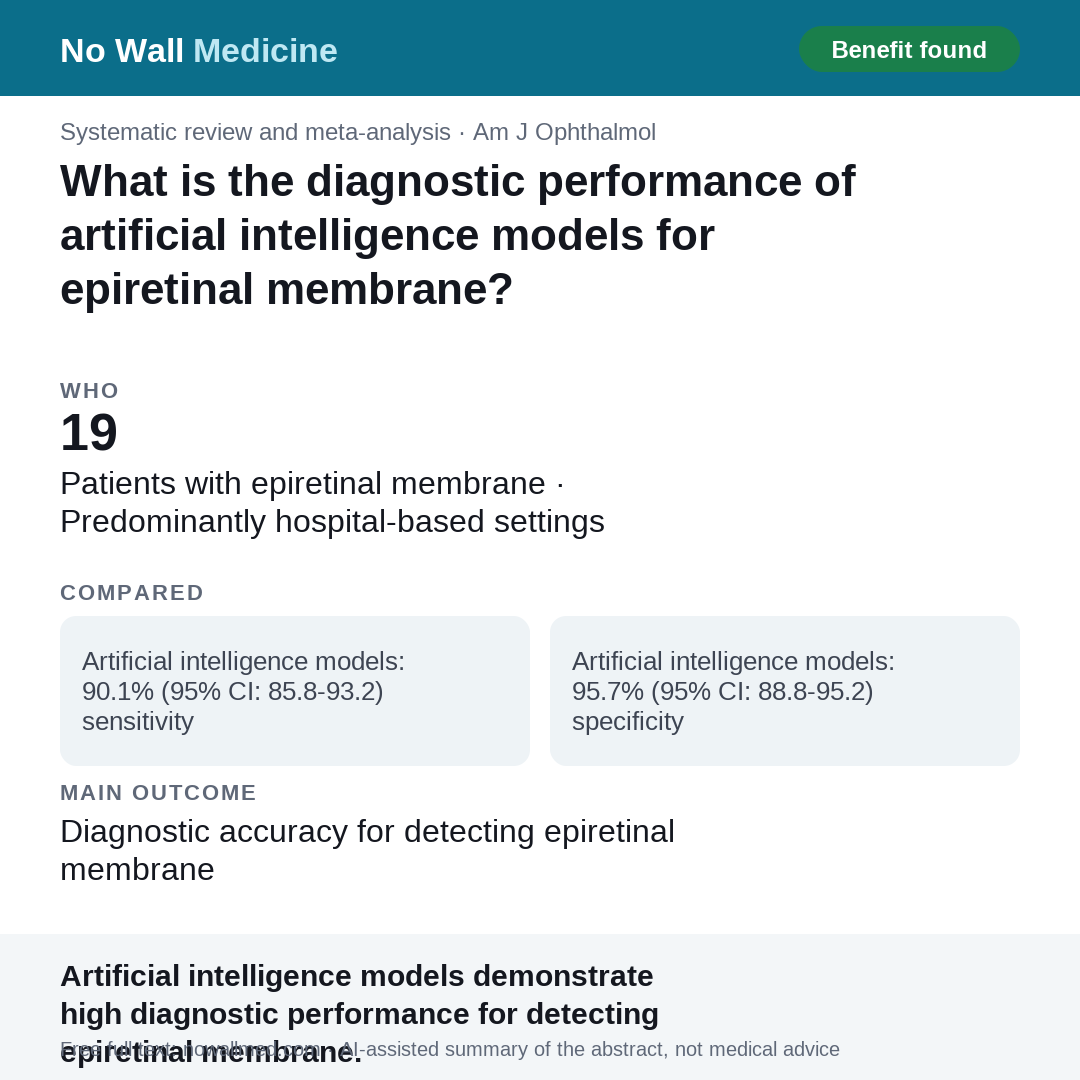
Performance of Artificial Intelligence-Based Models for Epiretinal Membrane Diagnosis: A Systematic Review and Meta-Analysis
Systematic review and meta-analysisBenefit found
What is the diagnostic performance of artificial intelligence models for epiretinal membrane?
Who
19
Patients with epiretinal membrane · Predominantly hospital-based settings
Compared
Artificial intelligence models: 90.1% (95% CI: 85.8-93.2) sensitivity
Artificial intelligence models: 95.7% (95% CI: 88.8-95.2) specificity
Main outcome
Diagnostic accuracy for detecting epiretinal membrane
Result: sensitivity 90.1% (95% CI: 85.8-93.2), specificity 95.7% (95% CI: 88.8-95.2)
Bottom line: Artificial intelligence models demonstrate high diagnostic performance for detecting epiretinal membrane.
Limitation: Limited external validation and variability in development methodologies limits real-world applicability.
Am J Ophthalmol · 2025-05-31Download image
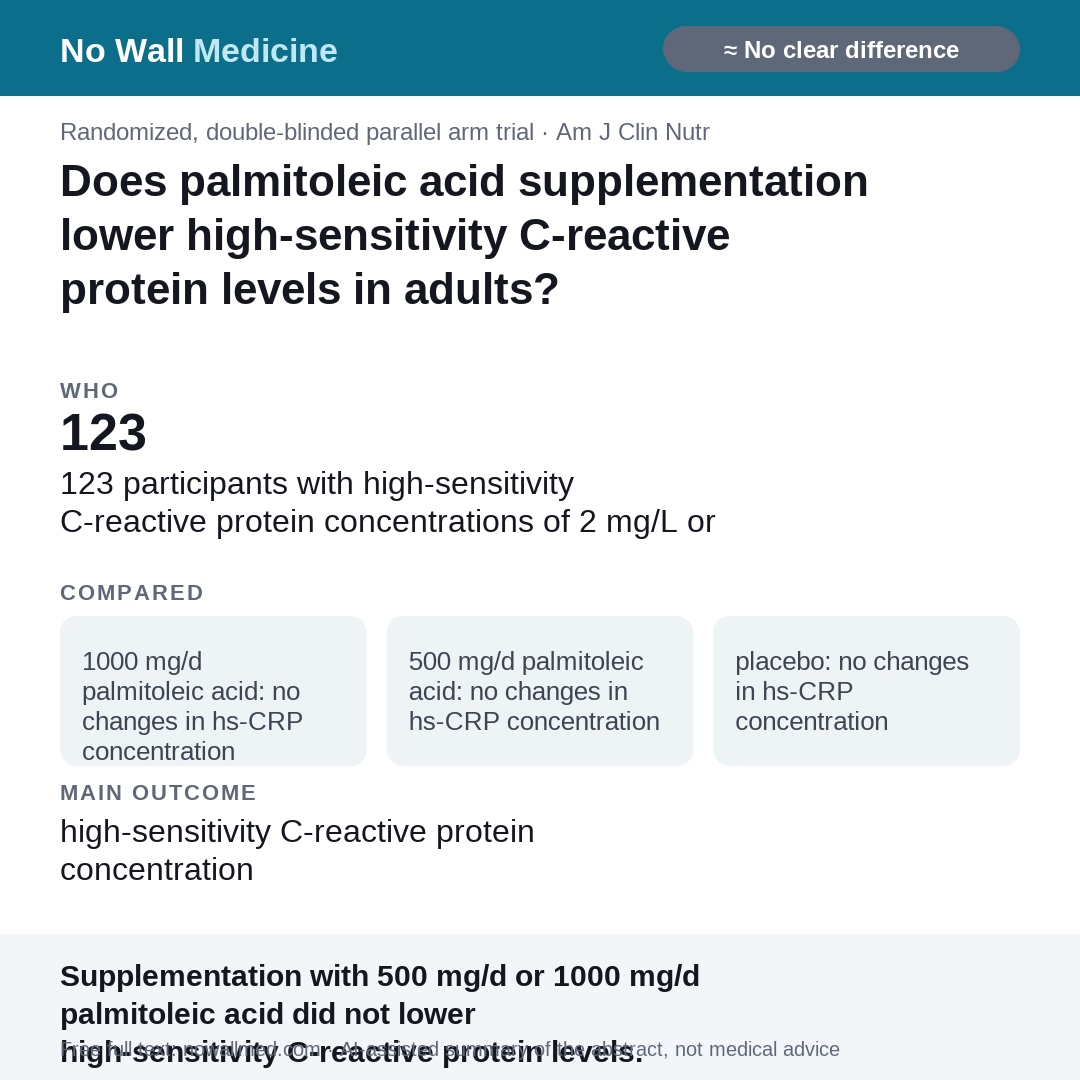
Effects of a palmitoleic acid concentrated oil on C-reactive protein levels in adults: A randomized, double-blind placebo-controlled clinical trial
Randomized, double-blinded parallel arm trialNo clear difference
Does palmitoleic acid supplementation lower high-sensitivity C-reactive protein levels in adults?
Who
123
123 participants with high-sensitivity C-reactive protein concentrations of 2 mg/L or higher
Compared
1000 mg/d palmitoleic acid: no changes in hs-CRP concentration
500 mg/d palmitoleic acid: no changes in hs-CRP concentration
placebo: no changes in hs-CRP concentration
Main outcome
high-sensitivity C-reactive protein concentration
Bottom line: Supplementation with 500 mg/d or 1000 mg/d palmitoleic acid did not lower high-sensitivity C-reactive protein levels.
Am J Clin Nutr · 2025-05-31Download image
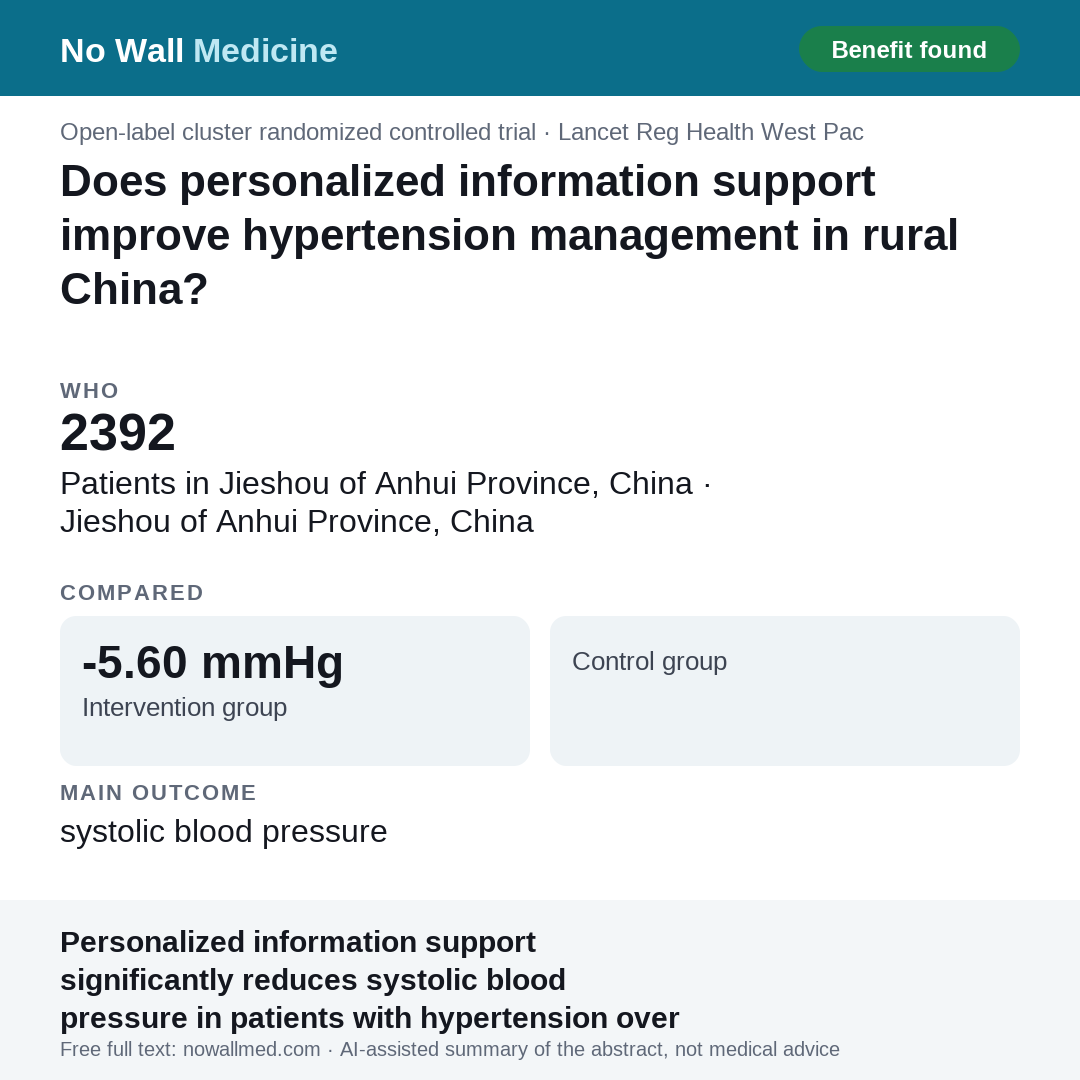
Personalized information support for hypertension management: an open-label cluster randomized controlled trial in rural Anhui, China
Open-label cluster randomized controlled trialBenefit found
Does personalized information support improve hypertension management in rural China?
Who
2392
Patients in Jieshou of Anhui Province, China · Jieshou of Anhui Province, China
Compared
-5.60 mmHgIntervention group (95% CI: -8.10, -3.09)
Control group
Main outcome
systolic blood pressure
Result: -5.60 mmHg (95% CI: -8.10, -3.09)
Bottom line: Personalized information support significantly reduces systolic blood pressure in patients with hypertension over twelve months.
Funded by: National Natural Science Foundation of China and Anhui Province
Lancet Reg Health West Pac · 2025-05-31Download image
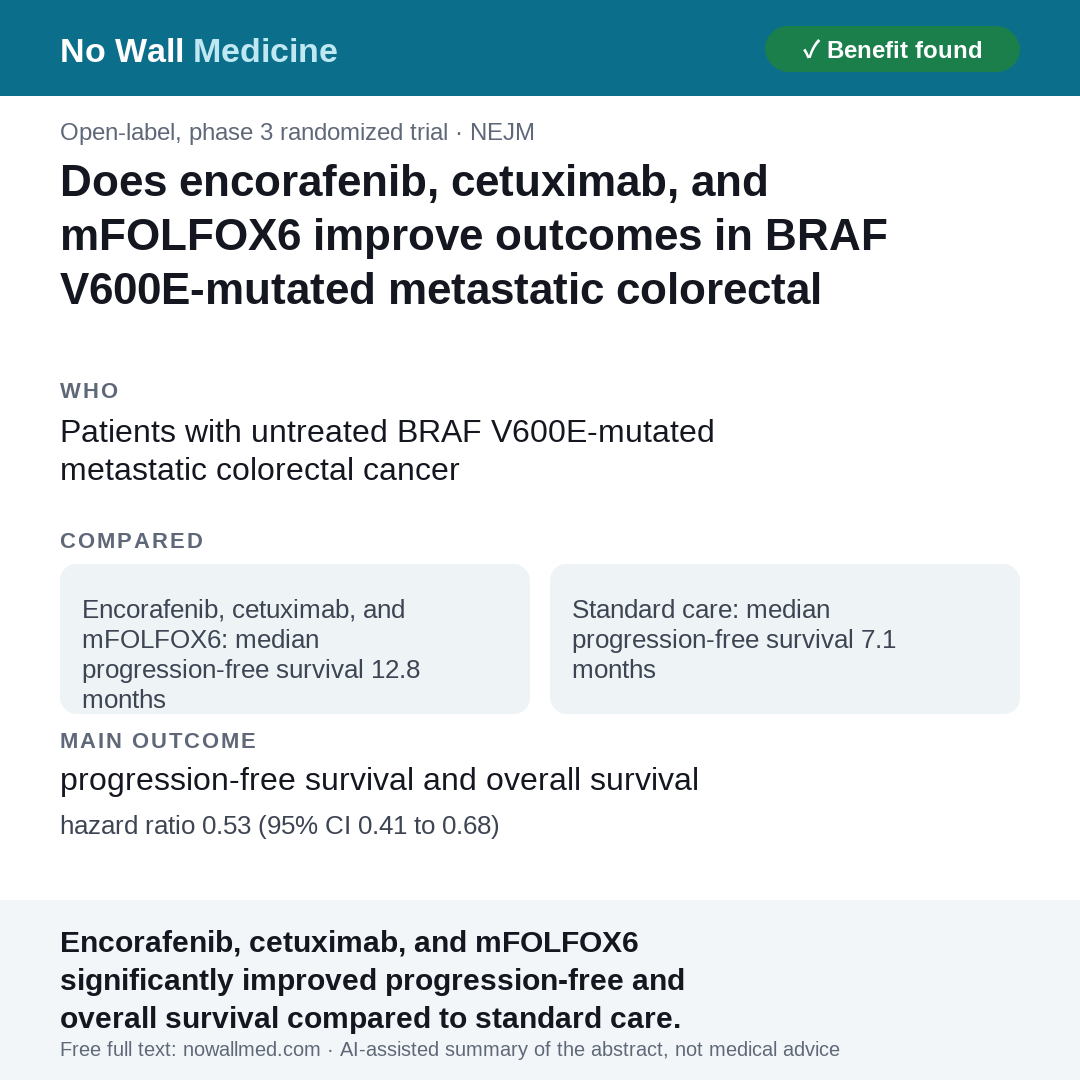
Encorafenib, Cetuximab, and mFOLFOX6 in BRAF-Mutated Colorectal Cancer
Open-label, phase 3 randomized trialBenefit found
Does encorafenib, cetuximab, and mFOLFOX6 improve outcomes in BRAF V600E-mutated metastatic colorectal cancer?
Who
Patients with untreated BRAF V600E-mutated metastatic colorectal cancer
Compared
Encorafenib, cetuximab, and mFOLFOX6: median progression-free survival 12.8 months
Standard care: median progression-free survival 7.1 months
Main outcome
progression-free survival and overall survival
Result: hazard ratio 0.53 (95% CI 0.41 to 0.68)
Bottom line: Encorafenib, cetuximab, and mFOLFOX6 significantly improved progression-free and overall survival compared to standard care.
Funded by: Pfizer and others
NEJM · 2025-05-30Download image
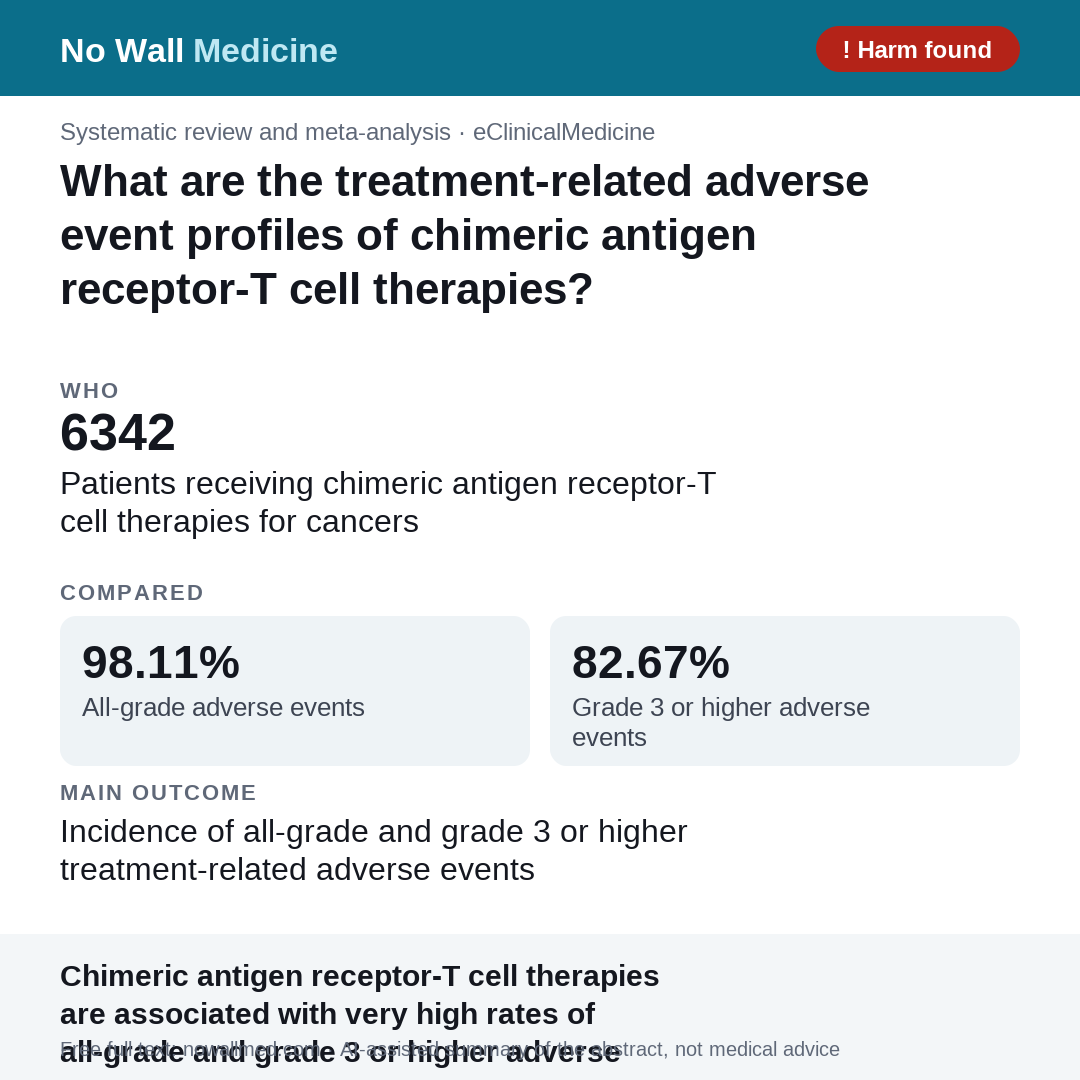
Treatment-related adverse events of chimeric antigen receptor-T therapies for cancers in clinical trials: a systematic review and meta-analysis
Systematic review and meta-analysisHarm found
What are the treatment-related adverse event profiles of chimeric antigen receptor-T cell therapies?
Who
6342
Patients receiving chimeric antigen receptor-T cell therapies for cancers
Compared
98.11%All-grade adverse events (4312/4395)
82.67%Grade 3 or higher adverse events (3512/4248)
Main outcome
Incidence of all-grade and grade 3 or higher treatment-related adverse events
Bottom line: Chimeric antigen receptor-T cell therapies are associated with very high rates of all-grade and grade 3 or higher adverse events.
Funded by: Changsha Natural Science Foundation of Hunan Provincial of China
eClinicalMedicine · 2025-05-30Download image
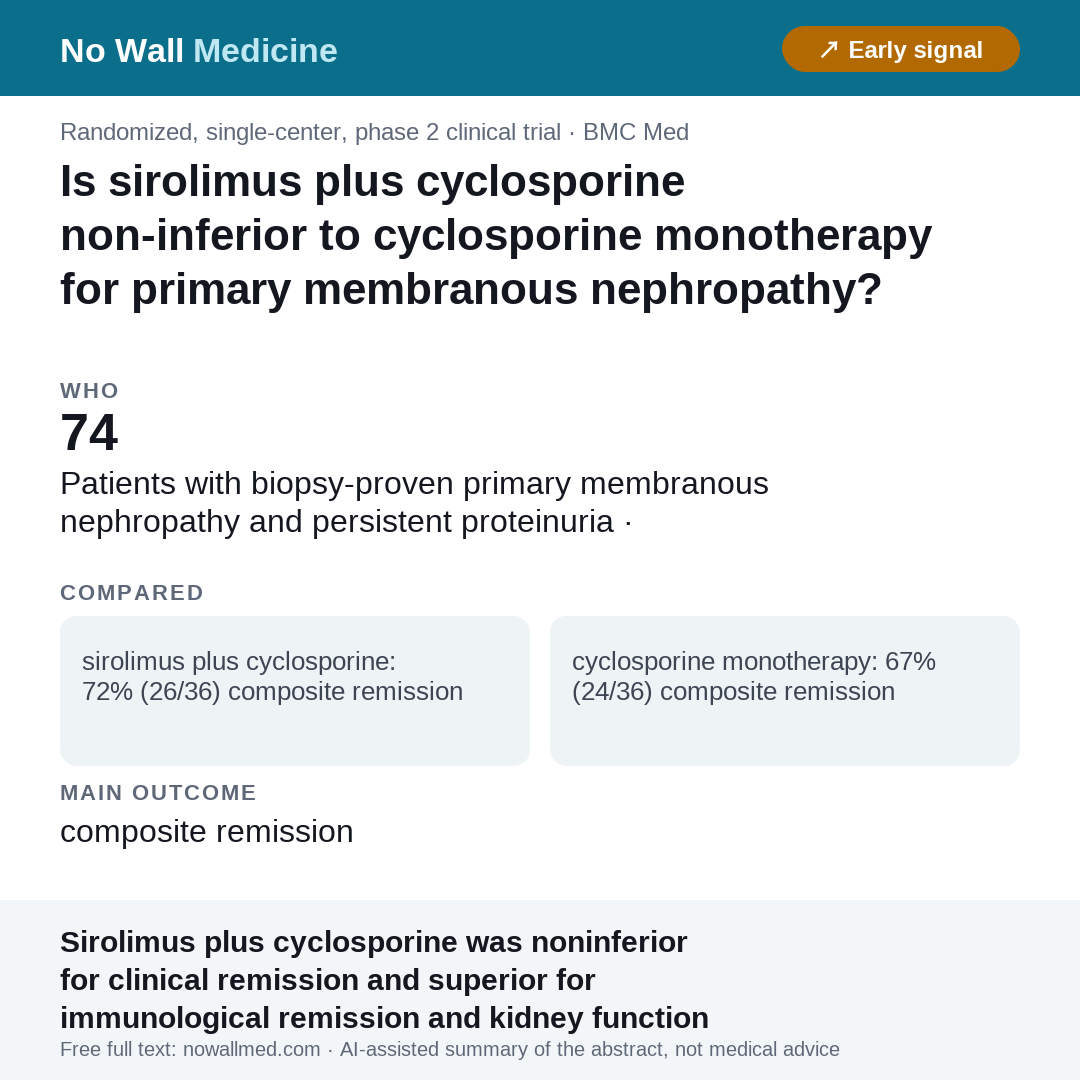
Safety and efficacy of sirolimus combined with cyclosporine in primary membranous nephropathy: a randomized controlled trial
Randomized, single-center, phase 2 clinical trialEarly signal
Is sirolimus plus cyclosporine non-inferior to cyclosporine monotherapy for primary membranous nephropathy?
Who
74
Patients with biopsy-proven primary membranous nephropathy and persistent proteinuria · Single-center
Compared
sirolimus plus cyclosporine: 72% (26/36) composite remission
cyclosporine monotherapy: 67% (24/36) composite remission
Main outcome
composite remission
Result: 95% confidence interval for noninferiority: 0.48-3.56
Bottom line: Sirolimus plus cyclosporine was noninferior for clinical remission and superior for immunological remission and kidney function preservation.
BMC Med · 2025-05-30Download image
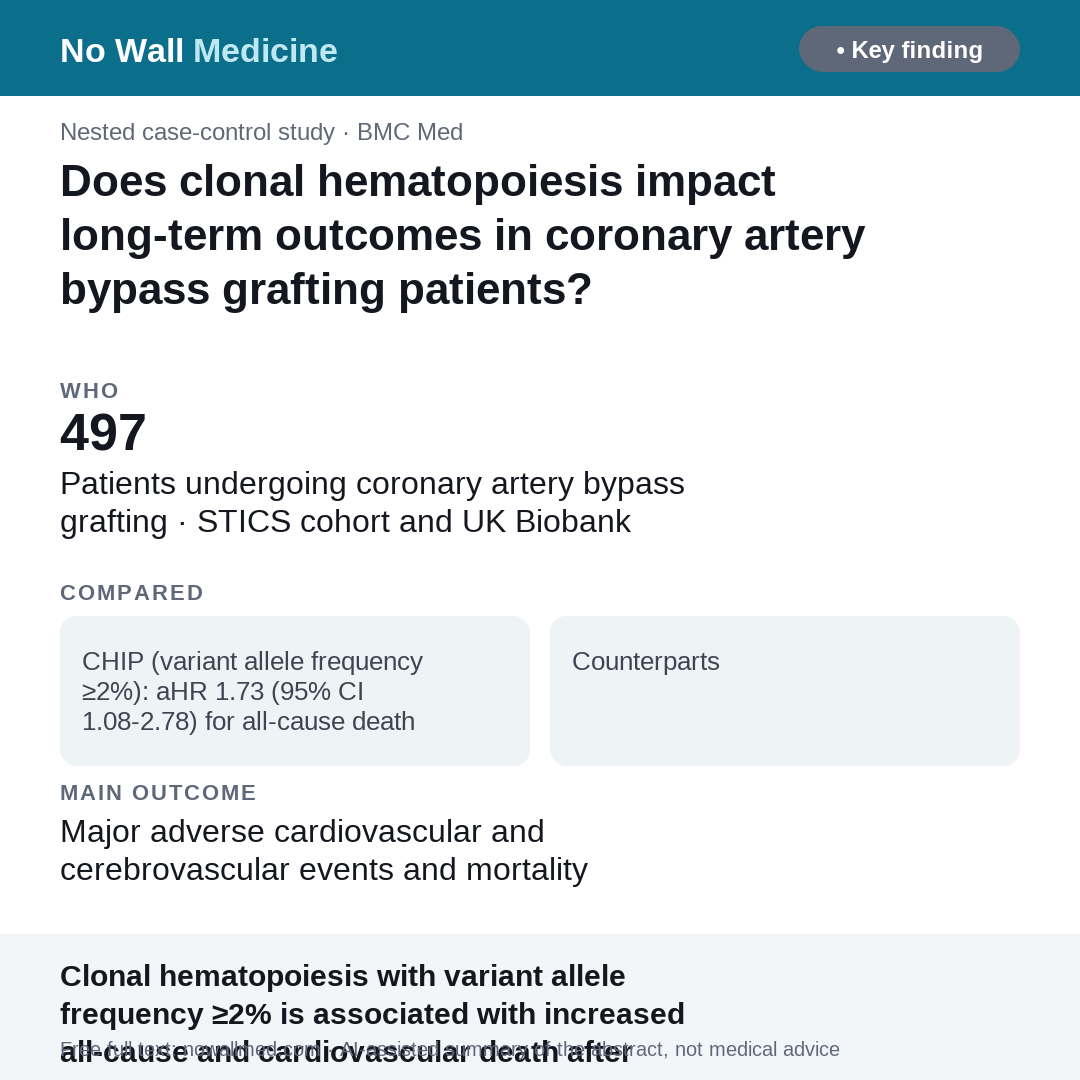
The effect of clonal hematopoiesis on long-term outcomes in patients undergoing coronary artery bypass grafting
Nested case-control studyHarm found
Does clonal hematopoiesis impact long-term outcomes in coronary artery bypass grafting patients?
Who
497
Patients undergoing coronary artery bypass grafting · STICS cohort and UK Biobank
Compared
CHIP (variant allele frequency ≥2%): aHR 1.73 (95% CI 1.08-2.78) for all-cause death
Counterparts
Main outcome
Major adverse cardiovascular and cerebrovascular events and mortality
Result: aHR 1.73 (95% CI 1.08-2.78) for all-cause death
Bottom line: Clonal hematopoiesis with variant allele frequency ≥2% is associated with increased all-cause and cardiovascular death after bypass surgery.
BMC Med · 2025-05-30Download image
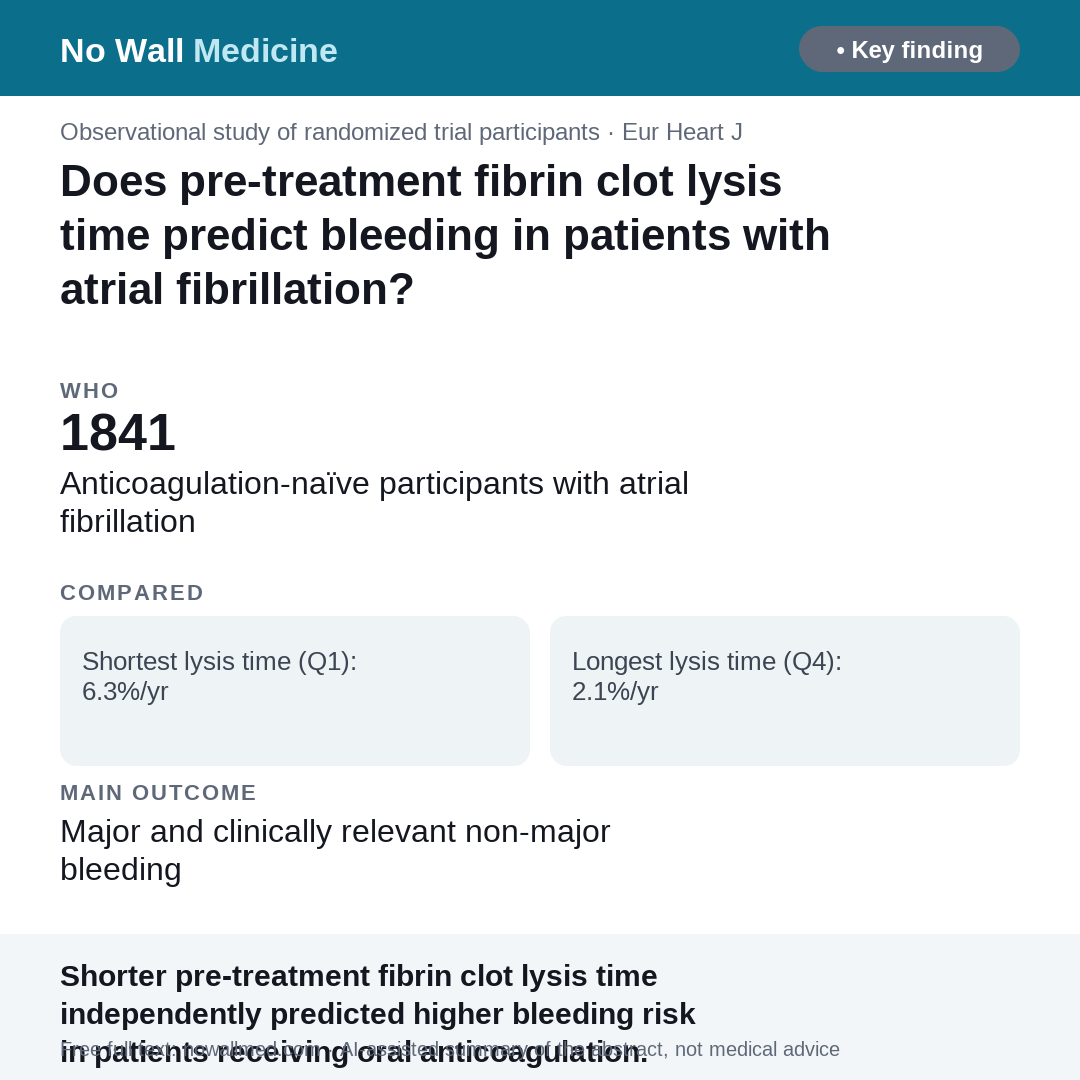
Pre-treatment lysis time of plasma-derived fibrin clots and bleeding in patients on oral anticoagulants for atrial fibrillation in the ARISTOTLE trial
Observational study of randomized trial participantsHarm found
Does pre-treatment fibrin clot lysis time predict bleeding in patients with atrial fibrillation?
Who
1841
Anticoagulation-naïve participants with atrial fibrillation
Compared
Shortest lysis time (Q1): 6.3%/yr
Longest lysis time (Q4): 2.1%/yr
Main outcome
Major and clinically relevant non-major bleeding
Result: hazard ratio 2.99 (95% CI, 1.75-5.12)
Bottom line: Shorter pre-treatment fibrin clot lysis time independently predicted higher bleeding risk in patients receiving oral anticoagulation.
Eur Heart J · 2025-05-30Download image
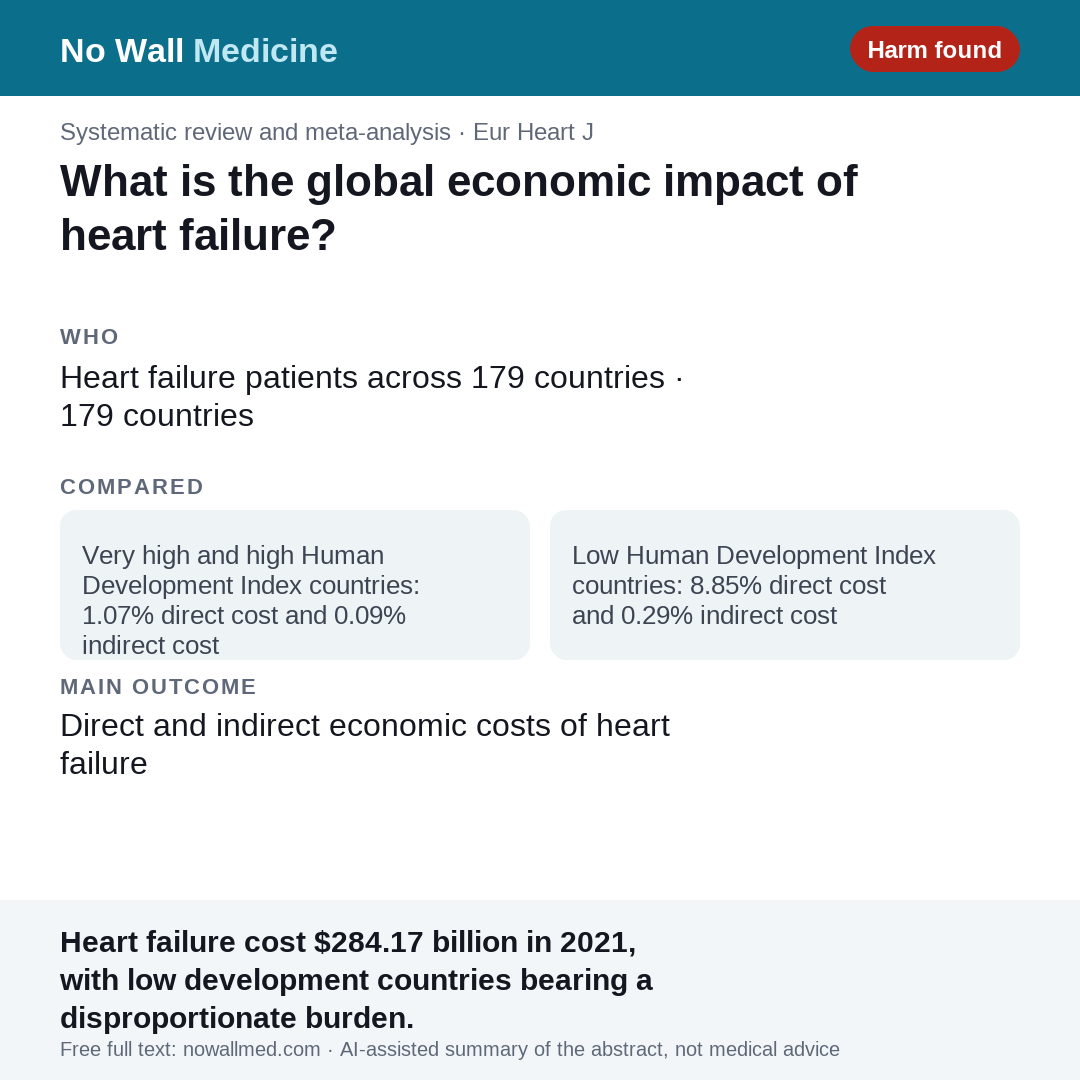
Heart failure: assessment of the global economic burden
Systematic review and meta-analysisHarm found
What is the global economic impact of heart failure?
Who
Heart failure patients across 179 countries · 179 countries
Compared
Very high and high Human Development Index countries: 1.07% direct cost and 0.09% indirect cost
Low Human Development Index countries: 8.85% direct cost and 0.29% indirect cost
Main outcome
Direct and indirect economic costs of heart failure
Bottom line: Heart failure cost $284.17 billion in 2021, with low development countries bearing a disproportionate burden.
Eur Heart J · 2025-05-30Download image
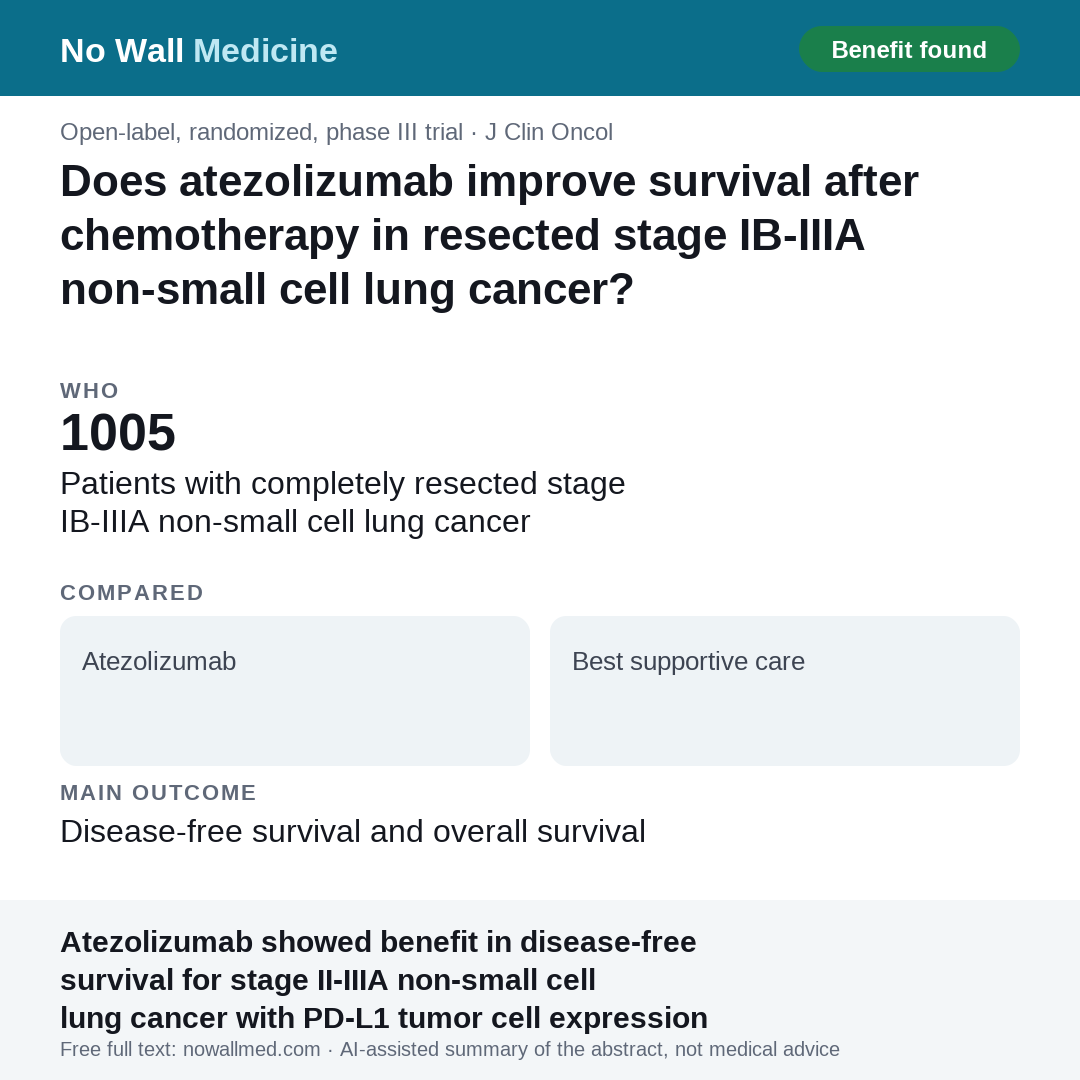
Five-Year Survival Outcomes With Atezolizumab After Chemotherapy in Resected Stage IB-IIIA Non-Small Cell Lung Cancer (IMpower010): An Open-Label, Randomized, Phase III Trial
Open-label, randomized, phase III trialBenefit found
Does atezolizumab improve survival after chemotherapy in resected stage IB-IIIA non-small cell lung cancer?
Who
1005
Patients with completely resected stage IB-IIIA non-small cell lung cancer
Compared
Atezolizumab
Best supportive care
Main outcome
Disease-free survival and overall survival
Result: hazard ratio 0.70 (95% CI, 0.55 to 0.91) for stage II-IIIA PD-L1 tumor cell ≥1%
Bottom line: Atezolizumab showed benefit in disease-free survival for stage II-IIIA non-small cell lung cancer with PD-L1 tumor cell expression ≥1%.
J Clin Oncol · 2025-05-30Download image
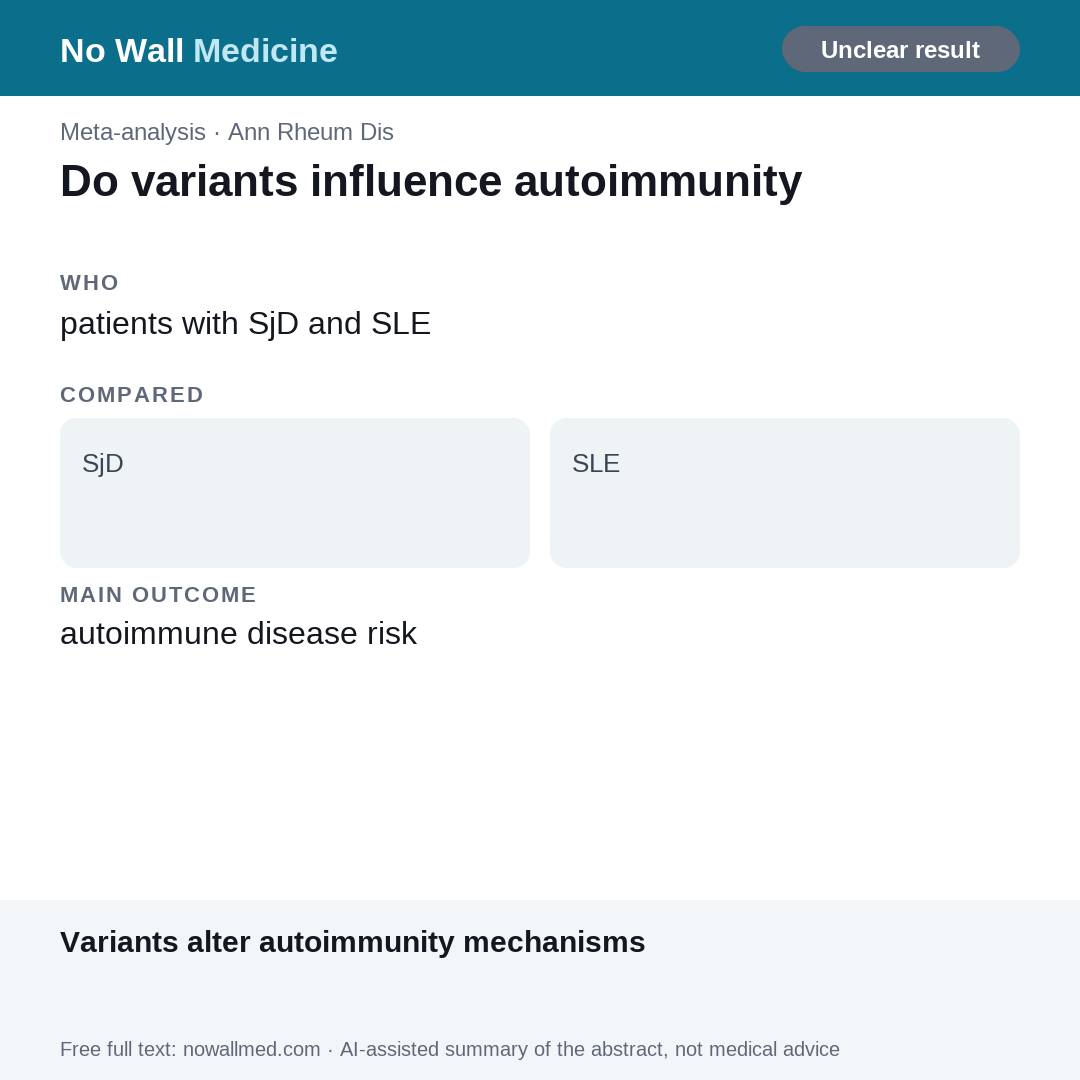
Variants in the DDX6-CXCR5 autoimmune disease risk locus influence the regulatory network in immune cells and salivary gland
Meta-analysisUnclear result
Do variants influence autoimmunity
Who
patients with SjD and SLE
Compared
SjD
SLE
Main outcome
autoimmune disease risk
Bottom line: Variants alter autoimmunity mechanisms
Ann Rheum Dis · 2025-05-30Download image
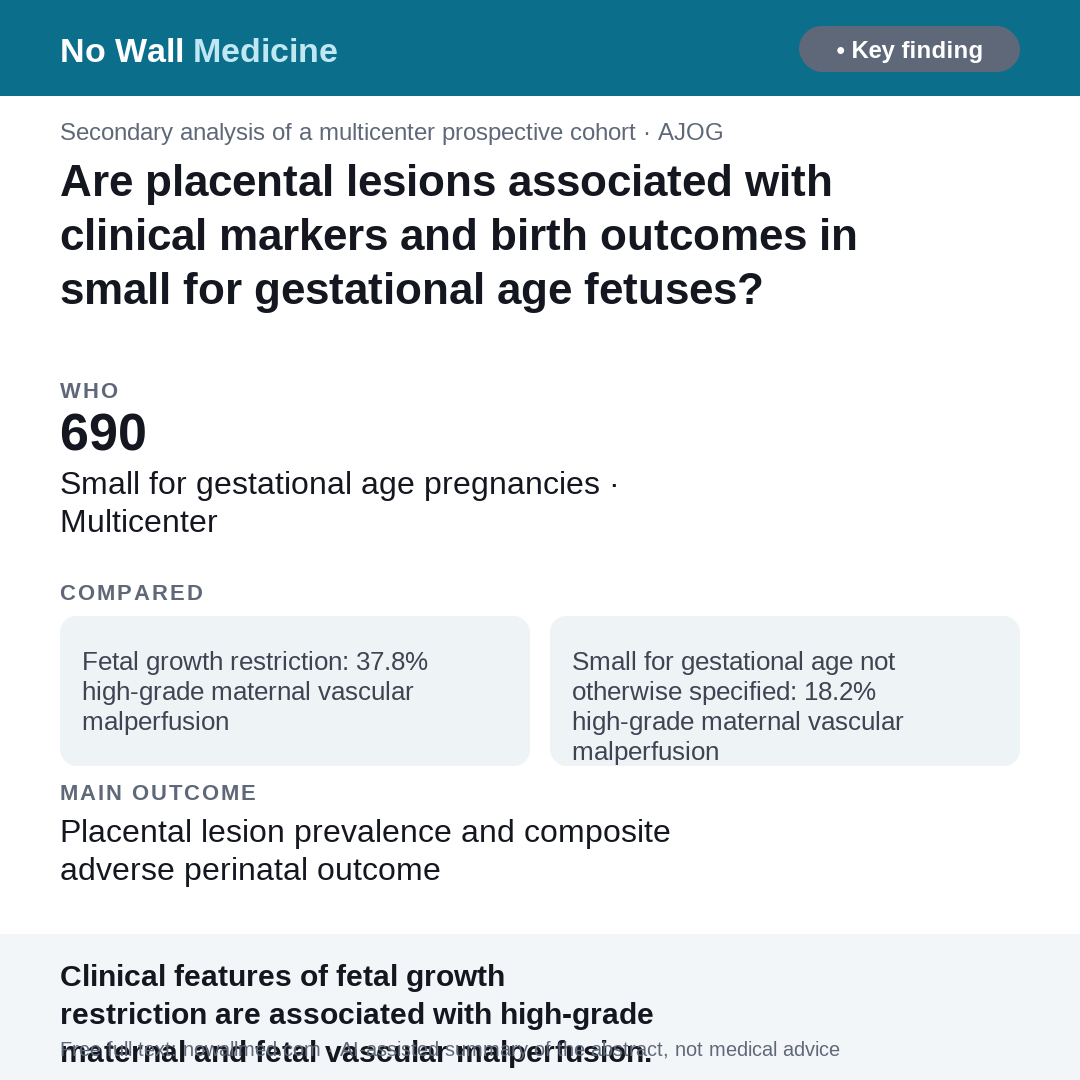
Placental lesions in small for gestational age fetuses with and without clinical features of fetal growth restriction: a secondary analysis of the Doppler Ratio In fetal Growth restriction Intervention Trial At (near) Term (DRIGITAT) study
Secondary analysis of a multicenter prospective cohortBenefit found
Are placental lesions associated with clinical markers and birth outcomes in small for gestational age fetuses?
Who
690
Small for gestational age pregnancies · Multicenter
Compared
Fetal growth restriction: 37.8% high-grade maternal vascular malperfusion
Small for gestational age not otherwise specified: 18.2% high-grade maternal vascular malperfusion
Main outcome
Placental lesion prevalence and composite adverse perinatal outcome
Result: adjusted odds ratio 2.6 (95% CI, 1.7-4.2)
Bottom line: Clinical features of fetal growth restriction are associated with high-grade maternal and fetal vascular malperfusion.
Limitation: Placental pathology was unavailable for 57.4% of participants.
AJOG · 2025-05-30Download image
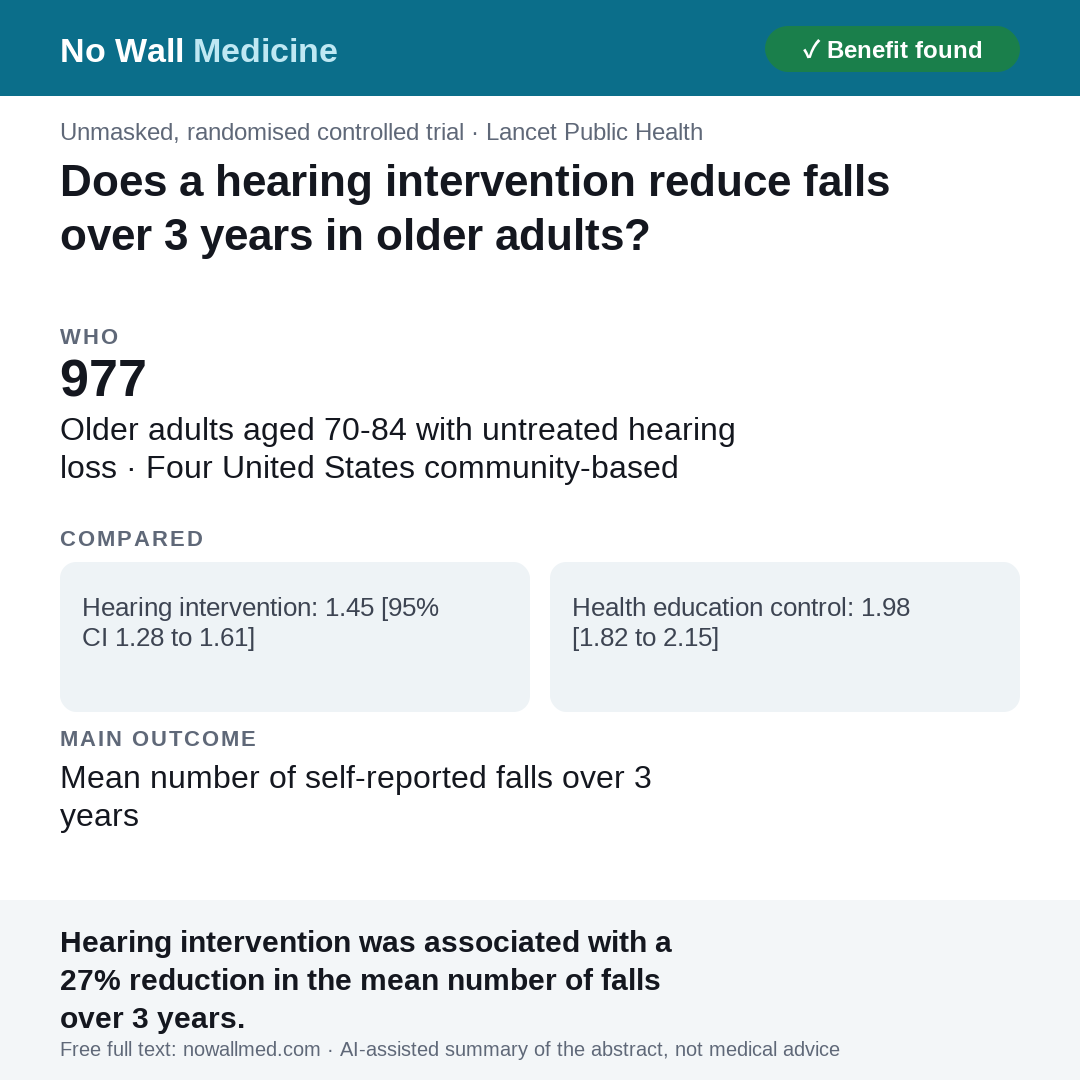
Effects of hearing intervention on falls in older adults: findings from a secondary analysis of the ACHIEVE randomised controlled trial
Unmasked, randomised controlled trialBenefit found
Does a hearing intervention reduce falls over 3 years in older adults?
Who
977
Older adults aged 70-84 with untreated hearing loss · Four United States community-based field sites
Compared
Hearing intervention: 1.45 [95% CI 1.28 to 1.61]
Health education control: 1.98 [1.82 to 2.15]
Main outcome
Mean number of self-reported falls over 3 years
Result: mean difference: -0.54 [95% CI -0.77 to -0.31]
Bottom line: Hearing intervention was associated with a 27% reduction in the mean number of falls over 3 years.
Funded by: United States National Institutes of Health
Lancet Public Health · 2025-05-30Download image
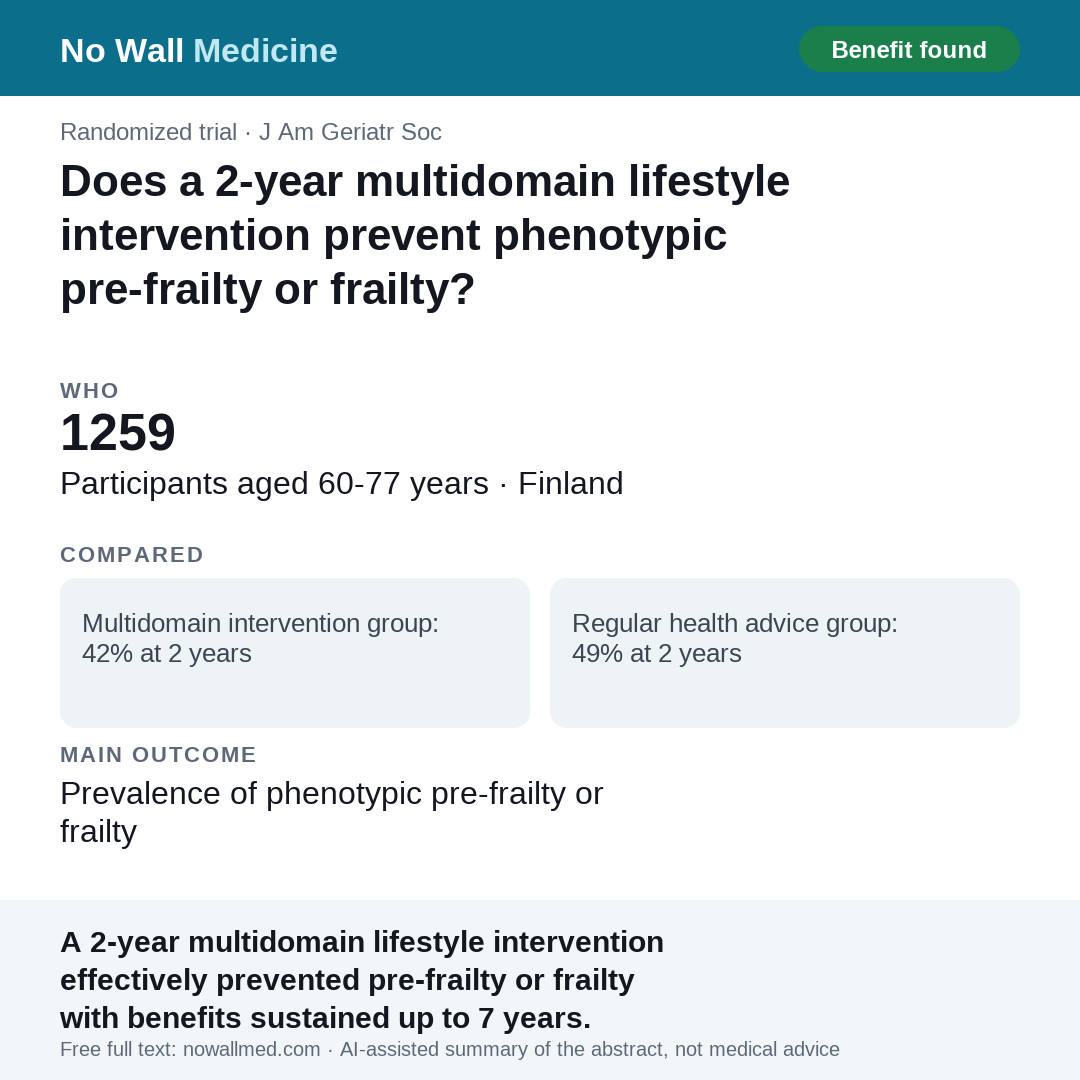
Short- and Long-Term Effect of Multidomain Lifestyle Intervention on Frailty: Post Hoc Analysis of an RCT
Randomized trialBenefit found
Does a 2-year multidomain lifestyle intervention prevent phenotypic pre-frailty or frailty?
Who
1259
Participants aged 60-77 years · Finland
Compared
Multidomain intervention group: 42% at 2 years
Regular health advice group: 49% at 2 years
Main outcome
Prevalence of phenotypic pre-frailty or frailty
Result: -9.6-percentage point difference in the change (p = 0.007)
Bottom line: A 2-year multidomain lifestyle intervention effectively prevented pre-frailty or frailty with benefits sustained up to 7 years.
J Am Geriatr Soc · 2025-05-30Download image
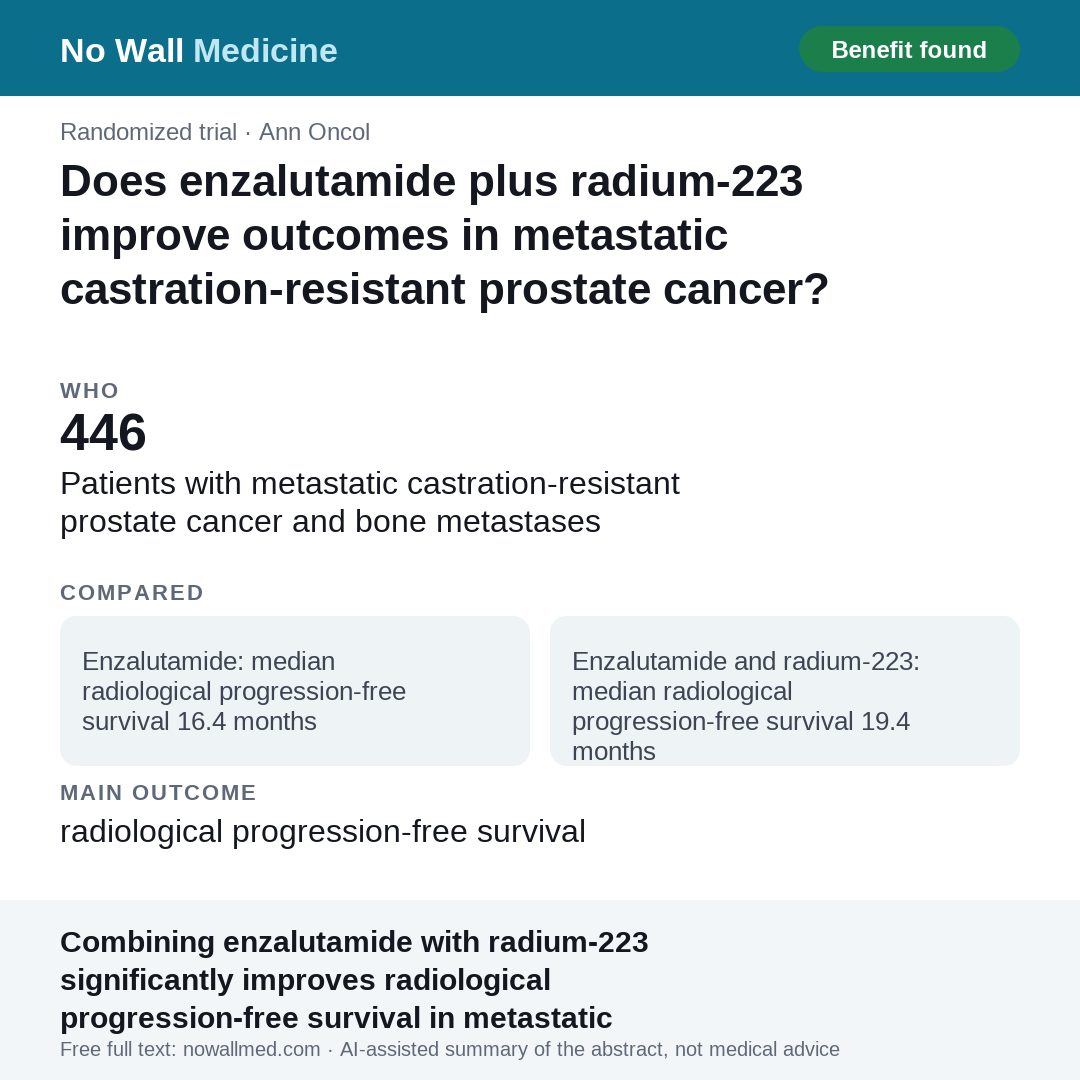
Enzalutamide plus radium-223 in metastatic castration-resistant prostate cancer: results of the EORTC 1333/PEACE-3 trial
Randomized trialBenefit found
Does enzalutamide plus radium-223 improve outcomes in metastatic castration-resistant prostate cancer?
Who
446
Patients with metastatic castration-resistant prostate cancer and bone metastases
Compared
Enzalutamide: median radiological progression-free survival 16.4 months
Enzalutamide and radium-223: median radiological progression-free survival 19.4 months
Main outcome
radiological progression-free survival
Result: hazard ratio 0.69 (95% CI 0.54-0.87)
Bottom line: Combining enzalutamide with radium-223 significantly improves radiological progression-free survival in metastatic castration-resistant prostate cancer.
Ann Oncol · 2025-05-30Download image
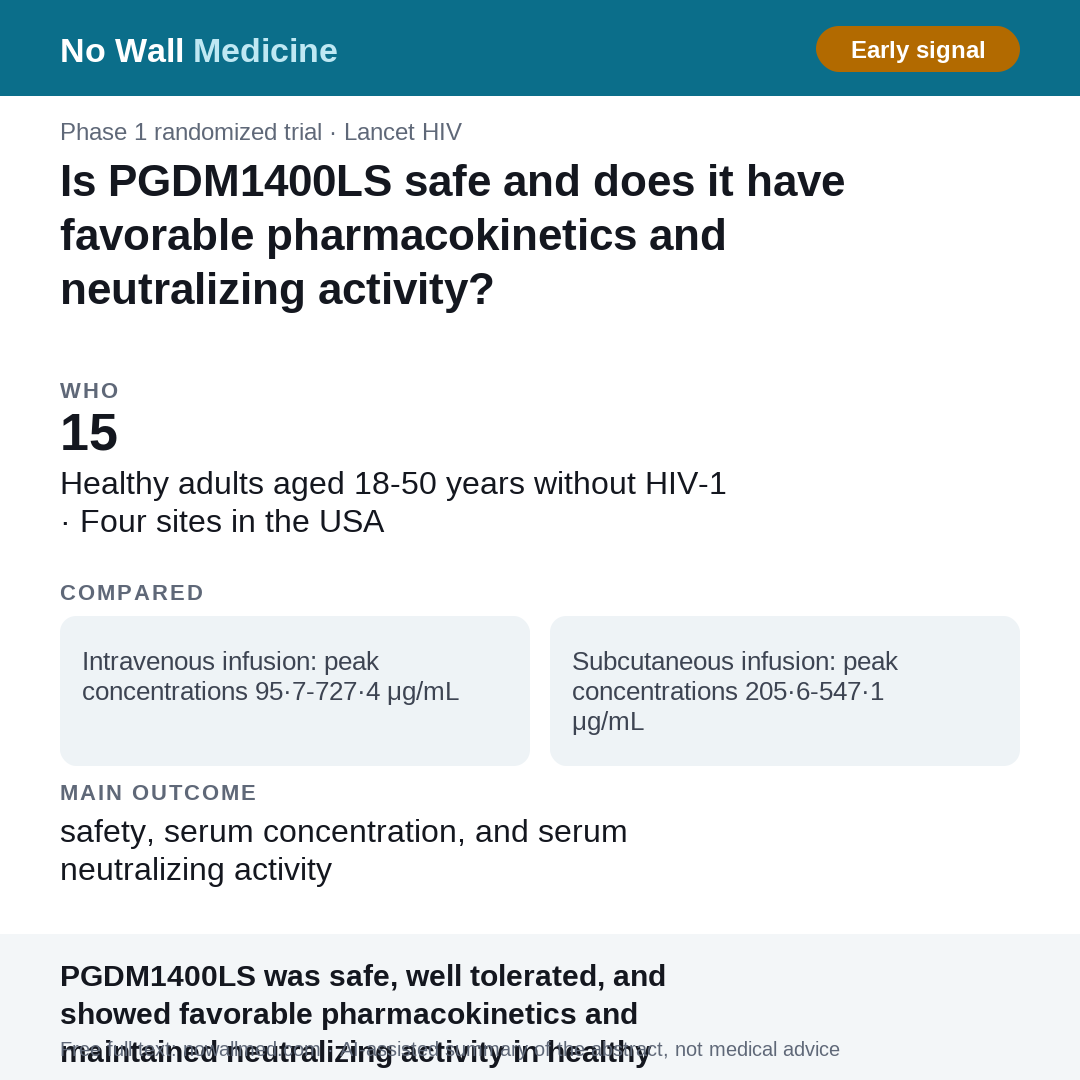
Safety, pharmacokinetics, and neutralisation activity of PGDM1400LS, a V2 specific HIV-1 broadly neutralising antibody, infused intravenously or subcutaneously in people without HIV-1 in the USA (HVTN 140/HPTN 101 part A): a first-in-human, phase 1 randomised trial
Phase 1 randomized trialEarly signal
Is PGDM1400LS safe and does it have favorable pharmacokinetics and neutralizing activity?
Who
15
Healthy adults aged 18-50 years without HIV-1 · Four sites in the USA
Compared
Intravenous infusion: peak concentrations 95·7-727·4 μg/mL
Subcutaneous infusion: peak concentrations 205·6-547·1 μg/mL
Main outcome
safety, serum concentration, and serum neutralizing activity
Bottom line: PGDM1400LS was safe, well tolerated, and showed favorable pharmacokinetics and maintained neutralizing activity in healthy adults.
Funded by: National Institute of Allergy and Infectious Diseases-National Institutes of Health
Lancet HIV · 2025-05-30Download image
Improving the safety and experience of transitions from hospital to home: a cluster randomised controlled trial of an intervention to involve older people in their care (Your Care Needs You)
Cluster randomised controlled trialMixed results
Does the Your Care Needs You intervention improve safety and experience during hospital to home transitions?
Who
Older people aged 75 years and older transitioning home · 42 wards in eleven National Health Service acute hospital trusts
Compared
17%Your Care Needs You intervention
19%Care-as-usual
Main outcome
Unplanned hospital readmission rates within 30 days of discharge
Result: OR 0.93 (95% CI, 0.78 to 1.10)
Bottom line: The intervention did not significantly reduce 30-day readmissions but showed clinical benefit in secondary outcomes.
Age Ageing · 2025-05-30Download image

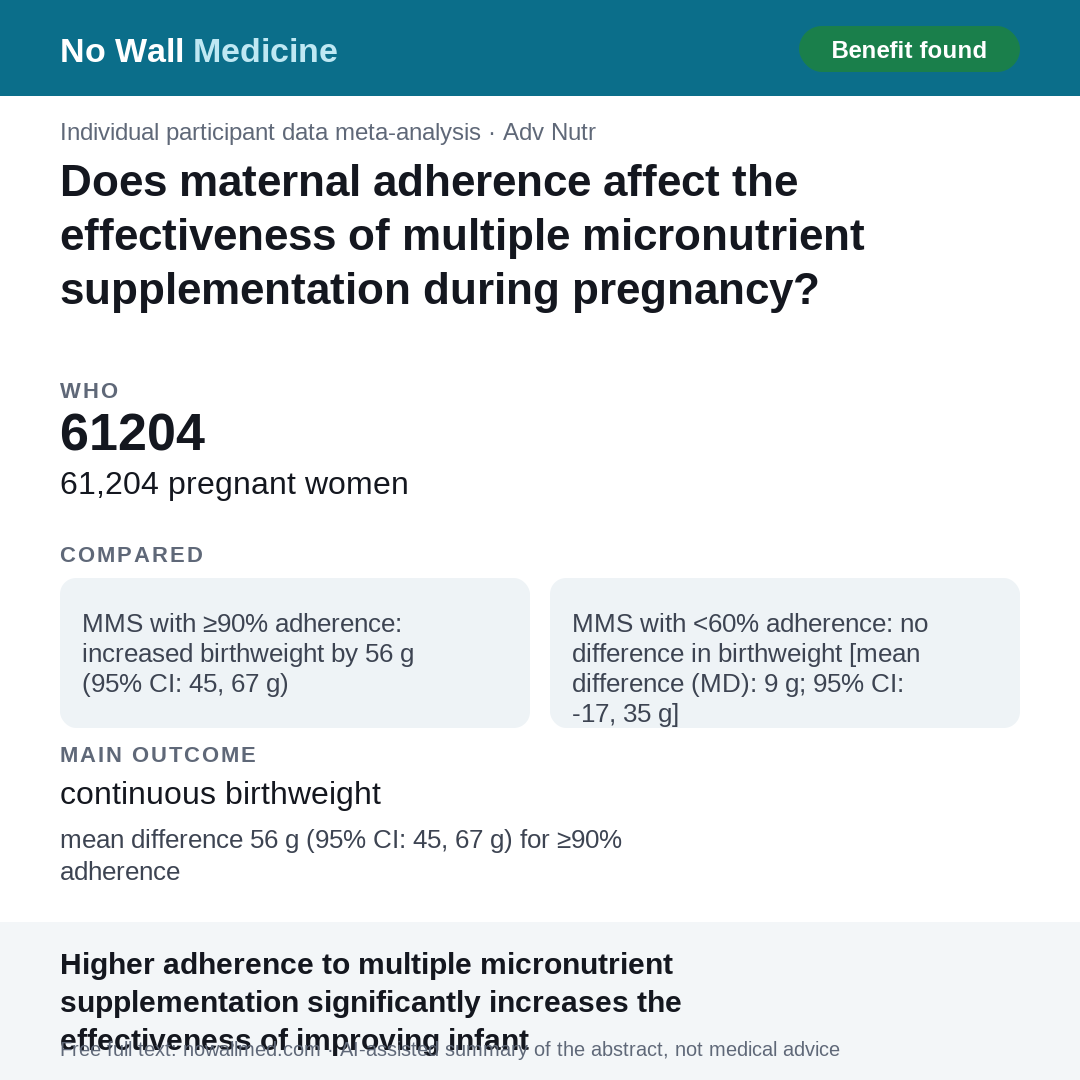
Contribution of Maternal Adherence to the Effect of Multiple Micronutrient Supplementation During Pregnancy: A Systematic Review and Individual Participant Data Meta-analysis
Individual participant data meta-analysisBenefit found
Does maternal adherence affect the effectiveness of multiple micronutrient supplementation during pregnancy?
Who
61204
61,204 pregnant women
Compared
MMS with ≥90% adherence: increased birthweight by 56 g (95% CI: 45, 67 g)
MMS with <60% adherence: no difference in birthweight [mean difference (MD): 9 g; 95% CI: -17, 35 g]
Main outcome
continuous birthweight
Result: mean difference 56 g (95% CI: 45, 67 g) for ≥90% adherence
Bottom line: Higher adherence to multiple micronutrient supplementation significantly increases the effectiveness of improving infant birthweight.
Adv Nutr · 2025-05-30Download image
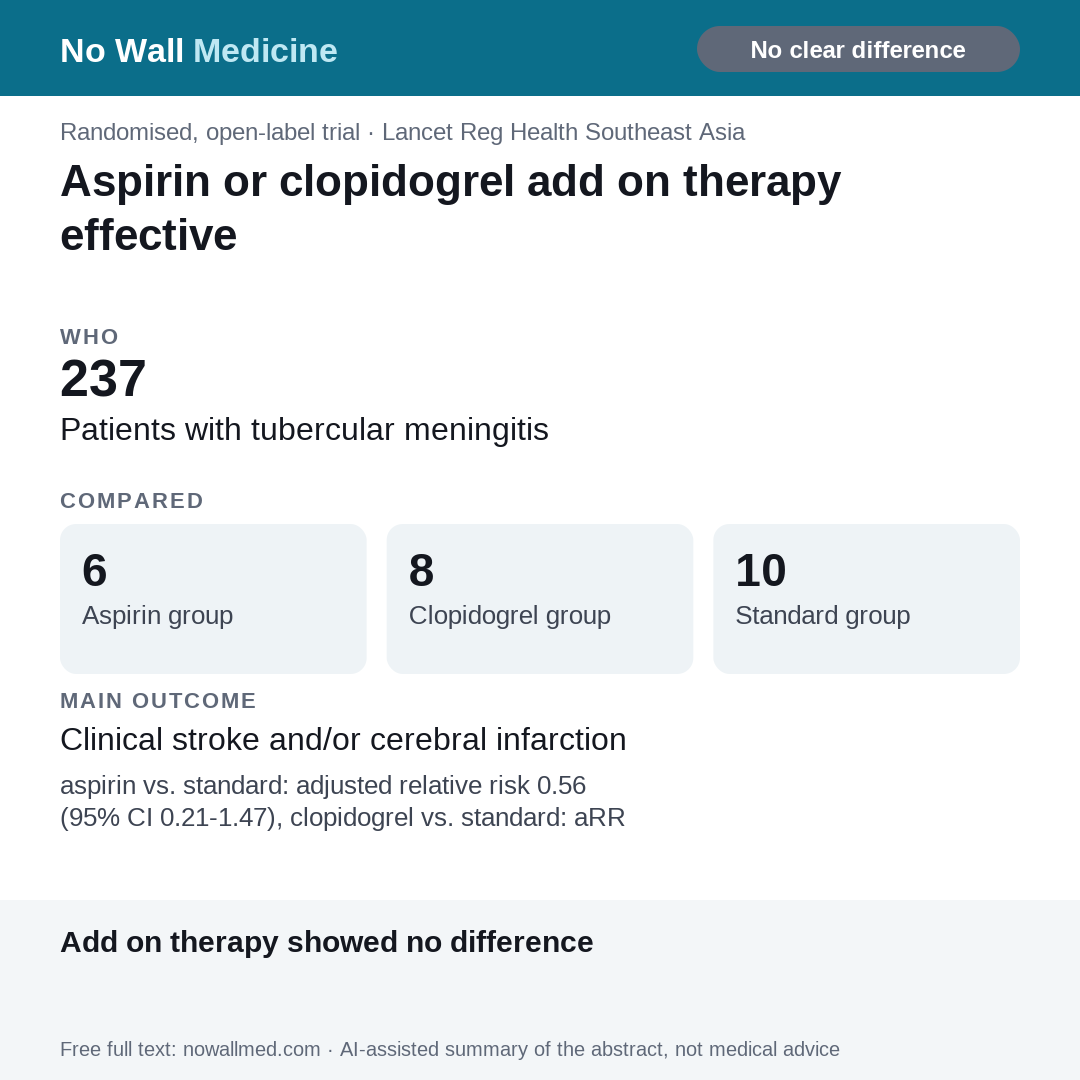
A randomised trial to assess the efficacy of add on therapy with aspirin or clopidogrel to the standard medical therapy alone in patients with tubercular meningitis: ACT TBM
Randomised, open-label trialNo clear difference
Aspirin or clopidogrel add on therapy effective
Who
237
Patients with tubercular meningitis
Compared
6Aspirin group (9.1%)
8Clopidogrel group (11.1%)
10Standard group (14.3%)
Main outcome
Clinical stroke and/or cerebral infarction
Result: aspirin vs. standard: adjusted relative risk 0.56 (95% CI 0.21-1.47), clopidogrel vs. standard: aRR 0.72 (95% CI 0.30-1.67)
Bottom line: Add on therapy showed no difference
Funded by: Indian Council of Medical Research
Lancet Reg Health Southeast Asia · 2025-05-30Download image
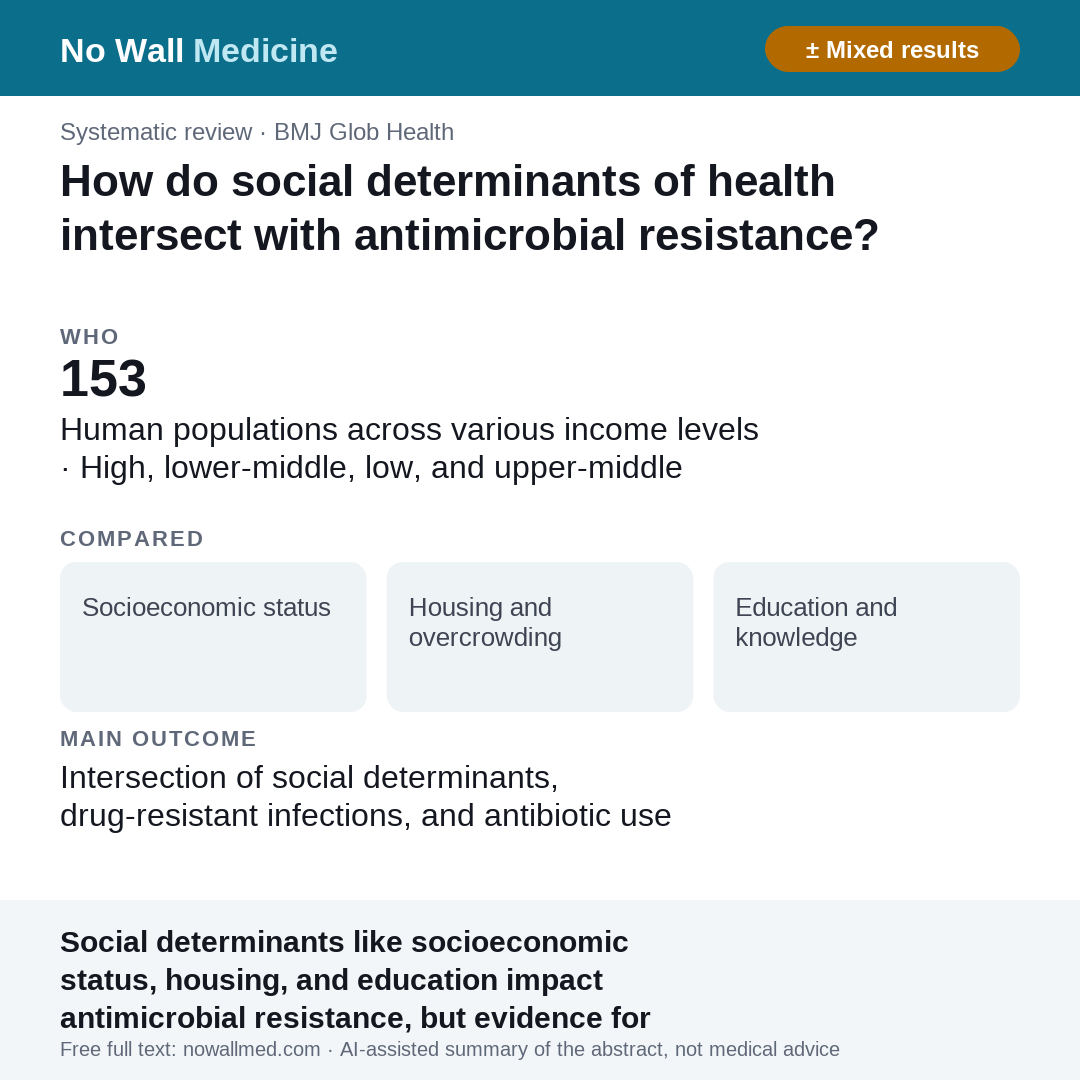
The intersection of the social determinants of health and antimicrobial resistance in human populations: a systematic review
Systematic reviewMixed results
How do social determinants of health intersect with antimicrobial resistance?
Who
153
Human populations across various income levels · High, lower-middle, low, and upper-middle income countries
Compared
Socioeconomic status
Housing and overcrowding
Education and knowledge
Main outcome
Intersection of social determinants, drug-resistant infections, and antibiotic use
Bottom line: Social determinants like socioeconomic status, housing, and education impact antimicrobial resistance, but evidence for specific groups is limited.
Limitation: Limited evidence associated with the complete range of social determinants and specific population groups.
BMJ Glob Health · 2025-05-30Download image