Visual abstracts
New randomized trials and meta-analyses from leading journals at a glance: who was studied, what was compared, and what was found. Every paper is free to read in full.
All specialtiesCardiology 4877Oncology 4138Gastroenterology & Hepatology 1942Infectious Disease 3837Neurology 1905Psychiatry & Mental Health 2273Pulmonology 2143Critical Care 1365Endocrinology & Diabetes 2580Pediatrics 2980Surgery 2559Orthopedics & Sports Medicine 931Neurosurgery 537Cardiothoracic & Vascular Surgery 674Plastic & Reconstructive Surgery 591Nephrology 1133Rheumatology 823Hematology 1109Dermatology 621Ophthalmology 543Obstetrics & Gynecology 1686Public & Global Health 1058Radiology & Imaging 648Anesthesiology 986Urology 764ENT (Otolaryngology) 503Emergency Medicine 511Allergy & Immunology 313Geriatrics 981Family Medicine & Primary Care 562Medical Genetics & Genomics 676Pathology & Laboratory Medicine 159Physical Medicine & Rehabilitation 757Palliative Care 444Nutrition 1588Digital Health & AI 2201General Medicine 321
Epidemiology and Risk Factors for Testicular Cancer: A Systematic Review
Systematic review and meta-analysisMixed results
What are the epidemiology and risk factors for testicular germ cell tumors?
Who
Global populations regarding testicular germ cell tumors
Compared
Prenatal or early-life risk factors
Control
Main outcome
Testicular germ cell tumor incidence
Result: odds ratio 1.44
Bottom line: Testicular germ cell tumor incidence is rising, influenced by genetic predisposition and early life exposures.
Limitation: Constrained evidence quality, heterogeneity in study types, and limited data volume.
Eur Urol · 2024-11-13Download image

Magnetic Resonance Imaging Versus Computed Tomography Guidance for Stereotactic Body Radiotherapy in Prostate Cancer: 2-year Outcomes from the MIRAGE Randomized Clinical Trial
Phase 3 randomized clinical trialBenefit found
Does magnetic resonance imaging guidance reduce 2-year toxicity compared to computed tomography guidance?
Who
Patients with prostate cancer receiving stereotactic body radiotherapy
Compared
Magnetic resonance imaging guidance: 27% (95% CI 19-39%) genitourinary and 1.4% (95% CI 0.2-9.6) gastrointestinal toxicity
Computed tomography guidance: 51% (95% CI 41-63%) genitourinary and 9.5% (95% CI 4.6-19) gastrointestinal toxicity
Main outcome
2-year physician-scored and patient-reported toxic effects
Result: odds ratio 0.444 (95% CI 0.209-0.942) for bowel function deterioration
Bottom line: Magnetic resonance imaging guidance for prostate radiotherapy leads to continued reductions in genitourinary and gastrointestinal toxic effects at 2 years.
Eur Urol · 2024-11-13Download image

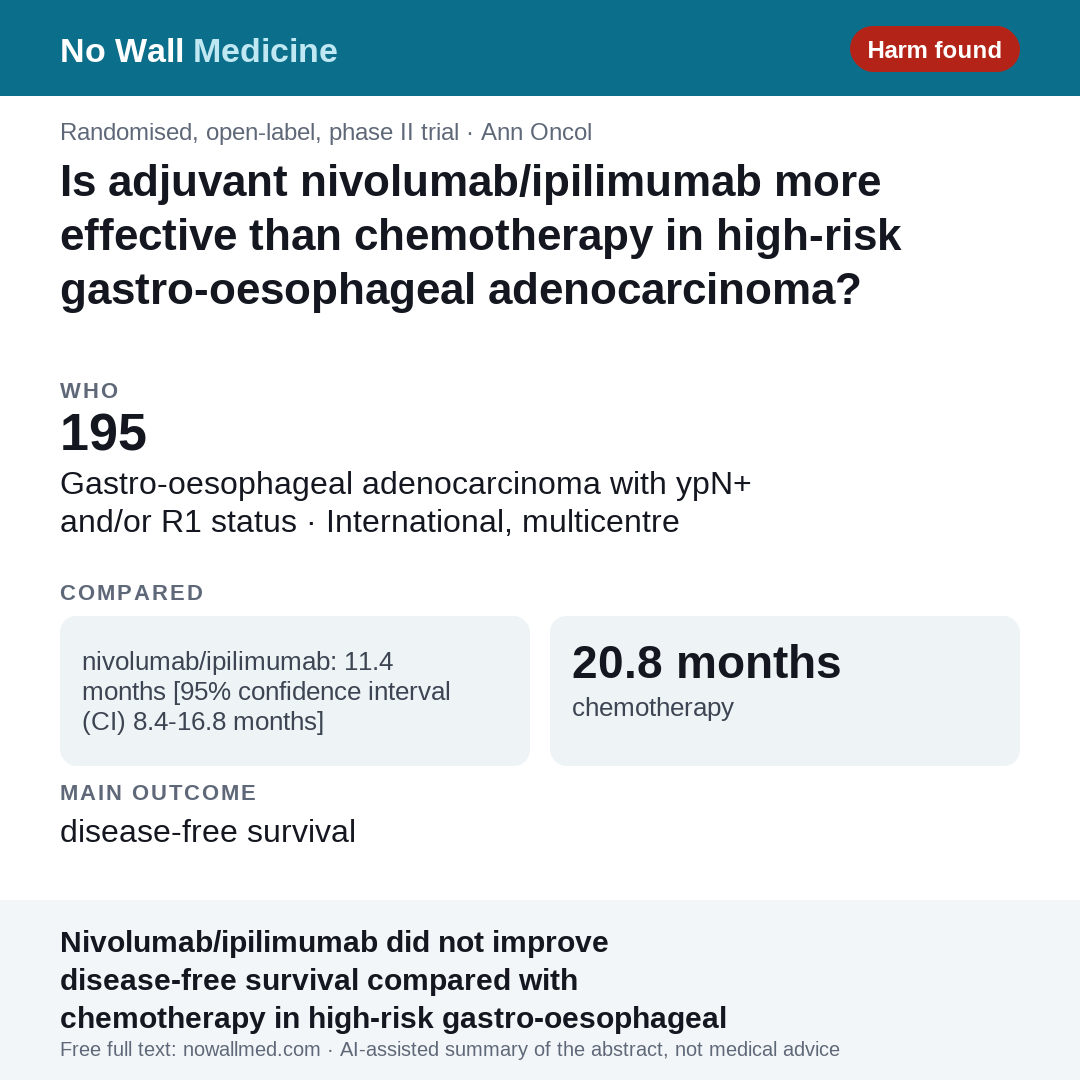
Adjuvant immunotherapy in patients with resected gastric and oesophagogastric junction cancer following preoperative chemotherapy with high risk for recurrence (ypN+ and/or R1): European Organisation of Research and Treatment of Cancer (EORTC) 1707 VESTIGE study
Randomised, open-label, phase II trialHarm found
Is adjuvant nivolumab/ipilimumab more effective than chemotherapy in high-risk gastro-oesophageal adenocarcinoma?
Who
195
Gastro-oesophageal adenocarcinoma with ypN+ and/or R1 status · International, multicentre
Compared
nivolumab/ipilimumab: 11.4 months [95% confidence interval (CI) 8.4-16.8 months]
20.8 monthschemotherapy (95% CI 15.0-29.9 months)
Main outcome
disease-free survival
Result: hazard ratio 1.55 (95% CI 1.07-2.25)
Bottom line: Nivolumab/ipilimumab did not improve disease-free survival compared with chemotherapy in high-risk gastro-oesophageal adenocarcinoma patients.
Ann Oncol · 2024-11-13Download image
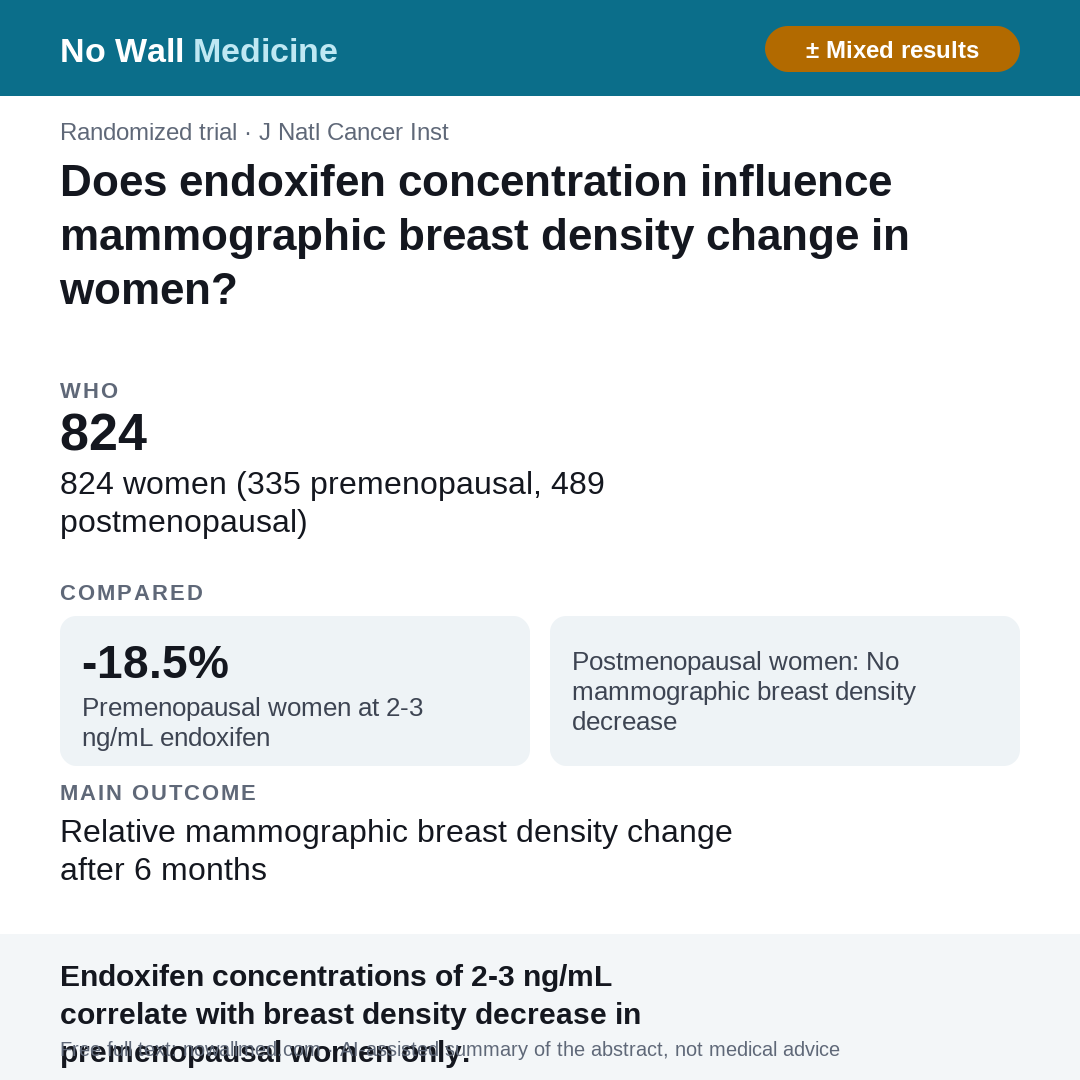
Influence of endoxifen on mammographic density: results from the KARISMA-Tam trial
Randomized trialMixed results
Does endoxifen concentration influence mammographic breast density change in women?
Who
824
824 women (335 premenopausal, 489 postmenopausal)
Compared
-18.5%Premenopausal women at 2-3 ng/mL endoxifen
Postmenopausal women: No mammographic breast density decrease
Main outcome
Relative mammographic breast density change after 6 months
Bottom line: Endoxifen concentrations of 2-3 ng/mL correlate with breast density decrease in premenopausal women only.
J Natl Cancer Inst · 2024-11-13Download image
Therapeutics for Nipah virus disease: a systematic review to support prioritisation of drug candidates for clinical trials
Systematic reviewUnclear result
Nipah virus disease treatments
Who
people with Nipah virus disease
Compared
1F5
m102.4
remdesivir
Main outcome
safety and efficacy
Bottom line: Some treatments show promise
Lancet Microbe · 2024-11-13Download image

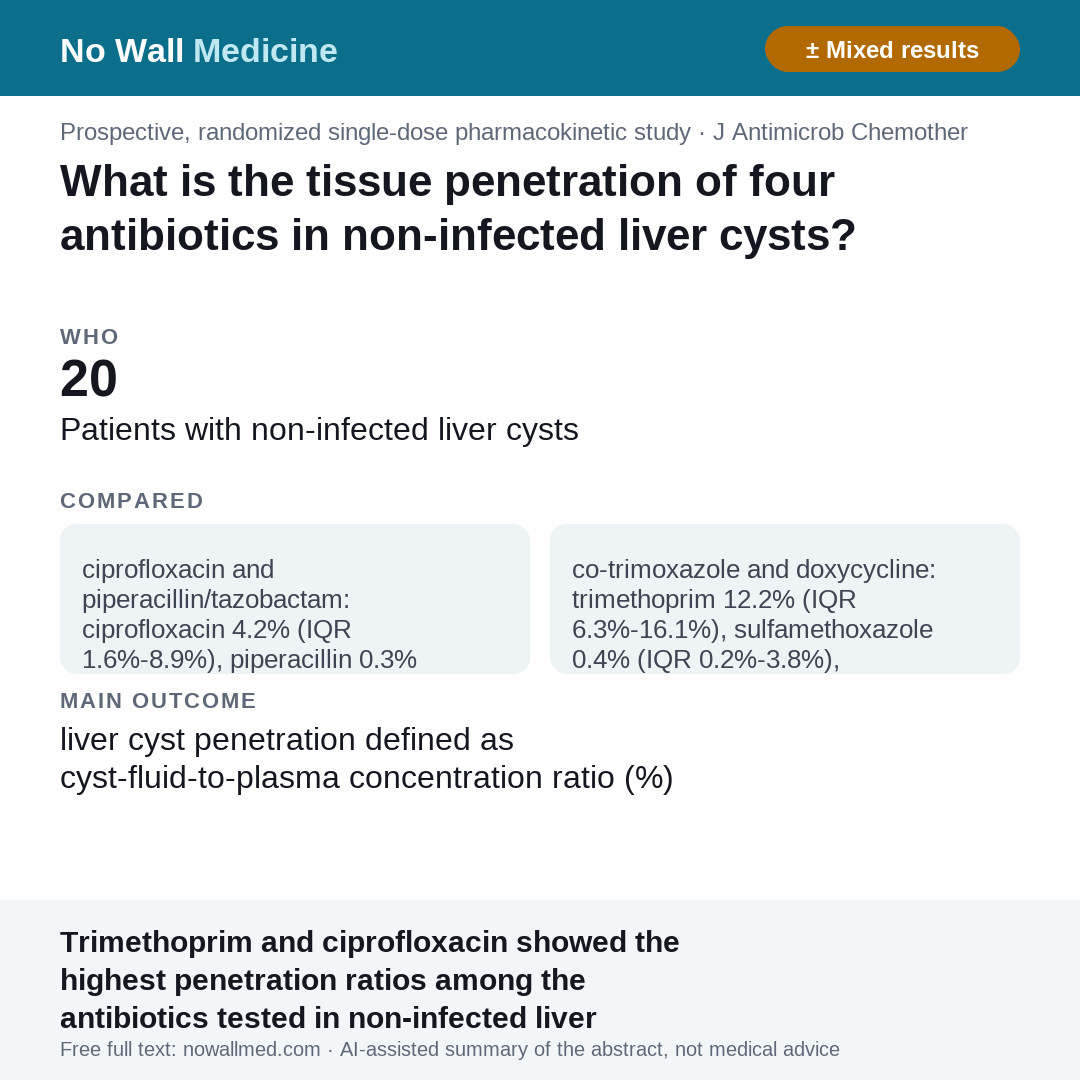
Liver cyst penetration of antibiotics at the target site of infection: a randomized pharmacokinetic trial
Prospective, randomized single-dose pharmacokinetic studyMixed results
What is the tissue penetration of four antibiotics in non-infected liver cysts?
Who
20
Patients with non-infected liver cysts
Compared
ciprofloxacin and piperacillin/tazobactam: ciprofloxacin 4.2% (IQR 1.6%-8.9%), piperacillin 0.3% (IQR 0.0%-1.3%), tazobactam 0.2% (IQR 0.0%-1.3%)
co-trimoxazole and doxycycline: trimethoprim 12.2% (IQR 6.3%-16.1%), sulfamethoxazole 0.4% (IQR 0.2%-3.8%), doxycycline 1.6% (IQR 0.9%-2.3%)
Main outcome
liver cyst penetration defined as cyst-fluid-to-plasma concentration ratio (%)
Bottom line: Trimethoprim and ciprofloxacin showed the highest penetration ratios among the antibiotics tested in non-infected liver cysts.
J Antimicrob Chemother · 2024-11-13Download image
Exploiting blood-based biomarkers to align preclinical models with human traumatic brain injury
Systematic literature reviewBenefit found
Can blood-based biomarkers align preclinical rodent models with human traumatic brain injury?
Who
74
Rodent models of traumatic brain injury
Compared
GFAP (moderate-to-severe TBI vs sham): 30-fold increase
UCH-L1 (moderate-to-severe TBI vs sham): 4-fold increase
NfL (moderate-to-severe TBI vs sham): 18-fold increase
t-Tau (moderate-to-severe TBI vs sham): 6-fold increase
Main outcome
Temporal trajectories of blood biomarkers in rodent models
Bottom line: Blood biomarkers show injury-dependent elevations and distinct temporal profiles that may help calibrate preclinical models to human clinical observations.
Limitation: Relationship between Tau levels and underlying neurodegeneration has yet to be addressed.
Brain · 2024-11-13Download image

An international core outcome set for primary progressive aphasia (COS-PPA): Consensus-based recommendations for communication interventions across research and clinical settings
Consensus-based recommendationsUnclear result
Core outcomes for primary progressive aphasia
Who
82, 91
people with primary progressive aphasia and care partners · international
Compared
people with PPA
care partners
Main outcome
important outcome constructs
Bottom line: Core outcomes identified for primary progressive aphasia
Limitation: no measurement instruments agreed
Alzheimers Dement · 2024-11-13Download image

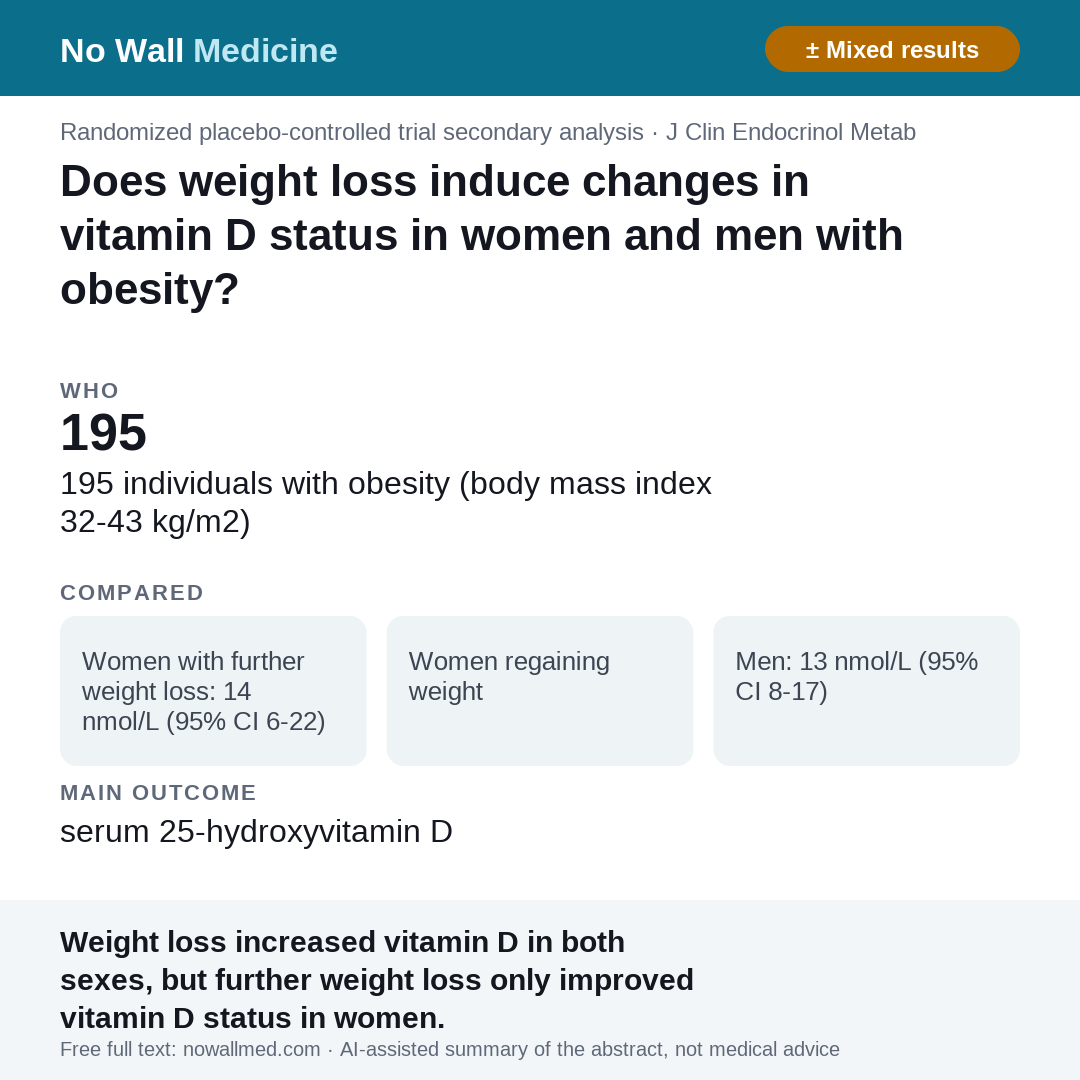
Weight Loss Induces Changes in Vitamin D Status in Women With Obesity But Not in Men: A Randomized Clinical Trial
Randomized placebo-controlled trial secondary analysisMixed results
Does weight loss induce changes in vitamin D status in women and men with obesity?
Who
195
195 individuals with obesity (body mass index 32-43 kg/m2)
Compared
Women with further weight loss: 14 nmol/L (95% CI 6-22)
Women regaining weight
Men: 13 nmol/L (95% CI 8-17)
Main outcome
serum 25-hydroxyvitamin D
Bottom line: Weight loss increased vitamin D in both sexes, but further weight loss only improved vitamin D status in women.
J Clin Endocrinol Metab · 2024-11-13Download image
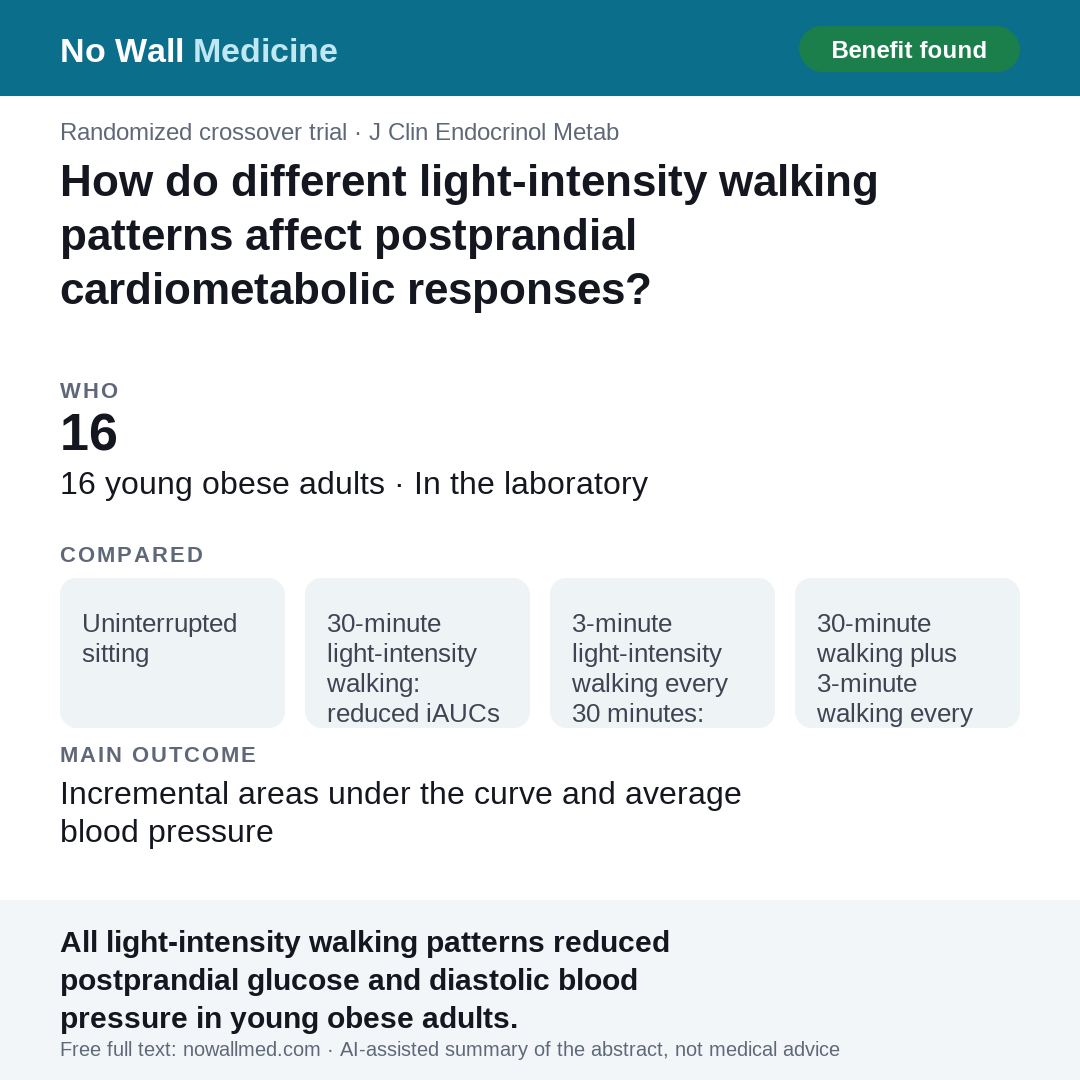
Light Walking Patterns and Postprandial Cardiometabolic Responses in Young Obese Adults: A Randomized Crossover Study
Randomized crossover trialBenefit found
How do different light-intensity walking patterns affect postprandial cardiometabolic responses?
Who
16
16 young obese adults · In the laboratory
Compared
Uninterrupted sitting
30-minute light-intensity walking: reduced iAUCs for glucose and average diastolic blood pressure
3-minute light-intensity walking every 30 minutes: reduced iAUCs for glucose and average diastolic blood pressure
30-minute walking plus 3-minute walking every 30 minutes: reduced iAUCs for glucose, average diastolic blood pressure, and insulin
Main outcome
Incremental areas under the curve and average blood pressure
Bottom line: All light-intensity walking patterns reduced postprandial glucose and diastolic blood pressure in young obese adults.
J Clin Endocrinol Metab · 2024-11-13Download image
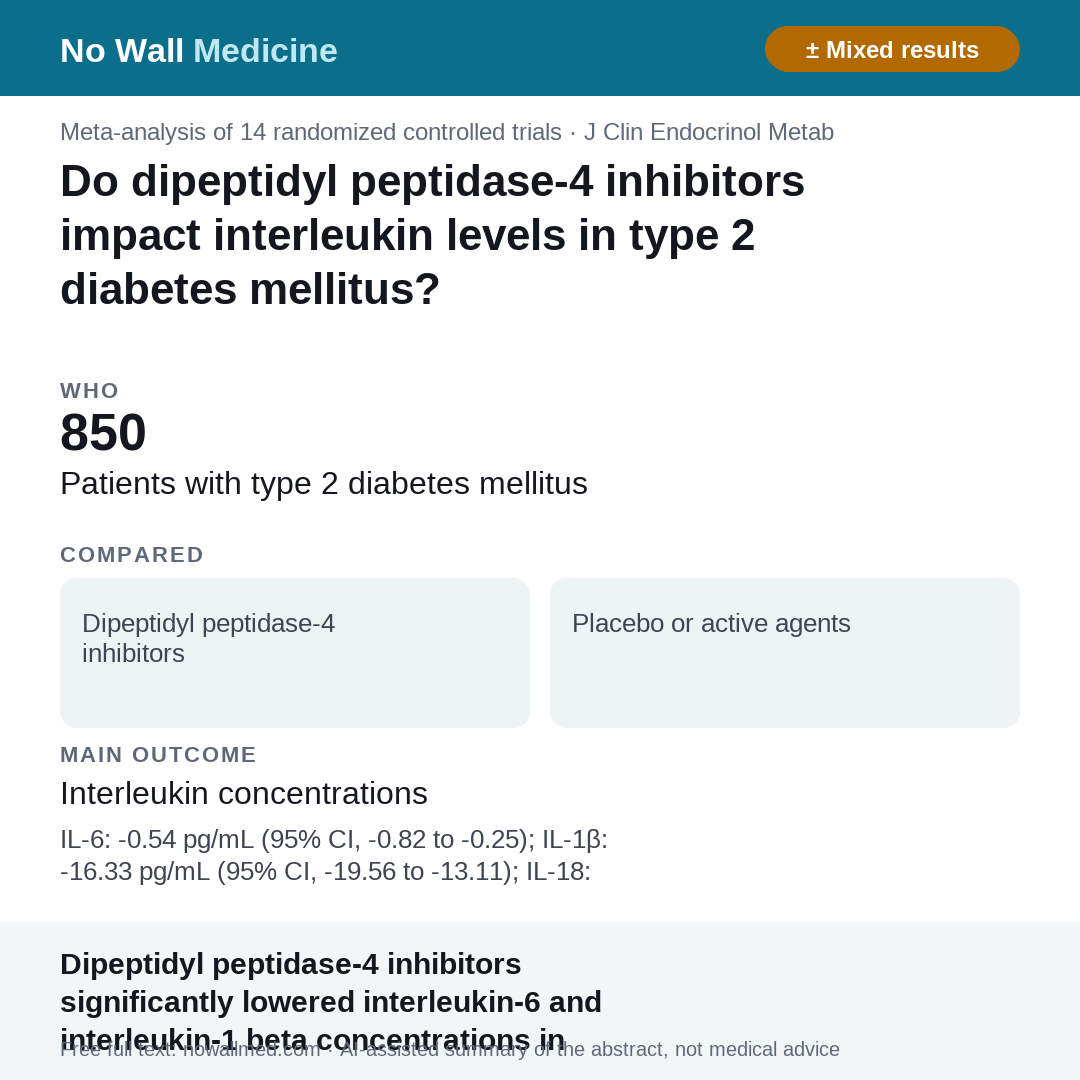
Impact of DPP-4 Inhibitors on Interleukin Levels in Type 2 Diabetes Mellitus
Meta-analysis of 14 randomized controlled trialsMixed results
Do dipeptidyl peptidase-4 inhibitors impact interleukin levels in type 2 diabetes mellitus?
Who
850
Patients with type 2 diabetes mellitus
Compared
Dipeptidyl peptidase-4 inhibitors
Placebo or active agents
Main outcome
Interleukin concentrations
Result: IL-6: -0.54 pg/mL (95% CI, -0.82 to -0.25); IL-1β: -16.33 pg/mL (95% CI, -19.56 to -13.11); IL-18: -13.55 pg/mL (95% CI, -76.95 to 49.85)
Bottom line: Dipeptidyl peptidase-4 inhibitors significantly lowered interleukin-6 and interleukin-1 beta concentrations in patients with type 2 diabetes mellitus.
J Clin Endocrinol Metab · 2024-11-13Download image
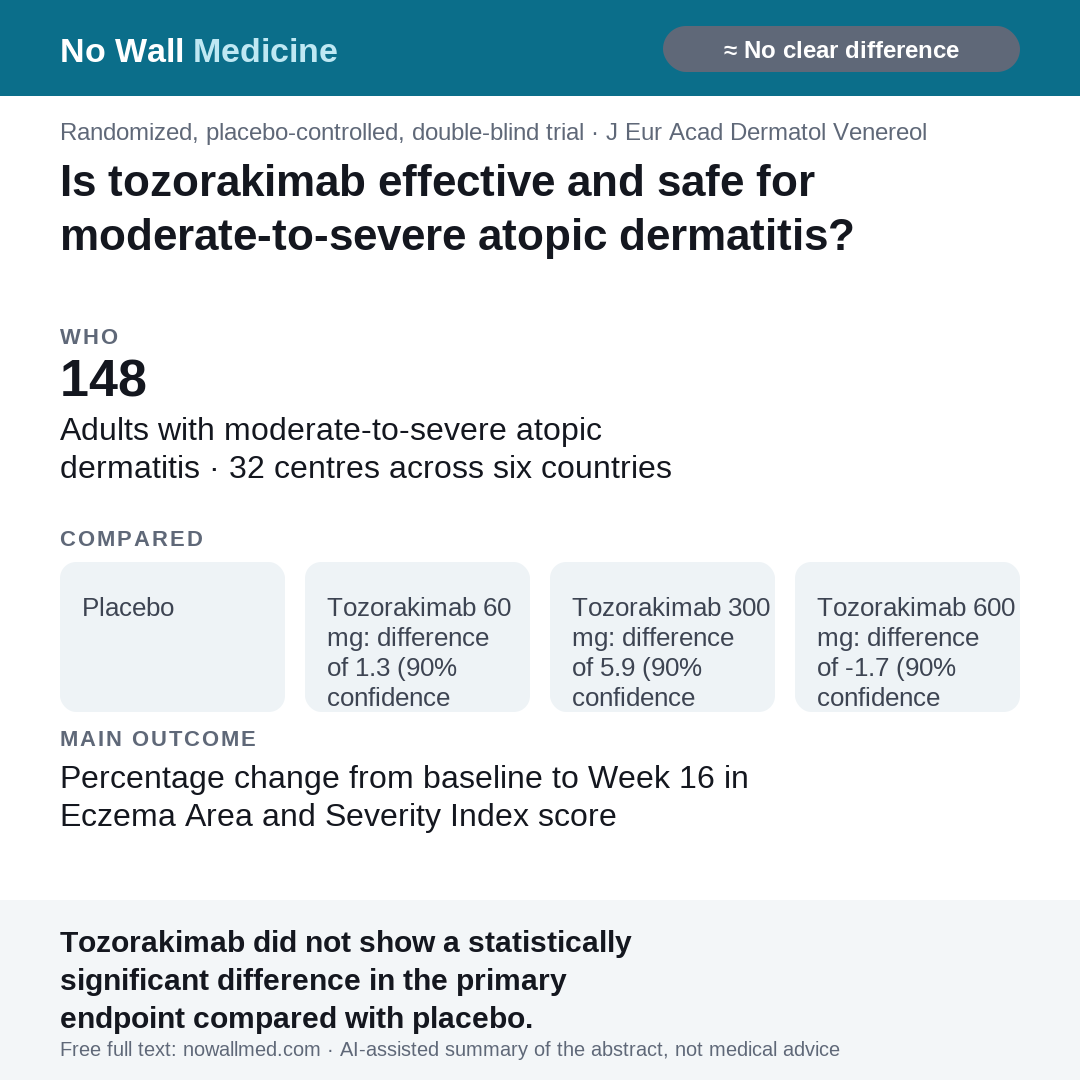
Efficacy and safety of tozorakimab in moderate-to-severe atopic dermatitis: A Phase 2a randomized controlled trial (FRONTIER-2)
Randomized, placebo-controlled, double-blind trialNo clear difference
Is tozorakimab effective and safe for moderate-to-severe atopic dermatitis?
Who
148
Adults with moderate-to-severe atopic dermatitis · 32 centres across six countries
Compared
Placebo
Tozorakimab 60 mg: difference of 1.3 (90% confidence interval: -13.7, 16.2)
Tozorakimab 300 mg: difference of 5.9 (90% confidence interval: -10.4, 22.1)
Tozorakimab 600 mg: difference of -1.7 (90% confidence interval: -13.4, 10.0)
Main outcome
Percentage change from baseline to Week 16 in Eczema Area and Severity Index score
Bottom line: Tozorakimab did not show a statistically significant difference in the primary endpoint compared with placebo.
J Eur Acad Dermatol Venereol · 2024-11-13Download image
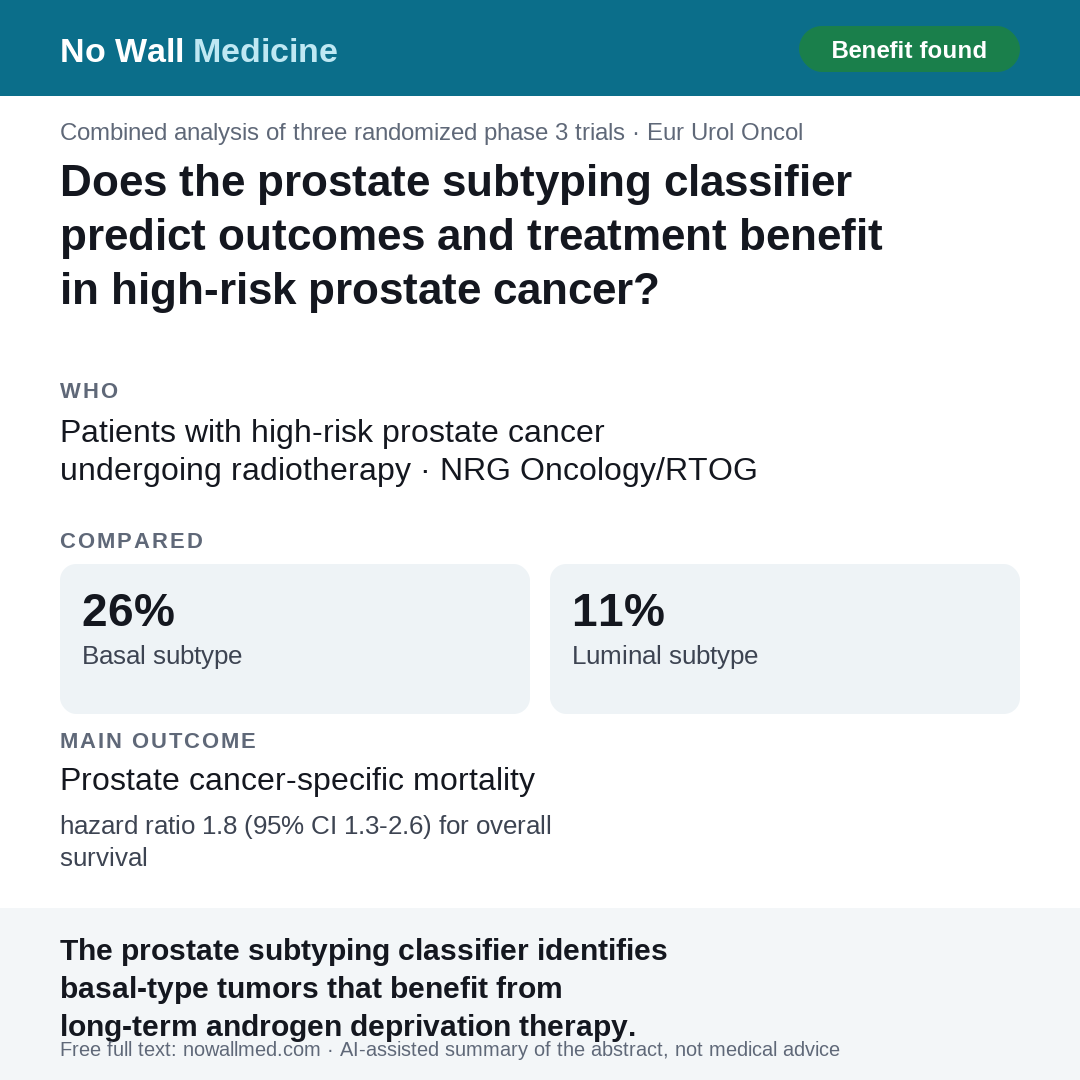
Biopsy-based Basal-luminal Subtyping Classifier in High-risk Prostate Cancer: A Combined Analysis of the NRG Oncology/RTOG 9202, 9413, and 9902 Phase 3 Trials
Combined analysis of three randomized phase 3 trialsBenefit found
Does the prostate subtyping classifier predict outcomes and treatment benefit in high-risk prostate cancer?
Who
Patients with high-risk prostate cancer undergoing radiotherapy · NRG Oncology/RTOG 9202, 9413, and 9902 trials
Compared
26%Basal subtype (95% CI 17-35%)
11%Luminal subtype (95% CI 6-15%)
Main outcome
Prostate cancer-specific mortality
Result: hazard ratio 1.8 (95% CI 1.3-2.6) for overall survival
Bottom line: The prostate subtyping classifier identifies basal-type tumors that benefit from long-term androgen deprivation therapy.
Limitation: Pending further validation in a prospective study.
Eur Urol Oncol · 2024-11-13Download image
Mild behavioural impairment in Parkinson's disease: a systematic review
Systematic reviewMixed results
What are the prevalence and characteristics of mild behavioural impairment in Parkinson's disease?
Who
People with Parkinson's disease · Five separate research institutions
Compared
Mild behavioural impairment symptoms: Affective dysregulation and impulse control disorders were primary contributors
Mild behavioural impairment symptoms: Abnormal perception was least contributor
Main outcome
Prevalence and characteristics of mild behavioural impairment
Bottom line: Mild behavioural impairment in early-stage Parkinson's disease is characterized primarily by mood and impulse control disorders.
Limitation: Methodological differences and varying conceptualizations of mild behavioural impairment affected reported prevalence rates.
Age Ageing · 2024-11-13Download image

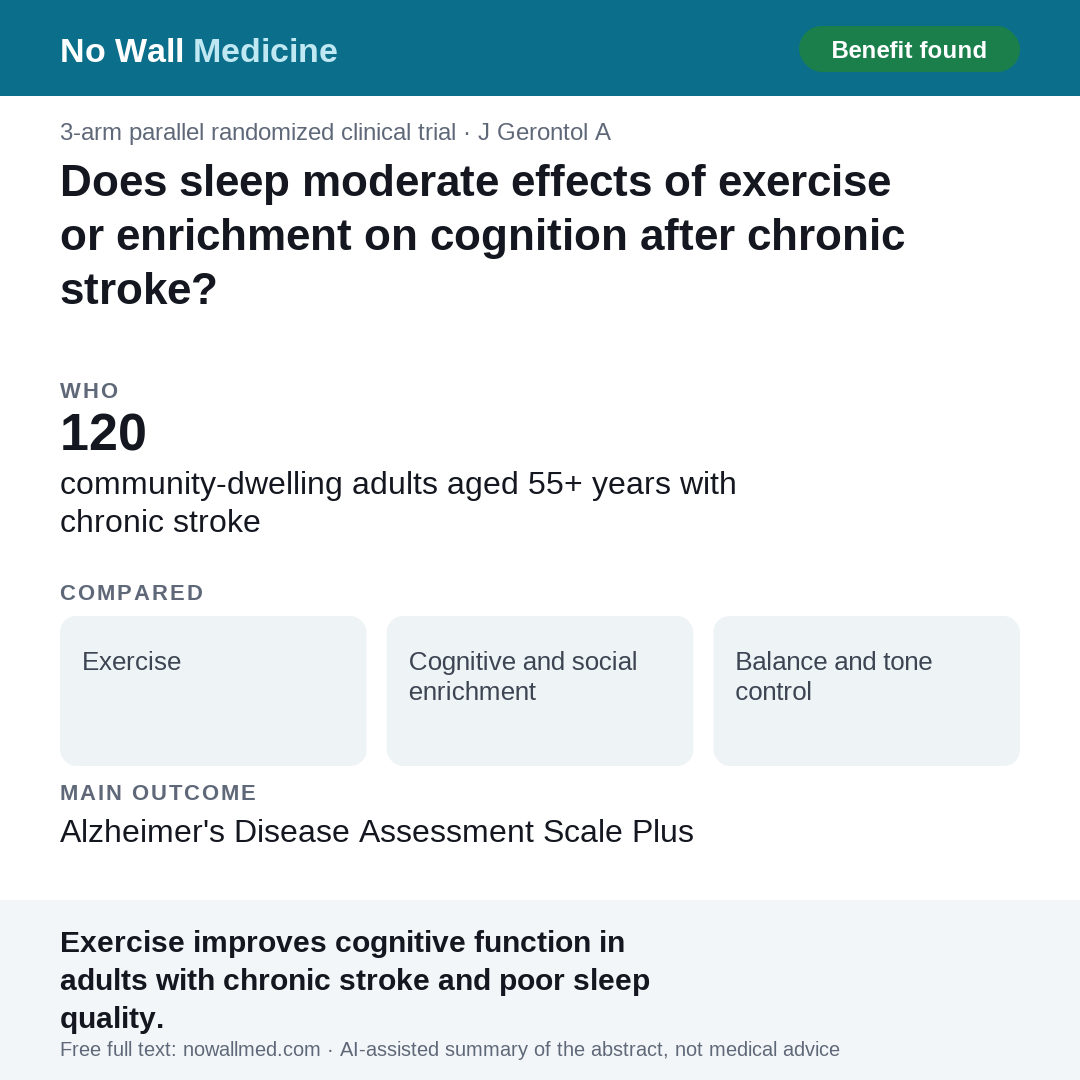
Does Sleep Moderate the Effects of Exercise Training or Complex Mental and Social Activities on Cognitive Function in Adults With Chronic Stroke? Secondary Analysis of a Randomized Trial
3-arm parallel randomized clinical trialBenefit found
Does sleep moderate effects of exercise or enrichment on cognition after chronic stroke?
Who
120
community-dwelling adults aged 55+ years with chronic stroke
Compared
Exercise
Cognitive and social enrichment
Balance and tone control
Main outcome
Alzheimer's Disease Assessment Scale Plus
Result: estimated mean difference -0.48 (95% CI -0.85 to -0.10)
Bottom line: Exercise improves cognitive function in adults with chronic stroke and poor sleep quality.
J Gerontol A · 2024-11-13Download image
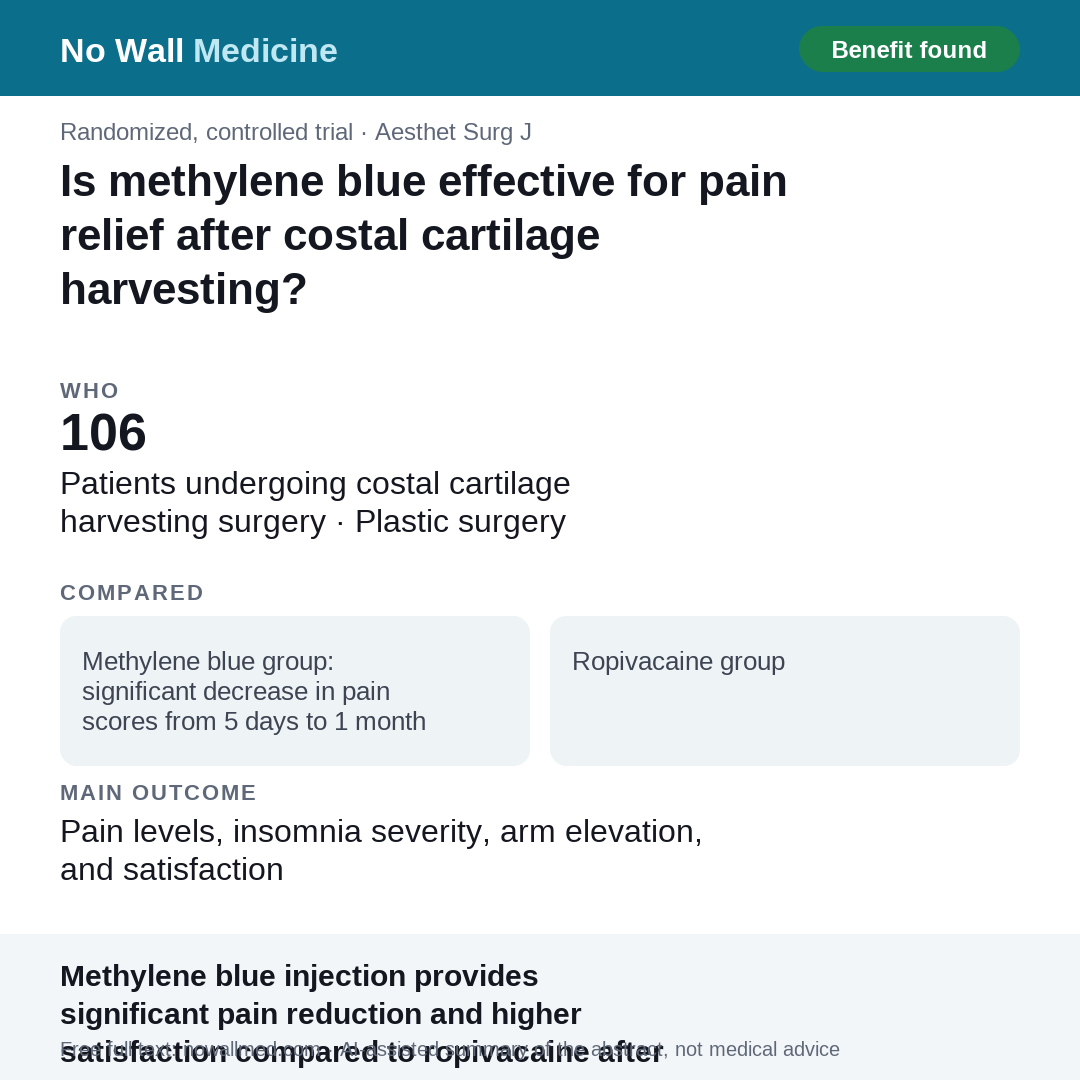
A Prospective, Randomized, Controlled Trial of Methylene Blue Injection for Costal Cartilage Harvest Postoperative Analgesia
Randomized, controlled trialBenefit found
Is methylene blue effective for pain relief after costal cartilage harvesting?
Who
106
Patients undergoing costal cartilage harvesting surgery · Plastic surgery department
Compared
Methylene blue group: significant decrease in pain scores from 5 days to 1 month
Ropivacaine group
Main outcome
Pain levels, insomnia severity, arm elevation, and satisfaction
Bottom line: Methylene blue injection provides significant pain reduction and higher satisfaction compared to ropivacaine after costal cartilage harvesting.
Aesthet Surg J · 2024-11-13Download image
Editor's Choice - Reporting and Methodological Quality of Systematic Reviews Underpinning Clinical Practice Guidelines for Vascular Surgery: A Systematic Review
Systematic reviewMixed results
What is the reporting and methodological quality of systematic reviews informing vascular surgery guidelines?
Who
215
Systematic reviews informing vascular surgery clinical practice guidelines · MEDLINE and Embase
Compared
Reporting completeness (PRISMA): mean 63%
Methodological quality (AMSTAR 2): mean 50%
Main outcome
Reporting and methodological quality of systematic reviews
Bottom line: Systematic reviews informing vascular surgery guidelines were of moderate quality at best, with recent and funded reviews performing better.
Eur J Vasc Endovasc Surg · 2024-11-13Download image

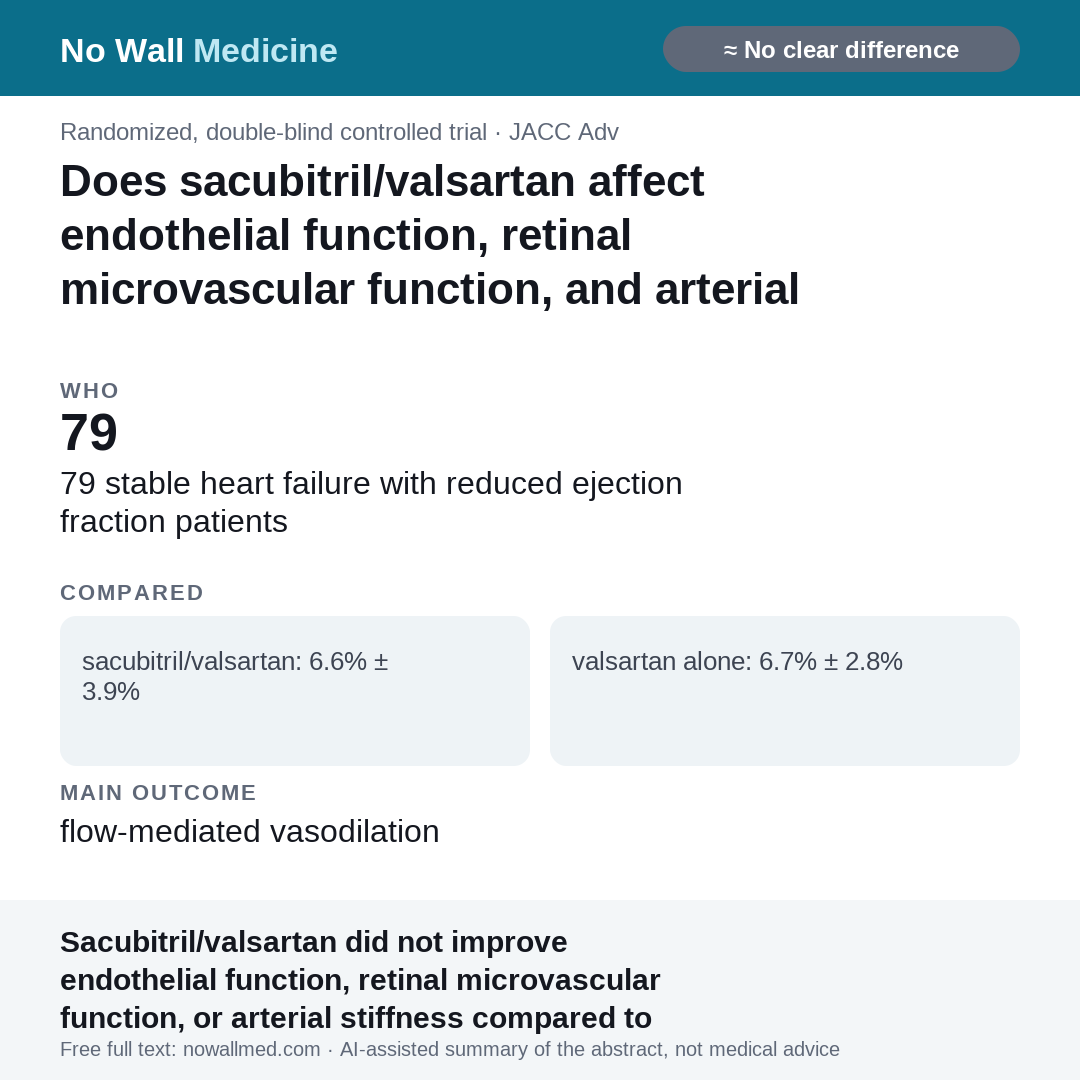
Vascular Endothelial Effects of Sacubitril/Valsartan in Heart Failure With Reduced Ejection Fraction: Randomized Controlled Trial
Randomized, double-blind controlled trialNo clear difference
Does sacubitril/valsartan affect endothelial function, retinal microvascular function, and arterial stiffness in HFrEF?
Who
79
79 stable heart failure with reduced ejection fraction patients
Compared
sacubitril/valsartan: 6.6% ± 3.9%
valsartan alone: 6.7% ± 2.8%
Main outcome
flow-mediated vasodilation
Result: ANCOVA coefficient 0.36 (95% CI -0.78 to 1.51)
Bottom line: Sacubitril/valsartan did not improve endothelial function, retinal microvascular function, or arterial stiffness compared to valsartan monotherapy.
JACC Adv · 2024-11-13Download image
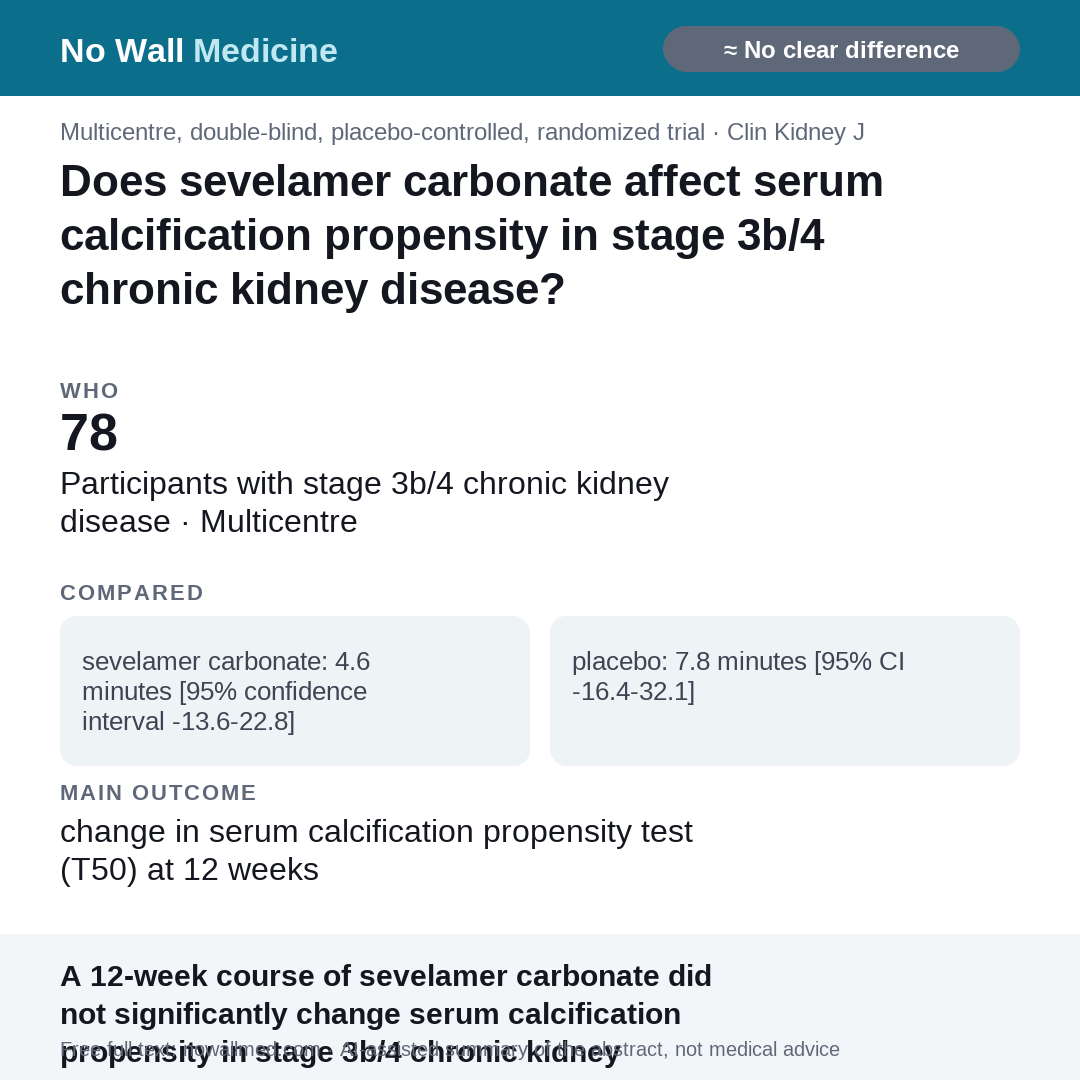
The effect of sevelamer on serum calcification propensity in patients with chronic kidney disease: the results of a multicentre, double-blind, placebo-controlled, randomized clinical trial
Multicentre, double-blind, placebo-controlled, randomized trialNo clear difference
Does sevelamer carbonate affect serum calcification propensity in stage 3b/4 chronic kidney disease?
Who
78
Participants with stage 3b/4 chronic kidney disease · Multicentre
Compared
sevelamer carbonate: 4.6 minutes [95% confidence interval -13.6-22.8]
placebo: 7.8 minutes [95% CI -16.4-32.1]
Main outcome
change in serum calcification propensity test (T50) at 12 weeks
Bottom line: A 12-week course of sevelamer carbonate did not significantly change serum calcification propensity in stage 3b/4 chronic kidney disease.
Clin Kidney J · 2024-11-13Download image
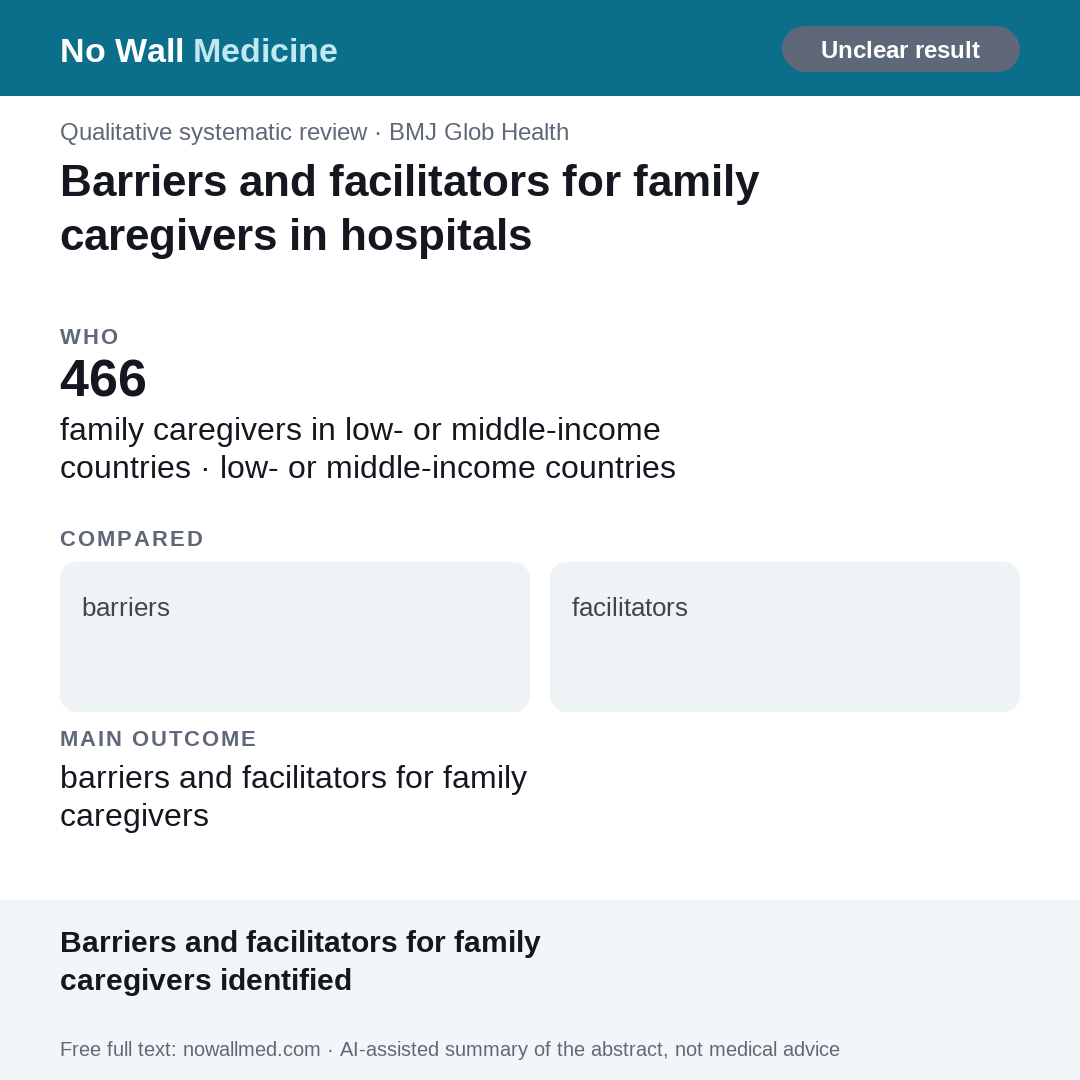
The barriers and facilitators family caregivers experience when participating in resource-limited hospital care: a qualitative systematic review
Qualitative systematic reviewUnclear result
Barriers and facilitators for family caregivers in hospitals
Who
466
family caregivers in low- or middle-income countries · low- or middle-income countries
Compared
barriers
facilitators
Main outcome
barriers and facilitators for family caregivers
Bottom line: Barriers and facilitators for family caregivers identified
Limitation: limited contexts and stakeholders
BMJ Glob Health · 2024-11-13Download image