Visual abstracts
New randomized trials and meta-analyses from leading journals at a glance: who was studied, what was compared, and what was found. Every paper is free to read in full.
All specialtiesCardiology 3990Oncology 3399Gastroenterology & Hepatology 1579Infectious Disease 2949Neurology 1573Psychiatry & Mental Health 1873Pulmonology 1715Critical Care 1119Endocrinology & Diabetes 2055Pediatrics 2396Surgery 2110Orthopedics & Sports Medicine 756Neurosurgery 458Cardiothoracic & Vascular Surgery 497Plastic & Reconstructive Surgery 534Nephrology 883Rheumatology 659Hematology 893Dermatology 505Ophthalmology 434Obstetrics & Gynecology 1392Public & Global Health 788Radiology & Imaging 543Anesthesiology 802Urology 642ENT (Otolaryngology) 432Emergency Medicine 427Allergy & Immunology 250Geriatrics 828Family Medicine & Primary Care 475Medical Genetics & Genomics 543Pathology & Laboratory Medicine 138Physical Medicine & Rehabilitation 609Palliative Care 357Nutrition 1208Digital Health & AI 1846General Medicine 277
Dietary intake, quality, and assessment tools in individuals with problematic alcohol use: a scoping review and meta-analysis
Scoping review and meta-analysisMixed results
What are the dietary intake patterns and diet quality among individuals with alcohol use disorder?
Who
Individuals with alcohol use disorder
Compared
active drinking
abstinent
Main outcome
Dietary intake patterns, diet quality, and nutrient deficiencies
Bottom line: Individuals with alcohol use disorder report adequate caloric intake but frequently experience common nutrient deficiencies.
Limitation: Considerable variability in reporting dietary variables and assessment tools across studies.
Transl Psychiatry · 2026-01-28Download image

Efficacy and safety of non-pharmacological treatments for paediatric functional constipation: a systematic review and meta-analysis
Meta-analysis of 93 trialsBenefit found
Do non-pharmacological treatments work for pediatric constipation
Who
7787
children with functional constipation
Compared
abdominal stimulation
pelvic floor exercises
Main outcome
treatment success
Result: risk ratio 1.75 (95%CI 1.25 to 2.44)
Bottom line: Some non-pharmacological treatments show beneficial effects
BMJ Paediatr Open · 2026-01-28Download image

Cost analyses in randomized trials on robot-assisted surgery: systematic review
Systematic review of randomized clinical trialsMixed results
What is the quality of cost analyses in randomized trials comparing robot-assisted surgery?
Who
5832
Patients undergoing robot-assisted surgery versus alternative surgical approaches · PubMed, EMBASE, Cochrane Library, and Web of Science
Compared
Robot-assisted surgery: more expensive in 33 of 36 RCTs (92%)
Alternative surgical approaches
Main outcome
Methodological quality and comprehensiveness of cost analyses
Bottom line: Robot-assisted surgery was more expensive in most trials, but cost assessments in randomized trials are often inadequate and biased.
Limitation: Substantial risk of bias, methodological heterogeneity, and partial cost reporting.
BJS Open · 2026-01-28Download image

Human-large language model collaboration in clinical medicine: a systematic review and meta-analysis
Systematic review and meta-analysisMixed results
Does human-large language model collaboration improve clinical medicine workflows compared to human-only workflows?
Who
Clinical medicine workflows · Four databases
Compared
Human plus artificial intelligence
Human only
Main outcome
Composite diagnostic and management scores
Result: Mean Difference +4.88 percentage points (95% CI +0.65 to +9.12)
Bottom line: Collaboration improved composite diagnostic scores, but diagnostic accuracy was non-significant and factual error rates remained high.
NPJ Digit Med · 2026-01-28Download image

Efficacy of Brain-Computer Interface Therapy for Upper Limb Rehabilitation in Chronic Stroke: Systematic Review and Meta-Analysis of Randomized Controlled Trials
Meta-analysis of 21 randomized controlled trialsBenefit found
Does brain-computer interface therapy improve upper limb rehabilitation in chronic stroke?
Who
650
Adults with chronic stroke
Compared
Brain-computer interface training
Control interventions
Main outcome
Upper limb motor function, muscle tone, and activities of daily living
Result: FMA-UE: MD 2.50, 95% CI 0.60-4.40
Bottom line: Brain-computer interface training improves motor function and activities of daily living in chronic stroke, especially when combined with functional electrical stimulation.
Limitation: Small number of studies in subgroups and high risk of bias in several trials.
J Med Internet Res · 2026-01-28Download image

Machine Learning Techniques Used for the Identification of Sociodemographic Factors Associated With Cancer: Systematic Literature Review
Systematic literature reviewUnclear result
Machine learning for cancer sociodemographics
Who
19
Cancer patients and general population
Compared
Supervised ML
Random forest
Main outcome
Cancer related outcomes
Bottom line: Machine learning has potential for cancer sociodemographics
Limitation: Research is fragmented and inconsistent
J Med Internet Res · 2026-01-28Download image

Outcomes and complications of autologous versus alloplastic grafts in augmentation rhinoplasty: A systematic review of studies from 2000 to 2024
Systematic review and meta-analysisBenefit found
What are the outcomes and complications of autologous versus alloplastic grafts in augmentation rhinoplasty?
Who
7019
Patients undergoing augmentation rhinoplasty
Compared
Autologous grafts
Alloplastic implants
Main outcome
Infection risk
Result: odds ratio 0.19 (95% CI: 0.09-0.42)
Bottom line: Autologous grafts have a significantly lower risk of infection compared to alloplastic implants in augmentation rhinoplasty.
Limitation: Future studies should incorporate standardized patient-reported outcome measures and longer follow-up.
JPRAS Open · 2026-01-28Download image

Preoperative ultrasound before sentinel lymph node biopsy in melanoma in the era of neoadjuvant treatment: a systematic review and meta-analysis of diagnostic performance and cost analysis
Systematic review and meta-analysisBenefit found
What is the diagnostic accuracy and cost of preoperative ultrasound and fine-needle aspiration cytology?
Who
7396
Patients with cutaneous melanoma eligible for sentinel lymph node biopsy
Compared
Ultrasound: sensitivity 33.6% (95% CI: 23.5-45.5%) and specificity 92.4% (87.3-95.6%)
Fine-needle aspiration cytology: sensitivity 92.6% (15.9-99.9%) and specificity 99.1% (96.6-99.8%)
Main outcome
Diagnostic accuracy and healthcare costs
Bottom line: Ultrasound-fine-needle aspiration cytology enables neoadjuvant immunotherapy and is cost saving in melanoma patients.
Limitation: Unclear risk of bias in patient selection and index test domains and substantial heterogeneity.
eClinicalMedicine · 2026-01-27Download image

Cost-effectiveness of a transdiagnostic group exercise intervention for mental health in Germany (ImPuls trial): an economic evaluation study
Multicentre, randomised controlled trialBenefit found
Is a transdiagnostic group exercise intervention cost-effective for mental health outpatients?
Who
400
Outpatients aged 18-65 with depression, insomnia, PTSD, panic, or agoraphobia · German outpatient care
Compared
ImPuls plus treatment as usual: 0.032 QALY gain (95% CI 0.005 to 0.058)
Treatment as usual alone
Main outcome
Brief Symptom Inventory scores and quality-adjusted life-years
Result: ICUR of €17 543 per quality-adjusted life-year
Bottom line: ImPuls plus treatment as usual is a potentially cost-effective group exercise intervention for improving mental health.
Funded by: Innovation Fund of the German Federal Joint Committee
Lancet Psychiatry · 2026-01-27Download image

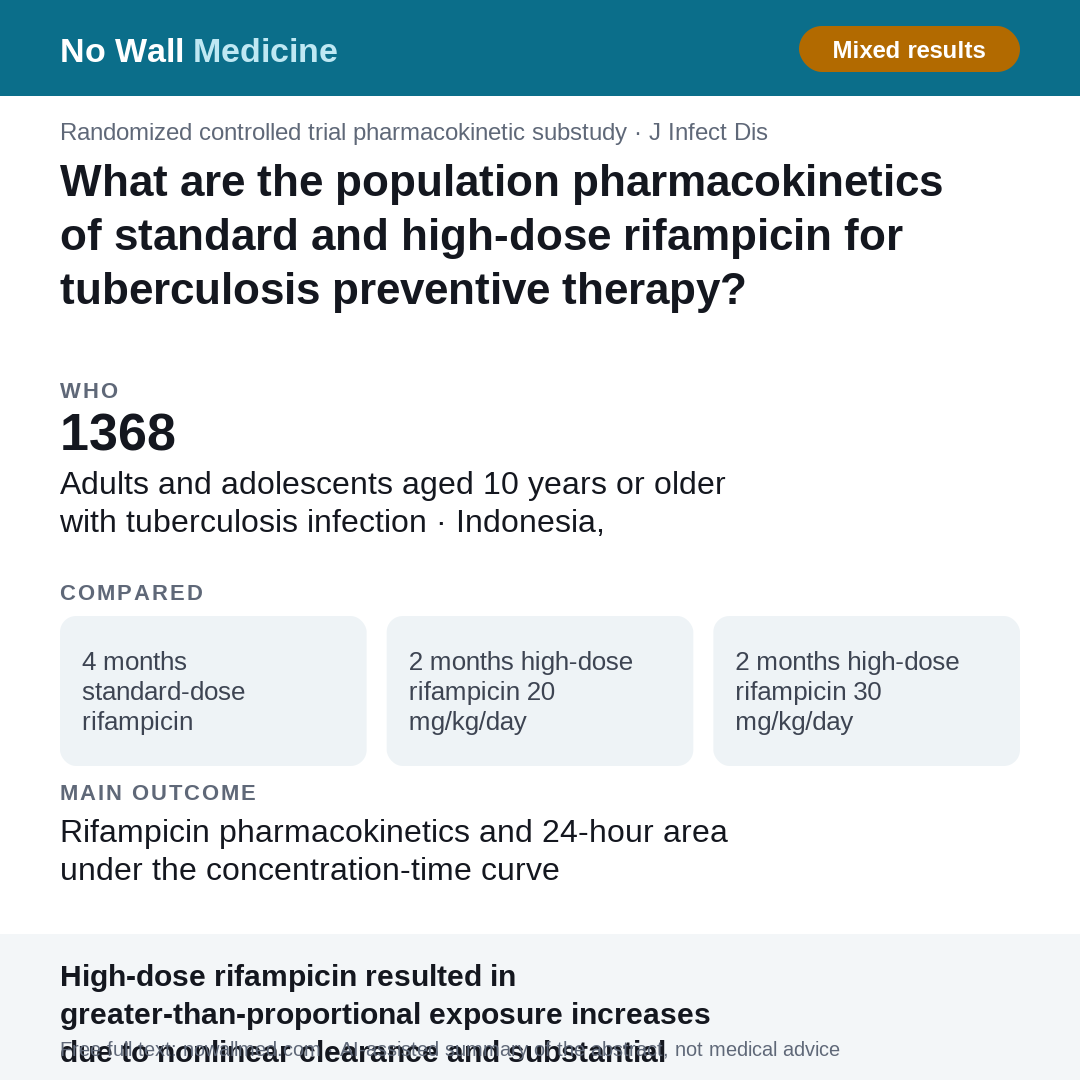
Population Pharmacokinetic Modeling of Standard- and High-Dose Rifampicin for Tuberculosis Preventive Therapy in the 2R2 Randomized Controlled Trial
Randomized controlled trial pharmacokinetic substudyMixed results
What are the population pharmacokinetics of standard and high-dose rifampicin for tuberculosis preventive therapy?
Who
1368
Adults and adolescents aged 10 years or older with tuberculosis infection · Indonesia, Canada, and Vietnam
Compared
4 months standard-dose rifampicin
2 months high-dose rifampicin 20 mg/kg/day
2 months high-dose rifampicin 30 mg/kg/day
Main outcome
Rifampicin pharmacokinetics and 24-hour area under the concentration-time curve
Bottom line: High-dose rifampicin resulted in greater-than-proportional exposure increases due to nonlinear clearance and substantial between-country variability.
Limitation: Substantial between-country variability may be due to unmeasured confounders.
J Infect Dis · 2026-01-27Download image
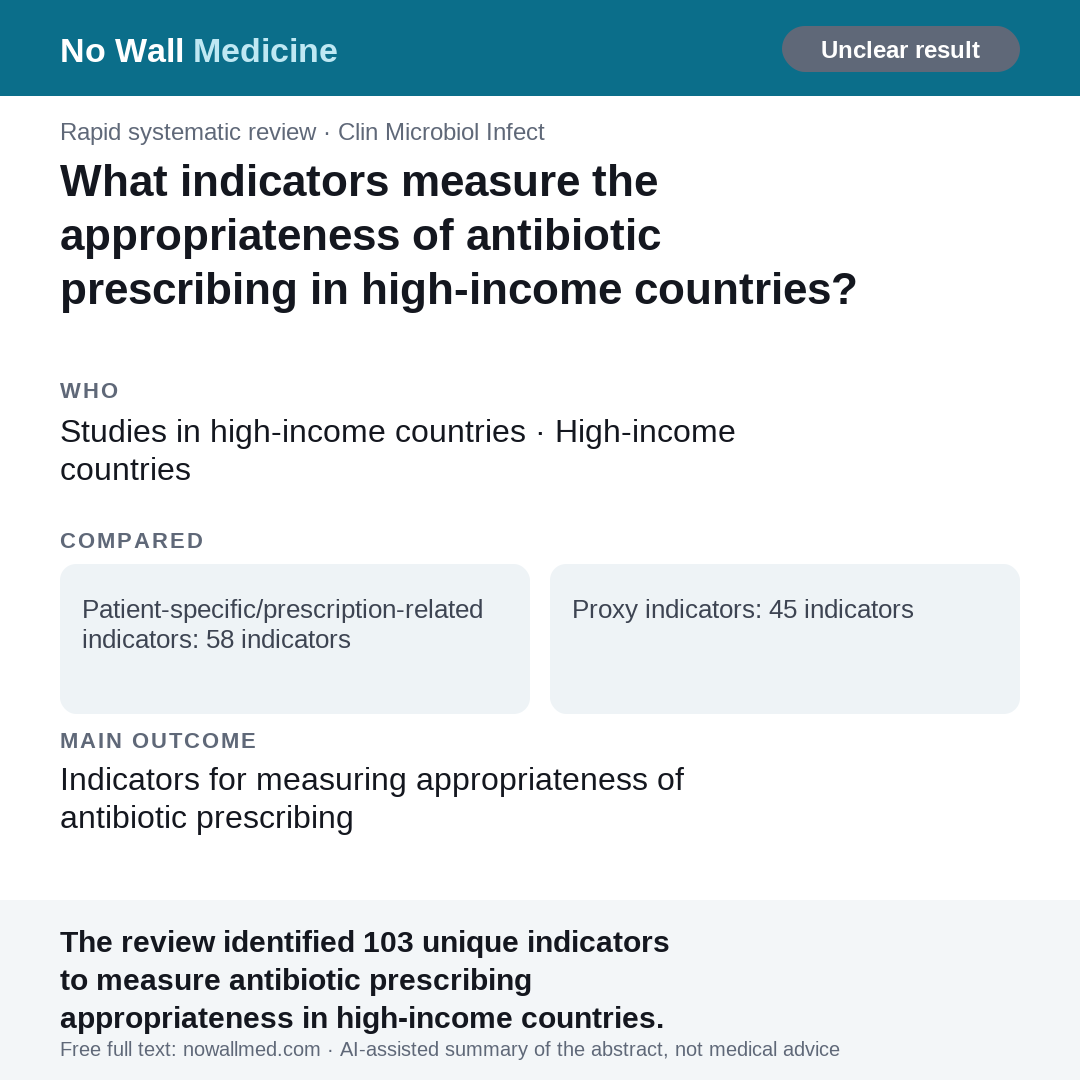
Identifying indicators for measuring appropriateness of antibiotic prescribing in high-income countries: a rapid systematic review
Rapid systematic reviewUnclear result
What indicators measure the appropriateness of antibiotic prescribing in high-income countries?
Who
Studies in high-income countries · High-income countries
Compared
Patient-specific/prescription-related indicators: 58 indicators
Proxy indicators: 45 indicators
Main outcome
Indicators for measuring appropriateness of antibiotic prescribing
Bottom line: The review identified 103 unique indicators to measure antibiotic prescribing appropriateness in high-income countries.
Clin Microbiol Infect · 2026-01-27Download image
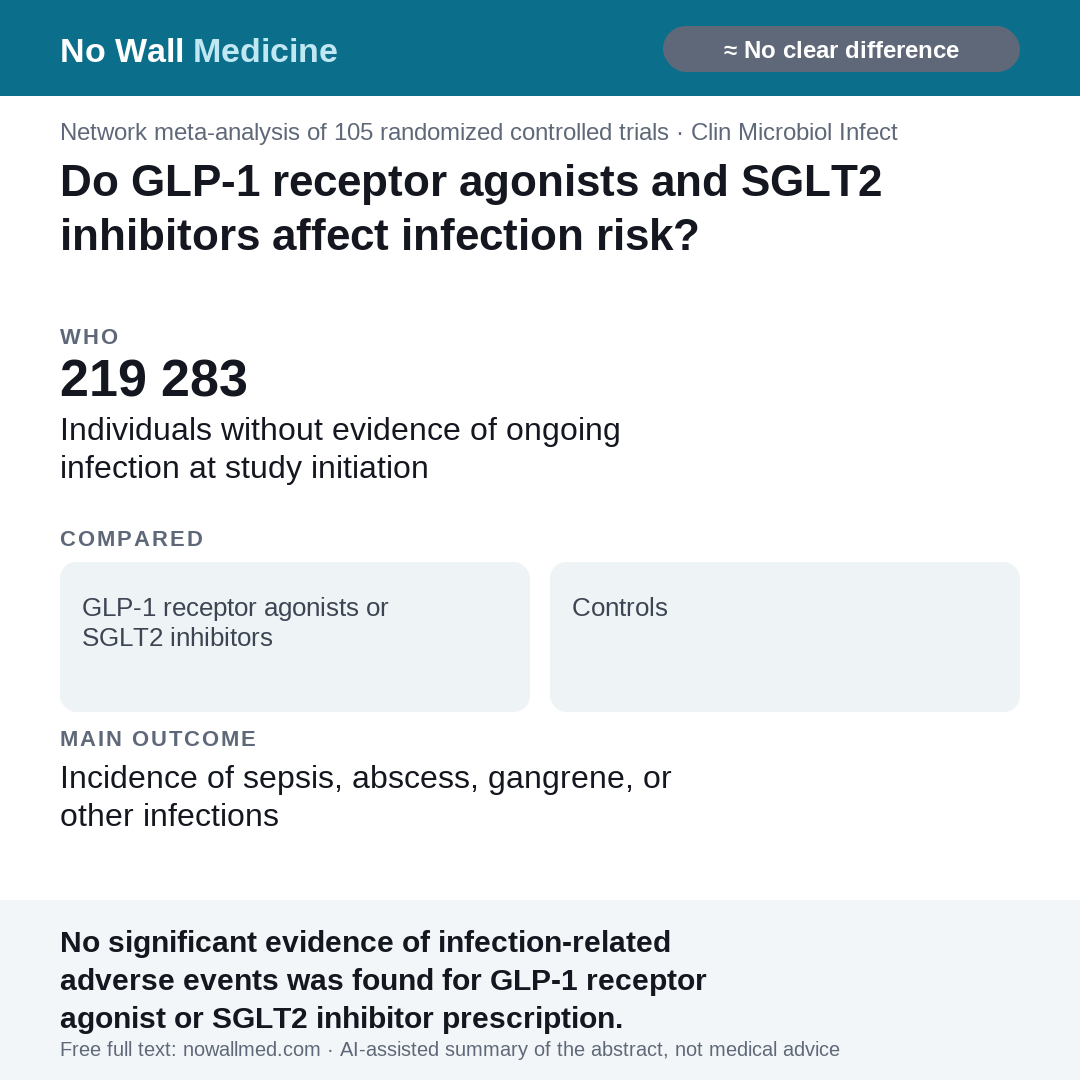
The effect of GLP-1 receptor agonist and SGLT2 inhibitor on infection risk: network meta-analysis
Network meta-analysis of 105 randomized controlled trialsNo clear difference
Do GLP-1 receptor agonists and SGLT2 inhibitors affect infection risk?
Who
219 283
Individuals without evidence of ongoing infection at study initiation
Compared
GLP-1 receptor agonists or SGLT2 inhibitors
Controls
Main outcome
Incidence of sepsis, abscess, gangrene, or other infections
Bottom line: No significant evidence of infection-related adverse events was found for GLP-1 receptor agonist or SGLT2 inhibitor prescription.
Clin Microbiol Infect · 2026-01-27Download image
Antimicrobial resistance in bacterial meningitis caused by Streptococcus pneumoniae, Neisseria meningitidis, or Haemophilus influenzae (2010-24): a systematic review and meta-analysis
Systematic review and meta-analysisHarm found
What are the global prevalence and time trends of antimicrobial resistance in bacterial meningitis?
Who
16441
People with microbiologically confirmed meningitis from three main bacterial pathogens · 37 countries across all WHO regions
Compared
Streptococcus pneumoniae (benzylpenicillin): 27·4% [19·0-36·6] globally
Streptococcus pneumoniae (third-generation cephalosporins): 8·8% [4·3-14·6] globally
Neisseria meningitidis (benzylpenicillin): 24·7% [5·3-52·3] globally
Neisseria meningitidis (third-generation cephalosporins): 4·6% [0·0-19·4] globally
Main outcome
Prevalence of antimicrobial resistance for relevant pathogen-antimicrobial combinations
Bottom line: Antimicrobial resistance in bacterial meningitis is rising, particularly in low-income and middle-income countries, challenging effective treatment.
Limitation: None of the included reports described all thirteen Microbiology Investigation Criteria for Reporting Objectively mandatory items.
Funded by: Fleming Fund, US Centers for Disease Control and Prevention, and WHO
Lancet Microbe · 2026-01-27Download image

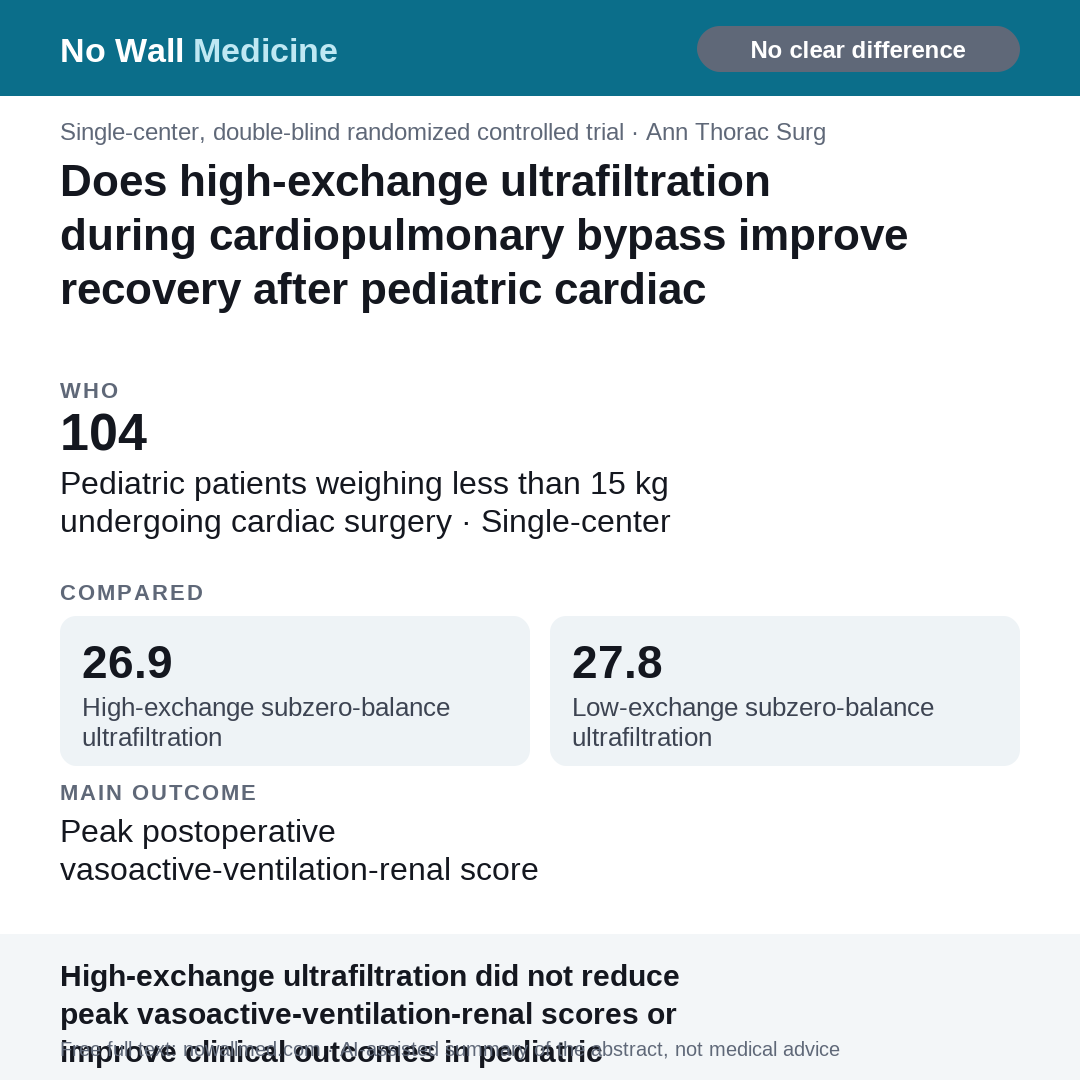
Artesunate-pyronaridine-atovaquone-proguanil and artesunate-fosmidomycin-clindamycin compared with standard artesunate-pyronaridine for the treatment of uncomplicated malaria (MultiMal): a randomised, controlled, clinical, phase 2 trial in Gabon and Ghana
Open-label, randomised, controlled, clinical, phase 2 trialNo clear difference
Are novel multidrug antimalarial therapies safe and effective for uncomplicated malaria?
Who
100
Patients with uncomplicated malaria aged 6 months to 65 years · Gabon and Ghana
Compared
Artesunate-pyronaridine-atovaquone-proguanil: 85.3% (69-95) at day 42
Artesunate-fosmidomycin-clindamycin: 94.4% (81-99) at day 42
Standard artesunate-pyronaridine: 87.5% (62-98) at day 42
Main outcome
Adequate clinical and parasitological response at days 28 and 42
Bottom line: Two novel multidrug antimalarial regimens were safe, well tolerated, and highly efficacious for treating uncomplicated malaria.
Lancet Microbe · 2026-01-27Download image
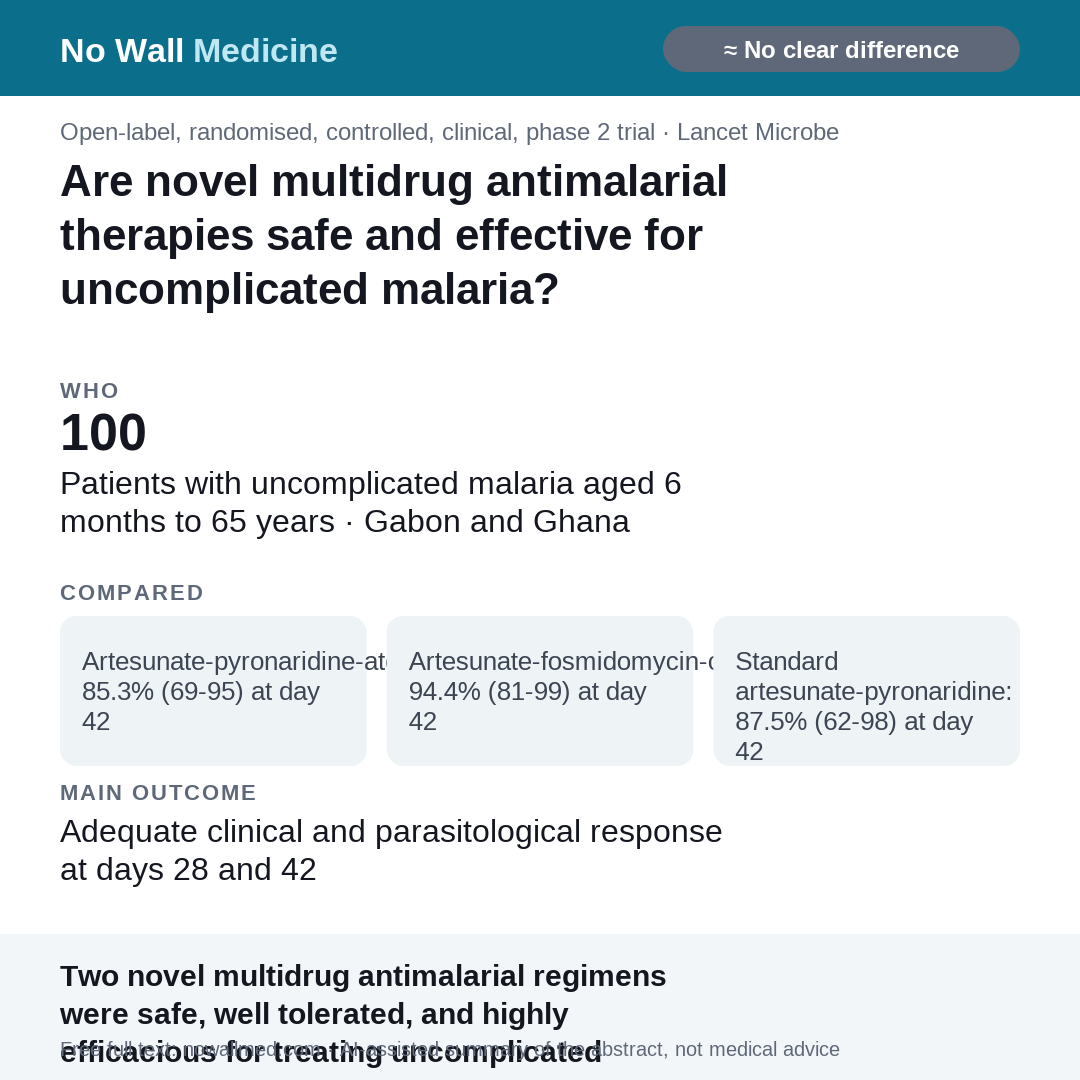
Effects of sotagliflozin on markers of volume status and sodium handling in patients with type 1 diabetes: A biomarker analysis of the inTandem3 clinical trial
Randomised, double-blinded, placebo-controlled post-hoc analysisBenefit found
How does sotagliflozin affect volume status and sodium handling markers in type 1 diabetes?
Who
362
Patients with type 1 diabetes
Compared
Sotagliflozin 400 mg/d: copeptin increased 33%, fractional excretion of lithium increased 14%, fractional excretion of glucose increased 60-fold
Placebo
Main outcome
Markers of neurohormone activation and volume homeostasis
Bottom line: Sotagliflozin increased copeptin, fractional excretion of lithium, and glucose while decreasing kidney injury markers in type 1 diabetes.
Diabetes Obes Metab · 2026-01-27Download image
Potential Harms of Posterior Chamber Phakic IOL: A Systematic Review and Meta-Analysis of Complication Incidence
Systematic review and meta-analysisBenefit found
What is the incidence of complications after posterior chamber phakic intraocular lens implantation?
Who
45,027
Adults undergoing posterior chamber phakic intraocular lens implantation · Not specified
Compared
Rotation or displacement: 4.2 per 1,000 person-years
Explantation: 3.1 per 1,000 person-years
Retinal detachment: 0.4 per 1,000 person-years
Macular edema: 0.3 per 1,000 person-years
Main outcome
Incidence of complications
Bottom line: Posterior chamber phakic intraocular lens implantation has a low incidence of complications and rare vision-threatening events.
Limitation: Predominantly short follow-up and high risk of bias likely lead to underestimation of late events.
Am J Ophthalmol · 2026-01-27Download image

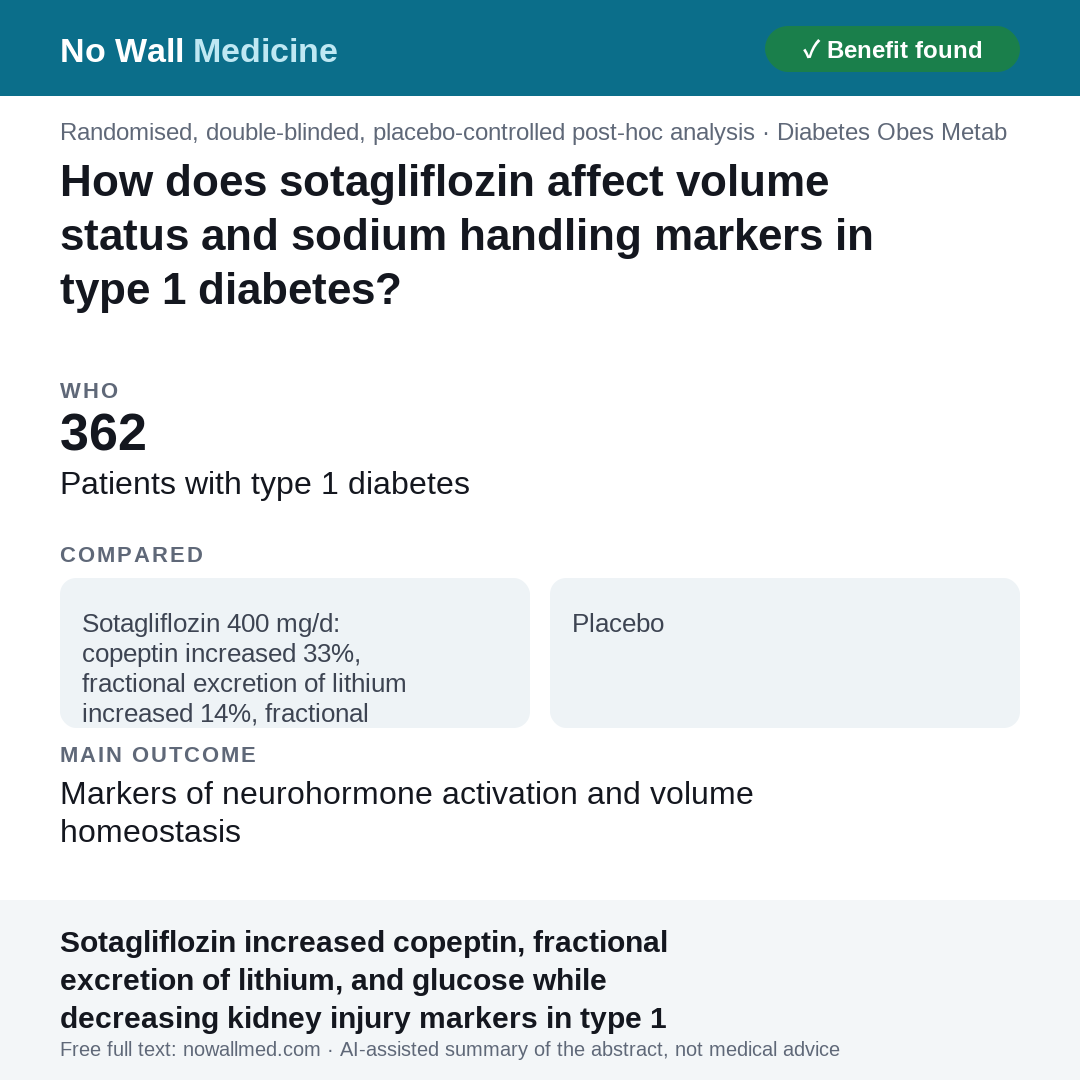
Predicting the unpredictable: prognostic and predictive power of FAPI-PET imaging in oncology: a systematic review and meta-analysis
Systematic review and meta-analysisBenefit found
Does baseline fibroblast activation protein inhibitor PET imaging predict survival and treatment response?
Who
1430
Cancer patients with various cancer types
Compared
Higher maximum standardized uptake value: poor overall survival
Lower maximum standardized uptake value
Main outcome
overall survival, progression-free survival, and tumor response
Result: hazard ratio 2.36 (95% CI 1.56-3.56)
Bottom line: Baseline fibroblast activation protein inhibitor PET parameters are significant prognostic markers for cancer survival.
Eur J Nucl Med Mol Imaging · 2026-01-27Download image
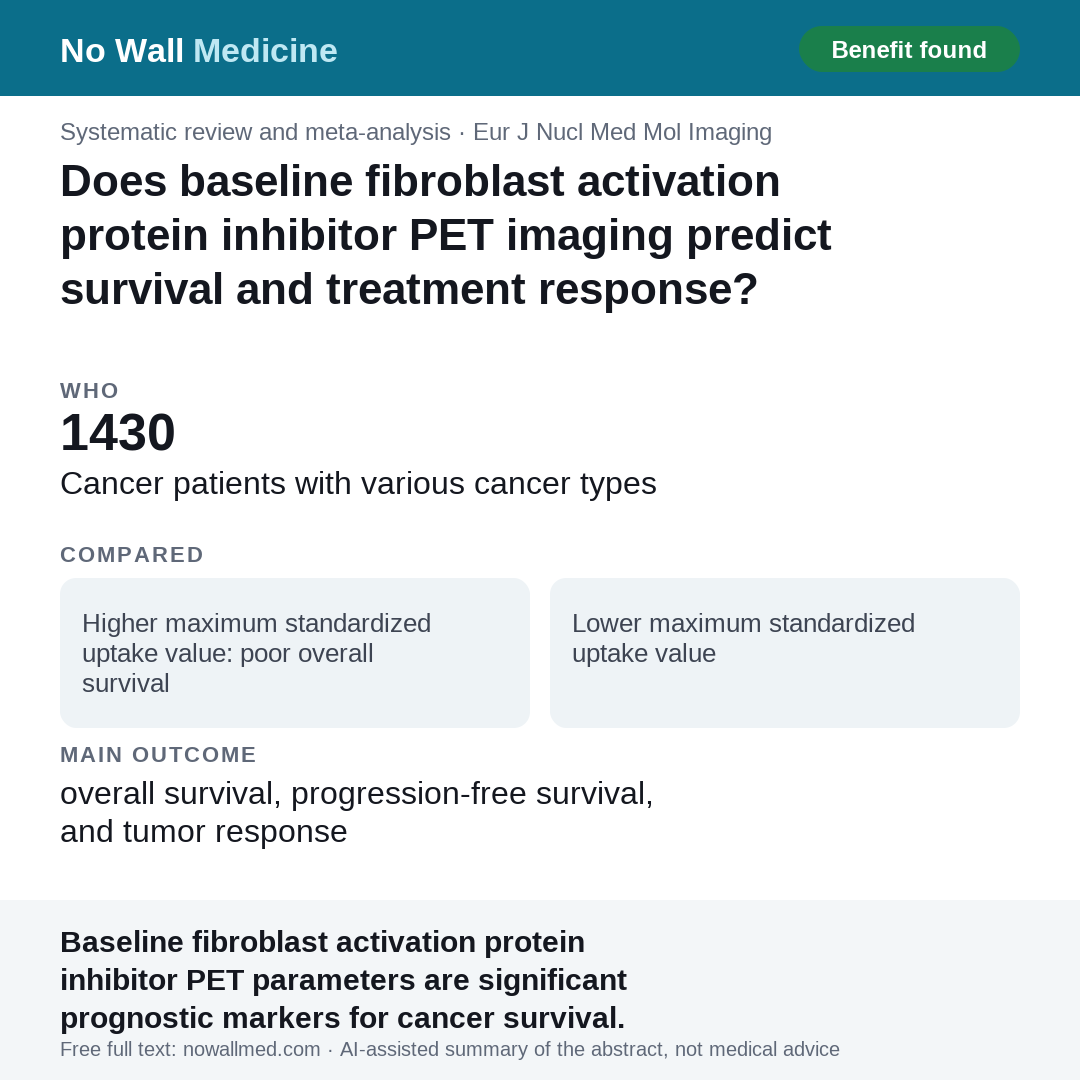
High-Exchange Ultrafiltration to Enhance Recovery After Pediatric Cardiac Surgery: The ULTRA Randomized Controlled Trial
Single-center, double-blind randomized controlled trialNo clear difference
Does high-exchange ultrafiltration during cardiopulmonary bypass improve recovery after pediatric cardiac surgery?
Who
104
Pediatric patients weighing less than 15 kg undergoing cardiac surgery · Single-center
Compared
26.9High-exchange subzero-balance ultrafiltration (2.1-77.9)
27.8Low-exchange subzero-balance ultrafiltration (0.8-76.7)
Main outcome
Peak postoperative vasoactive-ventilation-renal score
Bottom line: High-exchange ultrafiltration did not reduce peak vasoactive-ventilation-renal scores or improve clinical outcomes in pediatric cardiac surgery.
Ann Thorac Surg · 2026-01-27Download image
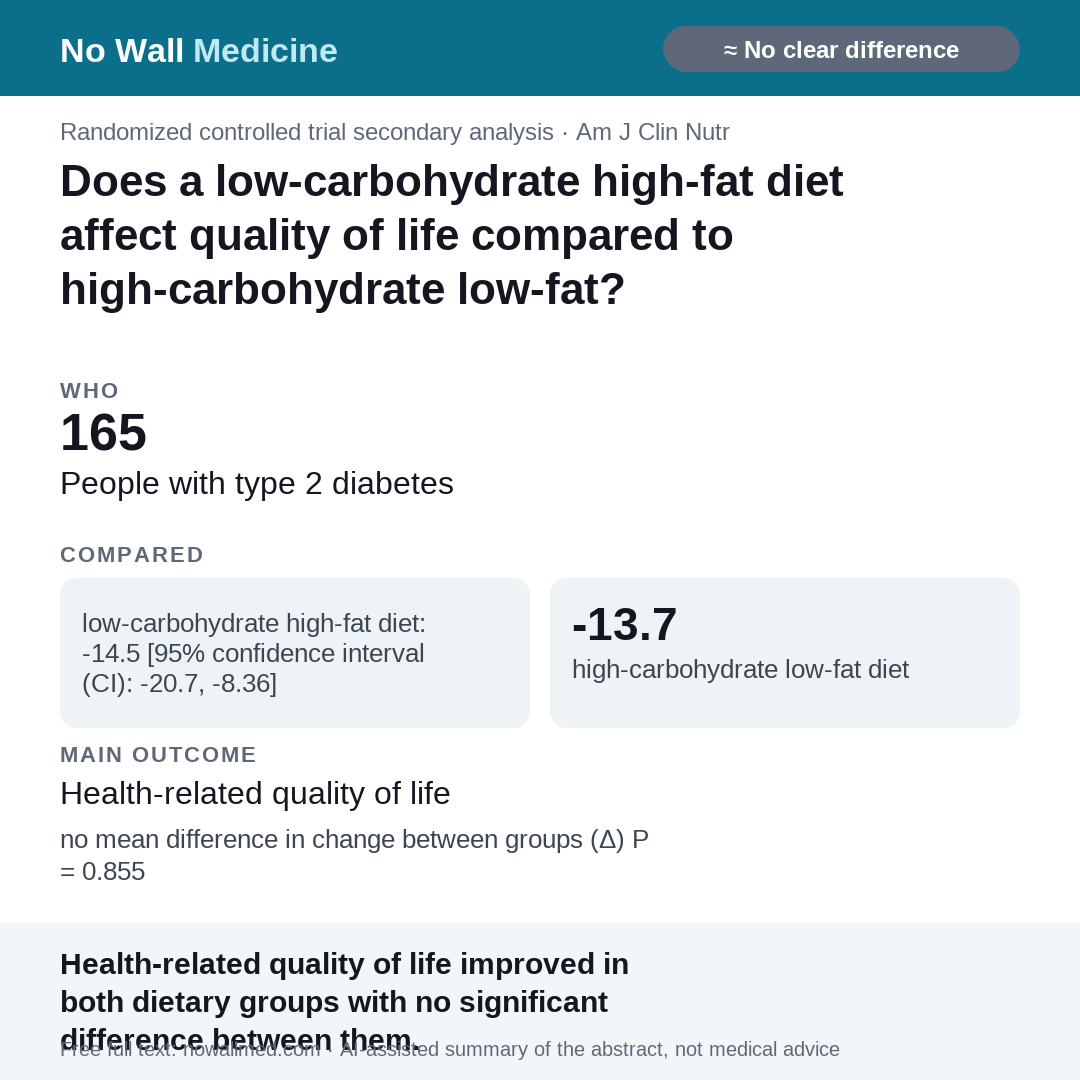
Health-related quality of life, compliance and sustained adherence on a low-carbohydrate high-fat diet compared with a high-carbohydrate low-fat diet in people with type 2 diabetes
Randomized controlled trial secondary analysisNo clear difference
Does a low-carbohydrate high-fat diet affect quality of life compared to high-carbohydrate low-fat?
Who
165
People with type 2 diabetes
Compared
low-carbohydrate high-fat diet: -14.5 [95% confidence interval (CI): -20.7, -8.36]
-13.7high-carbohydrate low-fat diet (95% CI: -22.7, -4.6)
Main outcome
Health-related quality of life
Result: no mean difference in change between groups (Δ) P = 0.855
Bottom line: Health-related quality of life improved in both dietary groups with no significant difference between them.
Am J Clin Nutr · 2026-01-27Download image
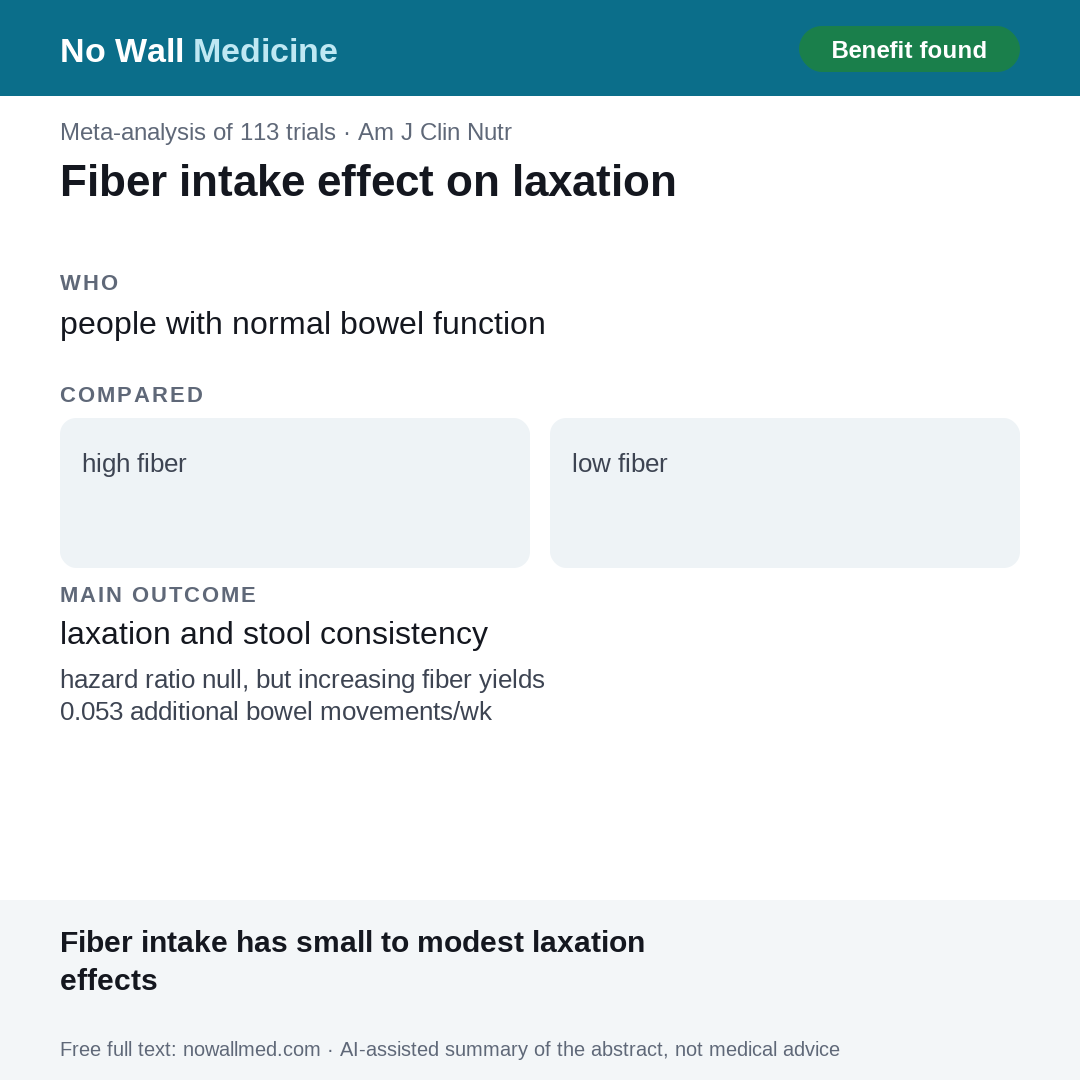
Fiber intake and laxation in people with normal bowel function: a systematic review
Meta-analysis of 113 trialsBenefit found
Fiber intake effect on laxation
Who
people with normal bowel function
Compared
high fiber
low fiber
Main outcome
laxation and stool consistency
Result: hazard ratio null, but increasing fiber yields 0.053 additional bowel movements/wk
Bottom line: Fiber intake has small to modest laxation effects
Limitation: findings are indirect and based on models
Am J Clin Nutr · 2026-01-27Download image