Visual abstracts
New randomized trials and meta-analyses from leading journals at a glance: who was studied, what was compared, and what was found. Every paper is free to read in full.
All specialtiesCardiology 4876Oncology 4133Gastroenterology & Hepatology 1942Infectious Disease 3833Neurology 1902Psychiatry & Mental Health 2273Pulmonology 2142Critical Care 1364Endocrinology & Diabetes 2579Pediatrics 2980Surgery 2556Orthopedics & Sports Medicine 931Neurosurgery 537Cardiothoracic & Vascular Surgery 674Plastic & Reconstructive Surgery 590Nephrology 1133Rheumatology 823Hematology 1109Dermatology 621Ophthalmology 543Obstetrics & Gynecology 1686Public & Global Health 1058Radiology & Imaging 648Anesthesiology 986Urology 764ENT (Otolaryngology) 503Emergency Medicine 511Allergy & Immunology 313Geriatrics 978Family Medicine & Primary Care 562Medical Genetics & Genomics 676Pathology & Laboratory Medicine 159Physical Medicine & Rehabilitation 757Palliative Care 444Nutrition 1588Digital Health & AI 2197General Medicine 319
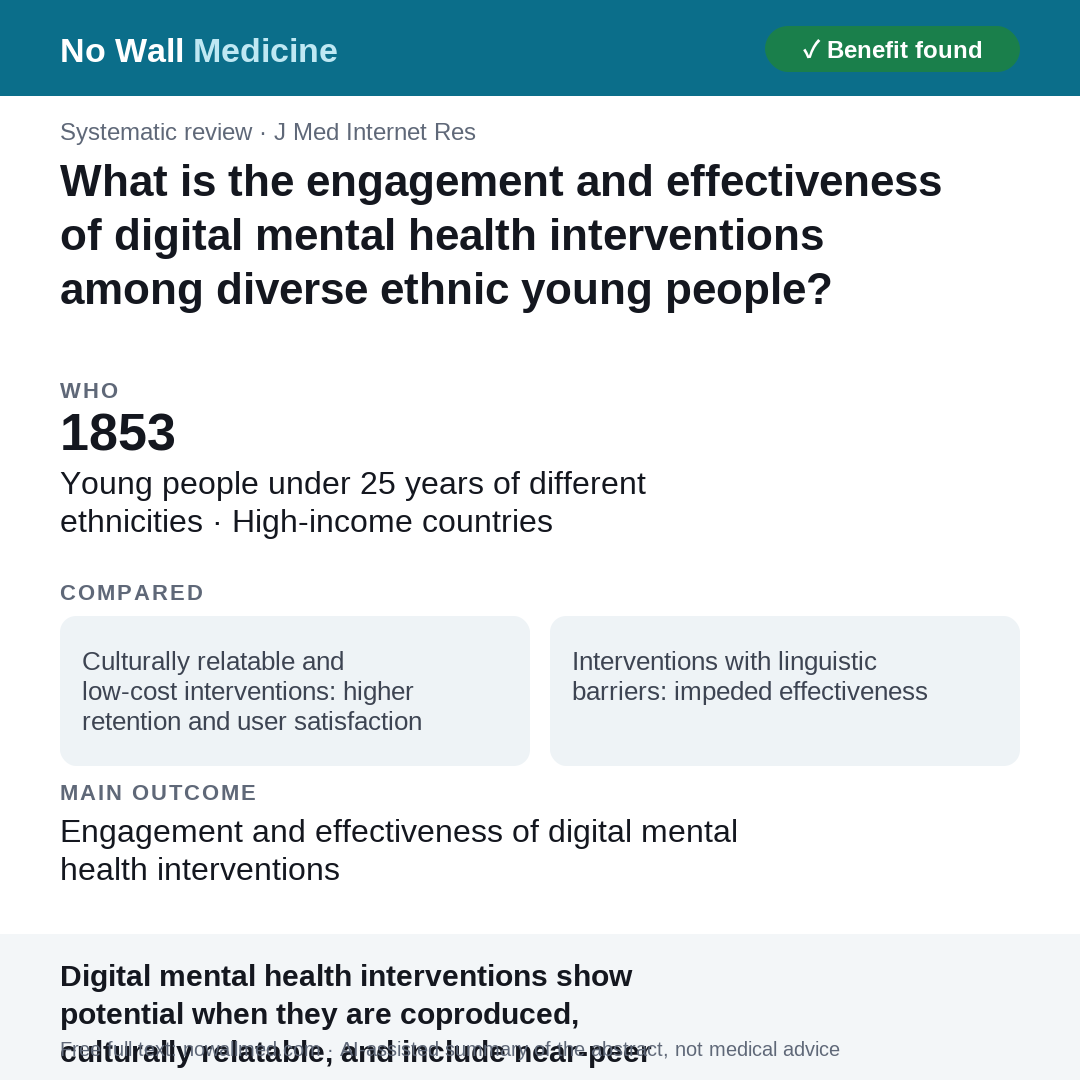
Exploring Engagement With and Effectiveness of Digital Mental Health Interventions in Young People of Different Ethnicities: Systematic Review
Systematic reviewBenefit found
What is the engagement and effectiveness of digital mental health interventions among diverse ethnic young people?
Who
1853
Young people under 25 years of different ethnicities · High-income countries
Compared
Culturally relatable and low-cost interventions: higher retention and user satisfaction
Interventions with linguistic barriers: impeded effectiveness
Main outcome
Engagement and effectiveness of digital mental health interventions
Bottom line: Digital mental health interventions show potential when they are coproduced, culturally relatable, and include near-peer mentorship.
Limitation: Small sample sizes, heterogeneity in outcome assessments, and a paucity of longitudinal data.
J Med Internet Res · 2025-04-07Download image
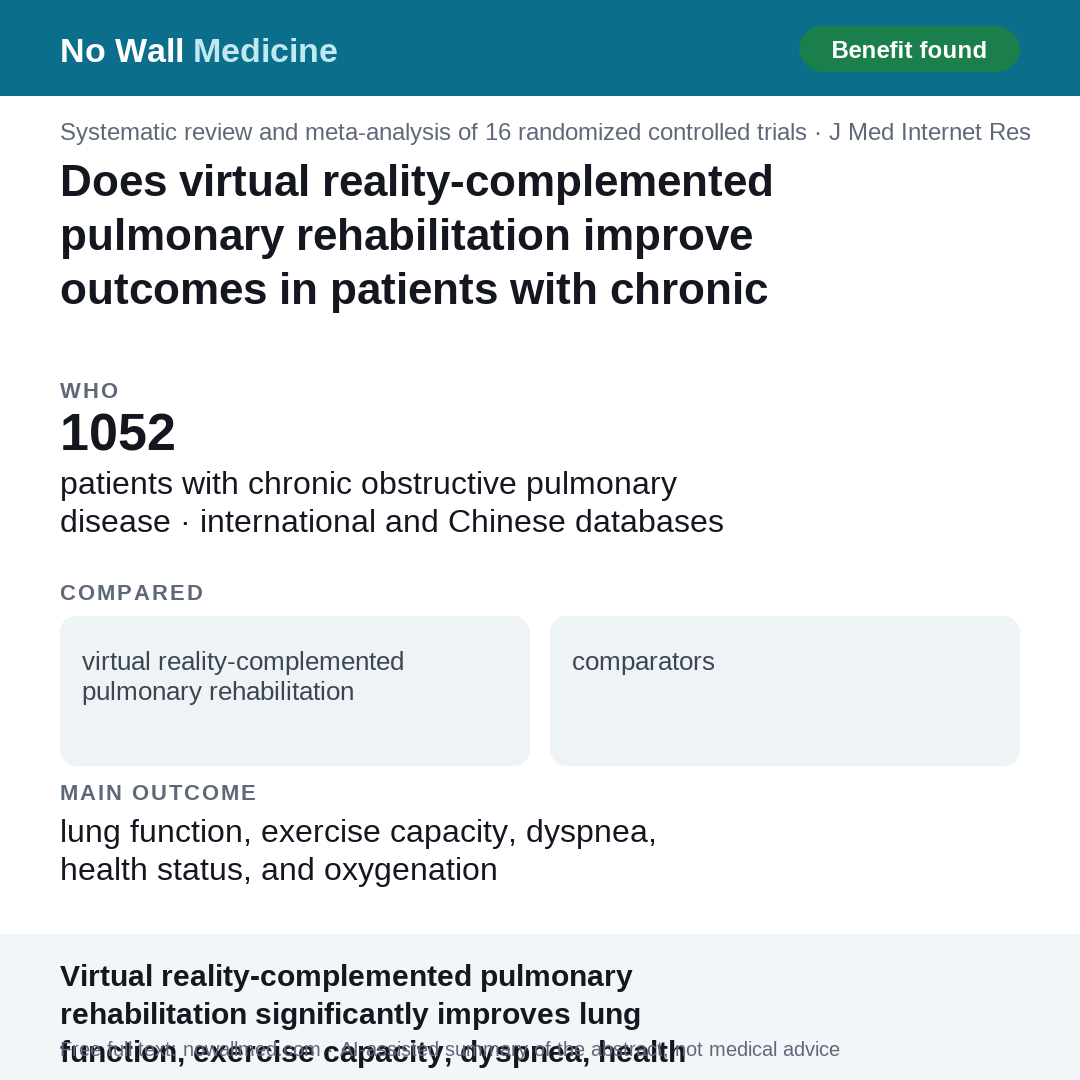
Effectiveness of Virtual Reality-Complemented Pulmonary Rehabilitation on Lung Function, Exercise Capacity, Dyspnea, and Health Status in Chronic Obstructive Pulmonary Disease: Systematic Review and Meta-Analysis
Systematic review and meta-analysis of 16 randomized controlled trialsBenefit found
Does virtual reality-complemented pulmonary rehabilitation improve outcomes in patients with chronic obstructive pulmonary disease?
Who
1052
patients with chronic obstructive pulmonary disease · international and Chinese databases
Compared
virtual reality-complemented pulmonary rehabilitation
comparators
Main outcome
lung function, exercise capacity, dyspnea, health status, and oxygenation
Bottom line: Virtual reality-complemented pulmonary rehabilitation significantly improves lung function, exercise capacity, dyspnea, health status, and oxygenation in patients.
Limitation: future research focusing on long-term outcomes and standardized protocols
J Med Internet Res · 2025-04-07Download image
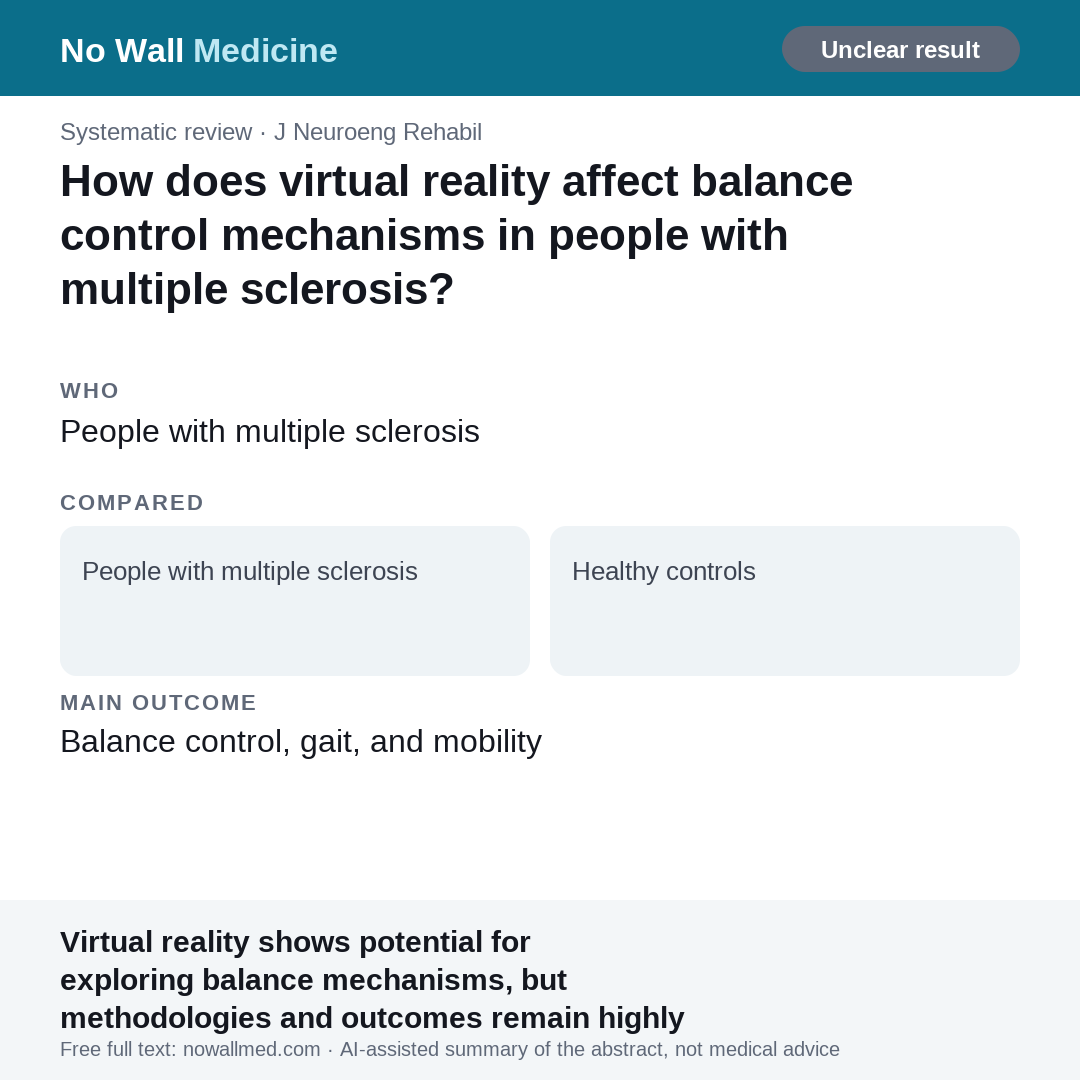
Exploring balance control mechanisms in people with multiple sclerosis in virtual reality environment: a systematic review
Systematic reviewUnclear result
How does virtual reality affect balance control mechanisms in people with multiple sclerosis?
Who
People with multiple sclerosis
Compared
People with multiple sclerosis
Healthy controls
Main outcome
Balance control, gait, and mobility
Bottom line: Virtual reality shows potential for exploring balance mechanisms, but methodologies and outcomes remain highly variable.
J Neuroeng Rehabil · 2025-04-07Download image
Early initiated noradrenaline versus fluid therapy for hypotension and shock in the emergency department (VASOSHOCK): a protocol for a pragmatic, multi-center, superiority, randomized controlled trial
Pragmatic, multi-center, superiority, randomized controlled trialUnclear result
Does early noradrenaline versus fluid therapy improve blood pressure and reduce intensive care admittance?
Who
320
Adults with hypotension excluding cardiogenic, haemorrhagic, anaphylactic, or neurogenic causes · Scandinavia
Compared
Early initiated noradrenaline
Usual care fluid therapy
Main outcome
Proportion of patients achieving shock control within 90 minutes
Bottom line: This protocol describes a trial to compare early noradrenaline versus fluid therapy for hypotension in the emergency department.
Scand J Trauma Resusc Emerg Med · 2025-04-07Download image

Safety and efficacy of neoadjuvant toripalimab plus chemotherapy followed by chemoradiotherapy for locally advanced esophageal squamous cell carcinoma in China (GASTO 1071): a non-randomised, two-cohort, phase 2 trial
Non-randomized, two-cohort, phase 2 trialBenefit found
Is neoadjuvant toripalimab plus chemotherapy followed by chemoradiotherapy effective for locally advanced esophageal squamous cell carcinoma?
Who
124
Patients with unresectable, stage T1-4N0-3M0-1 esophageal squamous cell carcinoma · China
Compared
65.0%Cohort A-60Gy (95% CI, 53.9-78.3%)
65.1%Cohort B-50Gy (95% CI, 53.7-78.8%)
Main outcome
18-month progression-free survival rate
Bottom line: Neoadjuvant chemo-immunotherapy followed by chemoradiotherapy achieved promising efficacy in locally advanced esophageal squamous cell carcinoma.
eClinicalMedicine · 2025-04-05Download image

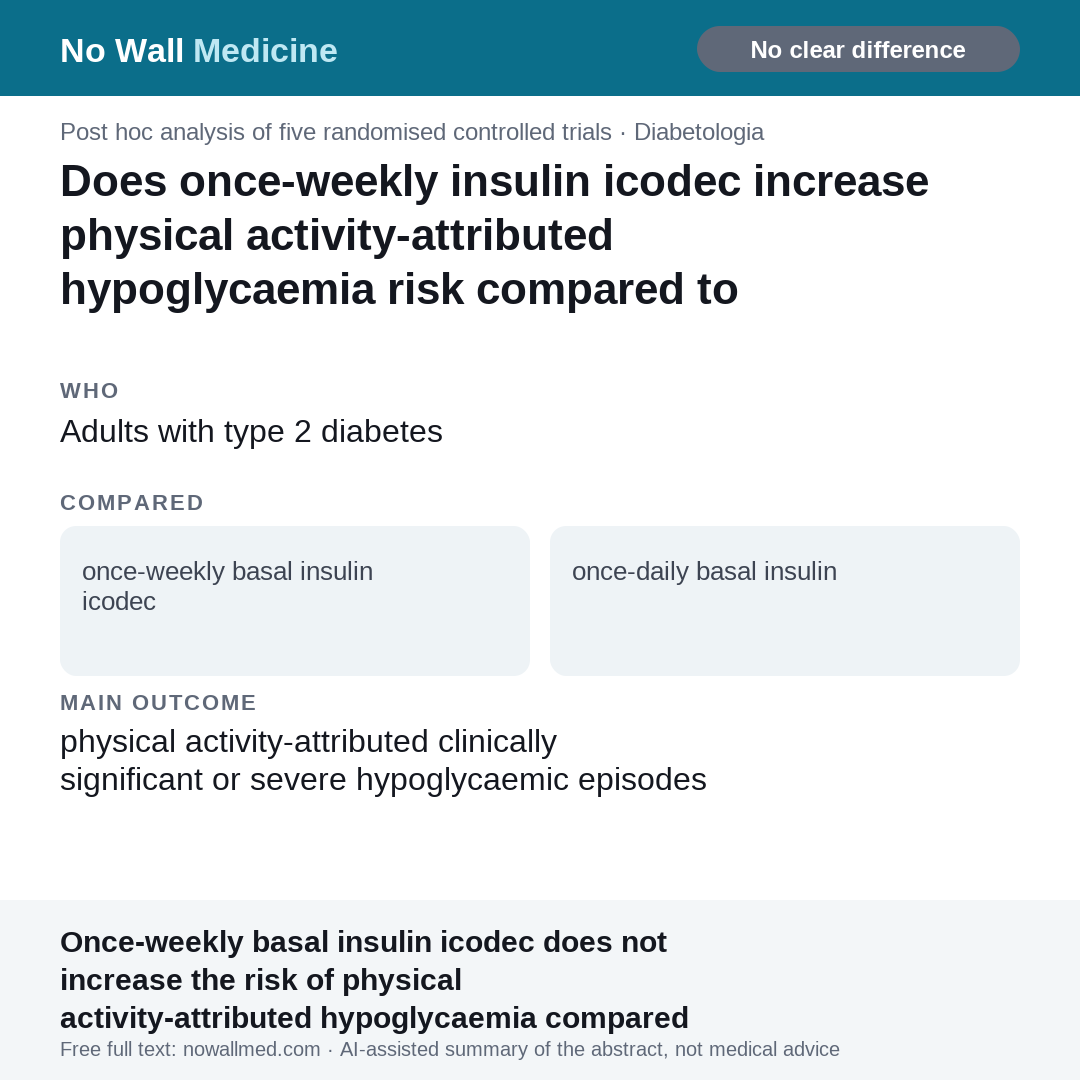
The effect of once-weekly insulin icodec vs once-daily basal insulin on physical activity-attributed hypoglycaemia in type 2 diabetes: a post hoc analysis of ONWARDS 1-5
Post hoc analysis of five randomised controlled trialsNo clear difference
Does once-weekly insulin icodec increase physical activity-attributed hypoglycaemia risk compared to once-daily basal insulin?
Who
Adults with type 2 diabetes
Compared
once-weekly basal insulin icodec
once-daily basal insulin
Main outcome
physical activity-attributed clinically significant or severe hypoglycaemic episodes
Bottom line: Once-weekly basal insulin icodec does not increase the risk of physical activity-attributed hypoglycaemia compared to once-daily basal insulins.
Diabetologia · 2025-04-05Download image
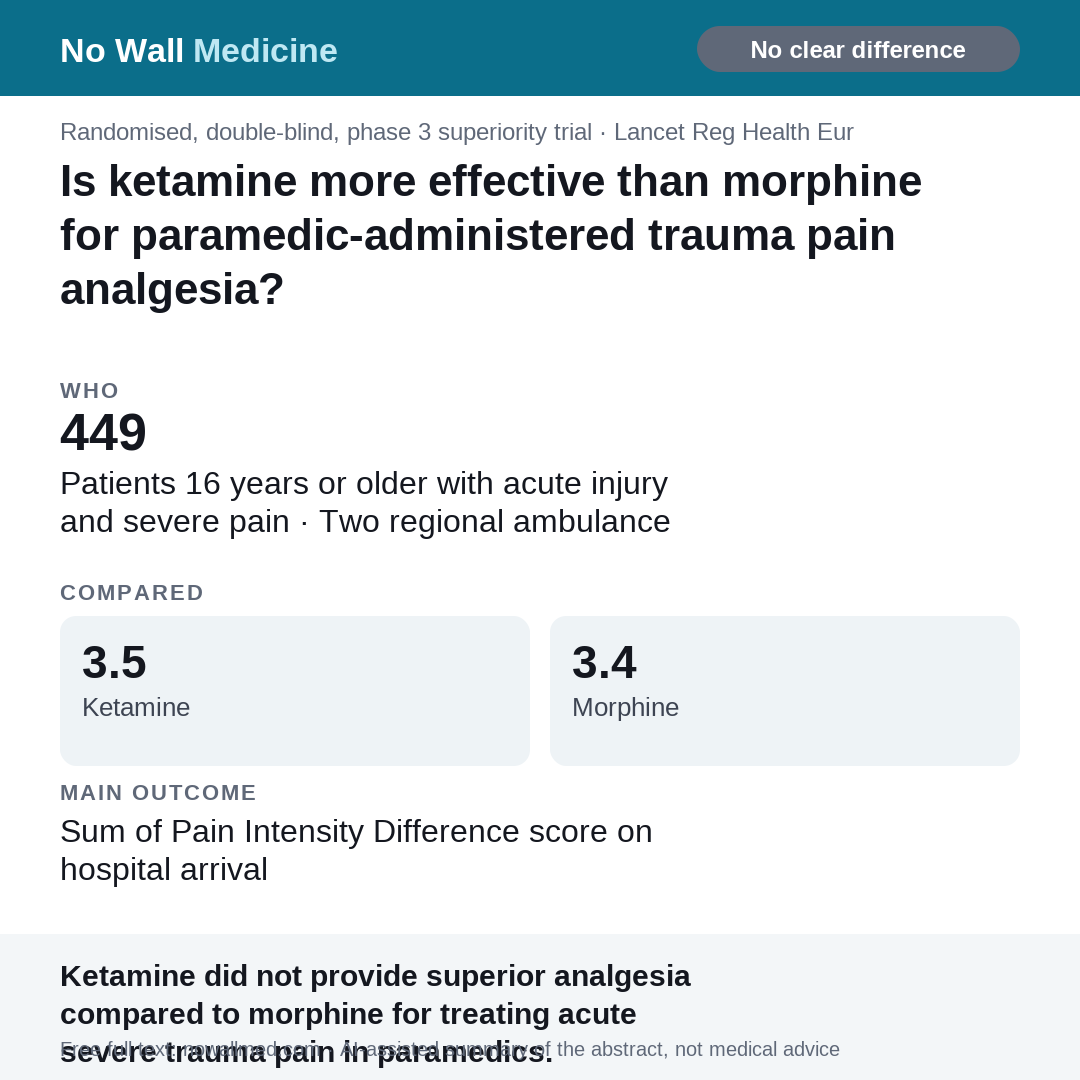
Paramedic analgesia comparing ketamine and morphine in trauma (PACKMaN): a randomised, double-blind, phase 3 trial
Randomised, double-blind, phase 3 superiority trialNo clear difference
Is ketamine more effective than morphine for paramedic-administered trauma pain analgesia?
Who
449
Patients 16 years or older with acute injury and severe pain · Two regional ambulance services in the United Kingdom
Compared
3.5Ketamine (SD 2.8)
3.4Morphine (SD 3.0)
Main outcome
Sum of Pain Intensity Difference score on hospital arrival
Result: adjusted mean difference 0.1, 95%CI -0.4 to 0.6
Bottom line: Ketamine did not provide superior analgesia compared to morphine for treating acute severe trauma pain in paramedics.
Limitation: Many patients still experienced pain on arrival at hospital.
Funded by: National Institute for Health and Care Research
Lancet Reg Health Eur · 2025-04-05Download image
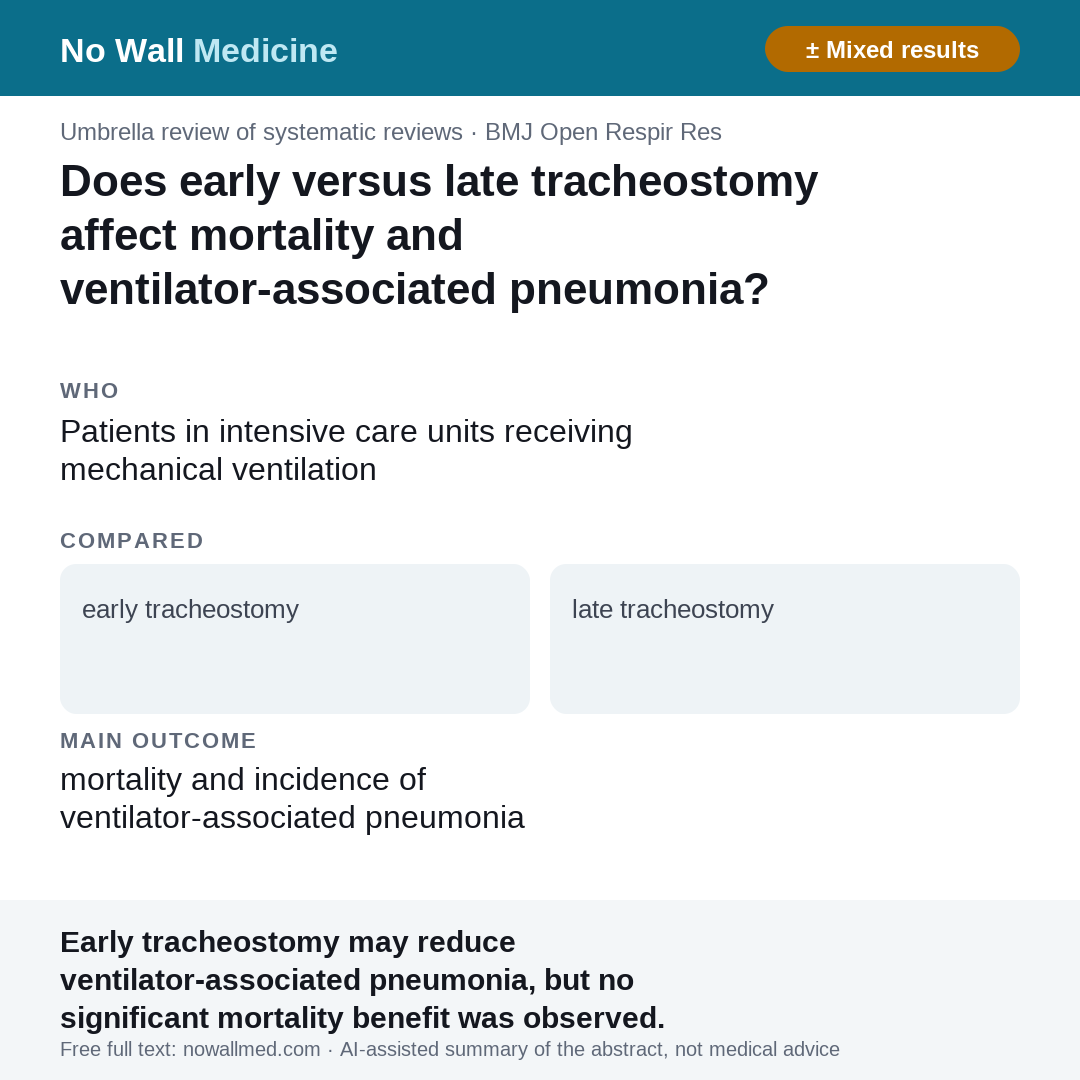
Early versus late tracheostomy in critically ill patients: an umbrella review of systematic reviews of randomised clinical trials with meta-analyses and trial sequential analysis
Umbrella review of systematic reviewsMixed results
Does early versus late tracheostomy affect mortality and ventilator-associated pneumonia?
Who
Patients in intensive care units receiving mechanical ventilation
Compared
early tracheostomy
late tracheostomy
Main outcome
mortality and incidence of ventilator-associated pneumonia
Result: OR 0.65 (95% CI 0.47 to 0.89) for ventilator-associated pneumonia
Bottom line: Early tracheostomy may reduce ventilator-associated pneumonia, but no significant mortality benefit was observed.
Limitation: Most studies were rated as critically low quality and data are insufficient for definitive conclusions.
BMJ Open Respir Res · 2025-04-05Download image
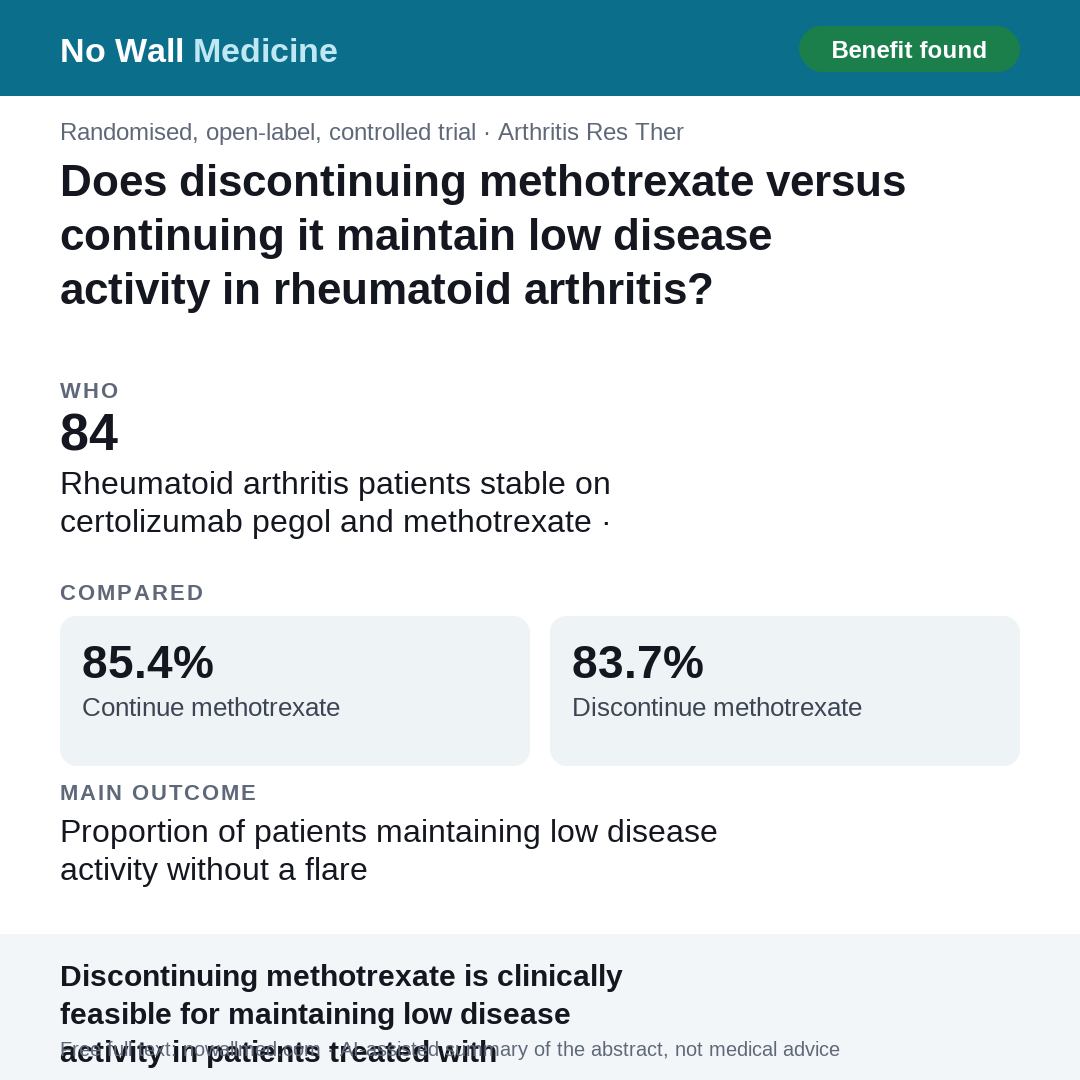
Discontinuation vs. continuation of concomitant methotrexate in patients with rheumatoid arthritis on certolizumab pegol: results from a randomised, controlled trial
Randomised, open-label, controlled trialBenefit found
Does discontinuing methotrexate versus continuing it maintain low disease activity in rheumatoid arthritis?
Who
84
Rheumatoid arthritis patients stable on certolizumab pegol and methotrexate · Multicentre
Compared
85.4%Continue methotrexate (76.3 to 94.4%)
83.7%Discontinue methotrexate (74.5 to 93.0%)
Main outcome
Proportion of patients maintaining low disease activity without a flare
Result: -1.6% (90% CI -14.6 to 11.3%)
Bottom line: Discontinuing methotrexate is clinically feasible for maintaining low disease activity in patients treated with certolizumab pegol.
Arthritis Res Ther · 2025-04-05Download image
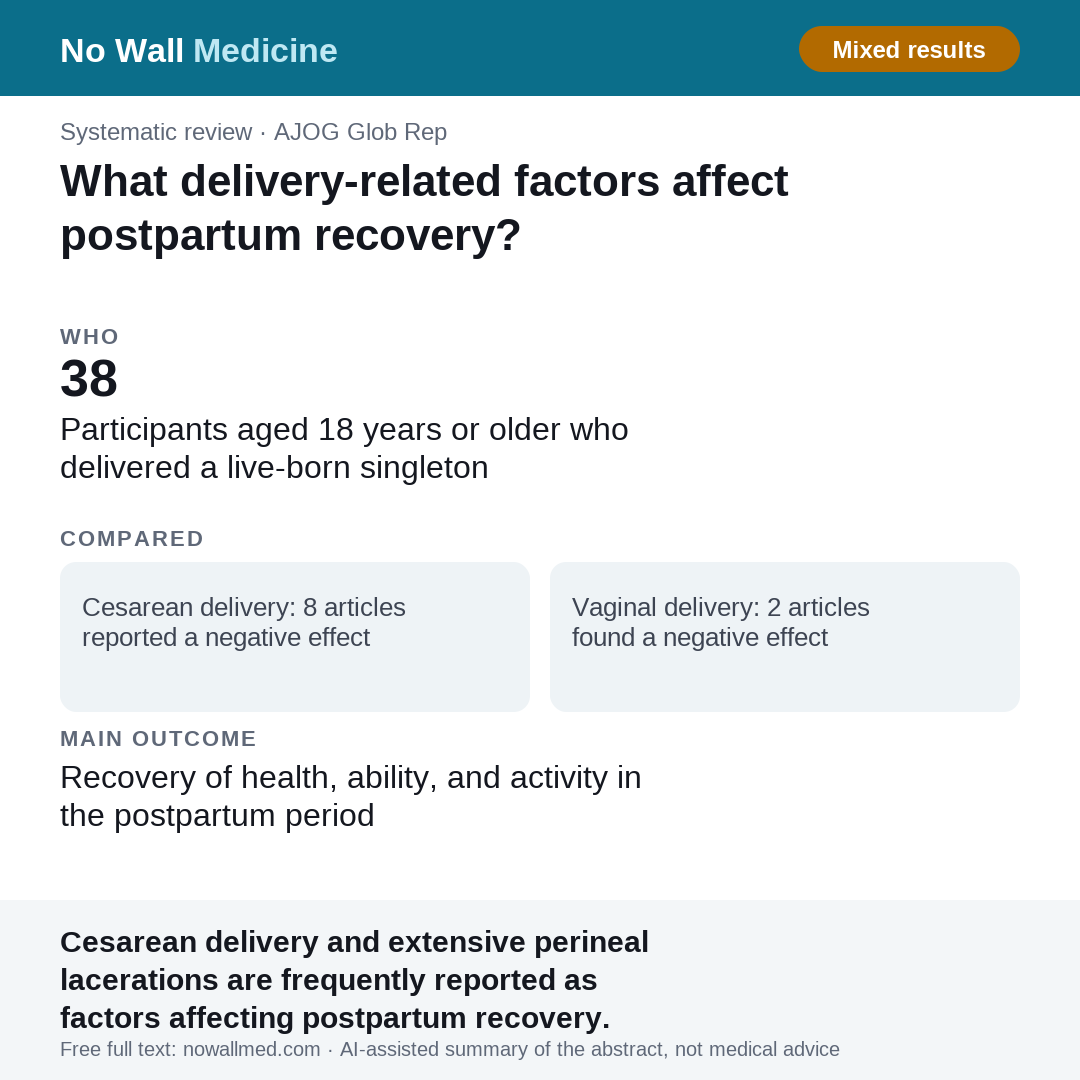
What delivery-related factors affect postpartum recovery? A systematic review
Systematic reviewMixed results
What delivery-related factors affect postpartum recovery?
Who
38
Participants aged 18 years or older who delivered a live-born singleton
Compared
Cesarean delivery: 8 articles reported a negative effect
Vaginal delivery: 2 articles found a negative effect
Main outcome
Recovery of health, ability, and activity in the postpartum period
Bottom line: Cesarean delivery and extensive perineal lacerations are frequently reported as factors affecting postpartum recovery.
AJOG Glob Rep · 2025-04-05Download image
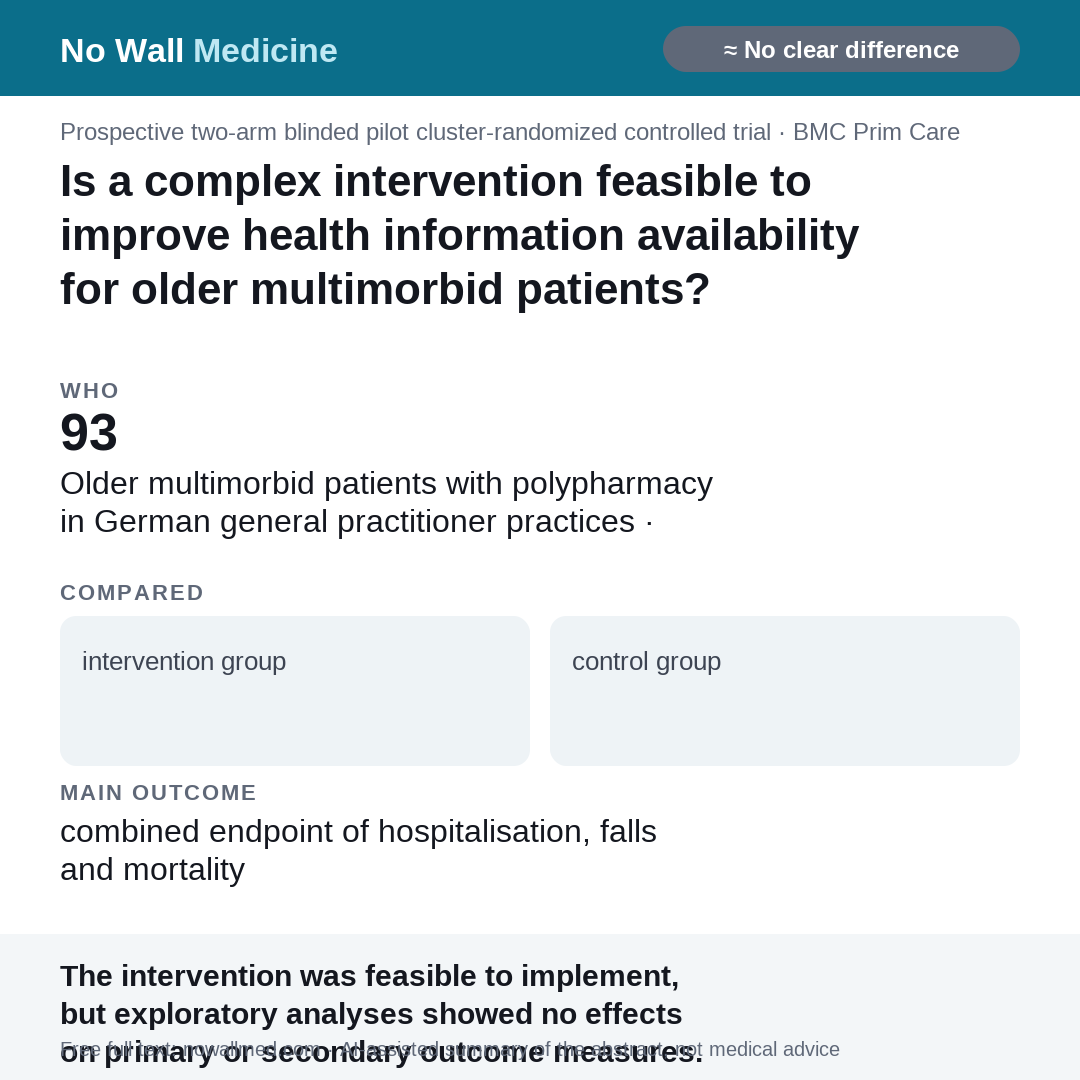
Health information management of older, multimorbid patients in German primary care: feasibility and first results of the outcome measures of a cluster-randomised controlled pilot trial - HYPERION-TransCare
Prospective two-arm blinded pilot cluster-randomized controlled trialNo clear difference
Is a complex intervention feasible to improve health information availability for older multimorbid patients?
Who
93
Older multimorbid patients with polypharmacy in German general practitioner practices · Germany
Compared
intervention group
control group
Main outcome
combined endpoint of hospitalisation, falls and mortality
Bottom line: The intervention was feasible to implement, but exploratory analyses showed no effects on primary or secondary outcome measures.
Limitation: Exploratory analyses showed no effects of the intervention on primary or secondary outcome measures.
BMC Prim Care · 2025-04-05Download image
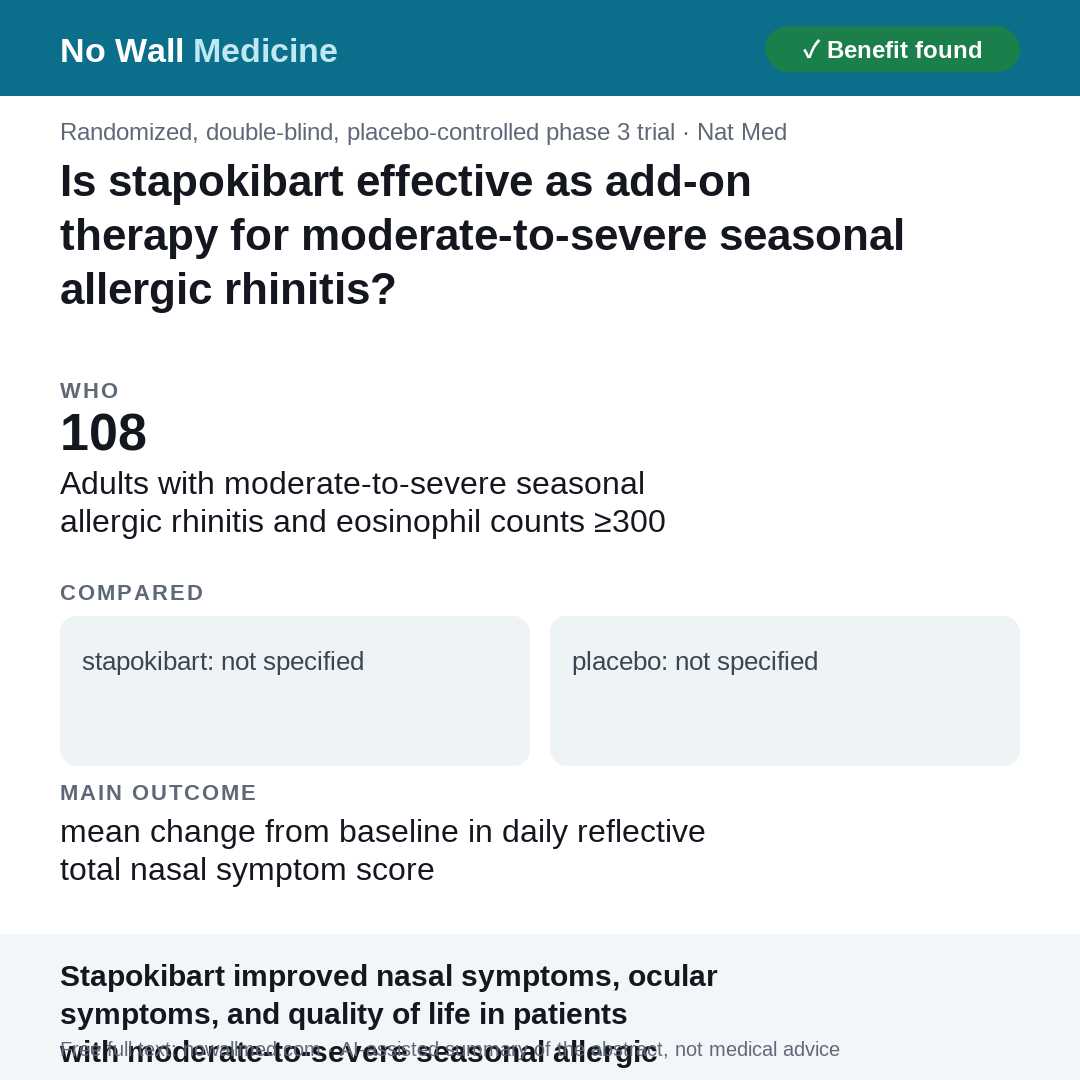
Stapokibart for moderate-to-severe seasonal allergic rhinitis: a randomized phase 3 trial
Randomized, double-blind, placebo-controlled phase 3 trialBenefit found
Is stapokibart effective as add-on therapy for moderate-to-severe seasonal allergic rhinitis?
Who
108
Adults with moderate-to-severe seasonal allergic rhinitis and eosinophil counts ≥300 cells/μl · multicenter
Compared
stapokibart: not specified
placebo: not specified
Main outcome
mean change from baseline in daily reflective total nasal symptom score
Result: least-squares mean difference, -1.3 (95% confidence interval, -2.0 to -0.6)
Bottom line: Stapokibart improved nasal symptoms, ocular symptoms, and quality of life in patients with moderate-to-severe seasonal allergic rhinitis.
Nat Med · 2025-04-04Download image
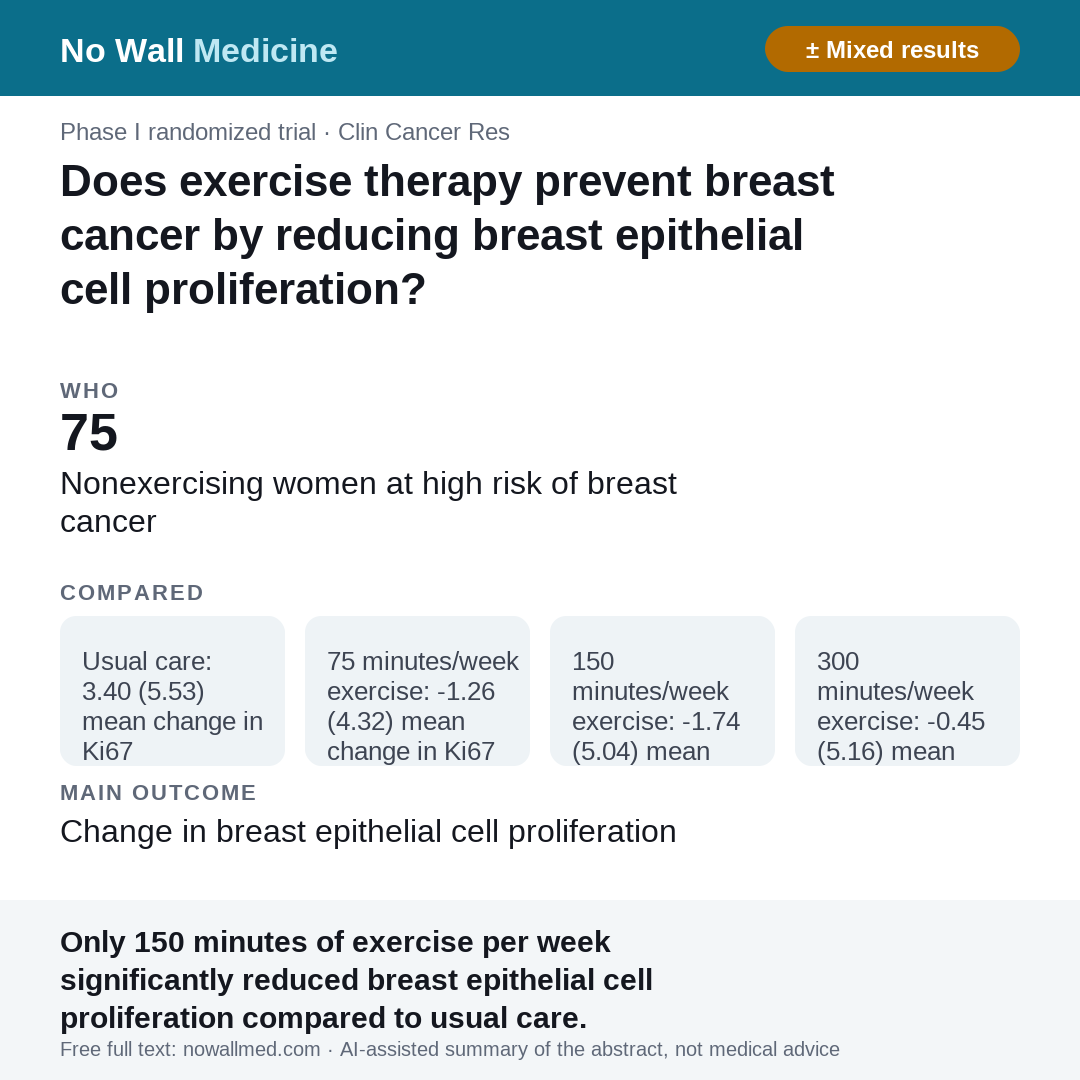
A Co-clinical Trial of Exercise Therapy in Breast Cancer Prevention
Phase I randomized trialMixed results
Does exercise therapy prevent breast cancer by reducing breast epithelial cell proliferation?
Who
75
Nonexercising women at high risk of breast cancer
Compared
Usual care: 3.40 (5.53) mean change in Ki67
75 minutes/week exercise: -1.26 (4.32) mean change in Ki67
150 minutes/week exercise: -1.74 (5.04) mean change in Ki67
300 minutes/week exercise: -0.45 (5.16) mean change in Ki67
Main outcome
Change in breast epithelial cell proliferation
Bottom line: Only 150 minutes of exercise per week significantly reduced breast epithelial cell proliferation compared to usual care.
Clin Cancer Res · 2025-04-04Download image
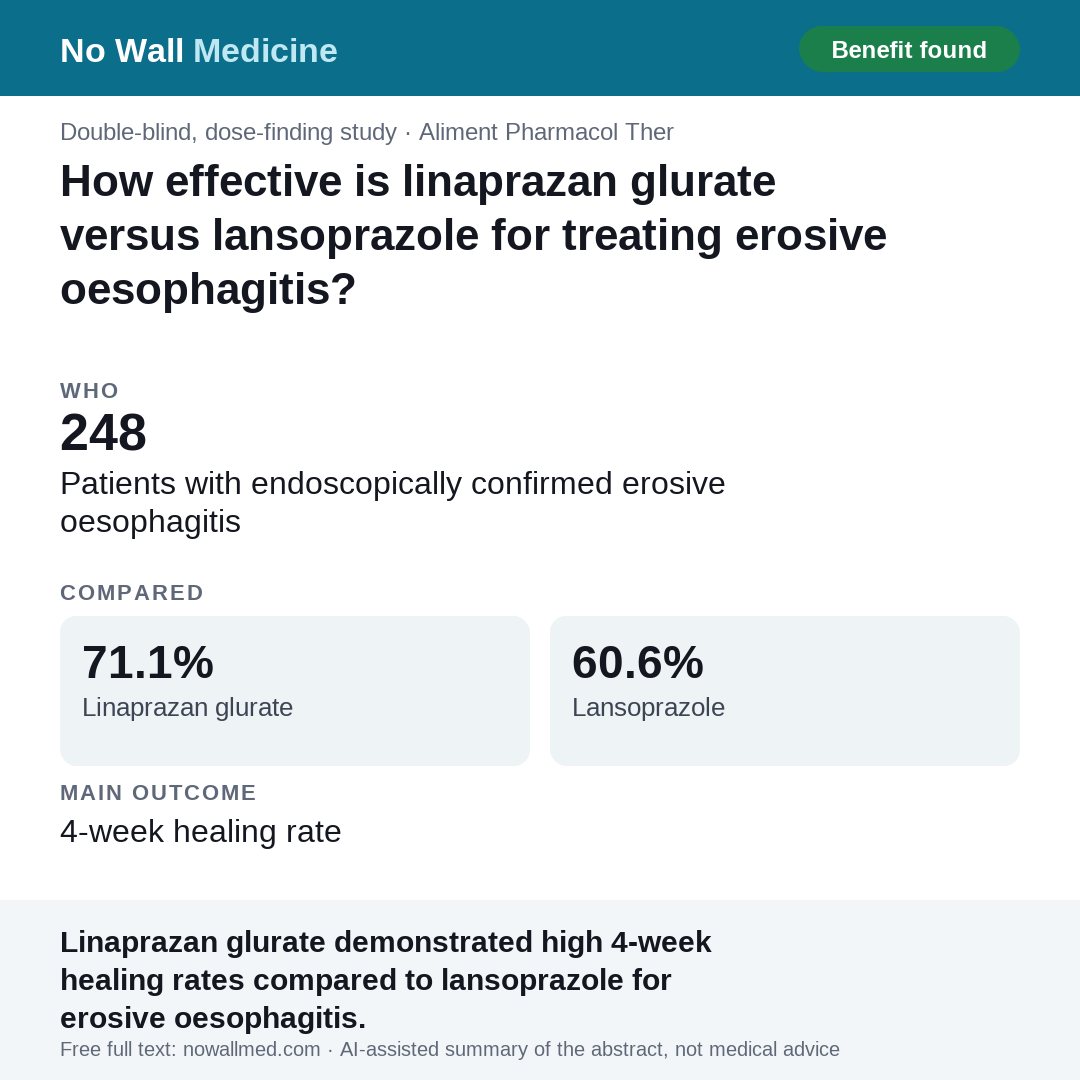
Clinical Trial: Dose-Finding Study of Linaprazan Glurate, A Novel Potassium-Competitive Acid Blocker, Versus Lansoprazole for the Treatment of Erosive Oesophagitis
Double-blind, dose-finding studyBenefit found
How effective is linaprazan glurate versus lansoprazole for treating erosive oesophagitis?
Who
248
Patients with endoscopically confirmed erosive oesophagitis
Compared
71.1%Linaprazan glurate (intention-to-treat analysis)
60.6%Lansoprazole (intention-to-treat analysis)
Main outcome
4-week healing rate
Bottom line: Linaprazan glurate demonstrated high 4-week healing rates compared to lansoprazole for erosive oesophagitis.
Aliment Pharmacol Ther · 2025-04-04Download image
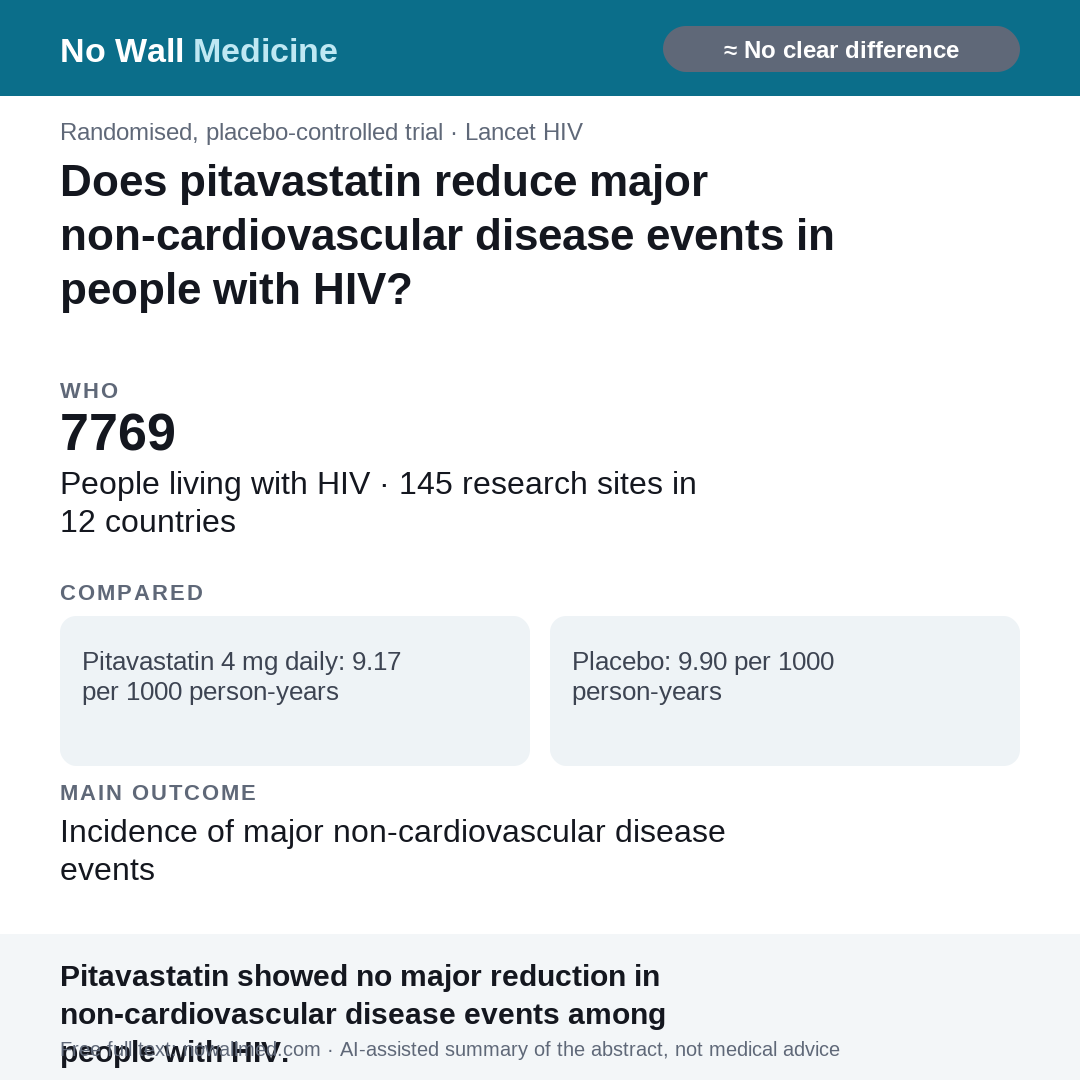
Statin effects on the incidence of major non-cardiovascular disease events among a global cohort of people with HIV: a randomised controlled trial
Randomised, placebo-controlled trialNo clear difference
Does pitavastatin reduce major non-cardiovascular disease events in people with HIV?
Who
7769
People living with HIV · 145 research sites in 12 countries
Compared
Pitavastatin 4 mg daily: 9.17 per 1000 person-years
Placebo: 9.90 per 1000 person-years
Main outcome
Incidence of major non-cardiovascular disease events
Result: hazard ratio 0.92, 95% CI 0.76-1.13
Bottom line: Pitavastatin showed no major reduction in non-cardiovascular disease events among people with HIV.
Limitation: The findings highlight the limitations of statin therapy for the prevention of non-cardiovascular disease.
Funded by: National Institutes of Health, Kowa Pharmaceuticals America, Gilead Sciences, and ViiV Healthcare
Lancet HIV · 2025-04-04Download image
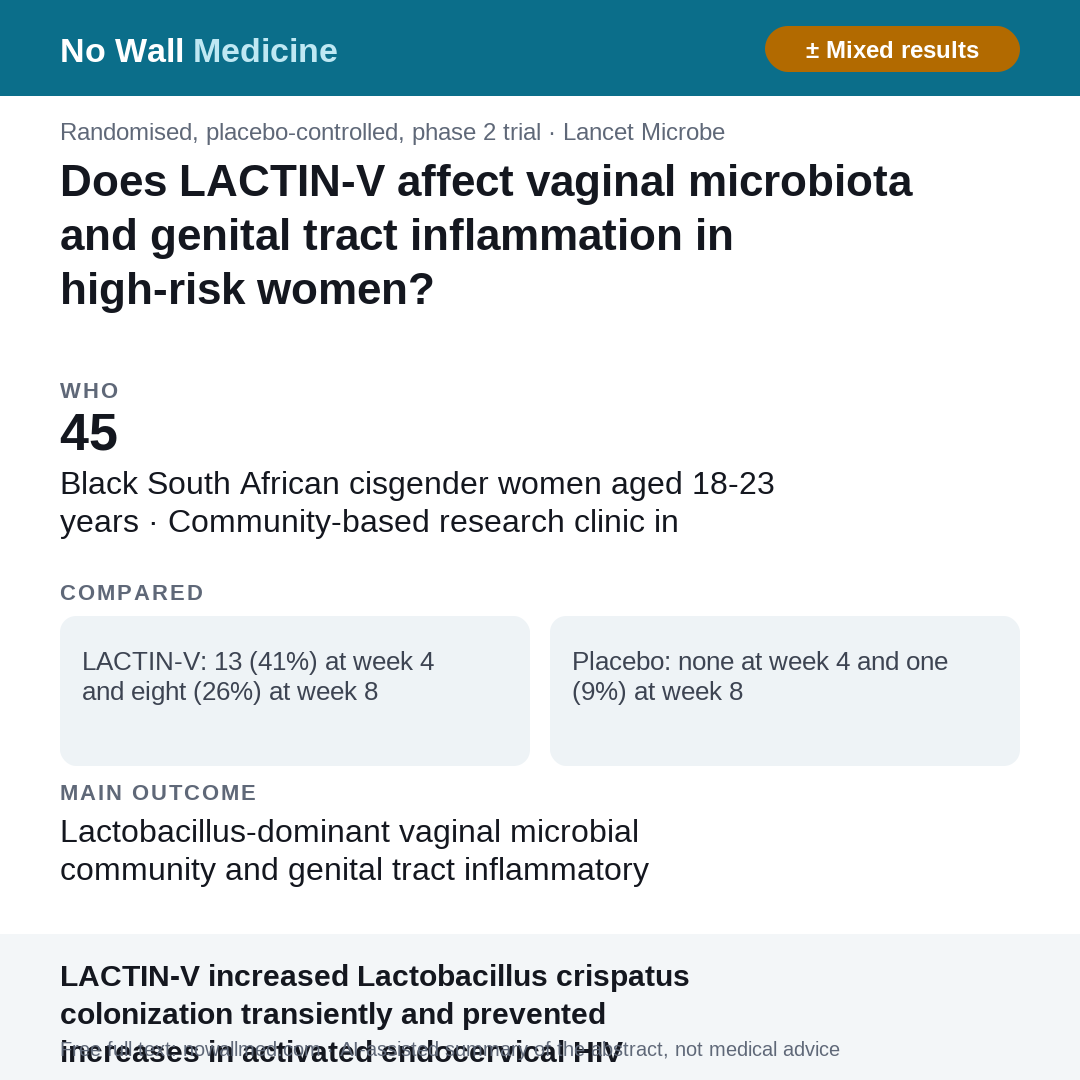
Effect of the vaginal live biotherapeutic LACTIN-V (Lactobacillus crispatus CTV-05) on vaginal microbiota and genital tract inflammation among women at high risk of HIV acquisition in South Africa: a phase 2, randomised, placebo-controlled trial
Randomised, placebo-controlled, phase 2 trialMixed results
Does LACTIN-V affect vaginal microbiota and genital tract inflammation in high-risk women?
Who
45
Black South African cisgender women aged 18-23 years · Community-based research clinic in South Africa
Compared
LACTIN-V: 13 (41%) at week 4 and eight (26%) at week 8
Placebo: none at week 4 and one (9%) at week 8
Main outcome
Lactobacillus-dominant vaginal microbial community and genital tract inflammatory markers
Result: p=0.0088 at week 4; p=0.40 at week 8
Bottom line: LACTIN-V increased Lactobacillus crispatus colonization transiently and prevented increases in activated endocervical HIV target cells.
Lancet Microbe · 2025-04-04Download image
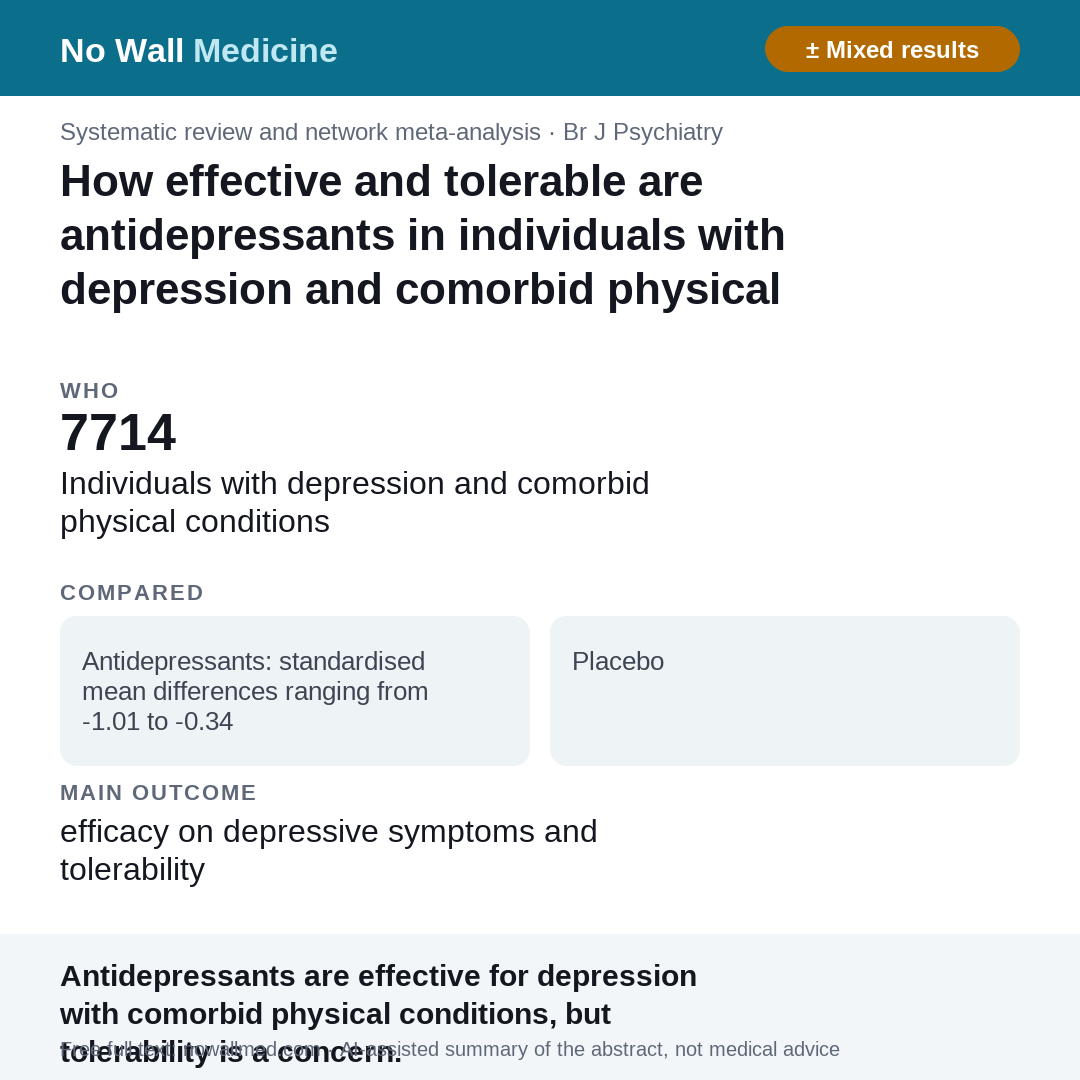
Efficacy and tolerability of antidepressants in individuals suffering from physical conditions and depressive disorders: network meta-analysis
Systematic review and network meta-analysisMixed results
How effective and tolerable are antidepressants in individuals with depression and comorbid physical conditions?
Who
7714
Individuals with depression and comorbid physical conditions
Compared
Antidepressants: standardised mean differences ranging from -1.01 to -0.34
Placebo
Main outcome
efficacy on depressive symptoms and tolerability
Bottom line: Antidepressants are effective for depression with comorbid physical conditions, but tolerability is a concern.
Limitation: certainty of evidence was low or very low for most comparisons
Br J Psychiatry · 2025-04-04Download image
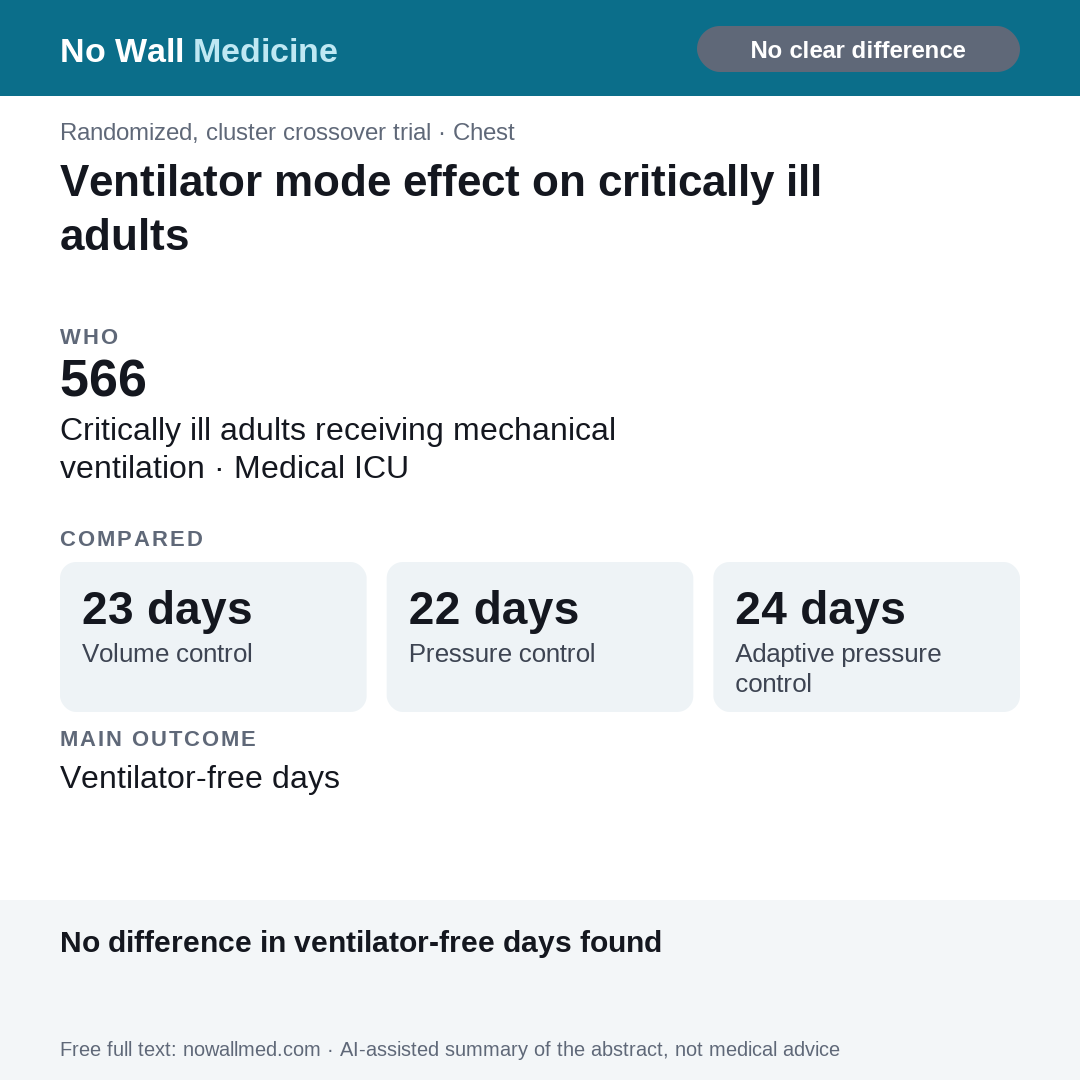
Effect of Ventilator Mode on Ventilator-Free Days in Critically Ill Adults: A Randomized Clinical Trial
Randomized, cluster crossover trialNo clear difference
Ventilator mode effect on critically ill adults
Who
566
Critically ill adults receiving mechanical ventilation · Medical ICU
Compared
23 daysVolume control (0-26 days)
22 daysPressure control (0-26 days)
24 daysAdaptive pressure control (0-26 days)
Main outcome
Ventilator-free days
Bottom line: No difference in ventilator-free days found
Chest · 2025-04-04Download image
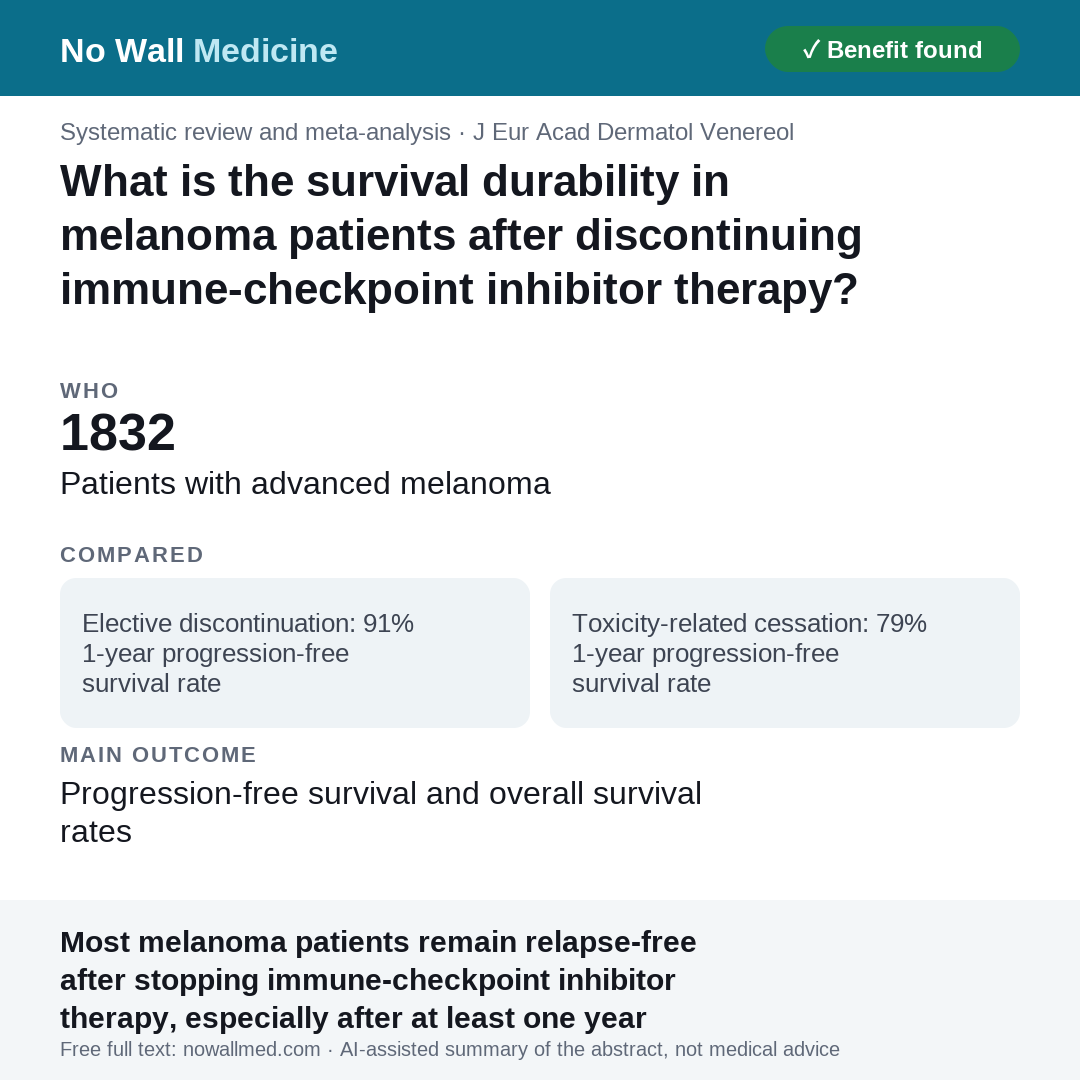
Survival after cessation of immunotherapies in melanoma: A systematic review and meta-analysis
Systematic review and meta-analysisBenefit found
What is the survival durability in melanoma patients after discontinuing immune-checkpoint inhibitor therapy?
Who
1832
Patients with advanced melanoma
Compared
Elective discontinuation: 91% 1-year progression-free survival rate
Toxicity-related cessation: 79% 1-year progression-free survival rate
Main outcome
Progression-free survival and overall survival rates
Result: 1-year progression-free survival 86% (95% CI 80%-91%)
Bottom line: Most melanoma patients remain relapse-free after stopping immune-checkpoint inhibitor therapy, especially after at least one year of treatment.
J Eur Acad Dermatol Venereol · 2025-04-04Download image
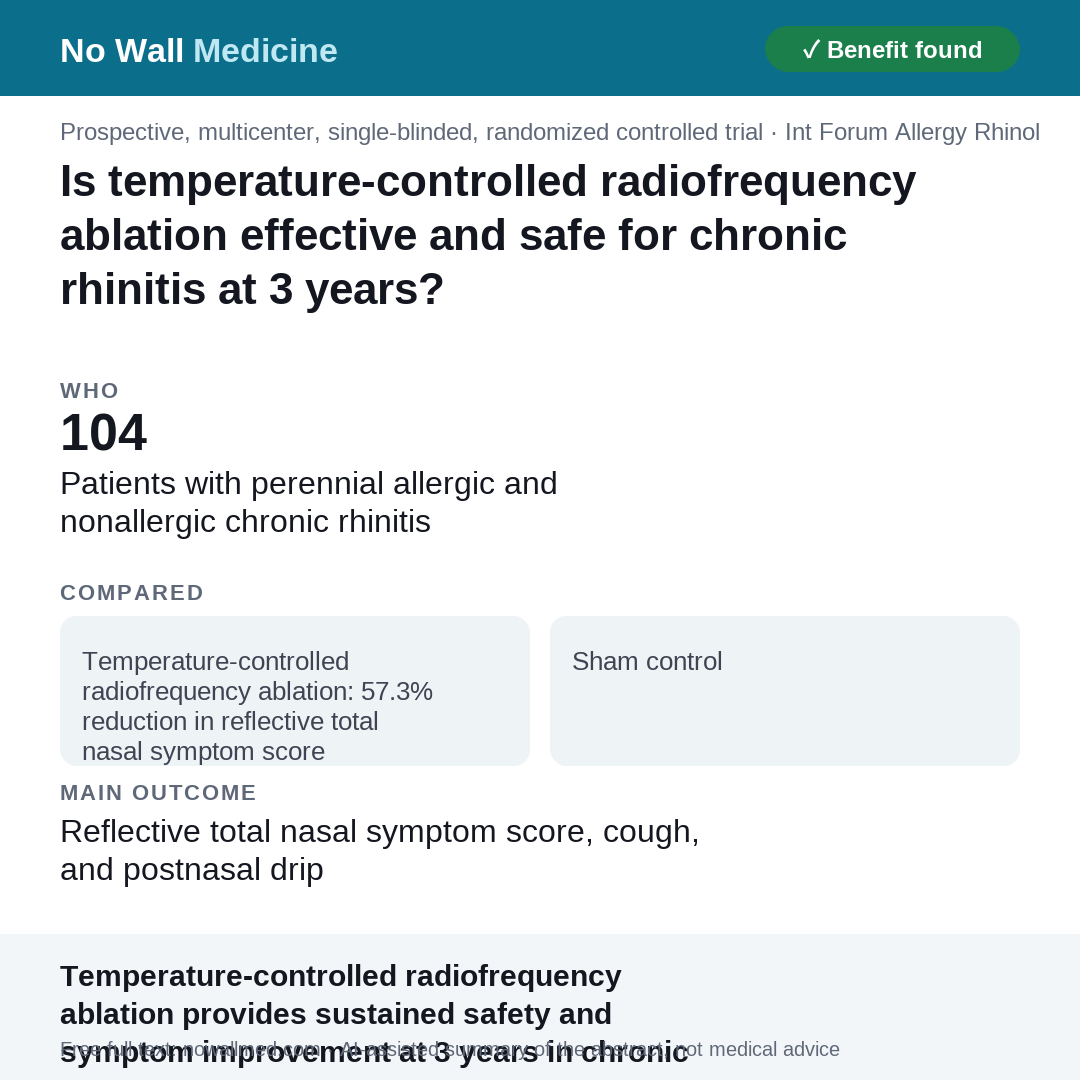
3-Year Outcomes of Temperature-Controlled Radiofrequency Ablation of the Posterior Nasal Nerve in Patients With Chronic Rhinitis
Prospective, multicenter, single-blinded, randomized controlled trialBenefit found
Is temperature-controlled radiofrequency ablation effective and safe for chronic rhinitis at 3 years?
Who
104
Patients with perennial allergic and nonallergic chronic rhinitis
Compared
Temperature-controlled radiofrequency ablation: 57.3% reduction in reflective total nasal symptom score
Sham control
Main outcome
Reflective total nasal symptom score, cough, and postnasal drip
Bottom line: Temperature-controlled radiofrequency ablation provides sustained safety and symptom improvement at 3 years in chronic rhinitis patients.
Int Forum Allergy Rhinol · 2025-04-04Download image