Visual abstracts
New randomized trials and meta-analyses from leading journals at a glance: who was studied, what was compared, and what was found. Every paper is free to read in full.
All specialtiesCardiology 3634Oncology 3116Gastroenterology & Hepatology 1429Infectious Disease 2586Neurology 1462Psychiatry & Mental Health 1724Pulmonology 1557Critical Care 1034Endocrinology & Diabetes 1858Pediatrics 2207Surgery 1920Orthopedics & Sports Medicine 683Neurosurgery 429Cardiothoracic & Vascular Surgery 439Plastic & Reconstructive Surgery 498Nephrology 796Rheumatology 588Hematology 814Dermatology 452Ophthalmology 402Obstetrics & Gynecology 1246Public & Global Health 696Radiology & Imaging 504Anesthesiology 746Urology 594ENT (Otolaryngology) 400Emergency Medicine 390Allergy & Immunology 224Geriatrics 767Family Medicine & Primary Care 419Medical Genetics & Genomics 473Pathology & Laboratory Medicine 121Physical Medicine & Rehabilitation 563Palliative Care 334Nutrition 1095Digital Health & AI 1703General Medicine 260
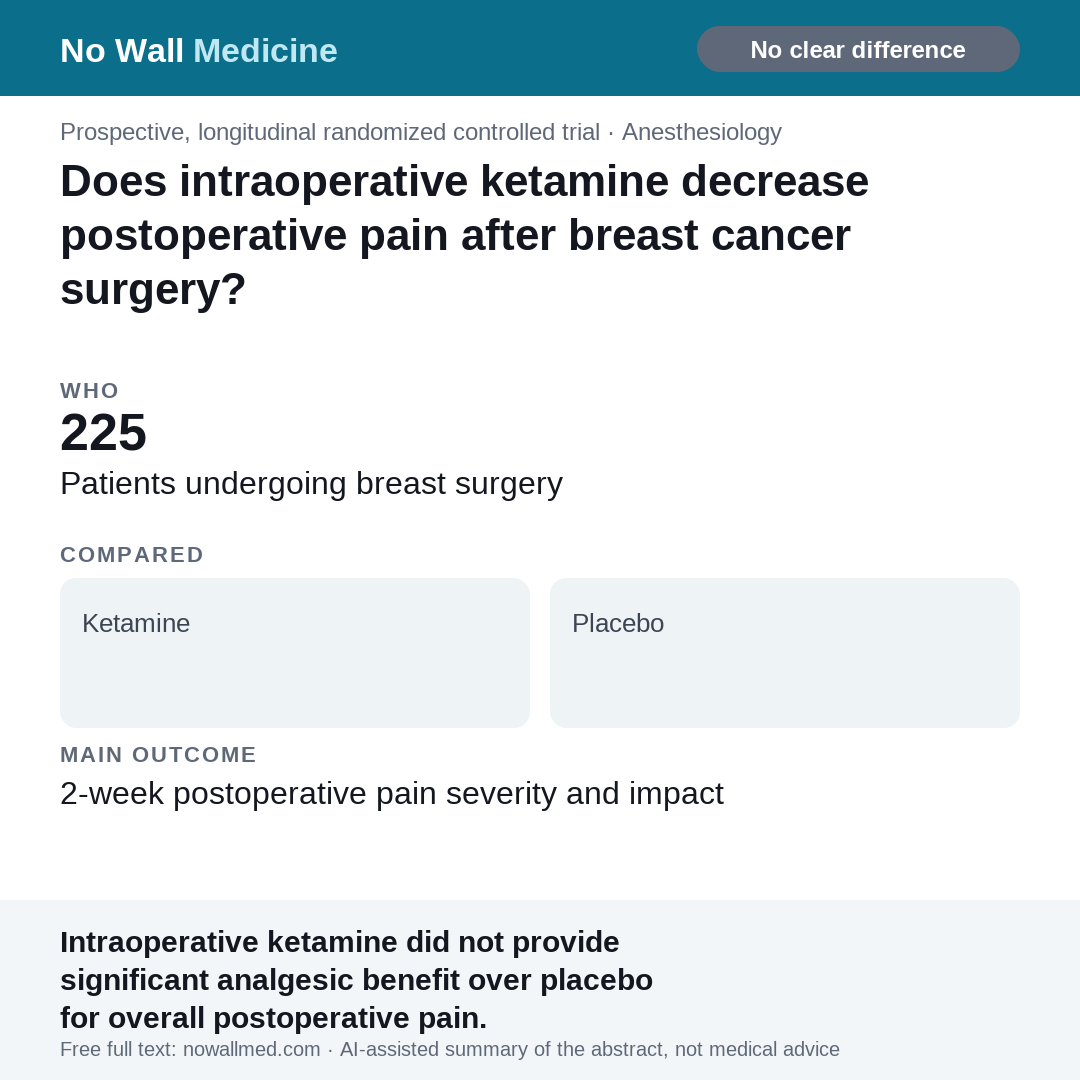
A Randomized Controlled Trial of Intraoperative Ketamine for Acute Postsurgical Pain after Breast Cancer Surgery: The Moderating Effect of Baseline Temporal Summation of Pain
Prospective, longitudinal randomized controlled trialNo clear difference
Does intraoperative ketamine decrease postoperative pain after breast cancer surgery?
Who
225
Patients undergoing breast surgery
Compared
Ketamine
Placebo
Main outcome
2-week postoperative pain severity and impact
Bottom line: Intraoperative ketamine did not provide significant analgesic benefit over placebo for overall postoperative pain.
Limitation: Exploratory moderation analysis suggested potential benefits for patients with higher baseline temporal summation of pain.
Anesthesiology · 2025-07-14Download image
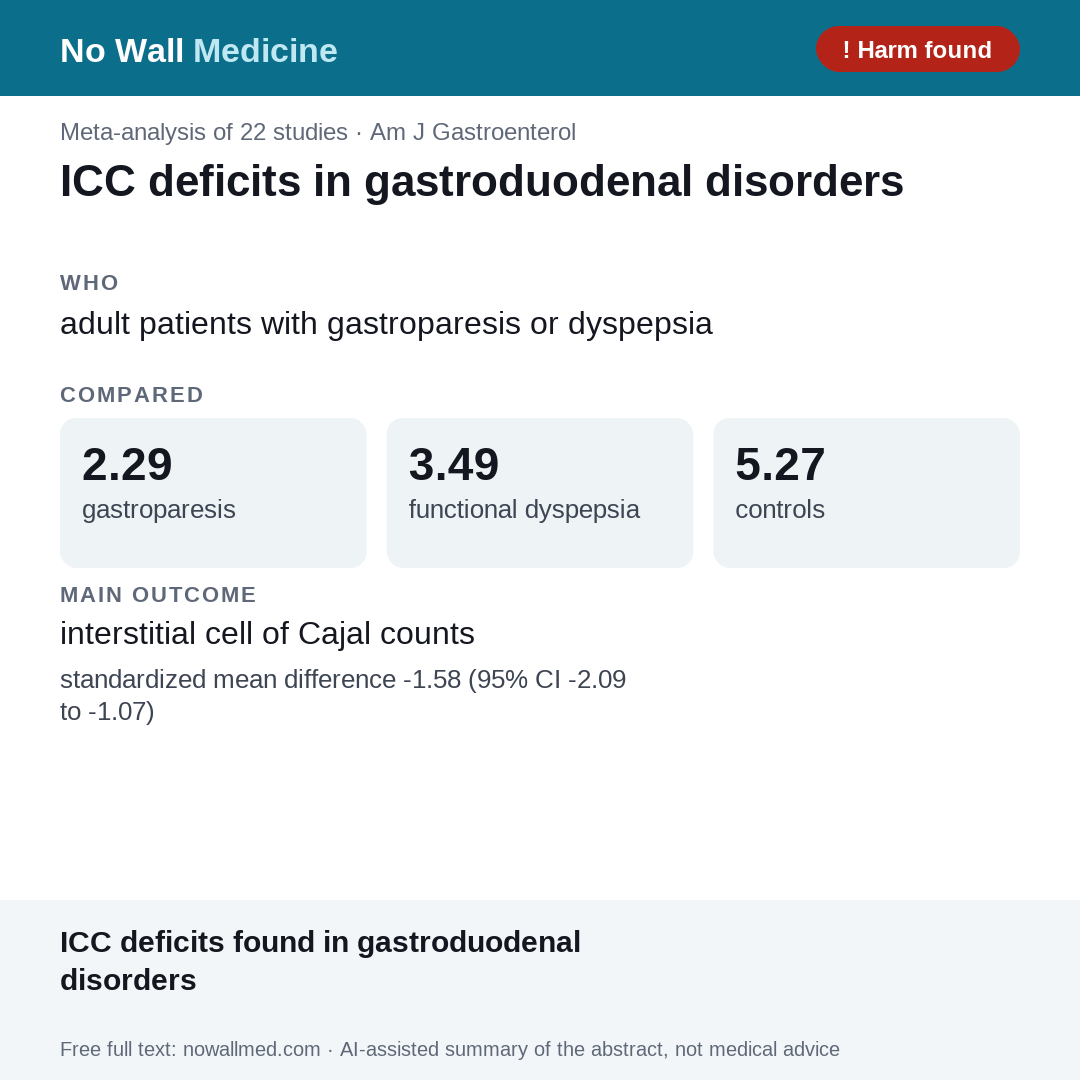
Spectrum of Interstitial Cell of Cajal Deficits in Chronic Gastroduodenal Disorders: Systematic Review and Meta-Analysis
Meta-analysis of 22 studiesHarm found
ICC deficits in gastroduodenal disorders
Who
2158
adult patients with gastroparesis or dyspepsia
Compared
2.29gastroparesis
3.49functional dyspepsia
5.27controls
Main outcome
interstitial cell of Cajal counts
Result: standardized mean difference -1.58 (95% CI -2.09 to -1.07)
Bottom line: ICC deficits found in gastroduodenal disorders
Limitation: high risk of bias in most studies
Am J Gastroenterol · 2025-07-14Download image
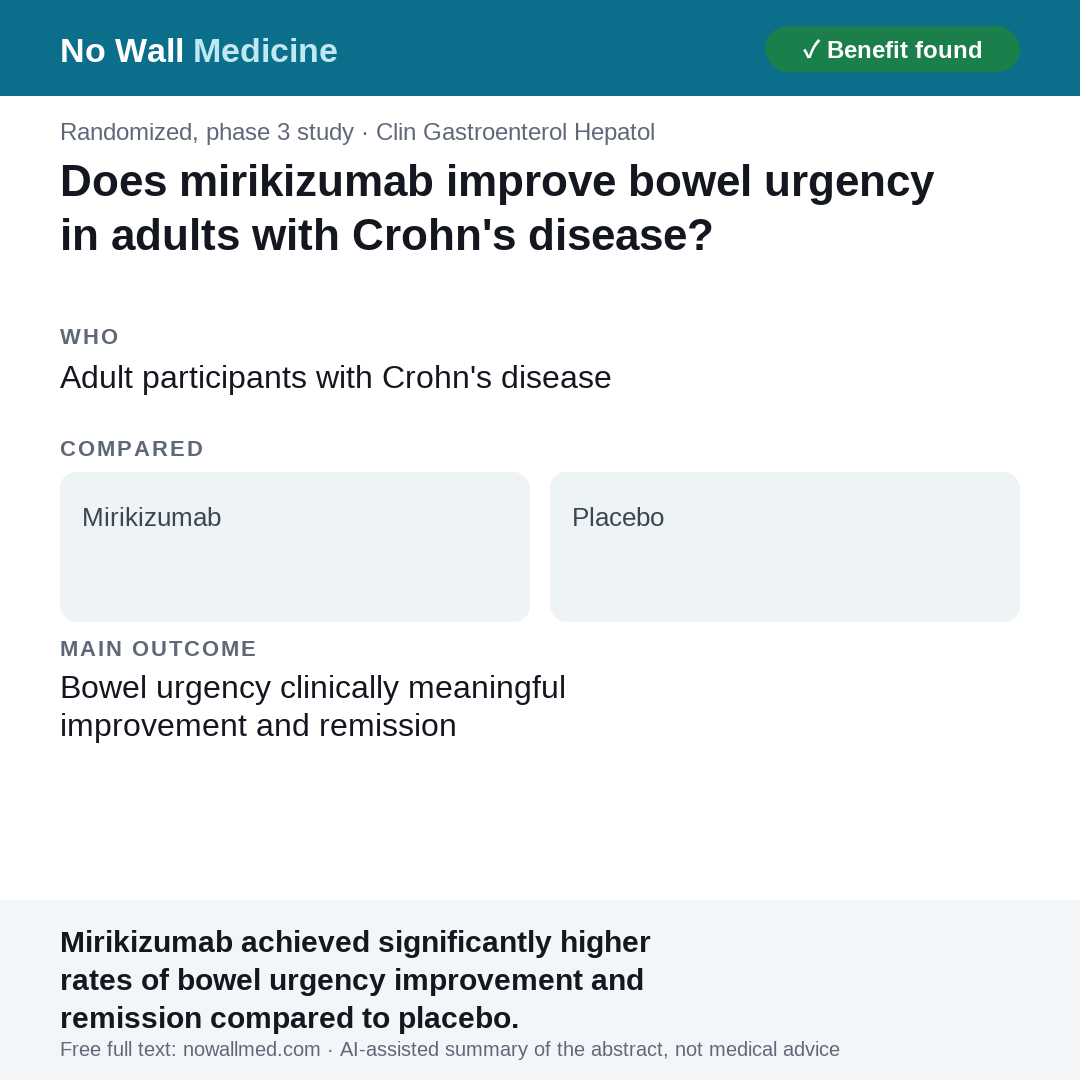
Bowel Urgency in Crohn's Disease: Effects of Mirikizumab in a Randomized Controlled Phase 3 Study
Randomized, phase 3 studyBenefit found
Does mirikizumab improve bowel urgency in adults with Crohn's disease?
Who
Adult participants with Crohn's disease
Compared
Mirikizumab
Placebo
Main outcome
Bowel urgency clinically meaningful improvement and remission
Bottom line: Mirikizumab achieved significantly higher rates of bowel urgency improvement and remission compared to placebo.
Clin Gastroenterol Hepatol · 2025-07-14Download image
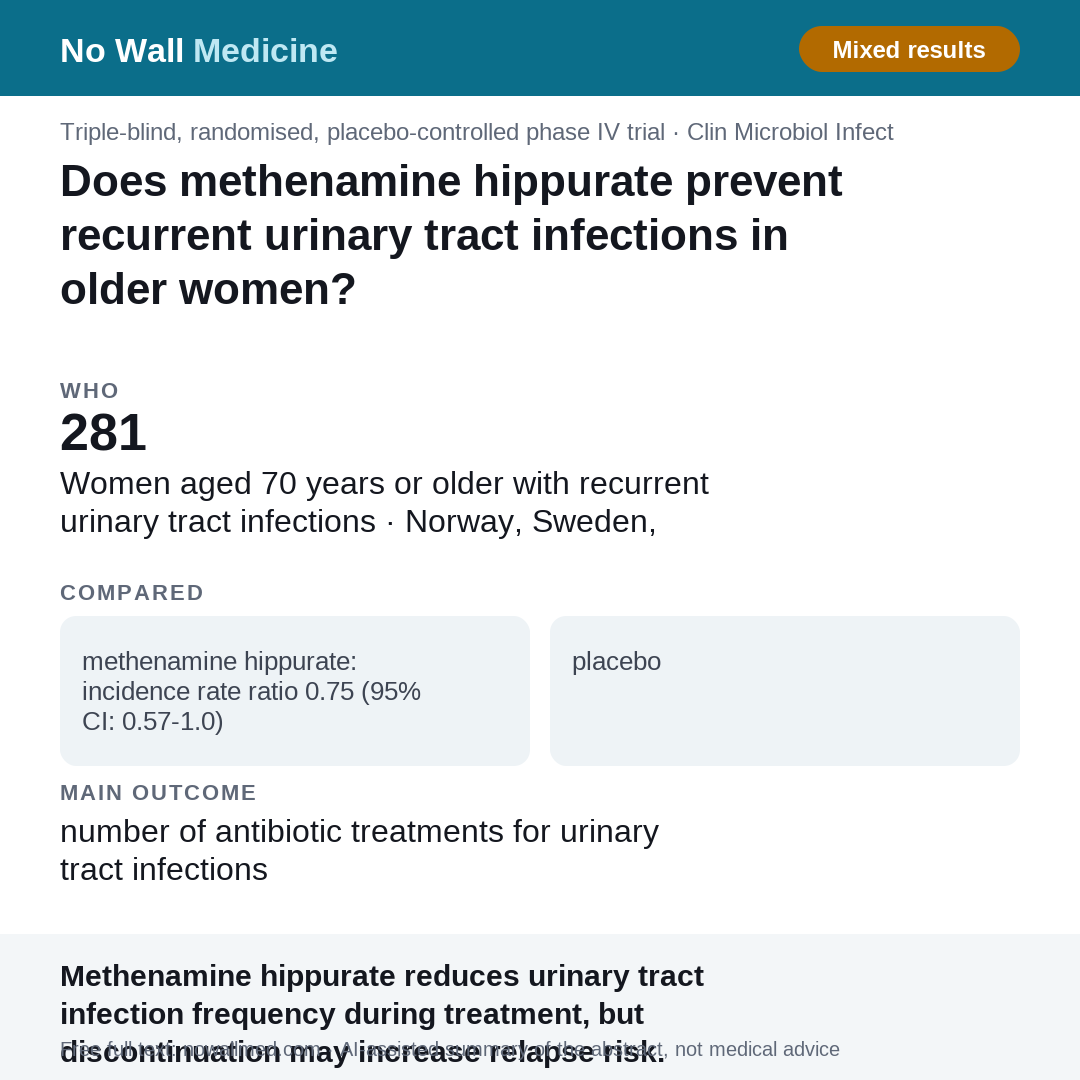
Methenamine hippurate as prophylaxis for recurrent urinary tract infections in older women-a triple-blind, randomised, placebo-controlled, phase IV trial (ImpresU)
Triple-blind, randomised, placebo-controlled phase IV trialMixed results
Does methenamine hippurate prevent recurrent urinary tract infections in older women?
Who
281
Women aged 70 years or older with recurrent urinary tract infections · Norway, Sweden, Poland, and The Netherlands
Compared
methenamine hippurate: incidence rate ratio 0.75 (95% CI: 0.57-1.0)
placebo
Main outcome
number of antibiotic treatments for urinary tract infections
Result: incidence rate ratio 0.75 (95% CI: 0.57-1.0)
Bottom line: Methenamine hippurate reduces urinary tract infection frequency during treatment, but discontinuation may increase relapse risk.
Limitation: Discontinuation after 6-month treatment duration seems to increase the risk of urinary tract infection relapses.
Clin Microbiol Infect · 2025-07-14Download image
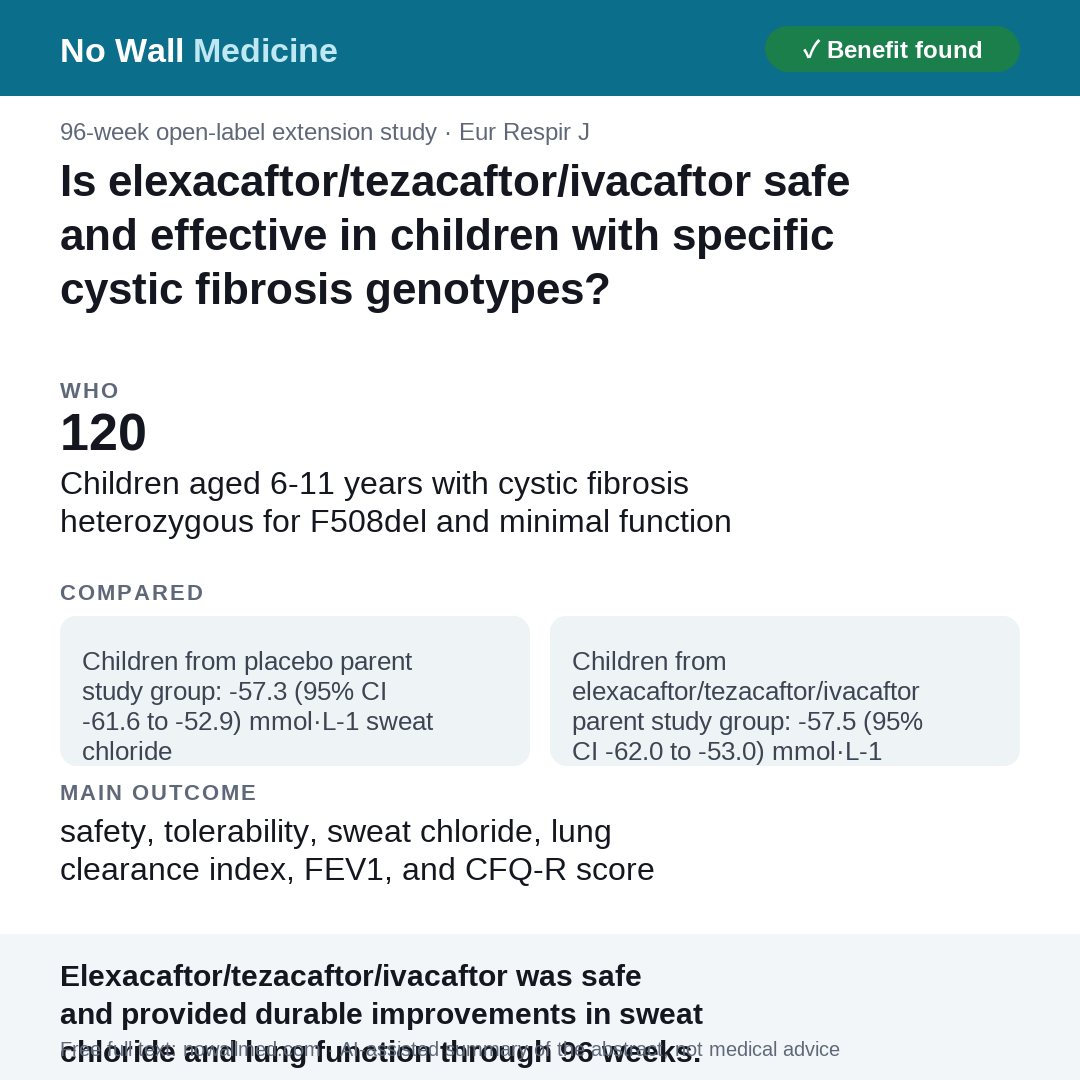
Elexacaftor/tezacaftor/ivacaftor in children aged ≥6 years with cystic fibrosis heterozygous for F508del and a minimal function mutation: results from a 96-week open-label extension study
96-week open-label extension studyBenefit found
Is elexacaftor/tezacaftor/ivacaftor safe and effective in children with specific cystic fibrosis genotypes?
Who
120
Children aged 6-11 years with cystic fibrosis heterozygous for F508del and minimal function mutations
Compared
Children from placebo parent study group: -57.3 (95% CI -61.6 to -52.9) mmol·L-1 sweat chloride
Children from elexacaftor/tezacaftor/ivacaftor parent study group: -57.5 (95% CI -62.0 to -53.0) mmol·L-1 sweat chloride
Main outcome
safety, tolerability, sweat chloride, lung clearance index, FEV1, and CFQ-R score
Bottom line: Elexacaftor/tezacaftor/ivacaftor was safe and provided durable improvements in sweat chloride and lung function through 96 weeks.
Eur Respir J · 2025-07-14Download image
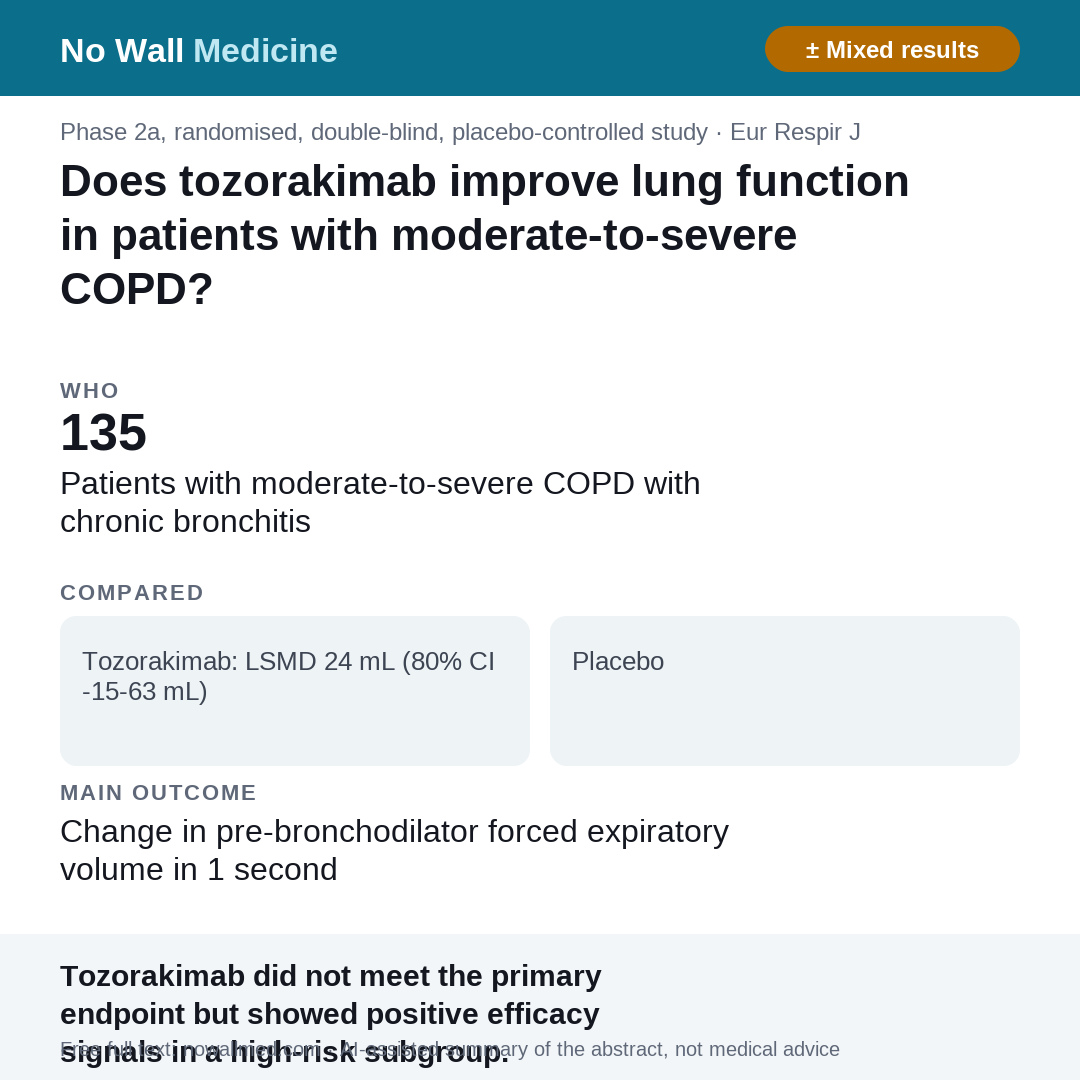
A phase 2a trial of the IL-33 monoclonal antibody tozorakimab in patients with COPD: FRONTIER-4
Phase 2a, randomised, double-blind, placebo-controlled studyMixed results
Does tozorakimab improve lung function in patients with moderate-to-severe COPD?
Who
135
Patients with moderate-to-severe COPD with chronic bronchitis
Compared
Tozorakimab: LSMD 24 mL (80% CI -15-63 mL)
Placebo
Main outcome
Change in pre-bronchodilator forced expiratory volume in 1 second
Result: LSMD 24 mL, 80% CI -15-63 mL
Bottom line: Tozorakimab did not meet the primary endpoint but showed positive efficacy signals in a high-risk subgroup.
Eur Respir J · 2025-07-14Download image
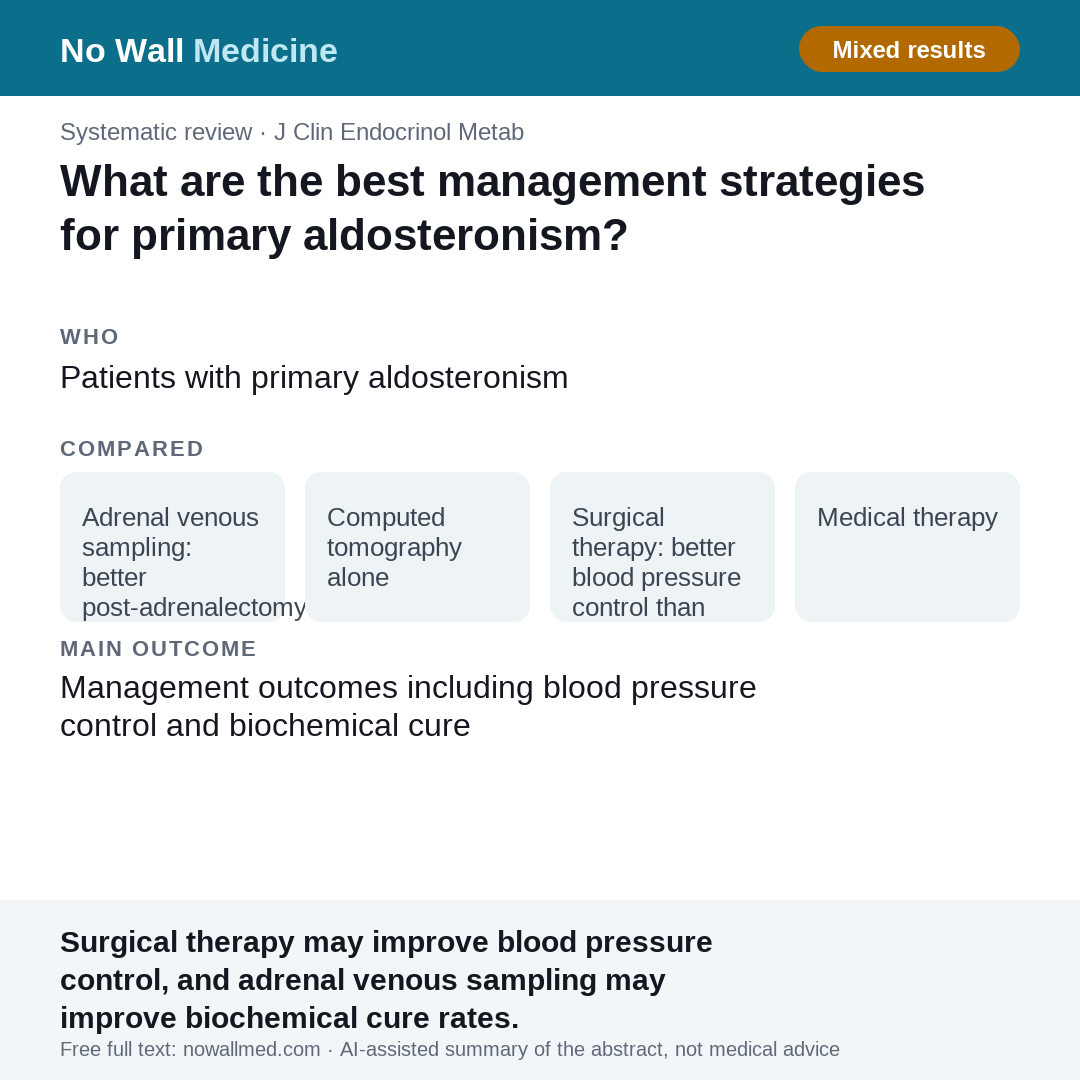
A Systematic Review Supporting the Endocrine Society Clinical Practice Guideline on Management of Primary Aldosteronism
Systematic reviewMixed results
What are the best management strategies for primary aldosteronism?
Who
Patients with primary aldosteronism
Compared
Adrenal venous sampling: better post-adrenalectomy biochemical cure rate
Computed tomography alone
Surgical therapy: better blood pressure control than medical therapy
Medical therapy
Main outcome
Management outcomes including blood pressure control and biochemical cure
Bottom line: Surgical therapy may improve blood pressure control, and adrenal venous sampling may improve biochemical cure rates.
J Clin Endocrinol Metab · 2025-07-14Download image
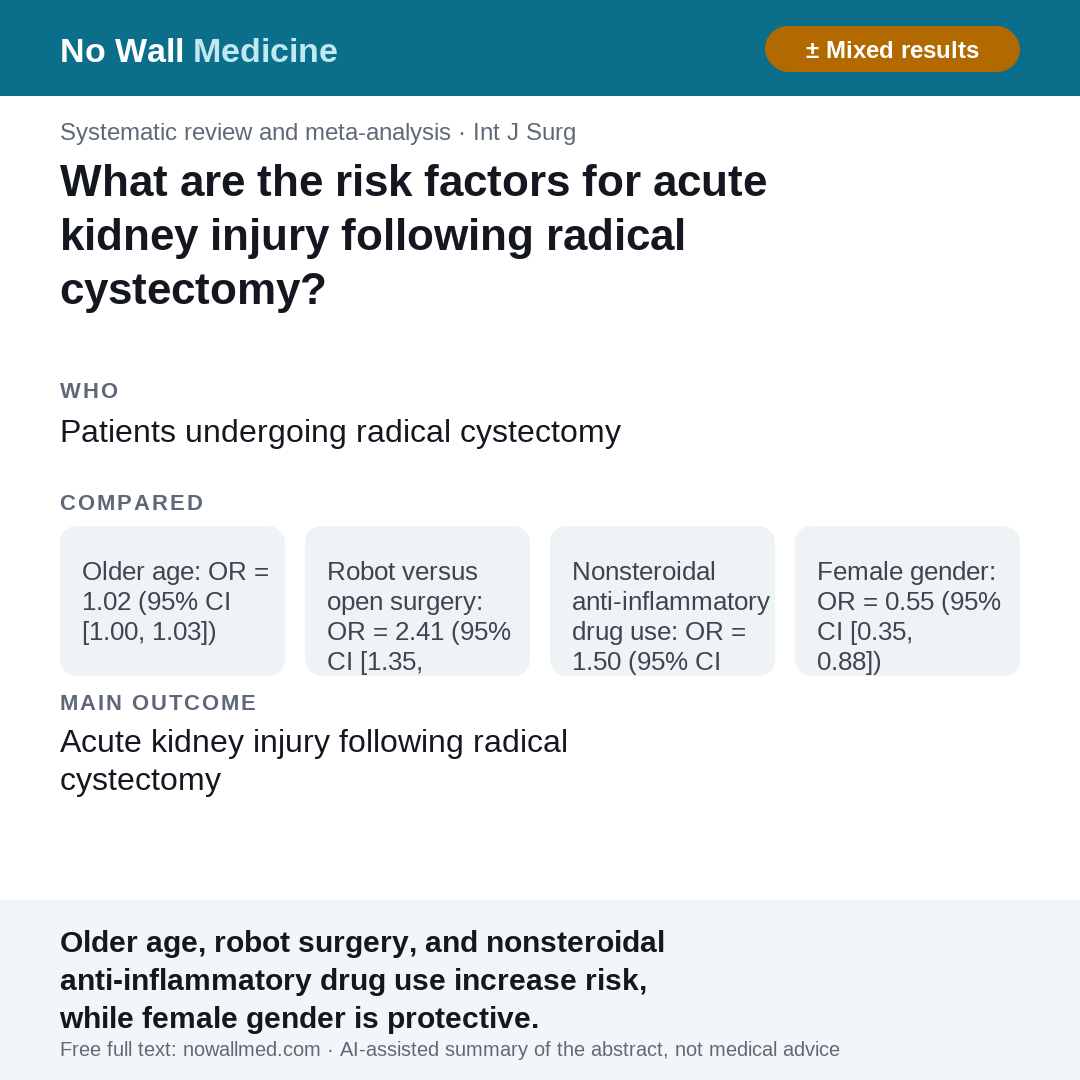
Risk factors for acute kidney injury following radical cystectomy: a systematic review and meta-analysis
Systematic review and meta-analysisMixed results
What are the risk factors for acute kidney injury following radical cystectomy?
Who
Patients undergoing radical cystectomy
Compared
Older age: OR = 1.02 (95% CI [1.00, 1.03])
Robot versus open surgery: OR = 2.41 (95% CI [1.35, 4.31])
Nonsteroidal anti-inflammatory drug use: OR = 1.50 (95% CI [1.01, 2.23])
Female gender: OR = 0.55 (95% CI [0.35, 0.88])
Main outcome
Acute kidney injury following radical cystectomy
Bottom line: Older age, robot surgery, and nonsteroidal anti-inflammatory drug use increase risk, while female gender is protective.
Limitation: Most of these risk factors exhibited minimal effect sizes.
Int J Surg · 2025-07-14Download image
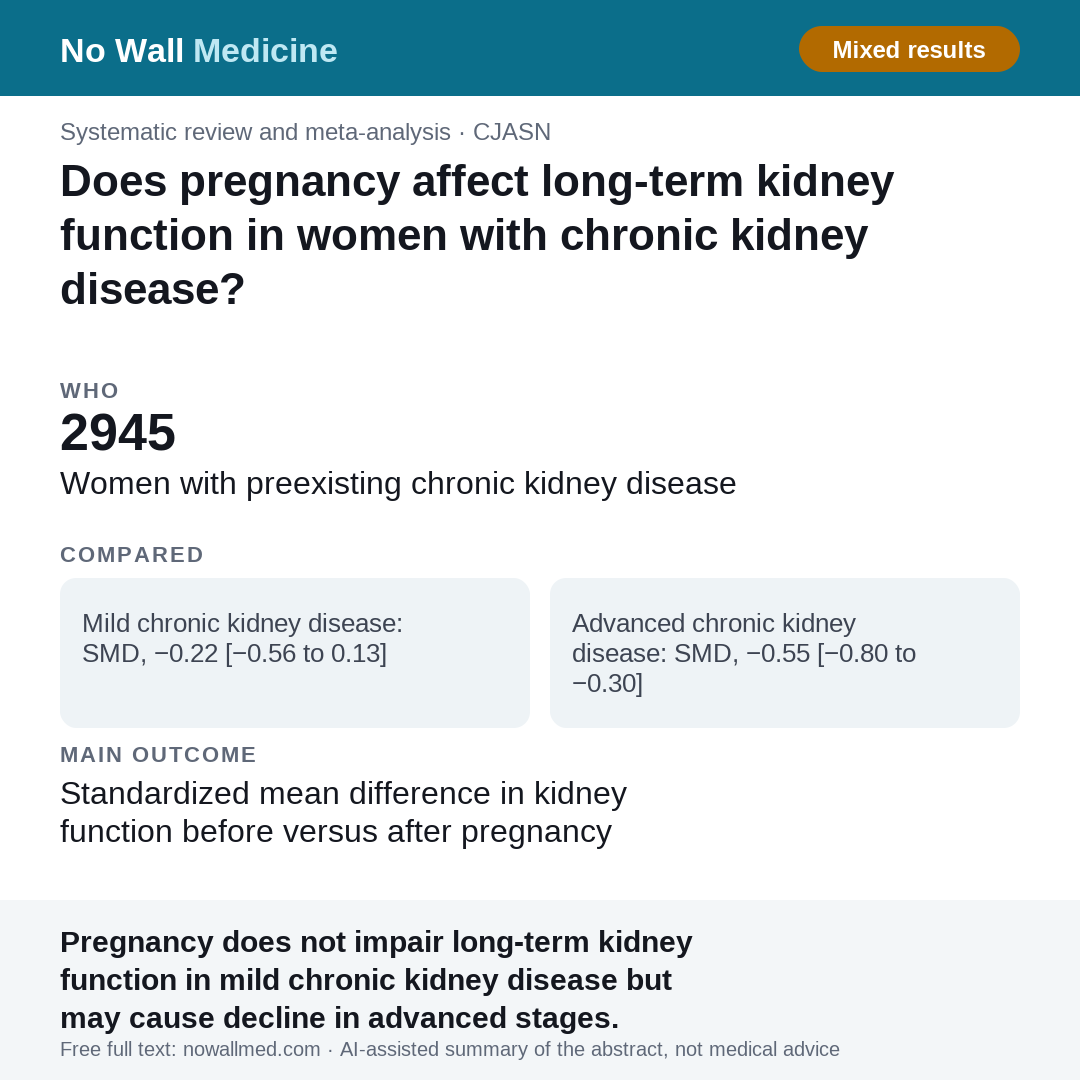
Pregnancy and Long-Term Kidney Function in CKD: A Systematic Review and Meta-Analysis
Systematic review and meta-analysisMixed results
Does pregnancy affect long-term kidney function in women with chronic kidney disease?
Who
2945
Women with preexisting chronic kidney disease
Compared
Mild chronic kidney disease: SMD, −0.22 [−0.56 to 0.13]
Advanced chronic kidney disease: SMD, −0.55 [−0.80 to −0.30]
Main outcome
Standardized mean difference in kidney function before versus after pregnancy
Result: pooled eGFR decline −8.96 ml/min (−17.4 to −0.48)
Bottom line: Pregnancy does not impair long-term kidney function in mild chronic kidney disease but may cause decline in advanced stages.
Limitation: Scarce studies including estimated glomerular filtration rate slopes prepregnancy and postpregnancy limit understanding of natural disease progression.
CJASN · 2025-07-14Download image
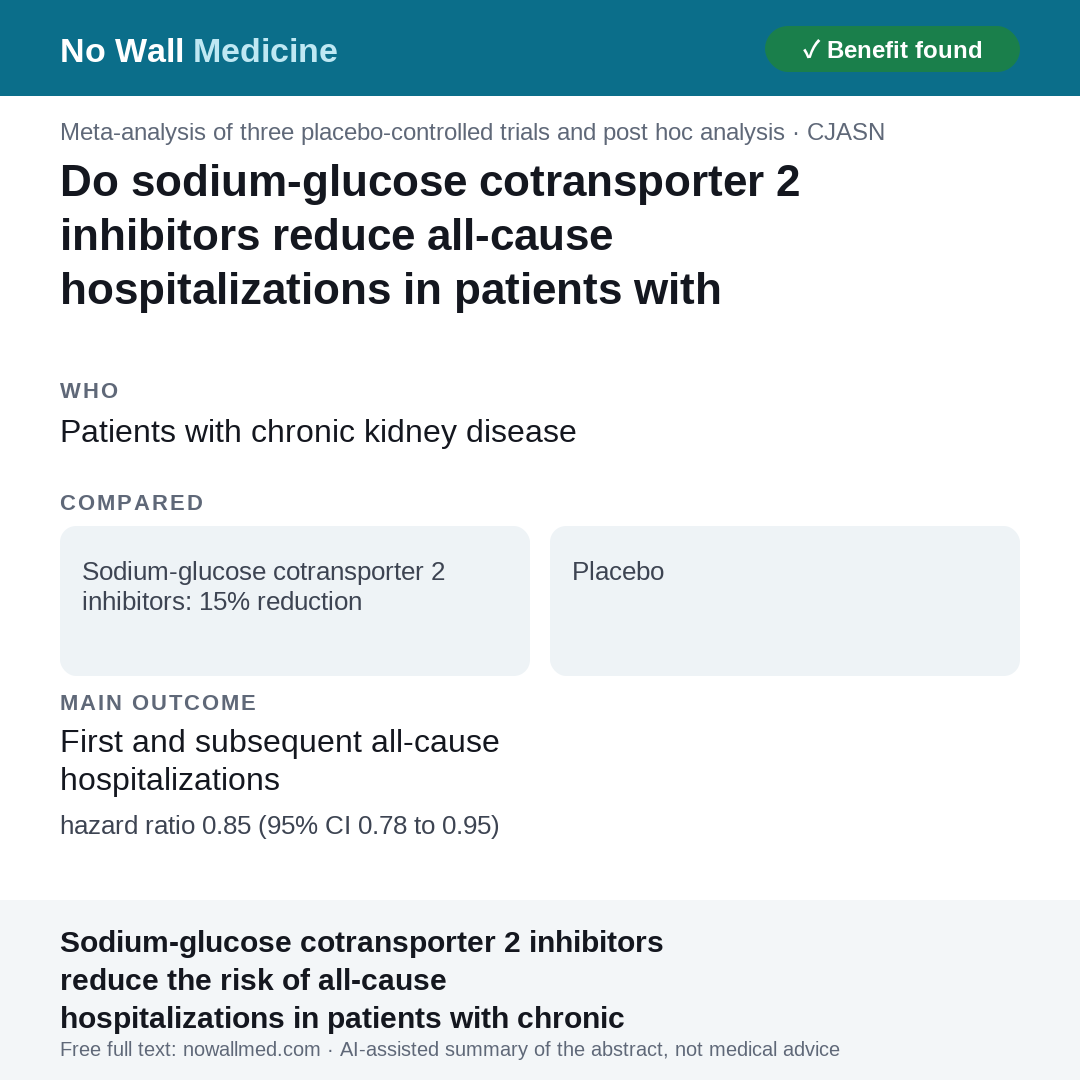
Sodium-Glucose Cotransporter 2 Inhibition and Hospitalizations in Patients with CKD: A Meta-Analysis of Kidney Outcome Trials
Meta-analysis of three placebo-controlled trials and post hoc analysisBenefit found
Do sodium-glucose cotransporter 2 inhibitors reduce all-cause hospitalizations in patients with chronic kidney disease?
Who
Patients with chronic kidney disease
Compared
Sodium-glucose cotransporter 2 inhibitors: 15% reduction
Placebo
Main outcome
First and subsequent all-cause hospitalizations
Result: hazard ratio 0.85 (95% CI 0.78 to 0.95)
Bottom line: Sodium-glucose cotransporter 2 inhibitors reduce the risk of all-cause hospitalizations in patients with chronic kidney disease.
CJASN · 2025-07-14Download image
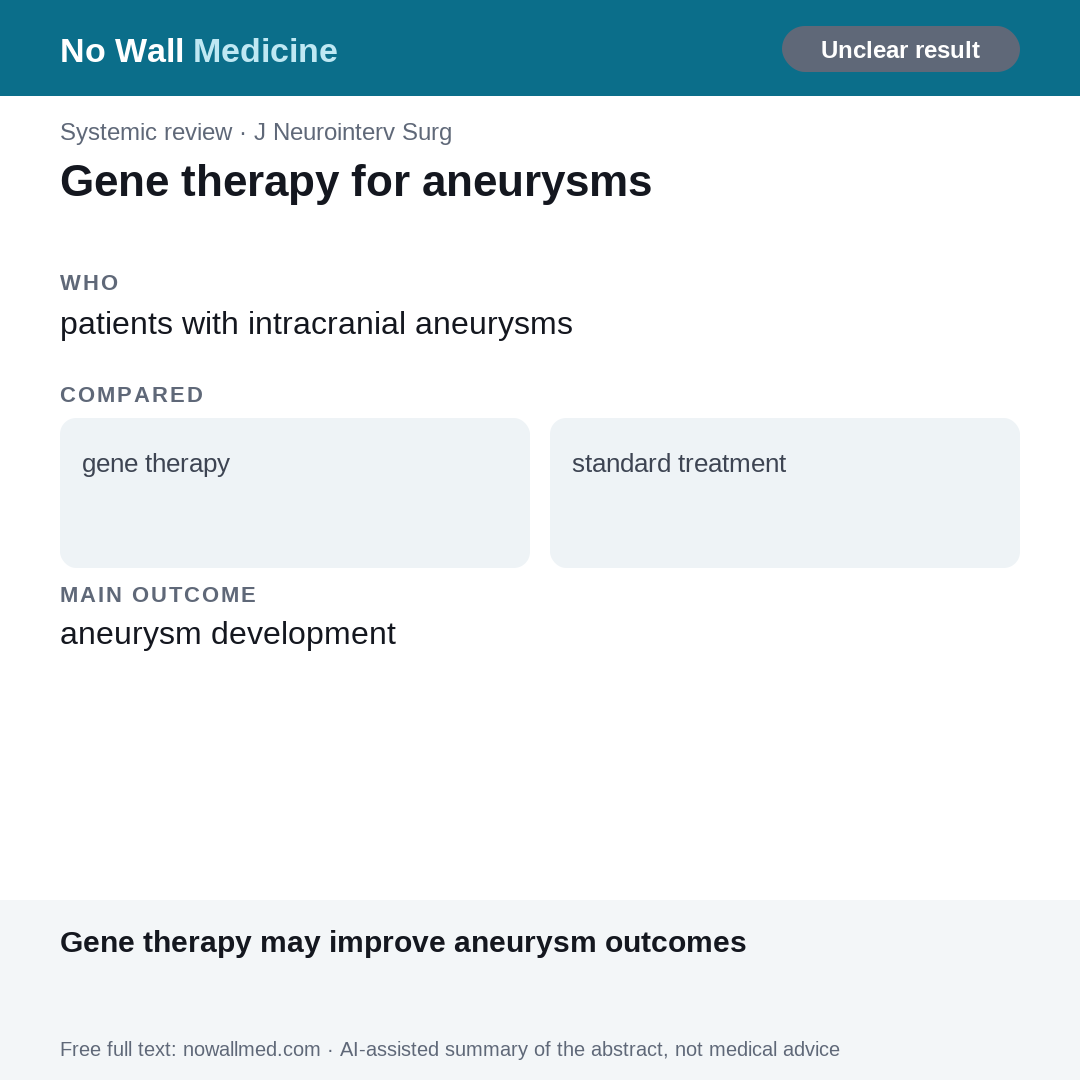
Gene therapy for intracranial aneurysms: systemic review
Systemic reviewUnclear result
Gene therapy for aneurysms
Who
patients with intracranial aneurysms
Compared
gene therapy
standard treatment
Main outcome
aneurysm development
Bottom line: Gene therapy may improve aneurysm outcomes
J Neurointerv Surg · 2025-07-14Download image
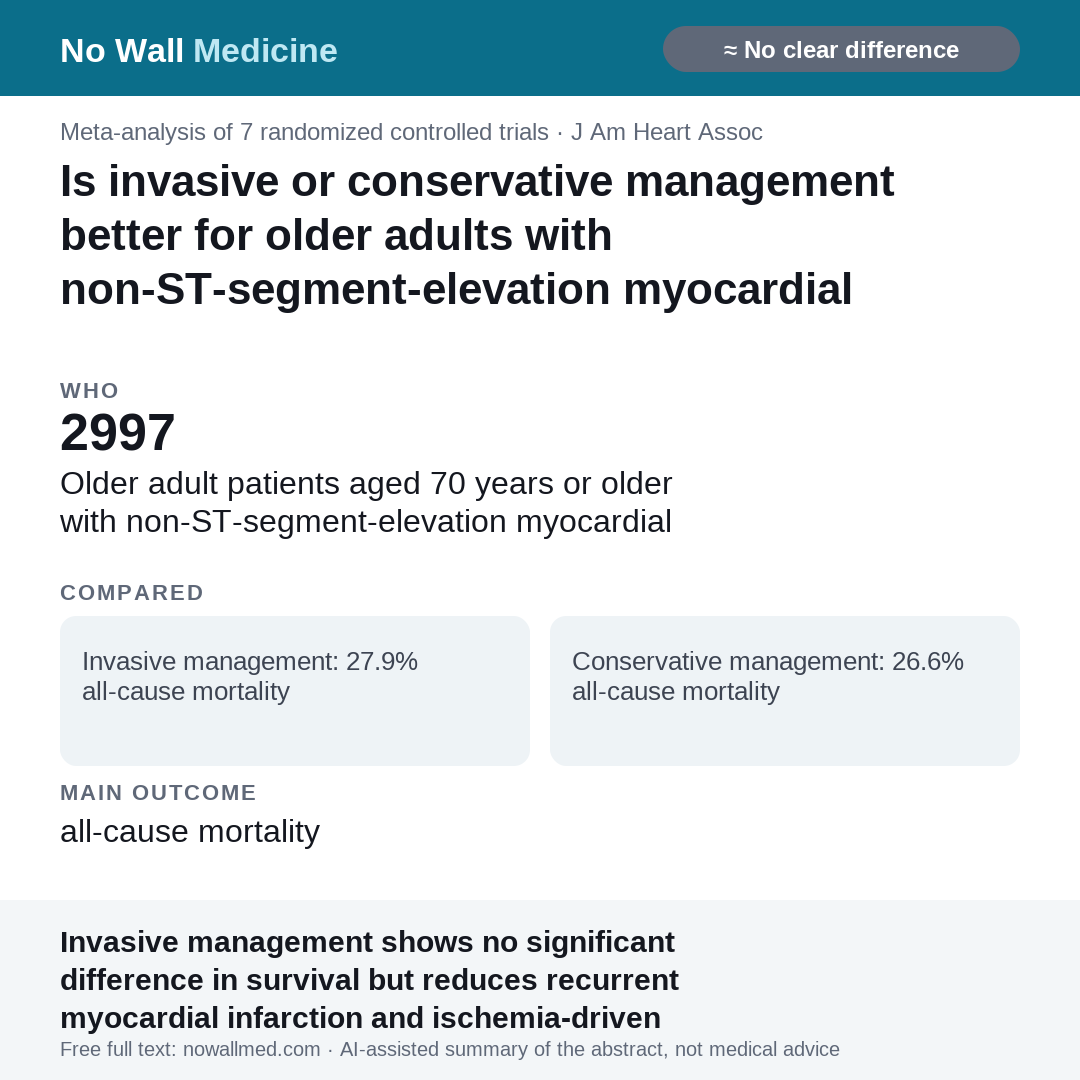
Invasive Versus Conservative Management Among Older Adult Patients With Non-ST-Segment-Elevation Myocardial Infarction: A Meta-Analysis of Randomized Controlled Trials
Meta-analysis of 7 randomized controlled trialsNo clear difference
Is invasive or conservative management better for older adults with non-ST-segment-elevation myocardial infarction?
Who
2997
Older adult patients aged 70 years or older with non-ST-segment-elevation myocardial infarction
Compared
Invasive management: 27.9% all-cause mortality
Conservative management: 26.6% all-cause mortality
Main outcome
all-cause mortality
Result: risk ratio 1.05 (95% CI 0.94-1.18)
Bottom line: Invasive management shows no significant difference in survival but reduces recurrent myocardial infarction and ischemia-driven revascularization in older adults.
J Am Heart Assoc · 2025-07-14Download image
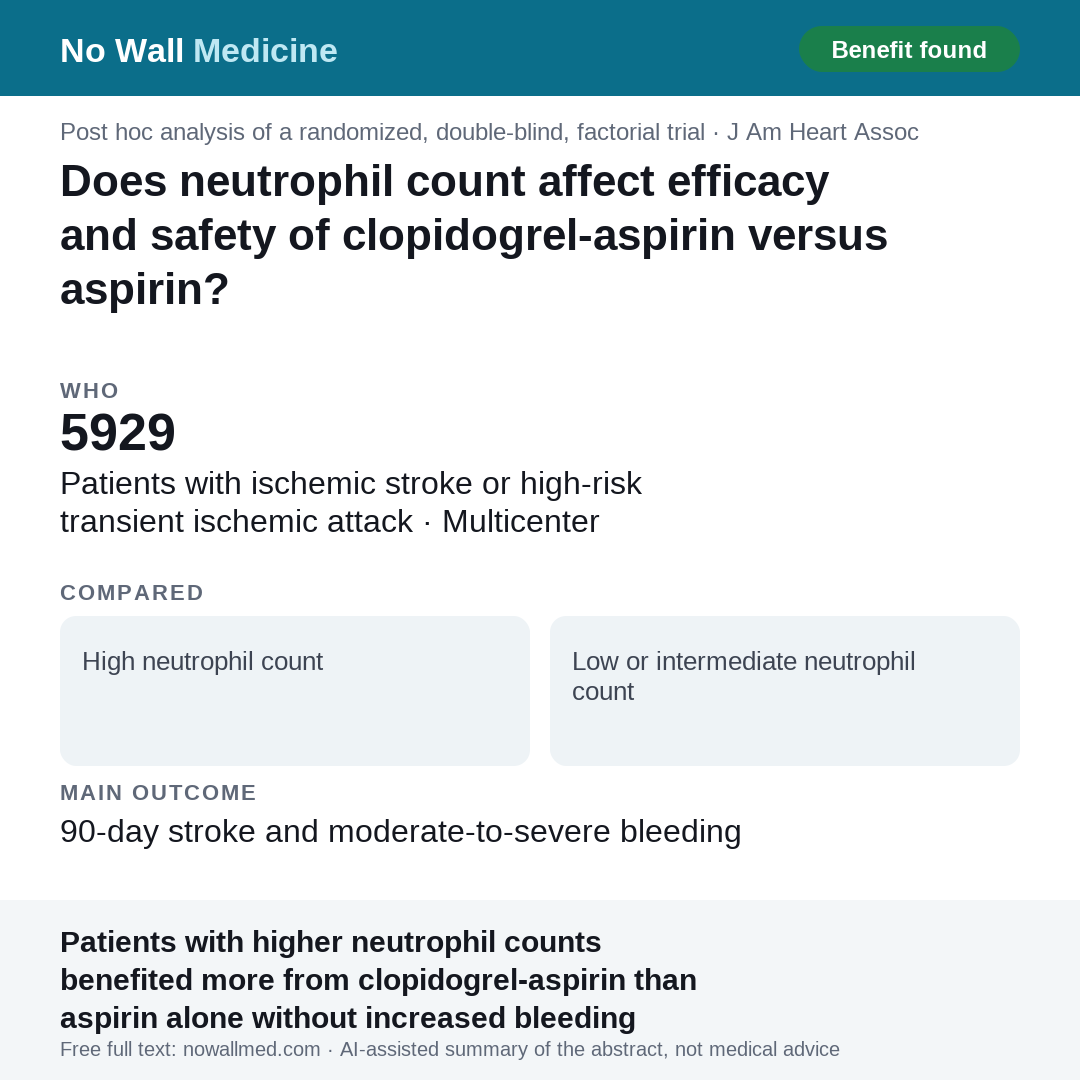
Relationship Between Neutrophil Count and 90-Day Outcomes and Effect of Dual Antiplatelet Therapy in Patients With Acute Ischemic Stroke or Transient Ischemic Attack: A Post Hoc Analysis of the INSPIRES Trial
Post hoc analysis of a randomized, double-blind, factorial trialBenefit found
Does neutrophil count affect efficacy and safety of clopidogrel-aspirin versus aspirin?
Who
5929
Patients with ischemic stroke or high-risk transient ischemic attack · Multicenter
Compared
High neutrophil count
Low or intermediate neutrophil count
Main outcome
90-day stroke and moderate-to-severe bleeding
Bottom line: Patients with higher neutrophil counts benefited more from clopidogrel-aspirin than aspirin alone without increased bleeding risk.
Limitation: Further research is needed to explore the mechanism.
J Am Heart Assoc · 2025-07-14Download image
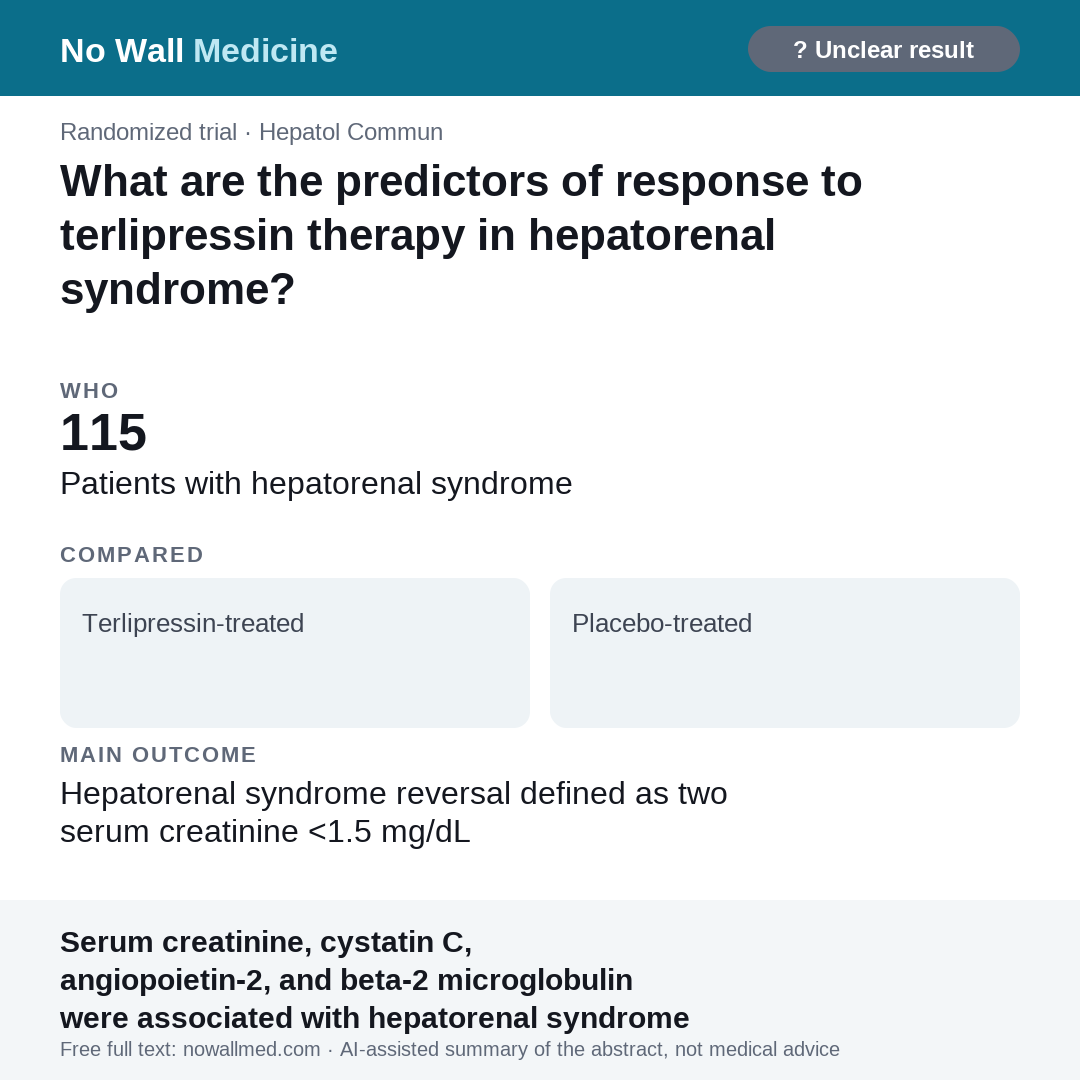
Predictors of response to terlipressin therapy in hepatorenal syndrome: Metabolomic and proteomic analysis from the CONFIRM trial
Randomized trialUnclear result
What are the predictors of response to terlipressin therapy in hepatorenal syndrome?
Who
115
Patients with hepatorenal syndrome
Compared
Terlipressin-treated
Placebo-treated
Main outcome
Hepatorenal syndrome reversal defined as two serum creatinine <1.5 mg/dL
Bottom line: Serum creatinine, cystatin C, angiopoietin-2, and beta-2 microglobulin were associated with hepatorenal syndrome reversal.
Hepatol Commun · 2025-07-14Download image
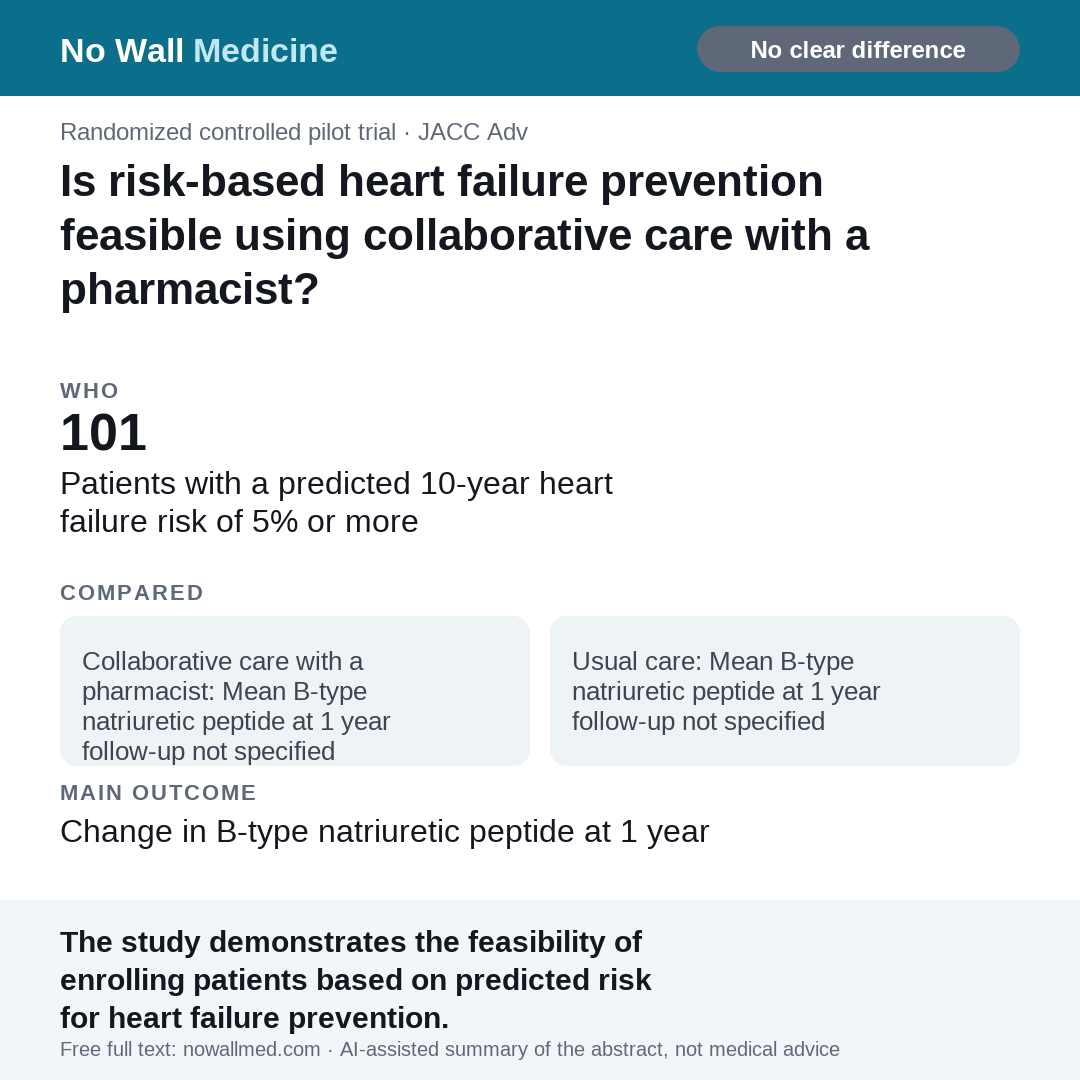
Feasibility of the Implementation of Tools for Heart Failure Risk Prediction: A Randomized Controlled Pilot Trial
Randomized controlled pilot trialNo clear difference
Is risk-based heart failure prevention feasible using collaborative care with a pharmacist?
Who
101
Patients with a predicted 10-year heart failure risk of 5% or more
Compared
Collaborative care with a pharmacist: Mean B-type natriuretic peptide at 1 year follow-up not specified
Usual care: Mean B-type natriuretic peptide at 1 year follow-up not specified
Main outcome
Change in B-type natriuretic peptide at 1 year
Result: -9.0 (-20.6 to 2.6, P = 0.13)
Bottom line: The study demonstrates the feasibility of enrolling patients based on predicted risk for heart failure prevention.
Limitation: Larger follow-up studies are needed to determine efficacy and long-term impact.
JACC Adv · 2025-07-14Download image
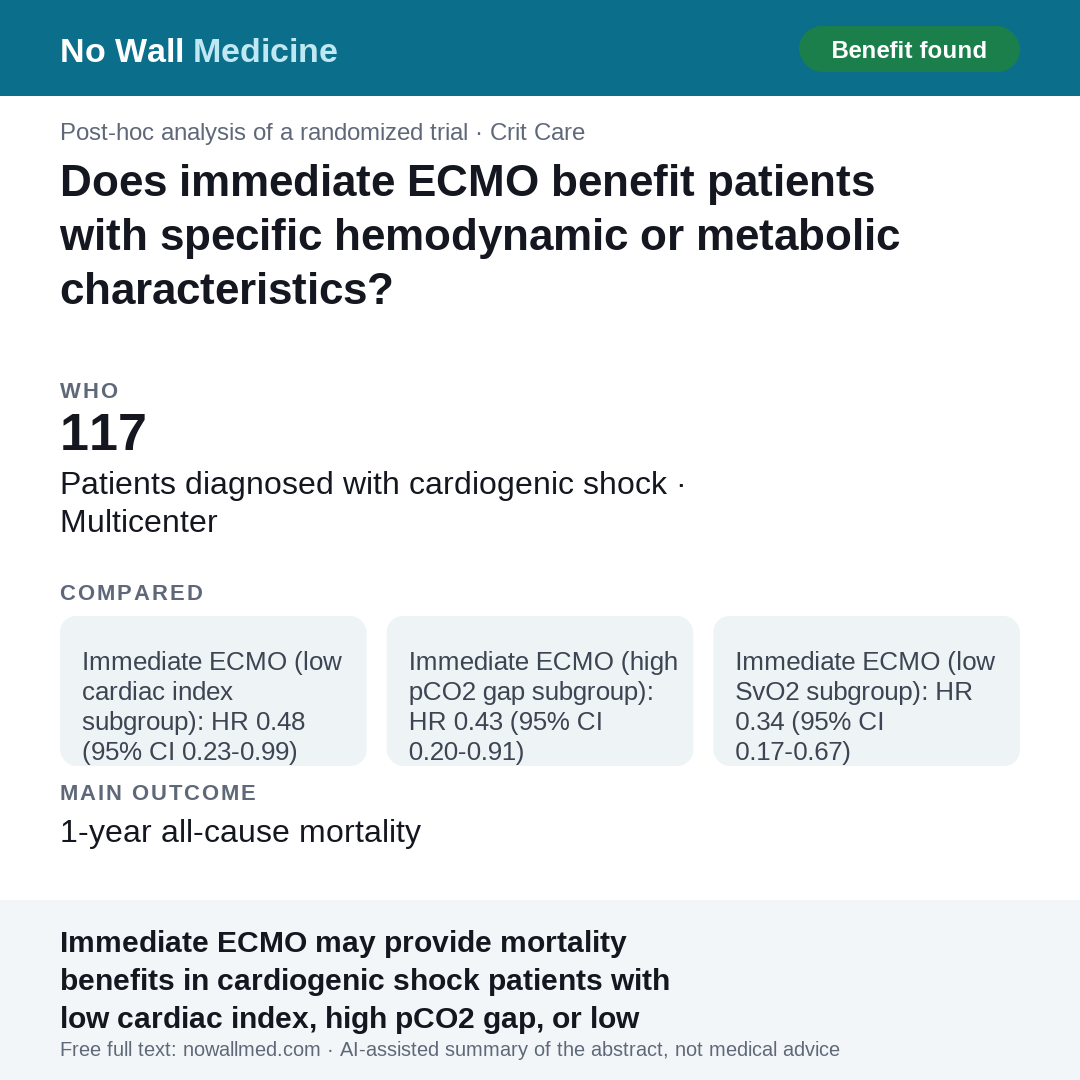
Cardiac index, SvO2 or pCO2 gap may determine benefit from ECMO in cardiogenic shock: post-hoc analysis of the multicenter, randomized ECMO-CS trial
Post-hoc analysis of a randomized trialBenefit found
Does immediate ECMO benefit patients with specific hemodynamic or metabolic characteristics?
Who
117
Patients diagnosed with cardiogenic shock · Multicenter
Compared
Immediate ECMO (low cardiac index subgroup): HR 0.48 (95% CI 0.23-0.99)
Immediate ECMO (high pCO2 gap subgroup): HR 0.43 (95% CI 0.20-0.91)
Immediate ECMO (low SvO2 subgroup): HR 0.34 (95% CI 0.17-0.67)
Main outcome
1-year all-cause mortality
Bottom line: Immediate ECMO may provide mortality benefits in cardiogenic shock patients with low cardiac index, high pCO2 gap, or low SvO2.
Crit Care · 2025-07-14Download image
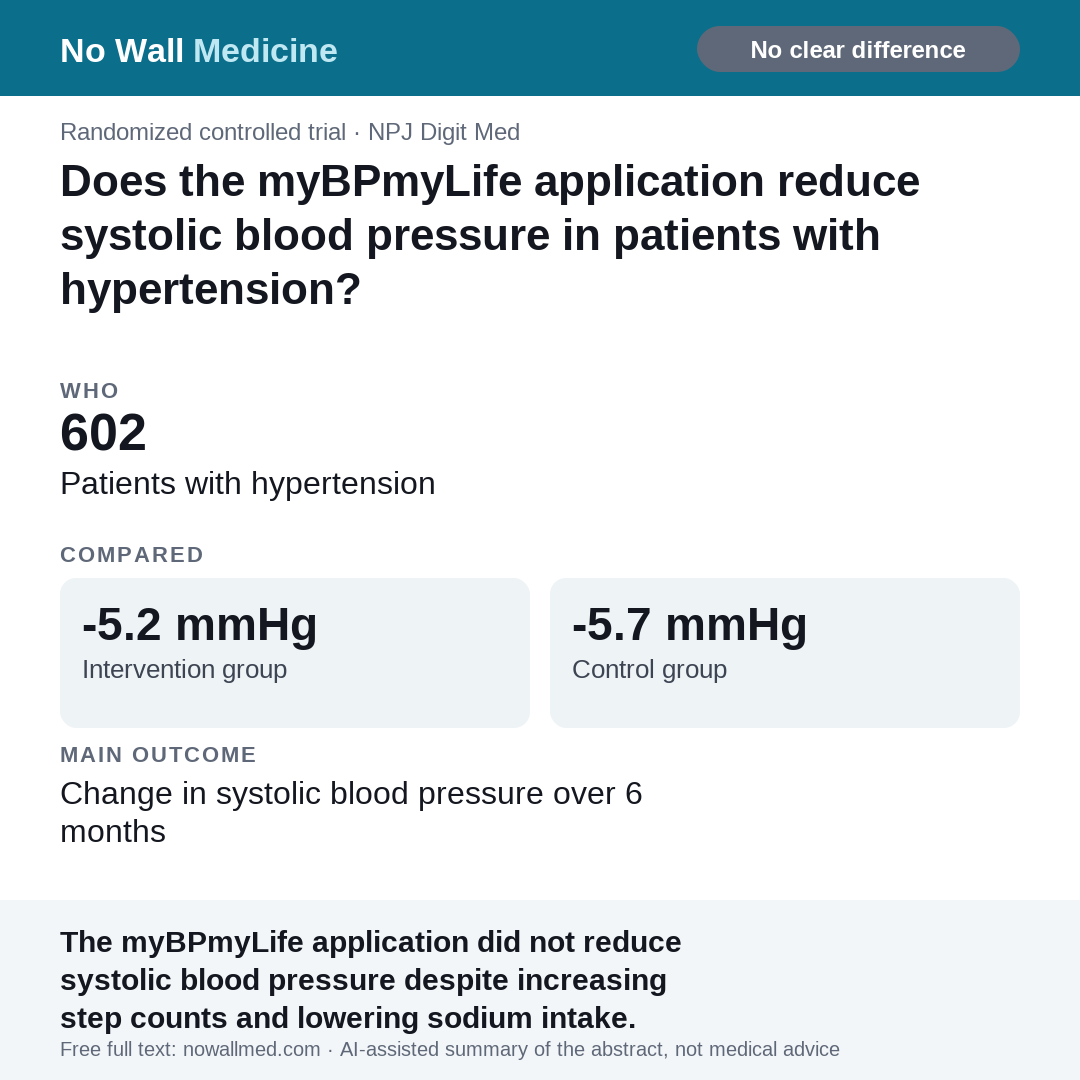
Physical activity and diet just-in-time adaptive intervention to reduce blood pressure: a randomized controlled trial
Randomized controlled trialNo clear difference
Does the myBPmyLife application reduce systolic blood pressure in patients with hypertension?
Who
602
Patients with hypertension
Compared
-5.2 mmHgIntervention group
-5.7 mmHgControl group
Main outcome
Change in systolic blood pressure over 6 months
Bottom line: The myBPmyLife application did not reduce systolic blood pressure despite increasing step counts and lowering sodium intake.
NPJ Digit Med · 2025-07-14Download image
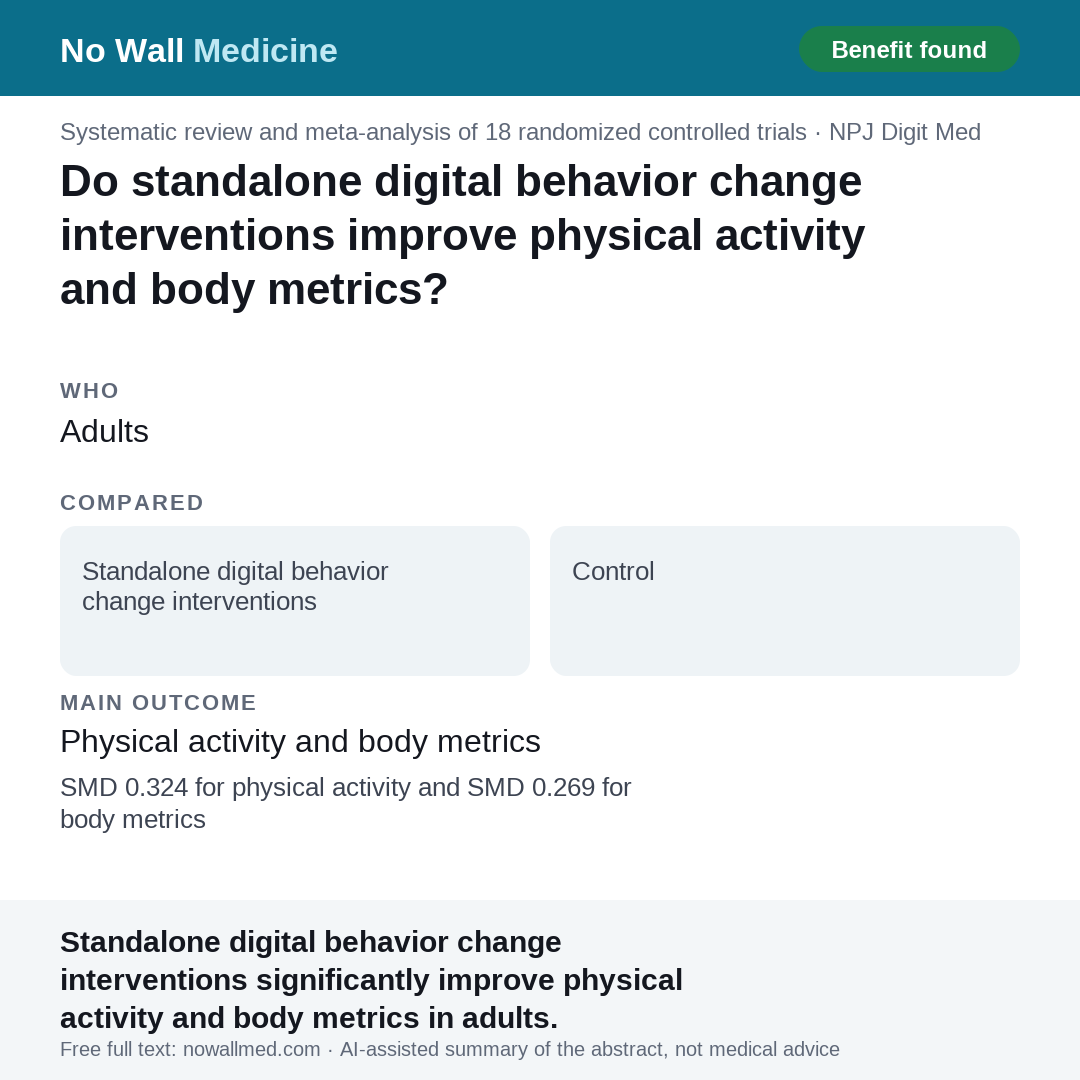
Systematic review and meta analysis of standalone digital behavior change interventions on physical activity
Systematic review and meta-analysis of 18 randomized controlled trialsBenefit found
Do standalone digital behavior change interventions improve physical activity and body metrics?
Who
Adults
Compared
Standalone digital behavior change interventions
Control
Main outcome
Physical activity and body metrics
Result: SMD 0.324 for physical activity and SMD 0.269 for body metrics
Bottom line: Standalone digital behavior change interventions significantly improve physical activity and body metrics in adults.
Limitation: Publication bias and risk of bias downgraded the certainty of evidence.
NPJ Digit Med · 2025-07-14Download image
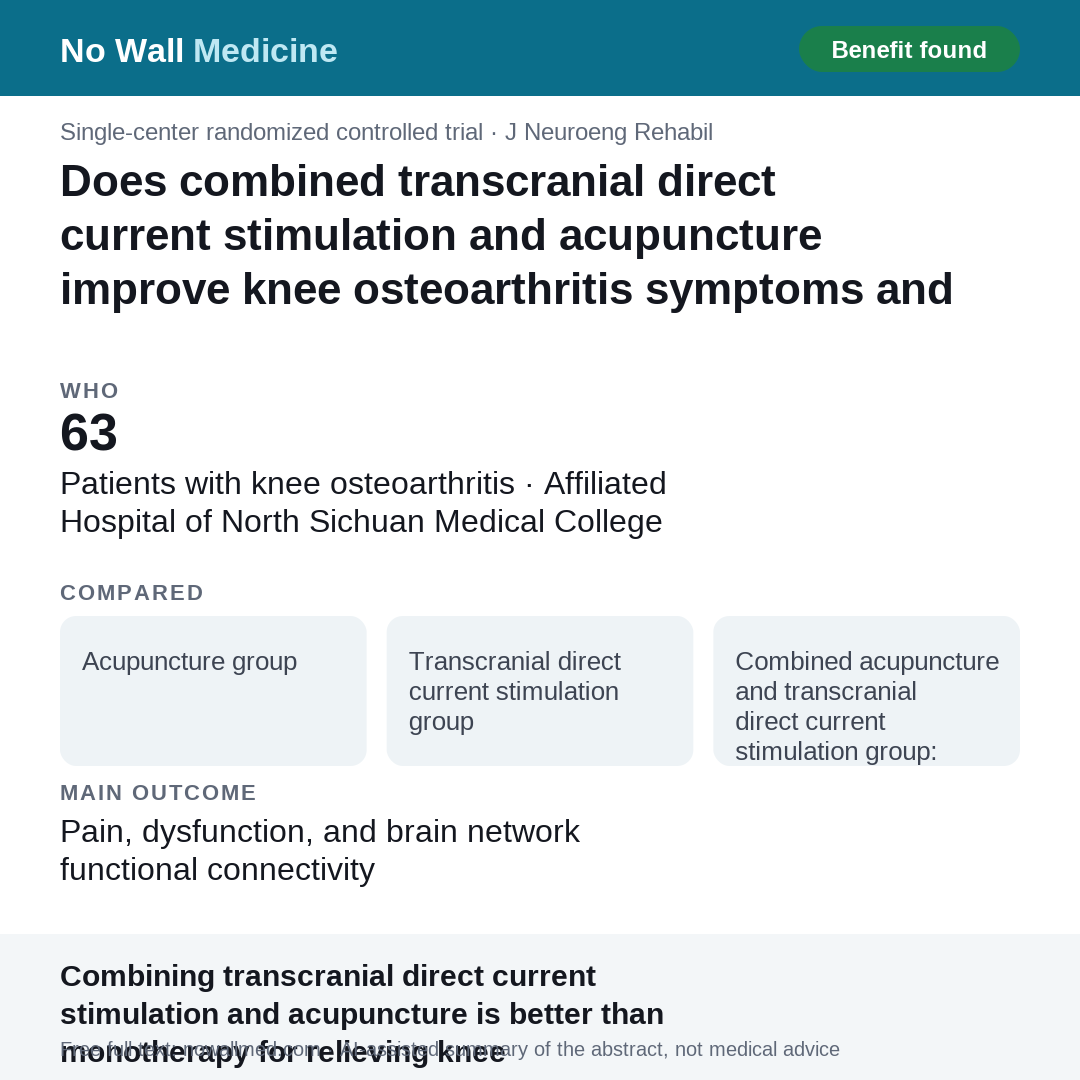
Effects of transcranial direct current stimulation combined with acupuncture therapy on brain network functional connectivity in patients with knee osteoarthritis: a single-center randomized controlled trial
Single-center randomized controlled trialBenefit found
Does combined transcranial direct current stimulation and acupuncture improve knee osteoarthritis symptoms and brain connectivity?
Who
63
Patients with knee osteoarthritis · Affiliated Hospital of North Sichuan Medical College
Compared
Acupuncture group
Transcranial direct current stimulation group
Combined acupuncture and transcranial direct current stimulation group: greater improvements in the VAS score, WOMAC score, and Lequesne indexes
Main outcome
Pain, dysfunction, and brain network functional connectivity
Bottom line: Combining transcranial direct current stimulation and acupuncture is better than monotherapy for relieving knee osteoarthritis pain and dysfunction.
J Neuroeng Rehabil · 2025-07-14Download image
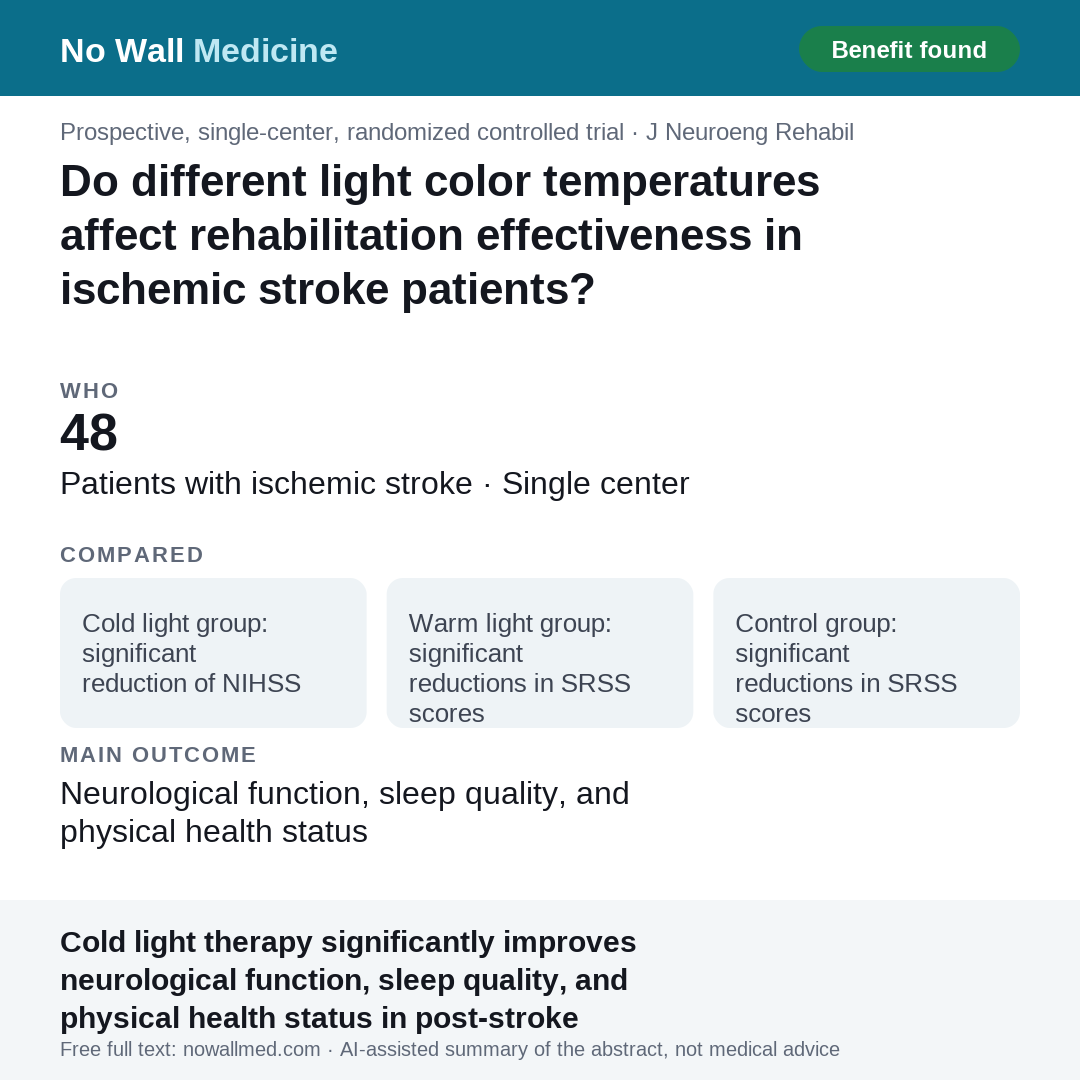
Different light color temperatures in the morning on the effectiveness of rehabilitation training in patients with ischemic stroke: a prospective, single-center, randomized controlled clinical trial
Prospective, single-center, randomized controlled trialBenefit found
Do different light color temperatures affect rehabilitation effectiveness in ischemic stroke patients?
Who
48
Patients with ischemic stroke · Single center
Compared
Cold light group: significant reduction of NIHSS
Warm light group: significant reductions in SRSS scores
Control group: significant reductions in SRSS scores
Main outcome
Neurological function, sleep quality, and physical health status
Bottom line: Cold light therapy significantly improves neurological function, sleep quality, and physical health status in post-stroke patients.
J Neuroeng Rehabil · 2025-07-14Download image