Visual abstracts
New randomized trials and meta-analyses from leading journals at a glance: who was studied, what was compared, and what was found. Every paper is free to read in full.
All specialtiesCardiology 4877Oncology 4138Gastroenterology & Hepatology 1942Infectious Disease 3837Neurology 1905Psychiatry & Mental Health 2273Pulmonology 2143Critical Care 1365Endocrinology & Diabetes 2580Pediatrics 2980Surgery 2559Orthopedics & Sports Medicine 931Neurosurgery 537Cardiothoracic & Vascular Surgery 674Plastic & Reconstructive Surgery 591Nephrology 1133Rheumatology 823Hematology 1109Dermatology 621Ophthalmology 543Obstetrics & Gynecology 1686Public & Global Health 1058Radiology & Imaging 648Anesthesiology 986Urology 764ENT (Otolaryngology) 503Emergency Medicine 511Allergy & Immunology 313Geriatrics 981Family Medicine & Primary Care 562Medical Genetics & Genomics 676Pathology & Laboratory Medicine 159Physical Medicine & Rehabilitation 757Palliative Care 444Nutrition 1588Digital Health & AI 2201General Medicine 321
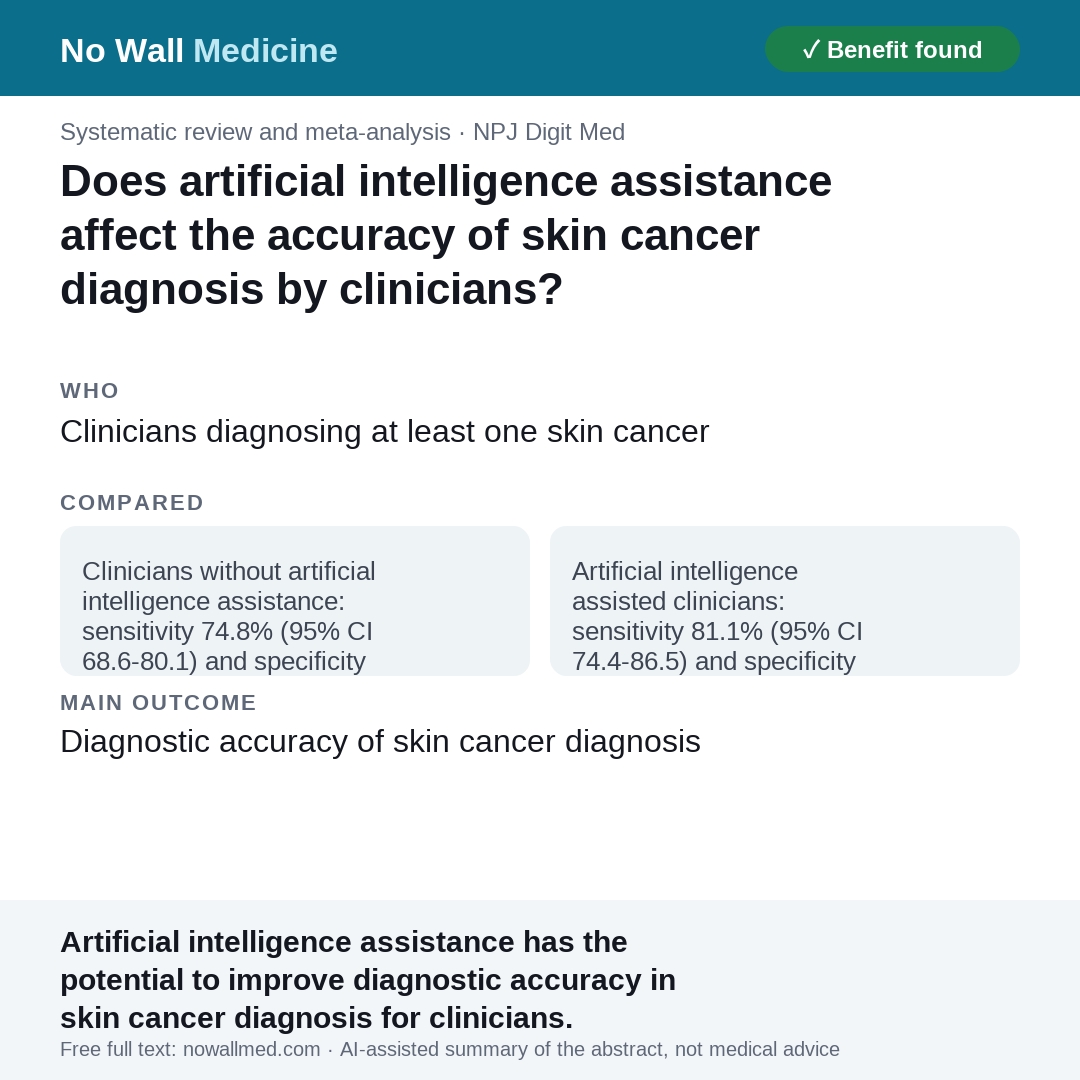
Human-AI interaction in skin cancer diagnosis: a systematic review and meta-analysis
Systematic review and meta-analysisBenefit found
Does artificial intelligence assistance affect the accuracy of skin cancer diagnosis by clinicians?
Who
Clinicians diagnosing at least one skin cancer
Compared
Clinicians without artificial intelligence assistance: sensitivity 74.8% (95% CI 68.6-80.1) and specificity 81.5% (95% CI 73.9-87.3)
Artificial intelligence assisted clinicians: sensitivity 81.1% (95% CI 74.4-86.5) and specificity 86.1% (95% CI 79.2-90.9)
Main outcome
Diagnostic accuracy of skin cancer diagnosis
Bottom line: Artificial intelligence assistance has the potential to improve diagnostic accuracy in skin cancer diagnosis for clinicians.
Limitation: Most studies were conducted in experimental settings rather than real-life settings.
NPJ Digit Med · 2024-04-09Download image
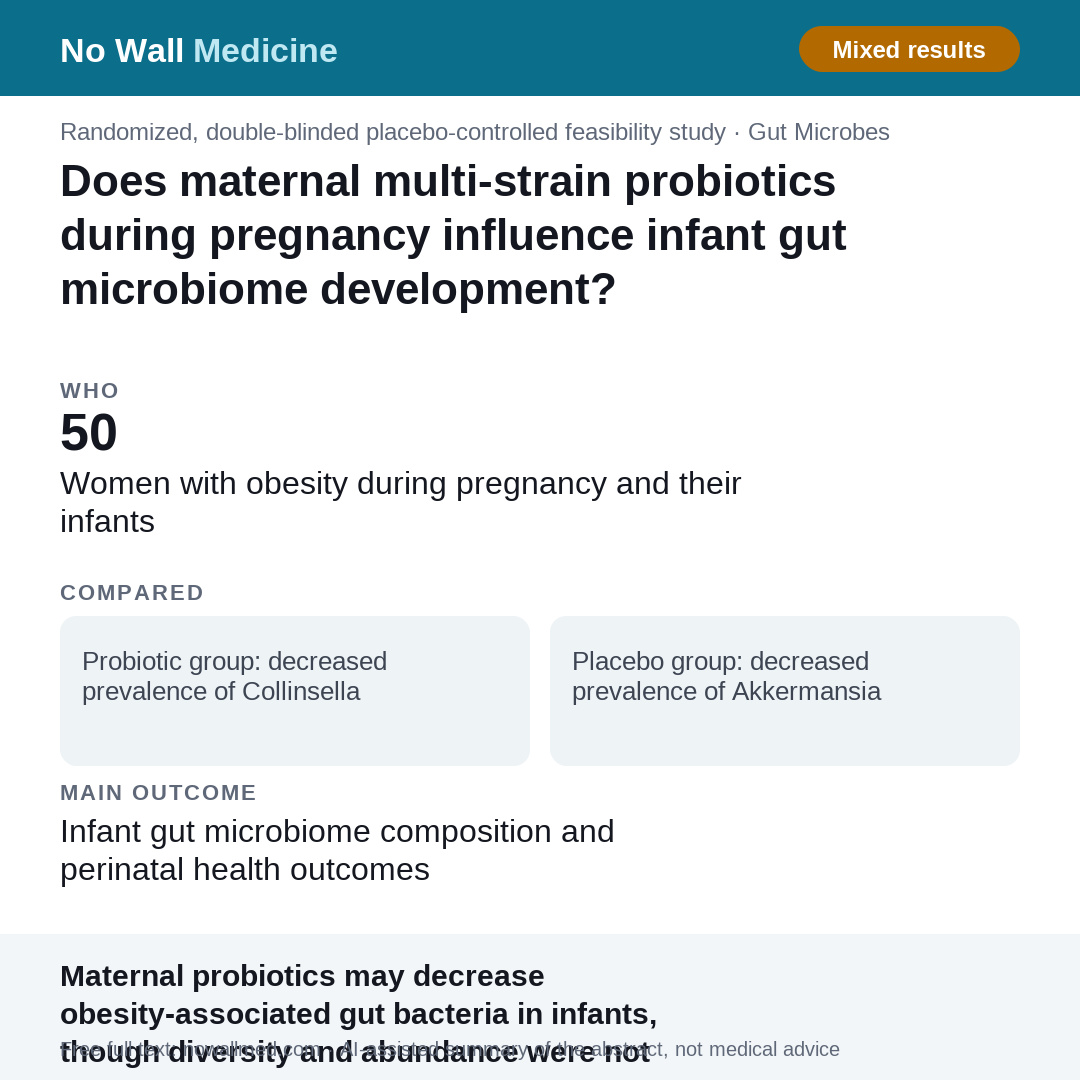
Multi-strain probiotics during pregnancy in women with obesity influence infant gut microbiome development: results from a randomized, double-blind placebo-controlled study
Randomized, double-blinded placebo-controlled feasibility studyMixed results
Does maternal multi-strain probiotics during pregnancy influence infant gut microbiome development?
Who
50
Women with obesity during pregnancy and their infants
Compared
Probiotic group: decreased prevalence of Collinsella
Placebo group: decreased prevalence of Akkermansia
Main outcome
Infant gut microbiome composition and perinatal health outcomes
Bottom line: Maternal probiotics may decrease obesity-associated gut bacteria in infants, though diversity and abundance were not significantly altered.
Limitation: This was a feasibility study.
Gut Microbes · 2024-04-09Download image
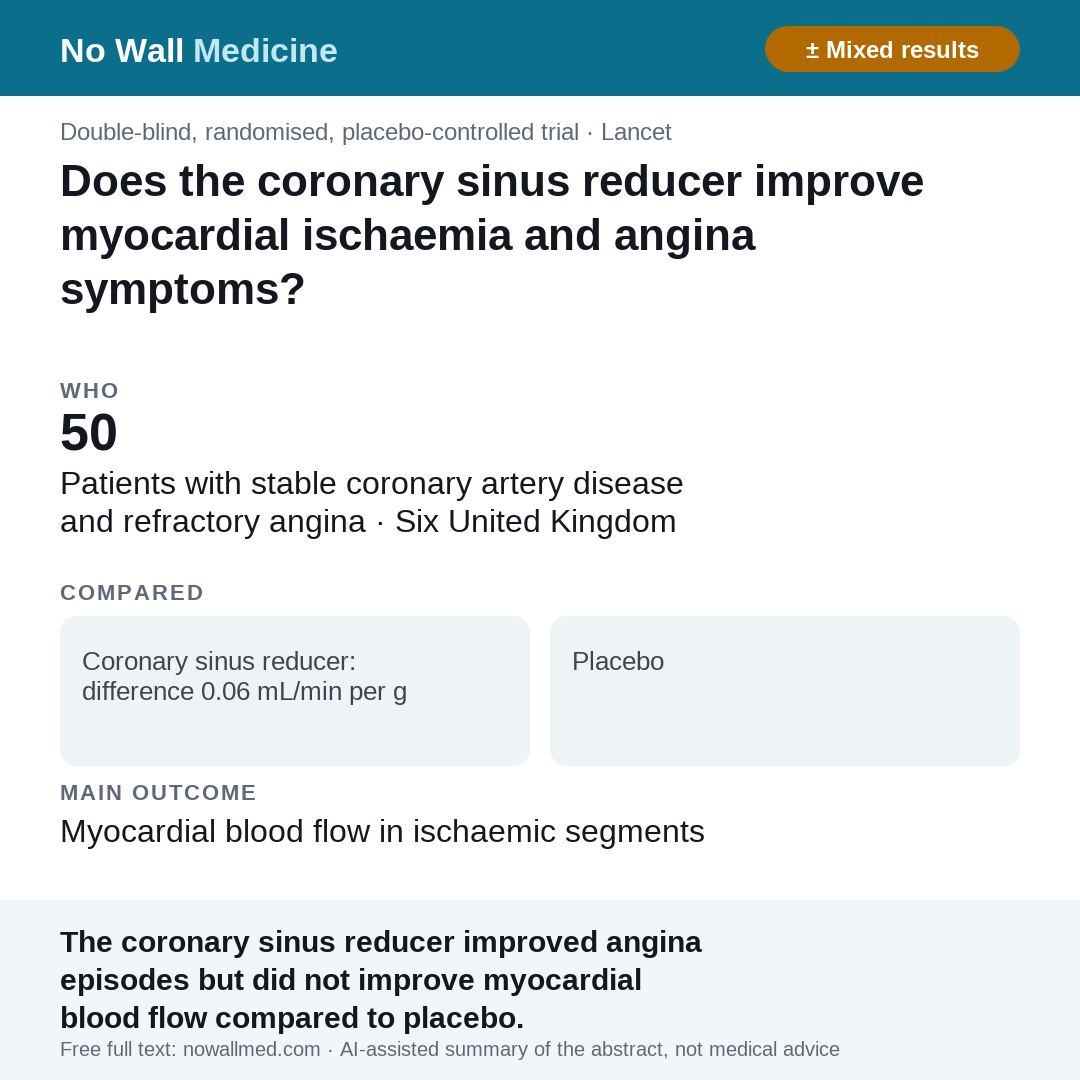
Coronary sinus reducer for the treatment of refractory angina (ORBITA-COSMIC): a randomised, placebo-controlled trial
Double-blind, randomised, placebo-controlled trialMixed results
Does the coronary sinus reducer improve myocardial ischaemia and angina symptoms?
Who
50
Patients with stable coronary artery disease and refractory angina · Six United Kingdom hospitals
Compared
Coronary sinus reducer: difference 0.06 mL/min per g
Placebo
Main outcome
Myocardial blood flow in ischaemic segments
Result: difference 0.06 mL/min per g (95% CrI -0.09 to 0.20)
Bottom line: The coronary sinus reducer improved angina episodes but did not improve myocardial blood flow compared to placebo.
Funded by: Medical Research Council and others
Lancet · 2024-04-08Download image
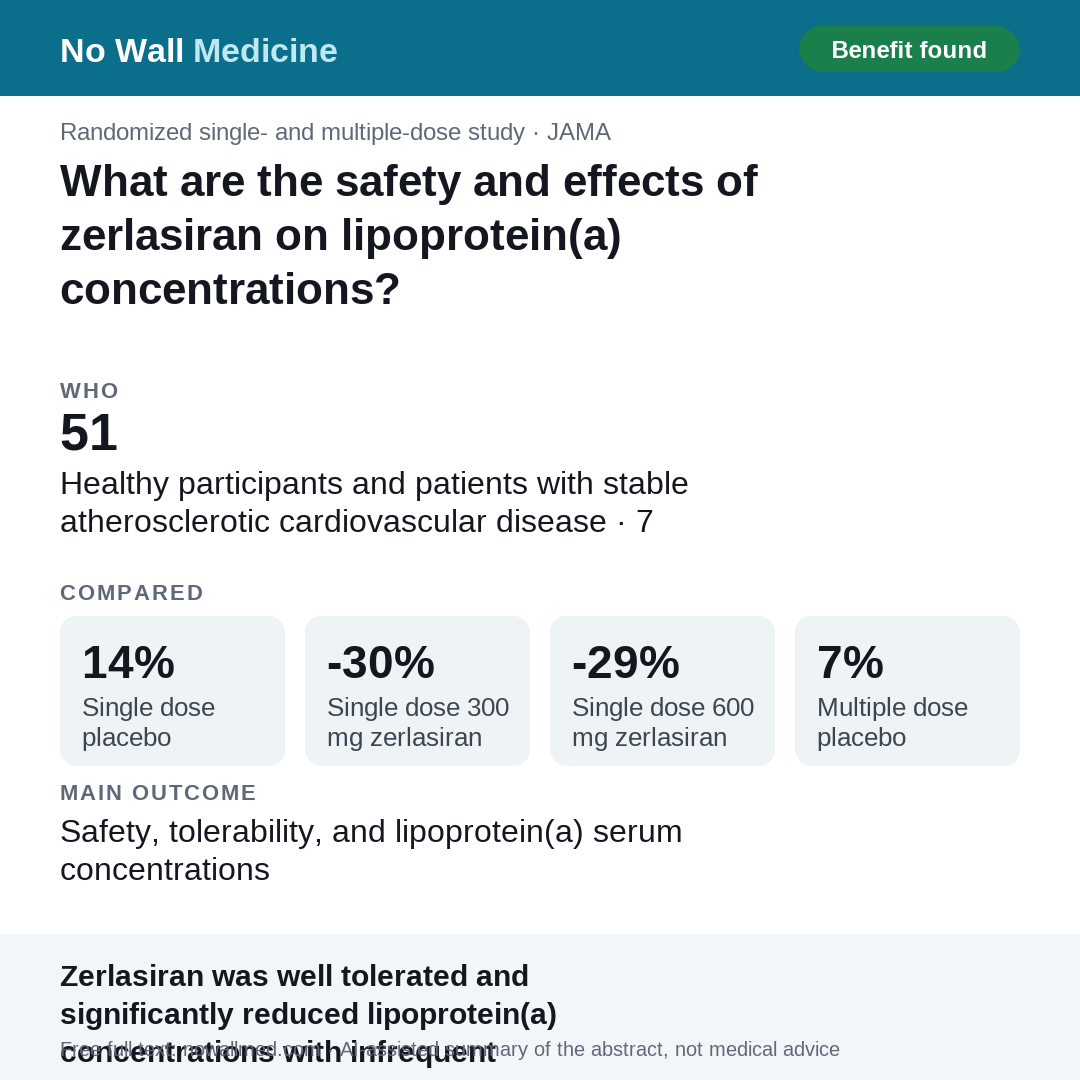
Single Ascending and Multiple-Dose Trial of Zerlasiran, a Short Interfering RNA Targeting Lipoprotein(a): A Randomized Clinical Trial
Randomized single- and multiple-dose studyBenefit found
What are the safety and effects of zerlasiran on lipoprotein(a) concentrations?
Who
51
Healthy participants and patients with stable atherosclerotic cardiovascular disease · 7 research sites in US, Netherlands, UK, and Australia
Compared
14%Single dose placebo (IQR, 13% to 15%)
-30%Single dose 300 mg zerlasiran (IQR, -51% to -18%)
-29%Single dose 600 mg zerlasiran (IQR, -39% to -7%)
7%Multiple dose placebo (IQR, -4% to 21%)
Main outcome
Safety, tolerability, and lipoprotein(a) serum concentrations
Bottom line: Zerlasiran was well tolerated and significantly reduced lipoprotein(a) concentrations with infrequent administration.
JAMA · 2024-04-08Download image
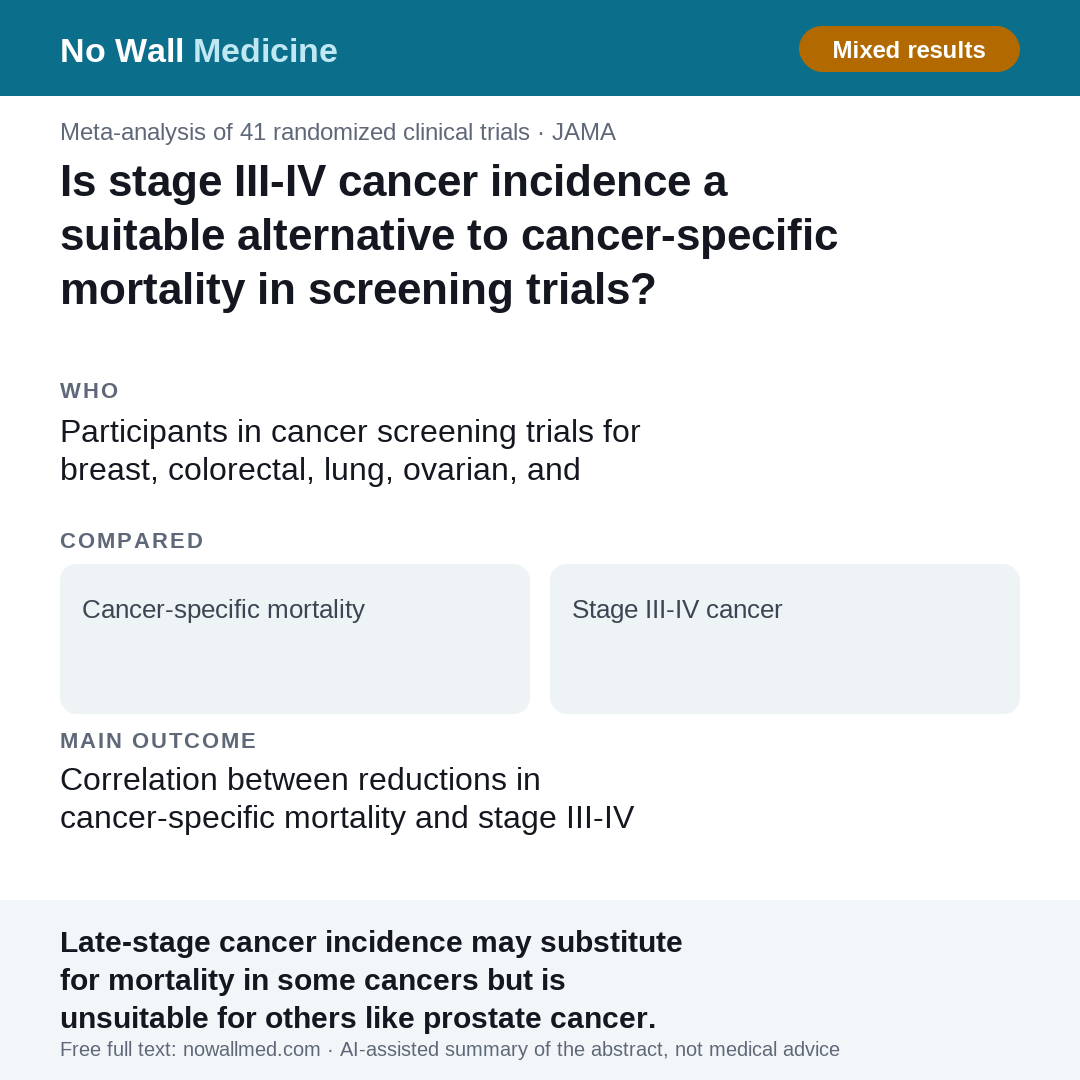
Cancer Stage Compared With Mortality as End Points in Randomized Clinical Trials of Cancer Screening: A Systematic Review and Meta-Analysis
Meta-analysis of 41 randomized clinical trialsMixed results
Is stage III-IV cancer incidence a suitable alternative to cancer-specific mortality in screening trials?
Who
Participants in cancer screening trials for breast, colorectal, lung, ovarian, and prostate cancers · Europe, North America, and Asia
Compared
Cancer-specific mortality
Stage III-IV cancer
Main outcome
Correlation between reductions in cancer-specific mortality and stage III-IV cancer
Bottom line: Late-stage cancer incidence may substitute for mortality in some cancers but is unsuitable for others like prostate cancer.
JAMA · 2024-04-08Download image
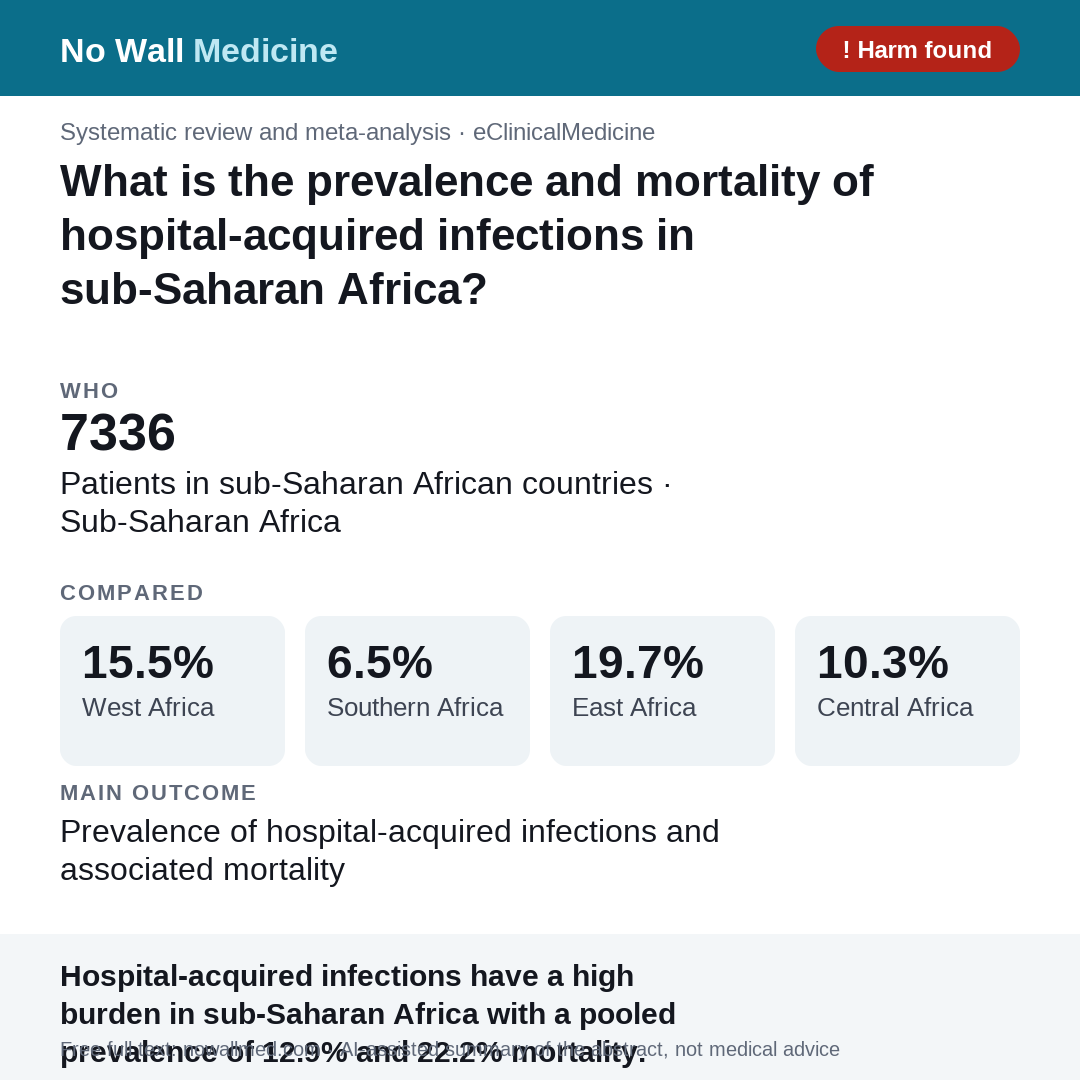
The burden of hospital-acquired infections (HAI) in sub-Saharan Africa: a systematic review and meta-analysis
Systematic review and meta-analysisHarm found
What is the prevalence and mortality of hospital-acquired infections in sub-Saharan Africa?
Who
7336
Patients in sub-Saharan African countries · Sub-Saharan Africa
Compared
15.5%West Africa (95% CI: 8.3-24.4)
6.5%Southern Africa (95% CI: 3.3-10.7)
19.7%East Africa (95% CI: 10.8-30.5)
10.3%Central Africa (95% CI: 1.1-27.0)
Main outcome
Prevalence of hospital-acquired infections and associated mortality
Result: pooled prevalence 12.9% (95% CI: 8.9-17.4)
Bottom line: Hospital-acquired infections have a high burden in sub-Saharan Africa with a pooled prevalence of 12.9% and 22.2% mortality.
eClinicalMedicine · 2024-04-08Download image
Safety and Efficacy of Metabolic Modulation With Ninerafaxstat in Patients With Nonobstructive Hypertrophic Cardiomyopathy
Randomized trialBenefit found
Is ninerafaxstat safe and effective in patients with nonobstructive hypertrophic cardiomyopathy?
Who
67
Patients with nonobstructive hypertrophic cardiomyopathy · 12 centers
Compared
Ninerafaxstat 200 mg twice daily: 11.8% (n = 4 of 34) serious adverse events
Placebo: 6.1% (n = 2 of 33) serious adverse events
Main outcome
Safety, tolerability, and ventilatory efficiency slope
Result: -2.1 (95% CI: -3.6 to -0.6; P = 0.006)
Bottom line: Ninerafaxstat improved ventilatory efficiency and health status in symptomatic nonobstructive hypertrophic cardiomyopathy patients.
JACC · 2024-04-08Download image

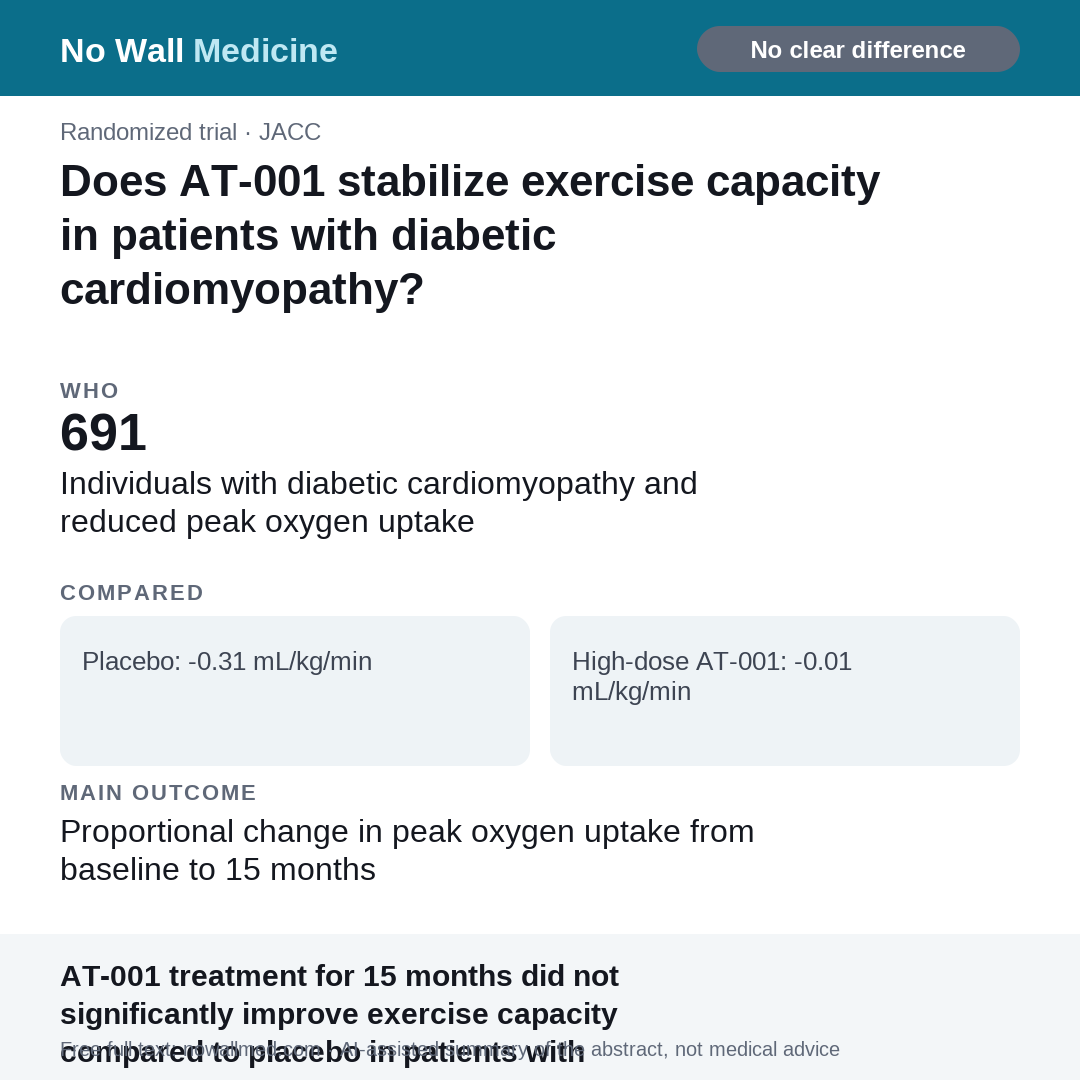
Randomized Trial of a Selective Aldose Reductase Inhibitor in Patients With Diabetic Cardiomyopathy
Randomized trialNo clear difference
Does AT-001 stabilize exercise capacity in patients with diabetic cardiomyopathy?
Who
691
Individuals with diabetic cardiomyopathy and reduced peak oxygen uptake
Compared
Placebo: -0.31 mL/kg/min
High-dose AT-001: -0.01 mL/kg/min
Main outcome
Proportional change in peak oxygen uptake from baseline to 15 months
Result: 0.30 (P = 0.19)
Bottom line: AT-001 treatment for 15 months did not significantly improve exercise capacity compared to placebo in patients with diabetic cardiomyopathy.
JACC · 2024-04-08Download image
Early Seizure Prophylaxis in Mild and Moderate Traumatic Brain Injury: A Systematic Review and Meta-Analysis
Systematic review and meta-analysisBenefit found
Does seizure prophylaxis reduce early posttraumatic seizures in mild and moderate traumatic brain injury?
Who
5637
Adult patients with mild or moderate traumatic brain injury · Trauma centers in high-income countries
Compared
Seizure prophylaxis
No seizure prophylaxis
Main outcome
Absolute risk reduction of early posttraumatic seizures within 7 days
Result: absolute risk reduction 0.6% (95% CI, 0.1%-1.2%)
Bottom line: Seizure prophylaxis was associated with a small but statistically significant reduced risk of early posttraumatic seizures.
JAMA Neurol · 2024-04-08Download image

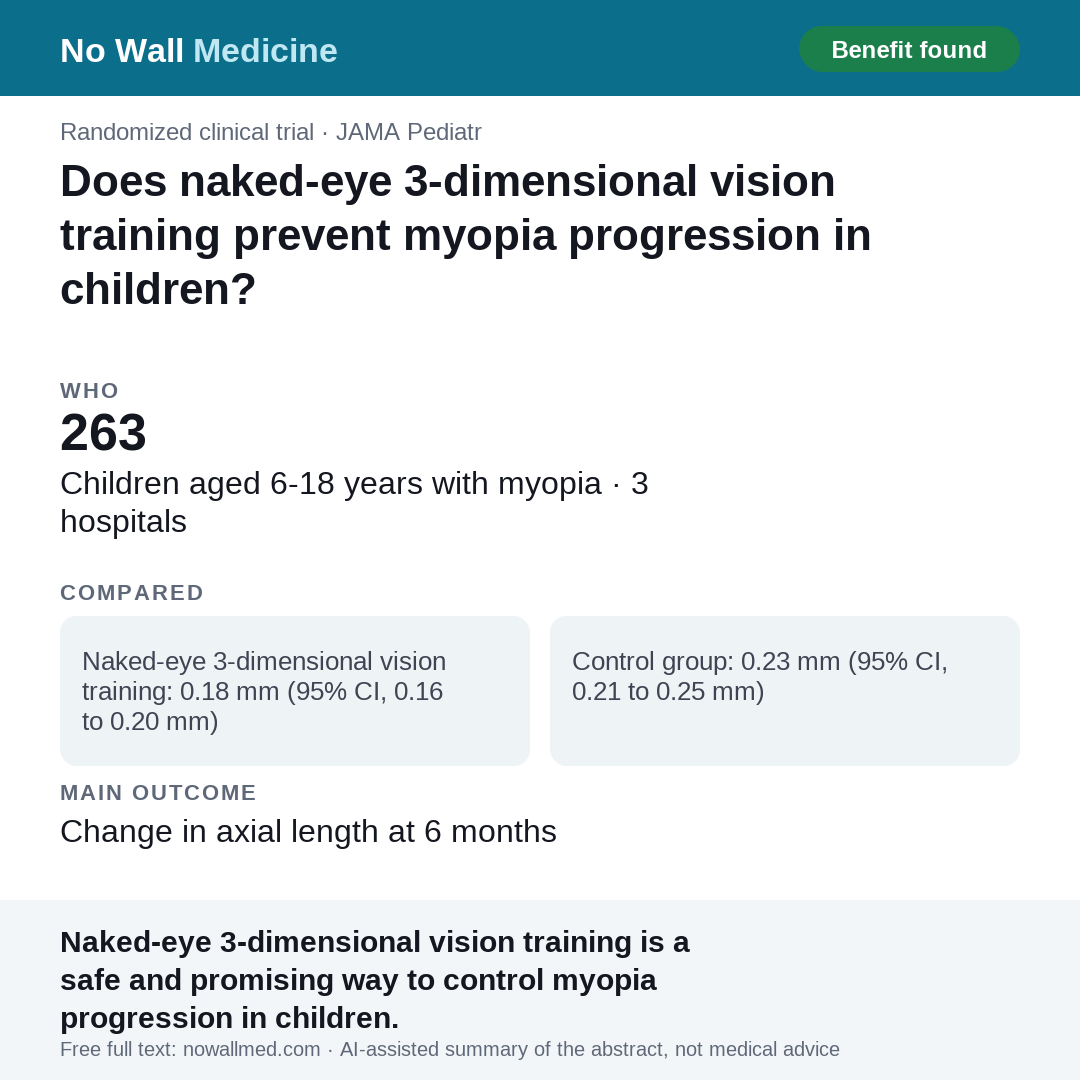
Naked-Eye 3-Dimensional Vision Training for Myopia Control: A Randomized Clinical Trial
Randomized clinical trialBenefit found
Does naked-eye 3-dimensional vision training prevent myopia progression in children?
Who
263
Children aged 6-18 years with myopia · 3 hospitals
Compared
Naked-eye 3-dimensional vision training: 0.18 mm (95% CI, 0.16 to 0.20 mm)
Control group: 0.23 mm (95% CI, 0.21 to 0.25 mm)
Main outcome
Change in axial length at 6 months
Result: -0.06 mm (95% CI, -0.09 to -0.03)
Bottom line: Naked-eye 3-dimensional vision training is a safe and promising way to control myopia progression in children.
JAMA Pediatr · 2024-04-08Download image
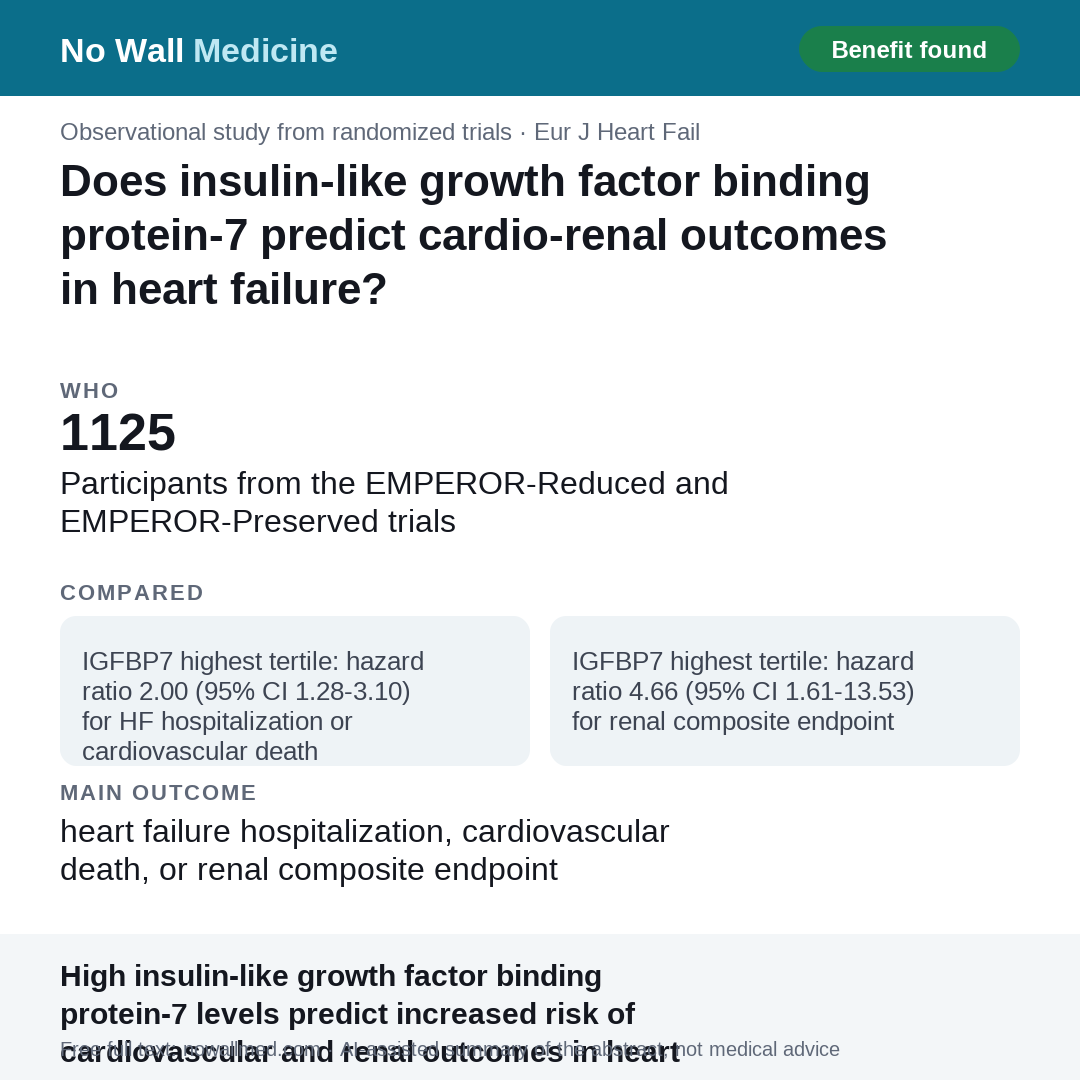
Insulin-like growth factor binding protein-7 concentrations in chronic heart failure: Results from the EMPEROR programme
Observational study from randomized trialsBenefit found
Does insulin-like growth factor binding protein-7 predict cardio-renal outcomes in heart failure?
Who
1125
Participants from the EMPEROR-Reduced and EMPEROR-Preserved trials
Compared
IGFBP7 highest tertile: hazard ratio 2.00 (95% CI 1.28-3.10) for HF hospitalization or cardiovascular death
IGFBP7 highest tertile: hazard ratio 4.66 (95% CI 1.61-13.53) for renal composite endpoint
Main outcome
heart failure hospitalization, cardiovascular death, or renal composite endpoint
Result: hazard ratio 2.00 (95% CI 1.28-3.10)
Bottom line: High insulin-like growth factor binding protein-7 levels predict increased risk of cardiovascular and renal outcomes in heart failure.
Eur J Heart Fail · 2024-04-08Download image
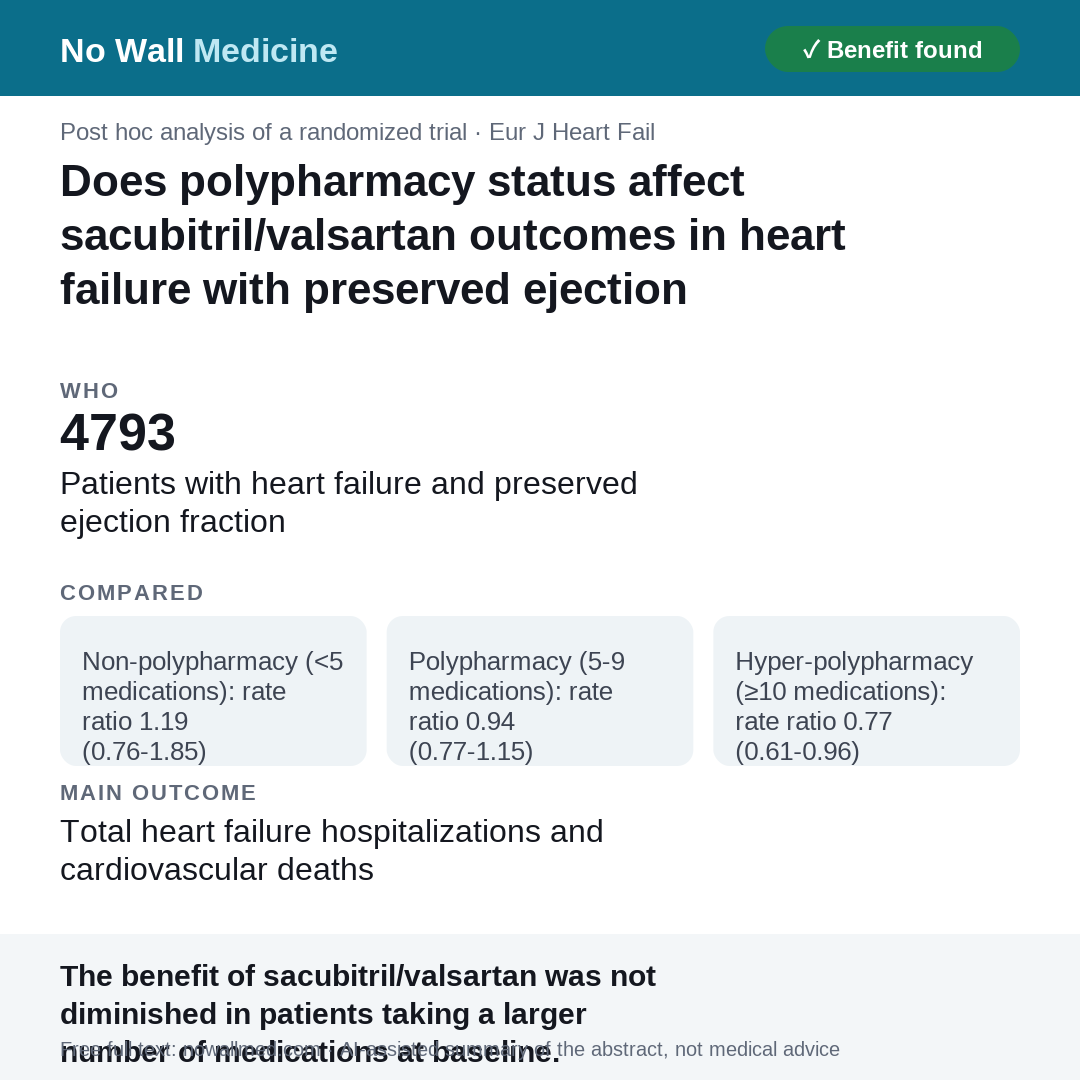
Effects of sacubitril/valsartan according to polypharmacy status in PARAGON-HF
Post hoc analysis of a randomized trialBenefit found
Does polypharmacy status affect sacubitril/valsartan outcomes in heart failure with preserved ejection fraction?
Who
4793
Patients with heart failure and preserved ejection fraction
Compared
Non-polypharmacy (<5 medications): rate ratio 1.19 (0.76-1.85)
Polypharmacy (5-9 medications): rate ratio 0.94 (0.77-1.15)
Hyper-polypharmacy (≥10 medications): rate ratio 0.77 (0.61-0.96)
Main outcome
Total heart failure hospitalizations and cardiovascular deaths
Result: p interaction = 0.16
Bottom line: The benefit of sacubitril/valsartan was not diminished in patients taking a larger number of medications at baseline.
Limitation: This was a post hoc analysis.
Eur J Heart Fail · 2024-04-08Download image
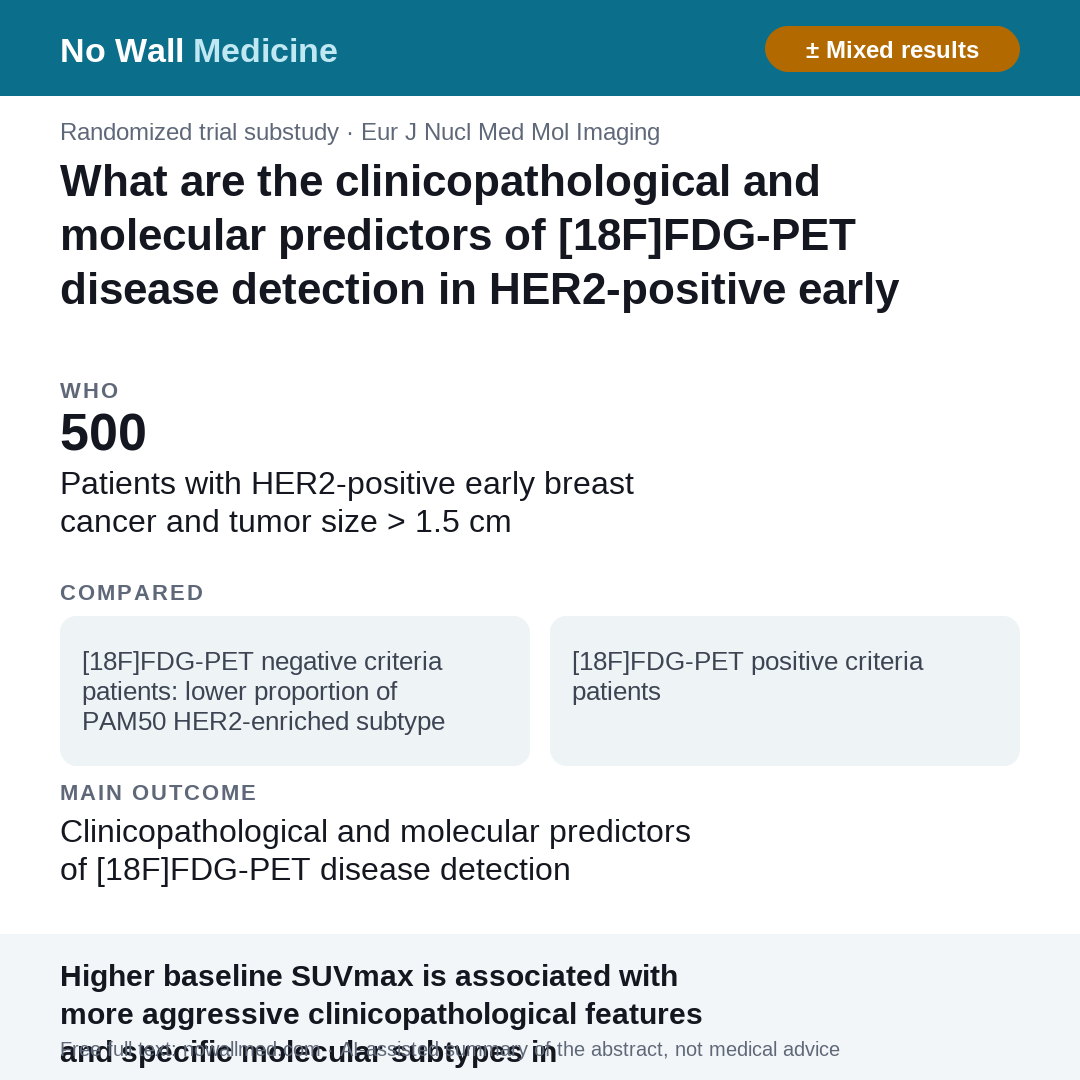
Clinicopathological and molecular predictors of [18F]FDG-PET disease detection in HER2-positive early breast cancer: RESPONSE, a substudy of the randomized PHERGain trial
Randomized trial substudyMixed results
What are the clinicopathological and molecular predictors of [18F]FDG-PET disease detection in HER2-positive early breast cancer?
Who
500
Patients with HER2-positive early breast cancer and tumor size > 1.5 cm
Compared
[18F]FDG-PET negative criteria patients: lower proportion of PAM50 HER2-enriched subtype
[18F]FDG-PET positive criteria patients
Main outcome
Clinicopathological and molecular predictors of [18F]FDG-PET disease detection
Bottom line: Higher baseline SUVmax is associated with more aggressive clinicopathological features and specific molecular subtypes in HER2-positive early breast cancer.
Eur J Nucl Med Mol Imaging · 2024-04-08Download image
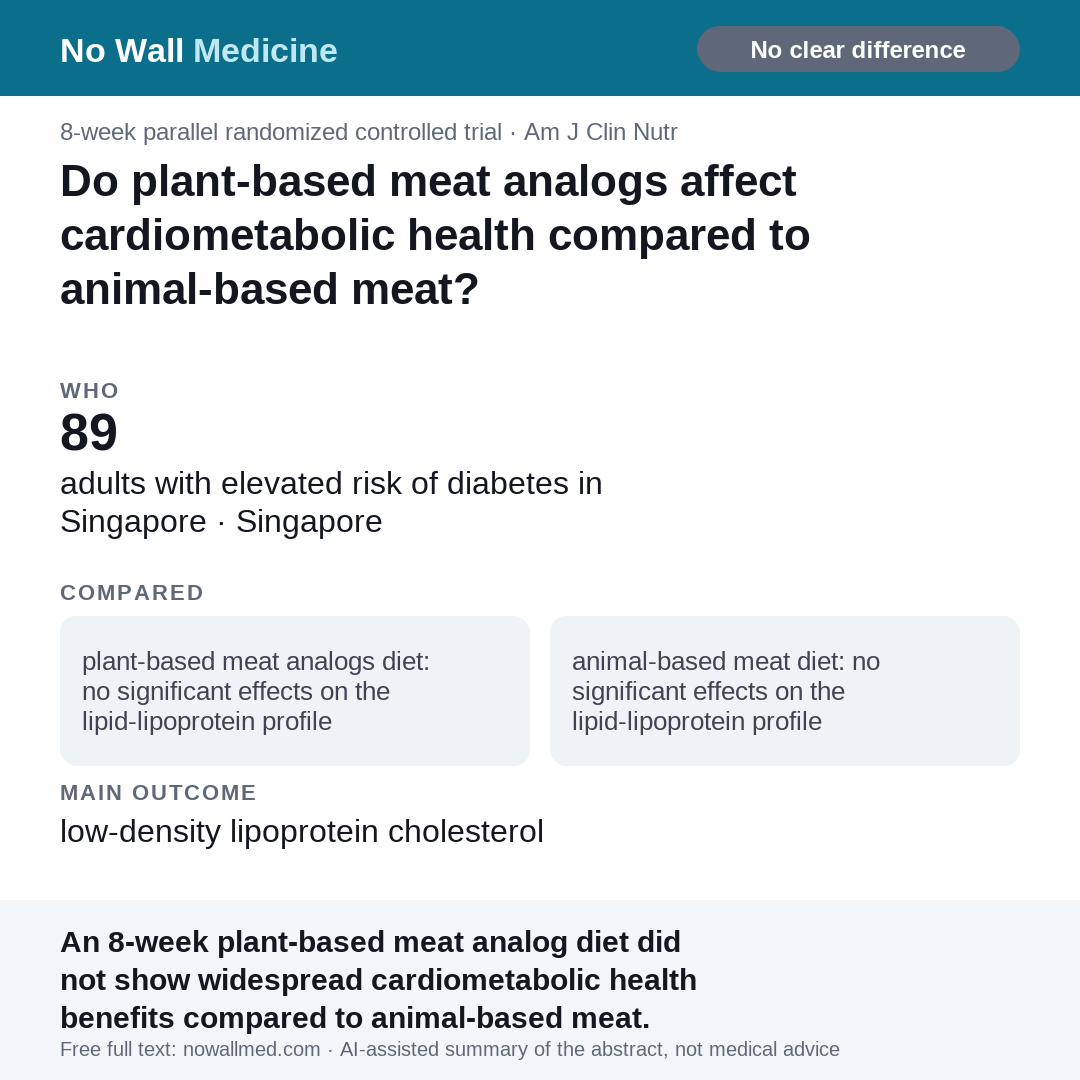
Plant-Based Meat Analogs and Their Effects on Cardiometabolic Health: An 8-Week Randomized Controlled Trial Comparing Plant-Based Meat Analogs With Their Corresponding Animal-Based Foods
8-week parallel randomized controlled trialNo clear difference
Do plant-based meat analogs affect cardiometabolic health compared to animal-based meat?
Who
89
adults with elevated risk of diabetes in Singapore · Singapore
Compared
plant-based meat analogs diet: no significant effects on the lipid-lipoprotein profile
animal-based meat diet: no significant effects on the lipid-lipoprotein profile
Main outcome
low-density lipoprotein cholesterol
Bottom line: An 8-week plant-based meat analog diet did not show widespread cardiometabolic health benefits compared to animal-based meat.
Am J Clin Nutr · 2024-04-08Download image
Diet, Food, and Nutritional Exposures and Inflammatory Bowel Disease or Progression of Disease: an Umbrella Review
Umbrella reviewMixed results
Diet and inflammatory bowel disease
Who
inflammatory bowel disease patients
Compared
high red meat
low fiber
Mediterranean diet
Main outcome
inflammatory bowel disease incidence
Bottom line: Diet affects inflammatory bowel disease
Adv Nutr · 2024-04-08Download image

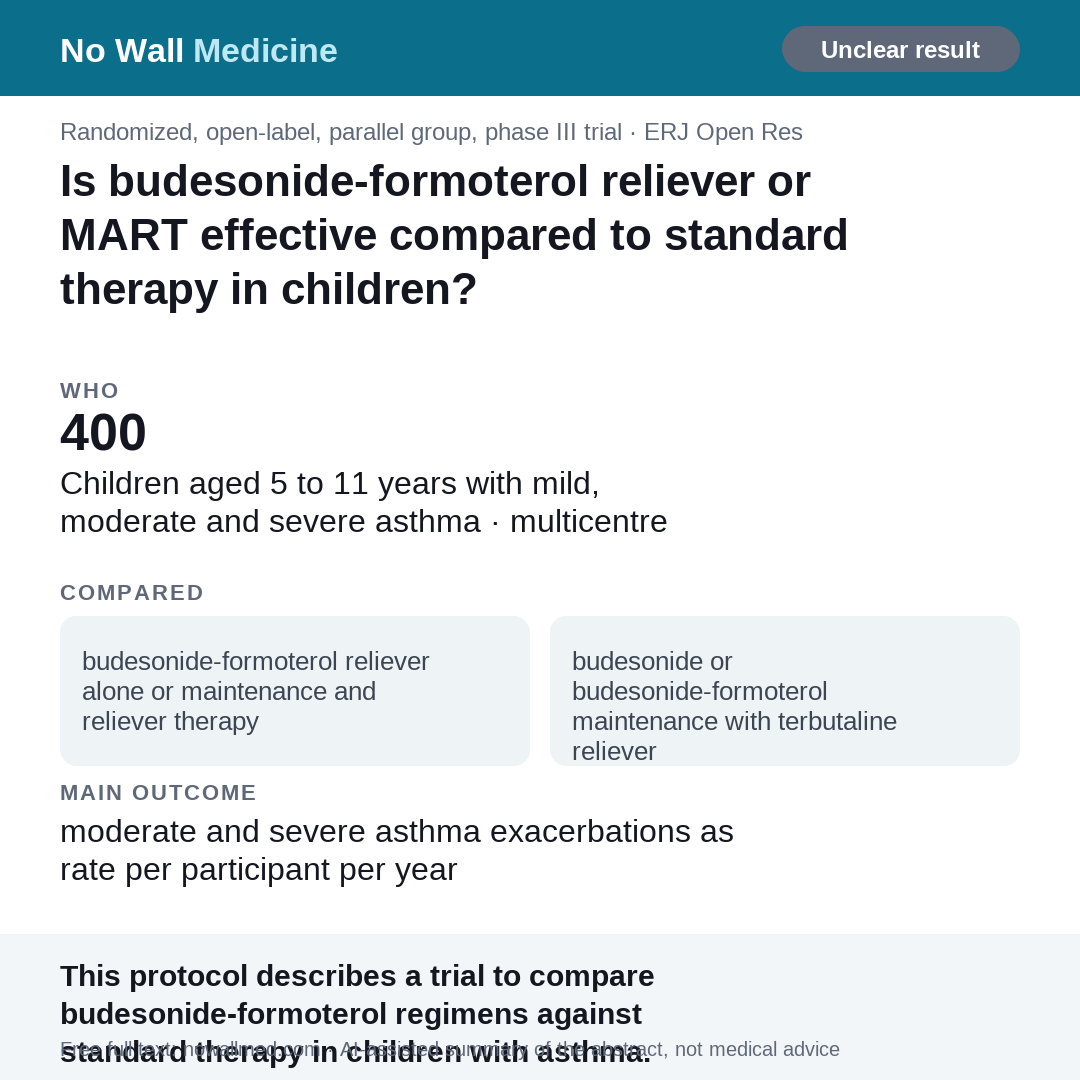
START CARE: a protocol for a randomised controlled trial of step-wise budesonide-formoterol reliever-based treatment in children
Randomized, open-label, parallel group, phase III trialUnclear result
Is budesonide-formoterol reliever or MART effective compared to standard therapy in children?
Who
400
Children aged 5 to 11 years with mild, moderate and severe asthma · multicentre
Compared
budesonide-formoterol reliever alone or maintenance and reliever therapy
budesonide or budesonide-formoterol maintenance with terbutaline reliever
Main outcome
moderate and severe asthma exacerbations as rate per participant per year
Bottom line: This protocol describes a trial to compare budesonide-formoterol regimens against standard therapy in children with asthma.
ERJ Open Res · 2024-04-08Download image
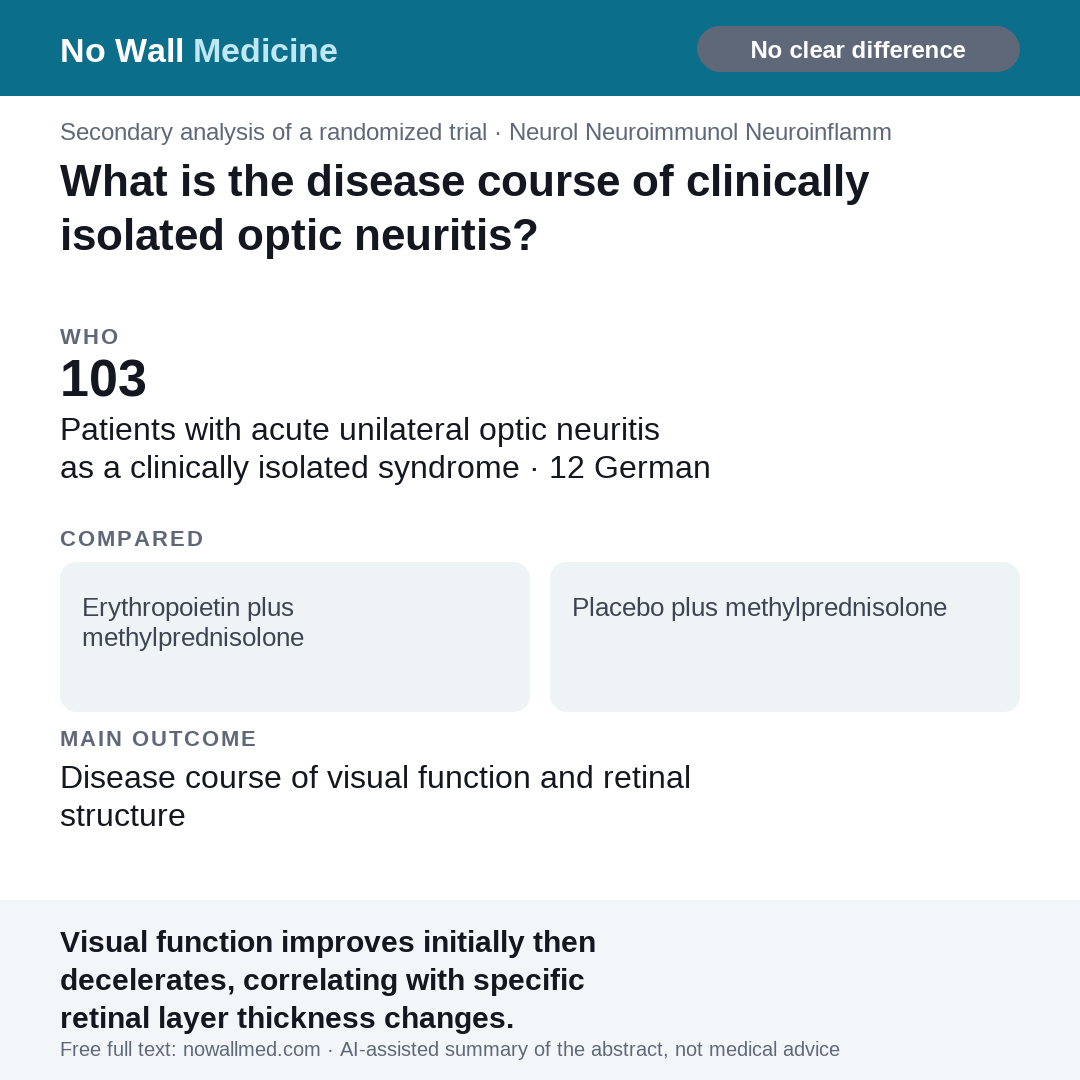
Disease Course of Clinically Isolated Optic Neuritis
Secondary analysis of a randomized trialNo clear difference
What is the disease course of clinically isolated optic neuritis?
Who
103
Patients with acute unilateral optic neuritis as a clinically isolated syndrome · 12 German academic tertiary centers
Compared
Erythropoietin plus methylprednisolone
Placebo plus methylprednisolone
Main outcome
Disease course of visual function and retinal structure
Bottom line: Visual function improves initially then decelerates, correlating with specific retinal layer thickness changes.
Neurol Neuroimmunol Neuroinflamm · 2024-04-08Download image
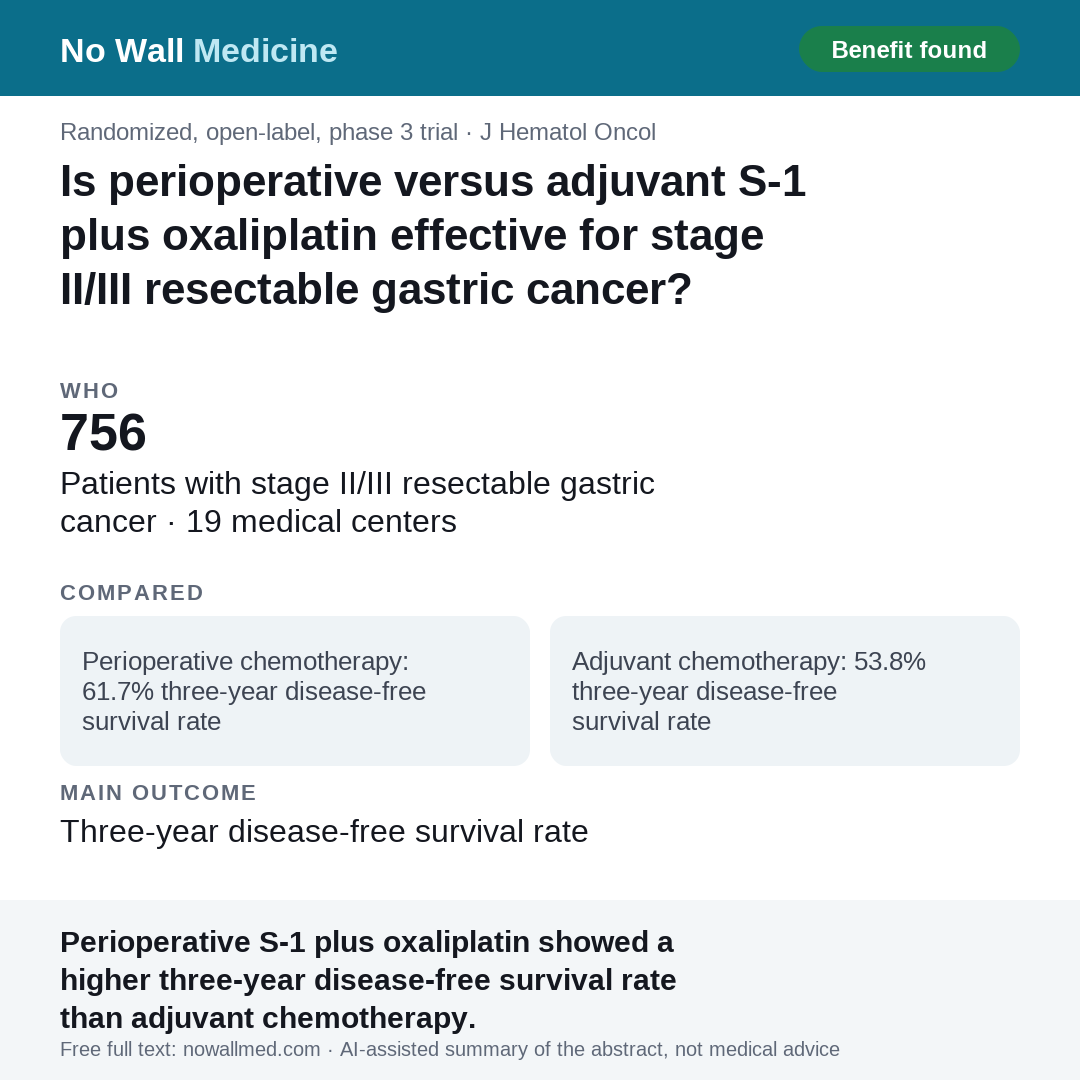
Perioperative versus adjuvant S-1 plus oxaliplatin chemotherapy for stage II/III resectable gastric cancer (RESONANCE): a randomized, open-label, phase 3 trial
Randomized, open-label, phase 3 trialBenefit found
Is perioperative versus adjuvant S-1 plus oxaliplatin effective for stage II/III resectable gastric cancer?
Who
756
Patients with stage II/III resectable gastric cancer · 19 medical centers
Compared
Perioperative chemotherapy: 61.7% three-year disease-free survival rate
Adjuvant chemotherapy: 53.8% three-year disease-free survival rate
Main outcome
Three-year disease-free survival rate
Bottom line: Perioperative S-1 plus oxaliplatin showed a higher three-year disease-free survival rate than adjuvant chemotherapy.
J Hematol Oncol · 2024-04-08Download image
Synergistic efficacy of repetitive peripheral magnetic stimulation on central intermittent theta burst stimulation for upper limb function in patients with stroke: a double-blinded, randomized controlled trial
Randomized controlled trialBenefit found
Does rPMS improve stroke rehabilitation?
Who
28
Patients with stroke
Compared
rPMS + iTBS
Sham rPMS + iTBS
Main outcome
Upper limb function
Bottom line: rPMS may improve grasp function
Limitation: Small scale
J Neuroeng Rehabil · 2024-04-08Download image

Perceptions, awareness and influences of medical students towards plastic surgery: A systematic review
Systematic reviewMixed results
What are medical students' perceptions, awareness, and influences towards plastic surgery?
Who
Medical students
Compared
General perceptions: positive
Awareness of scope: limited
Main outcome
Perceptions, awareness, and influencing factors of plastic surgery
Bottom line: Medical students have positive perceptions but limited awareness of the full scope of plastic surgery.
Limitation: Large-scale studies with standardised protocols in different countries are needed.
JPRAS Open · 2024-04-08Download image