Visual abstracts
New randomized trials and meta-analyses from leading journals at a glance: who was studied, what was compared, and what was found. Every paper is free to read in full.
All specialtiesCardiology 4763Oncology 4042Gastroenterology & Hepatology 1902Infectious Disease 3756Neurology 1872Psychiatry & Mental Health 2214Pulmonology 2042Critical Care 1319Endocrinology & Diabetes 2544Pediatrics 2889Surgery 2479Orthopedics & Sports Medicine 917Neurosurgery 525Cardiothoracic & Vascular Surgery 656Plastic & Reconstructive Surgery 574Nephrology 1107Rheumatology 810Hematology 1090Dermatology 611Ophthalmology 532Obstetrics & Gynecology 1645Public & Global Health 1037Radiology & Imaging 617Anesthesiology 957Urology 745ENT (Otolaryngology) 494Emergency Medicine 481Allergy & Immunology 309Geriatrics 972Family Medicine & Primary Care 533Medical Genetics & Genomics 659Pathology & Laboratory Medicine 156Physical Medicine & Rehabilitation 734Palliative Care 421Nutrition 1560Digital Health & AI 2133General Medicine 318
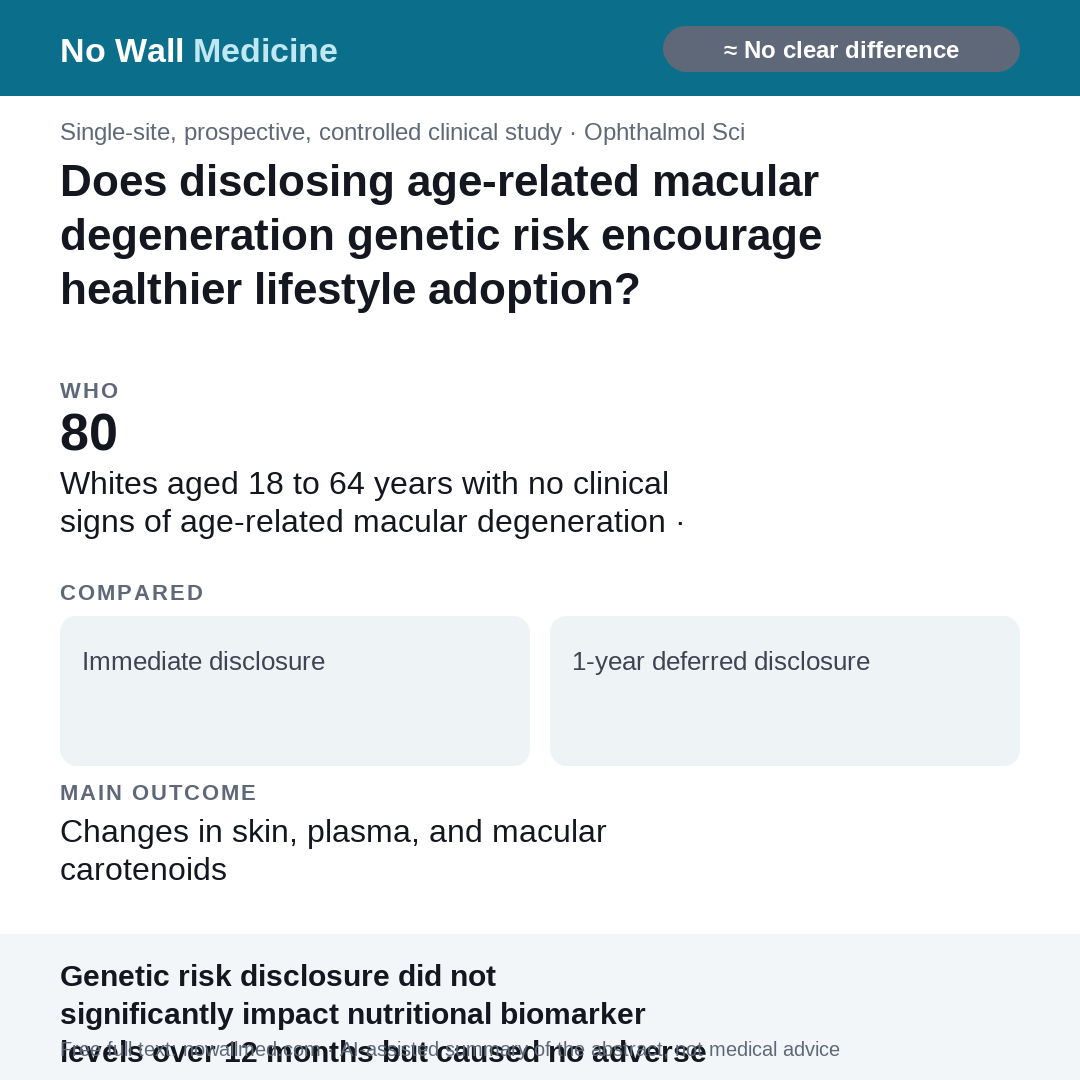
Carotenoid Status and Psychological Impact of Presymptomatic Macular Degeneration Genetic Risk Assessment: The MAGENTA Randomized Trial
Single-site, prospective, controlled clinical studyNo clear difference
Does disclosing age-related macular degeneration genetic risk encourage healthier lifestyle adoption?
Who
80
Whites aged 18 to 64 years with no clinical signs of age-related macular degeneration · Single-site
Compared
Immediate disclosure
1-year deferred disclosure
Main outcome
Changes in skin, plasma, and macular carotenoids
Bottom line: Genetic risk disclosure did not significantly impact nutritional biomarker levels over 12 months but caused no adverse psychological effects.
Limitation: Findings could guide future trials with extended biomarker assessments in larger and more diverse populations.
Ophthalmol Sci · 2026-01-22Download image
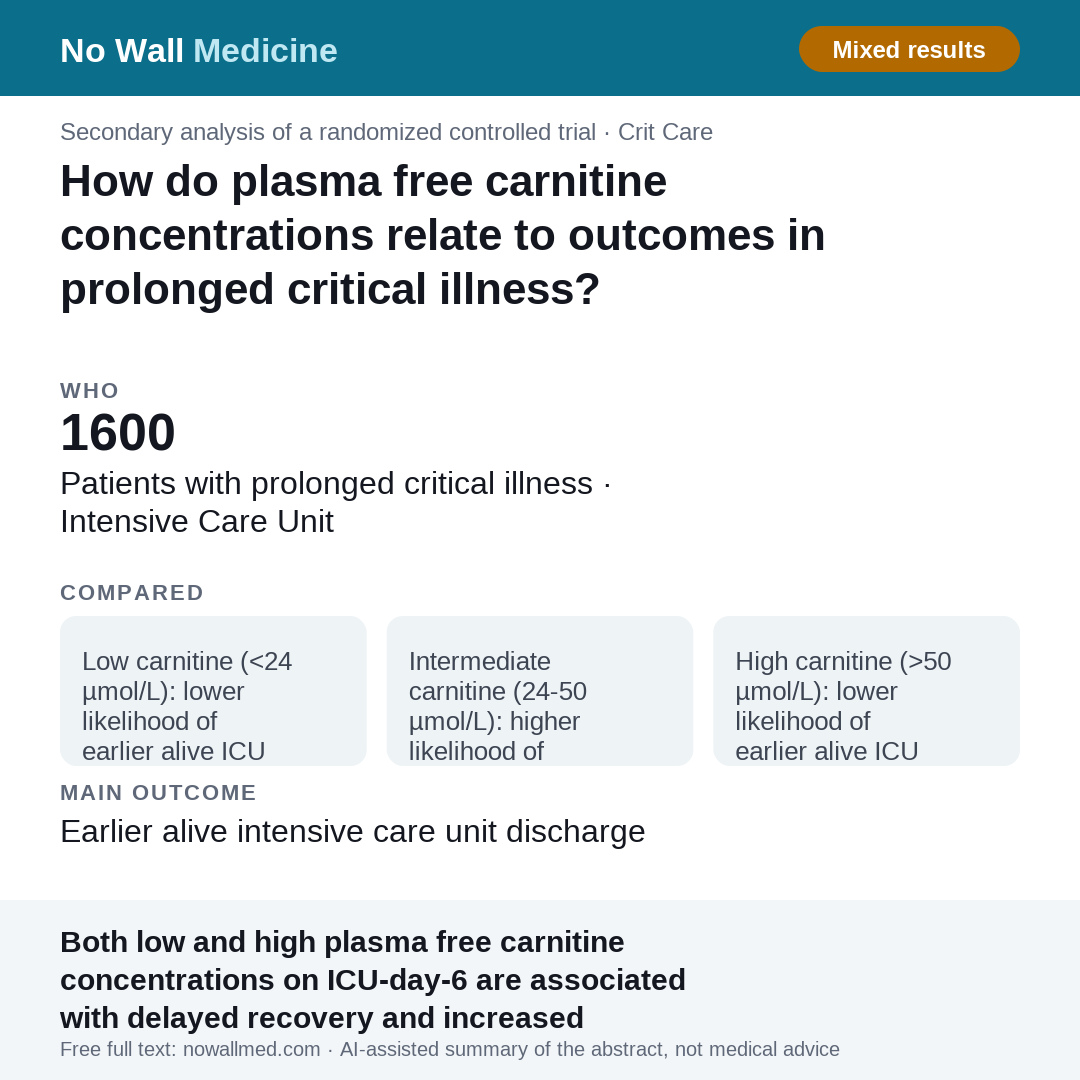
Abnormal carnitine concentrations in critical illness associated with compromised outcome
Secondary analysis of a randomized controlled trialMixed results
How do plasma free carnitine concentrations relate to outcomes in prolonged critical illness?
Who
1600
Patients with prolonged critical illness · Intensive Care Unit
Compared
Low carnitine (<24 µmol/L): lower likelihood of earlier alive ICU discharge
Intermediate carnitine (24-50 µmol/L): higher likelihood of earlier alive ICU discharge
High carnitine (>50 µmol/L): lower likelihood of earlier alive ICU discharge
Main outcome
Earlier alive intensive care unit discharge
Result: hazard ratio 0.97 (95% CI 0.95 to 0.99) per 10 µmol/L increase
Bottom line: Both low and high plasma free carnitine concentrations on ICU-day-6 are associated with delayed recovery and increased mortality.
Crit Care · 2026-01-22Download image
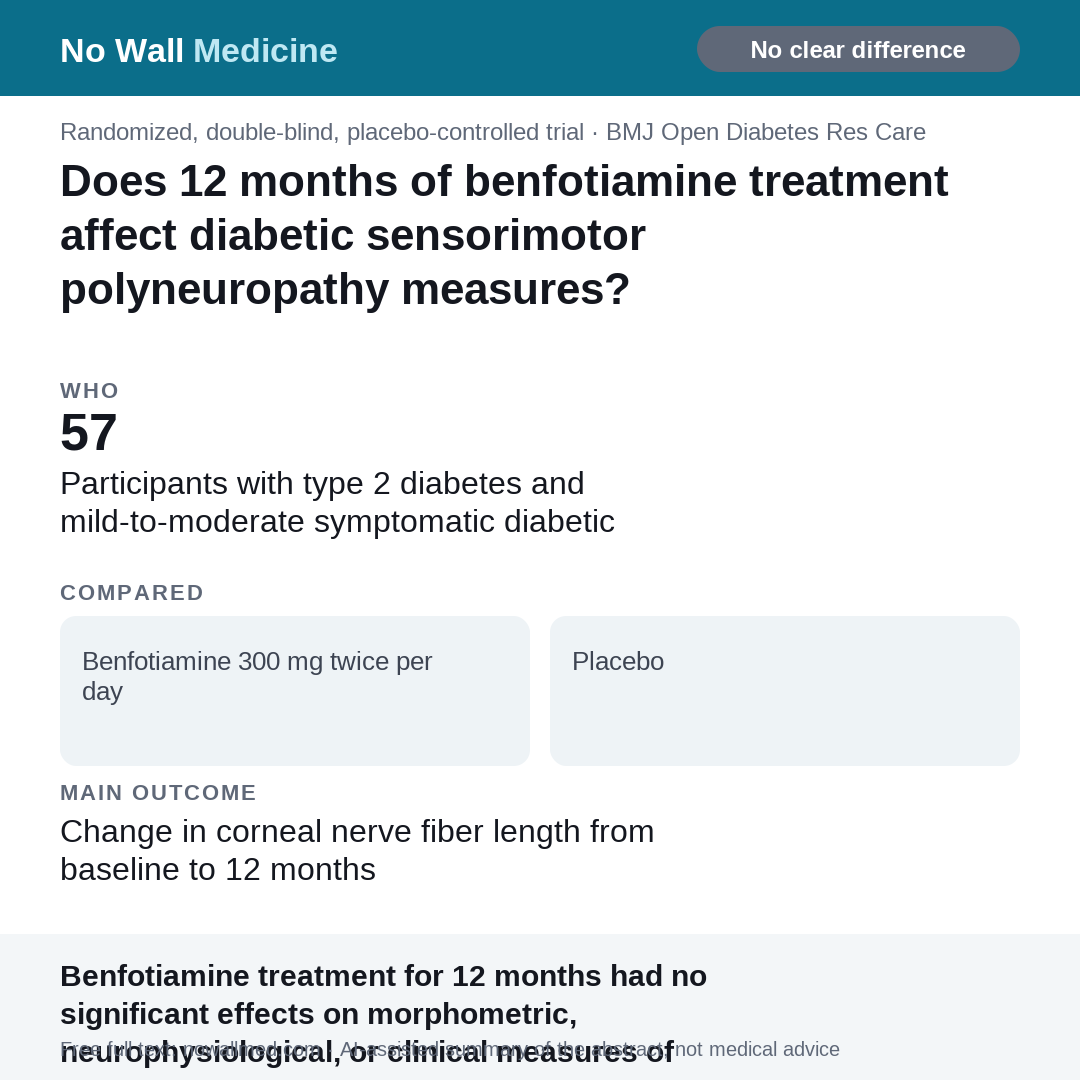
Effects of benfotiamine treatment over 12 months on morphometric, neurophysiological and clinical measures in type 2 diabetes patients with symptomatic polyneuropathy: a randomized, placebo-controlled, double-blind clinical trial (BOND study)
Randomized, double-blind, placebo-controlled trialNo clear difference
Does 12 months of benfotiamine treatment affect diabetic sensorimotor polyneuropathy measures?
Who
57
Participants with type 2 diabetes and mild-to-moderate symptomatic diabetic sensorimotor polyneuropathy
Compared
Benfotiamine 300 mg twice per day
Placebo
Main outcome
Change in corneal nerve fiber length from baseline to 12 months
Bottom line: Benfotiamine treatment for 12 months had no significant effects on morphometric, neurophysiological, or clinical measures of neuropathy.
BMJ Open Diabetes Res Care · 2026-01-22Download image
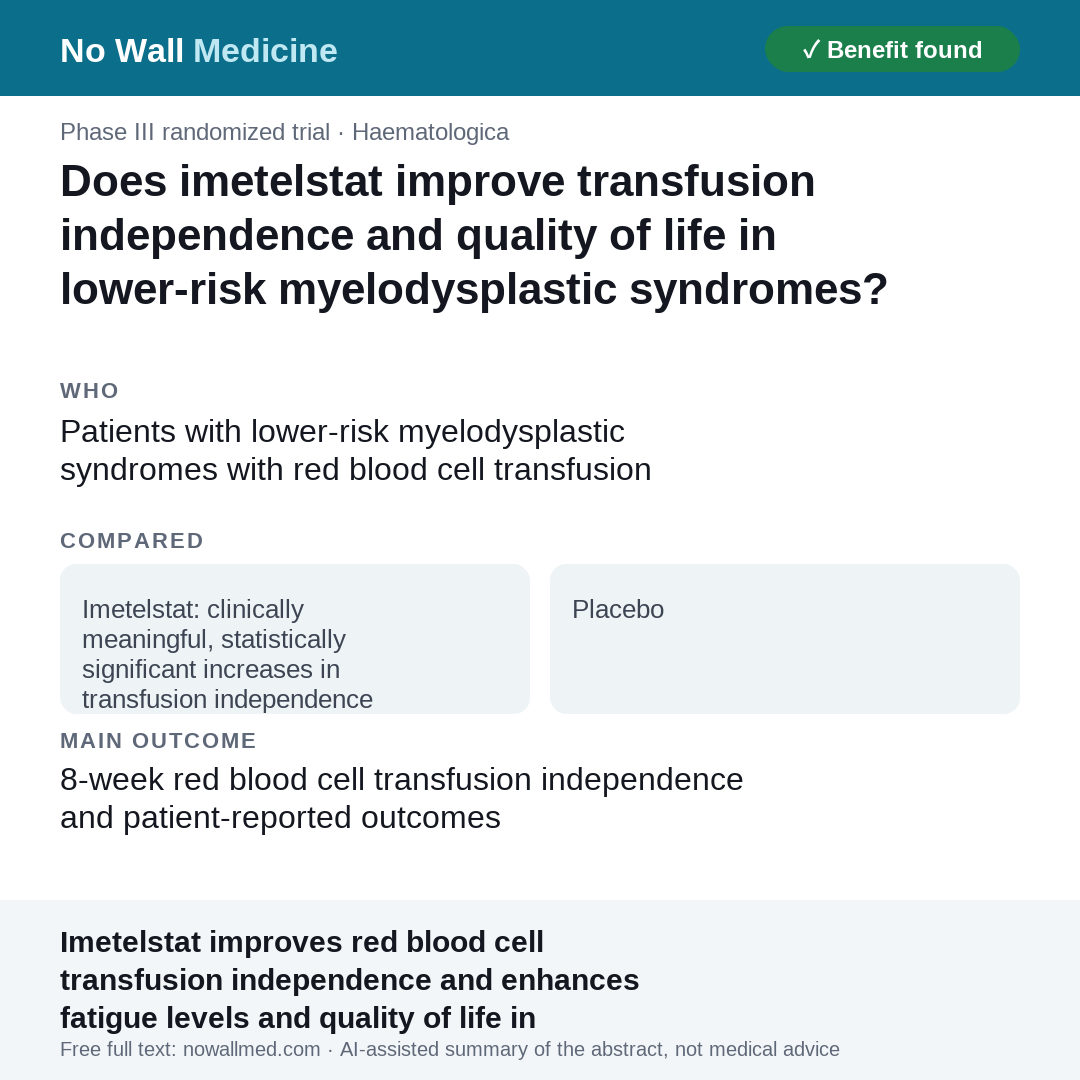
Imetelstat improves patient-reported outcomes and quality of life in lower-risk myelodysplastic syndromes: results from the phase III IMerge study
Phase III randomized trialBenefit found
Does imetelstat improve transfusion independence and quality of life in lower-risk myelodysplastic syndromes?
Who
Patients with lower-risk myelodysplastic syndromes with red blood cell transfusion dependency anemia
Compared
Imetelstat: clinically meaningful, statistically significant increases in transfusion independence
Placebo
Main outcome
8-week red blood cell transfusion independence and patient-reported outcomes
Bottom line: Imetelstat improves red blood cell transfusion independence and enhances fatigue levels and quality of life in patients.
Haematologica · 2026-01-22Download image
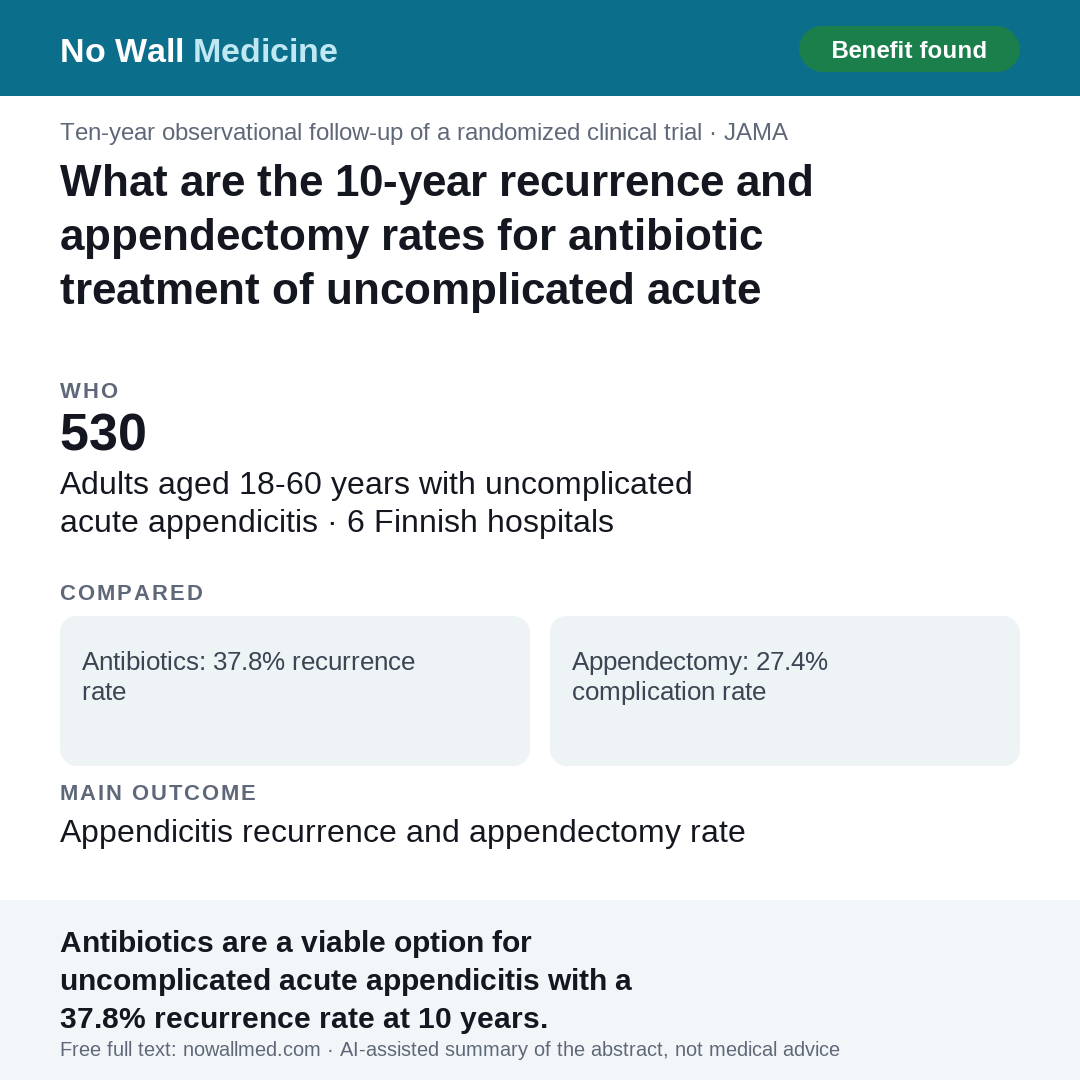
Antibiotic Therapy for Uncomplicated Acute Appendicitis: Ten-Year Follow-Up of the APPAC Randomized Clinical Trial
Ten-year observational follow-up of a randomized clinical trialBenefit found
What are the 10-year recurrence and appendectomy rates for antibiotic treatment of uncomplicated acute appendicitis?
Who
530
Adults aged 18-60 years with uncomplicated acute appendicitis · 6 Finnish hospitals
Compared
Antibiotics: 37.8% recurrence rate
Appendectomy: 27.4% complication rate
Main outcome
Appendicitis recurrence and appendectomy rate
Bottom line: Antibiotics are a viable option for uncomplicated acute appendicitis with a 37.8% recurrence rate at 10 years.
JAMA · 2026-01-21Download image
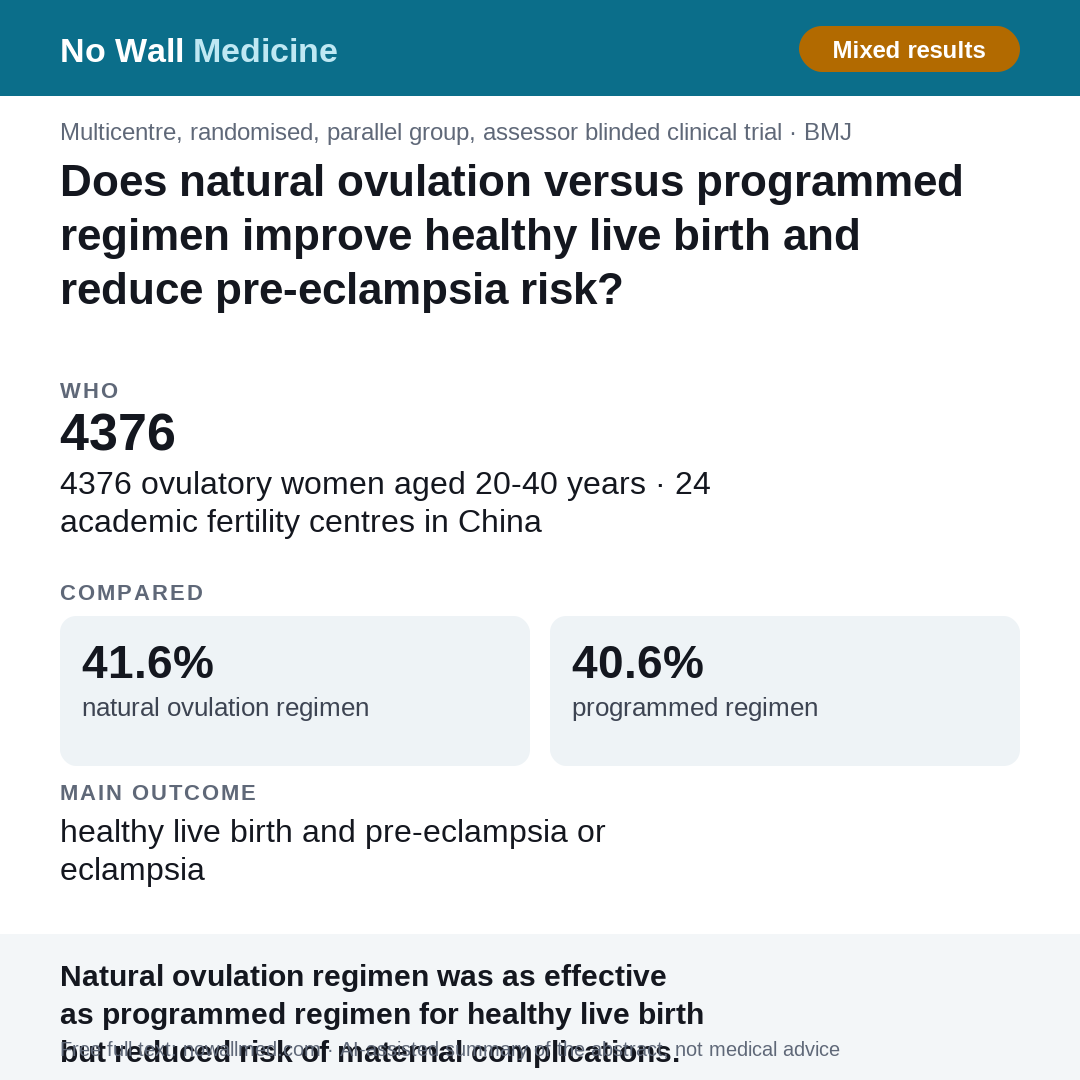
Natural ovulation versus programmed regimens before frozen embryo transfer in ovulatory women: multicentre, randomised clinical trial
Multicentre, randomised, parallel group, assessor blinded clinical trialMixed results
Does natural ovulation versus programmed regimen improve healthy live birth and reduce pre-eclampsia risk?
Who
4376
4376 ovulatory women aged 20-40 years · 24 academic fertility centres in China
Compared
41.6%natural ovulation regimen (910/2185)
40.6%programmed regimen (890/2191)
Main outcome
healthy live birth and pre-eclampsia or eclampsia
Result: relative ratio 1.03 (95% confidence interval (CI) 0.96 to 1.10)
Bottom line: Natural ovulation regimen was as effective as programmed regimen for healthy live birth but reduced risk of maternal complications.
BMJ · 2026-01-21Download image
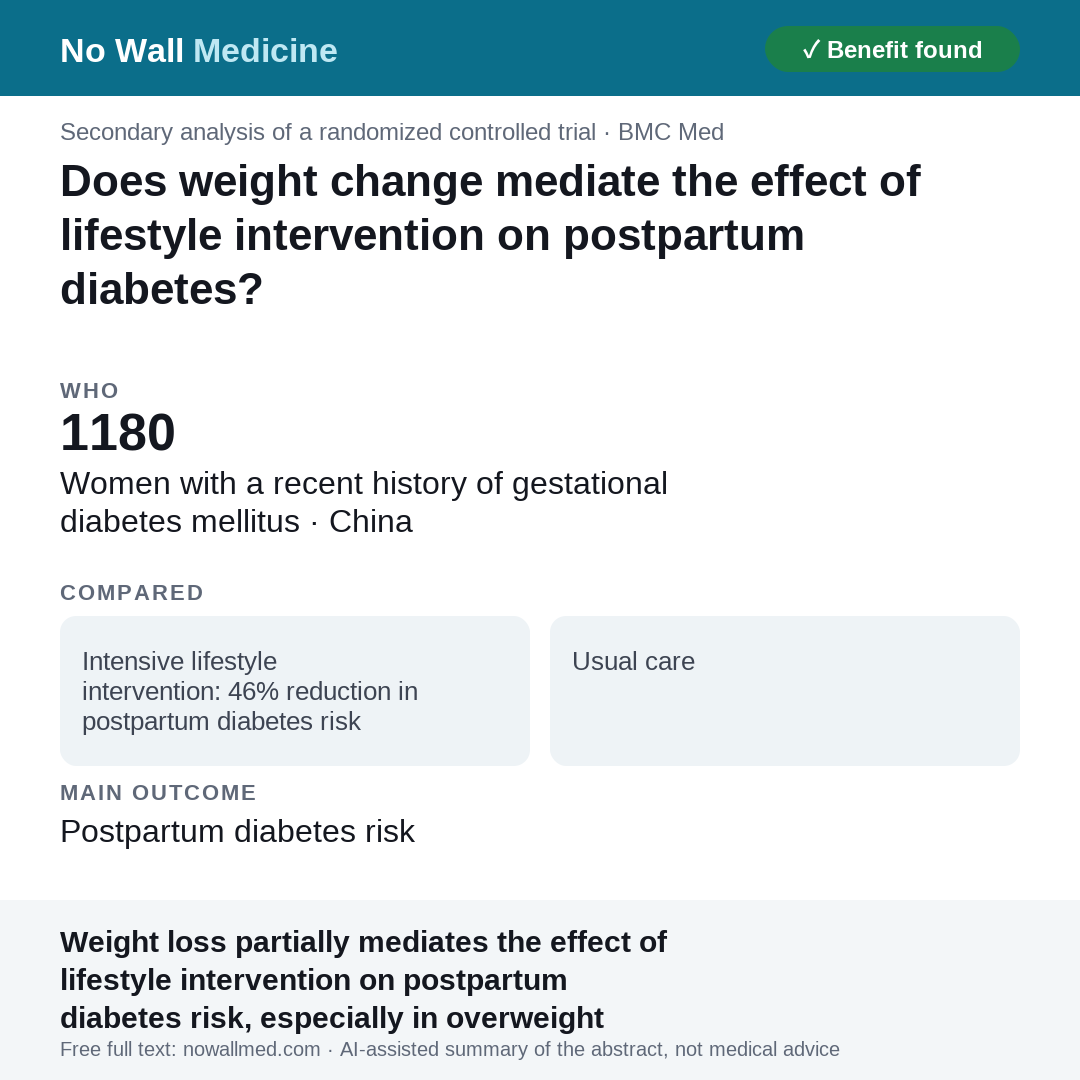
Weight change mediates the effect of lifestyle intervention on postpartum diabetes in women with prior gestational diabetes: a secondary analysis of a randomized clinical trial
Secondary analysis of a randomized controlled trialBenefit found
Does weight change mediate the effect of lifestyle intervention on postpartum diabetes?
Who
1180
Women with a recent history of gestational diabetes mellitus · China
Compared
Intensive lifestyle intervention: 46% reduction in postpartum diabetes risk
Usual care
Main outcome
Postpartum diabetes risk
Result: 13.0-18.8% mediation by weight indices
Bottom line: Weight loss partially mediates the effect of lifestyle intervention on postpartum diabetes risk, especially in overweight women.
BMC Med · 2026-01-21Download image
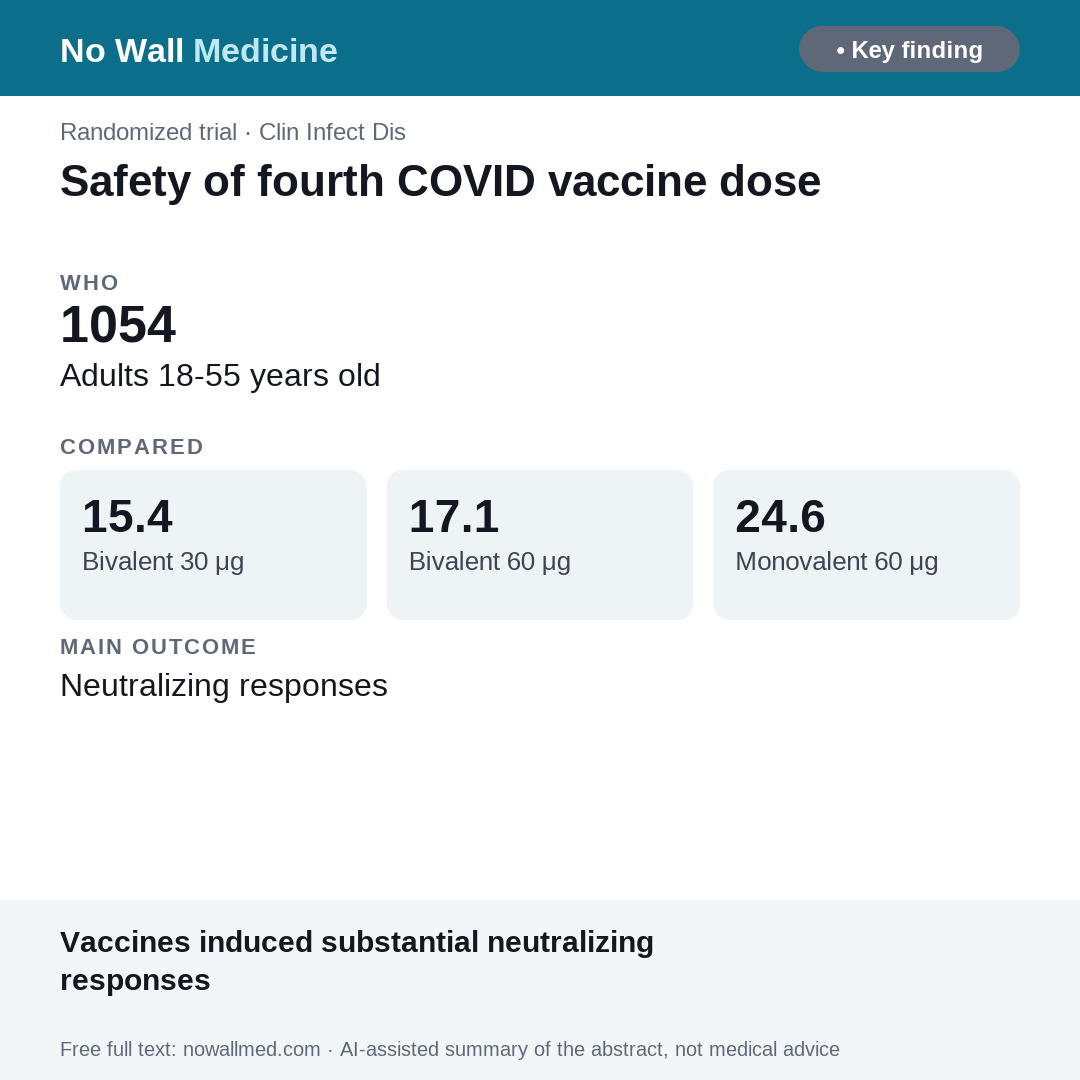
Safety and Immunogenicity of a Fourth Dose of Omicron BA.1-Adapted BNT162b2 COVID-19 Vaccines in Adults 18-55 Years Old
Randomized trialKey finding
Safety of fourth COVID vaccine dose
Who
1054
Adults 18-55 years old
Compared
15.4Bivalent 30 μg (95% CI 12.4-19.2)
17.1Bivalent 60 μg (95% CI 13.7-21.4)
24.6Monovalent 60 μg (95% CI 19.3-31.4)
Main outcome
Neutralizing responses
Bottom line: Vaccines induced substantial neutralizing responses
Clin Infect Dis · 2026-01-21Download image
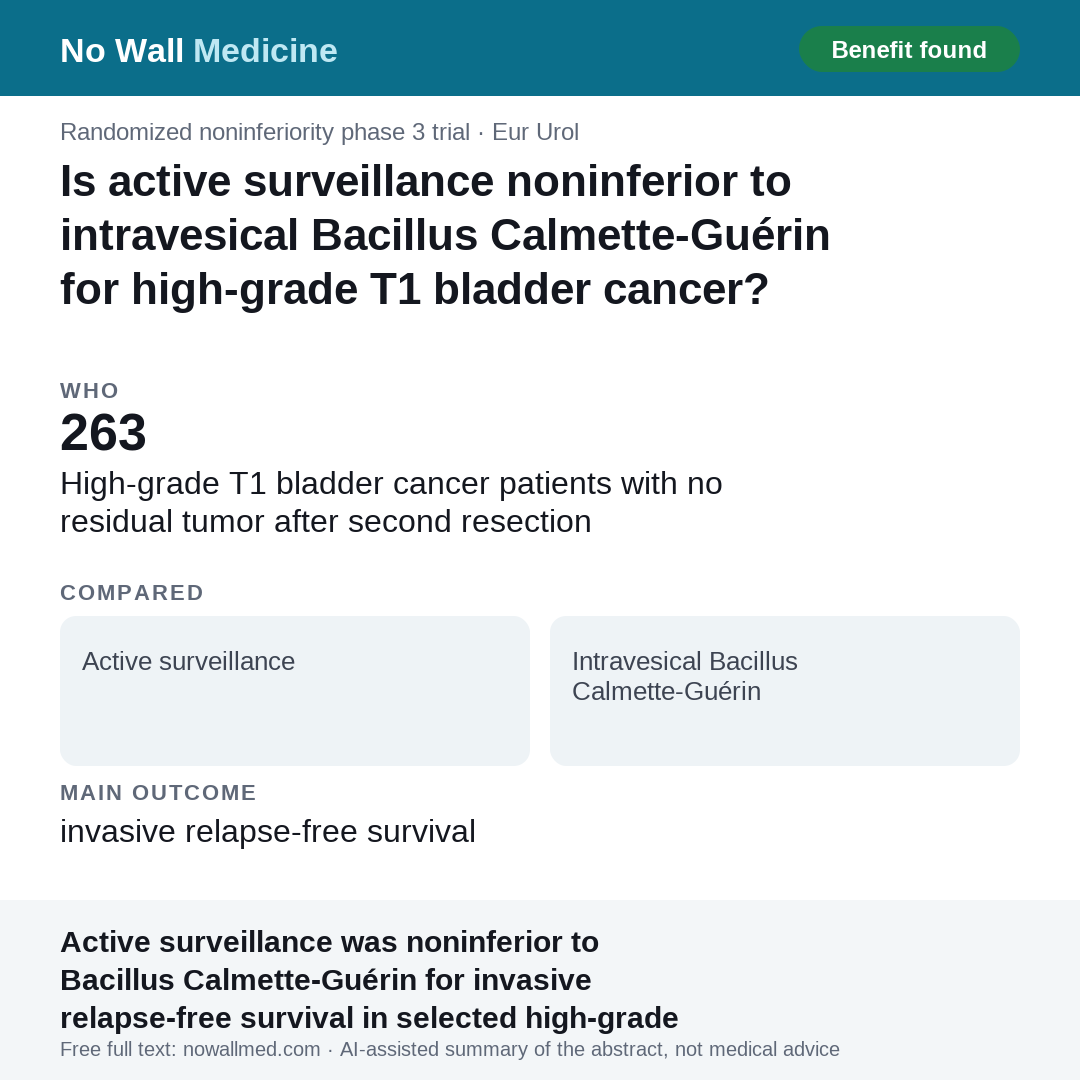
Active Surveillance Versus Intravesical Bacillus Calmette-Guérin for High-grade T1 Bladder Cancer with Negative Second Transurethral Resection: The Randomized Noninferiority Phase 3 JCOG1019 Trial
Randomized noninferiority phase 3 trialBenefit found
Is active surveillance noninferior to intravesical Bacillus Calmette-Guérin for high-grade T1 bladder cancer?
Who
263
High-grade T1 bladder cancer patients with no residual tumor after second resection
Compared
Active surveillance
Intravesical Bacillus Calmette-Guérin
Main outcome
invasive relapse-free survival
Result: hazard ratio 0.69 (90% confidence interval 0.44-1.08)
Bottom line: Active surveillance was noninferior to Bacillus Calmette-Guérin for invasive relapse-free survival in selected high-grade T1 bladder cancer patients.
Limitation: The protocol treatment in the control arm was not the current standard.
Eur Urol · 2026-01-21Download image
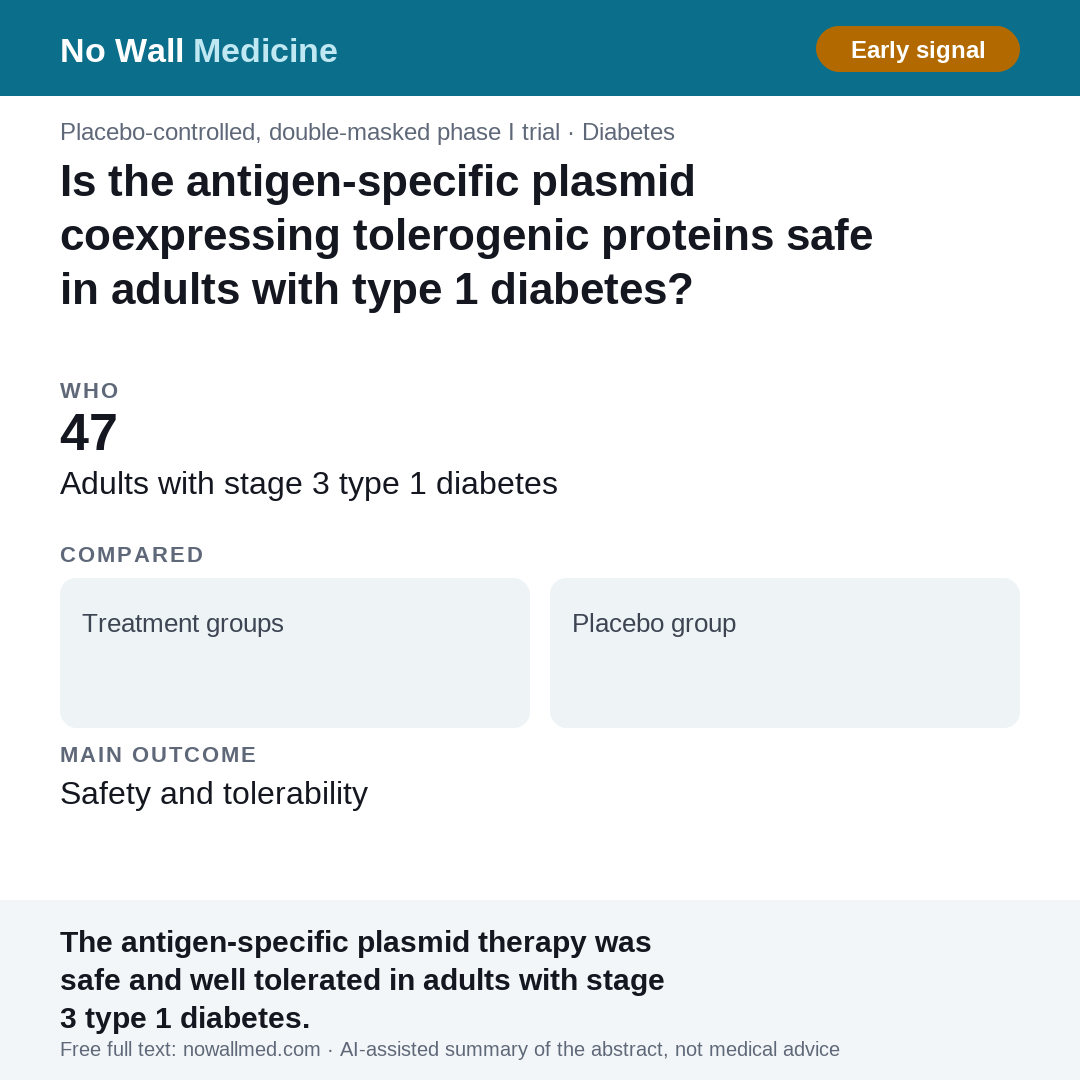
Phase I Clinical Trial of Islet Antigen-Specific Plasmid Coexpressing Tolerogenic Proteins Demonstrates Safety in Adults With Type 1 Diabetes
Placebo-controlled, double-masked phase I trialEarly signal
Is the antigen-specific plasmid coexpressing tolerogenic proteins safe in adults with type 1 diabetes?
Who
47
Adults with stage 3 type 1 diabetes
Compared
Treatment groups
Placebo group
Main outcome
Safety and tolerability
Bottom line: The antigen-specific plasmid therapy was safe and well tolerated in adults with stage 3 type 1 diabetes.
Limitation: Global or antigen-specific immune cell changes were not observed.
Diabetes · 2026-01-21Download image
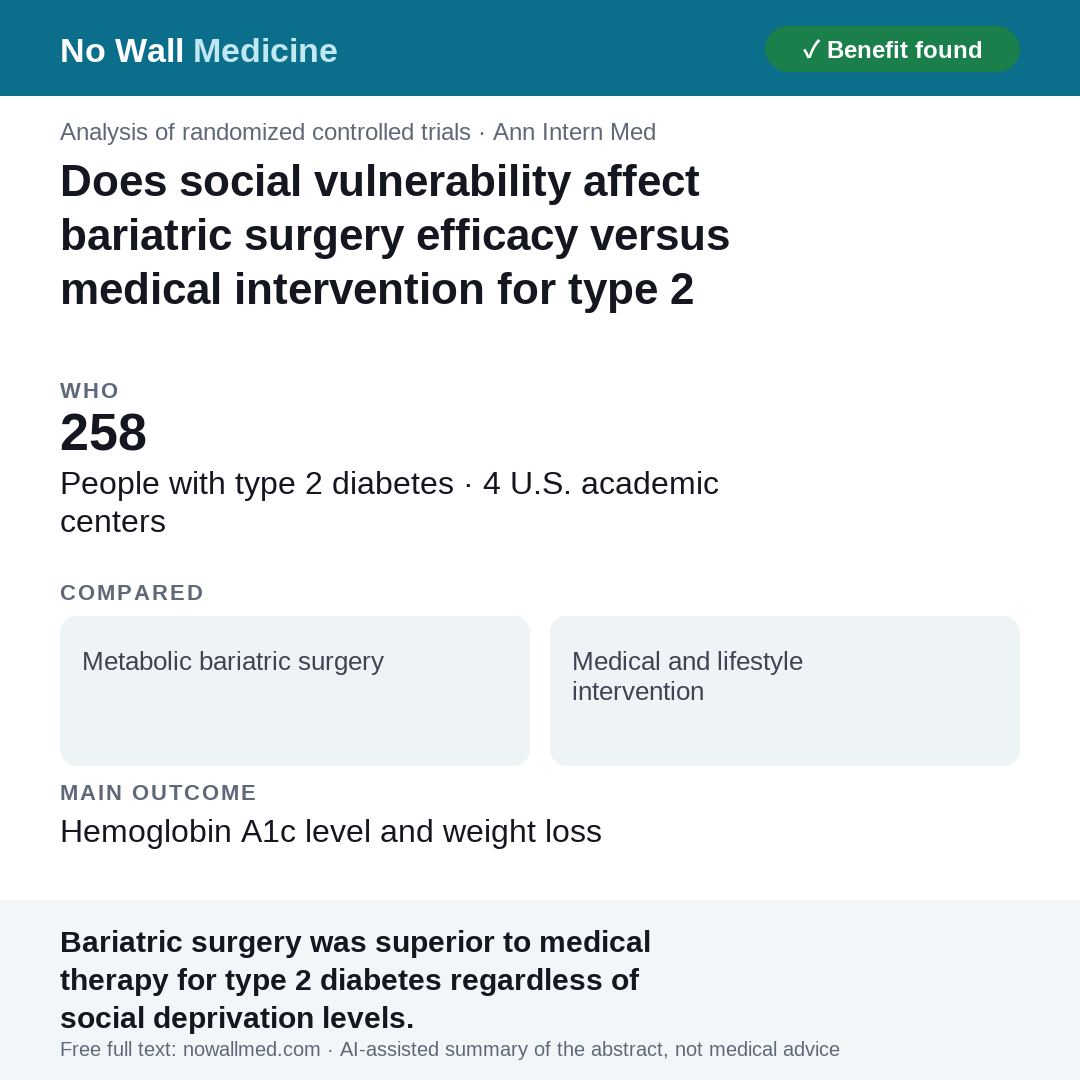
Effect of Social Vulnerability on Efficacy of Bariatric Surgery Versus Medical and Lifestyle Intervention for Type 2 Diabetes: Analysis of the ARMMS-T2D Consortium of Randomized Trials
Analysis of randomized controlled trialsBenefit found
Does social vulnerability affect bariatric surgery efficacy versus medical intervention for type 2 diabetes?
Who
258
People with type 2 diabetes · 4 U.S. academic centers
Compared
Metabolic bariatric surgery
Medical and lifestyle intervention
Main outcome
Hemoglobin A1c level and weight loss
Bottom line: Bariatric surgery was superior to medical therapy for type 2 diabetes regardless of social deprivation levels.
Limitation: Small sample size and parent trials were not designed to address effect modification by Area Deprivation Index.
Funded by: National Institutes of Health
Ann Intern Med · 2026-01-20Download image
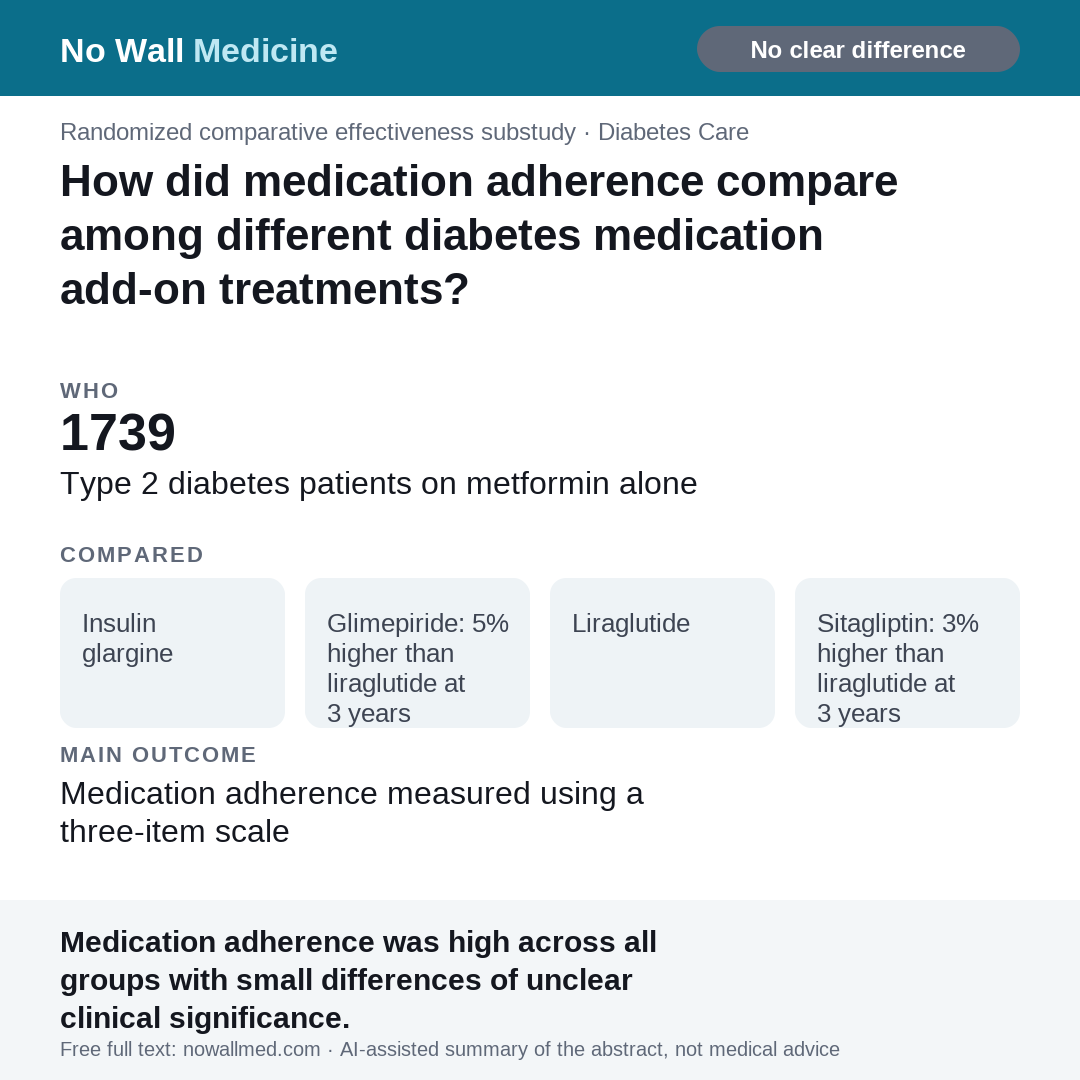
Medication Adherence in the Glycemia Reduction Approaches in Diabetes: A Comparative Effectiveness Study (GRADE)
Randomized comparative effectiveness substudyNo clear difference
How did medication adherence compare among different diabetes medication add-on treatments?
Who
1739
Type 2 diabetes patients on metformin alone
Compared
Insulin glargine
Glimepiride: 5% higher than liraglutide at 3 years
Liraglutide
Sitagliptin: 3% higher than liraglutide at 3 years
Main outcome
Medication adherence measured using a three-item scale
Bottom line: Medication adherence was high across all groups with small differences of unclear clinical significance.
Diabetes Care · 2026-01-20Download image
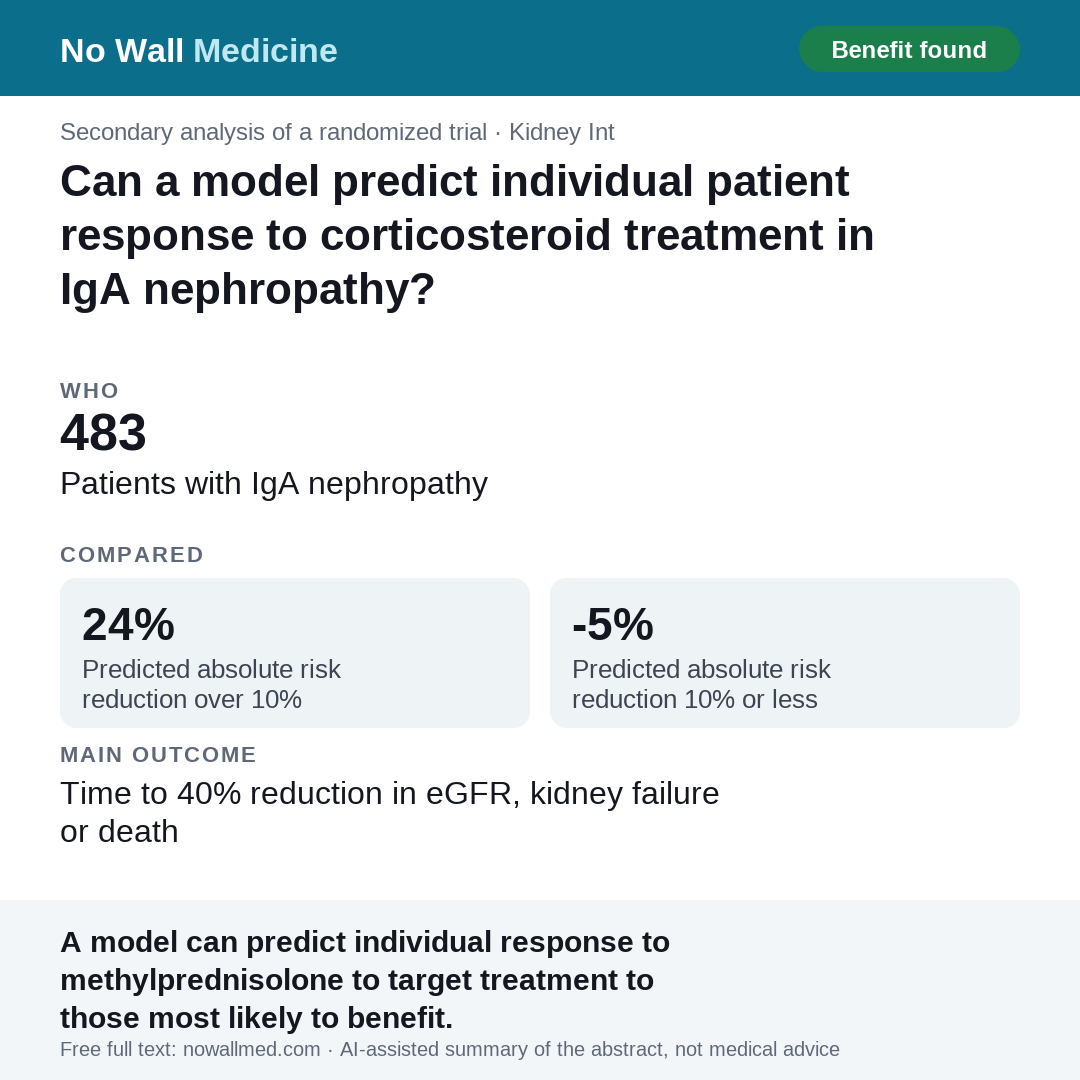
A secondary analysis of the TESTING trial predicted individual patient response to corticosteroid treatment in IgA nephropathy
Secondary analysis of a randomized trialKey finding
Can a model predict individual patient response to corticosteroid treatment in IgA nephropathy?
Who
483
Patients with IgA nephropathy
Compared
24%Predicted absolute risk reduction over 10%
-5%Predicted absolute risk reduction 10% or less
Main outcome
Time to 40% reduction in eGFR, kidney failure or death
Result: C-statistic for benefit 0.63 (95% confidence interval 0.56-0.70)
Bottom line: A model can predict individual response to methylprednisolone to target treatment to those most likely to benefit.
Kidney Int · 2026-01-20Download image
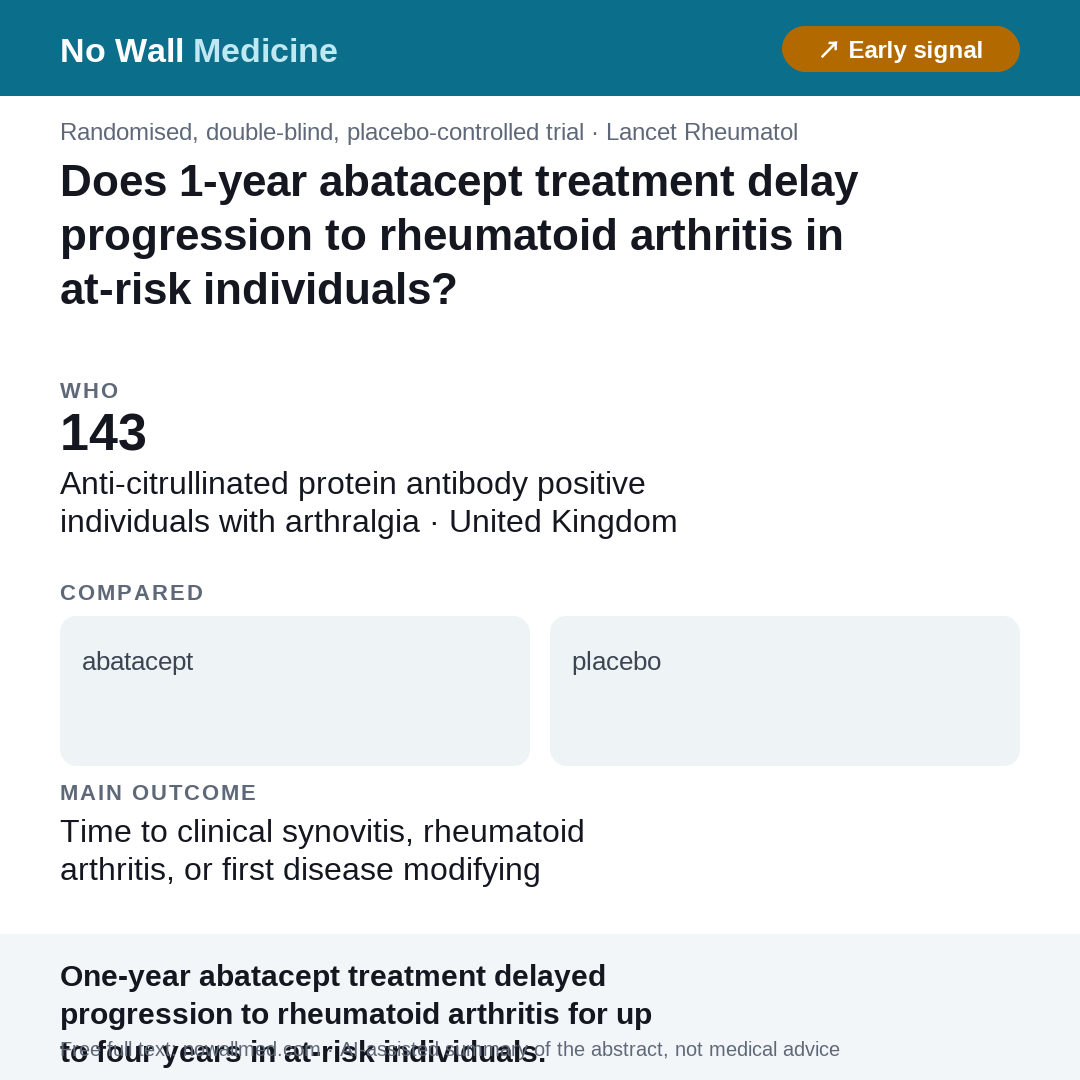
Long-term outcomes of abatacept in individuals at risk of developing rheumatoid arthritis (ALTO): a randomised, double-blind, placebo-controlled trial
Randomised, double-blind, placebo-controlled trialEarly signal
Does 1-year abatacept treatment delay progression to rheumatoid arthritis in at-risk individuals?
Who
143
Anti-citrullinated protein antibody positive individuals with arthralgia · United Kingdom and the Netherlands
Compared
abatacept
placebo
Main outcome
Time to clinical synovitis, rheumatoid arthritis, or first disease modifying anti-rheumatic drugs
Result: 4.9 months 95% CI 0.1-9.6
Bottom line: One-year abatacept treatment delayed progression to rheumatoid arthritis for up to four years in at-risk individuals.
Limitation: The magnitude of the difference in arthritis-free survival diminished over time.
Funded by: Bristol Myers Squibb
Lancet Rheumatol · 2026-01-20Download image
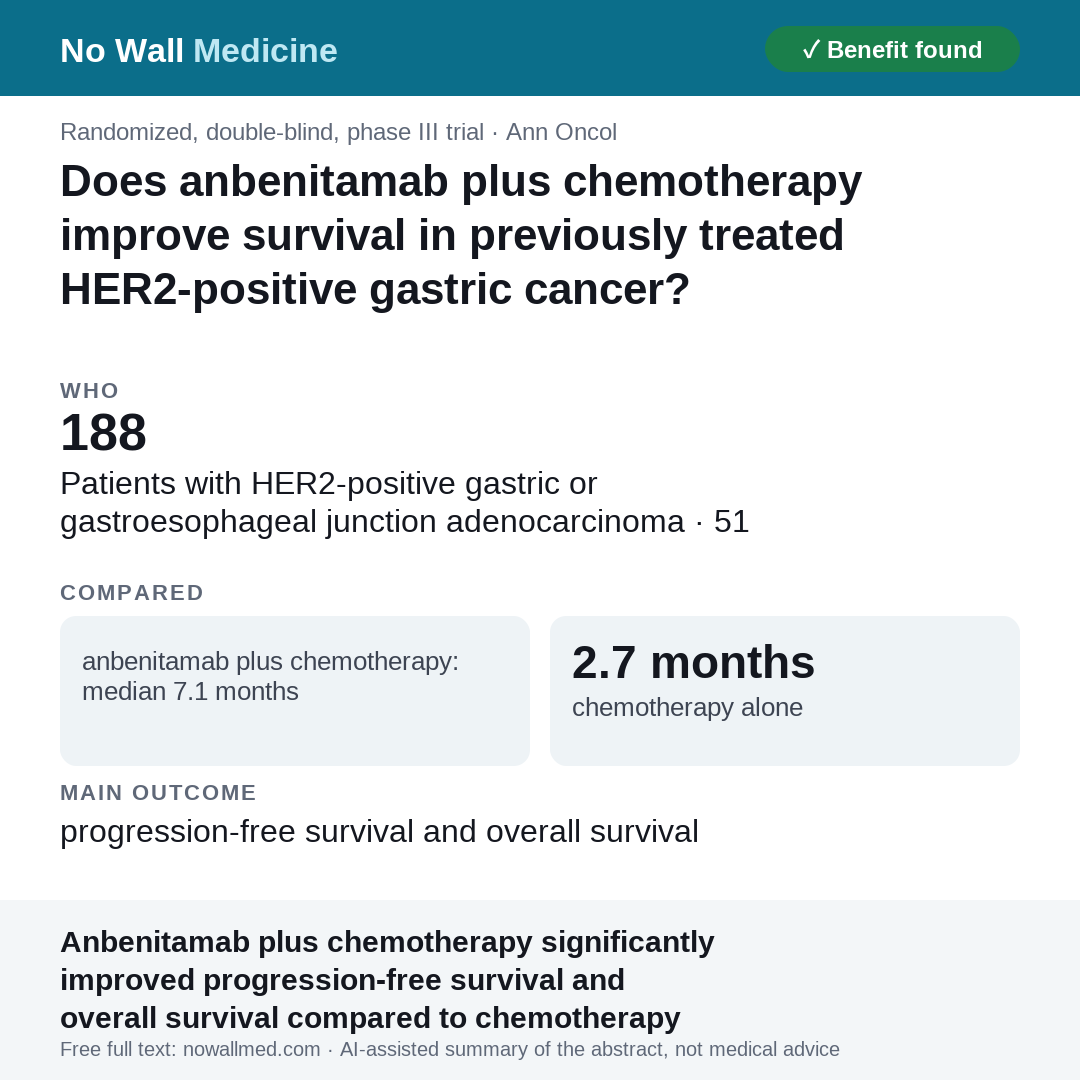
Anbenitamab in previously treated HER2-positive gastric cancer (KC-WISE): prespecified interim analysis of a randomized, phase III clinical trial
Randomized, double-blind, phase III trialBenefit found
Does anbenitamab plus chemotherapy improve survival in previously treated HER2-positive gastric cancer?
Who
188
Patients with HER2-positive gastric or gastroesophageal junction adenocarcinoma · 51 hospital sites in China
Compared
anbenitamab plus chemotherapy: median 7.1 months
2.7 monthschemotherapy alone
Main outcome
progression-free survival and overall survival
Result: hazard ratio 0.25, 95% CI 0.17-0.39
Bottom line: Anbenitamab plus chemotherapy significantly improved progression-free survival and overall survival compared to chemotherapy alone.
Ann Oncol · 2026-01-20Download image
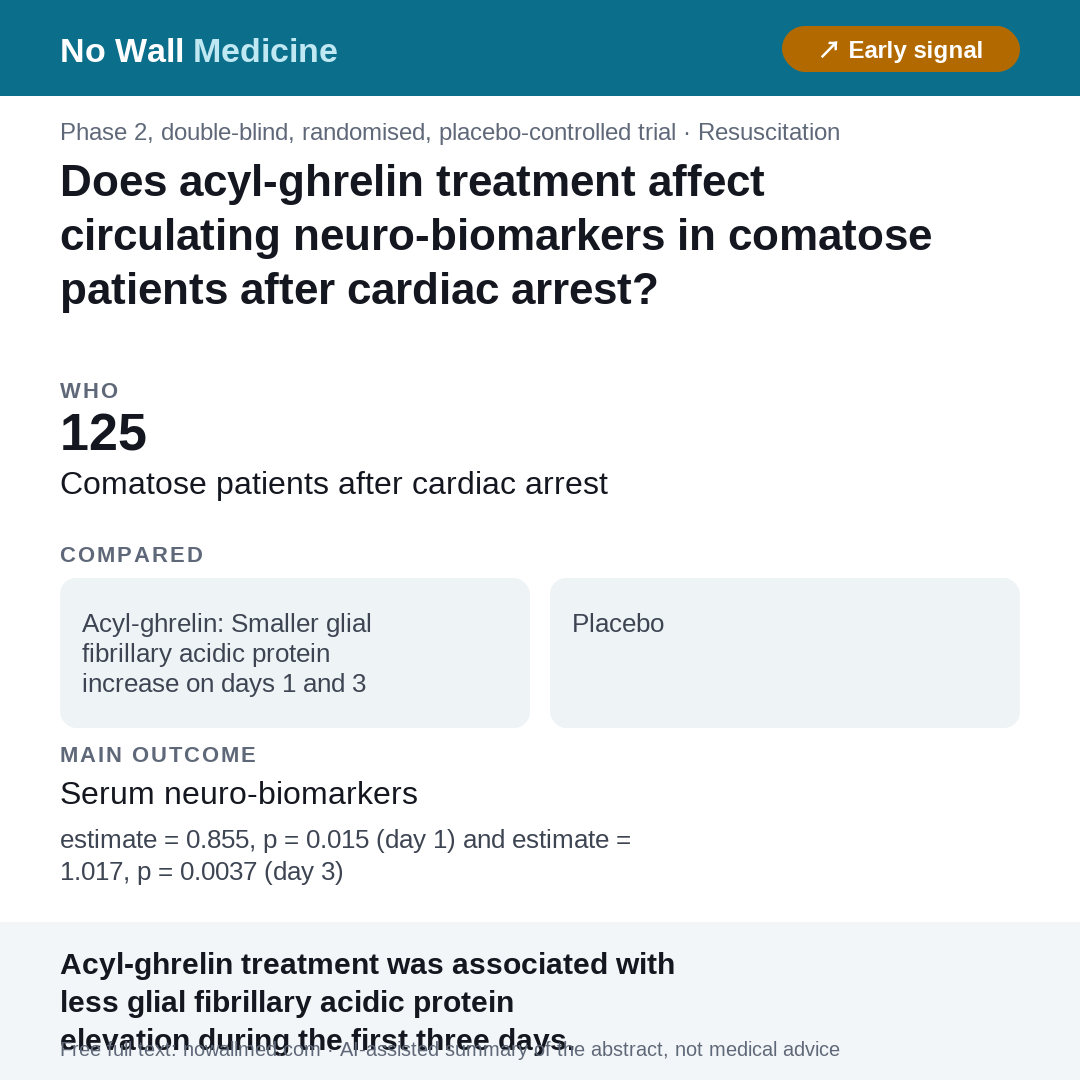
Serum biomarkers of postanoxic encephalopathy in relation to ghrelin treatment. A secondary analysis of the GRECO trial
Phase 2, double-blind, randomised, placebo-controlled trialEarly signal
Does acyl-ghrelin treatment affect circulating neuro-biomarkers in comatose patients after cardiac arrest?
Who
125
Comatose patients after cardiac arrest
Compared
Acyl-ghrelin: Smaller glial fibrillary acidic protein increase on days 1 and 3
Placebo
Main outcome
Serum neuro-biomarkers
Result: estimate = 0.855, p = 0.015 (day 1) and estimate = 1.017, p = 0.0037 (day 3)
Bottom line: Acyl-ghrelin treatment was associated with less glial fibrillary acidic protein elevation during the first three days.
Resuscitation · 2026-01-20Download image
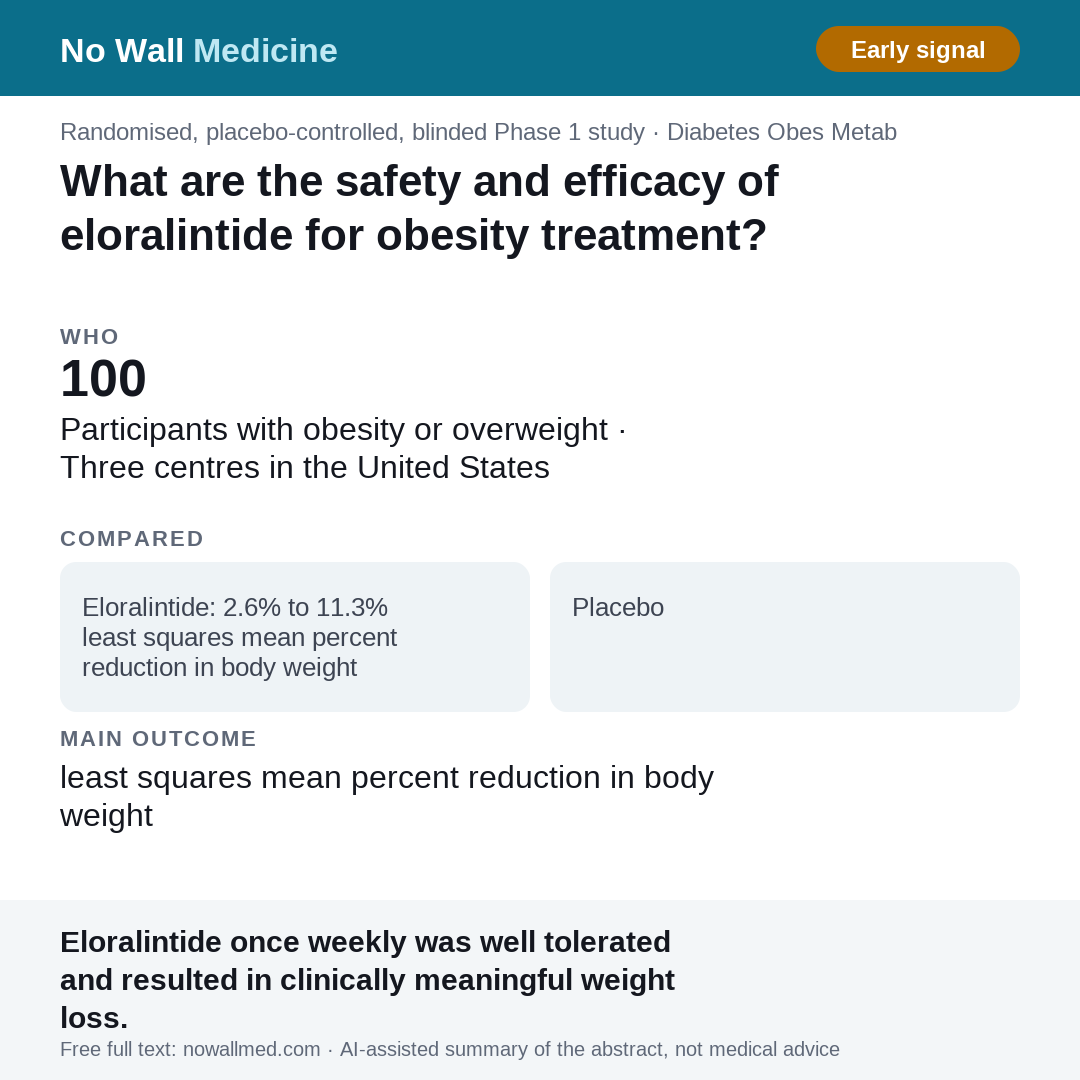
Eloralintide, a selective, long-acting amylin receptor agonist for treatment of obesity: Phase 1 proof of concept
Randomised, placebo-controlled, blinded Phase 1 studyEarly signal
What are the safety and efficacy of eloralintide for obesity treatment?
Who
100
Participants with obesity or overweight · Three centres in the United States
Compared
Eloralintide: 2.6% to 11.3% least squares mean percent reduction in body weight
Placebo
Main outcome
least squares mean percent reduction in body weight
Bottom line: Eloralintide once weekly was well tolerated and resulted in clinically meaningful weight loss.
Diabetes Obes Metab · 2026-01-20Download image
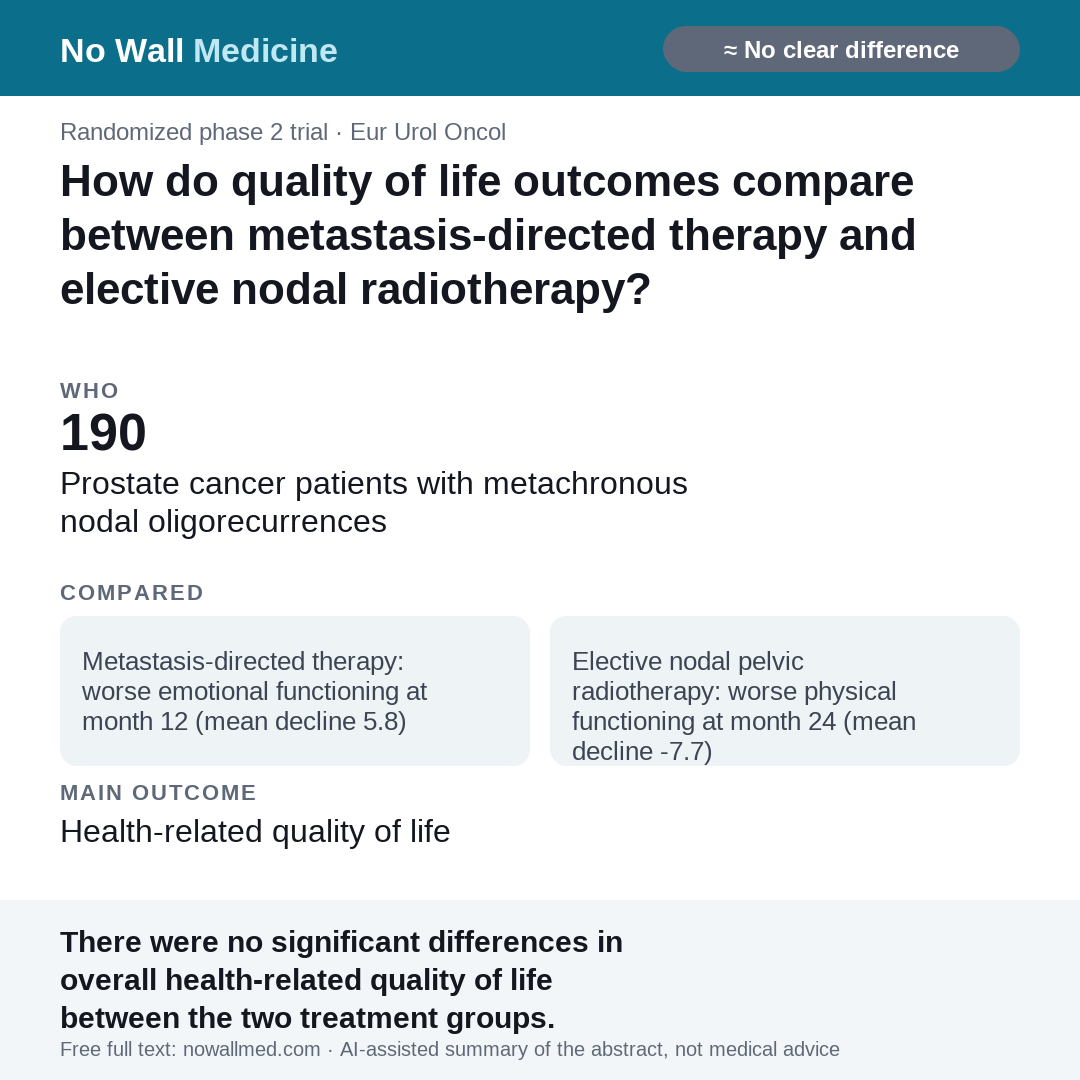
Health-related Quality of Life Outcomes of Salvage Metastasis-directed Treatment Versus Elective Nodal Treatment for Oligorecurrent Nodal Prostate Cancer: A Secondary Analysis of the Phase 2, Open-label PEACE V-STORM Randomized Trial
Randomized phase 2 trialNo clear difference
How do quality of life outcomes compare between metastasis-directed therapy and elective nodal radiotherapy?
Who
190
Prostate cancer patients with metachronous nodal oligorecurrences
Compared
Metastasis-directed therapy: worse emotional functioning at month 12 (mean decline 5.8)
Elective nodal pelvic radiotherapy: worse physical functioning at month 24 (mean decline -7.7)
Main outcome
Health-related quality of life
Bottom line: There were no significant differences in overall health-related quality of life between the two treatment groups.
Eur Urol Oncol · 2026-01-20Download image
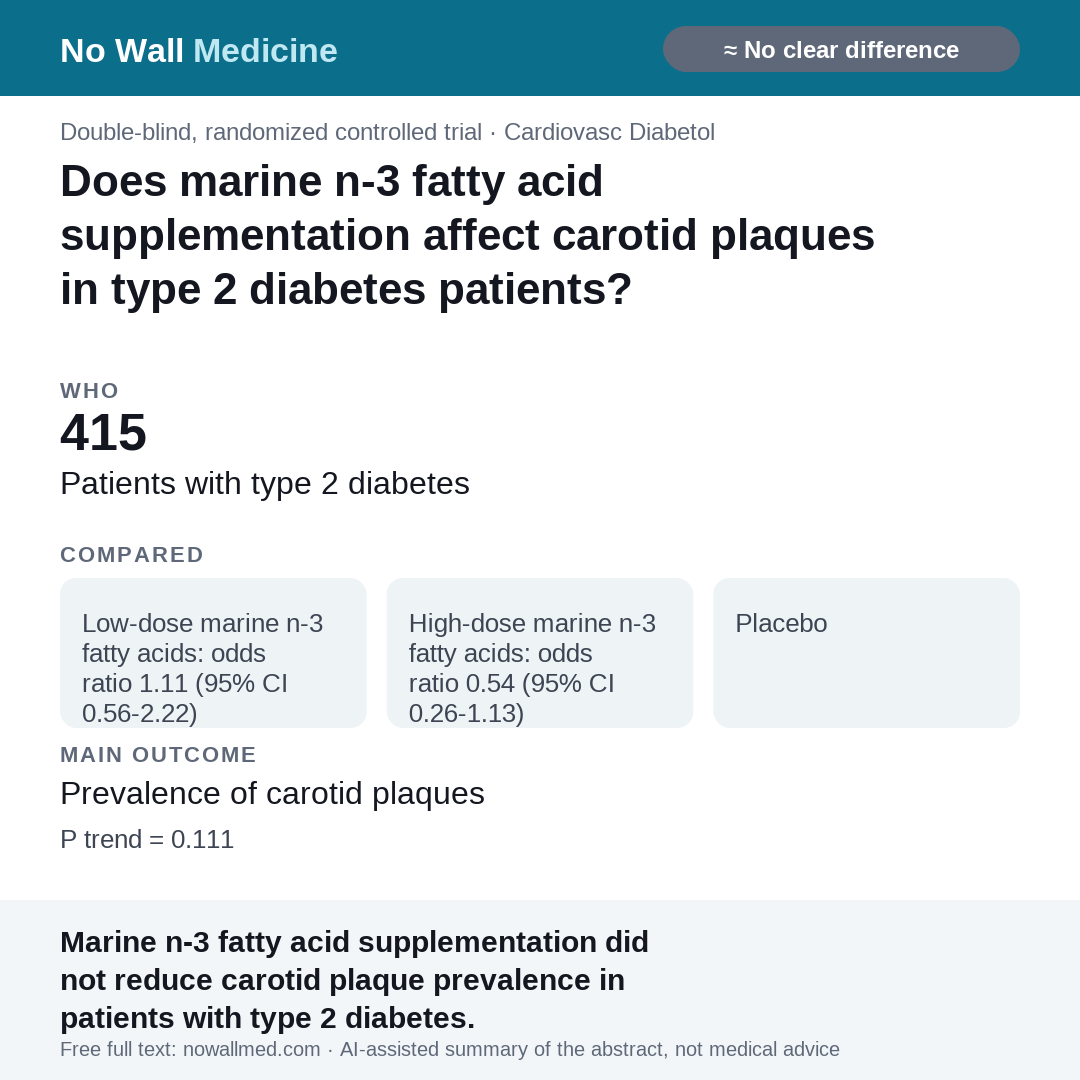
Marine n-3 fatty acid treatment for carotid plaques in patients with type 2 diabetes
Double-blind, randomized controlled trialNo clear difference
Does marine n-3 fatty acid supplementation affect carotid plaques in type 2 diabetes patients?
Who
415
Patients with type 2 diabetes
Compared
Low-dose marine n-3 fatty acids: odds ratio 1.11 (95% CI 0.56-2.22)
High-dose marine n-3 fatty acids: odds ratio 0.54 (95% CI 0.26-1.13)
Placebo
Main outcome
Prevalence of carotid plaques
Result: P trend = 0.111
Bottom line: Marine n-3 fatty acid supplementation did not reduce carotid plaque prevalence in patients with type 2 diabetes.
Cardiovasc Diabetol · 2026-01-20Download image
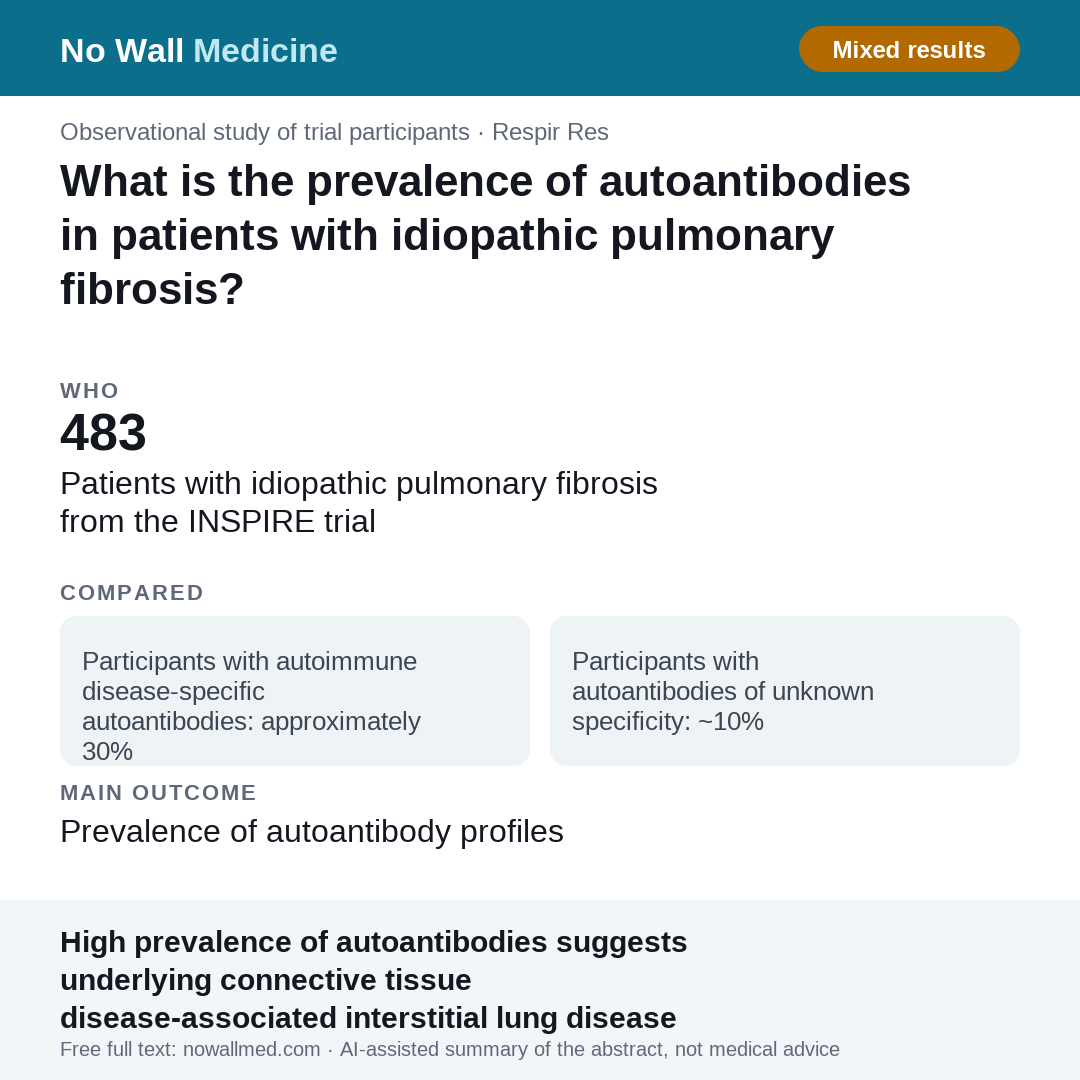
Revisiting the INSPIRE trial: antibody profiling reveals high prevalence of occult autoimmunity
Observational study of trial participantsMixed results
What is the prevalence of autoantibodies in patients with idiopathic pulmonary fibrosis?
Who
483
Patients with idiopathic pulmonary fibrosis from the INSPIRE trial
Compared
Participants with autoimmune disease-specific autoantibodies: approximately 30%
Participants with autoantibodies of unknown specificity: ~10%
Main outcome
Prevalence of autoantibody profiles
Bottom line: High prevalence of autoantibodies suggests underlying connective tissue disease-associated interstitial lung disease in idiopathic pulmonary fibrosis patients.
Respir Res · 2026-01-20Download image