Visual abstracts
New randomized trials and meta-analyses from leading journals at a glance: who was studied, what was compared, and what was found. Every paper is free to read in full.
All specialtiesCardiology 4763Oncology 4043Gastroenterology & Hepatology 1903Infectious Disease 3756Neurology 1872Psychiatry & Mental Health 2216Pulmonology 2044Critical Care 1319Endocrinology & Diabetes 2544Pediatrics 2889Surgery 2480Orthopedics & Sports Medicine 917Neurosurgery 525Cardiothoracic & Vascular Surgery 656Plastic & Reconstructive Surgery 574Nephrology 1107Rheumatology 810Hematology 1090Dermatology 611Ophthalmology 532Obstetrics & Gynecology 1645Public & Global Health 1037Radiology & Imaging 619Anesthesiology 958Urology 745ENT (Otolaryngology) 494Emergency Medicine 481Allergy & Immunology 309Geriatrics 972Family Medicine & Primary Care 534Medical Genetics & Genomics 659Pathology & Laboratory Medicine 156Physical Medicine & Rehabilitation 734Palliative Care 421Nutrition 1560Digital Health & AI 2137General Medicine 318
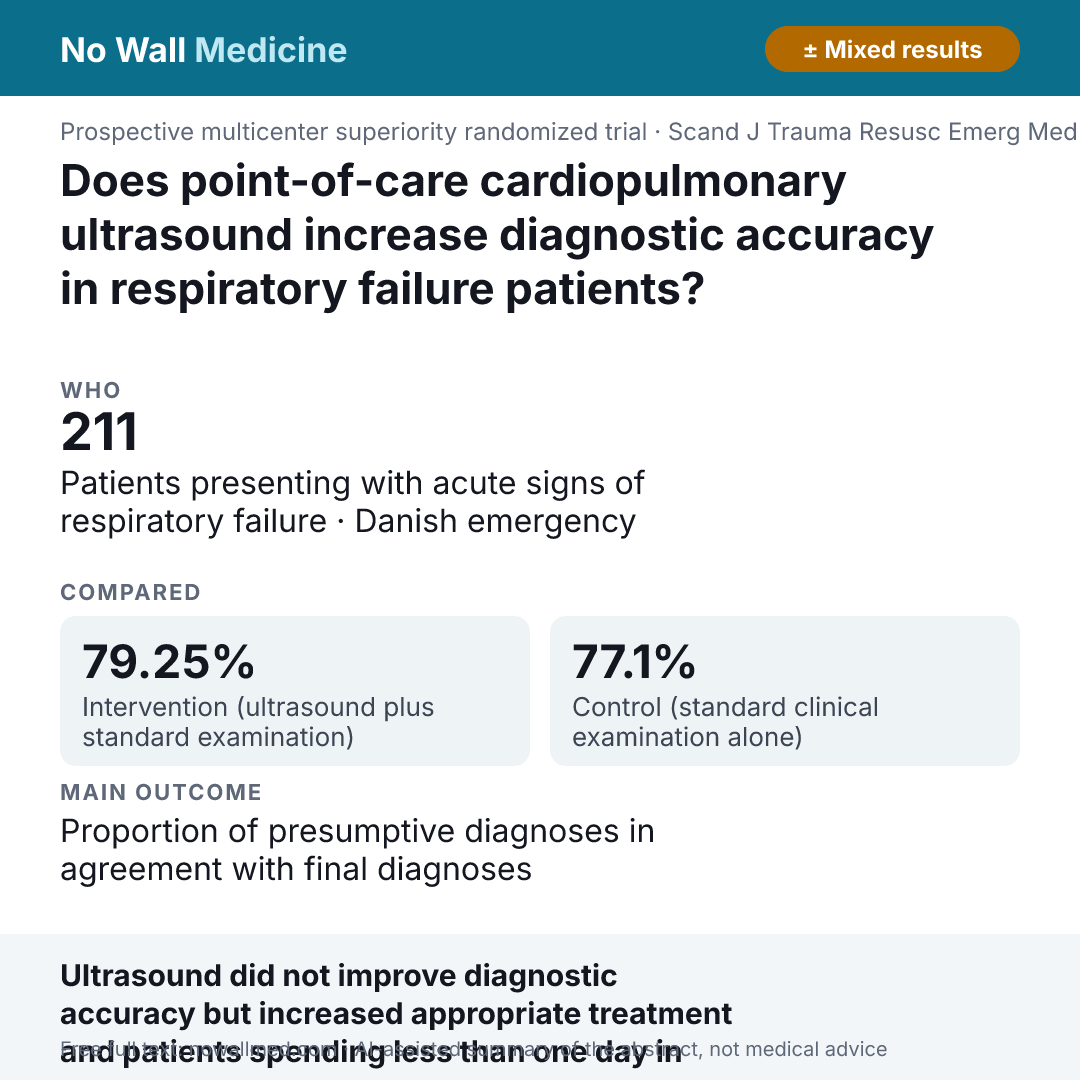
Point-of-care ultrasound of the heart and lungs in patients with respiratory failure: a pragmatic randomized controlled multicenter trial
Prospective multicenter superiority randomized trialMixed results
Does point-of-care cardiopulmonary ultrasound increase diagnostic accuracy in respiratory failure patients?
Who
211
Patients presenting with acute signs of respiratory failure · Danish emergency departments
Compared
79.25%Intervention (ultrasound plus standard examination) (95% CI 70.3-86.0)
77.1%Control (standard clinical examination alone) (95% CI 68.0-84.3)
Main outcome
Proportion of presumptive diagnoses in agreement with final diagnoses
Bottom line: Ultrasound did not improve diagnostic accuracy but increased appropriate treatment and patients spending less than one day in hospital.
Scand J Trauma Resusc Emerg Med · 2021-04-26 · Save PNG
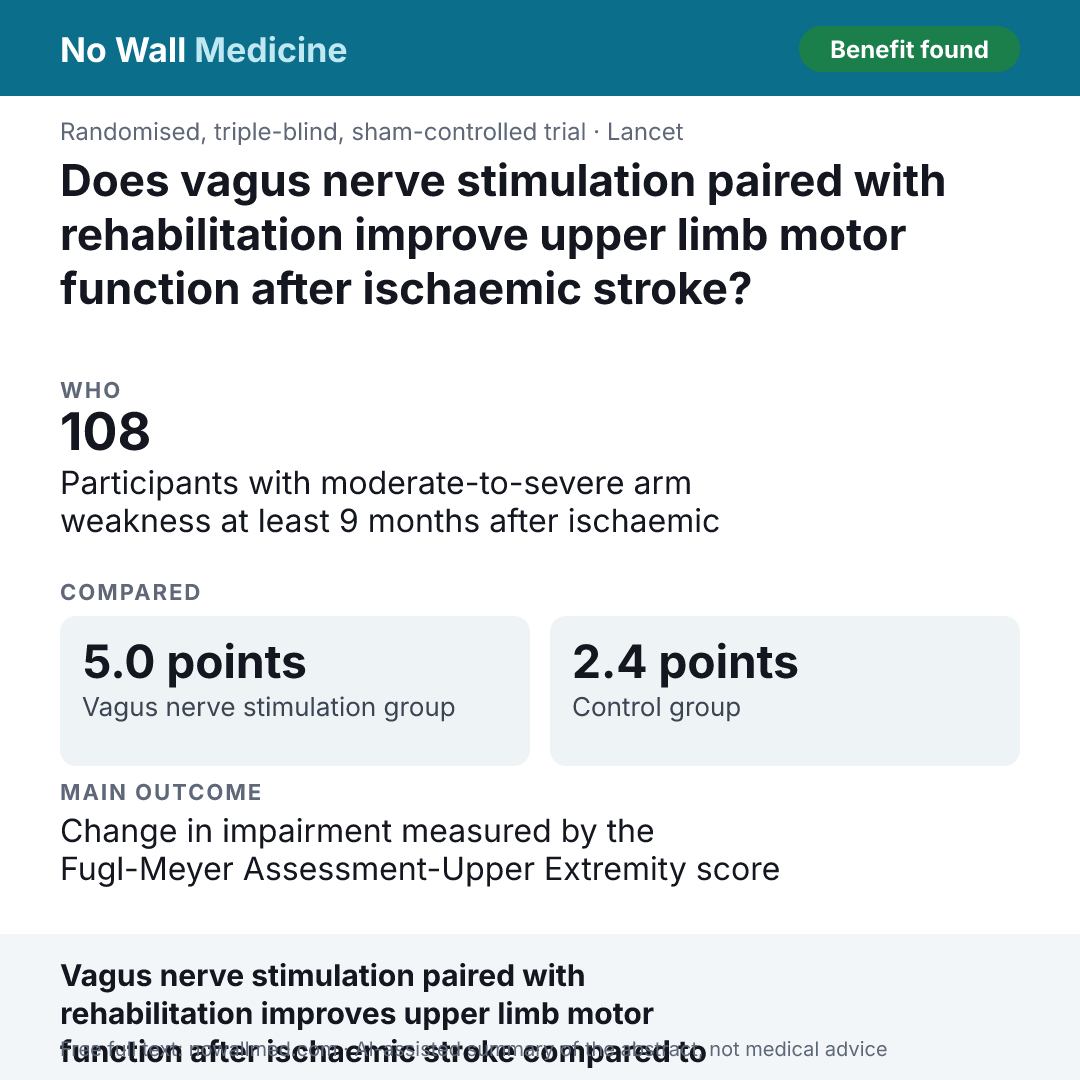
Vagus nerve stimulation paired with rehabilitation for upper limb motor function after ischaemic stroke (VNS-REHAB): a randomised, blinded, pivotal, device trial
Randomised, triple-blind, sham-controlled trialBenefit found
Does vagus nerve stimulation paired with rehabilitation improve upper limb motor function after ischaemic stroke?
Who
108
Participants with moderate-to-severe arm weakness at least 9 months after ischaemic stroke · 19 stroke rehabilitation services in the UK and the USA
Compared
5.0 pointsVagus nerve stimulation group (SD 4.4)
2.4 pointsControl group (3.8)
Main outcome
Change in impairment measured by the Fugl-Meyer Assessment-Upper Extremity score
Result: between group difference 2.6, 95% CI 1.0-4.2
Bottom line: Vagus nerve stimulation paired with rehabilitation improves upper limb motor function after ischaemic stroke compared to sham stimulation.
Funded by: MicroTransponder
Lancet · 2021-04-25 · Save PNG
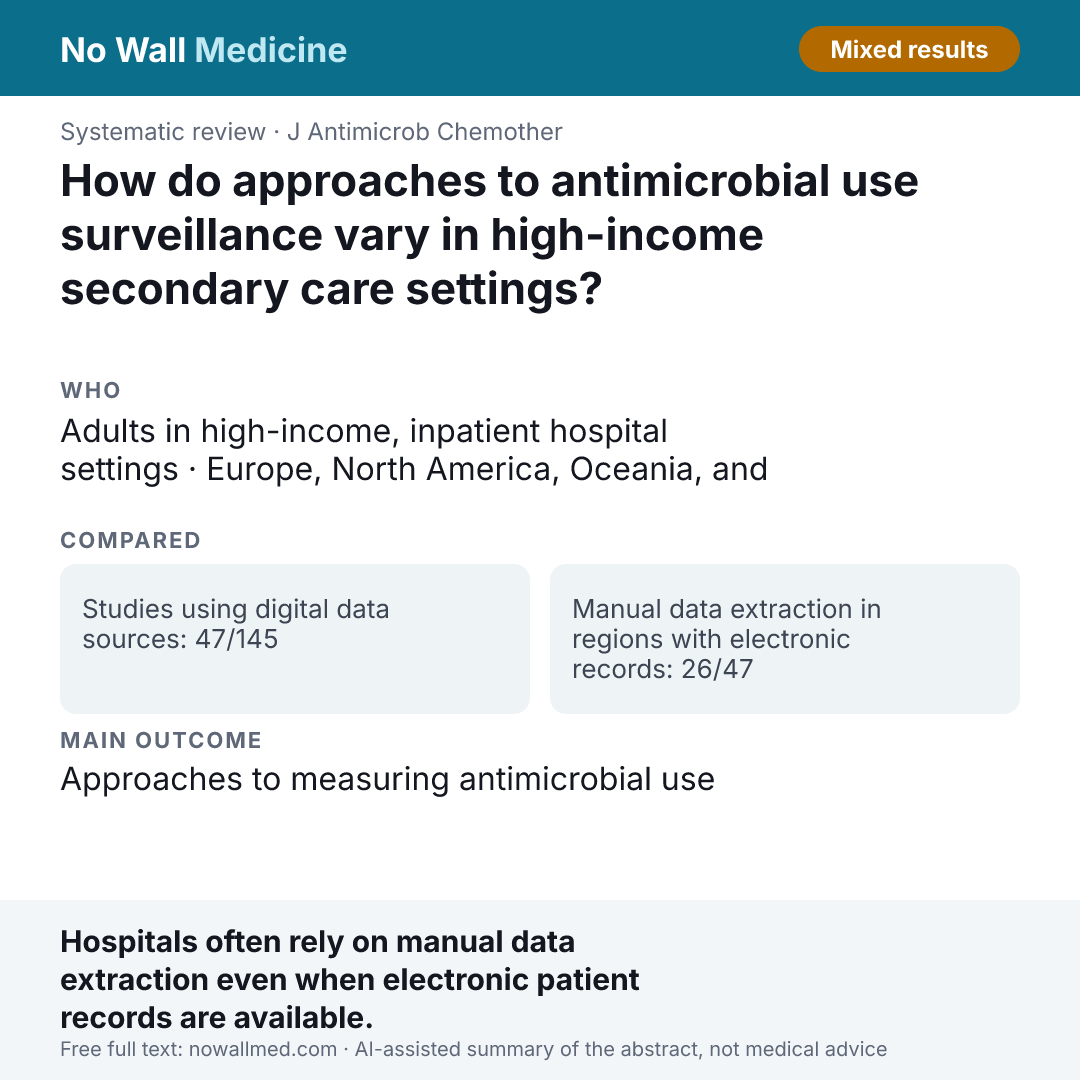
Variation in approaches to antimicrobial use surveillance in high-income secondary care settings: a systematic review
Systematic reviewMixed results
How do approaches to antimicrobial use surveillance vary in high-income secondary care settings?
Who
Adults in high-income, inpatient hospital settings · Europe, North America, Oceania, and Asia
Compared
Studies using digital data sources: 47/145
Manual data extraction in regions with electronic records: 26/47
Main outcome
Approaches to measuring antimicrobial use
Bottom line: Hospitals often rely on manual data extraction even when electronic patient records are available.
J Antimicrob Chemother · 2021-04-25 · Save PNG
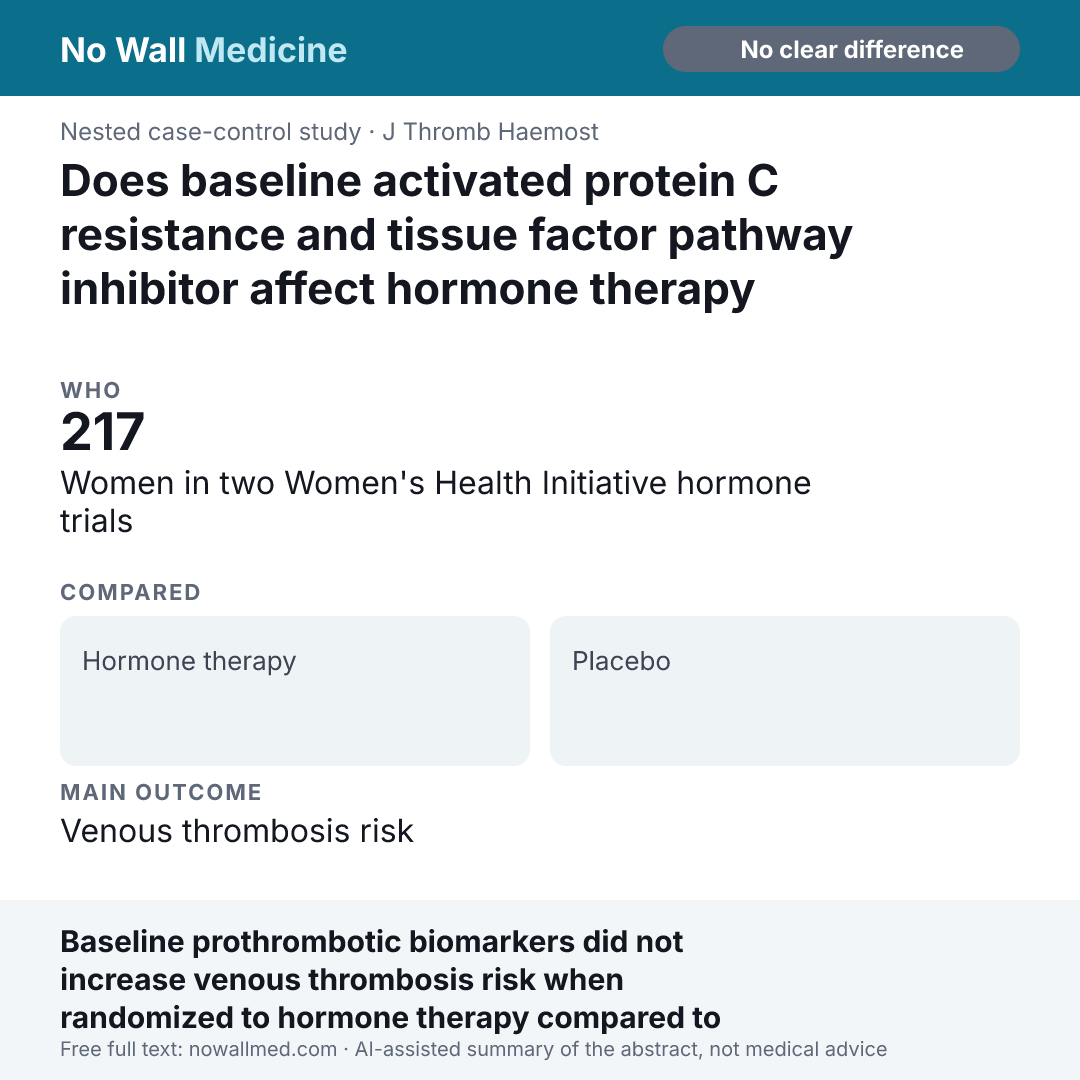
Venous thrombosis with oral postmenopausal hormone therapy: Roles of activated protein C resistance and tissue factor pathway inhibitor
Nested case-control studyNo clear difference
Does baseline activated protein C resistance and tissue factor pathway inhibitor affect hormone therapy thrombosis risk?
Who
217
Women in two Women's Health Initiative hormone trials
Compared
Hormone therapy
Placebo
Main outcome
Venous thrombosis risk
Bottom line: Baseline prothrombotic biomarkers did not increase venous thrombosis risk when randomized to hormone therapy compared to placebo.
J Thromb Haemost · 2021-04-25 · Save PNG
Steroids to reduce the impact on delirium (STRIDE): a double-blind, randomised, placebo-controlled feasibility trial of pre-operative dexamethasone in people with hip fracture
Randomised, double-blind, placebo-controlled feasibility trialMixed results
Is pre-operative dexamethasone feasible and effective to reduce postoperative delirium in hip fracture patients?
Who
79
People undergoing hip fracture surgery · Single-centre
Compared
Dexamethasone 20 mg: 6/40 (15%)
Placebo: 9/39 (23%)
Main outcome
Incidence and severity of postoperative delirium
Result: relative risk (95%CI) 0.65 (0.22-1.65)
Bottom line: Dexamethasone reduced delirium severity but did not significantly change delirium incidence in this feasibility trial.
Limitation: Recruitment limited by ethical limitations and lack of weekend staffing.
Anaesthesia · 2021-04-25 · Save PNG

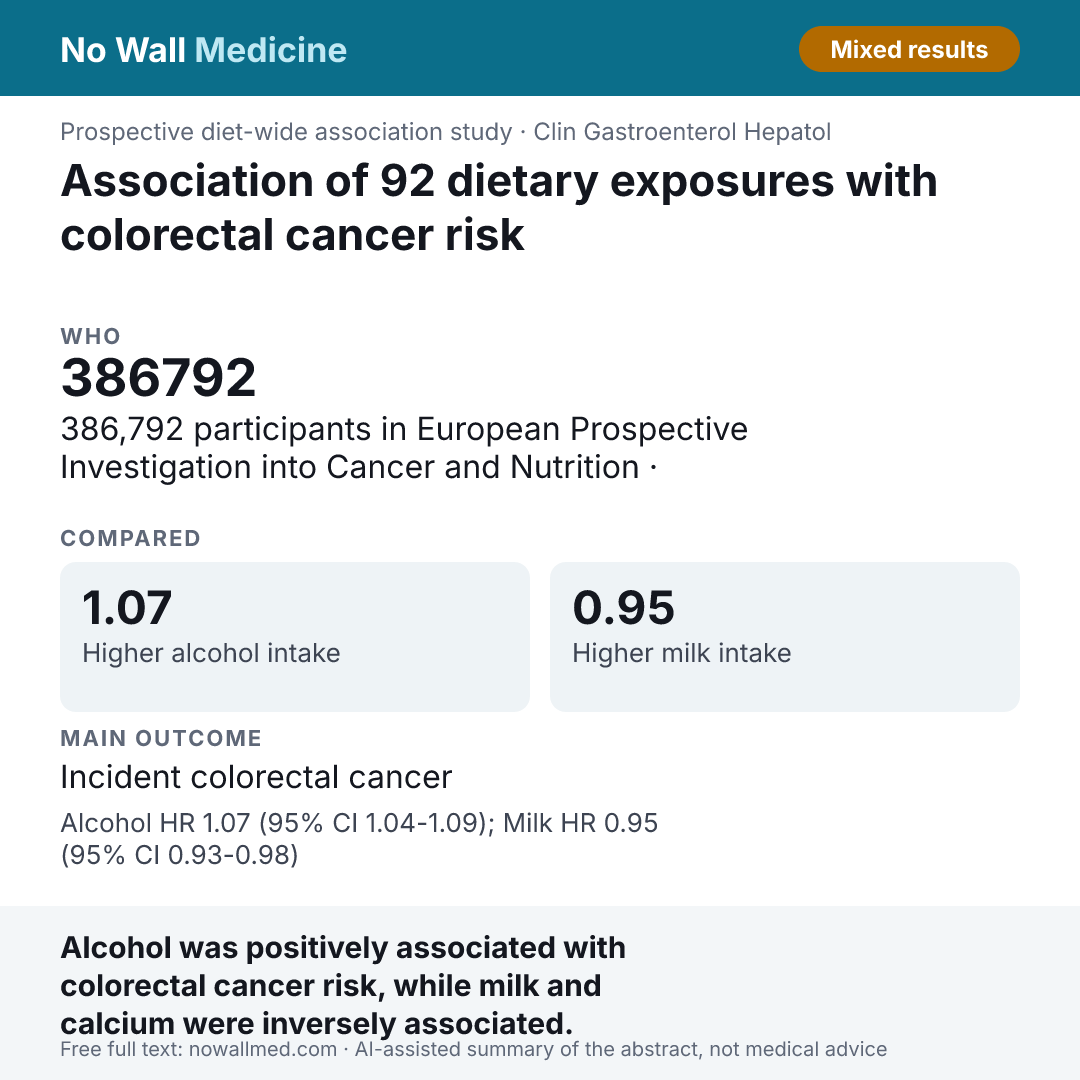
A Prospective Diet-Wide Association Study for Risk of Colorectal Cancer in EPIC
Prospective diet-wide association studyMixed results
Association of 92 dietary exposures with colorectal cancer risk
Who
386792
386,792 participants in European Prospective Investigation into Cancer and Nutrition · European Prospective Investigation into Cancer and Nutrition
Compared
1.07Higher alcohol intake (95% CI 1.04-1.09)
0.95Higher milk intake (95% CI 0.93-0.98)
Main outcome
Incident colorectal cancer
Result: Alcohol HR 1.07 (95% CI 1.04-1.09); Milk HR 0.95 (95% CI 0.93-0.98)
Bottom line: Alcohol was positively associated with colorectal cancer risk, while milk and calcium were inversely associated.
Clin Gastroenterol Hepatol · 2021-04-24 · Save PNG
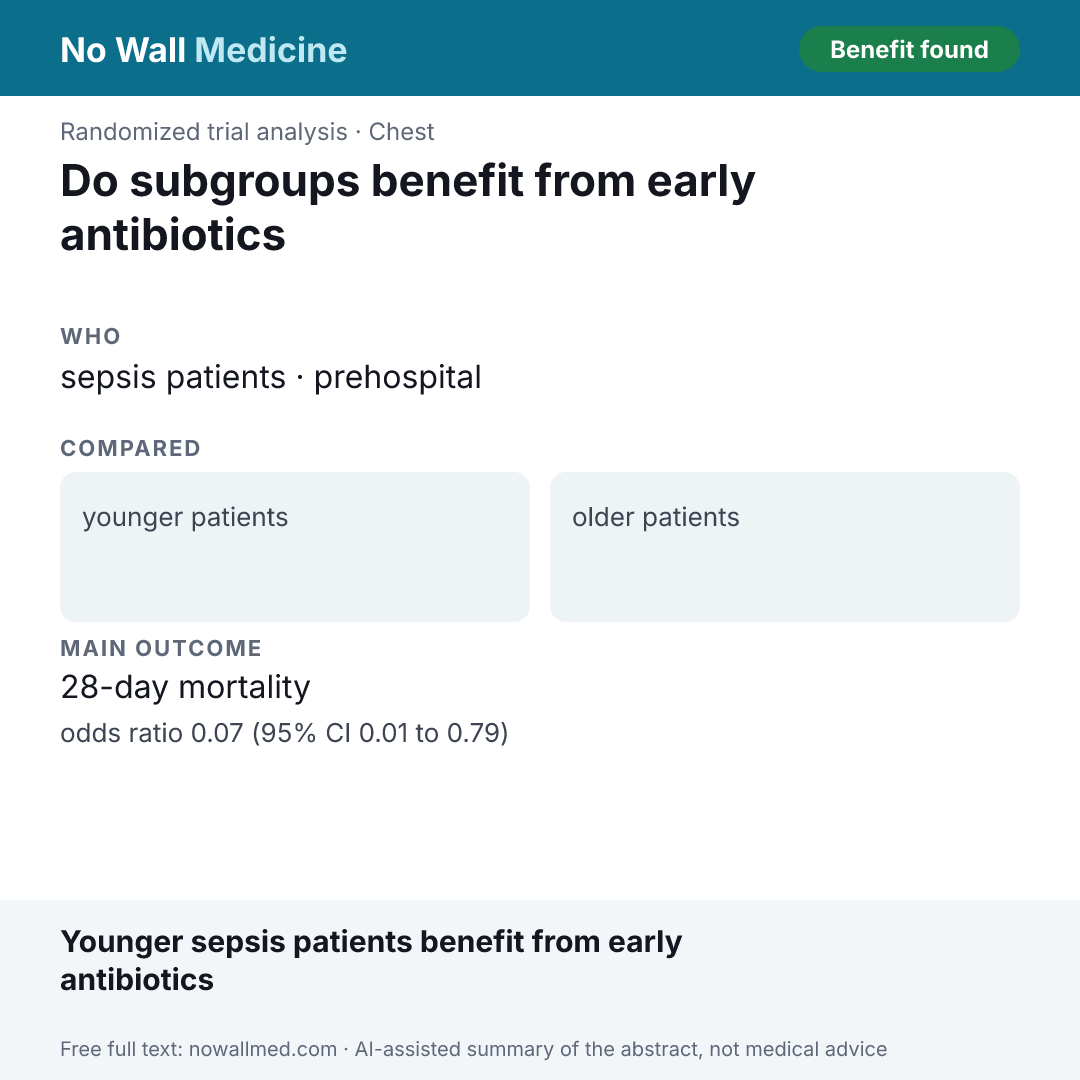
Towards Understanding the Effective Use of Antibiotics for Sepsis
Randomized trial analysisBenefit found
Do subgroups benefit from early antibiotics
Who
sepsis patients · prehospital
Compared
younger patients
older patients
Main outcome
28-day mortality
Result: odds ratio 0.07 (95% CI 0.01 to 0.79)
Bottom line: Younger sepsis patients benefit from early antibiotics
Chest · 2021-04-24 · Save PNG
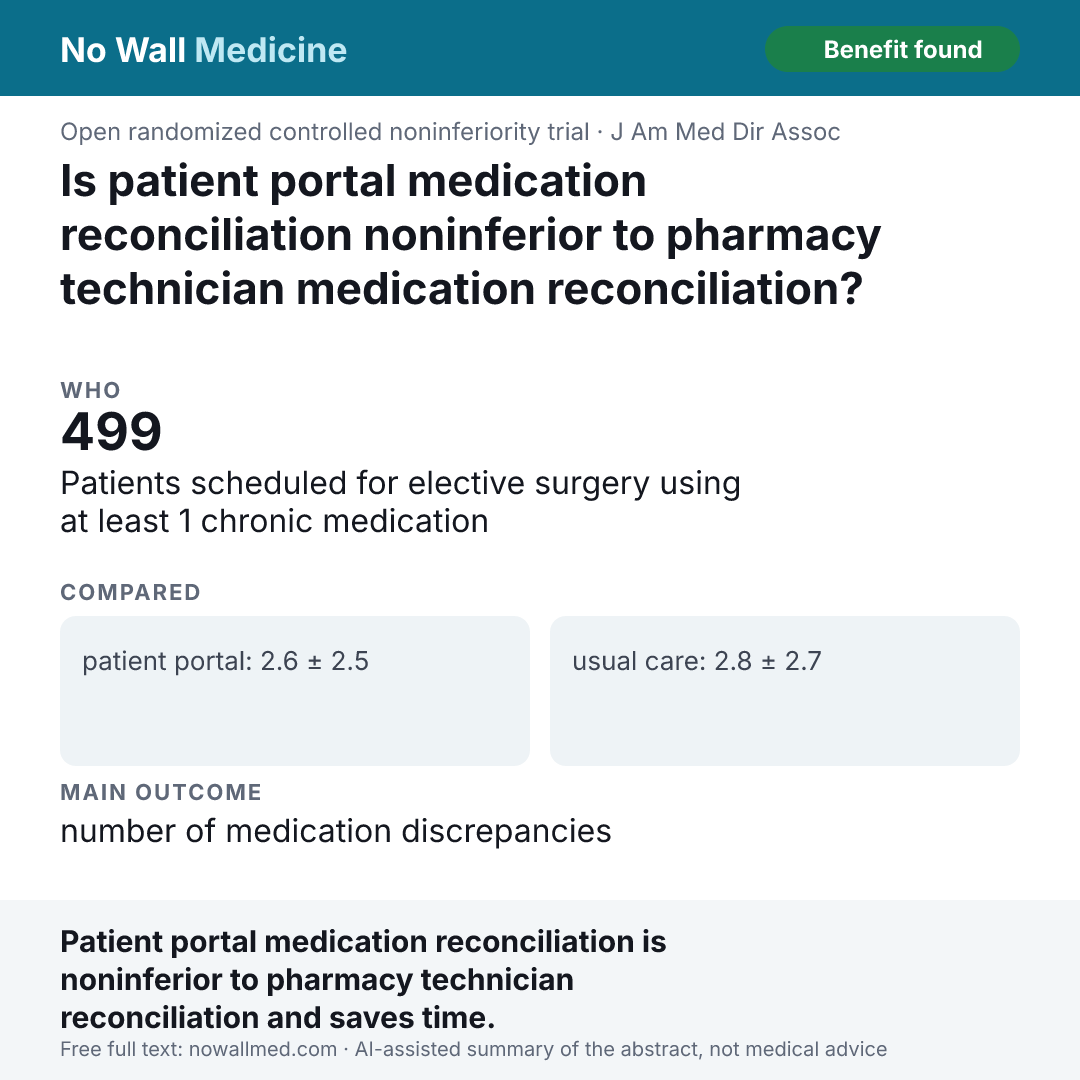
The Effect of Medication Reconciliation via a Patient Portal on Medication Discrepancies: A Randomized Noninferiority Study
Open randomized controlled noninferiority trialBenefit found
Is patient portal medication reconciliation noninferior to pharmacy technician medication reconciliation?
Who
499
Patients scheduled for elective surgery using at least 1 chronic medication
Compared
patient portal: 2.6 ± 2.5
usual care: 2.8 ± 2.7
Main outcome
number of medication discrepancies
Bottom line: Patient portal medication reconciliation is noninferior to pharmacy technician reconciliation and saves time.
Limitation: Future studies should focus on identifying patient characteristics for successful implementation.
J Am Med Dir Assoc · 2021-04-24 · Save PNG
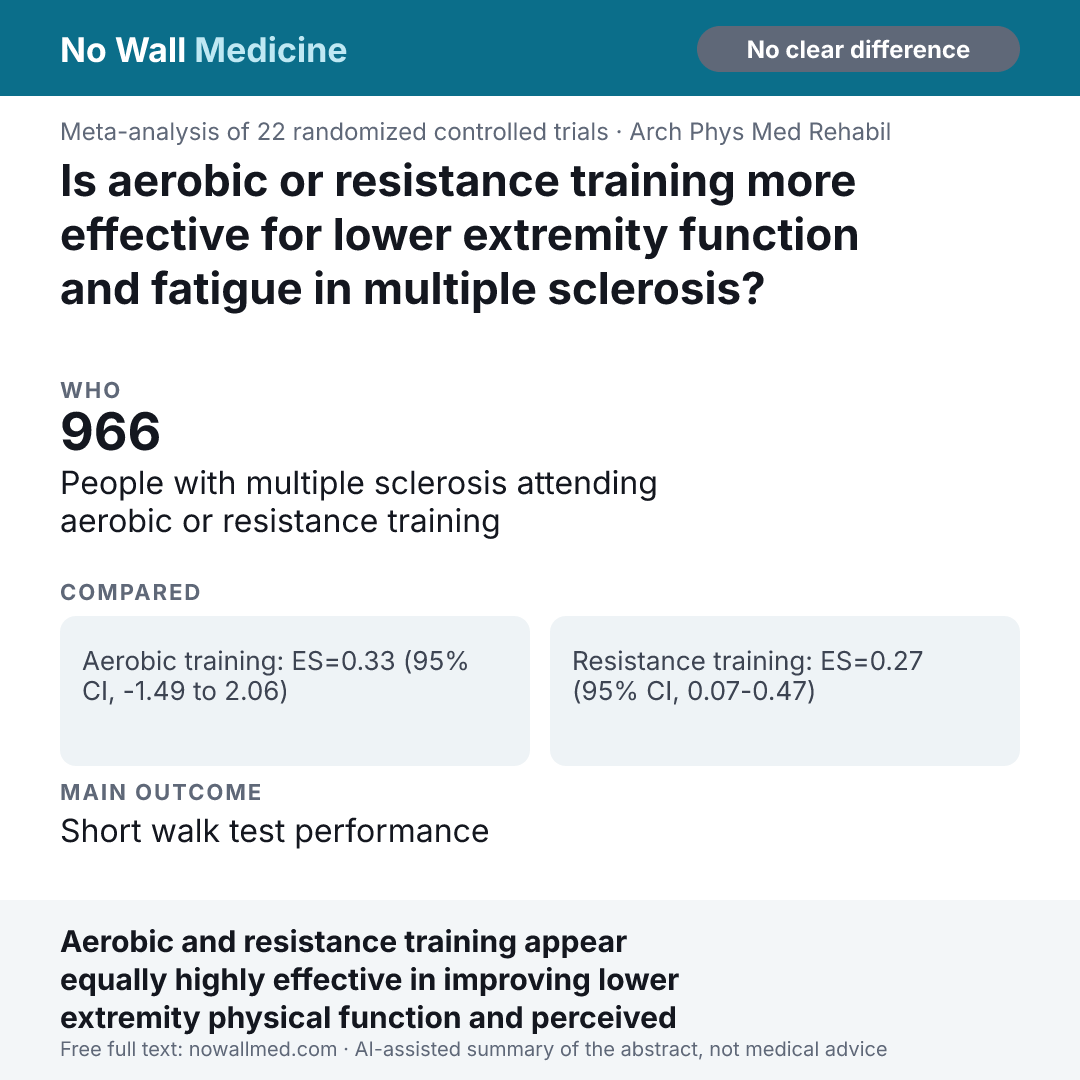
Is Aerobic or Resistance Training the Most Effective Exercise Modality for Improving Lower Extremity Physical Function and Perceived Fatigue in People With Multiple Sclerosis? A Systematic Review and Meta-analysis
Meta-analysis of 22 randomized controlled trialsNo clear difference
Is aerobic or resistance training more effective for lower extremity function and fatigue in multiple sclerosis?
Who
966
People with multiple sclerosis attending aerobic or resistance training
Compared
Aerobic training: ES=0.33 (95% CI, -1.49 to 2.06)
Resistance training: ES=0.27 (95% CI, 0.07-0.47)
Main outcome
Short walk test performance
Result: AT: ES=0.33 (95% CI, -1.49 to 2.06); RT: ES=0.27 (95% CI, 0.07-0.47)
Bottom line: Aerobic and resistance training appear equally highly effective in improving lower extremity physical function and perceived fatigue.
Arch Phys Med Rehabil · 2021-04-24 · Save PNG
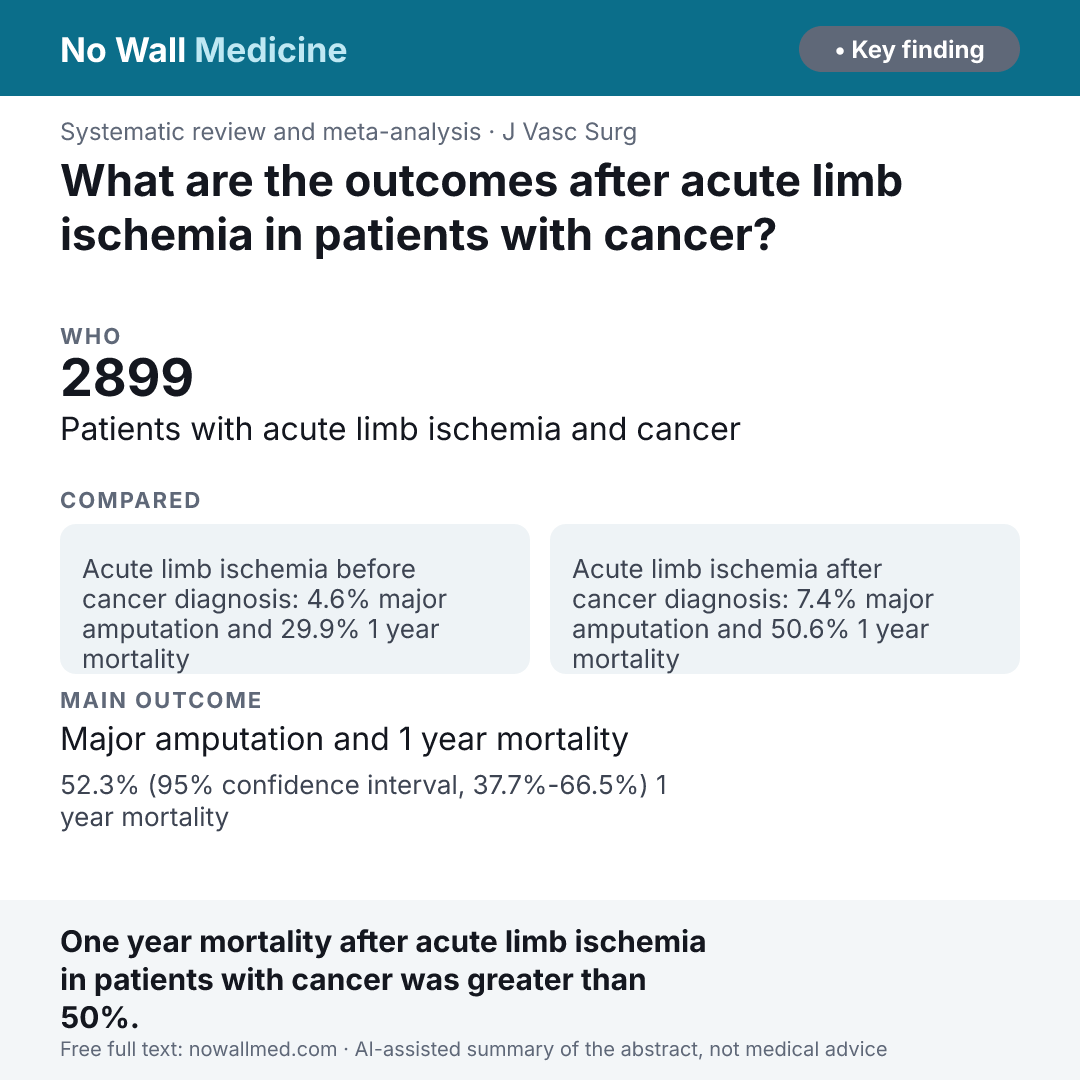
A systematic review and meta-analysis of outcomes after acute limb ischemia in patients with cancer
Systematic review and meta-analysisKey finding
What are the outcomes after acute limb ischemia in patients with cancer?
Who
2899
Patients with acute limb ischemia and cancer
Compared
Acute limb ischemia before cancer diagnosis: 4.6% major amputation and 29.9% 1 year mortality
Acute limb ischemia after cancer diagnosis: 7.4% major amputation and 50.6% 1 year mortality
Main outcome
Major amputation and 1 year mortality
Result: 52.3% (95% confidence interval, 37.7%-66.5%) 1 year mortality
Bottom line: One year mortality after acute limb ischemia in patients with cancer was greater than 50%.
J Vasc Surg · 2021-04-24 · Save PNG
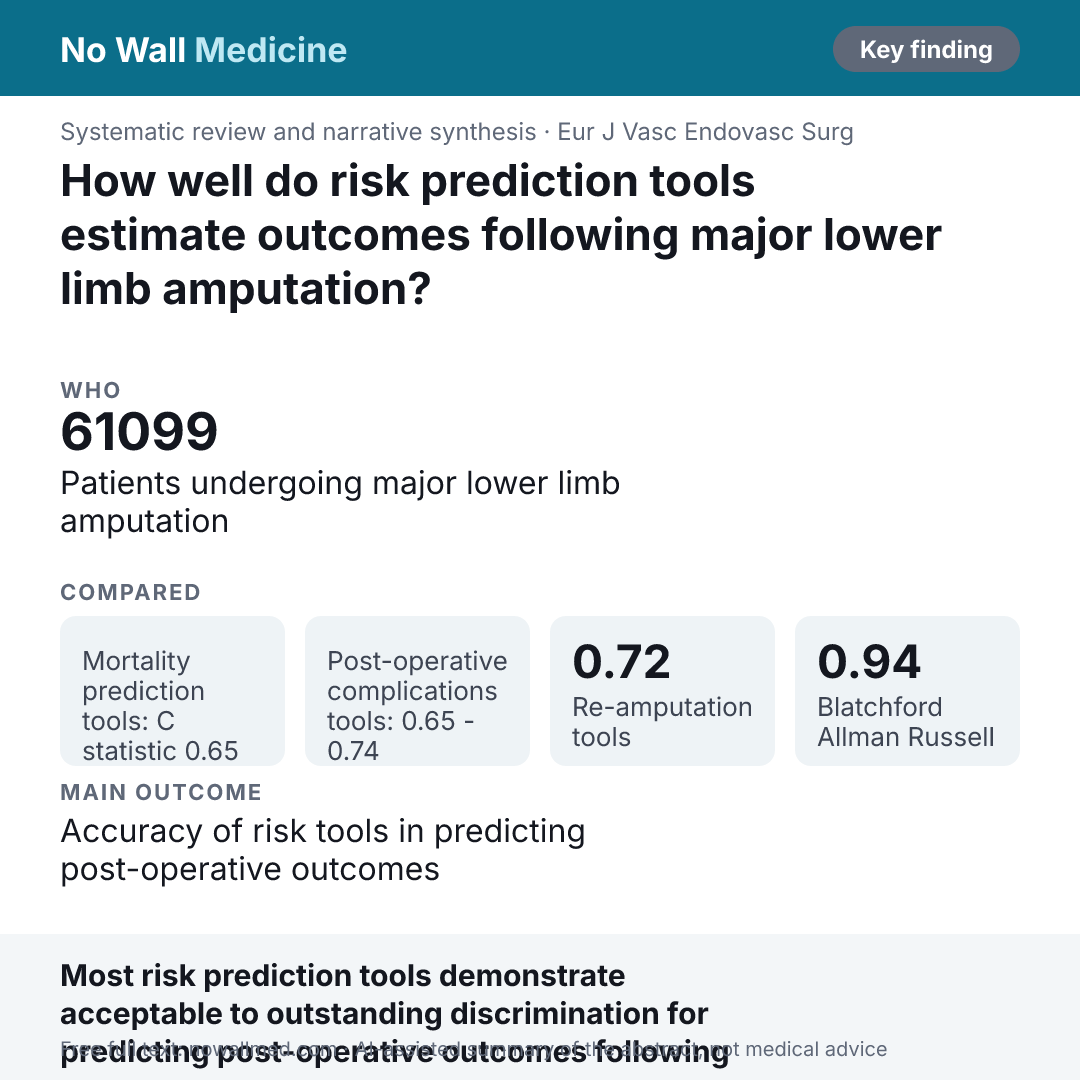
A Systematic Review and Narrative Synthesis of Risk Prediction Tools Used to Estimate Mortality, Morbidity, and Other Outcomes Following Major Lower Limb Amputation
Systematic review and narrative synthesisKey finding
How well do risk prediction tools estimate outcomes following major lower limb amputation?
Who
61099
Patients undergoing major lower limb amputation
Compared
Mortality prediction tools: C statistic 0.65 to 0.81
Post-operative complications tools: 0.65 - 0.74
0.72Re-amputation tools
0.94Blatchford Allman Russell tool
Main outcome
Accuracy of risk tools in predicting post-operative outcomes
Bottom line: Most risk prediction tools demonstrate acceptable to outstanding discrimination for predicting post-operative outcomes following major lower limb amputation.
Limitation: Most studies were at high risk of bias with poor external validity.
Eur J Vasc Endovasc Surg · 2021-04-24 · Save PNG
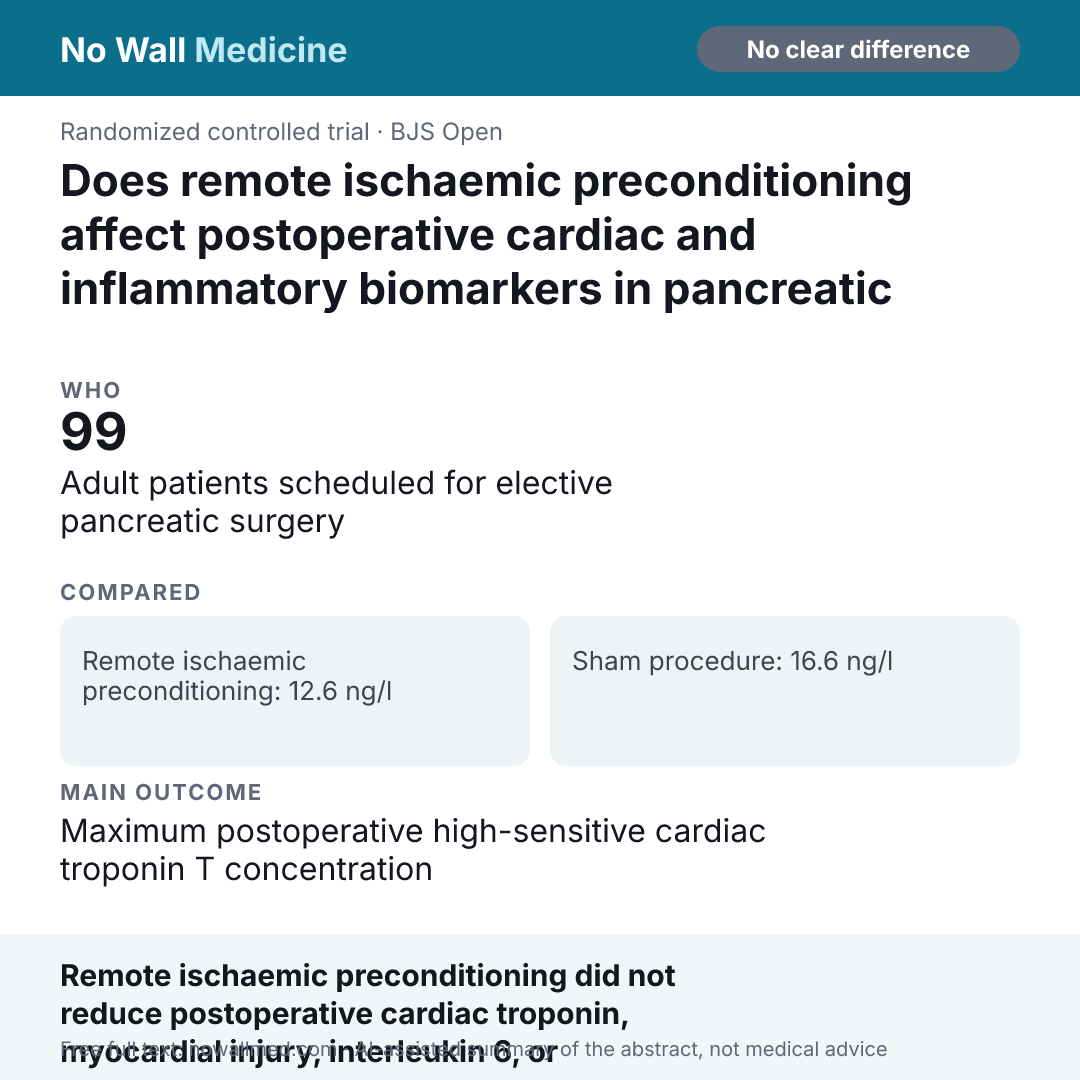
The effect of remote ischaemic preconditioning on postoperative cardiac and inflammatory biomarkers in pancreatic surgery: a randomized controlled trial
Randomized controlled trialNo clear difference
Does remote ischaemic preconditioning affect postoperative cardiac and inflammatory biomarkers in pancreatic surgery?
Who
99
Adult patients scheduled for elective pancreatic surgery
Compared
Remote ischaemic preconditioning: 12.6 ng/l
Sham procedure: 16.6 ng/l
Main outcome
Maximum postoperative high-sensitive cardiac troponin T concentration
Bottom line: Remote ischaemic preconditioning did not reduce postoperative cardiac troponin, myocardial injury, interleukin 6, or complications.
BJS Open · 2021-04-24 · Save PNG
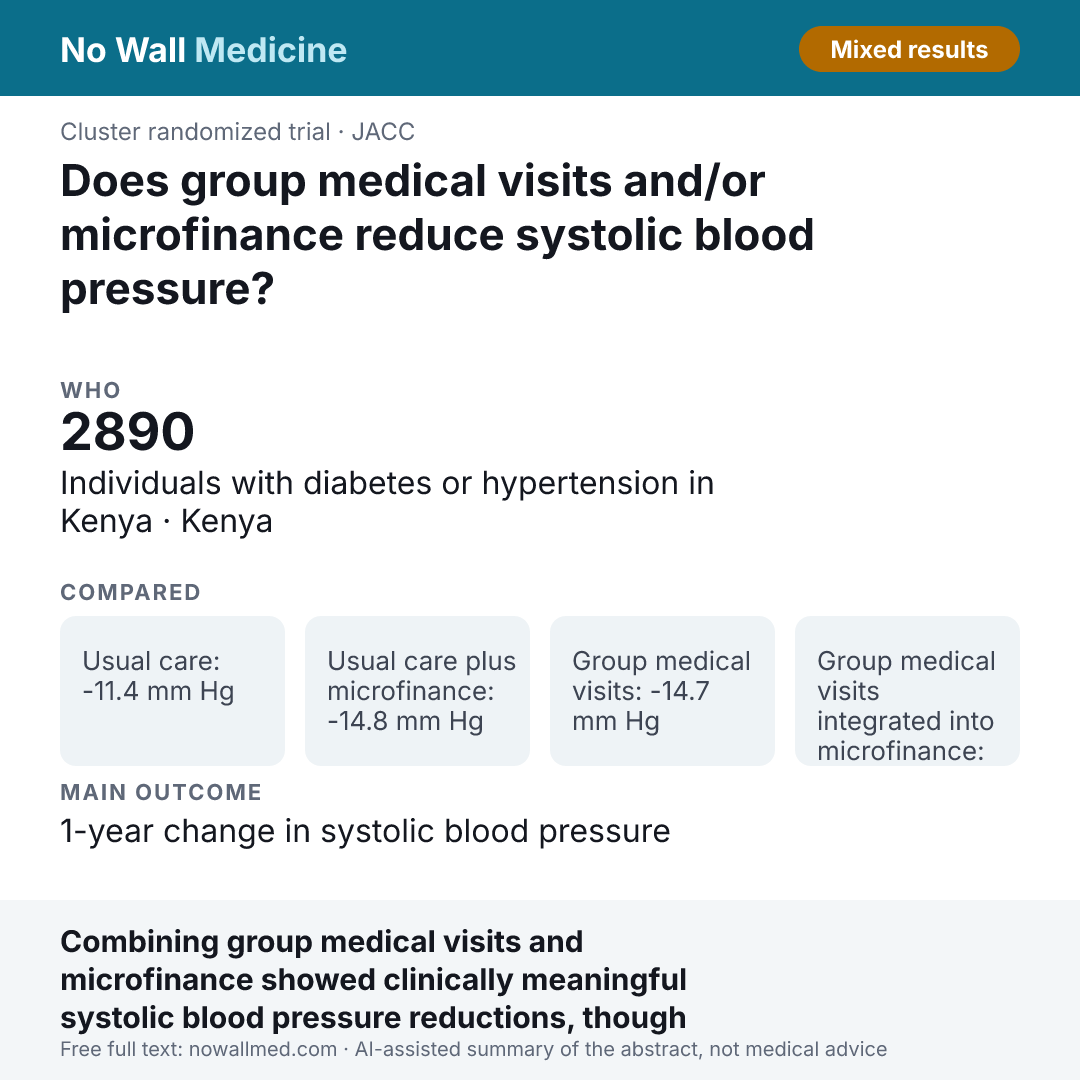
Group Medical Visit and Microfinance Intervention for Patients With Diabetes or Hypertension in Kenya
Cluster randomized trialMixed results
Does group medical visits and/or microfinance reduce systolic blood pressure?
Who
2890
Individuals with diabetes or hypertension in Kenya · Kenya
Compared
Usual care: -11.4 mm Hg
Usual care plus microfinance: -14.8 mm Hg
Group medical visits: -14.7 mm Hg
Group medical visits integrated into microfinance: -16.4 mm Hg
Main outcome
1-year change in systolic blood pressure
Result: 2.3 mm Hg (-7.0 to 2.4) to 3.9 mm Hg (-8.5 to 0.7)
Bottom line: Combining group medical visits and microfinance showed clinically meaningful systolic blood pressure reductions, though pairwise significance thresholds were not met.
JACC · 2021-04-23 · Save PNG
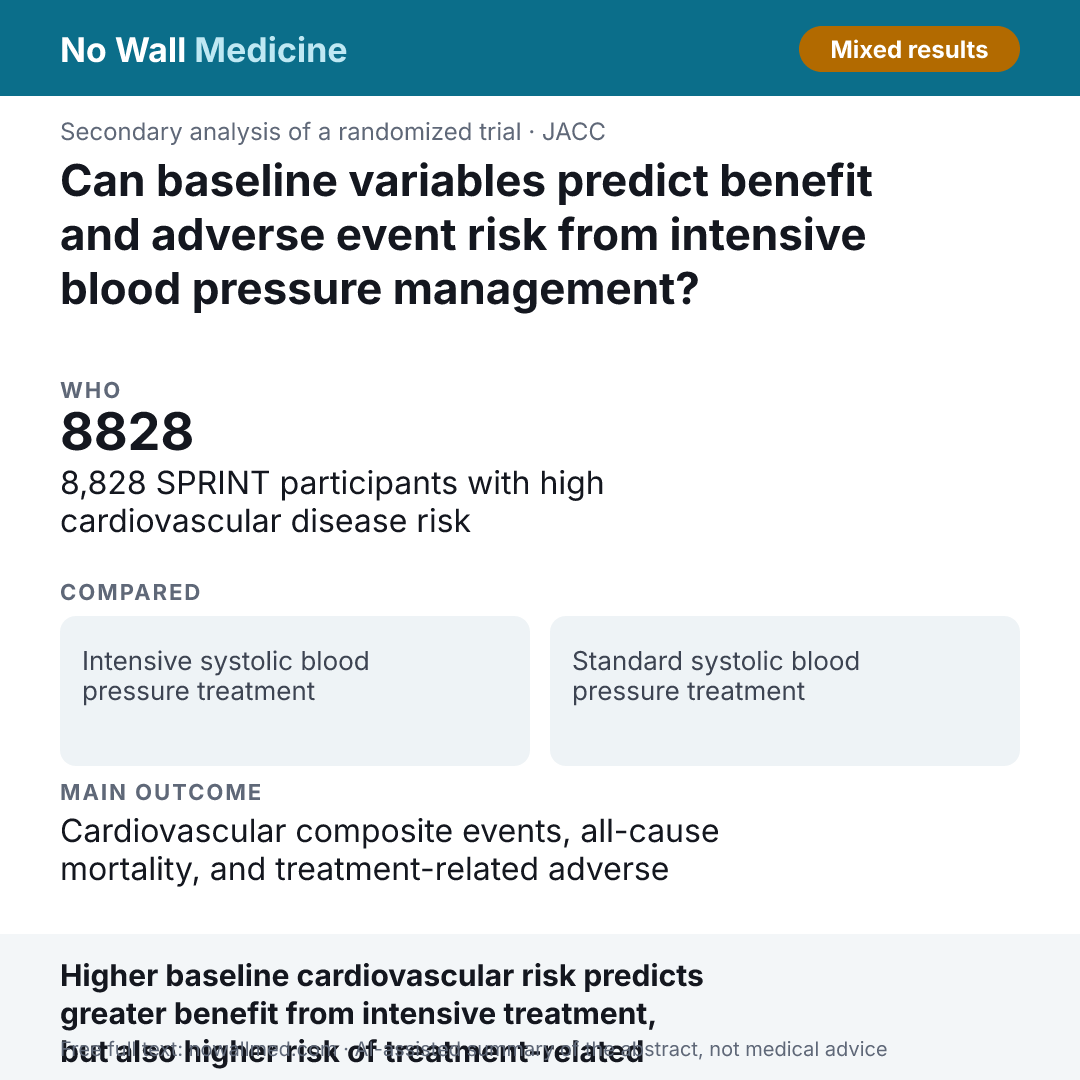
Patient Selection for Intensive Blood Pressure Management Based on Benefit and Adverse Events
Secondary analysis of a randomized trialMixed results
Can baseline variables predict benefit and adverse event risk from intensive blood pressure management?
Who
8828
8,828 SPRINT participants with high cardiovascular disease risk
Compared
Intensive systolic blood pressure treatment
Standard systolic blood pressure treatment
Main outcome
Cardiovascular composite events, all-cause mortality, and treatment-related adverse events
Bottom line: Higher baseline cardiovascular risk predicts greater benefit from intensive treatment, but also higher risk of treatment-related adverse events.
JACC · 2021-04-23 · Save PNG
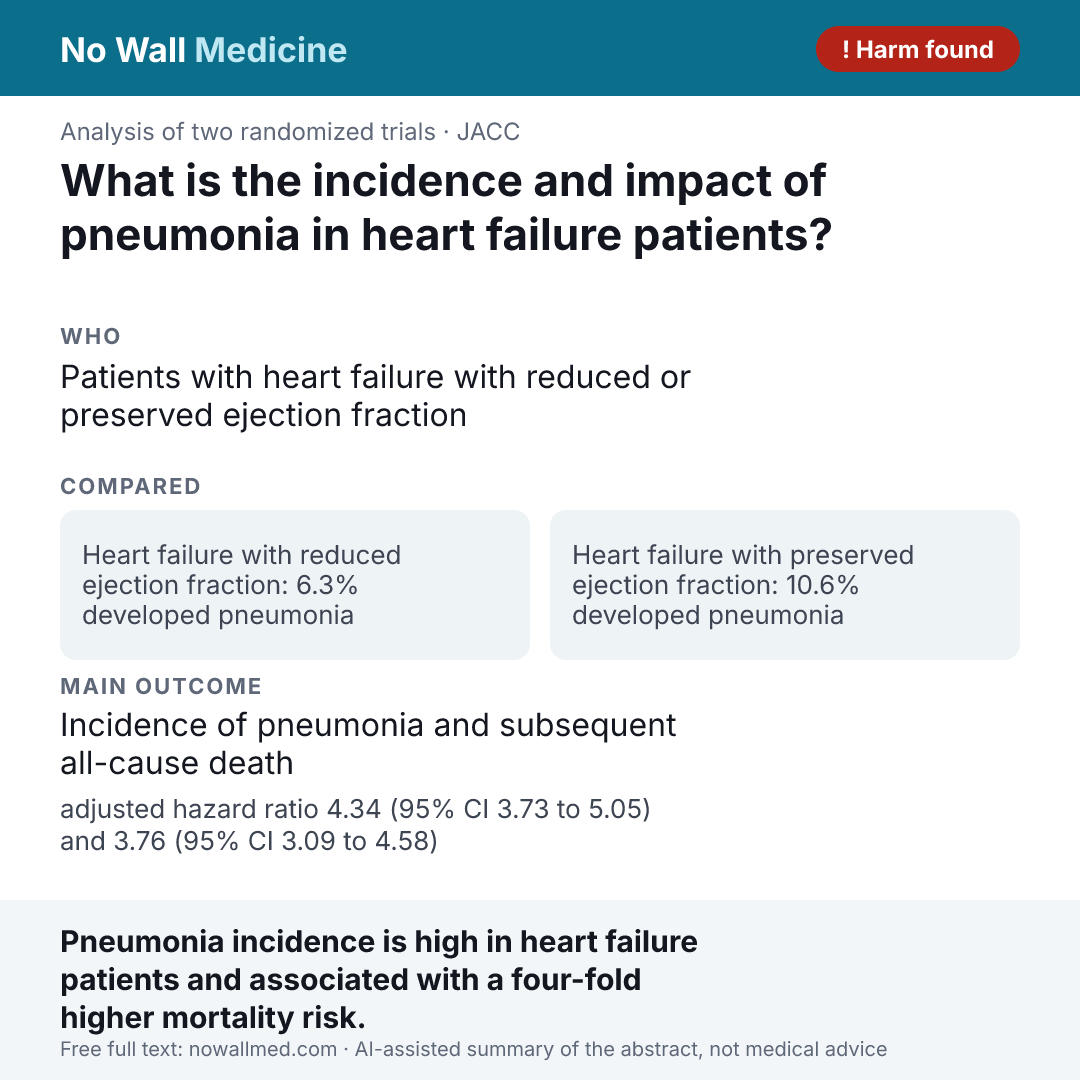
Incidence and Outcomes of Pneumonia in Patients With Heart Failure
Analysis of two randomized trialsHarm found
What is the incidence and impact of pneumonia in heart failure patients?
Who
Patients with heart failure with reduced or preserved ejection fraction
Compared
Heart failure with reduced ejection fraction: 6.3% developed pneumonia
Heart failure with preserved ejection fraction: 10.6% developed pneumonia
Main outcome
Incidence of pneumonia and subsequent all-cause death
Result: adjusted hazard ratio 4.34 (95% CI 3.73 to 5.05) and 3.76 (95% CI 3.09 to 4.58)
Bottom line: Pneumonia incidence is high in heart failure patients and associated with a four-fold higher mortality risk.
JACC · 2021-04-23 · Save PNG
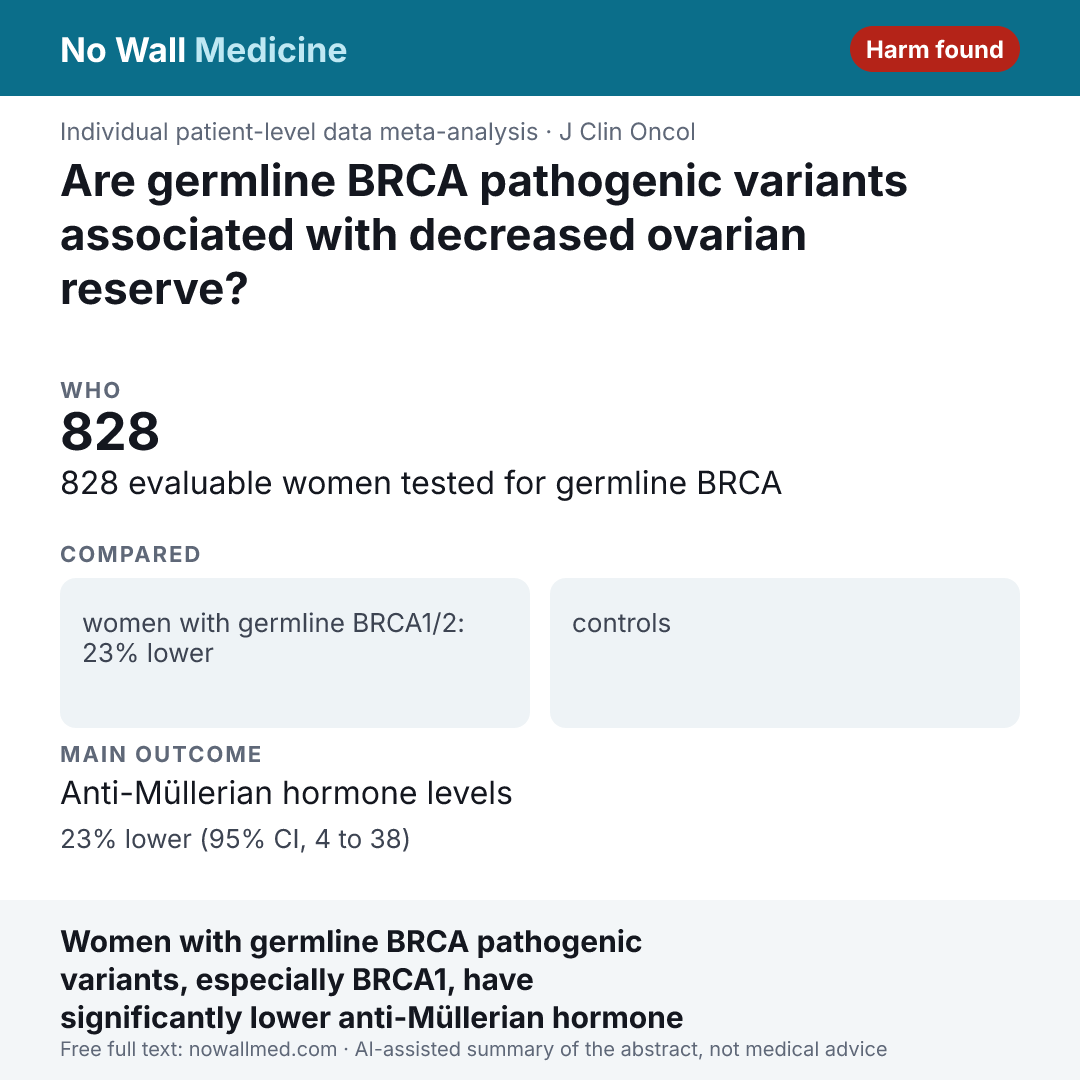
Association of Germline BRCA Pathogenic Variants With Diminished Ovarian Reserve: A Meta-Analysis of Individual Patient-Level Data
Individual patient-level data meta-analysisHarm found
Are germline BRCA pathogenic variants associated with decreased ovarian reserve?
Who
828
828 evaluable women tested for germline BRCA
Compared
women with germline BRCA1/2: 23% lower
controls
Main outcome
Anti-Müllerian hormone levels
Result: 23% lower (95% CI, 4 to 38)
Bottom line: Women with germline BRCA pathogenic variants, especially BRCA1, have significantly lower anti-Müllerian hormone levels.
J Clin Oncol · 2021-04-23 · Save PNG
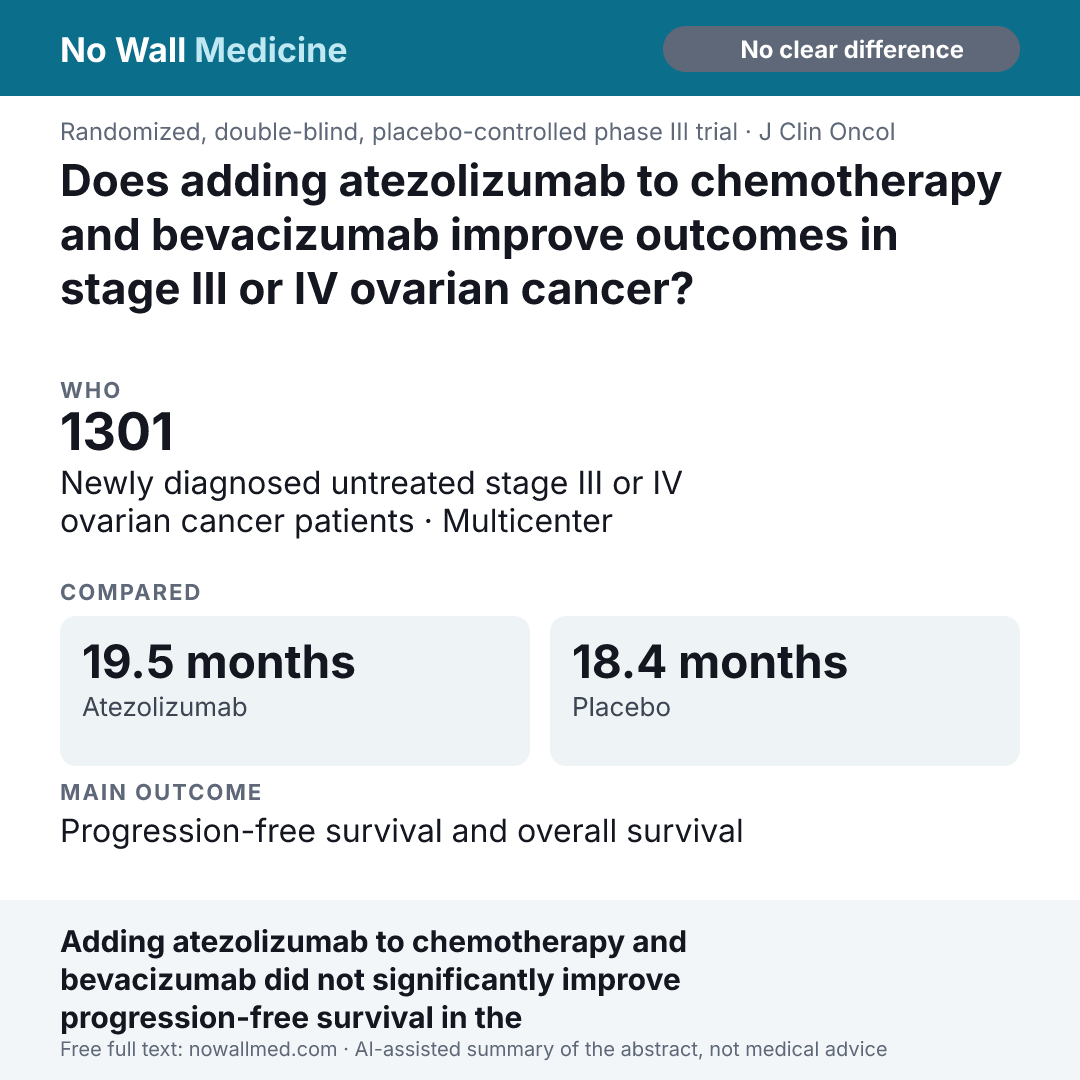
Atezolizumab, Bevacizumab, and Chemotherapy for Newly Diagnosed Stage III or IV Ovarian Cancer: Placebo-Controlled Randomized Phase III Trial (IMagyn050/GOG 3015/ENGOT-OV39)
Randomized, double-blind, placebo-controlled phase III trialNo clear difference
Does adding atezolizumab to chemotherapy and bevacizumab improve outcomes in stage III or IV ovarian cancer?
Who
1301
Newly diagnosed untreated stage III or IV ovarian cancer patients · Multicenter
Compared
19.5 monthsAtezolizumab
18.4 monthsPlacebo
Main outcome
Progression-free survival and overall survival
Result: hazard ratio 0.92 (95% CI 0.79 to 1.07)
Bottom line: Adding atezolizumab to chemotherapy and bevacizumab did not significantly improve progression-free survival in the intention-to-treat population.
J Clin Oncol · 2021-04-23 · Save PNG
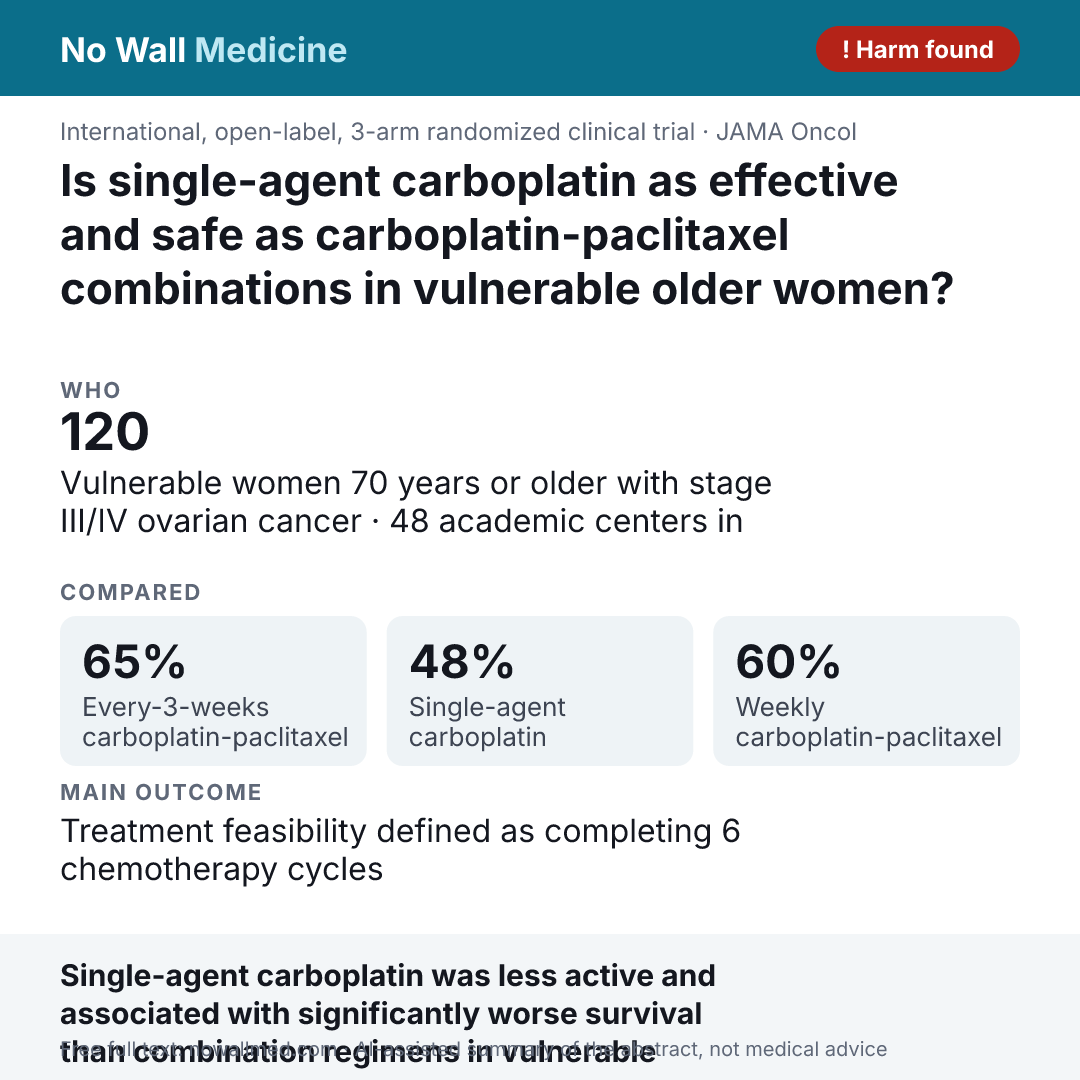
Efficacy and Safety of First-line Single-Agent Carboplatin vs Carboplatin Plus Paclitaxel for Vulnerable Older Adult Women With Ovarian Cancer: A GINECO/GCIG Randomized Clinical Trial
International, open-label, 3-arm randomized clinical trialHarm found
Is single-agent carboplatin as effective and safe as carboplatin-paclitaxel combinations in vulnerable older women?
Who
120
Vulnerable women 70 years or older with stage III/IV ovarian cancer · 48 academic centers in France, Italy, Finland, Denmark, Sweden, and Canada
Compared
65%Every-3-weeks carboplatin-paclitaxel
48%Single-agent carboplatin
60%Weekly carboplatin-paclitaxel
Main outcome
Treatment feasibility defined as completing 6 chemotherapy cycles
Bottom line: Single-agent carboplatin was less active and associated with significantly worse survival than combination regimens in vulnerable older women.
JAMA Oncol · 2021-04-23 · Save PNG
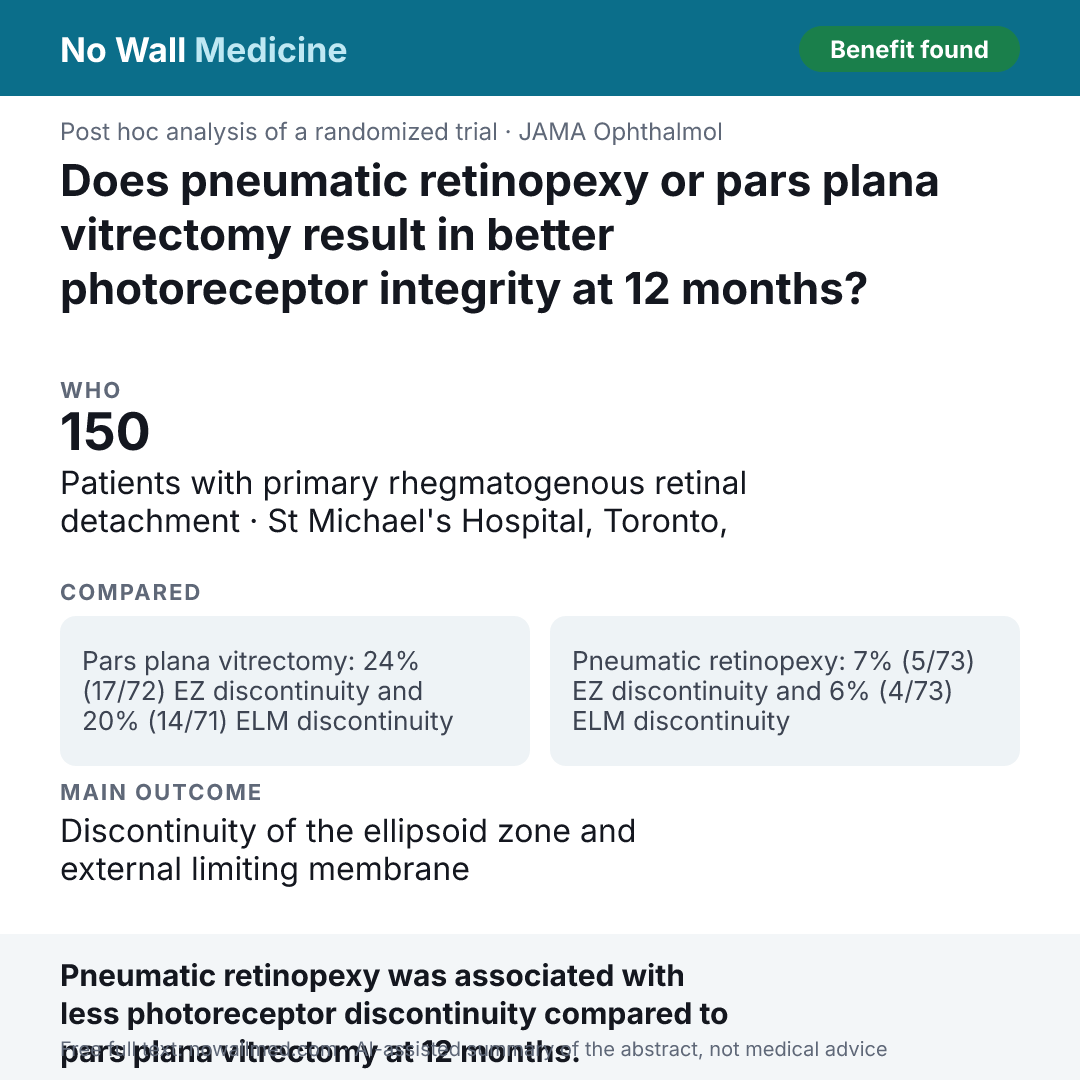
Postoperative Photoreceptor Integrity Following Pneumatic Retinopexy vs Pars Plana Vitrectomy for Retinal Detachment Repair: A Post Hoc Optical Coherence Tomography Analysis From the Pneumatic Retinopexy Versus Vitrectomy for the Management of Primary Rhegmatogenous Retinal Detachment Outcomes Randomized Trial
Post hoc analysis of a randomized trialBenefit found
Does pneumatic retinopexy or pars plana vitrectomy result in better photoreceptor integrity at 12 months?
Who
150
Patients with primary rhegmatogenous retinal detachment · St Michael's Hospital, Toronto, Ontario, Canada
Compared
Pars plana vitrectomy: 24% (17/72) EZ discontinuity and 20% (14/71) ELM discontinuity
Pneumatic retinopexy: 7% (5/73) EZ discontinuity and 6% (4/73) ELM discontinuity
Main outcome
Discontinuity of the ellipsoid zone and external limiting membrane
Result: odds ratio 4.204 (95% CI 1.458-12.116) for EZ discontinuity
Bottom line: Pneumatic retinopexy was associated with less photoreceptor discontinuity compared to pars plana vitrectomy at 12 months.
JAMA Ophthalmol · 2021-04-23 · Save PNG
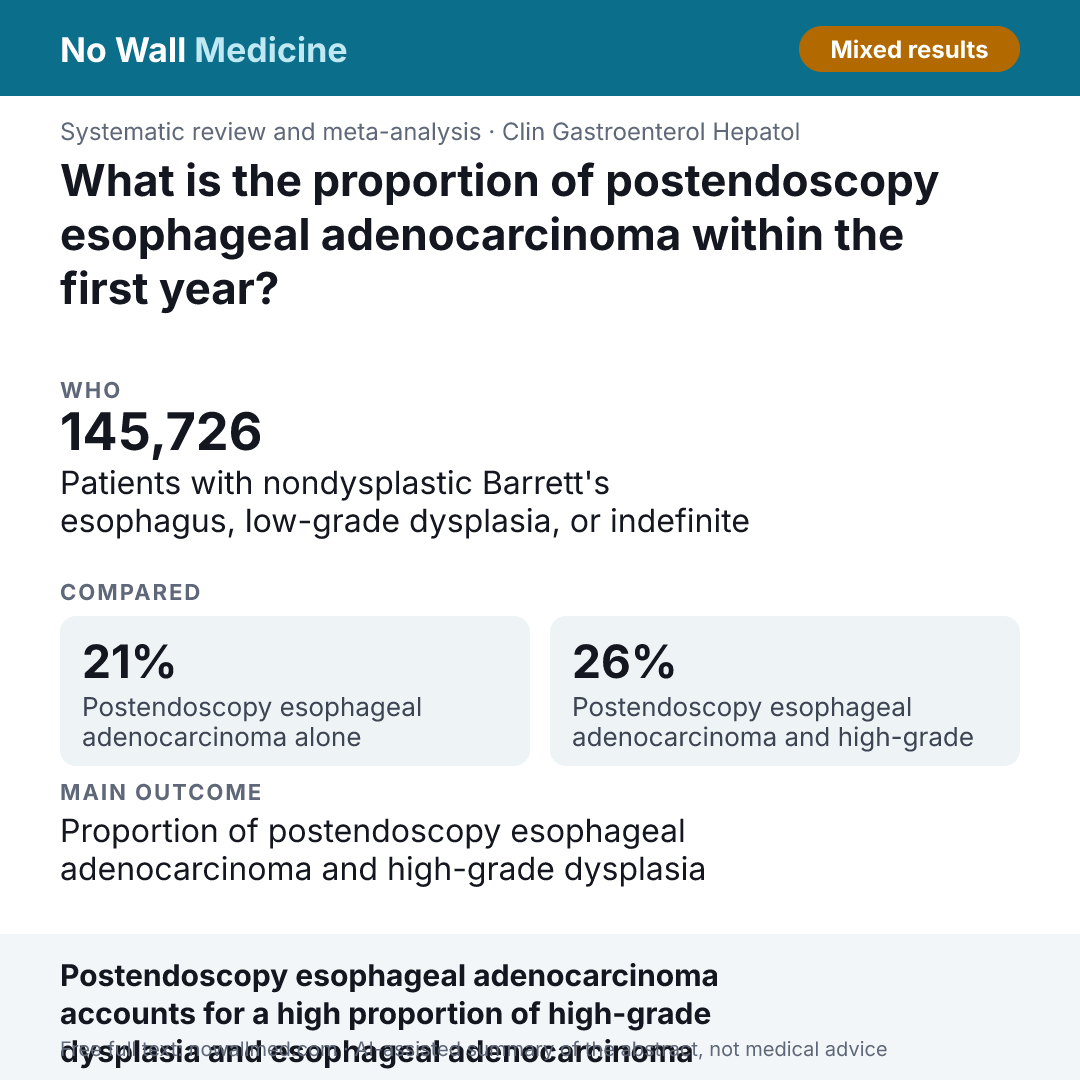
Magnitude and Time-Trend Analysis of Postendoscopy Esophageal Adenocarcinoma: A Systematic Review and Meta-analysis
Systematic review and meta-analysisMixed results
What is the proportion of postendoscopy esophageal adenocarcinoma within the first year?
Who
145,726
Patients with nondysplastic Barrett's esophagus, low-grade dysplasia, or indefinite dysplasia
Compared
21%Postendoscopy esophageal adenocarcinoma alone (95% CI, 13-31)
26%Postendoscopy esophageal adenocarcinoma and high-grade dysplasia (95% CI, 19-34)
Main outcome
Proportion of postendoscopy esophageal adenocarcinoma and high-grade dysplasia
Bottom line: Postendoscopy esophageal adenocarcinoma accounts for a high proportion of high-grade dysplasia and esophageal adenocarcinoma cases.
Clin Gastroenterol Hepatol · 2021-04-23 · Save PNG