Visual abstracts
New randomized trials and meta-analyses from leading journals at a glance: who was studied, what was compared, and what was found. Every paper is free to read in full.
All specialtiesCardiology 4780Oncology 4080Gastroenterology & Hepatology 1914Infectious Disease 3775Neurology 1883Psychiatry & Mental Health 2238Pulmonology 2058Critical Care 1331Endocrinology & Diabetes 2550Pediatrics 2908Surgery 2496Orthopedics & Sports Medicine 922Neurosurgery 532Cardiothoracic & Vascular Surgery 662Plastic & Reconstructive Surgery 584Nephrology 1111Rheumatology 812Hematology 1095Dermatology 617Ophthalmology 537Obstetrics & Gynecology 1656Public & Global Health 1041Radiology & Imaging 637Anesthesiology 958Urology 751ENT (Otolaryngology) 497Emergency Medicine 484Allergy & Immunology 310Geriatrics 973Family Medicine & Primary Care 538Medical Genetics & Genomics 662Pathology & Laboratory Medicine 156Physical Medicine & Rehabilitation 744Palliative Care 422Nutrition 1564Digital Health & AI 2188General Medicine 318
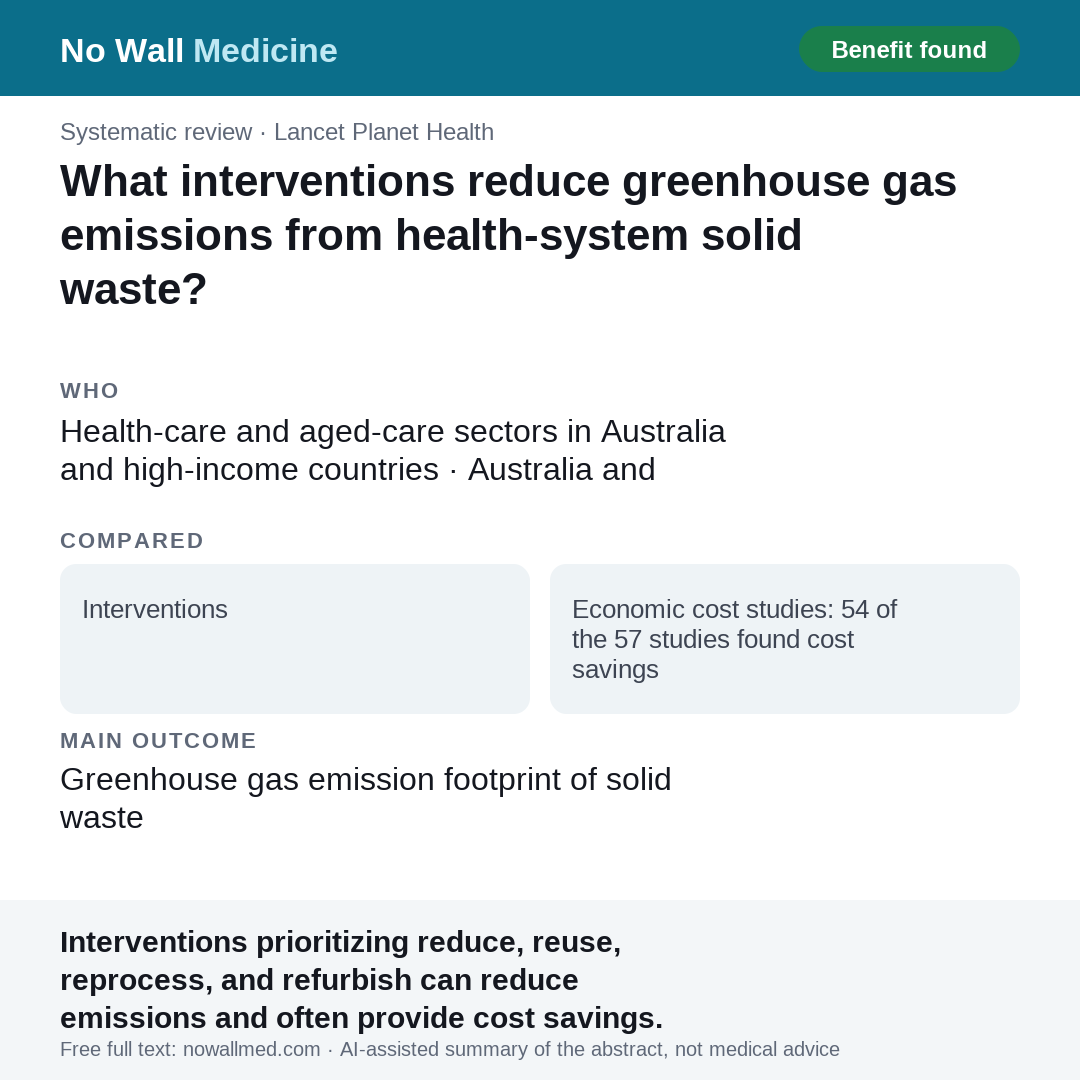
Interventions to reduce greenhouse gas emissions from health-system solid waste: a systematic review
Systematic reviewBenefit found
What interventions reduce greenhouse gas emissions from health-system solid waste?
Who
Health-care and aged-care sectors in Australia and high-income countries · Australia and other high-income countries
Compared
Interventions
Economic cost studies: 54 of the 57 studies found cost savings
Main outcome
Greenhouse gas emission footprint of solid waste
Bottom line: Interventions prioritizing reduce, reuse, reprocess, and refurbish can reduce emissions and often provide cost savings.
Lancet Planet Health · 2026-02-14Download image
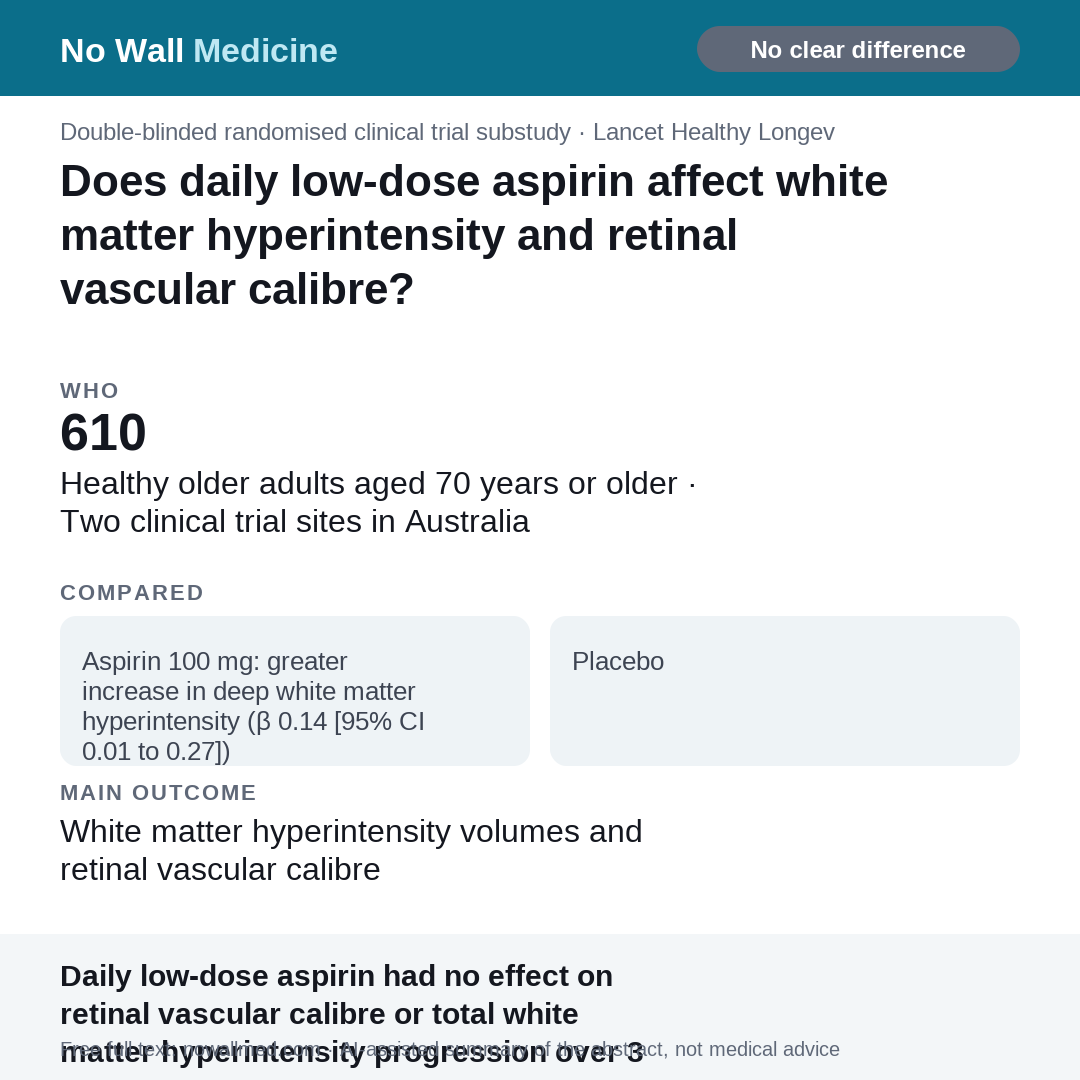
The effects of daily low-dose aspirin on white matter hyperintensity lesions and retinal vascular calibre in healthy older adults: the ENVIS-ion exploratory neuroimaging substudy of the ASPREE randomised clinical trial
Double-blinded randomised clinical trial substudyNo clear difference
Does daily low-dose aspirin affect white matter hyperintensity and retinal vascular calibre?
Who
610
Healthy older adults aged 70 years or older · Two clinical trial sites in Australia
Compared
Aspirin 100 mg: greater increase in deep white matter hyperintensity (β 0.14 [95% CI 0.01 to 0.27])
Placebo
Main outcome
White matter hyperintensity volumes and retinal vascular calibre
Bottom line: Daily low-dose aspirin had no effect on retinal vascular calibre or total white matter hyperintensity progression over 3 years.
Funded by: National Health and Medical Research Council of Australia
Lancet Healthy Longev · 2026-02-14Download image
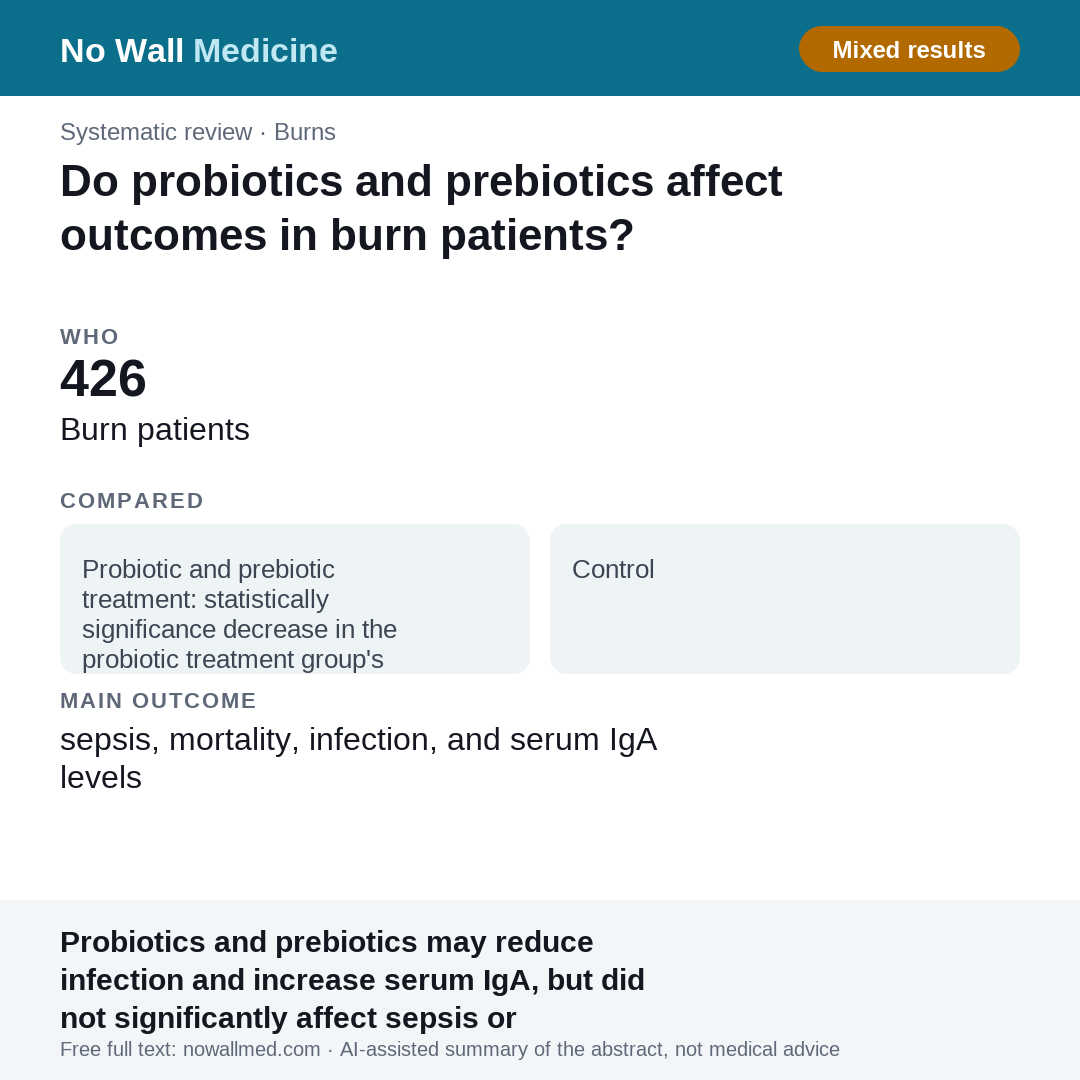
Probiotic and prebiotic interventions in burn patients: A systematic review
Systematic reviewMixed results
Do probiotics and prebiotics affect outcomes in burn patients?
Who
426
Burn patients
Compared
Probiotic and prebiotic treatment: statistically significance decrease in the probiotic treatment group's rate of infection (p < 0.0001)
Control
Main outcome
sepsis, mortality, infection, and serum IgA levels
Bottom line: Probiotics and prebiotics may reduce infection and increase serum IgA, but did not significantly affect sepsis or mortality.
Burns · 2026-02-14Download image
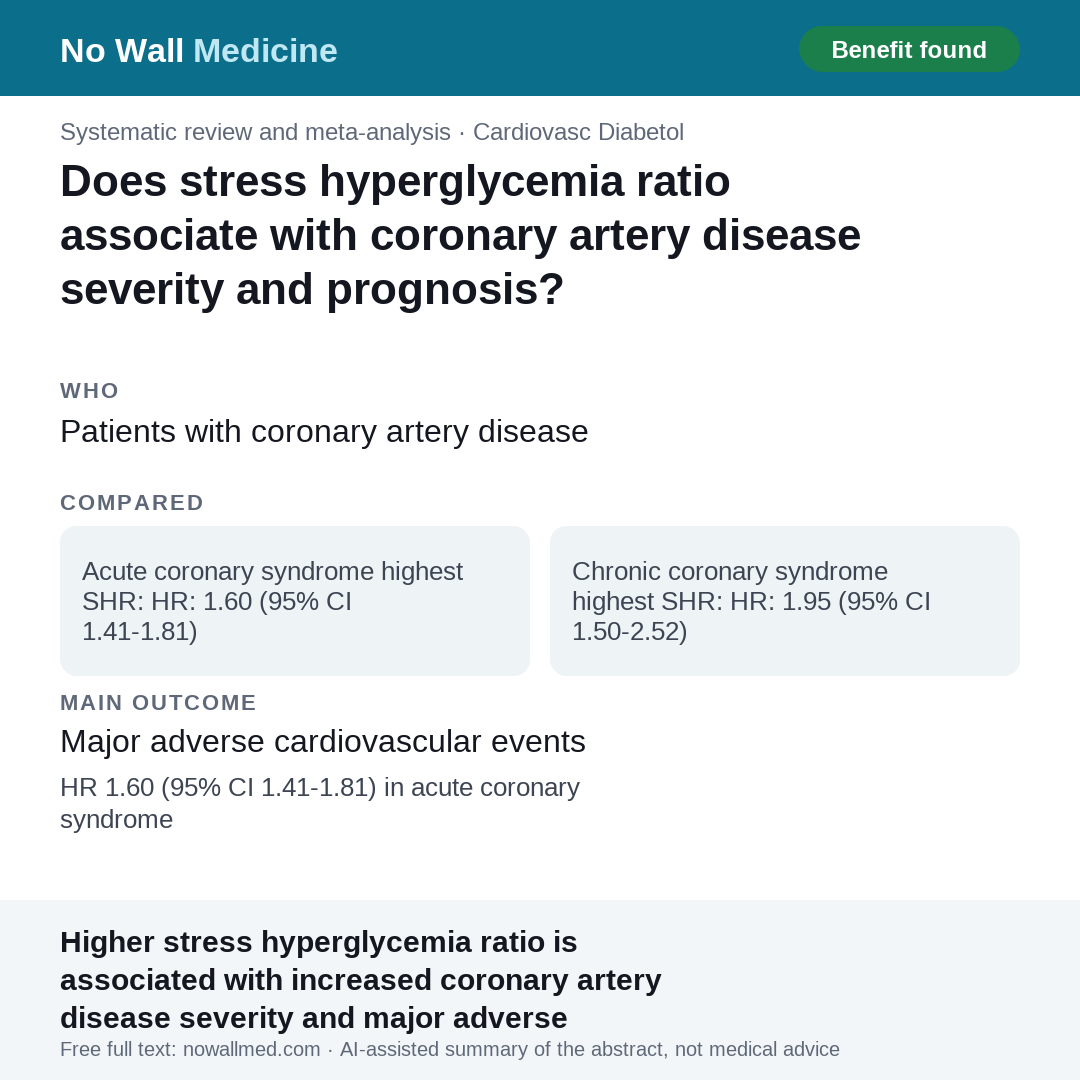
Stress hyperglycemia ratio in coronary artery disease: a systematic review and meta-analysis of severity and prognosis
Systematic review and meta-analysisKey finding
Does stress hyperglycemia ratio associate with coronary artery disease severity and prognosis?
Who
Patients with coronary artery disease
Compared
Acute coronary syndrome highest SHR: HR: 1.60 (95% CI 1.41-1.81)
Chronic coronary syndrome highest SHR: HR: 1.95 (95% CI 1.50-2.52)
Main outcome
Major adverse cardiovascular events
Result: HR 1.60 (95% CI 1.41-1.81) in acute coronary syndrome
Bottom line: Higher stress hyperglycemia ratio is associated with increased coronary artery disease severity and major adverse cardiovascular events.
Cardiovasc Diabetol · 2026-02-14Download image
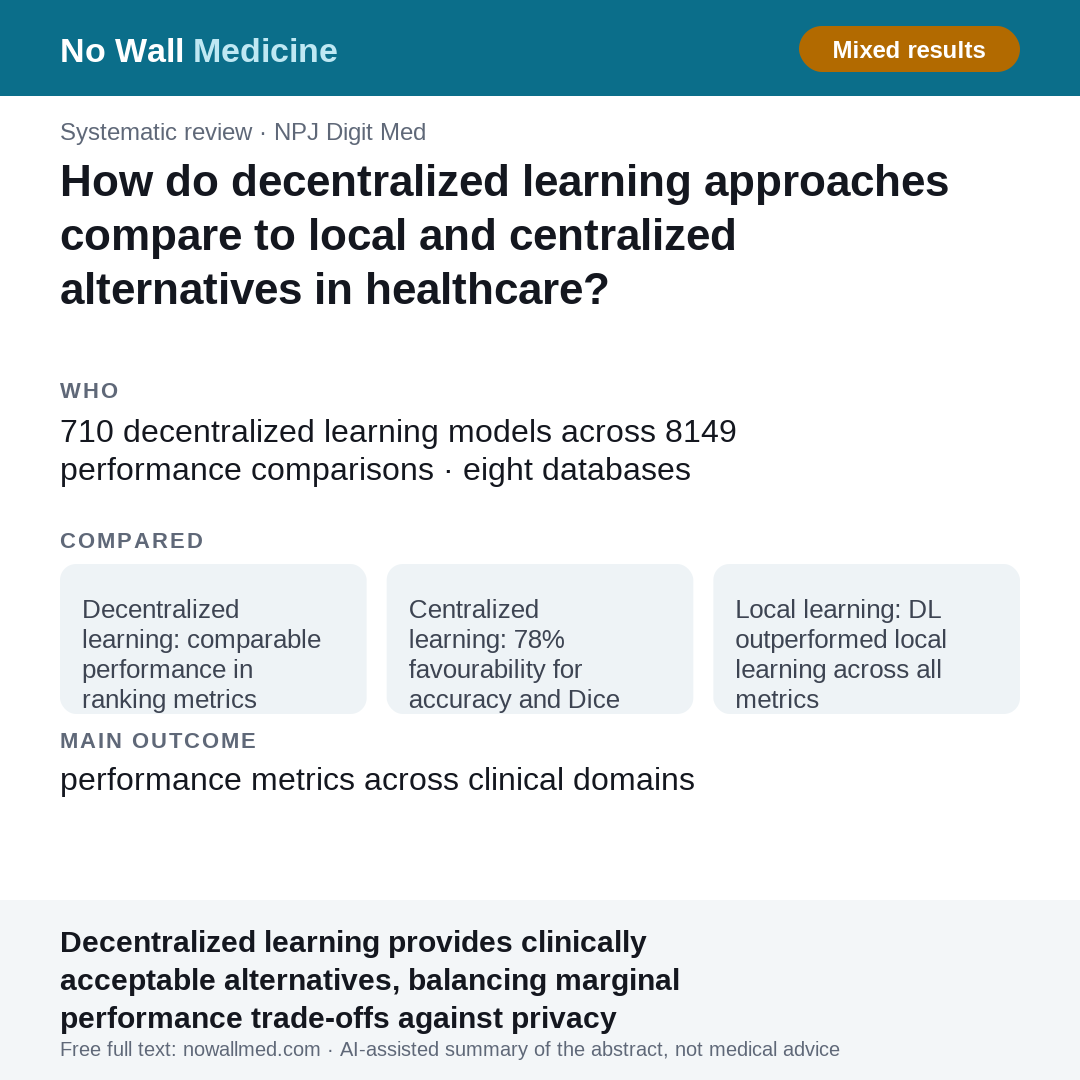
Comparing decentralized machine learning and AI clinical models to local and centralized alternatives: a systematic review
Systematic reviewMixed results
How do decentralized learning approaches compare to local and centralized alternatives in healthcare?
Who
710 decentralized learning models across 8149 performance comparisons · eight databases
Compared
Decentralized learning: comparable performance in ranking metrics
Centralized learning: 78% favourability for accuracy and Dice score
Local learning: DL outperformed local learning across all metrics
Main outcome
performance metrics across clinical domains
Bottom line: Decentralized learning provides clinically acceptable alternatives, balancing marginal performance trade-offs against privacy regulations and application needs.
NPJ Digit Med · 2026-02-14Download image
Geographic Disparities in Evidence Investigating the Use of Biologics in Chronic Rhinosinusitis
Systematic reviewMixed results
What are the geographic and demographic diversities in biologics research for chronic rhinosinusitis?
Who
169
Adults 18 years or older with chronic rhinosinusitis treated with biologic agents · Global
Compared
11.2%Studies disclosing race or ethnicity
39.6%Studies with industry funding
Main outcome
Diversity of populations, authors, and geographic representation in literature
Bottom line: Evidence is concentrated in the United States and Europe with inadequate disclosure of race and ethnicity.
Funded by: 39.6% of studies had industry funding
J Otolaryngol Head Neck Surg · 2026-02-14Download image

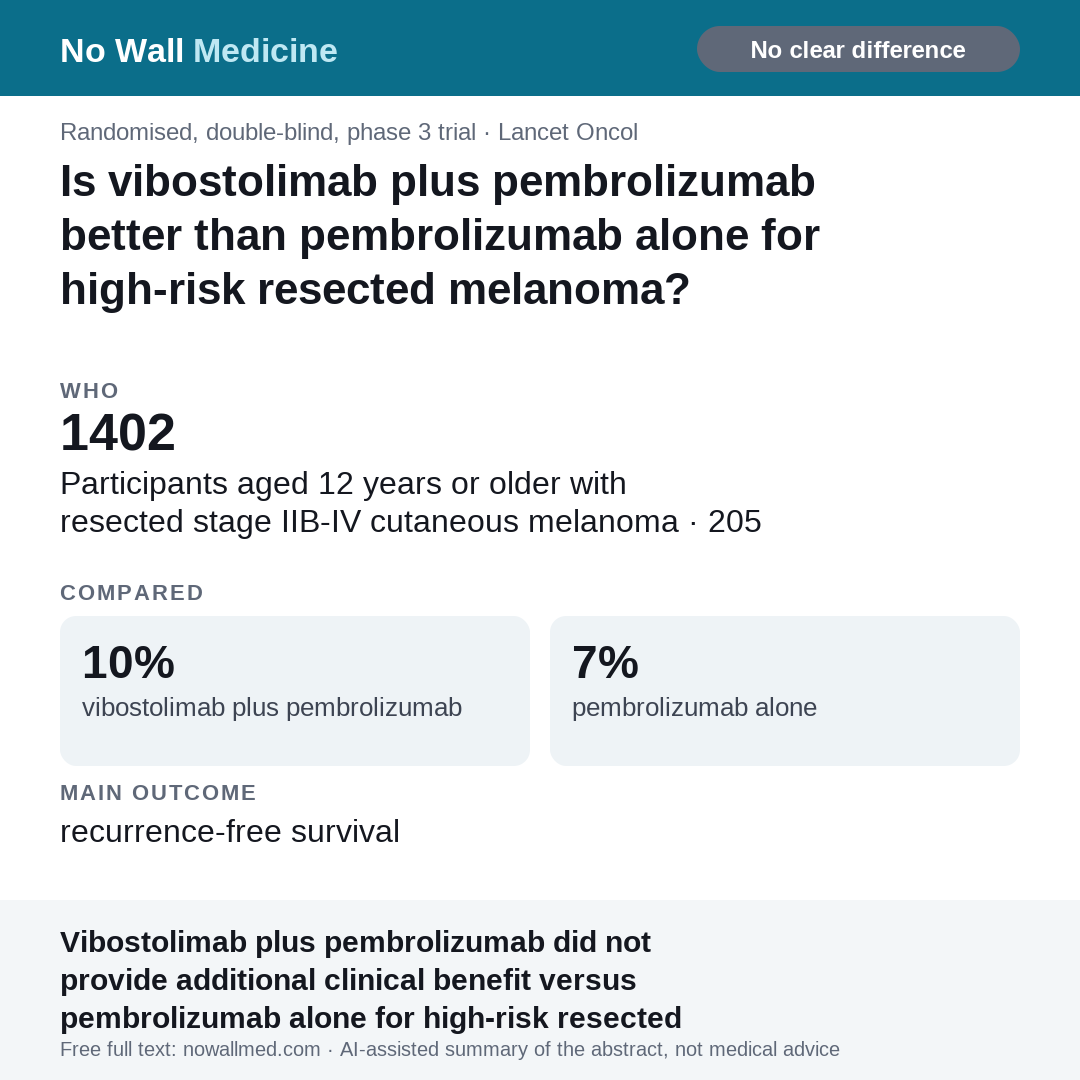
Vibostolimab coformulated with pembrolizumab versus pembrolizumab alone as adjuvant therapy for high-risk stage IIB-IV melanoma (KEYVIBE-010): a randomised, double-blind, phase 3 study
Randomised, double-blind, phase 3 trialNo clear difference
Is vibostolimab plus pembrolizumab better than pembrolizumab alone for high-risk resected melanoma?
Who
1402
Participants aged 12 years or older with resected stage IIB-IV cutaneous melanoma · 205 global sites
Compared
10%vibostolimab plus pembrolizumab (67/701)
7%pembrolizumab alone (52/701)
Main outcome
recurrence-free survival
Result: hazard ratio 1·25 (95% CI 0·9-1·8)
Bottom line: Vibostolimab plus pembrolizumab did not provide additional clinical benefit versus pembrolizumab alone for high-risk resected melanoma.
Funded by: Merck Sharp & Dohme
Lancet Oncol · 2026-02-13Download image
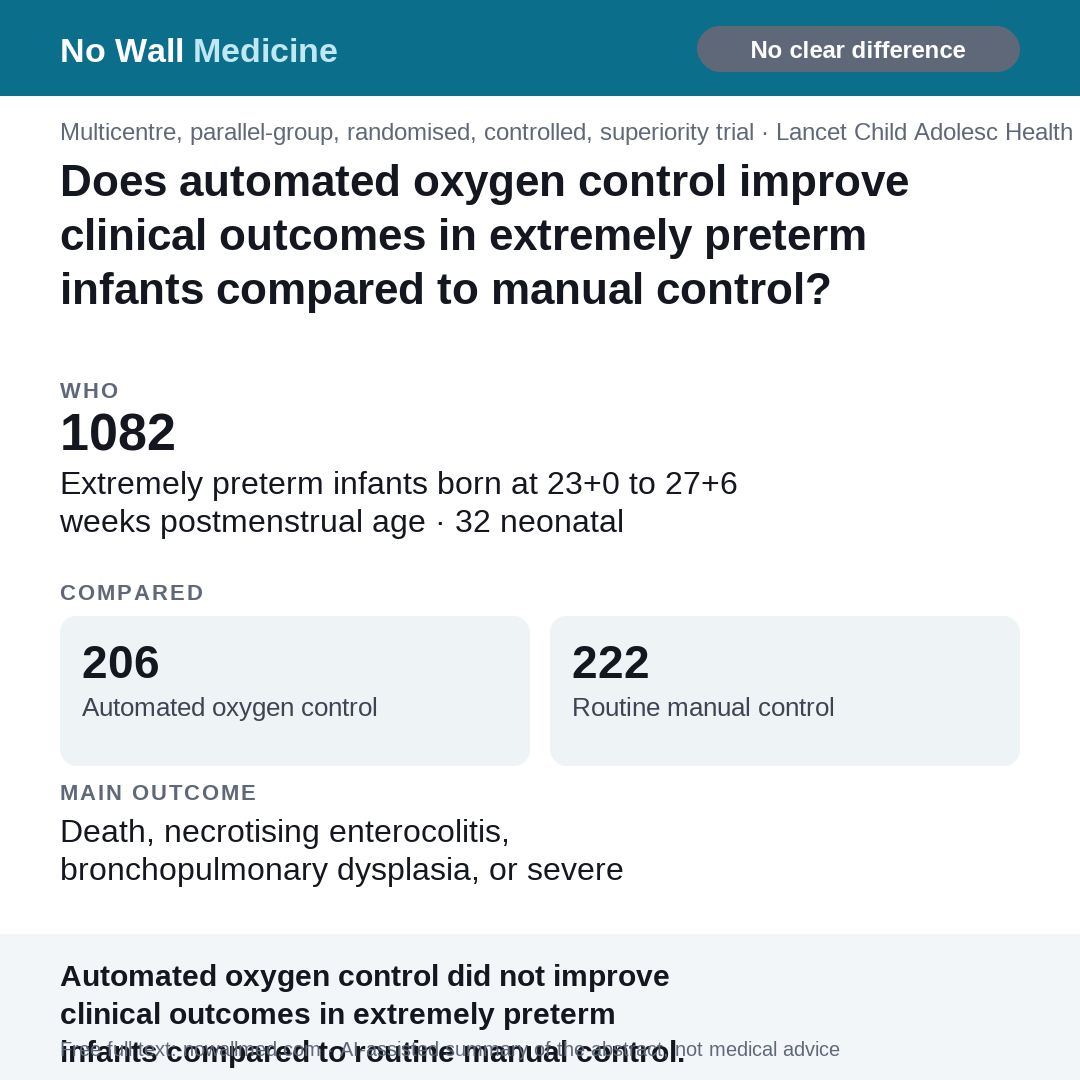
Automatic versus manual control of oxygen and neonatal clinical outcomes in extremely preterm infants: a multicentre, parallel-group, randomised, controlled, superiority trial
Multicentre, parallel-group, randomised, controlled, superiority trialNo clear difference
Does automated oxygen control improve clinical outcomes in extremely preterm infants compared to manual control?
Who
1082
Extremely preterm infants born at 23+0 to 27+6 weeks postmenstrual age · 32 neonatal intensive care units in China, Germany, Netherlands, and UK
Compared
206Automated oxygen control (39%)
222Routine manual control (41%)
Main outcome
Death, necrotising enterocolitis, bronchopulmonary dysplasia, or severe retinopathy of prematurity
Result: adjusted odds ratio 0·90, 97·5% CI 0·65-1·24
Bottom line: Automated oxygen control did not improve clinical outcomes in extremely preterm infants compared to routine manual control.
Funded by: German Federal Ministry of Education and Research
Lancet Child Adolesc Health · 2026-02-13Download image
Predictors of Readiness to Engage in Advance Care Planning Among Older Adults With Serious Illness: Baseline Findings From the EQUAL ACP Study
Cross-sectional analysis of baseline trial dataMixed results
What are the predictors of readiness to engage in advance care planning by race?
Who
792
Community-dwelling non-Hispanic African American and White adults aged 65 and older · 10 primary care clinics across five Southern United States states
Compared
African American: frequent religious service attendance mean difference 0.28 (95% CI: 0.08-0.47)
White: preference for pain relief over life extension mean difference 0.25 (95% CI: 0.05-0.45)
Main outcome
Readiness to engage in advance care planning
Bottom line: Readiness to engage in advance care planning was similar by race, but predictors like religious attendance and treatment preferences varied.
J Am Geriatr Soc · 2026-02-13Download image

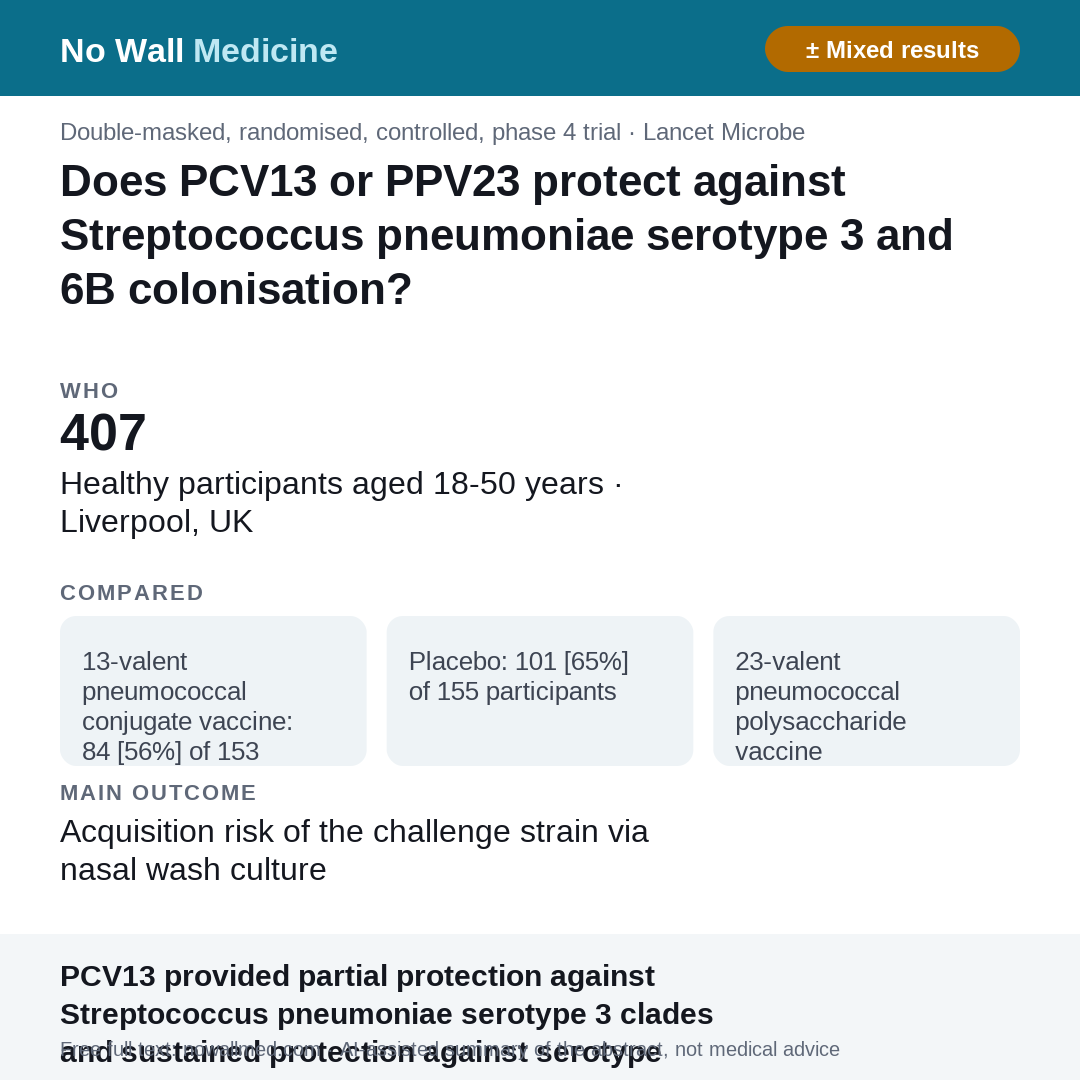
The effect of pneumococcal conjugate vaccine and pneumococcal polysaccharide vaccine on nasopharyngeal colonisation following human infection challenge with serotype 3 and serotype 6B (PREVENTING PNEUMO 2): a double-masked, randomised, controlled, phase 4 trial
Double-masked, randomised, controlled, phase 4 trialMixed results
Does PCV13 or PPV23 protect against Streptococcus pneumoniae serotype 3 and 6B colonisation?
Who
407
Healthy participants aged 18-50 years · Liverpool, UK
Compared
13-valent pneumococcal conjugate vaccine: 84 [56%] of 153 participants
Placebo: 101 [65%] of 155 participants
23-valent pneumococcal polysaccharide vaccine
Main outcome
Acquisition risk of the challenge strain via nasal wash culture
Result: relative risk 0·84, 95% CI 0·70-1·01
Bottom line: PCV13 provided partial protection against Streptococcus pneumoniae serotype 3 clades and sustained protection against serotype 6B, while PPV23 showed no protection.
Limitation: Recruitment for the second challenge was discontinued once the target number of participants was reached.
Lancet Microbe · 2026-02-13Download image
Rethinking Alzheimer's: novel miRNAs illuminate a disease beyond the brain
Meta-analysis of 22 studiesMixed results
What are the circulating microRNA changes in Alzheimer's disease?
Who
4186
4186 individuals with Alzheimer's disease
Compared
Alzheimer's disease: 194 miRNAs exhibited widespread changes
Control
Main outcome
circulating microRNA expression patterns
Bottom line: Meta-analysis identified 194 microRNAs with widespread changes, suggesting Alzheimer's involves systemic biological pathways.
Mol Psychiatry · 2026-02-13Download image

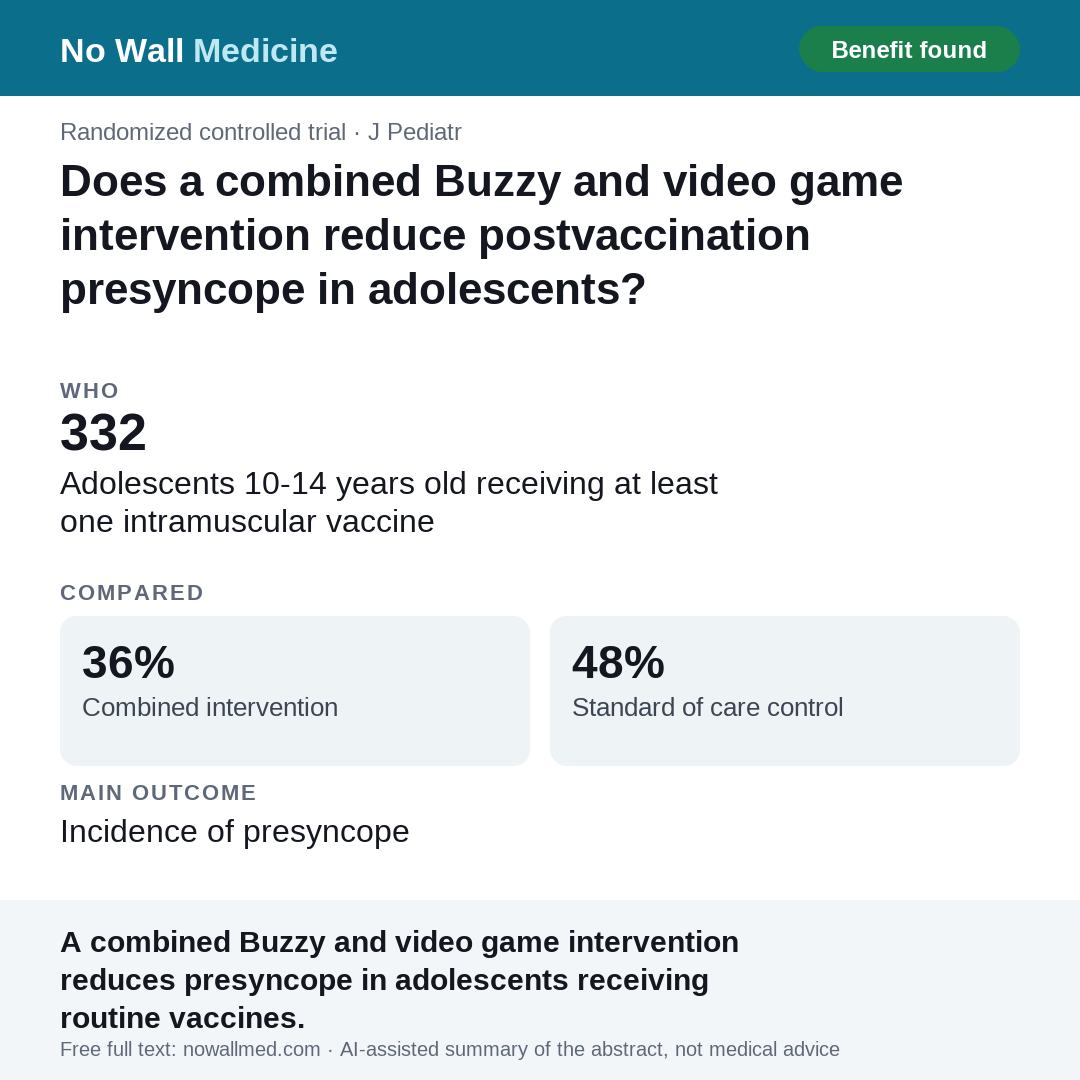
Preventing Postvaccination Presyncope and Syncope in Adolescents: A Randomized Controlled Trial of a Clinic-Based Intervention
Randomized controlled trialBenefit found
Does a combined Buzzy and video game intervention reduce postvaccination presyncope in adolescents?
Who
332
Adolescents 10-14 years old receiving at least one intramuscular vaccine
Compared
36%Combined intervention
48%Standard of care control
Main outcome
Incidence of presyncope
Bottom line: A combined Buzzy and video game intervention reduces presyncope in adolescents receiving routine vaccines.
J Pediatr · 2026-02-13Download image
Genetics of thrombotic thrombocytopenic purpura: systematic review in immune and congenital thrombotic thrombocytopenic purpura
Systematic reviewMixed results
What are the genetic factors influencing immune and congenital thrombotic thrombocytopenic purpura?
Who
Patients with immune and congenital thrombotic thrombocytopenic purpura
Compared
immune thrombotic thrombocytopenic purpura: HLA-DRB1*11 associated with increased risk
congenital thrombotic thrombocytopenic purpura: 364 variants identified
Main outcome
Genetic factors influencing disease risk and response
Bottom line: Genetic factors in thrombotic thrombocytopenic purpura are complex, involving HLA alleles and ADAMTS13 variants.
J Thromb Haemost · 2026-02-13Download image

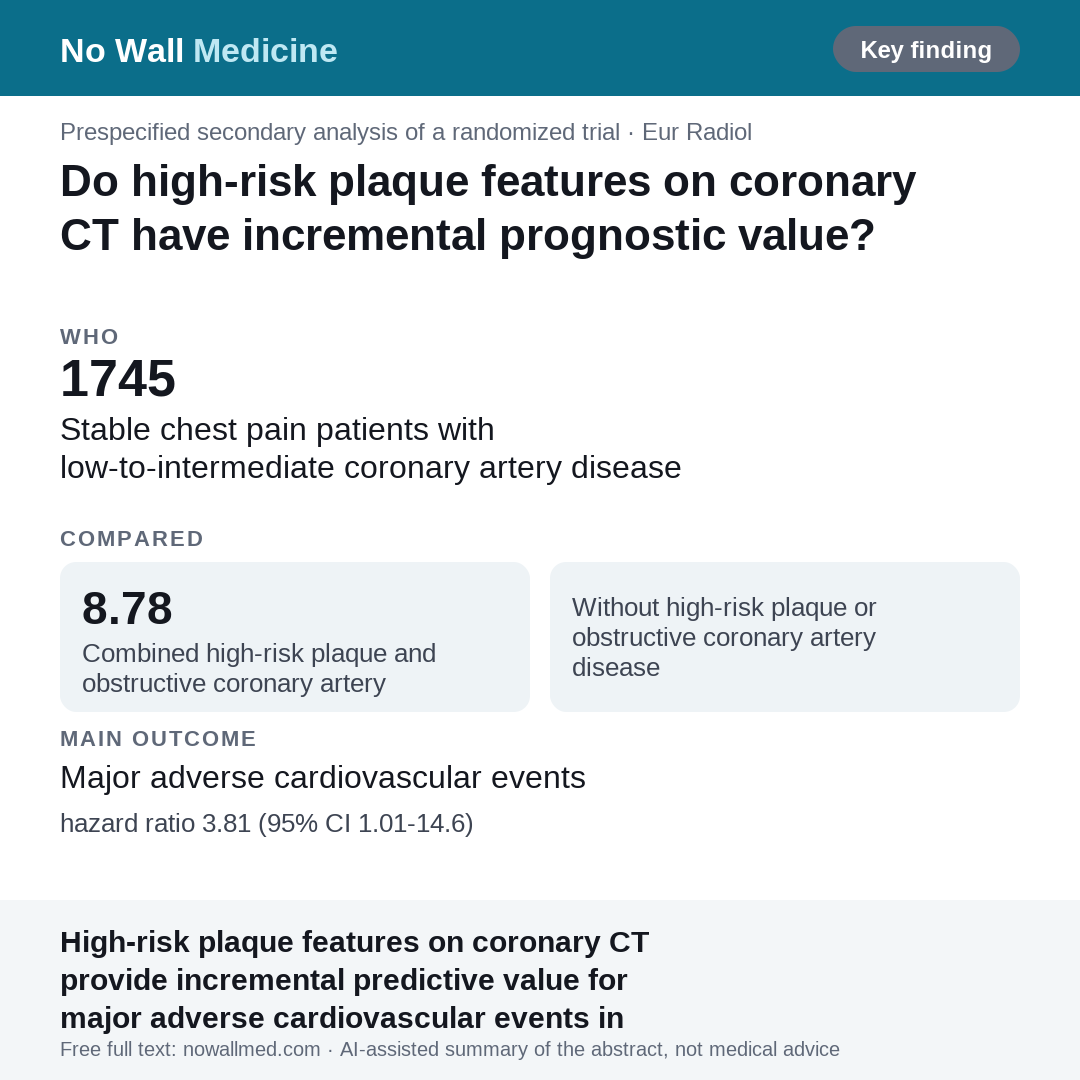
Association of high-risk CT coronary artery plaque features with major adverse cardiovascular events: a prespecified secondary analysis of the DISCHARGE trial
Prespecified secondary analysis of a randomized trialKey finding
Do high-risk plaque features on coronary CT have incremental prognostic value?
Who
1745
Stable chest pain patients with low-to-intermediate coronary artery disease probability · 26-center European cohort
Compared
8.78Combined high-risk plaque and obstructive coronary artery disease (95% CI 2.90-26.6)
Without high-risk plaque or obstructive coronary artery disease
Main outcome
Major adverse cardiovascular events
Result: hazard ratio 3.81 (95% CI 1.01-14.6)
Bottom line: High-risk plaque features on coronary CT provide incremental predictive value for major adverse cardiovascular events in stable chest pain patients.
Eur Radiol · 2026-02-13Download image
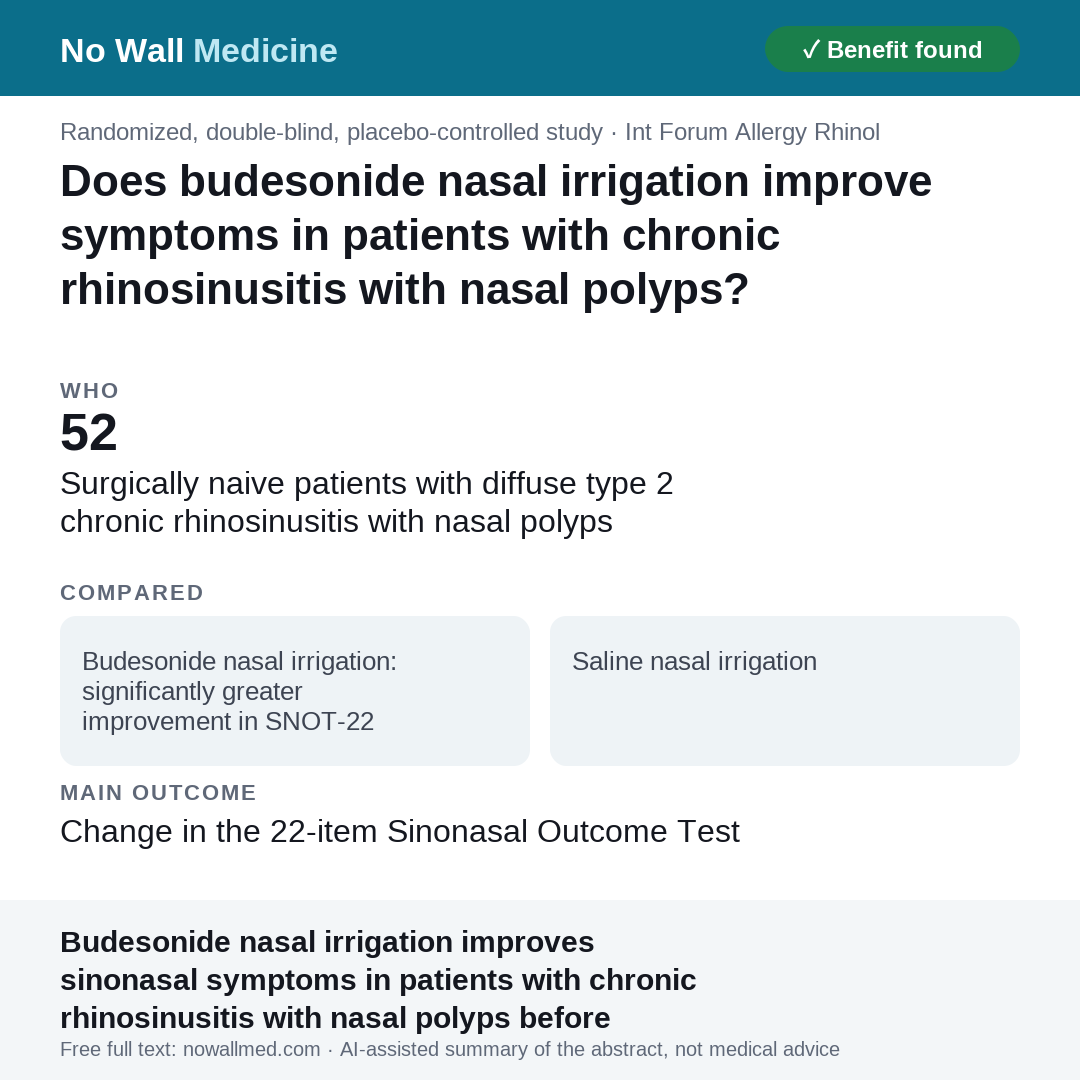
Effect of Budesonide Nasal Irrigation in Patients With Chronic Rhinosinusitis With Nasal Polyps Without Prior Sinus Surgery: A Randomized, Double-Blind, Placebo-Controlled Study
Randomized, double-blind, placebo-controlled studyBenefit found
Does budesonide nasal irrigation improve symptoms in patients with chronic rhinosinusitis with nasal polyps?
Who
52
Surgically naive patients with diffuse type 2 chronic rhinosinusitis with nasal polyps
Compared
Budesonide nasal irrigation: significantly greater improvement in SNOT-22
Saline nasal irrigation
Main outcome
Change in the 22-item Sinonasal Outcome Test
Result: mean difference: 18.1 points (95% CI: 3.4 to 32.8)
Bottom line: Budesonide nasal irrigation improves sinonasal symptoms in patients with chronic rhinosinusitis with nasal polyps before surgery.
Int Forum Allergy Rhinol · 2026-02-13Download image
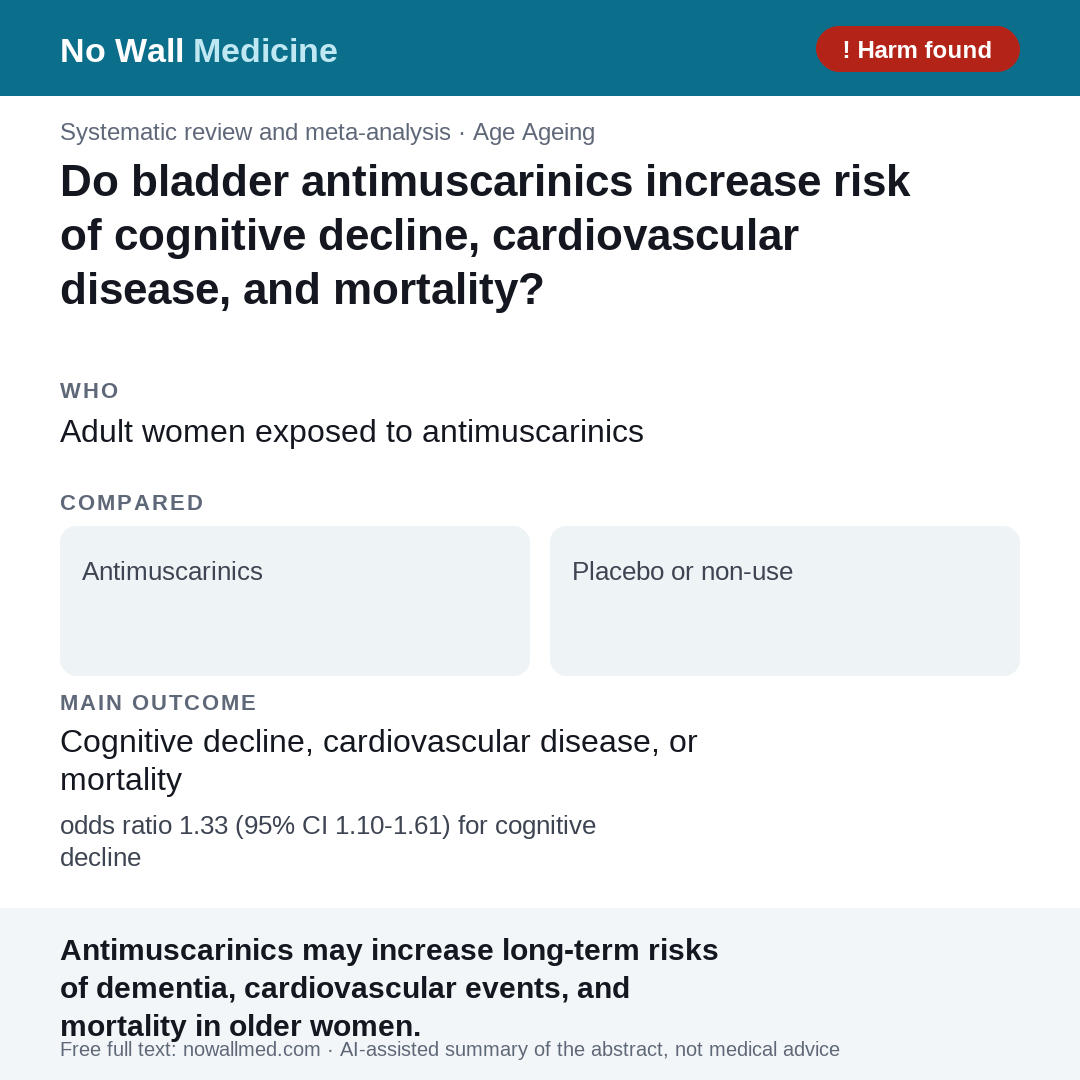
Antimuscarinic medication used for the treatment of overactive bladder in women and the risk of cognitive decline, cardiovascular disease and mortality-a systematic review
Systematic review and meta-analysisHarm found
Do bladder antimuscarinics increase risk of cognitive decline, cardiovascular disease, and mortality?
Who
Adult women exposed to antimuscarinics
Compared
Antimuscarinics
Placebo or non-use
Main outcome
Cognitive decline, cardiovascular disease, or mortality
Result: odds ratio 1.33 (95% CI 1.10-1.61) for cognitive decline
Bottom line: Antimuscarinics may increase long-term risks of dementia, cardiovascular events, and mortality in older women.
Limitation: Findings are constrained by the low quality of the underlying evidence and risk of bias.
Age Ageing · 2026-02-13Download image
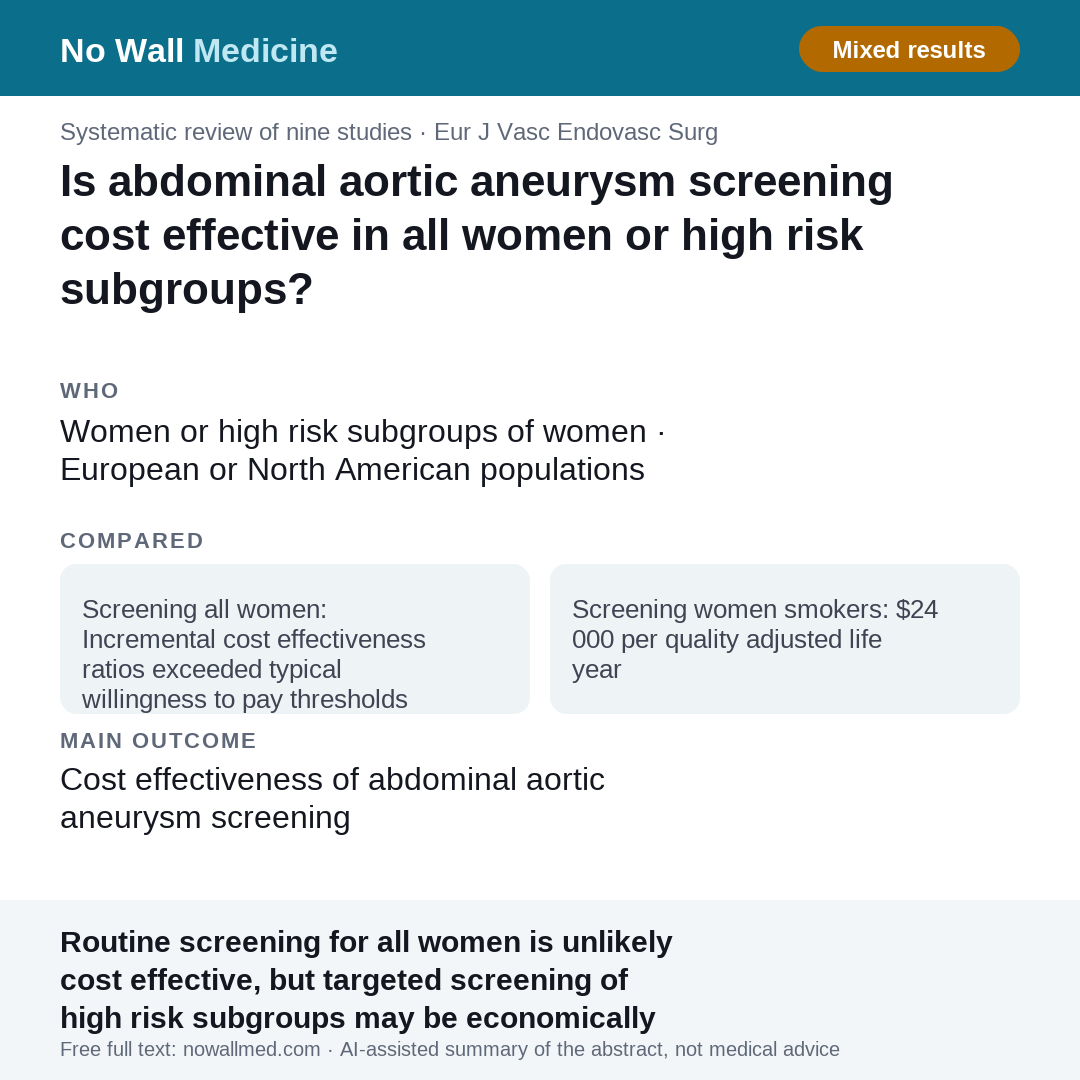
Editor's Choice - Systematic Review on the Cost Effectiveness of Abdominal Aortic Aneurysm Screening in Women
Systematic review of nine studiesMixed results
Is abdominal aortic aneurysm screening cost effective in all women or high risk subgroups?
Who
Women or high risk subgroups of women · European or North American populations
Compared
Screening all women: Incremental cost effectiveness ratios exceeded typical willingness to pay thresholds
Screening women smokers: $24 000 per quality adjusted life year
Main outcome
Cost effectiveness of abdominal aortic aneurysm screening
Bottom line: Routine screening for all women is unlikely cost effective, but targeted screening of high risk subgroups may be economically viable.
Limitation: Six studies at moderate and three at serious risk of bias
Eur J Vasc Endovasc Surg · 2026-02-13Download image
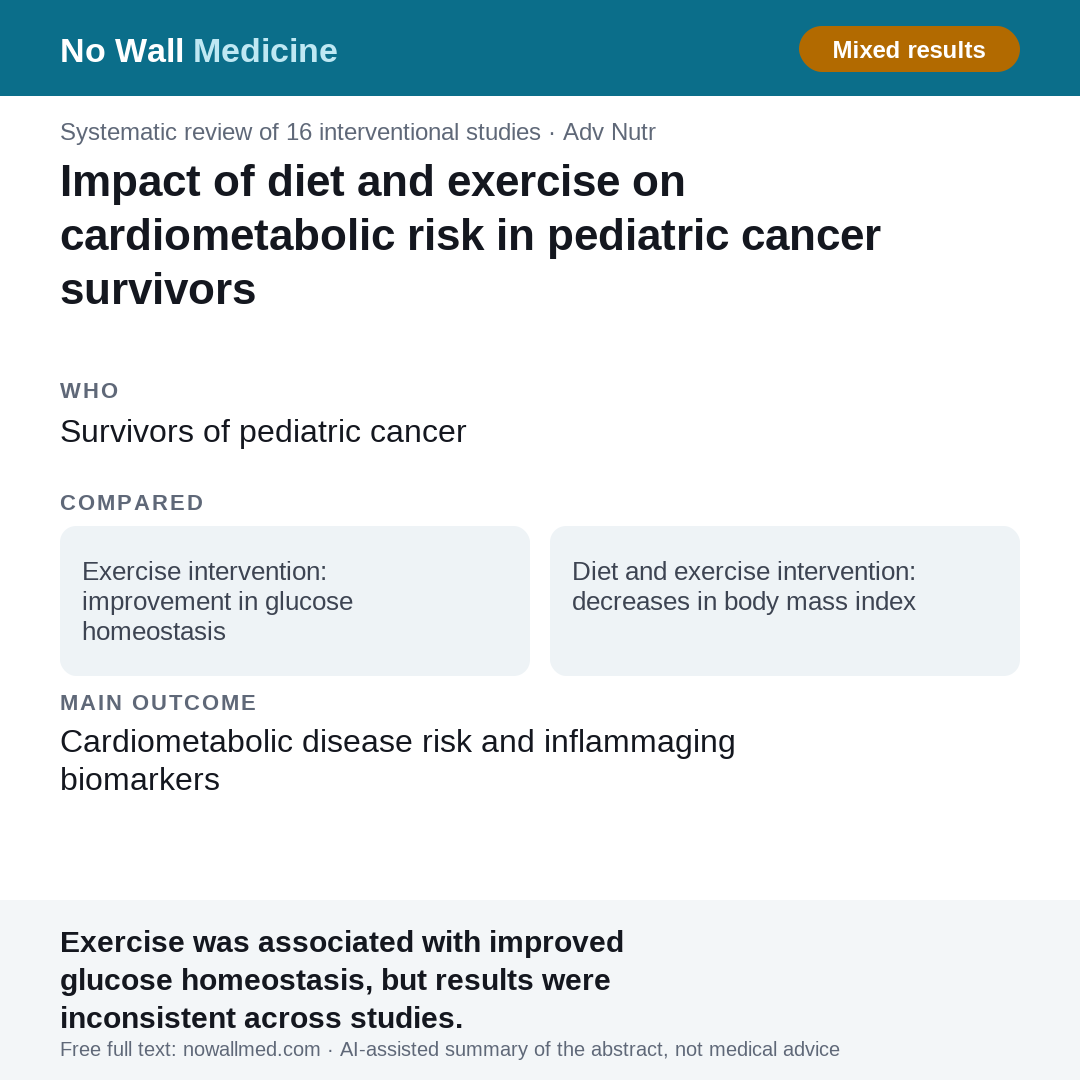
Diet and Exercise Interventions in Pediatric Cancer Survivors and Effects on Cardiometabolic Disease Risk and Inflammaging Biomarkers: A Systematic Review
Systematic review of 16 interventional studiesMixed results
Impact of diet and exercise on cardiometabolic risk in pediatric cancer survivors
Who
Survivors of pediatric cancer
Compared
Exercise intervention: improvement in glucose homeostasis
Diet and exercise intervention: decreases in body mass index
Main outcome
Cardiometabolic disease risk and inflammaging biomarkers
Bottom line: Exercise was associated with improved glucose homeostasis, but results were inconsistent across studies.
Limitation: Studies had a high risk of bias
Adv Nutr · 2026-02-13Download image
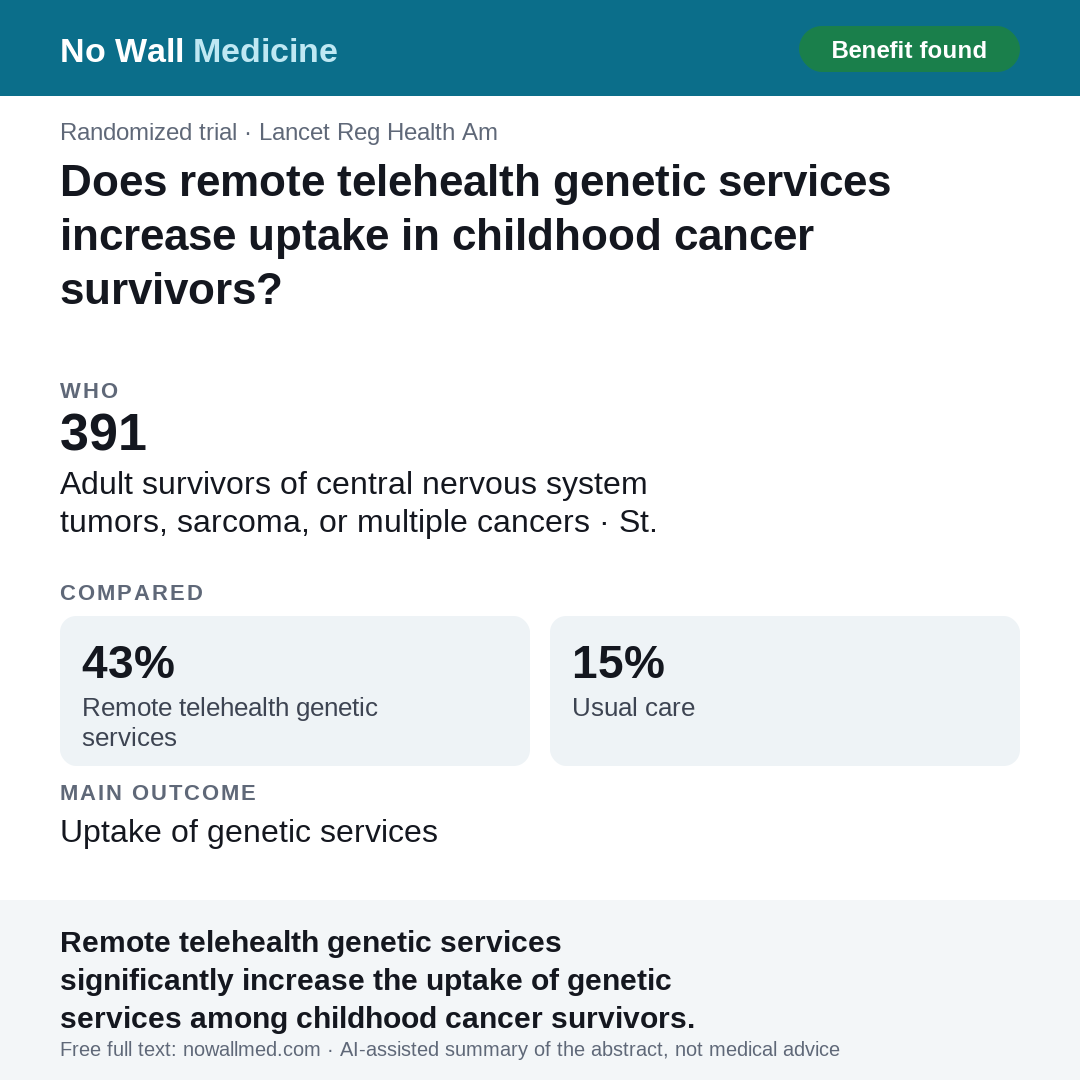
The ENGAGE study: a randomized trial optimizing uptake of germline cancer genetic services in childhood cancer survivors
Randomized trialBenefit found
Does remote telehealth genetic services increase uptake in childhood cancer survivors?
Who
391
Adult survivors of central nervous system tumors, sarcoma, or multiple cancers · St. Jude Research Hospital
Compared
43%Remote telehealth genetic services (113/262)
15%Usual care (19/129)
Main outcome
Uptake of genetic services
Result: odds ratio 4.4 (95% CI 2.5-8.0)
Bottom line: Remote telehealth genetic services significantly increase the uptake of genetic services among childhood cancer survivors.
Funded by: National Cancer Institute
Lancet Reg Health Am · 2026-02-13Download image
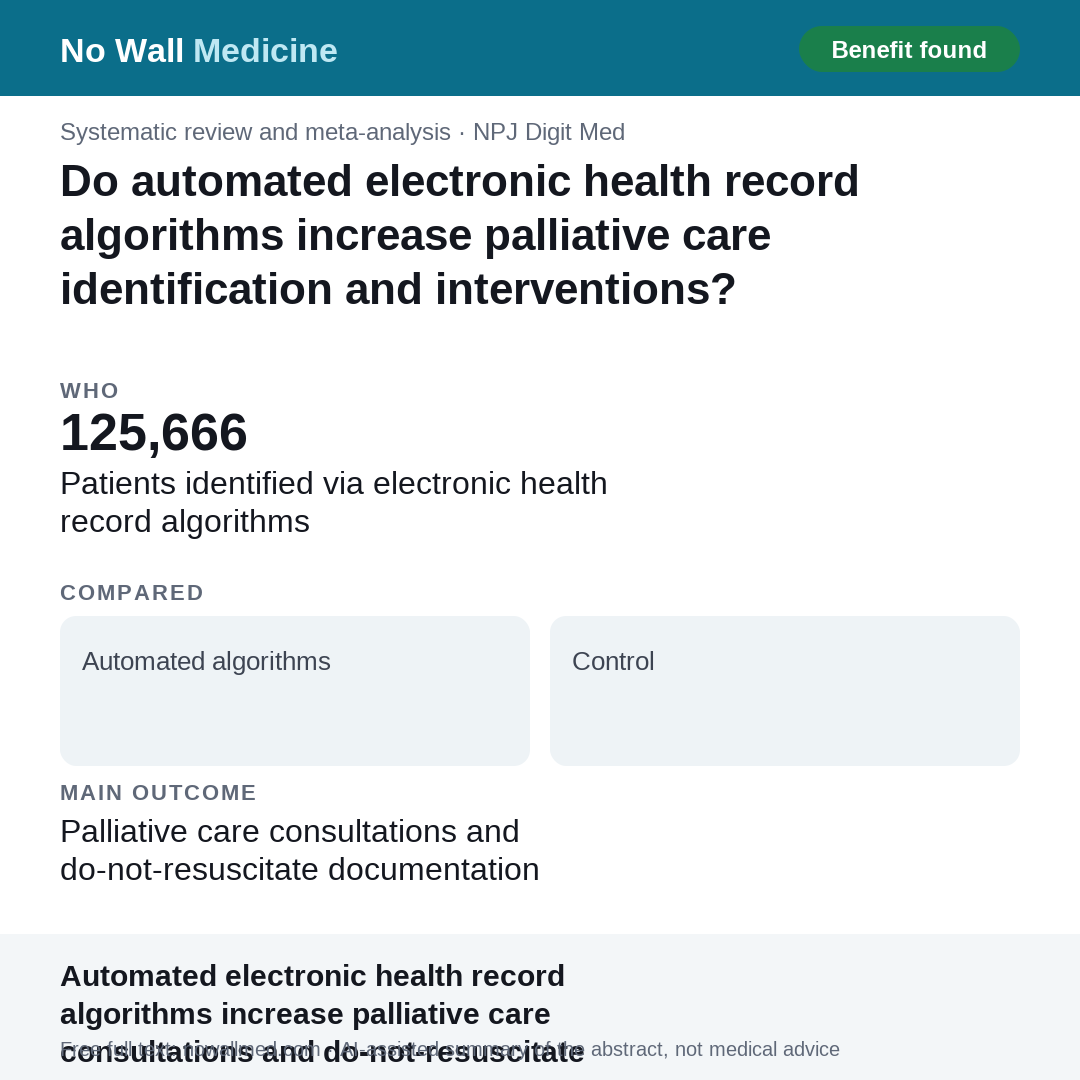
Automated algorithms for identifying patients requiring palliative care: a systematic review and meta‑analysis
Systematic review and meta-analysisBenefit found
Do automated electronic health record algorithms increase palliative care identification and interventions?
Who
125,666
Patients identified via electronic health record algorithms
Compared
Automated algorithms
Control
Main outcome
Palliative care consultations and do-not-resuscitate documentation
Result: noncancer: risk ratio 2.19 (95% CI 1.12 to 4.28); cancer: risk ratio 5.31 (95% CI 3.49 to 8.09)
Bottom line: Automated electronic health record algorithms increase palliative care consultations and do-not-resuscitate documentation.
NPJ Digit Med · 2026-02-13Download image