Visual abstracts
New randomized trials and meta-analyses from leading journals at a glance: who was studied, what was compared, and what was found. Every paper is free to read in full.
All specialtiesCardiology 370Oncology 289Gastroenterology & Hepatology 149Infectious Disease 288Neurology 168Psychiatry & Mental Health 238Pulmonology 169Critical Care 113Endocrinology & Diabetes 214Pediatrics 163Surgery 110Orthopedics & Sports Medicine 67Neurosurgery 23Cardiothoracic & Vascular Surgery 38Plastic & Reconstructive Surgery 73Nephrology 73Rheumatology 72Hematology 84Dermatology 38Ophthalmology 60Obstetrics & Gynecology 105Public & Global Health 110Radiology & Imaging 30Anesthesiology 62Urology 84ENT (Otolaryngology) 47Emergency Medicine 35Allergy & Immunology 44Geriatrics 105Family Medicine & Primary Care 59Medical Genetics & Genomics 34Pathology & Laboratory Medicine 5Physical Medicine & Rehabilitation 91Palliative Care 56Nutrition 125Digital Health & AI 310General Medicine 43
Effectiveness of eHealth Interventions for Adolescents and Young Adults With Congenital Heart Disease: Systematic Review
Systematic review and narrative synthesisMixed results
What is the effectiveness of eHealth interventions for adolescents and young adults with complex congenital heart disease?
Who
551
Adolescents and young adults aged 10-29 years with complex congenital heart disease
Compared
eHealth intervention groups: reported improvements in disease-specific knowledge, self-management, physical activity, psychosocial impact, and transition readiness
Control groups
Main outcome
disease-specific knowledge, self-management, physical activity, psychosocial impact, and transition readiness
Bottom line: Evidence for eHealth interventions in this population is inconsistent and limited by heterogeneity and high risk of bias.
Limitation: High risk of bias, heterogeneity, absence of theoretical foundations, and high dropout rates.
J Med Internet Res · 2026-07-08Download image

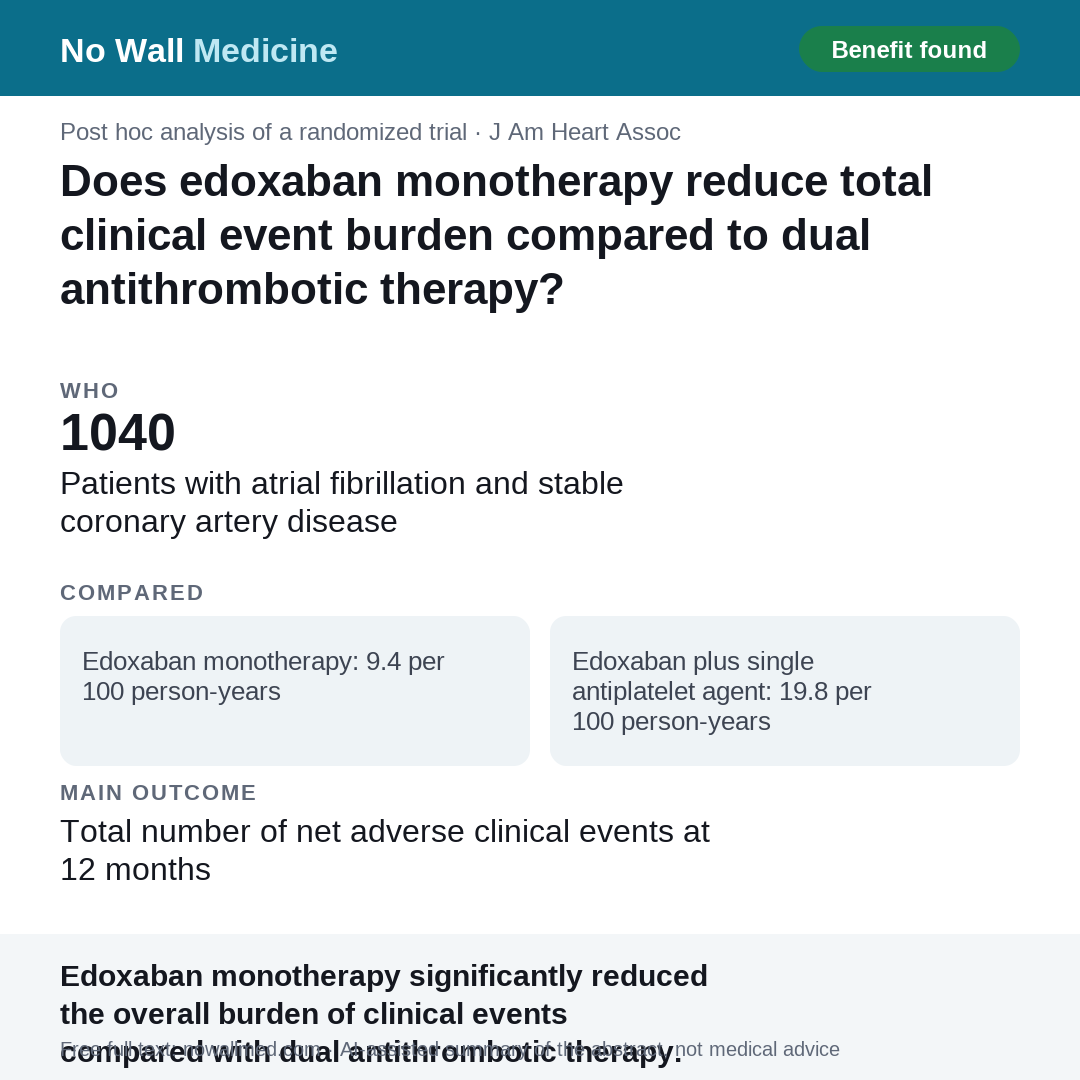
Total Clinical Event Burden With Edoxaban Monotherapy Versus Dual Antithrombotic Therapy in Atrial Fibrillation and Stable Coronary Artery Disease: Insights From the EPIC-CAD Trial
Post hoc analysis of a randomized trialBenefit found
Does edoxaban monotherapy reduce total clinical event burden compared to dual antithrombotic therapy?
Who
1040
Patients with atrial fibrillation and stable coronary artery disease
Compared
Edoxaban monotherapy: 9.4 per 100 person-years
Edoxaban plus single antiplatelet agent: 19.8 per 100 person-years
Main outcome
Total number of net adverse clinical events at 12 months
Result: incidence rate ratio, 0.47 (95% CI, 0.34-0.67)
Bottom line: Edoxaban monotherapy significantly reduced the overall burden of clinical events compared with dual antithrombotic therapy.
J Am Heart Assoc · 2026-07-08Download image
Bispecific 10E8.4/iMab broadly neutralizing antibody in people with or without HIV-1: a partially randomized phase 1 trial
Partially randomized phase 1 trialBenefit found
What are the safety and tolerability of bispecific 10E8.4/iMab antibody?
Who
54
People living with or without HIV-1
Compared
10E8.4/iMab: No treatment-related serious adverse events or adverse events grade 3 or higher
Placebo
Main outcome
Safety and tolerability within 2 weeks of administration
Bottom line: The bispecific 10E8.4/iMab antibody was met for safety and tolerability in people with or without HIV-1.
Nat Med · 2026-07-07Download image

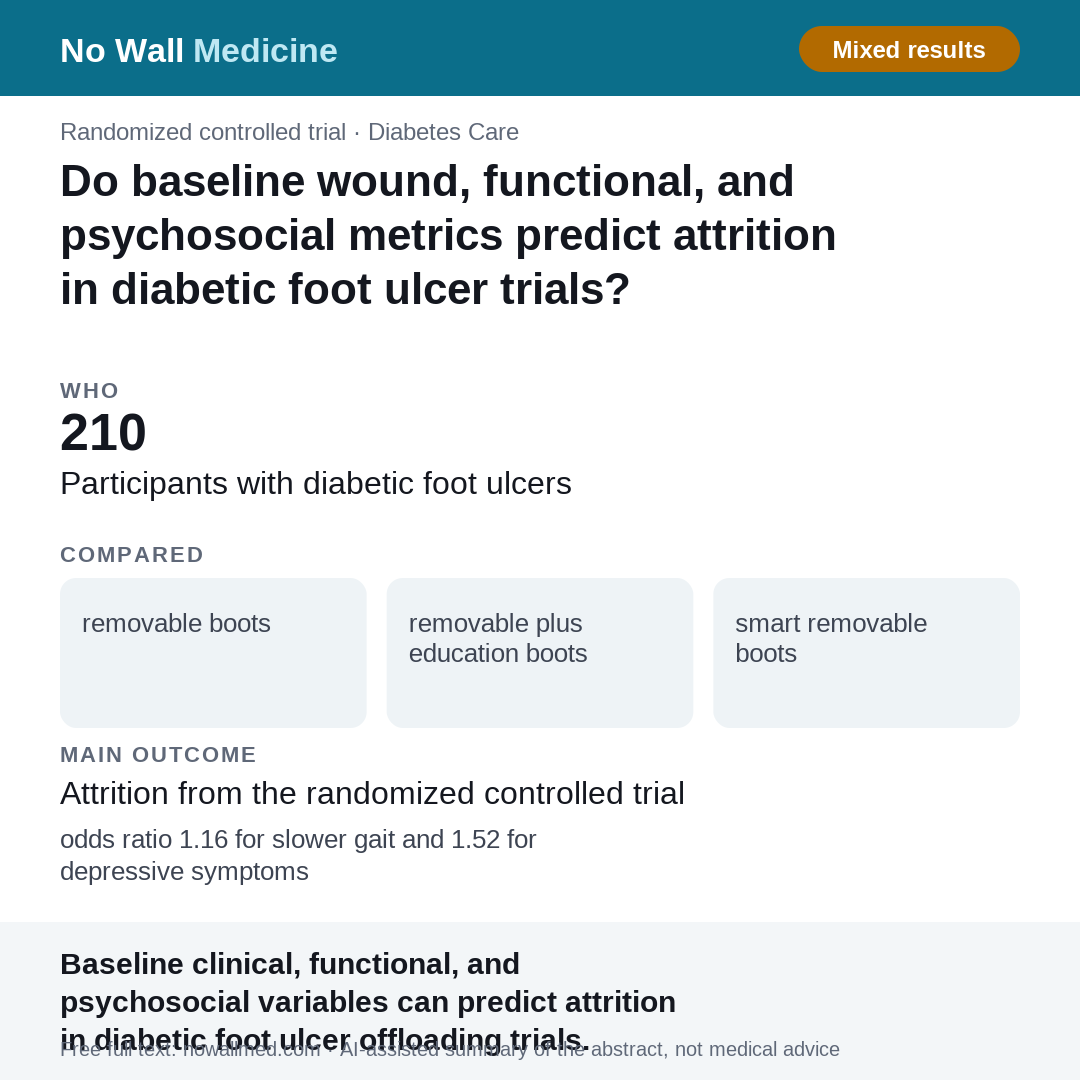
Predicting the Path to Attrition: Multidomain Risk Assessment in Diabetic Foot Ulcer Offloading Randomized Controlled Trials
Randomized controlled trialMixed results
Do baseline wound, functional, and psychosocial metrics predict attrition in diabetic foot ulcer trials?
Who
210
Participants with diabetic foot ulcers
Compared
removable boots
removable plus education boots
smart removable boots
Main outcome
Attrition from the randomized controlled trial
Result: odds ratio 1.16 for slower gait and 1.52 for depressive symptoms
Bottom line: Baseline clinical, functional, and psychosocial variables can predict attrition in diabetic foot ulcer offloading trials.
Diabetes Care · 2026-07-07Download image
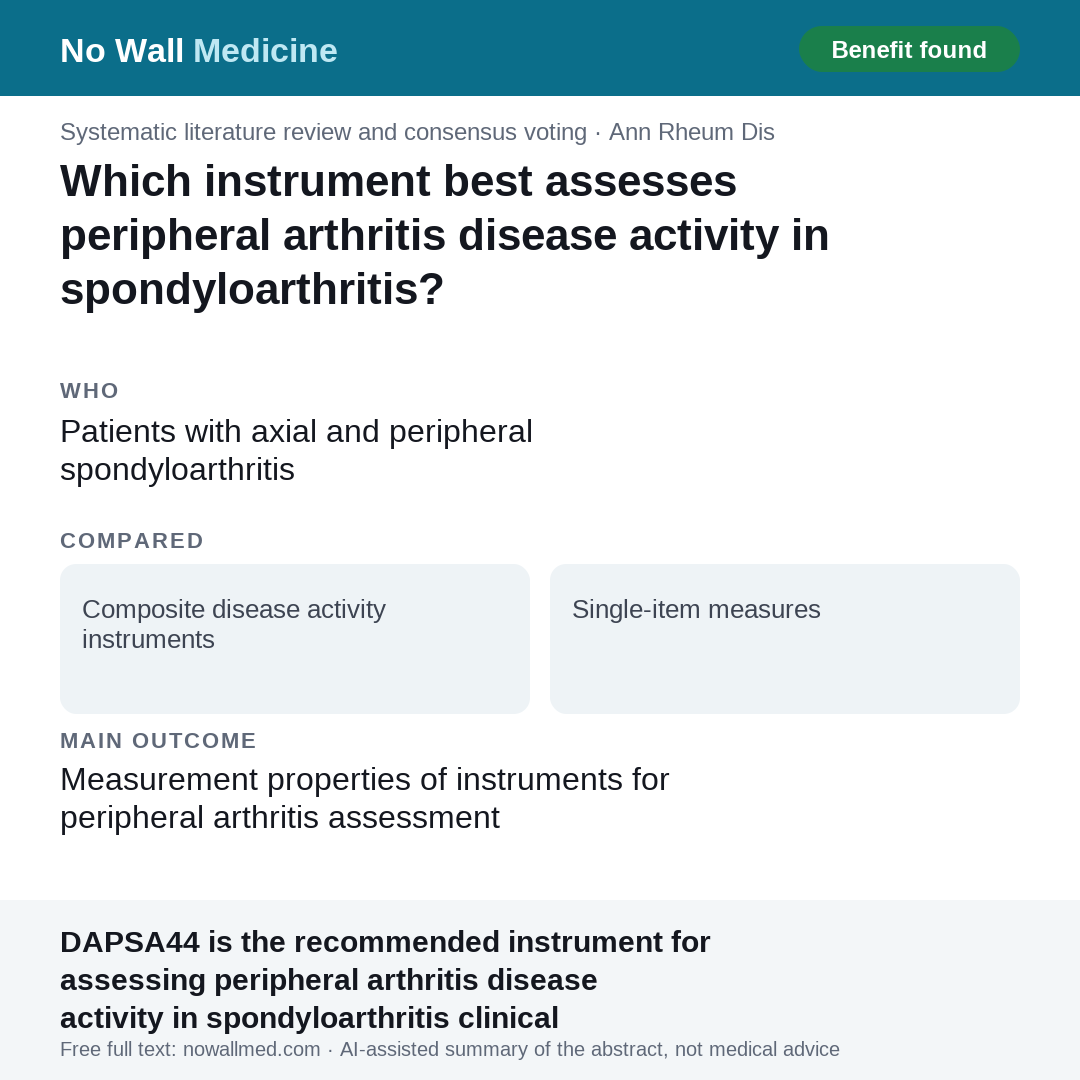
Instrument selection for the assessment of peripheral arthritis in axial and peripheral spondyloarthritis: an ASAS project
Systematic literature review and consensus votingBenefit found
Which instrument best assesses peripheral arthritis disease activity in spondyloarthritis?
Who
Patients with axial and peripheral spondyloarthritis
Compared
Composite disease activity instruments
Single-item measures
Main outcome
Measurement properties of instruments for peripheral arthritis assessment
Bottom line: DAPSA44 is the recommended instrument for assessing peripheral arthritis disease activity in spondyloarthritis clinical research.
Limitation: Evidence from the second systematic literature review was limited, particularly for axial spondyloarthritis with peripheral arthritis.
Ann Rheum Dis · 2026-07-07Download image
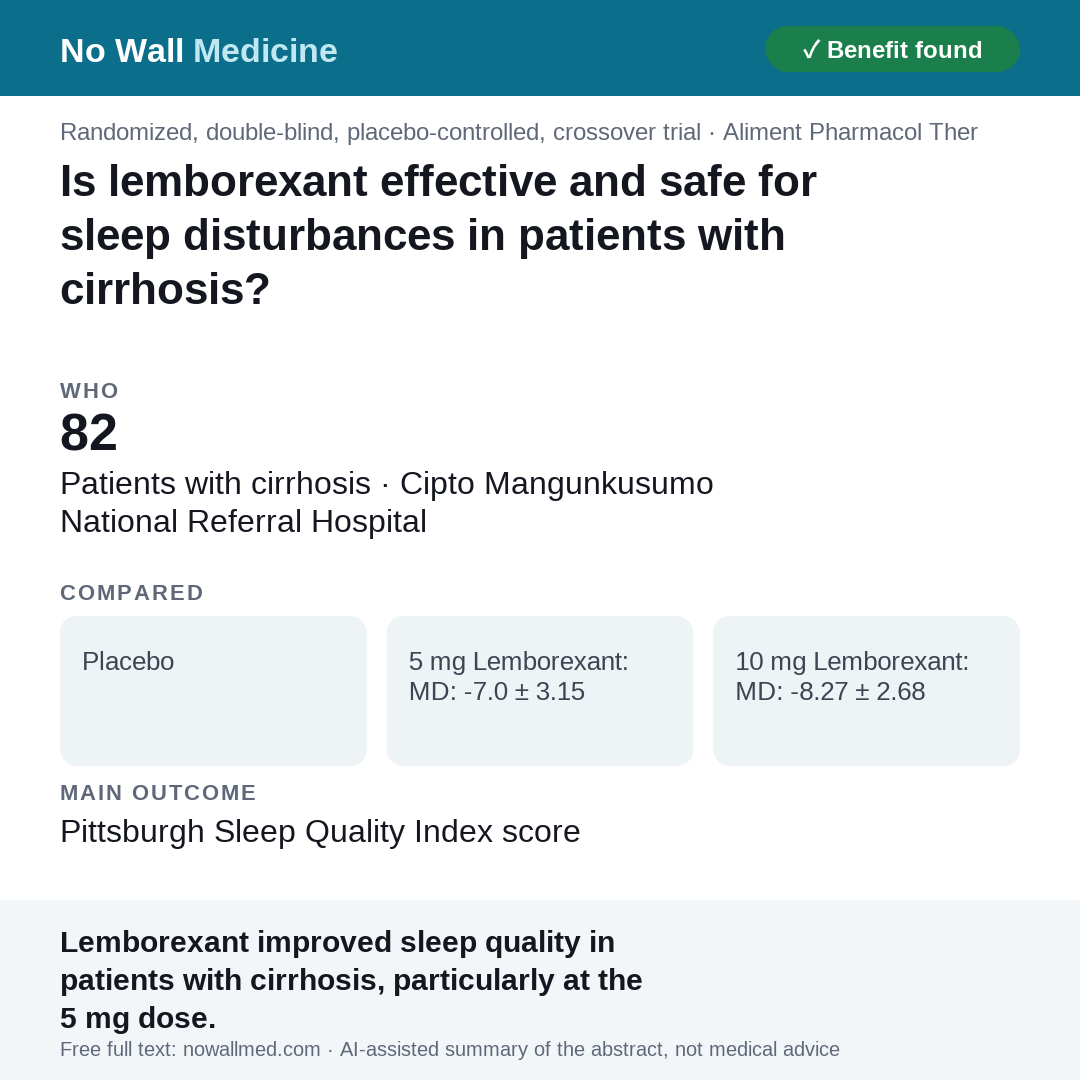
Clinical Trial: Lemborexant Efficacy and Safety in Liver Cirrhosis-Randomized, Double-Blind, Crossover Clinical Trial
Randomized, double-blind, placebo-controlled, crossover trialBenefit found
Is lemborexant effective and safe for sleep disturbances in patients with cirrhosis?
Who
82
Patients with cirrhosis · Cipto Mangunkusumo National Referral Hospital
Compared
Placebo
5 mg Lemborexant: MD: -7.0 ± 3.15
10 mg Lemborexant: MD: -8.27 ± 2.68
Main outcome
Pittsburgh Sleep Quality Index score
Bottom line: Lemborexant improved sleep quality in patients with cirrhosis, particularly at the 5 mg dose.
Limitation: Larger studies with longer follow-up are warranted to strengthen evidence.
Aliment Pharmacol Ther · 2026-07-07Download image
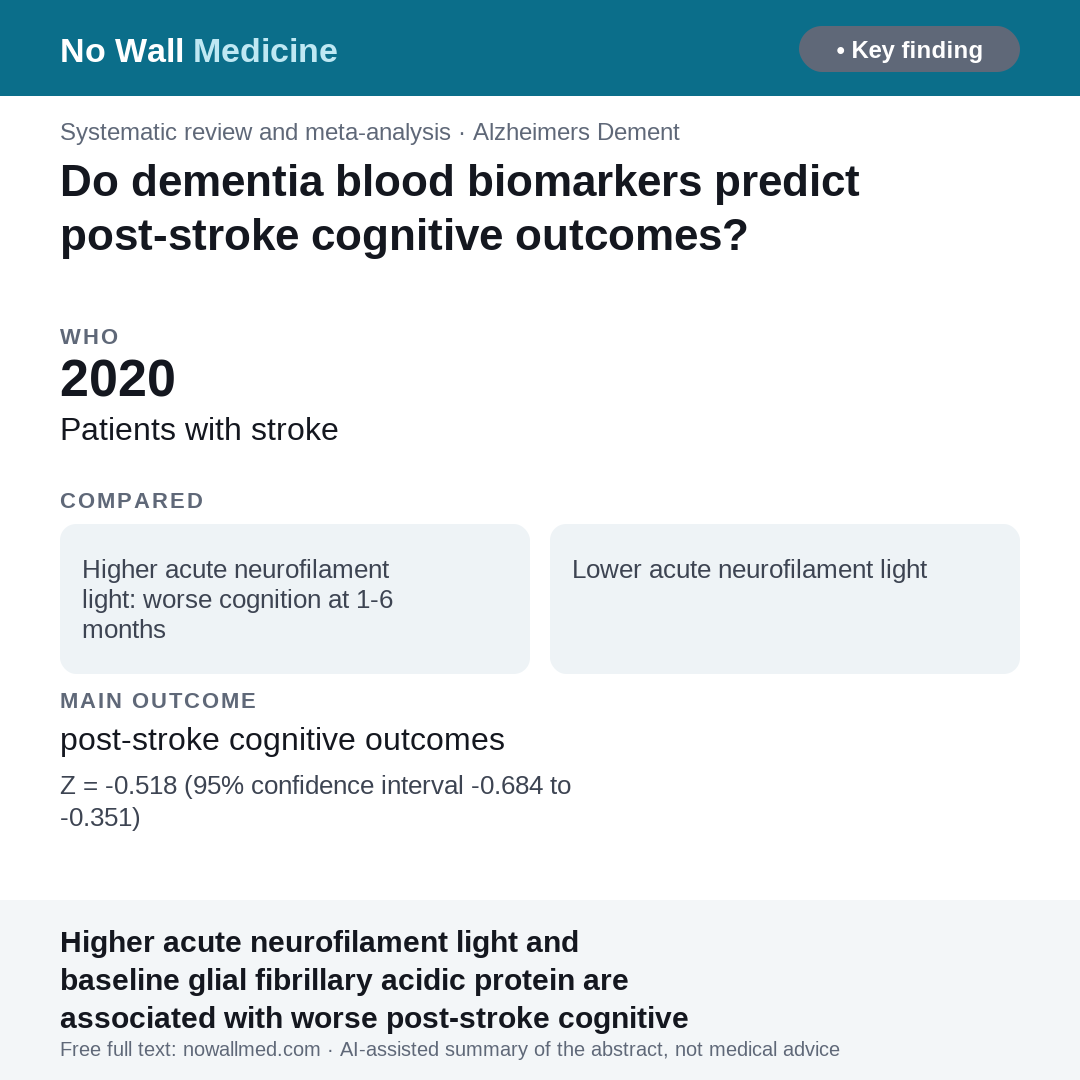
Dementia blood biomarkers in the context of post-stroke cognitive outcomes: Systematic review and evidence synthesis
Systematic review and meta-analysisBenefit found
Do dementia blood biomarkers predict post-stroke cognitive outcomes?
Who
2020
Patients with stroke
Compared
Higher acute neurofilament light: worse cognition at 1-6 months
Lower acute neurofilament light
Main outcome
post-stroke cognitive outcomes
Result: Z = -0.518 (95% confidence interval -0.684 to -0.351)
Bottom line: Higher acute neurofilament light and baseline glial fibrillary acidic protein are associated with worse post-stroke cognitive outcomes.
Limitation: Risk of bias was high.
Alzheimers Dement · 2026-07-07Download image
Extreme heat and mental health: systematic review and qualitative investigation of risk and protective factors
Systematic review and qualitative investigationMixed results
What are the risk and protective factors for heat-related mental health issues?
Who
People with lived experience of heat or mental illness
Compared
Risk factors
Protective factors
Main outcome
Risk and protective factors for mental health during extreme heat
Bottom line: Mental health impacts of extreme heat depend on demographic, socioeconomic, health, and lifestyle factors.
Limitation: Findings were inconsistent between studies due to differences in population and methodology.
Psychol Med · 2026-07-07Download image

Dupilumab treatment improves linear growth and bone biomarkers in children with atopic dermatitis: Post hoc analysis of a phase 3 randomized, placebo-controlled clinical trial and an open-label extension study
Randomized, placebo-controlled clinical trial and open-label extensionBenefit found
Does dupilumab improve linear growth and bone biomarkers in children with atopic dermatitis?
Who
Children aged 6 to 11 years with severe atopic dermatitis
Compared
Dupilumab: 31.3% achieved ≥5-percentile height increase at week 16
Placebo: 15.5% achieved ≥5-percentile height increase at week 16
Main outcome
Height percentile increase and bone alkaline phosphatase level
Bottom line: Dupilumab treatment was associated with height and bone alkaline phosphatase level improvements in children.
Limitation: One-year duration.
J Am Acad Dermatol · 2026-07-07Download image

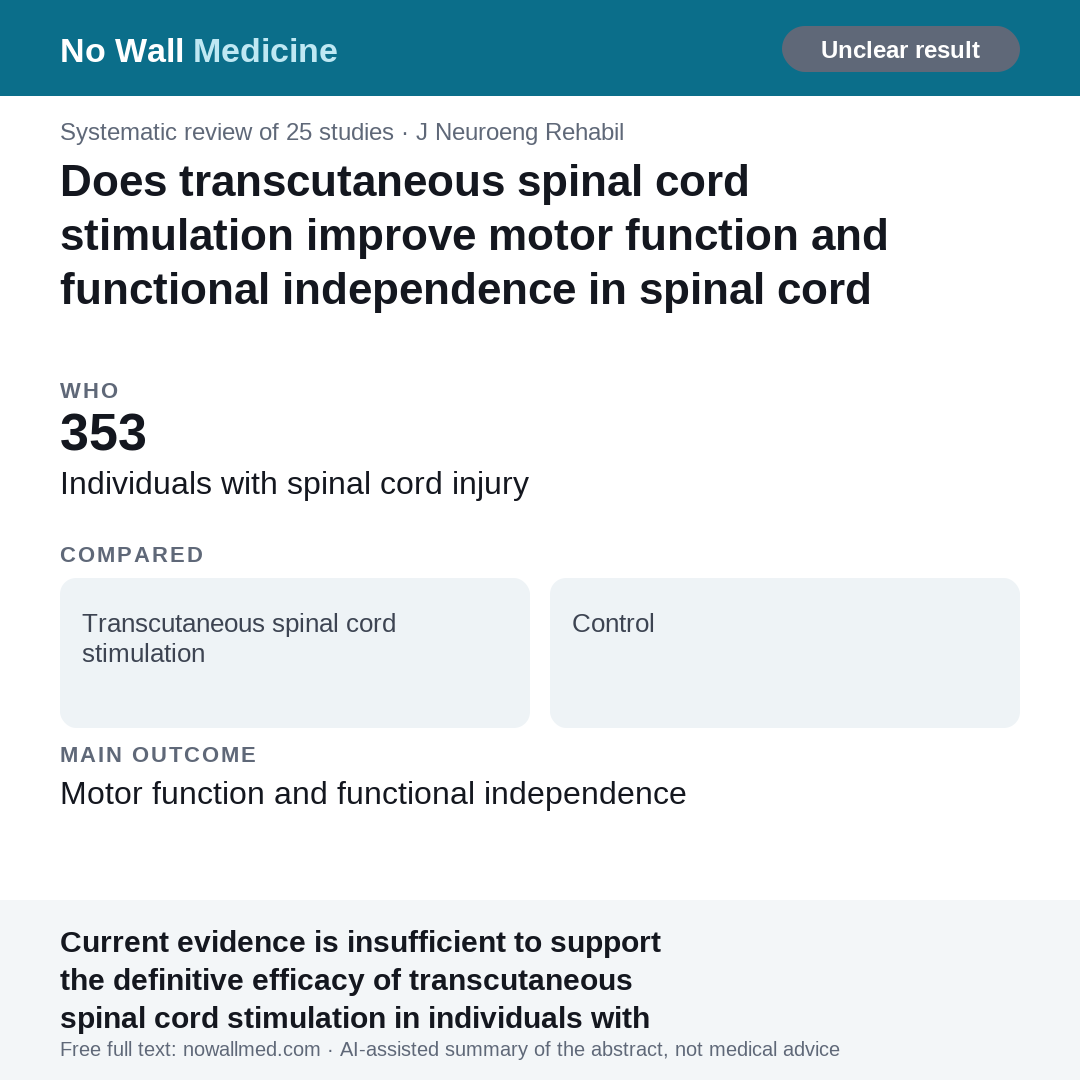
Transcutaneous spinal cord stimulation for motor function and functional independence in patients with spinal cord injury: a systematic review
Systematic review of 25 studiesUnclear result
Does transcutaneous spinal cord stimulation improve motor function and functional independence in spinal cord injury?
Who
353
Individuals with spinal cord injury
Compared
Transcutaneous spinal cord stimulation
Control
Main outcome
Motor function and functional independence
Bottom line: Current evidence is insufficient to support the definitive efficacy of transcutaneous spinal cord stimulation in individuals with spinal cord injury.
Limitation: Small sample sizes, methodological limitations, and substantial heterogeneity across studies.
J Neuroeng Rehabil · 2026-07-07Download image
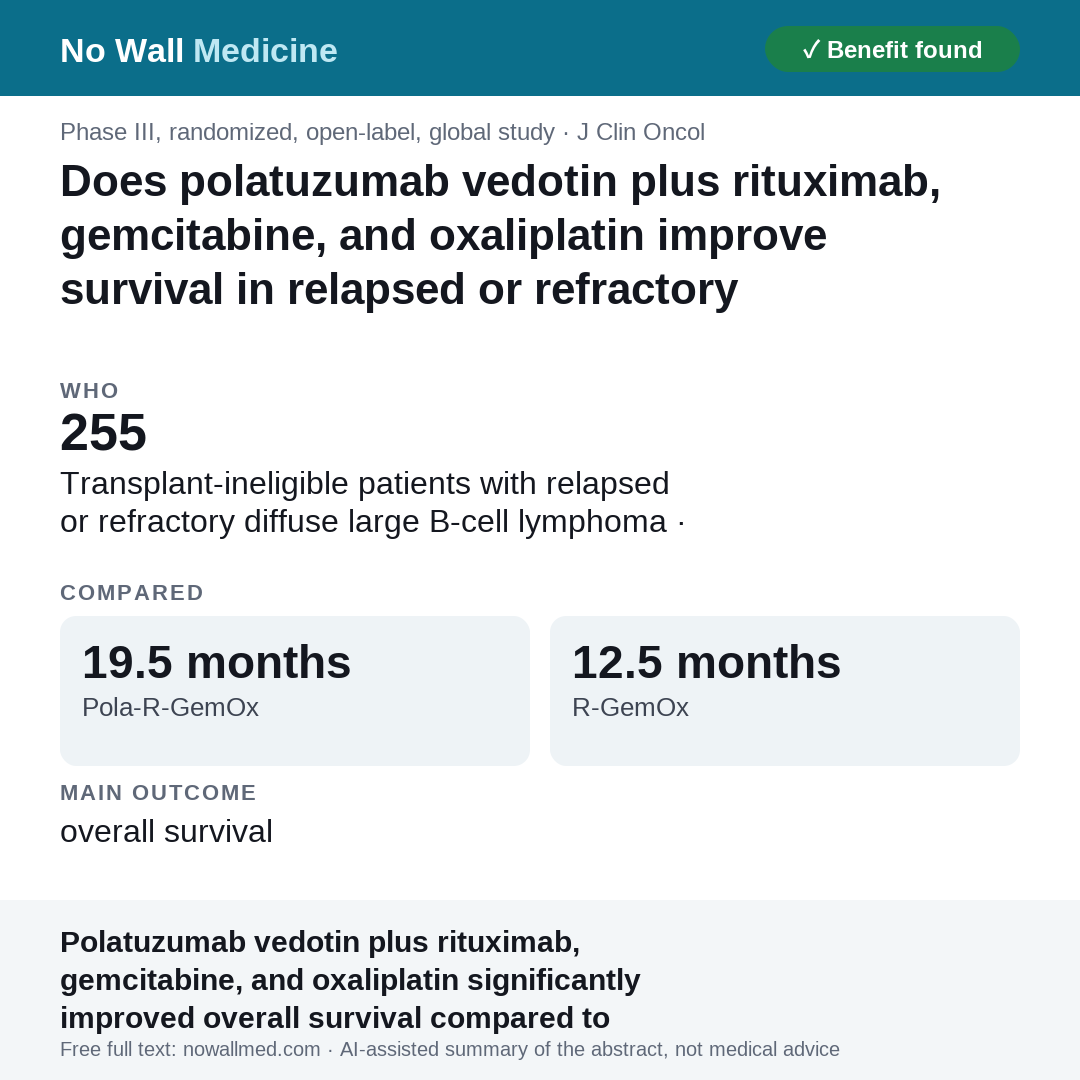
Polatuzumab Vedotin Plus Rituximab, Gemcitabine, and Oxaliplatin in Relapsed or Refractory Diffuse Large B-Cell Lymphoma: Results From the Phase III, Randomized POLARGO Trial
Phase III, randomized, open-label, global studyBenefit found
Does polatuzumab vedotin plus rituximab, gemcitabine, and oxaliplatin improve survival in relapsed or refractory diffuse large B-cell lymphoma?
Who
255
Transplant-ineligible patients with relapsed or refractory diffuse large B-cell lymphoma · Global
Compared
19.5 monthsPola-R-GemOx (95% CI, 13.3 to not estimable)
12.5 monthsR-GemOx (95% CI, 8.9 to 15.8)
Main outcome
overall survival
Result: hazard ratio 0.6 (95% CI 0.43 to 0.83)
Bottom line: Polatuzumab vedotin plus rituximab, gemcitabine, and oxaliplatin significantly improved overall survival compared to rituximab, gemcitabine, and oxaliplatin alone.
J Clin Oncol · 2026-07-06Download image
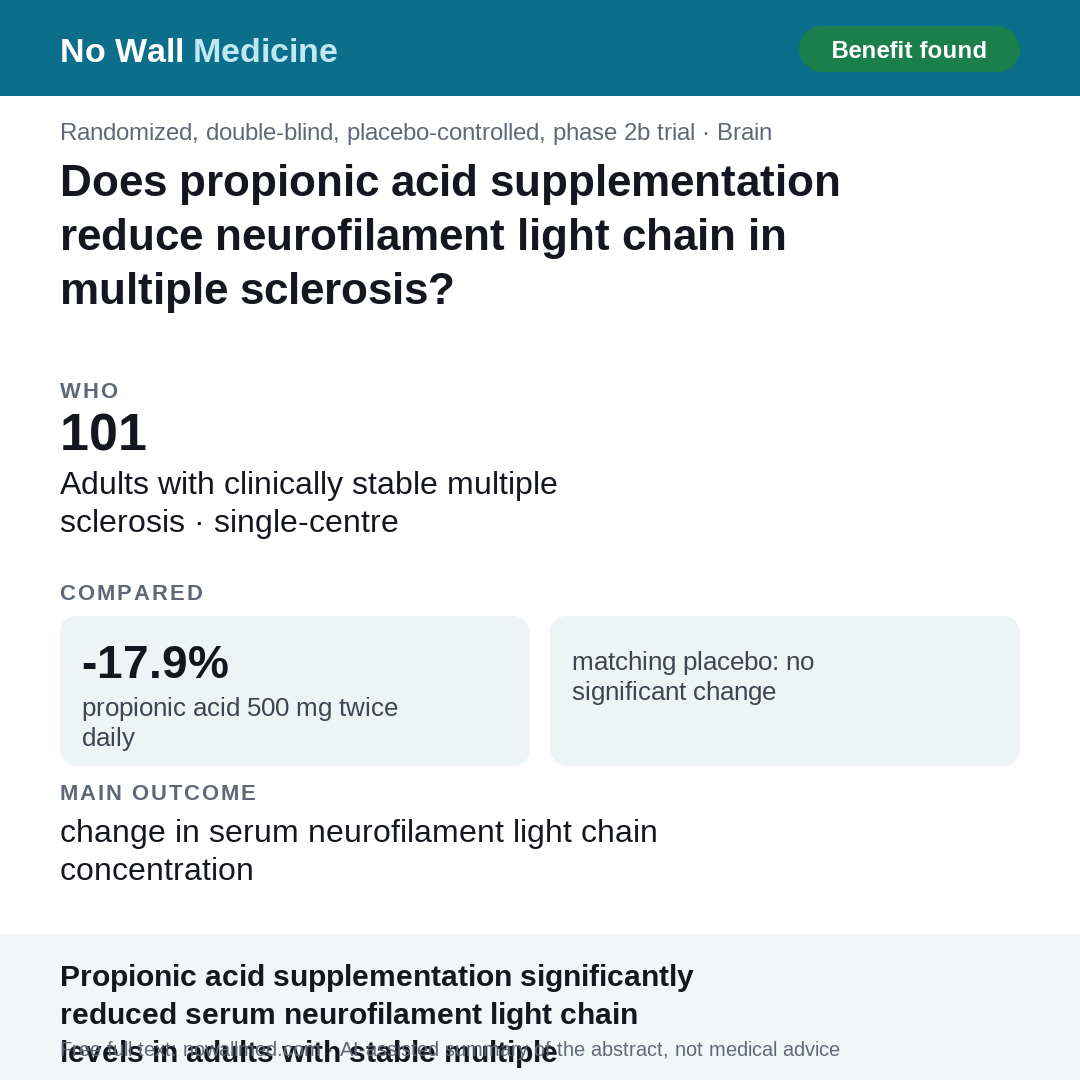
Propionic acid in multiple sclerosis: a phase 2b, double-blind, randomized placebo-controlled trial
Randomized, double-blind, placebo-controlled, phase 2b trialBenefit found
Does propionic acid supplementation reduce neurofilament light chain in multiple sclerosis?
Who
101
Adults with clinically stable multiple sclerosis · single-centre
Compared
-17.9%propionic acid 500 mg twice daily
matching placebo: no significant change
Main outcome
change in serum neurofilament light chain concentration
Result: mean difference 0.91 pg/ml (95% CI 0.02 to 1.79)
Bottom line: Propionic acid supplementation significantly reduced serum neurofilament light chain levels in adults with stable multiple sclerosis.
Brain · 2026-07-06Download image
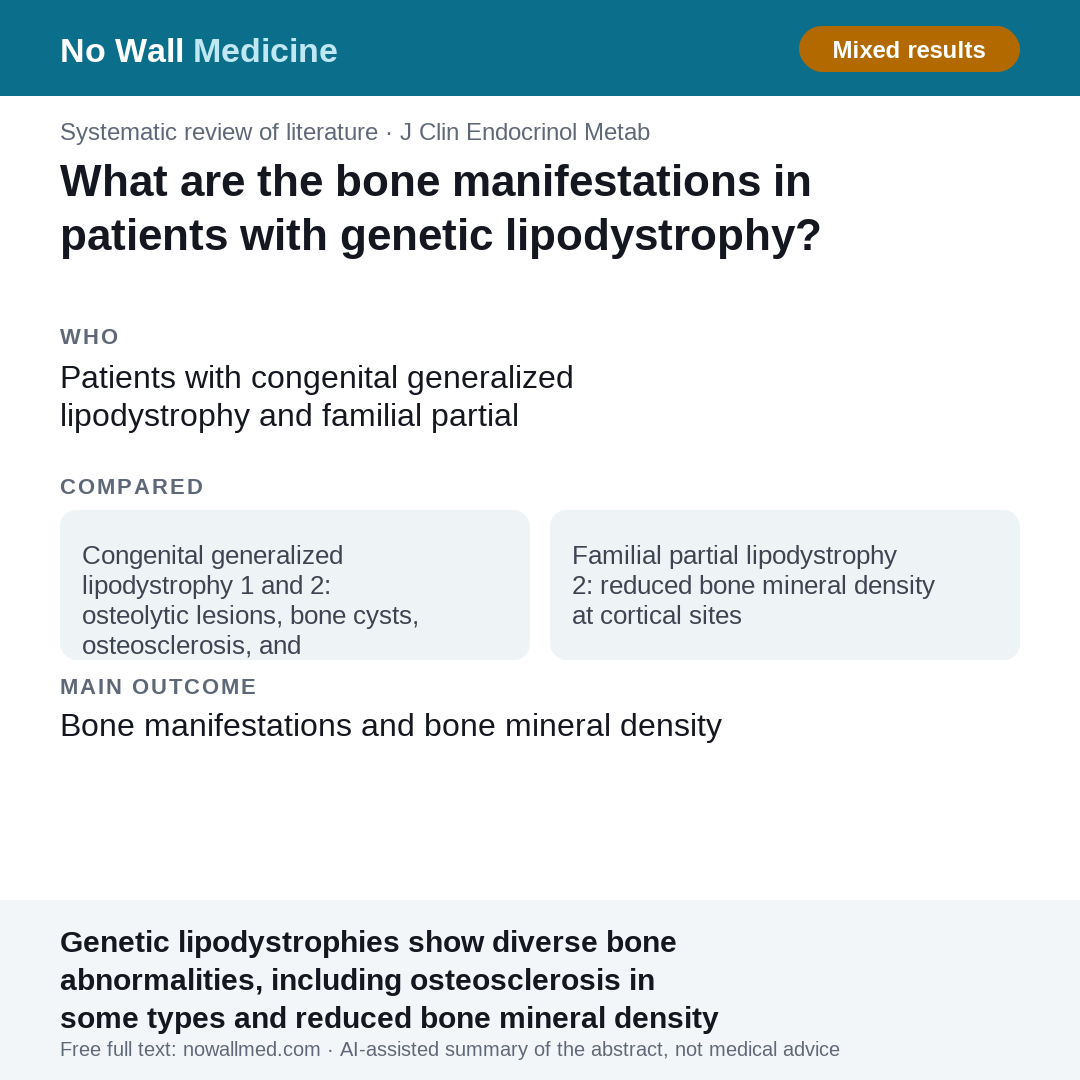
Bone phenotype of patients with genetic forms of lipodystrophy: a systematic review of literature
Systematic review of literatureMixed results
What are the bone manifestations in patients with genetic lipodystrophy?
Who
Patients with congenital generalized lipodystrophy and familial partial lipodystrophy
Compared
Congenital generalized lipodystrophy 1 and 2: osteolytic lesions, bone cysts, osteosclerosis, and pseudo-osteopoikilosis
Familial partial lipodystrophy 2: reduced bone mineral density at cortical sites
Main outcome
Bone manifestations and bone mineral density
Bottom line: Genetic lipodystrophies show diverse bone abnormalities, including osteosclerosis in some types and reduced bone mineral density in others.
Limitation: No studies were found on congenital generalized lipodystrophy 3 or 4.
J Clin Endocrinol Metab · 2026-07-06Download image
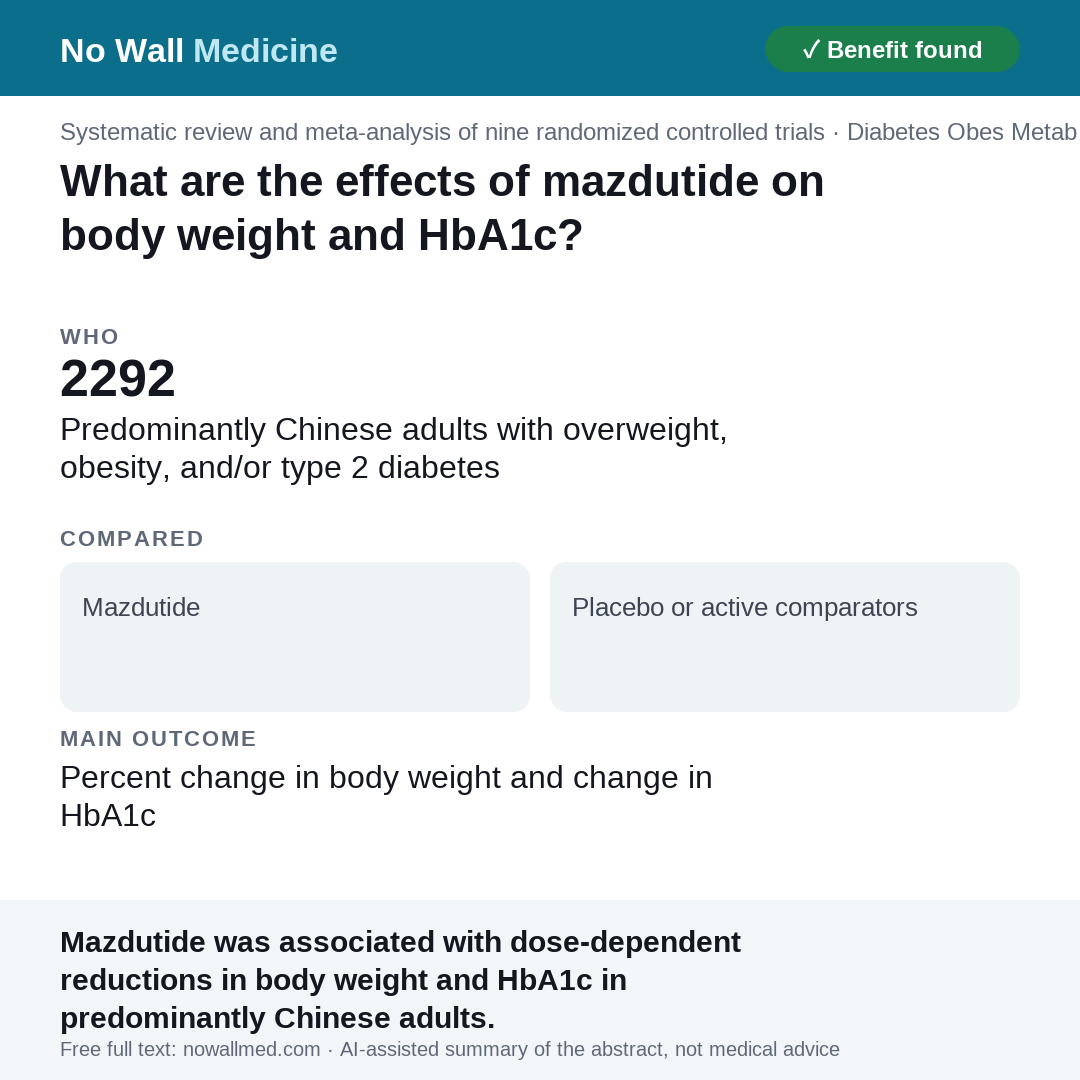
Efficacy and Safety of the Dual Glucagon-Like Peptide-1 and Glucagon Receptor Agonist Mazdutide in Predominantly Chinese Adults With Obesity and/or Type 2 Diabetes: A Systematic Review and Meta-Analysis
Systematic review and meta-analysis of nine randomized controlled trialsBenefit found
What are the effects of mazdutide on body weight and HbA1c?
Who
2292
Predominantly Chinese adults with overweight, obesity, and/or type 2 diabetes
Compared
Mazdutide
Placebo or active comparators
Main outcome
Percent change in body weight and change in HbA1c
Bottom line: Mazdutide was associated with dose-dependent reductions in body weight and HbA1c in predominantly Chinese adults.
Limitation: Longer-term, multi-ethnic studies are needed to confirm durability, generalizability, and cardiovascular safety.
Diabetes Obes Metab · 2026-07-06Download image
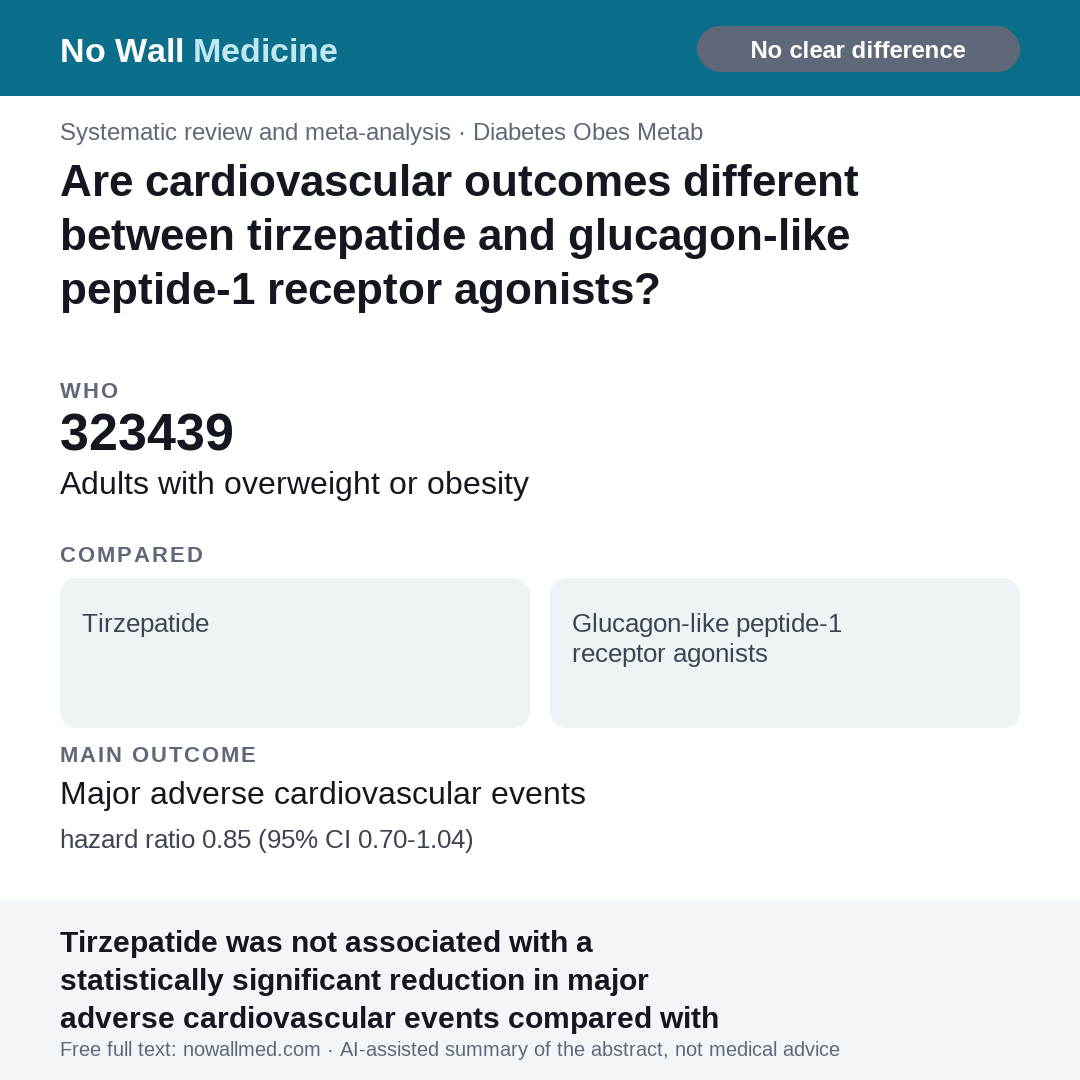
Cardiovascular Outcomes With Tirzepatide Versus GLP-1 Receptor Agonists in Overweight or Obesity: A Systematic Review and Meta-Analysis
Systematic review and meta-analysisNo clear difference
Are cardiovascular outcomes different between tirzepatide and glucagon-like peptide-1 receptor agonists?
Who
323439
Adults with overweight or obesity
Compared
Tirzepatide
Glucagon-like peptide-1 receptor agonists
Main outcome
Major adverse cardiovascular events
Result: hazard ratio 0.85 (95% CI 0.70-1.04)
Bottom line: Tirzepatide was not associated with a statistically significant reduction in major adverse cardiovascular events compared with glucagon-like peptide-1 receptor agonists.
Limitation: Substantial heterogeneity and the predominance of observational studies limit causal interpretation.
Diabetes Obes Metab · 2026-07-06Download image
Semaglutide Injection Once-Weekly for Weight Management in Adults: Results From A Randomized Phase III, Active-Controlled Study
Randomized, Phase III, non-inferiority studyBenefit found
Is synthetic semaglutide injection non-inferior to Wegovy for weight management?
Who
270
Adults with obesity or overweight with or without comorbidities · 21 centers in India
Compared
Test semaglutide: -13.8% ± 4.28%
Reference semaglutide: -14.1% ± 4.11%
Main outcome
percentage change in bodyweight from baseline to Week 24
Result: least-squares mean difference of 0.26% (95% CI: -0.86% to 1.39%)
Bottom line: Synthetic semaglutide injection was non-inferior to Wegovy for weight management in adults over 24 weeks.
Diabetes Obes Metab · 2026-07-06Download image

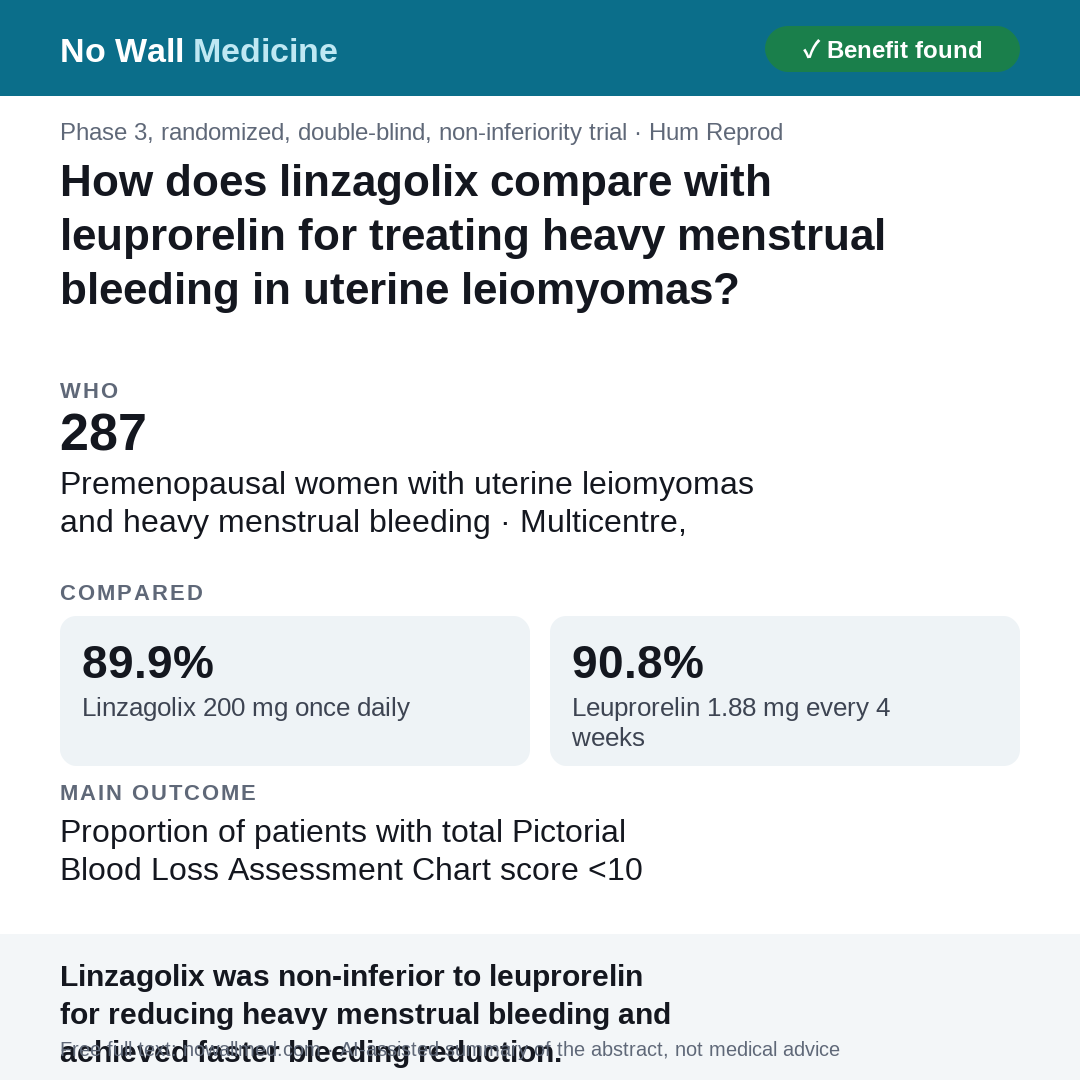
Linzagolix versus leuprorelin in Japanese women with uterine leiomyomas: a phase 3, randomized, active-controlled, non-inferiority trial
Phase 3, randomized, double-blind, non-inferiority trialBenefit found
How does linzagolix compare with leuprorelin for treating heavy menstrual bleeding in uterine leiomyomas?
Who
287
Premenopausal women with uterine leiomyomas and heavy menstrual bleeding · Multicentre, Japan
Compared
89.9%Linzagolix 200 mg once daily (95% CI, 83.7, 94.4)
90.8%Leuprorelin 1.88 mg every 4 weeks (84.7, 95.0)
Main outcome
Proportion of patients with total Pictorial Blood Loss Assessment Chart score <10
Result: difference, -0.9% [-8.6, 6.9]
Bottom line: Linzagolix was non-inferior to leuprorelin for reducing heavy menstrual bleeding and achieved faster bleeding reduction.
Limitation: Further studies are needed to compare linzagolix with other antagonists and evaluate longer-term safety.
Hum Reprod · 2026-07-06Download image
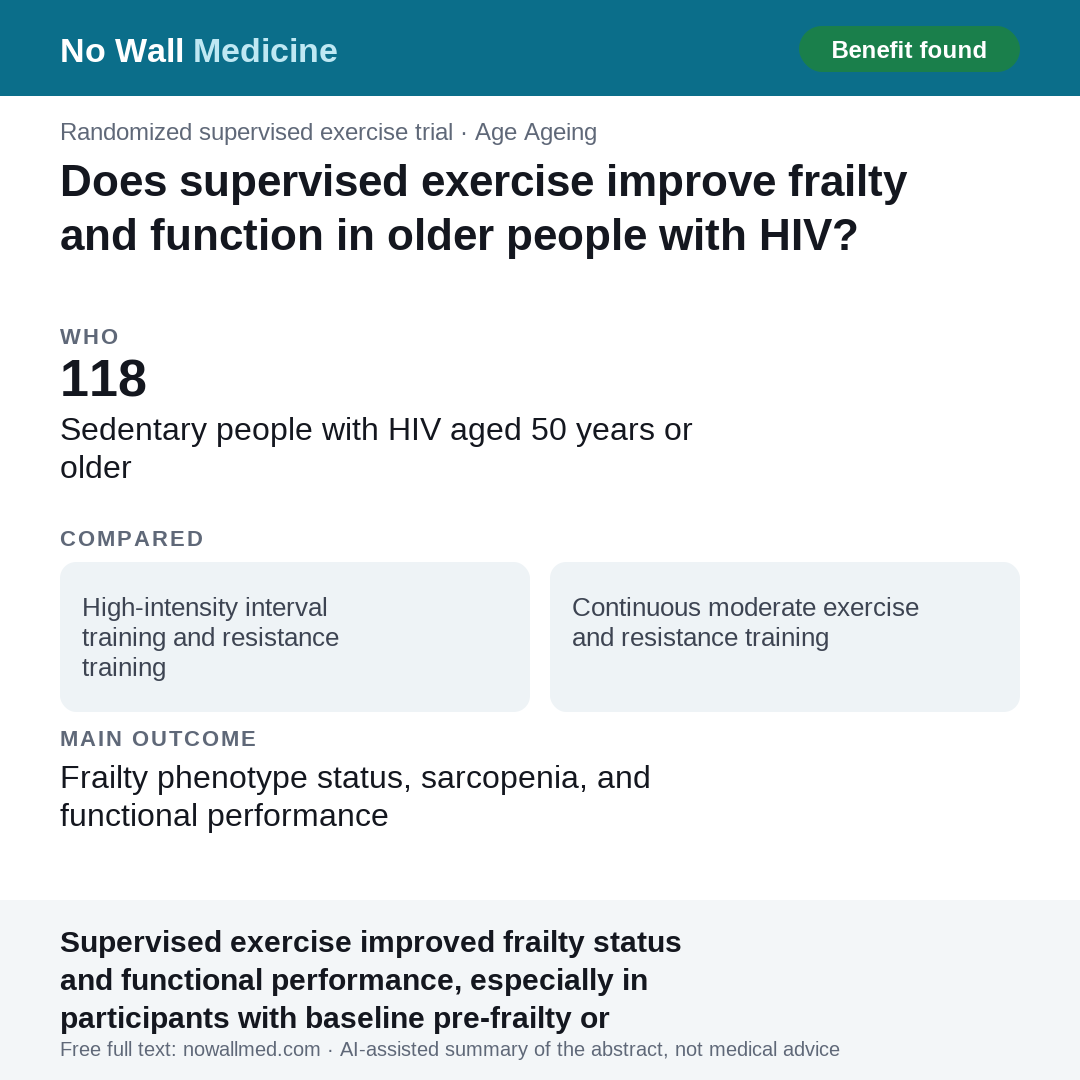
Frailty phenotype transitions and functional improvements during a supervised exercise trial in older people with HIV: results from the HEALTH Trial
Randomized supervised exercise trialBenefit found
Does supervised exercise improve frailty and function in older people with HIV?
Who
118
Sedentary people with HIV aged 50 years or older
Compared
High-intensity interval training and resistance training
Continuous moderate exercise and resistance training
Main outcome
Frailty phenotype status, sarcopenia, and functional performance
Bottom line: Supervised exercise improved frailty status and functional performance, especially in participants with baseline pre-frailty or frailty.
Limitation: Low sarcopenia prevalence limited conclusions regarding categorical sarcopenia outcomes.
Age Ageing · 2026-07-06Download image
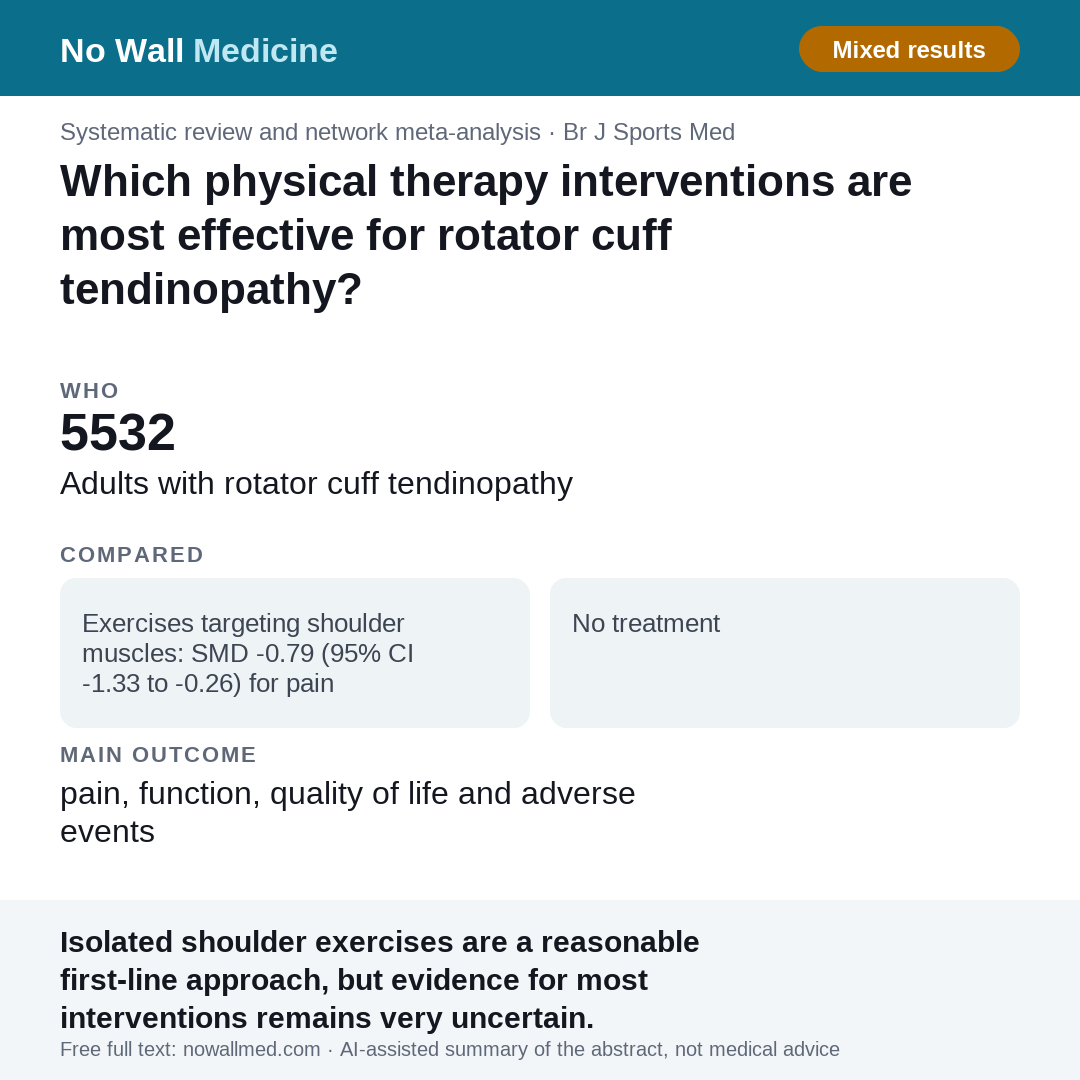
Comparative effectiveness of physical therapy interventions in adults with rotator cuff tendinopathy: a systematic review and network meta-analysis
Systematic review and network meta-analysisMixed results
Which physical therapy interventions are most effective for rotator cuff tendinopathy?
Who
5532
Adults with rotator cuff tendinopathy
Compared
Exercises targeting shoulder muscles: SMD -0.79 (95% CI -1.33 to -0.26) for pain
No treatment
Main outcome
pain, function, quality of life and adverse events
Result: SMD -0.79 (95% CI -1.33 to -0.26) for pain
Bottom line: Isolated shoulder exercises are a reasonable first-line approach, but evidence for most interventions remains very uncertain.
Limitation: The evidence is very uncertain and most interventions are informed by limited data.
Br J Sports Med · 2026-07-06Download image
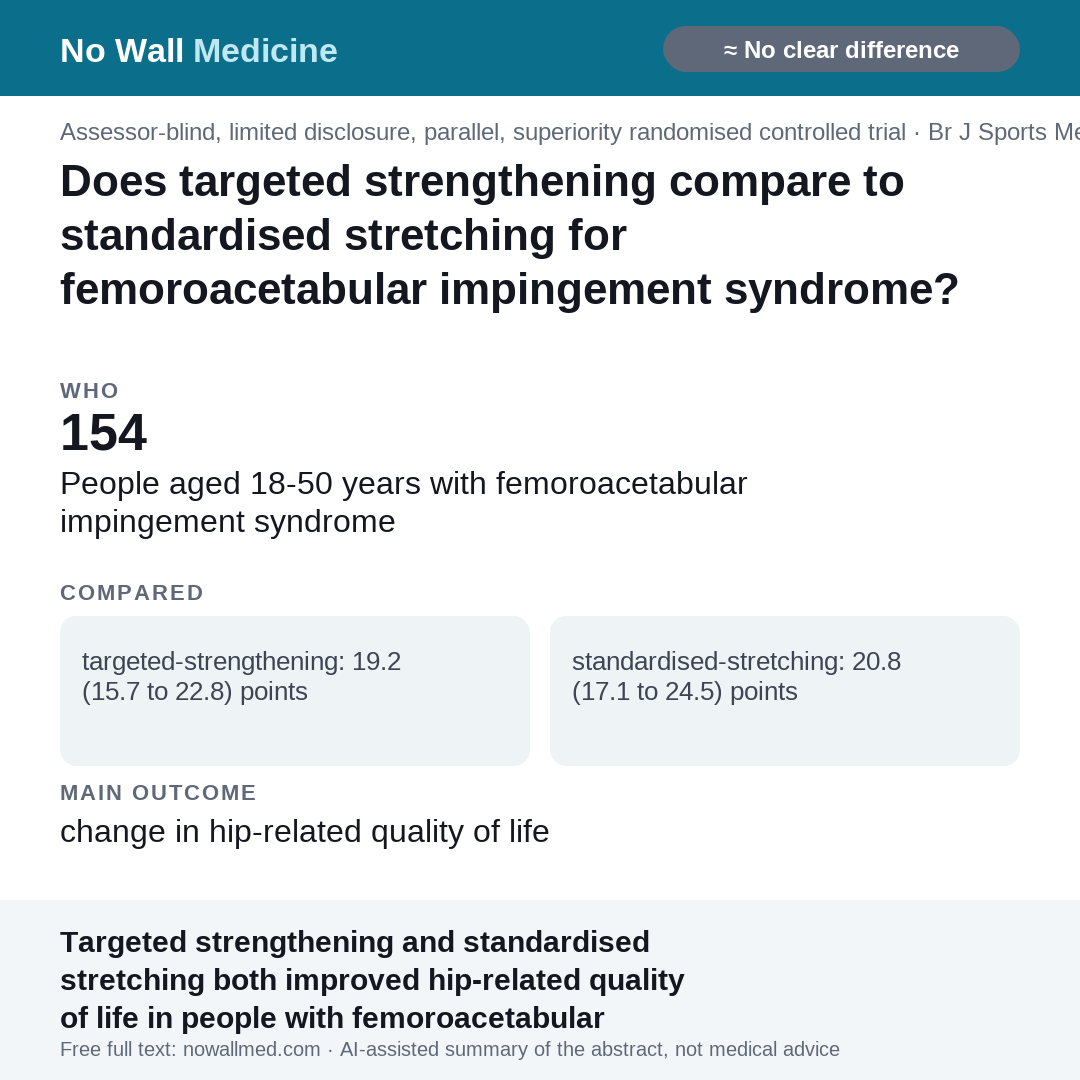
Physiotherapist-led treatment for femoroacetabular impingement syndrome (the PhysioFIRST study): an assessor-blinded, limited disclosure randomised controlled trial
Assessor-blind, limited disclosure, parallel, superiority randomised controlled trialNo clear difference
Does targeted strengthening compare to standardised stretching for femoroacetabular impingement syndrome?
Who
154
People aged 18-50 years with femoroacetabular impingement syndrome
Compared
targeted-strengthening: 19.2 (15.7 to 22.8) points
standardised-stretching: 20.8 (17.1 to 24.5) points
Main outcome
change in hip-related quality of life
Result: mean difference (95% CI) 0.2 (-5.9 to 6.3)
Bottom line: Targeted strengthening and standardised stretching both improved hip-related quality of life in people with femoroacetabular impingement syndrome.
Br J Sports Med · 2026-07-06Download image