Visual abstracts
New randomized trials and meta-analyses from leading journals at a glance: who was studied, what was compared, and what was found. Every paper is free to read in full.
All specialtiesCardiology 4877Oncology 4138Gastroenterology & Hepatology 1942Infectious Disease 3837Neurology 1905Psychiatry & Mental Health 2273Pulmonology 2143Critical Care 1365Endocrinology & Diabetes 2580Pediatrics 2980Surgery 2559Orthopedics & Sports Medicine 931Neurosurgery 537Cardiothoracic & Vascular Surgery 674Plastic & Reconstructive Surgery 591Nephrology 1133Rheumatology 823Hematology 1109Dermatology 621Ophthalmology 543Obstetrics & Gynecology 1686Public & Global Health 1058Radiology & Imaging 648Anesthesiology 986Urology 764ENT (Otolaryngology) 503Emergency Medicine 511Allergy & Immunology 313Geriatrics 981Family Medicine & Primary Care 562Medical Genetics & Genomics 676Pathology & Laboratory Medicine 159Physical Medicine & Rehabilitation 757Palliative Care 444Nutrition 1588Digital Health & AI 2201General Medicine 321
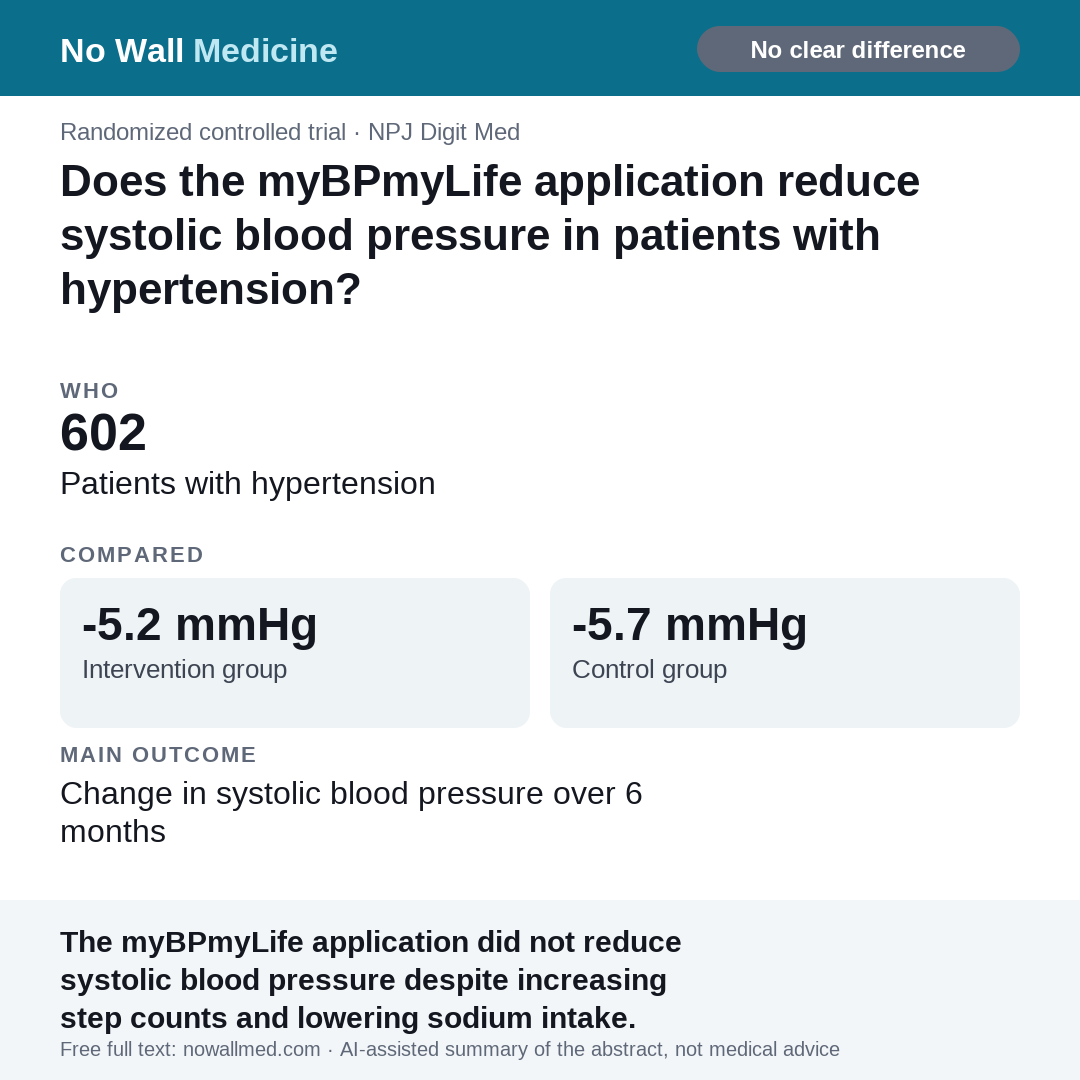
Physical activity and diet just-in-time adaptive intervention to reduce blood pressure: a randomized controlled trial
Randomized controlled trialNo clear difference
Does the myBPmyLife application reduce systolic blood pressure in patients with hypertension?
Who
602
Patients with hypertension
Compared
-5.2 mmHgIntervention group
-5.7 mmHgControl group
Main outcome
Change in systolic blood pressure over 6 months
Bottom line: The myBPmyLife application did not reduce systolic blood pressure despite increasing step counts and lowering sodium intake.
NPJ Digit Med · 2025-07-14Download image
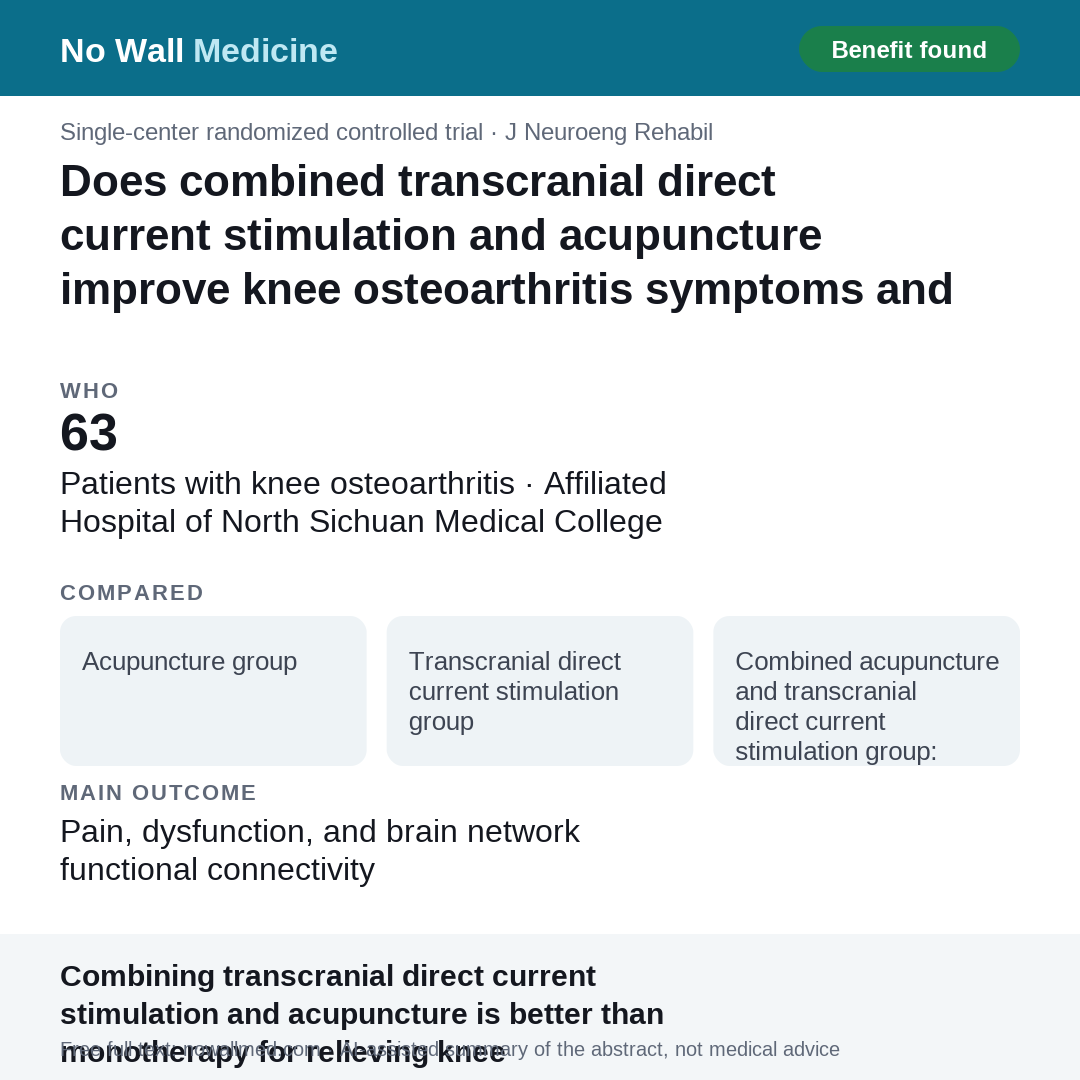
Effects of transcranial direct current stimulation combined with acupuncture therapy on brain network functional connectivity in patients with knee osteoarthritis: a single-center randomized controlled trial
Single-center randomized controlled trialBenefit found
Does combined transcranial direct current stimulation and acupuncture improve knee osteoarthritis symptoms and brain connectivity?
Who
63
Patients with knee osteoarthritis · Affiliated Hospital of North Sichuan Medical College
Compared
Acupuncture group
Transcranial direct current stimulation group
Combined acupuncture and transcranial direct current stimulation group: greater improvements in the VAS score, WOMAC score, and Lequesne indexes
Main outcome
Pain, dysfunction, and brain network functional connectivity
Bottom line: Combining transcranial direct current stimulation and acupuncture is better than monotherapy for relieving knee osteoarthritis pain and dysfunction.
J Neuroeng Rehabil · 2025-07-14Download image
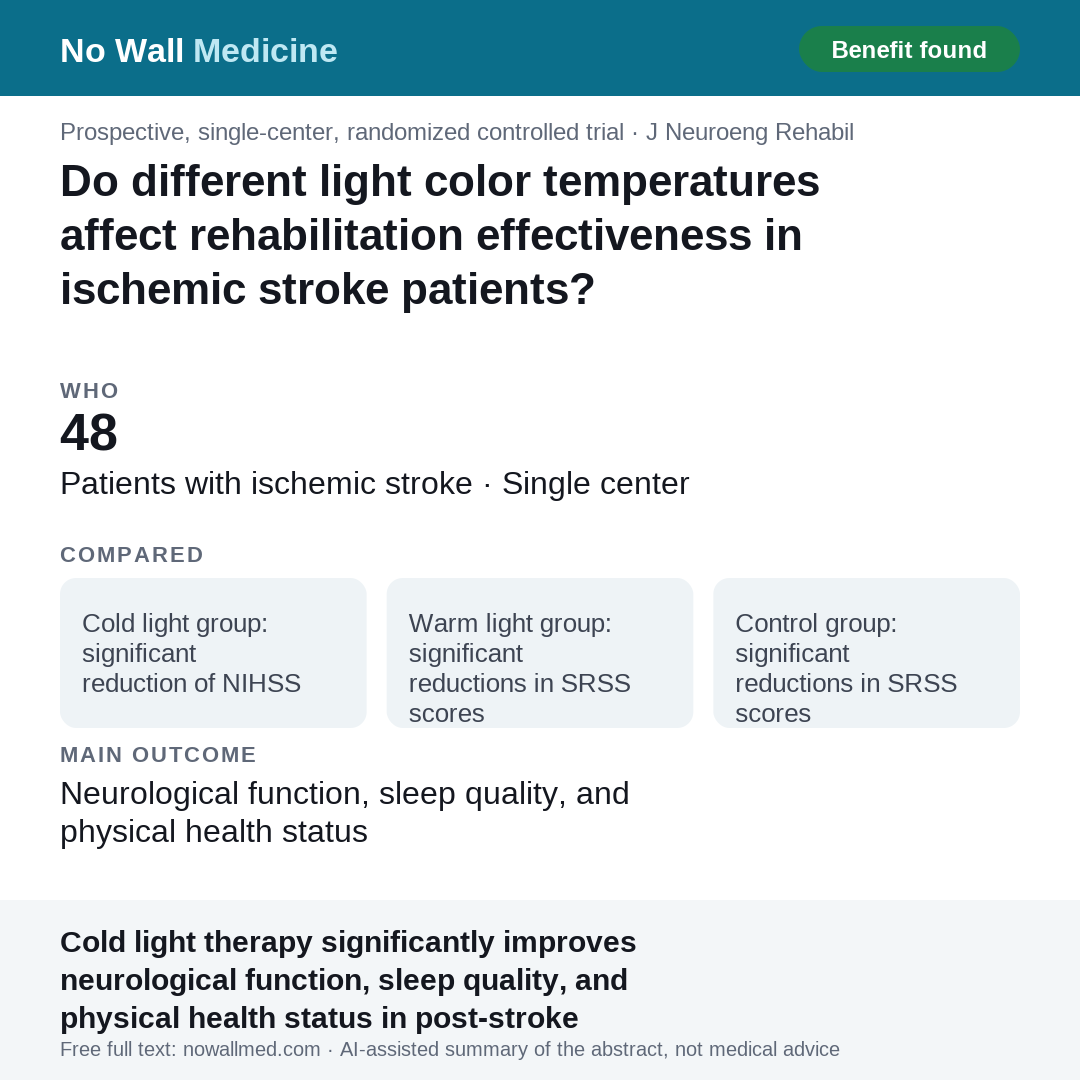
Different light color temperatures in the morning on the effectiveness of rehabilitation training in patients with ischemic stroke: a prospective, single-center, randomized controlled clinical trial
Prospective, single-center, randomized controlled trialBenefit found
Do different light color temperatures affect rehabilitation effectiveness in ischemic stroke patients?
Who
48
Patients with ischemic stroke · Single center
Compared
Cold light group: significant reduction of NIHSS
Warm light group: significant reductions in SRSS scores
Control group: significant reductions in SRSS scores
Main outcome
Neurological function, sleep quality, and physical health status
Bottom line: Cold light therapy significantly improves neurological function, sleep quality, and physical health status in post-stroke patients.
J Neuroeng Rehabil · 2025-07-14Download image
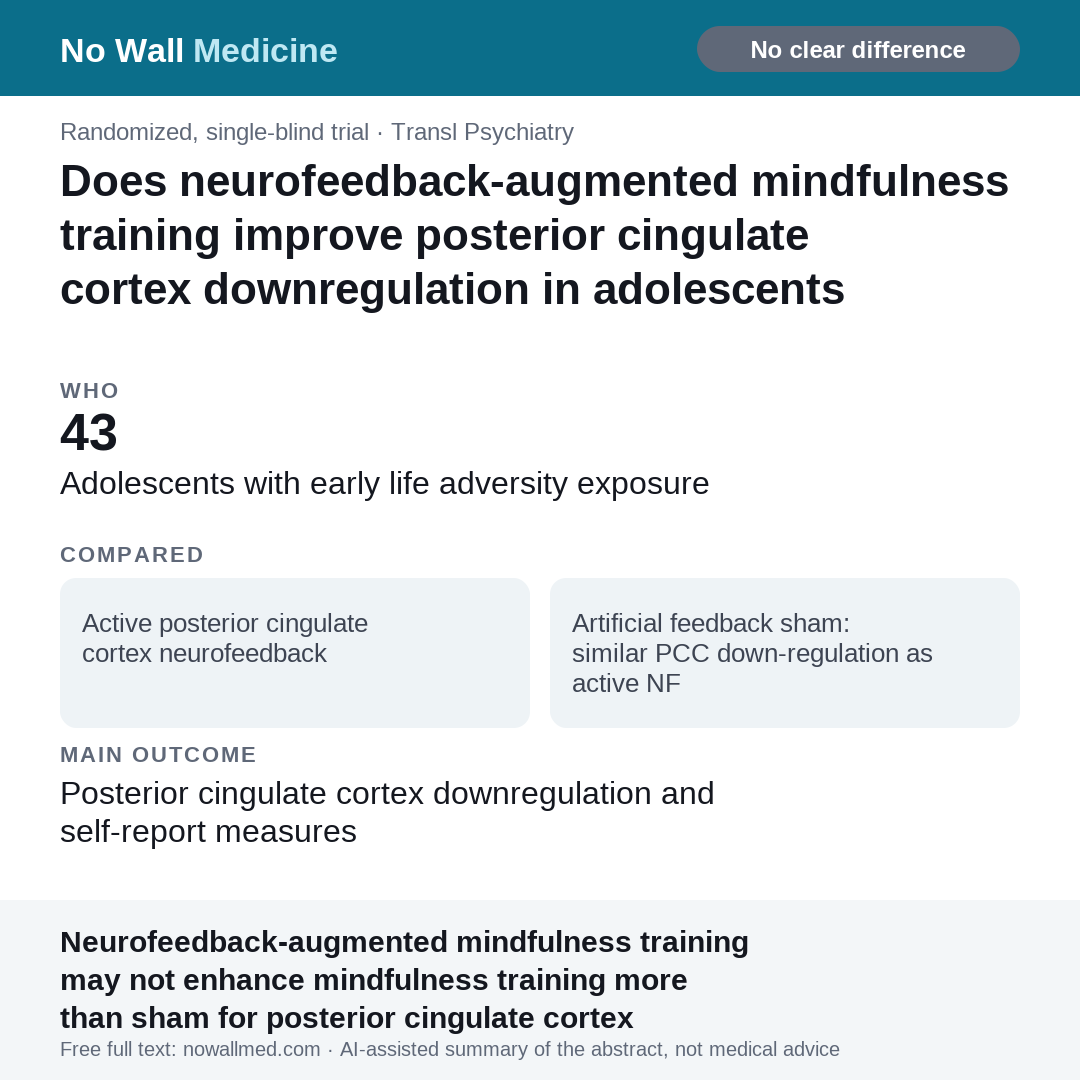
Posterior cingulate cortex downregulation training using fMRI neurofeedback in adolescents with early life adversity exposure: a randomized, single-blind trial
Randomized, single-blind trialNo clear difference
Does neurofeedback-augmented mindfulness training improve posterior cingulate cortex downregulation in adolescents with early life adversity?
Who
43
Adolescents with early life adversity exposure
Compared
Active posterior cingulate cortex neurofeedback
Artificial feedback sham: similar PCC down-regulation as active NF
Main outcome
Posterior cingulate cortex downregulation and self-report measures
Bottom line: Neurofeedback-augmented mindfulness training may not enhance mindfulness training more than sham for posterior cingulate cortex regulation.
Transl Psychiatry · 2025-07-13Download image
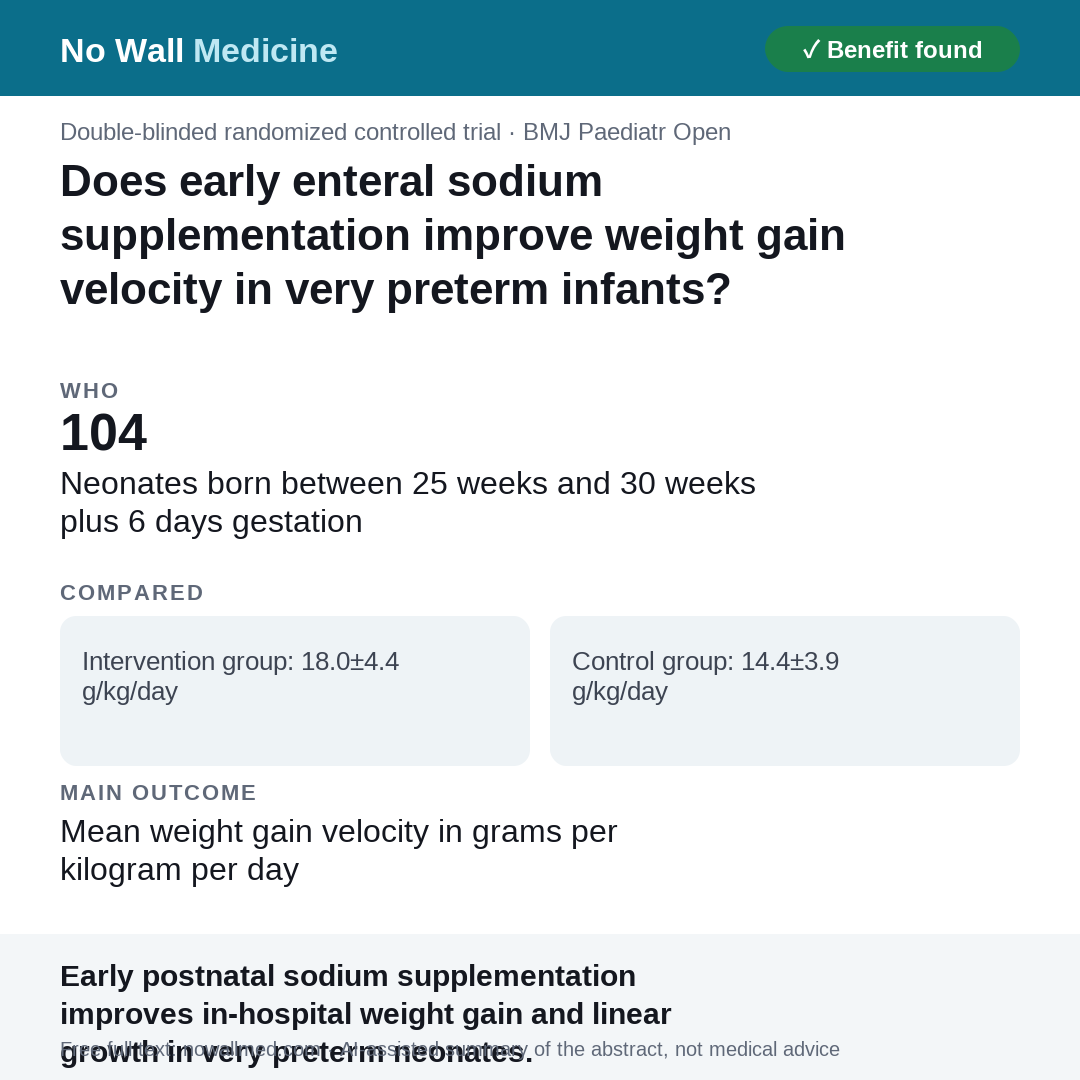
Effect of early sodium supplementation on weight gain of very preterm infants: a randomised controlled trial
Double-blinded randomized controlled trialBenefit found
Does early enteral sodium supplementation improve weight gain velocity in very preterm infants?
Who
104
Neonates born between 25 weeks and 30 weeks plus 6 days gestation
Compared
Intervention group: 18.0±4.4 g/kg/day
Control group: 14.4±3.9 g/kg/day
Main outcome
Mean weight gain velocity in grams per kilogram per day
Result: mean difference 3.6 with 95% CI 2.04 to 5.27
Bottom line: Early postnatal sodium supplementation improves in-hospital weight gain and linear growth in very preterm neonates.
BMJ Paediatr Open · 2025-07-13Download image
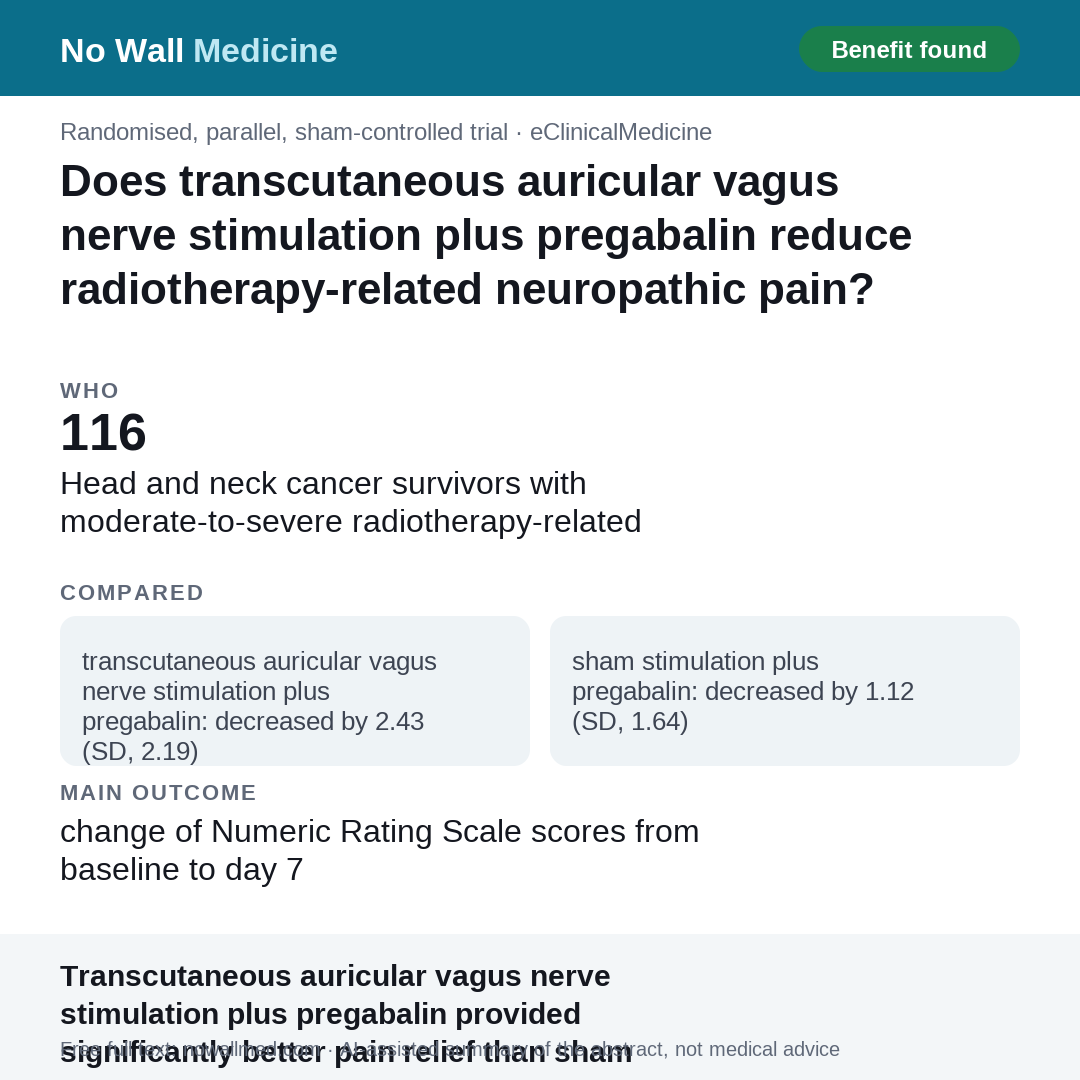
Efficacy and safety of transcutaneous auricular vagus nerve stimulation plus pregabalin for radiotherapy-related neuropathic pain in patients with head and neck cancer (RELAX): a phase 2 randomised trial
Randomised, parallel, sham-controlled trialBenefit found
Does transcutaneous auricular vagus nerve stimulation plus pregabalin reduce radiotherapy-related neuropathic pain?
Who
116
Head and neck cancer survivors with moderate-to-severe radiotherapy-related neuropathic pain · Four centres in China
Compared
transcutaneous auricular vagus nerve stimulation plus pregabalin: decreased by 2.43 (SD, 2.19)
sham stimulation plus pregabalin: decreased by 1.12 (SD, 1.64)
Main outcome
change of Numeric Rating Scale scores from baseline to day 7
Result: between-group difference, 1.31 points (95% CI, 0.60-2.02)
Bottom line: Transcutaneous auricular vagus nerve stimulation plus pregabalin provided significantly better pain relief than sham stimulation in head and neck cancer survivors.
Funded by: Ministry of Science and Technology of the People's Republic of China
eClinicalMedicine · 2025-07-12Download image
Cardiac Magnetic Resonance Imaging vs Coronary Angiography as Primary Strategy in Newly Diagnosed Heart Failure
Multicenter 2-armed diagnostic trialMixed results
Is cardiac magnetic resonance imaging as effective as coronary angiography for diagnosing ischemic cardiomyopathy?
Who
203
Adults with new-onset heart failure with reduced ejection fraction · Multicenter
Compared
100%Coronary angiography first (105/105)
80%Cardiac magnetic resonance imaging first (76/95)
Main outcome
Diagnosis of ischemic cardiomyopathy
Bottom line: Coronary angiography was superior for diagnosis, but magnetic resonance imaging had similar sensitivity and could reduce invasive procedures.
JACC Heart Fail · 2025-07-12Download image

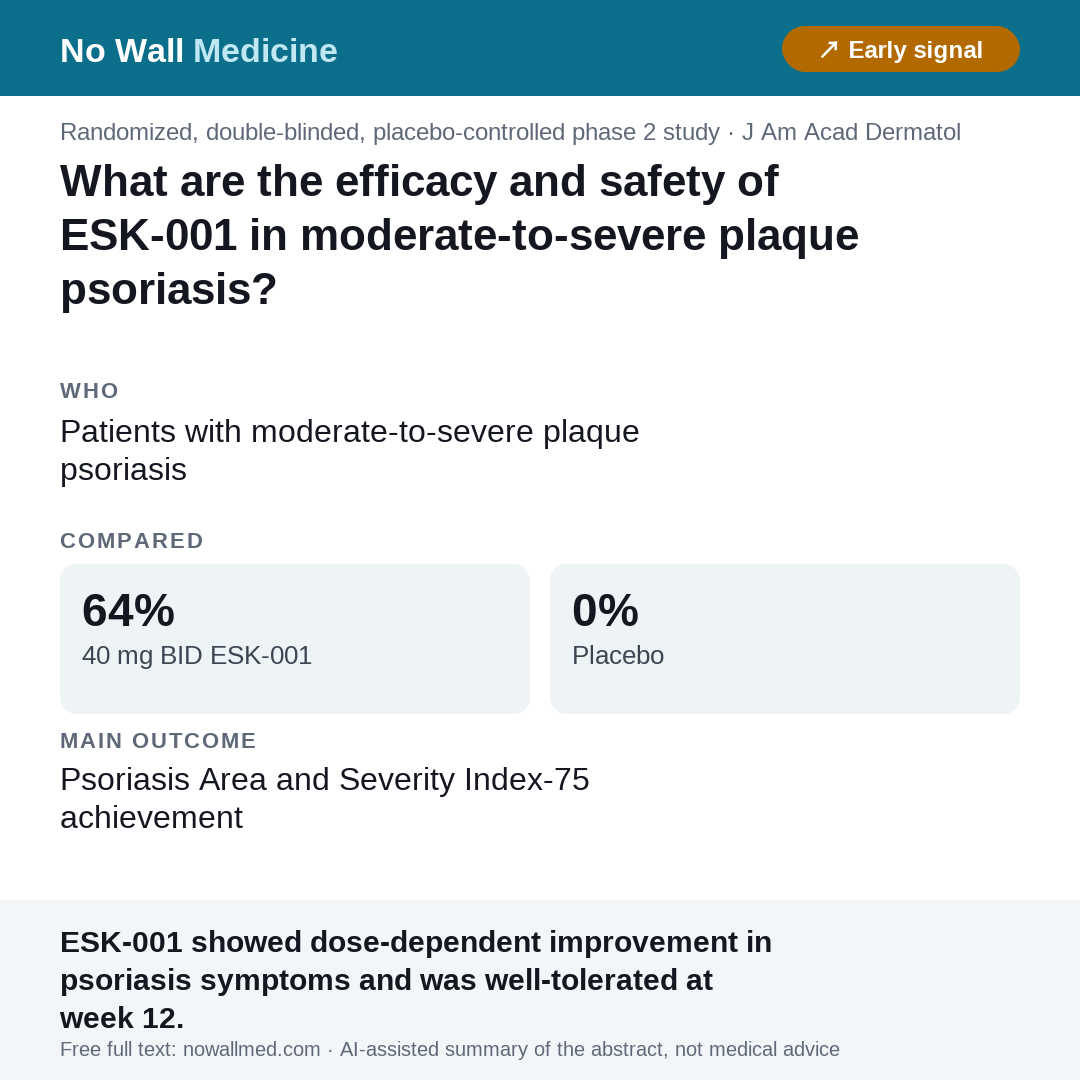
Highly selective, allosteric inhibition of TYK2 with oral ESK-001 in patients with moderate-to-severe plaque psoriasis: Results from STRIDE, a 12-week, randomized, double-blinded, placebo-controlled, dose-ranging phase 2 study
Randomized, double-blinded, placebo-controlled phase 2 studyBenefit found
What are the efficacy and safety of ESK-001 in moderate-to-severe plaque psoriasis?
Who
Patients with moderate-to-severe plaque psoriasis
Compared
64%40 mg BID ESK-001
0%Placebo
Main outcome
Psoriasis Area and Severity Index-75 achievement
Bottom line: ESK-001 showed dose-dependent improvement in psoriasis symptoms and was well-tolerated at week 12.
Limitation: Small sample size per treatment group and 16-week study duration.
J Am Acad Dermatol · 2025-07-12Download image
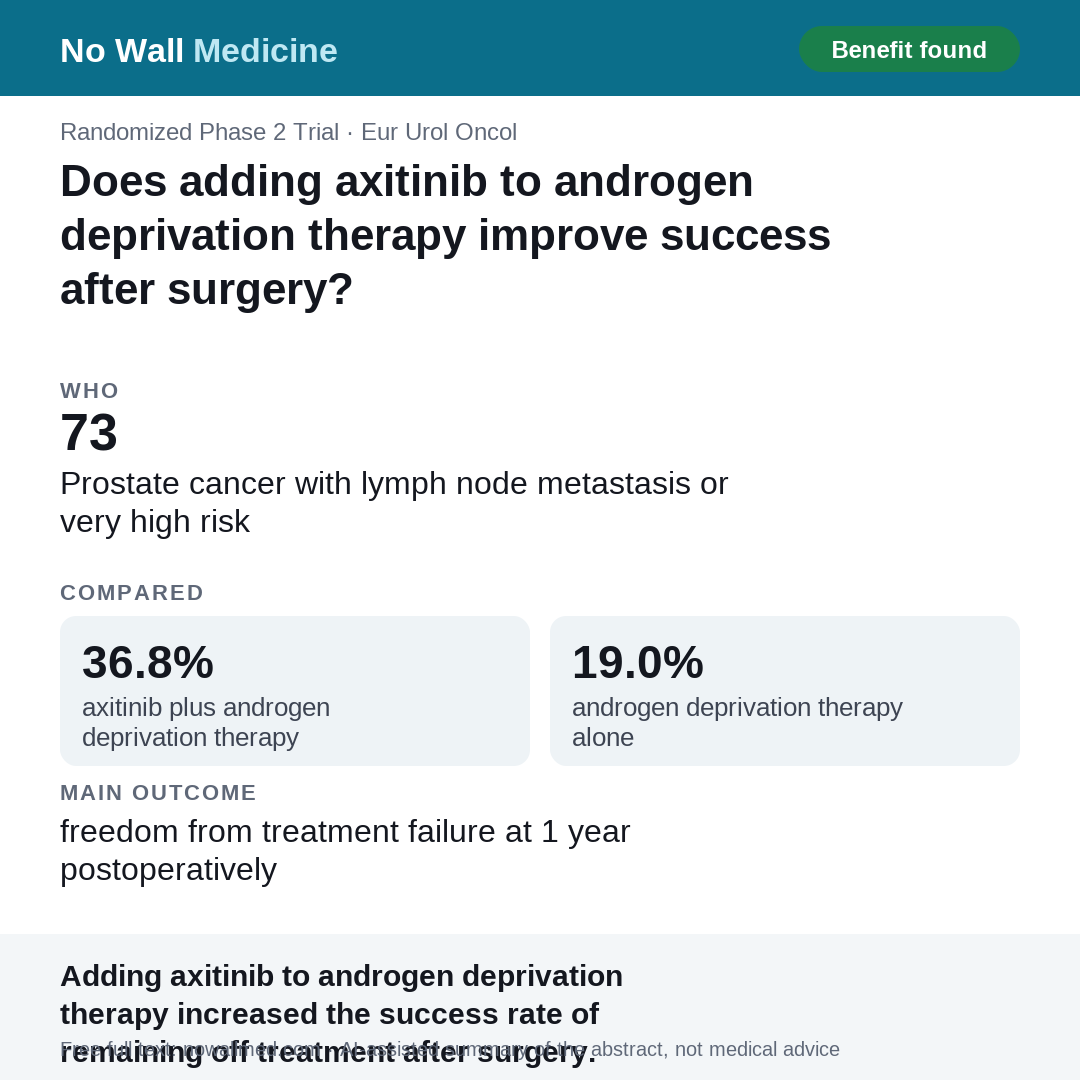
Randomized Phase 2 Trial of Presurgical Androgen Deprivation Therapy With or Without Axitinib in Prostate Cancer Presenting With Lymph Node Metastasis
Randomized Phase 2 TrialBenefit found
Does adding axitinib to androgen deprivation therapy improve success after surgery?
Who
73
Prostate cancer with lymph node metastasis or very high risk
Compared
36.8%axitinib plus androgen deprivation therapy (95% credible interval 22.5-52.5%)
19.0%androgen deprivation therapy alone (95% CrI 5.7-37.9%)
Main outcome
freedom from treatment failure at 1 year postoperatively
Result: median time to progression 9.8 mo versus 5.7 mo (p = 0.03)
Bottom line: Adding axitinib to androgen deprivation therapy increased the success rate of remaining off treatment after surgery.
Limitation: overall efficacy was limited, suggesting patient selection and more effective combinations are needed
Eur Urol Oncol · 2025-07-12Download image
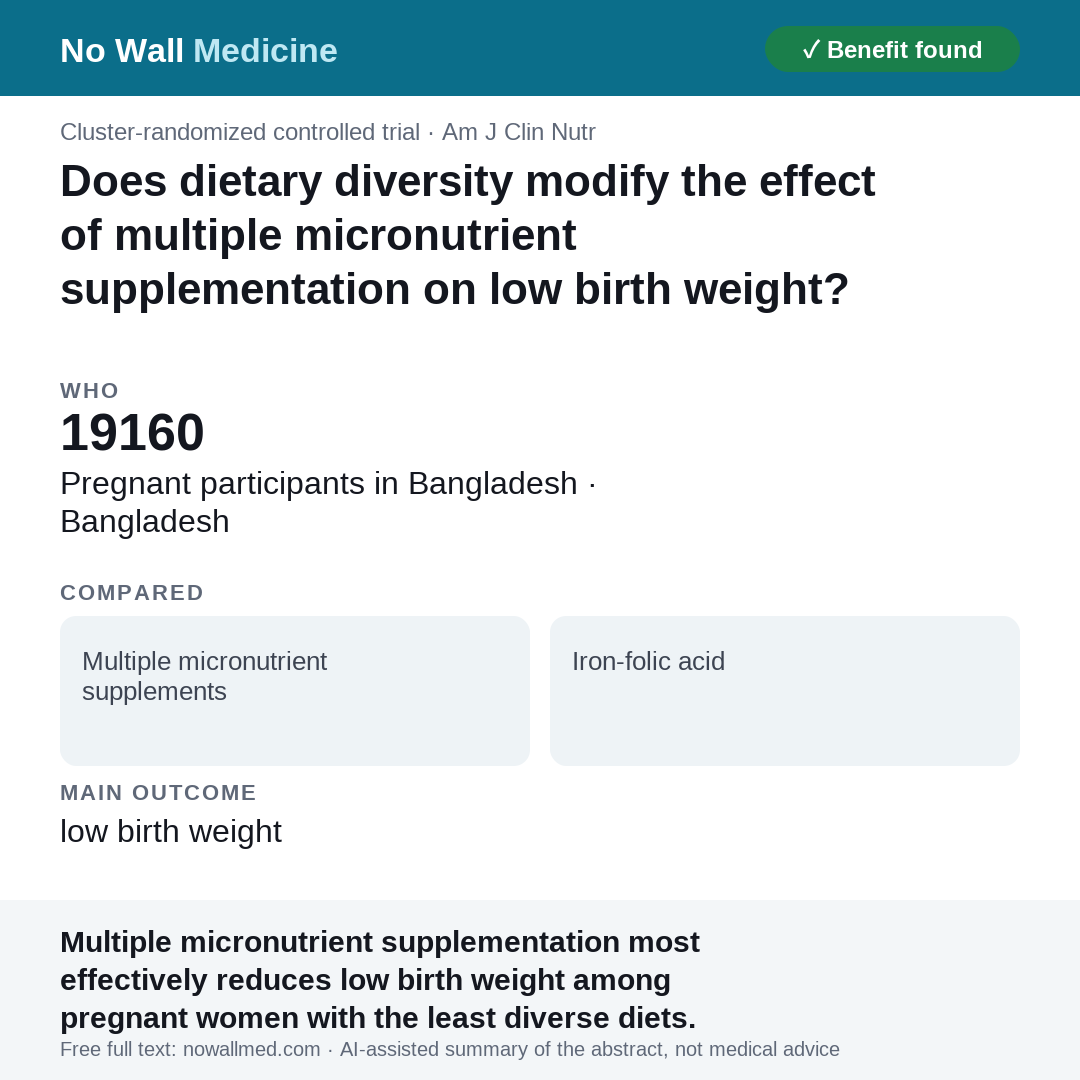
Dietary diversity as a modifier of the effect of supplementation with multiple micronutrients during pregnancy on low birth weight in a randomized controlled trial in Bangladesh
Cluster-randomized controlled trialBenefit found
Does dietary diversity modify the effect of multiple micronutrient supplementation on low birth weight?
Who
19160
Pregnant participants in Bangladesh · Bangladesh
Compared
Multiple micronutrient supplements
Iron-folic acid
Main outcome
low birth weight
Result: MMS×DDS RR: 1.02 (95% CI: 1.00, 1.04)
Bottom line: Multiple micronutrient supplementation most effectively reduces low birth weight among pregnant women with the least diverse diets.
Am J Clin Nutr · 2025-07-12Download image
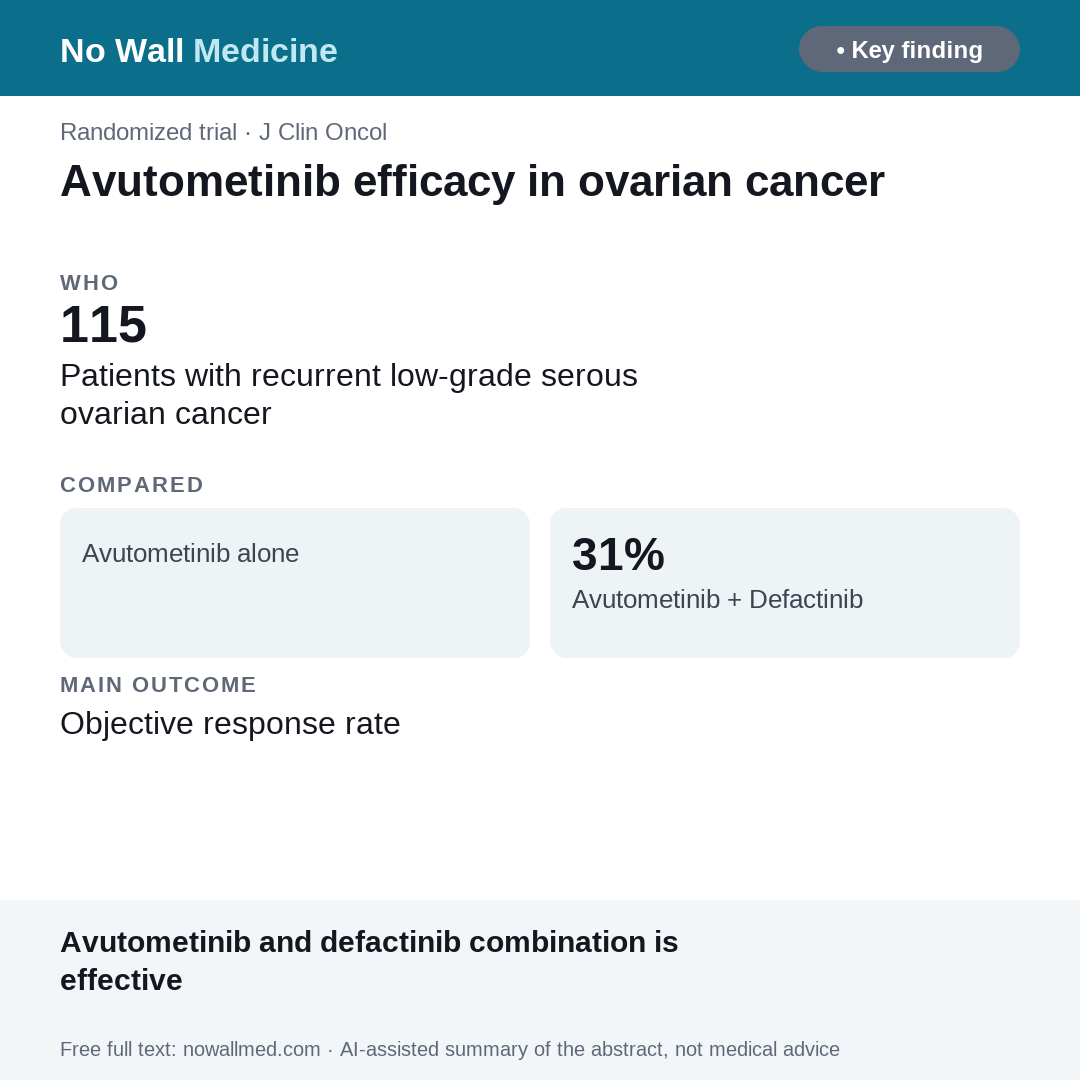
Efficacy and Safety of Avutometinib ± Defactinib in Recurrent Low-Grade Serous Ovarian Cancer: Primary Analysis of ENGOT-OV60/GOG-3052/RAMP 201
Randomized trialBenefit found
Avutometinib efficacy in ovarian cancer
Who
115
Patients with recurrent low-grade serous ovarian cancer
Compared
Avutometinib alone
31%Avutometinib + Defactinib (95% CI, 23% to 41%)
Main outcome
Objective response rate
Bottom line: Avutometinib and defactinib combination is effective
J Clin Oncol · 2025-07-11Download image
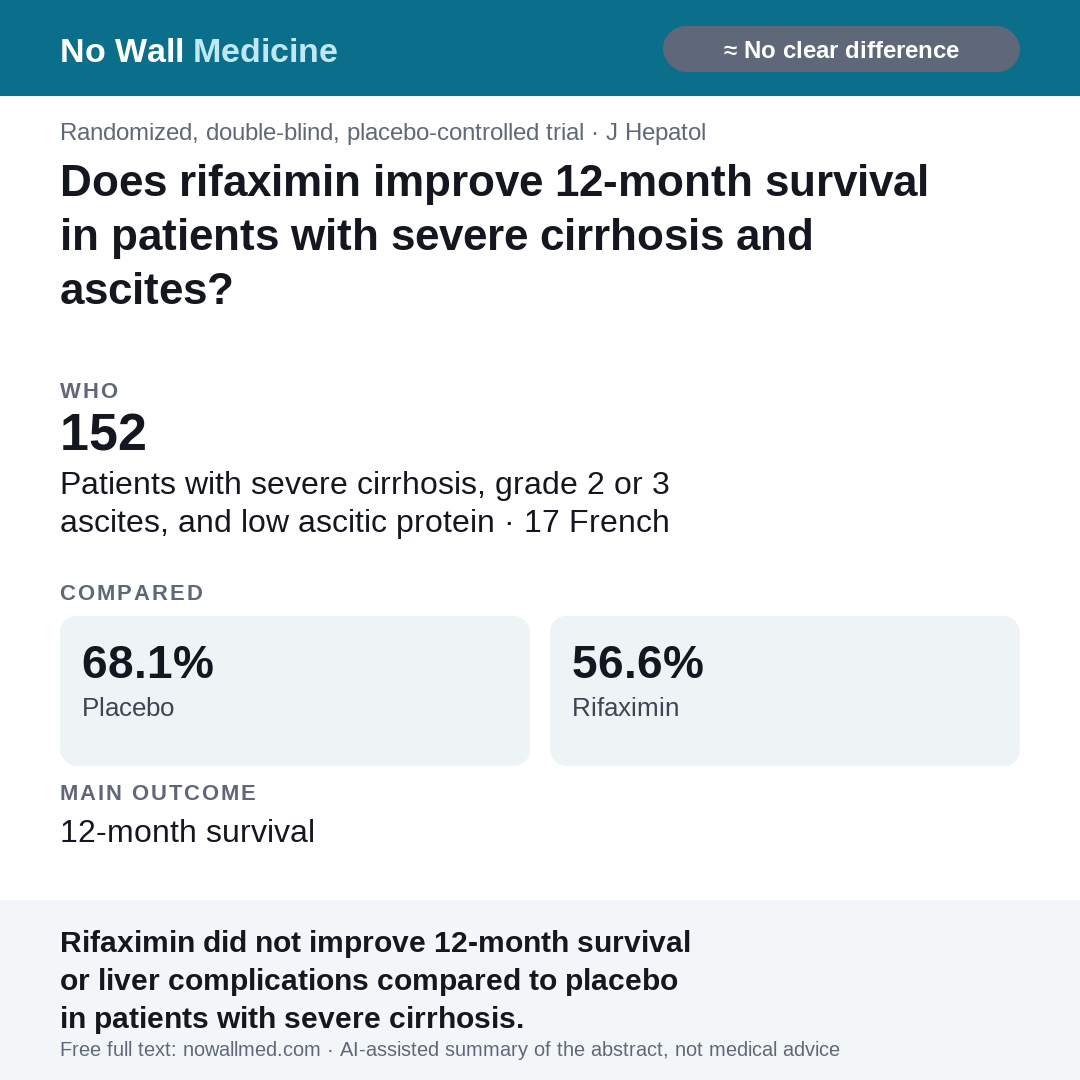
Effect of rifaximin in patients with severe cirrhosis and ascites: A randomized double-blind placebo-controlled trial
Randomized, double-blind, placebo-controlled trialNo clear difference
Does rifaximin improve 12-month survival in patients with severe cirrhosis and ascites?
Who
152
Patients with severe cirrhosis, grade 2 or 3 ascites, and low ascitic protein · 17 French centers
Compared
68.1%Placebo (95% CI 56.2-78.7)
56.6%Rifaximin (95% CI 43.5-67.8)
Main outcome
12-month survival
Result: p = 0.74
Bottom line: Rifaximin did not improve 12-month survival or liver complications compared to placebo in patients with severe cirrhosis.
Limitation: The study underlines the importance of treatment adherence to ensure accurate assessment of outcomes.
J Hepatol · 2025-07-11Download image
Recovery of the Acute Hypoxic Ventilatory Response after Reversal of a Minimal Neuromuscular Block: A Randomized Controlled Trial in Healthy, Nonobese Volunteers
Randomized, controlled trialNo clear difference
Does sugammadex reversal affect acute hypoxic ventilatory response recovery compared to spontaneous recovery?
Who
27
Healthy, nonobese volunteers
Compared
Spontaneous recovery: 57% did not return to baseline
Sugammadex reversal: 28% did not return to baseline
Main outcome
acute hypoxic ventilatory response
Bottom line: Sugammadex reversal did not significantly differ from spontaneous recovery regarding acute hypoxic ventilatory response recovery.
Anesthesiology · 2025-07-11Download image
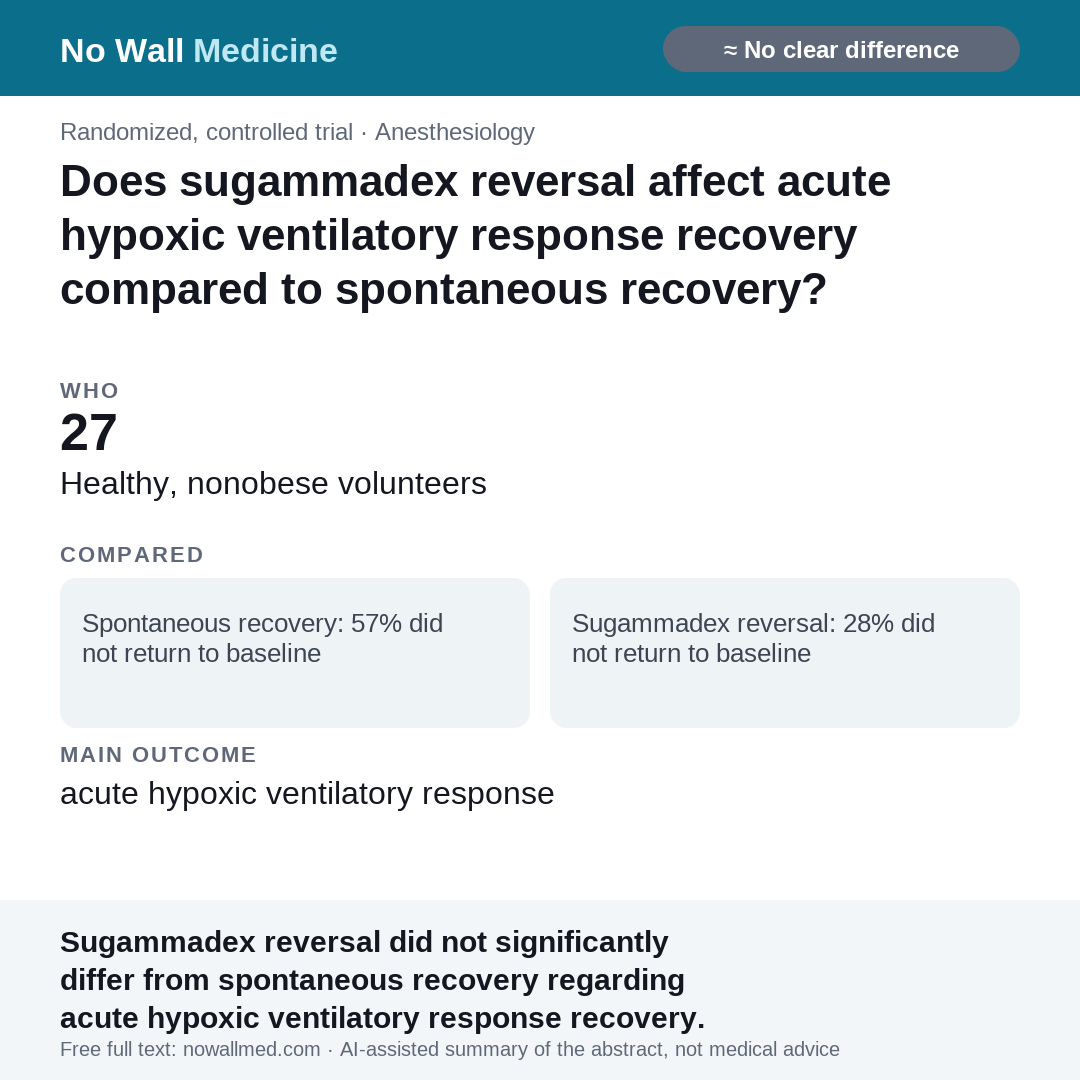
Pretreatment serum bile acid composition and predictability of subsequent response to odevixibat in patients with bile salt export pump (BSEP) deficiency
Blinded post hoc analysisBenefit found
Can pretreatment serum bile acid levels predict response to odevixibat in BSEP deficiency?
Who
41
Patients with bile salt export pump deficiency
Compared
sBA responders: higher pretreatment percentages of unconjugated cholic acid and unconjugated chenodeoxycholic acid
sBA non-responders
Main outcome
Predictability of subsequent response to odevixibat
Result: AUC 0.76 (95% CI 0.61 to 0.92) for concentration of cholic acid plus chenodeoxycholic acid
Bottom line: Higher pretreatment serum levels of unconjugated cholic acid and chenodeoxycholic acid are associated with response to odevixibat.
Hepatology · 2025-07-11Download image
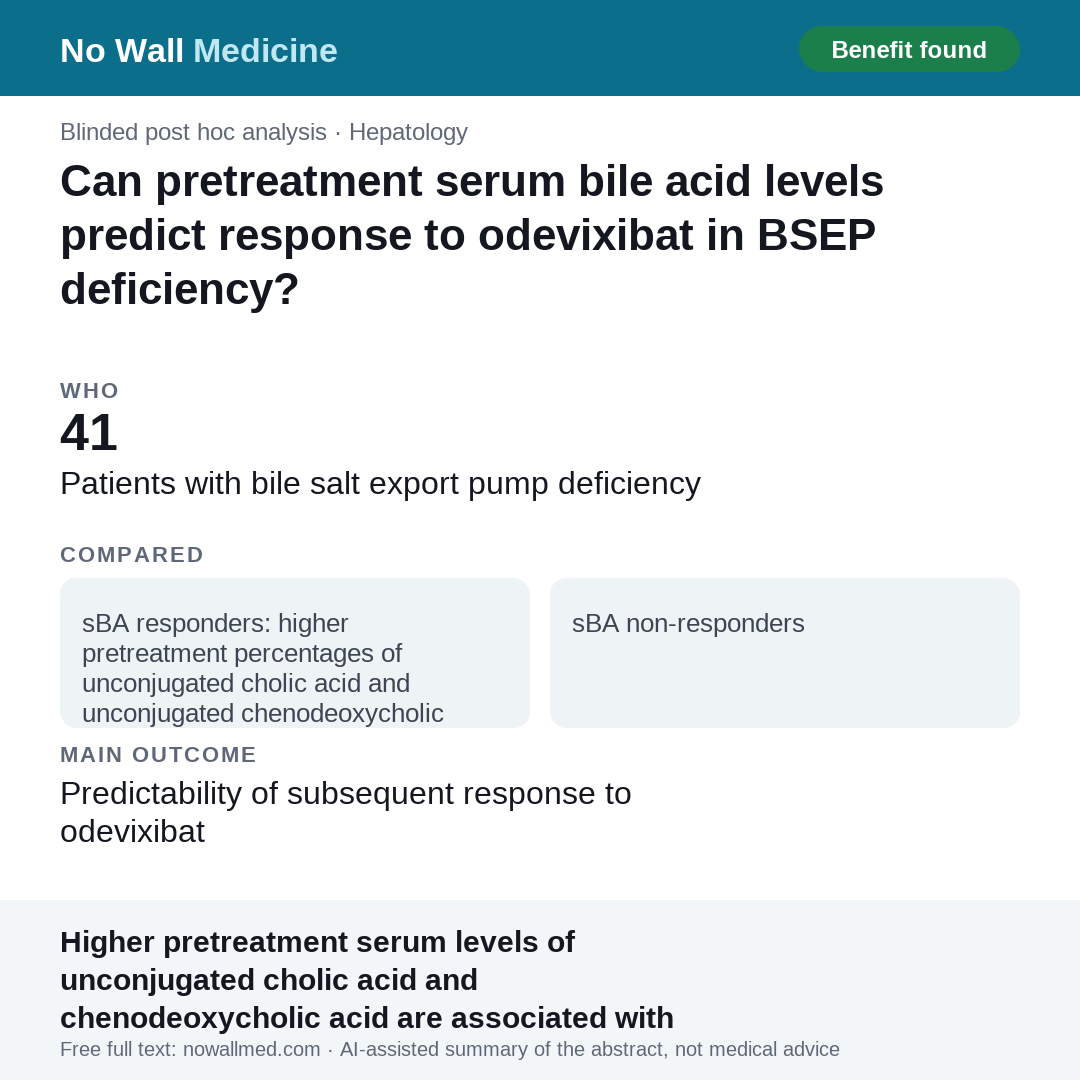
The Effect of Metagenomic Sequencing on Patient Clinical Outcomes for Intraocular Infections: A Multicenter Randomized Controlled Trial
Randomized controlled trialBenefit found
Does metagenomic sequencing improve clinical outcomes for presumed infectious intraocular inflammatory eye diseases?
Who
100
Adults with intraocular inflammation concerning for infectious etiology · 6 tertiary referral eye centers in United States and Thailand
Compared
metagenomic sequencing group: 88.9% clinical improvement
no metagenomic sequencing group: 63.6% clinical improvement
Main outcome
clinical improvement on examination at 4 weeks after randomization
Result: relative risk 1.35 (95% CI 1.01-1.81)
Bottom line: Metagenomic sequencing modestly improved clinical improvement in a subset of patients with suspected intraocular infections.
Limitation: Larger studies are needed to determine the long-term impact on management and clinical outcomes.
Am J Ophthalmol · 2025-07-11Download image
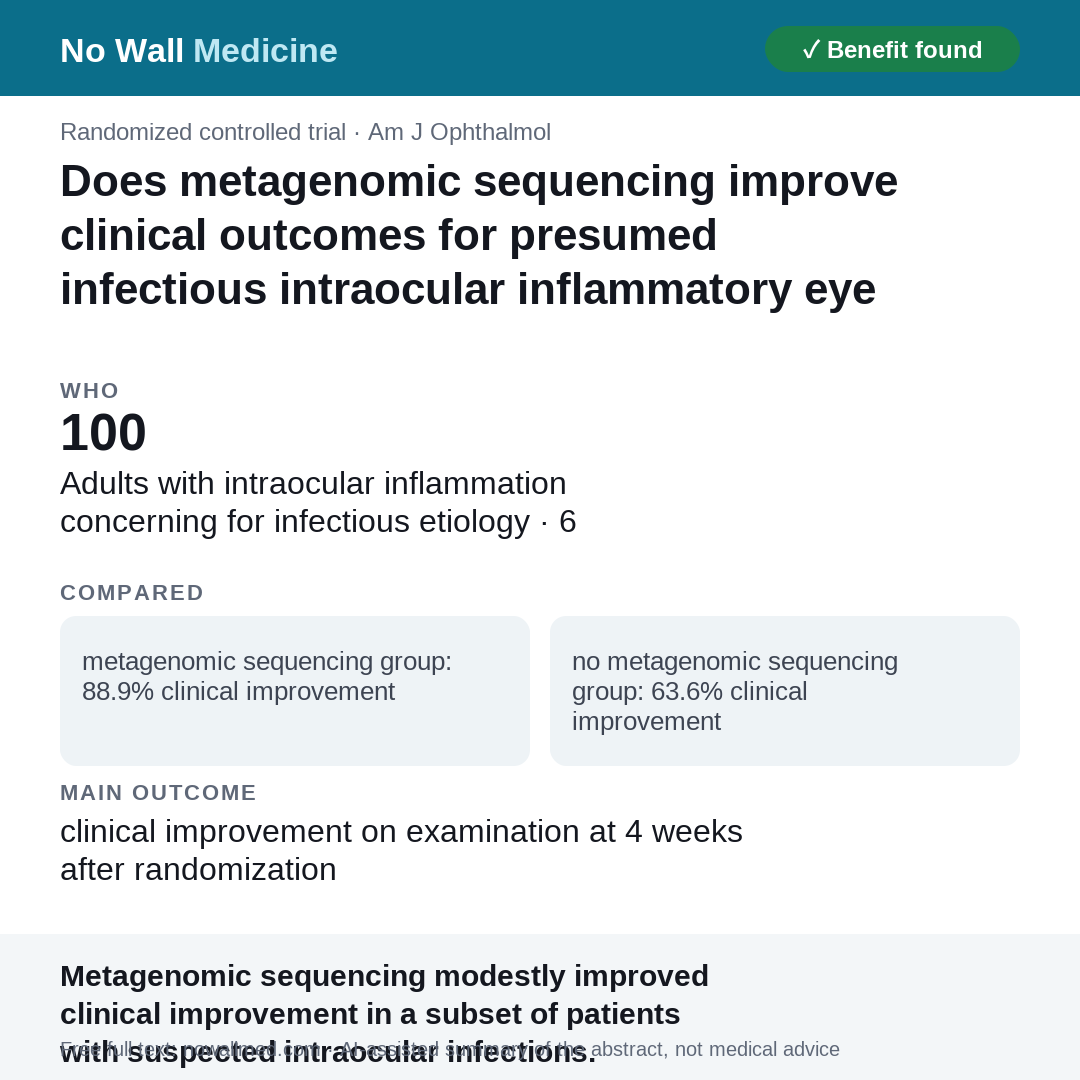
Association between concussion-reporting intention and reporting behavior in a simulated game setting
Randomized trialBenefit found
Is concussion reporting intention linked to behavior?
Who
313
High school football players · Seven Colorado high schools
Compared
Educated
Not educated
Main outcome
Concussion reporting behavior
Result: odds ratio 1.99 (95% CI 1.11 to 3.60) and 1.53 (95% CI 1.07 to 2.30)
Bottom line: Higher intention linked to higher reporting behavior
PM R · 2025-07-11Download image
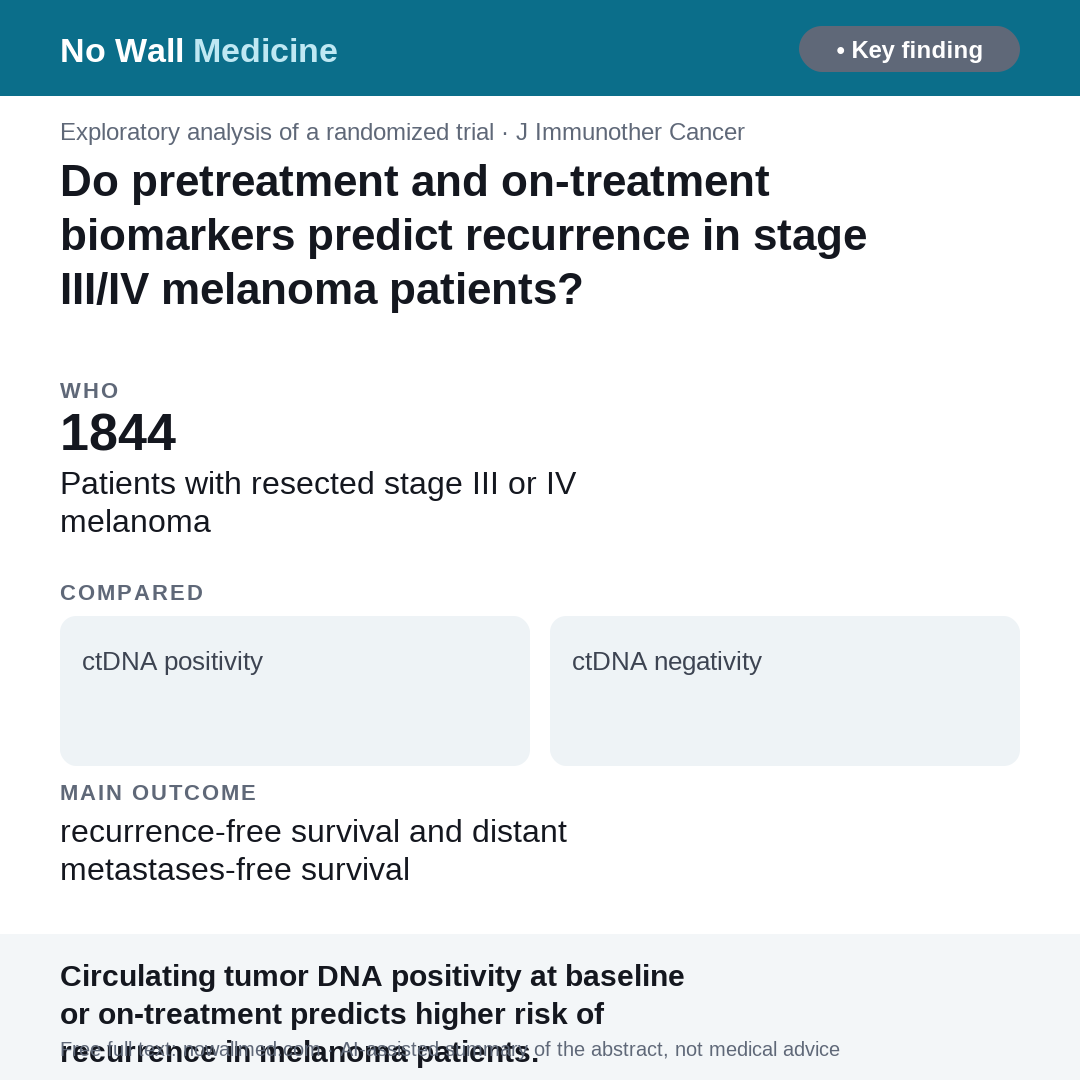
Pretreatment and on-treatment ctDNA and tissue biomarkers predict recurrence in patients with stage IIIB-D/IV melanoma treated with adjuvant immunotherapy: CheckMate 915
Exploratory analysis of a randomized trialBenefit found
Do pretreatment and on-treatment biomarkers predict recurrence in stage III/IV melanoma patients?
Who
1844
Patients with resected stage III or IV melanoma
Compared
ctDNA positivity
ctDNA negativity
Main outcome
recurrence-free survival and distant metastases-free survival
Result: hazard ratio 1.97 (95% CI 1.57 to 2.46)
Bottom line: Circulating tumor DNA positivity at baseline or on-treatment predicts higher risk of recurrence in melanoma patients.
J Immunother Cancer · 2025-07-11Download image
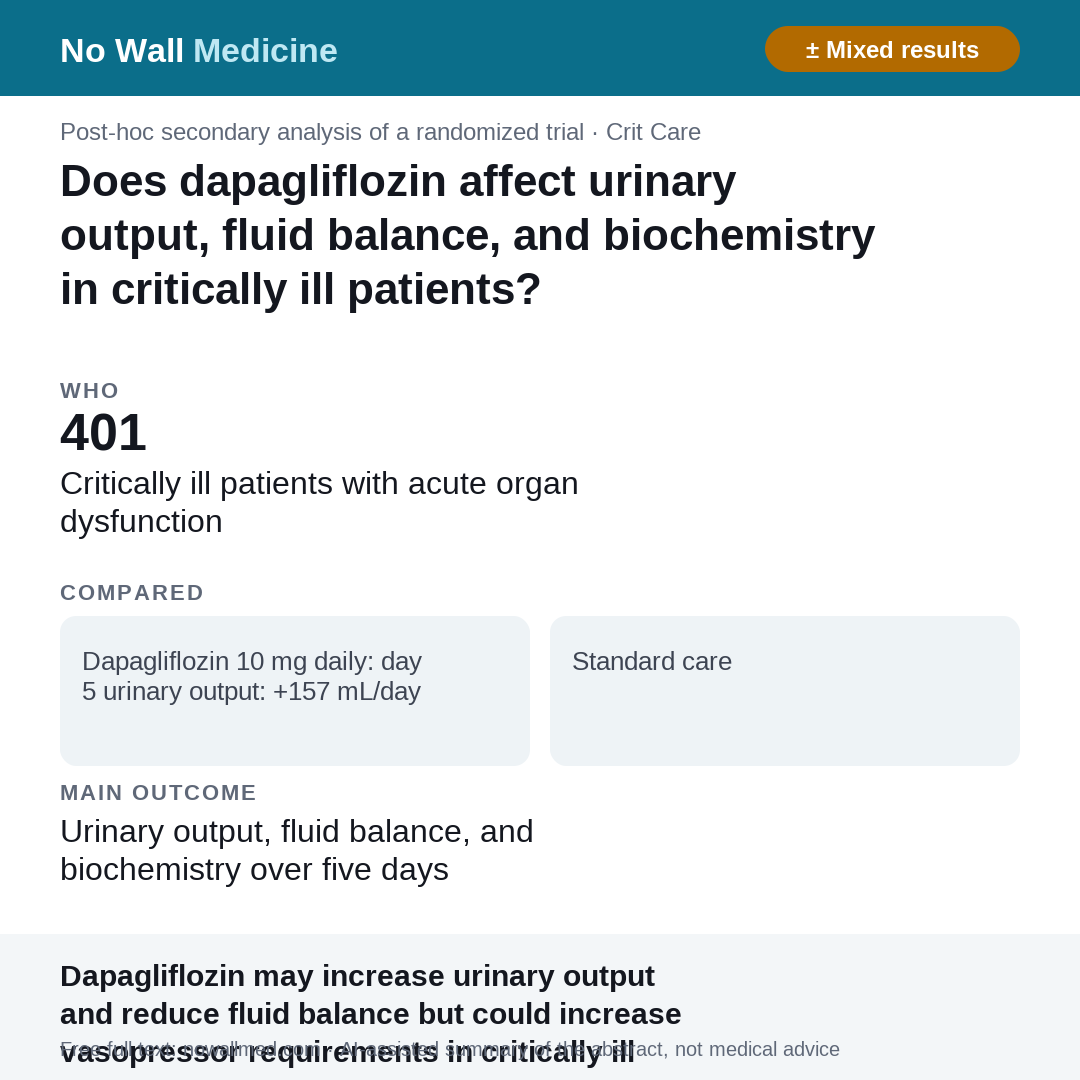
Effects of dapagliflozin on urinary output, fluid balance, and biochemistry in critically ill patients: a post-hoc secondary analysis of the DEFENDER trial
Post-hoc secondary analysis of a randomized trialMixed results
Does dapagliflozin affect urinary output, fluid balance, and biochemistry in critically ill patients?
Who
401
Critically ill patients with acute organ dysfunction
Compared
Dapagliflozin 10 mg daily: day 5 urinary output: +157 mL/day
Standard care
Main outcome
Urinary output, fluid balance, and biochemistry over five days
Bottom line: Dapagliflozin may increase urinary output and reduce fluid balance but could increase vasopressor requirements in critically ill patients.
Limitation: This is an exploratory, post-hoc secondary analysis with heterogeneous treatment effects.
Crit Care · 2025-07-11Download image
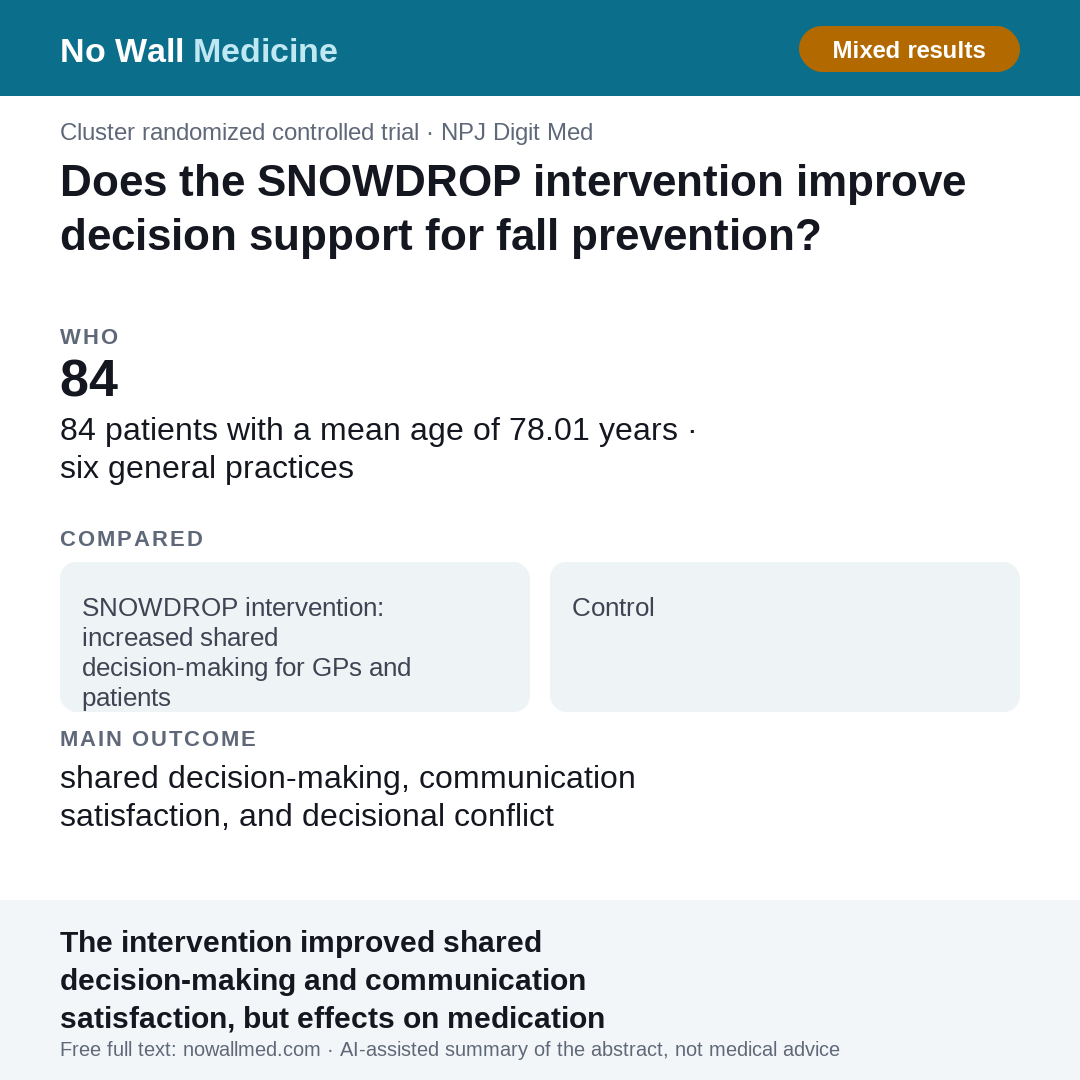
A randomized controlled trial to evaluate innovative decision support in the context of fall prevention
Cluster randomized controlled trialMixed results
Does the SNOWDROP intervention improve decision support for fall prevention?
Who
84
84 patients with a mean age of 78.01 years · six general practices
Compared
SNOWDROP intervention: increased shared decision-making for GPs and patients
Control
Main outcome
shared decision-making, communication satisfaction, and decisional conflict
Bottom line: The intervention improved shared decision-making and communication satisfaction, but effects on medication changes were inconclusive.
NPJ Digit Med · 2025-07-11Download image
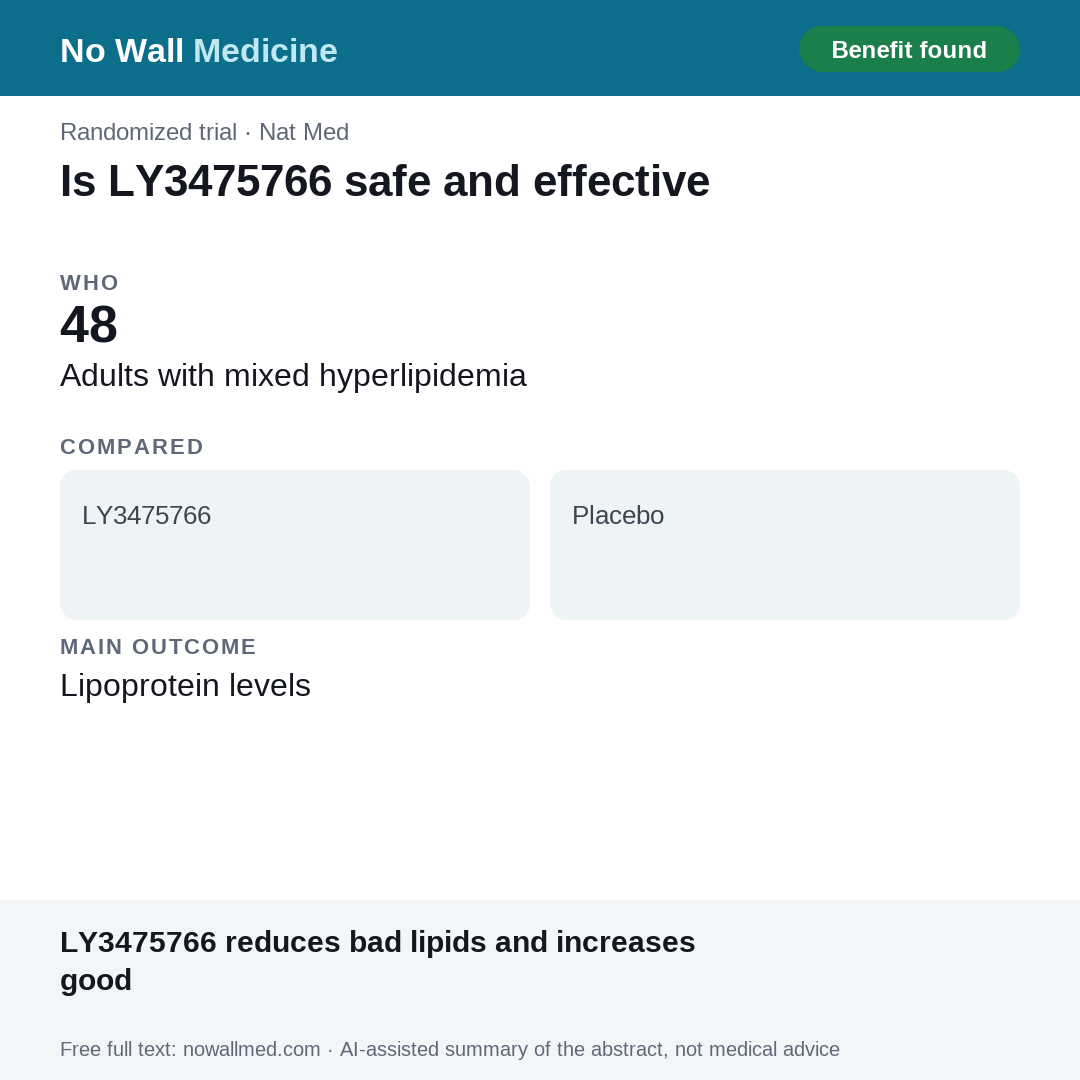
Targeting the angiopoietin-like protein 3/8 complex with a monoclonal antibody in patients with mixed hyperlipidemia: a phase 1 trial
Randomized trialBenefit found
Is LY3475766 safe and effective
Who
48
Adults with mixed hyperlipidemia
Compared
LY3475766
Placebo
Main outcome
Lipoprotein levels
Bottom line: LY3475766 reduces bad lipids and increases good
Limitation: Effects on cardiovascular risk unknown
Nat Med · 2025-07-10Download image