Visual abstracts
New randomized trials and meta-analyses from leading journals at a glance: who was studied, what was compared, and what was found. Every paper is free to read in full.
All specialtiesCardiology 4877Oncology 4138Gastroenterology & Hepatology 1942Infectious Disease 3837Neurology 1905Psychiatry & Mental Health 2273Pulmonology 2143Critical Care 1365Endocrinology & Diabetes 2580Pediatrics 2980Surgery 2559Orthopedics & Sports Medicine 931Neurosurgery 537Cardiothoracic & Vascular Surgery 674Plastic & Reconstructive Surgery 591Nephrology 1133Rheumatology 823Hematology 1109Dermatology 621Ophthalmology 543Obstetrics & Gynecology 1686Public & Global Health 1058Radiology & Imaging 648Anesthesiology 986Urology 764ENT (Otolaryngology) 503Emergency Medicine 511Allergy & Immunology 313Geriatrics 981Family Medicine & Primary Care 562Medical Genetics & Genomics 676Pathology & Laboratory Medicine 159Physical Medicine & Rehabilitation 757Palliative Care 444Nutrition 1588Digital Health & AI 2201General Medicine 321
Effect of peri-operative pharmacological interventions on postoperative delirium in patients having cardiac surgery: a systematic review and Bayesian network meta-analysis
Bayesian network meta-analysis of randomized controlled trialsBenefit found
What are the effects of pharmacological interventions on postoperative delirium after cardiac surgery?
Who
24827
Patients having cardiac surgery
Compared
Dexmedetomidine combined with melatonin: risk ratio 0.31
Placebo
Main outcome
incidence of postoperative delirium
Result: risk ratio 0.31 (95%CrI 0.13-0.69)
Bottom line: Dexmedetomidine combined with melatonin was the most effective strategy for preventing postoperative delirium after cardiac surgery.
Anaesthesia · 2025-09-01Download image

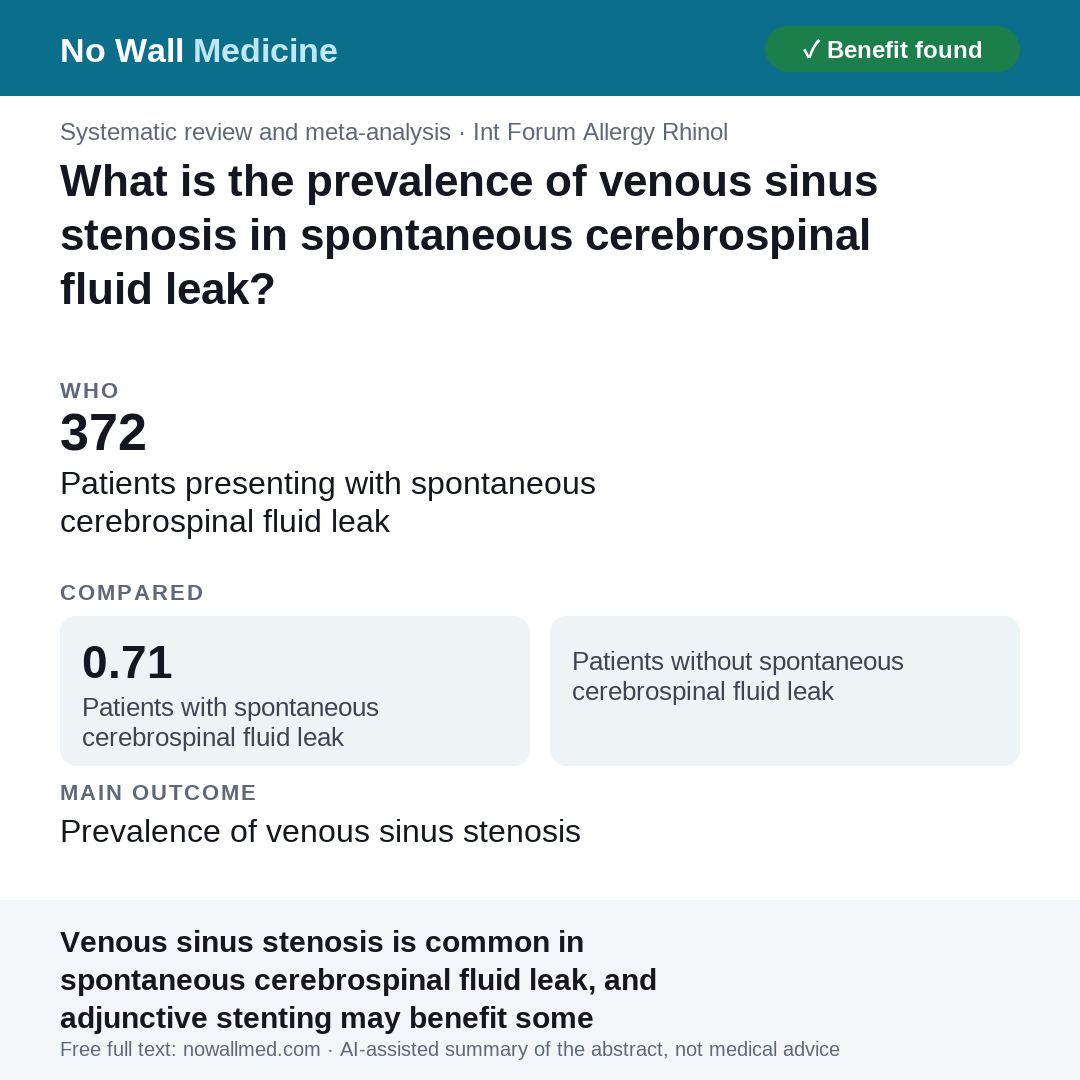
Prevalence of Venous Sinus Stenosis in Spontaneous Cerebrospinal Fluid Leak and the Role for Venous Sinus Stenting: A Systematic Review and Meta-Analysis
Systematic review and meta-analysisBenefit found
What is the prevalence of venous sinus stenosis in spontaneous cerebrospinal fluid leak?
Who
372
Patients presenting with spontaneous cerebrospinal fluid leak
Compared
0.71Patients with spontaneous cerebrospinal fluid leak (95% CI: 0.56-0.83)
Patients without spontaneous cerebrospinal fluid leak
Main outcome
Prevalence of venous sinus stenosis
Result: relative risk 3.11 (95% CI: 0.64-15.27)
Bottom line: Venous sinus stenosis is common in spontaneous cerebrospinal fluid leak, and adjunctive stenting may benefit some patients.
Int Forum Allergy Rhinol · 2025-09-01Download image
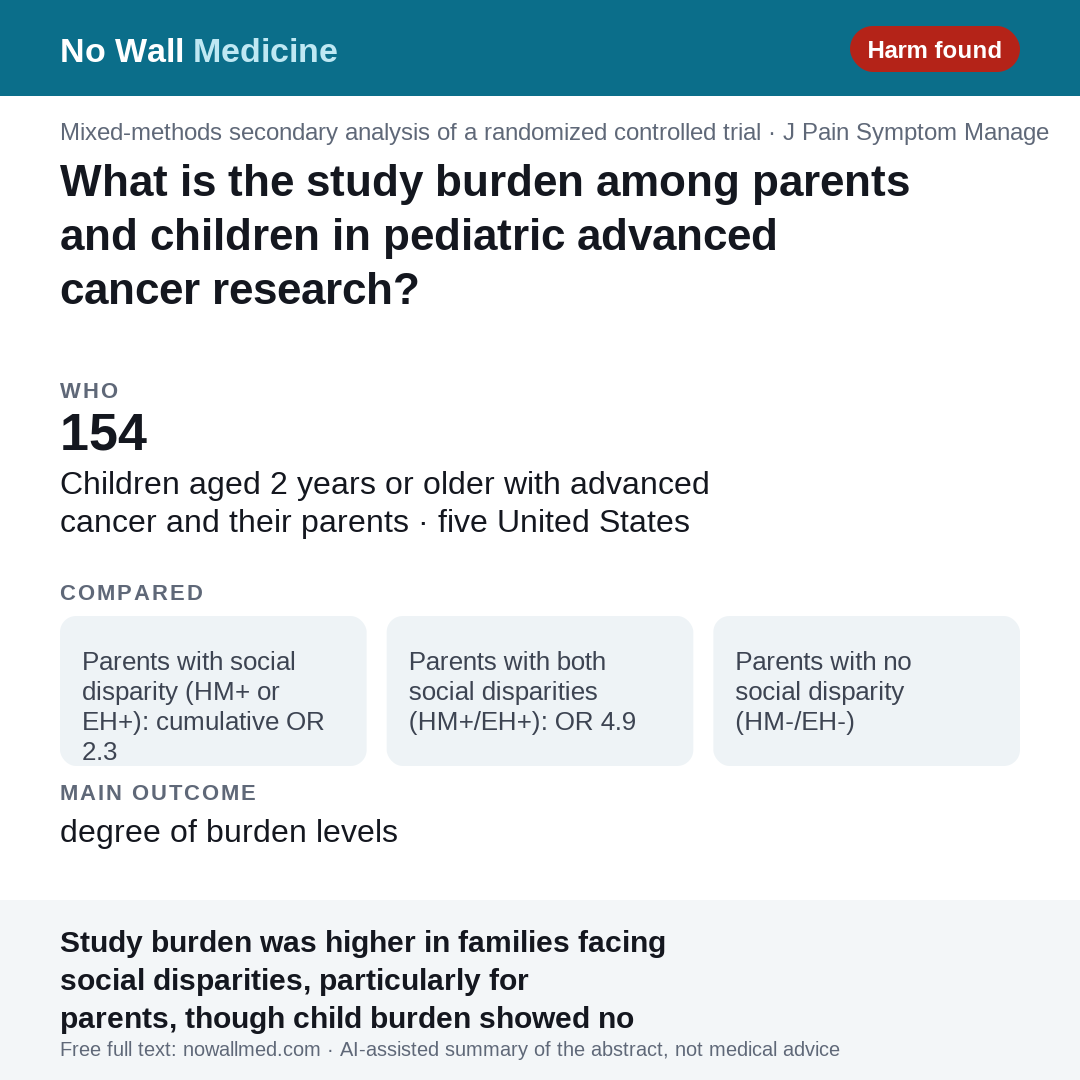
Research Burden in Pediatric Cancer: A Mixed Methods Study From the PediQUEST Response Trial
Mixed-methods secondary analysis of a randomized controlled trialHarm found
What is the study burden among parents and children in pediatric advanced cancer research?
Who
154
Children aged 2 years or older with advanced cancer and their parents · five United States pediatric cancer centers
Compared
Parents with social disparity (HM+ or EH+): cumulative OR 2.3
Parents with both social disparities (HM+/EH+): OR 4.9
Parents with no social disparity (HM-/EH-)
Main outcome
degree of burden levels
Result: cumulative OR 2.3 (95% CI 1.1, 5.1); OR 4.9 (95% CI 1.9, 12.2)
Bottom line: Study burden was higher in families facing social disparities, particularly for parents, though child burden showed no associations.
J Pain Symptom Manage · 2025-09-01Download image
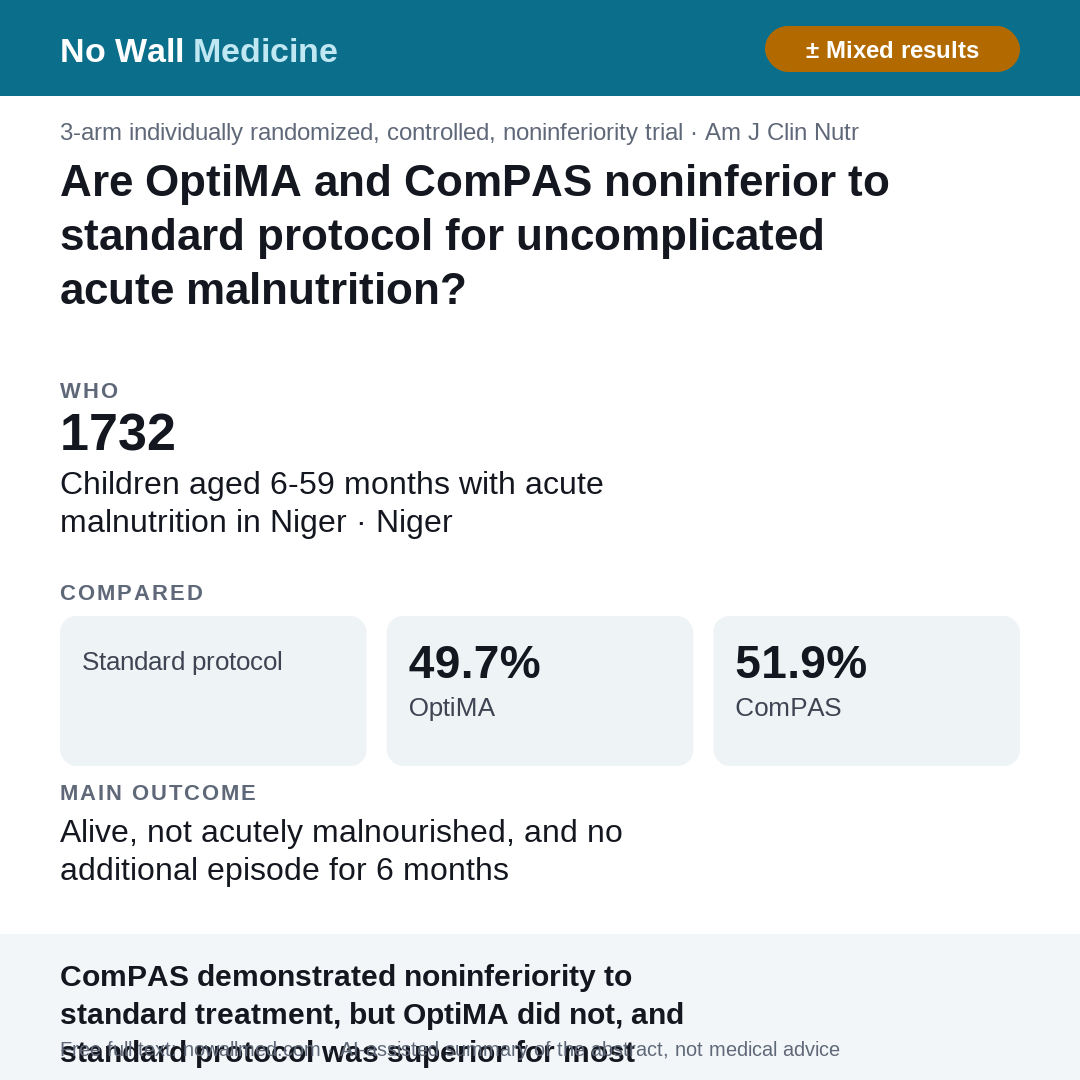
Optimizing management of uncomplicated acute malnutrition in children in rural Niger: a 3-arm individually randomized, controlled, noninferiority trial
3-arm individually randomized, controlled, noninferiority trialMixed results
Are OptiMA and ComPAS noninferior to standard protocol for uncomplicated acute malnutrition?
Who
1732
Children aged 6-59 months with acute malnutrition in Niger · Niger
Compared
Standard protocol
49.7%OptiMA
51.9%ComPAS
Main outcome
Alive, not acutely malnourished, and no additional episode for 6 months
Result: difference 1.0% (97.5% CI -5.5% to 7.6%) for ComPAS
Bottom line: ComPAS demonstrated noninferiority to standard treatment, but OptiMA did not, and standard protocol was superior for most malnourished children.
Limitation: 20% more missed visits in OptiMA and ComPAS
Am J Clin Nutr · 2025-09-01Download image
Palbociclib and trastuzumab for HER2-positive metastatic breast cancer: final overall survival results of cohort A and B of SOLTI-1303-PATRICIA trial
Phase II randomized trialMixed results
What are the overall survival results for palbociclib and trastuzumab in HER2-positive metastatic breast cancer?
Who
71
Hormone receptor-positive/human epidermal growth factor receptor 2-positive metastatic breast cancer patients
Compared
Cohort A (estrogen receptor-negative): 13.3% 4-year overall survival rate
Cohort B1 (estrogen receptor-positive, no additional therapy): 35.7% 4-year overall survival rate
Cohort B2 (estrogen receptor-positive, letrozole): 32.3% 4-year overall survival rate
Main outcome
overall survival
Result: median overall survival 29.8 months [95% confidence interval 20.9-38.0 months]
Bottom line: Overall survival varied by hormone receptor status and gene expression profiling in HER2-positive metastatic breast cancer.
ESMO Open · 2025-09-01Download image

Dietary and Circulating Vitamins, Polymorphisms of Vitamin Metabolism Genes, and the Risk of Gastrointestinal Cancers: A Systematic Review and Meta-Analysis
Systematic review and meta-analysisBenefit found
Do vitamins and genetic polymorphisms influence gastrointestinal cancer risk?
Who
Studies on colorectal, gastric, and esophageal cancer
Compared
High dietary vitamin B: odds ratio 0.84 (95% CI 0.79-0.90)
High circulating vitamin B: odds ratio 0.53 (95% CI 0.36-0.78)
High dietary vitamin D: odds ratio 0.69 (95% CI 0.53-0.90)
High circulating vitamin D: odds ratio 0.74 (95% CI 0.59-0.94)
Main outcome
risk of gastrointestinal cancers
Bottom line: High dietary and circulating vitamin B and vitamin D levels are associated with lowered gastrointestinal cancer risk.
Clin Transl Gastroenterol · 2025-09-01Download image

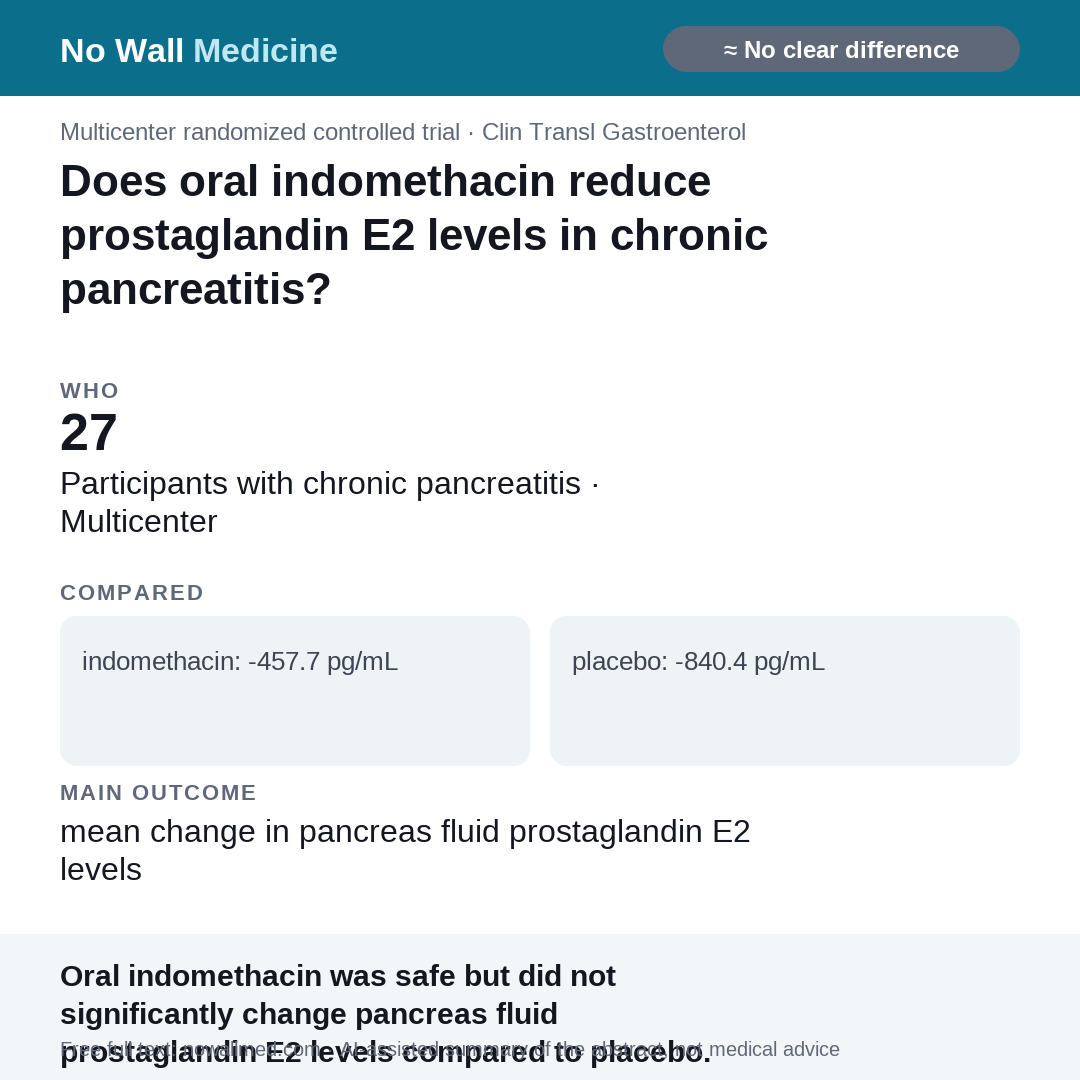
Oral Indomethacin for Chronic Pancreatitis: Results From the PAIR Randomized Placebo-Controlled Trial
Multicenter randomized controlled trialNo clear difference
Does oral indomethacin reduce prostaglandin E2 levels in chronic pancreatitis?
Who
27
Participants with chronic pancreatitis · Multicenter
Compared
indomethacin: -457.7 pg/mL
placebo: -840.4 pg/mL
Main outcome
mean change in pancreas fluid prostaglandin E2 levels
Bottom line: Oral indomethacin was safe but did not significantly change pancreas fluid prostaglandin E2 levels compared to placebo.
Clin Transl Gastroenterol · 2025-09-01Download image
Impact of Immune-Related Adverse Events on Survival in Patients With Gastrointestinal Cancer Treated With Immune Checkpoint Inhibitors: A Meta-Analysis
Meta-analysis of 22 retrospective cohort studiesBenefit found
Do immune-related adverse events affect survival in gastrointestinal cancer patients treated with immune checkpoint inhibitors?
Who
2935
Patients with gastrointestinal cancer treated with immune checkpoint inhibitors
Compared
Patients with immune-related adverse events
Patients without immune-related adverse events
Main outcome
Overall survival and progression-free survival
Result: hazard ratio 0.45 (95% CI 0.36-0.57) for overall survival
Bottom line: Immune-related adverse events correlate with significantly improved overall survival and progression-free survival in gastrointestinal cancer patients.
Clin Transl Gastroenterol · 2025-09-01Download image

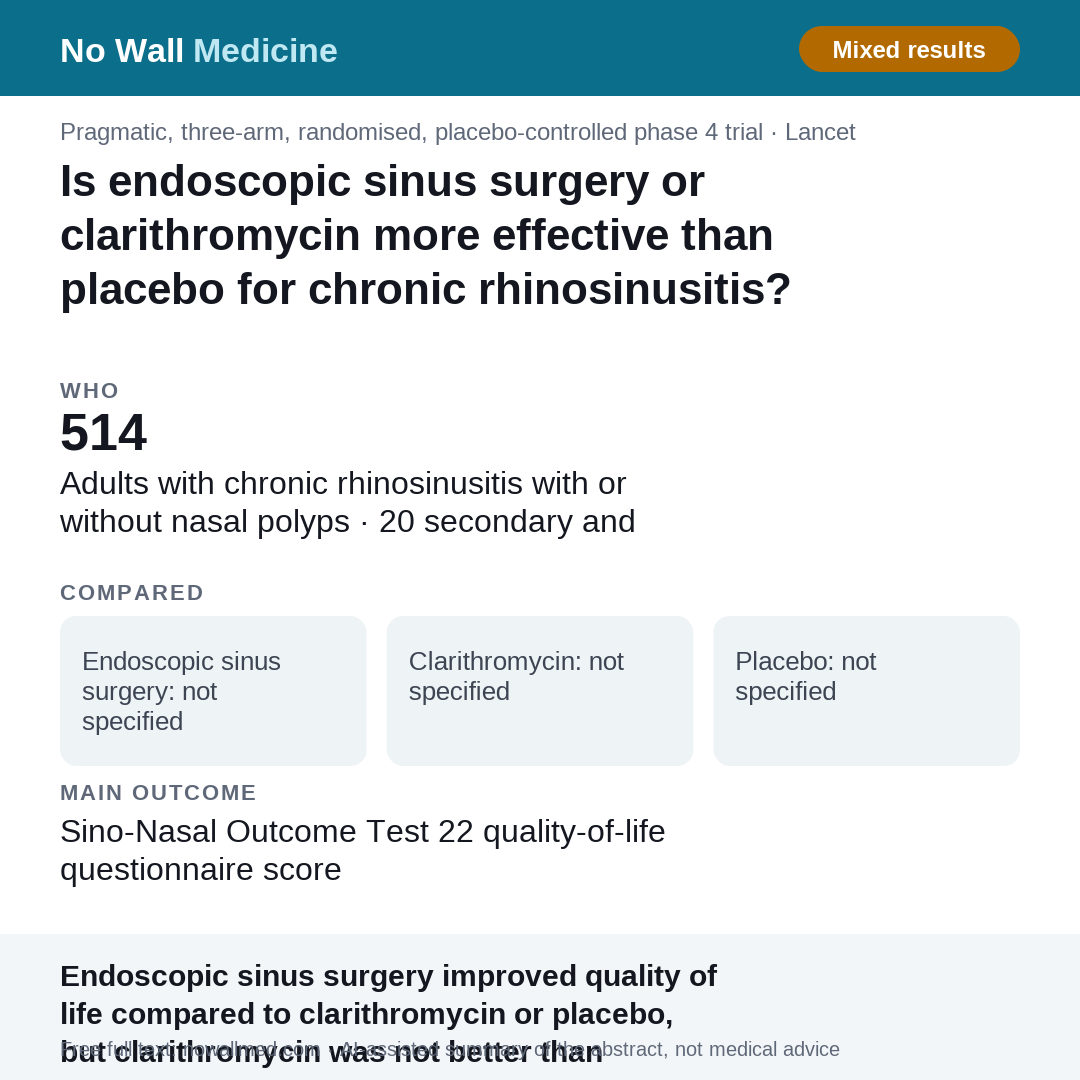
The clinical effectiveness of clarithromycin versus endoscopic sinus surgery for adults with chronic rhinosinusitis with and without nasal polyps (MACRO): a pragmatic, multicentre, three-arm, randomised, placebo-controlled phase 4 trial
Pragmatic, three-arm, randomised, placebo-controlled phase 4 trialMixed results
Is endoscopic sinus surgery or clarithromycin more effective than placebo for chronic rhinosinusitis?
Who
514
Adults with chronic rhinosinusitis with or without nasal polyps · 20 secondary and tertiary care sites in the UK
Compared
Endoscopic sinus surgery: not specified
Clarithromycin: not specified
Placebo: not specified
Main outcome
Sino-Nasal Outcome Test 22 quality-of-life questionnaire score
Result: adjusted mean difference -18·13 (98·33% CI -24·26 to -11·99) vs clarithromycin
Bottom line: Endoscopic sinus surgery improved quality of life compared to clarithromycin or placebo, but clarithromycin was not better than placebo.
Funded by: National Institute for Health and Care Research
Lancet · 2025-08-31Download image
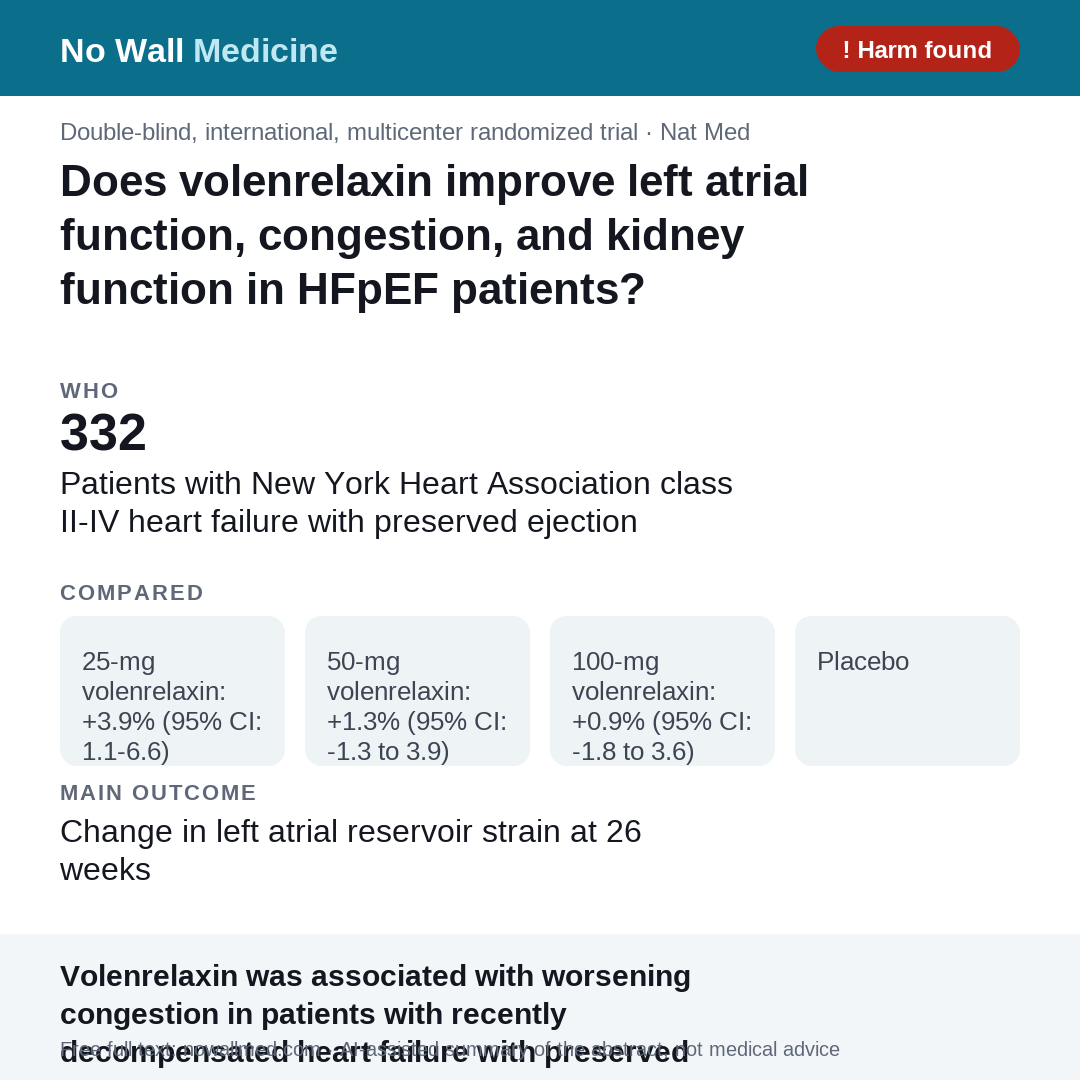
Effects of volenrelaxin in worsening heart failure with preserved ejection fraction: a phase 2 randomized trial
Double-blind, international, multicenter randomized trialHarm found
Does volenrelaxin improve left atrial function, congestion, and kidney function in HFpEF patients?
Who
332
Patients with New York Heart Association class II-IV heart failure with preserved ejection fraction · International, multicenter
Compared
25-mg volenrelaxin: +3.9% (95% CI: 1.1-6.6)
50-mg volenrelaxin: +1.3% (95% CI: -1.3 to 3.9)
100-mg volenrelaxin: +0.9% (95% CI: -1.8 to 3.6)
Placebo
Main outcome
Change in left atrial reservoir strain at 26 weeks
Result: hazard ratio 2.64 (95% CI 0.93-7.56)
Bottom line: Volenrelaxin was associated with worsening congestion in patients with recently decompensated heart failure with preserved ejection fraction.
Nat Med · 2025-08-31Download image
Sex Differences in Effectiveness of Semaglutide in Patients With Peripheral Artery Disease: The STRIDE Trial
Post hoc analysis of a randomized trialNo clear difference
Does semaglutide effectiveness in peripheral artery disease differ between females and males?
Who
792
People with early symptomatic peripheral artery disease and type 2 diabetes
Compared
Females: consistent improvement in maximum walking distance
Males: consistent improvement in maximum walking distance
Main outcome
ratio to baseline in maximum walking distance at week 52
Result: P-interaction value = 0.65
Bottom line: Semaglutide 1.0 mg provided consistent functional improvements in patients regardless of sex.
JACC · 2025-08-31Download image

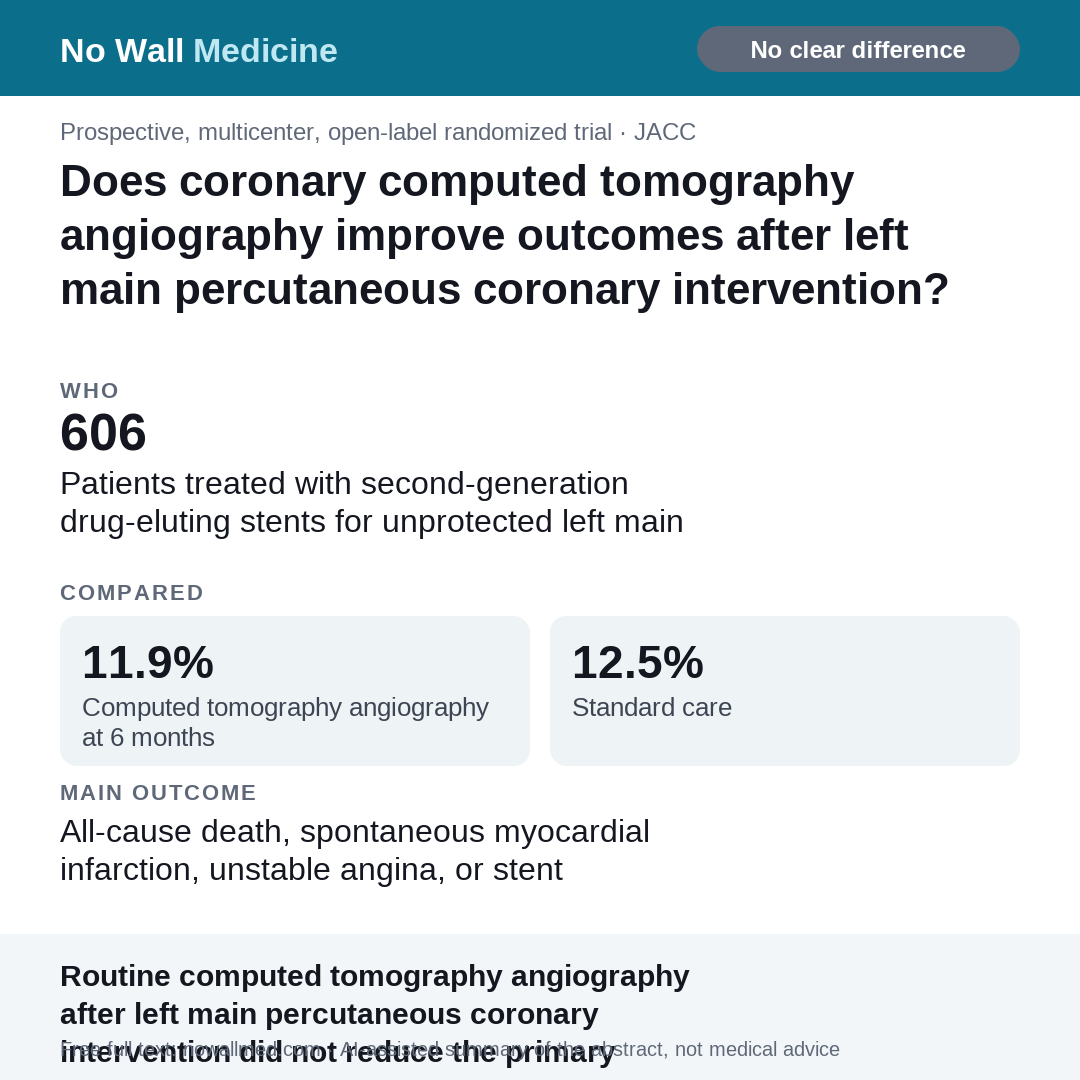
Computed Tomography Angiography or Standard Care After Left Main PCI?
Prospective, multicenter, open-label randomized trialNo clear difference
Does coronary computed tomography angiography improve outcomes after left main percutaneous coronary intervention?
Who
606
Patients treated with second-generation drug-eluting stents for unprotected left main disease · Multicenter
Compared
11.9%Computed tomography angiography at 6 months
12.5%Standard care
Main outcome
All-cause death, spontaneous myocardial infarction, unstable angina, or stent thrombosis
Result: hazard ratio 0.97 (95% CI 0.76-1.23)
Bottom line: Routine computed tomography angiography after left main percutaneous coronary intervention did not reduce the primary composite clinical endpoint.
JACC · 2025-08-31Download image
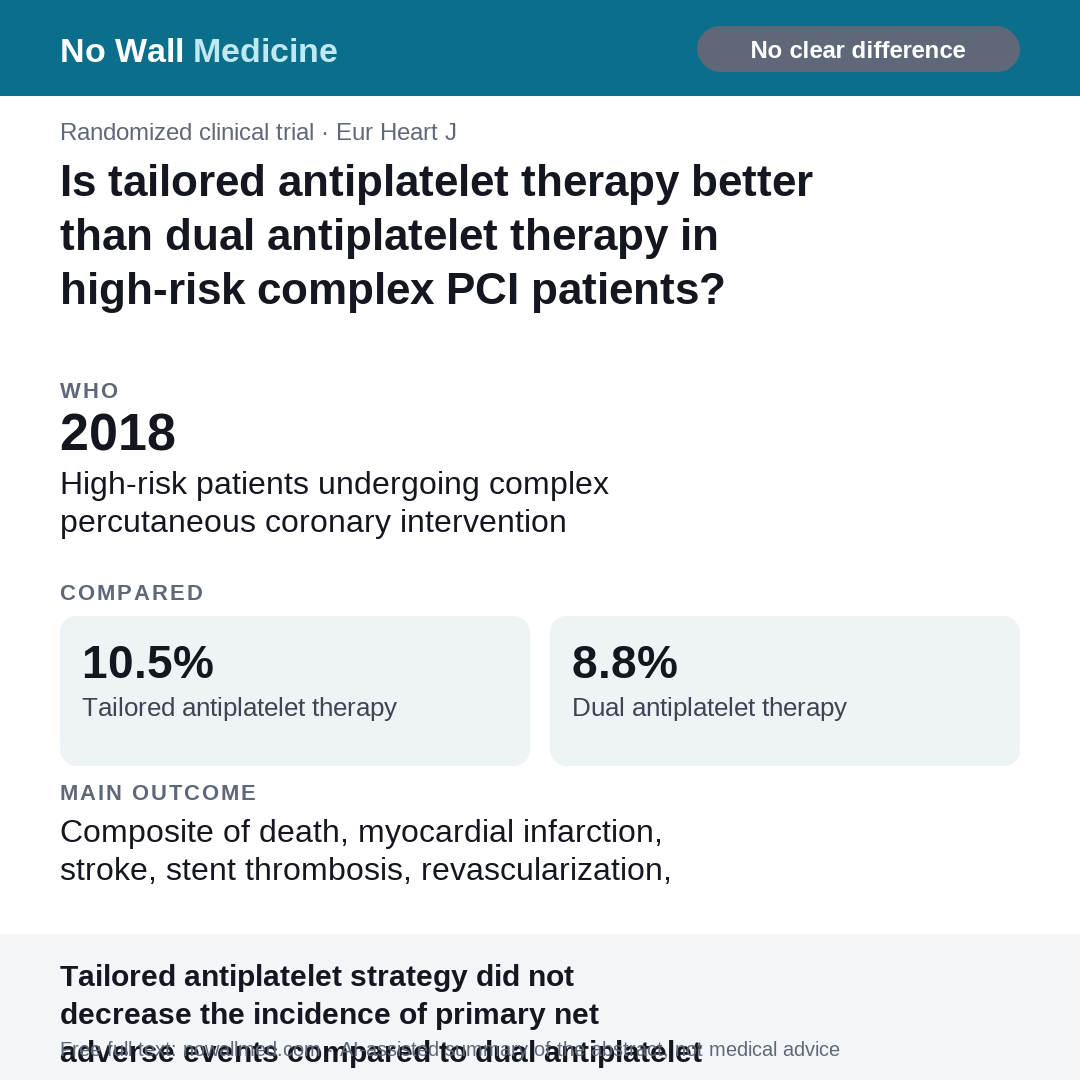
Temporal modulation of antiplatelet therapy in high-risk patients undergoing complex percutaneous coronary intervention: the TAILORED-CHIP randomized clinical trial
Randomized clinical trialNo clear difference
Is tailored antiplatelet therapy better than dual antiplatelet therapy in high-risk complex PCI patients?
Who
2018
High-risk patients undergoing complex percutaneous coronary intervention
Compared
10.5%Tailored antiplatelet therapy
8.8%Dual antiplatelet therapy
Main outcome
Composite of death, myocardial infarction, stroke, stent thrombosis, revascularization, and bleeding
Result: hazard ratio 1.19 (95% CI 0.90-1.58)
Bottom line: Tailored antiplatelet strategy did not decrease the incidence of primary net adverse events compared to dual antiplatelet therapy.
Eur Heart J · 2025-08-31Download image
Serum magnesium and outcomes in heart failure with reduced ejection fraction: the GALACTIC-HF trial
Randomized, double-blind, multicentre, event-driven trialMixed results
What is the prognostic significance of serum magnesium in heart failure patients?
Who
6147
Outpatients with heart failure and reduced ejection fraction · multicentre
Compared
hypermagnesaemia: 34.9 per 100 person-years
hypomagnesaemia: 21.5 per 100 person-years
normal magnesium: 20.9 per 100 person-years
Main outcome
composite of first worsening heart failure event or cardiovascular death
Bottom line: Hypermagnesaemia was associated with higher primary outcome risk, but hypomagnesaemia was not associated with increased risk.
Eur Heart J · 2025-08-31Download image

Semaglutide promotes bone marrow-derived progenitor cell flux towards an anti-inflammatory and pro-regenerative profile in high-risk patients: the SEMA-VR CardioLink-15 trial
Randomized translational trialBenefit found
Does semaglutide affect circulating vascular regenerative cell levels in high-risk patients?
Who
46
Patients with type 2 diabetes and/or obesity plus atherosclerotic cardiovascular disease
Compared
Usual care: ALDHhiSSClow: +0.8%
Semaglutide: ALDHhiSSClow: +34.8%
Main outcome
6-month change in vascular regenerative cell content
Bottom line: Semaglutide increased circulating vascular regenerative cell content and reduced pro-inflammatory granulocyte precursors in high-risk patients.
Eur Heart J · 2025-08-31Download image

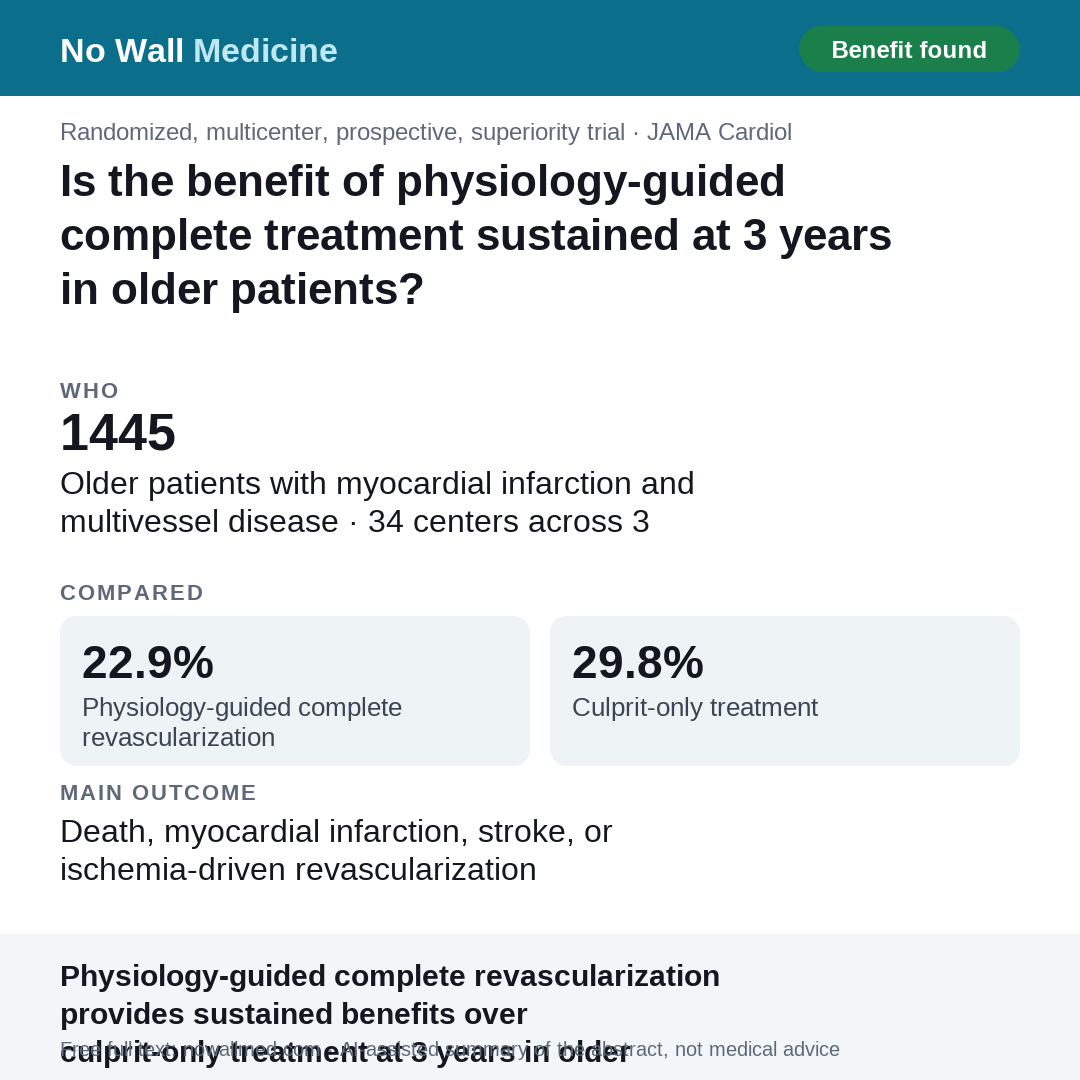
Physiology-Guided Complete Revascularization in Older Patients With Myocardial Infarction: Three-Year Outcomes of a Randomized Clinical Trial
Randomized, multicenter, prospective, superiority trialBenefit found
Is the benefit of physiology-guided complete treatment sustained at 3 years in older patients?
Who
1445
Older patients with myocardial infarction and multivessel disease · 34 centers across 3 countries
Compared
22.9%Physiology-guided complete revascularization
29.8%Culprit-only treatment
Main outcome
Death, myocardial infarction, stroke, or ischemia-driven revascularization
Result: hazard ratio 0.72 (95% CI 0.58-0.88)
Bottom line: Physiology-guided complete revascularization provides sustained benefits over culprit-only treatment at 3 years in older patients.
JAMA Cardiol · 2025-08-31Download image
Angiotensin-Neprilysin Inhibition and Left Ventricular Assist Device Therapy: Primary Results of the ENVAD-HF Trial
Multicenter, randomized, open-label, parallel group studyNo clear difference
Is sacubitril/valsartan safe and tolerable for blood pressure management in HeartMate 3 recipients?
Who
60
Stable HeartMate 3 left ventricular assist device recipients · Multicenter
Compared
sacubitril/valsartan: 2 primary endpoints
standard of care: 5 primary endpoints
Main outcome
time to death, renal deterioration, hyperkalemia, or symptomatic hypotension
Result: hazard ratio 0.42 (95% CI: 0.08-2.18)
Bottom line: Sacubitril/valsartan demonstrated safety and tolerability for blood pressure management in stable HeartMate 3 recipients.
JACC Heart Fail · 2025-08-31Download image

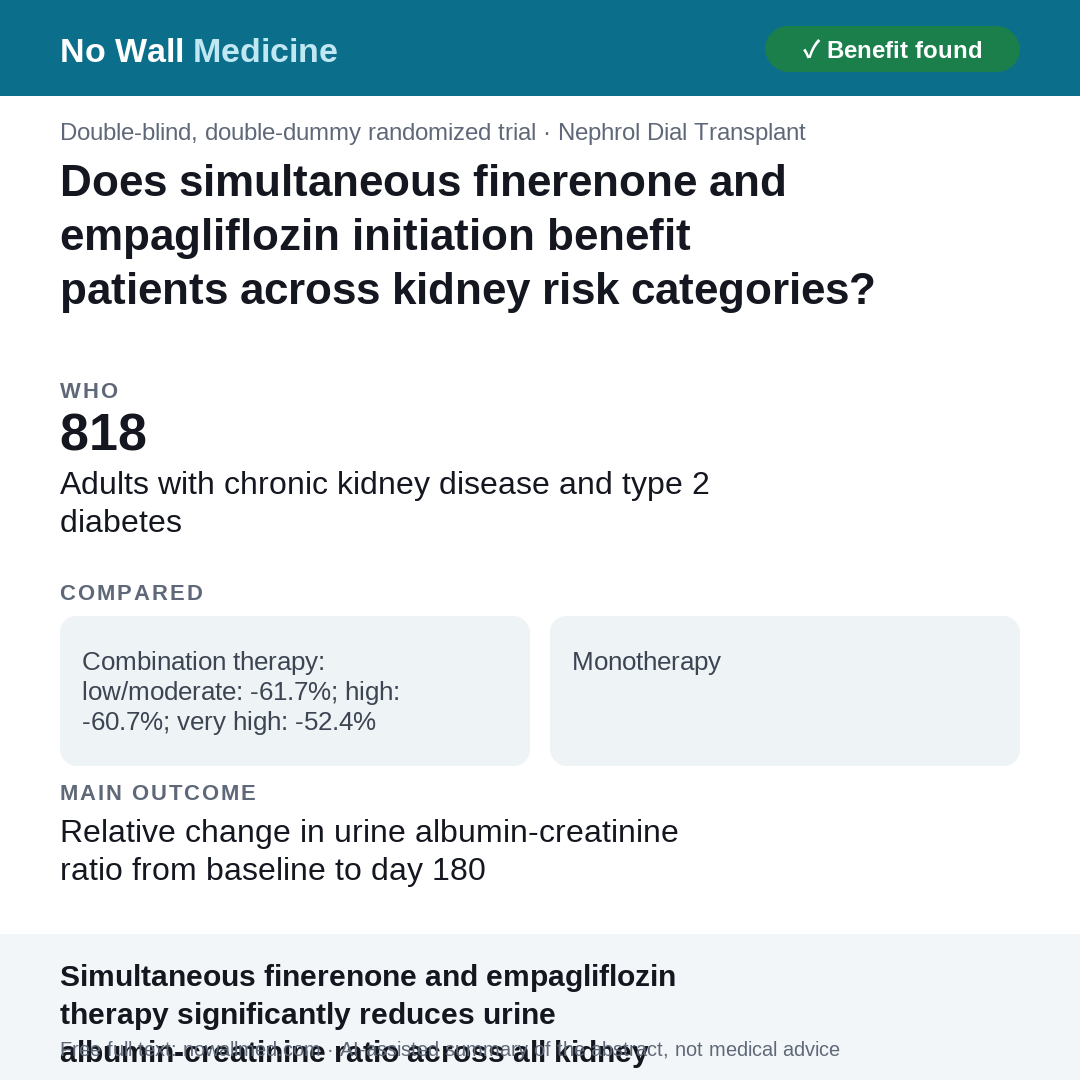
Simultaneous initiation of finerenone and empagliflozin across the spectrum of kidney risk in the CONFIDENCE trial
Double-blind, double-dummy randomized trialBenefit found
Does simultaneous finerenone and empagliflozin initiation benefit patients across kidney risk categories?
Who
818
Adults with chronic kidney disease and type 2 diabetes
Compared
Combination therapy: low/moderate: -61.7%; high: -60.7%; very high: -52.4%
Monotherapy
Main outcome
Relative change in urine albumin-creatinine ratio from baseline to day 180
Bottom line: Simultaneous finerenone and empagliflozin therapy significantly reduces urine albumin-creatinine ratio across all kidney disease risk categories.
Nephrol Dial Transplant · 2025-08-31Download image
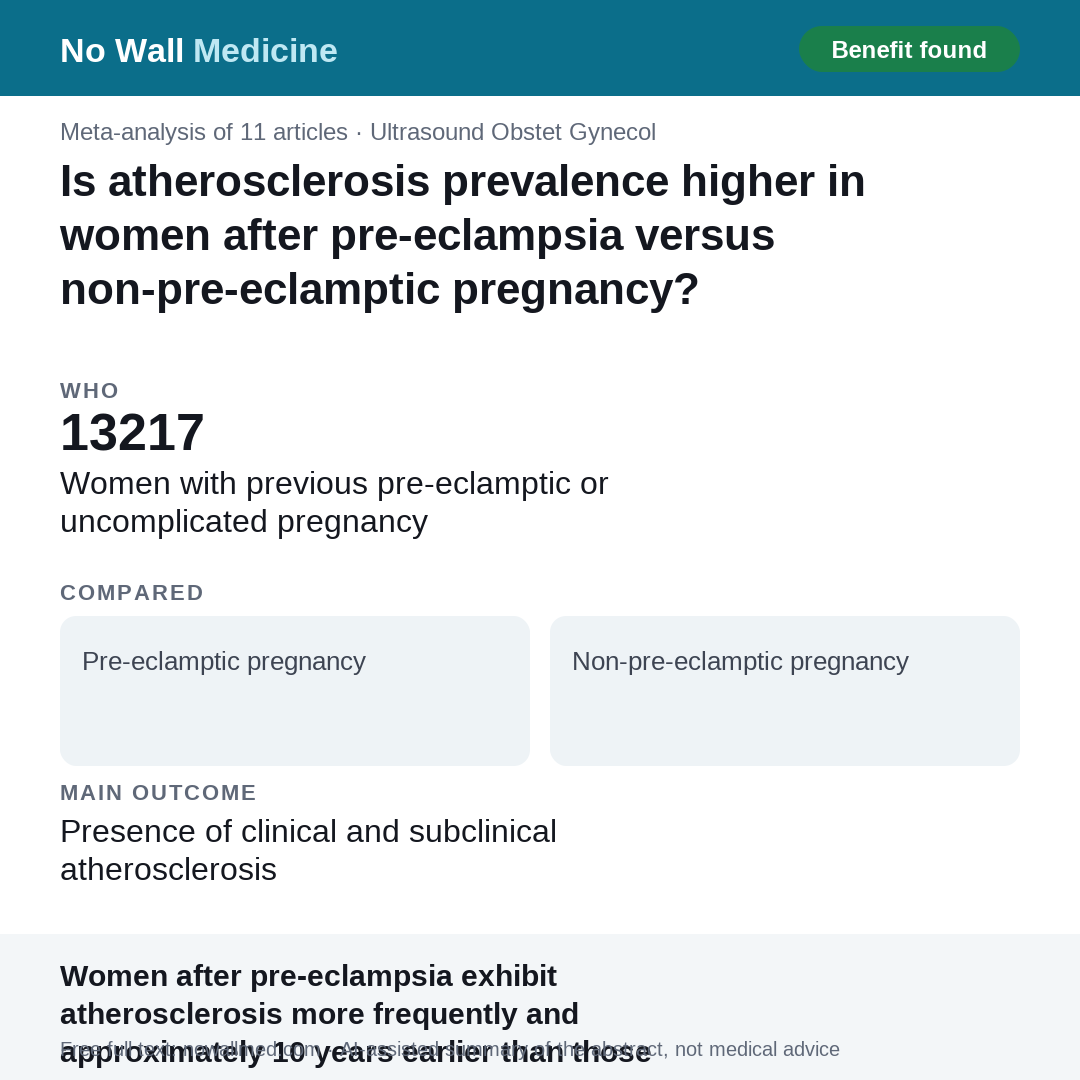
Atherosclerosis after pre-eclampsia: systematic review and meta-analysis
Meta-analysis of 11 articlesBenefit found
Is atherosclerosis prevalence higher in women after pre-eclampsia versus non-pre-eclamptic pregnancy?
Who
13217
Women with previous pre-eclamptic or uncomplicated pregnancy
Compared
Pre-eclamptic pregnancy
Non-pre-eclamptic pregnancy
Main outcome
Presence of clinical and subclinical atherosclerosis
Result: odds ratio 1.57 (95% CI 1.39-1.78)
Bottom line: Women after pre-eclampsia exhibit atherosclerosis more frequently and approximately 10 years earlier than those with uncomplicated pregnancies.
Ultrasound Obstet Gynecol · 2025-08-31Download image
Trajectory of serial amniotic fluid index measurements is associated with fetal growth, birth weight and neonatal adiposity
Secondary analysis of a randomized controlled trialBenefit found
Are longitudinal amniotic fluid index trajectories associated with fetal growth and neonatal adiposity?
Who
802
Singleton pregnancies without pre-existing or gestational diabetes mellitus · Taiwan
Compared
Gradually decreasing amniotic fluid index
Gradually increasing amniotic fluid index: higher gestational-age-specific Z-scores
Main outcome
Fetal growth, birth weight, and neonatal adiposity
Result: odds ratio 2.47 (95% CI 1.21-5.11)
Bottom line: An increasing amniotic fluid index trajectory is associated with higher fetal growth, birth weight, and neonatal adiposity.
Ultrasound Obstet Gynecol · 2025-08-31Download image