Visual abstracts
New randomized trials and meta-analyses from leading journals at a glance: who was studied, what was compared, and what was found. Every paper is free to read in full.
All specialtiesCardiology 4832Oncology 4114Gastroenterology & Hepatology 1934Infectious Disease 3824Neurology 1899Psychiatry & Mental Health 2256Pulmonology 2082Critical Care 1345Endocrinology & Diabetes 2572Pediatrics 2940Surgery 2525Orthopedics & Sports Medicine 926Neurosurgery 534Cardiothoracic & Vascular Surgery 671Plastic & Reconstructive Surgery 591Nephrology 1124Rheumatology 823Hematology 1104Dermatology 620Ophthalmology 543Obstetrics & Gynecology 1684Public & Global Health 1056Radiology & Imaging 641Anesthesiology 962Urology 754ENT (Otolaryngology) 503Emergency Medicine 489Allergy & Immunology 313Geriatrics 981Family Medicine & Primary Care 541Medical Genetics & Genomics 675Pathology & Laboratory Medicine 157Physical Medicine & Rehabilitation 751Palliative Care 424Nutrition 1580Digital Health & AI 2195General Medicine 321
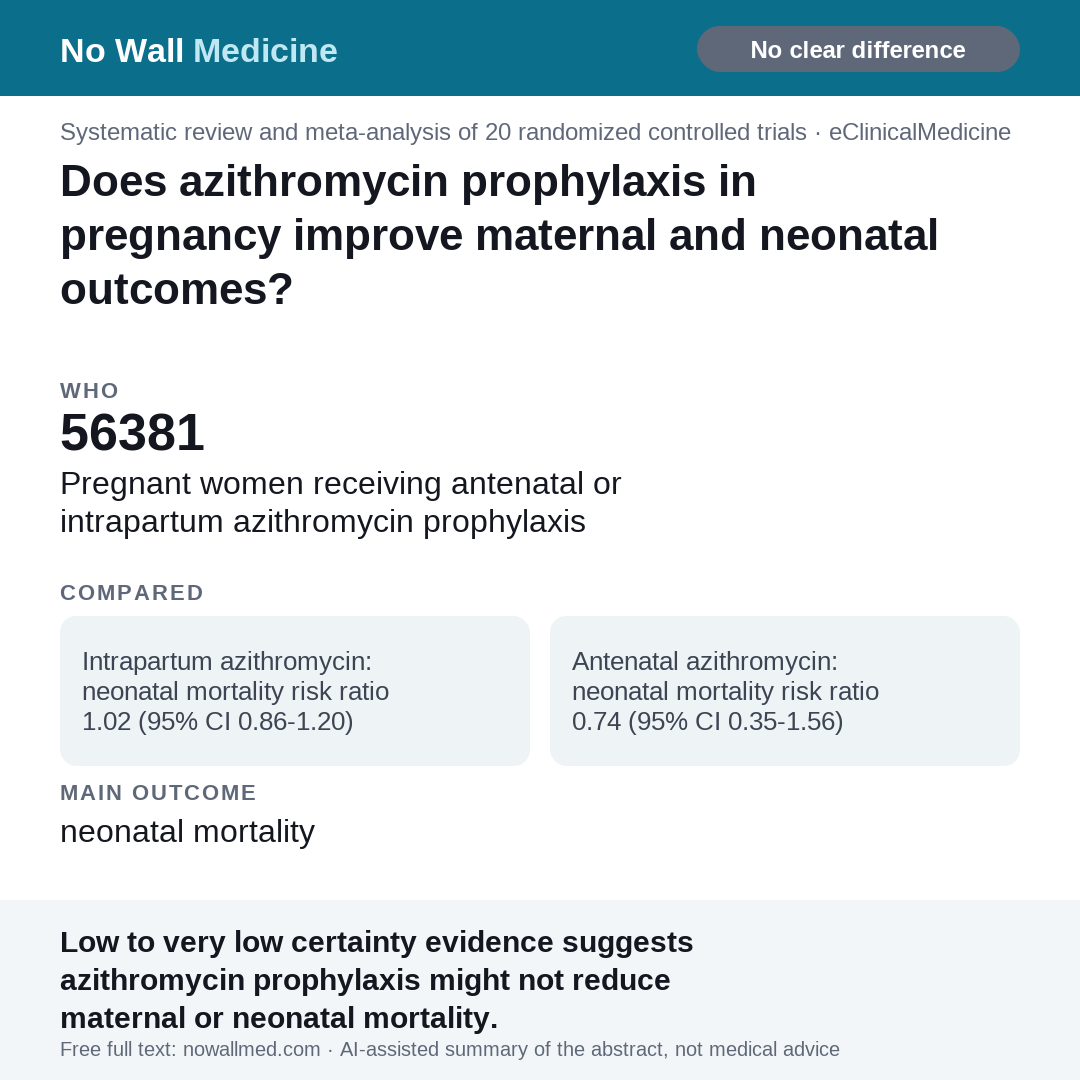
PeRinatal, neOnatal, and Maternal OuTcomEs with azithromycin prophylaxis in pregnancy and labour (PROMOTE-PROPHYLAXIS): systematic review and meta-analysis
Systematic review and meta-analysis of 20 randomized controlled trialsNo clear difference
Does azithromycin prophylaxis in pregnancy improve maternal and neonatal outcomes?
Who
56381
Pregnant women receiving antenatal or intrapartum azithromycin prophylaxis
Compared
Intrapartum azithromycin: neonatal mortality risk ratio 1.02 (95% CI 0.86-1.20)
Antenatal azithromycin: neonatal mortality risk ratio 0.74 (95% CI 0.35-1.56)
Main outcome
neonatal mortality
Result: risk ratio 1.02 (95% CI 0.86-1.20) for intrapartum; 0.74 (95% CI 0.35-1.56) for antenatal
Bottom line: Low to very low certainty evidence suggests azithromycin prophylaxis might not reduce maternal or neonatal mortality.
Limitation: There is no data on long-term adverse outcomes and antimicrobial resistance.
eClinicalMedicine · 2024-06-21Download image
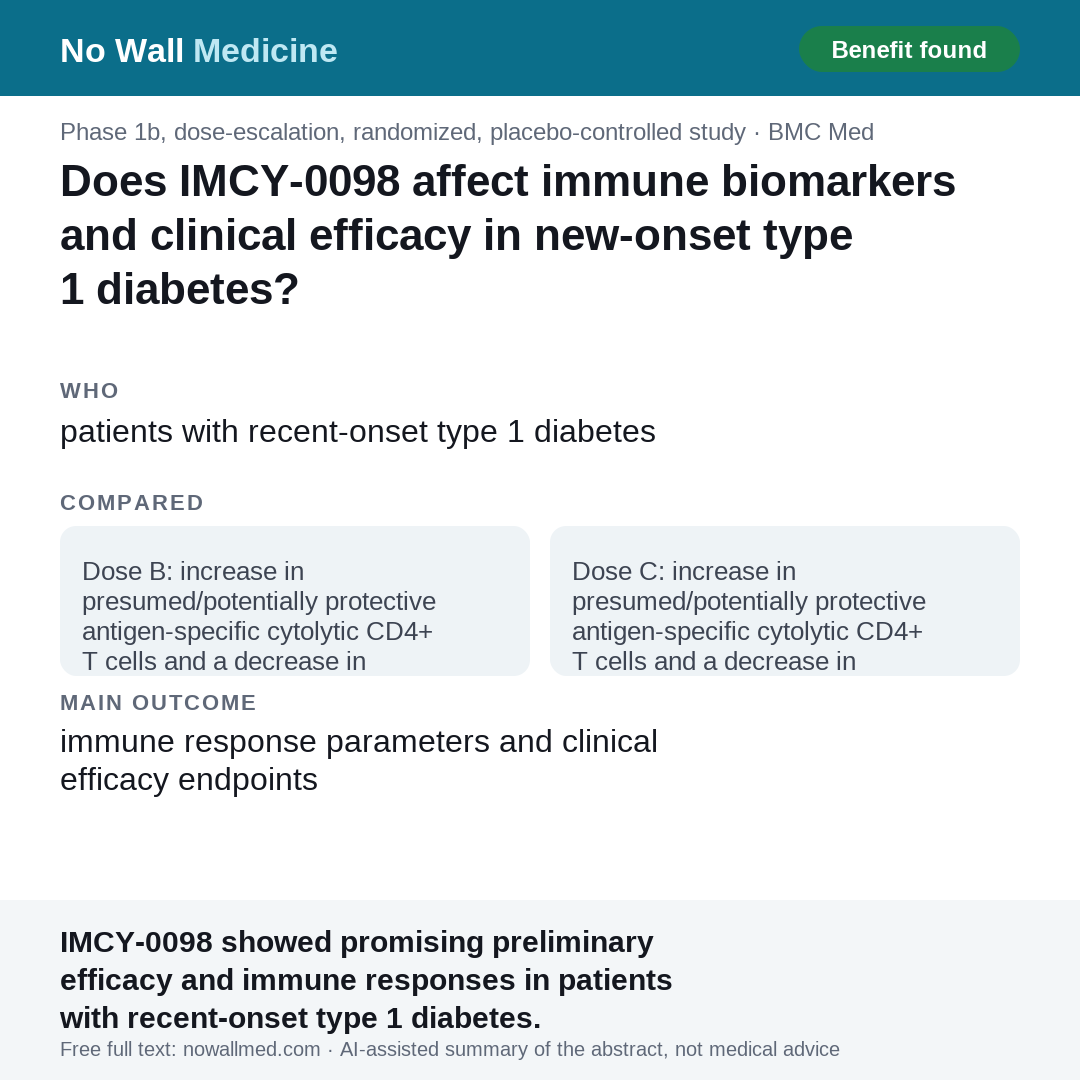
First-in-human, double-blind, randomized phase 1b study of peptide immunotherapy IMCY-0098 in new-onset type 1 diabetes: an exploratory analysis of immune biomarkers
Phase 1b, dose-escalation, randomized, placebo-controlled studyEarly signal
Does IMCY-0098 affect immune biomarkers and clinical efficacy in new-onset type 1 diabetes?
Who
patients with recent-onset type 1 diabetes
Compared
Dose B: increase in presumed/potentially protective antigen-specific cytolytic CD4+ T cells and a decrease in pathogenic CD8+ T cells
Dose C: increase in presumed/potentially protective antigen-specific cytolytic CD4+ T cells and a decrease in pathogenic CD8+ T cells
Main outcome
immune response parameters and clinical efficacy endpoints
Bottom line: IMCY-0098 showed promising preliminary efficacy and immune responses in patients with recent-onset type 1 diabetes.
BMC Med · 2024-06-21Download image
Assessing the lack of diversity in genetics research across neurodegenerative diseases: A systematic review of the GWAS Catalog and literature
Systematic reviewHarm found
How diverse are genome-wide association studies in neurodegenerative diseases?
Who
123
Neurodegenerative disease genome-wide association studies up to 2022
Compared
European ancestry studies: 82% predominantly featured European ancestry
Non-European or multi-ancestry studies: 50 novel loci
Main outcome
Diversity of ancestry and number of novel genetic loci identified
Bottom line: Eighty-two percent of neurodegenerative disease studies focus on Europeans, hindering comprehensive genetic understanding.
Alzheimers Dement · 2024-06-21Download image

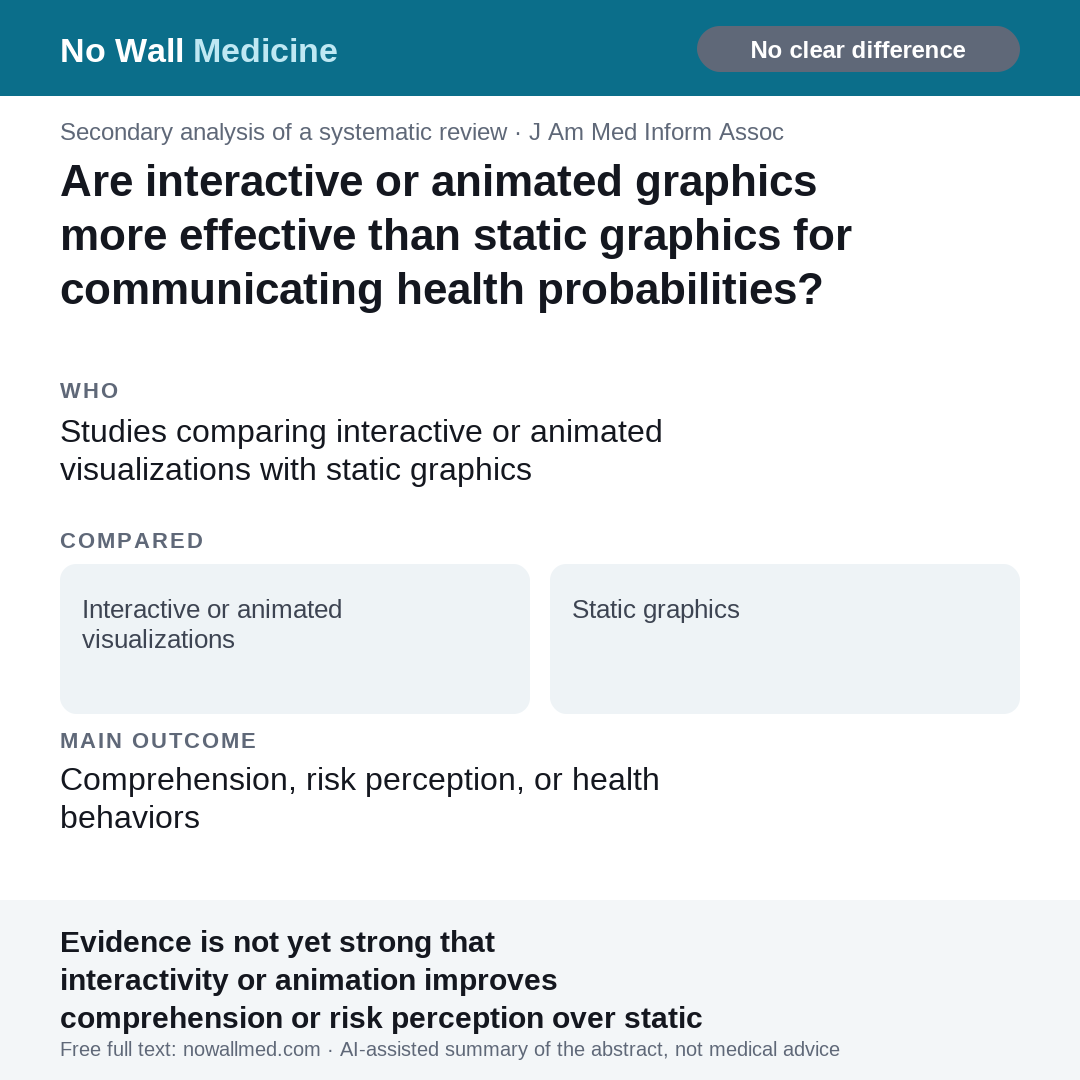
Insufficient evidence for interactive or animated graphics for communicating probability
Secondary analysis of a systematic reviewNo clear difference
Are interactive or animated graphics more effective than static graphics for communicating health probabilities?
Who
Studies comparing interactive or animated visualizations with static graphics
Compared
Interactive or animated visualizations
Static graphics
Main outcome
Comprehension, risk perception, or health behaviors
Bottom line: Evidence is not yet strong that interactivity or animation improves comprehension or risk perception over static graphics.
Limitation: The most effective visualizations may not have been studied yet.
J Am Med Inform Assoc · 2024-06-21Download image
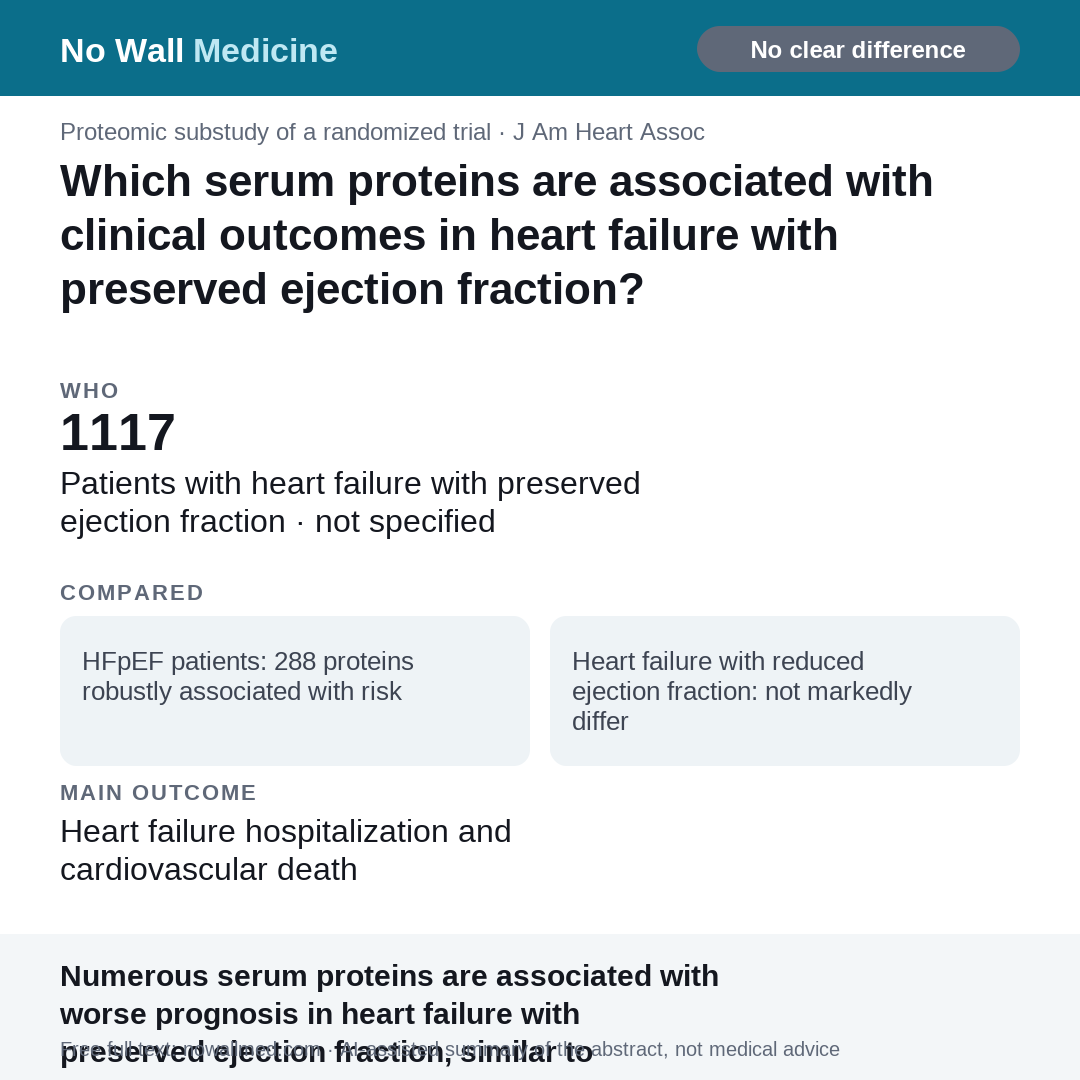
Aptamer Proteomics for Biomarker Discovery in Heart Failure With Preserved Ejection Fraction: The PARAGON-HF Proteomic Substudy
Proteomic substudy of a randomized trialNo clear difference
Which serum proteins are associated with clinical outcomes in heart failure with preserved ejection fraction?
Who
1117
Patients with heart failure with preserved ejection fraction · not specified
Compared
HFpEF patients: 288 proteins robustly associated with risk
Heart failure with reduced ejection fraction: not markedly differ
Main outcome
Heart failure hospitalization and cardiovascular death
Bottom line: Numerous serum proteins are associated with worse prognosis in heart failure with preserved ejection fraction, similar to reduced ejection fraction.
J Am Heart Assoc · 2024-06-21Download image
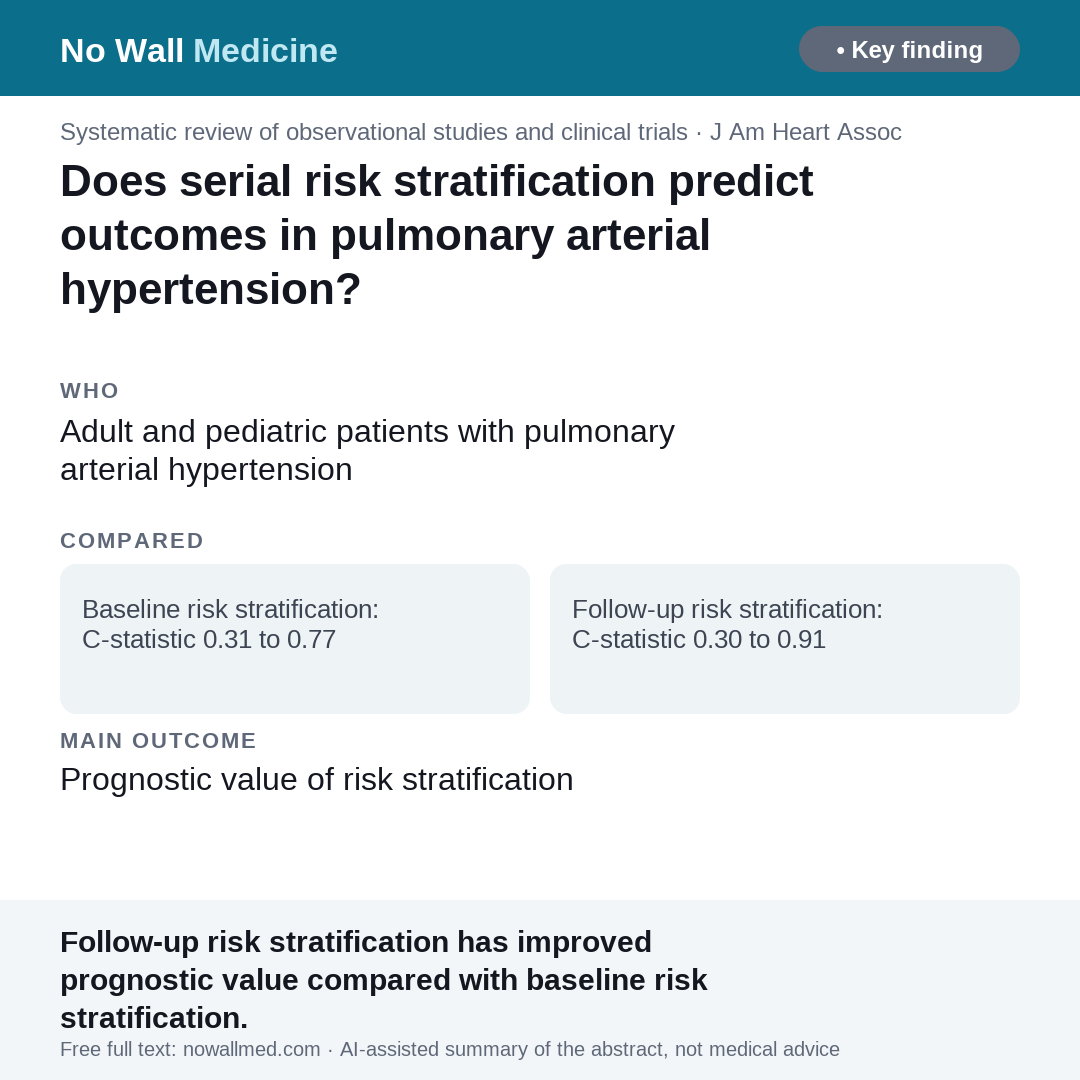
Prognostic Value of Serial Risk Stratification in Adult and Pediatric Pulmonary Arterial Hypertension: A Systematic Review
Systematic reviewBenefit found
Prognostic value of serial risk stratification
Who
Adult and pediatric pulmonary arterial hypertension patients
Compared
Baseline risk
Follow-up risk
Main outcome
Prognostic value and survival
Bottom line: Serial risk stratification improves prognostic value
J Am Heart Assoc · 2024-06-21Download image
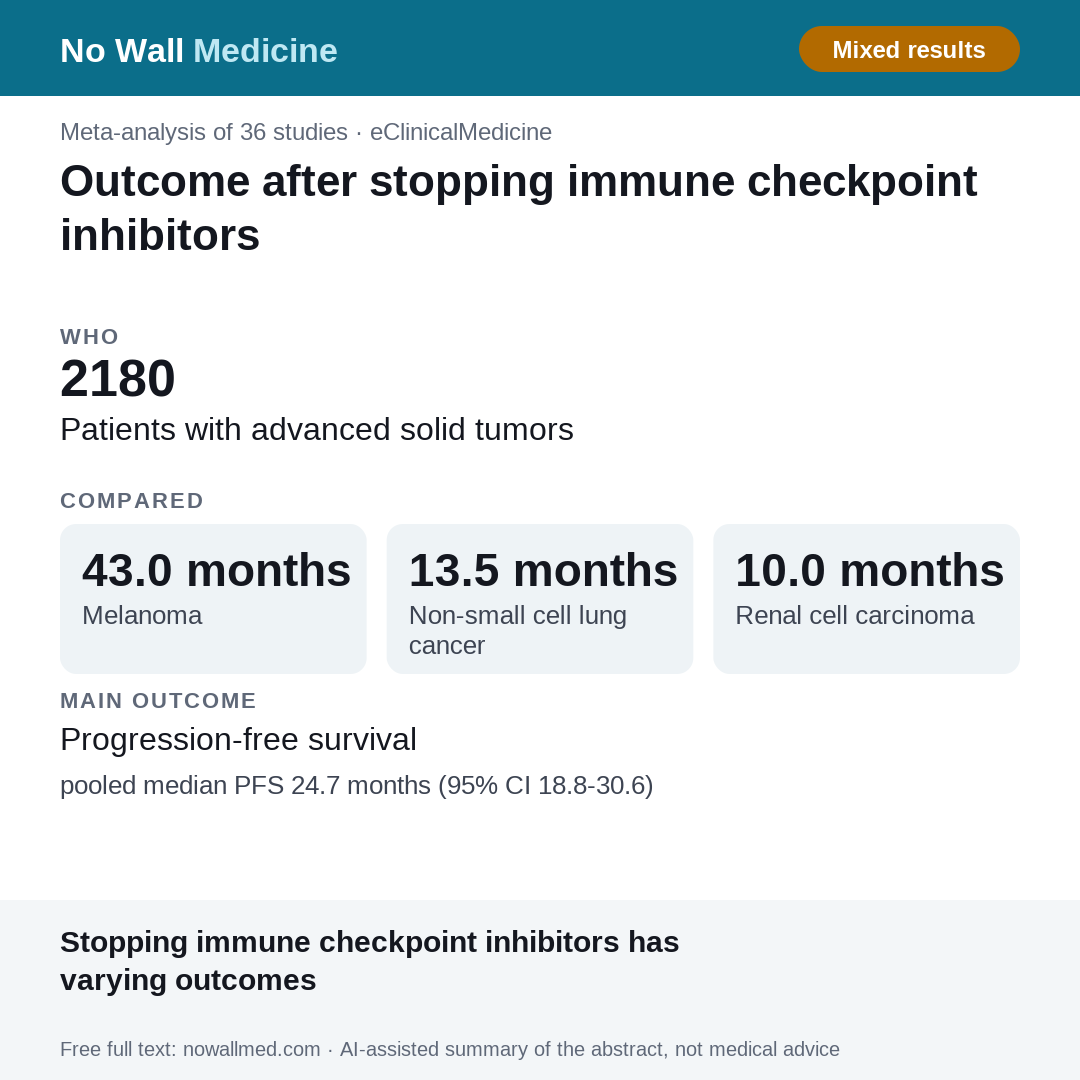
Outcomes of patients with advanced solid tumors who discontinued immune-checkpoint inhibitors: a systematic review and meta-analysis
Meta-analysis of 36 studiesMixed results
Outcome after stopping immune checkpoint inhibitors
Who
2180
Patients with advanced solid tumors
Compared
43.0 monthsMelanoma
13.5 monthsNon-small cell lung cancer
10.0 monthsRenal cell carcinoma
Main outcome
Progression-free survival
Result: pooled median PFS 24.7 months (95% CI 18.8-30.6)
Bottom line: Stopping immune checkpoint inhibitors has varying outcomes
Funded by: Italian Ministry of University and Research
eClinicalMedicine · 2024-06-20Download image
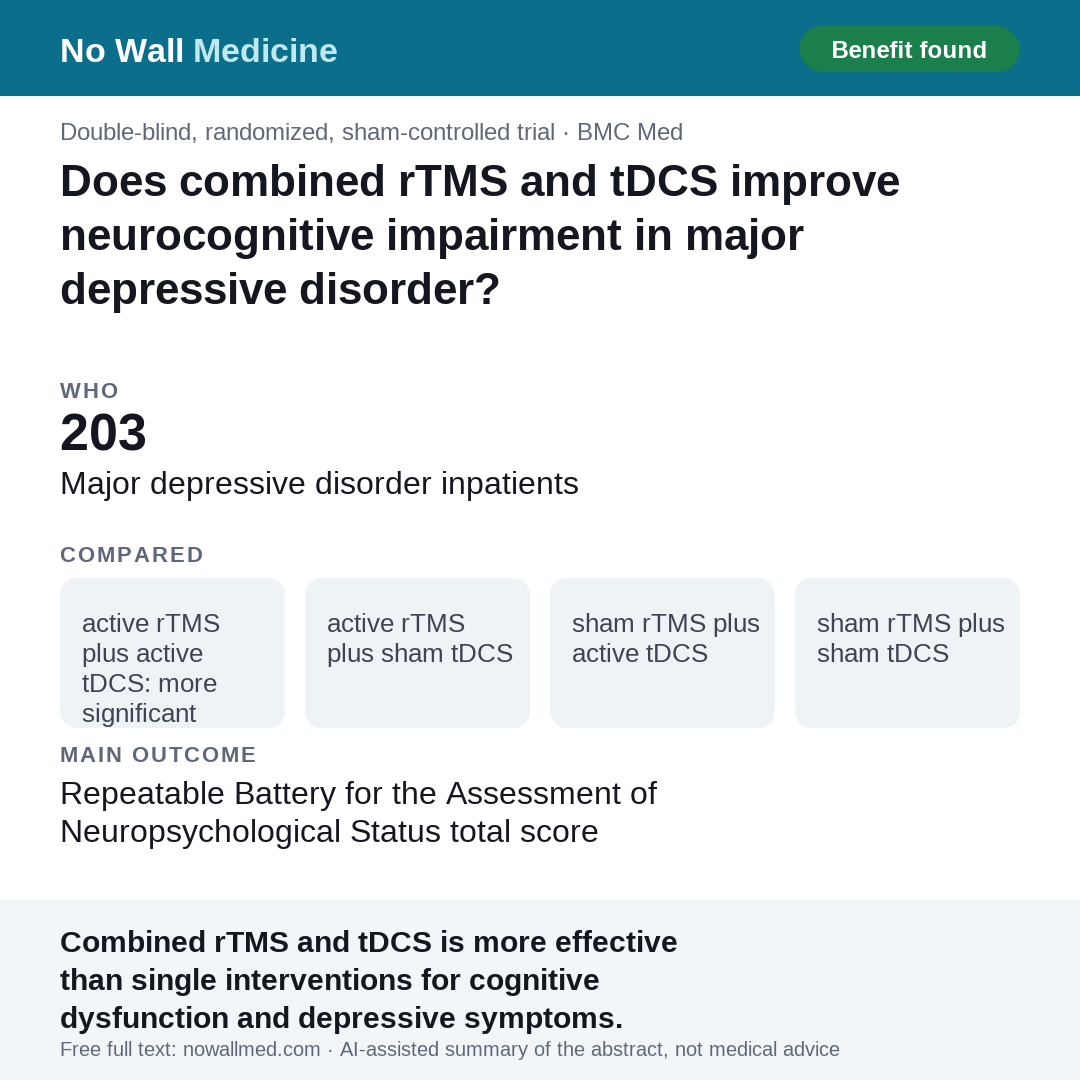
Cognitive enhancing effect of rTMS combined with tDCS in patients with major depressive disorder: a double-blind, randomized, sham-controlled study
Double-blind, randomized, sham-controlled trialBenefit found
Does combined rTMS and tDCS improve neurocognitive impairment in major depressive disorder?
Who
203
Major depressive disorder inpatients
Compared
active rTMS plus active tDCS: more significant improvements in RBANS total score, immediate memory, and visuospatial/constructional index score
active rTMS plus sham tDCS
sham rTMS plus active tDCS
sham rTMS plus sham tDCS
Main outcome
Repeatable Battery for the Assessment of Neuropsychological Status total score
Bottom line: Combined rTMS and tDCS is more effective than single interventions for cognitive dysfunction and depressive symptoms.
BMC Med · 2024-06-20Download image
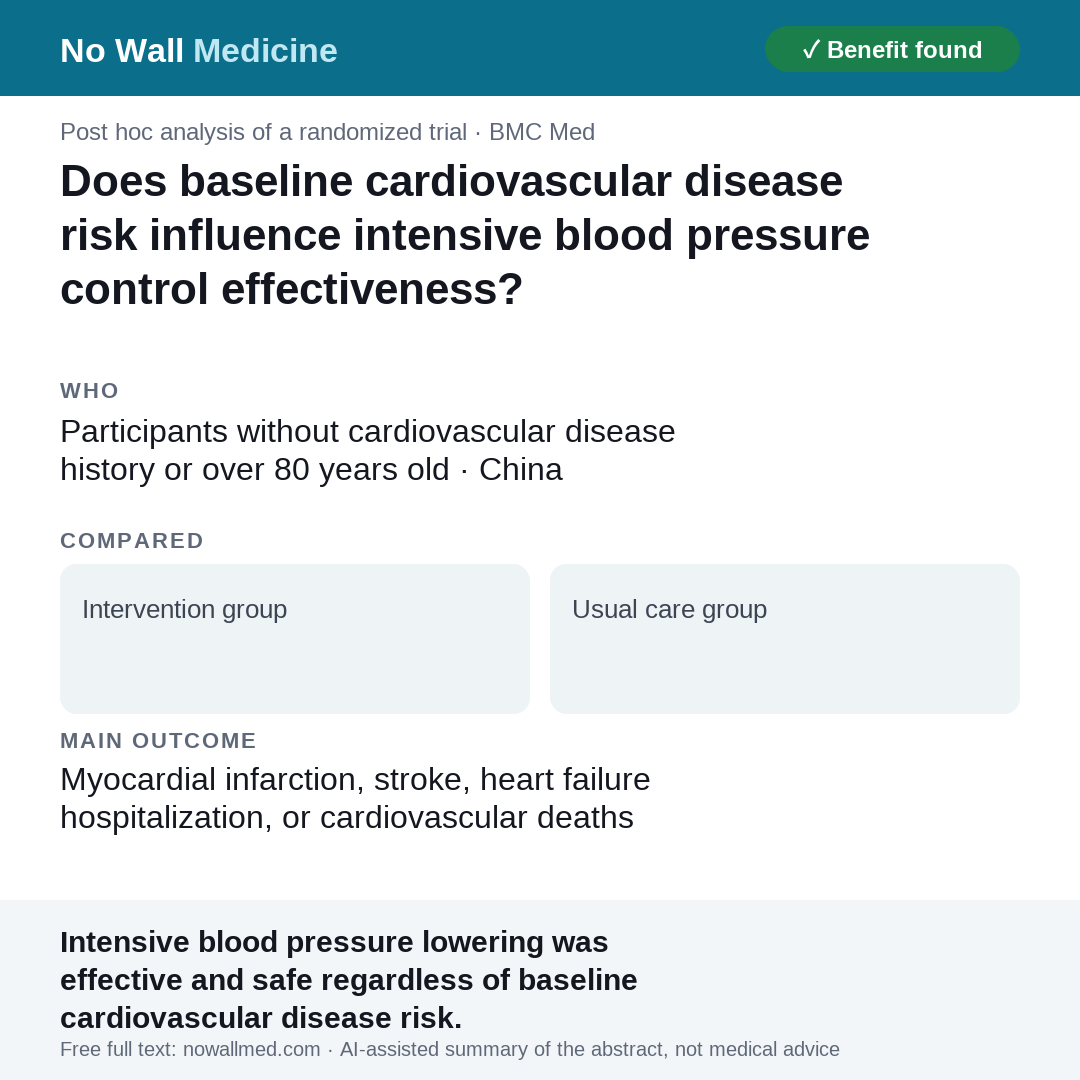
Impact of baseline cardiovascular risk on the outcomes of intensive blood pressure intervention: a post hoc analysis of the China rural hypertension control project
Post hoc analysis of a randomized trialBenefit found
Does baseline cardiovascular disease risk influence intensive blood pressure control effectiveness?
Who
Participants without cardiovascular disease history or over 80 years old · China
Compared
Intervention group
Usual care group
Main outcome
Myocardial infarction, stroke, heart failure hospitalization, or cardiovascular deaths
Result: hazard ratios 0.59 (95% CI 0.40 to 0.87), 0.54 (0.40 to 0.72), 0.72 (0.57 to 0.91) and 0.65 (0.53 to 0.80)
Bottom line: Intensive blood pressure lowering was effective and safe regardless of baseline cardiovascular disease risk.
BMC Med · 2024-06-20Download image
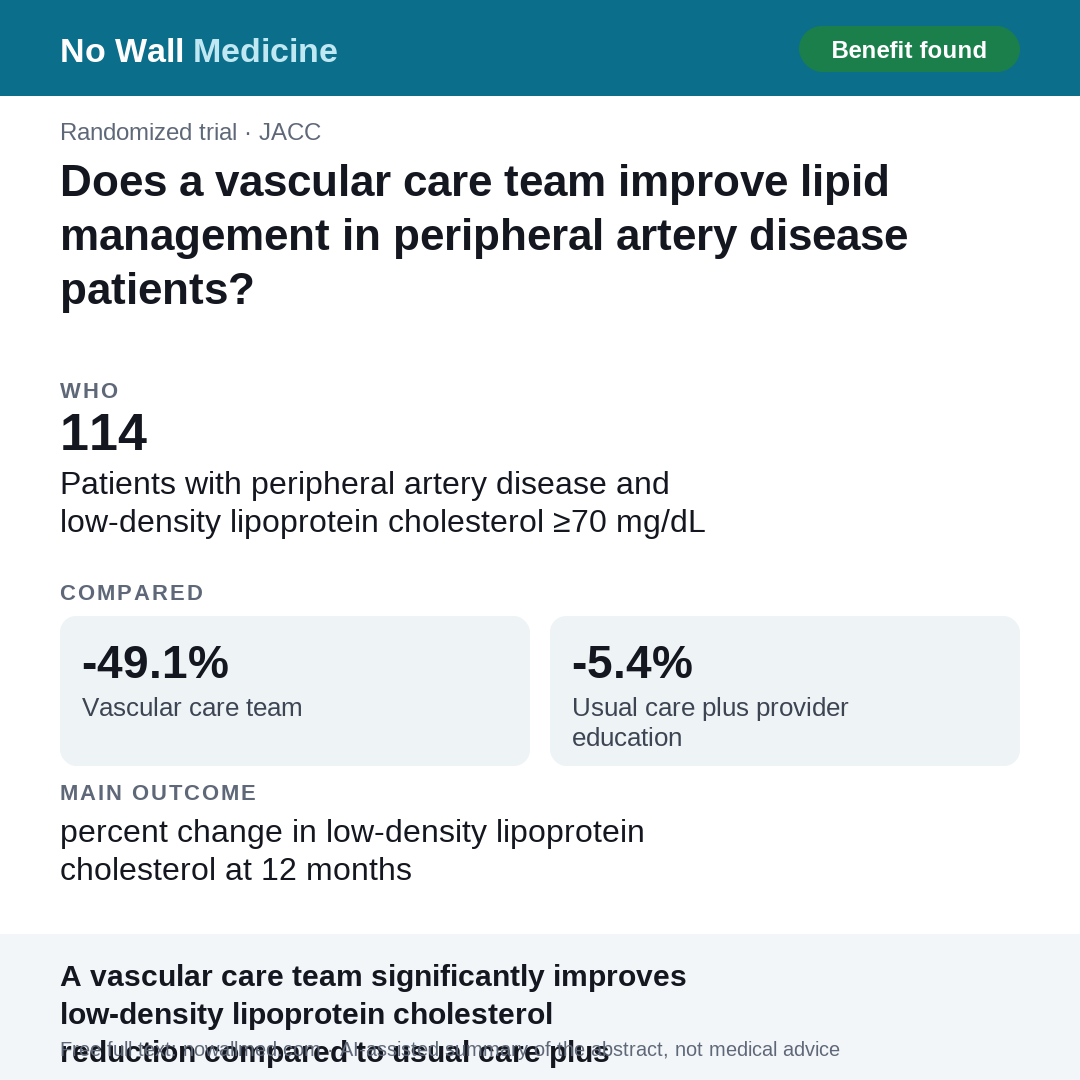
Randomized Trial of a Vascular Care Team vs Education for Patients With Peripheral Artery Disease
Randomized trialBenefit found
Does a vascular care team improve lipid management in peripheral artery disease patients?
Who
114
Patients with peripheral artery disease and low-density lipoprotein cholesterol ≥70 mg/dL
Compared
-49.1%Vascular care team (95% CI: -58.7% to -39.5%)
-5.4%Usual care plus provider education (95% CI: -15.3% to 4.6%)
Main outcome
percent change in low-density lipoprotein cholesterol at 12 months
Result: -43.7% (95% CI -57.6% to -29.9%; P < 0.0001)
Bottom line: A vascular care team significantly improves low-density lipoprotein cholesterol reduction compared to usual care plus provider education.
JACC · 2024-06-20Download image
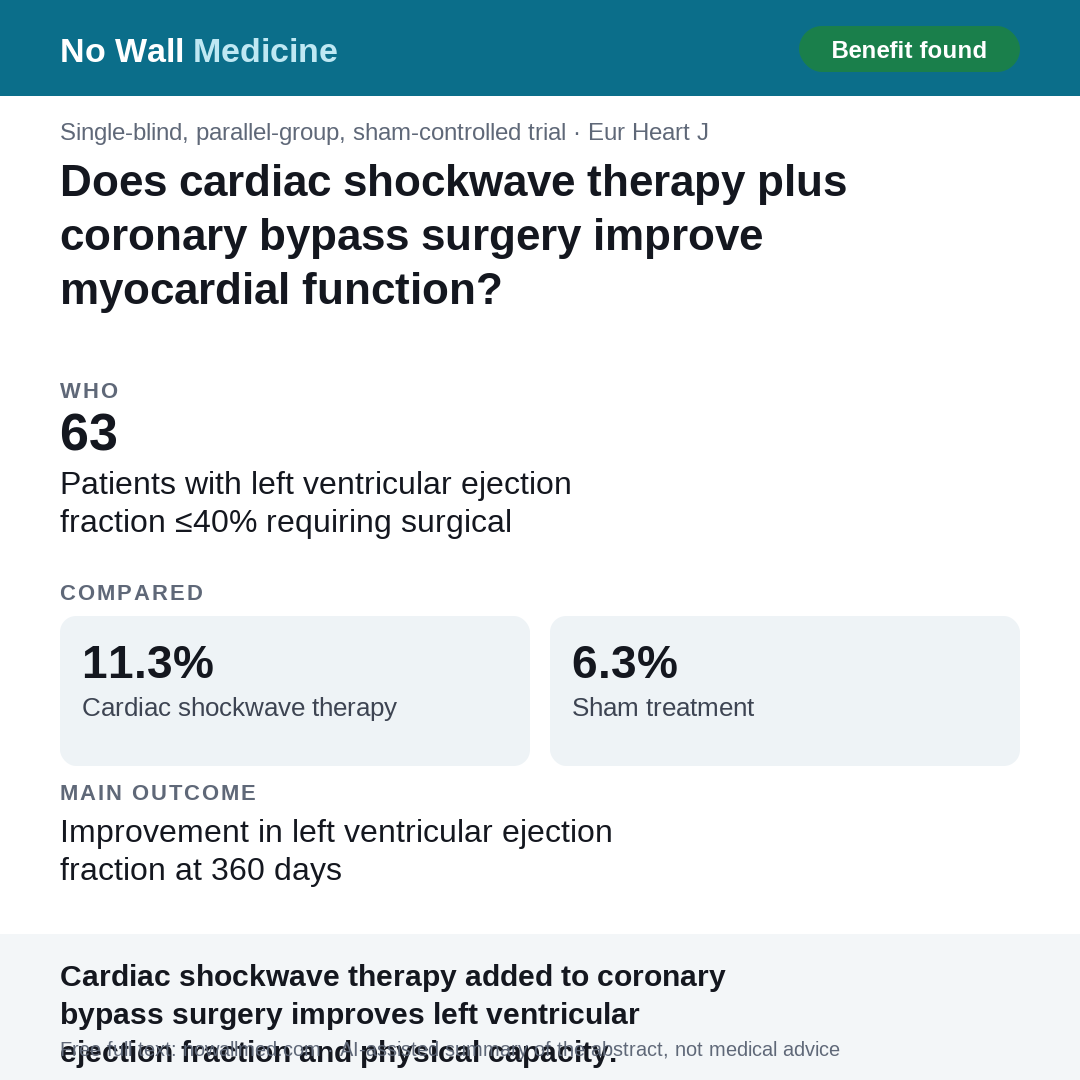
Cardiac shockwave therapy in addition to coronary bypass surgery improves myocardial function in ischaemic heart failure: the CAST-HF trial
Single-blind, parallel-group, sham-controlled trialBenefit found
Does cardiac shockwave therapy plus coronary bypass surgery improve myocardial function?
Who
63
Patients with left ventricular ejection fraction ≤40% requiring surgical revascularisation
Compared
11.3%Cardiac shockwave therapy (SD 8.8)
6.3%Sham treatment (SD 7.4)
Main outcome
Improvement in left ventricular ejection fraction at 360 days
Bottom line: Cardiac shockwave therapy added to coronary bypass surgery improves left ventricular ejection fraction and physical capacity.
Eur Heart J · 2024-06-20Download image
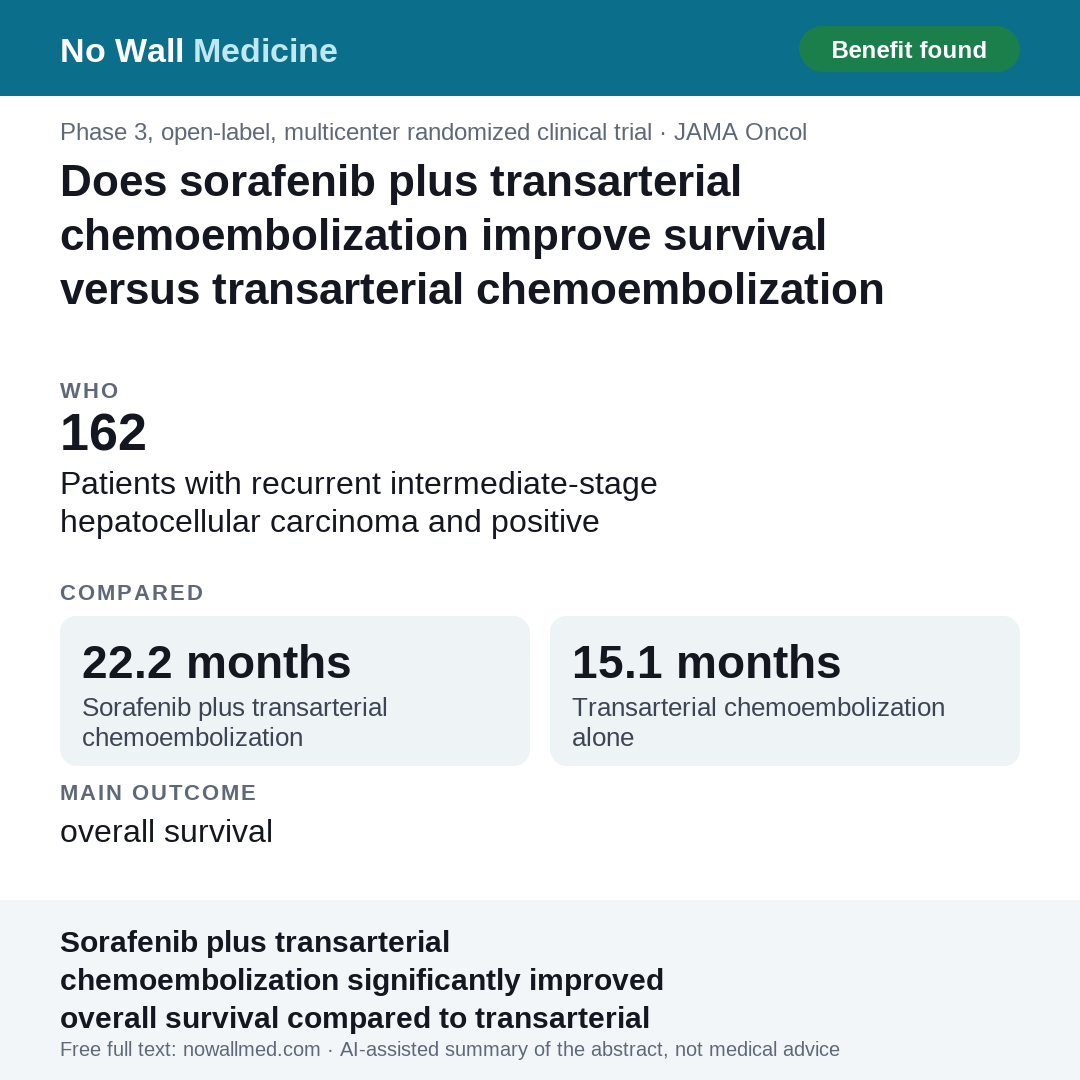
Survival in Patients With Recurrent Intermediate-Stage Hepatocellular Carcinoma: Sorafenib Plus TACE vs TACE Alone Randomized Clinical Trial
Phase 3, open-label, multicenter randomized clinical trialBenefit found
Does sorafenib plus transarterial chemoembolization improve survival versus transarterial chemoembolization alone in recurrent intermediate-stage hepatocellular carcinoma?
Who
162
Patients with recurrent intermediate-stage hepatocellular carcinoma and positive microvascular invasion · 5 hospitals in China
Compared
22.2 monthsSorafenib plus transarterial chemoembolization
15.1 monthsTransarterial chemoembolization alone
Main outcome
overall survival
Result: hazard ratio 0.55
Bottom line: Sorafenib plus transarterial chemoembolization significantly improved overall survival compared to transarterial chemoembolization alone in these patients.
JAMA Oncol · 2024-06-20Download image
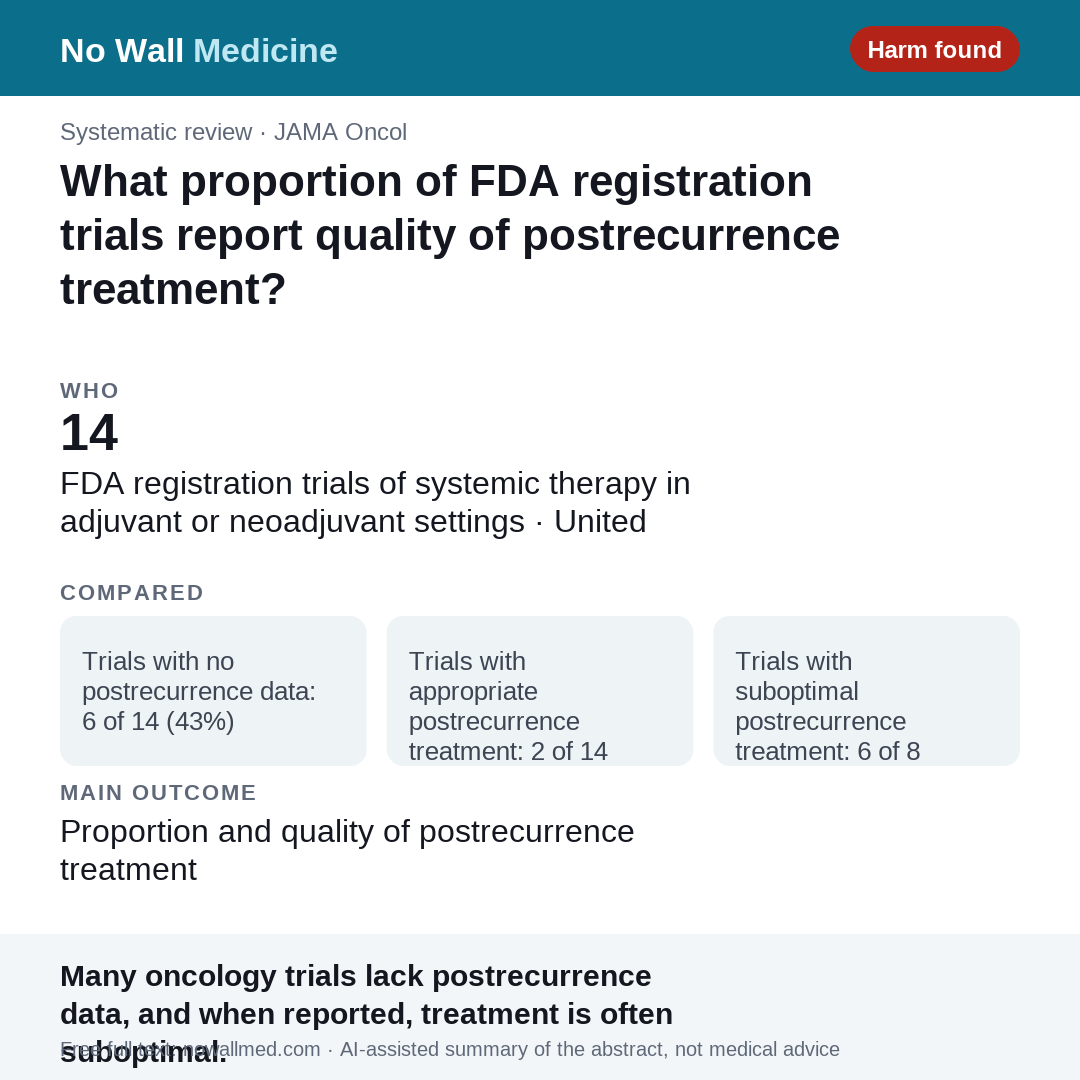
Postrecurrence Treatment in Neoadjuvant or Adjuvant FDA Registration Trials: A Systematic Review
Systematic reviewHarm found
What proportion of FDA registration trials report quality of postrecurrence treatment?
Who
14
FDA registration trials of systemic therapy in adjuvant or neoadjuvant settings · United States Food and Drug Administration trials
Compared
Trials with no postrecurrence data: 6 of 14 (43%)
Trials with appropriate postrecurrence treatment: 2 of 14 (14%)
Trials with suboptimal postrecurrence treatment: 6 of 8 (75%)
Main outcome
Proportion and quality of postrecurrence treatment
Bottom line: Many oncology trials lack postrecurrence data, and when reported, treatment is often suboptimal.
JAMA Oncol · 2024-06-20Download image
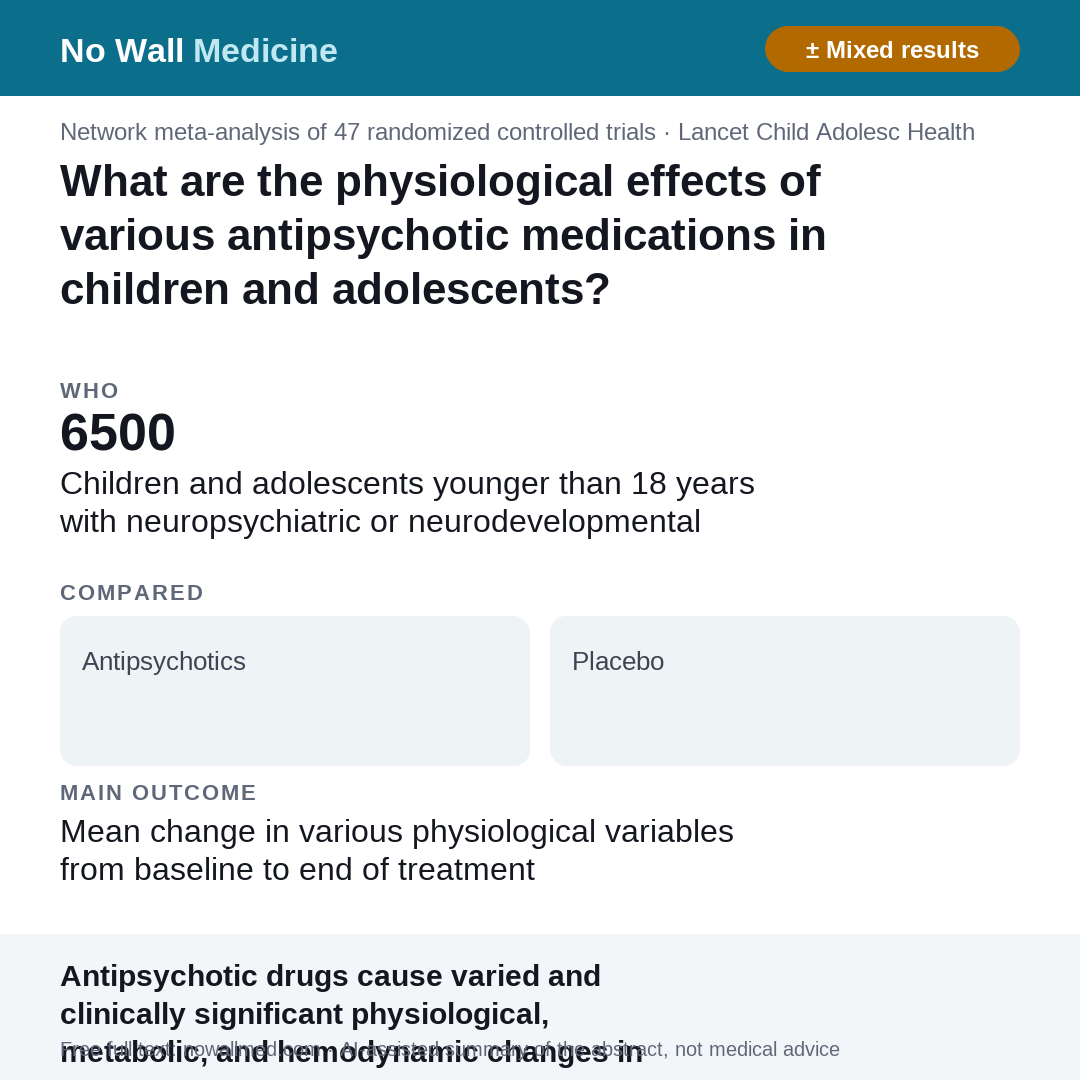
Comparative physiological effects of antipsychotic drugs in children and young people: a network meta-analysis
Network meta-analysis of 47 randomized controlled trialsMixed results
What are the physiological effects of various antipsychotic medications in children and adolescents?
Who
6500
Children and adolescents younger than 18 years with neuropsychiatric or neurodevelopmental conditions
Compared
Antipsychotics
Placebo
Main outcome
Mean change in various physiological variables from baseline to end of treatment
Bottom line: Antipsychotic drugs cause varied and clinically significant physiological, metabolic, and hemodynamic changes in children and adolescents.
Funded by: UK Academy of Medical Sciences, Brain and Behaviour Research Foundation, UK National Institute
Lancet Child Adolesc Health · 2024-06-20Download image
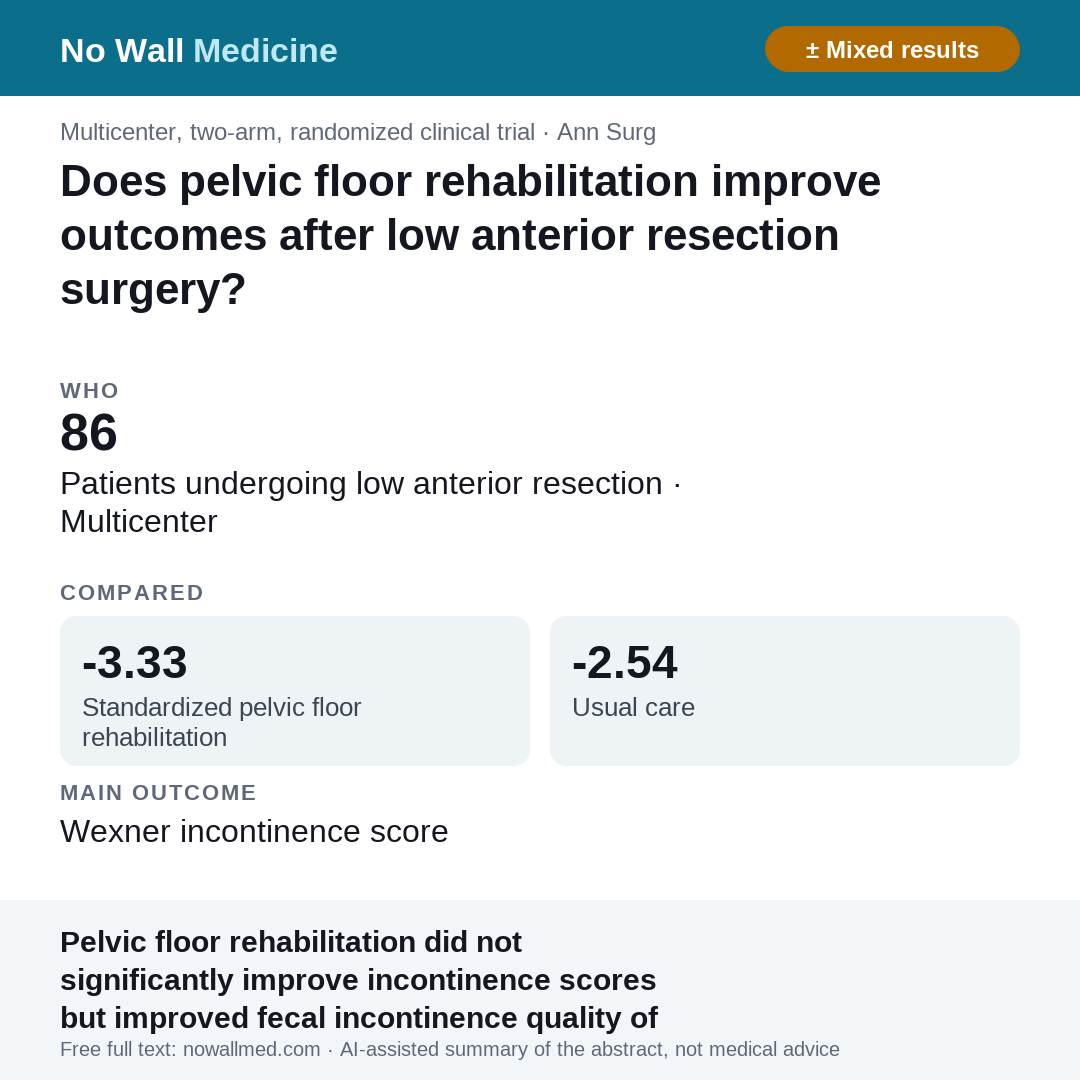
Pelvic Floor Rehabilitation After Rectal Cancer Surgery: One-year Follow-up of a Multicenter Randomized Clinical Trial (FORCE Trial)
Multicenter, two-arm, randomized clinical trialMixed results
Does pelvic floor rehabilitation improve outcomes after low anterior resection surgery?
Who
86
Patients undergoing low anterior resection · Multicenter
Compared
-3.33Standardized pelvic floor rehabilitation (95% CI: -4.41 to -2.26)
-2.54Usual care (95% CI: -3.54 to -1.54)
Main outcome
Wexner incontinence score
Result: P = 0.30
Bottom line: Pelvic floor rehabilitation did not significantly improve incontinence scores but improved fecal incontinence quality of life domains.
Ann Surg · 2024-06-20Download image
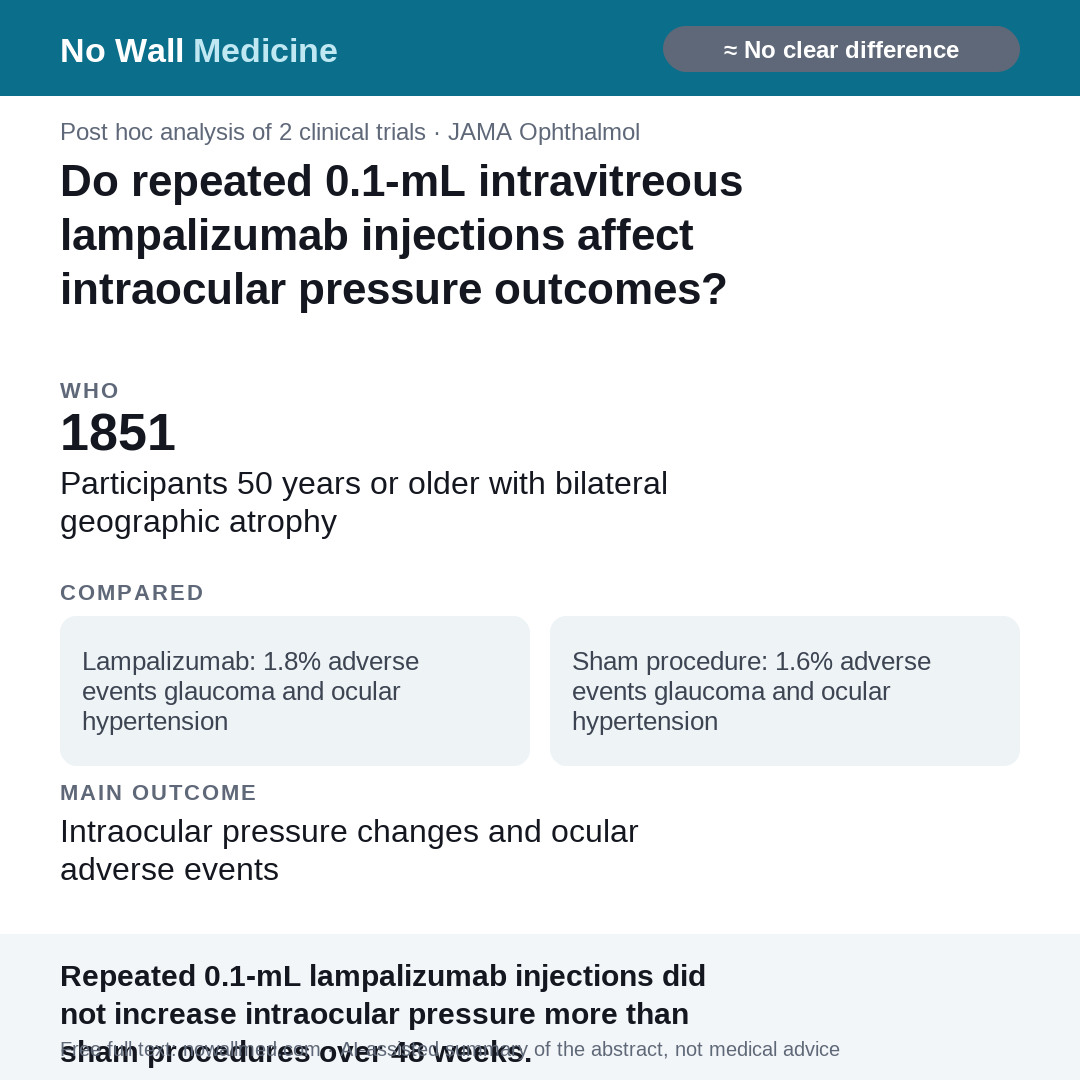
Intraocular Pressure Outcomes After Lampalizumab Injections in Patients With Geographic Atrophy
Post hoc analysis of 2 clinical trialsNo clear difference
Do repeated 0.1-mL intravitreous lampalizumab injections affect intraocular pressure outcomes?
Who
1851
Participants 50 years or older with bilateral geographic atrophy
Compared
Lampalizumab: 1.8% adverse events glaucoma and ocular hypertension
Sham procedure: 1.6% adverse events glaucoma and ocular hypertension
Main outcome
Intraocular pressure changes and ocular adverse events
Bottom line: Repeated 0.1-mL lampalizumab injections did not increase intraocular pressure more than sham procedures over 48 weeks.
Limitation: The hypothesis for this analysis was formulated after data collection.
JAMA Ophthalmol · 2024-06-20Download image
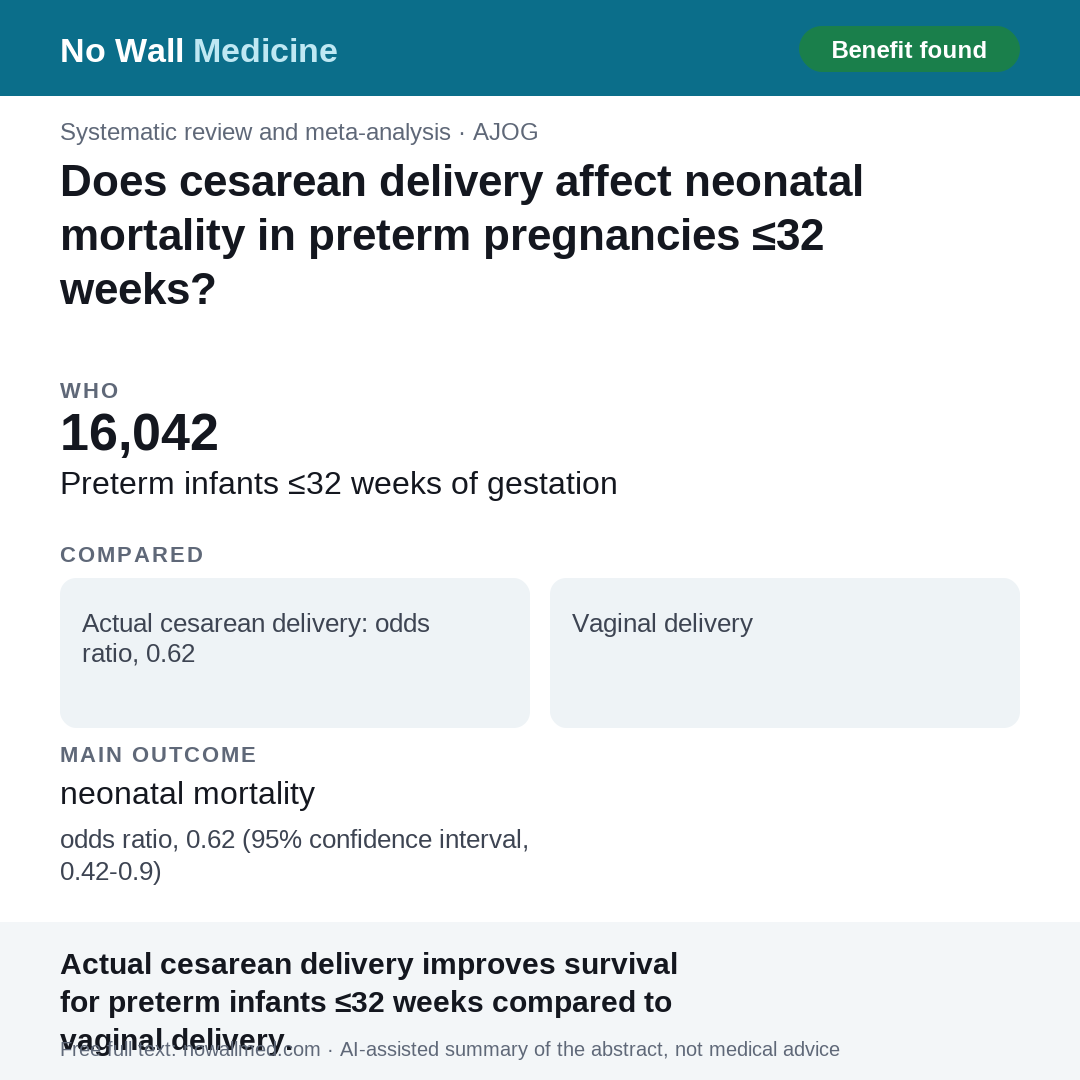
Cesarean delivery is associated with lower neonatal mortality among breech pregnancies: a systematic review and meta-analysis of preterm deliveries ≤32 weeks of gestation
Systematic review and meta-analysisBenefit found
Does cesarean delivery affect neonatal mortality in preterm pregnancies ≤32 weeks?
Who
16,042
Preterm infants ≤32 weeks of gestation
Compared
Actual cesarean delivery: odds ratio, 0.62
Vaginal delivery
Main outcome
neonatal mortality
Result: odds ratio, 0.62 (95% confidence interval, 0.42-0.9)
Bottom line: Actual cesarean delivery improves survival for preterm infants ≤32 weeks compared to vaginal delivery.
AJOG · 2024-06-20Download image
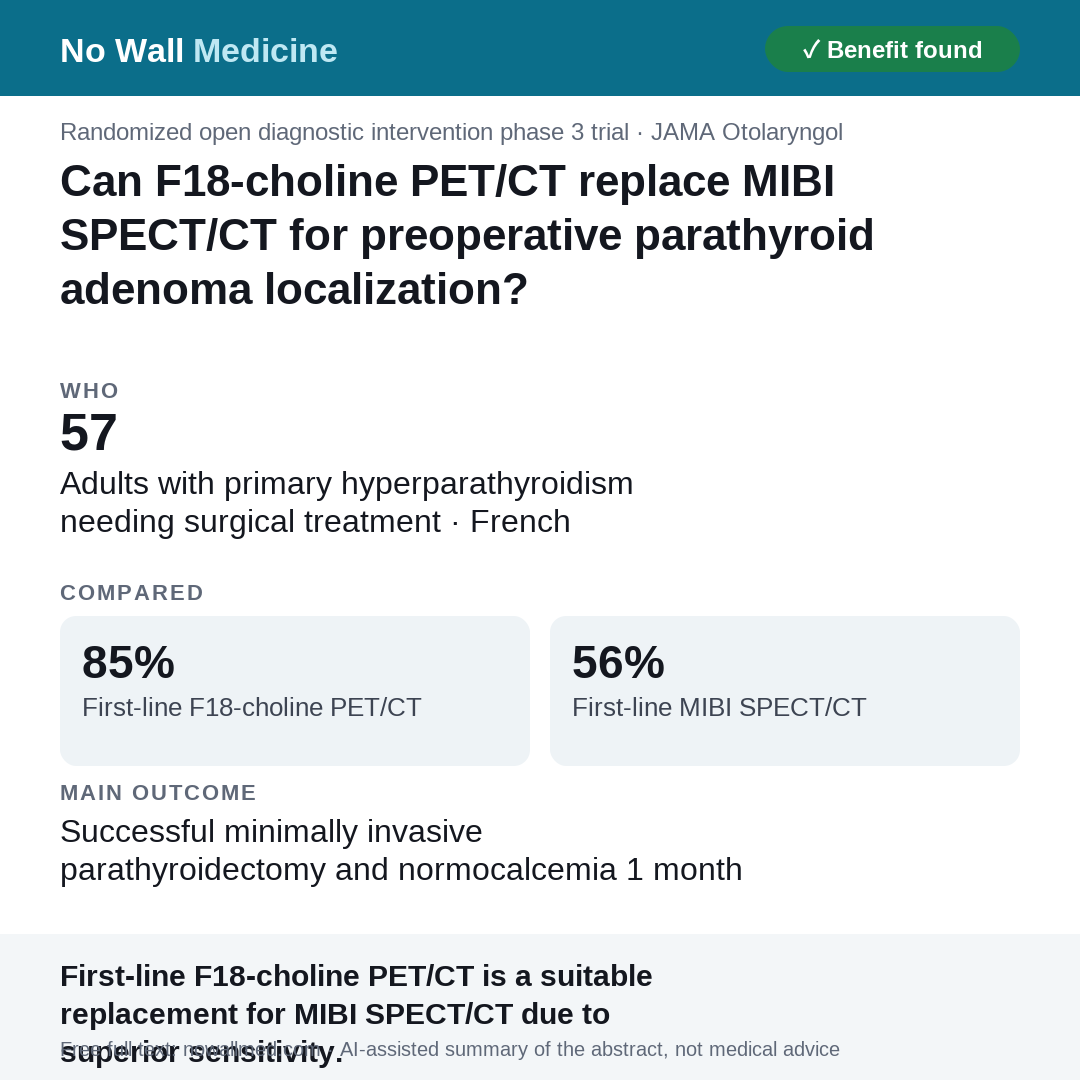
F18-Choline PET/CT or MIBI SPECT/CT in the Surgical Management of Primary Hyperparathyroidism: A Diagnostic Randomized Clinical Trial
Randomized open diagnostic intervention phase 3 trialBenefit found
Can F18-choline PET/CT replace MIBI SPECT/CT for preoperative parathyroid adenoma localization?
Who
57
Adults with primary hyperparathyroidism needing surgical treatment · French multicenter
Compared
85%First-line F18-choline PET/CT
56%First-line MIBI SPECT/CT
Main outcome
Successful minimally invasive parathyroidectomy and normocalcemia 1 month after surgery
Result: Sensitivity 82% (95% CI, 62%-93%) vs 63% (95% CI, 42%-80%)
Bottom line: First-line F18-choline PET/CT is a suitable replacement for MIBI SPECT/CT due to superior sensitivity.
JAMA Otolaryngol · 2024-06-20Download image
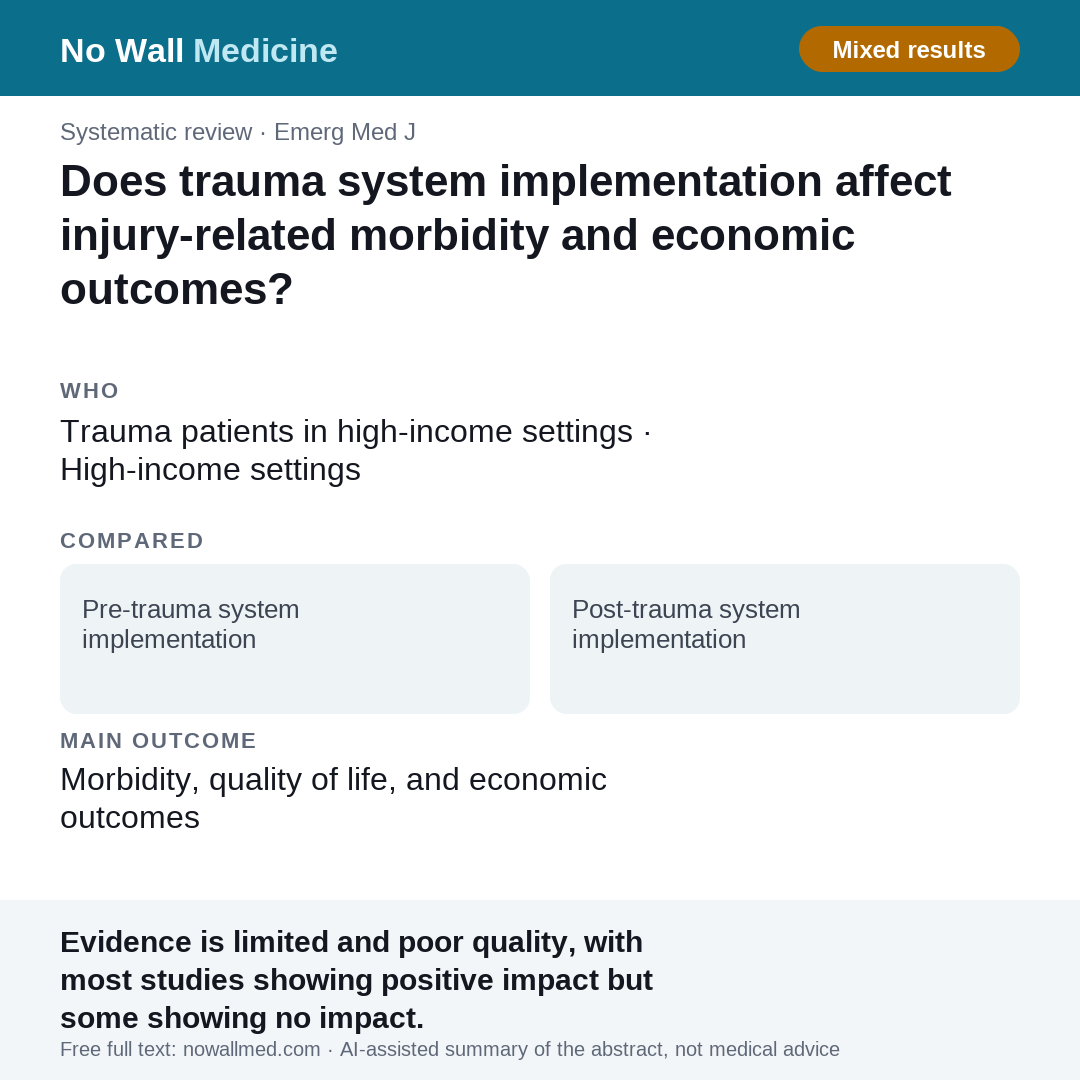
Does the implementation of a trauma system affect injury-related morbidity and economic outcomes? A systematic review
Systematic reviewMixed results
Does trauma system implementation affect injury-related morbidity and economic outcomes?
Who
Trauma patients in high-income settings · High-income settings
Compared
Pre-trauma system implementation
Post-trauma system implementation
Main outcome
Morbidity, quality of life, and economic outcomes
Bottom line: Evidence is limited and poor quality, with most studies showing positive impact but some showing no impact.
Limitation: Overall study quality was poor, with all studies demonstrating a severe risk of bias.
Emerg Med J · 2024-06-20Download image
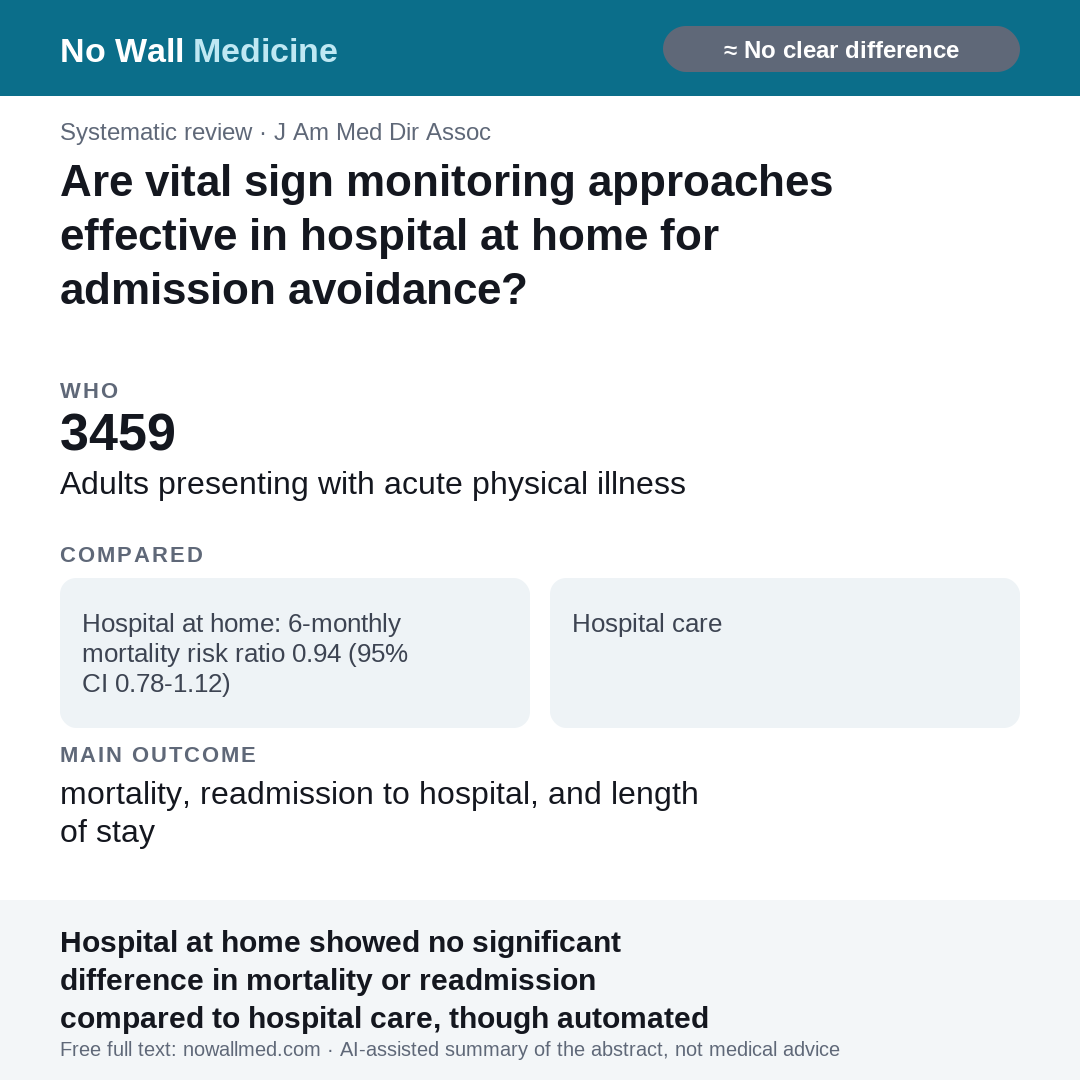
Remote Vital Sign Monitoring in Admission Avoidance Hospital at Home: A Systematic Review
Systematic reviewNo clear difference
Are vital sign monitoring approaches effective in hospital at home for admission avoidance?
Who
3459
Adults presenting with acute physical illness
Compared
Hospital at home: 6-monthly mortality risk ratio 0.94 (95% CI 0.78-1.12)
Hospital care
Main outcome
mortality, readmission to hospital, and length of stay
Result: readmission to hospital risk ratio 1.02 (95% CI 0.77-1.35)
Bottom line: Hospital at home showed no significant difference in mortality or readmission compared to hospital care, though automated monitoring reduced readmissions.
Limitation: Reporting was insufficient in the majority of studies for classification of monitoring approaches.
J Am Med Dir Assoc · 2024-06-20Download image