Visual abstracts
New randomized trials and meta-analyses from leading journals at a glance: who was studied, what was compared, and what was found. Every paper is free to read in full.
All specialtiesCardiology 2784Oncology 2351Gastroenterology & Hepatology 1074Infectious Disease 1766Neurology 1120Psychiatry & Mental Health 1285Pulmonology 1164Critical Care 768Endocrinology & Diabetes 1433Pediatrics 1641Surgery 1439Orthopedics & Sports Medicine 508Neurosurgery 341Cardiothoracic & Vascular Surgery 309Plastic & Reconstructive Surgery 407Nephrology 580Rheumatology 422Hematology 604Dermatology 326Ophthalmology 319Obstetrics & Gynecology 916Public & Global Health 512Radiology & Imaging 388Anesthesiology 558Urology 460ENT (Otolaryngology) 323Emergency Medicine 307Allergy & Immunology 175Geriatrics 590Family Medicine & Primary Care 318Medical Genetics & Genomics 320Pathology & Laboratory Medicine 90Physical Medicine & Rehabilitation 446Palliative Care 241Nutrition 753Digital Health & AI 1327General Medicine 201
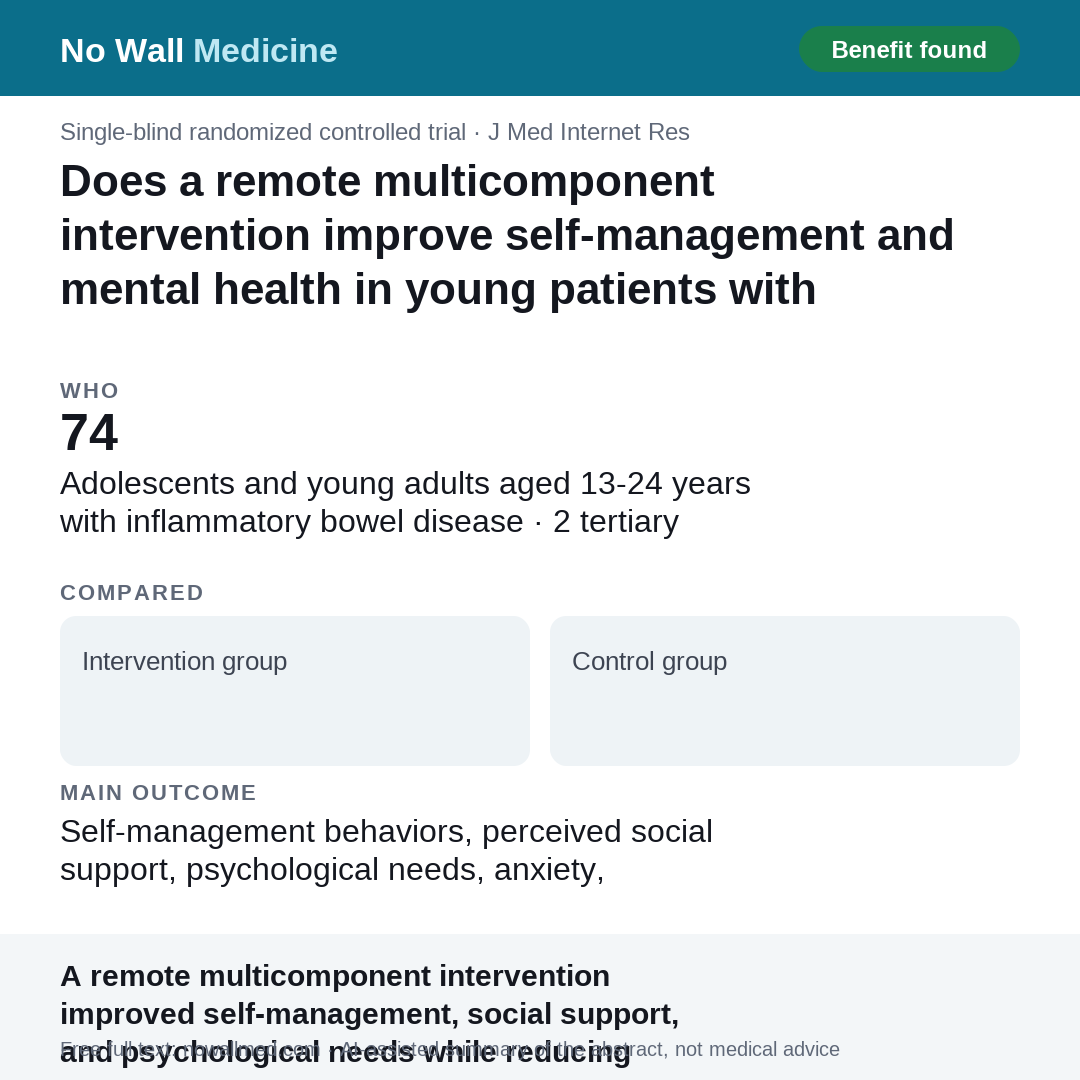
Effectiveness of a Remote Intervention Program for Self-Management Behaviors in Adolescents and Young Adults With Inflammatory Bowel Disease Based on the Self-Determination Theory: Randomized Controlled Trial Across 2 Centers
Single-blind randomized controlled trialBenefit found
Does a remote multicomponent intervention improve self-management and mental health in young patients with inflammatory bowel disease?
Who
74
Adolescents and young adults aged 13-24 years with inflammatory bowel disease · 2 tertiary hospitals in Chongqing, China
Compared
Intervention group
Control group
Main outcome
Self-management behaviors, perceived social support, psychological needs, anxiety, depression, and disease activity
Result: mean difference -16.676 (95% CI -24.370 to -8.982) for self-management at T1
Bottom line: A remote multicomponent intervention improved self-management, social support, and psychological needs while reducing anxiety, depression, and disease activity.
J Med Internet Res · 2025-12-05Download image
Prediction models for functional outcomes in prolonged disorders of consciousness: a systematic review and meta-analysis
Systematic review and meta-analysisMixed results
How accurate are prediction models for functional outcomes in prolonged disorders of consciousness?
Who
Individuals with prolonged disorders of consciousness
Compared
All prognostic models: sensitivity 82% (95% CI: 75-87%)
All prognostic models: specificity 85% (95% CI: 80-89%)
Main outcome
Functional outcomes including consciousness recovery, improvement, and favorable prognosis
Result: area under the summary receiver operating characteristic curve 0.875 (95% CI 0.842-0.911)
Bottom line: Prognostic models show good accuracy, but clinical impact is limited without external validation and better clinical utility.
Limitation: None of the included studies were assessed as having a low risk of bias.
J Neuroeng Rehabil · 2025-12-05Download image

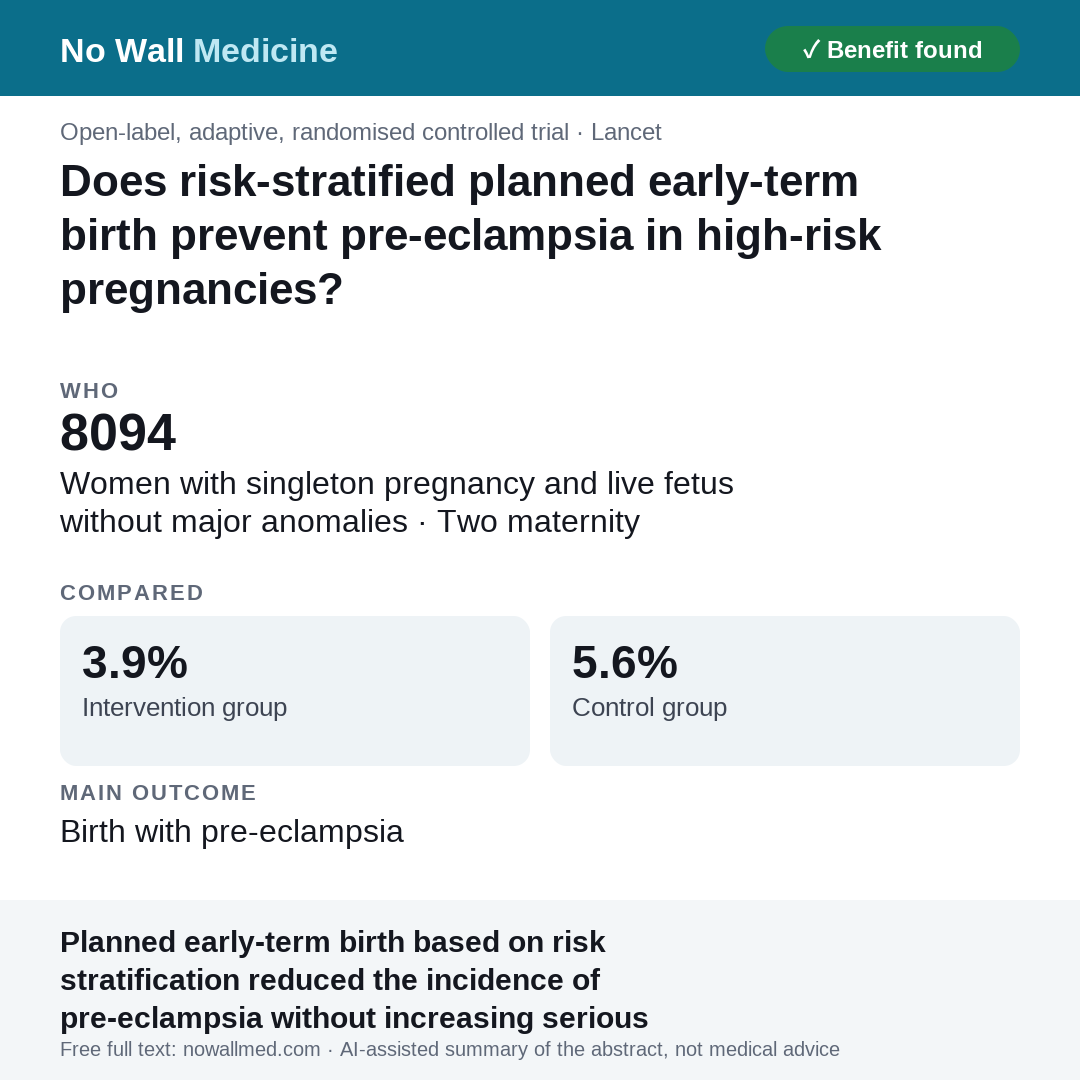
Scheduled birth at term for the prevention of pre-eclampsia (PREVENT-PE): an open-label randomised controlled trial
Open-label, adaptive, randomised controlled trialBenefit found
Does risk-stratified planned early-term birth prevent pre-eclampsia in high-risk pregnancies?
Who
8094
Women with singleton pregnancy and live fetus without major anomalies · Two maternity hospitals in the United Kingdom
Compared
3.9%Intervention group
5.6%Control group
Main outcome
Birth with pre-eclampsia
Result: adjusted risk ratio 0.70 (95% CI 0.58-0.86)
Bottom line: Planned early-term birth based on risk stratification reduced the incidence of pre-eclampsia without increasing serious adverse events.
Funded by: Fetal Medicine Foundation
Lancet · 2025-12-04Download image
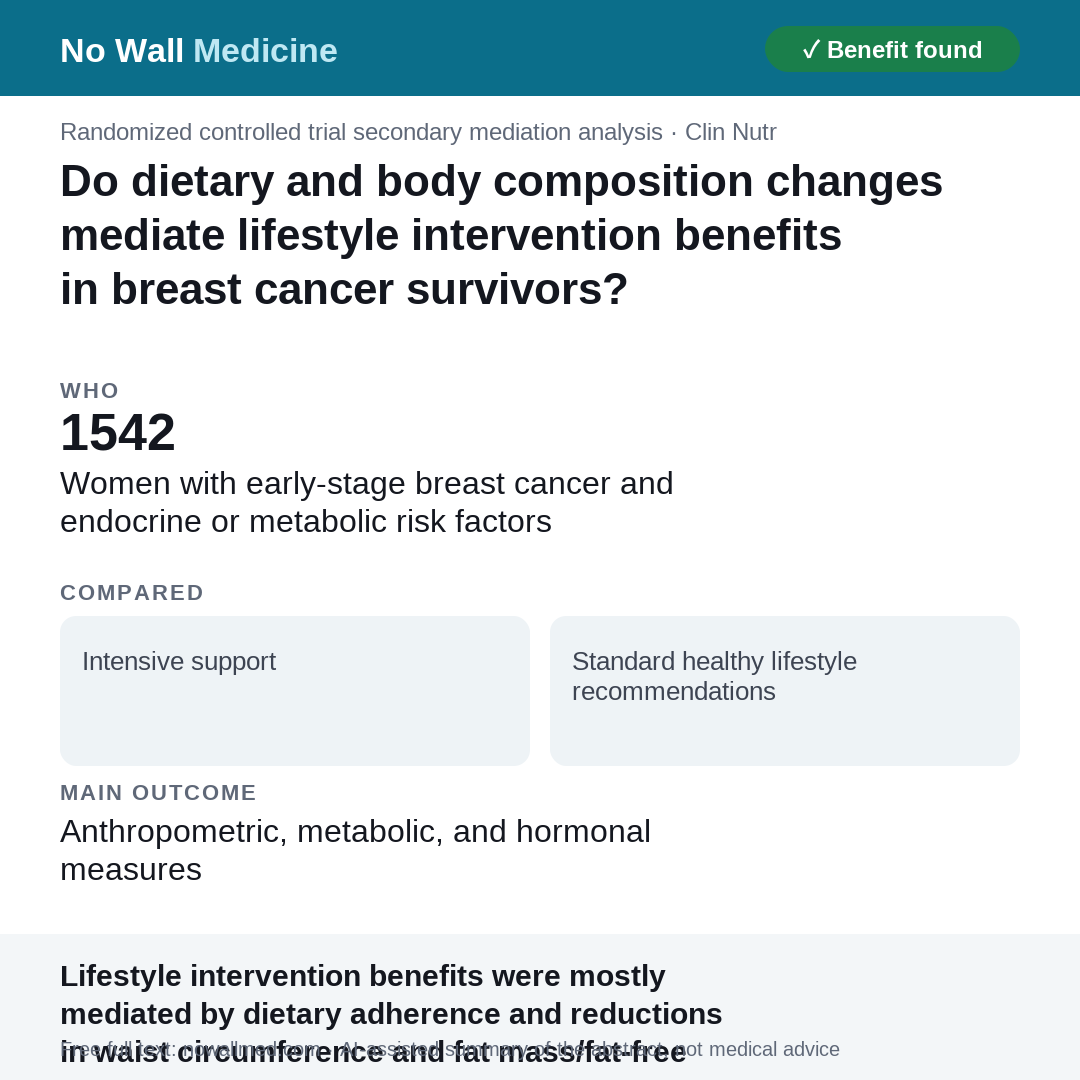
Diet, body composition and metabolic and hormonal profile in women at high risk of breast cancer recurrence: A secondary mediation analysis of the DIANA-5 trial
Randomized controlled trial secondary mediation analysisBenefit found
Do dietary and body composition changes mediate lifestyle intervention benefits in breast cancer survivors?
Who
1542
Women with early-stage breast cancer and endocrine or metabolic risk factors
Compared
Intensive support
Standard healthy lifestyle recommendations
Main outcome
Anthropometric, metabolic, and hormonal measures
Bottom line: Lifestyle intervention benefits were mostly mediated by dietary adherence and reductions in waist circumference and fat mass/fat-free mass ratio.
Clin Nutr · 2025-12-04Download image
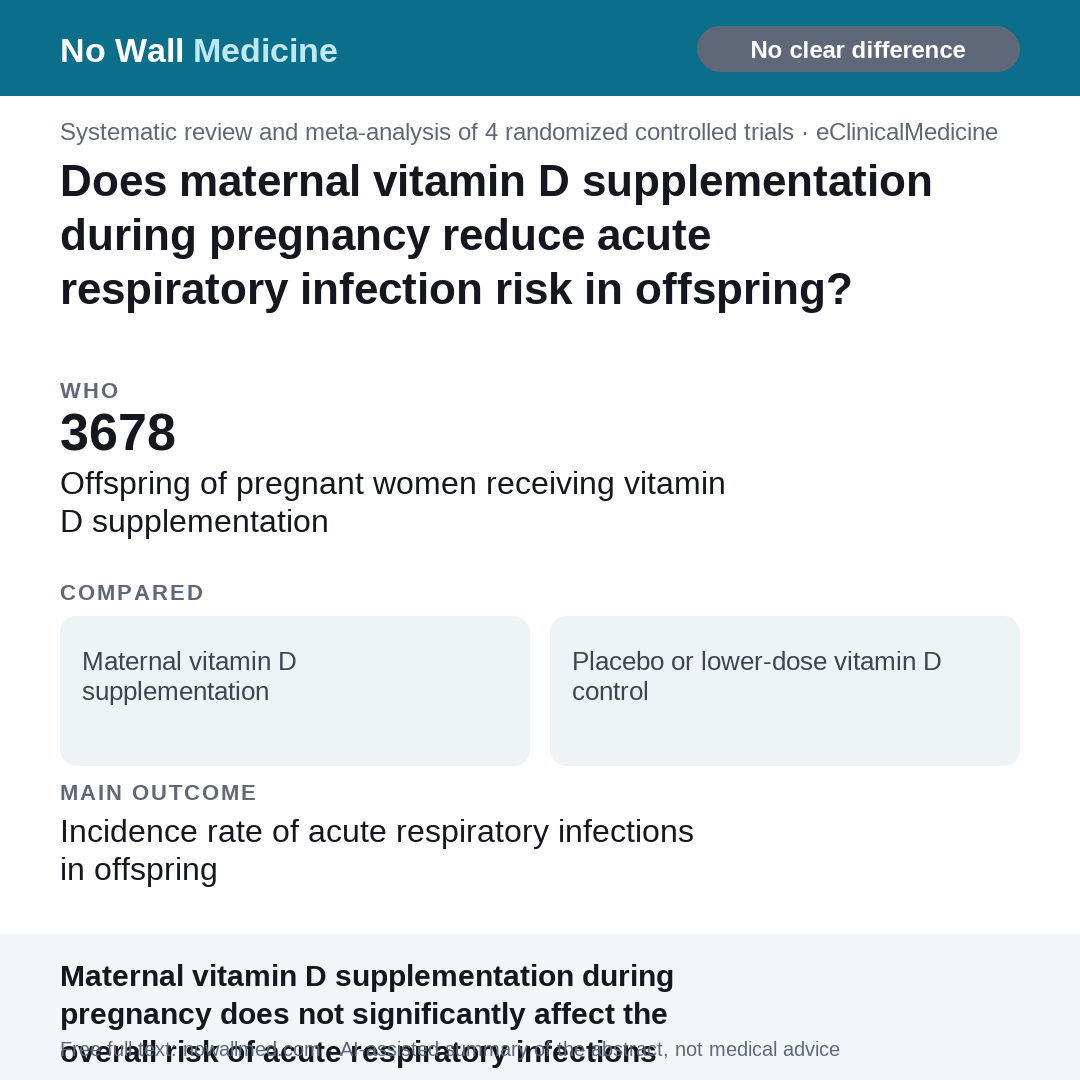
Association between maternal vitamin D supplementation during pregnancy and the risk of acute respiratory infections in offspring: a systematic review and meta-analysis
Systematic review and meta-analysis of 4 randomized controlled trialsNo clear difference
Does maternal vitamin D supplementation during pregnancy reduce acute respiratory infection risk in offspring?
Who
3678
Offspring of pregnant women receiving vitamin D supplementation
Compared
Maternal vitamin D supplementation
Placebo or lower-dose vitamin D control
Main outcome
Incidence rate of acute respiratory infections in offspring
Result: incidence rate ratio 1.01 (95% CI 0.98-1.03)
Bottom line: Maternal vitamin D supplementation during pregnancy does not significantly affect the overall risk of acute respiratory infections in offspring.
Limitation: Low dose vitamin D standard-of-care and heterogeneity in acute respiratory infection case definitions.
eClinicalMedicine · 2025-12-04Download image
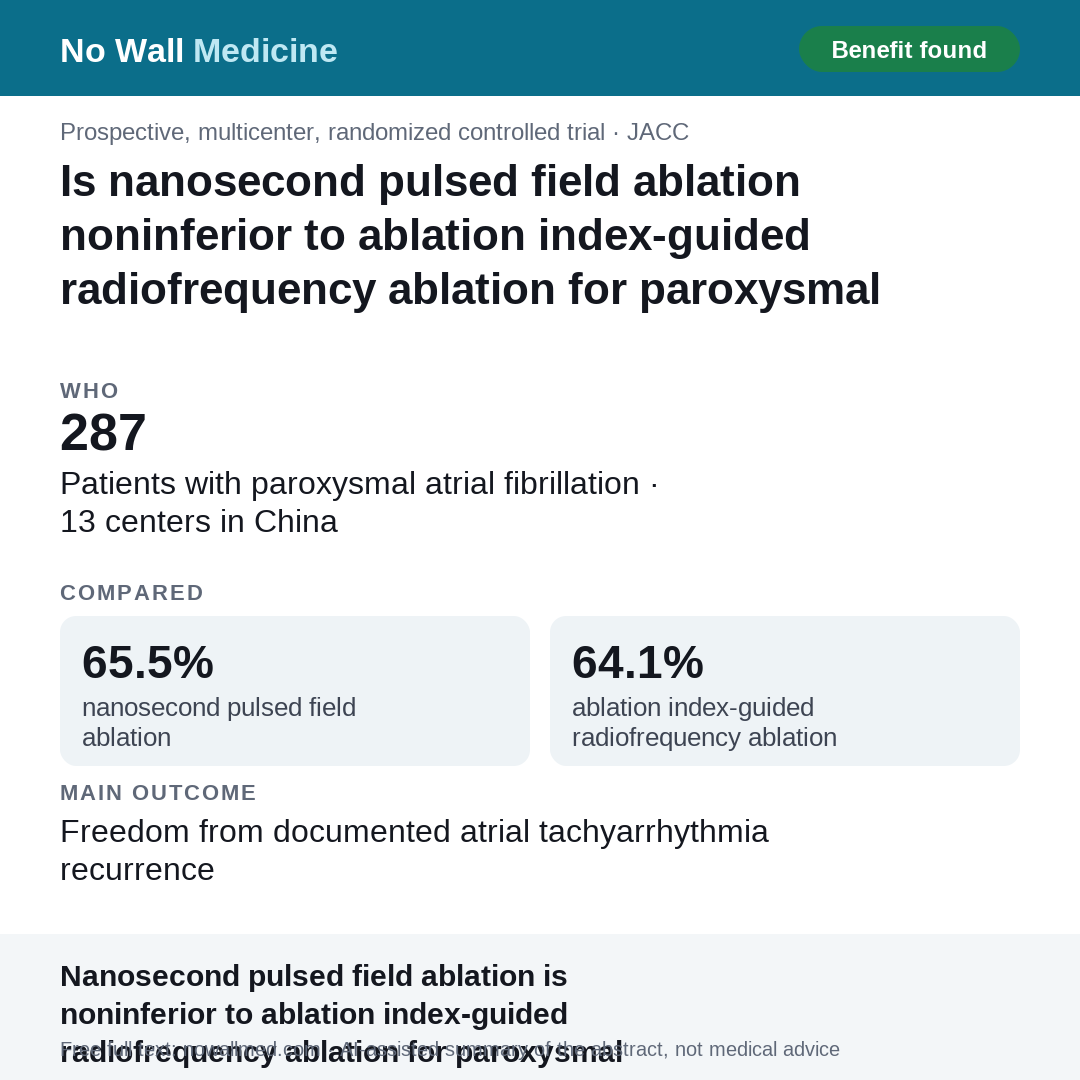
Pulsed Field Ablation Using a Novel Biphasic Catheter vs Thermal Ablation for Paroxysmal Atrial Fibrillation: InsightPFA Trial
Prospective, multicenter, randomized controlled trialBenefit found
Is nanosecond pulsed field ablation noninferior to ablation index-guided radiofrequency ablation for paroxysmal atrial fibrillation?
Who
287
Patients with paroxysmal atrial fibrillation · 13 centers in China
Compared
65.5%nanosecond pulsed field ablation
64.1%ablation index-guided radiofrequency ablation
Main outcome
Freedom from documented atrial tachyarrhythmia recurrence
Result: adjusted rate difference: 2.0%; 95% CI: -8.7% to 12.8%
Bottom line: Nanosecond pulsed field ablation is noninferior to ablation index-guided radiofrequency ablation for paroxysmal atrial fibrillation.
JACC · 2025-12-04Download image
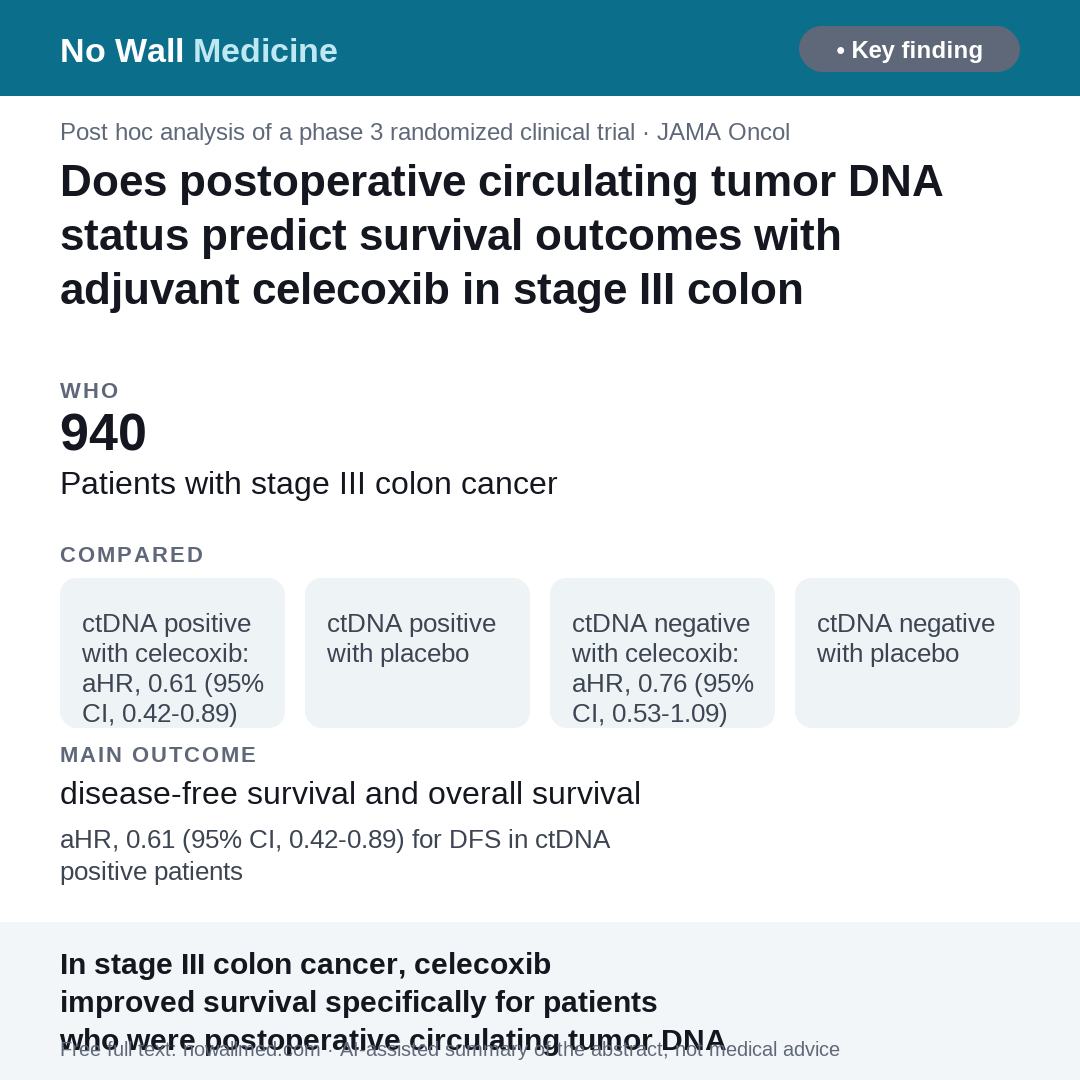
Predictive Role of Circulating Tumor DNA in Stage III Colon Cancer Treated With Celecoxib: A Post Hoc Analysis of the CALGB (Alliance)/SWOG 80702 Phase 3 Randomized Clinical Trial
Post hoc analysis of a phase 3 randomized clinical trialBenefit found
Does postoperative circulating tumor DNA status predict survival outcomes with adjuvant celecoxib in stage III colon cancer?
Who
940
Patients with stage III colon cancer
Compared
ctDNA positive with celecoxib: aHR, 0.61 (95% CI, 0.42-0.89) for DFS
ctDNA positive with placebo
ctDNA negative with celecoxib: aHR, 0.76 (95% CI, 0.53-1.09) for DFS
ctDNA negative with placebo
Main outcome
disease-free survival and overall survival
Result: aHR, 0.61 (95% CI, 0.42-0.89) for DFS in ctDNA positive patients
Bottom line: In stage III colon cancer, celecoxib improved survival specifically for patients who were postoperative circulating tumor DNA positive.
JAMA Oncol · 2025-12-04Download image
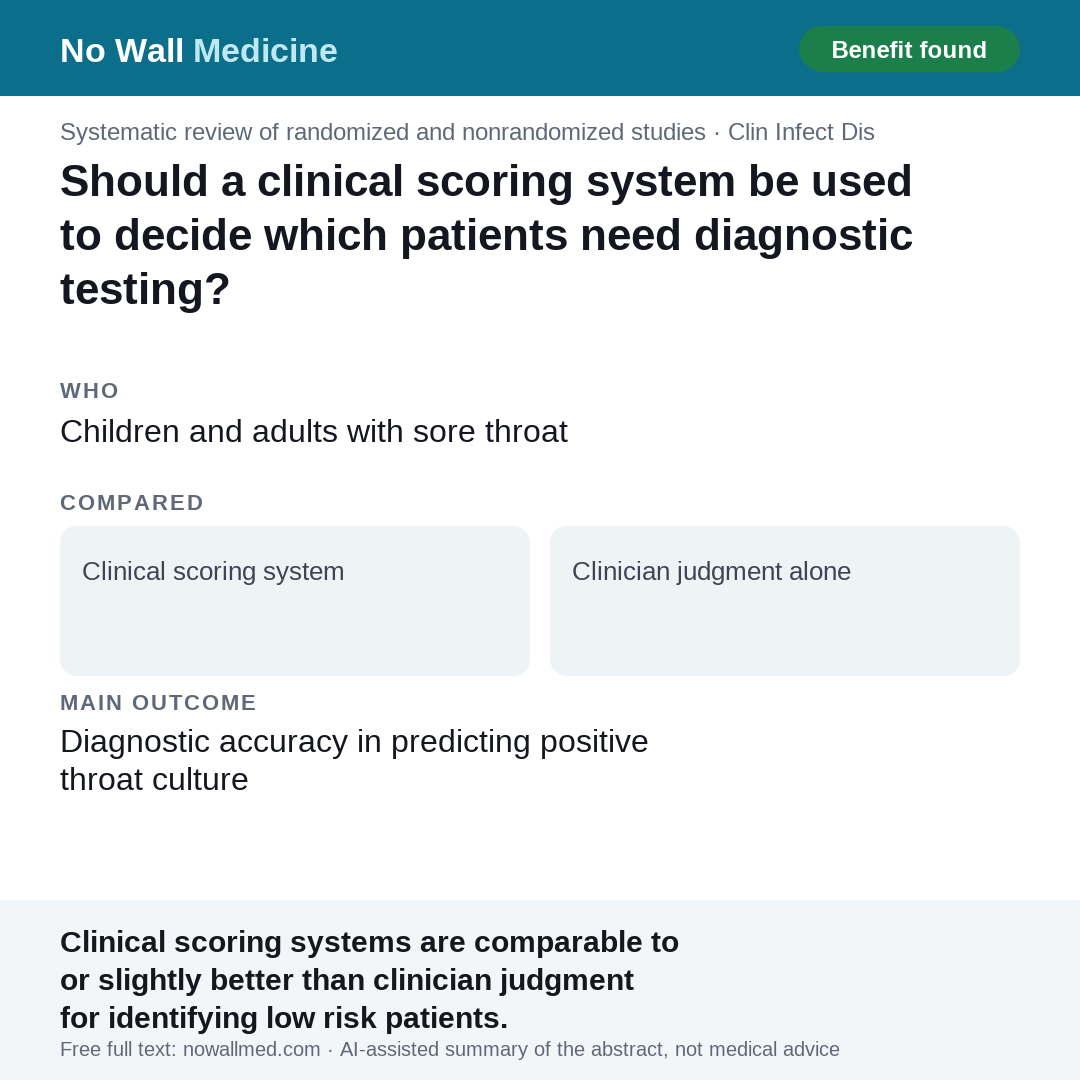
2025 Clinical Practice Guideline Update by the Infectious Diseases Society of America on Group A Streptococcal Pharyngitis: Risk Assessment Using Clinical Scoring Systems in Children and Adults
Systematic review of randomized and nonrandomized studiesBenefit found
Should a clinical scoring system be used to decide which patients need diagnostic testing?
Who
Children and adults with sore throat
Compared
Clinical scoring system
Clinician judgment alone
Main outcome
Diagnostic accuracy in predicting positive throat culture
Bottom line: Clinical scoring systems are comparable to or slightly better than clinician judgment for identifying low risk patients.
Limitation: Small study size, lack of uniformity in outcome measures, and incomplete data.
Clin Infect Dis · 2025-12-04Download image
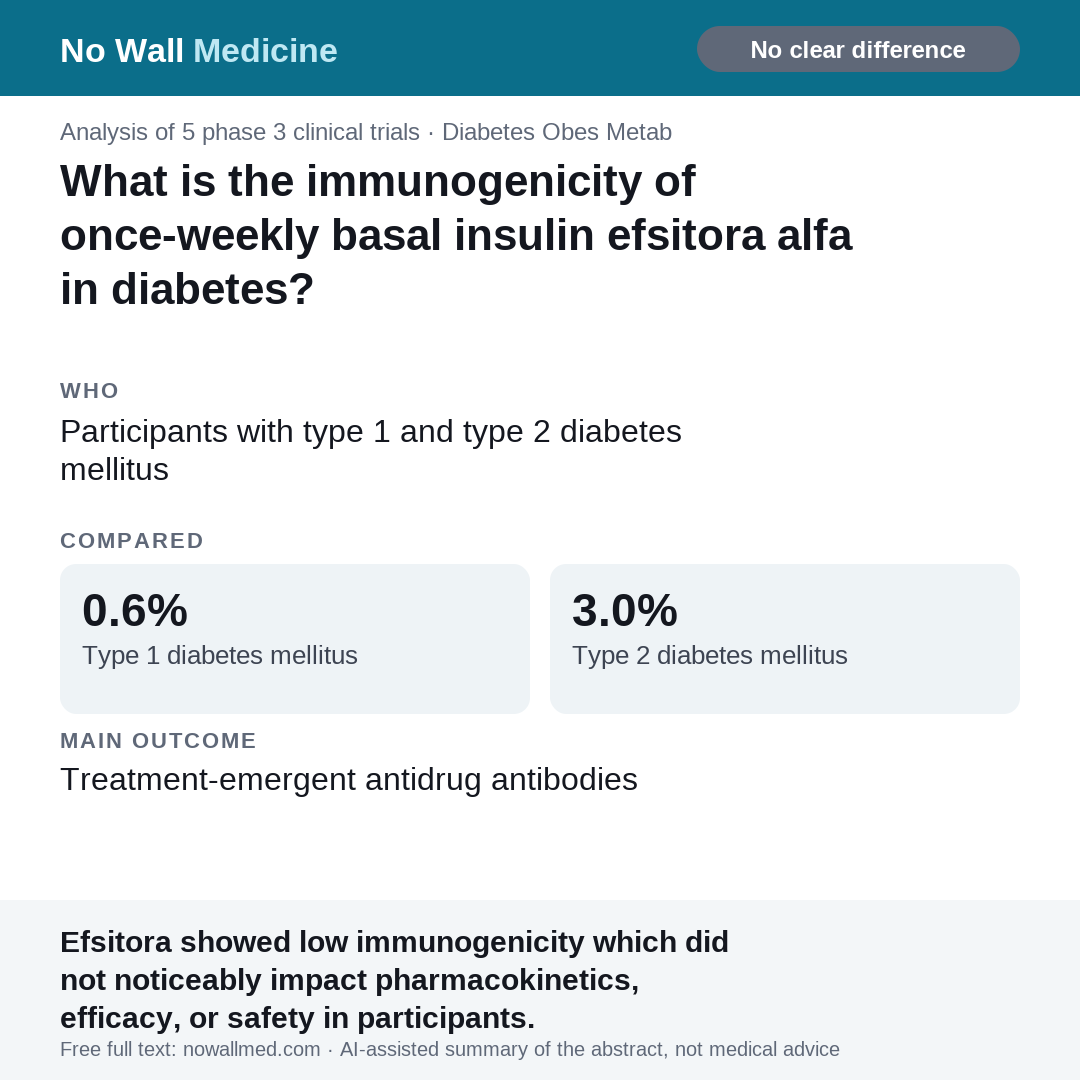
Low immunogenicity of insulin efsitora alfa in participants with type 1 and type 2 diabetes mellitus
Analysis of 5 phase 3 clinical trialsNo clear difference
What is the immunogenicity of once-weekly basal insulin efsitora alfa in diabetes?
Who
Participants with type 1 and type 2 diabetes mellitus
Compared
0.6%Type 1 diabetes mellitus
3.0%Type 2 diabetes mellitus
Main outcome
Treatment-emergent antidrug antibodies
Bottom line: Efsitora showed low immunogenicity which did not noticeably impact pharmacokinetics, efficacy, or safety in participants.
Diabetes Obes Metab · 2025-12-04Download image
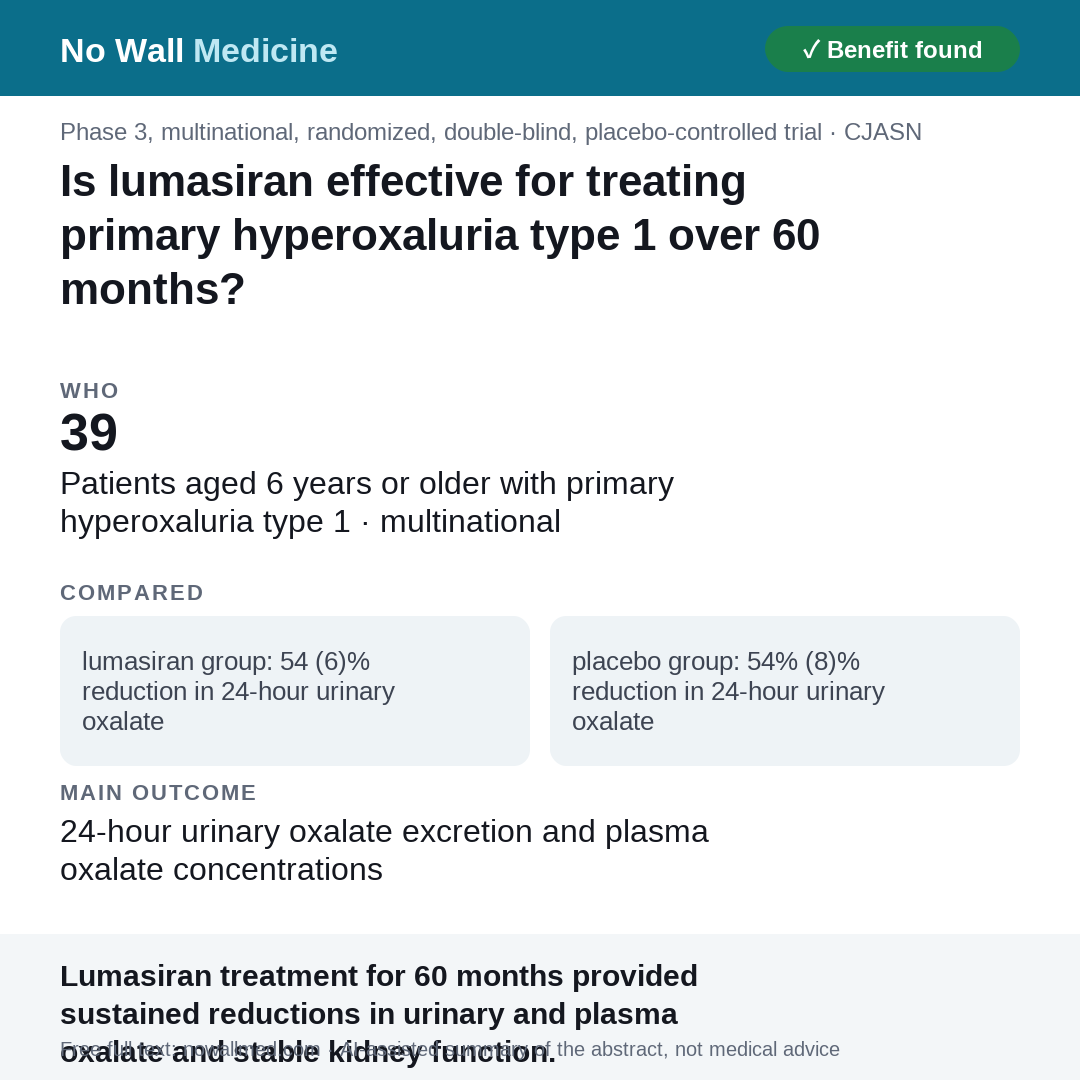
Final Results of the ILLUMINATE-A Phase 3 Clinical Trial of Lumasiran for Primary Hyperoxaluria 1
Phase 3, multinational, randomized, double-blind, placebo-controlled trialBenefit found
Is lumasiran effective for treating primary hyperoxaluria type 1 over 60 months?
Who
39
Patients aged 6 years or older with primary hyperoxaluria type 1 · multinational
Compared
lumasiran group: 54 (6)% reduction in 24-hour urinary oxalate
placebo group: 54% (8)% reduction in 24-hour urinary oxalate
Main outcome
24-hour urinary oxalate excretion and plasma oxalate concentrations
Bottom line: Lumasiran treatment for 60 months provided sustained reductions in urinary and plasma oxalate and stable kidney function.
CJASN · 2025-12-04Download image
Efficacy and Safety of SJP-0132 in Patients With Dry Eye Disease: A Phase 2b Randomized, Double-Masked, Dose-Finding Study
Randomized, double-masked, placebo-controlled, Phase 2b dose-response studyNo clear difference
What is the efficacy and safety of SJP-0132 in patients with dry eye disease?
Who
344
Outpatients aged 20 years or older with dry eye disease · Multicenter in Japan
Compared
SJP-0132 0.1%
SJP-0132 0.3%
SJP-0132 1.0%
Placebo
Main outcome
Change from baseline to week 4 in corneal fluorescein staining score
Result: between-group difference -0.8; 95% CI -1.7, 0.2
Bottom line: SJP-0132 showed dose-dependent efficacy and safety, though the primary endpoint difference was not statistically significant.
Am J Ophthalmol · 2025-12-04Download image

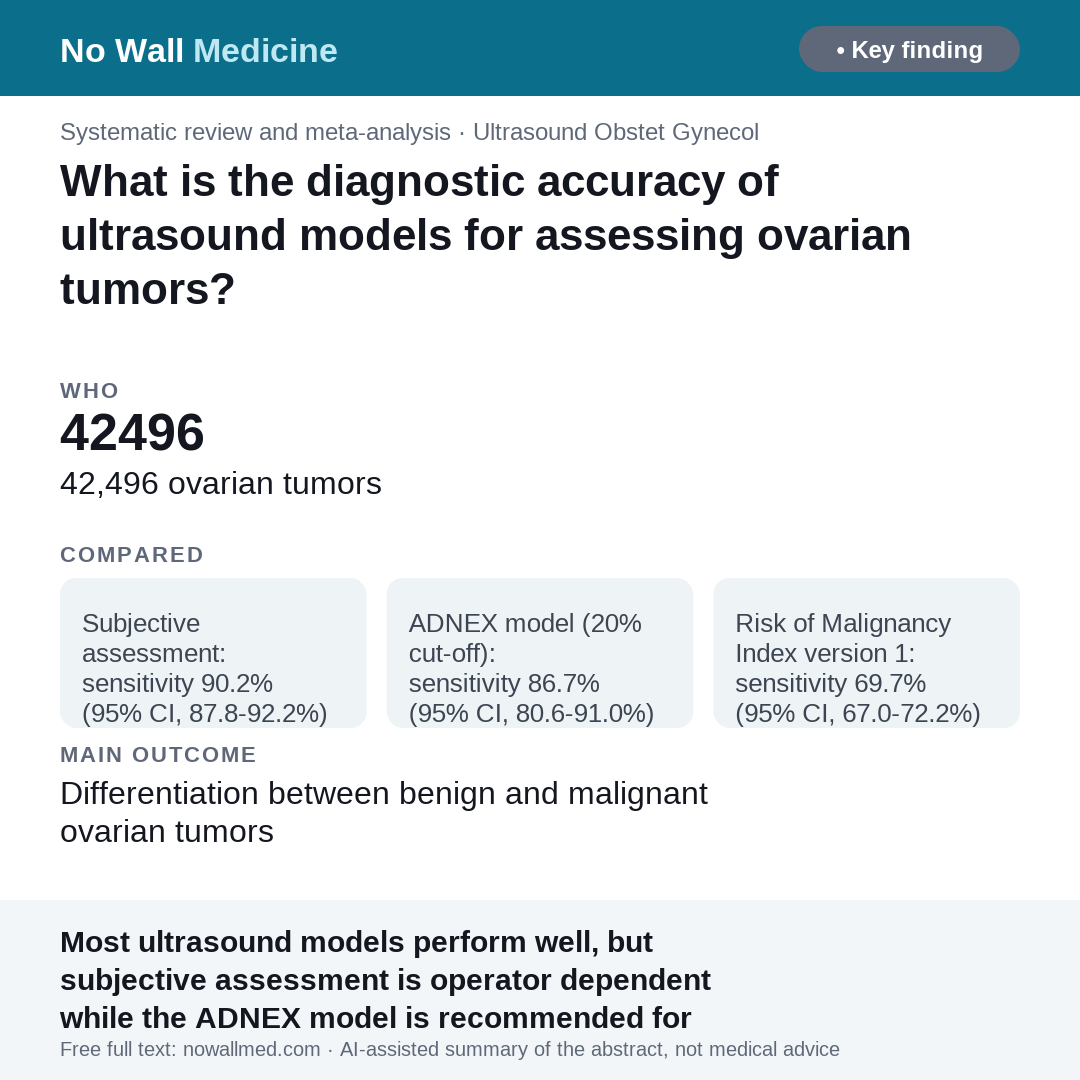
Diagnostic accuracy of ultrasound models for assessment of ovarian tumors: systematic review and meta-analysis
Systematic review and meta-analysisBenefit found
What is the diagnostic accuracy of ultrasound models for assessing ovarian tumors?
Who
42496
42,496 ovarian tumors
Compared
Subjective assessment: sensitivity 90.2% (95% CI, 87.8-92.2%) and specificity 91.4% (95% CI, 89.3-93.2%)
ADNEX model (20% cut-off): sensitivity 86.7% (95% CI, 80.6-91.0%) and specificity 87.9% (95% CI, 80.1-92.9%)
Risk of Malignancy Index version 1: sensitivity 69.7% (95% CI, 67.0-72.2%) and specificity 90.5% (95% CI, 88.3-92.4%)
Main outcome
Differentiation between benign and malignant ovarian tumors
Bottom line: Most ultrasound models perform well, but subjective assessment is operator dependent while the ADNEX model is recommended for independence.
Limitation: Subjective assessment performance is dependent on operator expertise.
Ultrasound Obstet Gynecol · 2025-12-04Download image
Transcranial direct current stimulation of primary motor cortex reduces thermal pain
Triple-blind, randomized within-subject crossover trialBenefit found
Does transcranial direct current stimulation of primary motor cortex reduce thermal pain?
Who
50
Healthy adults
Compared
Anodal transcranial direct current stimulation: significantly reduced pain
Cathodal transcranial direct current stimulation: increased pain relative to sham
Sham stimulation
Main outcome
Experimentally evoked thermal pain
Result: Cohen's d = 0.93 (anodal vs cathodal) and 0.85 (anodal vs sham)
Bottom line: Anodal transcranial direct current stimulation of the motor cortex significantly reduces thermal pain in healthy adults.
Pain · 2025-12-04Download image

Longitudinal Patterns of Radiation-Associated Dysphagia in Patients With Head and Neck Cancer: A Systematic Review
Systematic review and meta-analysisMixed results
What are the longitudinal patterns of radiation-associated dysphagia in head and neck cancer patients?
Who
15578
Patients with head and neck cancer
Compared
71.23 months post-treatment (CI: 66.8-75.6)
82.824 months post-treatment (CI: 79.2-86.3)
Main outcome
M.D. Anderson Dysphagia Inventory composite scores
Bottom line: Dysphagia severity peaks within 3 months, but many patients experience persistent, clinically significant symptoms even 2 years post-treatment.
Head Neck · 2025-12-04Download image

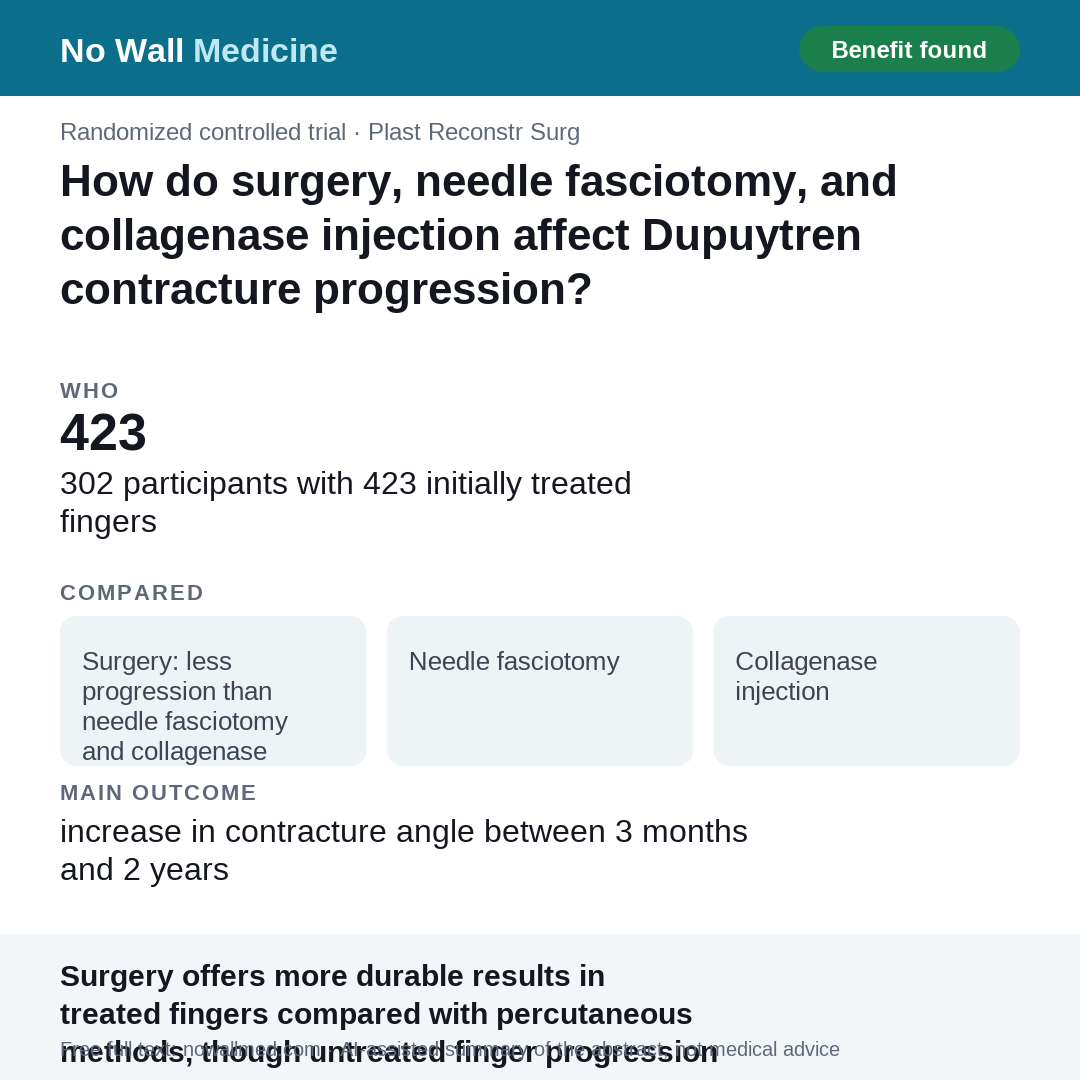
Progression of Dupuytren Contracture: A Randomized Controlled Trial Comparing Surgery, Needle Fasciotomy, and Collagenase Injection
Randomized controlled trialBenefit found
How do surgery, needle fasciotomy, and collagenase injection affect Dupuytren contracture progression?
Who
423
302 participants with 423 initially treated fingers
Compared
Surgery: less progression than needle fasciotomy and collagenase injection
Needle fasciotomy
Collagenase injection
Main outcome
increase in contracture angle between 3 months and 2 years
Result: mean difference 9.7 degrees (95% CI 3.7 to 16) vs needle fasciotomy; mean difference 6.0 degrees (95% CI 0.1 to 12) vs collagenase
Bottom line: Surgery offers more durable results in treated fingers compared with percutaneous methods, though untreated finger progression remains similar.
Plast Reconstr Surg · 2025-12-04Download image
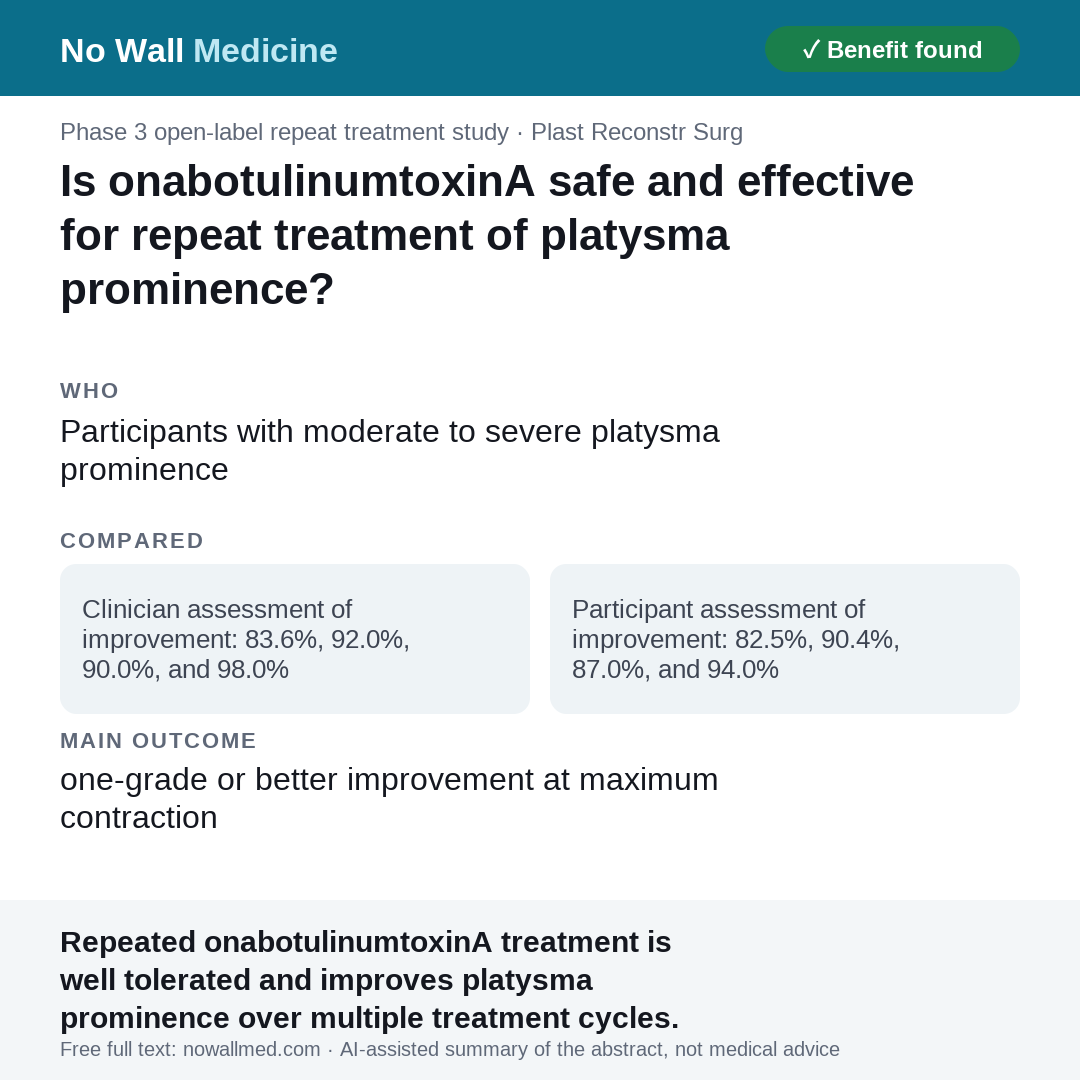
OnabotulinumtoxinA for Platysma Prominence: Safety and Efficacy Results from a Phase 3 Open-Label Repeat Treatment Study
Phase 3 open-label repeat treatment studyBenefit found
Is onabotulinumtoxinA safe and effective for repeat treatment of platysma prominence?
Who
Participants with moderate to severe platysma prominence
Compared
Clinician assessment of improvement: 83.6%, 92.0%, 90.0%, and 98.0%
Participant assessment of improvement: 82.5%, 90.4%, 87.0%, and 94.0%
Main outcome
one-grade or better improvement at maximum contraction
Bottom line: Repeated onabotulinumtoxinA treatment is well tolerated and improves platysma prominence over multiple treatment cycles.
Plast Reconstr Surg · 2025-12-04Download image
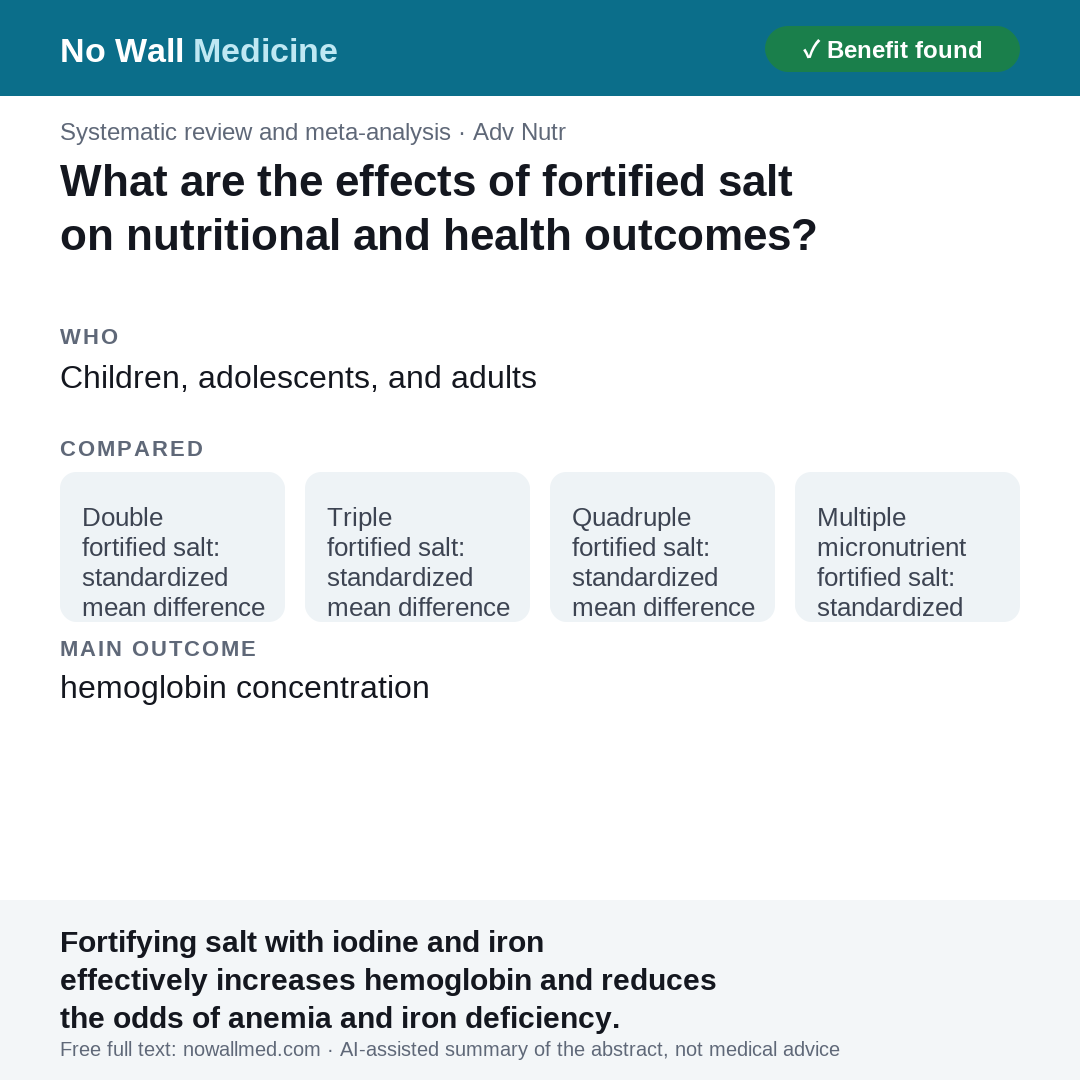
The Effects of Salt Fortified with Multiple Nutrients on Health Outcomes in Children, Adolescents, and Adults: A Systematic Review and Meta-Analysis
Systematic review and meta-analysisBenefit found
What are the effects of fortified salt on nutritional and health outcomes?
Who
Children, adolescents, and adults
Compared
Double fortified salt: standardized mean difference 0.36 (95% CI 0.22, 0.50)
Triple fortified salt: standardized mean difference 1.56 (1.42, 1.70)
Quadruple fortified salt: standardized mean difference 0.33 (0.02, 0.63)
Multiple micronutrient fortified salt: standardized mean difference 0.23 (0.03, 0.43)
Main outcome
hemoglobin concentration
Bottom line: Fortifying salt with iodine and iron effectively increases hemoglobin and reduces the odds of anemia and iron deficiency.
Adv Nutr · 2025-12-04Download image
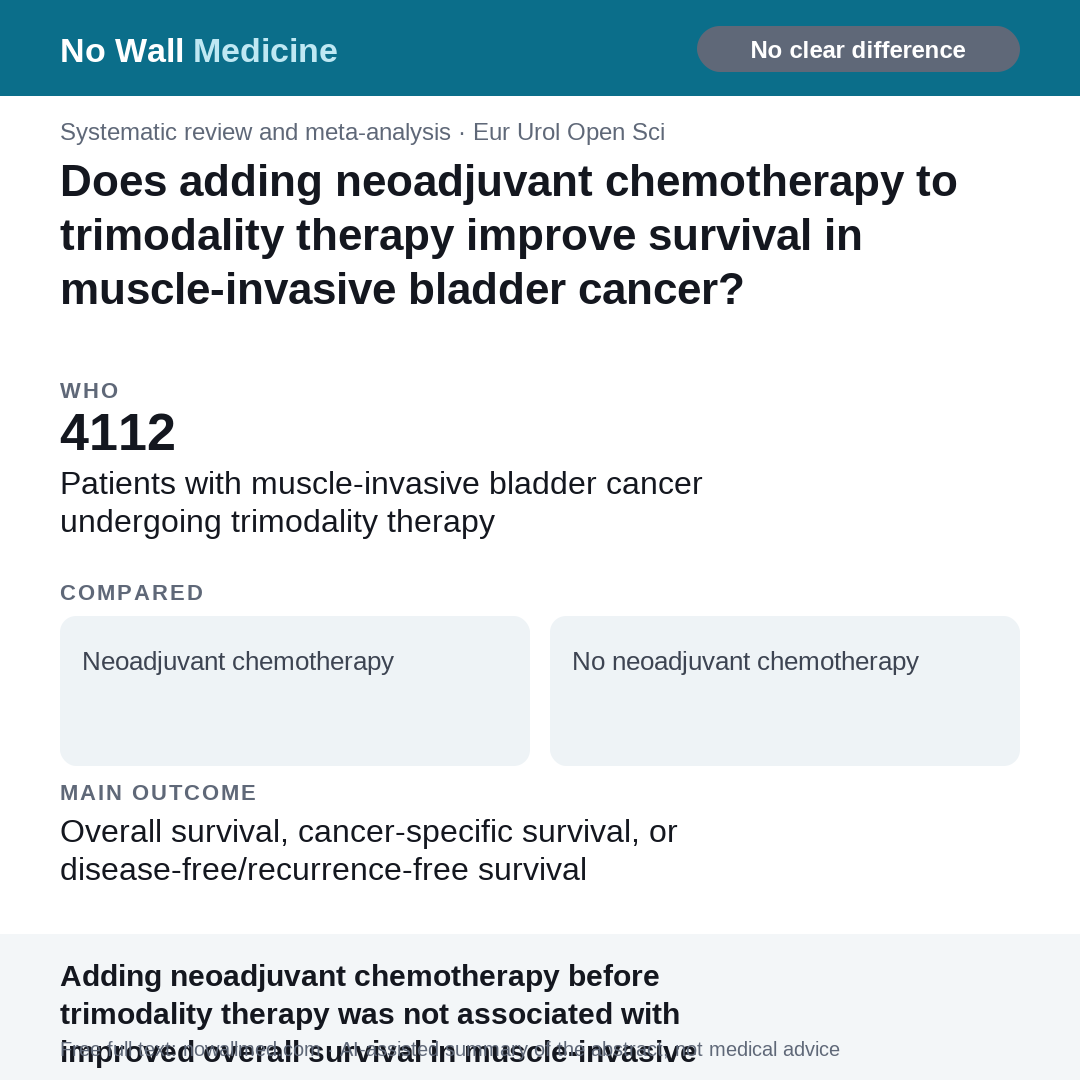
Neoadjuvant Chemotherapy Prior to Trimodality Therapy for Muscle-invasive Bladder Cancer: A Systematic Review and Meta-analysis
Systematic review and meta-analysisNo clear difference
Does adding neoadjuvant chemotherapy to trimodality therapy improve survival in muscle-invasive bladder cancer?
Who
4112
Patients with muscle-invasive bladder cancer undergoing trimodality therapy
Compared
Neoadjuvant chemotherapy
No neoadjuvant chemotherapy
Main outcome
Overall survival, cancer-specific survival, or disease-free/recurrence-free survival
Result: hazard ratio 0.93 (95% CI 0.78-1.12)
Bottom line: Adding neoadjuvant chemotherapy before trimodality therapy was not associated with improved overall survival in muscle-invasive bladder cancer.
Limitation: Nonrandomized design, heterogeneity in patient selection, protocols, and response definitions, and modest number of adjusted studies.
Eur Urol Open Sci · 2025-12-04Download image
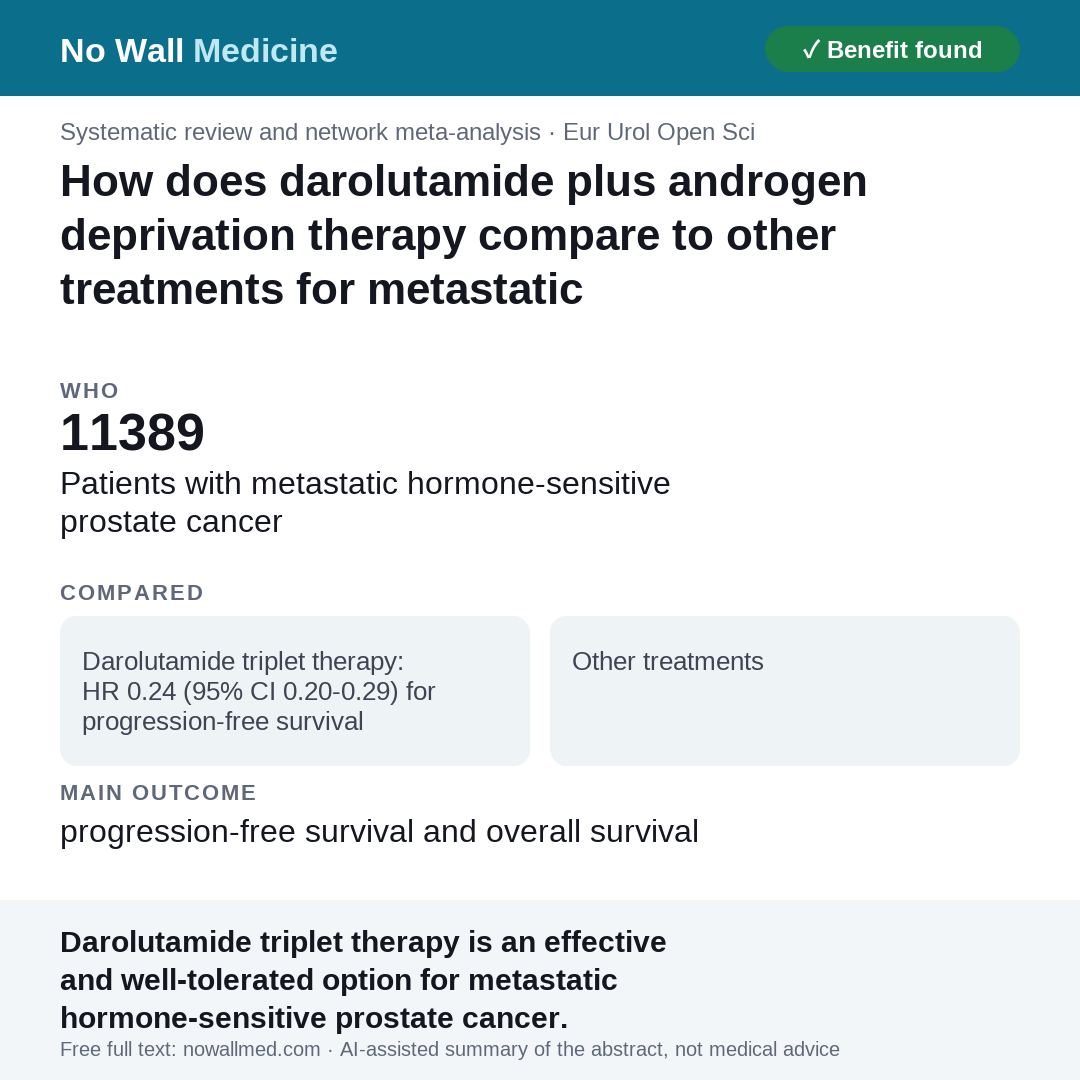
Integration of Darolutamide in the Treatment Landscape for Metastatic Hormone-sensitive Prostate Cancer: A Systematic Review and Network Meta-analysis of Efficacy and Safety
Systematic review and network meta-analysisBenefit found
How does darolutamide plus androgen deprivation therapy compare to other treatments for metastatic hormone-sensitive prostate cancer?
Who
11389
Patients with metastatic hormone-sensitive prostate cancer
Compared
Darolutamide triplet therapy: HR 0.24 (95% CI 0.20-0.29) for progression-free survival
Other treatments
Main outcome
progression-free survival and overall survival
Result: hazard ratio 0.24 (95% CI 0.20-0.29) for progression-free survival
Bottom line: Darolutamide triplet therapy is an effective and well-tolerated option for metastatic hormone-sensitive prostate cancer.
Limitation: Limited direct comparisons between treatments may affect conclusions regarding relative efficacy.
Eur Urol Open Sci · 2025-12-04Download image
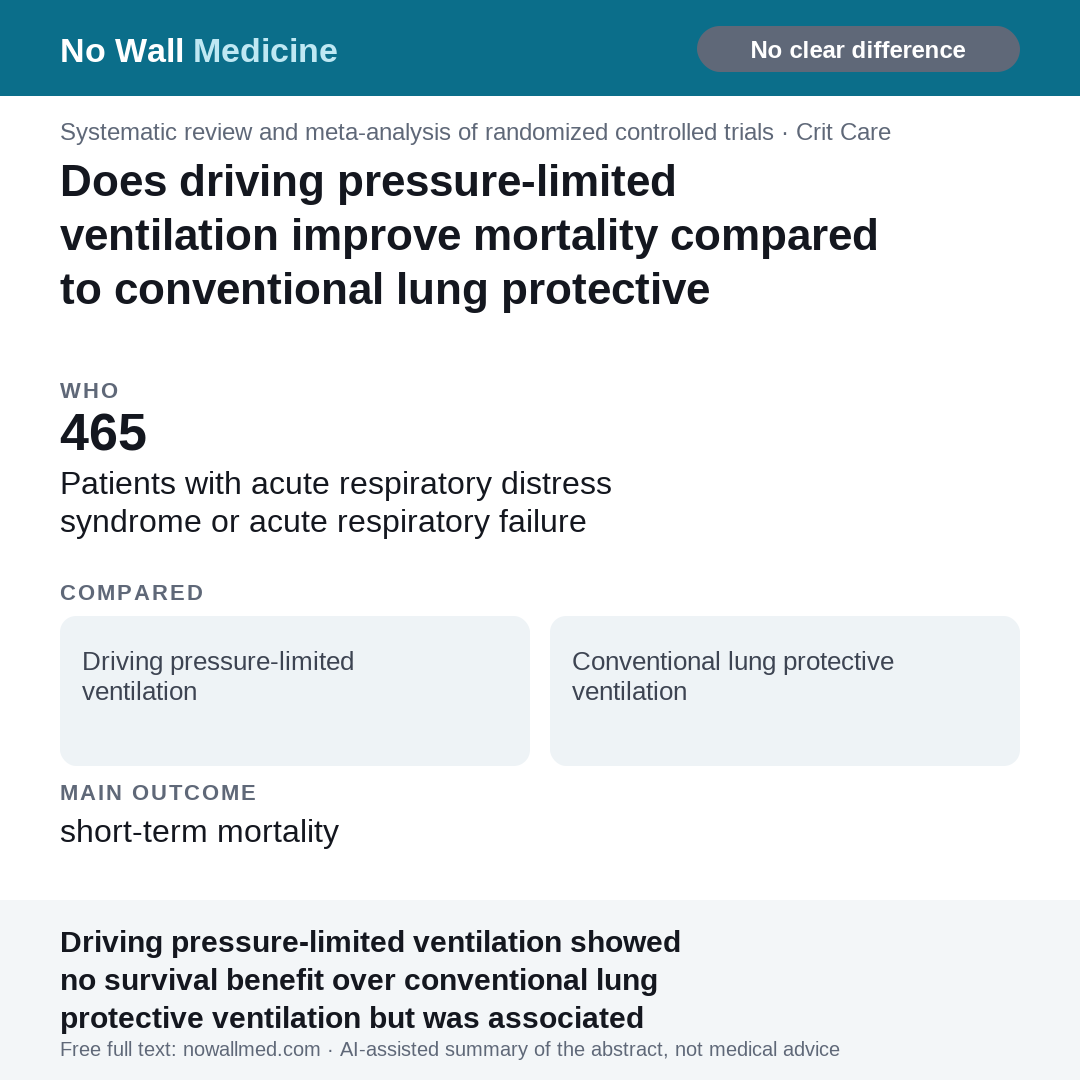
Driving pressure-limited ventilation strategies versus conventional lung protective ventilation strategies for patients with ARDS/ARF: a systematic review and meta-analysis of randomized controlled trials
Systematic review and meta-analysis of randomized controlled trialsNo clear difference
Does driving pressure-limited ventilation improve mortality compared to conventional lung protective ventilation?
Who
465
Patients with acute respiratory distress syndrome or acute respiratory failure
Compared
Driving pressure-limited ventilation
Conventional lung protective ventilation
Main outcome
short-term mortality
Result: odds ratio 1.01 (95% CI 0.49 to 2.10)
Bottom line: Driving pressure-limited ventilation showed no survival benefit over conventional lung protective ventilation but was associated with shorter intensive care unit stays.
Limitation: current limited evidence
Crit Care · 2025-12-04Download image