Visual abstracts
New randomized trials and meta-analyses from leading journals at a glance: who was studied, what was compared, and what was found. Every paper is free to read in full.
All specialtiesCardiology 855Oncology 770Gastroenterology & Hepatology 311Infectious Disease 626Neurology 354Psychiatry & Mental Health 430Pulmonology 370Critical Care 259Endocrinology & Diabetes 484Pediatrics 542Surgery 349Orthopedics & Sports Medicine 166Neurosurgery 115Cardiothoracic & Vascular Surgery 87Plastic & Reconstructive Surgery 144Nephrology 197Rheumatology 108Hematology 183Dermatology 81Ophthalmology 97Obstetrics & Gynecology 266Public & Global Health 168Radiology & Imaging 104Anesthesiology 128Urology 162ENT (Otolaryngology) 114Emergency Medicine 103Allergy & Immunology 58Geriatrics 160Family Medicine & Primary Care 111Medical Genetics & Genomics 91Pathology & Laboratory Medicine 27Physical Medicine & Rehabilitation 149Palliative Care 81Nutrition 223Digital Health & AI 462General Medicine 101
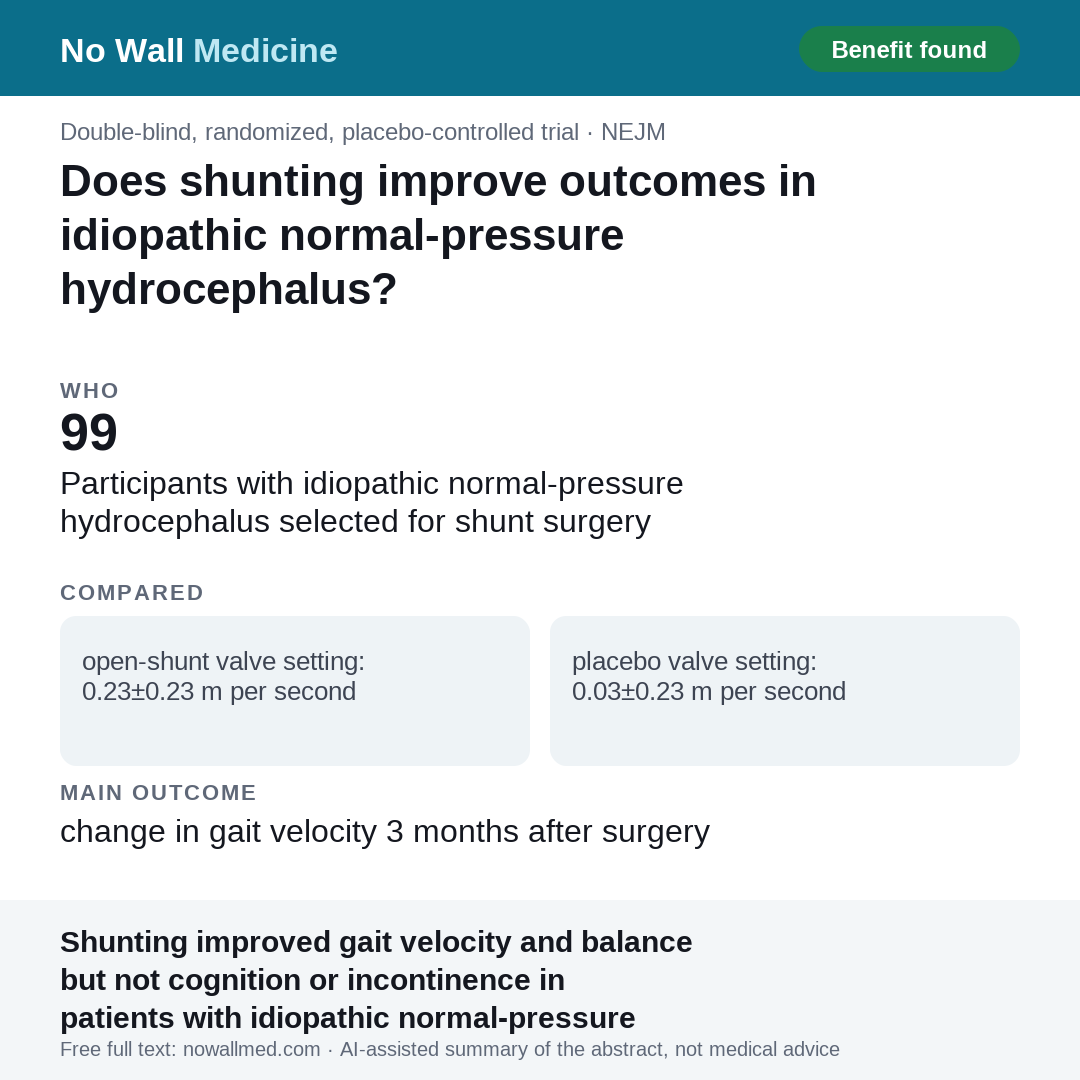
A Randomized Trial of Shunting for Idiopathic Normal-Pressure Hydrocephalus
Double-blind, randomized, placebo-controlled trialBenefit found
Does shunting improve outcomes in idiopathic normal-pressure hydrocephalus?
Who
99
Participants with idiopathic normal-pressure hydrocephalus selected for shunt surgery
Compared
open-shunt valve setting: 0.23±0.23 m per second
placebo valve setting: 0.03±0.23 m per second
Main outcome
change in gait velocity 3 months after surgery
Result: treatment difference of 0.21 m per second (95% confidence interval, 0.12 to 0.31)
Bottom line: Shunting improved gait velocity and balance but not cognition or incontinence in patients with idiopathic normal-pressure hydrocephalus.
Funded by: National Institute of Neurological Disorders and Stroke and Trial Innovation Network
NEJM · 2025-09-16Download image
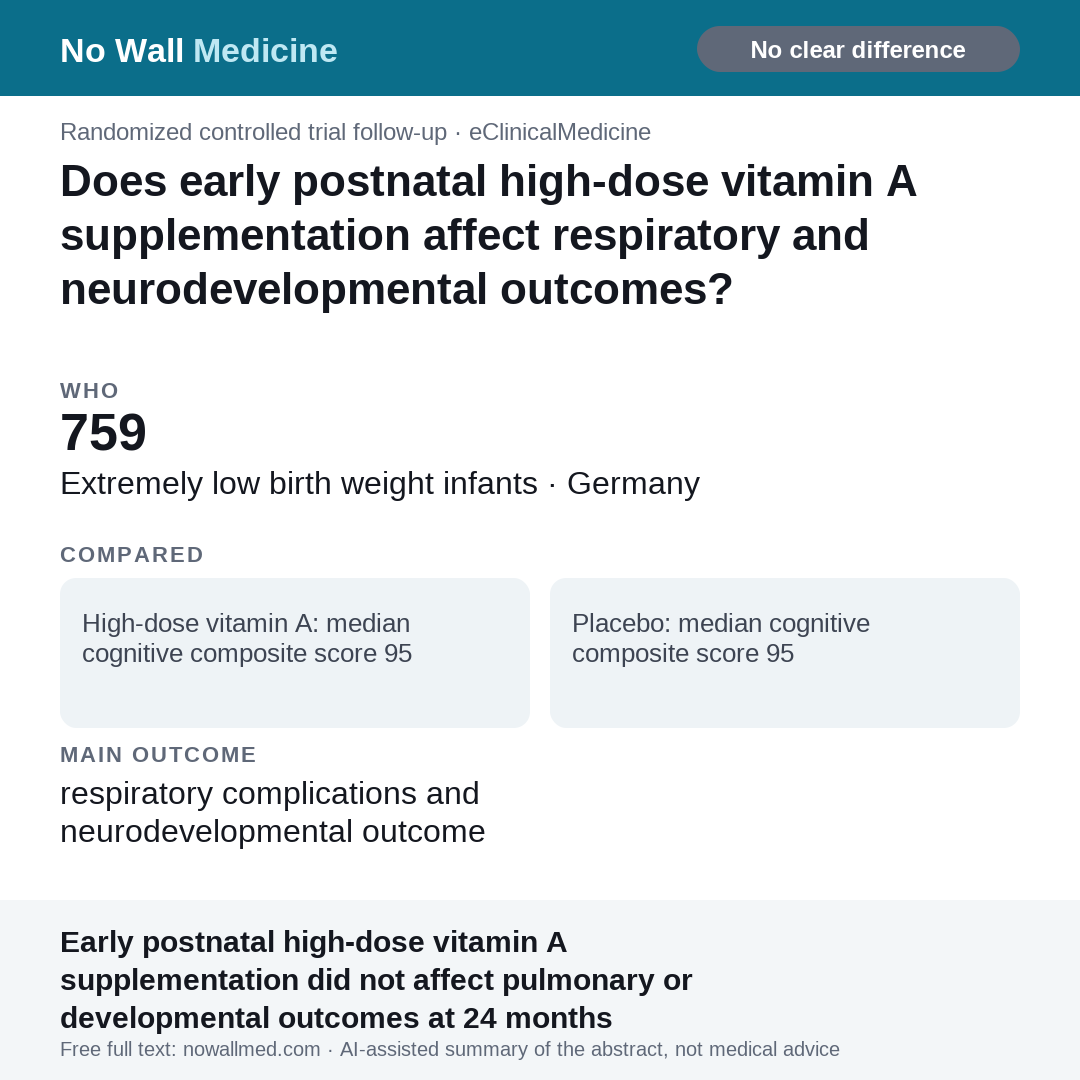
Two-year outcomes after early postnatal high-dose fat-soluble enteral vitamin A supplementation in extremely low birth weight infants: follow-up of the NeoVitaA randomized controlled trial
Randomized controlled trial follow-upNo clear difference
Does early postnatal high-dose vitamin A supplementation affect respiratory and neurodevelopmental outcomes?
Who
759
Extremely low birth weight infants · Germany
Compared
High-dose vitamin A: median cognitive composite score 95
Placebo: median cognitive composite score 95
Main outcome
respiratory complications and neurodevelopmental outcome
Result: median difference 0.0 (95%-CI -5.0 to 0.0)
Bottom line: Early postnatal high-dose vitamin A supplementation did not affect pulmonary or developmental outcomes at 24 months corrected age.
Funded by: Deutsche Forschungsgemeinschaft and European Clinical Research Infrastructures Network
eClinicalMedicine · 2025-09-15Download image
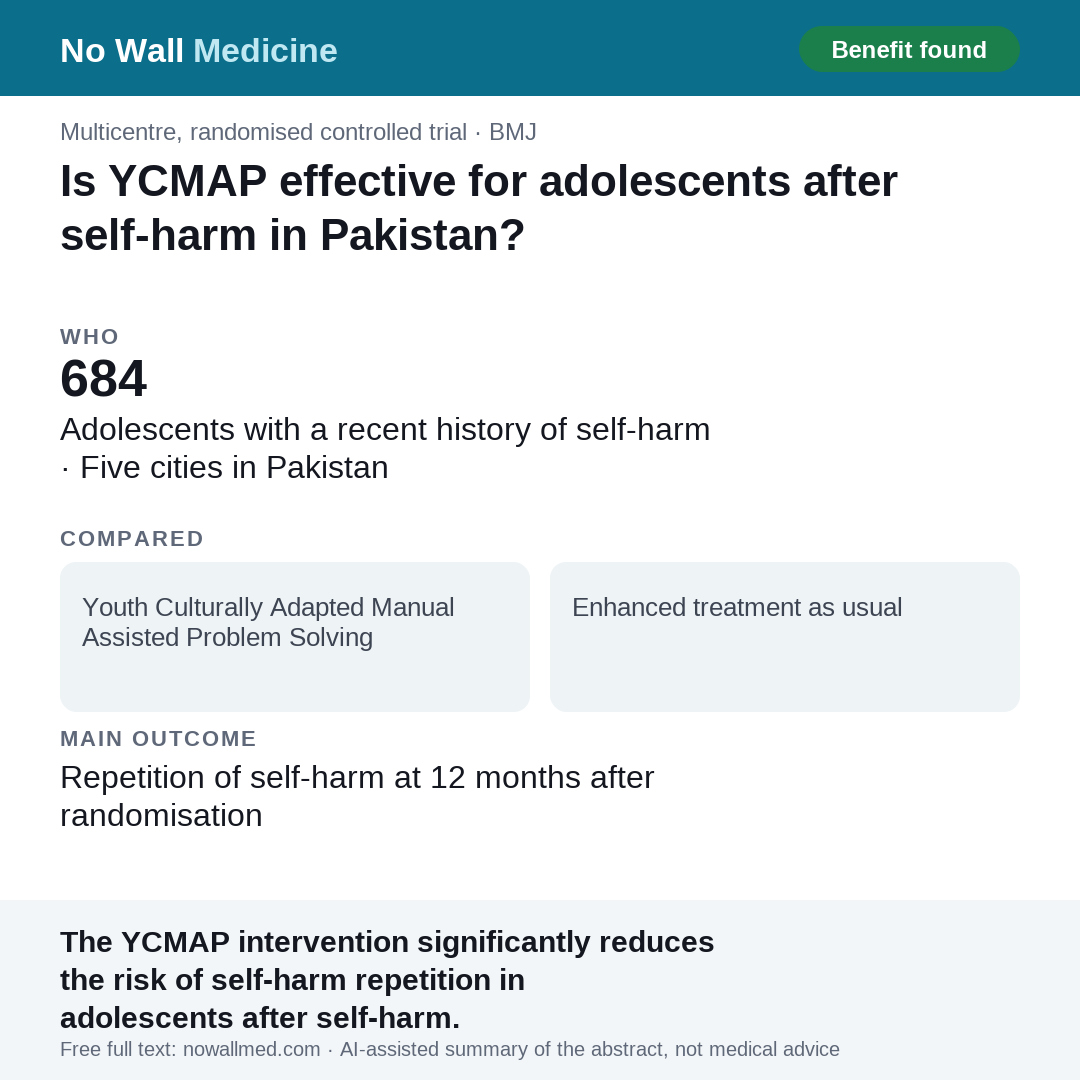
Effectiveness of YCMAP (youth culturally adapted manual assisted problem solving) intervention in adolescents after self-harm in Pakistan: multicentre, randomised controlled trial
Multicentre, randomised controlled trialBenefit found
Is YCMAP effective for adolescents after self-harm in Pakistan?
Who
684
Adolescents with a recent history of self-harm · Five cities in Pakistan
Compared
Youth Culturally Adapted Manual Assisted Problem Solving
Enhanced treatment as usual
Main outcome
Repetition of self-harm at 12 months after randomisation
Result: odds ratio 0.20 (95% confidence interval 0.06 to 0.70)
Bottom line: The YCMAP intervention significantly reduces the risk of self-harm repetition in adolescents after self-harm.
BMJ · 2025-09-12Download image
Effect of methylcobalamin on capecitabine induced hand-foot syndrome in patients with HER2 negative early breast cancer: multicentre, double blind, randomised, placebo controlled, phase 3 trial
Multicentre, double blind, randomised, placebo controlled, phase 3 trialBenefit found
Does methylcobalamin prevent hand-foot syndrome in HER2 negative early breast cancer patients?
Who
234
Women with HER2 negative early breast cancer receiving adjuvant capecitabine · Seven hospitals in China
Compared
17Methylcobalamin (14.5%)
34Placebo (29.1%)
Main outcome
Incidence of grade 2 or greater hand-foot syndrome
Result: risk difference -14.5%, 95% confidence interval -24.9% to -4.1%
Bottom line: Methylcobalamin significantly reduces the incidence of grade 2 or greater hand-foot syndrome in patients receiving adjuvant capecitabine.
BMJ · 2025-09-11Download image

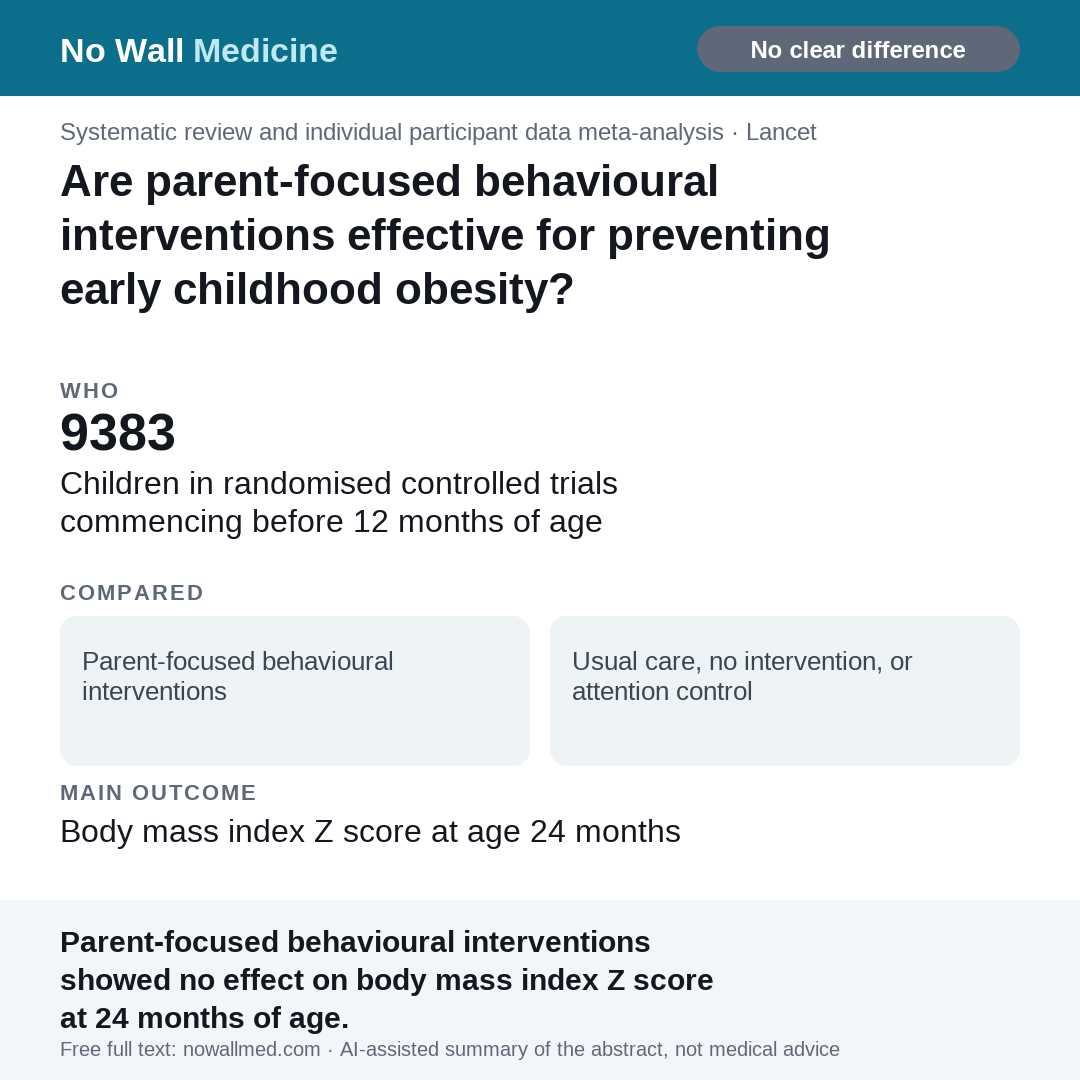
Parent-focused behavioural interventions for the prevention of early childhood obesity (TOPCHILD): a systematic review and individual participant data meta-analysis
Systematic review and individual participant data meta-analysisNo clear difference
Are parent-focused behavioural interventions effective for preventing early childhood obesity?
Who
9383
Children in randomised controlled trials commencing before 12 months of age
Compared
Parent-focused behavioural interventions
Usual care, no intervention, or attention control
Main outcome
Body mass index Z score at age 24 months
Result: mean difference -0·01 (95% CI -0·08 to 0·05)
Bottom line: Parent-focused behavioural interventions showed no effect on body mass index Z score at 24 months of age.
Limitation: 2623 participants had missing data for the primary outcome.
Funded by: Australian National Health and Medical Research Council
Lancet · 2025-09-10Download image
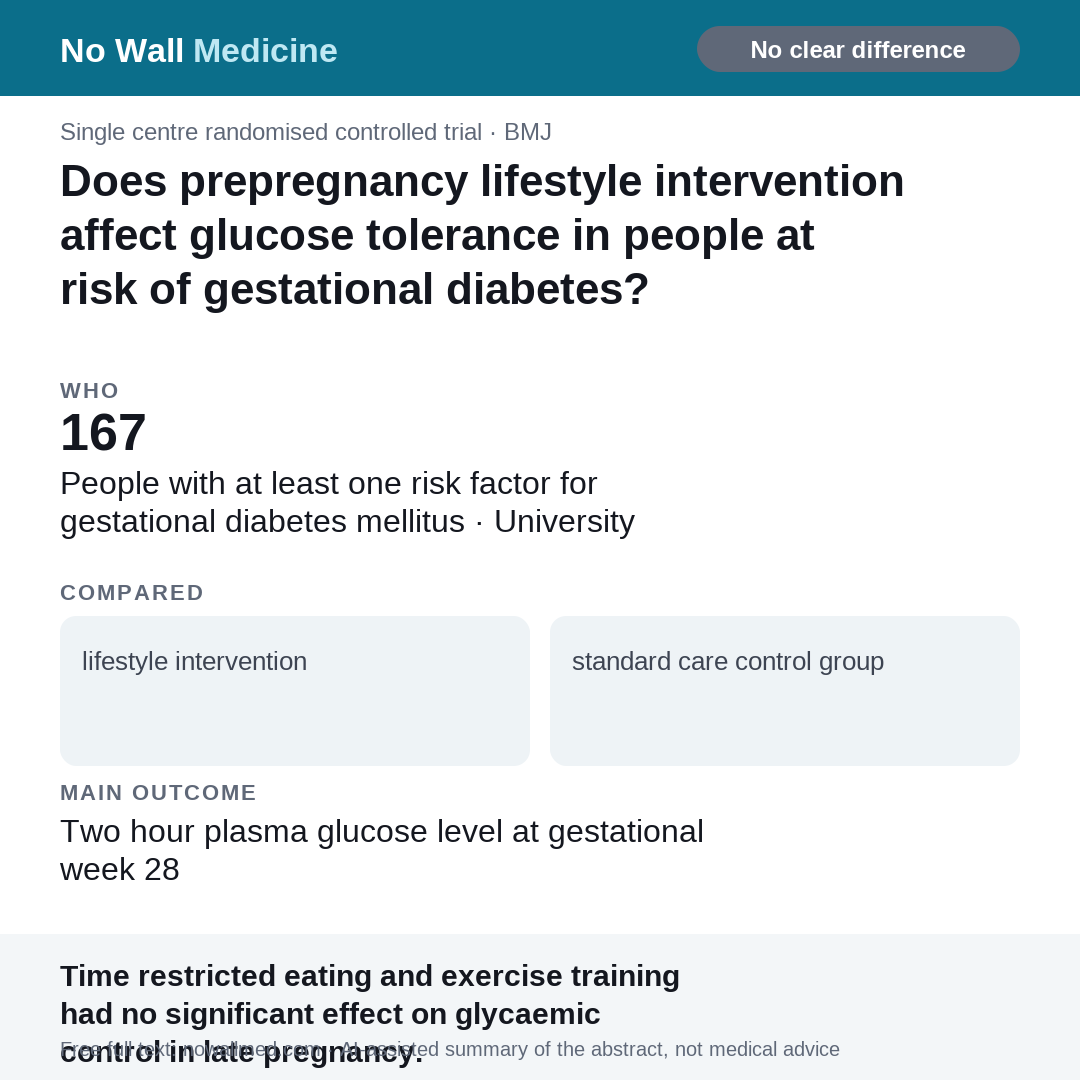
Time restricted eating and exercise training before and during pregnancy for people with increased risk of gestational diabetes: single centre randomised controlled trial (BEFORE THE BEGINNING)
Single centre randomised controlled trialNo clear difference
Does prepregnancy lifestyle intervention affect glucose tolerance in people at risk of gestational diabetes?
Who
167
People with at least one risk factor for gestational diabetes mellitus · University hospital in Trondheim, Norway
Compared
lifestyle intervention
standard care control group
Main outcome
Two hour plasma glucose level at gestational week 28
Result: mean difference 0.48 mmol/L, 95% confidence interval -0.05 to 1.01
Bottom line: Time restricted eating and exercise training had no significant effect on glycaemic control in late pregnancy.
BMJ · 2025-09-09Download image
The efficacy of botulinum toxin treatment in facial palsy: A systematic review
Systematic reviewBenefit found
What is the efficacy of botulinum toxin injections in treating facial palsy?
Who
Individuals with facial palsy
Compared
Botulinum toxin
Control
Main outcome
Facial symmetry, spasticity, functional outcomes, and patient satisfaction
Bottom line: Botulinum toxin injections show promising efficacy in improving facial symmetry and functional outcomes for facial palsy.
JPRAS Open · 2025-09-09Download image

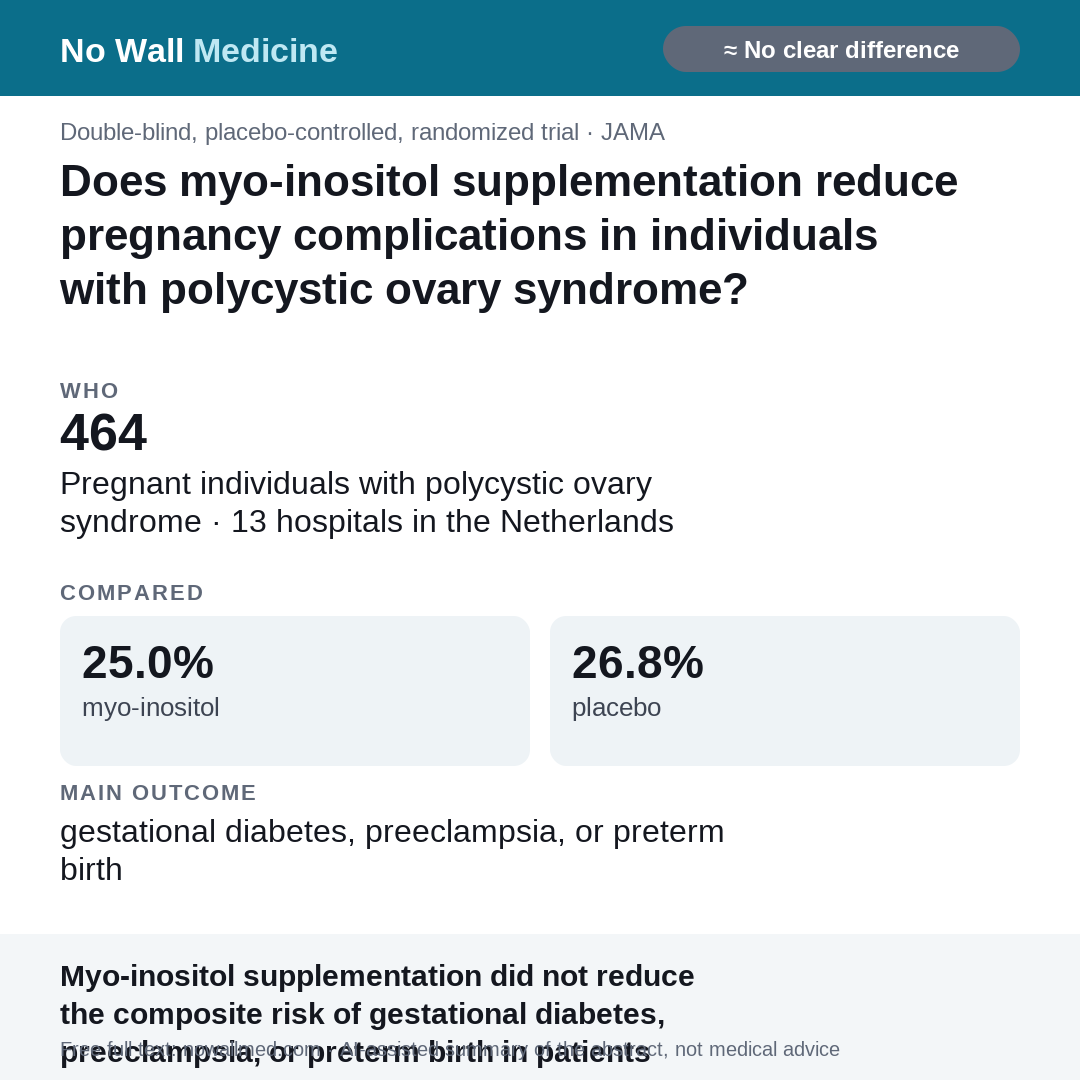
Myo-inositol Supplementation to Prevent Pregnancy Complications in Polycystic Ovary Syndrome: A Randomized Clinical Trial
Double-blind, placebo-controlled, randomized trialNo clear difference
Does myo-inositol supplementation reduce pregnancy complications in individuals with polycystic ovary syndrome?
Who
464
Pregnant individuals with polycystic ovary syndrome · 13 hospitals in the Netherlands
Compared
25.0%myo-inositol (56/230)
26.8%placebo (61/234)
Main outcome
gestational diabetes, preeclampsia, or preterm birth
Result: relative risk 0.93 (95% CI 0.68-1.28)
Bottom line: Myo-inositol supplementation did not reduce the composite risk of gestational diabetes, preeclampsia, or preterm birth in patients with polycystic ovary syndrome.
JAMA · 2025-09-08Download image
Heterologous two-dose Ebola vaccine regimen in pregnant women in Rwanda: a randomized controlled phase 3 trial
Randomized, controlled, open-label, single-center trialBenefit found
Is a two-dose Ebola vaccine safe during pregnancy compared to postpartum vaccination?
Who
2013
Healthy women in Rwanda aged 18 years or older · Rwanda
Compared
Two-dose vaccination during pregnancy: 5.2% adverse outcomes of interest in women
Two-dose vaccination postpartum: 7.3% adverse outcomes of interest in women
Main outcome
Safety outcomes of interest and serious adverse events
Bottom line: Two-dose Ebola vaccination during pregnancy is safe and induces antibody responses in women and offspring.
Nat Med · 2025-09-08Download image

Molecularly matched targeted therapies plus radiotherapy in glioblastoma: the phase 1/2a N2M2 umbrella trial
Phase 1/2a umbrella trialBenefit found
Do molecularly matched targeted therapies plus radiotherapy improve outcomes in glioblastoma?
Who
228
Newly diagnosed glioblastoma without O6-methylguanine DNA-methyltransferase promoter hypermethylation
Compared
temsirolimus with activated mTOR signaling: 39.1% PFS-6
standard of care: 18.5% PFS-6
Main outcome
progression-free survival at 6 months
Bottom line: Temsirolimus plus radiotherapy improved 6-month progression-free survival in glioblastoma patients with activated mTOR signaling.
Nat Med · 2025-09-05Download image

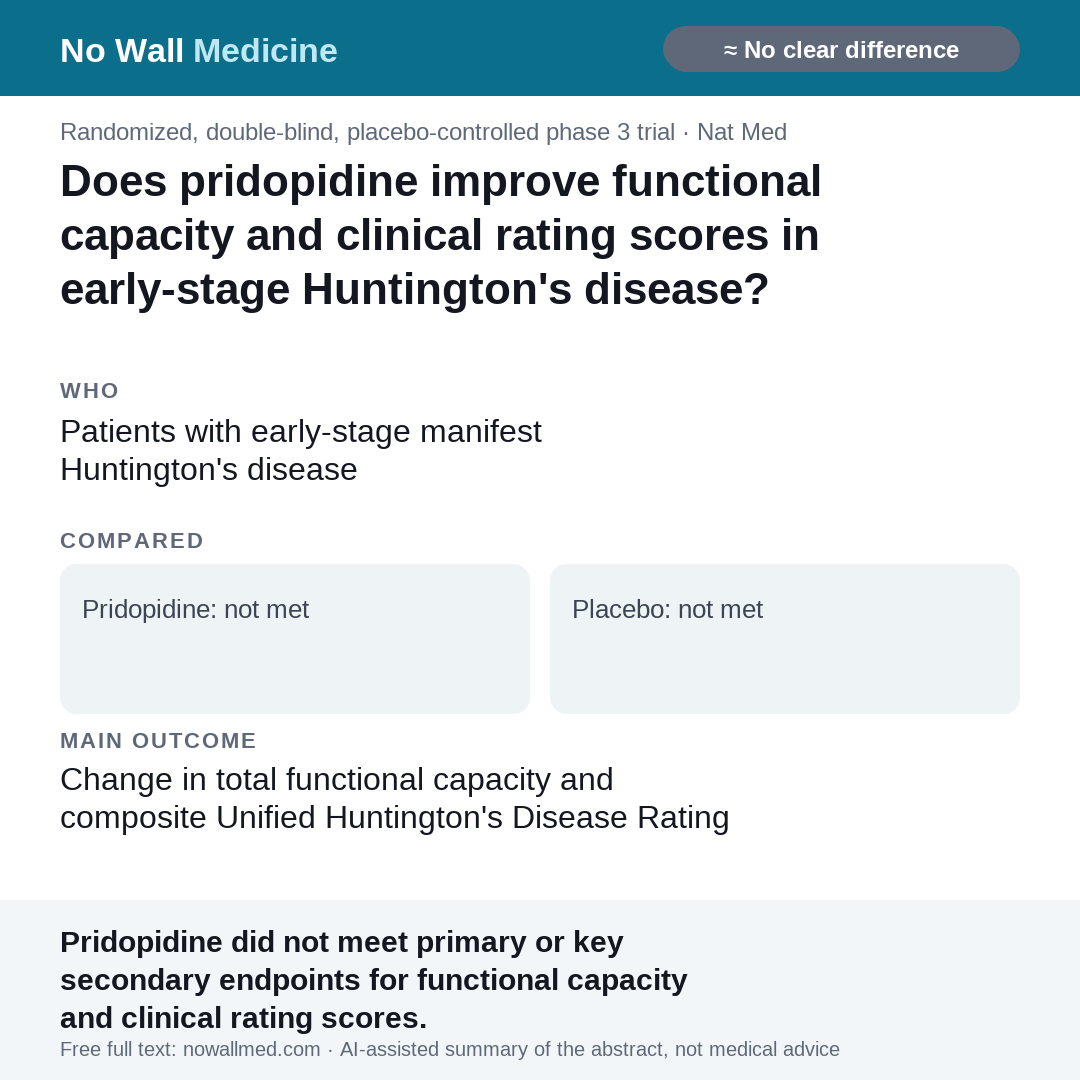
Pridopidine in early-stage manifest Huntington's disease: a phase 3 trial
Randomized, double-blind, placebo-controlled phase 3 trialNo clear difference
Does pridopidine improve functional capacity and clinical rating scores in early-stage Huntington's disease?
Who
Patients with early-stage manifest Huntington's disease
Compared
Pridopidine: not met
Placebo: not met
Main outcome
Change in total functional capacity and composite Unified Huntington's Disease Rating Scale
Result: least-squares mean difference -0.18 (95% confidence interval -0.49 to 0.14)
Bottom line: Pridopidine did not meet primary or key secondary endpoints for functional capacity and clinical rating scores.
Nat Med · 2025-09-05Download image
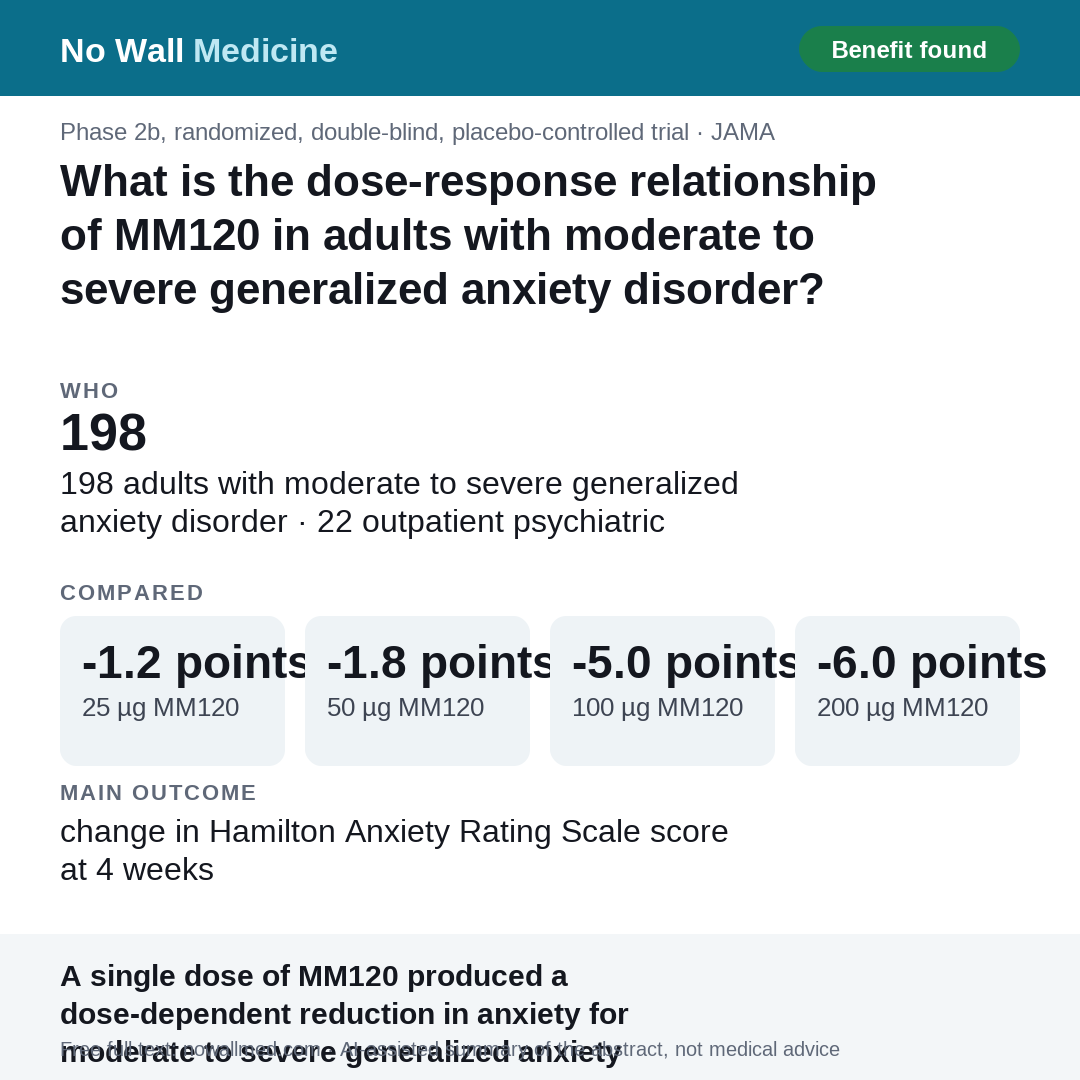
Single Treatment With MM120 (Lysergide) in Generalized Anxiety Disorder: A Randomized Clinical Trial
Phase 2b, randomized, double-blind, placebo-controlled trialBenefit found
What is the dose-response relationship of MM120 in adults with moderate to severe generalized anxiety disorder?
Who
198
198 adults with moderate to severe generalized anxiety disorder · 22 outpatient psychiatric research sites in the US
Compared
-1.2 points25 µg MM120 (95% CI, -6.0 to 3.5 points)
-1.8 points50 µg MM120 (95% CI, -7.6 to 4.0 points)
-5.0 points100 µg MM120 (95% CI, -9.6 to -0.4 points)
-6.0 points200 µg MM120 (95% CI, -9.8 to -2.0 points)
Main outcome
change in Hamilton Anxiety Rating Scale score at 4 weeks
Result: -5.0 points (95% CI, -9.6 to -0.4 points) for 100 µg
Bottom line: A single dose of MM120 produced a dose-dependent reduction in anxiety for moderate to severe generalized anxiety disorder.
JAMA · 2025-09-04Download image
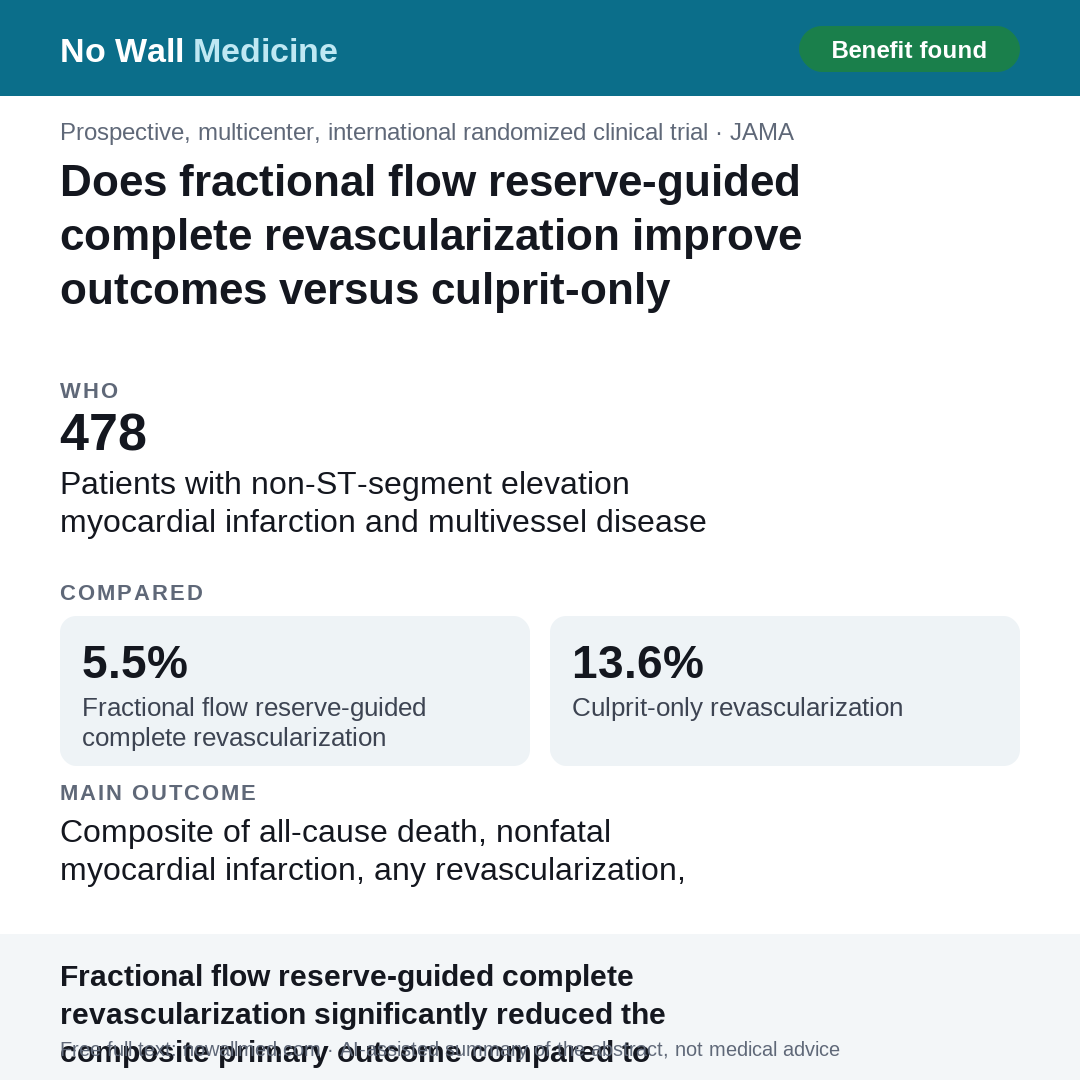
Fractional Flow Reserve-Guided Complete vs Culprit-Only Revascularization in Non-ST-Elevation Myocardial Infarction and Multivessel Disease: The SLIM Randomized Clinical Trial
Prospective, multicenter, international randomized clinical trialBenefit found
Does fractional flow reserve-guided complete revascularization improve outcomes versus culprit-only revascularization in NSTEMI patients?
Who
478
Patients with non-ST-segment elevation myocardial infarction and multivessel disease · 9 hospitals in Europe
Compared
5.5%Fractional flow reserve-guided complete revascularization
13.6%Culprit-only revascularization
Main outcome
Composite of all-cause death, nonfatal myocardial infarction, any revascularization, and stroke
Result: hazard ratio 0.38 (95% CI 0.20-0.72)
Bottom line: Fractional flow reserve-guided complete revascularization significantly reduced the composite primary outcome compared to culprit-only revascularization at 1 year.
JAMA · 2025-09-02Download image
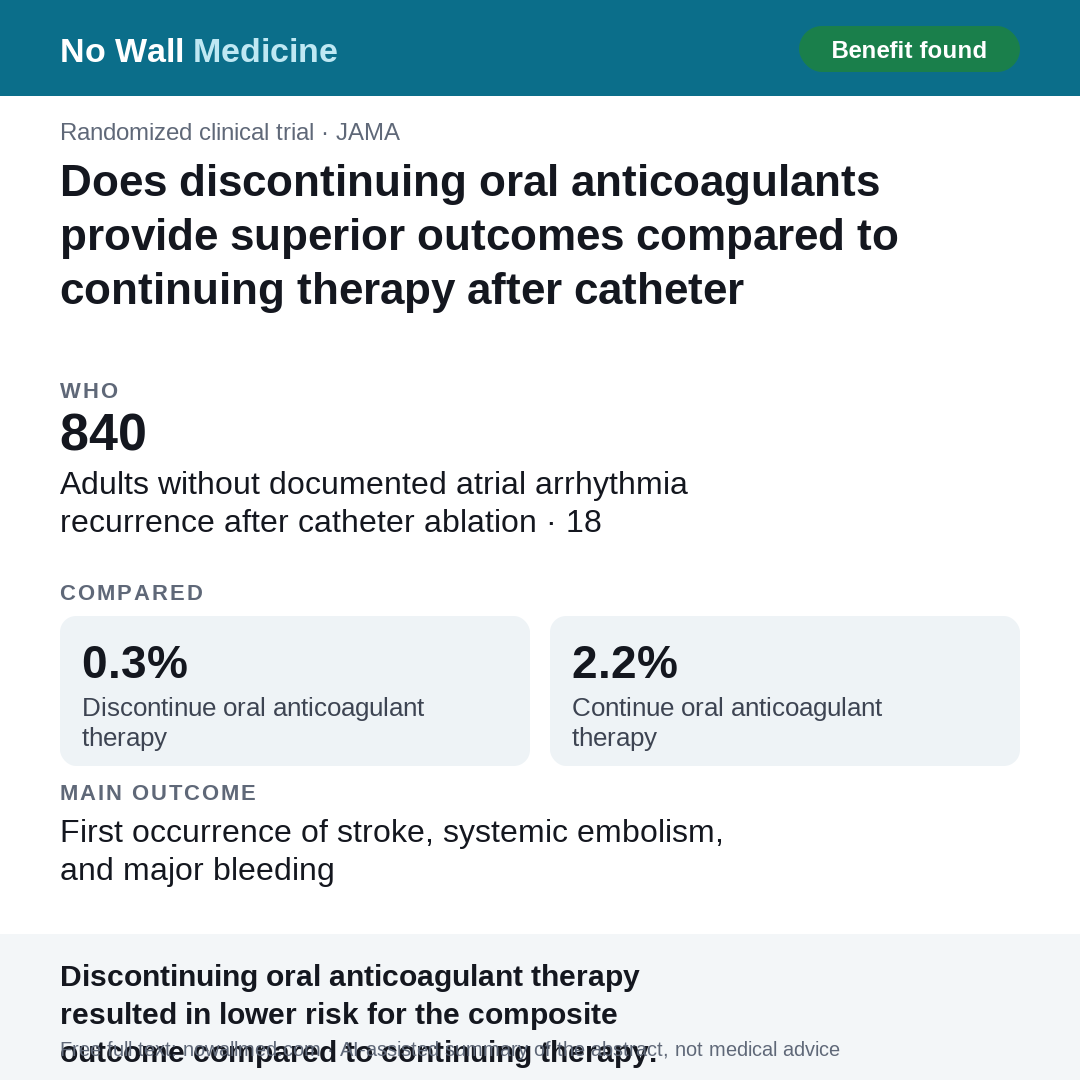
Long-Term Anticoagulation Discontinuation After Catheter Ablation for Atrial Fibrillation: The ALONE-AF Randomized Clinical Trial
Randomized clinical trialBenefit found
Does discontinuing oral anticoagulants provide superior outcomes compared to continuing therapy after catheter ablation?
Who
840
Adults without documented atrial arrhythmia recurrence after catheter ablation · 18 hospitals in South Korea
Compared
0.3%Discontinue oral anticoagulant therapy
2.2%Continue oral anticoagulant therapy
Main outcome
First occurrence of stroke, systemic embolism, and major bleeding
Result: absolute difference, -1.9 percentage points (95% CI, -3.5 to -0.3)
Bottom line: Discontinuing oral anticoagulant therapy resulted in lower risk for the composite outcome compared to continuing therapy.
JAMA · 2025-09-02Download image
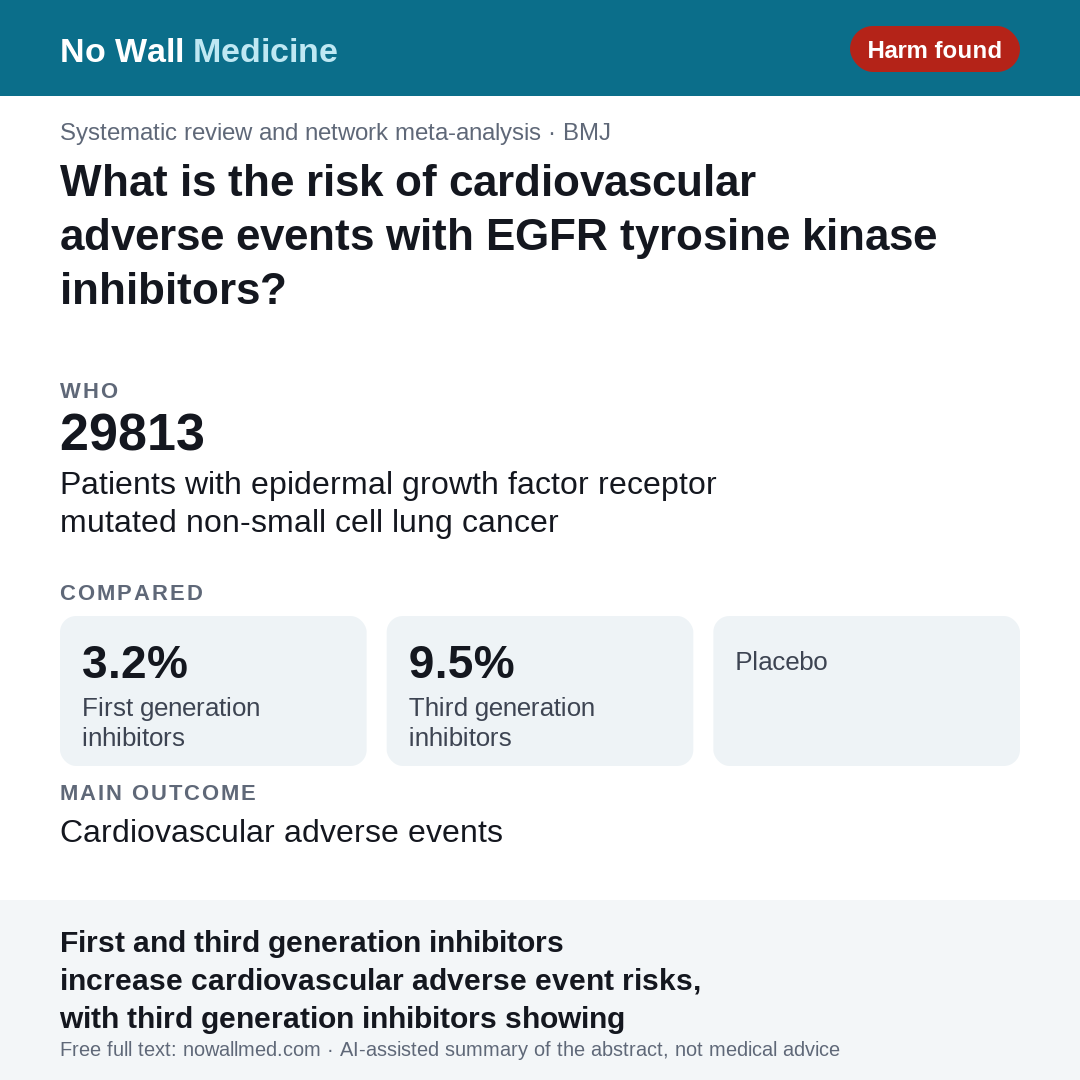
Cardiovascular adverse events associated with epidermal growth factor receptor tyrosine kinase inhibitors in EGFR-mutated non-small cell lung cancer: systematic review and network meta-analysis
Systematic review and network meta-analysisHarm found
What is the risk of cardiovascular adverse events with EGFR tyrosine kinase inhibitors?
Who
29813
Patients with epidermal growth factor receptor mutated non-small cell lung cancer
Compared
3.2%First generation inhibitors
9.5%Third generation inhibitors
Placebo
Main outcome
Cardiovascular adverse events
Result: odds ratio 2.18 (95% confidence interval 1.46 to 3.27)
Bottom line: First and third generation inhibitors increase cardiovascular adverse event risks, with third generation inhibitors showing higher risks than first generation.
BMJ · 2025-09-02Download image
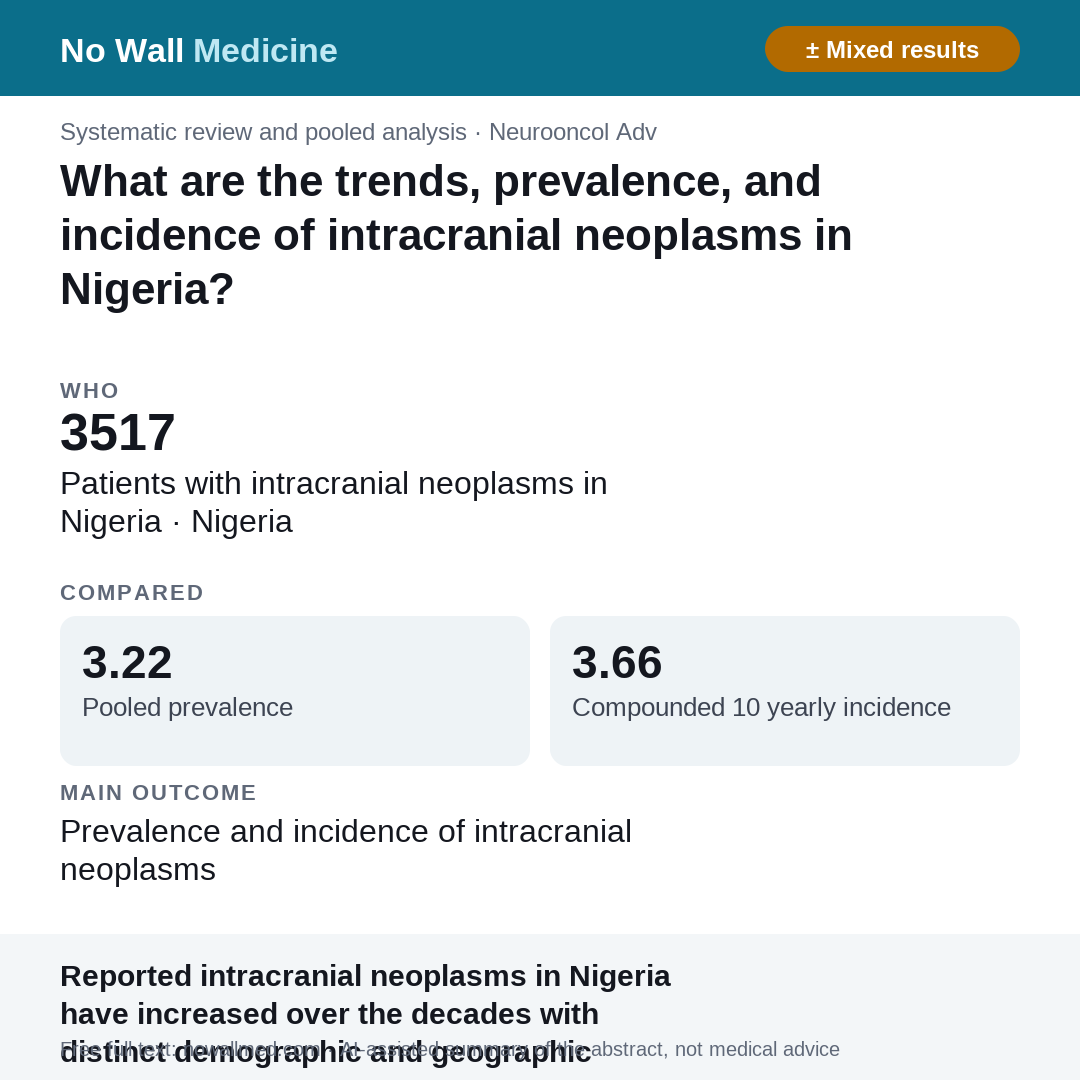
Trends of hospital-based reporting of intracranial neoplasms in Nigeria from 1960 to 2024: A systematic review and pooled analysis of literatures
Systematic review and pooled analysisMixed results
What are the trends, prevalence, and incidence of intracranial neoplasms in Nigeria?
Who
3517
Patients with intracranial neoplasms in Nigeria · Nigeria
Compared
3.22Pooled prevalence (95% CI: 1.66-5.22)
3.66Compounded 10 yearly incidence (95% CI: 1.67-6.32)
Main outcome
Prevalence and incidence of intracranial neoplasms
Bottom line: Reported intracranial neoplasms in Nigeria have increased over the decades with distinct demographic and geographic patterns.
Neurooncol Adv · 2025-09-02Download image
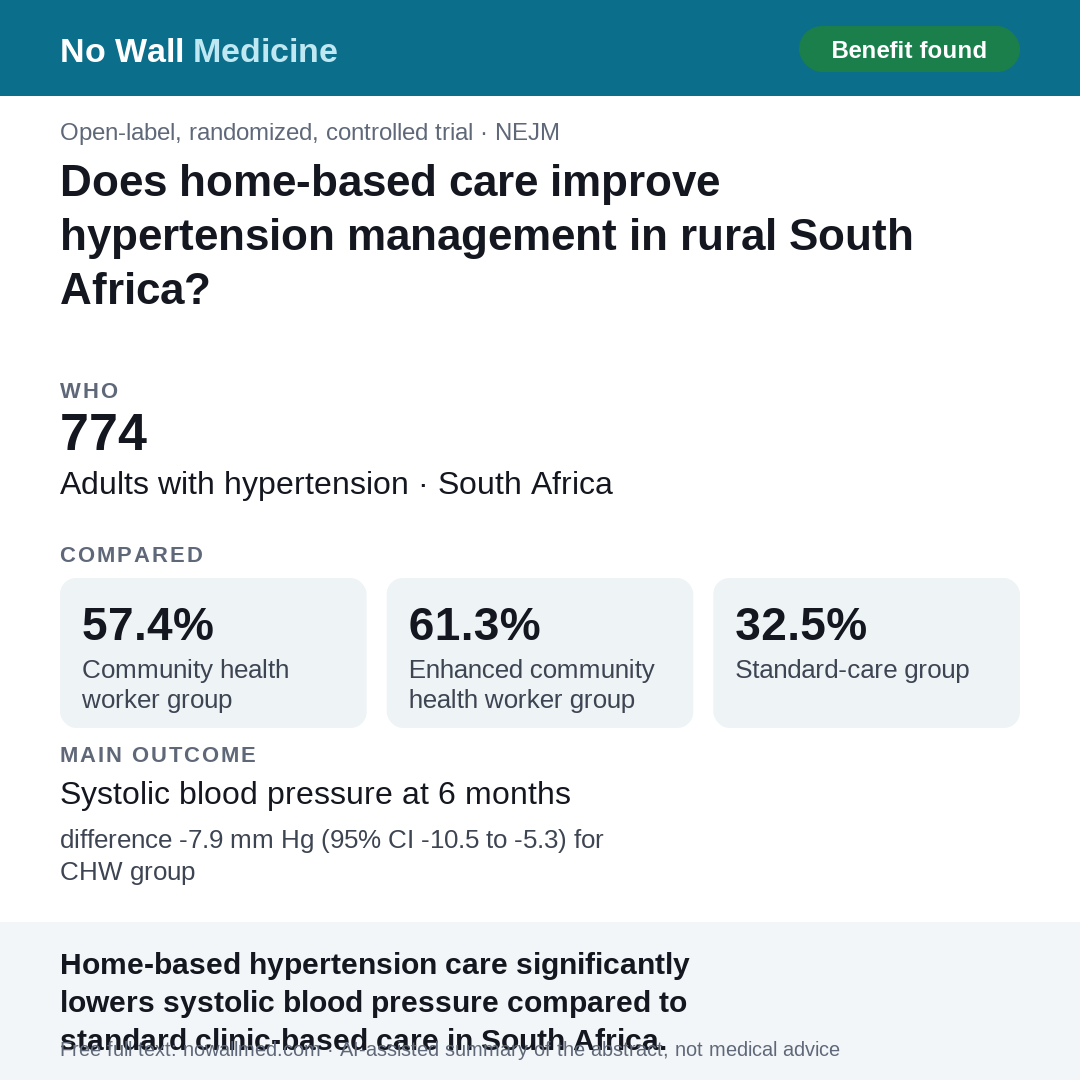
Home-Based Care for Hypertension in Rural South Africa
Open-label, randomized, controlled trialBenefit found
Does home-based care improve hypertension management in rural South Africa?
Who
774
Adults with hypertension · South Africa
Compared
57.4%Community health worker group
61.3%Enhanced community health worker group
32.5%Standard-care group
Main outcome
Systolic blood pressure at 6 months
Result: difference -7.9 mm Hg (95% CI -10.5 to -5.3) for CHW group
Bottom line: Home-based hypertension care significantly lowers systolic blood pressure compared to standard clinic-based care in South Africa.
Funded by: National Institutes of Health and others
NEJM · 2025-09-01Download image
Helicobacter pylori Screening After Acute Myocardial Infarction: The Cluster Randomized Crossover HELP-MI SWEDEHEART Trial
Cluster randomized crossover clinical trialNo clear difference
Does routine Helicobacter pylori screening reduce upper gastrointestinal bleeding after myocardial infarction?
Who
18466
Patients hospitalized for myocardial infarction · Thirty-five Swedish hospitals
Compared
Routine screening: 16.8 events per 1000 person-years
Usual care: 19.2 events per 1000 person-years
Main outcome
Upper gastrointestinal bleeding
Result: rate ratio 0.90 (95% CI, 0.77-1.05)
Bottom line: Routine Helicobacter pylori screening did not significantly reduce upper gastrointestinal bleeding risk in patients with acute myocardial infarction.
JAMA · 2025-09-01Download image

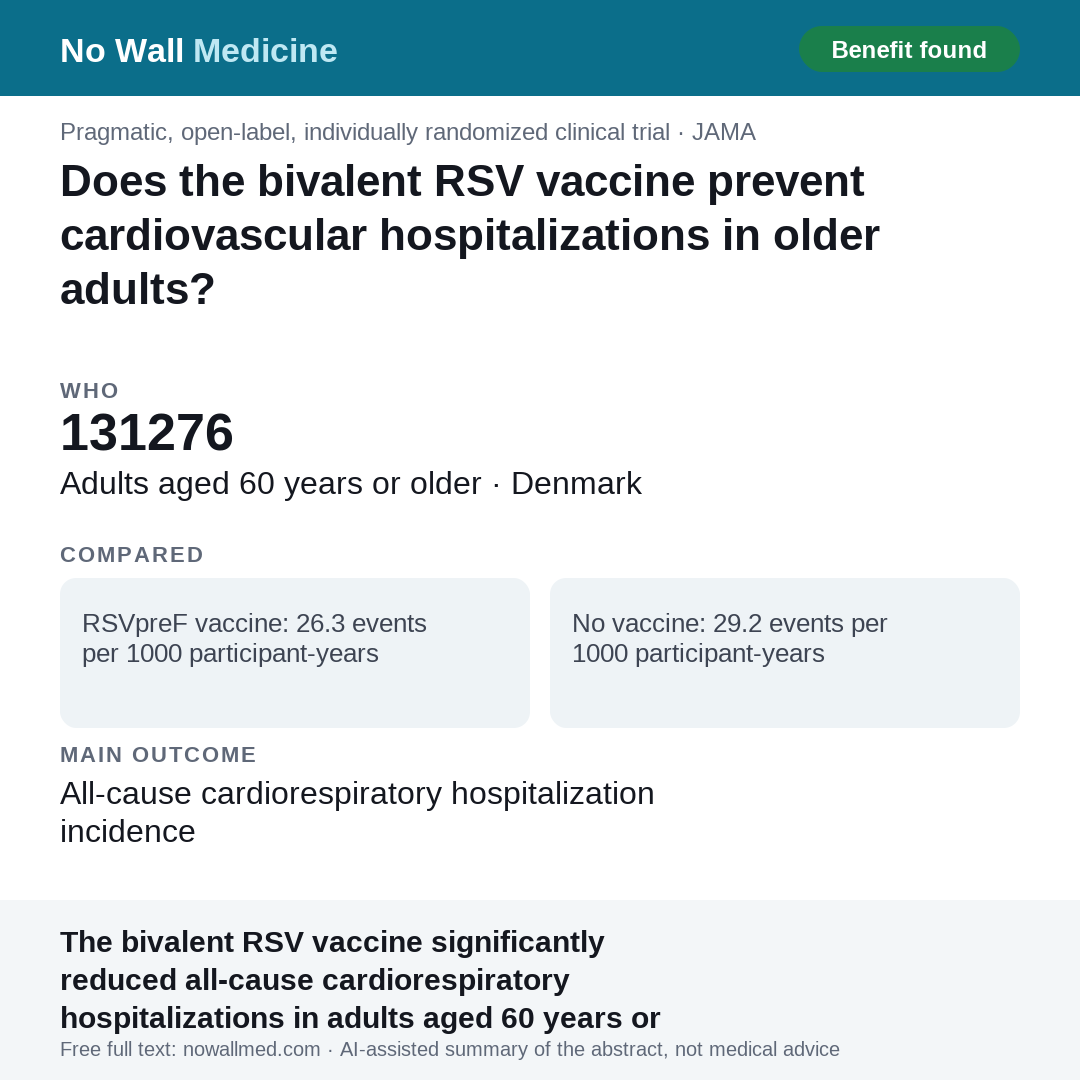
Bivalent RSV Prefusion F Protein-Based Vaccine for Preventing Cardiovascular Hospitalizations in Older Adults: A Prespecified Analysis of the DAN-RSV Trial
Pragmatic, open-label, individually randomized clinical trialBenefit found
Does the bivalent RSV vaccine prevent cardiovascular hospitalizations in older adults?
Who
131276
Adults aged 60 years or older · Denmark
Compared
RSVpreF vaccine: 26.3 events per 1000 participant-years
No vaccine: 29.2 events per 1000 participant-years
Main outcome
All-cause cardiorespiratory hospitalization incidence
Result: vaccine effectiveness, 9.9% (95% CI, 0.3%-18.7%)
Bottom line: The bivalent RSV vaccine significantly reduced all-cause cardiorespiratory hospitalizations in adults aged 60 years or older.
JAMA · 2025-09-01Download image
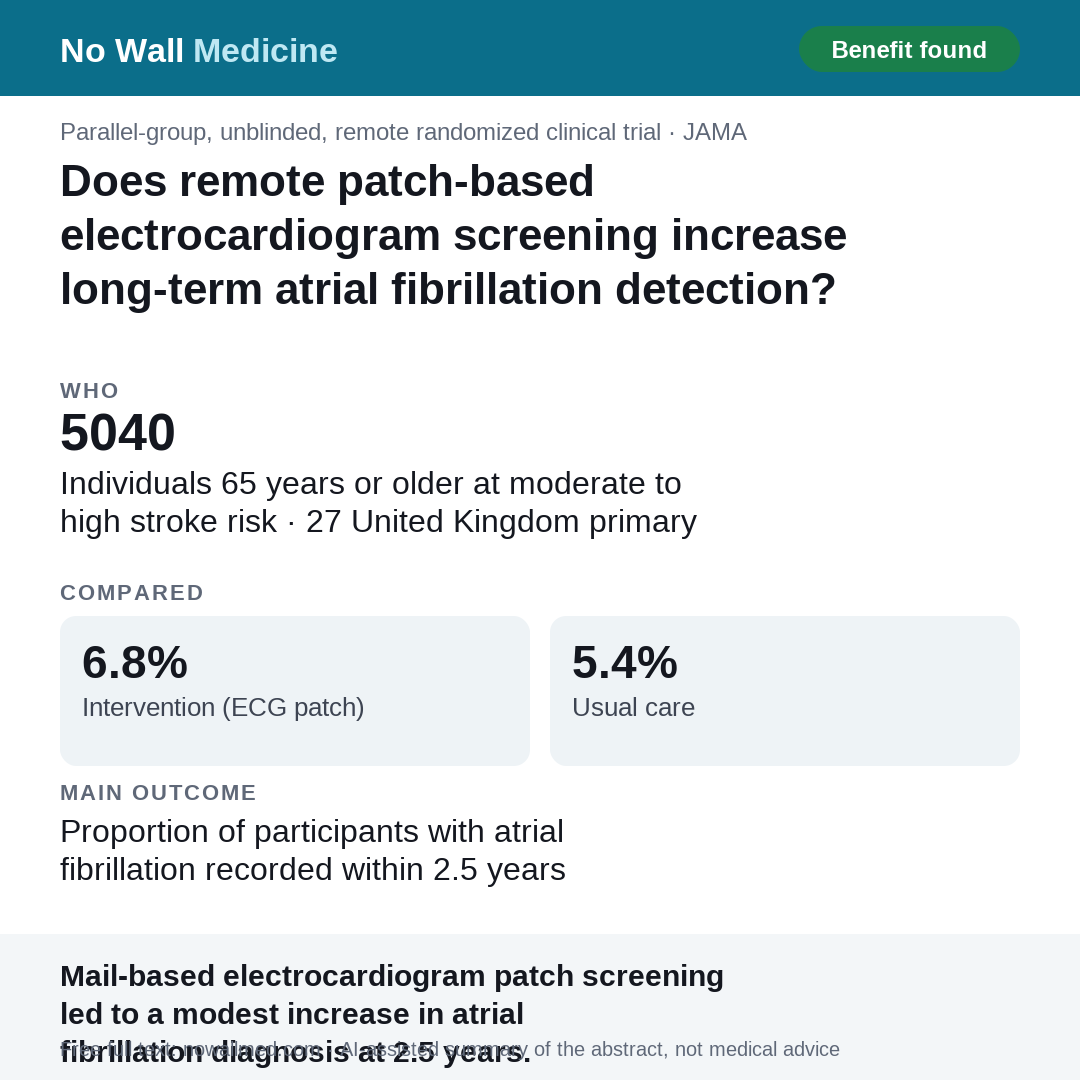
Remote Screening for Asymptomatic Atrial Fibrillation: The AMALFI Randomized Clinical Trial
Parallel-group, unblinded, remote randomized clinical trialBenefit found
Does remote patch-based electrocardiogram screening increase long-term atrial fibrillation detection?
Who
5040
Individuals 65 years or older at moderate to high stroke risk · 27 United Kingdom primary care practices
Compared
6.8%Intervention (ECG patch)
5.4%Usual care
Main outcome
Proportion of participants with atrial fibrillation recorded within 2.5 years
Result: ratio of proportions 1.26 (95% CI 1.02-1.57)
Bottom line: Mail-based electrocardiogram patch screening led to a modest increase in atrial fibrillation diagnosis at 2.5 years.
JAMA · 2025-09-01Download image