Visual abstracts
New randomized trials and meta-analyses from leading journals at a glance: who was studied, what was compared, and what was found. Every paper is free to read in full.
All specialtiesCardiology 4877Oncology 4138Gastroenterology & Hepatology 1942Infectious Disease 3837Neurology 1905Psychiatry & Mental Health 2273Pulmonology 2143Critical Care 1365Endocrinology & Diabetes 2580Pediatrics 2980Surgery 2559Orthopedics & Sports Medicine 931Neurosurgery 537Cardiothoracic & Vascular Surgery 674Plastic & Reconstructive Surgery 591Nephrology 1133Rheumatology 823Hematology 1109Dermatology 621Ophthalmology 543Obstetrics & Gynecology 1686Public & Global Health 1058Radiology & Imaging 648Anesthesiology 986Urology 764ENT (Otolaryngology) 503Emergency Medicine 511Allergy & Immunology 313Geriatrics 981Family Medicine & Primary Care 562Medical Genetics & Genomics 676Pathology & Laboratory Medicine 159Physical Medicine & Rehabilitation 757Palliative Care 444Nutrition 1588Digital Health & AI 2201General Medicine 321
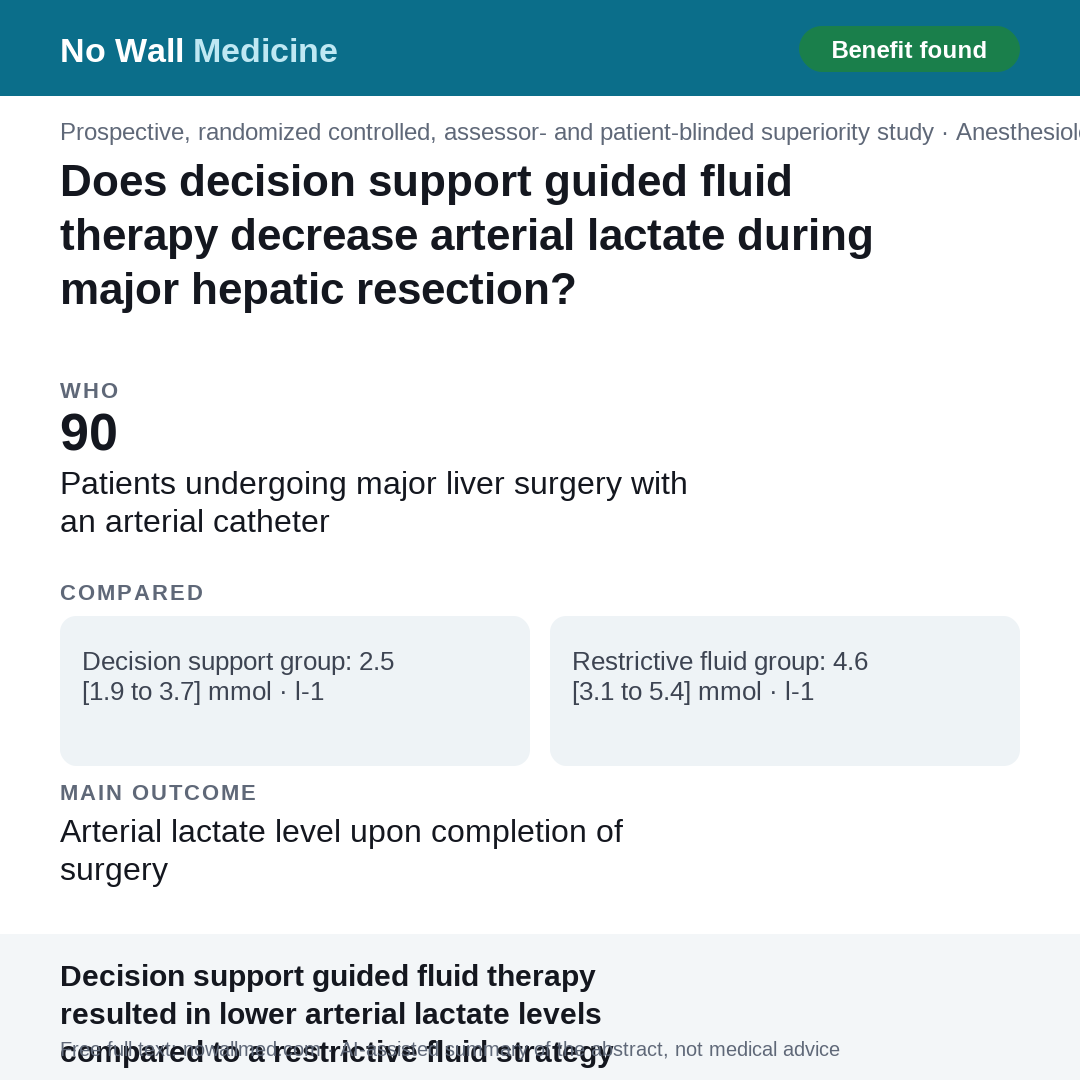
Restrictive versus Decision Support Guided Fluid Therapy during Major Hepatic Resection Surgery: A Randomized Controlled Trial
Prospective, randomized controlled, assessor- and patient-blinded superiority studyBenefit found
Does decision support guided fluid therapy decrease arterial lactate during major hepatic resection?
Who
90
Patients undergoing major liver surgery with an arterial catheter
Compared
Decision support group: 2.5 [1.9 to 3.7] mmol · l-1
Restrictive fluid group: 4.6 [3.1 to 5.4] mmol · l-1
Main outcome
Arterial lactate level upon completion of surgery
Result: median difference, -2.1; 95% CI, -2.7 to -1.2
Bottom line: Decision support guided fluid therapy resulted in lower arterial lactate levels compared to a restrictive fluid strategy during major hepatic resection.
Limitation: Future trials are necessary to make conclusive recommendations that will change clinical practice.
Anesthesiology · 2024-07-26Download image
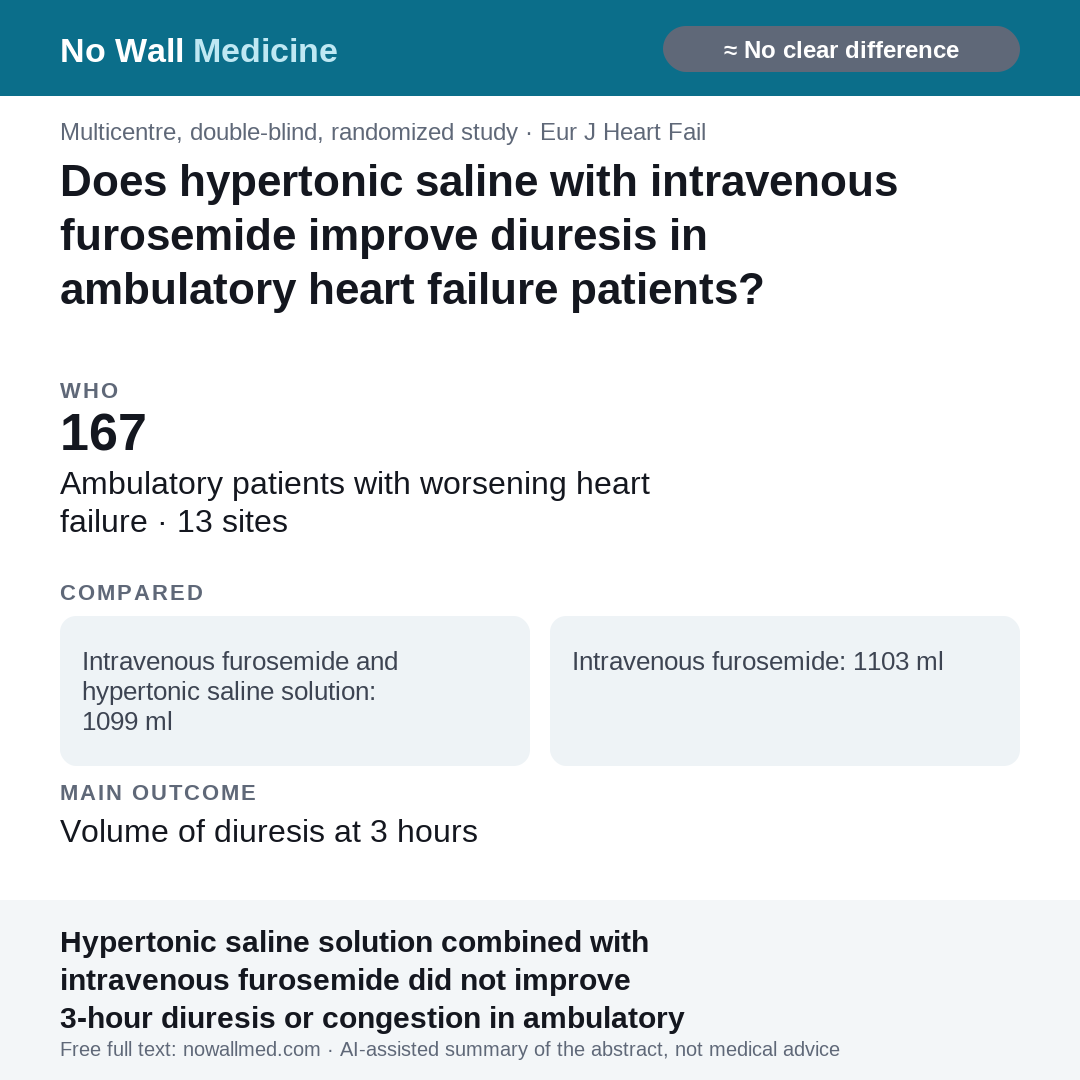
Efficacy and safety of hypertonic saline therapy in ambulatory patients with heart failure: The SALT-HF trial
Multicentre, double-blind, randomized studyNo clear difference
Does hypertonic saline with intravenous furosemide improve diuresis in ambulatory heart failure patients?
Who
167
Ambulatory patients with worsening heart failure · 13 sites
Compared
Intravenous furosemide and hypertonic saline solution: 1099 ml
Intravenous furosemide: 1103 ml
Main outcome
Volume of diuresis at 3 hours
Bottom line: Hypertonic saline solution combined with intravenous furosemide did not improve 3-hour diuresis or congestion in ambulatory patients.
Eur J Heart Fail · 2024-07-26Download image
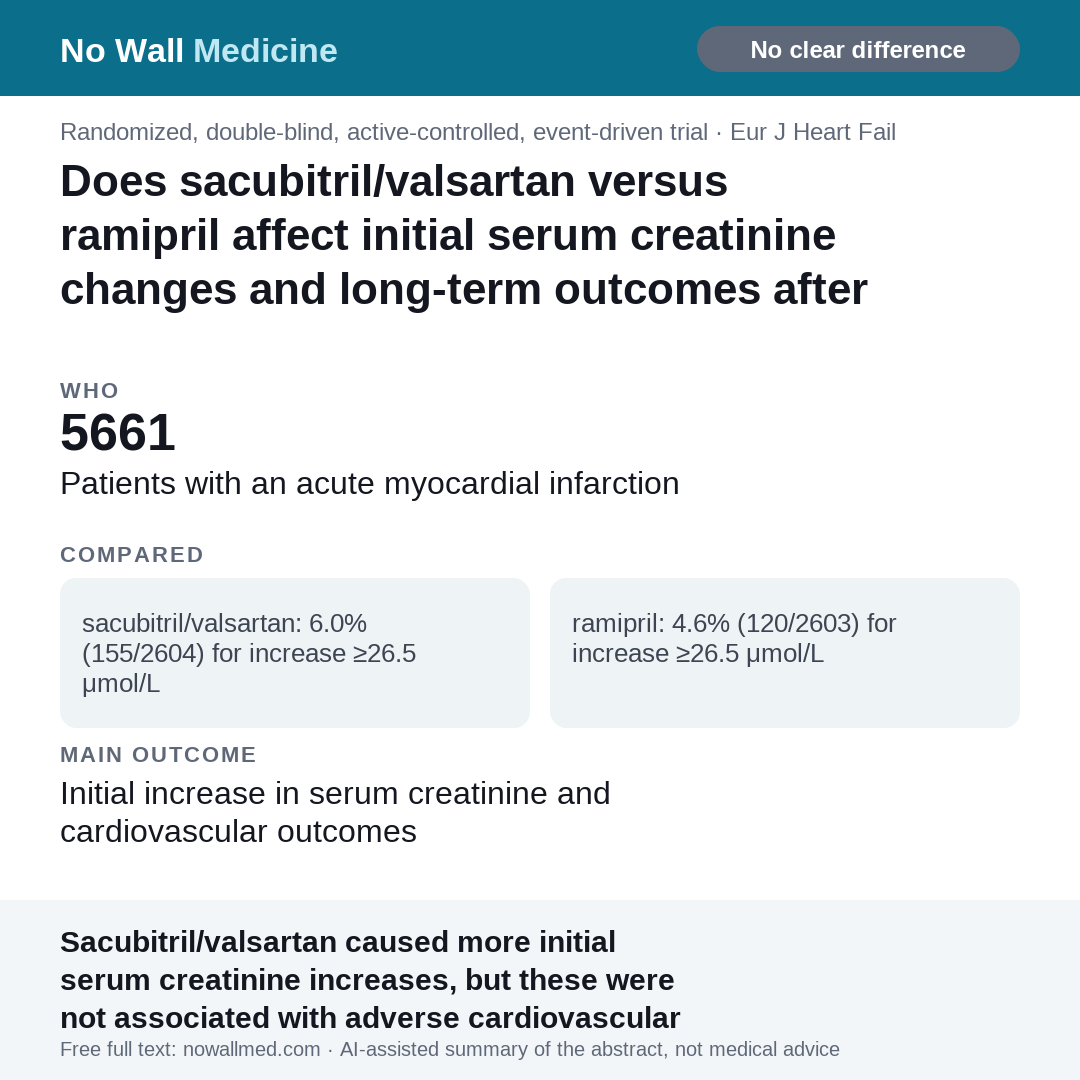
Acute changes in kidney function and outcomes following an acute myocardial infarction: Insights from PARADISE-MI
Randomized, double-blind, active-controlled, event-driven trialNo clear difference
Does sacubitril/valsartan versus ramipril affect initial serum creatinine changes and long-term outcomes after acute myocardial infarction?
Who
5661
Patients with an acute myocardial infarction
Compared
sacubitril/valsartan: 6.0% (155/2604) for increase ≥26.5 μmol/L
ramipril: 4.6% (120/2603) for increase ≥26.5 μmol/L
Main outcome
Initial increase in serum creatinine and cardiovascular outcomes
Result: odds ratio 1.32 (95% CI 1.03-1.68)
Bottom line: Sacubitril/valsartan caused more initial serum creatinine increases, but these were not associated with adverse cardiovascular or kidney outcomes.
Eur J Heart Fail · 2024-07-26Download image
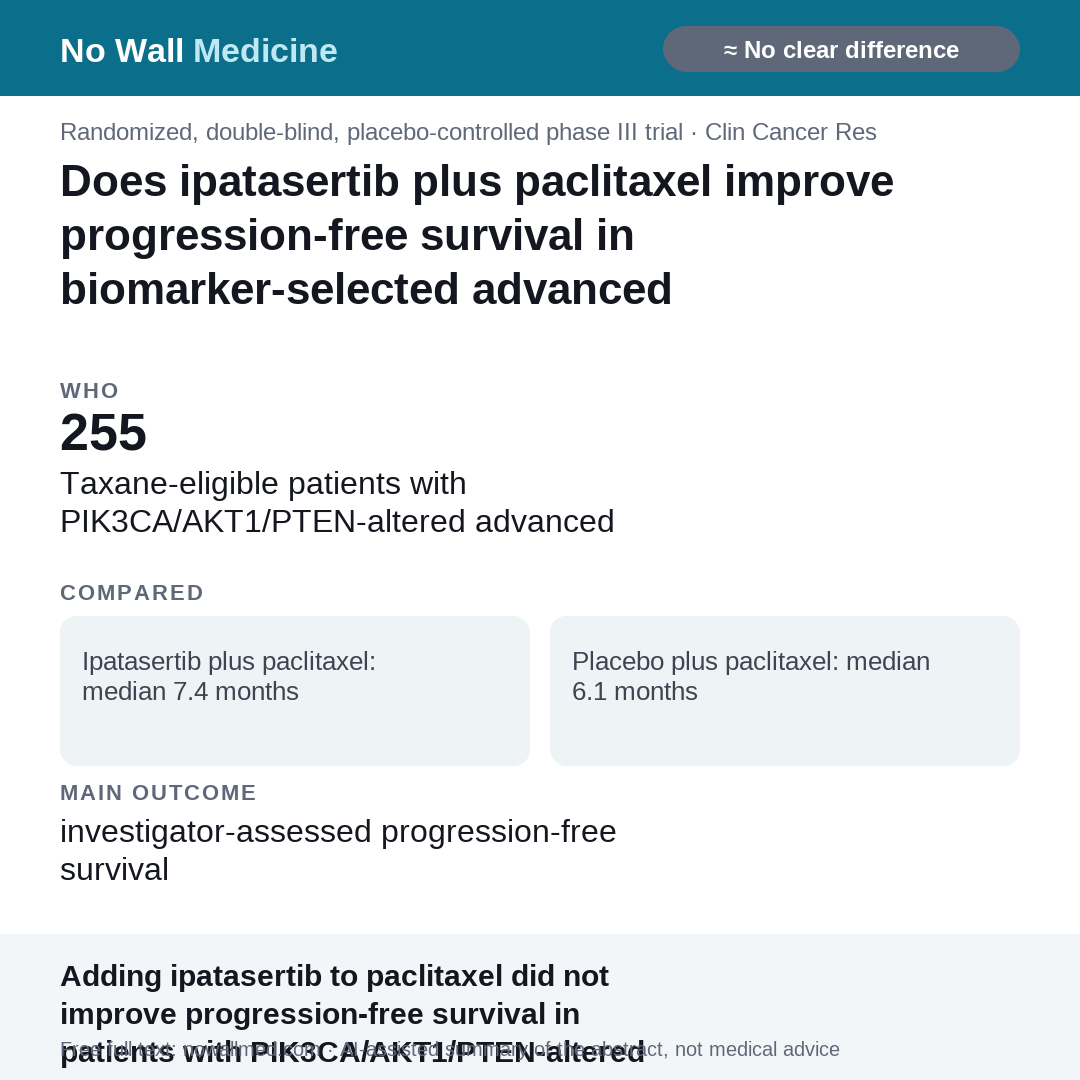
Ipatasertib plus Paclitaxel for Patients with PIK3CA/AKT1/PTEN-Altered Locally Advanced Unresectable or Metastatic Triple-Negative Breast Cancer in the IPATunity130 Phase III Trial
Randomized, double-blind, placebo-controlled phase III trialNo clear difference
Does ipatasertib plus paclitaxel improve progression-free survival in biomarker-selected advanced triple-negative breast cancer?
Who
255
Taxane-eligible patients with PIK3CA/AKT1/PTEN-altered advanced triple-negative breast cancer
Compared
Ipatasertib plus paclitaxel: median 7.4 months
Placebo plus paclitaxel: median 6.1 months
Main outcome
investigator-assessed progression-free survival
Result: hazard ratio 1.02 (95% CI 0.71-1.45)
Bottom line: Adding ipatasertib to paclitaxel did not improve progression-free survival in patients with PIK3CA/AKT1/PTEN-altered advanced triple-negative breast cancer.
Clin Cancer Res · 2024-07-26Download image
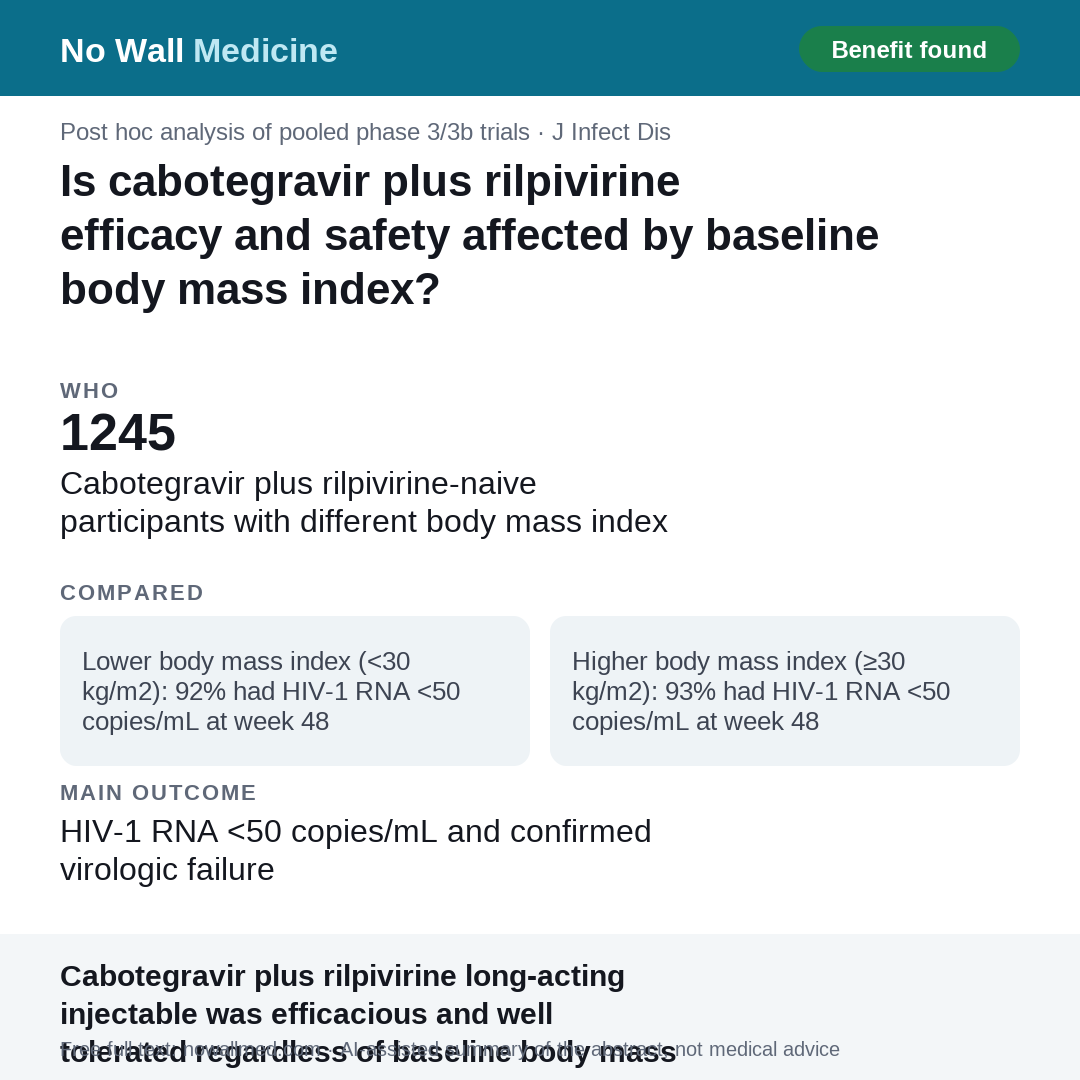
Efficacy, Safety, and Pharmacokinetics by Body Mass Index Category in Phase 3/3b Long-Acting Cabotegravir Plus Rilpivirine Trials
Post hoc analysis of pooled phase 3/3b trialsBenefit found
Is cabotegravir plus rilpivirine efficacy and safety affected by baseline body mass index?
Who
1245
Cabotegravir plus rilpivirine-naive participants with different body mass index categories · Not specified
Compared
Lower body mass index (<30 kg/m2): 92% had HIV-1 RNA <50 copies/mL at week 48
Higher body mass index (≥30 kg/m2): 93% had HIV-1 RNA <50 copies/mL at week 48
Main outcome
HIV-1 RNA <50 copies/mL and confirmed virologic failure
Bottom line: Cabotegravir plus rilpivirine long-acting injectable was efficacious and well tolerated regardless of baseline body mass index category.
J Infect Dis · 2024-07-26Download image
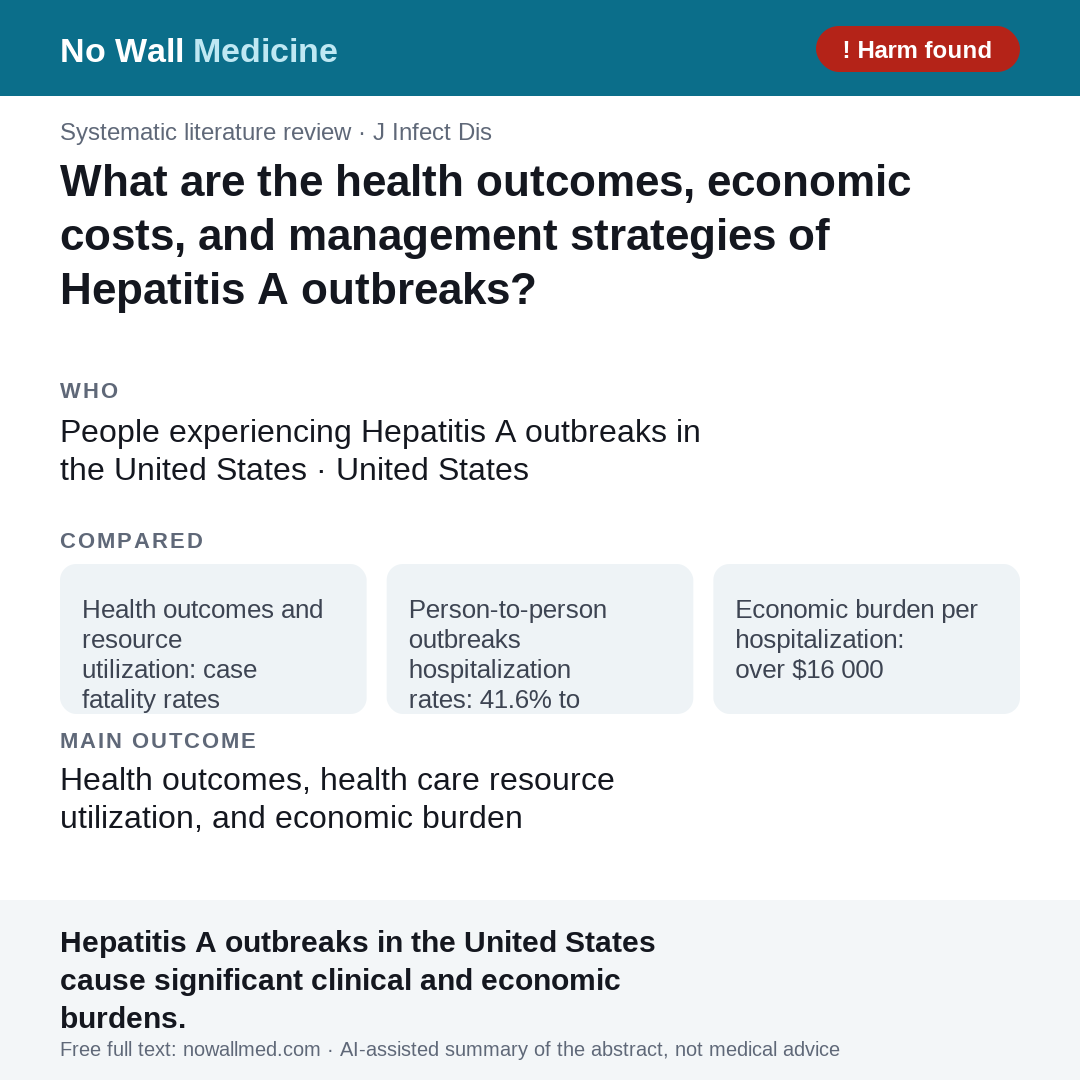
The Burden of Hepatitis A Outbreaks in the United States: Health Outcomes, Economic Costs, and Management Strategies
Systematic literature reviewHarm found
What are the health outcomes, economic costs, and management strategies of Hepatitis A outbreaks?
Who
People experiencing Hepatitis A outbreaks in the United States · United States
Compared
Health outcomes and resource utilization: case fatality rates ranged from 0% to 10.8%
Person-to-person outbreaks hospitalization rates: 41.6% to 84.8%
Economic burden per hospitalization: over $16 000
Main outcome
Health outcomes, health care resource utilization, and economic burden
Bottom line: Hepatitis A outbreaks in the United States cause significant clinical and economic burdens.
J Infect Dis · 2024-07-26Download image
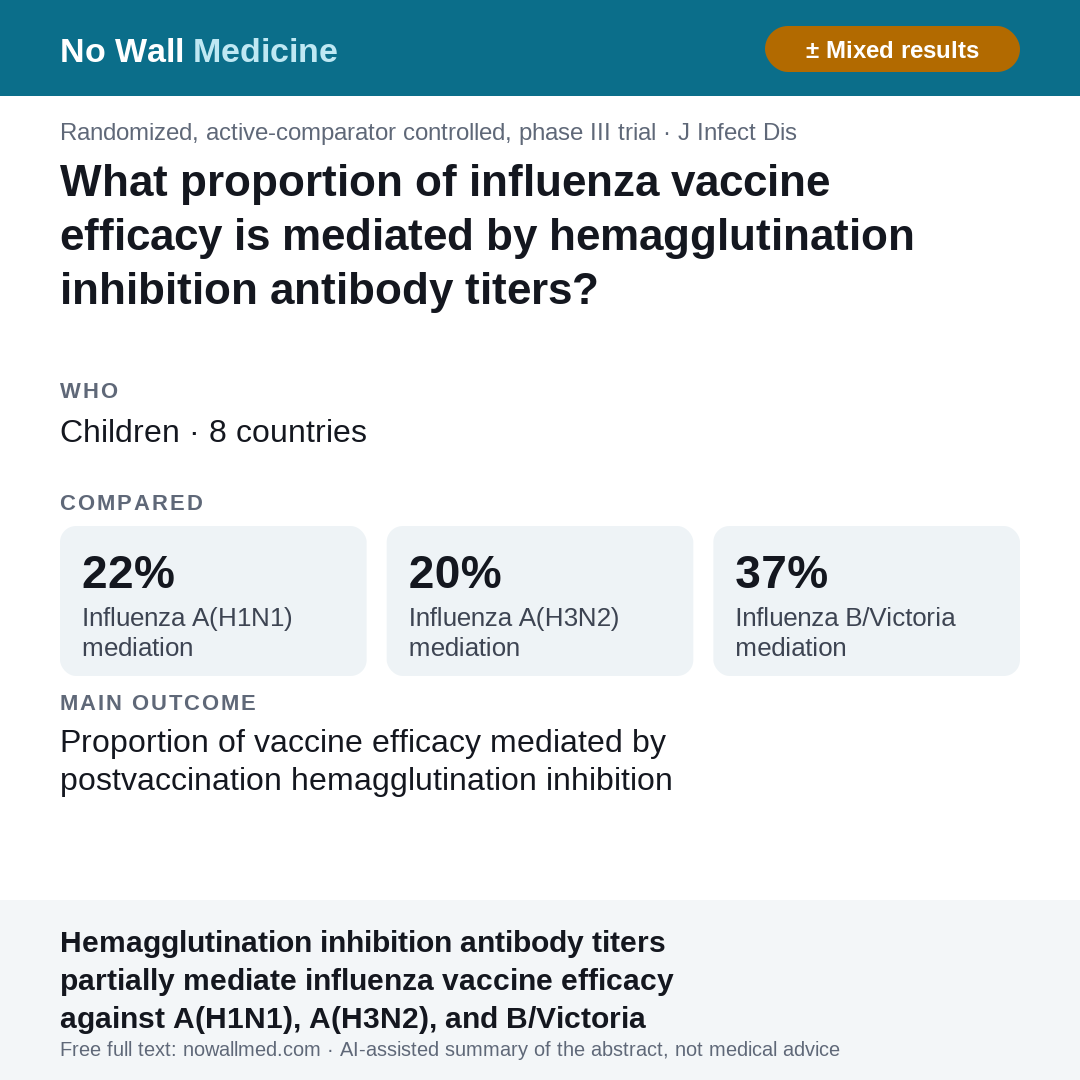
Hemagglutination Inhibition Antibody Titers as Mediators of Influenza Vaccine Efficacy Against Symptomatic Influenza A(H1N1), A(H3N2), and B/Victoria Virus Infections
Randomized, active-comparator controlled, phase III trialMixed results
What proportion of influenza vaccine efficacy is mediated by hemagglutination inhibition antibody titers?
Who
Children · 8 countries
Compared
22%Influenza A(H1N1) mediation (95% confidence interval, 18%--47%)
20%Influenza A(H3N2) mediation (16%-39%)
37%Influenza B/Victoria mediation (26%-85%)
Main outcome
Proportion of vaccine efficacy mediated by postvaccination hemagglutination inhibition antibody titers
Bottom line: Hemagglutination inhibition antibody titers partially mediate influenza vaccine efficacy against A(H1N1), A(H3N2), and B/Victoria viruses.
J Infect Dis · 2024-07-26Download image
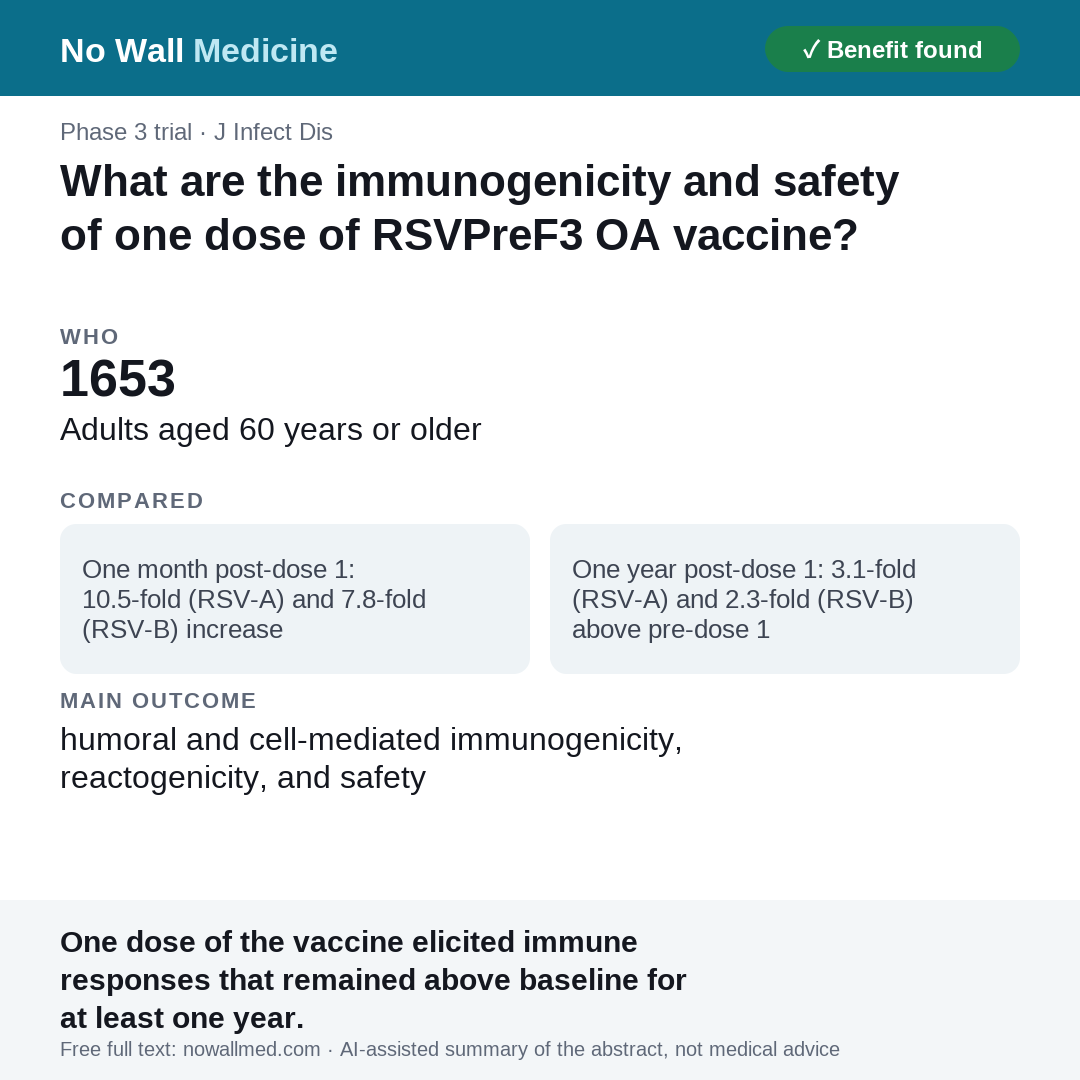
Immunogenicity and Safety Following 1 Dose of AS01E-Adjuvanted Respiratory Syncytial Virus Prefusion F Protein Vaccine in Older Adults: A Phase 3 Trial
Phase 3 trialBenefit found
What are the immunogenicity and safety of one dose of RSVPreF3 OA vaccine?
Who
1653
Adults aged 60 years or older
Compared
One month post-dose 1: 10.5-fold (RSV-A) and 7.8-fold (RSV-B) increase
One year post-dose 1: 3.1-fold (RSV-A) and 2.3-fold (RSV-B) above pre-dose 1
Main outcome
humoral and cell-mediated immunogenicity, reactogenicity, and safety
Bottom line: One dose of the vaccine elicited immune responses that remained above baseline for at least one year.
J Infect Dis · 2024-07-26Download image
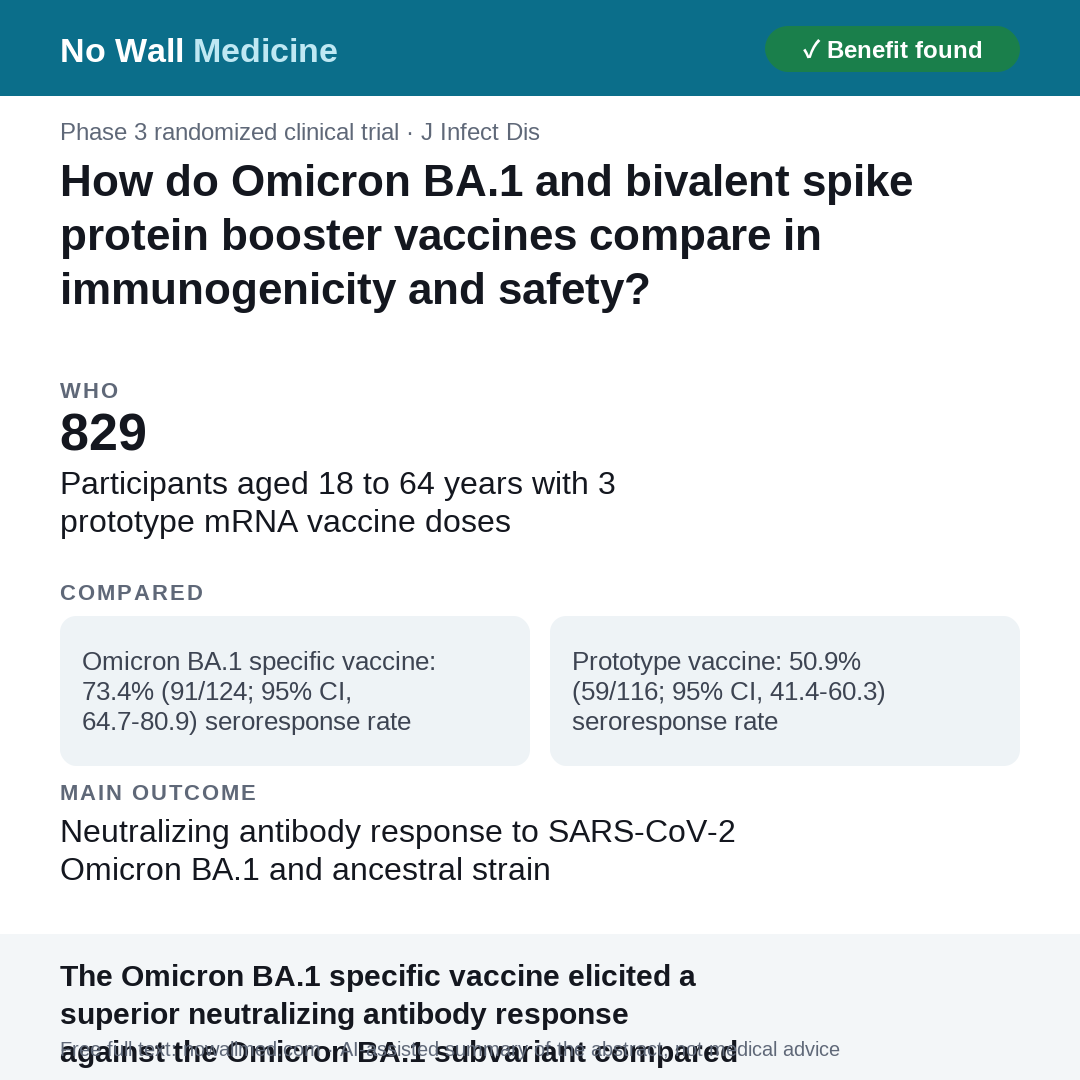
Immunogenicity and Safety of Heterologous Omicron BA.1 and Bivalent SARS-CoV-2 Recombinant Spike Protein Booster Vaccines: A Phase 3 Randomized Clinical Trial
Phase 3 randomized clinical trialBenefit found
How do Omicron BA.1 and bivalent spike protein booster vaccines compare in immunogenicity and safety?
Who
829
Participants aged 18 to 64 years with 3 prototype mRNA vaccine doses
Compared
Omicron BA.1 specific vaccine: 73.4% (91/124; 95% CI, 64.7-80.9) seroresponse rate
Prototype vaccine: 50.9% (59/116; 95% CI, 41.4-60.3) seroresponse rate
Main outcome
Neutralizing antibody response to SARS-CoV-2 Omicron BA.1 and ancestral strain
Result: geometric mean titer ratio 1.6 (95% CI, 1.33-2.03)
Bottom line: The Omicron BA.1 specific vaccine elicited a superior neutralizing antibody response against the Omicron BA.1 subvariant compared to the prototype vaccine.
J Infect Dis · 2024-07-26Download image
Minimal Impact on the Resistome of Children in Botswana After Azithromycin Treatment for Acute Severe Diarrheal Disease
Prospective matched cohort studyNo clear difference
Does azithromycin treatment for severe acute diarrheal disease affect the gut resistome?
Who
Children in Botswana with severe acute diarrheal disease · Botswana
Compared
Azithromycin intervention group
Supportive treatment control group
Main outcome
Prevalence of antibiotic resistance genes in the gut resistome
Bottom line: Azithromycin treatment for bacterial diarrhea resulted in similar effects on the gut resistome as supportive treatment.
J Infect Dis · 2024-07-26Download image

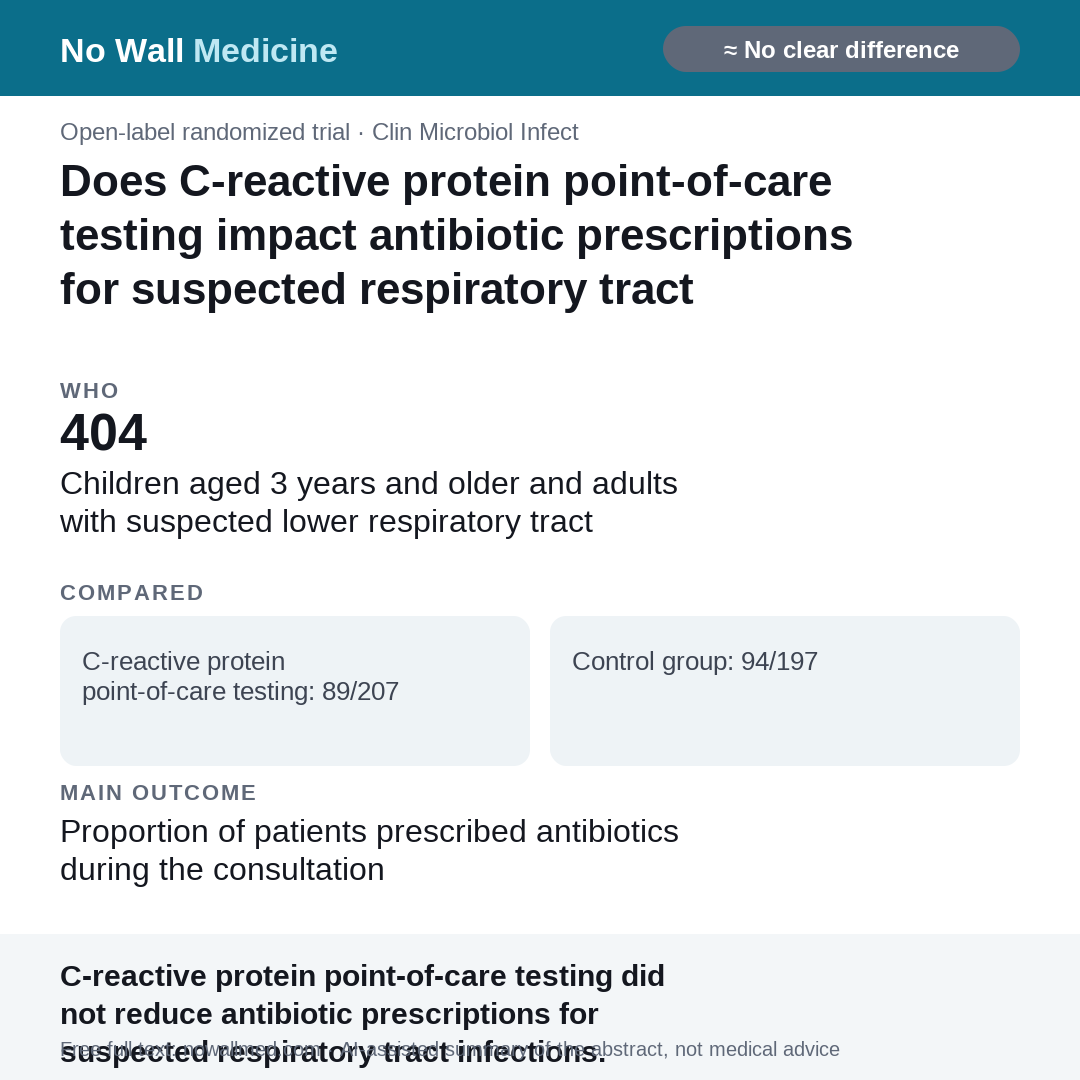
Impact of C-reactive protein point-of-care testing on antibiotic prescriptions for children and adults with suspected respiratory tract infections in primary care: a French patient-level randomized controlled superiority trial
Open-label randomized trialNo clear difference
Does C-reactive protein point-of-care testing impact antibiotic prescriptions for suspected respiratory tract infections?
Who
404
Children aged 3 years and older and adults with suspected lower respiratory tract infections · 26 general practitioners in France
Compared
C-reactive protein point-of-care testing: 89/207
Control group: 94/197
Main outcome
Proportion of patients prescribed antibiotics during the consultation
Result: -4.7 CI: -14.4, 5.0
Bottom line: C-reactive protein point-of-care testing did not reduce antibiotic prescriptions for suspected respiratory tract infections.
Clin Microbiol Infect · 2024-07-26Download image
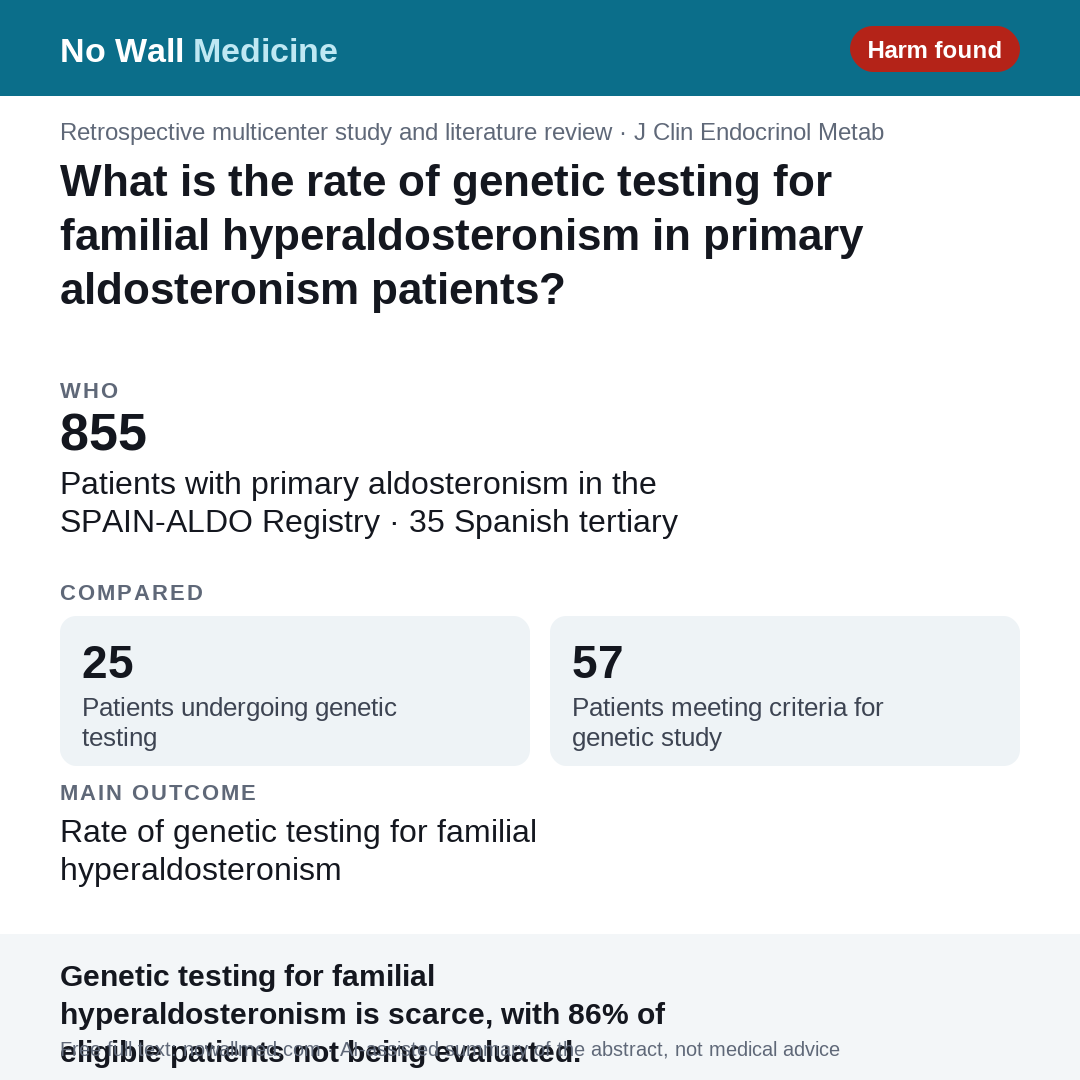
Genetic Testing for Primary Aldosteronism in SPAIN: Results From the SPAIN-ALDO Registry and Review of the Literature
Retrospective multicenter study and literature reviewHarm found
What is the rate of genetic testing for familial hyperaldosteronism in primary aldosteronism patients?
Who
855
Patients with primary aldosteronism in the SPAIN-ALDO Registry · 35 Spanish tertiary hospitals
Compared
25Patients undergoing genetic testing (3%)
57Patients meeting criteria for genetic study
Main outcome
Rate of genetic testing for familial hyperaldosteronism
Bottom line: Genetic testing for familial hyperaldosteronism is scarce, with 86% of eligible patients not being evaluated.
Limitation: The study is a retrospective multicenter registry analysis.
J Clin Endocrinol Metab · 2024-07-26Download image
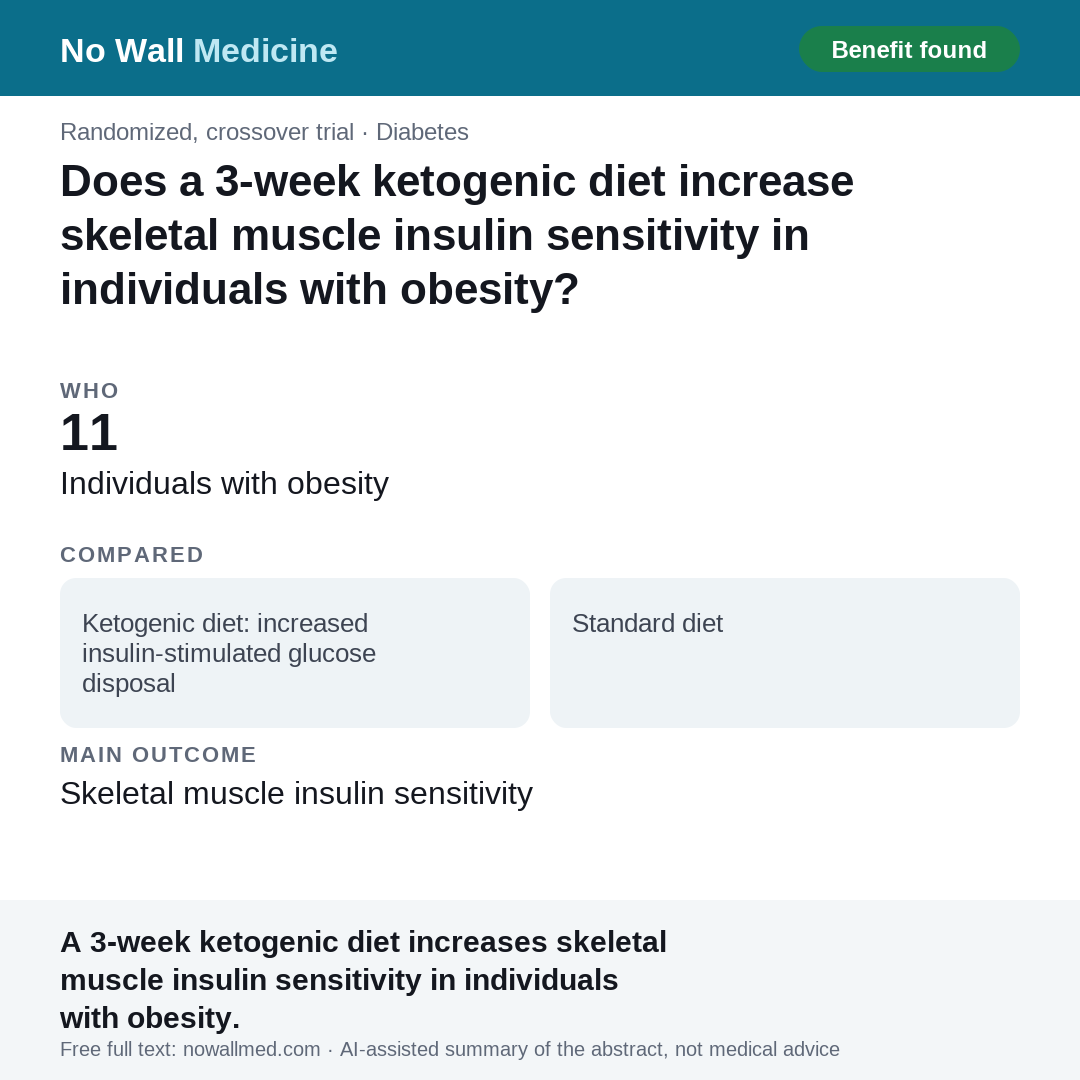
A 3-Week Ketogenic Diet Increases Skeletal Muscle Insulin Sensitivity in Individuals With Obesity: A Randomized Controlled Crossover Trial
Randomized, crossover trialBenefit found
Does a 3-week ketogenic diet increase skeletal muscle insulin sensitivity in individuals with obesity?
Who
11
Individuals with obesity
Compared
Ketogenic diet: increased insulin-stimulated glucose disposal
Standard diet
Main outcome
Skeletal muscle insulin sensitivity
Bottom line: A 3-week ketogenic diet increases skeletal muscle insulin sensitivity in individuals with obesity.
Diabetes · 2024-07-26Download image
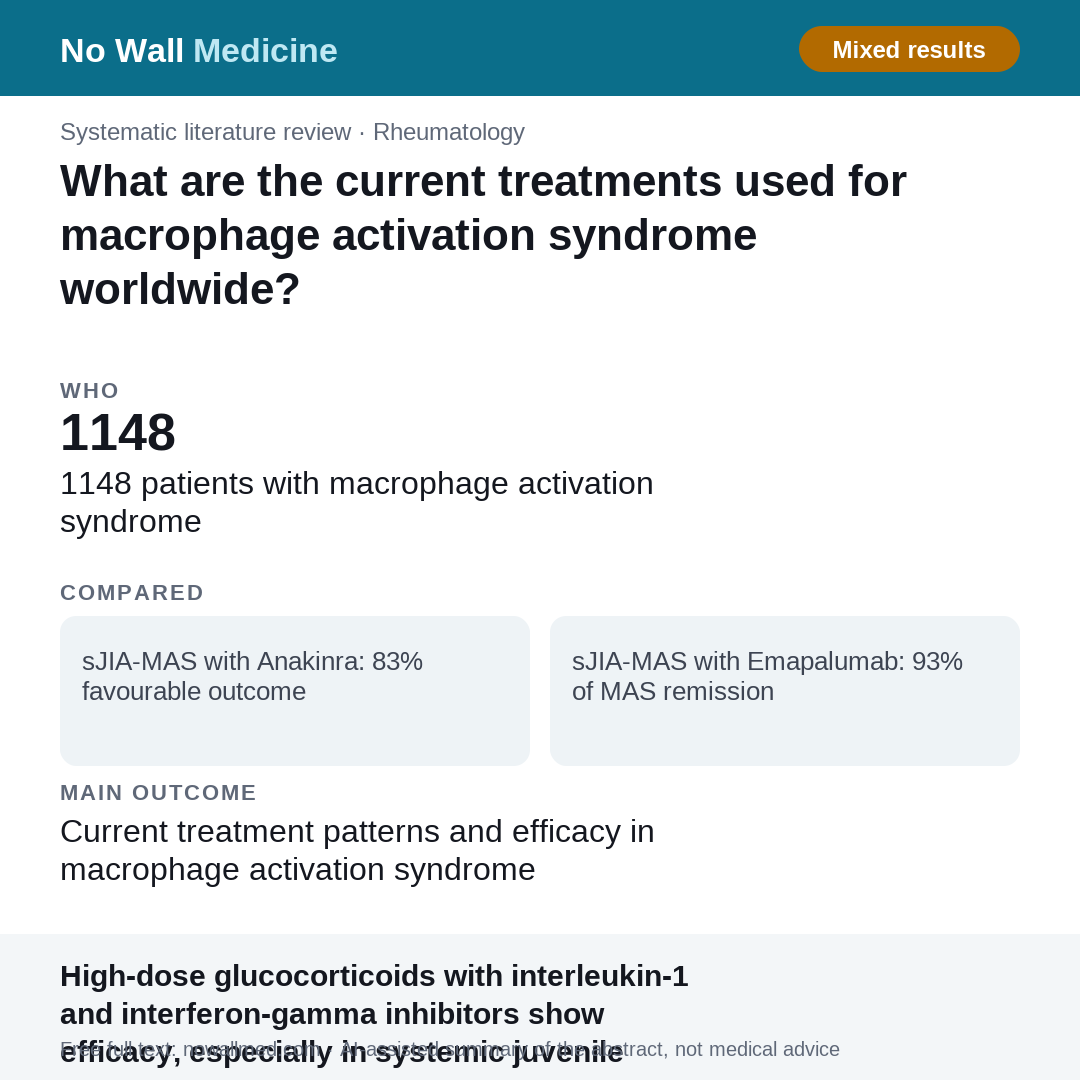
Current treatment in macrophage activation syndrome worldwide: a systematic literature review to inform the METAPHOR project
Systematic literature reviewMixed results
What are the current treatments used for macrophage activation syndrome worldwide?
Who
1148
1148 patients with macrophage activation syndrome
Compared
sJIA-MAS with Anakinra: 83% favourable outcome
sJIA-MAS with Emapalumab: 93% of MAS remission
Main outcome
Current treatment patterns and efficacy in macrophage activation syndrome
Bottom line: High-dose glucocorticoids with interleukin-1 and interferon-gamma inhibitors show efficacy, especially in systemic juvenile idiopathic arthritis-associated macrophage activation syndrome.
Limitation: Global level of evidence is poor and requires standardized studies to be confirmed.
Rheumatology · 2024-07-26Download image
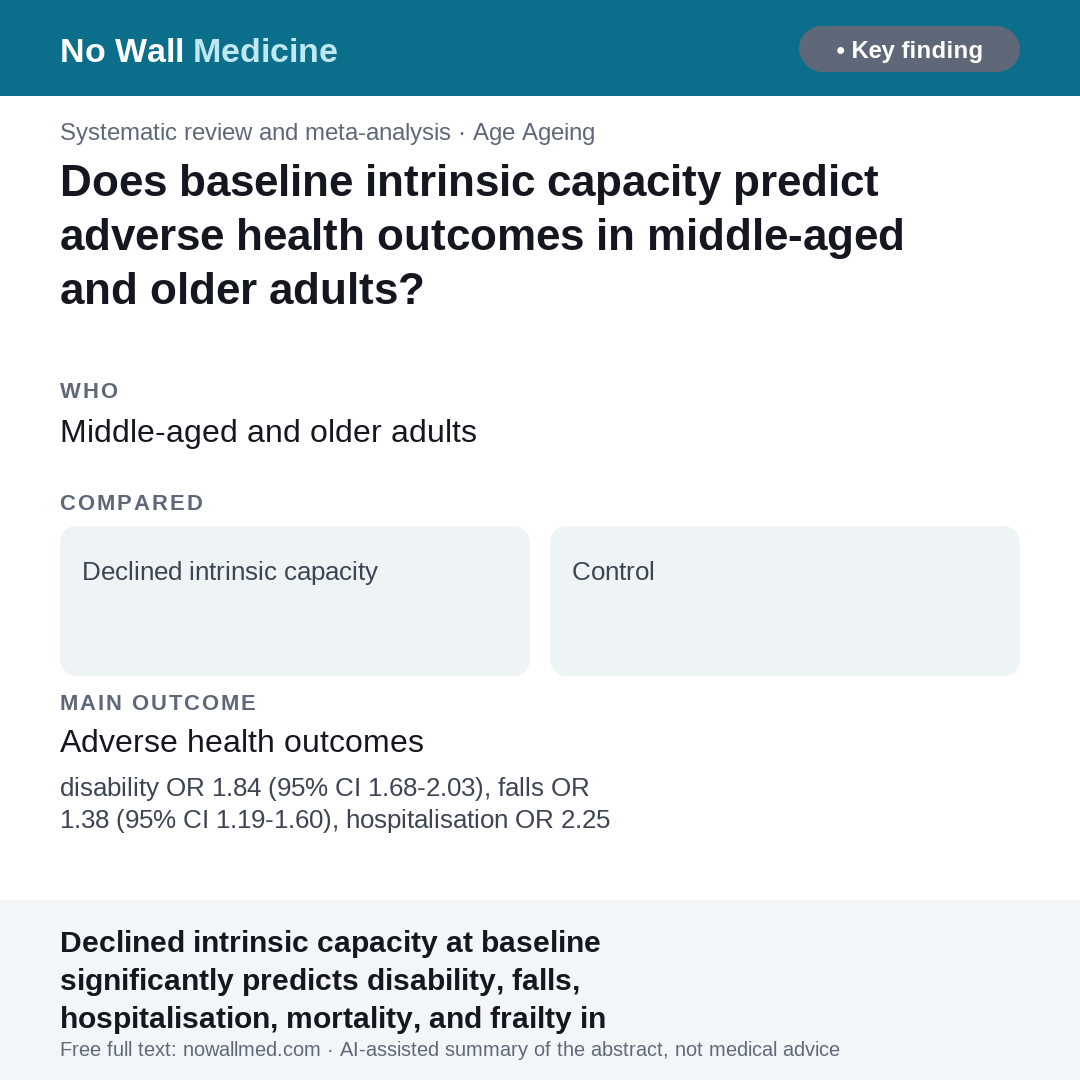
Adverse health effects of declined intrinsic capacity in middle-aged and older adults: a systematic review and meta-analysis
Systematic review and meta-analysisBenefit found
Does baseline intrinsic capacity predict adverse health outcomes in middle-aged and older adults?
Who
Middle-aged and older adults
Compared
Declined intrinsic capacity
Control
Main outcome
Adverse health outcomes
Result: disability OR 1.84 (95% CI 1.68-2.03), falls OR 1.38 (95% CI 1.19-1.60), hospitalisation OR 2.25 (95% CI 1.17-4.3), mortality OR 1.72 (95% CI 1.54-1.91), frailty OR 1.57 (95% CI 1.45-1.70)
Bottom line: Declined intrinsic capacity at baseline significantly predicts disability, falls, hospitalisation, mortality, and frailty in middle-aged and older adults.
Age Ageing · 2024-07-26Download image
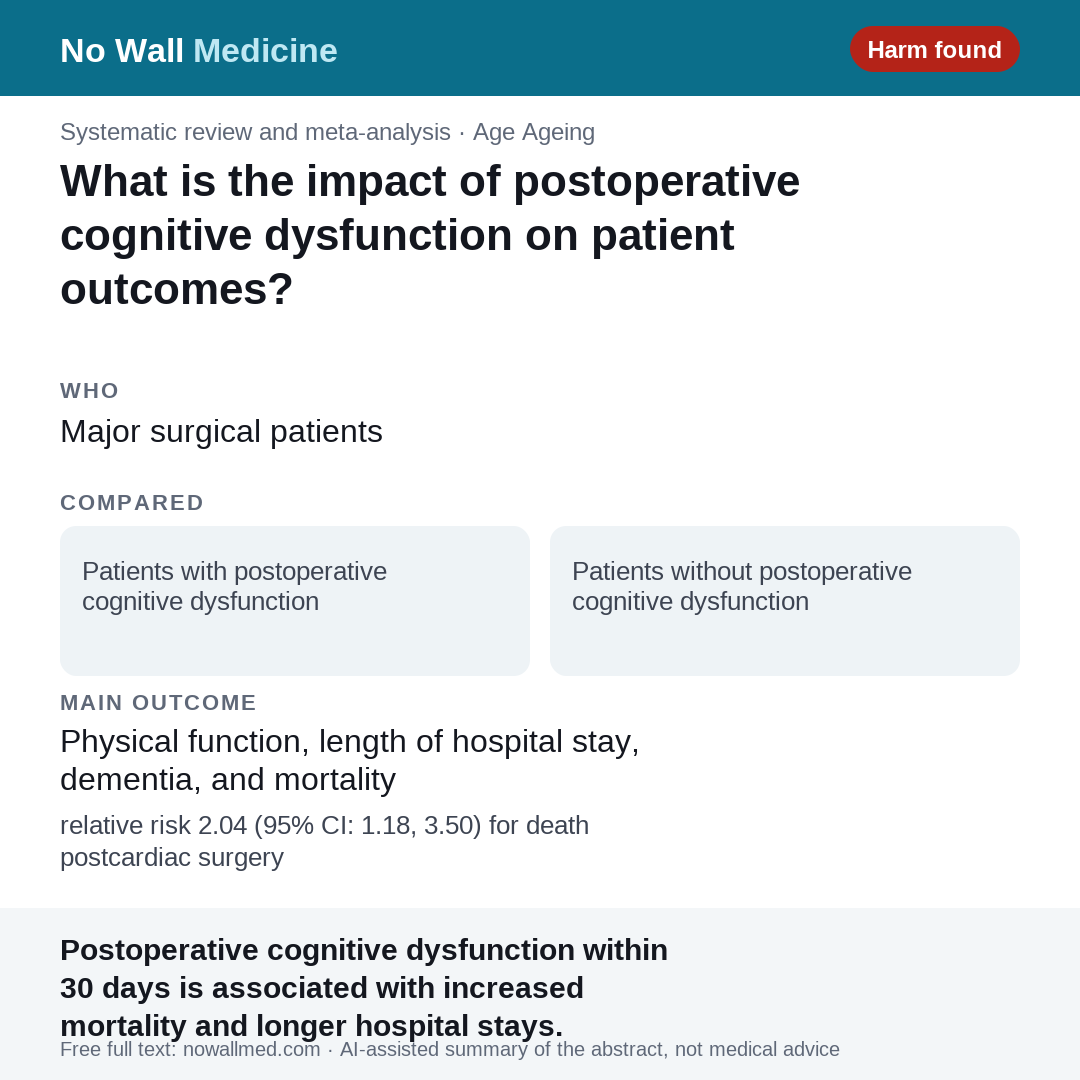
Outcomes associated with postoperative cognitive dysfunction: a systematic review and meta-analysis
Systematic review and meta-analysisHarm found
What is the impact of postoperative cognitive dysfunction on patient outcomes?
Who
Major surgical patients
Compared
Patients with postoperative cognitive dysfunction
Patients without postoperative cognitive dysfunction
Main outcome
Physical function, length of hospital stay, dementia, and mortality
Result: relative risk 2.04 (95% CI: 1.18, 3.50) for death postcardiac surgery
Bottom line: Postoperative cognitive dysfunction within 30 days is associated with increased mortality and longer hospital stays.
Limitation: Postoperative delirium may confound findings and contribute to observed heterogeneity.
Age Ageing · 2024-07-26Download image
Prognostic significance of hemorrhage requiring embolization in the setting of previously treated head and neck squamous cell carcinoma: Systematic review and retrospective cohort
Systematic review and retrospective cohort studyHarm found
What is the prognostic significance of hemorrhage requiring embolization in previously treated head and neck squamous cell carcinoma?
Who
Patients with head and neck squamous cell carcinoma and previous radiation therapy
Compared
Systematic review patients: 1-year overall survival approached 50%
Retrospective cohort patients: Median survival time 2.2 months
Main outcome
Overall survival following hemorrhage requiring embolization
Bottom line: Acute hemorrhage requiring embolization in previously radiated head and neck squamous cell carcinoma patients indicates high mortality risk.
Head Neck · 2024-07-26Download image

Dosing and Safety Profile of Aficamten in Symptomatic Obstructive Hypertrophic Cardiomyopathy: Results From SEQUOIA-HCM
Randomized trialBenefit found
What are the dosing and safety profiles of aficamten in obstructive hypertrophic cardiomyopathy?
Who
282
Patients with obstructive hypertrophic cardiomyopathy
Compared
Aficamten
Placebo
Main outcome
Major adverse cardiac events and safety profile
Bottom line: Aficamten with a site-based dosing algorithm reduced outflow tract gradient with a favorable safety profile.
J Am Heart Assoc · 2024-07-26Download image

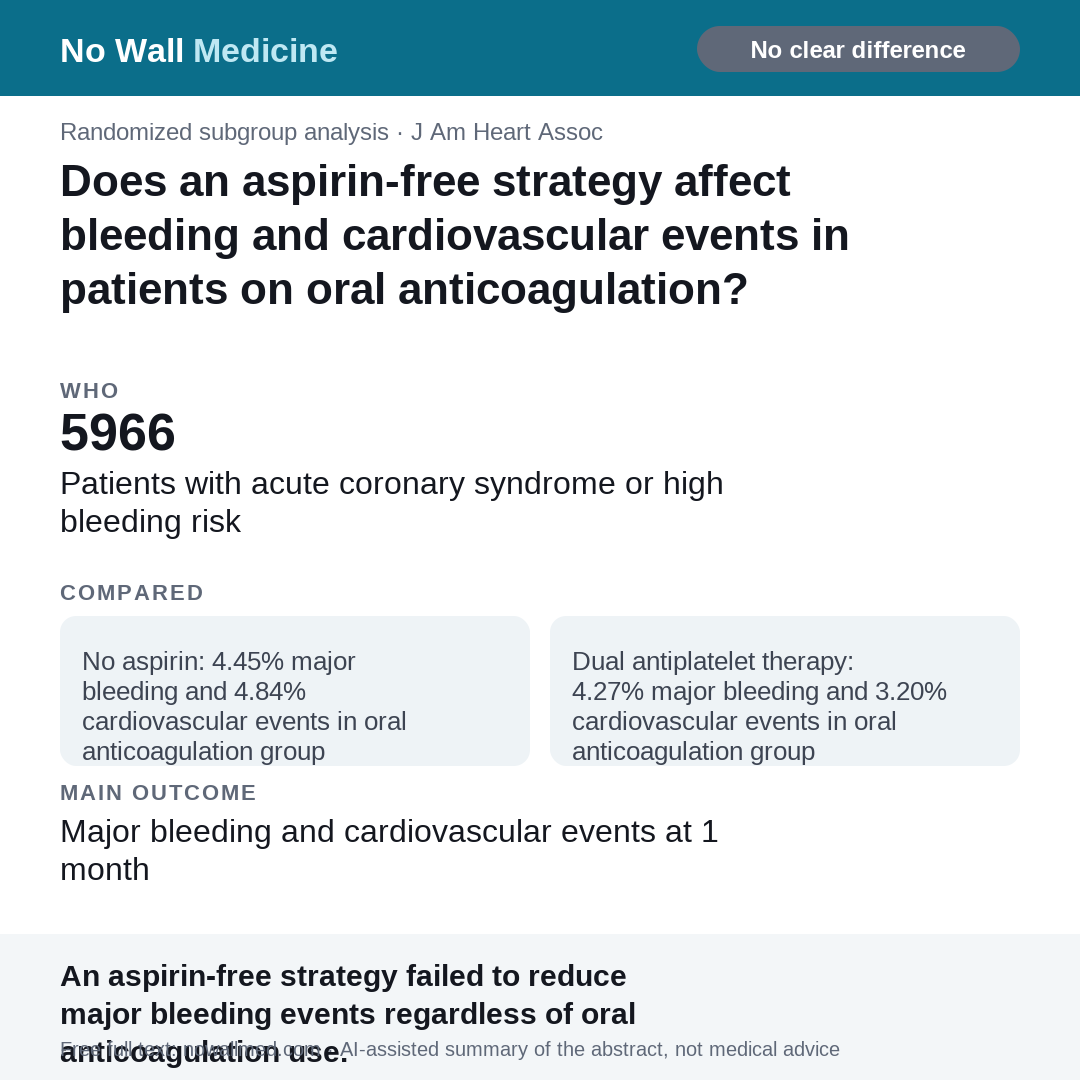
Aspirin-Free Strategy for Percutaneous Coronary Intervention in Patients With Oral Anticoagulation: Prespecified Subgroup Analysis From the STOPDAPT-3 Trial
Randomized subgroup analysisNo clear difference
Does an aspirin-free strategy affect bleeding and cardiovascular events in patients on oral anticoagulation?
Who
5966
Patients with acute coronary syndrome or high bleeding risk
Compared
No aspirin: 4.45% major bleeding and 4.84% cardiovascular events in oral anticoagulation group
Dual antiplatelet therapy: 4.27% major bleeding and 3.20% cardiovascular events in oral anticoagulation group
Main outcome
Major bleeding and cardiovascular events at 1 month
Result: hazard ratio 1.04 (95% CI 0.46-2.35) for bleeding; hazard ratio 1.53 (95% CI 0.64-3.62) for cardiovascular events
Bottom line: An aspirin-free strategy failed to reduce major bleeding events regardless of oral anticoagulation use.
J Am Heart Assoc · 2024-07-26Download image
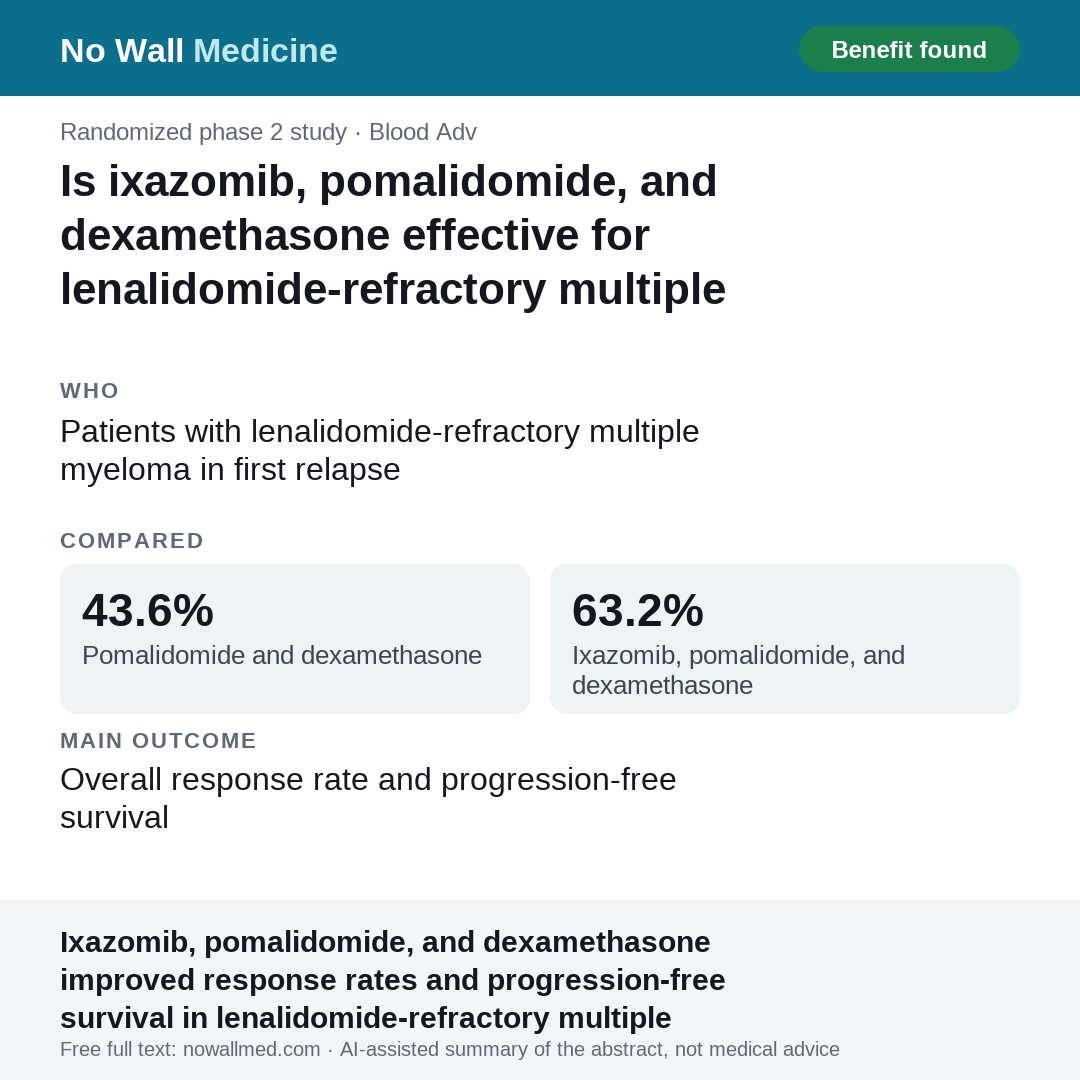
Alliance A061202: ixazomib, pomalidomide, and dexamethasone for patients with lenalidomide-refractory MM in first relapse
Randomized phase 2 studyBenefit found
Is ixazomib, pomalidomide, and dexamethasone effective for lenalidomide-refractory multiple myeloma?
Who
Patients with lenalidomide-refractory multiple myeloma in first relapse
Compared
43.6%Pomalidomide and dexamethasone
63.2%Ixazomib, pomalidomide, and dexamethasone
Main outcome
Overall response rate and progression-free survival
Result: hazard ratio 0.437; upper 90% bound = 0.657
Bottom line: Ixazomib, pomalidomide, and dexamethasone improved response rates and progression-free survival in lenalidomide-refractory multiple myeloma.
Blood Adv · 2024-07-26Download image