Visual abstracts
New randomized trials and meta-analyses from leading journals at a glance: who was studied, what was compared, and what was found. Every paper is free to read in full.
All specialtiesCardiology 4771Oncology 4071Gastroenterology & Hepatology 1910Infectious Disease 3764Neurology 1878Psychiatry & Mental Health 2231Pulmonology 2051Critical Care 1328Endocrinology & Diabetes 2539Pediatrics 2899Surgery 2496Orthopedics & Sports Medicine 919Neurosurgery 530Cardiothoracic & Vascular Surgery 661Plastic & Reconstructive Surgery 582Nephrology 1106Rheumatology 810Hematology 1093Dermatology 615Ophthalmology 535Obstetrics & Gynecology 1649Public & Global Health 1037Radiology & Imaging 635Anesthesiology 958Urology 749ENT (Otolaryngology) 493Emergency Medicine 481Allergy & Immunology 309Geriatrics 970Family Medicine & Primary Care 538Medical Genetics & Genomics 652Pathology & Laboratory Medicine 156Physical Medicine & Rehabilitation 744Palliative Care 422Nutrition 1553Digital Health & AI 2184General Medicine 318
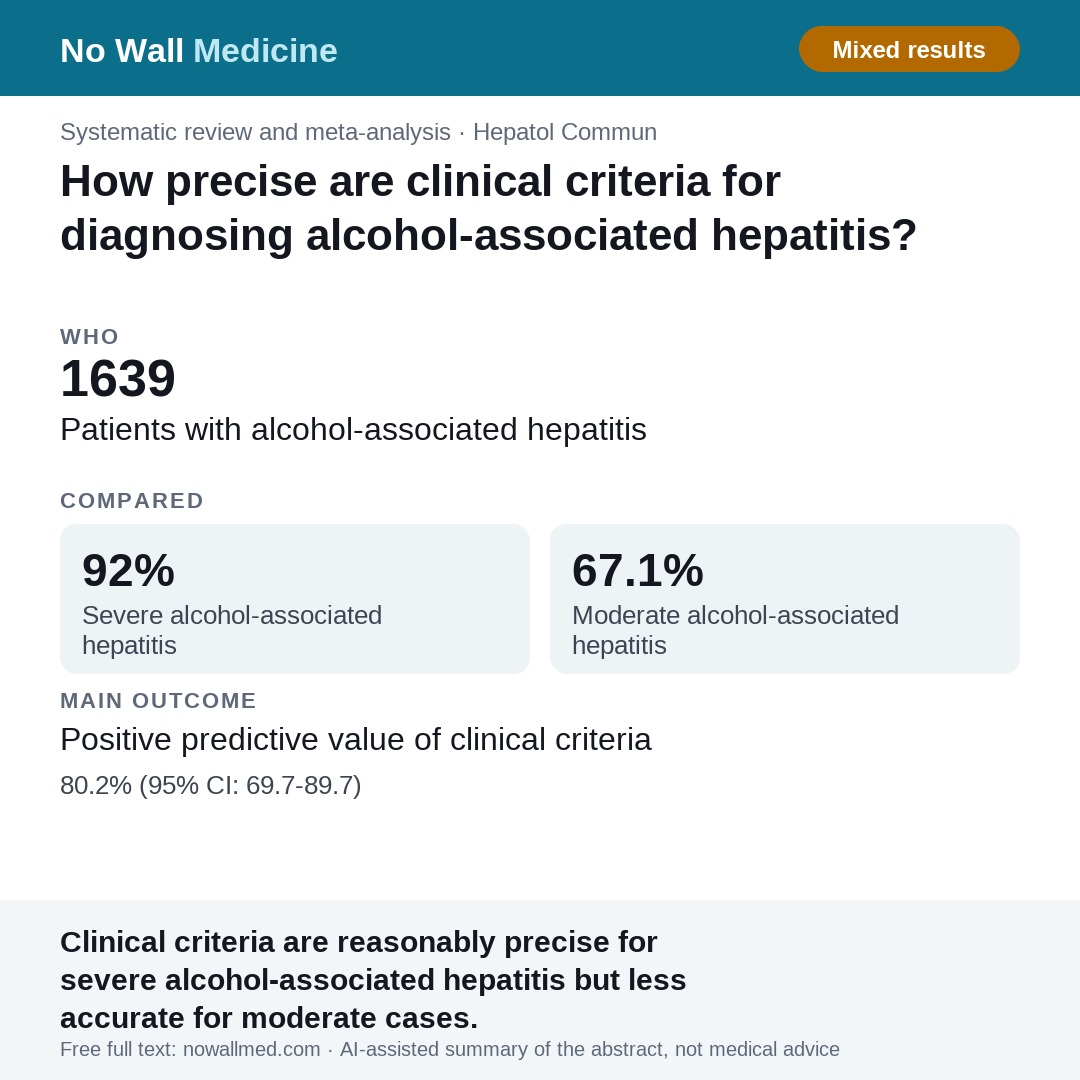
Clinical criteria accurately diagnose severe but not moderate alcohol-associated hepatitis: A systematic review and meta-analysis
Systematic review and meta-analysisMixed results
How precise are clinical criteria for diagnosing alcohol-associated hepatitis?
Who
1639
Patients with alcohol-associated hepatitis
Compared
92%Severe alcohol-associated hepatitis
67.1%Moderate alcohol-associated hepatitis
Main outcome
Positive predictive value of clinical criteria
Result: 80.2% (95% CI: 69.7-89.7)
Bottom line: Clinical criteria are reasonably precise for severe alcohol-associated hepatitis but less accurate for moderate cases.
Limitation: The net inter-pathologist agreement for histologic findings of alcohol-associated hepatitis was variable.
Hepatol Commun · 2024-03-18Download image
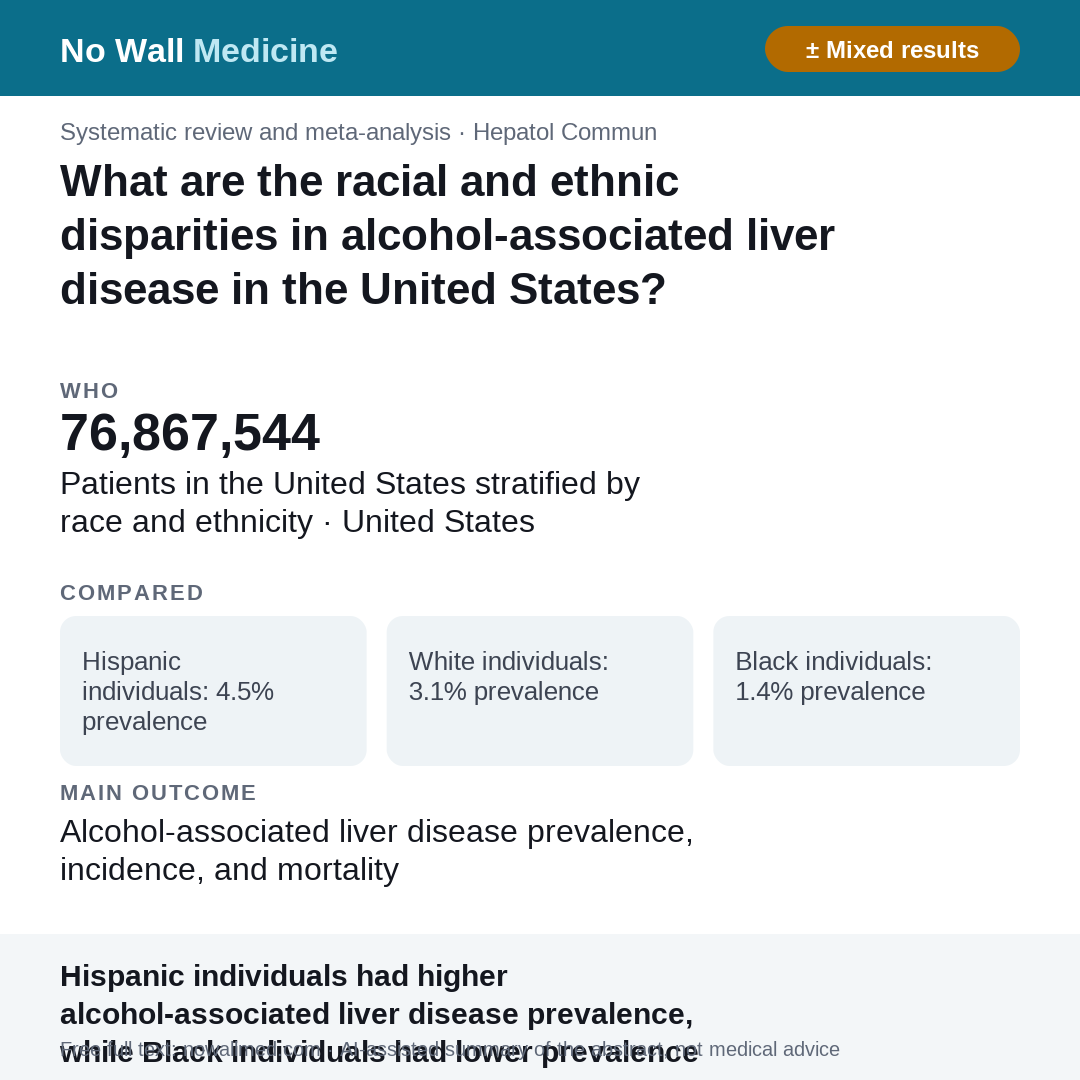
Racial and ethnic disparities in alcohol-associated liver disease in the United States: A systematic review and meta-analysis
Systematic review and meta-analysisMixed results
What are the racial and ethnic disparities in alcohol-associated liver disease in the United States?
Who
76,867,544
Patients in the United States stratified by race and ethnicity · United States
Compared
Hispanic individuals: 4.5% prevalence
White individuals: 3.1% prevalence
Black individuals: 1.4% prevalence
Main outcome
Alcohol-associated liver disease prevalence, incidence, and mortality
Result: risk ratios of ALD prevalence were 1.64 (95% CI: 1.12-2.39) for Hispanic and 0.59 (95% CI: 0.35-0.87) for Black
Bottom line: Hispanic individuals had higher alcohol-associated liver disease prevalence, while Black individuals had lower prevalence compared to White individuals.
Limitation: Most data were cross-sectional and assessed to be of poor or fair quality.
Hepatol Commun · 2024-03-18Download image
Effectiveness and safety of the combination of sodium-glucose transport protein 2 inhibitors and glucagon-like peptide-1 receptor agonists in patients with type 2 diabetes mellitus: a systematic review and meta-analysis of observational studies
Meta-analysis of 13 observational studiesBenefit found
Is combining SGLT2 inhibitors and GLP-1 receptor agonists effective and safe for type 2 diabetes?
Who
Patients with type 2 diabetes mellitus · Real-world setting
Compared
SGLT2 inhibitors plus GLP-1 receptor agonists: lower all-cause mortality
Individual therapies
Main outcome
all-cause mortality and glycemic, cardiovascular, and renal measurements
Result: odds ratio 0.49 (95% CI 0.49 [0.41, 0.60])
Bottom line: Combining SGLT2 inhibitors and GLP-1 receptor agonists reduces all-cause mortality and improves glycemic, blood pressure, and body mass index.
Limitation: The study is a meta-analysis of observational studies
Cardiovasc Diabetol · 2024-03-18Download image

Protocol for the diagnostic performance of C reactive protein, procalcitonin and interleukin-6 for serious bacterial infections among children ≤36 months old presenting with fever without source: a systematic review and meta-analysis
Systematic review and meta-analysis protocolUnclear result
What are the optimal biomarker thresholds for detecting serious bacterial infections in young children?
Who
Children aged 36 months or younger with fever without source
Compared
C reactive protein
Procalcitonin
Interleukin-6
Main outcome
Diagnostic accuracy of biomarkers for serious bacterial infections
Bottom line: This protocol outlines a planned meta-analysis to determine optimal biomarker thresholds for detecting serious bacterial infections.
BMJ Paediatr Open · 2024-03-18Download image

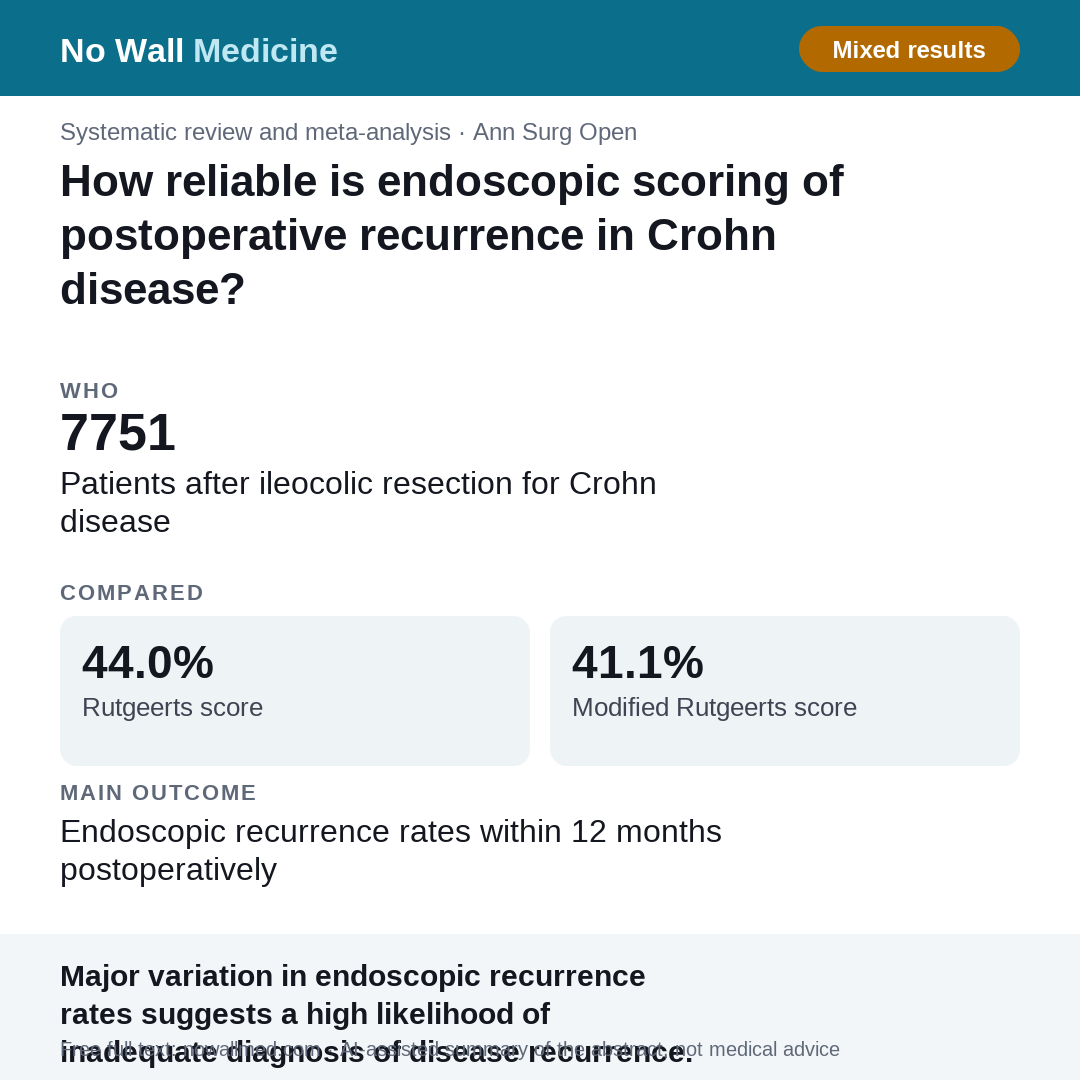
How Reliable Is Endoscopic Scoring of Postoperative Recurrence in Crohn Disease?: A Systematic Review and Meta-Analysis
Systematic review and meta-analysisMixed results
How reliable is endoscopic scoring of postoperative recurrence in Crohn disease?
Who
7751
Patients after ileocolic resection for Crohn disease
Compared
44.0%Rutgeerts score
41.1%Modified Rutgeerts score
Main outcome
Endoscopic recurrence rates within 12 months postoperatively
Result: 44.0% (95% confidence interval, 43.56-44.43)
Bottom line: Major variation in endoscopic recurrence rates suggests a high likelihood of inadequate diagnosis of disease recurrence.
Ann Surg Open · 2024-03-18Download image
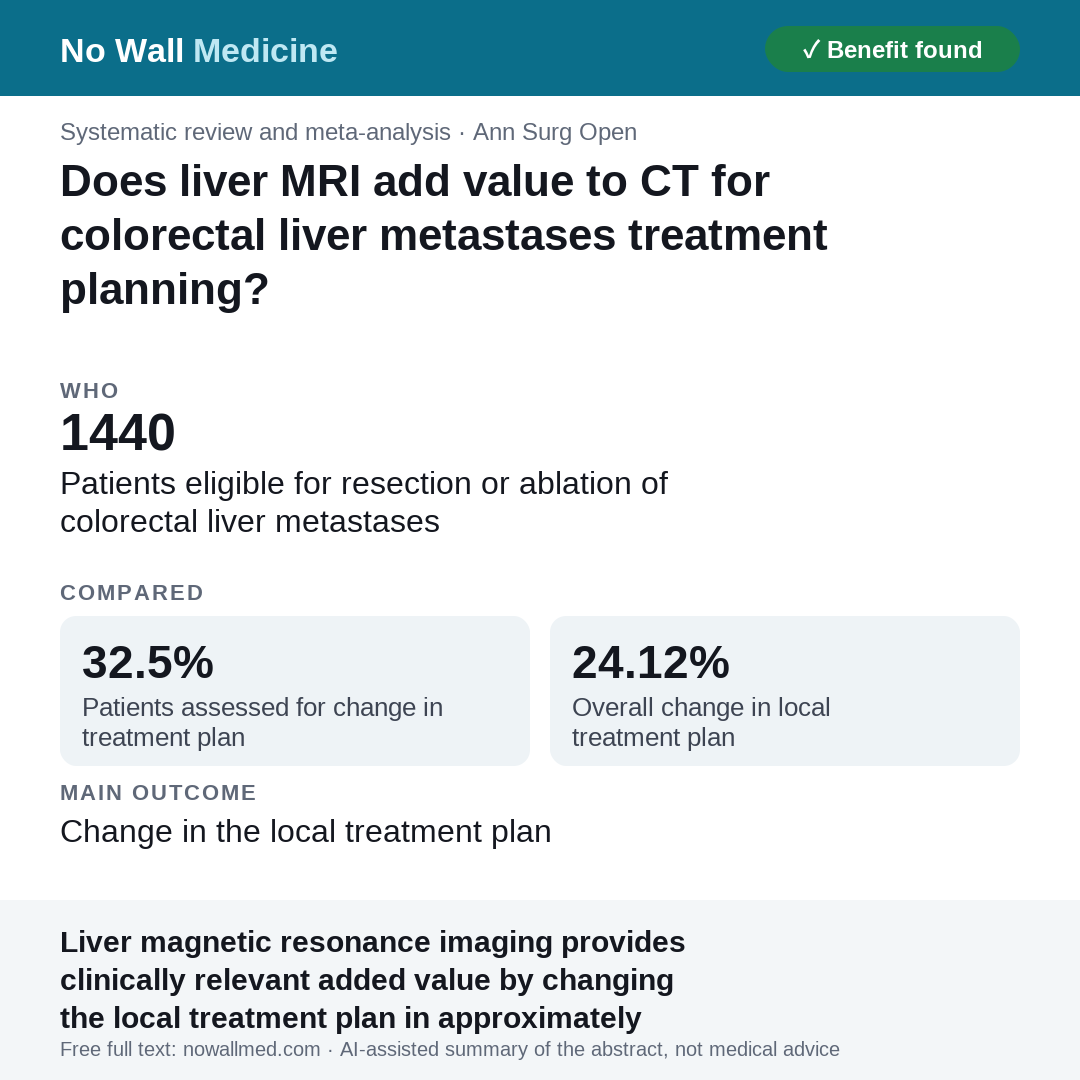
Added Value of Liver MRI in Patients Eligible for Surgical Resection or Ablation of Colorectal Liver Metastases Based on CT: A Systematic Review and Meta-Analysis
Systematic review and meta-analysisBenefit found
Does liver MRI add value to CT for colorectal liver metastases treatment planning?
Who
1440
Patients eligible for resection or ablation of colorectal liver metastases
Compared
32.5%Patients assessed for change in treatment plan (468/1440)
24.12%Overall change in local treatment plan
Main outcome
Change in the local treatment plan
Result: 24.12% (95% confidence interval, 15.58%-32.65%)
Bottom line: Liver magnetic resonance imaging provides clinically relevant added value by changing the local treatment plan in approximately one-fifth of patients.
Limitation: Findings should be confirmed by large prospective studies.
Ann Surg Open · 2024-03-18Download image
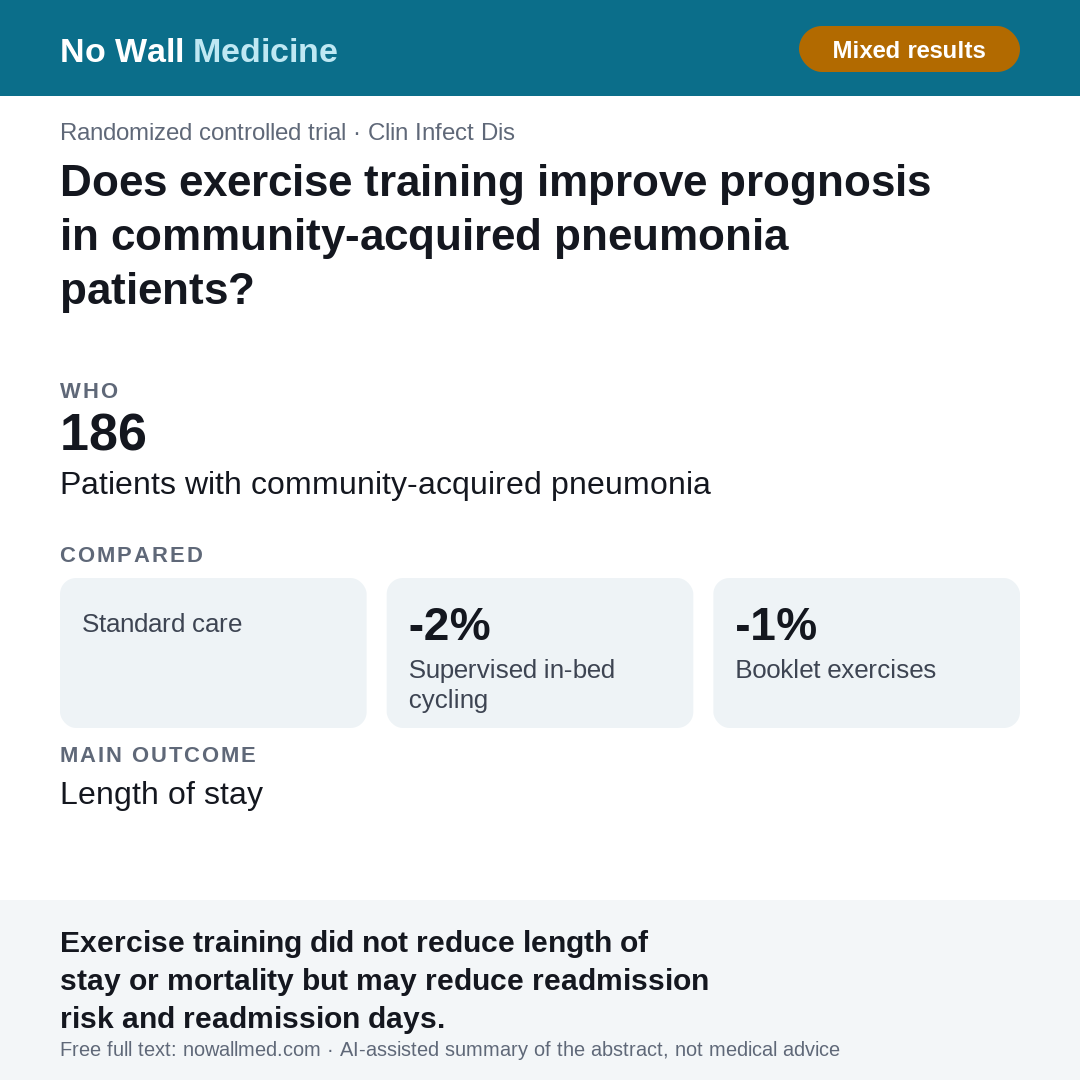
Effect of Exercise Training on Prognosis in Community-acquired Pneumonia: A Randomized Controlled Trial
Randomized controlled trialMixed results
Does exercise training improve prognosis in community-acquired pneumonia patients?
Who
186
Patients with community-acquired pneumonia
Compared
Standard care
-2%Supervised in-bed cycling (95% CI: -24 to 25)
-1%Booklet exercises (95% CI: -22 to 27)
Main outcome
Length of stay
Bottom line: Exercise training did not reduce length of stay or mortality but may reduce readmission risk and readmission days.
Clin Infect Dis · 2024-03-16Download image
Diagnostic test accuracy of procalcitonin and C-reactive protein for predicting invasive and serious bacterial infections in young febrile infants: a systematic review and meta-analysis
Systematic review and meta-analysisMixed results
Do procalcitonin and C-reactive protein have similar accuracy for predicting bacterial infections in febrile infants?
Who
7755
Febrile infants aged 90 days or younger
Compared
Procalcitonin for invasive bacterial infections: pAUC 0·72 (95% CI 0·56-0·79)
C-reactive protein for invasive bacterial infections: pAUC 0·28 (95% CI 0·17-0·61)
Procalcitonin for serious bacterial infections: pAUC 0·55 (95% CI 0·44-0·69)
C-reactive protein for serious bacterial infections: pAUC 0·54 (95% CI 0·40-0·61)
Main outcome
Partial area under the curve for predicting infections
Result: pAUC 0·72 (95% CI 0·56-0·79) vs 0·28 (95% CI 0·17-0·61) for invasive infections
Bottom line: Procalcitonin is superior for detecting invasive bacterial infections, but both biomarkers show similar accuracy for serious bacterial infections.
Limitation: The absence of a single definition of serious bacterial infection across studies.
Lancet Child Adolesc Health · 2024-03-16Download image

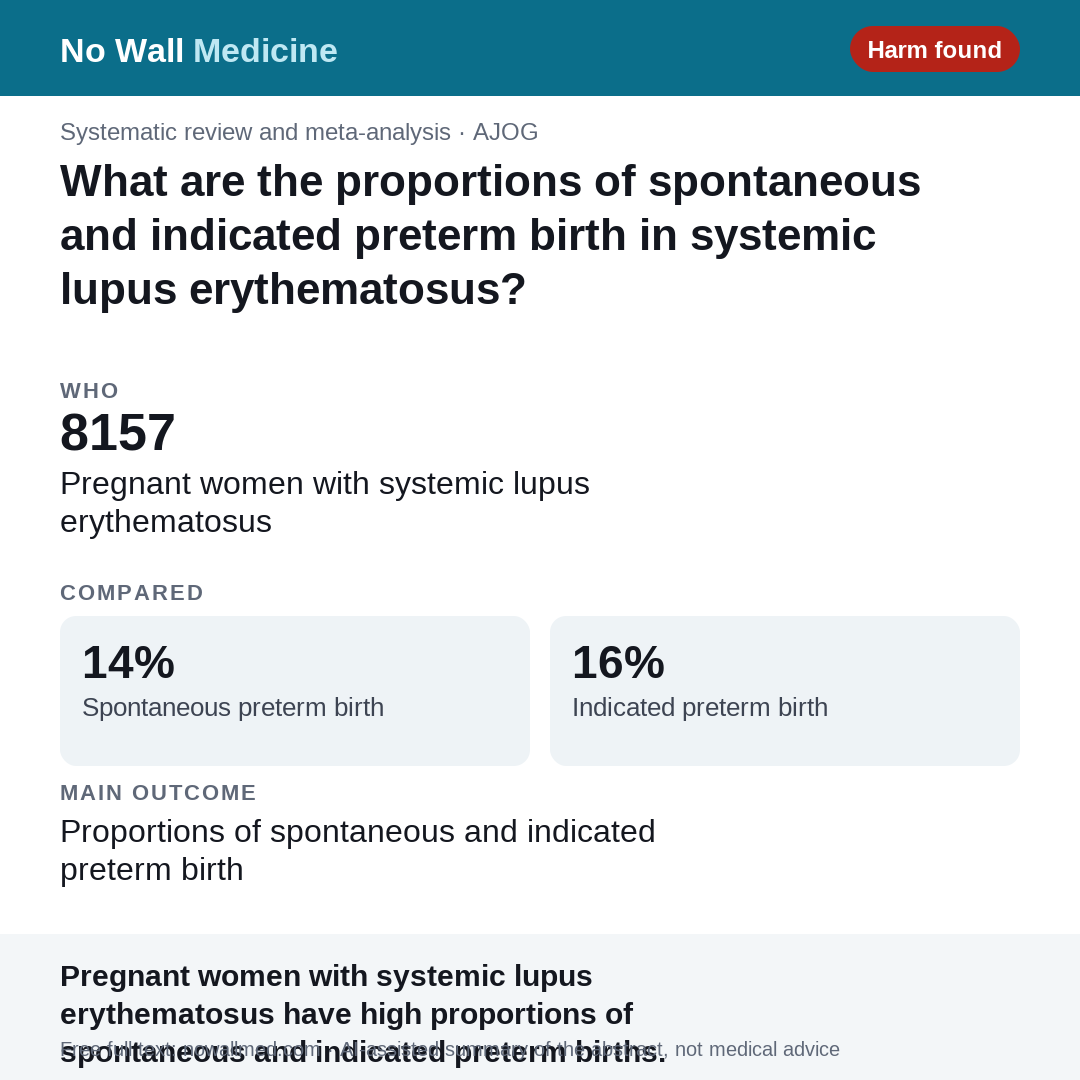
Systemic lupus erythematosus is associated with an increased frequency of spontaneous preterm births: systematic review and meta-analysis
Systematic review and meta-analysisHarm found
What are the proportions of spontaneous and indicated preterm birth in systemic lupus erythematosus?
Who
8157
Pregnant women with systemic lupus erythematosus
Compared
14%Spontaneous preterm birth (95% prediction interval, 0.04-0.27)
16%Indicated preterm birth (95% prediction interval, 0.03-0.35)
Main outcome
Proportions of spontaneous and indicated preterm birth
Result: 31% (95% prediction interval, 0.14-0.50) total preterm birth
Bottom line: Pregnant women with systemic lupus erythematosus have high proportions of spontaneous and indicated preterm births.
AJOG · 2024-03-16Download image
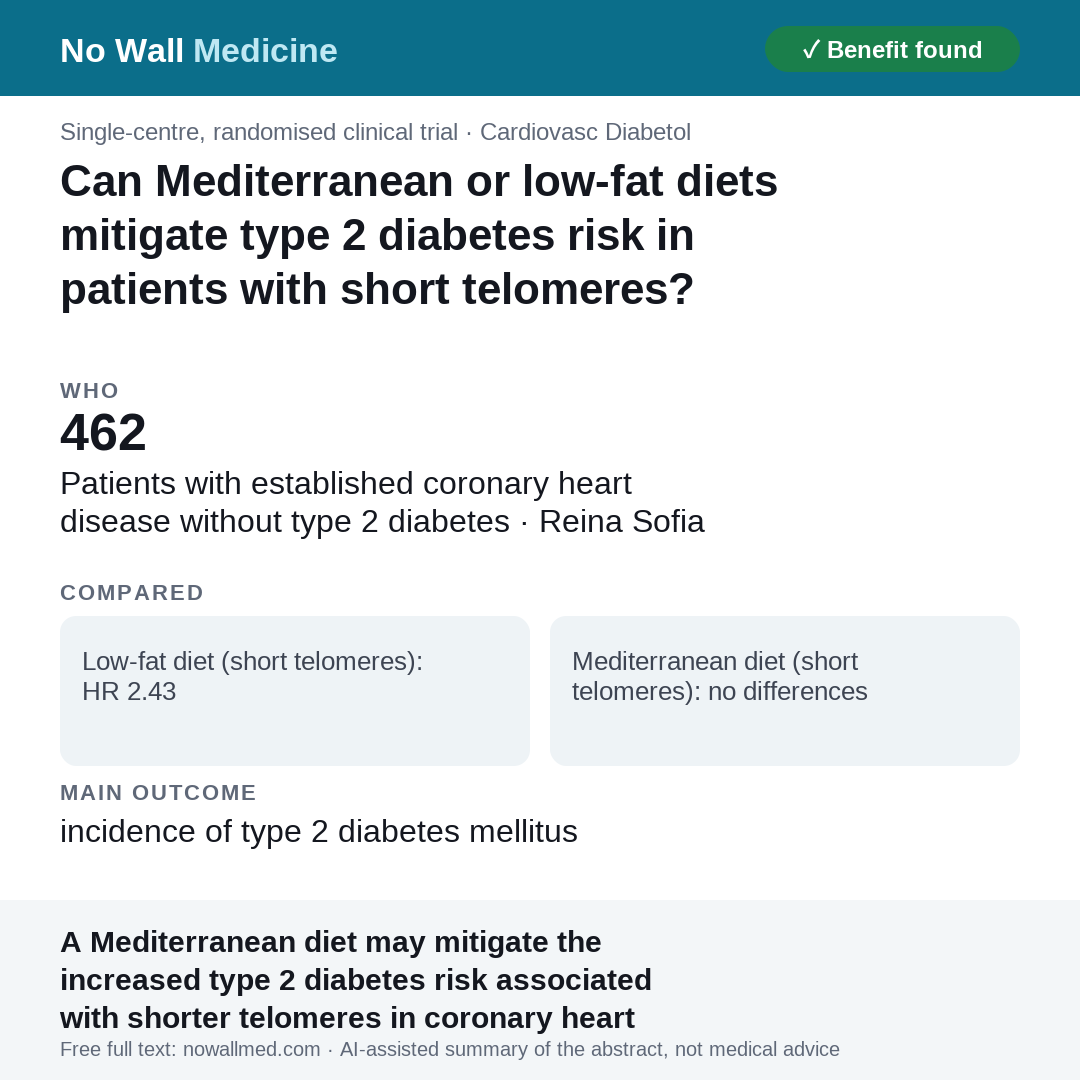
Telomere length as biomarker of nutritional therapy for prevention of type 2 diabetes mellitus development in patients with coronary heart disease: CORDIOPREV randomised controlled trial
Single-centre, randomised clinical trialBenefit found
Can Mediterranean or low-fat diets mitigate type 2 diabetes risk in patients with short telomeres?
Who
462
Patients with established coronary heart disease without type 2 diabetes · Reina Sofia University Hospital in Córdoba, Spain
Compared
Low-fat diet (short telomeres): HR 2.43
Mediterranean diet (short telomeres): no differences
Main outcome
incidence of type 2 diabetes mellitus
Result: hazard ratio 2.43 (95% CI 1.26 to 4.69)
Bottom line: A Mediterranean diet may mitigate the increased type 2 diabetes risk associated with shorter telomeres in coronary heart disease patients.
Cardiovasc Diabetol · 2024-03-16Download image
Randomized trial promoting cancer genetic risk assessment when genetic counseling cost removed: 1-year follow-up
Randomized controlled trialBenefit found
Does tailored counseling and navigation improve cancer genetic risk assessment uptake when costs are removed?
Who
Racially and geographically diverse women with breast and ovarian cancer · Colorado, New Jersey, and New Mexico
Compared
26.6%Tailored counseling and navigation
11.0%Targeted print
12.2%Usual care
Main outcome
Cancer genetic risk assessment uptake at 12 months
Result: odds ratio 2.77 (95% CI 1.56 to 4.89) and odds ratio 2.46 (95% CI 1.41 to 4.29)
Bottom line: Tailored counseling and navigation increased cancer genetic risk assessment uptake, though removing counseling costs attenuated the intervention's effects.
JNCI Cancer Spectr · 2024-03-16Download image

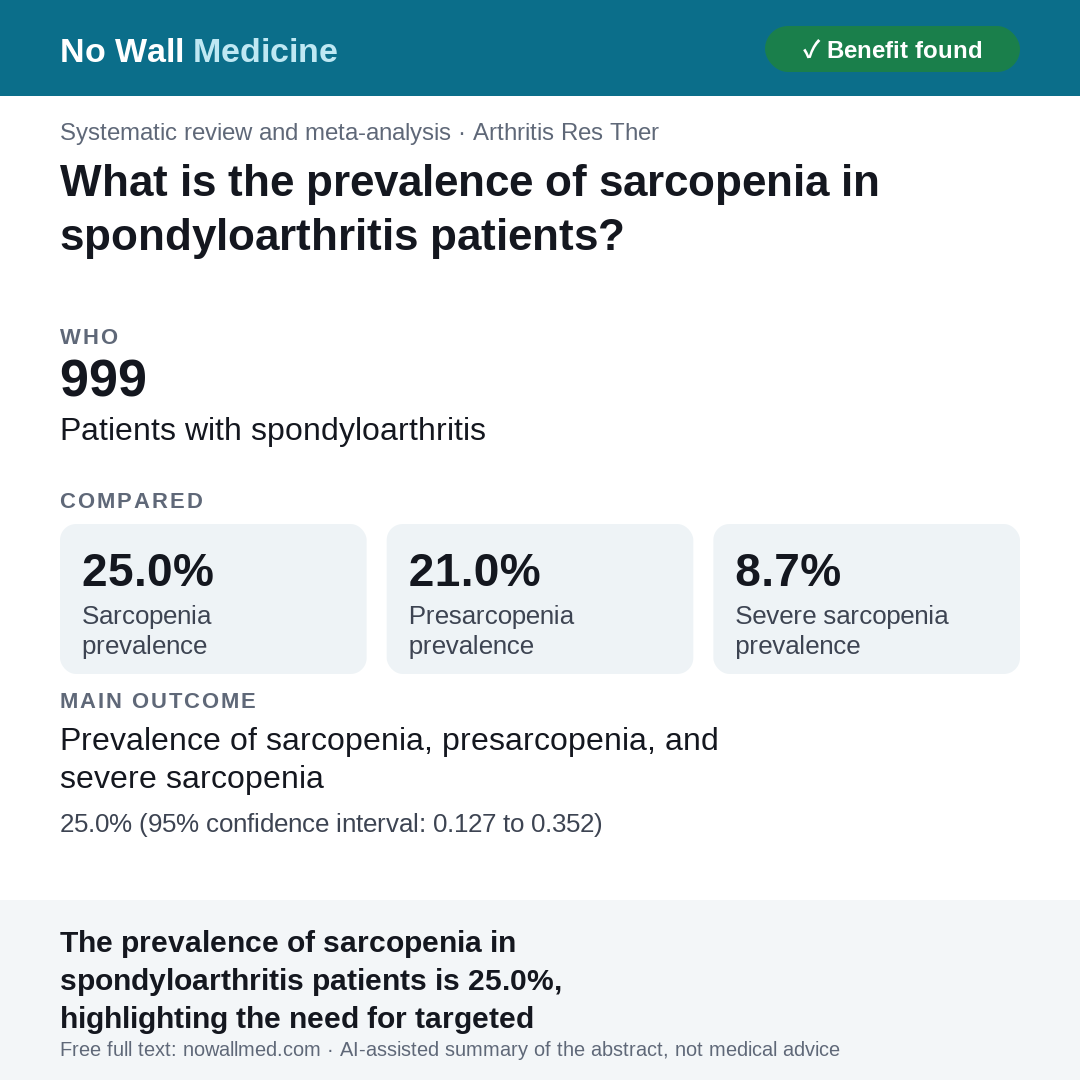
The prevalence of sarcopenia in spondyloarthritis patients: a meta-analysis
Systematic review and meta-analysisBenefit found
What is the prevalence of sarcopenia in spondyloarthritis patients?
Who
999
Patients with spondyloarthritis
Compared
25.0%Sarcopenia prevalence
21.0%Presarcopenia prevalence
8.7%Severe sarcopenia prevalence
Main outcome
Prevalence of sarcopenia, presarcopenia, and severe sarcopenia
Result: 25.0% (95% confidence interval: 0.127 to 0.352)
Bottom line: The prevalence of sarcopenia in spondyloarthritis patients is 25.0%, highlighting the need for targeted interventions.
Limitation: Further research is needed to explore underlying mechanisms and potential therapeutic strategies.
Arthritis Res Ther · 2024-03-16Download image
Assessing robustness to worst case publication bias using a simple subset meta-analysis
Methodological discussionUnclear result
How robust is a meta-analysis to worst case publication bias using non-affirmative studies?
Who
Meta-analyses including affirmative and non-affirmative studies
Compared
Uncorrected meta-analysis
Meta-analysis of non-affirmative studies
Main outcome
Robustness of meta-analysis conclusions to publication bias
Bottom line: A meta-analysis of non-affirmative studies can assess if publication bias would overturn original conclusions.
BMJ · 2024-03-15Download image

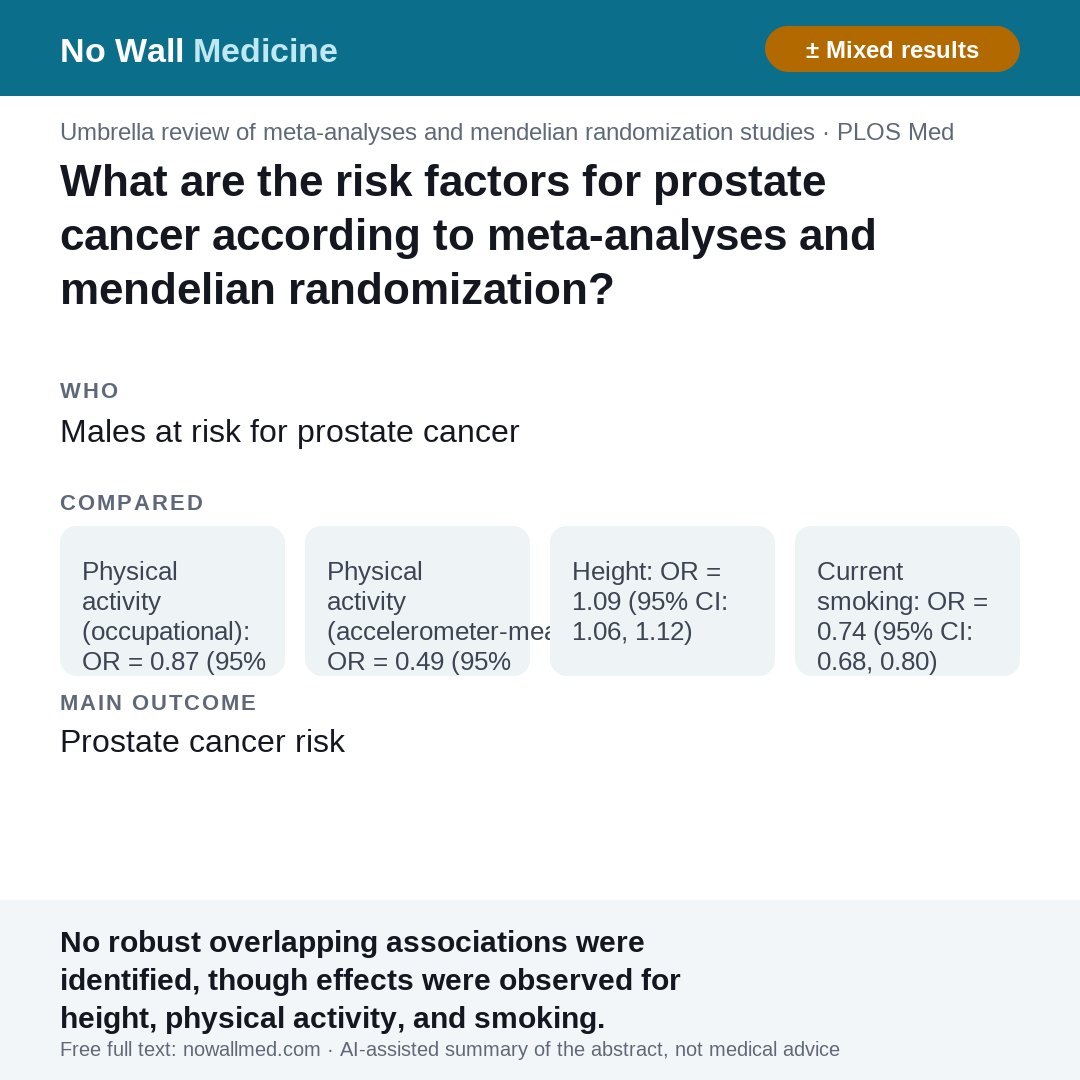
Risk factors for prostate cancer: An umbrella review of prospective observational studies and mendelian randomization analyses
Umbrella review of meta-analyses and mendelian randomization studiesMixed results
What are the risk factors for prostate cancer according to meta-analyses and mendelian randomization?
Who
Males at risk for prostate cancer
Compared
Physical activity (occupational): OR = 0.87 (95% CI: 0.80, 0.94)
Physical activity (accelerometer-measured): OR = 0.49 (95% CI: 0.33, 0.72)
Height: OR = 1.09 (95% CI: 1.06, 1.12)
Current smoking: OR = 0.74 (95% CI: 0.68, 0.80)
Main outcome
Prostate cancer risk
Bottom line: No robust overlapping associations were identified, though effects were observed for height, physical activity, and smoking.
Limitation: The evidence grading criteria could be expanded by considering more indices.
PLOS Med · 2024-03-15Download image
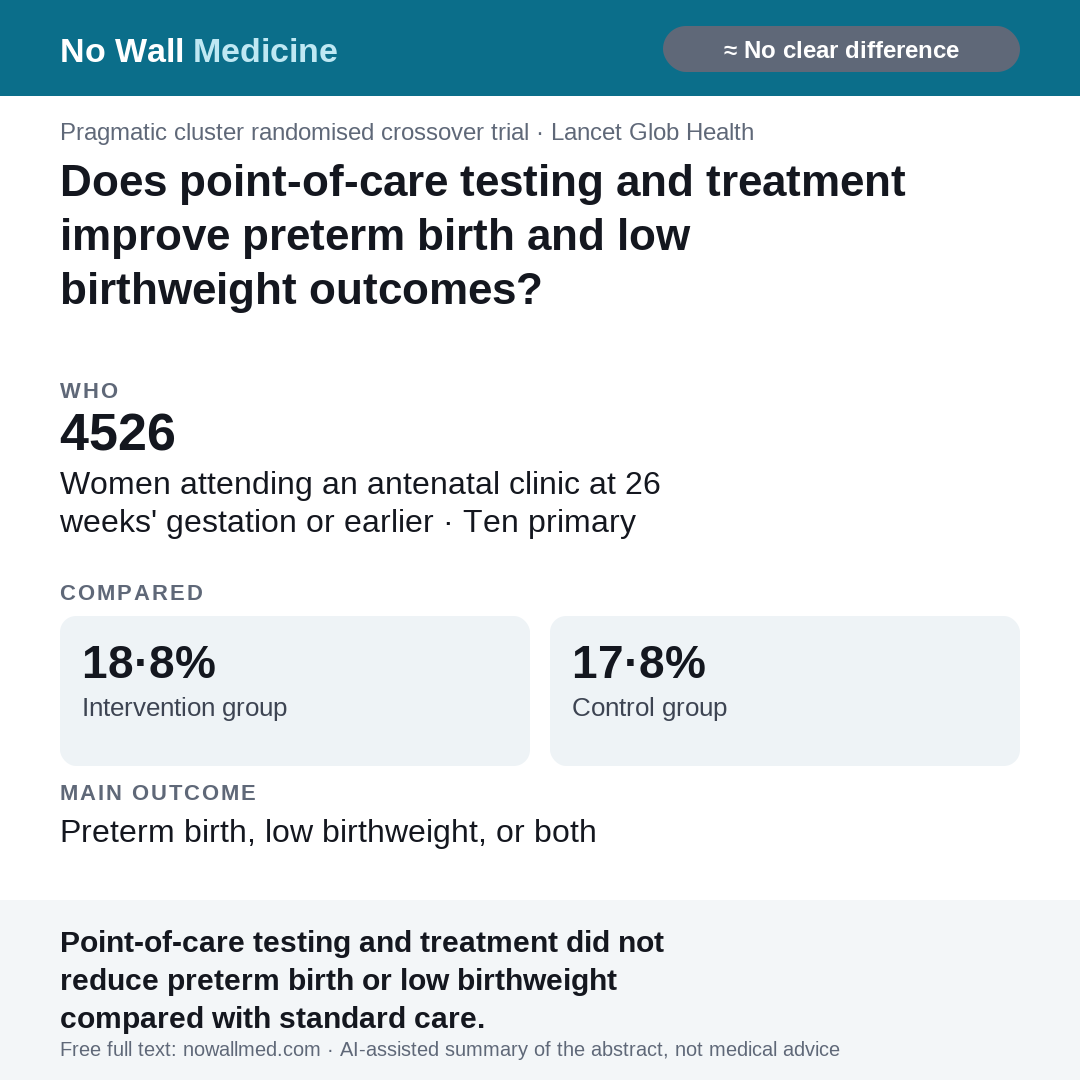
Point-of-care testing and treatment of sexually transmitted and genital infections to improve birth outcomes in high-burden, low-resource settings (WANTAIM): a pragmatic cluster randomised crossover trial in Papua New Guinea
Pragmatic cluster randomised crossover trialNo clear difference
Does point-of-care testing and treatment improve preterm birth and low birthweight outcomes?
Who
4526
Women attending an antenatal clinic at 26 weeks' gestation or earlier · Ten primary health facilities in Papua New Guinea
Compared
18·8%Intervention group (SD 4·7%)
17·8%Control group
Main outcome
Preterm birth, low birthweight, or both
Result: risk ratio 1·06 (95% CI 0·78-1·42)
Bottom line: Point-of-care testing and treatment did not reduce preterm birth or low birthweight compared with standard care.
Funded by: UK DHSC, FCDO, MRC, Wellcome Trust, NHMRC, and Swiss National Science Foundation
Lancet Glob Health · 2024-03-15Download image
Deucrictibant for angioedema due to acquired C1-inhibitor deficiency: A randomized-controlled trial
Randomized, double-blind, placebo-controlled crossover studyBenefit found
Is deucrictibant effective for acute and prophylactic treatment of acquired C1-inhibitor deficiency angioedema?
Who
3
Patients with angioedema due to acquired C1-inhibitor deficiency
Compared
Deucrictibant: 0.0 mean monthly attack rate
Placebo: 2.0, 0.6, and 1.0 mean monthly attack rates
Main outcome
Reduction in attack severity and monthly attack rates
Bottom line: Deucrictibant shows potential to effectively and safely treat and prevent angioedema attacks in this condition.
JACI · 2024-03-15Download image

Pharmacist-led telehealth deprescribing for people living with dementia and polypharmacy in primary care: A pilot study
Randomized pilot studyEarly signal
Is pharmacist-led telehealth deprescribing feasible for people living with dementia and polypharmacy?
Who
69
People living with dementia with 7 or more medications and a care partner · Two health systems
Compared
Pharmacist telehealth intervention: 1.0 (±12.4) point reduction in Medication Regimen Complexity Index
Delayed control: 1.2 (±12.9) point increase in Medication Regimen Complexity Index
Main outcome
Medication Regimen Complexity Index
Bottom line: Pharmacist-led telehealth deprescribing is feasible and may reduce medication burden in people living with dementia.
J Am Geriatr Soc · 2024-03-15Download image

Dapagliflozin in patients with heart failure and previous myocardial infarction: A participant-level pooled analysis of DAPA-HF and DELIVER
Participant-level pooled analysisBenefit found
Does dapagliflozin reduce cardiovascular death or worsening heart failure in patients with previous myocardial infarction?
Who
11007
Patients with heart failure and history of myocardial infarction
Compared
Dapagliflozin with previous myocardial infarction: HR 0.83 (95% CI 0.72-0.96)
Dapagliflozin without previous myocardial infarction: HR 0.76 (95% CI 0.68-0.85)
Main outcome
Composite of cardiovascular death or worsening heart failure
Result: HR 0.83 (95% CI 0.72-0.96) in patients with previous myocardial infarction
Bottom line: Dapagliflozin consistently and safely reduces cardiovascular death or worsening heart failure regardless of previous myocardial infarction history.
Eur J Heart Fail · 2024-03-15Download image

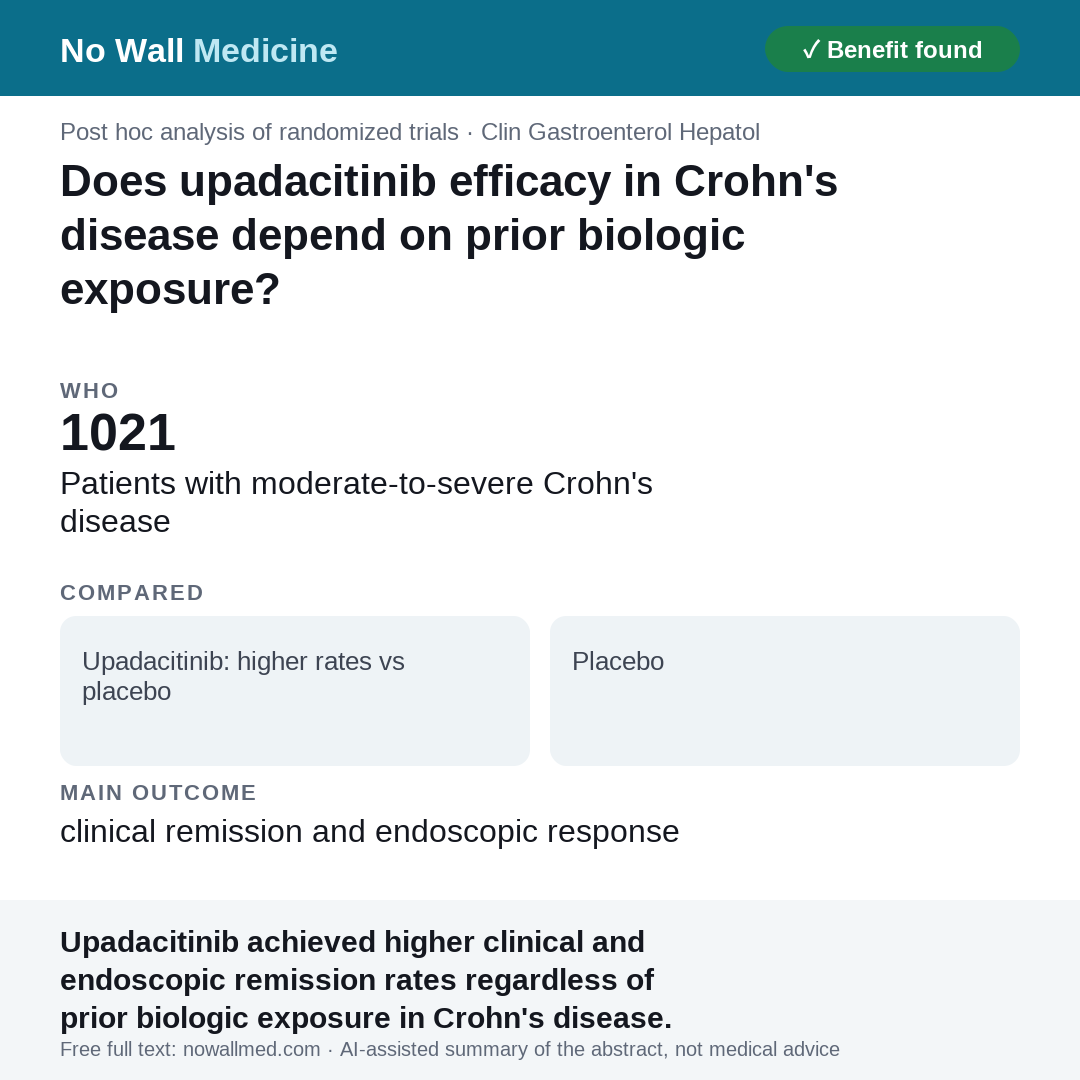
Upadacitinib Achieves Clinical and Endoscopic Outcomes in Crohn's Disease Regardless of Prior Biologic Exposure
Post hoc analysis of randomized trialsBenefit found
Does upadacitinib efficacy in Crohn's disease depend on prior biologic exposure?
Who
1021
Patients with moderate-to-severe Crohn's disease
Compared
Upadacitinib: higher rates vs placebo
Placebo
Main outcome
clinical remission and endoscopic response
Bottom line: Upadacitinib achieved higher clinical and endoscopic remission rates regardless of prior biologic exposure in Crohn's disease.
Clin Gastroenterol Hepatol · 2024-03-15Download image
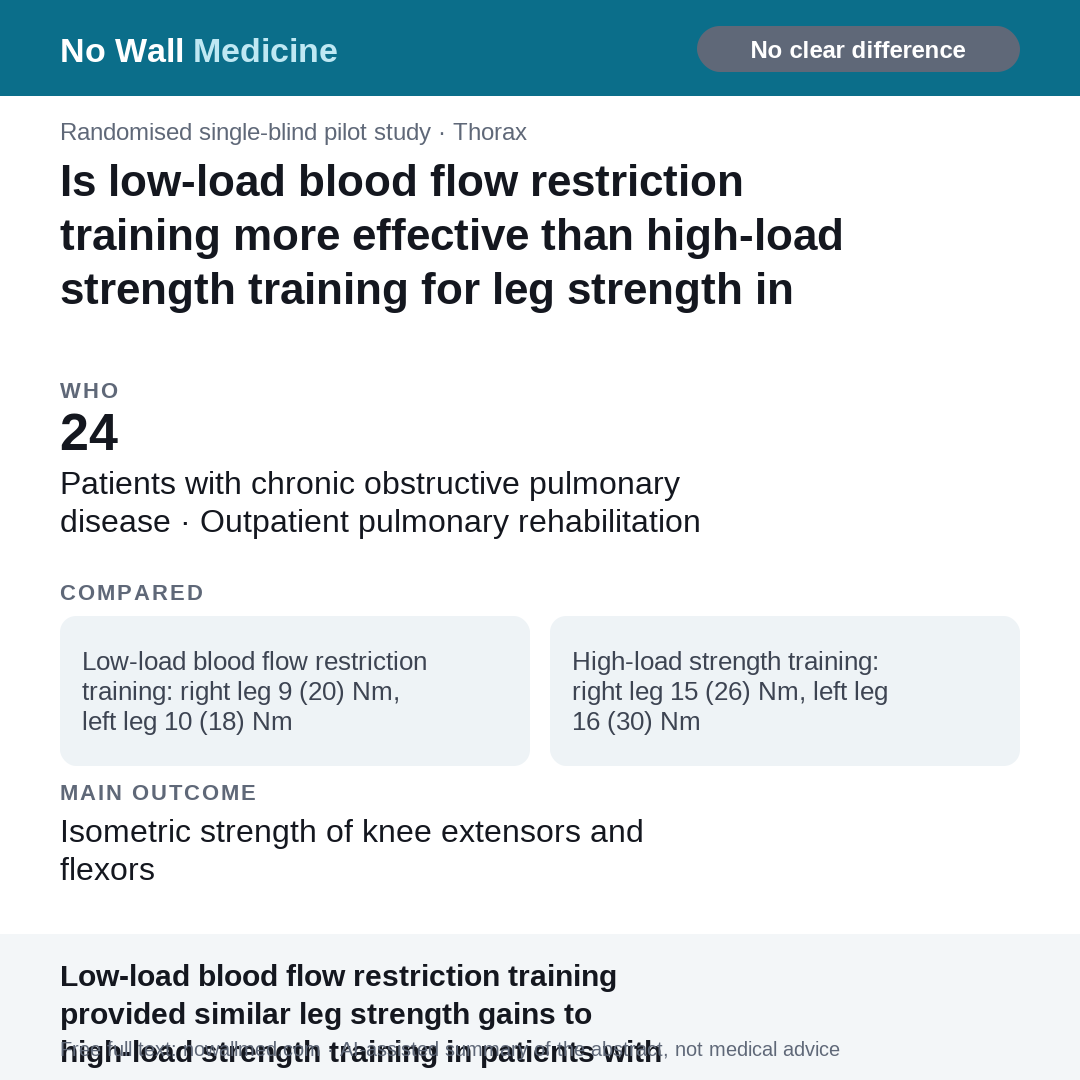
Low-load blood flow restriction strength training in patients with COPD: a randomised single-blind pilot study
Randomised single-blind pilot studyNo clear difference
Is low-load blood flow restriction training more effective than high-load strength training for leg strength in COPD?
Who
24
Patients with chronic obstructive pulmonary disease · Outpatient pulmonary rehabilitation
Compared
Low-load blood flow restriction training: right leg 9 (20) Nm, left leg 10 (18) Nm
High-load strength training: right leg 15 (26) Nm, left leg 16 (30) Nm
Main outcome
Isometric strength of knee extensors and flexors
Result: right leg mean difference= -6.4, 95% CI= -13.20 to 25.92 Nm
Bottom line: Low-load blood flow restriction training provided similar leg strength gains to high-load strength training in patients with COPD.
Thorax · 2024-03-15Download image