Visual abstracts
New randomized trials and meta-analyses from leading journals at a glance: who was studied, what was compared, and what was found. Every paper is free to read in full.
All specialtiesCardiology 4763Oncology 4043Gastroenterology & Hepatology 1903Infectious Disease 3756Neurology 1872Psychiatry & Mental Health 2216Pulmonology 2044Critical Care 1319Endocrinology & Diabetes 2544Pediatrics 2889Surgery 2480Orthopedics & Sports Medicine 917Neurosurgery 525Cardiothoracic & Vascular Surgery 656Plastic & Reconstructive Surgery 574Nephrology 1107Rheumatology 810Hematology 1090Dermatology 611Ophthalmology 532Obstetrics & Gynecology 1645Public & Global Health 1037Radiology & Imaging 619Anesthesiology 958Urology 745ENT (Otolaryngology) 494Emergency Medicine 481Allergy & Immunology 309Geriatrics 972Family Medicine & Primary Care 534Medical Genetics & Genomics 659Pathology & Laboratory Medicine 156Physical Medicine & Rehabilitation 734Palliative Care 421Nutrition 1560Digital Health & AI 2137General Medicine 318
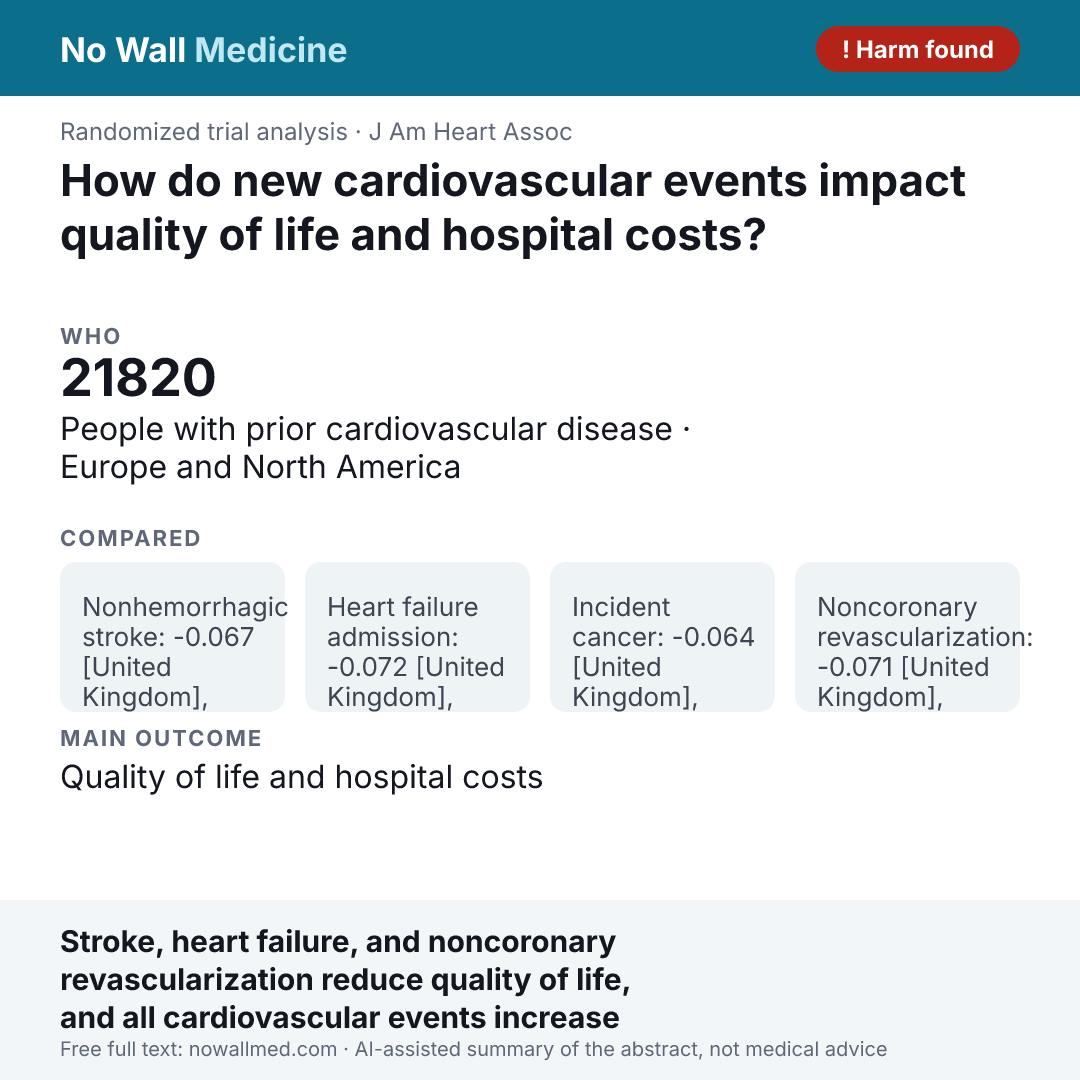
Impact of New Cardiovascular Events on Quality of Life and Hospital Costs in People With Cardiovascular Disease in the United Kingdom and United States
Randomized trial analysisHarm found
How do new cardiovascular events impact quality of life and hospital costs?
Who
21820
People with prior cardiovascular disease · Europe and North America
Compared
Nonhemorrhagic stroke: -0.067 [United Kingdom], -0.069 [US]
Heart failure admission: -0.072 [United Kingdom], -0.103 [US]
Incident cancer: -0.064 [United Kingdom], -0.068 [US]
Noncoronary revascularization: -0.071 [United Kingdom], -0.061 [US]
Main outcome
Quality of life and hospital costs
Bottom line: Stroke, heart failure, and noncoronary revascularization reduce quality of life, and all cardiovascular events increase hospital costs.
J Am Heart Assoc · 2023-09-26 · Save PNG
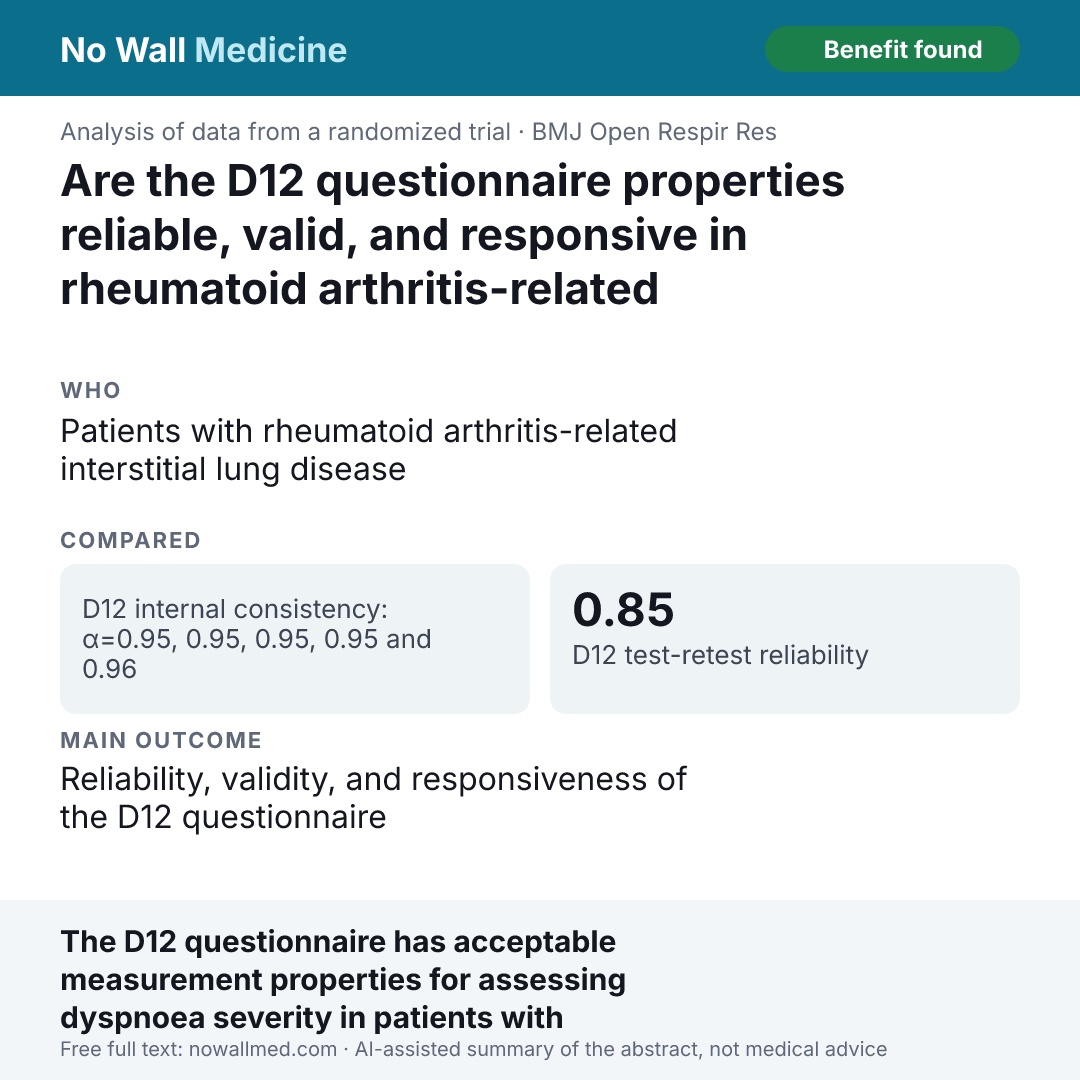
Reliability and responsiveness of the D12 and validity of its scores as a measure of dyspnoea severity in patients with rheumatoid arthritis-related interstitial lung disease
Analysis of data from a randomized trialBenefit found
Are the D12 questionnaire properties reliable, valid, and responsive in rheumatoid arthritis-related interstitial lung disease?
Who
Patients with rheumatoid arthritis-related interstitial lung disease
Compared
D12 internal consistency: α=0.95, 0.95, 0.95, 0.95 and 0.96
0.85D12 test-retest reliability (0.71 to 0.92)
Main outcome
Reliability, validity, and responsiveness of the D12 questionnaire
Bottom line: The D12 questionnaire has acceptable measurement properties for assessing dyspnoea severity in patients with rheumatoid arthritis-related interstitial lung disease.
BMJ Open Respir Res · 2023-09-26 · Save PNG
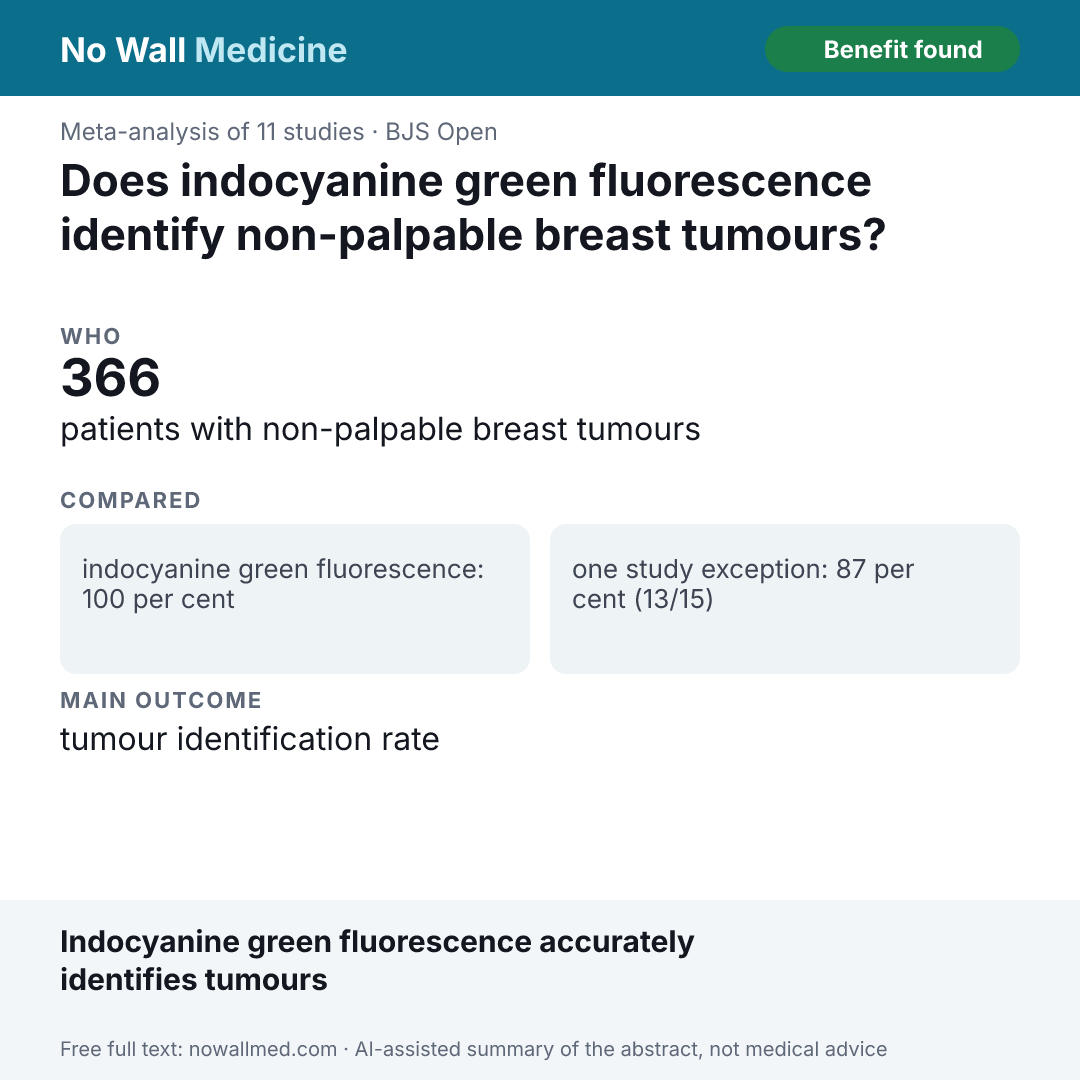
Efficacy of indocyanine green fluorescence for the identification of non-palpable breast tumours: systematic review
Meta-analysis of 11 studiesBenefit found
Does indocyanine green fluorescence identify non-palpable breast tumours?
Who
366
patients with non-palpable breast tumours
Compared
indocyanine green fluorescence: 100 per cent
one study exception: 87 per cent (13/15)
Main outcome
tumour identification rate
Bottom line: Indocyanine green fluorescence accurately identifies tumours
Limitation: limited number of studies
BJS Open · 2023-09-26 · Save PNG
Identifying malnutrition in emergency general surgery: systematic review
Systematic reviewUnclear result
Methods to define malnutrition in surgery
Who
adult emergency general surgery patients
Compared
nutrition screening tools
assessment tools
Main outcome
malnutrition identification
Bottom line: Variation in malnutrition identification methods exists
BJS Open · 2023-09-26 · Save PNG

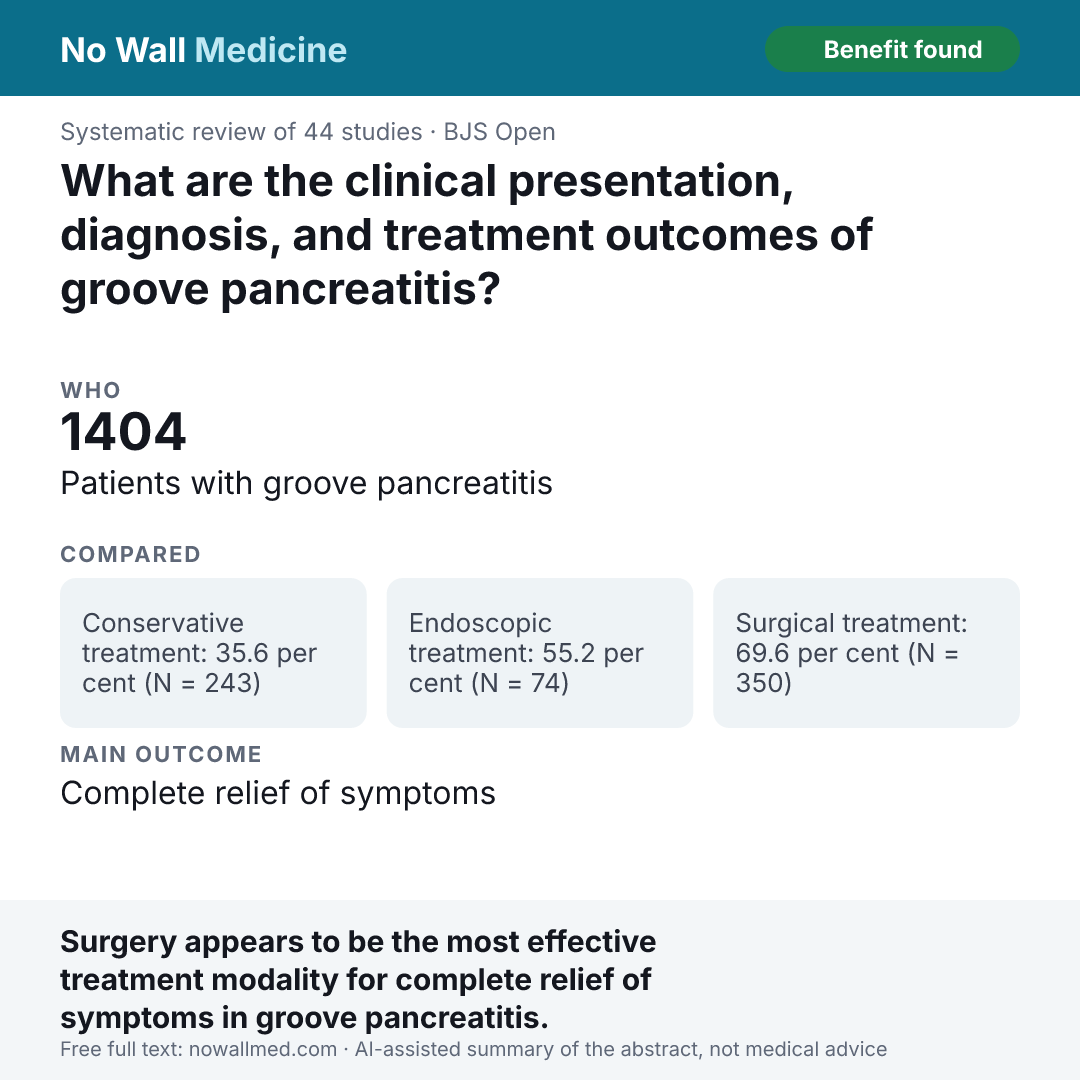
Systematic review on groove pancreatitis: management of a rare disease
Systematic review of 44 studiesBenefit found
What are the clinical presentation, diagnosis, and treatment outcomes of groove pancreatitis?
Who
1404
Patients with groove pancreatitis
Compared
Conservative treatment: 35.6 per cent (N = 243)
Endoscopic treatment: 55.2 per cent (N = 74)
Surgical treatment: 69.6 per cent (N = 350)
Main outcome
Complete relief of symptoms
Bottom line: Surgery appears to be the most effective treatment modality for complete relief of symptoms in groove pancreatitis.
BJS Open · 2023-09-26 · Save PNG
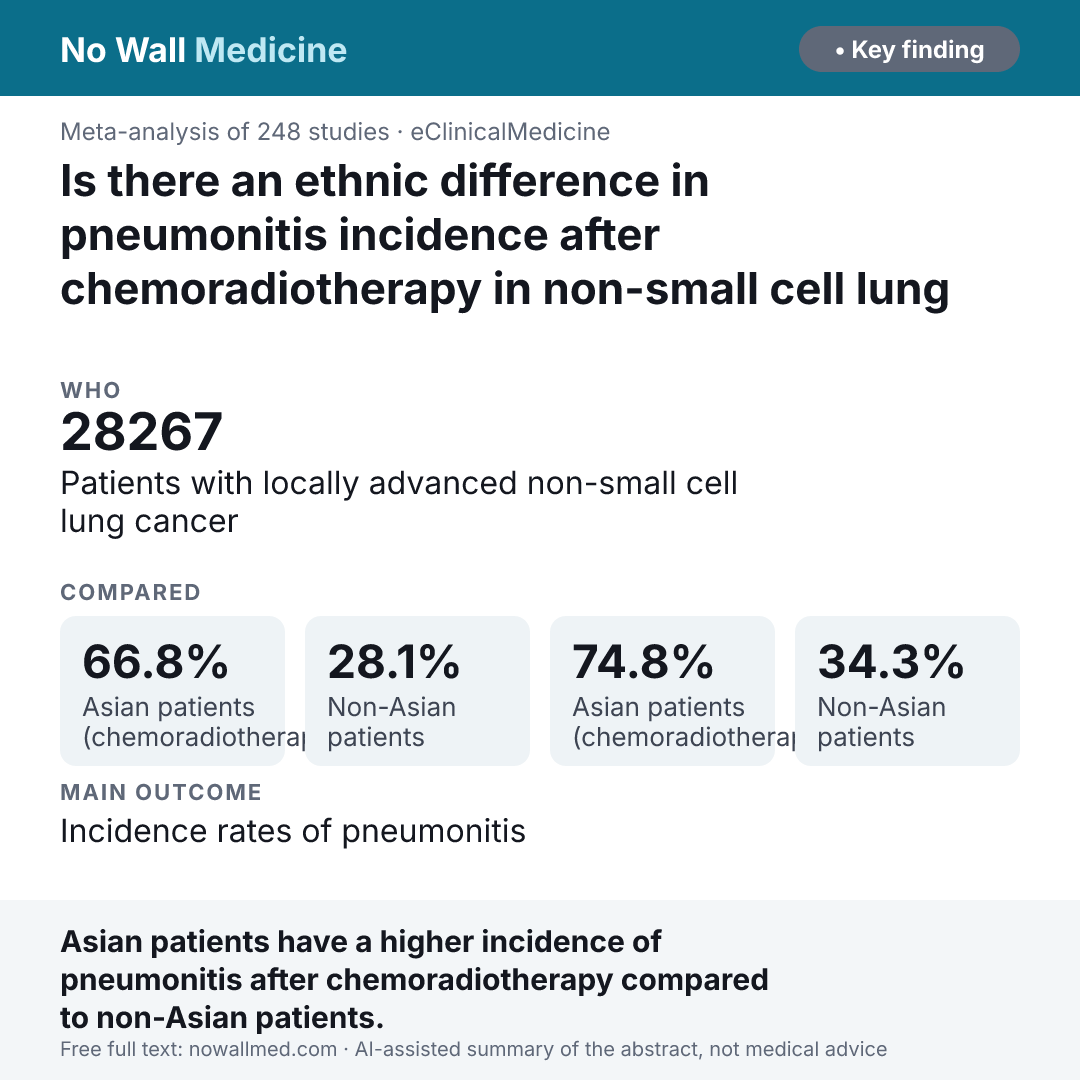
Comparison of post-chemoradiotherapy pneumonitis between Asian and non-Asian patients with locally advanced non-small cell lung cancer: a systematic review and meta-analysis
Meta-analysis of 248 studiesKey finding
Is there an ethnic difference in pneumonitis incidence after chemoradiotherapy in non-small cell lung cancer?
Who
28267
Patients with locally advanced non-small cell lung cancer
Compared
66.8%Asian patients (chemoradiotherapy without immunotherapy) (95% CI: 59.2%-73.9%)
28.1%Non-Asian patients (chemoradiotherapy without immunotherapy) (95% CI: 20.4%-36.4%)
74.8%Asian patients (chemoradiotherapy plus immunotherapy) (95% CI: 63.7%-84.5%)
34.3%Non-Asian patients (chemoradiotherapy plus immunotherapy) (95% CI: 28.7%-40.2%)
Main outcome
Incidence rates of pneumonitis
Bottom line: Asian patients have a higher incidence of pneumonitis after chemoradiotherapy compared to non-Asian patients.
eClinicalMedicine · 2023-09-25 · Save PNG
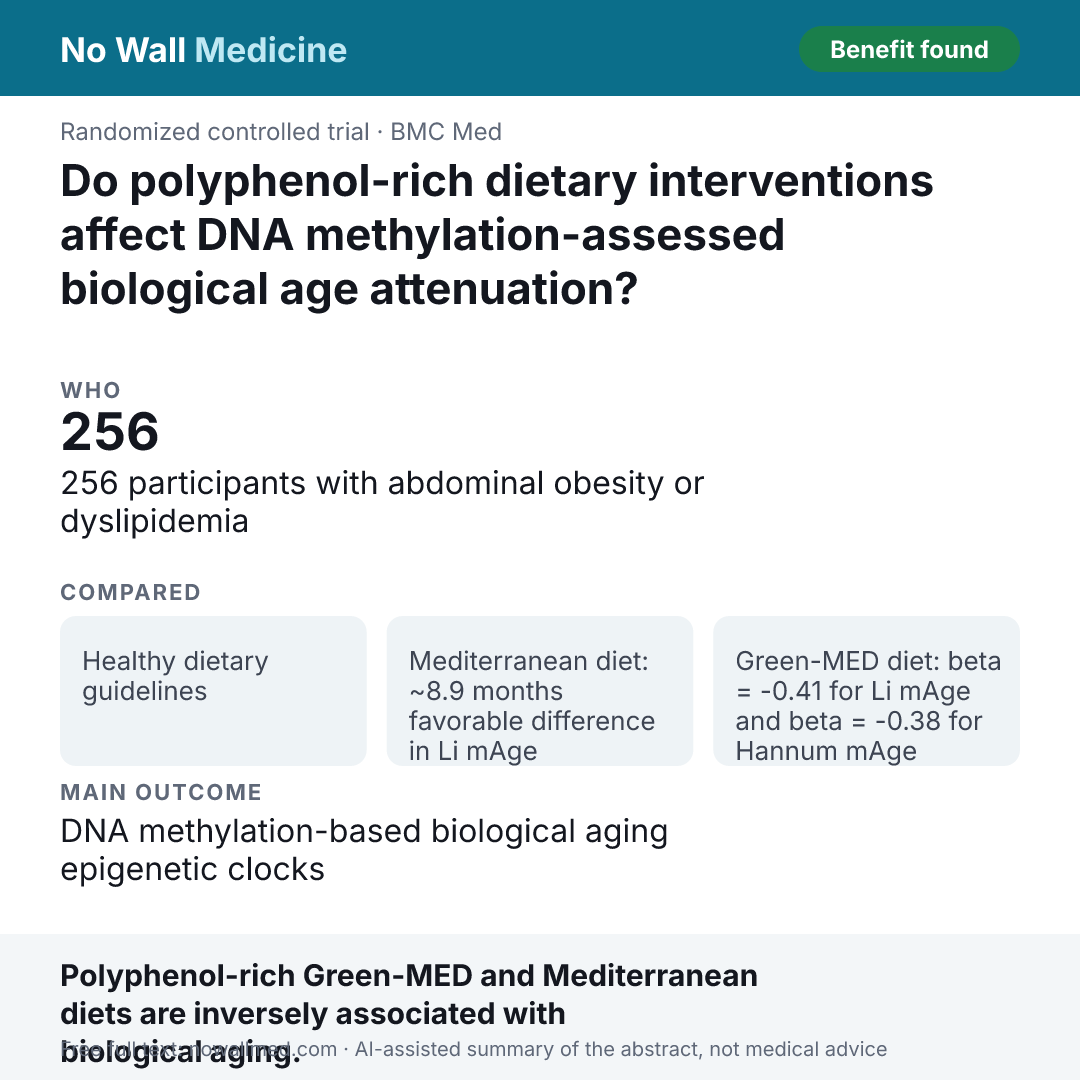
The effect of polyphenols on DNA methylation-assessed biological age attenuation: the DIRECT PLUS randomized controlled trial
Randomized controlled trialBenefit found
Do polyphenol-rich dietary interventions affect DNA methylation-assessed biological age attenuation?
Who
256
256 participants with abdominal obesity or dyslipidemia
Compared
Healthy dietary guidelines
Mediterranean diet: ~8.9 months favorable difference in Li mAge
Green-MED diet: beta = -0.41 for Li mAge and beta = -0.38 for Hannum mAge
Main outcome
DNA methylation-based biological aging epigenetic clocks
Result: beta = -0.41 (p = 0.004) for Li mAge
Bottom line: Polyphenol-rich Green-MED and Mediterranean diets are inversely associated with biological aging.
BMC Med · 2023-09-25 · Save PNG
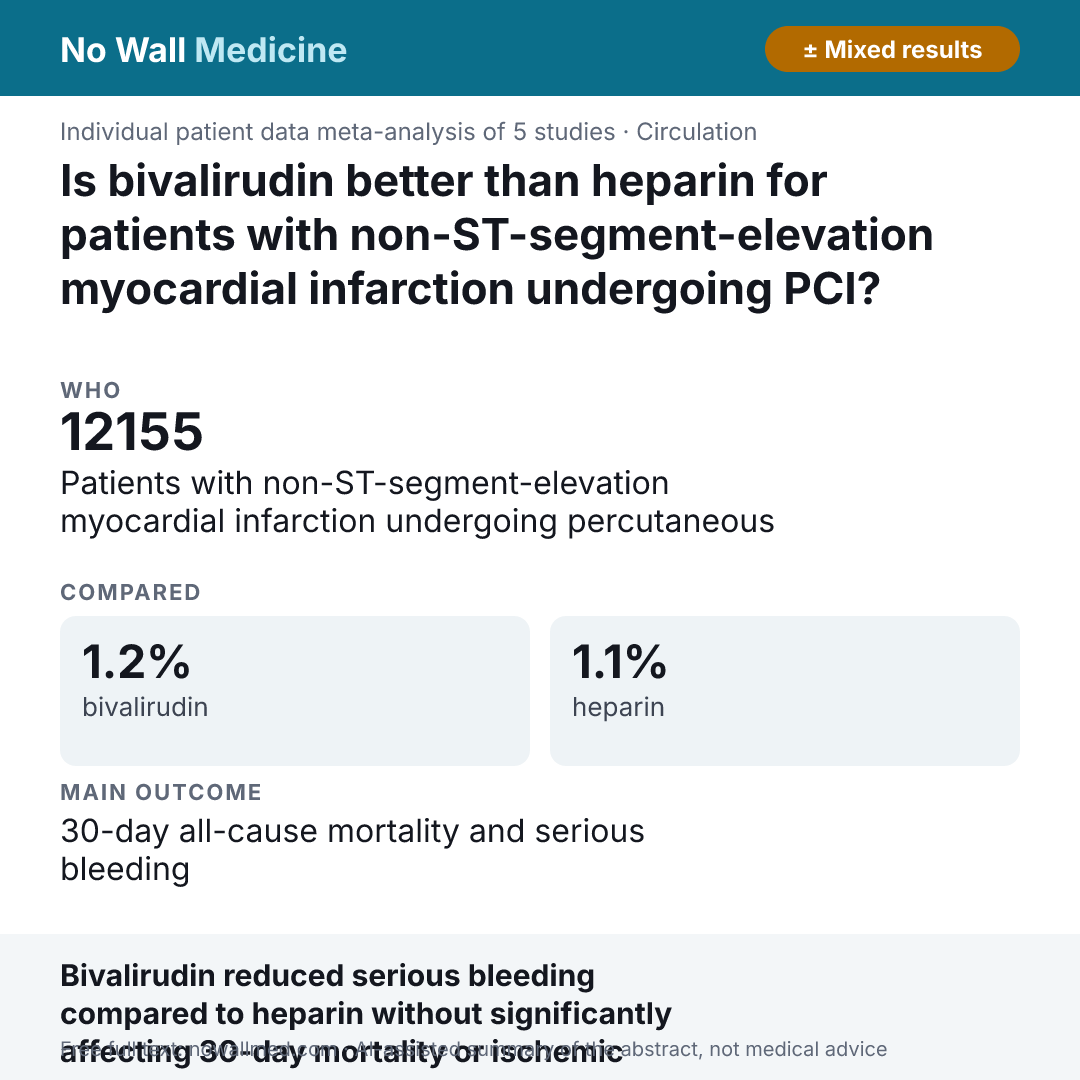
Bivalirudin Versus Heparin During PCI in NSTEMI: Individual Patient Data Meta-Analysis of Large Randomized Trials
Individual patient data meta-analysis of 5 studiesMixed results
Is bivalirudin better than heparin for patients with non-ST-segment-elevation myocardial infarction undergoing PCI?
Who
12155
Patients with non-ST-segment-elevation myocardial infarction undergoing percutaneous coronary intervention
Compared
1.2%bivalirudin
1.1%heparin
Main outcome
30-day all-cause mortality and serious bleeding
Result: adjusted odds ratio 0.59 (95% CI 0.48-0.72) for serious bleeding
Bottom line: Bivalirudin reduced serious bleeding compared to heparin without significantly affecting 30-day mortality or ischemic events.
Circulation · 2023-09-25 · Save PNG
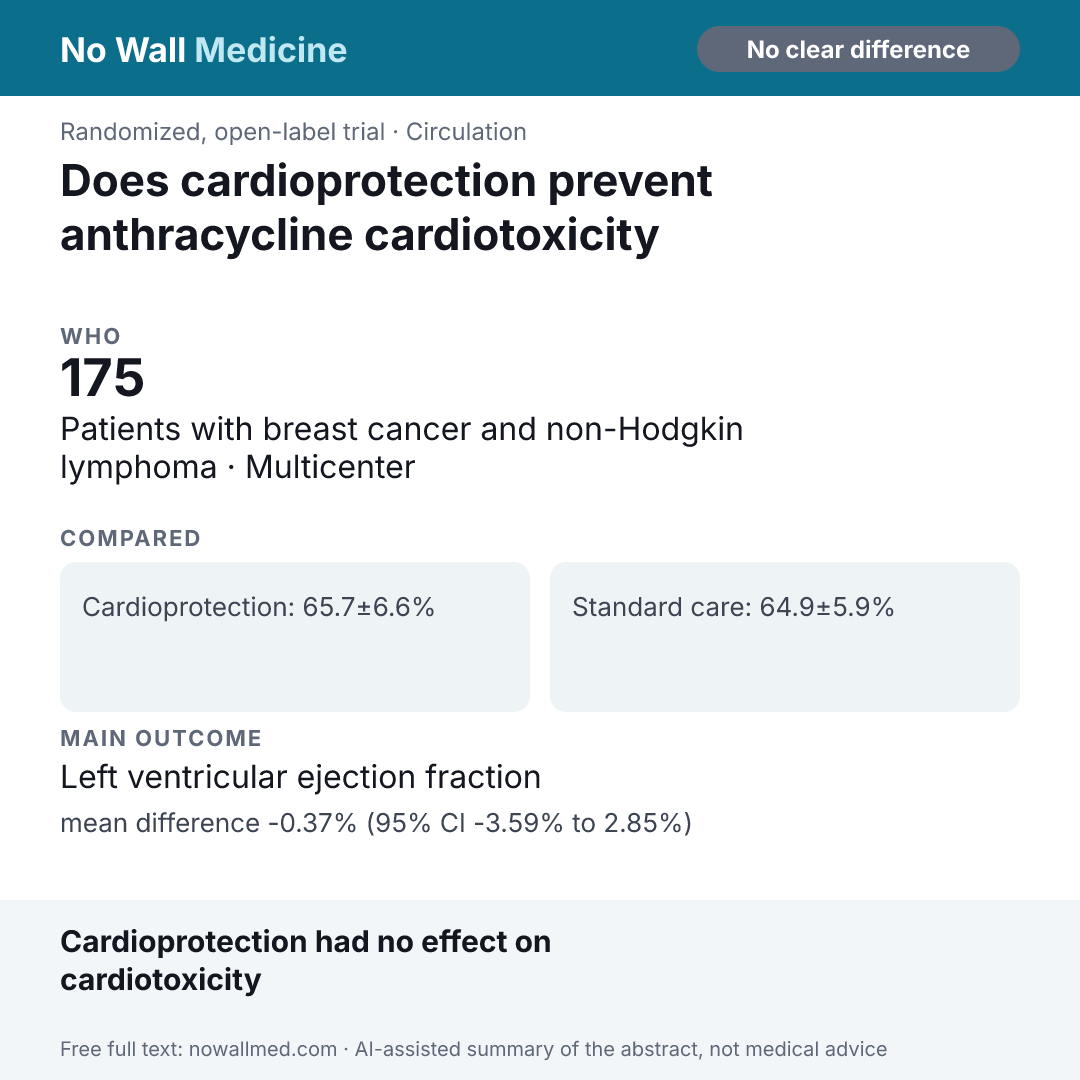
Multicenter, Prospective, Randomized Controlled Trial of High-Sensitivity Cardiac Troponin I-Guided Combination Angiotensin Receptor Blockade and Beta-Blocker Therapy to Prevent Anthracycline Cardiotoxicity: The Cardiac CARE Trial
Randomized, open-label trialNo clear difference
Does cardioprotection prevent anthracycline cardiotoxicity
Who
175
Patients with breast cancer and non-Hodgkin lymphoma · Multicenter
Compared
Cardioprotection: 65.7±6.6%
Standard care: 64.9±5.9%
Main outcome
Left ventricular ejection fraction
Result: mean difference -0.37% (95% CI -3.59% to 2.85%)
Bottom line: Cardioprotection had no effect on cardiotoxicity
Circulation · 2023-09-25 · Save PNG
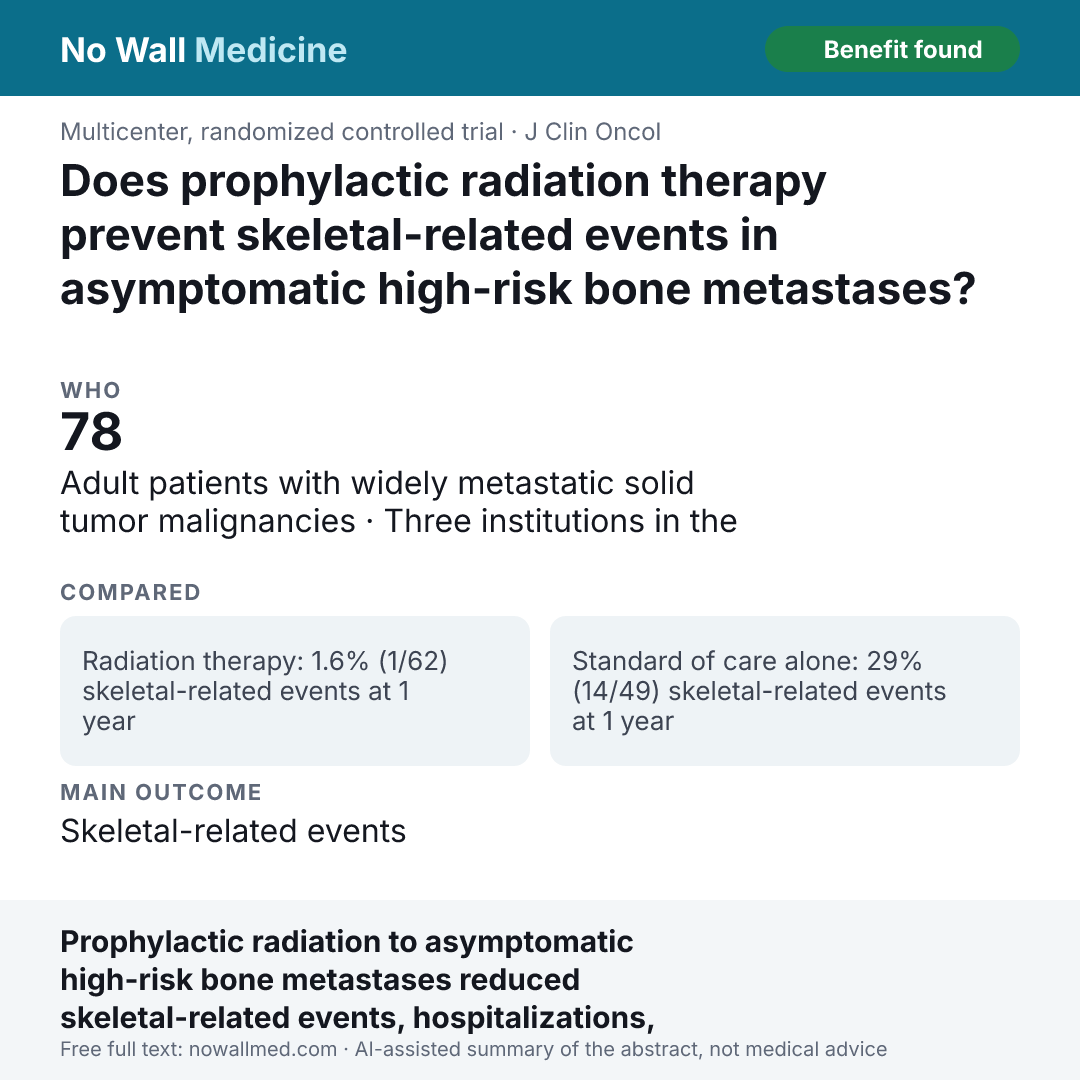
Prophylactic Radiation Therapy Versus Standard of Care for Patients With High-Risk Asymptomatic Bone Metastases: A Multicenter, Randomized Phase II Clinical Trial
Multicenter, randomized controlled trialBenefit found
Does prophylactic radiation therapy prevent skeletal-related events in asymptomatic high-risk bone metastases?
Who
78
Adult patients with widely metastatic solid tumor malignancies · Three institutions in the United States
Compared
Radiation therapy: 1.6% (1/62) skeletal-related events at 1 year
Standard of care alone: 29% (14/49) skeletal-related events at 1 year
Main outcome
Skeletal-related events
Result: hazard ratio 0.49 (95% CI 0.27 to 0.89)
Bottom line: Prophylactic radiation to asymptomatic high-risk bone metastases reduced skeletal-related events, hospitalizations, and improved overall survival.
J Clin Oncol · 2023-09-25 · Save PNG
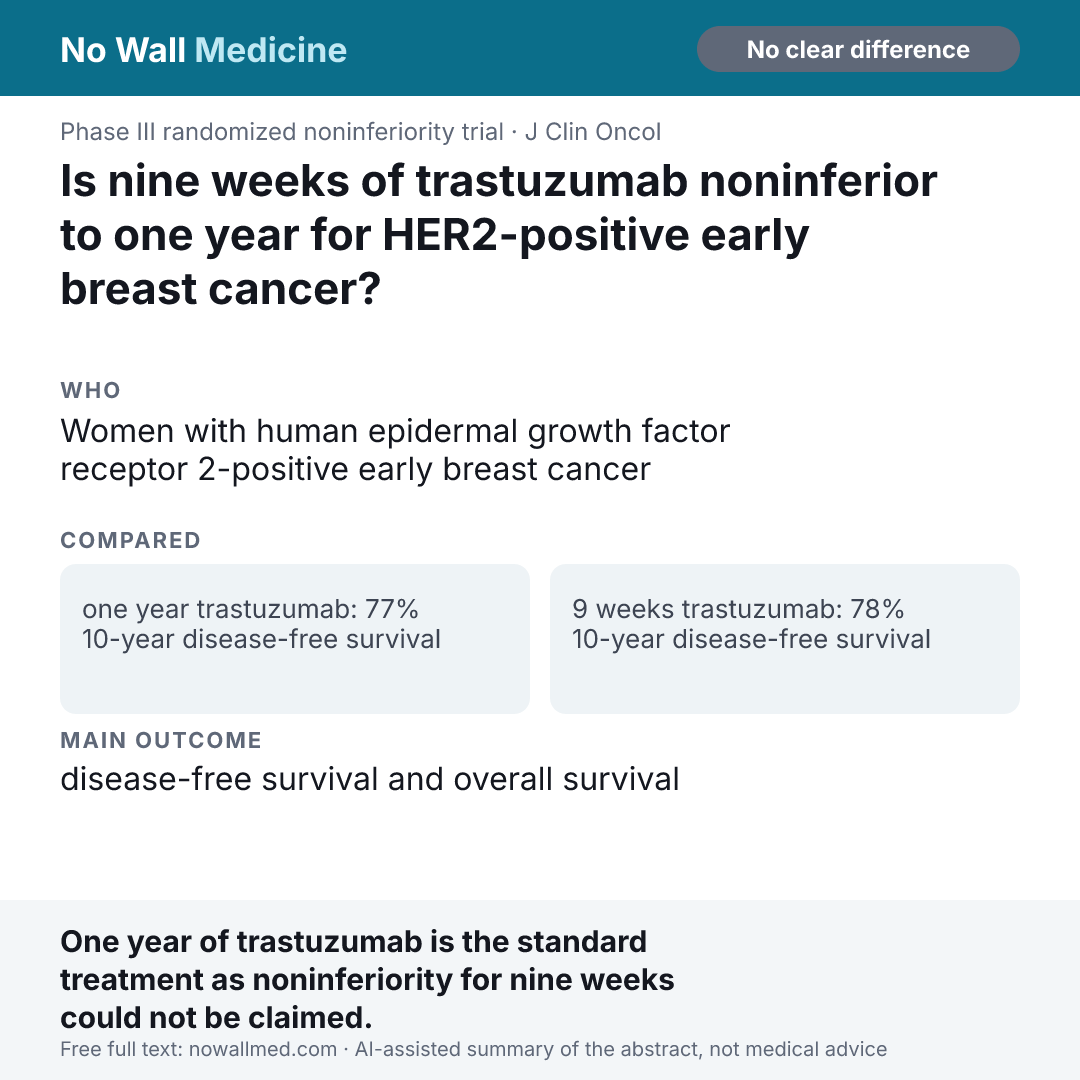
Nine-Week Versus One-Year Trastuzumab for Early Human Epidermal Growth Factor Receptor 2-Positive Breast Cancer: 10-Year Update of the ShortHER Phase III Randomized Trial
Phase III randomized noninferiority trialNo clear difference
Is nine weeks of trastuzumab noninferior to one year for HER2-positive early breast cancer?
Who
Women with human epidermal growth factor receptor 2-positive early breast cancer
Compared
one year trastuzumab: 77% 10-year disease-free survival
9 weeks trastuzumab: 78% 10-year disease-free survival
Main outcome
disease-free survival and overall survival
Bottom line: One year of trastuzumab is the standard treatment as noninferiority for nine weeks could not be claimed.
J Clin Oncol · 2023-09-25 · Save PNG
Risk, protective, and biomarkers of dementia in Indigenous peoples: A systematic review
Systematic reviewUnclear result
Dementia factors in Indigenous peoples
Who
Indigenous peoples worldwide
Compared
Modifiable risk factors
Protective factors
Main outcome
Dementia and cognitive impairment
Bottom line: Modifiable risk factors identified
Alzheimers Dement · 2023-09-25 · Save PNG

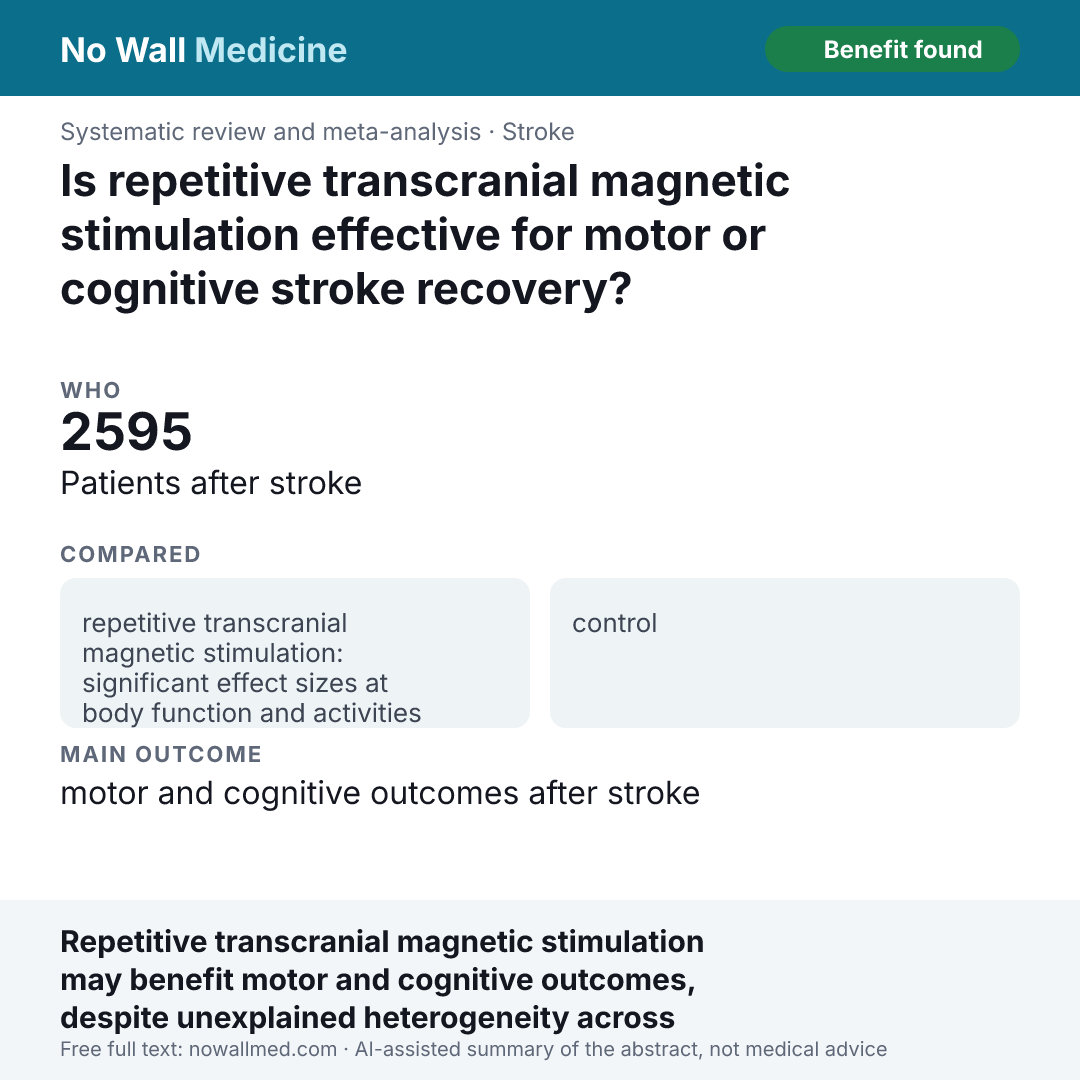
Evidence of rTMS for Motor or Cognitive Stroke Recovery: Hype or Hope?
Systematic review and meta-analysisBenefit found
Is repetitive transcranial magnetic stimulation effective for motor or cognitive stroke recovery?
Who
2595
Patients after stroke
Compared
repetitive transcranial magnetic stimulation: significant effect sizes at body function and activities
control
Main outcome
motor and cognitive outcomes after stroke
Bottom line: Repetitive transcranial magnetic stimulation may benefit motor and cognitive outcomes, despite unexplained heterogeneity across small trials.
Limitation: unexplained heterogeneity across many small sampled trials
Stroke · 2023-09-25 · Save PNG
Impact of Animal-Assisted Interaction on Anxiety in Children With Advanced Cancer and Their Caregivers
Randomized controlled studyMixed results
Does AAI reduce anxiety in children and caregivers?
Who
19
Children with advanced cancer and caregivers
Compared
AAI group
usual care
Main outcome
anxiety scores
Bottom line: AAI may lessen caregiver anxiety
J Palliat Med · 2023-09-25 · Save PNG

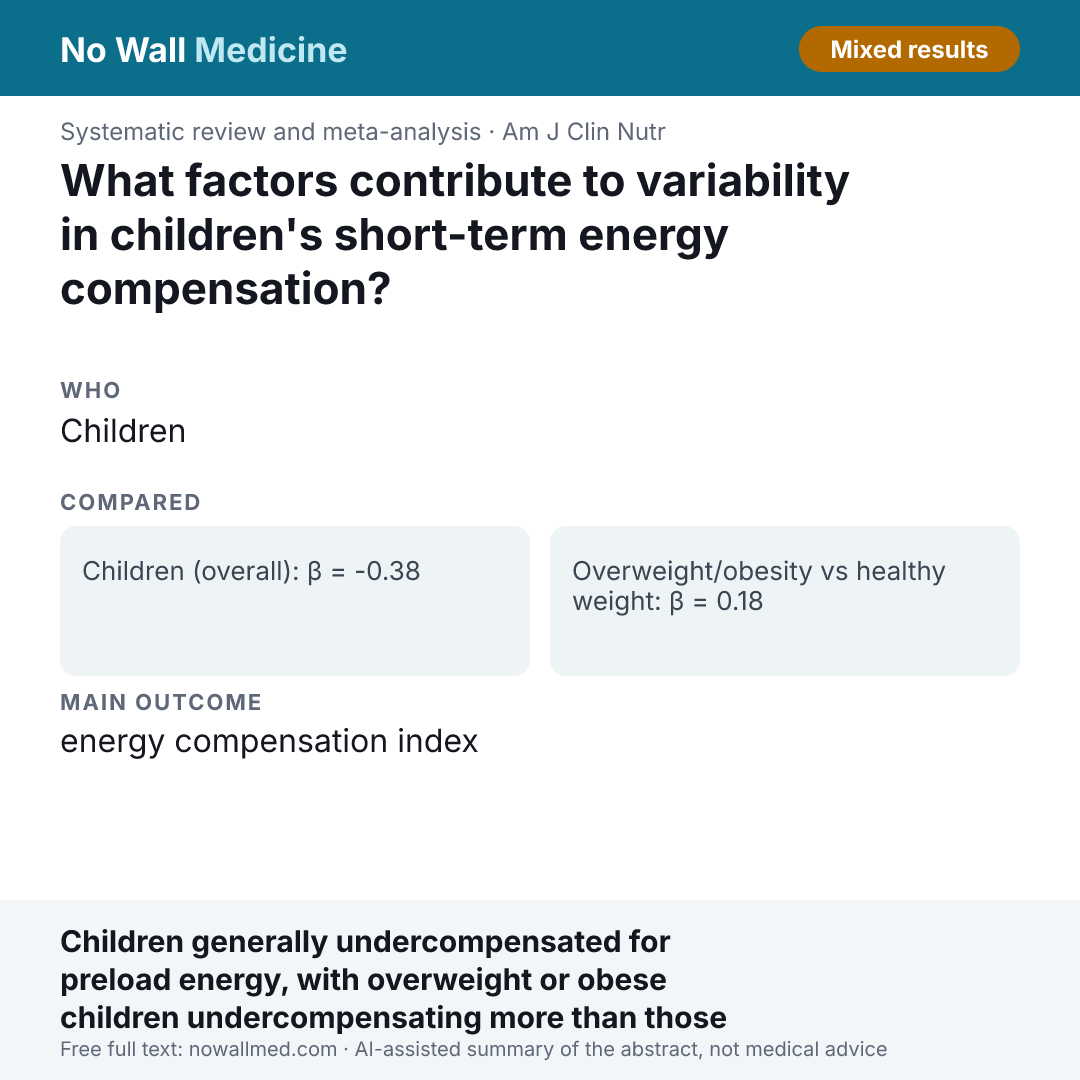
Inter-individual differences in children's short-term energy compensation: a systematic review and meta-analysis
Systematic review and meta-analysisMixed results
What factors contribute to variability in children's short-term energy compensation?
Who
Children
Compared
Children (overall): β = -0.38
Overweight/obesity vs healthy weight: β = 0.18
Main outcome
energy compensation index
Bottom line: Children generally undercompensated for preload energy, with overweight or obese children undercompensating more than those with healthy weight.
Am J Clin Nutr · 2023-09-25 · Save PNG
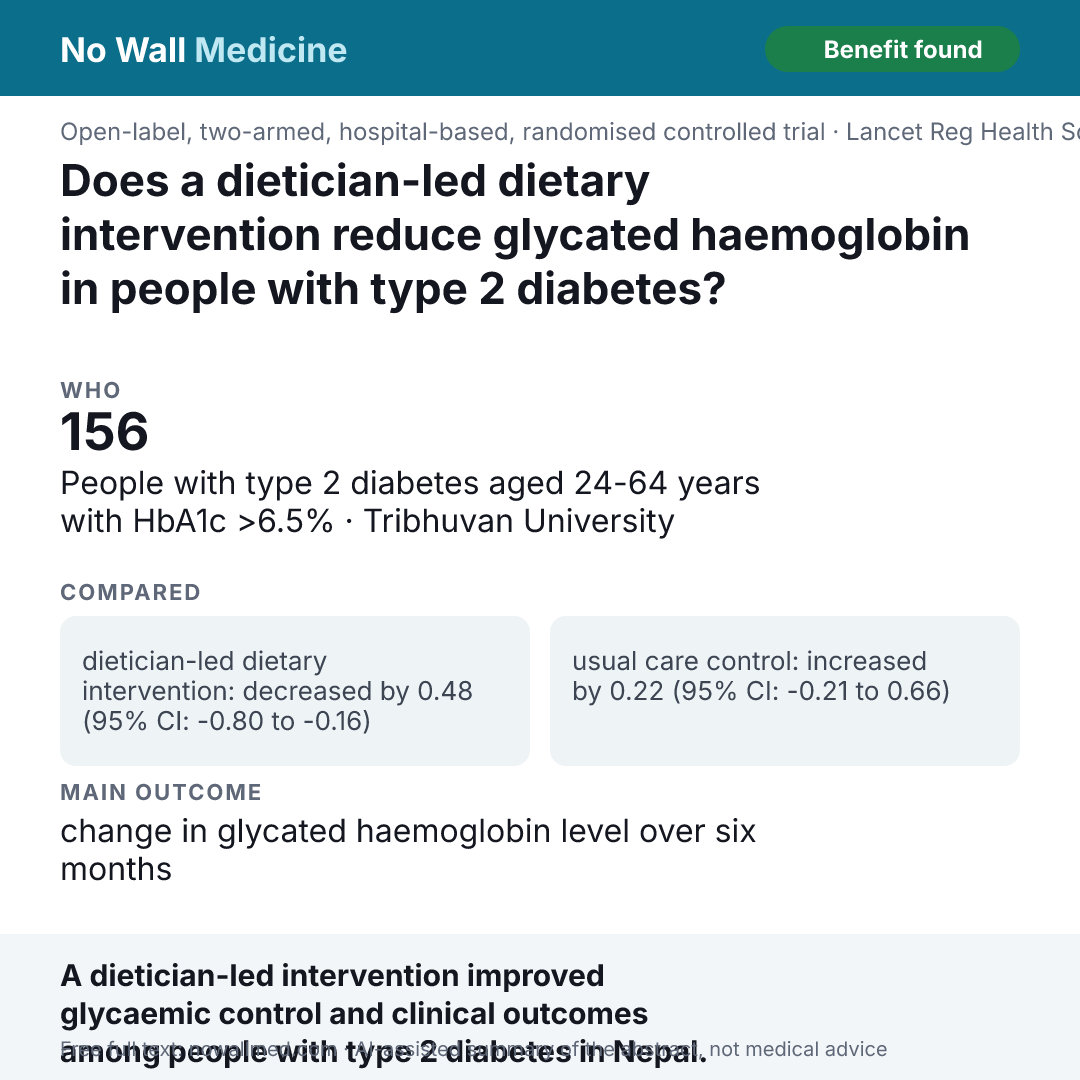
Effectiveness of a dietician-led intervention in reducing glycated haemoglobin among people with type 2 diabetes in Nepal: a single centre, open-label, randomised controlled trial
Open-label, two-armed, hospital-based, randomised controlled trialBenefit found
Does a dietician-led dietary intervention reduce glycated haemoglobin in people with type 2 diabetes?
Who
156
People with type 2 diabetes aged 24-64 years with HbA1c >6.5% · Tribhuvan University Teaching Hospital, Kathmandu, Nepal
Compared
dietician-led dietary intervention: decreased by 0.48 (95% CI: -0.80 to -0.16)
usual care control: increased by 0.22 (95% CI: -0.21 to 0.66)
Main outcome
change in glycated haemoglobin level over six months
Result: 0.61 (95% CI: -1.04 to -0.17; p = 0.006)
Bottom line: A dietician-led intervention improved glycaemic control and clinical outcomes among people with type 2 diabetes in Nepal.
Funded by: University Grants Commission (UGC), Nepal
Lancet Reg Health Southeast Asia · 2023-09-25 · Save PNG
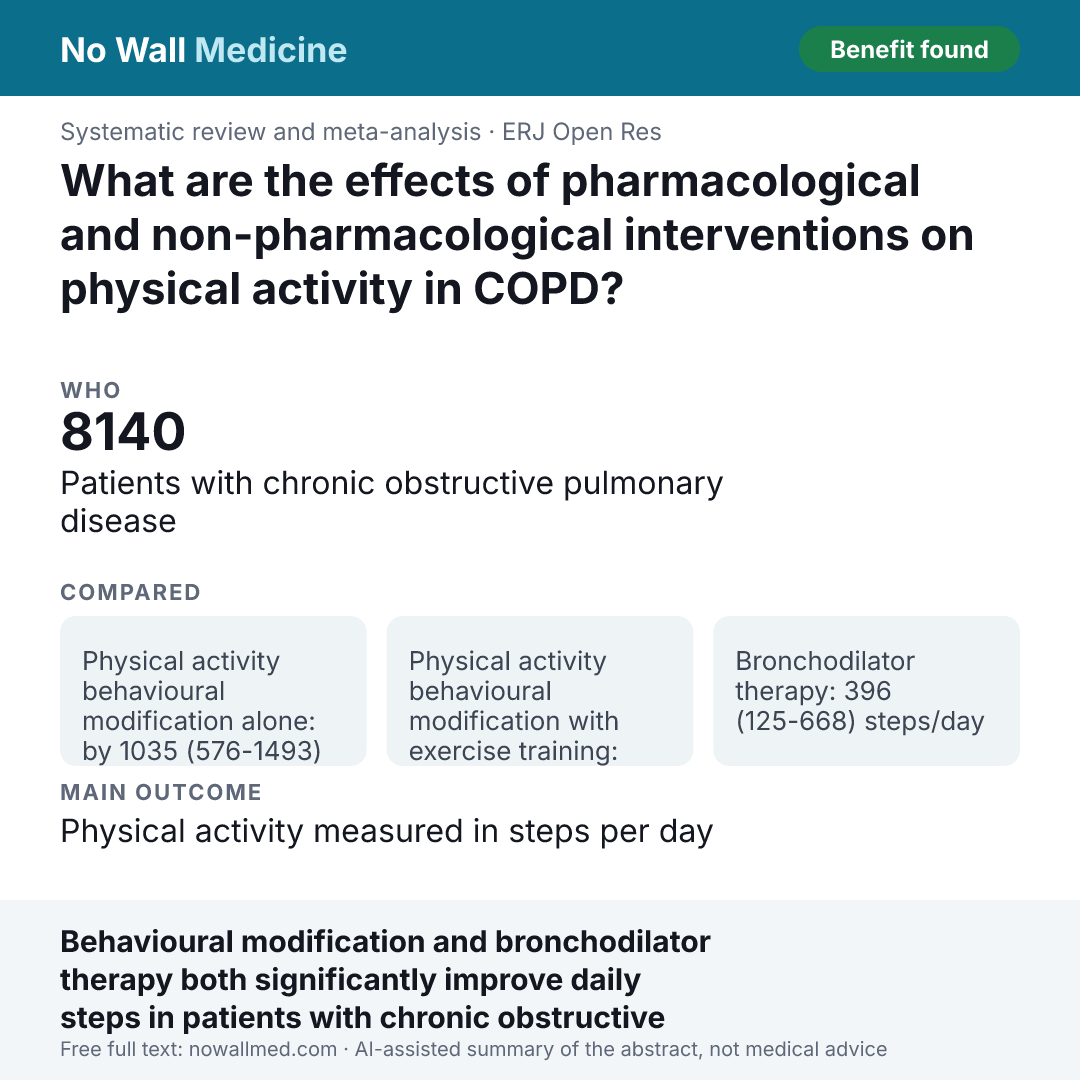
Effects of pharmacological and non-pharmacological interventions on physical activity outcomes in COPD: a systematic review and meta-analysis
Systematic review and meta-analysisBenefit found
What are the effects of pharmacological and non-pharmacological interventions on physical activity in COPD?
Who
8140
Patients with chronic obstructive pulmonary disease
Compared
Physical activity behavioural modification alone: by 1035 (576-1493) steps/day
Physical activity behavioural modification with exercise training: by 679 (93-1266) steps/day
Bronchodilator therapy: 396 (125-668) steps/day
Main outcome
Physical activity measured in steps per day
Bottom line: Behavioural modification and bronchodilator therapy both significantly improve daily steps in patients with chronic obstructive pulmonary disease.
ERJ Open Res · 2023-09-25 · Save PNG
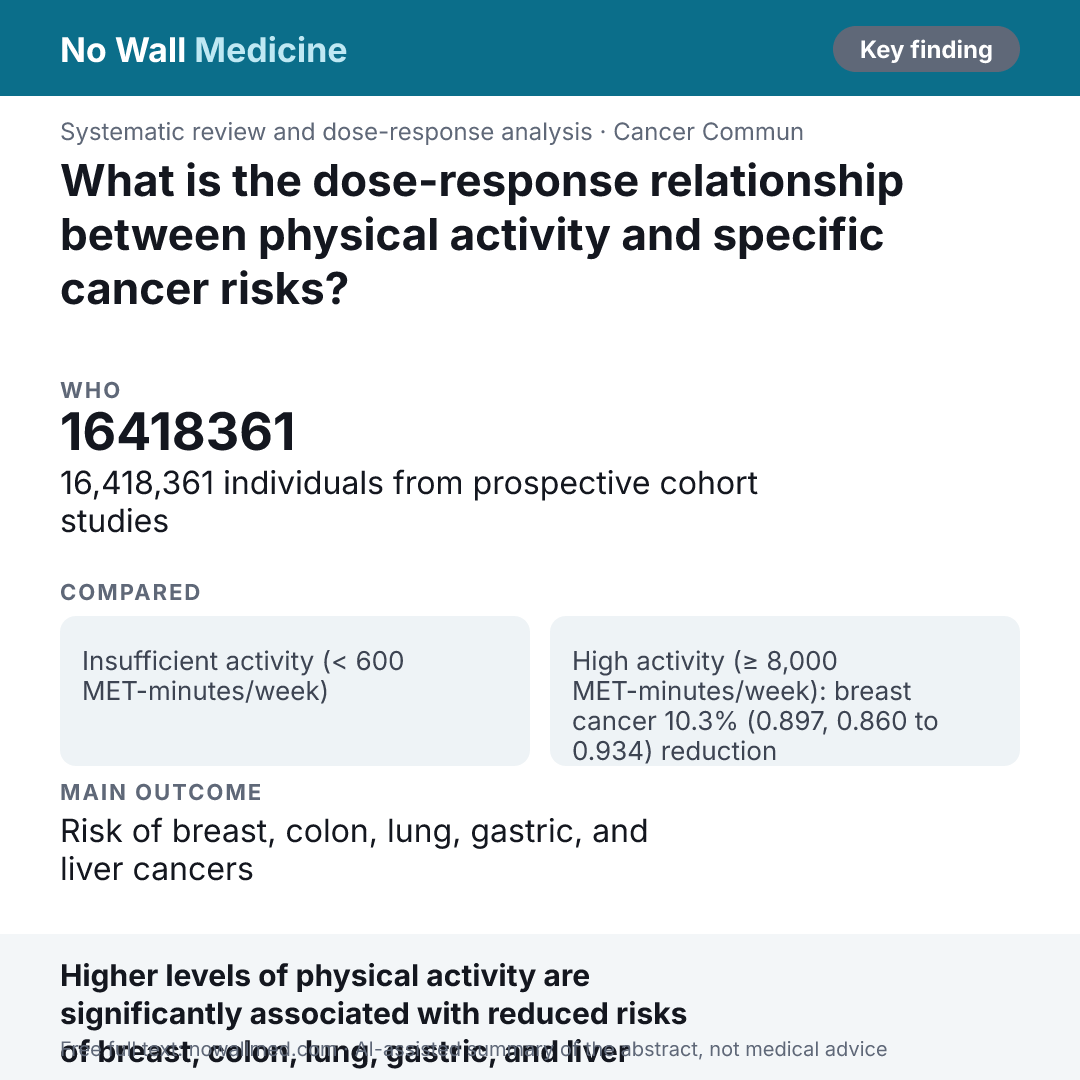
Physical activity and cancer risk: a dose-response analysis for the Global Burden of Disease Study 2019
Systematic review and dose-response analysisKey finding
What is the dose-response relationship between physical activity and specific cancer risks?
Who
16418361
16,418,361 individuals from prospective cohort studies
Compared
Insufficient activity (< 600 MET-minutes/week)
High activity (≥ 8,000 MET-minutes/week): breast cancer 10.3% (0.897, 0.860 to 0.934) reduction
Main outcome
Risk of breast, colon, lung, gastric, and liver cancers
Result: lung cancer risk reduction 14.7% (relative risk 0.853, uncertainty interval 0.798 to 0.912)
Bottom line: Higher levels of physical activity are significantly associated with reduced risks of breast, colon, lung, gastric, and liver cancers.
Cancer Commun · 2023-09-24 · Save PNG
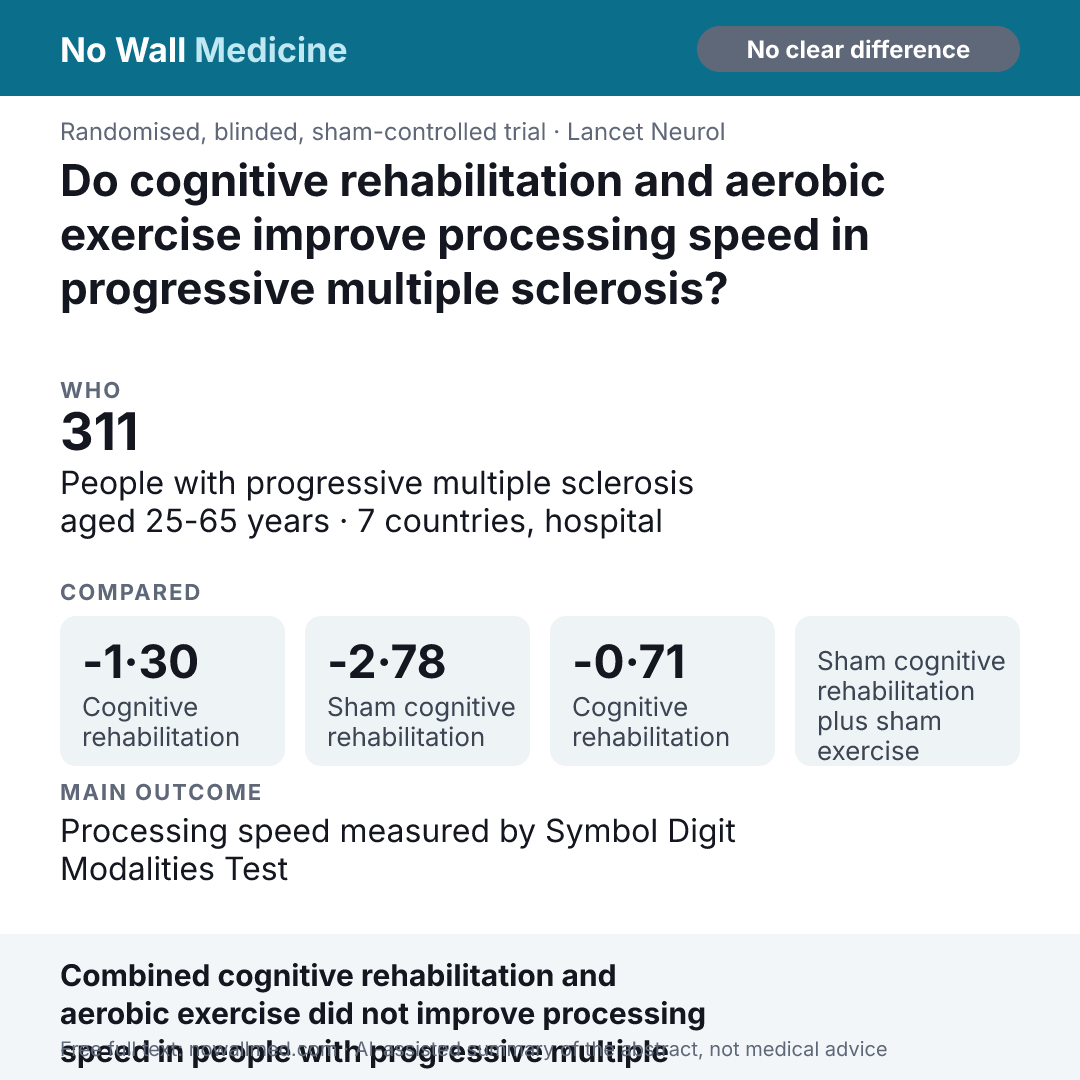
Cognitive rehabilitation and aerobic exercise for cognitive impairment in people with progressive multiple sclerosis (CogEx): a randomised, blinded, sham-controlled trial
Randomised, blinded, sham-controlled trialNo clear difference
Do cognitive rehabilitation and aerobic exercise improve processing speed in progressive multiple sclerosis?
Who
311
People with progressive multiple sclerosis aged 25-65 years · 7 countries, hospital clinics, universities, and rehabilitation centres
Compared
-1·30Cognitive rehabilitation plus exercise (95% CI -3·75 to 1·16)
-2·78Sham cognitive rehabilitation plus exercise (-5·23 to -0·33)
-0·71Cognitive rehabilitation plus sham exercise (-3·11 to 1·70)
Sham cognitive rehabilitation plus sham exercise
Main outcome
Processing speed measured by Symbol Digit Modalities Test
Result: p=0·85
Bottom line: Combined cognitive rehabilitation and aerobic exercise did not improve processing speed in people with progressive multiple sclerosis.
Limitation: Sham interventions were not inactive.
Funded by: MS Canada
Lancet Neurol · 2023-09-23 · Save PNG
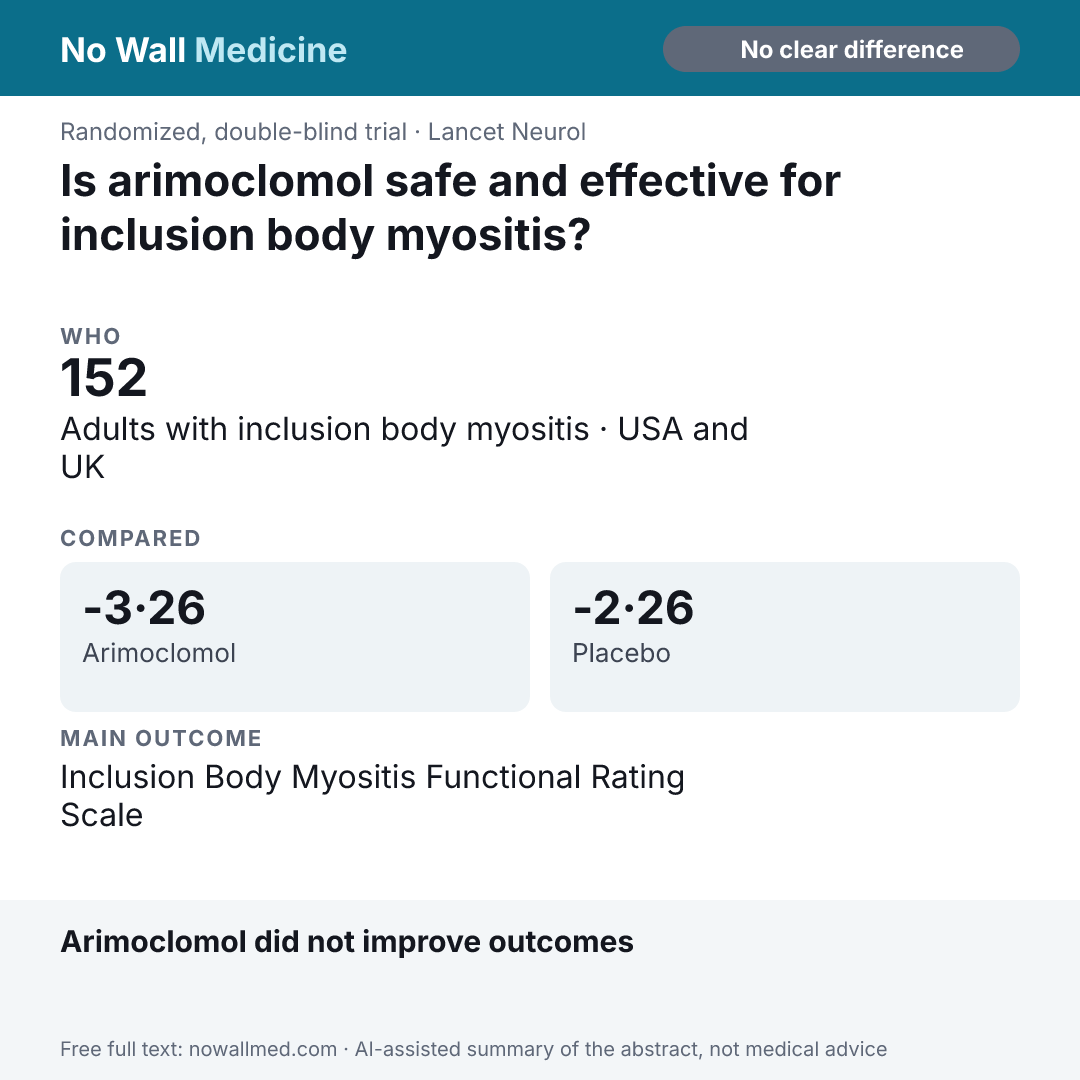
Safety and efficacy of arimoclomol for inclusion body myositis: a multicentre, randomised, double-blind, placebo-controlled trial
Randomized, double-blind trialNo clear difference
Is arimoclomol safe and effective for inclusion body myositis?
Who
152
Adults with inclusion body myositis · USA and UK
Compared
-3·26Arimoclomol
-2·26Placebo
Main outcome
Inclusion Body Myositis Functional Rating Scale
Result: mean difference -0·99 (95% CI -2·23 to 0·24)
Bottom line: Arimoclomol did not improve outcomes
Funded by: US Food and Drug Administration and Orphazyme
Lancet Neurol · 2023-09-23 · Save PNG