Visual abstracts
New randomized trials and meta-analyses from leading journals at a glance: who was studied, what was compared, and what was found. Every paper is free to read in full.
All specialtiesCardiology 840Oncology 760Gastroenterology & Hepatology 306Infectious Disease 626Neurology 350Psychiatry & Mental Health 430Pulmonology 365Critical Care 243Endocrinology & Diabetes 480Pediatrics 534Surgery 319Orthopedics & Sports Medicine 161Neurosurgery 89Cardiothoracic & Vascular Surgery 87Plastic & Reconstructive Surgery 118Nephrology 197Rheumatology 108Hematology 181Dermatology 78Ophthalmology 97Obstetrics & Gynecology 261Public & Global Health 167Radiology & Imaging 96Anesthesiology 107Urology 162ENT (Otolaryngology) 86Emergency Medicine 68Allergy & Immunology 58Geriatrics 160Family Medicine & Primary Care 111Medical Genetics & Genomics 91Pathology & Laboratory Medicine 24Physical Medicine & Rehabilitation 148Palliative Care 81Nutrition 223Digital Health & AI 460General Medicine 101
Systematic Review: Efficacy, Safety and Metabolic Outcomes of GLP-1 Receptor Agonists in Inflammatory Bowel Disease
Systematic reviewBenefit found
What are the efficacy, safety, and metabolic outcomes of GLP-1 receptor agonists in inflammatory bowel disease?
Who
Adults with inflammatory bowel disease
Compared
GLP-1 receptor agonist users: significant reductions in body weight, BMI, or percent weight loss
GLP-1 receptor agonist users: not associated with increased inflammatory bowel disease exacerbations
Main outcome
weight-related, metabolic, inflammatory bowel disease-specific, and safety outcomes
Bottom line: Glucagon-like peptide-1 receptor agonists may improve weight, metabolic, and disease-related outcomes in inflammatory bowel disease patients.
Limitation: Most included studies were retrospective cohort studies and prospective studies are required.
Aliment Pharmacol Ther · 2025-11-30Download image

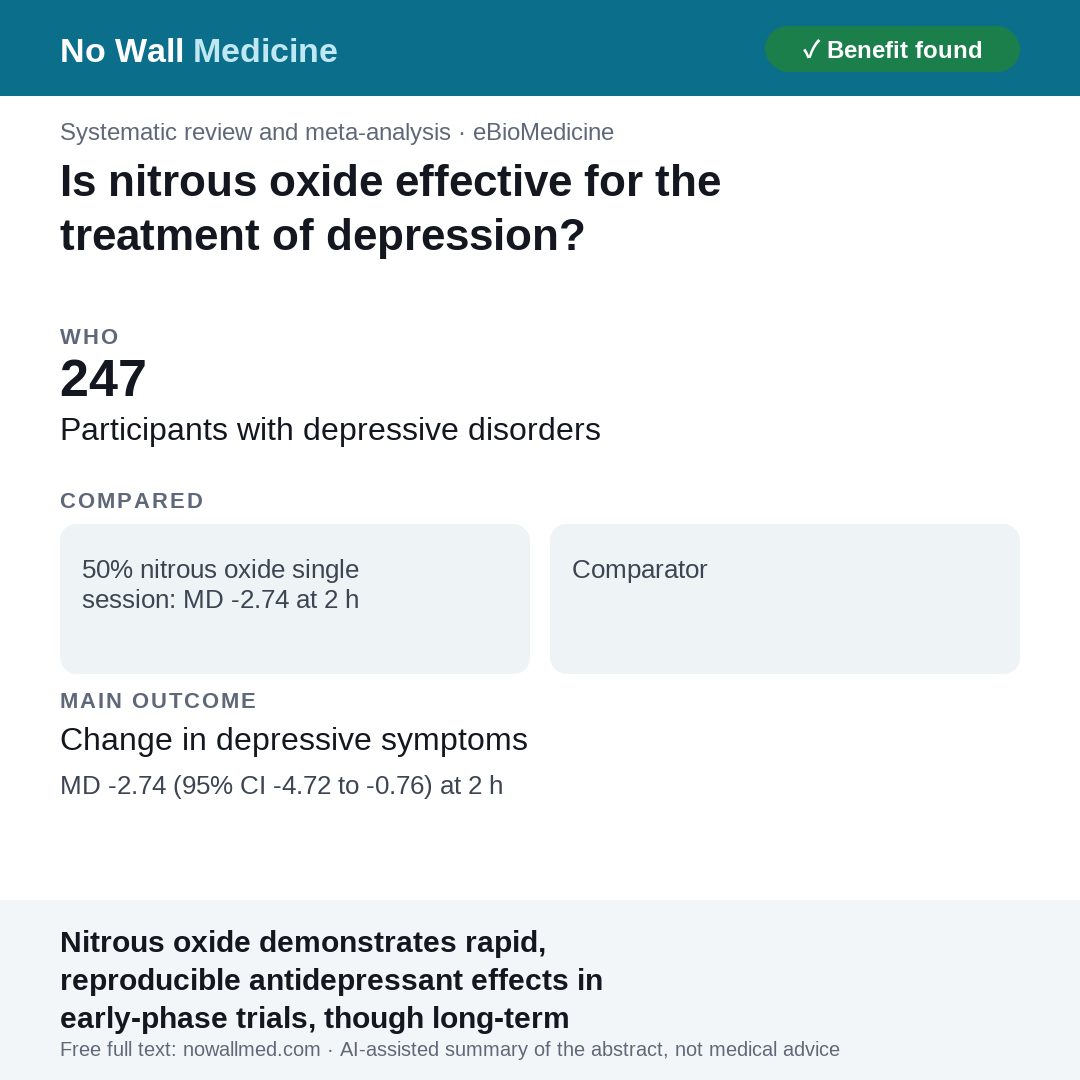
Nitrous oxide for the treatment of depression: a systematic review and meta-analysis
Systematic review and meta-analysisBenefit found
Is nitrous oxide effective for the treatment of depression?
Who
247
Participants with depressive disorders
Compared
50% nitrous oxide single session: MD -2.74 at 2 h
Comparator
Main outcome
Change in depressive symptoms
Result: MD -2.74 (95% CI -4.72 to -0.76) at 2 h
Bottom line: Nitrous oxide demonstrates rapid, reproducible antidepressant effects in early-phase trials, though long-term sustainability is unknown.
eBioMedicine · 2025-11-30Download image
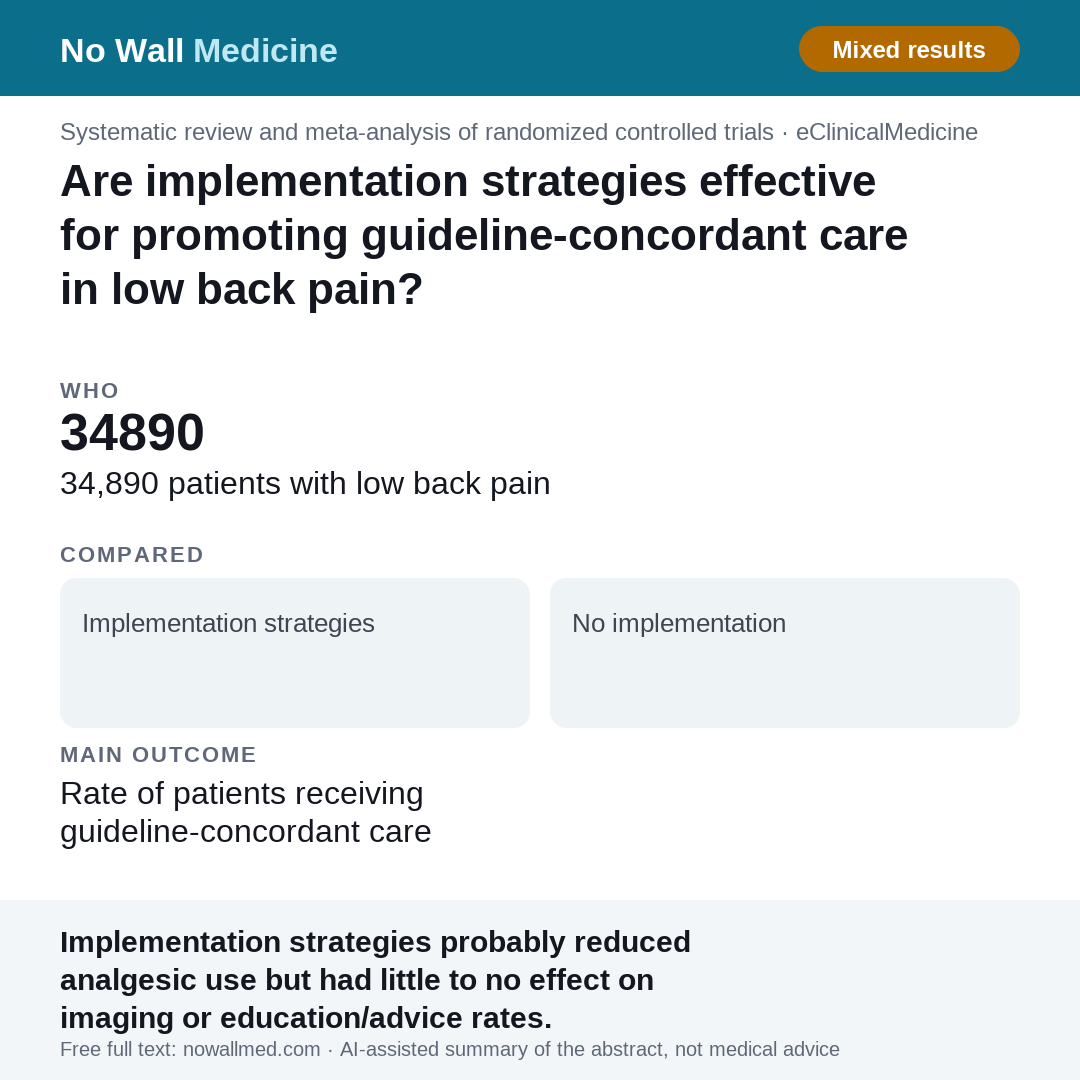
Effectiveness of strategies for implementing guideline-concordant care in low back pain: a systematic review and meta-analysis of randomised controlled trials
Systematic review and meta-analysis of randomized controlled trialsMixed results
Are implementation strategies effective for promoting guideline-concordant care in low back pain?
Who
34890
34,890 patients with low back pain
Compared
Implementation strategies
No implementation
Main outcome
Rate of patients receiving guideline-concordant care
Result: OR 1.21 (95% CI 1.05-1.40) for reducing analgesic use
Bottom line: Implementation strategies probably reduced analgesic use but had little to no effect on imaging or education/advice rates.
Limitation: Results for education/advice are unstable and may change with future research.
eClinicalMedicine · 2025-11-29Download image
Predictive accuracy of surgeon gestalt for adverse postoperative outcomes: systematic review
Systematic reviewMixed results
How accurate is surgeon gestalt for predicting adverse postoperative outcomes?
Who
33657
Patients undergoing surgical procedures
Compared
Surgeon gestalt
Scoring tools
Main outcome
Predictive accuracy for mortality and morbidity
Bottom line: Surgeon gestalt predicts mortality well but often overestimates risk, while scoring tools generally outperform gestalt alone.
Br J Surg · 2025-11-29Download image

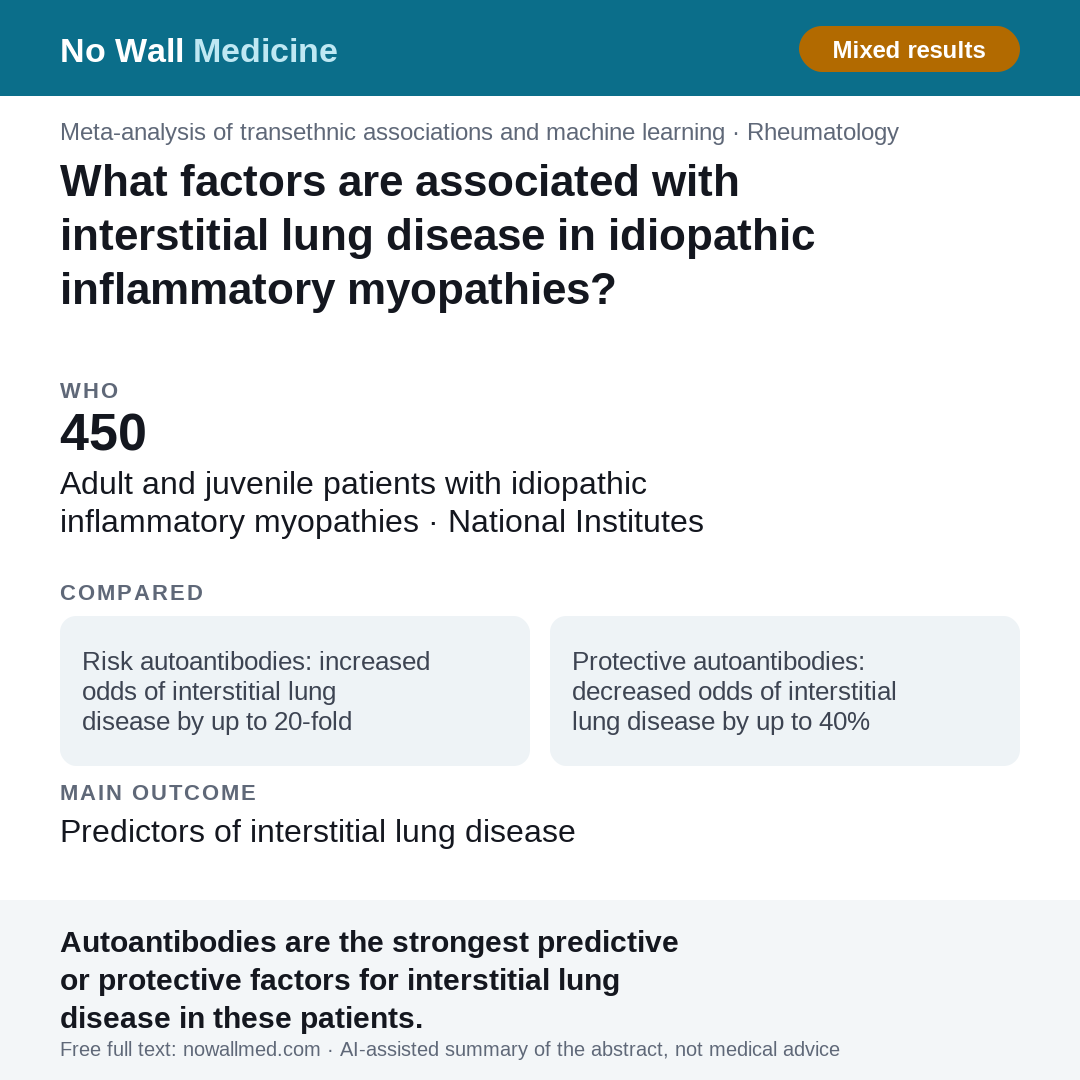
Factors associated with interstitial lung disease among patients with idiopathic inflammatory myopathies
Meta-analysis of transethnic associations and machine learningMixed results
What factors are associated with interstitial lung disease in idiopathic inflammatory myopathies?
Who
450
Adult and juvenile patients with idiopathic inflammatory myopathies · National Institutes of Health
Compared
Risk autoantibodies: increased odds of interstitial lung disease by up to 20-fold
Protective autoantibodies: decreased odds of interstitial lung disease by up to 40%
Main outcome
Predictors of interstitial lung disease
Bottom line: Autoantibodies are the strongest predictive or protective factors for interstitial lung disease in these patients.
Rheumatology · 2025-11-29Download image
Outcomes after TIPS in patients with cirrhosis and sarcopenia: A systematic review and meta-analysis
Systematic review and meta-analysisMixed results
What are the outcomes of TIPS in patients with cirrhosis and sarcopenia?
Who
Adults with cirrhosis and sarcopenia
Compared
Patients with sarcopenia: 43% (95% CI 26-61%) overt hepatic encephalopathy
Patients without sarcopenia: 12% (95% CI 7-20%) overt hepatic encephalopathy
Main outcome
Overt hepatic encephalopathy and mortality after TIPS
Result: odds ratio 3.40 (95% CI 1.85-6.25)
Bottom line: TIPS may improve sarcopenia, but sarcopenia increases overt hepatic encephalopathy risk while mortality effects remain uncertain.
Limitation: Study heterogeneity and the retrospective nature of the included data.
JHEP Rep · 2025-11-29Download image

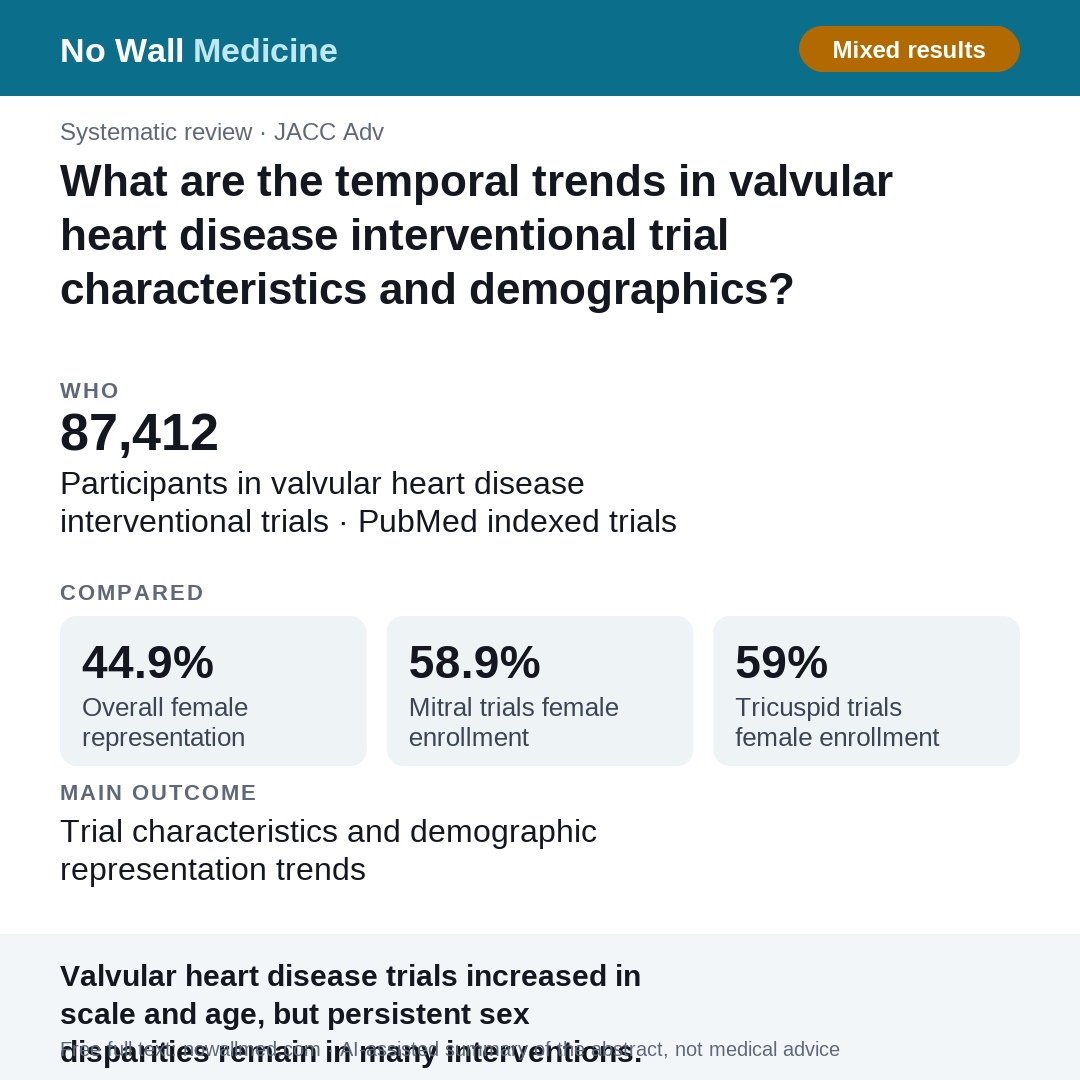
Valvular Heart Disease Interventional Trials From 2000 to 2024: A Systematic Review
Systematic reviewMixed results
What are the temporal trends in valvular heart disease interventional trial characteristics and demographics?
Who
87,412
Participants in valvular heart disease interventional trials · PubMed indexed trials
Compared
44.9%Overall female representation
58.9%Mitral trials female enrollment
59%Tricuspid trials female enrollment
Main outcome
Trial characteristics and demographic representation trends
Bottom line: Valvular heart disease trials increased in scale and age, but persistent sex disparities remain in many interventions.
JACC Adv · 2025-11-29Download image
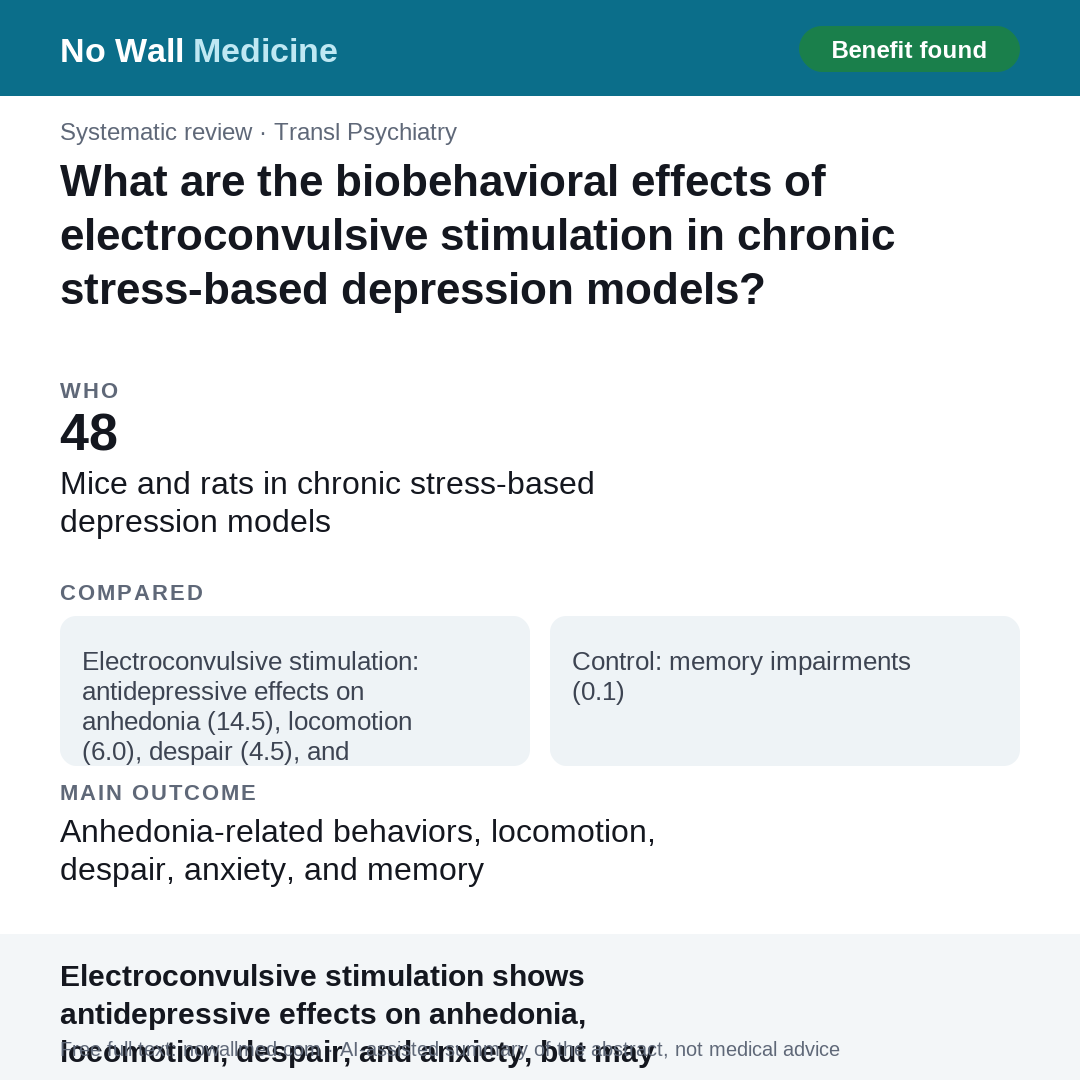
Contemporary in vivo rodent electroconvulsive therapy (ECT) models in translational depression research: a systematic review
Systematic reviewBenefit found
What are the biobehavioral effects of electroconvulsive stimulation in chronic stress-based depression models?
Who
48
Mice and rats in chronic stress-based depression models
Compared
Electroconvulsive stimulation: antidepressive effects on anhedonia (14.5), locomotion (6.0), despair (4.5), and anxiety (2.0)
Control: memory impairments (0.1)
Main outcome
Anhedonia-related behaviors, locomotion, despair, anxiety, and memory
Bottom line: Electroconvulsive stimulation shows antidepressive effects on anhedonia, locomotion, despair, and anxiety, but may cause memory impairments.
Limitation: Considerable risk of bias due to unreported missing data and blinding.
Transl Psychiatry · 2025-11-29Download image
Colorectal polyp distribution in relation to age: meta-analysis
Meta-analysis of 12 studiesBenefit found
How is colorectal polyp distribution related to age?
Who
Patients with adenomatous, advanced adenomatous polyps, or sessile serrated lesions
Compared
Younger people (< 50 years): 75.9% had left-sided polyps
Older group: 61.9% had left-sided polyps
Main outcome
Distribution of polyps in the left and right colon
Result: mean difference 0.06 (95% c.i. 0.03 to 0.09)
Bottom line: Patients under 50 years have a greater tendency towards left-sided polyps compared to older individuals.
BJS Open · 2025-11-29Download image

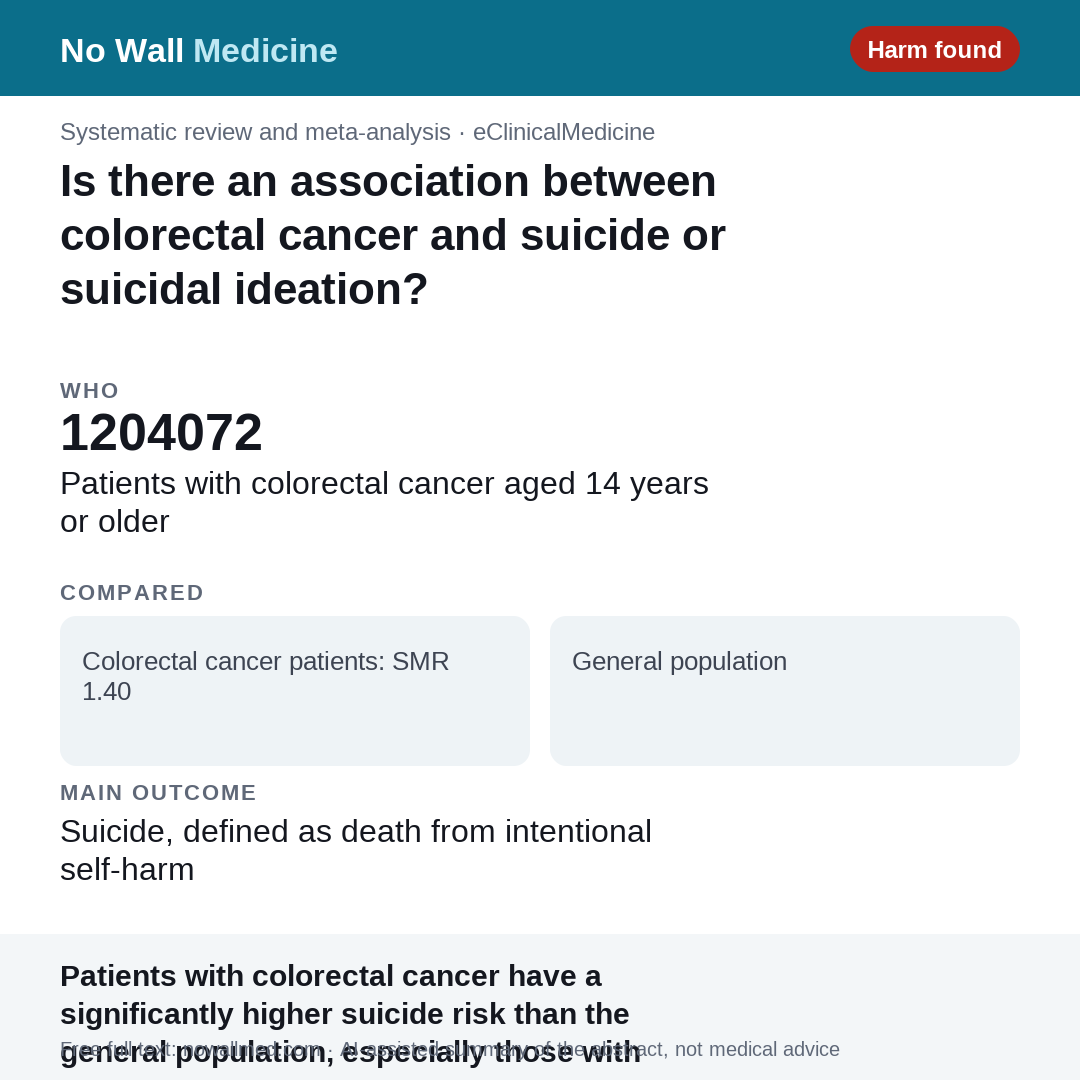
Suicide mortality and suicidal ideation among patients with colorectal cancer: a systematic review and meta-analysis
Systematic review and meta-analysisHarm found
Is there an association between colorectal cancer and suicide or suicidal ideation?
Who
1204072
Patients with colorectal cancer aged 14 years or older
Compared
Colorectal cancer patients: SMR 1.40
General population
Main outcome
Suicide, defined as death from intentional self-harm
Result: standardised mortality ratio 1.40 (95% CI 1.33-1.49)
Bottom line: Patients with colorectal cancer have a significantly higher suicide risk than the general population, especially those with metastatic disease.
Limitation: Evidence from low- and middle-income countries is scarce and younger populations might be underrepresented.
eClinicalMedicine · 2025-11-28Download image
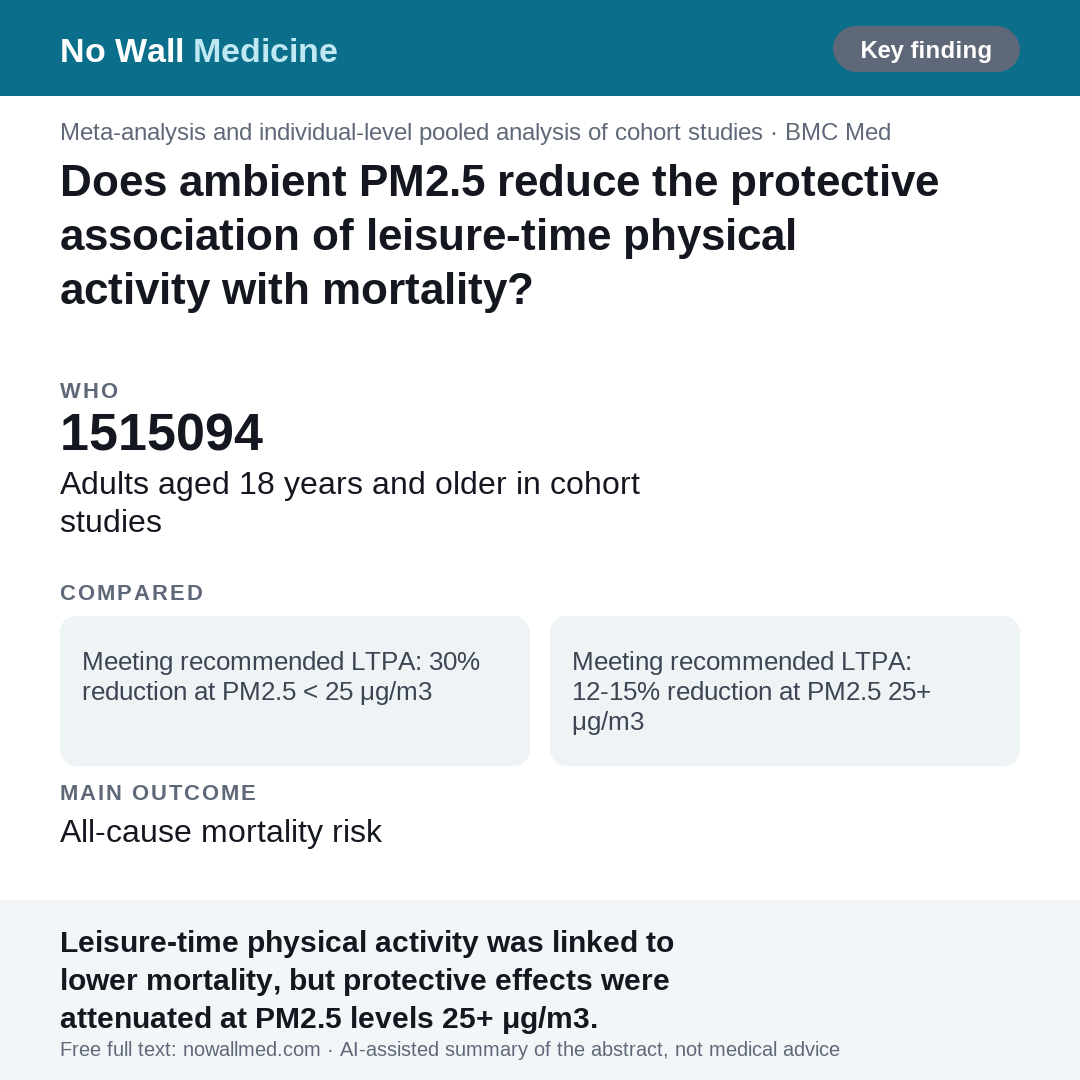
Does ambient PM2.5 reduce the protective association of leisure-time physical activity with mortality? A systematic review, meta-analysis, and individual-level pooled analysis of cohort studies involving 1.5 million adults
Systematic review, meta-analysis, and individual-level pooled analysisMixed results
Does fine particulate matter reduce the protective association of physical activity with mortality?
Who
1515094
Adults aged 18 years or older
Compared
Recommended physical activity at PM2.5 < 25 μg/m3: 30% reduction in all-cause mortality risk
Recommended physical activity at PM2.5 25+ μg/m3: 12-15% reduction in all-cause mortality risk
Main outcome
All-cause, cardiovascular, and cancer mortality
Bottom line: Physical activity reduces mortality risk, but these protective benefits are attenuated at fine particulate matter levels above 25 μg/m3.
BMC Med · 2025-11-28Download image
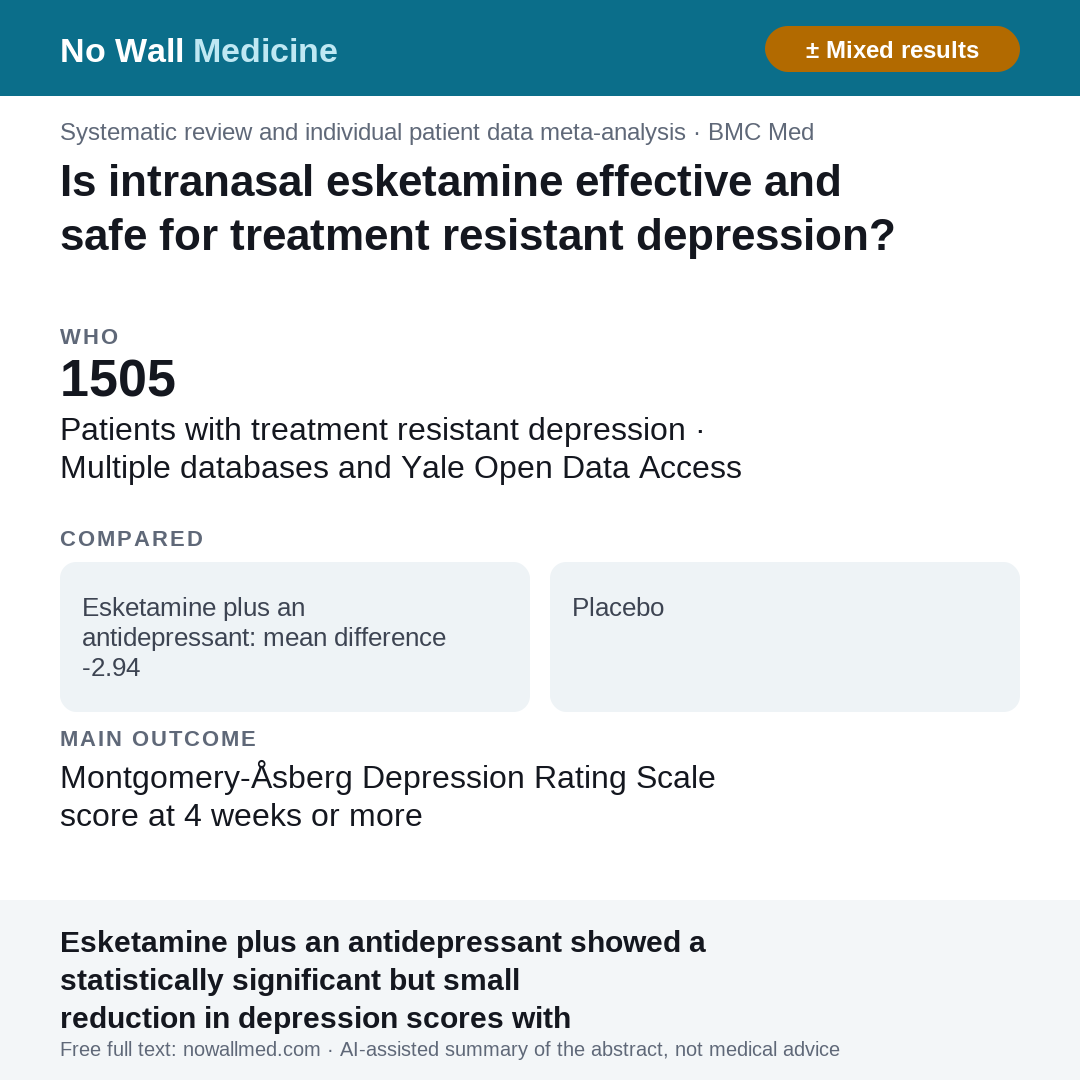
Efficacy and safety of esketamine for "treatment resistant depression": registered report for a systematic review with an individual patient data meta-analysis of randomized, double-blind, placebo-controlled trials
Systematic review and individual patient data meta-analysisMixed results
Is intranasal esketamine effective and safe for treatment resistant depression?
Who
1505
Patients with treatment resistant depression · Multiple databases and Yale Open Data Access Project
Compared
Esketamine plus an antidepressant: mean difference -2.94
Placebo
Main outcome
Montgomery-Åsberg Depression Rating Scale score at 4 weeks or more
Result: mean difference -2.94 (95% CI -5.39 to -0.48)
Bottom line: Esketamine plus an antidepressant showed a statistically significant but small reduction in depression scores with increased adverse events.
Limitation: FDA concerns about one centre could not be addressed due to data privacy restrictions.
BMC Med · 2025-11-28Download image
Neurocognitive outcomes in patients with brain metastases: a systematic review
Systematic review of clinical trialsMixed results
What are the neurocognitive outcomes in patients with brain metastases receiving radiotherapy with or without systemic therapies?
Who
6617
Patients with brain metastases
Compared
Advanced radiotherapy techniques: reduced cognitive decline and improved quality of life
Whole-brain radiotherapy
Combined-modality therapy: no signal for increased toxicity
Main outcome
Neurocognitive outcomes
Bottom line: Advanced radiotherapy techniques reduce cognitive decline, but more research is needed on combined-modality therapy toxicity.
Limitation: Evaluable trials for combined-modality therapy were few in number.
Lancet Oncol · 2025-11-28Download image

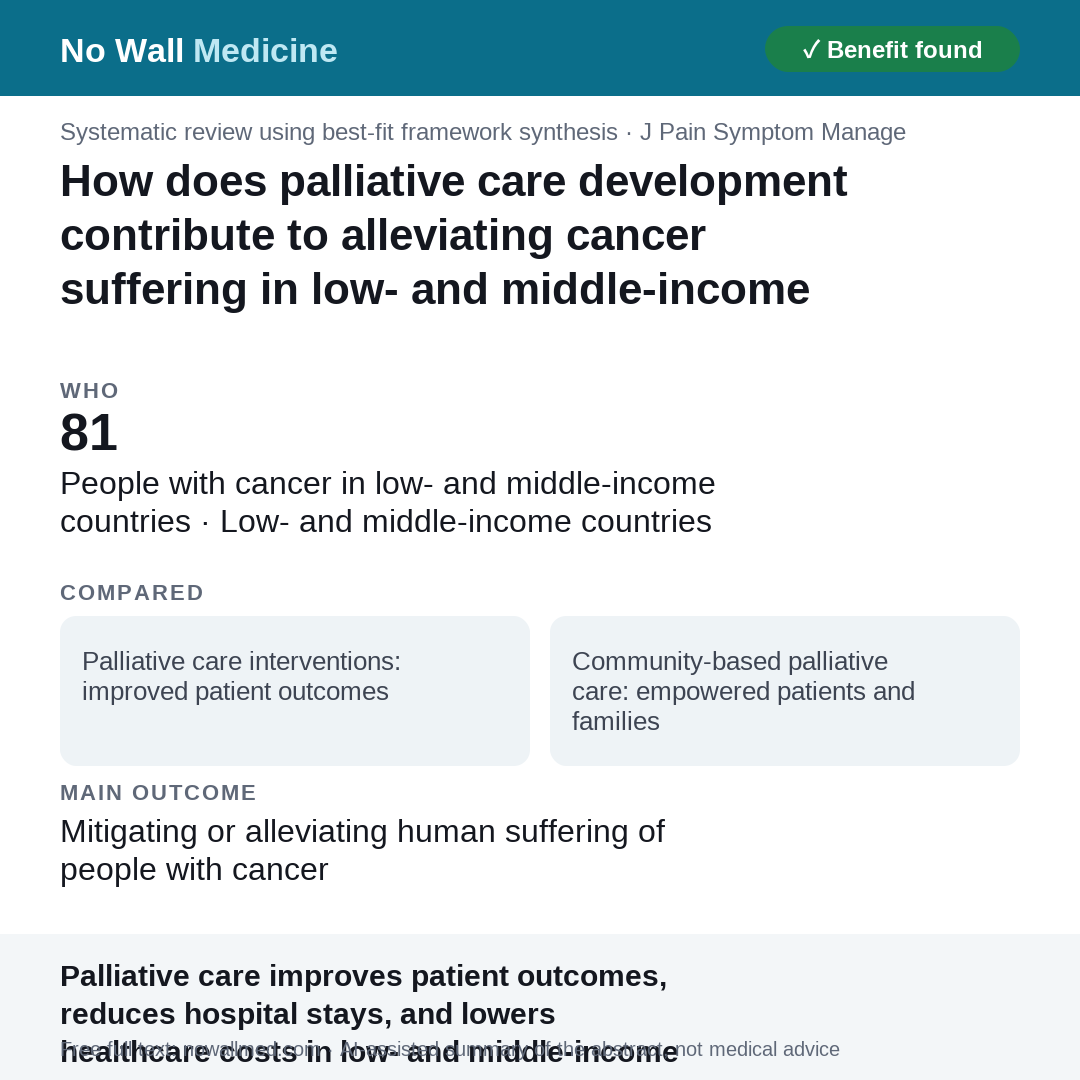
Palliative Care in Low and Middle-Income Countries to Reduce Cancer Suffering: A Systematic Review
Systematic review using best-fit framework synthesisBenefit found
How does palliative care development contribute to alleviating cancer suffering in low- and middle-income countries?
Who
81
People with cancer in low- and middle-income countries · Low- and middle-income countries
Compared
Palliative care interventions: improved patient outcomes
Community-based palliative care: empowered patients and families
Main outcome
Mitigating or alleviating human suffering of people with cancer
Bottom line: Palliative care improves patient outcomes, reduces hospital stays, and lowers healthcare costs in low- and middle-income countries.
Limitation: Evidence linking development to international indicators of palliative care progress is insufficient.
Funded by: End-of-Life Care in India Task Force
J Pain Symptom Manage · 2025-11-28Download image
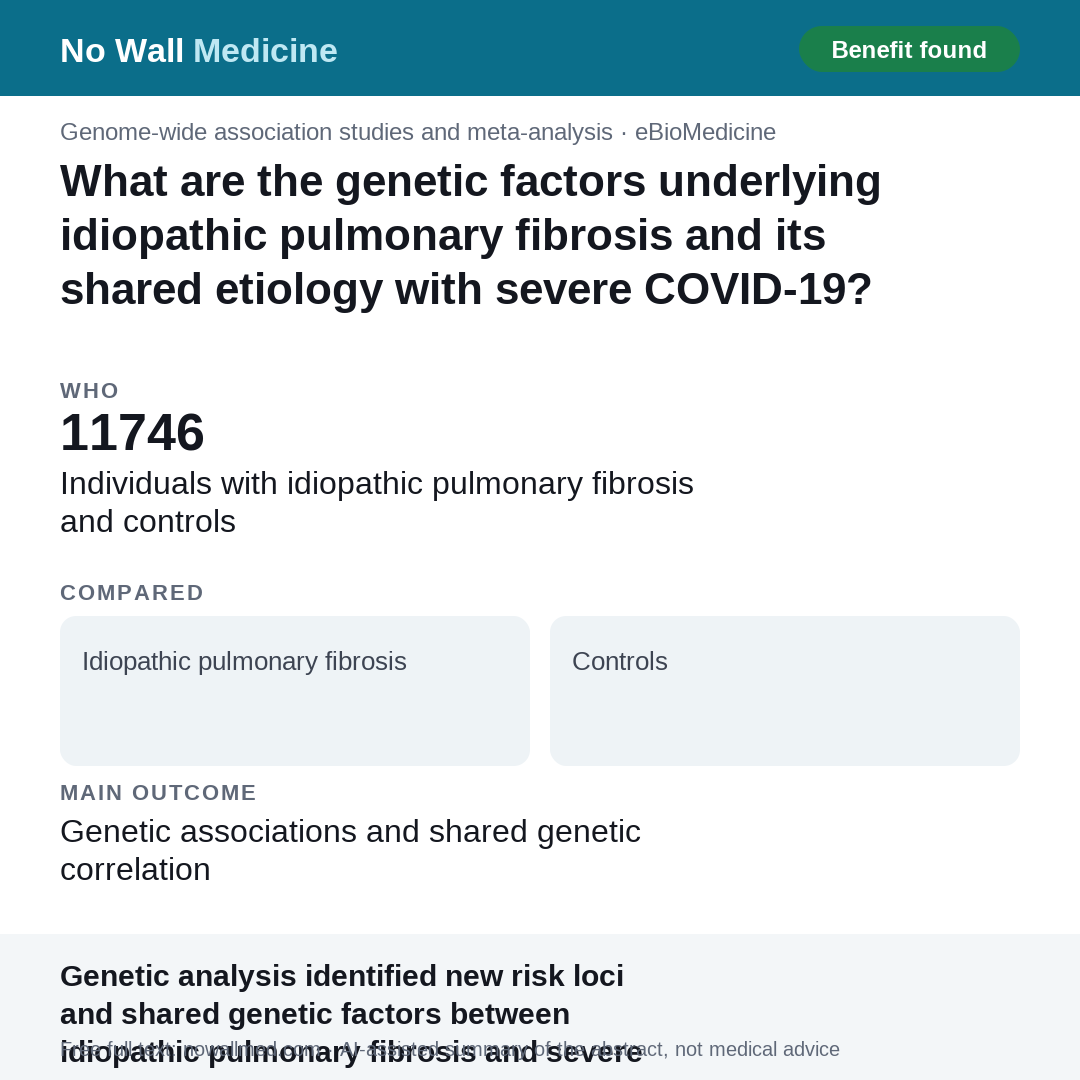
Common and rare variant analyses reveal genetic factors underlying idiopathic pulmonary fibrosis and its shared aetiology with severe COVID-19
Genome-wide association studies and meta-analysisBenefit found
What are the genetic factors underlying idiopathic pulmonary fibrosis and its shared etiology with severe COVID-19?
Who
11746
Individuals with idiopathic pulmonary fibrosis and controls
Compared
Idiopathic pulmonary fibrosis
Controls
Main outcome
Genetic associations and shared genetic correlation
Result: genetic correlation rg [95% CI] = 0.39 [0.25, 0.53]
Bottom line: Genetic analysis identified new risk loci and shared genetic factors between idiopathic pulmonary fibrosis and severe COVID-19.
eBioMedicine · 2025-11-28Download image
Second-event endpoints (EFS2, PRFS2 and PFS2) after anti-PD-(L)1-based RCTs: a systematic review and meta-analysis
Systematic review and meta-analysisBenefit found
Do second-event endpoints capture durable benefit in anti-PD-(L)1-based randomized trials?
Who
34,973
Patients with solid malignancies in anti-PD-(L)1-based randomized controlled trials
Compared
Immune checkpoint inhibitors
Non-immune checkpoint inhibitors
Main outcome
Event-free survival 2, progression/recurrence-free survival 2, or progression-free survival 2
Result: hazard ratio 0.72 (95% CI 0.68 to 0.76)
Bottom line: Early anti-PD-(L)1 use improves second-event survival and these endpoints are strong surrogates for overall survival.
J Immunother Cancer · 2025-11-28Download image

Interactive Conversational Agents to Improve Dietary Behaviors for Health Promotion: Mixed Systematic Review
Mixed methods systematic reviewBenefit found
How effective are interactive conversational agents in improving dietary behaviors?
Who
20
Participants in studies using conversational agents for dietary behavior change
Compared
Conversational agents: improvements in fruit and vegetable intake reported in 2 studies
Control
Main outcome
dietary behaviors, nutritional knowledge, usability, and engagement
Bottom line: Conversational agents show promise for improving fruit and vegetable intake, Mediterranean diet adherence, and nutritional knowledge.
Limitation: Variability in outcomes, high attrition, and limited impact on social support.
J Med Internet Res · 2025-11-28Download image

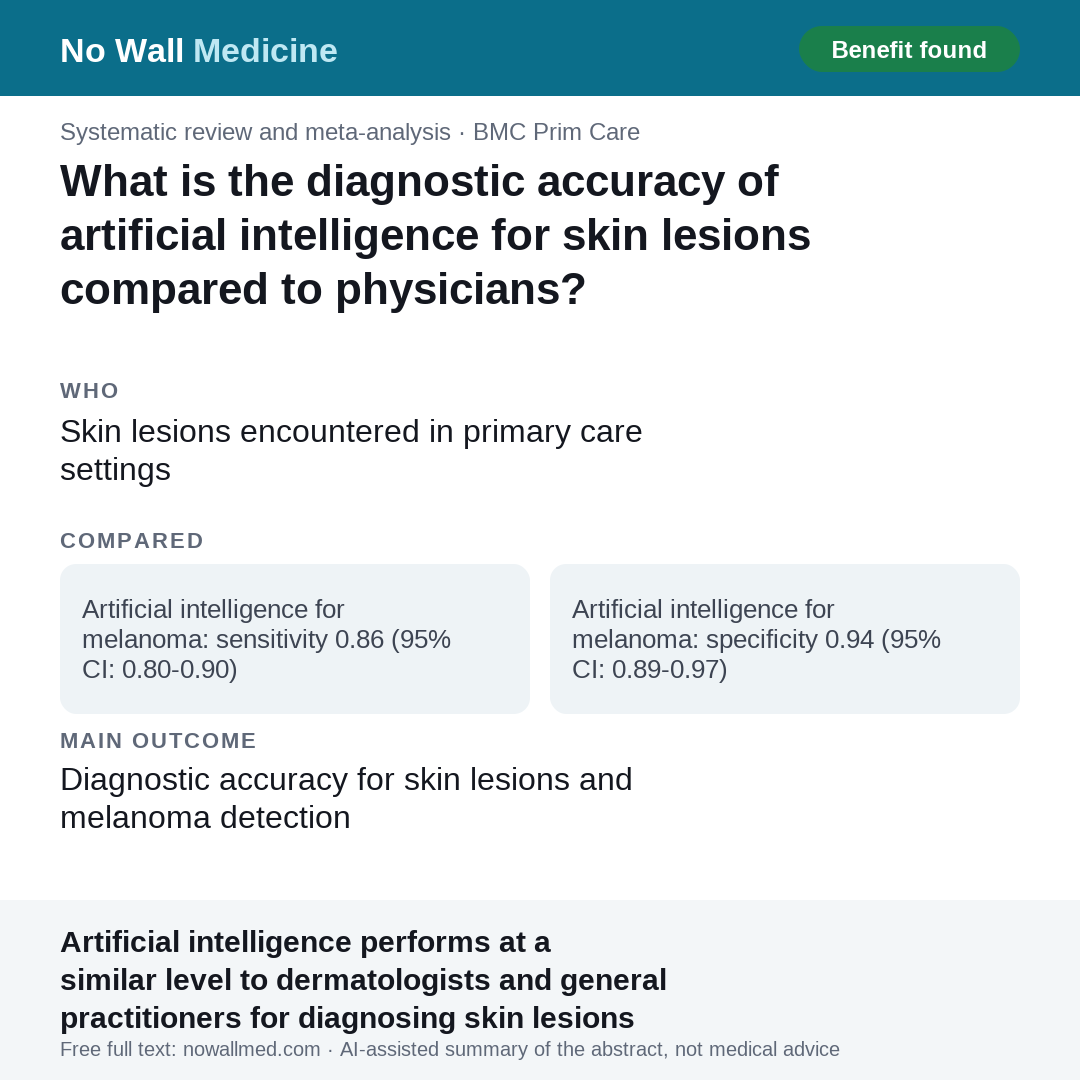
Diagnostic accuracy of artificial intelligence compared to family physicians and dermatologists for skin conditions: a systematic review and meta-analysis
Systematic review and meta-analysisBenefit found
What is the diagnostic accuracy of artificial intelligence for skin lesions compared to physicians?
Who
Skin lesions encountered in primary care settings
Compared
Artificial intelligence for melanoma: sensitivity 0.86 (95% CI: 0.80-0.90)
Artificial intelligence for melanoma: specificity 0.94 (95% CI: 0.89-0.97)
Main outcome
Diagnostic accuracy for skin lesions and melanoma detection
Result: diagnostic odds ratio 44.36 (95% CI 29.28; 67.1)
Bottom line: Artificial intelligence performs at a similar level to dermatologists and general practitioners for diagnosing skin lesions and melanoma.
Limitation: High risk of bias in 25 studies, primarily due to patient selection and non-representative datasets.
BMC Prim Care · 2025-11-28Download image
Neuromodulation effects of low-intensity transcranial focused ultrasound in human, a systematic review focusing on motor and sensory functions
Systematic reviewMixed results
What are the neuromodulatory effects of low-intensity transcranial focused ultrasound on motor and sensory functions?
Who
Humans receiving low-intensity transcranial focused ultrasound
Compared
Excitatory effects
Inhibitory effects
Main outcome
Neuromodulation of motor and sensory functions
Bottom line: Low-intensity transcranial focused ultrasound can induce both excitatory and inhibitory effects on motor and sensory brain regions.
Limitation: The underlying mechanisms of neuromodulation remain incompletely understood.
J Neuroeng Rehabil · 2025-11-28Download image

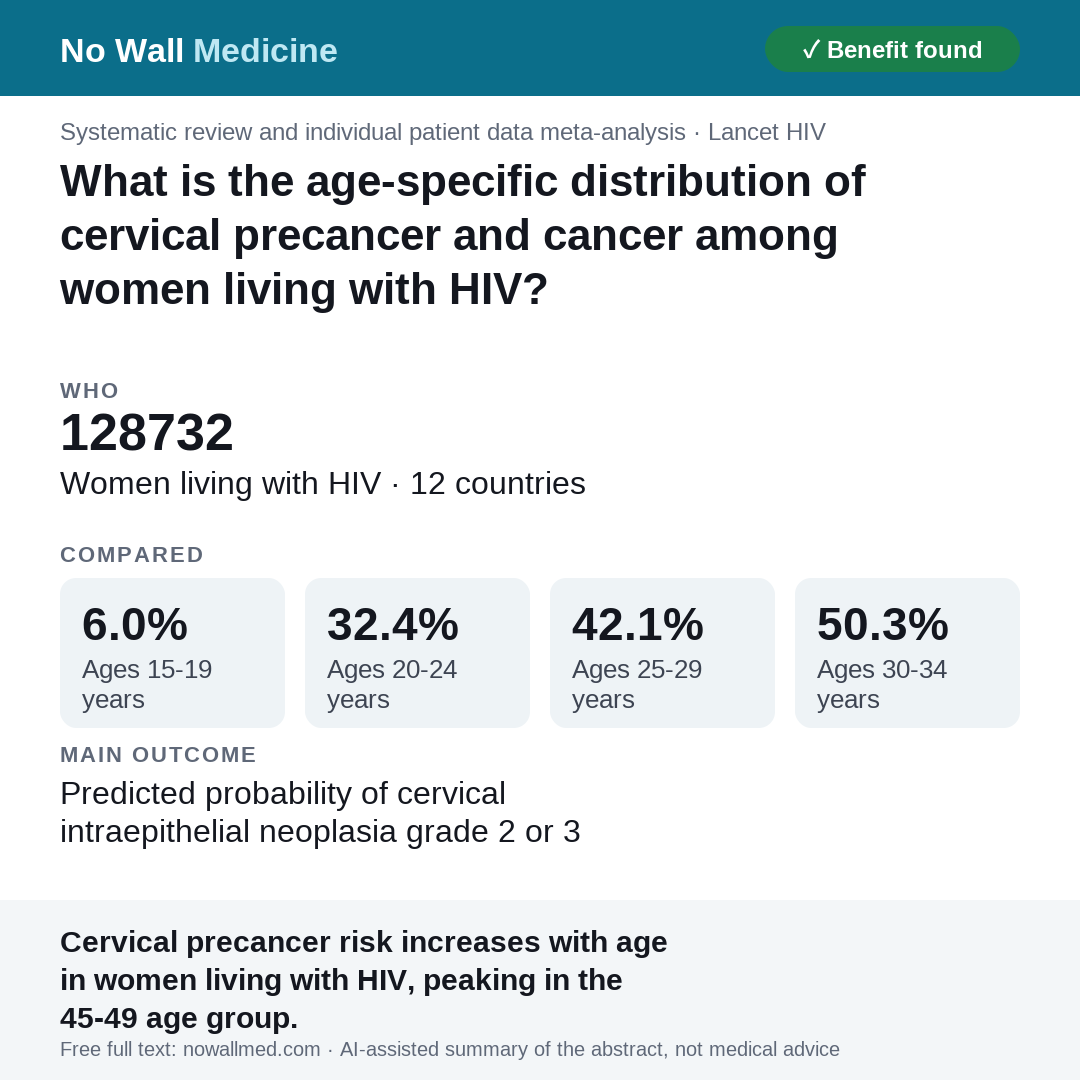
Age-specific distribution of cervical precancer and cancer among women living with HIV across seven countries: a systematic review and an individual patient data meta-analysis
Systematic review and individual patient data meta-analysisBenefit found
What is the age-specific distribution of cervical precancer and cancer among women living with HIV?
Who
128732
Women living with HIV · 12 countries
Compared
6.0%Ages 15-19 years (95% CI 0.74-64.1)
32.4%Ages 20-24 years (8.3-72.7)
42.1%Ages 25-29 years (16.4-80.2)
50.3%Ages 30-34 years (16.3-80.0)
Main outcome
Predicted probability of cervical intraepithelial neoplasia grade 2 or 3
Bottom line: Cervical precancer risk increases with age in women living with HIV, peaking in the 45-49 age group.
Funded by: US Agency for International Development and US President's Emergency Plan for AIDS Relief
Lancet HIV · 2025-11-27Download image