Visual abstracts
New randomized trials and meta-analyses from leading journals at a glance: who was studied, what was compared, and what was found. Every paper is free to read in full.
All specialtiesCardiology 1885Oncology 1626Gastroenterology & Hepatology 723Infectious Disease 1194Neurology 784Psychiatry & Mental Health 922Pulmonology 810Critical Care 550Endocrinology & Diabetes 1017Pediatrics 1120Surgery 949Orthopedics & Sports Medicine 350Neurosurgery 236Cardiothoracic & Vascular Surgery 207Plastic & Reconstructive Surgery 293Nephrology 387Rheumatology 266Hematology 406Dermatology 208Ophthalmology 225Obstetrics & Gynecology 619Public & Global Health 365Radiology & Imaging 259Anesthesiology 378Urology 326ENT (Otolaryngology) 253Emergency Medicine 211Allergy & Immunology 123Geriatrics 406Family Medicine & Primary Care 223Medical Genetics & Genomics 205Pathology & Laboratory Medicine 59Physical Medicine & Rehabilitation 332Palliative Care 168Nutrition 507Digital Health & AI 997General Medicine 145
Apremilast in Japanese patients with palmoplantar pustulosis: A randomized, Phase 3 trial
Randomized, placebo-controlled, double-blind, confirmatory trialBenefit found
Is apremilast effective in Japanese patients with moderate to severe palmoplantar pustulosis?
Who
176
Japanese adults with moderate to severe palmoplantar pustulosis
Compared
apremilast: 60 of 88 [68%]
placebo: 31 of 88 [35%]
Main outcome
at least 50% reduction in palmoplantar pustulosis area and severity index total score
Result: treatment difference: 32.6% [95% CI: 18.7, 46.5]
Bottom line: Apremilast was effective in Japanese patients with moderate to severe palmoplantar pustulosis at week 16.
J Eur Acad Dermatol Venereol · 2025-11-26Download image

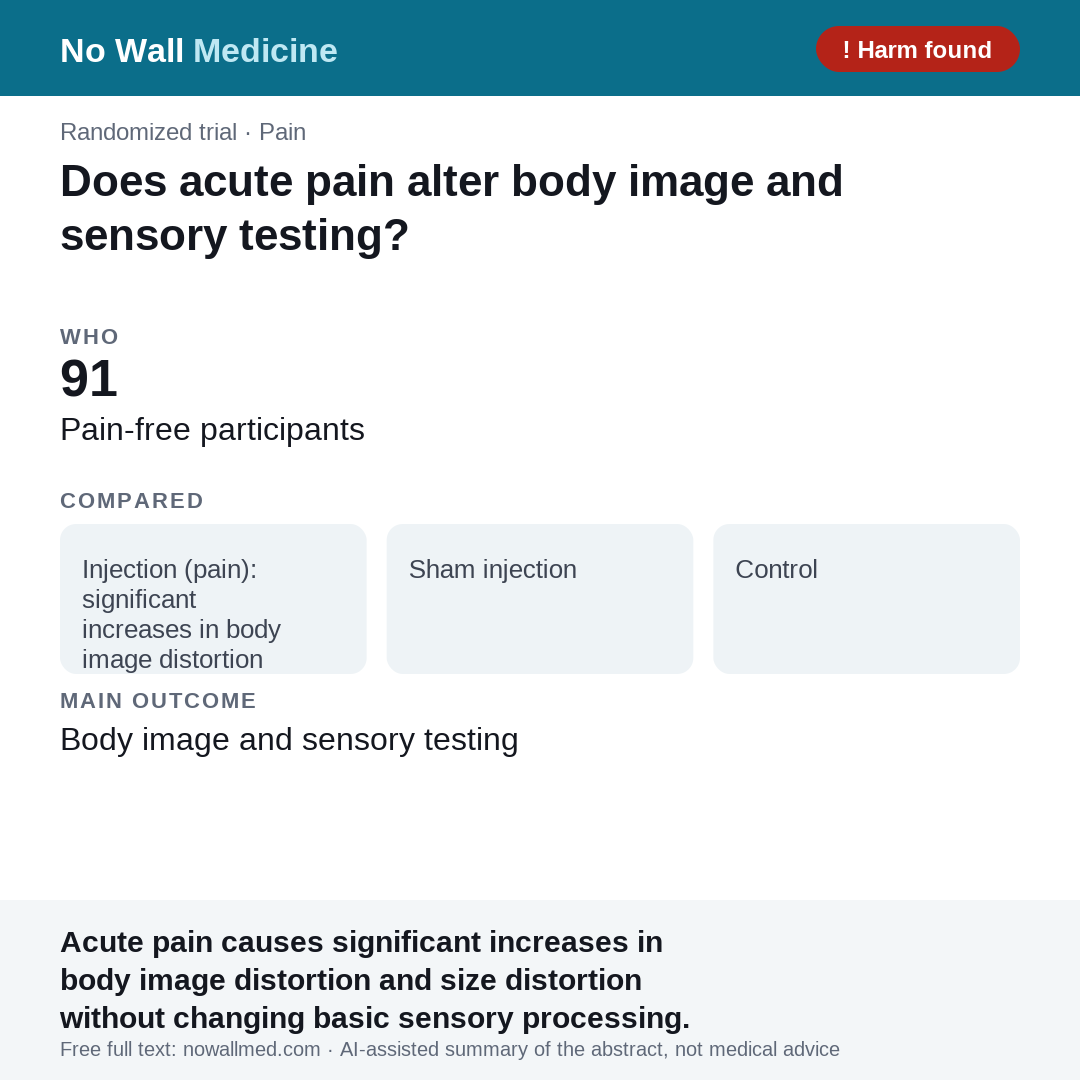
Perceiving pain alters body perception: the effects of acute pain on body image and sensory testing
Randomized trialHarm found
Does acute pain alter body image and sensory testing?
Who
91
Pain-free participants
Compared
Injection (pain): significant increases in body image distortion
Sham injection
Control
Main outcome
Body image and sensory testing
Bottom line: Acute pain causes significant increases in body image distortion and size distortion without changing basic sensory processing.
Pain · 2025-11-26Download image
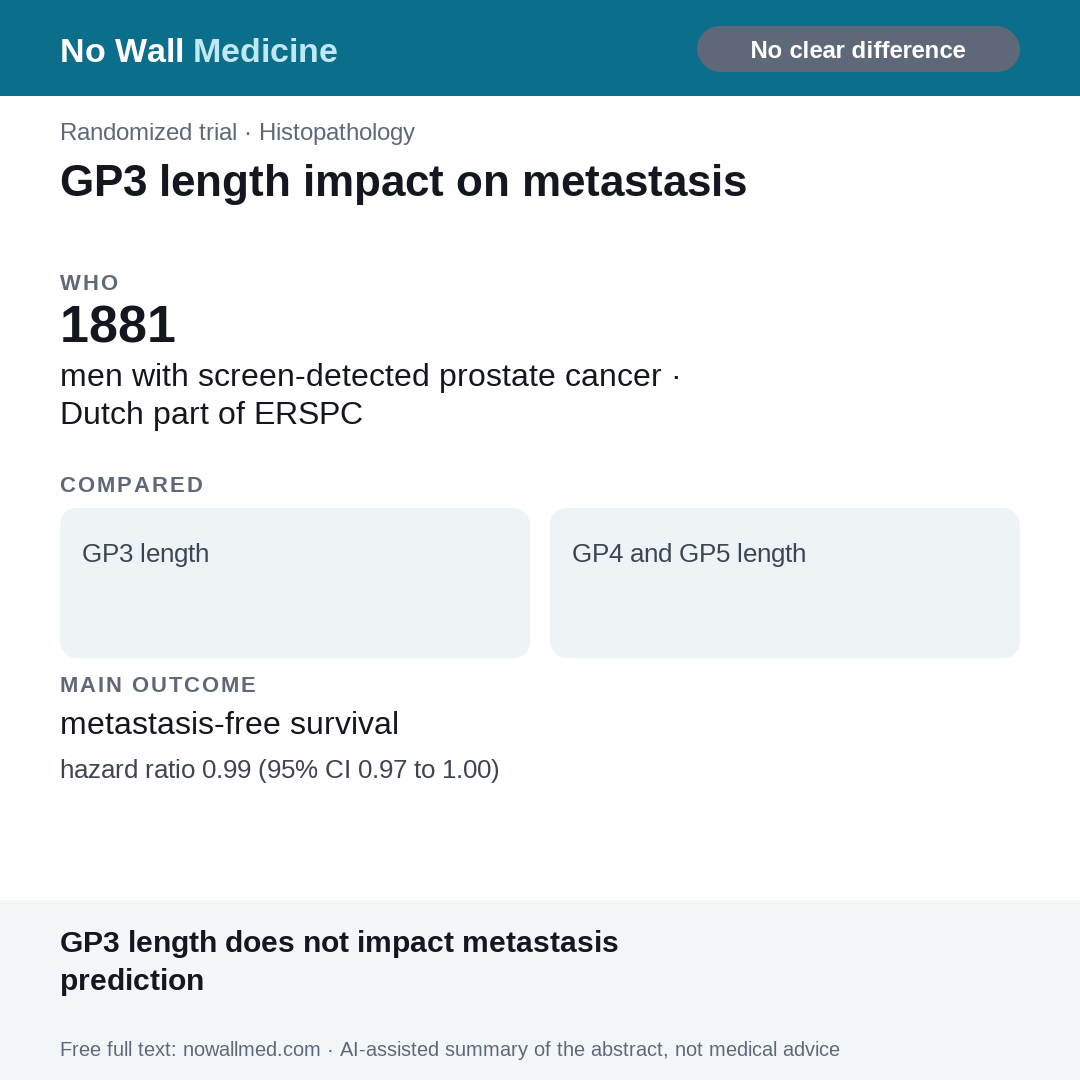
Rethinking Gleason pattern quantification in predicting metastasis: results of 20 years of follow-up in the Rotterdam section of the European Randomized Study of Screening for Prostate Cancer
Randomized trialNo clear difference
GP3 length impact on metastasis
Who
1881
men with screen-detected prostate cancer · Dutch part of ERSPC
Compared
GP3 length
GP4 and GP5 length
Main outcome
metastasis-free survival
Result: hazard ratio 0.99 (95% CI 0.97 to 1.00)
Bottom line: GP3 length does not impact metastasis prediction
Limitation: lack of targeted biopsies
Histopathology · 2025-11-26Download image
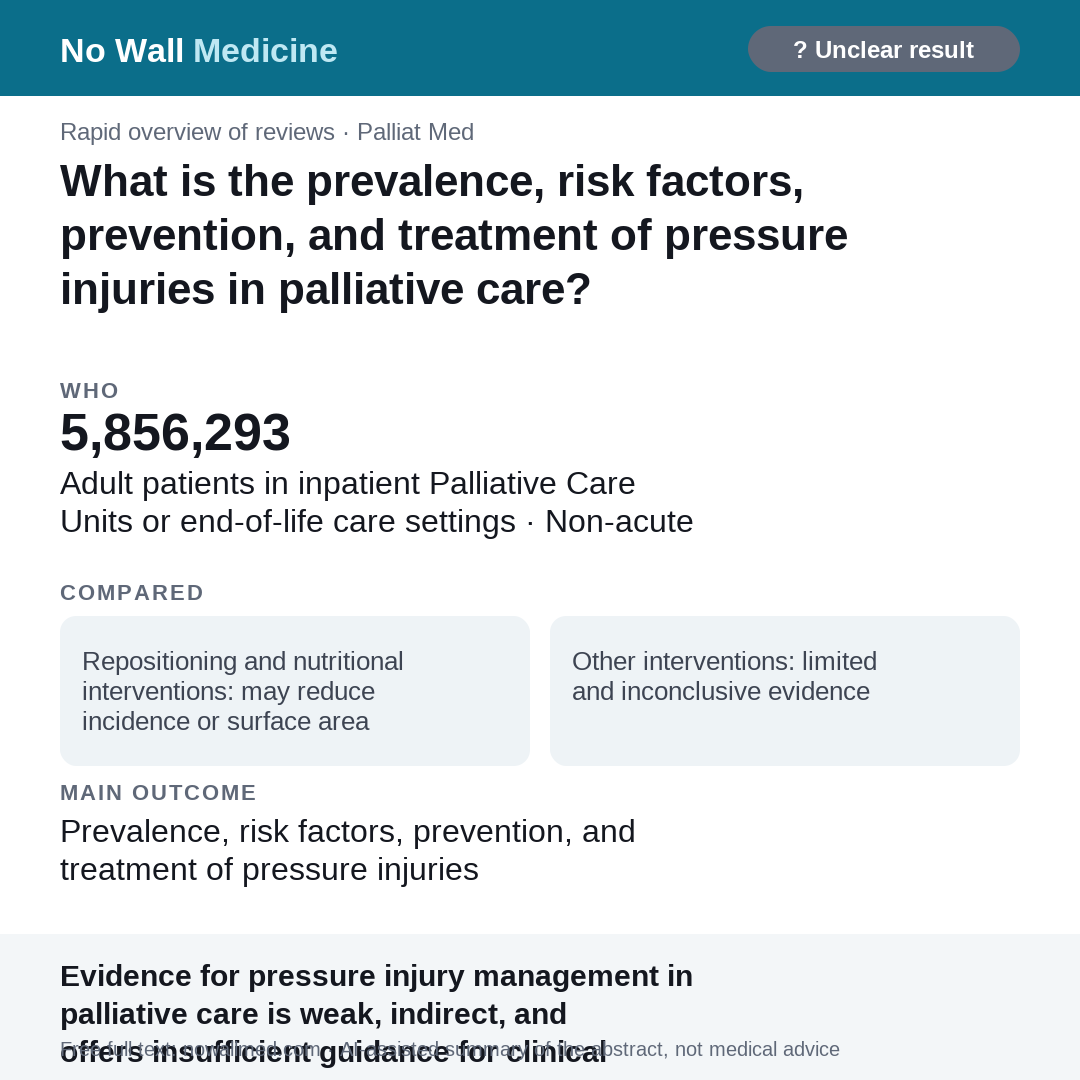
Prevalence, risk factors and management of pressure injuries and their implications for palliative care: A rapid overview of reviews
Rapid overview of reviewsUnclear result
What is the prevalence, risk factors, prevention, and treatment of pressure injuries in palliative care?
Who
5,856,293
Adult patients in inpatient Palliative Care Units or end-of-life care settings · Non-acute care settings
Compared
Repositioning and nutritional interventions: may reduce incidence or surface area
Other interventions: limited and inconclusive evidence
Main outcome
Prevalence, risk factors, prevention, and treatment of pressure injuries
Bottom line: Evidence for pressure injury management in palliative care is weak, indirect, and offers insufficient guidance for clinical practice.
Limitation: Low to very low certainty due to poor trial design and population and setting variations.
Palliat Med · 2025-11-26Download image
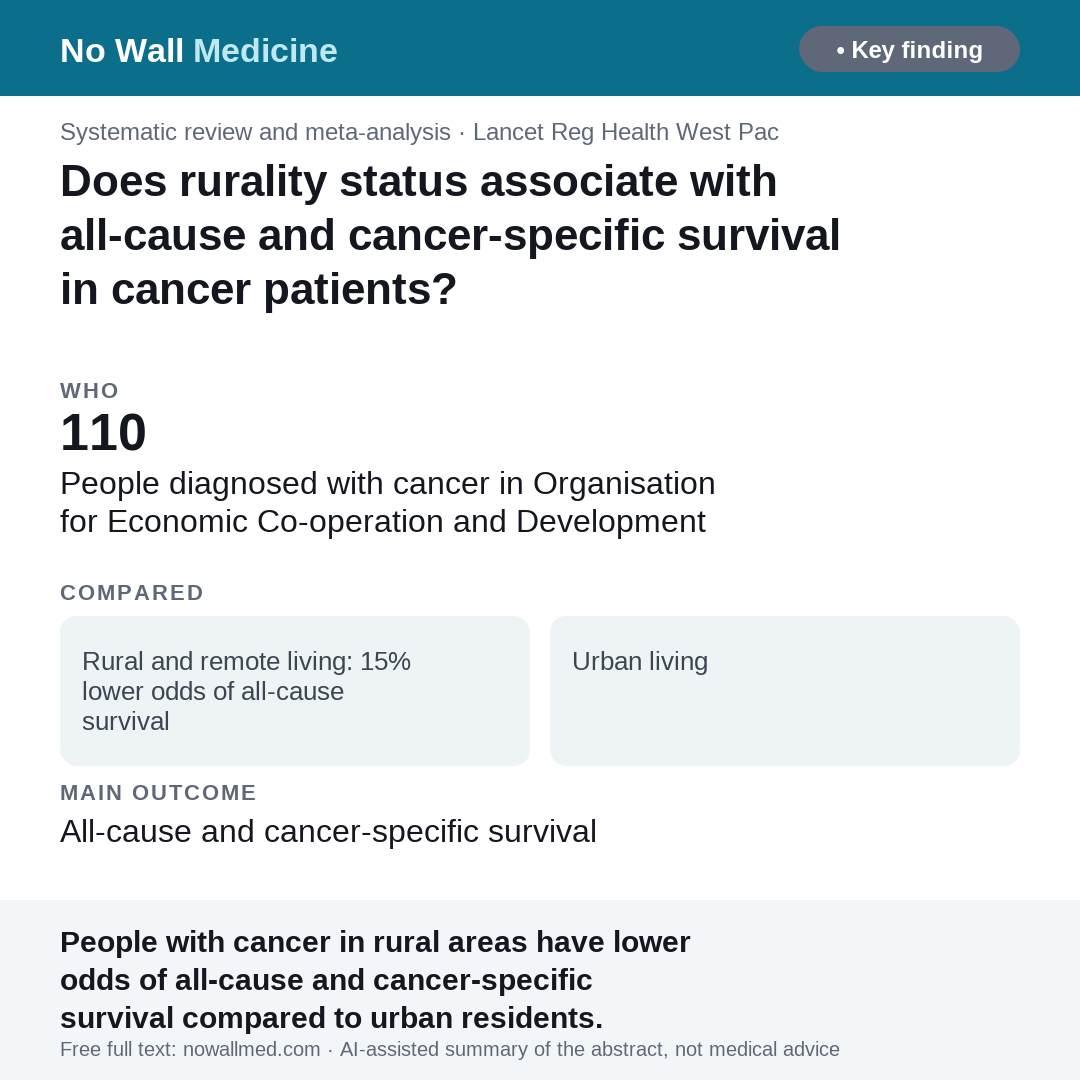
Association of rurality status with all-cause and cancer-specific survival: a systematic review and meta-analysis adjusting for clinical factors, demographics, and geographical remoteness
Systematic review and meta-analysisHarm found
Does rurality status associate with all-cause and cancer-specific survival in cancer patients?
Who
110
People diagnosed with cancer in Organisation for Economic Co-operation and Development countries · Organisation for Economic Co-operation and Development countries
Compared
Rural and remote living: 15% lower odds of all-cause survival
Urban living
Main outcome
All-cause and cancer-specific survival
Result: OR 0.85 (95% CI 0.74, 0.97) for all-cause survival; OR 0.90 (95% CI 0.86, 0.95) for cancer-specific survival
Bottom line: People with cancer in rural areas have lower odds of all-cause and cancer-specific survival compared to urban residents.
Funded by: Commonwealth of Australia's Medical Research Future Fund
Lancet Reg Health West Pac · 2025-11-26Download image
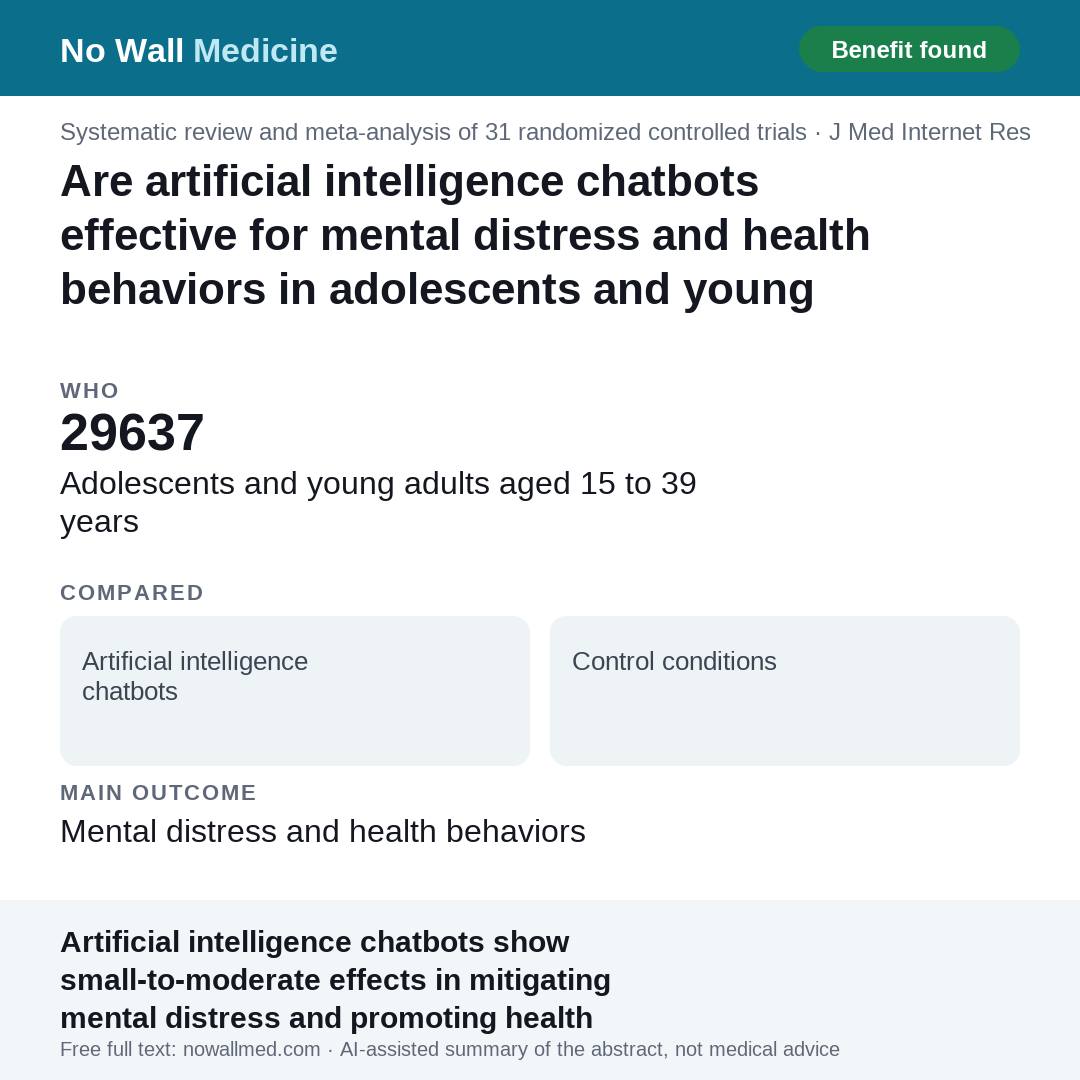
The Effectiveness of AI Chatbots in Alleviating Mental Distress and Promoting Health Behaviors Among Adolescents and Young Adults: Systematic Review and Meta-Analysis
Systematic review and meta-analysis of 31 randomized controlled trialsBenefit found
Are artificial intelligence chatbots effective for mental distress and health behaviors in adolescents and young adults?
Who
29637
Adolescents and young adults aged 15 to 39 years
Compared
Artificial intelligence chatbots
Control conditions
Main outcome
Mental distress and health behaviors
Result: standard mean difference -0.35 (95% CI -0.46 to -0.24) for mental distress; SMD 0.11 (95% CI 0.03 to 0.19) for health behaviors
Bottom line: Artificial intelligence chatbots show small-to-moderate effects in mitigating mental distress and promoting health behaviors among adolescents and young adults.
Limitation: Effectiveness varied by target samples, control conditions, design features, and user engagement barriers.
J Med Internet Res · 2025-11-26Download image
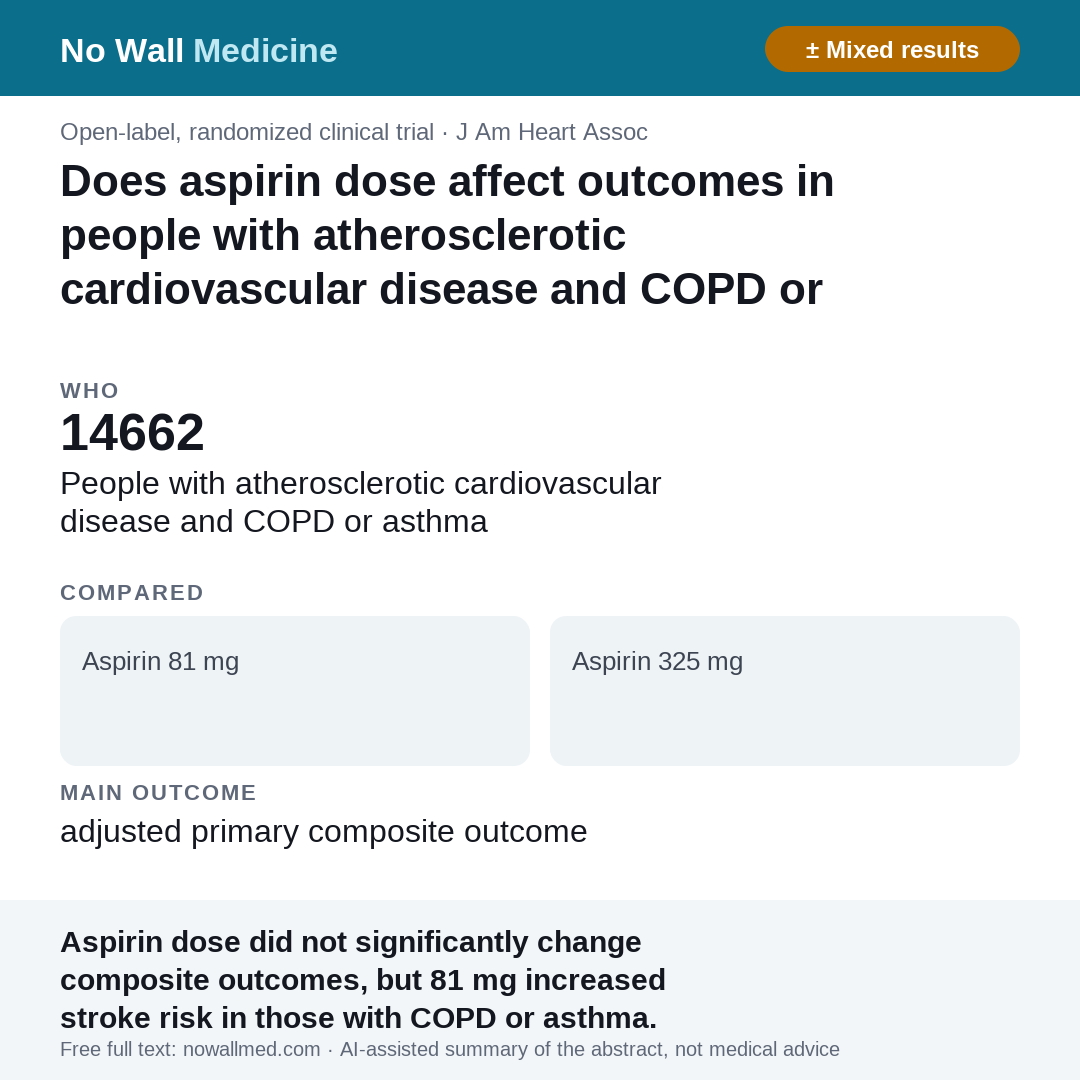
Aspirin Dosing for Secondary Prevention of Atherosclerotic Cardiovascular Disease in Chronic Obstructive Pulmonary Disease and Asthma: Insights From ADAPTABLE
Open-label, randomized clinical trialMixed results
Does aspirin dose affect outcomes in people with atherosclerotic cardiovascular disease and COPD or asthma?
Who
14662
People with atherosclerotic cardiovascular disease and COPD or asthma
Compared
Aspirin 81 mg
Aspirin 325 mg
Main outcome
adjusted primary composite outcome
Result: adjusted hazard ratio 1.15 (95% CI 0.92-1.43)
Bottom line: Aspirin dose did not significantly change composite outcomes, but 81 mg increased stroke risk in those with COPD or asthma.
J Am Heart Assoc · 2025-11-26Download image
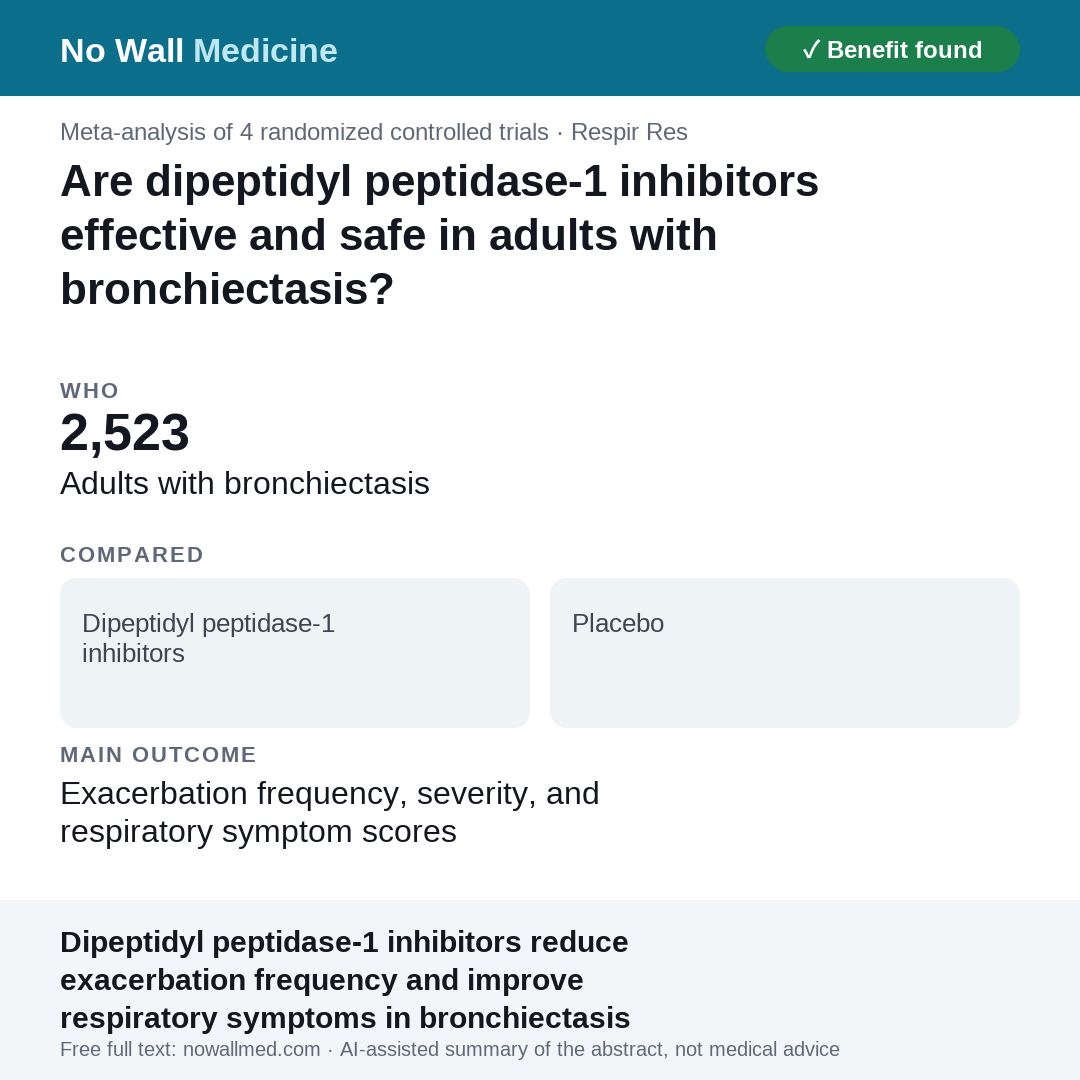
Efficacy and safety of DPP-1 inhibitors in bronchiectasis: a GRADE-assessed meta-analysis of randomized controlled trials
Meta-analysis of 4 randomized controlled trialsBenefit found
Are dipeptidyl peptidase-1 inhibitors effective and safe in adults with bronchiectasis?
Who
2,523
Adults with bronchiectasis
Compared
Dipeptidyl peptidase-1 inhibitors
Placebo
Main outcome
Exacerbation frequency, severity, and respiratory symptom scores
Result: risk ratio 0.64 (95% CI: 0.52-0.78) for one exacerbation
Bottom line: Dipeptidyl peptidase-1 inhibitors reduce exacerbation frequency and improve respiratory symptoms in bronchiectasis without compromising safety.
Respir Res · 2025-11-26Download image
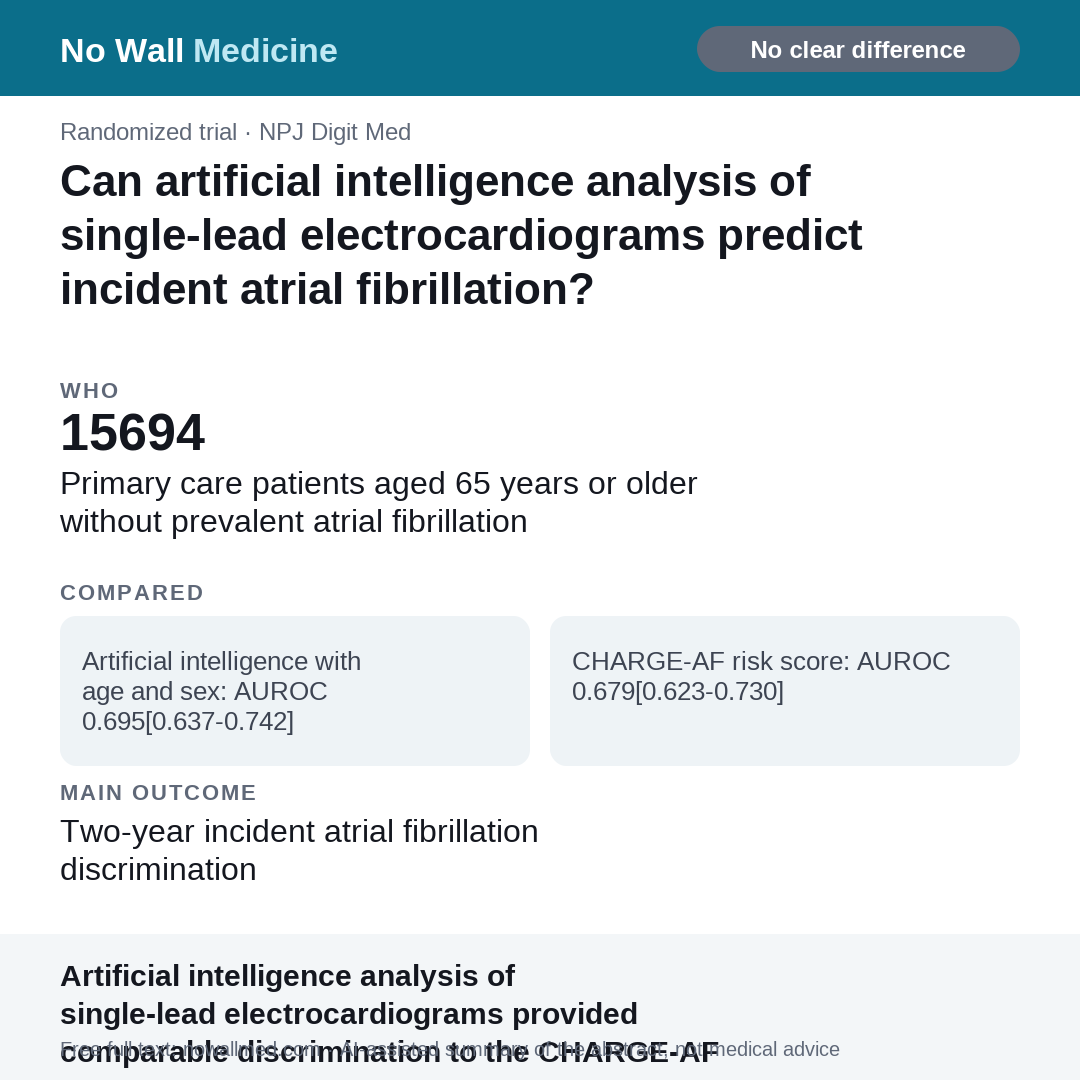
Artificial intelligence-enabled analysis of handheld single-lead electrocardiograms to predict incident atrial fibrillation: an analysis of the VITAL-AF randomized trial
Randomized trialNo clear difference
Can artificial intelligence analysis of single-lead electrocardiograms predict incident atrial fibrillation?
Who
15694
Primary care patients aged 65 years or older without prevalent atrial fibrillation
Compared
Artificial intelligence with age and sex: AUROC 0.695[0.637-0.742]
CHARGE-AF risk score: AUROC 0.679[0.623-0.730]
Main outcome
Two-year incident atrial fibrillation discrimination
Result: AUROC p = 0.46
Bottom line: Artificial intelligence analysis of single-lead electrocardiograms provided comparable discrimination to the CHARGE-AF risk score for predicting incident atrial fibrillation.
NPJ Digit Med · 2025-11-26Download image
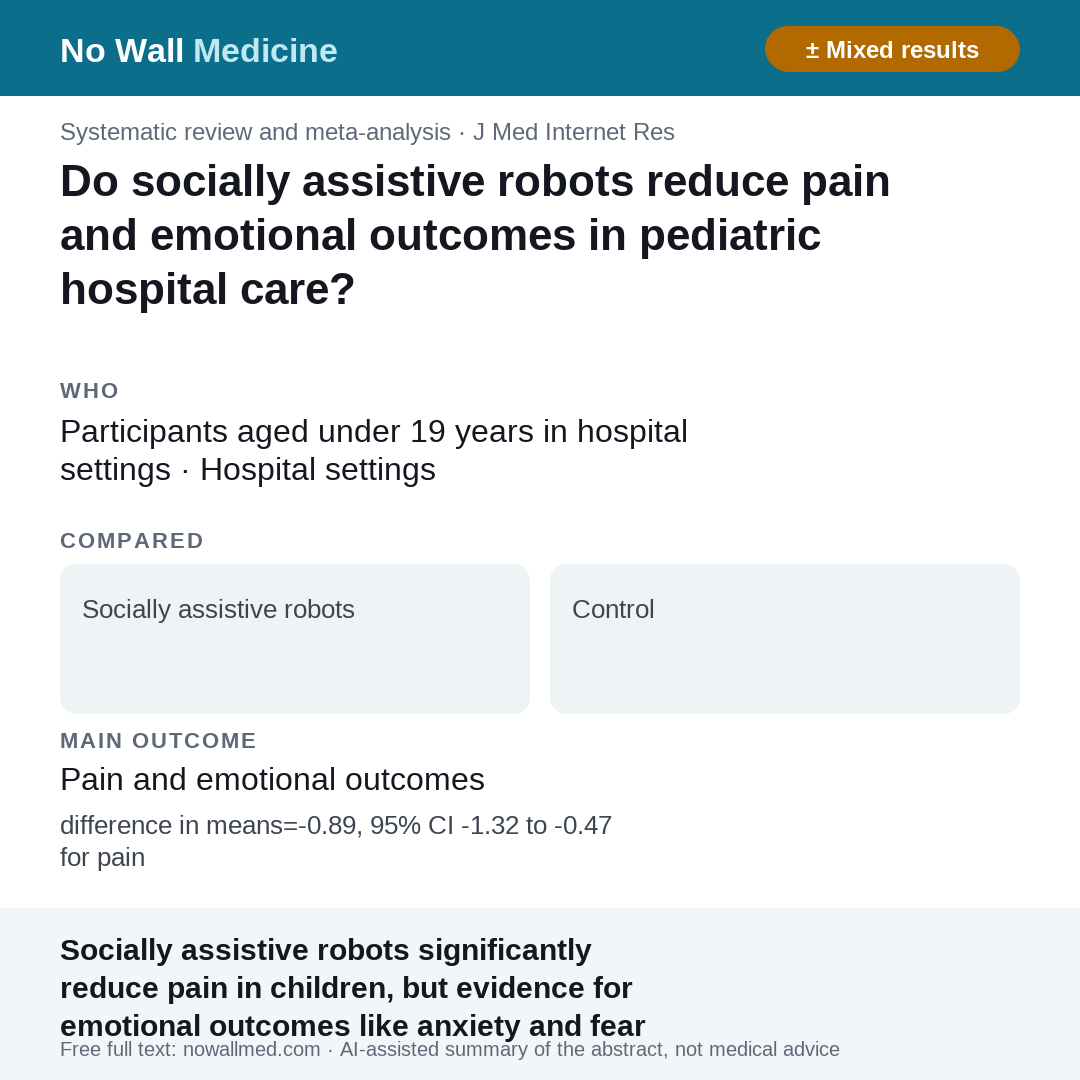
Socially Assistive Robots for Pain Management and Emotional Responses in Pediatric Hospital Care: Systematic Review and Meta-Analysis
Systematic review and meta-analysisMixed results
Do socially assistive robots reduce pain and emotional outcomes in pediatric hospital care?
Who
Participants aged under 19 years in hospital settings · Hospital settings
Compared
Socially assistive robots
Control
Main outcome
Pain and emotional outcomes
Result: difference in means=-0.89, 95% CI -1.32 to -0.47 for pain
Bottom line: Socially assistive robots significantly reduce pain in children, but evidence for emotional outcomes like anxiety and fear remains ambiguous.
Limitation: Risk of bias due to nonblinded interventions and small number of studies
J Med Internet Res · 2025-11-26Download image
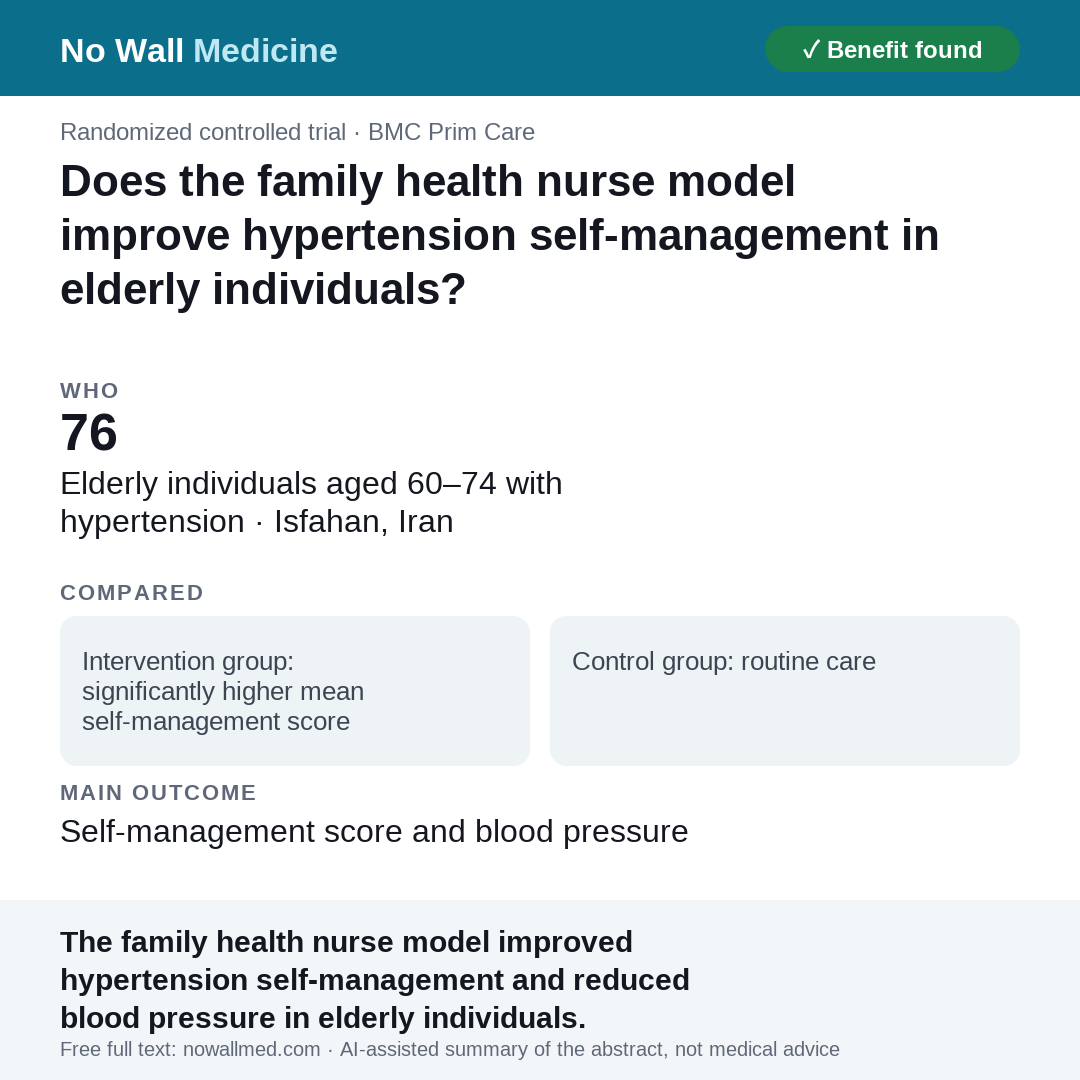
Investigating the effects of implementing the family health nurse model on the self-management of elderly individuals with hypertension: a randomized controlled trial
Randomized controlled trialBenefit found
Does the family health nurse model improve hypertension self-management in elderly individuals?
Who
76
Elderly individuals aged 60–74 with hypertension · Isfahan, Iran
Compared
Intervention group: significantly higher mean self-management score
Control group: routine care
Main outcome
Self-management score and blood pressure
Bottom line: The family health nurse model improved hypertension self-management and reduced blood pressure in elderly individuals.
Limitation: Conducted during only two home visits and no previous study of family health nurses in Iran.
BMC Prim Care · 2025-11-26Download image
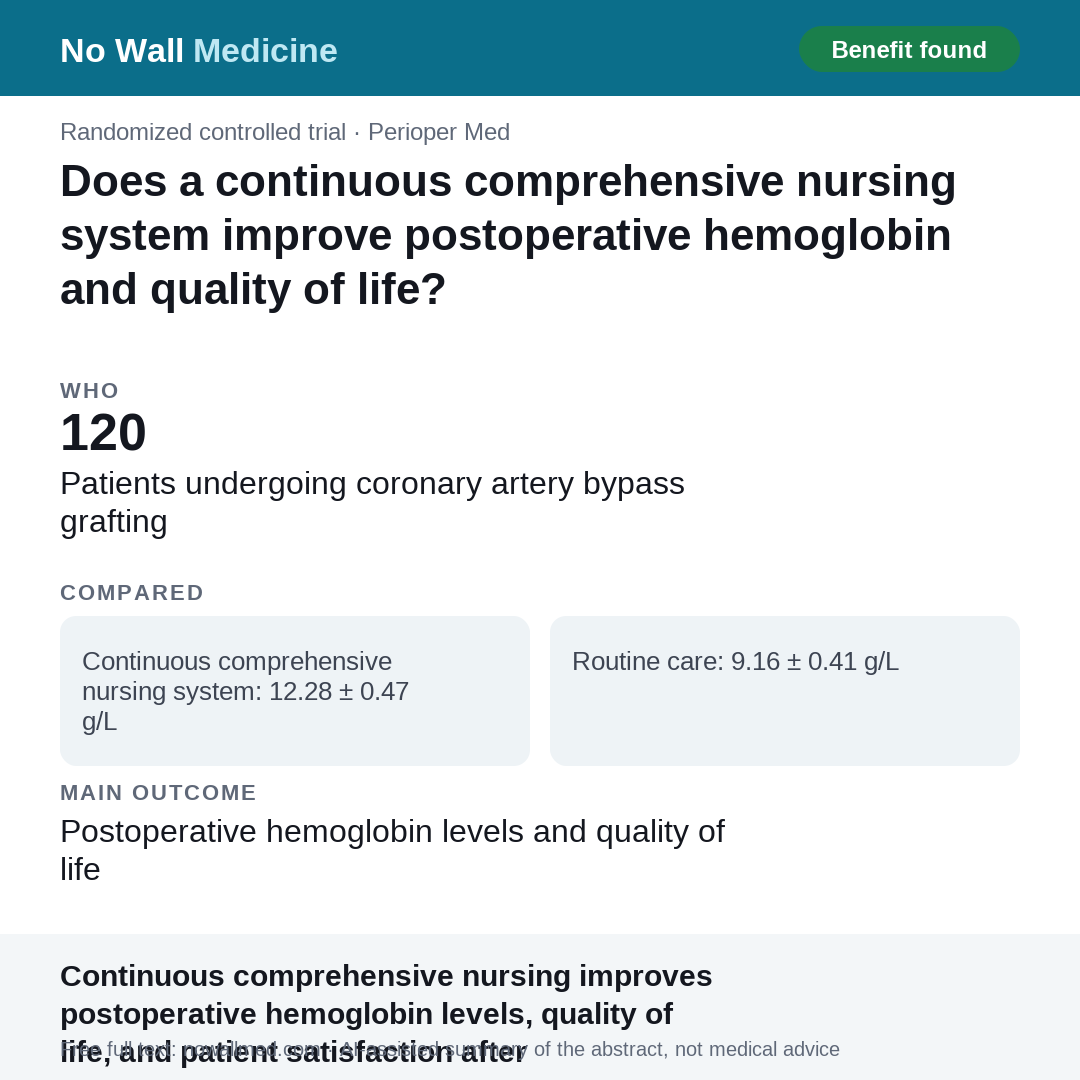
Evaluating the efficacy of a continuous comprehensive nursing system on postoperative hemoglobin levels and quality of life in coronary artery bypass surgery: a randomized controlled trial
Randomized controlled trialBenefit found
Does a continuous comprehensive nursing system improve postoperative hemoglobin and quality of life?
Who
120
Patients undergoing coronary artery bypass grafting
Compared
Continuous comprehensive nursing system: 12.28 ± 0.47 g/L
Routine care: 9.16 ± 0.41 g/L
Main outcome
Postoperative hemoglobin levels and quality of life
Bottom line: Continuous comprehensive nursing improves postoperative hemoglobin levels, quality of life, and patient satisfaction after coronary artery bypass grafting.
Perioper Med · 2025-11-26Download image
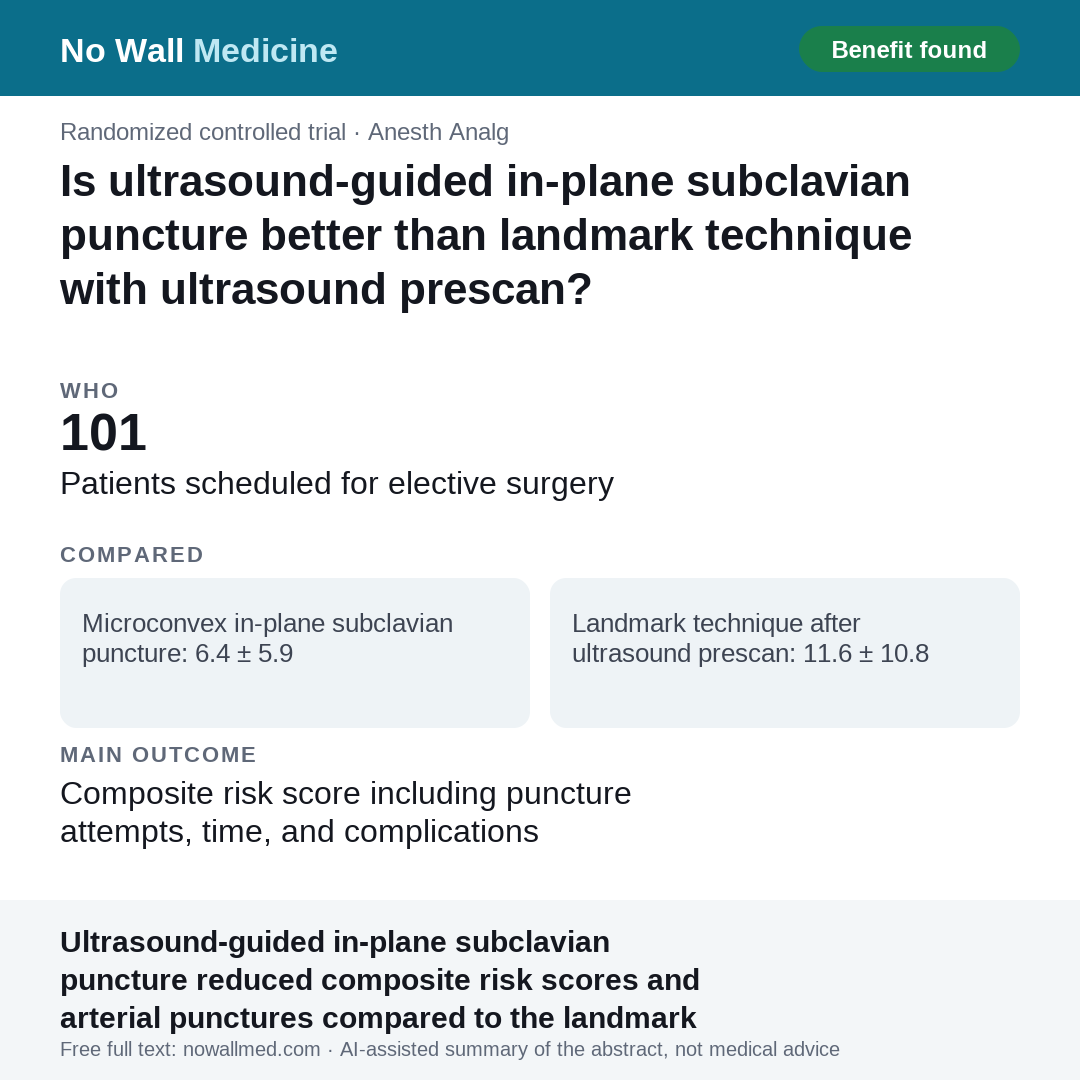
Ultrasound-Guided In-Plane Subclavian Vein Puncture versus Prior Ultrasound and Landmark Technique: A Randomized Controlled Trial
Randomized controlled trialBenefit found
Is ultrasound-guided in-plane subclavian puncture better than landmark technique with ultrasound prescan?
Who
101
Patients scheduled for elective surgery
Compared
Microconvex in-plane subclavian puncture: 6.4 ± 5.9
Landmark technique after ultrasound prescan: 11.6 ± 10.8
Main outcome
Composite risk score including puncture attempts, time, and complications
Result: mean diff 5.21 (95% CI 1.71 to 8.71)
Bottom line: Ultrasound-guided in-plane subclavian puncture reduced composite risk scores and arterial punctures compared to the landmark technique.
Anesth Analg · 2025-11-25Download image
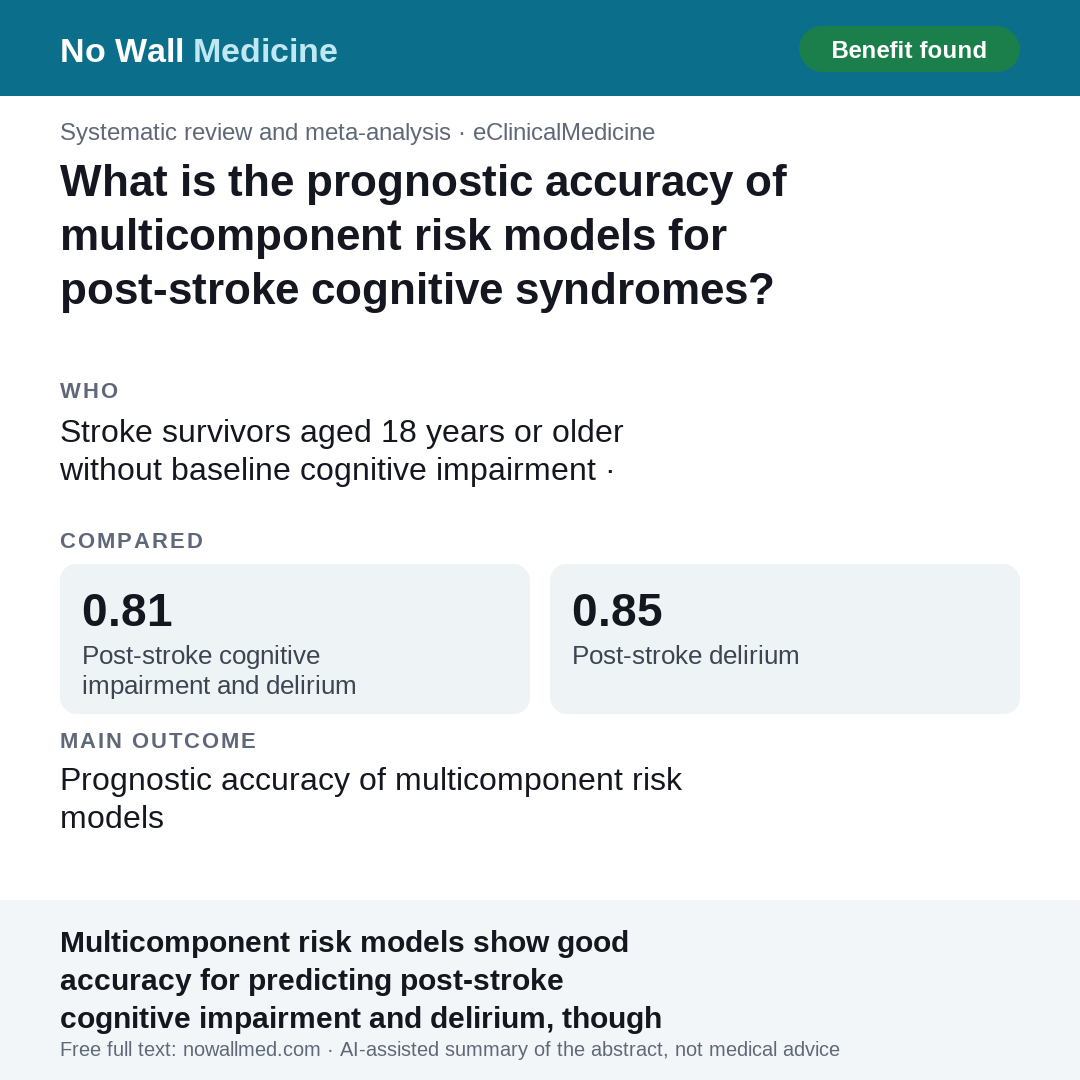
Clinical prediction rules for cognitive outcomes post-stroke: an updated systematic review and meta-analysis
Systematic review and meta-analysisBenefit found
What is the prognostic accuracy of multicomponent risk models for post-stroke cognitive syndromes?
Who
Stroke survivors aged 18 years or older without baseline cognitive impairment · Global, most models developed in Asia
Compared
0.81Post-stroke cognitive impairment and delirium (95% CI 0.77-0.85)
0.85Post-stroke delirium (95% CI 0.77-0.93)
Main outcome
Prognostic accuracy of multicomponent risk models
Result: c-statistic 0.81 (95% CI 0.77-0.85) for impairment/delirium; 0.85 (95% CI 0.77-0.93) for delirium
Bottom line: Multicomponent risk models show good accuracy for predicting post-stroke cognitive impairment and delirium, though evidence certainty remains low.
Limitation: Development cohorts remain small, largely developed in Asia, with low certainty of evidence and few transportability assessments.
Funded by: National Institute for Health and Care Research Advanced Fellowship
eClinicalMedicine · 2025-11-25Download image
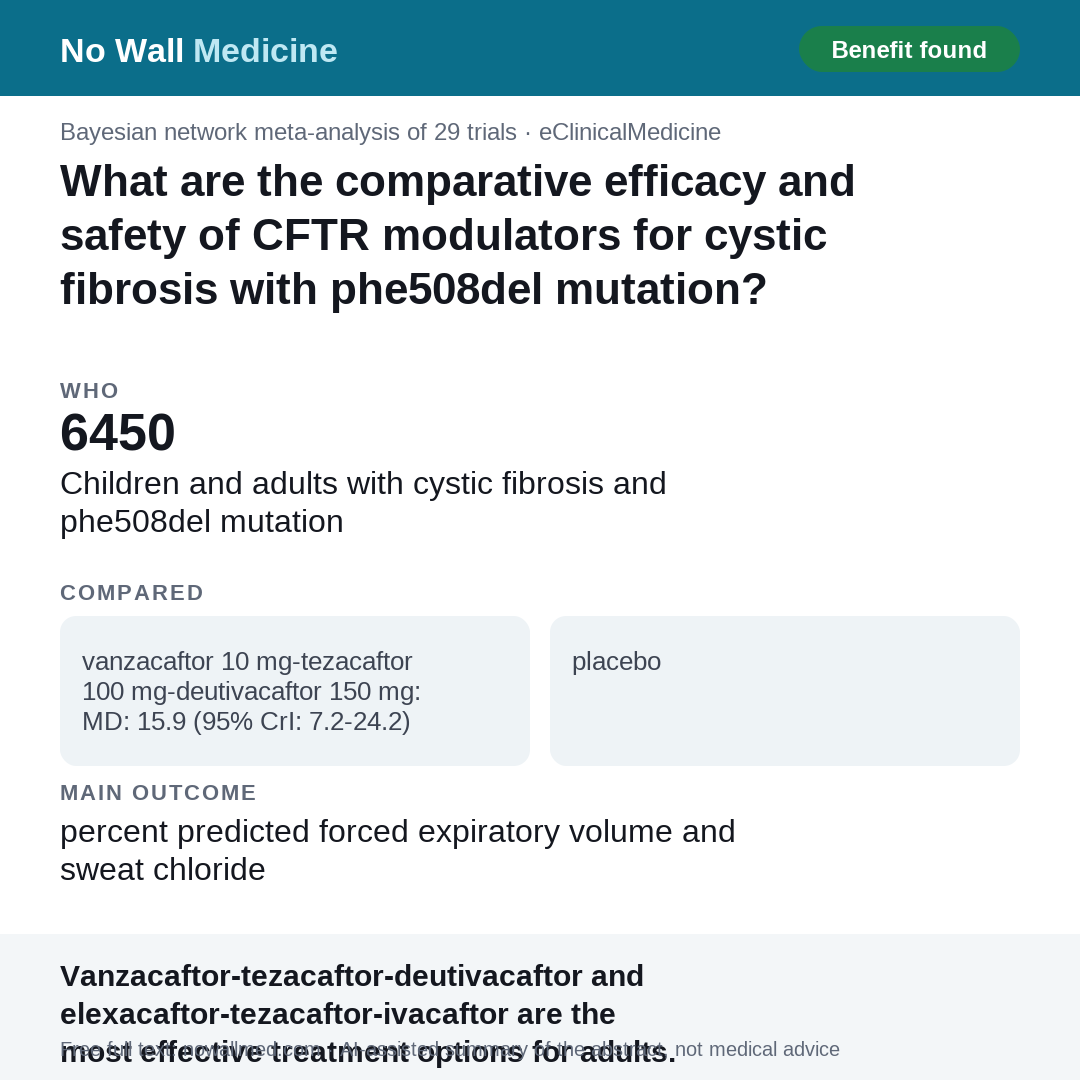
Comparative efficacy and safety of CFTR modulators for people with cystic fibrosis with phe508del mutation: a systematic review and bayesian network meta-analysis
Bayesian network meta-analysis of 29 trialsBenefit found
What are the comparative efficacy and safety of CFTR modulators for cystic fibrosis with phe508del mutation?
Who
6450
Children and adults with cystic fibrosis and phe508del mutation
Compared
vanzacaftor 10 mg-tezacaftor 100 mg-deutivacaftor 150 mg: MD: 15.9 (95% CrI: 7.2-24.2)
placebo
Main outcome
percent predicted forced expiratory volume and sweat chloride
Result: MD: 15.9; 95% CrI: 7.2-24.2
Bottom line: Vanzacaftor-tezacaftor-deutivacaftor and elexacaftor-tezacaftor-ivacaftor are the most effective treatment options for adults.
Limitation: Safety analyses were limited by low serious adverse event rates and low quality of existing evidence.
eClinicalMedicine · 2025-11-25Download image
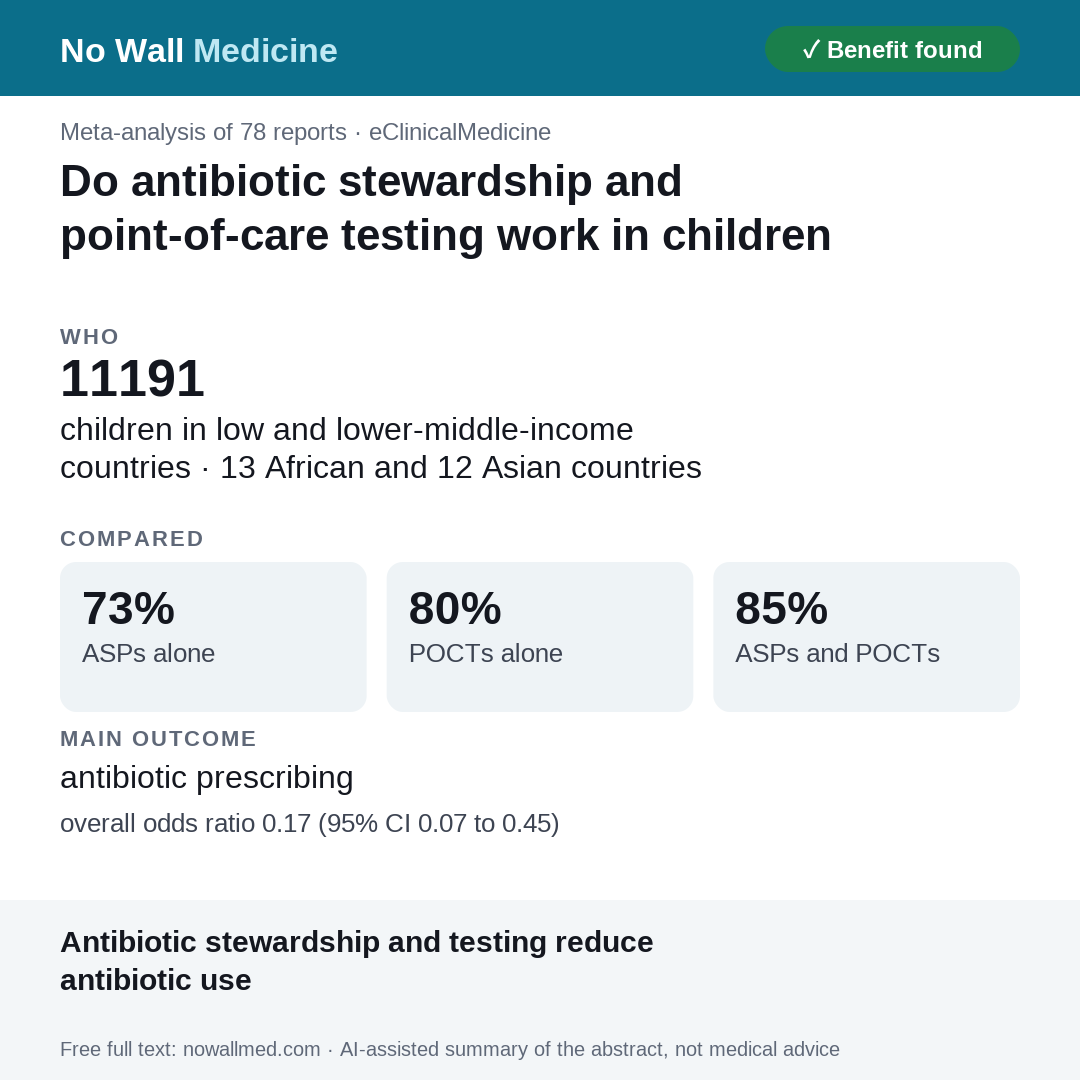
Antibiotic stewardship and point-of-care testing for children in 25 low-income and lower-middle-income countries: a systematic review and meta-analysis
Meta-analysis of 78 reportsBenefit found
Do antibiotic stewardship and point-of-care testing work in children
Who
11191
children in low and lower-middle-income countries · 13 African and 12 Asian countries
Compared
73%ASPs alone
80%POCTs alone
85%ASPs and POCTs
Main outcome
antibiotic prescribing
Result: overall odds ratio 0.17 (95% CI 0.07 to 0.45)
Bottom line: Antibiotic stewardship and testing reduce antibiotic use
Limitation: need for large-scale implementation studies
Funded by: Italian National Recovery and Resilience Plan
eClinicalMedicine · 2025-11-25Download image
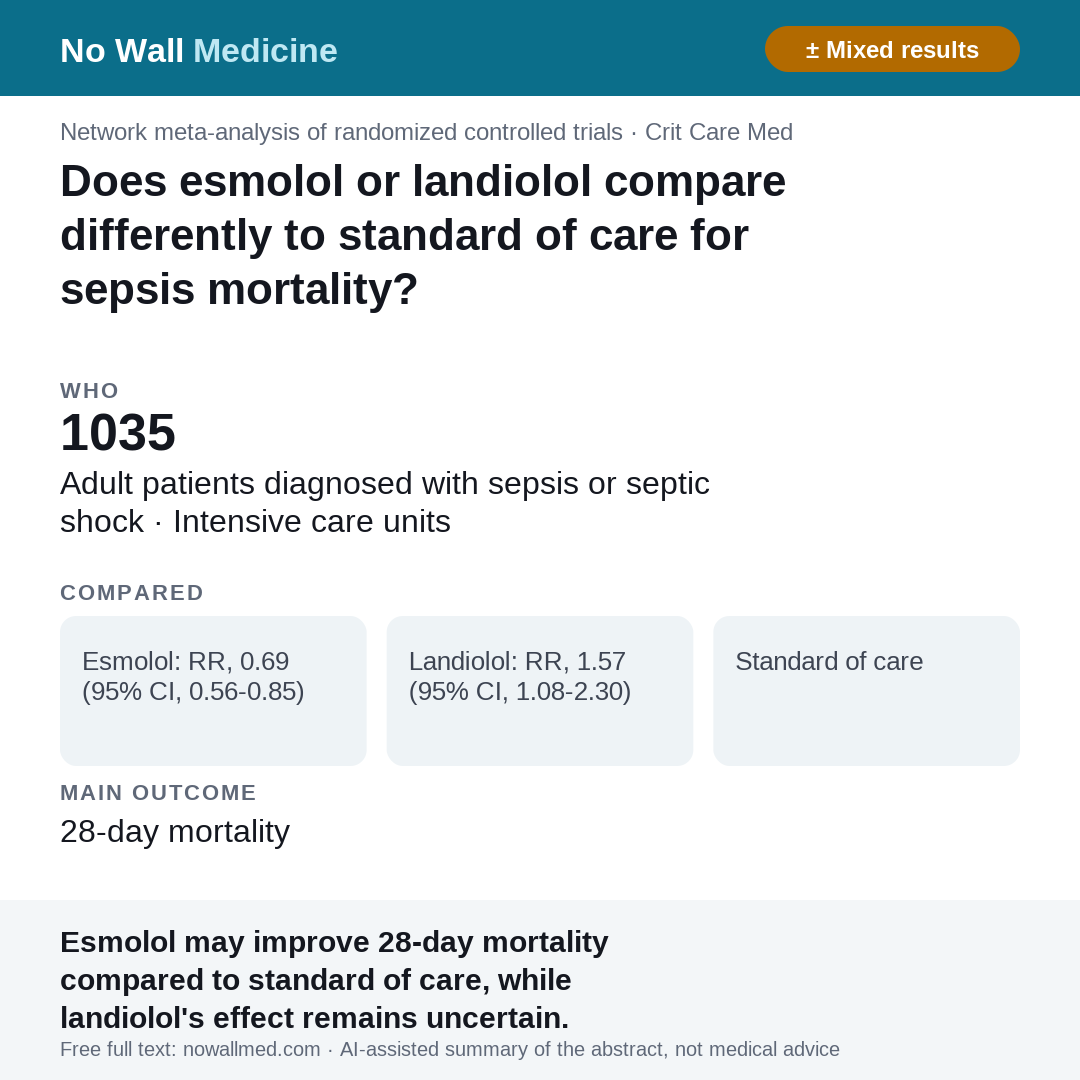
Comparison of Esmolol Versus Landiolol on Mortality in Adult Patients With Sepsis: A Systematic Review and Network Meta-Analysis
Network meta-analysis of randomized controlled trialsMixed results
Does esmolol or landiolol compare differently to standard of care for sepsis mortality?
Who
1035
Adult patients diagnosed with sepsis or septic shock · Intensive care units
Compared
Esmolol: RR, 0.69 (95% CI, 0.56-0.85)
Landiolol: RR, 1.57 (95% CI, 1.08-2.30)
Standard of care
Main outcome
28-day mortality
Result: relative risk 1.57 (95% CI, 1.08-2.30) for landiolol versus esmolol
Bottom line: Esmolol may improve 28-day mortality compared to standard of care, while landiolol's effect remains uncertain.
Limitation: Low certainty of evidence for landiolol outcomes.
Crit Care Med · 2025-11-25Download image
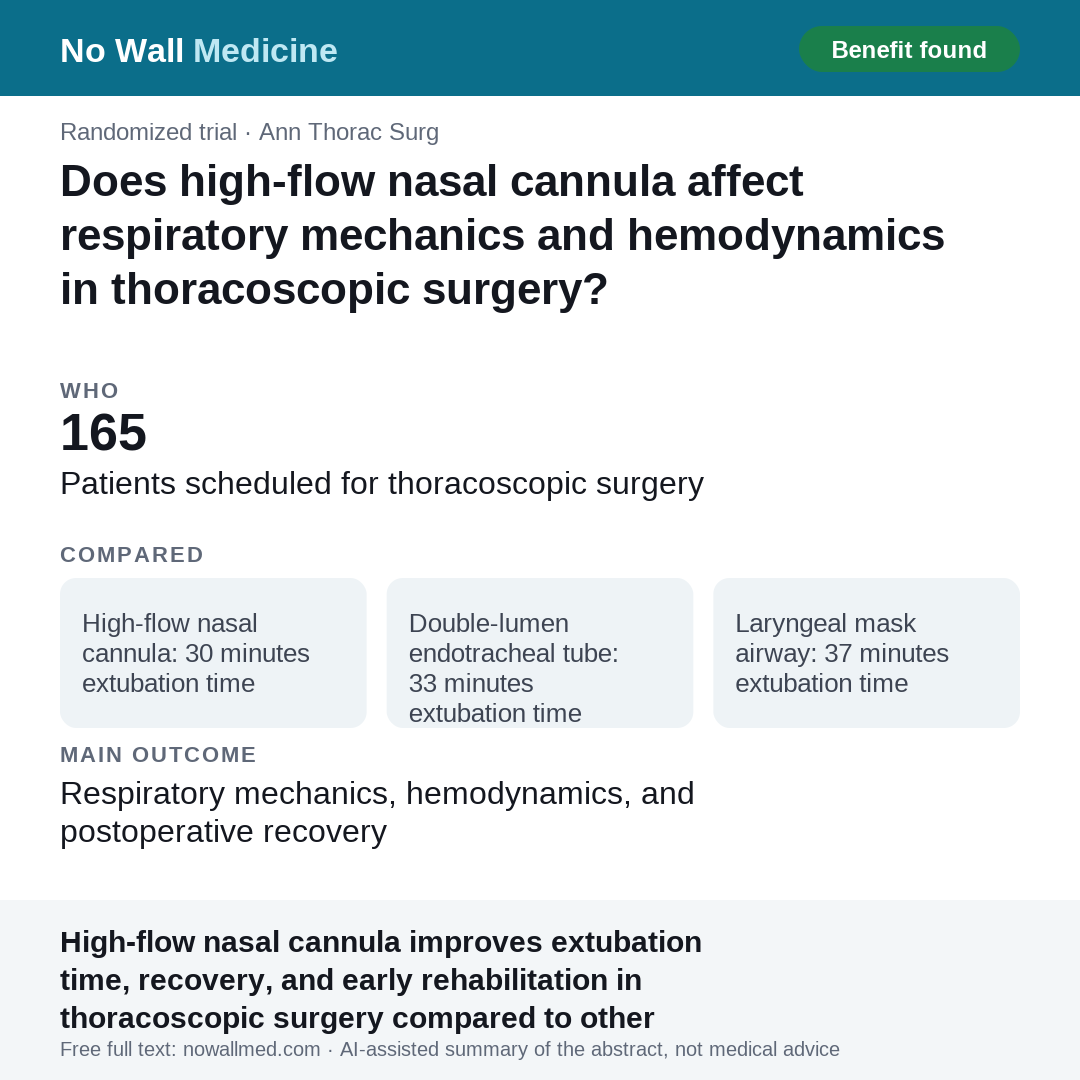
Randomized Trial of High-Flow Nasal Cannula vs Double-Lumen Endotracheal Tube or Laryngeal Mask for Thoracoscopic Surgery
Randomized trialBenefit found
Does high-flow nasal cannula affect respiratory mechanics and hemodynamics in thoracoscopic surgery?
Who
165
Patients scheduled for thoracoscopic surgery
Compared
High-flow nasal cannula: 30 minutes extubation time
Double-lumen endotracheal tube: 33 minutes extubation time
Laryngeal mask airway: 37 minutes extubation time
Main outcome
Respiratory mechanics, hemodynamics, and postoperative recovery
Bottom line: High-flow nasal cannula improves extubation time, recovery, and early rehabilitation in thoracoscopic surgery compared to other supports.
Ann Thorac Surg · 2025-11-25Download image
Daily oral iron supplementation produced greater improvements in hematological parameters than alternate day doses - A pilot double-blind randomized control trial in iron-deficient young women
Double-blinded, parallel-arm, non-inferiority, randomized controlled trialBenefit found
Is daily or alternate day oral iron supplementation more effective for iron deficient women?
Who
60
Non-pregnant women of reproductive age aged 18-45 years with iron deficiency · Low and middle-income country setting
Compared
60 mg elemental iron daily: mean corpuscular volume (fL) 1.25 (0.25, 2.32)
120 mg elemental iron on alternate days: mean corpuscular volume (fL) 0.50 (-0.35, 1.42)
Main outcome
Hematological and iron-related parameters in blood
Bottom line: Daily oral iron supplementation was more effective than alternate day doses in improving hematological parameters in iron-deficient women.
Clin Nutr · 2025-11-25Download image

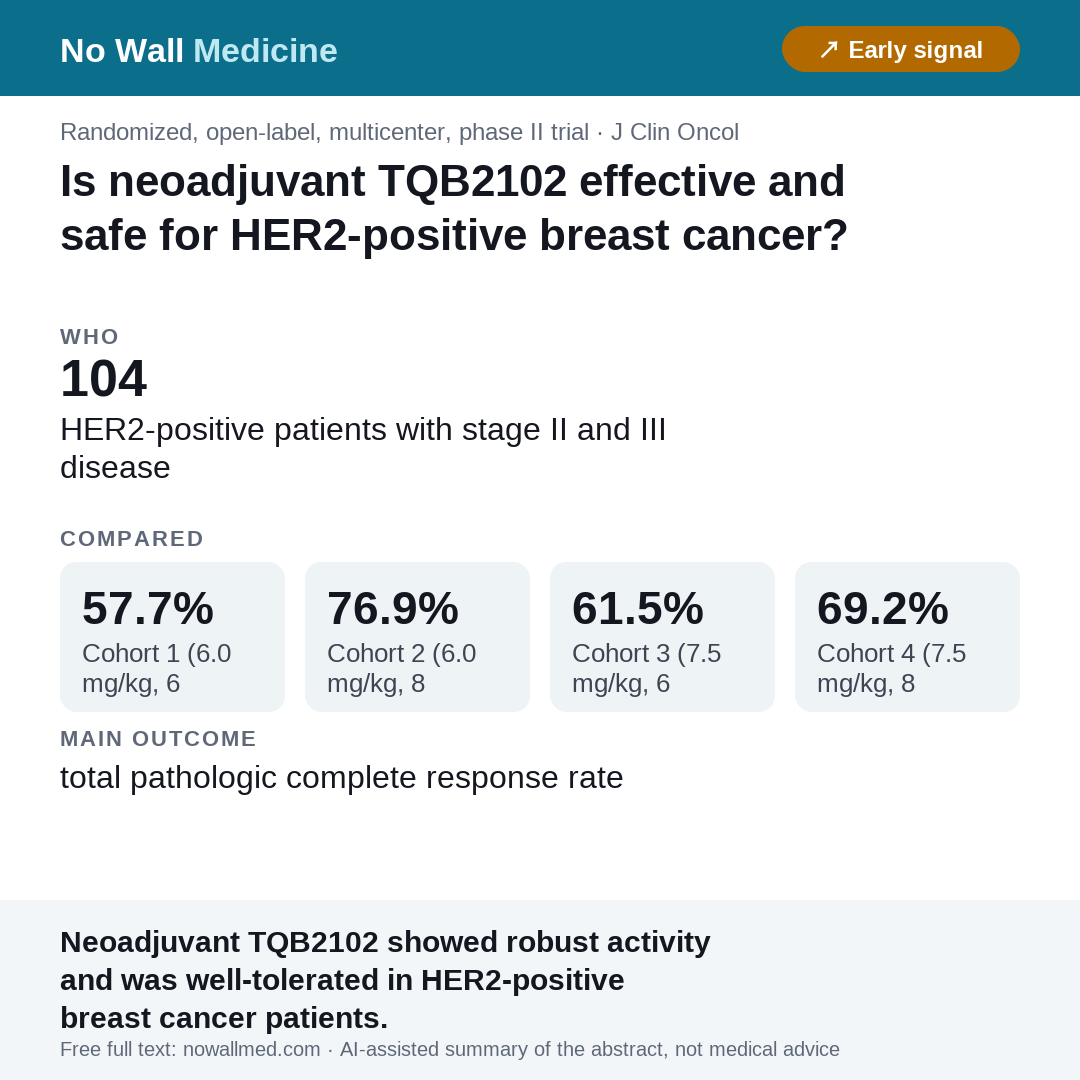
Efficacy and Safety of Neoadjuvant TQB2102 in Locally Advanced or Early Human Epidermal Growth Factor Receptor 2-Positive Breast Cancer: A Randomized, Open-Label, Multicenter, Phase II Trial
Randomized, open-label, multicenter, phase II trialBenefit found
Is neoadjuvant TQB2102 effective and safe for HER2-positive breast cancer?
Who
104
HER2-positive patients with stage II and III disease
Compared
57.7%Cohort 1 (6.0 mg/kg, 6 cycles) (15 of 26 [90% CI, 43.2 to 71.3])
76.9%Cohort 2 (6.0 mg/kg, 8 cycles) (20 of 26 [90% CI, 62.3 to 87.6])
61.5%Cohort 3 (7.5 mg/kg, 6 cycles) (16 of 26 [90% CI, 46.5 to 74.8])
69.2%Cohort 4 (7.5 mg/kg, 8 cycles) (18 of 26 [90% CI, 54.6 to 81.3])
Main outcome
total pathologic complete response rate
Bottom line: Neoadjuvant TQB2102 showed robust activity and was well-tolerated in HER2-positive breast cancer patients.
J Clin Oncol · 2025-11-25Download image