Visual abstracts
New randomized trials and meta-analyses from leading journals at a glance: who was studied, what was compared, and what was found. Every paper is free to read in full.
All specialtiesCardiology 2480Oncology 2104Gastroenterology & Hepatology 938Infectious Disease 1538Neurology 986Psychiatry & Mental Health 1154Pulmonology 1024Critical Care 682Endocrinology & Diabetes 1285Pediatrics 1444Surgery 1263Orthopedics & Sports Medicine 453Neurosurgery 301Cardiothoracic & Vascular Surgery 272Plastic & Reconstructive Surgery 370Nephrology 513Rheumatology 351Hematology 535Dermatology 280Ophthalmology 292Obstetrics & Gynecology 807Public & Global Health 450Radiology & Imaging 337Anesthesiology 495Urology 415ENT (Otolaryngology) 307Emergency Medicine 278Allergy & Immunology 153Geriatrics 519Family Medicine & Primary Care 287Medical Genetics & Genomics 269Pathology & Laboratory Medicine 77Physical Medicine & Rehabilitation 411Palliative Care 206Nutrition 640Digital Health & AI 1206General Medicine 181
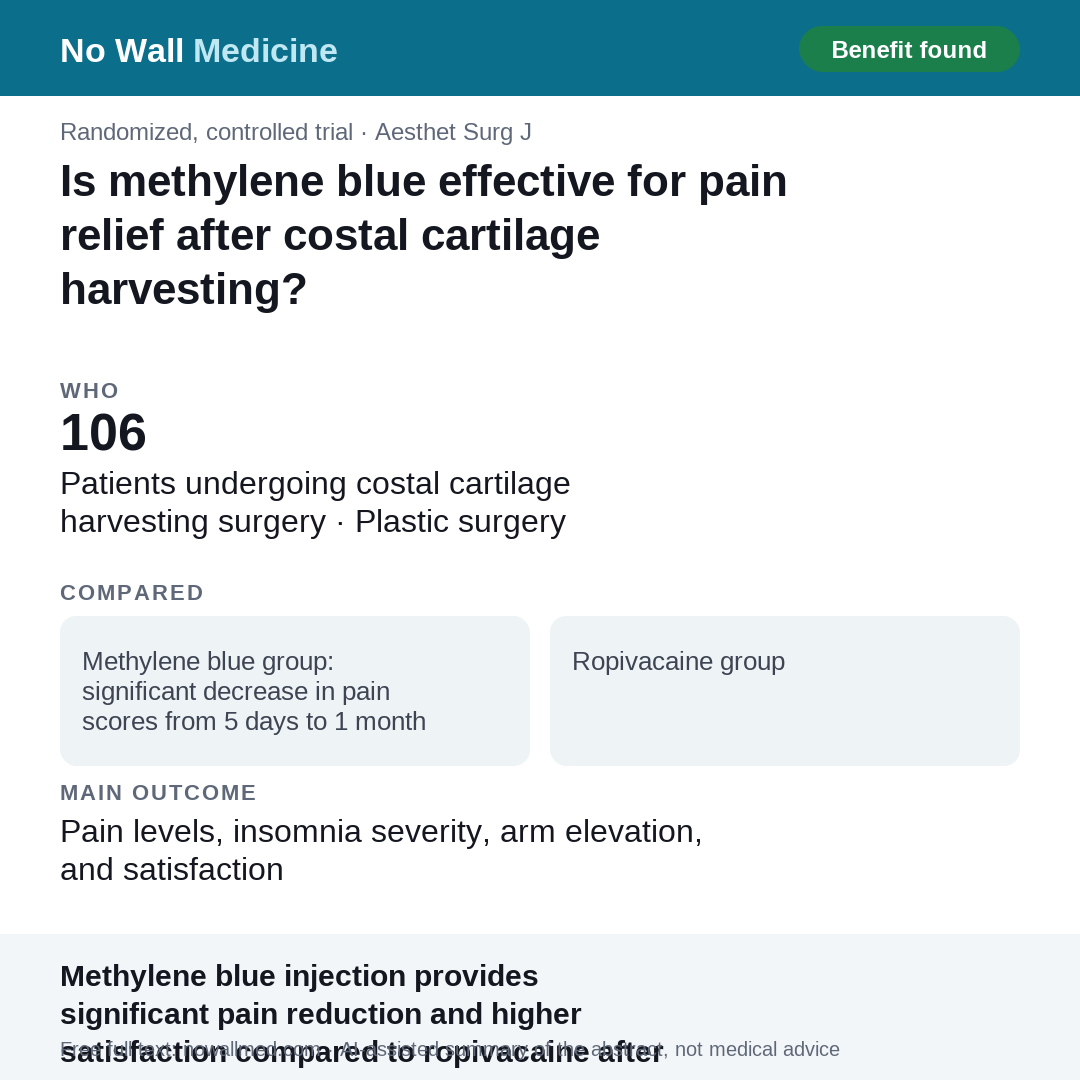
A Prospective, Randomized, Controlled Trial of Methylene Blue Injection for Costal Cartilage Harvest Postoperative Analgesia
Randomized, controlled trialBenefit found
Is methylene blue effective for pain relief after costal cartilage harvesting?
Who
106
Patients undergoing costal cartilage harvesting surgery · Plastic surgery department
Compared
Methylene blue group: significant decrease in pain scores from 5 days to 1 month
Ropivacaine group
Main outcome
Pain levels, insomnia severity, arm elevation, and satisfaction
Bottom line: Methylene blue injection provides significant pain reduction and higher satisfaction compared to ropivacaine after costal cartilage harvesting.
Aesthet Surg J · 2024-11-13Download image
Editor's Choice - Reporting and Methodological Quality of Systematic Reviews Underpinning Clinical Practice Guidelines for Vascular Surgery: A Systematic Review
Systematic reviewMixed results
What is the reporting and methodological quality of systematic reviews informing vascular surgery guidelines?
Who
215
Systematic reviews informing vascular surgery clinical practice guidelines · MEDLINE and Embase
Compared
Reporting completeness (PRISMA): mean 63%
Methodological quality (AMSTAR 2): mean 50%
Main outcome
Reporting and methodological quality of systematic reviews
Bottom line: Systematic reviews informing vascular surgery guidelines were of moderate quality at best, with recent and funded reviews performing better.
Eur J Vasc Endovasc Surg · 2024-11-13Download image

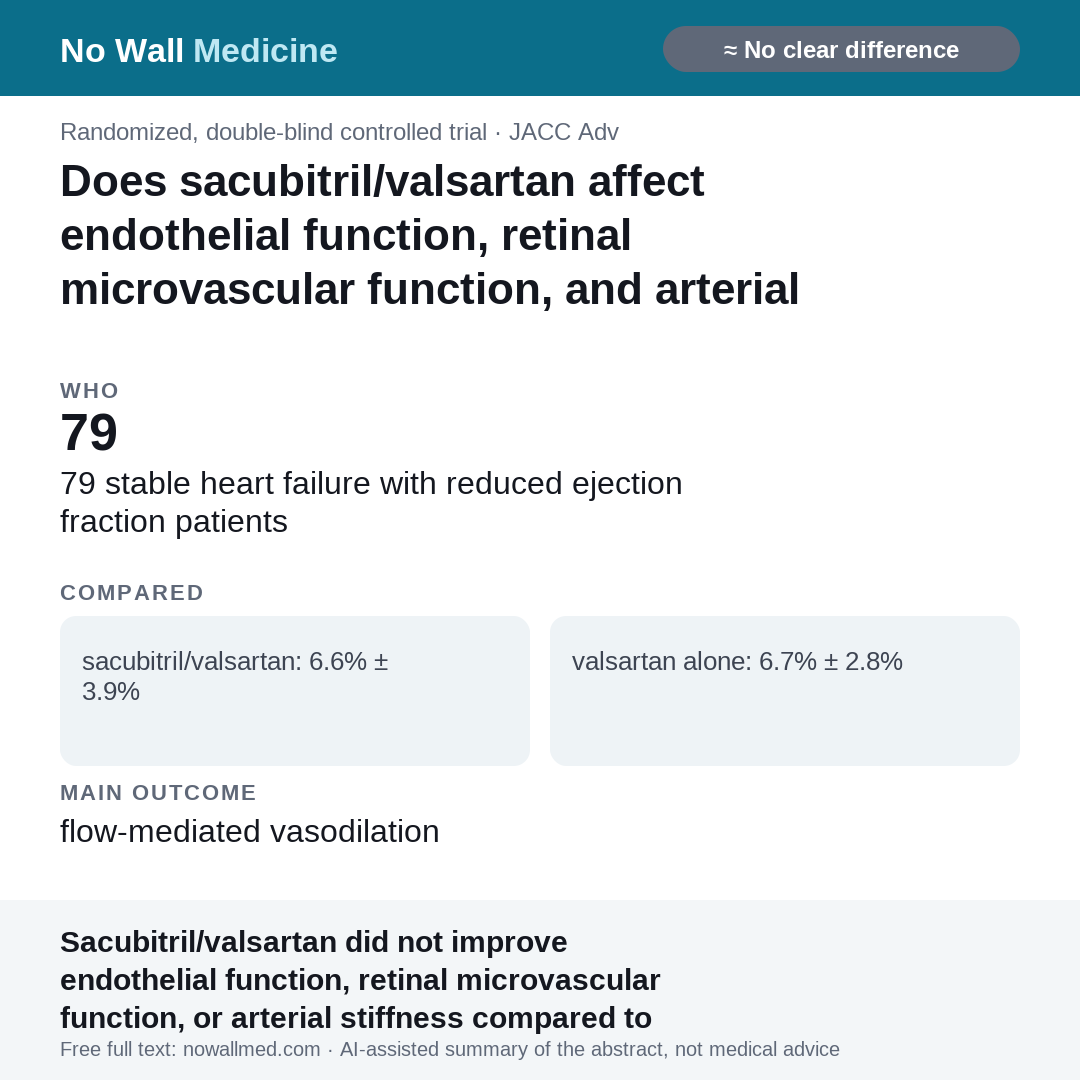
Vascular Endothelial Effects of Sacubitril/Valsartan in Heart Failure With Reduced Ejection Fraction: Randomized Controlled Trial
Randomized, double-blind controlled trialNo clear difference
Does sacubitril/valsartan affect endothelial function, retinal microvascular function, and arterial stiffness in HFrEF?
Who
79
79 stable heart failure with reduced ejection fraction patients
Compared
sacubitril/valsartan: 6.6% ± 3.9%
valsartan alone: 6.7% ± 2.8%
Main outcome
flow-mediated vasodilation
Result: ANCOVA coefficient 0.36 (95% CI -0.78 to 1.51)
Bottom line: Sacubitril/valsartan did not improve endothelial function, retinal microvascular function, or arterial stiffness compared to valsartan monotherapy.
JACC Adv · 2024-11-13Download image
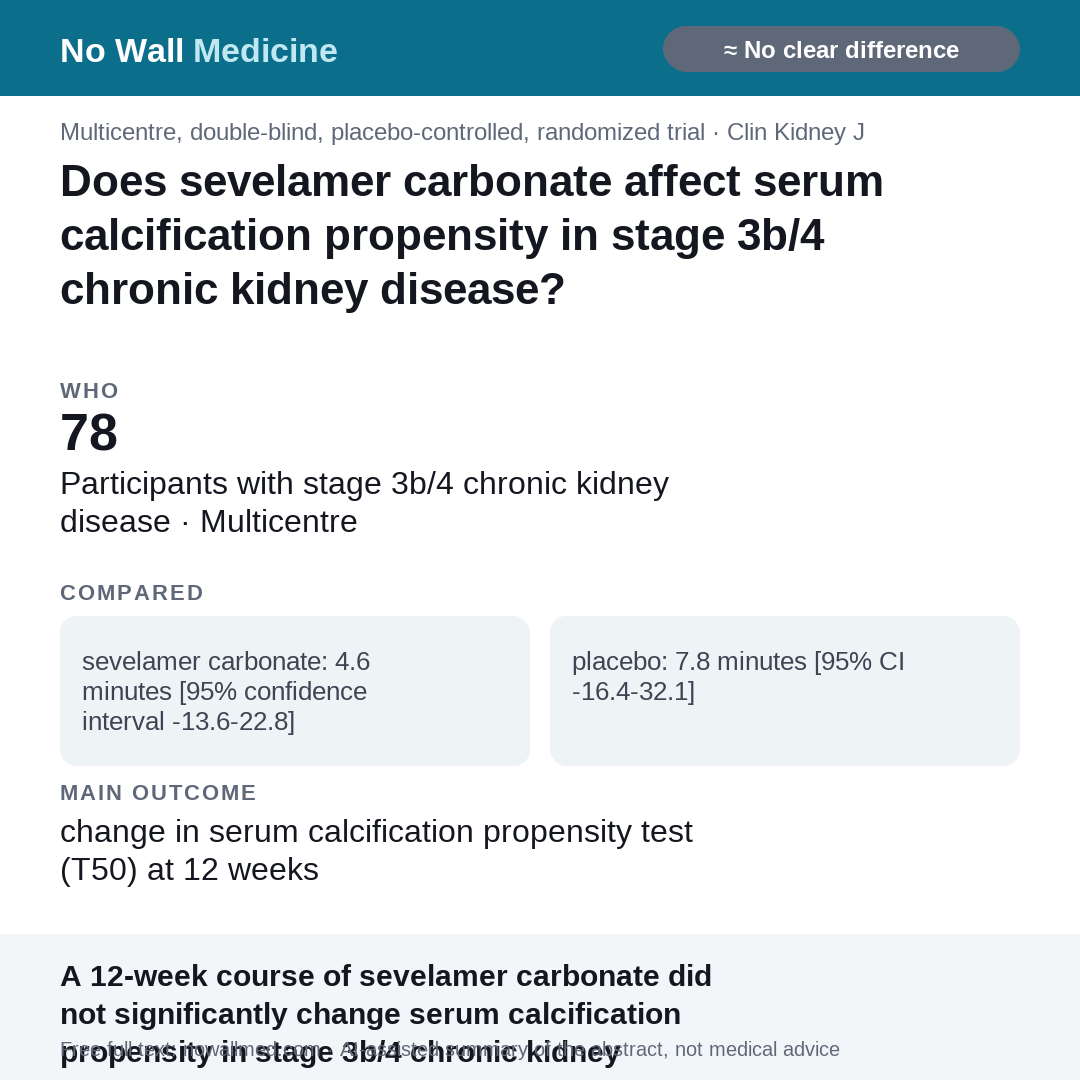
The effect of sevelamer on serum calcification propensity in patients with chronic kidney disease: the results of a multicentre, double-blind, placebo-controlled, randomized clinical trial
Multicentre, double-blind, placebo-controlled, randomized trialNo clear difference
Does sevelamer carbonate affect serum calcification propensity in stage 3b/4 chronic kidney disease?
Who
78
Participants with stage 3b/4 chronic kidney disease · Multicentre
Compared
sevelamer carbonate: 4.6 minutes [95% confidence interval -13.6-22.8]
placebo: 7.8 minutes [95% CI -16.4-32.1]
Main outcome
change in serum calcification propensity test (T50) at 12 weeks
Bottom line: A 12-week course of sevelamer carbonate did not significantly change serum calcification propensity in stage 3b/4 chronic kidney disease.
Clin Kidney J · 2024-11-13Download image
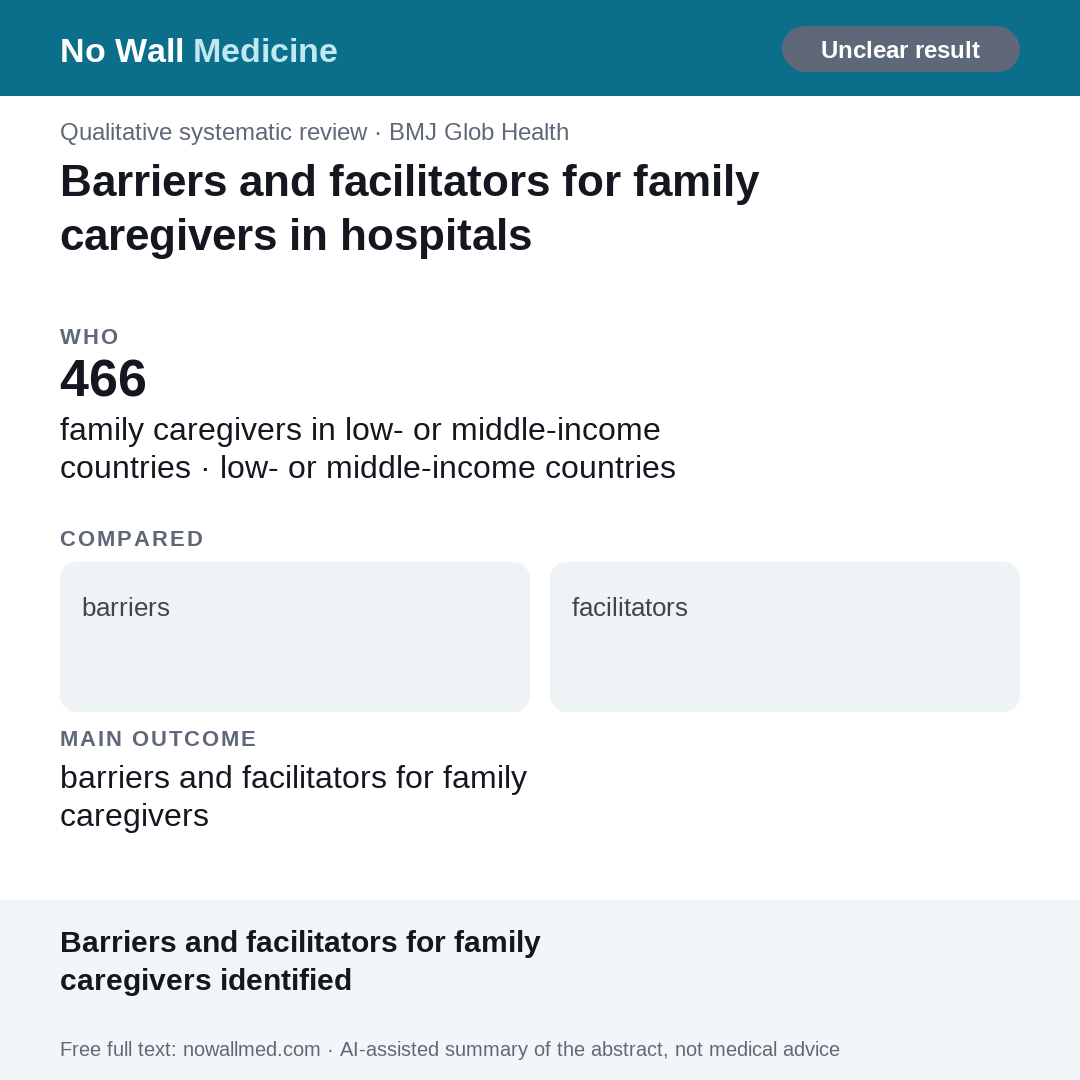
The barriers and facilitators family caregivers experience when participating in resource-limited hospital care: a qualitative systematic review
Qualitative systematic reviewUnclear result
Barriers and facilitators for family caregivers in hospitals
Who
466
family caregivers in low- or middle-income countries · low- or middle-income countries
Compared
barriers
facilitators
Main outcome
barriers and facilitators for family caregivers
Bottom line: Barriers and facilitators for family caregivers identified
Limitation: limited contexts and stakeholders
BMJ Glob Health · 2024-11-13Download image
Impact of fever on the outcome non-anoxic acute brain injury patients: a systematic review and meta-analysis
Systematic review and meta-analysisHarm found
Does fever impact neurological outcomes and mortality in acute brain injury patients?
Who
460,825
Patients with acute brain injury in intensive care units
Compared
Fever
No fever
Main outcome
Neurological outcome and mortality
Result: odds ratio 2.37 (95% CI 2.08-2.71) for unfavorable neurological outcome
Bottom line: Fever is associated with increased risk of poor neurological outcomes and mortality in acute brain injury patients.
Crit Care · 2024-11-13Download image

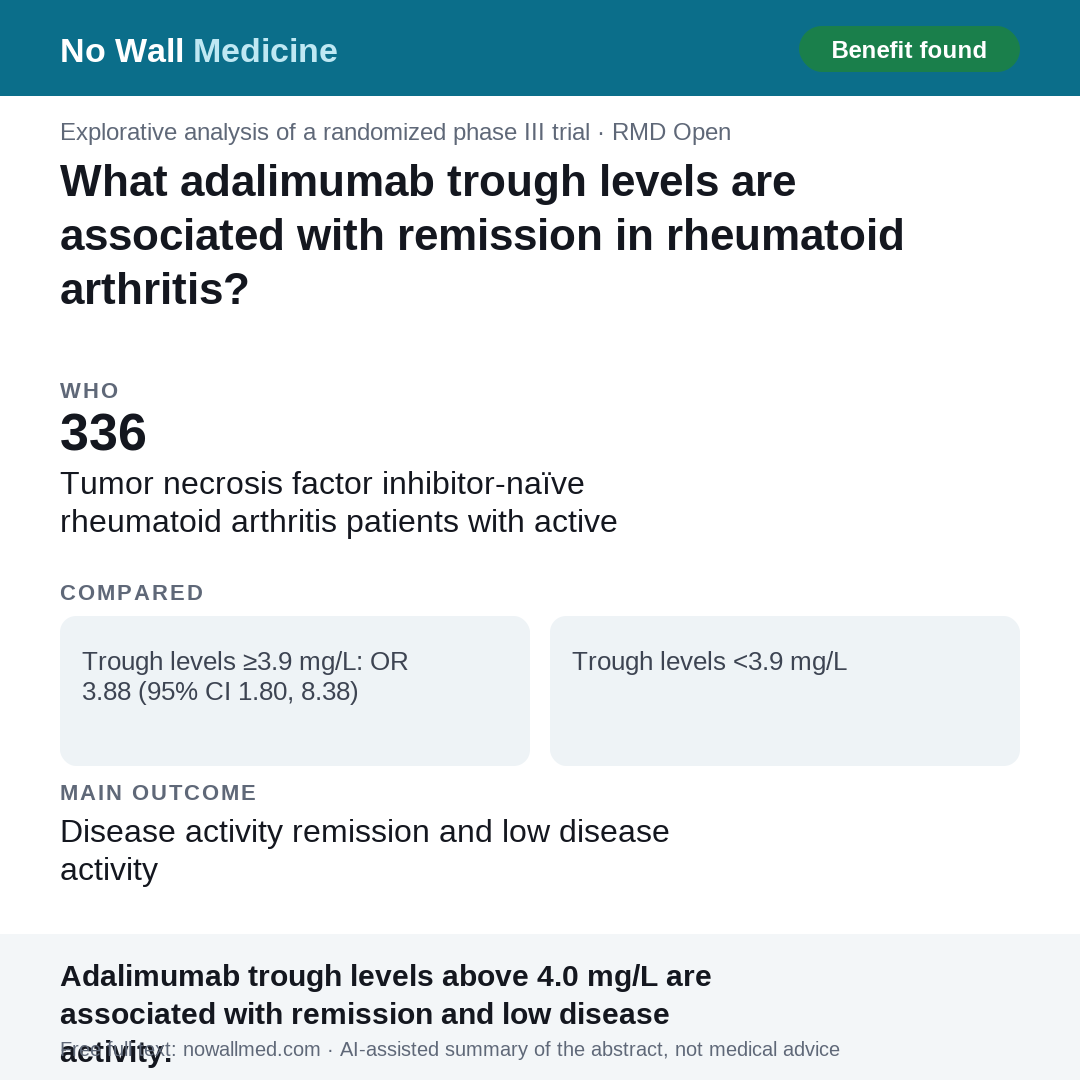
Therapeutic serum level for adalimumab in rheumatoid arthritis: explorative analyses of data from a randomised phase III trial
Explorative analysis of a randomized phase III trialBenefit found
What adalimumab trough levels are associated with remission in rheumatoid arthritis?
Who
336
Tumor necrosis factor inhibitor-naïve rheumatoid arthritis patients with active disease
Compared
Trough levels ≥3.9 mg/L: OR 3.88 (95% CI 1.80, 8.38)
Trough levels <3.9 mg/L
Main outcome
Disease activity remission and low disease activity
Result: OR 3.88 (95% CI 1.80, 8.38)
Bottom line: Adalimumab trough levels above 4.0 mg/L are associated with remission and low disease activity.
RMD Open · 2024-11-13Download image
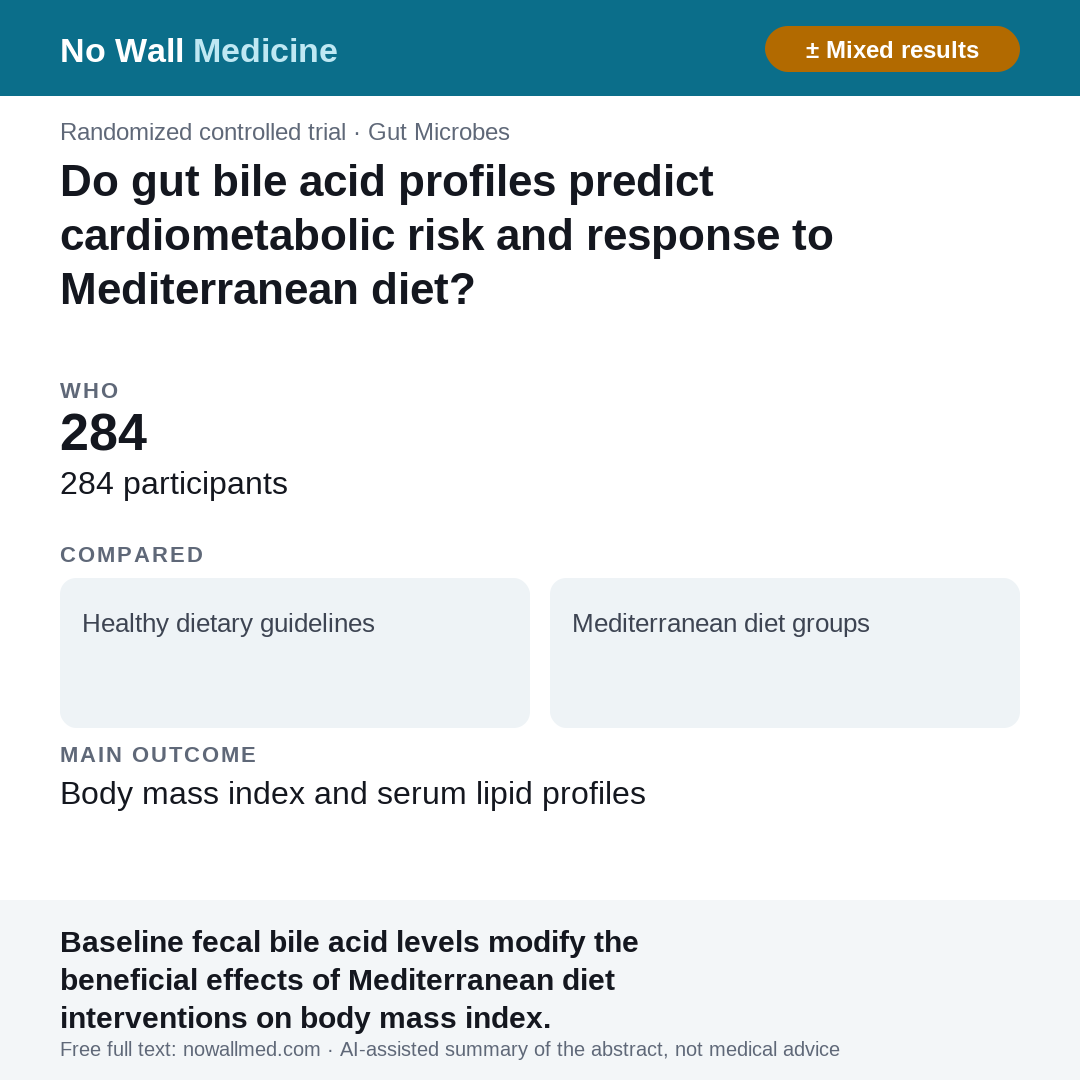
Gut microbial metabolism of bile acids modifies the effect of Mediterranean diet interventions on cardiometabolic risk in a randomized controlled trial
Randomized controlled trialMixed results
Do gut bile acid profiles predict cardiometabolic risk and response to Mediterranean diet?
Who
284
284 participants
Compared
Healthy dietary guidelines
Mediterranean diet groups
Main outcome
Body mass index and serum lipid profiles
Bottom line: Baseline fecal bile acid levels modify the beneficial effects of Mediterranean diet interventions on body mass index.
Gut Microbes · 2024-11-13Download image
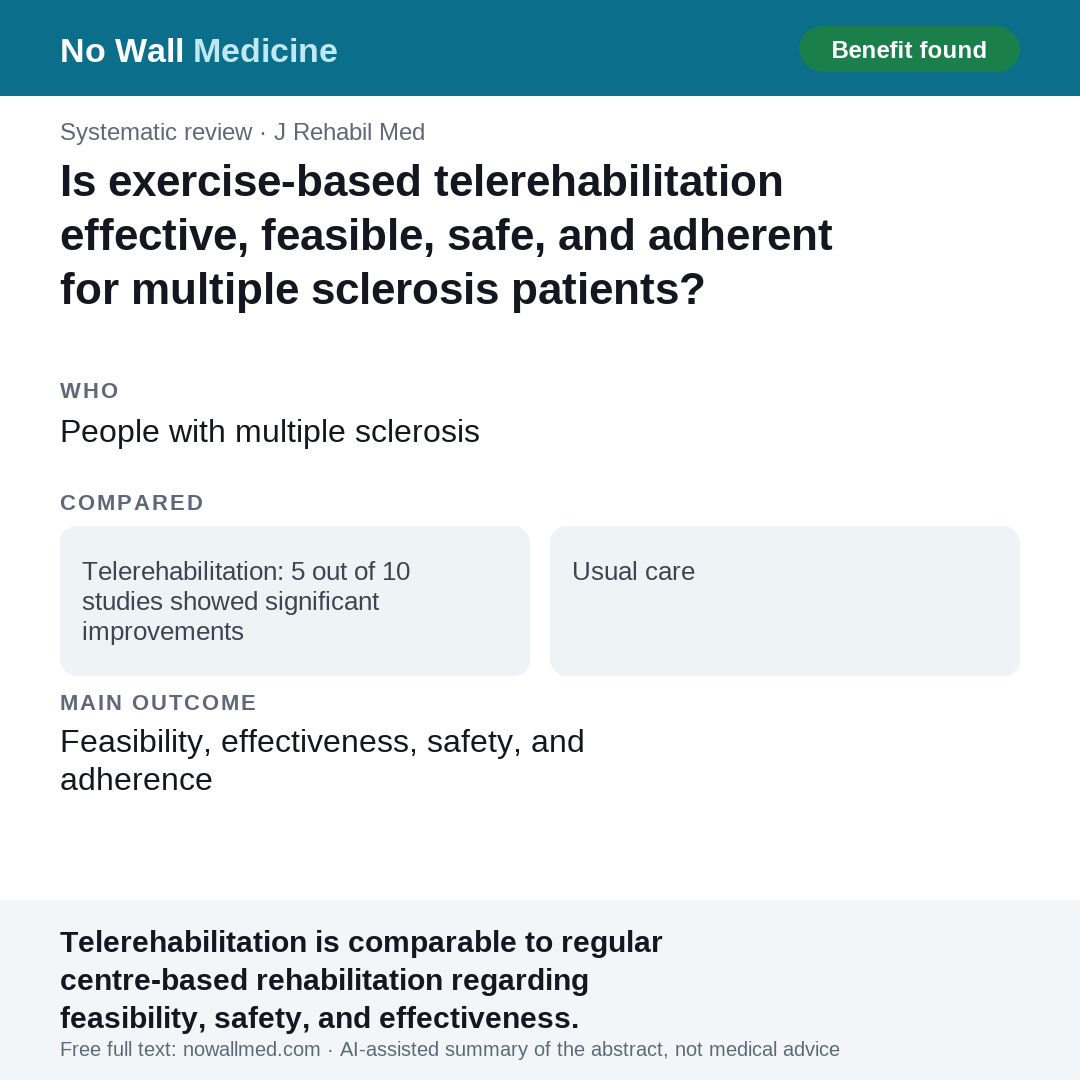
Exercise-based telerehabilitation for patients with multiple sclerosis using physical activity: a systematic review
Systematic reviewBenefit found
Is exercise-based telerehabilitation effective, feasible, safe, and adherent for multiple sclerosis patients?
Who
People with multiple sclerosis
Compared
Telerehabilitation: 5 out of 10 studies showed significant improvements
Usual care
Main outcome
Feasibility, effectiveness, safety, and adherence
Bottom line: Telerehabilitation is comparable to regular centre-based rehabilitation regarding feasibility, safety, and effectiveness.
J Rehabil Med · 2024-11-13Download image
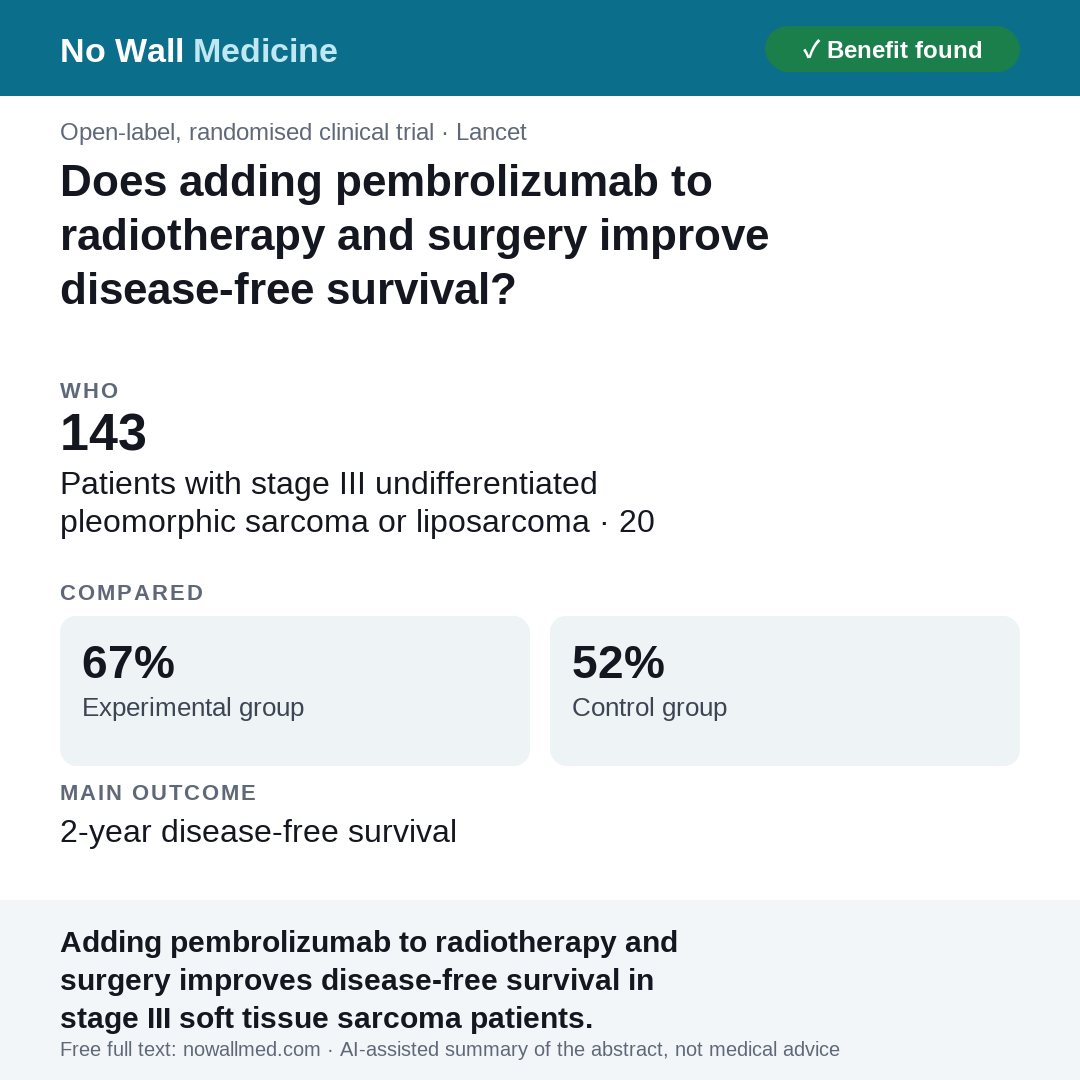
Safety and efficacy of pembrolizumab, radiation therapy, and surgery versus radiation therapy and surgery for stage III soft tissue sarcoma of the extremity (SU2C-SARC032): an open-label, randomised clinical trial
Open-label, randomised clinical trialBenefit found
Does adding pembrolizumab to radiotherapy and surgery improve disease-free survival?
Who
143
Patients with stage III undifferentiated pleomorphic sarcoma or liposarcoma · 20 academic institutions in Australia, Canada, Italy, and USA
Compared
67%Experimental group (90% CI 58-78)
52%Control group (90% CI 42-64)
Main outcome
2-year disease-free survival
Result: hazard ratio 0.61 (90% CI 0.39-0.96)
Bottom line: Adding pembrolizumab to radiotherapy and surgery improves disease-free survival in stage III soft tissue sarcoma patients.
Funded by: Stand Up to Cancer and Merck Sharp & Dohme
Lancet · 2024-11-12Download image
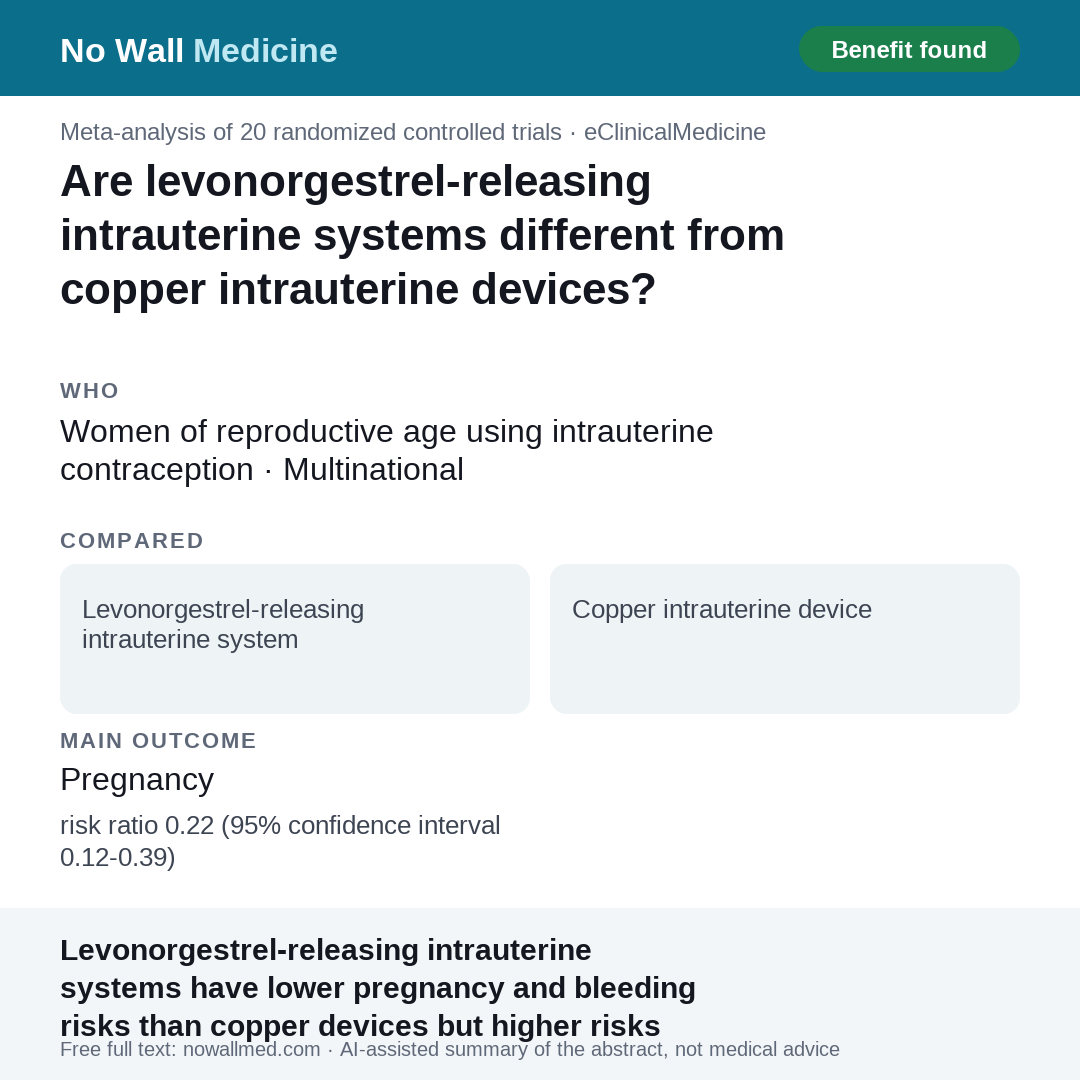
Contraception with levonorgestrel-releasing intrauterine system versus copper intrauterine device: a meta-analysis of randomized controlled trials
Meta-analysis of 20 randomized controlled trialsBenefit found
Are levonorgestrel-releasing intrauterine systems different from copper intrauterine devices?
Who
Women of reproductive age using intrauterine contraception · Multinational
Compared
Levonorgestrel-releasing intrauterine system
Copper intrauterine device
Main outcome
Pregnancy
Result: risk ratio 0.22 (95% confidence interval 0.12-0.39)
Bottom line: Levonorgestrel-releasing intrauterine systems have lower pregnancy and bleeding risks than copper devices but higher risks of amenorrhea.
Funded by: Hunan Provincial Natural Foundation of China and others
eClinicalMedicine · 2024-11-12Download image
Reporting guidelines for randomised controlled trial reports of implantable neurostimulation devices: the CONSORT-iNeurostim extension
Methodological framework development and Delphi surveyBenefit found
How can reporting of randomized controlled trials for implantable neurostimulation devices be improved?
Who
42 stakeholders including healthcare professionals, methodologists, journal editors and industry representatives · United States, United Kingdom, Netherlands and other countries
Compared
49Initial candidate items
7Final extension checklist items
Main outcome
Development of the CONSORT-iNeurostim reporting guideline
Bottom line: The CONSORT-iNeurostim extension provides 7 new checklist items to improve transparency in neurostimulation device trials.
Funded by: Abbott, Boston Scientific Corp., Mainstay Medical, Medtronic Ltd, Nevro Corp. and Saluda Medical
eClinicalMedicine · 2024-11-12Download image

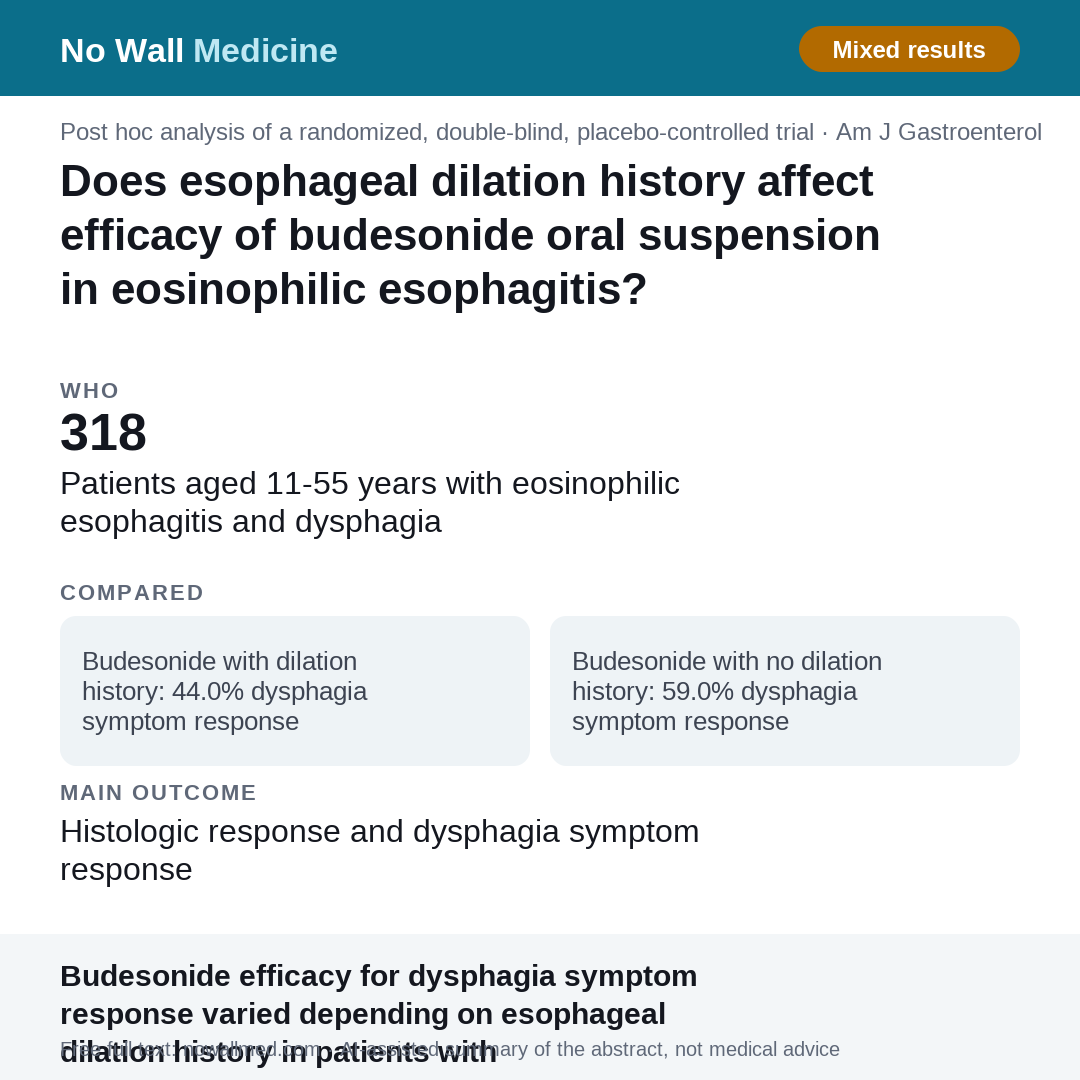
Effect of Esophageal Dilation History on Efficacy Outcomes in Patients With Eosinophilic Esophagitis Receiving Budesonide Oral Suspension
Post hoc analysis of a randomized, double-blind, placebo-controlled trialMixed results
Does esophageal dilation history affect efficacy of budesonide oral suspension in eosinophilic esophagitis?
Who
318
Patients aged 11-55 years with eosinophilic esophagitis and dysphagia
Compared
Budesonide with dilation history: 44.0% dysphagia symptom response
Budesonide with no dilation history: 59.0% dysphagia symptom response
Main outcome
Histologic response and dysphagia symptom response
Bottom line: Budesonide efficacy for dysphagia symptom response varied depending on esophageal dilation history in patients with eosinophilic esophagitis.
Limitation: This was a post hoc analysis of a phase 3 study.
Am J Gastroenterol · 2024-11-12Download image
The effects and costs of an anti-bullying program (KiVa) in UK primary schools: a multicenter cluster randomized controlled trial
Multicenter cluster randomized controlled trialBenefit found
Does the KiVa anti-bullying program reduce bullying victimization in primary schools?
Who
11111
Students in United Kingdom primary schools · Four trial sites in the United Kingdom
Compared
KiVa-intervention: 17.7% at follow-up
Usual practice: 20.7% at follow-up
Main outcome
Student-reported bullying-victimization
Result: odds ratio 0.87 (95% confidence interval 0.78 to 0.97)
Bottom line: The KiVa anti-bullying program effectively reduces bullying victimization in primary school students.
Funded by: UK National Institute for Health and Care Research
Psychol Med · 2024-11-12Download image

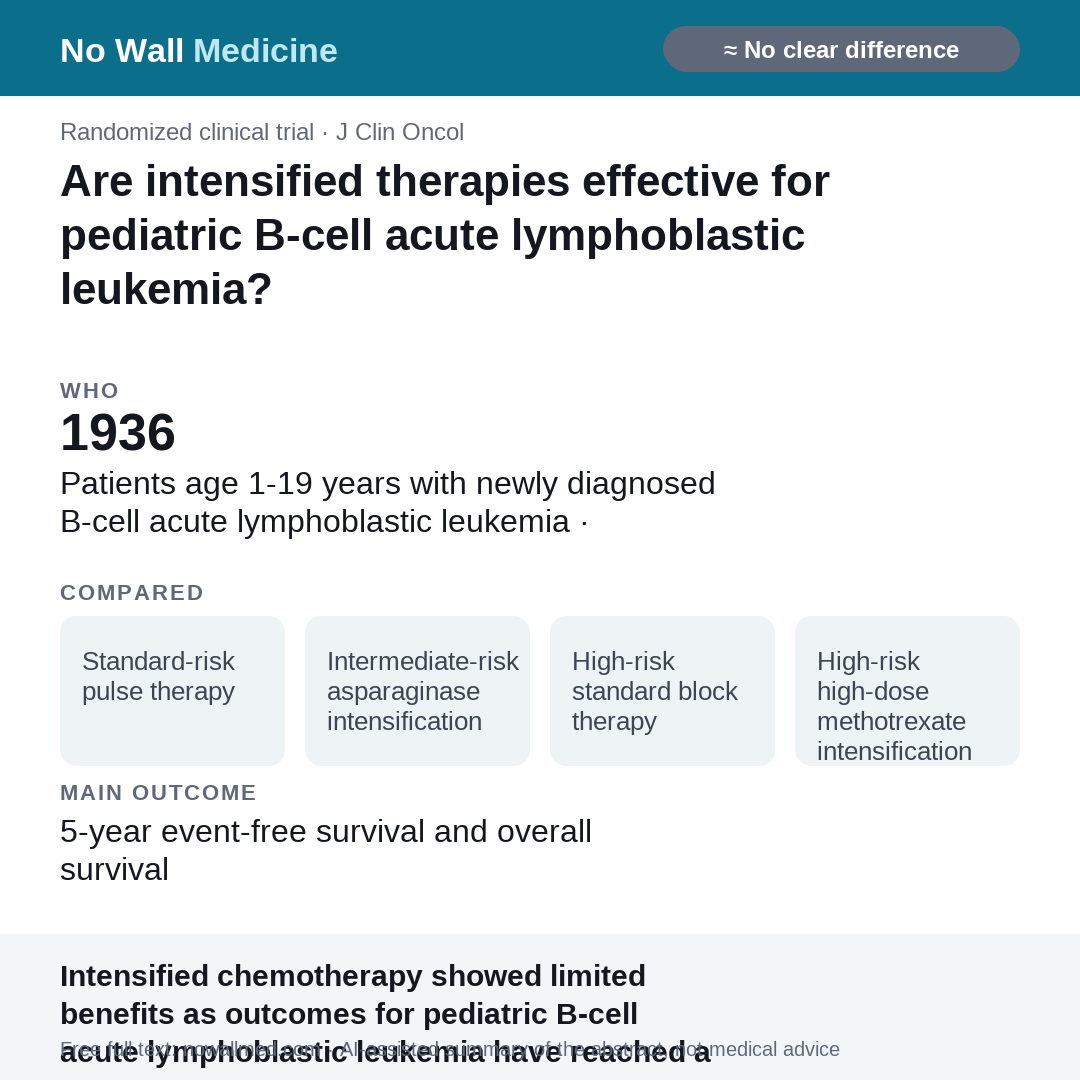
JCCG ALL-B12: Evaluation of Intensified Therapies With Vincristine/Dexamethasone Pulses and Asparaginase and Augmented High-Dose Methotrexate for Pediatric B-ALL
Randomized clinical trialNo clear difference
Are intensified therapies effective for pediatric B-cell acute lymphoblastic leukemia?
Who
1936
Patients age 1-19 years with newly diagnosed B-cell acute lymphoblastic leukemia · Nationwide cohort
Compared
Standard-risk pulse therapy
Intermediate-risk asparaginase intensification
High-risk standard block therapy
High-risk high-dose methotrexate intensification
Main outcome
5-year event-free survival and overall survival
Bottom line: Intensified chemotherapy showed limited benefits as outcomes for pediatric B-cell acute lymphoblastic leukemia have reached a plateau.
J Clin Oncol · 2024-11-12Download image
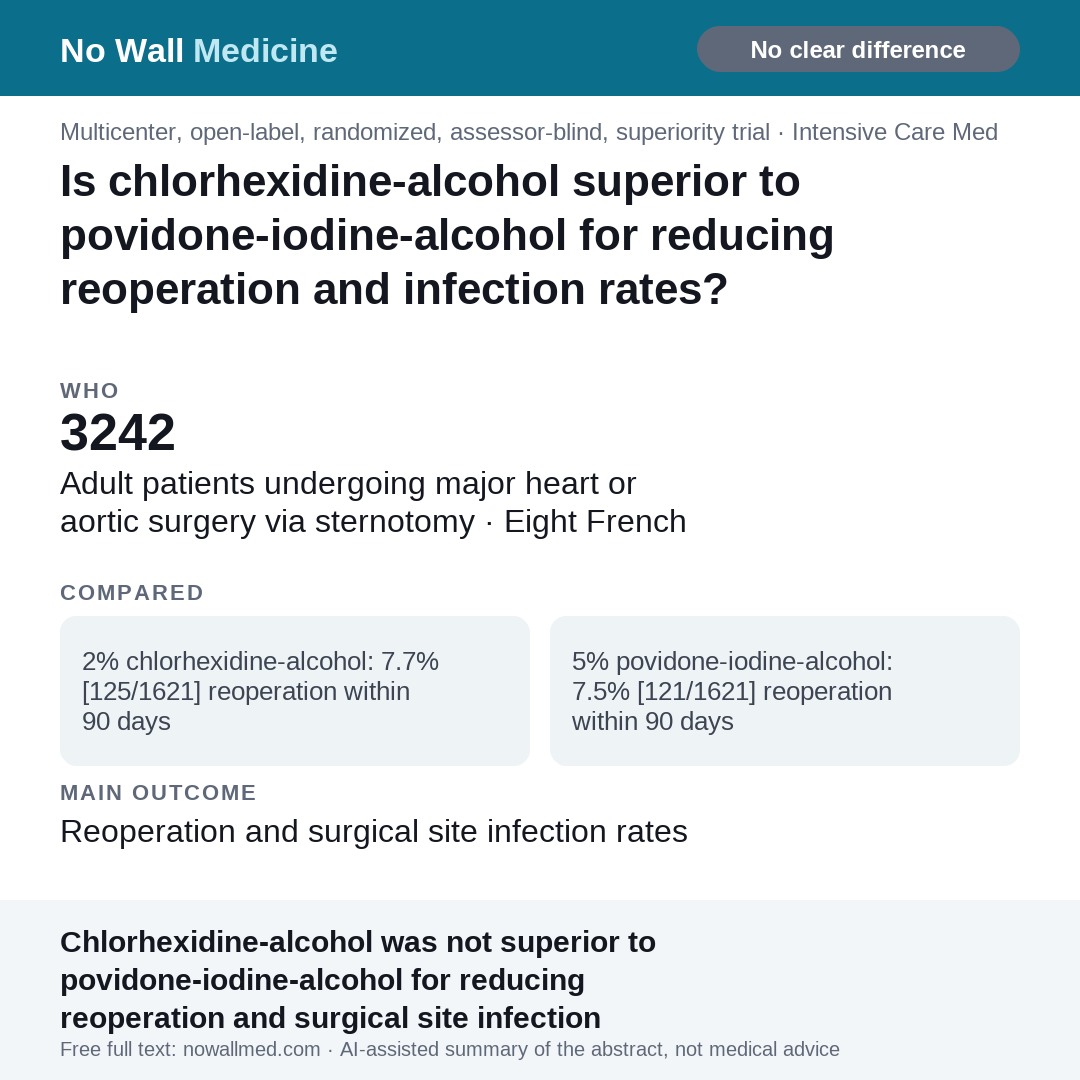
Chlorhexidine-alcohol compared with povidone-iodine-alcohol skin antisepsis protocols in major cardiac surgery: a randomized clinical trial
Multicenter, open-label, randomized, assessor-blind, superiority trialNo clear difference
Is chlorhexidine-alcohol superior to povidone-iodine-alcohol for reducing reoperation and infection rates?
Who
3242
Adult patients undergoing major heart or aortic surgery via sternotomy · Eight French hospitals
Compared
2% chlorhexidine-alcohol: 7.7% [125/1621] reoperation within 90 days
5% povidone-iodine-alcohol: 7.5% [121/1621] reoperation within 90 days
Main outcome
Reoperation and surgical site infection rates
Result: risk difference 0.25 (95% CI -1.58 to 2.07)
Bottom line: Chlorhexidine-alcohol was not superior to povidone-iodine-alcohol for reducing reoperation and surgical site infection rates after major cardiac surgery.
Intensive Care Med · 2024-11-12Download image
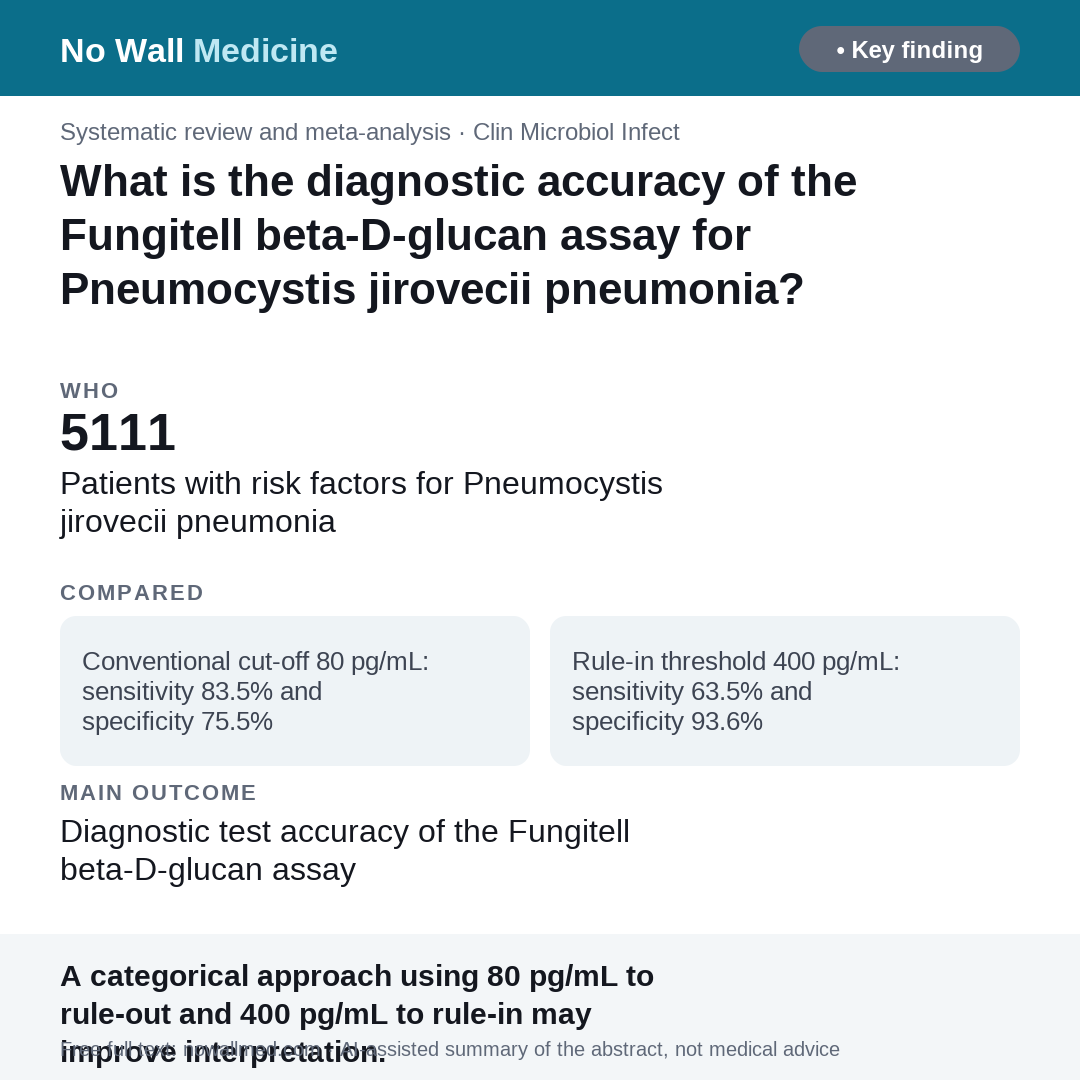
Diagnostic test accuracy of the Fungitell serum (1→3)-β-D-glucan assay for the diagnosis of Pneumocystis jirovecii pneumonia: a systematic review and meta-analysis
Systematic review and meta-analysisBenefit found
What is the diagnostic accuracy of the Fungitell beta-D-glucan assay for Pneumocystis jirovecii pneumonia?
Who
5111
Patients with risk factors for Pneumocystis jirovecii pneumonia
Compared
Conventional cut-off 80 pg/mL: sensitivity 83.5% and specificity 75.5%
Rule-in threshold 400 pg/mL: sensitivity 63.5% and specificity 93.6%
Main outcome
Diagnostic test accuracy of the Fungitell beta-D-glucan assay
Bottom line: A categorical approach using 80 pg/mL to rule-out and 400 pg/mL to rule-in may improve interpretation.
Limitation: More accurate estimates of pretest probability and further external validation are required.
Clin Microbiol Infect · 2024-11-12Download image
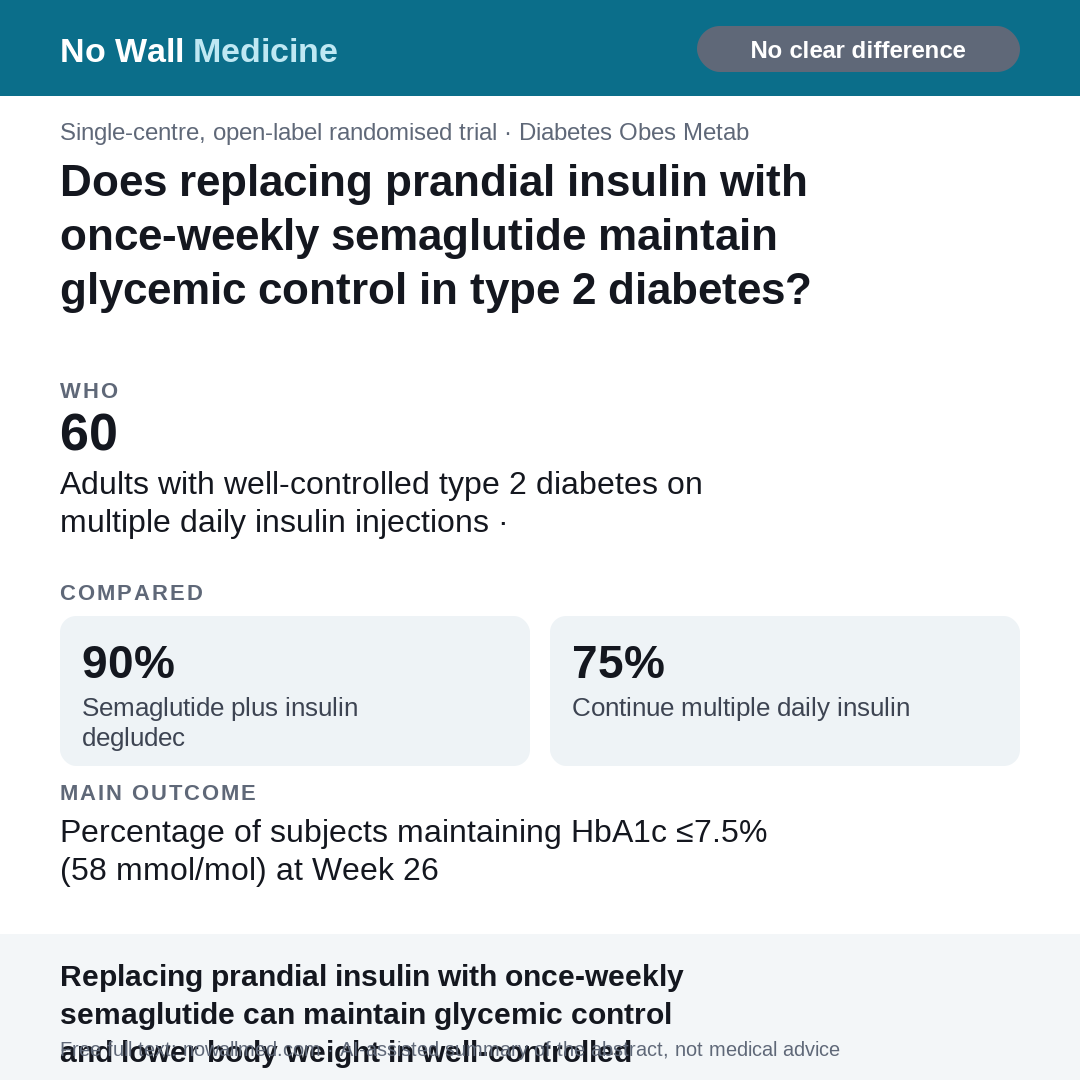
De-intensification of basal-bolus therapy by replacing prandial insulin with once-weekly subcutaneous semaglutide in individuals with well-controlled type 2 diabetes: A single-centre, open-label randomised trial (TRANSITION-T2D)
Single-centre, open-label randomised trialNo clear difference
Does replacing prandial insulin with once-weekly semaglutide maintain glycemic control in type 2 diabetes?
Who
60
Adults with well-controlled type 2 diabetes on multiple daily insulin injections · Single-centre
Compared
90%Semaglutide plus insulin degludec
75%Continue multiple daily insulin
Main outcome
Percentage of subjects maintaining HbA1c ≤7.5% (58 mmol/mol) at Week 26
Bottom line: Replacing prandial insulin with once-weekly semaglutide can maintain glycemic control and lower body weight in well-controlled type 2 diabetes.
Diabetes Obes Metab · 2024-11-12Download image
Real-world use of androgen-deprivation therapy intensification for metastatic hormone-sensitive prostate cancer: a systematic review
Systematic literature review of real-world data studiesMixed results
What are the real-world treatment patterns for metastatic hormone-sensitive prostate cancer?
Who
Men with metastatic hormone-sensitive prostate cancer · North America, Europe, and Asia
Compared
Androgen-deprivation therapy monotherapy: predominantly used across geographies
Androgen-deprivation therapy intensification: increasing trend over the study period
Main outcome
Treatment patterns among men with metastatic hormone-sensitive prostate cancer
Bottom line: Androgen-deprivation therapy intensification is increasing, but use remains suboptimal as many patients still receive monotherapy only.
BJU Int · 2024-11-12Download image

Person Profile Dementia Intervention in Long-Term Care: A Stepped-Wedge Cluster-Randomized Trial
Stepped-wedge cluster-randomized clinical trialBenefit found
Does a person-centered care intervention improve quality of life for people with dementia?
Who
240
People with Alzheimer's disease, vascular dementia, or dementia symptoms · 23 long-term care facilities in German-speaking Switzerland
Compared
Person profile intervention: 67; 95% CI, 64.8-69.1
Monthly outcome measurements alone: 64.4; 95% CI, 62.3-66.4
Main outcome
Quality of life according to the QUALIDEM
Result: 2.6 points (95% CI, 1.34-3.86)
Bottom line: Person profile interventions provided a small but significant improvement in quality of life for people with dementia.
J Am Med Dir Assoc · 2024-11-12Download image