Visual abstracts
New randomized trials and meta-analyses from leading journals at a glance: who was studied, what was compared, and what was found. Every paper is free to read in full.
All specialtiesCardiology 4877Oncology 4138Gastroenterology & Hepatology 1942Infectious Disease 3837Neurology 1905Psychiatry & Mental Health 2273Pulmonology 2143Critical Care 1365Endocrinology & Diabetes 2580Pediatrics 2980Surgery 2559Orthopedics & Sports Medicine 931Neurosurgery 537Cardiothoracic & Vascular Surgery 674Plastic & Reconstructive Surgery 591Nephrology 1133Rheumatology 823Hematology 1109Dermatology 621Ophthalmology 543Obstetrics & Gynecology 1686Public & Global Health 1058Radiology & Imaging 648Anesthesiology 986Urology 764ENT (Otolaryngology) 503Emergency Medicine 511Allergy & Immunology 313Geriatrics 981Family Medicine & Primary Care 562Medical Genetics & Genomics 676Pathology & Laboratory Medicine 159Physical Medicine & Rehabilitation 757Palliative Care 444Nutrition 1588Digital Health & AI 2201General Medicine 321
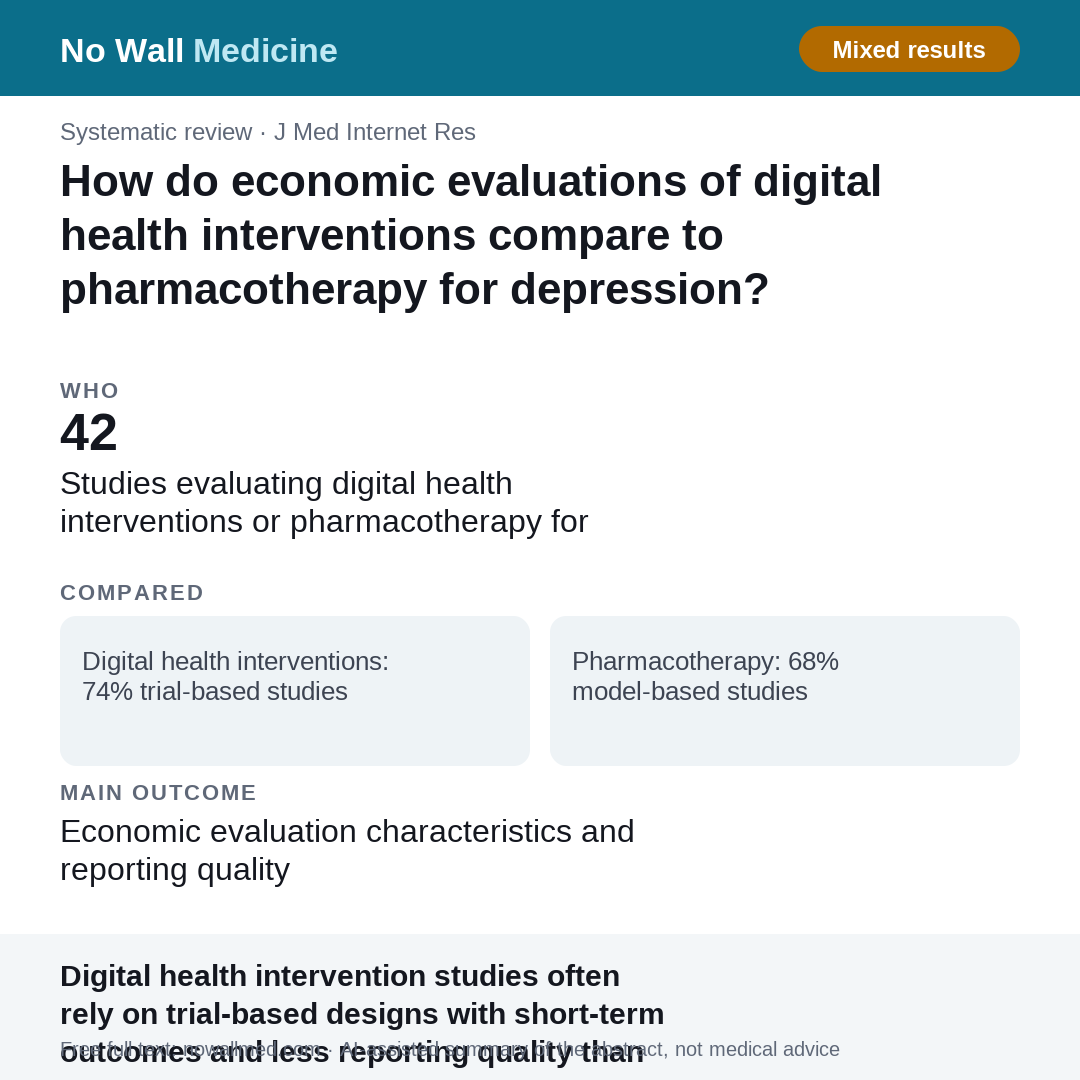
Comparison of Cost-Effectiveness Between Digital Health Interventions and Pharmacotherapy for Depression: Systematic Review
Systematic reviewMixed results
How do economic evaluations of digital health interventions compare to pharmacotherapy for depression?
Who
42
Studies evaluating digital health interventions or pharmacotherapy for depression
Compared
Digital health interventions: 74% trial-based studies
Pharmacotherapy: 68% model-based studies
Main outcome
Economic evaluation characteristics and reporting quality
Bottom line: Digital health intervention studies often rely on trial-based designs with short-term outcomes and less reporting quality than pharmacotherapy studies.
Limitation: Digital health intervention studies had ambiguously defined cost items and lower reporting quality.
J Med Internet Res · 2025-09-10Download image
Evaluation of DNA-poli: Study protocol of a randomized controlled trial to assess a digital platform for family cascade genetic testing and predictive genetic counseling
Multicenter noninferiority randomized controlled trialUnclear result
Does the DNA-poli digital platform improve uptake of cardiogenetic counseling for at-risk relatives?
Who
Probands with genetic hypertrophic or dilated cardiomyopathy, at-risk relatives, and physicians
Compared
DNA-poli platform intervention group
Control group receiving regular counseling
Main outcome
Uptake of cardiogenetic counseling at 6 and 12 months
Bottom line: This study protocol describes a trial to evaluate if a digital platform is noninferior to standard care.
Genet Med Open · 2025-09-10Download image

CardioPulmonary resuscitation with Argon (CPAr): A protocol for a randomised controlled multicentre clinical trial
Single-blinded, multicentre, randomized controlled trialUnclear result
Does argon/oxygen ventilation improve neuroprotection in adults resuscitated from out-of-hospital cardiac arrest?
Who
Unconscious adult out-of-hospital cardiac arrest survivors with shockable rhythm · Tertiary intensive care units in Italy
Compared
70/30 argon/oxygen ventilation
Standard 30% oxygen ventilation
Main outcome
Serum neuron-specific enolase concentration at 48 hours
Bottom line: This protocol describes a trial to evaluate argon ventilation for neuroprotection after cardiac arrest.
Resusc Plus · 2025-09-10Download image

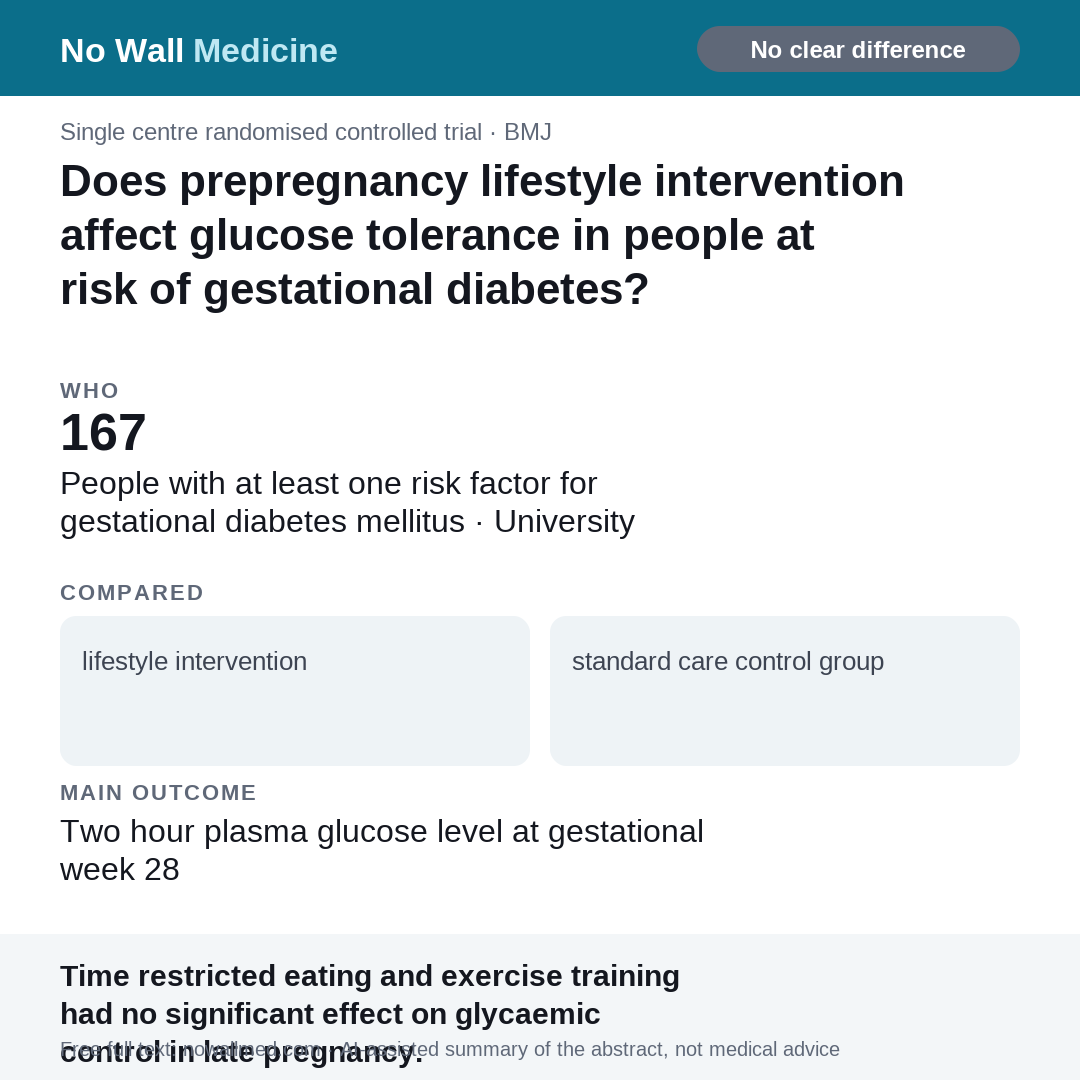
Time restricted eating and exercise training before and during pregnancy for people with increased risk of gestational diabetes: single centre randomised controlled trial (BEFORE THE BEGINNING)
Single centre randomised controlled trialNo clear difference
Does prepregnancy lifestyle intervention affect glucose tolerance in people at risk of gestational diabetes?
Who
167
People with at least one risk factor for gestational diabetes mellitus · University hospital in Trondheim, Norway
Compared
lifestyle intervention
standard care control group
Main outcome
Two hour plasma glucose level at gestational week 28
Result: mean difference 0.48 mmol/L, 95% confidence interval -0.05 to 1.01
Bottom line: Time restricted eating and exercise training had no significant effect on glycaemic control in late pregnancy.
BMJ · 2025-09-09Download image
Global, regional, and national cascades of diabetes care, 2000-23: a systematic review and modelling analysis using findings from the Global Burden of Disease Study
Systematic review and modelling analysisMixed results
What is the global state of the diabetes cascade of care?
Who
People with diabetes aged 15 years and older · 204 countries and territories
Compared
55·8%Diagnosed (95% UI 49·3-62·3)
91·4%Treated among diagnosed (88·0-94·2)
41·6%Optimal glycaemic concentrations among treated (35·7-48·5)
Main outcome
Proportion of diabetes diagnosis, treatment, and glycaemic management
Bottom line: While diagnosis and treatment rates improved, suboptimal glycaemic management remains a major global challenge.
Funded by: Bill & Melinda Gates Foundation
Lancet Diabetes Endocrinol · 2025-09-09Download image

Inferior Vena Cava Ultrasound to Guide Decongestion in Acute Decompensated Heart Failure: A Randomized Controlled Trial
Randomized controlled multicenter trialNo clear difference
Does inferior vena cava ultrasound guidance improve decongestion compared to clinical assessment alone?
Who
327
Patients admitted for acute decompensated heart failure · Multicenter
Compared
Inferior vena cava ultrasound plus clinical assessment
Clinical assessment alone
Main outcome
Change in N-terminal pro-B-type natriuretic peptide levels
Result: 5.4% (95% CI: -9.4% to 22.6%; P = 0.58)
Bottom line: Adding inferior vena cava ultrasound to clinical assessment did not improve decongestion treatment in acute decompensated heart failure.
JACC Heart Fail · 2025-09-09Download image

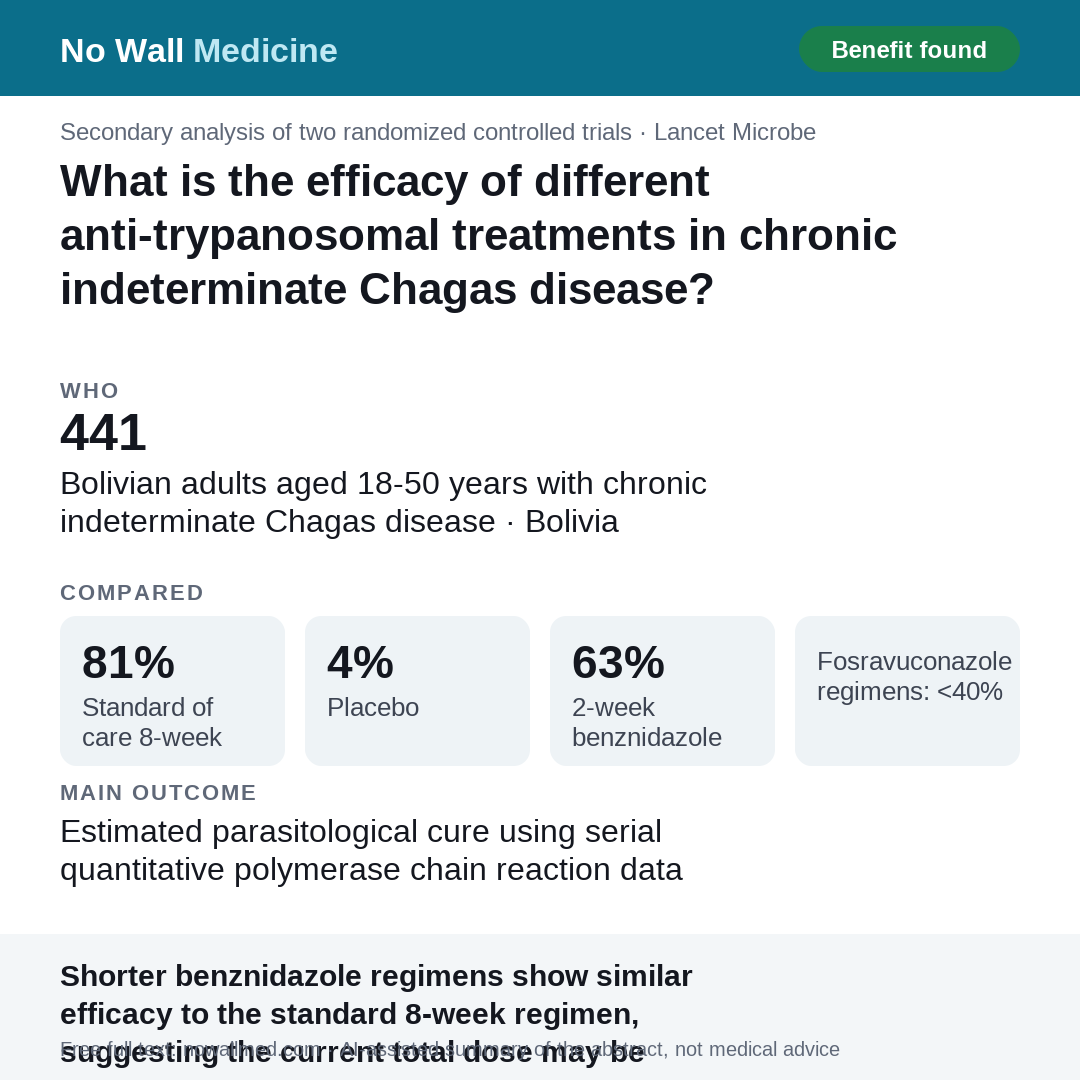
Quantifying anti-trypanosomal treatment effects in chronic indeterminate Chagas disease: a secondary analysis of individual patient data from two proof-of-concept trials
Secondary analysis of two randomized controlled trialsBenefit found
What is the efficacy of different anti-trypanosomal treatments in chronic indeterminate Chagas disease?
Who
441
Bolivian adults aged 18-50 years with chronic indeterminate Chagas disease · Bolivia
Compared
81%Standard of care 8-week benznidazole (70-89)
4%Placebo (1-9)
63%2-week benznidazole regimen (43-81)
Fosravuconazole regimens: <40%
Main outcome
Estimated parasitological cure using serial quantitative polymerase chain reaction data
Bottom line: Shorter benznidazole regimens show similar efficacy to the standard 8-week regimen, suggesting the current total dose may be excessive.
Funded by: Wellcome Trust
Lancet Microbe · 2025-09-09Download image
Cardiovascular risk reduction with glucagon-like peptide-1 receptor agonists is proportional to HbA1c lowering in type 2 diabetes: An updated meta-regression analysis incorporating FLOW and SOUL trials
Meta-regression of 10 randomized placebo-controlled trialsBenefit found
Are cardiovascular and kidney outcomes related to glycemic or bodyweight reductions with GLP-1 receptor agonists?
Who
73263
Adults with type 2 diabetes
Compared
Glucagon-like peptide-1 receptor agonists: 14% reduction in major adverse cardiovascular events
Placebo
Main outcome
Major adverse cardiovascular events
Result: hazard ratio 0.86 (95% CI 0.82 to 0.91)
Bottom line: Glucagon-like peptide-1 receptor agonists reduce cardiovascular risk, with reduction proportional to hemoglobin A1c lowering.
Diabetes Obes Metab · 2025-09-09Download image

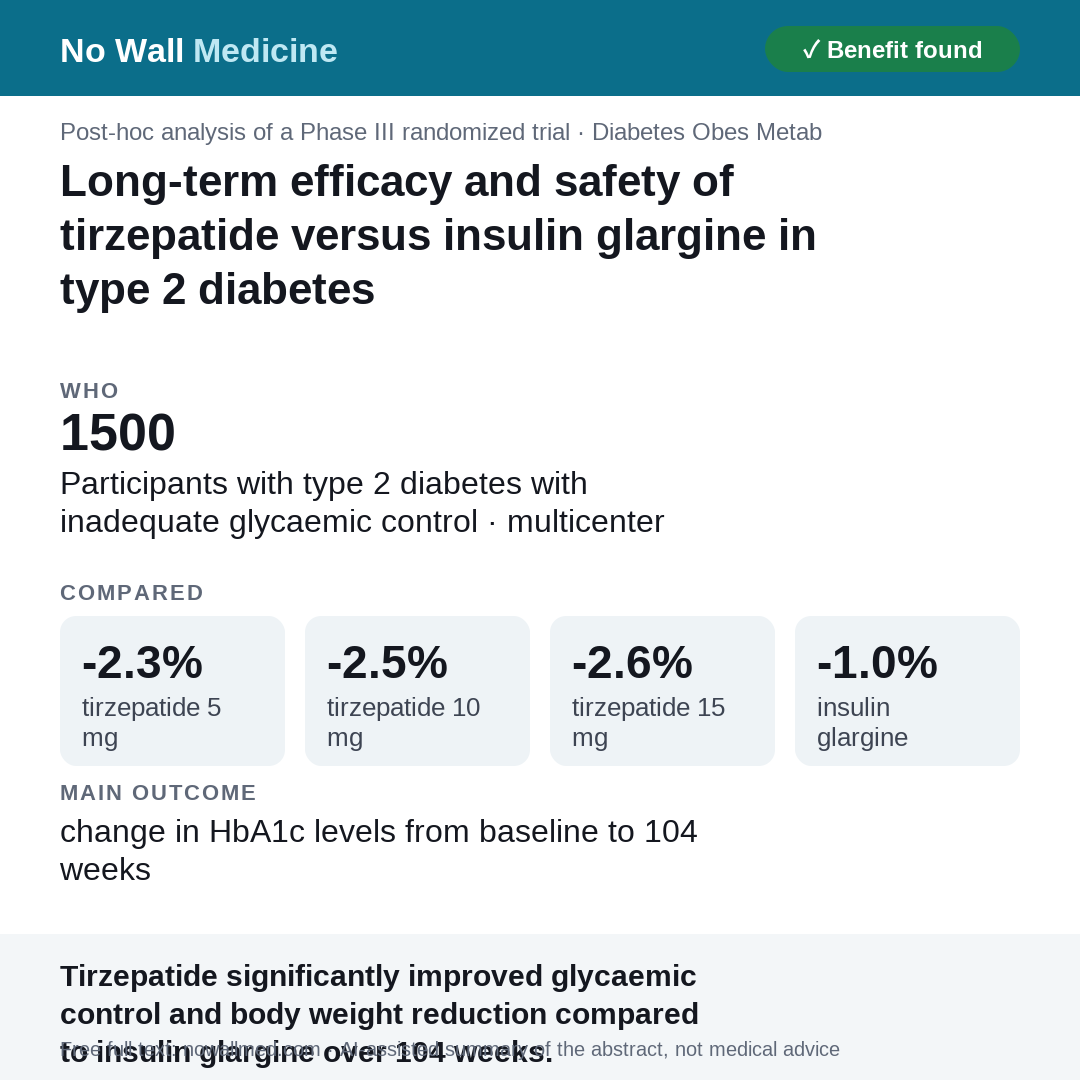
Long-term efficacy and safety of tirzepatide in participants with type 2 diabetes with inadequate glycaemic control on metformin and/or sulfonylurea: Post-hoc analysis of SURPASS-4
Post-hoc analysis of a Phase III randomized trialBenefit found
Long-term efficacy and safety of tirzepatide versus insulin glargine in type 2 diabetes
Who
1500
Participants with type 2 diabetes with inadequate glycaemic control · multicenter
Compared
-2.3%tirzepatide 5 mg
-2.5%tirzepatide 10 mg
-2.6%tirzepatide 15 mg
-1.0%insulin glargine
Main outcome
change in HbA1c levels from baseline to 104 weeks
Bottom line: Tirzepatide significantly improved glycaemic control and body weight reduction compared to insulin glargine over 104 weeks.
Diabetes Obes Metab · 2025-09-09Download image
Safety and efficacy of bariatric or metabolic surgery in septuagenarians: a systematic review and meta-analysis
Systematic review and meta-analysisMixed results
Is bariatric or metabolic surgery safe and effective in septuagenarians?
Who
2528
Patients aged 70 years or older undergoing primary bariatric or metabolic surgery
Compared
Septuagenarians: 9.0% (95% CI: 6.0-13.0%) 30-day morbidity
Septuagenarians: 0.7% (95% CI: 0.0-1.2%) mortality
Younger patients
Main outcome
30-day morbidity, mortality, hospital stay, and weight loss outcomes
Result: odds ratio 1.55 (95% CI: 1.26-1.91) for complications; odds ratio 4.31 (95% CI: 1.53-12.11) for mortality
Bottom line: Bariatric surgery is feasible in septuagenarians but carries higher short-term risks for complications and mortality compared to younger patients.
Int J Surg · 2025-09-09Download image

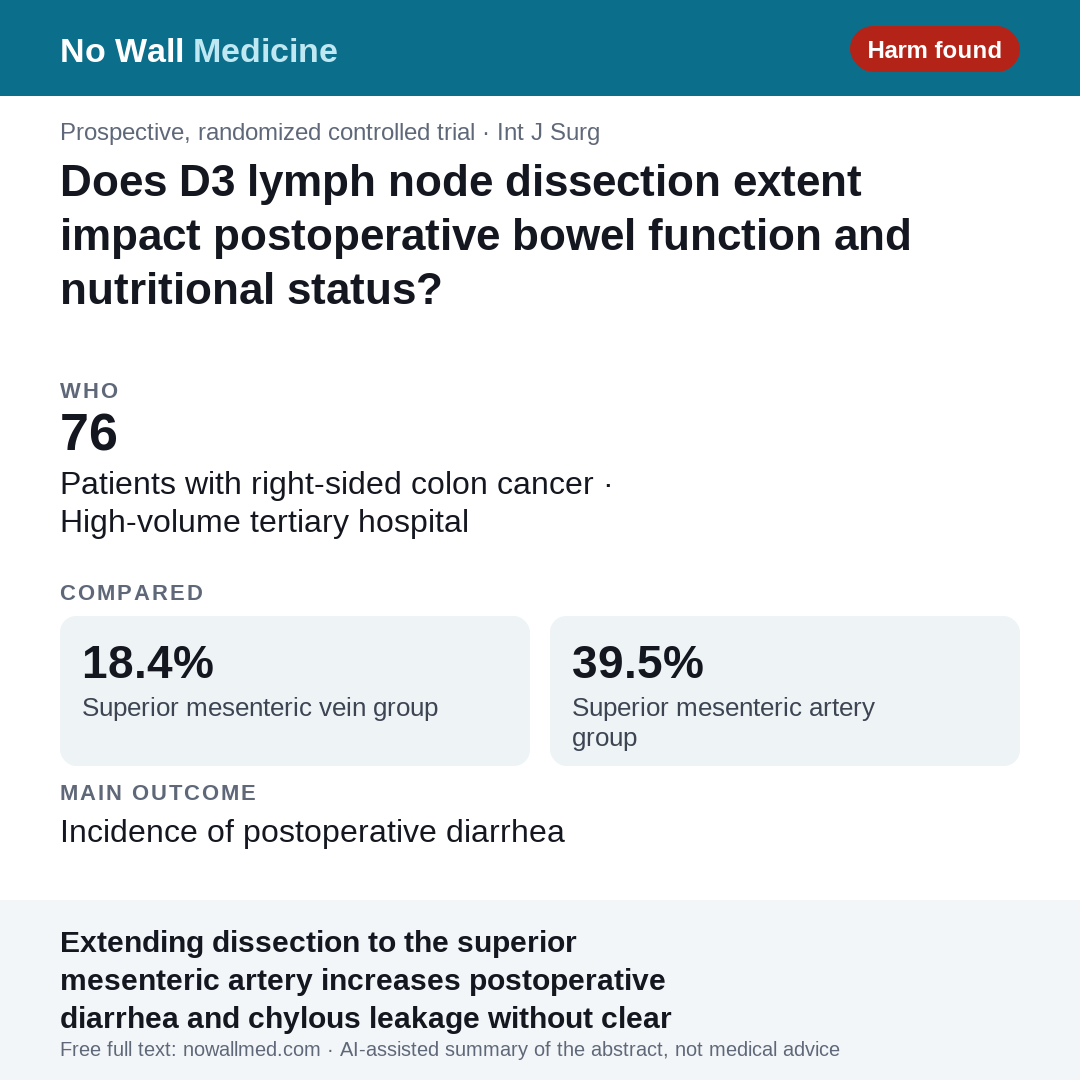
Impact of D3 lymph node dissection extent on postoperative bowel function and nutritional status in right-sided colon cancer: a prospective randomized controlled trial
Prospective, randomized controlled trialHarm found
Does D3 lymph node dissection extent impact postoperative bowel function and nutritional status?
Who
76
Patients with right-sided colon cancer · High-volume tertiary hospital
Compared
18.4%Superior mesenteric vein group
39.5%Superior mesenteric artery group
Main outcome
Incidence of postoperative diarrhea
Bottom line: Extending dissection to the superior mesenteric artery increases postoperative diarrhea and chylous leakage without clear oncologic benefit.
Int J Surg · 2025-09-09Download image
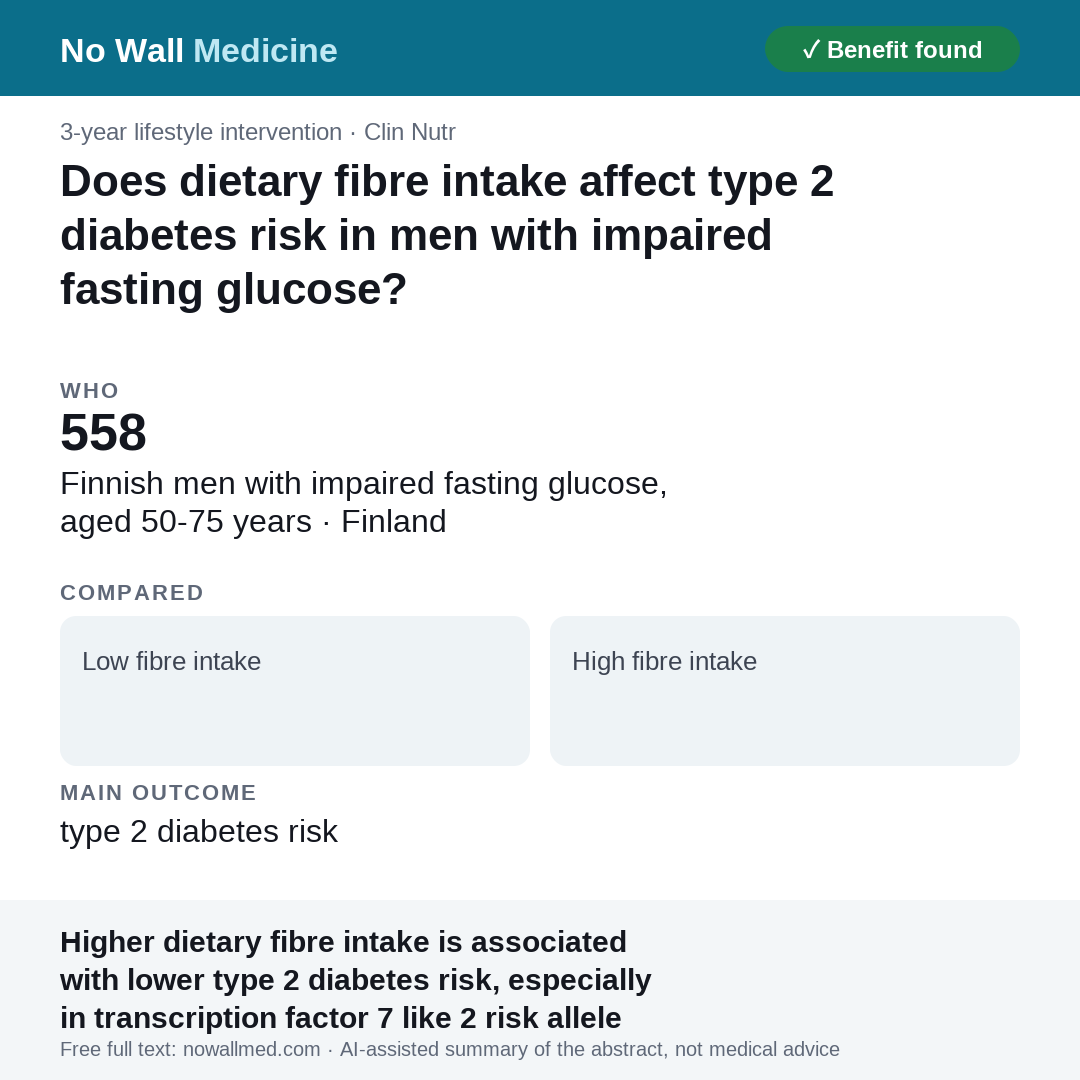
Association of dietary fibre with type 2 diabetes risk is modified by transcription factor 7 like 2 genotype in men with impaired fasting glucose: The T2D-GENE study
3-year lifestyle interventionBenefit found
Does dietary fibre intake affect type 2 diabetes risk in men with impaired fasting glucose?
Who
558
Finnish men with impaired fasting glucose, aged 50-75 years · Finland
Compared
Low fibre intake
High fibre intake
Main outcome
type 2 diabetes risk
Result: hazard ratio 0.46 (95 % confidence interval 0.23; 0.94)
Bottom line: Higher dietary fibre intake is associated with lower type 2 diabetes risk, especially in transcription factor 7 like 2 risk allele carriers.
Clin Nutr · 2025-09-09Download image
The efficacy of botulinum toxin treatment in facial palsy: A systematic review
Systematic reviewBenefit found
What is the efficacy of botulinum toxin injections in treating facial palsy?
Who
Individuals with facial palsy
Compared
Botulinum toxin
Control
Main outcome
Facial symmetry, spasticity, functional outcomes, and patient satisfaction
Bottom line: Botulinum toxin injections show promising efficacy in improving facial symmetry and functional outcomes for facial palsy.
JPRAS Open · 2025-09-09Download image

Effectiveness of different de-implementation strategies in primary care: systematic review and meta-analysis
Systematic review and meta-analysisBenefit found
How effective are different de-implementation strategies in reducing low value care in primary care?
Who
Patients receiving low value care in primary care settings · Primary care
Compared
Provider education combined with audit and feedback: moderate certainty of evidence
Other individual strategies: low certainty of evidence
Main outcome
Use of targeted low value care
Result: odds ratio 0.73 (95% CI 0.63 to 0.84)
Bottom line: Combining provider education with audit and feedback moderately reduces the use of targeted low value care in primary care.
Limitation: Low certainty of evidence for individual strategies and combinations of strategies.
BMJ Med · 2025-09-09Download image

Music therapy for patients with depression: systematic review and meta-analysis of randomised controlled trials
Systematic review and meta-analysis of randomised controlled trialsBenefit found
Is music therapy effective for managing depressive symptoms and related problems?
Who
Individuals with depression
Compared
Music therapy
Controls
Main outcome
Depressive symptoms
Result: standardised mean difference -0.97 (95% CI -1.23 to -0.71)
Bottom line: Music therapy may reduce depressive symptoms, improve quality of life, and improve sleep quality in patients with depression.
Limitation: Very low evidence level due to high risk of bias, inconsistency, and imprecision.
BJPsych Open · 2025-09-09Download image

Supporting Informal Dementia Caregivers Through an iSupport Web-Based Primary Health Care Intervention: Hybrid Effectiveness-Implementation Mixed Methods Study
Cluster randomized controlled trialNo clear difference
Does the iSupport web-based program integrated with family physician services reduce caregiver burden?
Who
120
Informal caregivers of people with dementia in Beijing · Beijing, China
Compared
Intervention group: β=-3.80, 95% CI -11.25 to 3.65
Control group
Main outcome
Caregiver burden
Result: β=-3.80, 95% CI -11.25 to 3.65
Bottom line: The integrated iSupport intervention showed no substantial difference in caregiver burden but significantly improved learning behaviors.
Limitation: Implementation barriers included policy-finance misalignment, digital adaptation gaps, and lack of performance incentives.
J Med Internet Res · 2025-09-09Download image

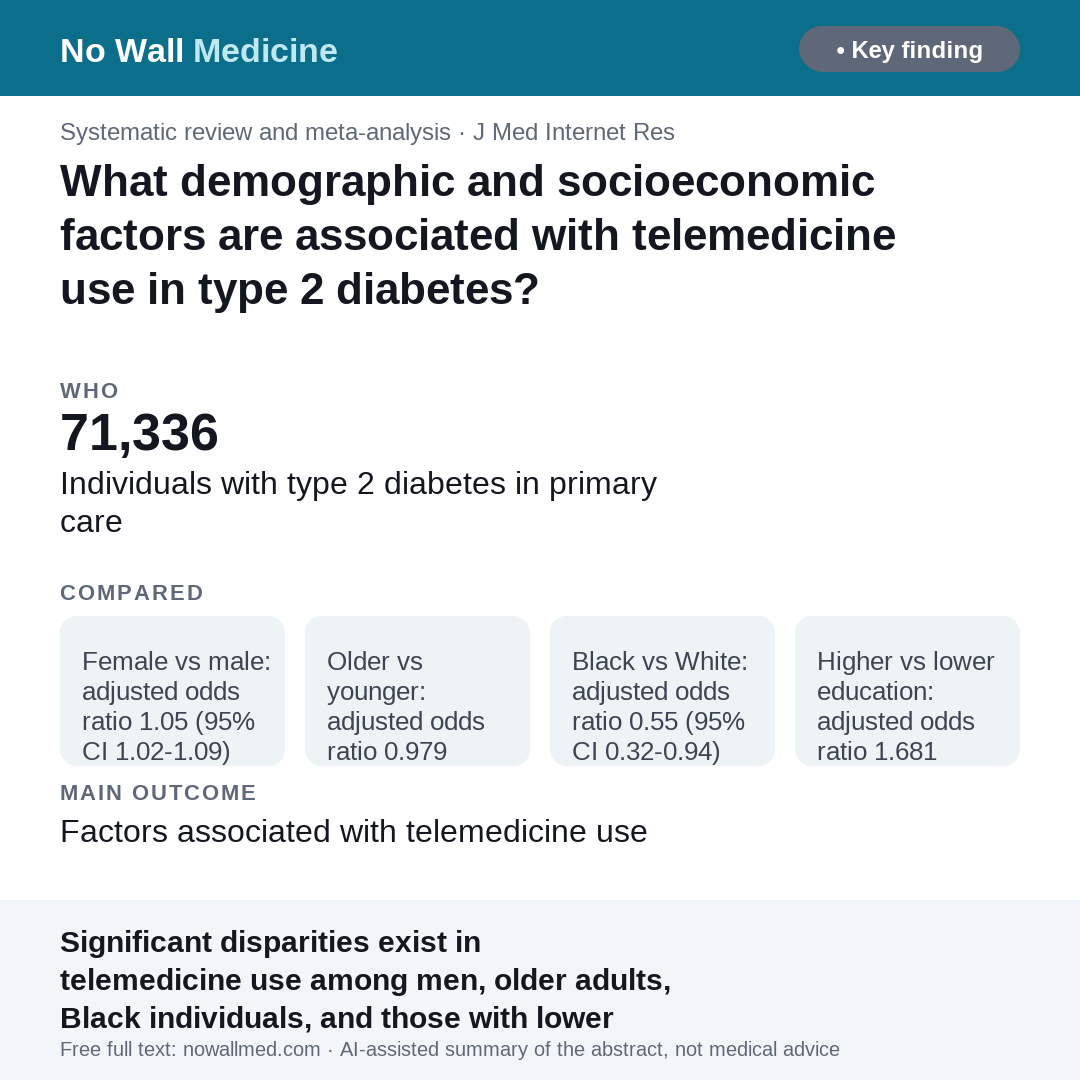
Demographic and Socioeconomic Disparities in Telemedicine Use Among Individuals With Type 2 Diabetes in Primary Care: Systematic Review and Meta-Analysis
Systematic review and meta-analysisHarm found
What demographic and socioeconomic factors are associated with telemedicine use in type 2 diabetes?
Who
71,336
Individuals with type 2 diabetes in primary care
Compared
Female vs male: adjusted odds ratio 1.05 (95% CI 1.02-1.09)
Older vs younger: adjusted odds ratio 0.979 (95% CI 0.98-0.98)
Black vs White: adjusted odds ratio 0.55 (95% CI 0.32-0.94)
Higher vs lower education: adjusted odds ratio 1.681 (95% CI 1.48-1.91)
Main outcome
Factors associated with telemedicine use
Bottom line: Significant disparities exist in telemedicine use among men, older adults, Black individuals, and those with lower education levels.
J Med Internet Res · 2025-09-09Download image
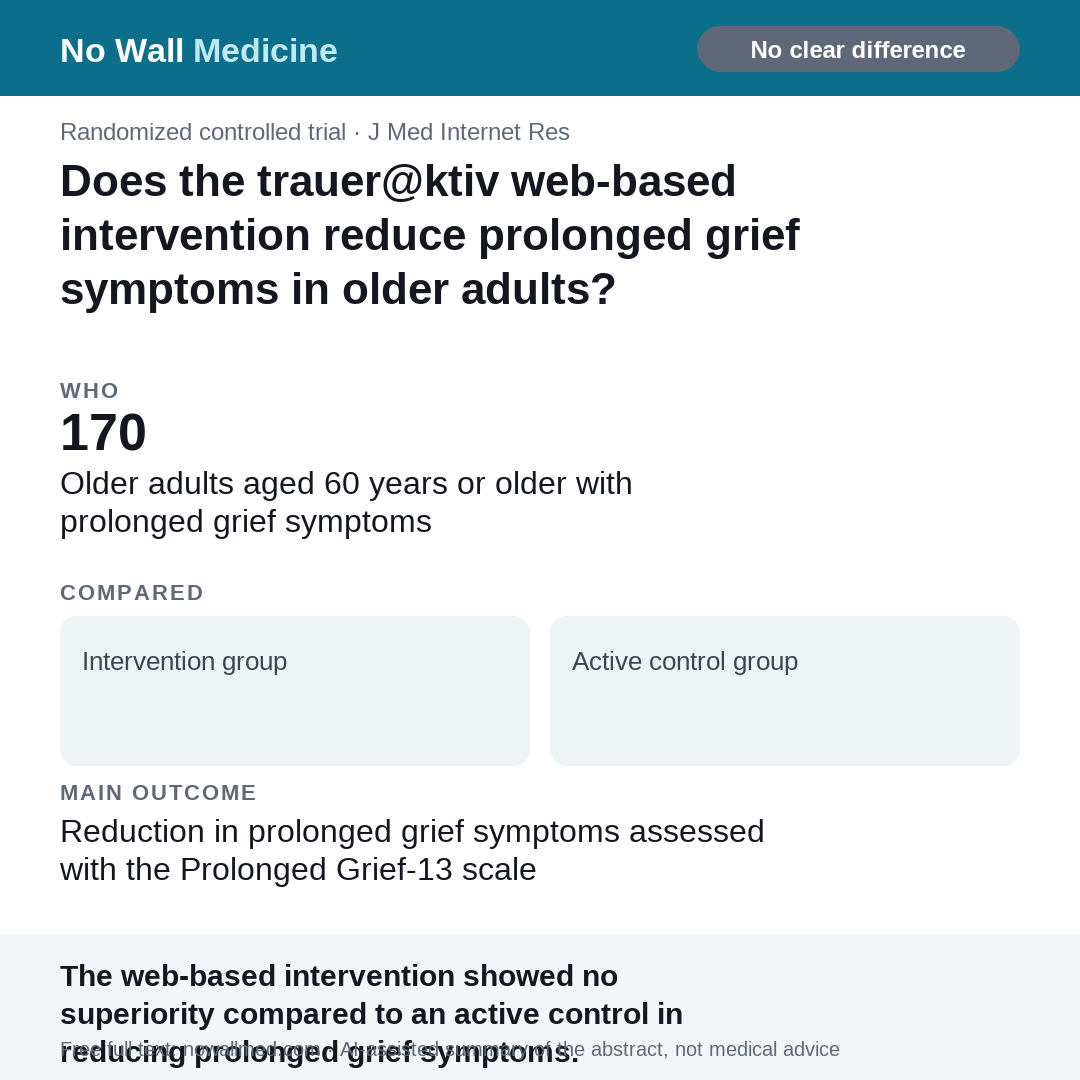
Testing the Efficacy of a Web-Based Intervention for Loss and Bereavement in Later Life (AgE-health Study): Results From a Randomized Controlled Trial
Randomized controlled trialNo clear difference
Does the trauer@ktiv web-based intervention reduce prolonged grief symptoms in older adults?
Who
170
Older adults aged 60 years or older with prolonged grief symptoms
Compared
Intervention group
Active control group
Main outcome
Reduction in prolonged grief symptoms assessed with the Prolonged Grief-13 scale
Result: average marginal effect of 0.56, 95% CI -2.30 to 3.44
Bottom line: The web-based intervention showed no superiority compared to an active control in reducing prolonged grief symptoms.
J Med Internet Res · 2025-09-09Download image
Nigral stimulation for freezing of gait: kinematic gait parameters inform optimization of stimulation frequency
Randomized controlled trialBenefit found
Nigral stimulation effect on freezing of gait
Who
Patients with advanced Parkinson's disease
Compared
No stimulation
STN 119 Hz
STN + SNr 119 Hz
STN + SNr 71 Hz
Main outcome
Freezing of gait outcomes
Bottom line: Nigral stimulation improves freezing of gait
J Neuroeng Rehabil · 2025-09-09Download image

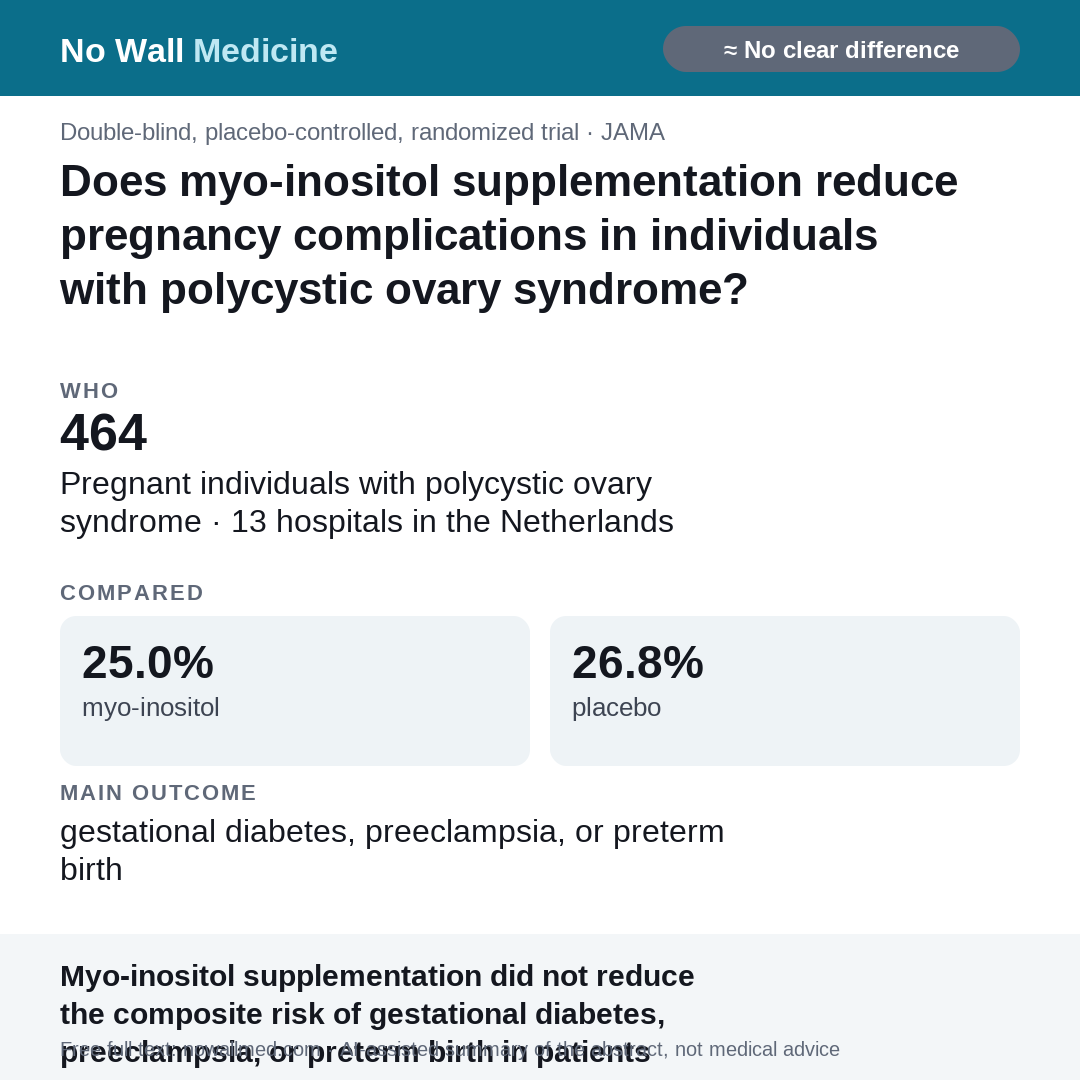
Myo-inositol Supplementation to Prevent Pregnancy Complications in Polycystic Ovary Syndrome: A Randomized Clinical Trial
Double-blind, placebo-controlled, randomized trialNo clear difference
Does myo-inositol supplementation reduce pregnancy complications in individuals with polycystic ovary syndrome?
Who
464
Pregnant individuals with polycystic ovary syndrome · 13 hospitals in the Netherlands
Compared
25.0%myo-inositol (56/230)
26.8%placebo (61/234)
Main outcome
gestational diabetes, preeclampsia, or preterm birth
Result: relative risk 0.93 (95% CI 0.68-1.28)
Bottom line: Myo-inositol supplementation did not reduce the composite risk of gestational diabetes, preeclampsia, or preterm birth in patients with polycystic ovary syndrome.
JAMA · 2025-09-08Download image