Visual abstracts
New randomized trials and meta-analyses from leading journals at a glance: who was studied, what was compared, and what was found. Every paper is free to read in full.
All specialtiesCardiology 1334Oncology 1179Gastroenterology & Hepatology 475Infectious Disease 868Neurology 549Psychiatry & Mental Health 661Pulmonology 567Critical Care 394Endocrinology & Diabetes 739Pediatrics 788Surgery 630Orthopedics & Sports Medicine 256Neurosurgery 179Cardiothoracic & Vascular Surgery 150Plastic & Reconstructive Surgery 208Nephrology 283Rheumatology 178Hematology 282Dermatology 142Ophthalmology 151Obstetrics & Gynecology 416Public & Global Health 261Radiology & Imaging 171Anesthesiology 251Urology 246ENT (Otolaryngology) 182Emergency Medicine 144Allergy & Immunology 90Geriatrics 277Family Medicine & Primary Care 168Medical Genetics & Genomics 142Pathology & Laboratory Medicine 41Physical Medicine & Rehabilitation 230Palliative Care 121Nutrition 347Digital Health & AI 686General Medicine 121
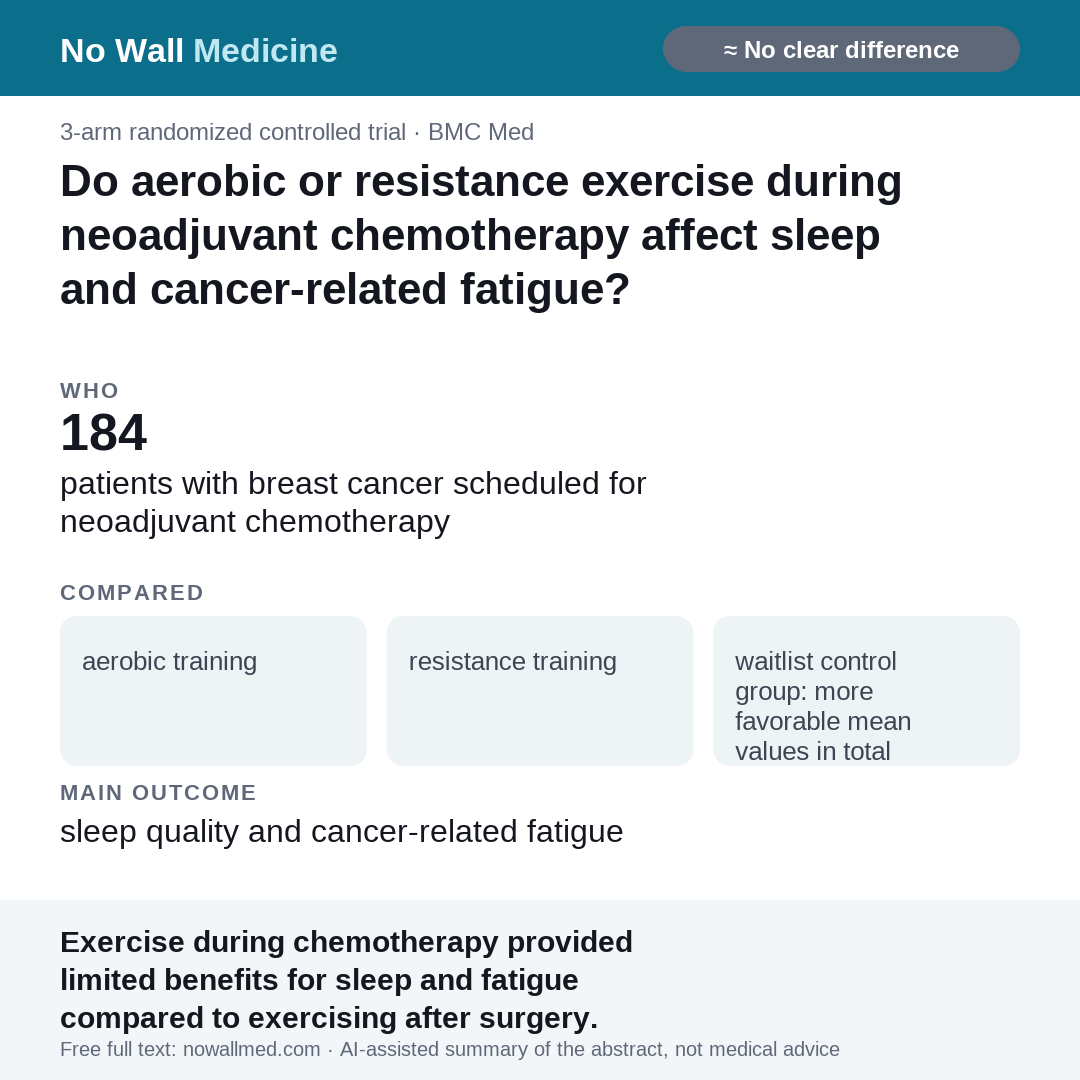
Effects of aerobic or resistance exercise on sleep and cancer-related fatigue in patients with breast cancer during or after neoadjuvant chemotherapy: a 3-arm randomized controlled trial
3-arm randomized controlled trialNo clear difference
Do aerobic or resistance exercise during neoadjuvant chemotherapy affect sleep and cancer-related fatigue?
Who
184
patients with breast cancer scheduled for neoadjuvant chemotherapy
Compared
aerobic training
resistance training
waitlist control group: more favorable mean values in total cancer-related fatigue at T3
Main outcome
sleep quality and cancer-related fatigue
Result: adjusted mean difference -10.53 (95% CI -19.63 to -1.42) for total fatigue
Bottom line: Exercise during chemotherapy provided limited benefits for sleep and fatigue compared to exercising after surgery.
BMC Med · 2026-01-28Download image
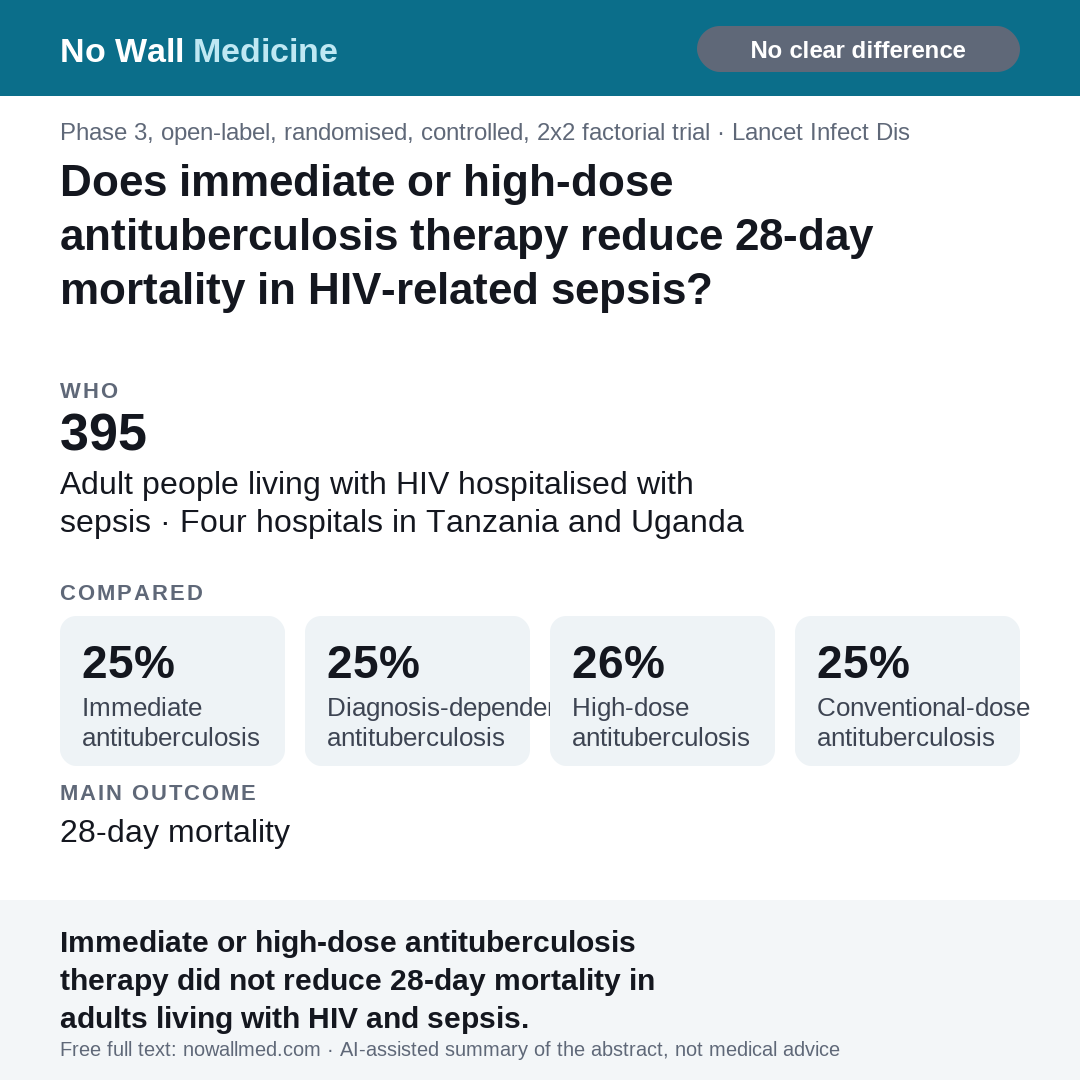
Immediate or high-dose antituberculosis therapy for HIV-related sepsis in Tanzania and Uganda (ATLAS): a phase 3, open-label, randomised, controlled, 2 × 2 factorial, superiority trial
Phase 3, open-label, randomised, controlled, 2x2 factorial trialNo clear difference
Does immediate or high-dose antituberculosis therapy reduce 28-day mortality in HIV-related sepsis?
Who
395
Adult people living with HIV hospitalised with sepsis · Four hospitals in Tanzania and Uganda
Compared
25%Immediate antituberculosis therapy
25%Diagnosis-dependent antituberculosis therapy
26%High-dose antituberculosis therapy
25%Conventional-dose antituberculosis therapy
Main outcome
28-day mortality
Result: aHR 0.99 (95% CI 0.67-1.46) for immediate vs diagnosis-dependent; aHR 1.07 (95% CI 0.72-1.59) for high-dose vs conventional
Bottom line: Immediate or high-dose antituberculosis therapy did not reduce 28-day mortality in adults living with HIV and sepsis.
Lancet Infect Dis · 2026-01-28Download image
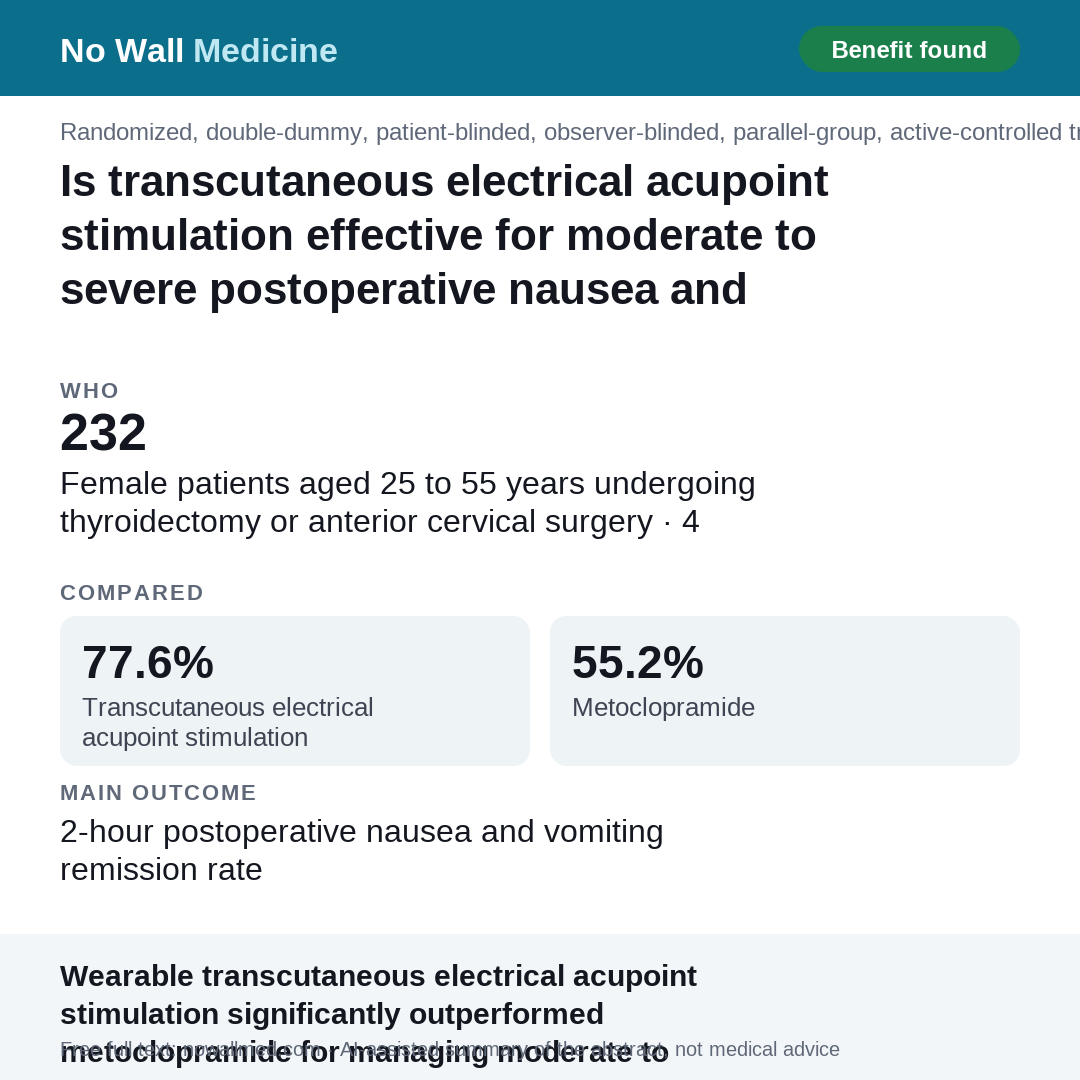
Transcutaneous Electrical Acupoint Stimulation vs Metoclopramide for Moderate to Severe Postoperative Nausea and Vomiting: A Randomized Clinical Trial
Randomized, double-dummy, patient-blinded, observer-blinded, parallel-group, active-controlled trialBenefit found
Is transcutaneous electrical acupoint stimulation effective for moderate to severe postoperative nausea and vomiting?
Who
232
Female patients aged 25 to 55 years undergoing thyroidectomy or anterior cervical surgery · 4 hospitals in Shanghai and Tianjin, China
Compared
77.6%Transcutaneous electrical acupoint stimulation (95% CI, 69.2%-84.2%)
55.2%Metoclopramide (95% CI, 46.1%-63.9%)
Main outcome
2-hour postoperative nausea and vomiting remission rate
Result: 77.6% (95% CI, 69.2%-84.2%) vs 55.2% (95% CI, 46.1%-63.9%)
Bottom line: Wearable transcutaneous electrical acupoint stimulation significantly outperformed metoclopramide for managing moderate to severe postoperative nausea and vomiting.
JAMA Surg · 2026-01-28Download image
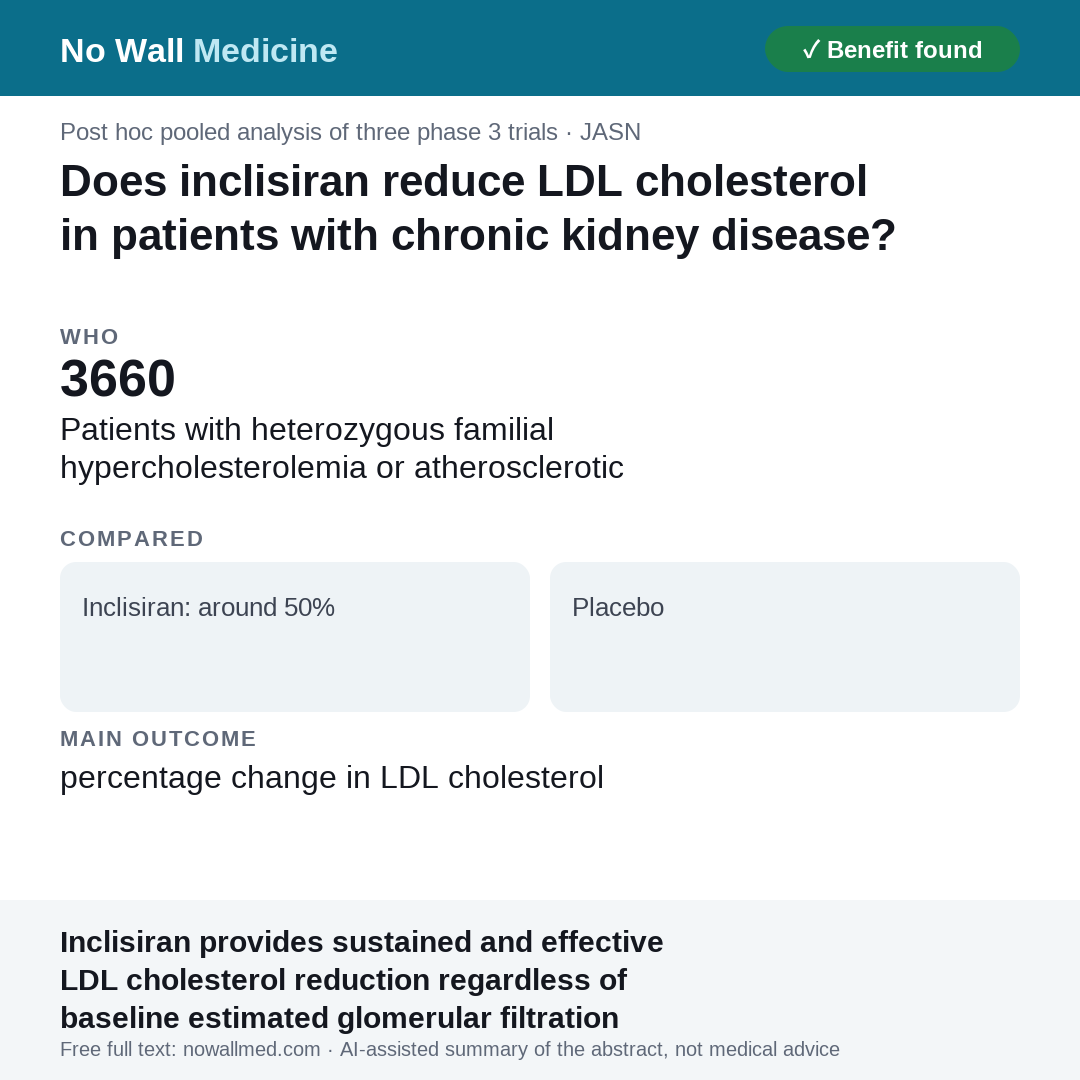
Inclisiran in Patients with CKD: Post Hoc Pooled Analysis of Three Phase 3 Trials
Post hoc pooled analysis of three phase 3 trialsBenefit found
Does inclisiran reduce LDL cholesterol in patients with chronic kidney disease?
Who
3660
Patients with heterozygous familial hypercholesterolemia or atherosclerotic cardiovascular disease
Compared
Inclisiran: around 50%
Placebo
Main outcome
percentage change in LDL cholesterol
Bottom line: Inclisiran provides sustained and effective LDL cholesterol reduction regardless of baseline estimated glomerular filtration rate.
JASN · 2026-01-28Download image
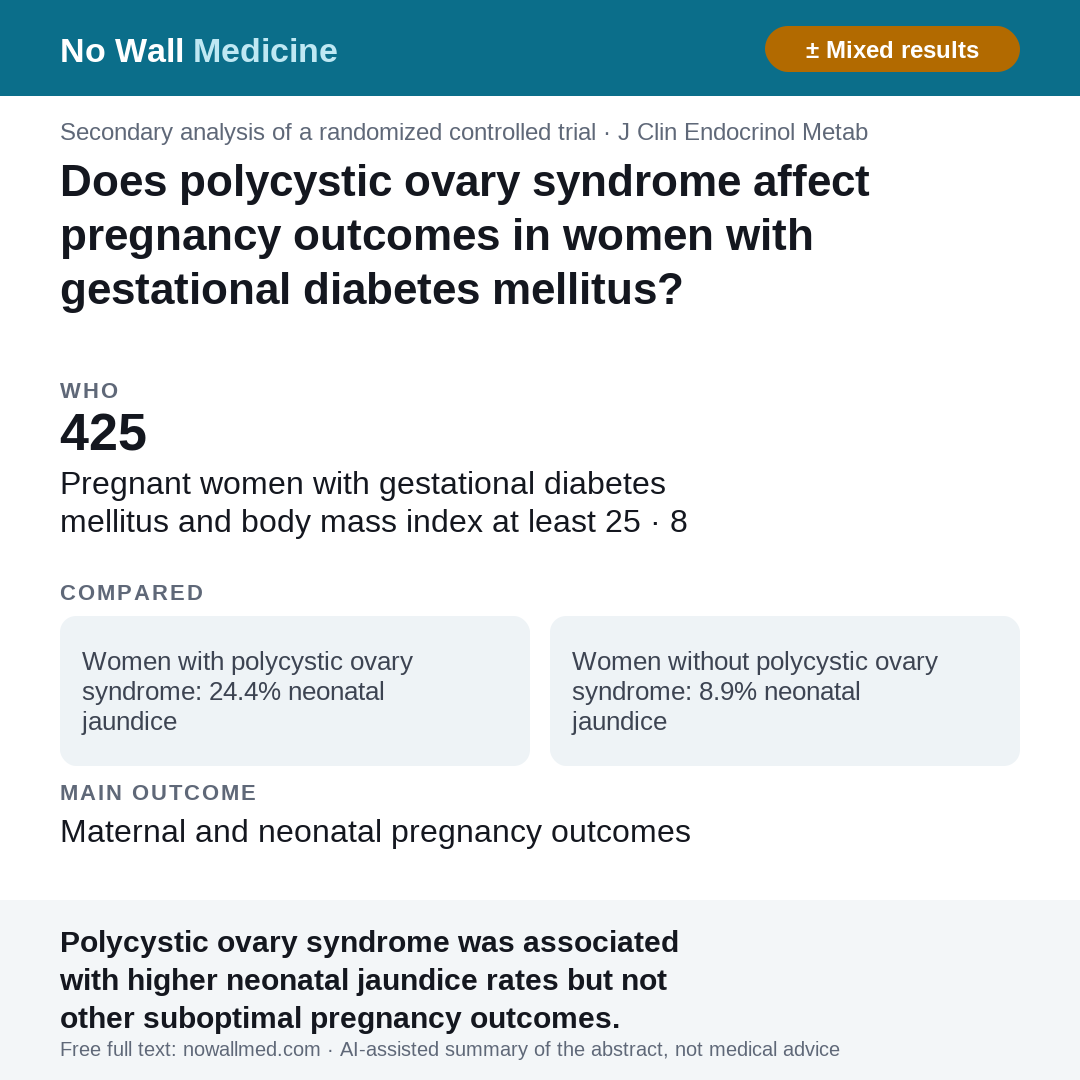
Association between polycystic ovary syndrome and pregnancy outcomes in GDM: A secondary analysis of the DiGest trial
Secondary analysis of a randomized controlled trialMixed results
Does polycystic ovary syndrome affect pregnancy outcomes in women with gestational diabetes mellitus?
Who
425
Pregnant women with gestational diabetes mellitus and body mass index at least 25 · 8 United Kingdom centers
Compared
Women with polycystic ovary syndrome: 24.4% neonatal jaundice
Women without polycystic ovary syndrome: 8.9% neonatal jaundice
Main outcome
Maternal and neonatal pregnancy outcomes
Bottom line: Polycystic ovary syndrome was associated with higher neonatal jaundice rates but not other suboptimal pregnancy outcomes.
J Clin Endocrinol Metab · 2026-01-28Download image
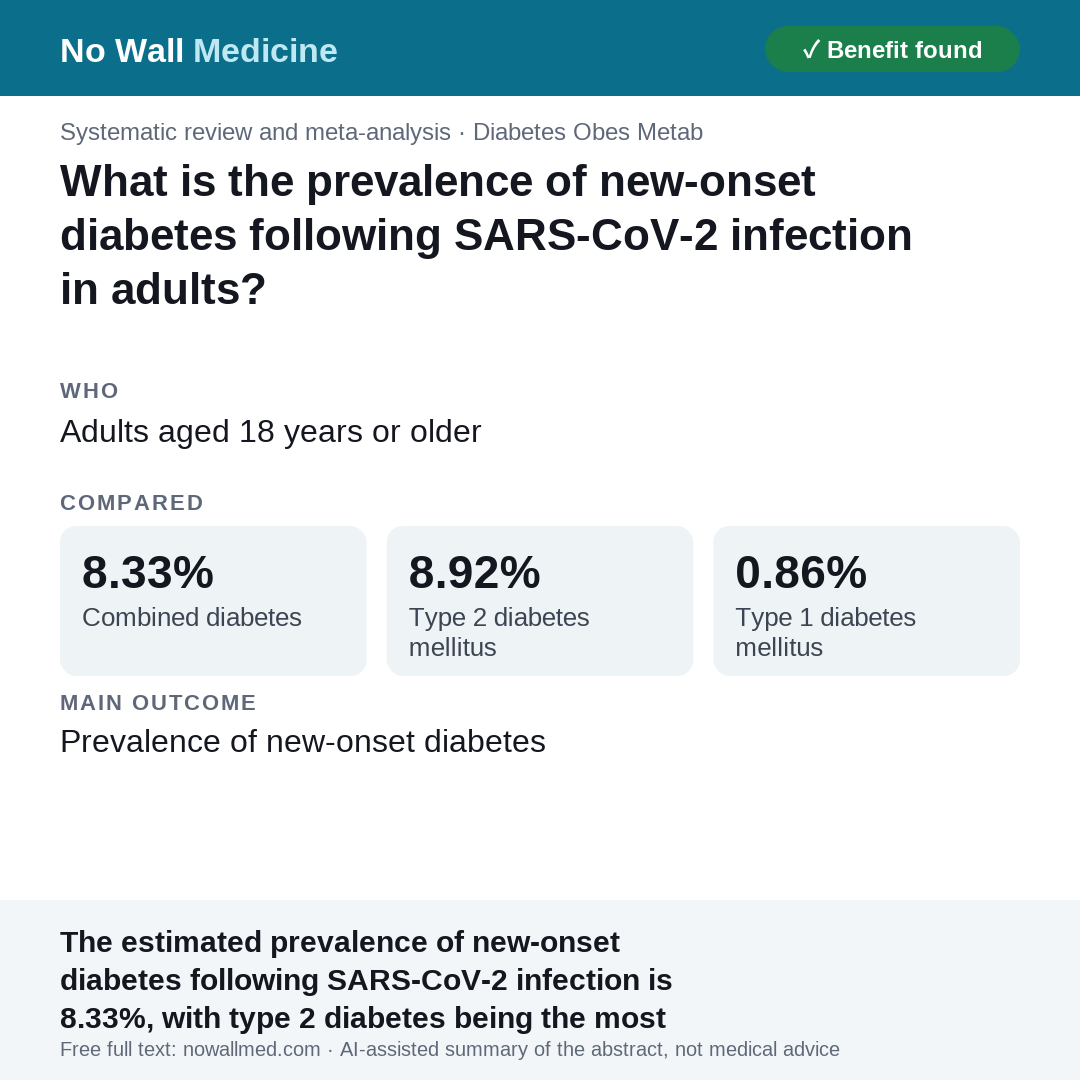
Prevalence of new-onset diabetes following COVID-19 infection: A systematic review and meta-analysis
Systematic review and meta-analysisBenefit found
What is the prevalence of new-onset diabetes following SARS-CoV-2 infection in adults?
Who
Adults aged 18 years or older
Compared
8.33%Combined diabetes (95% CI 7.47, 9.18%)
8.92%Type 2 diabetes mellitus (95% CI 7.88%, 9.96%)
0.86%Type 1 diabetes mellitus (95% CI 0.0072%, 0.0099%)
Main outcome
Prevalence of new-onset diabetes
Bottom line: The estimated prevalence of new-onset diabetes following SARS-CoV-2 infection is 8.33%, with type 2 diabetes being the most common.
Diabetes Obes Metab · 2026-01-28Download image
Three-dimensional imaging for facial vitiligo: Results from a phase 2 randomized controlled trial investigating upadacitinib in patients with vitiligo
Phase 2 randomized controlled trial substudyBenefit found
Does 3D imaging correlate with Facial Vitiligo Area Scoring Index for measuring repigmentation?
Who
27
Adults with nonsegmental vitiligo
Compared
Upadacitinib
Placebo
Main outcome
Percentage change from baseline in facial vitiligo area
Bottom line: Three-dimensional imaging shows potential as an objective tool for evaluating facial vitiligo changes after upadacitinib treatment.
J Invest Dermatol · 2026-01-28Download image

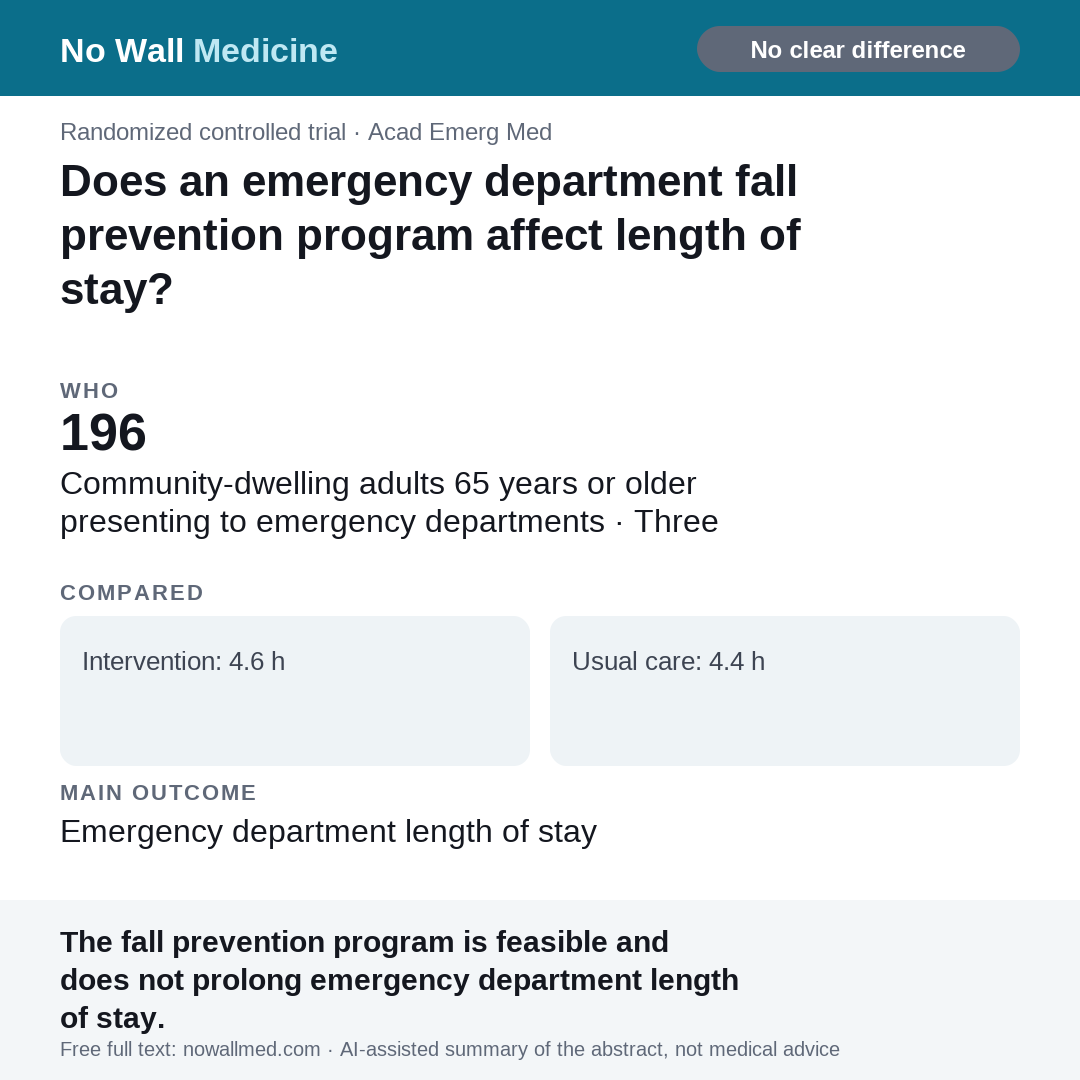
Emergency Department Visit Outcomes of a Multicenter Randomized Trial of a Fall Prevention Intervention
Randomized controlled trialNo clear difference
Does an emergency department fall prevention program affect length of stay?
Who
196
Community-dwelling adults 65 years or older presenting to emergency departments · Three emergency departments in Rhode Island and Colorado
Compared
Intervention: 4.6 h
Usual care: 4.4 h
Main outcome
Emergency department length of stay
Result: p = 0.90
Bottom line: The fall prevention program is feasible and does not prolong emergency department length of stay.
Acad Emerg Med · 2026-01-28Download image
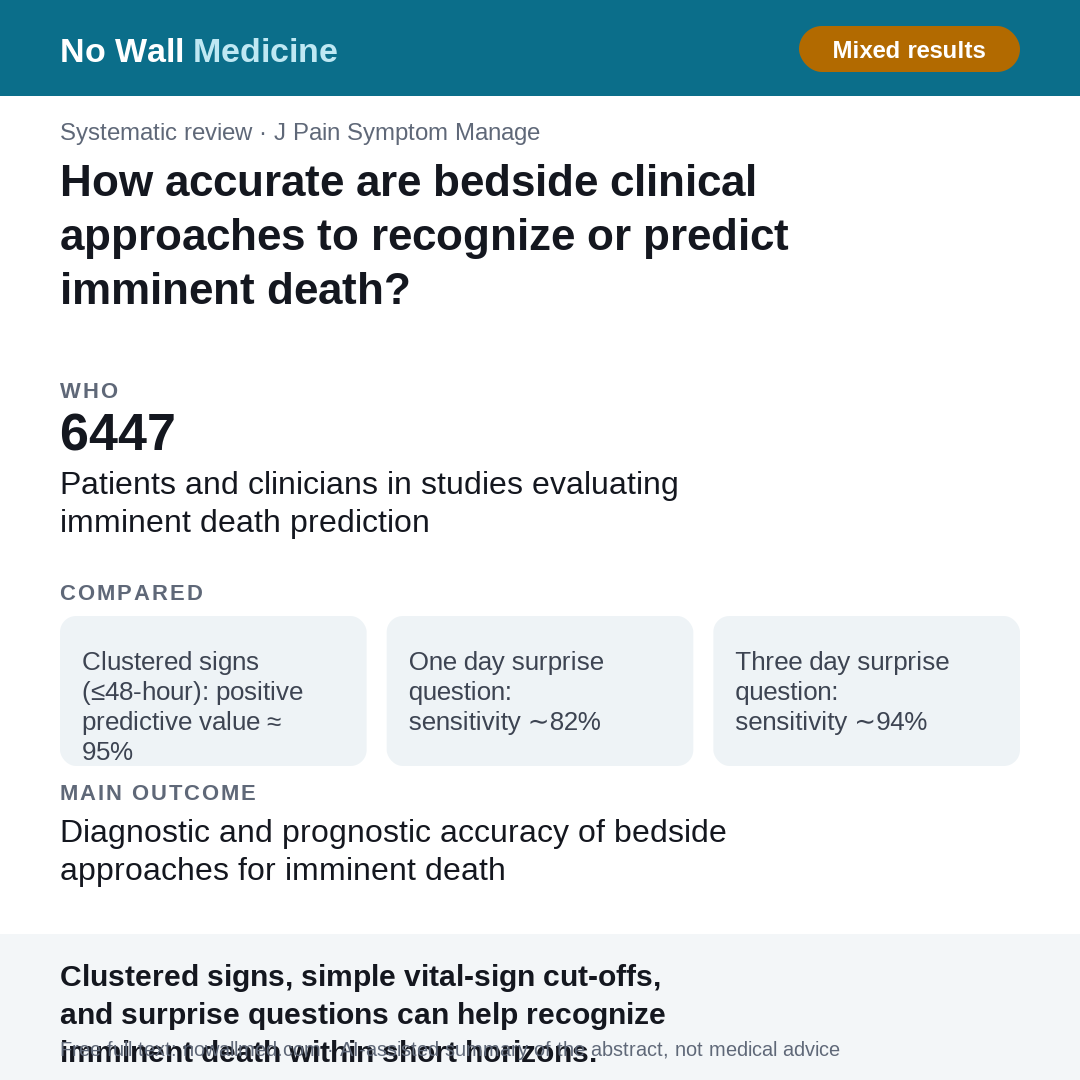
Recognizing and Predicting the Syndrome of Imminent Death (≤14 Days): A Systematic Review
Systematic reviewMixed results
How accurate are bedside clinical approaches to recognize or predict imminent death?
Who
6447
Patients and clinicians in studies evaluating imminent death prediction
Compared
Clustered signs (≤48-hour): positive predictive value ≈ 95%
One day surprise question: sensitivity ∼82%
Three day surprise question: sensitivity ∼94%
Main outcome
Diagnostic and prognostic accuracy of bedside approaches for imminent death
Bottom line: Clustered signs, simple vital-sign cut-offs, and surprise questions can help recognize imminent death within short horizons.
Limitation: Prospective external validation with standardized horizons and calibration reporting is needed.
J Pain Symptom Manage · 2026-01-28Download image
The hepatitis B care cascade among key populations towards global elimination: a systematic review and meta-analysis
Systematic review and meta-analysisMixed results
What is the hepatitis B care cascade among key populations?
Who
329
People living with HIV, men who have sex with men, female sex workers, drug users, and detainees · Across World Health Organization regions
Compared
People living with HIV: vaccination 16.3%, screening 68.8%, linkage to care 88.1%, treatment 88.9%, adherence 86.1%, HBV positivity 7.6%, virological suppression 75.7%, functional cure 8.4%
Men who have sex with men: vaccination 48.0%, screening 59.9%
Female sex workers: vaccination 10.3%, HBV positivity 7.1%
Drug users: functional cure 15.4%
Main outcome
Hepatitis B care cascade indicators
Bottom line: Hepatitis B vaccination and screening are suboptimal across all key populations despite strong treatment coverage in people living with HIV.
Limitation: Data for most key populations other than people living with HIV were sparse.
Funded by: National Key R&D Program of China, Bill & Melinda Gates Foundation
Lancet Reg Health West Pac · 2026-01-28Download image

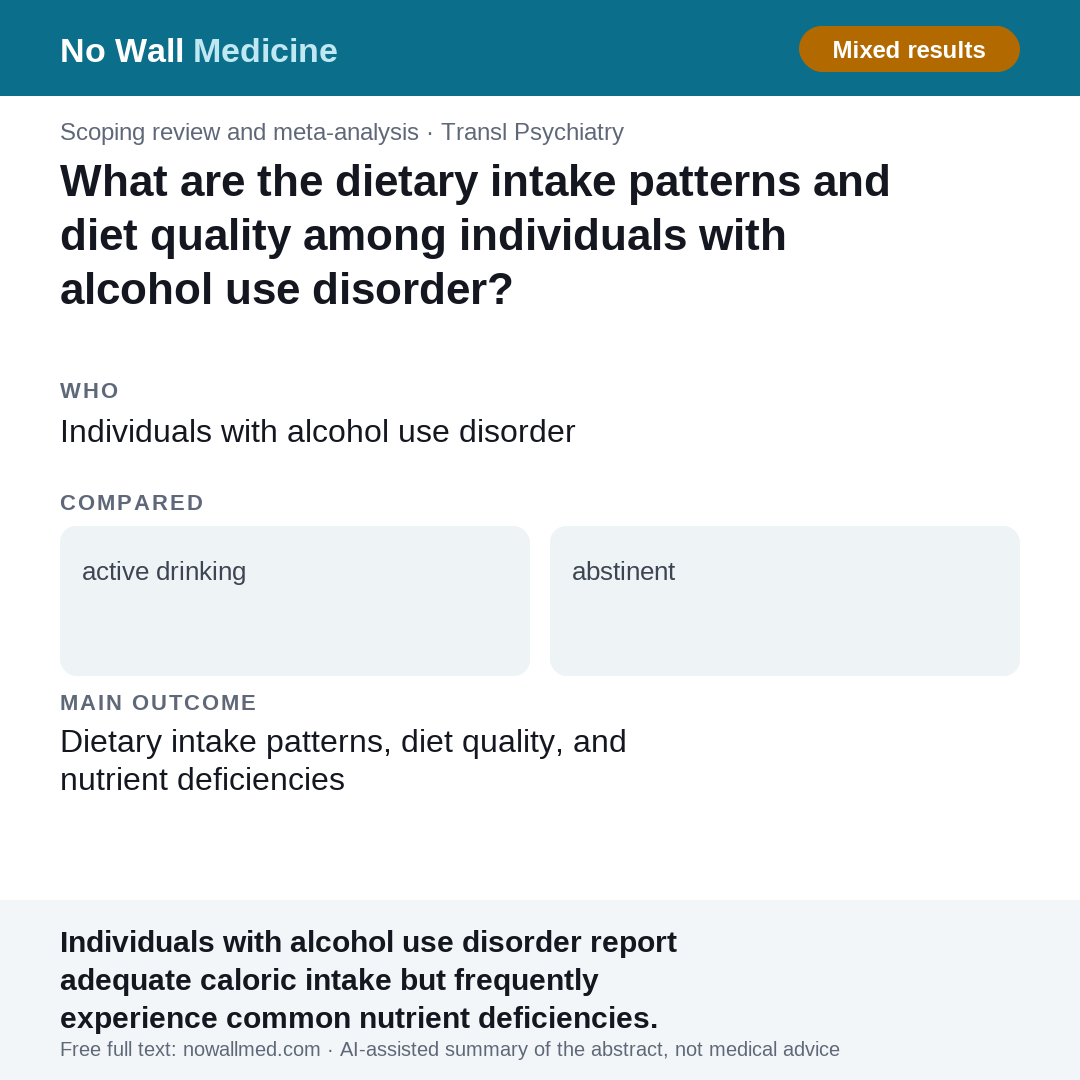
Dietary intake, quality, and assessment tools in individuals with problematic alcohol use: a scoping review and meta-analysis
Scoping review and meta-analysisMixed results
What are the dietary intake patterns and diet quality among individuals with alcohol use disorder?
Who
Individuals with alcohol use disorder
Compared
active drinking
abstinent
Main outcome
Dietary intake patterns, diet quality, and nutrient deficiencies
Bottom line: Individuals with alcohol use disorder report adequate caloric intake but frequently experience common nutrient deficiencies.
Limitation: Considerable variability in reporting dietary variables and assessment tools across studies.
Transl Psychiatry · 2026-01-28Download image
Efficacy and safety of non-pharmacological treatments for paediatric functional constipation: a systematic review and meta-analysis
Meta-analysis of 93 trialsBenefit found
Do non-pharmacological treatments work for pediatric constipation
Who
7787
children with functional constipation
Compared
abdominal stimulation
pelvic floor exercises
Main outcome
treatment success
Result: risk ratio 1.75 (95%CI 1.25 to 2.44)
Bottom line: Some non-pharmacological treatments show beneficial effects
BMJ Paediatr Open · 2026-01-28Download image

Cost analyses in randomized trials on robot-assisted surgery: systematic review
Systematic review of randomized clinical trialsMixed results
What is the quality of cost analyses in randomized trials comparing robot-assisted surgery?
Who
5832
Patients undergoing robot-assisted surgery versus alternative surgical approaches · PubMed, EMBASE, Cochrane Library, and Web of Science
Compared
Robot-assisted surgery: more expensive in 33 of 36 RCTs (92%)
Alternative surgical approaches
Main outcome
Methodological quality and comprehensiveness of cost analyses
Bottom line: Robot-assisted surgery was more expensive in most trials, but cost assessments in randomized trials are often inadequate and biased.
Limitation: Substantial risk of bias, methodological heterogeneity, and partial cost reporting.
BJS Open · 2026-01-28Download image

Human-large language model collaboration in clinical medicine: a systematic review and meta-analysis
Systematic review and meta-analysisMixed results
Does human-large language model collaboration improve clinical medicine workflows compared to human-only workflows?
Who
Clinical medicine workflows · Four databases
Compared
Human plus artificial intelligence
Human only
Main outcome
Composite diagnostic and management scores
Result: Mean Difference +4.88 percentage points (95% CI +0.65 to +9.12)
Bottom line: Collaboration improved composite diagnostic scores, but diagnostic accuracy was non-significant and factual error rates remained high.
NPJ Digit Med · 2026-01-28Download image

Efficacy of Brain-Computer Interface Therapy for Upper Limb Rehabilitation in Chronic Stroke: Systematic Review and Meta-Analysis of Randomized Controlled Trials
Meta-analysis of 21 randomized controlled trialsBenefit found
Does brain-computer interface therapy improve upper limb rehabilitation in chronic stroke?
Who
650
Adults with chronic stroke
Compared
Brain-computer interface training
Control interventions
Main outcome
Upper limb motor function, muscle tone, and activities of daily living
Result: FMA-UE: MD 2.50, 95% CI 0.60-4.40
Bottom line: Brain-computer interface training improves motor function and activities of daily living in chronic stroke, especially when combined with functional electrical stimulation.
Limitation: Small number of studies in subgroups and high risk of bias in several trials.
J Med Internet Res · 2026-01-28Download image

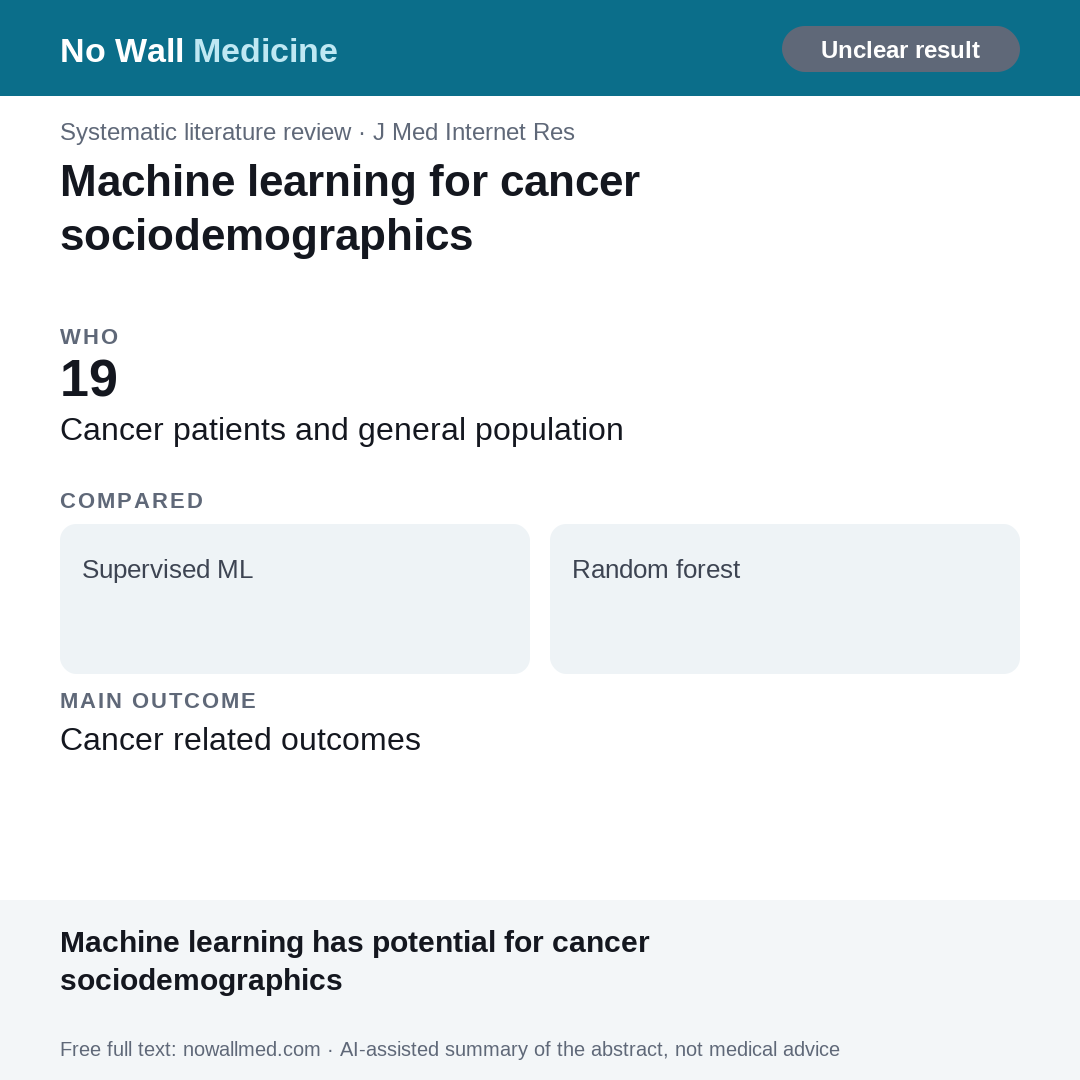
Machine Learning Techniques Used for the Identification of Sociodemographic Factors Associated With Cancer: Systematic Literature Review
Systematic literature reviewUnclear result
Machine learning for cancer sociodemographics
Who
19
Cancer patients and general population
Compared
Supervised ML
Random forest
Main outcome
Cancer related outcomes
Bottom line: Machine learning has potential for cancer sociodemographics
Limitation: Research is fragmented and inconsistent
J Med Internet Res · 2026-01-28Download image
Outcomes and complications of autologous versus alloplastic grafts in augmentation rhinoplasty: A systematic review of studies from 2000 to 2024
Systematic review and meta-analysisBenefit found
What are the outcomes and complications of autologous versus alloplastic grafts in augmentation rhinoplasty?
Who
7019
Patients undergoing augmentation rhinoplasty
Compared
Autologous grafts
Alloplastic implants
Main outcome
Infection risk
Result: odds ratio 0.19 (95% CI: 0.09-0.42)
Bottom line: Autologous grafts have a significantly lower risk of infection compared to alloplastic implants in augmentation rhinoplasty.
Limitation: Future studies should incorporate standardized patient-reported outcome measures and longer follow-up.
JPRAS Open · 2026-01-28Download image

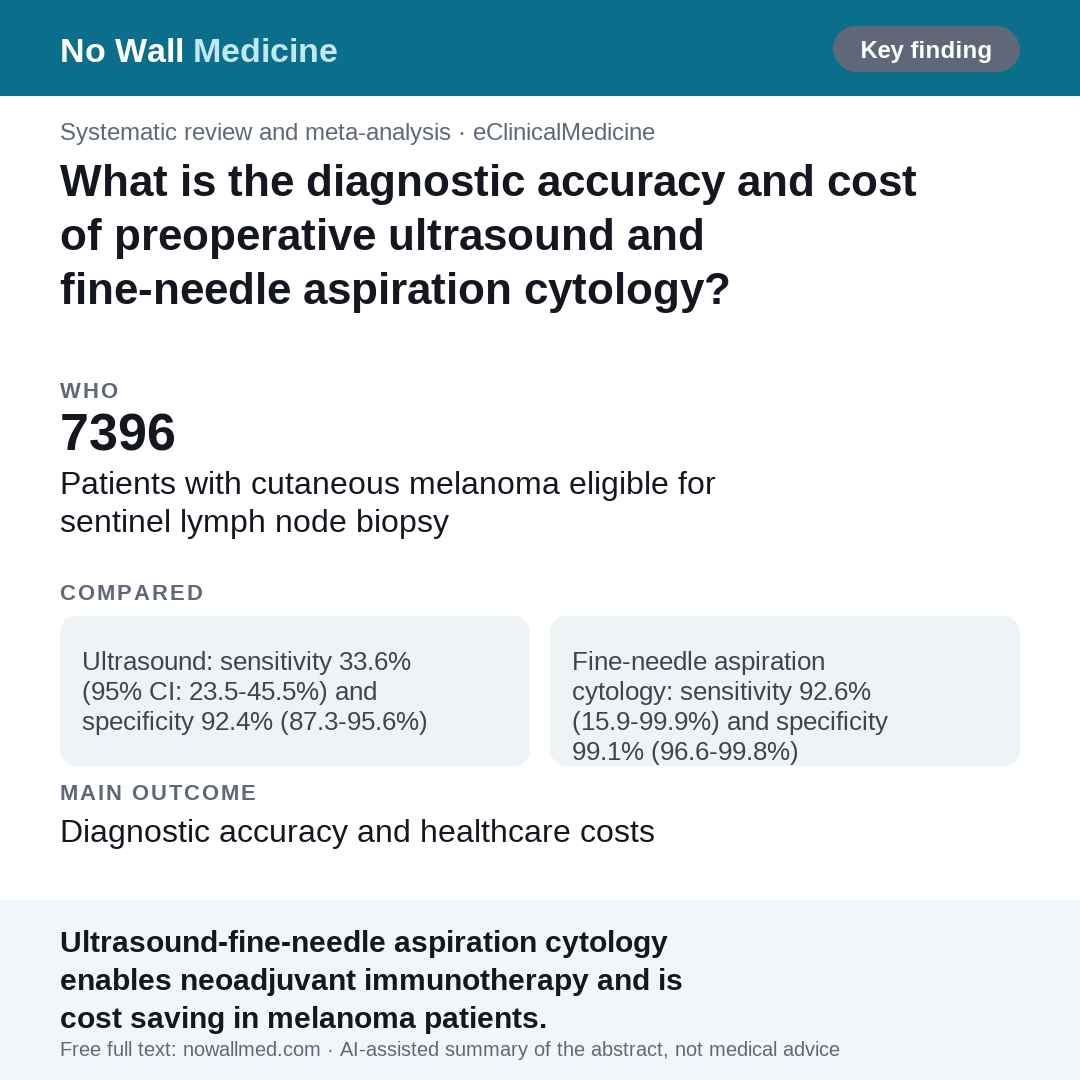
Preoperative ultrasound before sentinel lymph node biopsy in melanoma in the era of neoadjuvant treatment: a systematic review and meta-analysis of diagnostic performance and cost analysis
Systematic review and meta-analysisBenefit found
What is the diagnostic accuracy and cost of preoperative ultrasound and fine-needle aspiration cytology?
Who
7396
Patients with cutaneous melanoma eligible for sentinel lymph node biopsy
Compared
Ultrasound: sensitivity 33.6% (95% CI: 23.5-45.5%) and specificity 92.4% (87.3-95.6%)
Fine-needle aspiration cytology: sensitivity 92.6% (15.9-99.9%) and specificity 99.1% (96.6-99.8%)
Main outcome
Diagnostic accuracy and healthcare costs
Bottom line: Ultrasound-fine-needle aspiration cytology enables neoadjuvant immunotherapy and is cost saving in melanoma patients.
Limitation: Unclear risk of bias in patient selection and index test domains and substantial heterogeneity.
eClinicalMedicine · 2026-01-27Download image
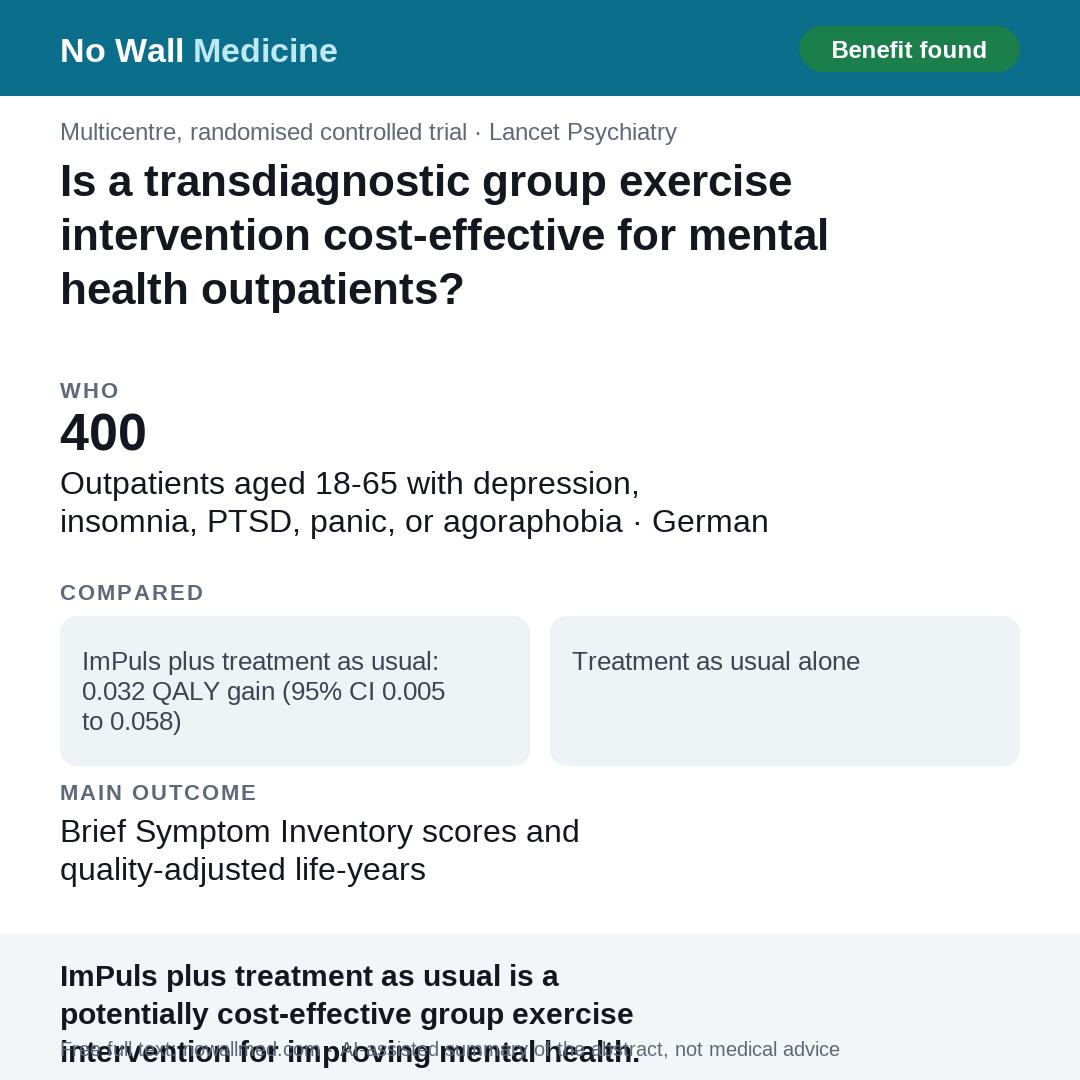
Cost-effectiveness of a transdiagnostic group exercise intervention for mental health in Germany (ImPuls trial): an economic evaluation study
Multicentre, randomised controlled trialBenefit found
Is a transdiagnostic group exercise intervention cost-effective for mental health outpatients?
Who
400
Outpatients aged 18-65 with depression, insomnia, PTSD, panic, or agoraphobia · German outpatient care
Compared
ImPuls plus treatment as usual: 0.032 QALY gain (95% CI 0.005 to 0.058)
Treatment as usual alone
Main outcome
Brief Symptom Inventory scores and quality-adjusted life-years
Result: ICUR of €17 543 per quality-adjusted life-year
Bottom line: ImPuls plus treatment as usual is a potentially cost-effective group exercise intervention for improving mental health.
Funded by: Innovation Fund of the German Federal Joint Committee
Lancet Psychiatry · 2026-01-27Download image
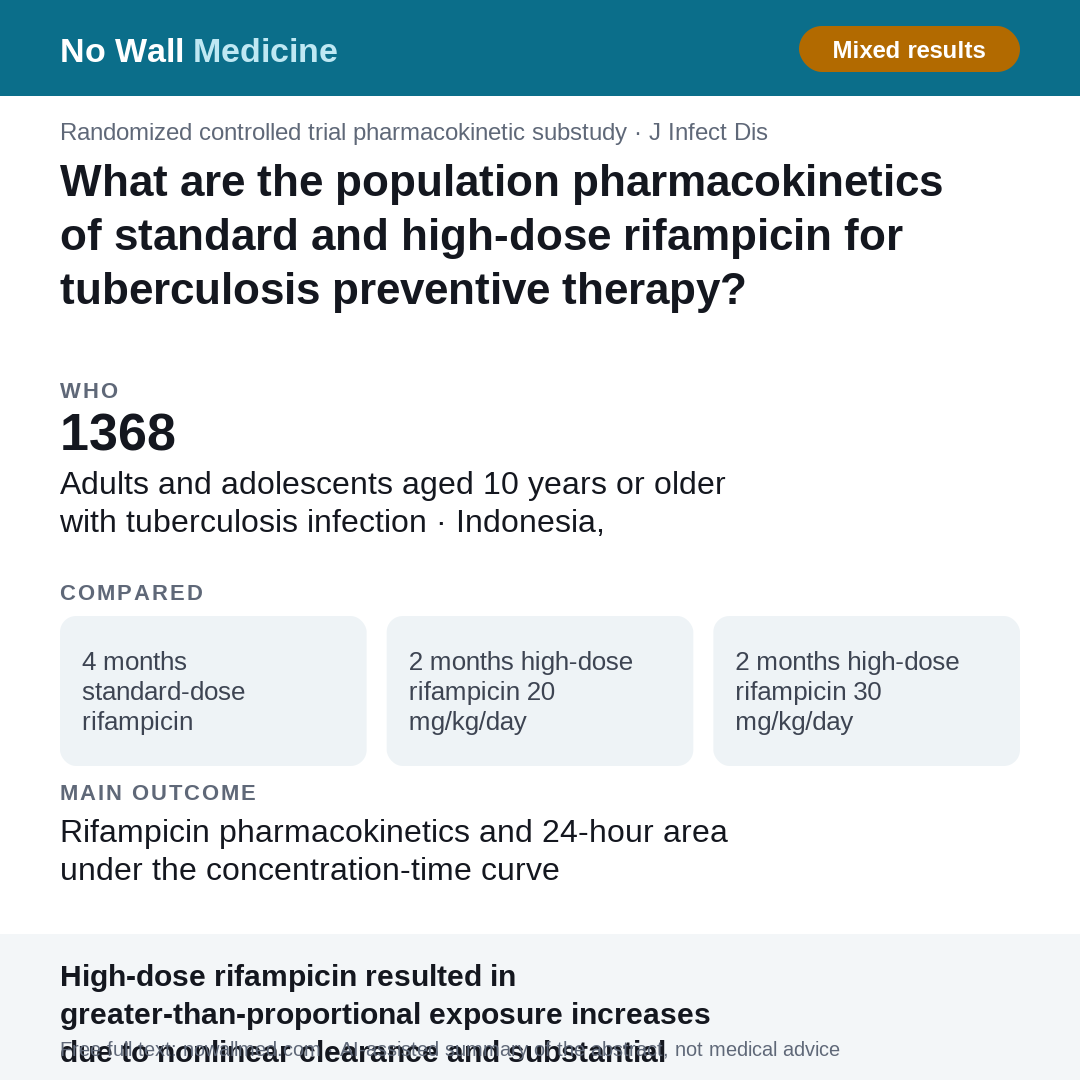
Population Pharmacokinetic Modeling of Standard- and High-Dose Rifampicin for Tuberculosis Preventive Therapy in the 2R2 Randomized Controlled Trial
Randomized controlled trial pharmacokinetic substudyMixed results
What are the population pharmacokinetics of standard and high-dose rifampicin for tuberculosis preventive therapy?
Who
1368
Adults and adolescents aged 10 years or older with tuberculosis infection · Indonesia, Canada, and Vietnam
Compared
4 months standard-dose rifampicin
2 months high-dose rifampicin 20 mg/kg/day
2 months high-dose rifampicin 30 mg/kg/day
Main outcome
Rifampicin pharmacokinetics and 24-hour area under the concentration-time curve
Bottom line: High-dose rifampicin resulted in greater-than-proportional exposure increases due to nonlinear clearance and substantial between-country variability.
Limitation: Substantial between-country variability may be due to unmeasured confounders.
J Infect Dis · 2026-01-27Download image