Visual abstracts
New randomized trials and meta-analyses from leading journals at a glance: who was studied, what was compared, and what was found. Every paper is free to read in full.
All specialtiesCardiology 4877Oncology 4138Gastroenterology & Hepatology 1942Infectious Disease 3837Neurology 1905Psychiatry & Mental Health 2273Pulmonology 2143Critical Care 1365Endocrinology & Diabetes 2580Pediatrics 2980Surgery 2559Orthopedics & Sports Medicine 931Neurosurgery 537Cardiothoracic & Vascular Surgery 674Plastic & Reconstructive Surgery 591Nephrology 1133Rheumatology 823Hematology 1109Dermatology 621Ophthalmology 543Obstetrics & Gynecology 1686Public & Global Health 1058Radiology & Imaging 648Anesthesiology 986Urology 764ENT (Otolaryngology) 503Emergency Medicine 511Allergy & Immunology 313Geriatrics 981Family Medicine & Primary Care 562Medical Genetics & Genomics 676Pathology & Laboratory Medicine 159Physical Medicine & Rehabilitation 757Palliative Care 444Nutrition 1588Digital Health & AI 2201General Medicine 321
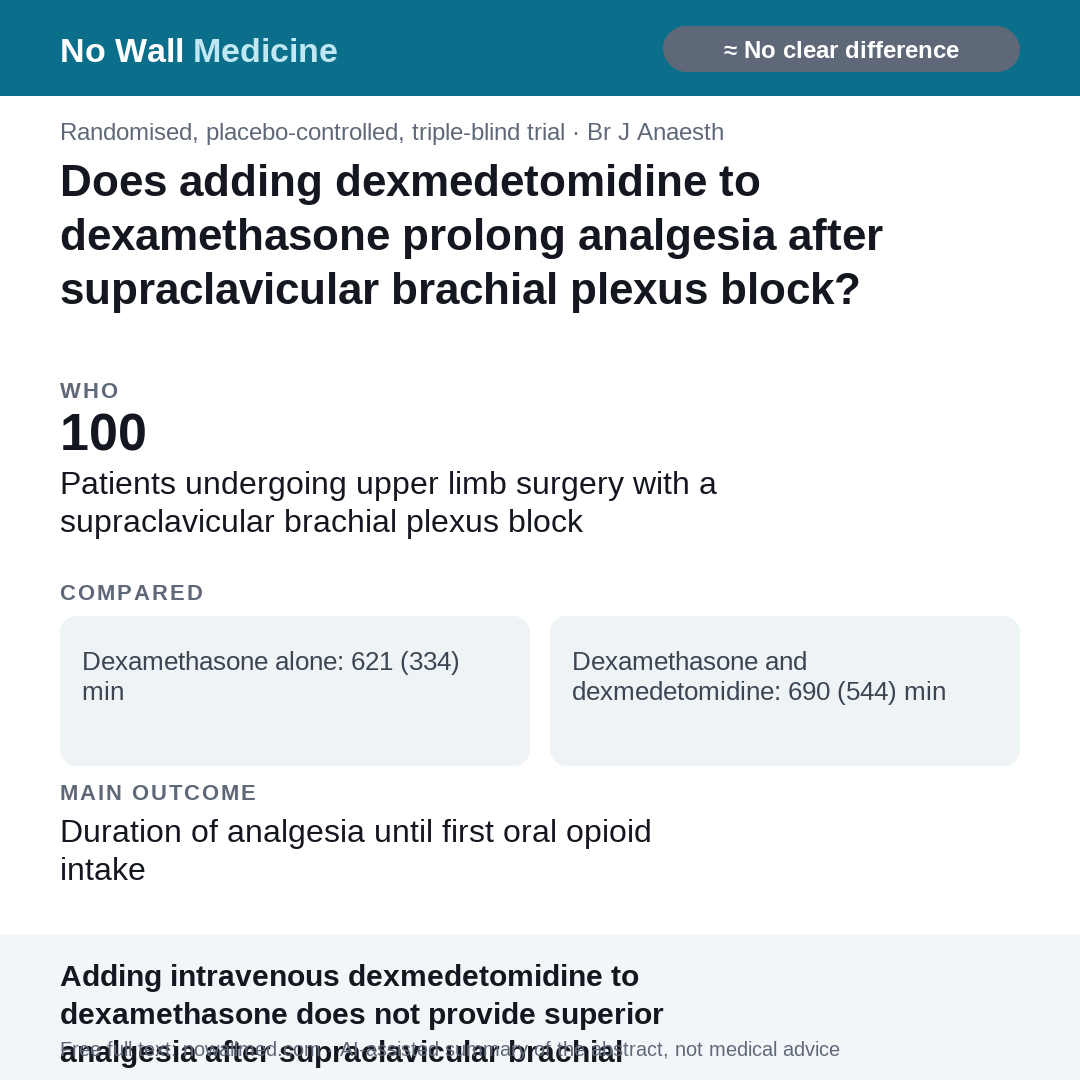
Duration of analgesia after supraclavicular brachial plexus block with intravenous dexamethasone with or without dexmedetomidine: a randomised, placebo-controlled, triple-blind trial
Randomised, placebo-controlled, triple-blind trialNo clear difference
Does adding dexmedetomidine to dexamethasone prolong analgesia after supraclavicular brachial plexus block?
Who
100
Patients undergoing upper limb surgery with a supraclavicular brachial plexus block
Compared
Dexamethasone alone: 621 (334) min
Dexamethasone and dexmedetomidine: 690 (544) min
Main outcome
Duration of analgesia until first oral opioid intake
Result: P=0.47
Bottom line: Adding intravenous dexmedetomidine to dexamethasone does not provide superior analgesia after supraclavicular brachial plexus block.
Br J Anaesth · 2025-12-01Download image
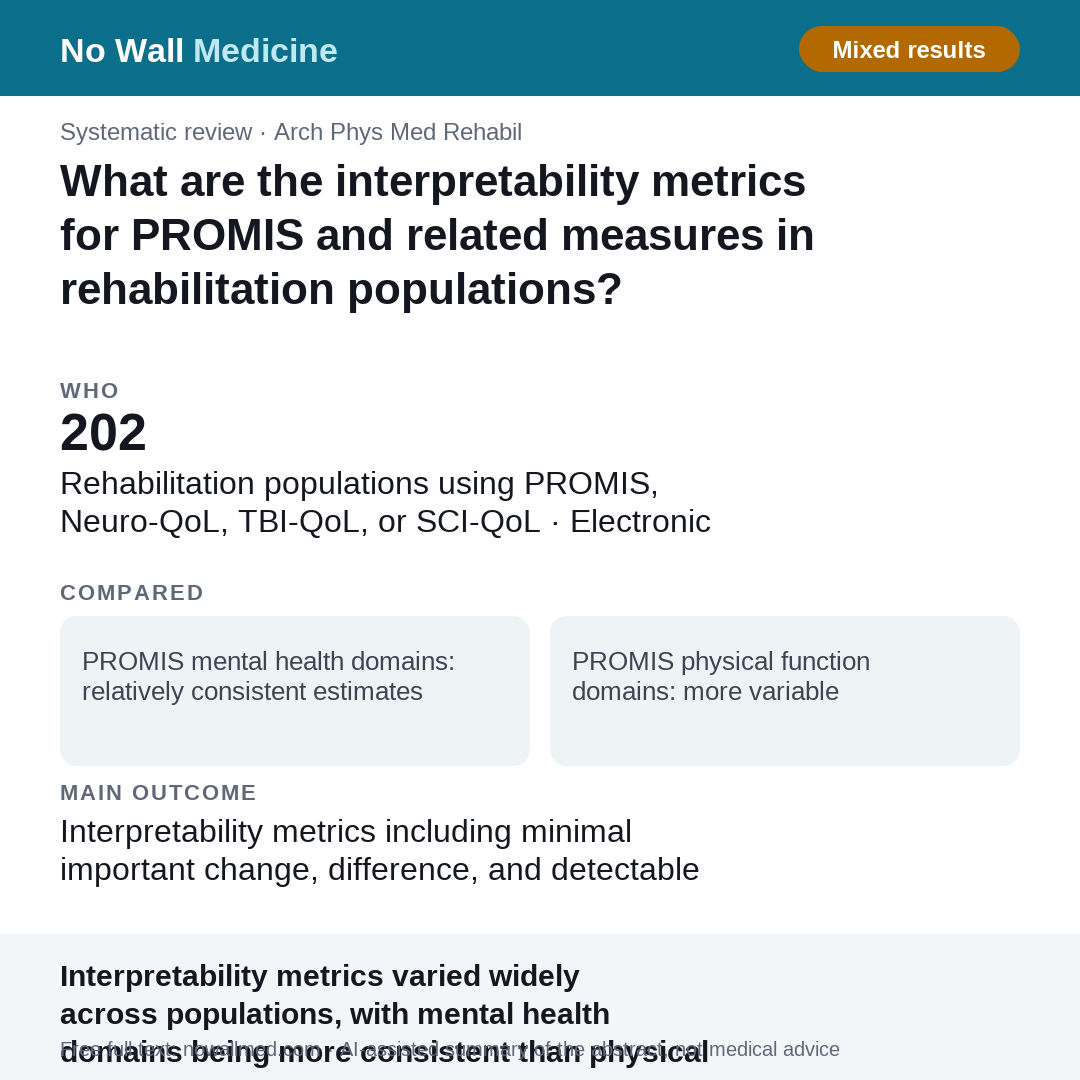
Enhancing Interpretability of Patient-Reported Outcomes Measurement Information System (PROMIS) and Related Measures in Rehabilitation Populations: A Systematic Review of Clinical and Research Applications
Systematic reviewMixed results
What are the interpretability metrics for PROMIS and related measures in rehabilitation populations?
Who
202
Rehabilitation populations using PROMIS, Neuro-QoL, TBI-QoL, or SCI-QoL · Electronic databases and clinical trial registries
Compared
PROMIS mental health domains: relatively consistent estimates
PROMIS physical function domains: more variable
Main outcome
Interpretability metrics including minimal important change, difference, and detectable change
Bottom line: Interpretability metrics varied widely across populations, with mental health domains being more consistent than physical function domains.
Limitation: Limited data were available for Spinal Cord Injury Quality of Life and Traumatic Brain Injury Quality of Life.
Arch Phys Med Rehabil · 2025-12-01Download image
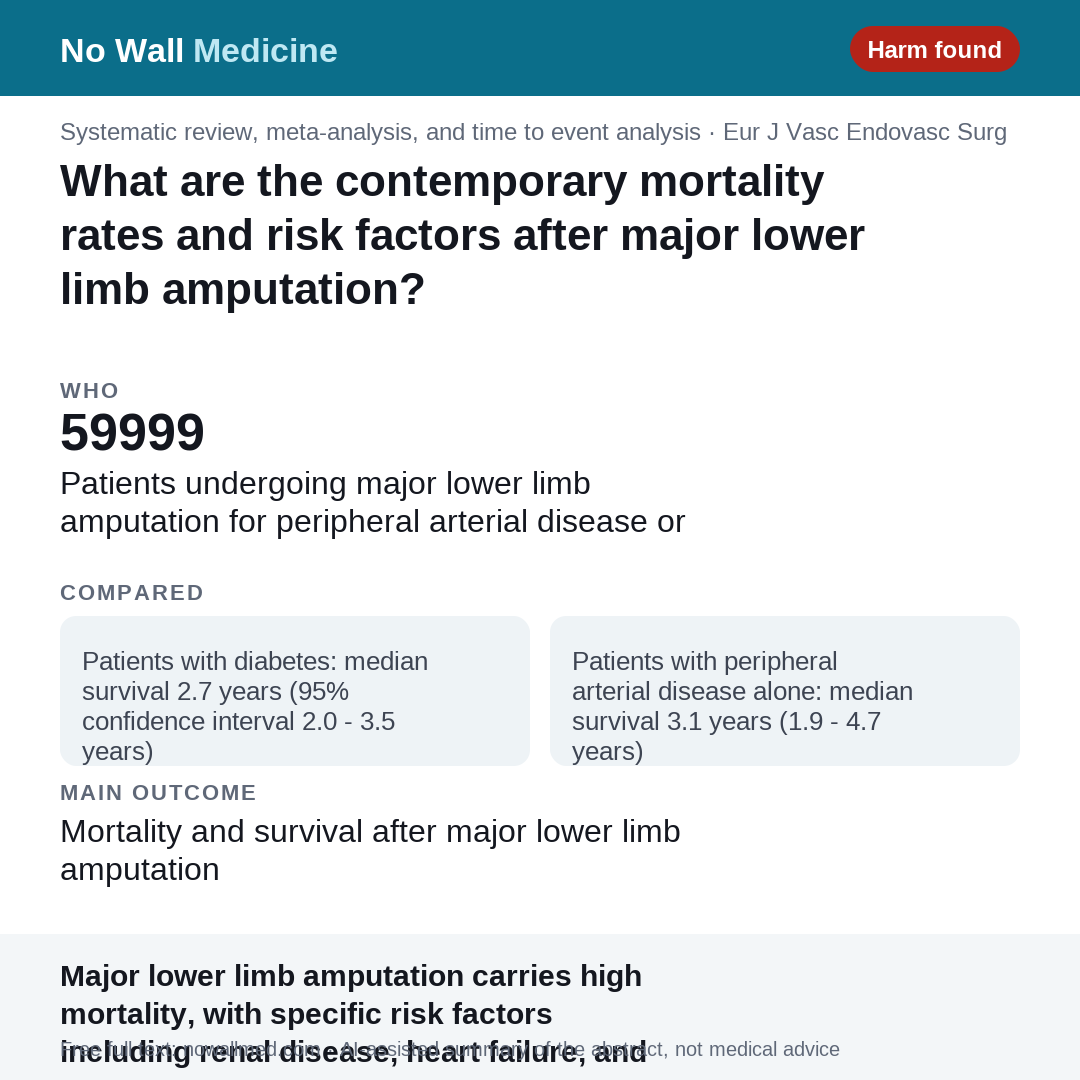
Editor's Choice - Systematic Review, Meta-analysis, and Time to Event Analysis of Contemporary Mortality after Major Lower Limb Amputation for Peripheral Arterial Disease or Diabetes Mellitus
Systematic review, meta-analysis, and time to event analysisHarm found
What are the contemporary mortality rates and risk factors after major lower limb amputation?
Who
59999
Patients undergoing major lower limb amputation for peripheral arterial disease or diabetes mellitus
Compared
Patients with diabetes: median survival 2.7 years (95% confidence interval 2.0 - 3.5 years)
Patients with peripheral arterial disease alone: median survival 3.1 years (1.9 - 4.7 years)
Main outcome
Mortality and survival after major lower limb amputation
Bottom line: Major lower limb amputation carries high mortality, with specific risk factors including renal disease, heart failure, and frailty.
Limitation: Subgroup analyses were of very low to moderate Grading of Recommendations Assessment, Development, and Evaluation certainty.
Eur J Vasc Endovasc Surg · 2025-12-01Download image
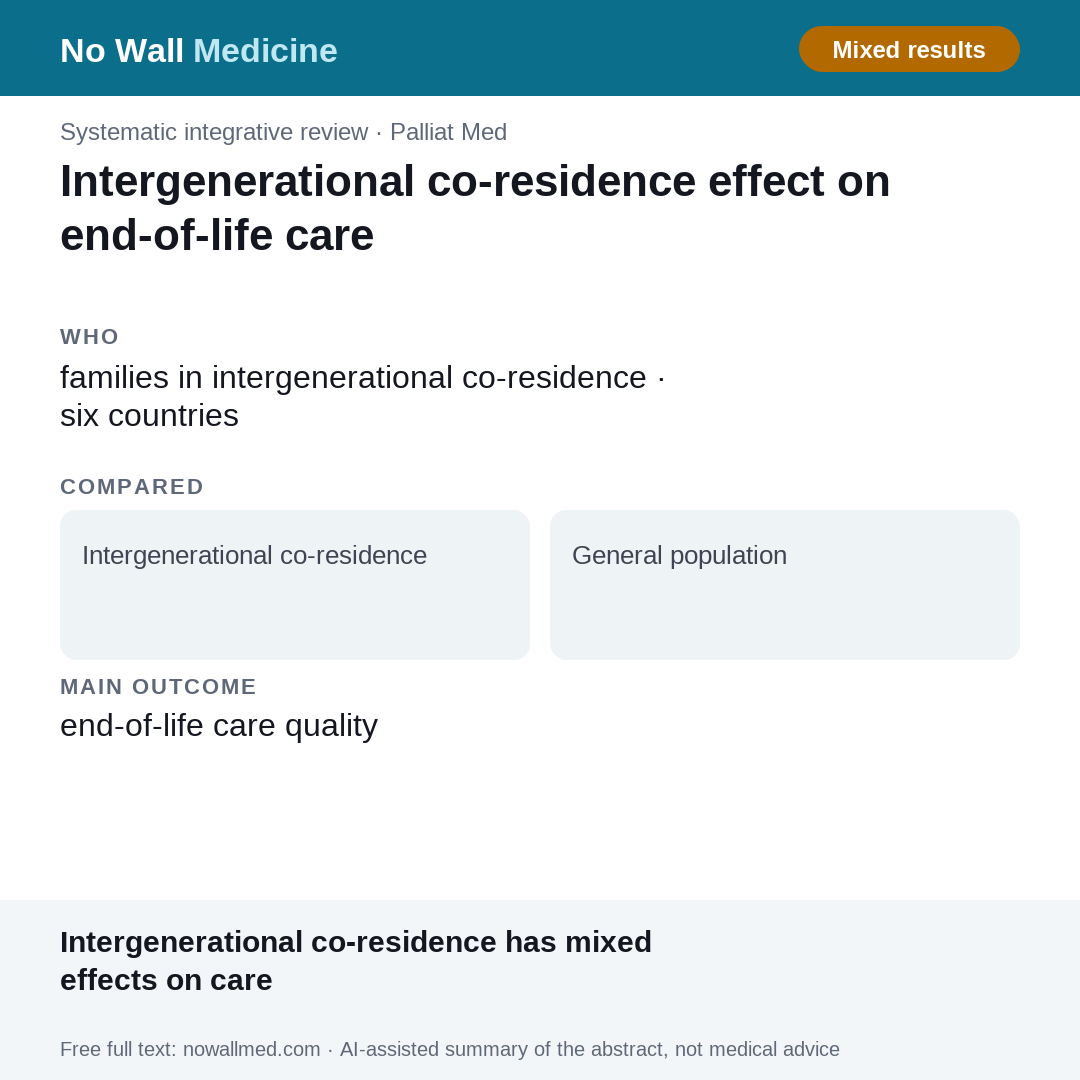
'Saying goodbye'. . . A systematic integrative review of palliative caregiving in intergenerational living contexts
Systematic integrative reviewMixed results
Intergenerational co-residence effect on end-of-life care
Who
families in intergenerational co-residence · six countries
Compared
Intergenerational co-residence
General population
Main outcome
end-of-life care quality
Bottom line: Intergenerational co-residence has mixed effects on care
Palliat Med · 2025-12-01Download image
Abbreviated gadoxetic acid-enhanced MRI versus ultrasonography for HCC surveillance in high-risk patients: A randomized trial protocol
Randomized controlled trial protocolUnclear result
Is abbreviated gadoxetic acid-enhanced MRI more effective than ultrasonography for hepatocellular carcinoma surveillance?
Who
806
High-risk patients with cirrhosis
Compared
Abbreviated gadoxetic acid-enhanced MRI
Ultrasonography
Main outcome
Detection rate of early-stage hepatocellular carcinoma
Bottom line: This randomized trial protocol aims to compare abbreviated MRI and ultrasonography for hepatocellular carcinoma surveillance.
Limitation: Follow-up is ongoing
Hepatol Commun · 2025-12-01Download image

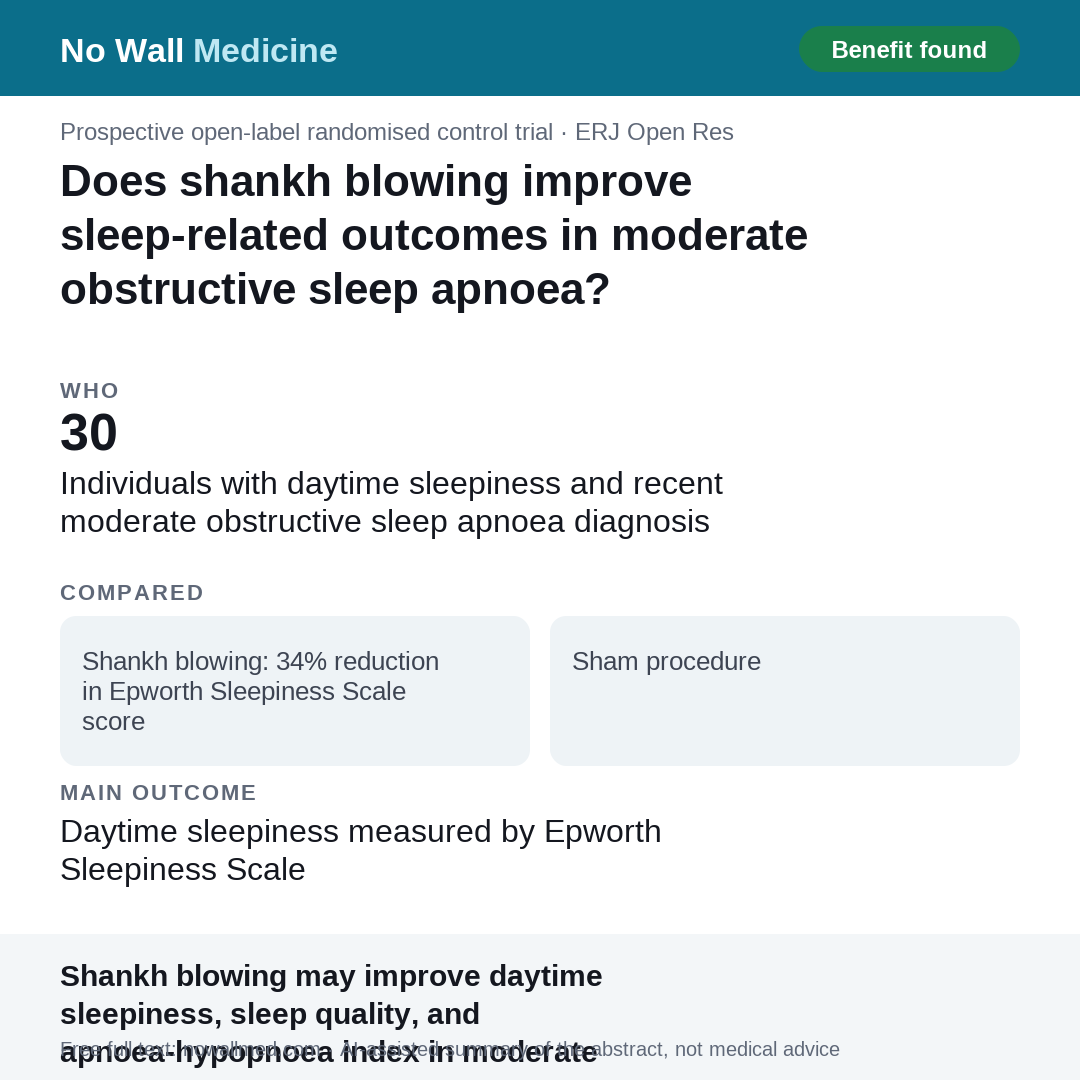
Efficacy of shankh blowing on moderate sleep apnoea: a randomised control trial
Prospective open-label randomised control trialBenefit found
Does shankh blowing improve sleep-related outcomes in moderate obstructive sleep apnoea?
Who
30
Individuals with daytime sleepiness and recent moderate obstructive sleep apnoea diagnosis
Compared
Shankh blowing: 34% reduction in Epworth Sleepiness Scale score
Sham procedure
Main outcome
Daytime sleepiness measured by Epworth Sleepiness Scale
Result: -4.69 points (95% CI -8.39 to -1.007) mean difference in Epworth Sleepiness Scale
Bottom line: Shankh blowing may improve daytime sleepiness, sleep quality, and apnoea-hypopnoea index in moderate obstructive sleep apnoea.
ERJ Open Res · 2025-12-01Download image
Diagnostic digital phenotyping in schizophrenia-spectrum disorders: a systematic review
Systematic reviewBenefit found
What is the diagnostic and predictive utility of digital phenotyping in schizophrenia-spectrum disorders?
Who
6294
Individuals with schizophrenia-spectrum disorders and controls
Compared
Schizophrenia-spectrum disorders: Hedges' g ≈ 1.20 for cognitive performance
Controls
Main outcome
Diagnostic and predictive utility of digital phenotyping
Result: Hedges' g ≈ 1.20 for cognitive performance
Bottom line: Digital phenotyping shows potential for differentiating schizophrenia-spectrum disorders, especially through cognitive performance measures.
Limitation: High heterogeneity and lack of methodological standardization in relapse prediction models.
NPJ Digit Med · 2025-12-01Download image

Knowledge-Practice Performance Gap in Clinical Large Language Models: Systematic Review of 39 Benchmarks
Systematic reviewHarm found
What is the performance gap between knowledge-based and practice-based medical large language model benchmarks?
Who
39
39 medical large language model benchmarks
Compared
Knowledge-based benchmarks: 84%-90%
Practice-based benchmarks: 45%-69%
Main outcome
Performance accuracy across different evaluation paradigms
Bottom line: High knowledge-based examination scores do not translate to clinical competence, showing a significant performance gap in practice-based assessments.
Limitation: 26% of benchmarks had insufficient methodological reporting for complete evaluation.
J Med Internet Res · 2025-12-01Download image

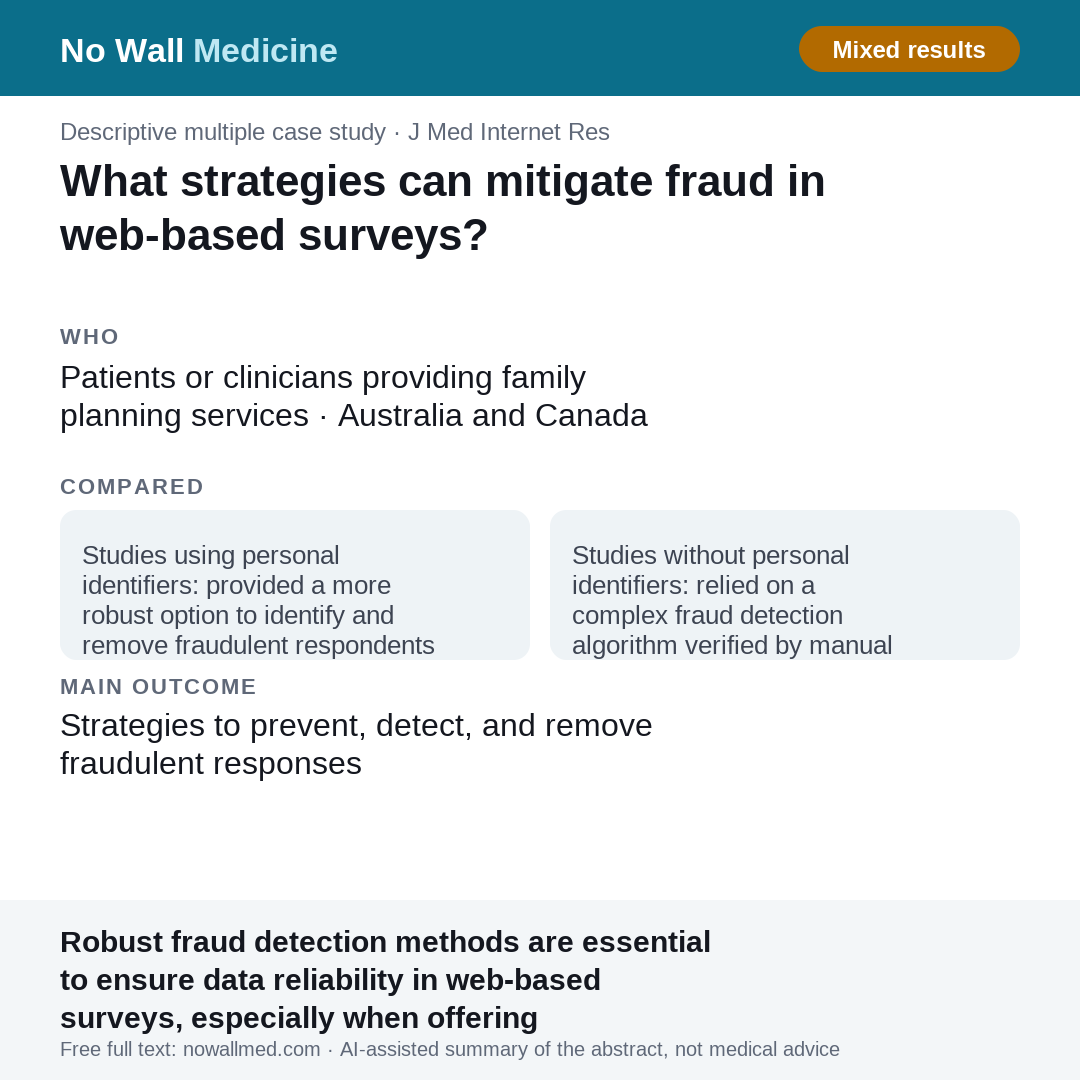
Exploring Methods to Mitigate Fraud in Web-Based Surveys: Multicase Study Analysis
Descriptive multiple case studyMixed results
What strategies can mitigate fraud in web-based surveys?
Who
Patients or clinicians providing family planning services · Australia and Canada
Compared
Studies using personal identifiers: provided a more robust option to identify and remove fraudulent respondents
Studies without personal identifiers: relied on a complex fraud detection algorithm verified by manual team review
Main outcome
Strategies to prevent, detect, and remove fraudulent responses
Bottom line: Robust fraud detection methods are essential to ensure data reliability in web-based surveys, especially when offering incentives.
J Med Internet Res · 2025-12-01Download image
A cluster randomized trial of a health coach-led patient activation program in type 2 diabetes in Singapore - a study protocol
Pragmatic cluster-randomized controlled trialUnclear result
Does the Patient Activation through Conversations program improve glycemic control in type 2 diabetes?
Who
432
Adults aged 21-64 with type 2 diabetes and HbA1c ≥ 8.0% · 3 polyclinics in Singapore
Compared
Patient Activation through Conversations program
Usual Care
Main outcome
Change in Glycated Hemoglobin levels
Bottom line: This study protocol describes a trial to assess health coaching effectiveness for glycemic control.
BMC Prim Care · 2025-12-01Download image

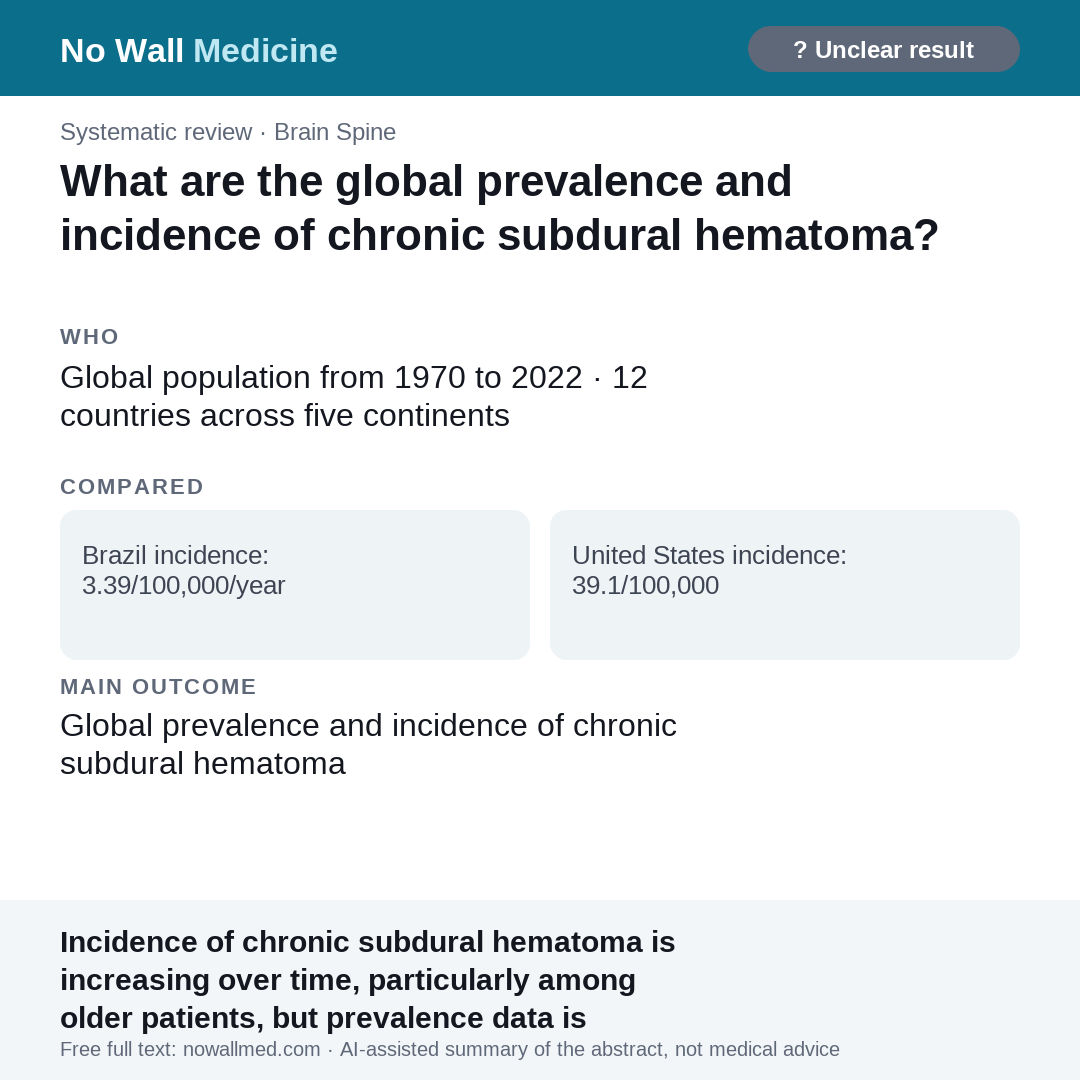
Global prevalence and incidence of chronic subdural hematoma: A systematic review
Systematic reviewUnclear result
What are the global prevalence and incidence of chronic subdural hematoma?
Who
Global population from 1970 to 2022 · 12 countries across five continents
Compared
Brazil incidence: 3.39/100,000/year
United States incidence: 39.1/100,000
Main outcome
Global prevalence and incidence of chronic subdural hematoma
Bottom line: Incidence of chronic subdural hematoma is increasing over time, particularly among older patients, but prevalence data is unavailable.
Limitation: Epidemiological data remain sparse with medium to low level of evidence and regional methodological differences.
Brain Spine · 2025-12-01Download image
Systematic Review: Efficacy, Safety and Metabolic Outcomes of GLP-1 Receptor Agonists in Inflammatory Bowel Disease
Systematic reviewBenefit found
What are the efficacy, safety, and metabolic outcomes of GLP-1 receptor agonists in inflammatory bowel disease?
Who
Adults with inflammatory bowel disease
Compared
GLP-1 receptor agonist users: significant reductions in body weight, BMI, or percent weight loss
GLP-1 receptor agonist users: not associated with increased inflammatory bowel disease exacerbations
Main outcome
weight-related, metabolic, inflammatory bowel disease-specific, and safety outcomes
Bottom line: Glucagon-like peptide-1 receptor agonists may improve weight, metabolic, and disease-related outcomes in inflammatory bowel disease patients.
Limitation: Most included studies were retrospective cohort studies and prospective studies are required.
Aliment Pharmacol Ther · 2025-11-30Download image

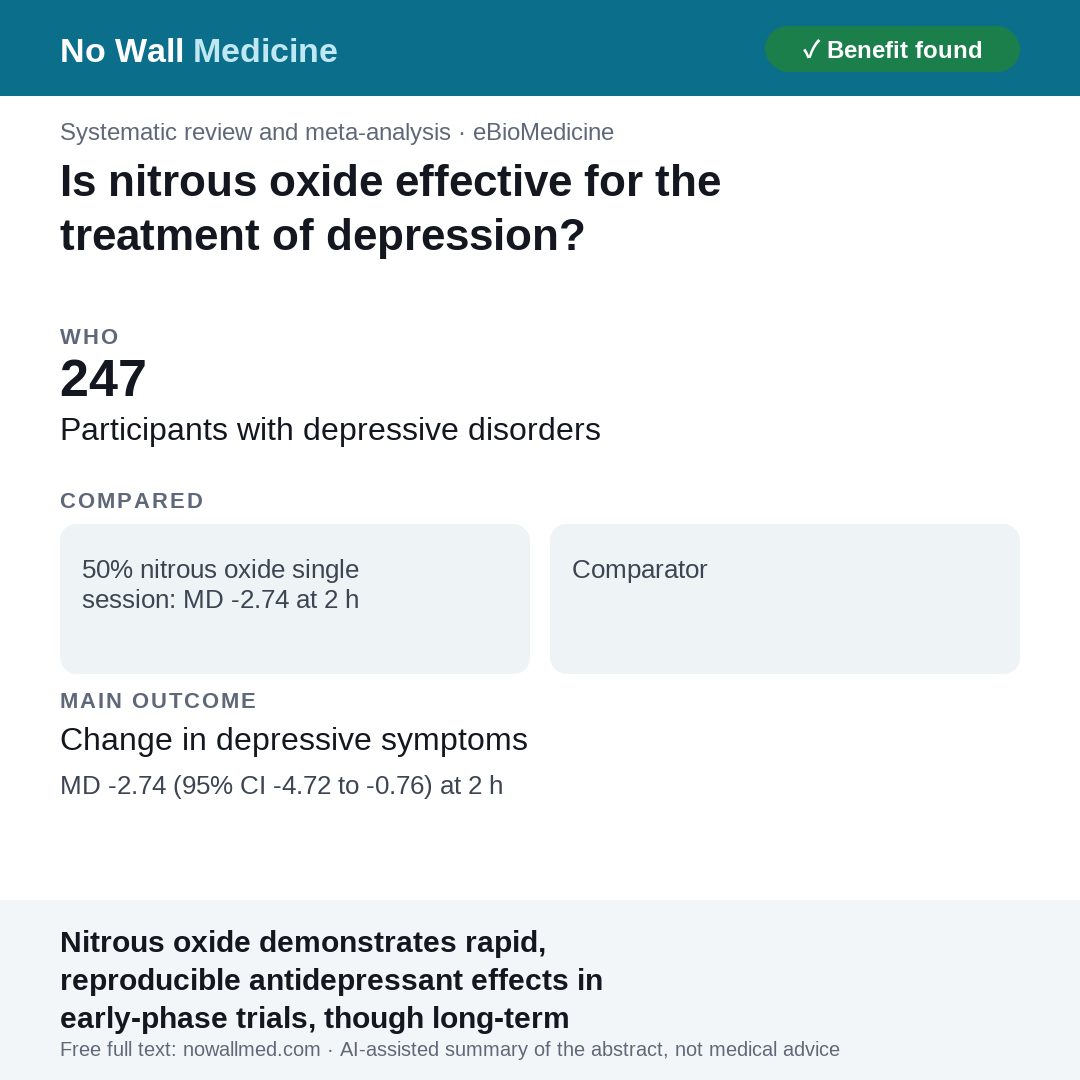
Nitrous oxide for the treatment of depression: a systematic review and meta-analysis
Systematic review and meta-analysisBenefit found
Is nitrous oxide effective for the treatment of depression?
Who
247
Participants with depressive disorders
Compared
50% nitrous oxide single session: MD -2.74 at 2 h
Comparator
Main outcome
Change in depressive symptoms
Result: MD -2.74 (95% CI -4.72 to -0.76) at 2 h
Bottom line: Nitrous oxide demonstrates rapid, reproducible antidepressant effects in early-phase trials, though long-term sustainability is unknown.
eBioMedicine · 2025-11-30Download image
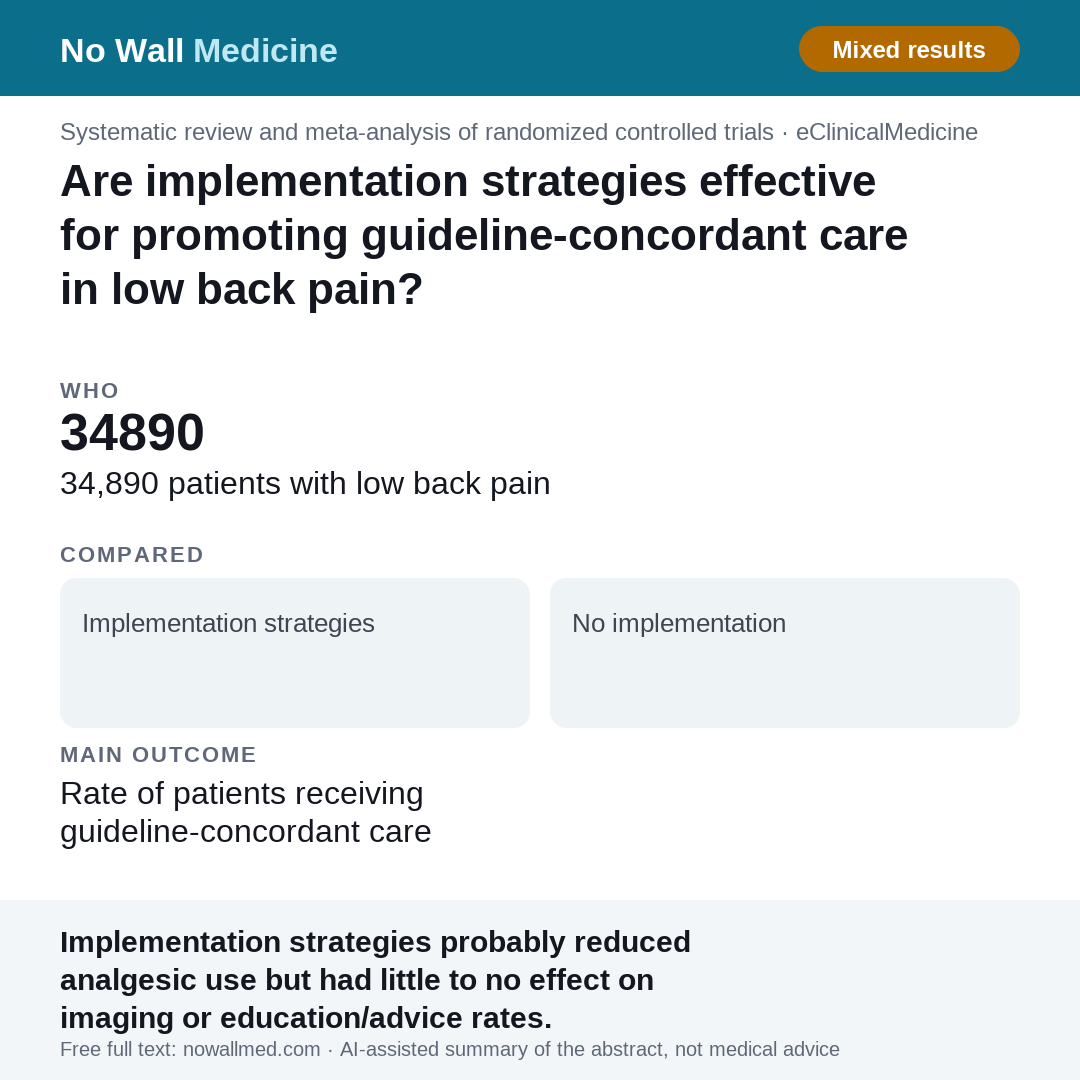
Effectiveness of strategies for implementing guideline-concordant care in low back pain: a systematic review and meta-analysis of randomised controlled trials
Systematic review and meta-analysis of randomized controlled trialsMixed results
Are implementation strategies effective for promoting guideline-concordant care in low back pain?
Who
34890
34,890 patients with low back pain
Compared
Implementation strategies
No implementation
Main outcome
Rate of patients receiving guideline-concordant care
Result: OR 1.21 (95% CI 1.05-1.40) for reducing analgesic use
Bottom line: Implementation strategies probably reduced analgesic use but had little to no effect on imaging or education/advice rates.
Limitation: Results for education/advice are unstable and may change with future research.
eClinicalMedicine · 2025-11-29Download image
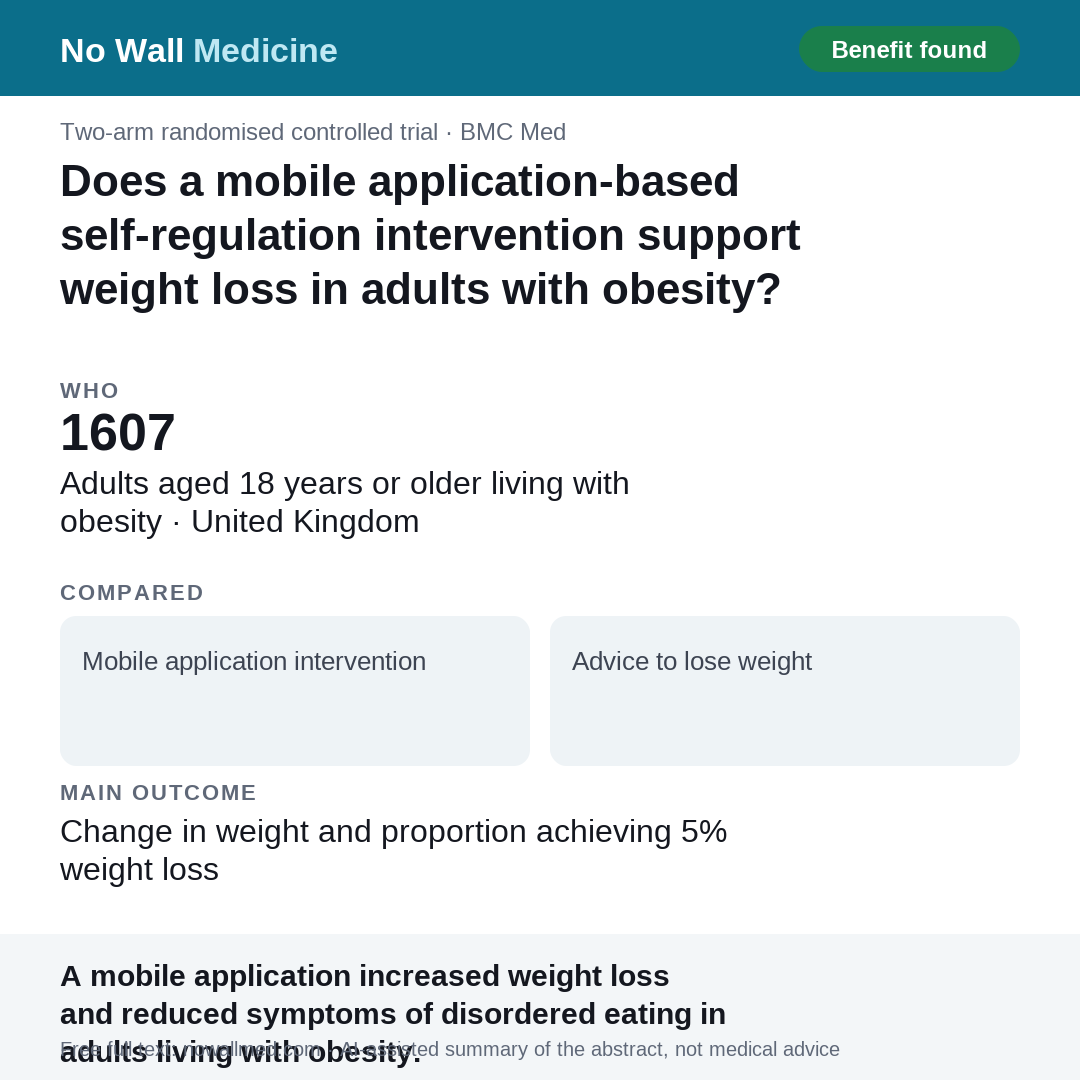
The effectiveness and safety of a mobile application-based self-regulation intervention to support weight loss among adults living with obesity: a large-scale pragmatic randomised controlled trial
Two-arm randomised controlled trialBenefit found
Does a mobile application-based self-regulation intervention support weight loss in adults with obesity?
Who
1607
Adults aged 18 years or older living with obesity · United Kingdom
Compared
Mobile application intervention
Advice to lose weight
Main outcome
Change in weight and proportion achieving 5% weight loss
Result: mean difference in weight change -1.85 kg (95% CI: -2.53, -1.17)
Bottom line: A mobile application increased weight loss and reduced symptoms of disordered eating in adults living with obesity.
Limitation: Weight was reported by only 632 (39.3%) participants at six months.
BMC Med · 2025-11-29Download image
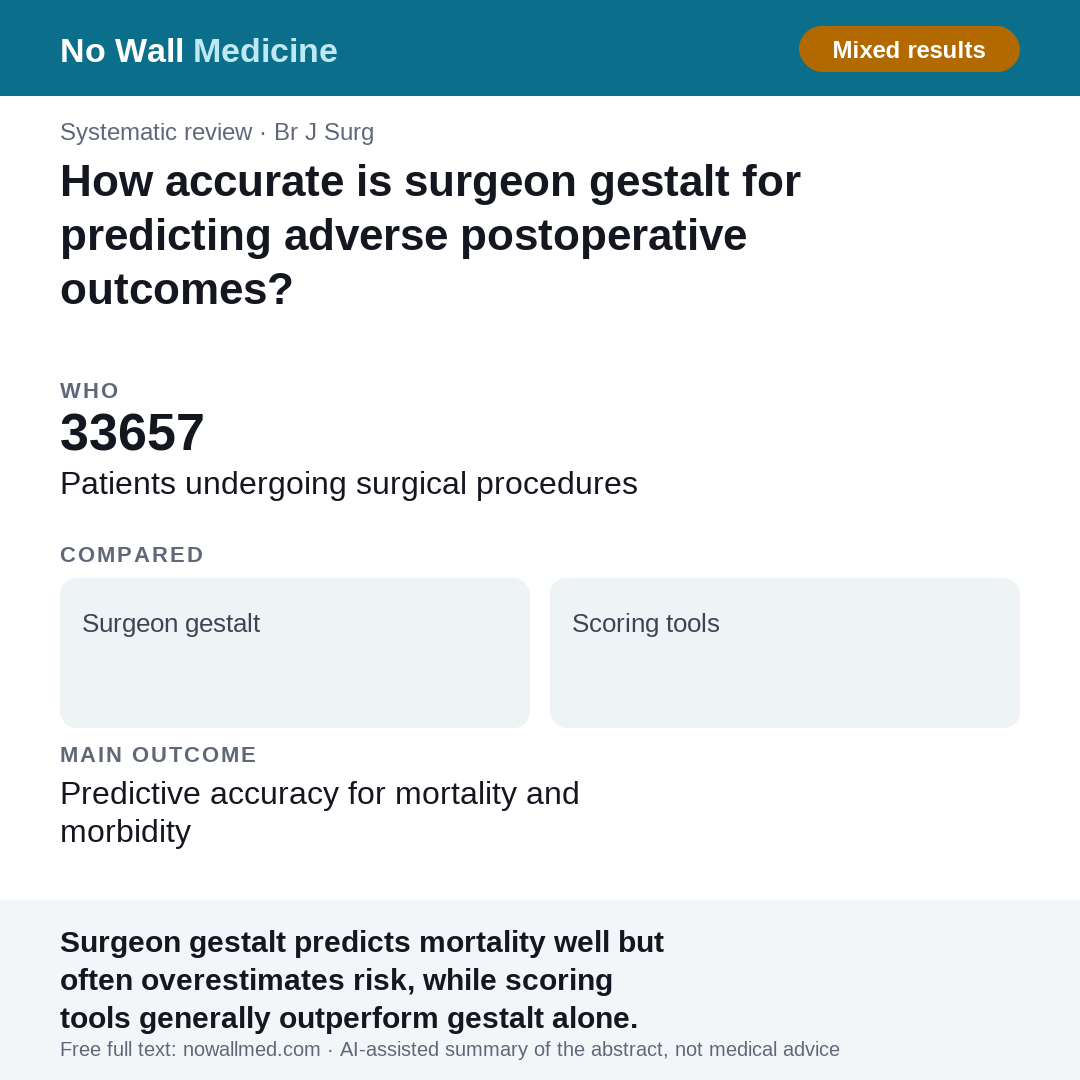
Predictive accuracy of surgeon gestalt for adverse postoperative outcomes: systematic review
Systematic reviewMixed results
How accurate is surgeon gestalt for predicting adverse postoperative outcomes?
Who
33657
Patients undergoing surgical procedures
Compared
Surgeon gestalt
Scoring tools
Main outcome
Predictive accuracy for mortality and morbidity
Bottom line: Surgeon gestalt predicts mortality well but often overestimates risk, while scoring tools generally outperform gestalt alone.
Br J Surg · 2025-11-29Download image
Efficacy and safety of a mosaic HIV-1 vaccine regimen in men who have sex with men and transgender individuals (HVTN 706/HPX3002/Mosaico): a global, randomised, double-blind, placebo-controlled, phase 3 trial
Randomised, double-blind, phase 3 trialNo clear difference
Is the mosaic HIV-1 vaccine regimen effective in preventing HIV-1 acquisition?
Who
3900
Cisgender men and transgender individuals without HIV · 52 sites in Latin America, Europe, and the USA
Compared
Vaccine: 3.63 (95% CI 2.77 to 4.67) HIV-1 incidence per 100 person-years
Placebo: 3.35 (2.53 to 4.36) HIV-1 incidence per 100 person-years
Main outcome
HIV-1 acquisition between months 7 and 24 or 30
Result: -0.7% (95% CI -50.9 to 32.8)
Bottom line: The mosaic HIV-1 vaccine regimen did not prevent HIV-1 acquisition in the study population.
Funded by: Johnson & Johnson; HIV Vaccine Trials Network; NIAID; US Army
Lancet HIV · 2025-11-29Download image

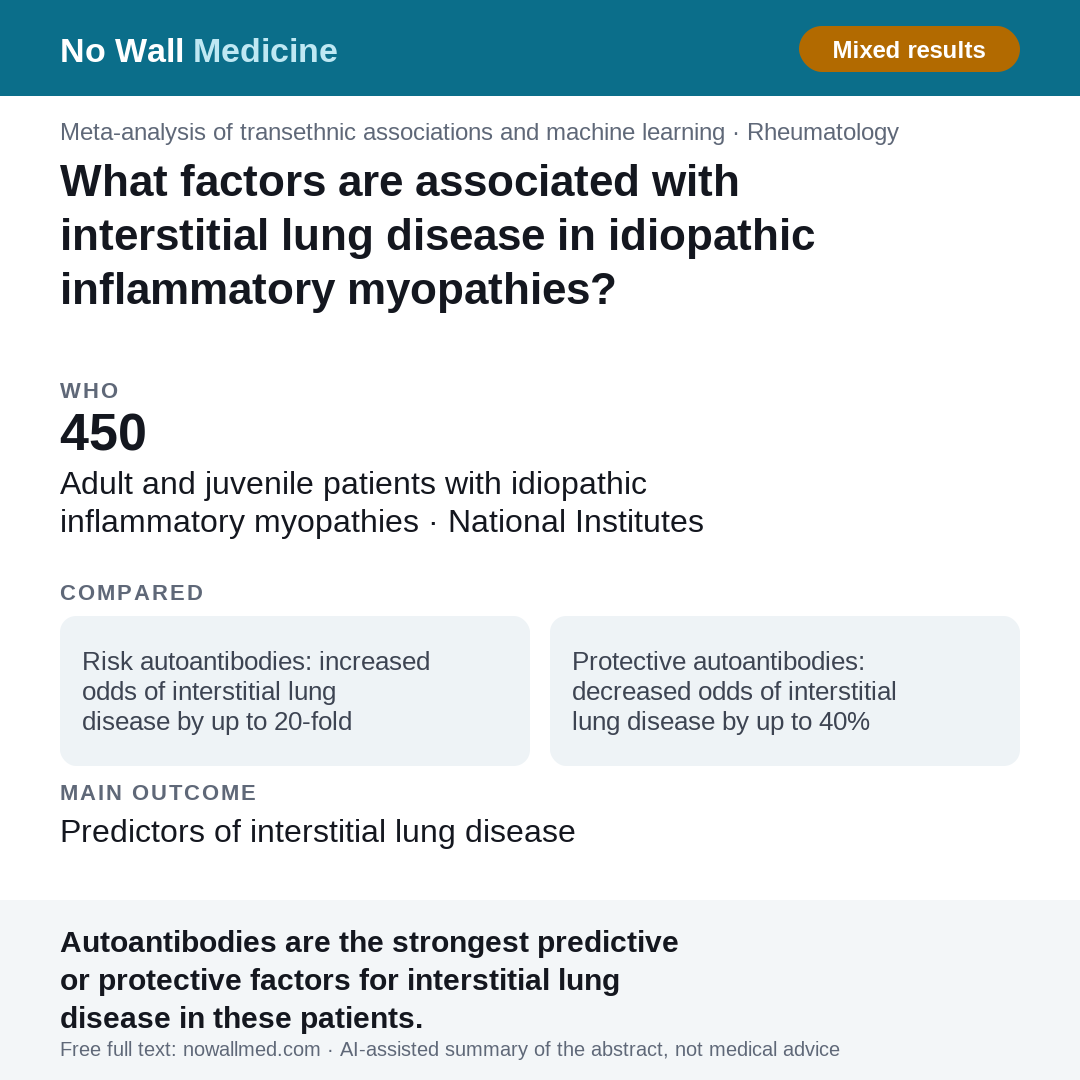
Factors associated with interstitial lung disease among patients with idiopathic inflammatory myopathies
Meta-analysis of transethnic associations and machine learningMixed results
What factors are associated with interstitial lung disease in idiopathic inflammatory myopathies?
Who
450
Adult and juvenile patients with idiopathic inflammatory myopathies · National Institutes of Health
Compared
Risk autoantibodies: increased odds of interstitial lung disease by up to 20-fold
Protective autoantibodies: decreased odds of interstitial lung disease by up to 40%
Main outcome
Predictors of interstitial lung disease
Bottom line: Autoantibodies are the strongest predictive or protective factors for interstitial lung disease in these patients.
Rheumatology · 2025-11-29Download image
Are asynchronous or synchronous clinical decision support more likely to change provider behavior? A case study in dementia
Three-arm randomized controlled trialBenefit found
Do asynchronous or synchronous clinical decision support systems change clinician behavior?
Who
Clinicians in a single-site outpatient setting · Single-site
Compared
Asynchronous alert-only messaging: Odds ratio 1.88 (95% CI: 1.39, 2.55)
Asynchronous alert and questionnaire messaging: Odds ratio 1.99 (95% CI: 1.52, 2.62)
Synchronous messaging
Main outcome
Neurology orders for evaluation
Bottom line: Asynchronous inbox messaging significantly increased neurology orders for evaluation compared to synchronous messaging.
J Am Med Inform Assoc · 2025-11-29Download image

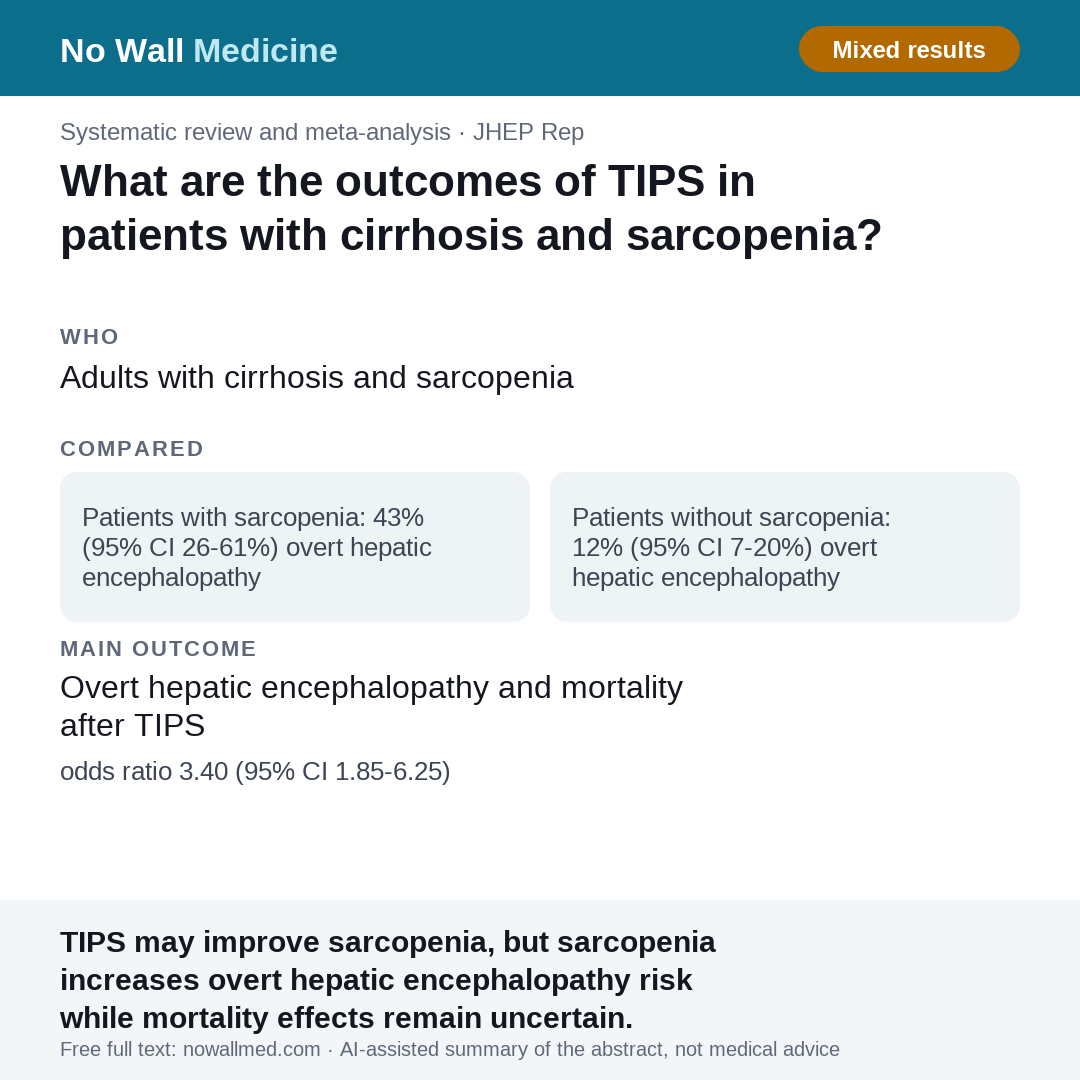
Outcomes after TIPS in patients with cirrhosis and sarcopenia: A systematic review and meta-analysis
Systematic review and meta-analysisMixed results
What are the outcomes of TIPS in patients with cirrhosis and sarcopenia?
Who
Adults with cirrhosis and sarcopenia
Compared
Patients with sarcopenia: 43% (95% CI 26-61%) overt hepatic encephalopathy
Patients without sarcopenia: 12% (95% CI 7-20%) overt hepatic encephalopathy
Main outcome
Overt hepatic encephalopathy and mortality after TIPS
Result: odds ratio 3.40 (95% CI 1.85-6.25)
Bottom line: TIPS may improve sarcopenia, but sarcopenia increases overt hepatic encephalopathy risk while mortality effects remain uncertain.
Limitation: Study heterogeneity and the retrospective nature of the included data.
JHEP Rep · 2025-11-29Download image