Visual abstracts
New randomized trials and meta-analyses from leading journals at a glance: who was studied, what was compared, and what was found. Every paper is free to read in full.
All specialtiesCardiology 4832Oncology 4114Gastroenterology & Hepatology 1934Infectious Disease 3824Neurology 1899Psychiatry & Mental Health 2256Pulmonology 2082Critical Care 1345Endocrinology & Diabetes 2572Pediatrics 2940Surgery 2525Orthopedics & Sports Medicine 926Neurosurgery 534Cardiothoracic & Vascular Surgery 671Plastic & Reconstructive Surgery 591Nephrology 1124Rheumatology 823Hematology 1104Dermatology 620Ophthalmology 543Obstetrics & Gynecology 1684Public & Global Health 1056Radiology & Imaging 641Anesthesiology 962Urology 754ENT (Otolaryngology) 503Emergency Medicine 489Allergy & Immunology 313Geriatrics 981Family Medicine & Primary Care 541Medical Genetics & Genomics 675Pathology & Laboratory Medicine 157Physical Medicine & Rehabilitation 751Palliative Care 424Nutrition 1580Digital Health & AI 2195General Medicine 321
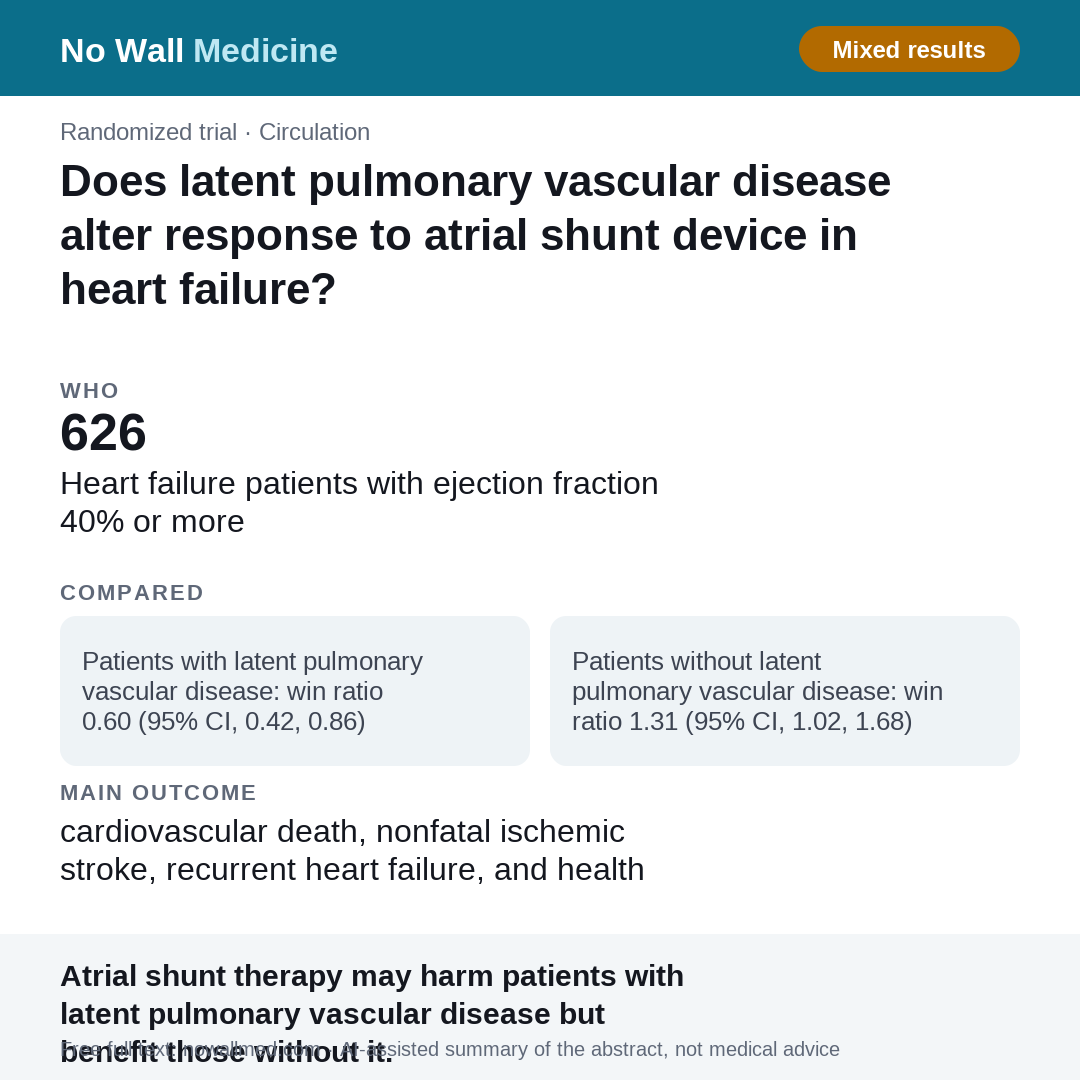
Latent Pulmonary Vascular Disease May Alter the Response to Therapeutic Atrial Shunt Device in Heart Failure
Randomized trialMixed results
Does latent pulmonary vascular disease alter response to atrial shunt device in heart failure?
Who
626
Heart failure patients with ejection fraction 40% or more
Compared
Patients with latent pulmonary vascular disease: win ratio 0.60 (95% CI, 0.42, 0.86)
Patients without latent pulmonary vascular disease: win ratio 1.31 (95% CI, 1.02, 1.68)
Main outcome
cardiovascular death, nonfatal ischemic stroke, recurrent heart failure, and health status
Result: win ratio 0.60 (95% CI, 0.42, 0.86) for PVD; 1.31 (95% CI, 1.02, 1.68) for no PVD
Bottom line: Atrial shunt therapy may harm patients with latent pulmonary vascular disease but benefit those without it.
Circulation · 2022-03-31Download image
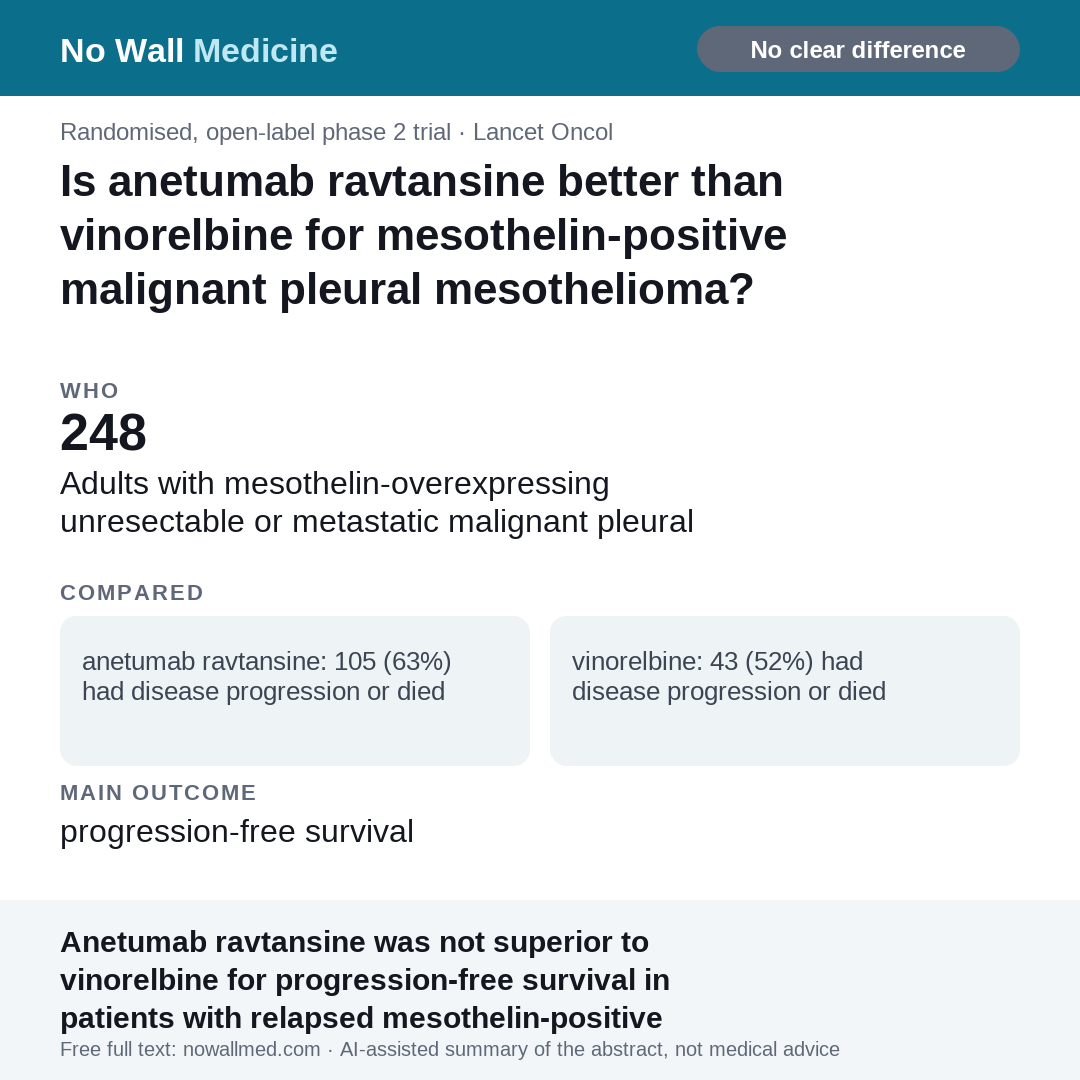
Anetumab ravtansine versus vinorelbine in patients with relapsed, mesothelin-positive malignant pleural mesothelioma (ARCS-M): a randomised, open-label phase 2 trial
Randomised, open-label phase 2 trialNo clear difference
Is anetumab ravtansine better than vinorelbine for mesothelin-positive malignant pleural mesothelioma?
Who
248
Adults with mesothelin-overexpressing unresectable or metastatic malignant pleural mesothelioma · 76 hospitals in 14 countries
Compared
anetumab ravtansine: 105 (63%) had disease progression or died
vinorelbine: 43 (52%) had disease progression or died
Main outcome
progression-free survival
Result: hazard ratio 1·22 (95% CI 0·85-1·74)
Bottom line: Anetumab ravtansine was not superior to vinorelbine for progression-free survival in patients with relapsed mesothelin-positive mesothelioma.
Funded by: Bayer Healthcare Pharmaceuticals
Lancet Oncol · 2022-03-31Download image
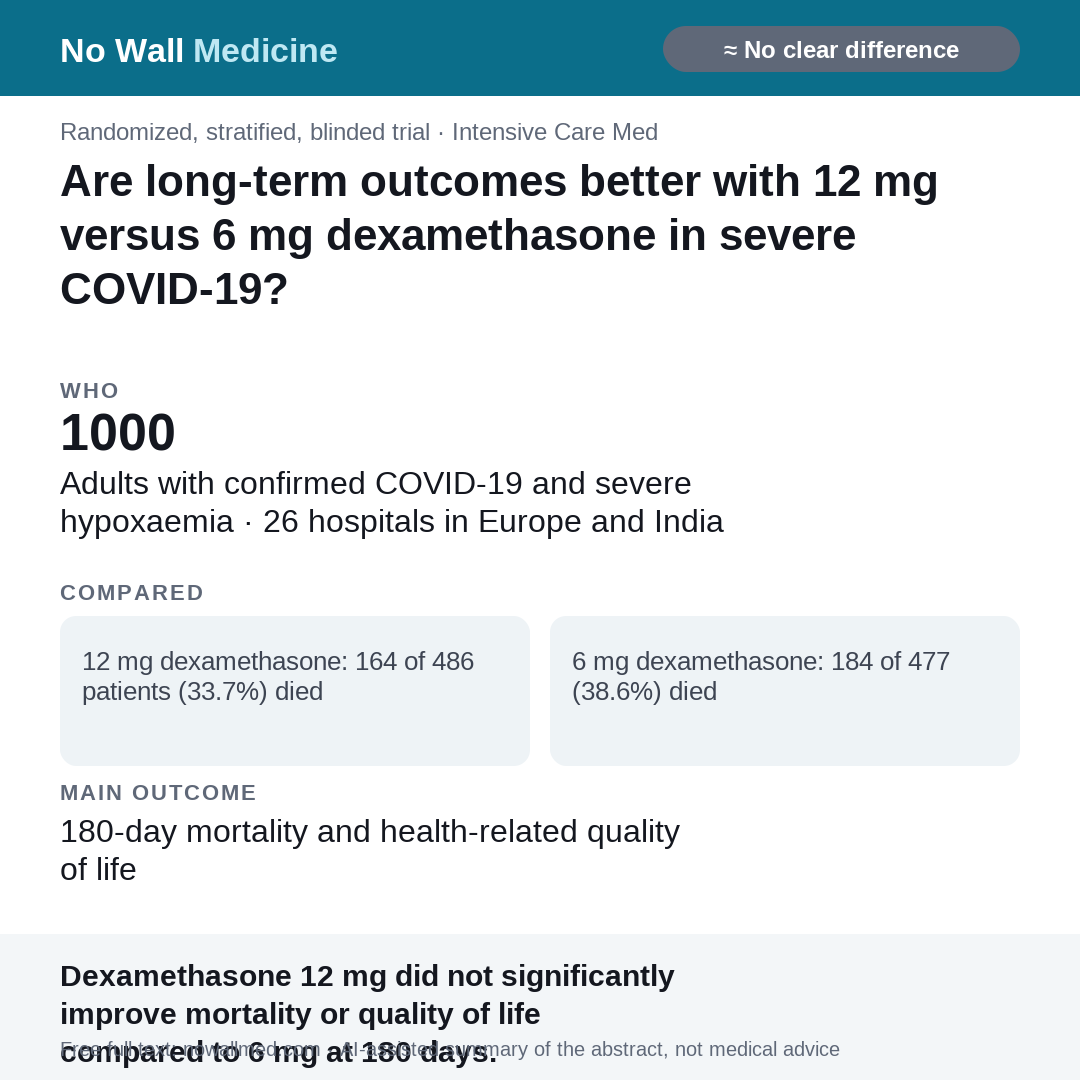
Long-term outcomes of dexamethasone 12 mg versus 6 mg in patients with COVID-19 and severe hypoxaemia
Randomized, stratified, blinded trialNo clear difference
Are long-term outcomes better with 12 mg versus 6 mg dexamethasone in severe COVID-19?
Who
1000
Adults with confirmed COVID-19 and severe hypoxaemia · 26 hospitals in Europe and India
Compared
12 mg dexamethasone: 164 of 486 patients (33.7%) died
6 mg dexamethasone: 184 of 477 (38.6%) died
Main outcome
180-day mortality and health-related quality of life
Result: relative risk 0.89; 0.72-1.09
Bottom line: Dexamethasone 12 mg did not significantly improve mortality or quality of life compared to 6 mg at 180 days.
Intensive Care Med · 2022-03-31Download image
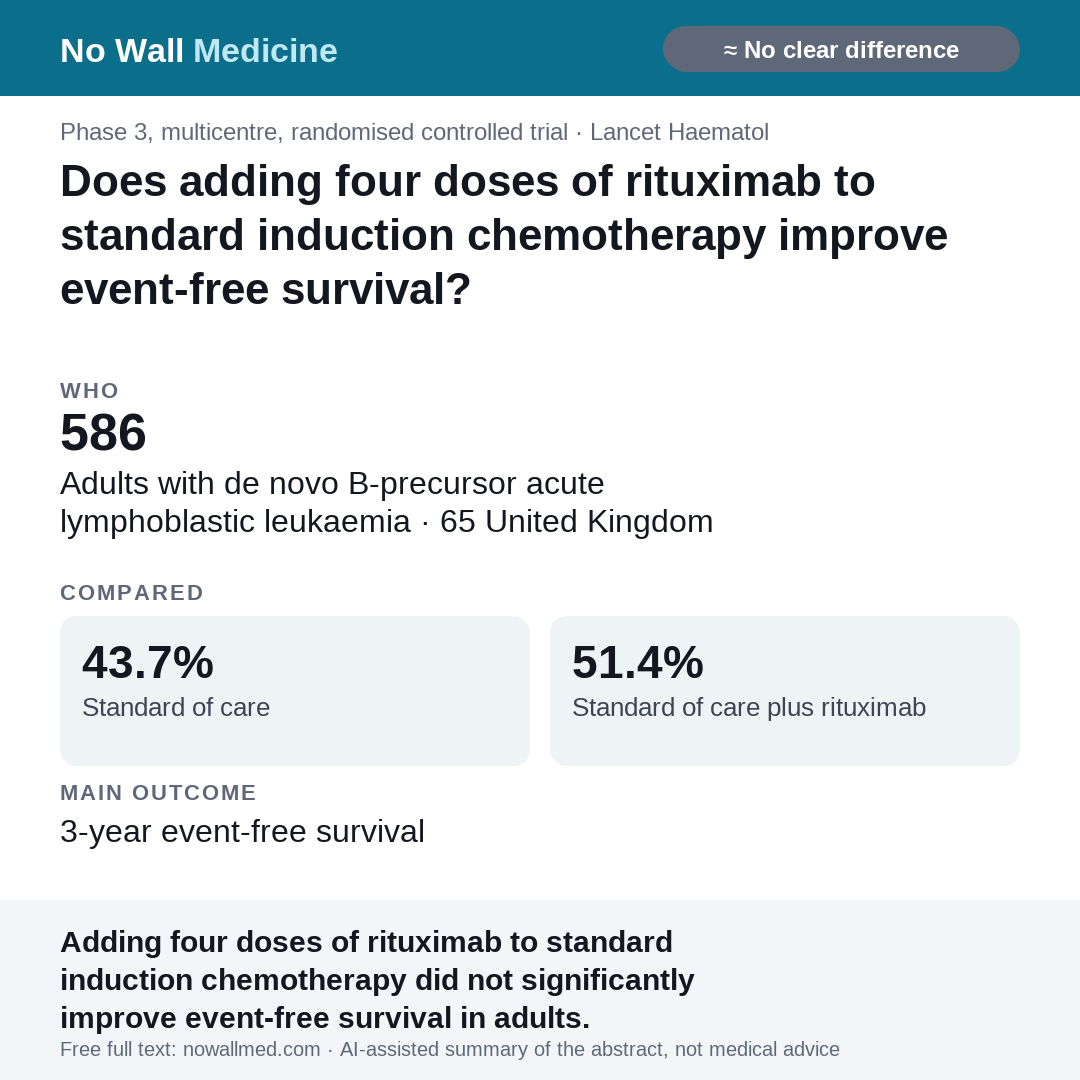
Addition of four doses of rituximab to standard induction chemotherapy in adult patients with precursor B-cell acute lymphoblastic leukaemia (UKALL14): a phase 3, multicentre, randomised controlled trial
Phase 3, multicentre, randomised controlled trialNo clear difference
Does adding four doses of rituximab to standard induction chemotherapy improve event-free survival?
Who
586
Adults with de novo B-precursor acute lymphoblastic leukaemia · 65 United Kingdom National Health Service Centres
Compared
43.7%Standard of care (95% CI 37.8-49.5)
51.4%Standard of care plus rituximab (45.4-57.1%)
Main outcome
3-year event-free survival
Result: hazard ratio 0.85 (95% CI 0.69-1.06)
Bottom line: Adding four doses of rituximab to standard induction chemotherapy did not significantly improve event-free survival in adults.
Funded by: Cancer Research UK and Blood Cancer UK
Lancet Haematol · 2022-03-31Download image
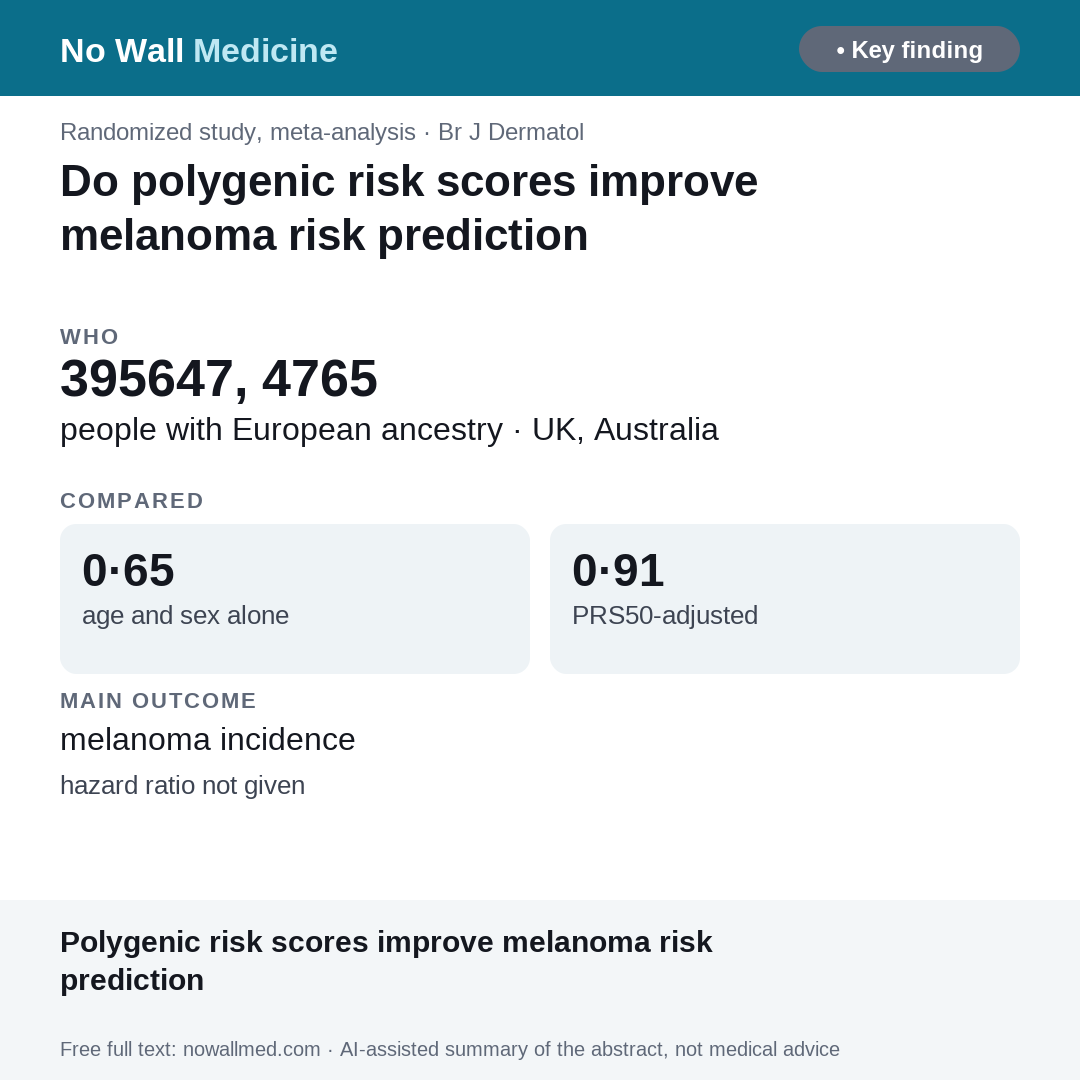
Independent evaluation of melanoma polygenic risk scores in UK and Australian prospective cohorts
Randomized trial, meta-analysisBenefit found
Do polygenic risk scores improve melanoma risk prediction
Who
395647, 4765
people with European ancestry · UK, Australia
Compared
0·65age and sex alone
0·91PRS50-adjusted
Main outcome
melanoma incidence
Result: hazard ratio not given
Bottom line: Polygenic risk scores improve melanoma risk prediction
Limitation: recalibration necessary for specific populations
Br J Dermatol · 2022-03-31Download image
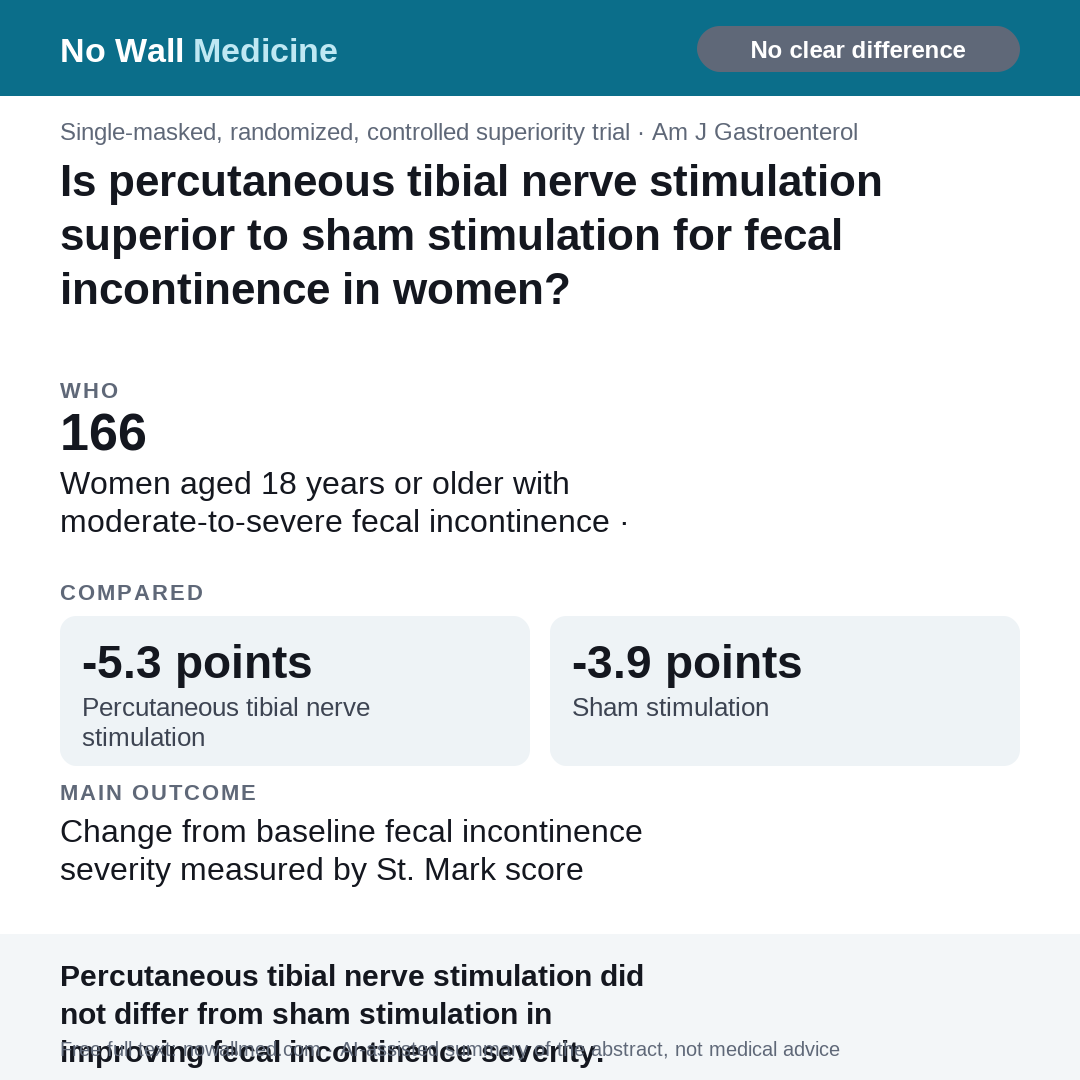
Percutaneous Tibial Nerve Stimulation vs Sham Stimulation for Fecal Incontinence in Women: NeurOmodulaTion for Accidental Bowel Leakage Randomized Clinical Trial
Single-masked, randomized, controlled superiority trialNo clear difference
Is percutaneous tibial nerve stimulation superior to sham stimulation for fecal incontinence in women?
Who
166
Women aged 18 years or older with moderate-to-severe fecal incontinence · Multicenter
Compared
-5.3 pointsPercutaneous tibial nerve stimulation
-3.9 pointsSham stimulation
Main outcome
Change from baseline fecal incontinence severity measured by St. Mark score
Result: adjusted difference -1.3 (95% confidence interval -2.8 to 0.2)
Bottom line: Percutaneous tibial nerve stimulation did not differ from sham stimulation in improving fecal incontinence severity.
Am J Gastroenterol · 2022-03-31Download image
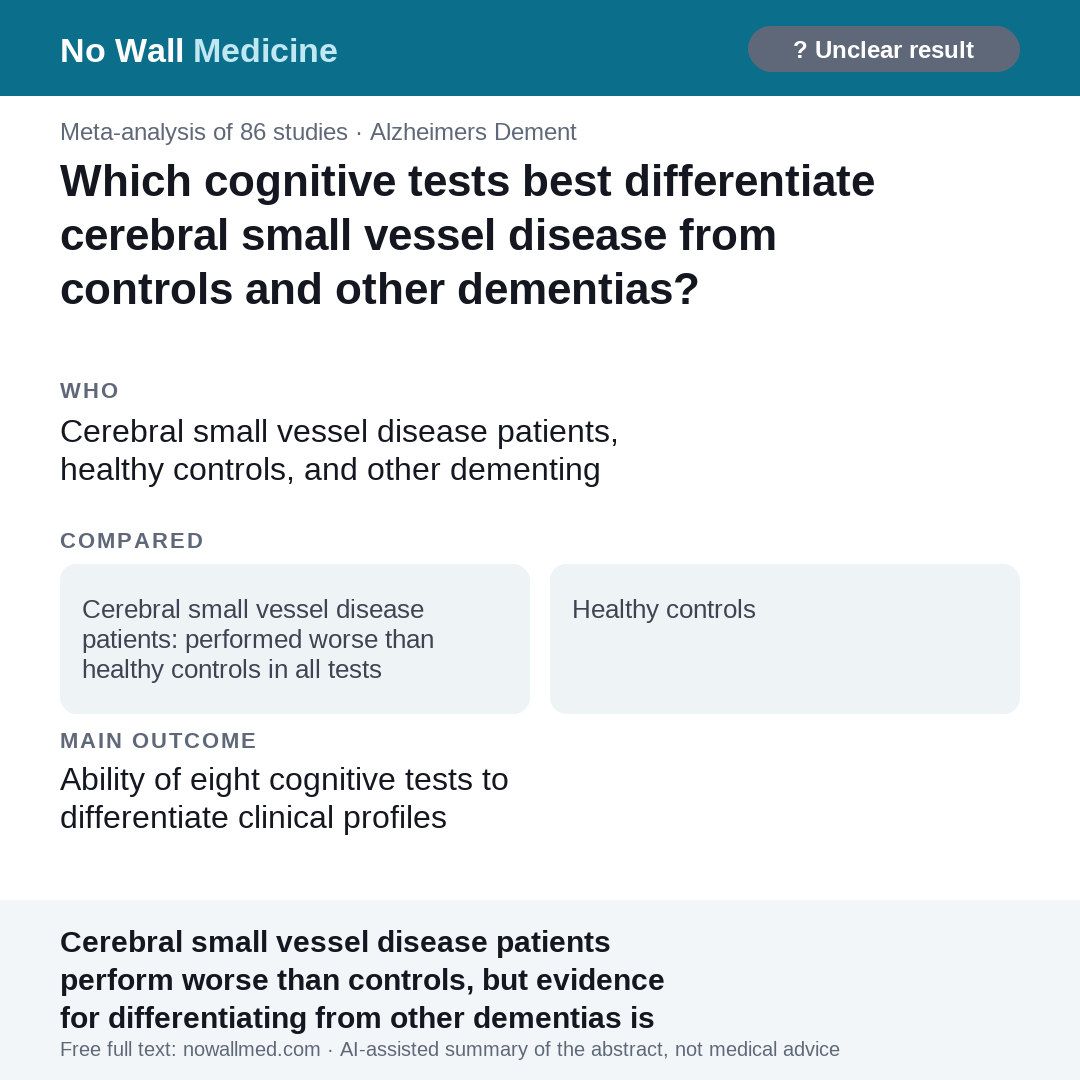
The clinical profile of cerebral small vessel disease: Toward an evidence-based identification of cognitive markers
Meta-analysis of 86 studiesUnclear result
Which cognitive tests best differentiate cerebral small vessel disease from controls and other dementias?
Who
Cerebral small vessel disease patients, healthy controls, and other dementing conditions
Compared
Cerebral small vessel disease patients: performed worse than healthy controls in all tests
Healthy controls
Main outcome
Ability of eight cognitive tests to differentiate clinical profiles
Bottom line: Cerebral small vessel disease patients perform worse than controls, but evidence for differentiating from other dementias is incomplete.
Limitation: Data on comparison to neurodegenerative diseases were limited and diagnostic accuracy data were lacking.
Alzheimers Dement · 2022-03-31Download image
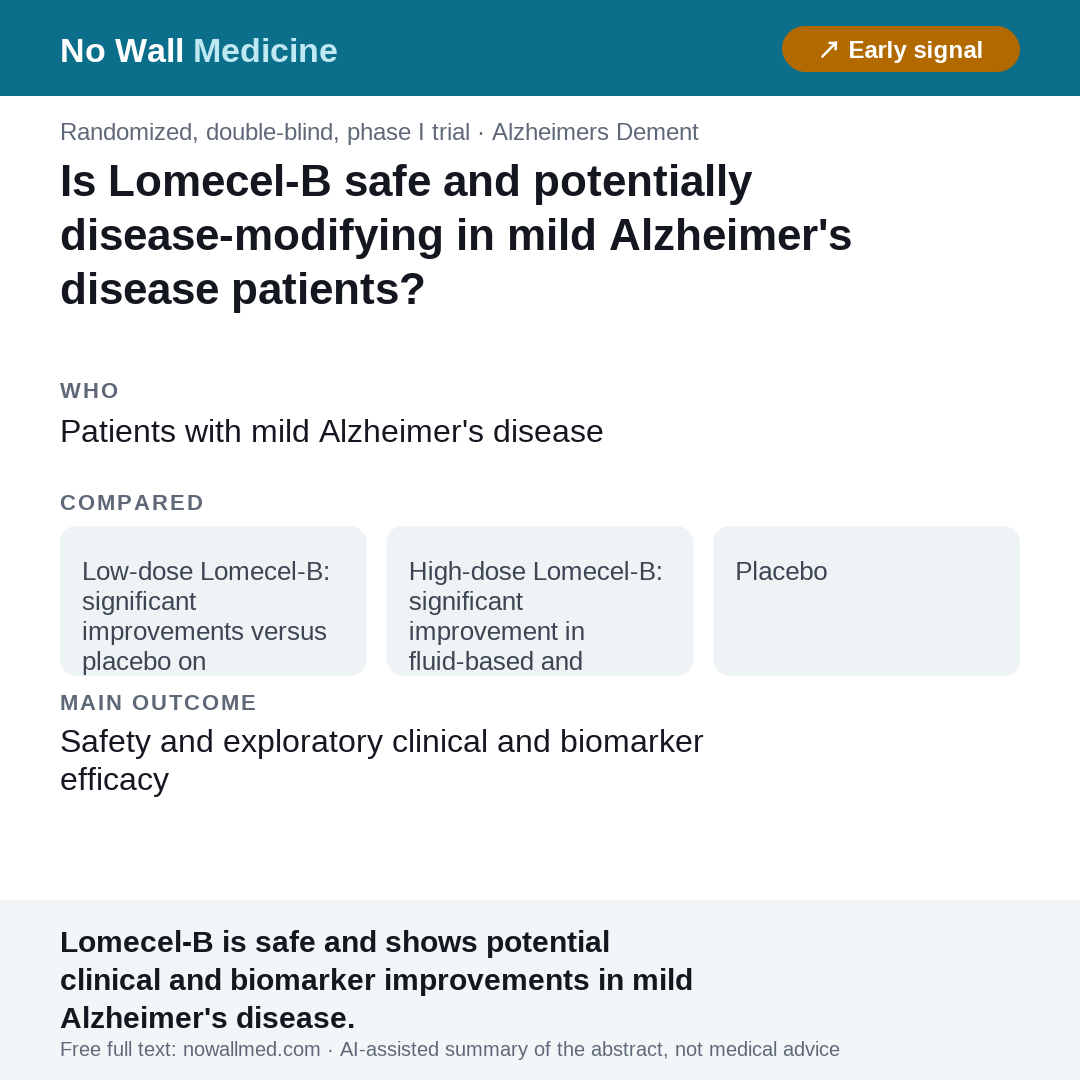
Results and insights from a phase I clinical trial of Lomecel-B for Alzheimer's disease
Randomized, double-blind, phase I trialEarly signal
Is Lomecel-B safe and potentially disease-modifying in mild Alzheimer's disease patients?
Who
Patients with mild Alzheimer's disease
Compared
Low-dose Lomecel-B: significant improvements versus placebo on neurocognitive and other assessments
High-dose Lomecel-B: significant improvement in fluid-based and imaging biomarkers versus placebo
Placebo
Main outcome
Safety and exploratory clinical and biomarker efficacy
Bottom line: Lomecel-B is safe and shows potential clinical and biomarker improvements in mild Alzheimer's disease.
Alzheimers Dement · 2022-03-31Download image
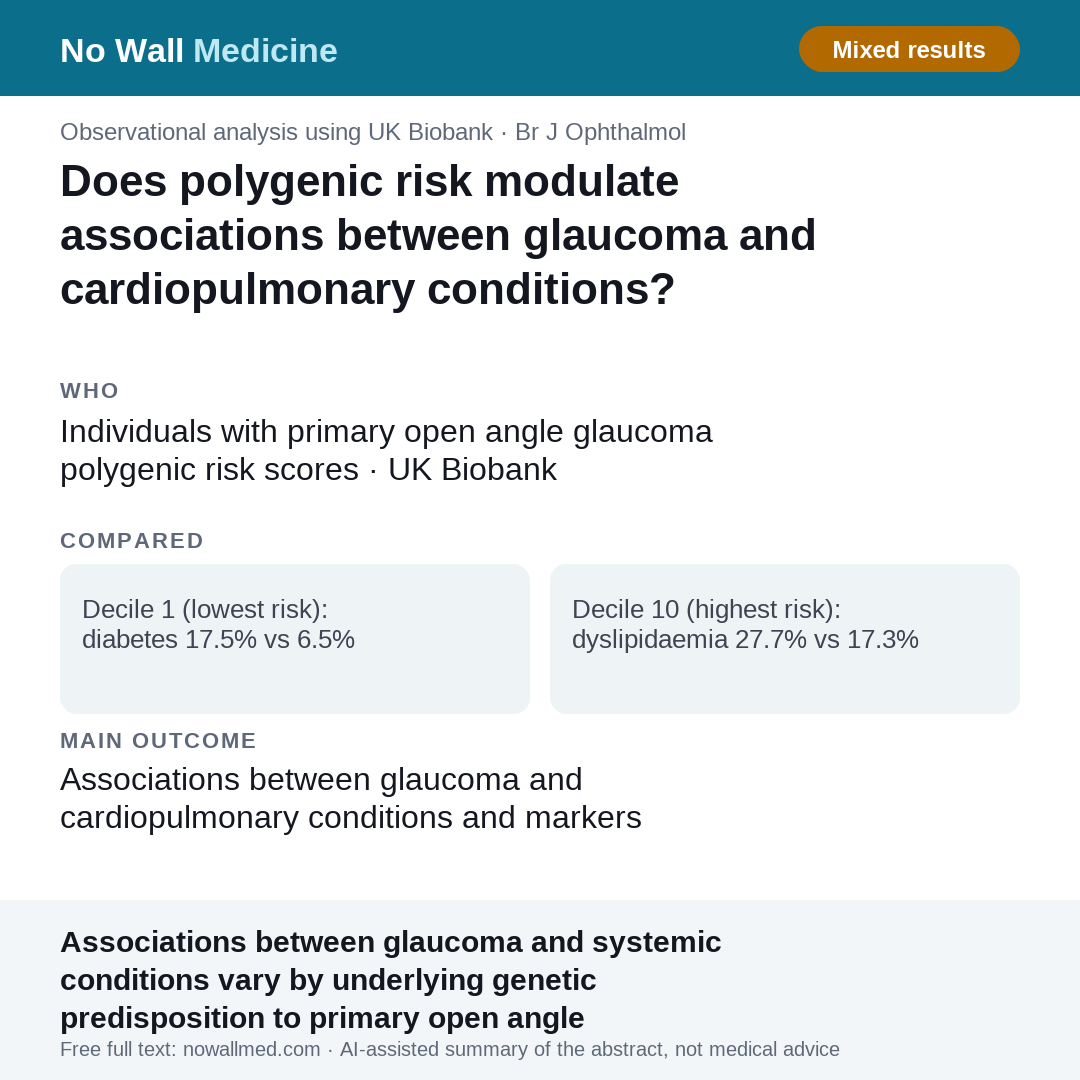
Background polygenic risk modulates the association between glaucoma and cardiopulmonary diseases and measures: an analysis from the UK Biobank
Observational analysis using UK BiobankMixed results
Does polygenic risk modulate associations between glaucoma and cardiopulmonary conditions?
Who
Individuals with primary open angle glaucoma polygenic risk scores · UK Biobank
Compared
Decile 1 (lowest risk): diabetes 17.5% vs 6.5%
Decile 10 (highest risk): dyslipidaemia 27.7% vs 17.3%
Main outcome
Associations between glaucoma and cardiopulmonary conditions and markers
Bottom line: Associations between glaucoma and systemic conditions vary by underlying genetic predisposition to primary open angle glaucoma.
Br J Ophthalmol · 2022-03-31Download image
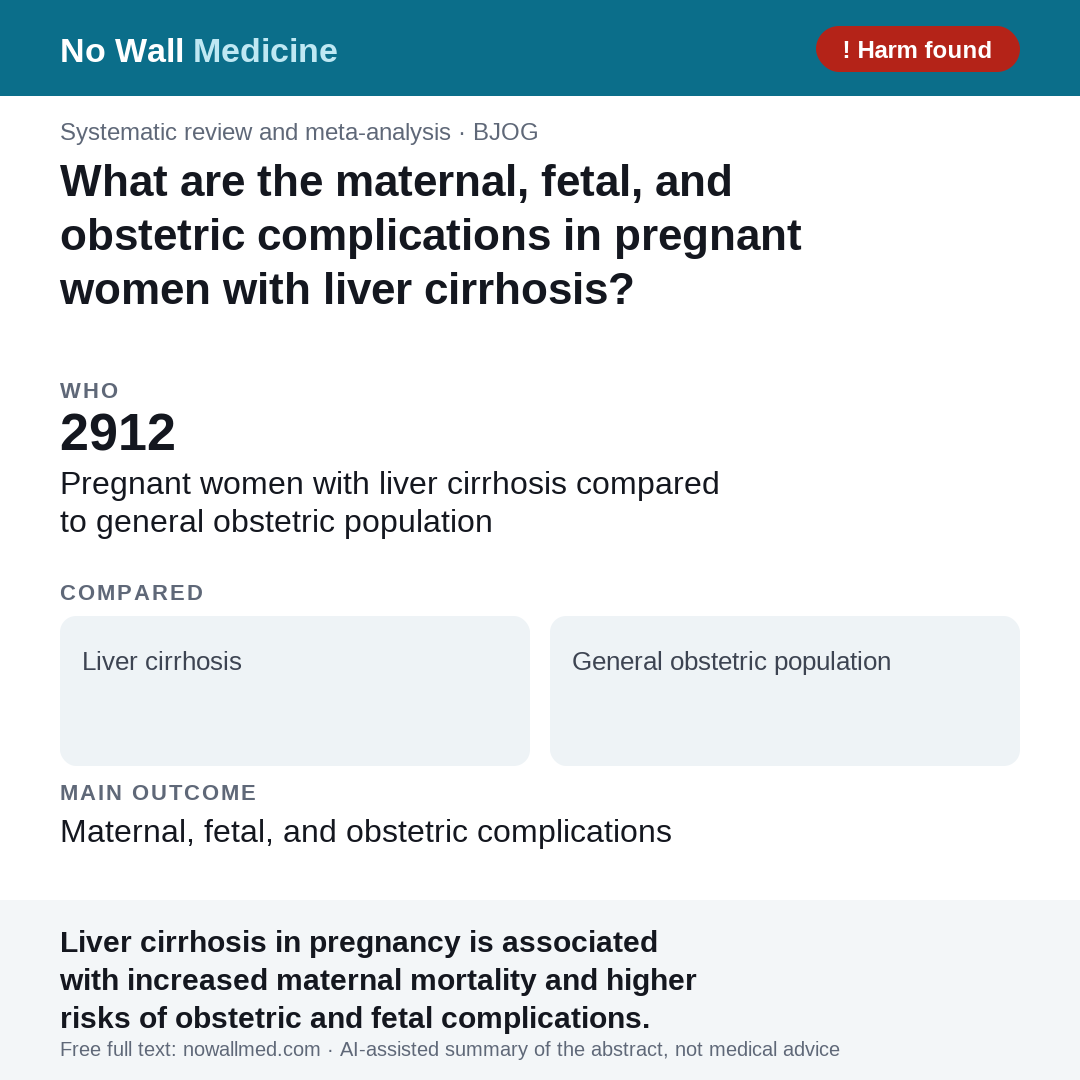
Pregnancy in women with liver cirrhosis is associated with increased risk for complications: A systematic review and meta-analysis of the literature
Systematic review and meta-analysisHarm found
What are the maternal, fetal, and obstetric complications in pregnant women with liver cirrhosis?
Who
2912
Pregnant women with liver cirrhosis compared to general obstetric population
Compared
Liver cirrhosis
General obstetric population
Main outcome
Maternal, fetal, and obstetric complications
Result: preterm delivery OR 6.7 (95% CI 5.1-9.1), caesarean section OR 2.6 (95% CI 1.7-3.9), pre-eclampsia OR 3.8 (95% CI 2.2-6.5), small-for-gestational-age neonates OR 2.6 (95% CI 1.6-4.2)
Bottom line: Liver cirrhosis in pregnancy is associated with increased maternal mortality and higher risks of obstetric and fetal complications.
BJOG · 2022-03-31Download image
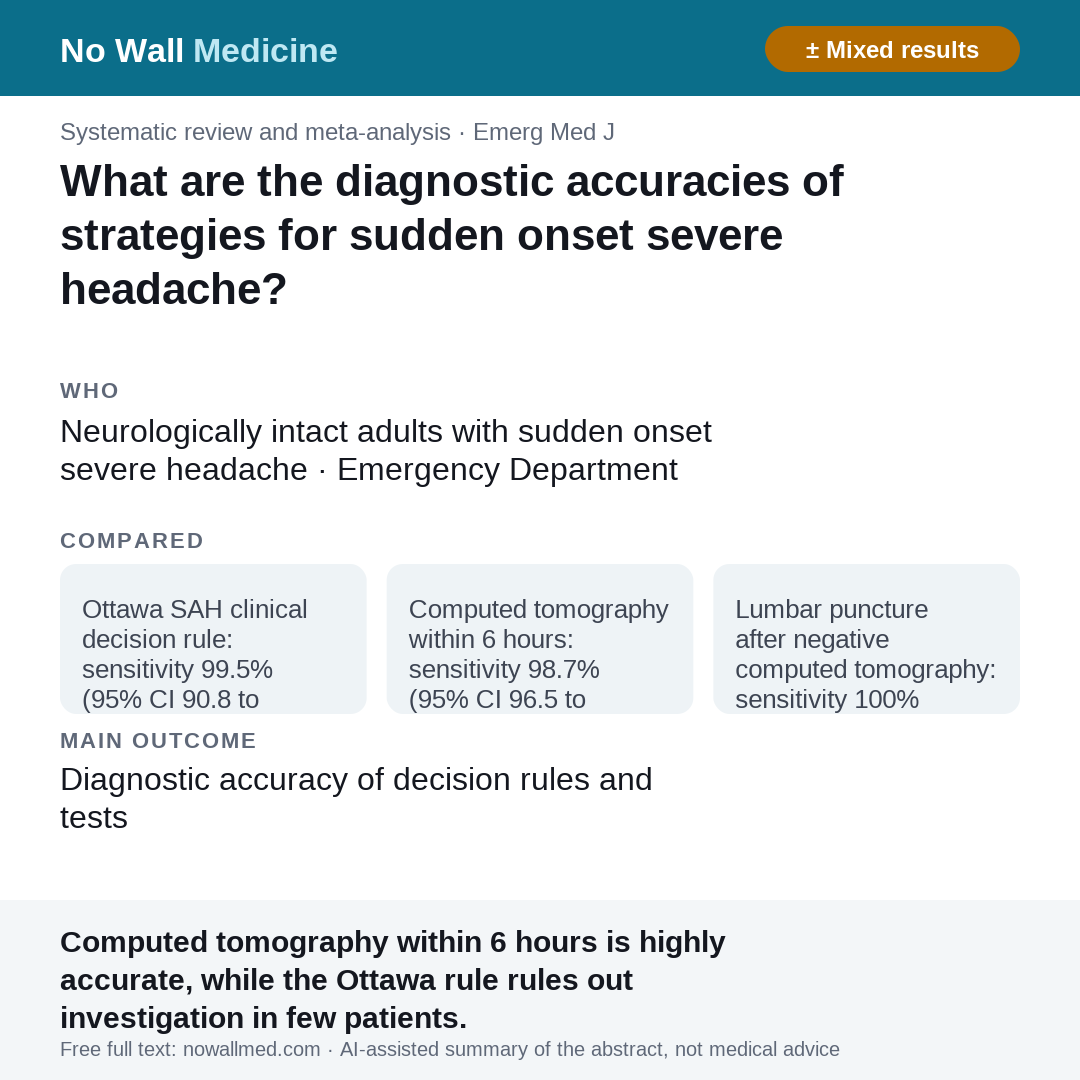
Management of patients presenting to the emergency department with sudden onset severe headache: systematic review of diagnostic accuracy studies
Systematic review and meta-analysisMixed results
What are the diagnostic accuracies of strategies for sudden onset severe headache?
Who
Neurologically intact adults with sudden onset severe headache · Emergency Department
Compared
Ottawa SAH clinical decision rule: sensitivity 99.5% (95% CI 90.8 to 100), specificity 24% (95% CI 15.5 to 34.4)
Computed tomography within 6 hours: sensitivity 98.7% (95% CI 96.5 to 100), specificity 100% (95% CI 99.7 to 100)
Lumbar puncture after negative computed tomography: sensitivity 100% (95% CI 100 to 100), specificity 95% (95% CI 86.0 to 98.5)
Main outcome
Diagnostic accuracy of decision rules and tests
Bottom line: Computed tomography within 6 hours is highly accurate, while the Ottawa rule rules out investigation in few patients.
Emerg Med J · 2022-03-31Download image
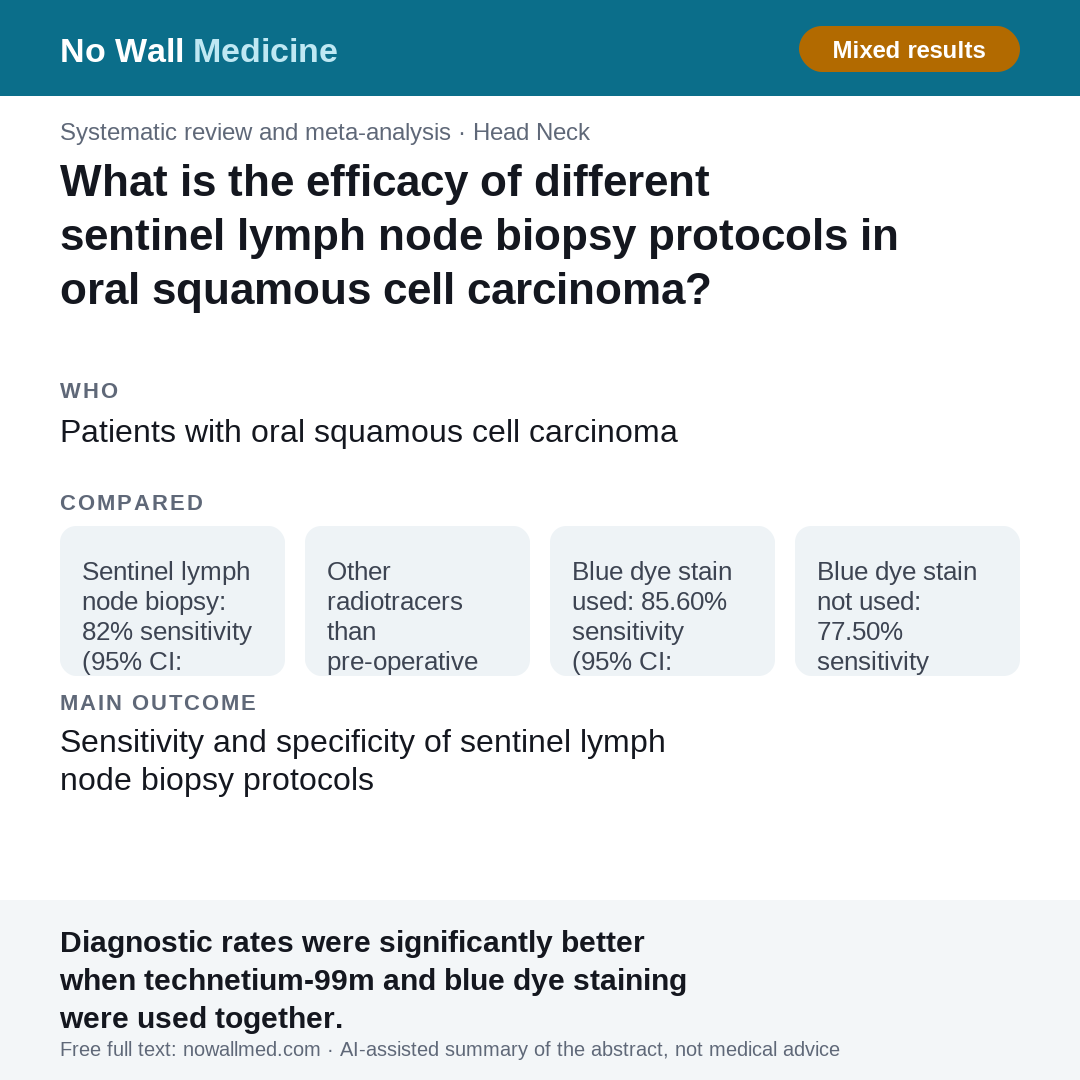
Efficacy of different sentinel lymph node biopsy protocols in oral squamous cell carcinoma: Systematic review and meta-analysis
Systematic review and meta-analysisMixed results
What is the efficacy of different sentinel lymph node biopsy protocols in oral squamous cell carcinoma?
Who
Patients with oral squamous cell carcinoma
Compared
Sentinel lymph node biopsy: 82% sensitivity (95% CI: 0.74-0.88) and 100% specificity (95% CI: 0.99-1.00)
Other radiotracers than pre-operative lopamidol: 82.80% sensitivity (95% CI: 76.90%-87.50%)
Blue dye stain used: 85.60% sensitivity (95% CI: 71.90%-93.20%)
Blue dye stain not used: 77.50% sensitivity (95% CI: 69.10%-84.20%)
Main outcome
Sensitivity and specificity of sentinel lymph node biopsy protocols
Bottom line: Diagnostic rates were significantly better when technetium-99m and blue dye staining were used together.
Head Neck · 2022-03-31Download image
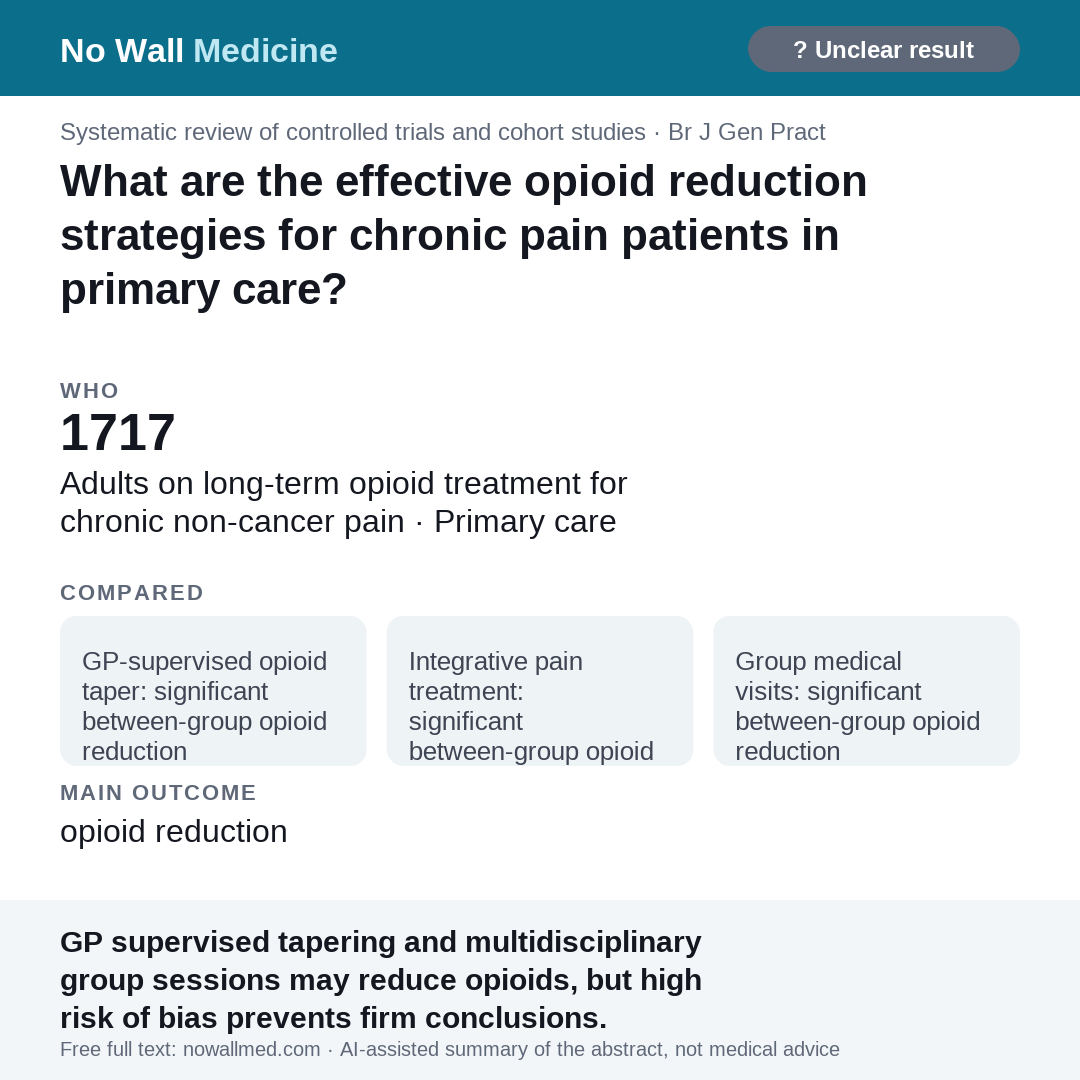
Opioid reduction for patients with chronic pain in primary care: systematic review
Systematic review of controlled trials and cohort studiesUnclear result
What are the effective opioid reduction strategies for chronic pain patients in primary care?
Who
1717
Adults on long-term opioid treatment for chronic non-cancer pain · Primary care
Compared
GP-supervised opioid taper: significant between-group opioid reduction
Integrative pain treatment: significant between-group opioid reduction
Group medical visits: significant between-group opioid reduction
Main outcome
opioid reduction
Bottom line: GP supervised tapering and multidisciplinary group sessions may reduce opioids, but high risk of bias prevents firm conclusions.
Limitation: high risk of bias and small sample sizes
Br J Gen Pract · 2022-03-31Download image
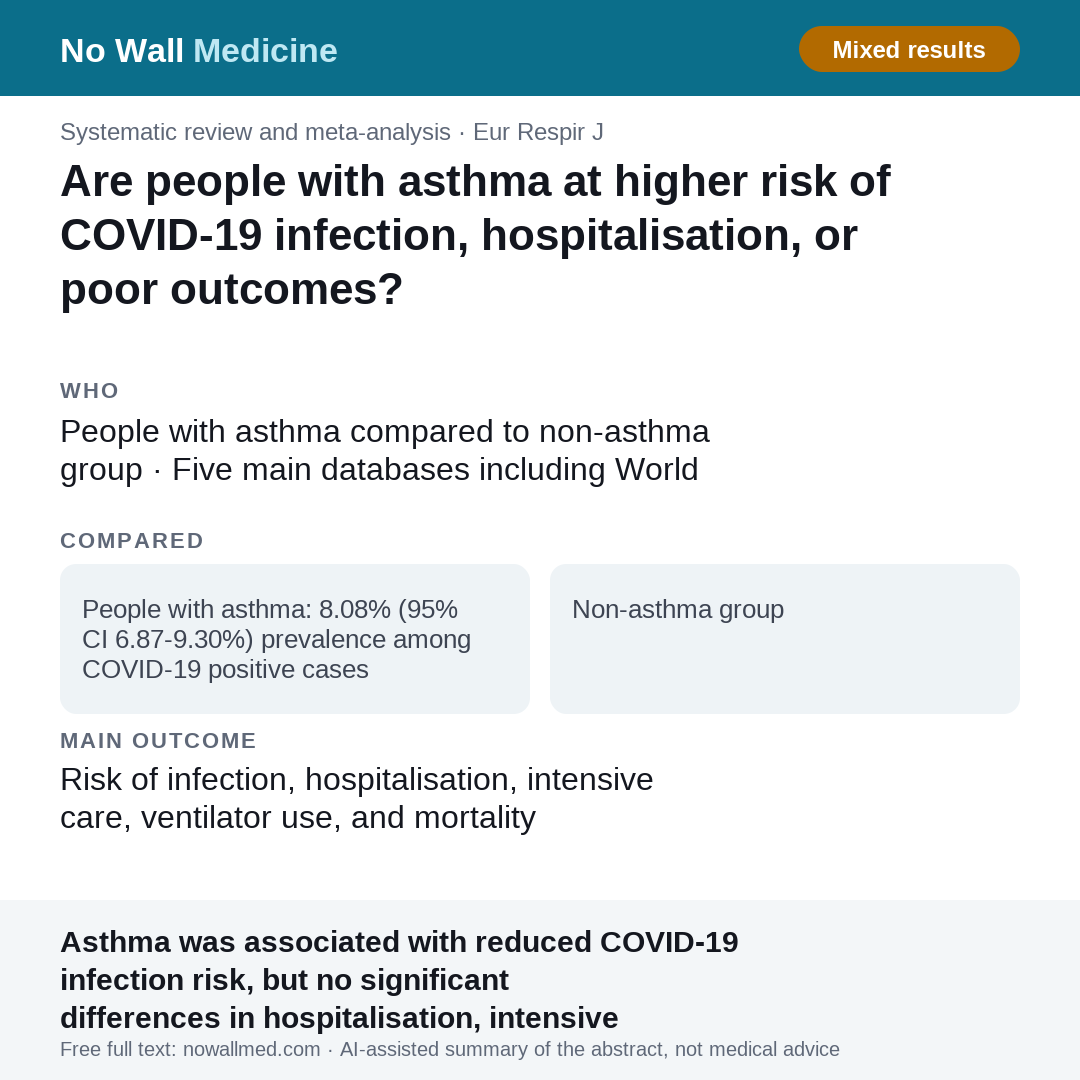
Asthma and COVID-19 risk: a systematic review and meta-analysis
Systematic review and meta-analysisMixed results
Are people with asthma at higher risk of COVID-19 infection, hospitalisation, or poor outcomes?
Who
People with asthma compared to non-asthma group · Five main databases including World Health Organization COVID-19 database
Compared
People with asthma: 8.08% (95% CI 6.87-9.30%) prevalence among COVID-19 positive cases
Non-asthma group
Main outcome
Risk of infection, hospitalisation, intensive care, ventilator use, and mortality
Result: risk ratio 0.83 (95% CI 0.73-0.95) for acquiring COVID-19
Bottom line: Asthma was associated with reduced COVID-19 infection risk, but no significant differences in hospitalisation, intensive care, or mortality.
Eur Respir J · 2022-03-31Download image
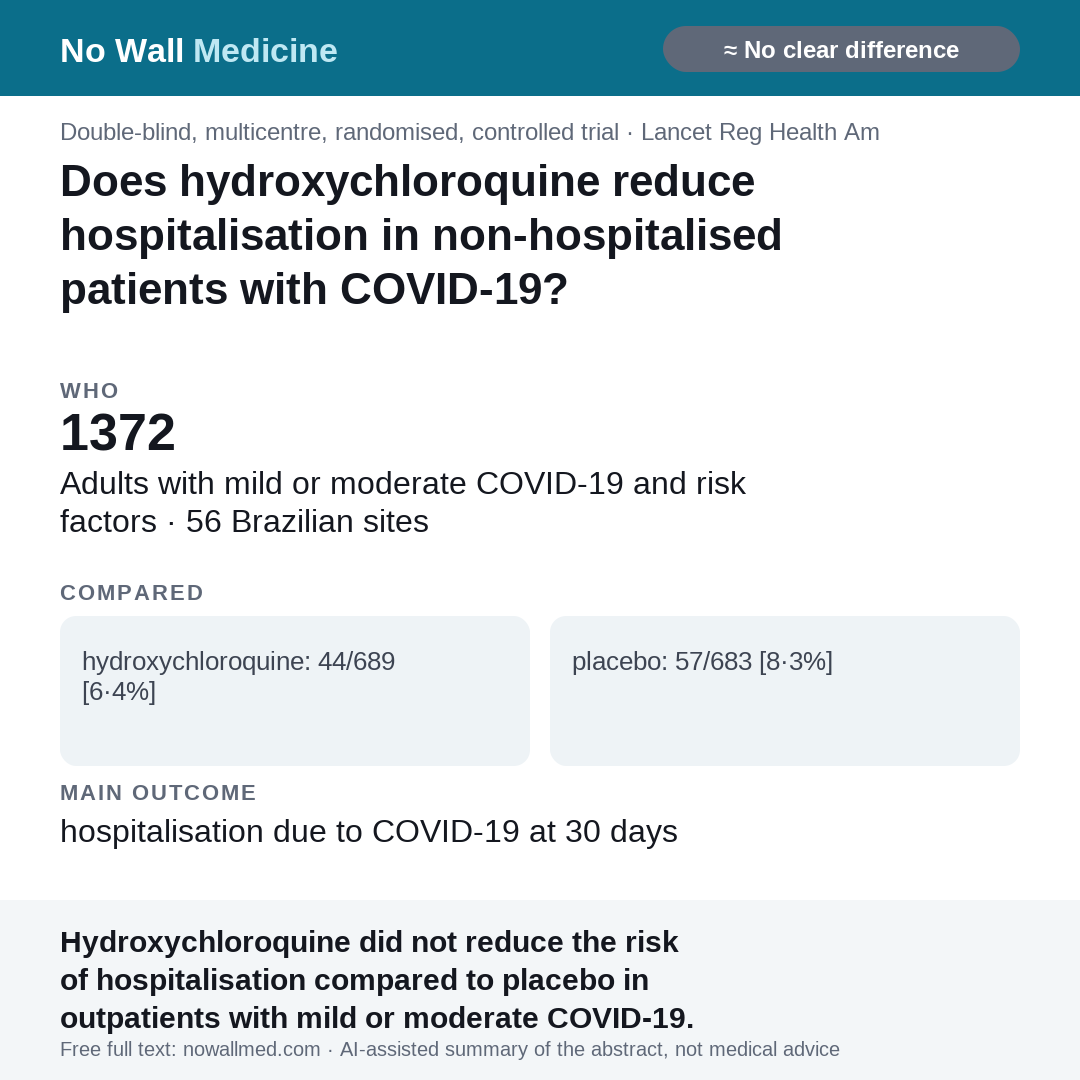
Hydroxychloroquine versus placebo in the treatment of non-hospitalised patients with COVID-19 (COPE - Coalition V): A double-blind, multicentre, randomised, controlled trial
Double-blind, multicentre, randomised, controlled trialNo clear difference
Does hydroxychloroquine reduce hospitalisation in non-hospitalised patients with COVID-19?
Who
1372
Adults with mild or moderate COVID-19 and risk factors · 56 Brazilian sites
Compared
hydroxychloroquine: 44/689 [6·4%]
placebo: 57/683 [8·3%]
Main outcome
hospitalisation due to COVID-19 at 30 days
Result: RR 0·77 [95% CI 0·52-1·12]
Bottom line: Hydroxychloroquine did not reduce the risk of hospitalisation compared to placebo in outpatients with mild or moderate COVID-19.
Funded by: COALITION COVID-19 Brazil and EMS
Lancet Reg Health Am · 2022-03-31Download image
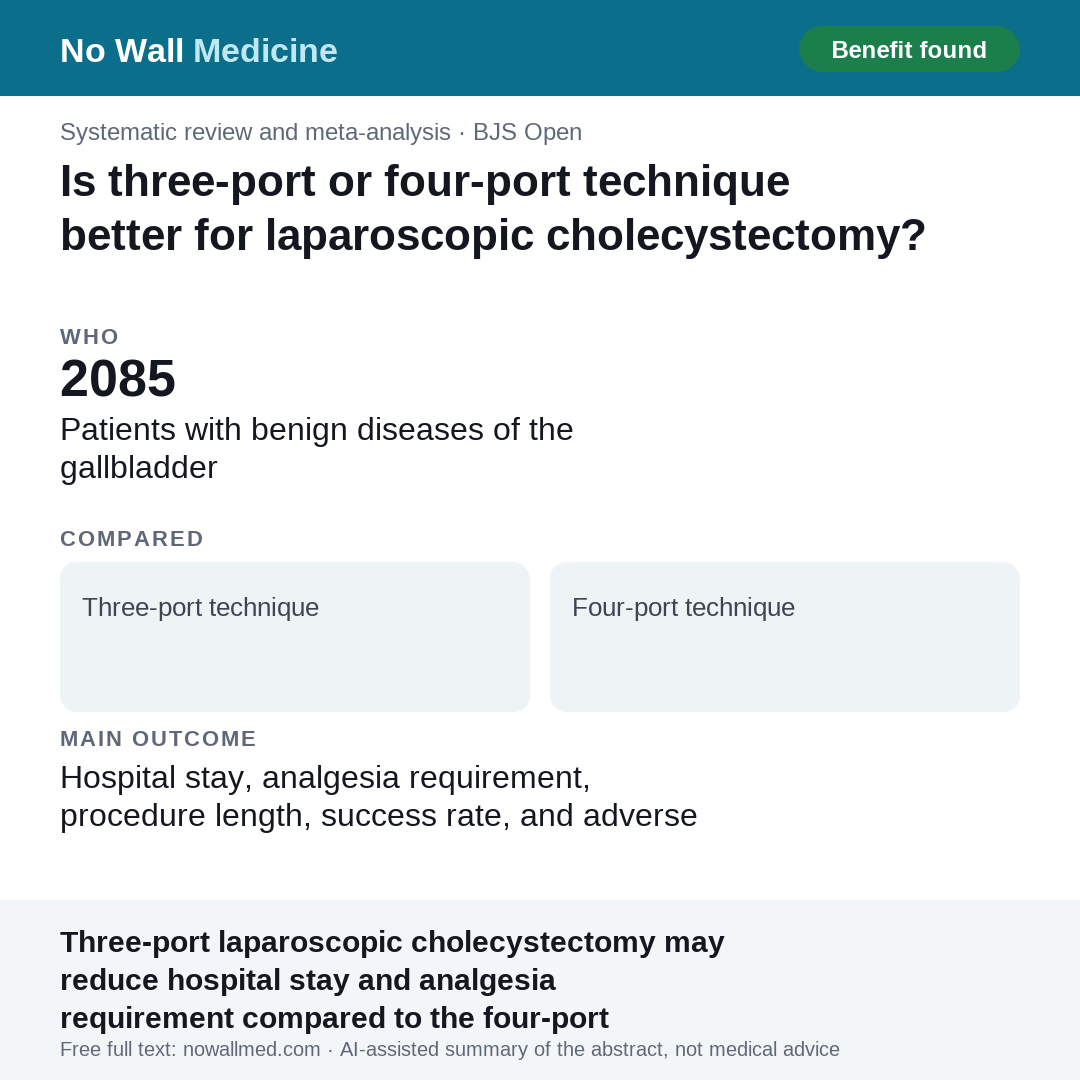
Three-port versus four-port technique for laparoscopic cholecystectomy: systematic review and meta-analysis
Systematic review and meta-analysisBenefit found
Is three-port or four-port technique better for laparoscopic cholecystectomy?
Who
2085
Patients with benign diseases of the gallbladder
Compared
Three-port technique
Four-port technique
Main outcome
Hospital stay, analgesia requirement, procedure length, success rate, and adverse events
Result: mean difference -0.29 (95 per cent c.i. -0.43 to -0.16) for hospital stay
Bottom line: Three-port laparoscopic cholecystectomy may reduce hospital stay and analgesia requirement compared to the four-port technique.
Limitation: The overall quality of evidence was low.
BJS Open · 2022-03-31Download image
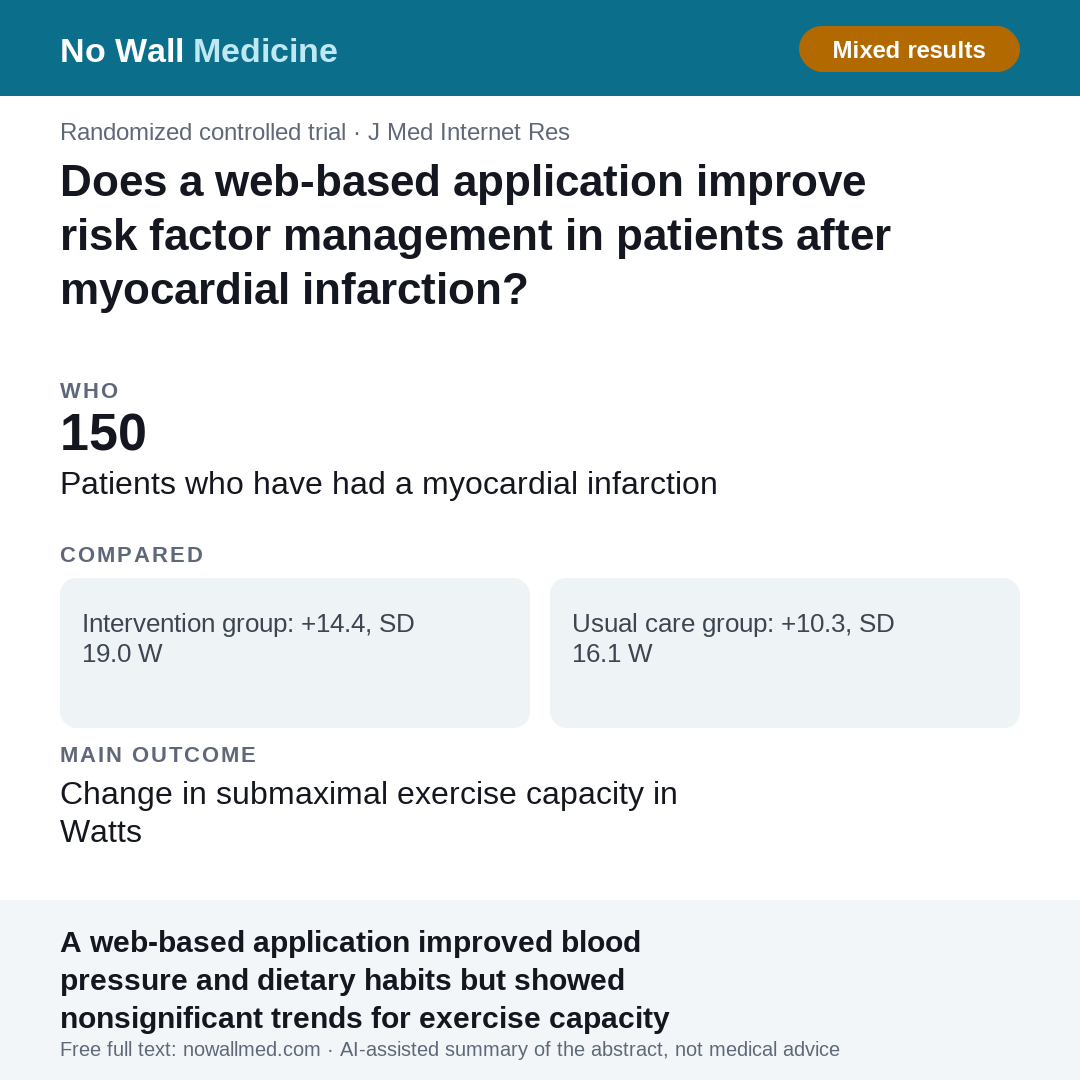
Effect of a Lifestyle-Focused Web-Based Application on Risk Factor Management in Patients Who Have Had a Myocardial Infarction: Randomized Controlled Trial
Randomized controlled trialMixed results
Does a web-based application improve risk factor management in patients after myocardial infarction?
Who
150
Patients who have had a myocardial infarction
Compared
Intervention group: +14.4, SD 19.0 W
Usual care group: +10.3, SD 16.1 W
Main outcome
Change in submaximal exercise capacity in Watts
Bottom line: A web-based application improved blood pressure and dietary habits but showed nonsignificant trends for exercise capacity and smoking cessation.
Limitation: The study group was small and the number of smokers was low.
J Med Internet Res · 2022-03-31Download image
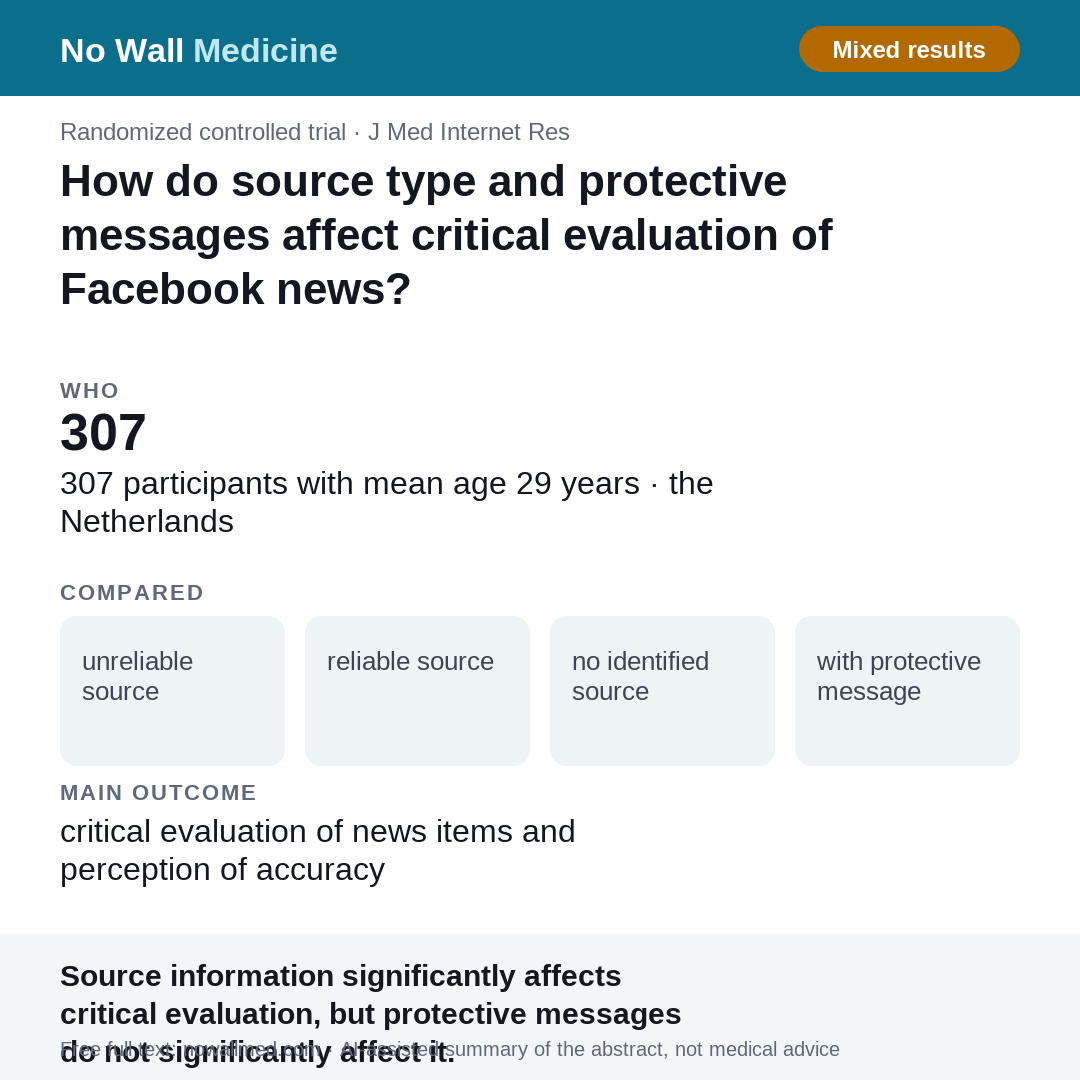
Effect of Source Type and Protective Message on the Critical Evaluation of News Messages on Facebook: Randomized Controlled Trial in the Netherlands
Randomized controlled trialMixed results
How do source type and protective messages affect critical evaluation of Facebook news?
Who
307
307 participants with mean age 29 years · the Netherlands
Compared
unreliable source
reliable source
no identified source
with protective message
Main outcome
critical evaluation of news items and perception of accuracy
Bottom line: Source information significantly affects critical evaluation, but protective messages do not significantly affect it.
J Med Internet Res · 2022-03-31Download image
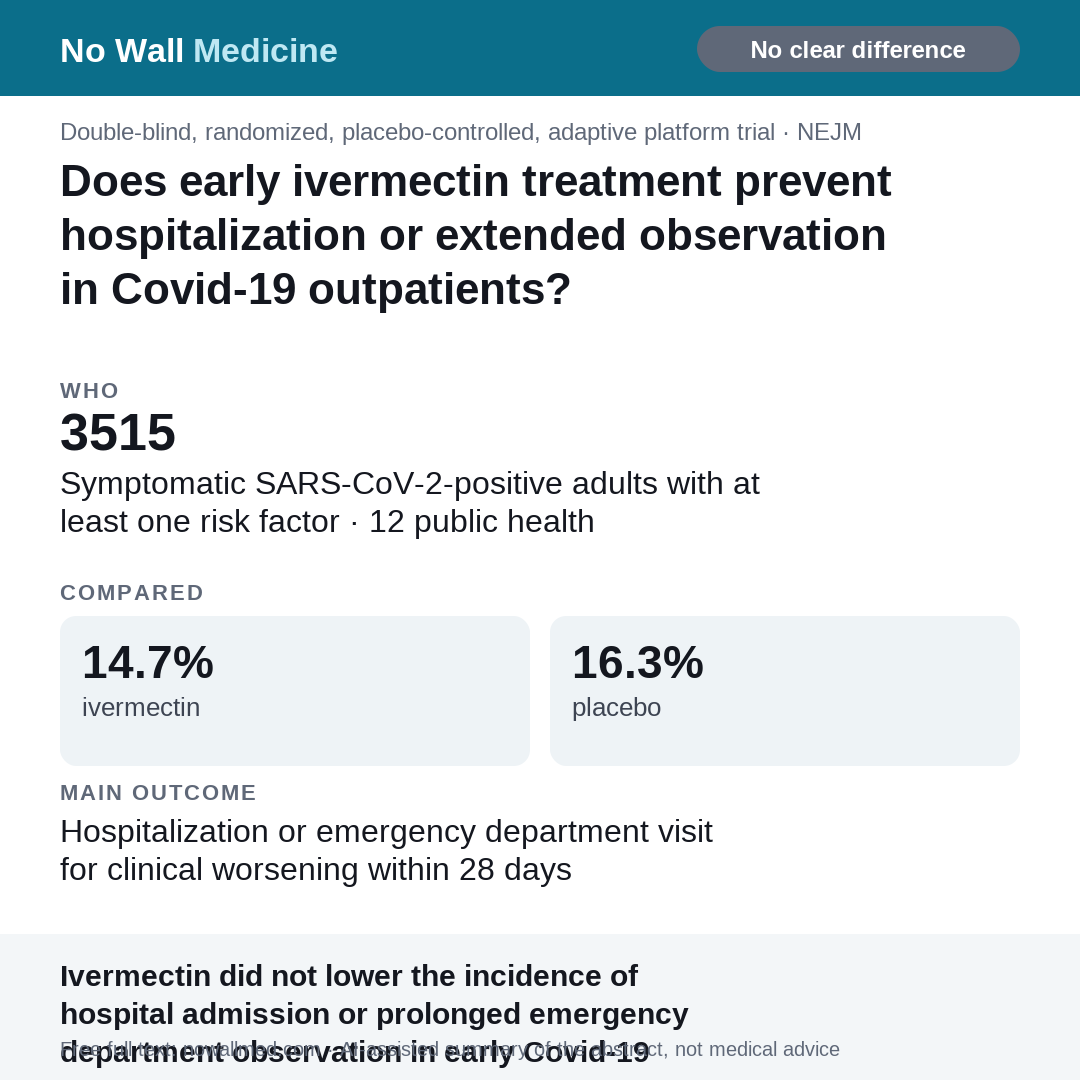
Effect of Early Treatment with Ivermectin among Patients with Covid-19
Double-blind, randomized, placebo-controlled, adaptive platform trialNo clear difference
Does early ivermectin treatment prevent hospitalization or extended observation in Covid-19 outpatients?
Who
3515
Symptomatic SARS-CoV-2-positive adults with at least one risk factor · 12 public health clinics in Brazil
Compared
14.7%ivermectin
16.3%placebo
Main outcome
Hospitalization or emergency department visit for clinical worsening within 28 days
Result: relative risk 0.90 (95% Bayesian credible interval 0.70 to 1.16)
Bottom line: Ivermectin did not lower the incidence of hospital admission or prolonged emergency department observation in early Covid-19 outpatients.
Funded by: FastGrants and the Rainwater Charitable Foundation
NEJM · 2022-03-30Download image
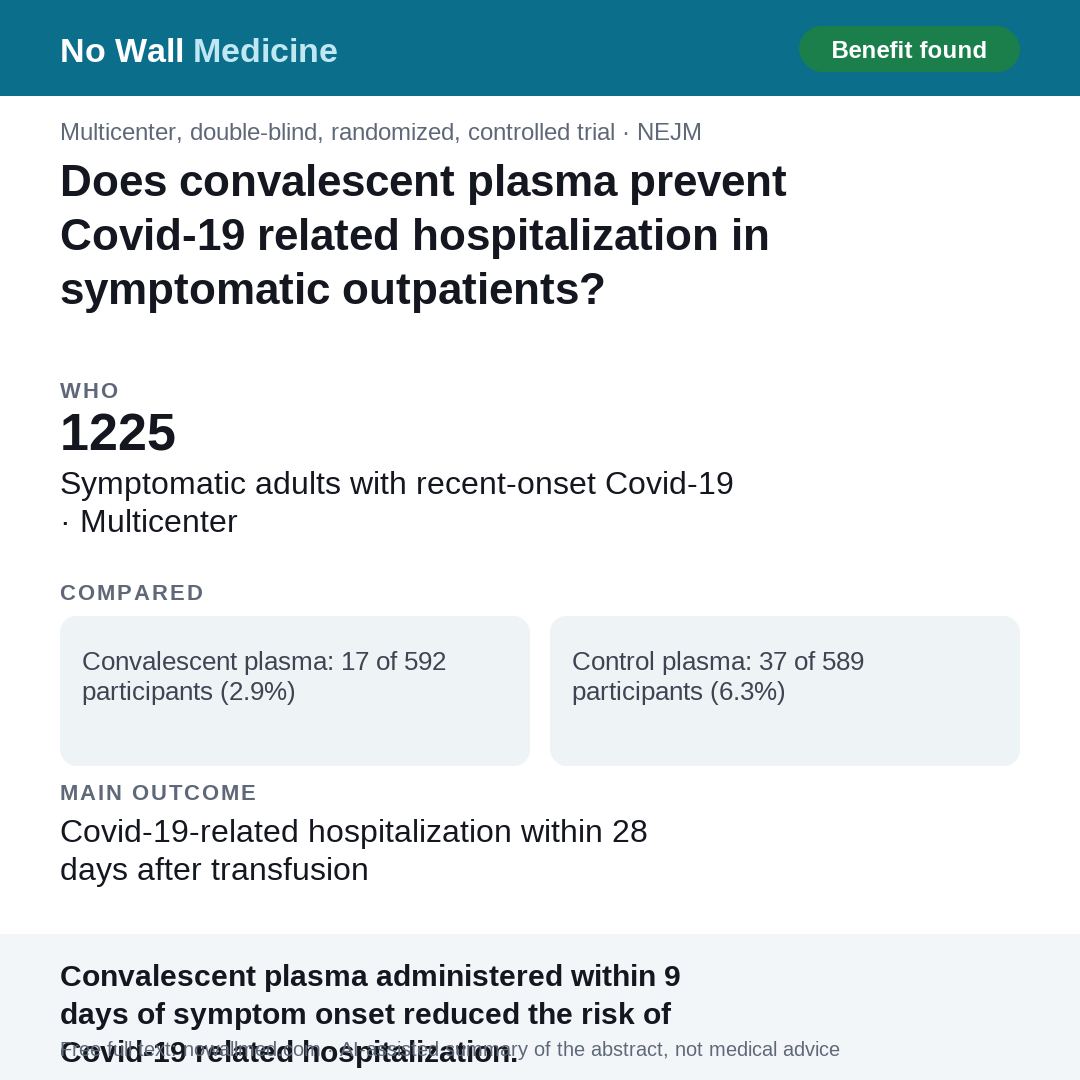
Early Outpatient Treatment for Covid-19 with Convalescent Plasma
Multicenter, double-blind, randomized, controlled trialBenefit found
Does convalescent plasma prevent Covid-19 related hospitalization in symptomatic outpatients?
Who
1225
Symptomatic adults with recent-onset Covid-19 · Multicenter
Compared
Convalescent plasma: 17 of 592 participants (2.9%)
Control plasma: 37 of 589 participants (6.3%)
Main outcome
Covid-19-related hospitalization within 28 days after transfusion
Result: absolute risk reduction, 3.4 percentage points; 95% confidence interval, 1.0 to 5.8
Bottom line: Convalescent plasma administered within 9 days of symptom onset reduced the risk of Covid-19 related hospitalization.
Funded by: Department of Defense and others
NEJM · 2022-03-30Download image