Visual abstracts
New randomized trials and meta-analyses from leading journals at a glance: who was studied, what was compared, and what was found. Every paper is free to read in full.
All specialtiesCardiology 4877Oncology 4138Gastroenterology & Hepatology 1942Infectious Disease 3837Neurology 1905Psychiatry & Mental Health 2273Pulmonology 2143Critical Care 1365Endocrinology & Diabetes 2580Pediatrics 2980Surgery 2559Orthopedics & Sports Medicine 931Neurosurgery 537Cardiothoracic & Vascular Surgery 674Plastic & Reconstructive Surgery 591Nephrology 1133Rheumatology 823Hematology 1109Dermatology 621Ophthalmology 543Obstetrics & Gynecology 1686Public & Global Health 1058Radiology & Imaging 648Anesthesiology 986Urology 764ENT (Otolaryngology) 503Emergency Medicine 511Allergy & Immunology 313Geriatrics 981Family Medicine & Primary Care 562Medical Genetics & Genomics 676Pathology & Laboratory Medicine 159Physical Medicine & Rehabilitation 757Palliative Care 444Nutrition 1588Digital Health & AI 2201General Medicine 321
Efficacy and Safety of Roxadustat for Anemia in Patients Receiving Chemotherapy for Nonmyeloid Malignancies: A Randomized, Open-Label, Active-Controlled Phase III Study
Randomized, open-label, noninferiority phase III studyBenefit found
Is roxadustat effective for anemia in patients receiving chemotherapy for nonmyeloid malignancies?
Who
159
Patients with nonmyeloid malignancies and chemotherapy-induced anemia · 44 sites in China
Compared
oral roxadustat: 17.1 (13.58 to 20.71) g/L
subcutaneous recombinant human erythropoietin-alpha: 15.4 (11.34 to 19.50) g/L
Main outcome
least-squares mean change in hemoglobin concentration
Result: mean difference 1.7 (95% CI -3.39 to 6.84) g/L
Bottom line: Roxadustat was noninferior to recombinant human erythropoietin-alpha for treating chemotherapy-induced anemia in nonmyeloid malignancy patients.
J Clin Oncol · 2024-10-01Download image

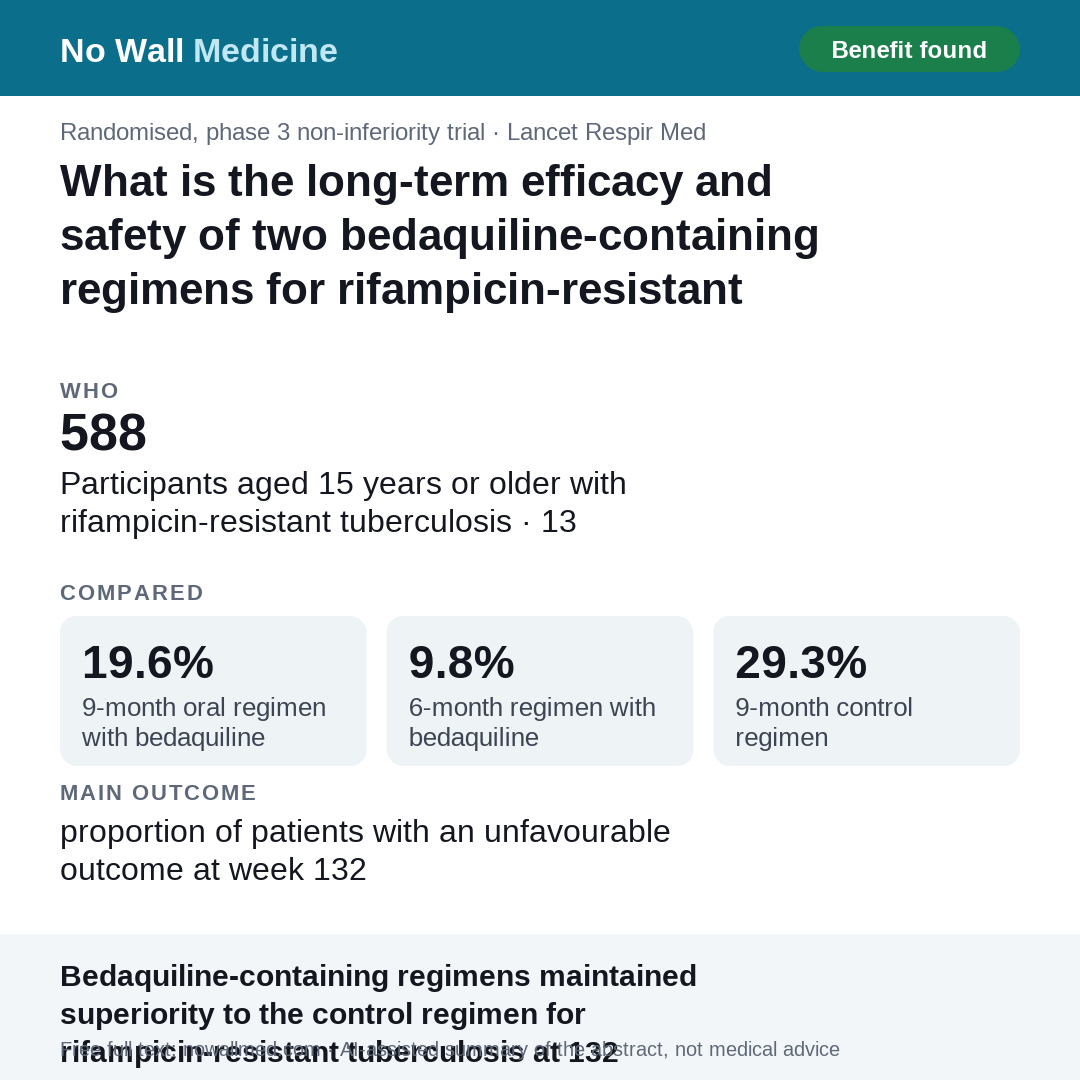
Long-term efficacy and safety of two short standardised regimens for the treatment of rifampicin-resistant tuberculosis (STREAM stage 2): extended follow-up of an open-label, multicentre, randomised, non-inferiority trial
Randomised, phase 3 non-inferiority trialBenefit found
What is the long-term efficacy and safety of two bedaquiline-containing regimens for rifampicin-resistant tuberculosis?
Who
588
Participants aged 15 years or older with rifampicin-resistant tuberculosis · 13 clinical sites in seven countries
Compared
19.6%9-month oral regimen with bedaquiline (95% CI 14.3 to 24.9)
9.8%6-month regimen with bedaquiline (95% CI 4.6 to 14.9)
29.3%9-month control regimen (23.3 to 36.5%)
Main outcome
proportion of patients with an unfavourable outcome at week 132
Result: -9.7 percentage points difference (95% CI -18.7 to -1.8) for oral vs control
Bottom line: Bedaquiline-containing regimens maintained superiority to the control regimen for rifampicin-resistant tuberculosis at 132 weeks.
Lancet Respir Med · 2024-10-01Download image
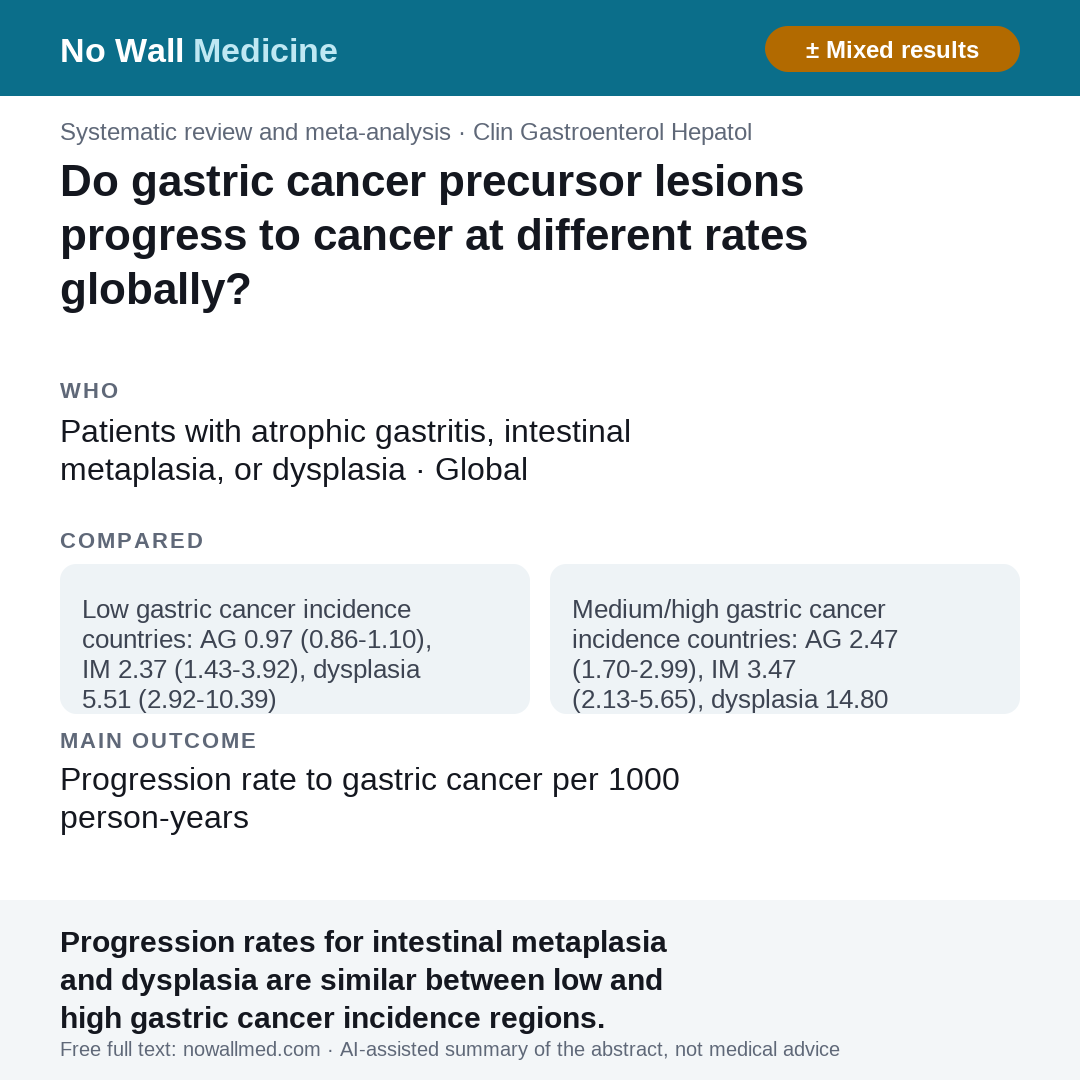
Global Progression Rates of Precursor Lesions for Gastric Cancer: A Systematic Review and Meta-Analysis
Systematic review and meta-analysisMixed results
Do gastric cancer precursor lesions progress to cancer at different rates globally?
Who
Patients with atrophic gastritis, intestinal metaplasia, or dysplasia · Global
Compared
Low gastric cancer incidence countries: AG 0.97 (0.86-1.10), IM 2.37 (1.43-3.92), dysplasia 5.51 (2.92-10.39)
Medium/high gastric cancer incidence countries: AG 2.47 (1.70-2.99), IM 3.47 (2.13-5.65), dysplasia 14.80 (5.87-37.28)
Main outcome
Progression rate to gastric cancer per 1000 person-years
Bottom line: Progression rates for intestinal metaplasia and dysplasia are similar between low and high gastric cancer incidence regions.
Clin Gastroenterol Hepatol · 2024-10-01Download image
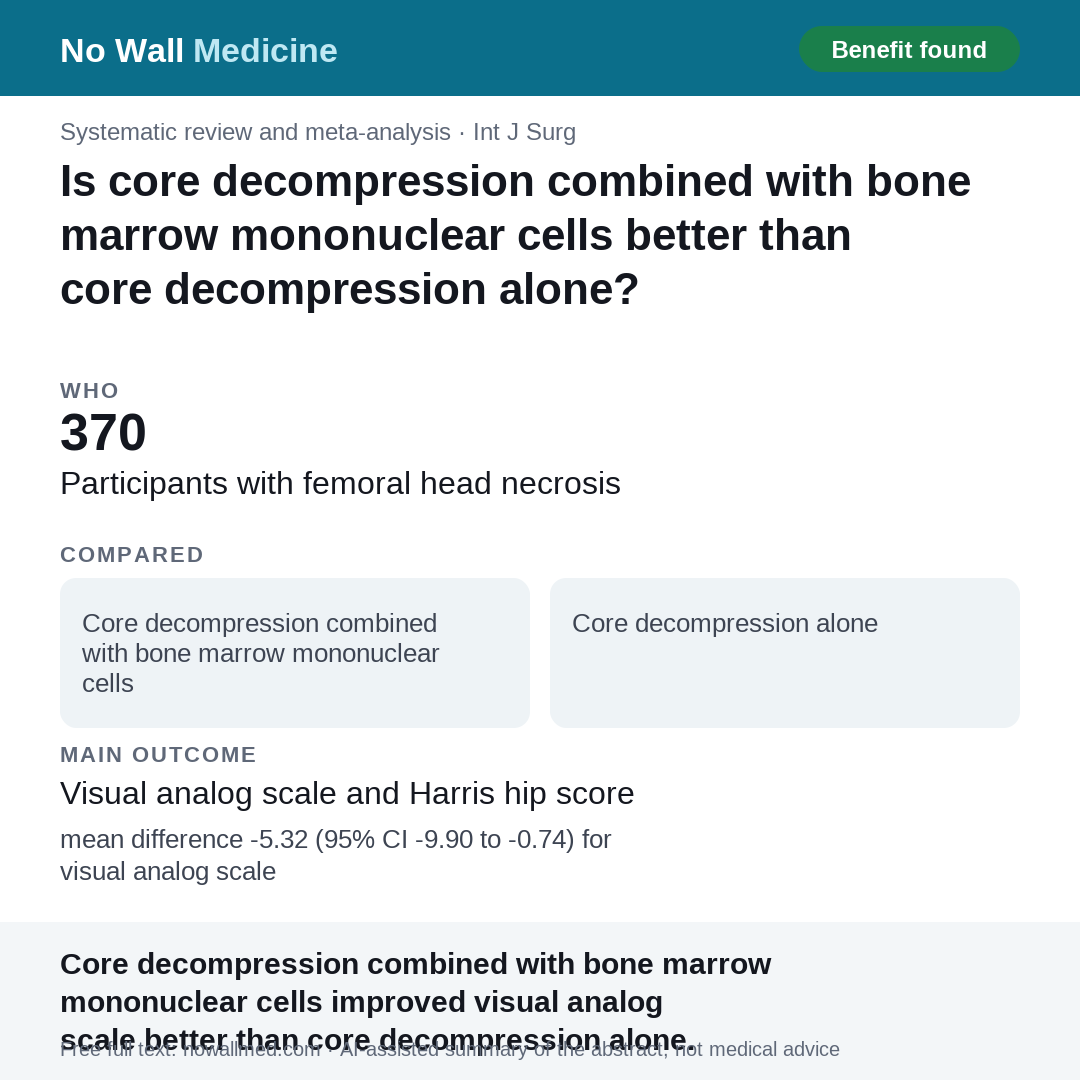
Core decompression combined with bone marrow mononuclear cells in the treatment of femoral head necrosis: a systematic review and meta-analysis
Systematic review and meta-analysisBenefit found
Is core decompression combined with bone marrow mononuclear cells better than core decompression alone?
Who
370
Participants with femoral head necrosis
Compared
Core decompression combined with bone marrow mononuclear cells
Core decompression alone
Main outcome
Visual analog scale and Harris hip score
Result: mean difference -5.32 (95% CI -9.90 to -0.74) for visual analog scale
Bottom line: Core decompression combined with bone marrow mononuclear cells improved visual analog scale better than core decompression alone.
Int J Surg · 2024-10-01Download image
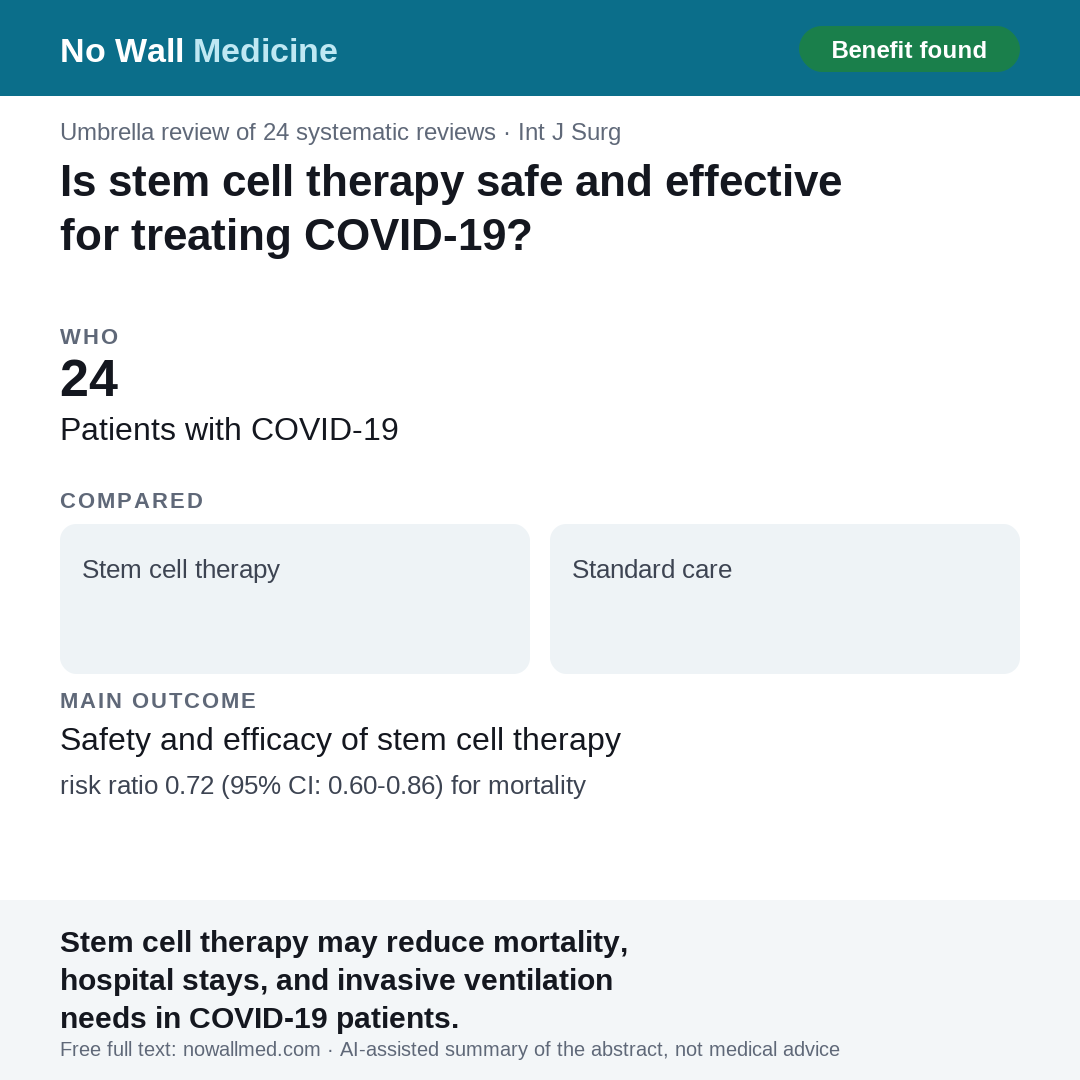
Stem cell therapy for COVID-19 treatment: an umbrella review
Umbrella review of 24 systematic reviewsBenefit found
Is stem cell therapy safe and effective for treating COVID-19?
Who
24
Patients with COVID-19
Compared
Stem cell therapy
Standard care
Main outcome
Safety and efficacy of stem cell therapy
Result: risk ratio 0.72 (95% CI: 0.60-0.86) for mortality
Bottom line: Stem cell therapy may reduce mortality, hospital stays, and invasive ventilation needs in COVID-19 patients.
Int J Surg · 2024-10-01Download image
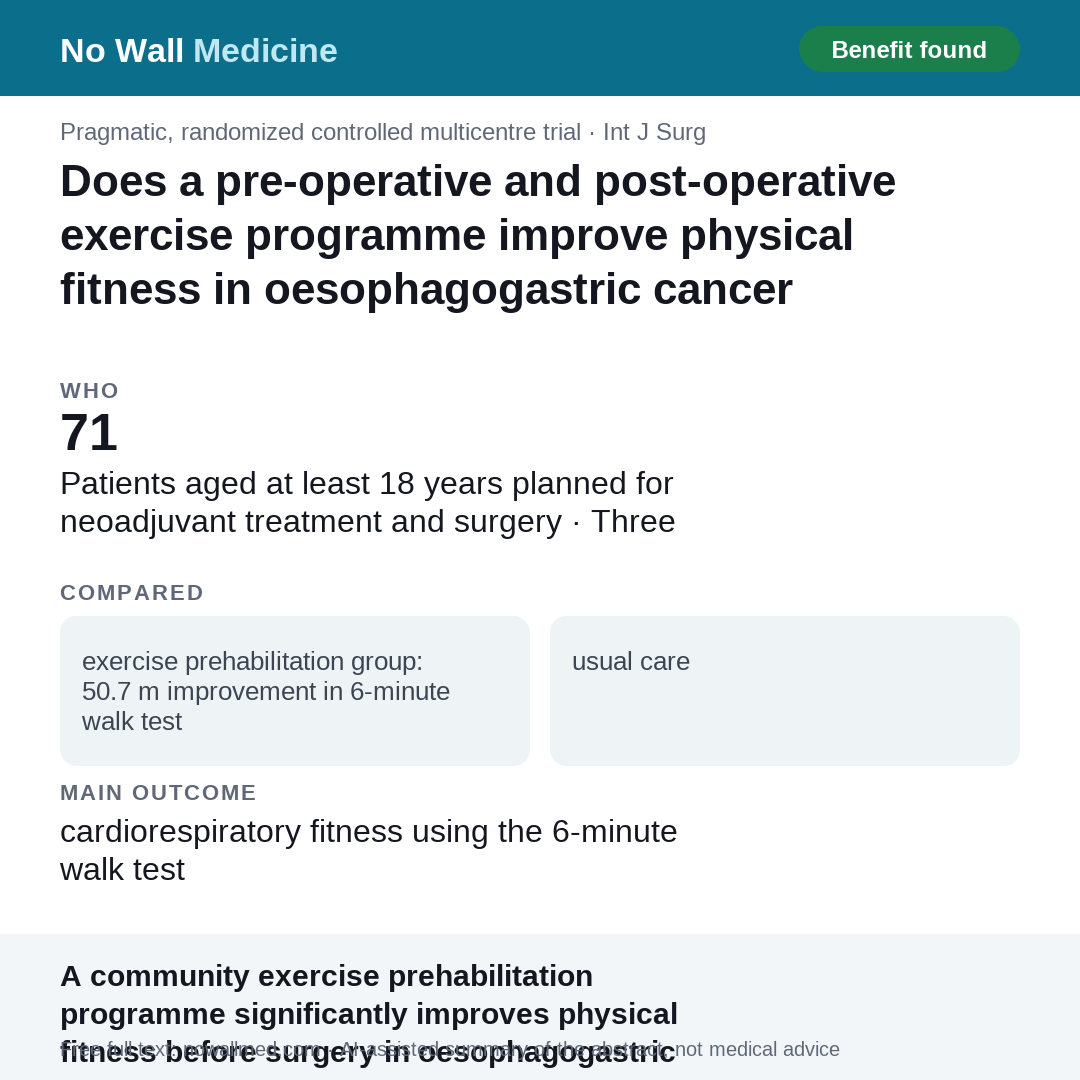
The effect of a pre-operative and post-operative exercise programme versus standard care on physical fitness of patients with oesophageal and gastric cancer undergoing neoadjuvant treatment prior to surgery (the PERIOP-OG trial): a randomized controlled trial
Pragmatic, randomized controlled multicentre trialBenefit found
Does a pre-operative and post-operative exercise programme improve physical fitness in oesophagogastric cancer patients?
Who
71
Patients aged at least 18 years planned for neoadjuvant treatment and surgery · Three centres
Compared
exercise prehabilitation group: 50.7 m improvement in 6-minute walk test
usual care
Main outcome
cardiorespiratory fitness using the 6-minute walk test
Result: difference-in-difference of 50.7 m (P =0.05)
Bottom line: A community exercise prehabilitation programme significantly improves physical fitness before surgery in oesophagogastric cancer patients.
Int J Surg · 2024-10-01Download image
The microbial composition of pancreatic ductal adenocarcinoma: a systematic review of 16S rRNA gene sequencing
Systematic reviewUnclear result
What is the microbial composition of pancreatic ductal adenocarcinoma using 16S rRNA gene sequencing?
Who
Pancreatic ductal adenocarcinoma studies
Compared
Pancreatic ductal adenocarcinoma
Healthy tissue
Main outcome
16S rRNA gene microbial signatures
Bottom line: A universal microbial signature for pancreatic ductal adenocarcinoma screening cannot be established due to study heterogeneity.
Limitation: Heterogeneity of results, lack of available datasets, and intrinsic selection bias between studies.
Int J Surg · 2024-10-01Download image

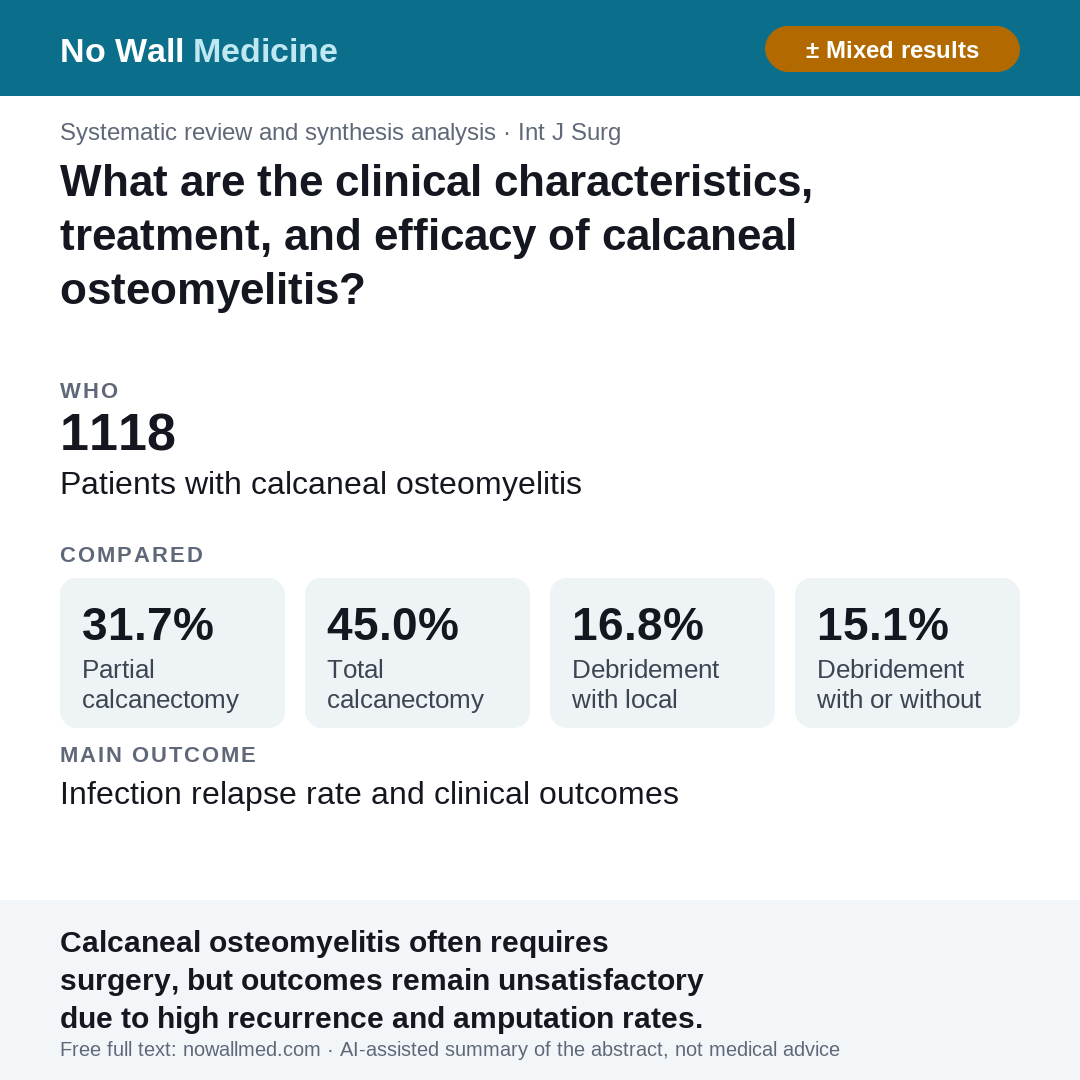
Clinical characteristics, treatment and efficacy of calcaneal osteomyelitis: a systematic review with synthesis analysis of 1118 reported cases
Systematic review and synthesis analysisMixed results
What are the clinical characteristics, treatment, and efficacy of calcaneal osteomyelitis?
Who
1118
Patients with calcaneal osteomyelitis
Compared
31.7%Partial calcanectomy
45.0%Total calcanectomy
16.8%Debridement with local antibiotic implantation
15.1%Debridement with or without flap or skin coverage
Main outcome
Infection relapse rate and clinical outcomes
Bottom line: Calcaneal osteomyelitis often requires surgery, but outcomes remain unsatisfactory due to high recurrence and amputation rates.
Int J Surg · 2024-10-01Download image
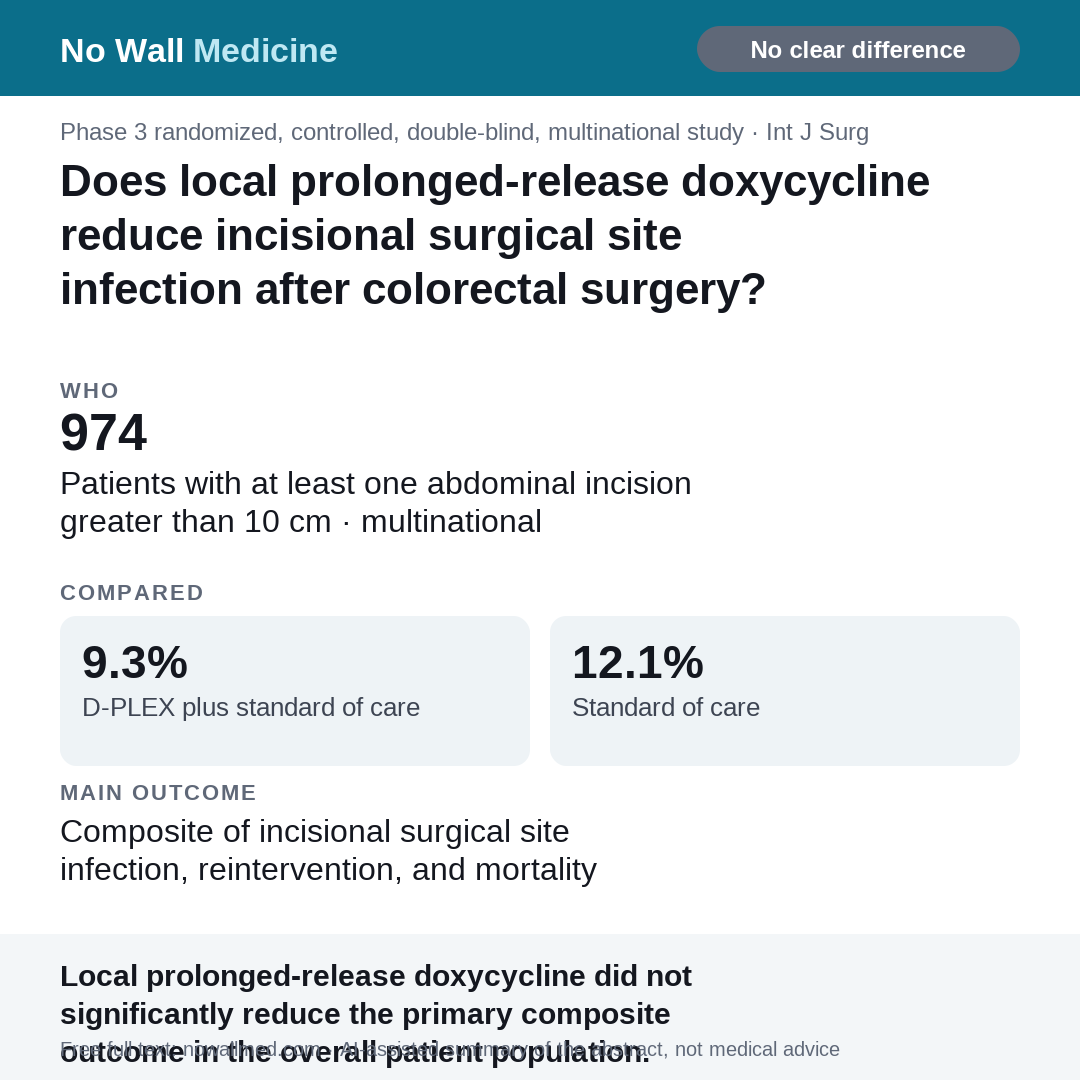
Effect of local prolonged-release incisional doxycycline on surgical site infection prophylaxis in abdominal colorectal surgery: the SHIELD 1 randomized clinical trial
Phase 3 randomized, controlled, double-blind, multinational studyNo clear difference
Does local prolonged-release doxycycline reduce incisional surgical site infection after colorectal surgery?
Who
974
Patients with at least one abdominal incision greater than 10 cm · multinational
Compared
9.3%D-PLEX plus standard of care
12.1%Standard of care
Main outcome
Composite of incisional surgical site infection, reintervention, and mortality
Result: risk difference estimate -2.8%; 95% CI (-6.7%, 1.0%)
Bottom line: Local prolonged-release doxycycline did not significantly reduce the primary composite outcome in the overall patient population.
Int J Surg · 2024-10-01Download image
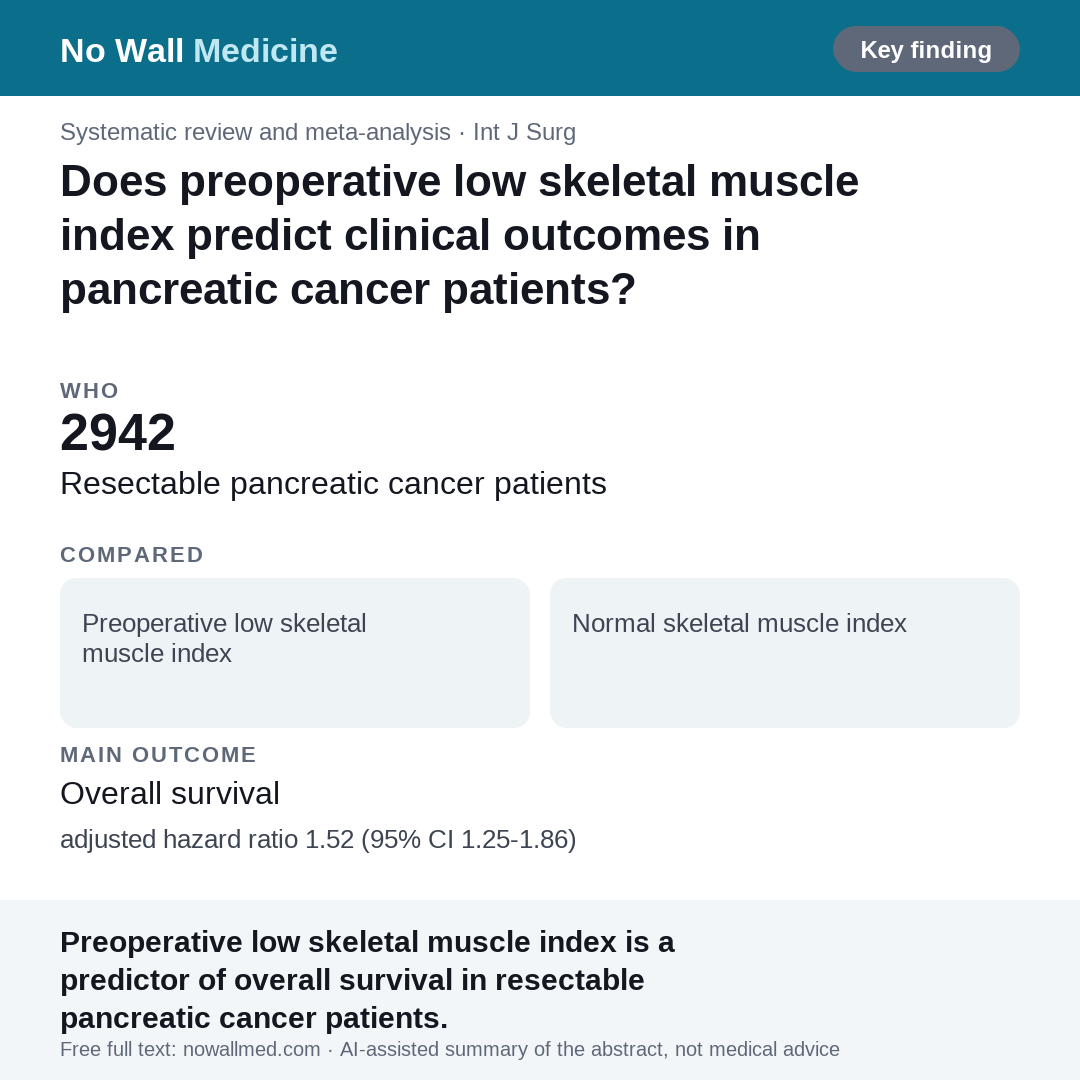
Preoperative low skeletal muscle mass index assessed using L3-CT as a prognostic marker of clinical outcomes in pancreatic cancer patients undergoing surgery: a systematic review and meta-analysis
Systematic review and meta-analysisBenefit found
Does preoperative low skeletal muscle index predict clinical outcomes in pancreatic cancer patients?
Who
2942
Resectable pancreatic cancer patients
Compared
Preoperative low skeletal muscle index
Normal skeletal muscle index
Main outcome
Overall survival
Result: adjusted hazard ratio 1.52 (95% CI 1.25-1.86)
Bottom line: Preoperative low skeletal muscle index is a predictor of overall survival in resectable pancreatic cancer patients.
Limitation: Studies assessing nutritional protocols for maintaining or increasing muscle mass are required.
Int J Surg · 2024-10-01Download image
Magnetic sphincter augmentation in the management of gastro-esophageal reflux disease: a systematic review and meta-analysis
Systematic review and meta-analysisBenefit found
Is magnetic sphincter augmentation effective and safe compared to fundoplication for gastro-esophageal reflux disease?
Who
8075
Patients with gastro-esophageal reflux disease
Compared
Magnetic sphincter augmentation
Laparoscopic fundoplication
Main outcome
Efficacy, quality of life, and safety
Result: WMD 0.83 (95% CI: 0.72-0.93) for proton-pump inhibitor discontinuation
Bottom line: Magnetic sphincter augmentation improves proton-pump inhibitor discontinuation, satisfaction, and functional outcomes compared to fundoplication, but has higher dysphagia rates.
Limitation: Randomized controlled trials directly comparing magnetic sphincter augmentation with fundoplication are necessary.
Int J Surg · 2024-10-01Download image

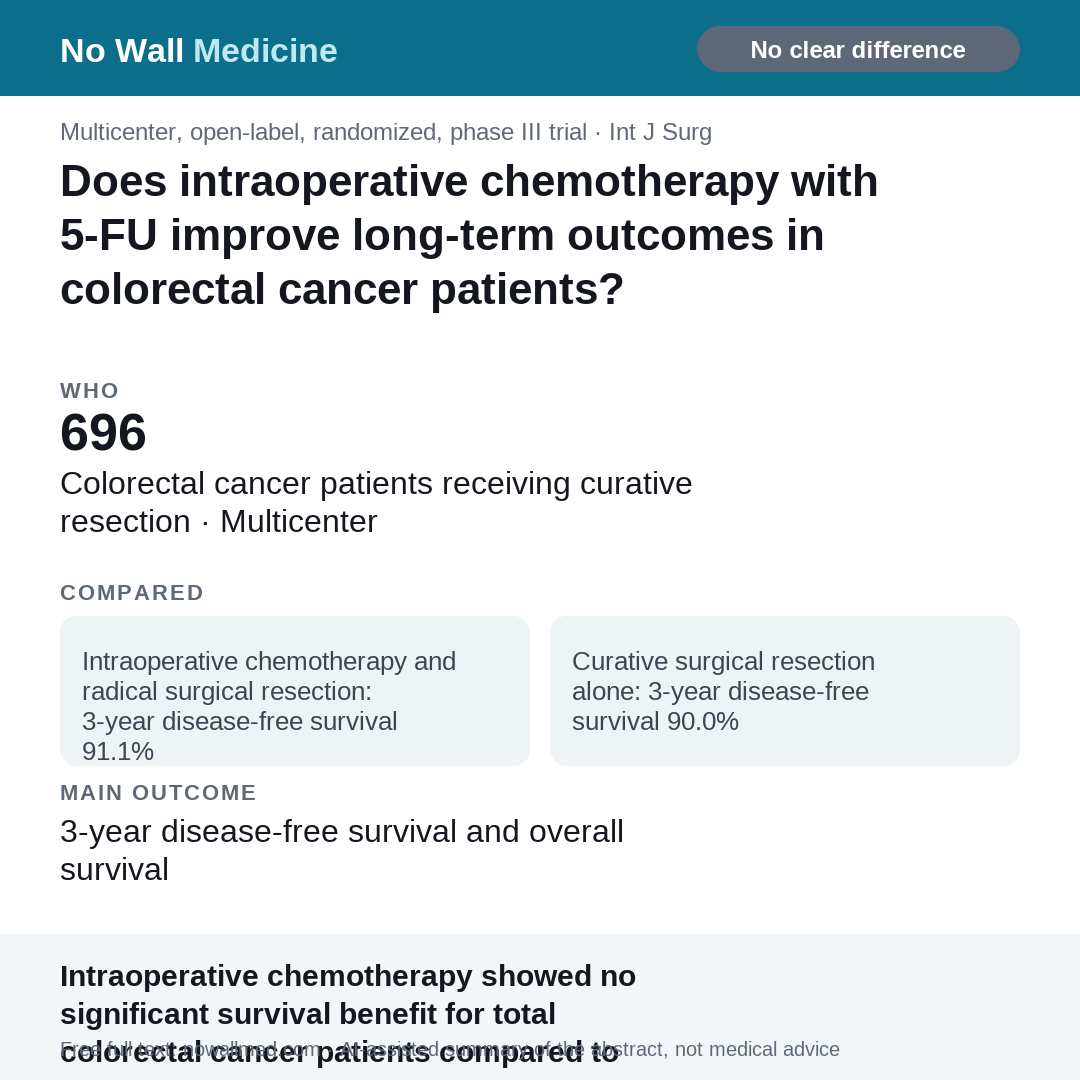
Long-term outcomes of intraoperative chemotherapy with 5-FU for colorectal cancer patients receiving curative resection (IOCCRC): a randomized, multicenter, prospective, phase III trial
Multicenter, open-label, randomized, phase III trialNo clear difference
Does intraoperative chemotherapy with 5-FU improve long-term outcomes in colorectal cancer patients?
Who
696
Colorectal cancer patients receiving curative resection · Multicenter
Compared
Intraoperative chemotherapy and radical surgical resection: 3-year disease-free survival 91.1%
Curative surgical resection alone: 3-year disease-free survival 90.0%
Main outcome
3-year disease-free survival and overall survival
Bottom line: Intraoperative chemotherapy showed no significant survival benefit for total colorectal cancer patients compared to surgical resection alone.
Int J Surg · 2024-10-01Download image
Surgical interventions for intractable migraine: a systematic review and meta-analysis
Systematic review and meta-analysisBenefit found
Are surgical interventions effective for managing intractable or refractory migraines?
Who
95
Patients with refractory or intractable migraines
Compared
-2.27Occipital nerve stimulation (95% CI: -3.92 to -0.63)
Nerve decompression surgery: average migraine intensity decreased from 8.31 down to 4.06
Main outcome
reduction in migraine intensity, MIDAS scores, and MHI reduction
Bottom line: Surgical interventions show potential advantages for managing intractable or refractory migraines, particularly in reducing migraine intensity.
Limitation: robust and comprehensive research is crucial to refine and solidify efficacy
Int J Surg · 2024-10-01Download image

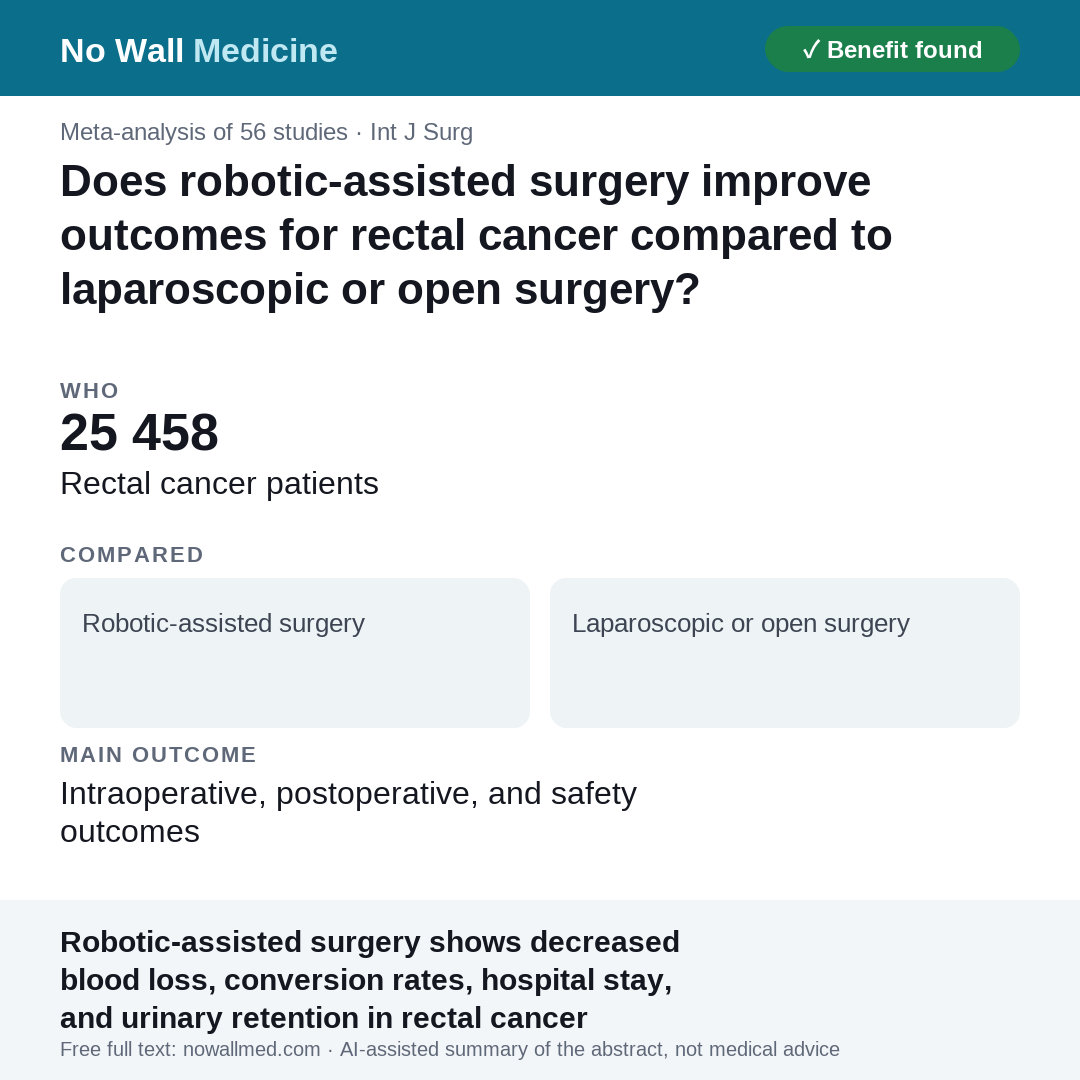
The role of robotic-assisted surgery in the management of rectal cancer: a systematic review and meta-analysis
Meta-analysis of 56 studiesBenefit found
Does robotic-assisted surgery improve outcomes for rectal cancer compared to laparoscopic or open surgery?
Who
25 458
Rectal cancer patients
Compared
Robotic-assisted surgery
Laparoscopic or open surgery
Main outcome
Intraoperative, postoperative, and safety outcomes
Bottom line: Robotic-assisted surgery shows decreased blood loss, conversion rates, hospital stay, and urinary retention in rectal cancer patients.
Int J Surg · 2024-10-01Download image
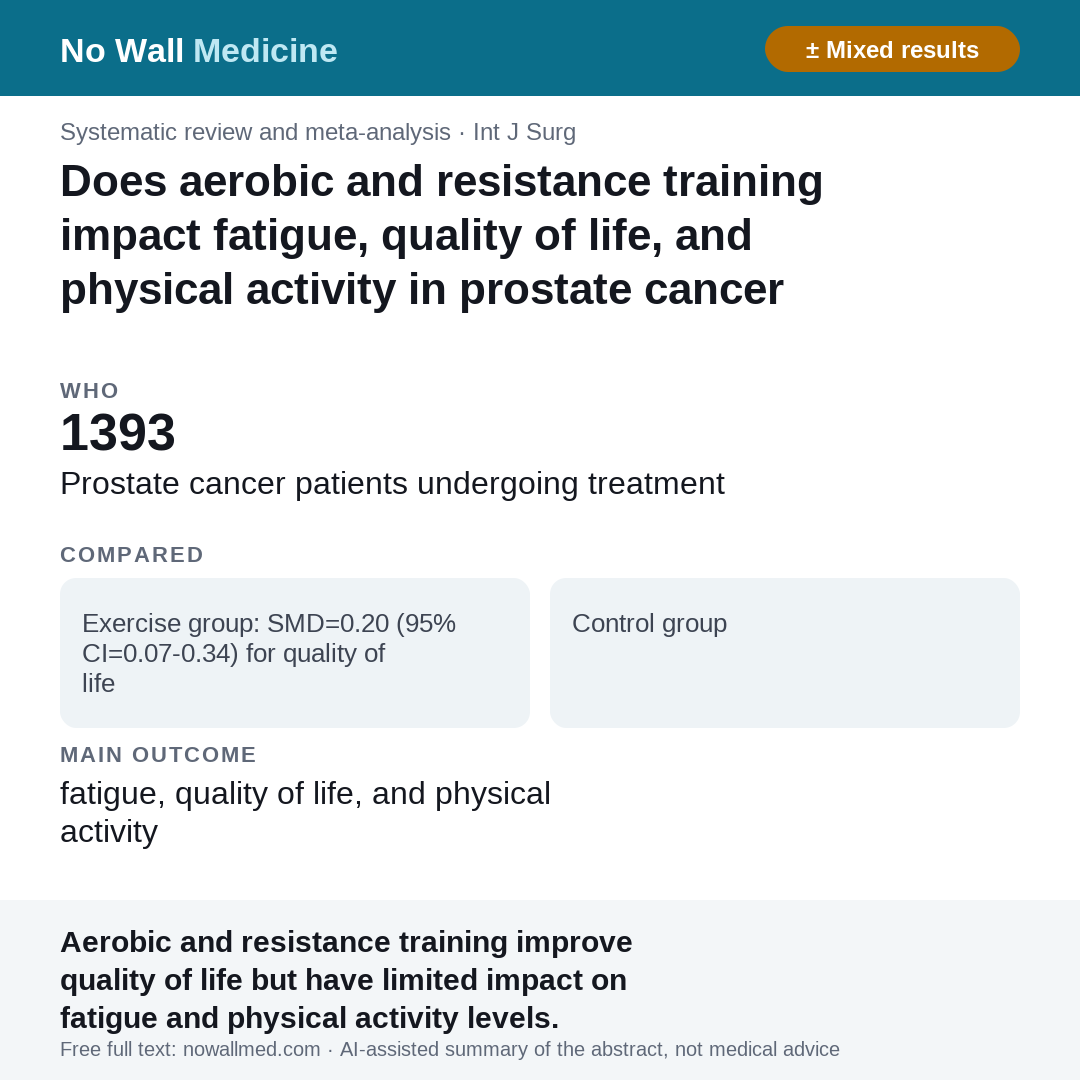
Impact of aerobic and resistance training on fatigue, quality of life, and physical activity in prostate cancer patients: a systematic review and meta-analysis
Systematic review and meta-analysisMixed results
Does aerobic and resistance training impact fatigue, quality of life, and physical activity in prostate cancer patients?
Who
1393
Prostate cancer patients undergoing treatment
Compared
Exercise group: SMD=0.20 (95% CI=0.07-0.34) for quality of life
Control group
Main outcome
fatigue, quality of life, and physical activity
Result: SMD=0.20 (95% CI=0.07-0.34) for quality of life
Bottom line: Aerobic and resistance training improve quality of life but have limited impact on fatigue and physical activity levels.
Limitation: There is an evident need for further research to develop holistic exercise interventions.
Int J Surg · 2024-10-01Download image
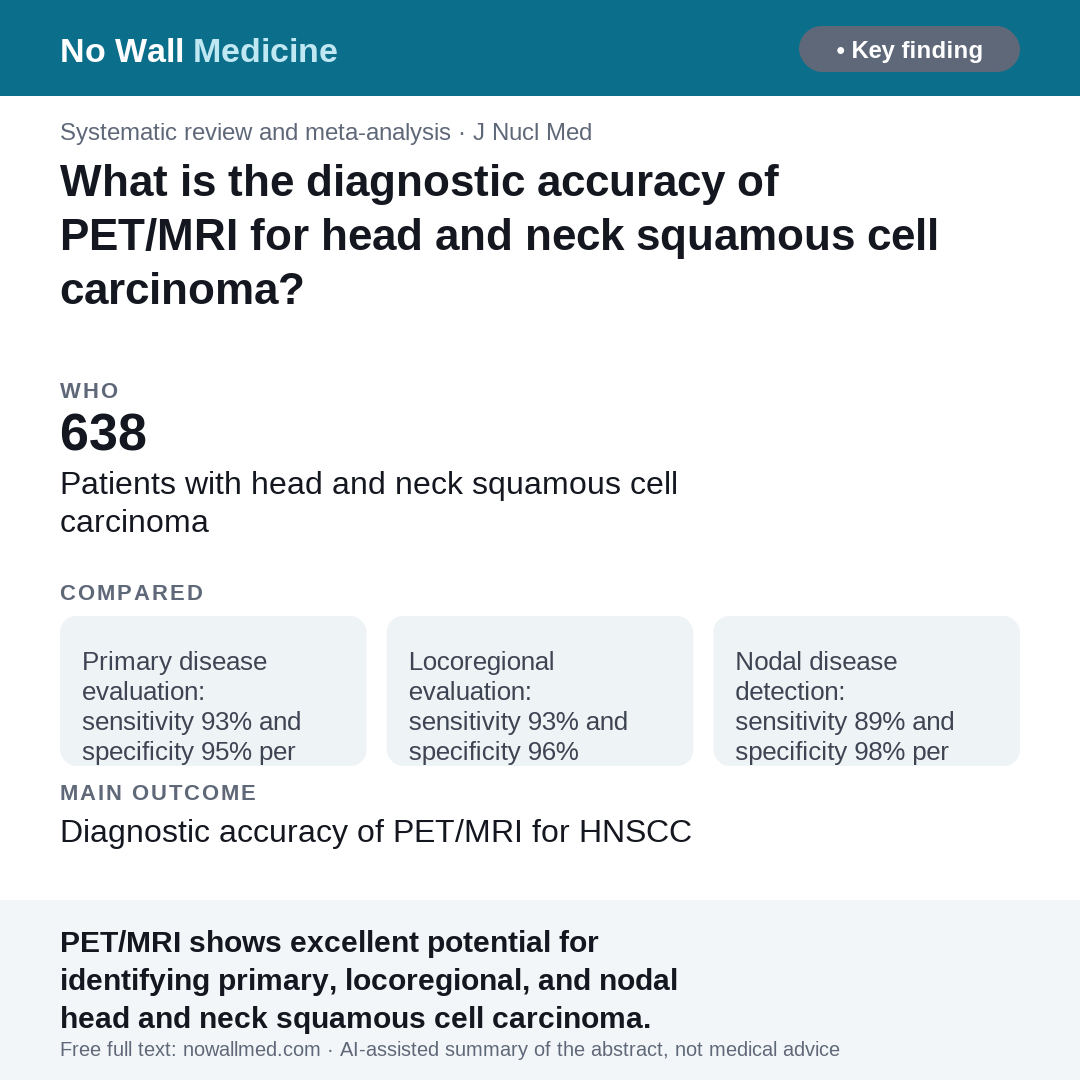
Diagnostic Accuracy of [18F]FDG PET/MRI in Head and Neck Squamous Cell Carcinoma: A Systematic Review and Metaanalysis
Systematic review and meta-analysisBenefit found
What is the diagnostic accuracy of PET/MRI for head and neck squamous cell carcinoma?
Who
638
Patients with head and neck squamous cell carcinoma
Compared
Primary disease evaluation: sensitivity 93% and specificity 95% per patient
Locoregional evaluation: sensitivity 93% and specificity 96%
Nodal disease detection: sensitivity 89% and specificity 98% per lesion
Main outcome
Diagnostic accuracy of PET/MRI for HNSCC
Bottom line: PET/MRI shows excellent potential for identifying primary, locoregional, and nodal head and neck squamous cell carcinoma.
Limitation: Difference in accuracy compared to PET/CT or MRI alone was not statistically significant.
J Nucl Med · 2024-10-01Download image
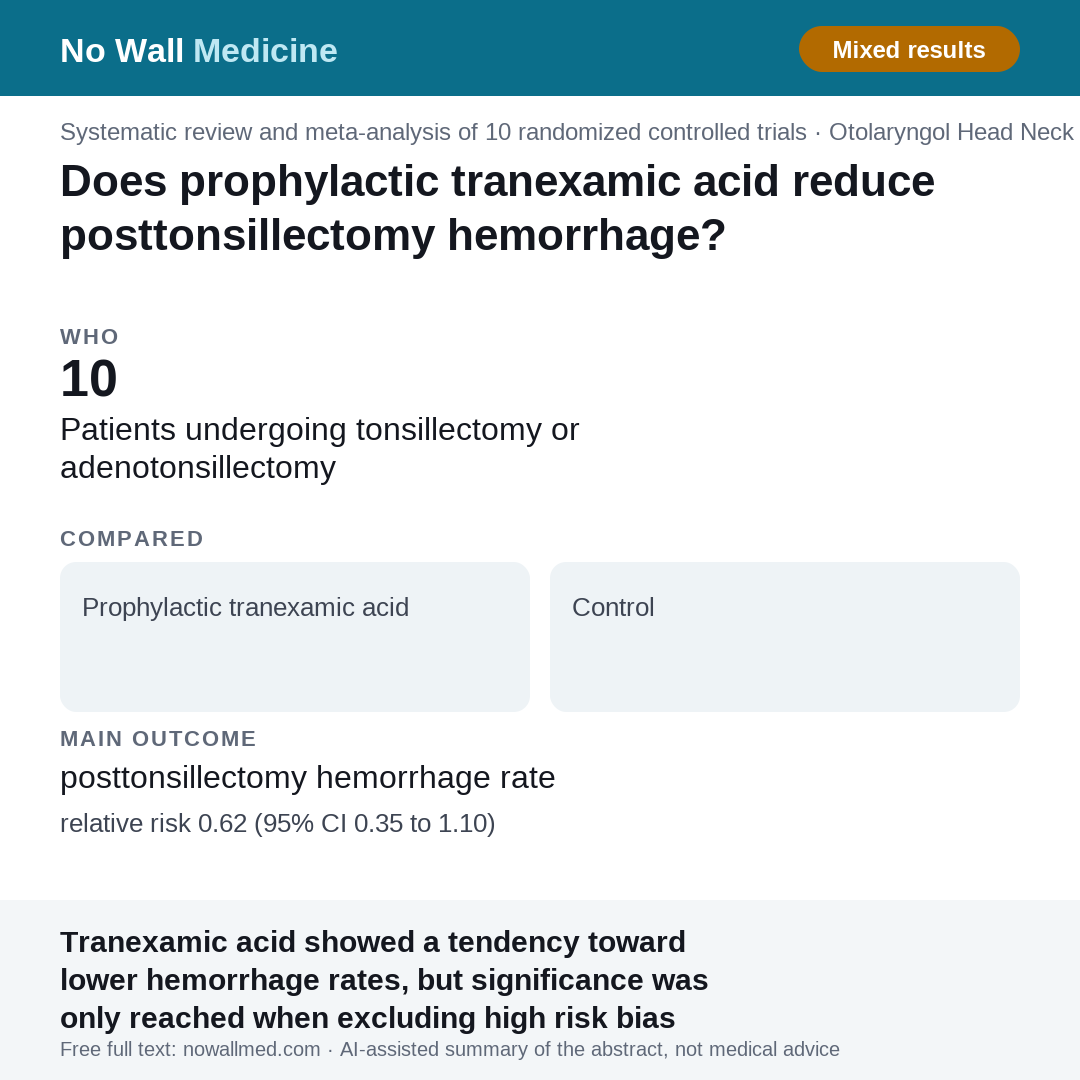
The Utility and Safety of Prophylactic Tranexamic Acid in Tonsillectomy: A Systematic Review and Meta-analysis
Systematic review and meta-analysis of 10 randomized controlled trialsMixed results
Does prophylactic tranexamic acid reduce posttonsillectomy hemorrhage?
Who
10
Patients undergoing tonsillectomy or adenotonsillectomy
Compared
Prophylactic tranexamic acid
Control
Main outcome
posttonsillectomy hemorrhage rate
Result: relative risk 0.62 (95% CI 0.35 to 1.10)
Bottom line: Tranexamic acid showed a tendency toward lower hemorrhage rates, but significance was only reached when excluding high risk bias studies.
Limitation: Well-designed trials are still needed to support these observations.
Otolaryngol Head Neck Surg · 2024-10-01Download image
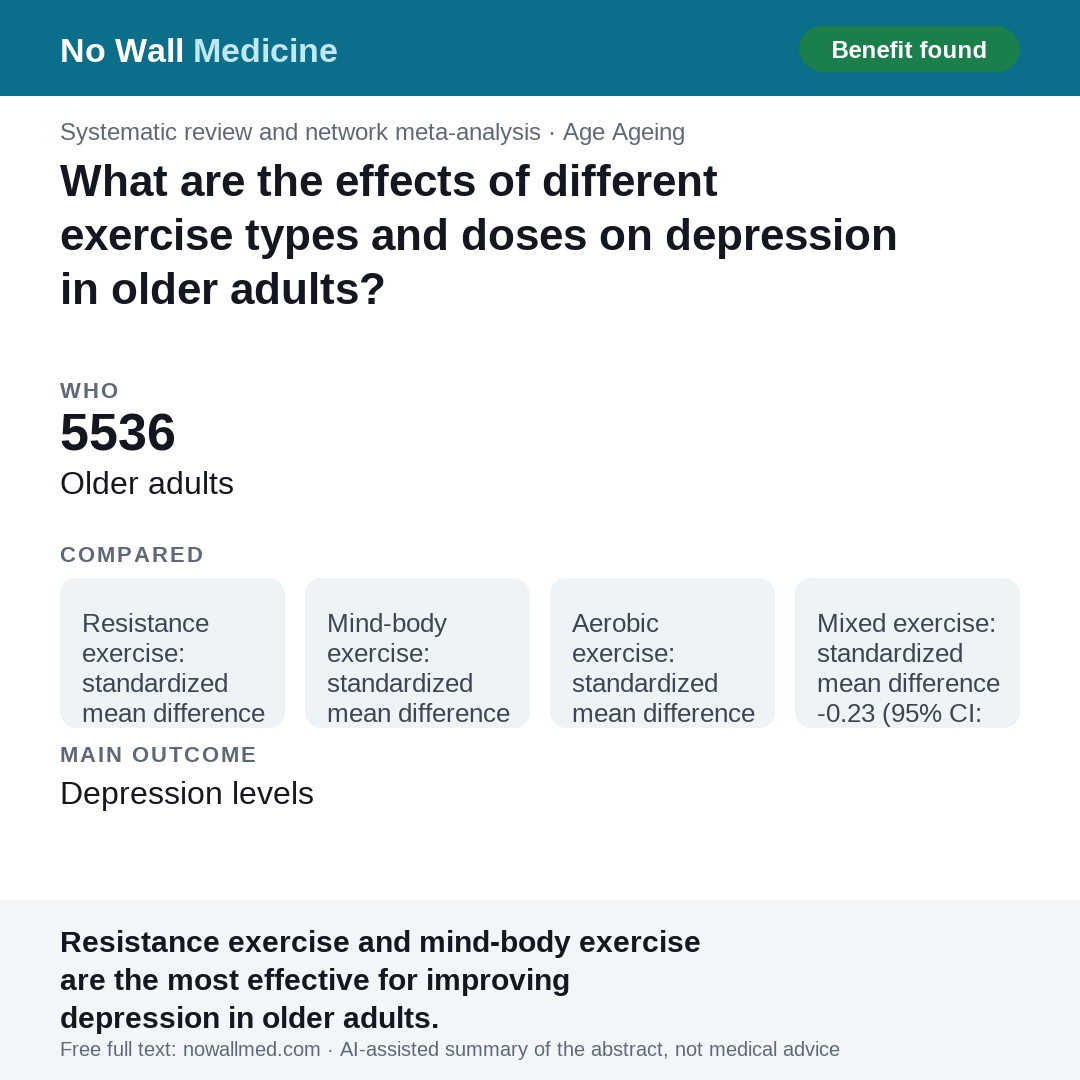
Comparative efficacy of various exercise types and doses for depression in older adults: a systematic review of paired, network and dose-response meta-analyses
Systematic review and network meta-analysisBenefit found
What are the effects of different exercise types and doses on depression in older adults?
Who
5536
Older adults
Compared
Resistance exercise: standardized mean difference -0.68 (95% CI: -0.90, -0.46)
Mind-body exercise: standardized mean difference -0.54 (95% CI: -0.72, -0.37)
Aerobic exercise: standardized mean difference -0.31 (95% CI: -0.50, -0.13)
Mixed exercise: standardized mean difference -0.23 (95% CI: -44, -0.01)
Main outcome
Depression levels
Bottom line: Resistance exercise and mind-body exercise are the most effective for improving depression in older adults.
Age Ageing · 2024-10-01Download image
Clinical effectiveness of DREAMS START (Dementia Related Manual for Sleep; Strategies for Relatives) versus usual care for people with dementia and their carers: a single-masked, phase 3, parallel-arm, superiority randomised controlled trial
Phase 3, two-arm, parallel-arm, superiority randomised controlled trialBenefit found
Does DREAMS START reduce sleep disturbance in people with dementia and their carers?
Who
377
Dyads of people with dementia and family carers · Community settings
Compared
DREAMS START intervention: 15·16 [SD 12·77]
Usual treatment: 20·34 [16·67]
Main outcome
Sleep disturbance measured by the Sleep Disorders Inventory
Result: adjusted difference in means -4·70 [95% CI -7·65 to -1·74]
Bottom line: DREAMS START multicomponent intervention improved sleep in people living at home with dementia compared to usual care.
Funded by: National Institute for Health and Care Research Health Technology Assessment
Lancet Healthy Longev · 2024-10-01Download image

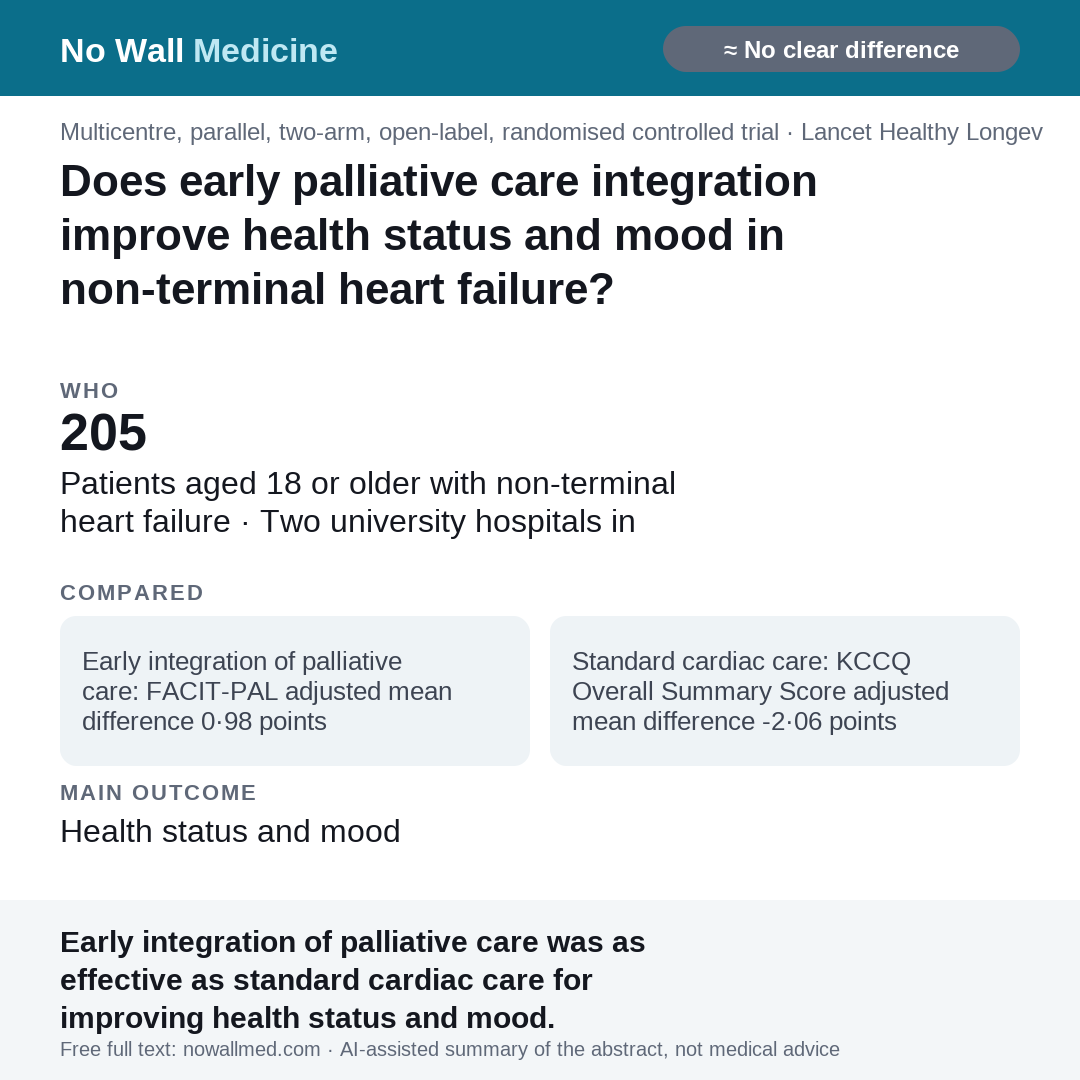
Early integration of palliative care versus standard cardiac care for patients with heart failure (EPCHF): a multicentre, parallel, two-arm, open-label, randomised controlled trial
Multicentre, parallel, two-arm, open-label, randomised controlled trialNo clear difference
Does early palliative care integration improve health status and mood in non-terminal heart failure?
Who
205
Patients aged 18 or older with non-terminal heart failure · Two university hospitals in Germany
Compared
Early integration of palliative care: FACIT-PAL adjusted mean difference 0·98 points
Standard cardiac care: KCCQ Overall Summary Score adjusted mean difference -2·06 points
Main outcome
Health status and mood
Result: FACIT-PAL adjusted mean difference 0·98 points (95% CI -1·28 to 3·23)
Bottom line: Early integration of palliative care was as effective as standard cardiac care for improving health status and mood.
Funded by: Federal Ministry of Education and Research
Lancet Healthy Longev · 2024-10-01Download image