Visual abstracts
New randomized trials and meta-analyses from leading journals at a glance: who was studied, what was compared, and what was found. Every paper is free to read in full.
All specialtiesCardiology 857Oncology 770Gastroenterology & Hepatology 311Infectious Disease 626Neurology 354Psychiatry & Mental Health 430Pulmonology 370Critical Care 260Endocrinology & Diabetes 484Pediatrics 542Surgery 351Orthopedics & Sports Medicine 166Neurosurgery 115Cardiothoracic & Vascular Surgery 87Plastic & Reconstructive Surgery 144Nephrology 197Rheumatology 108Hematology 183Dermatology 82Ophthalmology 97Obstetrics & Gynecology 266Public & Global Health 168Radiology & Imaging 105Anesthesiology 130Urology 162ENT (Otolaryngology) 115Emergency Medicine 103Allergy & Immunology 58Geriatrics 160Family Medicine & Primary Care 111Medical Genetics & Genomics 91Pathology & Laboratory Medicine 27Physical Medicine & Rehabilitation 149Palliative Care 81Nutrition 223Digital Health & AI 462General Medicine 101
Subcutaneous Administration of a Monoclonal Antibody to Prevent Malaria
Phase 2 randomized trialBenefit found
Does subcutaneous L9LS protect children from Plasmodium falciparum infection?
Who
225
Children 6 to 10 years of age · Mali
Compared
48%150 mg L9LS
40%300 mg L9LS
81%Placebo
Main outcome
First Plasmodium falciparum infection detected on blood smear
Result: 66% (95% CI, 45 to 79) and 70% (95% CI, 50 to 82)
Bottom line: Subcutaneous L9LS administration was protective against Plasmodium falciparum infection and clinical malaria in children over 6 months.
Funded by: National Institute of Allergy and Infectious Diseases
NEJM · 2024-04-26Download image

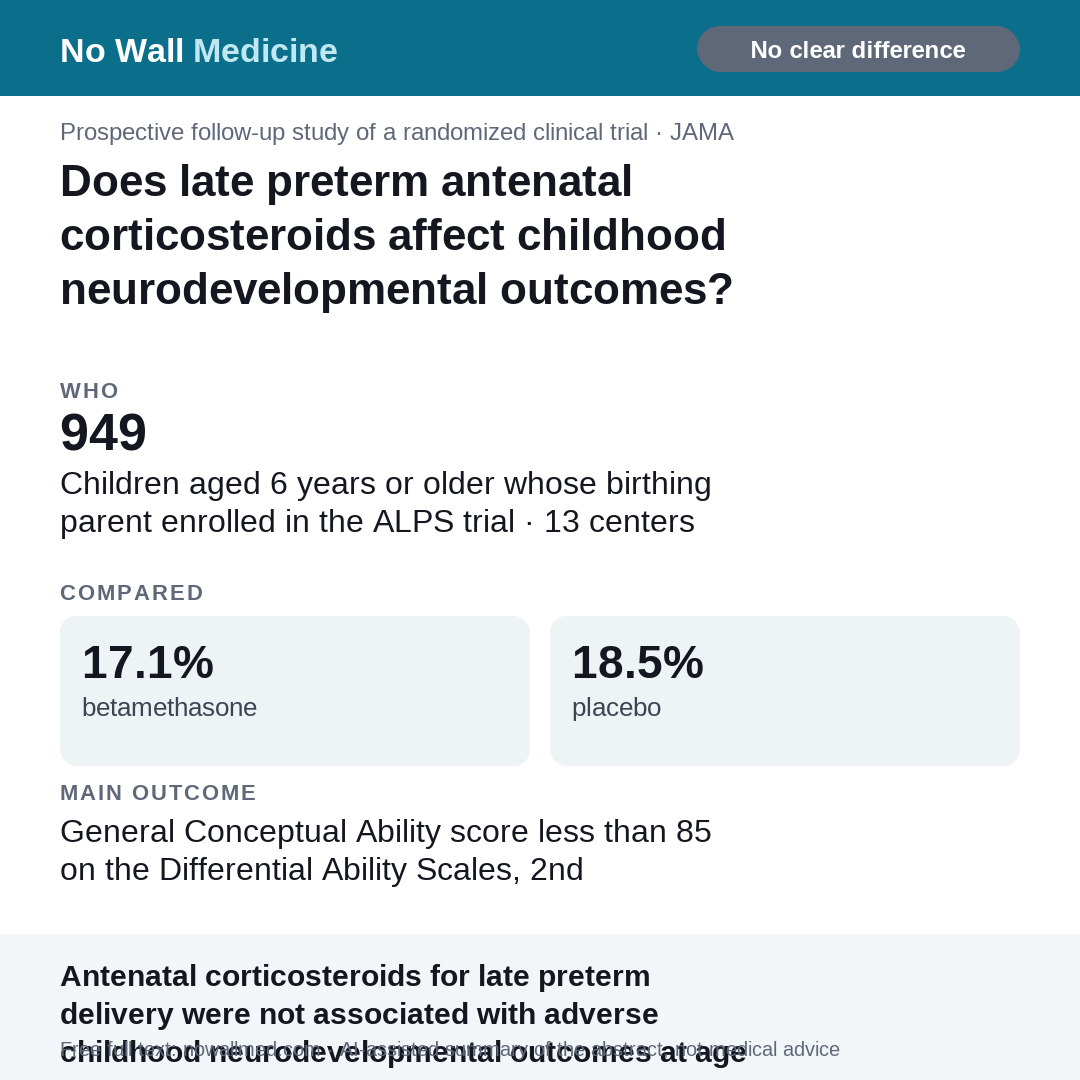
Neurodevelopmental Outcomes After Late Preterm Antenatal Corticosteroids: The ALPS Follow-Up Study
Prospective follow-up study of a randomized clinical trialNo clear difference
Does late preterm antenatal corticosteroids affect childhood neurodevelopmental outcomes?
Who
949
Children aged 6 years or older whose birthing parent enrolled in the ALPS trial · 13 centers in the Maternal-Fetal Medicine Units Network
Compared
17.1%betamethasone (82/479)
18.5%placebo (87/470)
Main outcome
General Conceptual Ability score less than 85 on the Differential Ability Scales, 2nd Edition
Result: adjusted relative risk 0.94 (95% CI 0.73-1.22)
Bottom line: Antenatal corticosteroids for late preterm delivery were not associated with adverse childhood neurodevelopmental outcomes at age 6 years or older.
JAMA · 2024-04-24Download image
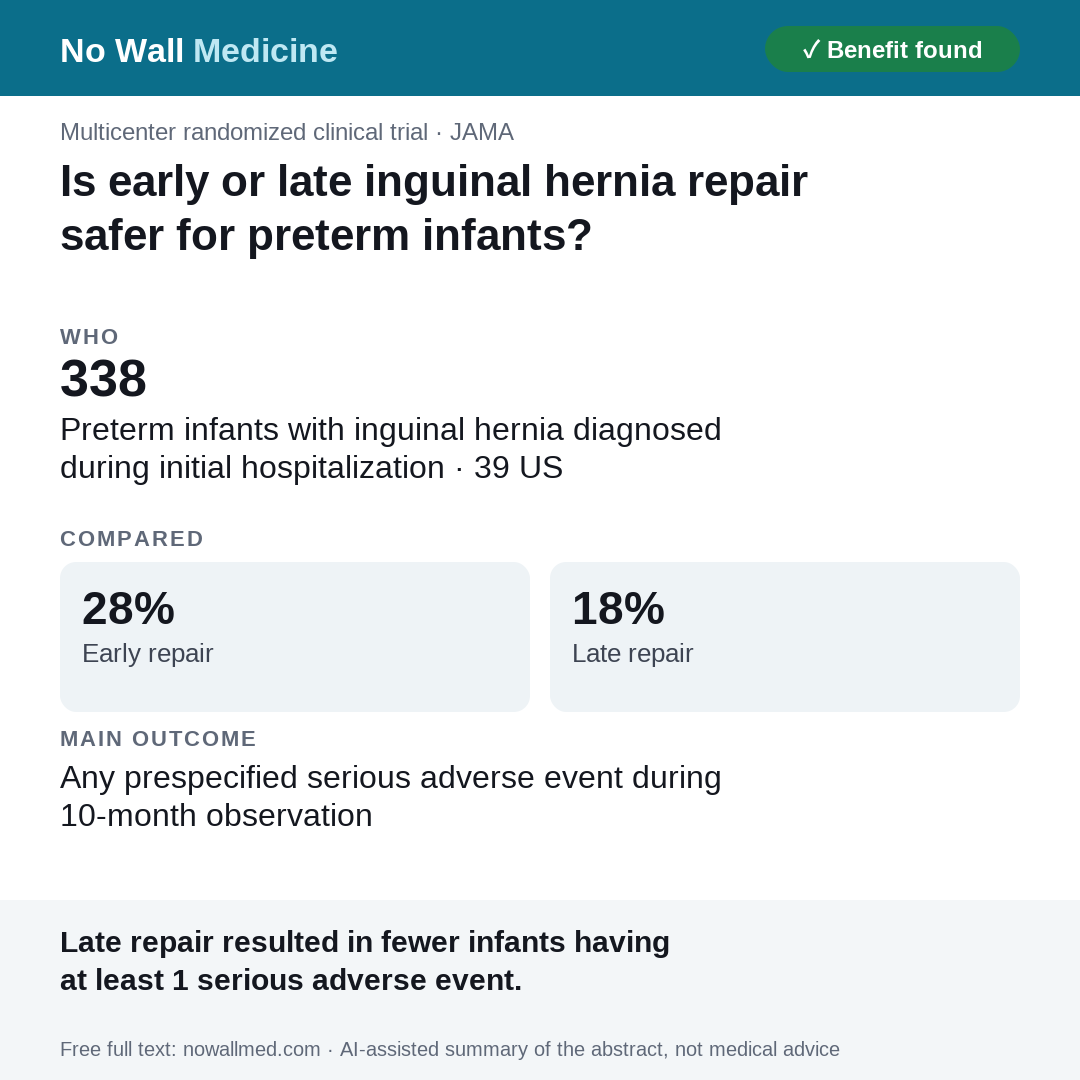
Effect of Early vs Late Inguinal Hernia Repair on Serious Adverse Event Rates in Preterm Infants: A Randomized Clinical Trial
Multicenter randomized clinical trialBenefit found
Is early or late inguinal hernia repair safer for preterm infants?
Who
338
Preterm infants with inguinal hernia diagnosed during initial hospitalization · 39 US hospitals
Compared
28%Early repair (159/149)
18%Late repair (149/149)
Main outcome
Occurrence of any prespecified serious adverse event
Result: risk difference, -7.9% (95% credible interval, -16.9% to 0%)
Bottom line: Late inguinal hernia repair resulted in fewer serious adverse events among preterm infants compared to early repair.
JAMA · 2024-03-26Download image
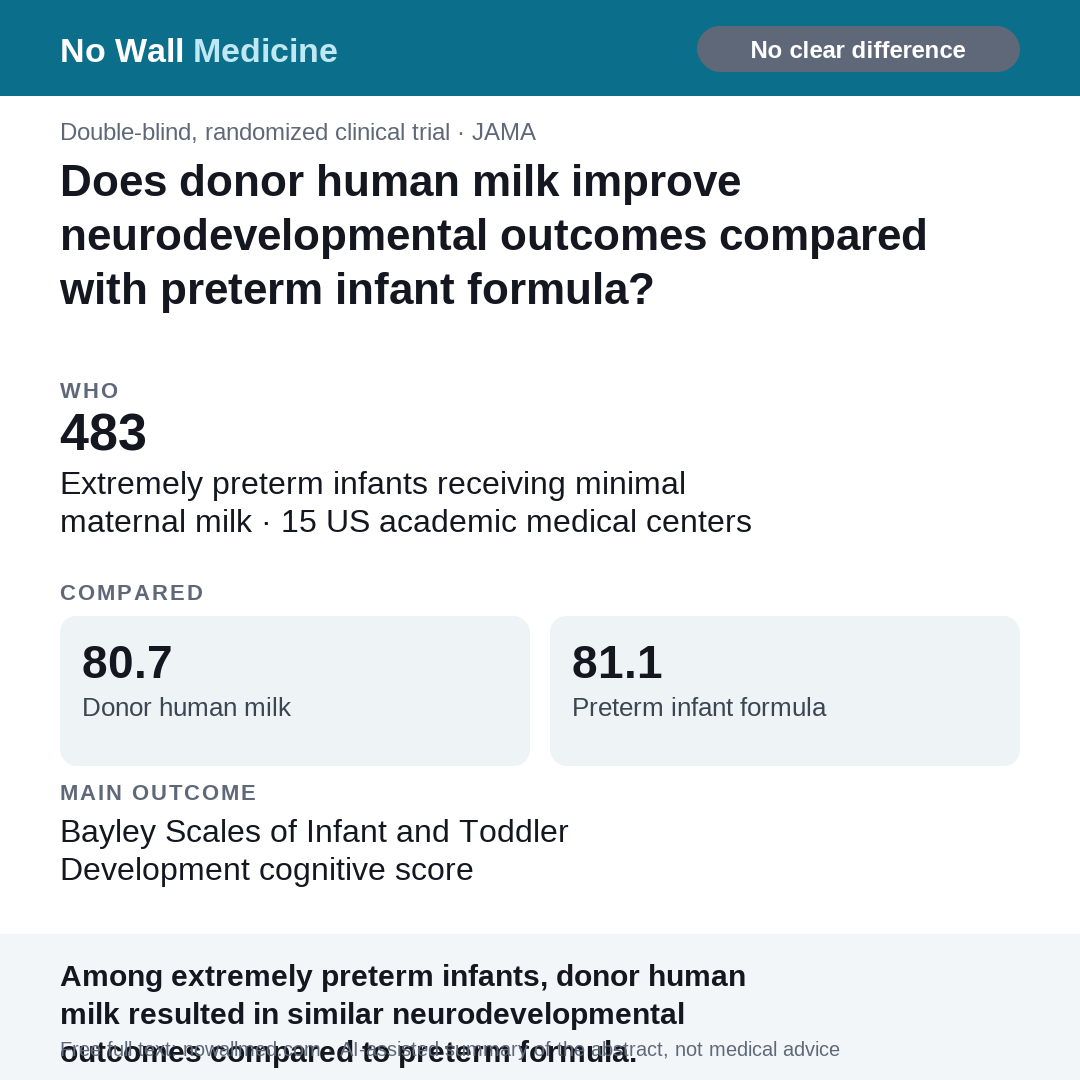
Neurodevelopmental Outcomes of Extremely Preterm Infants Fed Donor Milk or Preterm Infant Formula: A Randomized Clinical Trial
Double-blind, randomized clinical trialNo clear difference
Does donor human milk improve neurodevelopmental outcomes compared with preterm infant formula?
Who
483
Extremely preterm infants receiving minimal maternal milk · 15 US academic medical centers
Compared
80.7Donor human milk (SD, 17.4)
81.1Preterm infant formula (SD, 16.7)
Main outcome
Bayley Scales of Infant and Toddler Development cognitive score
Result: adjusted mean difference, -0.77 (95% CI, -3.93 to 2.39)
Bottom line: Among extremely preterm infants, donor human milk resulted in similar neurodevelopmental outcomes compared to preterm formula.
JAMA · 2024-03-18Download image
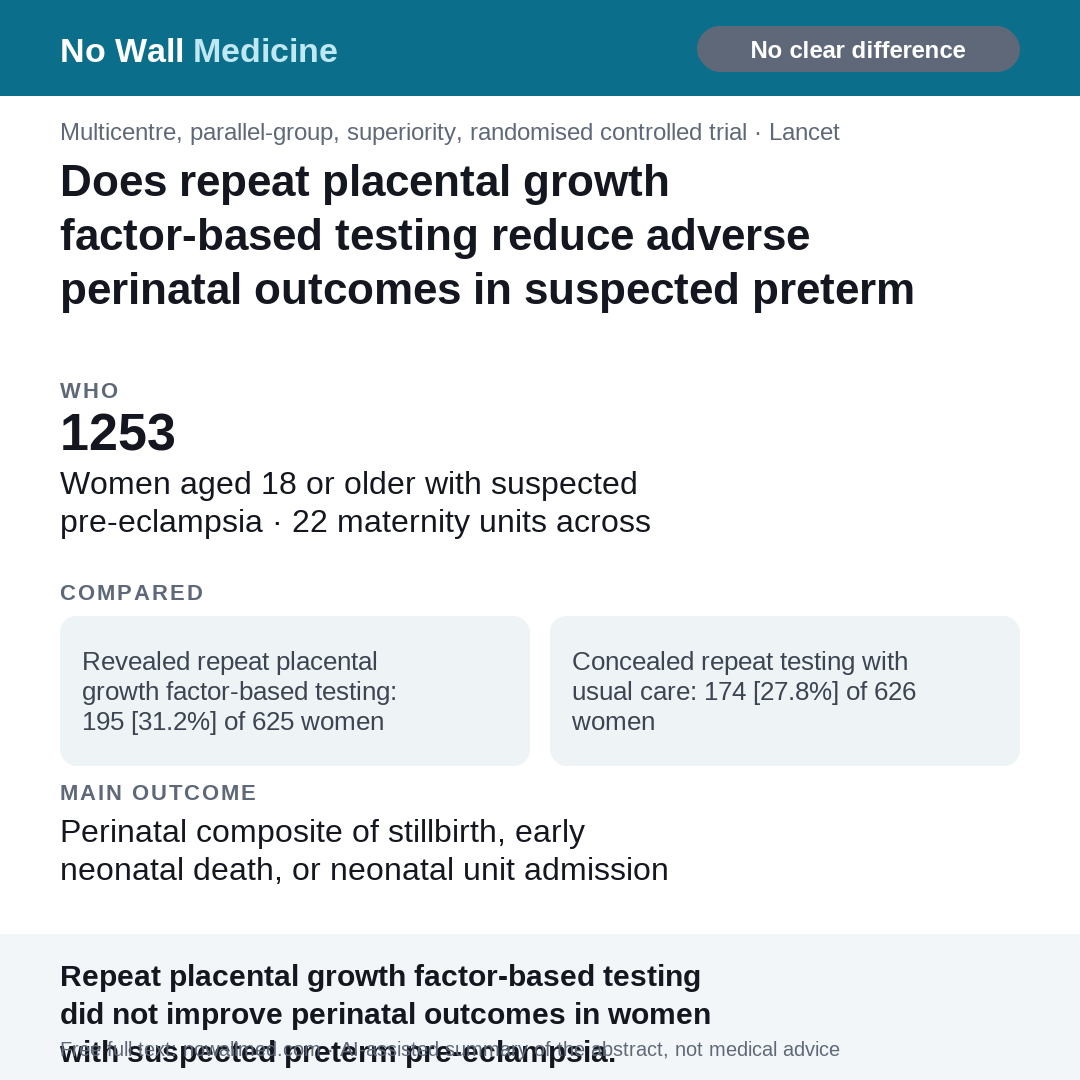
Clinical effectiveness of the psychological therapy Mental Health Intervention for Children with Epilepsy in addition to usual care compared with assessment-enhanced usual care alone: a multicentre, randomised controlled clinical trial in the UK
Randomized controlled trialBenefit found
Does Mental Health Intervention help children with epilepsy?
Who
334
Children with epilepsy and mental health disorders · England and Northern Ireland
Compared
17.6Mental Health Intervention (SD 6.3)
19.6Usual care (6.1)
Main outcome
Parent-report Strengths and Difficulties Questionnaire
Result: adjusted effect -1.7 (95% CI -2.8 to -0.5)
Bottom line: Mental Health Intervention improves symptoms
Funded by: UK National Institute for Health Research
Lancet · 2024-03-07Download image
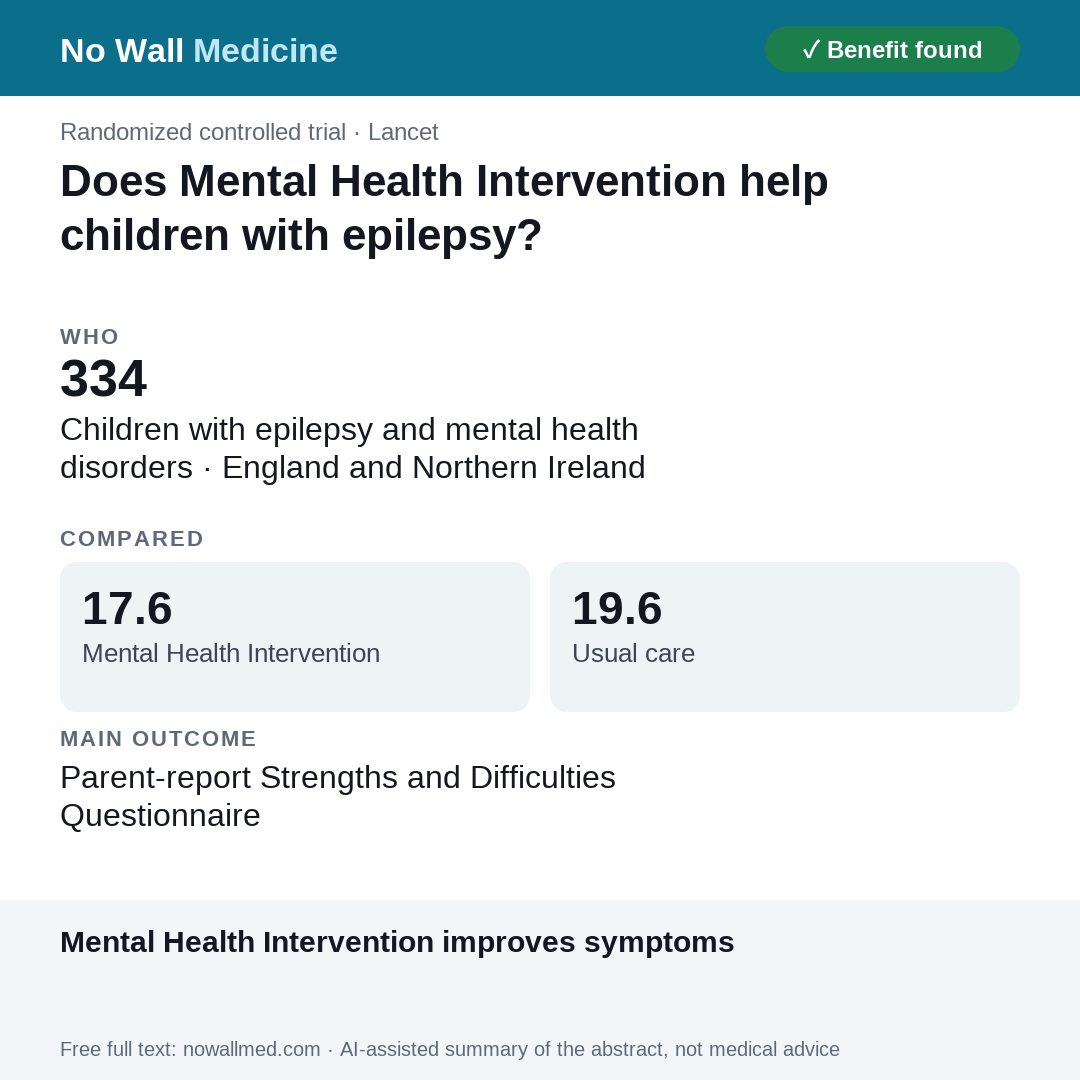
Omalizumab for the Treatment of Multiple Food Allergies
Randomized trialBenefit found
Is omalizumab effective and safe as monotherapy in patients with multiple food allergies?
Who
177
Children and adolescents aged 1 to 17 years with multiple food allergies
Compared
67%Omalizumab (79/118)
7%Placebo (4/59)
Main outcome
Ingestion of 600 mg or more peanut protein without dose-limiting symptoms
Bottom line: Omalizumab treatment was superior to placebo in increasing reaction thresholds for peanut and other common food allergens.
Funded by: National Institute of Allergy and Infectious Diseases and others
NEJM · 2024-02-25Download image
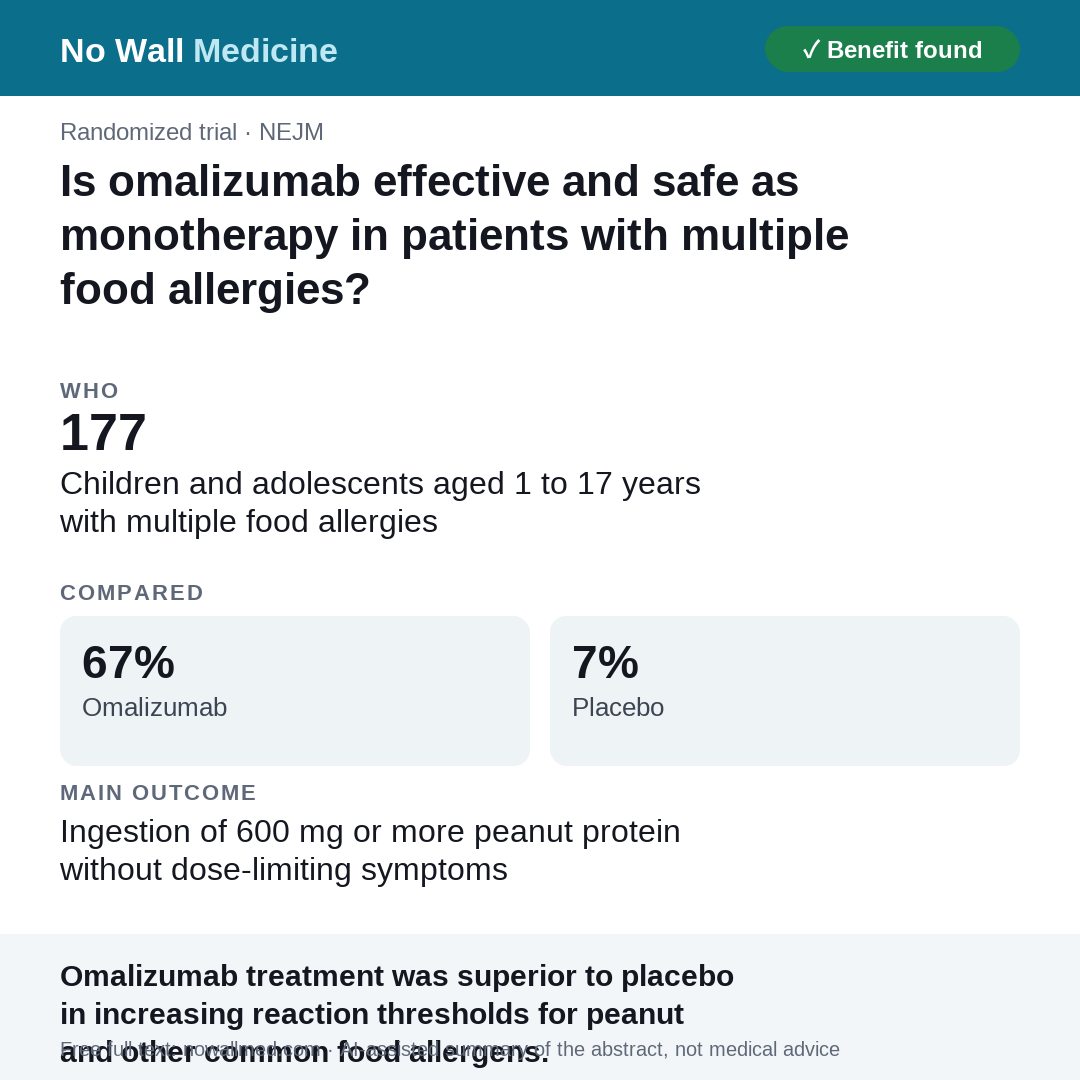
Global disease burden of and risk factors for acute lower respiratory infections caused by respiratory syncytial virus in preterm infants and young children in 2019: a systematic review and meta-analysis of aggregated and individual participant data
Systematic review and meta-analysisHarm found
What is the global disease burden and risk factors for RSV-associated acute lower respiratory infection in preterm infants?
Who
Preterm infants and young children born before 37 weeks of gestation · Worldwide
Compared
Early preterm infants: 25% (95% uncertainty range 16-37) of RSV-associated ALRI hospitalisations
All infants of any gestational age
Main outcome
RSV-associated acute lower respiratory infection incidence, hospital admission, and mortality
Result: rate ratio 2.26 (95% uncertainty range 1.27-3.98)
Bottom line: Preterm infants face a disproportionately high burden of respiratory syncytial virus-associated disease and hospitalisations worldwide.
Funded by: EU Innovative Medicines Initiative Respiratory Syncytial Virus Consortium in Europe
Lancet · 2024-02-14Download image
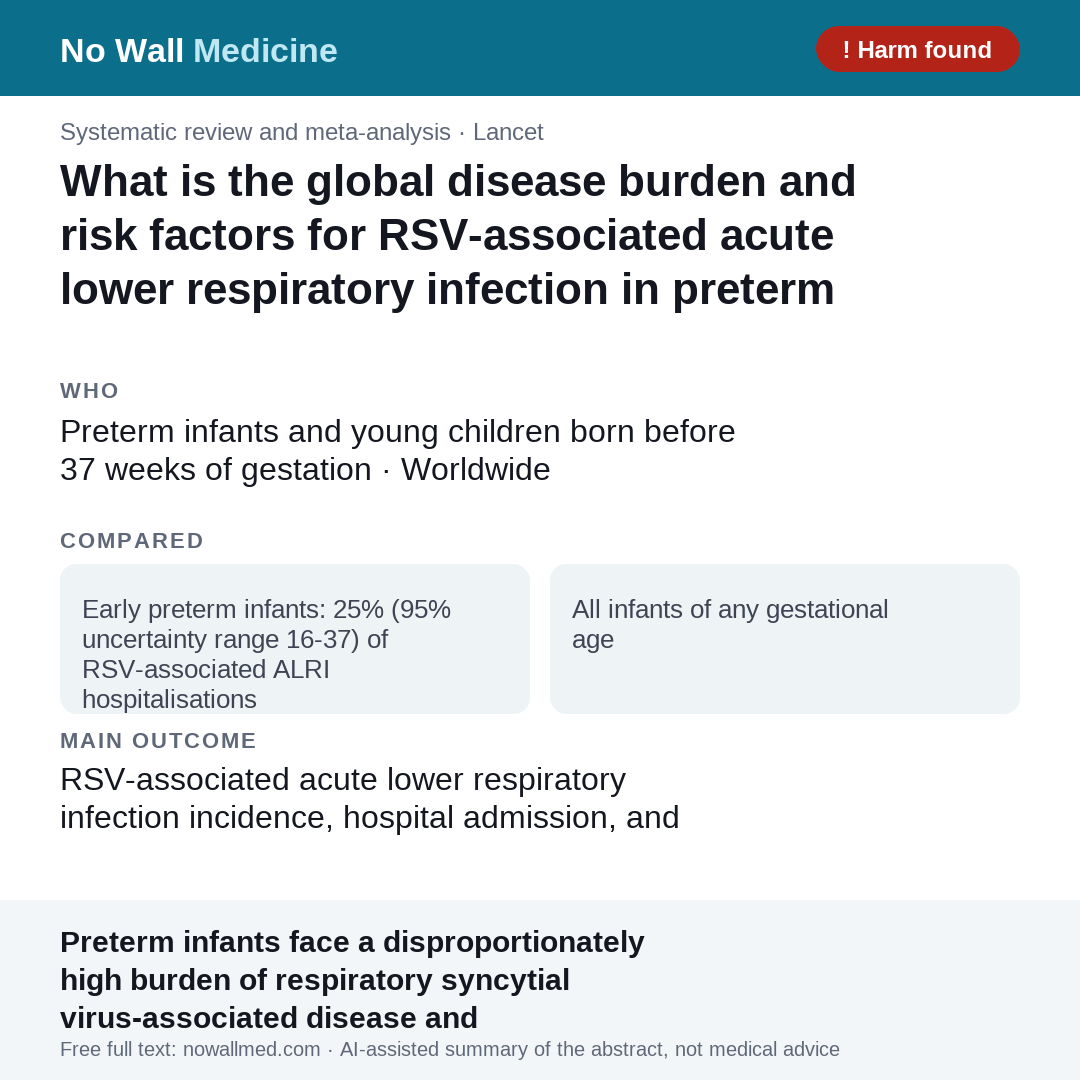
Repeat placental growth factor-based testing in women with suspected preterm pre-eclampsia (PARROT-2): a multicentre, parallel-group, superiority, randomised controlled trial
Multicentre, parallel-group, superiority, randomised controlled trialNo clear difference
Does repeat placental growth factor-based testing reduce adverse perinatal outcomes in suspected preterm pre-eclampsia?
Who
1253
Women aged 18 or older with suspected pre-eclampsia · 22 maternity units across England, Scotland, and Wales
Compared
Revealed repeat placental growth factor-based testing: 195 [31.2%] of 625 women
Concealed repeat testing with usual care: 174 [27.8%] of 626 women
Main outcome
Perinatal composite of stillbirth, early neonatal death, or neonatal unit admission
Result: relative risk 1.21 (95% CI 0.95-1.33)
Bottom line: Repeat placental growth factor-based testing did not improve perinatal outcomes in women with suspected preterm pre-eclampsia.
Funded by: Tommy's Charity, Jon Moulton Charitable Trust, and NIHR
Lancet · 2024-02-08Download image
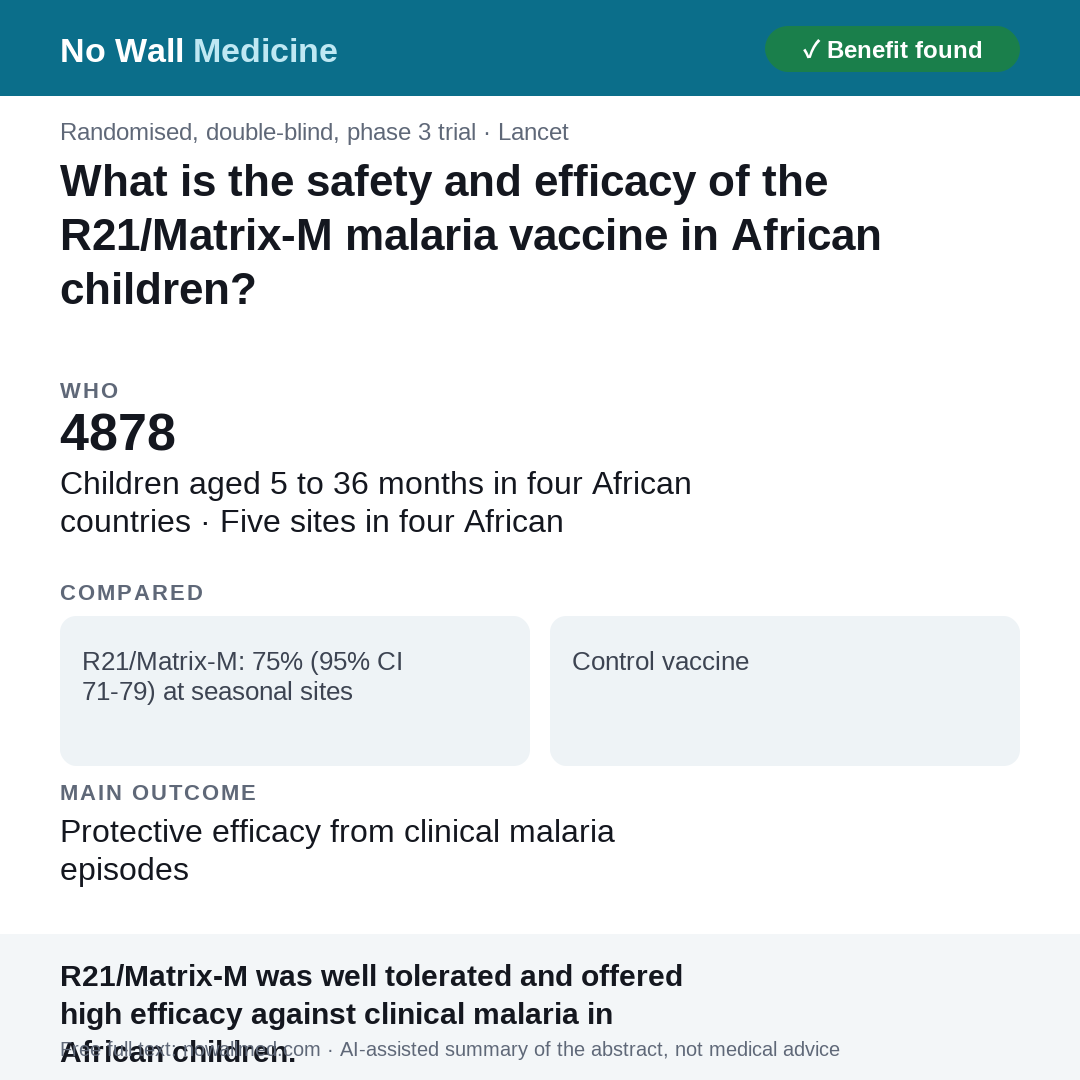
Safety and efficacy of malaria vaccine candidate R21/Matrix-M in African children: a multicentre, double-blind, randomised, phase 3 trial
Randomised, double-blind, phase 3 trialBenefit found
What is the safety and efficacy of the R21/Matrix-M malaria vaccine in African children?
Who
4878
Children aged 5 to 36 months in four African countries · Five sites in four African countries
Compared
R21/Matrix-M: 75% (95% CI 71-79) at seasonal sites
Control vaccine
Main outcome
Protective efficacy from clinical malaria episodes
Result: 75% (95% CI 71-79) at seasonal sites and 68% (61-74) at standard sites
Bottom line: R21/Matrix-M was well tolerated and offered high efficacy against clinical malaria in African children.
Funded by: Serum Institute of India, Wellcome Trust, UK NIHR, Open Philanthropy
Lancet · 2024-02-01Download image
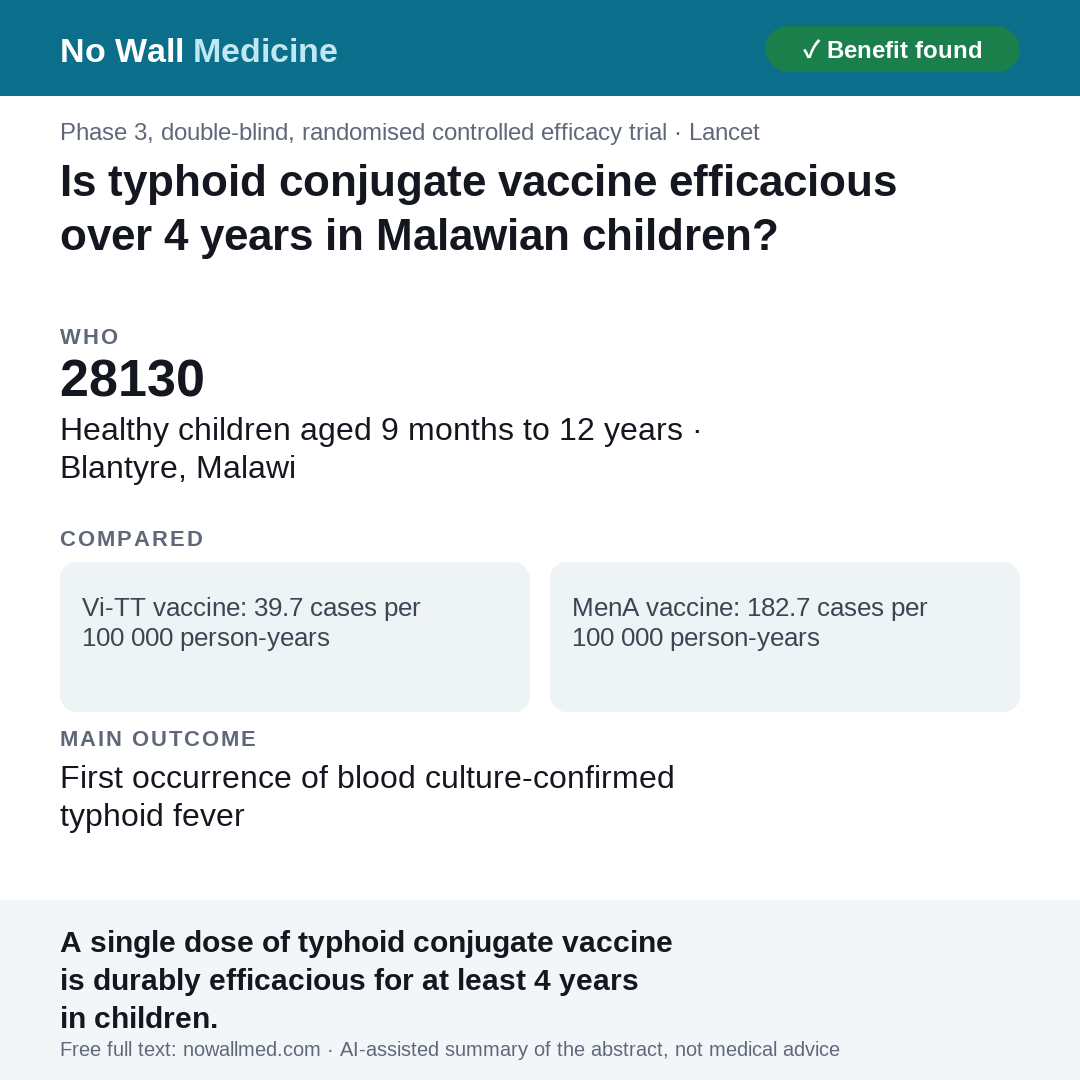
Efficacy of typhoid conjugate vaccine: final analysis of a 4-year, phase 3, randomised controlled trial in Malawian children
Phase 3, double-blind, randomised controlled efficacy trialBenefit found
Is typhoid conjugate vaccine efficacious over 4 years in Malawian children?
Who
28130
Healthy children aged 9 months to 12 years · Blantyre, Malawi
Compared
Vi-TT vaccine: 39.7 cases per 100 000 person-years
MenA vaccine: 182.7 cases per 100 000 person-years
Main outcome
First occurrence of blood culture-confirmed typhoid fever
Result: efficacy of Vi-TT was 78.3% (95% CI 66.3-86.1)
Bottom line: A single dose of typhoid conjugate vaccine is durably efficacious for at least 4 years in children.
Funded by: Bill & Melinda Gates Foundation
Lancet · 2024-01-25Download image
Undervaccination and severe COVID-19 outcomes: meta-analysis of national cohort studies in England, Northern Ireland, Scotland, and Wales
Meta-analysis of cohort studiesHarm found
Undervaccination risk for severe COVID-19
Who
people at least five years old in UK · England, Northern Ireland, Scotland, Wales
Compared
Fully vaccinated
Undervaccinated
Main outcome
severe COVID-19 outcomes
Result: hazard ratio 2.70 (95% CI 2.61 to 2.78) for one dose fewer
Bottom line: Undervaccination increases severe COVID-19 risk
Funded by: UK Research and Innovation
Lancet · 2024-01-15Download image

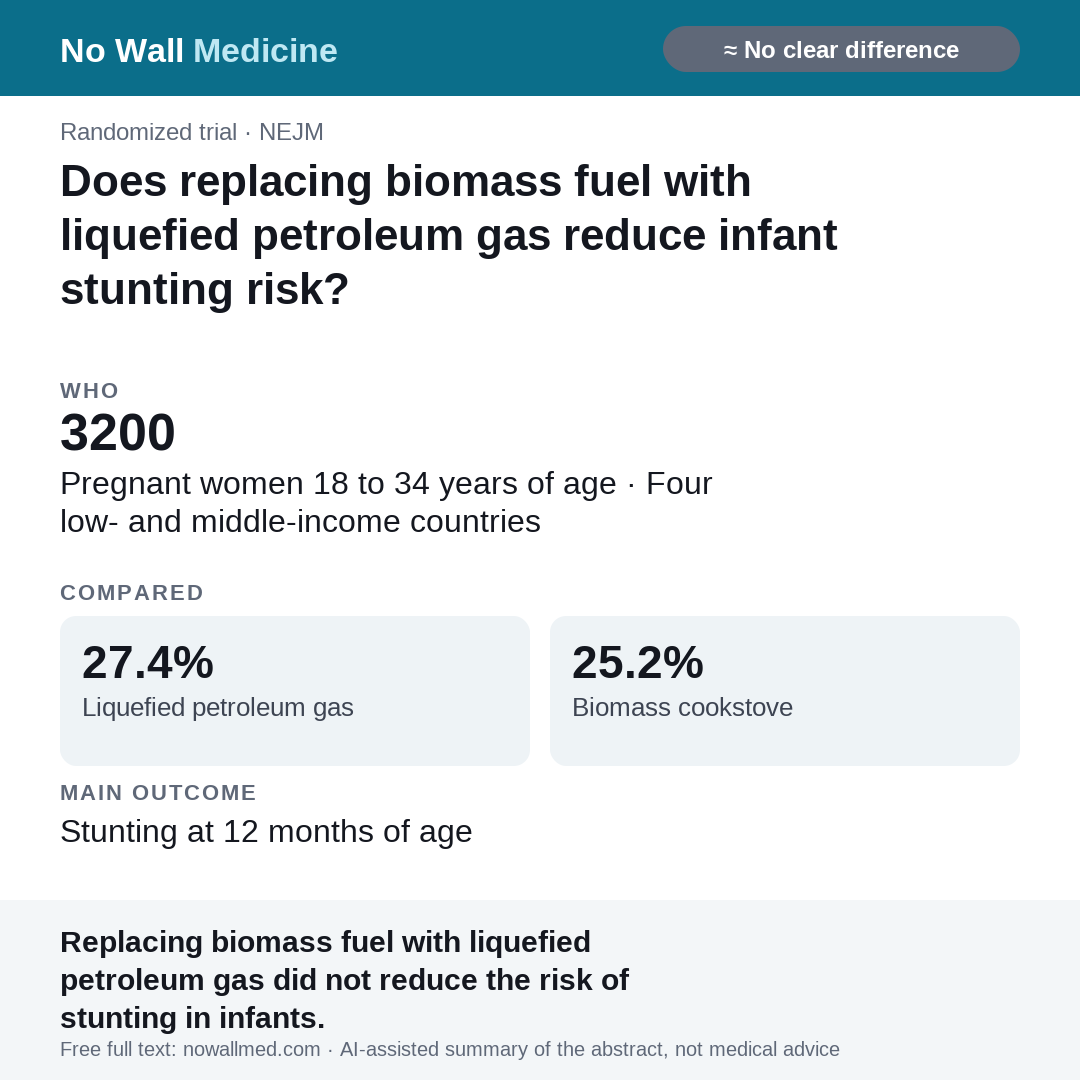
Effects of Cooking with Liquefied Petroleum Gas or Biomass on Stunting in Infants
Randomized trialNo clear difference
Does replacing biomass fuel with liquefied petroleum gas reduce infant stunting risk?
Who
3200
Pregnant women 18 to 34 years of age · Four low- and middle-income countries
Compared
27.4%Liquefied petroleum gas
25.2%Biomass cookstove
Main outcome
Stunting at 12 months of age
Result: relative risk 1.10 (98.75% confidence interval 0.94 to 1.29)
Bottom line: Replacing biomass fuel with liquefied petroleum gas did not reduce the risk of stunting in infants.
Funded by: National Institutes of Health and Bill and Melinda Gates Foundation
NEJM · 2024-01-04Download image
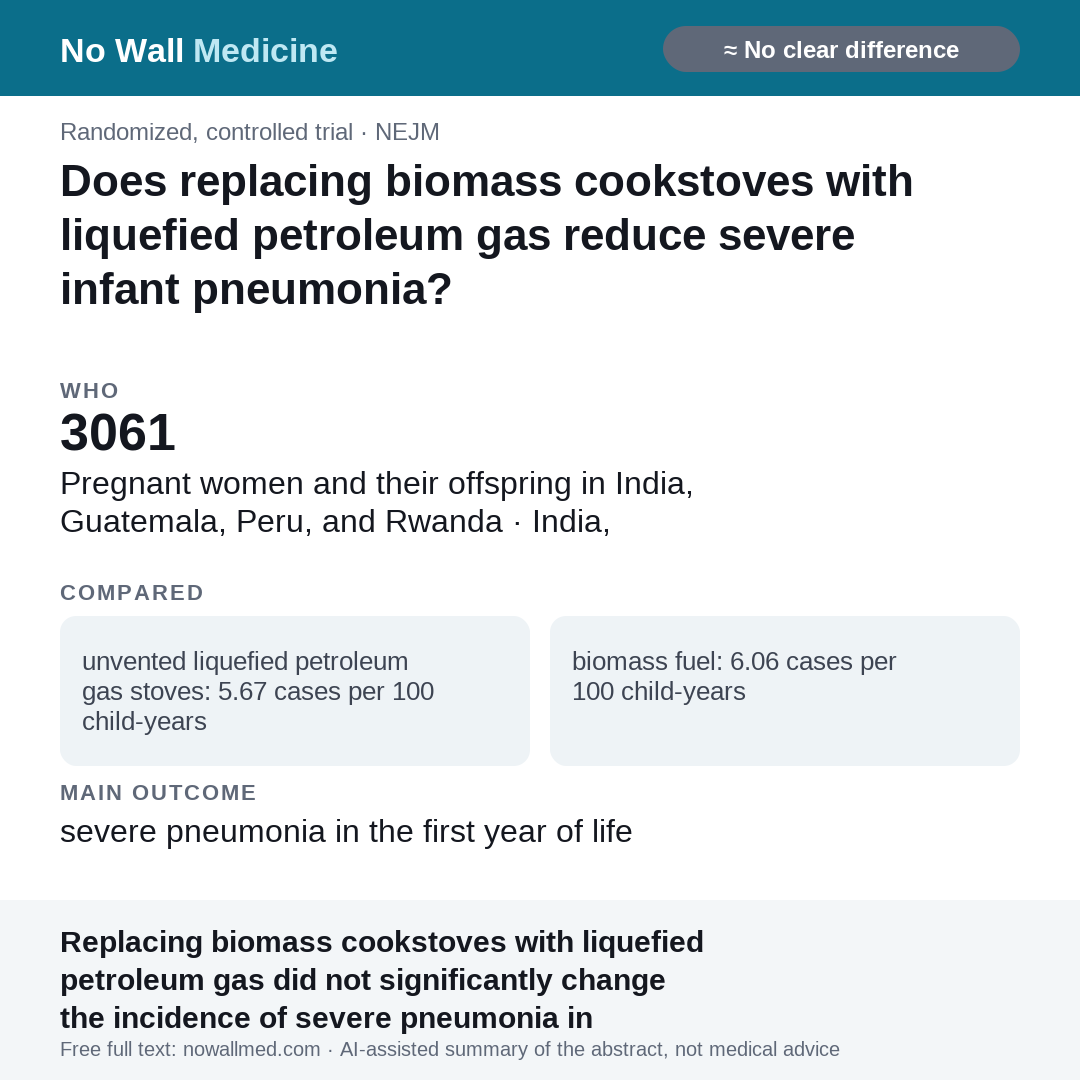
Liquefied Petroleum Gas or Biomass Cooking and Severe Infant Pneumonia
Randomized, controlled trialNo clear difference
Does replacing biomass cookstoves with liquefied petroleum gas reduce severe infant pneumonia?
Who
3061
Pregnant women and their offspring in India, Guatemala, Peru, and Rwanda · India, Guatemala, Peru, and Rwanda
Compared
unvented liquefied petroleum gas stoves: 5.67 cases per 100 child-years
biomass fuel: 6.06 cases per 100 child-years
Main outcome
severe pneumonia in the first year of life
Result: incidence rate ratio 0.96 (98.75% CI 0.64 to 1.44)
Bottom line: Replacing biomass cookstoves with liquefied petroleum gas did not significantly change the incidence of severe pneumonia in infants.
Funded by: National Institutes of Health and Bill and Melinda Gates Foundation
NEJM · 2024-01-04Download image
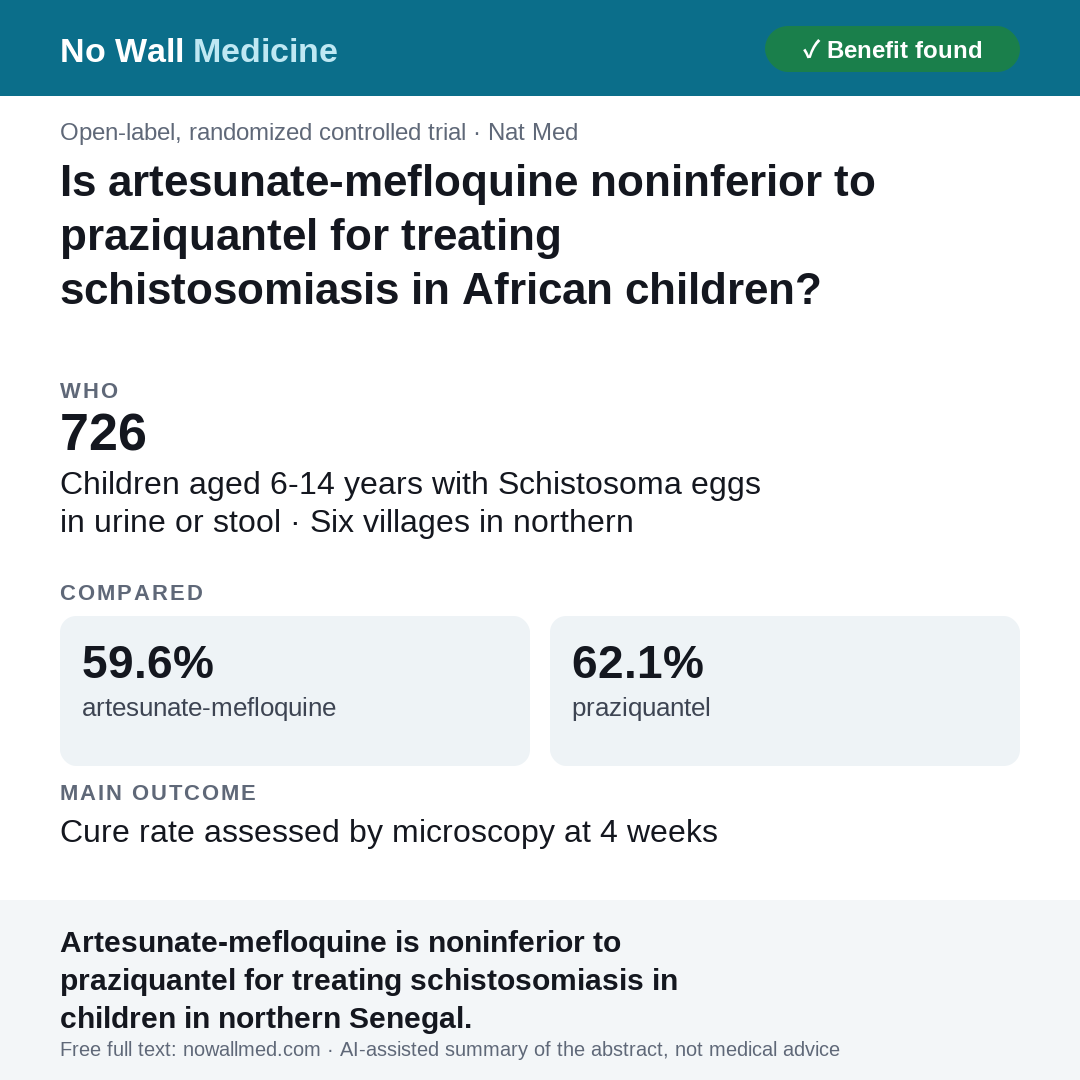
Antimalarial artesunate-mefloquine versus praziquantel in African children with schistosomiasis: an open-label, randomized controlled trial
Open-label, randomized controlled trialBenefit found
Is artesunate-mefloquine noninferior to praziquantel for treating schistosomiasis in African children?
Who
726
Children aged 6-14 years with Schistosoma eggs in urine or stool · Six villages in northern Senegal
Compared
59.6%artesunate-mefloquine (208/349)
62.1%praziquantel (211/340)
Main outcome
Cure rate assessed by microscopy at 4 weeks
Result: -2.5% (95% CI -9.8 to 4.8)
Bottom line: Artesunate-mefloquine is noninferior to praziquantel for treating schistosomiasis in children in northern Senegal.
Nat Med · 2024-01-04Download image
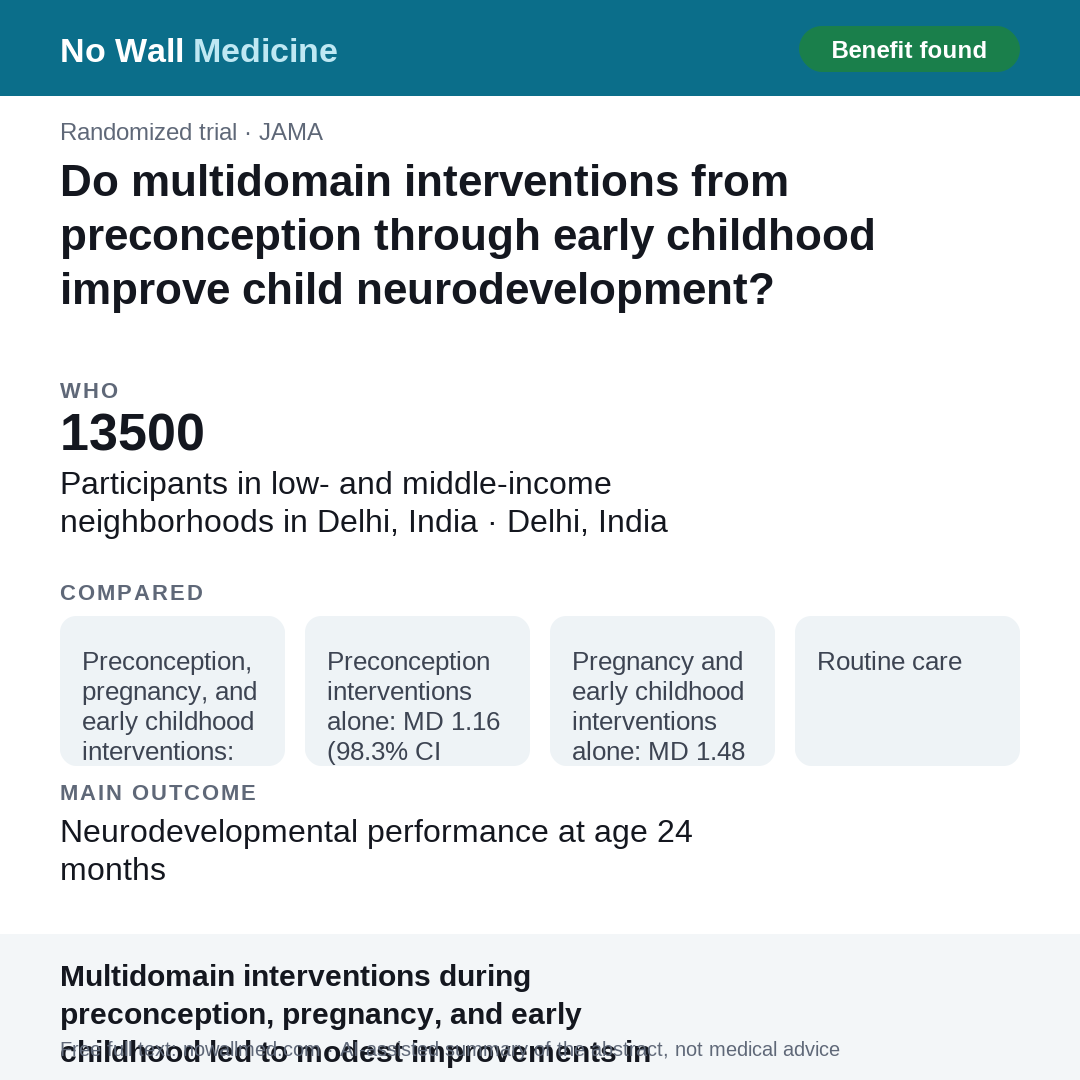
Child Neurodevelopment After Multidomain Interventions From Preconception Through Early Childhood: The WINGS Randomized Clinical Trial
Randomized trialBenefit found
Do multidomain interventions from preconception through early childhood improve child neurodevelopment?
Who
13500
Participants in low- and middle-income neighborhoods in Delhi, India · Delhi, India
Compared
Preconception, pregnancy, and early childhood interventions: MD 2.60 (98.3% CI 1.08-4.12) cognitive
Preconception interventions alone: MD 1.16 (98.3% CI 0.18-2.13) cognitive
Pregnancy and early childhood interventions alone: MD 1.48 (98.3% CI 0.49-2.46) cognitive
Routine care
Main outcome
Neurodevelopmental performance at age 24 months
Result: MD 2.60 (98.3% CI 1.08-4.12) for cognitive scores
Bottom line: Multidomain interventions during preconception, pregnancy, and early childhood led to modest improvements in child neurodevelopment at 24 months.
JAMA · 2024-01-02Download image
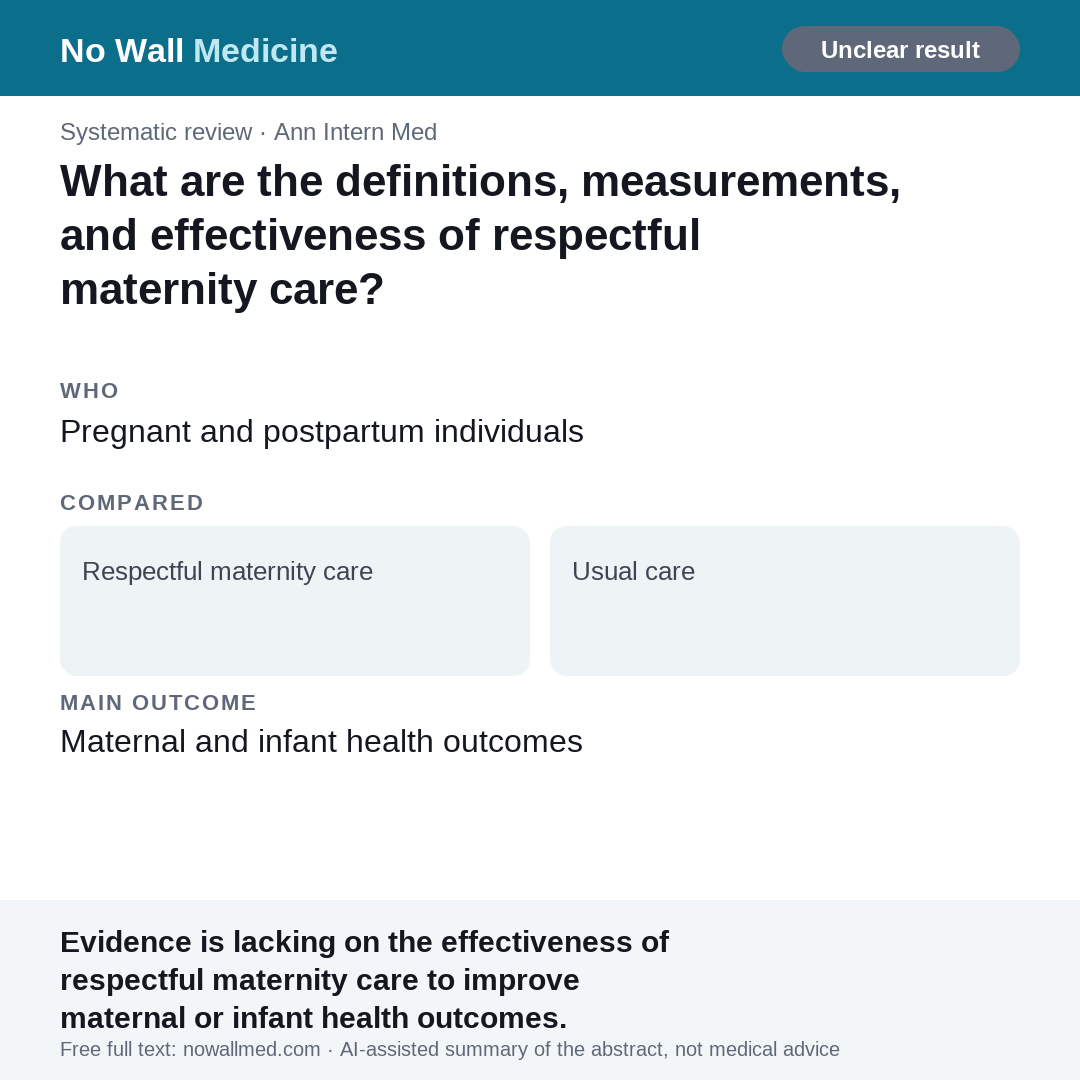
Respectful Maternity Care : A Systematic Review
Systematic reviewUnclear result
What are the definitions, measurements, and effectiveness of respectful maternity care?
Who
Pregnant and postpartum individuals
Compared
Respectful maternity care
Usual care
Main outcome
Maternal and infant health outcomes
Bottom line: Evidence is lacking on the effectiveness of respectful maternity care to improve maternal or infant health outcomes.
Limitation: Lack of definition and gold standard limit evaluation of respectful maternity care tools.
Funded by: Agency for Healthcare Research and Quality
Ann Intern Med · 2024-01-02Download image
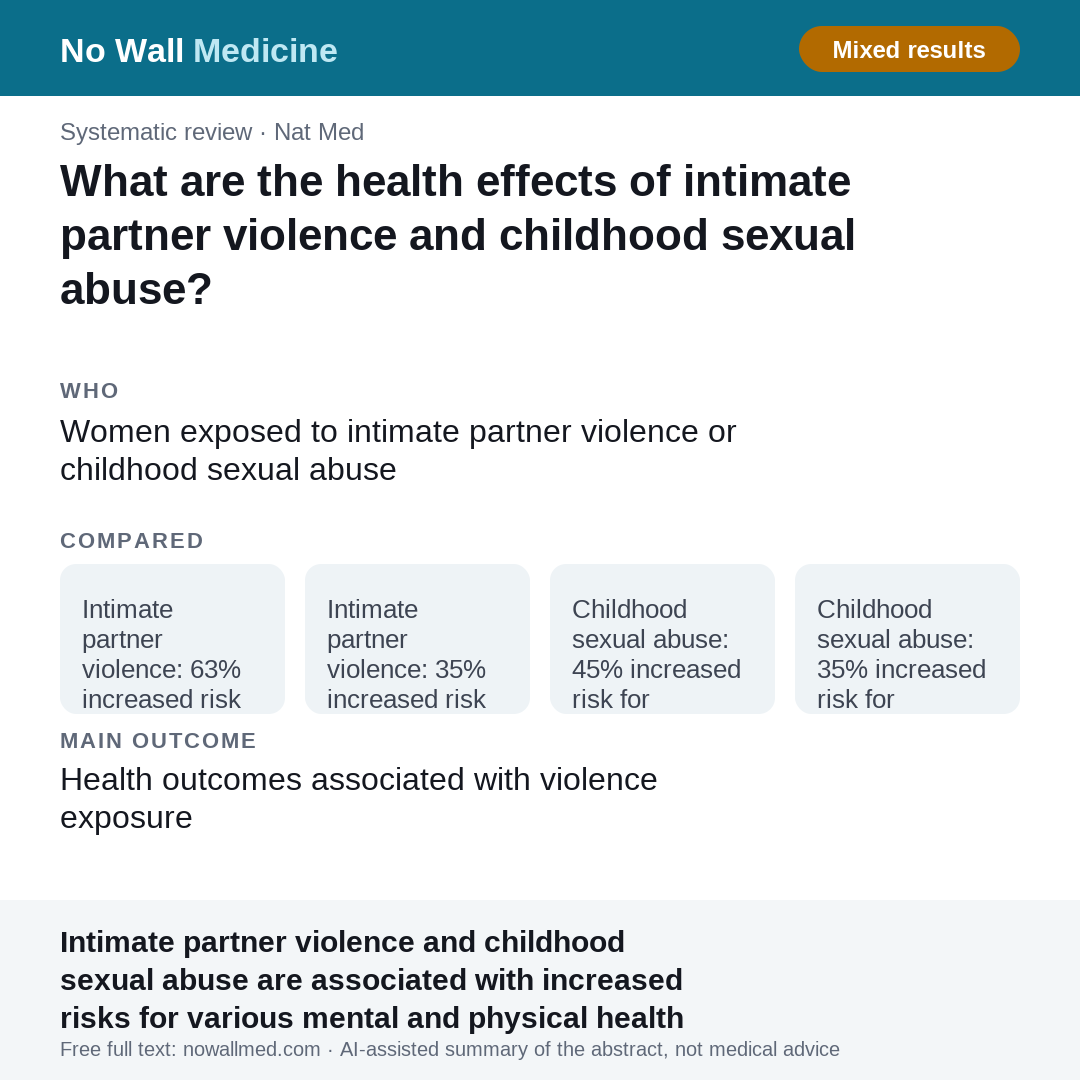
Health effects associated with exposure to intimate partner violence against women and childhood sexual abuse: a burden of proof study
Systematic reviewMixed results
What are the health effects of intimate partner violence and childhood sexual abuse?
Who
Women exposed to intimate partner violence or childhood sexual abuse
Compared
Intimate partner violence: 63% increased risk for major depressive disorder
Intimate partner violence: 35% increased risk for maternal abortion and miscarriage
Childhood sexual abuse: 45% increased risk for alcohol use disorders
Childhood sexual abuse: 35% increased risk for self-harm
Main outcome
Health outcomes associated with violence exposure
Bottom line: Intimate partner violence and childhood sexual abuse are associated with increased risks for various mental and physical health outcomes.
Limitation: Understanding remains limited by data scarcity.
Nat Med · 2023-12-11Download image
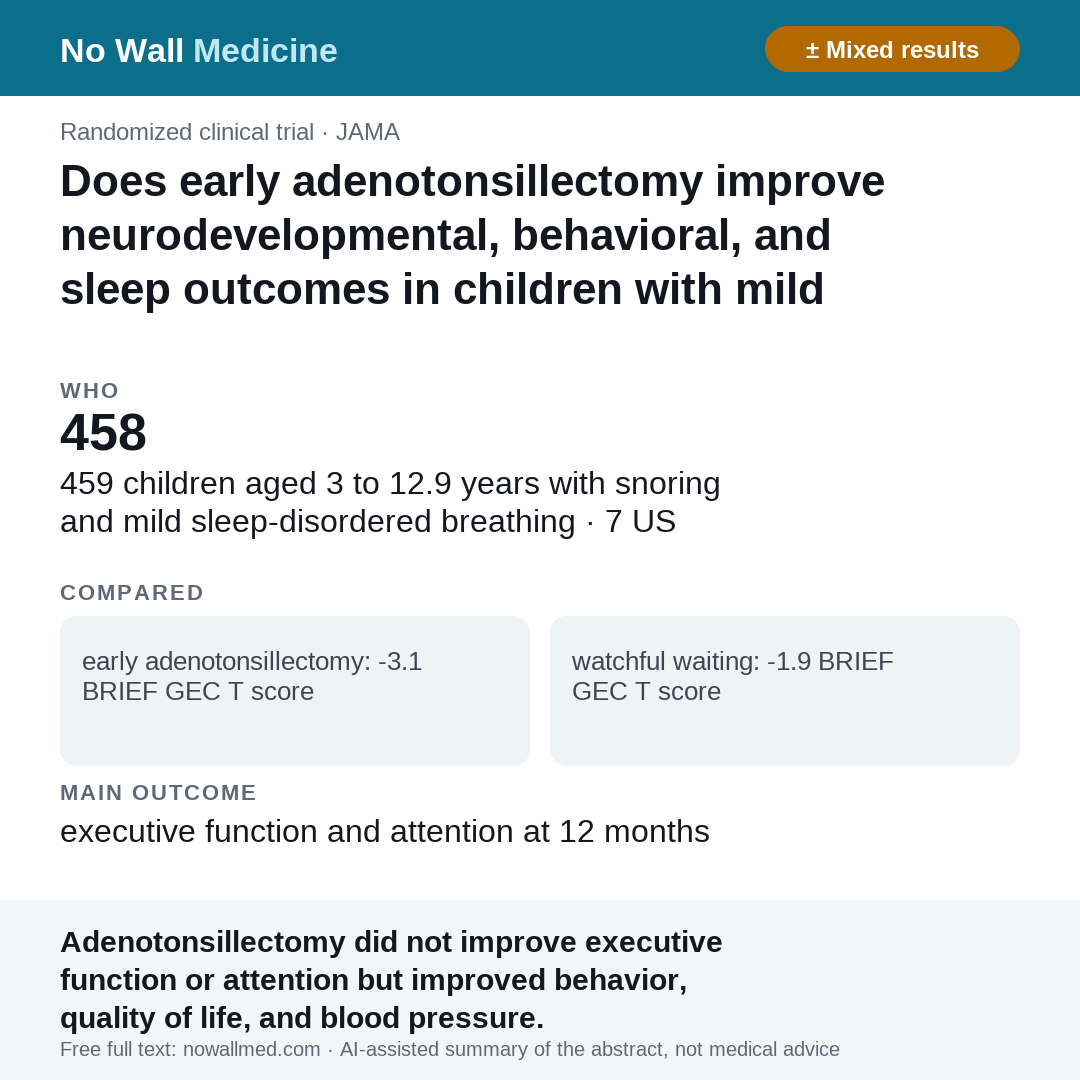
Adenotonsillectomy for Snoring and Mild Sleep Apnea in Children: A Randomized Clinical Trial
Randomized clinical trialMixed results
Does early adenotonsillectomy improve neurodevelopmental, behavioral, and sleep outcomes in children with mild sleep-disordered breathing?
Who
458
459 children aged 3 to 12.9 years with snoring and mild sleep-disordered breathing · 7 US academic sleep centers
Compared
early adenotonsillectomy: -3.1 BRIEF GEC T score
watchful waiting: -1.9 BRIEF GEC T score
Main outcome
executive function and attention at 12 months
Result: difference, -0.96 (95% CI, -2.66 to 0.74)
Bottom line: Adenotonsillectomy did not improve executive function or attention but improved behavior, quality of life, and blood pressure.
JAMA · 2023-12-05Download image
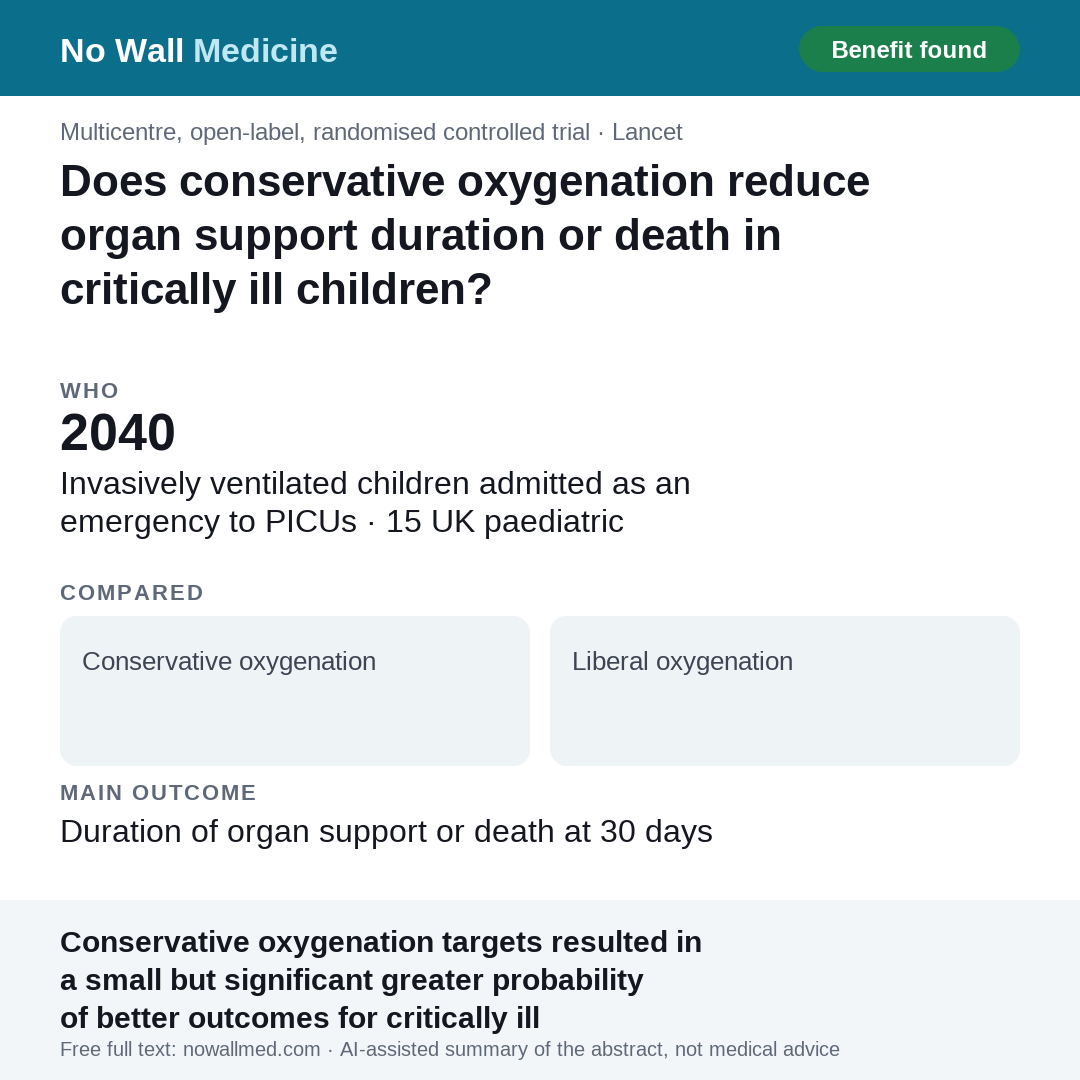
Conservative versus liberal oxygenation targets in critically ill children (Oxy-PICU): a UK multicentre, open, parallel-group, randomised clinical trial
Multicentre, open-label, randomised controlled trialBenefit found
Does conservative oxygenation reduce organ support duration or death in critically ill children?
Who
2040
Invasively ventilated children admitted as an emergency to PICUs · 15 UK paediatric intensive care units
Compared
Conservative oxygenation
Liberal oxygenation
Main outcome
Duration of organ support or death at 30 days
Result: probabilistic index 0·53, 95% CI 0·50-0·55
Bottom line: Conservative oxygenation targets resulted in a small but significant greater probability of better outcomes for critically ill children.
Funded by: UK National Institute for Health and Care Research
Lancet · 2023-12-01Download image
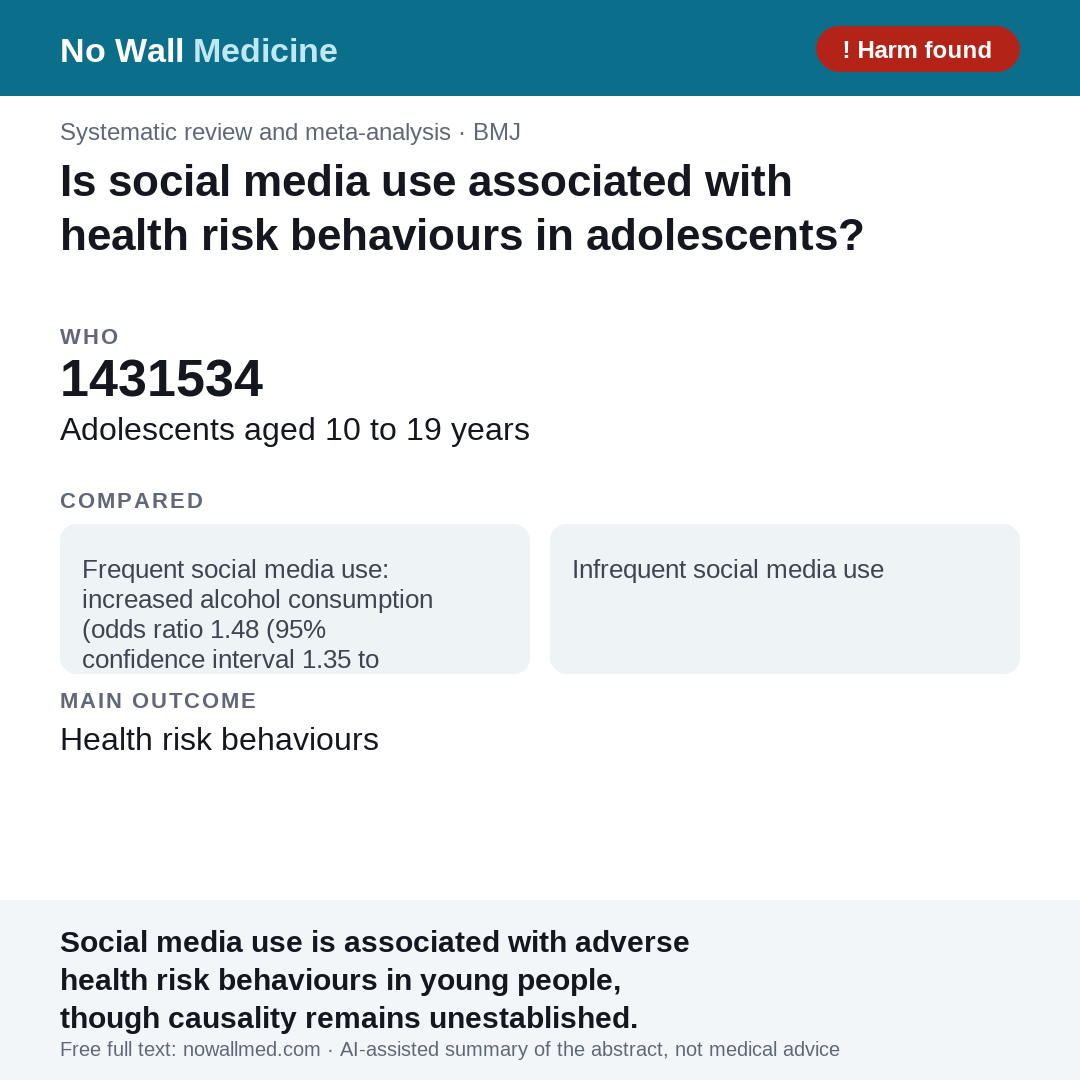
Social media use and health risk behaviours in young people: systematic review and meta-analysis
Systematic review and meta-analysisHarm found
Is social media use associated with health risk behaviours in adolescents?
Who
1431534
Adolescents aged 10 to 19 years
Compared
Frequent social media use: increased alcohol consumption (odds ratio 1.48 (95% confidence interval 1.35 to 1.62))
Infrequent social media use
Main outcome
Health risk behaviours
Bottom line: Social media use is associated with adverse health risk behaviours in young people, though causality remains unestablished.
Limitation: Further high quality research is needed to establish causality and understand effects on health inequalities.
BMJ · 2023-11-29Download image