Visual abstracts
New randomized trials and meta-analyses from leading journals at a glance: who was studied, what was compared, and what was found. Every paper is free to read in full.
All specialtiesCardiology 857Oncology 770Gastroenterology & Hepatology 311Infectious Disease 626Neurology 354Psychiatry & Mental Health 430Pulmonology 370Critical Care 260Endocrinology & Diabetes 484Pediatrics 542Surgery 351Orthopedics & Sports Medicine 166Neurosurgery 115Cardiothoracic & Vascular Surgery 87Plastic & Reconstructive Surgery 144Nephrology 197Rheumatology 108Hematology 183Dermatology 82Ophthalmology 97Obstetrics & Gynecology 266Public & Global Health 168Radiology & Imaging 105Anesthesiology 130Urology 162ENT (Otolaryngology) 115Emergency Medicine 103Allergy & Immunology 58Geriatrics 160Family Medicine & Primary Care 111Medical Genetics & Genomics 91Pathology & Laboratory Medicine 27Physical Medicine & Rehabilitation 149Palliative Care 81Nutrition 223Digital Health & AI 462General Medicine 101
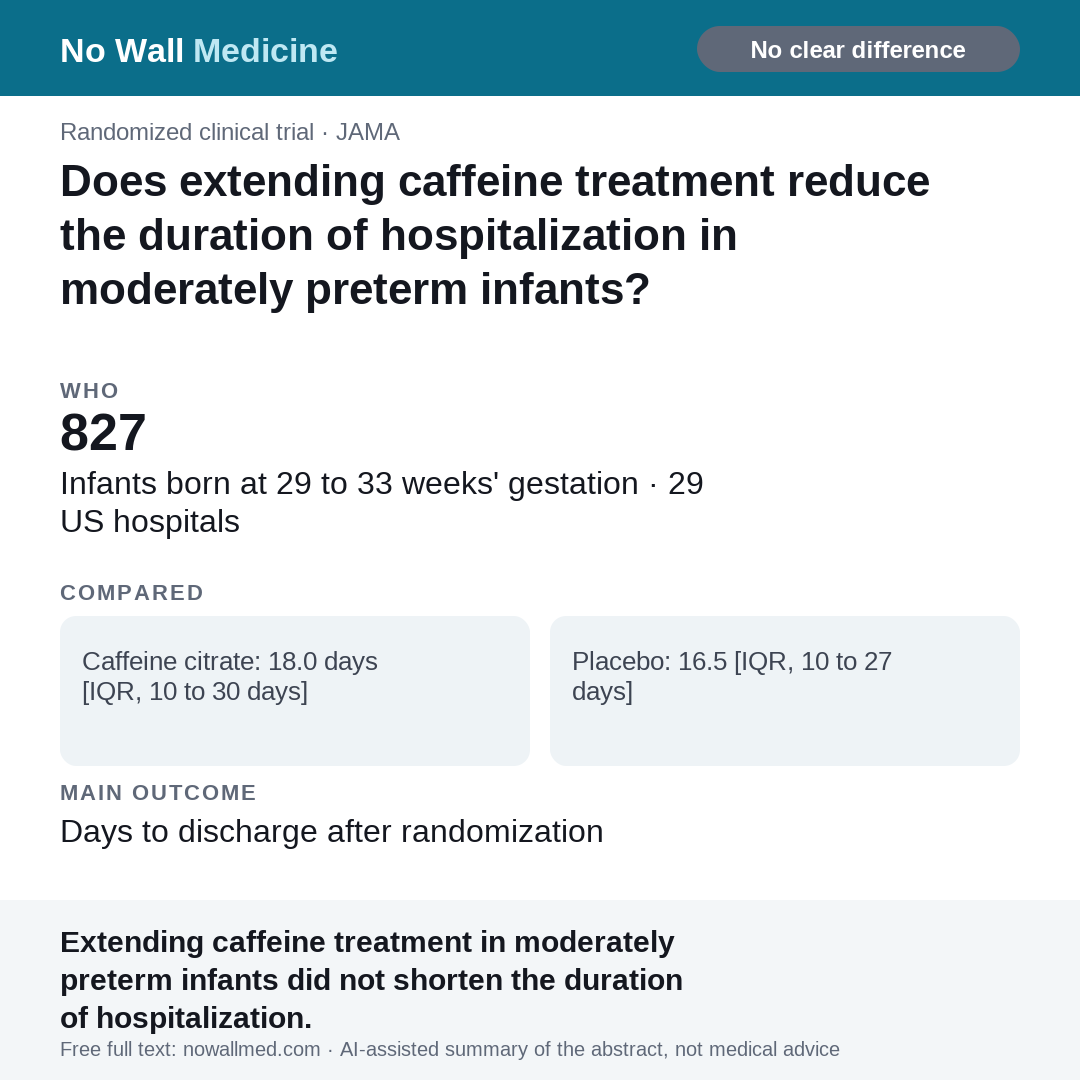
Extended Caffeine for Apnea in Moderately Preterm Infants: The MoCHA Randomized Clinical Trial
Randomized clinical trialNo clear difference
Does extending caffeine treatment reduce the duration of hospitalization in moderately preterm infants?
Who
827
Infants born at 29 to 33 weeks' gestation · 29 US hospitals
Compared
Caffeine citrate: 18.0 days [IQR, 10 to 30 days]
Placebo: 16.5 [IQR, 10 to 27 days]
Main outcome
Days to discharge after randomization
Result: adjusted median difference, 0 days (95% CI, -1.7 to 1.7 days)
Bottom line: Extending caffeine treatment in moderately preterm infants did not shorten the duration of hospitalization.
JAMA · 2025-04-28Download image
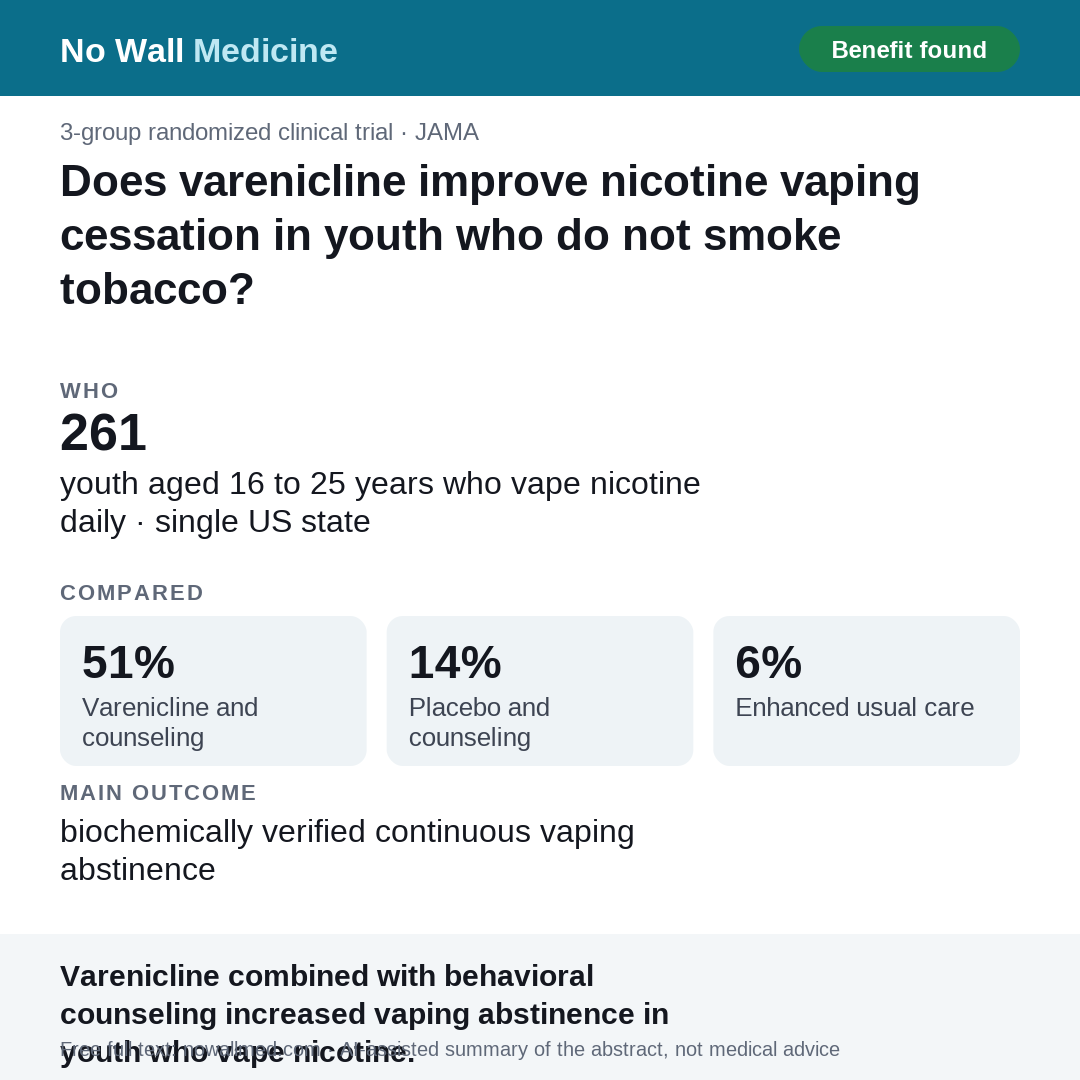
Varenicline for Youth Nicotine Vaping Cessation: A Randomized Clinical Trial
3-group randomized clinical trialBenefit found
Does varenicline improve nicotine vaping cessation in youth who do not smoke tobacco?
Who
261
youth aged 16 to 25 years who vape nicotine daily · single US state
Compared
51%Varenicline and counseling (weeks 9-12)
14%Placebo and counseling (weeks 9-12)
6%Enhanced usual care (weeks 9-12)
Main outcome
biochemically verified continuous vaping abstinence
Result: adjusted odds ratio 6.5 (95% CI 3.0 to 14.1)
Bottom line: Varenicline combined with behavioral counseling increased vaping abstinence in youth who vape nicotine.
JAMA · 2025-04-23Download image
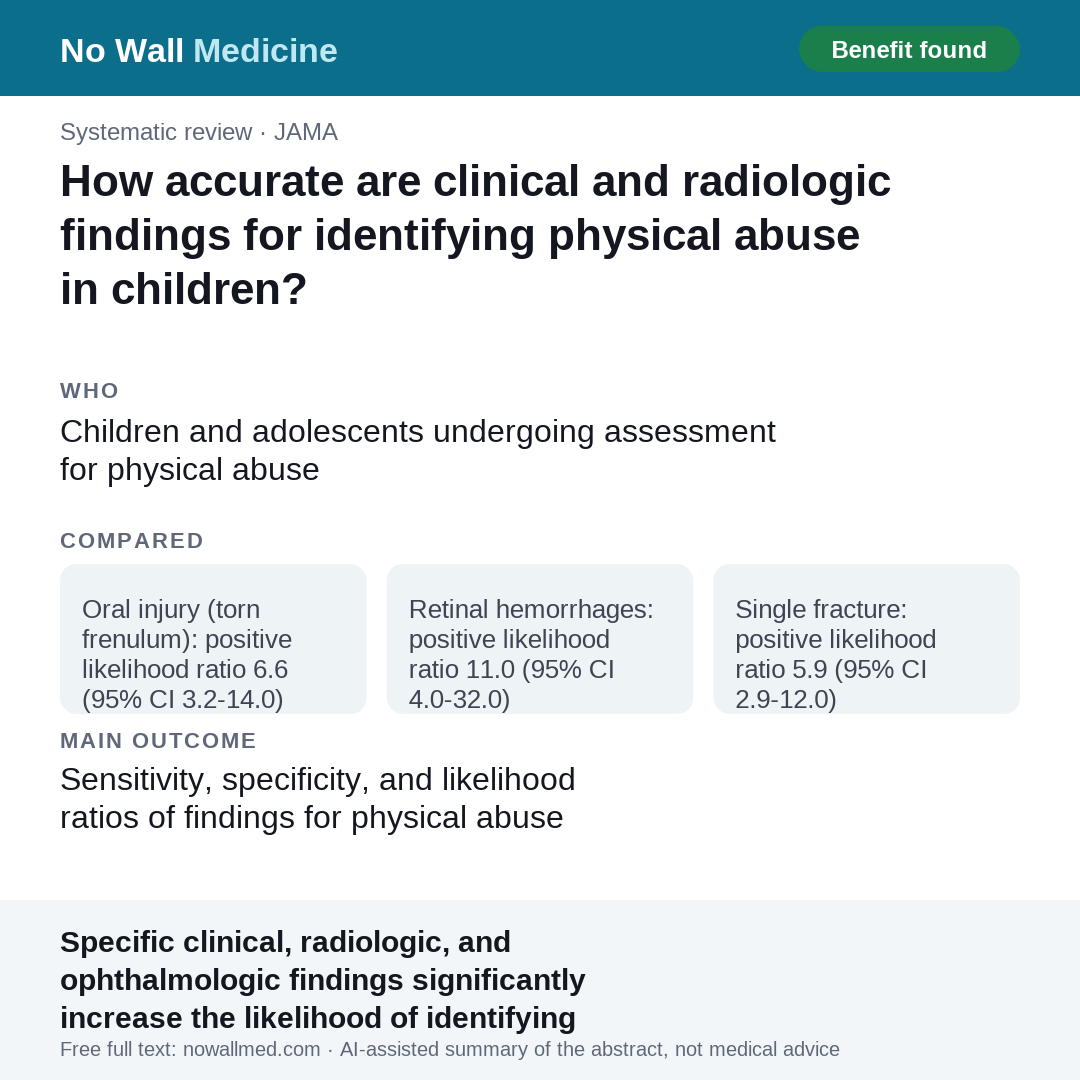
Has This Child Experienced Physical Abuse?: The Rational Clinical Examination Systematic Review
Systematic reviewBenefit found
How accurate are clinical and radiologic findings for identifying physical abuse in children?
Who
Children and adolescents undergoing assessment for physical abuse
Compared
Oral injury (torn frenulum): positive likelihood ratio 6.6 (95% CI 3.2-14.0)
Retinal hemorrhages: positive likelihood ratio 11.0 (95% CI 4.0-32.0)
Single fracture: positive likelihood ratio 5.9 (95% CI 2.9-12.0)
Main outcome
Sensitivity, specificity, and likelihood ratios of findings for physical abuse
Bottom line: Specific clinical, radiologic, and ophthalmologic findings significantly increase the likelihood of identifying physical abuse in children.
JAMA · 2025-04-21Download image
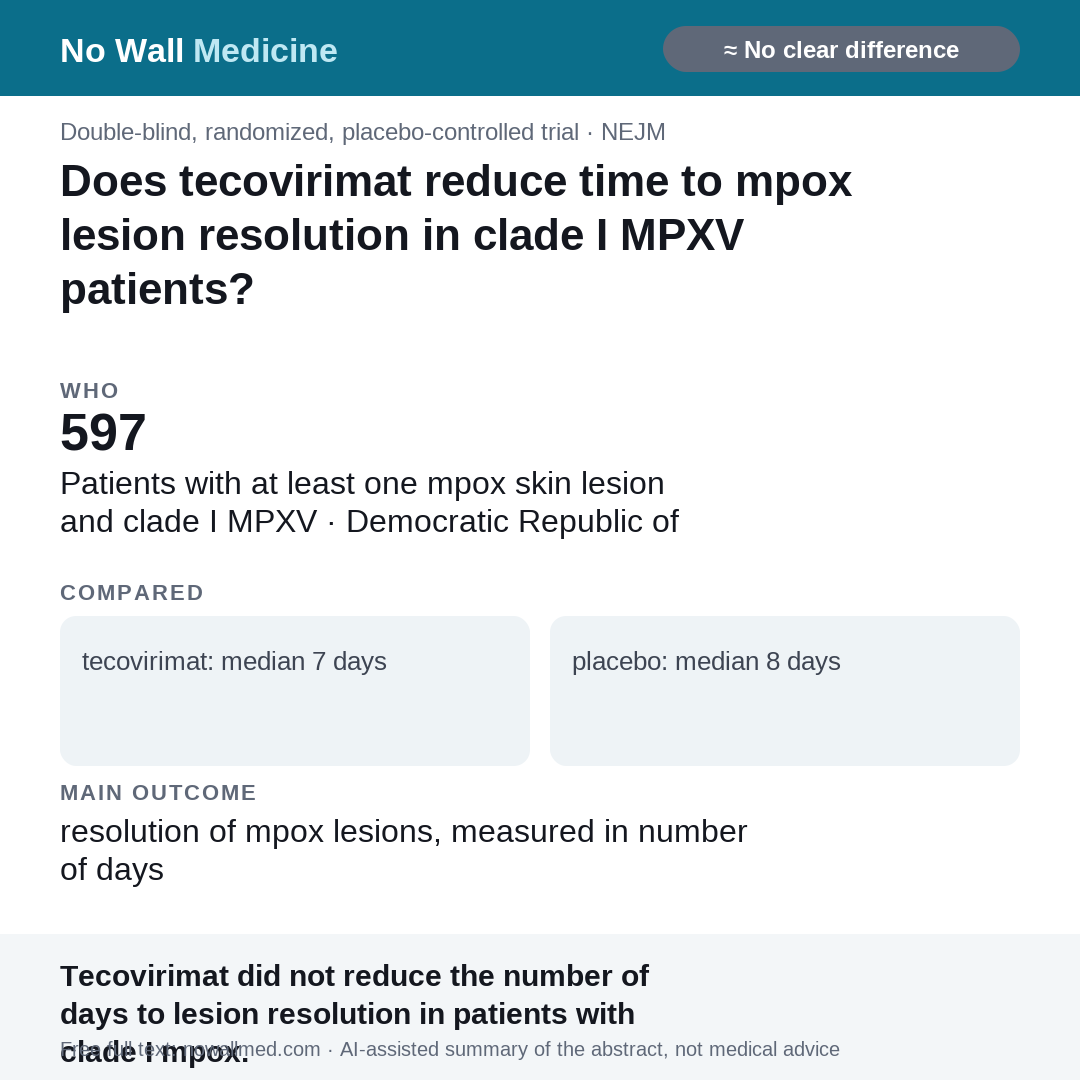
Tecovirimat for Clade I MPXV Infection in the Democratic Republic of Congo
Double-blind, randomized, placebo-controlled trialNo clear difference
Does tecovirimat reduce time to mpox lesion resolution in clade I MPXV patients?
Who
597
Patients with at least one mpox skin lesion and clade I MPXV · Democratic Republic of Congo
Compared
tecovirimat: median 7 days
placebo: median 8 days
Main outcome
resolution of mpox lesions, measured in number of days
Result: competing-risks hazard ratio 1.13 (95% CI 0.97 to 1.31)
Bottom line: Tecovirimat did not reduce the number of days to lesion resolution in patients with clade I mpox.
Funded by: National Institute of Allergy and Infectious Diseases and others
NEJM · 2025-04-16Download image
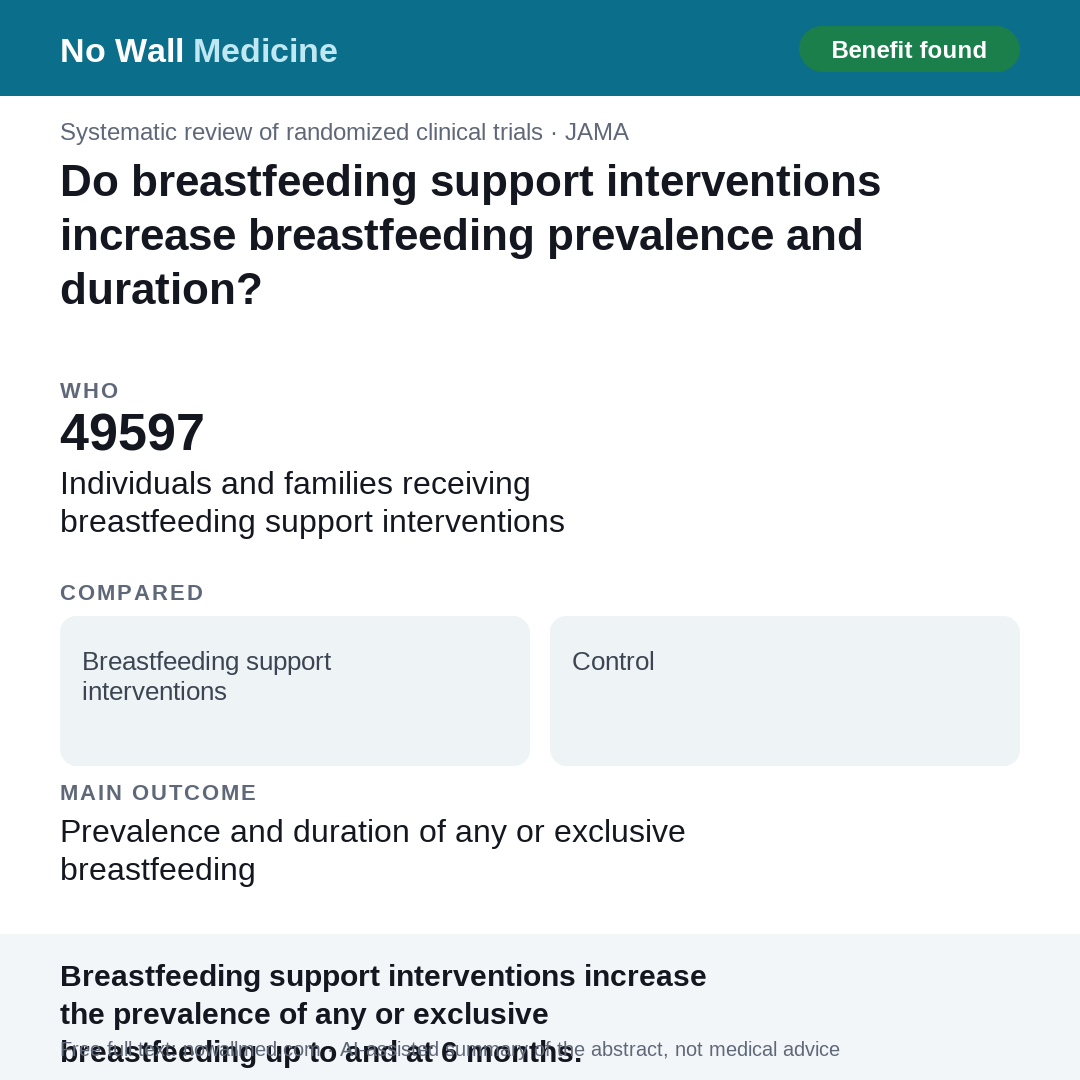
Interventions to Support Breastfeeding: Updated Evidence Report and Systematic Review for the US Preventive Services Task Force
Systematic review of randomized clinical trialsBenefit found
Do breastfeeding support interventions increase breastfeeding prevalence and duration?
Who
49597
Individuals and families receiving breastfeeding support interventions
Compared
Breastfeeding support interventions
Control
Main outcome
Prevalence and duration of any or exclusive breastfeeding
Result: any breastfeeding: risk ratio, 1.13 (95% CI, 1.05-1.22); exclusive breastfeeding: risk ratio, 1.46 (95% CI, 1.20-1.78)
Bottom line: Breastfeeding support interventions increase the prevalence of any or exclusive breastfeeding up to and at 6 months.
Limitation: Limited and mixed evidence on infant health outcomes and maternal mental health symptoms.
JAMA · 2025-04-08Download image
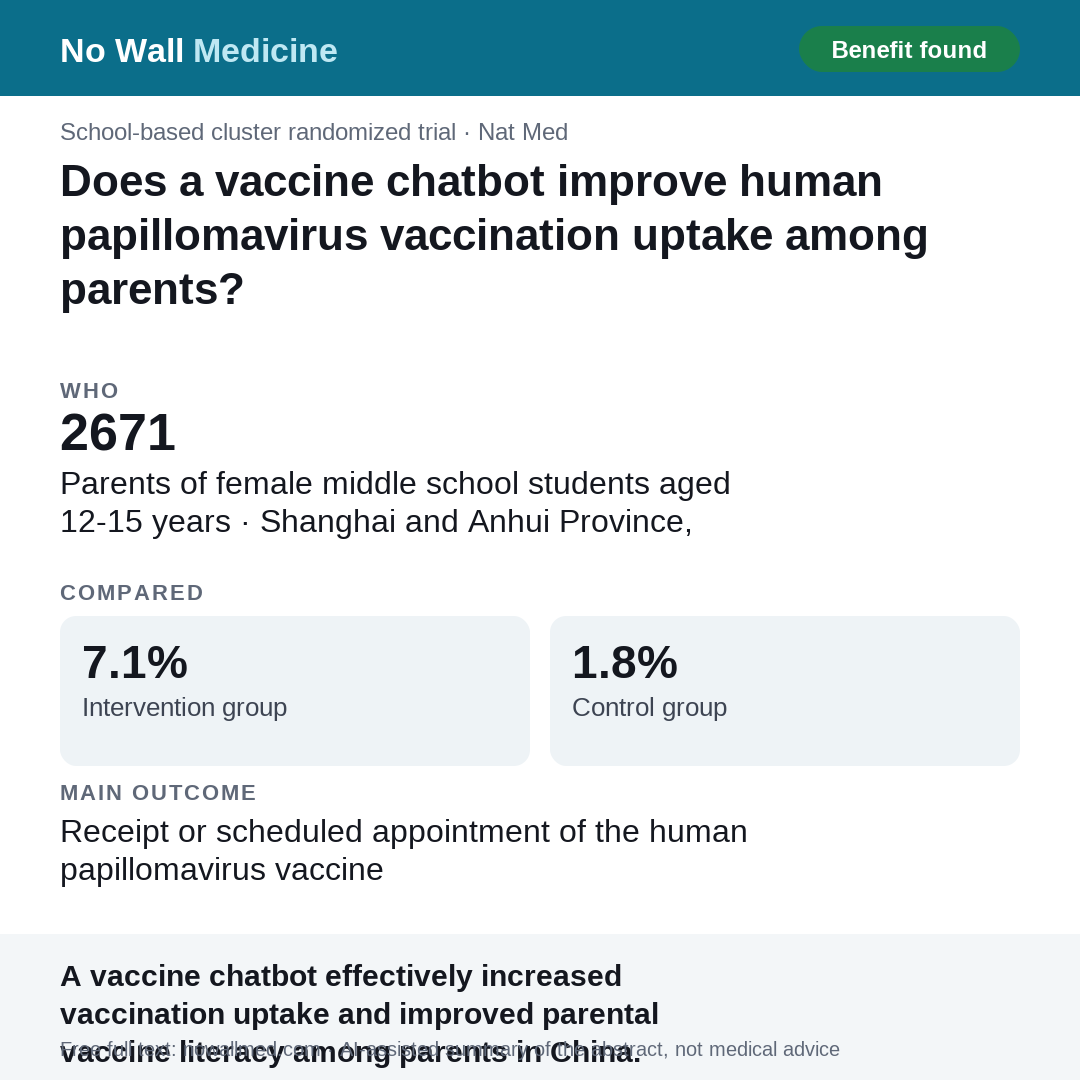
A vaccine chatbot intervention for parents to improve HPV vaccination uptake among middle school girls: a cluster randomized trial
School-based cluster randomized trialBenefit found
Does a vaccine chatbot improve human papillomavirus vaccination uptake among parents?
Who
2671
Parents of female middle school students aged 12-15 years · Shanghai and Anhui Province, China
Compared
7.1%Intervention group
1.8%Control group
Main outcome
Receipt or scheduled appointment of the human papillomavirus vaccine
Bottom line: A vaccine chatbot effectively increased vaccination uptake and improved parental vaccine literacy among parents in China.
Nat Med · 2025-04-07Download image
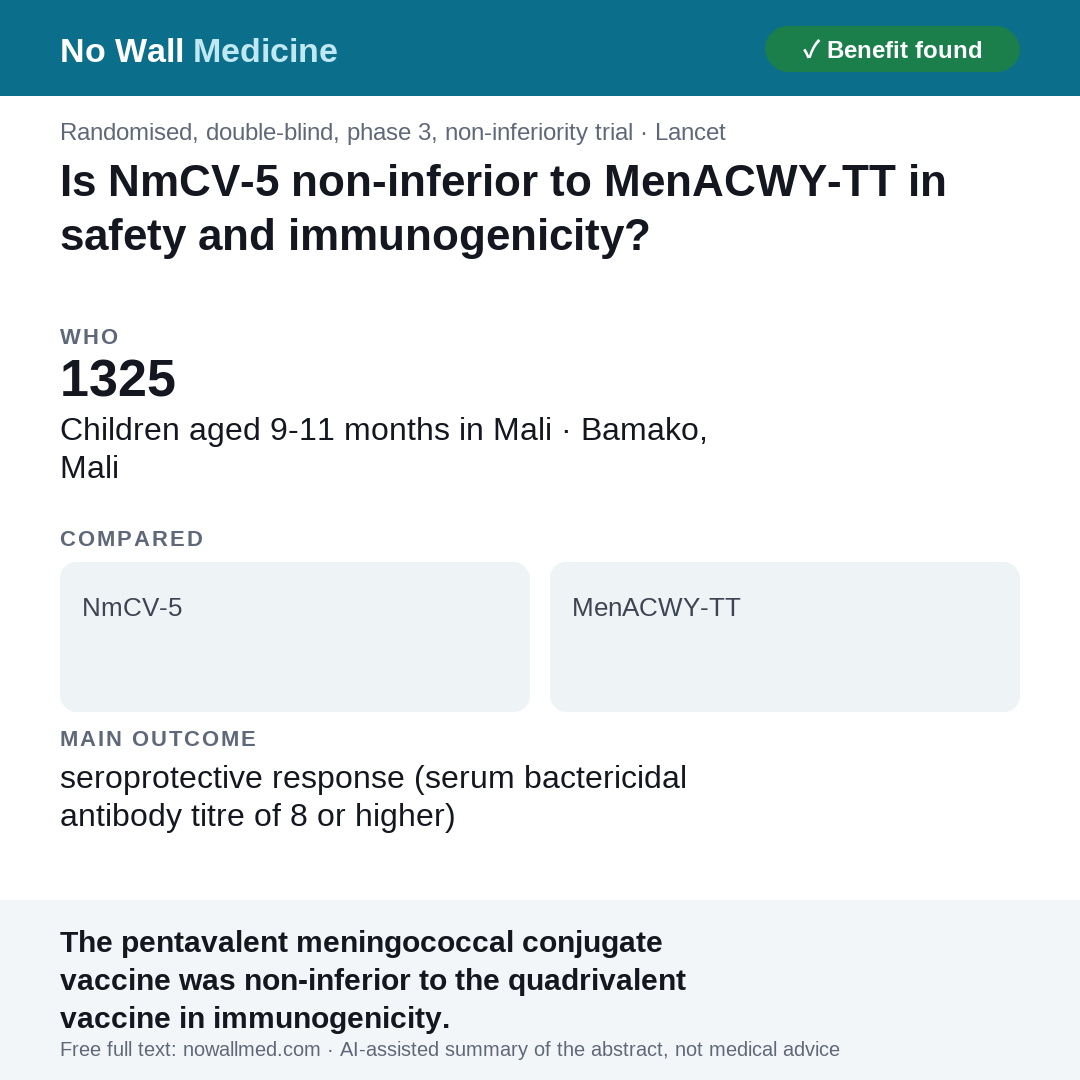
Safety and immunogenicity of a pentavalent meningococcal conjugate vaccine targeting serogroups A, C, W, Y, and X when co-administered with routine childhood vaccines at ages 9 months and 15 months in Mali: a single-centre, double-blind, randomised, controlled, phase 3, non-inferiority trial
Randomised, double-blind, phase 3, non-inferiority trialBenefit found
Is NmCV-5 non-inferior to MenACWY-TT in safety and immunogenicity?
Who
1325
Children aged 9-11 months in Mali · Bamako, Mali
Compared
NmCV-5
MenACWY-TT
Main outcome
seroprotective response (serum bactericidal antibody titre of 8 or higher)
Bottom line: The pentavalent meningococcal conjugate vaccine was non-inferior to the quadrivalent vaccine in immunogenicity.
Lancet · 2025-03-11Download image
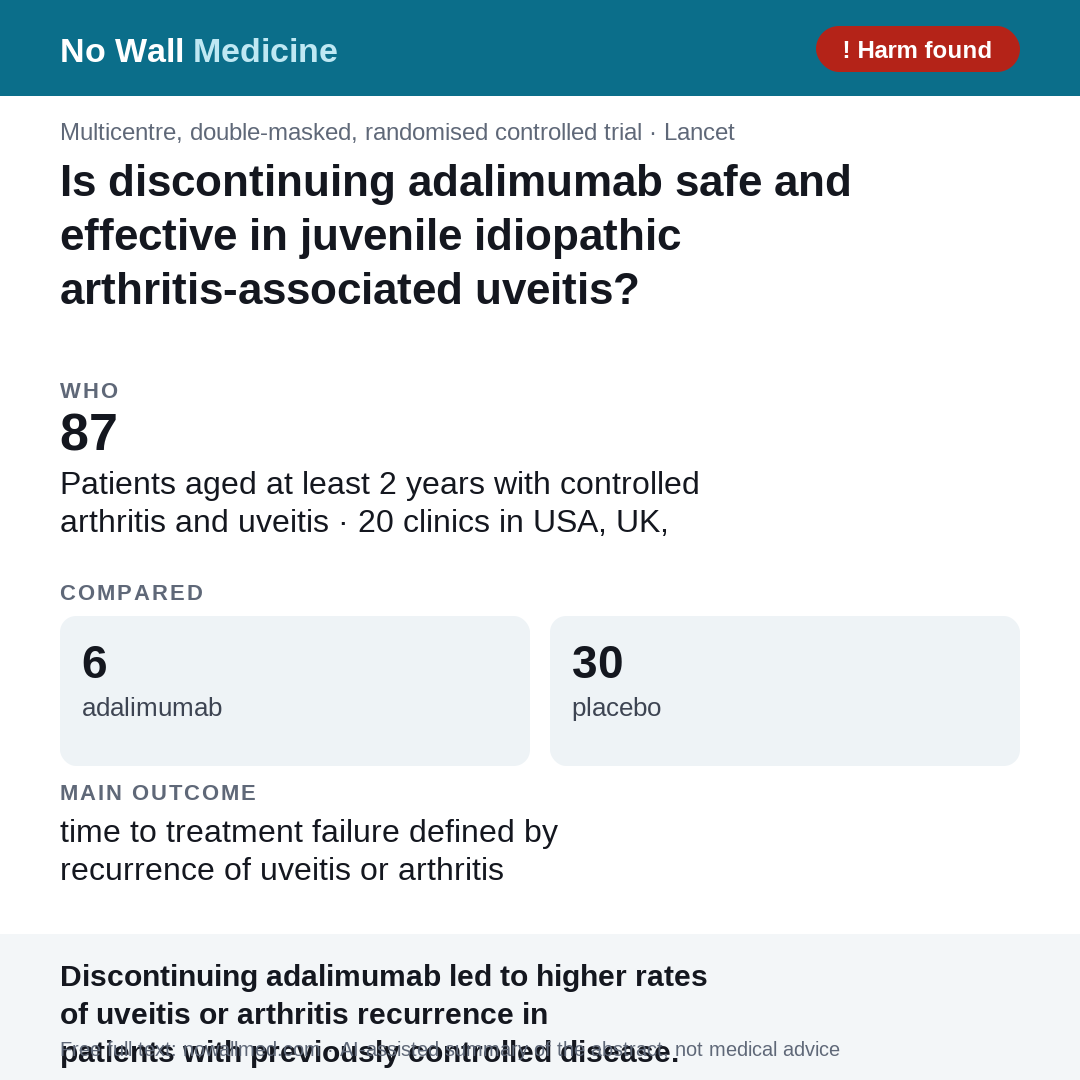
Stopping of adalimumab in juvenile idiopathic arthritis-associated uveitis (ADJUST): a multicentre, double-masked, randomised controlled trial
Multicentre, double-masked, randomised controlled trialHarm found
Is discontinuing adalimumab safe and effective in juvenile idiopathic arthritis-associated uveitis?
Who
87
Patients aged at least 2 years with controlled arthritis and uveitis · 20 clinics in USA, UK, and Australia
Compared
6adalimumab (14%)
30placebo (68%)
Main outcome
time to treatment failure defined by recurrence of uveitis or arthritis
Result: hazard ratio 8·7 (95% CI 3·6-21·2)
Bottom line: Discontinuing adalimumab led to higher rates of uveitis or arthritis recurrence in patients with previously controlled disease.
Funded by: US National Institutes of Health (National Eye Institute)
Lancet · 2025-01-26Download image
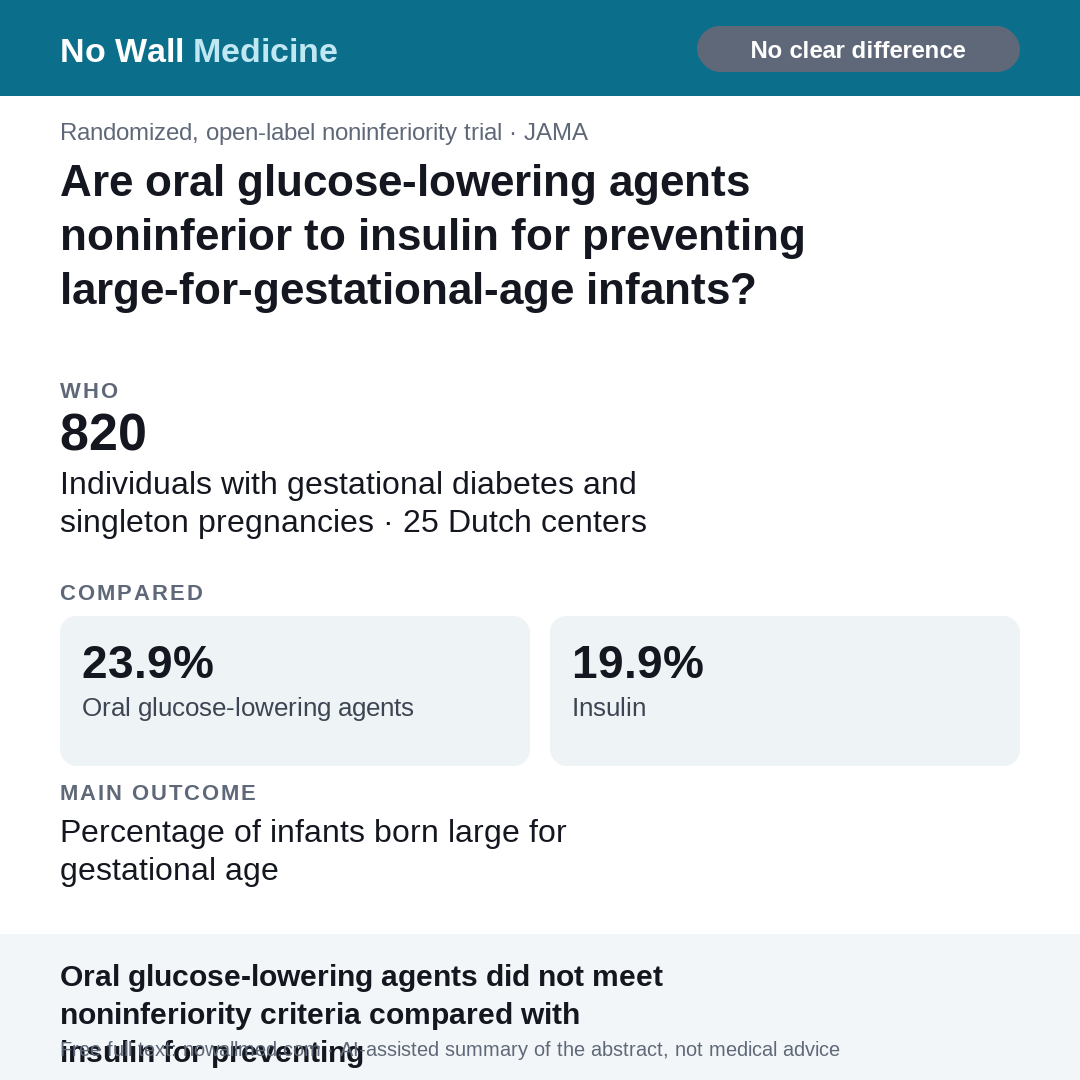
Oral Glucose-Lowering Agents vs Insulin for Gestational Diabetes: A Randomized Clinical Trial
Randomized, open-label noninferiority trialNo clear difference
Are oral glucose-lowering agents noninferior to insulin for preventing large-for-gestational-age infants?
Who
820
Individuals with gestational diabetes and singleton pregnancies · 25 Dutch centers
Compared
23.9%Oral glucose-lowering agents (n = 97)
19.9%Insulin (n = 79)
Main outcome
Percentage of infants born large for gestational age
Result: absolute risk difference, 4.0%; 95% CI, -1.7% to 9.8%
Bottom line: Oral glucose-lowering agents did not meet noninferiority criteria compared with insulin for preventing large-for-gestational-age infants.
JAMA · 2025-01-06Download image
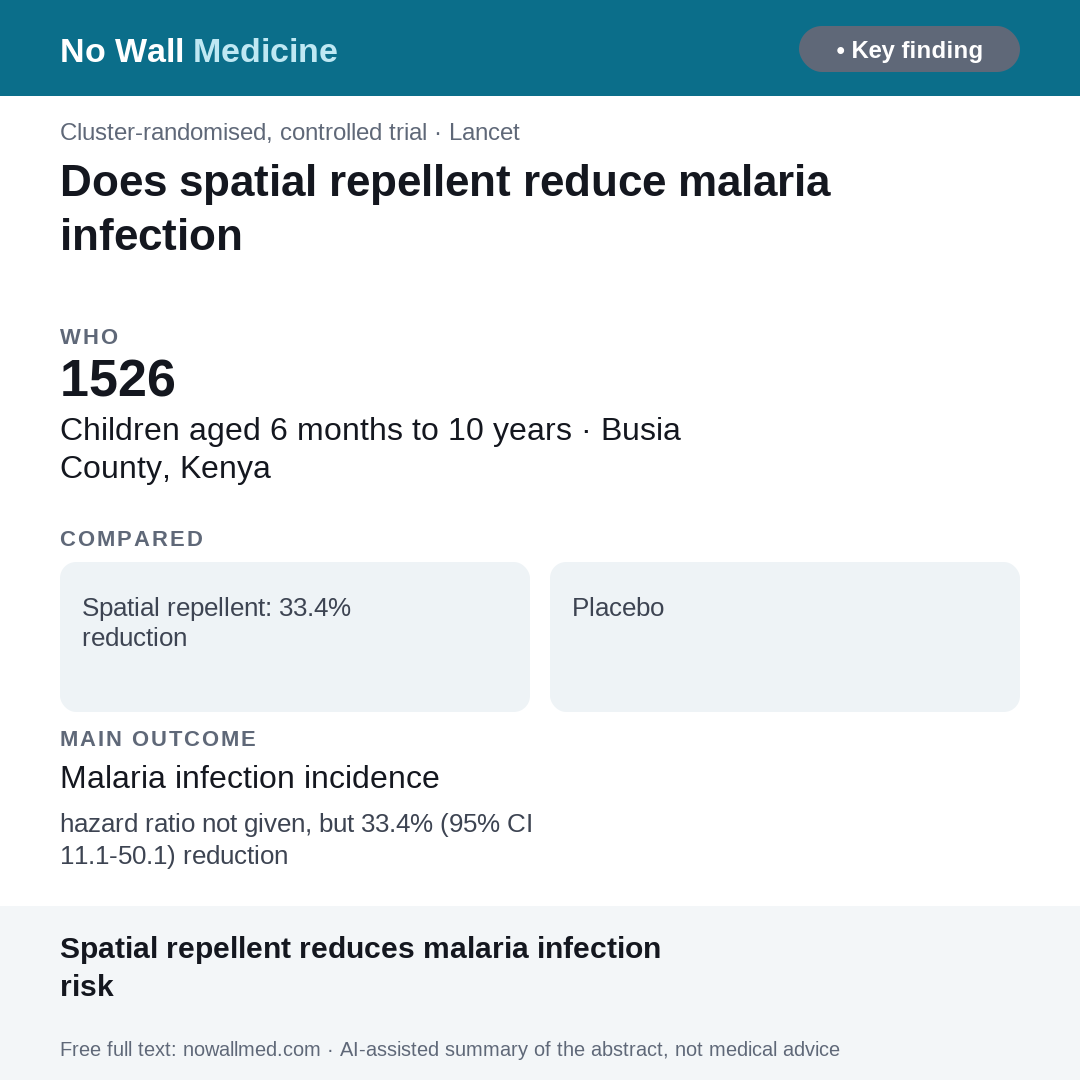
Effect of a spatial repellent on malaria incidence in an area of western Kenya characterised by high malaria transmission, insecticide resistance, and universal coverage of insecticide treated nets (part of the AEGIS Consortium): a cluster-randomised, controlled trial
Cluster-randomised, controlled trialBenefit found
Does spatial repellent reduce malaria infection
Who
1526
Children aged 6 months to 10 years · Busia County, Kenya
Compared
Spatial repellent: 33.4% reduction
Placebo
Main outcome
Malaria infection incidence
Result: hazard ratio not given, but 33.4% (95% CI 11.1-50.1) reduction
Bottom line: Spatial repellent reduces malaria infection risk
Funded by: Unitaid to University of Notre Dame
Lancet · 2024-12-19Download image
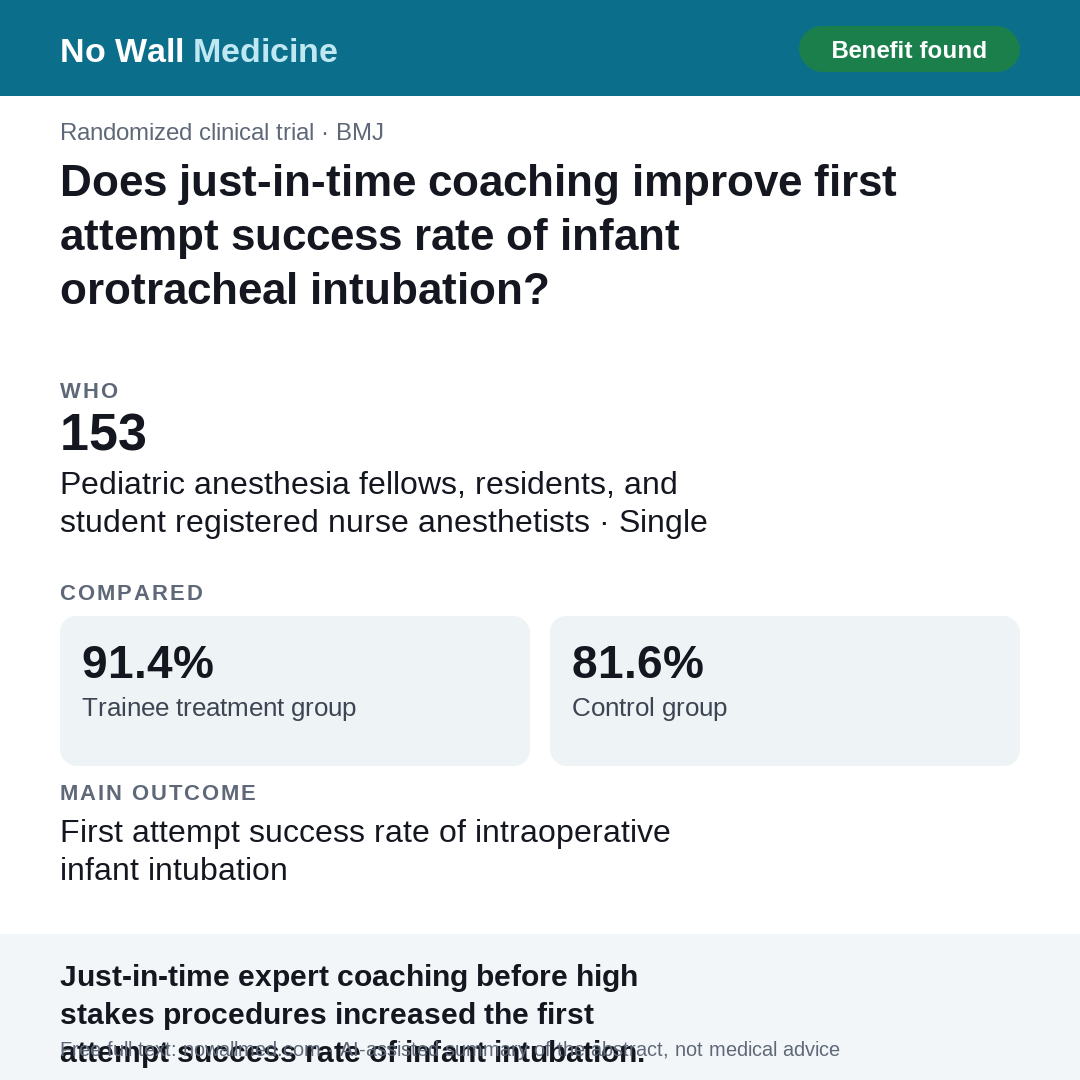
Coaching inexperienced clinicians before a high stakes medical procedure: randomized clinical trial
Randomized clinical trialBenefit found
Does just-in-time coaching improve first attempt success rate of infant orotracheal intubation?
Who
153
Pediatric anesthesia fellows, residents, and student registered nurse anesthetists · Single center quaternary children's hospital in Boston, MA, USA
Compared
91.4%Trainee treatment group (212/232)
81.6%Control group (231/283)
Main outcome
First attempt success rate of intraoperative infant intubation
Result: odds ratio 2.42 (95% confidence interval 1.45 to 4.04)
Bottom line: Just-in-time expert coaching before high stakes procedures increased the first attempt success rate of infant intubation.
Limitation: Randomized evaluation in other settings is warranted.
BMJ · 2024-12-16Download image
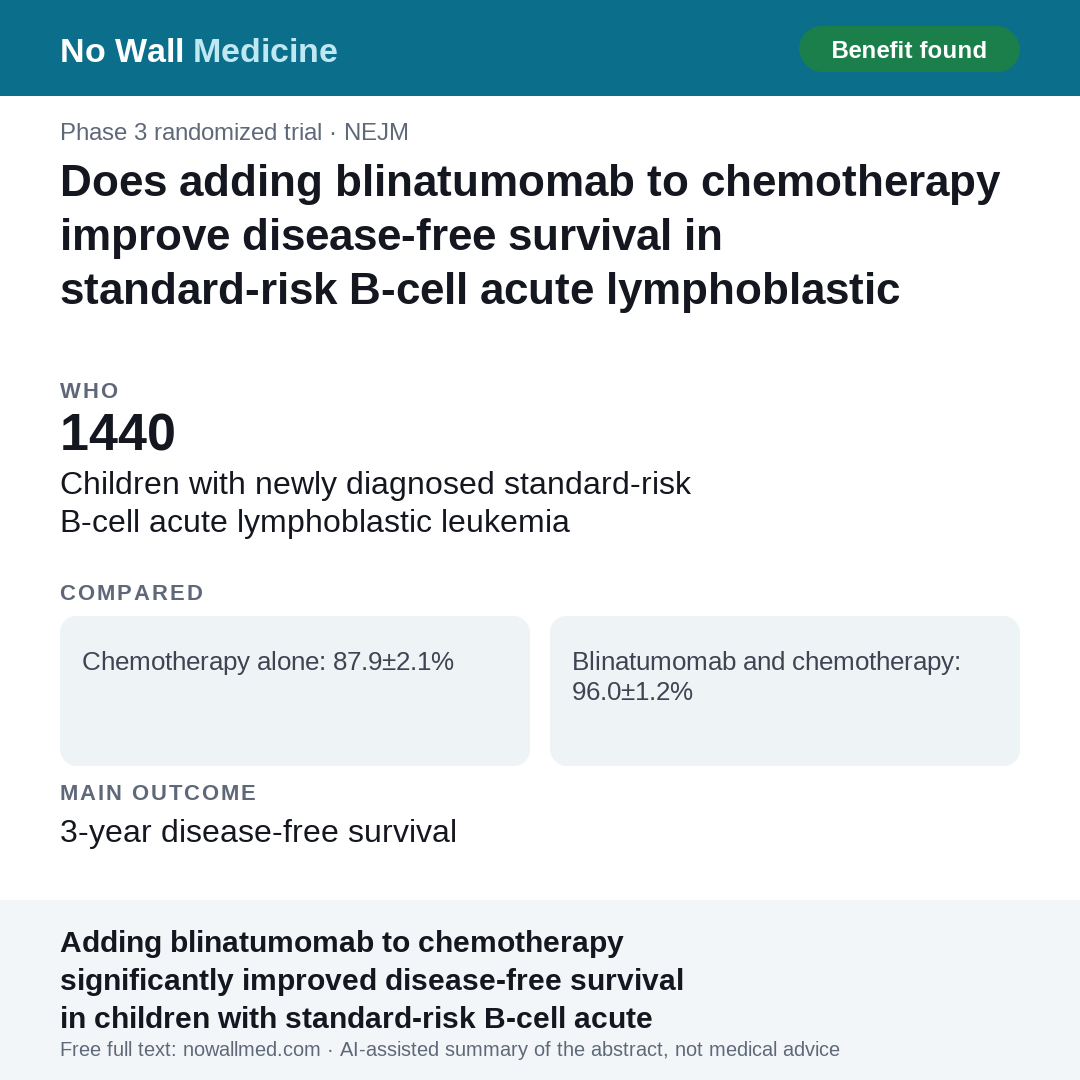
Blinatumomab in Standard-Risk B-Cell Acute Lymphoblastic Leukemia in Children
Phase 3 randomized trialBenefit found
Does adding blinatumomab to chemotherapy improve disease-free survival in standard-risk B-cell acute lymphoblastic leukemia?
Who
1440
Children with newly diagnosed standard-risk B-cell acute lymphoblastic leukemia
Compared
Chemotherapy alone: 87.9±2.1%
Blinatumomab and chemotherapy: 96.0±1.2%
Main outcome
3-year disease-free survival
Result: difference in restricted mean survival time, 72 days (95% CI 36 to 108)
Bottom line: Adding blinatumomab to chemotherapy significantly improved disease-free survival in children with standard-risk B-cell acute lymphoblastic leukemia.
Funded by: National Institutes of Health and others
NEJM · 2024-12-07Download image
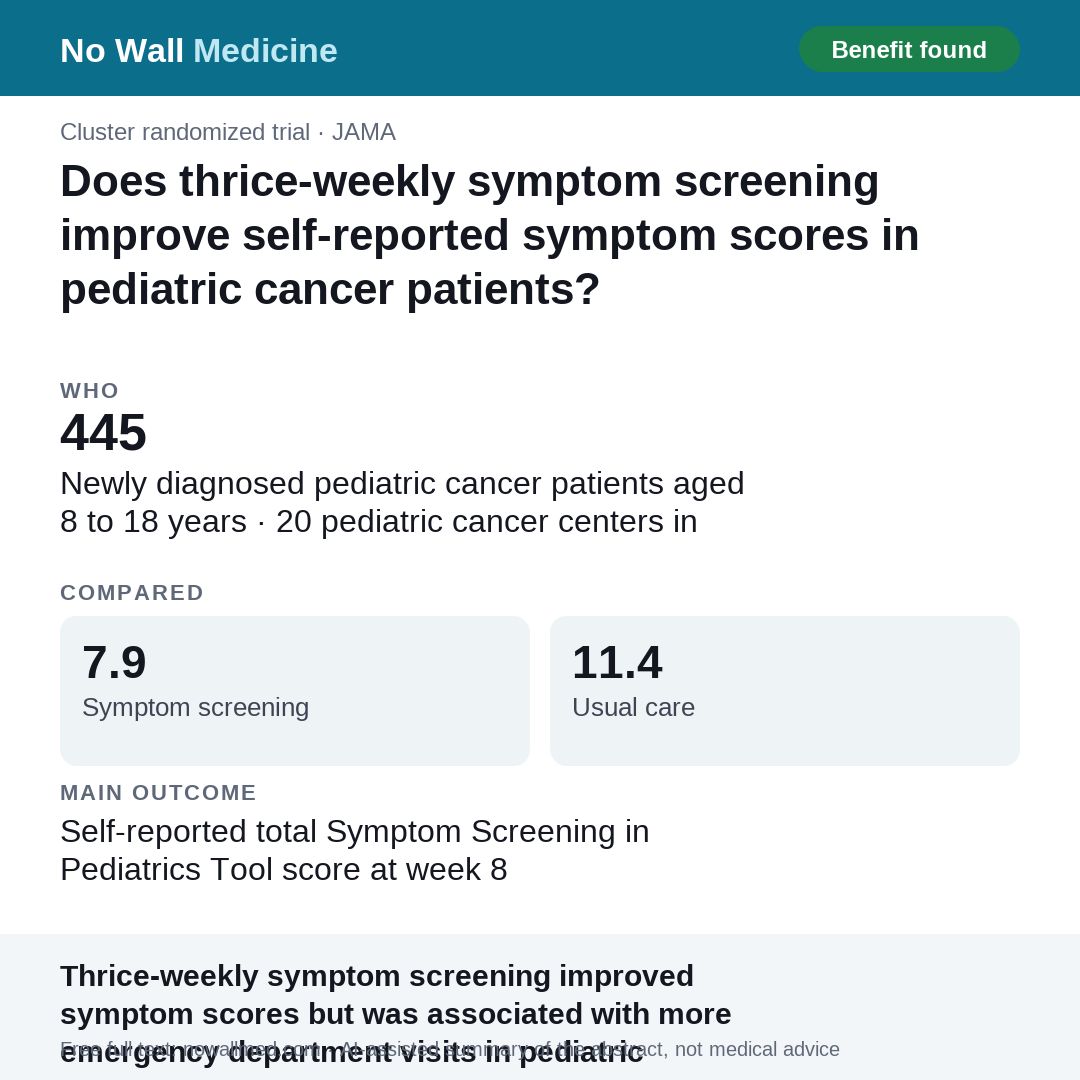
Symptom Screening Linked to Care Pathways for Pediatric Patients With Cancer: A Randomized Clinical Trial
Cluster randomized trialBenefit found
Does thrice-weekly symptom screening improve self-reported symptom scores in pediatric cancer patients?
Who
445
Newly diagnosed pediatric cancer patients aged 8 to 18 years · 20 pediatric cancer centers in the US
Compared
7.9Symptom screening (7.2)
11.4Usual care (8.7)
Main outcome
Self-reported total Symptom Screening in Pediatrics Tool score at week 8
Result: adjusted mean difference, -3.8 (95% CI, -6.4 to -1.2)
Bottom line: Thrice-weekly symptom screening improved symptom scores but was associated with more emergency department visits in pediatric cancer patients.
JAMA · 2024-11-13Download image
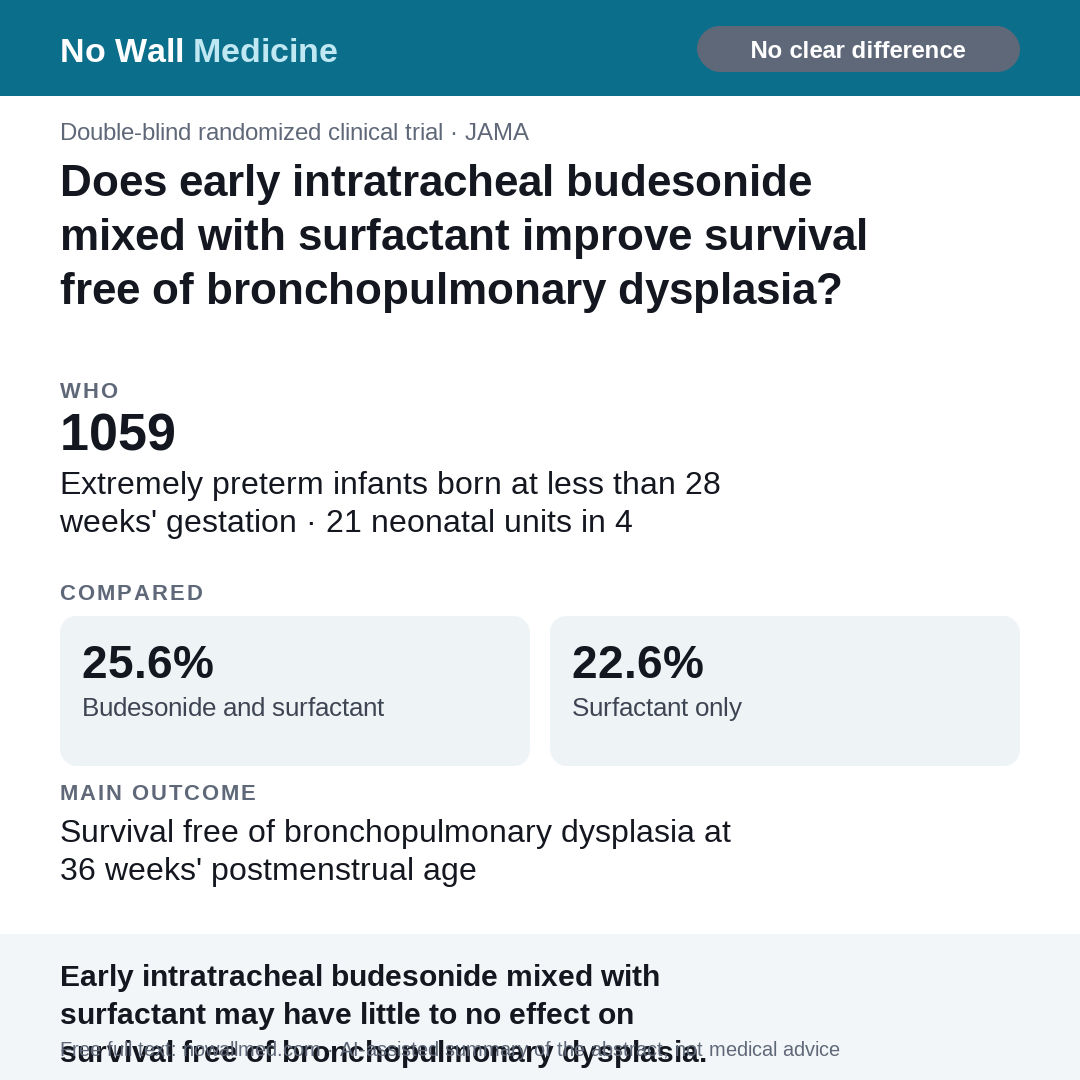
Intratracheal Budesonide Mixed With Surfactant for Extremely Preterm Infants: The PLUSS Randomized Clinical Trial
Double-blind randomized clinical trialNo clear difference
Does early intratracheal budesonide mixed with surfactant improve survival free of bronchopulmonary dysplasia?
Who
1059
Extremely preterm infants born at less than 28 weeks' gestation · 21 neonatal units in 4 countries
Compared
25.6%Budesonide and surfactant
22.6%Surfactant only
Main outcome
Survival free of bronchopulmonary dysplasia at 36 weeks' postmenstrual age
Result: adjusted risk difference, 2.7% (95% CI, -2.1% to 7.4%)
Bottom line: Early intratracheal budesonide mixed with surfactant may have little to no effect on survival free of bronchopulmonary dysplasia.
JAMA · 2024-11-13Download image
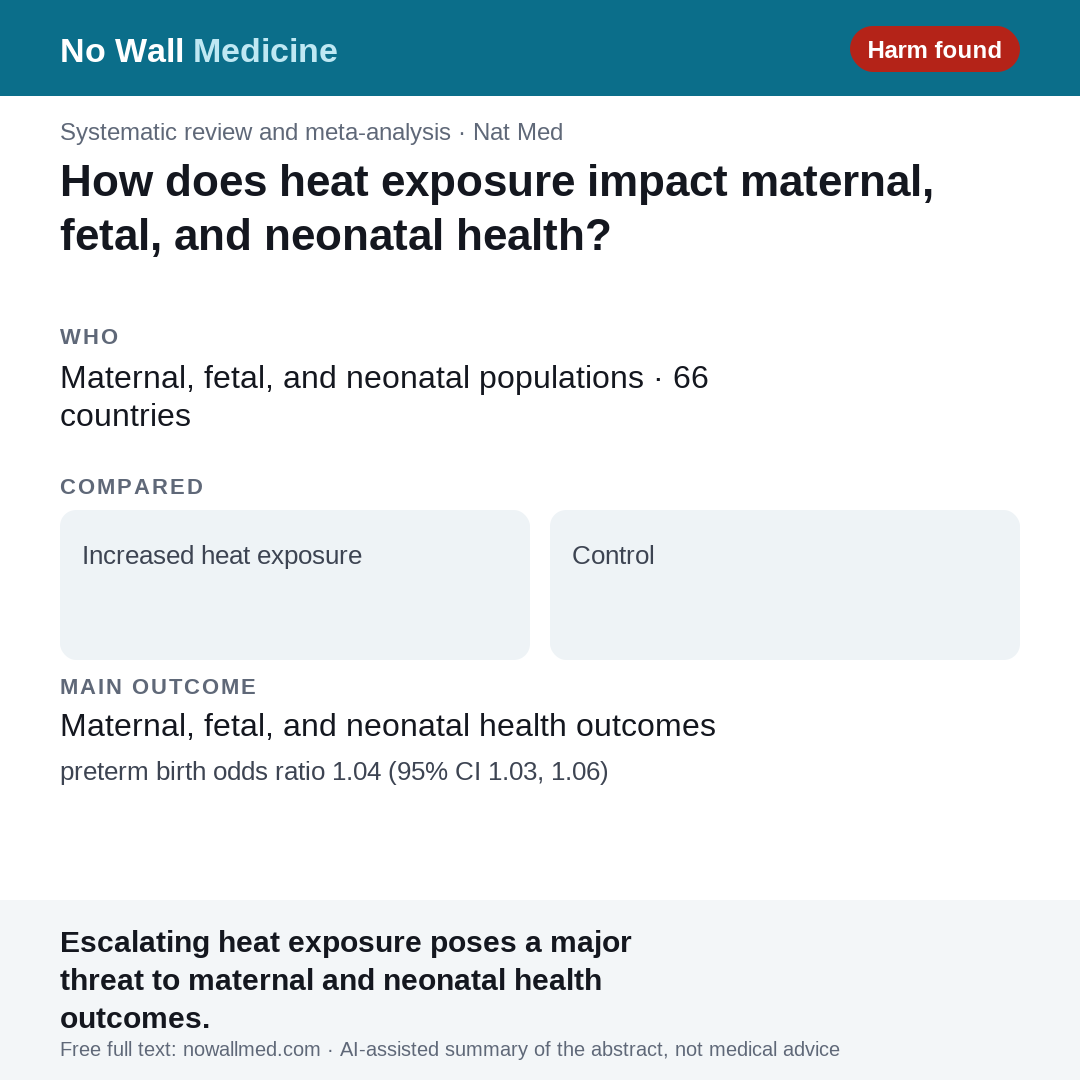
A systematic review and meta-analysis of heat exposure impacts on maternal, fetal and neonatal health
Systematic review and meta-analysisHarm found
How does heat exposure impact maternal, fetal, and neonatal health?
Who
Maternal, fetal, and neonatal populations · 66 countries
Compared
Increased heat exposure
Control
Main outcome
Maternal, fetal, and neonatal health outcomes
Result: preterm birth odds ratio 1.04 (95% CI 1.03, 1.06)
Bottom line: Escalating heat exposure poses a major threat to maternal and neonatal health outcomes.
Limitation: Heterogeneity in exposure metrics and study designs.
Nat Med · 2024-11-05Download image
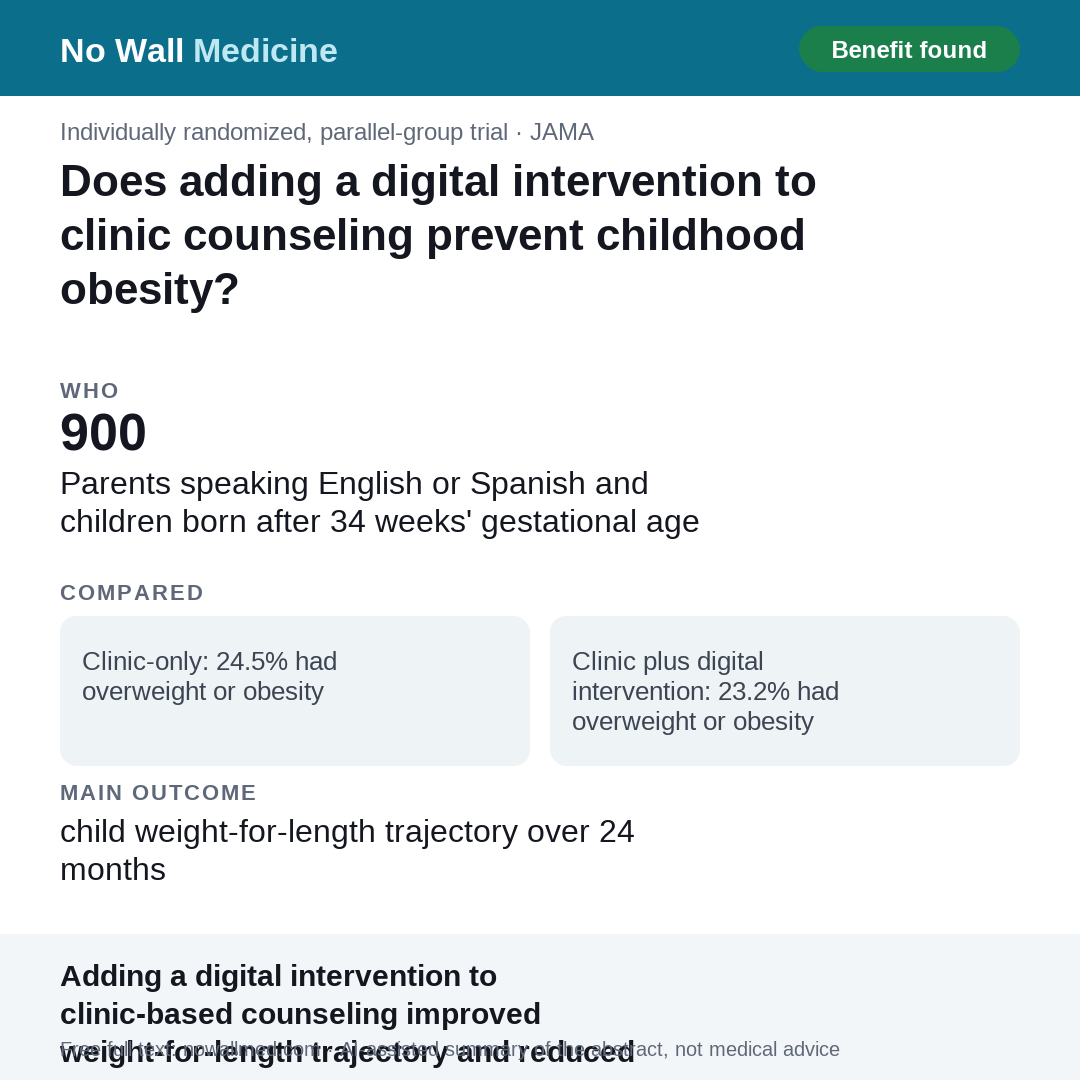
A Digital Health Behavior Intervention to Prevent Childhood Obesity: The Greenlight Plus Randomized Clinical Trial
Individually randomized, parallel-group trialBenefit found
Does adding a digital intervention to clinic counseling prevent childhood obesity?
Who
900
Parents speaking English or Spanish and children born after 34 weeks' gestational age · 6 US medical centers
Compared
Clinic-only: 24.5% had overweight or obesity
Clinic plus digital intervention: 23.2% had overweight or obesity
Main outcome
child weight-for-length trajectory over 24 months
Result: estimated reduction of 0.33 kg/m (95% CI, 0.09 to 0.57)
Bottom line: Adding a digital intervention to clinic-based counseling improved weight-for-length trajectory and reduced obesity at 24 months.
JAMA · 2024-11-04Download image
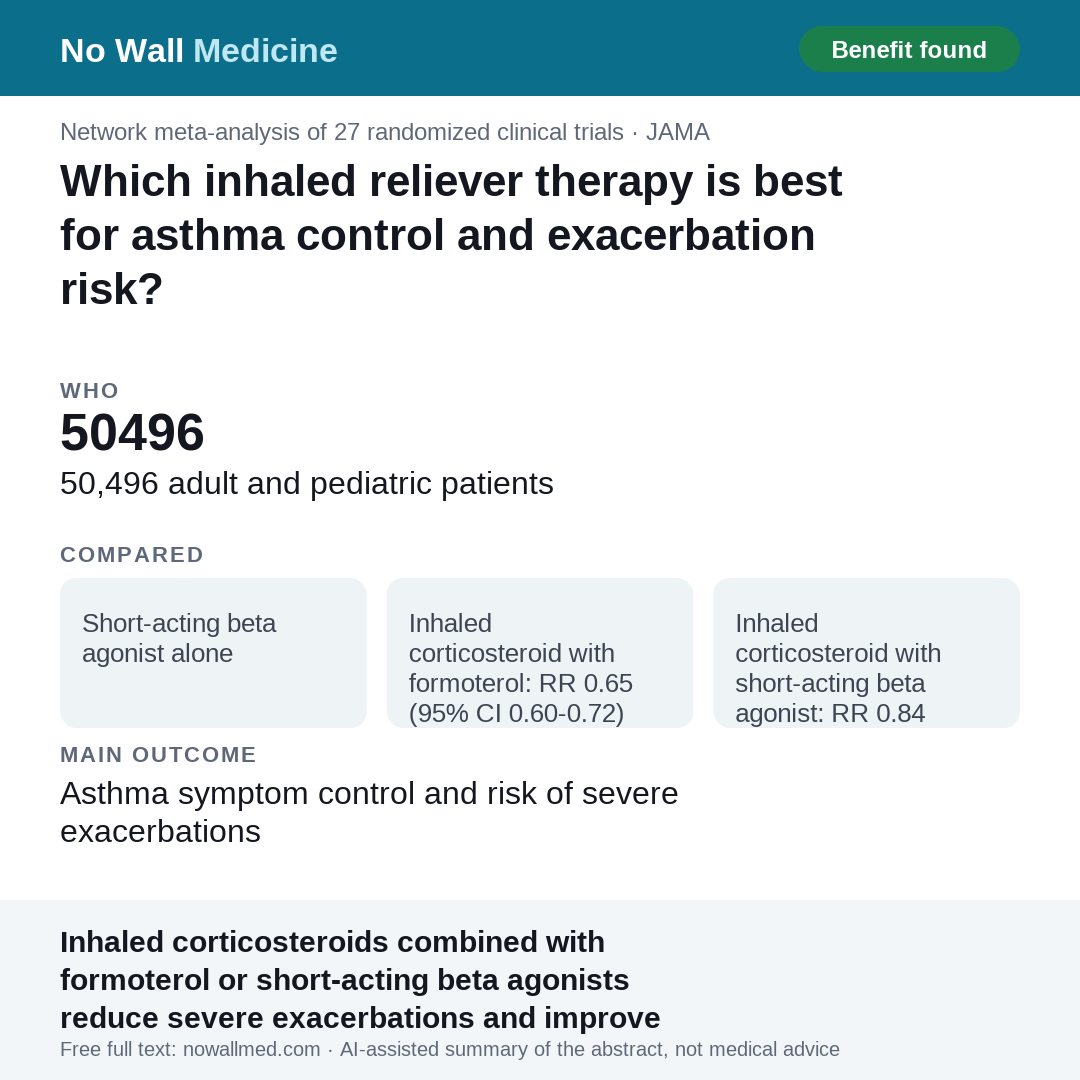
Inhaled Reliever Therapies for Asthma: A Systematic Review and Meta-Analysis
Network meta-analysis of 27 randomized clinical trialsBenefit found
Which inhaled reliever therapy is best for asthma control and exacerbation risk?
Who
50496
50,496 adult and pediatric patients
Compared
Short-acting beta agonist alone
Inhaled corticosteroid with formoterol: RR 0.65 (95% CI 0.60-0.72) for severe exacerbations
Inhaled corticosteroid with short-acting beta agonist: RR 0.84 (95% CI 0.73-0.95) for severe exacerbations
Main outcome
Asthma symptom control and risk of severe exacerbations
Result: ICS-formoterol RR 0.65 (95% CI 0.60-0.72) for severe exacerbations
Bottom line: Inhaled corticosteroids combined with formoterol or short-acting beta agonists reduce severe exacerbations and improve asthma control compared to short-acting beta agonists alone.
JAMA · 2024-10-28Download image
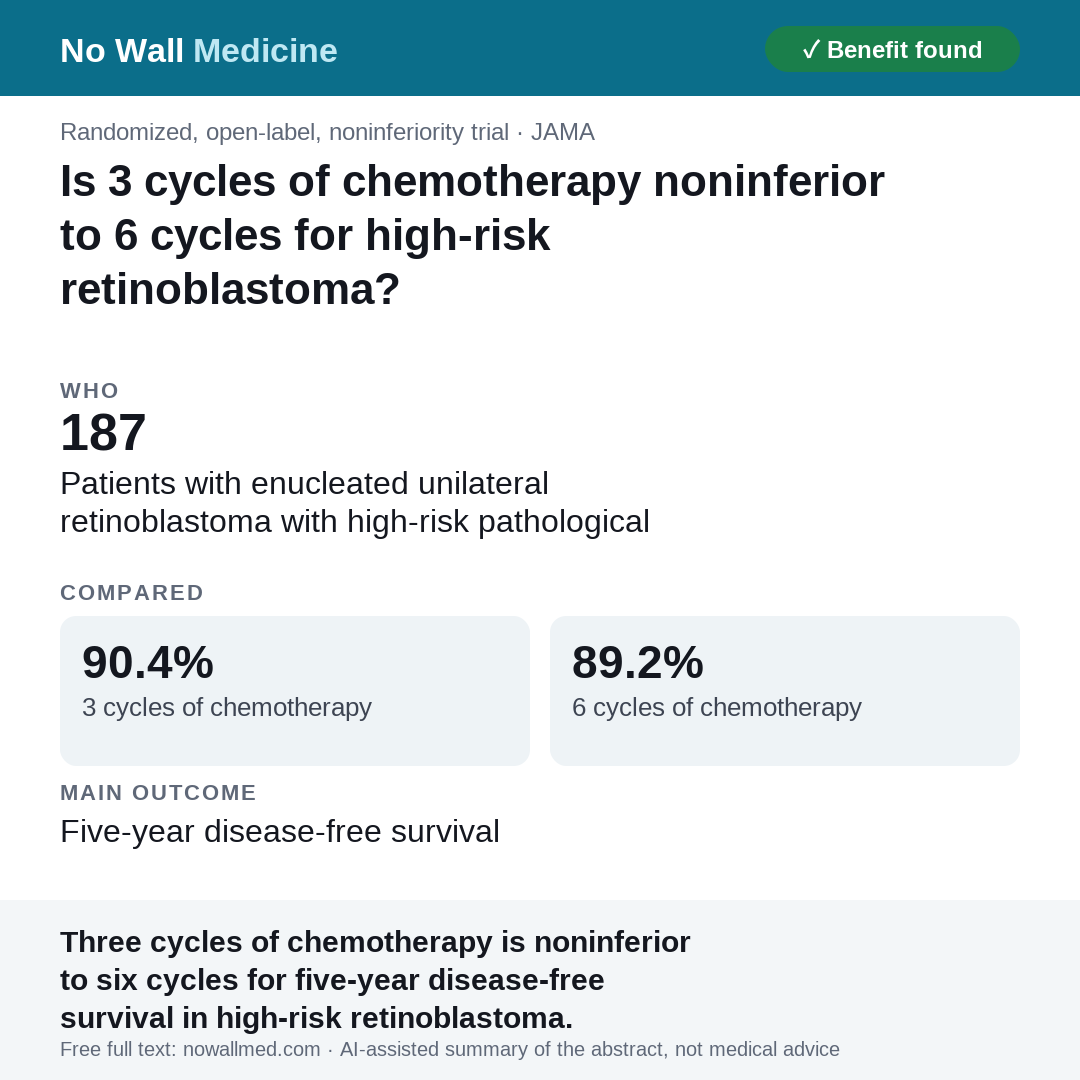
Three vs 6 Cycles of Chemotherapy for High-Risk Retinoblastoma: A Randomized Clinical Trial
Randomized, open-label, noninferiority trialBenefit found
Is 3 cycles of chemotherapy noninferior to 6 cycles for high-risk retinoblastoma?
Who
187
Patients with enucleated unilateral retinoblastoma with high-risk pathological features · 2 premier eye centers in China
Compared
90.4%3 cycles of chemotherapy
89.2%6 cycles of chemotherapy
Main outcome
Five-year disease-free survival
Result: difference, 1.2% (95% CI, -7.5% to 9.8%)
Bottom line: Three cycles of chemotherapy is noninferior to six cycles for five-year disease-free survival in high-risk retinoblastoma.
JAMA · 2024-10-21Download image
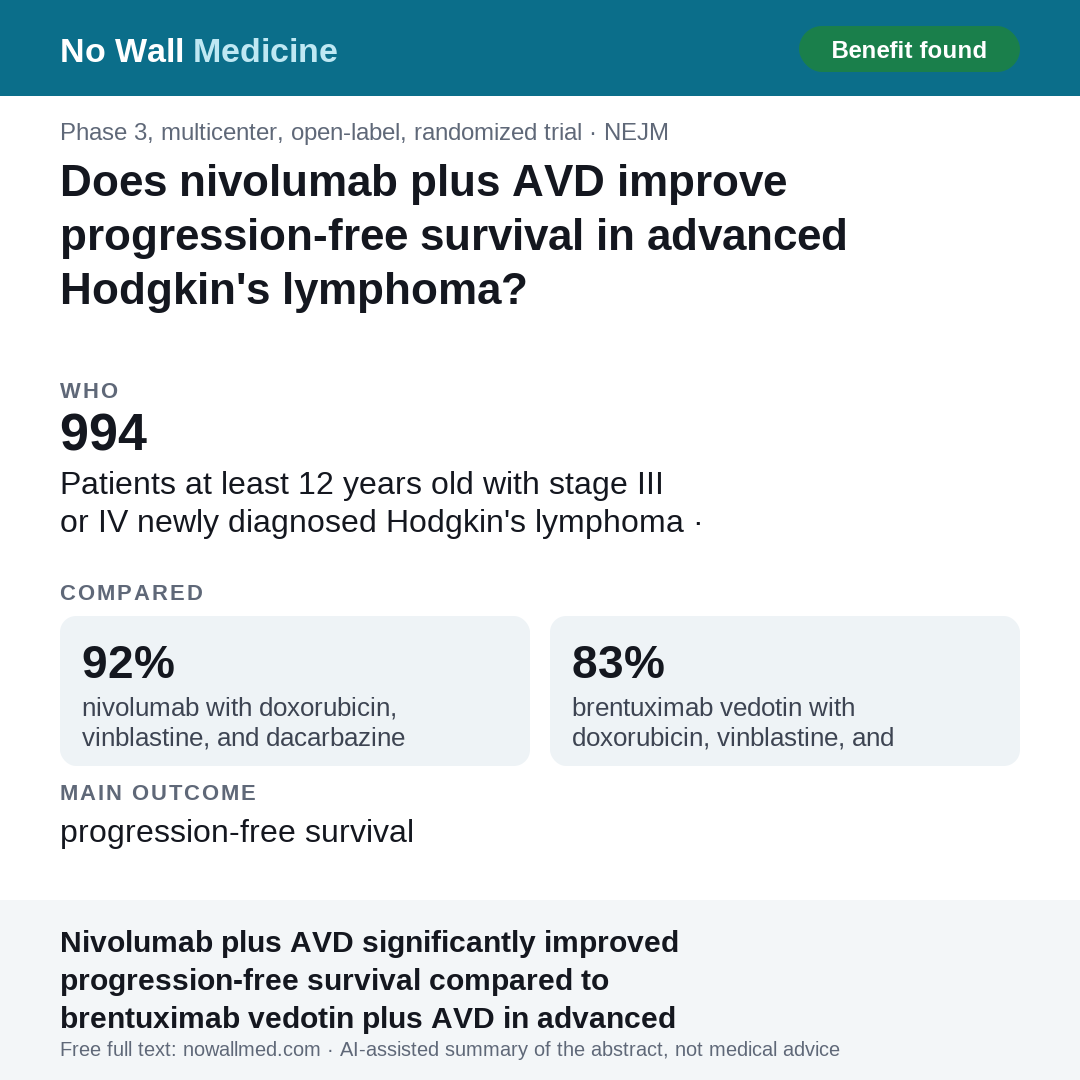
Nivolumab+AVD in Advanced-Stage Classic Hodgkin's Lymphoma
Phase 3, multicenter, open-label, randomized trialBenefit found
Does nivolumab plus AVD improve progression-free survival in advanced Hodgkin's lymphoma?
Who
994
Patients at least 12 years old with stage III or IV newly diagnosed Hodgkin's lymphoma · multicenter
Compared
92%nivolumab with doxorubicin, vinblastine, and dacarbazine (95% CI, 89 to 94)
83%brentuximab vedotin with doxorubicin, vinblastine, and dacarbazine (95% CI, 79 to 86)
Main outcome
progression-free survival
Result: hazard ratio 0.45 (95% CI, 0.30 to 0.65)
Bottom line: Nivolumab plus AVD significantly improved progression-free survival compared to brentuximab vedotin plus AVD in advanced Hodgkin's lymphoma.
Limitation: short follow-up time
Funded by: National Cancer Institute of the National Institutes of Health
NEJM · 2024-10-16Download image
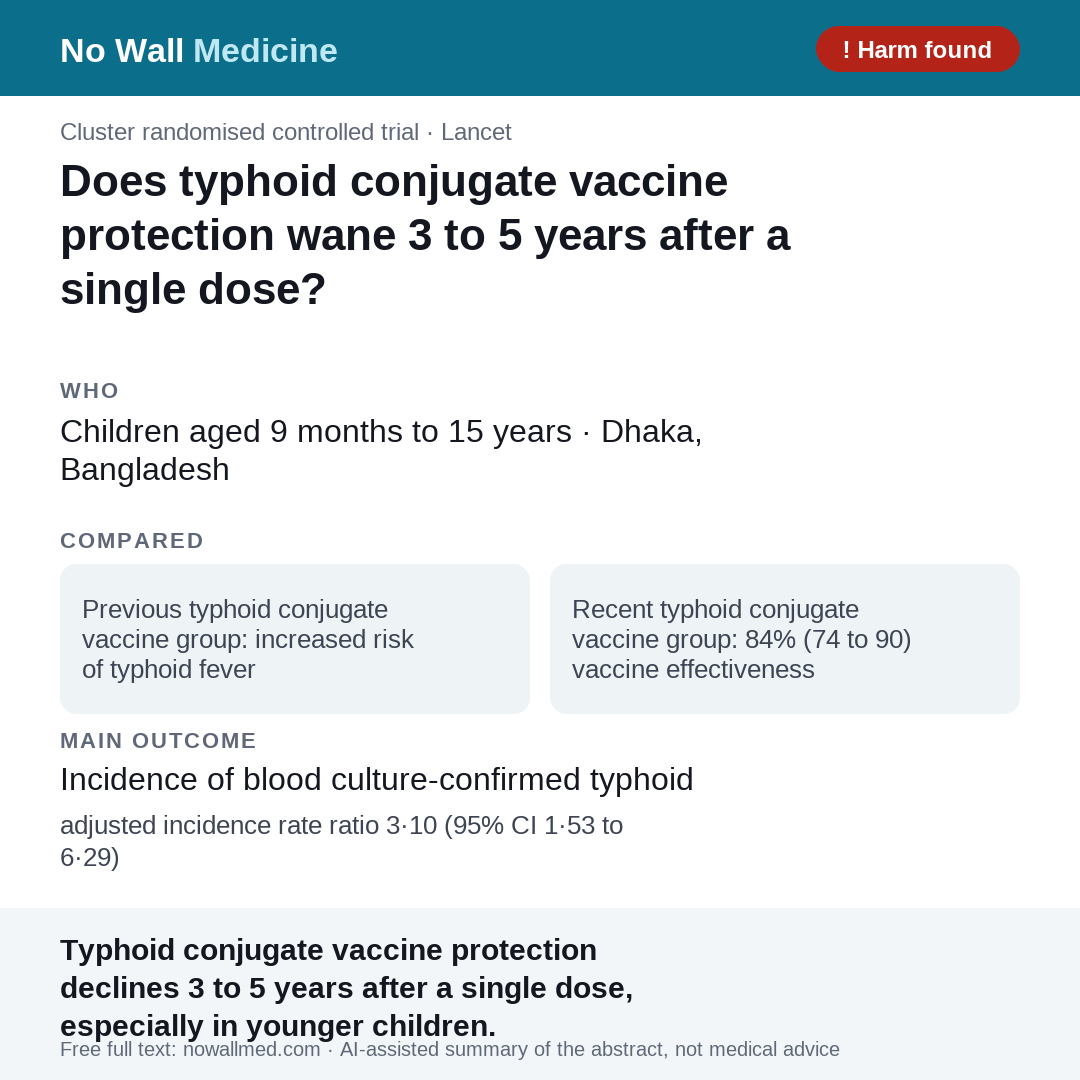
5-year vaccine protection following a single dose of Vi-tetanus toxoid conjugate vaccine in Bangladeshi children (TyVOID): a cluster randomised trial
Cluster randomised controlled trialHarm found
Does typhoid conjugate vaccine protection wane 3 to 5 years after a single dose?
Who
Children aged 9 months to 15 years · Dhaka, Bangladesh
Compared
Previous typhoid conjugate vaccine group: increased risk of typhoid fever
Recent typhoid conjugate vaccine group: 84% (74 to 90) vaccine effectiveness
Main outcome
Incidence of blood culture-confirmed typhoid
Result: adjusted incidence rate ratio 3·10 (95% CI 1·53 to 6·29)
Bottom line: Typhoid conjugate vaccine protection declines 3 to 5 years after a single dose, especially in younger children.
Funded by: Bill & Melinda Gates Foundation
Lancet · 2024-10-13Download image