Visual abstracts
New randomized trials and meta-analyses from leading journals at a glance: who was studied, what was compared, and what was found. Every paper is free to read in full.
All specialtiesCardiology 840Oncology 760Gastroenterology & Hepatology 306Infectious Disease 626Neurology 350Psychiatry & Mental Health 430Pulmonology 365Critical Care 243Endocrinology & Diabetes 480Pediatrics 534Surgery 319Orthopedics & Sports Medicine 161Neurosurgery 89Cardiothoracic & Vascular Surgery 87Plastic & Reconstructive Surgery 118Nephrology 197Rheumatology 108Hematology 181Dermatology 78Ophthalmology 97Obstetrics & Gynecology 261Public & Global Health 167Radiology & Imaging 96Anesthesiology 107Urology 162ENT (Otolaryngology) 86Emergency Medicine 68Allergy & Immunology 58Geriatrics 160Family Medicine & Primary Care 111Medical Genetics & Genomics 91Pathology & Laboratory Medicine 24Physical Medicine & Rehabilitation 148Palliative Care 81Nutrition 223Digital Health & AI 460General Medicine 101
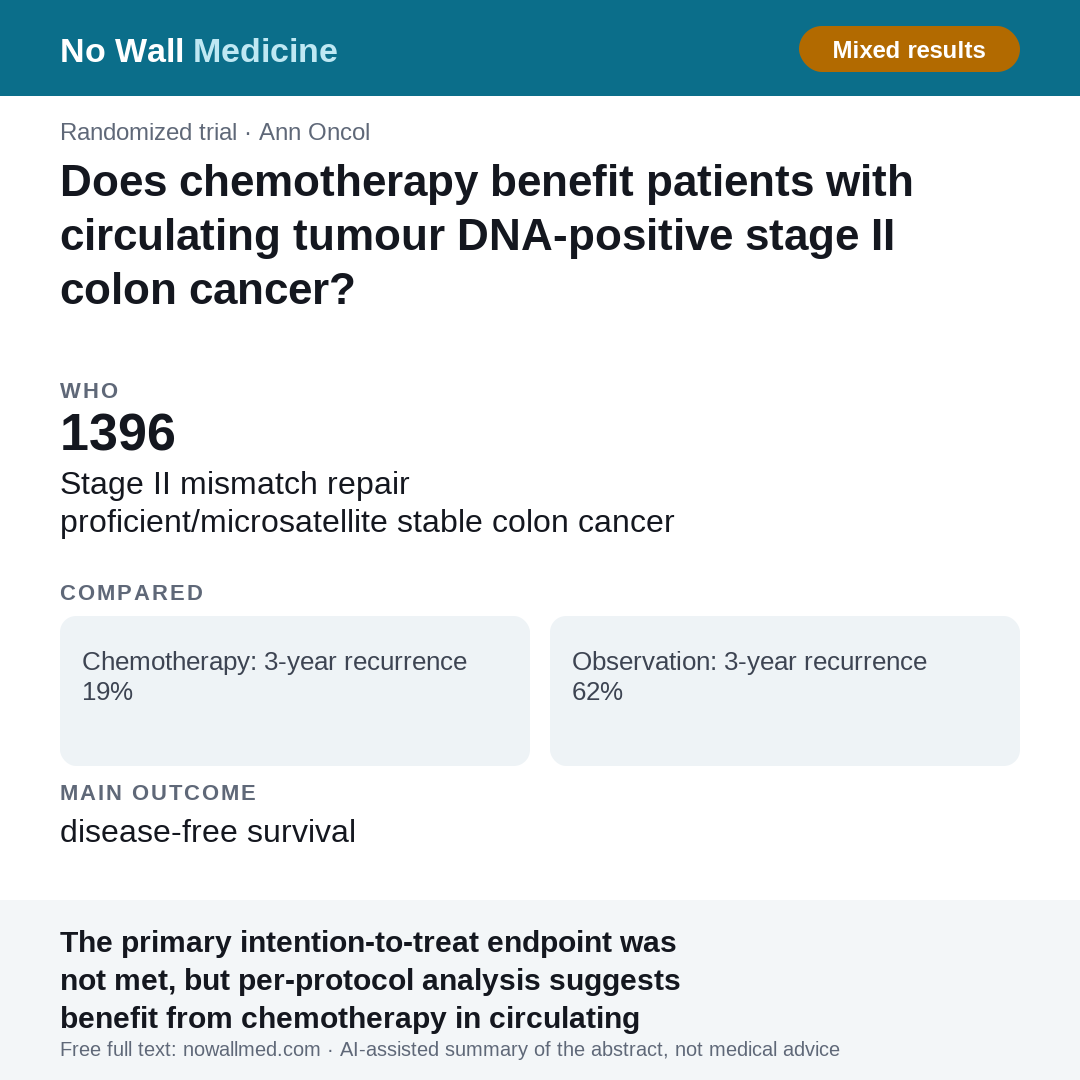
Chemotherapy for patients with circulating tumour DNA-positive, stage II colon cancer (CIRCULATE)-an AIO/ABCSG trial
Randomized trialMixed results
Does chemotherapy benefit patients with circulating tumour DNA-positive stage II colon cancer?
Who
1396
Stage II mismatch repair proficient/microsatellite stable colon cancer patients · Germany and Austria
Compared
Chemotherapy: 3-year recurrence 19%
Observation: 3-year recurrence 62%
Main outcome
disease-free survival
Result: hazard ratio 0.55 (95% CI 0.21 to 1.48)
Bottom line: The primary intention-to-treat endpoint was not met, but per-protocol analysis suggests benefit from chemotherapy in circulating tumour DNA-positive patients.
Limitation: The trial ended early due to funding expiry, potentially reducing statistical power.
Ann Oncol · 2026-05-31Download image
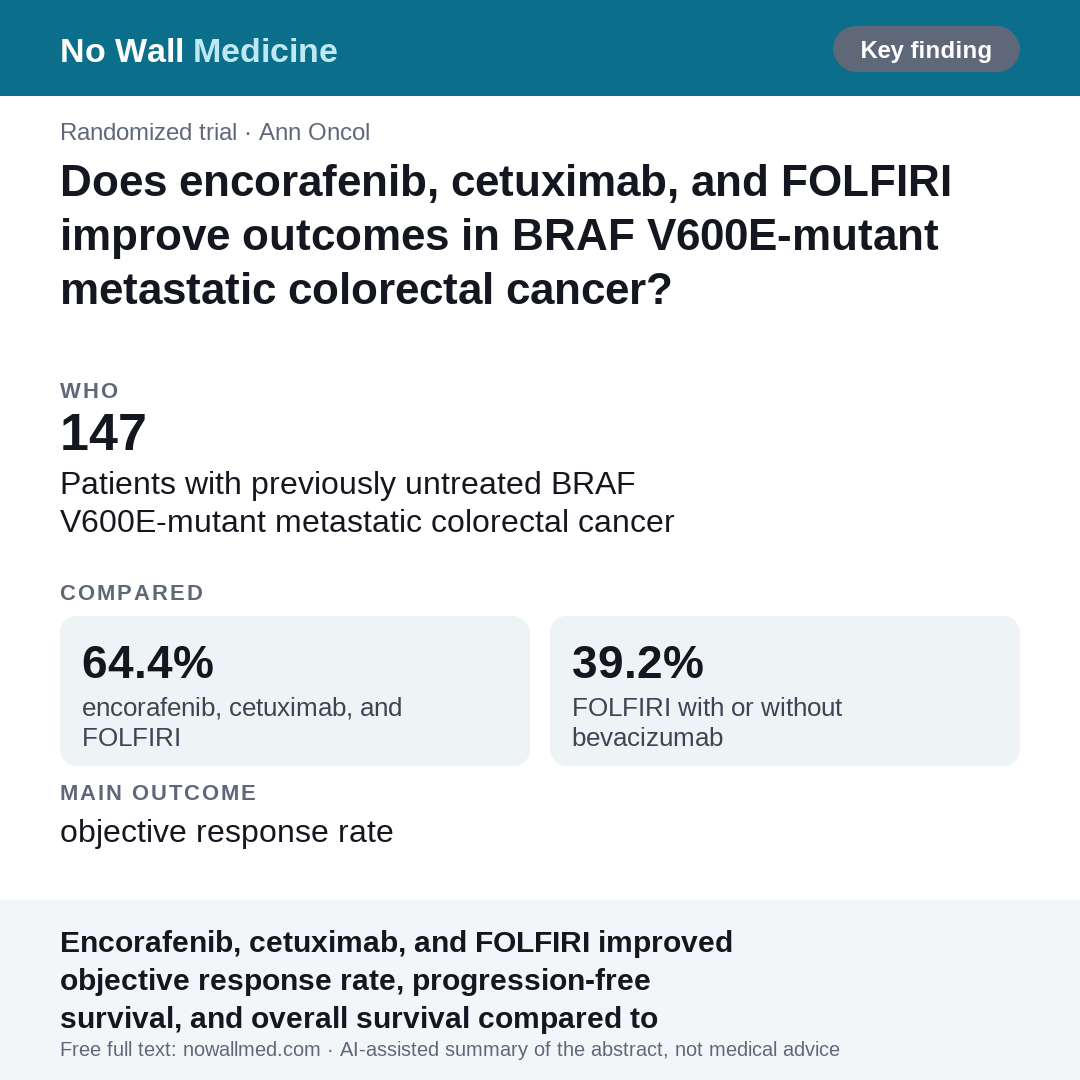
A randomised study of encorafenib, cetuximab, and FOLFIRI versus FOLFIRI with or without bevacizumab in BRAF V600E-mutant colorectal cancer: BREAKWATER Cohort 3
Randomized trialBenefit found
Does encorafenib, cetuximab, and FOLFIRI improve outcomes in BRAF V600E-mutant metastatic colorectal cancer?
Who
147
Patients with previously untreated BRAF V600E-mutant metastatic colorectal cancer
Compared
64.4%encorafenib, cetuximab, and FOLFIRI
39.2%FOLFIRI with or without bevacizumab
Main outcome
objective response rate
Result: hazard ratio 0.44 (95% CI 0.27-0.70)
Bottom line: Encorafenib, cetuximab, and FOLFIRI improved objective response rate, progression-free survival, and overall survival compared to control.
Ann Oncol · 2026-05-31Download image
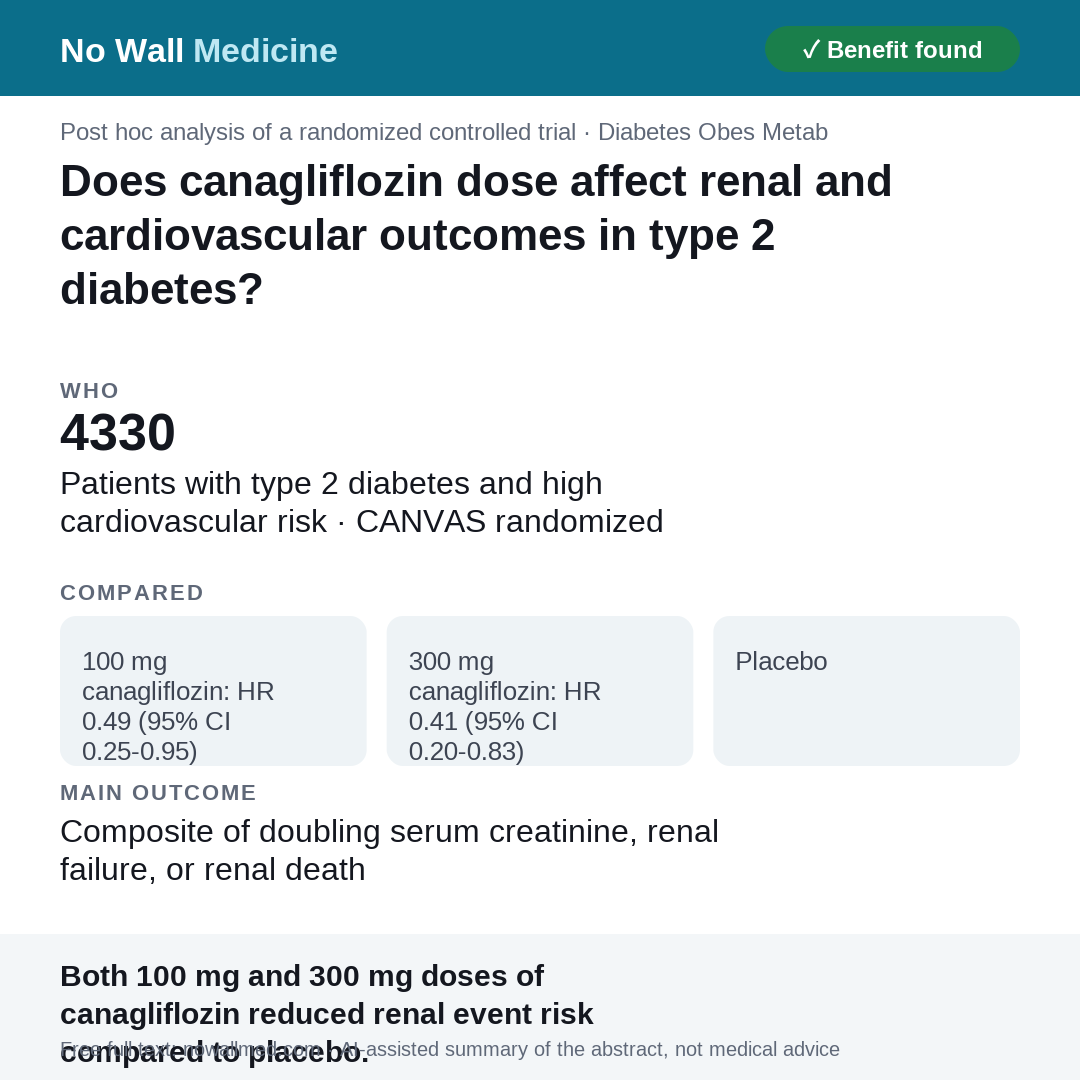
The Effect of Canagliflozin Dose on Renal and Cardiovascular Outcomes in Type 2 Diabetes and High Cardiovascular Risk
Post hoc analysis of a randomized controlled trialBenefit found
Does canagliflozin dose affect renal and cardiovascular outcomes in type 2 diabetes?
Who
4330
Patients with type 2 diabetes and high cardiovascular risk · CANVAS randomized controlled trial
Compared
100 mg canagliflozin: HR 0.49 (95% CI 0.25-0.95)
300 mg canagliflozin: HR 0.41 (95% CI 0.20-0.83)
Placebo
Main outcome
Composite of doubling serum creatinine, renal failure, or renal death
Result: hazard ratio 0.85; 95% confidence interval 0.38-1.89
Bottom line: Both 100 mg and 300 mg doses of canagliflozin reduced renal event risk compared to placebo.
Limitation: This was a post hoc analysis
Diabetes Obes Metab · 2026-05-31Download image
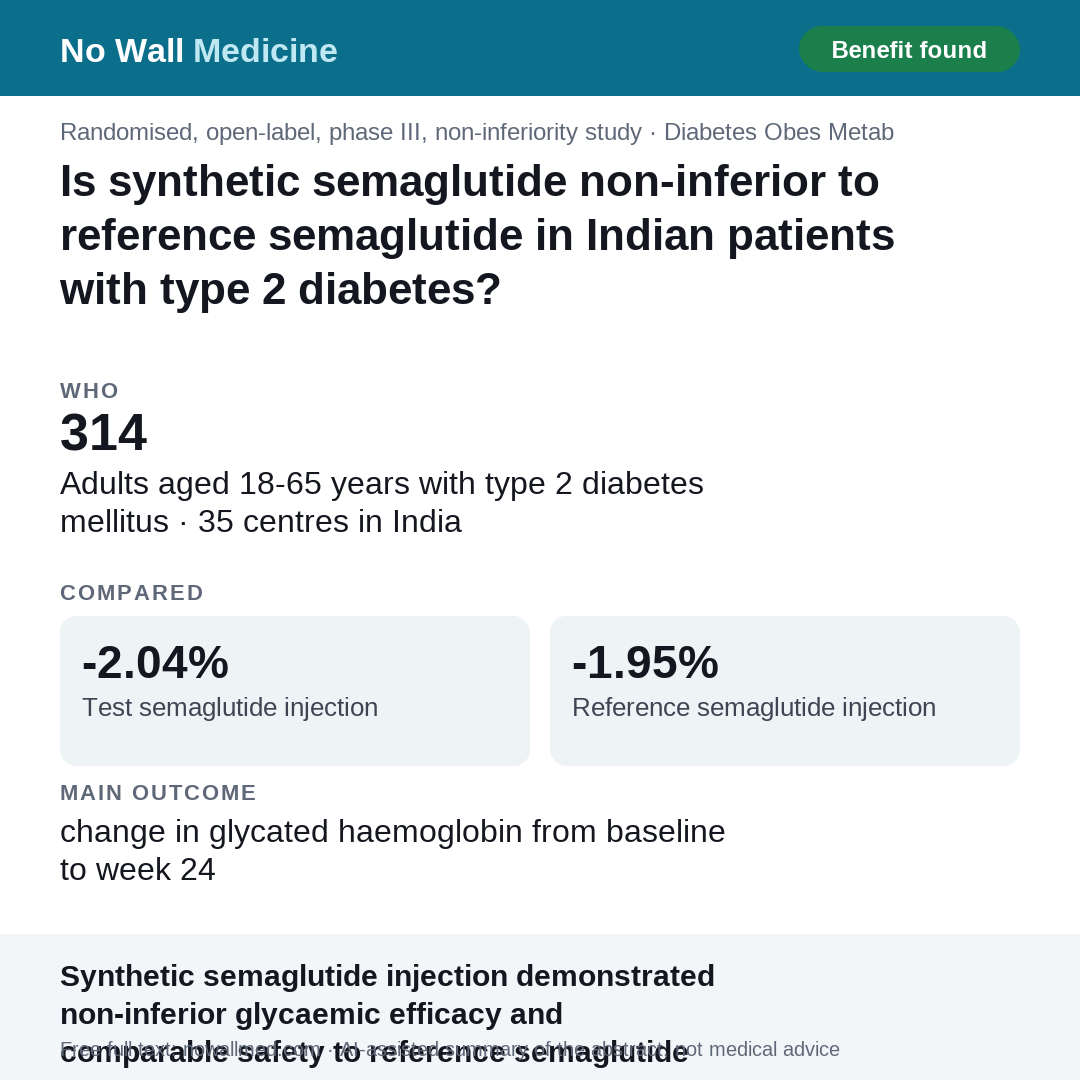
Semaglutide Injection in Indian Patients With Type 2 Diabetes Mellitus: A Randomised, Phase III, Active-Controlled Study
Randomised, open-label, phase III, non-inferiority studyBenefit found
Is synthetic semaglutide non-inferior to reference semaglutide in Indian patients with type 2 diabetes?
Who
314
Adults aged 18-65 years with type 2 diabetes mellitus · 35 centres in India
Compared
-2.04%Test semaglutide injection
-1.95%Reference semaglutide injection
Main outcome
change in glycated haemoglobin from baseline to week 24
Result: -0.09% (95% CI: -0.26 to 0.09)
Bottom line: Synthetic semaglutide injection demonstrated non-inferior glycaemic efficacy and comparable safety to reference semaglutide in Indian patients.
Diabetes Obes Metab · 2026-05-31Download image
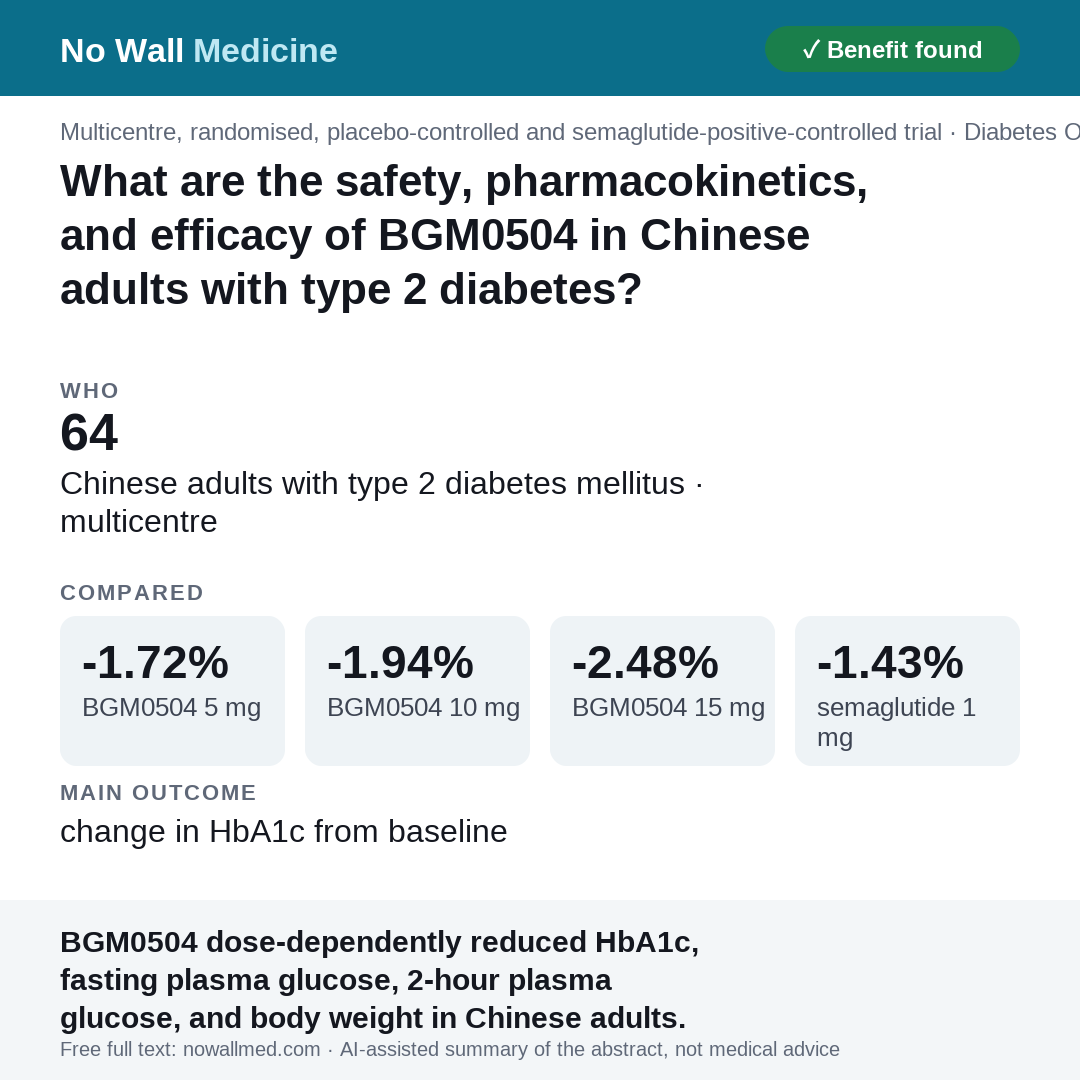
Evaluation of the Safety, Efficacy and Pharmacokinetics of BGM0504 in Chinese Adults With Type 2 Diabetes: A Multicentre, Randomised, Controlled and Double-Blind Phase II Trial
Multicentre, randomised, placebo-controlled and semaglutide-positive-controlled trialBenefit found
What are the safety, pharmacokinetics, and efficacy of BGM0504 in Chinese adults with type 2 diabetes?
Who
64
Chinese adults with type 2 diabetes mellitus · multicentre
Compared
-1.72%BGM0504 5 mg
-1.94%BGM0504 10 mg
-2.48%BGM0504 15 mg
-1.43%semaglutide 1 mg
Main outcome
change in HbA1c from baseline
Result: treatment differences versus placebo (LSM) ranging from -1.82% to -2.56%
Bottom line: BGM0504 dose-dependently reduced HbA1c, fasting plasma glucose, 2-hour plasma glucose, and body weight in Chinese adults.
Diabetes Obes Metab · 2026-05-31Download image
Cluster randomized trial of reablement strategies targeting sarcopenia (ReStart-S) in long-term care settings
Cluster-randomized trialBenefit found
Does the ReStart-S program improve outcomes in sarcopenic older adults?
Who
78
Sarcopenic older adults aged 60 years or older · Long-term care settings in Udupi and neighboring districts
Compared
Intervention group
Control group
Main outcome
Handgrip strength
Result: 2.49 (95% CI, 1.16-3.82) at 12 weeks
Bottom line: The ReStart-S program improved muscle strength, physical performance, quality of life, and reduced a blood biomarker.
J Gerontol A · 2026-05-31Download image

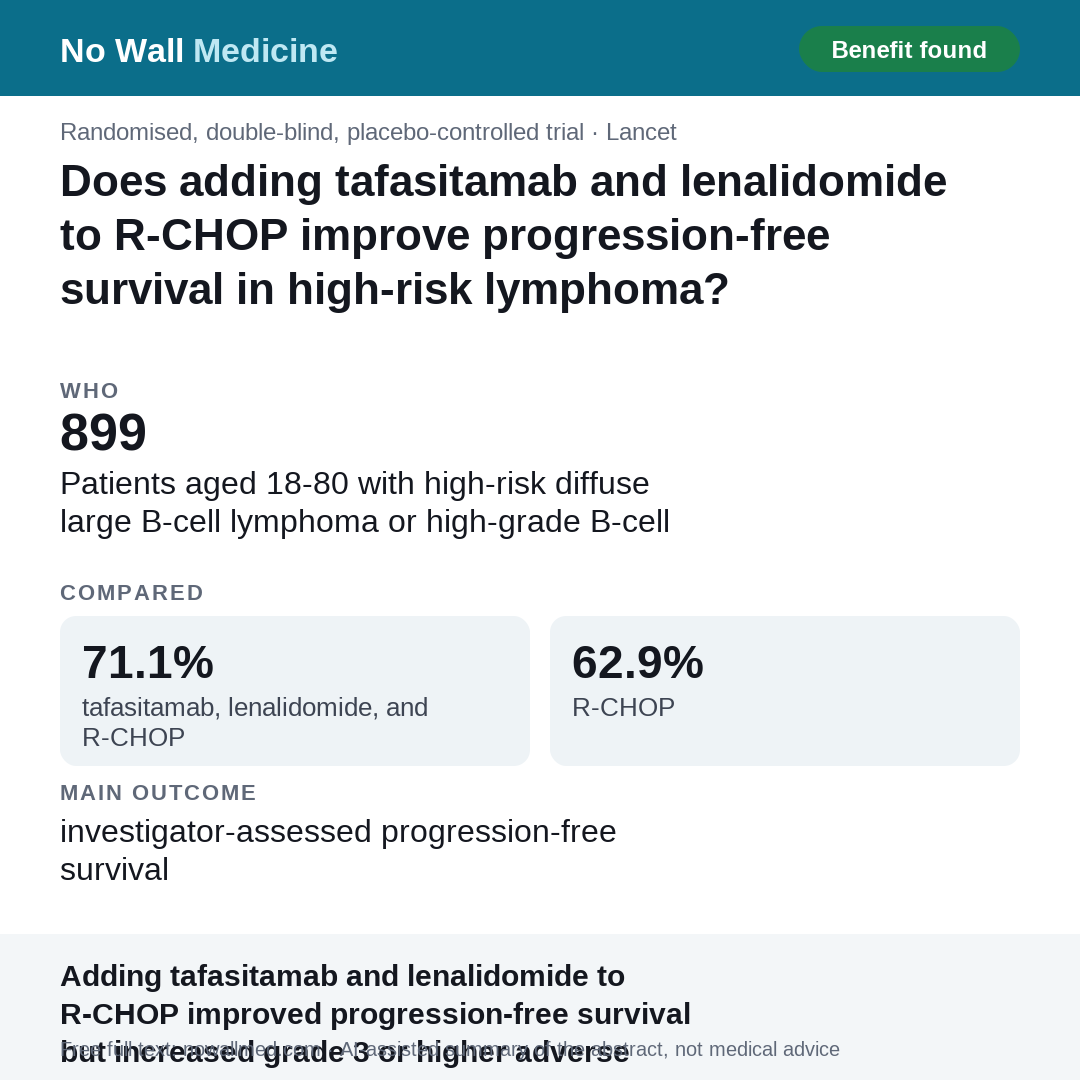
Tafasitamab plus lenalidomide and R-CHOP versus R-CHOP for first-line treatment of patients with high-risk diffuse large B-cell lymphoma (frontMIND): a global, phase 3, randomised, double-blind, placebo-controlled trial
Randomised, double-blind, placebo-controlled trialBenefit found
Does adding tafasitamab and lenalidomide to R-CHOP improve progression-free survival in high-risk lymphoma?
Who
899
Patients aged 18-80 with high-risk diffuse large B-cell lymphoma or high-grade B-cell lymphoma · 298 centres in North America, South America, Europe, and Asia-Pacific
Compared
71.1%tafasitamab, lenalidomide, and R-CHOP (66.3-75.4%)
62.9%R-CHOP (57.9-67.5%)
Main outcome
investigator-assessed progression-free survival
Result: hazard ratio 0.75 (95% CI 0.59 to 0.96)
Bottom line: Adding tafasitamab and lenalidomide to R-CHOP improved progression-free survival but increased grade 3 or higher adverse events.
Limitation: Overall survival data are immature; follow-up is ongoing.
Funded by: Incyte Corporation
Lancet · 2026-05-30Download image
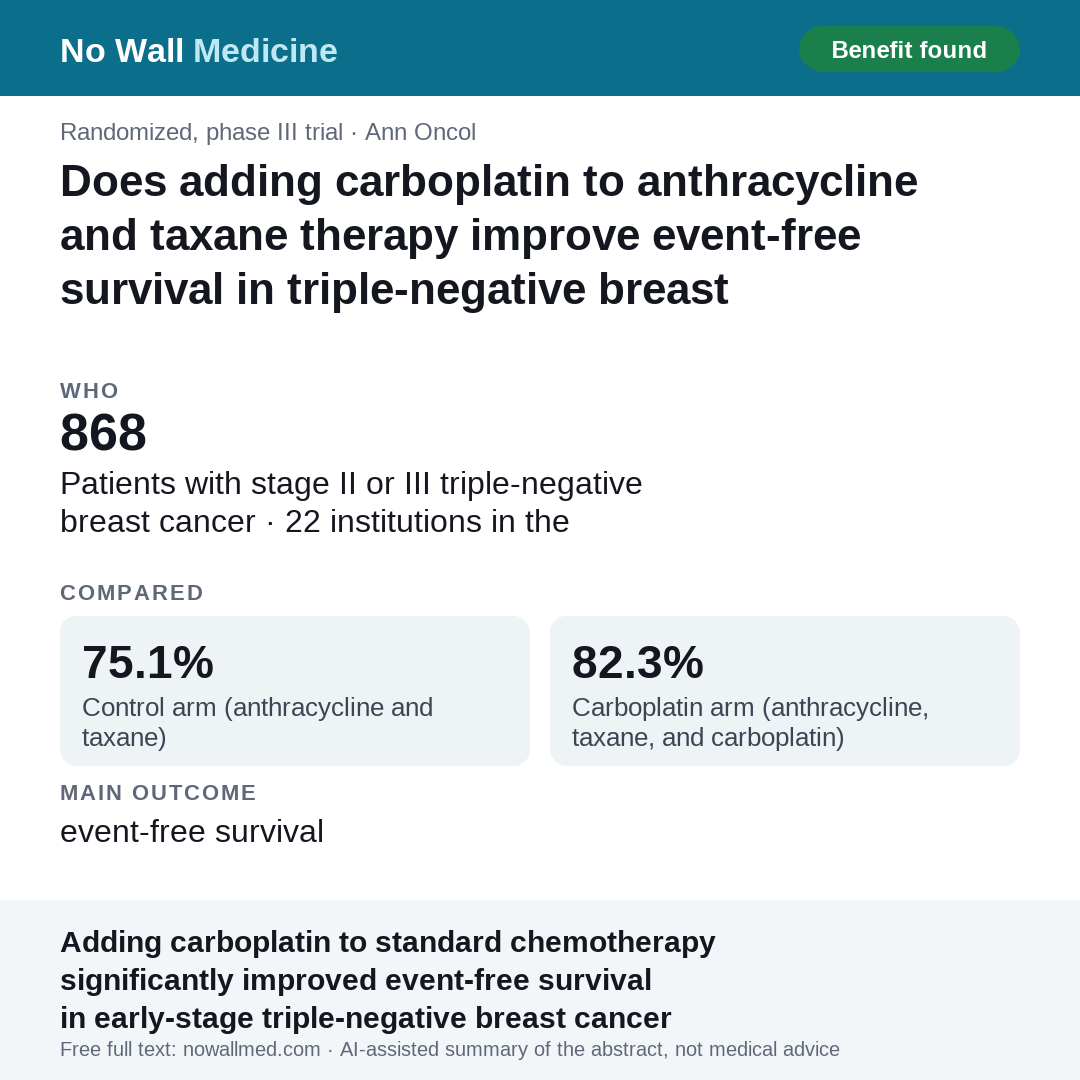
A randomized phase III trial of anthracyclines followed by taxane versus taxane plus carboplatin as (neo)adjuvant therapy in patients with triple-negative breast cancer: KCSG BR 15-1 PEARLY trial
Randomized, phase III trialBenefit found
Does adding carboplatin to anthracycline and taxane therapy improve event-free survival in triple-negative breast cancer?
Who
868
Patients with stage II or III triple-negative breast cancer · 22 institutions in the Republic of Korea
Compared
75.1%Control arm (anthracycline and taxane)
82.3%Carboplatin arm (anthracycline, taxane, and carboplatin)
Main outcome
event-free survival
Result: hazard ratio 0.67 (95% CI 0.49-0.92)
Bottom line: Adding carboplatin to standard chemotherapy significantly improved event-free survival in early-stage triple-negative breast cancer patients.
Ann Oncol · 2026-05-30Download image
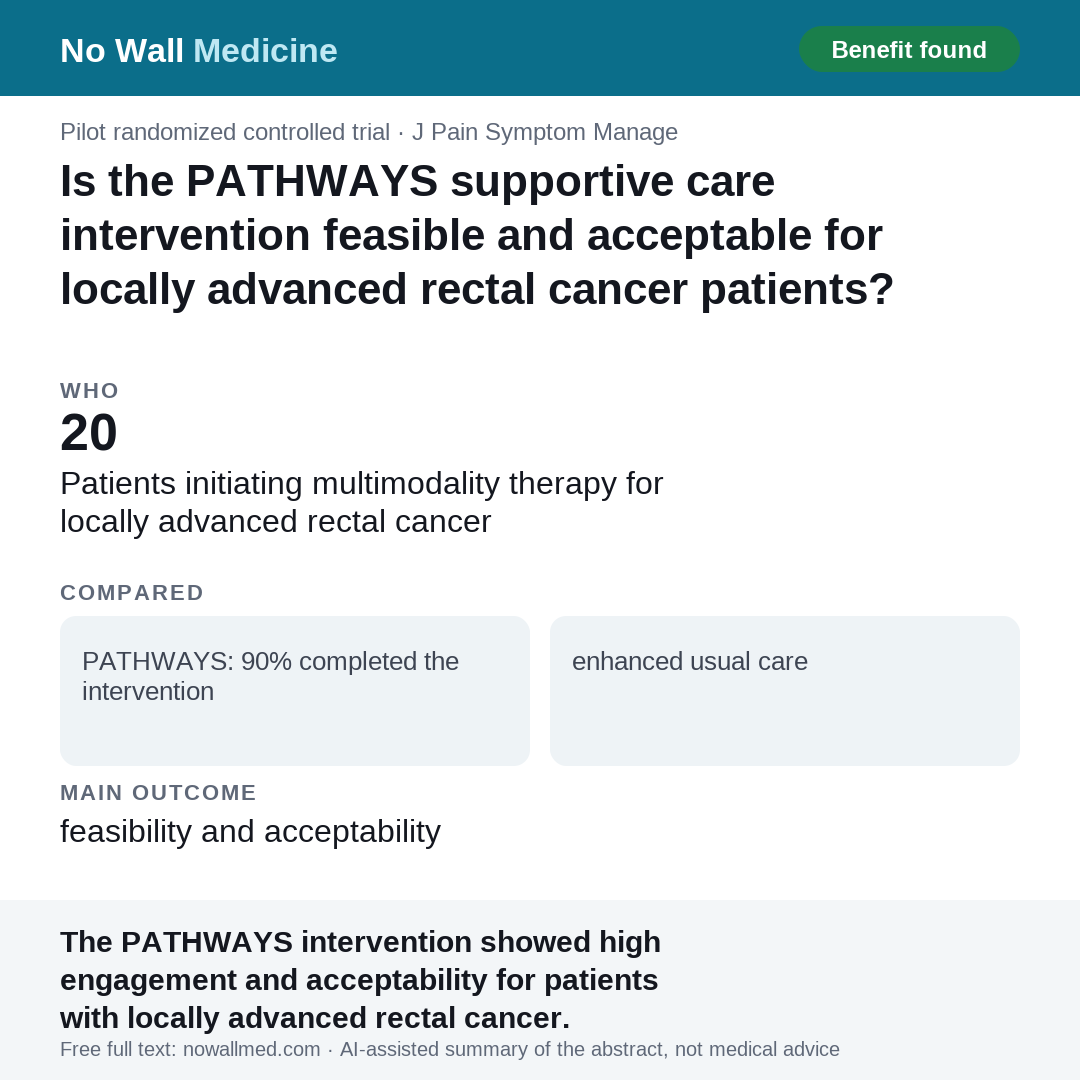
Pilot Randomized Trial of a Supportive Care Intervention for Patients With Locally Advanced Rectal Cancer
Pilot randomized controlled trialBenefit found
Is the PATHWAYS supportive care intervention feasible and acceptable for locally advanced rectal cancer patients?
Who
20
Patients initiating multimodality therapy for locally advanced rectal cancer
Compared
PATHWAYS: 90% completed the intervention
enhanced usual care
Main outcome
feasibility and acceptability
Bottom line: The PATHWAYS intervention showed high engagement and acceptability for patients with locally advanced rectal cancer.
J Pain Symptom Manage · 2026-05-30Download image
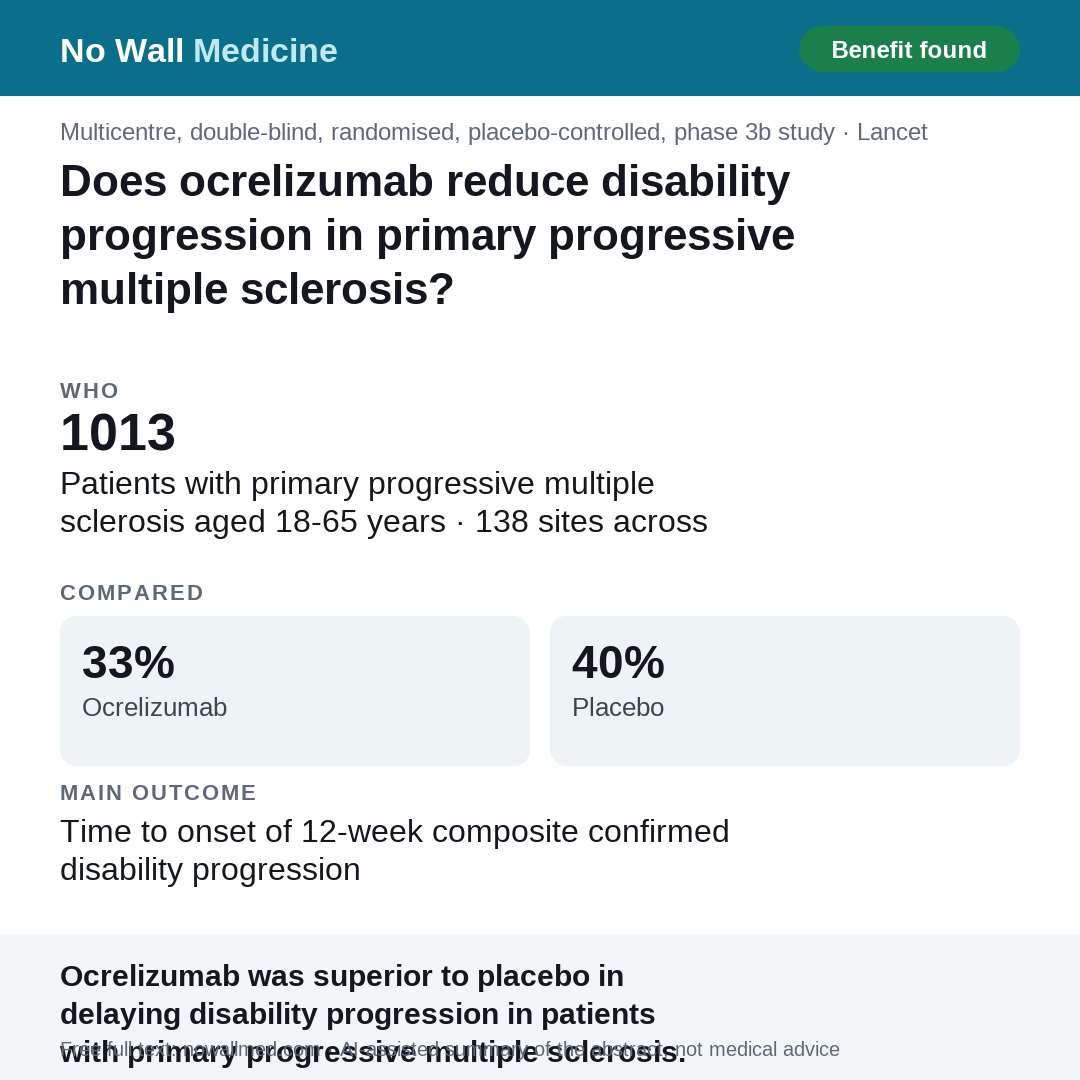
Efficacy and safety of ocrelizumab in primary progressive multiple sclerosis, including older patients and those with more advanced disease (ORATORIO-HAND): a multicentre, double-blind, randomised, placebo-controlled, phase 3b study
Multicentre, double-blind, randomised, placebo-controlled, phase 3b studyBenefit found
Does ocrelizumab reduce disability progression in primary progressive multiple sclerosis?
Who
1013
Patients with primary progressive multiple sclerosis aged 18-65 years · 138 sites across 22 countries
Compared
33%Ocrelizumab
40%Placebo
Main outcome
Time to onset of 12-week composite confirmed disability progression
Result: hazard ratio 0·70 (95% CI 0·57-0·86)
Bottom line: Ocrelizumab was superior to placebo in delaying disability progression in patients with primary progressive multiple sclerosis.
Funded by: F Hoffmann-La Roche
Lancet · 2026-05-29Download image
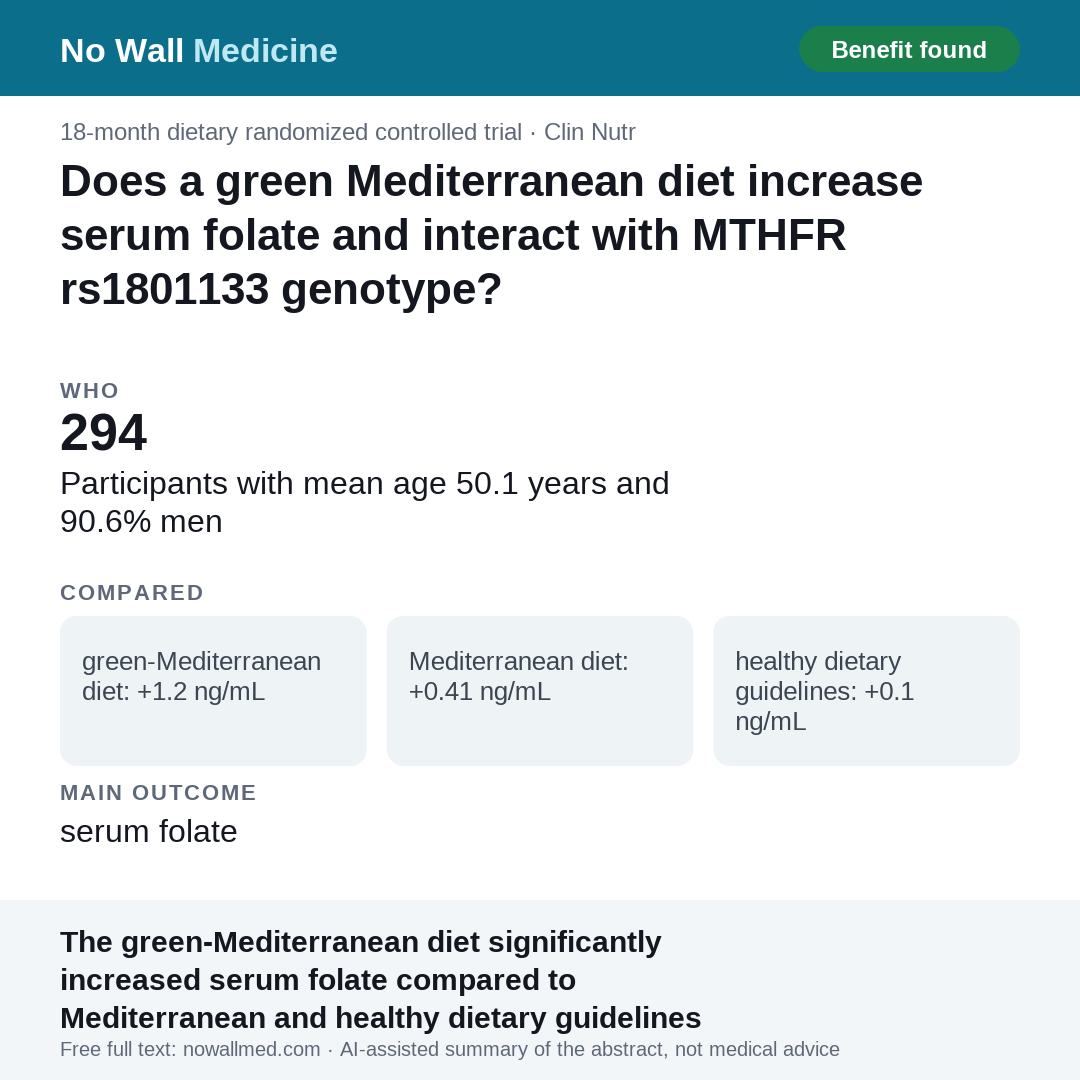
Effect of green mediterranean diet on serum folate and its interaction with genetic variation in folate metabolism: The DIRECT PLUS 18-month dietary randomized controlled trial
18-month dietary randomized controlled trialBenefit found
Does a green Mediterranean diet increase serum folate and interact with MTHFR rs1801133 genotype?
Who
294
Participants with mean age 50.1 years and 90.6% men
Compared
green-Mediterranean diet: +1.2 ng/mL
Mediterranean diet: +0.41 ng/mL
healthy dietary guidelines: +0.1 ng/mL
Main outcome
serum folate
Result: p < 0.05 between groups
Bottom line: The green-Mediterranean diet significantly increased serum folate compared to Mediterranean and healthy dietary guidelines diets.
Clin Nutr · 2026-05-29Download image
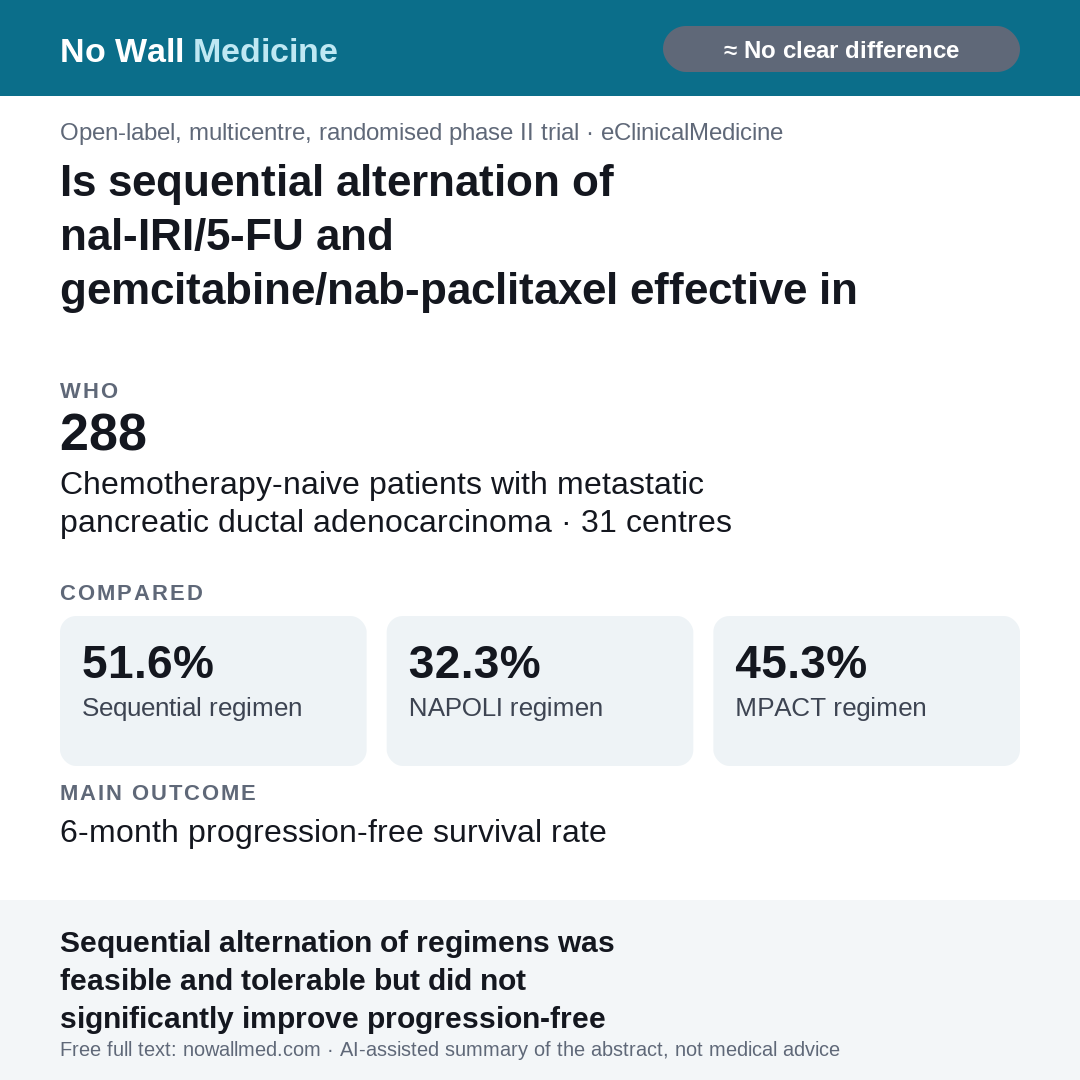
Sequential alternation of nal-IRI/5-FU and gemcitabine/nab-paclitaxel versus nal-IRI/5-FU versus gemcitabine/nab-paclitaxel in first-line metastatic pancreatic cancer: results of the randomized phase II PRODIGE 61-FUNGEMAX trial (France)
Open-label, multicentre, randomised phase II trialNo clear difference
Is sequential alternation of nal-IRI/5-FU and gemcitabine/nab-paclitaxel effective in first-line metastatic pancreatic cancer?
Who
288
Chemotherapy-naive patients with metastatic pancreatic ductal adenocarcinoma · 31 centres in France
Compared
51.6%Sequential regimen
32.3%NAPOLI regimen
45.3%MPACT regimen
Main outcome
6-month progression-free survival rate
Result: hazard ratio 0.76 (p = 0.072) for sequential vs MPACT
Bottom line: Sequential alternation of regimens was feasible and tolerable but did not significantly improve progression-free survival over MPACT.
Funded by: Fédération Francophone de Cancérologie Digestive and Servier
eClinicalMedicine · 2026-05-29Download image
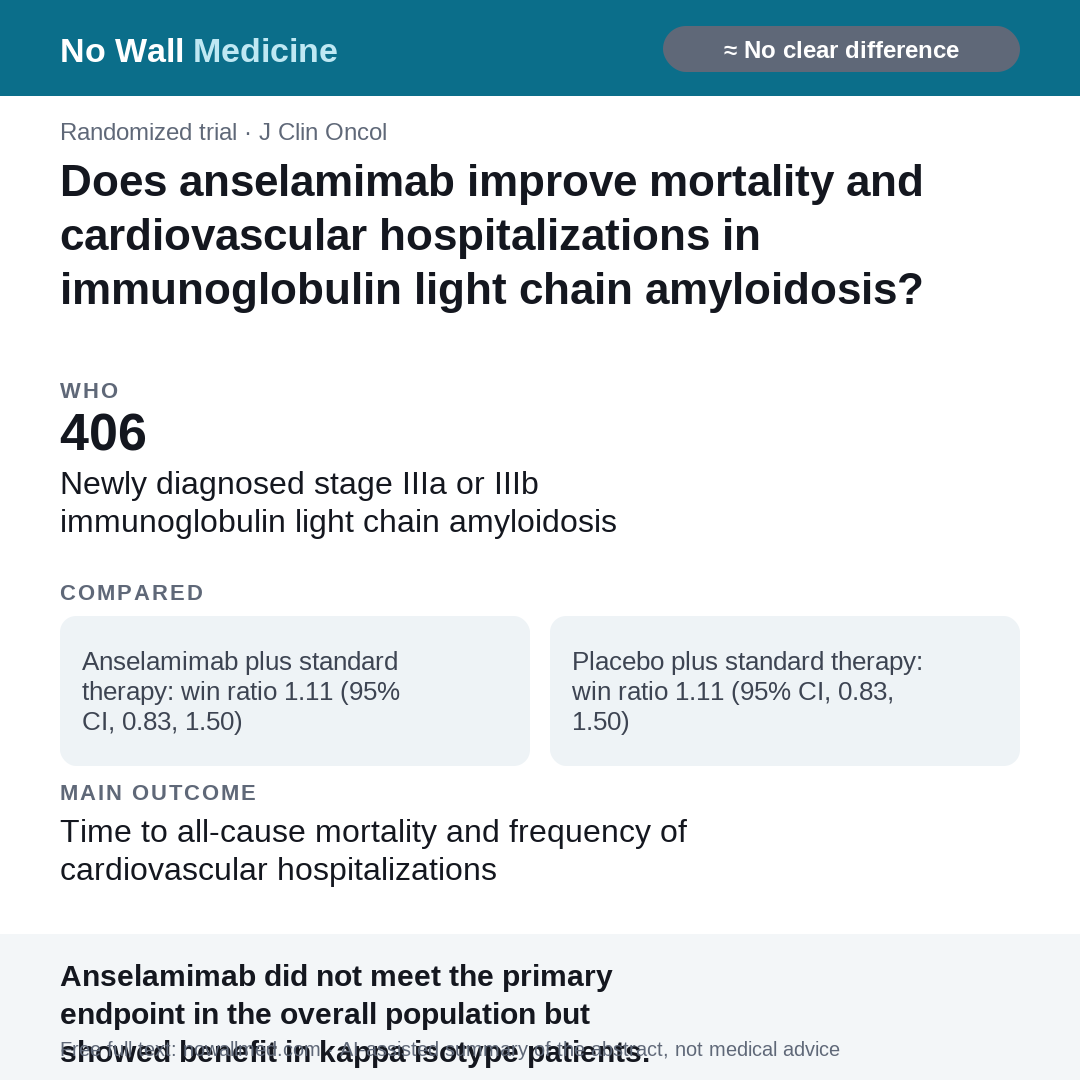
Efficacy and Safety of Anselamimab in Immunoglobulin Light Chain Amyloidosis: Results From the Randomized CARES Trials
Randomized trialNo clear difference
Does anselamimab improve mortality and cardiovascular hospitalizations in immunoglobulin light chain amyloidosis?
Who
406
Newly diagnosed stage IIIa or IIIb immunoglobulin light chain amyloidosis patients
Compared
Anselamimab plus standard therapy: win ratio 1.11 (95% CI, 0.83, 1.50)
Placebo plus standard therapy: win ratio 1.11 (95% CI, 0.83, 1.50)
Main outcome
Time to all-cause mortality and frequency of cardiovascular hospitalizations
Result: win ratio 1.11 (95% CI, 0.83, 1.50)
Bottom line: Anselamimab did not meet the primary endpoint in the overall population but showed benefit in kappa isotype patients.
J Clin Oncol · 2026-05-29Download image
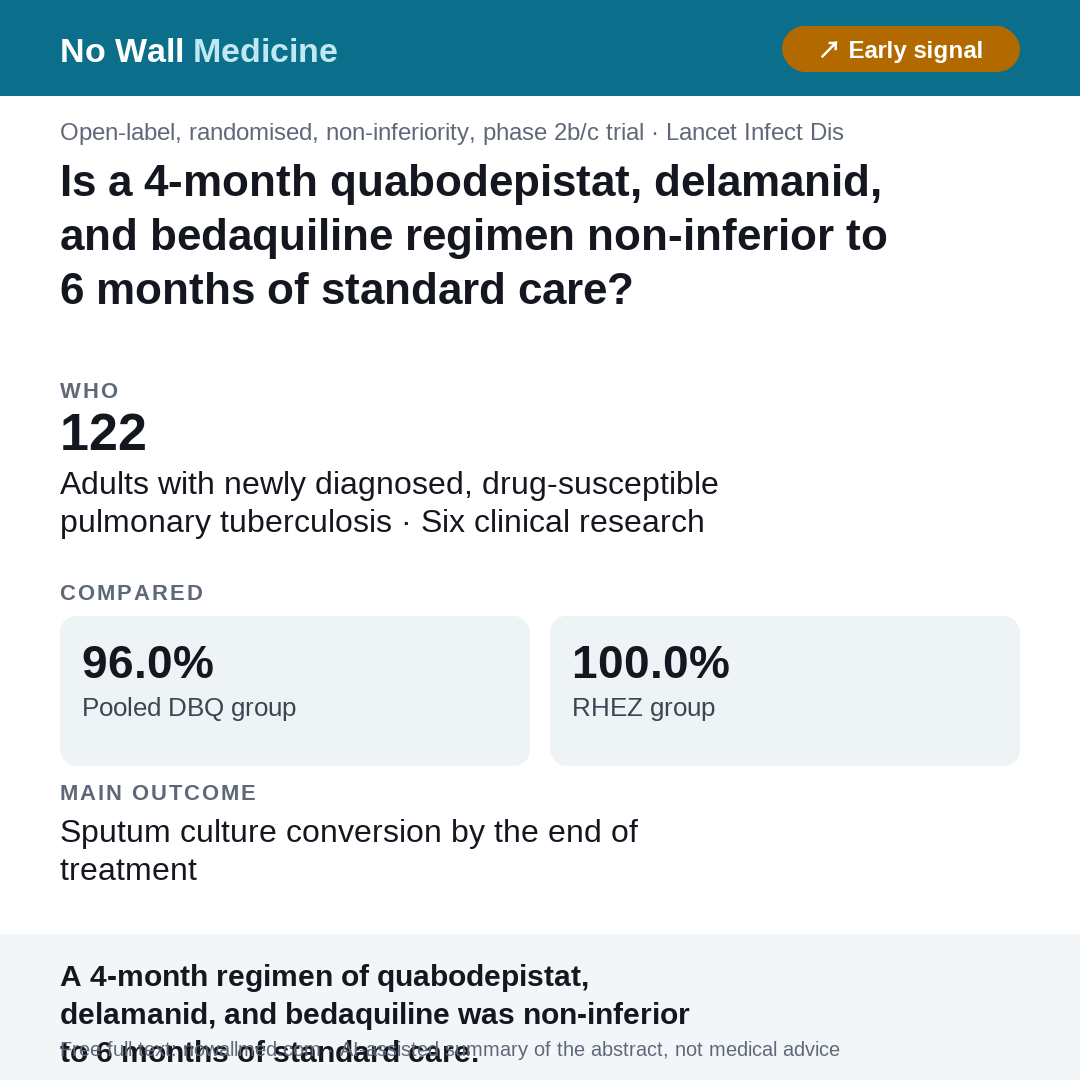
Efficacy and safety of a 4-month quabodepistat, delamanid, and bedaquiline regimen for drug-susceptible pulmonary tuberculosis: a multicentre, open-label, randomised, proof-of-concept, non-inferiority, phase 2b/c trial
Open-label, randomised, non-inferiority, phase 2b/c trialBenefit found
Is a 4-month quabodepistat, delamanid, and bedaquiline regimen non-inferior to 6 months of standard care?
Who
122
Adults with newly diagnosed, drug-susceptible pulmonary tuberculosis · Six clinical research sites in South Africa
Compared
96.0%Pooled DBQ group (96 of 100 participants)
100.0%RHEZ group (all 21 participants)
Main outcome
Sputum culture conversion by the end of treatment
Result: difference -4.0% (80% CI -7.4 to 3.4)
Bottom line: A 4-month regimen of quabodepistat, delamanid, and bedaquiline was non-inferior to 6 months of standard care.
Lancet Infect Dis · 2026-05-29Download image
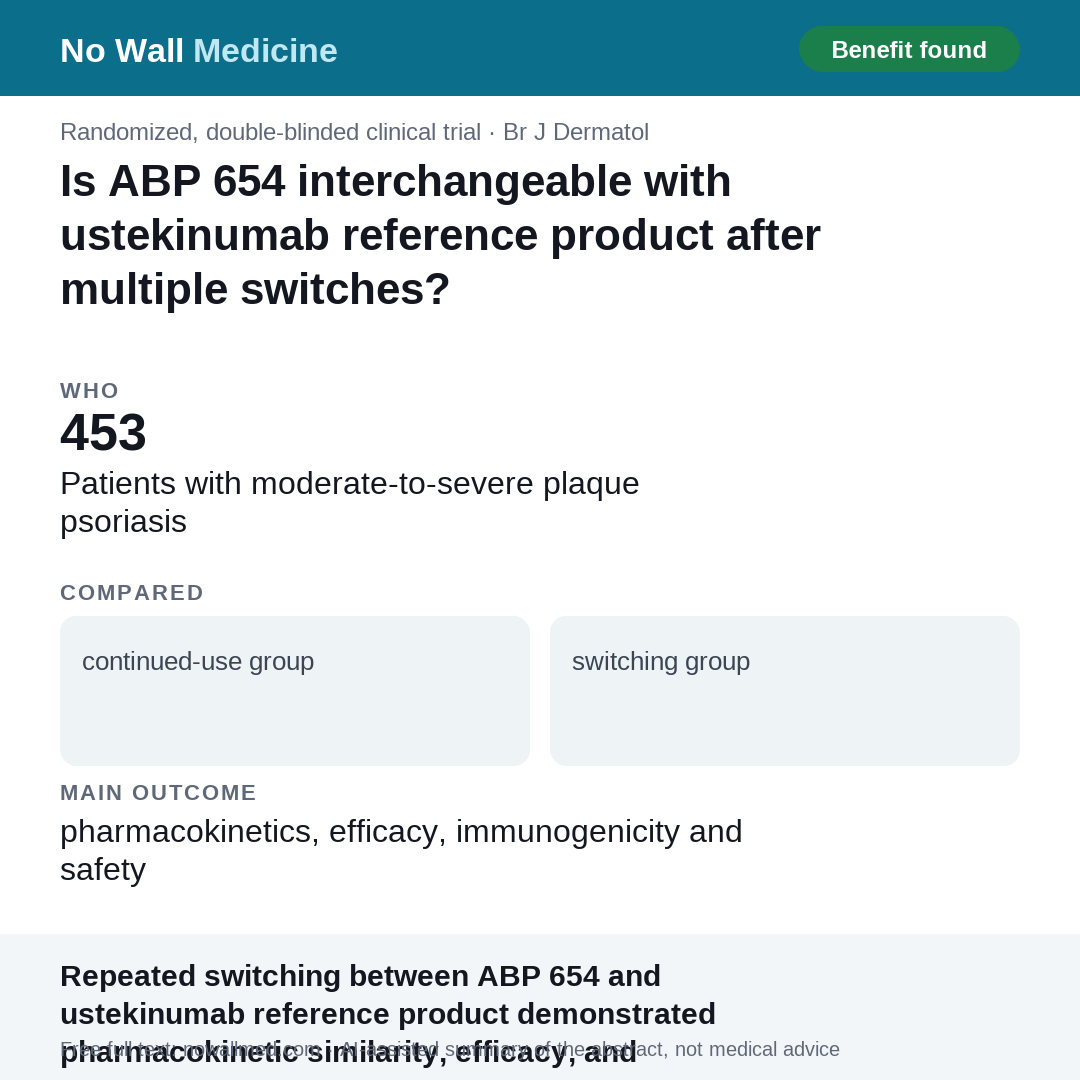
Repeated switching between biosimilar ABP 654 and reference ustekinumab in patients with moderate-to-severe plaque psoriasis: a randomized double-blinded clinical trial to support interchangeability
Randomized, double-blinded clinical trialBenefit found
Is ABP 654 interchangeable with ustekinumab reference product after multiple switches?
Who
453
Patients with moderate-to-severe plaque psoriasis
Compared
continued-use group
switching group
Main outcome
pharmacokinetics, efficacy, immunogenicity and safety
Result: AUCtau geometric mean ratio 0.93 (90% CI 0.89-0.98) and Cmax 0.95 (90% CI 0.90-1.00)
Bottom line: Repeated switching between ABP 654 and ustekinumab reference product demonstrated pharmacokinetic similarity, efficacy, and safety.
Br J Dermatol · 2026-05-29Download image
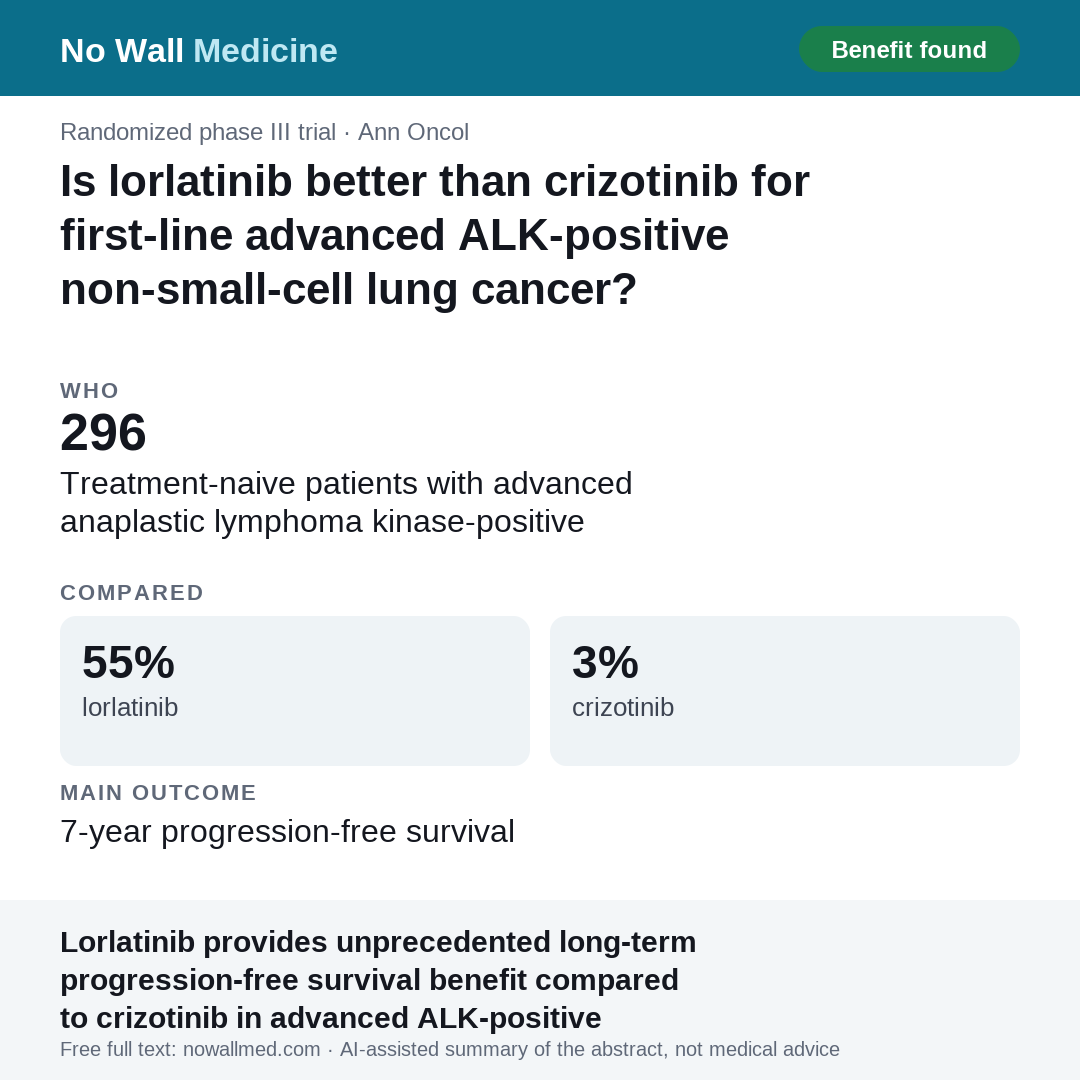
Lorlatinib versus crizotinib as first-line treatment for advanced ALK-positive non-small-cell lung cancer: 7-year update from the phase III CROWN study
Randomized phase III trialBenefit found
Is lorlatinib better than crizotinib for first-line advanced ALK-positive non-small-cell lung cancer?
Who
296
Treatment-naive patients with advanced anaplastic lymphoma kinase-positive non-small-cell lung cancer
Compared
55%lorlatinib
3%crizotinib
Main outcome
7-year progression-free survival
Result: hazard ratio 0.19 (95% CI 0.13 to 0.26)
Bottom line: Lorlatinib provides unprecedented long-term progression-free survival benefit compared to crizotinib in advanced ALK-positive non-small-cell lung cancer.
Ann Oncol · 2026-05-29Download image
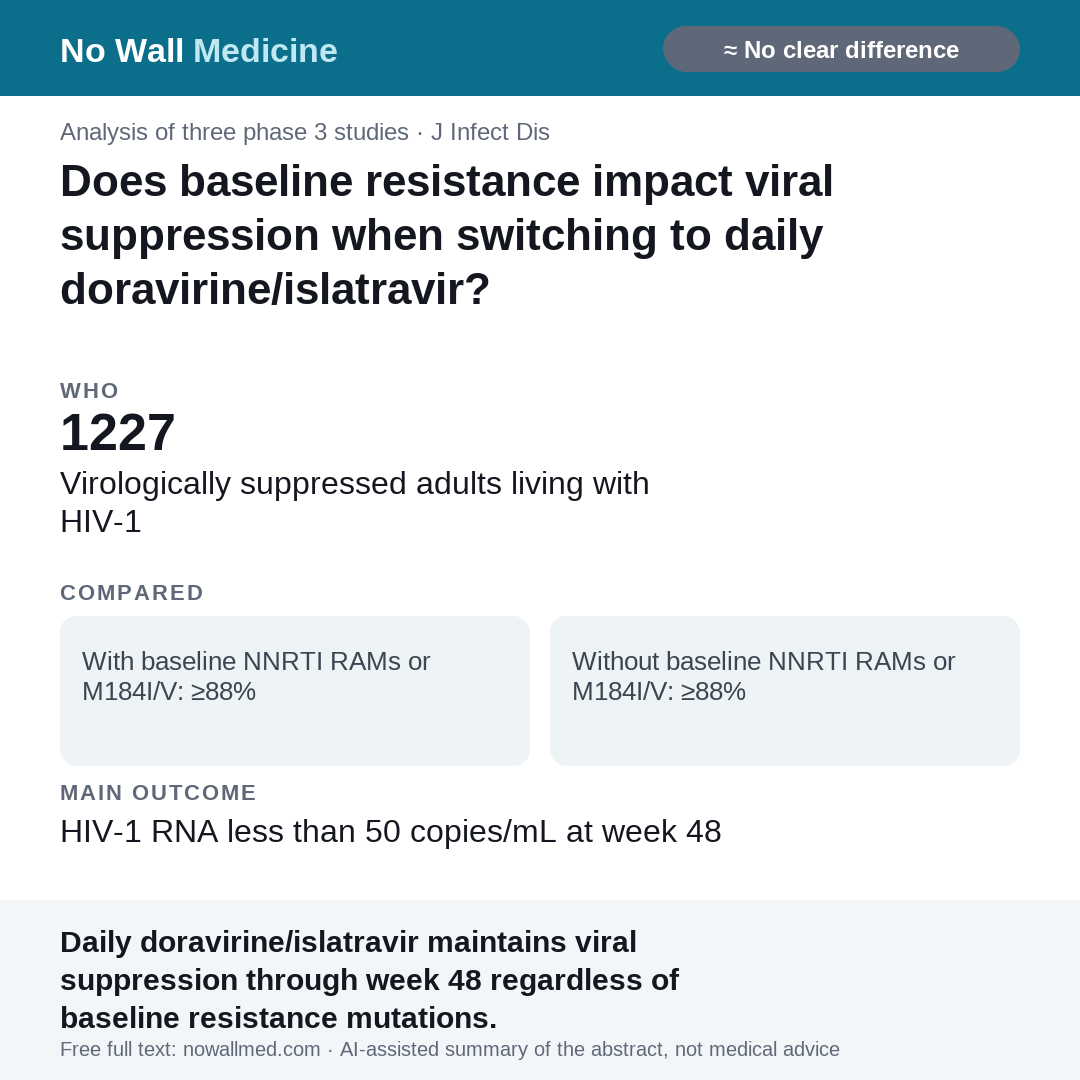
Switching to Daily Doravirine/Islatravir (100/0.25 mg) Maintains Viral Suppression Through Week 48 Despite Baseline Non-Nucleoside Reverse Transcriptase Inhibitor Resistance-Associated Mutations or M184I/V in Proviral DNA
Analysis of three phase 3 studiesNo clear difference
Does baseline resistance impact viral suppression when switching to daily doravirine/islatravir?
Who
1227
Virologically suppressed adults living with HIV-1
Compared
With baseline NNRTI RAMs or M184I/V: ≥88%
Without baseline NNRTI RAMs or M184I/V: ≥88%
Main outcome
HIV-1 RNA less than 50 copies/mL at week 48
Bottom line: Daily doravirine/islatravir maintains viral suppression through week 48 regardless of baseline resistance mutations.
J Infect Dis · 2026-05-29Download image
VRON-0200 alone and in combination with investigational antivirals for participants with chronic hepatitis B virus infection receiving stable nucleos(t)ide therapy: a phase 1b, randomised, open-label, multicentre trial
Phase 1b, randomised, open-label, multicentre trialBenefit found
Is VRON-0200 safe and effective in participants with chronic hepatitis B virus infection?
Who
35
Chronic hepatitis B virus infection patients on stable nucleos(t)ide therapy · multicentre trial
Compared
Groups 1 and 2 (VRON-0200 alone): 85% had sustained or continued HBsAg declines
Group 3 (VRON-0200 with investigational antivirals)
Main outcome
safety, tolerability, immunogenicity, and antiviral efficacy
Bottom line: VRON-0200 was well tolerated and showed sustained hepatitis B surface antigen declines in participants.
Lancet Microbe · 2026-05-29Download image

Convergent Hybrid Ablation Versus Catheter Ablation in Patients With Persistent Atrial Fibrillation and Heart Failure: HALT AF Study Protocol and Rationale for a Multicenter Randomized Controlled Trial
Multicenter, prospective, open-label, randomized controlled trialUnclear result
Is hybrid ablation better than catheter ablation for persistent atrial fibrillation and heart failure?
Who
120
Patients with nonparoxysmal atrial fibrillation, left ventricular ejection fraction <50%, and moderate left atrial dilatation · Multicenter
Compared
hybrid ablation
catheter ablation
Main outcome
Freedom from recurrent arrhythmia >30 seconds at 12 months
Bottom line: This study protocol describes a trial to compare hybrid and catheter ablation in patients with heart failure.
J Am Heart Assoc · 2026-05-29Download image

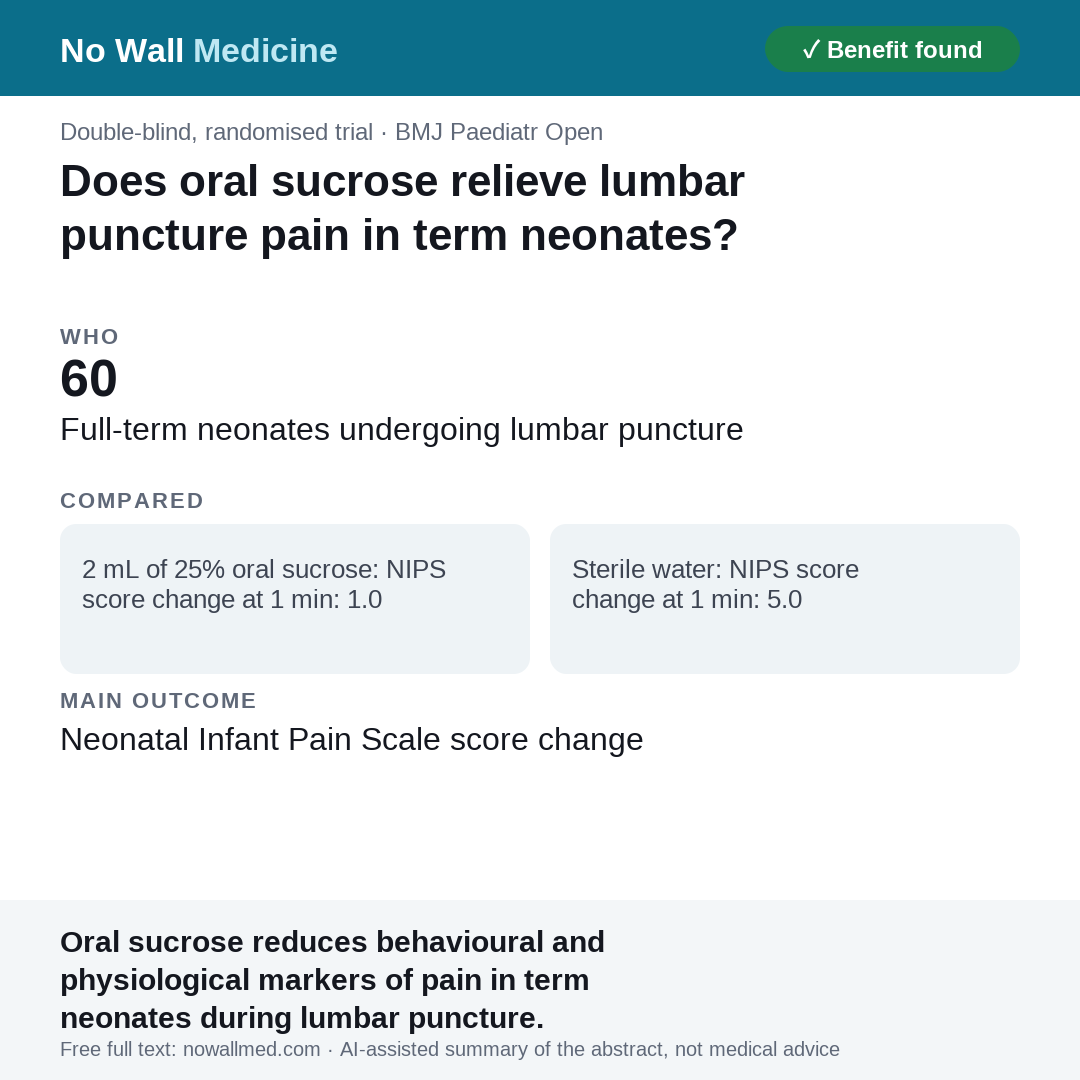
The efficacy of oral sucrose for relieving lumbar puncture pain in neonates: a randomised clinical trial
Double-blind, randomised trialBenefit found
Does oral sucrose relieve lumbar puncture pain in term neonates?
Who
60
Full-term neonates undergoing lumbar puncture
Compared
2 mL of 25% oral sucrose: NIPS score change at 1 min: 1.0
Sterile water: NIPS score change at 1 min: 5.0
Main outcome
Neonatal Infant Pain Scale score change
Bottom line: Oral sucrose reduces behavioural and physiological markers of pain in term neonates during lumbar puncture.
BMJ Paediatr Open · 2026-05-29Download image