Visual abstracts
New randomized trials and meta-analyses from leading journals at a glance: who was studied, what was compared, and what was found. Every paper is free to read in full.
All specialtiesCardiology 4763Oncology 4042Gastroenterology & Hepatology 1902Infectious Disease 3756Neurology 1872Psychiatry & Mental Health 2214Pulmonology 2042Critical Care 1319Endocrinology & Diabetes 2544Pediatrics 2889Surgery 2479Orthopedics & Sports Medicine 917Neurosurgery 525Cardiothoracic & Vascular Surgery 656Plastic & Reconstructive Surgery 574Nephrology 1107Rheumatology 810Hematology 1090Dermatology 611Ophthalmology 532Obstetrics & Gynecology 1645Public & Global Health 1037Radiology & Imaging 617Anesthesiology 957Urology 745ENT (Otolaryngology) 494Emergency Medicine 481Allergy & Immunology 309Geriatrics 972Family Medicine & Primary Care 533Medical Genetics & Genomics 659Pathology & Laboratory Medicine 156Physical Medicine & Rehabilitation 734Palliative Care 421Nutrition 1560Digital Health & AI 2133General Medicine 318
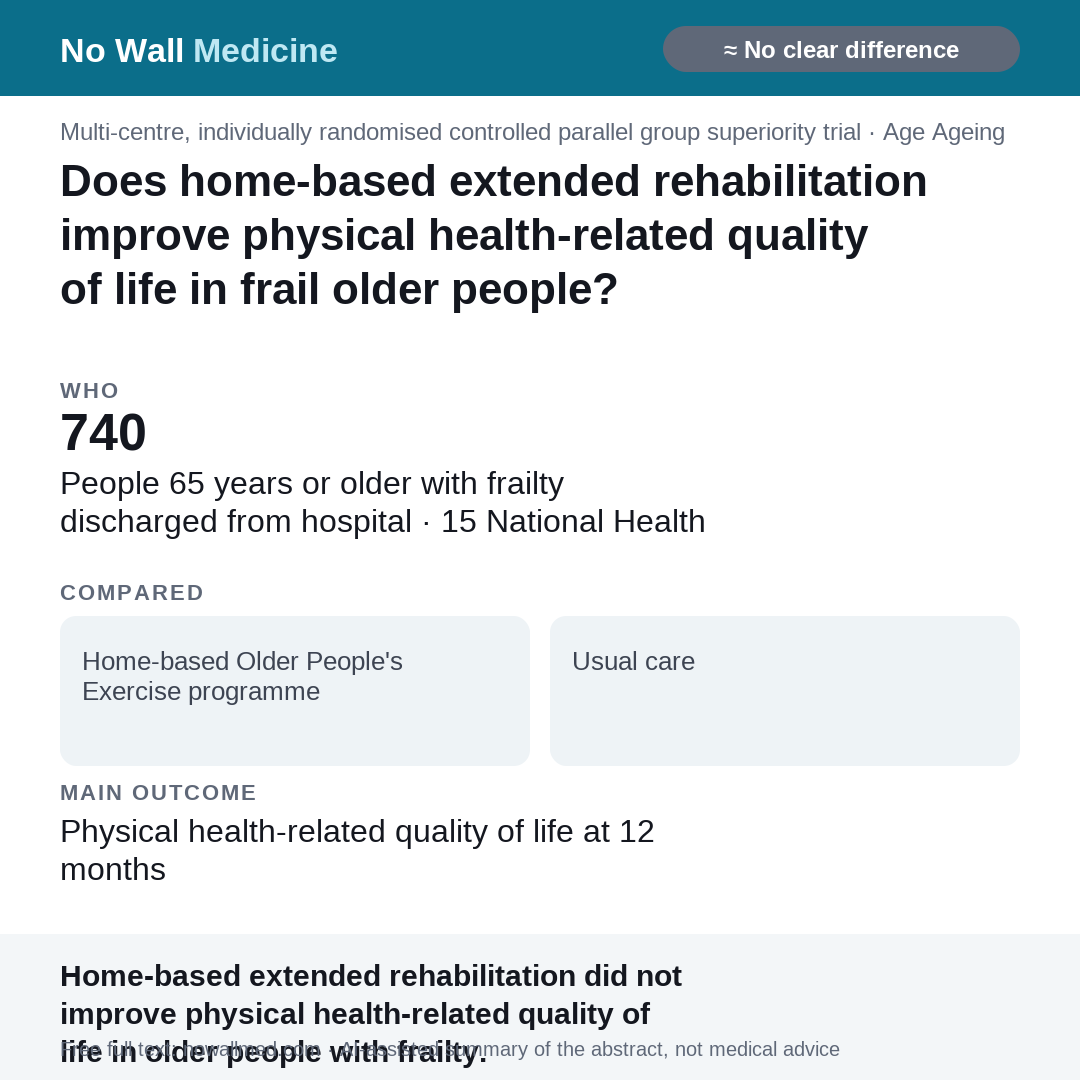
Home-based extended rehabilitation for older people with frailty (HERO): a randomised controlled trial
Multi-centre, individually randomised controlled parallel group superiority trialNo clear difference
Does home-based extended rehabilitation improve physical health-related quality of life in frail older people?
Who
740
People 65 years or older with frailty discharged from hospital · 15 National Health Service Trusts in England
Compared
Home-based Older People's Exercise programme
Usual care
Main outcome
Physical health-related quality of life at 12 months
Result: adjusted mean difference -0.22 (95% CI -1.47 to 1.03)
Bottom line: Home-based extended rehabilitation did not improve physical health-related quality of life in older people with frailty.
Age Ageing · 2026-02-20Download image
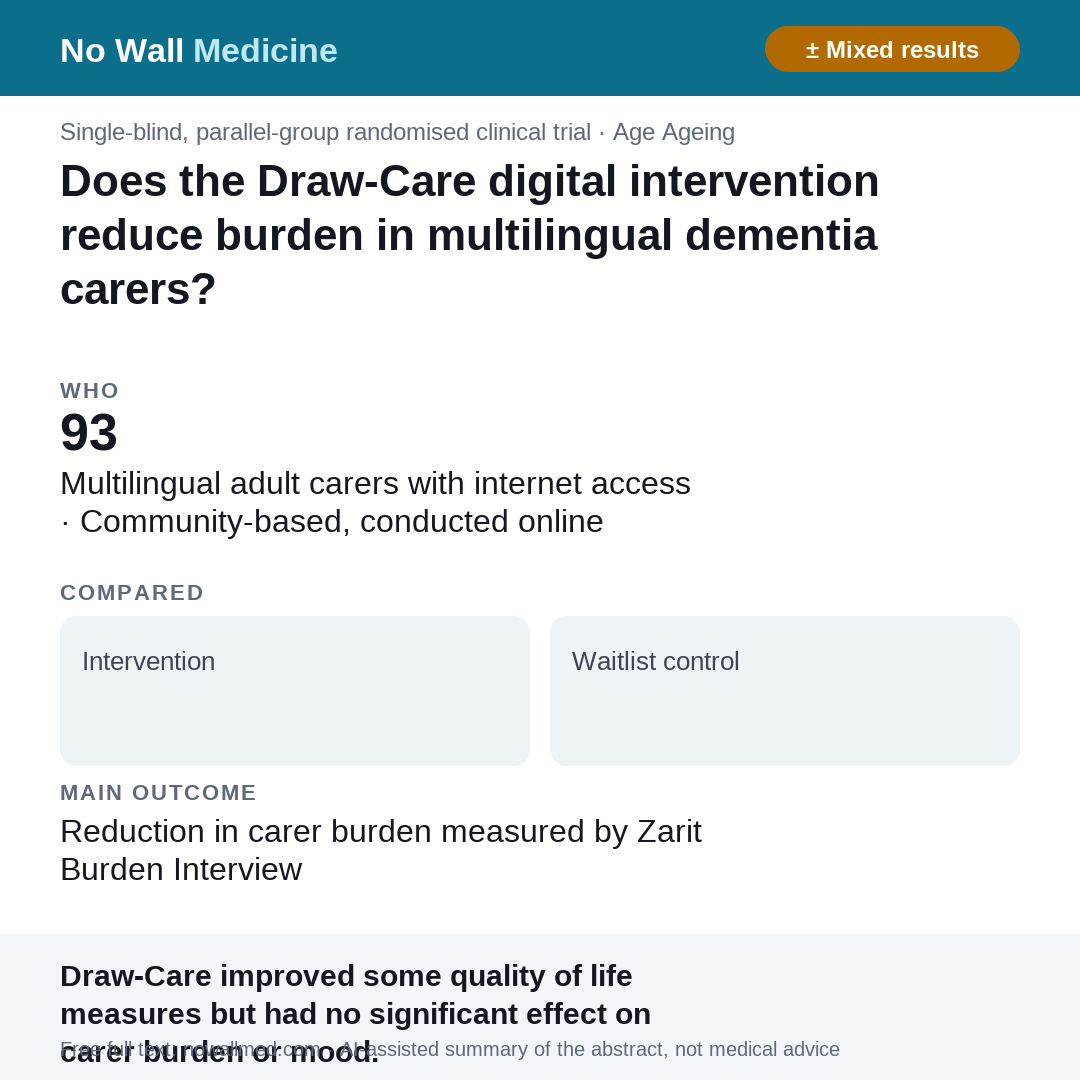
Evaluating the effects of the World Health Organisation's online intervention 'iSupport lite' to reduce burden in multilingual dementia carers: results from the Australian Draw-Care randomised clinical trial
Single-blind, parallel-group randomised clinical trialMixed results
Does the Draw-Care digital intervention reduce burden in multilingual dementia carers?
Who
93
Multilingual adult carers with internet access · Community-based, conducted online
Compared
Intervention
Waitlist control
Main outcome
Reduction in carer burden measured by Zarit Burden Interview
Result: mean difference 0.75 (95% CL: 0.25 to 1.24) for CarerQoL-VAS
Bottom line: Draw-Care improved some quality of life measures but had no significant effect on carer burden or mood.
Age Ageing · 2026-02-20Download image
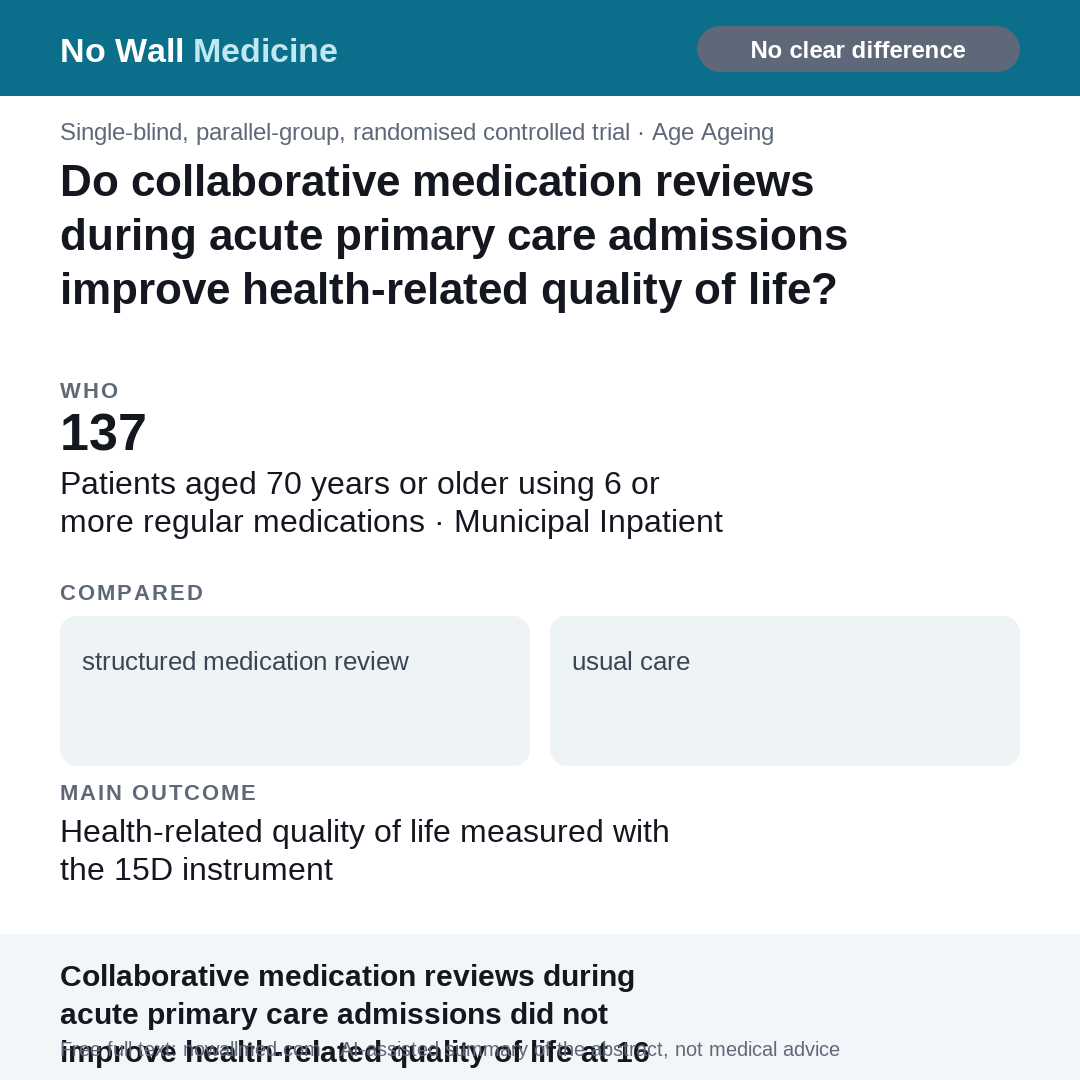
Collaborative medication reviews during acute primary care admissions for older adults with polypharmacy: a randomised controlled trial
Single-blind, parallel-group, randomised controlled trialNo clear difference
Do collaborative medication reviews during acute primary care admissions improve health-related quality of life?
Who
137
Patients aged 70 years or older using 6 or more regular medications · Municipal Inpatient Acute Care unit in Oslo, Norway
Compared
structured medication review
usual care
Main outcome
Health-related quality of life measured with the 15D instrument
Result: mean difference 0.009 (95% CI, -0.063 to 0.079)
Bottom line: Collaborative medication reviews during acute primary care admissions did not improve health-related quality of life at 16 weeks.
Age Ageing · 2026-02-20Download image
A clinical study examining the effects of dietary nitrate on urinary N-nitrosamines
Randomized controlled trialNo clear difference
Does dietary nitrate intake affect urinary N-nitrosamine excretion?
Who
231
Participants with mild hypertension
Compared
Low nitrate vegetables and placebo: <5 μg/24 h
Low nitrate vegetables and potassium nitrate: did not significantly change
Nitrate-rich vegetables and placebo: did not significantly change
Main outcome
Total urinary excretion of N-nitrosamines
Bottom line: Five weeks of high dietary nitrate intake does not increase urinary N-nitrosamine excretion.
Am J Clin Nutr · 2026-02-20Download image
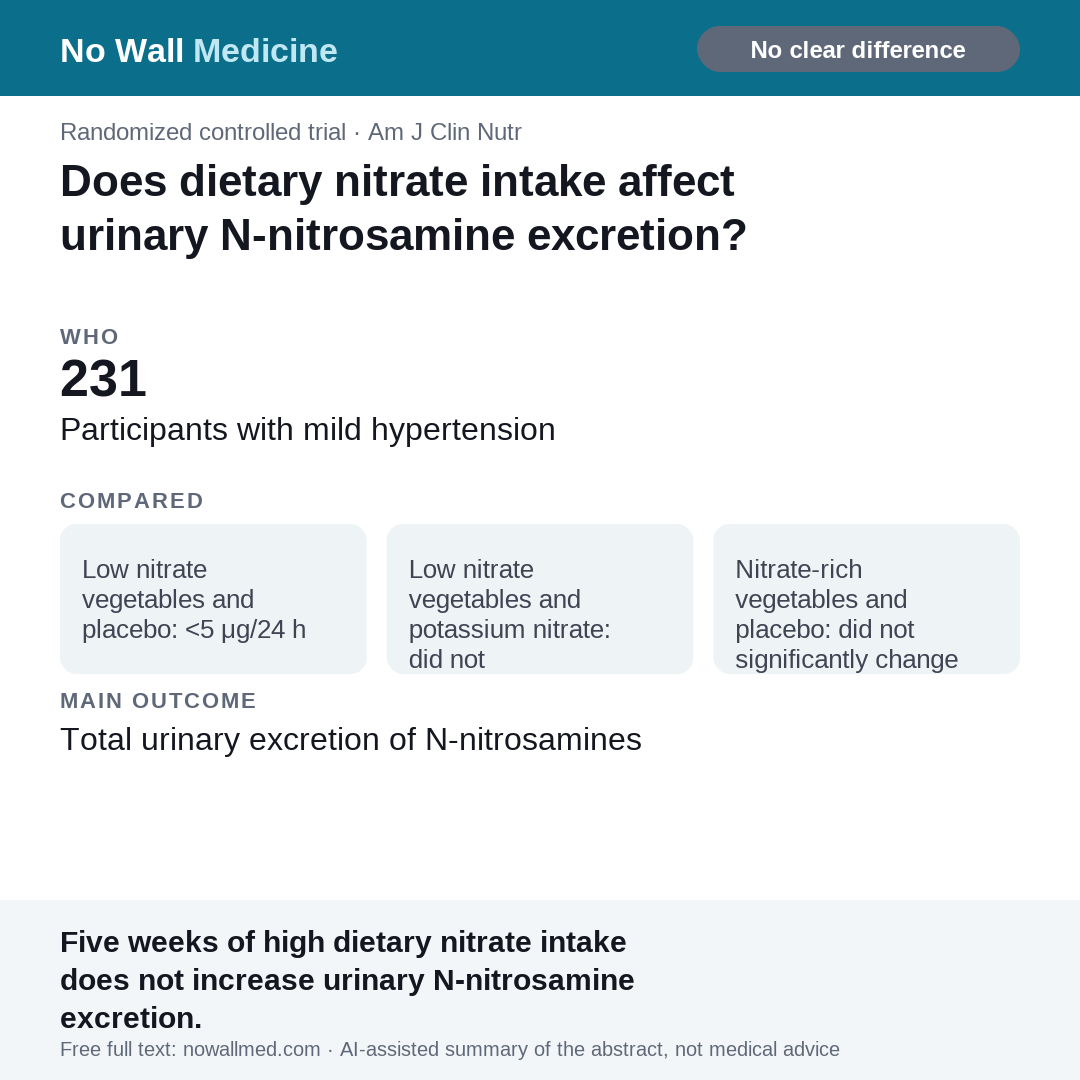
Online mindfulness-based cognitive therapy as an adjuvant-treatment for Chinese patients with psoriasis: A randomized controlled trial
Randomized controlled trialBenefit found
Does online mindfulness-based cognitive therapy improve psoriasis management as an adjuvant treatment?
Who
109
Chinese patients with psoriasis · Single-center
Compared
Treatment as usual plus mindfulness-based cognitive therapy
Treatment as usual
Main outcome
Psoriasis severity, anxiety, depression, quality of life, and itching
Bottom line: Online mindfulness-based cognitive therapy improved psoriasis severity, depression, quality of life, and itching.
Limitation: Single-center
JAAD Int · 2026-02-20Download image
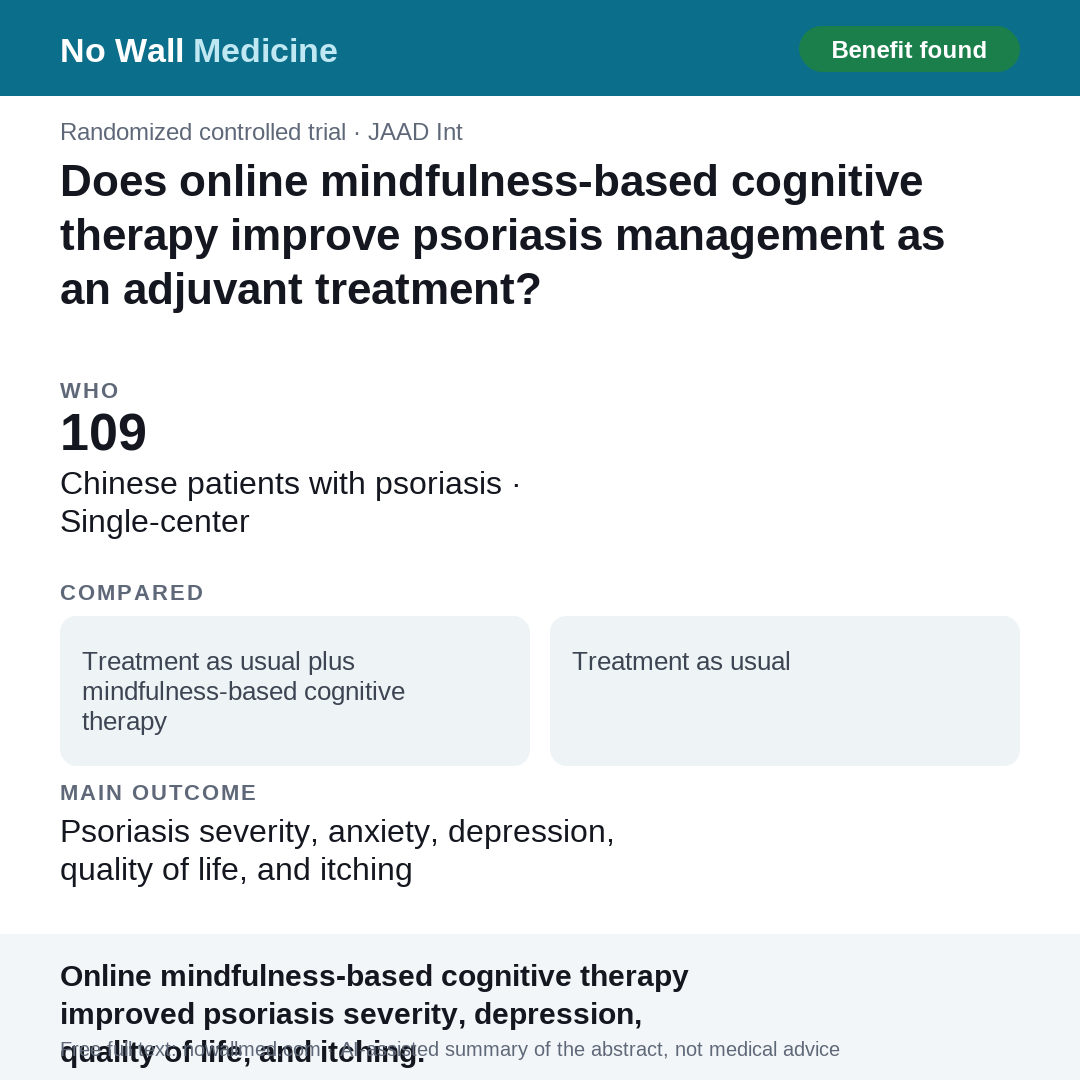
Early mobilization with or without cycloergometry in patients with septic shock in Intensive Care Unit: a randomized controlled trial
Prospective, randomized, multicenter studyNo clear difference
Does adding cycloergometry to standard physiotherapy affect intensive care unit length of stay?
Who
119
Sedated-ventilated patients admitted to intensive care unit for septic shock · Multicenter
Compared
Cycloergometry and standard physiotherapy: 9 [IQR 6-15] days
Standard physiotherapy: 12 [IQR 6-28] days
Main outcome
Intensive care unit length of stay
Bottom line: Adding cycloergometry to standard physiotherapy did not significantly change intensive care unit length of stay in septic shock patients.
Ann Intensive Care · 2026-02-20Download image
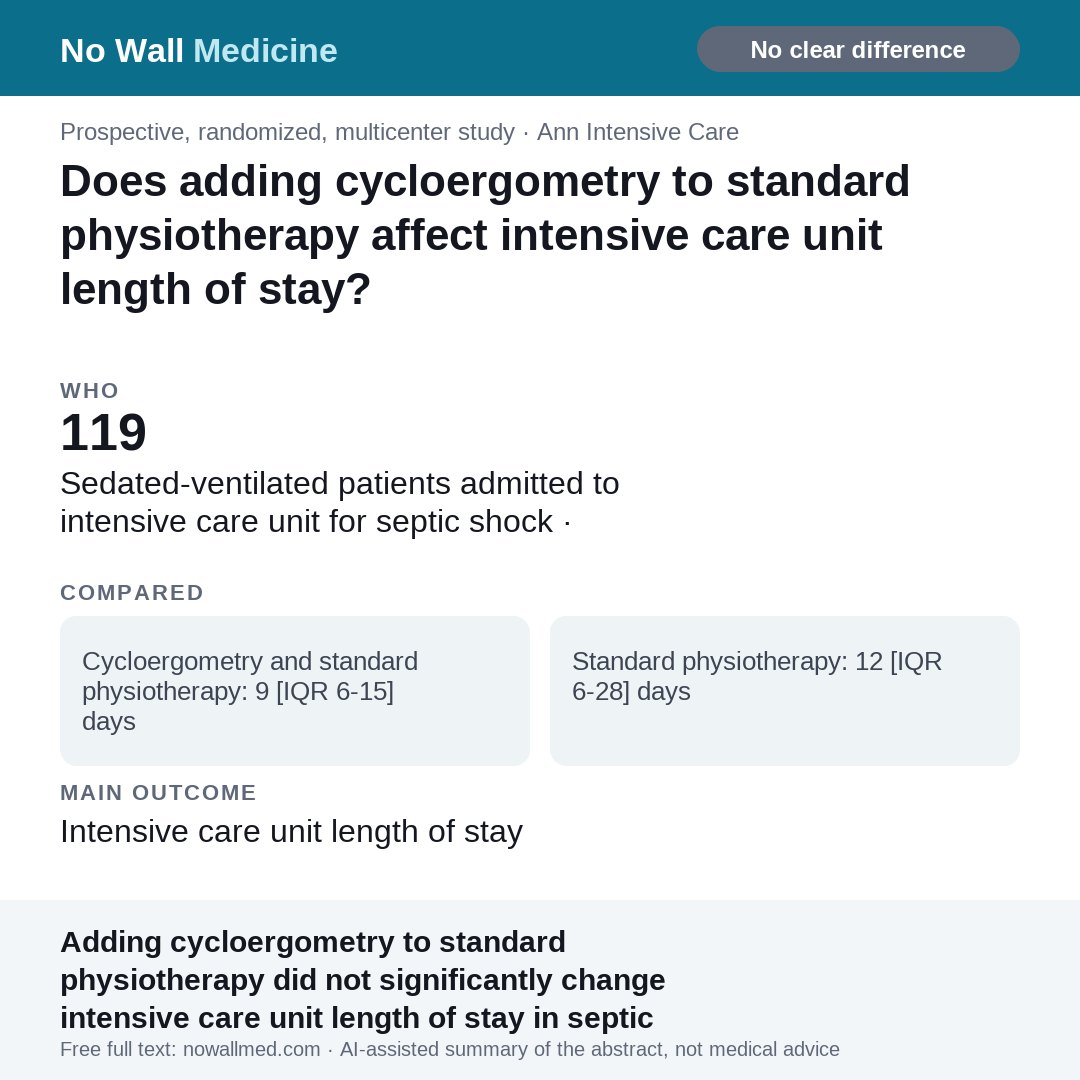
Real-world evidence on RSV vaccine uptake, effectiveness, and safety in older adults: a systematic review and meta-analysis
Systematic review and meta-analysisBenefit found
What are the uptake, effectiveness, and safety of RSV vaccines in older adults?
Who
121
Older adults · United States, United Kingdom, Italy, Australia, Czech Republic, Switzerland, France, Canada, and Israel
Compared
RSV vaccine: 75.3% (95% CI: 73.7-76.9) effectiveness against any laboratory-confirmed RSV-positive infection
RSV vaccine: 76.4% (95% CI: 74.2-78.5) effectiveness against RSV-related emergency department or urgent care visits
RSV vaccine: 74.8% (95% CI: 66.8-82.9) effectiveness against RSV-related hospital admissions
RSV vaccine: 79.8% (95% CI: 68.1-91.5) effectiveness against severe RSV-associated disease
Main outcome
RSV vaccine uptake, effectiveness, and safety signals
Bottom line: RSV vaccines show high effectiveness and a favourable safety profile despite low global uptake in older adults.
Lancet Reg Health Eur · 2026-02-20Download image
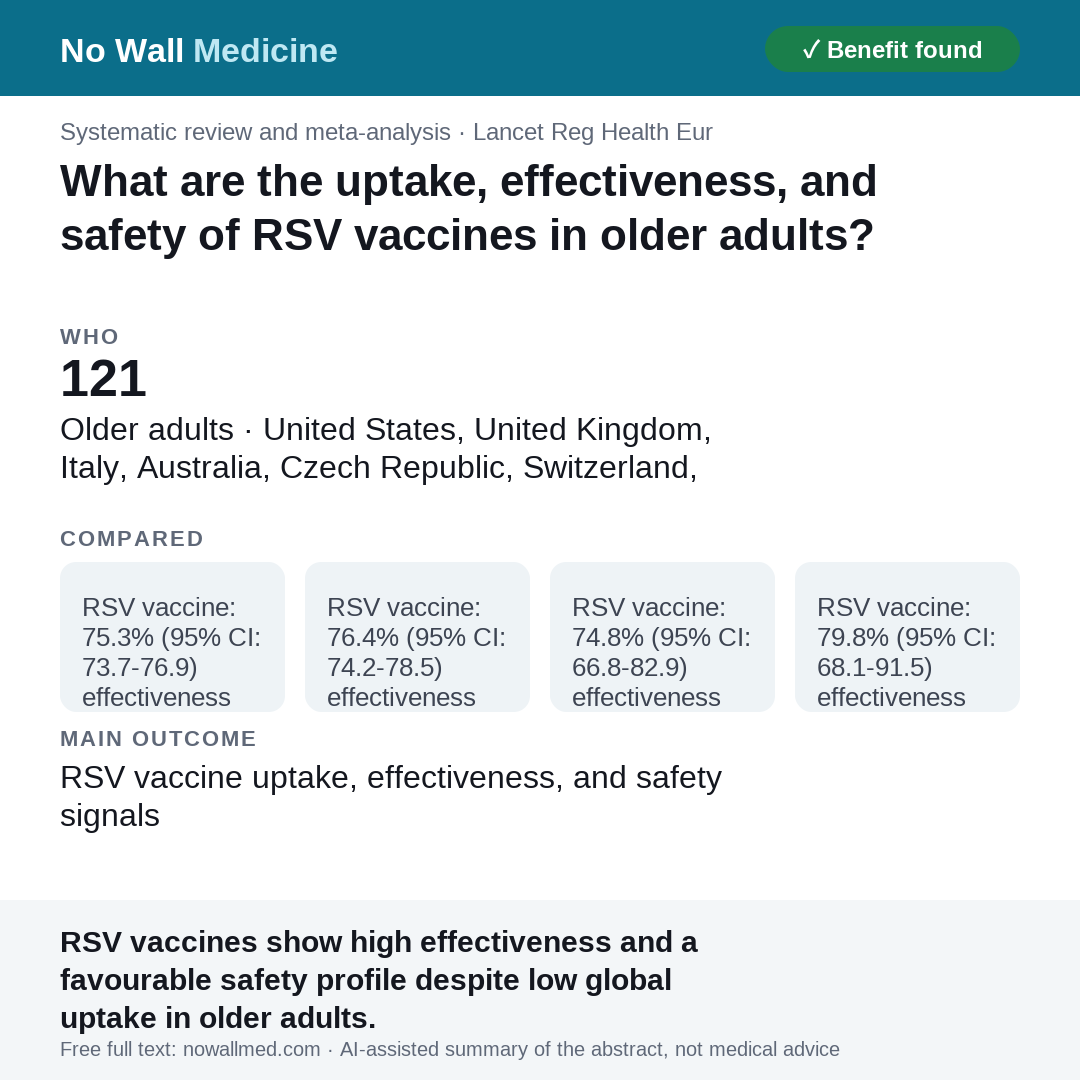
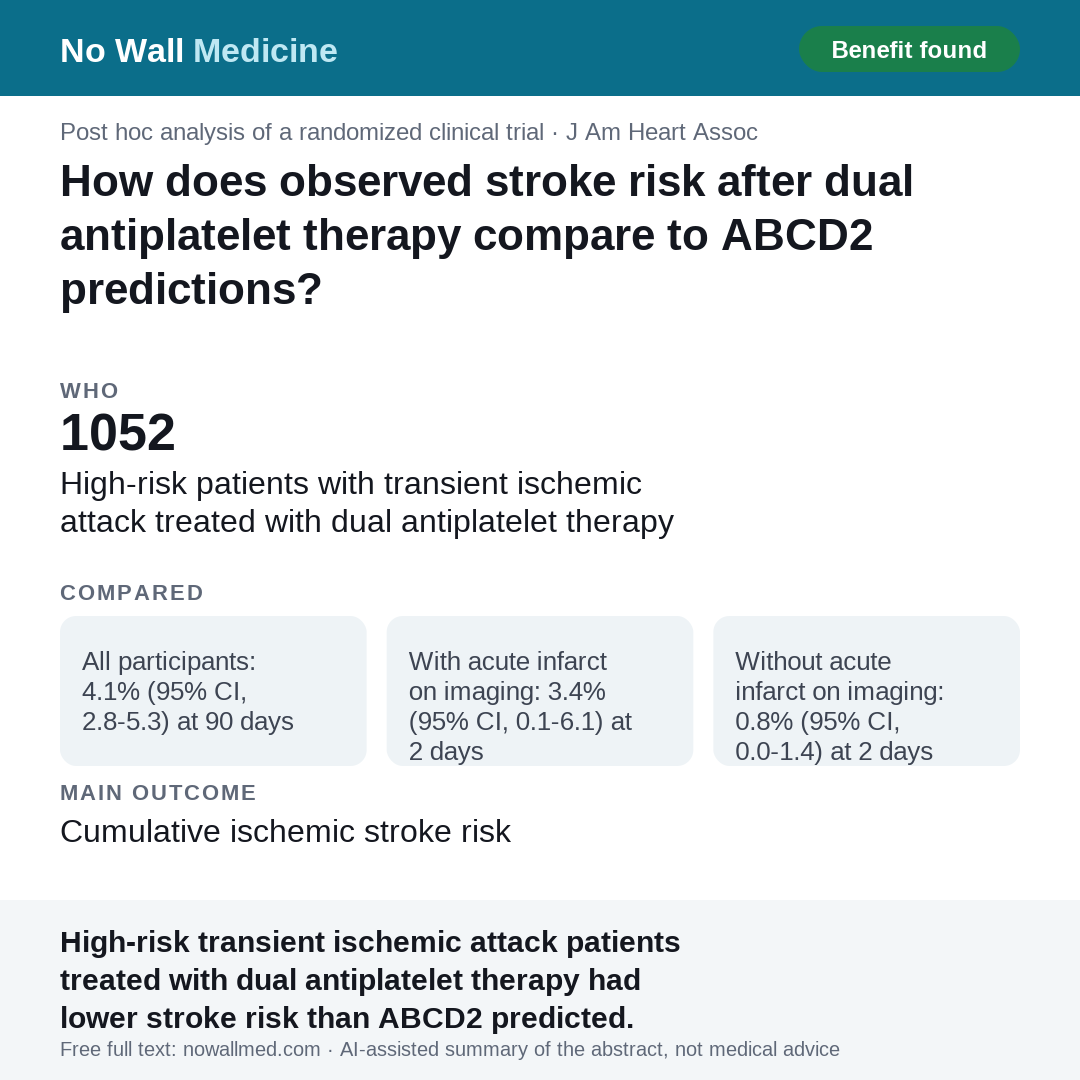
Observed Versus Predicted Stroke Risk After Transient Ischemic Attack: A Post Hoc Analysis of a Randomized Clinical Trial
Post hoc analysis of a randomized clinical trialKey finding
How does observed stroke risk after dual antiplatelet therapy compare to ABCD2 predictions?
Who
1052
High-risk patients with transient ischemic attack treated with dual antiplatelet therapy
Compared
All participants: 4.1% (95% CI, 2.8-5.3) at 90 days
With acute infarct on imaging: 3.4% (95% CI, 0.1-6.1) at 2 days
Without acute infarct on imaging: 0.8% (95% CI, 0.0-1.4) at 2 days
Main outcome
Cumulative ischemic stroke risk
Bottom line: High-risk transient ischemic attack patients treated with dual antiplatelet therapy had lower stroke risk than ABCD2 predicted.
Limitation: This was a post hoc analysis of a randomized clinical trial.
J Am Heart Assoc · 2026-02-20Download image
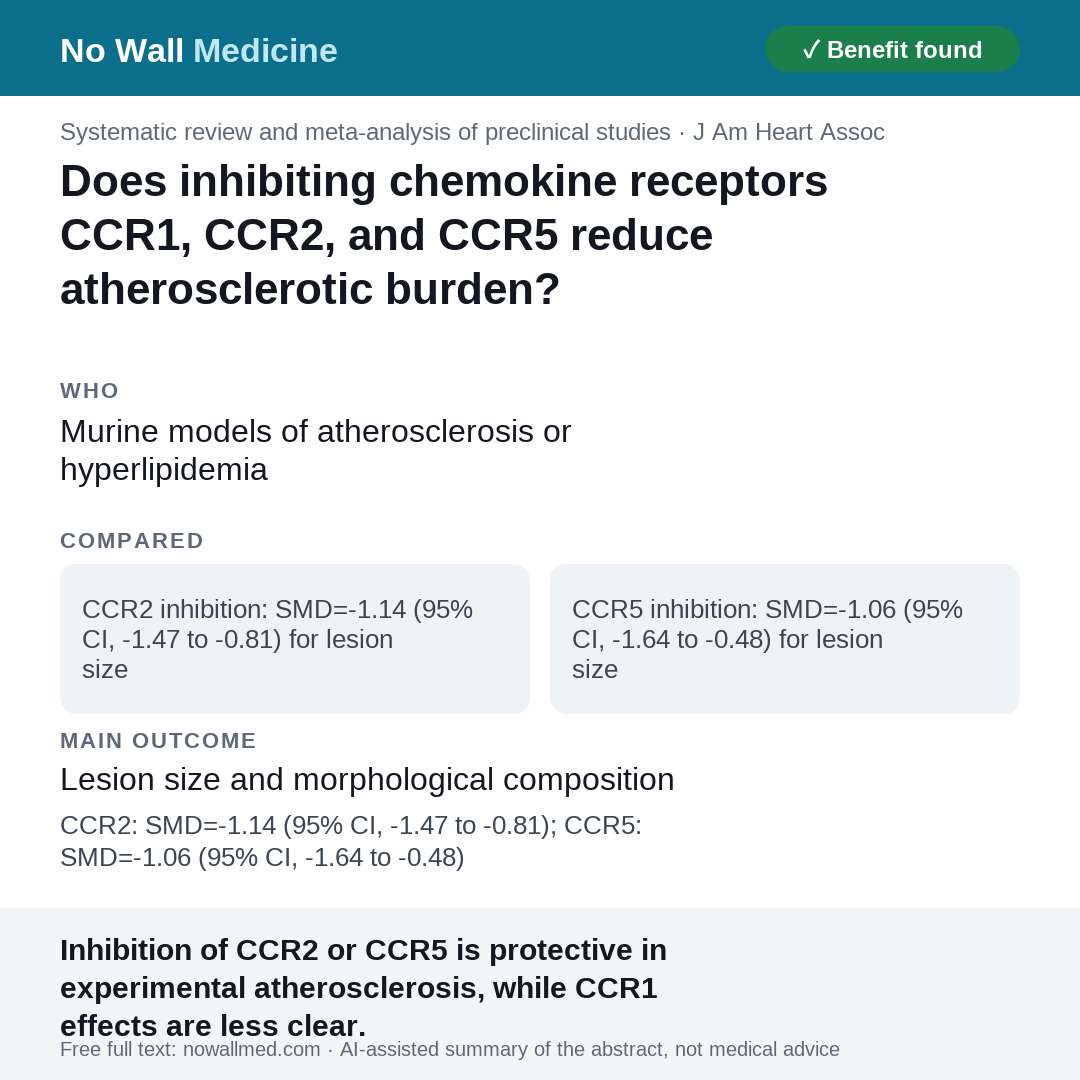
Pharmacological and Genetic Targeting of Inflammatory Chemokine Receptors CCR1, CCR2, and CCR5 in Atherosclerosis: A Systematic Review and Meta-Analysis of Preclinical Studies
Systematic review and meta-analysis of preclinical studiesBenefit found
Does inhibiting chemokine receptors CCR1, CCR2, and CCR5 reduce atherosclerotic burden?
Who
Murine models of atherosclerosis or hyperlipidemia
Compared
CCR2 inhibition: SMD=-1.14 (95% CI, -1.47 to -0.81) for lesion size
CCR5 inhibition: SMD=-1.06 (95% CI, -1.64 to -0.48) for lesion size
Main outcome
Lesion size and morphological composition
Result: CCR2: SMD=-1.14 (95% CI, -1.47 to -0.81); CCR5: SMD=-1.06 (95% CI, -1.64 to -0.48)
Bottom line: Inhibition of CCR2 or CCR5 is protective in experimental atherosclerosis, while CCR1 effects are less clear.
J Am Heart Assoc · 2026-02-20Download image
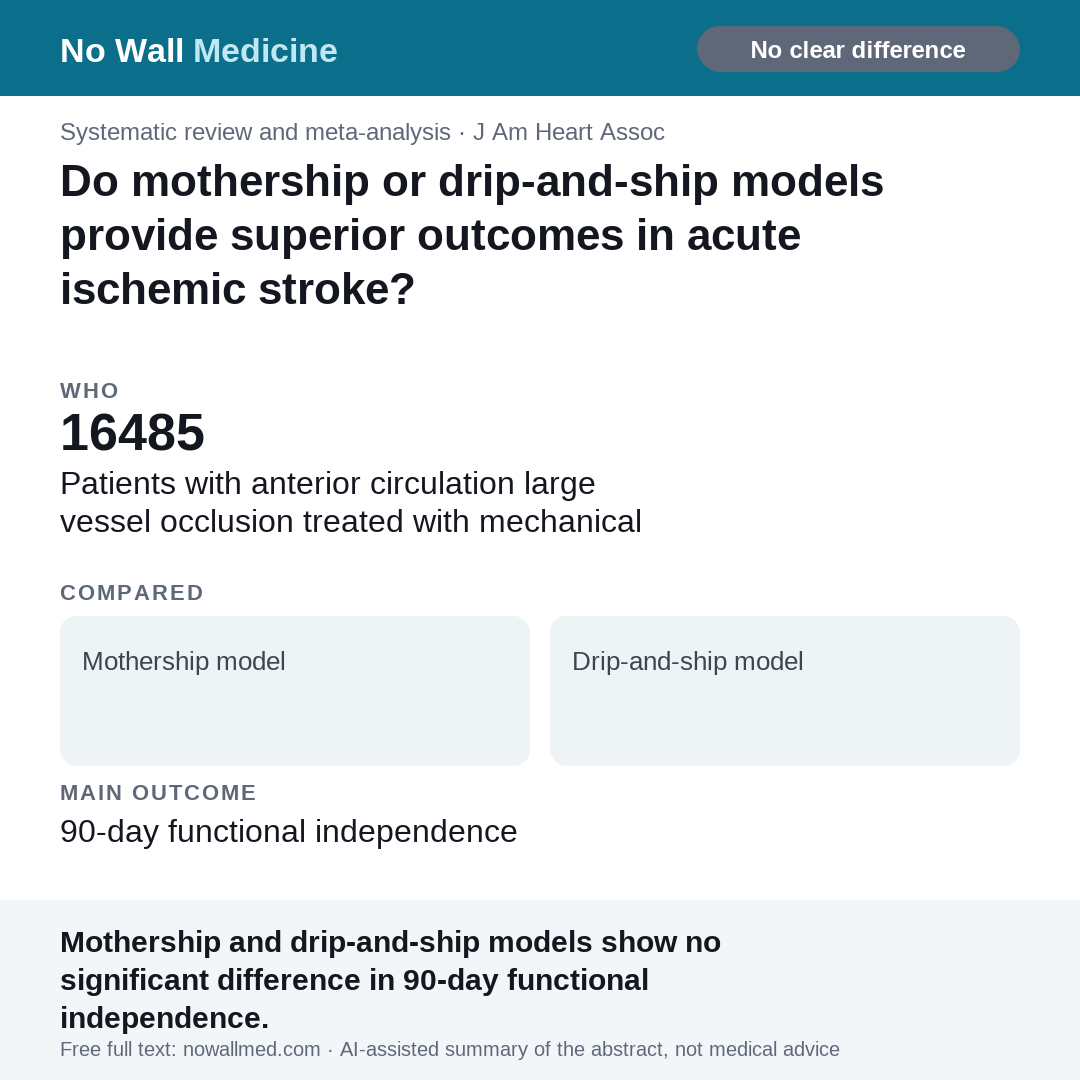
Mothership Versus Drip-and-Ship Models in Acute Stroke Care: A Time-Sensitive Meta-Analysis
Systematic review and meta-analysisNo clear difference
Do mothership or drip-and-ship models provide superior outcomes in acute ischemic stroke?
Who
16485
Patients with anterior circulation large vessel occlusion treated with mechanical thrombectomy
Compared
Mothership model
Drip-and-ship model
Main outcome
90-day functional independence
Result: odds ratio 1.12 (95% CI 0.94-1.32)
Bottom line: Mothership and drip-and-ship models show no significant difference in 90-day functional independence.
J Am Heart Assoc · 2026-02-20Download image
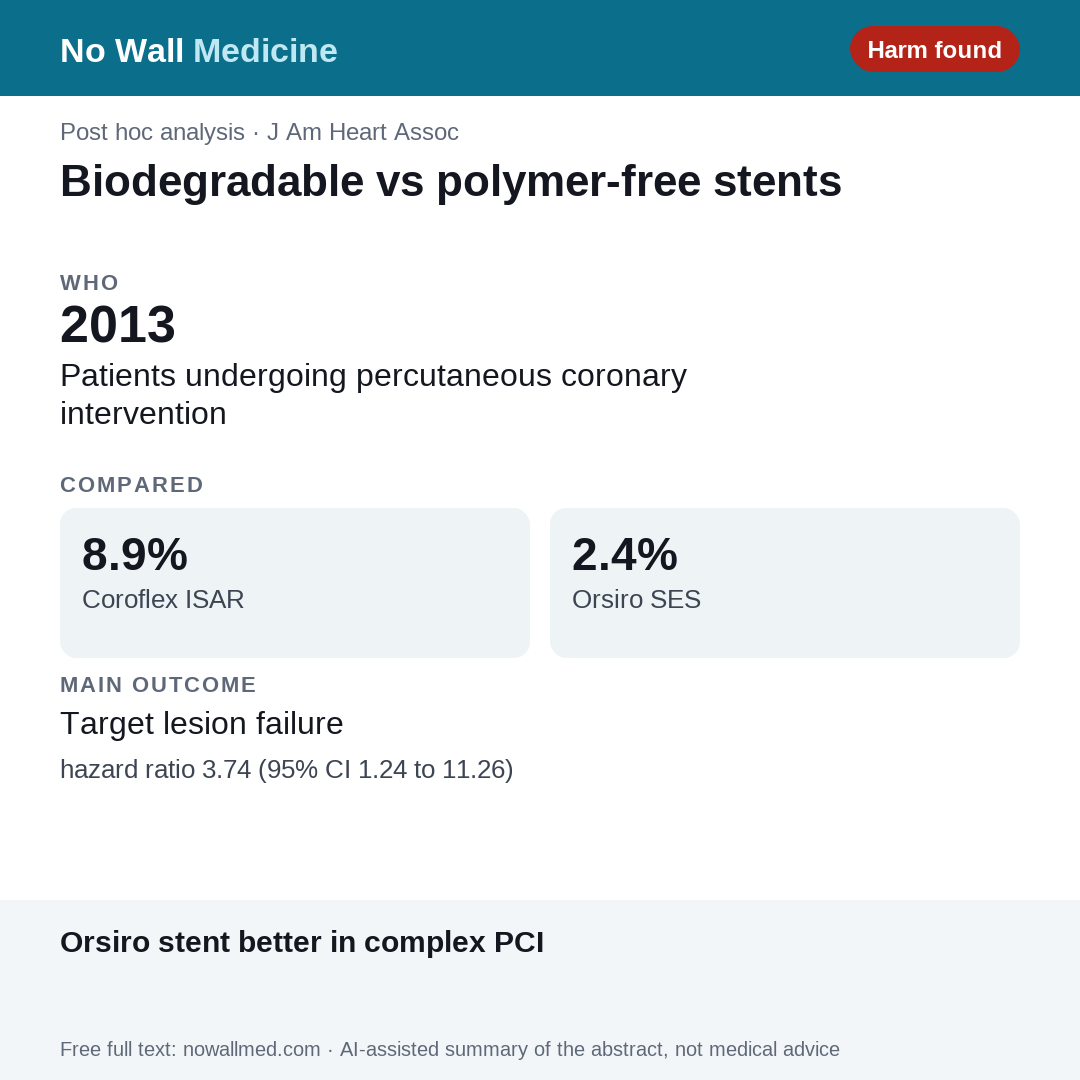
Biodegradable Polymer Versus Polymer-Free Ultrathin Sirolimus-Eluting Stents in Complex Percutaneous Coronary Intervention: Post Hoc Analysis of the Stent Arm Registry From the HOST-IDEA Randomized Trial
Post hoc analysisHarm found
Biodegradable vs polymer-free stents
Who
2013
Patients undergoing percutaneous coronary intervention
Compared
8.9%Coroflex ISAR
2.4%Orsiro SES
Main outcome
Target lesion failure
Result: hazard ratio 3.74 (95% CI 1.24 to 11.26)
Bottom line: Orsiro stent better in complex PCI
J Am Heart Assoc · 2026-02-20Download image
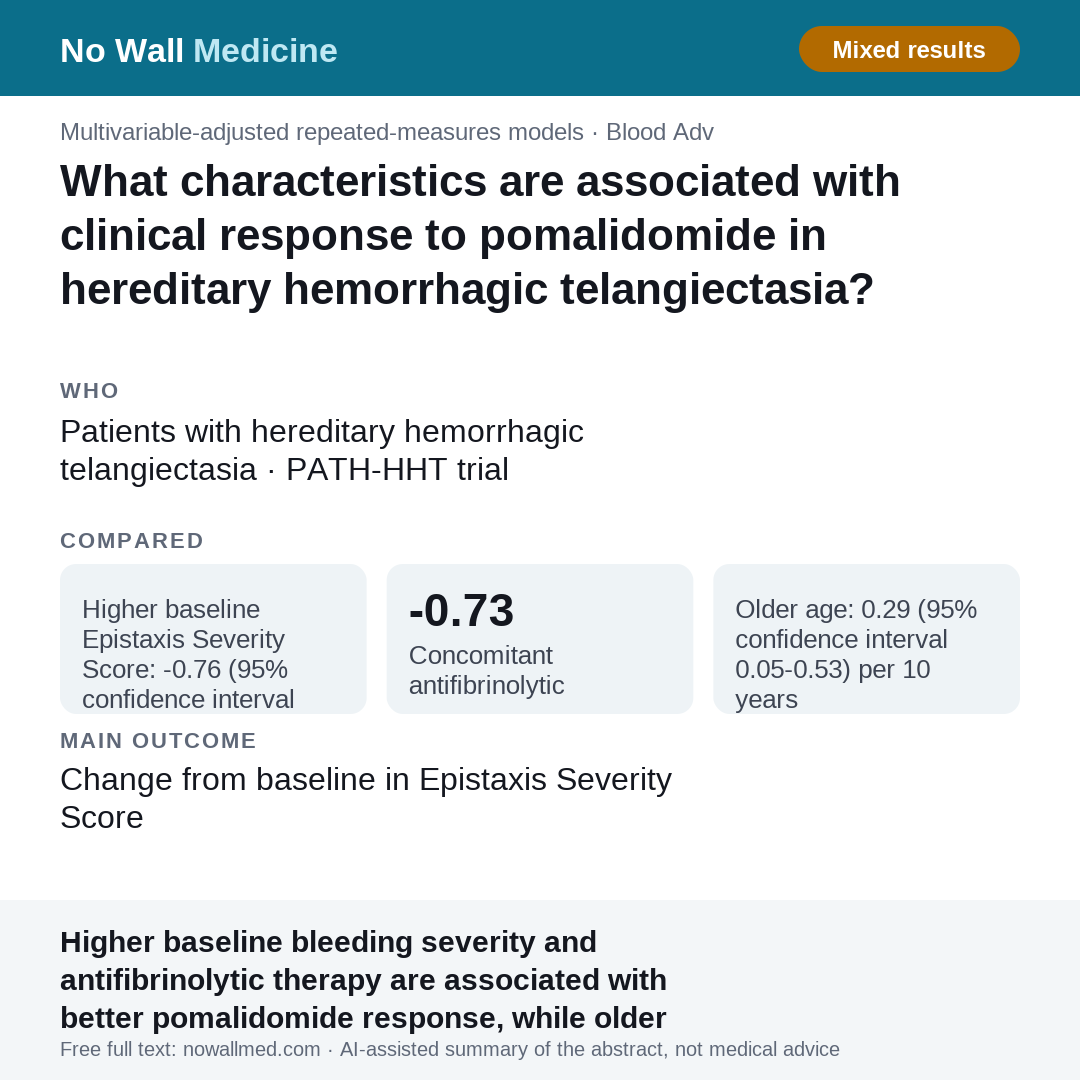
Characteristics associated with clinical response to pomalidomide in hereditary hemorrhagic telangiectasia
Multivariable-adjusted repeated-measures modelsMixed results
What characteristics are associated with clinical response to pomalidomide in hereditary hemorrhagic telangiectasia?
Who
Patients with hereditary hemorrhagic telangiectasia · PATH-HHT trial
Compared
Higher baseline Epistaxis Severity Score: -0.76 (95% confidence interval -0.99 to -0.54) points
-0.73Concomitant antifibrinolytic therapy (95% confidence interval -1.48 to 0.01)
Older age: 0.29 (95% confidence interval 0.05-0.53) per 10 years
Main outcome
Change from baseline in Epistaxis Severity Score
Bottom line: Higher baseline bleeding severity and antifibrinolytic therapy are associated with better pomalidomide response, while older age is associated with less response.
Blood Adv · 2026-02-20Download image
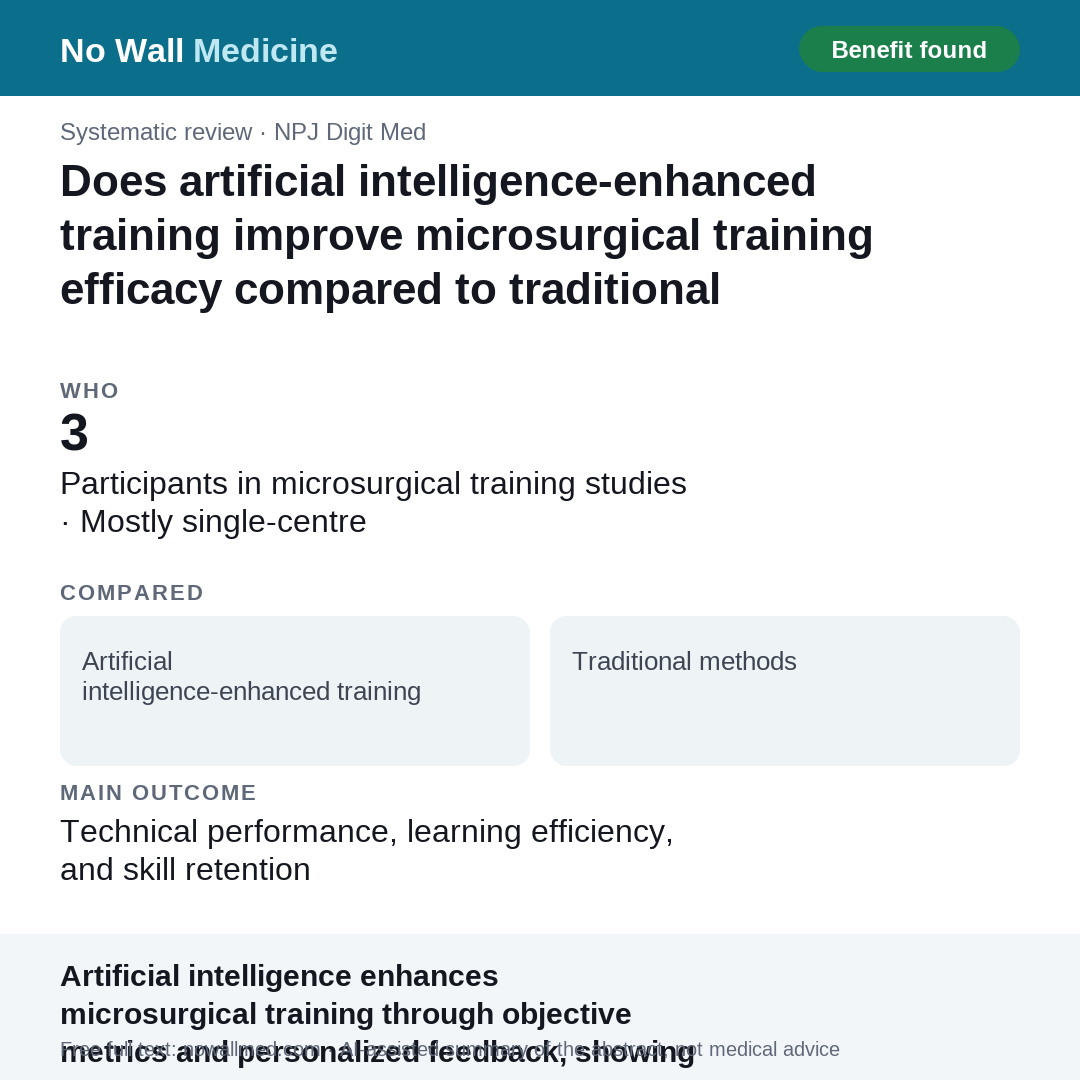
Artificial intelligence-enhanced microsurgical training: a systematic review
Systematic review of 13 studiesKey finding
Does AI-enhanced training improve microsurgical skills compared to traditional methods?
Who
Participants in microsurgical training studies, mostly single-centre
Compared
AI-enhanced training: reduced errors
Traditional methods
Main outcome
Technical performance, learning efficiency, and skill retention
Bottom line: AI enhanced microsurgical training with objective metrics, but evidence certainty was very low.
Limitation: Heterogeneous, low-quality evidence limits generalisability; high risk of bias.
NPJ Digit Med · 2026-02-20Download image
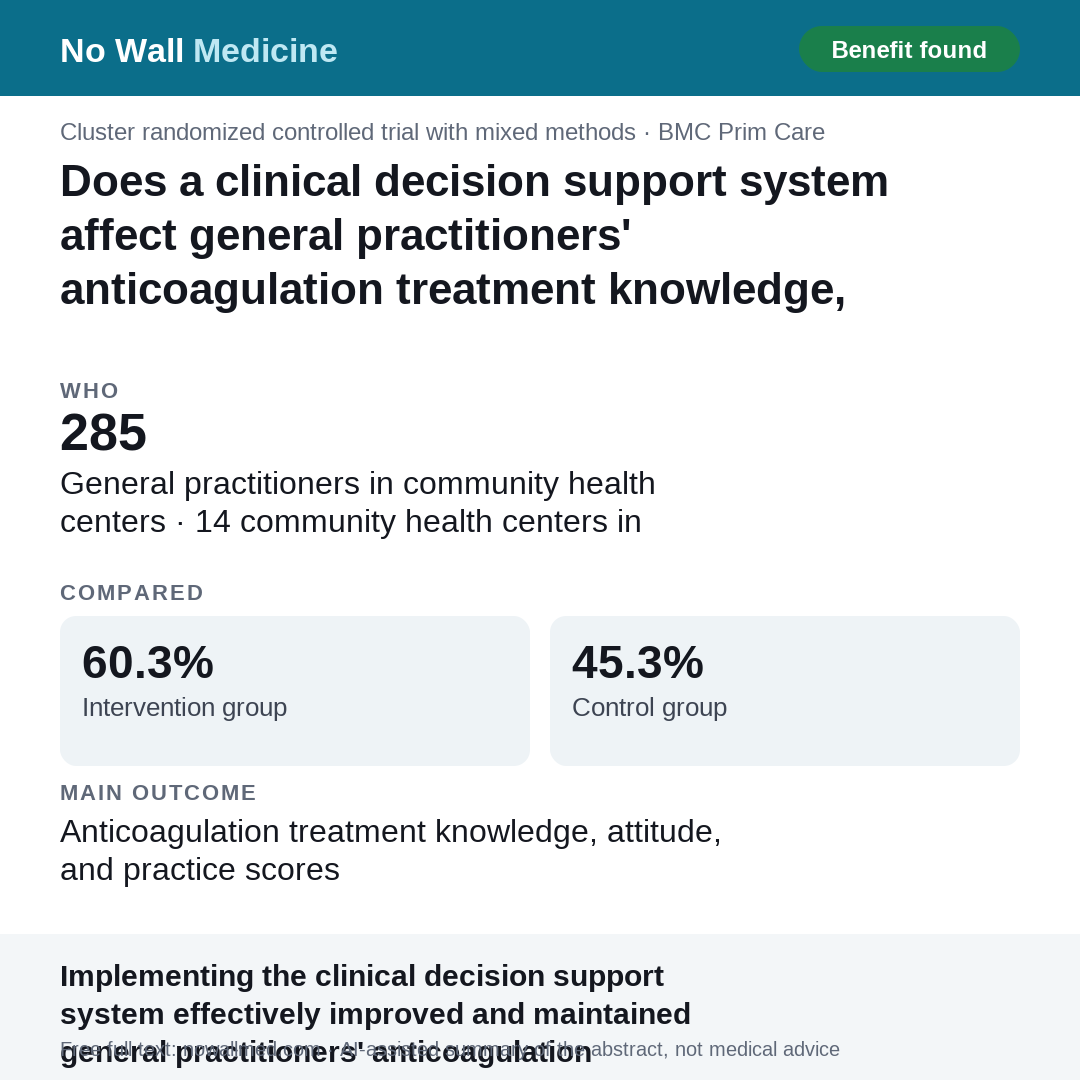
Influence of a clinical decision support system on the anticoagulation treatment knowledge, attitude and practice of general practitioners and their using experience: a mixed method study
Cluster randomized controlled trial with mixed methodsBenefit found
Does a clinical decision support system affect general practitioners' anticoagulation treatment knowledge, attitude, and practice?
Who
285
General practitioners in community health centers · 14 community health centers in Shanghai, China
Compared
60.3%Intervention group
45.3%Control group
Main outcome
Anticoagulation treatment knowledge, attitude, and practice scores
Result: p = 0.002
Bottom line: Implementing the clinical decision support system effectively improved and maintained general practitioners' anticoagulation treatment knowledge, attitude, and practice.
BMC Prim Care · 2026-02-20Download image
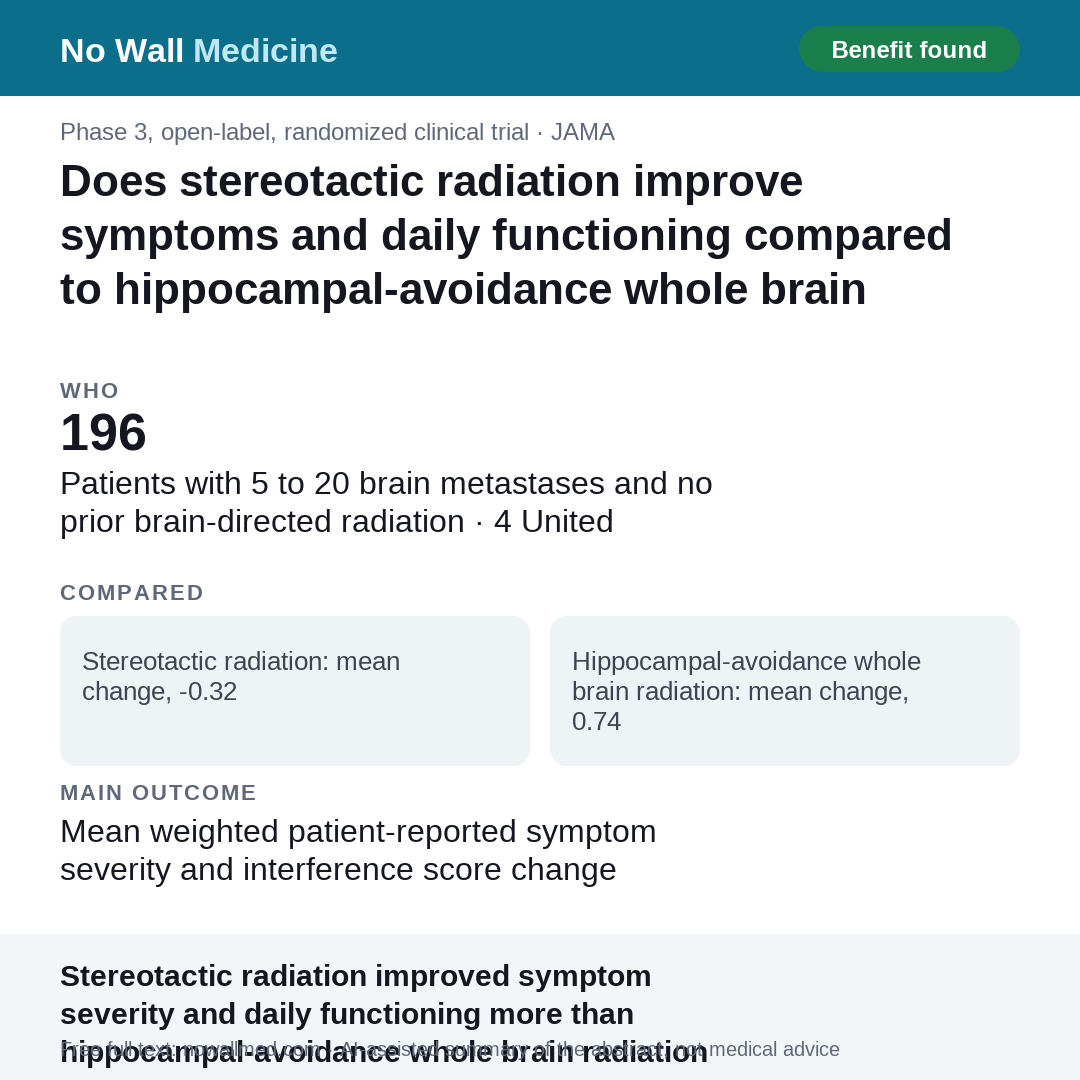
Treatment for Brain Metastases With Stereotactic Radiation vs Hippocampal-Avoidance Whole Brain Radiation: A Randomized Clinical Trial
Phase 3, open-label, randomized clinical trialBenefit found
Does stereotactic radiation improve symptoms and daily functioning compared to hippocampal-avoidance whole brain radiation?
Who
196
Patients with 5 to 20 brain metastases and no prior brain-directed radiation · 4 United States-based centers
Compared
Stereotactic radiation: mean change, -0.32
Hippocampal-avoidance whole brain radiation: mean change, 0.74
Main outcome
Mean weighted patient-reported symptom severity and interference score change
Result: mean difference, -1.06 (95% CI, -1.54 to -0.58)
Bottom line: Stereotactic radiation improved symptom severity and daily functioning more than hippocampal-avoidance whole brain radiation in patients with multiple brain metastases.
JAMA · 2026-02-19Download image
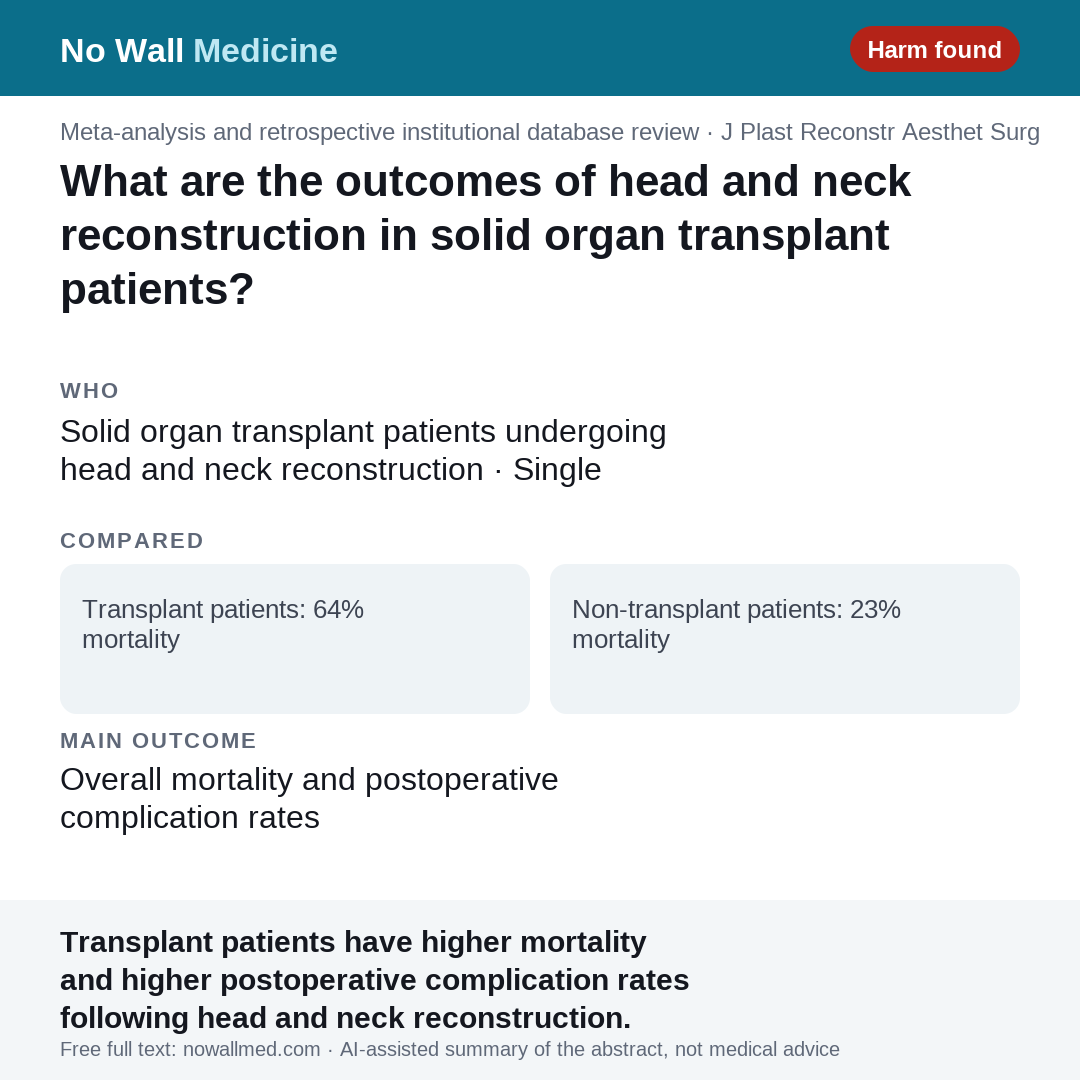
Outcomes of microvascular head and neck reconstruction in solid organ transplant patients: A single institution experience and meta-analysis
Meta-analysis and retrospective institutional database reviewHarm found
What are the outcomes of head and neck reconstruction in solid organ transplant patients?
Who
Solid organ transplant patients undergoing head and neck reconstruction · Single institution
Compared
Transplant patients: 64% mortality
Non-transplant patients: 23% mortality
Main outcome
Overall mortality and postoperative complication rates
Bottom line: Transplant patients have higher mortality and higher postoperative complication rates following head and neck reconstruction.
Limitation: Data on outcomes in this immunosuppressed population remain limited.
J Plast Reconstr Aesthet Surg · 2026-02-19Download image
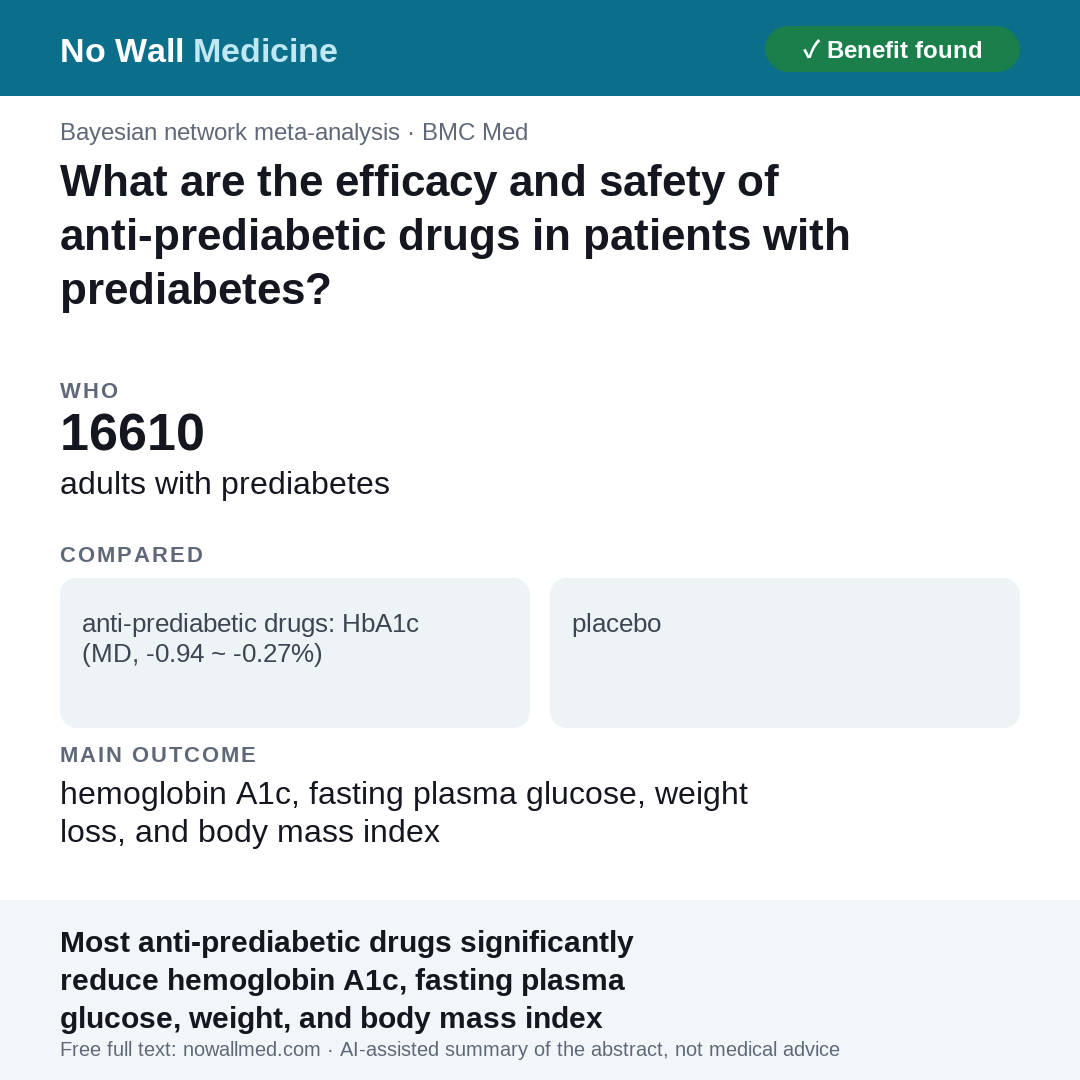
Efficacy and safety of anti-prediabetic drugs in patients with prediabetes: a Bayesian network meta-analysis
Bayesian network meta-analysisBenefit found
What are the efficacy and safety of anti-prediabetic drugs in patients with prediabetes?
Who
16610
adults with prediabetes
Compared
anti-prediabetic drugs: HbA1c (MD, -0.94 ~ -0.27%)
placebo
Main outcome
hemoglobin A1c, fasting plasma glucose, weight loss, and body mass index
Bottom line: Most anti-prediabetic drugs significantly reduce hemoglobin A1c, fasting plasma glucose, weight, and body mass index compared to placebo.
BMC Med · 2026-02-19Download image
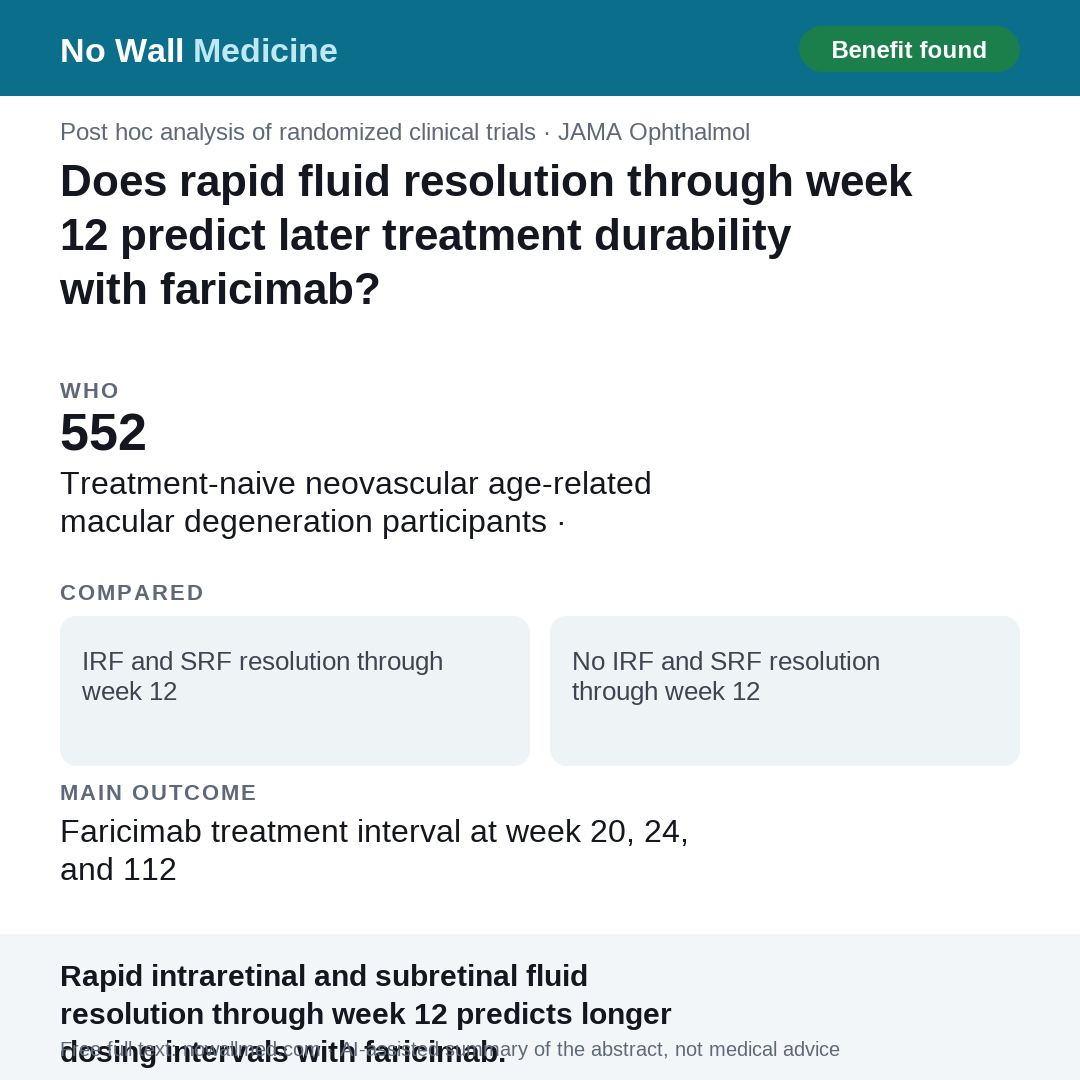
Rapid Fluid Resolution and Durability With Faricimab in Neovascular Age-Related Macular Degeneration
Post hoc analysis of randomized clinical trialsKey finding
Does rapid fluid resolution through week 12 predict later treatment durability with faricimab?
Who
552
Treatment-naive neovascular age-related macular degeneration participants · Multicenter
Compared
IRF and SRF resolution through week 12
No IRF and SRF resolution through week 12
Main outcome
Faricimab treatment interval at week 20, 24, and 112
Result: odds ratio 1.99 (95% CI 1.23-3.21) for every-16-week dosing
Bottom line: Rapid intraretinal and subretinal fluid resolution through week 12 predicts longer dosing intervals with faricimab.
JAMA Ophthalmol · 2026-02-19Download image
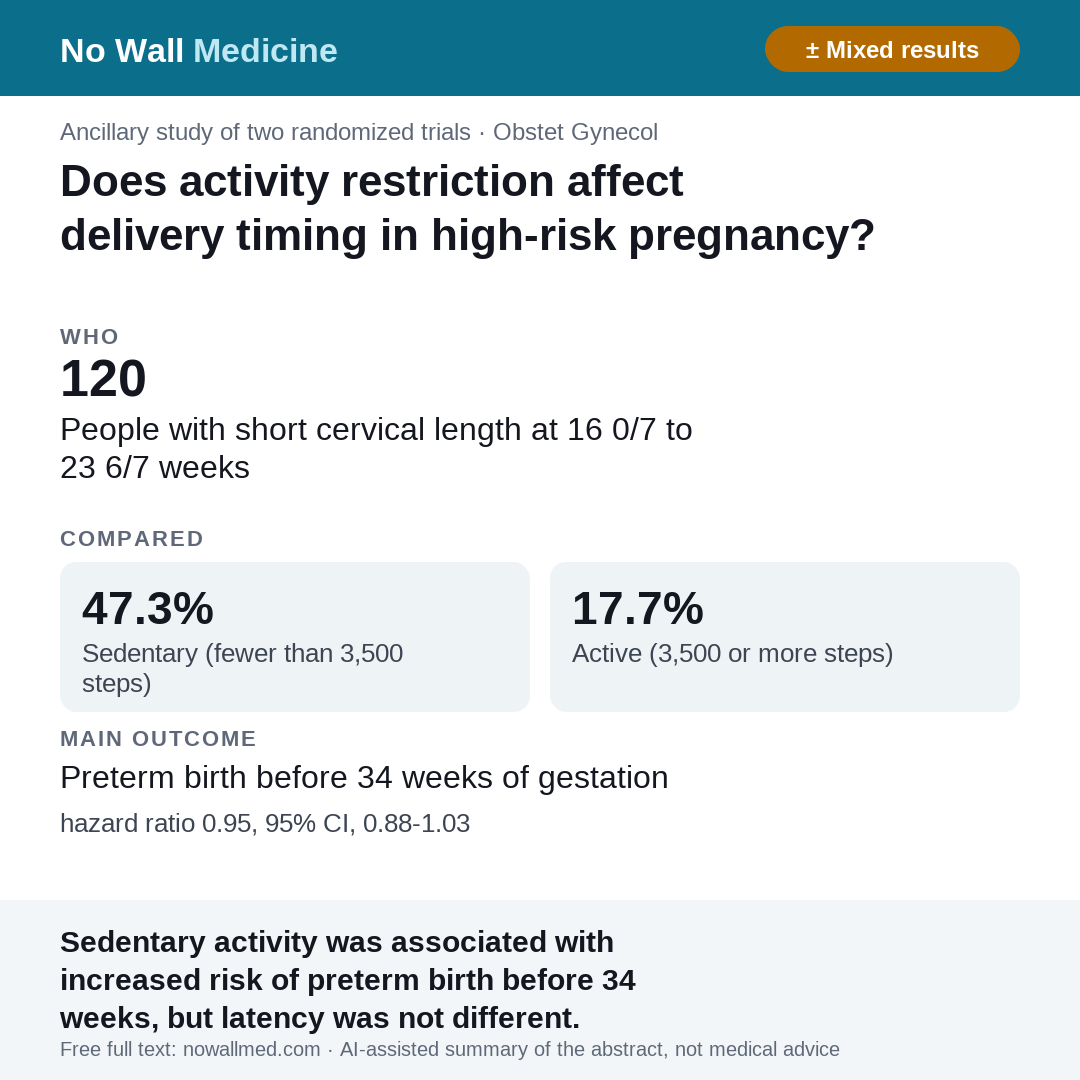
Activity Restriction in Pregnancy and the Risk of Early Delivery: The AWARE Study
Ancillary study of two randomized trialsMixed results
Does activity restriction affect delivery timing in high-risk pregnancy?
Who
120
People with short cervical length at 16 0/7 to 23 6/7 weeks
Compared
47.3%Sedentary (fewer than 3,500 steps)
17.7%Active (3,500 or more steps)
Main outcome
Preterm birth before 34 weeks of gestation
Result: hazard ratio 0.95, 95% CI, 0.88-1.03
Bottom line: Sedentary activity was associated with increased risk of preterm birth before 34 weeks, but latency was not different.
Obstet Gynecol · 2026-02-19Download image
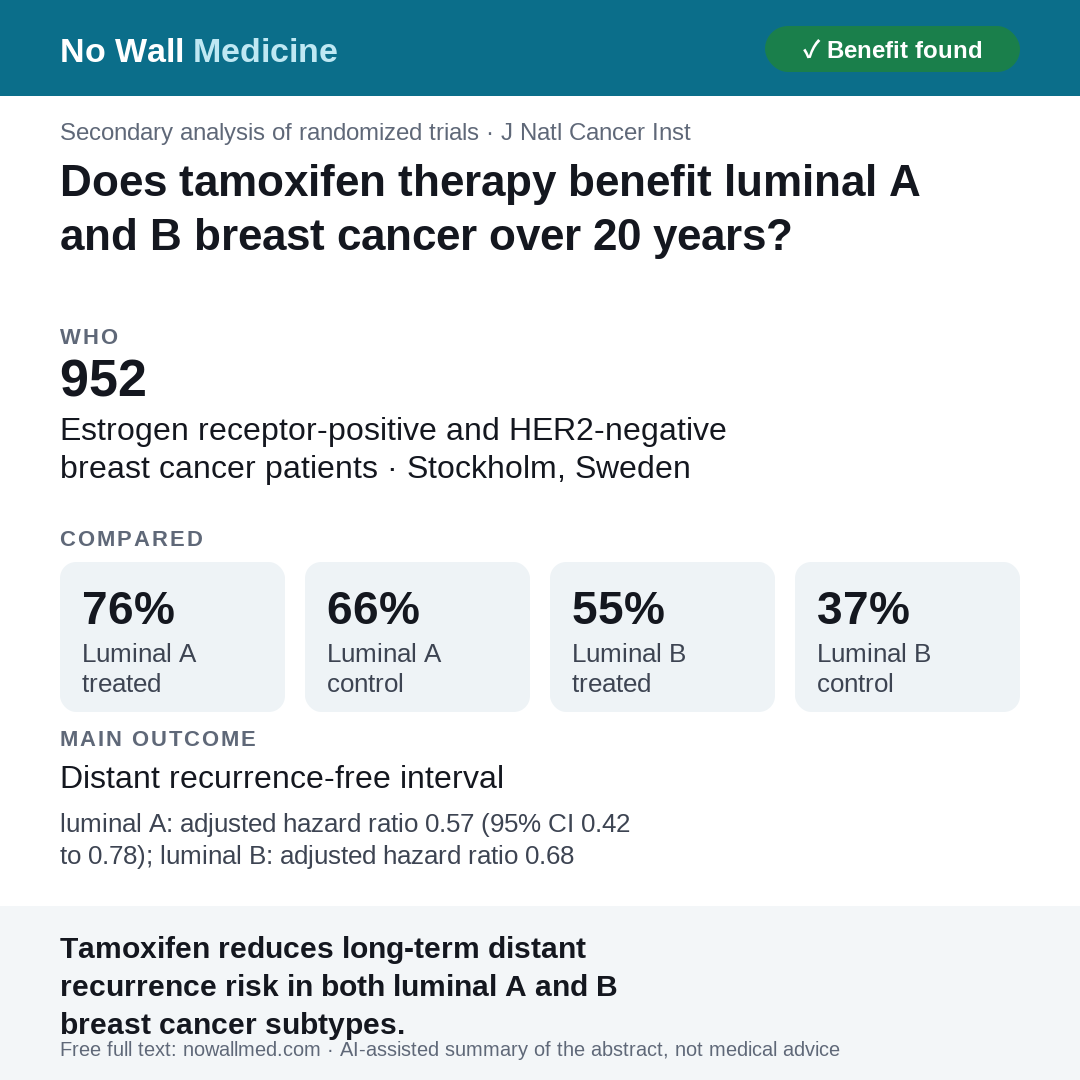
Tamoxifen therapy benefit in luminal A and B breast cancer with 20-year follow-up
Secondary analysis of randomized trialsBenefit found
Does tamoxifen therapy benefit luminal A and B breast cancer over 20 years?
Who
952
Estrogen receptor-positive and HER2-negative breast cancer patients · Stockholm, Sweden
Compared
76%Luminal A treated (20-year distant recurrence-free interval)
66%Luminal A control (20-year distant recurrence-free interval)
55%Luminal B treated (20-year distant recurrence-free interval)
37%Luminal B control (20-year distant recurrence-free interval)
Main outcome
Distant recurrence-free interval
Result: luminal A: adjusted hazard ratio 0.57 (95% CI 0.42 to 0.78); luminal B: adjusted hazard ratio 0.68 (95% CI 0.46 to 0.99)
Bottom line: Tamoxifen reduces long-term distant recurrence risk in both luminal A and B breast cancer subtypes.
J Natl Cancer Inst · 2026-02-19Download image