Visual abstracts
New randomized trials and meta-analyses from leading journals at a glance: who was studied, what was compared, and what was found. Every paper is free to read in full.
All specialtiesCardiology 4877Oncology 4138Gastroenterology & Hepatology 1942Infectious Disease 3837Neurology 1905Psychiatry & Mental Health 2273Pulmonology 2143Critical Care 1365Endocrinology & Diabetes 2580Pediatrics 2980Surgery 2559Orthopedics & Sports Medicine 931Neurosurgery 537Cardiothoracic & Vascular Surgery 674Plastic & Reconstructive Surgery 591Nephrology 1133Rheumatology 823Hematology 1109Dermatology 621Ophthalmology 543Obstetrics & Gynecology 1686Public & Global Health 1058Radiology & Imaging 648Anesthesiology 986Urology 764ENT (Otolaryngology) 503Emergency Medicine 511Allergy & Immunology 313Geriatrics 981Family Medicine & Primary Care 562Medical Genetics & Genomics 676Pathology & Laboratory Medicine 159Physical Medicine & Rehabilitation 757Palliative Care 444Nutrition 1588Digital Health & AI 2201General Medicine 321
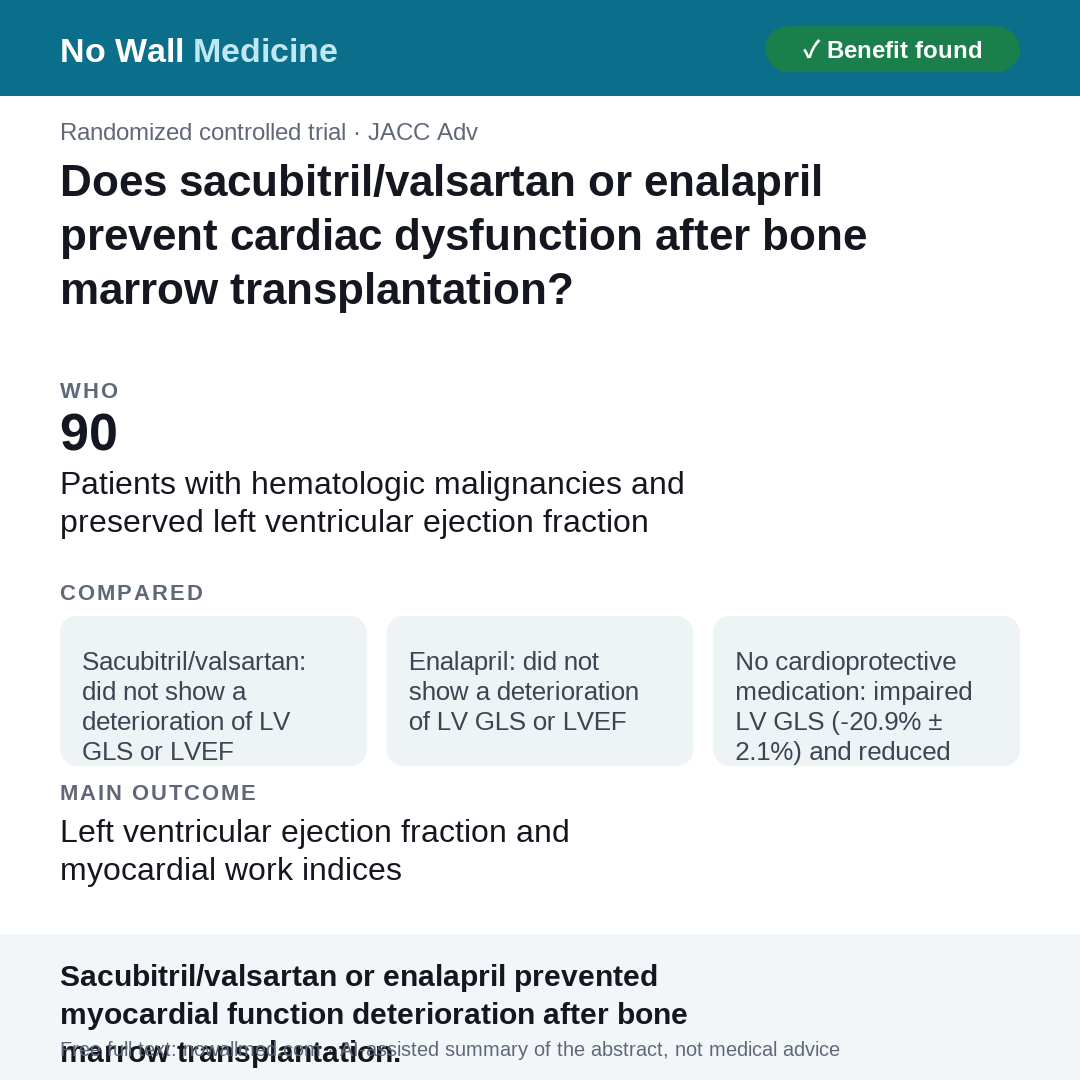
Effect of Sacubitril/Valsartan or Enalapril on Left Ventricular Function in Patients With Hematologic Malignancies Treated With Bone Marrow Transplantation: A Randomized Controlled Trial
Randomized controlled trialBenefit found
Does sacubitril/valsartan or enalapril prevent cardiac dysfunction after bone marrow transplantation?
Who
90
Patients with hematologic malignancies and preserved left ventricular ejection fraction after bone marrow transplantation
Compared
Sacubitril/valsartan: did not show a deterioration of LV GLS or LVEF
Enalapril: did not show a deterioration of LV GLS or LVEF
No cardioprotective medication: impaired LV GLS (-20.9% ± 2.1%) and reduced LVEF
Main outcome
Left ventricular ejection fraction and myocardial work indices
Bottom line: Sacubitril/valsartan or enalapril prevented myocardial function deterioration after bone marrow transplantation.
JACC Adv · 2025-02-20Download image
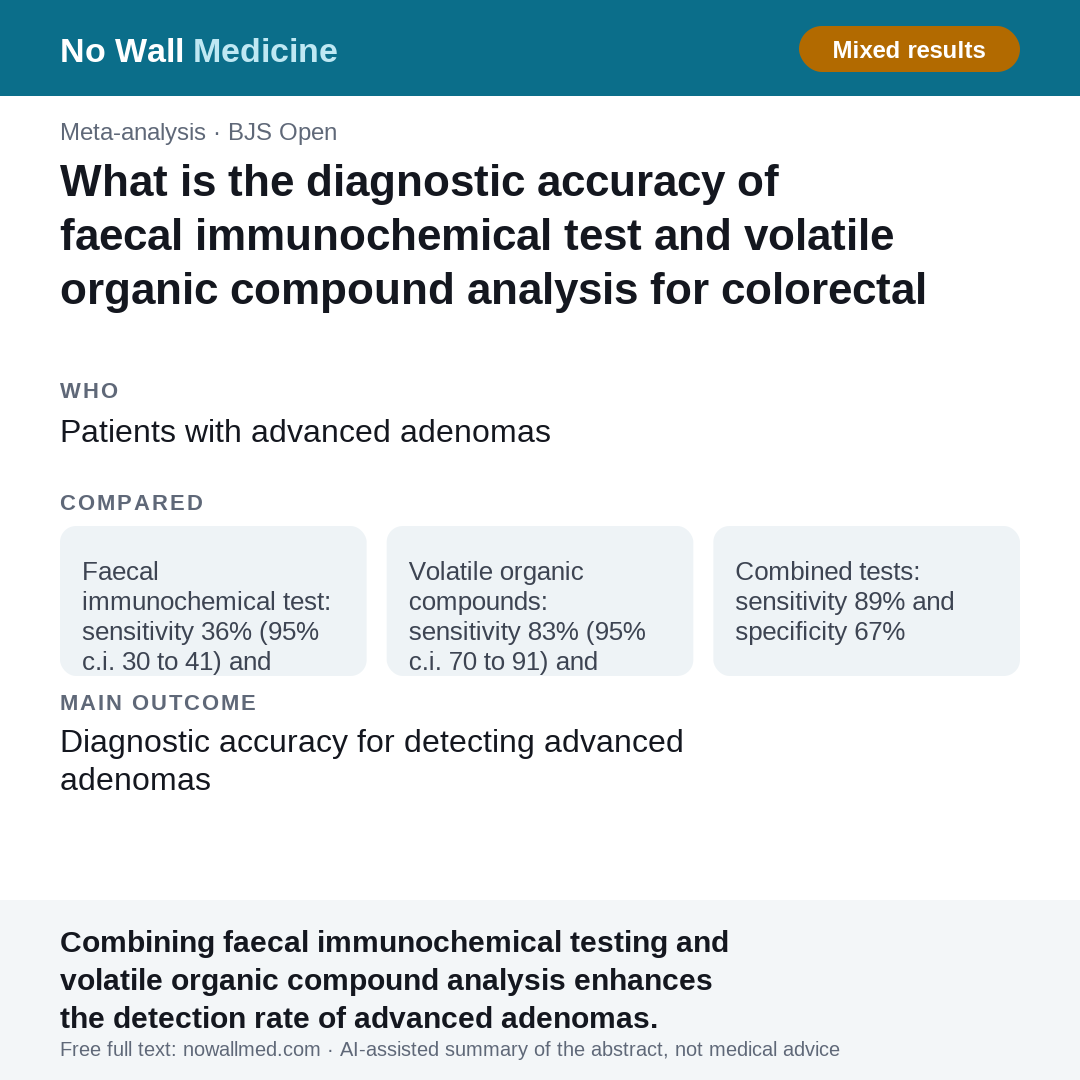
Diagnostic accuracy of the faecal immunochemical test and volatile organic compound analysis in detecting colorectal polyps: meta-analysis
Meta-analysisMixed results
What is the diagnostic accuracy of faecal immunochemical test and volatile organic compound analysis for colorectal polyps?
Who
Patients with advanced adenomas
Compared
Faecal immunochemical test: sensitivity 36% (95% c.i. 30 to 41) and specificity 89% (95% c.i. 86 to 91)
Volatile organic compounds: sensitivity 83% (95% c.i. 70 to 91) and specificity 76% (95% c.i. 60 to 87)
Combined tests: sensitivity 89% and specificity 67%
Main outcome
Diagnostic accuracy for detecting advanced adenomas
Bottom line: Combining faecal immunochemical testing and volatile organic compound analysis enhances the detection rate of advanced adenomas.
BJS Open · 2025-02-20Download image
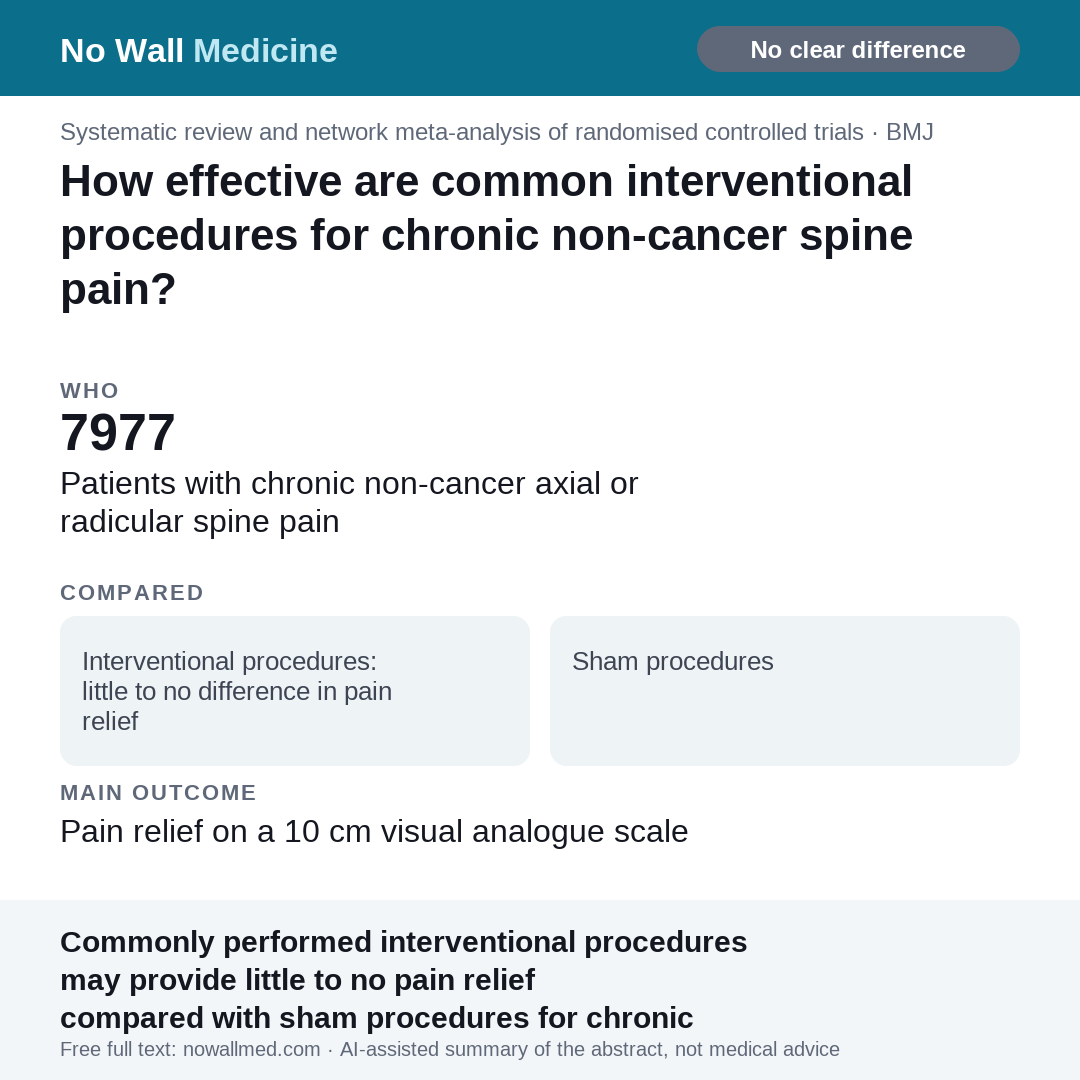
Common interventional procedures for chronic non-cancer spine pain: a systematic review and network meta-analysis of randomised trials
Systematic review and network meta-analysis of randomised controlled trialsNo clear difference
How effective are common interventional procedures for chronic non-cancer spine pain?
Who
7977
Patients with chronic non-cancer axial or radicular spine pain
Compared
Interventional procedures: little to no difference in pain relief
Sham procedures
Main outcome
Pain relief on a 10 cm visual analogue scale
Bottom line: Commonly performed interventional procedures may provide little to no pain relief compared with sham procedures for chronic spine pain.
Limitation: Certainty of evidence ranged from very low to moderate.
BMJ · 2025-02-19Download image
Reduced-energy diet in women with gestational diabetes: the dietary intervention in gestational diabetes DiGest randomized clinical trial
Multicentre parallel, randomized, controlled, double-blind trialNo clear difference
Does a reduced-energy diet improve perinatal outcomes in women with gestational diabetes?
Who
425
Women with singleton pregnancies, gestational diabetes and body mass index ≥25 kg m-2 · Multicentre
Compared
Standard-energy control diet
Reduced-energy intervention diet
Main outcome
Maternal weight change and offspring birth weight
Result: intervention effect -0.20 (95% confidence interval -1.01, 0.61)
Bottom line: A reduced-energy diet showed no difference in maternal weight change or offspring standardized birth weight.
Nat Med · 2025-02-19Download image

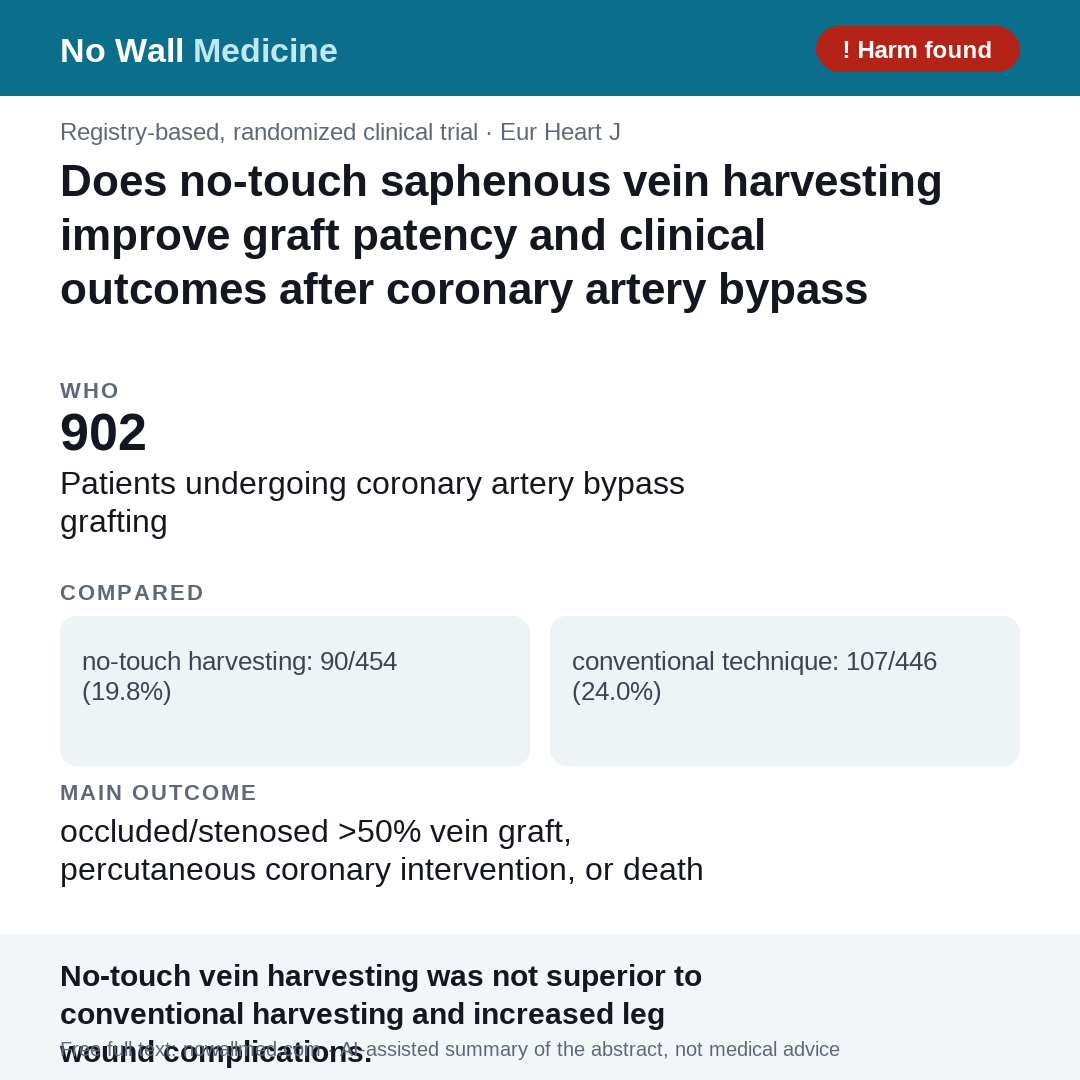
No-touch vein grafts in coronary artery bypass surgery: a registry-based randomized clinical trial
Registry-based, randomized clinical trialHarm found
Does no-touch saphenous vein harvesting improve graft patency and clinical outcomes after coronary artery bypass grafting?
Who
902
Patients undergoing coronary artery bypass grafting
Compared
no-touch harvesting: 90/454 (19.8%)
conventional technique: 107/446 (24.0%)
Main outcome
occluded/stenosed >50% vein graft, percutaneous coronary intervention, or death
Result: difference, -4.3 percentage points; 95% confidence interval -10.1-1.6
Bottom line: No-touch vein harvesting was not superior to conventional harvesting and increased leg wound complications.
Eur Heart J · 2025-02-19Download image
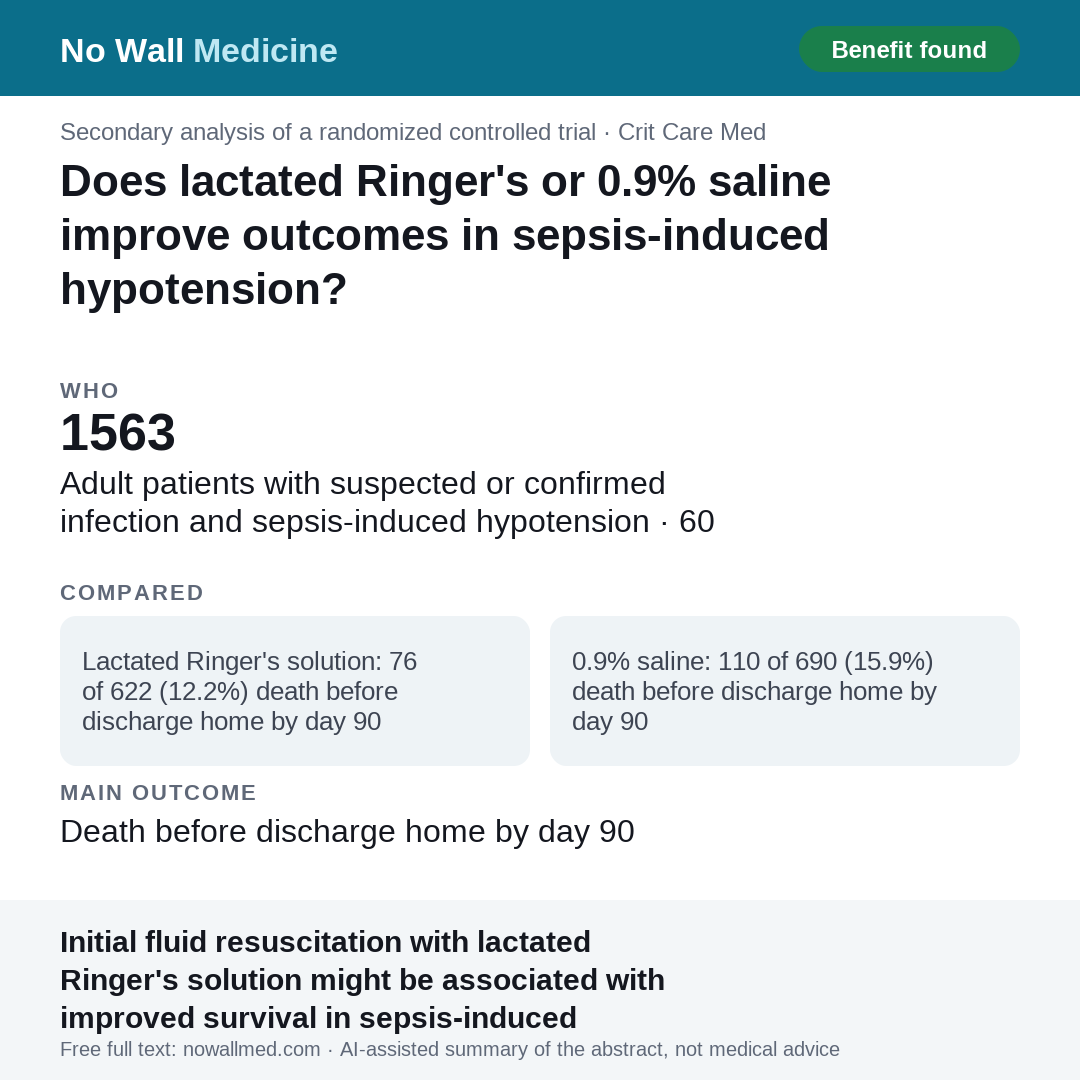
Lactated Ringer's or Normal Saline for Initial Fluid Resuscitation in Sepsis-Induced Hypotension
Secondary analysis of a randomized controlled trialBenefit found
Does lactated Ringer's or 0.9% saline improve outcomes in sepsis-induced hypotension?
Who
1563
Adult patients with suspected or confirmed infection and sepsis-induced hypotension · 60 United States centers
Compared
Lactated Ringer's solution: 76 of 622 (12.2%) death before discharge home by day 90
0.9% saline: 110 of 690 (15.9%) death before discharge home by day 90
Main outcome
Death before discharge home by day 90
Result: adjusted hazard ratio 0.71 (95% CI, 0.51-0.99)
Bottom line: Initial fluid resuscitation with lactated Ringer's solution might be associated with improved survival in sepsis-induced hypotension.
Crit Care Med · 2025-02-19Download image
Early vs Delayed Bypass Surgery in Patients With Acute Coronary Syndrome Receiving Ticagrelor: The RAPID CABG Randomized Open-Label Noninferiority Trial
Open-label randomized noninferiority trialBenefit found
Is early versus delayed bypass surgery noninferior regarding perioperative bleeding?
Who
143
Patients with acute coronary syndrome who received ticagrelor and required bypass surgery · Tertiary centers in Canada
Compared
4.6%Early surgery (2 to 3 days)
5.2%Delayed surgery (5 to 7 days)
Main outcome
Class 3 or 4 universal definition of perioperative bleeding
Result: between-group difference, -0.6%; 95% CI, -8.3% to 7.1%
Bottom line: Early bypass surgery 2 to 3 days after ticagrelor cessation is noninferior to delayed surgery regarding perioperative bleeding.
JAMA Surg · 2025-02-19Download image

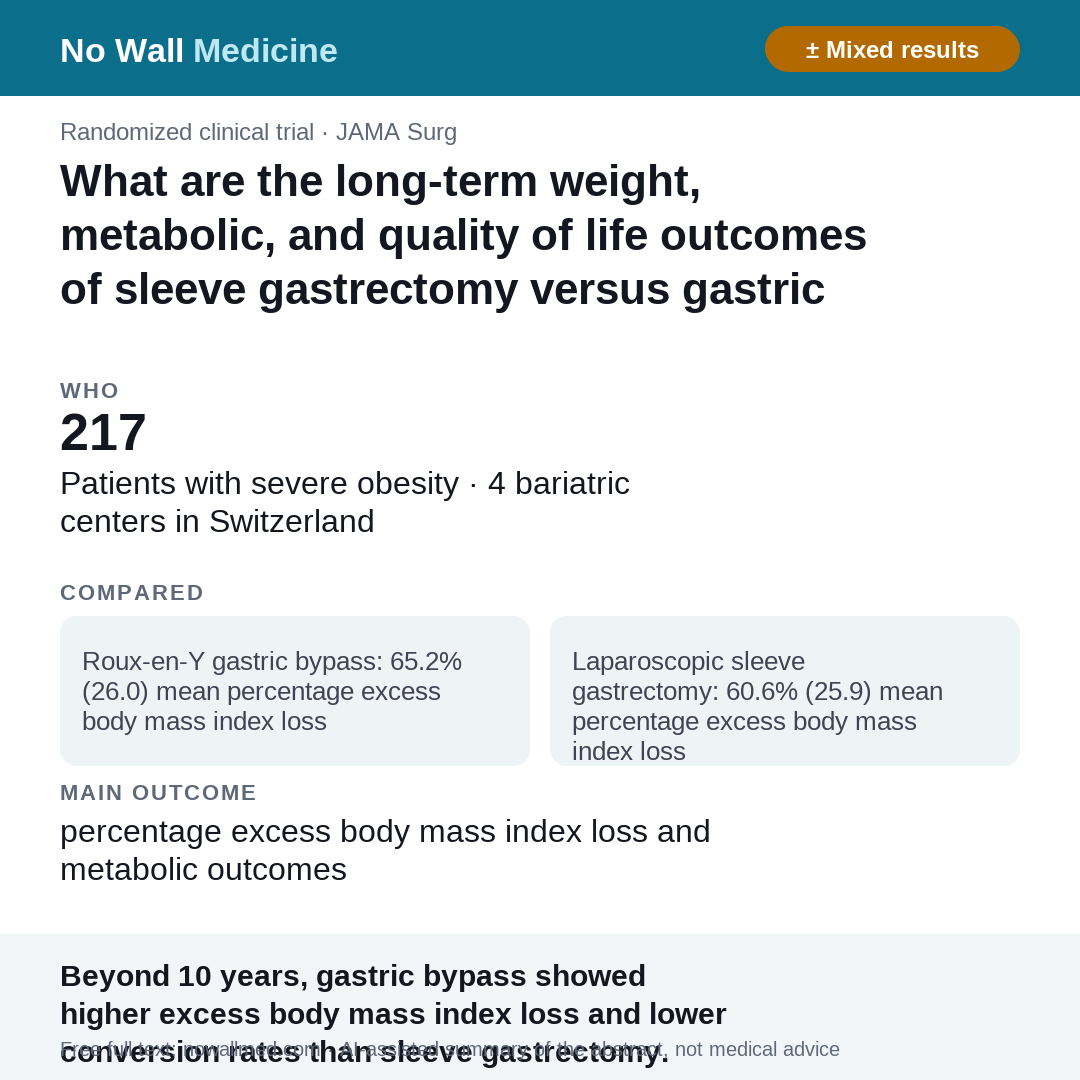
Long-Term Outcomes of Laparoscopic Roux-en-Y Gastric Bypass vs Laparoscopic Sleeve Gastrectomy for Obesity: The SM-BOSS Randomized Clinical Trial
Randomized clinical trialMixed results
What are the long-term weight, metabolic, and quality of life outcomes of sleeve gastrectomy versus gastric bypass?
Who
217
Patients with severe obesity · 4 bariatric centers in Switzerland
Compared
Roux-en-Y gastric bypass: 65.2% (26.0) mean percentage excess body mass index loss
Laparoscopic sleeve gastrectomy: 60.6% (25.9) mean percentage excess body mass index loss
Main outcome
percentage excess body mass index loss and metabolic outcomes
Bottom line: Beyond 10 years, gastric bypass showed higher excess body mass index loss and lower conversion rates than sleeve gastrectomy.
Limitation: Complete 10-year follow-up is available for 65.4% of patients.
JAMA Surg · 2025-02-19Download image
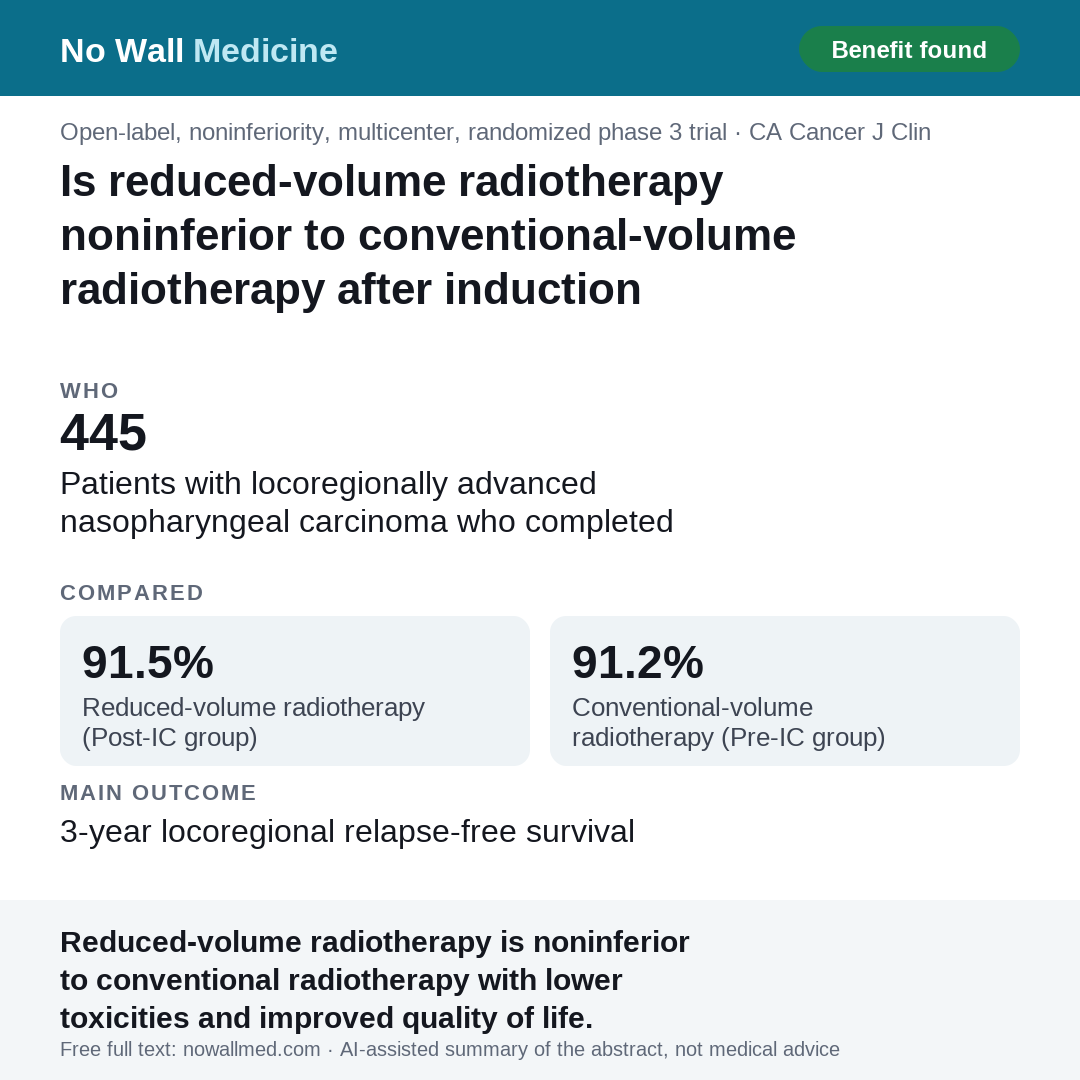
Reduced-volume radiotherapy versus conventional-volume radiotherapy after induction chemotherapy in nasopharyngeal carcinoma: An open-label, noninferiority, multicenter, randomized phase 3 trial
Open-label, noninferiority, multicenter, randomized phase 3 trialBenefit found
Is reduced-volume radiotherapy noninferior to conventional-volume radiotherapy after induction chemotherapy in nasopharyngeal carcinoma?
Who
445
Patients with locoregionally advanced nasopharyngeal carcinoma who completed induction chemotherapy · Multicenter
Compared
91.5%Reduced-volume radiotherapy (Post-IC group)
91.2%Conventional-volume radiotherapy (Pre-IC group)
Main outcome
3-year locoregional relapse-free survival
Result: difference of 0.3% (95% confidence interval -4.9% to 5.5%)
Bottom line: Reduced-volume radiotherapy is noninferior to conventional radiotherapy with lower toxicities and improved quality of life.
CA Cancer J Clin · 2025-02-19Download image
A systematic review of studies using network analysis to assess dynamics of psychotic-like experiences in community samples
Systematic reviewMixed results
What are the dynamics and determinants of psychotic-like experiences in community samples?
Who
Community samples
Compared
23.5%Strength centrality (20 studies)
26.0%Betweenness centrality (5 studies)
29.7%Closeness centrality (6 studies)
26.9%Expected influence (7 studies)
Main outcome
Centrality metrics and determinants of psychotic-like experiences
Bottom line: Psychotic-like experiences are transdiagnostic phenomena associated with childhood trauma and suicide risk in community samples.
Psychol Med · 2025-02-19Download image

Towards the Development of a Conceptual Framework of the Determinants of Pre-Eclampsia: A Hierarchical Systematic Review of Social Determinants
Hierarchical systematic reviewMixed results
What are the social determinants associated with pre-eclampsia?
Who
1000
Reviews and large cohort studies with at least 1000 participants
Compared
Definite associations: polygamy
Probable associations: work stress, lack of antenatal care and heat exposure
Main outcome
quantitative associations between social determinant exposures and pre-eclampsia
Bottom line: Social determinants including socioeconomic status, healthcare access, and environmental factors are associated with pre-eclampsia risk.
BJOG · 2025-02-19Download image

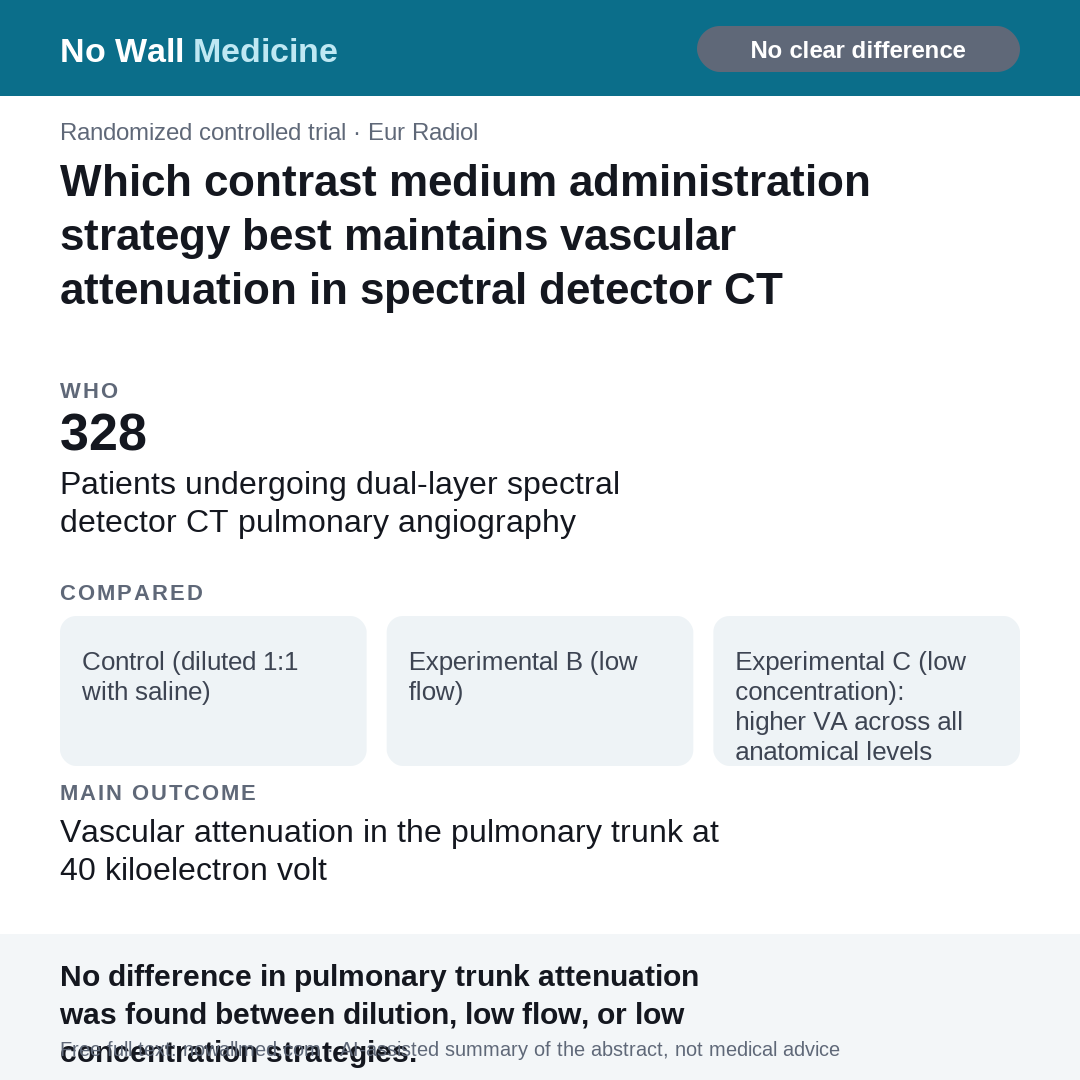
A randomised controlled trial comparing three clinical administration strategies in spectral detector CT pulmonary angiography with low contrast medium dose
Randomized controlled trialNo clear difference
Which contrast medium administration strategy best maintains vascular attenuation in spectral detector CT pulmonary angiography?
Who
328
Patients undergoing dual-layer spectral detector CT pulmonary angiography
Compared
Control (diluted 1:1 with saline)
Experimental B (low flow)
Experimental C (low concentration): higher VA across all anatomical levels
Main outcome
Vascular attenuation in the pulmonary trunk at 40 kiloelectron volt
Bottom line: No difference in pulmonary trunk attenuation was found between dilution, low flow, or low concentration strategies.
Eur Radiol · 2025-02-19Download image
The scientific evidence of commercial AI products for MRI acceleration: a systematic review
Systematic reviewUnclear result
Do AI products accelerate MRI scans effectively?
Who
Patients undergoing MRI scans
Compared
AI products
Traditional MRI
Main outcome
Diagnostic image quality
Bottom line: AI products lack evidence for clinical performance
Limitation: Limited prospective studies in large cohorts
Eur Radiol · 2025-02-19Download image

Content Validity of Patient-Reported Outcome Measures Developed for Assessing Disease-Specific Quality of Life in Children With Sinonasal Disease: A Systematic Review
Systematic reviewMixed results
Do validated patient-reported outcome measures exist for children with sinonasal disease?
Who
Children with sinonasal disease
Compared
Acute sinus disease tools: inadequate
General rhinosinusitis tools: inadequate
Primary ciliary dyskinesia tool: well-developed
Main outcome
Content validity of patient-reported outcome measures
Bottom line: Only the primary ciliary dyskinesia quality of life tool met standards for clinical trials.
Limitation: No content validity studies were included in the final analysis.
Int Forum Allergy Rhinol · 2025-02-19Download image

How do parents decide on genetic testing in pediatrics? A systematic review
Systematic reviewUnclear result
What influences parents' genetic testing decisions
Who
56
parents of pediatric patients
Compared
diagnostic testing
predictive testing
Main outcome
genetic testing decisions
Bottom line: Emotions and circumstances influence decisions
Genet Med · 2025-02-19Download image

Efficacy of conservative intervention for kinesiophobia in individuals with a history of ankle sprain: A systematic review
Systematic review of five randomized controlled trialsMixed results
Do conservative interventions improve kinesiophobia in individuals with a history of lateral ankle sprain?
Who
Individuals with a history of lateral ankle sprain
Compared
Visual biofeedback during walking: significantly more effective
Low-friction patches on shoes: significantly more effective
Control and other treatments
Main outcome
Kinesiophobia
Bottom line: Visual biofeedback and low-friction patches may improve kinesiophobia, but evidence remains limited.
Limitation: Limited evidence from single studies and data synthesis through meta-analysis was not performed.
PM R · 2025-02-19Download image

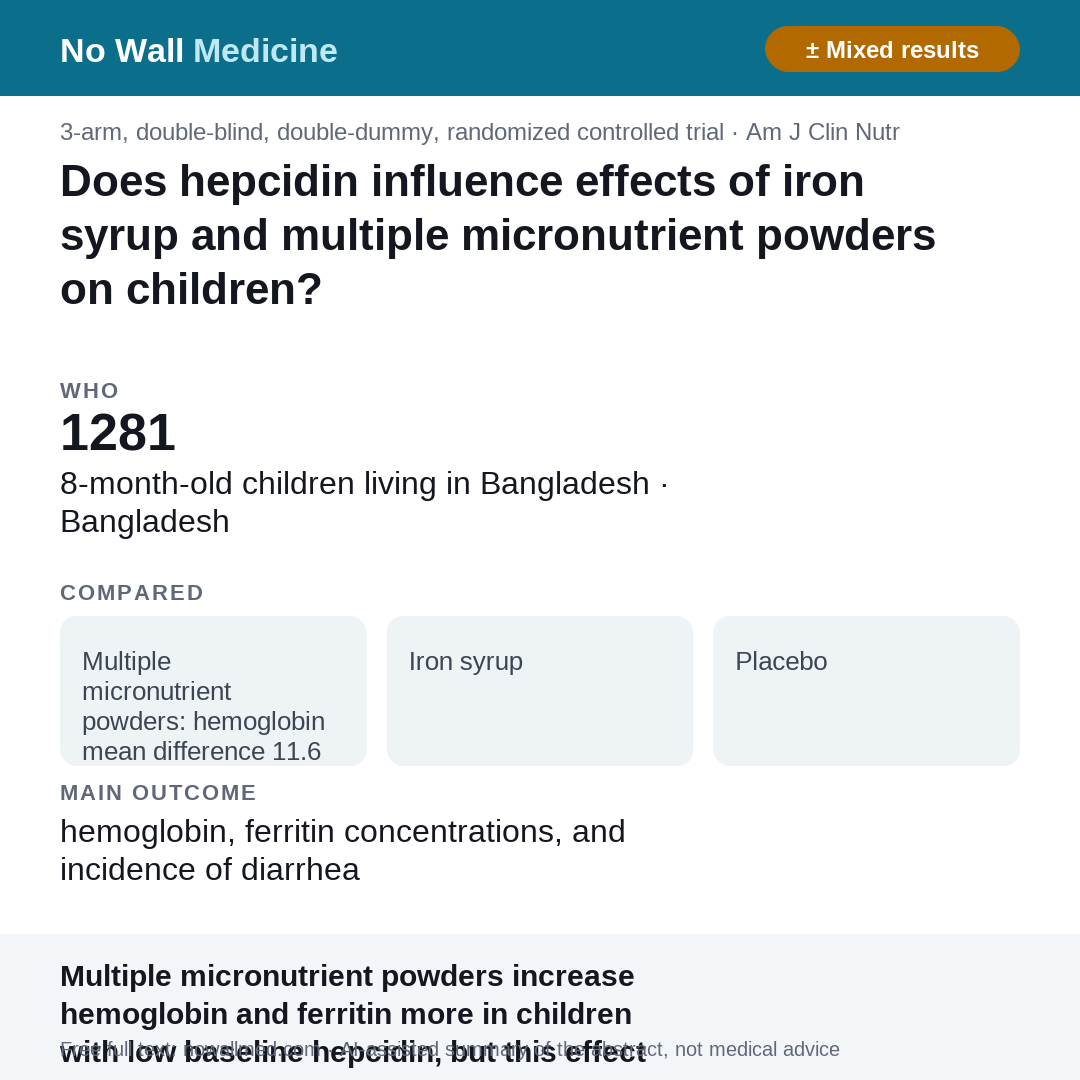
Role of hepcidin on benefits and risks of supplementation with iron syrup and multiple micronutrient powders in Bangladeshi children: a substudy to a randomized controlled trial
3-arm, double-blind, double-dummy, randomized controlled trialMixed results
Does hepcidin influence effects of iron syrup and multiple micronutrient powders on children?
Who
1281
8-month-old children living in Bangladesh · Bangladesh
Compared
Multiple micronutrient powders: hemoglobin mean difference 11.6 g/L (7.2, 15.9) in low hepcidin
Iron syrup
Placebo
Main outcome
hemoglobin, ferritin concentrations, and incidence of diarrhea
Result: hemoglobin mean difference 11.6 g/L (7.2, 15.9) compared with 4.3 (3.09, 5.7)
Bottom line: Multiple micronutrient powders increase hemoglobin and ferritin more in children with low baseline hepcidin, but this effect was not sustained.
Am J Clin Nutr · 2025-02-19Download image
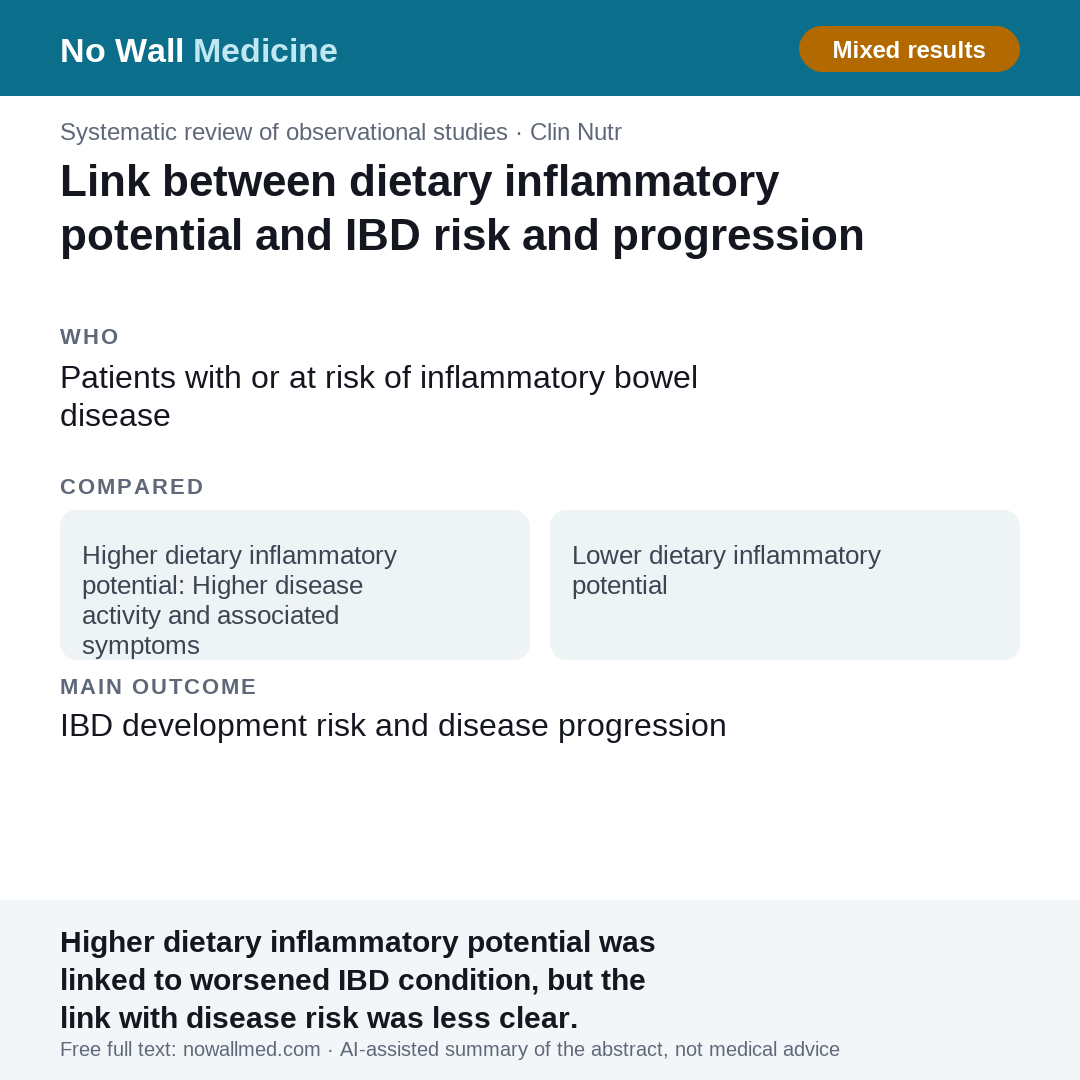
The dietary inflammatory potential and its role in the risk and progression of inflammatory bowel disease: A systematic review
Systematic reviewMixed results
What is the association between dietary inflammatory potential and inflammatory bowel disease?
Who
People with or at risk of inflammatory bowel disease
Compared
Higher dietary inflammatory potential: higher disease activity and associated symptoms
Risk of developing disease: mixed results
Main outcome
Risk and progression of inflammatory bowel disease
Bottom line: Higher dietary inflammatory potential worsens inflammatory bowel disease progression, but the link to disease development is less clear.
Limitation: High-quality intervention studies are needed to elucidate the findings.
Clin Nutr · 2025-02-19Download image
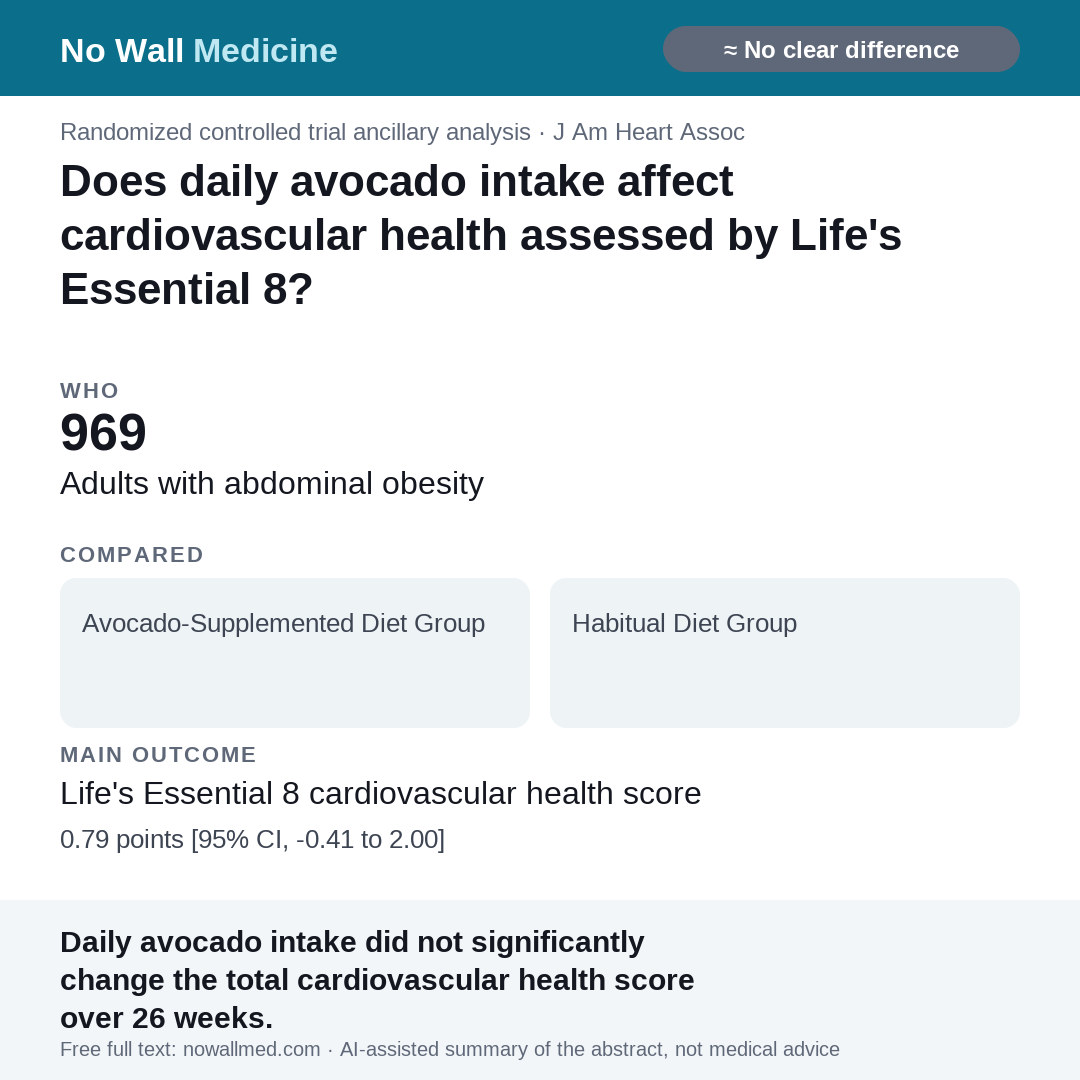
Effect of Daily Avocado Intake on Cardiovascular Health Assessed by Life's Essential 8: An Ancillary Study of HAT, a Randomized Controlled Trial
Randomized controlled trial ancillary analysisNo clear difference
Does daily avocado intake affect cardiovascular health assessed by Life's Essential 8?
Who
969
Adults with abdominal obesity
Compared
Avocado-Supplemented Diet Group
Habitual Diet Group
Main outcome
Life's Essential 8 cardiovascular health score
Result: 0.79 points [95% CI, -0.41 to 2.00]
Bottom line: Daily avocado intake did not significantly change the total cardiovascular health score over 26 weeks.
J Am Heart Assoc · 2025-02-19Download image
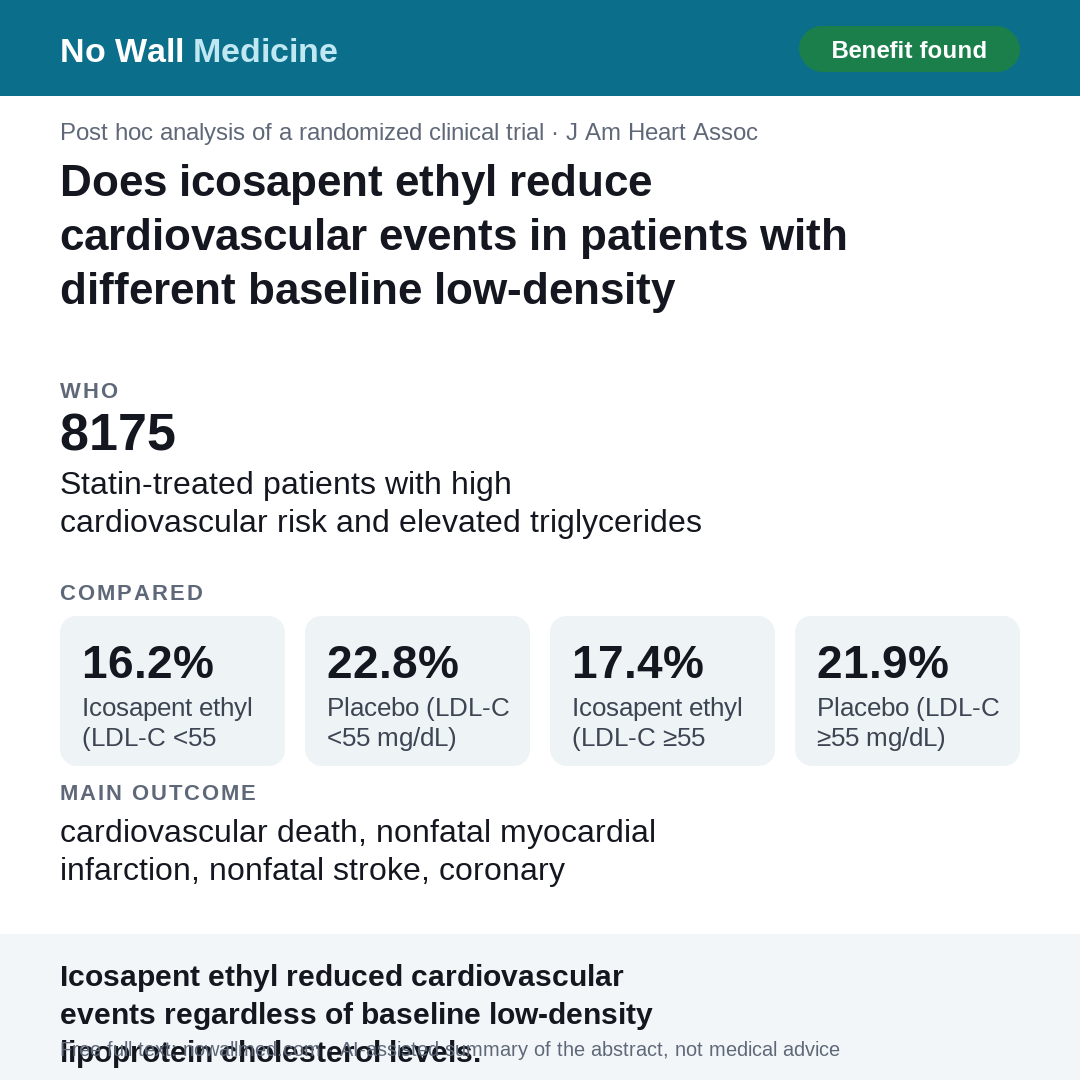
Cardiovascular Outcomes With Icosapent Ethyl by Baseline Low-Density Lipoprotein Cholesterol: A Secondary Analysis of the REDUCE-IT Randomized Trial
Post hoc analysis of a randomized clinical trialBenefit found
Does icosapent ethyl reduce cardiovascular events in patients with different baseline low-density lipoprotein cholesterol?
Who
8175
Statin-treated patients with high cardiovascular risk and elevated triglycerides
Compared
16.2%Icosapent ethyl (LDL-C <55 mg/dL)
22.8%Placebo (LDL-C <55 mg/dL)
17.4%Icosapent ethyl (LDL-C ≥55 mg/dL)
21.9%Placebo (LDL-C ≥55 mg/dL)
Main outcome
cardiovascular death, nonfatal myocardial infarction, nonfatal stroke, coronary revascularization, or unstable angina
Result: hazard ratio 0.66 (95% CI, 0.50-0.87) for LDL-C <55 mg/dL; hazard ratio 0.76 (95% CI, 0.69-0.85) for LDL-C ≥55 mg/dL
Bottom line: Icosapent ethyl reduced cardiovascular events regardless of baseline low-density lipoprotein cholesterol levels.
J Am Heart Assoc · 2025-02-19Download image