Visual abstracts
New randomized trials and meta-analyses from leading journals at a glance: who was studied, what was compared, and what was found. Every paper is free to read in full.
All specialtiesCardiology 1501Oncology 1338Gastroenterology & Hepatology 550Infectious Disease 965Neurology 625Psychiatry & Mental Health 751Pulmonology 648Critical Care 445Endocrinology & Diabetes 826Pediatrics 895Surgery 730Orthopedics & Sports Medicine 287Neurosurgery 196Cardiothoracic & Vascular Surgery 168Plastic & Reconstructive Surgery 242Nephrology 318Rheumatology 199Hematology 327Dermatology 162Ophthalmology 173Obstetrics & Gynecology 488Public & Global Health 292Radiology & Imaging 200Anesthesiology 300Urology 281ENT (Otolaryngology) 208Emergency Medicine 171Allergy & Immunology 99Geriatrics 319Family Medicine & Primary Care 183Medical Genetics & Genomics 164Pathology & Laboratory Medicine 48Physical Medicine & Rehabilitation 267Palliative Care 137Nutrition 401Digital Health & AI 801General Medicine 127
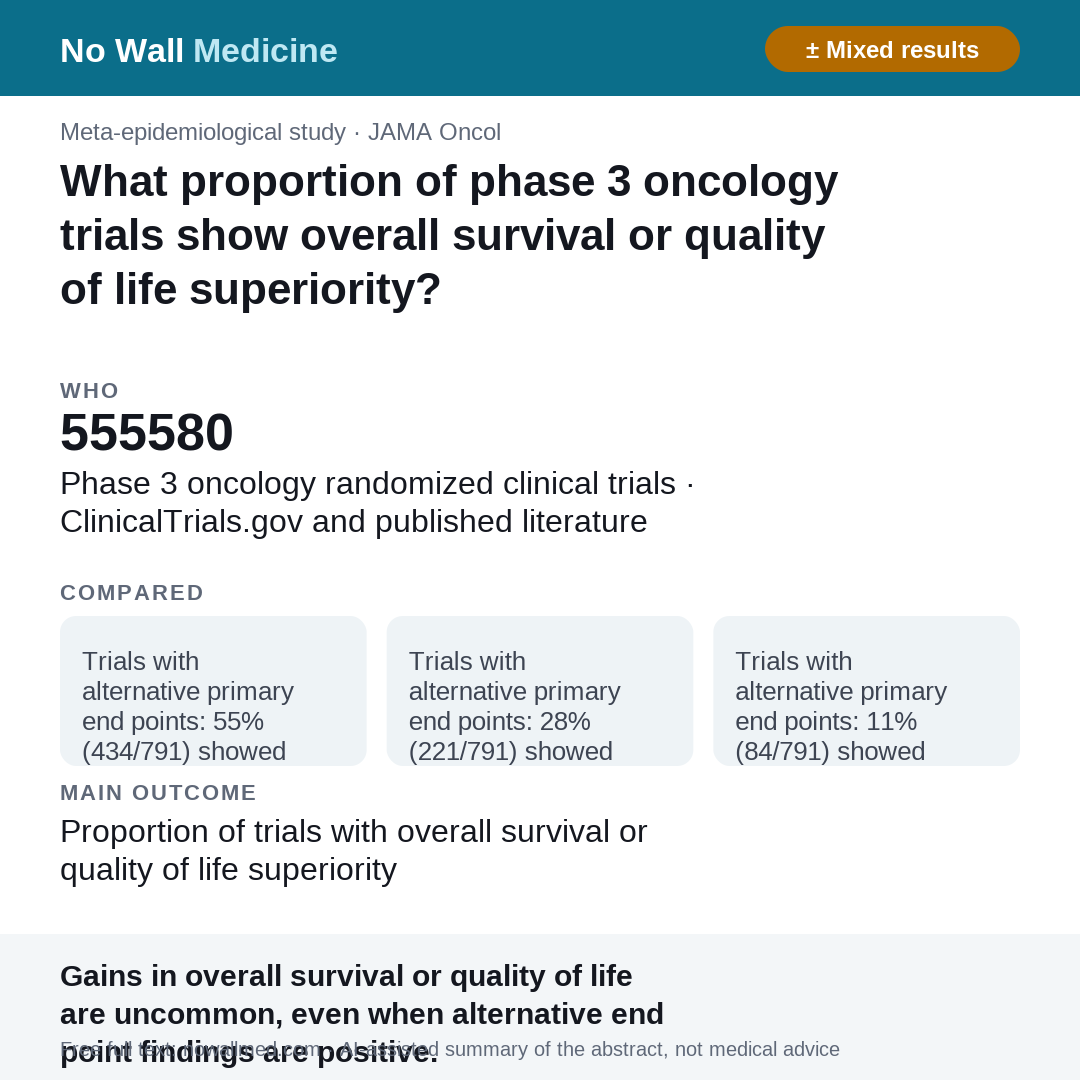
Overall Survival and Quality-of-Life Superiority in Modern Phase 3 Oncology Trials: A Meta-Epidemiological Analysis
Meta-epidemiological studyMixed results
What proportion of phase 3 oncology trials show overall survival or quality of life superiority?
Who
555580
Phase 3 oncology randomized clinical trials · ClinicalTrials.gov and published literature
Compared
Trials with alternative primary end points: 55% (434/791) showed alternative-end-point superiority
Trials with alternative primary end points: 28% (221/791) showed overall survival superiority
Trials with alternative primary end points: 11% (84/791) showed global quality of life superiority
Main outcome
Proportion of trials with overall survival or quality of life superiority
Bottom line: Gains in overall survival or quality of life are uncommon, even when alternative end point findings are positive.
Limitation: Most between-group global quality of life analyses did not adjust for baseline scores.
JAMA Oncol · 2025-06-02Download image
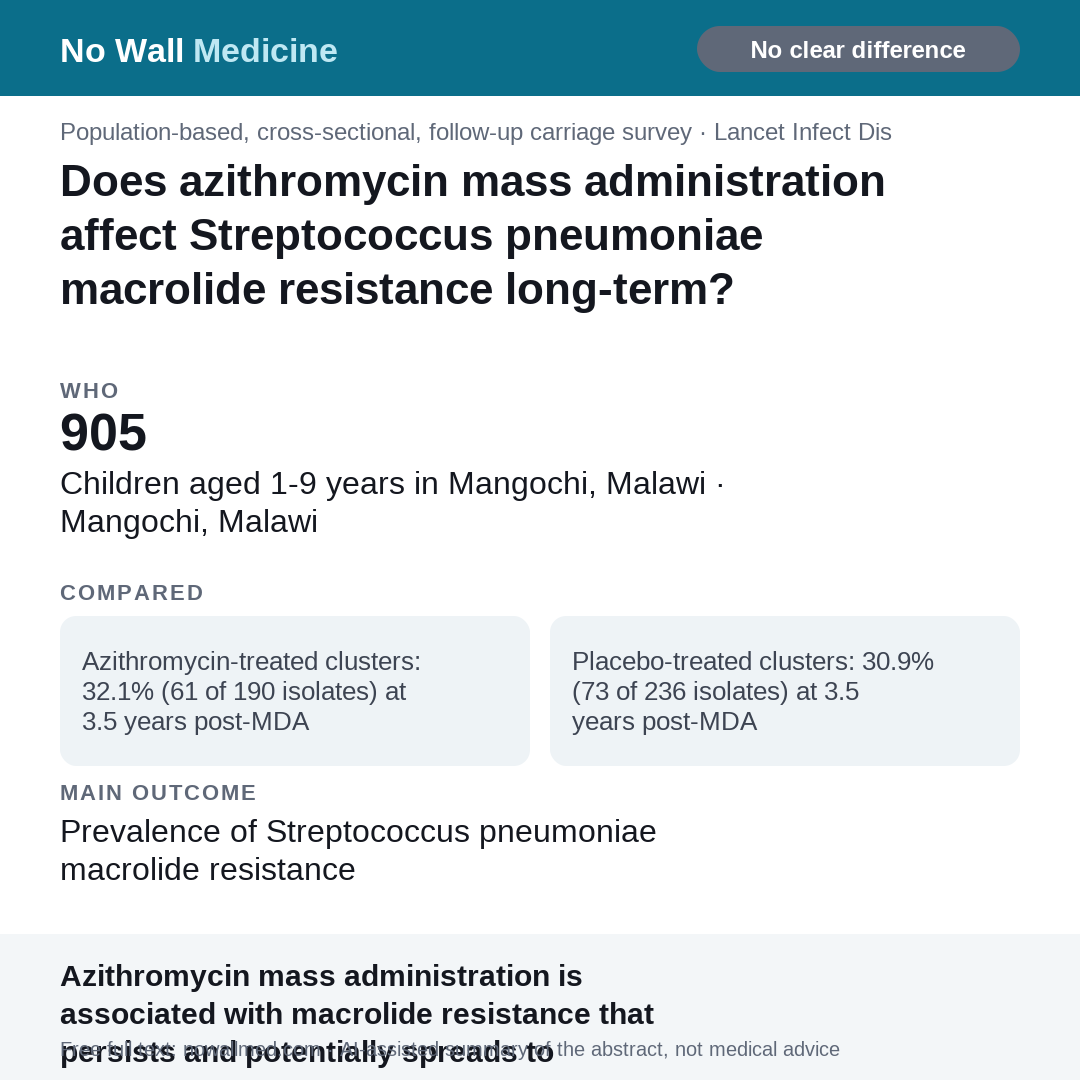
Long-term effects of azithromycin mass administration to reduce childhood mortality on Streptococcus pneumoniae antimicrobial resistance: a population-based, cross-sectional, follow-up carriage survey
Population-based, cross-sectional, follow-up carriage surveyNo clear difference
Does azithromycin mass administration affect Streptococcus pneumoniae macrolide resistance long-term?
Who
905
Children aged 1-9 years in Mangochi, Malawi · Mangochi, Malawi
Compared
Azithromycin-treated clusters: 32.1% (61 of 190 isolates) at 3.5 years post-MDA
Placebo-treated clusters: 30.9% (73 of 236 isolates) at 3.5 years post-MDA
Main outcome
Prevalence of Streptococcus pneumoniae macrolide resistance
Result: odds ratio 1.12 (95% CI 0.66 to 1.91) at 3.5 years
Bottom line: Azithromycin mass administration is associated with macrolide resistance that persists and potentially spreads to untreated populations.
Funded by: Gates Foundation, National Institute for Health and Care Research, Wellcome Trust
Lancet Infect Dis · 2025-06-02Download image
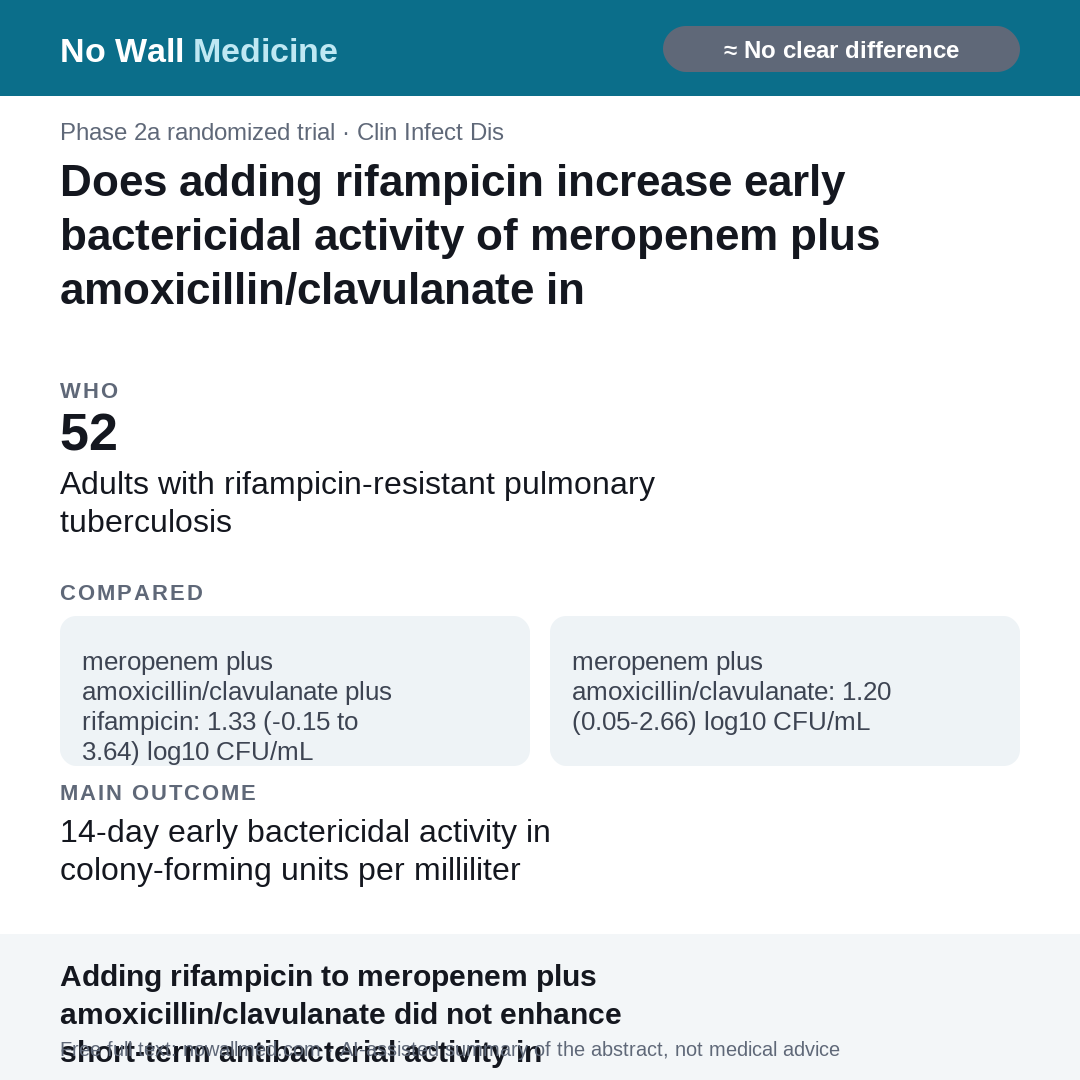
A Phase 2a Study of the Early Bactericidal Activity of Rifampicin in Combination With Meropenem Plus Amoxicillin/Clavulanate Among Adults With Rifampicin-Resistant Pulmonary Tuberculosis
Phase 2a randomized trialNo clear difference
Does adding rifampicin increase early bactericidal activity of meropenem plus amoxicillin/clavulanate in rifampicin-resistant tuberculosis?
Who
52
Adults with rifampicin-resistant pulmonary tuberculosis
Compared
meropenem plus amoxicillin/clavulanate plus rifampicin: 1.33 (-0.15 to 3.64) log10 CFU/mL
meropenem plus amoxicillin/clavulanate: 1.20 (0.05-2.66) log10 CFU/mL
Main outcome
14-day early bactericidal activity in colony-forming units per milliliter
Bottom line: Adding rifampicin to meropenem plus amoxicillin/clavulanate did not enhance short-term antibacterial activity in rifampicin-resistant tuberculosis patients.
Clin Infect Dis · 2025-06-02Download image
Acceptance and Commitment Therapy-Based Parenting Program in Children With Co-Occurring Asthma and ADHD: A Randomized Clinical Trial
Randomized clinical trialBenefit found
Does ACT-PAM help children with asthma and ADHD?
Who
118
Children with asthma and ADHD and their parents · Hong Kong public hospital
Compared
ACT-PAM plus TAU: -0.8 visits
TAU alone
Main outcome
Unscheduled health care visits
Result: adjusted mean difference -0.8 visits; 95% CI, -1.6 to -0.1
Bottom line: ACT-PAM reduces health care use and improves asthma control
JAMA Pediatr · 2025-06-02Download image

Feasibility and Acceptability of Recommending HPV Vaccine at Ages 9-10 Years
Explanatory sequential mixed-methods studyBenefit found
Is recommending human papillomavirus vaccine at ages 9-10 years feasible and acceptable?
Who
Primary care clinicians and staff · 17 practices in Colorado and California
Compared
Colorado clinicians: 59 (90%) routinely initiating vaccines at age 9 or 10 years
California clinicians: 30 (77%) routinely initiating vaccines at age 9 or 10 years
Main outcome
Feasibility and acceptability of initiating vaccination at ages 9-10 years
Bottom line: Recommending human papillomavirus vaccine at ages 9-10 years is feasible, compatible with workflows, and generally acceptable to parents.
Pediatrics · 2025-06-02Download image

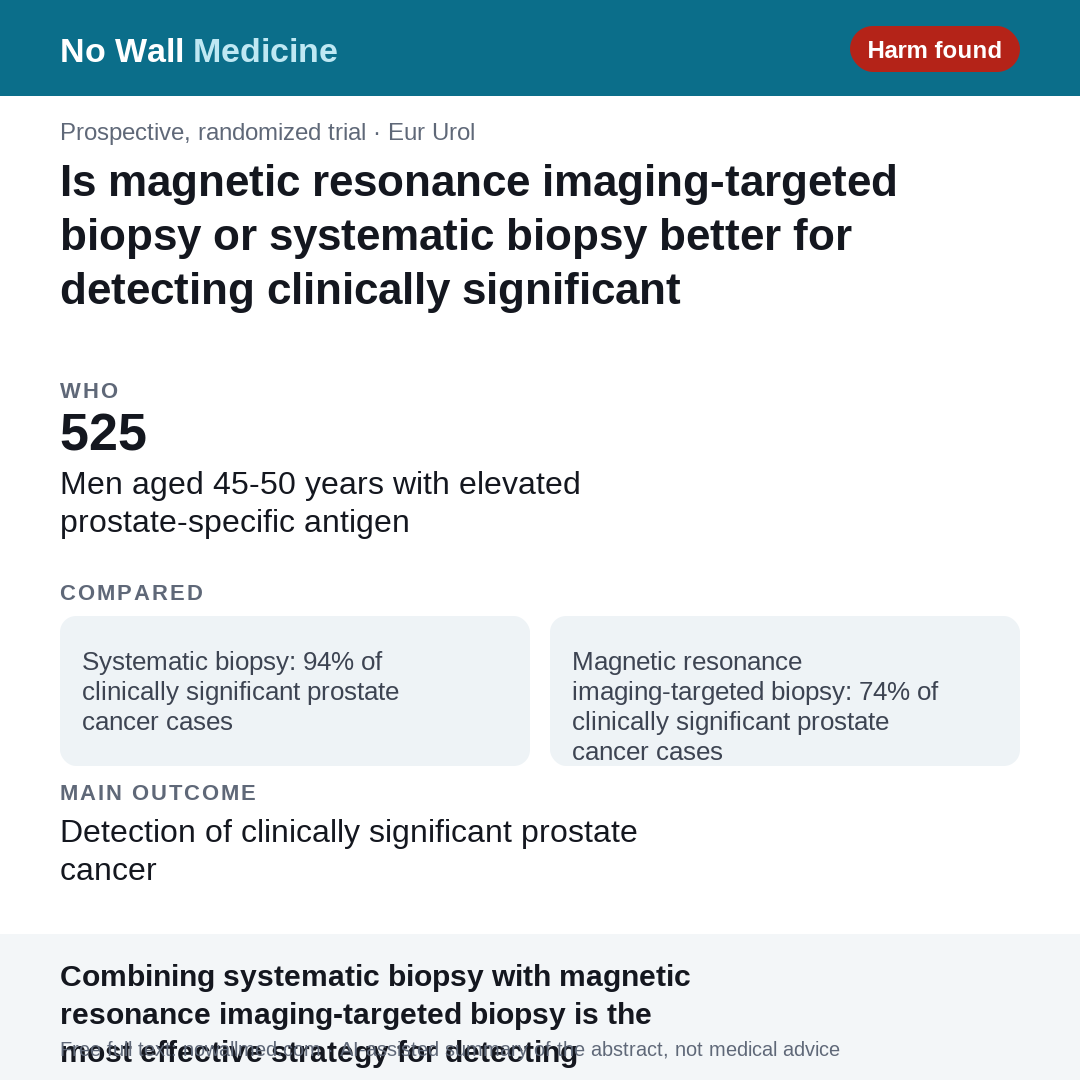
Prostate Cancer Detection in Younger Men: A Comparative Analysis of Systematic and Magnetic Resonance Imaging-targeted Biopsy in the PROBASE Trial
Prospective, randomized trialHarm found
Is magnetic resonance imaging-targeted biopsy or systematic biopsy better for detecting clinically significant prostate cancer?
Who
525
Men aged 45-50 years with elevated prostate-specific antigen
Compared
Systematic biopsy: 94% of clinically significant prostate cancer cases
Magnetic resonance imaging-targeted biopsy: 74% of clinically significant prostate cancer cases
Main outcome
Detection of clinically significant prostate cancer
Bottom line: Combining systematic biopsy with magnetic resonance imaging-targeted biopsy is the most effective strategy for detecting prostate cancer.
Eur Urol · 2025-06-02Download image
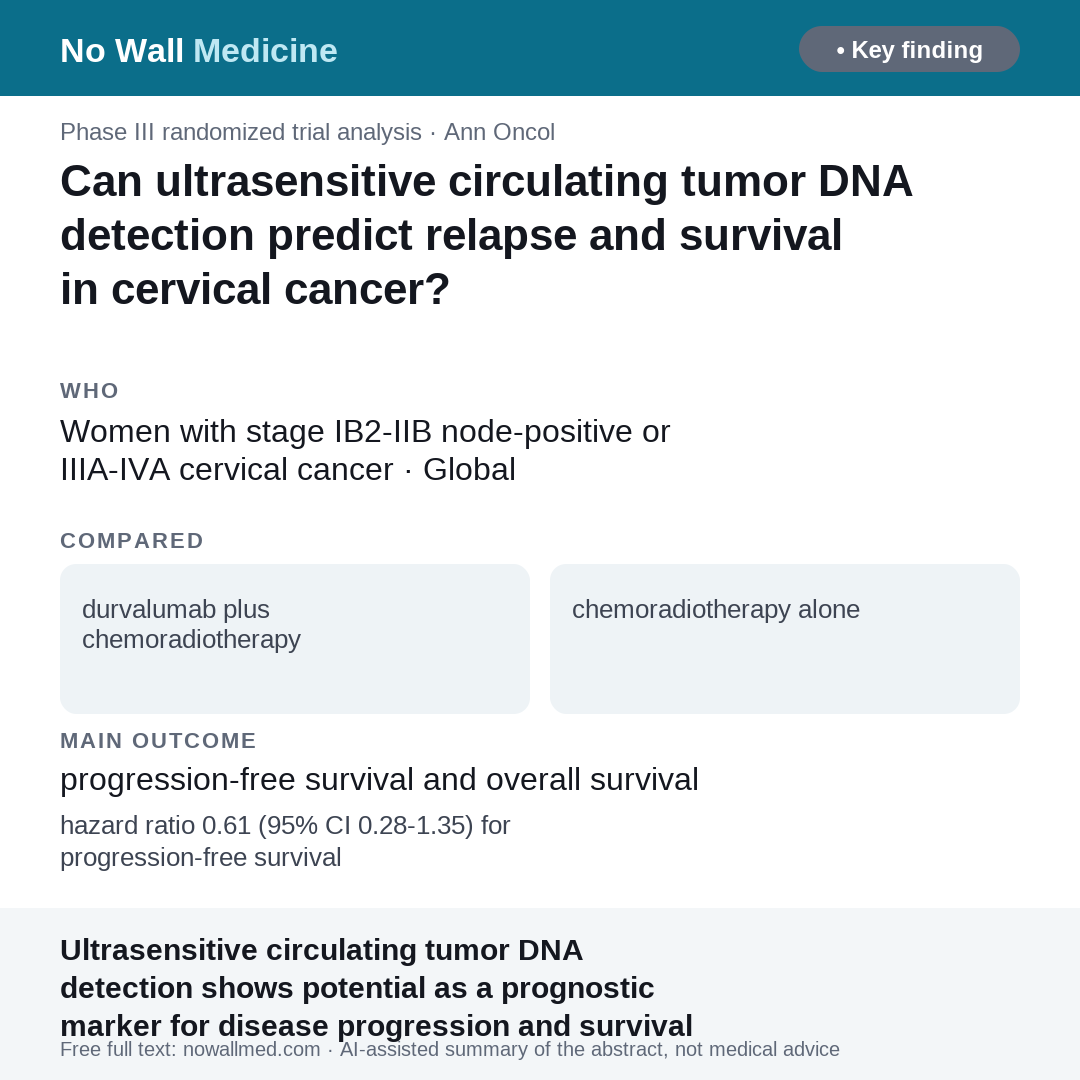
Ultrasensitive detection and tracking of circulating tumor DNA to predict relapse and survival in patients with locally advanced cervical cancer: phase III CALLA trial analyses
Phase III randomized trial analysisBenefit found
Can ultrasensitive circulating tumor DNA detection predict relapse and survival in cervical cancer?
Who
Women with stage IB2-IIB node-positive or IIIA-IVA cervical cancer · Global
Compared
durvalumab plus chemoradiotherapy
chemoradiotherapy alone
Main outcome
progression-free survival and overall survival
Result: hazard ratio 0.61 (95% CI 0.28-1.35) for progression-free survival
Bottom line: Ultrasensitive circulating tumor DNA detection shows potential as a prognostic marker for disease progression and survival in cervical cancer.
Ann Oncol · 2025-06-02Download image
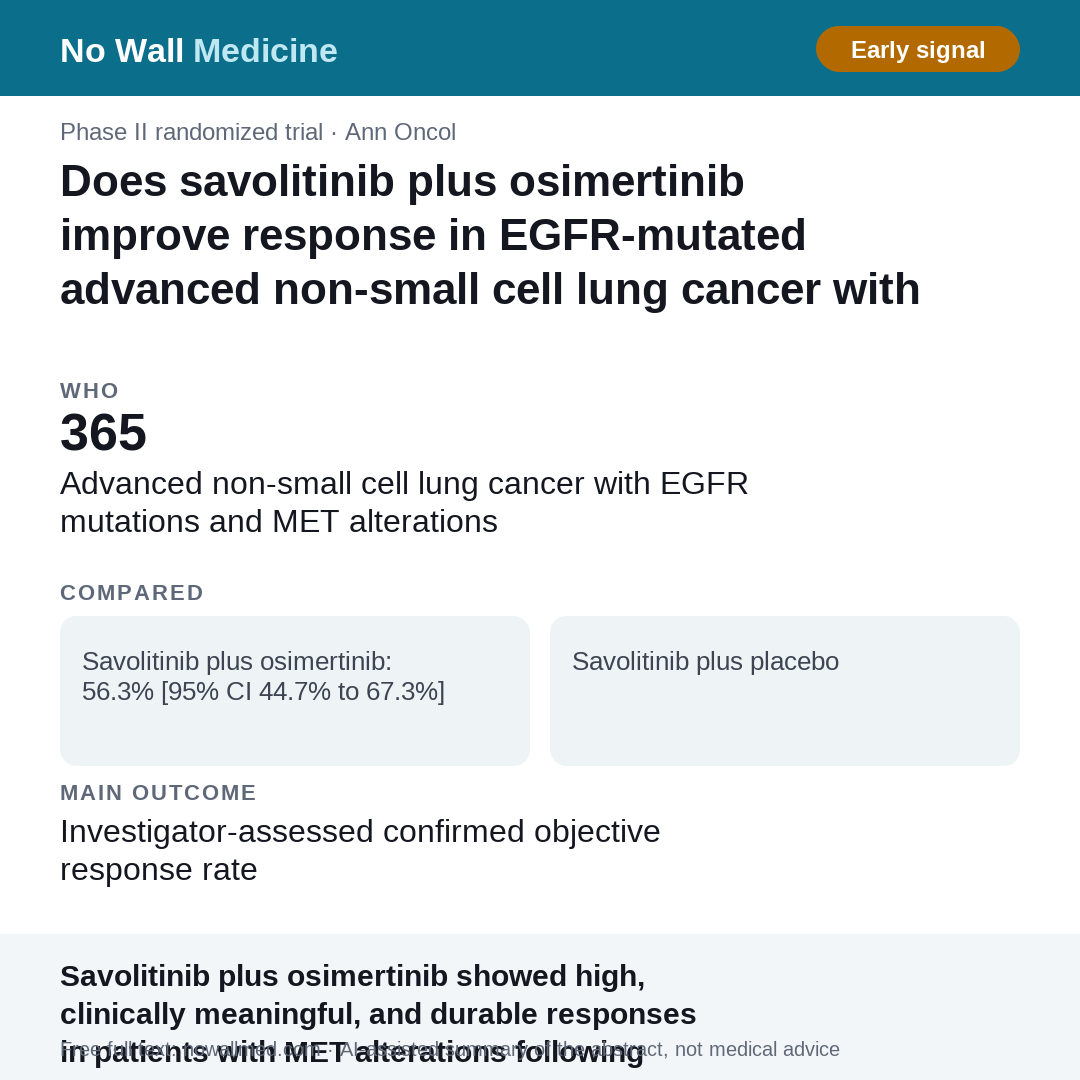
Savolitinib plus osimertinib in epidermal growth factor receptor (EGFR)-mutated advanced non-small cell lung cancer with MET overexpression and/or amplification following disease progression on osimertinib: primary results from the phase II SAVANNAH study
Phase II randomized trialBenefit found
Does savolitinib plus osimertinib improve response in EGFR-mutated advanced non-small cell lung cancer with MET alterations?
Who
365
Advanced non-small cell lung cancer with EGFR mutations and MET alterations
Compared
Savolitinib plus osimertinib: 56.3% [95% CI 44.7% to 67.3%]
Savolitinib plus placebo
Main outcome
Investigator-assessed confirmed objective response rate
Result: 56.3% [95% CI 44.7% to 67.3%]
Bottom line: Savolitinib plus osimertinib showed high, clinically meaningful, and durable responses in patients with MET alterations following osimertinib progression.
Ann Oncol · 2025-06-02Download image
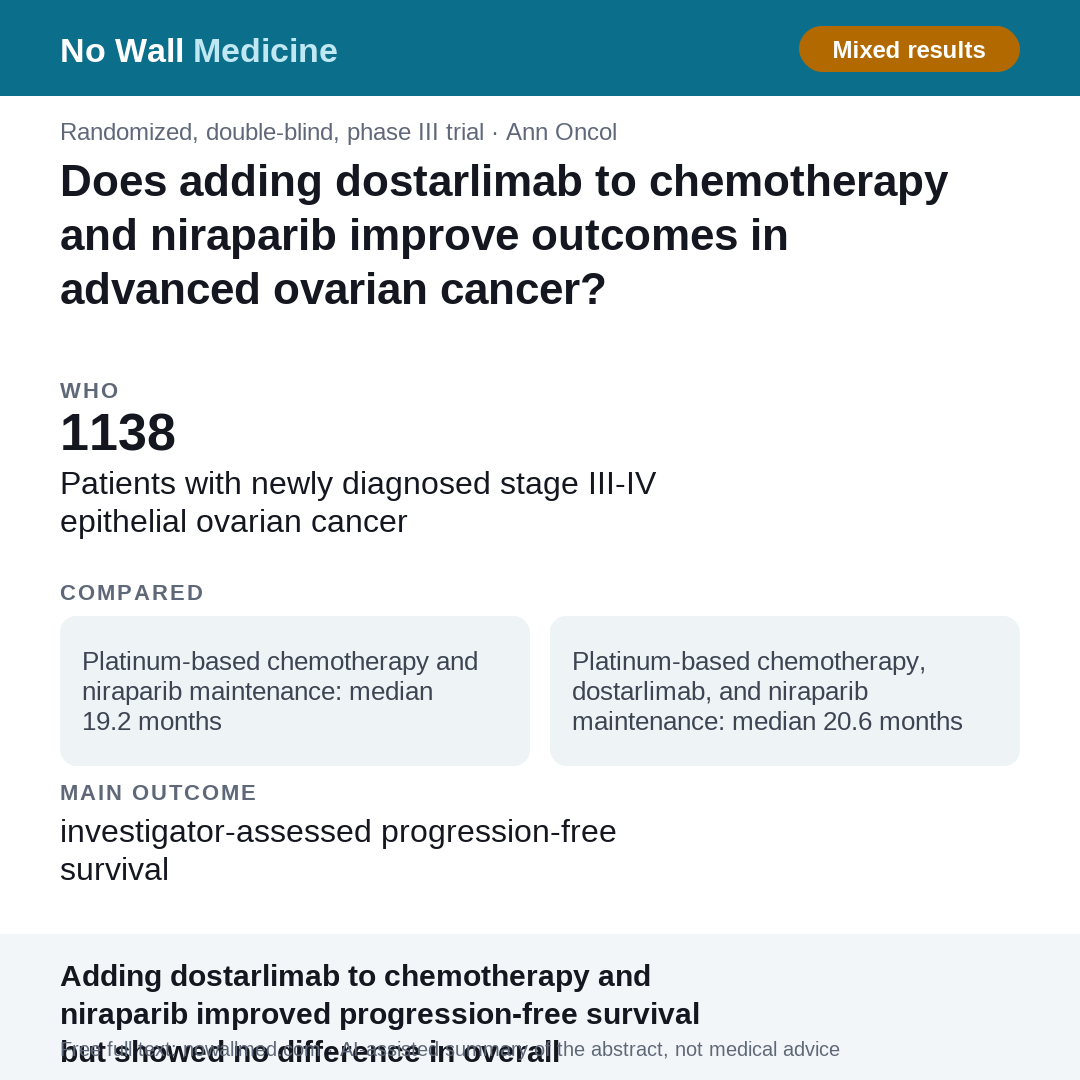
Dostarlimab and niraparib in primary advanced ovarian cancer
Randomized, double-blind, phase III trialMixed results
Does adding dostarlimab to chemotherapy and niraparib improve outcomes in advanced ovarian cancer?
Who
1138
Patients with newly diagnosed stage III-IV epithelial ovarian cancer
Compared
Platinum-based chemotherapy and niraparib maintenance: median 19.2 months
Platinum-based chemotherapy, dostarlimab, and niraparib maintenance: median 20.6 months
Main outcome
investigator-assessed progression-free survival
Result: hazard ratio 0.85 (95% CI 0.73-0.99)
Bottom line: Adding dostarlimab to chemotherapy and niraparib improved progression-free survival but showed no difference in overall survival.
Ann Oncol · 2025-06-02Download image
Child maltreatment and resilience in adulthood: a systematic review and meta-analysis
Systematic review and meta-analysisHarm found
How does child maltreatment associate with resilience and its domains in adults?
Who
145317
145,317 adults
Compared
Overall child maltreatment: r = -0.081 to -0.330
Emotional abuse/neglect: r = -0.213 to -0.321
Main outcome
Global/trait resilience and five resilience domains
Bottom line: Child maltreatment exposure negatively impacts resilience in adults across multiple maltreatment types and resilience domains.
Limitation: Limited studies assessing specific maltreatment subtypes, resilience domains in males, and clinical samples.
Psychol Med · 2025-06-02Download image

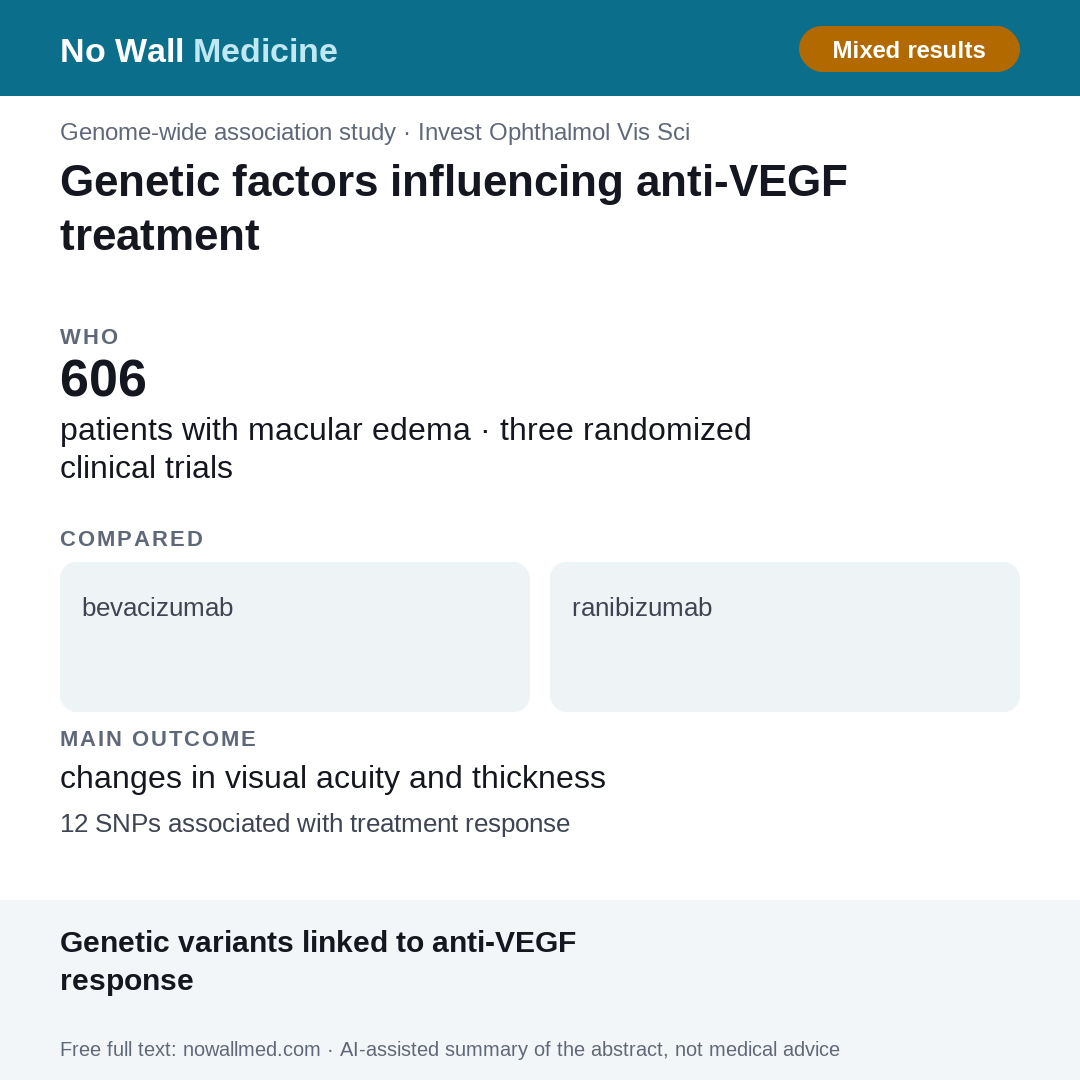
Several Common Genetic Variations Associate With Functional or Anatomic Effects of Anti-VEGF Treatment in Conditions With Macular Edema
Genome-wide association studyMixed results
Genetic factors influencing anti-VEGF treatment
Who
606
patients with macular edema · three randomized clinical trials
Compared
bevacizumab
ranibizumab
Main outcome
changes in visual acuity and thickness
Result: 12 SNPs associated with treatment response
Bottom line: Genetic variants linked to anti-VEGF response
Invest Ophthalmol Vis Sci · 2025-06-02Download image
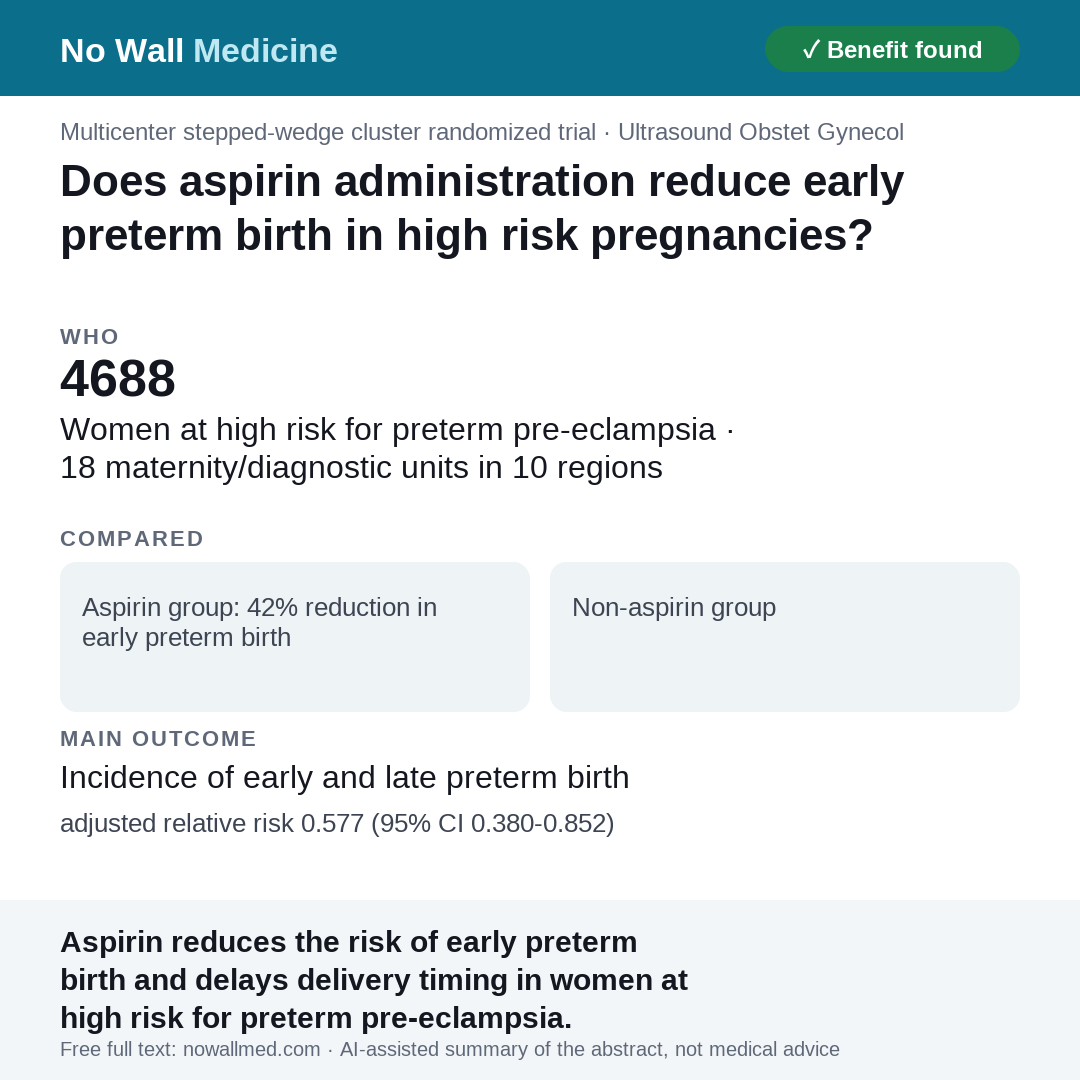
Aspirin delays preterm birth in pregnancies at high risk for preterm pre-eclampsia: evidence from randomized clinical trial in Asia
Multicenter stepped-wedge cluster randomized trialBenefit found
Does aspirin administration reduce early preterm birth in high risk pregnancies?
Who
4688
Women at high risk for preterm pre-eclampsia · 18 maternity/diagnostic units in 10 regions across Asia
Compared
Aspirin group: 42% reduction in early preterm birth
Non-aspirin group
Main outcome
Incidence of early and late preterm birth
Result: adjusted relative risk 0.577 (95% CI 0.380-0.852)
Bottom line: Aspirin reduces the risk of early preterm birth and delays delivery timing in women at high risk for preterm pre-eclampsia.
Ultrasound Obstet Gynecol · 2025-06-02Download image
Efficacy and safety of adamgammadex for reversing rocuronium-induced deep neuromuscular block: a multicentre, randomised, double-blind, positive-controlled phase III trial
Randomised, double-blind, positive-controlled phase III trialBenefit found
Is adamgammadex noninferior to sugammadex for reversing deep rocuronium-induced neuromuscular block?
Who
321
Patients with deep rocuronium-induced neuromuscular block · multicentre
Compared
98.7%adamgammadex 8 mg kg-1
100%sugammadex 4 mg kg-1
Main outcome
success rate of antagonism (train-of-four ratio to 0.9 within 10 min)
Result: observed difference -1.3% (95% CI -4.6%, 1.2%)
Bottom line: Adamgammadex was noninferior to sugammadex in reversing deep neuromuscular block from rocuronium.
Br J Anaesth · 2025-06-02Download image

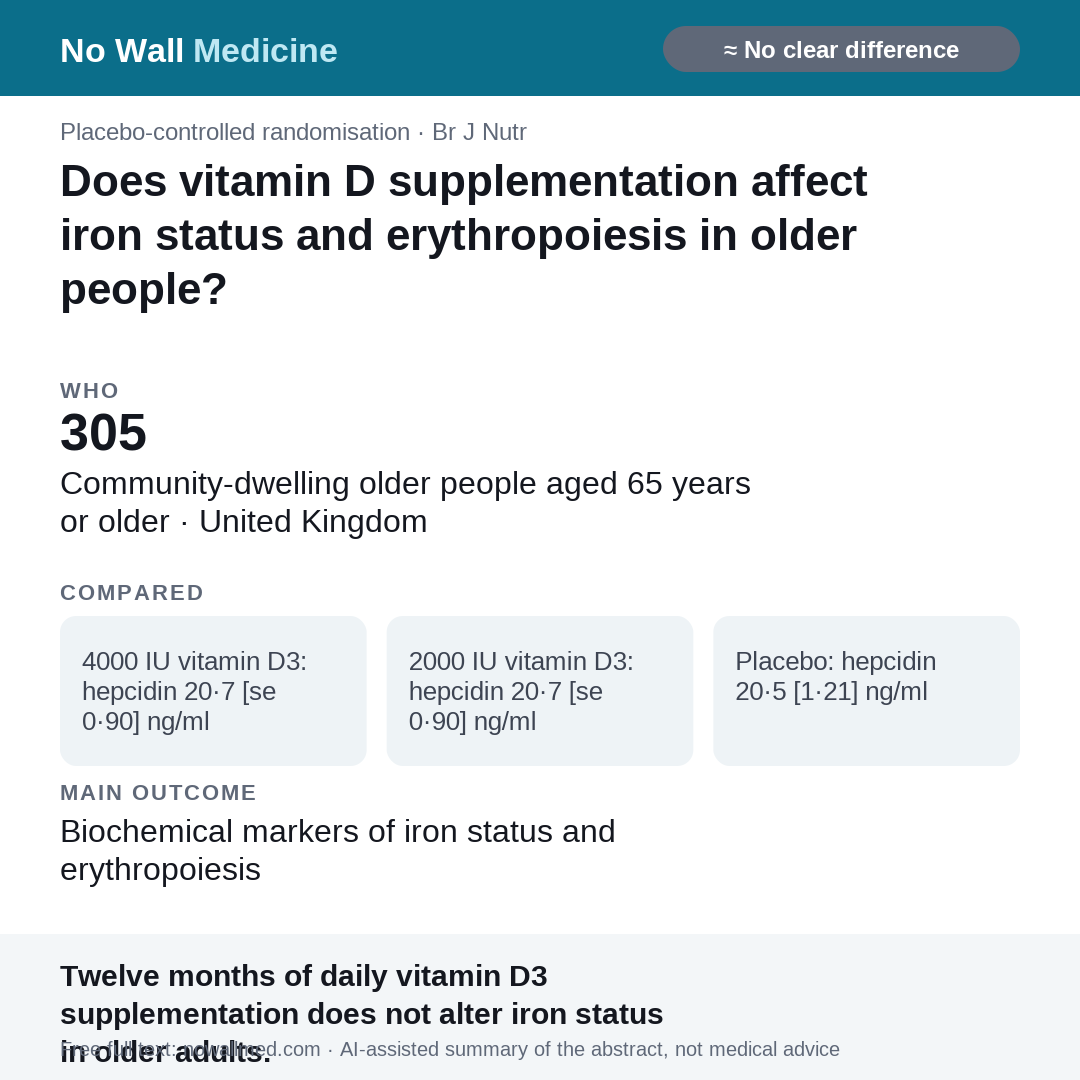
Effect of supplementation with vitamin D on biochemical markers of iron status and erythropoiesis in older people: BEST-D trial
Placebo-controlled randomisationNo clear difference
Does vitamin D supplementation affect iron status and erythropoiesis in older people?
Who
305
Community-dwelling older people aged 65 years or older · United Kingdom
Compared
4000 IU vitamin D3: hepcidin 20·7 [se 0·90] ng/ml
2000 IU vitamin D3: hepcidin 20·7 [se 0·90] ng/ml
Placebo: hepcidin 20·5 [1·21] ng/ml
Main outcome
Biochemical markers of iron status and erythropoiesis
Bottom line: Twelve months of daily vitamin D3 supplementation does not alter iron status in older adults.
Br J Nutr · 2025-06-02Download image
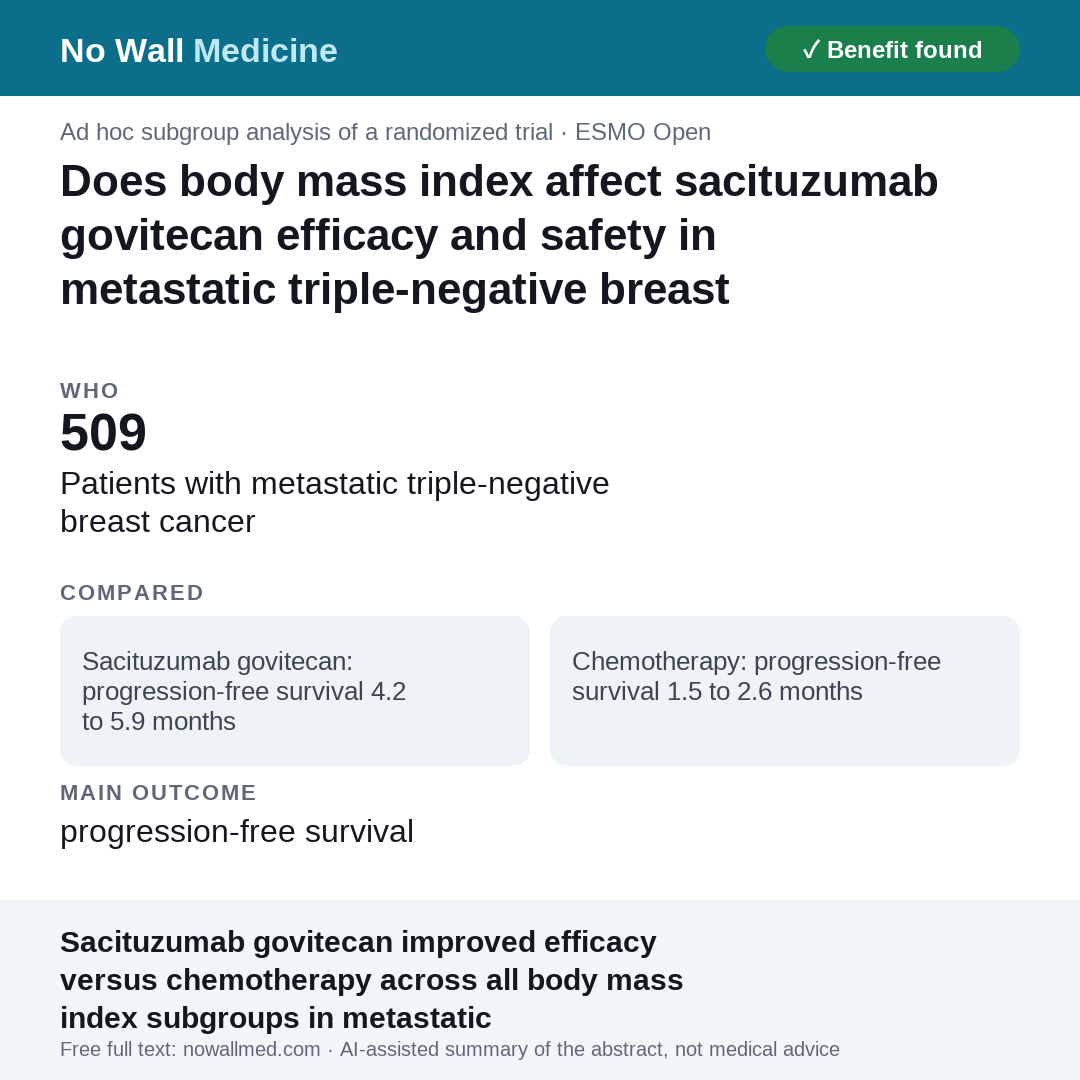
The association of high body mass index with the safety and efficacy of sacituzumab govitecan in patients with metastatic triple-negative breast cancer from the ASCENT study
Ad hoc subgroup analysis of a randomized trialBenefit found
Does body mass index affect sacituzumab govitecan efficacy and safety in metastatic triple-negative breast cancer?
Who
509
Patients with metastatic triple-negative breast cancer
Compared
Sacituzumab govitecan: progression-free survival 4.2 to 5.9 months
Chemotherapy: progression-free survival 1.5 to 2.6 months
Main outcome
progression-free survival
Result: hazard ratio 0.31 to 0.48
Bottom line: Sacituzumab govitecan improved efficacy versus chemotherapy across all body mass index subgroups in metastatic triple-negative breast cancer.
ESMO Open · 2025-06-02Download image
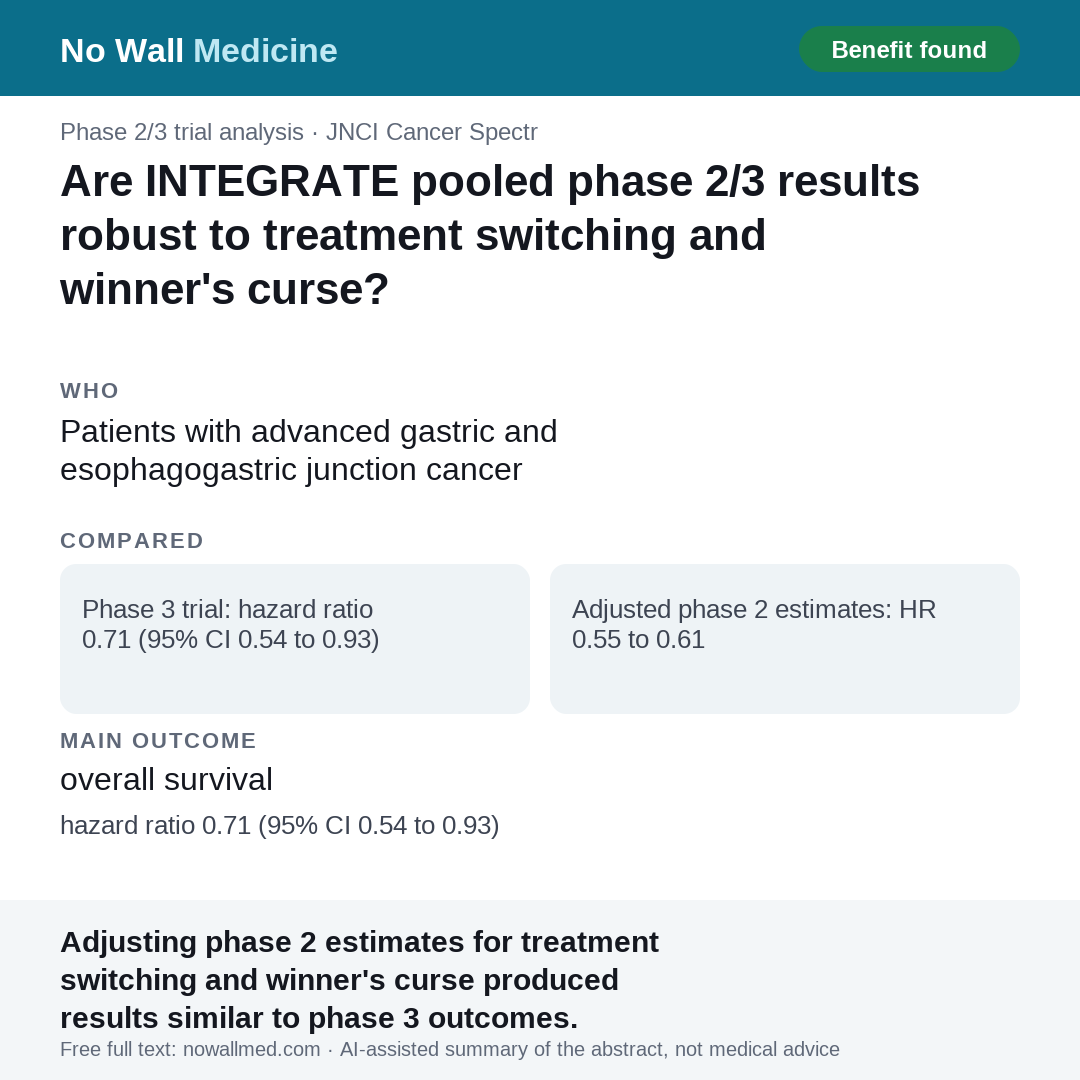
INTEGRATE pooled phase 2/3 results are robust to postprogression switching and the winner's curse
Phase 2/3 trial analysisBenefit found
Are INTEGRATE pooled phase 2/3 results robust to treatment switching and winner's curse?
Who
Patients with advanced gastric and esophagogastric junction cancer
Compared
Phase 3 trial: hazard ratio 0.71 (95% CI 0.54 to 0.93)
Adjusted phase 2 estimates: HR 0.55 to 0.61
Main outcome
overall survival
Result: hazard ratio 0.71 (95% CI 0.54 to 0.93)
Bottom line: Adjusting phase 2 estimates for treatment switching and winner's curse produced results similar to phase 3 outcomes.
JNCI Cancer Spectr · 2025-06-02Download image
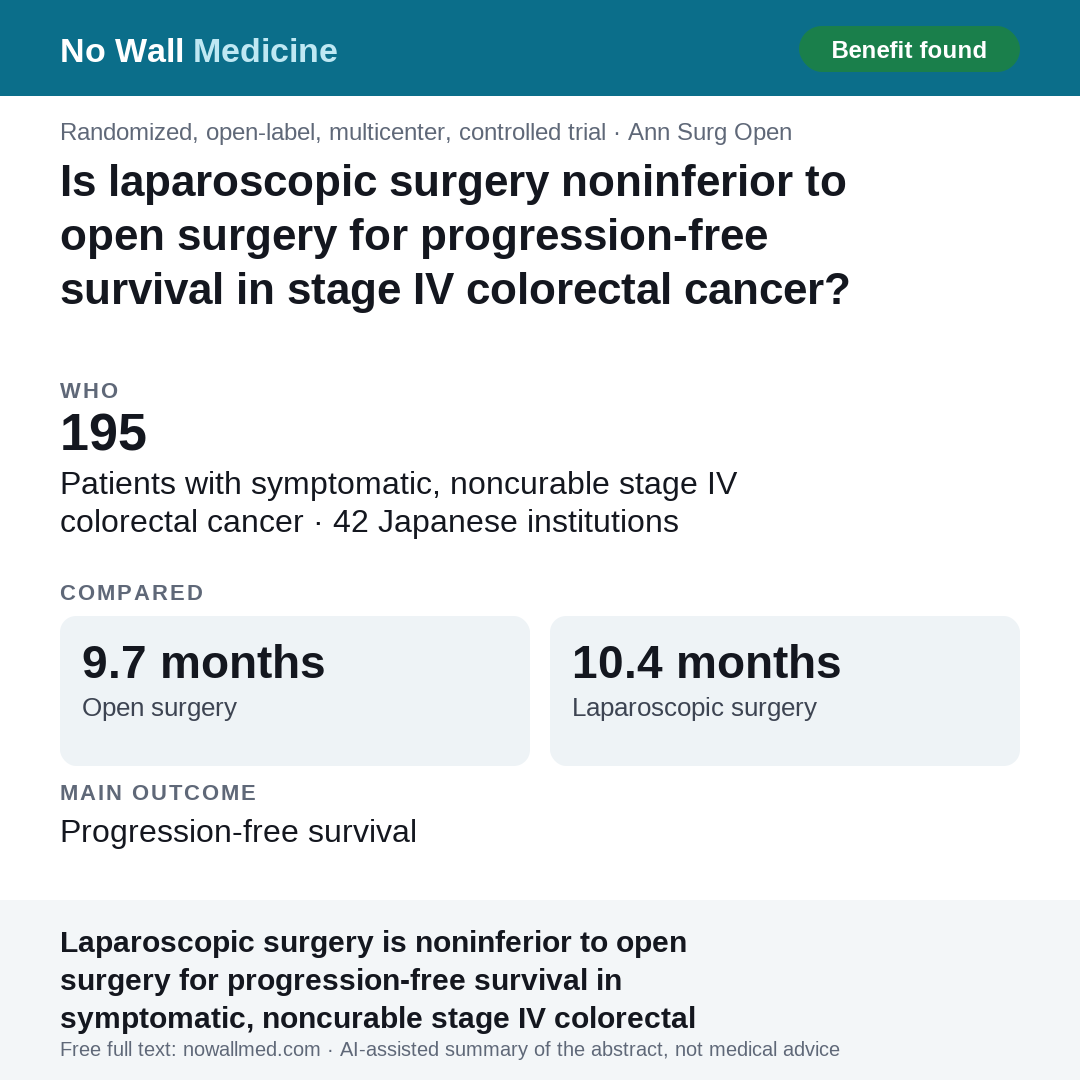
A Randomized Open-Label, Noninferiority, Phase 3, Multicenter, Controlled Trial to Compare Laparoscopic Surgery With Open Surgery for Symptomatic, Noncurable Stage IV Colorectal Cancer (JCOG1107)
Randomized, open-label, multicenter, controlled trialBenefit found
Is laparoscopic surgery noninferior to open surgery for progression-free survival in stage IV colorectal cancer?
Who
195
Patients with symptomatic, noncurable stage IV colorectal cancer · 42 Japanese institutions
Compared
9.7 monthsOpen surgery
10.4 monthsLaparoscopic surgery
Main outcome
Progression-free survival
Result: hazard ratio 1.02 (91.4% CI 0.79-1.32)
Bottom line: Laparoscopic surgery is noninferior to open surgery for progression-free survival in symptomatic, noncurable stage IV colorectal cancer.
Ann Surg Open · 2025-06-02Download image
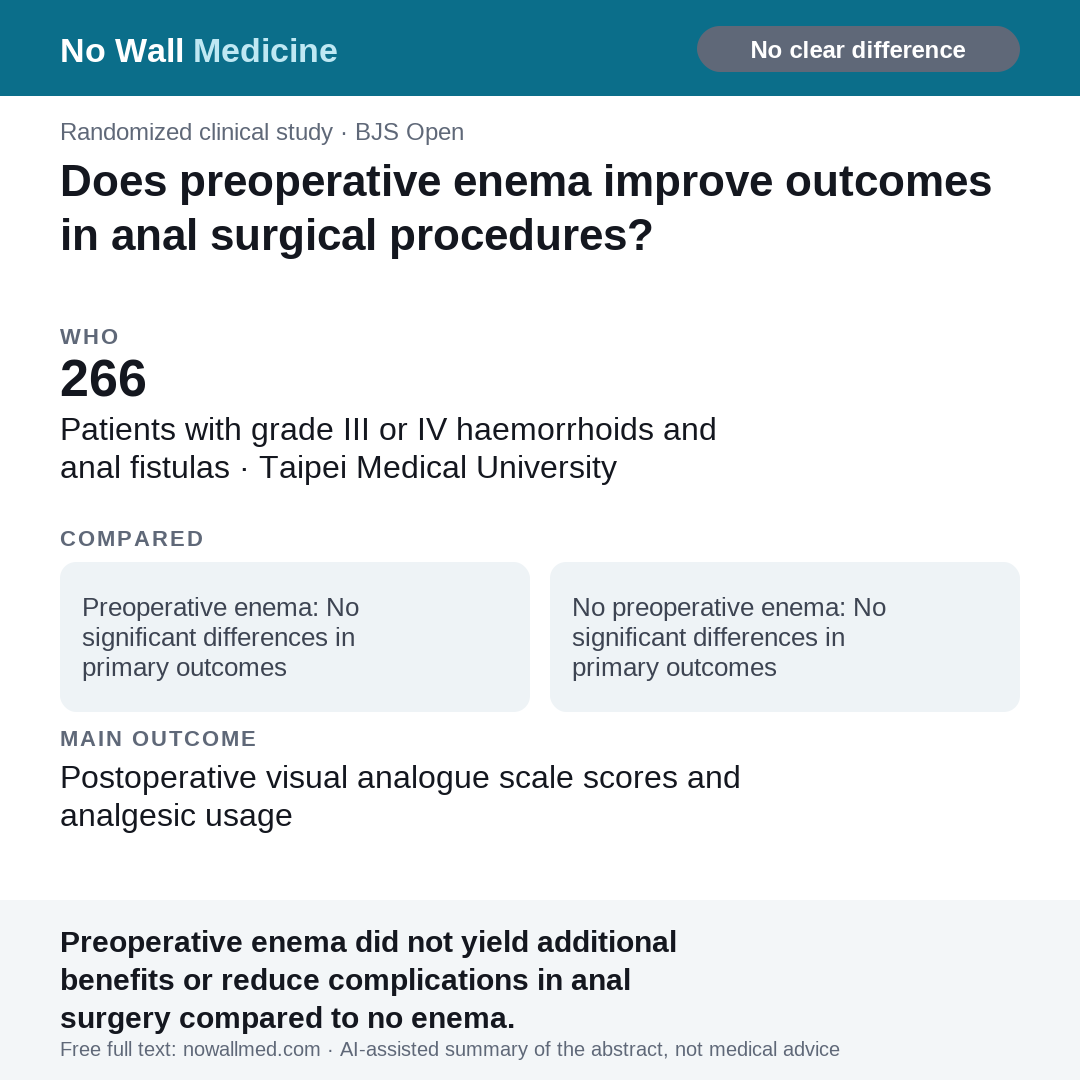
Preoperative enema for anal surgery: randomized clinical trial
Randomized clinical studyNo clear difference
Does preoperative enema improve outcomes in anal surgical procedures?
Who
266
Patients with grade III or IV haemorrhoids and anal fistulas · Taipei Medical University Shuang-Ho Hospital, Taiwan
Compared
Preoperative enema: No significant differences in primary outcomes
No preoperative enema: No significant differences in primary outcomes
Main outcome
Postoperative visual analogue scale scores and analgesic usage
Bottom line: Preoperative enema did not yield additional benefits or reduce complications in anal surgery compared to no enema.
BJS Open · 2025-06-02Download image
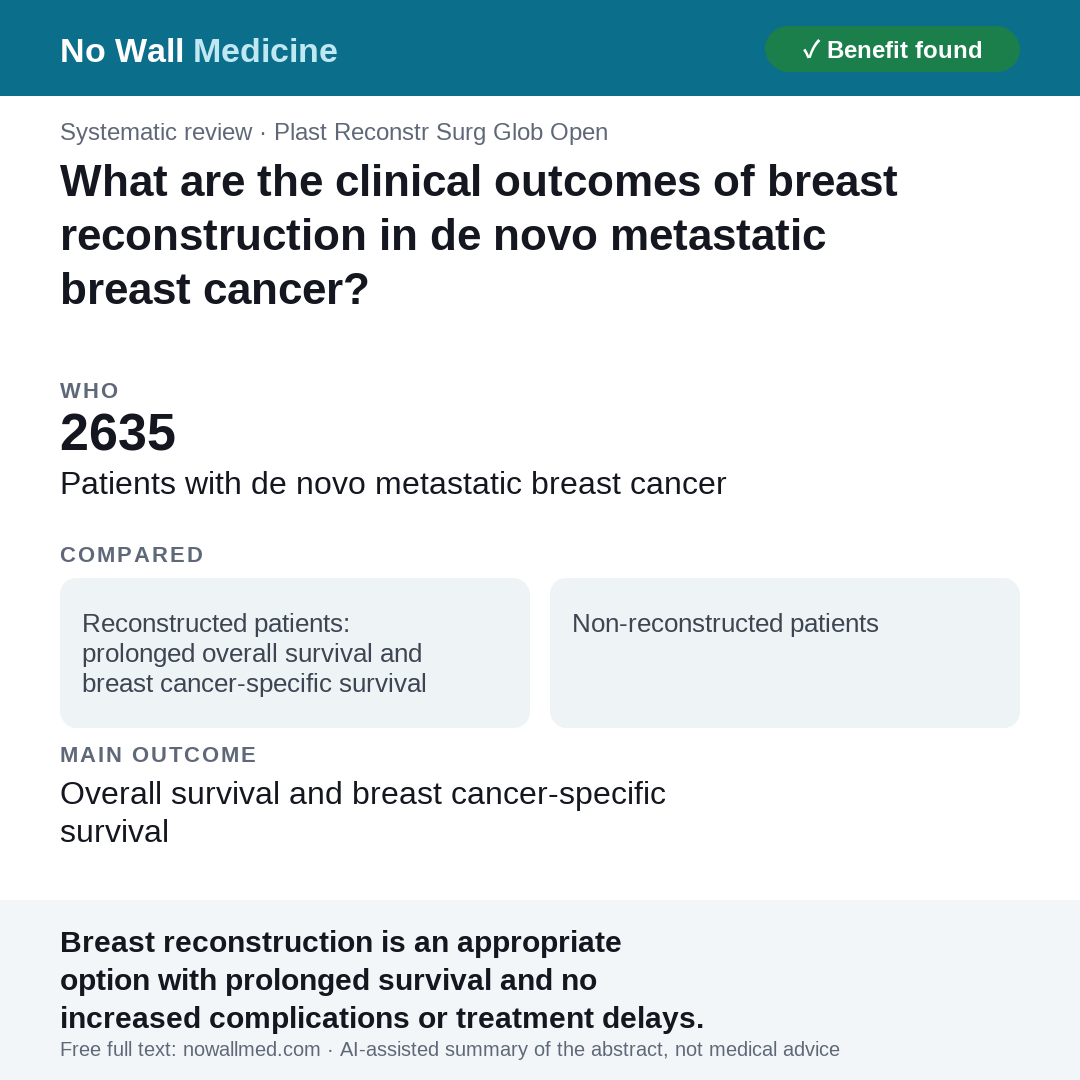
Breast Reconstruction in De Novo Metastatic Breast Cancer: A Systematic Review
Systematic reviewBenefit found
What are the clinical outcomes of breast reconstruction in de novo metastatic breast cancer?
Who
2635
Patients with de novo metastatic breast cancer
Compared
Reconstructed patients: prolonged overall survival and breast cancer-specific survival
Non-reconstructed patients
Main outcome
Overall survival and breast cancer-specific survival
Bottom line: Breast reconstruction is an appropriate option with prolonged survival and no increased complications or treatment delays.
Limitation: Survival benefits may be limited to low disease burden and hormone receptor-positive subtypes.
Plast Reconstr Surg Glob Open · 2025-06-02Download image
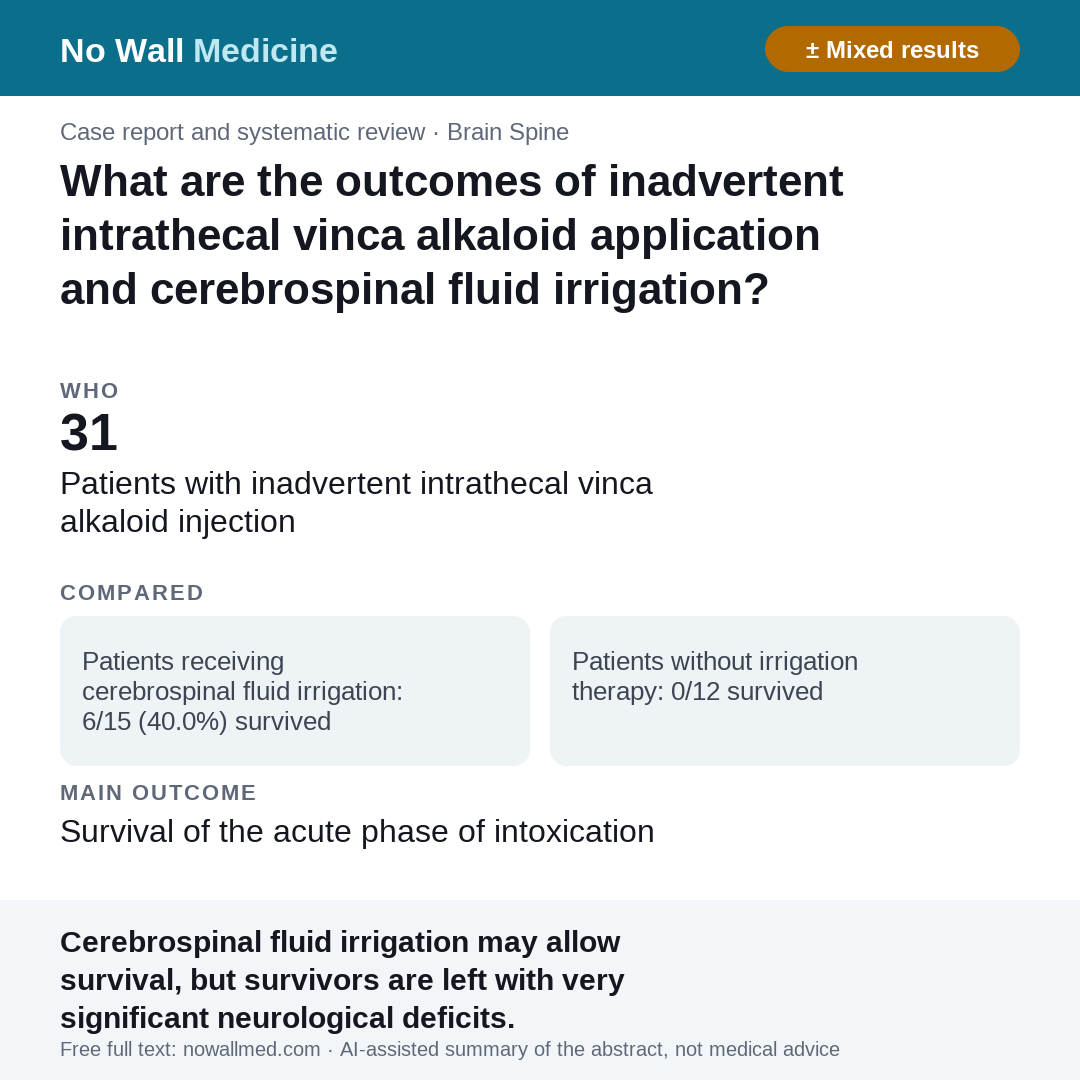
Inadvertent intrathecal application of vindesine and its neurological outcome: case report and systematic review of the literature
Case report and systematic reviewMixed results
What are the outcomes of inadvertent intrathecal vinca alkaloid application and cerebrospinal fluid irrigation?
Who
31
Patients with inadvertent intrathecal vinca alkaloid injection
Compared
Patients receiving cerebrospinal fluid irrigation: 6/15 (40.0%) survived
Patients without irrigation therapy: 0/12 survived
Main outcome
Survival of the acute phase of intoxication
Bottom line: Cerebrospinal fluid irrigation may allow survival, but survivors are left with very significant neurological deficits.
Limitation: The study is based on a small number of identified cases.
Brain Spine · 2025-06-02Download image