Visual abstracts
New randomized trials and meta-analyses from leading journals at a glance: who was studied, what was compared, and what was found. Every paper is free to read in full.
All specialtiesCardiology 2810Oncology 2386Gastroenterology & Hepatology 1086Infectious Disease 1794Neurology 1129Psychiatry & Mental Health 1296Pulmonology 1175Critical Care 777Endocrinology & Diabetes 1446Pediatrics 1662Surgery 1456Orthopedics & Sports Medicine 512Neurosurgery 341Cardiothoracic & Vascular Surgery 313Plastic & Reconstructive Surgery 408Nephrology 591Rheumatology 425Hematology 609Dermatology 334Ophthalmology 320Obstetrics & Gynecology 926Public & Global Health 521Radiology & Imaging 396Anesthesiology 568Urology 468ENT (Otolaryngology) 324Emergency Medicine 313Allergy & Immunology 176Geriatrics 600Family Medicine & Primary Care 321Medical Genetics & Genomics 323Pathology & Laboratory Medicine 92Physical Medicine & Rehabilitation 450Palliative Care 243Nutrition 766Digital Health & AI 1337General Medicine 201
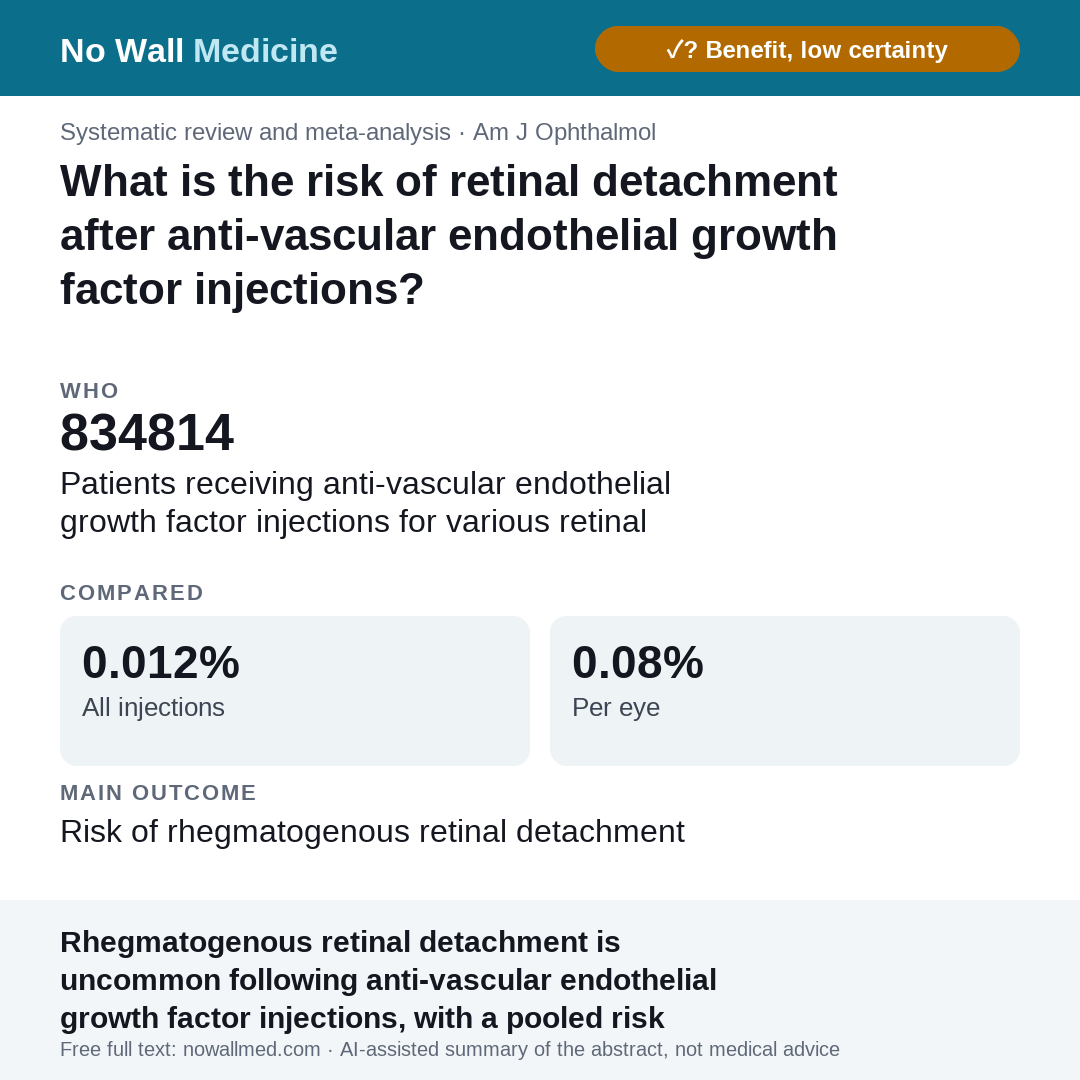
Risk of Retinal Detachment After Intravitreal Injection of Anti-VEGF: A Systematic Review and Meta-Analysis
Systematic review and meta-analysisBenefit found
What is the risk of retinal detachment after anti-vascular endothelial growth factor injections?
Who
834814
Patients receiving anti-vascular endothelial growth factor injections for various retinal conditions
Compared
0.012%All injections (95% CI 0.009-0.015%)
0.08%Per eye (95% CI 0.02-0.31%)
Main outcome
Risk of rhegmatogenous retinal detachment
Result: 0.012% (95% CI 0.009-0.015%)
Bottom line: Rhegmatogenous retinal detachment is uncommon following anti-vascular endothelial growth factor injections, with a pooled risk of 0.012% per injection.
Limitation: Low-certainty evidence and potential underestimation of real-world cumulative exposure due to mean injection counts.
Am J Ophthalmol · 2026-06-01Download image
The cost and cost-effectiveness of whole-exome and whole-genome sequencing: a systematic literature review
Systematic literature reviewBenefit found
Is whole-exome and whole-genome sequencing cost-effective?
Who
130
various clinical applications · multiple regions
Compared
WES/WGS
other options
Main outcome
cost-effectiveness
Result: can be cost-effective
Bottom line: WES/WGS can be cost-effective in some contexts
Eur J Hum Genet · 2026-06-01Download image

The Health and Environmental Impacts, Safety, and Affordability of the EAT-Lancet Planetary Health Diet: A Multidisciplinary Systematic Review and Meta-Analysis
Systematic review and meta-analysisMixed results
What are the health, environmental, safety, and affordability impacts of the EAT-Lancet diet?
Who
Global populations in epidemiological studies
Compared
EAT-Lancet diet
Comparison group
Main outcome
All-cause mortality, cardiovascular disease, diabetes, and greenhouse gas emissions
Result: pooled hazard ratio 0.80 (95% CI: 0.76, 0.85) for all-cause mortality
Bottom line: The diet may reduce mortality and emissions, but causes nutrient deficiencies and is unaffordable for billions.
Limitation: No strong evidence supported benefits to water or land use.
Adv Nutr · 2026-06-01Download image

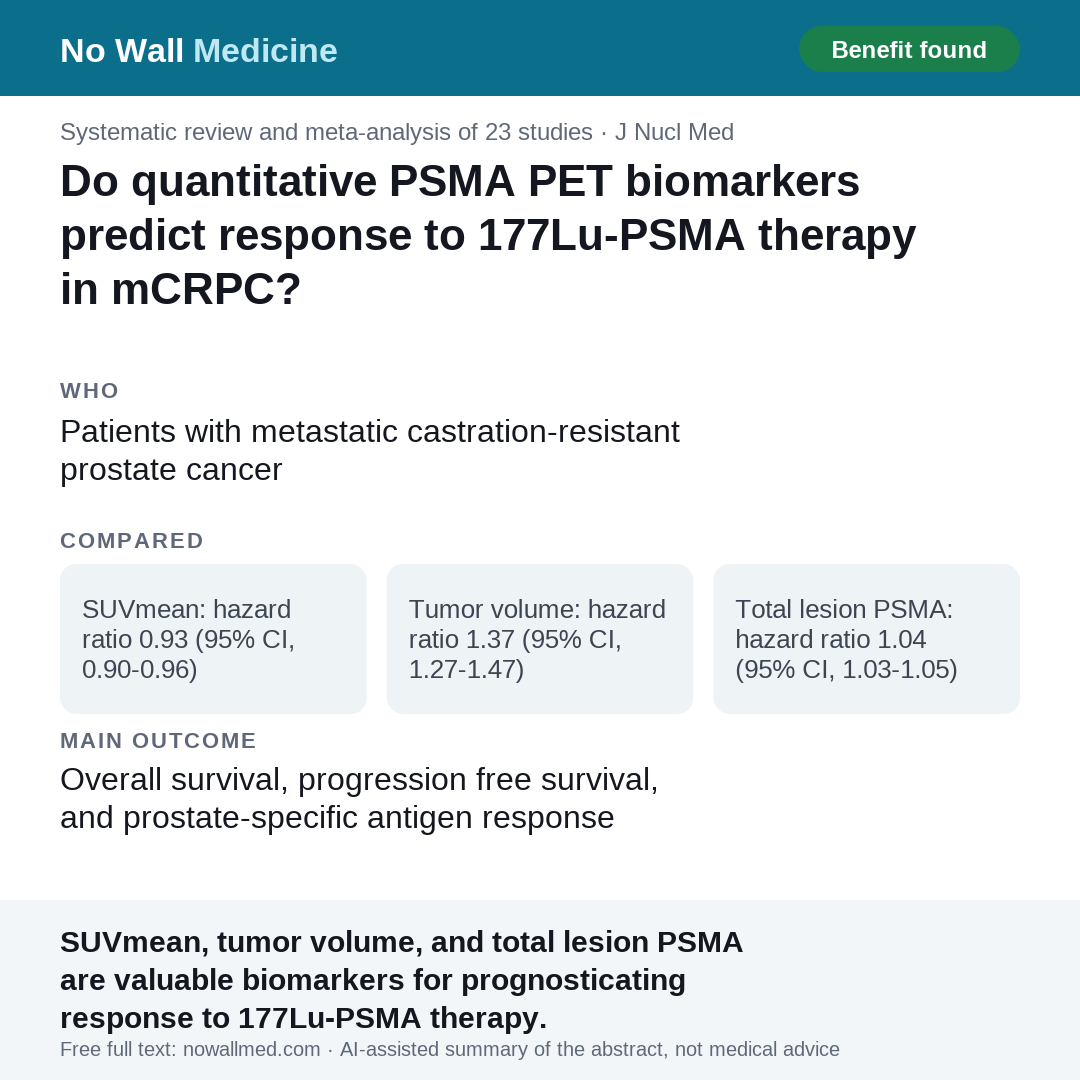
Quantitative PSMA PET Biomarkers for Predicting Response to 177Lu-PSMA Therapy in Prostate Cancer: A Systematic Review and Meta-analysis
Systematic review and meta-analysis of 23 studiesBenefit found
Do quantitative PSMA PET biomarkers predict response to 177Lu-PSMA therapy in mCRPC?
Who
Patients with metastatic castration-resistant prostate cancer
Compared
SUVmean: hazard ratio 0.93 (95% CI, 0.90-0.96)
Tumor volume: hazard ratio 1.37 (95% CI, 1.27-1.47)
Total lesion PSMA: hazard ratio 1.04 (95% CI, 1.03-1.05)
Main outcome
Overall survival, progression free survival, and prostate-specific antigen response
Result: hazard ratio 0.93 (95% CI, 0.90-0.96) for SUVmean
Bottom line: SUVmean, tumor volume, and total lesion PSMA are valuable biomarkers for prognosticating response to 177Lu-PSMA therapy.
J Nucl Med · 2026-06-01Download image
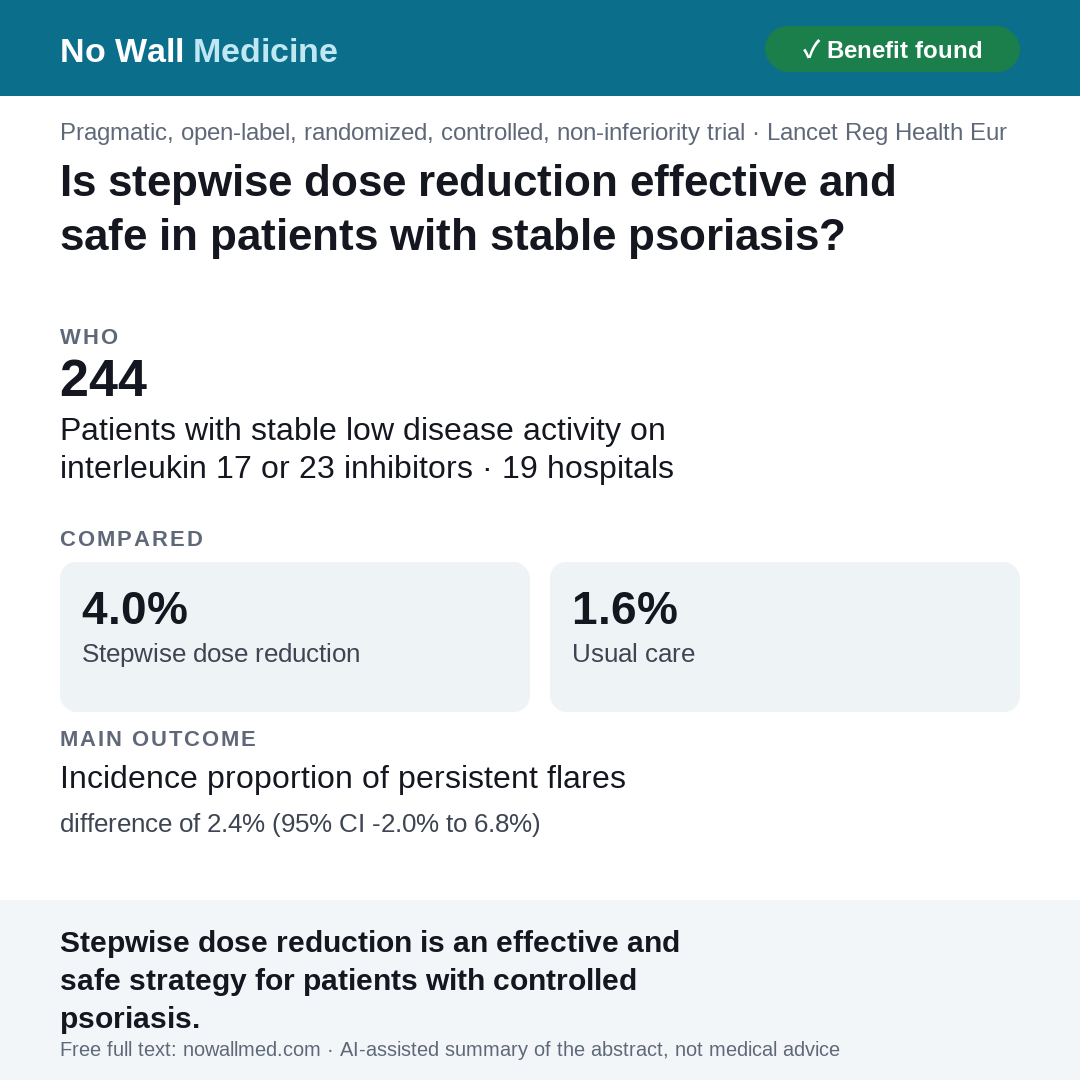
Dose Reduction of IL17 and IL23 Inhibitors in Psoriasis (BeNeBio study): An International, Pragmatic, Multicentre, Randomised, Controlled, Non-Inferiority Trial
Pragmatic, open-label, randomized, controlled, non-inferiority trialBenefit found
Is stepwise dose reduction effective and safe in patients with stable psoriasis?
Who
244
Patients with stable low disease activity on interleukin 17 or 23 inhibitors · 19 hospitals in the Netherlands and Belgium
Compared
4.0%Stepwise dose reduction
1.6%Usual care
Main outcome
Incidence proportion of persistent flares
Result: difference of 2.4% (95% CI -2.0% to 6.8%)
Bottom line: Stepwise dose reduction is an effective and safe strategy for patients with controlled psoriasis.
Funded by: ZonMw and KCE Trials
Lancet Reg Health Eur · 2026-06-01Download image
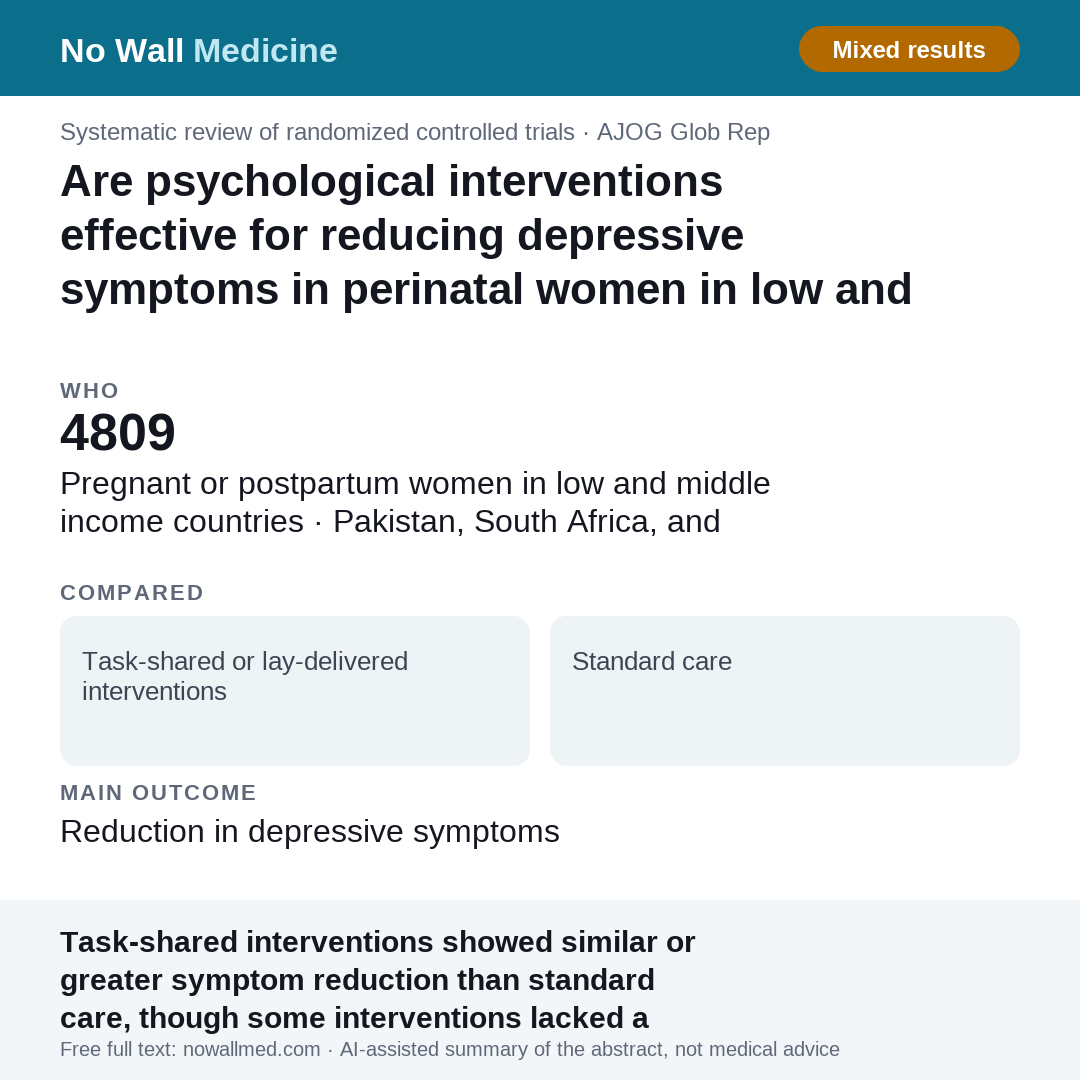
Effectiveness of psychological interventions for reducing depressive symptoms among women experiencing perinatal depression: a systematic review
Systematic review of randomized controlled trialsMixed results
Are psychological interventions effective for reducing depressive symptoms in perinatal women in low and middle income countries?
Who
4809
Pregnant or postpartum women in low and middle income countries · Pakistan, South Africa, and Tanzania
Compared
Task-shared or lay-delivered interventions
Standard care
Main outcome
Reduction in depressive symptoms
Bottom line: Task-shared interventions showed similar or greater symptom reduction than standard care, though some interventions lacked a statistically meaningful advantage.
Limitation: Substantial heterogeneity in intervention content, delivery modes, settings, and outcome measures.
AJOG Glob Rep · 2026-06-01Download image
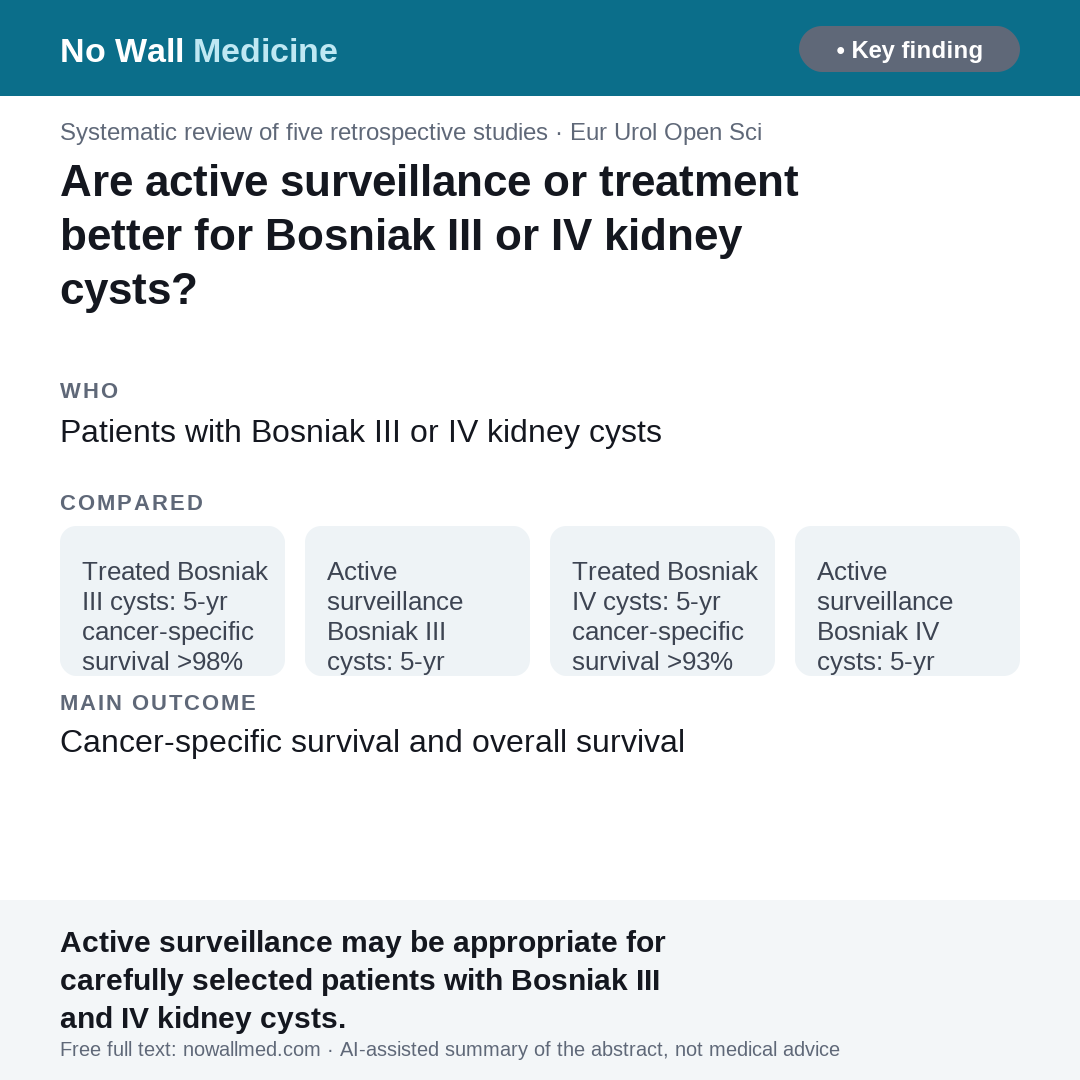
Survival Outcomes of Patients with Treated vs Actively Surveilled Bosniak III or IV Kidney Cysts: A Systematic Review
Systematic review of five retrospective studiesBenefit found
Are active surveillance or treatment better for Bosniak III or IV kidney cysts?
Who
Patients with Bosniak III or IV kidney cysts
Compared
Treated Bosniak III cysts: 5-yr cancer-specific survival >98%
Active surveillance Bosniak III cysts: 5-yr cancer-specific survival >98%
Treated Bosniak IV cysts: 5-yr cancer-specific survival >93%
Active surveillance Bosniak IV cysts: 5-yr cancer-specific survival >93%
Main outcome
Cancer-specific survival and overall survival
Bottom line: Active surveillance may be appropriate for carefully selected patients with Bosniak III and IV kidney cysts.
Limitation: All studies were retrospective and nonrandomized, with moderate to high selection bias and confounding.
Eur Urol Open Sci · 2026-06-01Download image
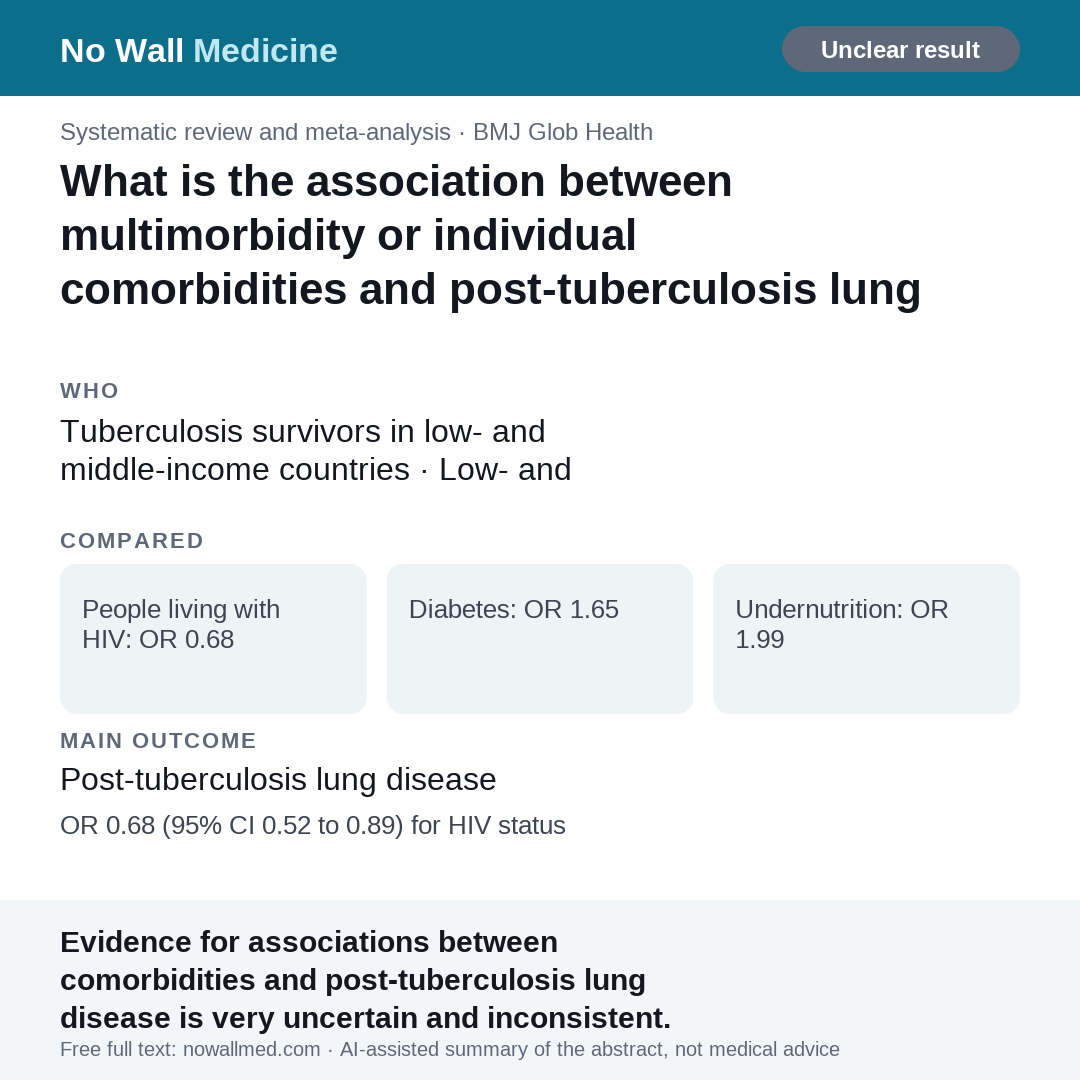
Multimorbidity and the risk of post-tuberculosis lung disease: a systematic review and meta-analysis
Systematic review and meta-analysisUnclear result
What is the association between multimorbidity or individual comorbidities and post-tuberculosis lung disease?
Who
Tuberculosis survivors in low- and middle-income countries · Low- and middle-income countries
Compared
People living with HIV: OR 0.68
Diabetes: OR 1.65
Undernutrition: OR 1.99
Main outcome
Post-tuberculosis lung disease
Result: OR 0.68 (95% CI 0.52 to 0.89) for HIV status
Bottom line: Evidence for associations between comorbidities and post-tuberculosis lung disease is very uncertain and inconsistent.
Limitation: High risk of bias in studies and very low certainty of evidence.
BMJ Glob Health · 2026-06-01Download image
Cognitive Dissonance-Based Priming Intervention: Randomized Encouragement With in-the-Wild Phishing Simulation Attack in Health Care
Two-stage hybrid randomized-encouragement experimentNo clear difference
Does cognitive dissonance priming reduce phishing susceptibility among health care staff?
Who
819
Health care staff at a large Norwegian hospital · One large Norwegian hospital
Compared
65%Control (22/34)
44%Cognitive dissonance-primed (14/32)
53%Neutral nonresponders (396/753)
Main outcome
Phishing susceptibility via observed link-click behavior
Result: chi-square 3.00 (P=.22)
Bottom line: Cognitive dissonance priming showed a directional reduction in phishing clicks but did not reach statistical significance.
Limitation: Small sample size for survey analyses and imprecise effect estimates with wide confidence intervals.
J Med Internet Res · 2026-06-01Download image

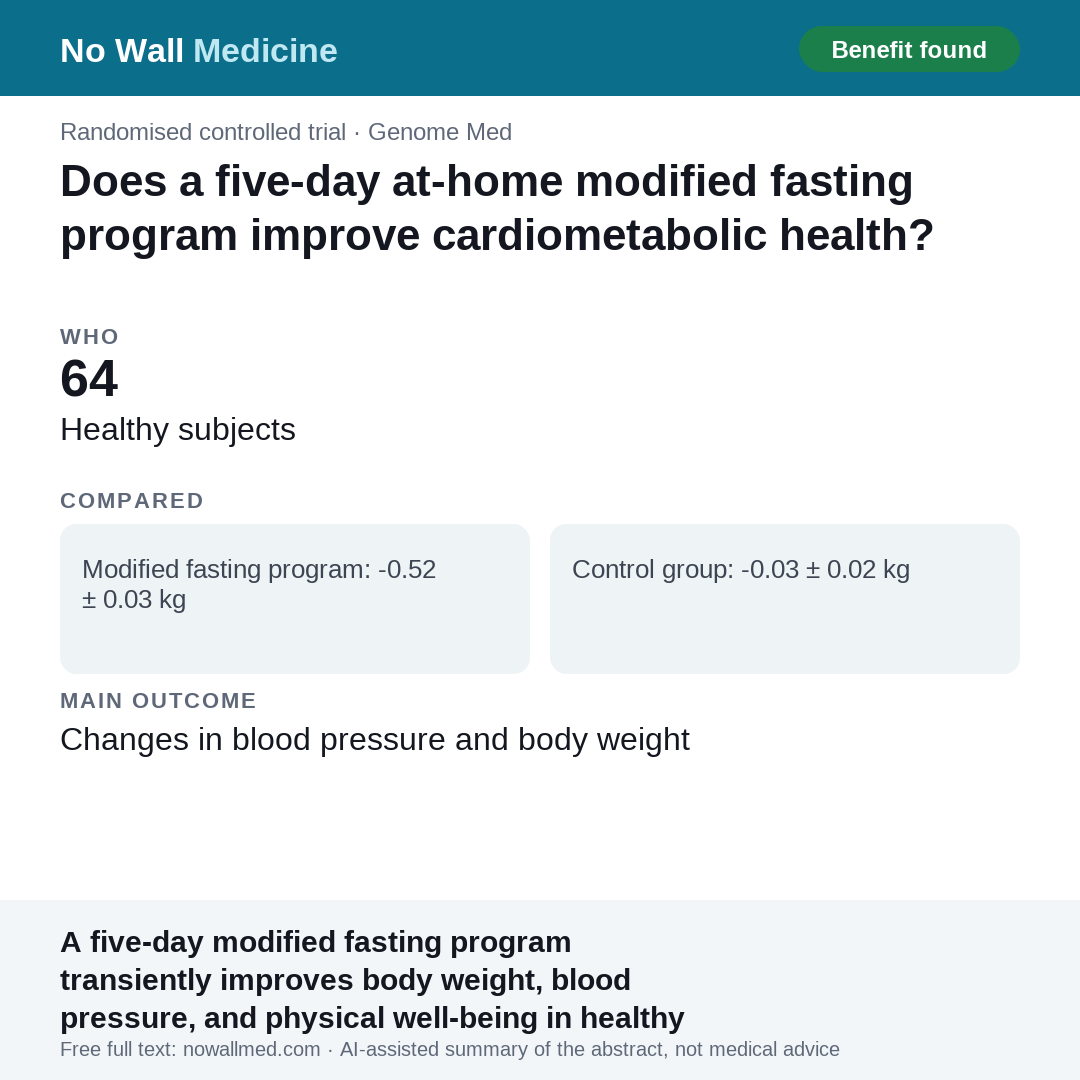
Health benefits of a five-day at-home modified fasting program: a randomised controlled trial
Randomised controlled trialBenefit found
Does a five-day at-home modified fasting program improve cardiometabolic health?
Who
64
Healthy subjects
Compared
Modified fasting program: -0.52 ± 0.03 kg
Control group: -0.03 ± 0.02 kg
Main outcome
Changes in blood pressure and body weight
Bottom line: A five-day modified fasting program transiently improves body weight, blood pressure, and physical well-being in healthy individuals.
Genome Med · 2026-06-01Download image
Outcomes and Complications of Autologous Fat Transfer for Total Breast Reconstruction and Augmentation: Systematic Review and Meta-analysis of Randomized Controlled Trials
Systematic review and meta-analysis of randomized controlled trialsBenefit found
Is autologous fat transfer safe and effective for total breast reconstruction and augmentation?
Who
Patients undergoing total breast reconstruction or augmentation
Compared
Autologous fat transfer
Implant-based reconstruction
Main outcome
Surgical complications, oncological safety, and fat retention rates
Bottom line: Autologous fat transfer is an effective, technically and oncologically safe option for breast reconstruction and augmentation.
Limitation: Limited follow-up duration prevents definitive conclusions on long-term oncological outcomes.
Plast Reconstr Surg Glob Open · 2026-06-01Download image

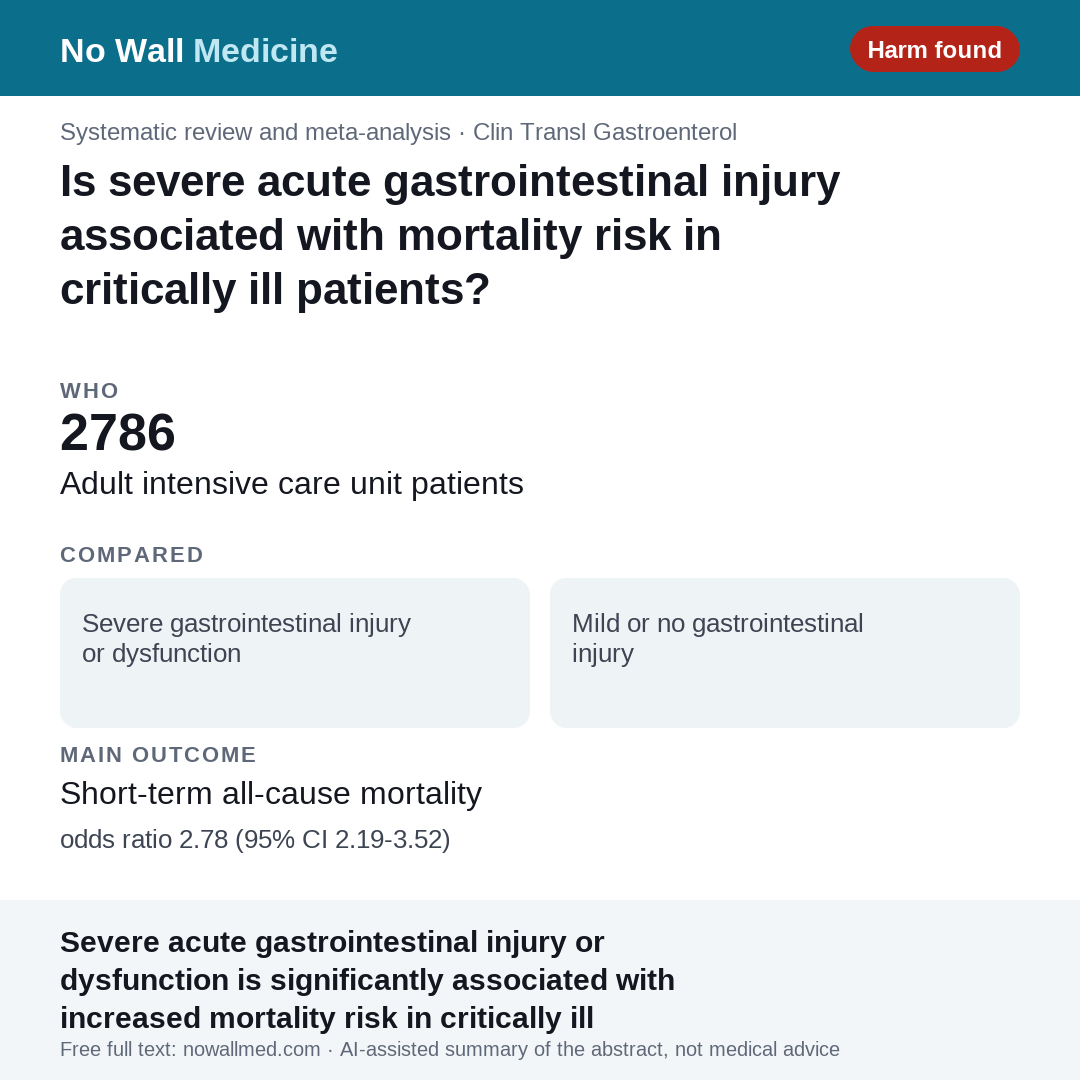
Association Between Acute Gastrointestinal Injury and Mortality Risk in Critically Ill Patients: A Systematic Review and Meta-Analysis
Systematic review and meta-analysisHarm found
Is severe acute gastrointestinal injury associated with mortality risk in critically ill patients?
Who
2786
Adult intensive care unit patients
Compared
Severe gastrointestinal injury or dysfunction
Mild or no gastrointestinal injury
Main outcome
Short-term all-cause mortality
Result: odds ratio 2.78 (95% CI 2.19-3.52)
Bottom line: Severe acute gastrointestinal injury or dysfunction is significantly associated with increased mortality risk in critically ill patients.
Clin Transl Gastroenterol · 2026-06-01Download image
Global Prevalence of Functional Constipation Across All Age Groups According to Rome II-IV Criteria, 1999-2025: A Systematic Review and Meta-Analysis
Systematic review and meta-analysisNo clear difference
What is the global prevalence of functional constipation across all age groups?
Who
459,061
Children, adults, or older population · 44 countries
Compared
Female patients: 14.60% [12.50-17.04]
Male patients: 10.62% [8.84-12.75]
Main outcome
Pooled prevalence of functional constipation
Result: 12.14% (95% CI, 11.14-13.23)
Bottom line: The global pooled prevalence of functional constipation is 12.14% across all age groups.
Clin Transl Gastroenterol · 2026-06-01Download image

3D-Printed vs Commercial Distal Caps for ESD: Multicenter Randomized Ex Vivo Noninferiority Trial (ENDOPRINT Trial)
Multicenter randomized ex vivo noninferiority trialBenefit found
Is a 3D-printed distal cap noninferior to a commercial cap for endoscopic submucosal dissection?
Who
99
Ex vivo porcine models · 3 centers in Prague, Olomouc, and Boston
Compared
3D-printed cap: 17.3 minutes
Commercial Olympus cap: 17.3 minutes
Main outcome
Median procedure time
Bottom line: 3D-printed distal caps are as efficient and safe as commercial caps with superior visibility and ergonomics.
Clin Transl Gastroenterol · 2026-06-01Download image

Efficacy of 1 L PEG Ascorbate vs Sodium Picosulfate With Magnesium Citrate Bowel Preparations for Capsule Colonoscopy and Pan-Intestinal Capsule Endoscopy: A Prospective Study
Prospective, single-center, researcher-blinded, randomized trialBenefit found
Is 1 L polyethylene glycol with ascorbic acid more effective than sodium picosulfate with magnesium citrate?
Who
220
Adult outpatients referred for capsule colonoscopy or pan-intestinal capsule endoscopy · Single-center
Compared
1 L polyethylene glycol with ascorbic acid: 70.0% adequate bowel cleansing
Sodium picosulfate with magnesium citrate: 47.1% adequate bowel cleansing
Main outcome
Adequate bowel cleansing and procedure completion
Bottom line: Polyethylene glycol with ascorbic acid provides superior bowel cleansing compared to sodium picosulfate with magnesium citrate.
Clin Transl Gastroenterol · 2026-06-01Download image

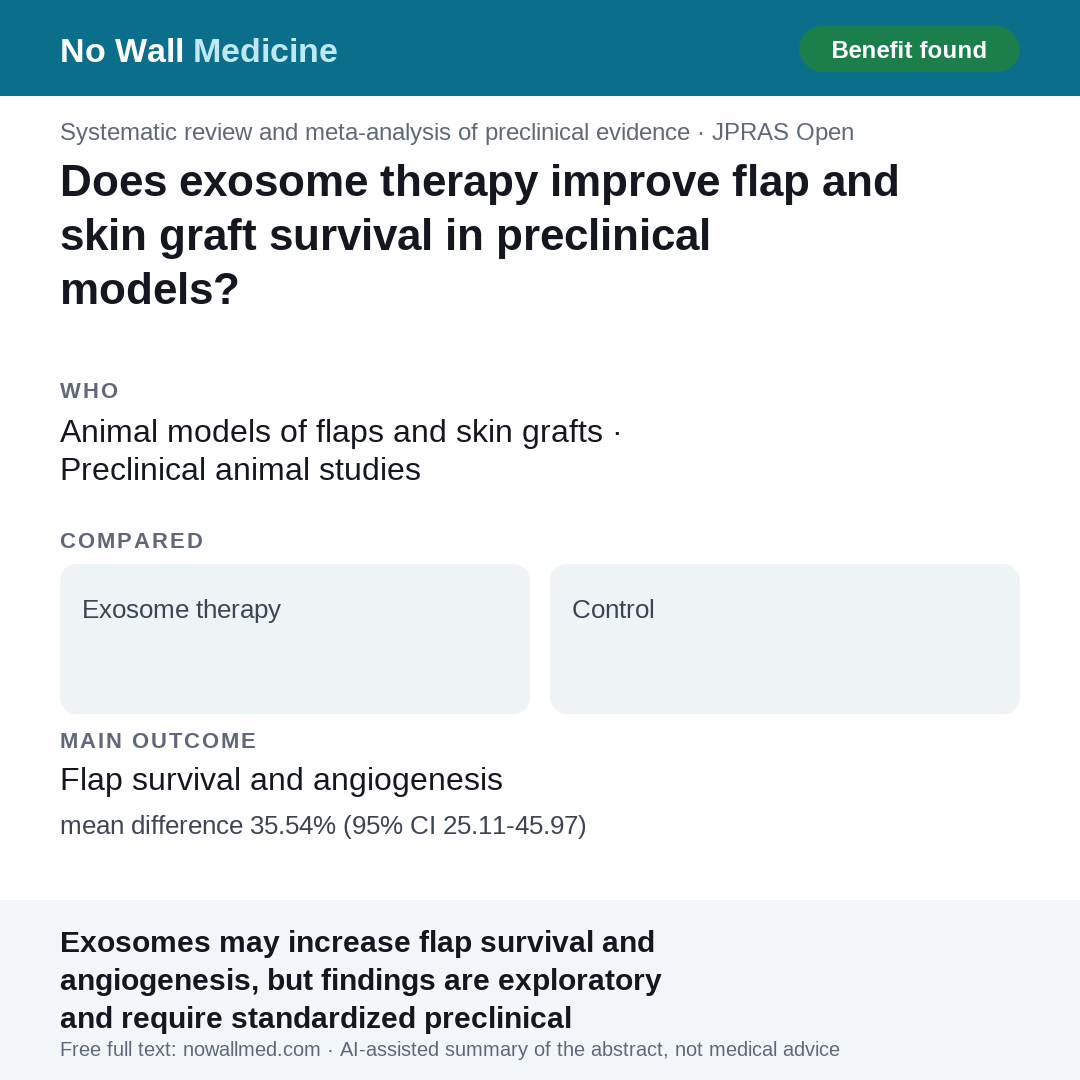
Exosome therapy for flap and skin graft survival: A systematic review and meta-analysis of preclinical evidence
Systematic review and meta-analysis of preclinical evidenceBenefit found
Does exosome therapy improve flap and skin graft survival in preclinical models?
Who
Animal models of flaps and skin grafts · Preclinical animal studies
Compared
Exosome therapy
Control
Main outcome
Flap survival and angiogenesis
Result: mean difference 35.54% (95% CI 25.11-45.97)
Bottom line: Exosomes may increase flap survival and angiogenesis, but findings are exploratory and require standardized preclinical replication.
Limitation: Extreme heterogeneity, small-study effects, and lack of reported allocation concealment or blinding.
JPRAS Open · 2026-06-01Download image
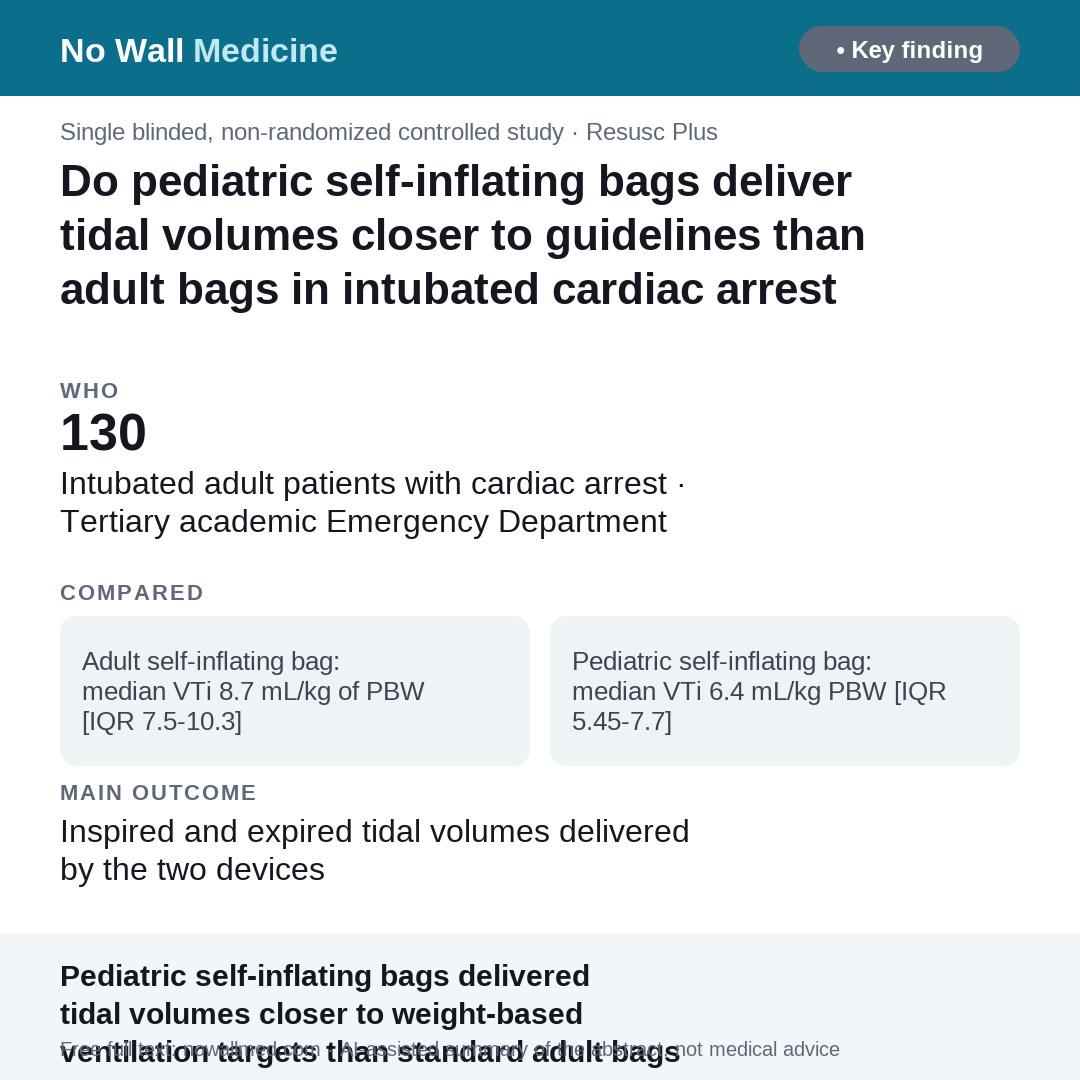
Pediatric versus adult self-inflating bags for cardiopulmonary resuscitation of adult patients with cardiac arrest - a non-randomized controlled trial
Single blinded, non-randomized controlled studyBenefit found
Do pediatric self-inflating bags deliver tidal volumes closer to guidelines than adult bags in intubated cardiac arrest patients?
Who
130
Intubated adult patients with cardiac arrest · Tertiary academic Emergency Department
Compared
Adult self-inflating bag: median VTi 8.7 mL/kg of PBW [IQR 7.5-10.3]
Pediatric self-inflating bag: median VTi 6.4 mL/kg PBW [IQR 5.45-7.7]
Main outcome
Inspired and expired tidal volumes delivered by the two devices
Result: matched-pair odds ratio 2.29; 95% CI 1.23-4.25
Bottom line: Pediatric self-inflating bags delivered tidal volumes closer to weight-based ventilation targets than standard adult bags in intubated adults.
Limitation: Clinical outcomes were not evaluated.
Resusc Plus · 2026-06-01Download image
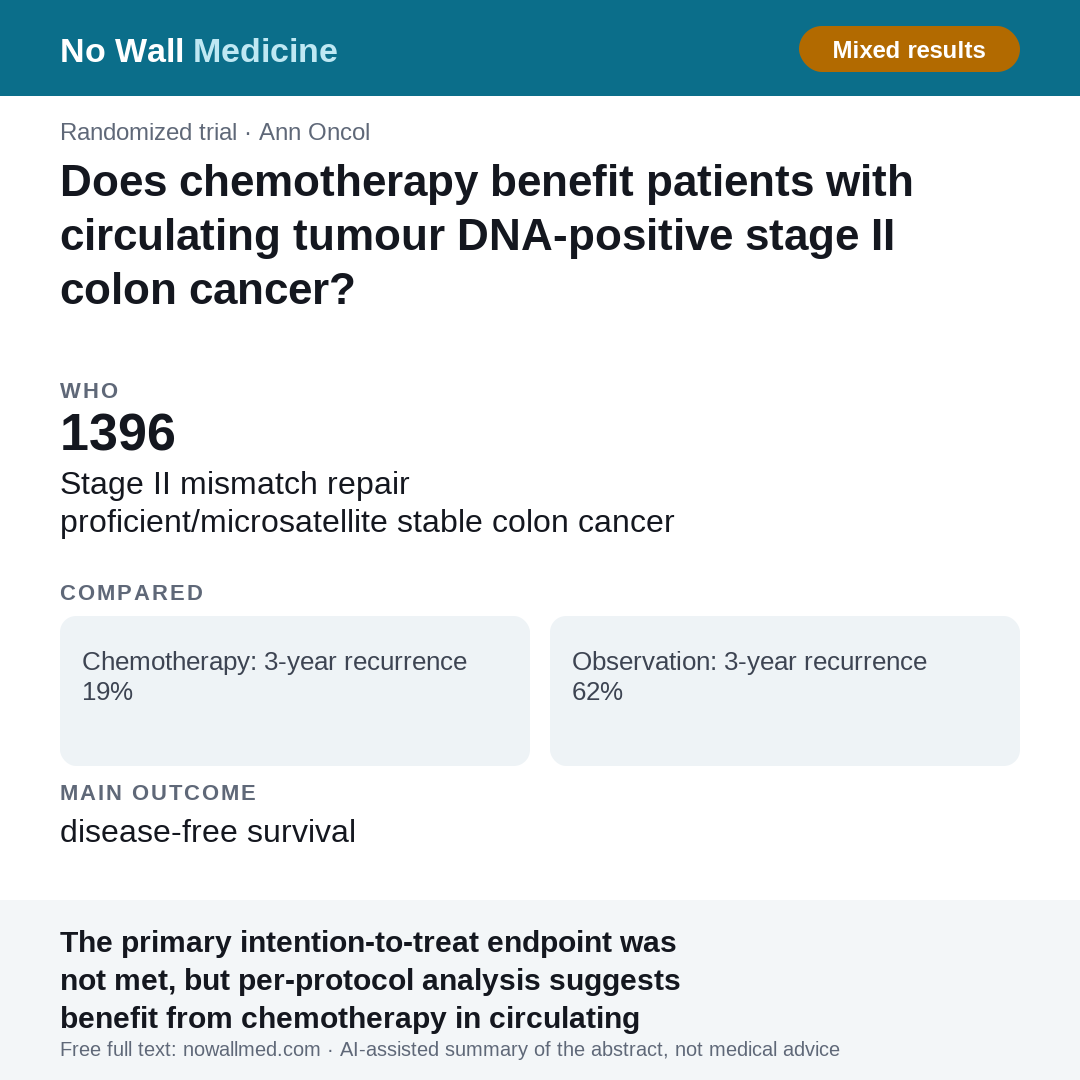
Chemotherapy for patients with circulating tumour DNA-positive, stage II colon cancer (CIRCULATE)-an AIO/ABCSG trial
Randomized trialMixed results
Does chemotherapy benefit patients with circulating tumour DNA-positive stage II colon cancer?
Who
1396
Stage II mismatch repair proficient/microsatellite stable colon cancer patients · Germany and Austria
Compared
Chemotherapy: 3-year recurrence 19%
Observation: 3-year recurrence 62%
Main outcome
disease-free survival
Result: hazard ratio 0.55 (95% CI 0.21 to 1.48)
Bottom line: The primary intention-to-treat endpoint was not met, but per-protocol analysis suggests benefit from chemotherapy in circulating tumour DNA-positive patients.
Limitation: The trial ended early due to funding expiry, potentially reducing statistical power.
Ann Oncol · 2026-05-31Download image
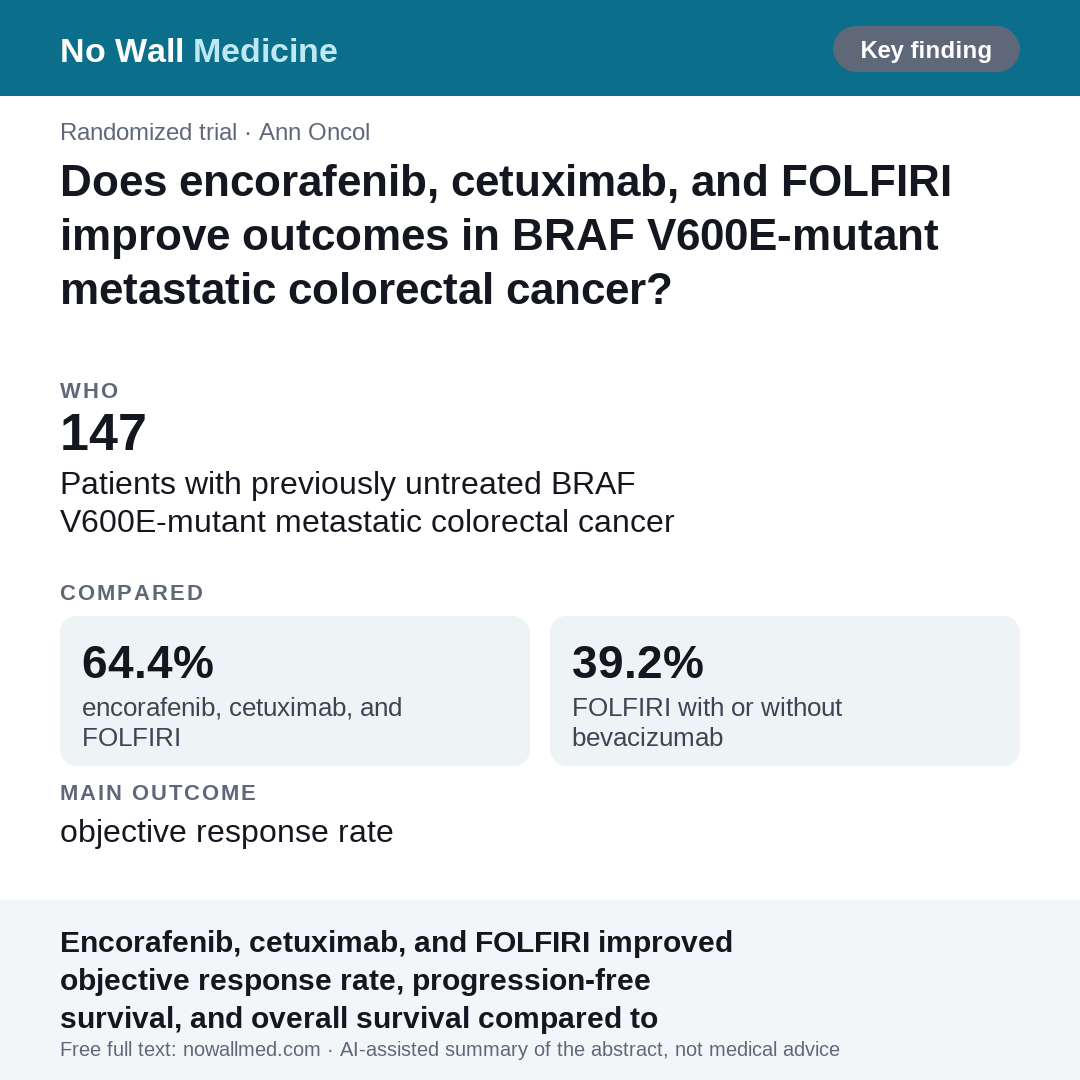
A randomised study of encorafenib, cetuximab, and FOLFIRI versus FOLFIRI with or without bevacizumab in BRAF V600E-mutant colorectal cancer: BREAKWATER Cohort 3
Randomized trialBenefit found
Does encorafenib, cetuximab, and FOLFIRI improve outcomes in BRAF V600E-mutant metastatic colorectal cancer?
Who
147
Patients with previously untreated BRAF V600E-mutant metastatic colorectal cancer
Compared
64.4%encorafenib, cetuximab, and FOLFIRI
39.2%FOLFIRI with or without bevacizumab
Main outcome
objective response rate
Result: hazard ratio 0.44 (95% CI 0.27-0.70)
Bottom line: Encorafenib, cetuximab, and FOLFIRI improved objective response rate, progression-free survival, and overall survival compared to control.
Ann Oncol · 2026-05-31Download image
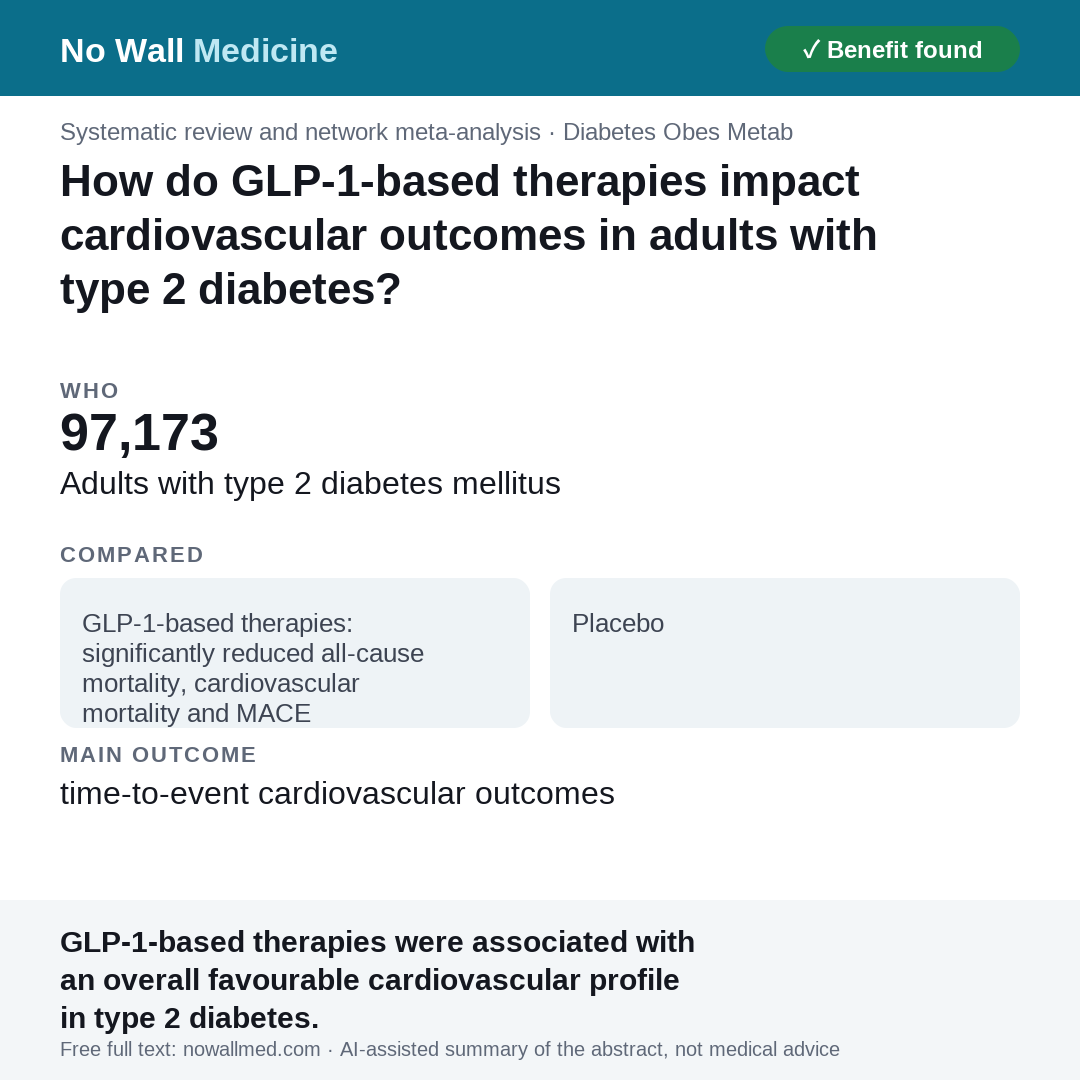
The Impact of GLP-1-Based Therapies on Cardiovascular Outcomes in Type 2 Diabetes: A Comprehensive Systematic Review and Network Meta-Analysis
Systematic review and network meta-analysisBenefit found
How do GLP-1-based therapies impact cardiovascular outcomes in adults with type 2 diabetes?
Who
97,173
Adults with type 2 diabetes mellitus
Compared
GLP-1-based therapies: significantly reduced all-cause mortality, cardiovascular mortality and MACE
Placebo
Main outcome
time-to-event cardiovascular outcomes
Bottom line: GLP-1-based therapies were associated with an overall favourable cardiovascular profile in type 2 diabetes.
Diabetes Obes Metab · 2026-05-31Download image