Visual abstracts
New randomized trials and meta-analyses from leading journals at a glance: who was studied, what was compared, and what was found. Every paper is free to read in full.
All specialtiesCardiology 4877Oncology 4136Gastroenterology & Hepatology 1942Infectious Disease 3836Neurology 1904Psychiatry & Mental Health 2273Pulmonology 2143Critical Care 1364Endocrinology & Diabetes 2580Pediatrics 2980Surgery 2556Orthopedics & Sports Medicine 931Neurosurgery 537Cardiothoracic & Vascular Surgery 674Plastic & Reconstructive Surgery 591Nephrology 1133Rheumatology 823Hematology 1109Dermatology 621Ophthalmology 543Obstetrics & Gynecology 1686Public & Global Health 1058Radiology & Imaging 648Anesthesiology 986Urology 764ENT (Otolaryngology) 503Emergency Medicine 511Allergy & Immunology 313Geriatrics 979Family Medicine & Primary Care 562Medical Genetics & Genomics 676Pathology & Laboratory Medicine 159Physical Medicine & Rehabilitation 757Palliative Care 444Nutrition 1588Digital Health & AI 2197General Medicine 320
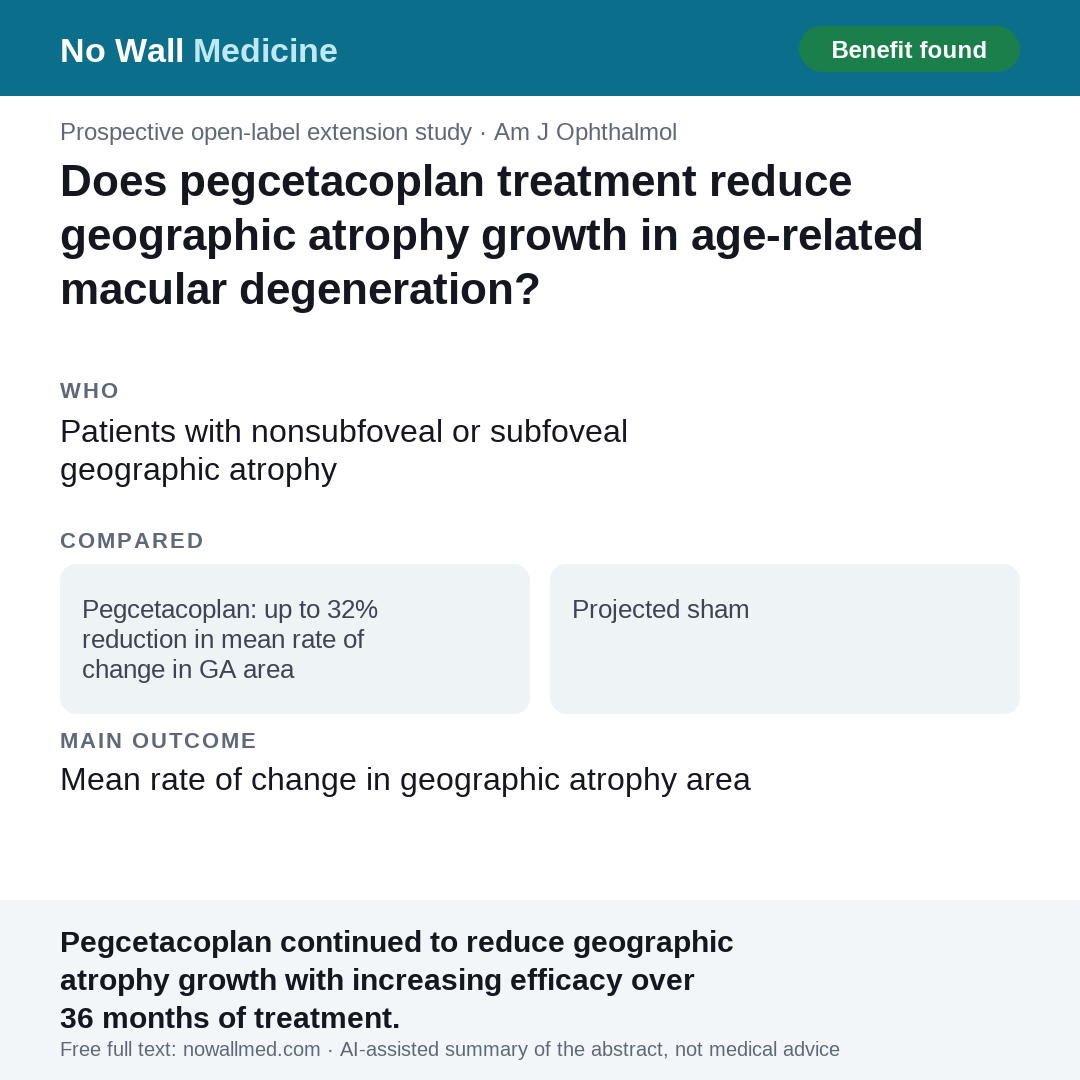
Pegcetacoplan Treatment for Geographic Atrophy in Age-Related Macular Degeneration Over 36 Months: Data From OAKS, DERBY, and GALE
Prospective open-label extension studyBenefit found
Does pegcetacoplan treatment reduce geographic atrophy growth in age-related macular degeneration?
Who
Patients with nonsubfoveal or subfoveal geographic atrophy
Compared
Pegcetacoplan: up to 32% reduction in mean rate of change in GA area
Projected sham
Main outcome
Mean rate of change in geographic atrophy area
Bottom line: Pegcetacoplan continued to reduce geographic atrophy growth with increasing efficacy over 36 months of treatment.
Am J Ophthalmol · 2025-04-23Download image
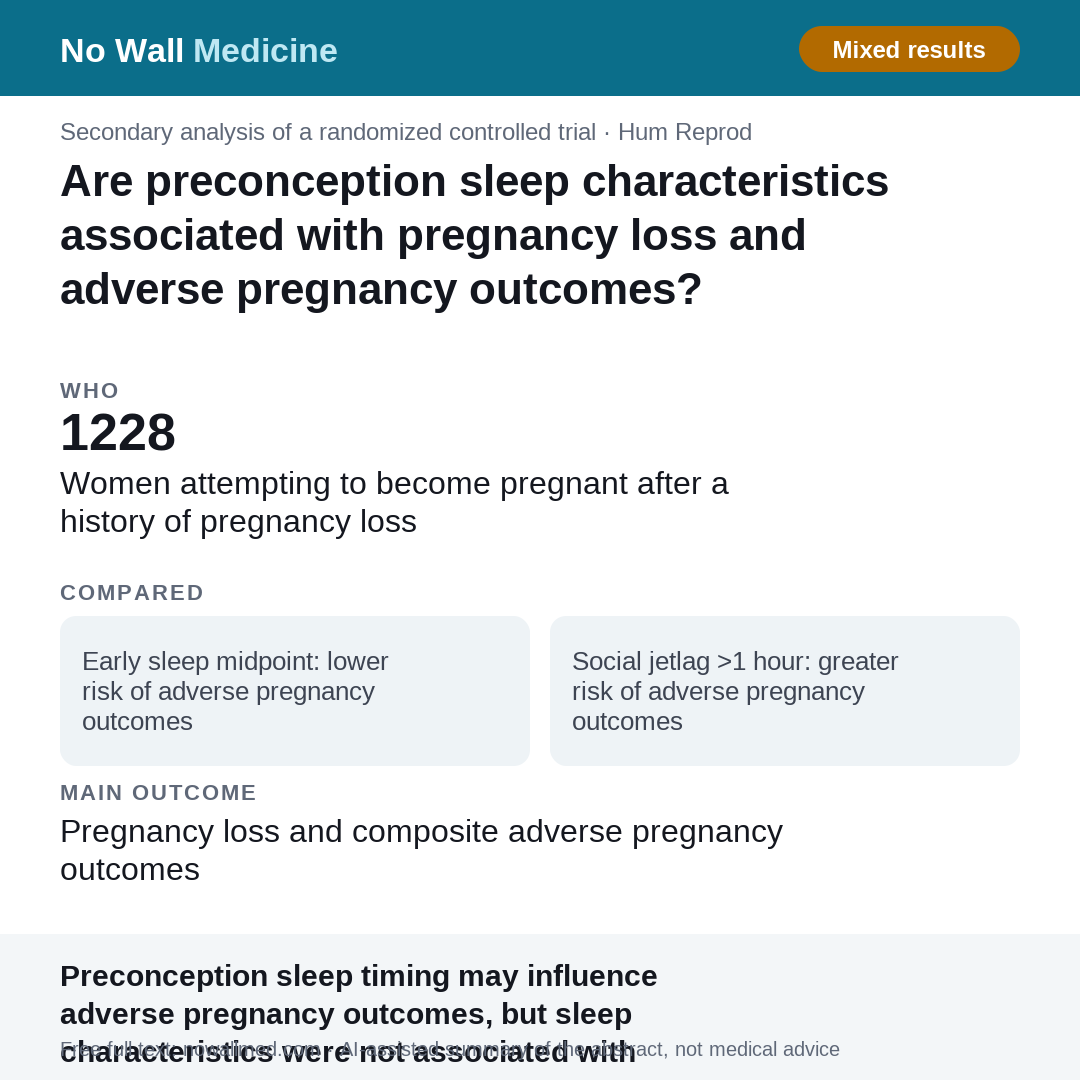
Preconception sleep, pregnancy loss, and adverse pregnancy outcomes among women with a history of pregnancy loss
Secondary analysis of a randomized controlled trialMixed results
Are preconception sleep characteristics associated with pregnancy loss and adverse pregnancy outcomes?
Who
1228
Women attempting to become pregnant after a history of pregnancy loss
Compared
Early sleep midpoint: lower risk of adverse pregnancy outcomes
Social jetlag >1 hour: greater risk of adverse pregnancy outcomes
Main outcome
Pregnancy loss and composite adverse pregnancy outcomes
Result: RR 0.63 (95% CI: 0.40, 0.98) for early midpoint; RR 1.65 (95% CI: 1.11, 2.44) for social jetlag >1h
Bottom line: Preconception sleep timing may influence adverse pregnancy outcomes, but sleep characteristics were not associated with pregnancy loss.
Limitation: Sleep was restricted to baseline self-report and few adverse outcomes limited power.
Funded by: National Cancer Institute and National Institute of Child Health and Human Development
Hum Reprod · 2025-04-23Download image
Palliative prognostic tools in surgical patients at the end of life: a systematic review
Systematic reviewMixed results
What is the role of palliative prognostic tools in adult surgical populations?
Who
Adult surgical patients
Compared
Patients identified at end of life: increased in-hospital and 12-month mortality
Surgical patients at end of life: <15% palliative care referral and end of life document completion
Main outcome
Decision to proceed to surgery and mortality
Bottom line: Palliative prognostic tools identify high-risk surgical patients but impact on surgical decisions remains uncertain.
Br J Anaesth · 2025-04-23Download image

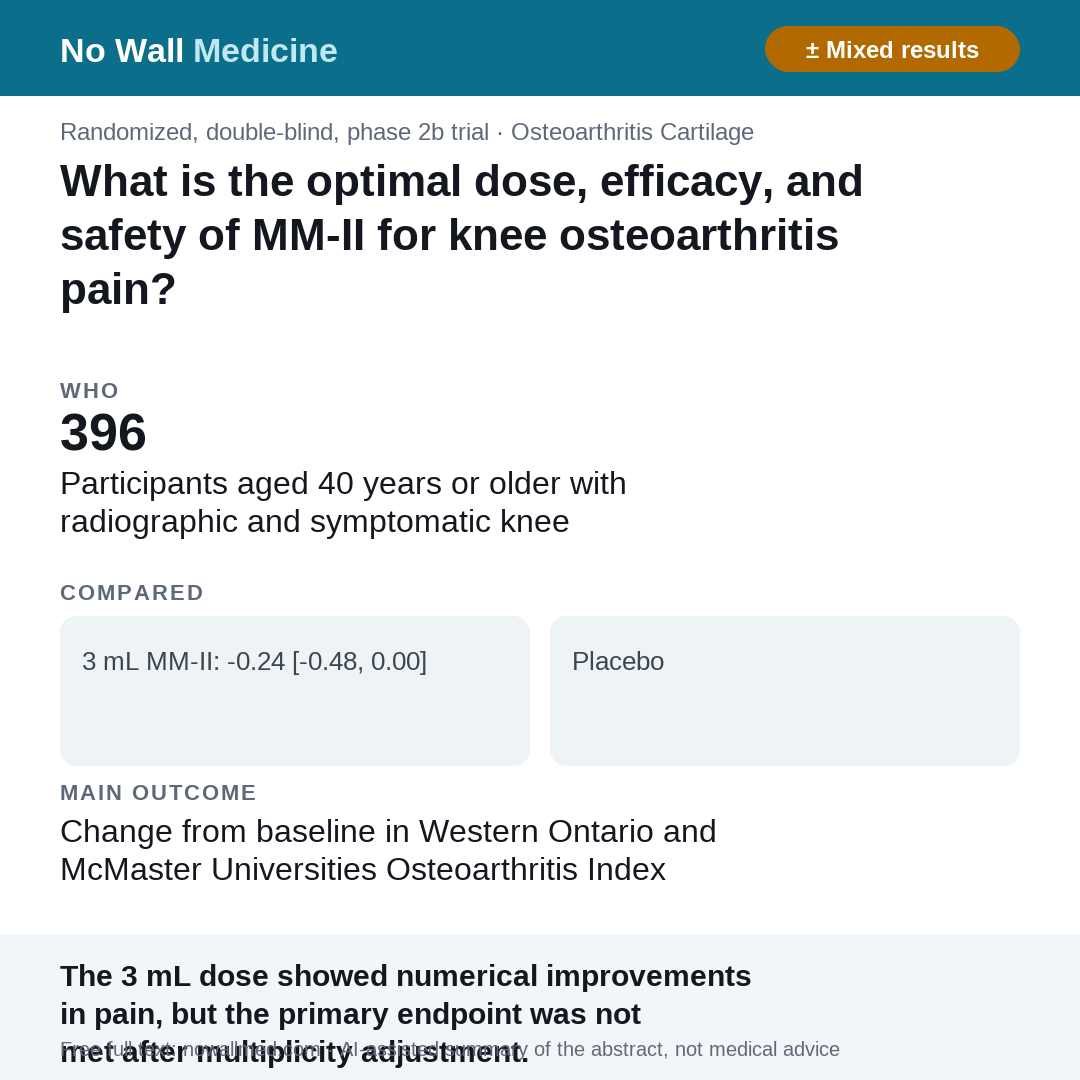
Intra-articular MM-II for the treatment of knee osteoarthritis pain: Efficacy and safety results from a 26-week, phase 2b, placebo-controlled, double-blind, randomized dose-ranging trial
Randomized, double-blind, phase 2b trialMixed results
What is the optimal dose, efficacy, and safety of MM-II for knee osteoarthritis pain?
Who
396
Participants aged 40 years or older with radiographic and symptomatic knee osteoarthritis
Compared
3 mL MM-II: -0.24 [-0.48, 0.00]
Placebo
Main outcome
Change from baseline in Western Ontario and McMaster Universities Osteoarthritis Index pain
Result: -0.24 (95% confidence interval, -0.48 to 0.00)
Bottom line: The 3 mL dose showed numerical improvements in pain, but the primary endpoint was not met after multiplicity adjustment.
Osteoarthritis Cartilage · 2025-04-23Download image
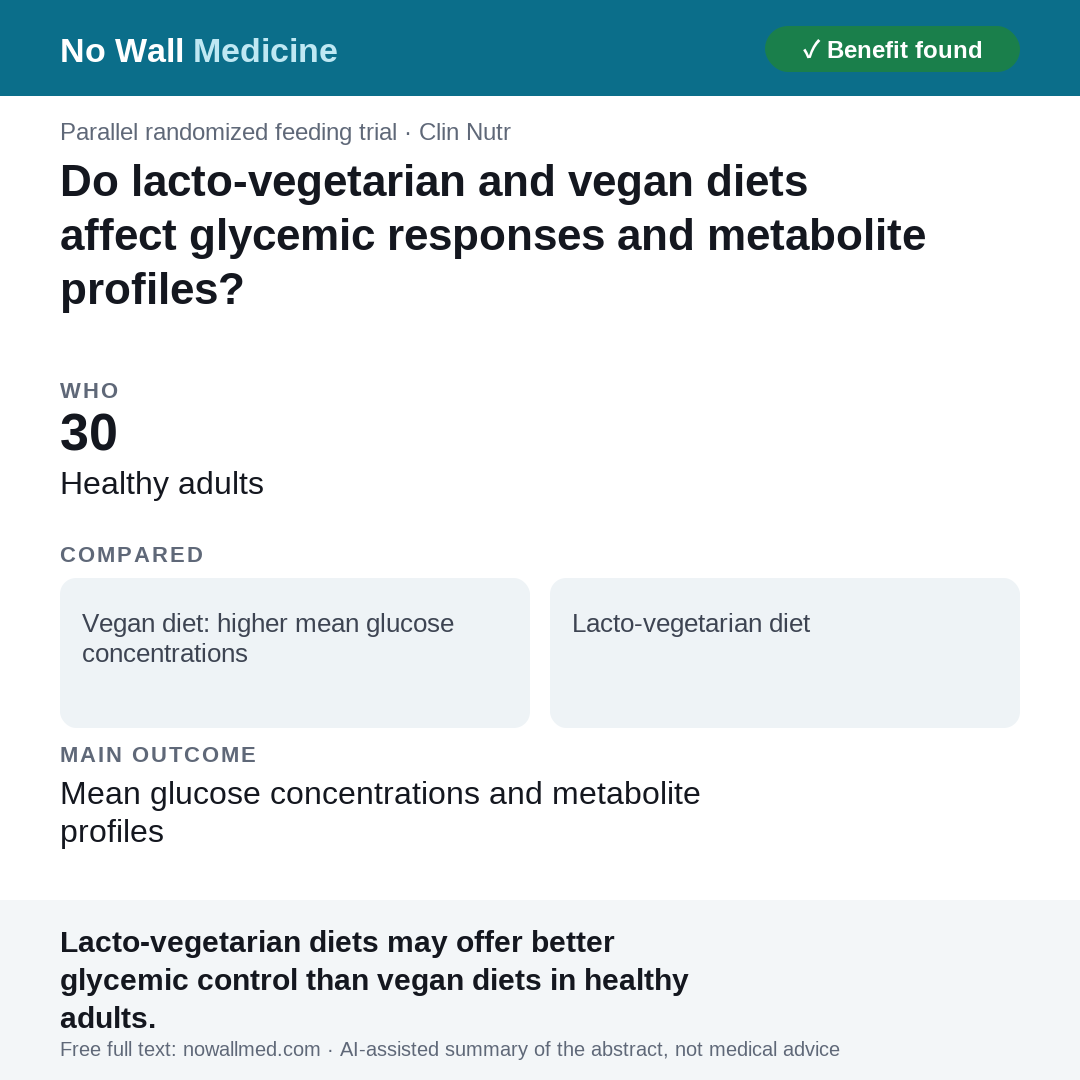
Effects of lacto-vegetarian and vegan diets on glycemic responses and metabolite profiles in healthy adults: A randomized trial using continuous glucose monitoring and targeted metabolomics
Parallel randomized feeding trialBenefit found
Do lacto-vegetarian and vegan diets affect glycemic responses and metabolite profiles?
Who
30
Healthy adults
Compared
Vegan diet: higher mean glucose concentrations
Lacto-vegetarian diet
Main outcome
Mean glucose concentrations and metabolite profiles
Bottom line: Lacto-vegetarian diets may offer better glycemic control than vegan diets in healthy adults.
Limitation: Larger, longer-term studies with more diverse populations are needed.
Clin Nutr · 2025-04-23Download image
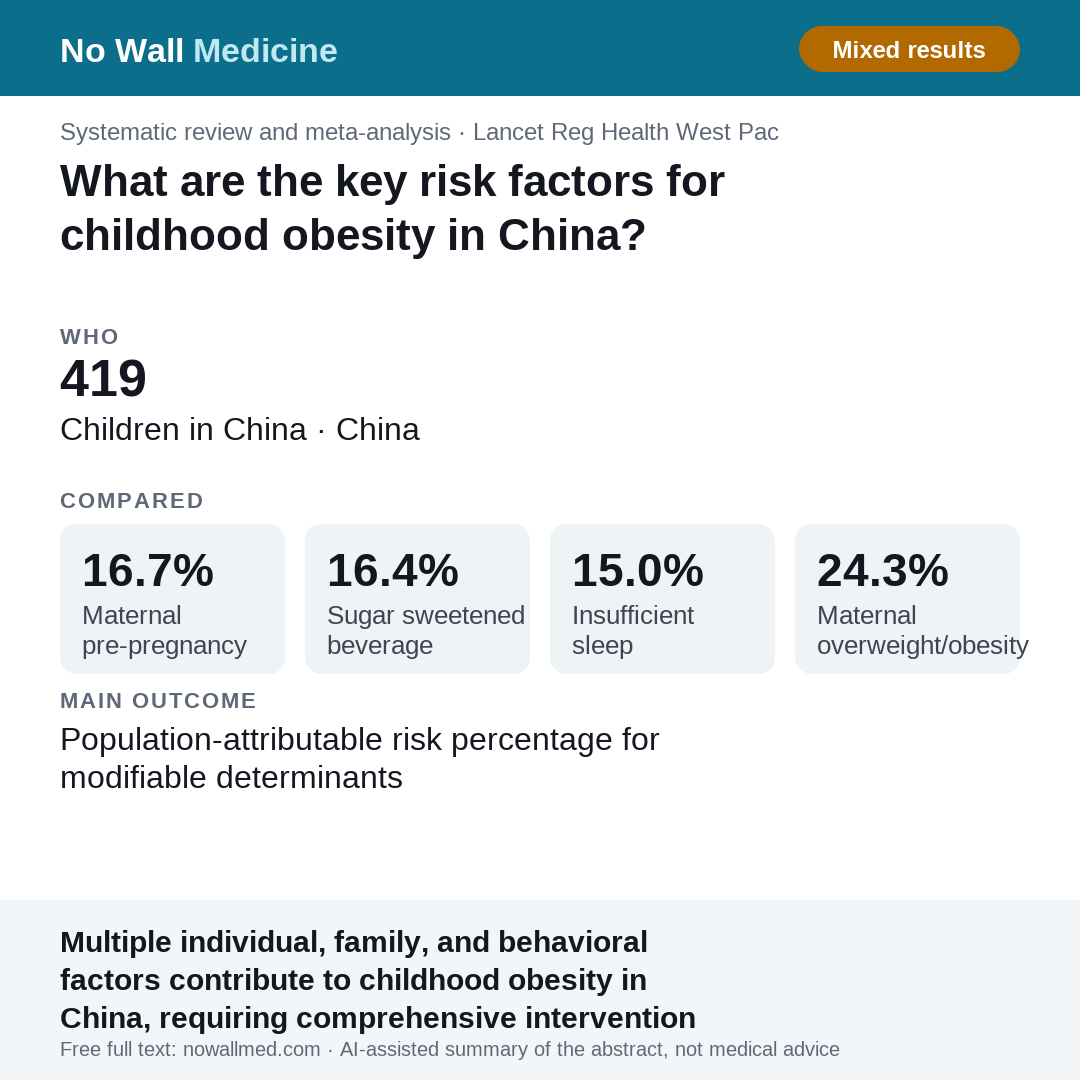
Comprehensive systematic review and meta-analysis of risk factors for childhood obesity in China and future intervention strategies
Systematic review and meta-analysisMixed results
What are the key risk factors for childhood obesity in China?
Who
419
Children in China · China
Compared
16.7%Maternal pre-pregnancy overweight/obesity
16.4%Sugar sweetened beverage consumption
15.0%Insufficient sleep
24.3%Maternal overweight/obesity
Main outcome
Population-attributable risk percentage for modifiable determinants
Bottom line: Multiple individual, family, and behavioral factors contribute to childhood obesity in China, requiring comprehensive intervention strategies.
Limitation: Real-world impacts require a comprehensive approach that goes beyond individual factors.
Funded by: National Natural Science Foundation of China and National Science and Technology Innovation 2030
Lancet Reg Health West Pac · 2025-04-23Download image
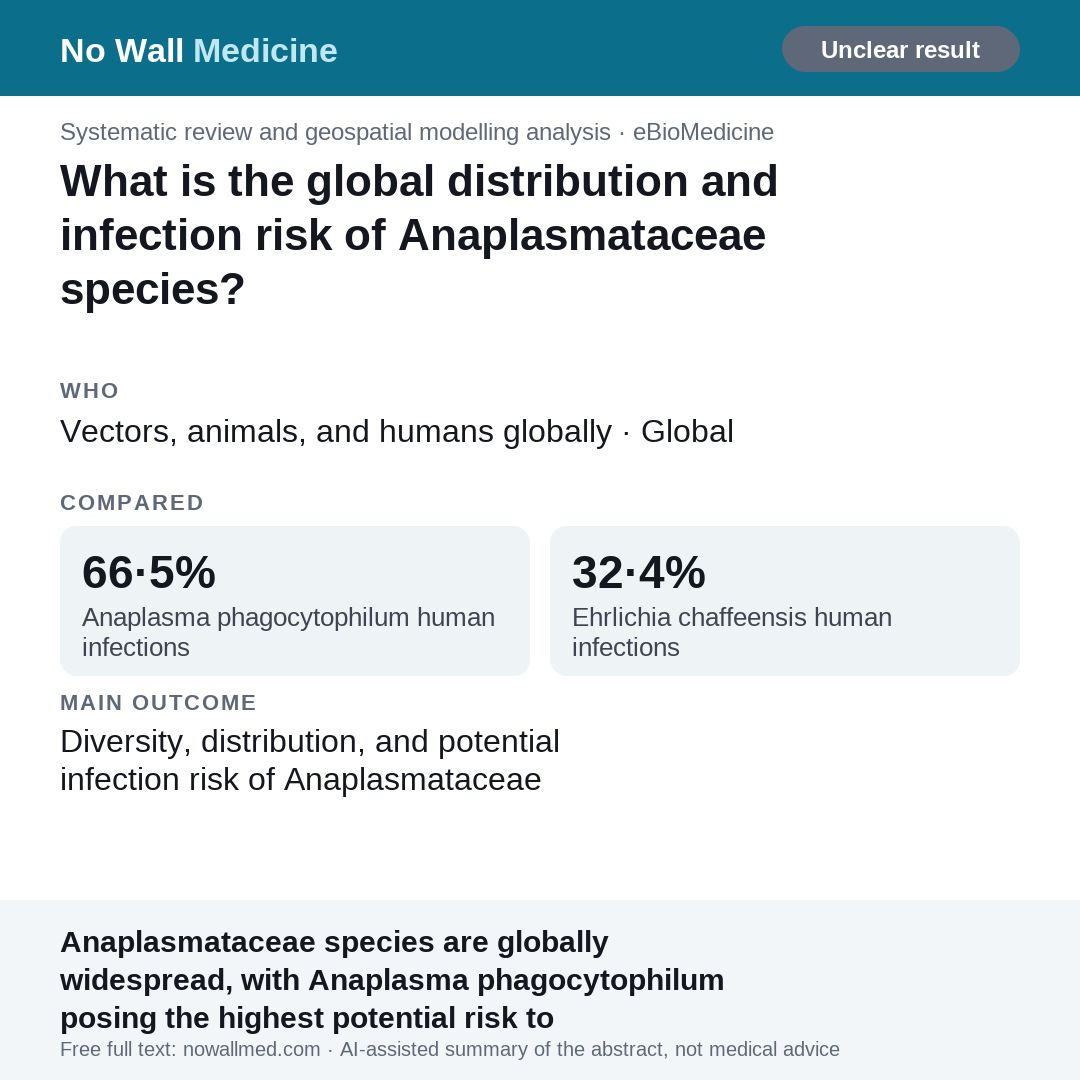
The global distribution and risk prediction of Anaplasmataceae species: a systematic review and geospatial modelling analysis
Systematic review and geospatial modelling analysisUnclear result
What is the global distribution and infection risk of Anaplasmataceae species?
Who
2605
Vectors, animals, and humans globally · Global
Compared
66·5%Anaplasma phagocytophilum human infections
32·4%Ehrlichia chaffeensis human infections
Main outcome
Diversity, distribution, and potential infection risk of Anaplasmataceae
Bottom line: Anaplasmataceae species are globally widespread, with Anaplasma phagocytophilum posing the highest potential risk to billions of individuals.
Funded by: National Key Research and Development Program of China
eBioMedicine · 2025-04-23Download image
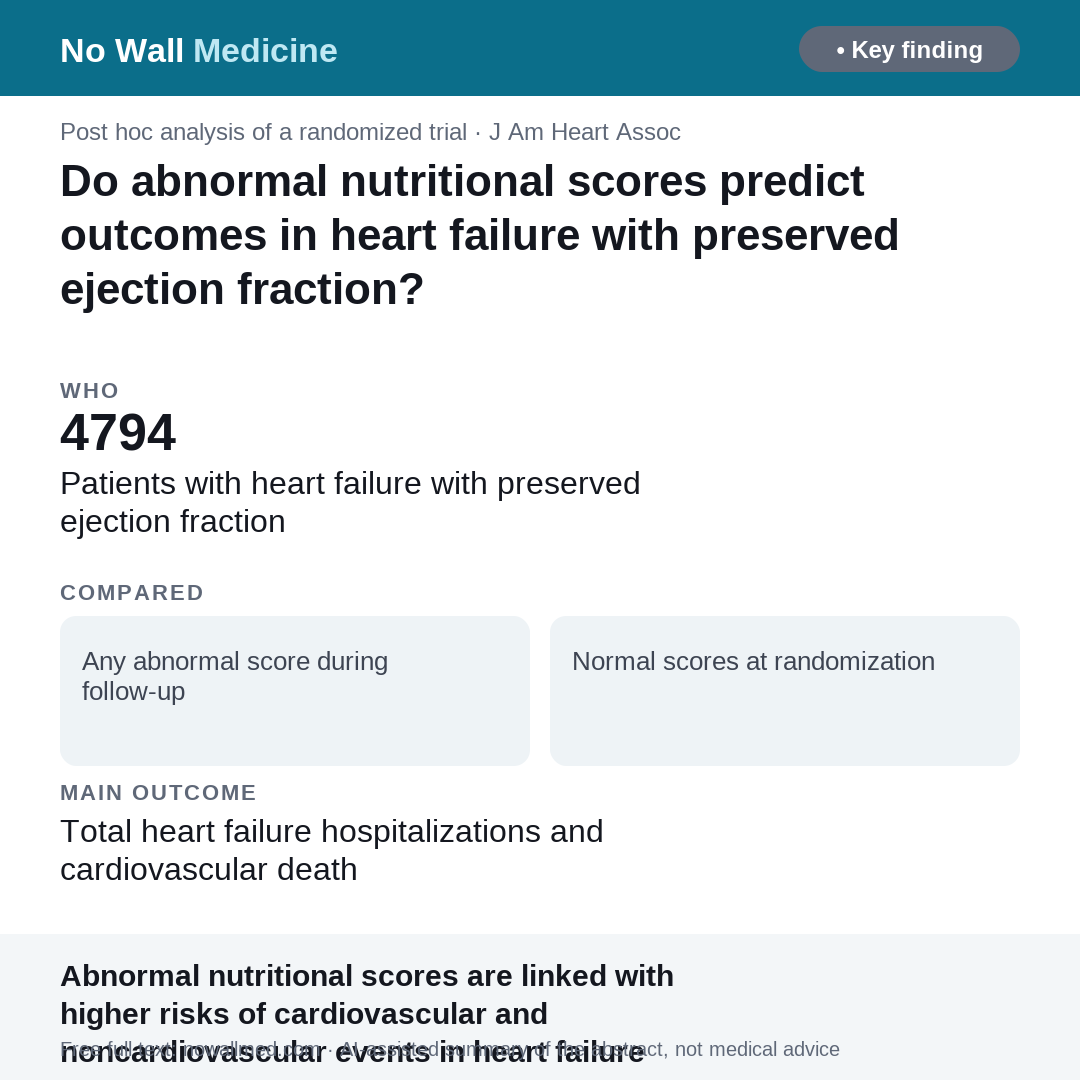
Prognostic Significance of Nutritional Scores in Patients With Heart Failure: Insights From the PARAGON-HF Trial
Post hoc analysis of a randomized trialHarm found
Do abnormal nutritional scores predict outcomes in heart failure with preserved ejection fraction?
Who
4794
Patients with heart failure with preserved ejection fraction
Compared
Any abnormal score during follow-up
Normal scores at randomization
Main outcome
Total heart failure hospitalizations and cardiovascular death
Bottom line: Abnormal nutritional scores are linked with higher risks of cardiovascular and noncardiovascular events in heart failure patients.
J Am Heart Assoc · 2025-04-23Download image
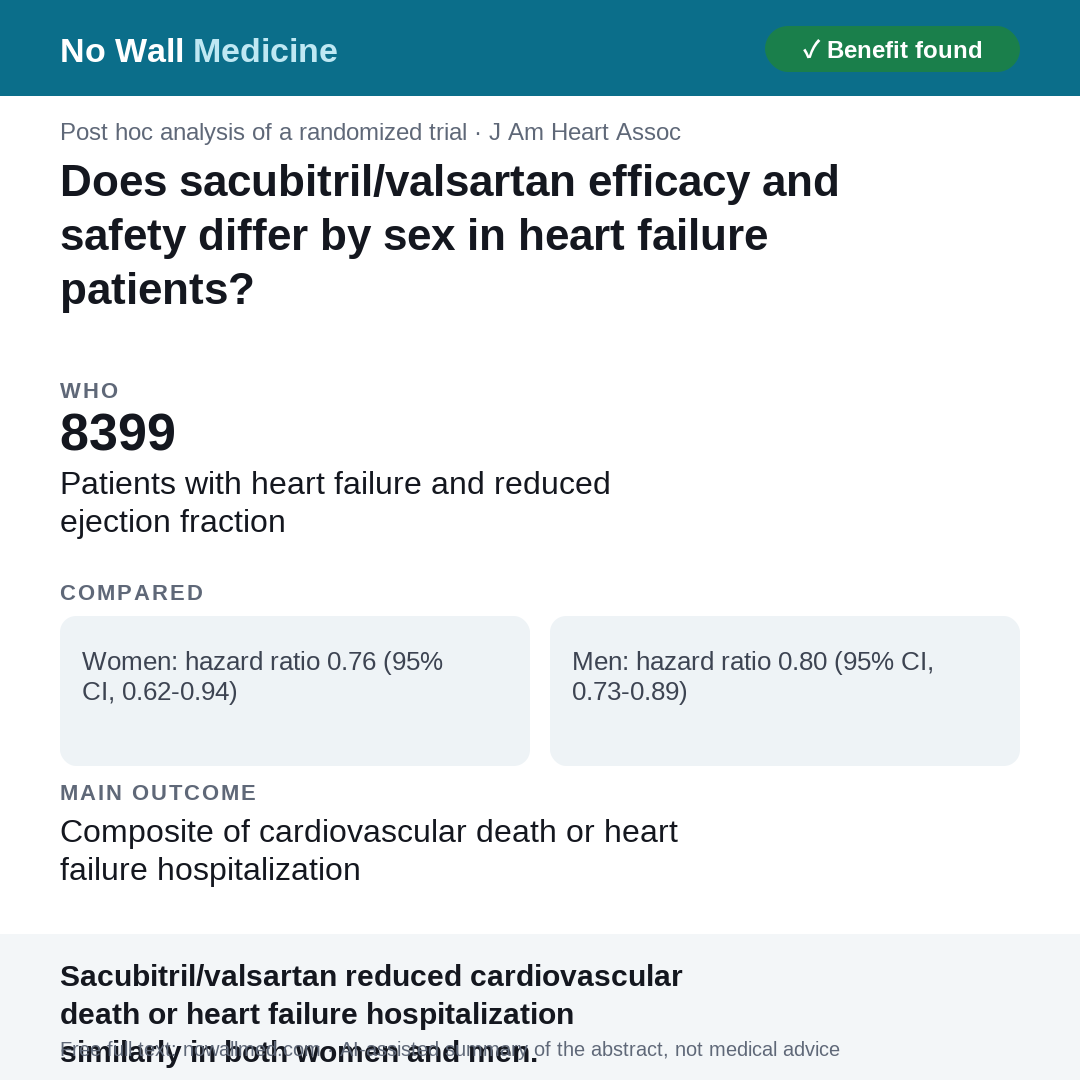
Comprehensive Analysis of the Effects of Sacubitril/Valsartan According to Sex Among Patients With Heart Failure and Reduced Ejection Fraction in PARADIGM-HF
Post hoc analysis of a randomized trialBenefit found
Does sacubitril/valsartan efficacy and safety differ by sex in heart failure patients?
Who
8399
Patients with heart failure and reduced ejection fraction
Compared
Women: hazard ratio 0.76 (95% CI, 0.62-0.94)
Men: hazard ratio 0.80 (95% CI, 0.73-0.89)
Main outcome
Composite of cardiovascular death or heart failure hospitalization
Result: hazard ratio 0.76 (95% CI, 0.62-0.94) in women and 0.80 (95% CI, 0.73-0.89) in men
Bottom line: Sacubitril/valsartan reduced cardiovascular death or heart failure hospitalization similarly in both women and men.
J Am Heart Assoc · 2025-04-23Download image
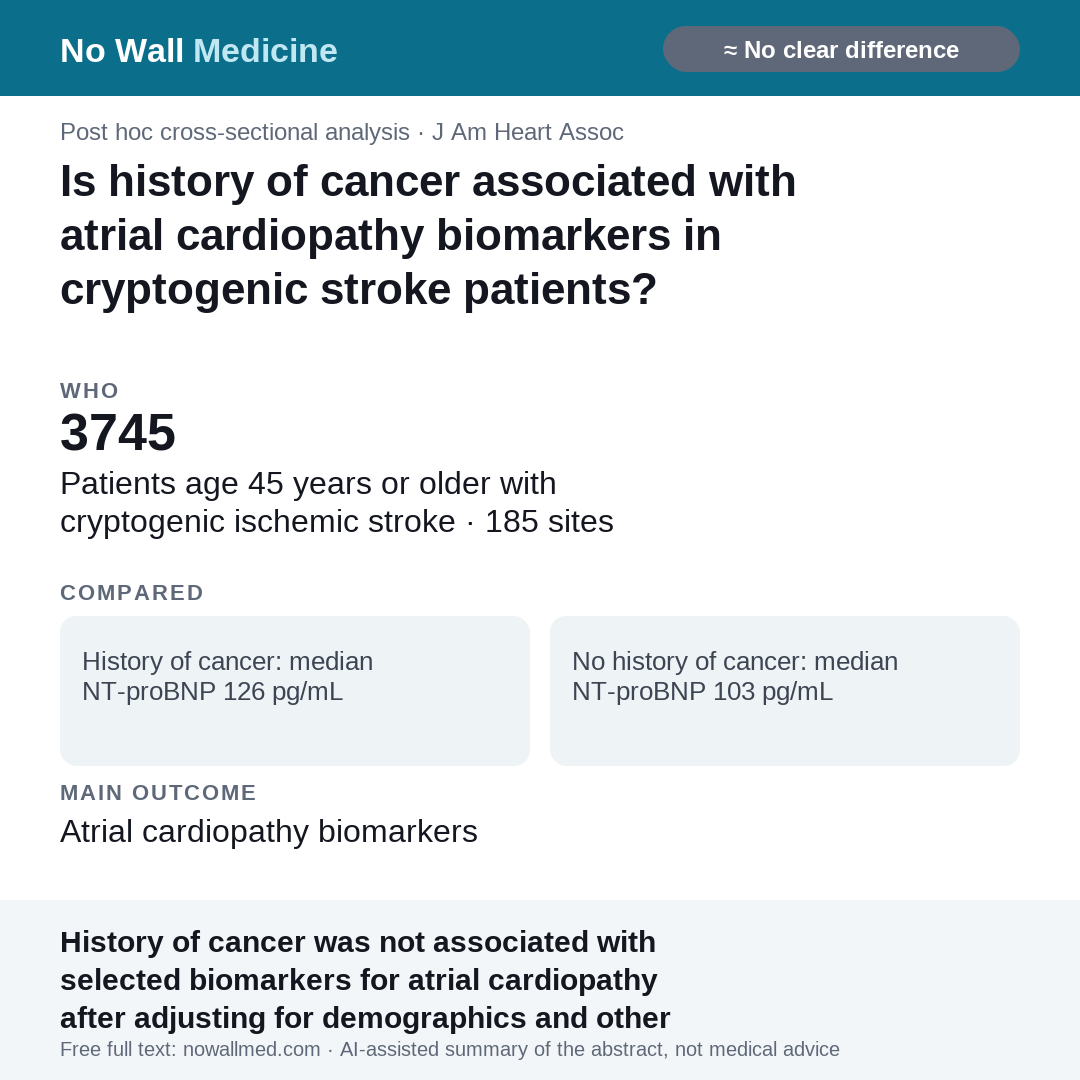
History of Cancer and Atrial Cardiopathy: A Secondary Analysis of the ARCADIA Clinical Trial
Post hoc cross-sectional analysisNo clear difference
Is history of cancer associated with atrial cardiopathy biomarkers in cryptogenic stroke patients?
Who
3745
Patients age 45 years or older with cryptogenic ischemic stroke · 185 sites
Compared
History of cancer: median NT-proBNP 126 pg/mL
No history of cancer: median NT-proBNP 103 pg/mL
Main outcome
Atrial cardiopathy biomarkers
Result: standardized beta -0.06 (95% CI -0.15 to 0.02) for NT-proBNP
Bottom line: History of cancer was not associated with selected biomarkers for atrial cardiopathy after adjusting for demographics and other factors.
J Am Heart Assoc · 2025-04-23Download image
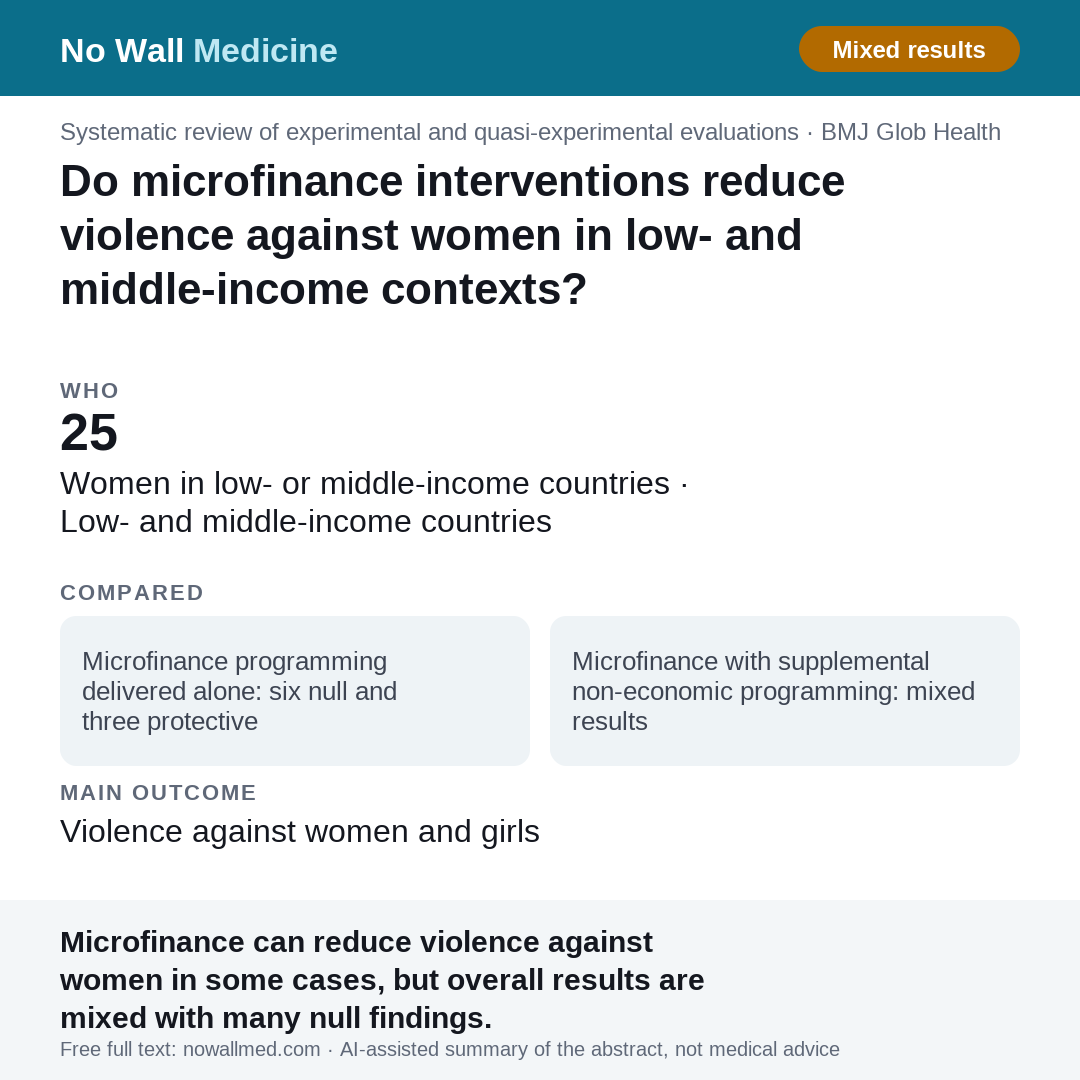
A systematic review of microfinance interventions and violence against women: results from low- and middle-income contexts
Systematic review of experimental and quasi-experimental evaluationsMixed results
Do microfinance interventions reduce violence against women in low- and middle-income contexts?
Who
25
Women in low- or middle-income countries · Low- and middle-income countries
Compared
Microfinance programming delivered alone: six null and three protective
Microfinance with supplemental non-economic programming: mixed results
Main outcome
Violence against women and girls
Bottom line: Microfinance can reduce violence against women in some cases, but overall results are mixed with many null findings.
Limitation: Variability in programme delivery and measurement of economic impact complicates understanding of impact.
BMJ Glob Health · 2025-04-23Download image
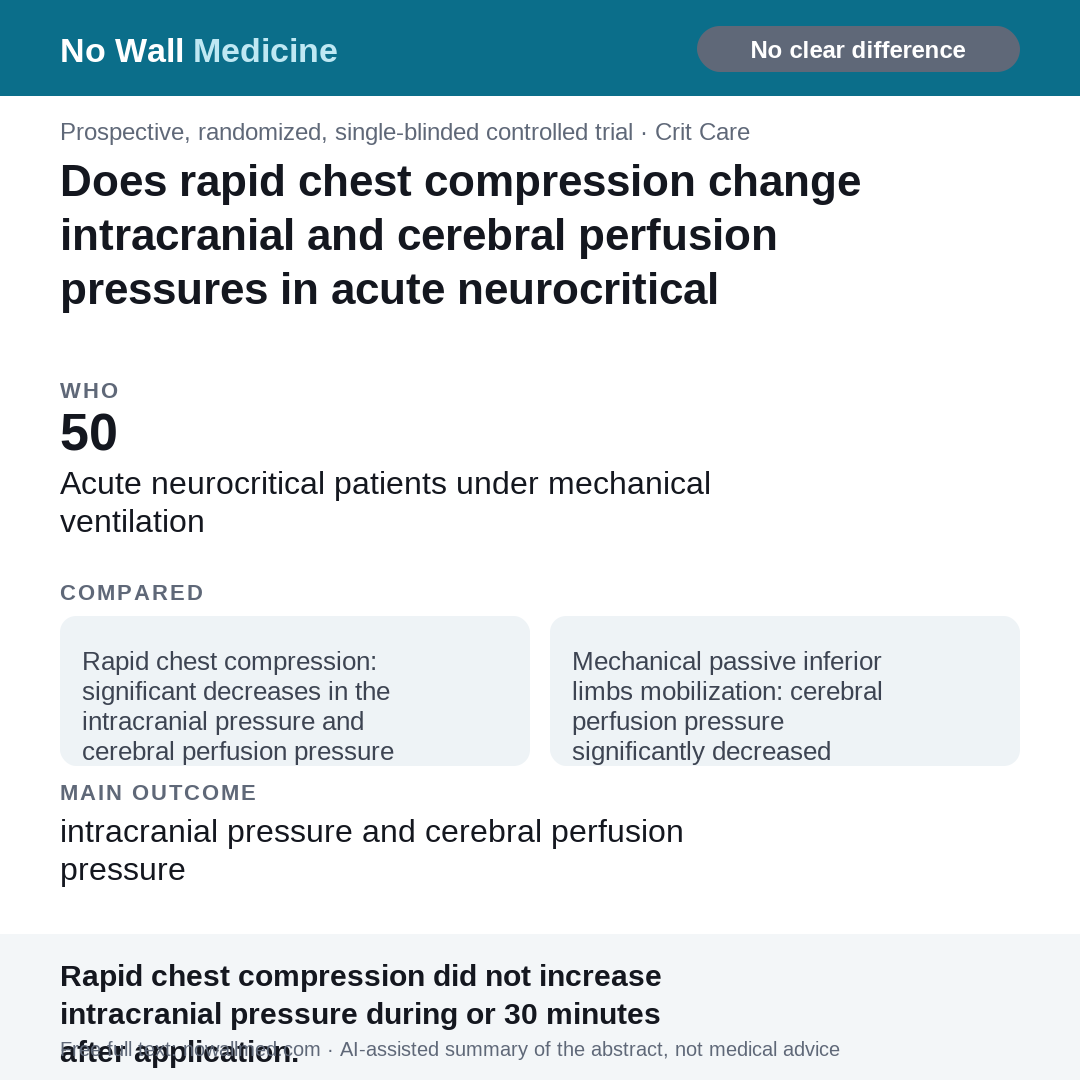
Effects of rapid chest compression technique on intracranial and cerebral perfusion pressures in acute neurocritical patients: a randomized controlled trial
Prospective, randomized, single-blinded controlled trialNo clear difference
Does rapid chest compression change intracranial and cerebral perfusion pressures in acute neurocritical patients?
Who
50
Acute neurocritical patients under mechanical ventilation
Compared
Rapid chest compression: significant decreases in the intracranial pressure and cerebral perfusion pressure
Mechanical passive inferior limbs mobilization: cerebral perfusion pressure significantly decreased
Main outcome
intracranial pressure and cerebral perfusion pressure
Bottom line: Rapid chest compression did not increase intracranial pressure during or 30 minutes after application.
Crit Care · 2025-04-23Download image
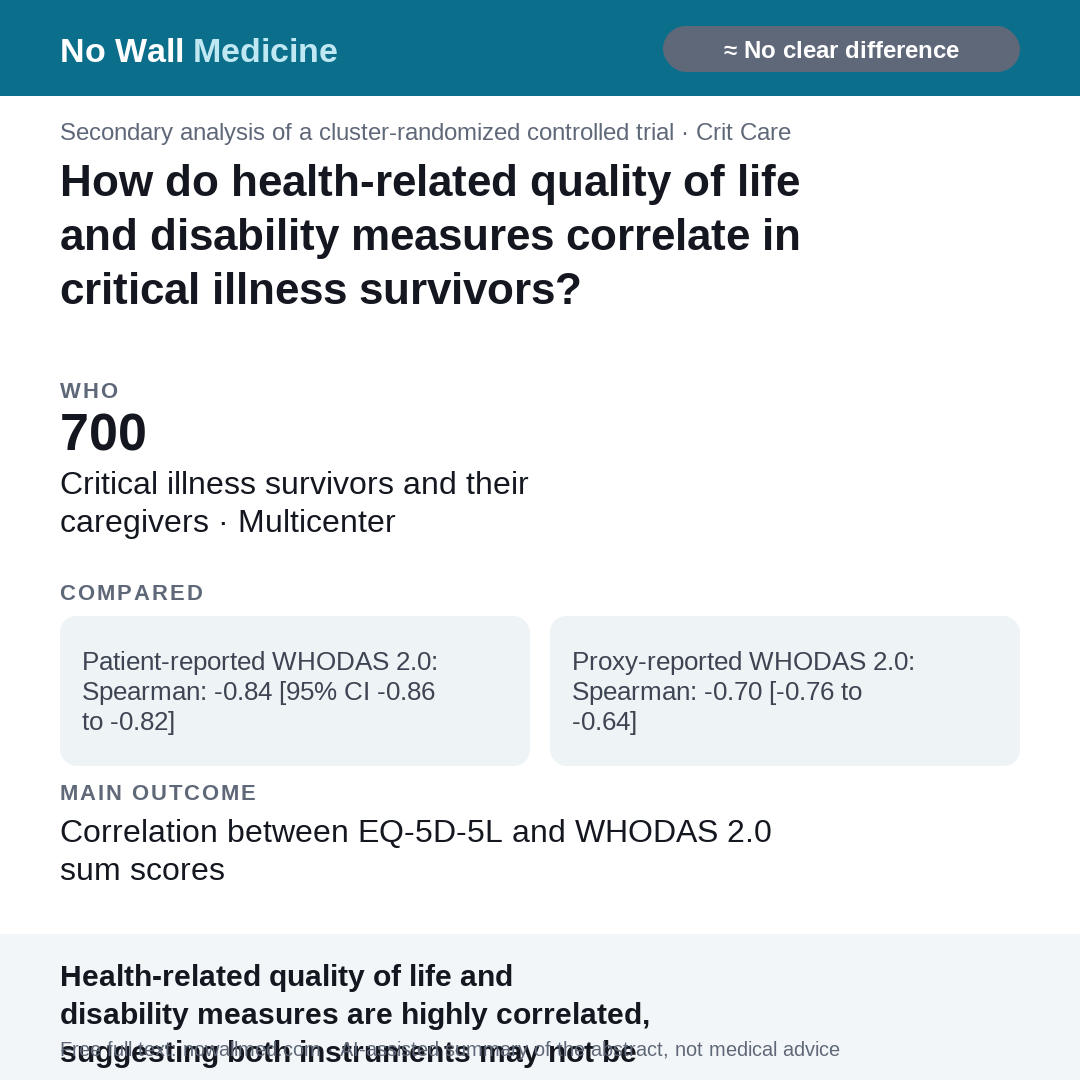
Health-related quality of life correlates with patient-reported and proxy-reported disability in critical illness survivors: a secondary analysis of the ERIC trial
Secondary analysis of a cluster-randomized controlled trialNo clear difference
How do health-related quality of life and disability measures correlate in critical illness survivors?
Who
700
Critical illness survivors and their caregivers · Multicenter
Compared
Patient-reported WHODAS 2.0: Spearman: -0.84 [95% CI -0.86 to -0.82]
Proxy-reported WHODAS 2.0: Spearman: -0.70 [-0.76 to -0.64]
Main outcome
Correlation between EQ-5D-5L and WHODAS 2.0 sum scores
Bottom line: Health-related quality of life and disability measures are highly correlated, suggesting both instruments may not be needed simultaneously.
Limitation: Ceiling and floor effects for both instruments limit detecting mild disabilities and high health-related quality of life.
Crit Care · 2025-04-23Download image
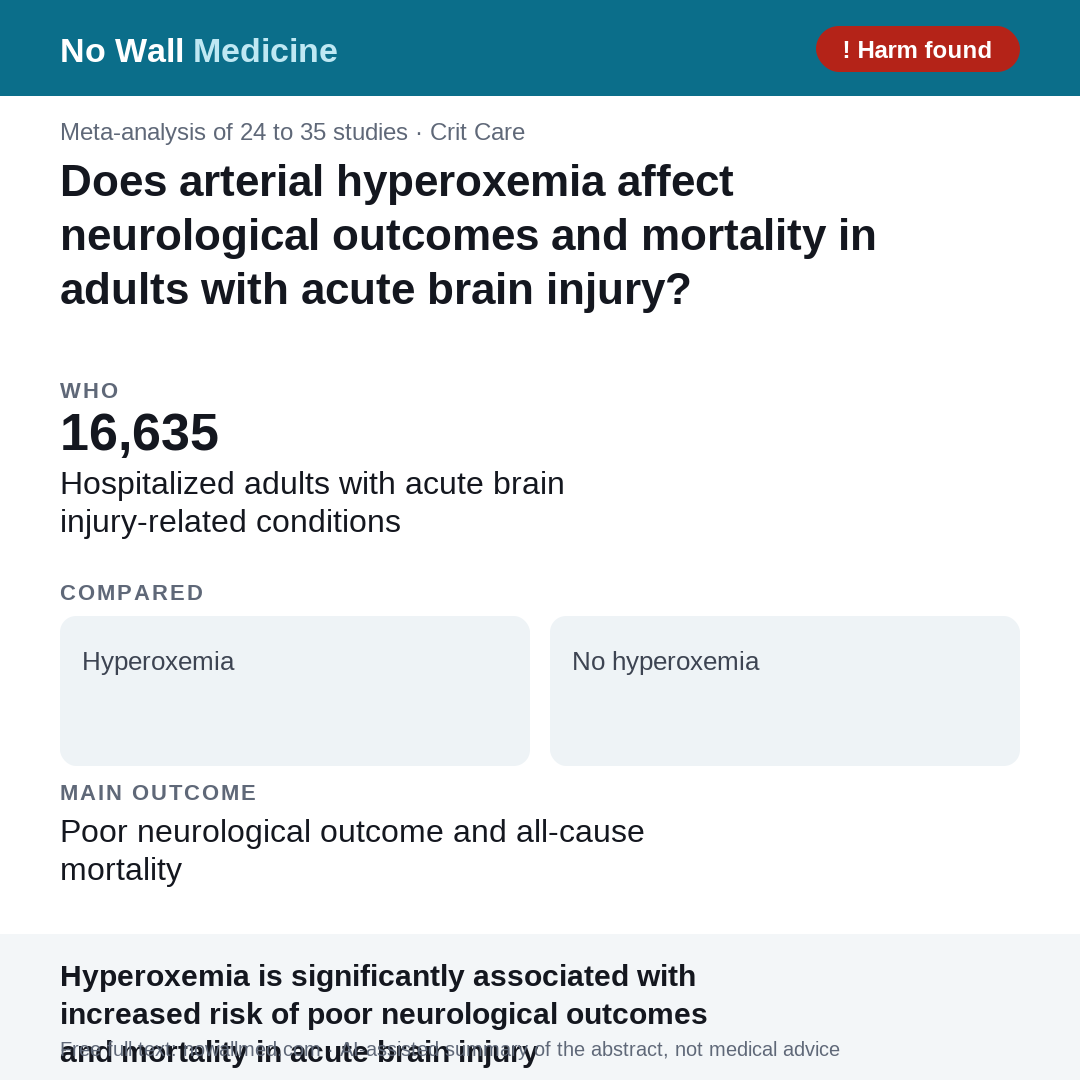
Neurological outcomes and mortality following hyperoxemia in adult patients with acute brain injury: an updated meta-analysis and meta-regression
Meta-analysis of 24 to 35 studiesHarm found
Does arterial hyperoxemia affect neurological outcomes and mortality in adults with acute brain injury?
Who
16,635
Hospitalized adults with acute brain injury-related conditions
Compared
Hyperoxemia
No hyperoxemia
Main outcome
Poor neurological outcome and all-cause mortality
Result: odds ratio 1.295 (95% CI 1.040-1.616) for poor neurological outcomes; OR 1.13 (95% CI 1.002-1.282) for mortality
Bottom line: Hyperoxemia is significantly associated with increased risk of poor neurological outcomes and mortality in acute brain injury patients.
Crit Care · 2025-04-23Download image
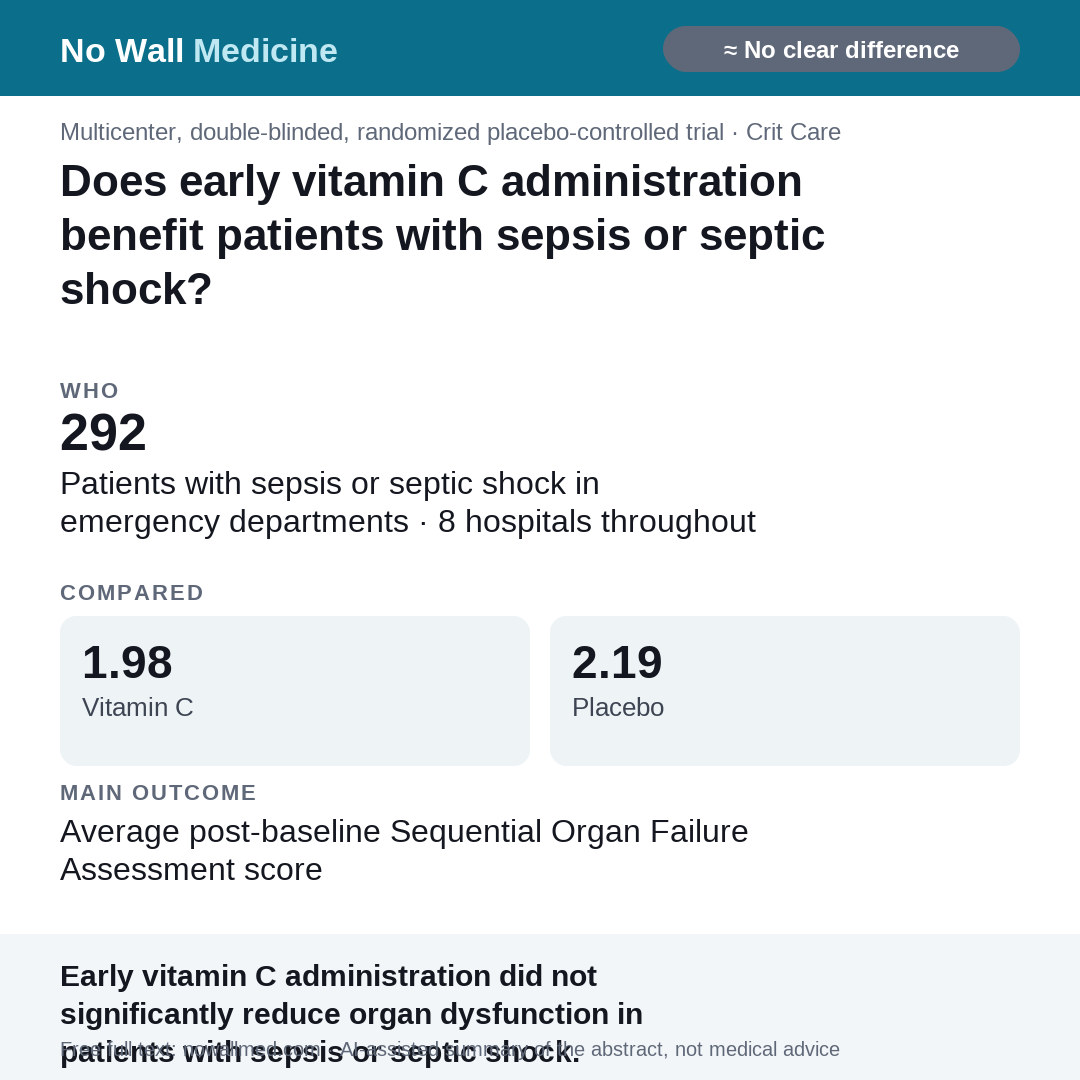
Early administration of vitamin C in patients with sepsis or septic shock in emergency departments: a multicenter, double-blind, randomized controlled trial: the C-EASIE trial
Multicenter, double-blinded, randomized placebo-controlled trialNo clear difference
Does early vitamin C administration benefit patients with sepsis or septic shock?
Who
292
Patients with sepsis or septic shock in emergency departments · 8 hospitals throughout Belgium
Compared
1.98Vitamin C
2.19Placebo
Main outcome
Average post-baseline Sequential Organ Failure Assessment score
Result: ratio 0.91 (95% CI 0.77 to 1.08)
Bottom line: Early vitamin C administration did not significantly reduce organ dysfunction in patients with sepsis or septic shock.
Crit Care · 2025-04-23Download image
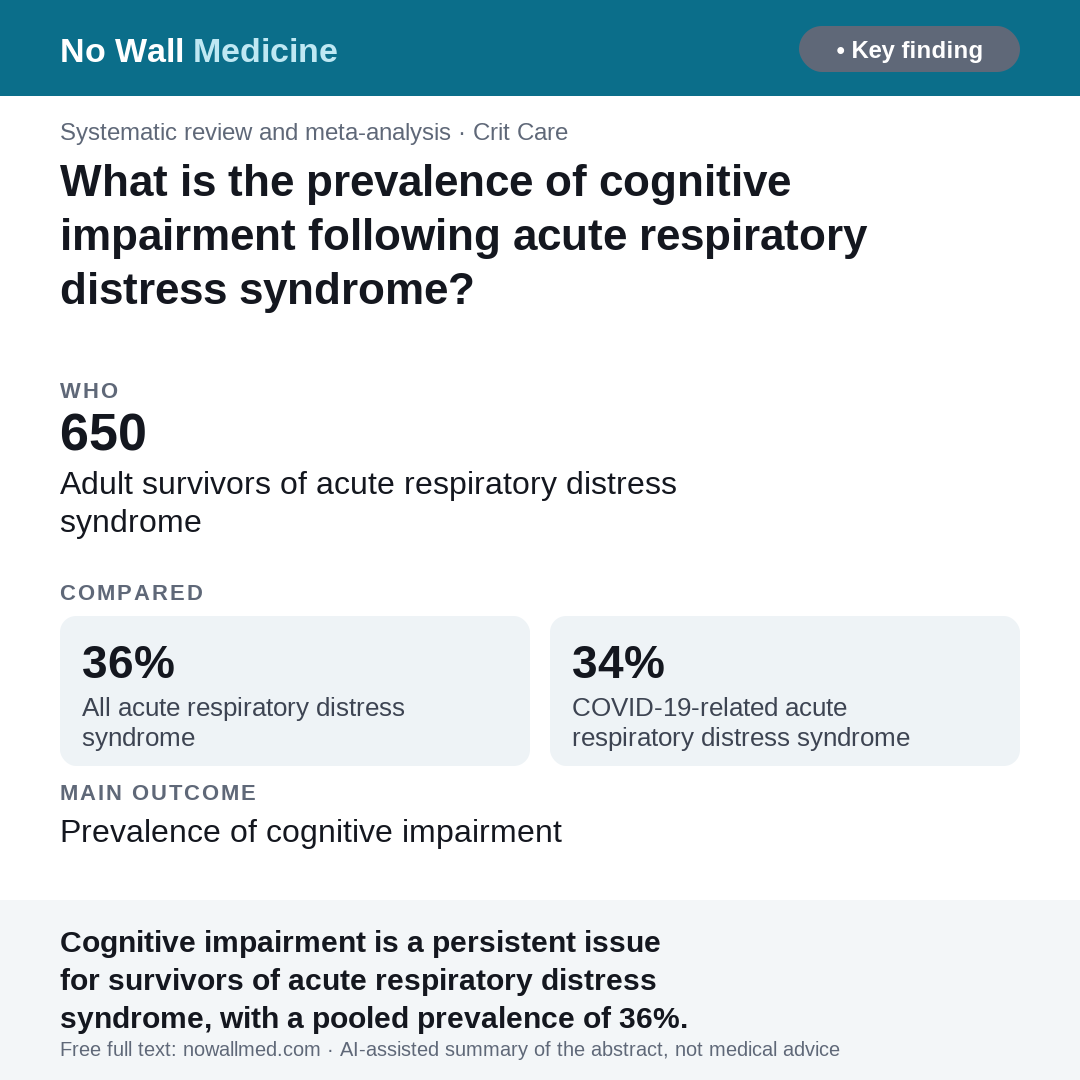
Prevalence and incidence of cognitive impairment following acute respiratory distress syndrome of any cause: a systematic review and meta-analysis
Systematic review and meta-analysisBenefit found
What is the prevalence of cognitive impairment following acute respiratory distress syndrome?
Who
650
Adult survivors of acute respiratory distress syndrome
Compared
36%All acute respiratory distress syndrome (95% CI 26-46%)
34%COVID-19-related acute respiratory distress syndrome (95% CI 22-45%)
Main outcome
Prevalence of cognitive impairment
Result: 36% (95% CI 26-46%)
Bottom line: Cognitive impairment is a persistent issue for survivors of acute respiratory distress syndrome, with a pooled prevalence of 36%.
Limitation: High heterogeneity between studies (I2 = 92%)
Crit Care · 2025-04-23Download image
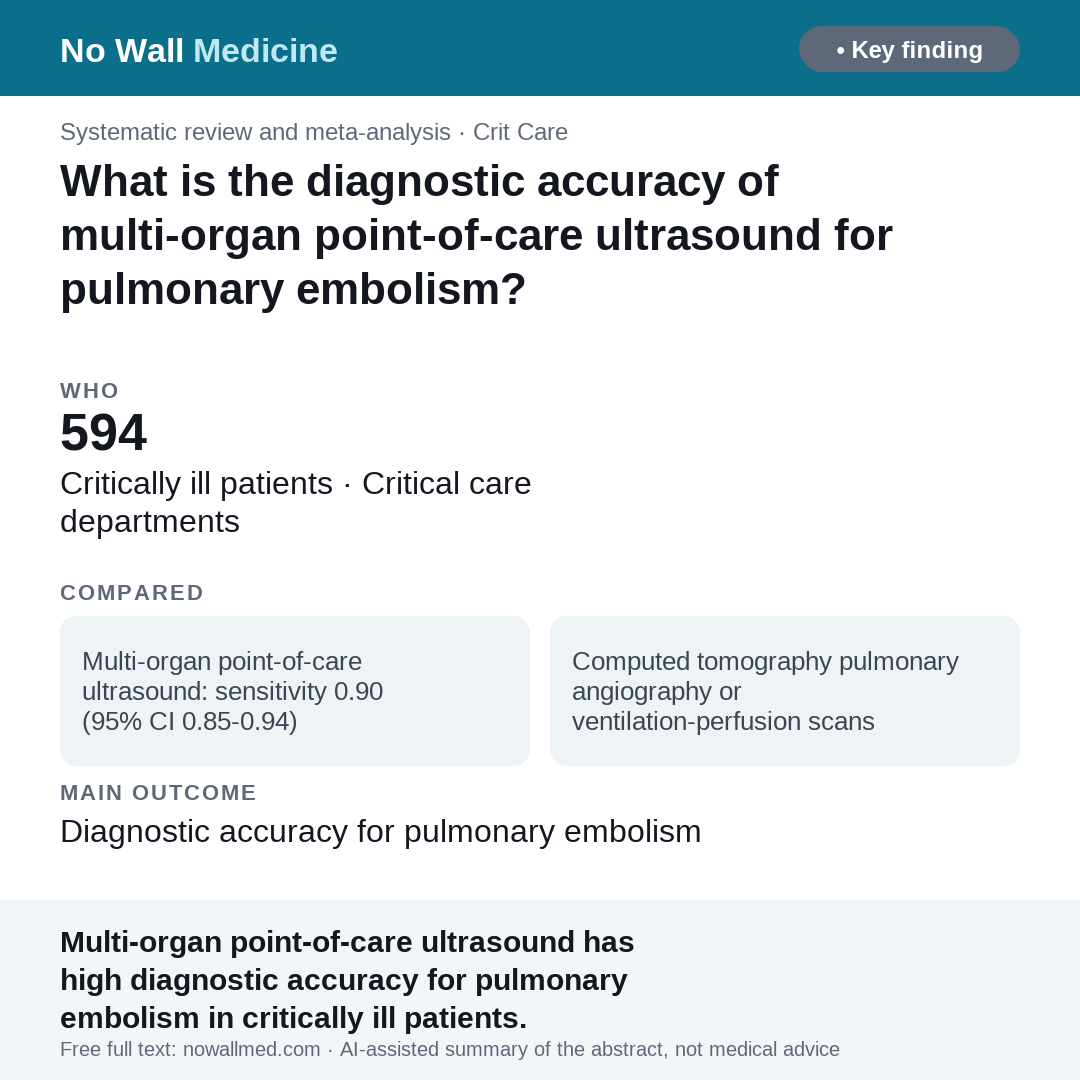
Diagnostic accuracy of multi-organ point-of-care ultrasound for pulmonary embolism in critically ill patients: a systematic review and meta-analysis
Systematic review and meta-analysisBenefit found
What is the diagnostic accuracy of multi-organ point-of-care ultrasound for pulmonary embolism?
Who
594
Critically ill patients · Critical care departments
Compared
Multi-organ point-of-care ultrasound: sensitivity 0.90 (95% CI 0.85-0.94)
Computed tomography pulmonary angiography or ventilation-perfusion scans
Main outcome
Diagnostic accuracy for pulmonary embolism
Result: sensitivity 0.90 (95% CI 0.85-0.94); specificity 0.69 (95% CI 0.42-0.87)
Bottom line: Multi-organ point-of-care ultrasound has high diagnostic accuracy for pulmonary embolism in critically ill patients.
Limitation: Further research is needed to validated these findings across different patient populations.
Crit Care · 2025-04-23Download image
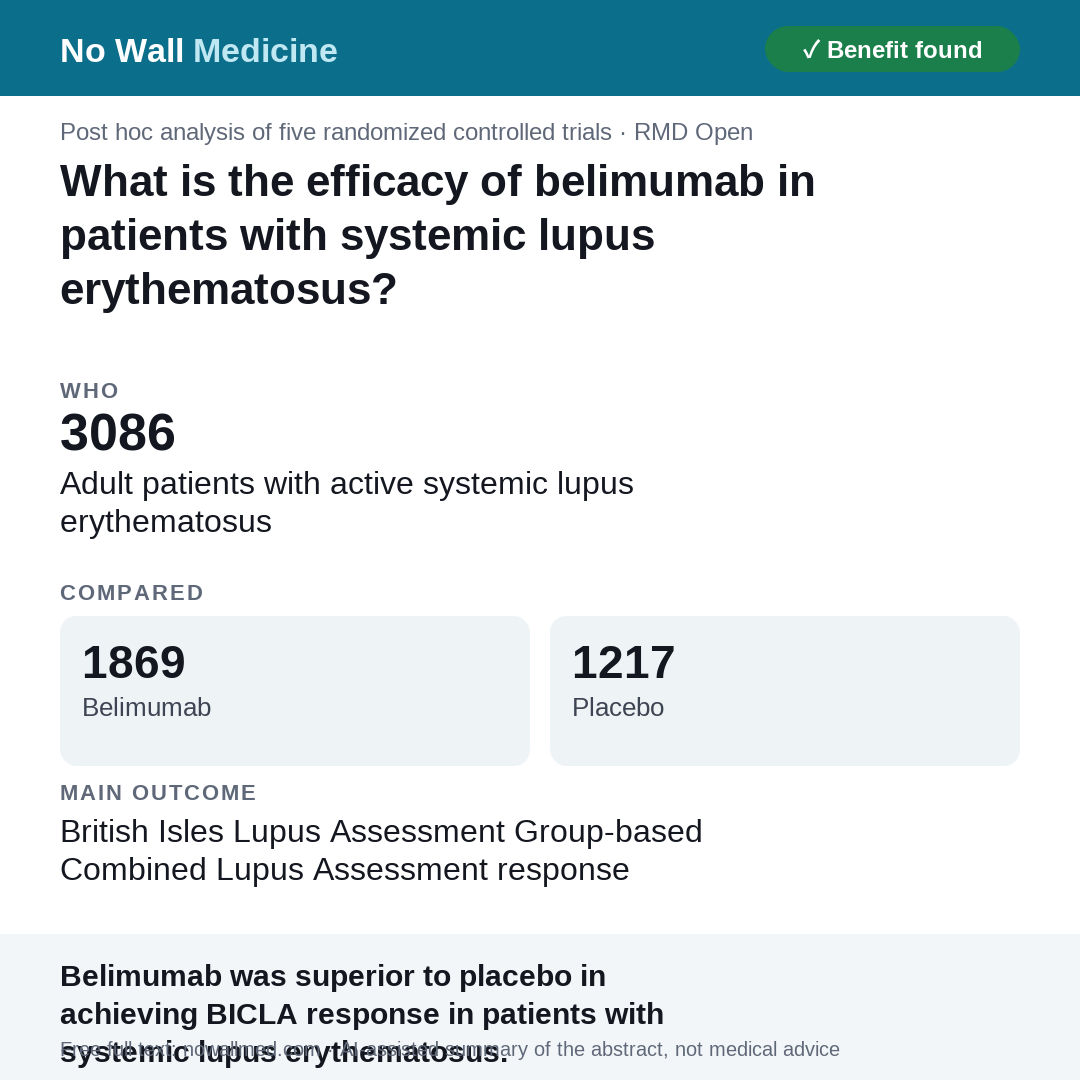
Outcomes of patients with systemic lupus erythematosus treated with belimumab: a post hoc efficacy analysis of five phase III clinical trials by British Isles Lupus Assessment Group-based Combined Lupus Assessment criteria
Post hoc analysis of five randomized controlled trialsBenefit found
What is the efficacy of belimumab in patients with systemic lupus erythematosus?
Who
3086
Adult patients with active systemic lupus erythematosus
Compared
1869Belimumab
1217Placebo
Main outcome
British Isles Lupus Assessment Group-based Combined Lupus Assessment response
Result: 1.47 (95% CI 1.25 to 1.72)
Bottom line: Belimumab was superior to placebo in achieving BICLA response in patients with systemic lupus erythematosus.
RMD Open · 2025-04-23Download image
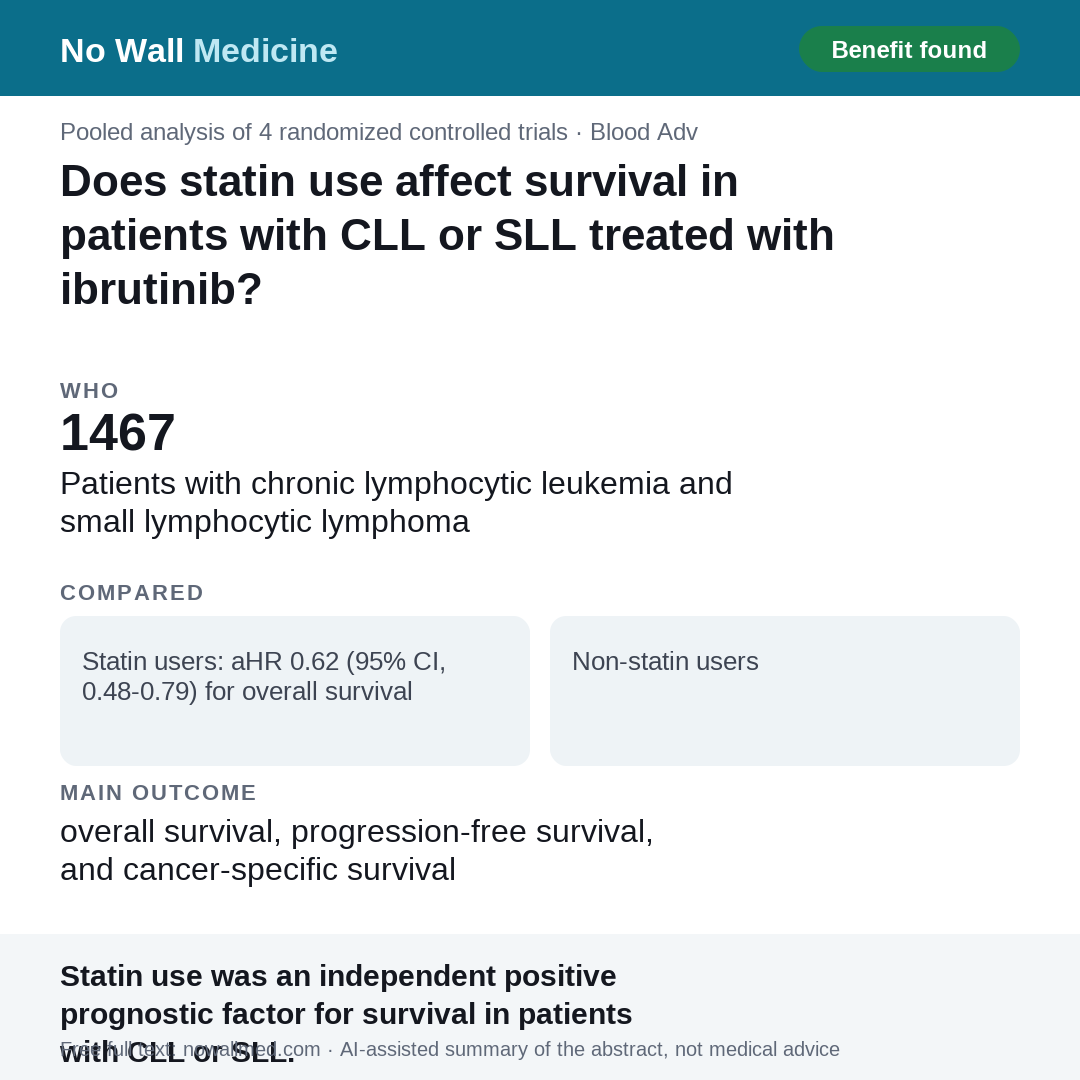
Statin use and survival in CLL/SLL treated with ibrutinib: pooled analysis of 4 randomized controlled trials
Pooled analysis of 4 randomized controlled trialsBenefit found
Does statin use affect survival in patients with CLL or SLL treated with ibrutinib?
Who
1467
Patients with chronic lymphocytic leukemia and small lymphocytic lymphoma
Compared
Statin users: aHR 0.62 (95% CI, 0.48-0.79) for overall survival
Non-statin users
Main outcome
overall survival, progression-free survival, and cancer-specific survival
Result: adjusted hazard ratio 0.62 (95% CI, 0.48-0.79) for overall survival
Bottom line: Statin use was an independent positive prognostic factor for survival in patients with CLL or SLL.
Limitation: Further research is needed to validate these results and explore underlying impacts.
Blood Adv · 2025-04-23Download image
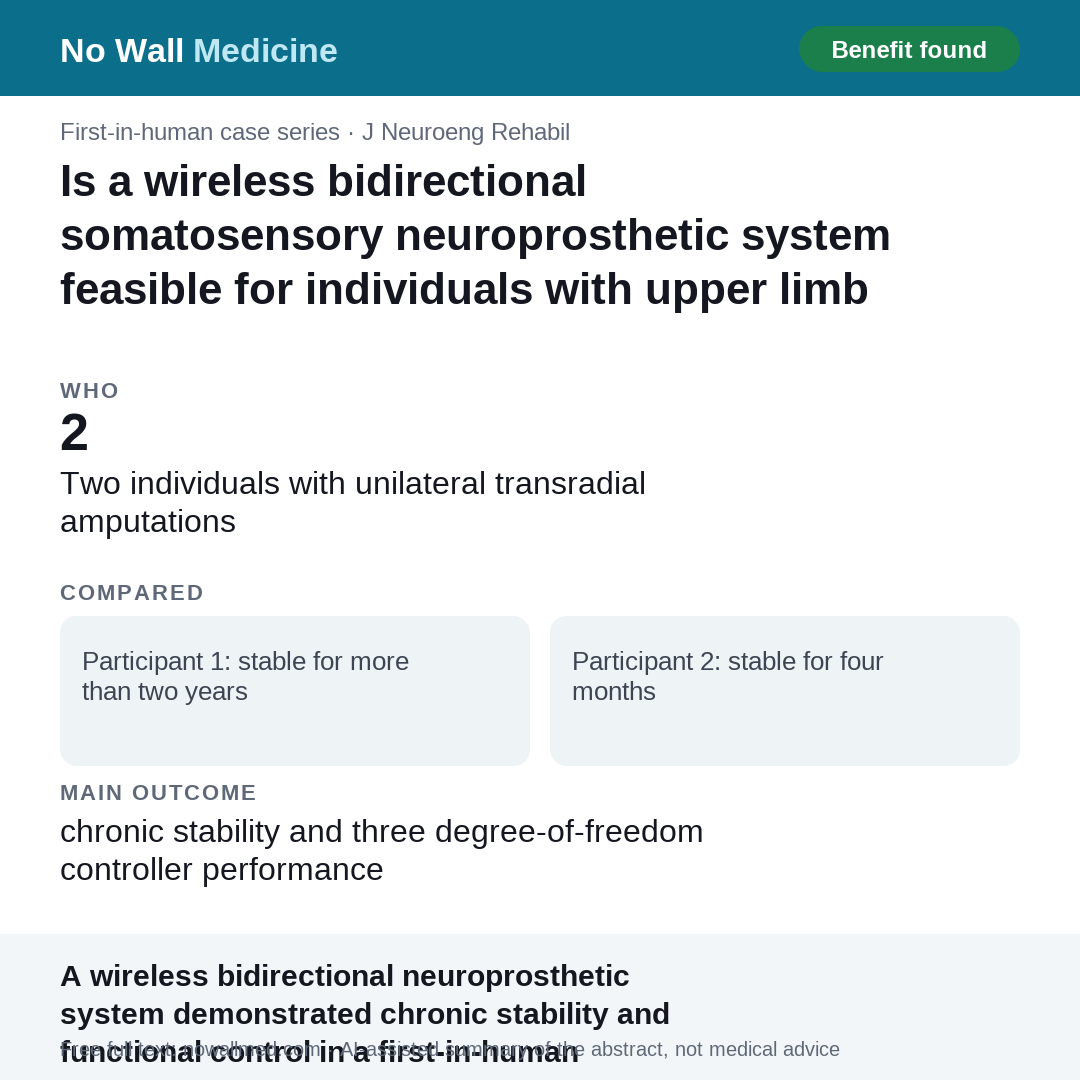
First-in-human implementation of a bidirectional somatosensory neuroprosthetic system with wireless communication
First-in-human case seriesBenefit found
Is a wireless bidirectional somatosensory neuroprosthetic system feasible for individuals with upper limb loss?
Who
2
Two individuals with unilateral transradial amputations
Compared
Participant 1: stable for more than two years
Participant 2: stable for four months
Main outcome
chronic stability and three degree-of-freedom controller performance
Bottom line: A wireless bidirectional neuroprosthetic system demonstrated chronic stability and functional control in a first-in-human study.
Limitation: one participant's system was explanted due to an infection of unknown origin
J Neuroeng Rehabil · 2025-04-23Download image