Visual abstracts
New randomized trials and meta-analyses from leading journals at a glance: who was studied, what was compared, and what was found. Every paper is free to read in full.
All specialtiesCardiology 4832Oncology 4114Gastroenterology & Hepatology 1934Infectious Disease 3824Neurology 1899Psychiatry & Mental Health 2256Pulmonology 2082Critical Care 1345Endocrinology & Diabetes 2572Pediatrics 2940Surgery 2525Orthopedics & Sports Medicine 926Neurosurgery 534Cardiothoracic & Vascular Surgery 671Plastic & Reconstructive Surgery 591Nephrology 1124Rheumatology 823Hematology 1104Dermatology 620Ophthalmology 543Obstetrics & Gynecology 1684Public & Global Health 1056Radiology & Imaging 641Anesthesiology 962Urology 754ENT (Otolaryngology) 503Emergency Medicine 489Allergy & Immunology 313Geriatrics 981Family Medicine & Primary Care 541Medical Genetics & Genomics 675Pathology & Laboratory Medicine 157Physical Medicine & Rehabilitation 751Palliative Care 424Nutrition 1580Digital Health & AI 2195General Medicine 321
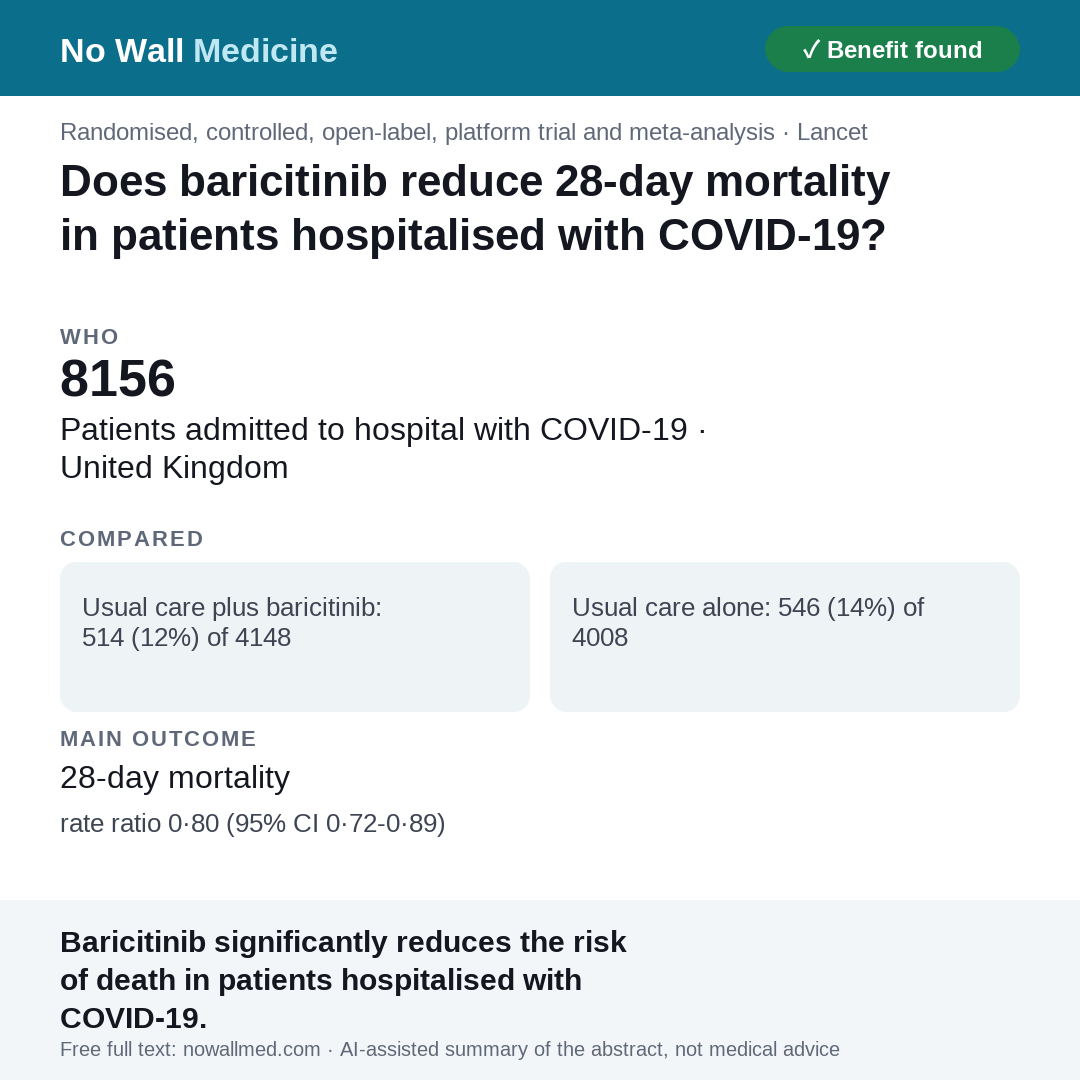
Baricitinib in patients admitted to hospital with COVID-19 (RECOVERY): a randomised, controlled, open-label, platform trial and updated meta-analysis
Randomised, controlled, open-label, platform trial and meta-analysisBenefit found
Does baricitinib reduce 28-day mortality in patients hospitalised with COVID-19?
Who
8156
Patients admitted to hospital with COVID-19 · United Kingdom
Compared
Usual care plus baricitinib: 514 (12%) of 4148
Usual care alone: 546 (14%) of 4008
Main outcome
28-day mortality
Result: rate ratio 0·80 (95% CI 0·72-0·89)
Bottom line: Baricitinib significantly reduces the risk of death in patients hospitalised with COVID-19.
Funded by: UK Research and Innovation and National Institute of Health Research
Lancet · 2022-07-31Download image
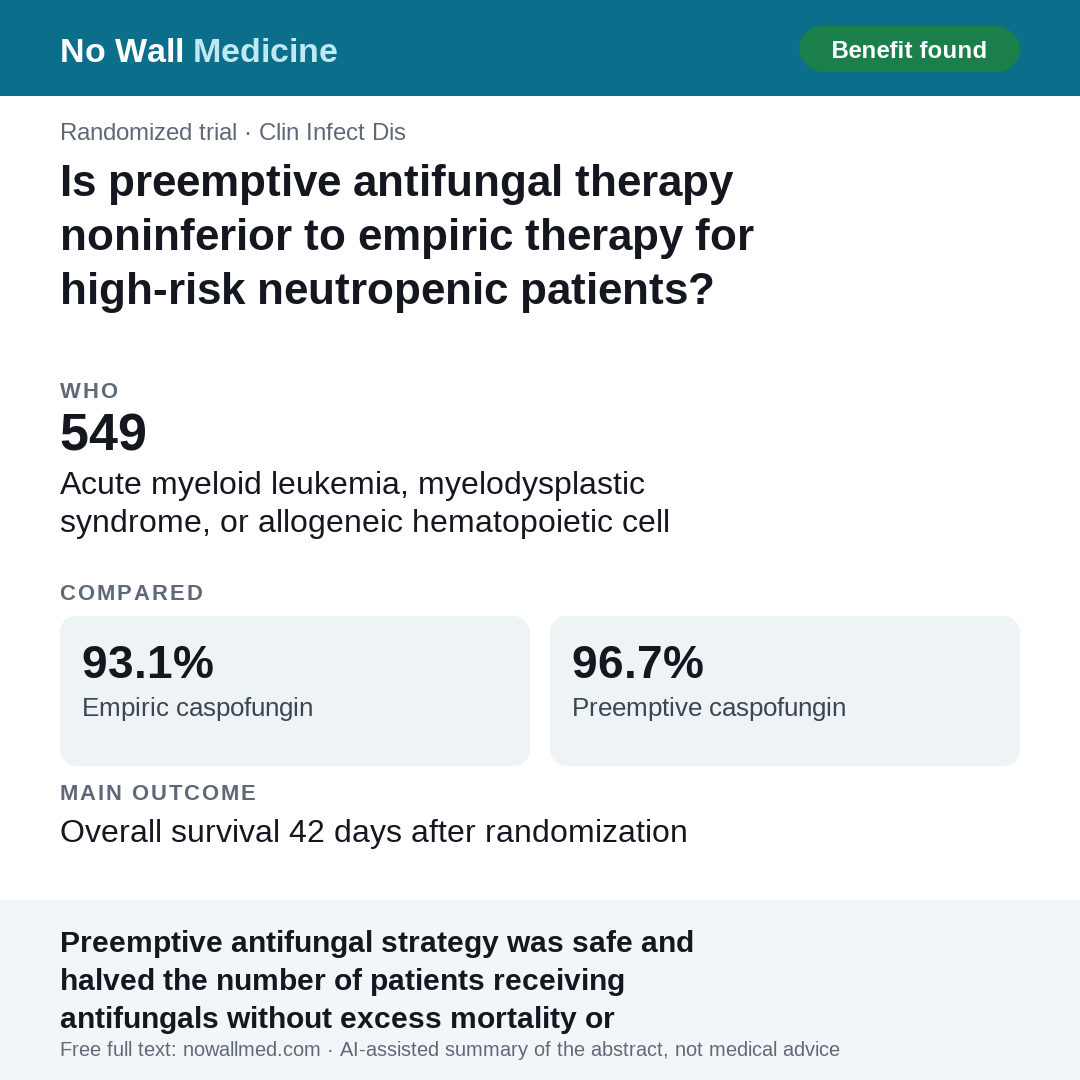
Empiric vs Preemptive Antifungal Strategy in High-Risk Neutropenic Patients on Fluconazole Prophylaxis: A Randomized Trial of the European Organization for Research and Treatment of Cancer
Randomized trialBenefit found
Is preemptive antifungal therapy noninferior to empiric therapy for high-risk neutropenic patients?
Who
549
Acute myeloid leukemia, myelodysplastic syndrome, or allogeneic hematopoietic cell transplant recipients
Compared
93.1%Empiric caspofungin (95% CI, 89.3%-95.5%)
96.7%Preemptive caspofungin (95% CI, 93.8%-98.3%)
Main outcome
Overall survival 42 days after randomization
Bottom line: Preemptive antifungal strategy was safe and halved the number of patients receiving antifungals without excess mortality or invasive fungal disease.
Clin Infect Dis · 2022-07-31Download image
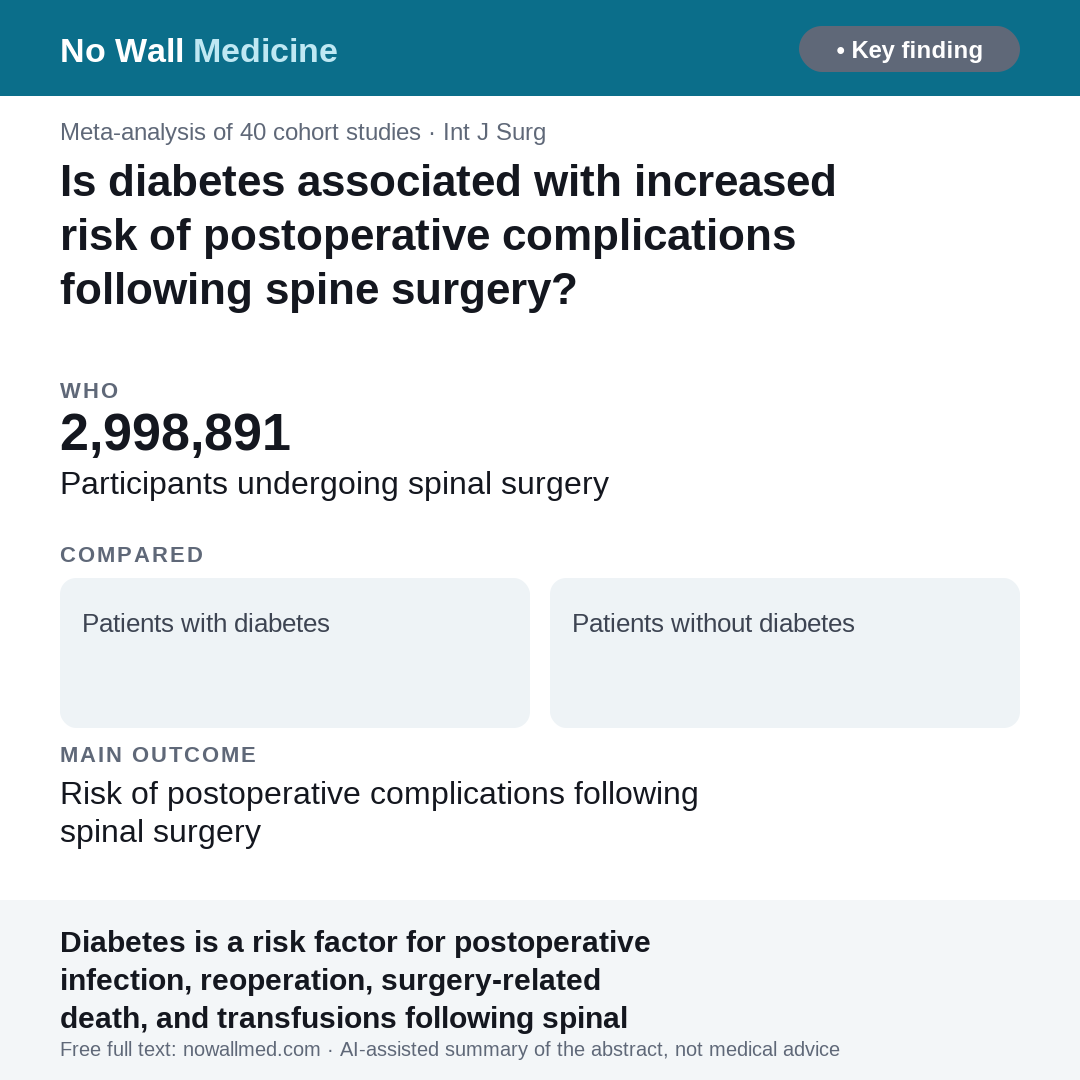
The impact of diabetes on postoperative outcomes following spine surgery: A meta-analysis of 40 cohort studies with 2.9 million participants
Meta-analysis of 40 cohort studiesHarm found
Is diabetes associated with increased risk of postoperative complications following spine surgery?
Who
2,998,891
Participants undergoing spinal surgery
Compared
Patients with diabetes
Patients without diabetes
Main outcome
Risk of postoperative complications following spinal surgery
Result: postoperative infection OR 2.21 (95% CI 1.70-2.88), reoperation OR 1.35 (95% CI 1.12-1.64)
Bottom line: Diabetes is a risk factor for postoperative infection, reoperation, surgery-related death, and transfusions following spinal surgery.
Int J Surg · 2022-07-31Download image
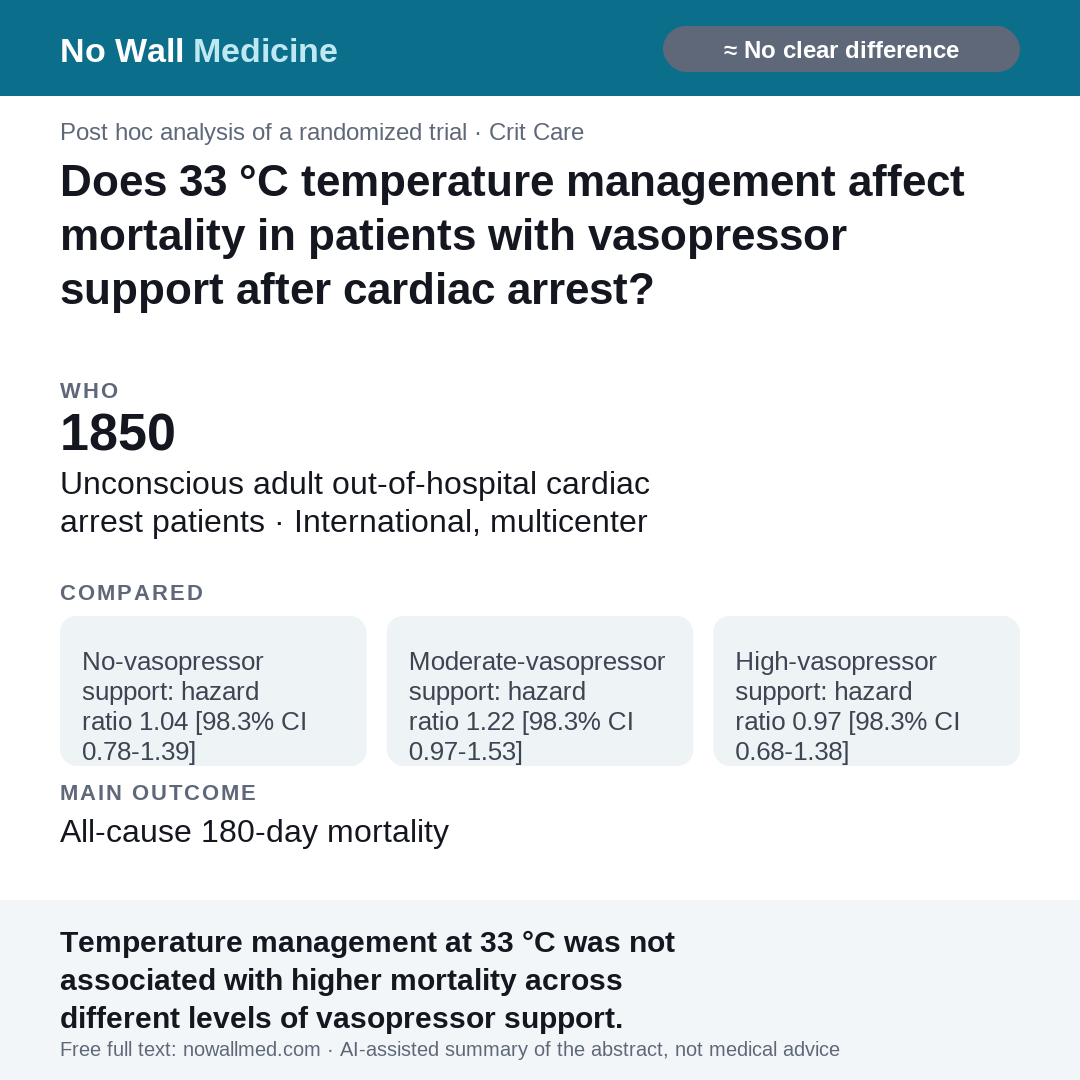
Influence of temperature management at 33 °C versus normothermia on survival in patients with vasopressor support after out-of-hospital cardiac arrest: a post hoc analysis of the TTM-2 trial
Post hoc analysis of a randomized trialNo clear difference
Does 33 °C temperature management affect mortality in patients with vasopressor support after cardiac arrest?
Who
1850
Unconscious adult out-of-hospital cardiac arrest patients · International, multicenter trial
Compared
No-vasopressor support: hazard ratio 1.04 [98.3% CI 0.78-1.39]
Moderate-vasopressor support: hazard ratio 1.22 [98.3% CI 0.97-1.53]
High-vasopressor support: hazard ratio 0.97 [98.3% CI 0.68-1.38]
Main outcome
All-cause 180-day mortality
Bottom line: Temperature management at 33 °C was not associated with higher mortality across different levels of vasopressor support.
Crit Care · 2022-07-31Download image
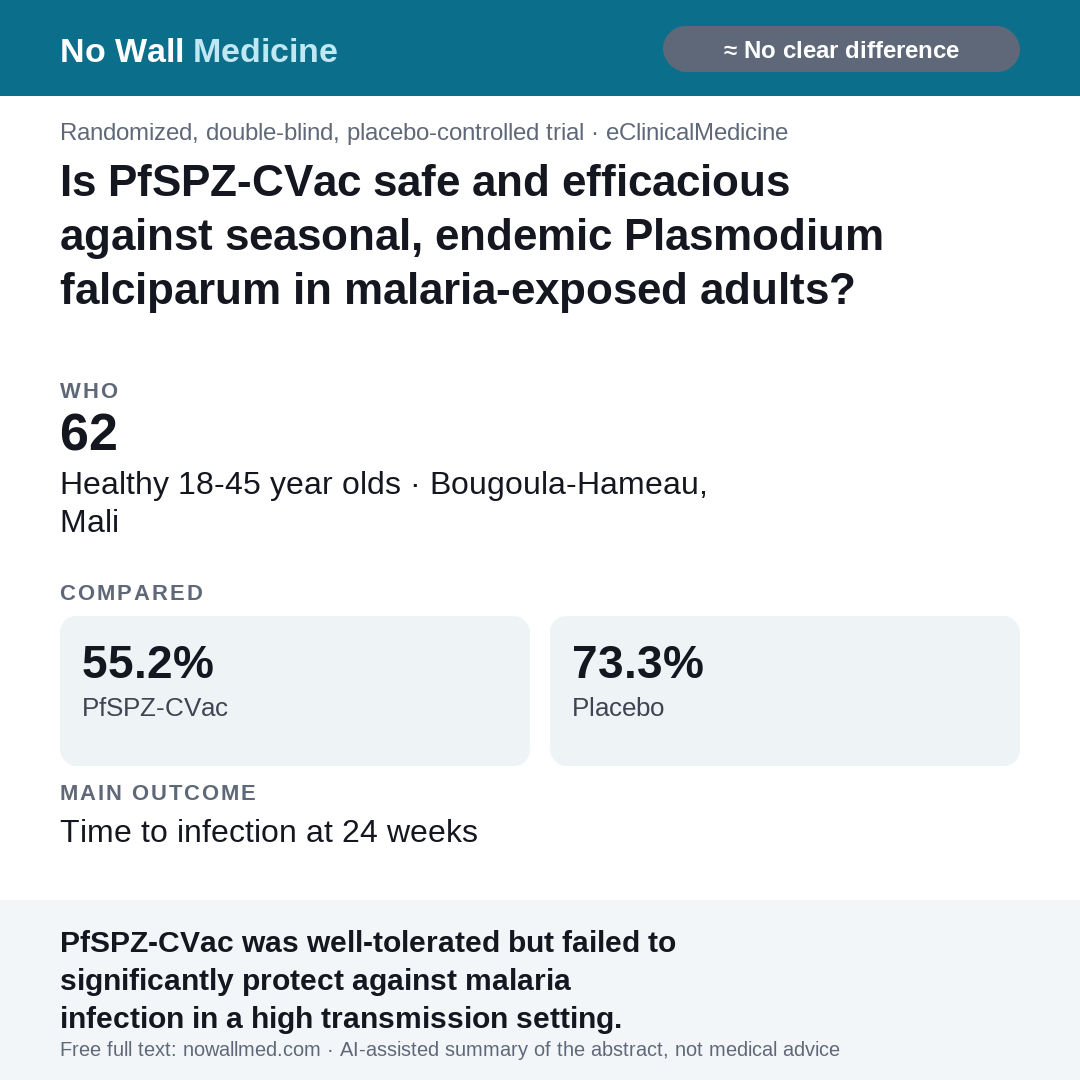
PfSPZ-CVac malaria vaccine demonstrates safety among malaria-experienced adults: A randomized, controlled phase 1 trial
Randomized, double-blind, placebo-controlled trialNo clear difference
Is PfSPZ-CVac safe and efficacious against seasonal, endemic Plasmodium falciparum in malaria-exposed adults?
Who
62
Healthy 18-45 year olds · Bougoula-Hameau, Mali
Compared
55.2%PfSPZ-CVac (16/29)
73.3%Placebo (22/30)
Main outcome
Time to infection at 24 weeks
Result: hazard ratio 33.6% (95%CI -27·9, 65·5)
Bottom line: PfSPZ-CVac was well-tolerated but failed to significantly protect against malaria infection in a high transmission setting.
Funded by: U.S. National Institutes of Health, Sanaria
eClinicalMedicine · 2022-07-30Download image
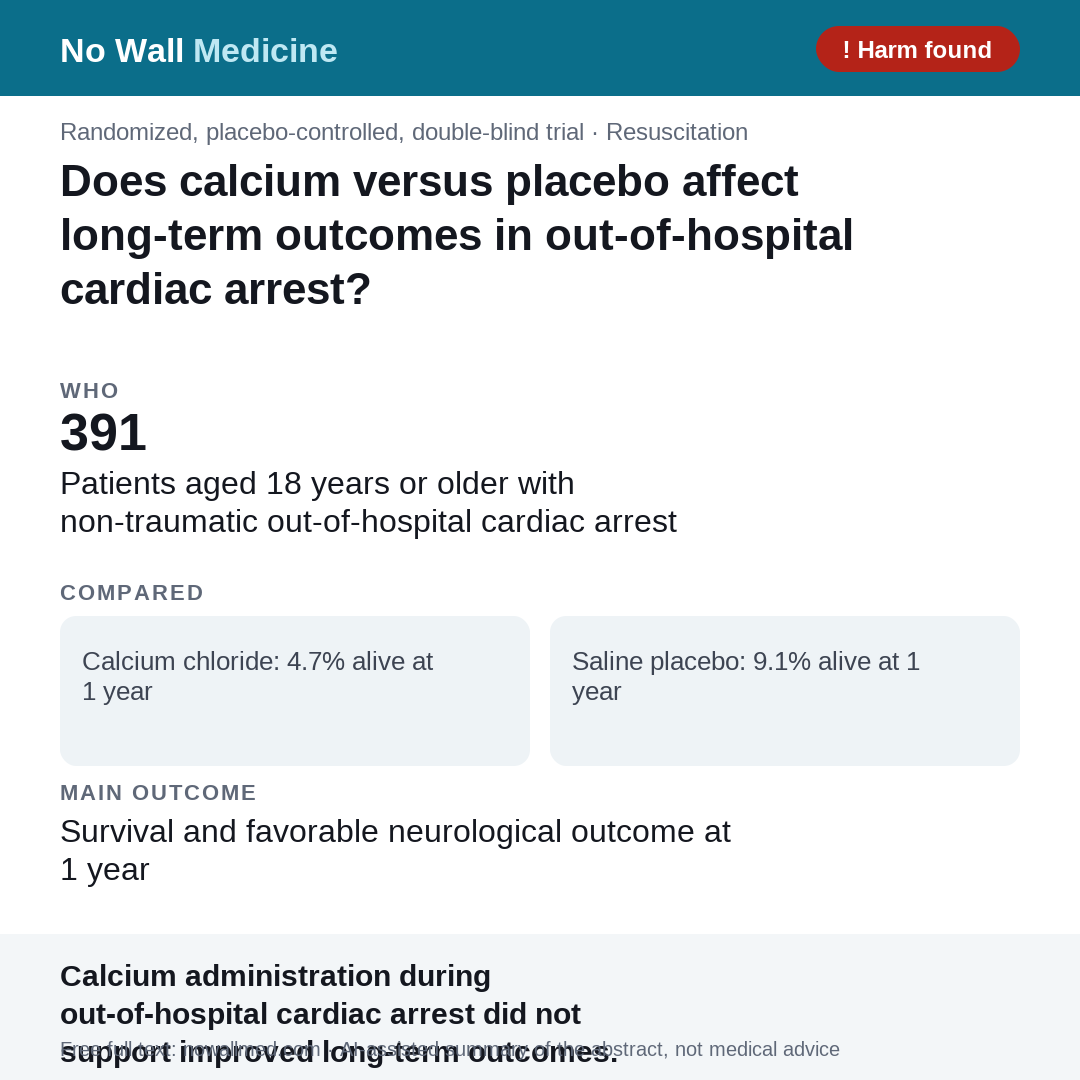
Effect of calcium vs. placebo on long-term outcomes in patients with out-of-hospital cardiac arrest
Randomized, placebo-controlled, double-blind trialHarm found
Does calcium versus placebo affect long-term outcomes in out-of-hospital cardiac arrest?
Who
391
Patients aged 18 years or older with non-traumatic out-of-hospital cardiac arrest
Compared
Calcium chloride: 4.7% alive at 1 year
Saline placebo: 9.1% alive at 1 year
Main outcome
Survival and favorable neurological outcome at 1 year
Result: risk ratio 0.51 (95% confidence interval 0.24, 1.09)
Bottom line: Calcium administration during out-of-hospital cardiac arrest did not support improved long-term outcomes.
Resuscitation · 2022-07-30Download image
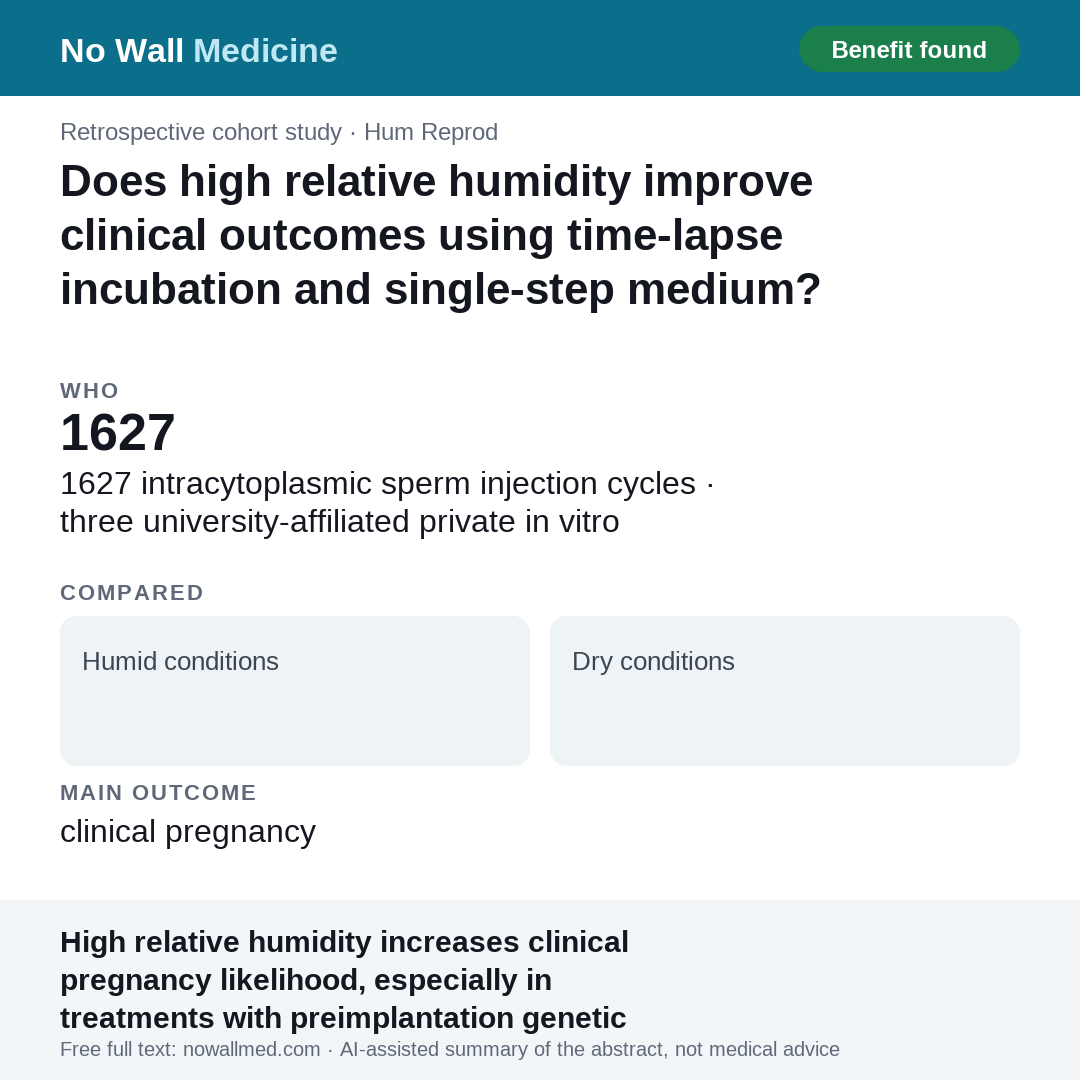
A propensity score-based, comparative study assessing humid and dry time-lapse incubation, with single-step medium, on embryo development and clinical outcomes
Retrospective cohort studyBenefit found
Does high relative humidity improve clinical outcomes using time-lapse incubation and single-step medium?
Who
1627
1627 intracytoplasmic sperm injection cycles · three university-affiliated private in vitro fertilization centres
Compared
Humid conditions
Dry conditions
Main outcome
clinical pregnancy
Result: odds ratio 1.236 (95% CI 1.009-1.515)
Bottom line: High relative humidity increases clinical pregnancy likelihood, especially in treatments with preimplantation genetic testing for aneuploidies.
Limitation: The retrospective nature of the study makes it susceptible to some bias.
Hum Reprod · 2022-07-30Download image
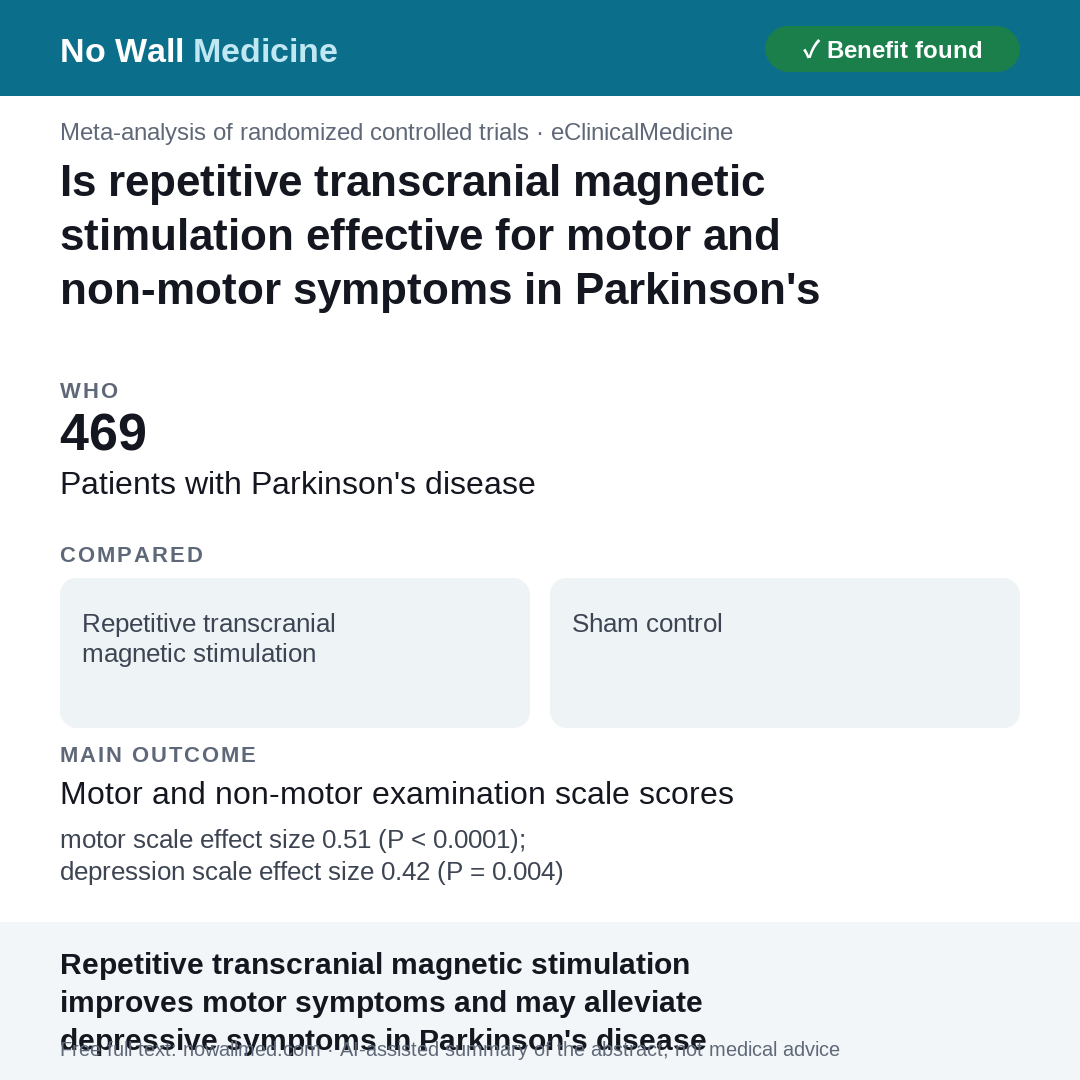
Efficacy of repetitive transcranial magnetic stimulation in Parkinson's disease: A systematic review and meta-analysis of randomised controlled trials
Meta-analysis of randomized controlled trialsBenefit found
Is repetitive transcranial magnetic stimulation effective for motor and non-motor symptoms in Parkinson's disease?
Who
469
Patients with Parkinson's disease
Compared
Repetitive transcranial magnetic stimulation
Sham control
Main outcome
Motor and non-motor examination scale scores
Result: motor scale effect size 0.51 (P < 0.0001); depression scale effect size 0.42 (P = 0.004)
Bottom line: Repetitive transcranial magnetic stimulation improves motor symptoms and may alleviate depressive symptoms in Parkinson's disease patients.
Limitation: further investigation is needed
Funded by: National Natural Science Foundation of China and others
eClinicalMedicine · 2022-07-29Download image
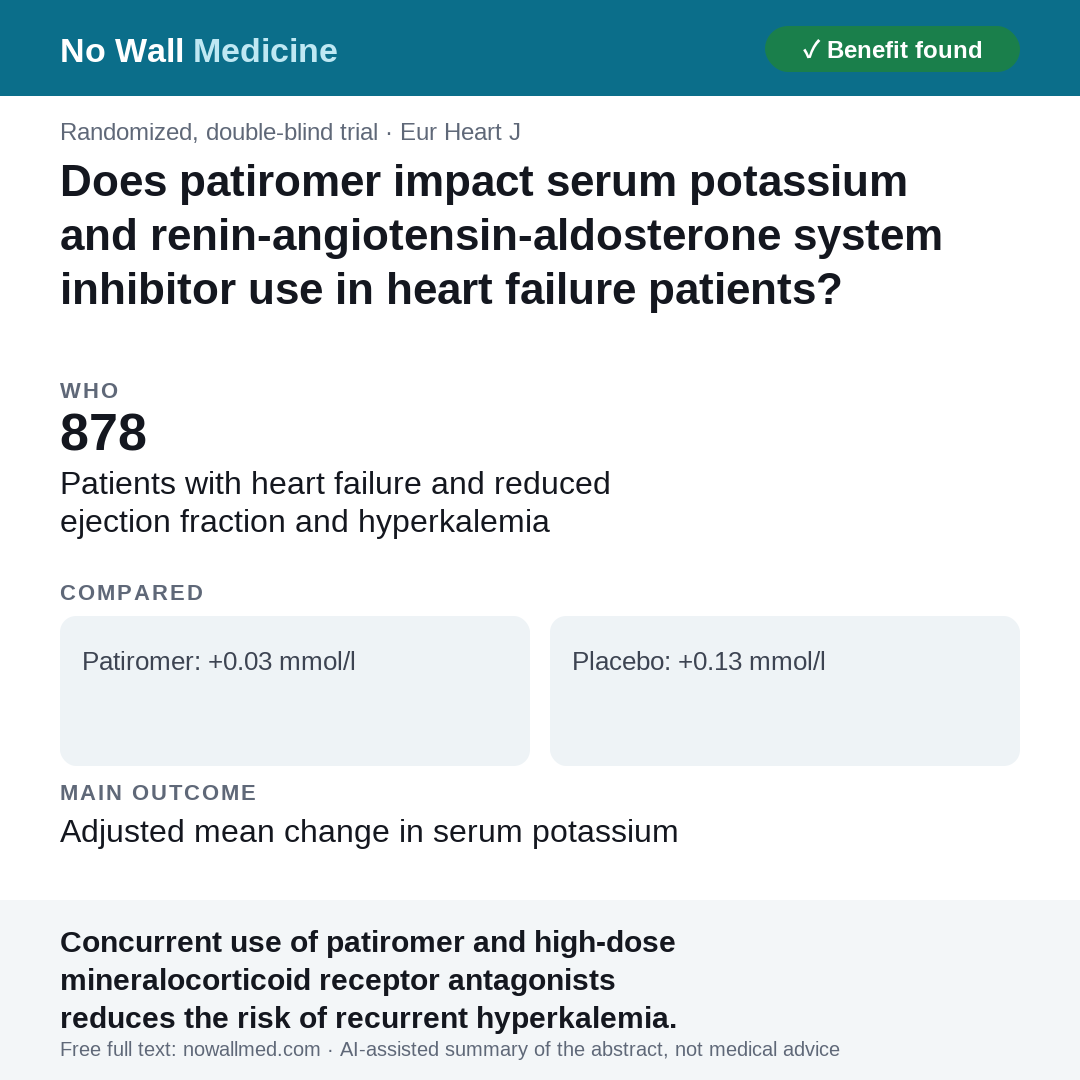
Patiromer for the management of hyperkalemia in heart failure with reduced ejection fraction: the DIAMOND trial
Randomized, double-blind trialBenefit found
Does patiromer impact serum potassium and renin-angiotensin-aldosterone system inhibitor use in heart failure patients?
Who
878
Patients with heart failure and reduced ejection fraction and hyperkalemia
Compared
Patiromer: +0.03 mmol/l
Placebo: +0.13 mmol/l
Main outcome
Adjusted mean change in serum potassium
Result: -0.10 mmol/l (95% CI -0.13, 0.07)
Bottom line: Concurrent use of patiromer and high-dose mineralocorticoid receptor antagonists reduces the risk of recurrent hyperkalemia.
Eur Heart J · 2022-07-29Download image
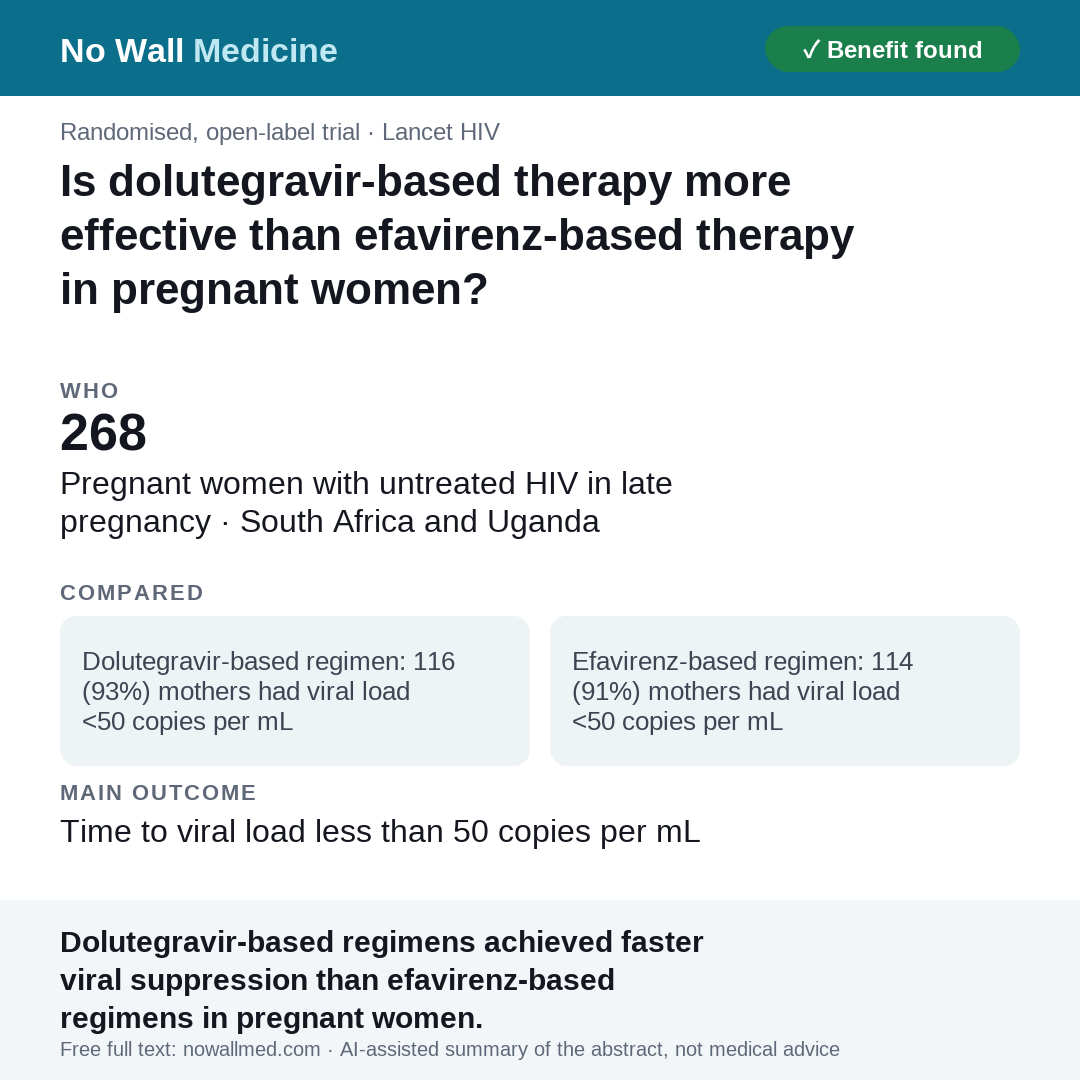
72 weeks post-partum follow-up of dolutegravir versus efavirenz initiated in late pregnancy (DolPHIN-2): an open-label, randomised controlled study
Randomised, open-label trialBenefit found
Is dolutegravir-based therapy more effective than efavirenz-based therapy in pregnant women?
Who
268
Pregnant women with untreated HIV in late pregnancy · South Africa and Uganda
Compared
Dolutegravir-based regimen: 116 (93%) mothers had viral load <50 copies per mL
Efavirenz-based regimen: 114 (91%) mothers had viral load <50 copies per mL
Main outcome
Time to viral load less than 50 copies per mL
Result: adjusted hazard ratio 1.93 (95% CI 1.5 to 2.5)
Bottom line: Dolutegravir-based regimens achieved faster viral suppression than efavirenz-based regimens in pregnant women.
Funded by: Unitaid
Lancet HIV · 2022-07-29Download image
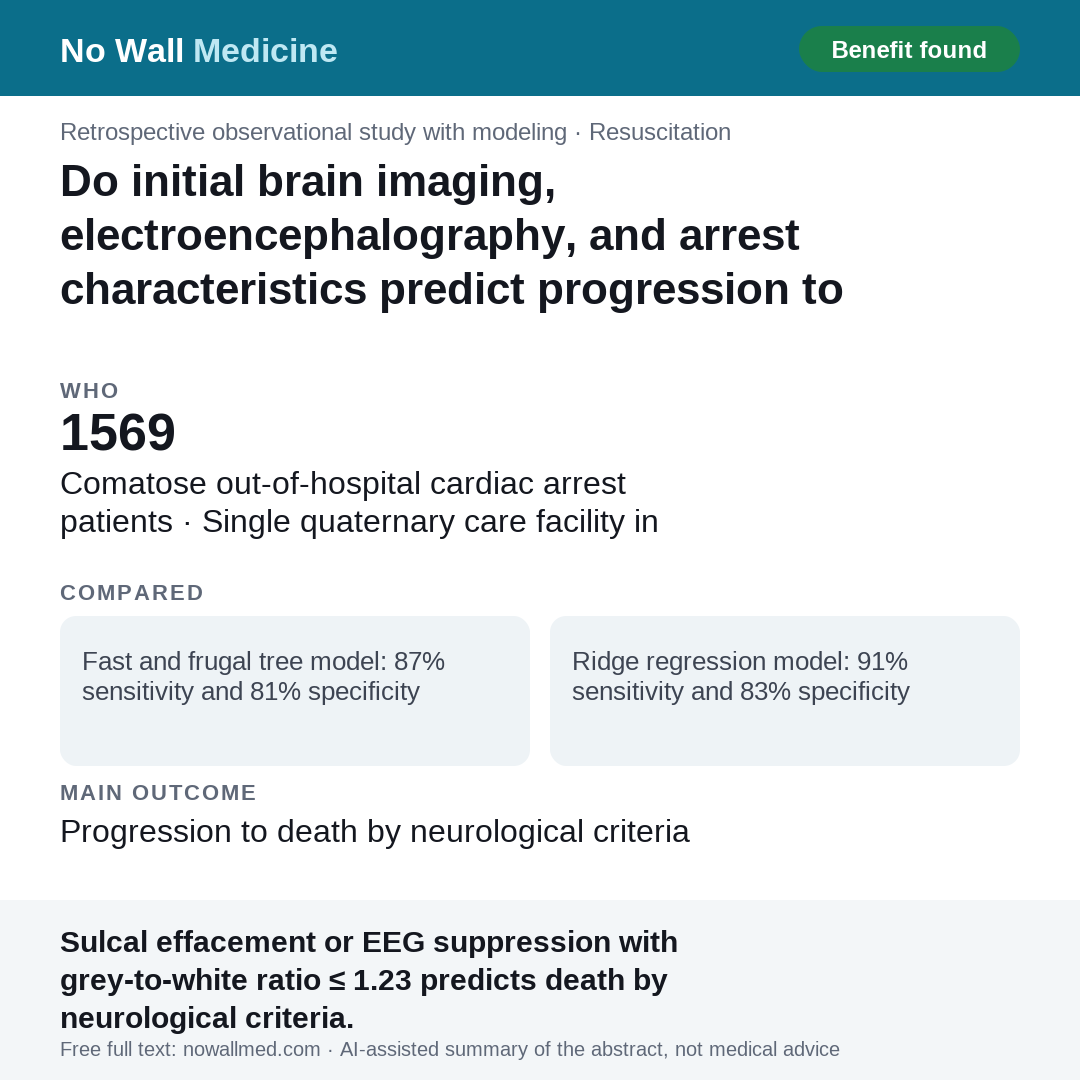
Early risk stratification for progression to death by neurological criteria following out-of-hospital cardiac arrest
Retrospective observational study with modelingBenefit found
Do initial brain imaging, electroencephalography, and arrest characteristics predict progression to death by neurological criteria?
Who
1569
Comatose out-of-hospital cardiac arrest patients · Single quaternary care facility in Western Pennsylvania
Compared
Fast and frugal tree model: 87% sensitivity and 81% specificity
Ridge regression model: 91% sensitivity and 83% specificity
Main outcome
Progression to death by neurological criteria
Bottom line: Sulcal effacement or EEG suppression with grey-to-white ratio ≤ 1.23 predicts death by neurological criteria.
Resuscitation · 2022-07-29Download image
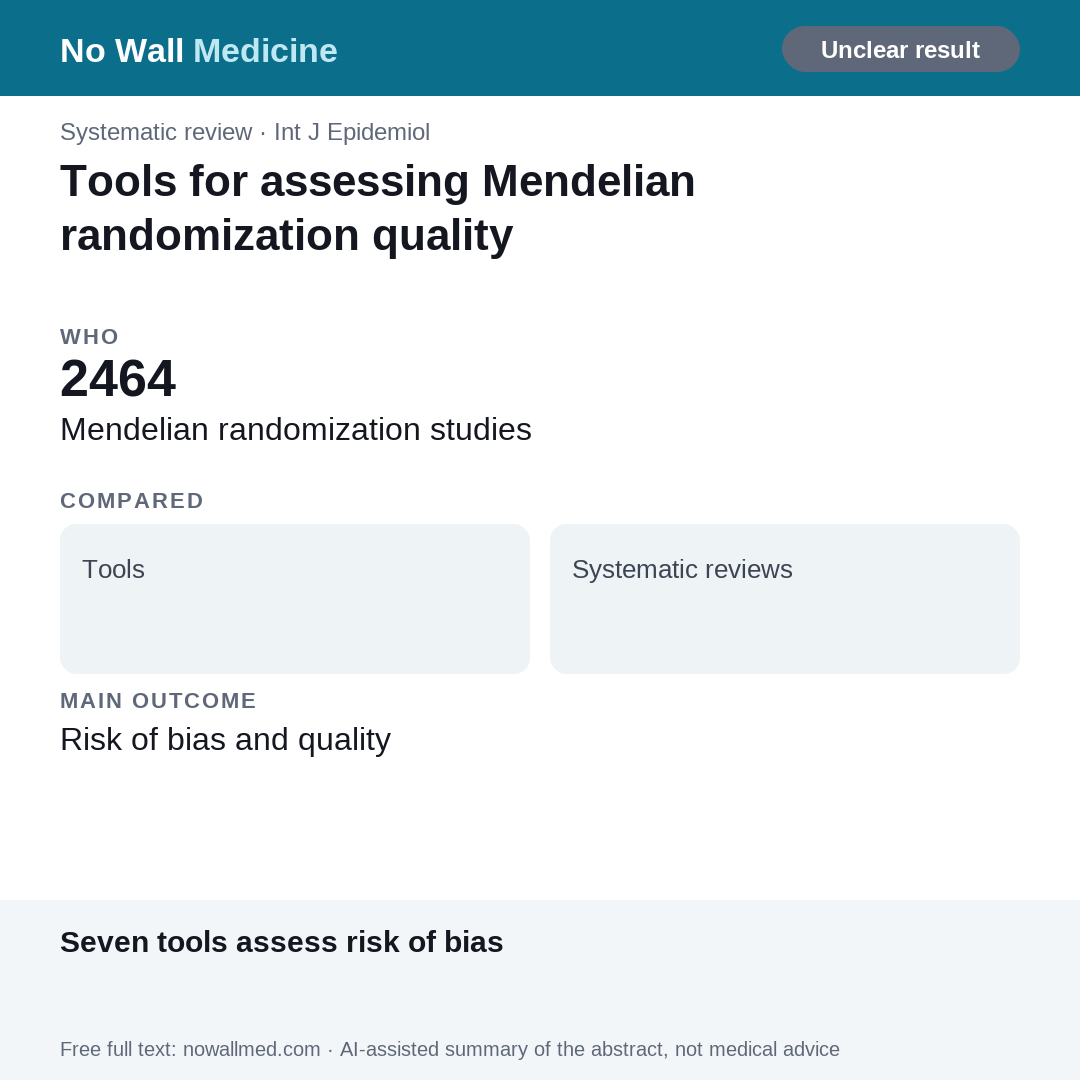
Tools for assessing quality and risk of bias in Mendelian randomization studies: a systematic review
Systematic reviewUnclear result
Tools for assessing Mendelian randomization quality
Who
2464
Mendelian randomization studies
Compared
Tools
Systematic reviews
Main outcome
Risk of bias and quality
Bottom line: Seven tools assess risk of bias
Limitation: Tools need testing and validation
Int J Epidemiol · 2022-07-29Download image
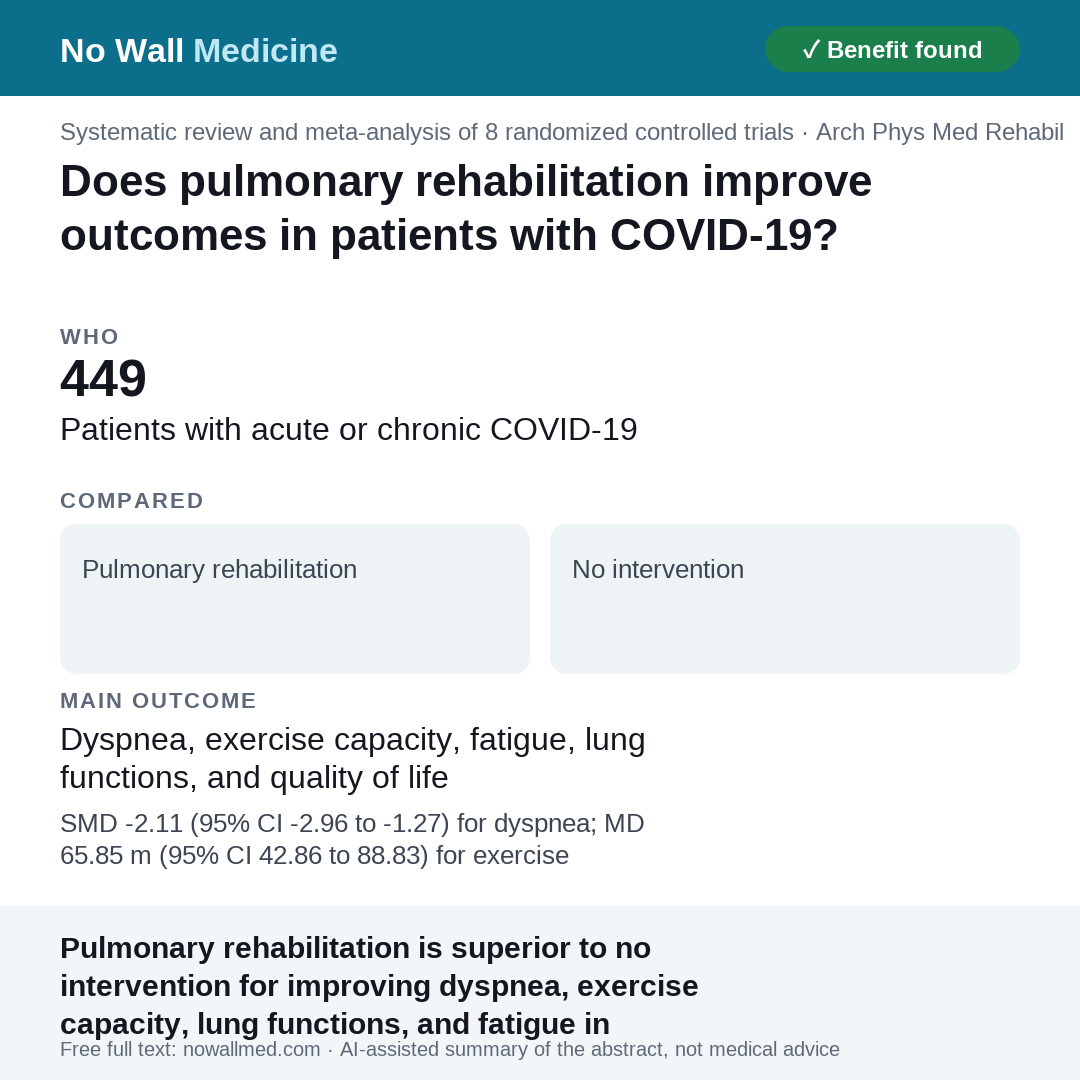
Effect of Pulmonary Rehabilitation Approaches on Dyspnea, Exercise Capacity, Fatigue, Lung Functions, and Quality of Life in Patients With COVID-19: A Systematic Review and Meta-analysis
Systematic review and meta-analysis of 8 randomized controlled trialsBenefit found
Does pulmonary rehabilitation improve outcomes in patients with COVID-19?
Who
449
Patients with acute or chronic COVID-19
Compared
Pulmonary rehabilitation
No intervention
Main outcome
Dyspnea, exercise capacity, fatigue, lung functions, and quality of life
Result: SMD -2.11 (95% CI -2.96 to -1.27) for dyspnea; MD 65.85 m (95% CI 42.86 to 88.83) for exercise capacity
Bottom line: Pulmonary rehabilitation is superior to no intervention for improving dyspnea, exercise capacity, lung functions, and fatigue in COVID-19 patients.
Limitation: The effect of pulmonary rehabilitation on quality of life was inconsistent across studies.
Arch Phys Med Rehabil · 2022-07-29Download image
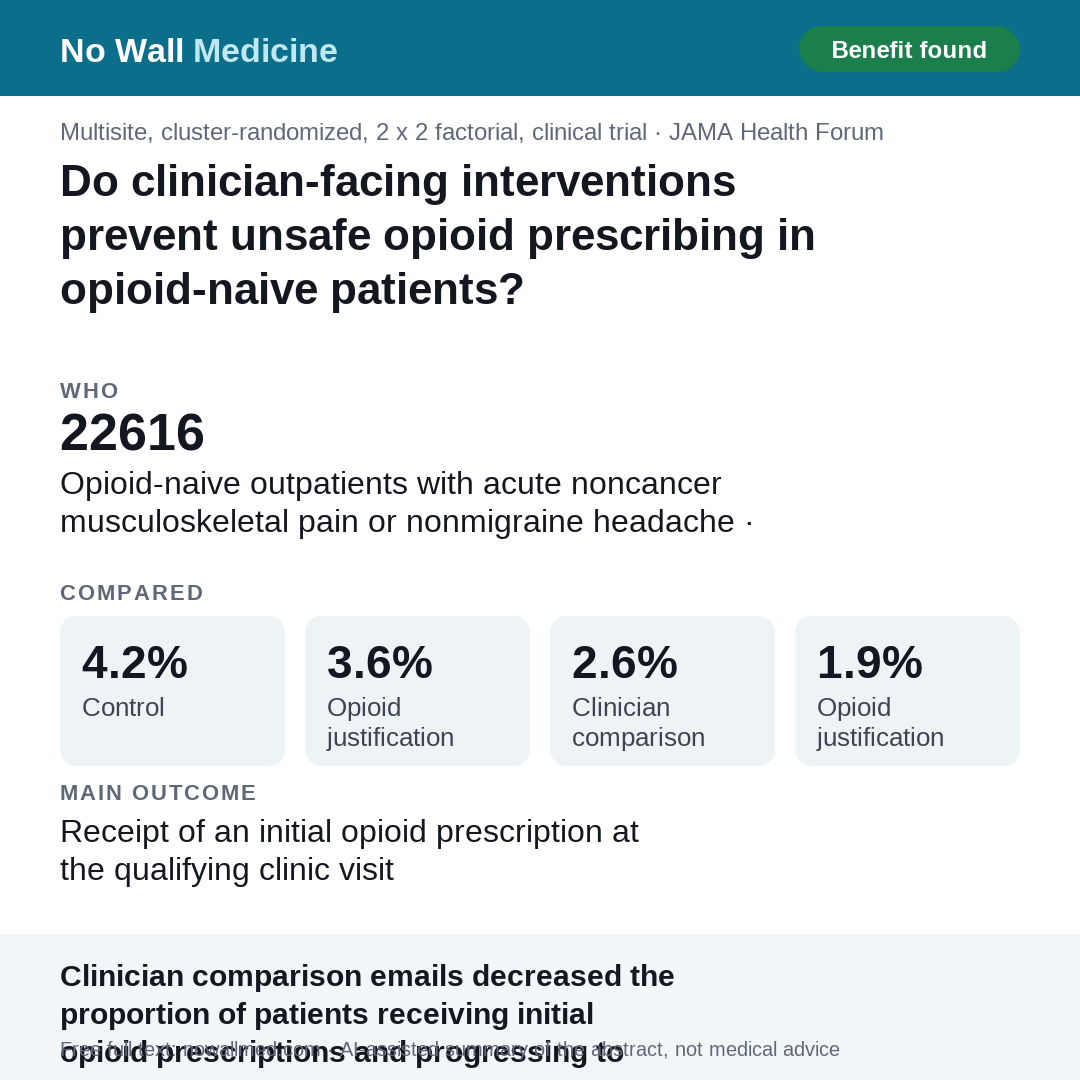
Effect of Different Interventions to Help Primary Care Clinicians Avoid Unsafe Opioid Prescribing in Opioid-Naive Patients With Acute Noncancer Pain: A Cluster Randomized Clinical Trial
Multisite, cluster-randomized, 2 x 2 factorial, clinical trialBenefit found
Do clinician-facing interventions prevent unsafe opioid prescribing in opioid-naive patients?
Who
22616
Opioid-naive outpatients with acute noncancer musculoskeletal pain or nonmigraine headache · 3 health care systems with 48 primary care practices
Compared
4.2%Control
3.6%Opioid justification
2.6%Clinician comparison
1.9%Opioid justification and clinician comparison
Main outcome
Receipt of an initial opioid prescription at the qualifying clinic visit
Result: adjusted odds ratio 0.60 (95% CI, 0.38-0.96)
Bottom line: Clinician comparison emails decreased the proportion of patients receiving initial opioid prescriptions and progressing to long-term therapy.
JAMA Health Forum · 2022-07-29Download image
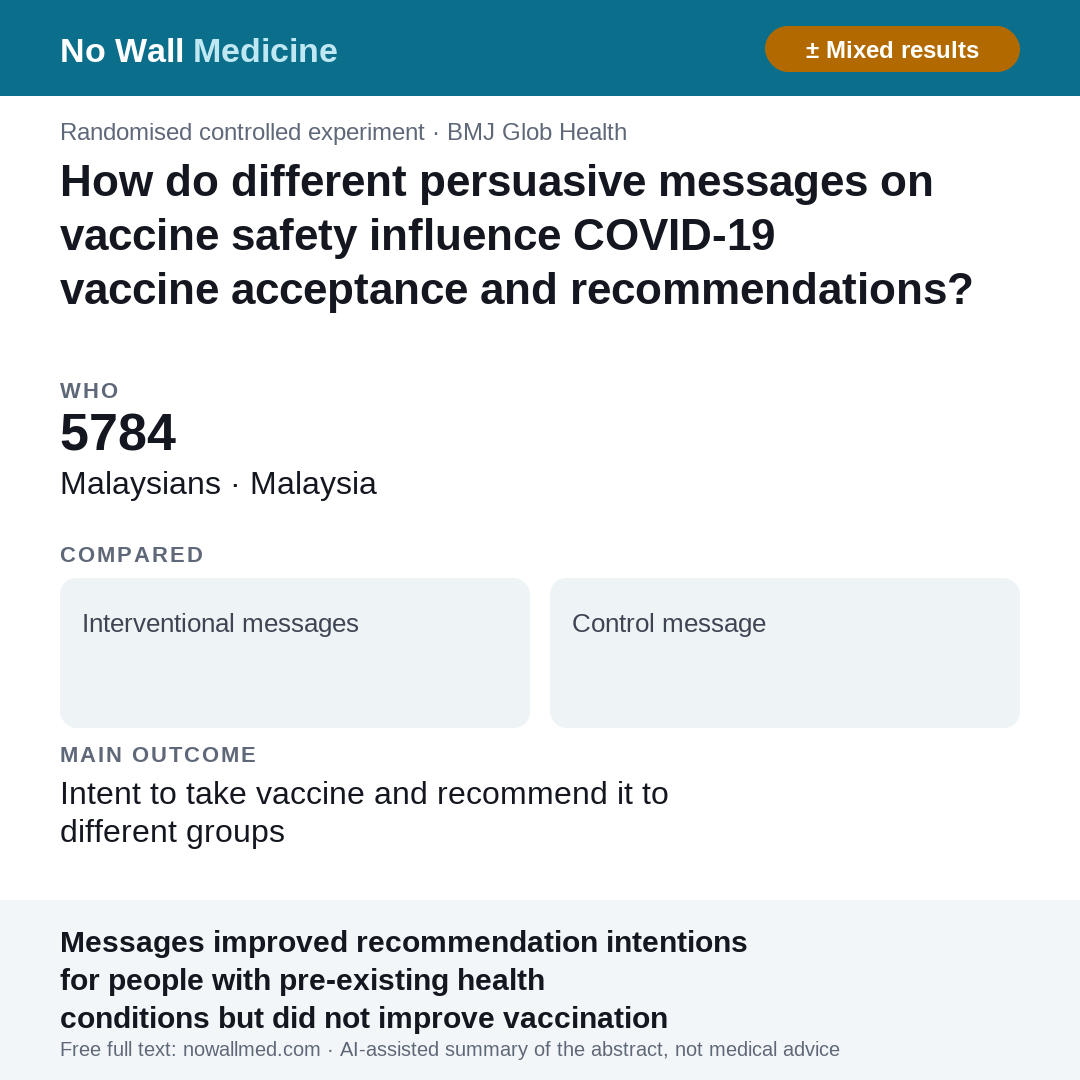
When do persuasive messages on vaccine safety steer COVID-19 vaccine acceptance and recommendations? Behavioural insights from a randomised controlled experiment in Malaysia
Randomised controlled experimentMixed results
How do different persuasive messages on vaccine safety influence COVID-19 vaccine acceptance and recommendations?
Who
5784
Malaysians · Malaysia
Compared
Interventional messages
Control message
Main outcome
Intent to take vaccine and recommend it to different groups
Bottom line: Messages improved recommendation intentions for people with pre-existing health conditions but did not improve vaccination intentions.
BMJ Glob Health · 2022-07-29Download image
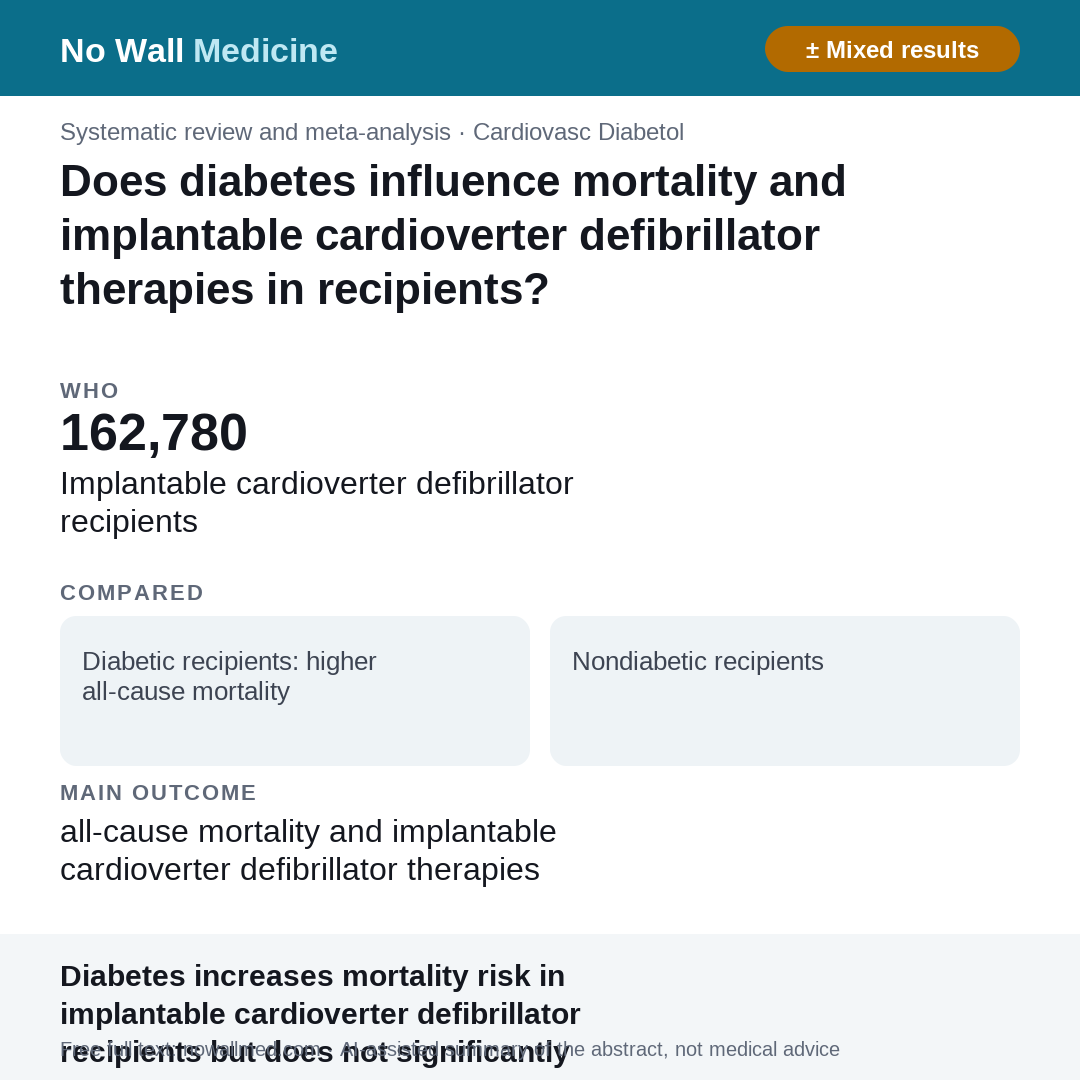
Influence of diabetes on mortality and ICD therapies in ICD recipients: a systematic review and meta-analysis of 162,780 patients
Systematic review and meta-analysisMixed results
Does diabetes influence mortality and implantable cardioverter defibrillator therapies in recipients?
Who
162,780
Implantable cardioverter defibrillator recipients
Compared
Diabetic recipients: higher all-cause mortality
Nondiabetic recipients
Main outcome
all-cause mortality and implantable cardioverter defibrillator therapies
Result: hazard ratio 1.45 (95% CI 1.36-1.55)
Bottom line: Diabetes increases mortality risk in implantable cardioverter defibrillator recipients but does not significantly influence therapy risks.
Cardiovasc Diabetol · 2022-07-29Download image
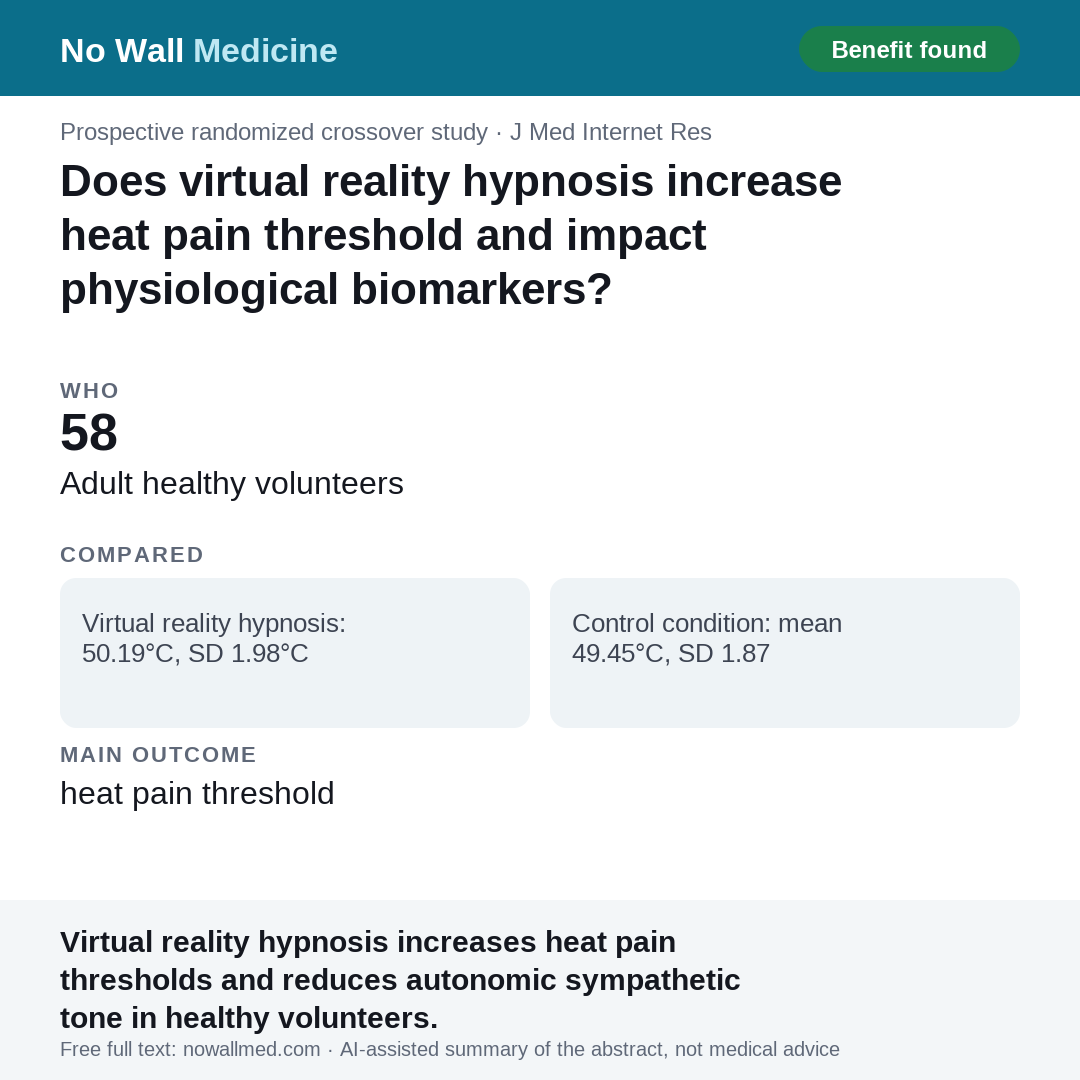
Effect of Virtual Reality Hypnosis on Pain Threshold and Neurophysiological and Autonomic Biomarkers in Healthy Volunteers: Prospective Randomized Crossover Study
Prospective randomized crossover studyBenefit found
Does virtual reality hypnosis increase heat pain threshold and impact physiological biomarkers?
Who
58
Adult healthy volunteers
Compared
Virtual reality hypnosis: 50.19°C, SD 1.98°C
Control condition: mean 49.45°C, SD 1.87
Main outcome
heat pain threshold
Bottom line: Virtual reality hypnosis increases heat pain thresholds and reduces autonomic sympathetic tone in healthy volunteers.
Limitation: The beneficial action needs to be evaluated for other types of pain, including chronic pain.
J Med Internet Res · 2022-07-29Download image
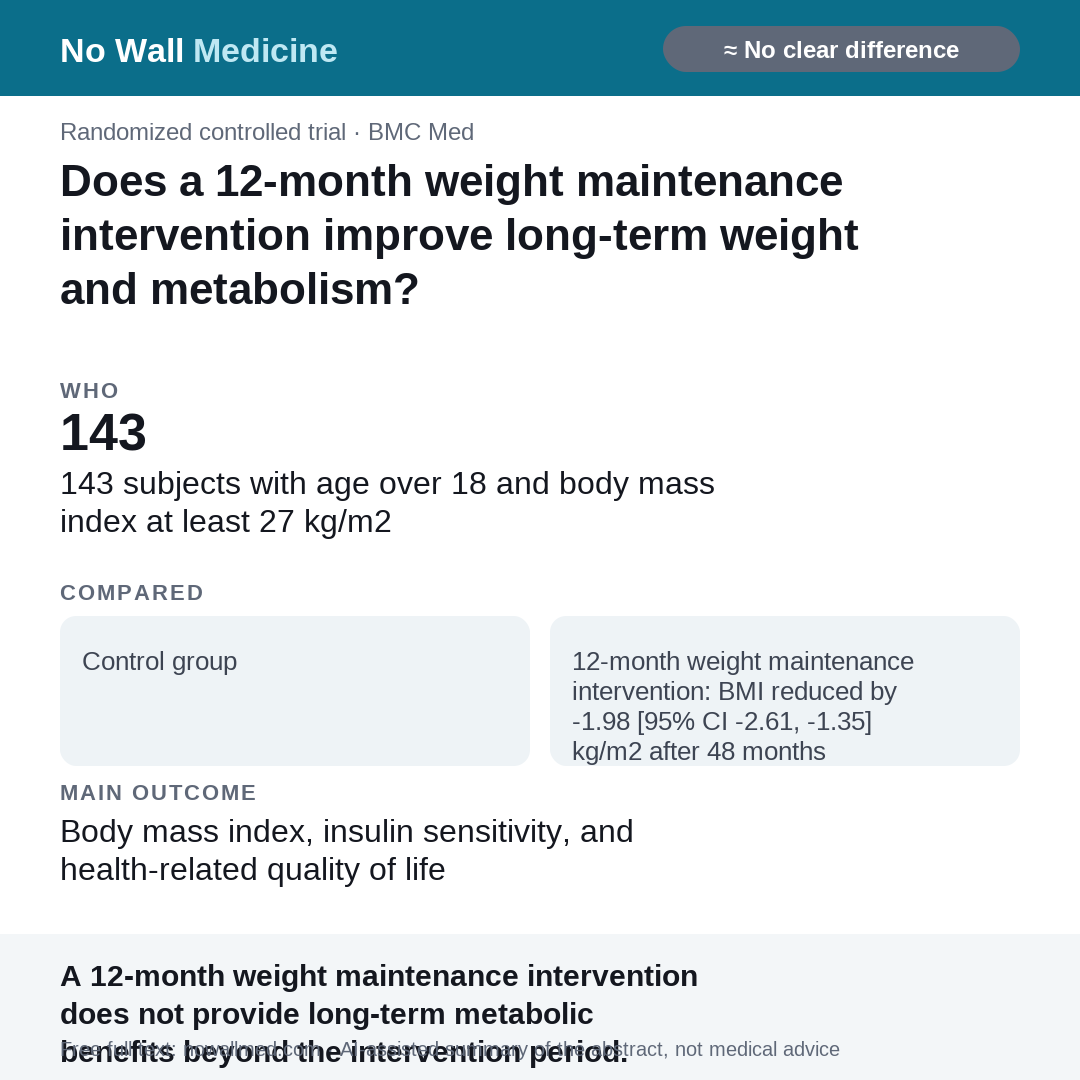
Weight loss-induced improvement of body weight and insulin sensitivity is not amplified by a subsequent 12-month weight maintenance intervention but is predicted by adaption of adipose atrial natriuretic peptide system: 48-month results of a randomized controlled trial
Randomized controlled trialNo clear difference
Does a 12-month weight maintenance intervention improve long-term weight and metabolism?
Who
143
143 subjects with age over 18 and body mass index at least 27 kg/m2
Compared
Control group
12-month weight maintenance intervention: BMI reduced by -1.98 [95% CI -2.61, -1.35] kg/m2 after 48 months
Main outcome
Body mass index, insulin sensitivity, and health-related quality of life
Bottom line: A 12-month weight maintenance intervention does not provide long-term metabolic benefits beyond the intervention period.
BMC Med · 2022-07-28Download image
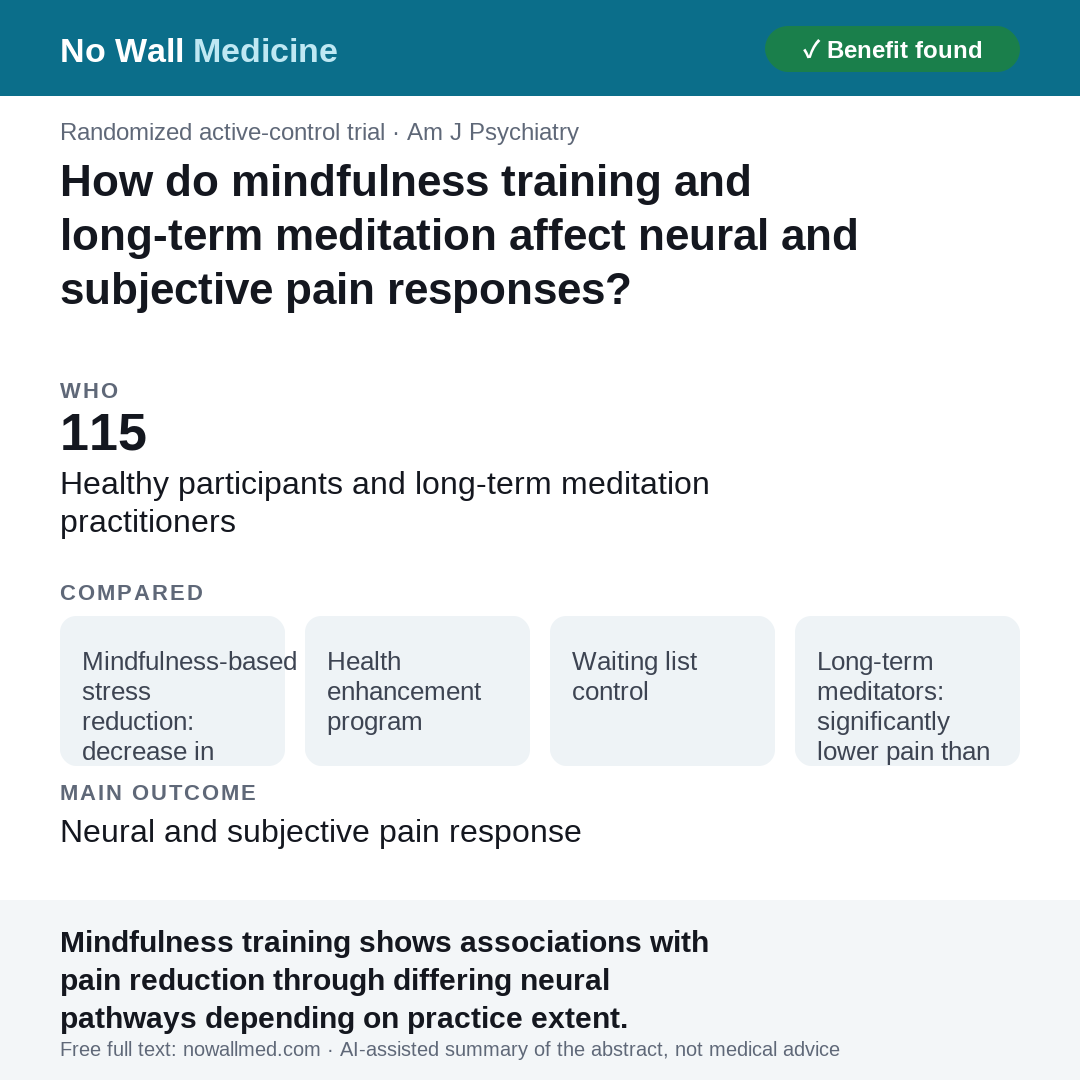
Neural Signatures of Pain Modulation in Short-Term and Long-Term Mindfulness Training: A Randomized Active-Control Trial
Randomized active-control trialBenefit found
How do mindfulness training and long-term meditation affect neural and subjective pain responses?
Who
115
Healthy participants and long-term meditation practitioners
Compared
Mindfulness-based stress reduction: decrease in neurologic pain signature response (Cohen's d=-0.47)
Health enhancement program
Waiting list control
Long-term meditators: significantly lower pain than nonmeditators
Main outcome
Neural and subjective pain response
Bottom line: Mindfulness training shows associations with pain reduction through differing neural pathways depending on practice extent.
Am J Psychiatry · 2022-07-28Download image
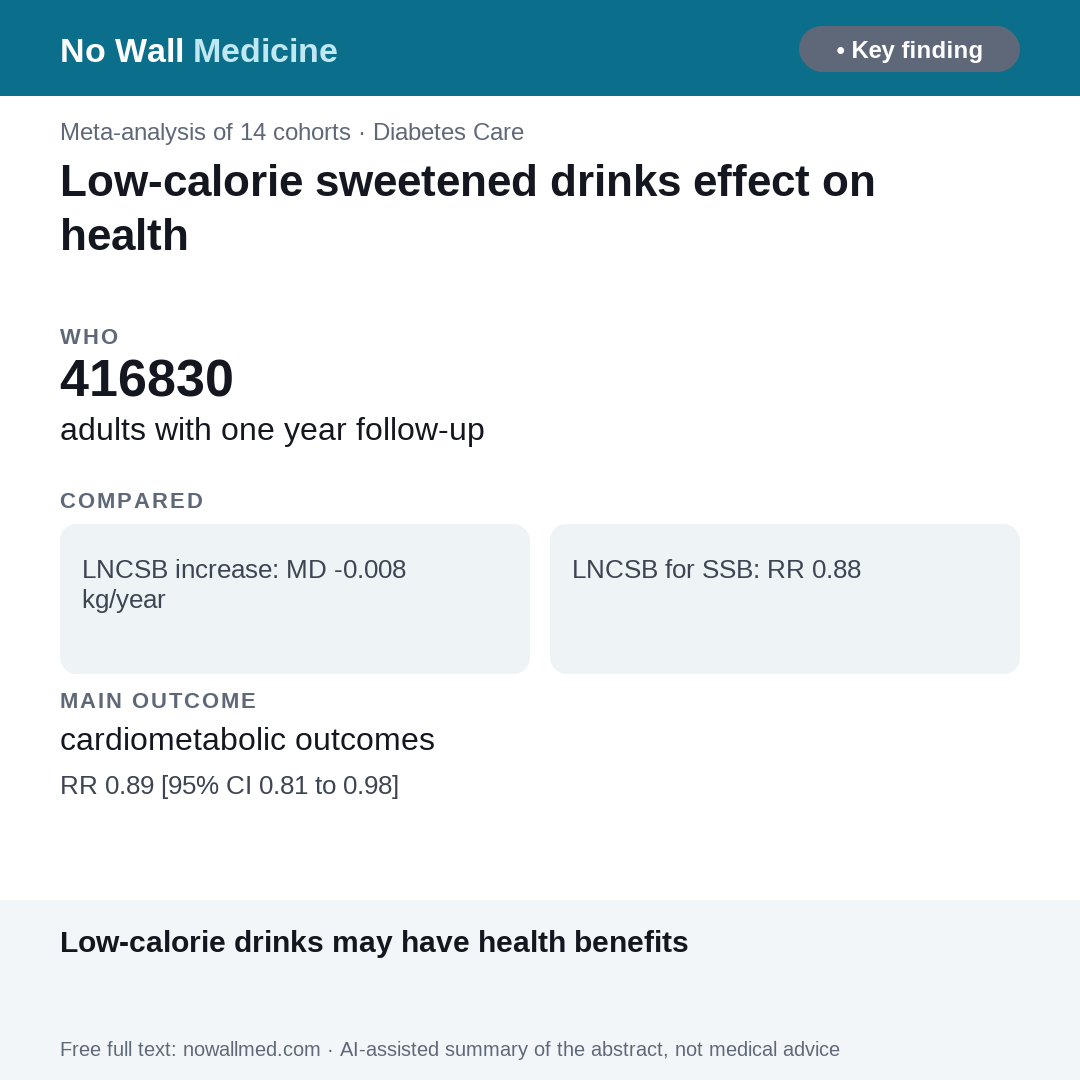
Relation of Change or Substitution of Low- and No-Calorie Sweetened Beverages With Cardiometabolic Outcomes: A Systematic Review and Meta-analysis of Prospective Cohort Studies
Meta-analysis of 14 cohortsBenefit found
Low-calorie sweetened drinks effect on health
Who
416830
adults with one year follow-up
Compared
LNCSB increase: MD -0.008 kg/year
LNCSB for SSB: RR 0.88
Main outcome
cardiometabolic outcomes
Result: RR 0.89 [95% CI 0.81 to 0.98]
Bottom line: Low-calorie drinks may have health benefits
Limitation: low to very low certainty evidence
Diabetes Care · 2022-07-28Download image