Visual abstracts
New randomized trials and meta-analyses from leading journals at a glance: who was studied, what was compared, and what was found. Every paper is free to read in full.
All specialtiesCardiology 4877Oncology 4138Gastroenterology & Hepatology 1942Infectious Disease 3837Neurology 1905Psychiatry & Mental Health 2273Pulmonology 2143Critical Care 1365Endocrinology & Diabetes 2580Pediatrics 2980Surgery 2559Orthopedics & Sports Medicine 931Neurosurgery 537Cardiothoracic & Vascular Surgery 674Plastic & Reconstructive Surgery 591Nephrology 1133Rheumatology 823Hematology 1109Dermatology 621Ophthalmology 543Obstetrics & Gynecology 1686Public & Global Health 1058Radiology & Imaging 648Anesthesiology 986Urology 764ENT (Otolaryngology) 503Emergency Medicine 511Allergy & Immunology 313Geriatrics 981Family Medicine & Primary Care 562Medical Genetics & Genomics 676Pathology & Laboratory Medicine 159Physical Medicine & Rehabilitation 757Palliative Care 444Nutrition 1588Digital Health & AI 2201General Medicine 321
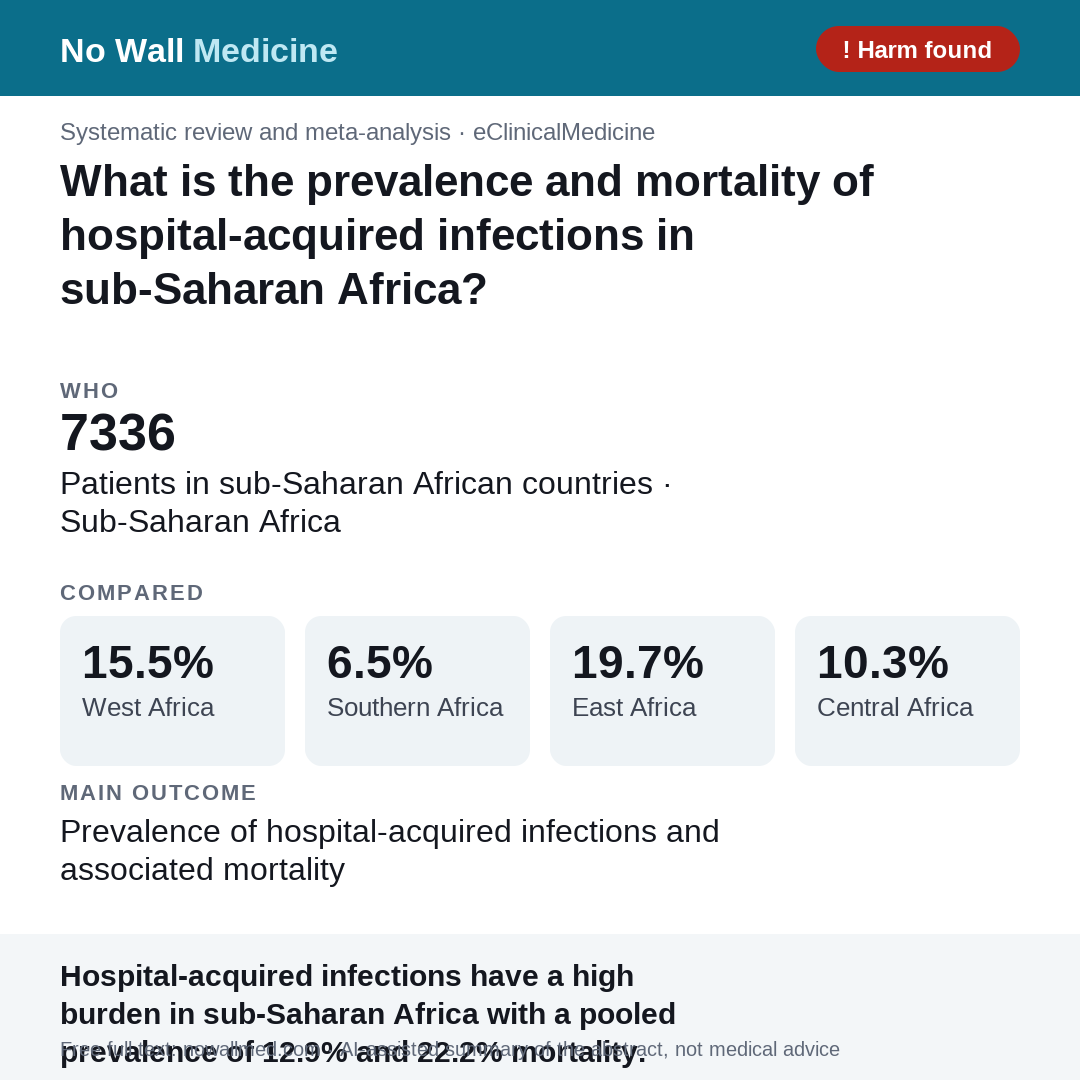
The burden of hospital-acquired infections (HAI) in sub-Saharan Africa: a systematic review and meta-analysis
Systematic review and meta-analysisHarm found
What is the prevalence and mortality of hospital-acquired infections in sub-Saharan Africa?
Who
7336
Patients in sub-Saharan African countries · Sub-Saharan Africa
Compared
15.5%West Africa (95% CI: 8.3-24.4)
6.5%Southern Africa (95% CI: 3.3-10.7)
19.7%East Africa (95% CI: 10.8-30.5)
10.3%Central Africa (95% CI: 1.1-27.0)
Main outcome
Prevalence of hospital-acquired infections and associated mortality
Result: pooled prevalence 12.9% (95% CI: 8.9-17.4)
Bottom line: Hospital-acquired infections have a high burden in sub-Saharan Africa with a pooled prevalence of 12.9% and 22.2% mortality.
eClinicalMedicine · 2024-04-08Download image
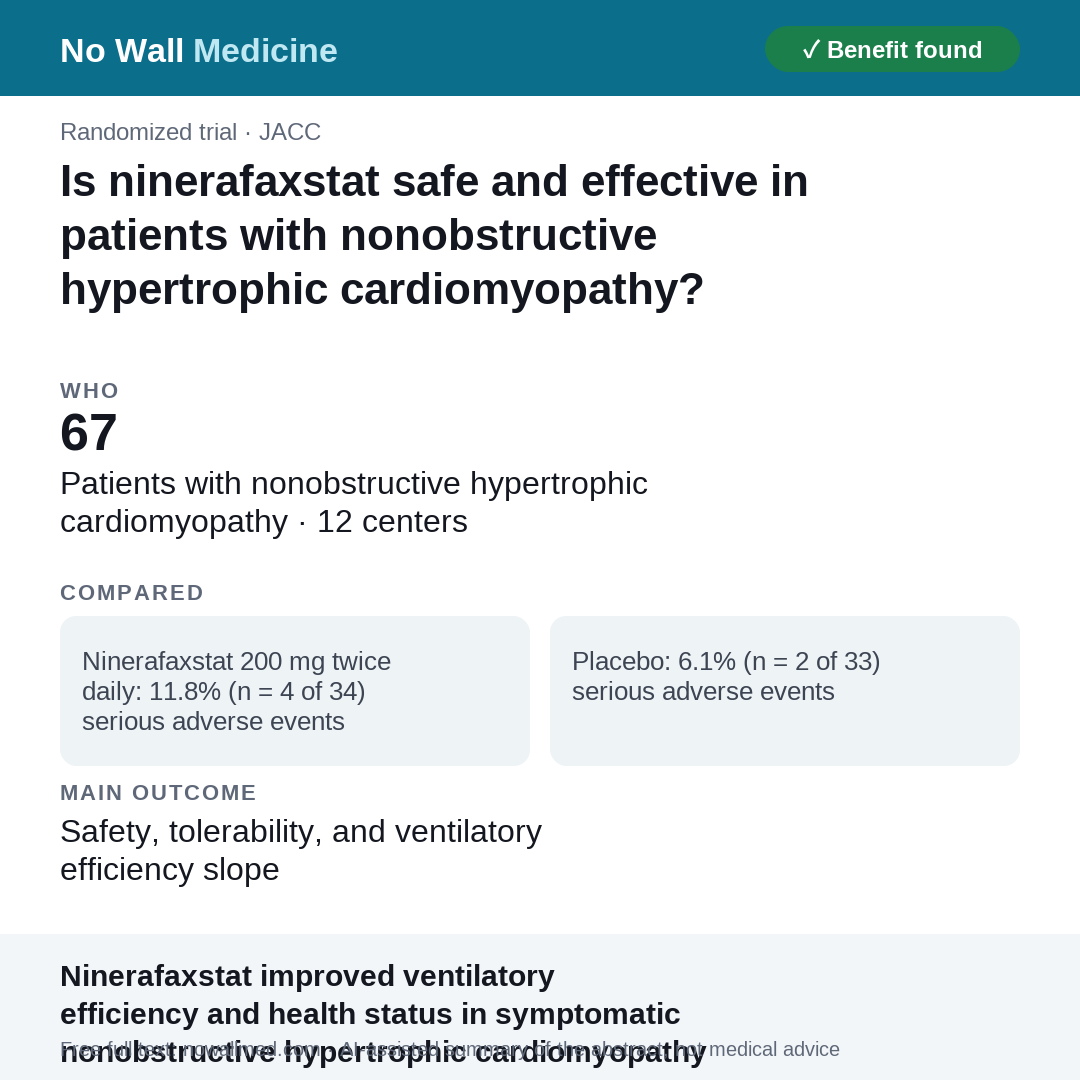
Safety and Efficacy of Metabolic Modulation With Ninerafaxstat in Patients With Nonobstructive Hypertrophic Cardiomyopathy
Randomized trialBenefit found
Is ninerafaxstat safe and effective in patients with nonobstructive hypertrophic cardiomyopathy?
Who
67
Patients with nonobstructive hypertrophic cardiomyopathy · 12 centers
Compared
Ninerafaxstat 200 mg twice daily: 11.8% (n = 4 of 34) serious adverse events
Placebo: 6.1% (n = 2 of 33) serious adverse events
Main outcome
Safety, tolerability, and ventilatory efficiency slope
Result: -2.1 (95% CI: -3.6 to -0.6; P = 0.006)
Bottom line: Ninerafaxstat improved ventilatory efficiency and health status in symptomatic nonobstructive hypertrophic cardiomyopathy patients.
JACC · 2024-04-08Download image
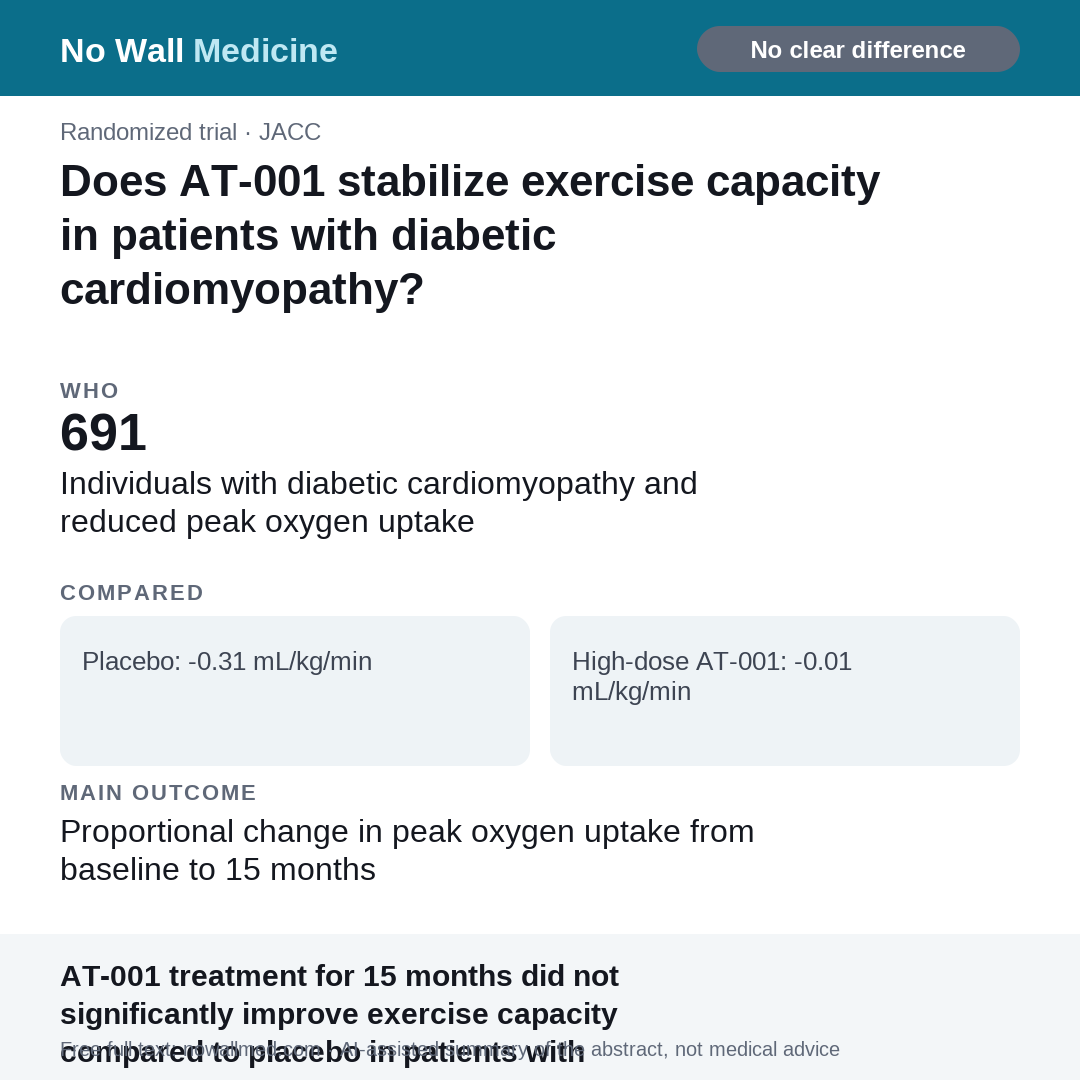
Randomized Trial of a Selective Aldose Reductase Inhibitor in Patients With Diabetic Cardiomyopathy
Randomized trialNo clear difference
Does AT-001 stabilize exercise capacity in patients with diabetic cardiomyopathy?
Who
691
Individuals with diabetic cardiomyopathy and reduced peak oxygen uptake
Compared
Placebo: -0.31 mL/kg/min
High-dose AT-001: -0.01 mL/kg/min
Main outcome
Proportional change in peak oxygen uptake from baseline to 15 months
Result: 0.30 (P = 0.19)
Bottom line: AT-001 treatment for 15 months did not significantly improve exercise capacity compared to placebo in patients with diabetic cardiomyopathy.
JACC · 2024-04-08Download image
Early Seizure Prophylaxis in Mild and Moderate Traumatic Brain Injury: A Systematic Review and Meta-Analysis
Systematic review and meta-analysisBenefit found
Does seizure prophylaxis reduce early posttraumatic seizures in mild and moderate traumatic brain injury?
Who
5637
Adult patients with mild or moderate traumatic brain injury · Trauma centers in high-income countries
Compared
Seizure prophylaxis
No seizure prophylaxis
Main outcome
Absolute risk reduction of early posttraumatic seizures within 7 days
Result: absolute risk reduction 0.6% (95% CI, 0.1%-1.2%)
Bottom line: Seizure prophylaxis was associated with a small but statistically significant reduced risk of early posttraumatic seizures.
JAMA Neurol · 2024-04-08Download image

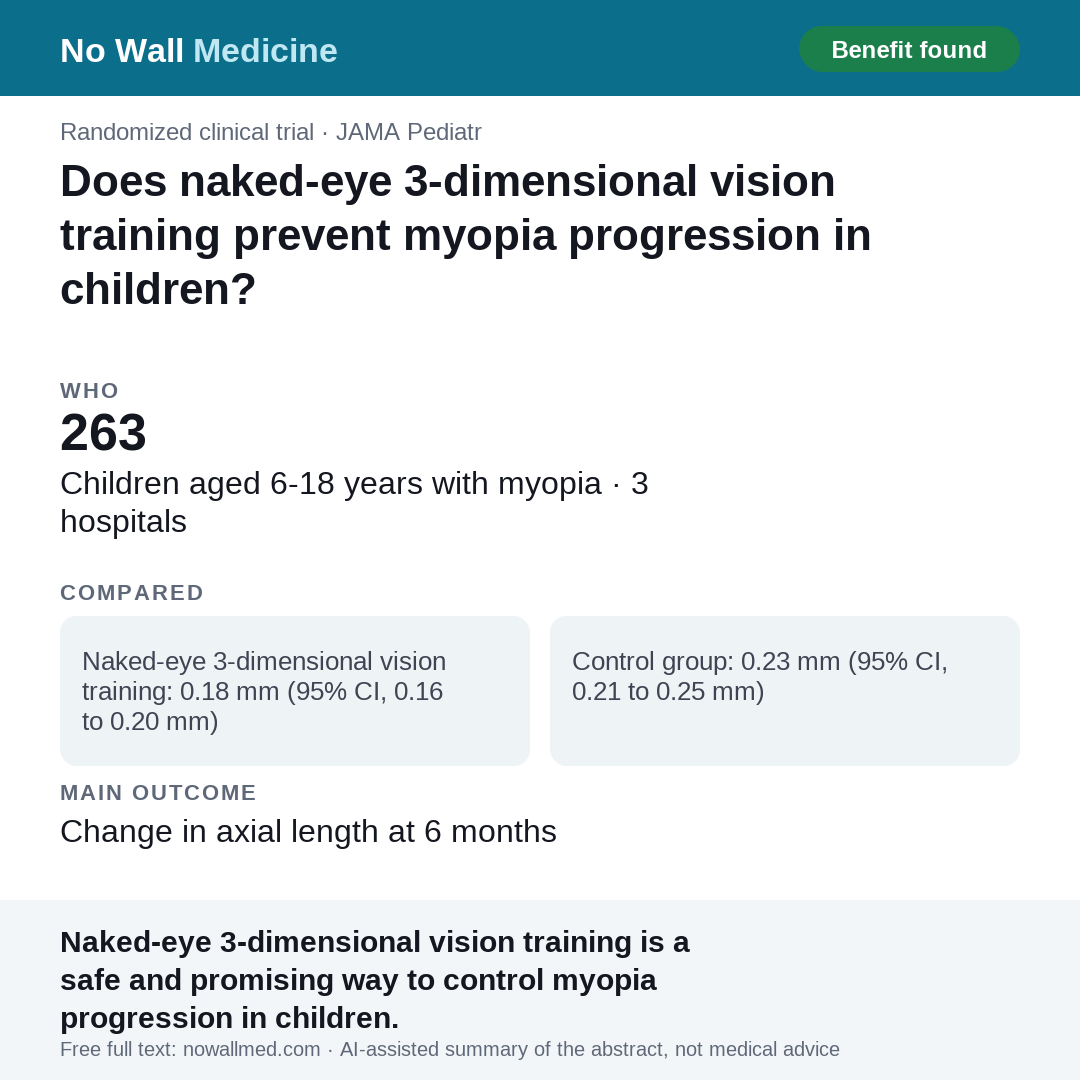
Naked-Eye 3-Dimensional Vision Training for Myopia Control: A Randomized Clinical Trial
Randomized clinical trialBenefit found
Does naked-eye 3-dimensional vision training prevent myopia progression in children?
Who
263
Children aged 6-18 years with myopia · 3 hospitals
Compared
Naked-eye 3-dimensional vision training: 0.18 mm (95% CI, 0.16 to 0.20 mm)
Control group: 0.23 mm (95% CI, 0.21 to 0.25 mm)
Main outcome
Change in axial length at 6 months
Result: -0.06 mm (95% CI, -0.09 to -0.03)
Bottom line: Naked-eye 3-dimensional vision training is a safe and promising way to control myopia progression in children.
JAMA Pediatr · 2024-04-08Download image
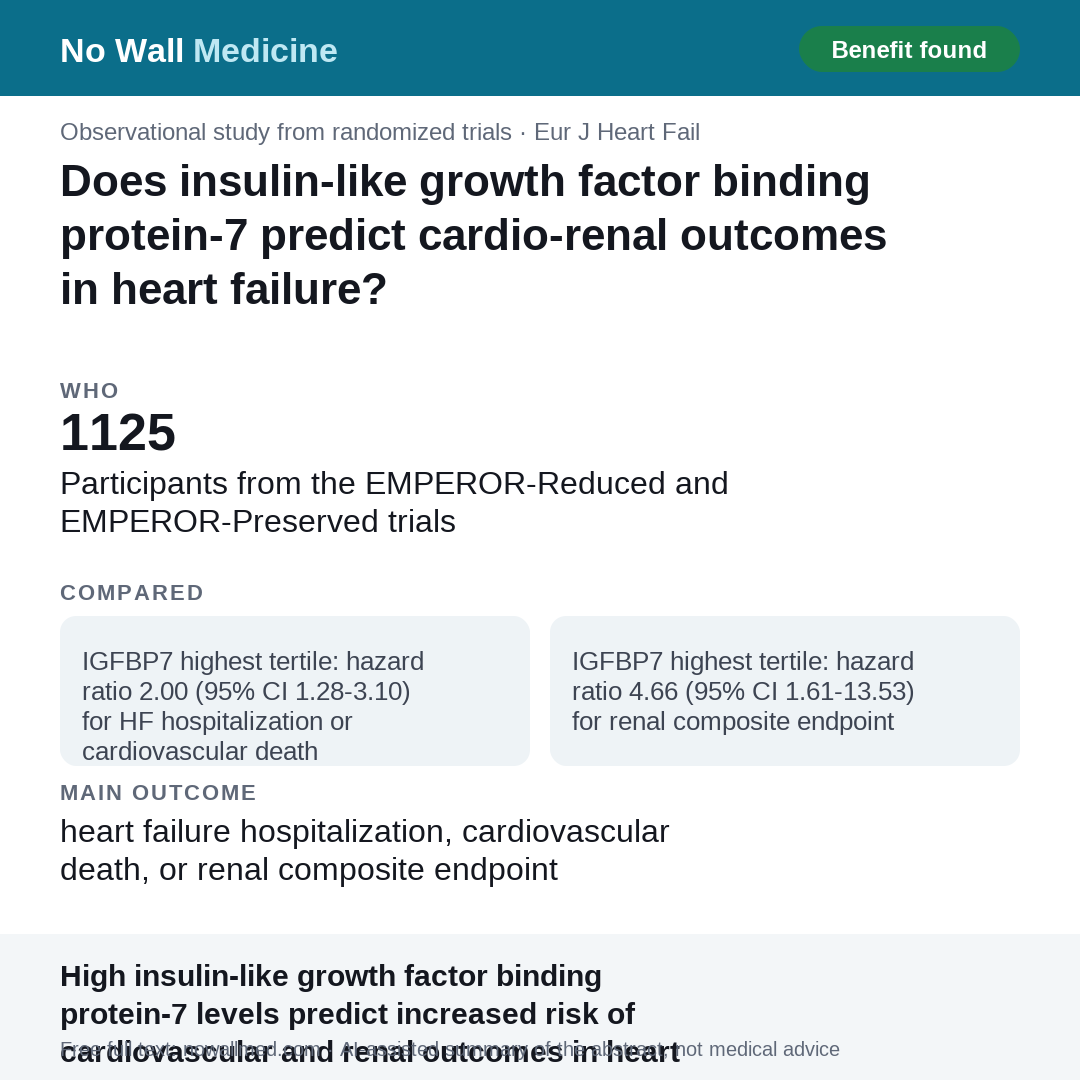
Insulin-like growth factor binding protein-7 concentrations in chronic heart failure: Results from the EMPEROR programme
Observational study from randomized trialsBenefit found
Does insulin-like growth factor binding protein-7 predict cardio-renal outcomes in heart failure?
Who
1125
Participants from the EMPEROR-Reduced and EMPEROR-Preserved trials
Compared
IGFBP7 highest tertile: hazard ratio 2.00 (95% CI 1.28-3.10) for HF hospitalization or cardiovascular death
IGFBP7 highest tertile: hazard ratio 4.66 (95% CI 1.61-13.53) for renal composite endpoint
Main outcome
heart failure hospitalization, cardiovascular death, or renal composite endpoint
Result: hazard ratio 2.00 (95% CI 1.28-3.10)
Bottom line: High insulin-like growth factor binding protein-7 levels predict increased risk of cardiovascular and renal outcomes in heart failure.
Eur J Heart Fail · 2024-04-08Download image
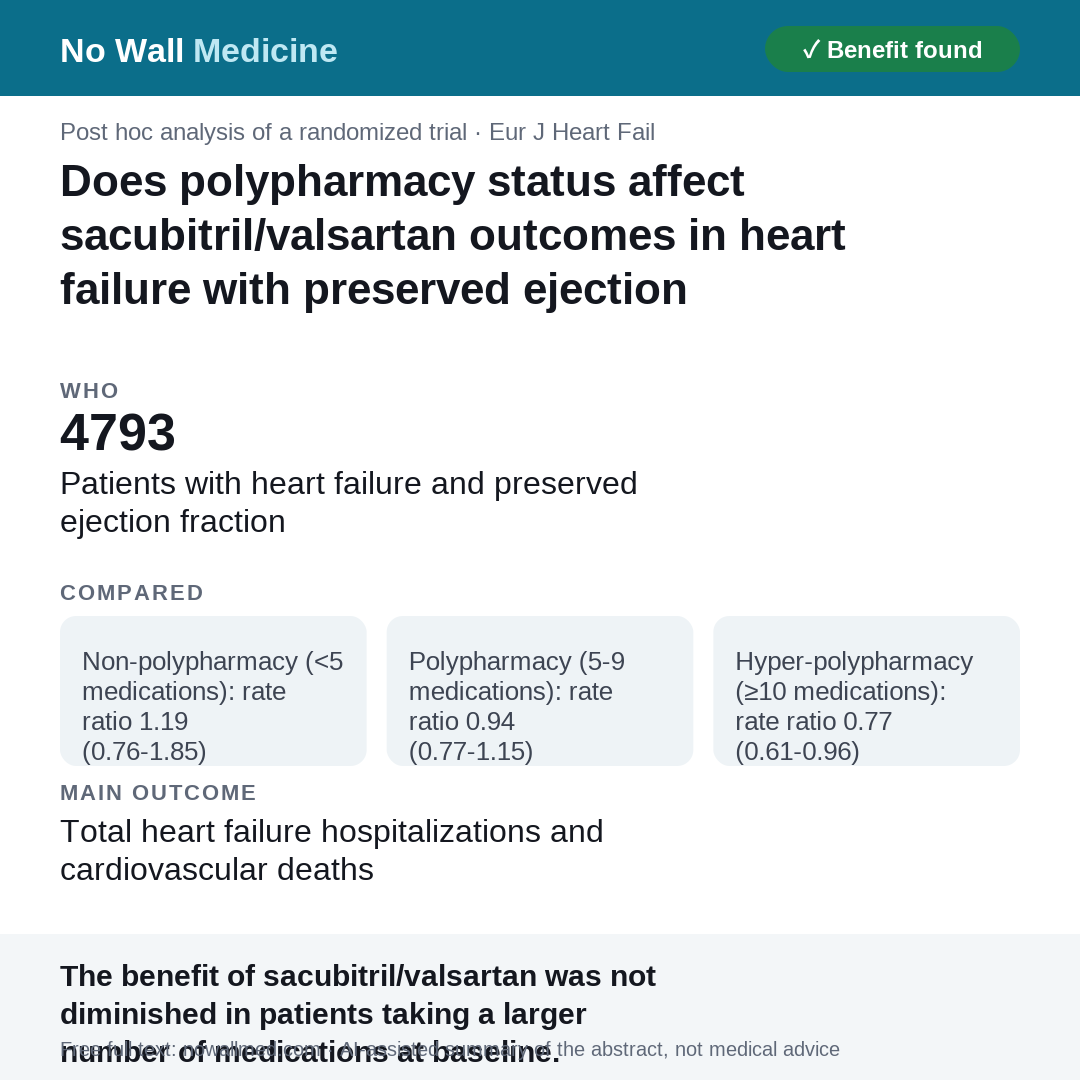
Effects of sacubitril/valsartan according to polypharmacy status in PARAGON-HF
Post hoc analysis of a randomized trialBenefit found
Does polypharmacy status affect sacubitril/valsartan outcomes in heart failure with preserved ejection fraction?
Who
4793
Patients with heart failure and preserved ejection fraction
Compared
Non-polypharmacy (<5 medications): rate ratio 1.19 (0.76-1.85)
Polypharmacy (5-9 medications): rate ratio 0.94 (0.77-1.15)
Hyper-polypharmacy (≥10 medications): rate ratio 0.77 (0.61-0.96)
Main outcome
Total heart failure hospitalizations and cardiovascular deaths
Result: p interaction = 0.16
Bottom line: The benefit of sacubitril/valsartan was not diminished in patients taking a larger number of medications at baseline.
Limitation: This was a post hoc analysis.
Eur J Heart Fail · 2024-04-08Download image
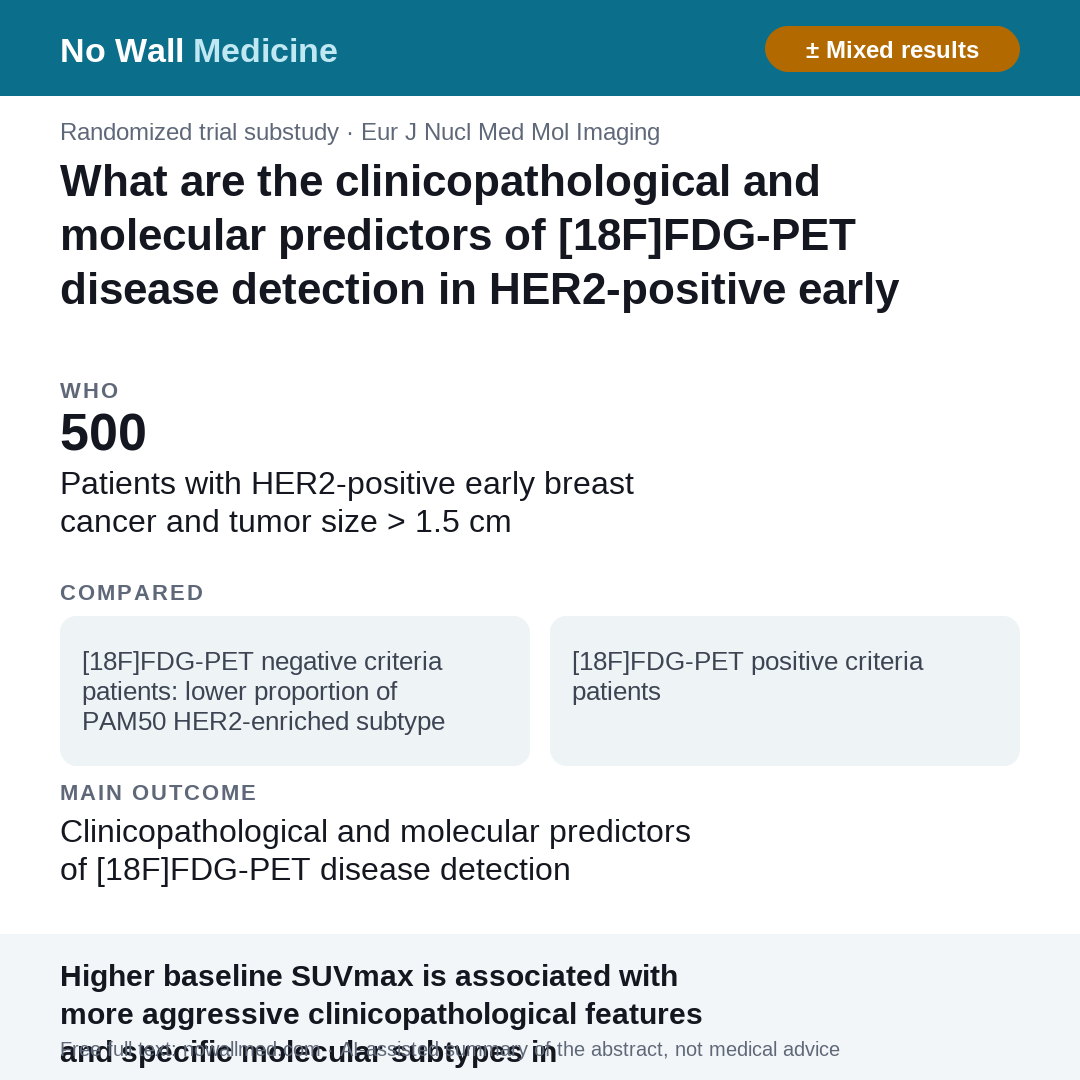
Clinicopathological and molecular predictors of [18F]FDG-PET disease detection in HER2-positive early breast cancer: RESPONSE, a substudy of the randomized PHERGain trial
Randomized trial substudyMixed results
What are the clinicopathological and molecular predictors of [18F]FDG-PET disease detection in HER2-positive early breast cancer?
Who
500
Patients with HER2-positive early breast cancer and tumor size > 1.5 cm
Compared
[18F]FDG-PET negative criteria patients: lower proportion of PAM50 HER2-enriched subtype
[18F]FDG-PET positive criteria patients
Main outcome
Clinicopathological and molecular predictors of [18F]FDG-PET disease detection
Bottom line: Higher baseline SUVmax is associated with more aggressive clinicopathological features and specific molecular subtypes in HER2-positive early breast cancer.
Eur J Nucl Med Mol Imaging · 2024-04-08Download image
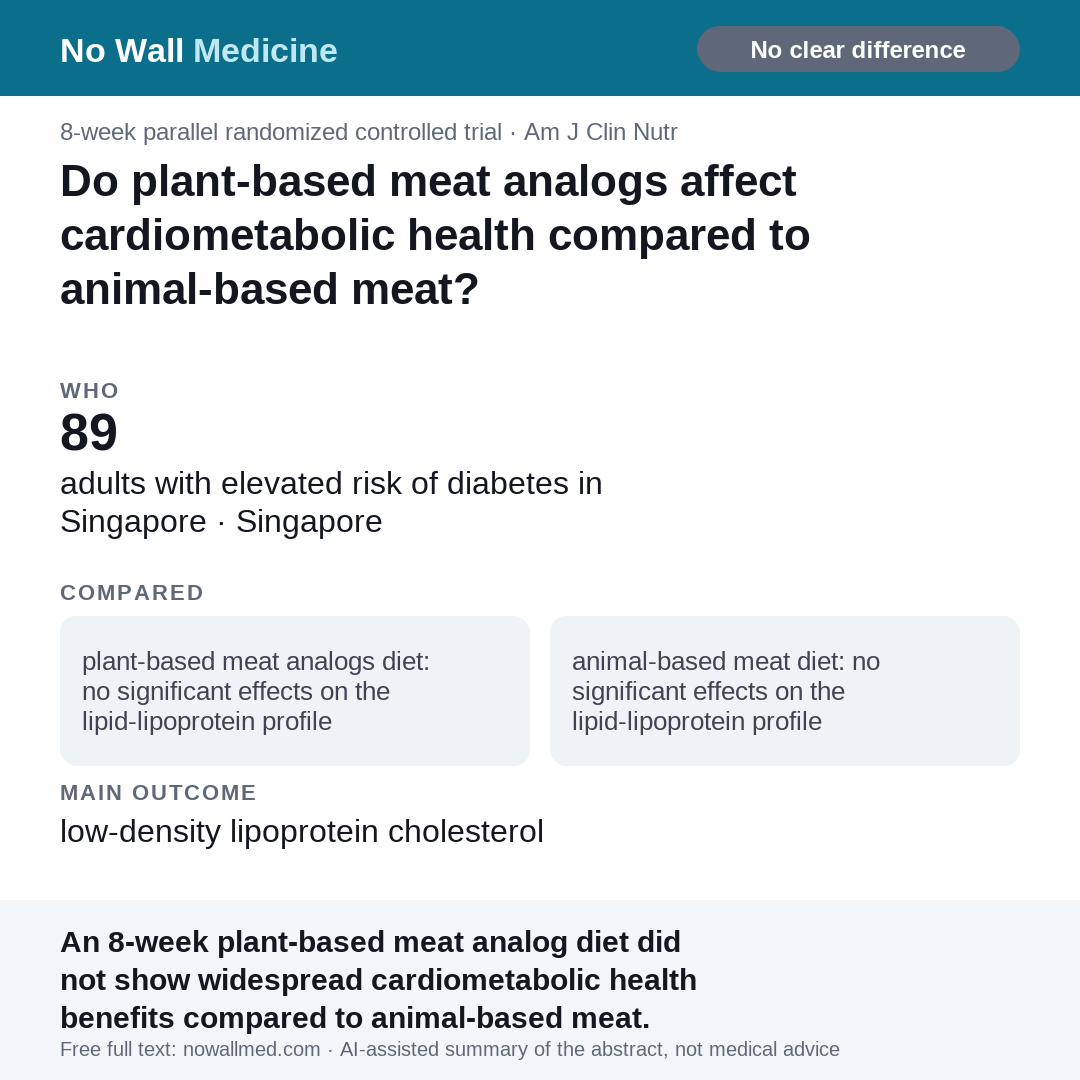
Plant-Based Meat Analogs and Their Effects on Cardiometabolic Health: An 8-Week Randomized Controlled Trial Comparing Plant-Based Meat Analogs With Their Corresponding Animal-Based Foods
8-week parallel randomized controlled trialNo clear difference
Do plant-based meat analogs affect cardiometabolic health compared to animal-based meat?
Who
89
adults with elevated risk of diabetes in Singapore · Singapore
Compared
plant-based meat analogs diet: no significant effects on the lipid-lipoprotein profile
animal-based meat diet: no significant effects on the lipid-lipoprotein profile
Main outcome
low-density lipoprotein cholesterol
Bottom line: An 8-week plant-based meat analog diet did not show widespread cardiometabolic health benefits compared to animal-based meat.
Am J Clin Nutr · 2024-04-08Download image
Diet, Food, and Nutritional Exposures and Inflammatory Bowel Disease or Progression of Disease: an Umbrella Review
Umbrella reviewMixed results
Diet and inflammatory bowel disease
Who
inflammatory bowel disease patients
Compared
high red meat
low fiber
Mediterranean diet
Main outcome
inflammatory bowel disease incidence
Bottom line: Diet affects inflammatory bowel disease
Adv Nutr · 2024-04-08Download image

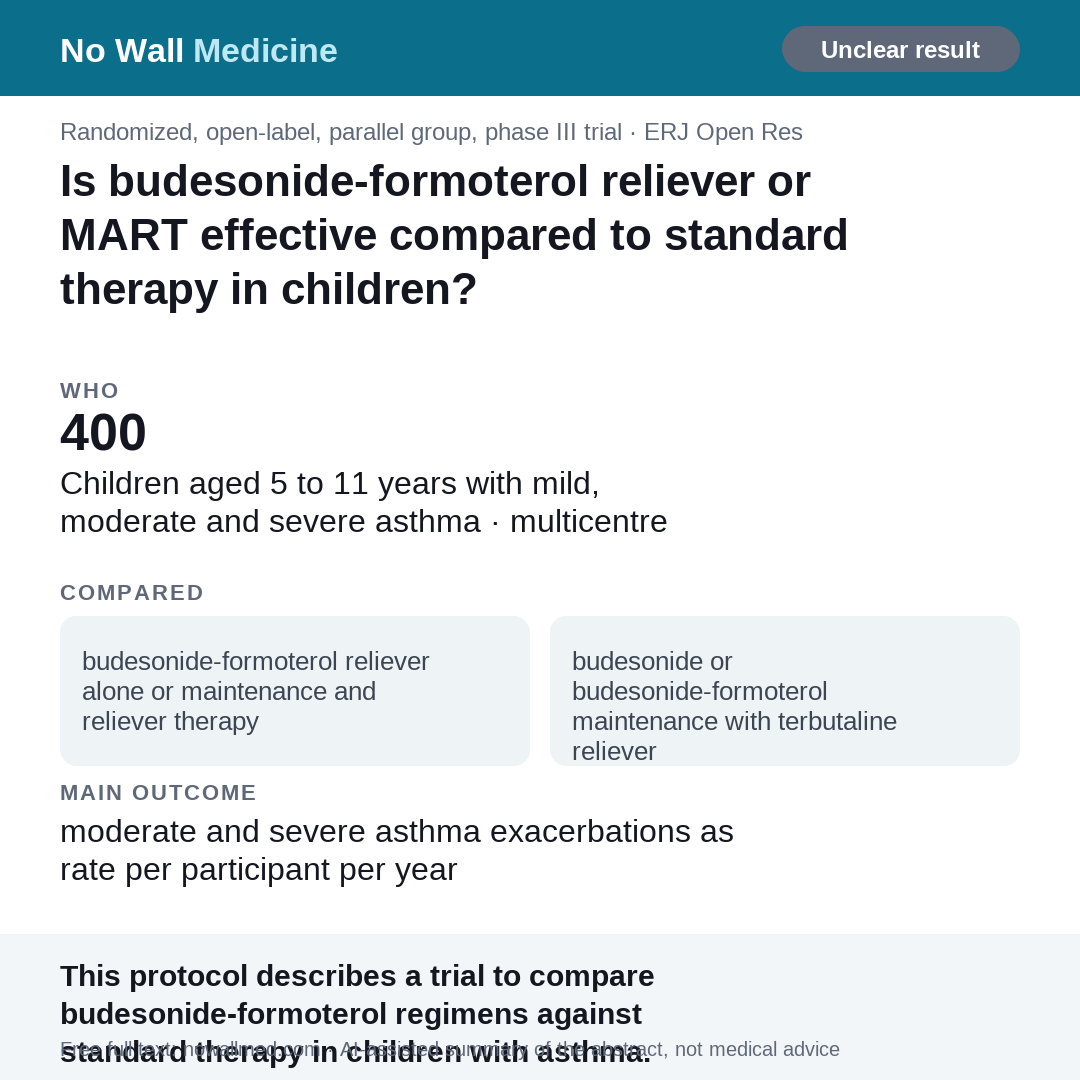
START CARE: a protocol for a randomised controlled trial of step-wise budesonide-formoterol reliever-based treatment in children
Randomized, open-label, parallel group, phase III trialUnclear result
Is budesonide-formoterol reliever or MART effective compared to standard therapy in children?
Who
400
Children aged 5 to 11 years with mild, moderate and severe asthma · multicentre
Compared
budesonide-formoterol reliever alone or maintenance and reliever therapy
budesonide or budesonide-formoterol maintenance with terbutaline reliever
Main outcome
moderate and severe asthma exacerbations as rate per participant per year
Bottom line: This protocol describes a trial to compare budesonide-formoterol regimens against standard therapy in children with asthma.
ERJ Open Res · 2024-04-08Download image
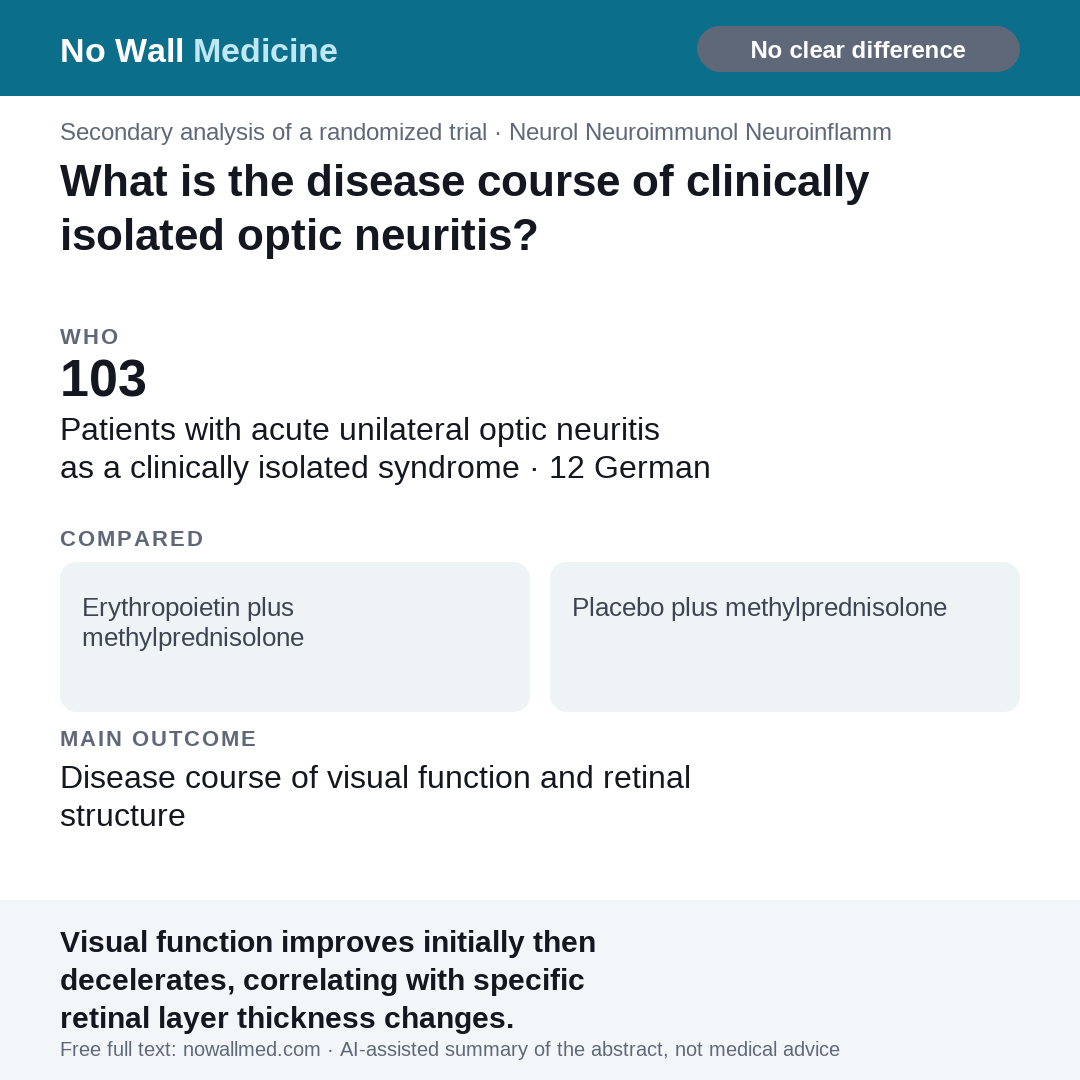
Disease Course of Clinically Isolated Optic Neuritis
Secondary analysis of a randomized trialNo clear difference
What is the disease course of clinically isolated optic neuritis?
Who
103
Patients with acute unilateral optic neuritis as a clinically isolated syndrome · 12 German academic tertiary centers
Compared
Erythropoietin plus methylprednisolone
Placebo plus methylprednisolone
Main outcome
Disease course of visual function and retinal structure
Bottom line: Visual function improves initially then decelerates, correlating with specific retinal layer thickness changes.
Neurol Neuroimmunol Neuroinflamm · 2024-04-08Download image
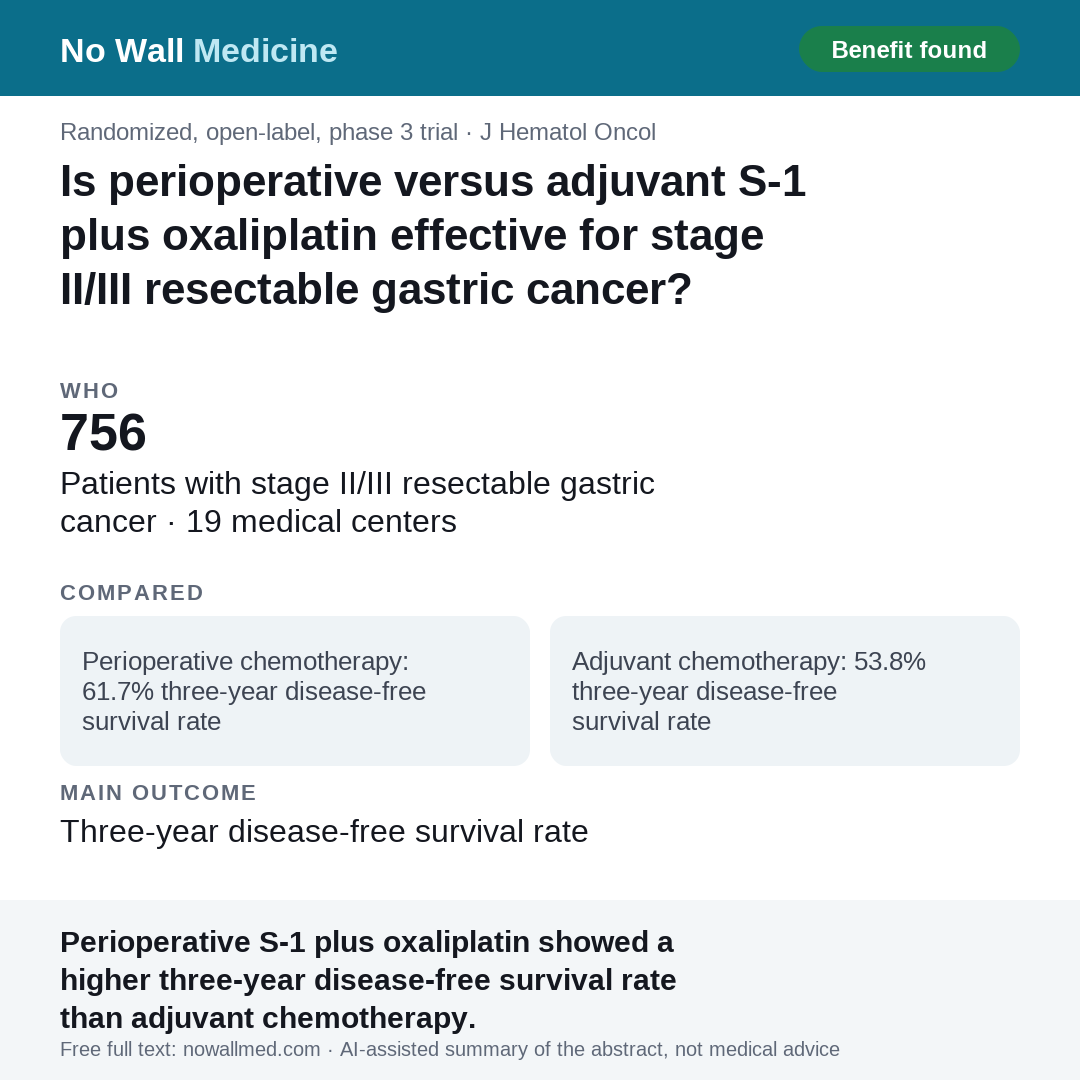
Perioperative versus adjuvant S-1 plus oxaliplatin chemotherapy for stage II/III resectable gastric cancer (RESONANCE): a randomized, open-label, phase 3 trial
Randomized, open-label, phase 3 trialBenefit found
Is perioperative versus adjuvant S-1 plus oxaliplatin effective for stage II/III resectable gastric cancer?
Who
756
Patients with stage II/III resectable gastric cancer · 19 medical centers
Compared
Perioperative chemotherapy: 61.7% three-year disease-free survival rate
Adjuvant chemotherapy: 53.8% three-year disease-free survival rate
Main outcome
Three-year disease-free survival rate
Bottom line: Perioperative S-1 plus oxaliplatin showed a higher three-year disease-free survival rate than adjuvant chemotherapy.
J Hematol Oncol · 2024-04-08Download image
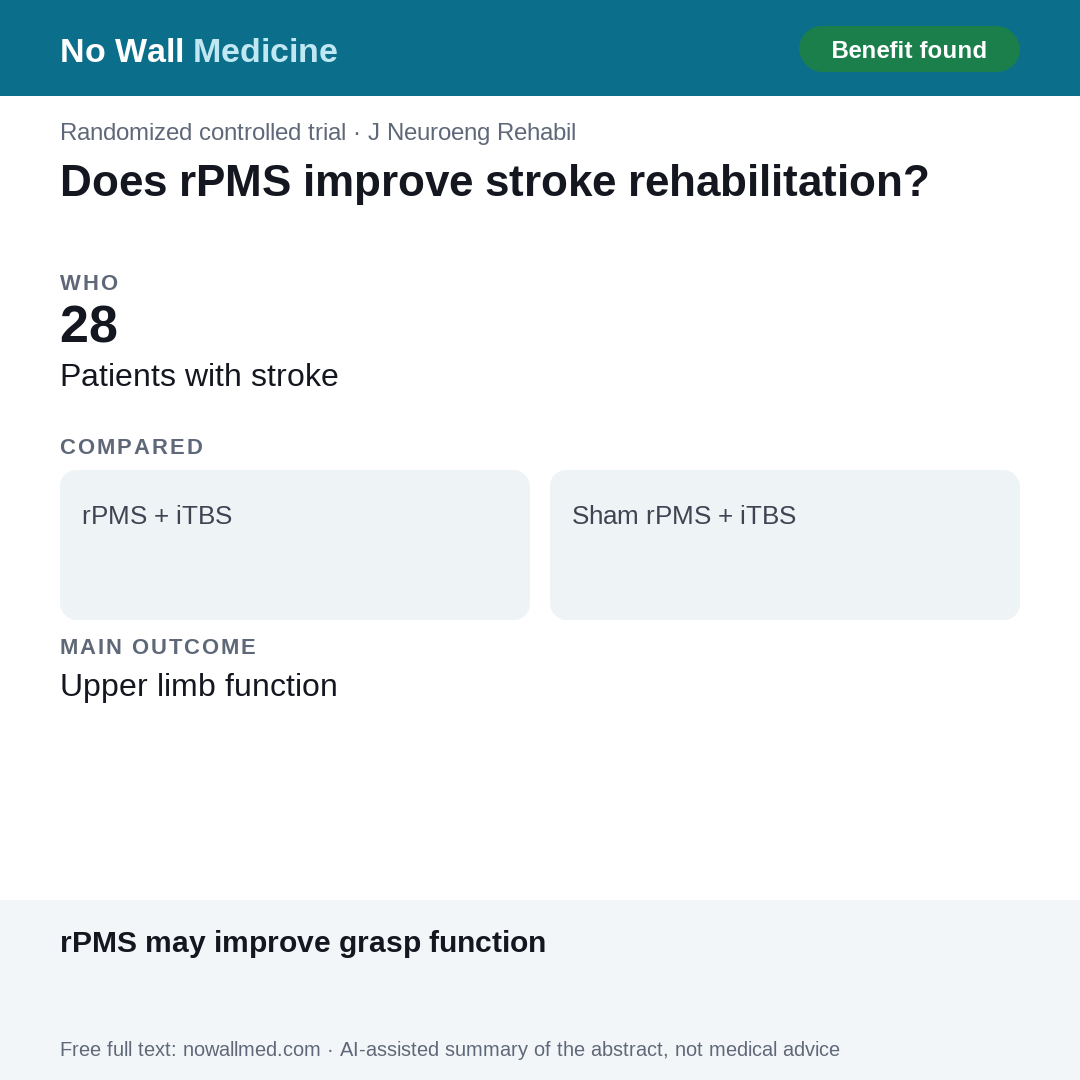
Synergistic efficacy of repetitive peripheral magnetic stimulation on central intermittent theta burst stimulation for upper limb function in patients with stroke: a double-blinded, randomized controlled trial
Randomized controlled trialBenefit found
Does rPMS improve stroke rehabilitation?
Who
28
Patients with stroke
Compared
rPMS + iTBS
Sham rPMS + iTBS
Main outcome
Upper limb function
Bottom line: rPMS may improve grasp function
Limitation: Small scale
J Neuroeng Rehabil · 2024-04-08Download image
Perceptions, awareness and influences of medical students towards plastic surgery: A systematic review
Systematic reviewMixed results
What are medical students' perceptions, awareness, and influences towards plastic surgery?
Who
Medical students
Compared
General perceptions: positive
Awareness of scope: limited
Main outcome
Perceptions, awareness, and influencing factors of plastic surgery
Bottom line: Medical students have positive perceptions but limited awareness of the full scope of plastic surgery.
Limitation: Large-scale studies with standardised protocols in different countries are needed.
JPRAS Open · 2024-04-08Download image

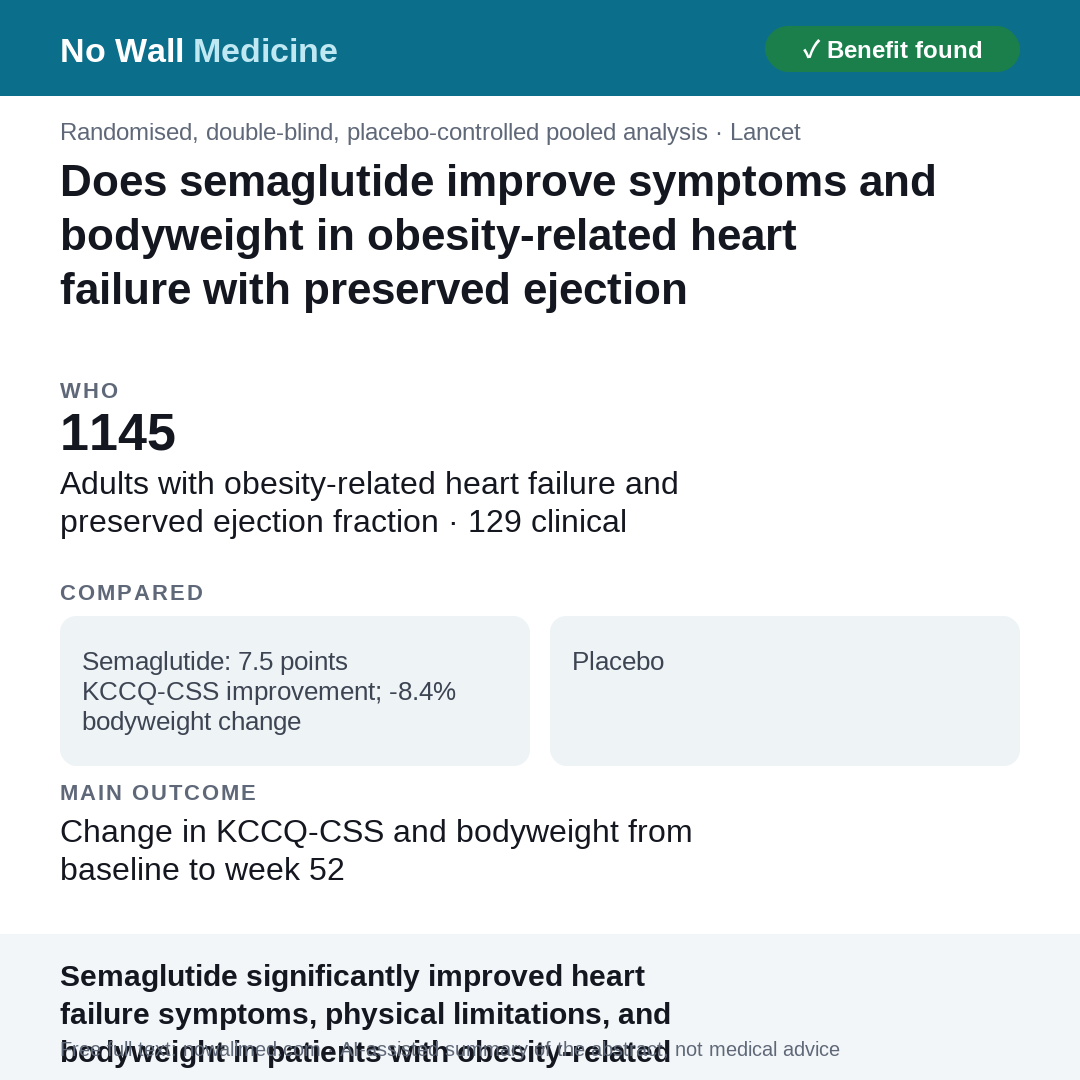
Semaglutide versus placebo in people with obesity-related heart failure with preserved ejection fraction: a pooled analysis of the STEP-HFpEF and STEP-HFpEF DM randomised trials
Randomised, double-blind, placebo-controlled pooled analysisBenefit found
Does semaglutide improve symptoms and bodyweight in obesity-related heart failure with preserved ejection fraction?
Who
1145
Adults with obesity-related heart failure and preserved ejection fraction · 129 clinical research sites in 18 countries
Compared
Semaglutide: 7.5 points KCCQ-CSS improvement; -8.4% bodyweight change
Placebo
Main outcome
Change in KCCQ-CSS and bodyweight from baseline to week 52
Result: mean between-group difference for KCCQ-CSS 7·5 points (95% CI 5·3 to 9·8)
Bottom line: Semaglutide significantly improved heart failure symptoms, physical limitations, and bodyweight in patients with obesity-related preserved ejection fraction.
Lancet · 2024-04-07Download image
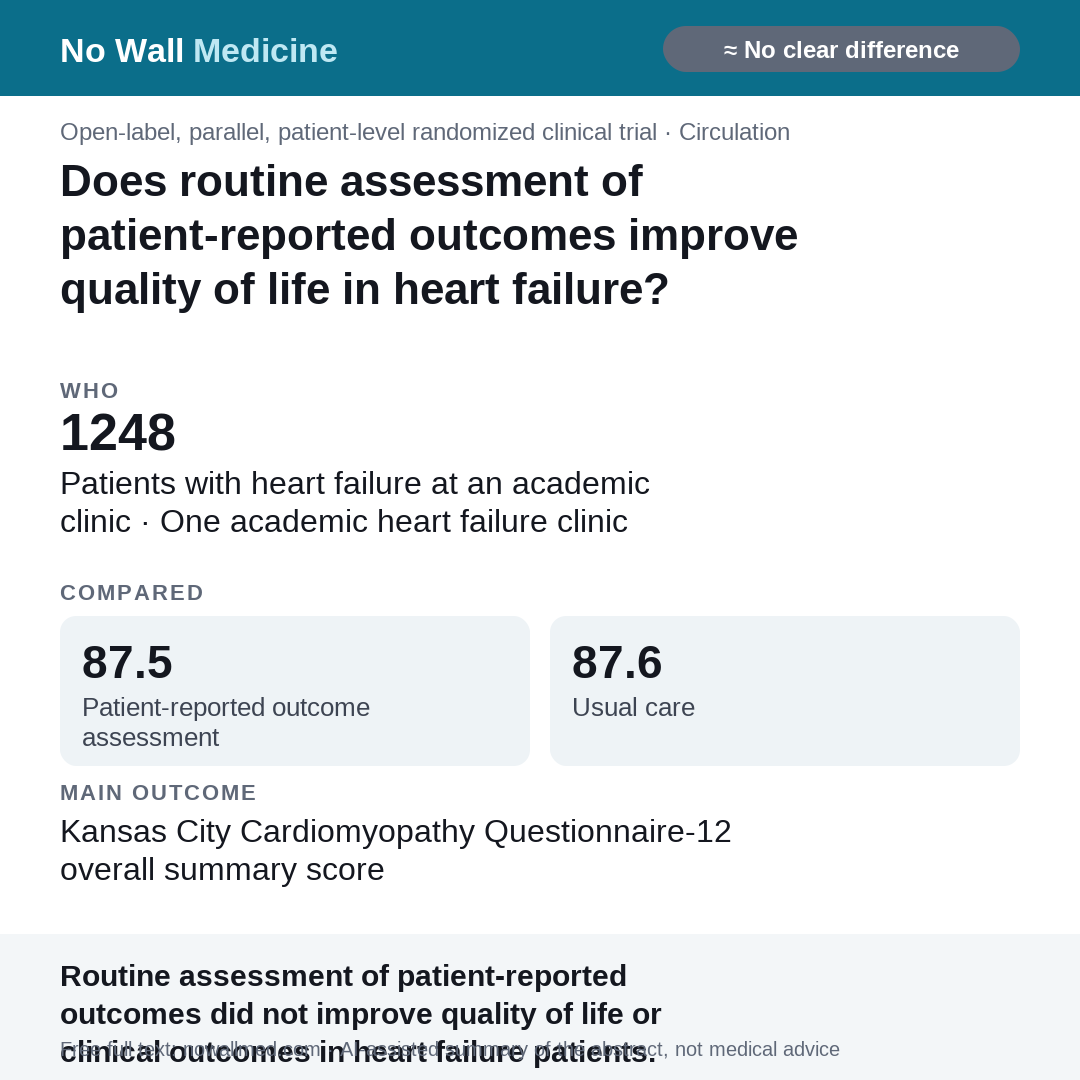
Clinical Impact of Routine Assessment of Patient-Reported Health Status in Heart Failure Clinic: The PRO-HF Trial
Open-label, parallel, patient-level randomized clinical trialNo clear difference
Does routine assessment of patient-reported outcomes improve quality of life in heart failure?
Who
1248
Patients with heart failure at an academic clinic · One academic heart failure clinic
Compared
87.5Patient-reported outcome assessment (IQR, 68.8-96.9)
87.6Usual care (IQR, 69.7-96.9)
Main outcome
Kansas City Cardiomyopathy Questionnaire-12 overall summary score
Result: baseline-adjusted mean difference of 0.2 (95% CI, -1.7 to 2.0)
Bottom line: Routine assessment of patient-reported outcomes did not improve quality of life or clinical outcomes in heart failure patients.
Circulation · 2024-04-07Download image
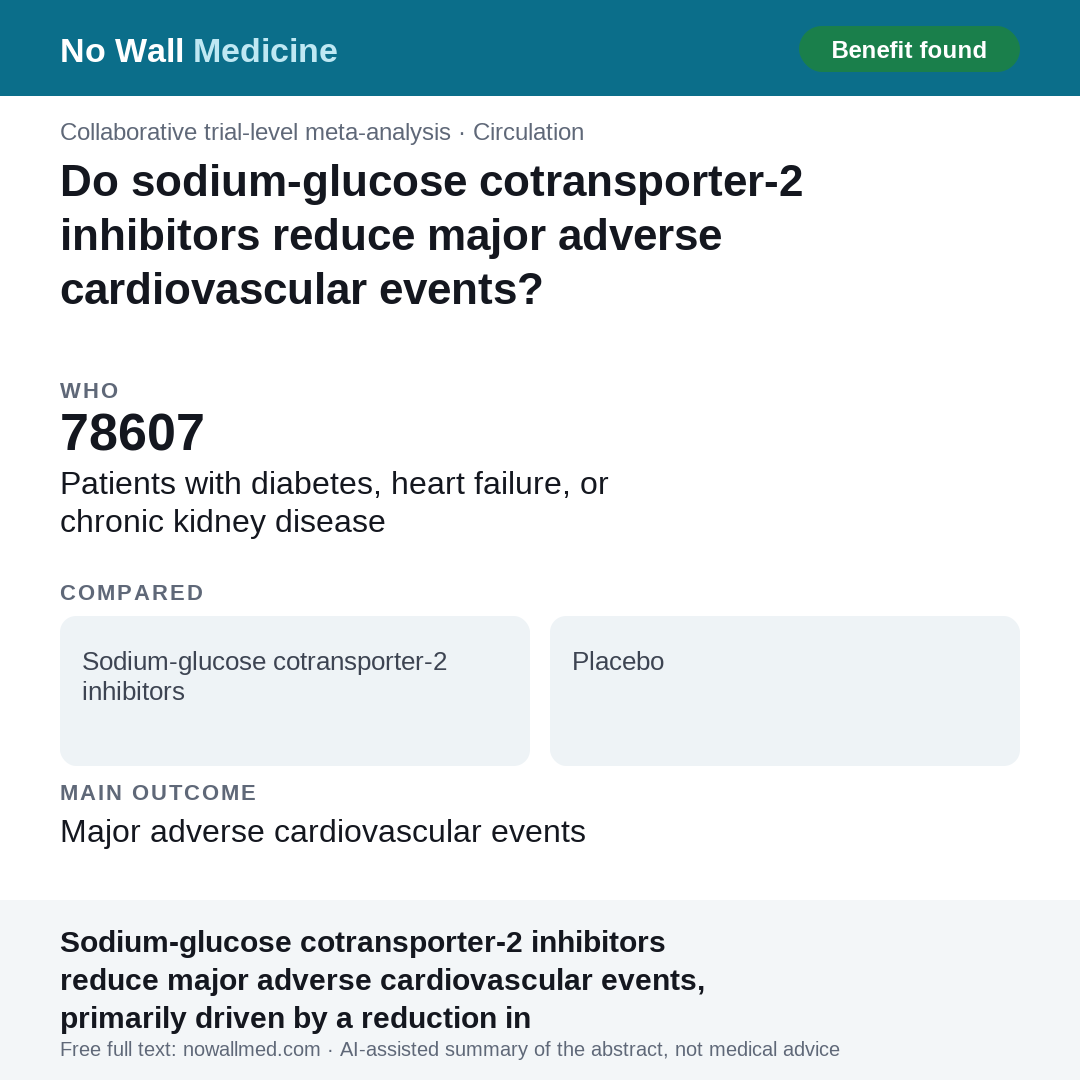
Sodium-Glucose Cotransporter-2 Inhibitors and Major Adverse Cardiovascular Outcomes: A SMART-C Collaborative Meta-Analysis
Collaborative trial-level meta-analysisBenefit found
Do sodium-glucose cotransporter-2 inhibitors reduce major adverse cardiovascular events?
Who
78607
Patients with diabetes, heart failure, or chronic kidney disease
Compared
Sodium-glucose cotransporter-2 inhibitors
Placebo
Main outcome
Major adverse cardiovascular events
Result: hazard ratio 0.91 (95% CI 0.87 to 0.96)
Bottom line: Sodium-glucose cotransporter-2 inhibitors reduce major adverse cardiovascular events, primarily driven by a reduction in cardiovascular death.
Circulation · 2024-04-07Download image
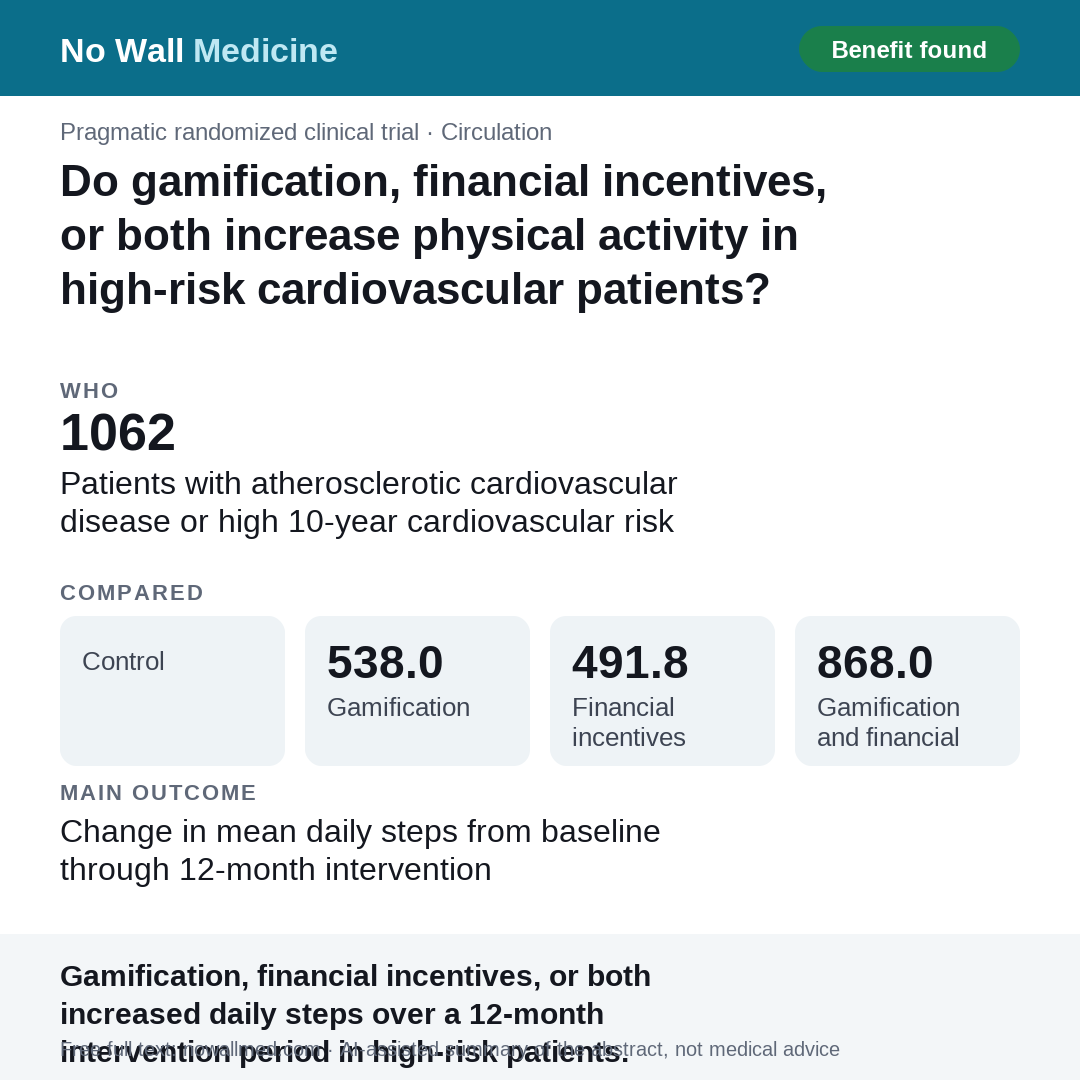
Effect of Gamification, Financial Incentives, or Both to Increase Physical Activity Among Patients at High Risk of Cardiovascular Events: The BE ACTIVE Randomized Controlled Trial
Pragmatic randomized clinical trialBenefit found
Do gamification, financial incentives, or both increase physical activity in high-risk cardiovascular patients?
Who
1062
Patients with atherosclerotic cardiovascular disease or high 10-year cardiovascular risk
Compared
Control
538.0Gamification (95% CI, 186.2-889.9)
491.8Financial incentives (95% CI, 139.6-844.1)
868.0Gamification and financial incentives (95% CI, 516.3-1219.7)
Main outcome
Change in mean daily steps from baseline through 12-month intervention
Result: adjusted difference, 868.0 (95% CI, 516.3-1219.7)
Bottom line: Gamification, financial incentives, or both increased daily steps over a 12-month intervention period in high-risk patients.
Circulation · 2024-04-07Download image
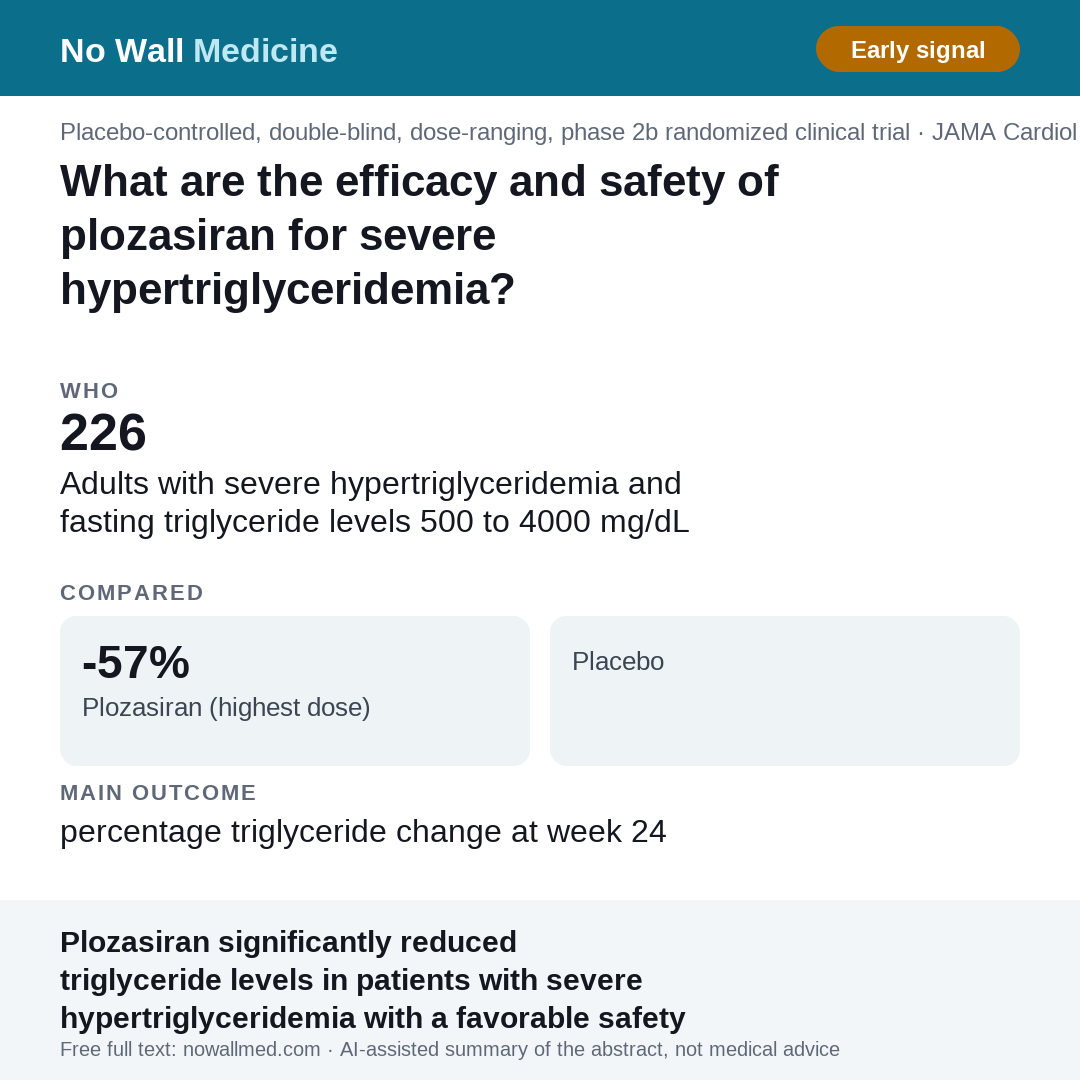
Plozasiran (ARO-APOC3) for Severe Hypertriglyceridemia: The SHASTA-2 Randomized Clinical Trial
Placebo-controlled, double-blind, dose-ranging, phase 2b randomized clinical trialBenefit found
What are the efficacy and safety of plozasiran for severe hypertriglyceridemia?
Who
226
Adults with severe hypertriglyceridemia and fasting triglyceride levels 500 to 4000 mg/dL · 74 centers across US, Europe, New Zealand, Australia, and Canada
Compared
-57%Plozasiran (highest dose) (95% CI, -71.9% to -42.1%)
Placebo
Main outcome
percentage triglyceride change at week 24
Result: -57% (95% CI, -71.9% to -42.1%)
Bottom line: Plozasiran significantly reduced triglyceride levels in patients with severe hypertriglyceridemia with a favorable safety profile.
Limitation: Additional studies are required to determine whether plozasiran favorably modulates the risk of complications.
JAMA Cardiol · 2024-04-07Download image