Visual abstracts
New randomized trials and meta-analyses from leading journals at a glance: who was studied, what was compared, and what was found. Every paper is free to read in full.
All specialtiesCardiology 4877Oncology 4138Gastroenterology & Hepatology 1942Infectious Disease 3837Neurology 1905Psychiatry & Mental Health 2273Pulmonology 2143Critical Care 1365Endocrinology & Diabetes 2580Pediatrics 2980Surgery 2559Orthopedics & Sports Medicine 931Neurosurgery 537Cardiothoracic & Vascular Surgery 674Plastic & Reconstructive Surgery 591Nephrology 1133Rheumatology 823Hematology 1109Dermatology 621Ophthalmology 543Obstetrics & Gynecology 1686Public & Global Health 1058Radiology & Imaging 648Anesthesiology 986Urology 764ENT (Otolaryngology) 503Emergency Medicine 511Allergy & Immunology 313Geriatrics 981Family Medicine & Primary Care 562Medical Genetics & Genomics 676Pathology & Laboratory Medicine 159Physical Medicine & Rehabilitation 757Palliative Care 444Nutrition 1588Digital Health & AI 2201General Medicine 321
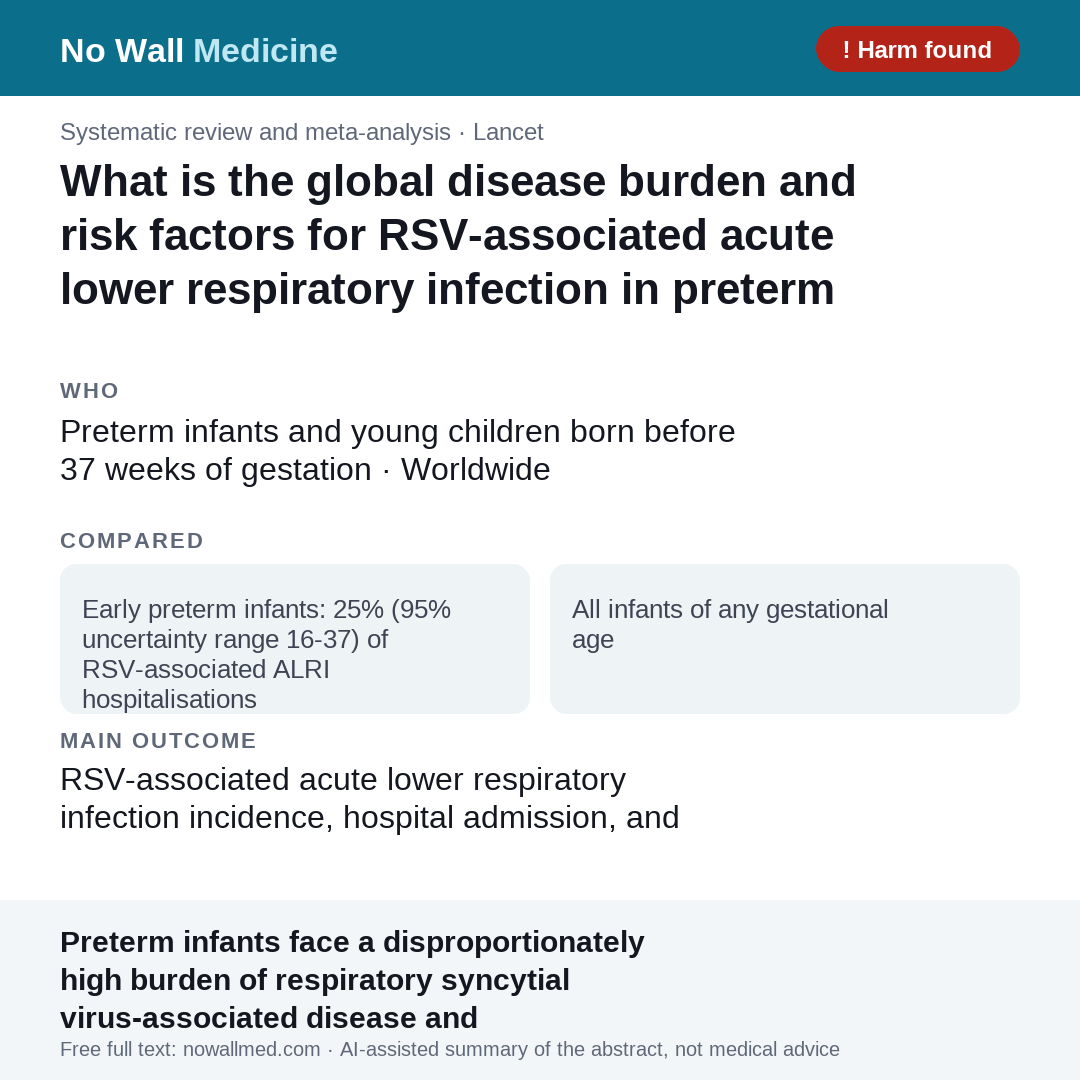
Global disease burden of and risk factors for acute lower respiratory infections caused by respiratory syncytial virus in preterm infants and young children in 2019: a systematic review and meta-analysis of aggregated and individual participant data
Systematic review and meta-analysisHarm found
What is the global disease burden and risk factors for RSV-associated acute lower respiratory infection in preterm infants?
Who
Preterm infants and young children born before 37 weeks of gestation · Worldwide
Compared
Early preterm infants: 25% (95% uncertainty range 16-37) of RSV-associated ALRI hospitalisations
All infants of any gestational age
Main outcome
RSV-associated acute lower respiratory infection incidence, hospital admission, and mortality
Result: rate ratio 2.26 (95% uncertainty range 1.27-3.98)
Bottom line: Preterm infants face a disproportionately high burden of respiratory syncytial virus-associated disease and hospitalisations worldwide.
Funded by: EU Innovative Medicines Initiative Respiratory Syncytial Virus Consortium in Europe
Lancet · 2024-02-14Download image
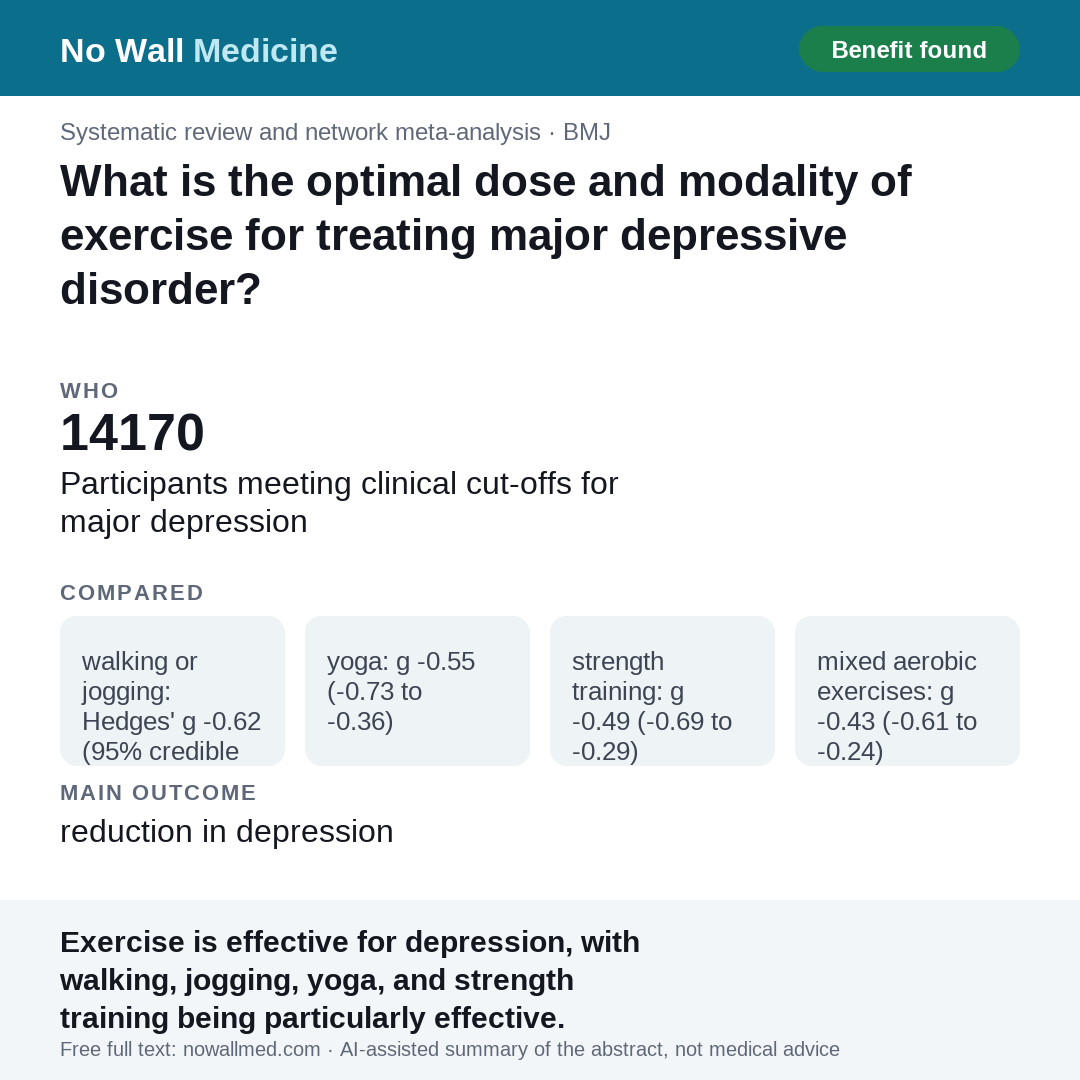
Effect of exercise for depression: systematic review and network meta-analysis of randomised controlled trials
Systematic review and network meta-analysisBenefit found
What is the optimal dose and modality of exercise for treating major depressive disorder?
Who
14170
Participants meeting clinical cut-offs for major depression
Compared
walking or jogging: Hedges' g -0.62 (95% credible interval -0.80 to -0.45)
yoga: g -0.55 (-0.73 to -0.36)
strength training: g -0.49 (-0.69 to -0.29)
mixed aerobic exercises: g -0.43 (-0.61 to -0.24)
Main outcome
reduction in depression
Bottom line: Exercise is effective for depression, with walking, jogging, yoga, and strength training being particularly effective.
Limitation: Only one study met the Cochrane criteria for low risk of bias.
BMJ · 2024-02-14Download image
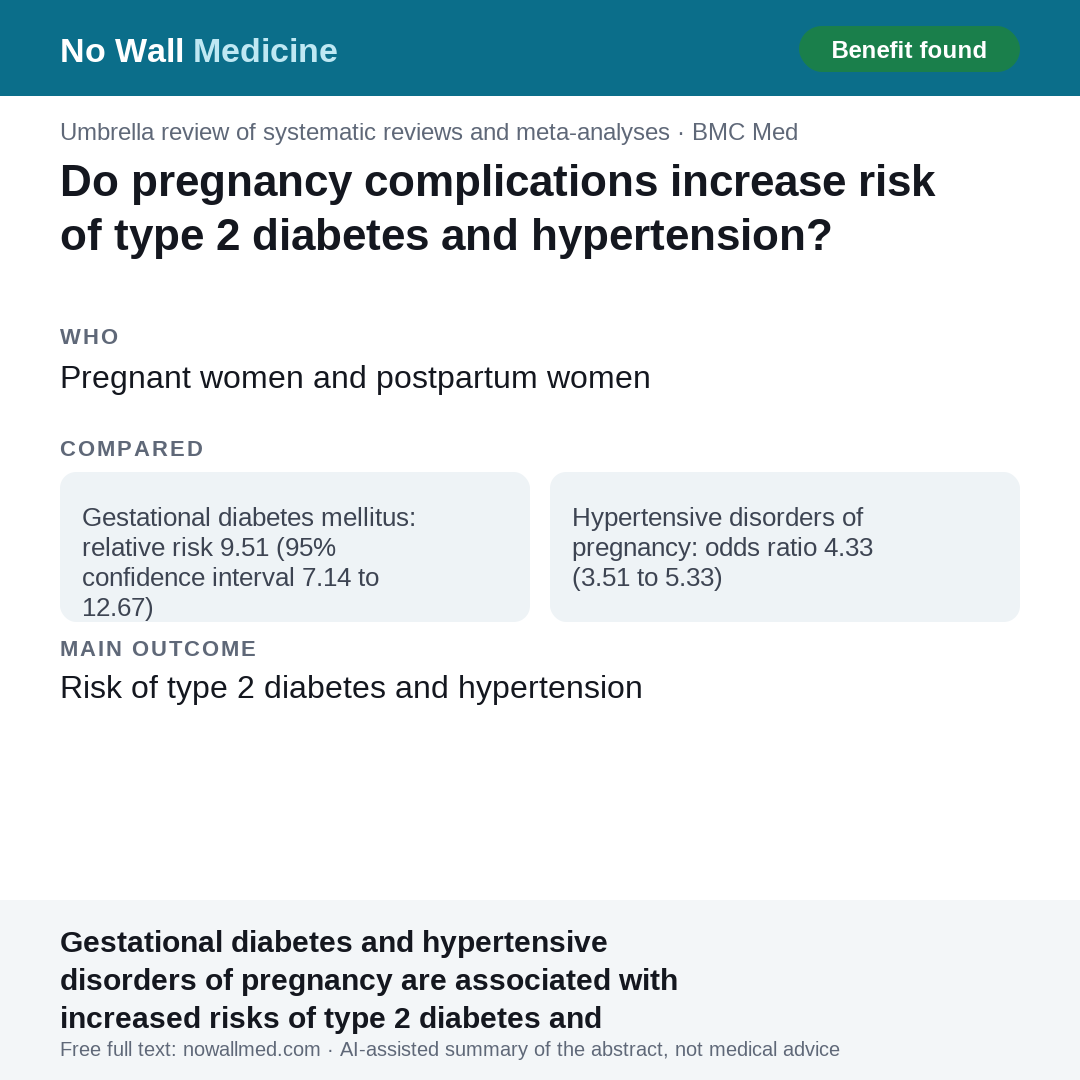
Association between pregnancy-related complications and development of type 2 diabetes and hypertension in women: an umbrella review
Umbrella review of systematic reviews and meta-analysesBenefit found
Do pregnancy complications increase risk of type 2 diabetes and hypertension?
Who
Pregnant women and postpartum women
Compared
Gestational diabetes mellitus: relative risk 9.51 (95% confidence interval 7.14 to 12.67)
Hypertensive disorders of pregnancy: odds ratio 4.33 (3.51 to 5.33)
Main outcome
Risk of type 2 diabetes and hypertension
Bottom line: Gestational diabetes and hypertensive disorders of pregnancy are associated with increased risks of type 2 diabetes and hypertension.
Limitation: Further research is needed to evaluate embedding these complications into future risk assessments.
BMC Med · 2024-02-14Download image
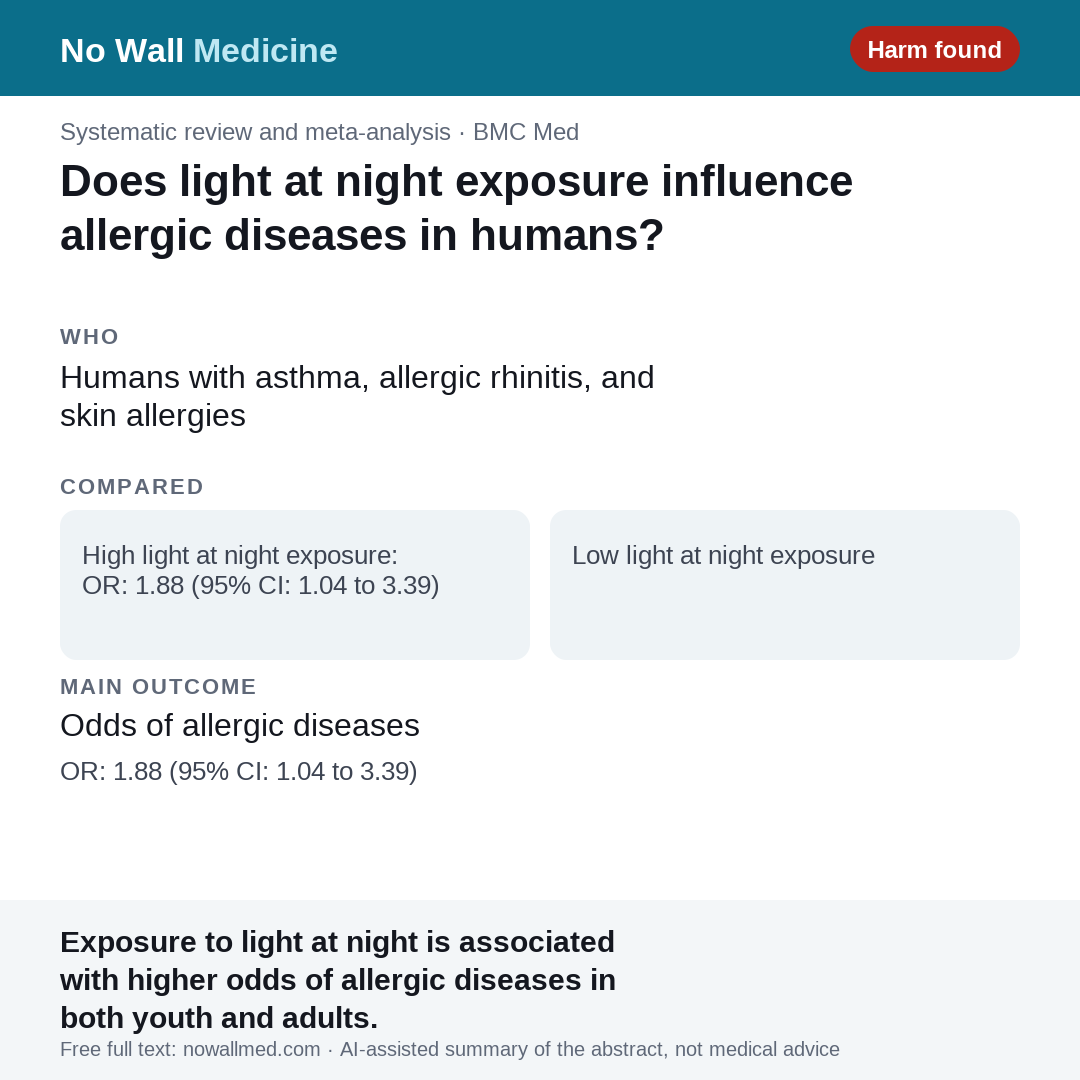
Influence of light at night on allergic diseases: a systematic review and meta-analysis
Systematic review and meta-analysisHarm found
Does light at night exposure influence allergic diseases in humans?
Who
Humans with asthma, allergic rhinitis, and skin allergies
Compared
High light at night exposure: OR: 1.88 (95% CI: 1.04 to 3.39)
Low light at night exposure
Main outcome
Odds of allergic diseases
Result: OR: 1.88 (95% CI: 1.04 to 3.39)
Bottom line: Exposure to light at night is associated with higher odds of allergic diseases in both youth and adults.
Limitation: More long-term epidemiological and mechanistic research is required.
BMC Med · 2024-02-14Download image
Efficacy of virtual reality for pain relief in medical procedures: a systematic review and meta-analysis
Meta-analysis of 92 randomized clinical trialsBenefit found
Does immersive virtual reality reduce pain perception during various medical procedures?
Who
7133
Patients undergoing various medical procedures
Compared
Virtual reality
Control
Main outcome
Pain perception scores
Result: standardised mean difference -0.78 (95% CI -1.00 to -0.57)
Bottom line: Immersive virtual reality technology effectively reduces pain perception across various medical procedures despite statistical heterogeneity.
BMC Med · 2024-02-14Download image

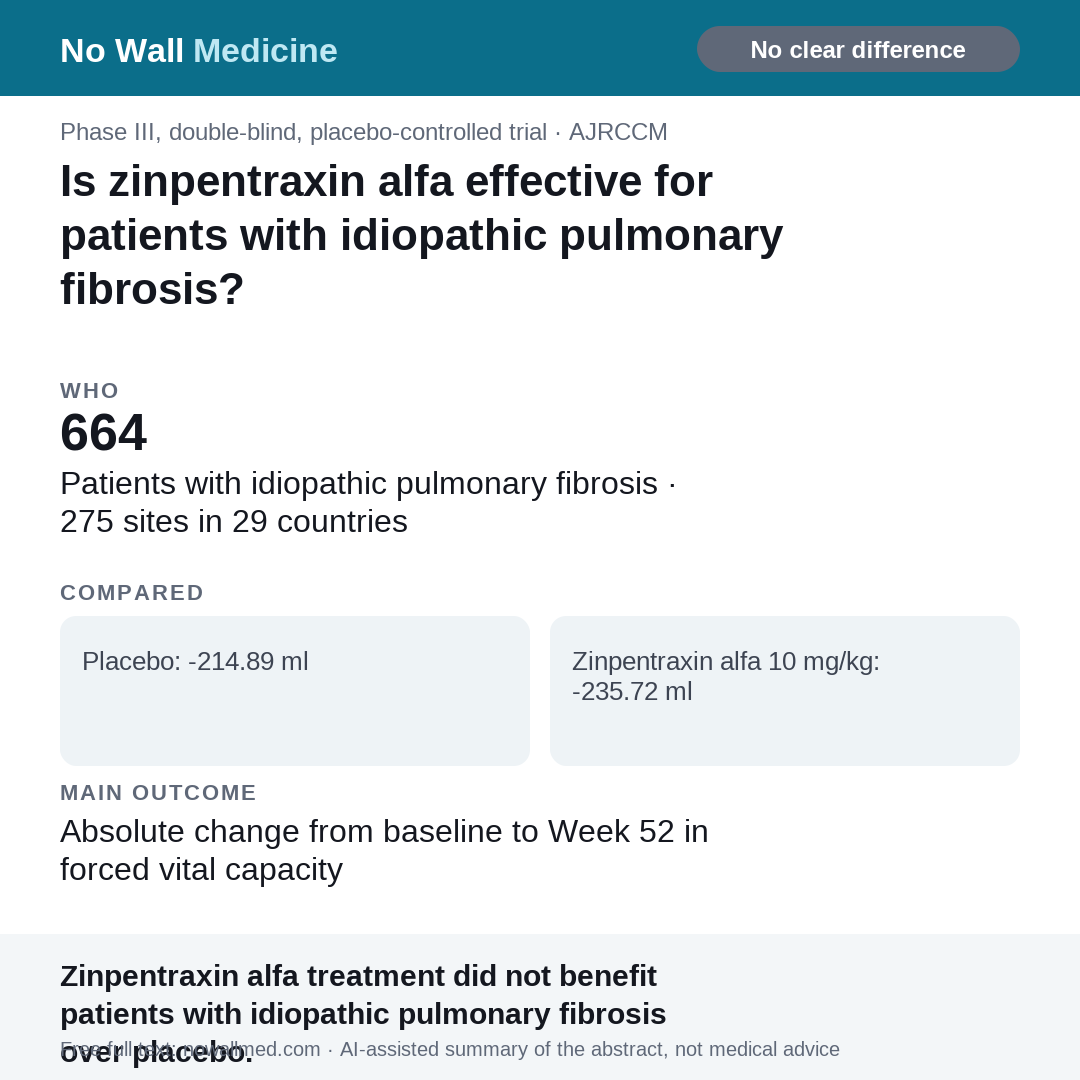
Zinpentraxin Alfa for Idiopathic Pulmonary Fibrosis: The Randomized Phase III STARSCAPE Trial
Phase III, double-blind, placebo-controlled trialNo clear difference
Is zinpentraxin alfa effective for patients with idiopathic pulmonary fibrosis?
Who
664
Patients with idiopathic pulmonary fibrosis · 275 sites in 29 countries
Compared
Placebo: -214.89 ml
Zinpentraxin alfa 10 mg/kg: -235.72 ml
Main outcome
Absolute change from baseline to Week 52 in forced vital capacity
Result: P = 0.5420
Bottom line: Zinpentraxin alfa treatment did not benefit patients with idiopathic pulmonary fibrosis over placebo.
AJRCCM · 2024-02-14Download image
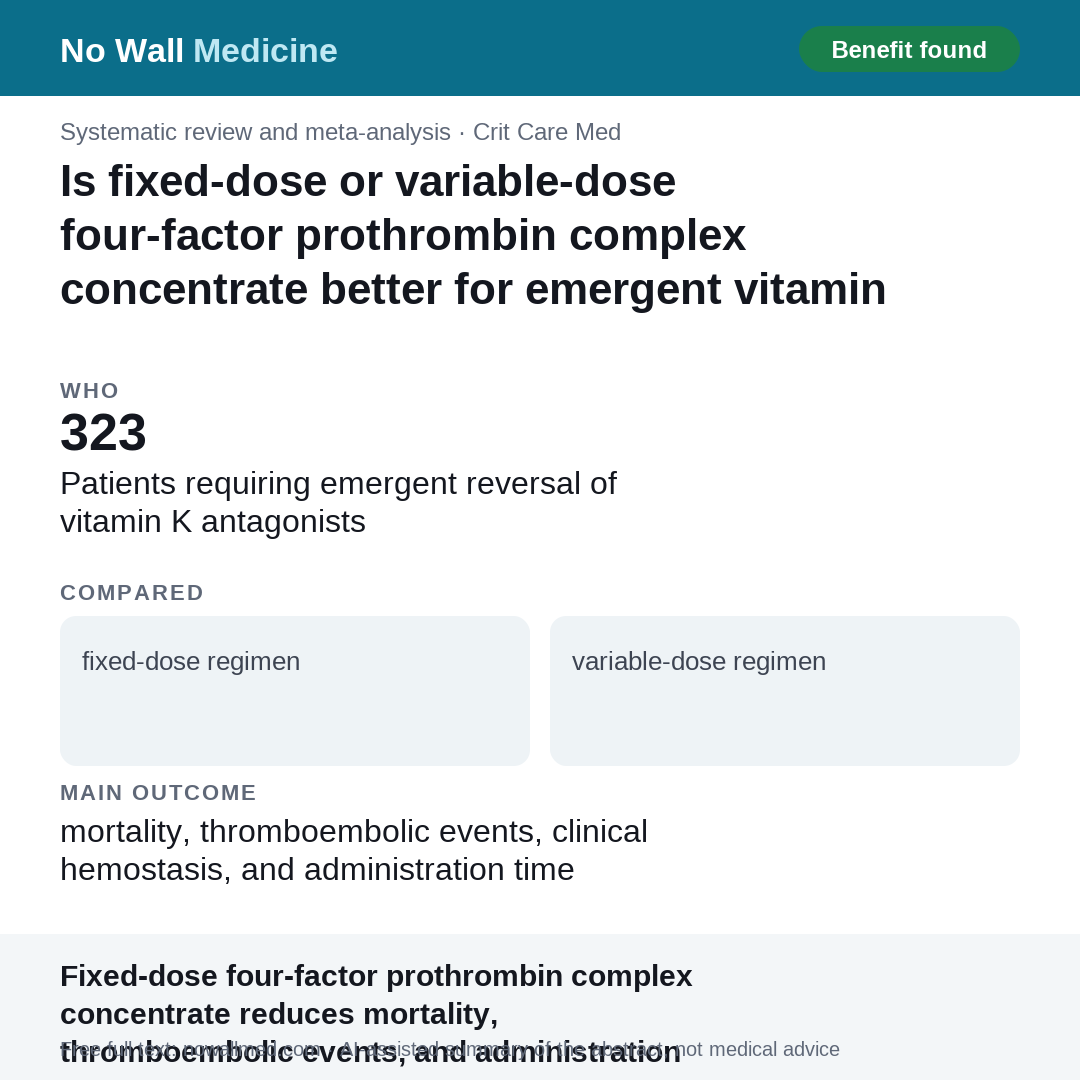
Fixed- Versus Variable-Dose Prothrombin Complex Concentrate for the Emergent Reversal of Vitamin K Antagonists: A Systematic Review and Meta-Analysis
Systematic review and meta-analysisBenefit found
Is fixed-dose or variable-dose four-factor prothrombin complex concentrate better for emergent vitamin K antagonist reversal?
Who
323
Patients requiring emergent reversal of vitamin K antagonists
Compared
fixed-dose regimen
variable-dose regimen
Main outcome
mortality, thromboembolic events, clinical hemostasis, and administration time
Bottom line: Fixed-dose four-factor prothrombin complex concentrate reduces mortality, thromboembolic events, and administration time compared to variable-dose regimens.
Crit Care Med · 2024-02-14Download image
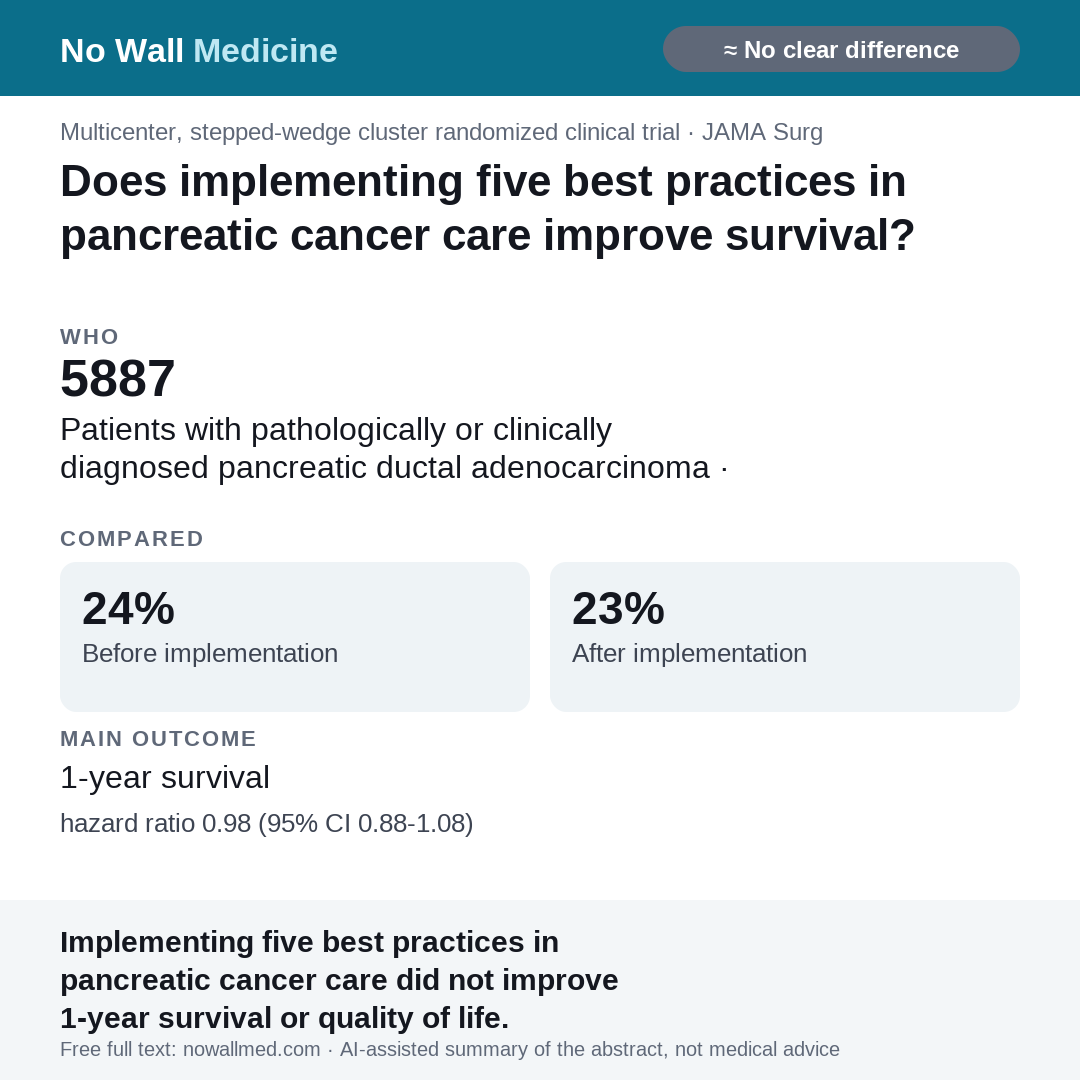
Implementation of Best Practices in Pancreatic Cancer Care in the Netherlands: A Stepped-Wedge Randomized Clinical Trial
Multicenter, stepped-wedge cluster randomized clinical trialNo clear difference
Does implementing five best practices in pancreatic cancer care improve survival?
Who
5887
Patients with pathologically or clinically diagnosed pancreatic ductal adenocarcinoma · 17 Dutch networks, Netherlands
Compared
24%Before implementation
23%After implementation
Main outcome
1-year survival
Result: hazard ratio 0.98 (95% CI 0.88-1.08)
Bottom line: Implementing five best practices in pancreatic cancer care did not improve 1-year survival or quality of life.
JAMA Surg · 2024-02-14Download image
Quality of life following surgery for head and neck cancer: Evidence from ACRIN 6685
Prospective studyMixed results
What is the health-related quality of life trajectory following surgery for head and neck cancer?
Who
230
Patients with clinical stage N0 head and neck squamous cell carcinoma
Compared
Immediately following surgery: General Health Relative to Before Cancer fell by 5.8 points
Immediately following surgery: Overall Quality of Life fell by 4.3 points
1 year following surgery: General Health Relative to Before Cancer returned to 3.0 points above baseline
Main outcome
Health-related quality of life
Bottom line: Quality of life declines significantly immediately after surgery but recovers to baseline or better within one to two years.
Head Neck · 2024-02-14Download image

Cognitive and executive impairments in Parkinson's disease psychosis: a Bayesian meta-analysis
Bayesian meta-analysisHarm found
Which cognitive domains are differentially affected in Parkinson's disease psychosis compared to those without psychosis?
Who
People with Parkinson's disease psychosis and those without psychosis
Compared
Parkinson's disease psychosis
Parkinson's disease without psychosis
Main outcome
Cognitive and executive performance across nine domains and subdomains
Result: global cognition g=-0.57, processing speed g=-0.58, executive functions g=-0.56, episodic memory g=-0.58, perception g=-0.55
Bottom line: People with Parkinson's disease psychosis show extensive deficits across multiple cognitive domains compared to those without psychosis.
J Neurol Neurosurg Psychiatry · 2024-02-14Download image

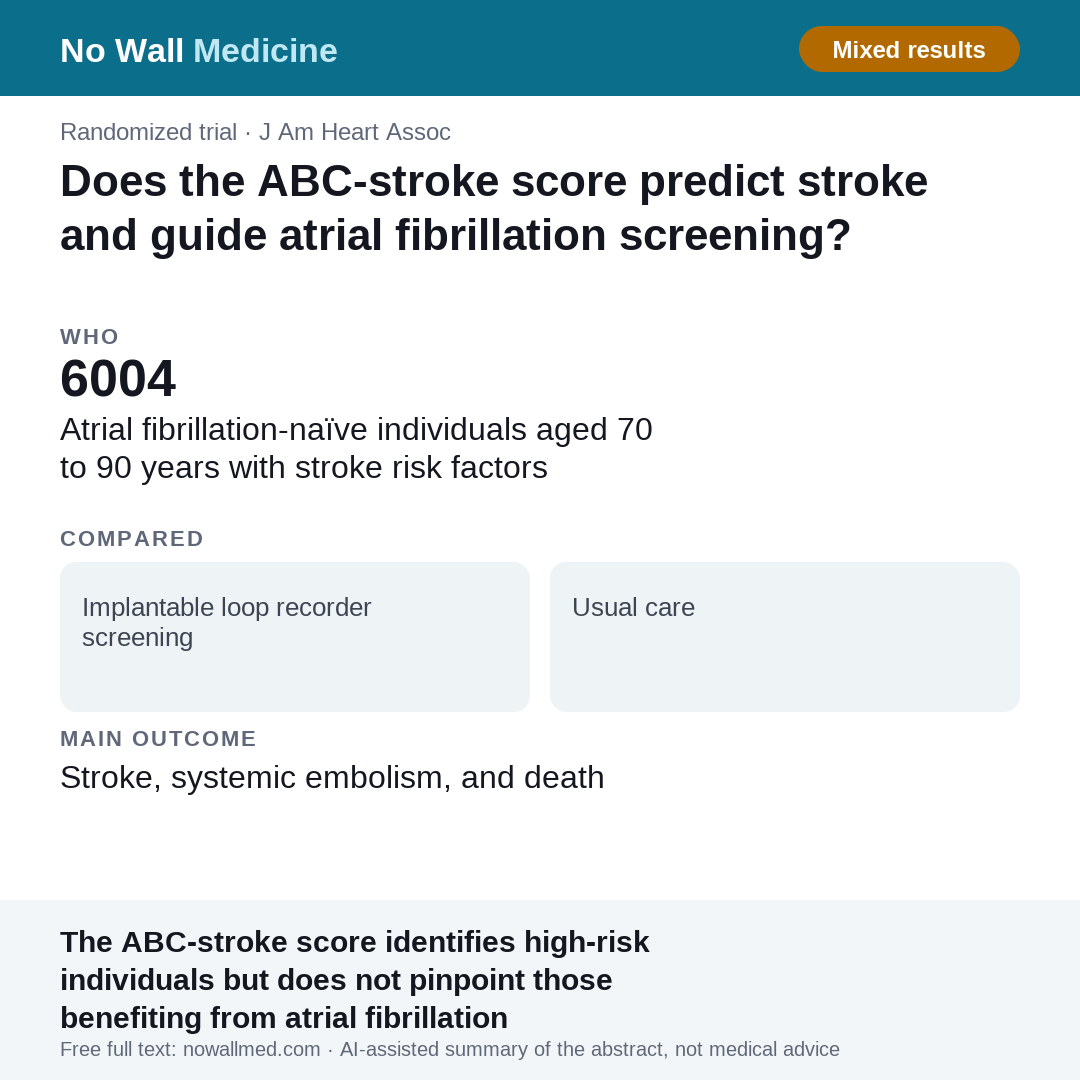
The ABC-Stroke Risk Score and Effects of Atrial Fibrillation Screening on Stroke Prevention: Results From the Randomized LOOP Study
Randomized trialMixed results
Does the ABC-stroke score predict stroke and guide atrial fibrillation screening?
Who
6004
Atrial fibrillation-naïve individuals aged 70 to 90 years with stroke risk factors
Compared
Implantable loop recorder screening
Usual care
Main outcome
Stroke, systemic embolism, and death
Bottom line: The ABC-stroke score identifies high-risk individuals but does not pinpoint those benefiting from atrial fibrillation screening.
Limitation: Findings should be considered as hypothesis generating and warrant further study.
J Am Heart Assoc · 2024-02-14Download image
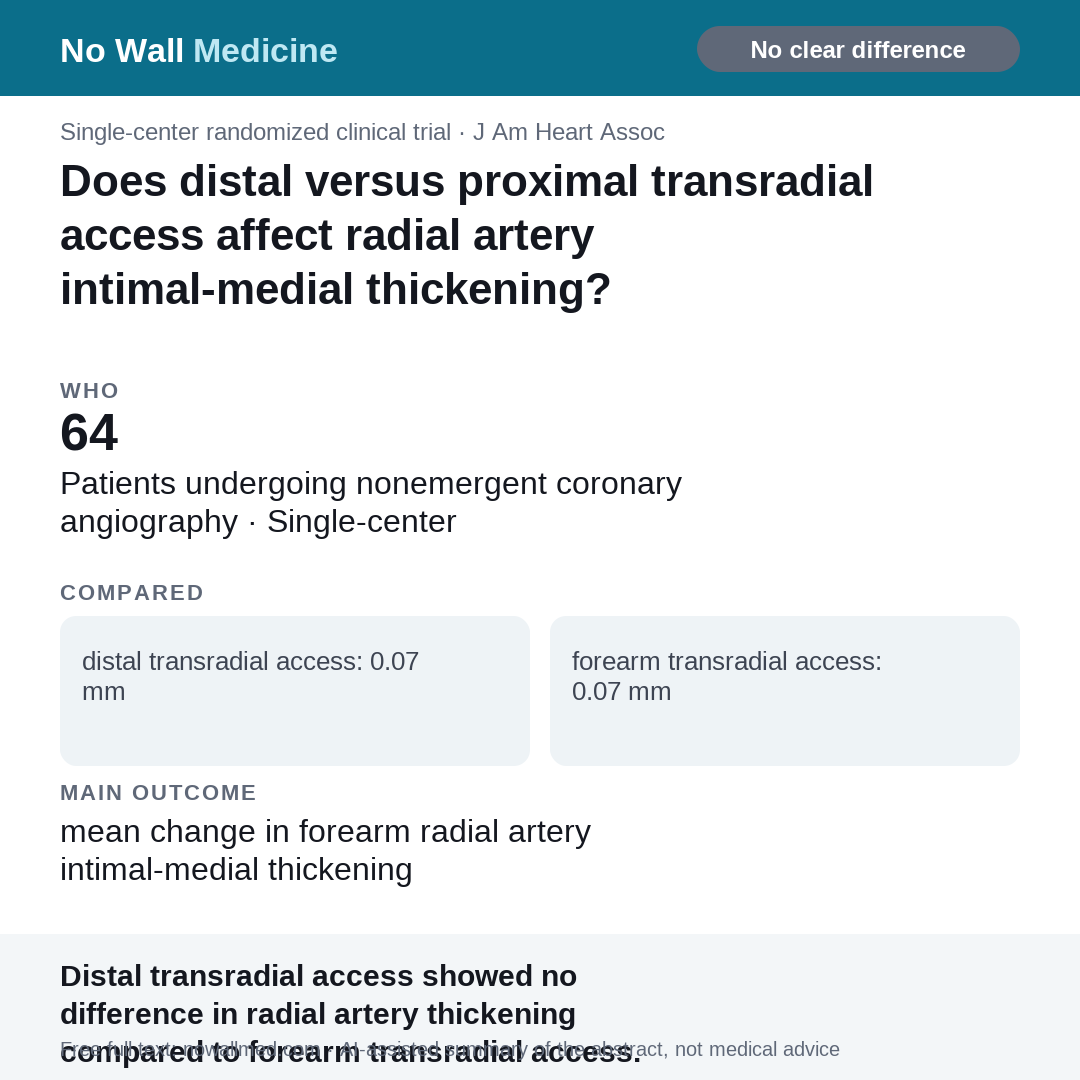
A Randomized Comparison of Radial Artery Intimal Hyperplasia Following Distal Versus Proximal Transradial Access for Coronary Angiography: PRESERVE RADIAL
Single-center randomized clinical trialNo clear difference
Does distal versus proximal transradial access affect radial artery intimal-medial thickening?
Who
64
Patients undergoing nonemergent coronary angiography · Single-center
Compared
distal transradial access: 0.07 mm
forearm transradial access: 0.07 mm
Main outcome
mean change in forearm radial artery intimal-medial thickening
Bottom line: Distal transradial access showed no difference in radial artery thickening compared to forearm transradial access.
J Am Heart Assoc · 2024-02-14Download image
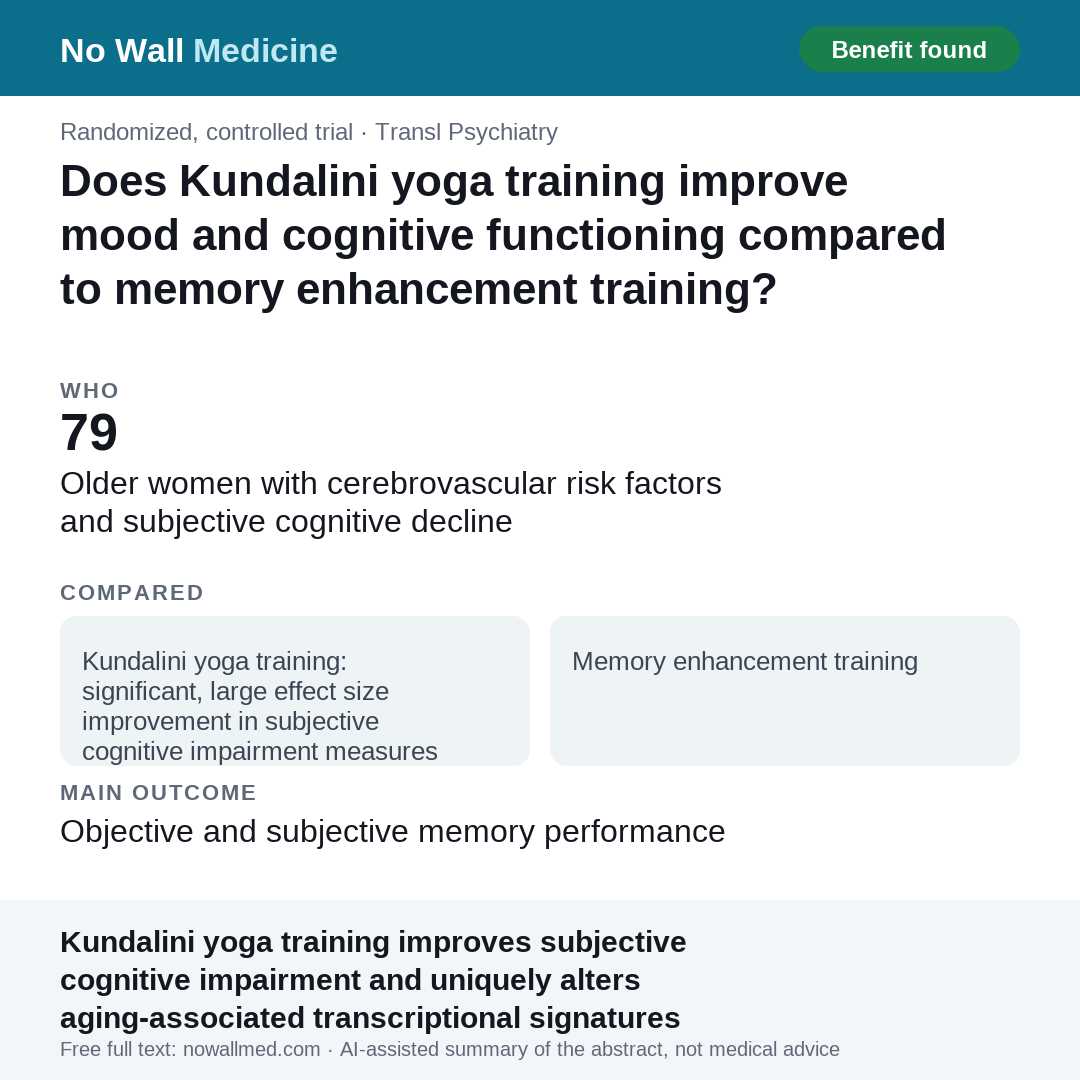
Cognitive and immunological effects of yoga compared to memory training in older women at risk for alzheimer's disease
Randomized, controlled trialBenefit found
Does Kundalini yoga training improve mood and cognitive functioning compared to memory enhancement training?
Who
79
Older women with cerebrovascular risk factors and subjective cognitive decline
Compared
Kundalini yoga training: significant, large effect size improvement in subjective cognitive impairment measures
Memory enhancement training
Main outcome
Objective and subjective memory performance
Bottom line: Kundalini yoga training improves subjective cognitive impairment and uniquely alters aging-associated transcriptional signatures compared to memory training.
Transl Psychiatry · 2024-02-14Download image
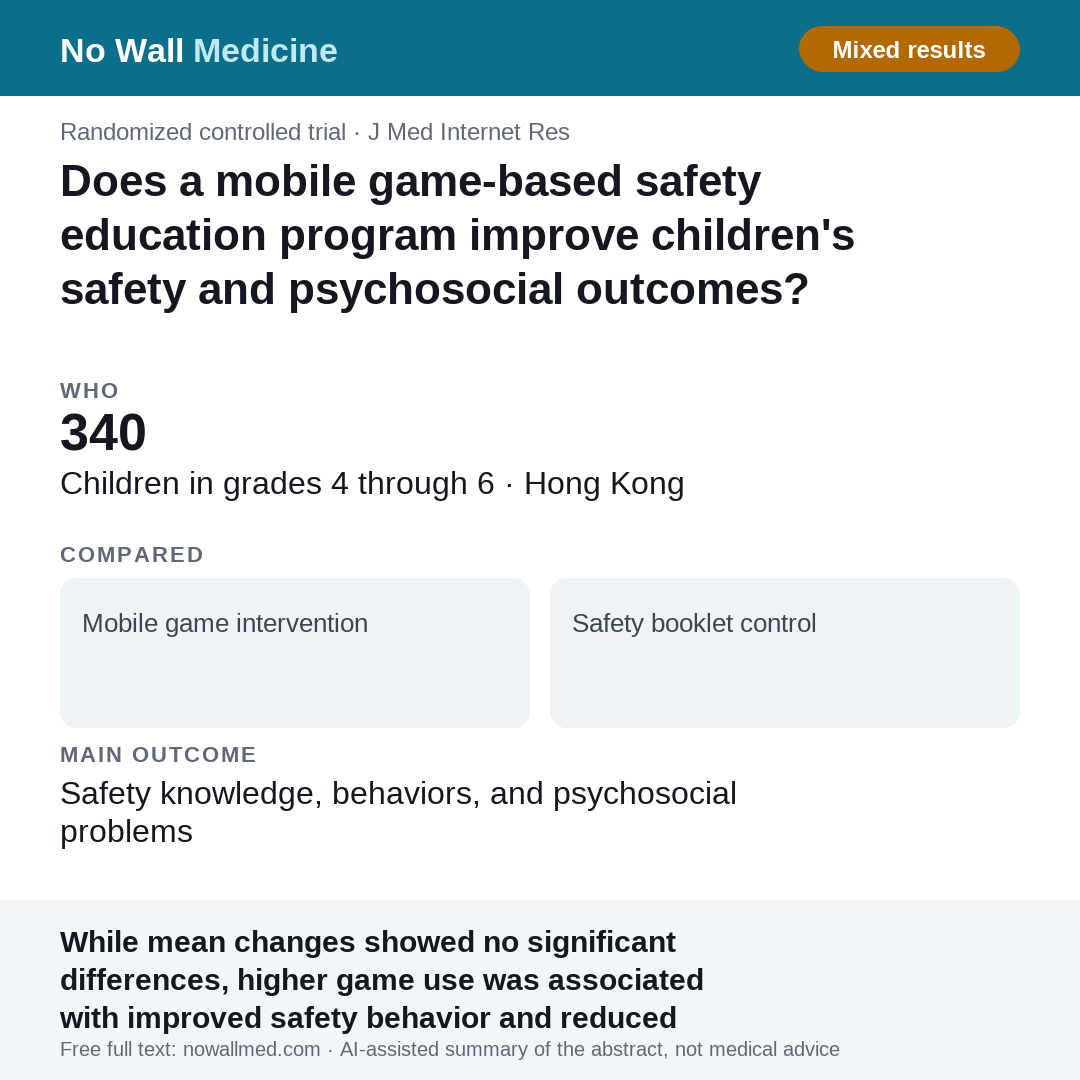
Effect of a Mobile Game-Based Intervention to Enhance Child Safety: Randomized Controlled Trial
Randomized controlled trialMixed results
Does a mobile game-based safety education program improve children's safety and psychosocial outcomes?
Who
340
Children in grades 4 through 6 · Hong Kong
Compared
Mobile game intervention
Safety booklet control
Main outcome
Safety knowledge, behaviors, and psychosocial problems
Bottom line: While mean changes showed no significant differences, higher game use was associated with improved safety behavior and reduced internalizing problems.
J Med Internet Res · 2024-02-14Download image
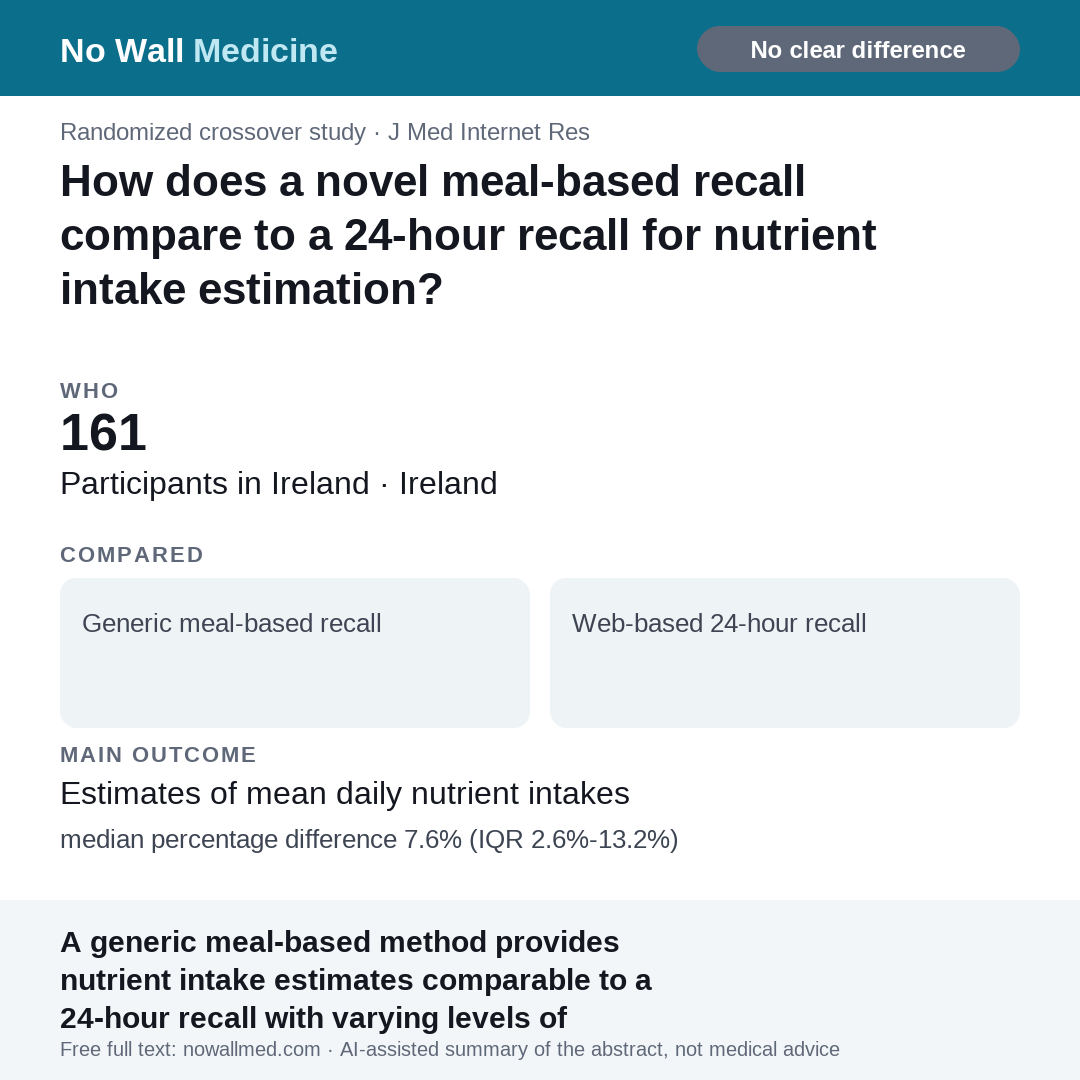
Dietary Intake Assessment Using a Novel, Generic Meal-Based Recall and a 24-Hour Recall: Comparison Study
Randomized crossover studyNo clear difference
How does a novel meal-based recall compare to a 24-hour recall for nutrient intake estimation?
Who
161
Participants in Ireland · Ireland
Compared
Generic meal-based recall
Web-based 24-hour recall
Main outcome
Estimates of mean daily nutrient intakes
Result: median percentage difference 7.6% (IQR 2.6%-13.2%)
Bottom line: A generic meal-based method provides nutrient intake estimates comparable to a 24-hour recall with varying levels of agreement.
Limitation: Further studies are required to refine and improve the generic recall across a range of nutrients.
J Med Internet Res · 2024-02-14Download image
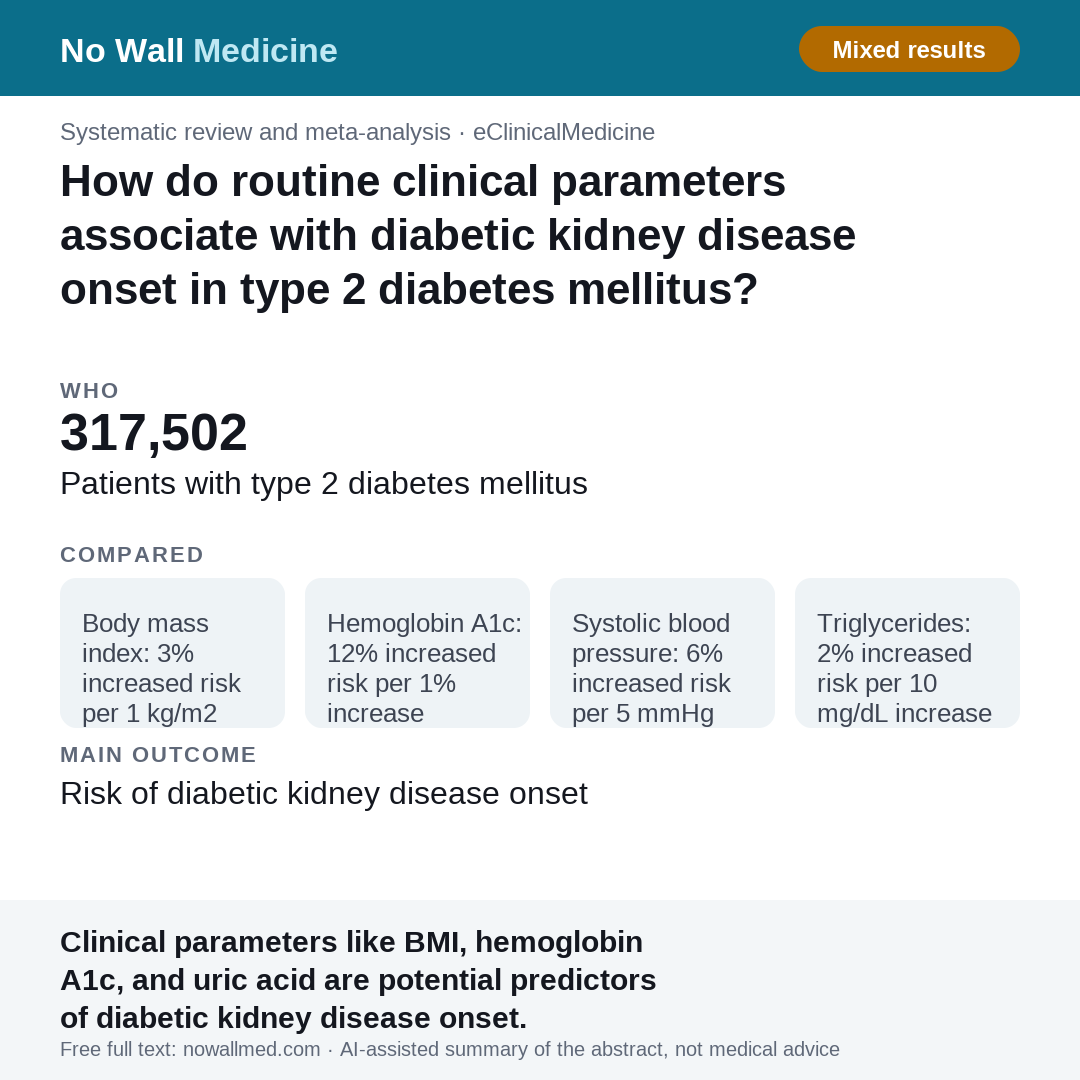
Dose-response association of diabetic kidney disease with routine clinical parameters in patients with type 2 diabetes mellitus: a systematic review and meta-analysis
Systematic review and meta-analysisMixed results
How do routine clinical parameters associate with diabetic kidney disease onset in type 2 diabetes mellitus?
Who
317,502
Patients with type 2 diabetes mellitus
Compared
Body mass index: 3% increased risk per 1 kg/m2 increase
Hemoglobin A1c: 12% increased risk per 1% increase
Systolic blood pressure: 6% increased risk per 5 mmHg increase
Triglycerides: 2% increased risk per 10 mg/dL increase
Main outcome
Risk of diabetic kidney disease onset
Bottom line: Clinical parameters like BMI, hemoglobin A1c, and uric acid are potential predictors of diabetic kidney disease onset.
Limitation: High heterogeneity between included studies
eClinicalMedicine · 2024-02-13Download image
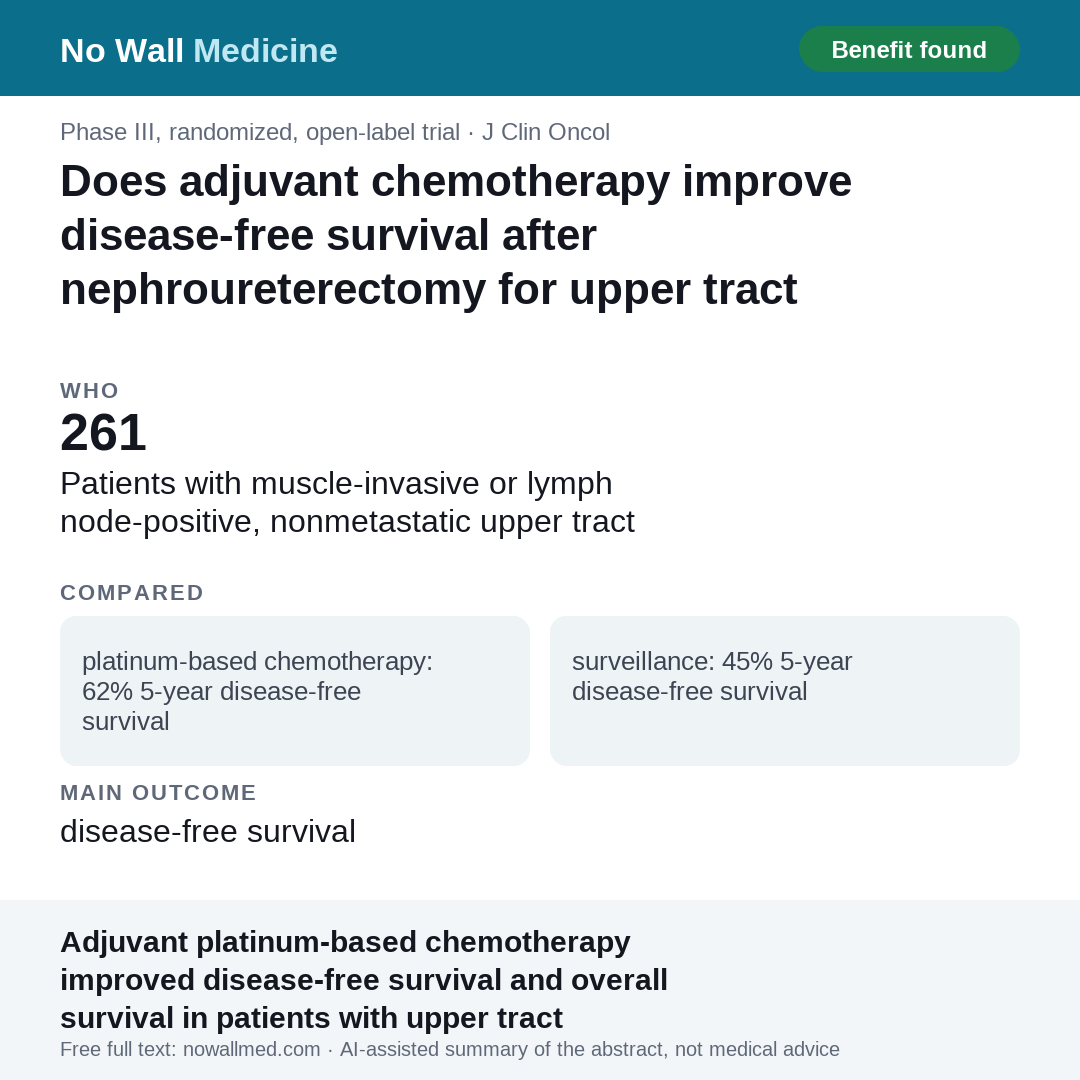
Improved Disease-Free Survival With Adjuvant Chemotherapy After Nephroureterectomy for Upper Tract Urothelial Cancer: Final Results of the POUT Trial
Phase III, randomized, open-label trialBenefit found
Does adjuvant chemotherapy improve disease-free survival after nephroureterectomy for upper tract urothelial cancer?
Who
261
Patients with muscle-invasive or lymph node-positive, nonmetastatic upper tract urothelial cancer
Compared
platinum-based chemotherapy: 62% 5-year disease-free survival
surveillance: 45% 5-year disease-free survival
Main outcome
disease-free survival
Result: hazard ratio 0.55 (95% CI, 0.38 to 0.80)
Bottom line: Adjuvant platinum-based chemotherapy improved disease-free survival and overall survival in patients with upper tract urothelial cancer.
J Clin Oncol · 2024-02-13Download image
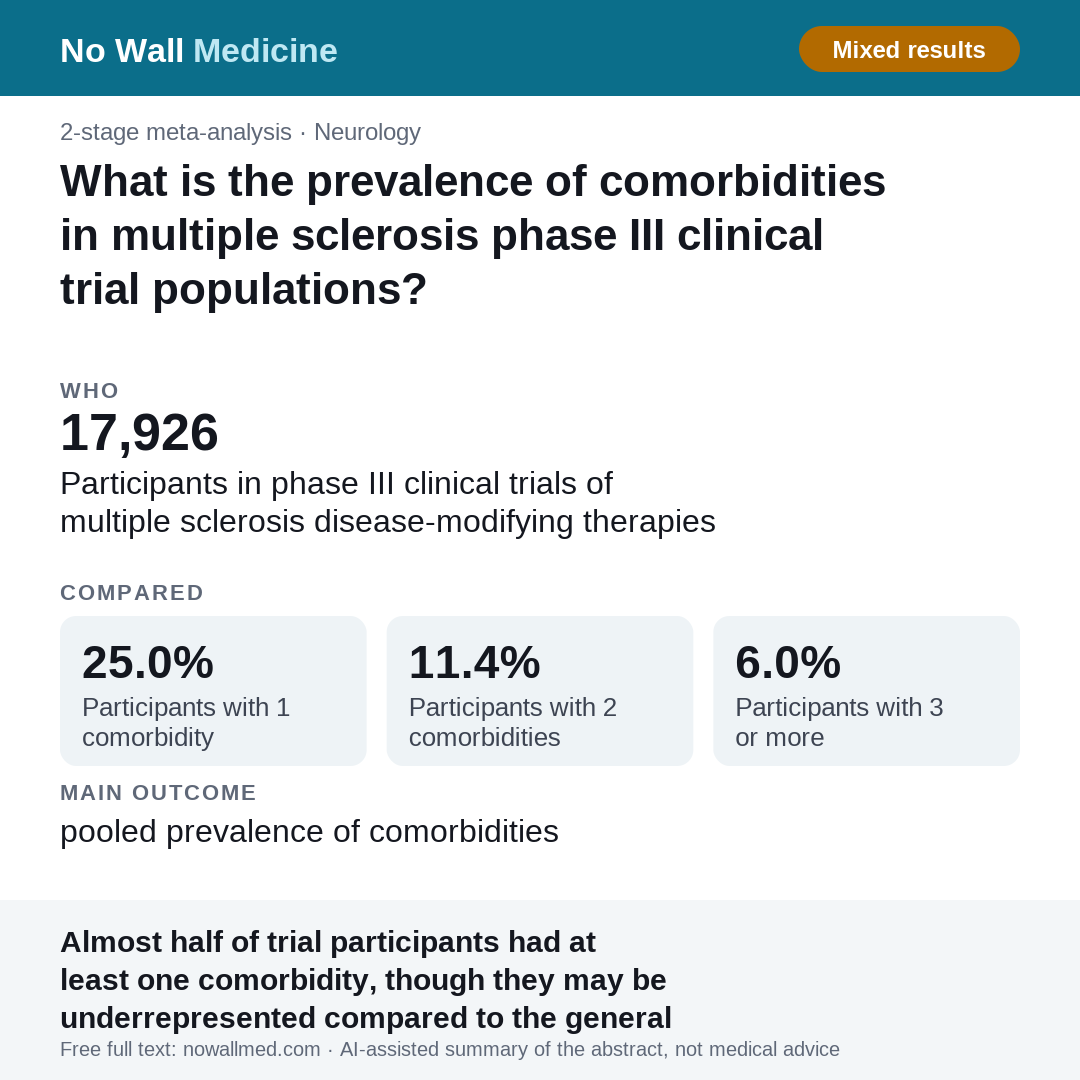
Investigating the Prevalence of Comorbidity in Multiple Sclerosis Clinical Trial Populations
2-stage meta-analysisMixed results
What is the prevalence of comorbidities in multiple sclerosis phase III clinical trial populations?
Who
17,926
Participants in phase III clinical trials of multiple sclerosis disease-modifying therapies · multiple sponsors
Compared
25.0%Participants with 1 comorbidity (95% CI 23.0-27.0)
11.4%Participants with 2 comorbidities (95% CI 9.3-14.0)
6.0%Participants with 3 or more comorbidities (95% CI 4.2-8.4)
Main outcome
pooled prevalence of comorbidities
Bottom line: Almost half of trial participants had at least one comorbidity, though they may be underrepresented compared to the general population.
Limitation: Heterogeneity was high across trials.
Neurology · 2024-02-13Download image
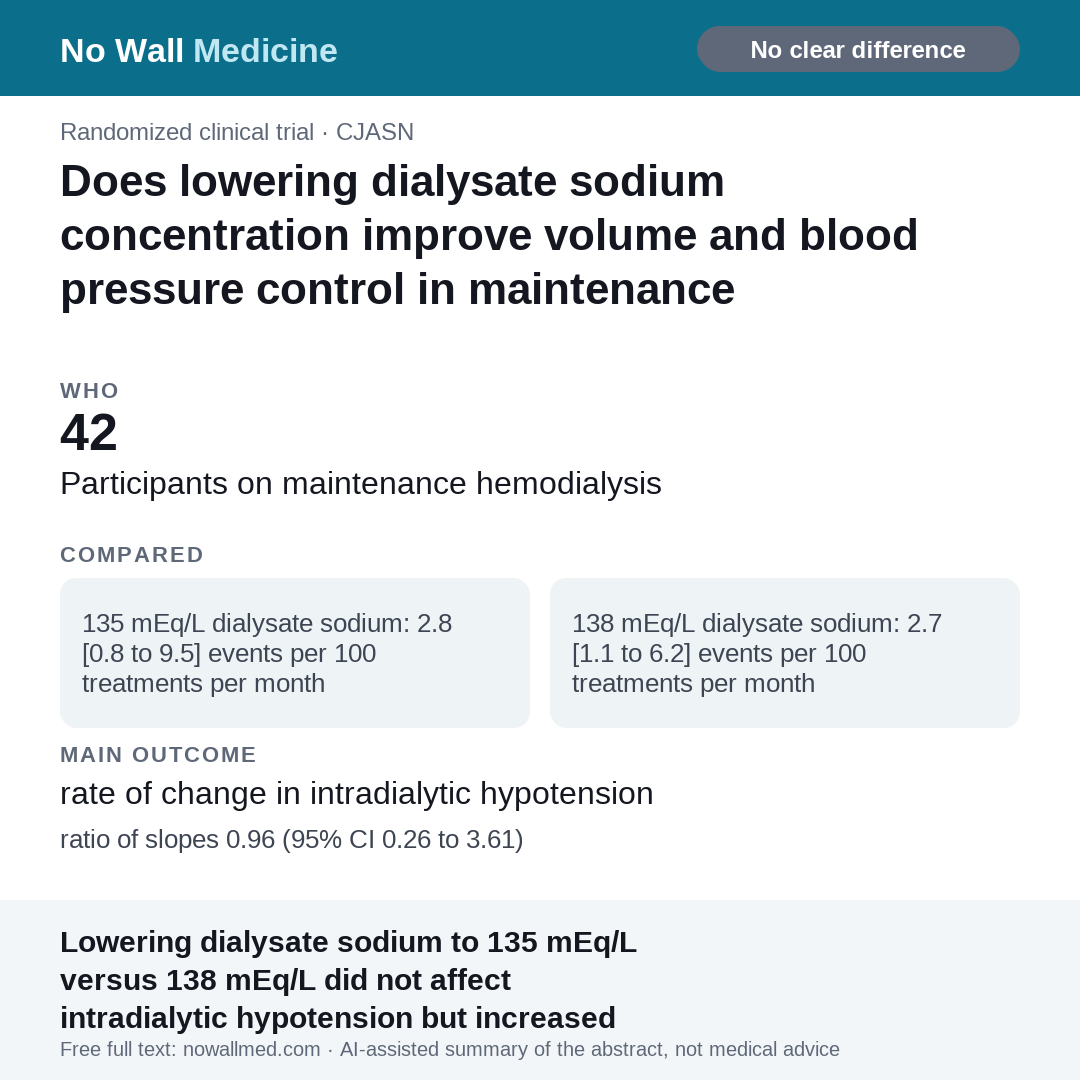
Dialysate Sodium Lowering in Maintenance Hemodialysis: A Randomized Clinical Trial
Randomized clinical trialNo clear difference
Does lowering dialysate sodium concentration improve volume and blood pressure control in maintenance hemodialysis?
Who
42
Participants on maintenance hemodialysis
Compared
135 mEq/L dialysate sodium: 2.8 [0.8 to 9.5] events per 100 treatments per month
138 mEq/L dialysate sodium: 2.7 [1.1 to 6.2] events per 100 treatments per month
Main outcome
rate of change in intradialytic hypotension
Result: ratio of slopes 0.96 (95% CI 0.26 to 3.61)
Bottom line: Lowering dialysate sodium to 135 mEq/L versus 138 mEq/L did not affect intradialytic hypotension but increased symptoms.
CJASN · 2024-02-13Download image
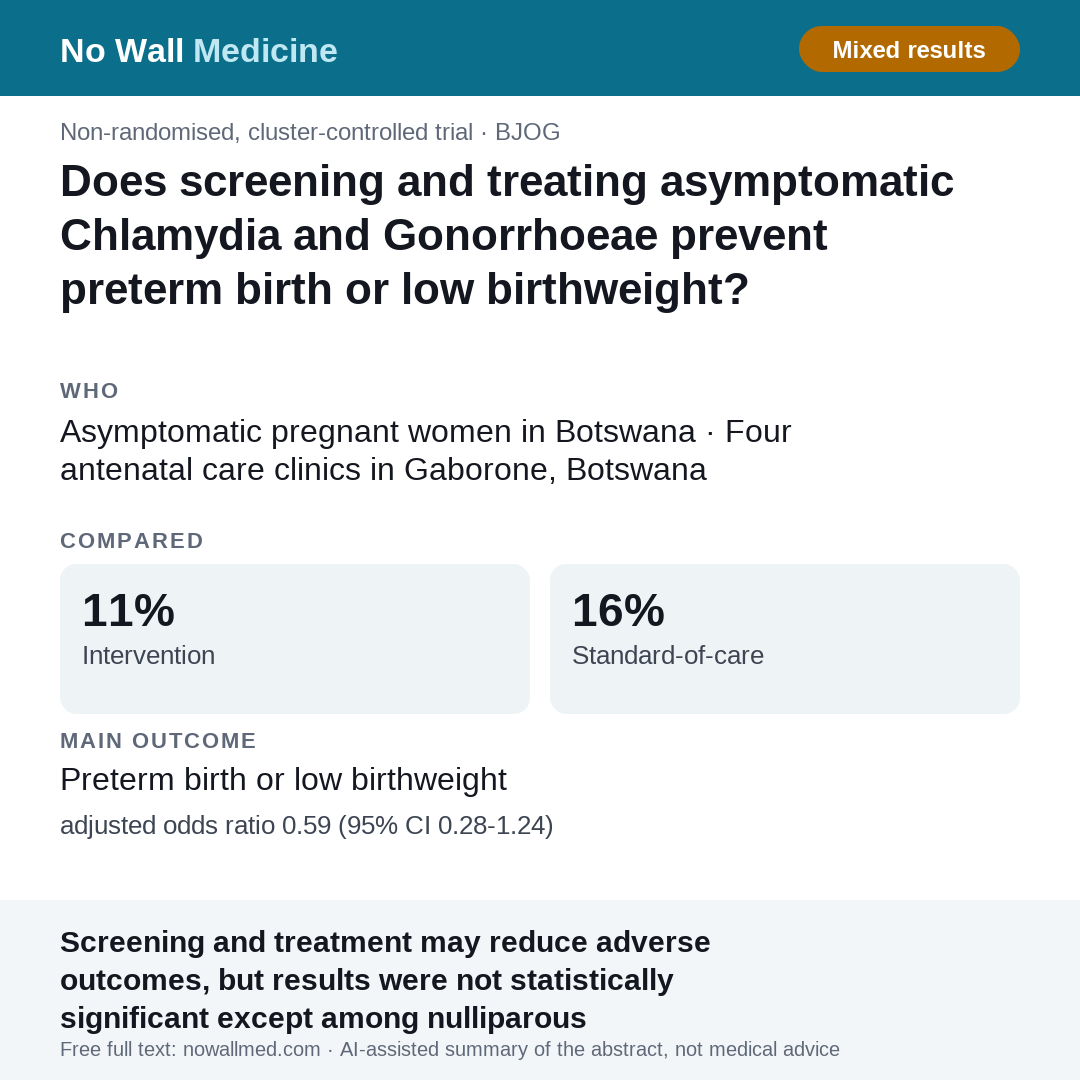
Evaluating Chlamydia trachomatis and Neisseria gonorrhoeae screening and treatment among asymptomatic pregnant women to prevent preterm birth and low birthweight in Gaborone, Botswana: A secondary analysis from a non-randomised, cluster-controlled trial
Non-randomised, cluster-controlled trialMixed results
Does screening and treating asymptomatic Chlamydia and Gonorrhoeae prevent preterm birth or low birthweight?
Who
Asymptomatic pregnant women in Botswana · Four antenatal care clinics in Gaborone, Botswana
Compared
11%Intervention
16%Standard-of-care
Main outcome
Preterm birth or low birthweight
Result: adjusted odds ratio 0.59 (95% CI 0.28-1.24)
Bottom line: Screening and treatment may reduce adverse outcomes, but results were not statistically significant except among nulliparous participants.
BJOG · 2024-02-13Download image