Visual abstracts
New randomized trials and meta-analyses from leading journals at a glance: who was studied, what was compared, and what was found. Every paper is free to read in full.
All specialtiesCardiology 4832Oncology 4114Gastroenterology & Hepatology 1934Infectious Disease 3824Neurology 1899Psychiatry & Mental Health 2256Pulmonology 2082Critical Care 1345Endocrinology & Diabetes 2572Pediatrics 2940Surgery 2525Orthopedics & Sports Medicine 926Neurosurgery 534Cardiothoracic & Vascular Surgery 671Plastic & Reconstructive Surgery 591Nephrology 1124Rheumatology 823Hematology 1104Dermatology 620Ophthalmology 543Obstetrics & Gynecology 1684Public & Global Health 1056Radiology & Imaging 641Anesthesiology 962Urology 754ENT (Otolaryngology) 503Emergency Medicine 489Allergy & Immunology 313Geriatrics 981Family Medicine & Primary Care 541Medical Genetics & Genomics 675Pathology & Laboratory Medicine 157Physical Medicine & Rehabilitation 751Palliative Care 424Nutrition 1580Digital Health & AI 2195General Medicine 321
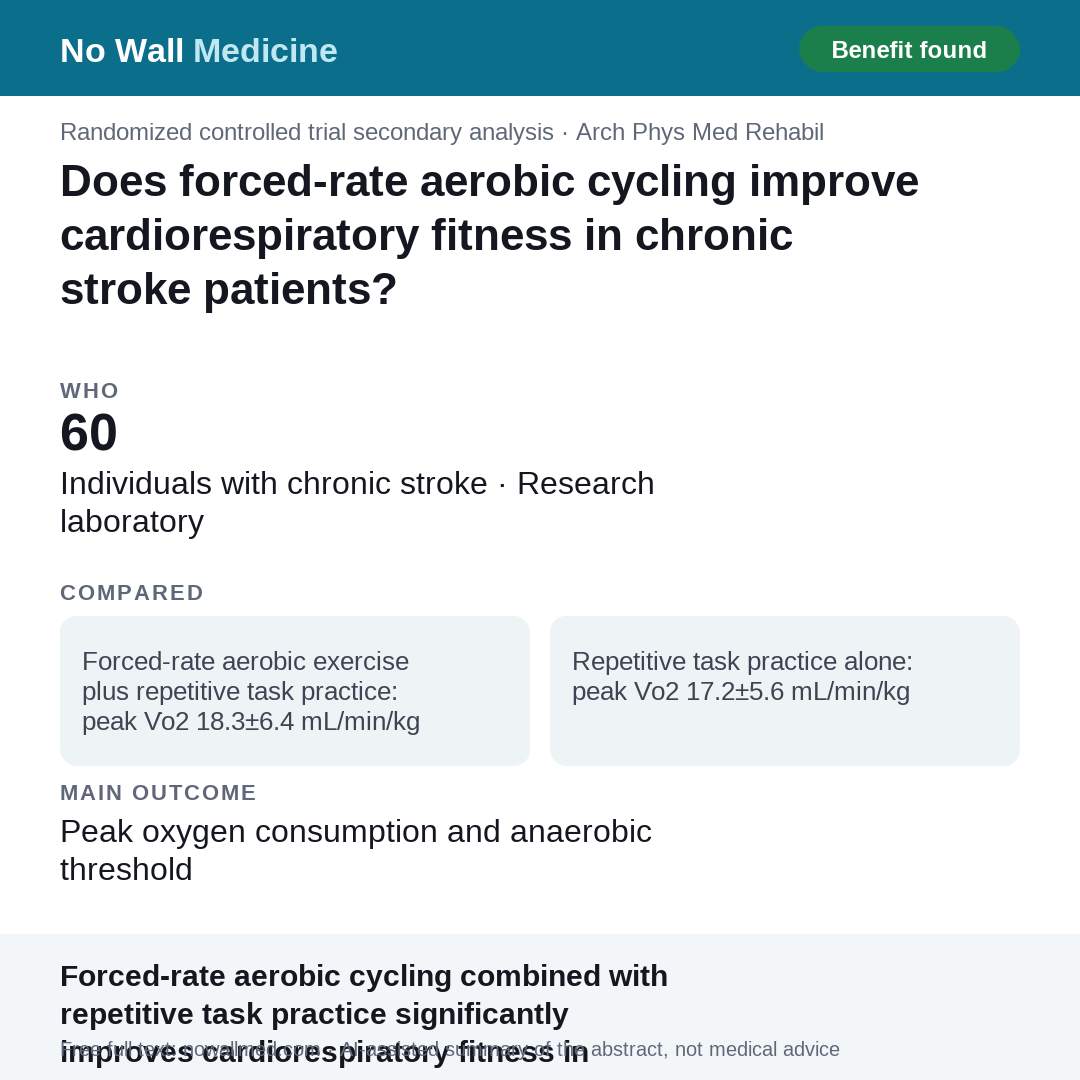
An 8-week Forced-rate Aerobic Cycling Program Improves Cardiorespiratory Fitness in Persons With Chronic Stroke: A Randomized Controlled Trial
Randomized controlled trial secondary analysisBenefit found
Does forced-rate aerobic cycling improve cardiorespiratory fitness in chronic stroke patients?
Who
60
Individuals with chronic stroke · Research laboratory
Compared
Forced-rate aerobic exercise plus repetitive task practice: peak V̇o2 18.3±6.4 mL/min/kg
Repetitive task practice alone: peak V̇o2 17.2±5.6 mL/min/kg
Main outcome
Peak oxygen consumption and anaerobic threshold
Bottom line: Forced-rate aerobic cycling combined with repetitive task practice significantly improves cardiorespiratory fitness in chronic stroke patients.
Arch Phys Med Rehabil · 2024-02-11Download image
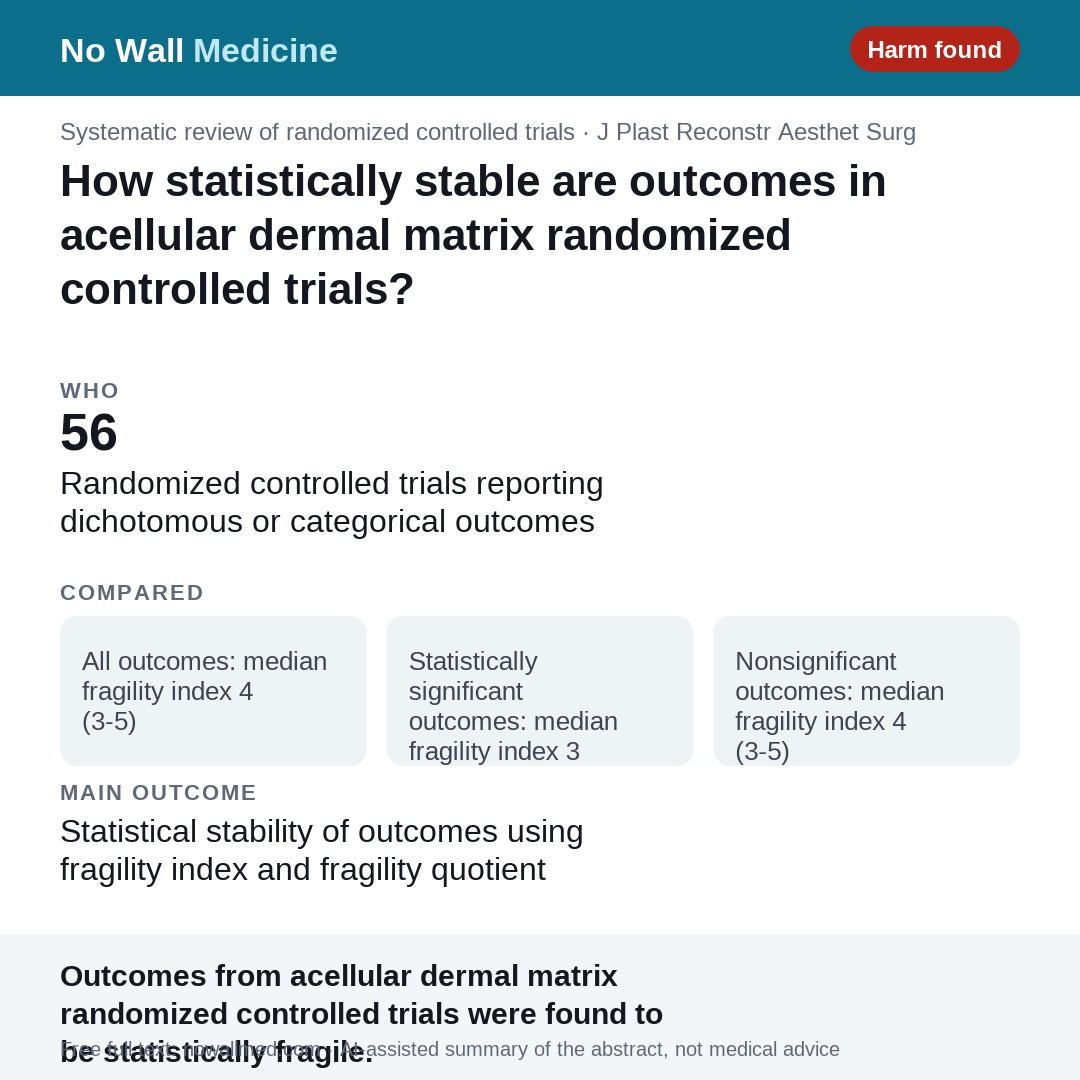
Statistical fragility of outcomes in acellular dermal matrix literature: A systematic review of randomized controlled trials
Systematic review of randomized controlled trialsHarm found
How statistically stable are outcomes in acellular dermal matrix randomized controlled trials?
Who
56
Randomized controlled trials reporting dichotomous or categorical outcomes
Compared
All outcomes: median fragility index 4 (3-5)
Statistically significant outcomes: median fragility index 3 (1-6)
Nonsignificant outcomes: median fragility index 4 (3-5)
Main outcome
Statistical stability of outcomes using fragility index and fragility quotient
Bottom line: Outcomes from acellular dermal matrix randomized controlled trials were found to be statistically fragile.
J Plast Reconstr Aesthet Surg · 2024-02-11Download image
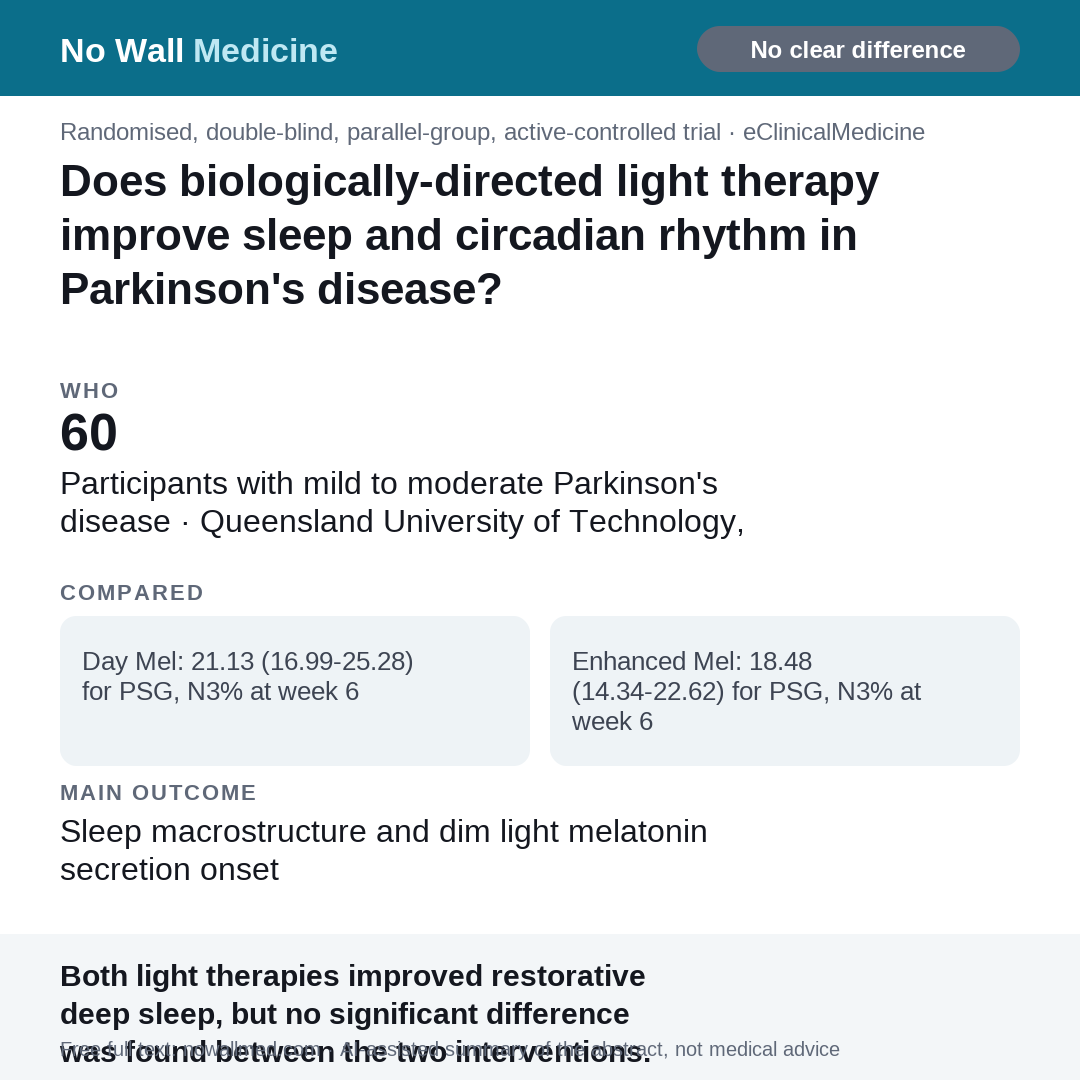
Efficacy of biologically-directed daylight therapy on sleep and circadian rhythm in Parkinson's disease: a randomised, double-blind, parallel-group, active-controlled, phase 2 clinical trial
Randomised, double-blind, parallel-group, active-controlled trialNo clear difference
Does biologically-directed light therapy improve sleep and circadian rhythm in Parkinson's disease?
Who
60
Participants with mild to moderate Parkinson's disease · Queensland University of Technology, Australia
Compared
Day Mel: 21.13 (16.99-25.28) for PSG, N3% at week 6
Enhanced Mel: 18.48 (14.34-22.62) for PSG, N3% at week 6
Main outcome
Sleep macrostructure and dim light melatonin secretion onset
Bottom line: Both light therapies improved restorative deep sleep, but no significant difference was found between the two interventions.
Limitation: The lack of significant difference between groups may be due to the early disease stage.
Funded by: Michael J Fox Foundation, Shake IT Up Australia, NHMRC, Australian Research Council
eClinicalMedicine · 2024-02-10Download image
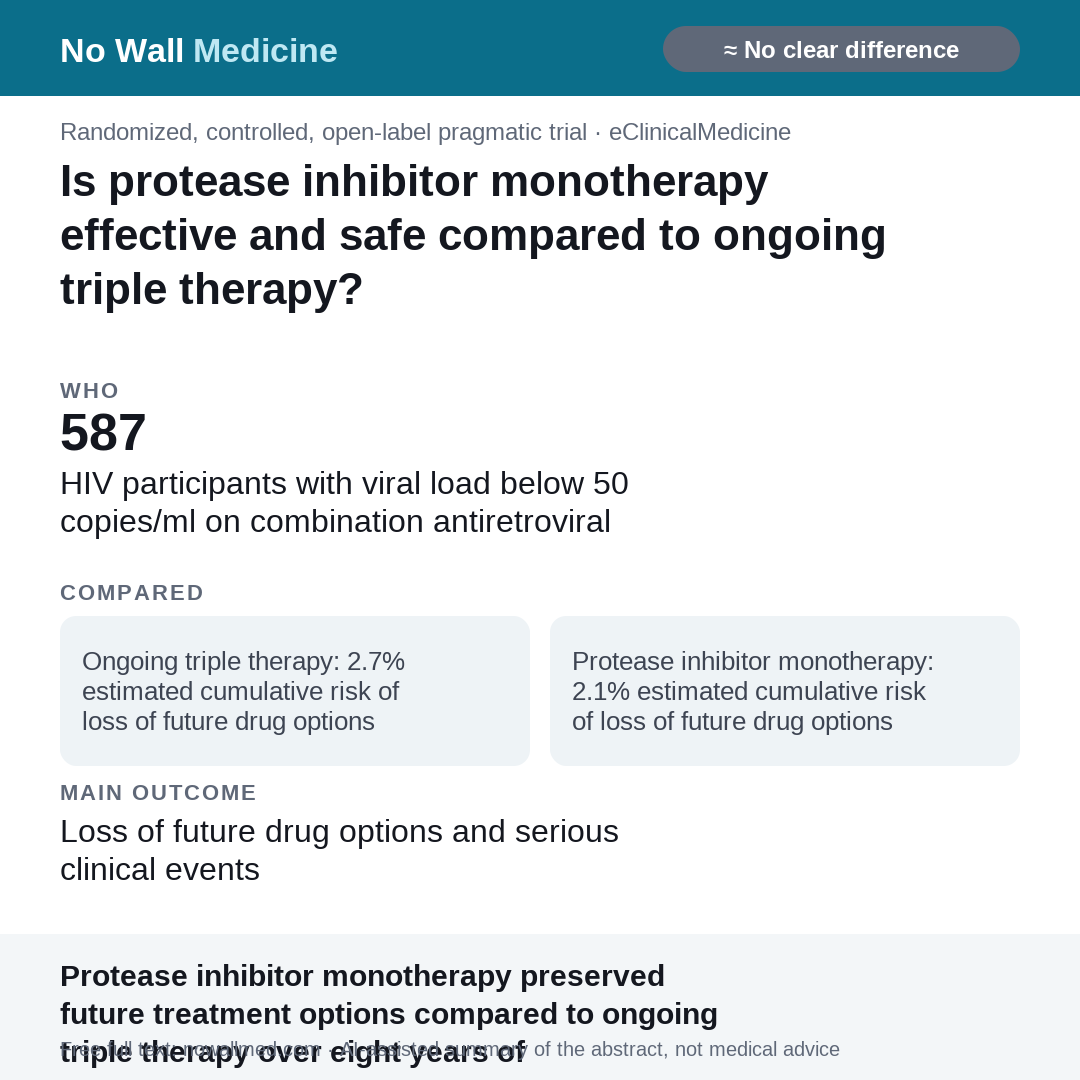
Long-term efficacy and safety of a treatment strategy for HIV infection using protease inhibitor monotherapy: 8-year routine clinical care follow-up from a randomised, controlled, open-label pragmatic trial (PIVOT)
Randomized, controlled, open-label pragmatic trialNo clear difference
Is protease inhibitor monotherapy effective and safe compared to ongoing triple therapy?
Who
587
HIV participants with viral load below 50 copies/ml on combination antiretroviral therapy · 43 United Kingdom treatment centres
Compared
Ongoing triple therapy: 2.7% estimated cumulative risk of loss of future drug options
Protease inhibitor monotherapy: 2.1% estimated cumulative risk of loss of future drug options
Main outcome
Loss of future drug options and serious clinical events
Result: difference -0.6%, 95% CI -3.2% to 2.0%
Bottom line: Protease inhibitor monotherapy preserved future treatment options compared to ongoing triple therapy over eight years of follow-up.
Funded by: National Institute for Health Research Health Technology Assessment programme
eClinicalMedicine · 2024-02-10Download image
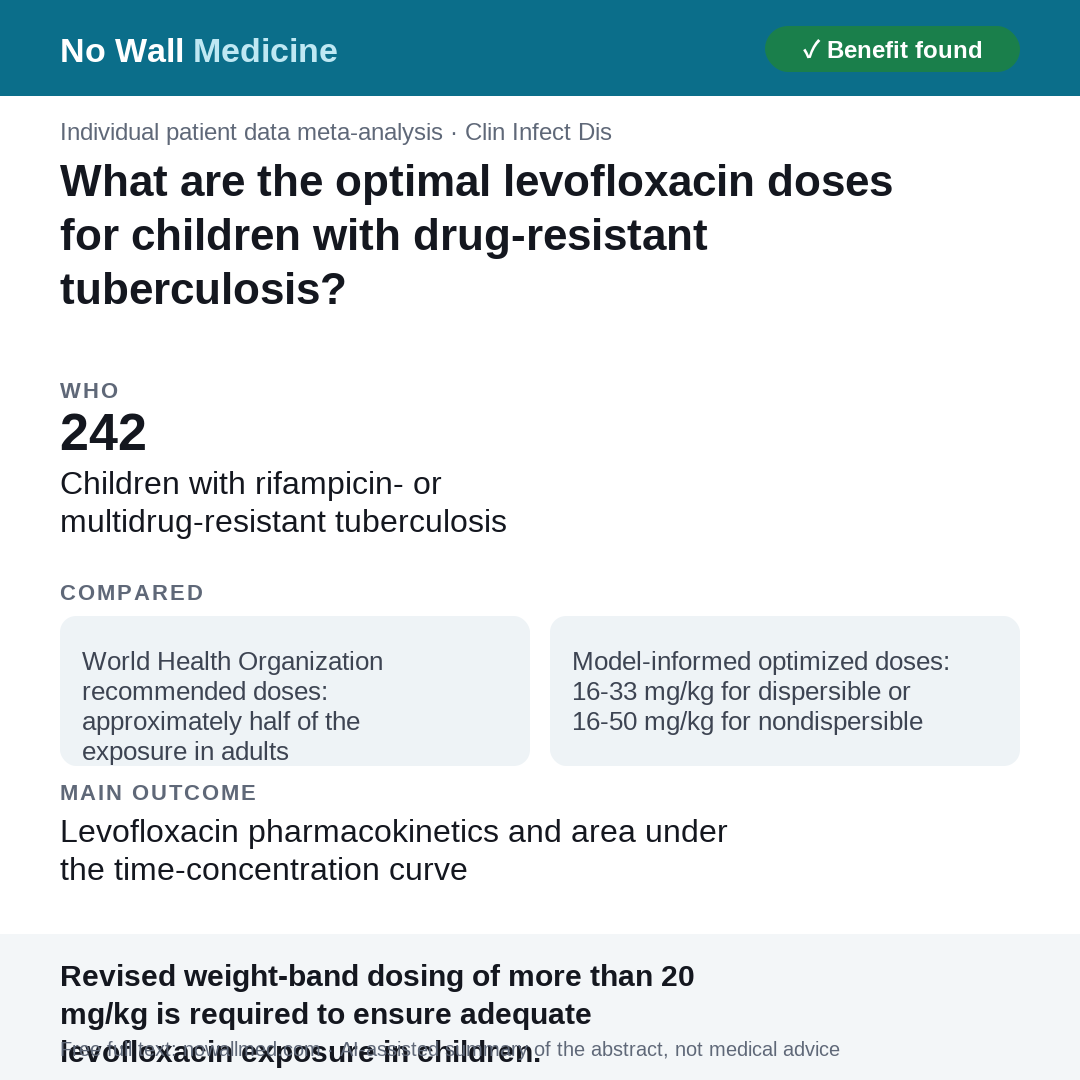
Pharmacokinetics and Optimal Dosing of Levofloxacin in Children for Drug-Resistant Tuberculosis: An Individual Patient Data Meta-Analysis
Individual patient data meta-analysisBenefit found
What are the optimal levofloxacin doses for children with drug-resistant tuberculosis?
Who
242
Children with rifampicin- or multidrug-resistant tuberculosis
Compared
World Health Organization recommended doses: approximately half of the exposure in adults
Model-informed optimized doses: 16-33 mg/kg for dispersible or 16-50 mg/kg for nondispersible
Main outcome
Levofloxacin pharmacokinetics and area under the time-concentration curve
Bottom line: Revised weight-band dosing of more than 20 mg/kg is required to ensure adequate levofloxacin exposure in children.
Clin Infect Dis · 2024-02-10Download image
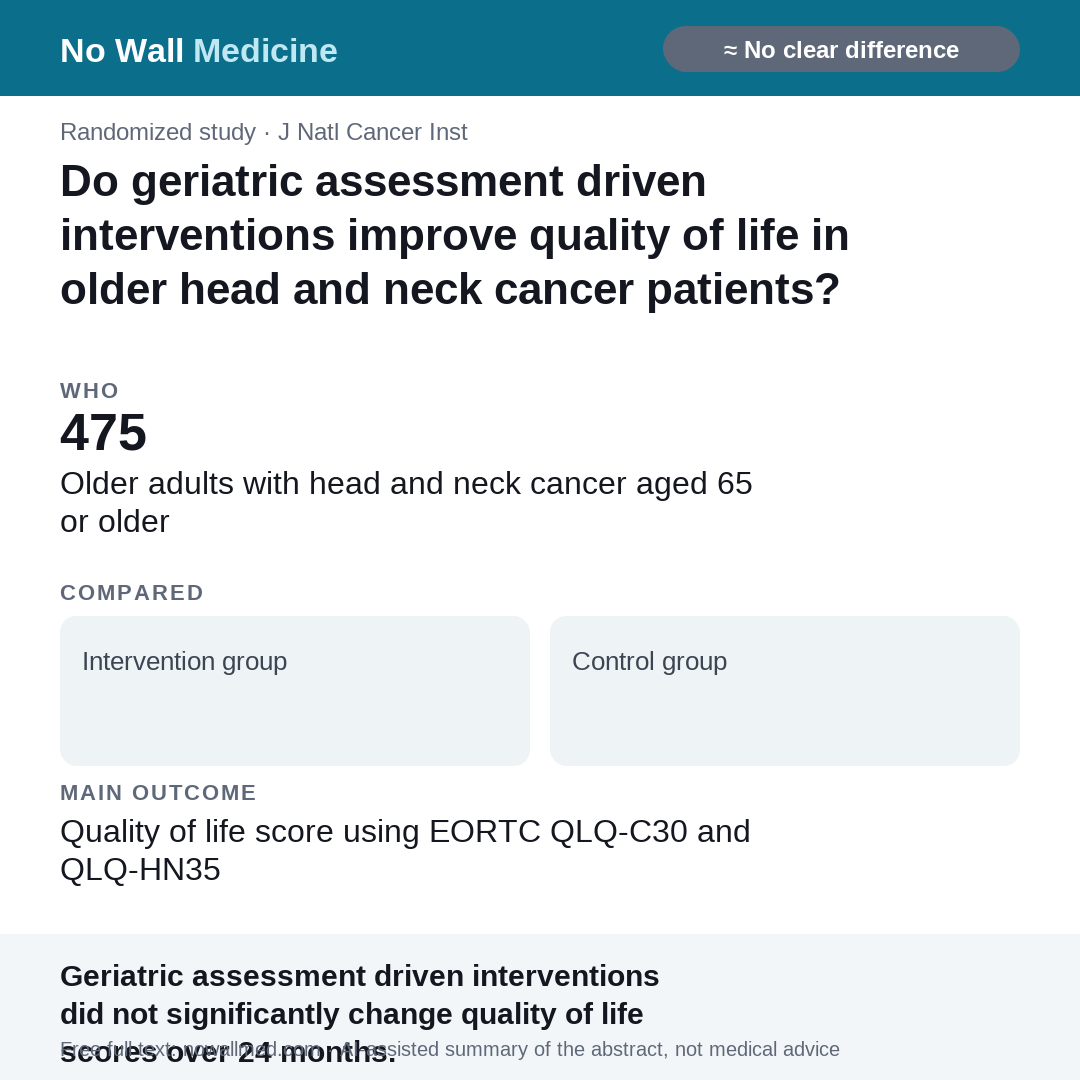
Geriatric assessment and quality of life for 2 years in older patients with head and neck cancer
Randomized studyNo clear difference
Do geriatric assessment driven interventions improve quality of life in older head and neck cancer patients?
Who
475
Older adults with head and neck cancer aged 65 or older
Compared
Intervention group
Control group
Main outcome
Quality of life score using EORTC QLQ-C30 and QLQ-HN35
Bottom line: Geriatric assessment driven interventions did not significantly change quality of life scores over 24 months.
J Natl Cancer Inst · 2024-02-10Download image
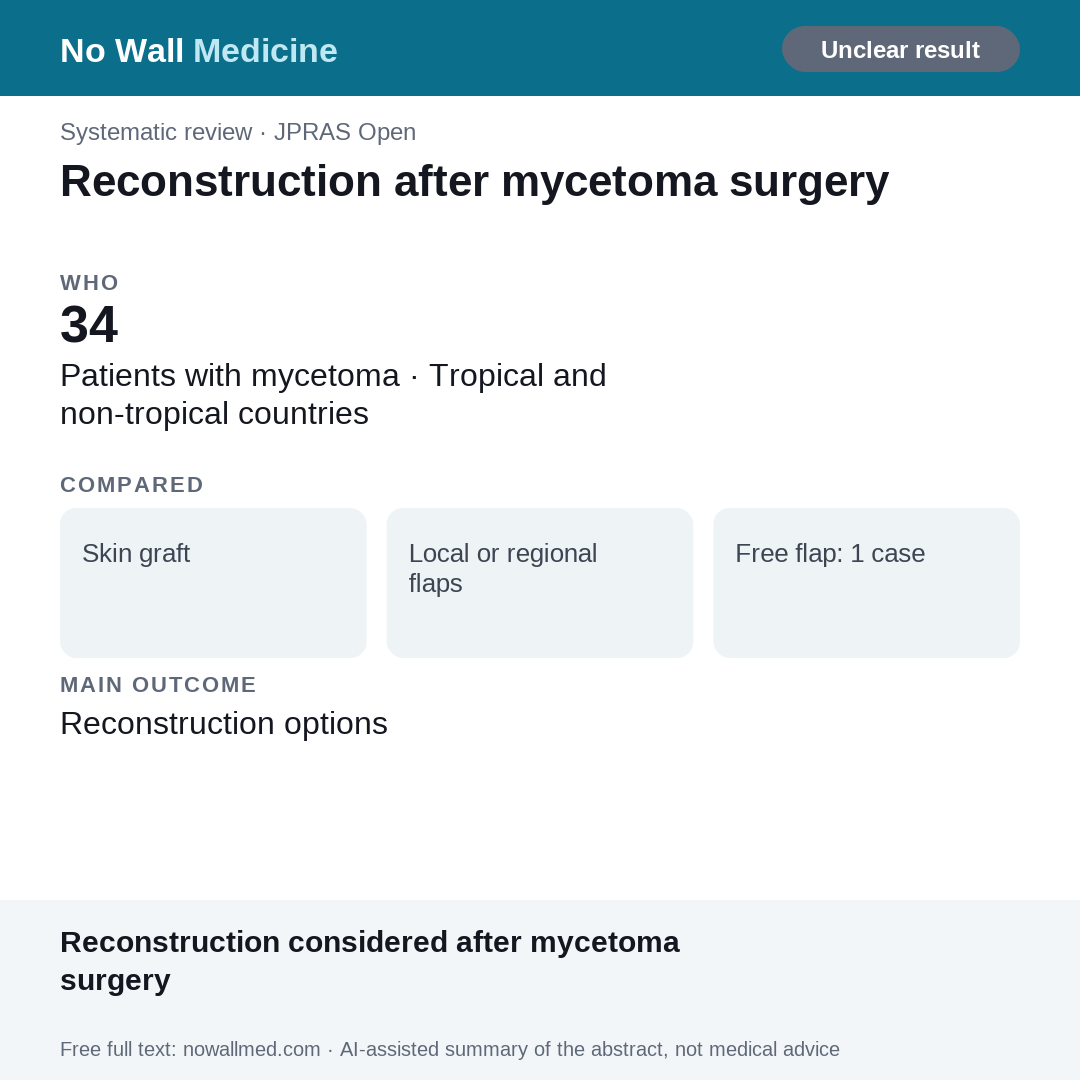
Reconstructive surgery for mycetoma: Preliminary algorithm and a systematic review
Systematic reviewUnclear result
Reconstruction after mycetoma surgery
Who
34
Patients with mycetoma · Tropical and non-tropical countries
Compared
Skin graft
Local or regional flaps
Free flap: 1 case
Main outcome
Reconstruction options
Bottom line: Reconstruction considered after mycetoma surgery
JPRAS Open · 2024-02-10Download image
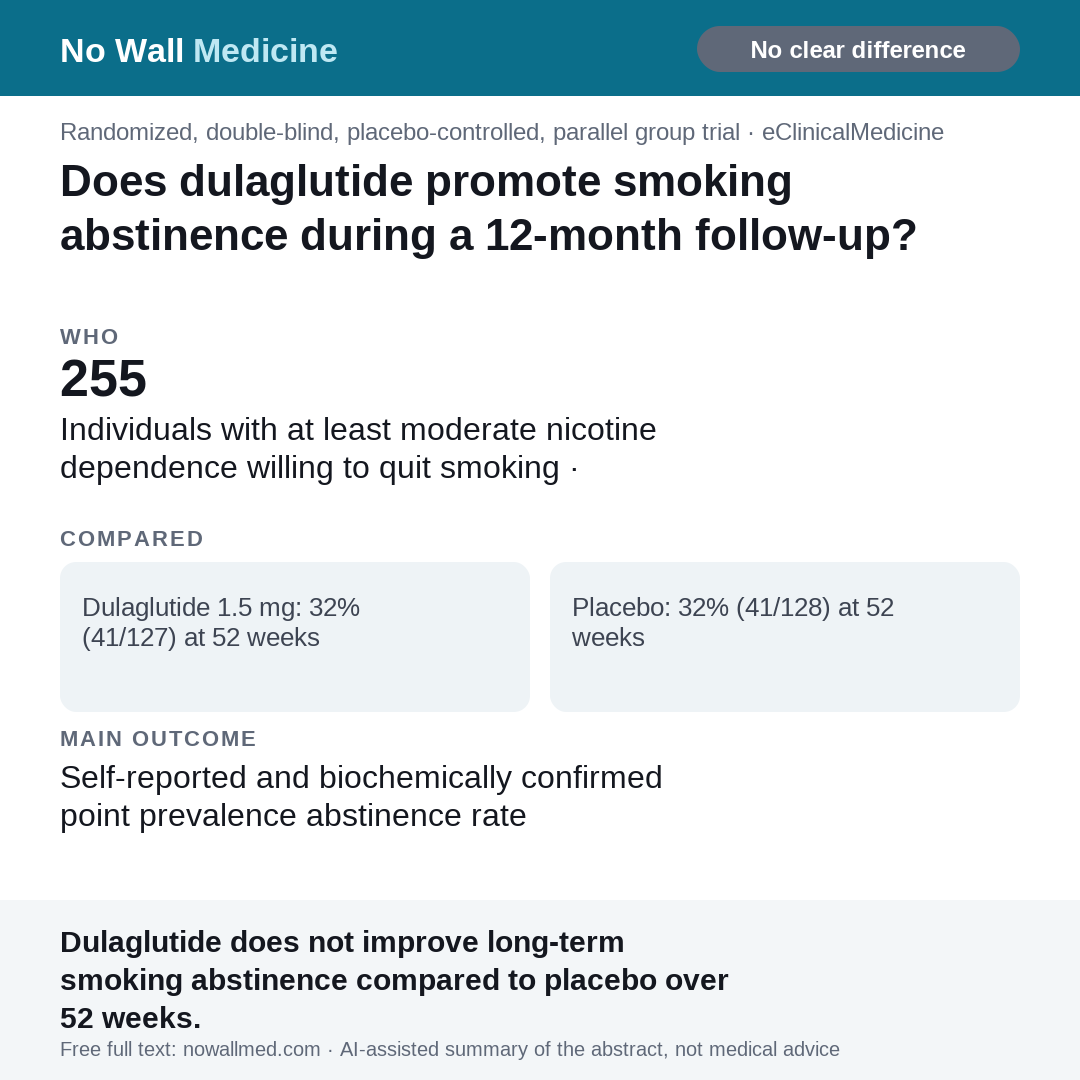
Effect of dulaglutide in promoting abstinence during smoking cessation: 12-month follow-up of a single-centre, randomised, double-blind, placebo-controlled, parallel group trial
Randomized, double-blind, placebo-controlled, parallel group trialNo clear difference
Does dulaglutide promote smoking abstinence during a 12-month follow-up?
Who
255
Individuals with at least moderate nicotine dependence willing to quit smoking · University Hospital Basel in Switzerland
Compared
Dulaglutide 1.5 mg: 32% (41/127) at 52 weeks
Placebo: 32% (41/128) at 52 weeks
Main outcome
Self-reported and biochemically confirmed point prevalence abstinence rate
Bottom line: Dulaglutide does not improve long-term smoking abstinence compared to placebo over 52 weeks.
Limitation: Three months of treatment did not have a sustained beneficial effect on weight at 1 year.
Funded by: Swiss National Science Foundation and others
eClinicalMedicine · 2024-02-09Download image
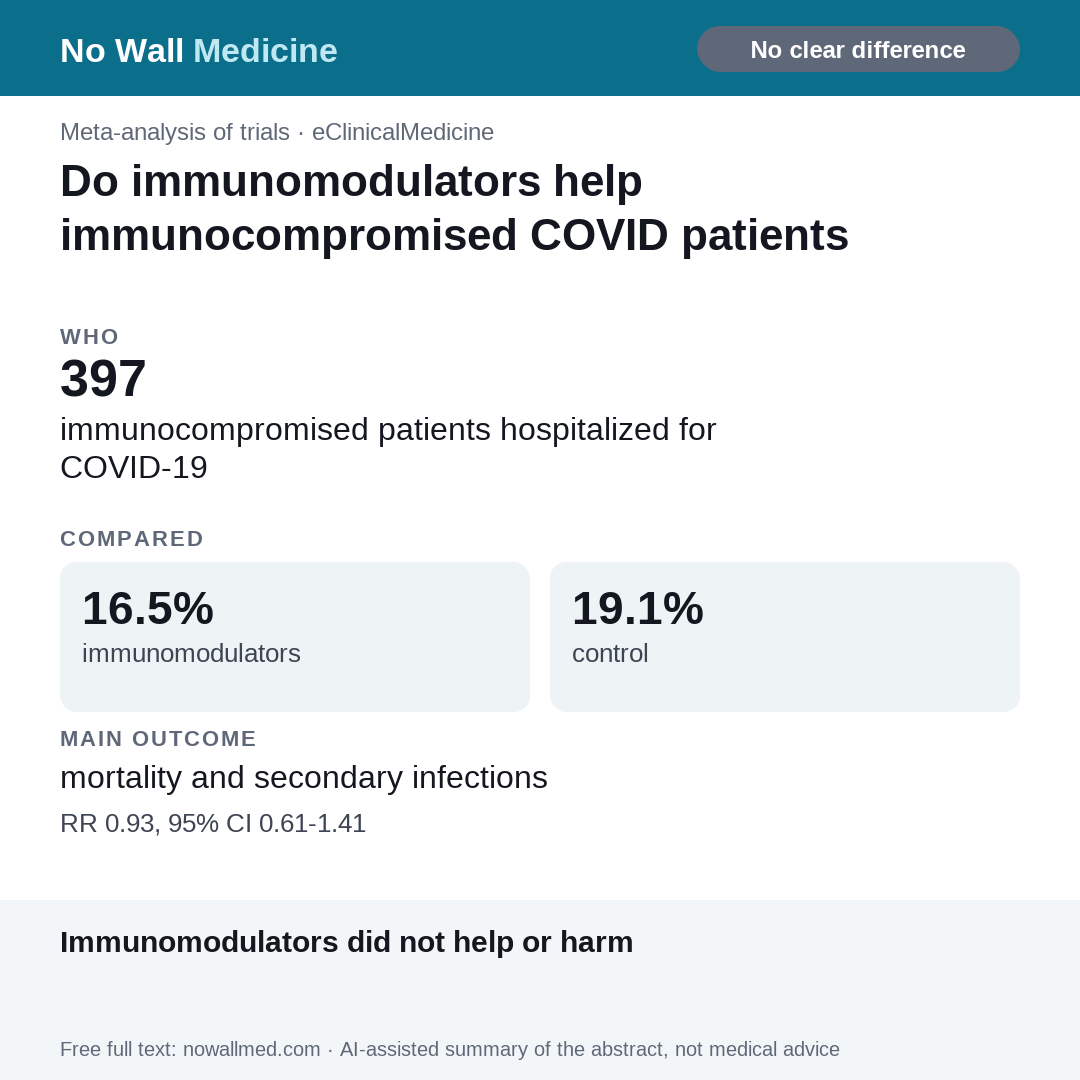
Immunomodulators for immunocompromised patients hospitalized for COVID-19: a meta-analysis of randomized controlled trials
Meta-analysis of trialsNo clear difference
Do immunomodulators help immunocompromised COVID patients
Who
397
immunocompromised patients hospitalized for COVID-19
Compared
16.5%immunomodulators (30/182)
19.1%control (41/215)
Main outcome
mortality and secondary infections
Result: RR 0.93, 95% CI 0.61-1.41
Bottom line: Immunomodulators did not help or harm
Funded by: Hellenic Foundation for Research and Innovation
eClinicalMedicine · 2024-02-09Download image
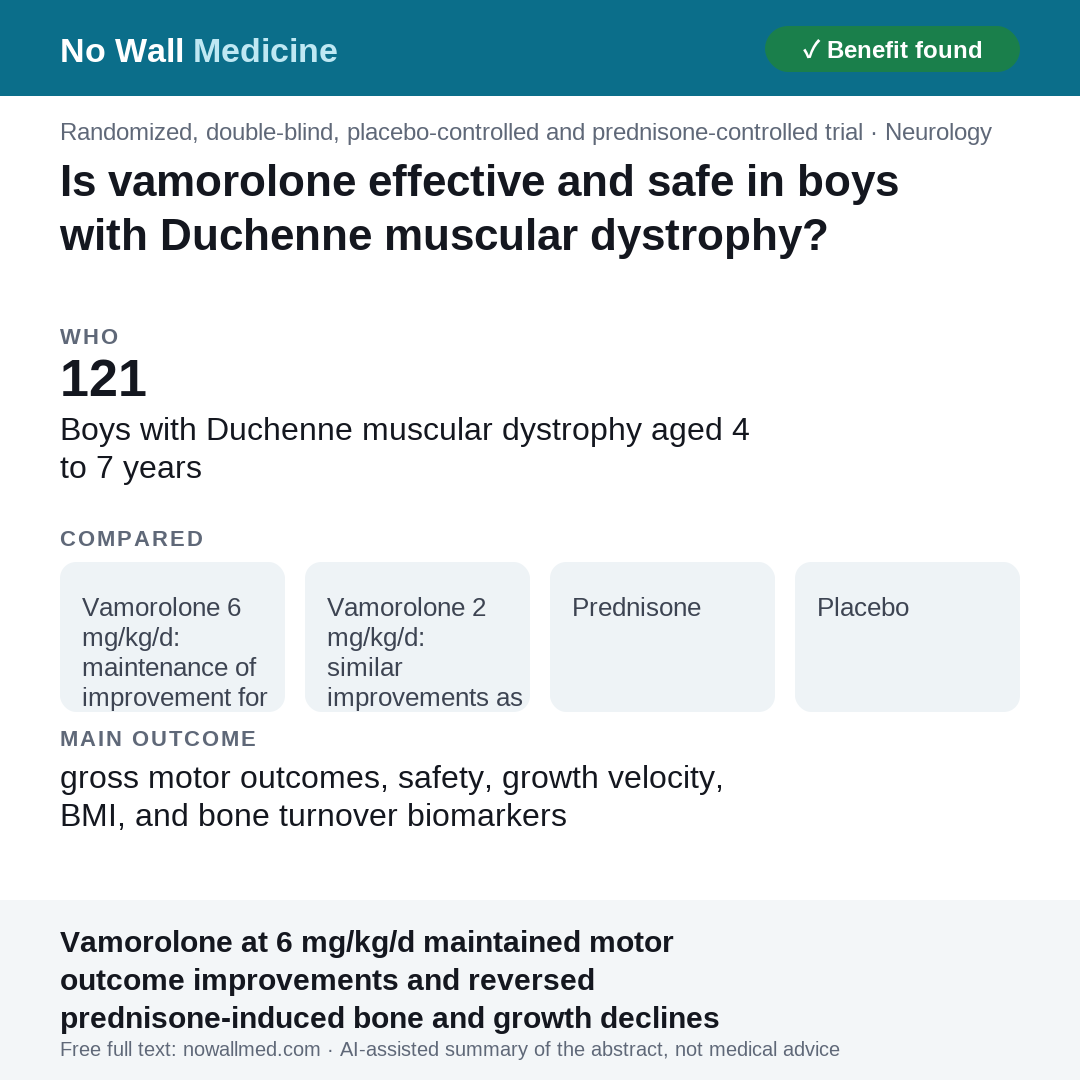
Efficacy and Safety of Vamorolone Over 48 Weeks in Boys With Duchenne Muscular Dystrophy: A Randomized Controlled Trial
Randomized, double-blind, placebo-controlled and prednisone-controlled trialBenefit found
Is vamorolone effective and safe in boys with Duchenne muscular dystrophy?
Who
121
Boys with Duchenne muscular dystrophy aged 4 to 7 years
Compared
Vamorolone 6 mg/kg/d: maintenance of improvement for all motor outcomes
Vamorolone 2 mg/kg/d: similar improvements as 6 mg/kg/d for North Star Ambulatory Assessment
Prednisone
Placebo
Main outcome
gross motor outcomes, safety, growth velocity, BMI, and bone turnover biomarkers
Bottom line: Vamorolone at 6 mg/kg/d maintained motor outcome improvements and reversed prednisone-induced bone and growth declines over 48 weeks.
Neurology · 2024-02-09Download image
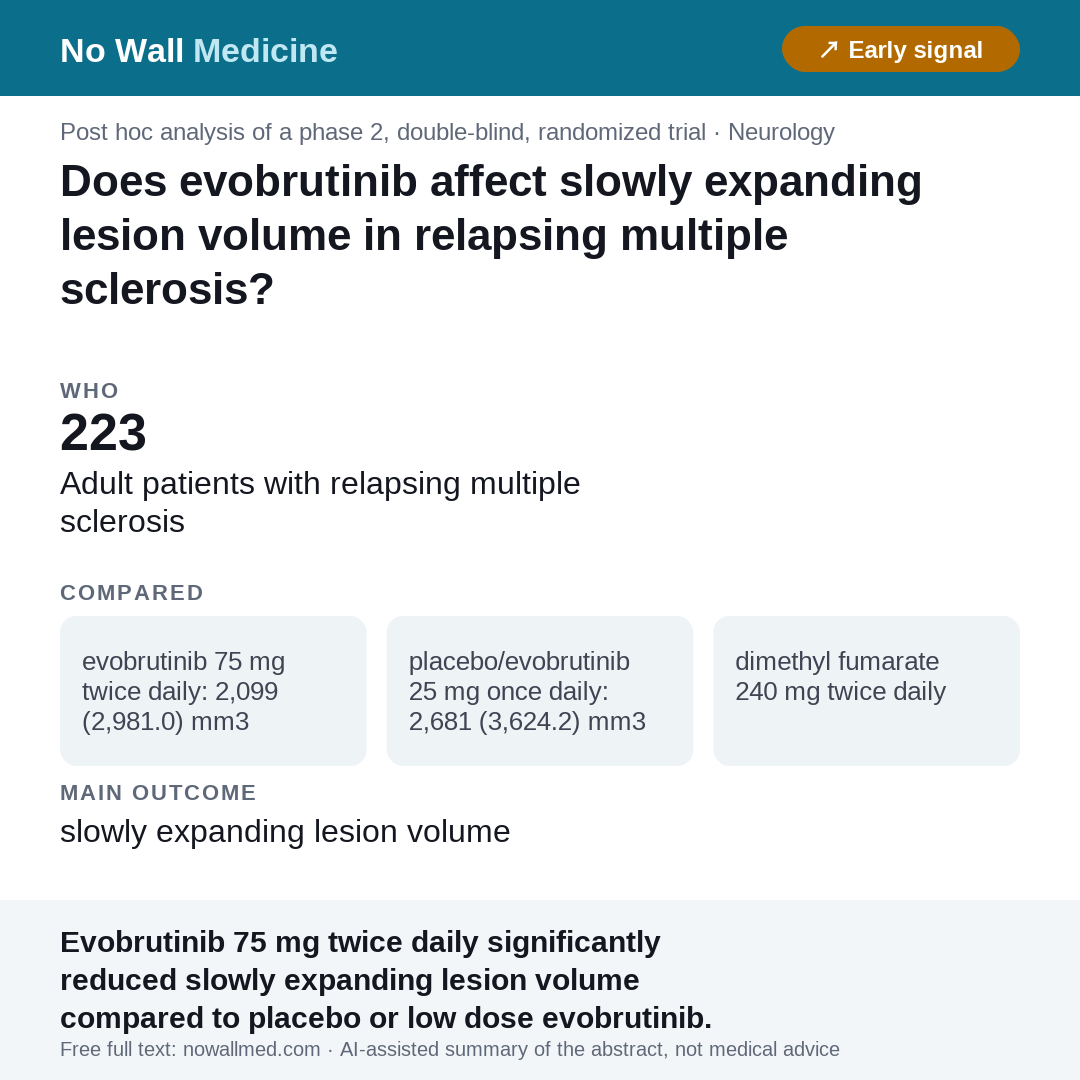
Effect of Evobrutinib on Slowly Expanding Lesion Volume in Relapsing Multiple Sclerosis: A Post Hoc Analysis of a Phase 2 Trial
Post hoc analysis of a phase 2, double-blind, randomized trialEarly signal
Does evobrutinib affect slowly expanding lesion volume in relapsing multiple sclerosis?
Who
223
Adult patients with relapsing multiple sclerosis
Compared
evobrutinib 75 mg twice daily: 2,099 (2,981.0) mm3
placebo/evobrutinib 25 mg once daily: 2,681 (3,624.2) mm3
dimethyl fumarate 240 mg twice daily
Main outcome
slowly expanding lesion volume
Result: -474.5 mm3 [-1,098.0 to -3.0]
Bottom line: Evobrutinib 75 mg twice daily significantly reduced slowly expanding lesion volume compared to placebo or low dose evobrutinib.
Neurology · 2024-02-09Download image
Postoperative Complications and Mobilization Following Major Abdominal Surgery With Versus Without Fitness Tracker-based Feedback (EXPELLIARMUS): A Student-led Multicenter Randomized Controlled Clinical Trial of the CHIR-Net SIGMA Study Group
Multicenter randomized controlled clinical trialNo clear difference
Does fitness tracker-based feedback reduce postoperative complications after major abdominal surgery?
Who
347
Patients undergoing major abdominal surgery · 11 University Hospitals across Germany
Compared
experimental group with visible screen: 23±24
control intervention with blackened screen: 22±22
Main outcome
postoperative morbidity within 30 days using Comprehensive Complication Index
Result: 95% CI: -6.1, 3.7
Bottom line: Daily step goals and fitness tracker feedback had no effect on postoperative morbidity after major abdominal surgery.
Ann Surg · 2024-02-09Download image
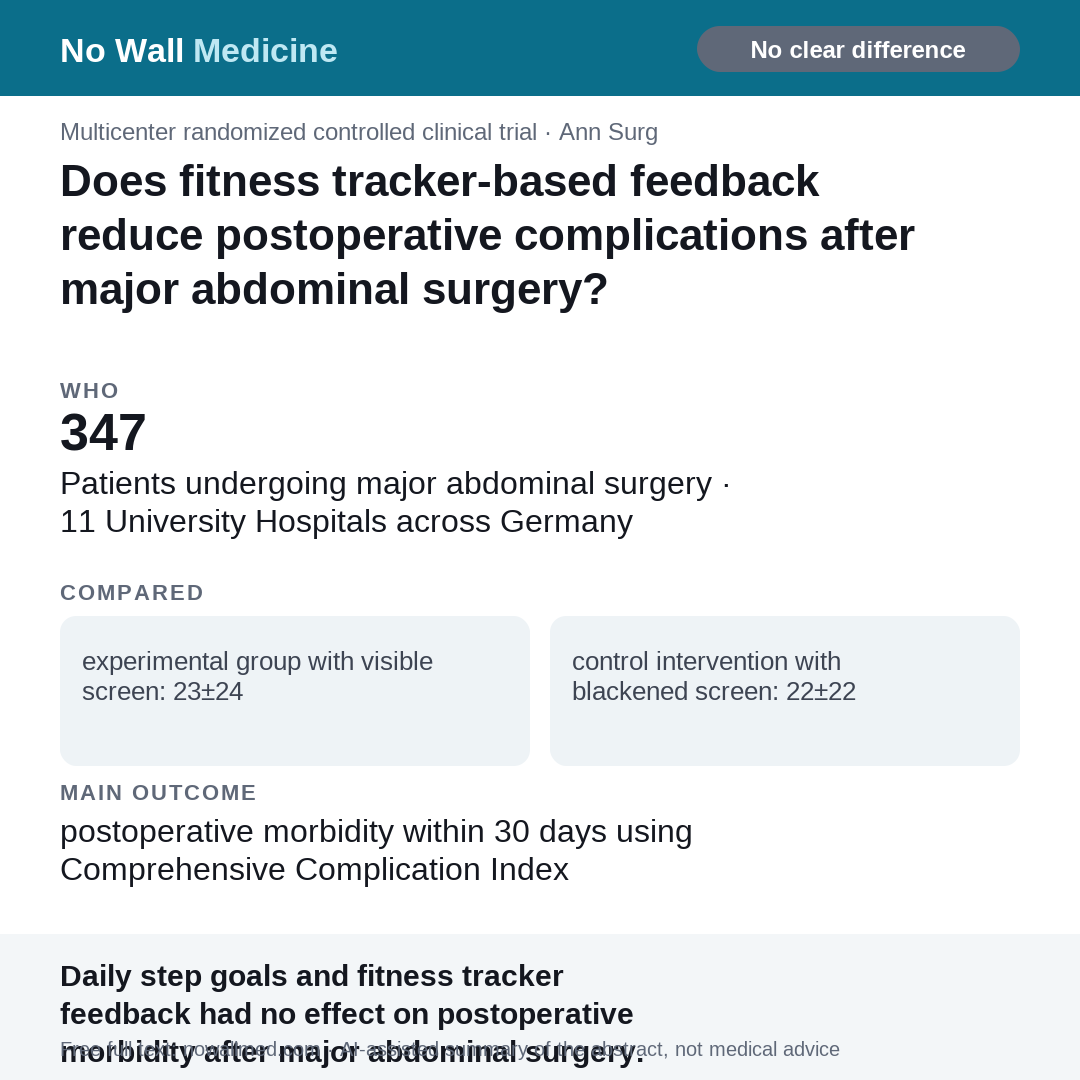
Do dietary interventions exert clinically important effects on the bioavailability of β-lactam antibiotics? A systematic review with meta-analyses
Systematic review with meta-analysesMixed results
Do dietary interventions affect beta-lactam antibiotics bioavailability
Who
166
patients taking beta-lactam antibiotics
Compared
food intake
antacids or mineral supplements
beverages
Main outcome
bioavailability of beta-lactam antibiotics
Bottom line: Dietary interventions affect beta-lactam antibiotics bioavailability
Limitation: low quality of evidence
J Antimicrob Chemother · 2024-02-09Download image
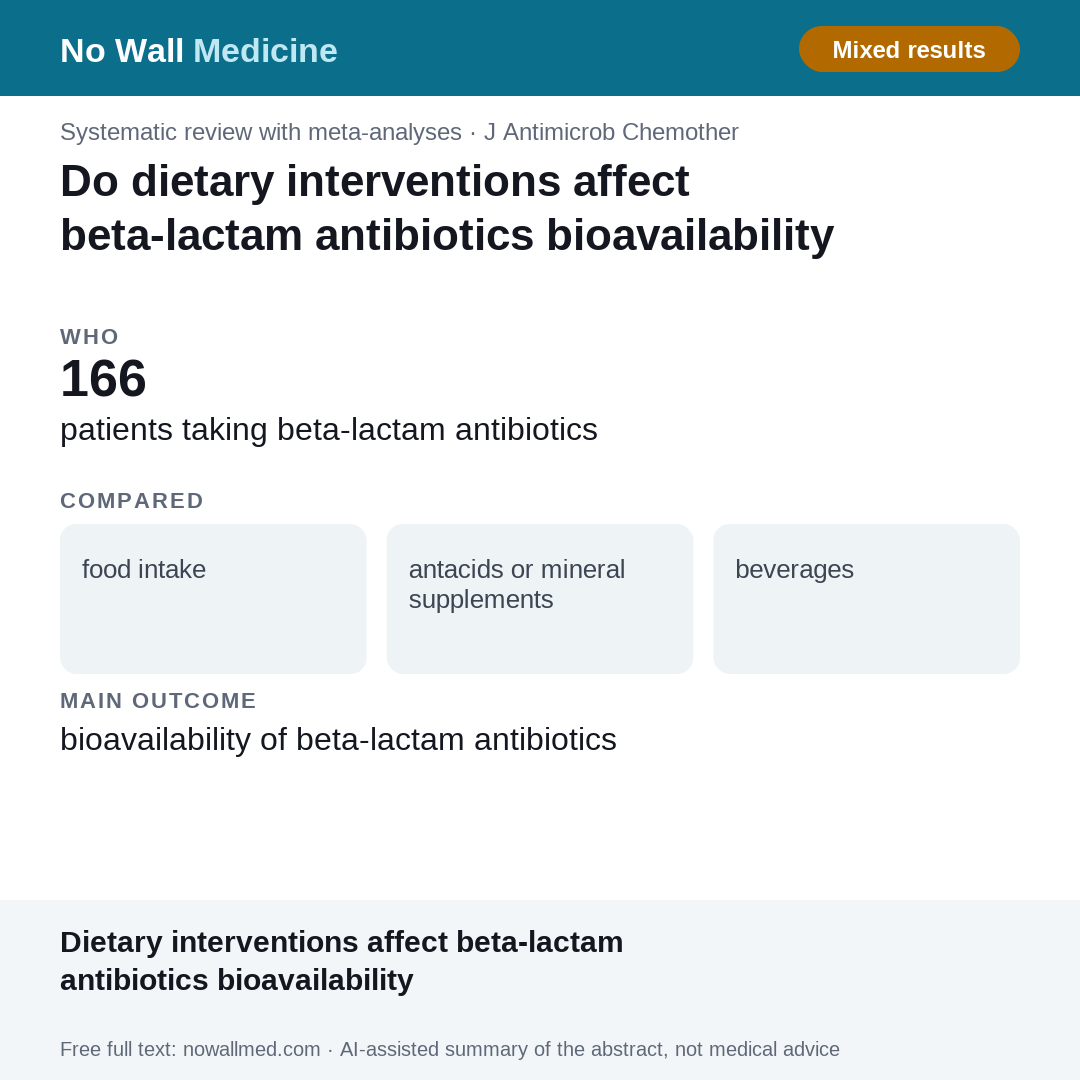
Epidemiology of heart failure in diabetes: a disease in disguise
Systematic review and meta-analysisMixed results
What is the prevalence and incidence of heart failure subtypes in adults with type 2 diabetes?
Who
Adults aged 18 years or older with type 2 diabetes
Compared
43%Left ventricular diastolic dysfunction (95% CI 37%, 50%)
17%Heart failure with preserved ejection fraction (95% CI 7%, 35%)
6%Left ventricular systolic dysfunction (95% CI 3%, 10%)
7%Heart failure with reduced ejection fraction (95% CI 3%, 15%)
Main outcome
Prevalence and incidence of heart failure subtypes
Bottom line: Type 2 diabetes is associated with high prevalence of left ventricular diastolic dysfunction and heart failure with preserved ejection fraction.
Limitation: The evidence is limited by the heterogeneity of the diagnostic criteria over the years.
Diabetologia · 2024-02-09Download image
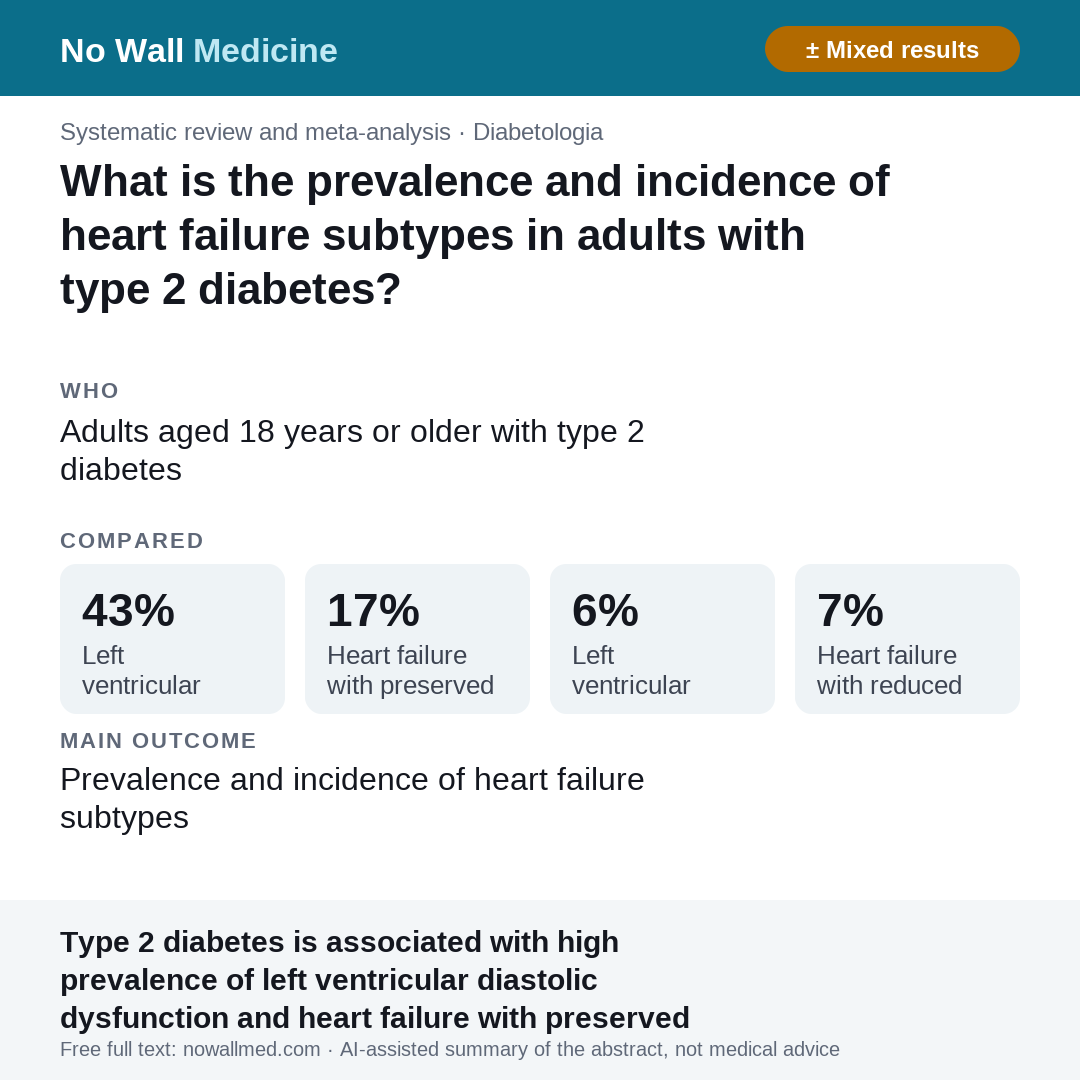
Testosterone Treatment, Weight Loss, and Health-related Quality of Life and Psychosocial Function in Men: A 2-year Randomized Controlled Trial
2-year randomized controlled trialMixed results
Does testosterone versus placebo improve quality of life and psychosocial function in men?
Who
1007
Men 50 years or older at high risk for type 2 diabetes · 6 Australian centers
Compared
Testosterone undecanoate
Placebo
Main outcome
Health-related quality of life and psychosocial function
Bottom line: Weight loss from lifestyle intervention improved quality of life more than testosterone treatment.
J Clin Endocrinol Metab · 2024-02-09Download image
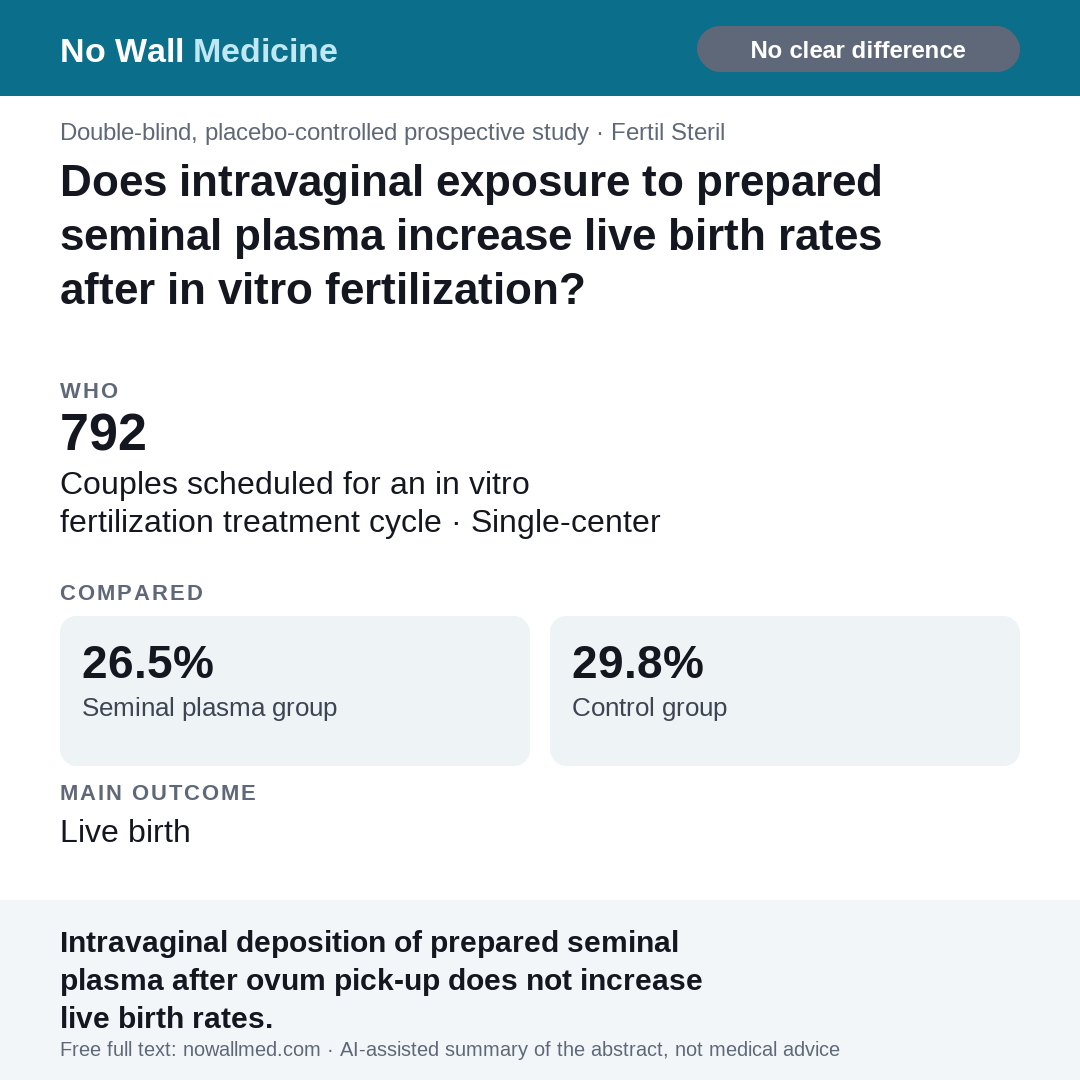
Intravaginal exposure to seminal plasma after ovum pick-up does not increase live birth rates after in vitro fertilization or intracytoplasmic sperm injection treatment: a double-blind, placebo-controlled randomized trial
Double-blind, placebo-controlled prospective studyNo clear difference
Does intravaginal exposure to prepared seminal plasma increase live birth rates after in vitro fertilization?
Who
792
Couples scheduled for an in vitro fertilization treatment cycle · Single-center University Hospital
Compared
26.5%Seminal plasma group
29.8%Control group
Main outcome
Live birth
Result: relative risk 0.86 (95% CI 0.70 to 1.07)
Bottom line: Intravaginal deposition of prepared seminal plasma after ovum pick-up does not increase live birth rates.
Fertil Steril · 2024-02-09Download image
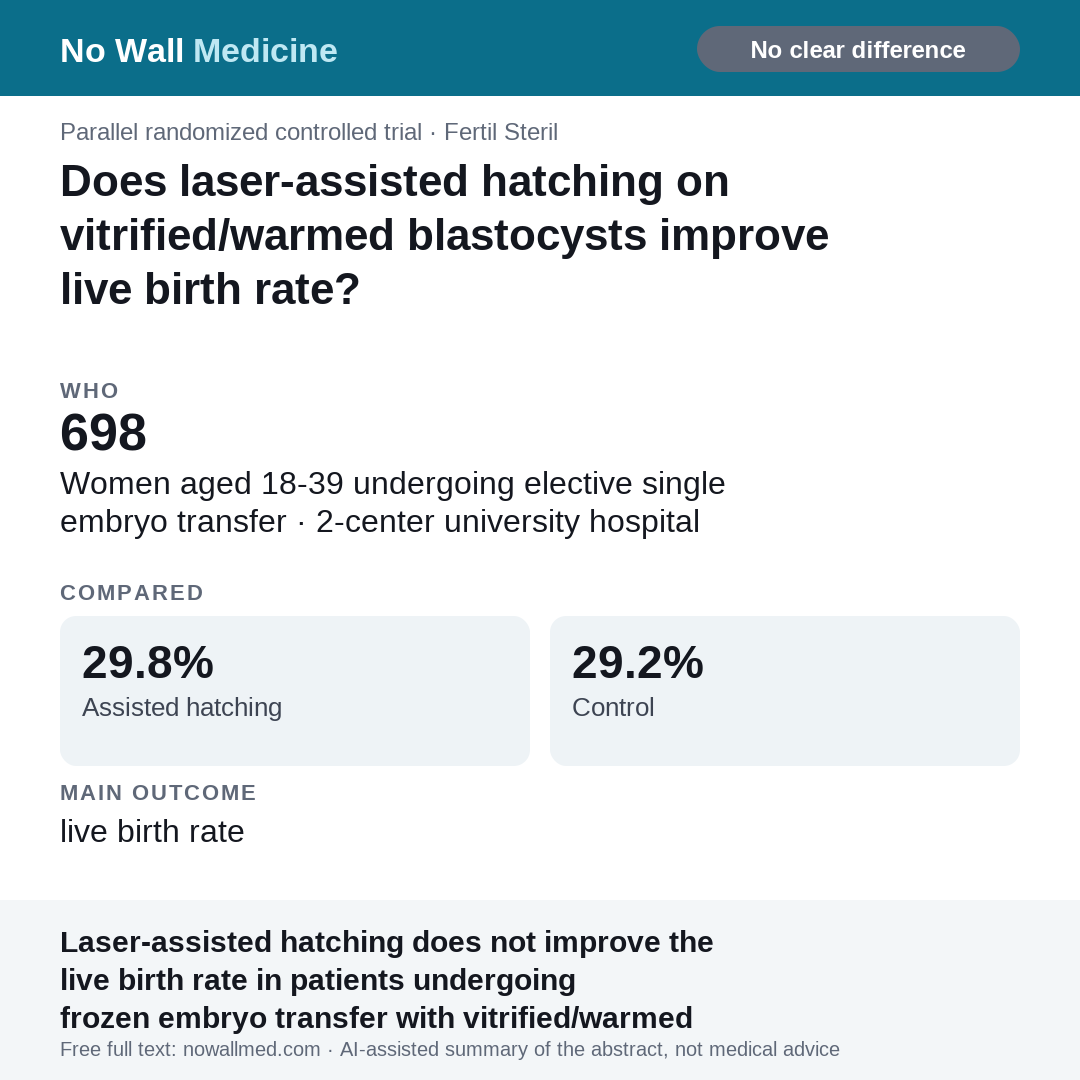
The effect of laser-assisted hatching on vitrified/warmed blastocysts: the ALADDIN randomized controlled trial
Parallel randomized controlled trialNo clear difference
Does laser-assisted hatching on vitrified/warmed blastocysts improve live birth rate?
Who
698
Women aged 18-39 undergoing elective single embryo transfer · 2-center university hospital
Compared
29.8%Assisted hatching
29.2%Control
Main outcome
live birth rate
Result: relative risk 1.02 (95% confidence interval, 0.86-1.19)
Bottom line: Laser-assisted hatching does not improve the live birth rate in patients undergoing frozen embryo transfer with vitrified/warmed blastocysts.
Fertil Steril · 2024-02-09Download image
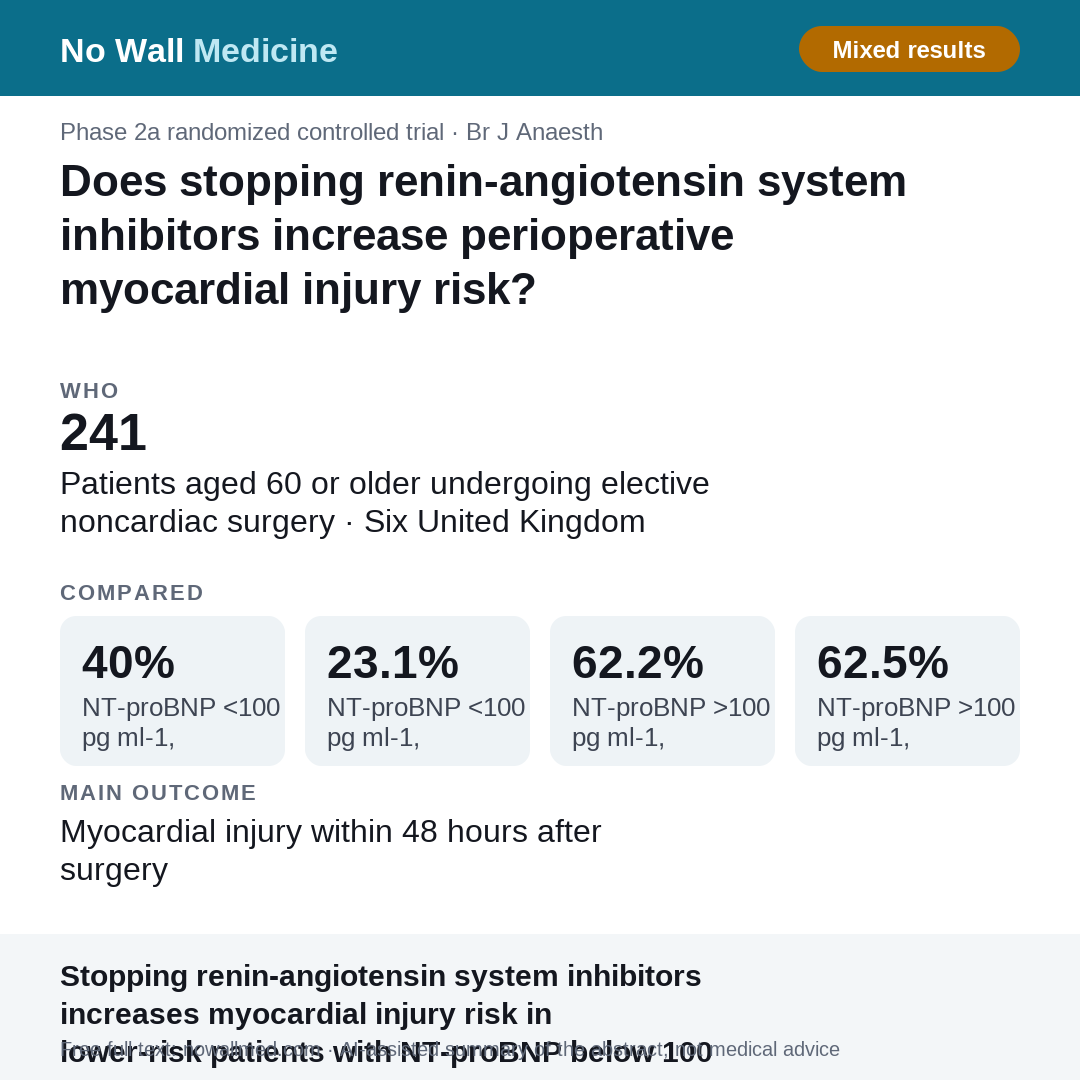
Preoperative N-terminal pro-B-type natriuretic peptide and myocardial injury after stopping or continuing renin-angiotensin system inhibitors in noncardiac surgery: a prespecified analysis of a phase 2 randomised controlled multicentre trial
Phase 2a randomized controlled trialMixed results
Does stopping renin-angiotensin system inhibitors increase perioperative myocardial injury risk?
Who
241
Patients aged 60 or older undergoing elective noncardiac surgery · Six United Kingdom centres
Compared
40%NT-proBNP <100 pg ml-1, stopped RAS inhibitors
23.1%NT-proBNP <100 pg ml-1, continued RAS inhibitors
62.2%NT-proBNP >100 pg ml-1, stopped RAS inhibitors
62.5%NT-proBNP >100 pg ml-1, continued RAS inhibitors
Main outcome
Myocardial injury within 48 hours after surgery
Result: OR 2.22 (95% CI 1.06-4.65) for NT-proBNP <100 pg ml-1
Bottom line: Stopping renin-angiotensin system inhibitors increases myocardial injury risk in lower-risk patients with NT-proBNP below 100 pg ml-1.
Br J Anaesth · 2024-02-09Download image
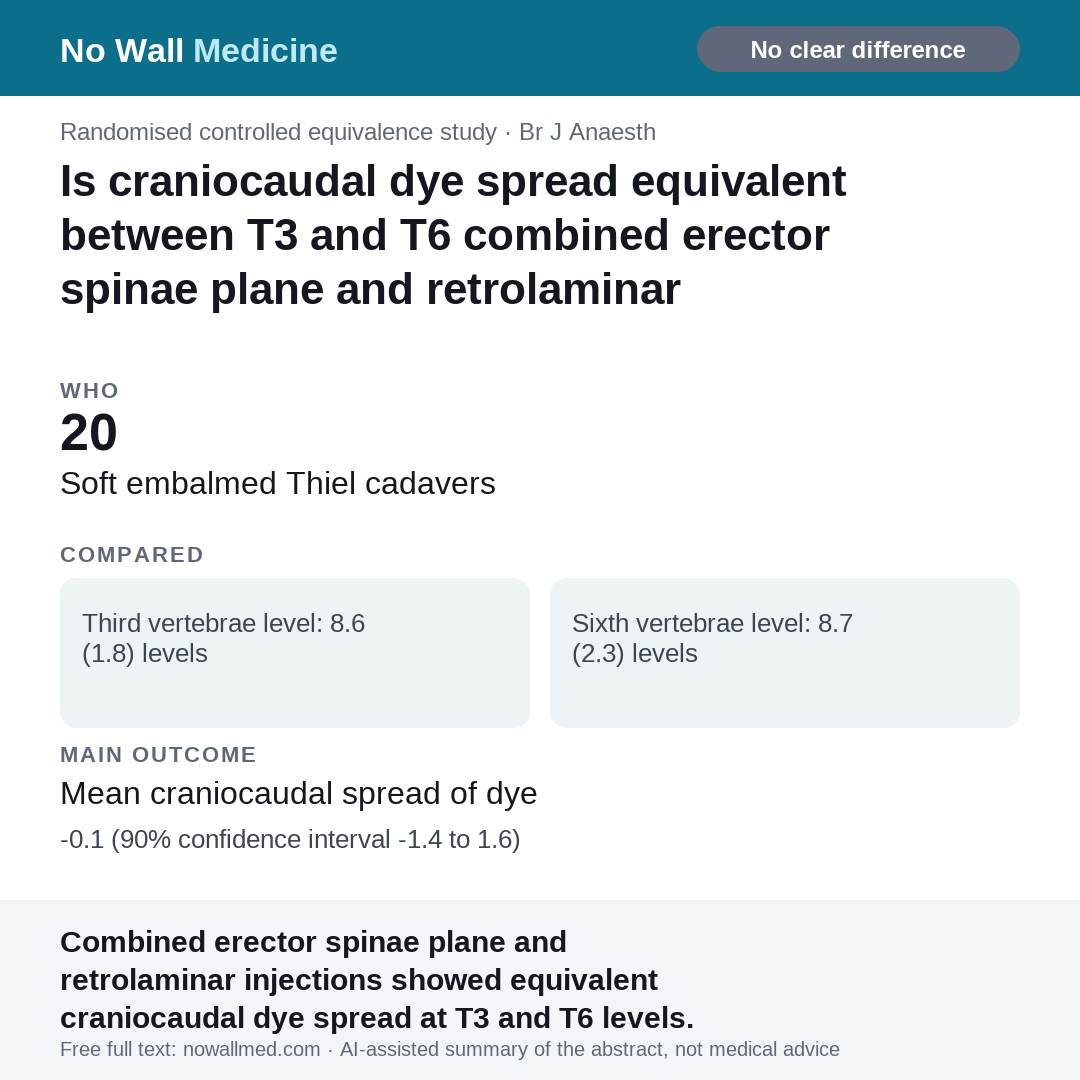
Craniocaudal spread and clinical translation for combined erector spinae plane block and retrolaminar block in soft embalmed cadavers: a randomised controlled equivalence study
Randomised controlled equivalence studyNo clear difference
Is craniocaudal dye spread equivalent between T3 and T6 combined erector spinae plane and retrolaminar injections?
Who
20
Soft embalmed Thiel cadavers
Compared
Third vertebrae level: 8.6 (1.8) levels
Sixth vertebrae level: 8.7 (2.3) levels
Main outcome
Mean craniocaudal spread of dye
Result: -0.1 (90% confidence interval -1.4 to 1.6)
Bottom line: Combined erector spinae plane and retrolaminar injections showed equivalent craniocaudal dye spread at T3 and T6 levels.
Limitation: The study was performed in soft embalmed cadavers.
Br J Anaesth · 2024-02-09Download image
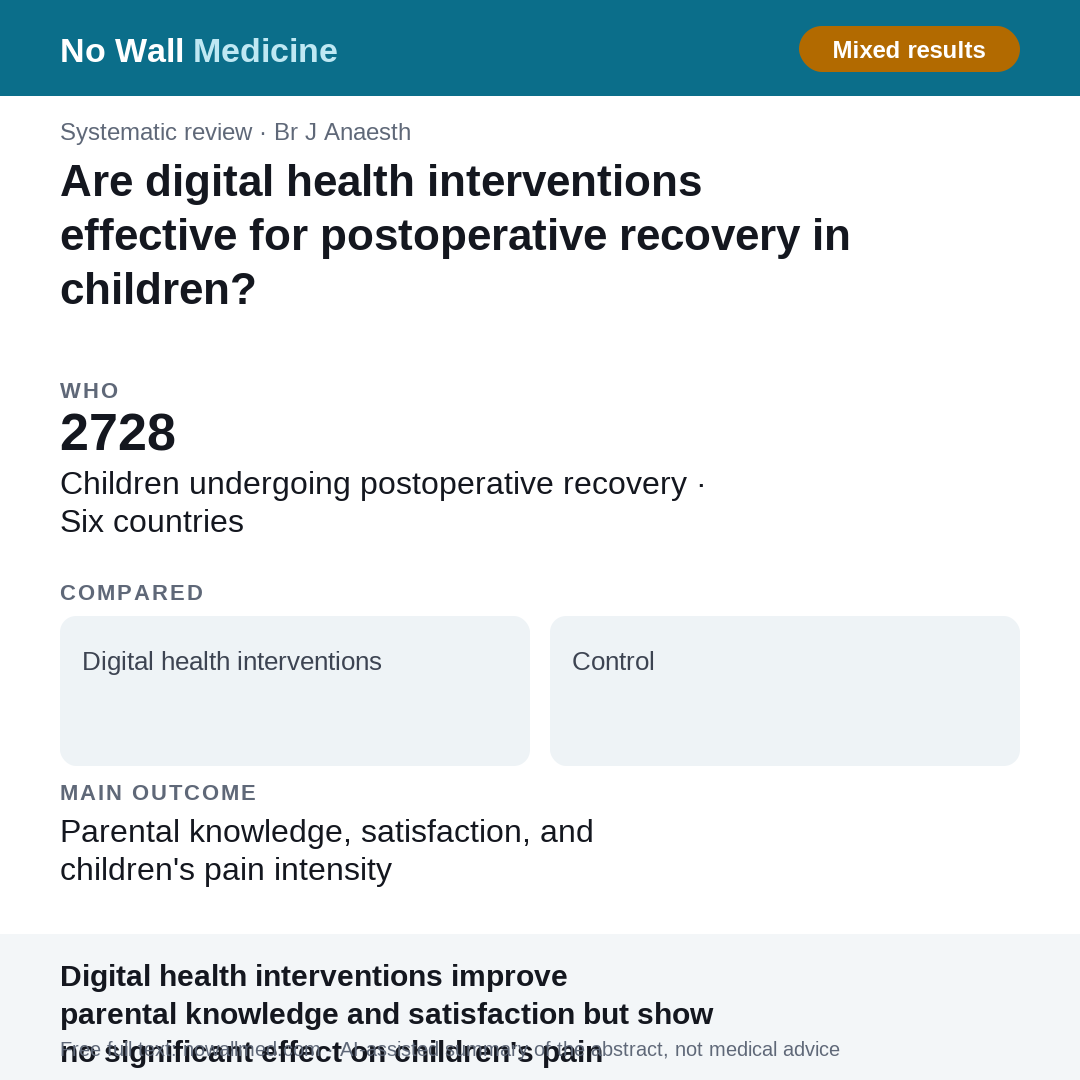
Digital health interventions for postoperative recovery in children: a systematic review
Systematic reviewMixed results
Are digital health interventions effective for postoperative recovery in children?
Who
2728
Children undergoing postoperative recovery · Six countries
Compared
Digital health interventions
Control
Main outcome
Parental knowledge, satisfaction, and children's pain intensity
Result: standard mean difference 2.16 (95% confidence interval 1.45-2.87) for knowledge and satisfaction
Bottom line: Digital health interventions improve parental knowledge and satisfaction but show no significant effect on children's pain intensity.
Limitation: More research is needed for child-centric interventions with validated outcome measures.
Br J Anaesth · 2024-02-09Download image