Visual abstracts
New randomized trials and meta-analyses from leading journals at a glance: who was studied, what was compared, and what was found. Every paper is free to read in full.
All specialtiesCardiology 4832Oncology 4114Gastroenterology & Hepatology 1934Infectious Disease 3824Neurology 1899Psychiatry & Mental Health 2256Pulmonology 2082Critical Care 1345Endocrinology & Diabetes 2572Pediatrics 2940Surgery 2525Orthopedics & Sports Medicine 926Neurosurgery 534Cardiothoracic & Vascular Surgery 671Plastic & Reconstructive Surgery 591Nephrology 1124Rheumatology 823Hematology 1104Dermatology 620Ophthalmology 543Obstetrics & Gynecology 1684Public & Global Health 1056Radiology & Imaging 641Anesthesiology 962Urology 754ENT (Otolaryngology) 503Emergency Medicine 489Allergy & Immunology 313Geriatrics 981Family Medicine & Primary Care 541Medical Genetics & Genomics 675Pathology & Laboratory Medicine 157Physical Medicine & Rehabilitation 751Palliative Care 424Nutrition 1580Digital Health & AI 2195General Medicine 321
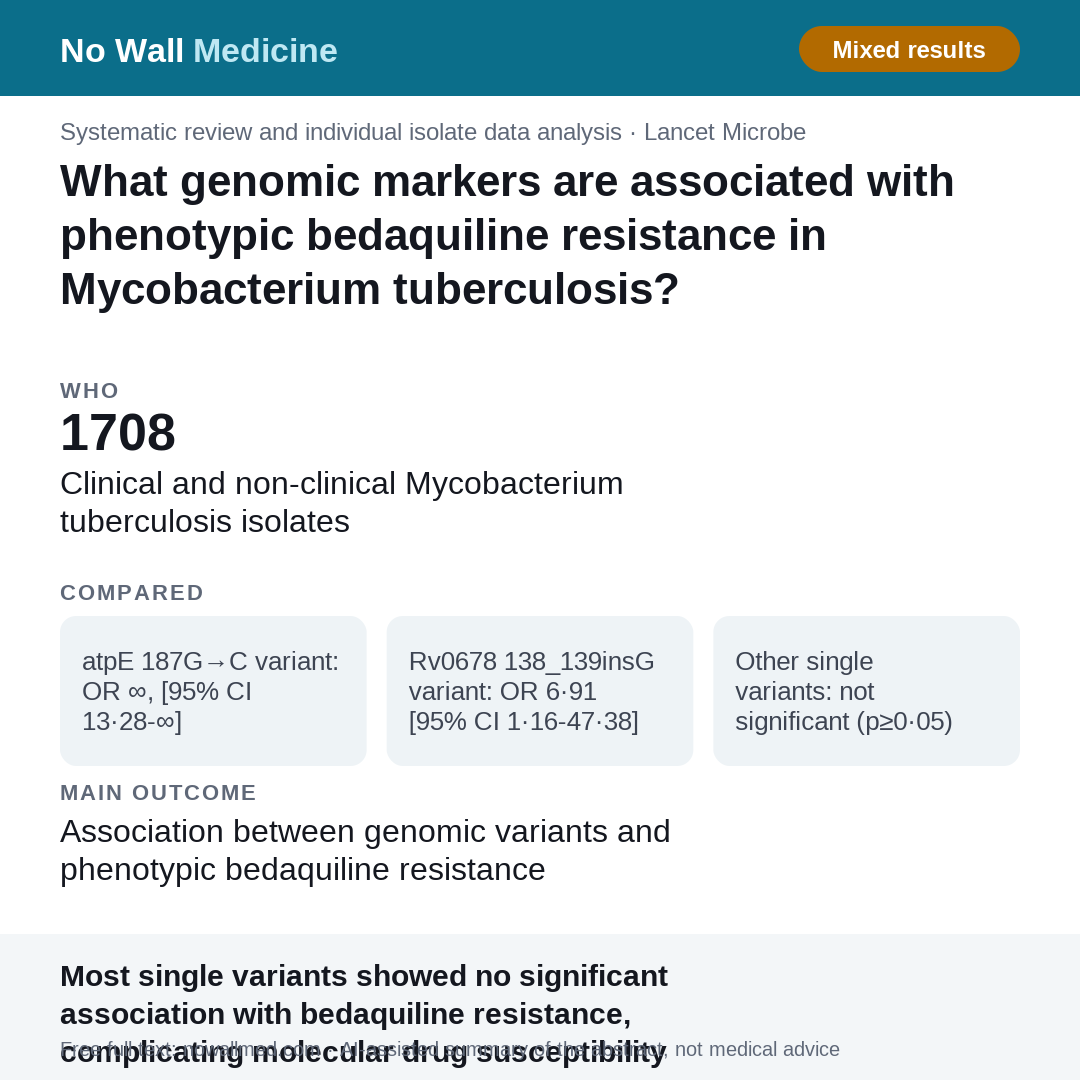
Genetic variants and their association with phenotypic resistance to bedaquiline in Mycobacterium tuberculosis: a systematic review and individual isolate data analysis
Systematic review and individual isolate data analysisMixed results
What genomic markers are associated with phenotypic bedaquiline resistance in Mycobacterium tuberculosis?
Who
1708
Clinical and non-clinical Mycobacterium tuberculosis isolates
Compared
atpE 187G→C variant: OR ∞, [95% CI 13·28-∞]
Rv0678 138_139insG variant: OR 6·91 [95% CI 1·16-47·38]
Other single variants: not significant (p≥0·05)
Main outcome
Association between genomic variants and phenotypic bedaquiline resistance
Result: atpE 187G→C: OR ∞, [95% CI 13·28-∞]; Rv0678 138_139insG: OR 6·91 [95% CI 1·16-47·38]
Bottom line: Most single variants showed no significant association with bedaquiline resistance, complicating molecular drug susceptibility test development.
Lancet Microbe · 2021-08-31Download image
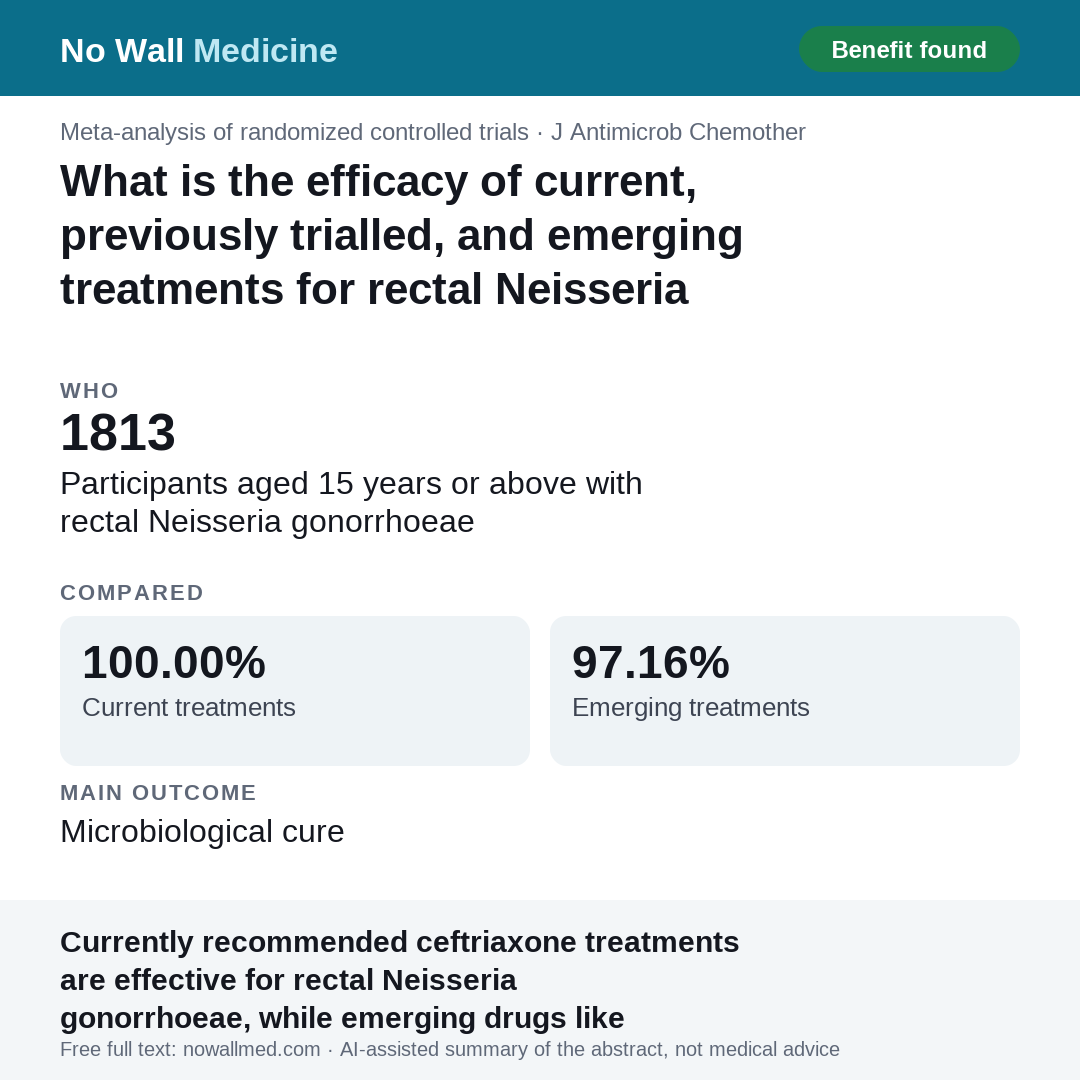
Treatment efficacy for rectal Neisseria gonorrhoeae: a systematic review and meta-analysis of randomized controlled trials
Meta-analysis of randomized controlled trialsBenefit found
What is the efficacy of current, previously trialled, and emerging treatments for rectal Neisseria gonorrhoeae?
Who
1813
Participants aged 15 years or above with rectal Neisseria gonorrhoeae
Compared
100.00%Current treatments (95% CI 99.96%-100.00%)
97.16%Emerging treatments (95% CI 86.79%-100.00%)
Main outcome
Microbiological cure
Result: 100.0% (95% CI: 99.9%-100.0%)
Bottom line: Currently recommended ceftriaxone treatments are effective for rectal Neisseria gonorrhoeae, while emerging drugs like zoliflodacin show potential.
Limitation: No trials exclusively investigated rectal Neisseria gonorrhoeae and small sample size was a limitation in most trials.
J Antimicrob Chemother · 2021-08-31Download image
Novel Therapies for Kidney Disease in People With Diabetes
Systematized narrative reviewBenefit found
What is the efficacy of novel therapies for diabetic kidney disease?
Who
Adult participants with type 1 or 2 diabetes
Compared
SGLT2 inhibitors: improved renal outcomes
Incretin-related therapies: some improvement in renal outcomes
Mineralocorticoid receptor antagonists: multiple improved renal outcomes
Main outcome
renal endpoints
Bottom line: SGLT2 inhibitors, incretin-related therapies, and mineralocorticoid receptor antagonists show promise for managing diabetic kidney disease.
J Clin Endocrinol Metab · 2021-08-31Download image

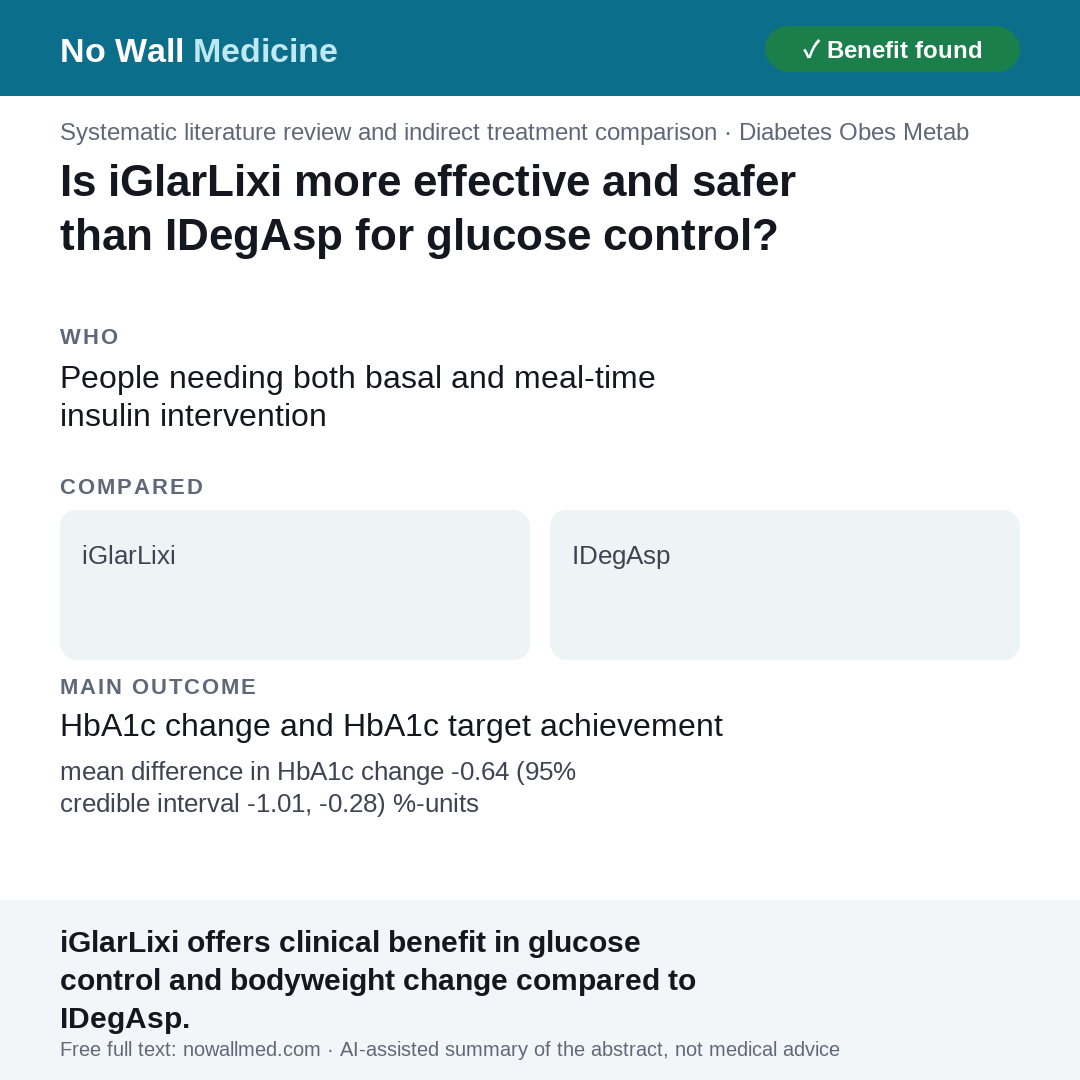
Efficacy and safety of iGlarLixi versus IDegAsp: Results of a systematic literature review and indirect treatment comparison
Systematic literature review and indirect treatment comparisonBenefit found
Is iGlarLixi more effective and safer than IDegAsp for glucose control?
Who
People needing both basal and meal-time insulin intervention
Compared
iGlarLixi
IDegAsp
Main outcome
HbA1c change and HbA1c target achievement
Result: mean difference in HbA1c change -0.64 (95% credible interval -1.01, -0.28) %-units
Bottom line: iGlarLixi offers clinical benefit in glucose control and bodyweight change compared to IDegAsp.
Diabetes Obes Metab · 2021-08-31Download image
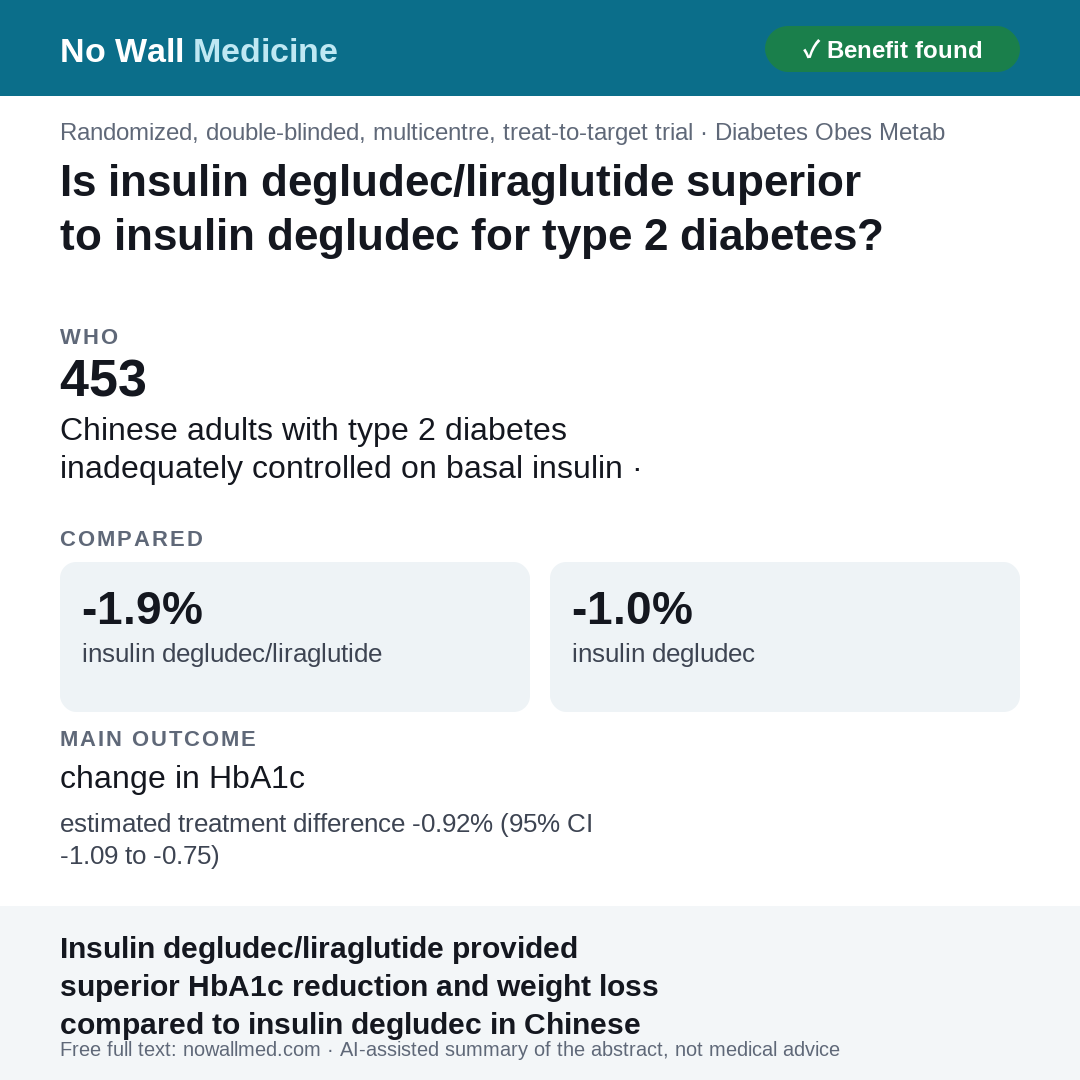
DUAL II China: Superior HbA1c reductions and weight loss with insulin degludec/liraglutide (IDegLira) versus insulin degludec in a randomized trial of Chinese people with type 2 diabetes inadequately controlled on basal insulin
Randomized, double-blinded, multicentre, treat-to-target trialBenefit found
Is insulin degludec/liraglutide superior to insulin degludec for type 2 diabetes?
Who
453
Chinese adults with type 2 diabetes inadequately controlled on basal insulin · multicentre
Compared
-1.9%insulin degludec/liraglutide
-1.0%insulin degludec
Main outcome
change in HbA1c
Result: estimated treatment difference -0.92% (95% CI -1.09 to -0.75)
Bottom line: Insulin degludec/liraglutide provided superior HbA1c reduction and weight loss compared to insulin degludec in Chinese patients.
Diabetes Obes Metab · 2021-08-31Download image
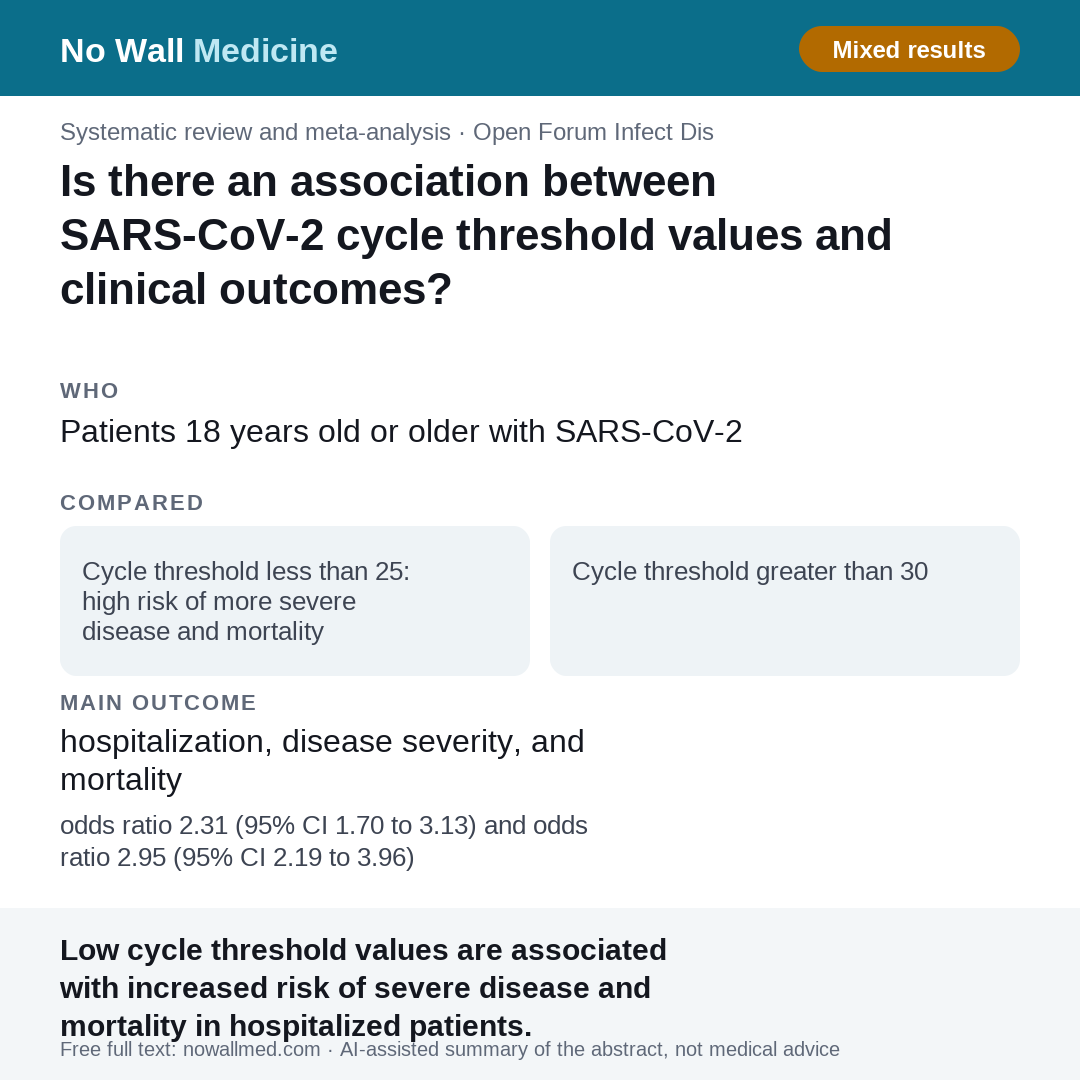
Association Between SARS-CoV-2 Cycle Threshold Values and Clinical Outcomes in Patients With COVID-19: A Systematic Review and Meta-analysis
Systematic review and meta-analysisMixed results
Is there an association between SARS-CoV-2 cycle threshold values and clinical outcomes?
Who
Patients 18 years old or older with SARS-CoV-2
Compared
Cycle threshold less than 25: high risk of more severe disease and mortality
Cycle threshold greater than 30
Main outcome
hospitalization, disease severity, and mortality
Result: odds ratio 2.31 (95% CI 1.70 to 3.13) and odds ratio 2.95 (95% CI 2.19 to 3.96)
Bottom line: Low cycle threshold values are associated with increased risk of severe disease and mortality in hospitalized patients.
Limitation: Cycle threshold values cannot be directly compared across assays and are influenced by sample type and timing.
Open Forum Infect Dis · 2021-08-31Download image
A systematic review of the diagnostic accuracy of volatile organic compounds in airway diseases and their relation to markers of type-2 inflammation
Systematic reviewUnclear result
What is the diagnostic accuracy of volatile organic compounds in airway diseases?
Who
Patients with airway diseases including asthma and chronic obstructive pulmonary disease
Compared
Volatile organic compounds
Airway diseases
Main outcome
Diagnostic accuracy of volatile organic compounds
Bottom line: Volatile organic compounds show promise as biomarkers, but results are inconsistent across studies due to heterogeneity.
Limitation: Cross-study comparison was not possible due to heterogeneity in design and poor reporting standards.
ERJ Open Res · 2021-08-31Download image

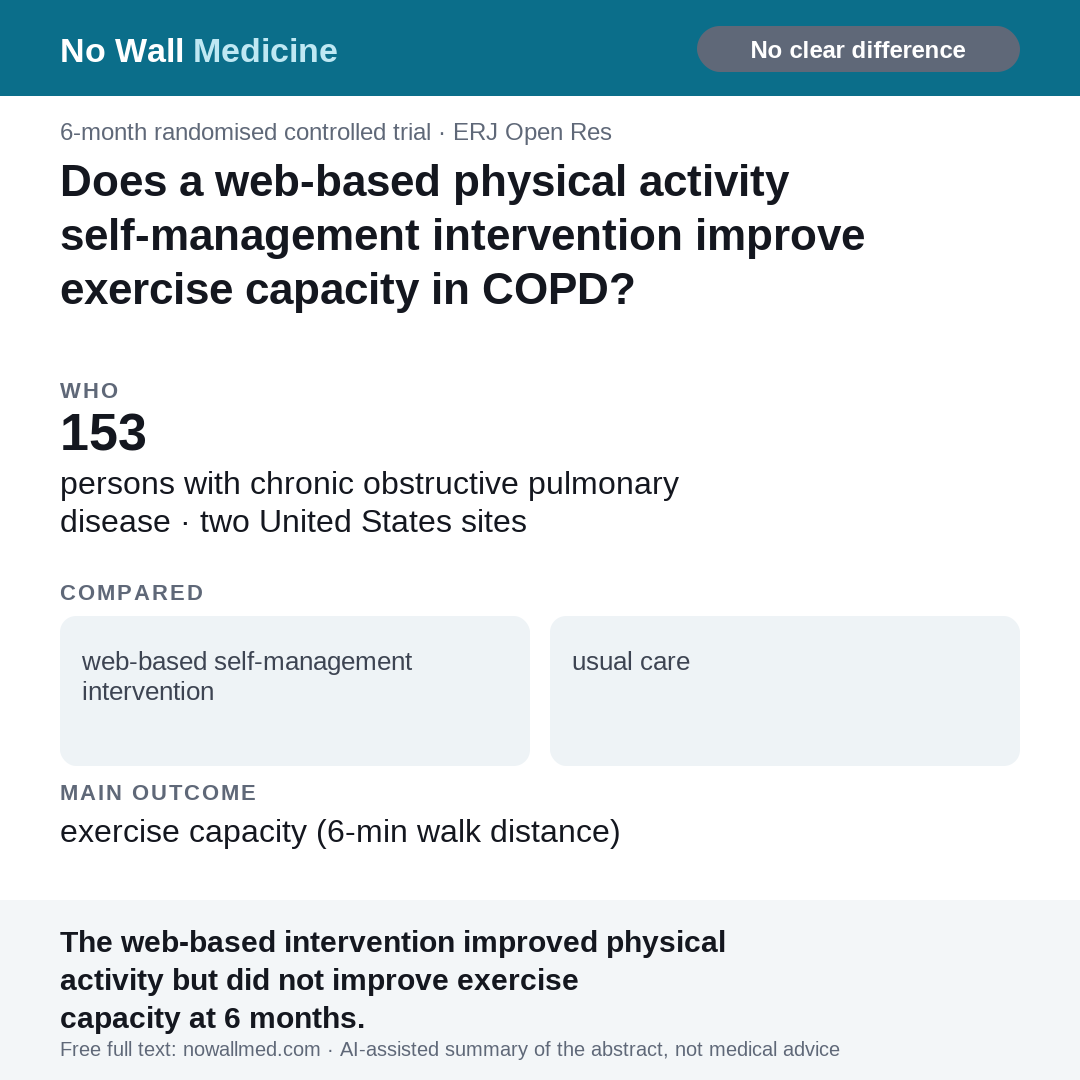
A randomised trial of a web-based physical activity self-management intervention in COPD
6-month randomised controlled trialNo clear difference
Does a web-based physical activity self-management intervention improve exercise capacity in COPD?
Who
153
persons with chronic obstructive pulmonary disease · two United States sites
Compared
web-based self-management intervention
usual care
Main outcome
exercise capacity (6-min walk distance)
Bottom line: The web-based intervention improved physical activity but did not improve exercise capacity at 6 months.
ERJ Open Res · 2021-08-31Download image
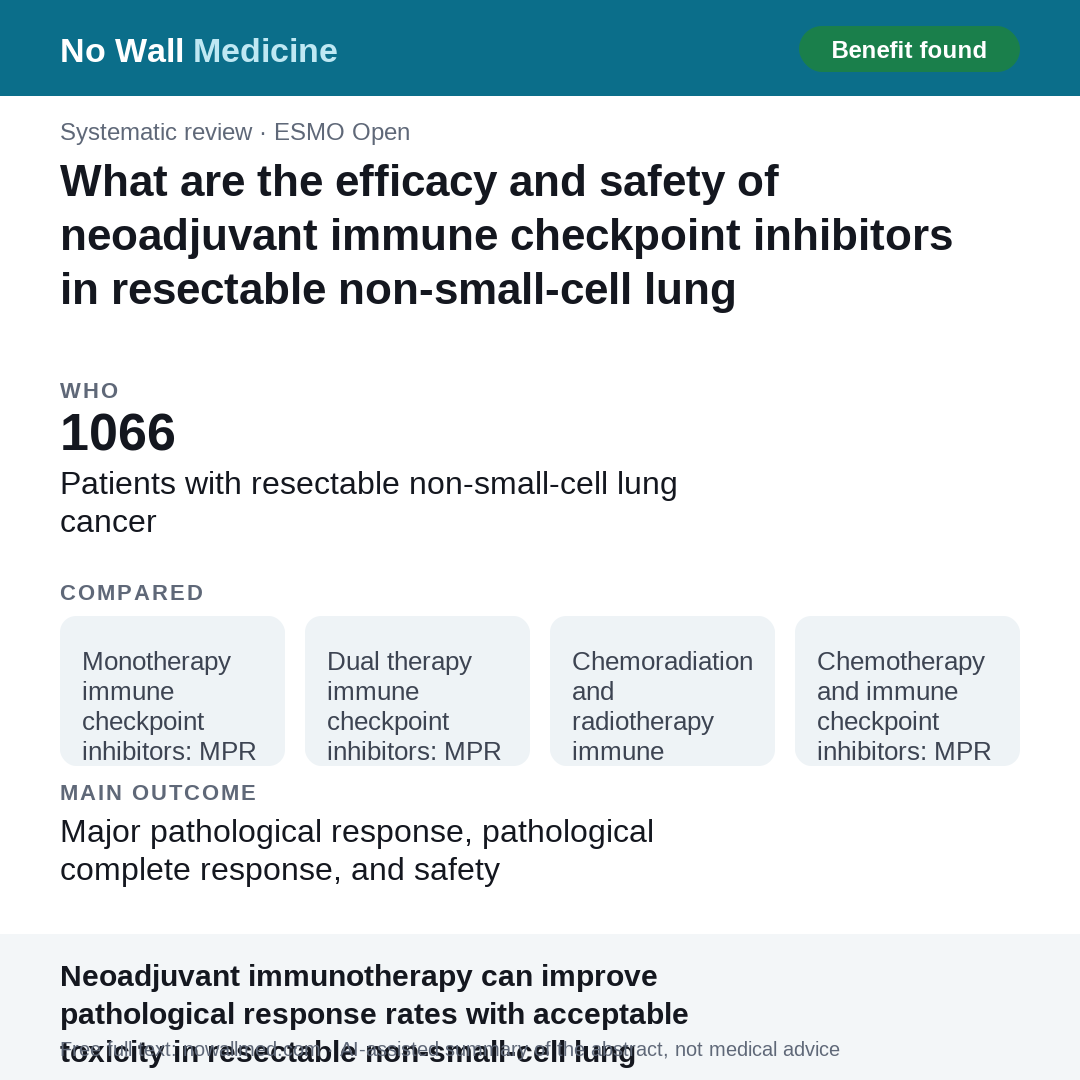
Neoadjuvant immune checkpoint inhibitors in resectable non-small-cell lung cancer: a systematic review
Systematic reviewBenefit found
What are the efficacy and safety of neoadjuvant immune checkpoint inhibitors in resectable non-small-cell lung cancer?
Who
1066
Patients with resectable non-small-cell lung cancer
Compared
Monotherapy immune checkpoint inhibitors: MPR 0%-45%, pCR 7%-16%
Dual therapy immune checkpoint inhibitors: MPR 50%, pCR 33%-38%
Chemoradiation and radiotherapy immune checkpoint inhibitors: MPR 73% and 53%, pCR 27% and 27%
Chemotherapy and immune checkpoint inhibitors: MPR 27%-86%, pCR 9%-63%
Main outcome
Major pathological response, pathological complete response, and safety
Bottom line: Neoadjuvant immunotherapy can improve pathological response rates with acceptable toxicity in resectable non-small-cell lung cancer.
ESMO Open · 2021-08-31Download image
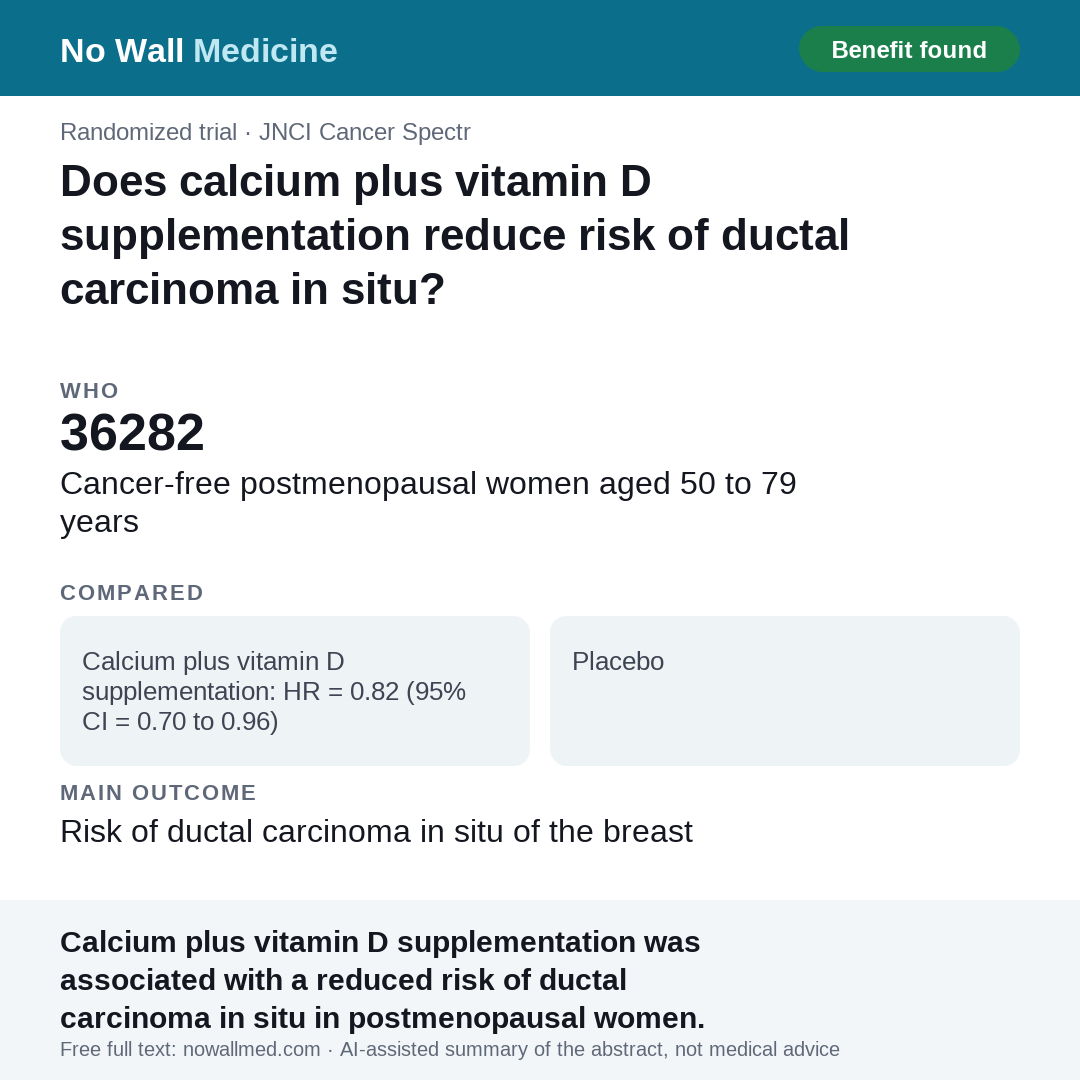
A Randomized Trial of Calcium Plus Vitamin D Supplementation and Risk of Ductal Carcinoma In Situ of the Breast
Randomized trialBenefit found
Does calcium plus vitamin D supplementation reduce risk of ductal carcinoma in situ?
Who
36282
Cancer-free postmenopausal women aged 50 to 79 years
Compared
Calcium plus vitamin D supplementation: HR = 0.82 (95% CI = 0.70 to 0.96)
Placebo
Main outcome
Risk of ductal carcinoma in situ of the breast
Result: hazard ratio 0.82 (95% CI 0.70 to 0.96)
Bottom line: Calcium plus vitamin D supplementation was associated with a reduced risk of ductal carcinoma in situ in postmenopausal women.
JNCI Cancer Spectr · 2021-08-31Download image
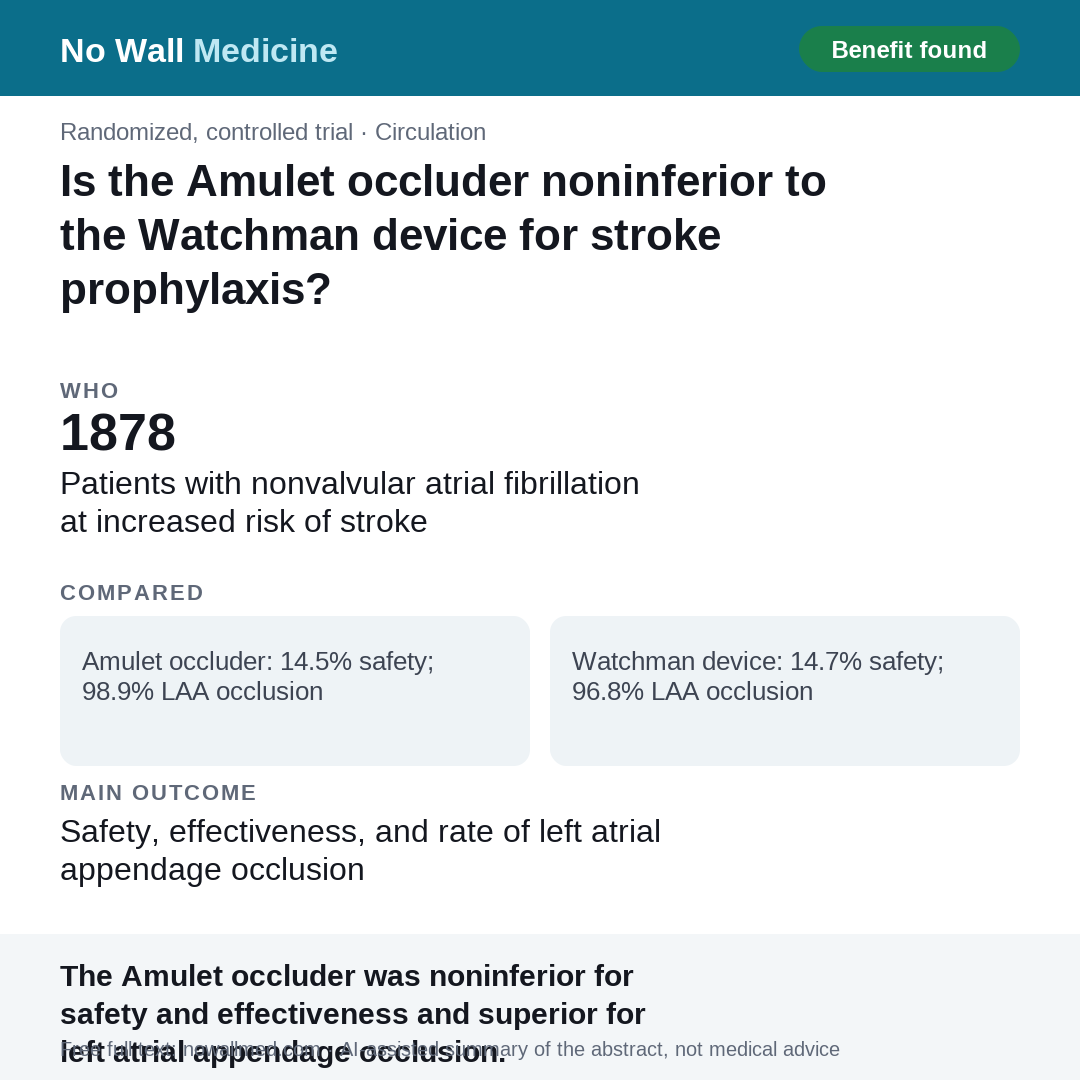
Amplatzer Amulet Left Atrial Appendage Occluder Versus Watchman Device for Stroke Prophylaxis (Amulet IDE): A Randomized, Controlled Trial
Randomized, controlled trialBenefit found
Is the Amulet occluder noninferior to the Watchman device for stroke prophylaxis?
Who
1878
Patients with nonvalvular atrial fibrillation at increased risk of stroke
Compared
Amulet occluder: 14.5% safety; 98.9% LAA occlusion
Watchman device: 14.7% safety; 96.8% LAA occlusion
Main outcome
Safety, effectiveness, and rate of left atrial appendage occlusion
Result: difference=-0.14 [95% CI, -3.42 to 3.13] for safety
Bottom line: The Amulet occluder was noninferior for safety and effectiveness and superior for left atrial appendage occlusion.
Circulation · 2021-08-30Download image
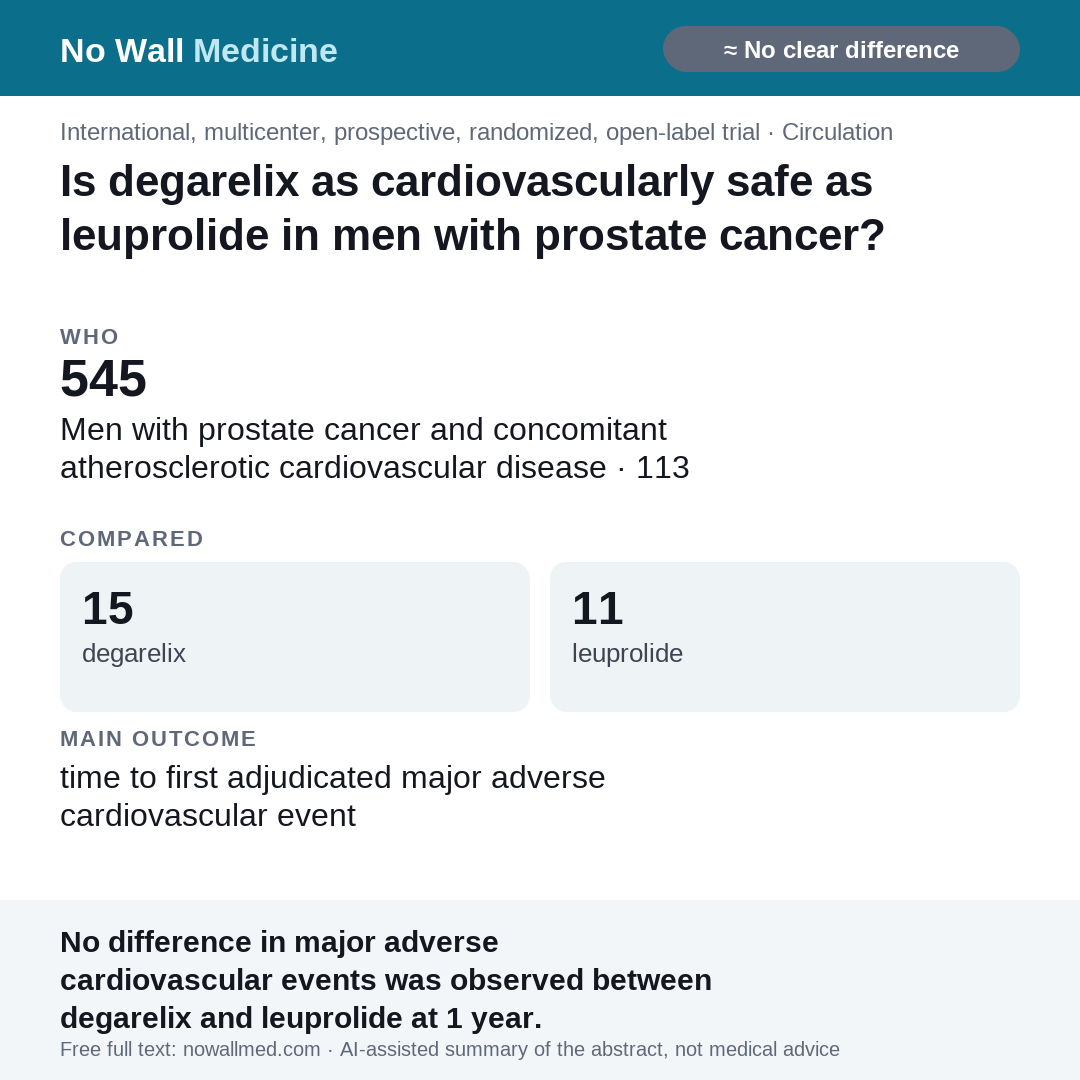
Cardiovascular Safety of Degarelix Versus Leuprolide in Patients With Prostate Cancer: The Primary Results of the PRONOUNCE Randomized Trial
International, multicenter, prospective, randomized, open-label trialNo clear difference
Is degarelix as cardiovascularly safe as leuprolide in men with prostate cancer?
Who
545
Men with prostate cancer and concomitant atherosclerotic cardiovascular disease · 113 sites across 12 countries
Compared
15degarelix (5.5%)
11leuprolide (4.1%)
Main outcome
time to first adjudicated major adverse cardiovascular event
Result: hazard ratio 1.28 (95% CI 0.59-2.79)
Bottom line: No difference in major adverse cardiovascular events was observed between degarelix and leuprolide at 1 year.
Circulation · 2021-08-30Download image
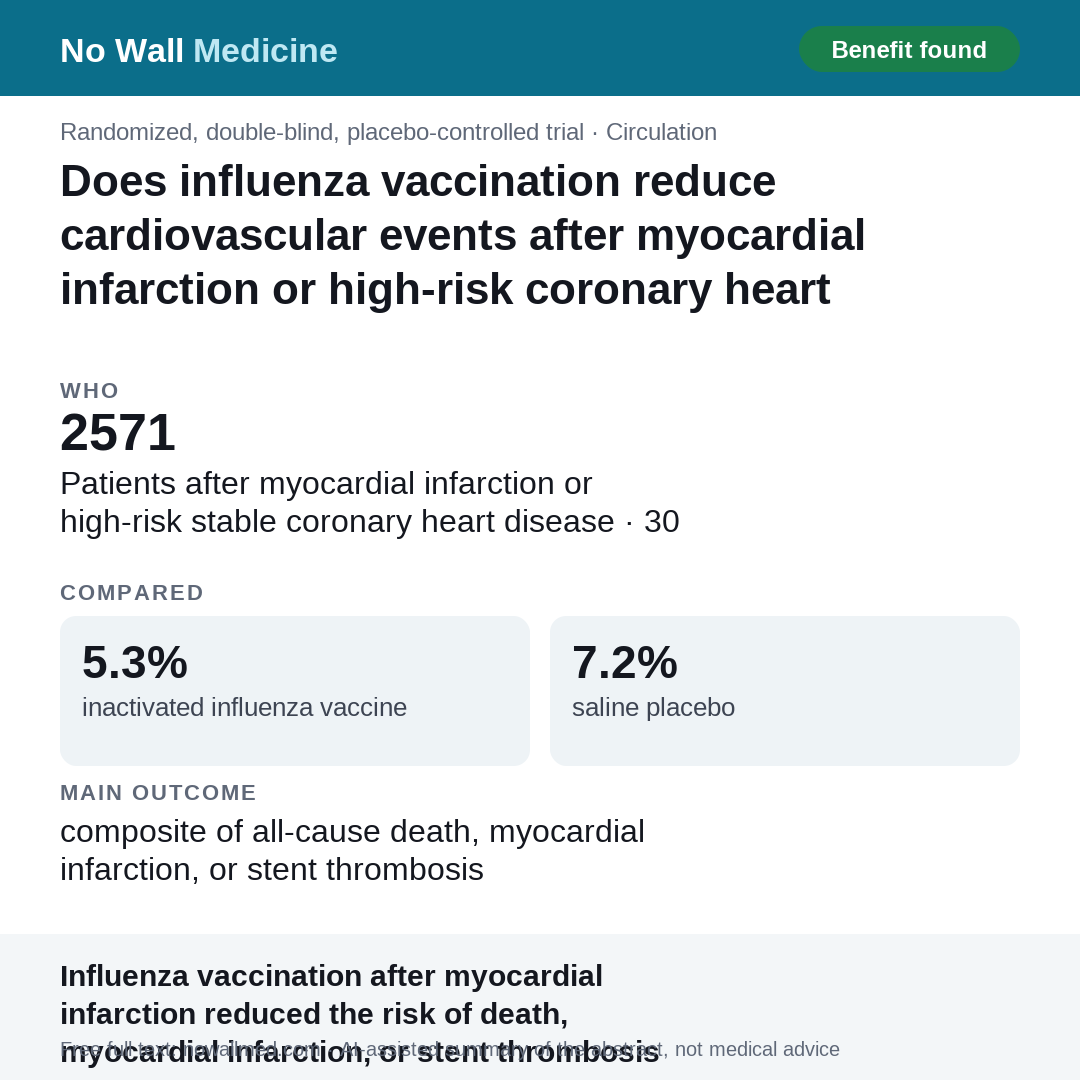
Influenza Vaccination After Myocardial Infarction: A Randomized, Double-Blind, Placebo-Controlled, Multicenter Trial
Randomized, double-blind, placebo-controlled trialBenefit found
Does influenza vaccination reduce cardiovascular events after myocardial infarction or high-risk coronary heart disease?
Who
2571
Patients after myocardial infarction or high-risk stable coronary heart disease · 30 centers across 8 countries
Compared
5.3%inactivated influenza vaccine
7.2%saline placebo
Main outcome
composite of all-cause death, myocardial infarction, or stent thrombosis
Result: hazard ratio 0.72 (95% CI 0.52-0.99)
Bottom line: Influenza vaccination after myocardial infarction reduced the risk of death, myocardial infarction, or stent thrombosis at 12 months.
Circulation · 2021-08-30Download image
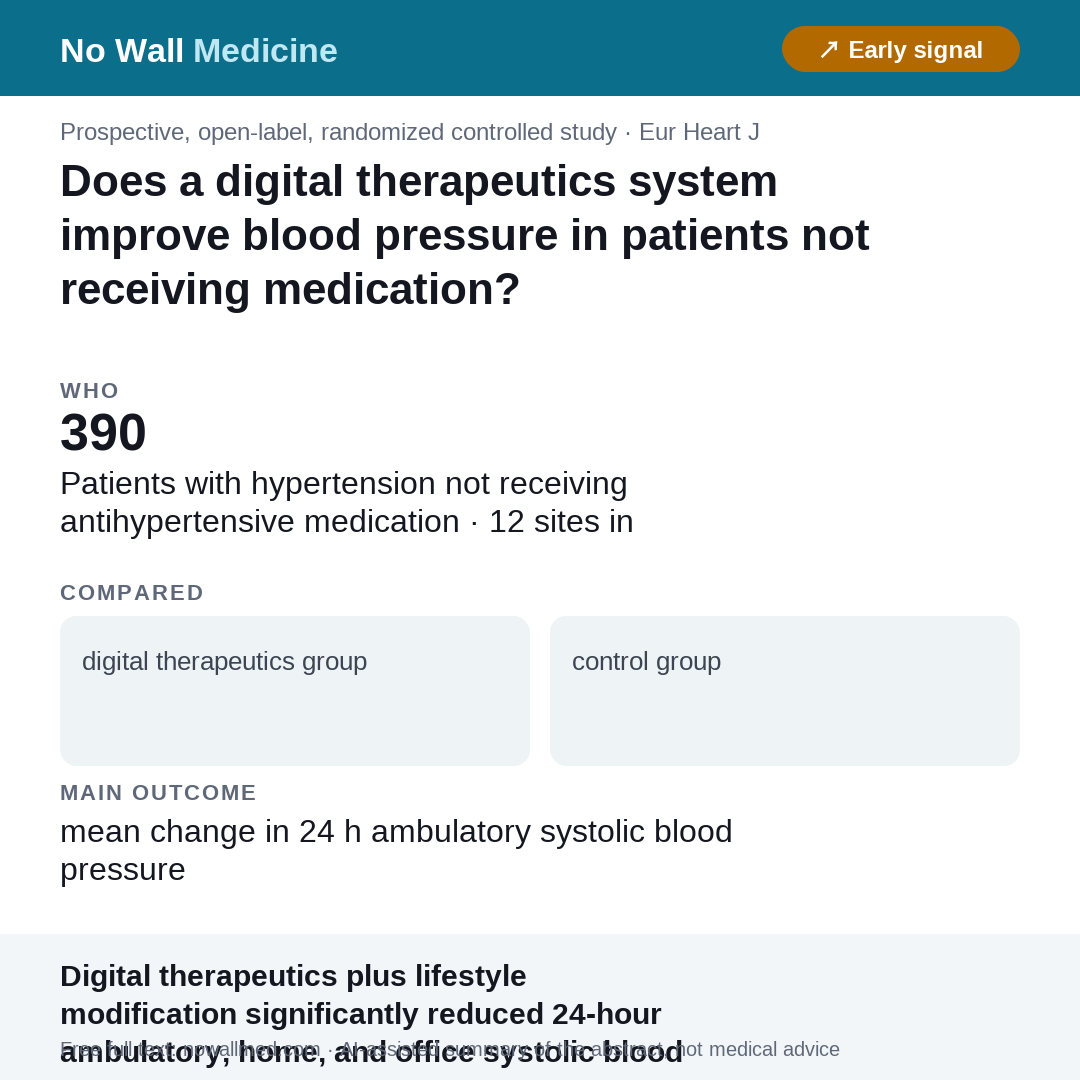
Efficacy of a digital therapeutics system in the management of essential hypertension: the HERB-DH1 pivotal trial
Prospective, open-label, randomized controlled studyEarly signal
Does a digital therapeutics system improve blood pressure in patients not receiving medication?
Who
390
Patients with hypertension not receiving antihypertensive medication · 12 sites in Japan
Compared
digital therapeutics group
control group
Main outcome
mean change in 24 h ambulatory systolic blood pressure
Result: -2.4 (95% confidence interval -4.5 to -0.3) mmHg
Bottom line: Digital therapeutics plus lifestyle modification significantly reduced 24-hour ambulatory, home, and office systolic blood pressure.
Eur Heart J · 2021-08-30Download image
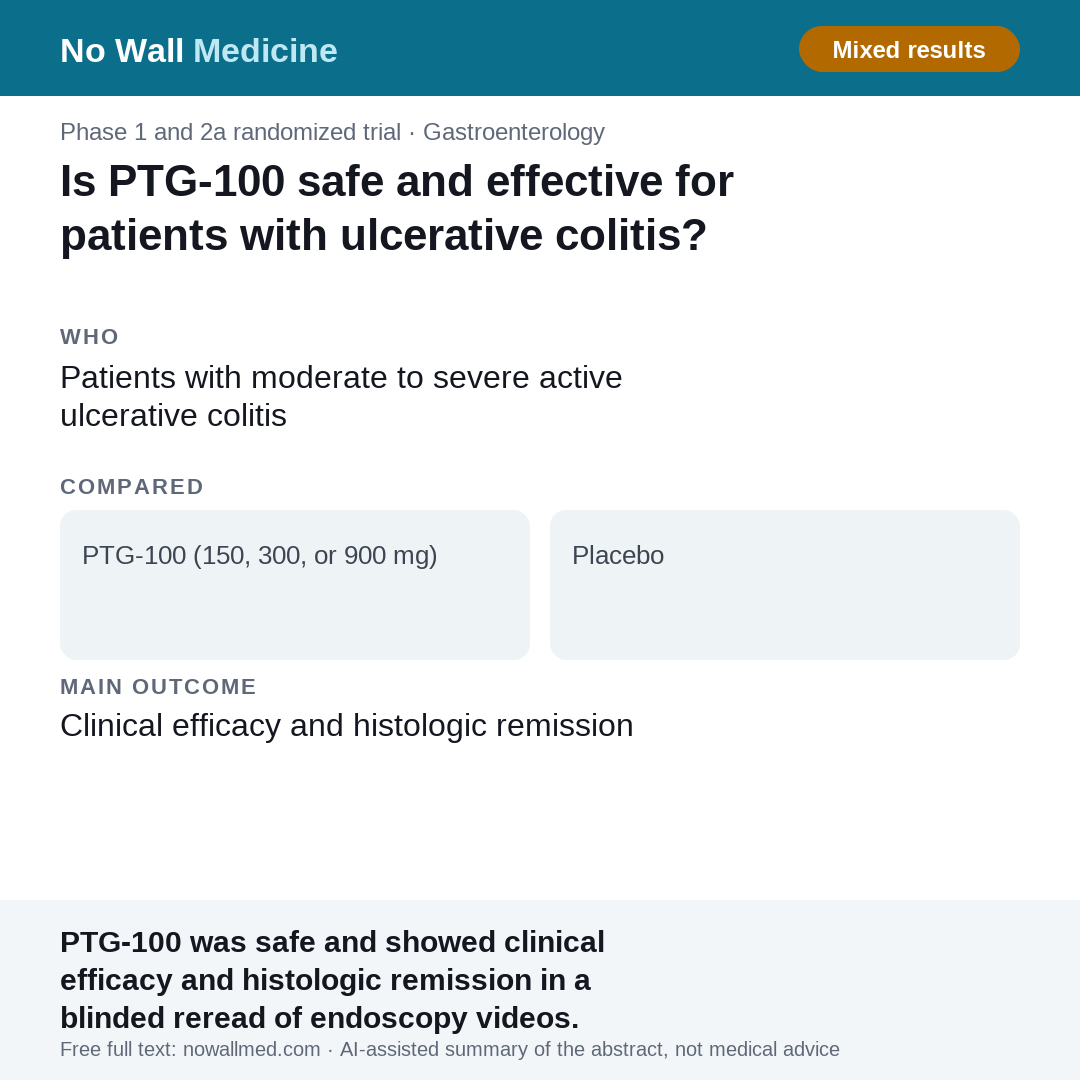
PTG-100, an Oral α4β7 Antagonist Peptide: Preclinical Development and Phase 1 and 2a Studies in Ulcerative Colitis
Phase 1 and 2a randomized trialMixed results
Is PTG-100 safe and effective for patients with ulcerative colitis?
Who
Patients with moderate to severe active ulcerative colitis
Compared
PTG-100 (150, 300, or 900 mg)
Placebo
Main outcome
Clinical efficacy and histologic remission
Bottom line: PTG-100 was safe and showed clinical efficacy and histologic remission in a blinded reread of endoscopy videos.
Gastroenterology · 2021-08-30Download image
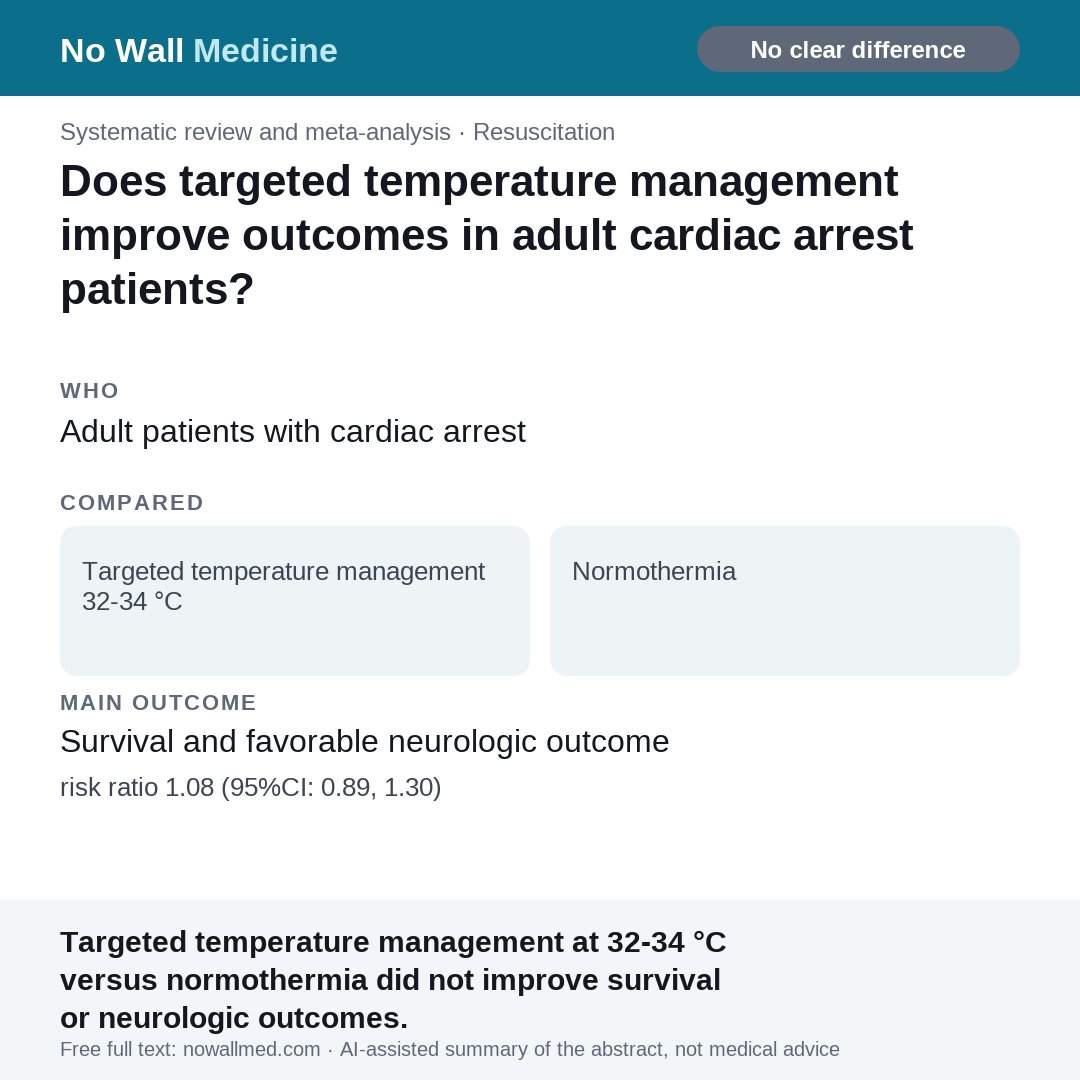
Targeted temperature management in adult cardiac arrest: Systematic review and meta-analysis
Systematic review and meta-analysisNo clear difference
Does targeted temperature management improve outcomes in adult cardiac arrest patients?
Who
Adult patients with cardiac arrest
Compared
Targeted temperature management 32-34 °C
Normothermia
Main outcome
Survival and favorable neurologic outcome
Result: risk ratio 1.08 (95%CI: 0.89, 1.30)
Bottom line: Targeted temperature management at 32-34 °C versus normothermia did not improve survival or neurologic outcomes.
Limitation: Low certainty of evidence for primary outcomes and intermediate risk of bias.
Resuscitation · 2021-08-30Download image
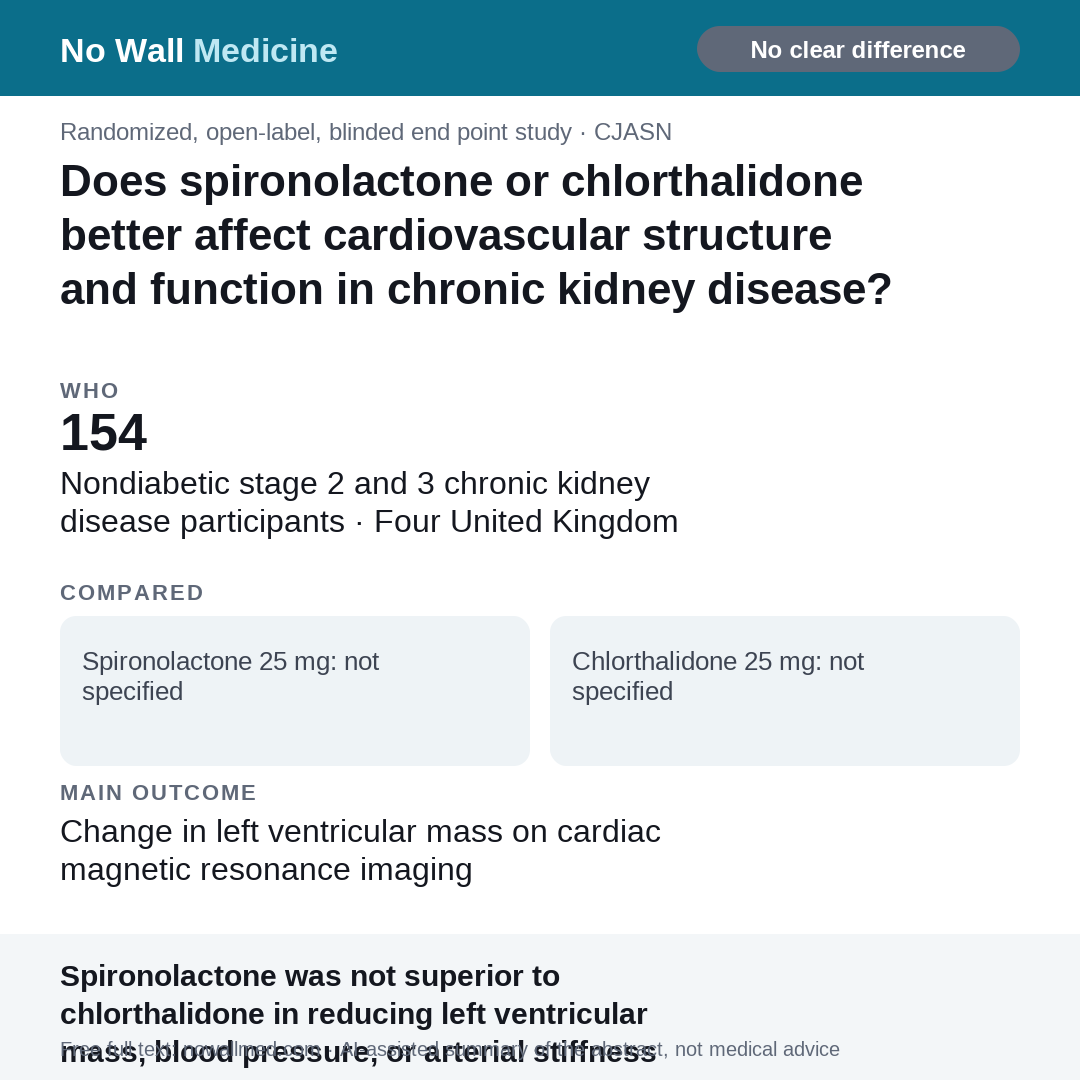
Effects of Spironolactone and Chlorthalidone on Cardiovascular Structure and Function in Chronic Kidney Disease: A Randomized, Open-Label Trial
Randomized, open-label, blinded end point studyNo clear difference
Does spironolactone or chlorthalidone better affect cardiovascular structure and function in chronic kidney disease?
Who
154
Nondiabetic stage 2 and 3 chronic kidney disease participants · Four United Kingdom centers
Compared
Spironolactone 25 mg: not specified
Chlorthalidone 25 mg: not specified
Main outcome
Change in left ventricular mass on cardiac magnetic resonance imaging
Result: -3.8 g (95% confidence interval, -8.1 to 0.5 g)
Bottom line: Spironolactone was not superior to chlorthalidone in reducing left ventricular mass, blood pressure, or arterial stiffness in nondiabetic chronic kidney disease.
CJASN · 2021-08-30Download image
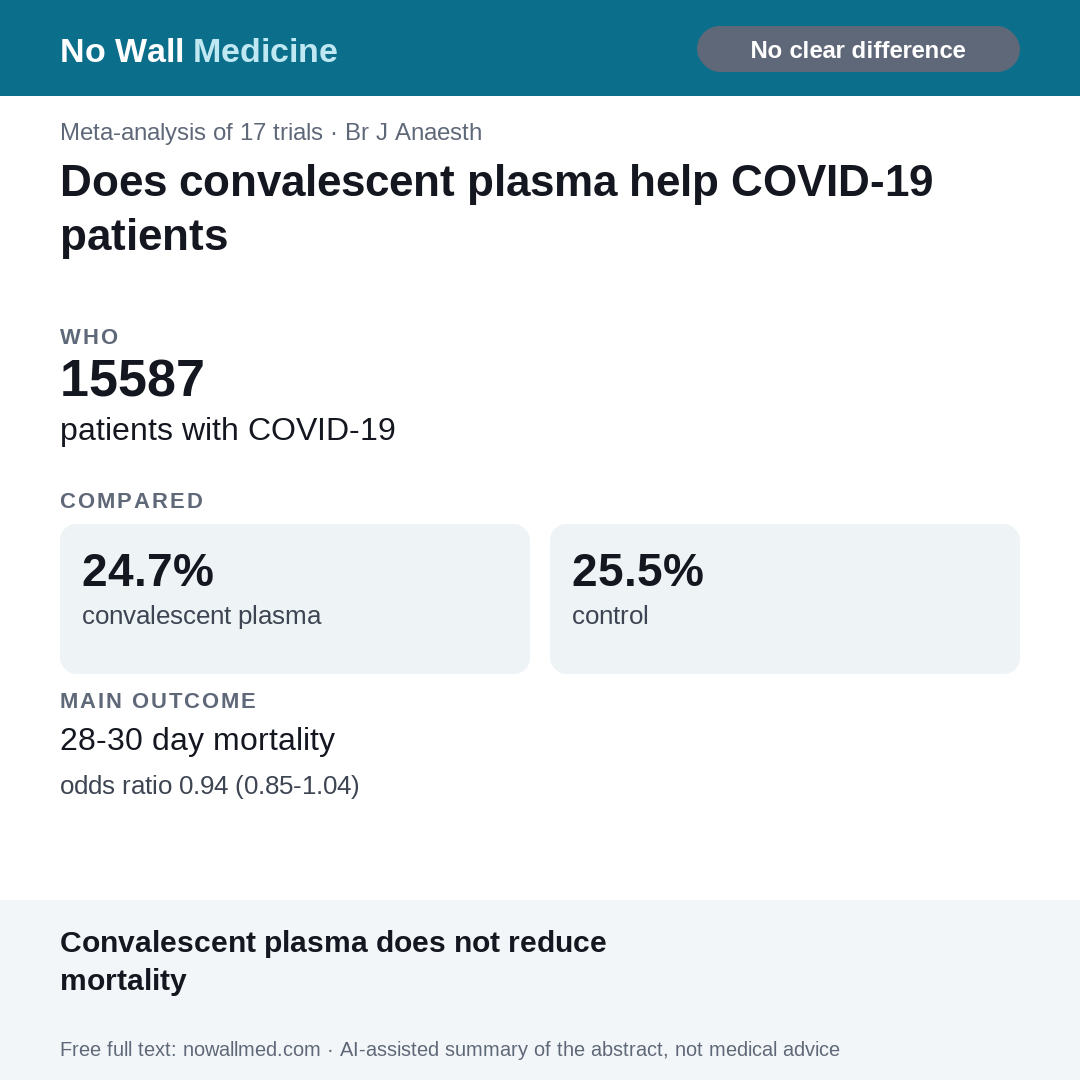
Convalescent plasma for COVID-19: a meta-analysis, trial sequential analysis, and meta-regression
Meta-analysis of 17 trialsNo clear difference
Does convalescent plasma help COVID-19 patients
Who
15587
patients with COVID-19
Compared
24.7%convalescent plasma
25.5%control
Main outcome
28-30 day mortality
Result: odds ratio 0.94 (0.85-1.04)
Bottom line: Convalescent plasma does not reduce mortality
Limitation: high risk of bias in most studies
Br J Anaesth · 2021-08-30Download image
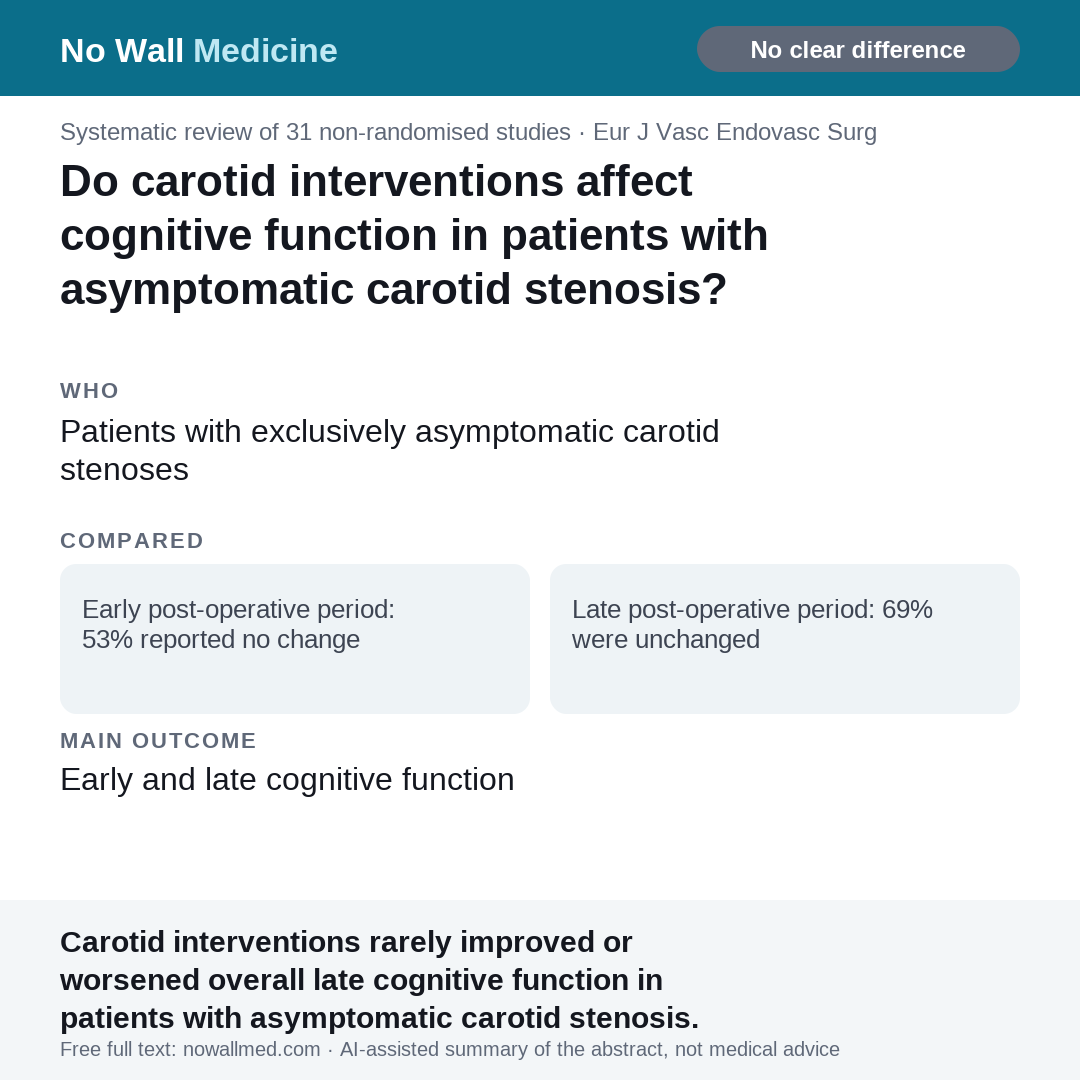
Editor's Choice - Effect of Carotid Interventions on Cognitive Function in Patients With Asymptomatic Carotid Stenosis: A Systematic Review
Systematic review of 31 non-randomised studiesNo clear difference
Do carotid interventions affect cognitive function in patients with asymptomatic carotid stenosis?
Who
Patients with exclusively asymptomatic carotid stenoses
Compared
Early post-operative period: 53% reported no change
Late post-operative period: 69% were unchanged
Main outcome
Early and late cognitive function
Bottom line: Carotid interventions rarely improved or worsened overall late cognitive function in patients with asymptomatic carotid stenosis.
Limitation: Heterogeneity within non-randomised studies
Eur J Vasc Endovasc Surg · 2021-08-30Download image
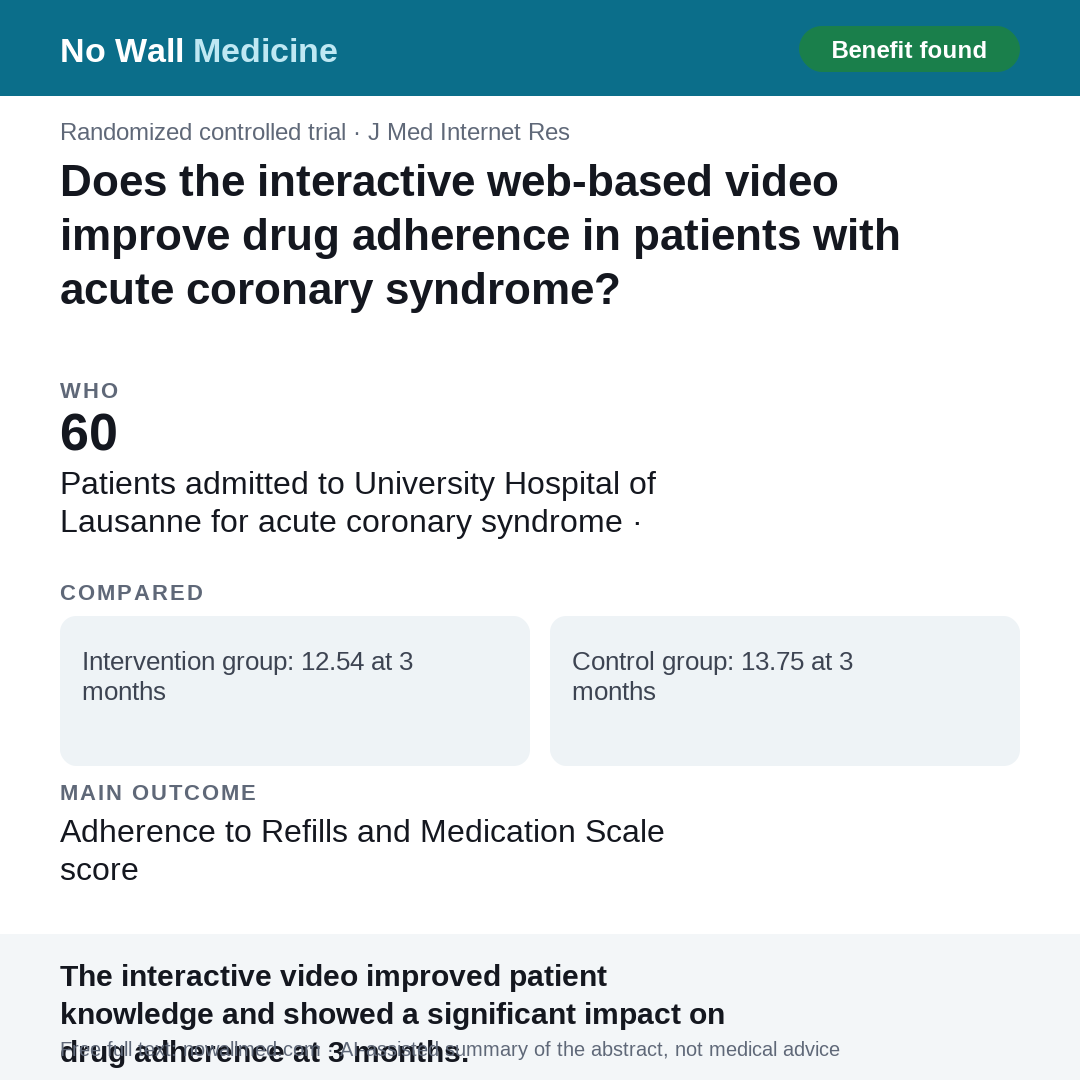
Effects of the Interactive Web-Based Video "Mon Coeur, Mon BASIC" on Drug Adherence of Patients With Myocardial Infarction: Randomized Controlled Trial
Randomized controlled trialBenefit found
Does the interactive web-based video improve drug adherence in patients with acute coronary syndrome?
Who
60
Patients admitted to University Hospital of Lausanne for acute coronary syndrome · University Hospital of Lausanne
Compared
Intervention group: 12.54 at 3 months
Control group: 13.75 at 3 months
Main outcome
Adherence to Refills and Medication Scale score
Bottom line: The interactive video improved patient knowledge and showed a significant impact on drug adherence at 3 months.
Limitation: The study had a lower sample size than expected.
J Med Internet Res · 2021-08-30Download image