Visual abstracts
New randomized trials and meta-analyses from leading journals at a glance: who was studied, what was compared, and what was found. Every paper is free to read in full.
All specialtiesCardiology 4763Oncology 4043Gastroenterology & Hepatology 1903Infectious Disease 3756Neurology 1872Psychiatry & Mental Health 2216Pulmonology 2044Critical Care 1319Endocrinology & Diabetes 2544Pediatrics 2889Surgery 2480Orthopedics & Sports Medicine 917Neurosurgery 525Cardiothoracic & Vascular Surgery 656Plastic & Reconstructive Surgery 574Nephrology 1107Rheumatology 810Hematology 1090Dermatology 611Ophthalmology 532Obstetrics & Gynecology 1645Public & Global Health 1037Radiology & Imaging 619Anesthesiology 958Urology 745ENT (Otolaryngology) 494Emergency Medicine 481Allergy & Immunology 309Geriatrics 972Family Medicine & Primary Care 534Medical Genetics & Genomics 659Pathology & Laboratory Medicine 156Physical Medicine & Rehabilitation 734Palliative Care 421Nutrition 1560Digital Health & AI 2137General Medicine 318
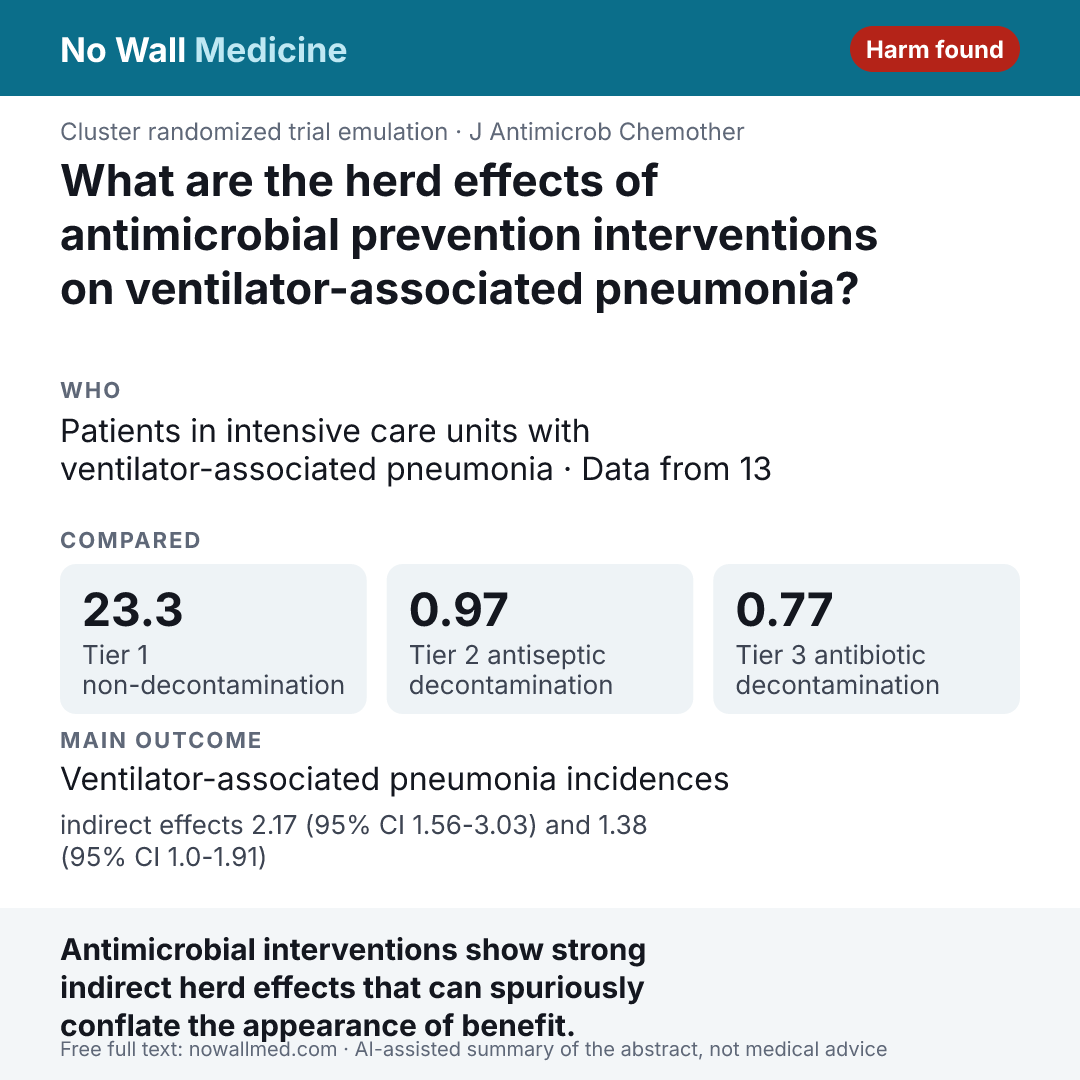
Estimating the herd effects of antimicrobial prevention interventions on ventilator-associated pneumonia within ICU populations: a cluster randomized trial emulation using data from Cochrane reviews
Cluster randomized trial emulationHarm found
What are the herd effects of antimicrobial prevention interventions on ventilator-associated pneumonia?
Who
Patients in intensive care units with ventilator-associated pneumonia · Data from 13 Cochrane reviews
Compared
23.3Tier 1 non-decontamination benchmark (95% CI: 20.6-26.1)
0.97Tier 2 antiseptic decontamination (95% CI 0.71-1.33)
0.77Tier 3 antibiotic decontamination (95% CI 0.55-1.09)
Main outcome
Ventilator-associated pneumonia incidences
Result: indirect effects 2.17 (95% CI 1.56-3.03) and 1.38 (95% CI 1.0-1.91)
Bottom line: Antimicrobial interventions show strong indirect herd effects that can spuriously conflate the appearance of benefit.
J Antimicrob Chemother · 2025-02-10 · Save PNG
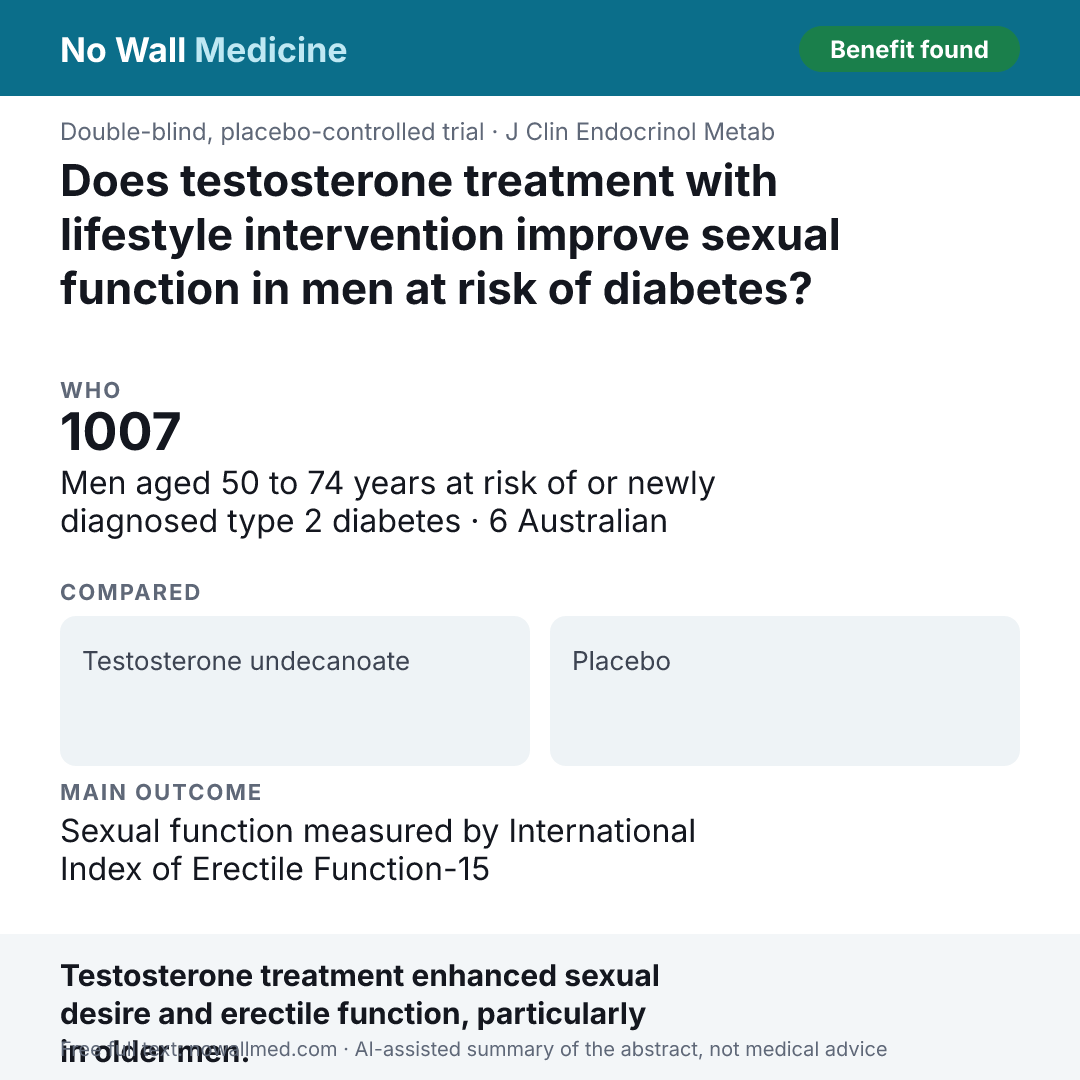
Testosterone Treatment and Sexual Function in Men: Secondary Analysis of the T4DM (Testosterone for Diabetes) Trial
Double-blind, placebo-controlled trialBenefit found
Does testosterone treatment with lifestyle intervention improve sexual function in men at risk of diabetes?
Who
1007
Men aged 50 to 74 years at risk of or newly diagnosed type 2 diabetes · 6 Australian centers
Compared
Testosterone undecanoate
Placebo
Main outcome
Sexual function measured by International Index of Erectile Function-15
Bottom line: Testosterone treatment enhanced sexual desire and erectile function, particularly in older men.
J Clin Endocrinol Metab · 2025-02-10 · Save PNG
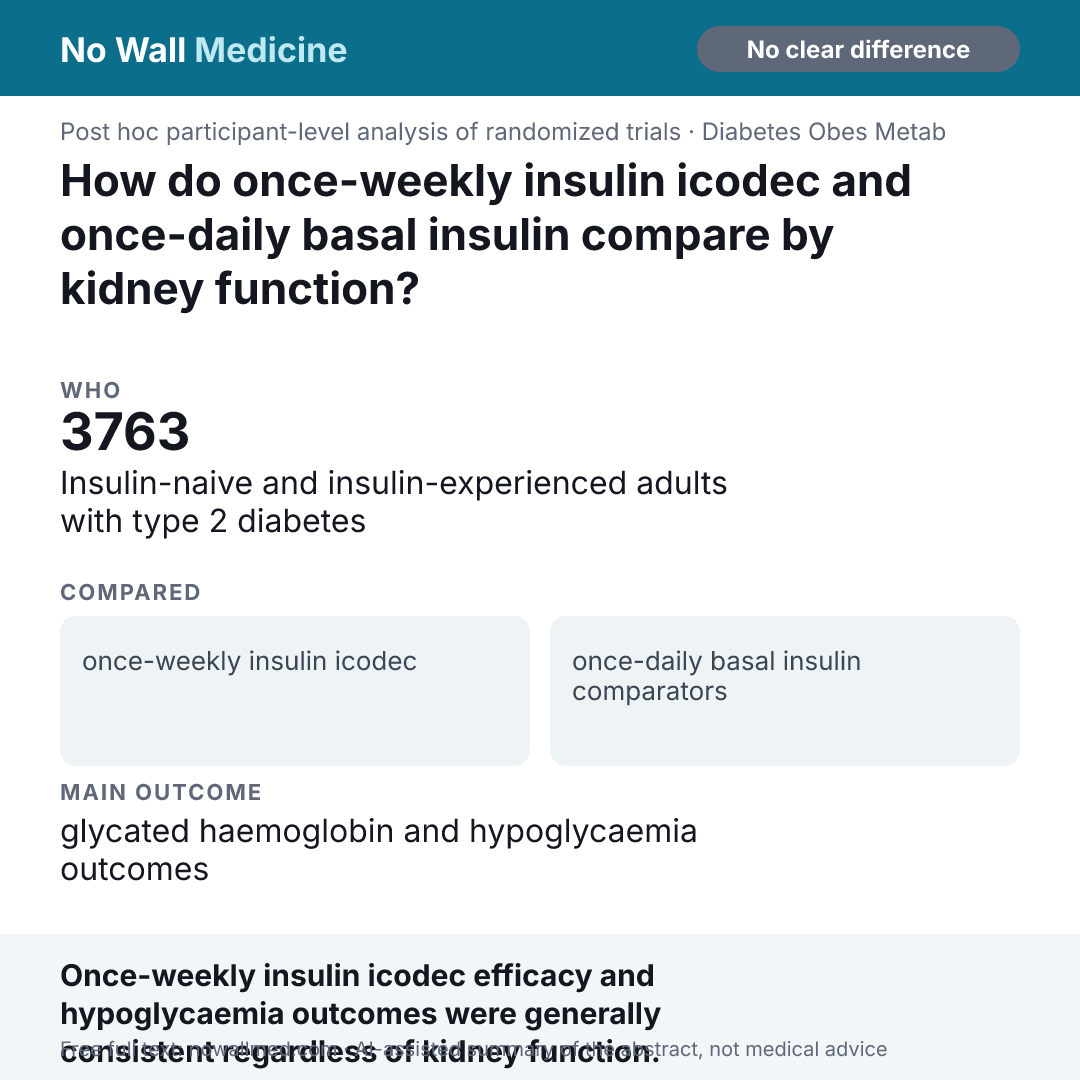
Efficacy and hypoglycaemia outcomes with once-weekly insulin icodec versus once-daily basal insulin in individuals with type 2 diabetes by kidney function: A post hoc participant-level analysis of the ONWARDS 1-5 trials
Post hoc participant-level analysis of randomized trialsNo clear difference
How do once-weekly insulin icodec and once-daily basal insulin compare by kidney function?
Who
3763
Insulin-naive and insulin-experienced adults with type 2 diabetes
Compared
once-weekly insulin icodec
once-daily basal insulin comparators
Main outcome
glycated haemoglobin and hypoglycaemia outcomes
Bottom line: Once-weekly insulin icodec efficacy and hypoglycaemia outcomes were generally consistent regardless of kidney function.
Diabetes Obes Metab · 2025-02-10 · Save PNG
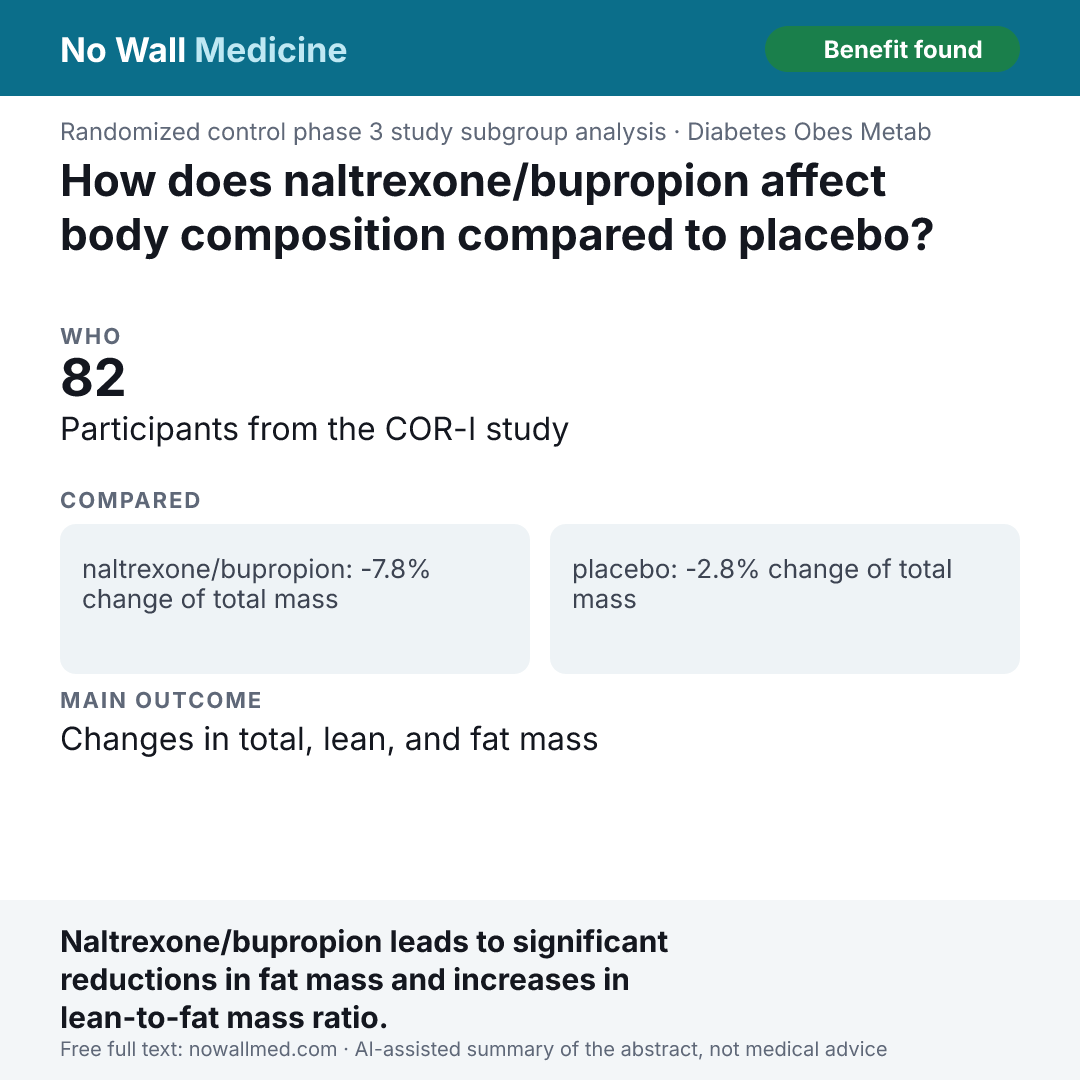
Characterization of the effect of naltrexone/bupropion on body composition
Randomized control phase 3 study subgroup analysisBenefit found
How does naltrexone/bupropion affect body composition compared to placebo?
Who
82
Participants from the COR-I study
Compared
naltrexone/bupropion: -7.8% change of total mass
placebo: -2.8% change of total mass
Main outcome
Changes in total, lean, and fat mass
Bottom line: Naltrexone/bupropion leads to significant reductions in fat mass and increases in lean-to-fat mass ratio.
Diabetes Obes Metab · 2025-02-10 · Save PNG
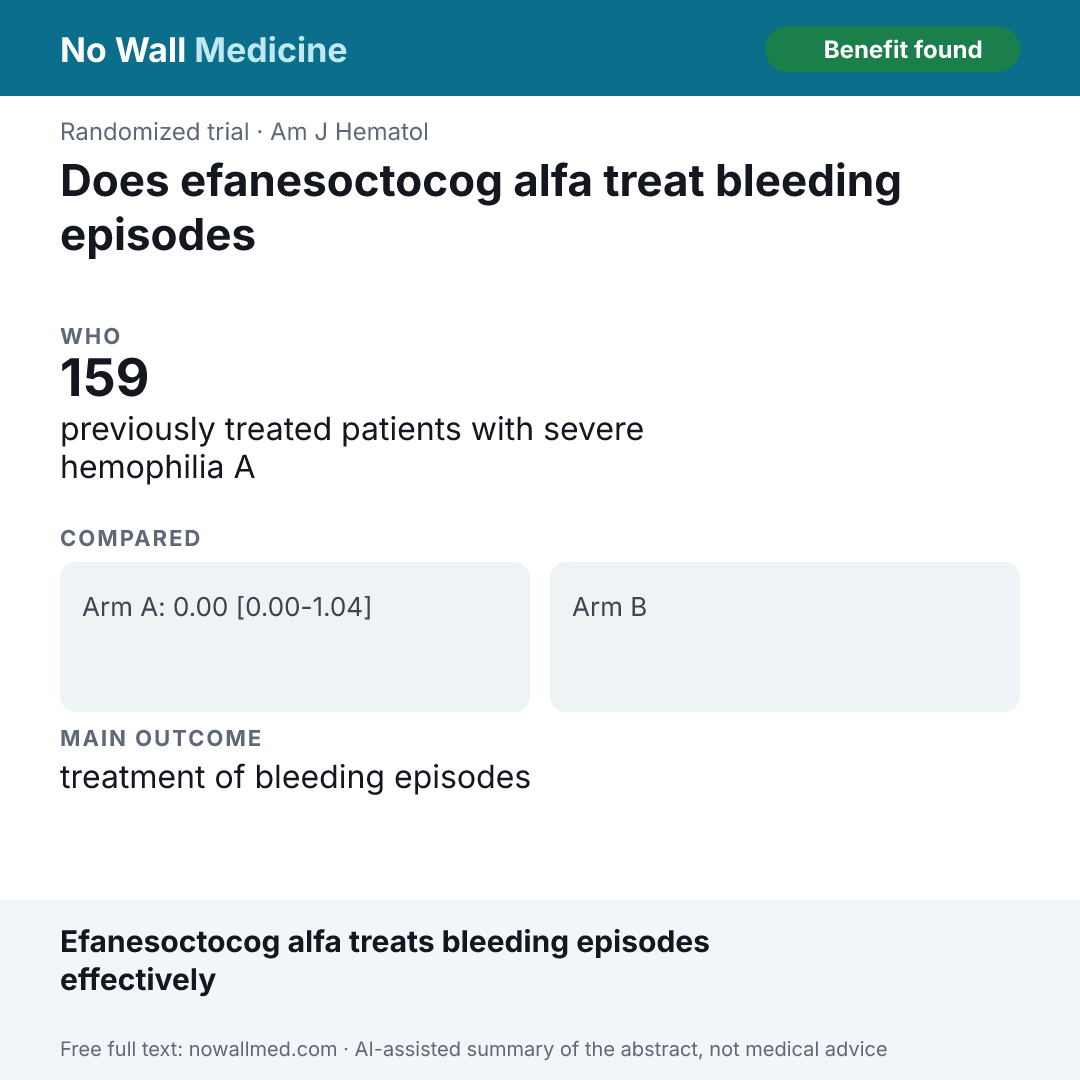
Treatment of Bleeding Episodes With Efanesoctocog Alfa in Previously Treated Patients With Severe Hemophilia A in the Phase 3 XTEND-1 Study
Randomized trialBenefit found
Does efanesoctocog alfa treat bleeding episodes
Who
159
previously treated patients with severe hemophilia A
Compared
Arm A: 0.00 [0.00-1.04]
Arm B
Main outcome
treatment of bleeding episodes
Bottom line: Efanesoctocog alfa treats bleeding episodes effectively
Am J Hematol · 2025-02-10 · Save PNG
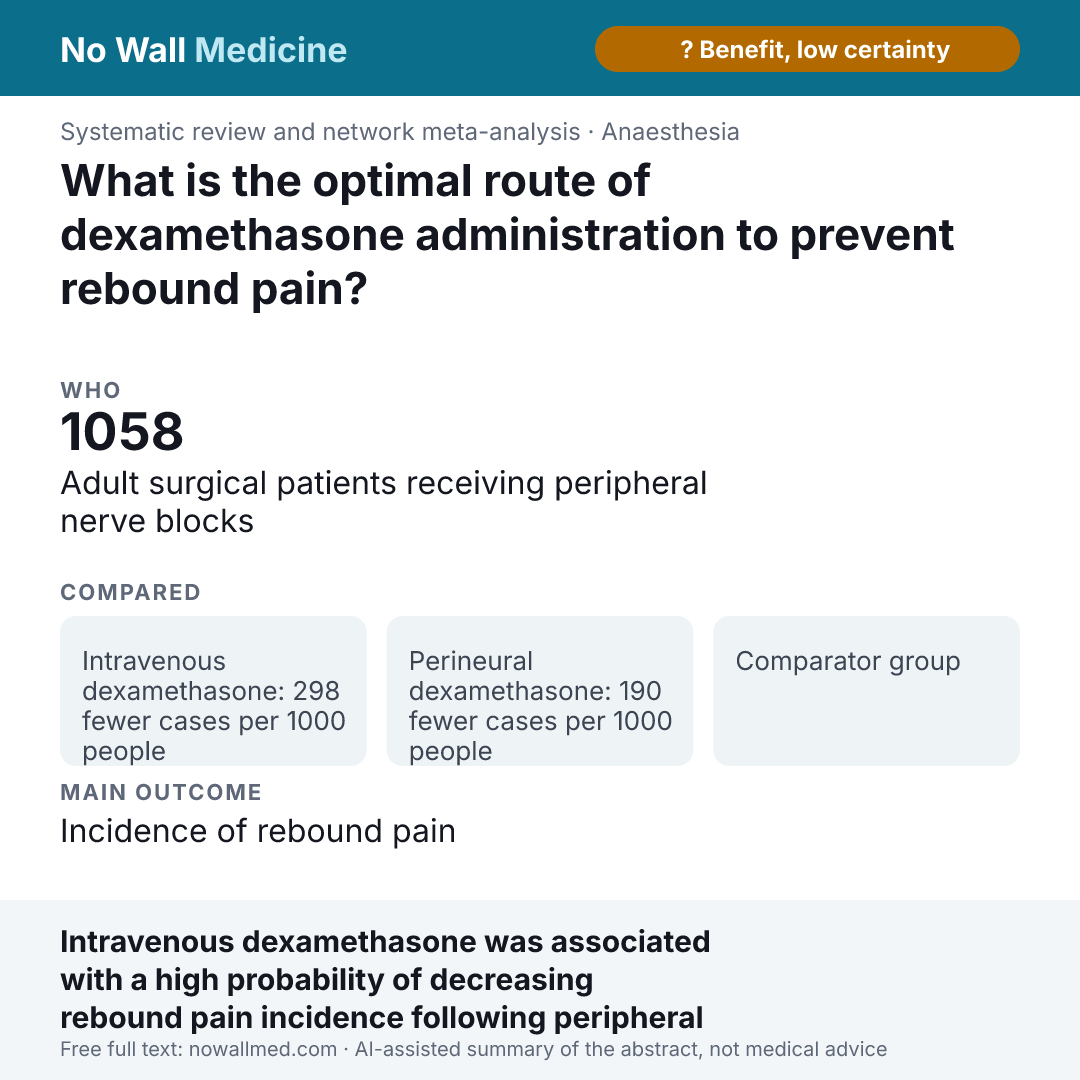
Efficacy of different routes of dexamethasone administration for preventing rebound pain following peripheral nerve blocks in adult surgical patients: a systematic review and network meta-analysis
Systematic review and network meta-analysisBenefit, low certainty
What is the optimal route of dexamethasone administration to prevent rebound pain?
Who
1058
Adult surgical patients receiving peripheral nerve blocks
Compared
Intravenous dexamethasone: 298 fewer cases per 1000 people
Perineural dexamethasone: 190 fewer cases per 1000 people
Comparator group
Main outcome
Incidence of rebound pain
Result: odds ratio 0.12 (95% credible interval 0.03-0.44)
Bottom line: Intravenous dexamethasone was associated with a high probability of decreasing rebound pain incidence following peripheral nerve blocks.
Anaesthesia · 2025-02-10 · Save PNG
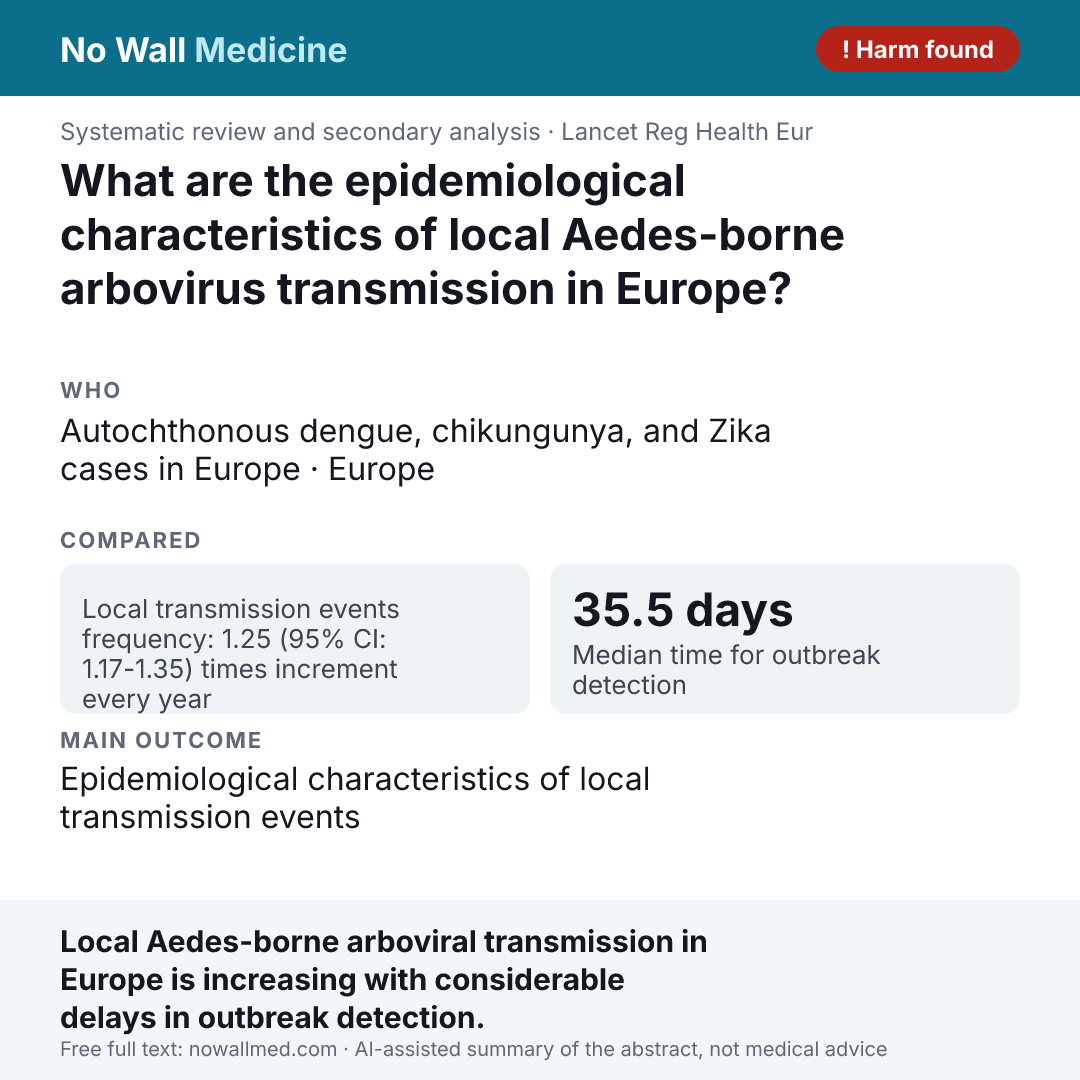
Transmission of autochthonous Aedes-borne arboviruses and related public health challenges in Europe 2007-2023: a systematic review and secondary analysis
Systematic review and secondary analysisHarm found
What are the epidemiological characteristics of local Aedes-borne arbovirus transmission in Europe?
Who
Autochthonous dengue, chikungunya, and Zika cases in Europe · Europe
Compared
Local transmission events frequency: 1.25 (95% CI: 1.17-1.35) times increment every year
35.5 daysMedian time for outbreak detection (range 23.0-76.0)
Main outcome
Epidemiological characteristics of local transmission events
Bottom line: Local Aedes-borne arboviral transmission in Europe is increasing with considerable delays in outbreak detection.
Limitation: Higher delays correlated with higher cases for chikungunya may be biased due to low sample size.
Funded by: Italian Ministry of Health and European Union
Lancet Reg Health Eur · 2025-02-10 · Save PNG
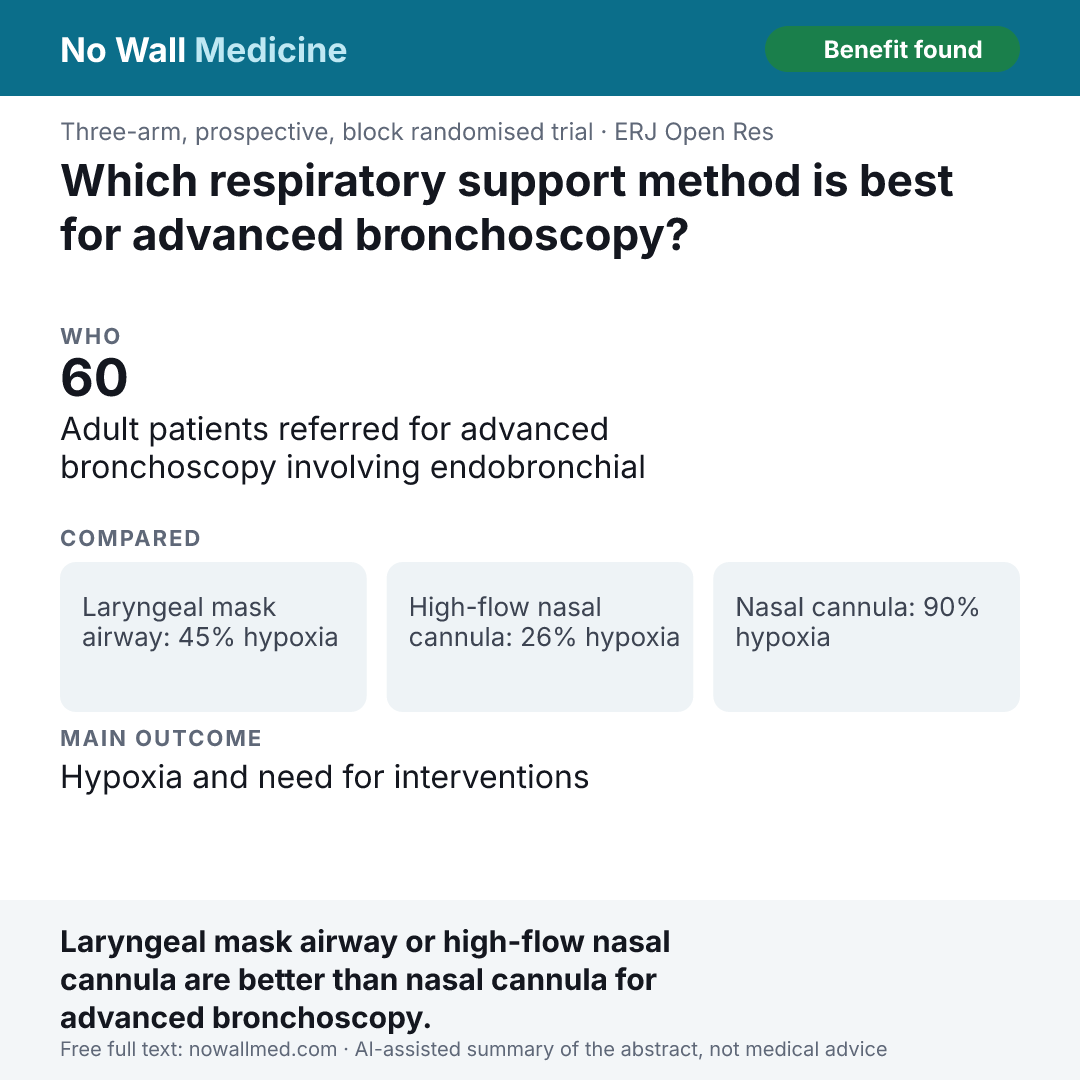
Laryngeal mask airway or high-flow nasal cannula versus nasal cannula for advanced bronchoscopy: a randomised controlled trial
Three-arm, prospective, block randomised trialBenefit found
Which respiratory support method is best for advanced bronchoscopy?
Who
60
Adult patients referred for advanced bronchoscopy involving endobronchial ultrasound
Compared
Laryngeal mask airway: 45% hypoxia
High-flow nasal cannula: 26% hypoxia
Nasal cannula: 90% hypoxia
Main outcome
Hypoxia and need for interventions
Bottom line: Laryngeal mask airway or high-flow nasal cannula are better than nasal cannula for advanced bronchoscopy.
ERJ Open Res · 2025-02-10 · Save PNG
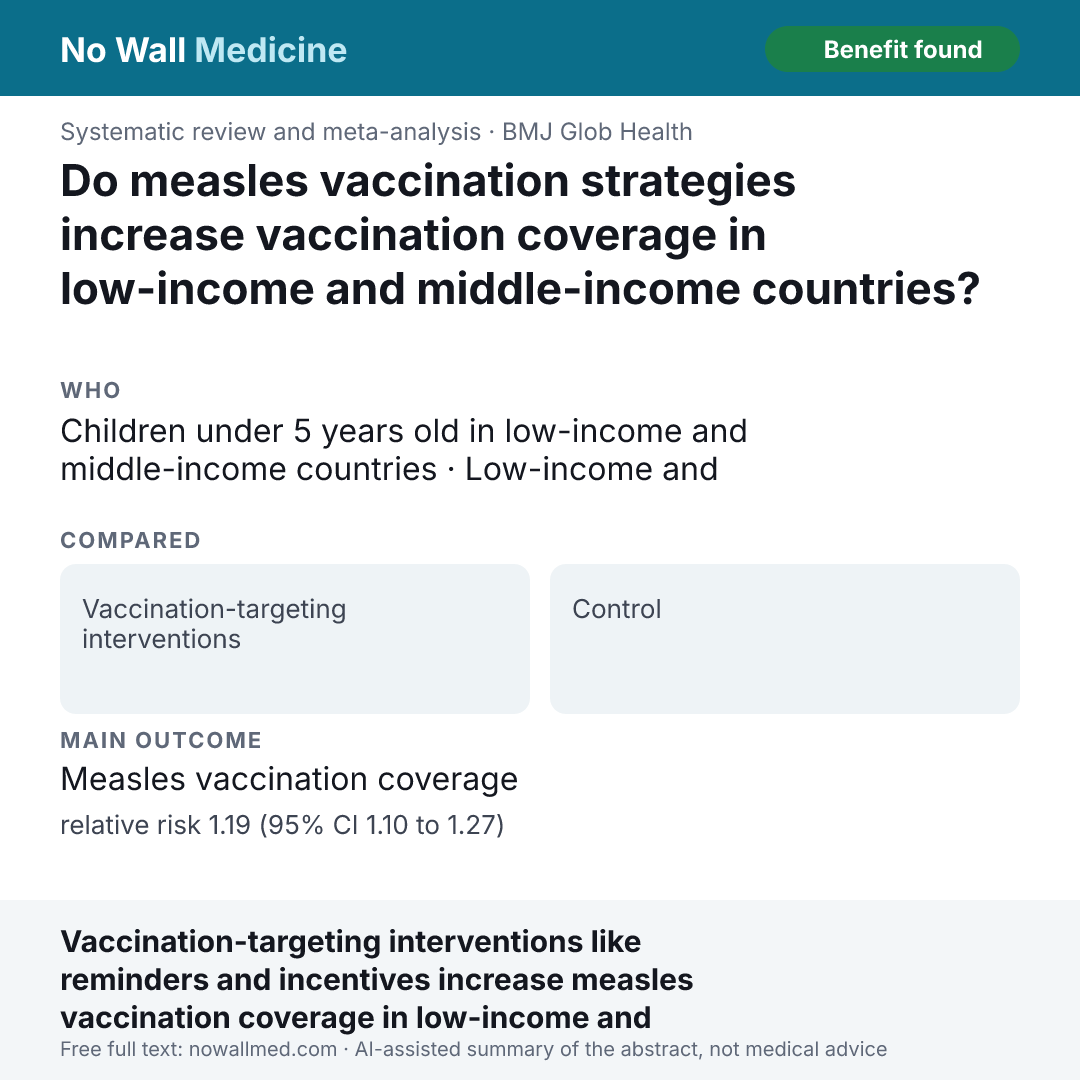
Impact of measles vaccination strategies on vaccination rates in low-income and middle-income countries: a systematic review and meta-analysis
Systematic review and meta-analysisBenefit found
Do measles vaccination strategies increase vaccination coverage in low-income and middle-income countries?
Who
Children under 5 years old in low-income and middle-income countries · Low-income and middle-income countries
Compared
Vaccination-targeting interventions
Control
Main outcome
Measles vaccination coverage
Result: relative risk 1.19 (95% CI 1.10 to 1.27)
Bottom line: Vaccination-targeting interventions like reminders and incentives increase measles vaccination coverage in low-income and middle-income countries.
BMJ Glob Health · 2025-02-10 · Save PNG
Effect of biannual azithromycin on respiratory pathogens among symptomatic children: results from the randomised Macrolides Oraux pour Réduire les Décès avec un Oeil sur la Résistance (MORDOR) I trial
Randomized trialBenefit found
Does biannual azithromycin administration reduce respiratory pathogen prevalence in symptomatic children?
Who
1468
Symptomatic children in Niger · Niger
Compared
Azithromycin communities
Placebo communities
Main outcome
Prevalence of 19 respiratory pathogens in nasopharyngeal swabs
Result: prevalence ratios 0.51 (95% CI 0.35, 0.75) and 0.35 (95% CI 0.17, 0.71)
Bottom line: Biannual azithromycin administration was associated with lower prevalence of Bordetella pertussis and Haemophilus influenzae type b.
BMJ Glob Health · 2025-02-10 · Save PNG

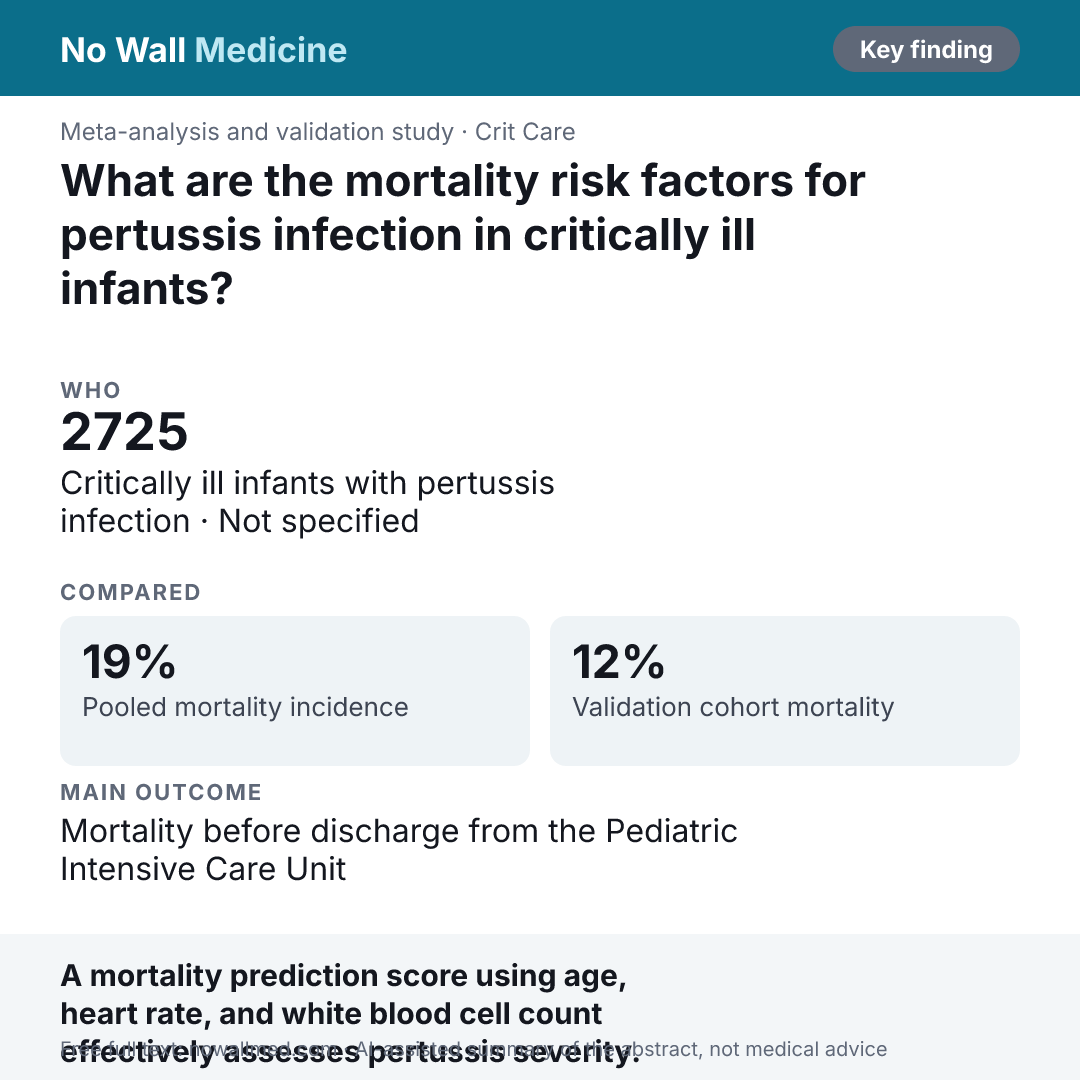
Pertussis infection in critically ill infants: meta-analysis and validation of a mortality score
Meta-analysis and validation studyKey finding
What are the mortality risk factors for pertussis infection in critically ill infants?
Who
2725
Critically ill infants with pertussis infection · Not specified
Compared
19%Pooled mortality incidence (95% CI:12-26; I2 = 96)
12%Validation cohort mortality
Main outcome
Mortality before discharge from the Pediatric Intensive Care Unit
Bottom line: A mortality prediction score using age, heart rate, and white blood cell count effectively assesses pertussis severity.
Crit Care · 2025-02-10 · Save PNG
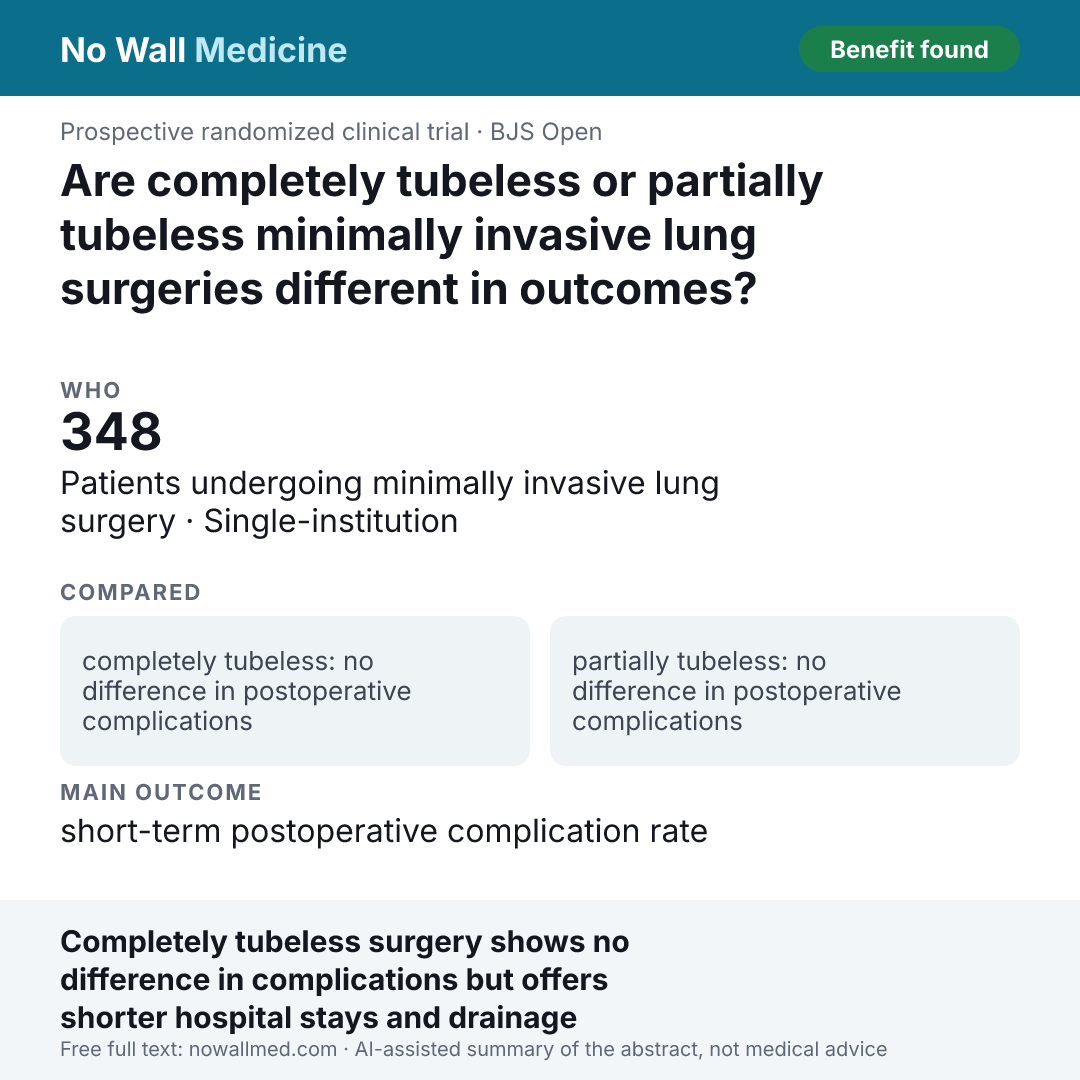
Minimally invasive lung surgery with an intraoperative completely or partially tubeless protocol: randomized clinical trial
Prospective randomized clinical trialBenefit found
Are completely tubeless or partially tubeless minimally invasive lung surgeries different in outcomes?
Who
348
Patients undergoing minimally invasive lung surgery · Single-institution
Compared
completely tubeless: no difference in postoperative complications
partially tubeless: no difference in postoperative complications
Main outcome
short-term postoperative complication rate
Bottom line: Completely tubeless surgery shows no difference in complications but offers shorter hospital stays and drainage durations.
BJS Open · 2025-02-10 · Save PNG
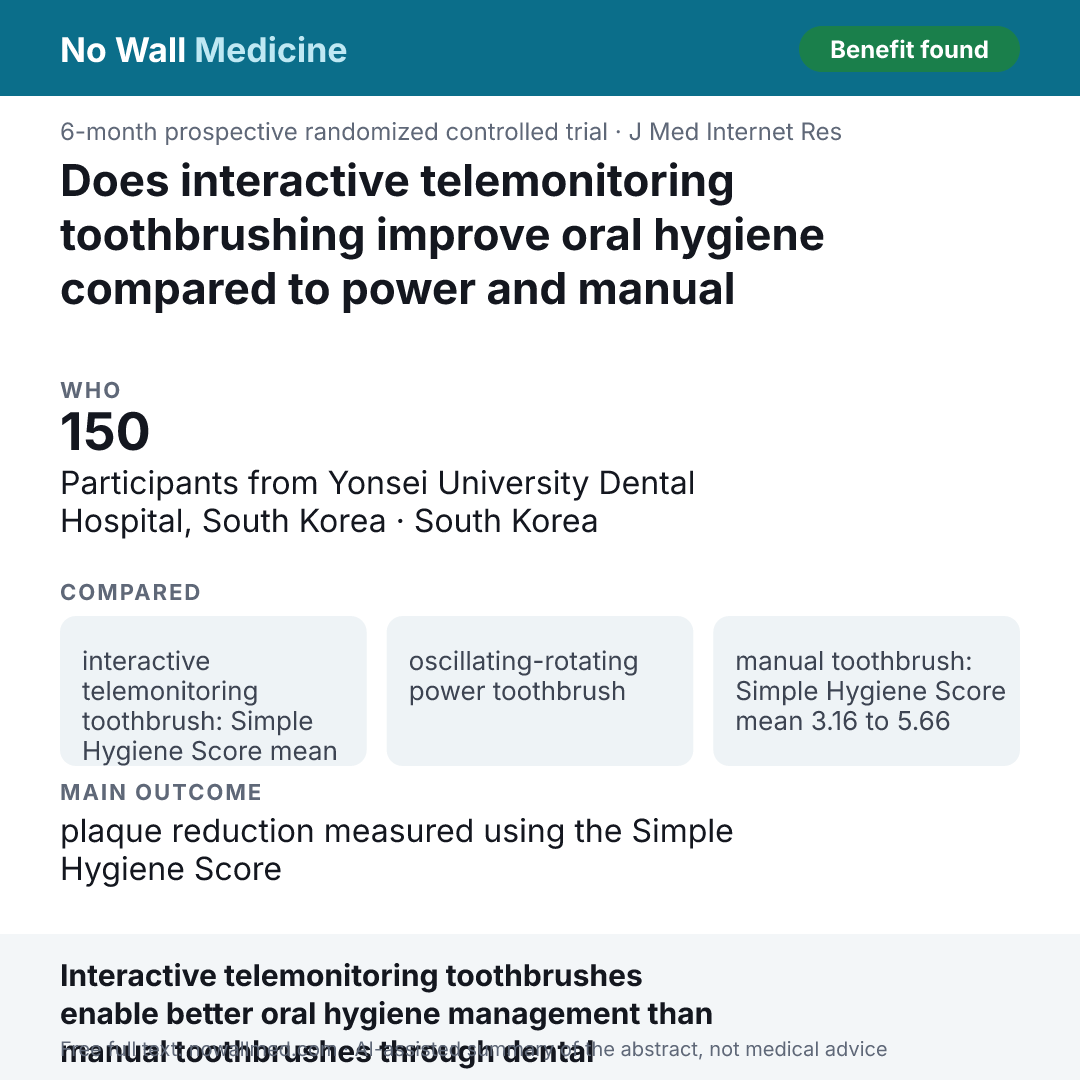
Smartphone-Based Telemonitoring for Better Oral Health With Toothbrushes: 6-Month Randomized Controlled Trial
6-month prospective randomized controlled trialBenefit found
Does interactive telemonitoring toothbrushing improve oral hygiene compared to power and manual toothbrushes?
Who
150
Participants from Yonsei University Dental Hospital, South Korea · South Korea
Compared
interactive telemonitoring toothbrush: Simple Hygiene Score mean 3.47 to 2.27
oscillating-rotating power toothbrush
manual toothbrush: Simple Hygiene Score mean 3.16 to 5.66
Main outcome
plaque reduction measured using the Simple Hygiene Score
Bottom line: Interactive telemonitoring toothbrushes enable better oral hygiene management than manual toothbrushes through dental professional feedback.
Limitation: further studies are needed to optimize feedback intervals and improve long-term adherence
J Med Internet Res · 2025-02-10 · Save PNG
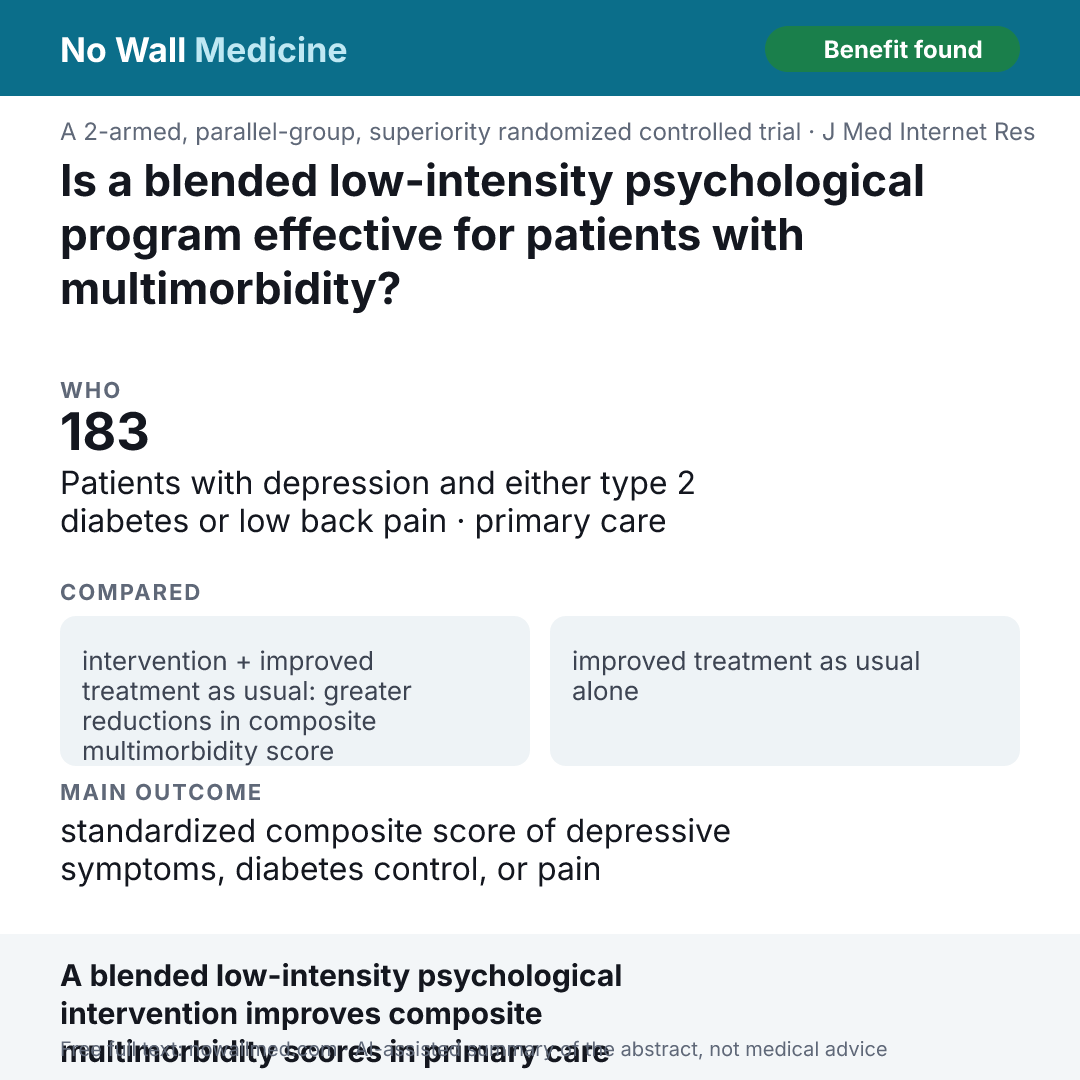
Efficacy of a Blended Low-Intensity Internet-Delivered Psychological Program in Patients With Multimorbidity in Primary Care: Randomized Controlled Trial
A 2-armed, parallel-group, superiority randomized controlled trialBenefit found
Is a blended low-intensity psychological program effective for patients with multimorbidity?
Who
183
Patients with depression and either type 2 diabetes or low back pain · primary care settings
Compared
intervention + improved treatment as usual: greater reductions in composite multimorbidity score
improved treatment as usual alone
Main outcome
standardized composite score of depressive symptoms, diabetes control, or pain
Result: B=-0.34, 95% CI -0.64 to -0.04; Hedges g=0.39
Bottom line: A blended low-intensity psychological intervention improves composite multimorbidity scores in primary care patients with depression and diabetes or back pain.
J Med Internet Res · 2025-02-10 · Save PNG
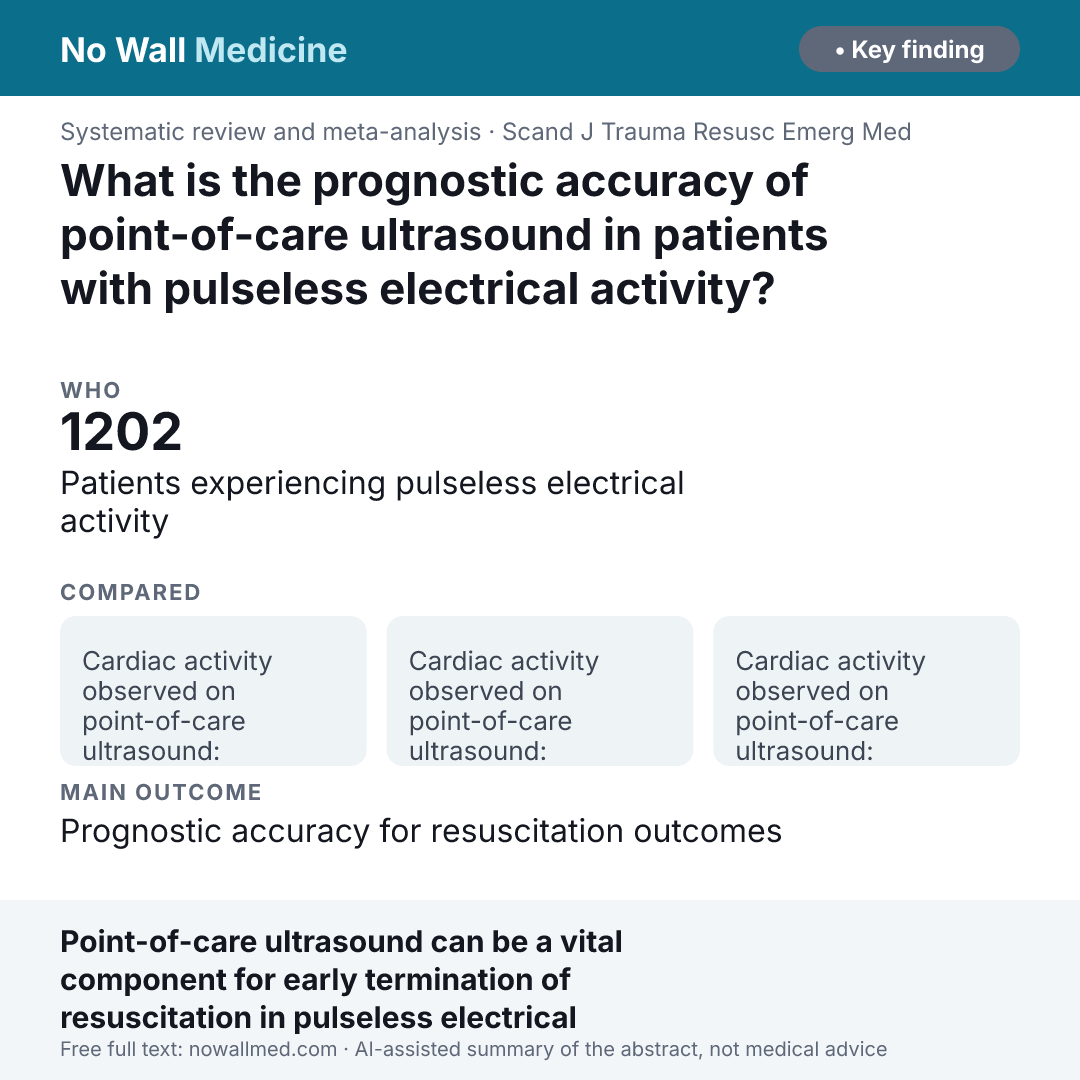
Prognostic accuracy of point-of-care ultrasound in patients with pulseless electrical activity: a systematic review and meta-analysis
Systematic review and meta-analysisKey finding
What is the prognostic accuracy of point-of-care ultrasound in patients with pulseless electrical activity?
Who
1202
Patients experiencing pulseless electrical activity
Compared
Cardiac activity observed on point-of-care ultrasound: sensitivity 0.86 (95% CI 0.67-0.95) for return of spontaneous circulation
Cardiac activity observed on point-of-care ultrasound: sensitivity 0.89 (95% CI 0.80-0.94) for survival to admission
Cardiac activity observed on point-of-care ultrasound: sensitivity 0.79 (95% CI 0.58-0.91) for survival to discharge
Main outcome
Prognostic accuracy for resuscitation outcomes
Result: area under the summary receiver operating characteristic curve 0.89 (95% CI 0.86-0.92) for survival to admission
Bottom line: Point-of-care ultrasound can be a vital component for early termination of resuscitation in pulseless electrical activity.
Scand J Trauma Resusc Emerg Med · 2025-02-10 · Save PNG
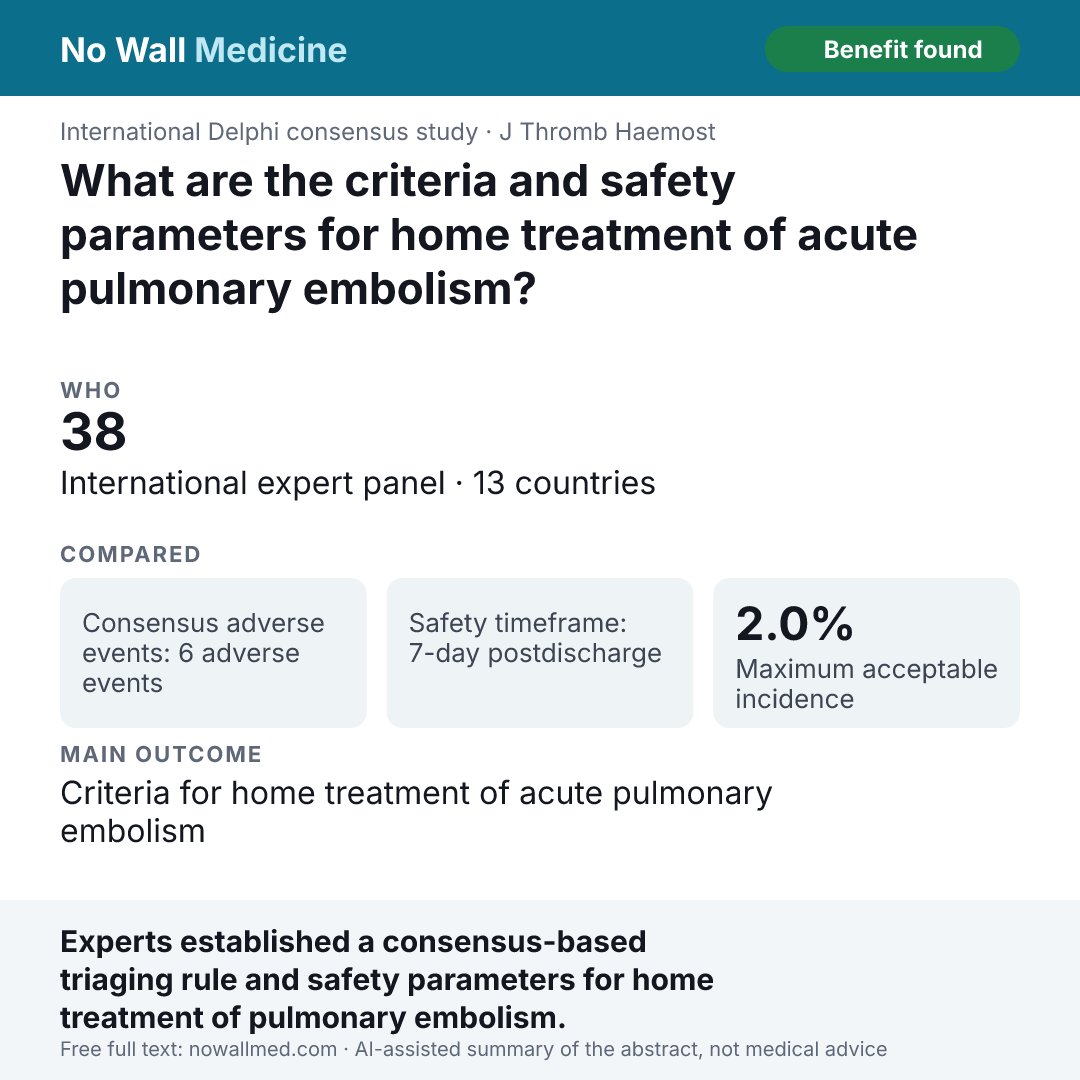
Criteria for home treatment of patients with acute pulmonary embolism (the Emergency Advisory and Research international board on Thrombosis and Hemostasis EARTH - rule): an international Delphi consensus study
International Delphi consensus studyBenefit found
What are the criteria and safety parameters for home treatment of acute pulmonary embolism?
Who
38
International expert panel · 13 countries
Compared
Consensus adverse events: 6 adverse events
Safety timeframe: 7-day postdischarge
2.0%Maximum acceptable incidence
Main outcome
Criteria for home treatment of acute pulmonary embolism
Bottom line: Experts established a consensus-based triaging rule and safety parameters for home treatment of pulmonary embolism.
Limitation: Future prospective studies are needed to validate the rule before clinical implementation.
J Thromb Haemost · 2025-02-09 · Save PNG
Bempedoic Acid for Prevention of Cardiovascular Events in People With Obesity: A CLEAR Outcomes Subset Analysis
Randomized trialBenefit found
Does bempedoic acid prevent cardiovascular events in people with obesity?
Who
6177
6177 patients with baseline body mass index ≥30 kg/m2
Compared
Bempedoic acid: 23% reduction in major adverse cardiovascular events-4
Placebo
Main outcome
major adverse cardiovascular events-4
Result: hazard ratio 0.77 (95% CI 0.67-0.89)
Bottom line: In people with obesity, bempedoic acid reduced major adverse cardiovascular events, low-density lipoprotein cholesterol, and high-sensitivity C-reactive protein.
J Am Heart Assoc · 2025-02-08 · Save PNG

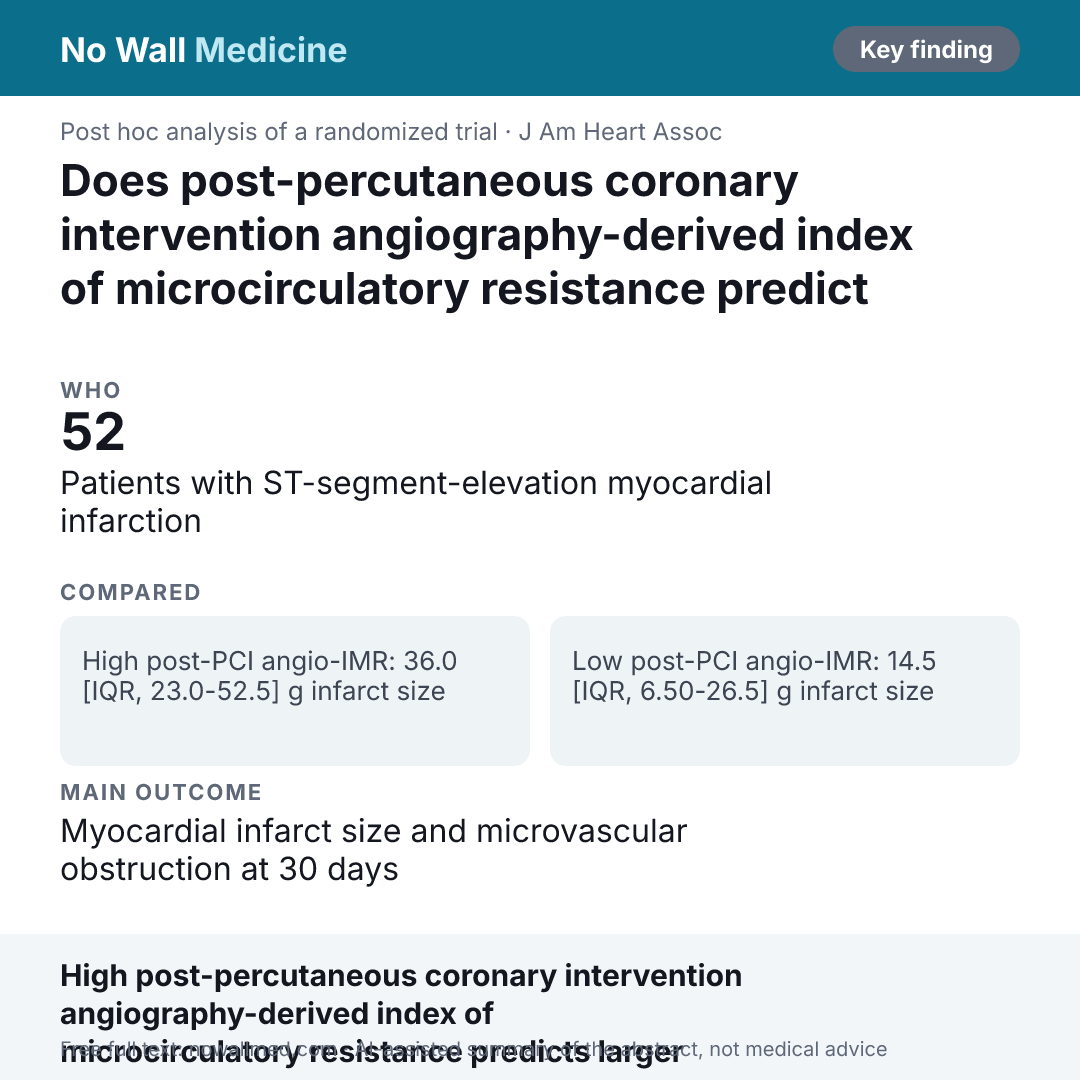
Microcirculatory Resistance After Primary Percutaneous Coronary Intervention Predicts Residual Myocardial Damage and Scar Formation
Post hoc analysis of a randomized trialKey finding
Does post-percutaneous coronary intervention angiography-derived index of microcirculatory resistance predict myocardial damage?
Who
52
Patients with ST-segment-elevation myocardial infarction
Compared
High post-PCI angio-IMR: 36.0 [IQR, 23.0-52.5] g infarct size
Low post-PCI angio-IMR: 14.5 [IQR, 6.50-26.5] g infarct size
Main outcome
Myocardial infarct size and microvascular obstruction at 30 days
Bottom line: High post-percutaneous coronary intervention angiography-derived index of microcirculatory resistance predicts larger myocardial infarct size and microvascular obstruction.
J Am Heart Assoc · 2025-02-08 · Save PNG
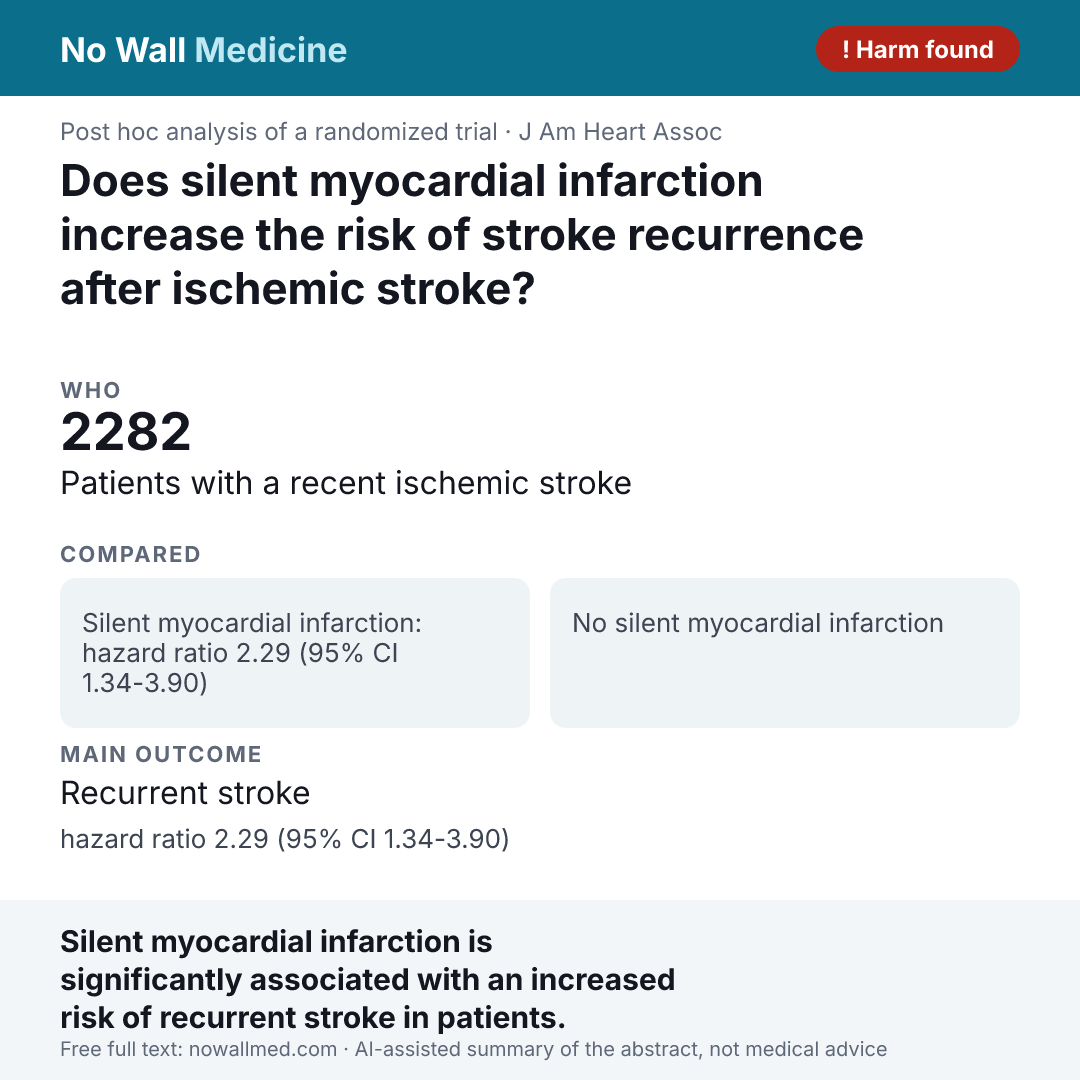
Silent Myocardial Infarction and Risk of Stroke Recurrence: A Post Hoc Analysis of the IRIS Trial
Post hoc analysis of a randomized trialHarm found
Does silent myocardial infarction increase the risk of stroke recurrence after ischemic stroke?
Who
2282
Patients with a recent ischemic stroke
Compared
Silent myocardial infarction: hazard ratio 2.29 (95% CI 1.34-3.90)
No silent myocardial infarction
Main outcome
Recurrent stroke
Result: hazard ratio 2.29 (95% CI 1.34-3.90)
Bottom line: Silent myocardial infarction is significantly associated with an increased risk of recurrent stroke in patients.
J Am Heart Assoc · 2025-02-08 · Save PNG
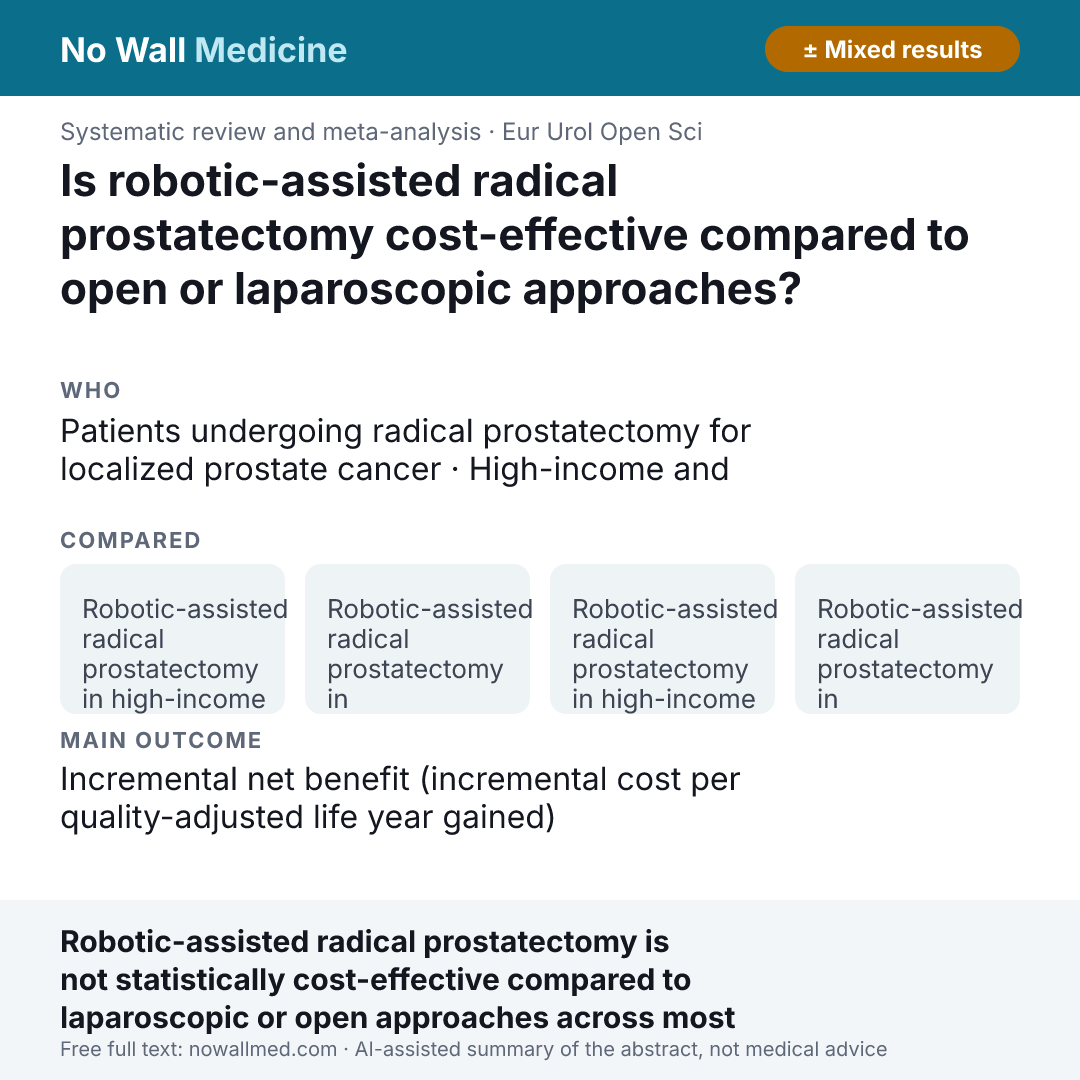
Economic Evaluation of Robotic-assisted Radical Prostatectomy: A Systematic Review and Meta-analysis
Systematic review and meta-analysisMixed results
Is robotic-assisted radical prostatectomy cost-effective compared to open or laparoscopic approaches?
Who
Patients undergoing radical prostatectomy for localized prostate cancer · High-income and middle-income countries
Compared
Robotic-assisted radical prostatectomy in high-income countries vs laparoscopic: $7507.83 [-$1193.03 to $16 208.69]
Robotic-assisted radical prostatectomy in middle-income countries vs laparoscopic: -$4499.39 [-$16 500 to $7526.87]
Robotic-assisted radical prostatectomy in high-income countries vs open: $3322.38 [-$1864.39 to $8509.15]
Robotic-assisted radical prostatectomy in middle-income countries vs open: $2222.60 [-$2960.64 to $7405.83]
Main outcome
Incremental net benefit (incremental cost per quality-adjusted life year gained)
Result: not specified
Bottom line: Robotic-assisted radical prostatectomy is not statistically cost-effective compared to laparoscopic or open approaches across most settings.
Eur Urol Open Sci · 2025-02-08 · Save PNG