Visual abstracts
New randomized trials and meta-analyses from leading journals at a glance: who was studied, what was compared, and what was found. Every paper is free to read in full.
All specialtiesCardiology 4832Oncology 4114Gastroenterology & Hepatology 1934Infectious Disease 3824Neurology 1899Psychiatry & Mental Health 2256Pulmonology 2082Critical Care 1345Endocrinology & Diabetes 2572Pediatrics 2940Surgery 2525Orthopedics & Sports Medicine 926Neurosurgery 534Cardiothoracic & Vascular Surgery 671Plastic & Reconstructive Surgery 591Nephrology 1124Rheumatology 823Hematology 1104Dermatology 620Ophthalmology 543Obstetrics & Gynecology 1684Public & Global Health 1056Radiology & Imaging 641Anesthesiology 962Urology 754ENT (Otolaryngology) 503Emergency Medicine 489Allergy & Immunology 313Geriatrics 981Family Medicine & Primary Care 541Medical Genetics & Genomics 675Pathology & Laboratory Medicine 157Physical Medicine & Rehabilitation 751Palliative Care 424Nutrition 1580Digital Health & AI 2195General Medicine 321
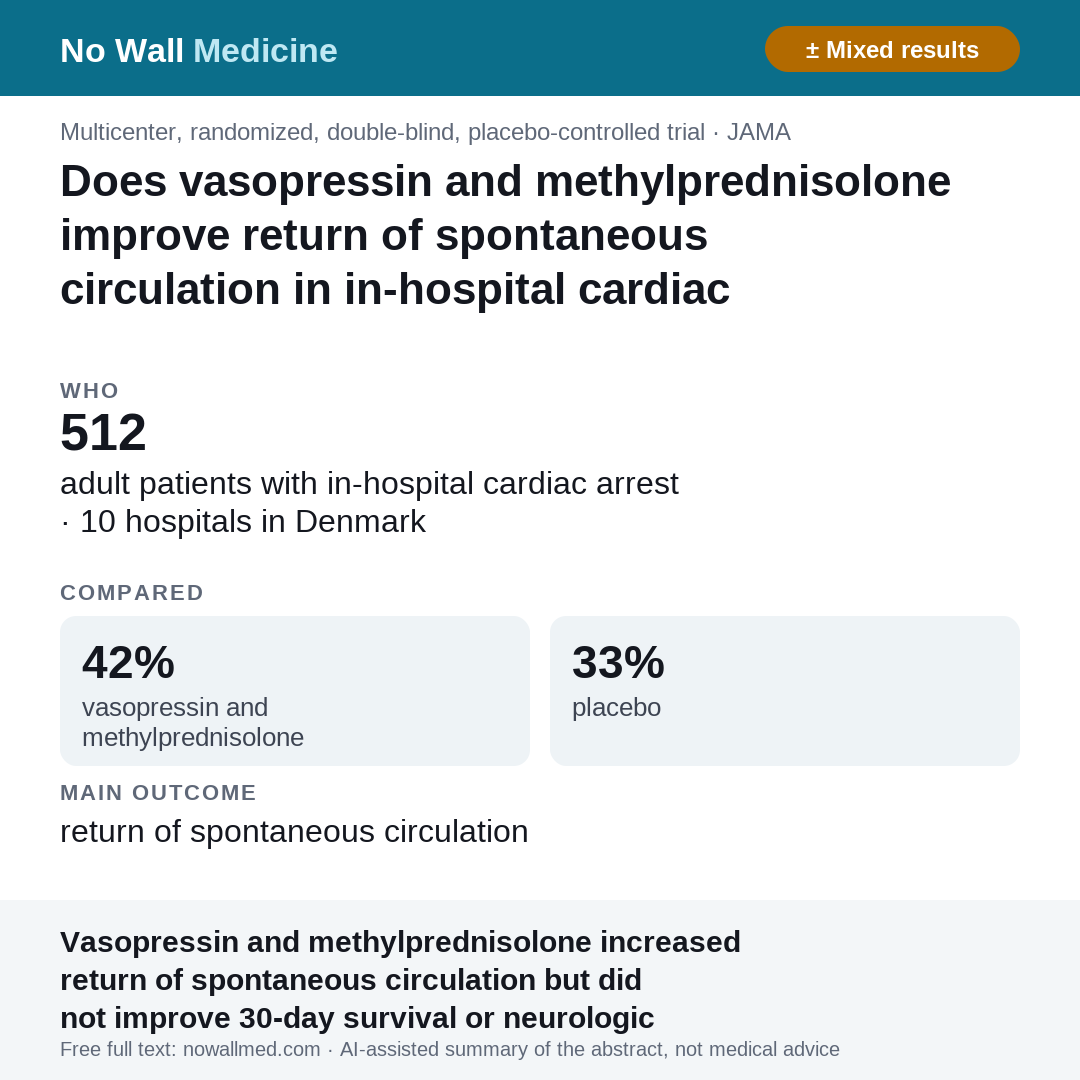
Effect of Vasopressin and Methylprednisolone vs Placebo on Return of Spontaneous Circulation in Patients With In-Hospital Cardiac Arrest: A Randomized Clinical Trial
Multicenter, randomized, double-blind, placebo-controlled trialMixed results
Does vasopressin and methylprednisolone improve return of spontaneous circulation in in-hospital cardiac arrest?
Who
512
adult patients with in-hospital cardiac arrest · 10 hospitals in Denmark
Compared
42%vasopressin and methylprednisolone
33%placebo
Main outcome
return of spontaneous circulation
Result: risk ratio 1.30 (95% CI 1.03-1.63)
Bottom line: Vasopressin and methylprednisolone increased return of spontaneous circulation but did not improve 30-day survival or neurologic outcomes.
Limitation: uncertainty whether this treatment results in benefit or harm for long-term survival
JAMA · 2021-09-30Download image
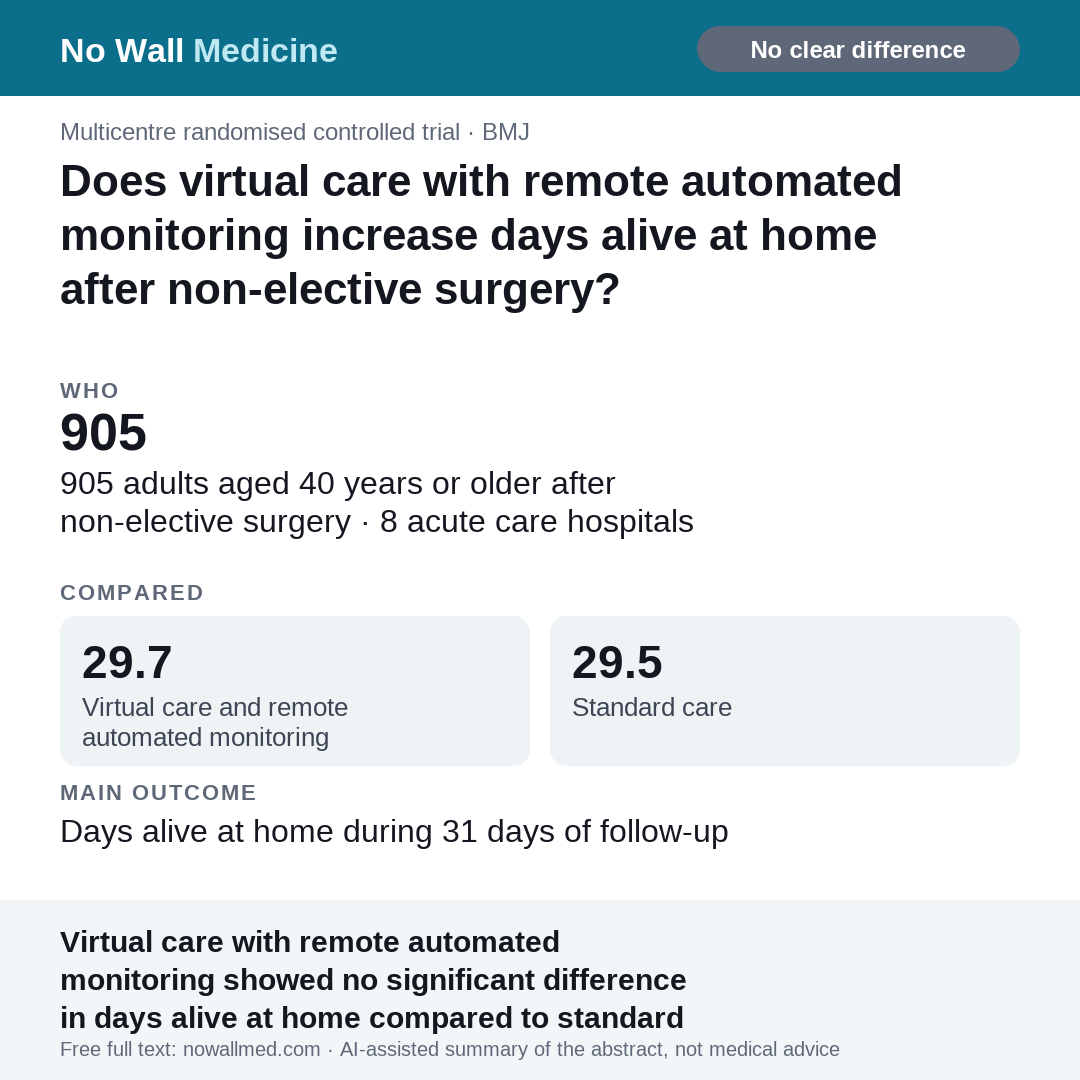
Post-discharge after surgery Virtual Care with Remote Automated Monitoring-1 (PVC-RAM-1) technology versus standard care: randomised controlled trial
Multicentre randomised controlled trialNo clear difference
Does virtual care with remote automated monitoring increase days alive at home after non-elective surgery?
Who
905
905 adults aged 40 years or older after non-elective surgery · 8 acute care hospitals in Canada
Compared
29.7Virtual care and remote automated monitoring
29.5Standard care
Main outcome
Days alive at home during 31 days of follow-up
Result: relative risk 1.01 (95% confidence interval 0.99 to 1.02)
Bottom line: Virtual care with remote automated monitoring showed no significant difference in days alive at home compared to standard care.
BMJ · 2021-09-30Download image
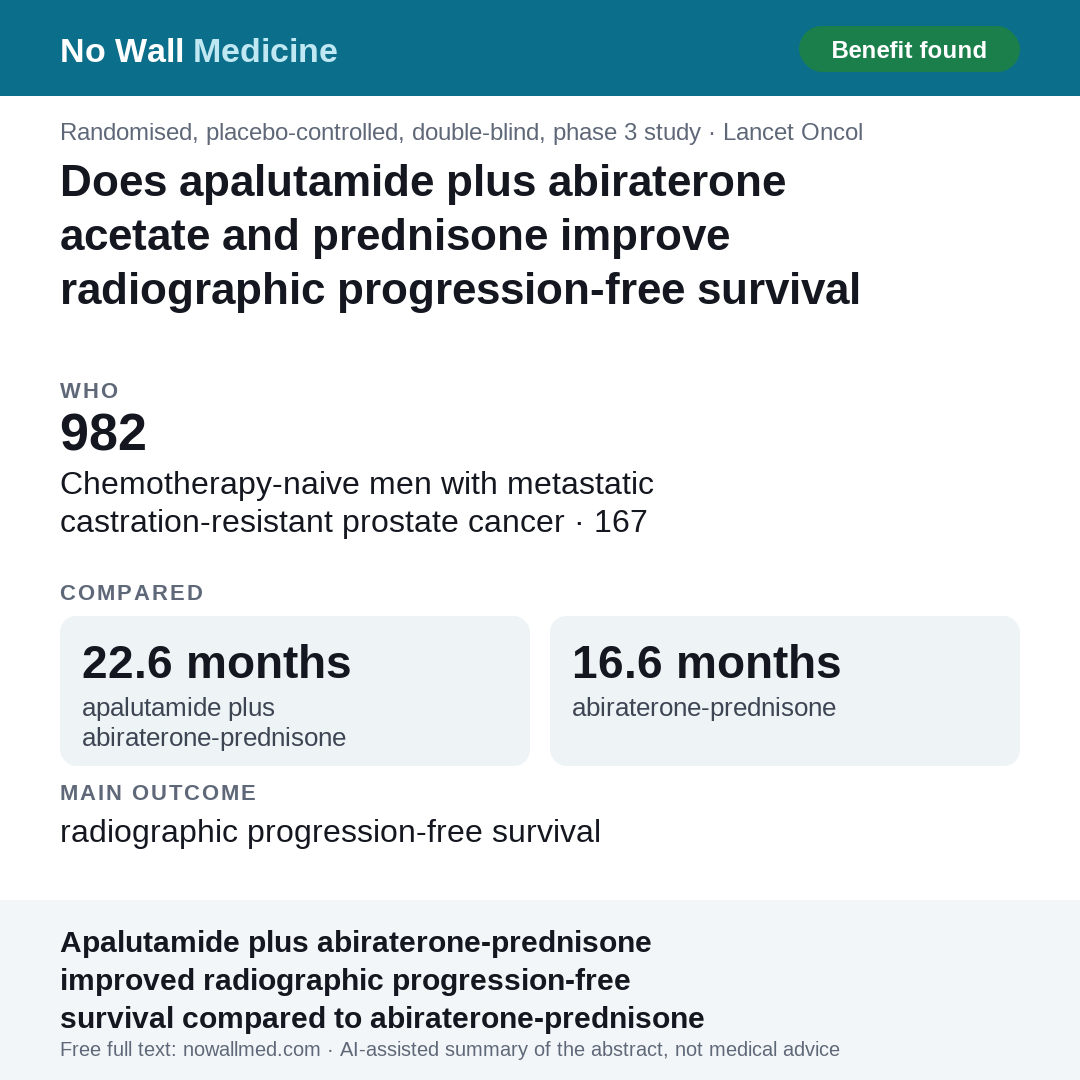
Apalutamide plus abiraterone acetate and prednisone versus placebo plus abiraterone and prednisone in metastatic, castration-resistant prostate cancer (ACIS): a randomised, placebo-controlled, double-blind, multinational, phase 3 study
Randomised, placebo-controlled, double-blind, phase 3 studyBenefit found
Does apalutamide plus abiraterone acetate and prednisone improve radiographic progression-free survival in mCRPC?
Who
982
Chemotherapy-naive men with metastatic castration-resistant prostate cancer · 167 hospitals in 17 countries
Compared
22.6 monthsapalutamide plus abiraterone-prednisone (95% CI 19.4-27.4)
16.6 monthsabiraterone-prednisone (13.9-19.3)
Main outcome
radiographic progression-free survival
Result: hazard ratio 0.69 (95% CI 0.58-0.83)
Bottom line: Apalutamide plus abiraterone-prednisone improved radiographic progression-free survival compared to abiraterone-prednisone in men with metastatic castration-resistant prostate cancer.
Lancet Oncol · 2021-09-30Download image
The Genetic Architecture of Depression in Individuals of East Asian Ancestry: A Genome-Wide Association Study
Genome-wide association study and meta-analysisMixed results
What is the genetic architecture of depression in individuals of East Asian ancestry?
Who
194548
Individuals of East Asian descent with depression and controls · 9 cohort and case-control data sets
Compared
15771Individuals with depression
178777Control individuals
Main outcome
Associations of genetic variants with depression risk
Result: r = 0.413 (SE = 0.159) transancestry genetic correlation
Bottom line: Only 11% of European depression loci were significant in East Asian cohorts, suggesting caution when generalizing findings across populations.
Limitation: Most previous studies used individuals of European descent, limiting understanding of underlying biology.
JAMA Psychiatry · 2021-09-30Download image

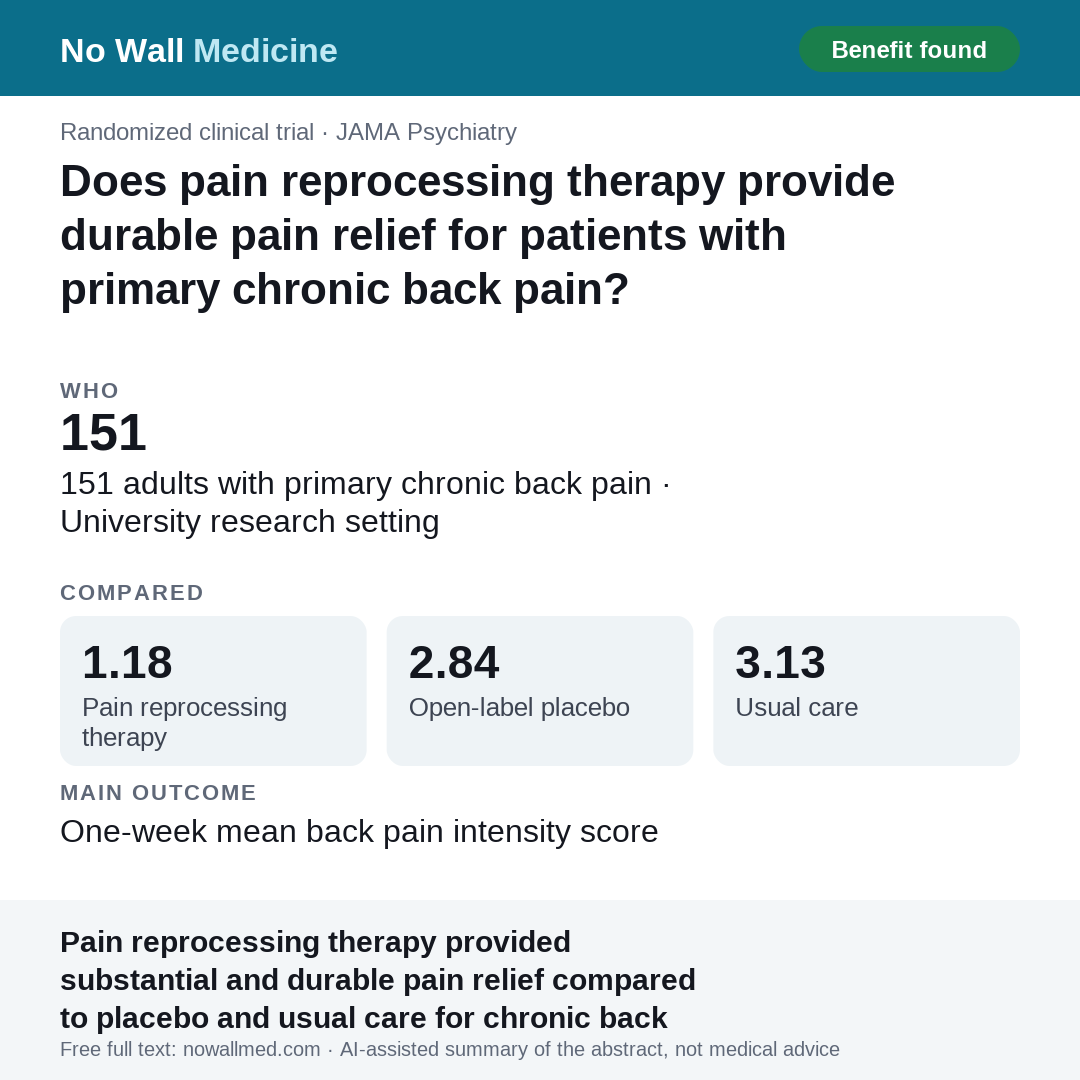
Effect of Pain Reprocessing Therapy vs Placebo and Usual Care for Patients With Chronic Back Pain: A Randomized Clinical Trial
Randomized clinical trialBenefit found
Does pain reprocessing therapy provide durable pain relief for patients with primary chronic back pain?
Who
151
151 adults with primary chronic back pain · University research setting
Compared
1.18Pain reprocessing therapy (1.24)
2.84Open-label placebo (1.64)
3.13Usual care (1.45)
Main outcome
One-week mean back pain intensity score
Result: Hedges g -1.14 for PRT vs placebo and -1.74 for PRT vs usual care
Bottom line: Pain reprocessing therapy provided substantial and durable pain relief compared to placebo and usual care for chronic back pain.
JAMA Psychiatry · 2021-09-30Download image
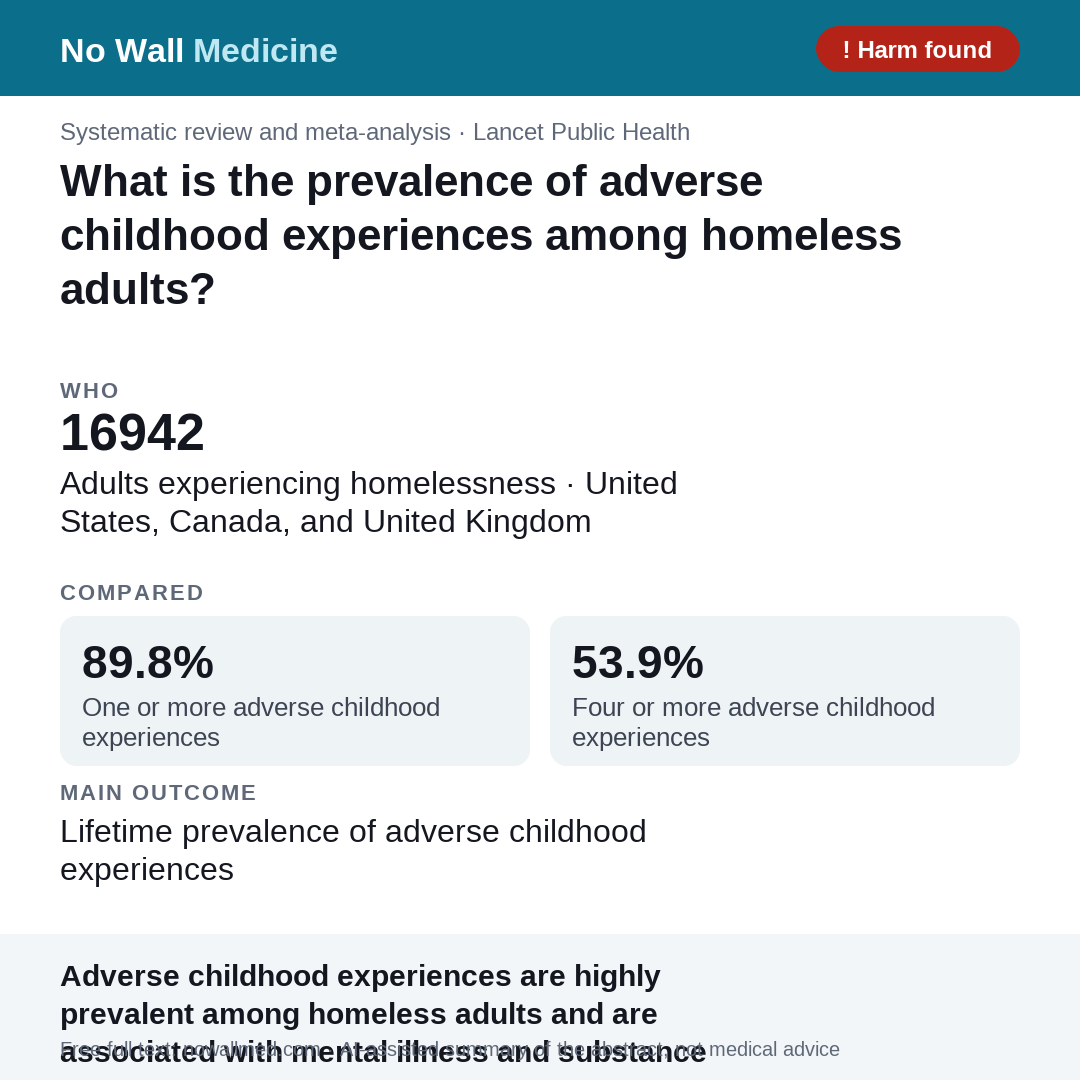
Adverse childhood experiences and related outcomes among adults experiencing homelessness: a systematic review and meta-analysis
Systematic review and meta-analysisHarm found
What is the prevalence of adverse childhood experiences among homeless adults?
Who
16942
Adults experiencing homelessness · United States, Canada, and United Kingdom
Compared
89.8%One or more adverse childhood experiences (95% CI 83.7-93.7)
53.9%Four or more adverse childhood experiences (45.9-61.7)
Main outcome
Lifetime prevalence of adverse childhood experiences
Bottom line: Adverse childhood experiences are highly prevalent among homeless adults and are associated with mental illness and substance misuse.
Funded by: Rhodes Trust and Canadian Institutes of Health Research
Lancet Public Health · 2021-09-30Download image
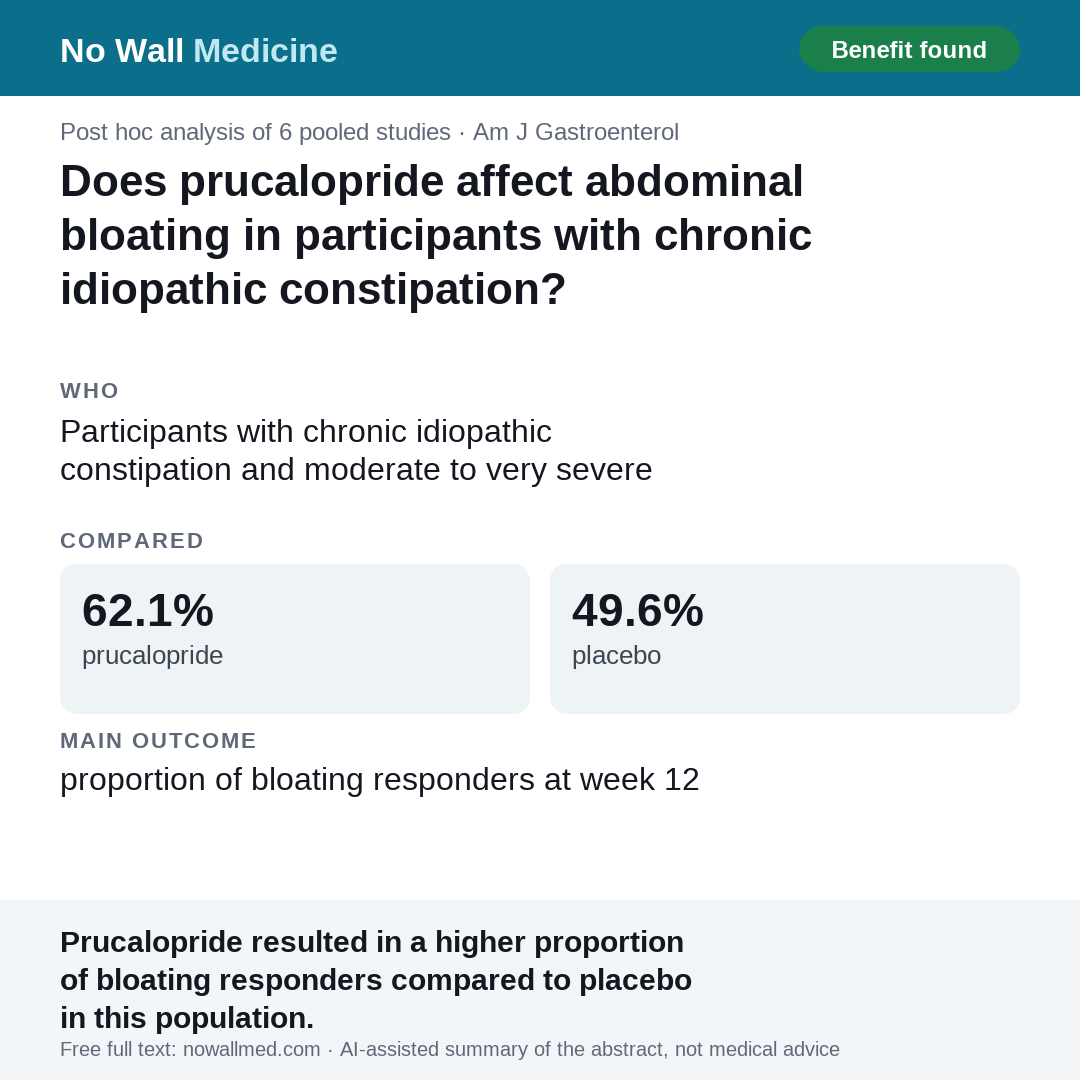
Efficacy of Prucalopride for Chronic Idiopathic Constipation: An Analysis of Participants With Moderate to Very Severe Abdominal Bloating
Post hoc analysis of 6 pooled studiesBenefit found
Does prucalopride affect abdominal bloating in participants with chronic idiopathic constipation?
Who
Participants with chronic idiopathic constipation and moderate to very severe bloating
Compared
62.1%prucalopride
49.6%placebo
Main outcome
proportion of bloating responders at week 12
Bottom line: Prucalopride resulted in a higher proportion of bloating responders compared to placebo in this population.
Am J Gastroenterol · 2021-09-30Download image
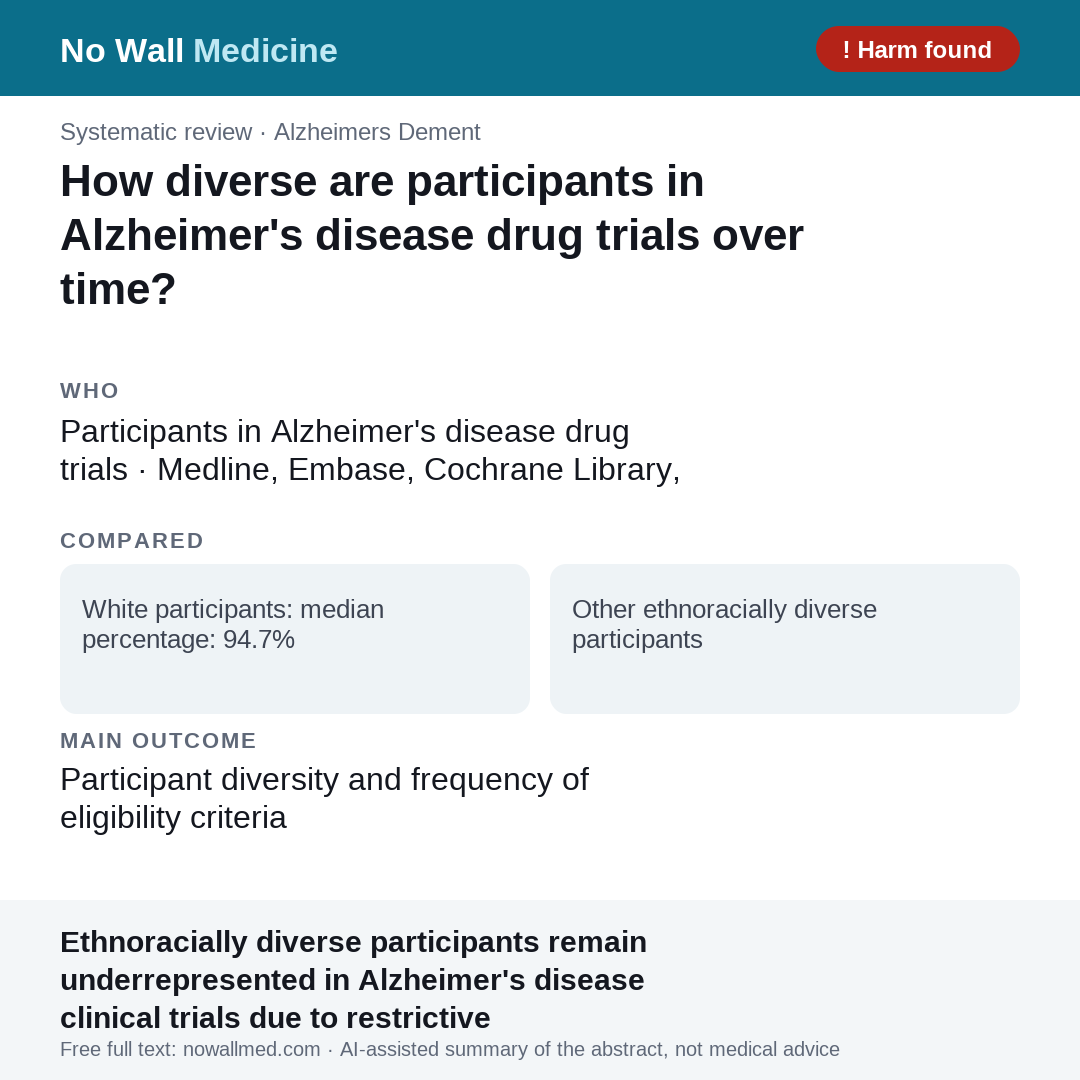
Diversity in Alzheimer's disease drug trials: The importance of eligibility criteria
Systematic reviewHarm found
How diverse are participants in Alzheimer's disease drug trials over time?
Who
101
Participants in Alzheimer's disease drug trials · Medline, Embase, Cochrane Library, and Clinicaltrials.gov
Compared
White participants: median percentage: 94.7%
Other ethnoracially diverse participants
Main outcome
Participant diversity and frequency of eligibility criteria
Bottom line: Ethnoracially diverse participants remain underrepresented in Alzheimer's disease clinical trials due to restrictive eligibility criteria.
Alzheimers Dement · 2021-09-30Download image
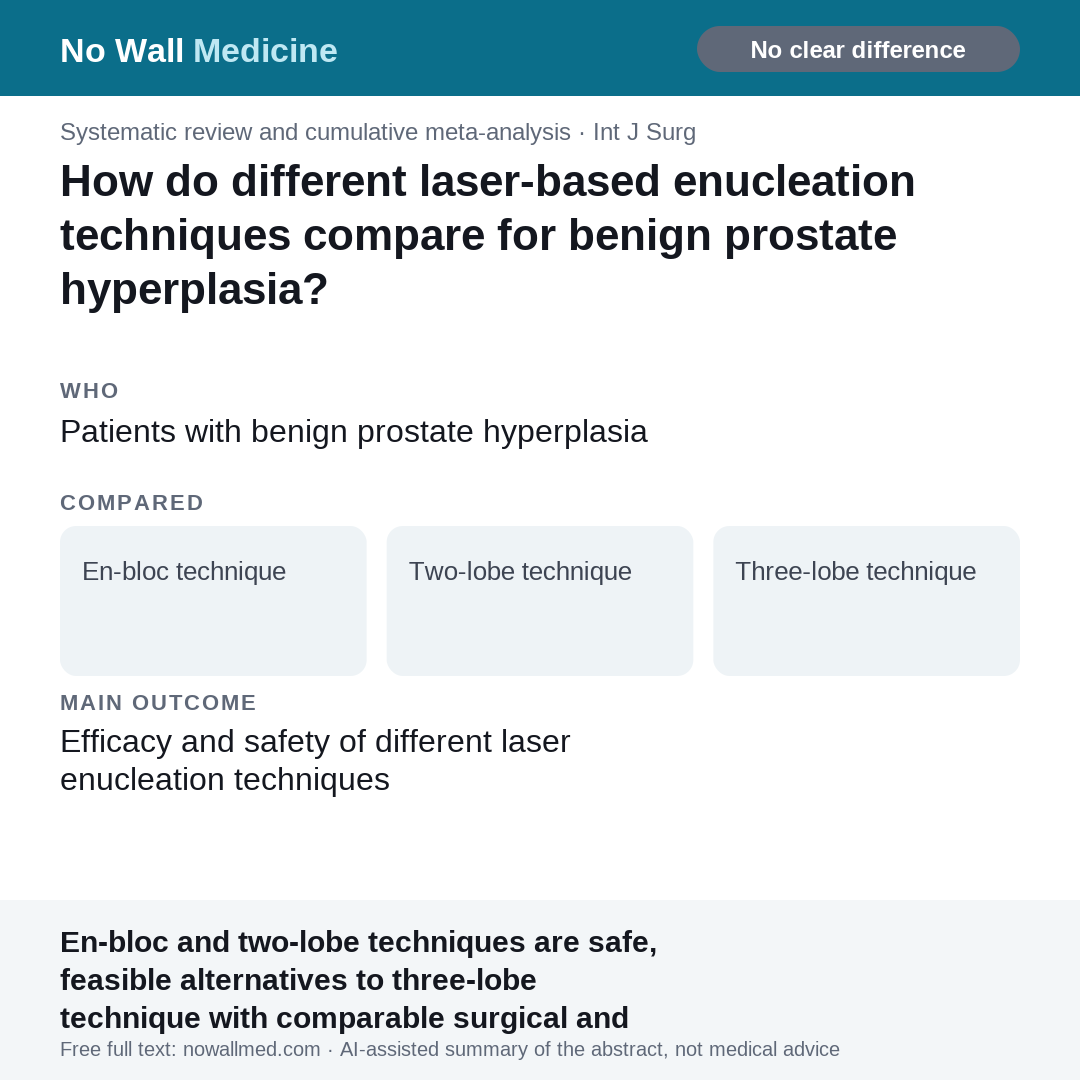
Comparison of different laser-based enucleation techniques for benign prostate hyperplasia: A systematic review and meta-analysis
Systematic review and cumulative meta-analysisNo clear difference
How do different laser-based enucleation techniques compare for benign prostate hyperplasia?
Who
Patients with benign prostate hyperplasia
Compared
En-bloc technique
Two-lobe technique
Three-lobe technique
Main outcome
Efficacy and safety of different laser enucleation techniques
Bottom line: En-bloc and two-lobe techniques are safe, feasible alternatives to three-lobe technique with comparable surgical and functional outcomes.
Int J Surg · 2021-09-30Download image
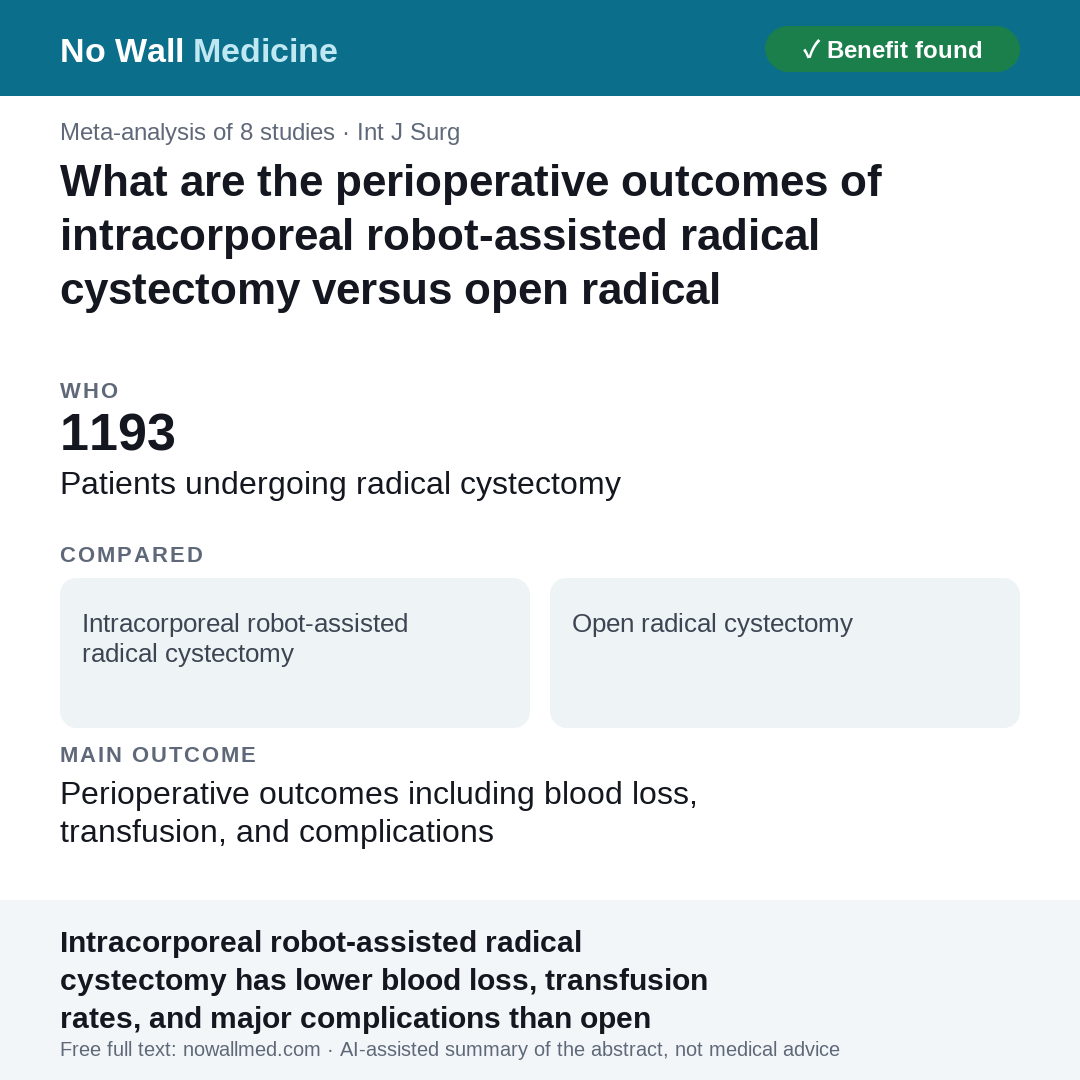
Perioperative outcomes of intracorporeal robot-assisted radical cystectomy versus open radical cystectomy: A systematic review and meta-analysis of comparative studies
Meta-analysis of 8 studiesBenefit found
What are the perioperative outcomes of intracorporeal robot-assisted radical cystectomy versus open radical cystectomy?
Who
1193
Patients undergoing radical cystectomy
Compared
Intracorporeal robot-assisted radical cystectomy
Open radical cystectomy
Main outcome
Perioperative outcomes including blood loss, transfusion, and complications
Result: weighted mean difference -449.25 (95% CI -566.47 to -332.03) for blood loss
Bottom line: Intracorporeal robot-assisted radical cystectomy has lower blood loss, transfusion rates, and major complications than open radical cystectomy.
Int J Surg · 2021-09-30Download image
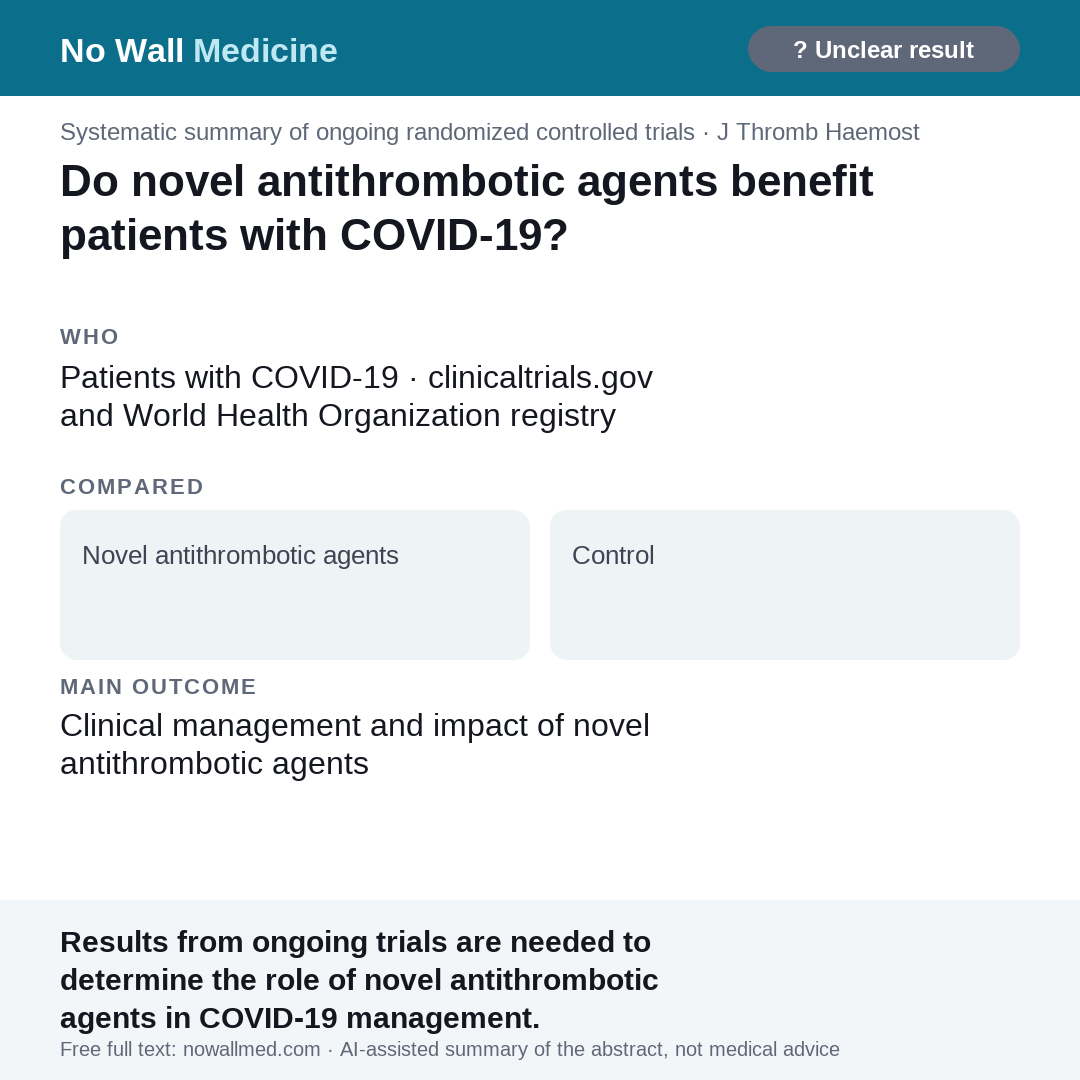
Use of novel antithrombotic agents for COVID-19: Systematic summary of ongoing randomized controlled trials
Systematic summary of ongoing randomized controlled trialsUnclear result
Do novel antithrombotic agents benefit patients with COVID-19?
Who
Patients with COVID-19 · clinicaltrials.gov and World Health Organization registry
Compared
Novel antithrombotic agents
Control
Main outcome
Clinical management and impact of novel antithrombotic agents
Bottom line: Results from ongoing trials are needed to determine the role of novel antithrombotic agents in COVID-19 management.
J Thromb Haemost · 2021-09-30Download image
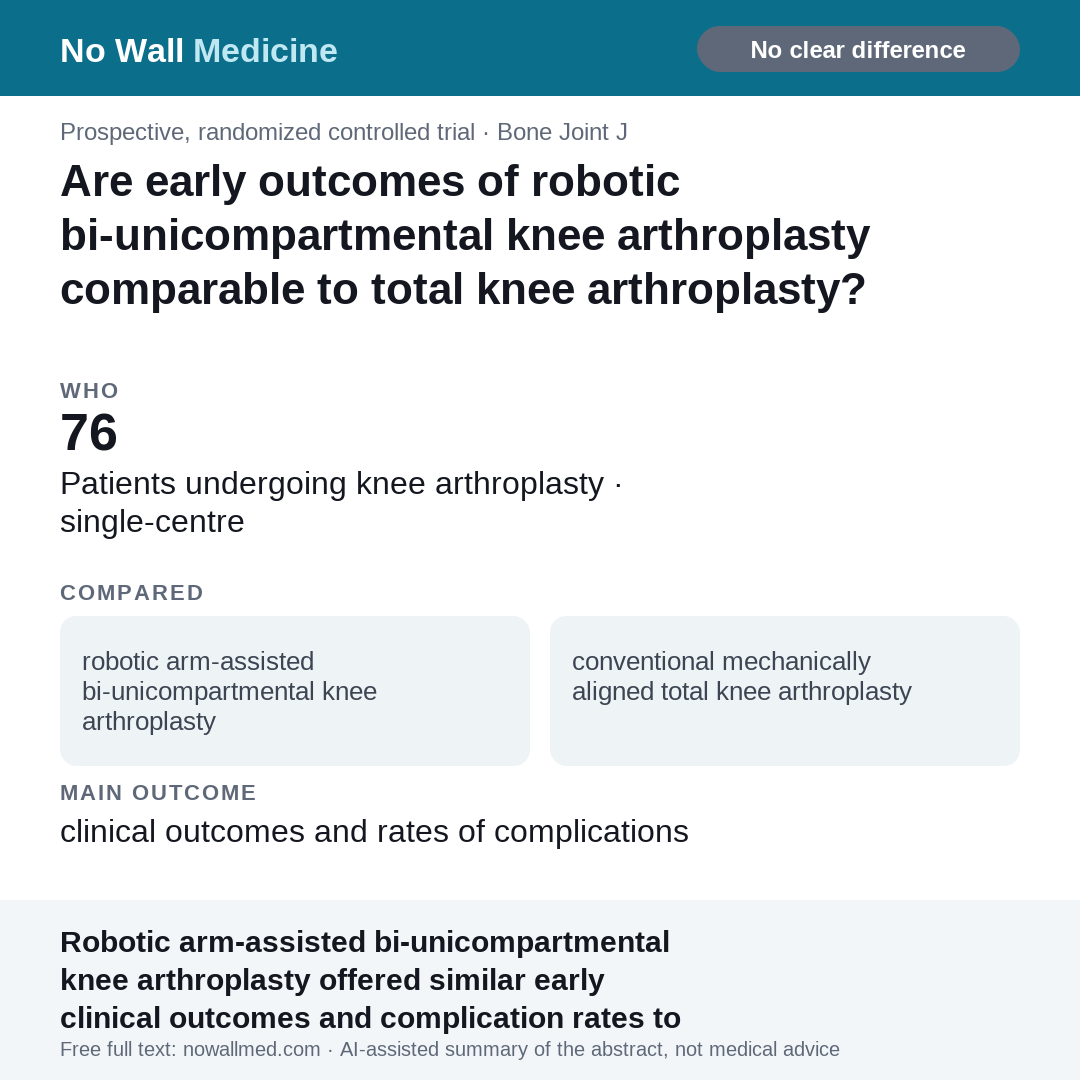
Early outcomes after robotic arm-assisted bi-unicompartmental knee arthroplasty compared with total knee arthroplasty: a prospective, randomized controlled trial
Prospective, randomized controlled trialNo clear difference
Are early outcomes of robotic bi-unicompartmental knee arthroplasty comparable to total knee arthroplasty?
Who
76
Patients undergoing knee arthroplasty · single-centre
Compared
robotic arm-assisted bi-unicompartmental knee arthroplasty
conventional mechanically aligned total knee arthroplasty
Main outcome
clinical outcomes and rates of complications
Bottom line: Robotic arm-assisted bi-unicompartmental knee arthroplasty offered similar early clinical outcomes and complication rates to total knee arthroplasty.
Bone Joint J · 2021-09-30Download image
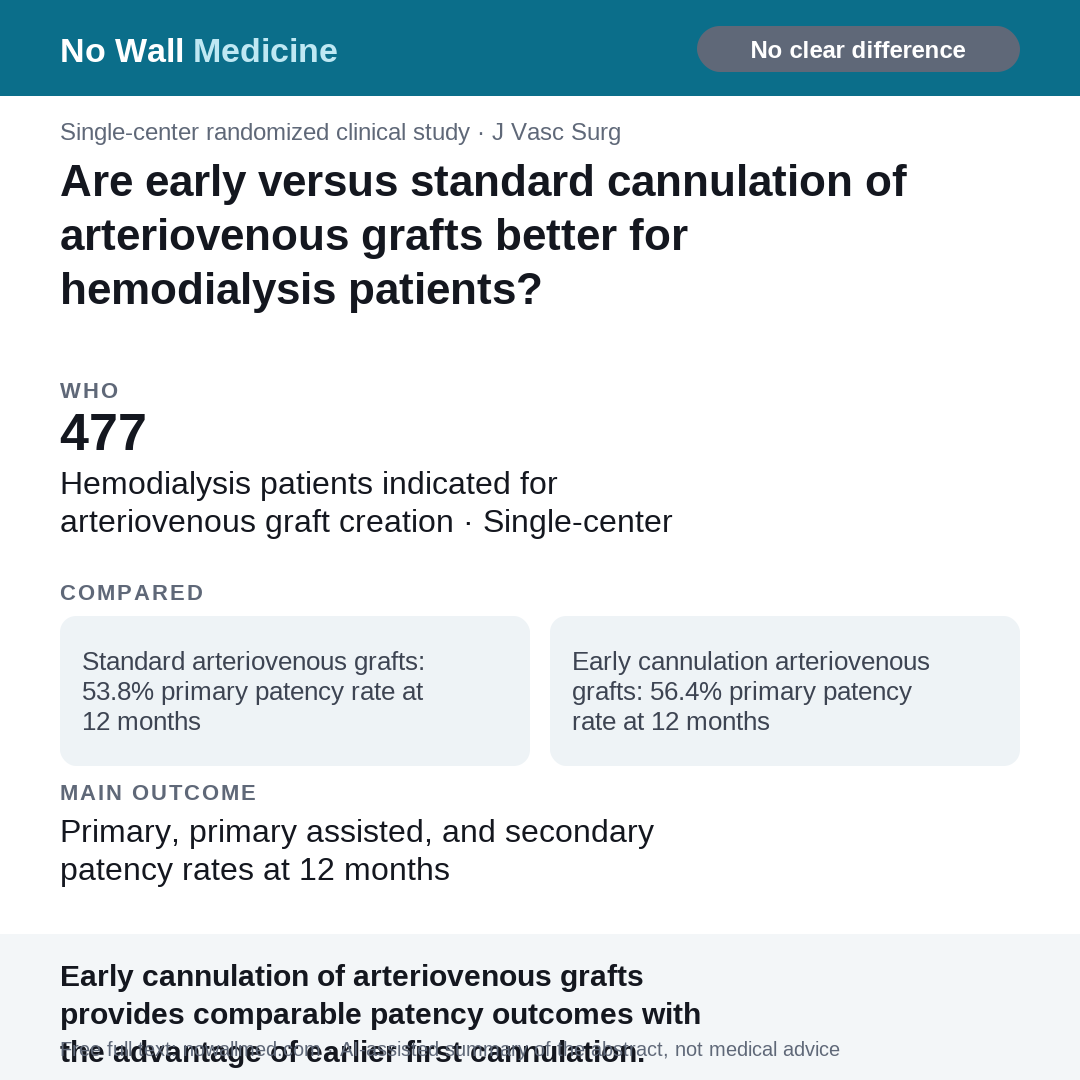
A randomized controlled study of early versus standard cannulation of arteriovenous grafts in hemodialysis patients
Single-center randomized clinical studyNo clear difference
Are early versus standard cannulation of arteriovenous grafts better for hemodialysis patients?
Who
477
Hemodialysis patients indicated for arteriovenous graft creation · Single-center
Compared
Standard arteriovenous grafts: 53.8% primary patency rate at 12 months
Early cannulation arteriovenous grafts: 56.4% primary patency rate at 12 months
Main outcome
Primary, primary assisted, and secondary patency rates at 12 months
Bottom line: Early cannulation of arteriovenous grafts provides comparable patency outcomes with the advantage of earlier first cannulation.
J Vasc Surg · 2021-09-30Download image
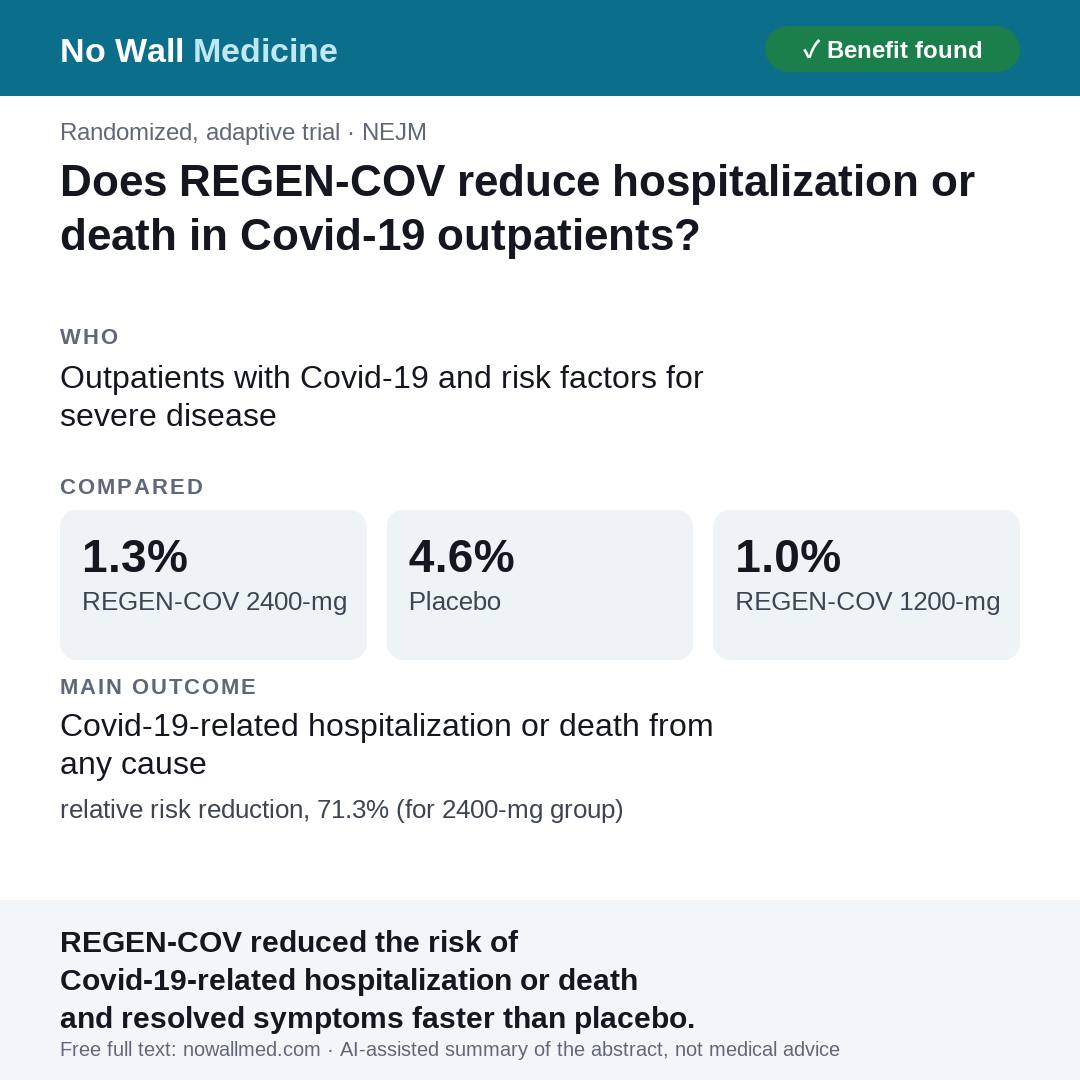
REGEN-COV Antibody Combination and Outcomes in Outpatients with Covid-19
Randomized, adaptive trialBenefit found
Does REGEN-COV reduce hospitalization or death in Covid-19 outpatients?
Who
Outpatients with Covid-19 and risk factors for severe disease
Compared
1.3%REGEN-COV 2400-mg
4.6%Placebo
1.0%REGEN-COV 1200-mg
Main outcome
Covid-19-related hospitalization or death from any cause
Result: relative risk reduction, 71.3% (for 2400-mg group)
Bottom line: REGEN-COV reduced the risk of Covid-19-related hospitalization or death and resolved symptoms faster than placebo.
Funded by: Regeneron Pharmaceuticals and others
NEJM · 2021-09-29Download image
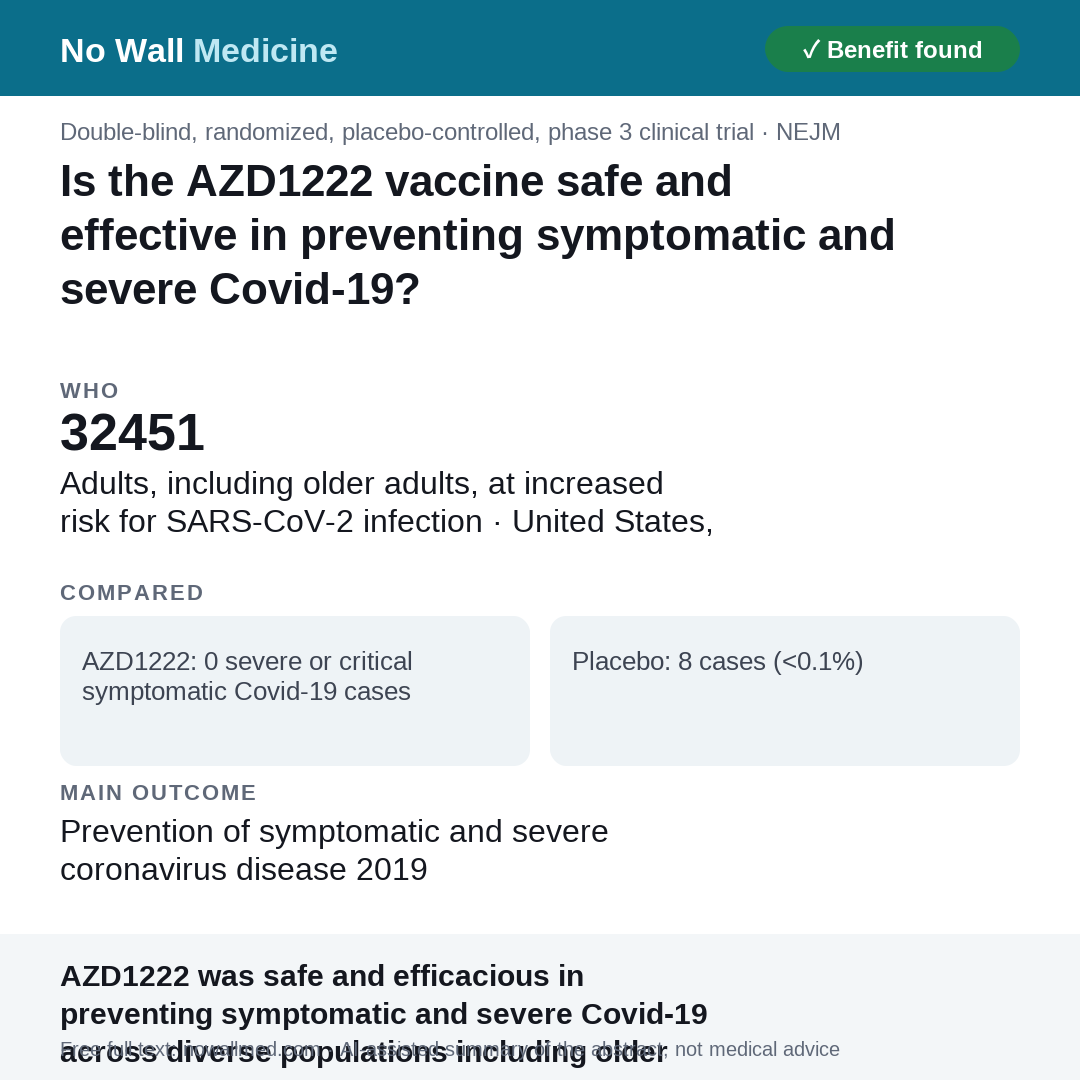
Phase 3 Safety and Efficacy of AZD1222 (ChAdOx1 nCoV-19) Covid-19 Vaccine
Double-blind, randomized, placebo-controlled, phase 3 clinical trialBenefit found
Is the AZD1222 vaccine safe and effective in preventing symptomatic and severe Covid-19?
Who
32451
Adults, including older adults, at increased risk for SARS-CoV-2 infection · United States, Chile, and Peru
Compared
AZD1222: 0 severe or critical symptomatic Covid-19 cases
Placebo: 8 cases (<0.1%)
Main outcome
Prevention of symptomatic and severe coronavirus disease 2019
Result: overall estimated vaccine efficacy 74.0% (95% CI, 65.3 to 80.5)
Bottom line: AZD1222 was safe and efficacious in preventing symptomatic and severe Covid-19 across diverse populations including older adults.
Funded by: AstraZeneca and others
NEJM · 2021-09-29Download image
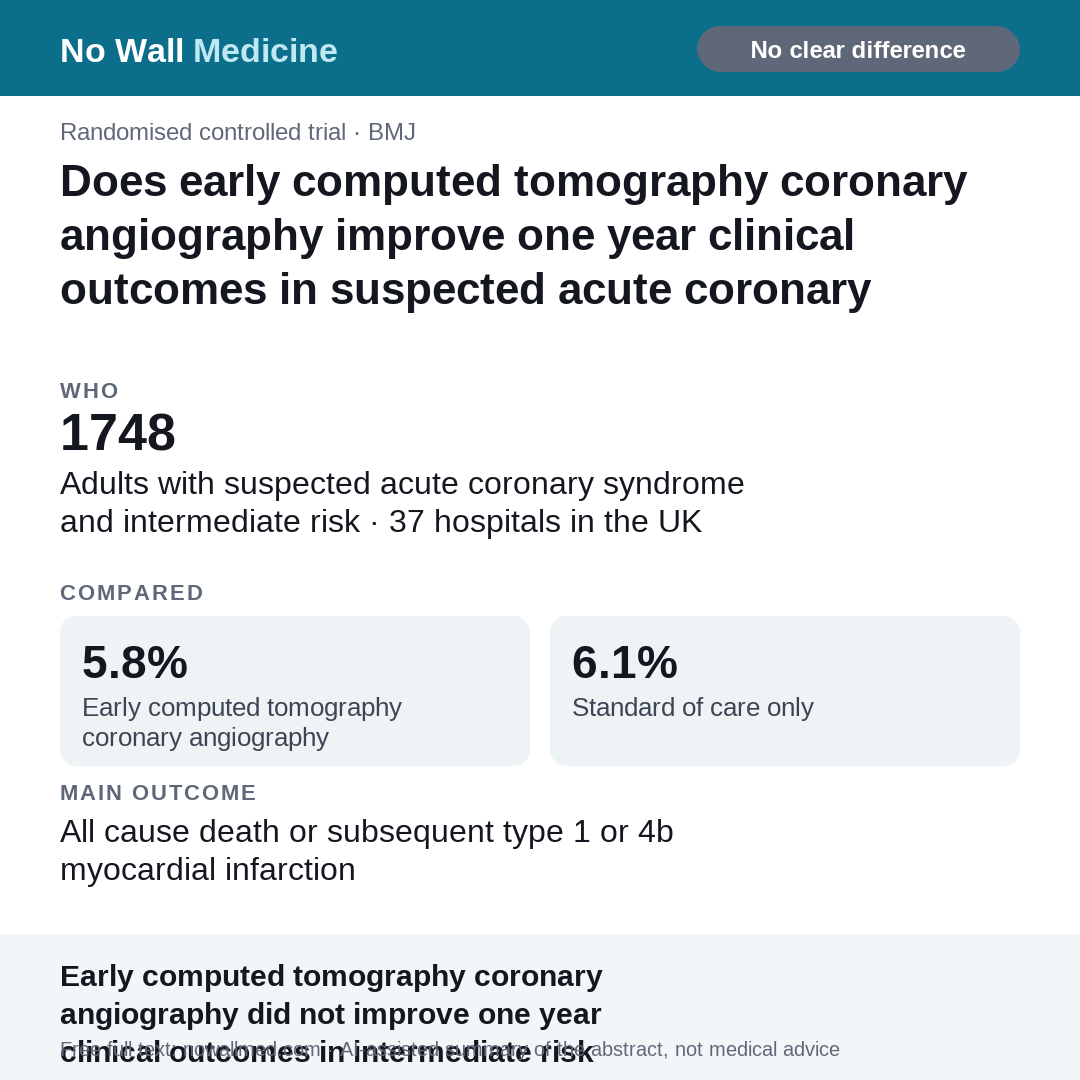
Early computed tomography coronary angiography in patients with suspected acute coronary syndrome: randomised controlled trial
Randomised controlled trialNo clear difference
Does early computed tomography coronary angiography improve one year clinical outcomes in suspected acute coronary syndrome?
Who
1748
Adults with suspected acute coronary syndrome and intermediate risk · 37 hospitals in the UK
Compared
5.8%Early computed tomography coronary angiography
6.1%Standard of care only
Main outcome
All cause death or subsequent type 1 or 4b myocardial infarction
Result: adjusted hazard ratio 0.91 (95% confidence interval 0.62 to 1.35)
Bottom line: Early computed tomography coronary angiography did not improve one year clinical outcomes in intermediate risk patients with suspected acute coronary syndrome.
BMJ · 2021-09-29Download image
Serologic Response to Coronavirus Disease 2019 (COVID-19) Vaccination in Patients With Immune-Mediated Inflammatory Diseases: A Systematic Review and Meta-analysis
Systematic review and meta-analysisHarm found
What is the serologic response to COVID-19 vaccination in patients with immune-mediated inflammatory diseases?
Who
5360
Patients with immune-mediated inflammatory diseases
Compared
Patients with immune-mediated inflammatory diseases: 83.4% (95% CI, 76.8%-88.4%) after 2 doses
Controls
Main outcome
Proportion of patients achieving a serologic response
Result: odds ratio 0.086 (95% CI 0.036-0.206)
Bottom line: Patients with immune-mediated inflammatory diseases have a reduced serologic response to messenger RNA COVID-19 vaccines.
Gastroenterology · 2021-09-29Download image

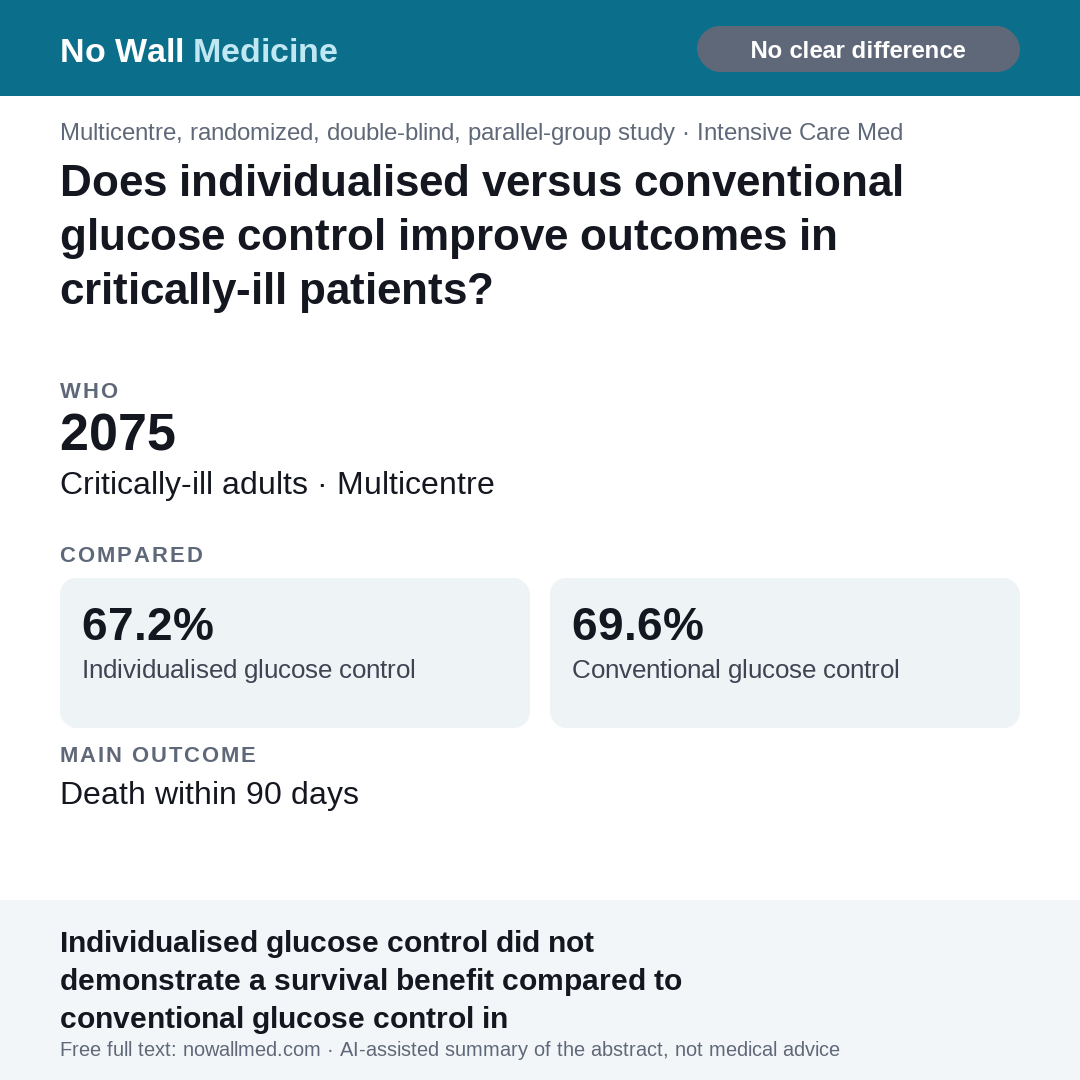
Individualised versus conventional glucose control in critically-ill patients: the CONTROLING study-a randomized clinical trial
Multicentre, randomized, double-blind, parallel-group studyNo clear difference
Does individualised versus conventional glucose control improve outcomes in critically-ill patients?
Who
2075
Critically-ill adults · Multicentre
Compared
67.2%Individualised glucose control (95% CI 64.2%; 70.3%)
69.6%Conventional glucose control (95% CI 66.7%; 72.5%)
Main outcome
Death within 90 days
Bottom line: Individualised glucose control did not demonstrate a survival benefit compared to conventional glucose control in critically-ill patients.
Intensive Care Med · 2021-09-29Download image
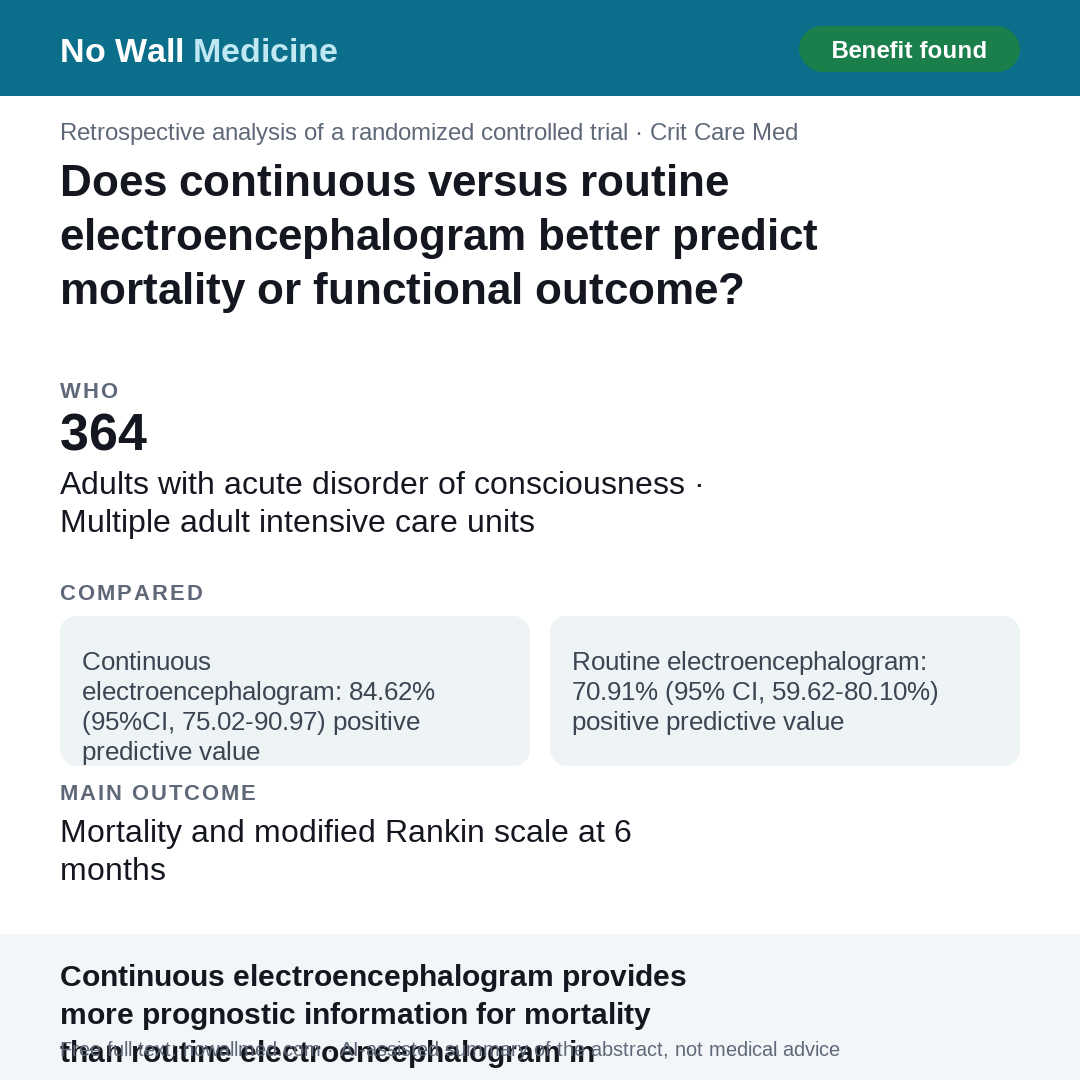
Continuous Versus Routine Standardized Electroencephalogram for Outcome Prediction in Critically Ill Adults: Analysis From a Randomized Trial
Retrospective analysis of a randomized controlled trialBenefit found
Does continuous versus routine electroencephalogram better predict mortality or functional outcome?
Who
364
Adults with acute disorder of consciousness · Multiple adult intensive care units
Compared
Continuous electroencephalogram: 84.62% (95%CI, 75.02-90.97) positive predictive value
Routine electroencephalogram: 70.91% (95% CI, 59.62-80.10%) positive predictive value
Main outcome
Mortality and modified Rankin scale at 6 months
Bottom line: Continuous electroencephalogram provides more prognostic information for mortality than routine electroencephalogram in critically ill adults.
Limitation: Retrospective analysis of data from a randomized controlled trial
Crit Care Med · 2021-09-29Download image
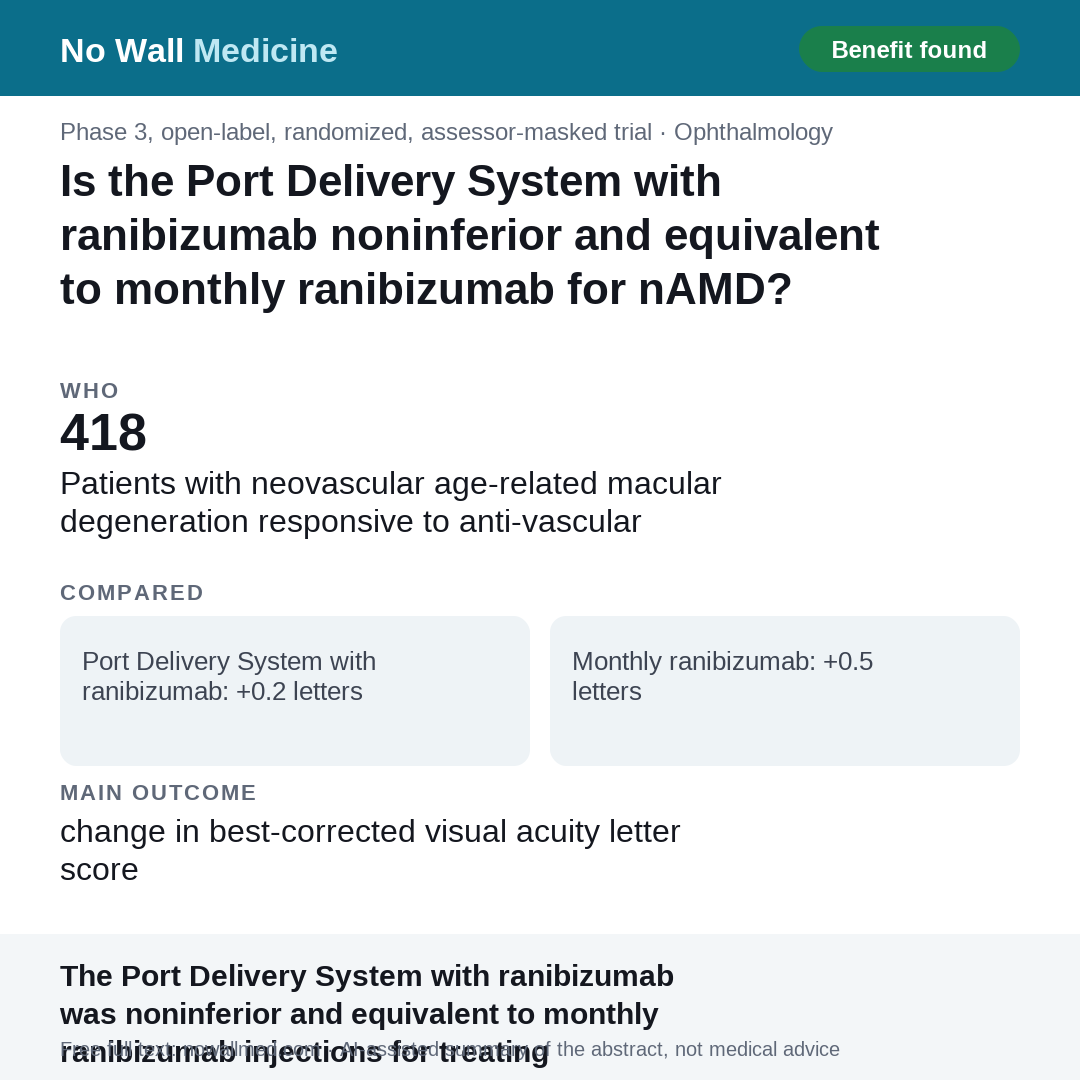
Archway Randomized Phase 3 Trial of the Port Delivery System with Ranibizumab for Neovascular Age-Related Macular Degeneration
Phase 3, open-label, randomized, assessor-masked trialBenefit found
Is the Port Delivery System with ranibizumab noninferior and equivalent to monthly ranibizumab for nAMD?
Who
418
Patients with neovascular age-related macular degeneration responsive to anti-vascular endothelial growth factor therapy
Compared
Port Delivery System with ranibizumab: +0.2 letters
Monthly ranibizumab: +0.5 letters
Main outcome
change in best-corrected visual acuity letter score
Result: difference -0.3 letters (95% CI -1.7 to 1.1 letters)
Bottom line: The Port Delivery System with ranibizumab was noninferior and equivalent to monthly ranibizumab injections for treating neovascular age-related macular degeneration.
Ophthalmology · 2021-09-29Download image