Visual abstracts
New randomized trials and meta-analyses from leading journals at a glance: who was studied, what was compared, and what was found. Every paper is free to read in full.
All specialtiesCardiology 4877Oncology 4138Gastroenterology & Hepatology 1942Infectious Disease 3837Neurology 1905Psychiatry & Mental Health 2273Pulmonology 2143Critical Care 1365Endocrinology & Diabetes 2580Pediatrics 2980Surgery 2559Orthopedics & Sports Medicine 931Neurosurgery 537Cardiothoracic & Vascular Surgery 674Plastic & Reconstructive Surgery 591Nephrology 1133Rheumatology 823Hematology 1109Dermatology 621Ophthalmology 543Obstetrics & Gynecology 1686Public & Global Health 1058Radiology & Imaging 648Anesthesiology 986Urology 764ENT (Otolaryngology) 503Emergency Medicine 511Allergy & Immunology 313Geriatrics 981Family Medicine & Primary Care 562Medical Genetics & Genomics 676Pathology & Laboratory Medicine 159Physical Medicine & Rehabilitation 757Palliative Care 444Nutrition 1588Digital Health & AI 2201General Medicine 321
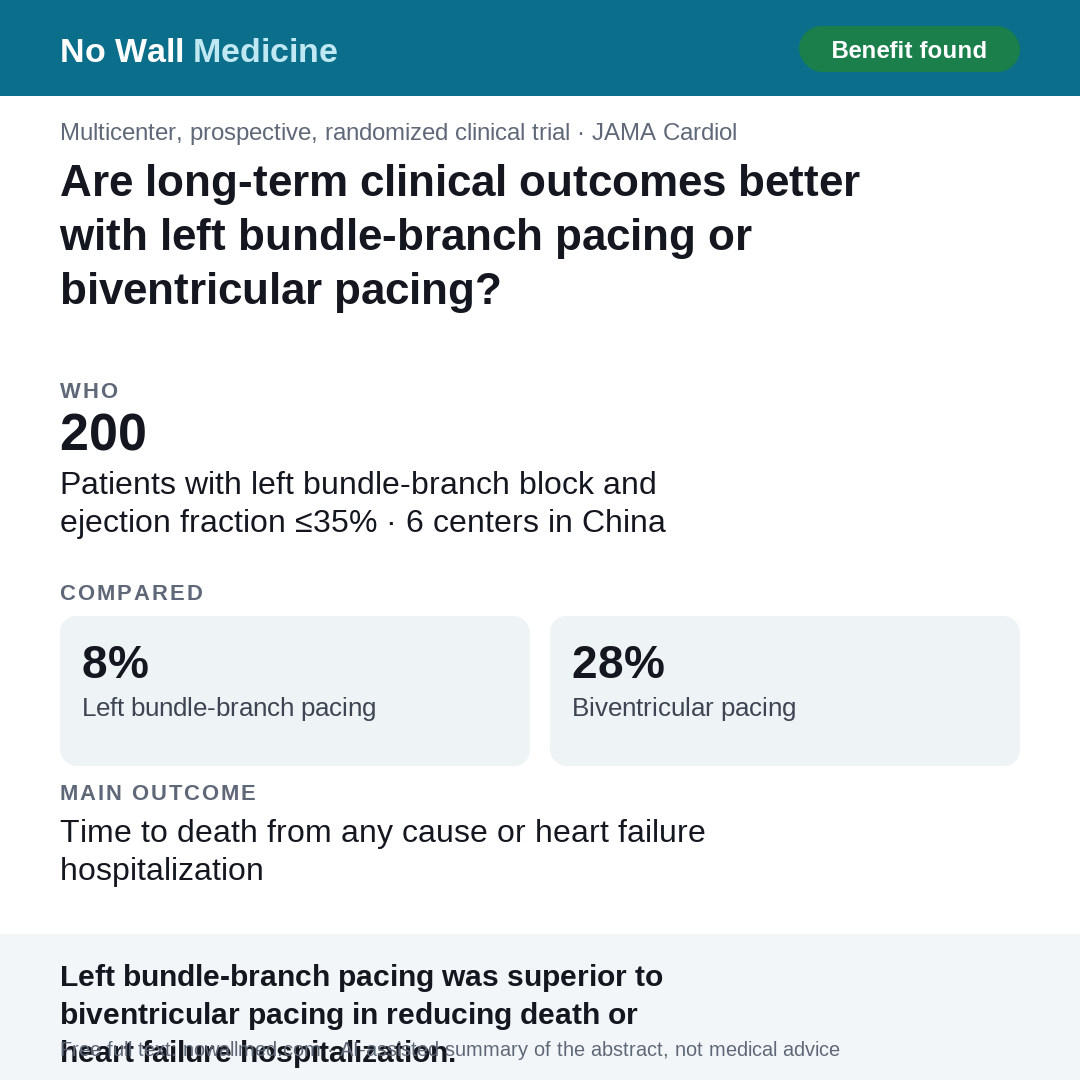
Long-Term Outcomes of Left Bundle-Branch Pacing vs Biventricular Pacing in Heart Failure: The HeartSync-LBBP Randomized Clinical Trial
Multicenter, prospective, randomized clinical trialBenefit found
Are long-term clinical outcomes better with left bundle-branch pacing or biventricular pacing?
Who
200
Patients with left bundle-branch block and ejection fraction ≤35% · 6 centers in China
Compared
8%Left bundle-branch pacing
28%Biventricular pacing
Main outcome
Time to death from any cause or heart failure hospitalization
Result: hazard ratio 0.26 (95% CI, 0.12-0.57)
Bottom line: Left bundle-branch pacing was superior to biventricular pacing in reducing death or heart failure hospitalization.
JAMA Cardiol · 2026-03-11Download image
Conduction System vs Biventricular Pacing in Heart Failure: The PhysioSync-HF Randomized Clinical Trial
Multicenter, noninferiority randomized clinical trialHarm found
Is conduction system pacing noninferior to biventricular pacing for heart failure outcomes?
Who
173
Adults with symptomatic heart failure, reduced ejection fraction, and left bundle-branch block · 14 hospitals across all regions of Brazil
Compared
Conduction system pacing
Biventricular pacing
Main outcome
Death, heart failure hospitalizations, urgent heart failure visits, and change in ejection fraction
Result: odds ratio 2.36 (95% CI, 1.37-4.06)
Bottom line: Conduction system pacing was inferior to biventricular pacing for the composite primary endpoint in patients with heart failure.
JAMA Cardiol · 2026-03-11Download image

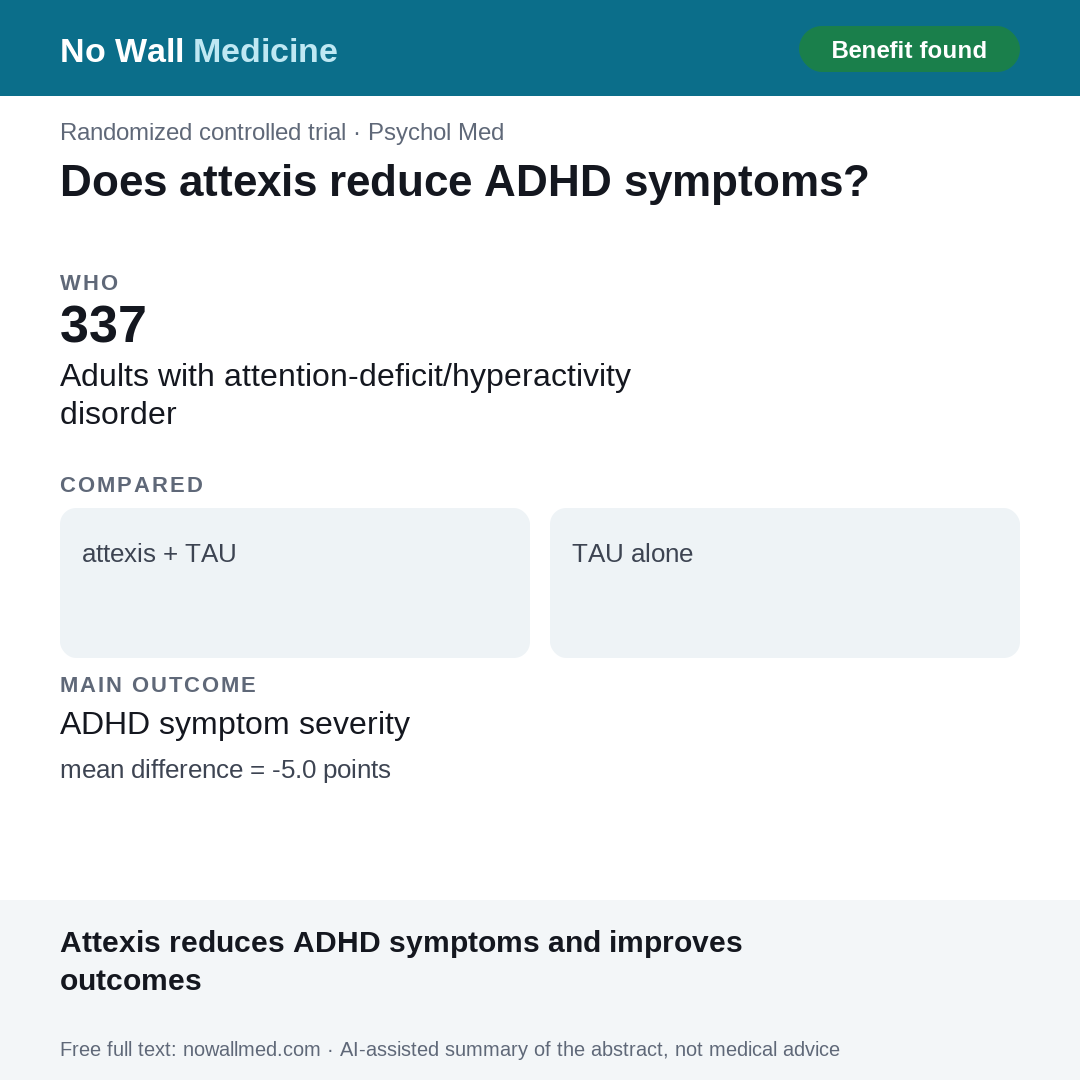
Effectiveness of attexis, a digital intervention based on cognitive behavioral therapy for adults with ADHD: a randomized controlled trial
Randomized controlled trialBenefit found
Does attexis reduce ADHD symptoms?
Who
337
Adults with attention-deficit/hyperactivity disorder
Compared
attexis + TAU
TAU alone
Main outcome
ADHD symptom severity
Result: mean difference = -5.0 points
Bottom line: Attexis reduces ADHD symptoms and improves outcomes
Psychol Med · 2026-03-11Download image
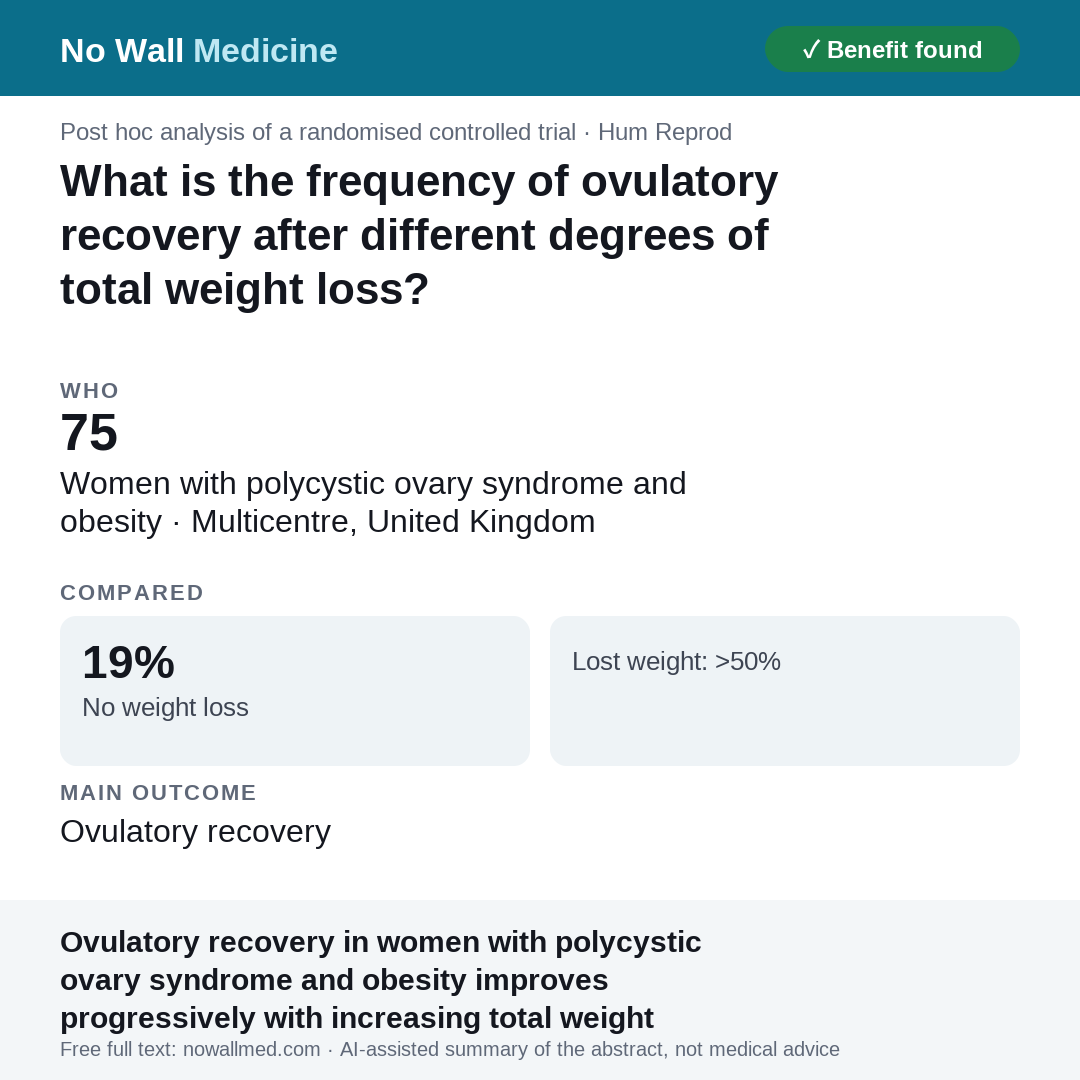
Ovulatory Recovery following weight loss in women with polycystic ovary syndrome and obesity: a post hoc analysis of the BAMBINI randomised controlled trial
Post hoc analysis of a randomised controlled trialBenefit found
What is the frequency of ovulatory recovery after different degrees of total weight loss?
Who
75
Women with polycystic ovary syndrome and obesity · Multicentre, United Kingdom
Compared
19%No weight loss
Lost weight: >50%
Main outcome
Ovulatory recovery
Result: OR 0.944, 95% CI 0.900-0.990
Bottom line: Ovulatory recovery in women with polycystic ovary syndrome and obesity improves progressively with increasing total weight loss.
Limitation: Not powered to detect potential adverse reproductive effects at higher degrees of total weight loss.
Funded by: The Jon Moulton Charity Trust and National Institute of Health Research
Hum Reprod · 2026-03-11Download image
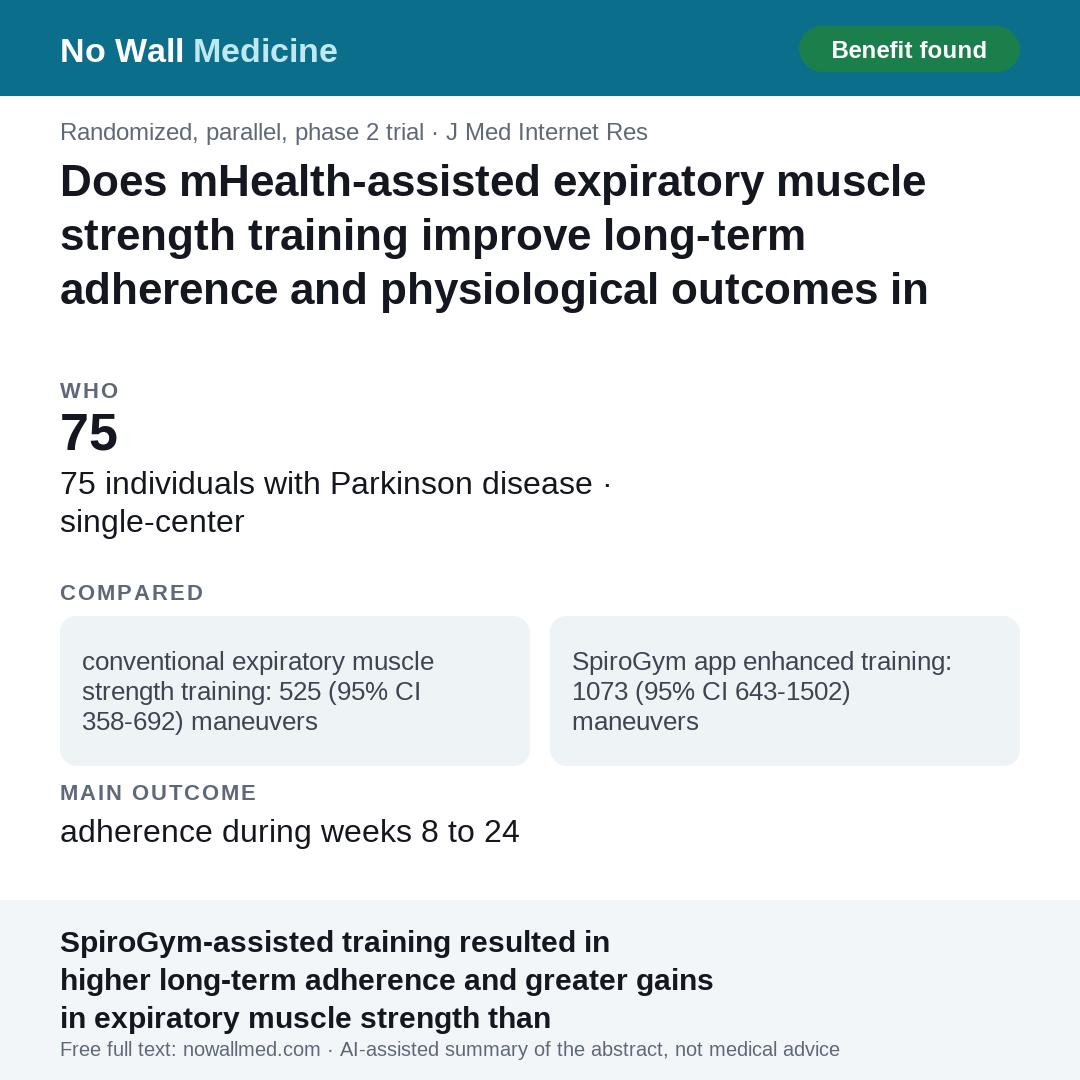
Enhancing Adherence to Home-Based Expiratory Muscle Strength Training in Parkinson Disease: Randomized Controlled Trial of an mHealth Intervention
Randomized, parallel, phase 2 trialBenefit found
Does mHealth-assisted expiratory muscle strength training improve long-term adherence and physiological outcomes in Parkinson disease?
Who
75
75 individuals with Parkinson disease · single-center
Compared
conventional expiratory muscle strength training: 525 (95% CI 358-692) maneuvers
SpiroGym app enhanced training: 1073 (95% CI 643-1502) maneuvers
Main outcome
adherence during weeks 8 to 24
Result: β=496.9, 95% CI 130.7-863.3
Bottom line: SpiroGym-assisted training resulted in higher long-term adherence and greater gains in expiratory muscle strength than conventional training.
J Med Internet Res · 2026-03-11Download image
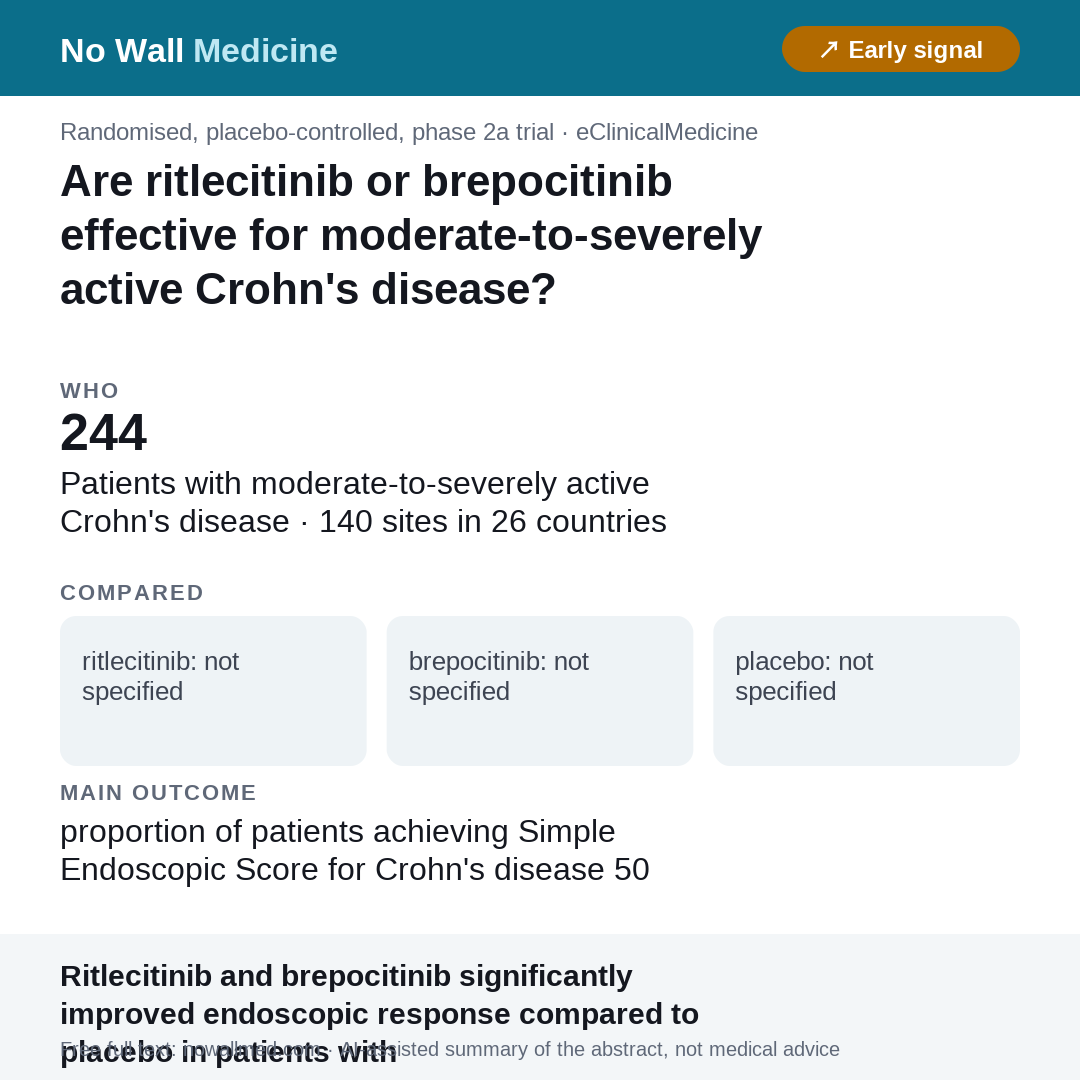
Once-daily oral ritlecitinib or brepocitinib versus placebo in patients with moderate-to-severely active Crohn's disease (PIZZICATO): an international, randomised, phase 2a trial
Randomised, placebo-controlled, phase 2a trialBenefit found
Are ritlecitinib or brepocitinib effective for moderate-to-severely active Crohn's disease?
Who
244
Patients with moderate-to-severely active Crohn's disease · 140 sites in 26 countries
Compared
ritlecitinib: not specified
brepocitinib: not specified
placebo: not specified
Main outcome
proportion of patients achieving Simple Endoscopic Score for Crohn's disease 50
Result: difference versus placebo: 14.3% (90% CI 4.0-24.5) for ritlecitinib; 21.4% (90% CI 10.0-32.9) for brepocitinib
Bottom line: Ritlecitinib and brepocitinib significantly improved endoscopic response compared to placebo in patients with moderate-to-severely active Crohn's disease.
eClinicalMedicine · 2026-03-10Download image
Oral rehydration for severe malnutrition in children with moderate and severe dehydration (GASTROSAM): a phase 2, open-label, superiority randomised controlled trial
Phase 2, open-label, superiority randomised controlled trialNo clear difference
Is standard WHO oral rehydration solution as safe and effective as ReSoMal for malnourished children?
Who
415
Children aged 6 months to 12 years with severe acute malnutrition and dehydration · Six hospitals in Kenya, Niger, Nigeria, and Uganda
Compared
ReSoMal: 5.3 mmol/L [SD 8.1]
WHO oral rehydration solution: 5.0 mmol/L [7.6]
Main outcome
Change in sodium concentration at 24 hours from baseline
Result: mean difference -0.6 (95% CI -1.9 to 0.7)
Bottom line: Standard WHO oral rehydration solution resulted in similar sodium changes and mortality compared to ReSoMal without fluid overload.
Funded by: Medical Research Council, UK Department for International Development, Wellcome, and Médecins Sans Frontières
Lancet Child Adolesc Health · 2026-03-10Download image

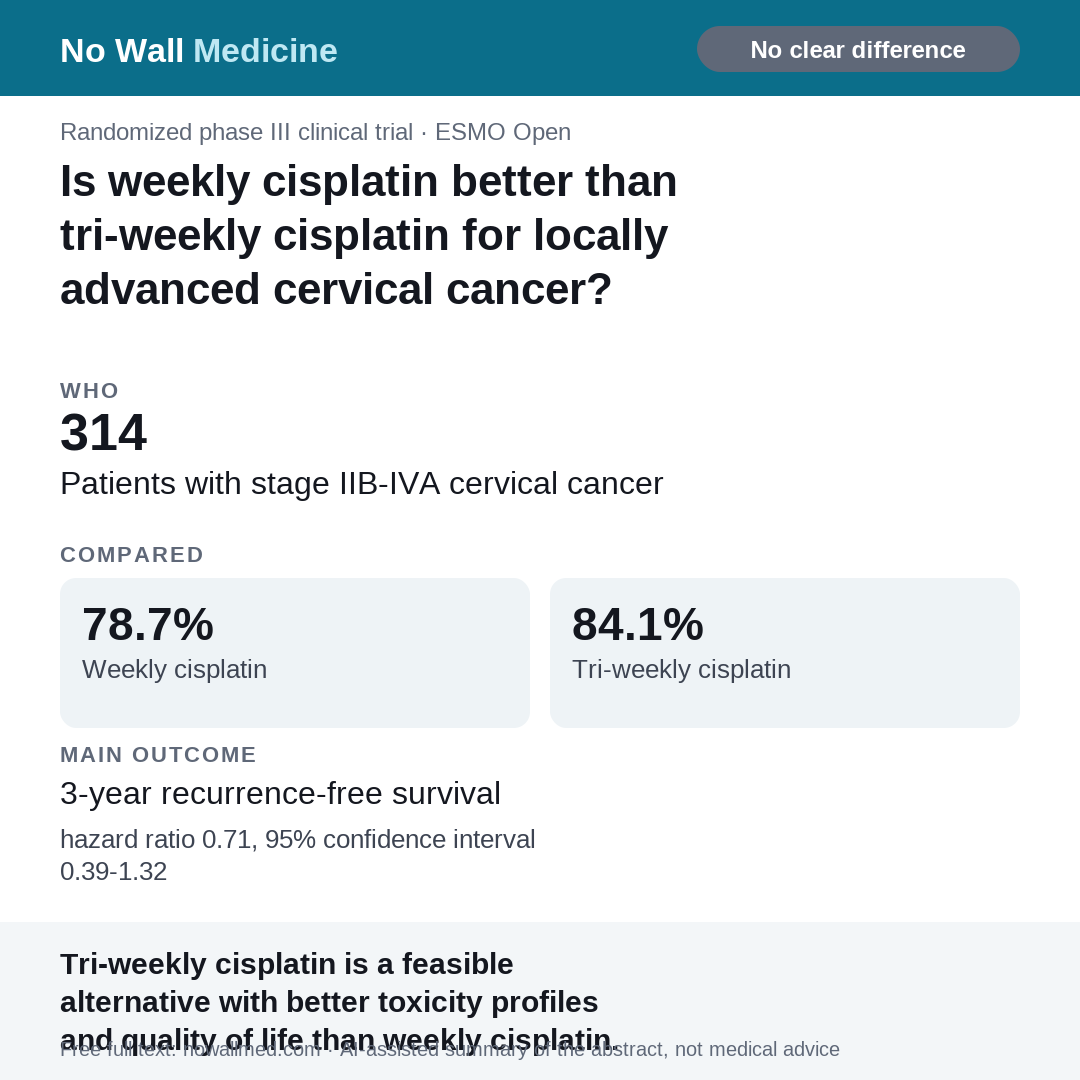
A randomized phase III clinical trial of weekly versus tri-weekly cisplatin-based chemoradiotherapy for locally advanced cervical cancer: results of the TACO (GCIG/KGOG 1027/THAI 2012) study
Randomized phase III clinical trialNo clear difference
Is weekly cisplatin better than tri-weekly cisplatin for locally advanced cervical cancer?
Who
314
Patients with stage IIB-IVA cervical cancer
Compared
78.7%Weekly cisplatin
84.1%Tri-weekly cisplatin
Main outcome
3-year recurrence-free survival
Result: hazard ratio 0.71, 95% confidence interval 0.39-1.32
Bottom line: Tri-weekly cisplatin is a feasible alternative with better toxicity profiles and quality of life than weekly cisplatin.
ESMO Open · 2026-03-10Download image
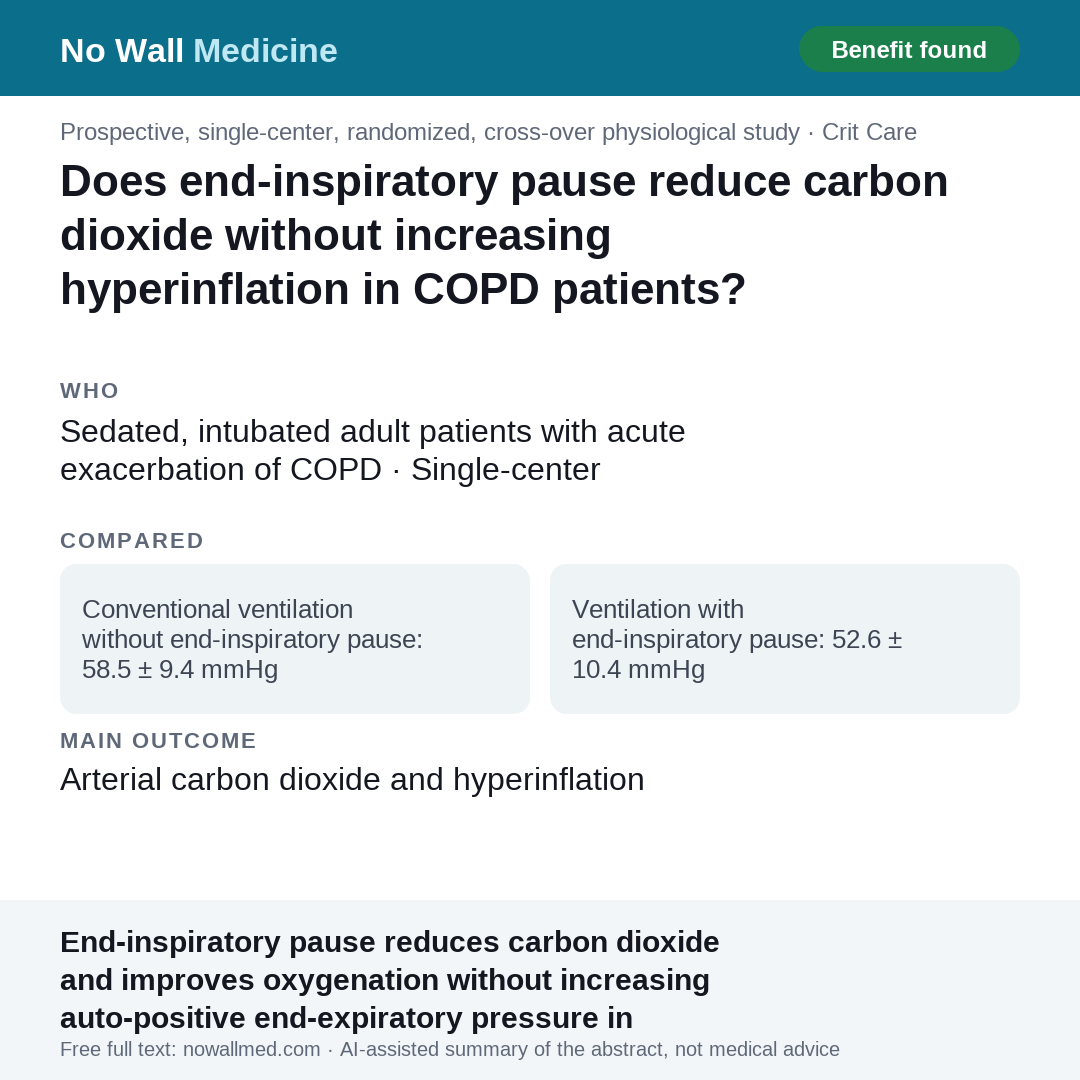
End-inspiratory pause enhances ventilation efficiency without increasing autoPEEP in patients with COPD during controlled ventilation
Prospective, single-center, randomized, cross-over physiological studyBenefit found
Does end-inspiratory pause reduce carbon dioxide without increasing hyperinflation in COPD patients?
Who
Sedated, intubated adult patients with acute exacerbation of COPD · Single-center
Compared
Conventional ventilation without end-inspiratory pause: 58.5 ± 9.4 mmHg
Ventilation with end-inspiratory pause: 52.6 ± 10.4 mmHg
Main outcome
Arterial carbon dioxide and hyperinflation
Bottom line: End-inspiratory pause reduces carbon dioxide and improves oxygenation without increasing auto-positive end-expiratory pressure in COPD patients.
Crit Care · 2026-03-10Download image
Bexotegrast for treatment of idiopathic pulmonary fibrosis (BEACON-IPF): study protocol for a multinational, phase 2b/3, double-blind, randomised, multicentre, controlled trial
Randomised, double-blind, placebo-controlled, adaptive phase 2b/3 trialUnclear result
What are the efficacy and safety of bexotegrast in idiopathic pulmonary fibrosis?
Who
Adults with idiopathic pulmonary fibrosis · Multicentre
Compared
Bexotegrast 160 mg
Bexotegrast 320 mg
Placebo
Main outcome
Change from baseline in absolute forced vital capacity at week 52
Bottom line: This is a study protocol for evaluating bexotegrast efficacy and safety in idiopathic pulmonary fibrosis.
BMJ Open Respir Res · 2026-03-10Download image

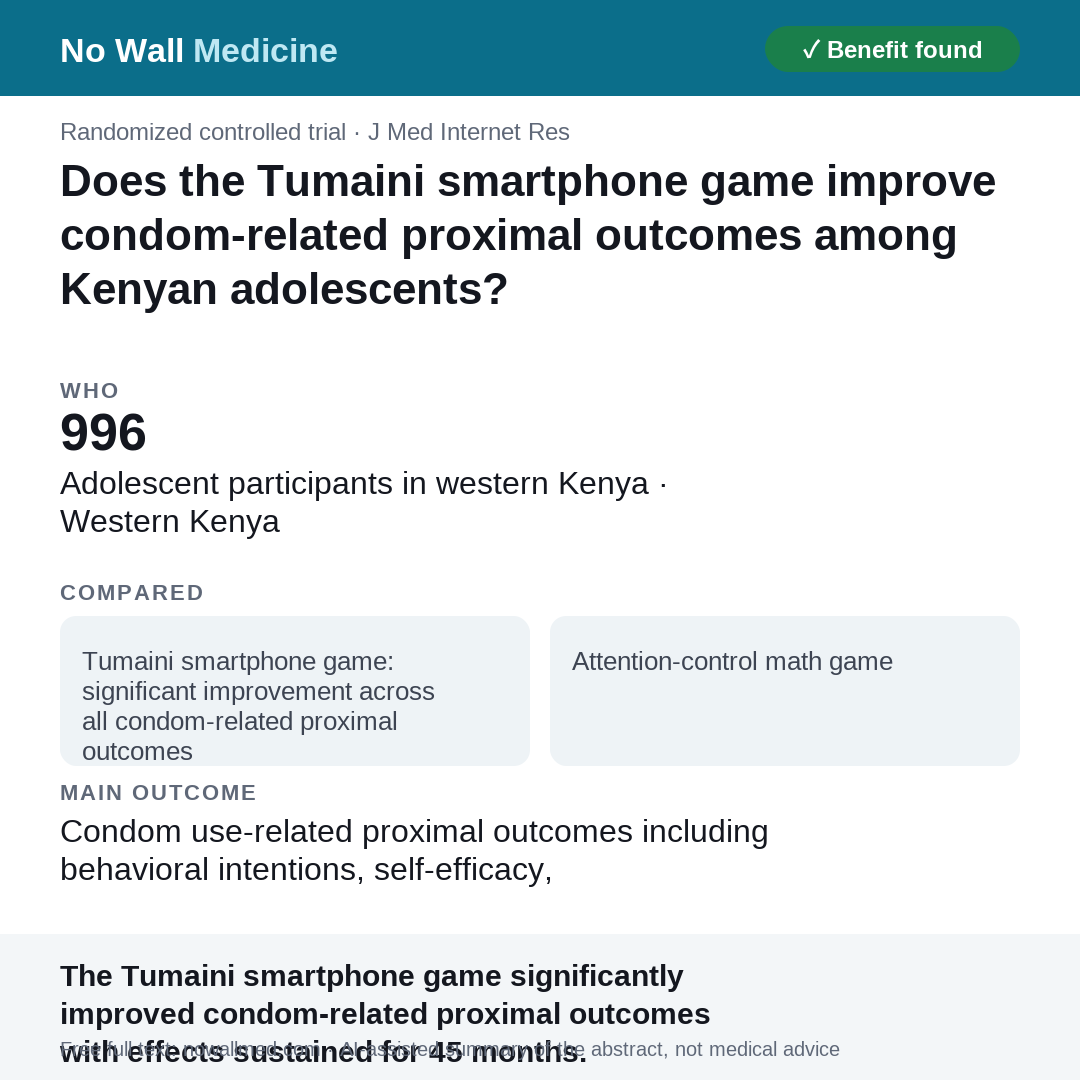
Longitudinal Effects of a Smartphone Game (Tumaini) for HIV Prevention Among Kenyan Adolescents: 45-Month Trajectories of Condom Use-Related Proximal Outcomes From a Randomized Controlled Trial
Randomized controlled trialBenefit found
Does the Tumaini smartphone game improve condom-related proximal outcomes among Kenyan adolescents?
Who
996
Adolescent participants in western Kenya · Western Kenya
Compared
Tumaini smartphone game: significant improvement across all condom-related proximal outcomes
Attention-control math game
Main outcome
Condom use-related proximal outcomes including behavioral intentions, self-efficacy, attitudes, and knowledge
Bottom line: The Tumaini smartphone game significantly improved condom-related proximal outcomes with effects sustained for 45 months.
J Med Internet Res · 2026-03-10Download image
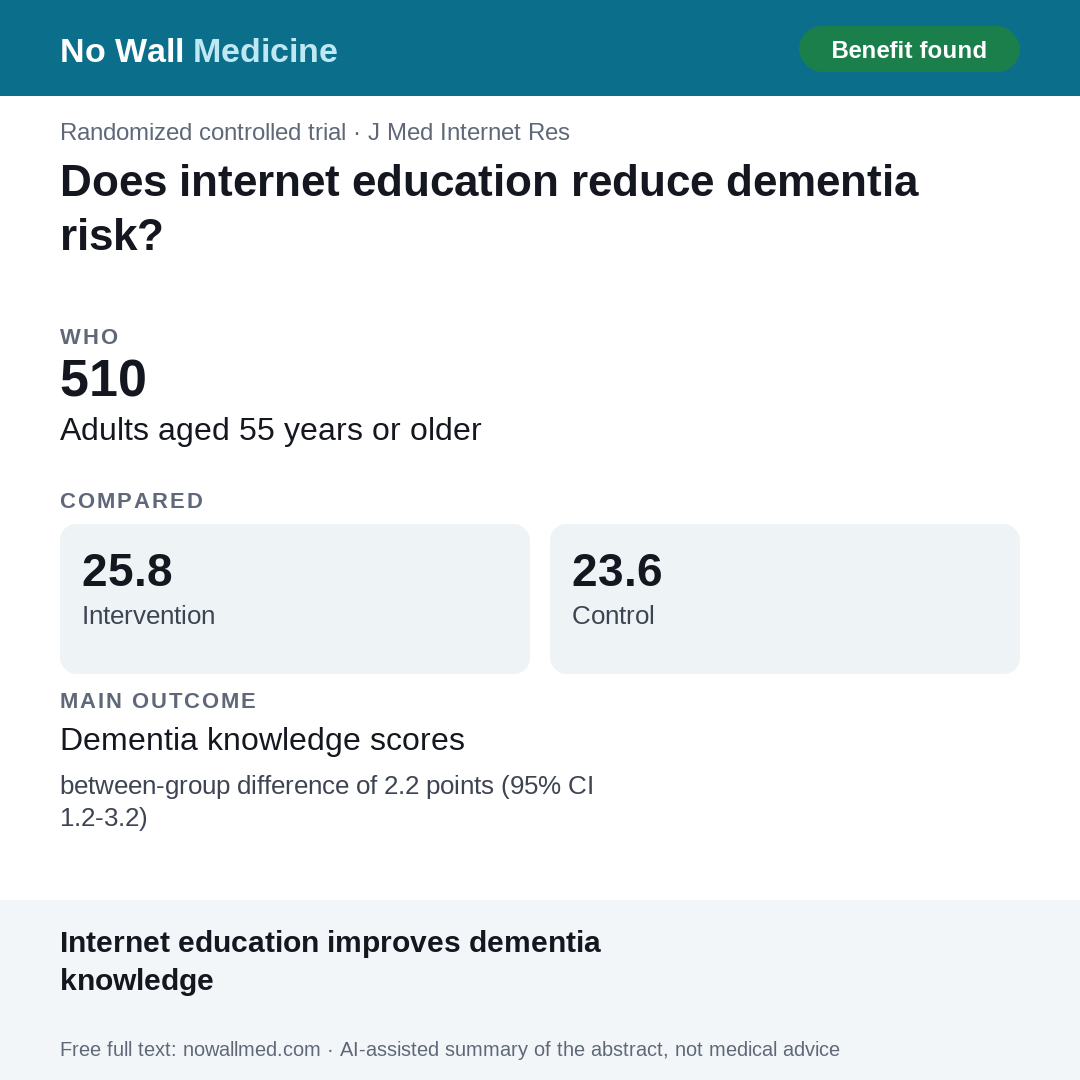
Effects of Internet-Based Dementia Risk Reduction Education on Risk and Protective Factor Knowledge, Intentions, and Health Behaviors: Randomized Controlled Trial
Randomized controlled trialBenefit found
Does internet education reduce dementia risk?
Who
510
Adults aged 55 years or older
Compared
25.8Intervention (SD 4.5)
23.6Control (SD 5.1)
Main outcome
Dementia knowledge scores
Result: between-group difference of 2.2 points (95% CI 1.2-3.2)
Bottom line: Internet education improves dementia knowledge
J Med Internet Res · 2026-03-10Download image
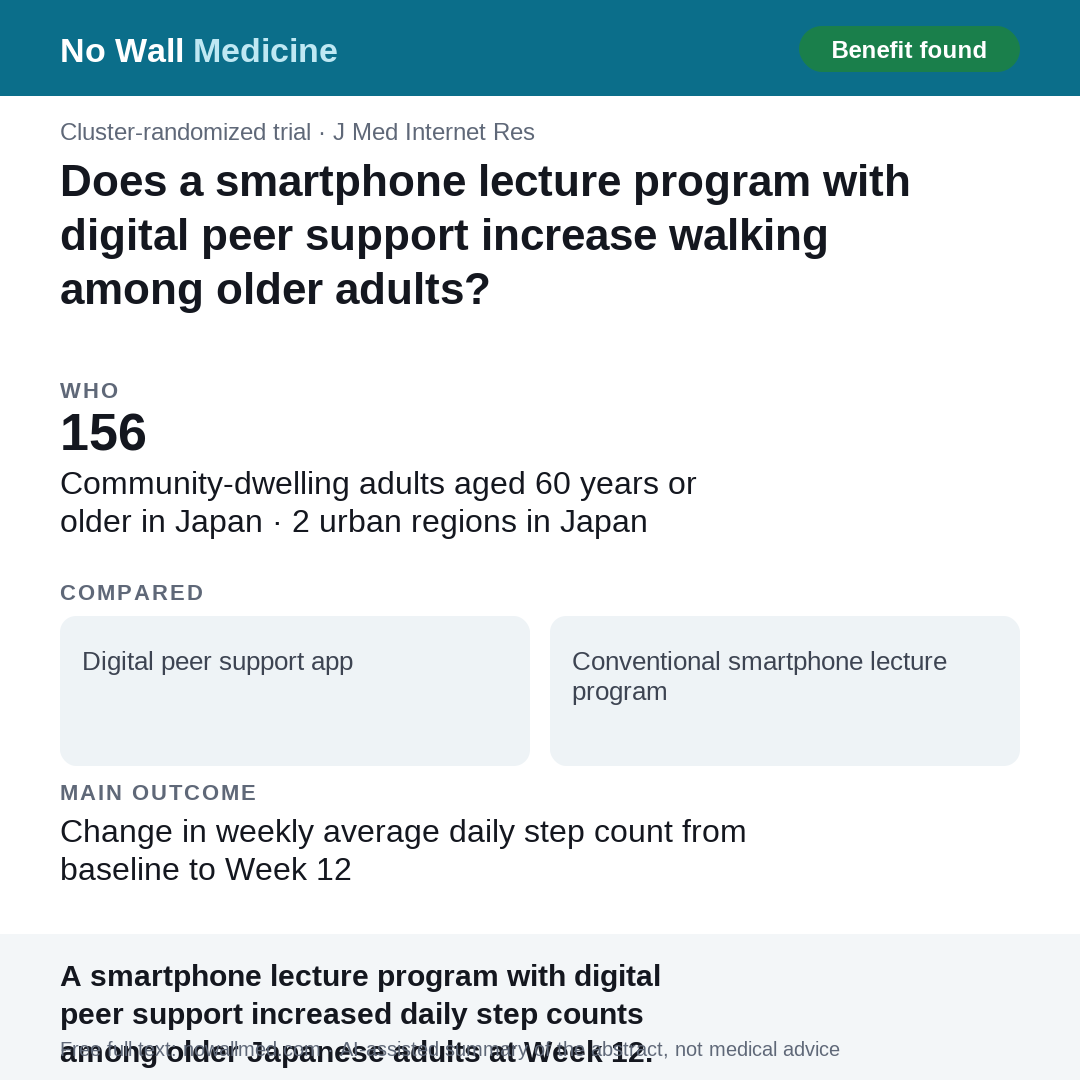
Digital Peer Support to Increase Walking Among Older Adults: Cluster Randomized Trial
Cluster-randomized trialBenefit found
Does a smartphone lecture program with digital peer support increase walking among older adults?
Who
156
Community-dwelling adults aged 60 years or older in Japan · 2 urban regions in Japan
Compared
Digital peer support app
Conventional smartphone lecture program
Main outcome
Change in weekly average daily step count from baseline to Week 12
Result: difference=579, 95% CI 36-1123
Bottom line: A smartphone lecture program with digital peer support increased daily step counts among older Japanese adults at Week 12.
Limitation: Future research should investigate long-term maintenance and subpopulation responses.
J Med Internet Res · 2026-03-10Download image
Hemoglobinometry at the point of care with activation of a hospital transfusion pathway versus usual care for the early detection of anaemia in primary care: the ANHEMOG randomized controlled trial
Randomized controlled clinical trialBenefit found
Does point-of-care hemoglobinometry and a transfusion circuit improve outcomes for chronic anaemia patients?
Who
Patients with transfusion-dependent chronic anaemia managed in primary care · Primary care centres in Catalonia, Spain
Compared
Intervention group: median 1 emergency room visits
Control group: median 4 emergency room visits
Main outcome
Emergency room visits and quality of life
Bottom line: Point-of-care hemoglobinometry and an organized transfusion circuit improves quality of life and reduces emergency service utilization.
BMC Prim Care · 2026-03-10Download image

Effects of daily multivitamin-multimineral and cocoa extract supplementation on epigenetic aging clocks in the COSMOS randomized clinical trial
Randomized clinical trialBenefit found
Do daily multivitamin-multimineral and cocoa extract supplements affect epigenetic aging clocks?
Who
958
958 participants (482 women and 476 men) · COcoa Supplement and Multivitamin Outcomes Study
Compared
Multivitamin-multimineral and cocoa extract
Placebo
Main outcome
Five DNA methylation measures of biological aging
Result: yearly change in PCGrimAge -0.113 years (95% CI -0.205 to -0.020)
Bottom line: Daily multivitamin-multimineral supplementation modestly reduced the rate of increase of second-generation epigenetic clocks.
Nat Med · 2026-03-09Download image

Effects of hypocaloric wholegrain rye vs refined wheat diets on weight loss, cardiometabolic risk factors and gut microbiota: A 12-week randomized controlled trial
Randomized controlled trialMixed results
Does hypocaloric wholegrain rye versus refined wheat affect weight loss and cardiometabolic risk?
Who
229
Participants with overweight or obesity
Compared
Wholegrain rye: 3.2 kg weight loss
Refined wheat: 2.9 kg weight loss
Main outcome
Body weight, fat mass, metabolic risk markers, and gut microbiota
Bottom line: Rye and wheat diets produced similar weight loss, but rye improved gut microbiota and reduced C-reactive protein.
Clin Nutr · 2026-03-09Download image

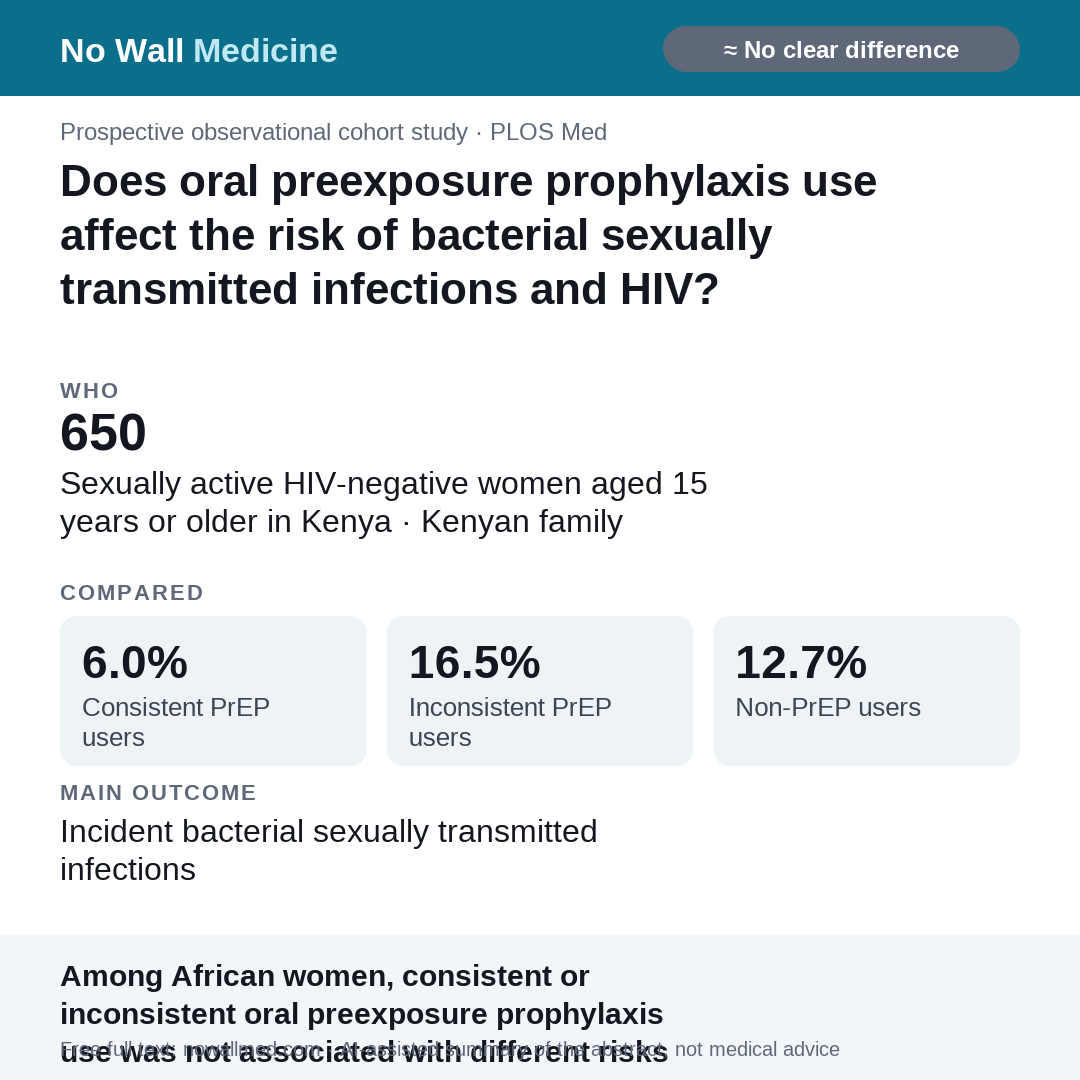
Oral preexposure prophylaxis use and the risk of bacterial sexually transmitted infections and HIV among African women: A prospective observational cohort study
Prospective observational cohort studyNo clear difference
Does oral preexposure prophylaxis use affect the risk of bacterial sexually transmitted infections and HIV?
Who
650
Sexually active HIV-negative women aged 15 years or older in Kenya · Kenyan family planning clinics
Compared
6.0%Consistent PrEP users (12/200)
16.5%Inconsistent PrEP users (17/103)
12.7%Non-PrEP users (25/195)
Main outcome
Incident bacterial sexually transmitted infections
Result: aRR 0.56 (95% CI 0.27-1.19) for consistent users; aRR 1.43 (95% CI 0.73-2.77) for inconsistent users
Bottom line: Among African women, consistent or inconsistent oral preexposure prophylaxis use was not associated with different risks of bacterial sexually transmitted infections.
Limitation: Oral preexposure prophylaxis use was assessed based on client self-report and not objectively through drug levels testing.
PLOS Med · 2026-03-09Download image
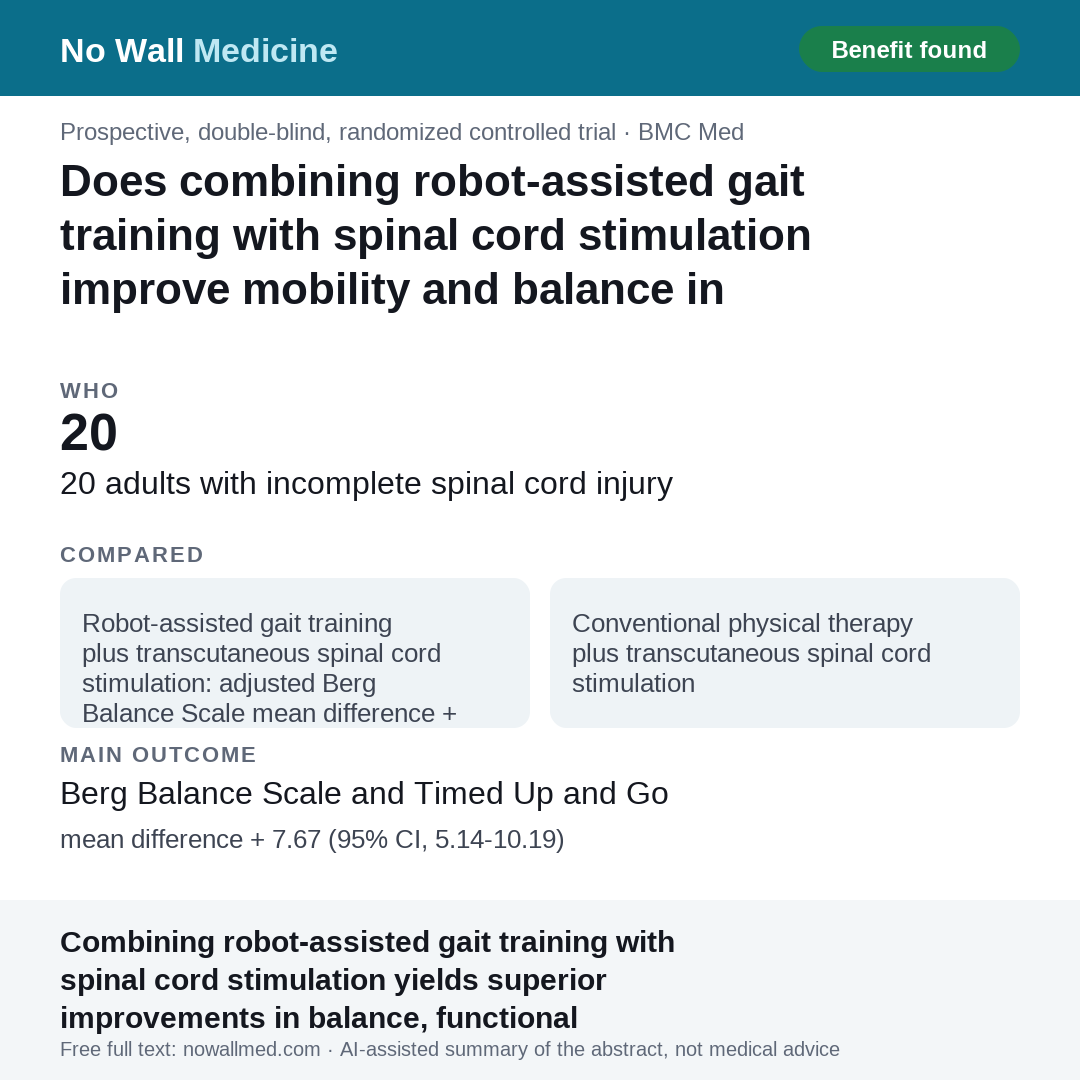
Transcutaneous spinal cord stimulation combined with robot-assisted gait training to improve mobility and balance in spinal cord injury: intramuscular electromyography as a biomarker for functional recovery
Prospective, double-blind, randomized controlled trialBenefit found
Does combining robot-assisted gait training with spinal cord stimulation improve mobility and balance in incomplete spinal cord injury?
Who
20
20 adults with incomplete spinal cord injury
Compared
Robot-assisted gait training plus transcutaneous spinal cord stimulation: adjusted Berg Balance Scale mean difference + 7.67
Conventional physical therapy plus transcutaneous spinal cord stimulation
Main outcome
Berg Balance Scale and Timed Up and Go
Result: mean difference + 7.67 (95% CI, 5.14-10.19)
Bottom line: Combining robot-assisted gait training with spinal cord stimulation yields superior improvements in balance, functional mobility, and neuromuscular activation.
BMC Med · 2026-03-09Download image
VIKTORIA-1 Trial of Gedatolisib Plus Fulvestrant With or Without Palbociclib in Hormone Receptor-Positive/HER2-/PIK3CA Wild-Type Advanced Breast Cancer
Phase III randomized trialBenefit found
Does gedatolisib plus fulvestrant with or without palbociclib improve progression-free survival?
Who
392
Hormone receptor-positive, human epidermal growth factor receptor 2-negative, PIK3CA wild-type advanced breast cancer
Compared
9.3 monthsgedatolisib triplet
7.4 monthsgedatolisib doublet
2.0 monthsfulvestrant monotherapy
Main outcome
progression-free survival
Result: hazard ratio 0.24 (95% CI, 0.17 to 0.35); HR, 0.33 (95% CI, 0.24 to 0.48)
Bottom line: Adding gedatolisib to fulvestrant, with or without palbociclib, significantly reduced the risk of disease progression or death.
J Clin Oncol · 2026-03-09Download image

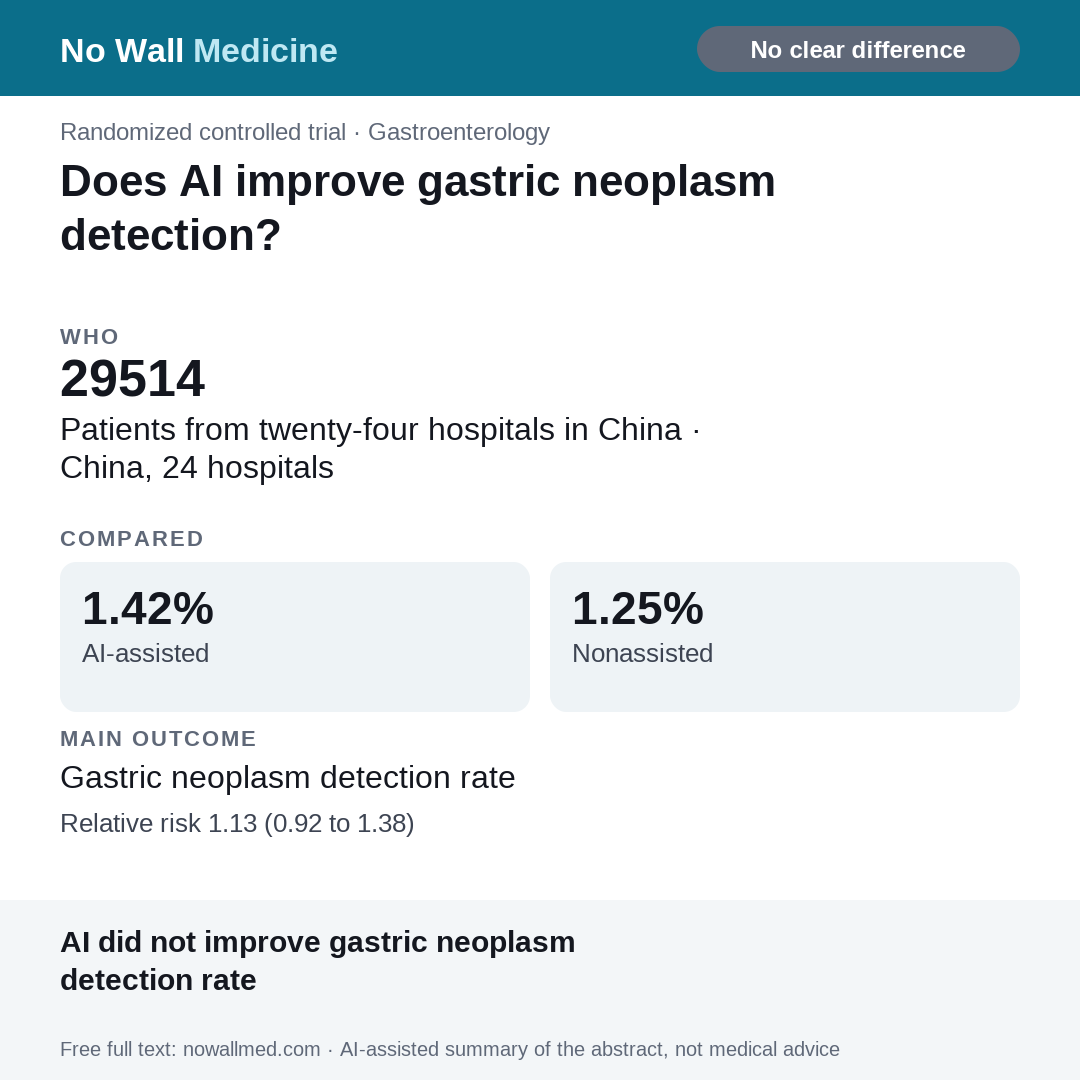
Effect of a Computer-Aided Device for Detecting Gastric Neoplasms: A Multicenter, Randomized Controlled Trial
Randomized controlled trialNo clear difference
Does AI improve gastric neoplasm detection?
Who
29514
Patients from twenty-four hospitals in China · China, 24 hospitals
Compared
1.42%AI-assisted
1.25%Nonassisted
Main outcome
Gastric neoplasm detection rate
Result: Relative risk 1.13 (0.92 to 1.38)
Bottom line: AI did not improve gastric neoplasm detection rate
Limitation: Further real-world studies needed
Gastroenterology · 2026-03-09Download image