Visual abstracts
New randomized trials and meta-analyses from leading journals at a glance: who was studied, what was compared, and what was found. Every paper is free to read in full.
All specialtiesCardiology 449Oncology 376Gastroenterology & Hepatology 180Infectious Disease 365Neurology 208Psychiatry & Mental Health 312Pulmonology 209Critical Care 146Endocrinology & Diabetes 286Pediatrics 221Surgery 159Orthopedics & Sports Medicine 93Neurosurgery 28Cardiothoracic & Vascular Surgery 54Plastic & Reconstructive Surgery 93Nephrology 88Rheumatology 93Hematology 111Dermatology 50Ophthalmology 83Obstetrics & Gynecology 140Public & Global Health 141Radiology & Imaging 42Anesthesiology 91Urology 105ENT (Otolaryngology) 60Emergency Medicine 45Allergy & Immunology 53Geriatrics 129Family Medicine & Primary Care 81Medical Genetics & Genomics 45Pathology & Laboratory Medicine 8Physical Medicine & Rehabilitation 122Palliative Care 71Nutrition 160Digital Health & AI 407General Medicine 56
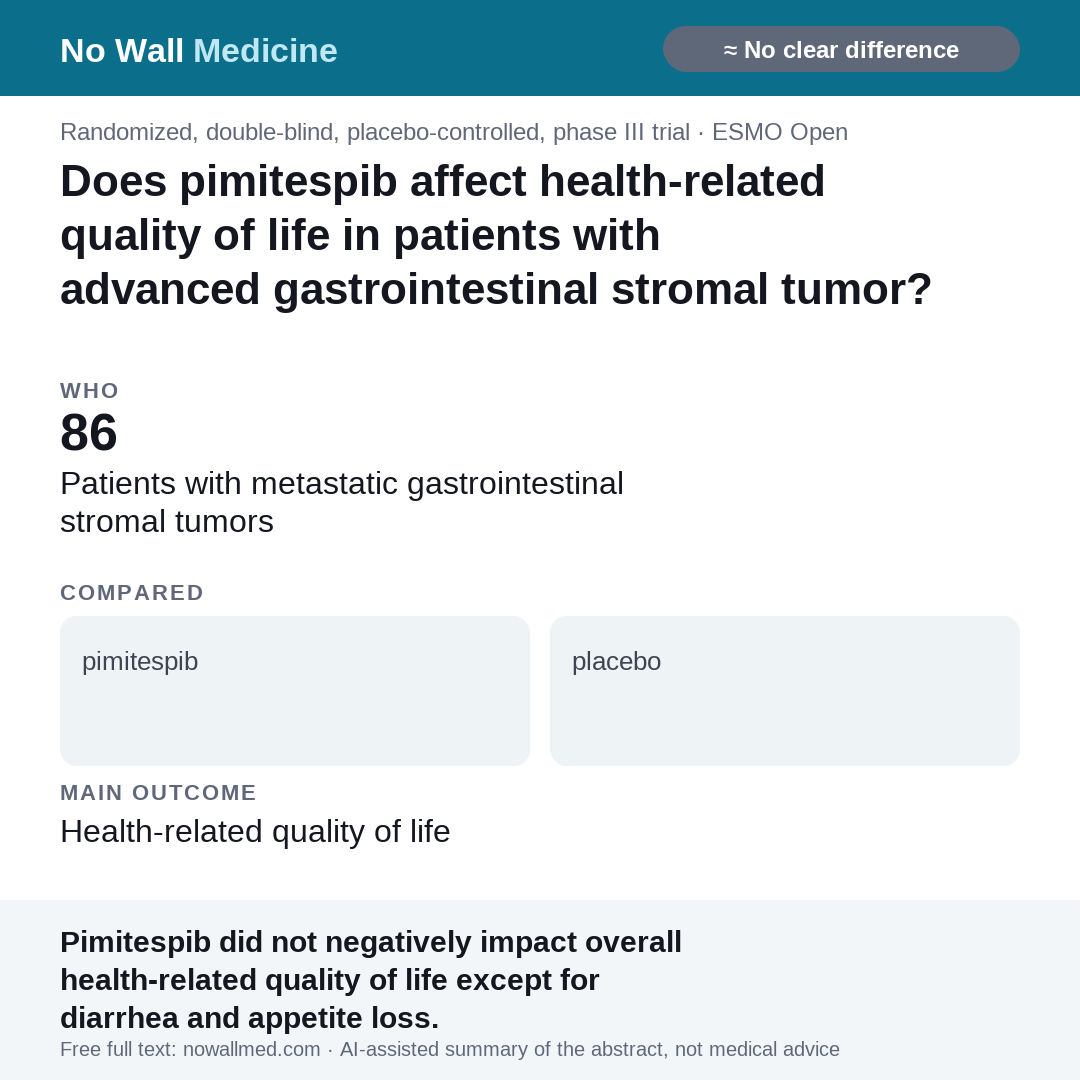
Quality-of-life outcomes with pimitespib in patients with advanced gastrointestinal stromal tumor: results from the randomized, double-blind, placebo-controlled, phase III, CHAPTER-GIST-301 study
Randomized, double-blind, placebo-controlled, phase III trialNo clear difference
Does pimitespib affect health-related quality of life in patients with advanced gastrointestinal stromal tumor?
Who
86
Patients with metastatic gastrointestinal stromal tumors
Compared
pimitespib
placebo
Main outcome
Health-related quality of life
Result: hazard ratio 4.82 (95% confidence interval 2.17-10.71) for diarrhea
Bottom line: Pimitespib did not negatively impact overall health-related quality of life except for diarrhea and appetite loss.
ESMO Open · 2026-03-04Download image
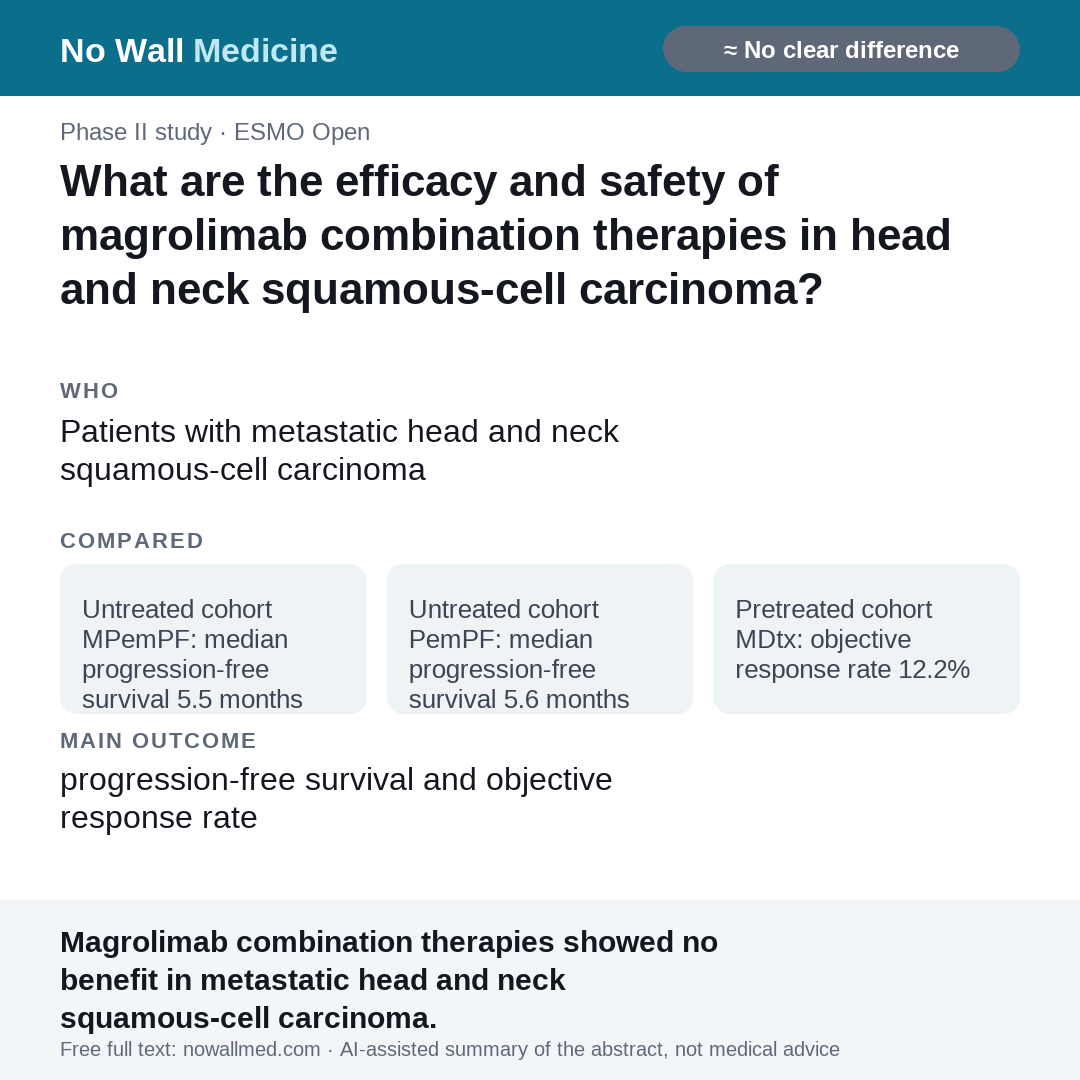
Phase II study of magrolimab combination therapies in patients with head and neck squamous-cell carcinoma
Phase II studyNo clear difference
What are the efficacy and safety of magrolimab combination therapies in head and neck squamous-cell carcinoma?
Who
Patients with metastatic head and neck squamous-cell carcinoma
Compared
Untreated cohort MPemPF: median progression-free survival 5.5 months
Untreated cohort PemPF: median progression-free survival 5.6 months
Pretreated cohort MDtx: objective response rate 12.2%
Main outcome
progression-free survival and objective response rate
Result: hazard ratio 1.314 (95% confidence interval 0.809-2.136)
Bottom line: Magrolimab combination therapies showed no benefit in metastatic head and neck squamous-cell carcinoma.
ESMO Open · 2026-03-04Download image
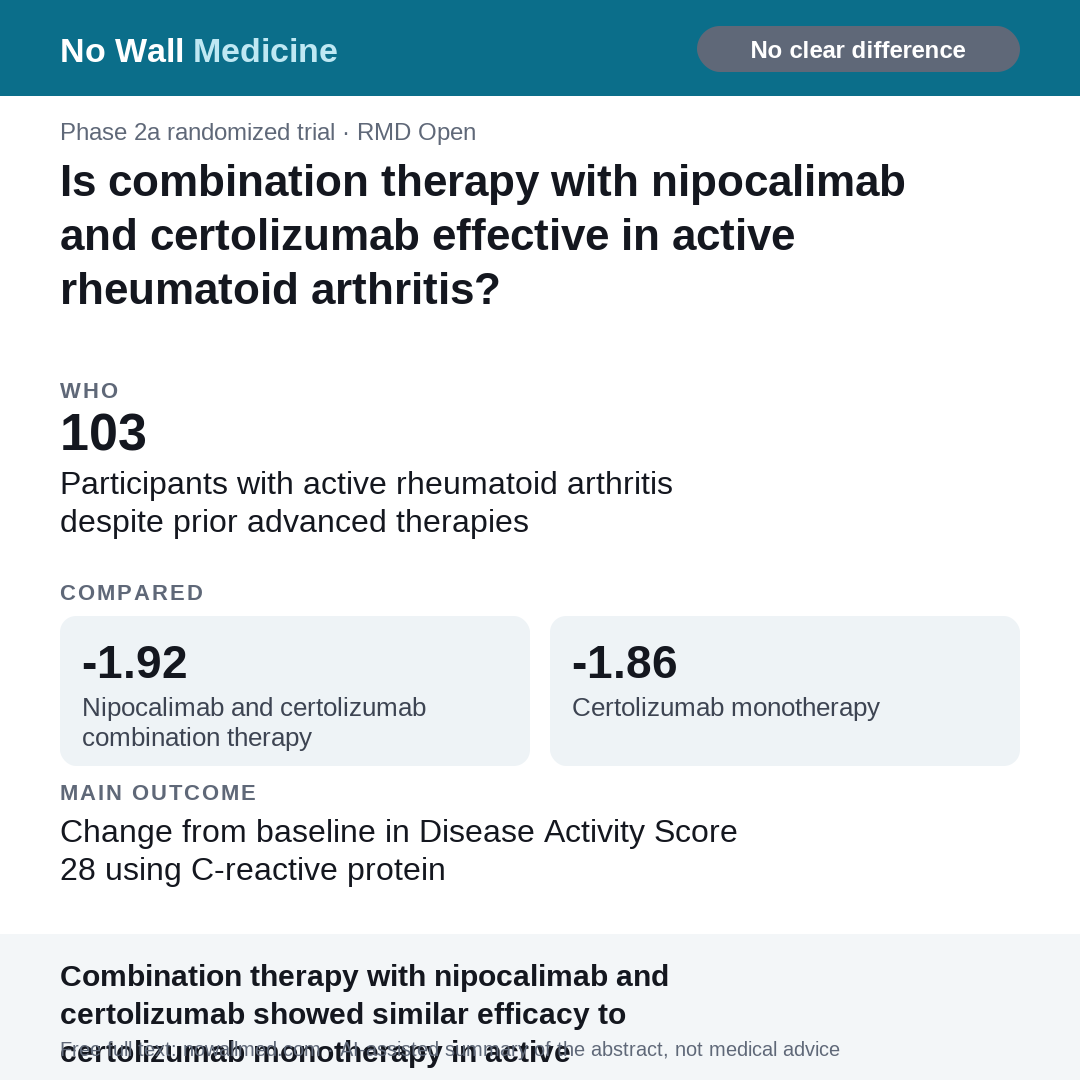
Nipocalimab and certolizumab combination therapy in participants with active rheumatoid arthritis despite prior treatment with advanced therapies: results from the phase 2a DAISY-RA study
Phase 2a randomized trialNo clear difference
Is combination therapy with nipocalimab and certolizumab effective in active rheumatoid arthritis?
Who
103
Participants with active rheumatoid arthritis despite prior advanced therapies
Compared
-1.92Nipocalimab and certolizumab combination therapy (90% CI -2.48 to -1.36)
-1.86Certolizumab monotherapy (90% CI -2.44 to -1.28)
Main outcome
Change from baseline in Disease Activity Score 28 using C-reactive protein
Result: p=0.822
Bottom line: Combination therapy with nipocalimab and certolizumab showed similar efficacy to certolizumab monotherapy in active rheumatoid arthritis.
RMD Open · 2026-03-04Download image
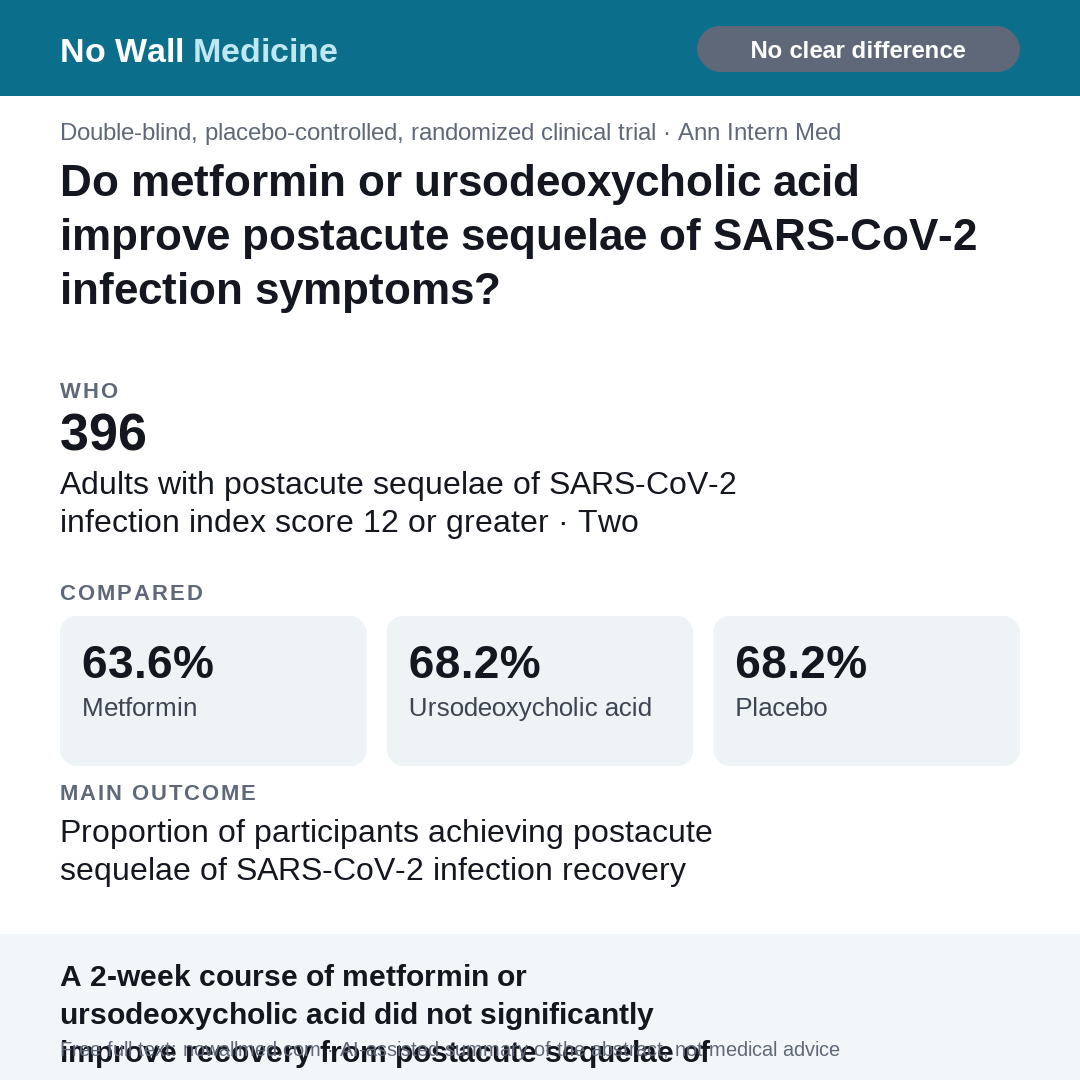
Neither Metformin nor Ursodeoxycholic Acid Effectively Treats Postacute Sequelae of COVID-19 : A Randomized Clinical Trial
Double-blind, placebo-controlled, randomized clinical trialNo clear difference
Do metformin or ursodeoxycholic acid improve postacute sequelae of SARS-CoV-2 infection symptoms?
Who
396
Adults with postacute sequelae of SARS-CoV-2 infection index score 12 or greater · Two tertiary hospitals in South Korea
Compared
63.6%Metformin (84 of 132)
68.2%Ursodeoxycholic acid (90 of 132)
68.2%Placebo (90 of 132)
Main outcome
Proportion of participants achieving postacute sequelae of SARS-CoV-2 infection recovery
Bottom line: A 2-week course of metformin or ursodeoxycholic acid did not significantly improve recovery from postacute sequelae of SARS-CoV-2 infection.
Limitation: Findings may not be generalizable to patients with more severe or persistent long COVID.
Funded by: National Institute of Infectious Diseases, National Institute of Health, South Korea
Ann Intern Med · 2026-03-03Download image
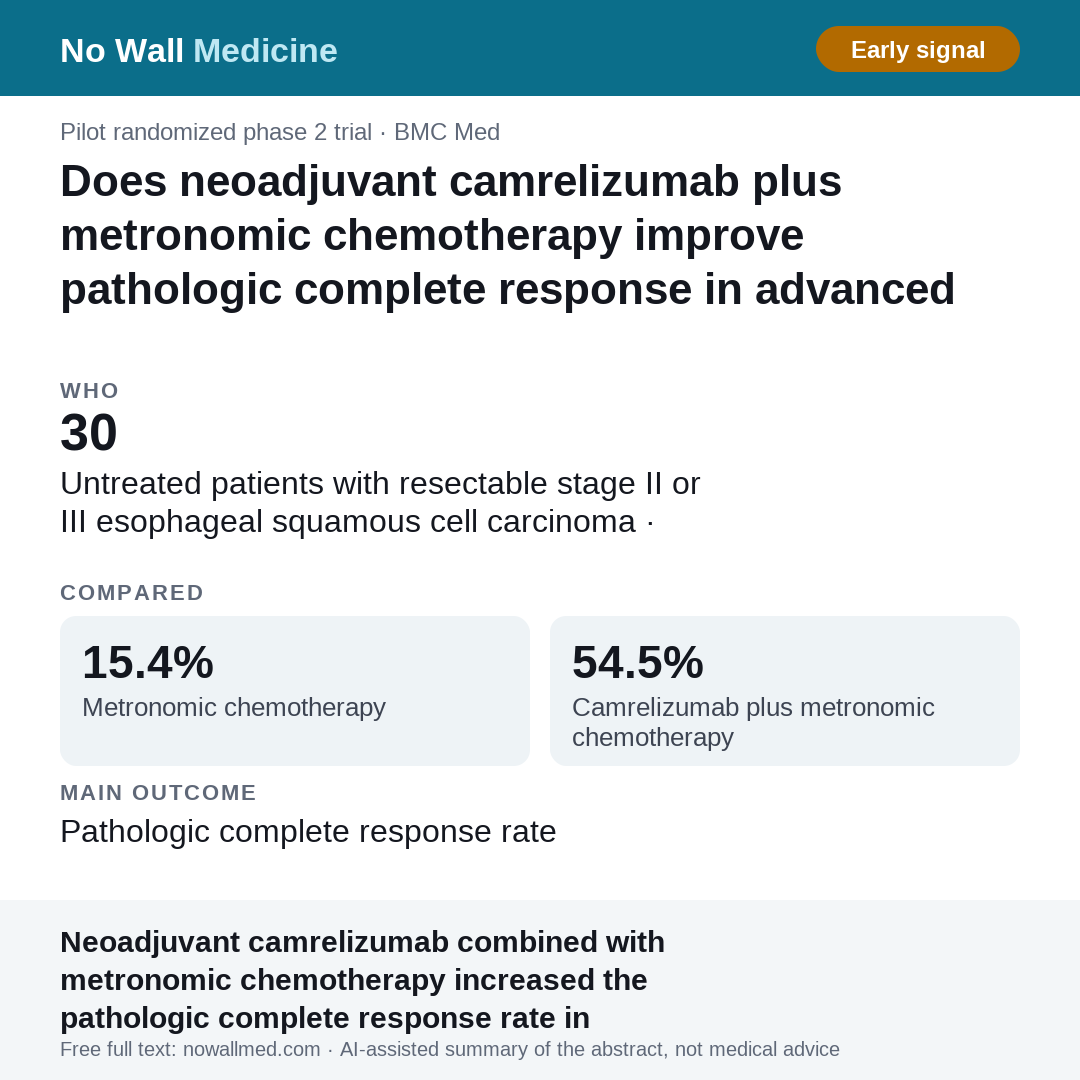
Neoadjuvant camrelizumab combined with metronomic chemotherapy in patients with advanced esophageal squamous cell carcinoma: a pilot randomized phase 2 trial
Pilot randomized phase 2 trialBenefit found
Does neoadjuvant camrelizumab plus metronomic chemotherapy improve pathologic complete response in advanced esophageal squamous cell carcinoma?
Who
30
Untreated patients with resectable stage II or III esophageal squamous cell carcinoma · Single-center
Compared
15.4%Metronomic chemotherapy
54.5%Camrelizumab plus metronomic chemotherapy
Main outcome
Pathologic complete response rate
Bottom line: Neoadjuvant camrelizumab combined with metronomic chemotherapy increased the pathologic complete response rate in esophageal squamous cell carcinoma.
Limitation: This was a pilot phase 2 trial
BMC Med · 2026-03-03Download image
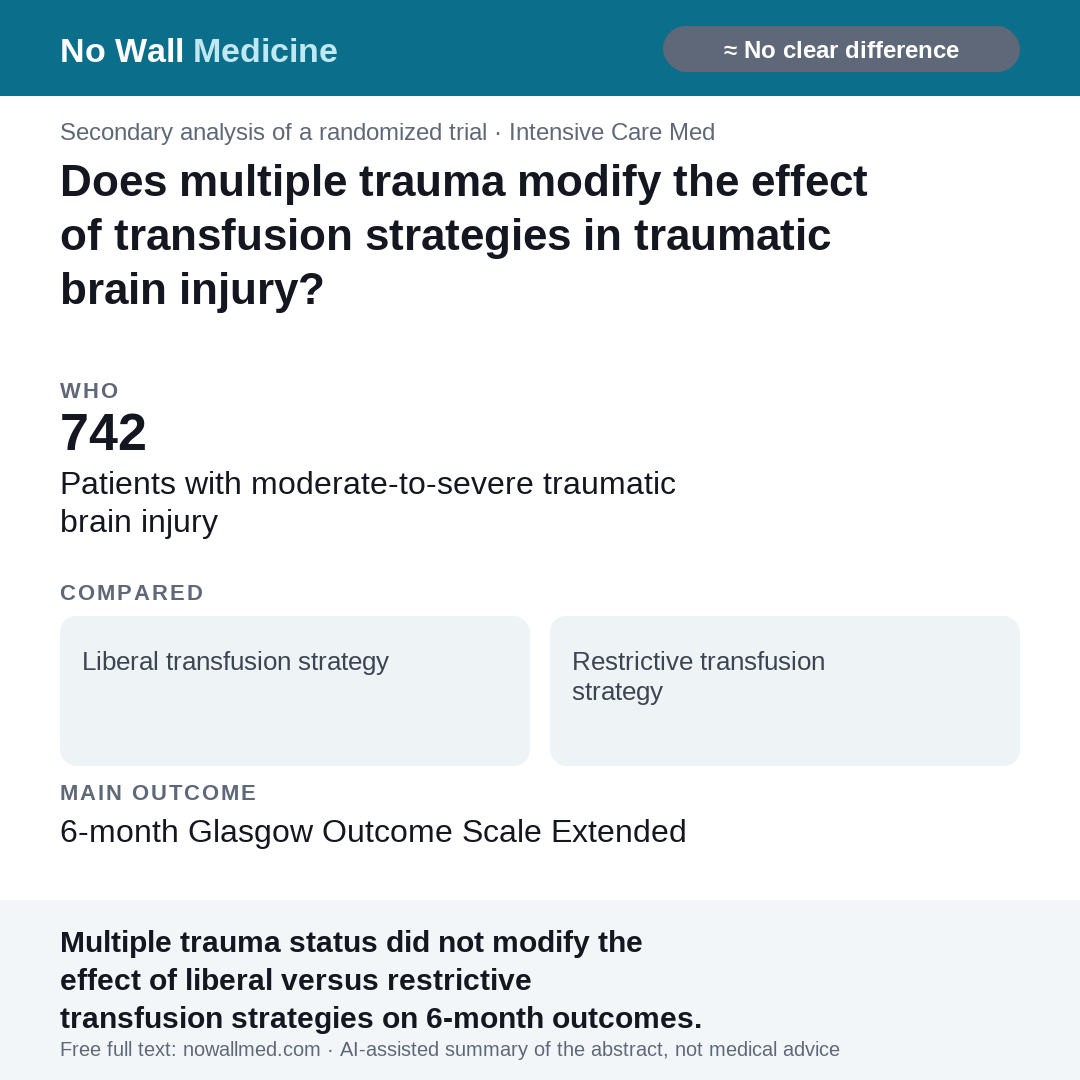
Influence of multiple trauma on the effect of transfusion strategies in patients with traumatic brain injury: a sub-study of the HEMOTION trial
Secondary analysis of a randomized trialNo clear difference
Does multiple trauma modify the effect of transfusion strategies in traumatic brain injury?
Who
742
Patients with moderate-to-severe traumatic brain injury
Compared
Liberal transfusion strategy
Restrictive transfusion strategy
Main outcome
6-month Glasgow Outcome Scale Extended
Result: no interaction between multiple trauma status and transfusion strategies
Bottom line: Multiple trauma status did not modify the effect of liberal versus restrictive transfusion strategies on 6-month outcomes.
Intensive Care Med · 2026-03-03Download image
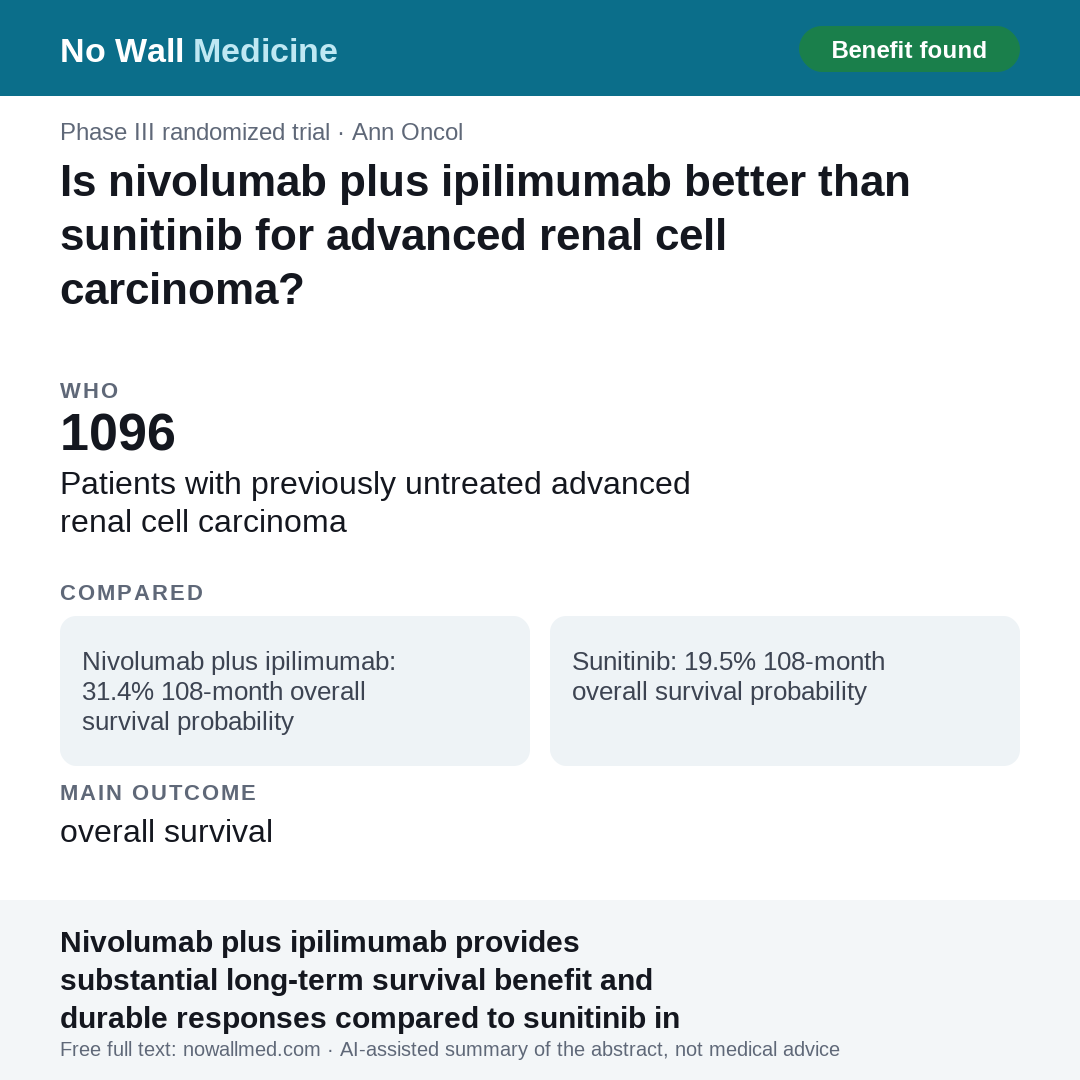
Nivolumab plus ipilimumab versus sunitinib for first-line treatment of advanced renal cell carcinoma: final analysis of efficacy and safety from the phase III CheckMate 214 trial
Phase III randomized trialBenefit found
Is nivolumab plus ipilimumab better than sunitinib for advanced renal cell carcinoma?
Who
1096
Patients with previously untreated advanced renal cell carcinoma
Compared
Nivolumab plus ipilimumab: 31.4% 108-month overall survival probability
Sunitinib: 19.5% 108-month overall survival probability
Main outcome
overall survival
Result: hazard ratio 0.71 (95% CI 0.62 to 0.82)
Bottom line: Nivolumab plus ipilimumab provides substantial long-term survival benefit and durable responses compared to sunitinib in advanced renal cell carcinoma.
Ann Oncol · 2026-03-03Download image
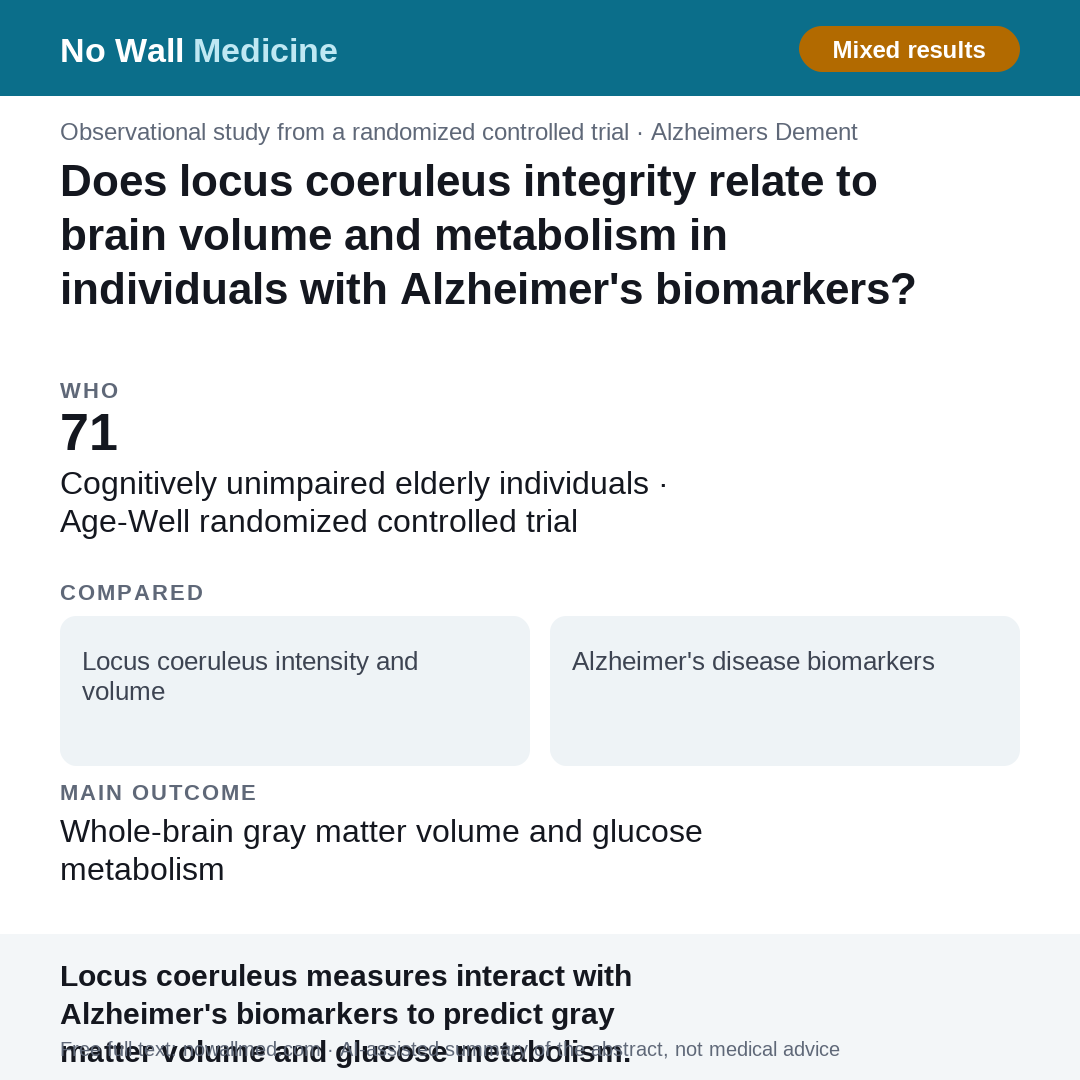
Altered locus coeruleus links to atrophy and hypometabolism in individuals with high Alzheimer's disease biomarkers
Observational study from a randomized controlled trialMixed results
Does locus coeruleus integrity relate to brain volume and metabolism in individuals with Alzheimer's biomarkers?
Who
71
Cognitively unimpaired elderly individuals · Age-Well randomized controlled trial
Compared
Locus coeruleus intensity and volume
Alzheimer's disease biomarkers
Main outcome
Whole-brain gray matter volume and glucose metabolism
Bottom line: Locus coeruleus measures interact with Alzheimer's biomarkers to predict gray matter volume and glucose metabolism.
Alzheimers Dement · 2026-03-03Download image
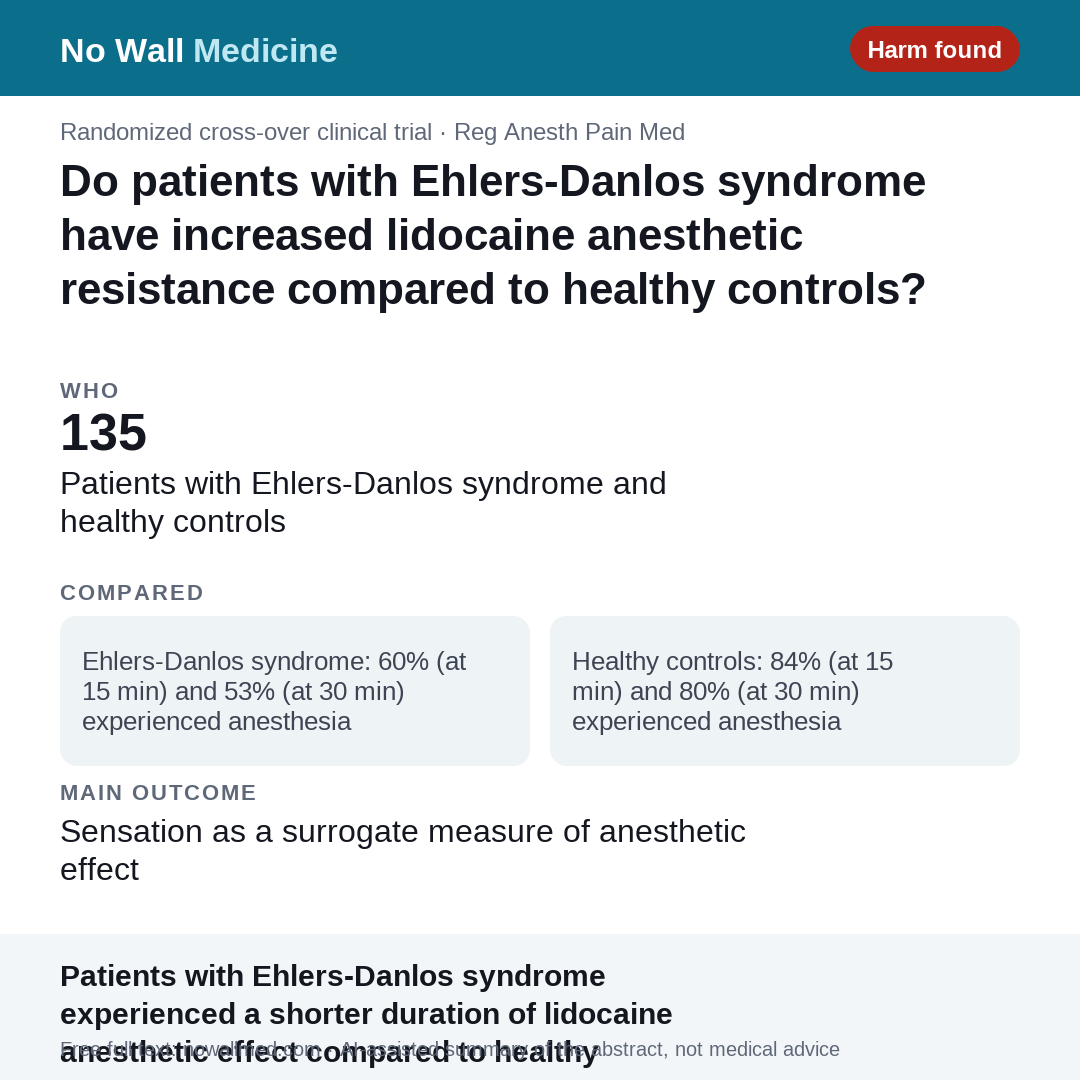
Patients with Ehlers-Danlos syndrome experience reduced effectiveness of lidocaine local anesthetic: a randomized cross-over clinical trial
Randomized cross-over clinical trialHarm found
Do patients with Ehlers-Danlos syndrome have increased lidocaine anesthetic resistance compared to healthy controls?
Who
135
Patients with Ehlers-Danlos syndrome and healthy controls
Compared
Ehlers-Danlos syndrome: 60% (at 15 min) and 53% (at 30 min) experienced anesthesia
Healthy controls: 84% (at 15 min) and 80% (at 30 min) experienced anesthesia
Main outcome
Sensation as a surrogate measure of anesthetic effect
Bottom line: Patients with Ehlers-Danlos syndrome experienced a shorter duration of lidocaine anesthetic effect compared to healthy controls.
Reg Anesth Pain Med · 2026-03-03Download image
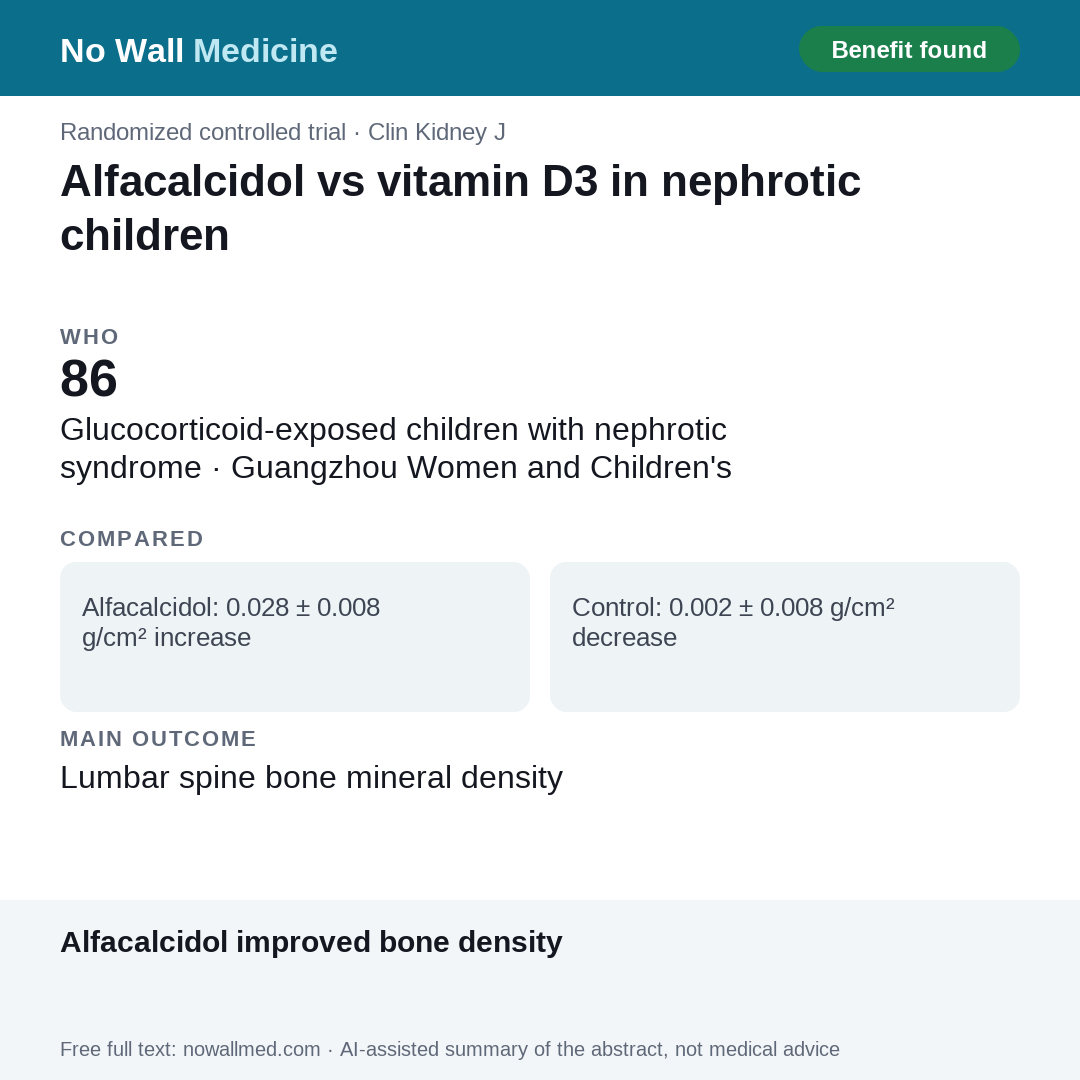
Alfacalcidol plus calcium versus cholecalciferol in glucocorticoid-exposed children with nephrotic syndrome: a randomized controlled trial
Randomized controlled trialBenefit found
Alfacalcidol vs vitamin D3 in nephrotic children
Who
86
Glucocorticoid-exposed children with nephrotic syndrome · Guangzhou Women and Children's Medical Center
Compared
Alfacalcidol: 0.028 ± 0.008 g/cm² increase
Control: 0.002 ± 0.008 g/cm² decrease
Main outcome
Lumbar spine bone mineral density
Bottom line: Alfacalcidol improved bone density
Clin Kidney J · 2026-03-03Download image
Immunogenicity and safety of biological E's 14-valent pneumococcal conjugate vaccine (PNEUBEVAX 14®) administered in a 2p + 1 schedule to healthy infants: a multicenter, randomized, active controlled, single-blind, phase III trial
Randomized, single-blind, multicenter, phase III trialBenefit found
Is BE-PCV14 comparable to PCV13 in immunogenicity and safety for infants?
Who
400
400 pneumococcal conjugate vaccine-naïve infants aged 6-8 weeks · India
Compared
BE-PCV14: post booster seroresponse rates 87.6% to 100%
PCV13: post booster seroresponse rates 85.0% to 100%
Main outcome
proportion achieving IgG ≥0.35 μg/mL for common serotypes
Bottom line: BE-PCV14 is highly immunogenic, well tolerated, and comparable to PCV13 with broader serotype coverage.
Funded by: Biological E. Limited
Lancet Reg Health Southeast Asia · 2026-03-03Download image

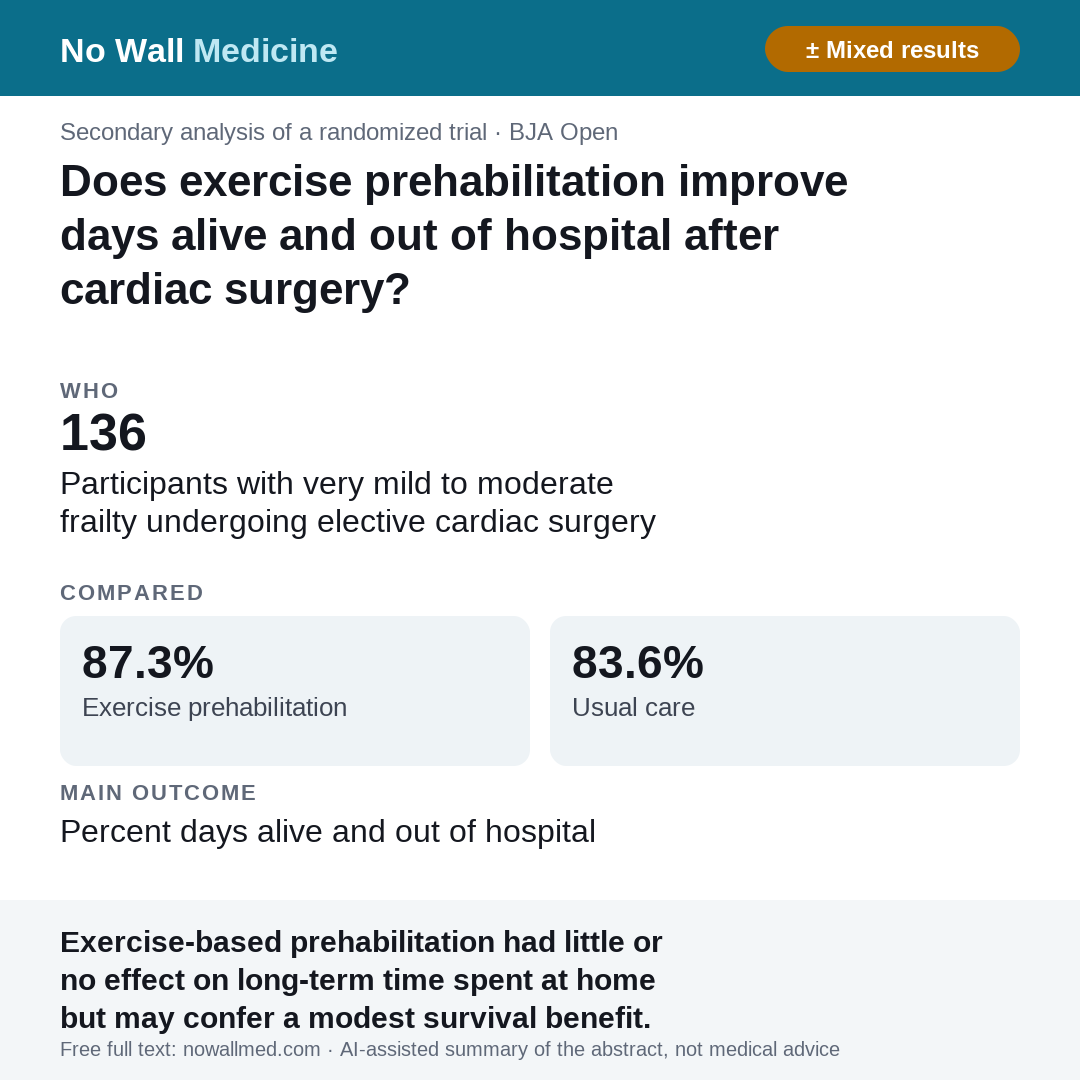
Effect of exercise prehabilitation on days alive and out of hospital after cardiac surgery: a secondary analysis of the randomised PRE-habilitation for improving QUality of recovery after ELective cardiac surgery trial
Randomized exploratory secondary analysisMixed results
Does exercise prehabilitation improve days alive and out of hospital after cardiac surgery?
Who
136
Participants with very mild to moderate frailty undergoing cardiac surgery
Compared
87.3%Prehabilitation (adjusted)
83.6%Usual care (adjusted)
Main outcome
Percent days alive and out of hospital
Result: mean difference: 0.22 yr, 95% CI: 0.01-0.44
Bottom line: Exercise prehabilitation had little effect on time spent at home but may confer a modest survival benefit.
Limitation: This was a secondary exploratory analysis.
BJA Open · 2026-03-03Download image
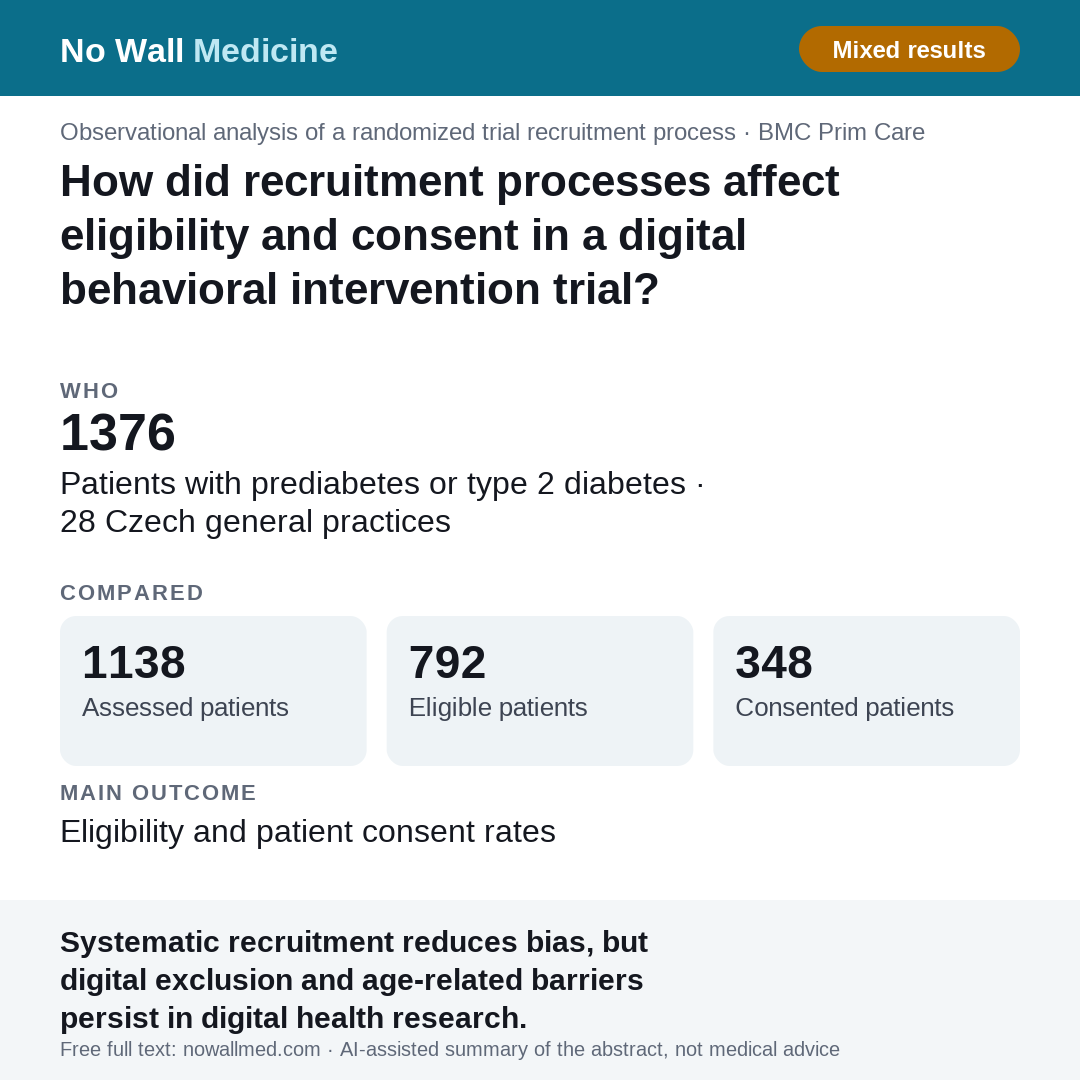
Recruiting patients into a digital behavioural intervention in general practice: insights from the ENERGISED trial
Observational analysis of a randomized trial recruitment processMixed results
How did recruitment processes affect eligibility and consent in a digital behavioral intervention trial?
Who
1376
Patients with prediabetes or type 2 diabetes · 28 Czech general practices
Compared
1138Assessed patients (83%)
792Eligible patients (70% of assessed)
348Consented patients (44% of eligible)
Main outcome
Eligibility and patient consent rates
Bottom line: Systematic recruitment reduces bias, but digital exclusion and age-related barriers persist in digital health research.
Limitation: Digital exclusion, particularly in older adults, persists.
BMC Prim Care · 2026-03-03Download image
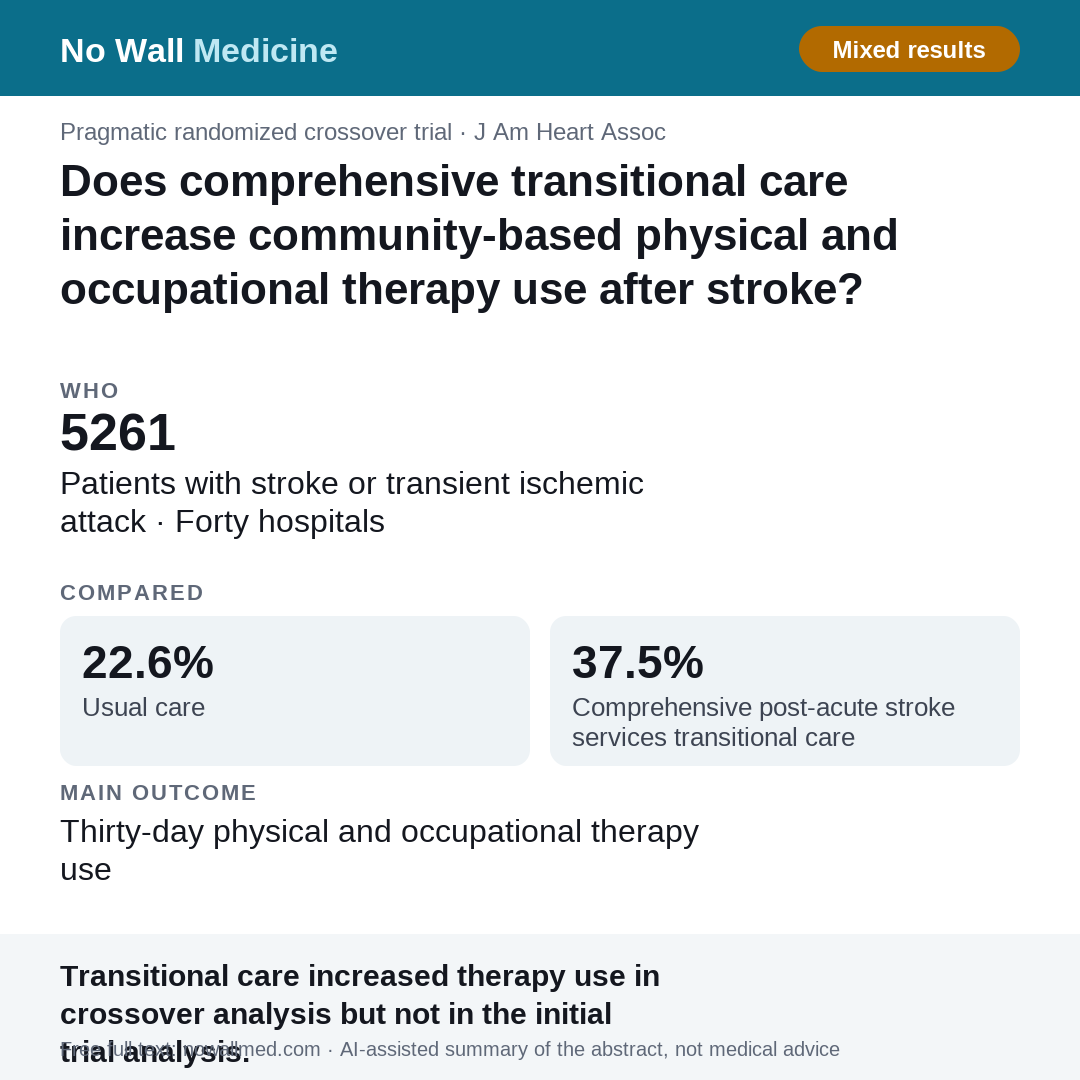
Impact of a Comprehensive Transitional Care Management Model on Use of Community-Based Rehabilitation After Stroke
Pragmatic randomized crossover trialMixed results
Does comprehensive transitional care increase community-based physical and occupational therapy use after stroke?
Who
5261
Patients with stroke or transient ischemic attack · Forty hospitals
Compared
22.6%Usual care
37.5%Comprehensive post-acute stroke services transitional care
Main outcome
Thirty-day physical and occupational therapy use
Result: 9.4% (95% CI, 5.6-13.3%) at 30 days
Bottom line: Transitional care increased therapy use in crossover analysis but not in the initial trial analysis.
Limitation: Inconsistencies may reflect confounding or differences in hospitals that chose to adopt the intervention.
J Am Heart Assoc · 2026-03-03Download image
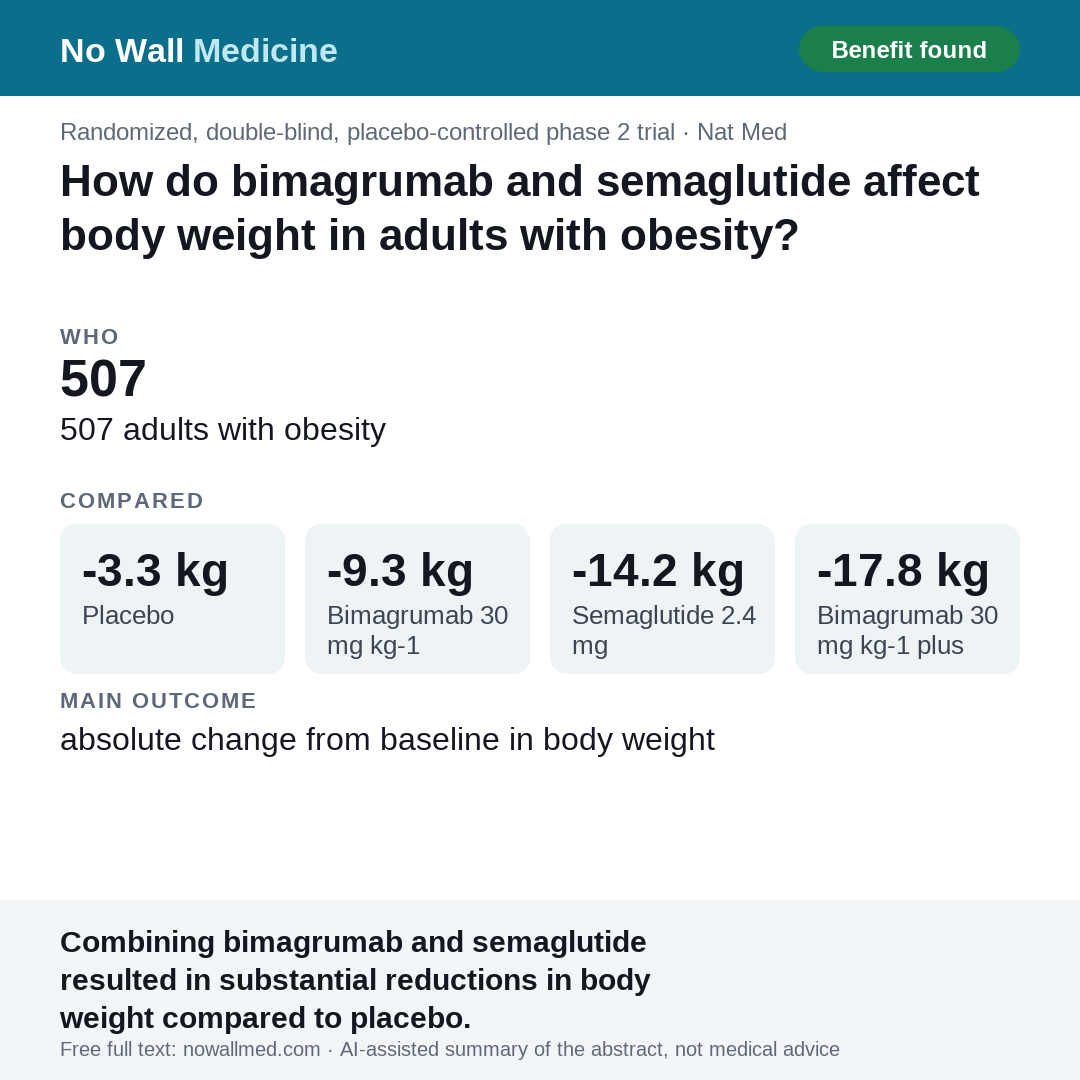
Bimagrumab plus semaglutide alone or in combination for the treatment of obesity: a randomized phase 2 trial
Randomized, double-blind, placebo-controlled phase 2 trialBenefit found
How do bimagrumab and semaglutide affect body weight in adults with obesity?
Who
507
507 adults with obesity
Compared
-3.3 kgPlacebo
-9.3 kgBimagrumab 30 mg kg-1
-14.2 kgSemaglutide 2.4 mg
-17.8 kgBimagrumab 30 mg kg-1 plus semaglutide 2.4 mg
Main outcome
absolute change from baseline in body weight
Bottom line: Combining bimagrumab and semaglutide resulted in substantial reductions in body weight compared to placebo.
Nat Med · 2026-03-02Download image
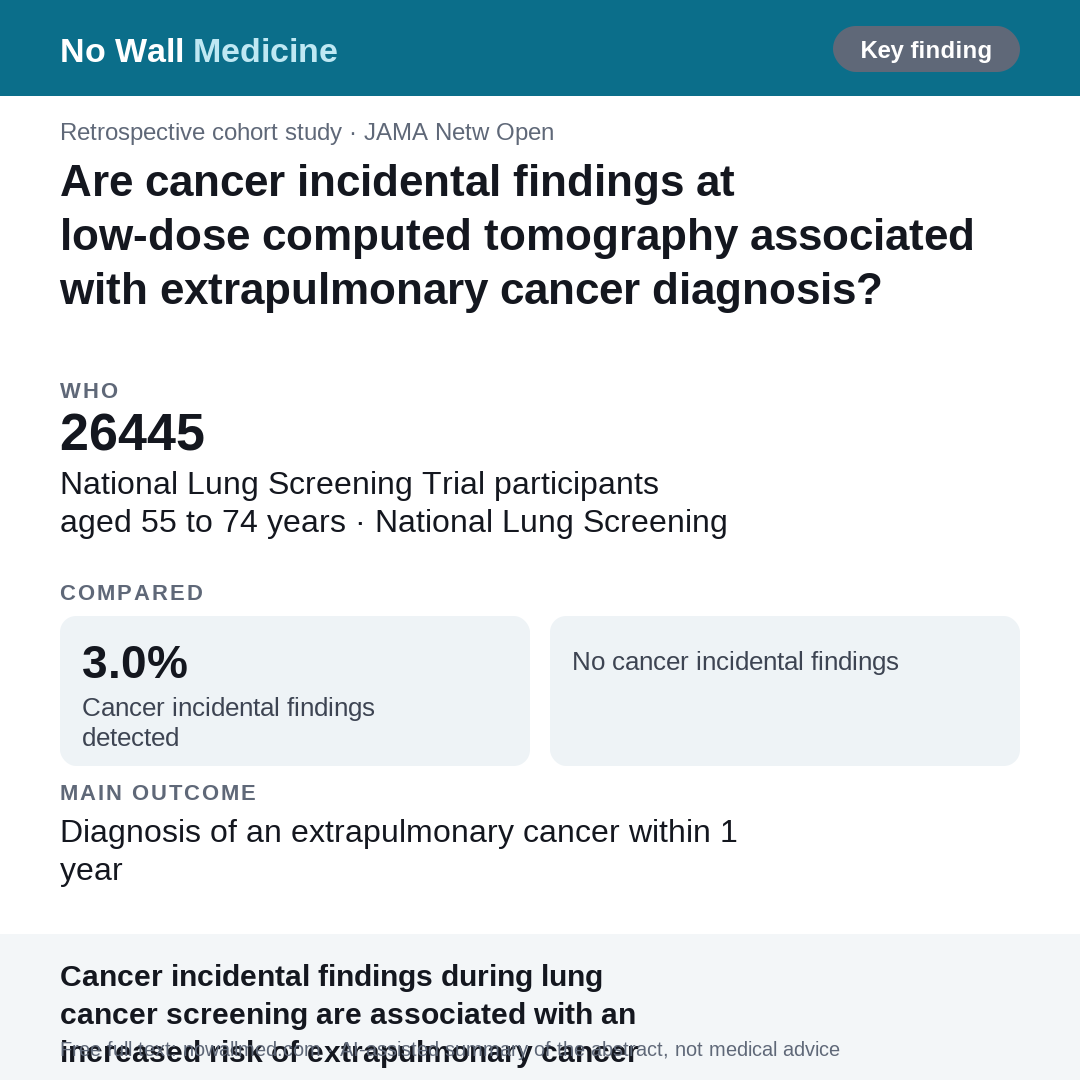
Significant Incidental Findings in the National Lung Screening Trial and Diagnosis of Extrapulmonary Cancer
Retrospective cohort studyBenefit found
Are cancer incidental findings at low-dose computed tomography associated with extrapulmonary cancer diagnosis?
Who
26445
National Lung Screening Trial participants aged 55 to 74 years · National Lung Screening Trial
Compared
3.0%Cancer incidental findings detected
No cancer incidental findings
Main outcome
Diagnosis of an extrapulmonary cancer within 1 year
Result: marginal risk difference 13.89 (95% CL, 7.03-20.75) per 1000 participants
Bottom line: Cancer incidental findings during lung cancer screening are associated with an increased risk of extrapulmonary cancer diagnosis within one year.
JAMA Netw Open · 2026-03-02Download image
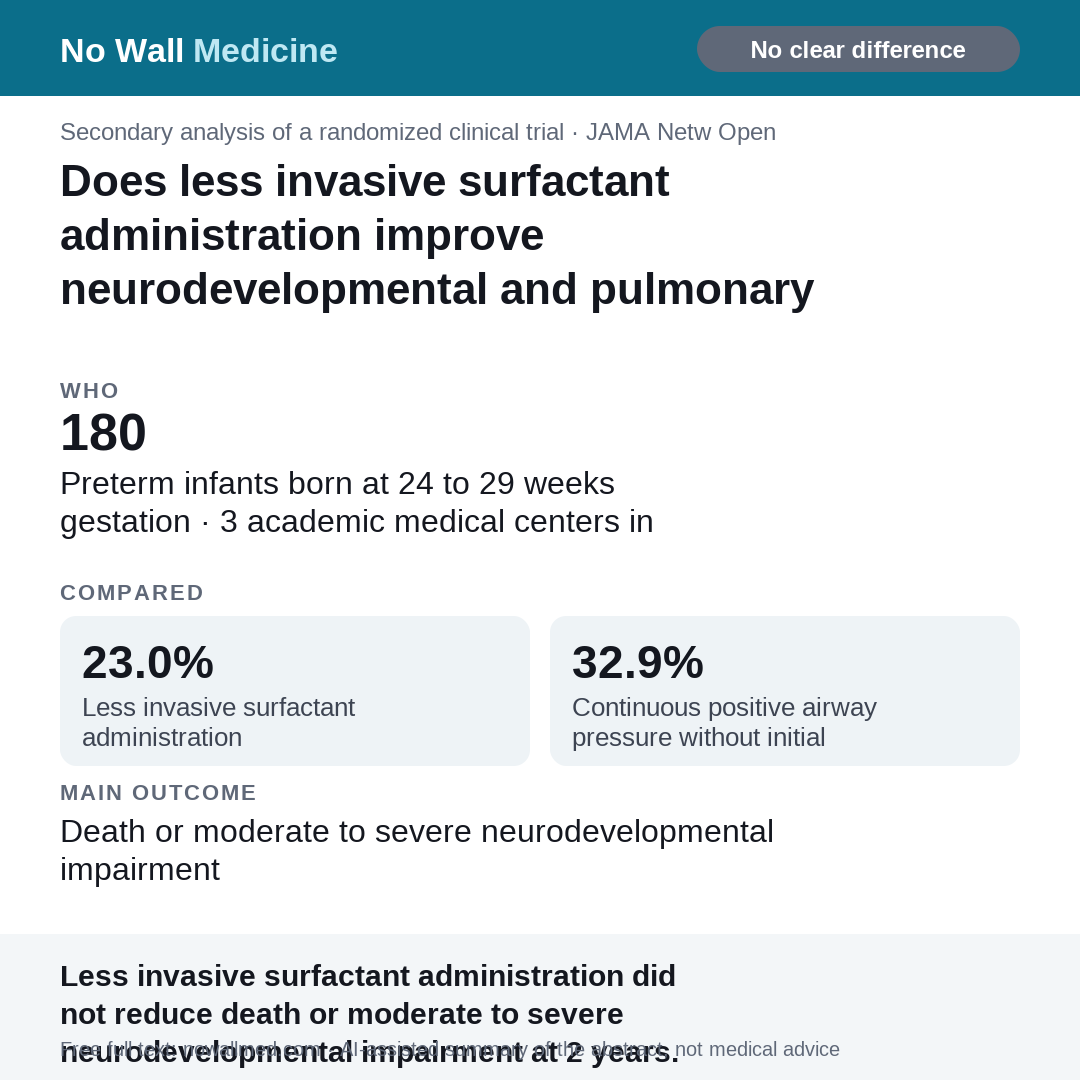
Two-Year Outcomes of Less Invasive Surfactant Administration Among Preterm Neonates: A Secondary Analysis of a Randomized Clinical Trial
Secondary analysis of a randomized clinical trialNo clear difference
Does less invasive surfactant administration improve neurodevelopmental and pulmonary outcomes at 2 years?
Who
180
Preterm infants born at 24 to 29 weeks gestation · 3 academic medical centers in California
Compared
23.0%Less invasive surfactant administration
32.9%Continuous positive airway pressure without initial surfactant
Main outcome
Death or moderate to severe neurodevelopmental impairment
Result: odds ratio 1.56 (95% CI 0.77-3.17)
Bottom line: Less invasive surfactant administration did not reduce death or moderate to severe neurodevelopmental impairment at 2 years.
JAMA Netw Open · 2026-03-02Download image
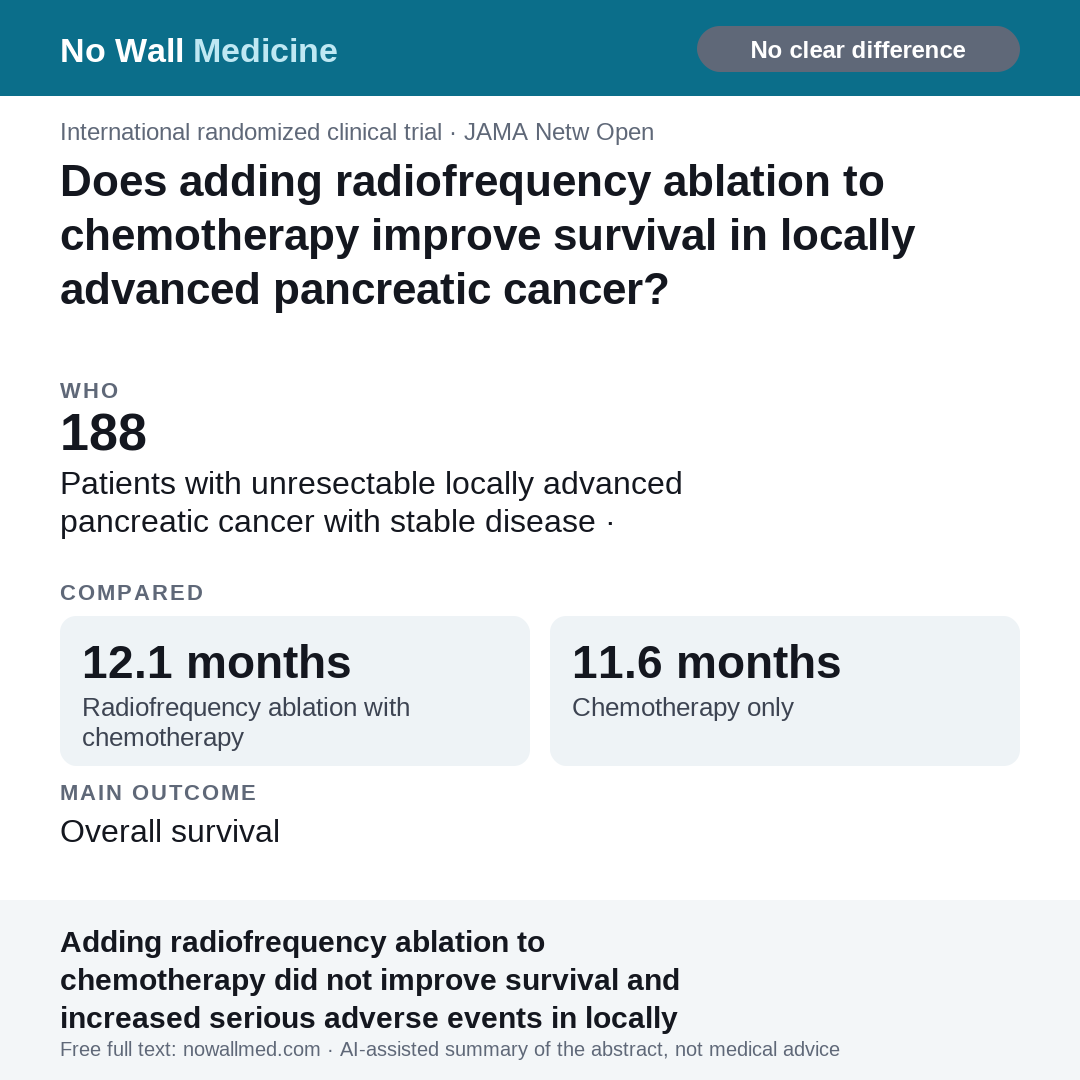
Radiofrequency Ablation and Chemotherapy vs Chemotherapy Only in Locally Advanced Pancreatic Cancer: The PELICAN Randomized Clinical Trial
International randomized clinical trialNo clear difference
Does adding radiofrequency ablation to chemotherapy improve survival in locally advanced pancreatic cancer?
Who
188
Patients with unresectable locally advanced pancreatic cancer with stable disease · International
Compared
12.1 monthsRadiofrequency ablation with chemotherapy
11.6 monthsChemotherapy only
Main outcome
Overall survival
Result: hazard ratio 1.07 (95% CI 0.80-1.45)
Bottom line: Adding radiofrequency ablation to chemotherapy did not improve survival and increased serious adverse events in locally advanced pancreatic cancer.
JAMA Netw Open · 2026-03-02Download image
Enhanced Weight Management Program for Veterans With Posttraumatic Stress Disorder: A Randomized Clinical Trial
Randomized clinical trialNo clear difference
Does MOVE!+UP improve weight change compared to MOVE! in veterans with PTSD?
Who
174
Veterans with posttraumatic stress disorder and body mass index of 25 or greater · 1 Veterans Health Administration site
Compared
MOVE!+UP: 8.9 (13.7) lb
MOVE!: 7.8 (13.8) lb
Main outcome
Weight change at 6 months
Result: -1.5 lb (95% CI, -5.9 to 2.9)
Bottom line: The enhanced weight management program did not result in significantly different weight loss compared to the standard program.
JAMA Netw Open · 2026-03-02Download image

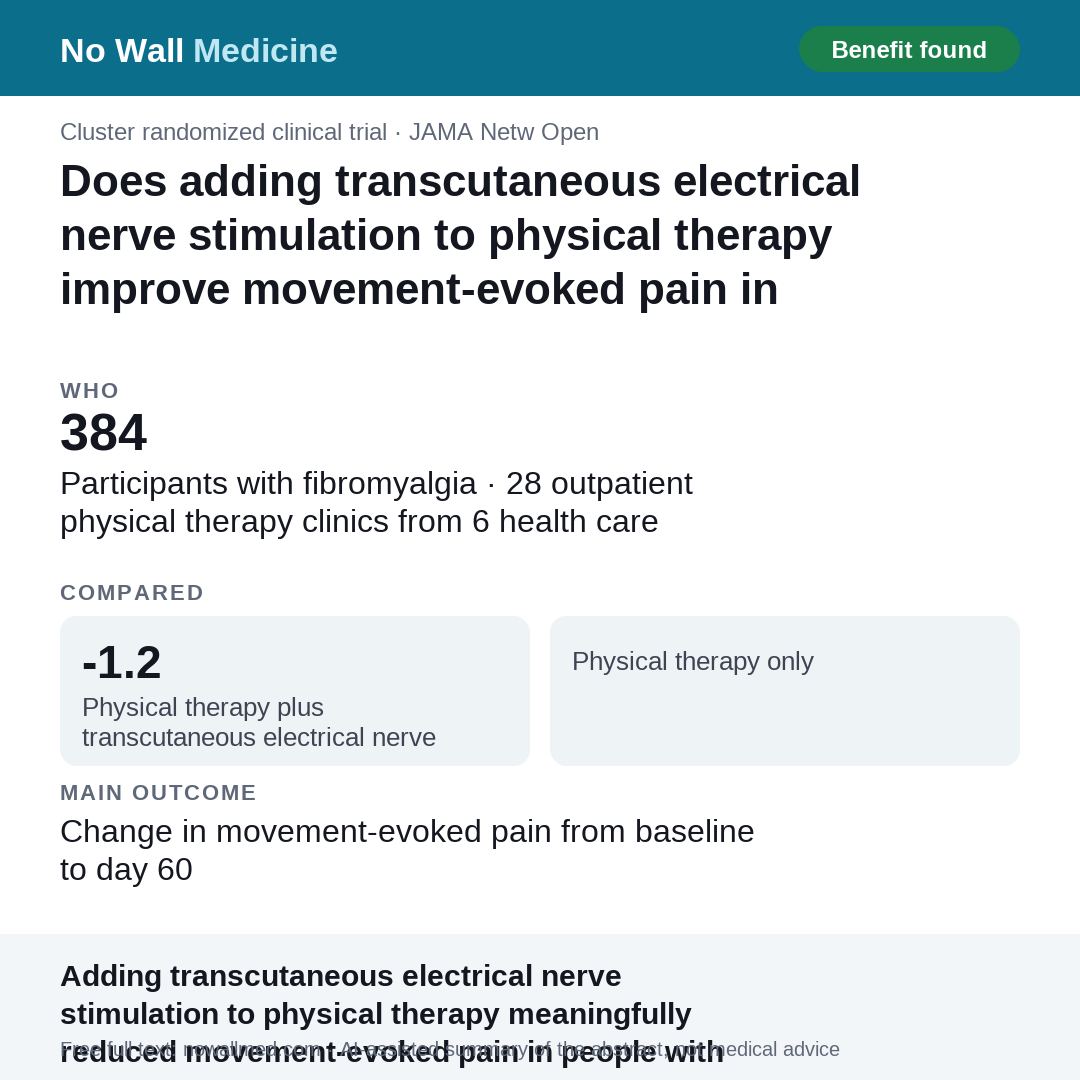
Transcutaneous Electrical Nerve Stimulation and Pain With Movement in People With Fibromyalgia: A Cluster Randomized Clinical Trial
Cluster randomized clinical trialBenefit found
Does adding transcutaneous electrical nerve stimulation to physical therapy improve movement-evoked pain in fibromyalgia?
Who
384
Participants with fibromyalgia · 28 outpatient physical therapy clinics from 6 health care systems
Compared
-1.2Physical therapy plus transcutaneous electrical nerve stimulation (95% CI, -1.6 to -0.7)
Physical therapy only
Main outcome
Change in movement-evoked pain from baseline to day 60
Result: group mean difference, -1.2; 95% CI, -1.6 to -0.7
Bottom line: Adding transcutaneous electrical nerve stimulation to physical therapy meaningfully reduced movement-evoked pain in people with fibromyalgia.
JAMA Netw Open · 2026-03-02Download image