Visual abstracts
New randomized trials and meta-analyses from leading journals at a glance: who was studied, what was compared, and what was found. Every paper is free to read in full.
All specialtiesCardiology 4877Oncology 4138Gastroenterology & Hepatology 1942Infectious Disease 3837Neurology 1905Psychiatry & Mental Health 2273Pulmonology 2143Critical Care 1365Endocrinology & Diabetes 2580Pediatrics 2980Surgery 2559Orthopedics & Sports Medicine 931Neurosurgery 537Cardiothoracic & Vascular Surgery 674Plastic & Reconstructive Surgery 591Nephrology 1133Rheumatology 823Hematology 1109Dermatology 621Ophthalmology 543Obstetrics & Gynecology 1686Public & Global Health 1058Radiology & Imaging 648Anesthesiology 986Urology 764ENT (Otolaryngology) 503Emergency Medicine 511Allergy & Immunology 313Geriatrics 981Family Medicine & Primary Care 562Medical Genetics & Genomics 676Pathology & Laboratory Medicine 159Physical Medicine & Rehabilitation 757Palliative Care 444Nutrition 1588Digital Health & AI 2201General Medicine 321
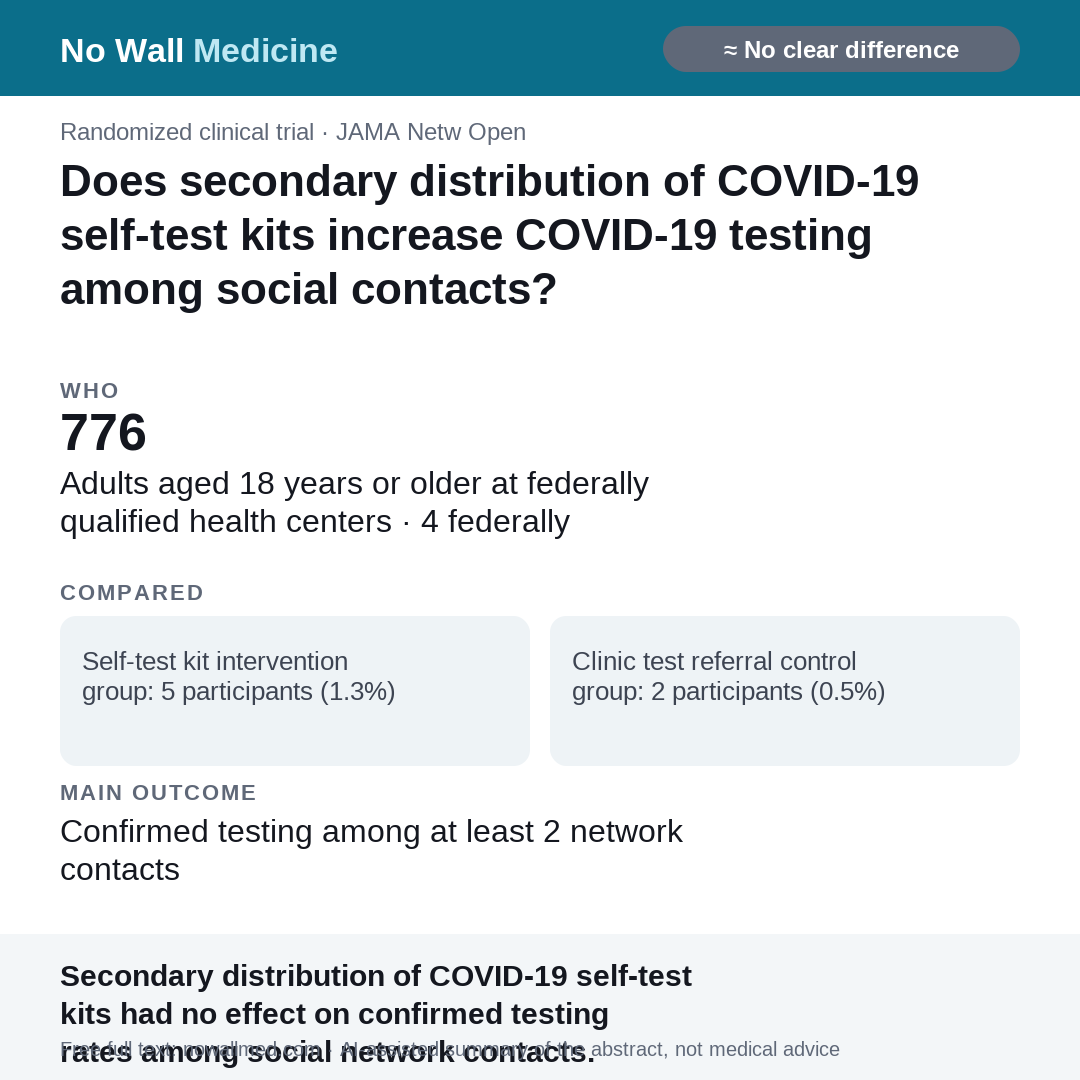
Provision of COVID-19 Self-Test Kits to Patients for Distribution to Social Contacts: A Randomized Clinical Trial
Randomized clinical trialNo clear difference
Does secondary distribution of COVID-19 self-test kits increase COVID-19 testing among social contacts?
Who
776
Adults aged 18 years or older at federally qualified health centers · 4 federally qualified health centers in Philadelphia, Pennsylvania
Compared
Self-test kit intervention group: 5 participants (1.3%)
Clinic test referral control group: 2 participants (0.5%)
Main outcome
Confirmed testing among at least 2 network contacts
Result: risk difference, 0.0077 (95% CI -0.0056 to 0.0210)
Bottom line: Secondary distribution of COVID-19 self-test kits had no effect on confirmed testing rates among social network contacts.
JAMA Netw Open · 2025-06-02Download image
Three-Dimensional-Printed Models and Shared Decision-Making: A Cluster Randomized Clinical Trial
Single-center cluster randomized clinical trialBenefit found
Do 3D-printed models improve shared decision-making and reduce anxiety in colorectal surgery patients?
Who
51
Adult patients scheduled for colon or rectal resection · Colorectal surgery clinic at an academic medical institution
Compared
3D-printed model: 89.5 [17.6]
Usual care: 80.5 [14.4]
Main outcome
Patient perception of involvement in decision-making
Bottom line: Using 3D-printed models during preoperative visits improved shared decision-making and reduced patient anxiety levels.
JAMA Netw Open · 2025-06-02Download image

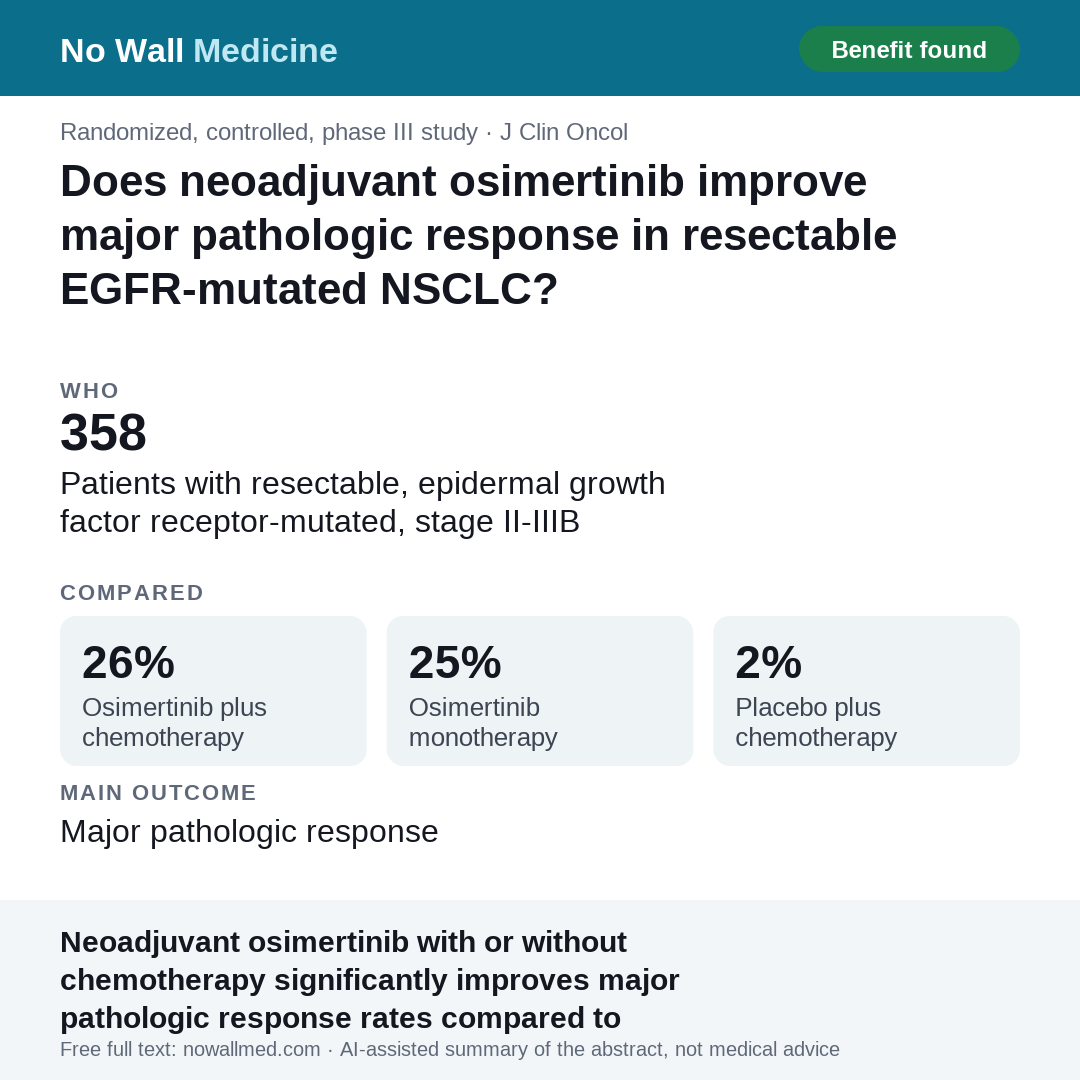
Neoadjuvant Osimertinib for Resectable EGFR-Mutated Non-Small Cell Lung Cancer
Randomized, controlled, phase III studyBenefit found
Does neoadjuvant osimertinib improve major pathologic response in resectable EGFR-mutated NSCLC?
Who
358
Patients with resectable, epidermal growth factor receptor-mutated, stage II-IIIB non-small cell lung cancer
Compared
26%Osimertinib plus chemotherapy
25%Osimertinib monotherapy
2%Placebo plus chemotherapy
Main outcome
Major pathologic response
Result: odds ratio 19.82 (95.002% CI, 4.60 to 85.33); odds ratio 19.28 (99.9% CI, 1.71 to 217.39)
Bottom line: Neoadjuvant osimertinib with or without chemotherapy significantly improves major pathologic response rates compared to chemotherapy alone.
J Clin Oncol · 2025-06-02Download image
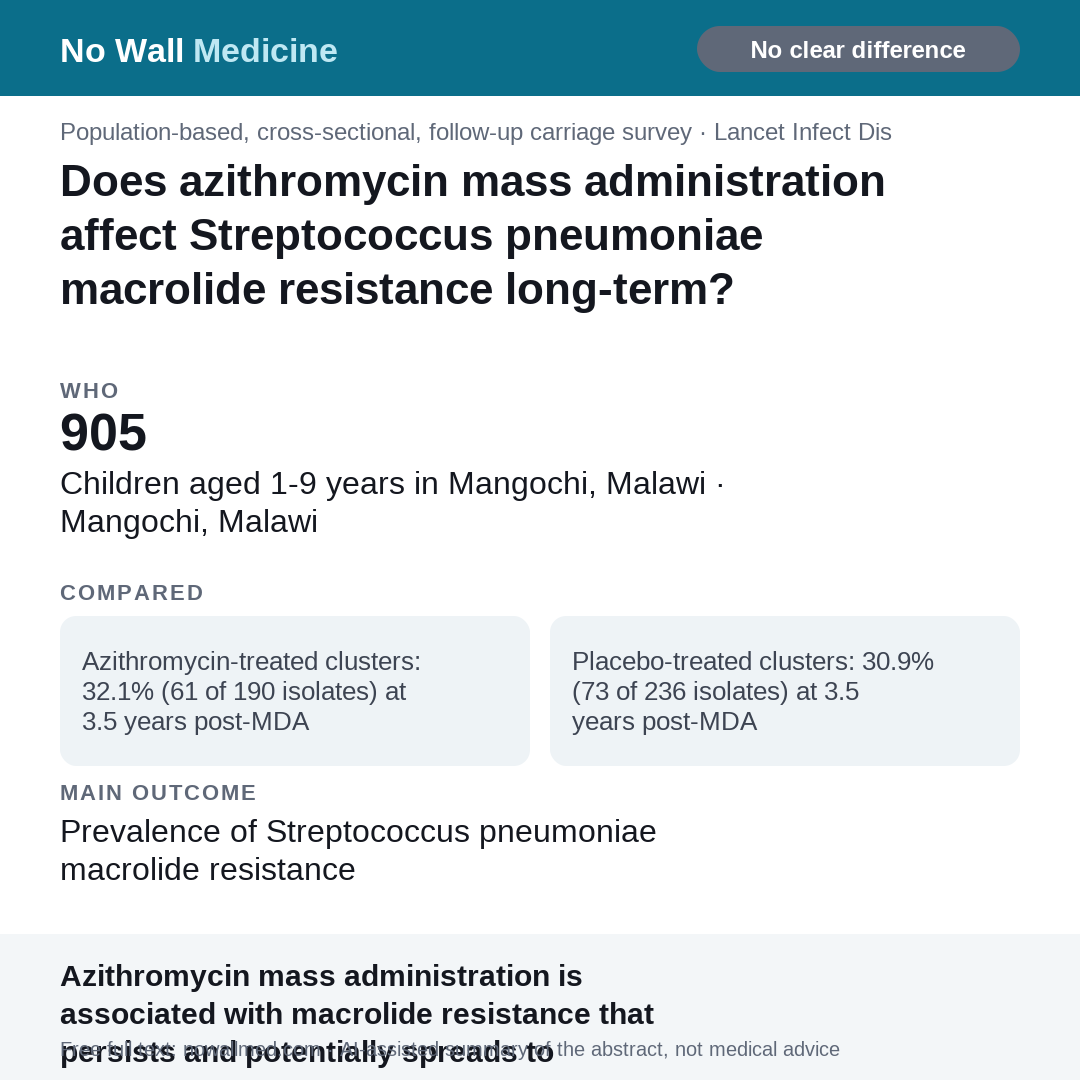
Long-term effects of azithromycin mass administration to reduce childhood mortality on Streptococcus pneumoniae antimicrobial resistance: a population-based, cross-sectional, follow-up carriage survey
Population-based, cross-sectional, follow-up carriage surveyNo clear difference
Does azithromycin mass administration affect Streptococcus pneumoniae macrolide resistance long-term?
Who
905
Children aged 1-9 years in Mangochi, Malawi · Mangochi, Malawi
Compared
Azithromycin-treated clusters: 32.1% (61 of 190 isolates) at 3.5 years post-MDA
Placebo-treated clusters: 30.9% (73 of 236 isolates) at 3.5 years post-MDA
Main outcome
Prevalence of Streptococcus pneumoniae macrolide resistance
Result: odds ratio 1.12 (95% CI 0.66 to 1.91) at 3.5 years
Bottom line: Azithromycin mass administration is associated with macrolide resistance that persists and potentially spreads to untreated populations.
Funded by: Gates Foundation, National Institute for Health and Care Research, Wellcome Trust
Lancet Infect Dis · 2025-06-02Download image
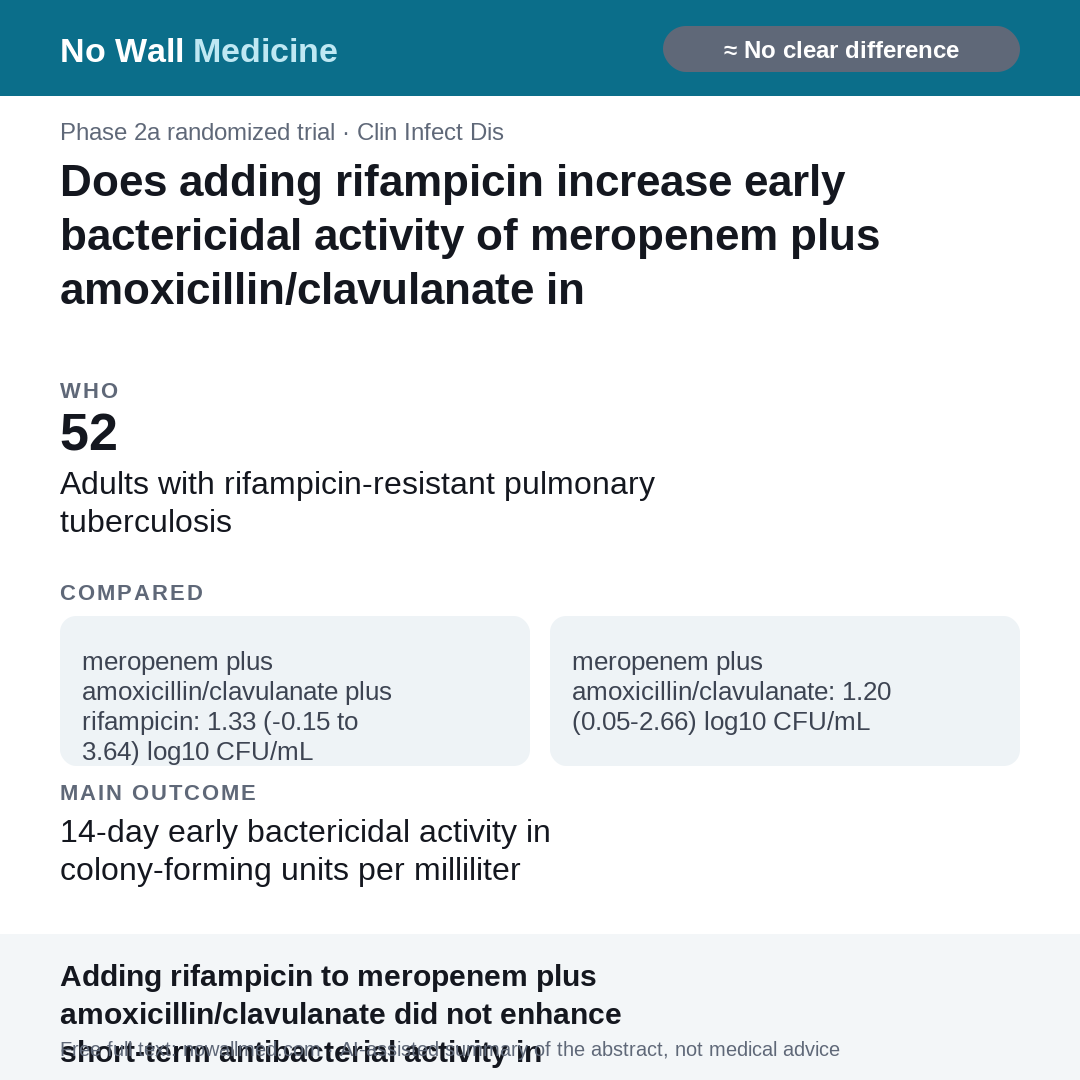
A Phase 2a Study of the Early Bactericidal Activity of Rifampicin in Combination With Meropenem Plus Amoxicillin/Clavulanate Among Adults With Rifampicin-Resistant Pulmonary Tuberculosis
Phase 2a randomized trialNo clear difference
Does adding rifampicin increase early bactericidal activity of meropenem plus amoxicillin/clavulanate in rifampicin-resistant tuberculosis?
Who
52
Adults with rifampicin-resistant pulmonary tuberculosis
Compared
meropenem plus amoxicillin/clavulanate plus rifampicin: 1.33 (-0.15 to 3.64) log10 CFU/mL
meropenem plus amoxicillin/clavulanate: 1.20 (0.05-2.66) log10 CFU/mL
Main outcome
14-day early bactericidal activity in colony-forming units per milliliter
Bottom line: Adding rifampicin to meropenem plus amoxicillin/clavulanate did not enhance short-term antibacterial activity in rifampicin-resistant tuberculosis patients.
Clin Infect Dis · 2025-06-02Download image
Acceptance and Commitment Therapy-Based Parenting Program in Children With Co-Occurring Asthma and ADHD: A Randomized Clinical Trial
Randomized clinical trialBenefit found
Does ACT-PAM help children with asthma and ADHD?
Who
118
Children with asthma and ADHD and their parents · Hong Kong public hospital
Compared
ACT-PAM plus TAU: -0.8 visits
TAU alone
Main outcome
Unscheduled health care visits
Result: adjusted mean difference -0.8 visits; 95% CI, -1.6 to -0.1
Bottom line: ACT-PAM reduces health care use and improves asthma control
JAMA Pediatr · 2025-06-02Download image

Feasibility and Acceptability of Recommending HPV Vaccine at Ages 9-10 Years
Explanatory sequential mixed-methods studyBenefit found
Is recommending human papillomavirus vaccine at ages 9-10 years feasible and acceptable?
Who
Primary care clinicians and staff · 17 practices in Colorado and California
Compared
Colorado clinicians: 59 (90%) routinely initiating vaccines at age 9 or 10 years
California clinicians: 30 (77%) routinely initiating vaccines at age 9 or 10 years
Main outcome
Feasibility and acceptability of initiating vaccination at ages 9-10 years
Bottom line: Recommending human papillomavirus vaccine at ages 9-10 years is feasible, compatible with workflows, and generally acceptable to parents.
Pediatrics · 2025-06-02Download image

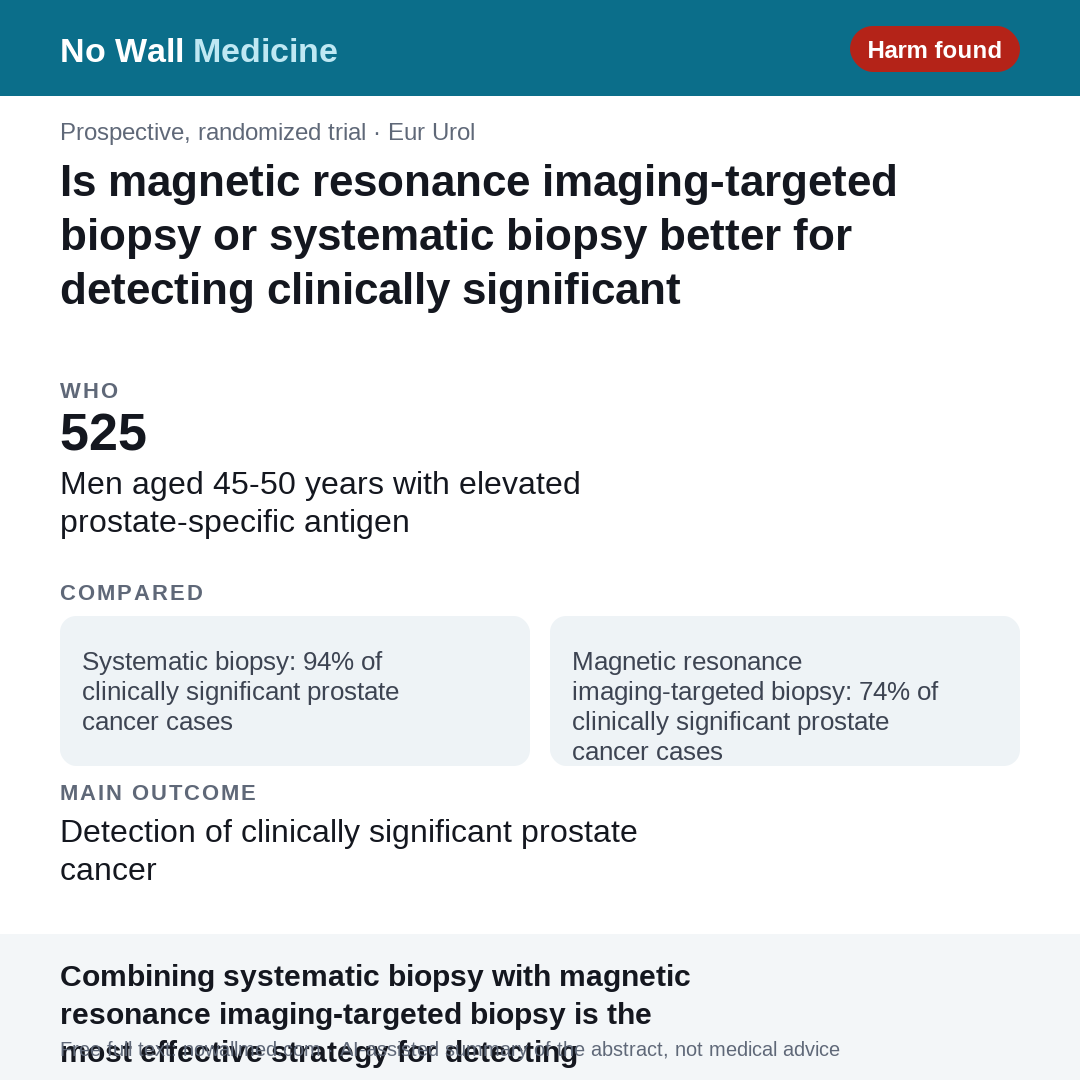
Prostate Cancer Detection in Younger Men: A Comparative Analysis of Systematic and Magnetic Resonance Imaging-targeted Biopsy in the PROBASE Trial
Prospective, randomized trialHarm found
Is magnetic resonance imaging-targeted biopsy or systematic biopsy better for detecting clinically significant prostate cancer?
Who
525
Men aged 45-50 years with elevated prostate-specific antigen
Compared
Systematic biopsy: 94% of clinically significant prostate cancer cases
Magnetic resonance imaging-targeted biopsy: 74% of clinically significant prostate cancer cases
Main outcome
Detection of clinically significant prostate cancer
Bottom line: Combining systematic biopsy with magnetic resonance imaging-targeted biopsy is the most effective strategy for detecting prostate cancer.
Eur Urol · 2025-06-02Download image
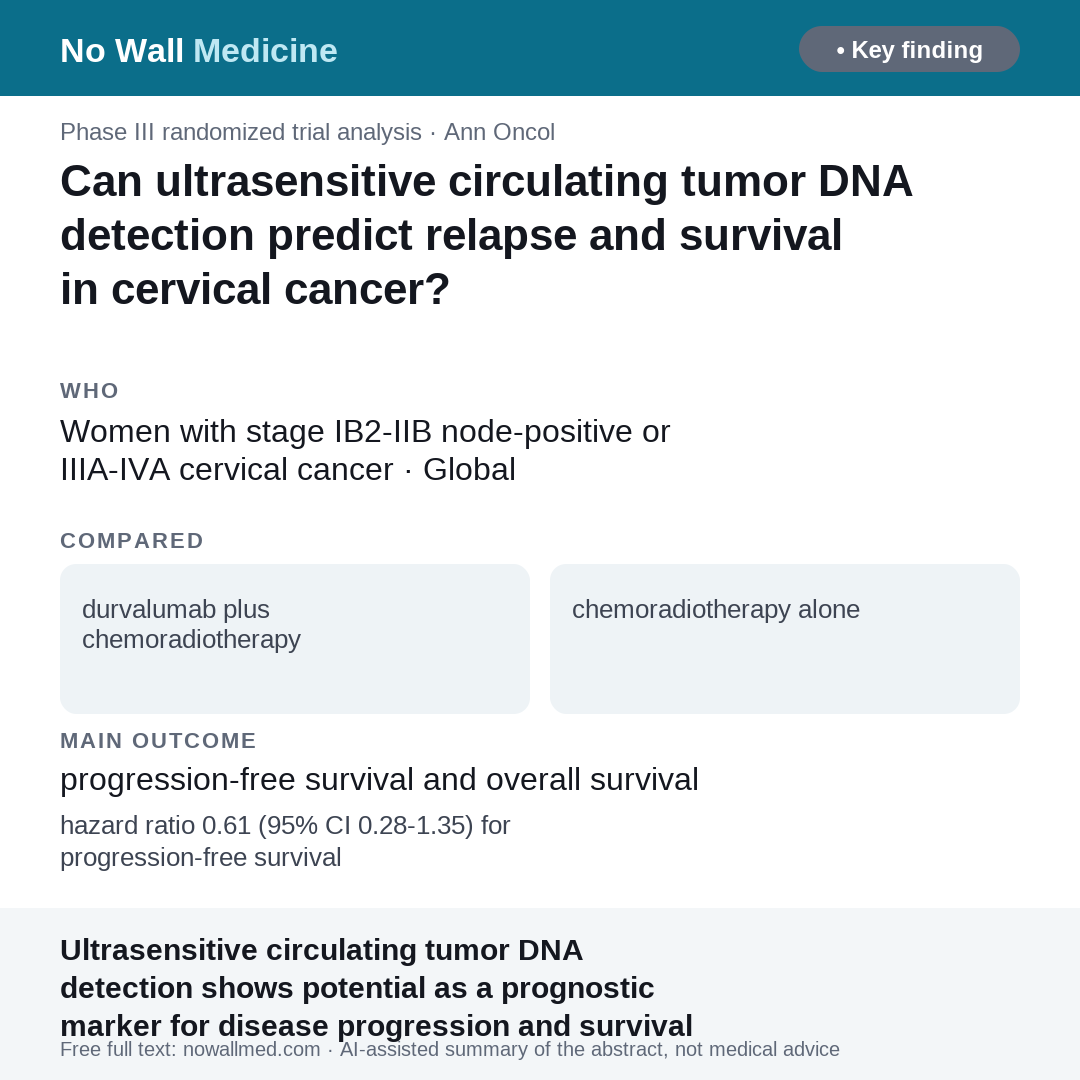
Ultrasensitive detection and tracking of circulating tumor DNA to predict relapse and survival in patients with locally advanced cervical cancer: phase III CALLA trial analyses
Phase III randomized trial analysisBenefit found
Can ultrasensitive circulating tumor DNA detection predict relapse and survival in cervical cancer?
Who
Women with stage IB2-IIB node-positive or IIIA-IVA cervical cancer · Global
Compared
durvalumab plus chemoradiotherapy
chemoradiotherapy alone
Main outcome
progression-free survival and overall survival
Result: hazard ratio 0.61 (95% CI 0.28-1.35) for progression-free survival
Bottom line: Ultrasensitive circulating tumor DNA detection shows potential as a prognostic marker for disease progression and survival in cervical cancer.
Ann Oncol · 2025-06-02Download image
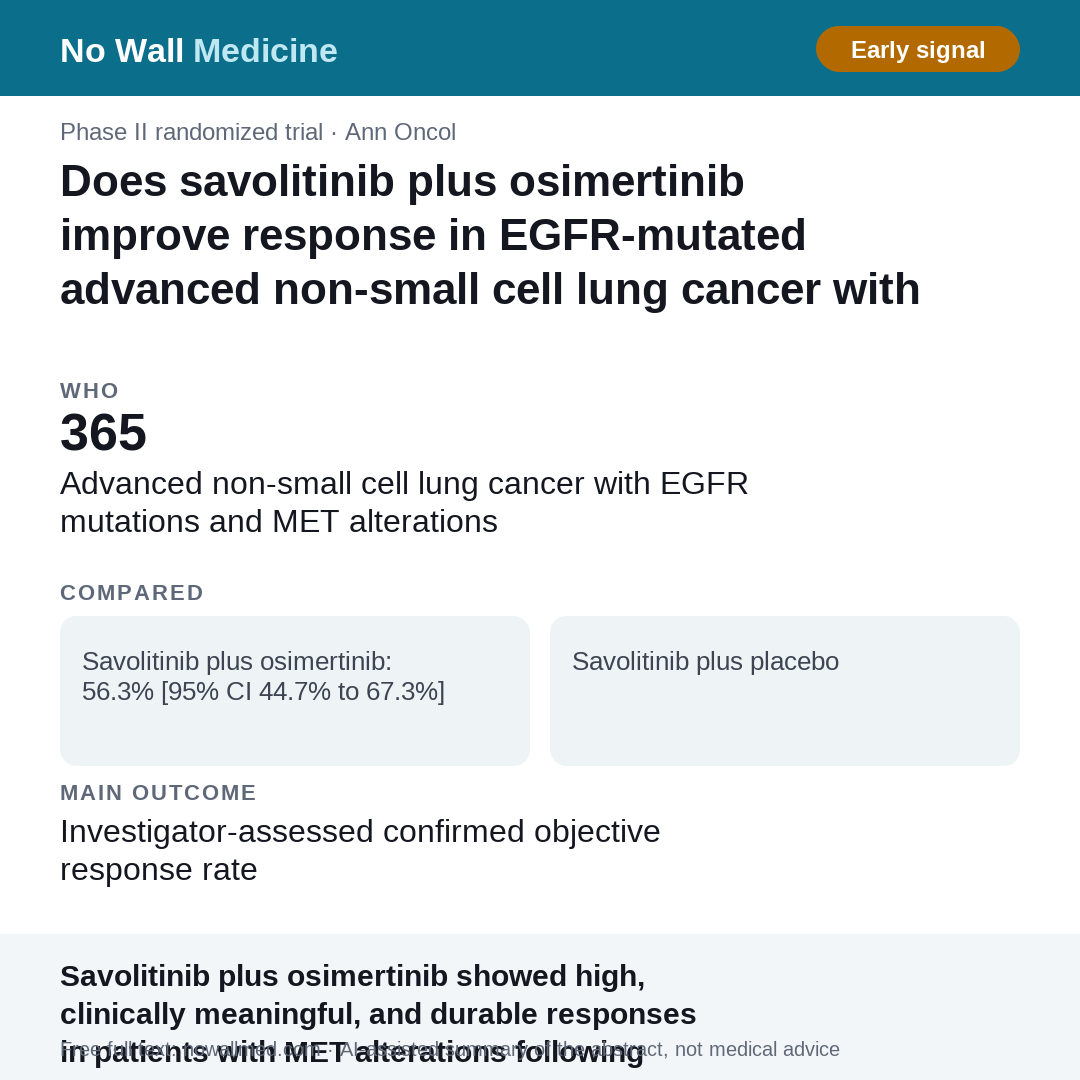
Savolitinib plus osimertinib in epidermal growth factor receptor (EGFR)-mutated advanced non-small cell lung cancer with MET overexpression and/or amplification following disease progression on osimertinib: primary results from the phase II SAVANNAH study
Phase II randomized trialBenefit found
Does savolitinib plus osimertinib improve response in EGFR-mutated advanced non-small cell lung cancer with MET alterations?
Who
365
Advanced non-small cell lung cancer with EGFR mutations and MET alterations
Compared
Savolitinib plus osimertinib: 56.3% [95% CI 44.7% to 67.3%]
Savolitinib plus placebo
Main outcome
Investigator-assessed confirmed objective response rate
Result: 56.3% [95% CI 44.7% to 67.3%]
Bottom line: Savolitinib plus osimertinib showed high, clinically meaningful, and durable responses in patients with MET alterations following osimertinib progression.
Ann Oncol · 2025-06-02Download image
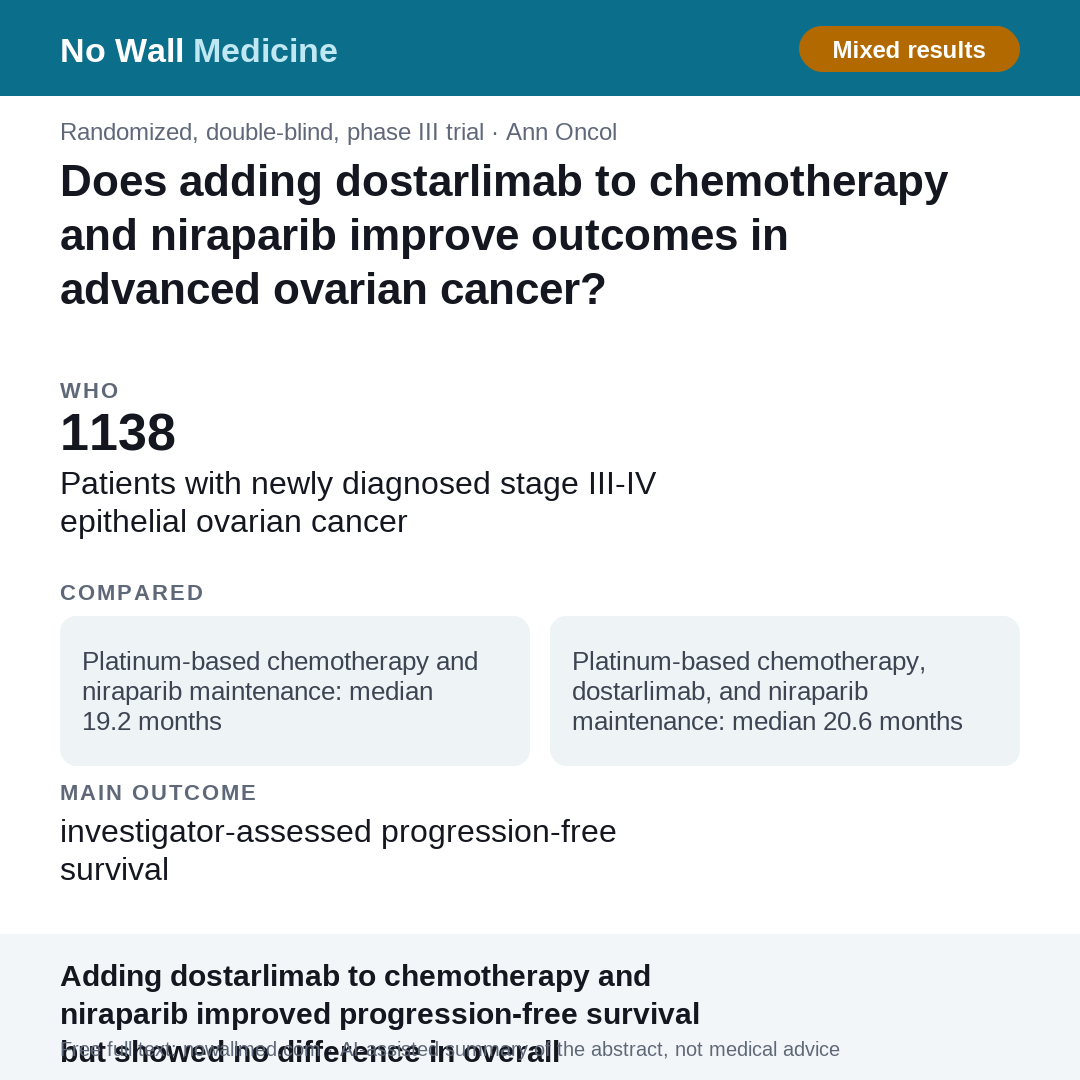
Dostarlimab and niraparib in primary advanced ovarian cancer
Randomized, double-blind, phase III trialMixed results
Does adding dostarlimab to chemotherapy and niraparib improve outcomes in advanced ovarian cancer?
Who
1138
Patients with newly diagnosed stage III-IV epithelial ovarian cancer
Compared
Platinum-based chemotherapy and niraparib maintenance: median 19.2 months
Platinum-based chemotherapy, dostarlimab, and niraparib maintenance: median 20.6 months
Main outcome
investigator-assessed progression-free survival
Result: hazard ratio 0.85 (95% CI 0.73-0.99)
Bottom line: Adding dostarlimab to chemotherapy and niraparib improved progression-free survival but showed no difference in overall survival.
Ann Oncol · 2025-06-02Download image
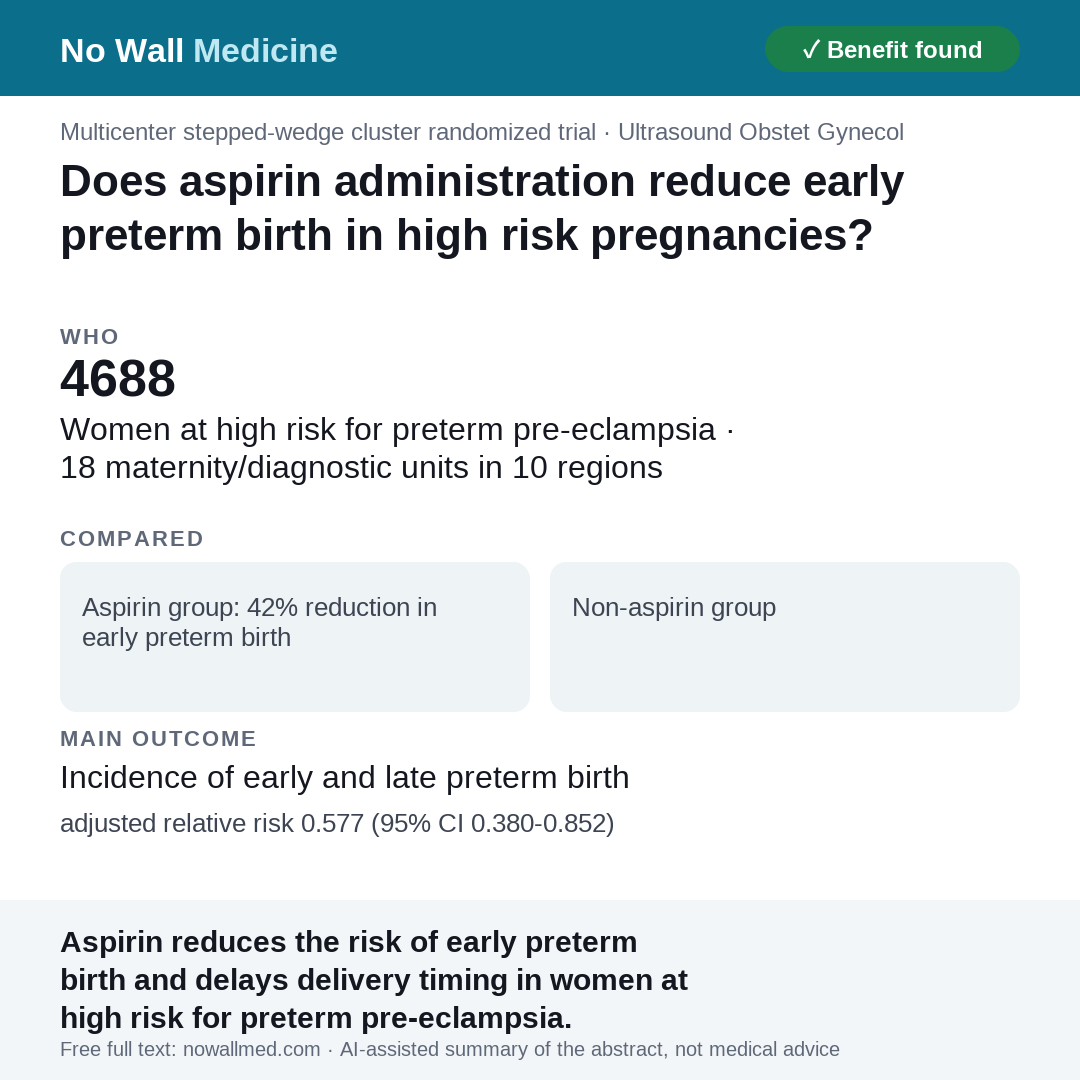
Aspirin delays preterm birth in pregnancies at high risk for preterm pre-eclampsia: evidence from randomized clinical trial in Asia
Multicenter stepped-wedge cluster randomized trialBenefit found
Does aspirin administration reduce early preterm birth in high risk pregnancies?
Who
4688
Women at high risk for preterm pre-eclampsia · 18 maternity/diagnostic units in 10 regions across Asia
Compared
Aspirin group: 42% reduction in early preterm birth
Non-aspirin group
Main outcome
Incidence of early and late preterm birth
Result: adjusted relative risk 0.577 (95% CI 0.380-0.852)
Bottom line: Aspirin reduces the risk of early preterm birth and delays delivery timing in women at high risk for preterm pre-eclampsia.
Ultrasound Obstet Gynecol · 2025-06-02Download image
Efficacy and safety of adamgammadex for reversing rocuronium-induced deep neuromuscular block: a multicentre, randomised, double-blind, positive-controlled phase III trial
Randomised, double-blind, positive-controlled phase III trialBenefit found
Is adamgammadex noninferior to sugammadex for reversing deep rocuronium-induced neuromuscular block?
Who
321
Patients with deep rocuronium-induced neuromuscular block · multicentre
Compared
98.7%adamgammadex 8 mg kg-1
100%sugammadex 4 mg kg-1
Main outcome
success rate of antagonism (train-of-four ratio to 0.9 within 10 min)
Result: observed difference -1.3% (95% CI -4.6%, 1.2%)
Bottom line: Adamgammadex was noninferior to sugammadex in reversing deep neuromuscular block from rocuronium.
Br J Anaesth · 2025-06-02Download image

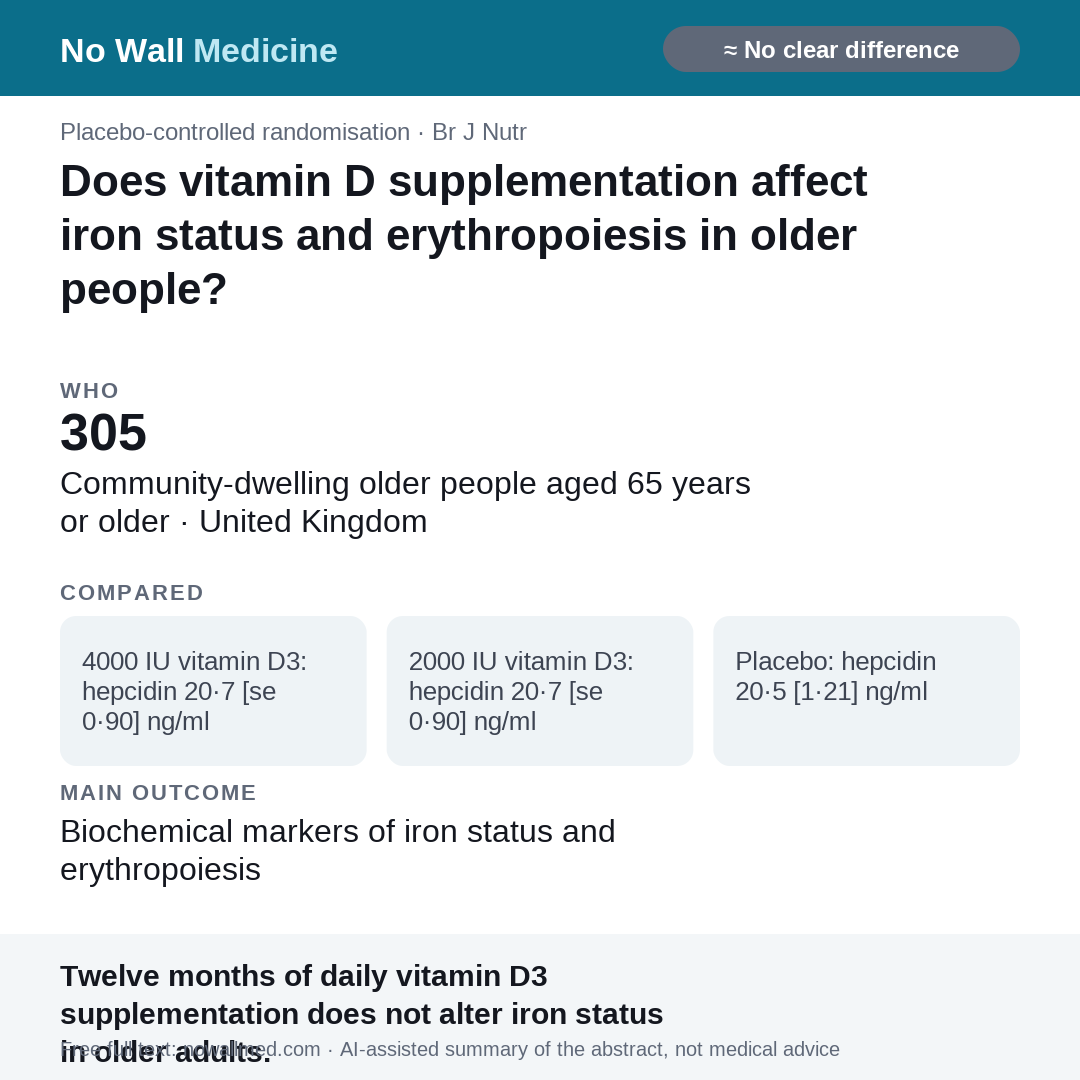
Effect of supplementation with vitamin D on biochemical markers of iron status and erythropoiesis in older people: BEST-D trial
Placebo-controlled randomisationNo clear difference
Does vitamin D supplementation affect iron status and erythropoiesis in older people?
Who
305
Community-dwelling older people aged 65 years or older · United Kingdom
Compared
4000 IU vitamin D3: hepcidin 20·7 [se 0·90] ng/ml
2000 IU vitamin D3: hepcidin 20·7 [se 0·90] ng/ml
Placebo: hepcidin 20·5 [1·21] ng/ml
Main outcome
Biochemical markers of iron status and erythropoiesis
Bottom line: Twelve months of daily vitamin D3 supplementation does not alter iron status in older adults.
Br J Nutr · 2025-06-02Download image
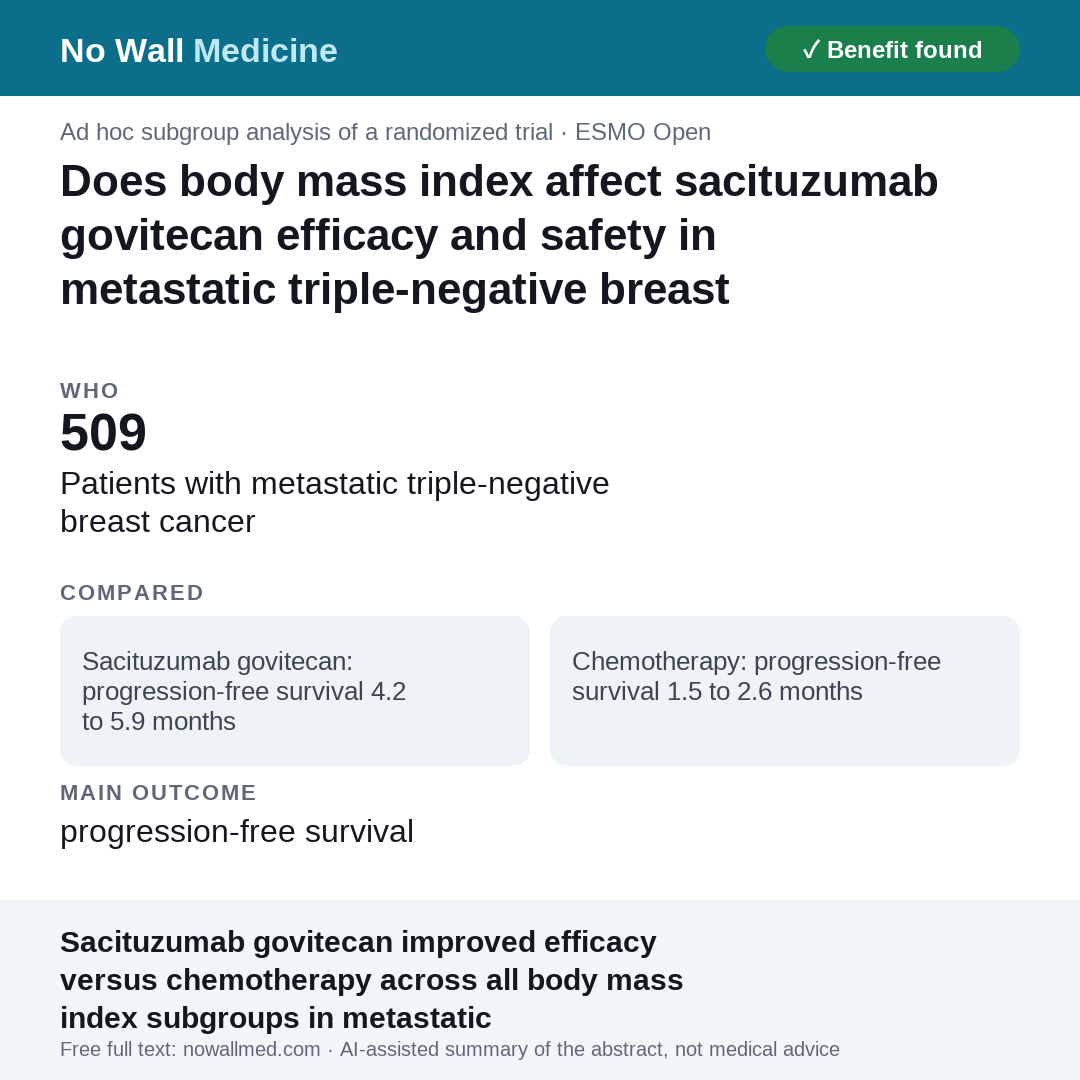
The association of high body mass index with the safety and efficacy of sacituzumab govitecan in patients with metastatic triple-negative breast cancer from the ASCENT study
Ad hoc subgroup analysis of a randomized trialBenefit found
Does body mass index affect sacituzumab govitecan efficacy and safety in metastatic triple-negative breast cancer?
Who
509
Patients with metastatic triple-negative breast cancer
Compared
Sacituzumab govitecan: progression-free survival 4.2 to 5.9 months
Chemotherapy: progression-free survival 1.5 to 2.6 months
Main outcome
progression-free survival
Result: hazard ratio 0.31 to 0.48
Bottom line: Sacituzumab govitecan improved efficacy versus chemotherapy across all body mass index subgroups in metastatic triple-negative breast cancer.
ESMO Open · 2025-06-02Download image
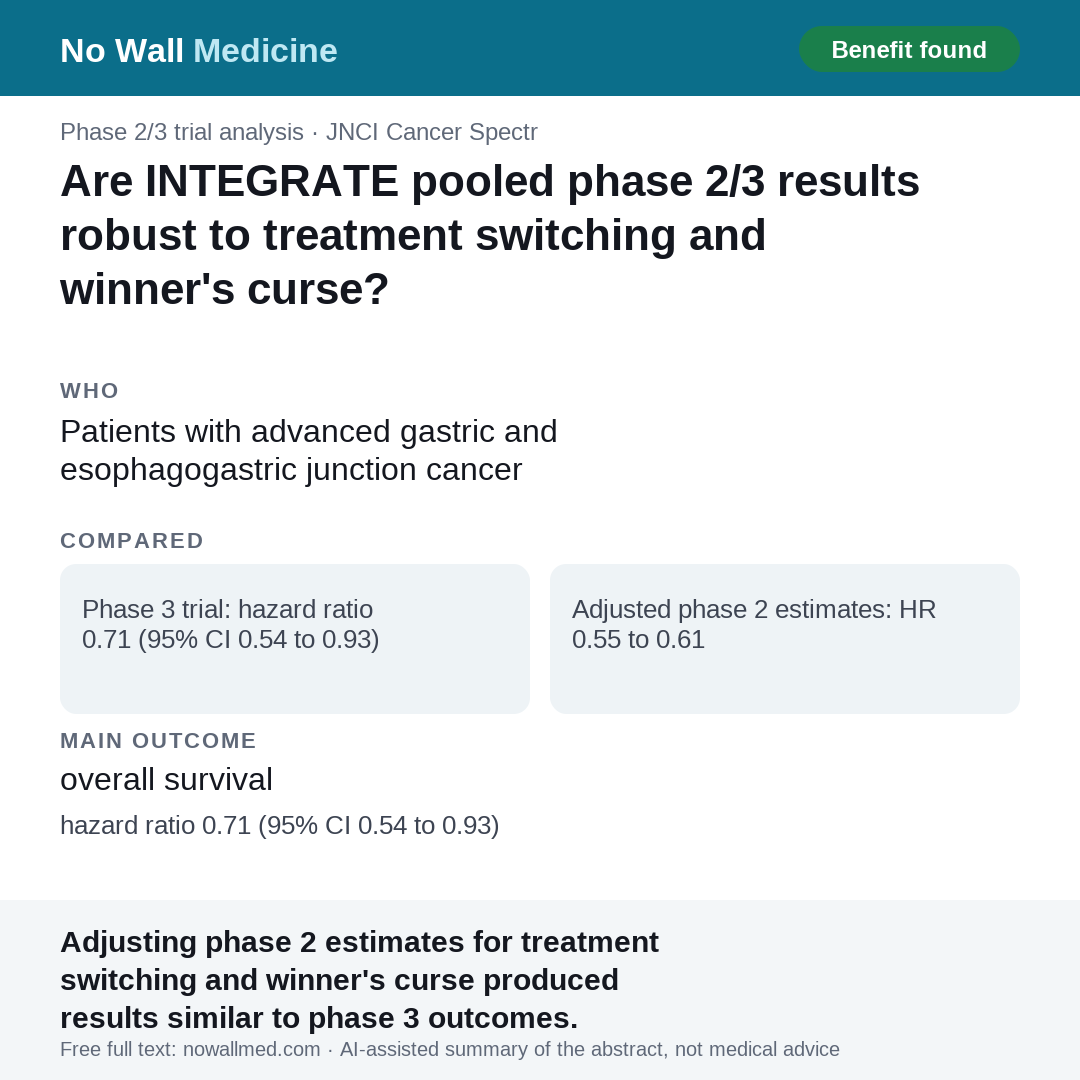
INTEGRATE pooled phase 2/3 results are robust to postprogression switching and the winner's curse
Phase 2/3 trial analysisBenefit found
Are INTEGRATE pooled phase 2/3 results robust to treatment switching and winner's curse?
Who
Patients with advanced gastric and esophagogastric junction cancer
Compared
Phase 3 trial: hazard ratio 0.71 (95% CI 0.54 to 0.93)
Adjusted phase 2 estimates: HR 0.55 to 0.61
Main outcome
overall survival
Result: hazard ratio 0.71 (95% CI 0.54 to 0.93)
Bottom line: Adjusting phase 2 estimates for treatment switching and winner's curse produced results similar to phase 3 outcomes.
JNCI Cancer Spectr · 2025-06-02Download image
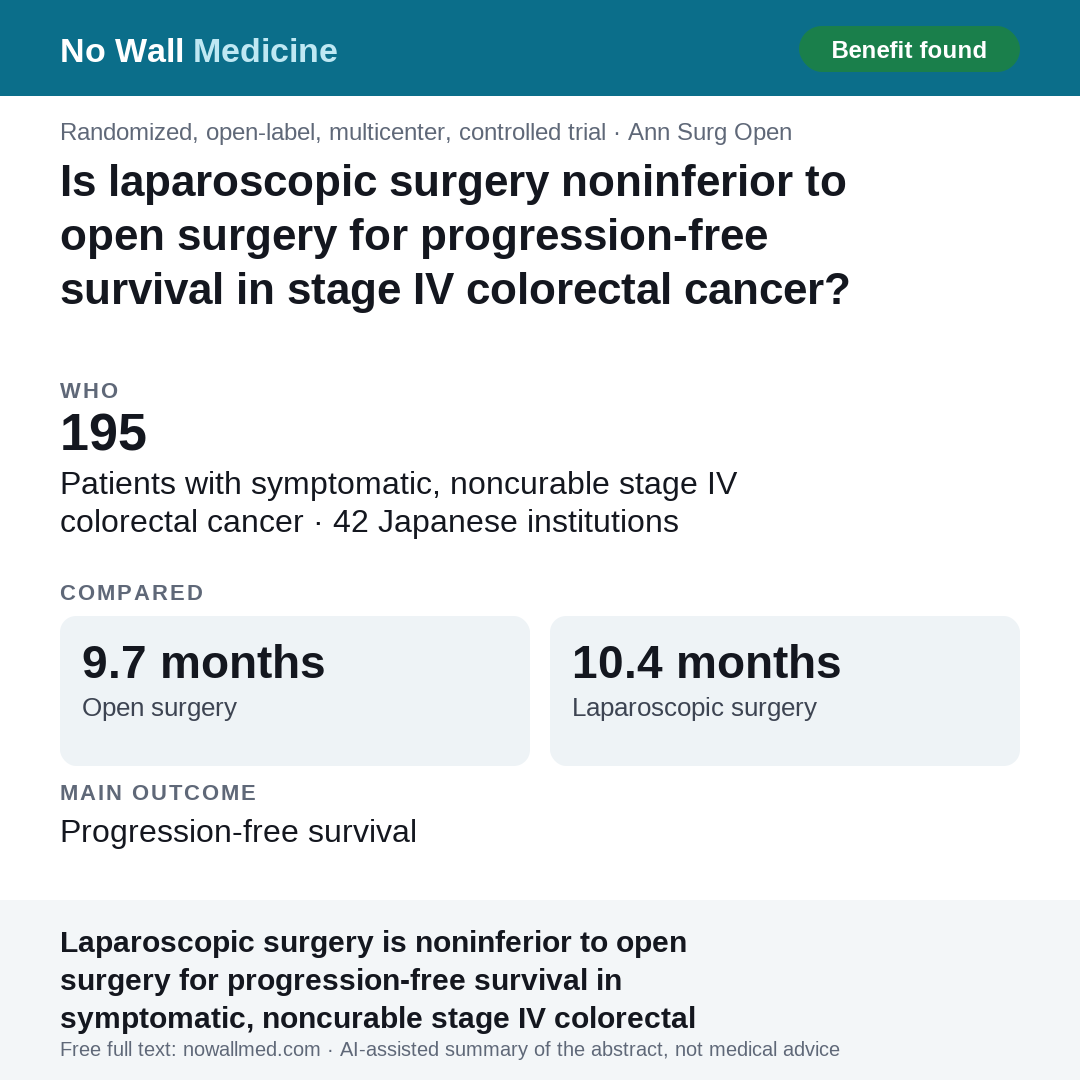
A Randomized Open-Label, Noninferiority, Phase 3, Multicenter, Controlled Trial to Compare Laparoscopic Surgery With Open Surgery for Symptomatic, Noncurable Stage IV Colorectal Cancer (JCOG1107)
Randomized, open-label, multicenter, controlled trialBenefit found
Is laparoscopic surgery noninferior to open surgery for progression-free survival in stage IV colorectal cancer?
Who
195
Patients with symptomatic, noncurable stage IV colorectal cancer · 42 Japanese institutions
Compared
9.7 monthsOpen surgery
10.4 monthsLaparoscopic surgery
Main outcome
Progression-free survival
Result: hazard ratio 1.02 (91.4% CI 0.79-1.32)
Bottom line: Laparoscopic surgery is noninferior to open surgery for progression-free survival in symptomatic, noncurable stage IV colorectal cancer.
Ann Surg Open · 2025-06-02Download image
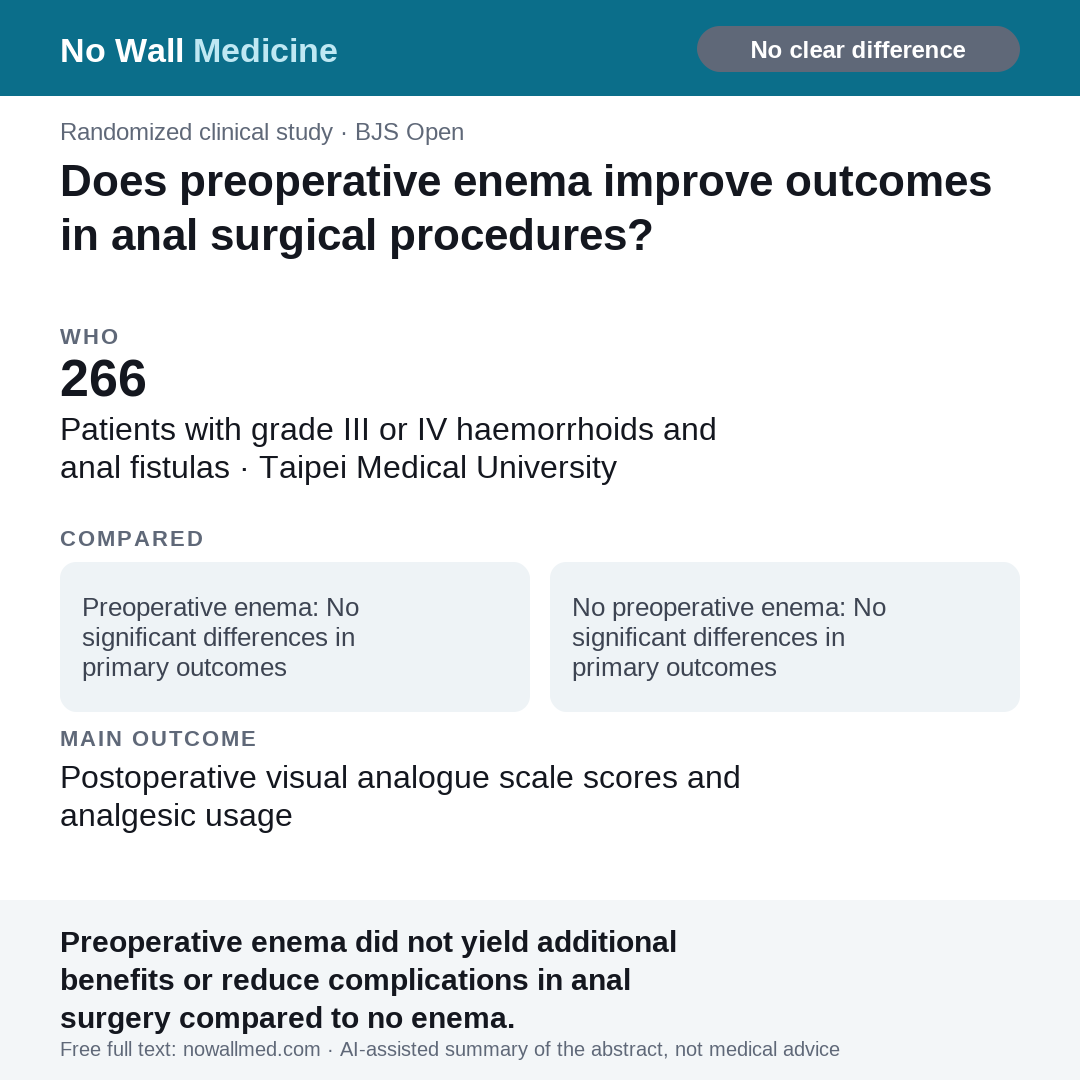
Preoperative enema for anal surgery: randomized clinical trial
Randomized clinical studyNo clear difference
Does preoperative enema improve outcomes in anal surgical procedures?
Who
266
Patients with grade III or IV haemorrhoids and anal fistulas · Taipei Medical University Shuang-Ho Hospital, Taiwan
Compared
Preoperative enema: No significant differences in primary outcomes
No preoperative enema: No significant differences in primary outcomes
Main outcome
Postoperative visual analogue scale scores and analgesic usage
Bottom line: Preoperative enema did not yield additional benefits or reduce complications in anal surgery compared to no enema.
BJS Open · 2025-06-02Download image
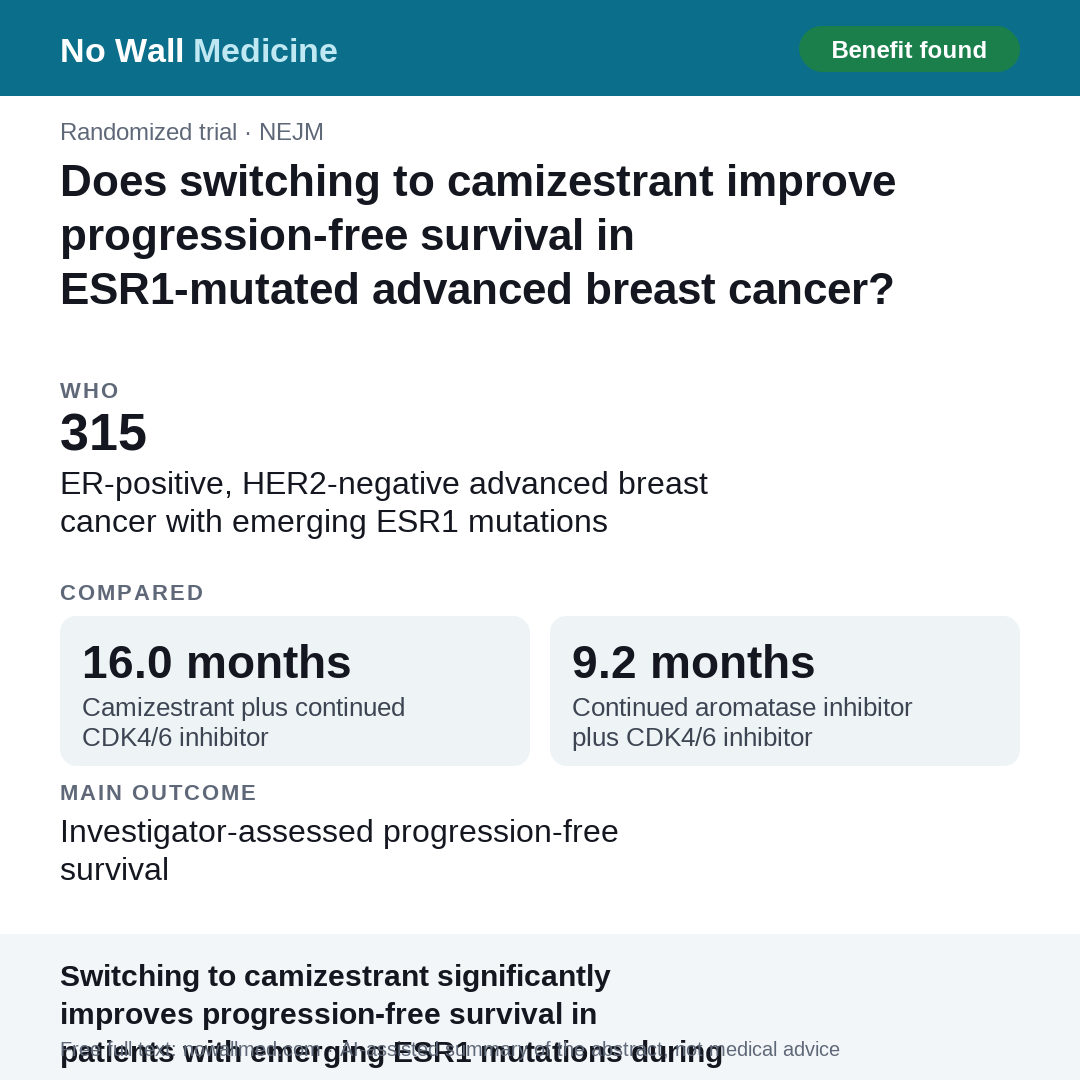
First-Line Camizestrant for Emerging ESR1-Mutated Advanced Breast Cancer
Randomized trialBenefit found
Does switching to camizestrant improve progression-free survival in ESR1-mutated advanced breast cancer?
Who
315
ER-positive, HER2-negative advanced breast cancer with emerging ESR1 mutations
Compared
16.0 monthsCamizestrant plus continued CDK4/6 inhibitor (95% CI, 12.7 to 18.2)
9.2 monthsContinued aromatase inhibitor plus CDK4/6 inhibitor (95% CI, 7.2 to 9.5)
Main outcome
Investigator-assessed progression-free survival
Result: hazard ratio 0.44 (95% CI 0.31 to 0.60)
Bottom line: Switching to camizestrant significantly improves progression-free survival in patients with emerging ESR1 mutations during first-line therapy.
Funded by: AstraZeneca
NEJM · 2025-06-01Download image
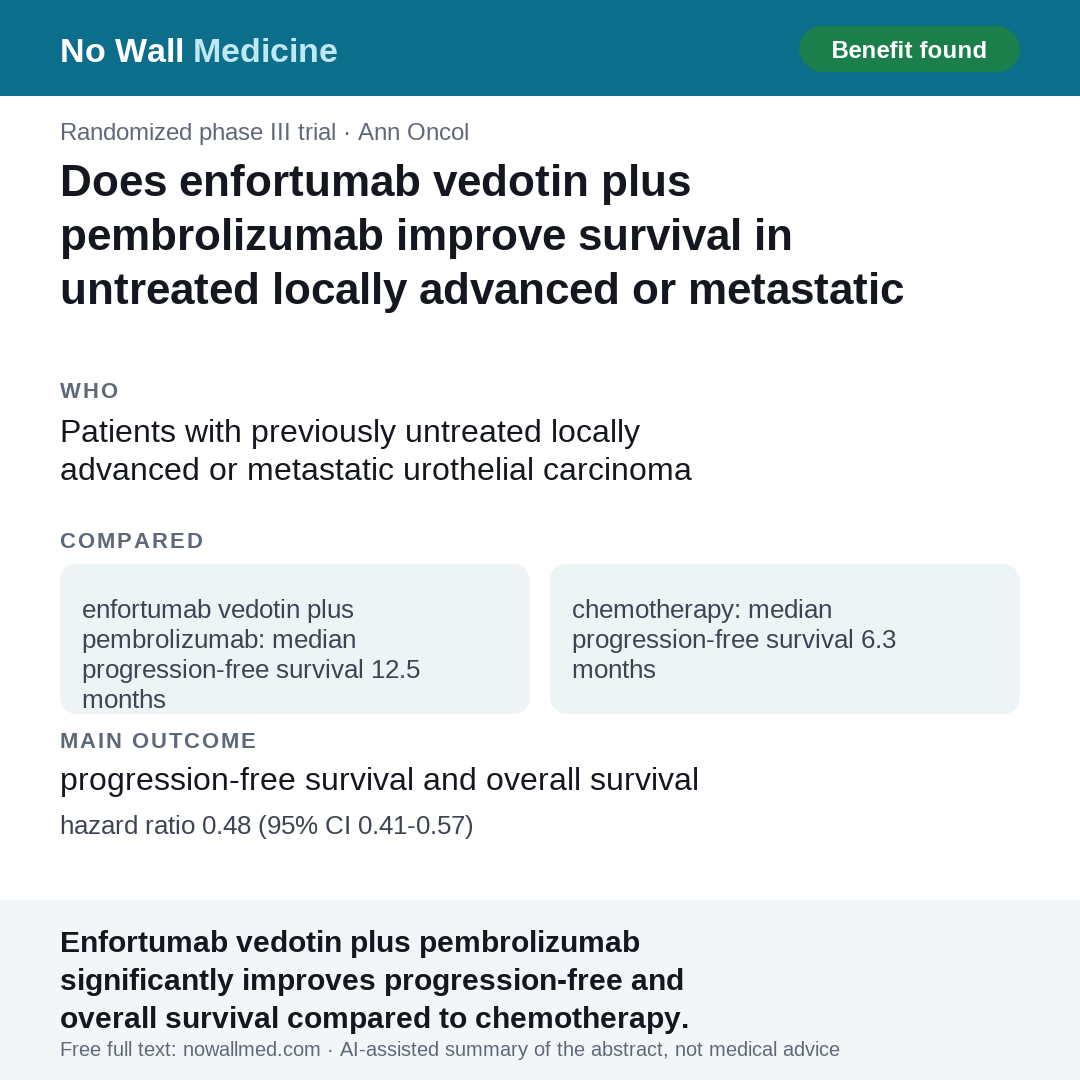
Enfortumab vedotin plus pembrolizumab in untreated locally advanced or metastatic urothelial carcinoma: 2.5-year median follow-up of the phase III EV-302/KEYNOTE-A39 trial
Randomized phase III trialBenefit found
Does enfortumab vedotin plus pembrolizumab improve survival in untreated locally advanced or metastatic urothelial carcinoma?
Who
Patients with previously untreated locally advanced or metastatic urothelial carcinoma
Compared
enfortumab vedotin plus pembrolizumab: median progression-free survival 12.5 months
chemotherapy: median progression-free survival 6.3 months
Main outcome
progression-free survival and overall survival
Result: hazard ratio 0.48 (95% CI 0.41-0.57)
Bottom line: Enfortumab vedotin plus pembrolizumab significantly improves progression-free and overall survival compared to chemotherapy.
Ann Oncol · 2025-06-01Download image