Visual abstracts
New randomized trials and meta-analyses from leading journals at a glance: who was studied, what was compared, and what was found. Every paper is free to read in full.
All specialtiesCardiology 832Oncology 754Gastroenterology & Hepatology 307Infectious Disease 625Neurology 347Psychiatry & Mental Health 429Pulmonology 362Critical Care 237Endocrinology & Diabetes 480Pediatrics 532Surgery 316Orthopedics & Sports Medicine 160Neurosurgery 76Cardiothoracic & Vascular Surgery 86Plastic & Reconstructive Surgery 100Nephrology 197Rheumatology 108Hematology 181Dermatology 72Ophthalmology 97Obstetrics & Gynecology 261Public & Global Health 166Radiology & Imaging 92Anesthesiology 105Urology 162ENT (Otolaryngology) 75Emergency Medicine 54Allergy & Immunology 58Geriatrics 160Family Medicine & Primary Care 111Medical Genetics & Genomics 91Pathology & Laboratory Medicine 22Physical Medicine & Rehabilitation 147Palliative Care 81Nutrition 222Digital Health & AI 458General Medicine 101
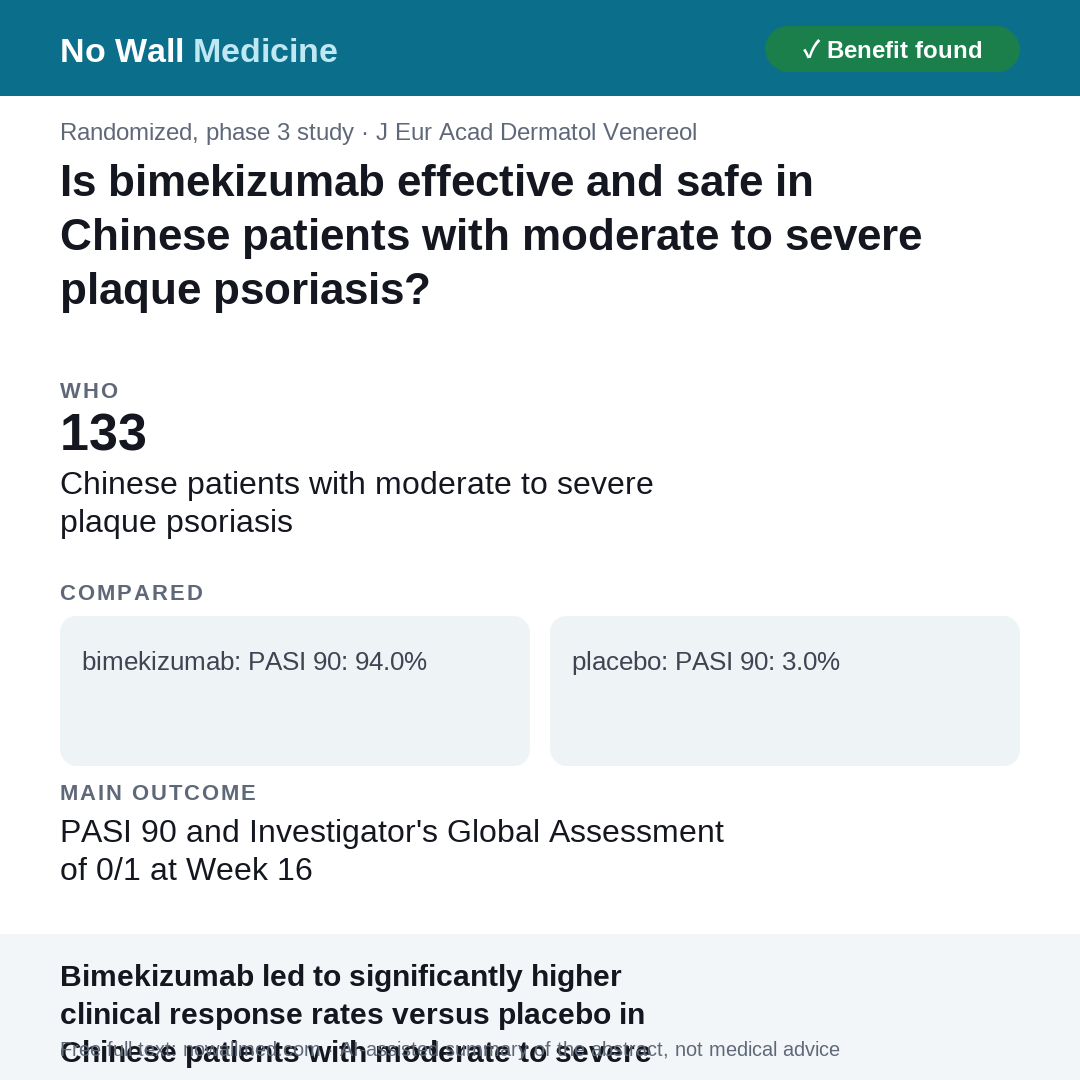
Bimekizumab efficacy and safety in Chinese patients with psoriasis in the BE SHINING Phase 3 study
Randomized, phase 3 studyBenefit found
Is bimekizumab effective and safe in Chinese patients with moderate to severe plaque psoriasis?
Who
133
Chinese patients with moderate to severe plaque psoriasis
Compared
bimekizumab: PASI 90: 94.0%
placebo: PASI 90: 3.0%
Main outcome
PASI 90 and Investigator's Global Assessment of 0/1 at Week 16
Bottom line: Bimekizumab led to significantly higher clinical response rates versus placebo in Chinese patients with moderate to severe psoriasis.
J Eur Acad Dermatol Venereol · 2026-02-12Download image
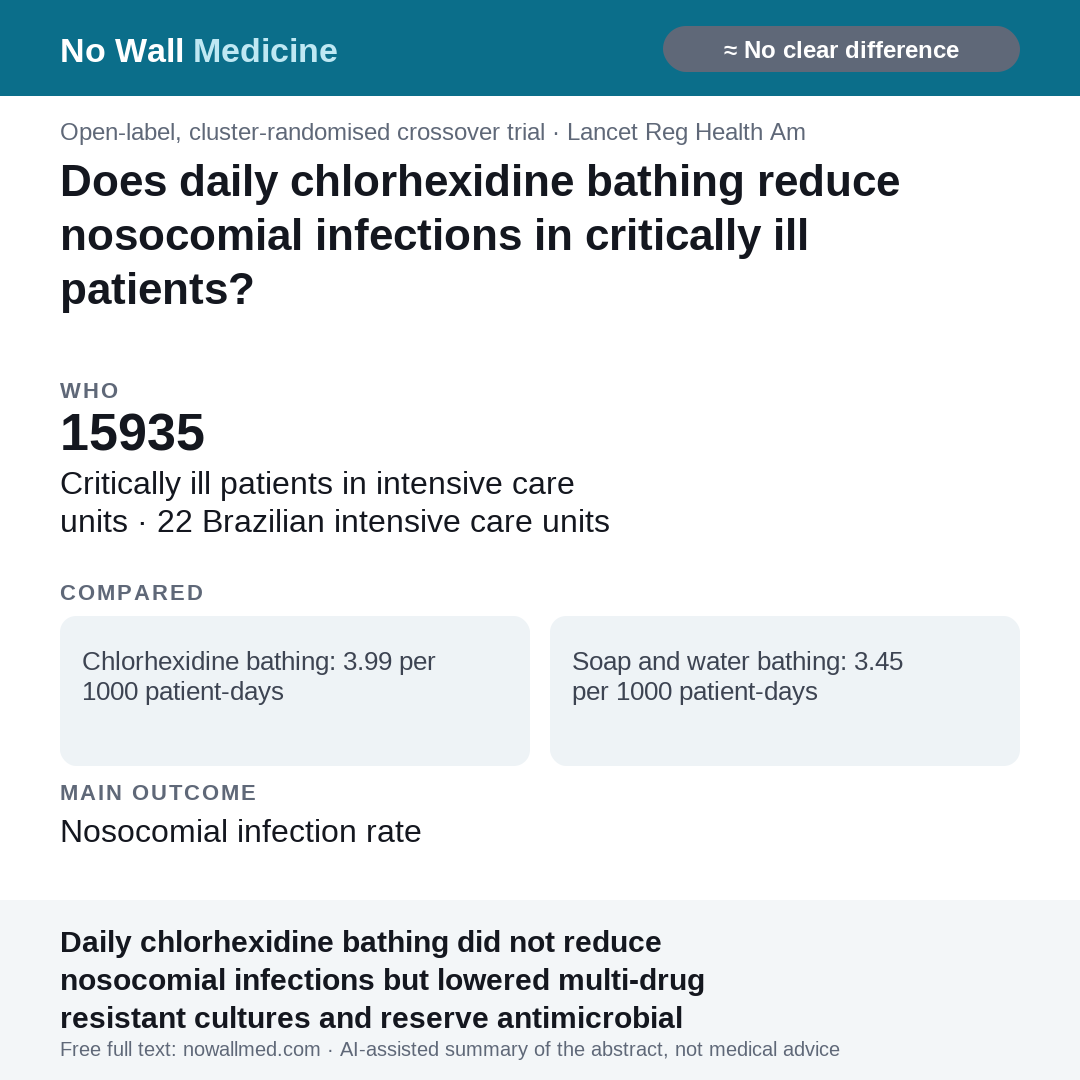
Daily Chlorhexidine Bathing for the Prevention of Nosocomial Infections in Critically Ill Patients (CLEAN-IT): a multicentre, cluster-randomised, crossover trial
Open-label, cluster-randomised crossover trialNo clear difference
Does daily chlorhexidine bathing reduce nosocomial infections in critically ill patients?
Who
15935
Critically ill patients in intensive care units · 22 Brazilian intensive care units
Compared
Chlorhexidine bathing: 3.99 per 1000 patient-days
Soap and water bathing: 3.45 per 1000 patient-days
Main outcome
Nosocomial infection rate
Result: rate-ratio, 1.09 (95% CI 0.95-1.25)
Bottom line: Daily chlorhexidine bathing did not reduce nosocomial infections but lowered multi-drug resistant cultures and reserve antimicrobial use.
Funded by: Brazilian Health Ministry through PROADI-SUS
Lancet Reg Health Am · 2026-02-12Download image
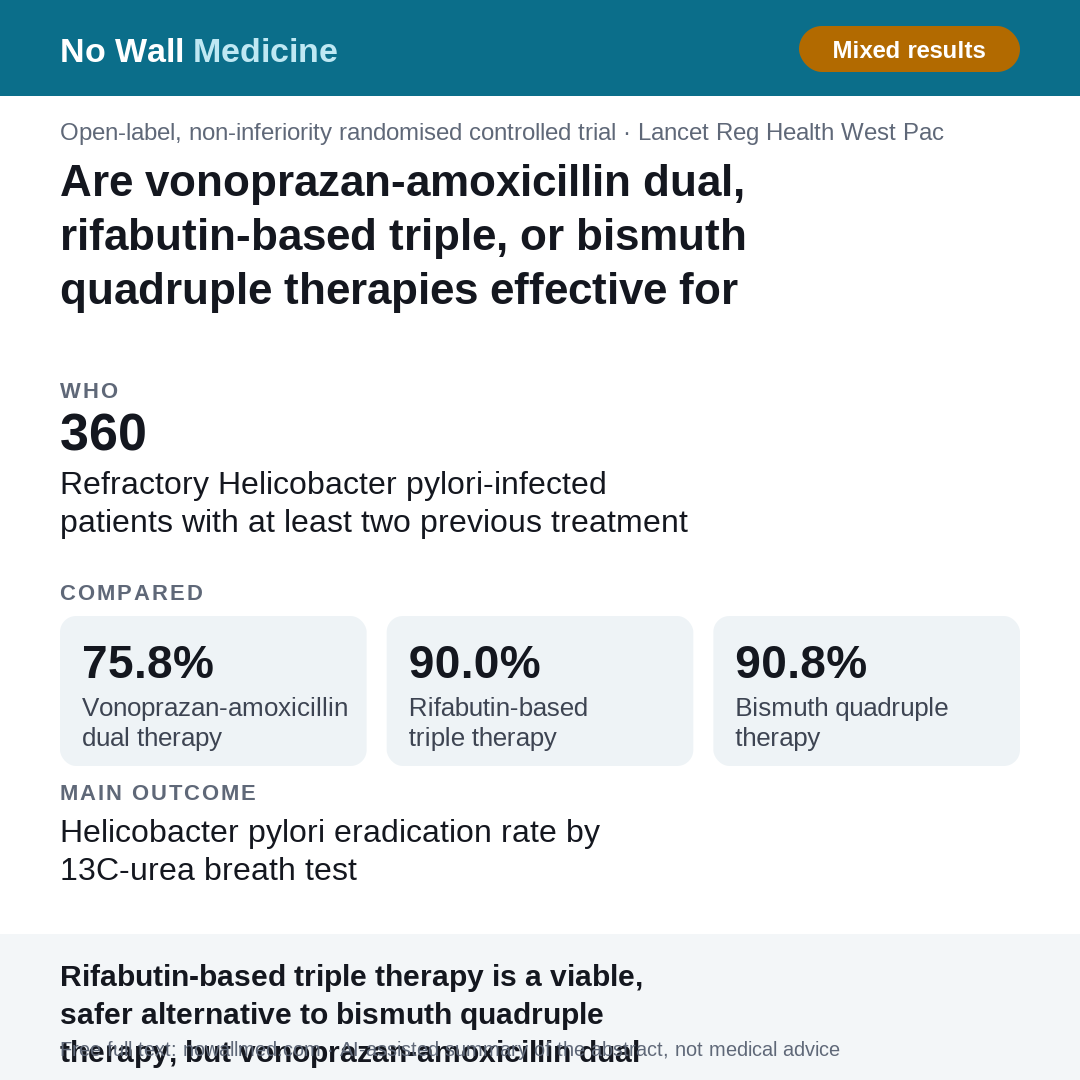
Vonoprazan-amoxicillin dual, rifabutin-based triple, and bismuth quadruple therapies for Helicobacter pylori rescue treatment: a multicentre, open-label, non-inferiority randomised trial
Open-label, non-inferiority randomised controlled trialMixed results
Are vonoprazan-amoxicillin dual, rifabutin-based triple, or bismuth quadruple therapies effective for Helicobacter pylori rescue treatment?
Who
360
Refractory Helicobacter pylori-infected patients with at least two previous treatment failures · Three hospitals in China
Compared
75.8%Vonoprazan-amoxicillin dual therapy (91/120)
90.0%Rifabutin-based triple therapy (108/120)
90.8%Bismuth quadruple therapy (109/120)
Main outcome
Helicobacter pylori eradication rate by 13C-urea breath test
Result: difference -0.8% (95% CI -8.3 to 6.6) for VRA vs BQT
Bottom line: Rifabutin-based triple therapy is a viable, safer alternative to bismuth quadruple therapy, but vonoprazan-amoxicillin dual therapy showed unacceptable efficacy.
Funded by: National Natural Science Foundation of China, and Xinyi Digestive Disease Fund Project
Lancet Reg Health West Pac · 2026-02-12Download image
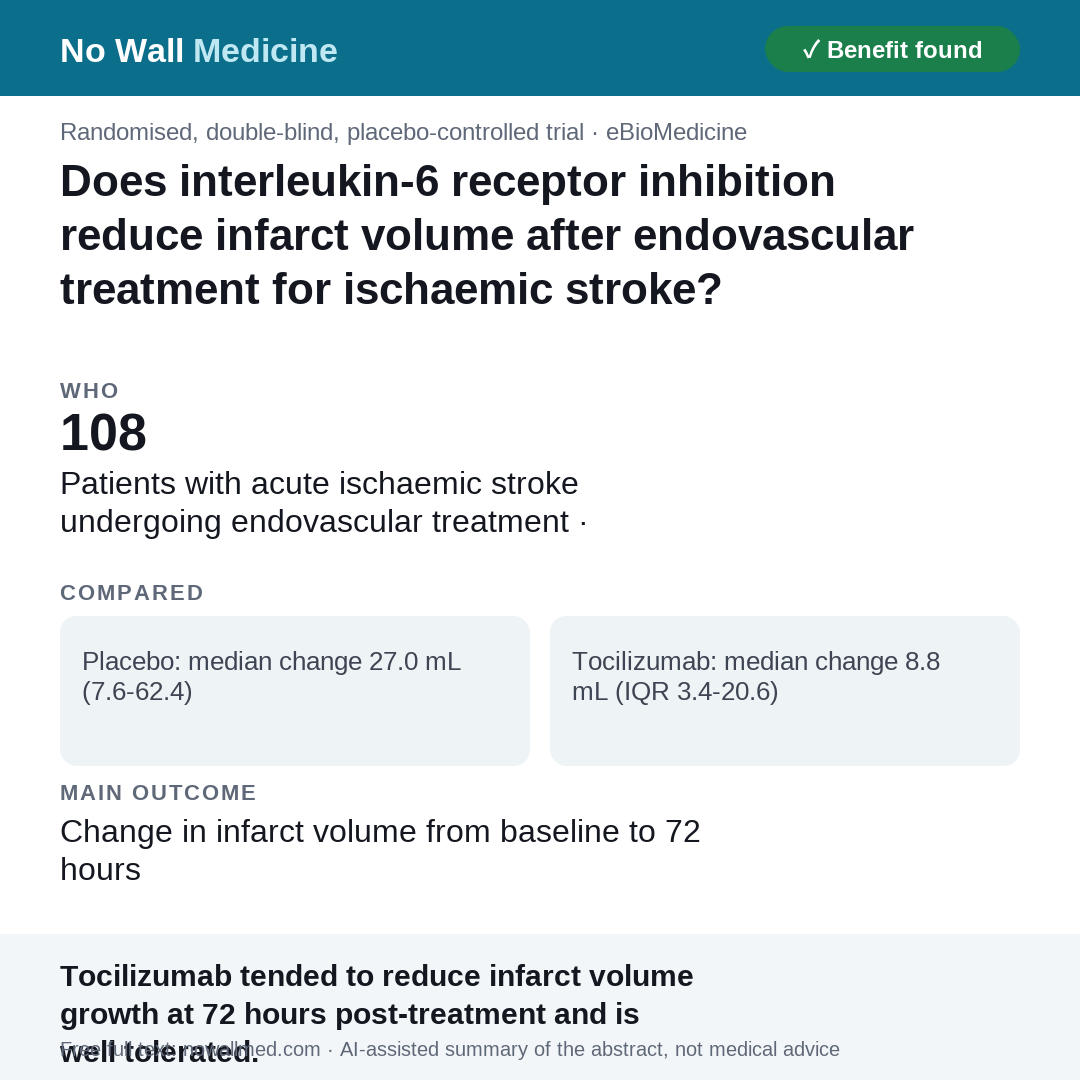
Effect of IL-6 receptor inhibition on infarct volume after endovascular treatment for ischaemic stroke: a phase 2, randomised, placebo-controlled trial
Randomised, double-blind, placebo-controlled trialBenefit found
Does interleukin-6 receptor inhibition reduce infarct volume after endovascular treatment for ischaemic stroke?
Who
108
Patients with acute ischaemic stroke undergoing endovascular treatment · Multicentre
Compared
Placebo: median change 27.0 mL (7.6-62.4)
Tocilizumab: median change 8.8 mL (IQR 3.4-20.6)
Main outcome
Change in infarct volume from baseline to 72 hours
Result: adjusted mean difference in cubic root volume -0.41 (95% CI -0.79 to -0.03)
Bottom line: Tocilizumab tended to reduce infarct volume growth at 72 hours post-treatment and is well tolerated.
Funded by: National Natural Science Foundation of China and others
eBioMedicine · 2026-02-12Download image
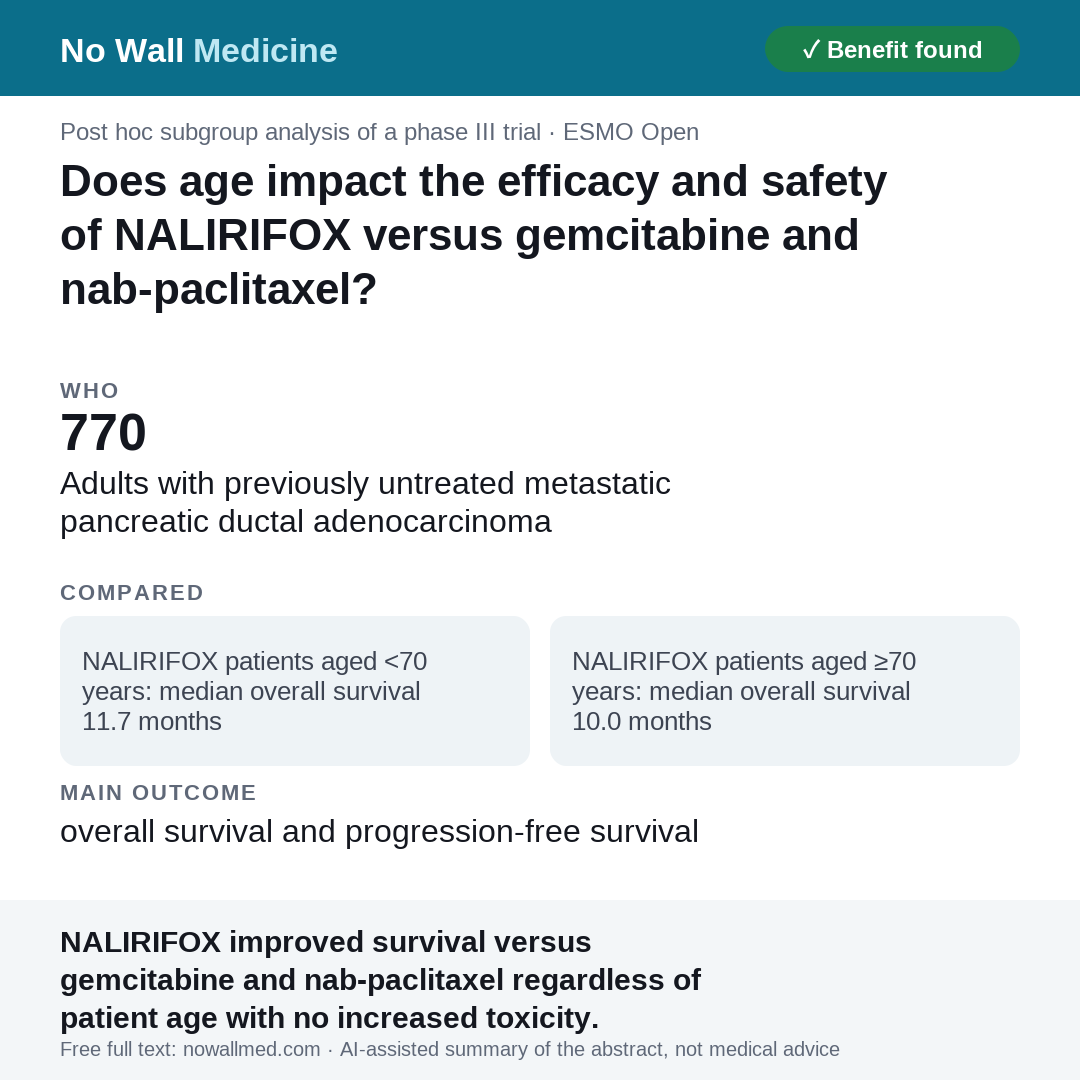
NALIRIFOX versus nab-paclitaxel and gemcitabine in older patients with treatment-naive metastatic pancreatic cancer: a subgroup analysis of the pivotal NAPOLI 3 trial
Post hoc subgroup analysis of a phase III trialBenefit found
Does age impact the efficacy and safety of NALIRIFOX versus gemcitabine and nab-paclitaxel?
Who
770
Adults with previously untreated metastatic pancreatic ductal adenocarcinoma
Compared
NALIRIFOX patients aged <70 years: median overall survival 11.7 months
NALIRIFOX patients aged ≥70 years: median overall survival 10.0 months
Main outcome
overall survival and progression-free survival
Bottom line: NALIRIFOX improved survival versus gemcitabine and nab-paclitaxel regardless of patient age with no increased toxicity.
ESMO Open · 2026-02-12Download image
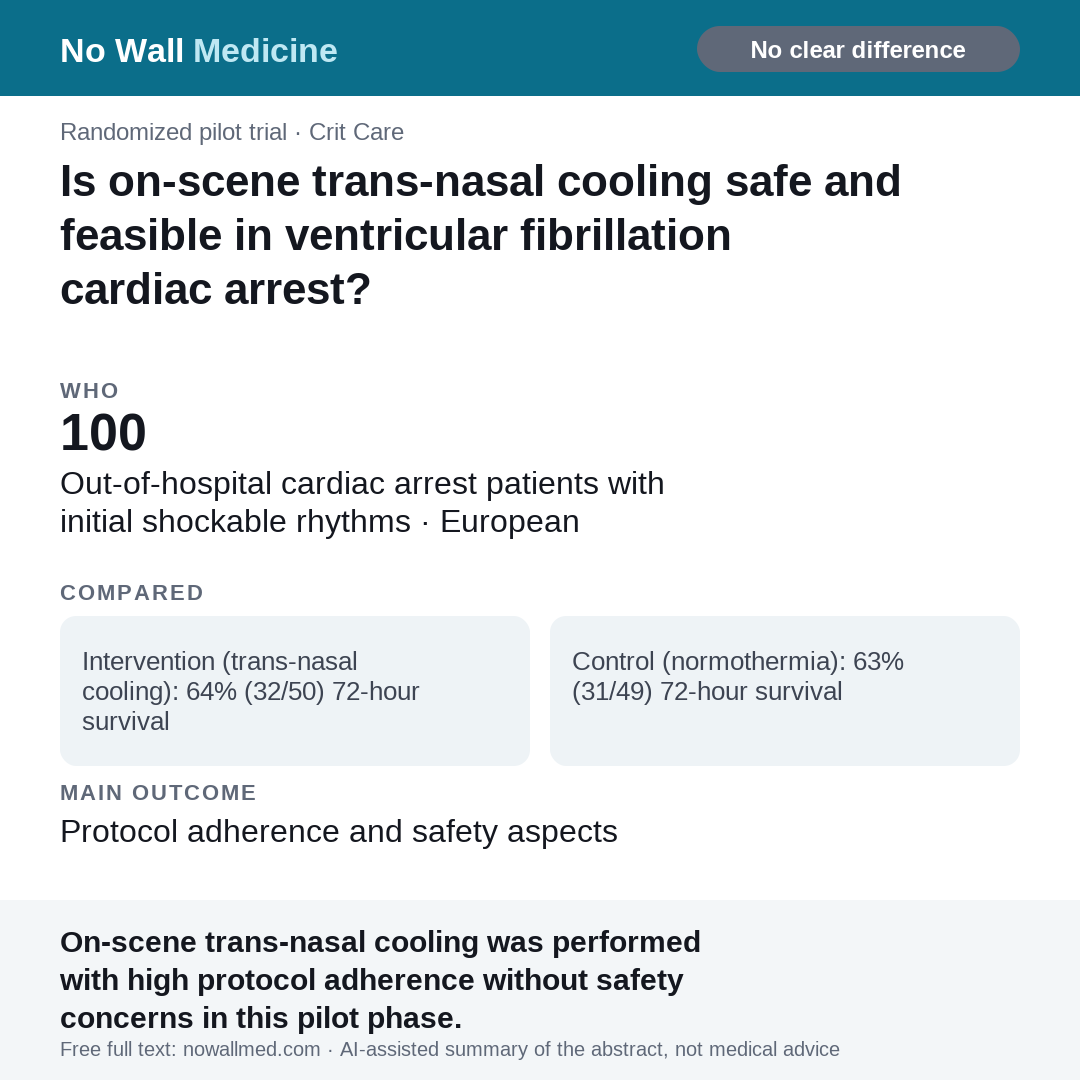
On-scene selective brain cooling in ventricular fibrillation cardiac arrest: pilot results from the PRINCESS2 randomised trial
Randomized pilot trialNo clear difference
Is on-scene trans-nasal cooling safe and feasible in ventricular fibrillation cardiac arrest?
Who
100
Out-of-hospital cardiac arrest patients with initial shockable rhythms · European multicentre trial
Compared
Intervention (trans-nasal cooling): 64% (32/50) 72-hour survival
Control (normothermia): 63% (31/49) 72-hour survival
Main outcome
Protocol adherence and safety aspects
Bottom line: On-scene trans-nasal cooling was performed with high protocol adherence without safety concerns in this pilot phase.
Crit Care · 2026-02-12Download image
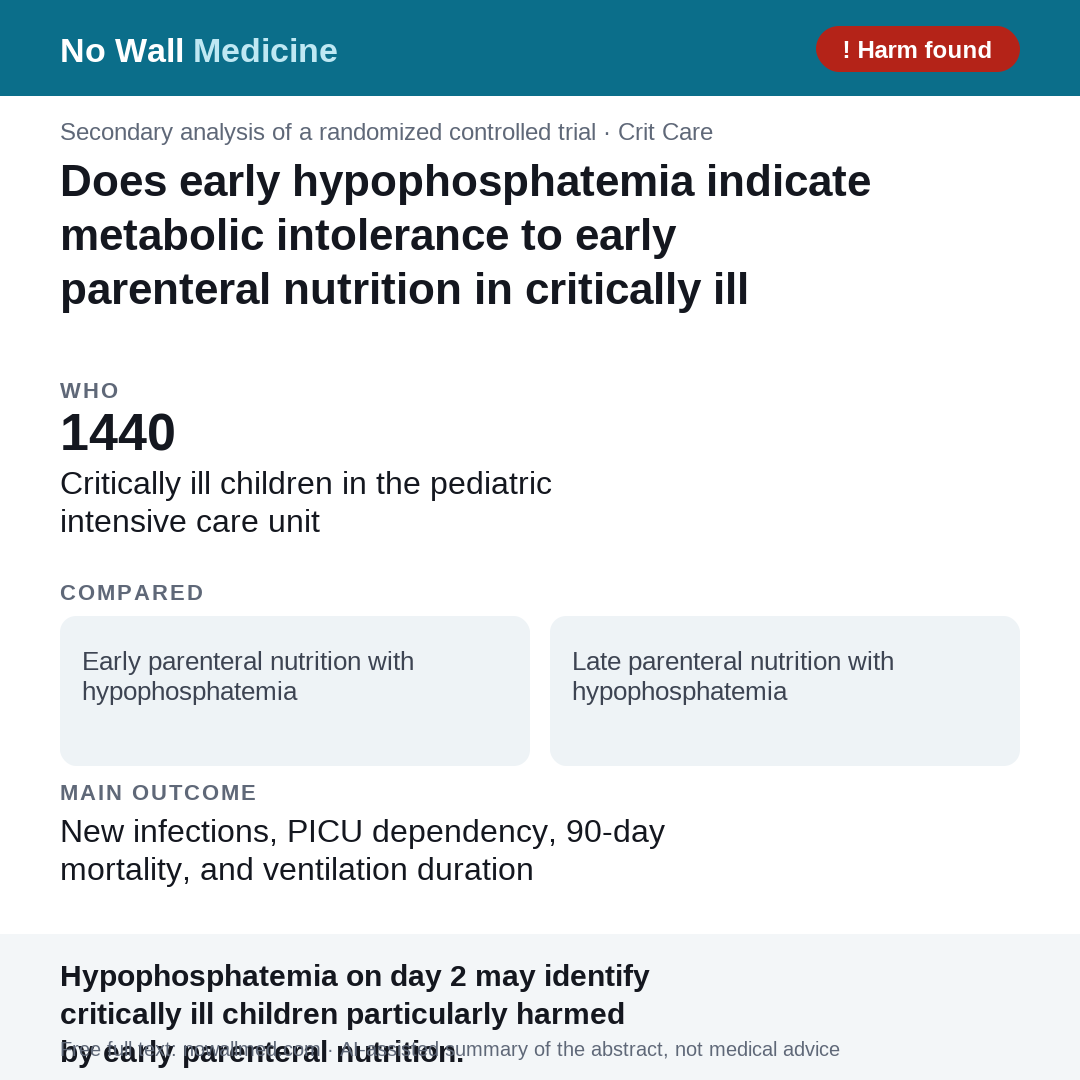
Hypophosphatemia as a biomarker of metabolic intolerance to enhanced nutrition in the PICU: a secondary analysis of the PEPaNIC RCT
Secondary analysis of a randomized controlled trialHarm found
Does early hypophosphatemia indicate metabolic intolerance to early parenteral nutrition in critically ill children?
Who
1440
Critically ill children in the pediatric intensive care unit
Compared
Early parenteral nutrition with hypophosphatemia
Late parenteral nutrition with hypophosphatemia
Main outcome
New infections, PICU dependency, 90-day mortality, and ventilation duration
Bottom line: Hypophosphatemia on day 2 may identify critically ill children particularly harmed by early parenteral nutrition.
Crit Care · 2026-02-12Download image
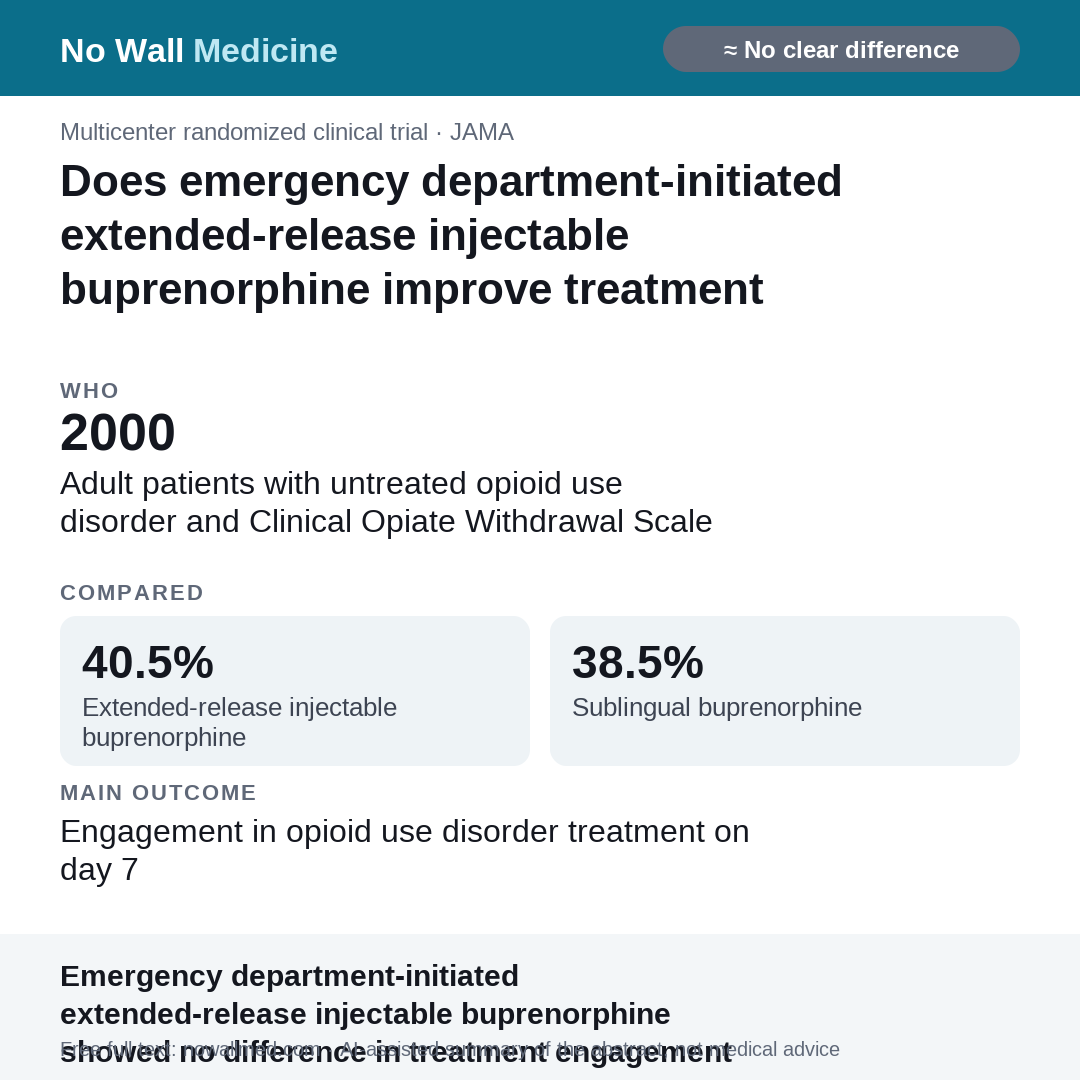
Emergency Department-Initiated Buprenorphine for Opioid Use Disorder: A Randomized Clinical Trial
Multicenter randomized clinical trialNo clear difference
Does emergency department-initiated extended-release injectable buprenorphine improve treatment engagement compared to sublingual buprenorphine?
Who
2000
Adult patients with untreated opioid use disorder and Clinical Opiate Withdrawal Scale score ≥4 · 29 emergency departments in the United States
Compared
40.5%Extended-release injectable buprenorphine
38.5%Sublingual buprenorphine
Main outcome
Engagement in opioid use disorder treatment on day 7
Result: adjusted difference, 1.6%; 95% CI, -2.8% to 6.0%
Bottom line: Emergency department-initiated extended-release injectable buprenorphine showed no difference in treatment engagement at 7 days compared to sublingual buprenorphine.
JAMA · 2026-02-11Download image
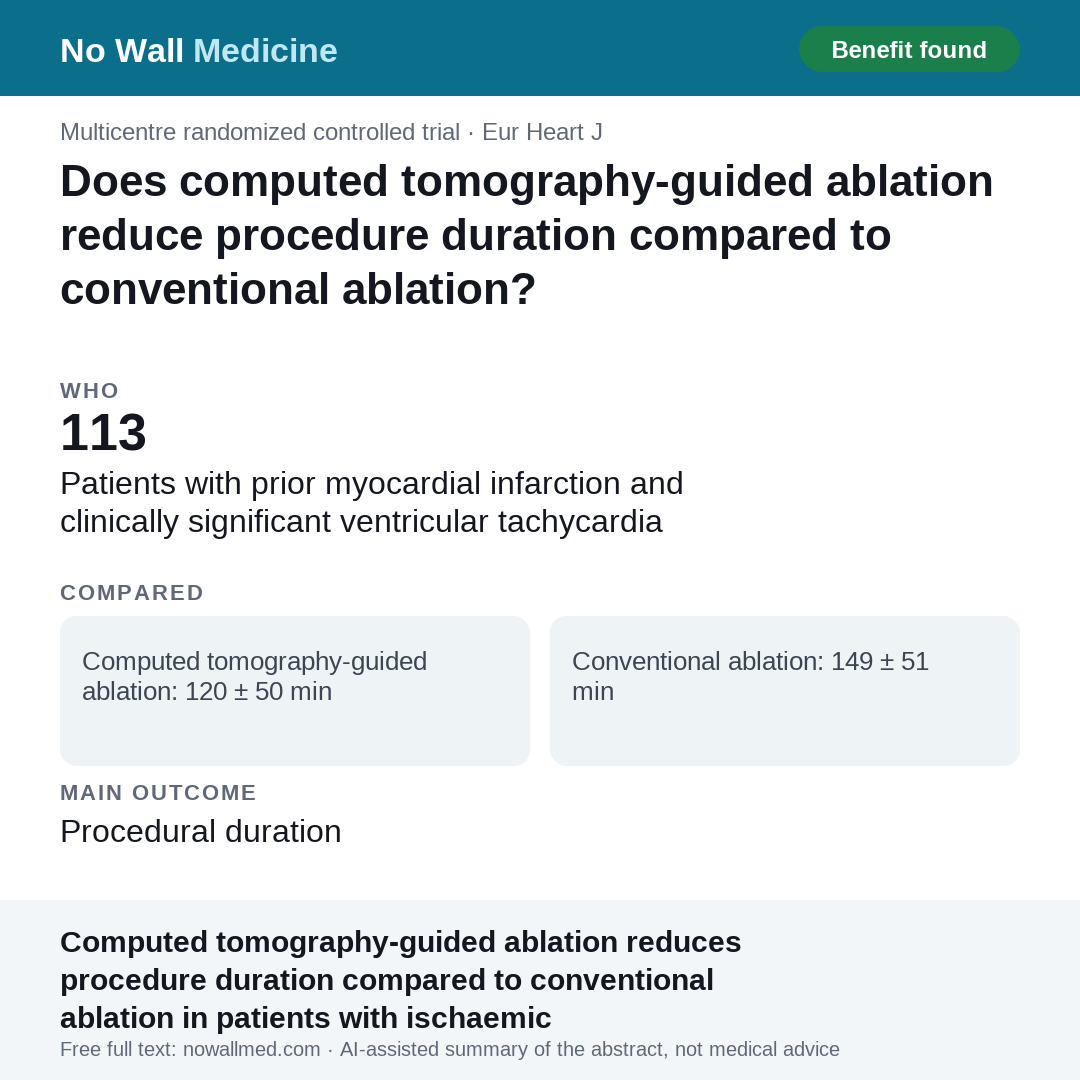
Computed tomography-guided vs conventional catheter ablation for ventricular tachycardia: the InEurHeart trial
Multicentre randomized controlled trialBenefit found
Does computed tomography-guided ablation reduce procedure duration compared to conventional ablation?
Who
113
Patients with prior myocardial infarction and clinically significant ventricular tachycardia · 14 European centres
Compared
Computed tomography-guided ablation: 120 ± 50 min
Conventional ablation: 149 ± 51 min
Main outcome
Procedural duration
Result: -19% [95% confidence interval (CI) -32; -7]
Bottom line: Computed tomography-guided ablation reduces procedure duration compared to conventional ablation in patients with ischaemic cardiomyopathy.
Eur Heart J · 2026-02-11Download image
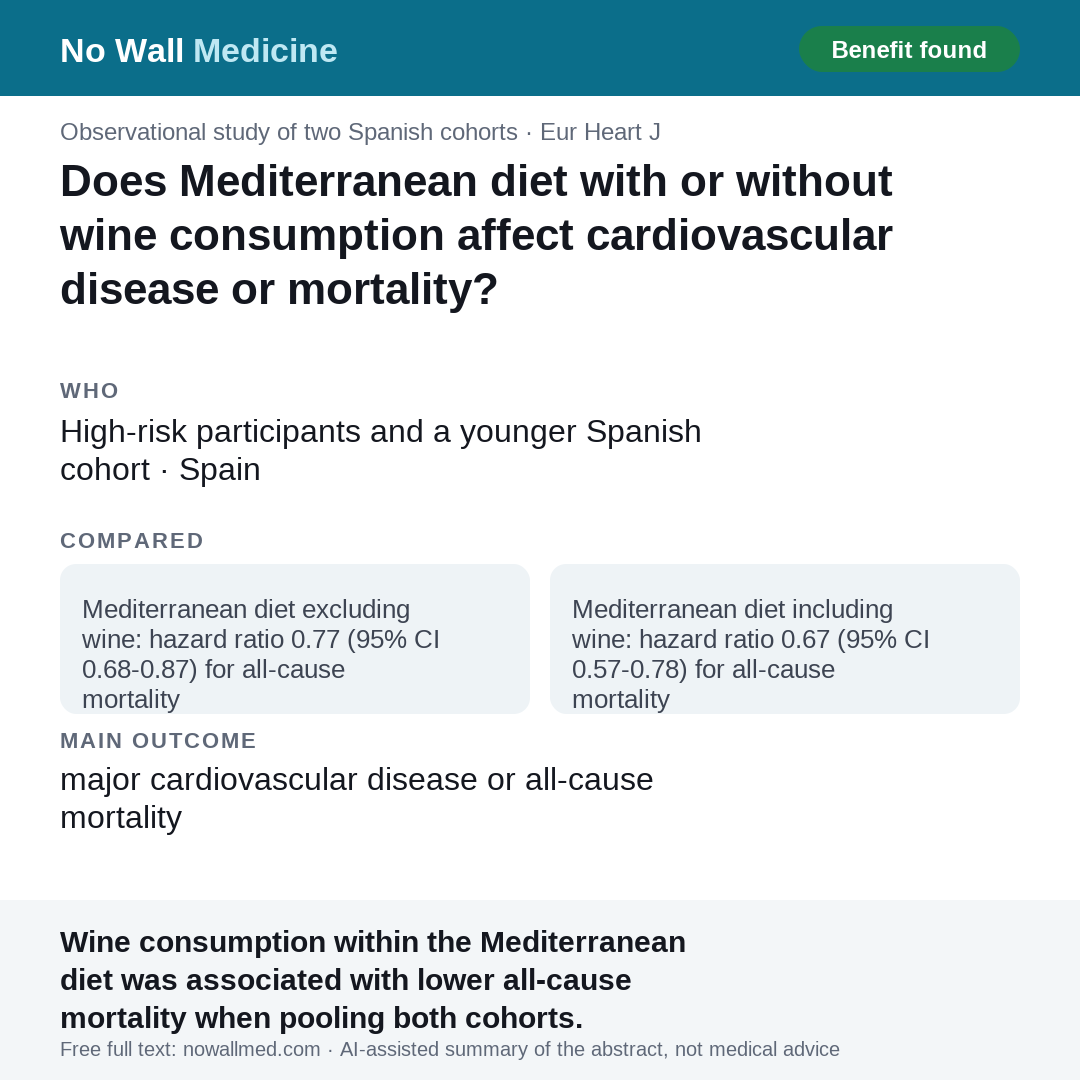
Wine consumption, Mediterranean diet, and cardiovascular risk in two Spanish cohorts
Observational study of two Spanish cohortsBenefit found
Does Mediterranean diet with or without wine consumption affect cardiovascular disease or mortality?
Who
High-risk participants and a younger Spanish cohort · Spain
Compared
Mediterranean diet excluding wine: hazard ratio 0.77 (95% CI 0.68-0.87) for all-cause mortality
Mediterranean diet including wine: hazard ratio 0.67 (95% CI 0.57-0.78) for all-cause mortality
Main outcome
major cardiovascular disease or all-cause mortality
Result: hazard ratio 0.67 (95% CI 0.57-0.78) for all-cause mortality
Bottom line: Wine consumption within the Mediterranean diet was associated with lower all-cause mortality when pooling both cohorts.
Limitation: Non-significant associations and interactions advise caution in interpretation of these findings.
Eur Heart J · 2026-02-11Download image
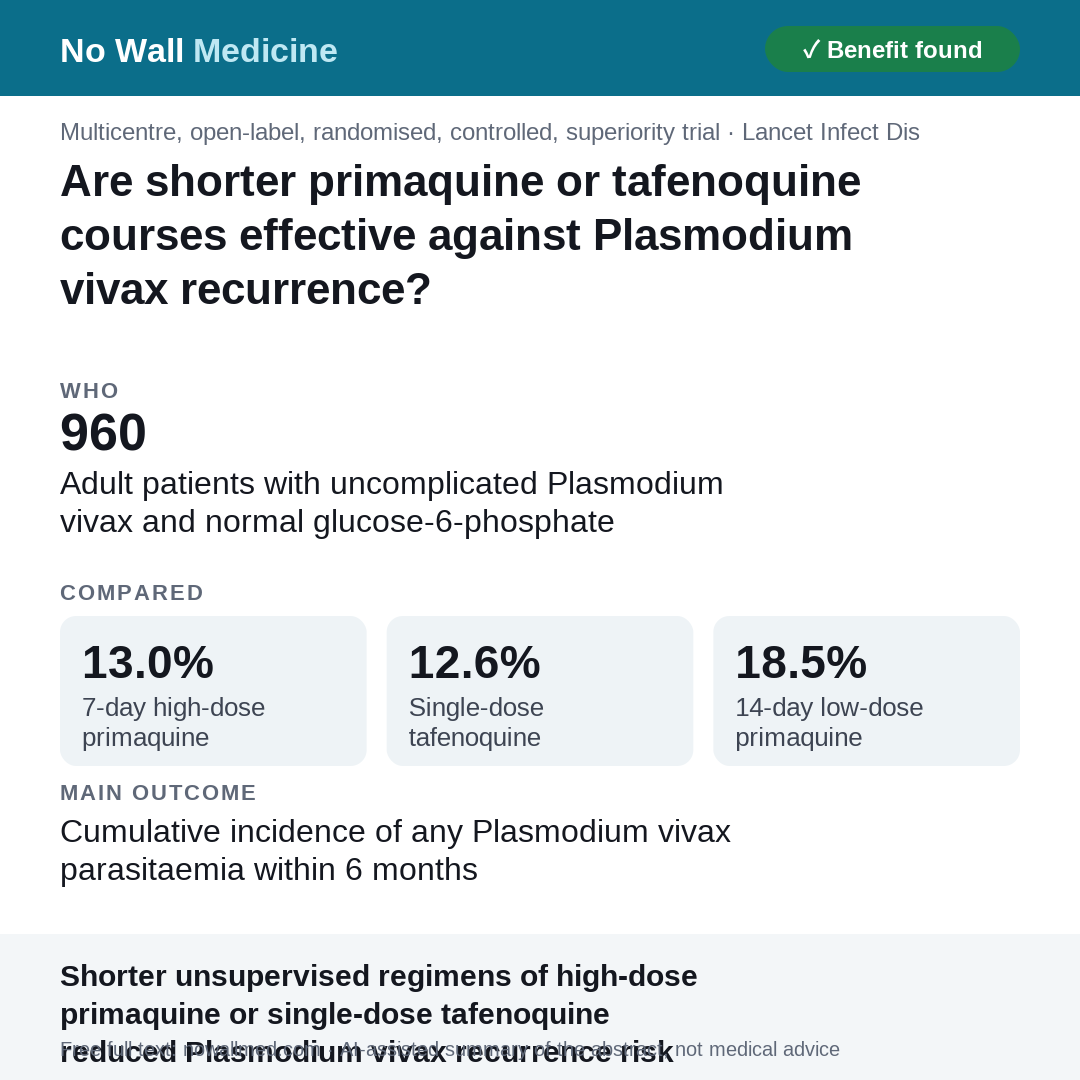
Effectiveness and safety of 7-day high-dose primaquine and single-dose tafenoquine versus 14-day low-dose primaquine in patients with Plasmodium vivax malaria (EFFORT): a multicentre, open-label, randomised, controlled, superiority trial
Multicentre, open-label, randomised, controlled, superiority trialBenefit found
Are shorter primaquine or tafenoquine courses effective against Plasmodium vivax recurrence?
Who
960
Adult patients with uncomplicated Plasmodium vivax and normal glucose-6-phosphate dehydrogenase activity · Ethiopia, Pakistan, Indonesia, and Cambodia
Compared
13.0%7-day high-dose primaquine (97.55% CI 9.0-18.5)
12.6%Single-dose tafenoquine (97.55% CI 8.8-18.0)
18.5%14-day low-dose primaquine (13.8-24.6)
Main outcome
Cumulative incidence of any Plasmodium vivax parasitaemia within 6 months
Result: hazard ratio 0.64 (97.55% CI 0.39-1.05)
Bottom line: Shorter unsupervised regimens of high-dose primaquine or single-dose tafenoquine reduced Plasmodium vivax recurrence risk compared to 14-day low-dose primaquine.
Funded by: National Health and Medical Research Council of Australia and Bill and Melinda Gates Foundation
Lancet Infect Dis · 2026-02-11Download image
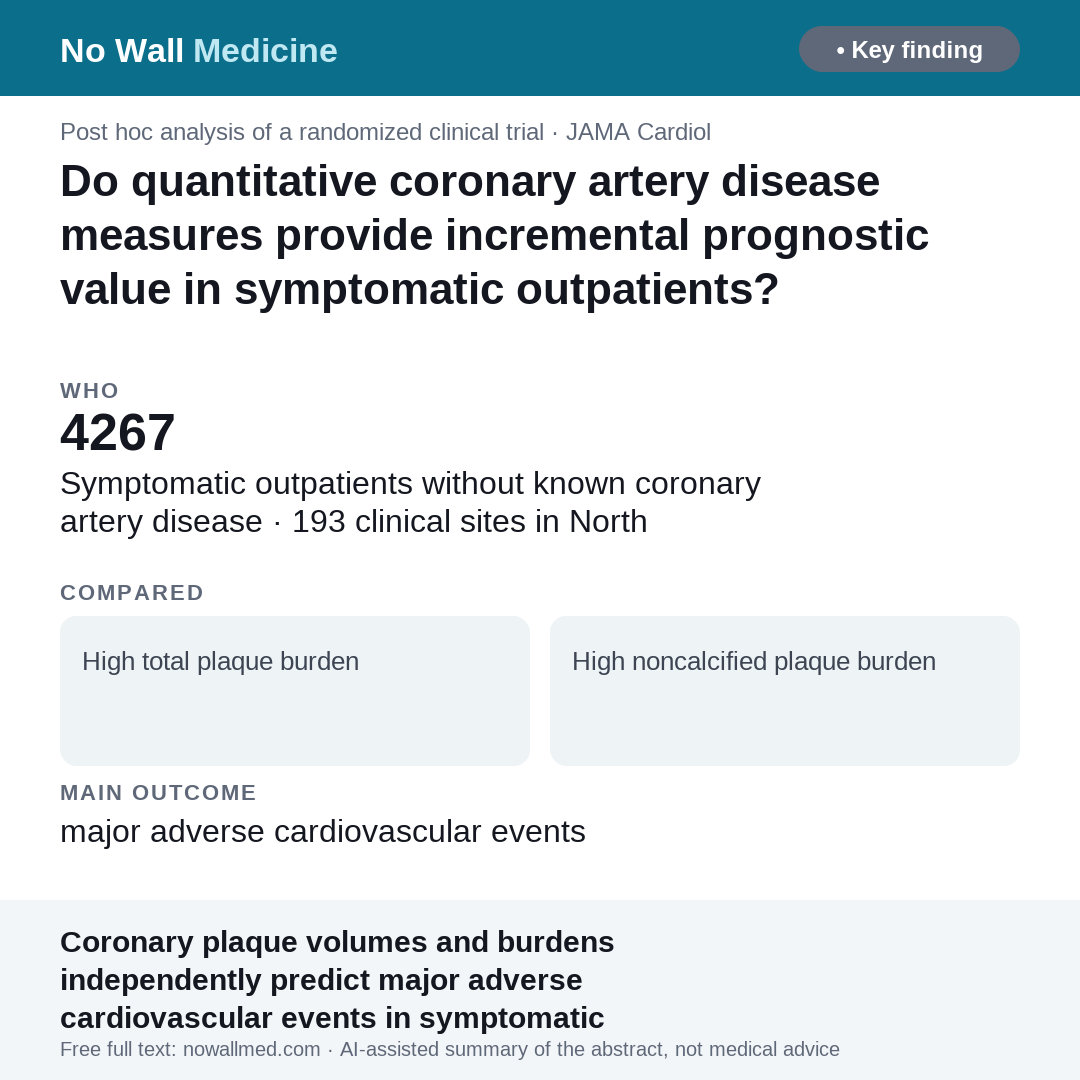
Prognostic Value of Plaque Volume in Patients With First Diagnosis of Coronary Artery Disease: A Substudy of the PROMISE Randomized Clinical Trial
Post hoc analysis of a randomized clinical trialBenefit found
Do quantitative coronary artery disease measures provide incremental prognostic value in symptomatic outpatients?
Who
4267
Symptomatic outpatients without known coronary artery disease · 193 clinical sites in North America
Compared
High total plaque burden
High noncalcified plaque burden
Main outcome
major adverse cardiovascular events
Result: TPB: adjusted HR 1.18 (95% CI 1.05-1.34); NCPB: adjusted HR 1.20 (95% CI 1.05-1.37)
Bottom line: Coronary plaque volumes and burdens independently predict major adverse cardiovascular events in symptomatic patients without known disease.
JAMA Cardiol · 2026-02-11Download image
Phase 1 study of balinatunfib, an oral inhibitor of TNFR1 signal in mild-to-moderate psoriasis
Randomized, double-blind, placebo-controlled pilot studyBenefit found
Is balinatunfib safe and effective for mild-to-moderate psoriasis?
Who
38
Patients aged 18-65 years with mild-to-moderate chronic plaque-type psoriasis
Compared
200-mg balinatunfib: 38.18% change in Target Lesion Severity Score at Week 4
Placebo: 20.44% change in Target Lesion Severity Score at Week 4
Main outcome
Safety, tolerability, and Target Lesion Severity Score change
Bottom line: Balinatunfib showed promising clinical responses and was well tolerated in patients with mild-to-moderate psoriasis.
J Eur Acad Dermatol Venereol · 2026-02-11Download image

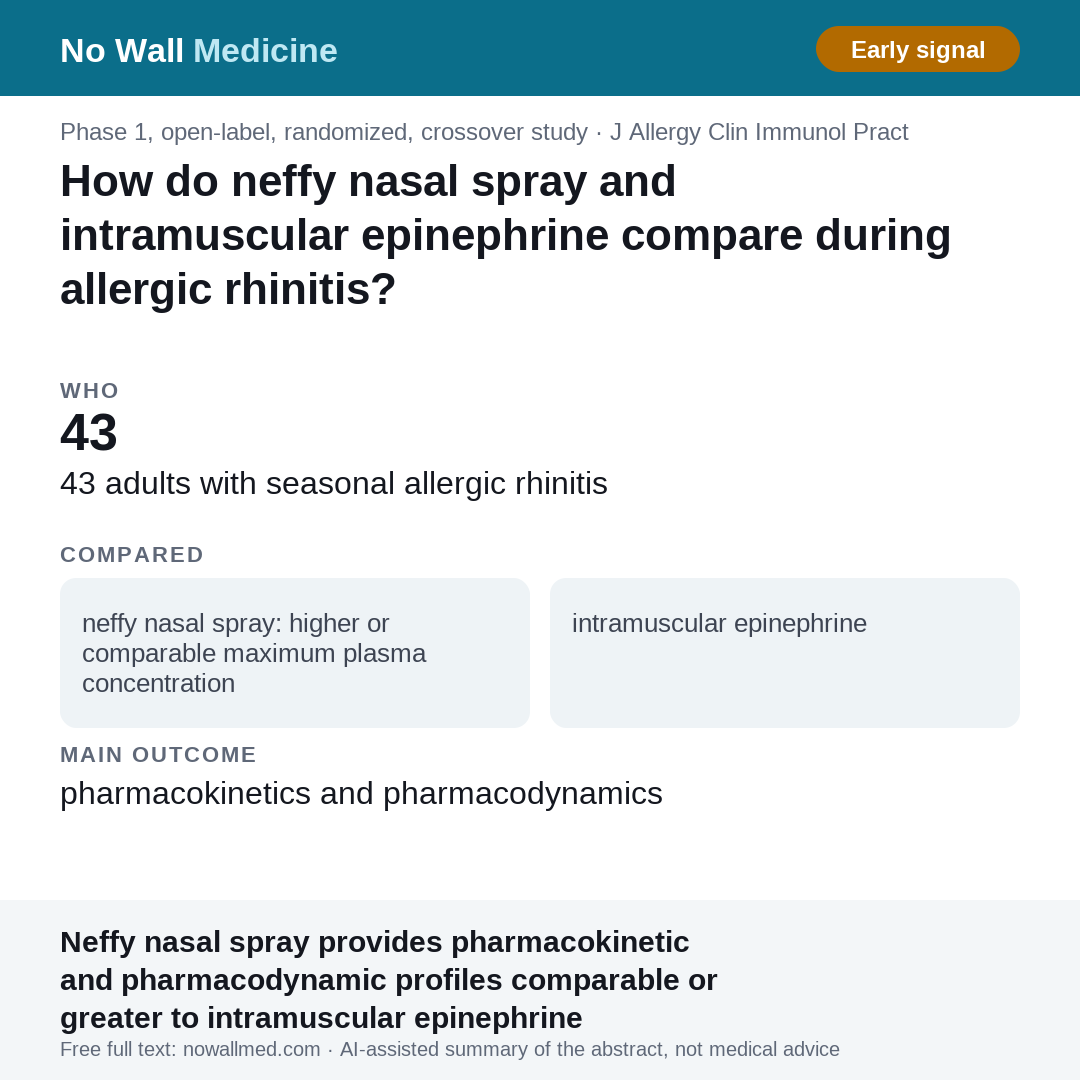
Pharmacokinetics and Pharmacodynamics Following Repeat Dosing of neffy (Epinephrine Nasal Spray) Versus Intramuscular Injection During Induced Allergic Rhinitis
Phase 1, open-label, randomized, crossover studyBenefit found
How do neffy nasal spray and intramuscular epinephrine compare during allergic rhinitis?
Who
43
43 adults with seasonal allergic rhinitis
Compared
neffy nasal spray: higher or comparable maximum plasma concentration
intramuscular epinephrine
Main outcome
pharmacokinetics and pharmacodynamics
Bottom line: Neffy nasal spray provides pharmacokinetic and pharmacodynamic profiles comparable or greater to intramuscular epinephrine injection.
J Allergy Clin Immunol Pract · 2026-02-11Download image
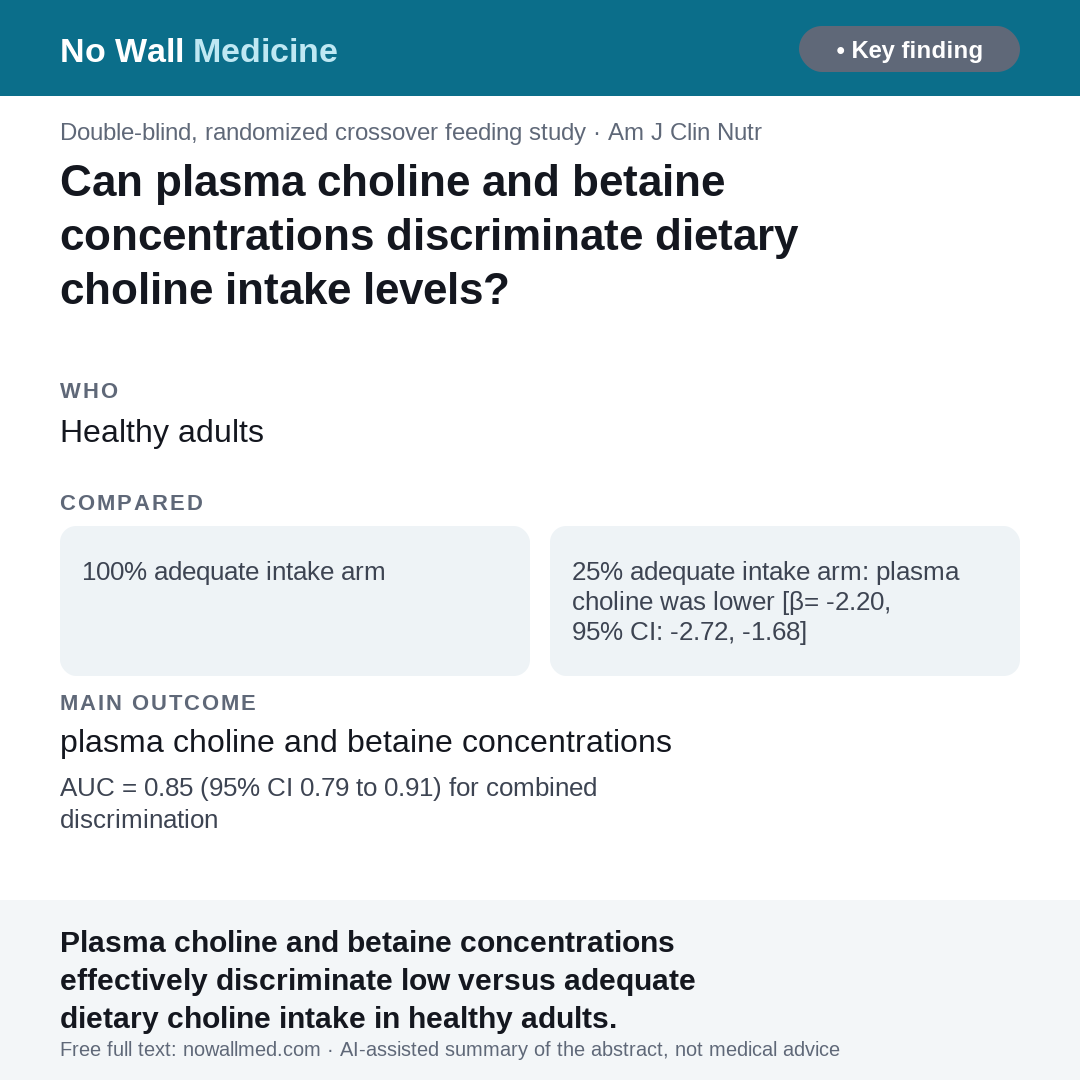
Choline and betaine concentrations in plasma discriminate levels of dietary choline intake in healthy adults: analysis of a double-blind randomized crossover controlled feeding study
Double-blind, randomized crossover feeding studyBenefit found
Can plasma choline and betaine concentrations discriminate dietary choline intake levels?
Who
Healthy adults
Compared
100% adequate intake arm
25% adequate intake arm: plasma choline was lower [β= -2.20, 95% CI: -2.72, -1.68]
Main outcome
plasma choline and betaine concentrations
Result: AUC = 0.85 (95% CI 0.79 to 0.91) for combined discrimination
Bottom line: Plasma choline and betaine concentrations effectively discriminate low versus adequate dietary choline intake in healthy adults.
Am J Clin Nutr · 2026-02-11Download image
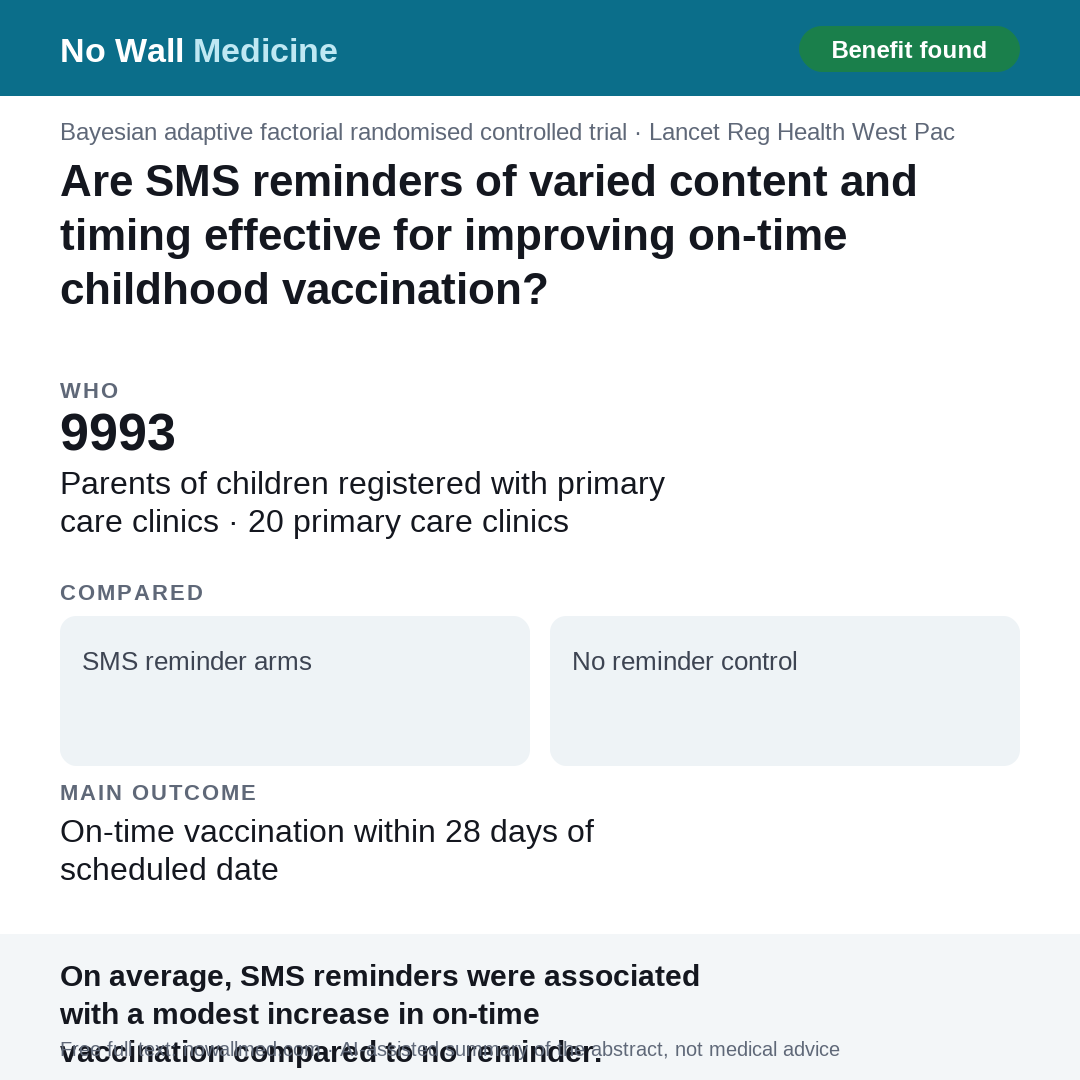
The AuTOMATIC trial: a multicentre digitally-automated, Bayesian, adaptive, parallel, factorial randomised controlled trial of SMS reminders for childhood vaccination
Bayesian adaptive factorial randomised controlled trialBenefit found
Are SMS reminders of varied content and timing effective for improving on-time childhood vaccination?
Who
9993
Parents of children registered with primary care clinics · 20 primary care clinics Australia-wide
Compared
SMS reminder arms
No reminder control
Main outcome
On-time vaccination within 28 days of scheduled date
Result: adjusted odds ratio 1.29 [95% CrI 1.06, 1.55]
Bottom line: On average, SMS reminders were associated with a modest increase in on-time vaccination compared to no reminder.
Funded by: Ramaciotti Foundations, Royal Australasian College of Physicians, Western Australia Department of Health
Lancet Reg Health West Pac · 2026-02-11Download image
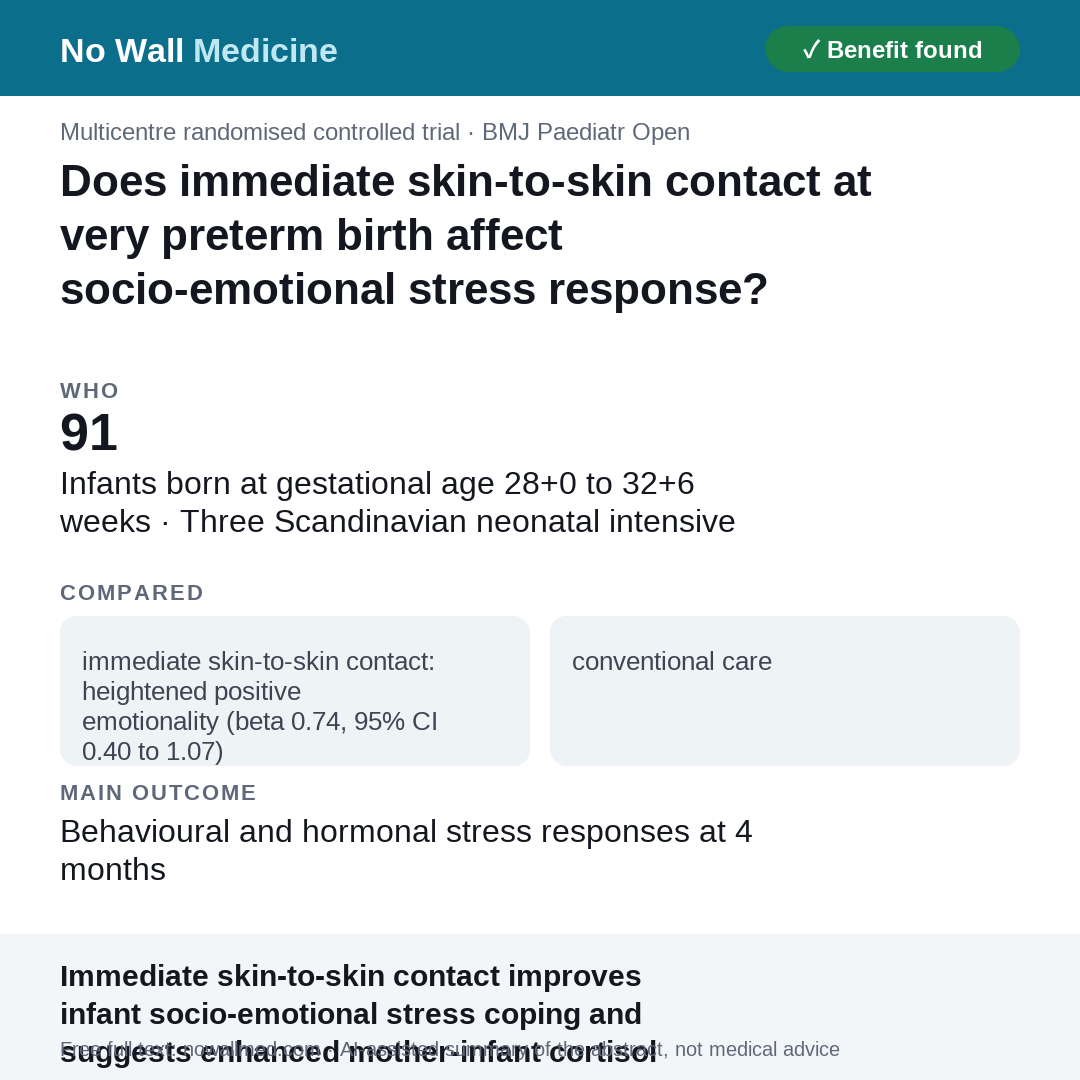
Immediate skin-to-skin contact at very preterm birth and effect on infant socio-emotional stress response and mother-infant cortisol co-regulation: secondary outcomes from the randomised clinical Immediate Parent-Infant Skin-To-Skin Study (IPISTOSS)
Multicentre randomised controlled trialBenefit found
Does immediate skin-to-skin contact at very preterm birth affect socio-emotional stress response?
Who
91
Infants born at gestational age 28+0 to 32+6 weeks · Three Scandinavian neonatal intensive care units
Compared
immediate skin-to-skin contact: heightened positive emotionality (beta 0.74, 95% CI 0.40 to 1.07)
conventional care
Main outcome
Behavioural and hormonal stress responses at 4 months
Result: beta 0.74 (95% CI 0.40 to 1.07)
Bottom line: Immediate skin-to-skin contact improves infant socio-emotional stress coping and suggests enhanced mother-infant cortisol synchrony.
BMJ Paediatr Open · 2026-02-11Download image
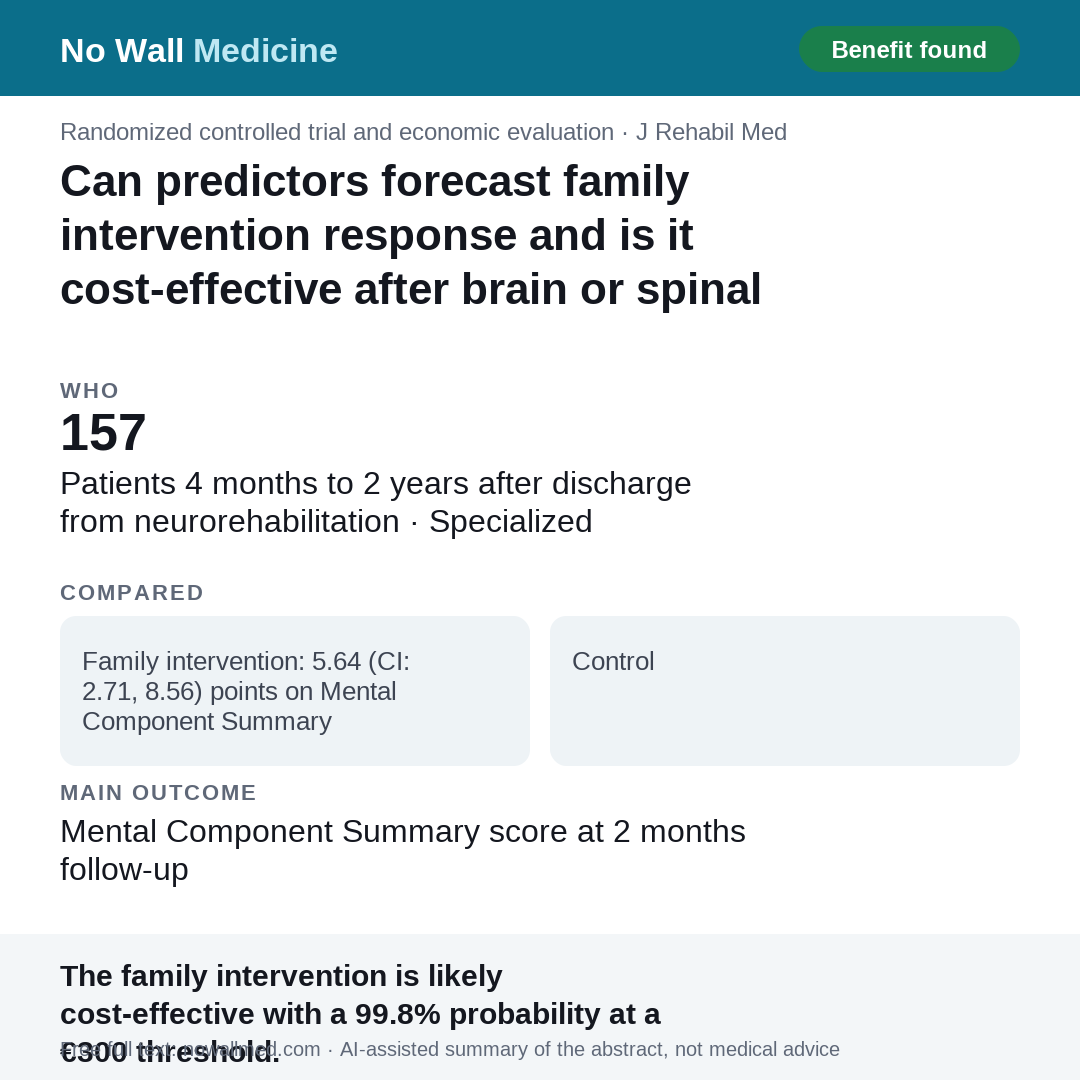
Predicting effect and evaluating cost-effectiveness of a family intervention after acquired brain or spinal cord injury: a randomized controlled trial
Randomized controlled trial and economic evaluationBenefit found
Can predictors forecast family intervention response and is it cost-effective after brain or spinal cord injury?
Who
157
Patients 4 months to 2 years after discharge from neurorehabilitation · Specialized neurorehabilitation unit
Compared
Family intervention: 5.64 (CI: 2.71, 8.56) points on Mental Component Summary
Control
Main outcome
Mental Component Summary score at 2 months follow-up
Result: incremental cost €798.16 (CI: €700.9; €895.5)
Bottom line: The family intervention is likely cost-effective with a 99.8% probability at a €300 threshold.
J Rehabil Med · 2026-02-11Download image
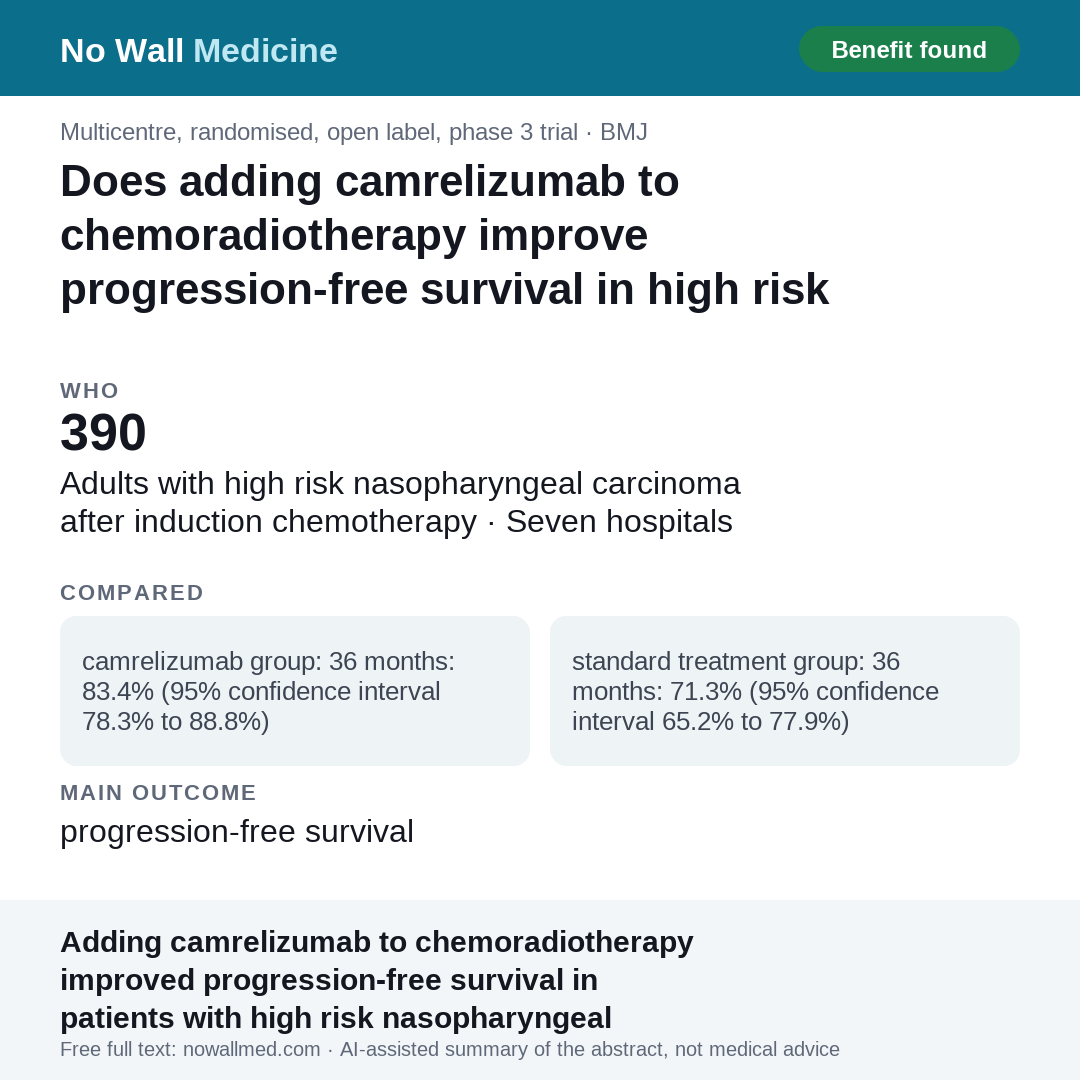
Standard chemoradiotherapy with concurrent and adjuvant camrelizumab in patients with high risk nasopharyngeal carcinoma: multicentre, randomised, open label, phase 3 trial
Multicentre, randomised, open label, phase 3 trialBenefit found
Does adding camrelizumab to chemoradiotherapy improve progression-free survival in high risk nasopharyngeal carcinoma?
Who
390
Adults with high risk nasopharyngeal carcinoma after induction chemotherapy · Seven hospitals in China
Compared
camrelizumab group: 36 months: 83.4% (95% confidence interval 78.3% to 88.8%)
standard treatment group: 36 months: 71.3% (95% confidence interval 65.2% to 77.9%)
Main outcome
progression-free survival
Result: stratified hazard ratio 0.51 (95% confidence interval 0.34 to 0.77)
Bottom line: Adding camrelizumab to chemoradiotherapy improved progression-free survival in patients with high risk nasopharyngeal carcinoma.
BMJ · 2026-02-10Download image
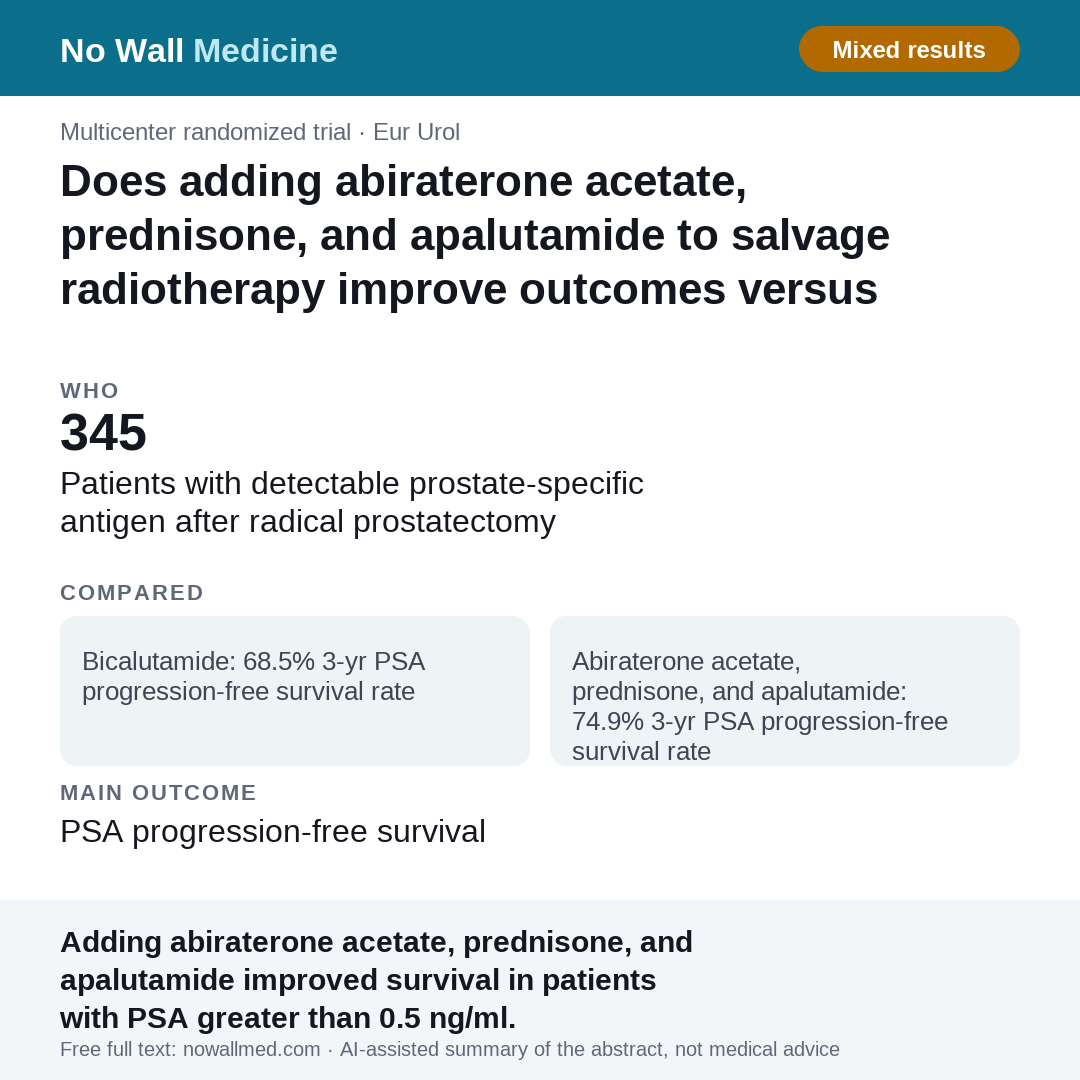
FORMULA-509: A Multicenter Randomized Trial of Postprostatectomy Salvage Radiotherapy and 6 months of a GNRH Agonist with Either Bicalutamide or Abiraterone Acetate plus Prednisone and Apalutamide
Multicenter randomized trialMixed results
Does adding abiraterone acetate, prednisone, and apalutamide to salvage radiotherapy improve outcomes versus bicalutamide?
Who
345
Patients with detectable prostate-specific antigen after radical prostatectomy
Compared
Bicalutamide: 68.5% 3-yr PSA progression-free survival rate
Abiraterone acetate, prednisone, and apalutamide: 74.9% 3-yr PSA progression-free survival rate
Main outcome
PSA progression-free survival
Result: hazard ratio 0.71 (90% CI 0.49-1.03)
Bottom line: Adding abiraterone acetate, prednisone, and apalutamide improved survival in patients with PSA greater than 0.5 ng/ml.
Limitation: The study did not reach the prespecified significance level for the overall population.
Eur Urol · 2026-02-10Download image