Visual abstracts
New randomized trials and meta-analyses from leading journals at a glance: who was studied, what was compared, and what was found. Every paper is free to read in full.
All specialtiesCardiology 4877Oncology 4138Gastroenterology & Hepatology 1942Infectious Disease 3837Neurology 1905Psychiatry & Mental Health 2273Pulmonology 2143Critical Care 1365Endocrinology & Diabetes 2580Pediatrics 2980Surgery 2559Orthopedics & Sports Medicine 931Neurosurgery 537Cardiothoracic & Vascular Surgery 674Plastic & Reconstructive Surgery 591Nephrology 1133Rheumatology 823Hematology 1109Dermatology 621Ophthalmology 543Obstetrics & Gynecology 1686Public & Global Health 1058Radiology & Imaging 648Anesthesiology 986Urology 764ENT (Otolaryngology) 503Emergency Medicine 511Allergy & Immunology 313Geriatrics 981Family Medicine & Primary Care 562Medical Genetics & Genomics 676Pathology & Laboratory Medicine 159Physical Medicine & Rehabilitation 757Palliative Care 444Nutrition 1588Digital Health & AI 2201General Medicine 321
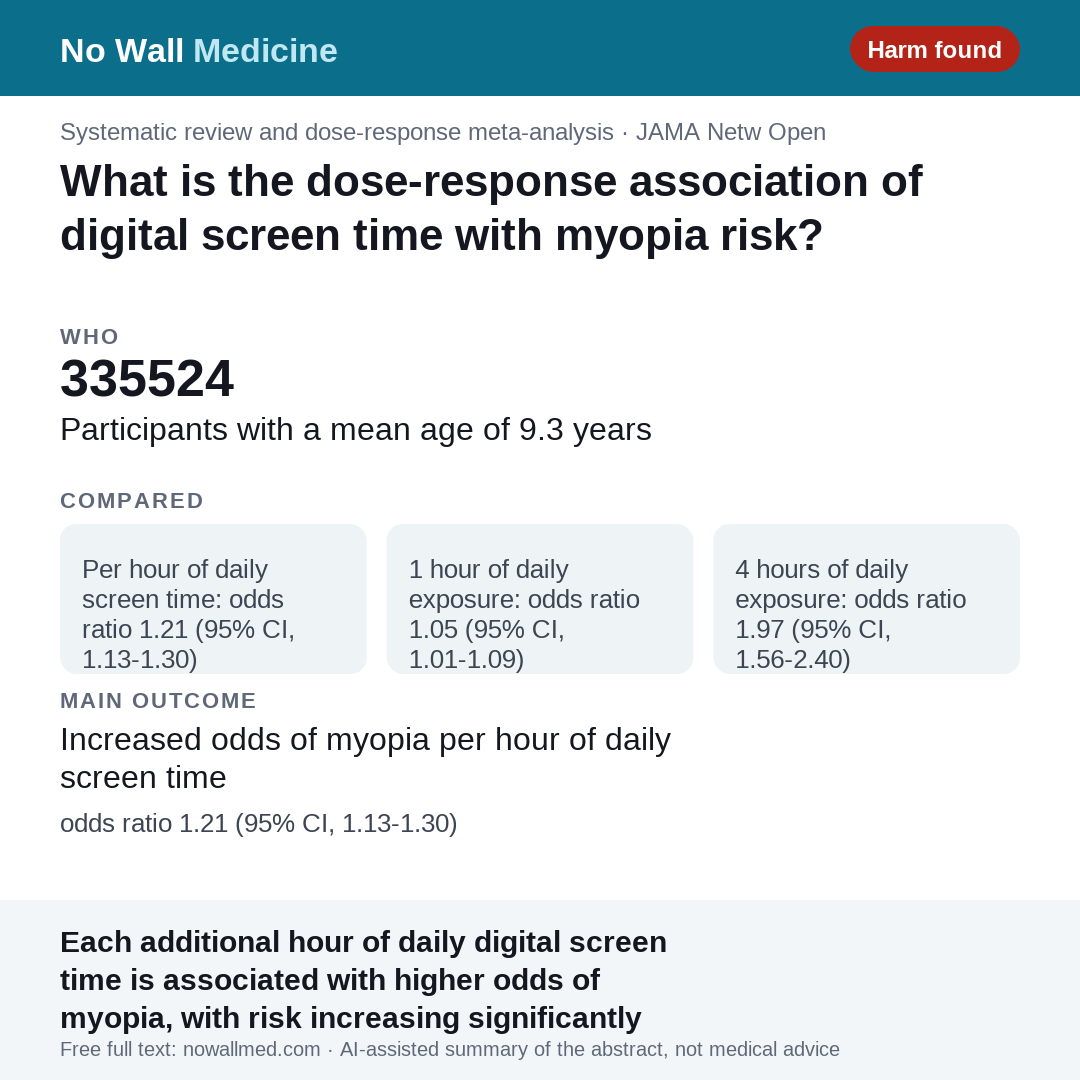
Digital Screen Time and Myopia: A Systematic Review and Dose-Response Meta-Analysis
Systematic review and dose-response meta-analysisHarm found
What is the dose-response association of digital screen time with myopia risk?
Who
335524
Participants with a mean age of 9.3 years
Compared
Per hour of daily screen time: odds ratio 1.21 (95% CI, 1.13-1.30)
1 hour of daily exposure: odds ratio 1.05 (95% CI, 1.01-1.09)
4 hours of daily exposure: odds ratio 1.97 (95% CI, 1.56-2.40)
Main outcome
Increased odds of myopia per hour of daily screen time
Result: odds ratio 1.21 (95% CI, 1.13-1.30)
Bottom line: Each additional hour of daily digital screen time is associated with higher odds of myopia, with risk increasing significantly up to four hours.
JAMA Netw Open · 2025-02-03Download image
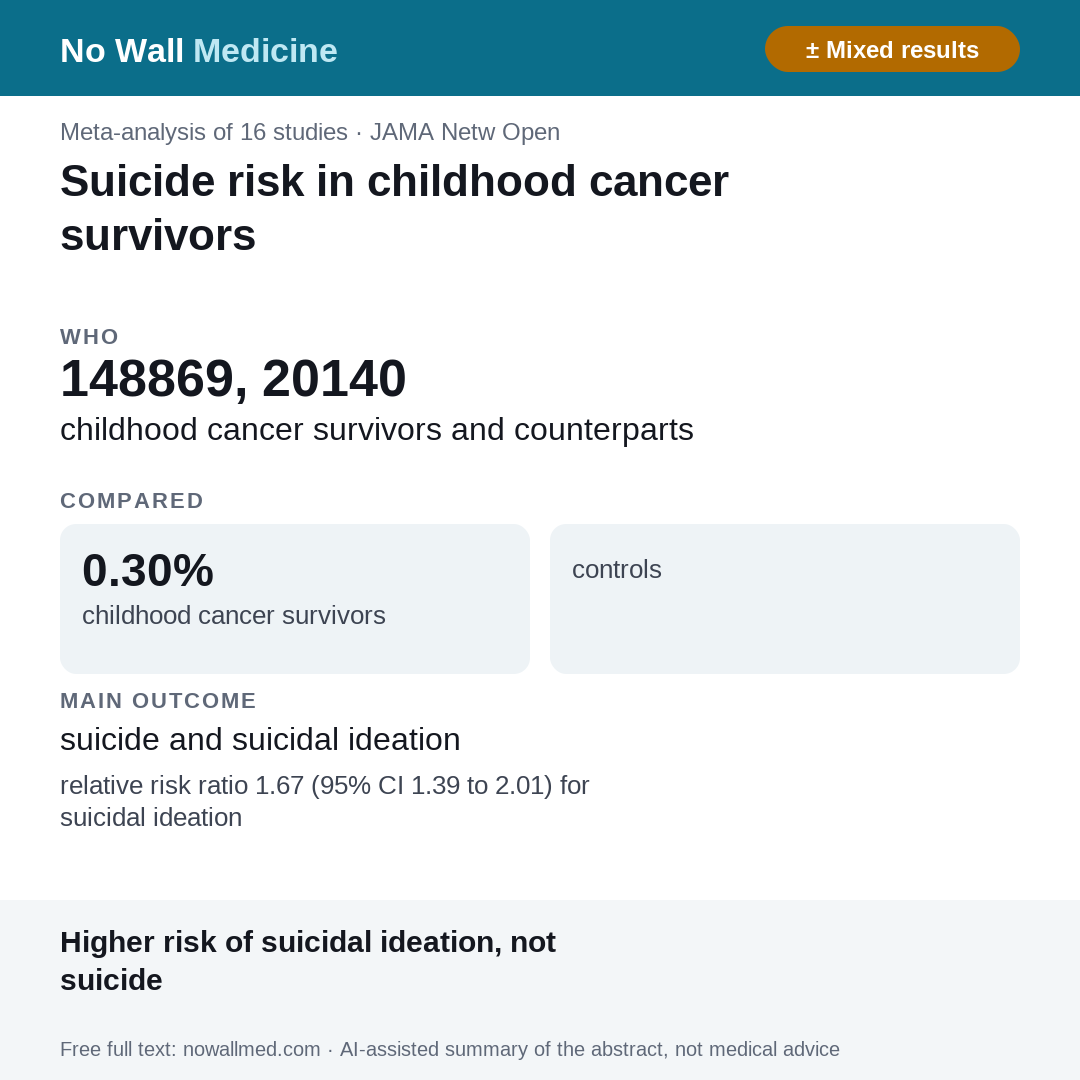
Suicide and Suicidal Ideation Among Survivors of Childhood Cancer: A Systematic Review and Meta-Analysis
Meta-analysis of 16 studiesMixed results
Suicide risk in childhood cancer survivors
Who
148869, 20140
childhood cancer survivors and counterparts
Compared
0.30%childhood cancer survivors (0.13%-0.69)
controls
Main outcome
suicide and suicidal ideation
Result: relative risk ratio 1.67 (95% CI 1.39 to 2.01) for suicidal ideation
Bottom line: Higher risk of suicidal ideation, not suicide
JAMA Netw Open · 2025-02-03Download image
Complications After Maternal Traumatic Brain Injury During Pregnancy: A Systematic Review
Systematic reviewUnclear result
What are the consequences of traumatic brain injury during pregnancy on maternal and fetal outcomes?
Who
4112
Pregnant individuals with traumatic brain injury
Compared
Maternal outcomes: ranged from functional recovery to severe cognitive impairment
Fetal outcomes: varied from stable to severe adverse outcomes
Main outcome
maternal and fetal outcomes
Bottom line: No definitive association was found between traumatic brain injury during pregnancy and maternal or fetal outcomes due to limited evidence.
Limitation: Most articles demonstrated poor quality of evidence and findings remained inconclusive.
JAMA Netw Open · 2025-02-03Download image

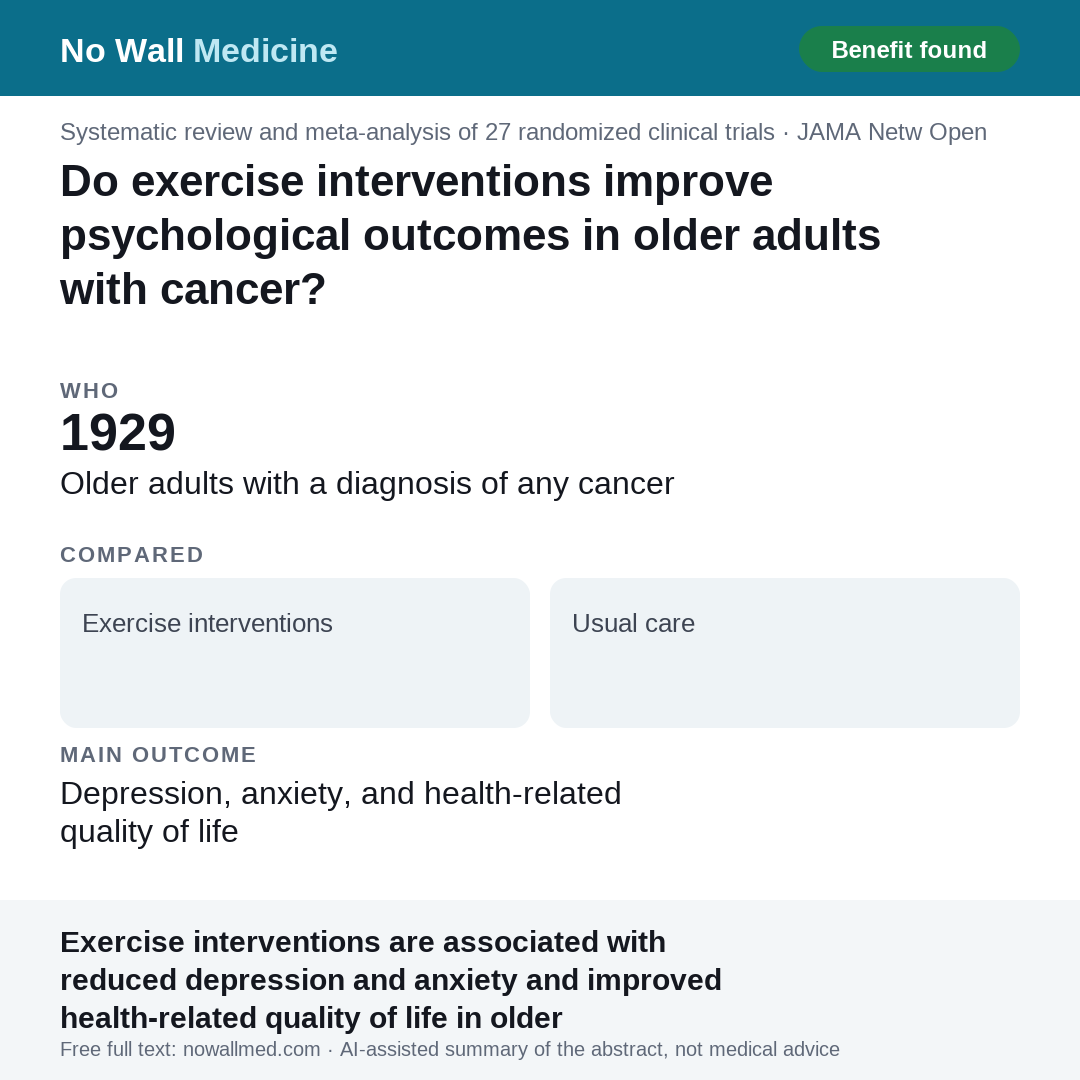
Exercise Interventions for Depression, Anxiety, and Quality of Life in Older Adults With Cancer: A Systematic Review and Meta-Analysis
Systematic review and meta-analysis of 27 randomized clinical trialsBenefit found
Do exercise interventions improve psychological outcomes in older adults with cancer?
Who
1929
Older adults with a diagnosis of any cancer
Compared
Exercise interventions
Usual care
Main outcome
Depression, anxiety, and health-related quality of life
Result: depression SMD -0.53 (95% CI -0.79 to -0.28), anxiety SMD -0.39 (95% CI -0.66 to -0.12), HRQOL SMD 0.63 (95% CI 0.10 to 1.17)
Bottom line: Exercise interventions are associated with reduced depression and anxiety and improved health-related quality of life in older adults with cancer.
JAMA Netw Open · 2025-02-03Download image
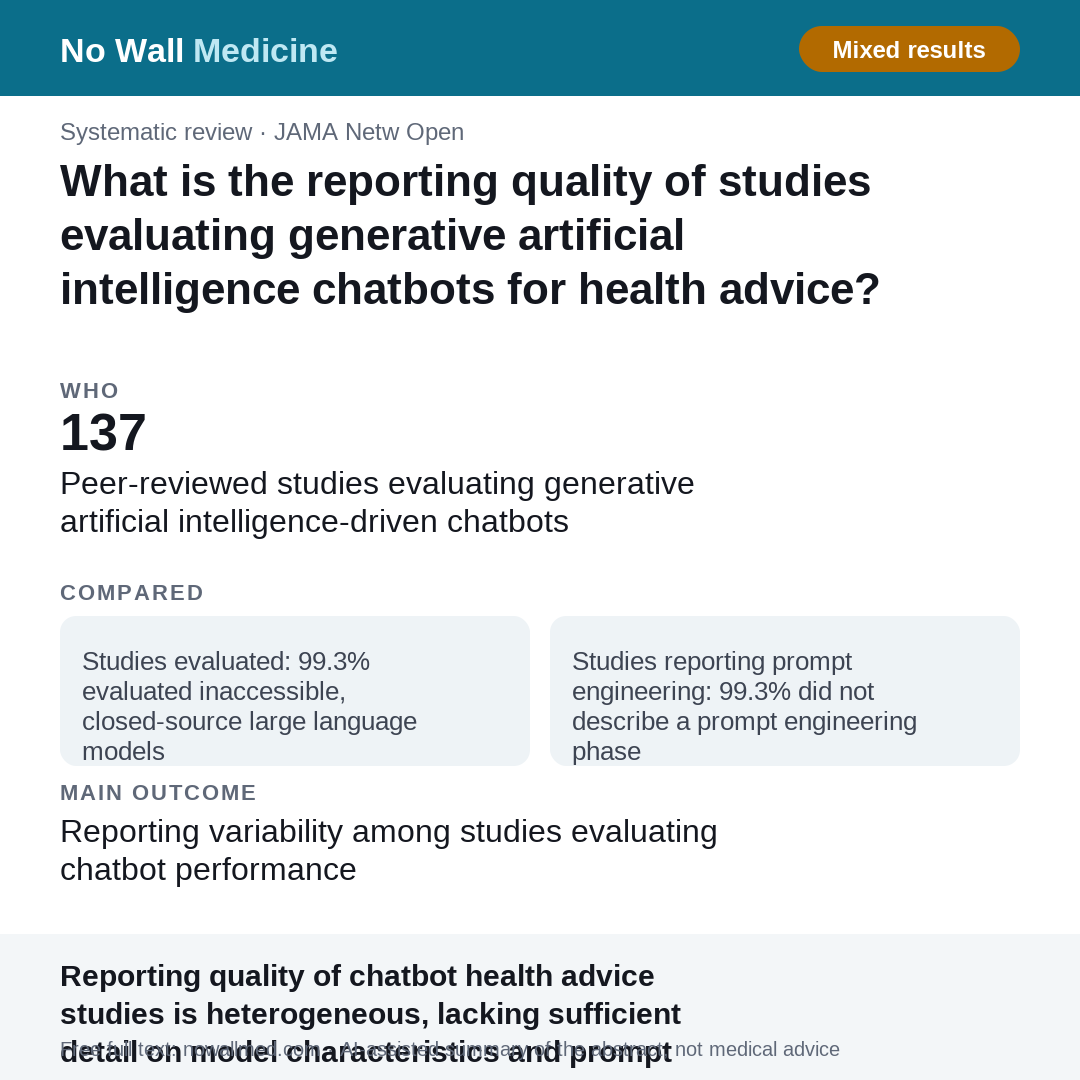
Large Language Models for Chatbot Health Advice Studies: A Systematic Review
Systematic reviewMixed results
What is the reporting quality of studies evaluating generative artificial intelligence chatbots for health advice?
Who
137
Peer-reviewed studies evaluating generative artificial intelligence-driven chatbots
Compared
Studies evaluated: 99.3% evaluated inaccessible, closed-source large language models
Studies reporting prompt engineering: 99.3% did not describe a prompt engineering phase
Main outcome
Reporting variability among studies evaluating chatbot performance
Bottom line: Reporting quality of chatbot health advice studies is heterogeneous, lacking sufficient detail on model characteristics and prompt engineering.
JAMA Netw Open · 2025-02-03Download image
The effect of prenatal balanced energy and protein supplementation on gestational weight gain: An individual participant data meta-analysis in low- and middle-income countries
Individual participant data meta-analysis of 11 randomized controlled trialsBenefit found
Does prenatal balanced energy and protein supplementation affect gestational weight gain?
Who
12549
Pregnant women in low- and middle-income countries · low- and middle-income countries
Compared
balanced energy and protein arm
comparison arm
Main outcome
gestational weight gain adequacy and total weight gain
Result: 6% greater GWG percent adequacy (95% CI: 2.18, 9.56)
Bottom line: Prenatal balanced energy and protein supplements increase gestational weight gain and reduce the risk of inadequate weight gain.
PLOS Med · 2025-02-03Download image

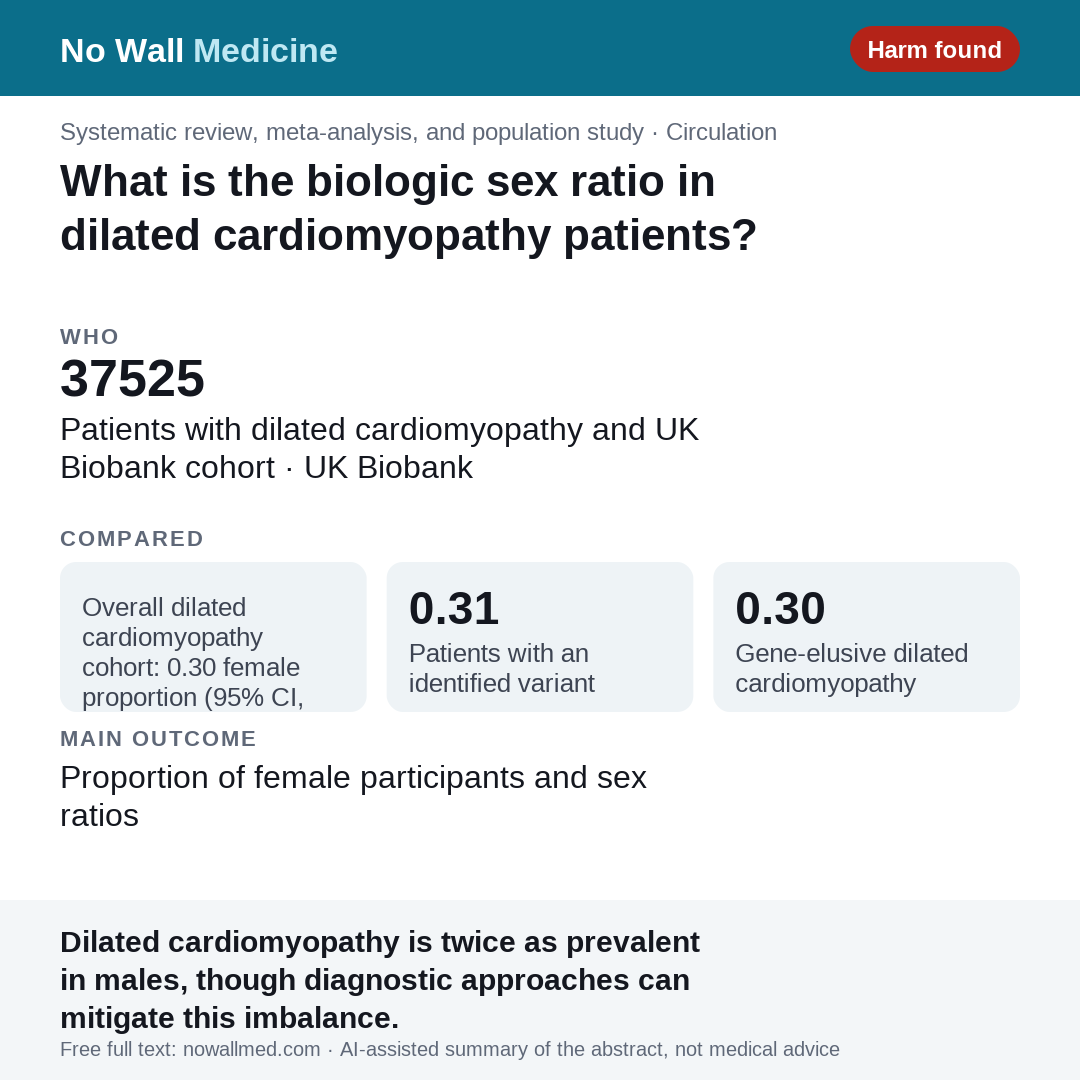
Systematic Review, Meta-Analysis, and Population Study to Determine the Biologic Sex Ratio in Dilated Cardiomyopathy
Systematic review, meta-analysis, and population studyHarm found
What is the biologic sex ratio in dilated cardiomyopathy patients?
Who
37525
Patients with dilated cardiomyopathy and UK Biobank cohort · UK Biobank
Compared
Overall dilated cardiomyopathy cohort: 0.30 female proportion (95% CI, 0.28-0.32)
0.31Patients with an identified variant (95% CI, 0.26-0.36)
0.30Gene-elusive dilated cardiomyopathy (95% CI, 0.24-0.37)
Main outcome
Proportion of female participants and sex ratios
Result: male:female ratio 2.38:1
Bottom line: Dilated cardiomyopathy is twice as prevalent in males, though diagnostic approaches can mitigate this imbalance.
Circulation · 2025-02-03Download image
Pharmacologic Management of Acute Pain in Children: A Systematic Review and Network Meta-Analysis
Network meta-analysis of randomized clinical trialsBenefit found
What are the relative benefits and harms of pharmacotherapy for acute pediatric pain?
Who
4935
Children aged less than 18 years with acute pain
Compared
Nonsteroidal anti-inflammatory drugs: WMD, -1.29 (95% CI, -1.89 to -0.70)
Ketamine: WMD, -1.12 (95% CI, -2.09 to -0.14)
Mid-high potency opioids: WMD, -1.19 (95% CI, -1.83 to -0.55)
Placebo
Main outcome
Pain severity, rescue medication need, symptom relief, and adverse drug events
Bottom line: Nonsteroidal anti-inflammatory drugs, ketamine, and mid-to-high potency opioids reduce pain, with nonsteroidal anti-inflammatory drugs being first-line.
JAMA Pediatr · 2025-02-03Download image

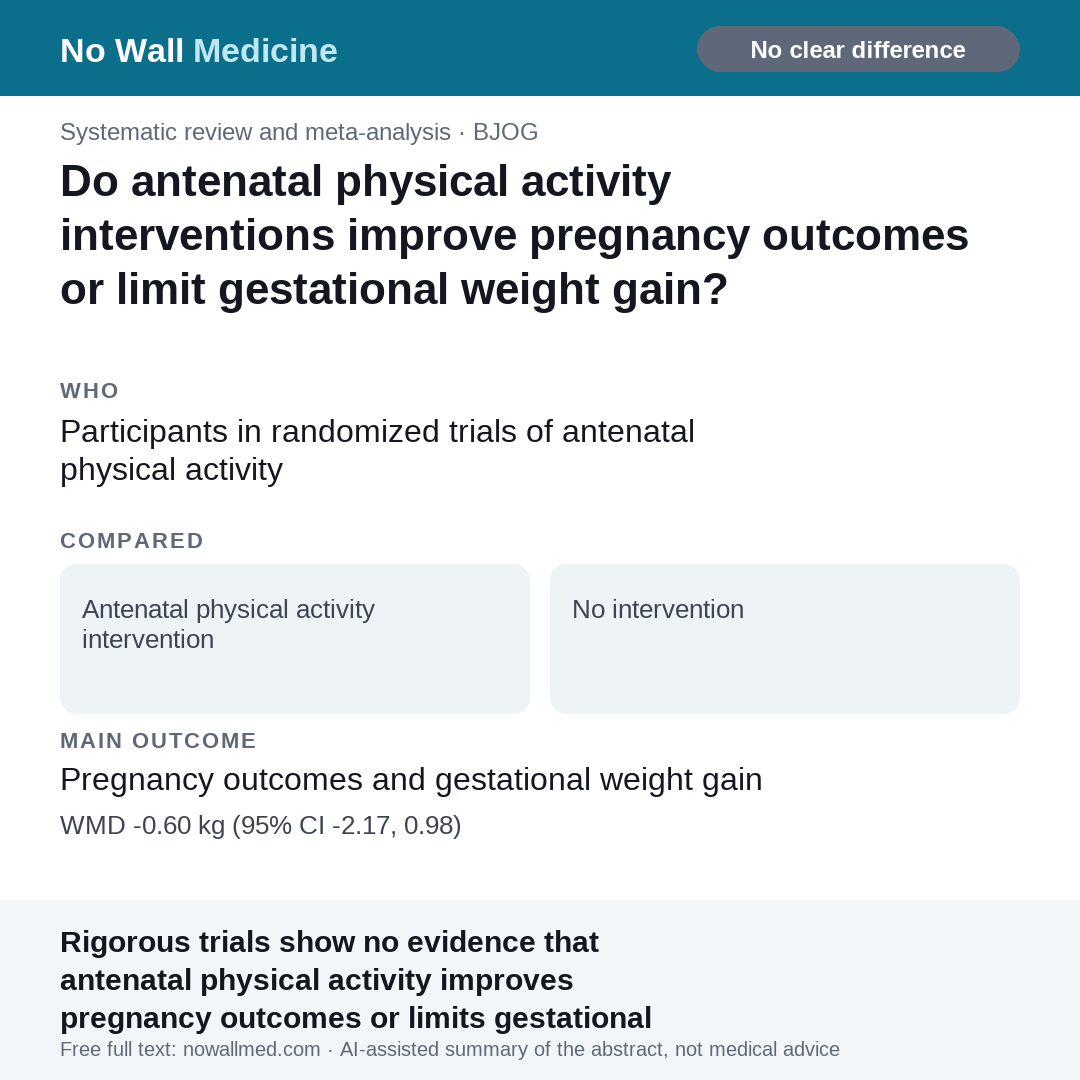
Antenatal Physical Activity Interventions and Pregnancy Outcomes: A Systematic Review and Meta-Analysis With a Focus on Trial Quality
Systematic review and meta-analysisNo clear difference
Do antenatal physical activity interventions improve pregnancy outcomes or limit gestational weight gain?
Who
Participants in randomized trials of antenatal physical activity
Compared
Antenatal physical activity intervention
No intervention
Main outcome
Pregnancy outcomes and gestational weight gain
Result: WMD -0.60 kg (95% CI -2.17, 0.98)
Bottom line: Rigorous trials show no evidence that antenatal physical activity improves pregnancy outcomes or limits gestational weight gain.
Limitation: Most included trials were not methodologically rigorous and had low reporting quality.
BJOG · 2025-02-03Download image
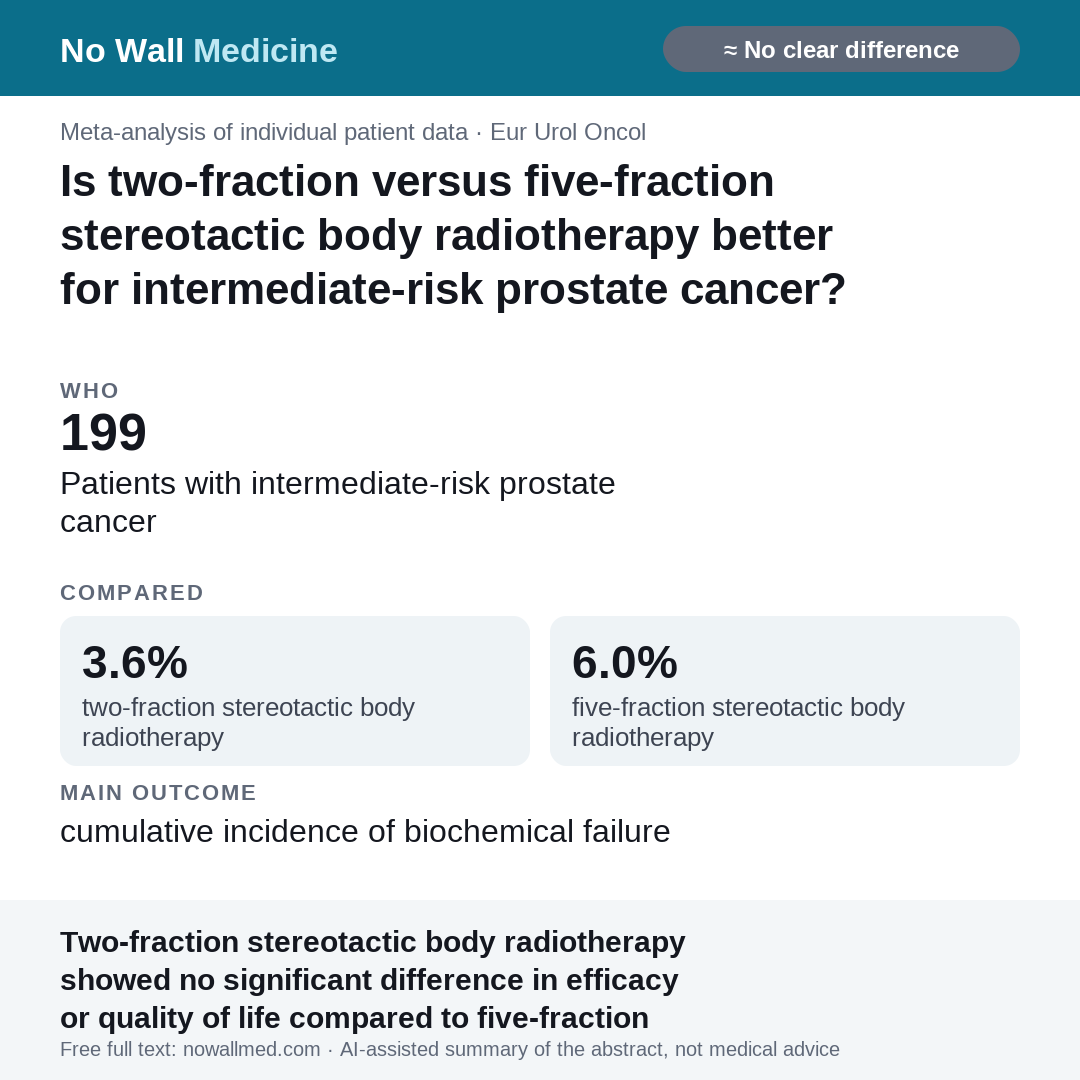
Two-fraction Versus Five-fraction Stereotactic Body Radiotherapy for Intermediate-risk Prostate Cancer: The TOFFEE Meta-analysis of Individual Patient Data from Four Prospective Trials
Meta-analysis of individual patient dataNo clear difference
Is two-fraction versus five-fraction stereotactic body radiotherapy better for intermediate-risk prostate cancer?
Who
199
Patients with intermediate-risk prostate cancer
Compared
3.6%two-fraction stereotactic body radiotherapy (95% CI 0-8.6%)
6.0%five-fraction stereotactic body radiotherapy (95% CI 1.8-10.2%)
Main outcome
cumulative incidence of biochemical failure
Bottom line: Two-fraction stereotactic body radiotherapy showed no significant difference in efficacy or quality of life compared to five-fraction radiotherapy.
Limitation: The comparison was non-randomized.
Eur Urol Oncol · 2025-02-03Download image
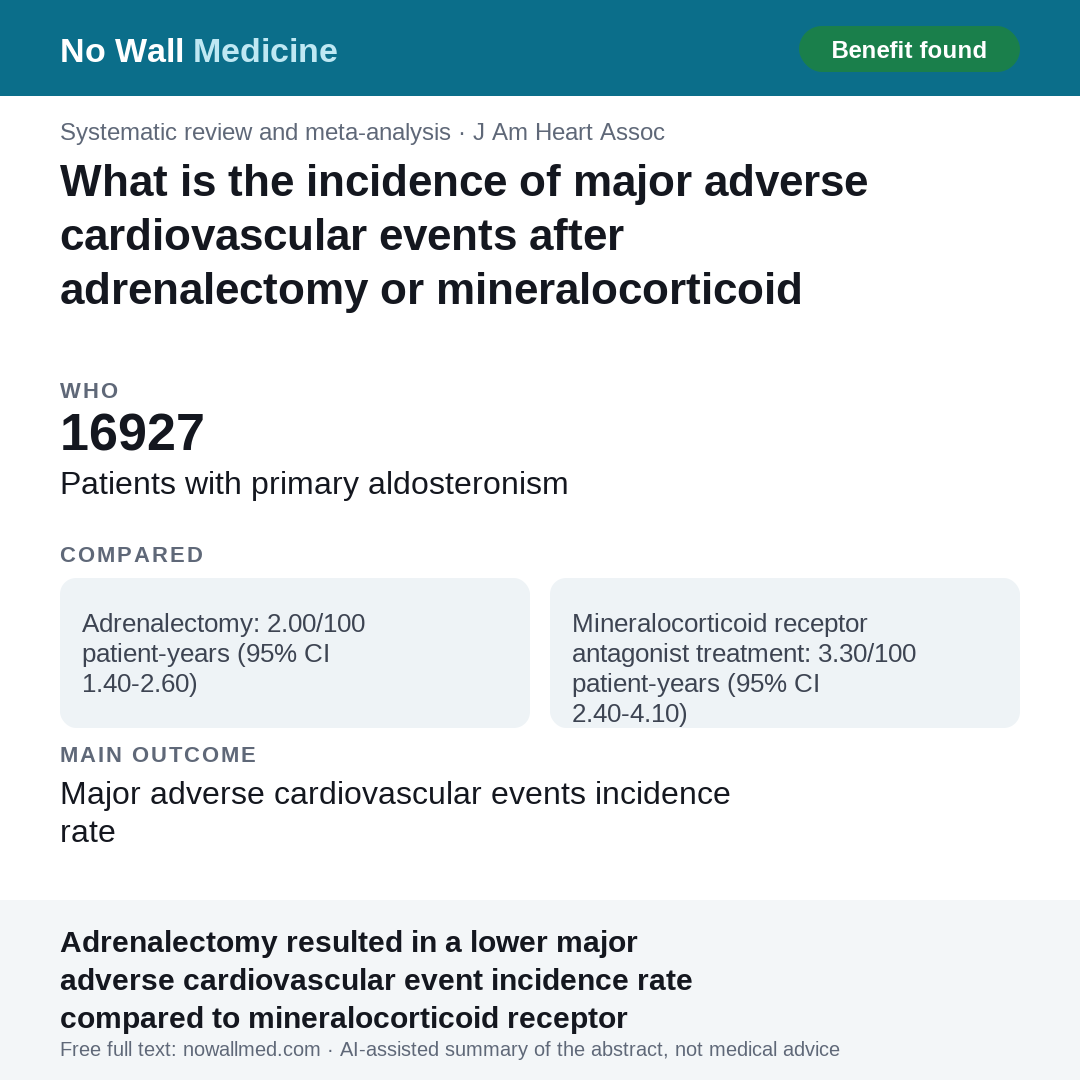
Major Adverse Cardiovascular Events in Primary Aldosteronism After Adrenalectomy or Mineralocorticoid Receptor Antagonist Treatment: A Systematic Review and Meta-Analysis
Systematic review and meta-analysisBenefit found
What is the incidence of major adverse cardiovascular events after adrenalectomy or mineralocorticoid receptor antagonist treatment?
Who
16927
Patients with primary aldosteronism
Compared
Adrenalectomy: 2.00/100 patient-years (95% CI 1.40-2.60)
Mineralocorticoid receptor antagonist treatment: 3.30/100 patient-years (95% CI 2.40-4.10)
Main outcome
Major adverse cardiovascular events incidence rate
Result: 2.20/100 patient-years (95% CI 1.70-2.80)
Bottom line: Adrenalectomy resulted in a lower major adverse cardiovascular event incidence rate compared to mineralocorticoid receptor antagonist treatment.
J Am Heart Assoc · 2025-02-03Download image
Risk factors associated with human Mpox infection: a systematic review and meta-analysis
Systematic review and meta-analysisMixed results
What are the risk factors associated with human Mpox infection?
Who
Human populations in endemic and non-endemic countries · Global
Compared
Interaction with infected animals: OR=5.61 (95% CI 2.83, 11.13)
HIV infection: OR=4.46 (95% CI 3.27, 6.08)
Smallpox vaccination: OR=0.24 (95% CI 0.11, 0.55)
Main outcome
Risk of Mpox infection
Bottom line: Mpox risk increases with animal contact, HIV, and sexual activities, but decreases with smallpox vaccination.
BMJ Glob Health · 2025-02-03Download image

Consistency between metagenomic next-generation sequencing versus traditional microbiological tests for infective disease: systemic review and meta-analysis
Systematic review and meta-analysisMixed results
What is the consistency between metagenomic next-generation sequencing and traditional microbiological tests?
Who
4112
4112 individuals
Compared
Metagenomic next-generation sequencing: 83.63% positive percent agreement
Traditional microbiological tests: 54.59% negative percent agreement
Main outcome
Kappa consistency between metagenomic next-generation sequencing and traditional tests
Result: pooled consistency of 0.319 ± 0.013 (p < 0.001)
Bottom line: Metagenomic next-generation sequencing shows a moderate relationship with traditional pathogen tests, with higher consistency in cerebrospinal fluid.
Limitation: Further research is needed on the use of metagenomic next-generation sequencing in sepsis and septic shock.
Crit Care · 2025-02-03Download image

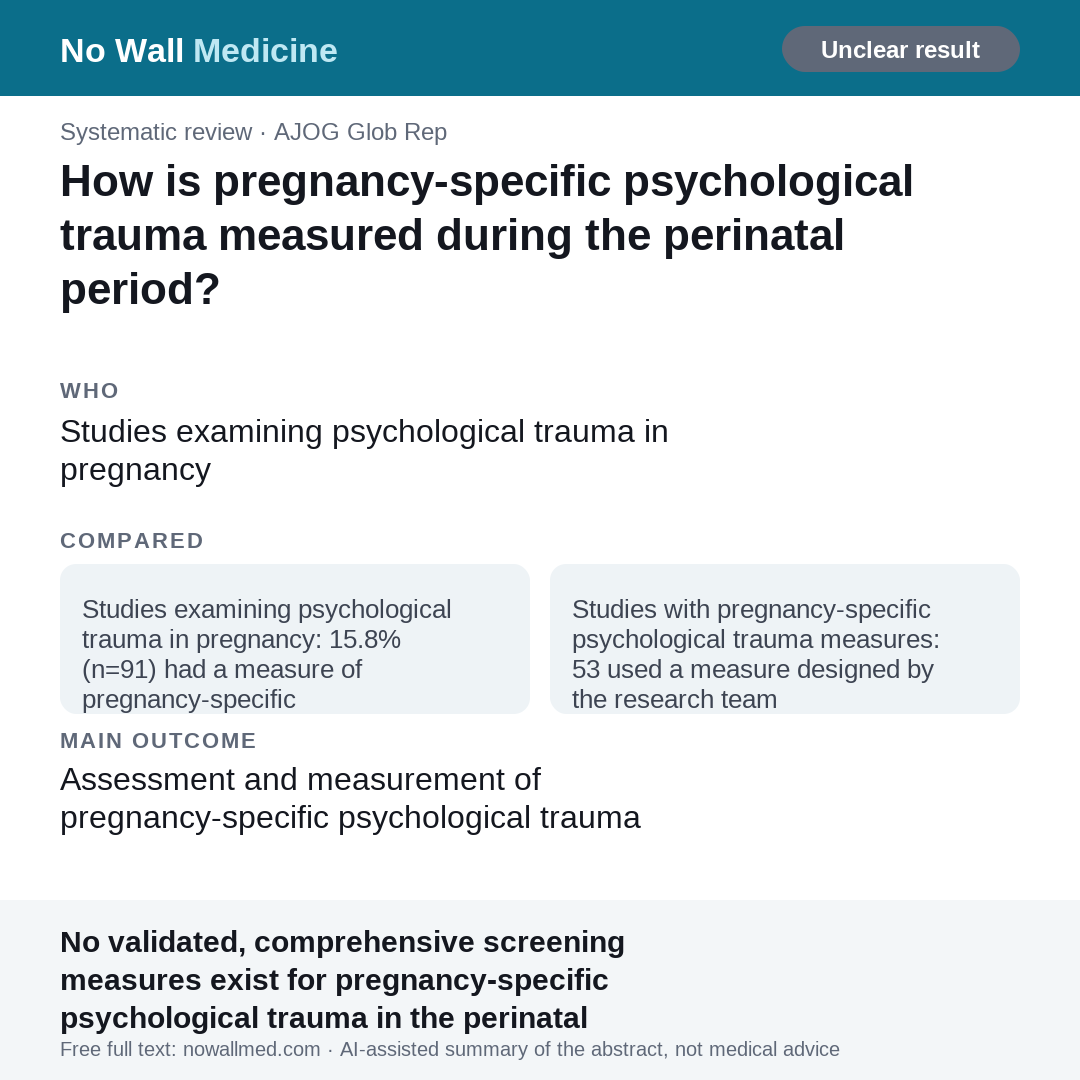
A systematic review on the assessment of pregnancy-specific psychological trauma during pregnancy: A call to action
Systematic reviewUnclear result
How is pregnancy-specific psychological trauma measured during the perinatal period?
Who
Studies examining psychological trauma in pregnancy
Compared
Studies examining psychological trauma in pregnancy: 15.8% (n=91) had a measure of pregnancy-specific psychological trauma
Studies with pregnancy-specific psychological trauma measures: 53 used a measure designed by the research team
Main outcome
Assessment and measurement of pregnancy-specific psychological trauma
Bottom line: No validated, comprehensive screening measures exist for pregnancy-specific psychological trauma in the perinatal period.
Limitation: None mentioned
AJOG Glob Rep · 2025-02-03Download image
Use of the radial forearm free flap in eyelid and orbit defect reconstruction: A systematic review and meta-analysis
Systematic review and meta-analysisBenefit found
What are the success and complication rates of radial forearm free flap in eyelid and orbit reconstruction?
Who
40
Patients undergoing eyelid and orbital socket reconstruction
Compared
Radial forearm free flap: 92.8% success rate
8.62%Complications
Main outcome
Success and complication rates of radial forearm free flap
Result: 92.8% (95% CI, 83.25 to 100)
Bottom line: Radial forearm free flap is a reliable option for complex orbital and eyelid reconstructions with high success rates.
J Plast Reconstr Aesthet Surg · 2025-02-01Download image

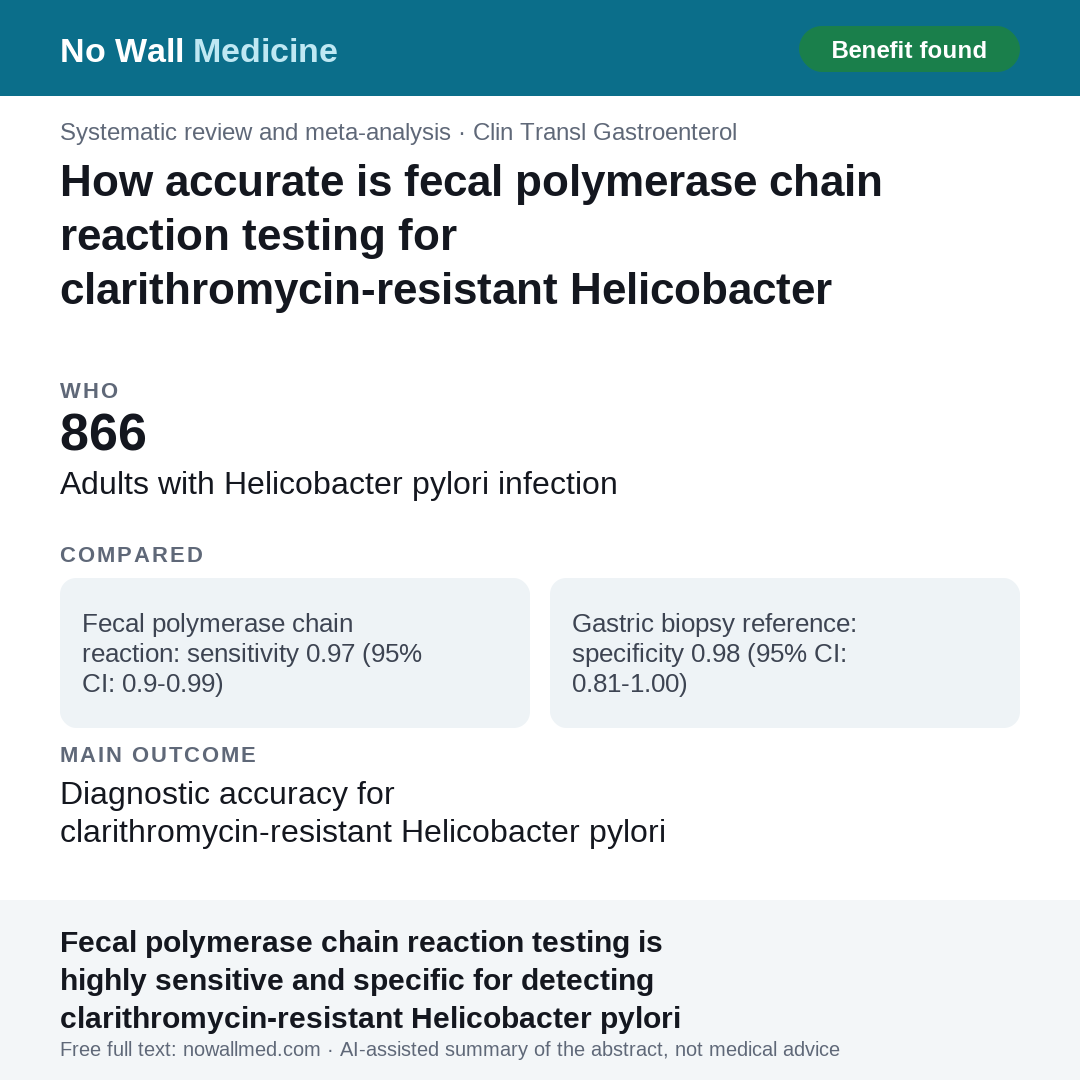
Accuracy of Fecal Polymerase Chain Reaction Testing in Clarithromycin-Resistant Helicobacter Pylori: A Systematic Review and Meta-Analysis
Systematic review and meta-analysisBenefit found
How accurate is fecal polymerase chain reaction testing for clarithromycin-resistant Helicobacter pylori?
Who
866
Adults with Helicobacter pylori infection
Compared
Fecal polymerase chain reaction: sensitivity 0.97 (95% CI: 0.9-0.99)
Gastric biopsy reference: specificity 0.98 (95% CI: 0.81-1.00)
Main outcome
Diagnostic accuracy for clarithromycin-resistant Helicobacter pylori
Result: diagnostic odds ratio 1843.92 (95% CI 134.28-25,321.3)
Bottom line: Fecal polymerase chain reaction testing is highly sensitive and specific for detecting clarithromycin-resistant Helicobacter pylori strains.
Clin Transl Gastroenterol · 2025-02-01Download image
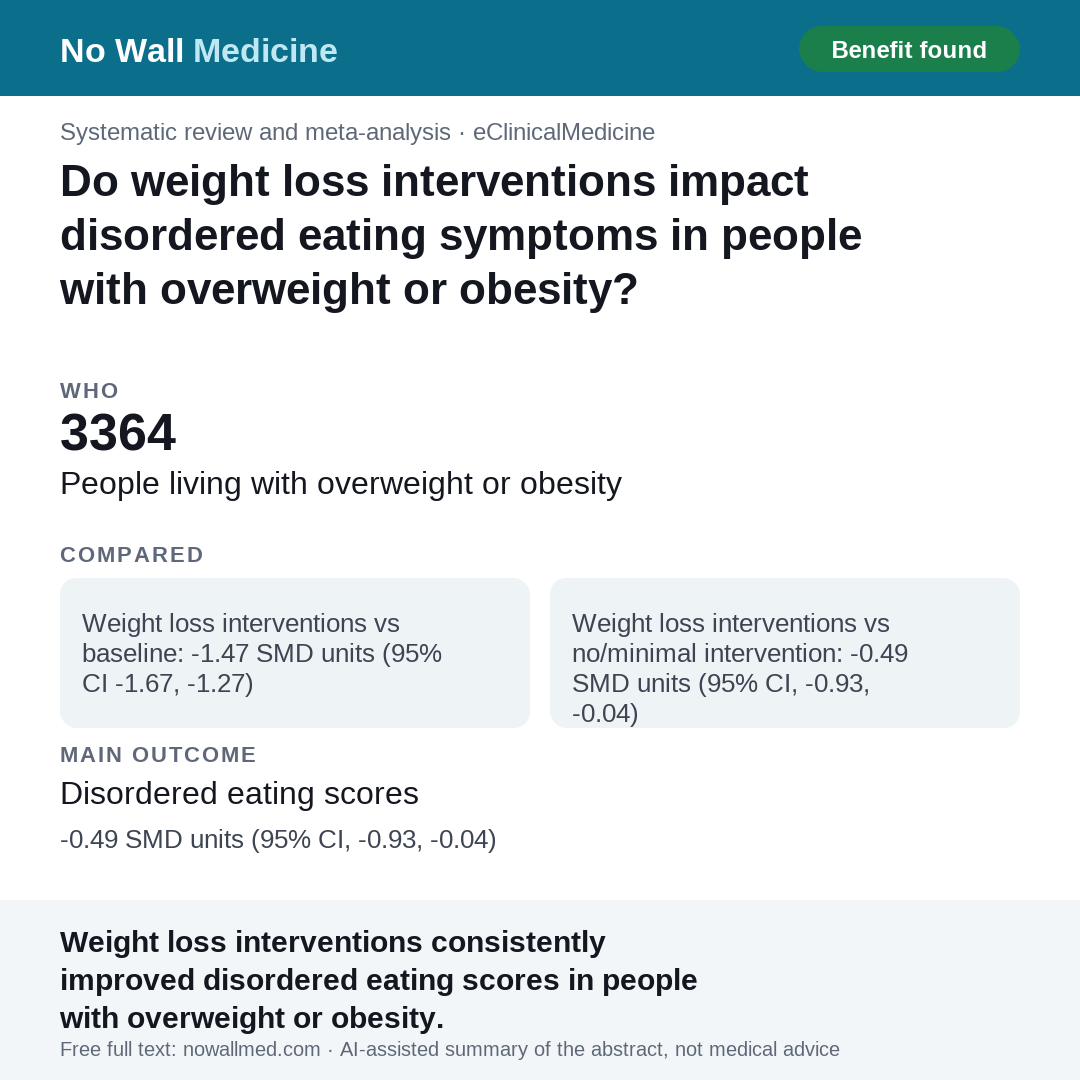
The impact of weight loss interventions on disordered eating symptoms in people with overweight and obesity: a systematic review & meta-analysis
Systematic review and meta-analysisBenefit found
Do weight loss interventions impact disordered eating symptoms in people with overweight or obesity?
Who
3364
People living with overweight or obesity
Compared
Weight loss interventions vs baseline: -1.47 SMD units (95% CI -1.67, -1.27)
Weight loss interventions vs no/minimal intervention: -0.49 SMD units (95% CI, -0.93, -0.04)
Main outcome
Disordered eating scores
Result: -0.49 SMD units (95% CI, -0.93, -0.04)
Bottom line: Weight loss interventions consistently improved disordered eating scores in people with overweight or obesity.
Limitation: High heterogeneity in effect size
Funded by: Novo Nordisk UK Research Foundation
eClinicalMedicine · 2025-01-31Download image
Efficacy and safety of immune checkpoint inhibitors in elderly patients with advanced non-small cell lung cancer: a systematic review and meta-analysis
Meta-analysis of 35 trialsBenefit found
Do immune checkpoint inhibitors improve survival
Who
9788
Elderly patients with advanced non-small cell lung cancer
Compared
Immune checkpoint inhibitors
Chemotherapy
Main outcome
Overall survival
Result: hazard ratio 0.78 (95% CI: 0.74-0.82)
Bottom line: Immune checkpoint inhibitors improve survival
Limitation: Findings require further validation
eClinicalMedicine · 2025-01-31Download image

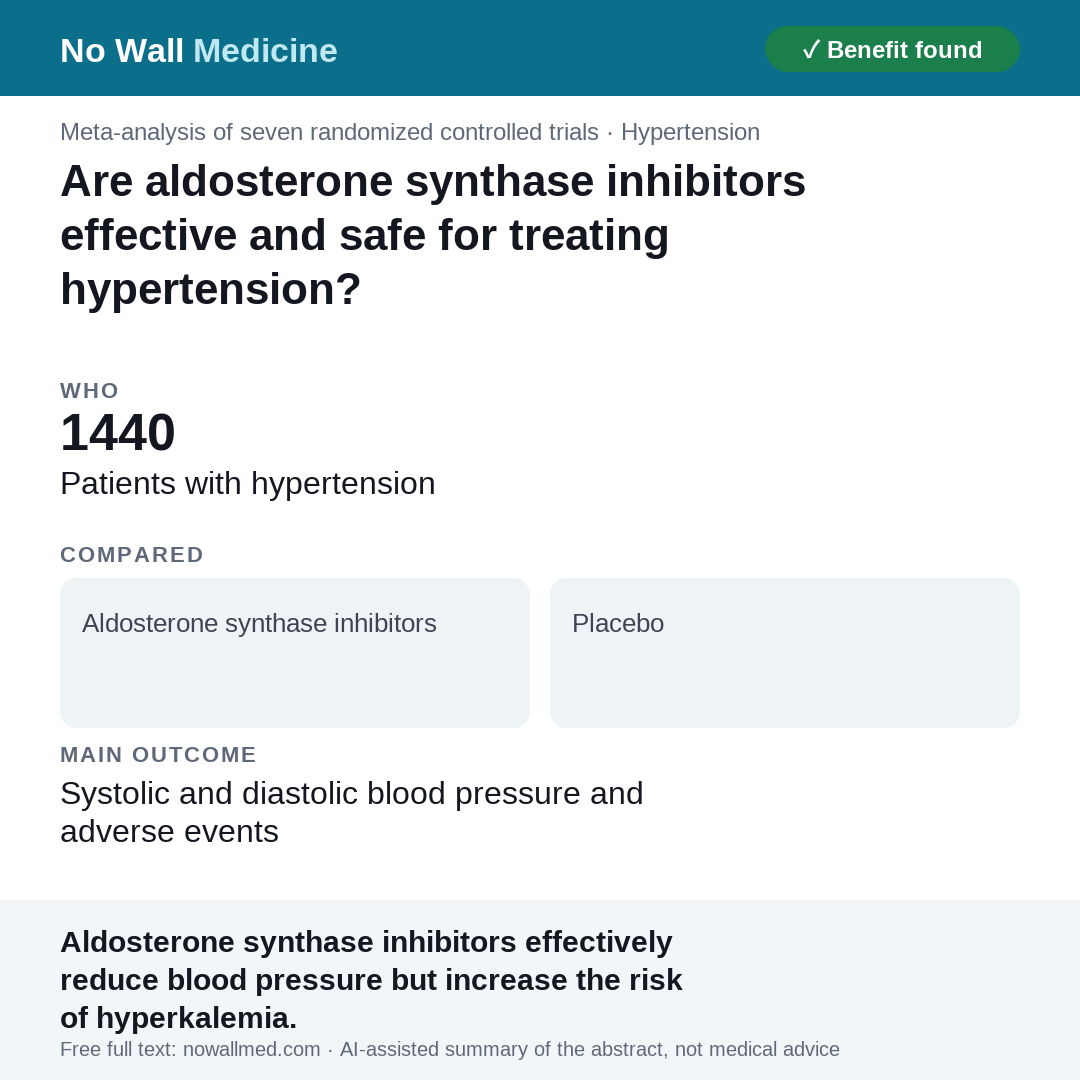
Efficacy and Safety of Aldosterone Synthase Inhibitors for Hypertension: A Meta-Analysis of Randomized Controlled Trials and Systematic Review
Meta-analysis of seven randomized controlled trialsBenefit found
Are aldosterone synthase inhibitors effective and safe for treating hypertension?
Who
1440
Patients with hypertension
Compared
Aldosterone synthase inhibitors
Placebo
Main outcome
Systolic and diastolic blood pressure and adverse events
Result: systolic blood pressure reduction -6.3 mm Hg (95% CI -8.8 to -3.8)
Bottom line: Aldosterone synthase inhibitors effectively reduce blood pressure but increase the risk of hyperkalemia.
Limitation: further research in larger studies is required
Hypertension · 2025-01-31Download image
Frailty and outcomes in adults undergoing systemic anticancer treatment: a systematic review and meta-analysis
Systematic review and meta-analysisHarm found
Does baseline frailty associate with outcomes in adults undergoing systemic anticancer treatment?
Who
Adults with solid-organ malignancy undergoing systemic anticancer treatment
Compared
Patients with frailty
Patients without frailty
Main outcome
Survival, toxicity, treatment tolerance, and hospitalization
Result: hazard ratio 1.68 (95% CI 1.41 to 2.00)
Bottom line: Frailty is associated with increased risk of mortality, toxicity, treatment intolerance, and hospitalization in cancer patients.
J Natl Cancer Inst · 2025-01-31Download image