Visual abstracts
New randomized trials and meta-analyses from leading journals at a glance: who was studied, what was compared, and what was found. Every paper is free to read in full.
All specialtiesCardiology 4795Oncology 4083Gastroenterology & Hepatology 1916Infectious Disease 3786Neurology 1885Psychiatry & Mental Health 2240Pulmonology 2061Critical Care 1334Endocrinology & Diabetes 2553Pediatrics 2913Surgery 2498Orthopedics & Sports Medicine 922Neurosurgery 532Cardiothoracic & Vascular Surgery 665Plastic & Reconstructive Surgery 585Nephrology 1114Rheumatology 814Hematology 1097Dermatology 619Ophthalmology 539Obstetrics & Gynecology 1659Public & Global Health 1042Radiology & Imaging 637Anesthesiology 959Urology 751ENT (Otolaryngology) 497Emergency Medicine 484Allergy & Immunology 310Geriatrics 974Family Medicine & Primary Care 538Medical Genetics & Genomics 662Pathology & Laboratory Medicine 156Physical Medicine & Rehabilitation 746Palliative Care 422Nutrition 1566Digital Health & AI 2190General Medicine 319
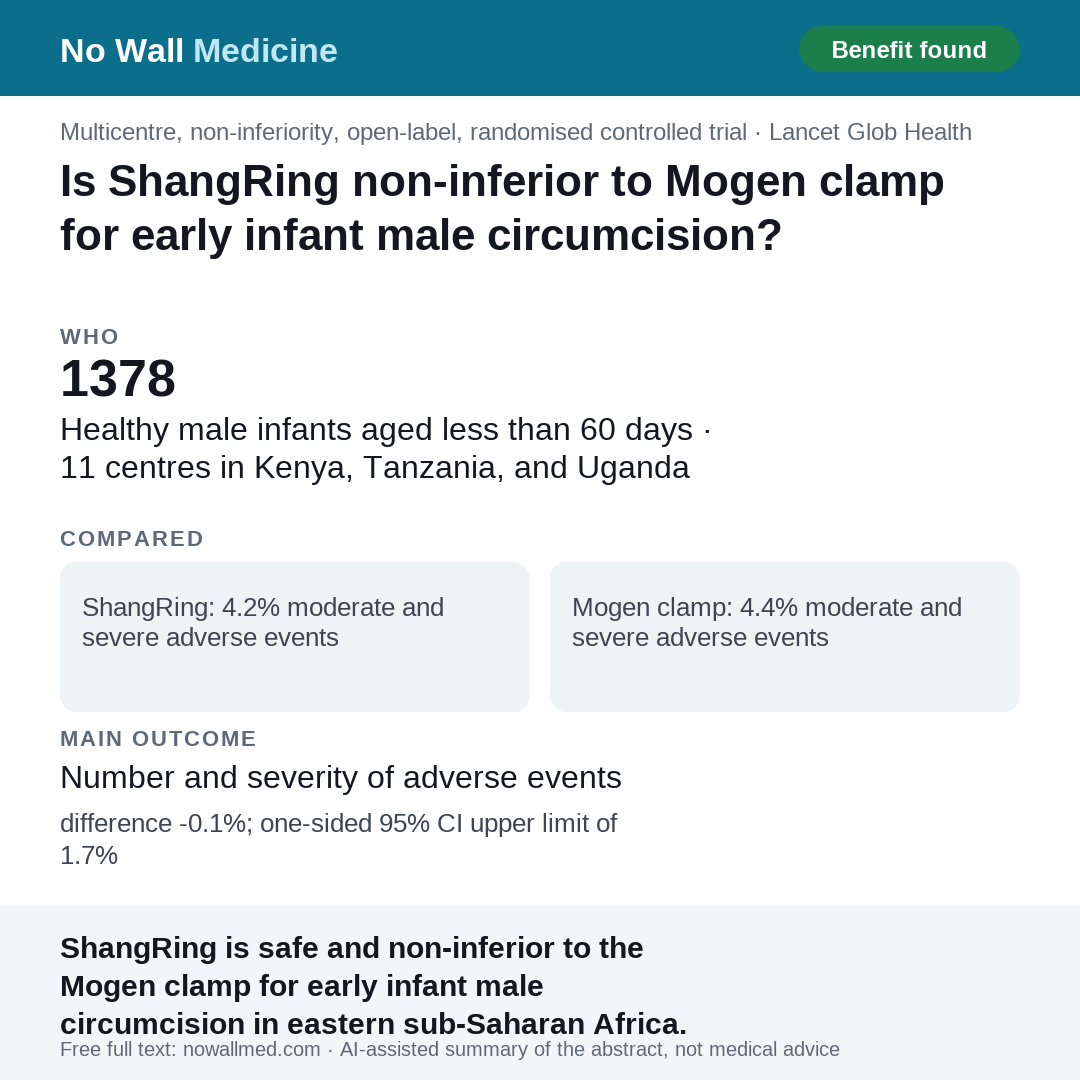
ShangRing versus Mogen clamp for early infant male circumcision in eastern sub-Saharan Africa: a multicentre, non-inferiority, adaptive, randomised controlled trial
Multicentre, non-inferiority, open-label, randomised controlled trialBenefit found
Is ShangRing non-inferior to Mogen clamp for early infant male circumcision?
Who
1378
Healthy male infants aged less than 60 days · 11 centres in Kenya, Tanzania, and Uganda
Compared
ShangRing: 4.2% moderate and severe adverse events
Mogen clamp: 4.4% moderate and severe adverse events
Main outcome
Number and severity of adverse events
Result: difference -0.1%; one-sided 95% CI upper limit of 1.7%
Bottom line: ShangRing is safe and non-inferior to the Mogen clamp for early infant male circumcision in eastern sub-Saharan Africa.
Funded by: Bill & Melinda Gates Foundation
Lancet Glob Health · 2022-09-17Download image
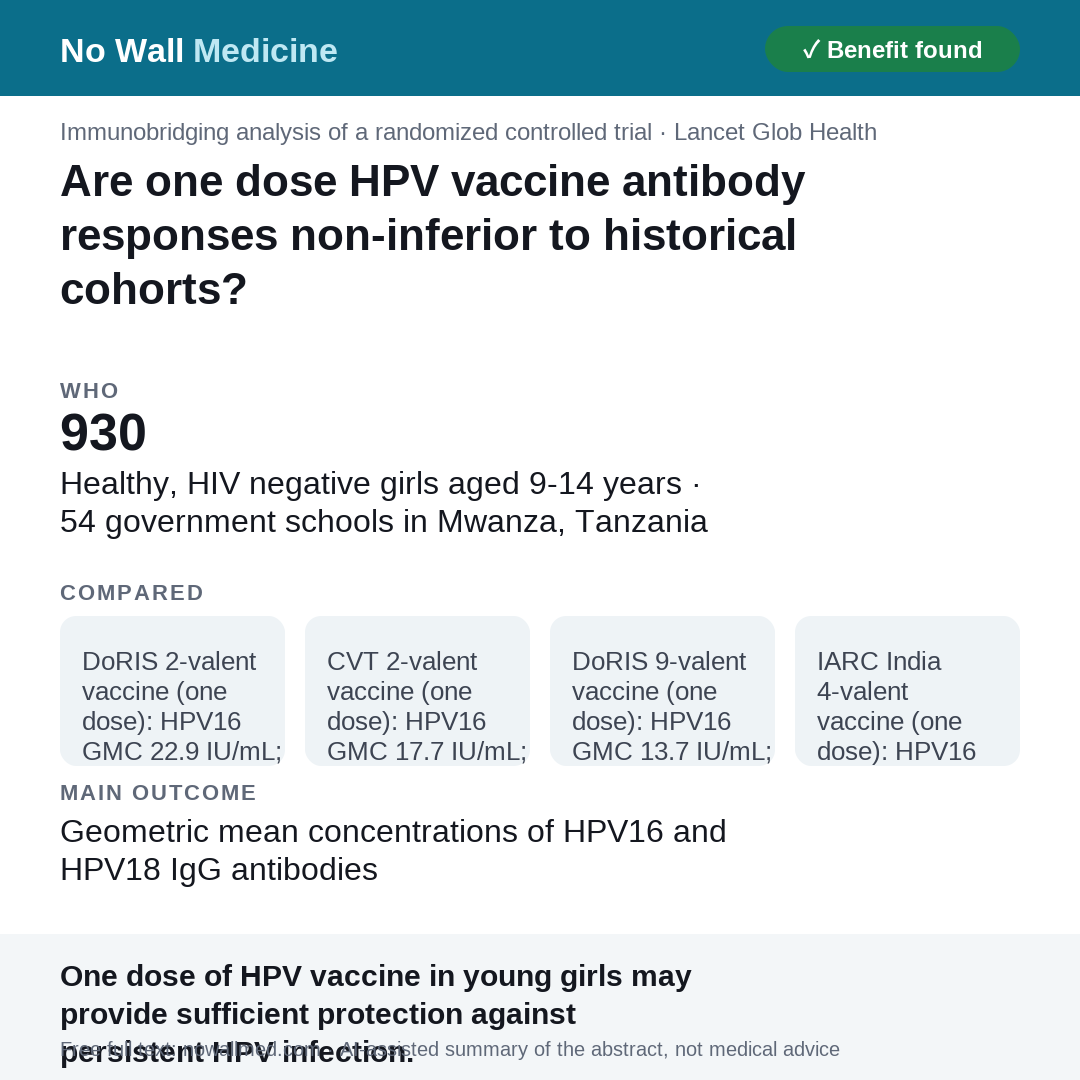
Comparing one dose of HPV vaccine in girls aged 9-14 years in Tanzania (DoRIS) with one dose of HPV vaccine in historical cohorts: an immunobridging analysis of a randomised controlled trial
Immunobridging analysis of a randomized controlled trialBenefit found
Are one dose HPV vaccine antibody responses non-inferior to historical cohorts?
Who
930
Healthy, HIV negative girls aged 9-14 years · 54 government schools in Mwanza, Tanzania
Compared
DoRIS 2-valent vaccine (one dose): HPV16 GMC 22.9 IU/mL; HPV18 GMC 9.9 IU/mL
CVT 2-valent vaccine (one dose): HPV16 GMC 17.7 IU/mL; HPV18 GMC 8.0 IU/mL
DoRIS 9-valent vaccine (one dose): HPV16 GMC 13.7 IU/mL; HPV18 GMC 5.7 IU/mL
IARC India 4-valent vaccine (one dose): HPV16 GMC 6.7 IU/mL; HPV18 GMC 2.2 IU/mL
Main outcome
Geometric mean concentrations of HPV16 and HPV18 IgG antibodies
Result: non-inferiority met for each vaccine for both HPV16 and HPV18
Bottom line: One dose of HPV vaccine in young girls may provide sufficient protection against persistent HPV infection.
Funded by: UK DFID, UK MRC, Wellcome Trust, Bill & Melinda Gates Foundation, US NCI
Lancet Glob Health · 2022-09-17Download image
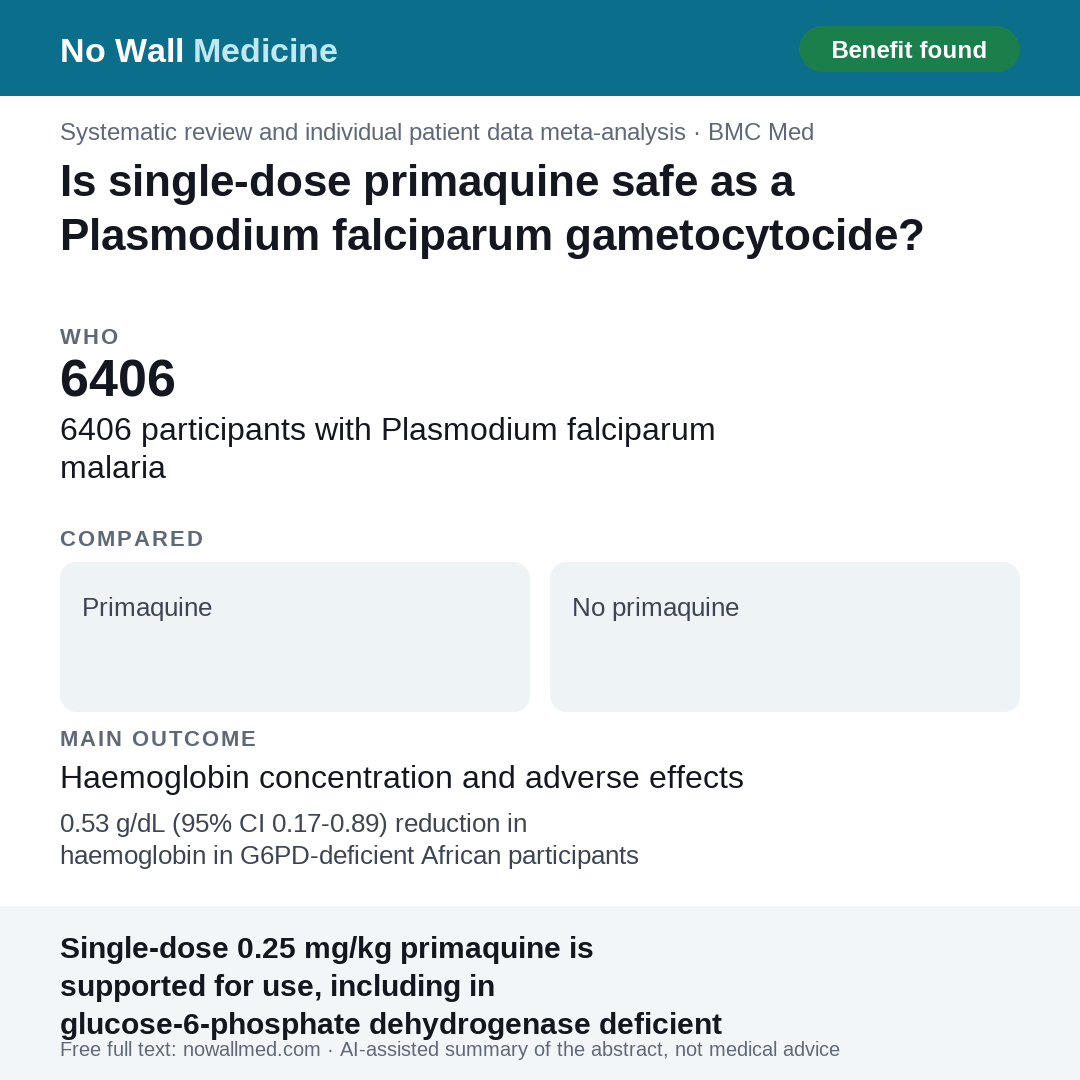
Safety of single-dose primaquine as a Plasmodium falciparum gametocytocide: a systematic review and meta-analysis of individual patient data
Systematic review and individual patient data meta-analysisBenefit found
Is single-dose primaquine safe as a Plasmodium falciparum gametocytocide?
Who
6406
6406 participants with Plasmodium falciparum malaria
Compared
Primaquine
No primaquine
Main outcome
Haemoglobin concentration and adverse effects
Result: 0.53 g/dL (95% CI 0.17-0.89) reduction in haemoglobin in G6PD-deficient African participants
Bottom line: Single-dose 0.25 mg/kg primaquine is supported for use, including in glucose-6-phosphate dehydrogenase deficient individuals.
BMC Med · 2022-09-16Download image
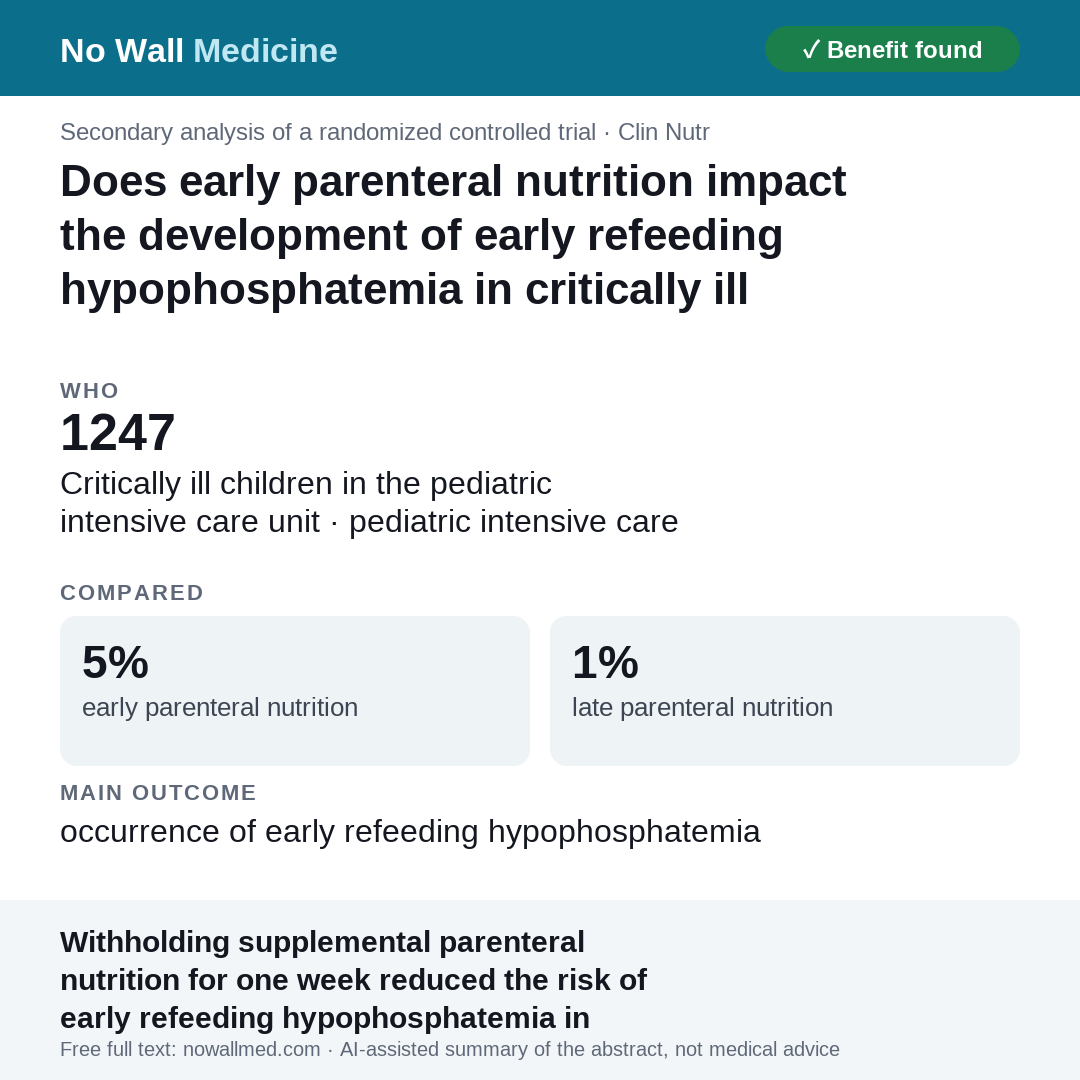
Early hypophosphatemia in critically ill children and the effect of parenteral nutrition: A secondary analysis of the PEPaNIC RCT
Secondary analysis of a randomized controlled trialBenefit found
Does early parenteral nutrition impact the development of early refeeding hypophosphatemia in critically ill children?
Who
1247
Critically ill children in the pediatric intensive care unit · pediatric intensive care unit
Compared
5%early parenteral nutrition
1%late parenteral nutrition
Main outcome
occurrence of early refeeding hypophosphatemia
Result: OR 0.24 (95% CI 0.10 to 0.49)
Bottom line: Withholding supplemental parenteral nutrition for one week reduced the risk of early refeeding hypophosphatemia in critically ill children.
Clin Nutr · 2022-09-16Download image
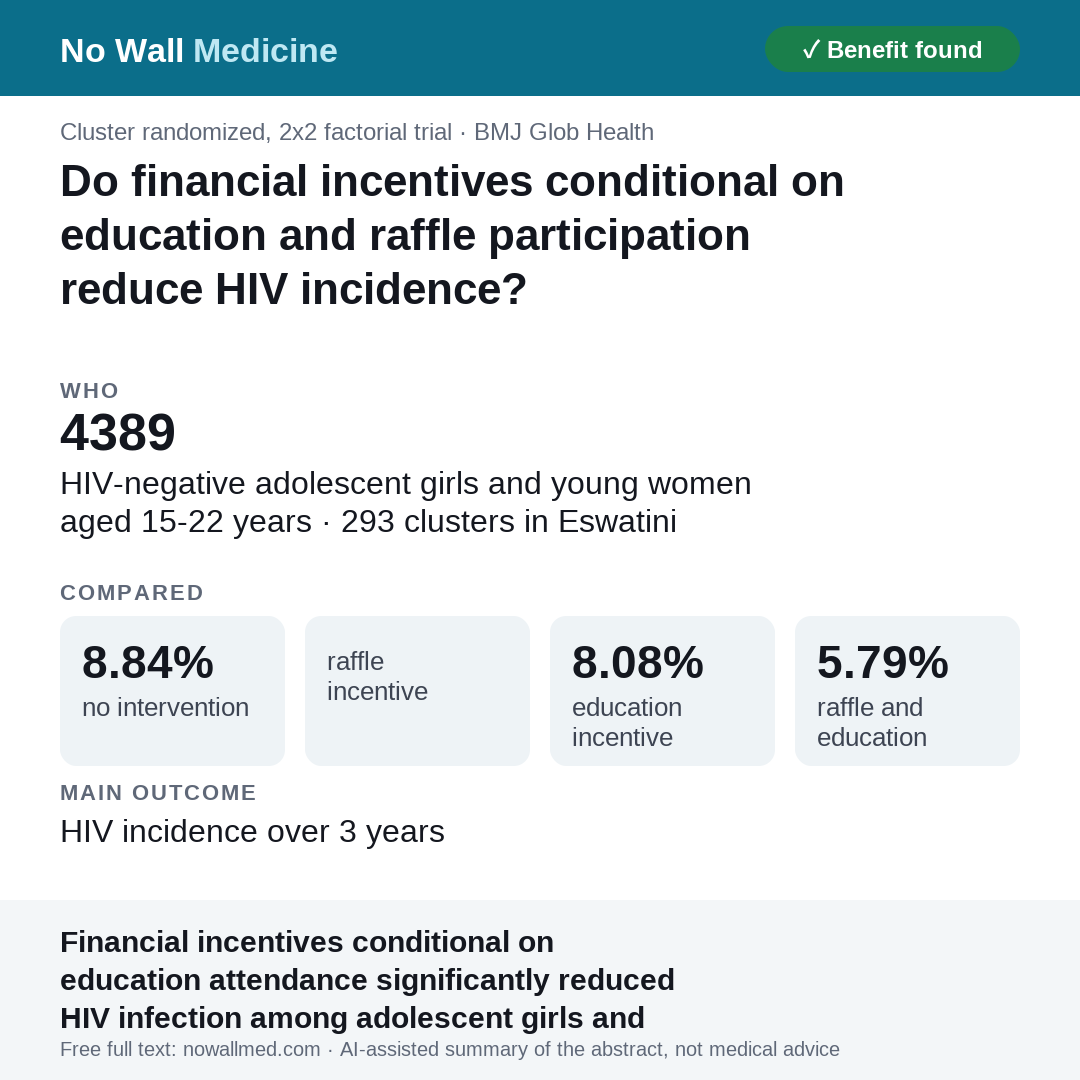
The impact of financial incentives on HIV incidence among adolescent girls and young women in Eswatini: Sitakhela Likusasa, a cluster randomised trial
Cluster randomized, 2x2 factorial trialBenefit found
Do financial incentives conditional on education and raffle participation reduce HIV incidence?
Who
4389
HIV-negative adolescent girls and young women aged 15-22 years · 293 clusters in Eswatini
Compared
8.84%no intervention (80/905)
raffle incentive
8.08%education incentive (153/1894)
5.79%raffle and education incentive (54/878)
Main outcome
HIV incidence over 3 years
Result: adjusted OR: 0.754 (0.585 to 0.972)
Bottom line: Financial incentives conditional on education attendance significantly reduced HIV infection among adolescent girls and young women in Eswatini.
BMJ Glob Health · 2022-09-16Download image
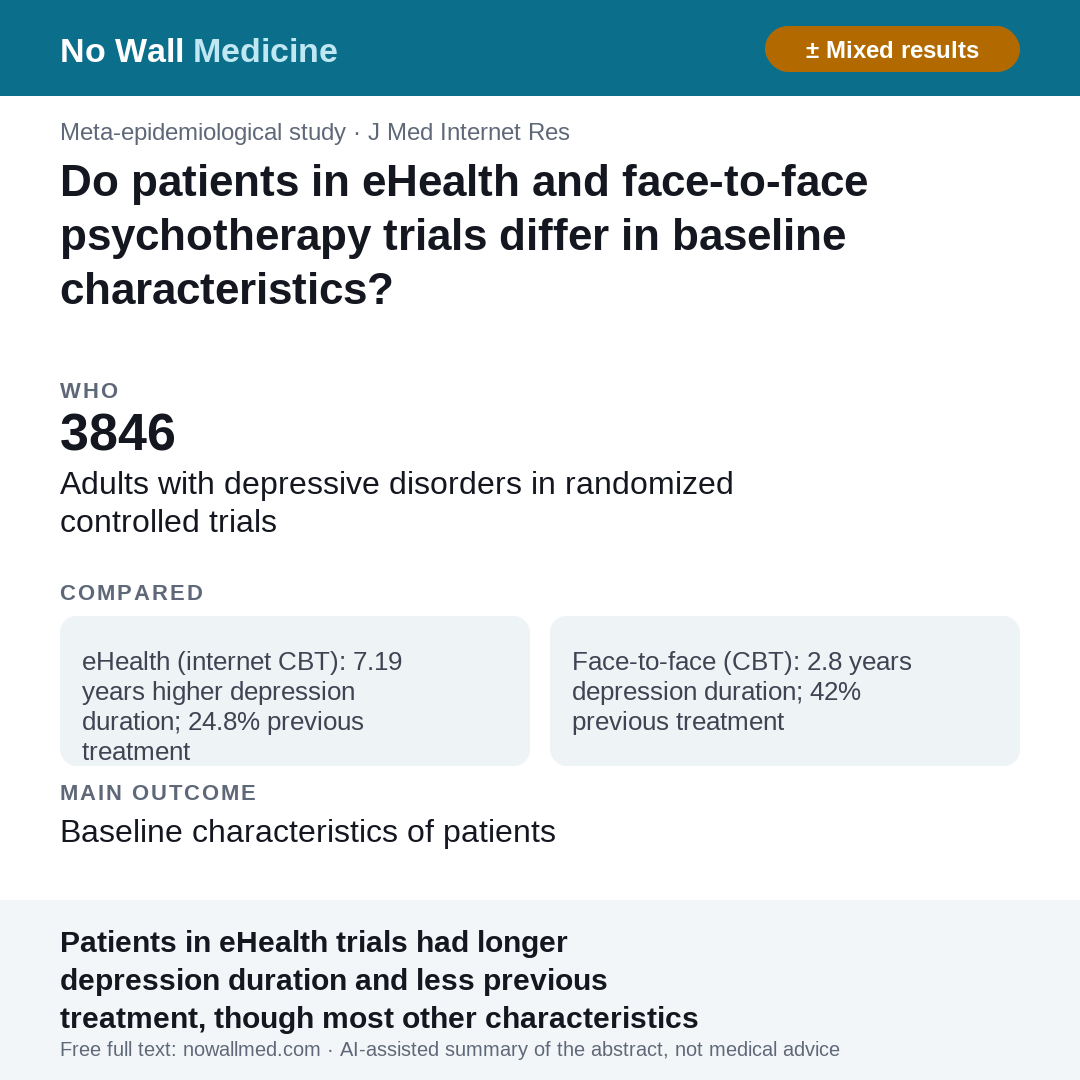
Comparability of Patients in Trials of eHealth and Face-to-Face Psychotherapeutic Interventions for Depression: Meta-synthesis
Meta-epidemiological studyMixed results
Do patients in eHealth and face-to-face psychotherapy trials differ in baseline characteristics?
Who
3846
Adults with depressive disorders in randomized controlled trials
Compared
eHealth (internet CBT): 7.19 years higher depression duration; 24.8% previous treatment
Face-to-face (CBT): 2.8 years depression duration; 42% previous treatment
Main outcome
Baseline characteristics of patients
Result: difference in means 7.19 years (95% CI 2.53-11.84)
Bottom line: Patients in eHealth trials had longer depression duration and less previous treatment, though most other characteristics were similar.
Limitation: Other socioeconomic characteristics were poorly described and computer proficiency could not be compared.
J Med Internet Res · 2022-09-14Download image
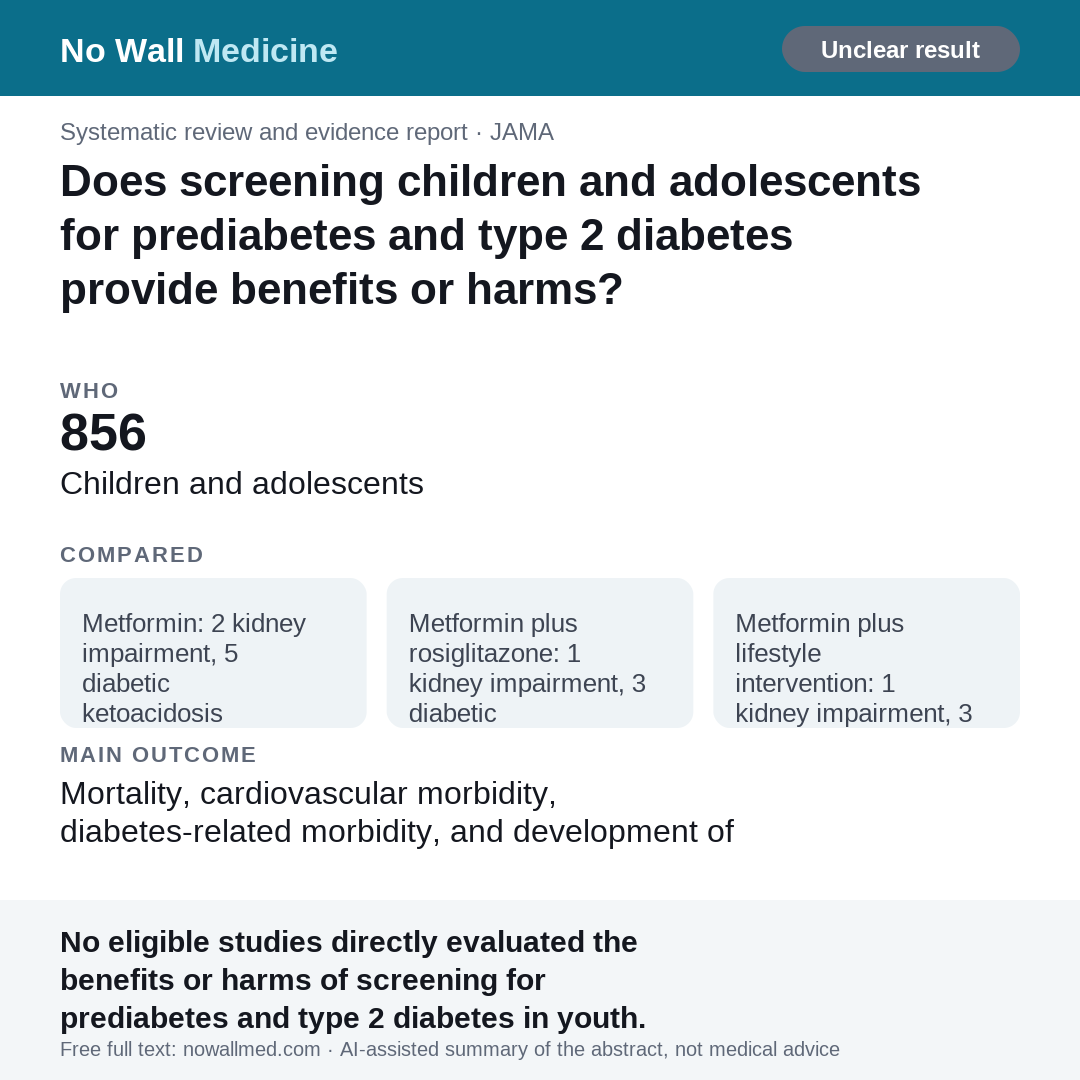
Screening for Prediabetes and Type 2 Diabetes in Children and Adolescents: Evidence Report and Systematic Review for the US Preventive Services Task Force
Systematic review and evidence reportUnclear result
Does screening children and adolescents for prediabetes and type 2 diabetes provide benefits or harms?
Who
856
Children and adolescents
Compared
Metformin: 2 kidney impairment, 5 diabetic ketoacidosis
Metformin plus rosiglitazone: 1 kidney impairment, 3 diabetic ketoacidosis
Metformin plus lifestyle intervention: 1 kidney impairment, 3 diabetic ketoacidosis
Main outcome
Mortality, cardiovascular morbidity, diabetes-related morbidity, and development of diabetes
Bottom line: No eligible studies directly evaluated the benefits or harms of screening for prediabetes and type 2 diabetes in youth.
Limitation: Evidence was limited by substantial imprecision and insufficient follow-up duration to assess health outcomes.
JAMA · 2022-09-13Download image
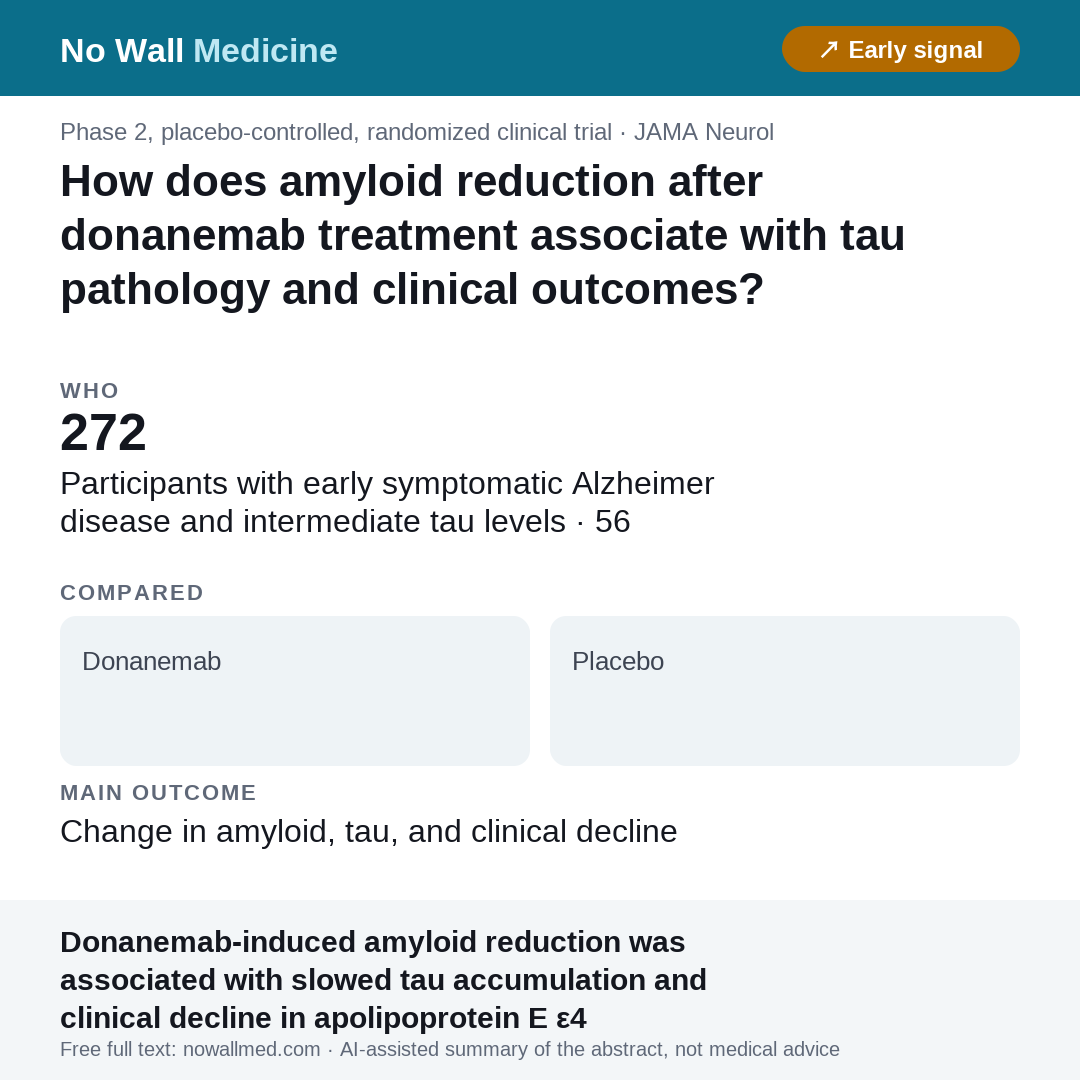
Association of Amyloid Reduction After Donanemab Treatment With Tau Pathology and Clinical Outcomes: The TRAILBLAZER-ALZ Randomized Clinical Trial
Phase 2, placebo-controlled, randomized clinical trialEarly signal
How does amyloid reduction after donanemab treatment associate with tau pathology and clinical outcomes?
Who
272
Participants with early symptomatic Alzheimer disease and intermediate tau levels · 56 centers in the US and Canada
Compared
Donanemab
Placebo
Main outcome
Change in amyloid, tau, and clinical decline
Result: percentage amyloid reduction and change on integrated Alzheimer Disease Rating Scale 95% CI, 24%-59%
Bottom line: Donanemab-induced amyloid reduction was associated with slowed tau accumulation and clinical decline in apolipoprotein E ε4 carriers.
JAMA Neurol · 2022-09-13Download image
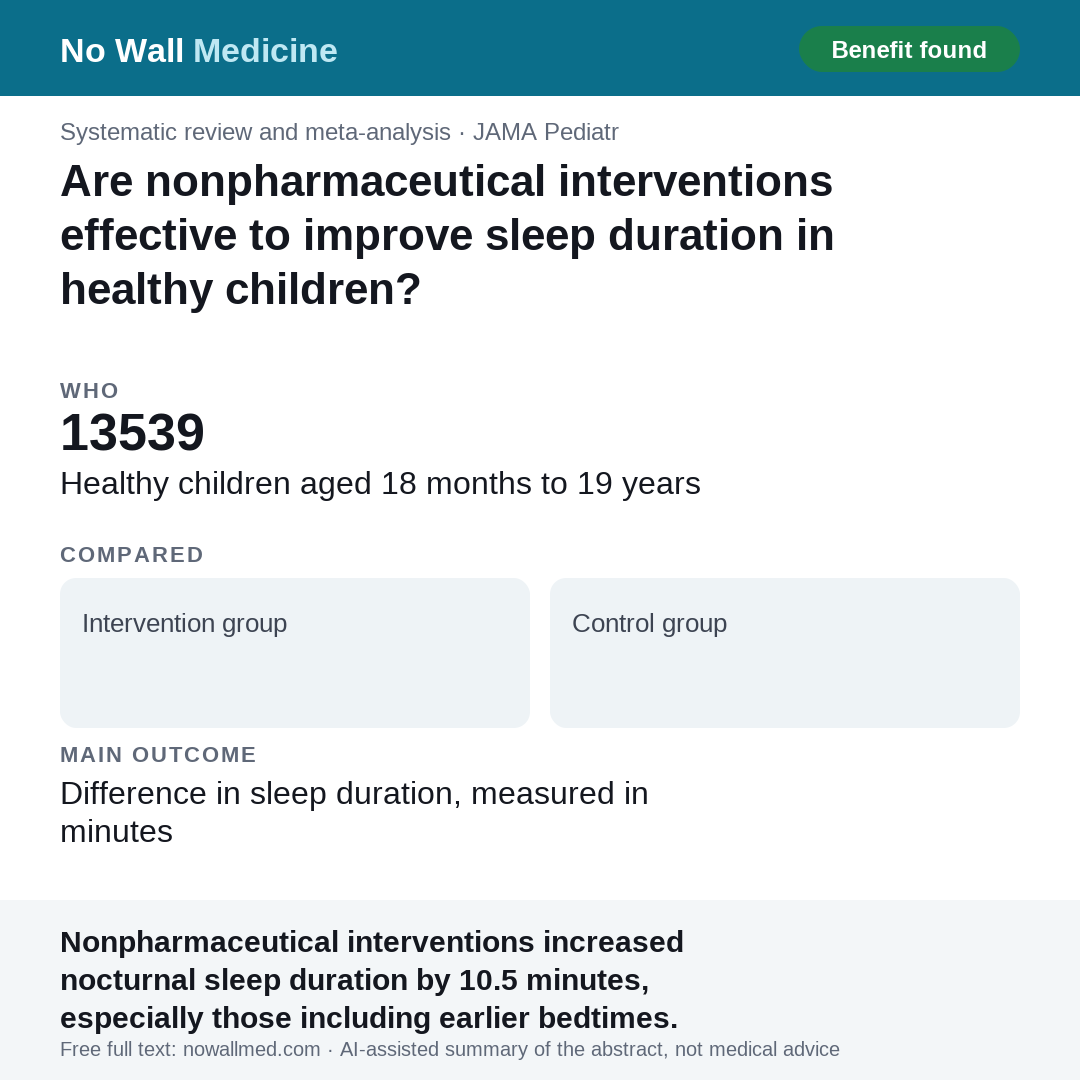
Nonpharmacological Interventions to Lengthen Sleep Duration in Healthy Children: A Systematic Review and Meta-analysis
Systematic review and meta-analysisBenefit found
Are nonpharmaceutical interventions effective to improve sleep duration in healthy children?
Who
13539
Healthy children aged 18 months to 19 years
Compared
Intervention group
Control group
Main outcome
Difference in sleep duration, measured in minutes
Result: 10.5 minutes (95% CI, 5.6-15.4)
Bottom line: Nonpharmaceutical interventions increased nocturnal sleep duration by 10.5 minutes, especially those including earlier bedtimes.
JAMA Pediatr · 2022-09-13Download image
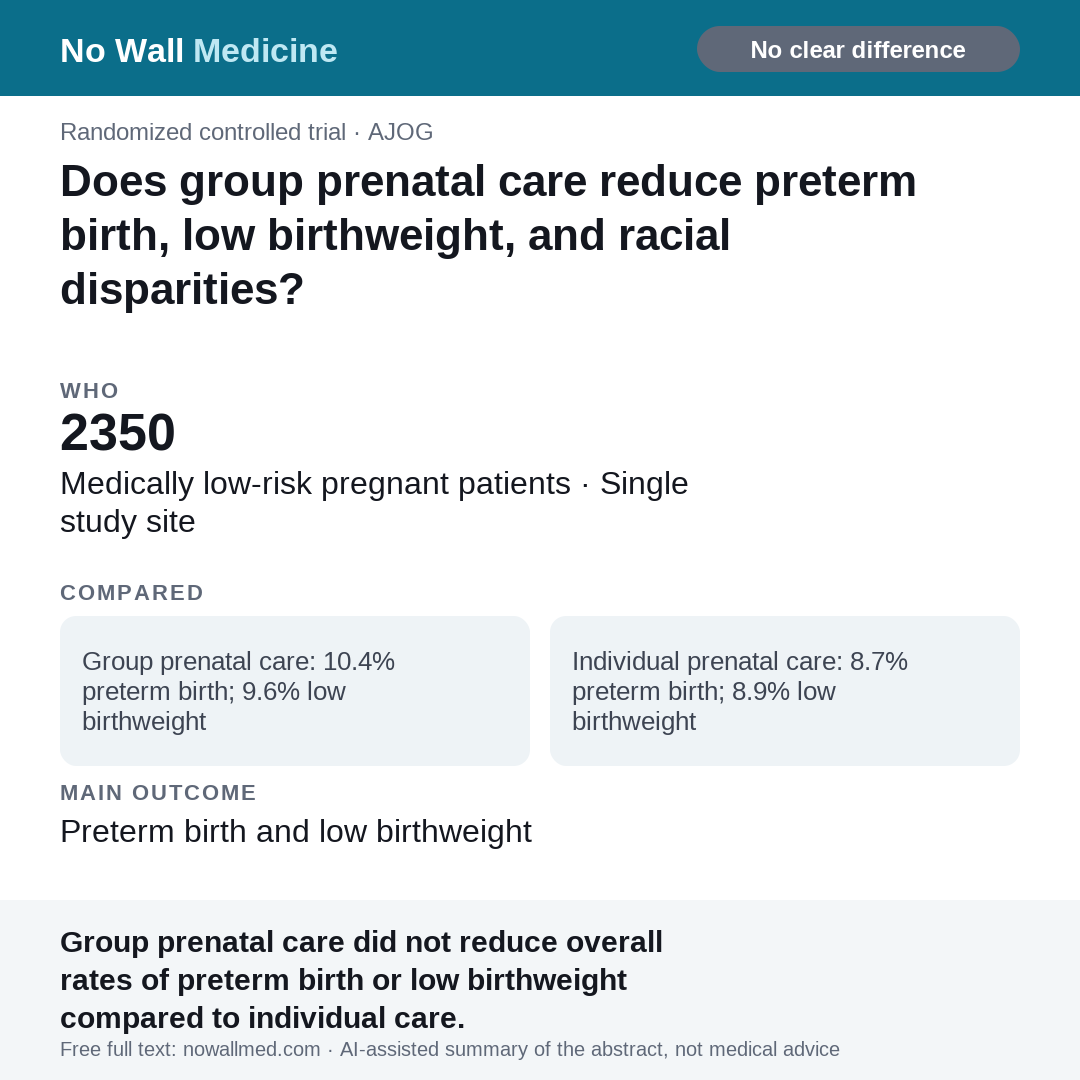
Group vs traditional prenatal care for improving racial equity in preterm birth and low birthweight: the Centering and Racial Disparities randomized clinical trial study
Randomized controlled trialNo clear difference
Does group prenatal care reduce preterm birth, low birthweight, and racial disparities?
Who
2350
Medically low-risk pregnant patients · Single study site
Compared
Group prenatal care: 10.4% preterm birth; 9.6% low birthweight
Individual prenatal care: 8.7% preterm birth; 8.9% low birthweight
Main outcome
Preterm birth and low birthweight
Result: odds ratio 1.22 (95% CI 0.92-1.63) for preterm birth
Bottom line: Group prenatal care did not reduce overall rates of preterm birth or low birthweight compared to individual care.
AJOG · 2022-09-13Download image
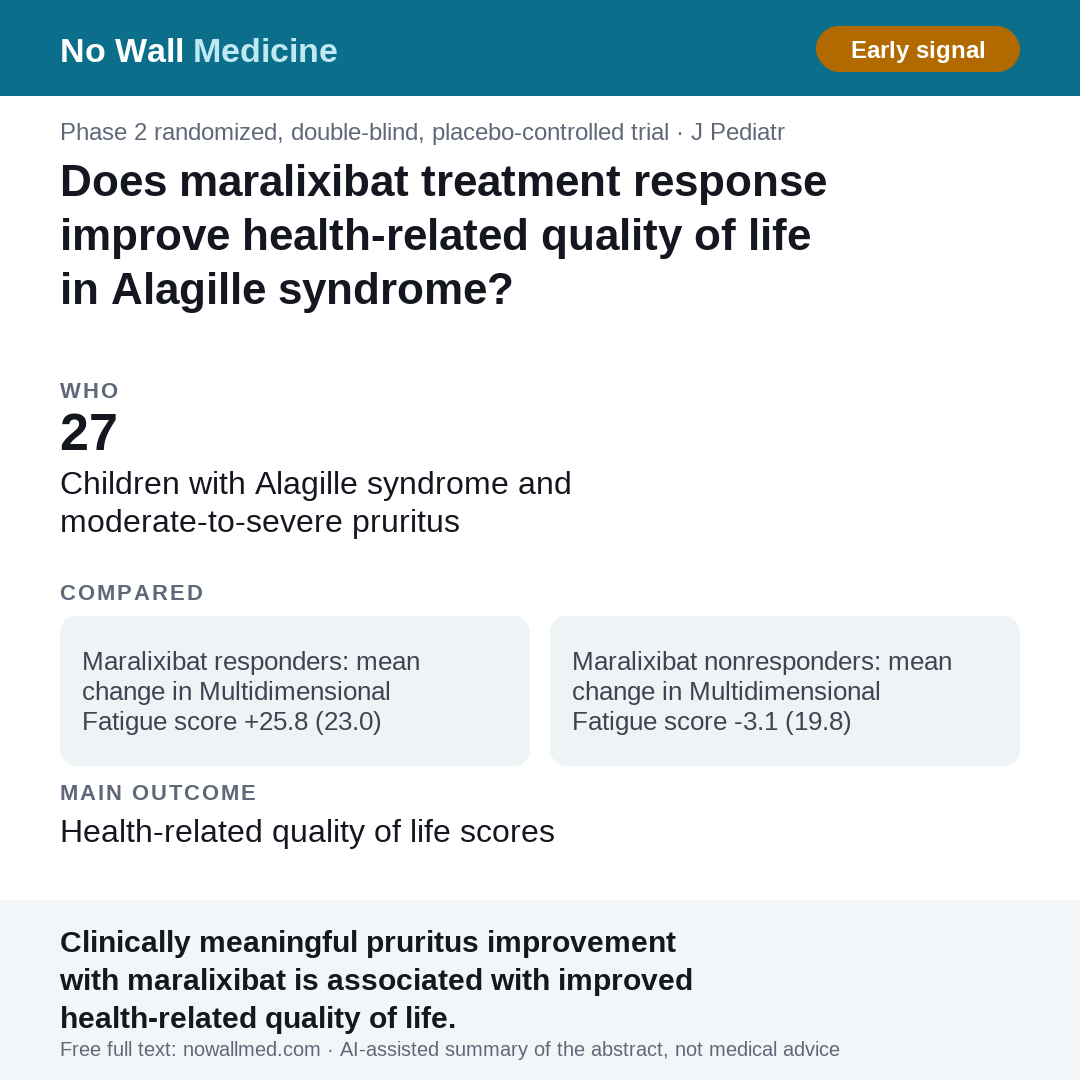
Maralixibat Treatment Response in Alagille Syndrome is Associated with Improved Health-Related Quality of Life
Phase 2 randomized, double-blind, placebo-controlled trialEarly signal
Does maralixibat treatment response improve health-related quality of life in Alagille syndrome?
Who
27
Children with Alagille syndrome and moderate-to-severe pruritus
Compared
Maralixibat responders: mean change in Multidimensional Fatigue score +25.8 (23.0)
Maralixibat nonresponders: mean change in Multidimensional Fatigue score -3.1 (19.8)
Main outcome
Health-related quality of life scores
Bottom line: Clinically meaningful pruritus improvement with maralixibat is associated with improved health-related quality of life.
J Pediatr · 2022-09-10Download image
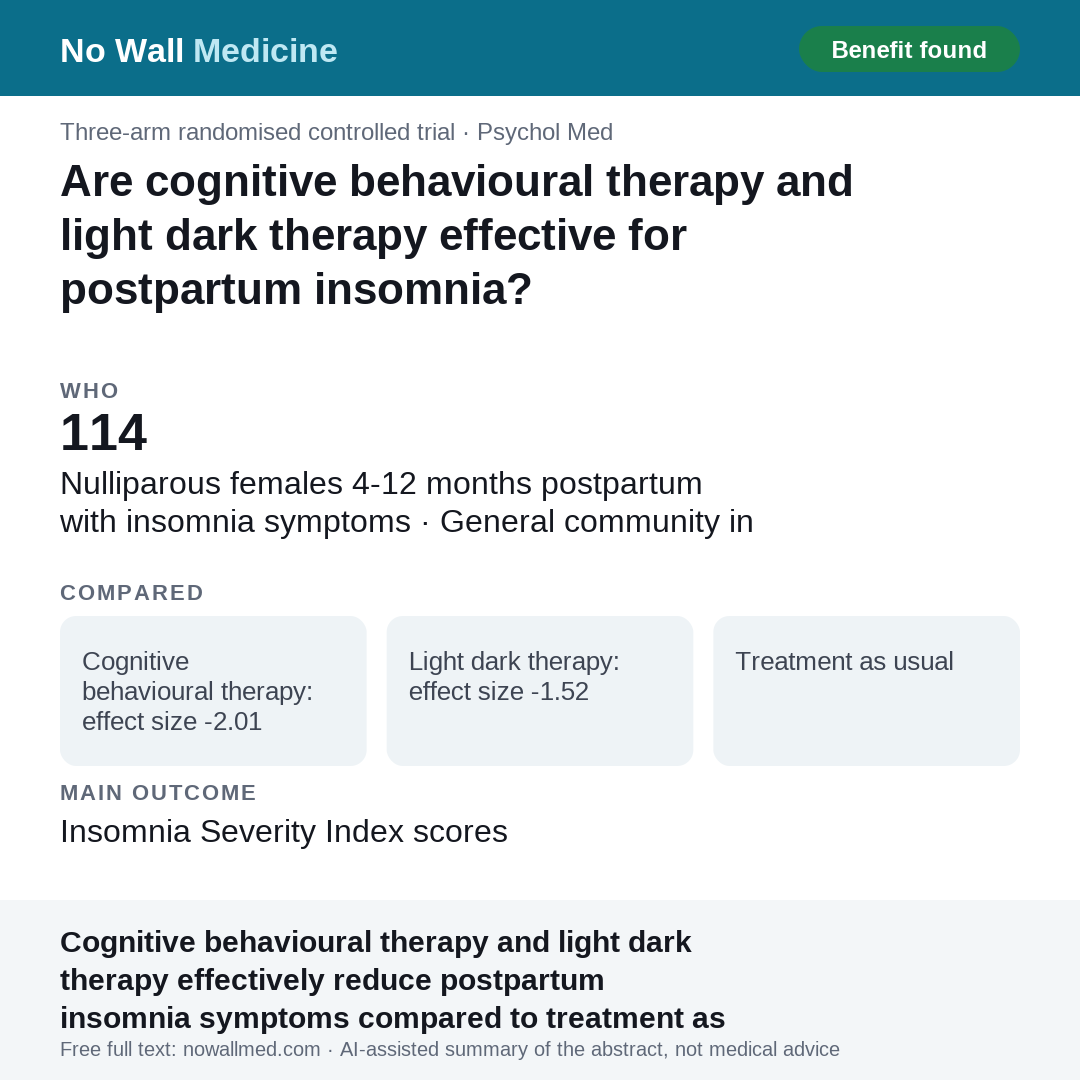
Treating postpartum insomnia: a three arm randomised controlled trial of cognitive behavioural therapy and light dark therapy
Three-arm randomised controlled trialBenefit found
Are cognitive behavioural therapy and light dark therapy effective for postpartum insomnia?
Who
114
Nulliparous females 4-12 months postpartum with insomnia symptoms · General community in Australia
Compared
Cognitive behavioural therapy: effect size -2.01
Light dark therapy: effect size -1.52
Treatment as usual
Main outcome
Insomnia Severity Index scores
Bottom line: Cognitive behavioural therapy and light dark therapy effectively reduce postpartum insomnia symptoms compared to treatment as usual.
Psychol Med · 2022-09-09Download image
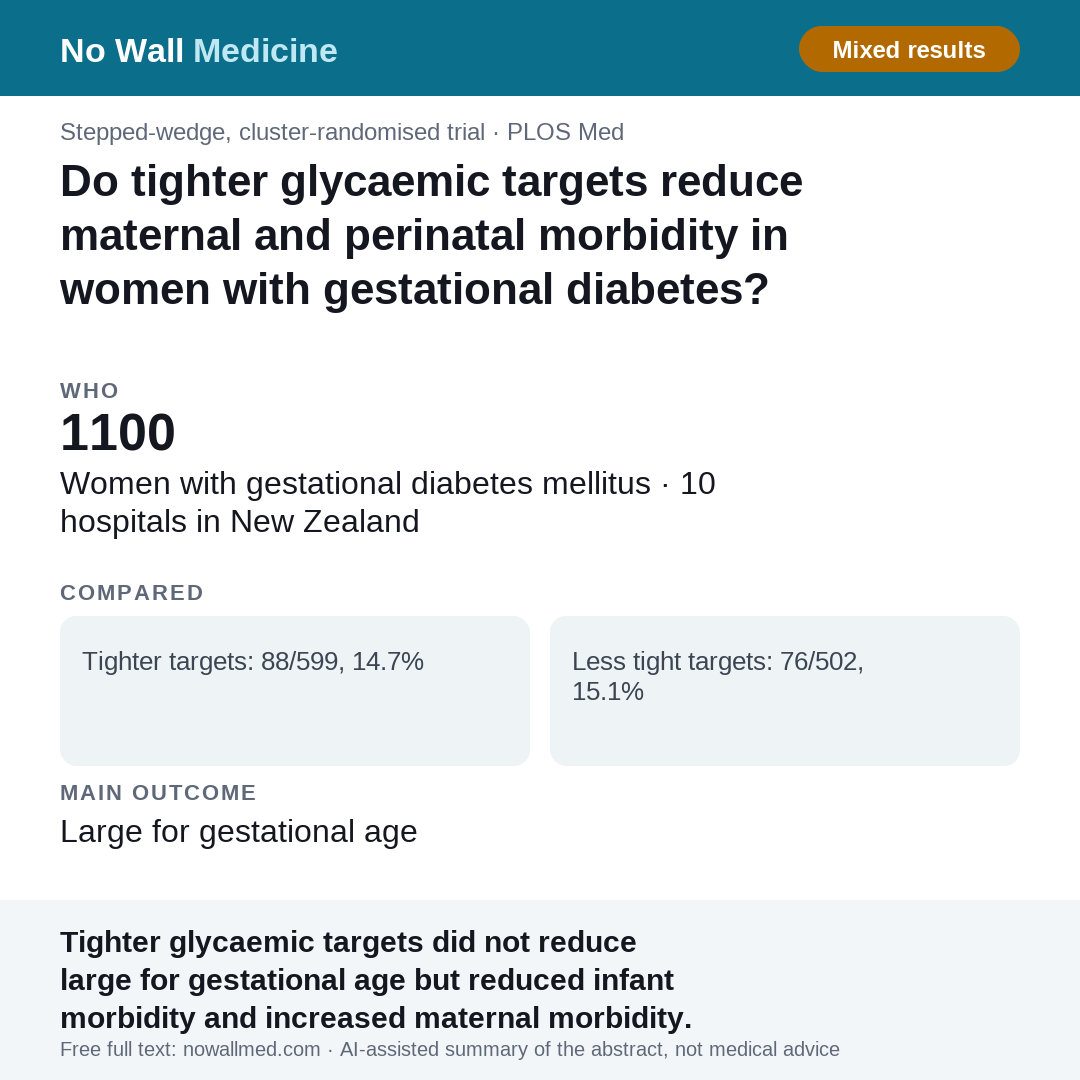
Tighter or less tight glycaemic targets for women with gestational diabetes mellitus for reducing maternal and perinatal morbidity: A stepped-wedge, cluster-randomised trial
Stepped-wedge, cluster-randomised trialMixed results
Do tighter glycaemic targets reduce maternal and perinatal morbidity in women with gestational diabetes?
Who
1100
Women with gestational diabetes mellitus · 10 hospitals in New Zealand
Compared
Tighter targets: 88/599, 14.7%
Less tight targets: 76/502, 15.1%
Main outcome
Large for gestational age
Result: adjusted relative risk 0.96 (95% CI 0.66 to 1.40)
Bottom line: Tighter glycaemic targets did not reduce large for gestational age but reduced infant morbidity and increased maternal morbidity.
Limitation: The treatment targets used may vary to those in use in some countries.
PLOS Med · 2022-09-08Download image
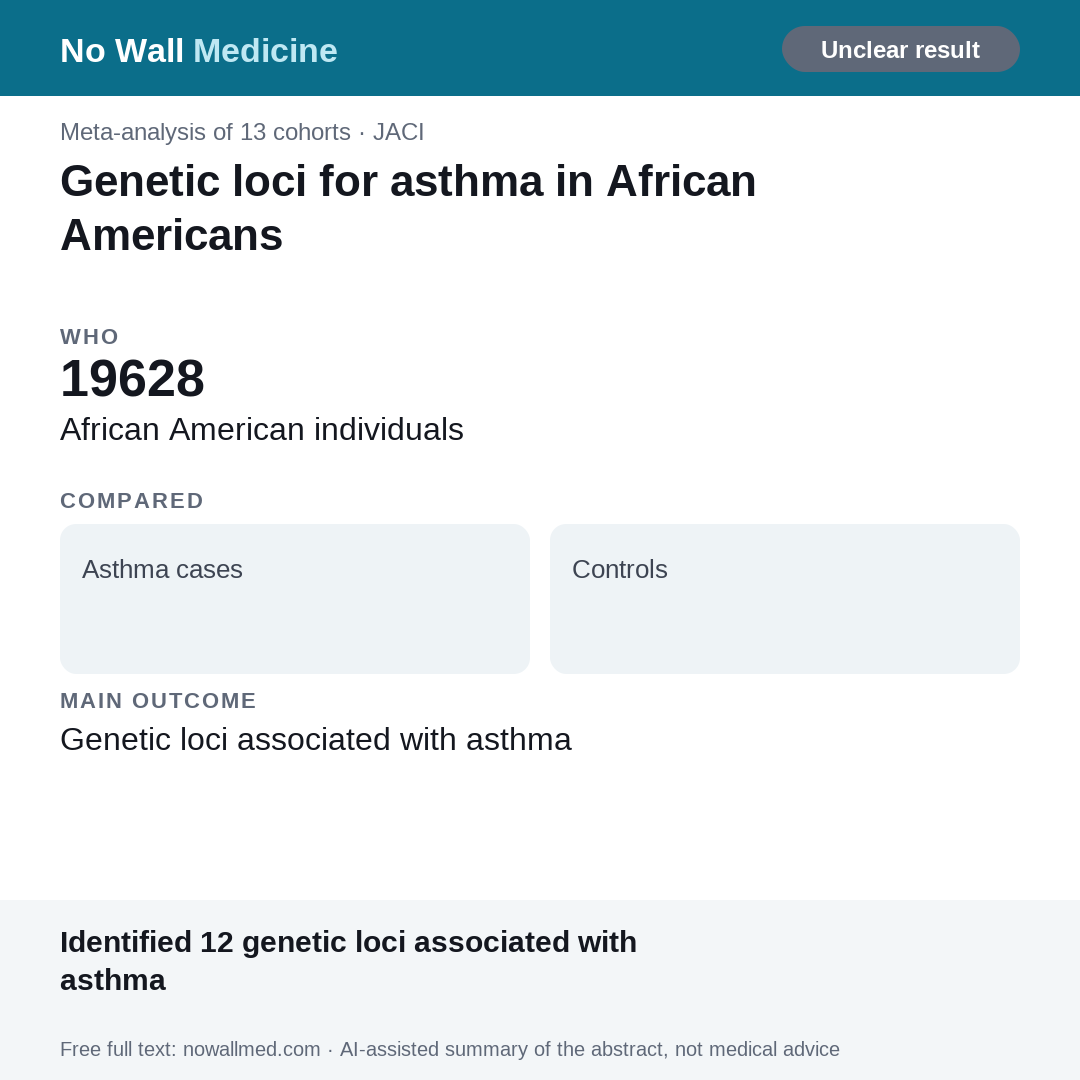
Genetic architecture of asthma in African American patients
Meta-analysis of 13 cohortsUnclear result
Genetic loci for asthma in African Americans
Who
19628
African American individuals
Compared
Asthma cases
Controls
Main outcome
Genetic loci associated with asthma
Bottom line: Identified 12 genetic loci associated with asthma
JACI · 2022-09-08Download image
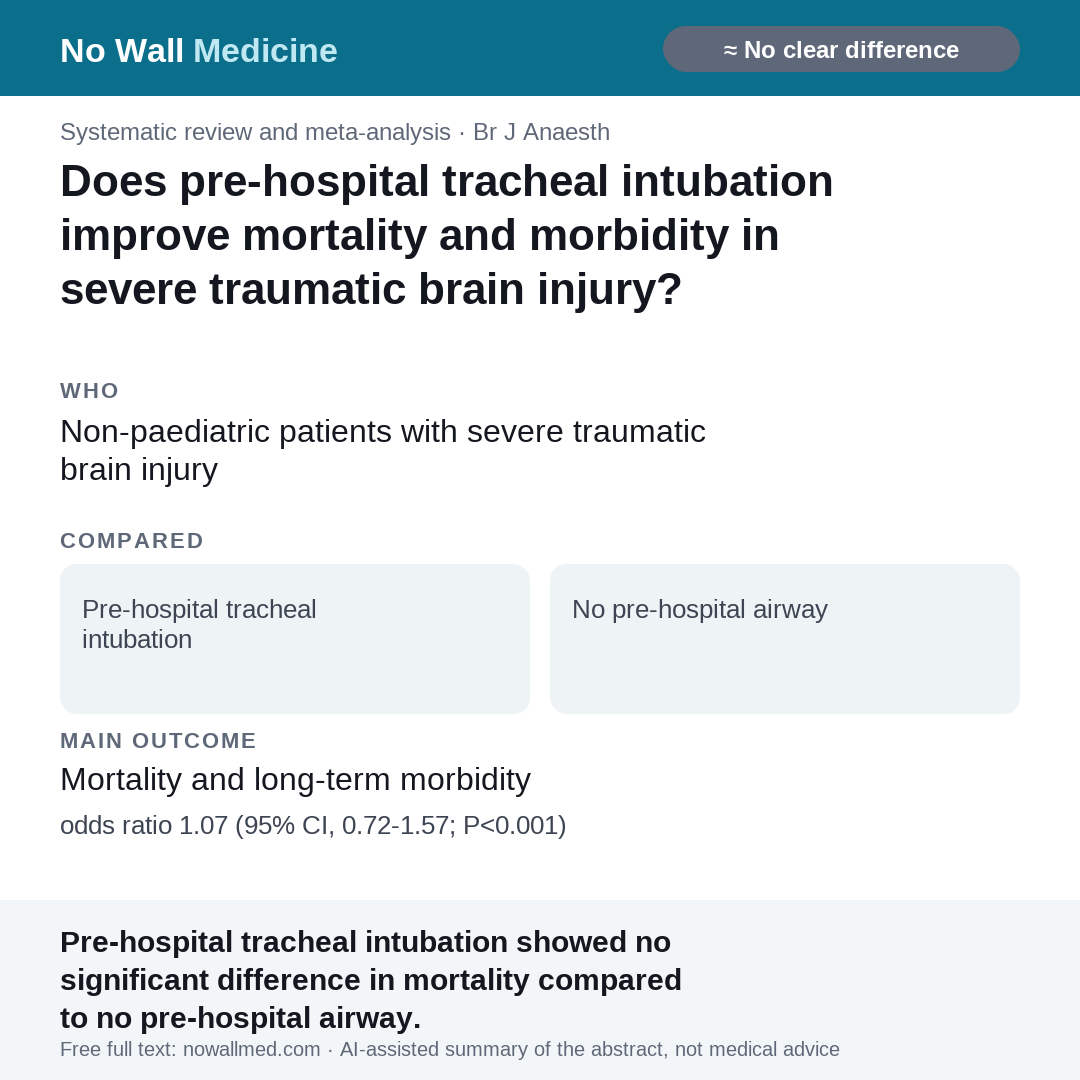
Pre-hospital tracheal intubation in severe traumatic brain injury: a systematic review and meta-analysis
Systematic review and meta-analysisNo clear difference
Does pre-hospital tracheal intubation improve mortality and morbidity in severe traumatic brain injury?
Who
Non-paediatric patients with severe traumatic brain injury
Compared
Pre-hospital tracheal intubation
No pre-hospital airway
Main outcome
Mortality and long-term morbidity
Result: odds ratio 1.07 (95% CI, 0.72-1.57; P<0.001)
Bottom line: Pre-hospital tracheal intubation showed no significant difference in mortality compared to no pre-hospital airway.
Br J Anaesth · 2022-09-08Download image
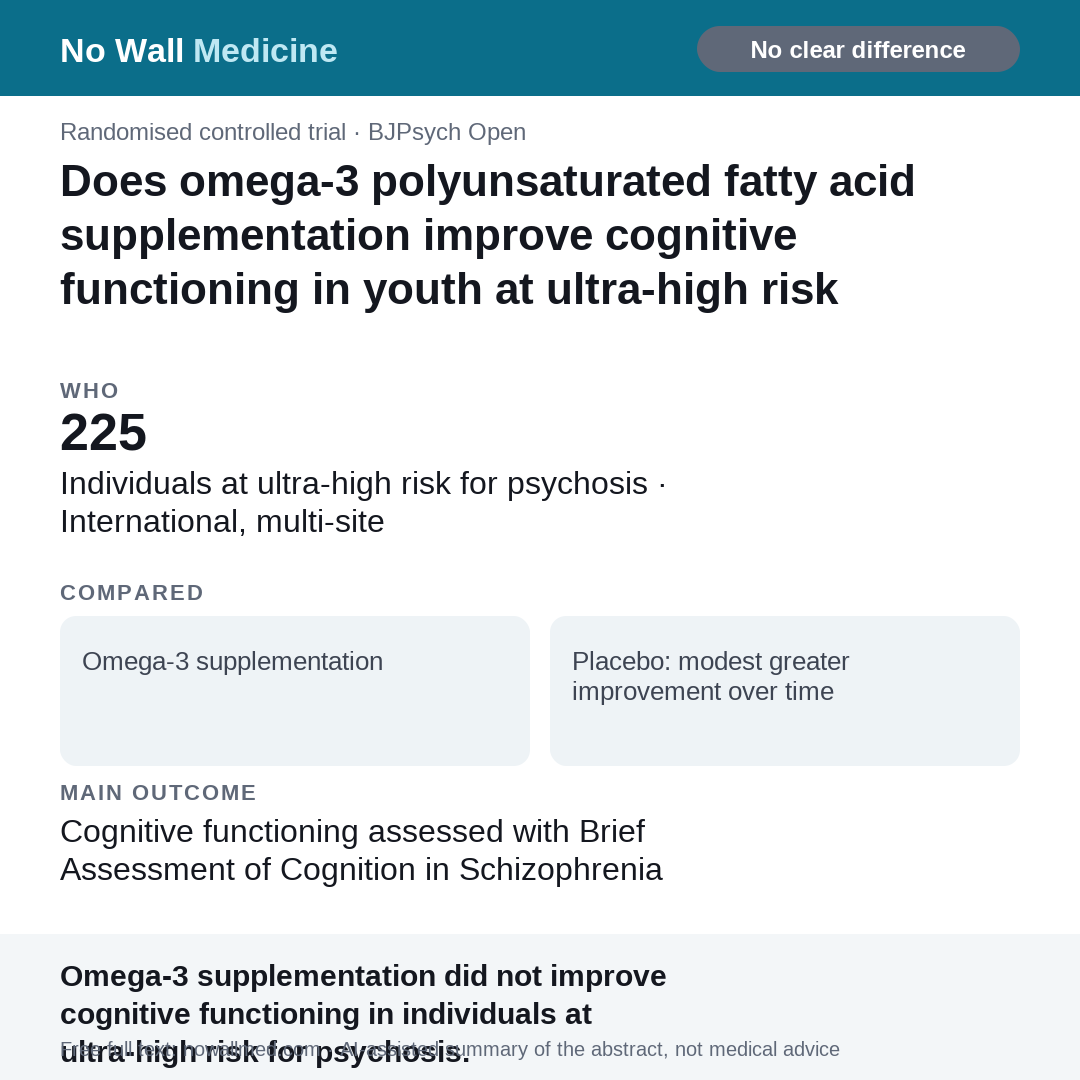
Effects of omega-3 polyunsaturated fatty acid supplementation on cognitive functioning in youth at ultra-high risk for psychosis: secondary analysis of the NEURAPRO randomised controlled trial
Randomised controlled trialNo clear difference
Does omega-3 polyunsaturated fatty acid supplementation improve cognitive functioning in youth at ultra-high risk for psychosis?
Who
225
Individuals at ultra-high risk for psychosis · International, multi-site
Compared
Omega-3 supplementation
Placebo: modest greater improvement over time
Main outcome
Cognitive functioning assessed with Brief Assessment of Cognition in Schizophrenia
Bottom line: Omega-3 supplementation did not improve cognitive functioning in individuals at ultra-high risk for psychosis.
BJPsych Open · 2022-09-08Download image
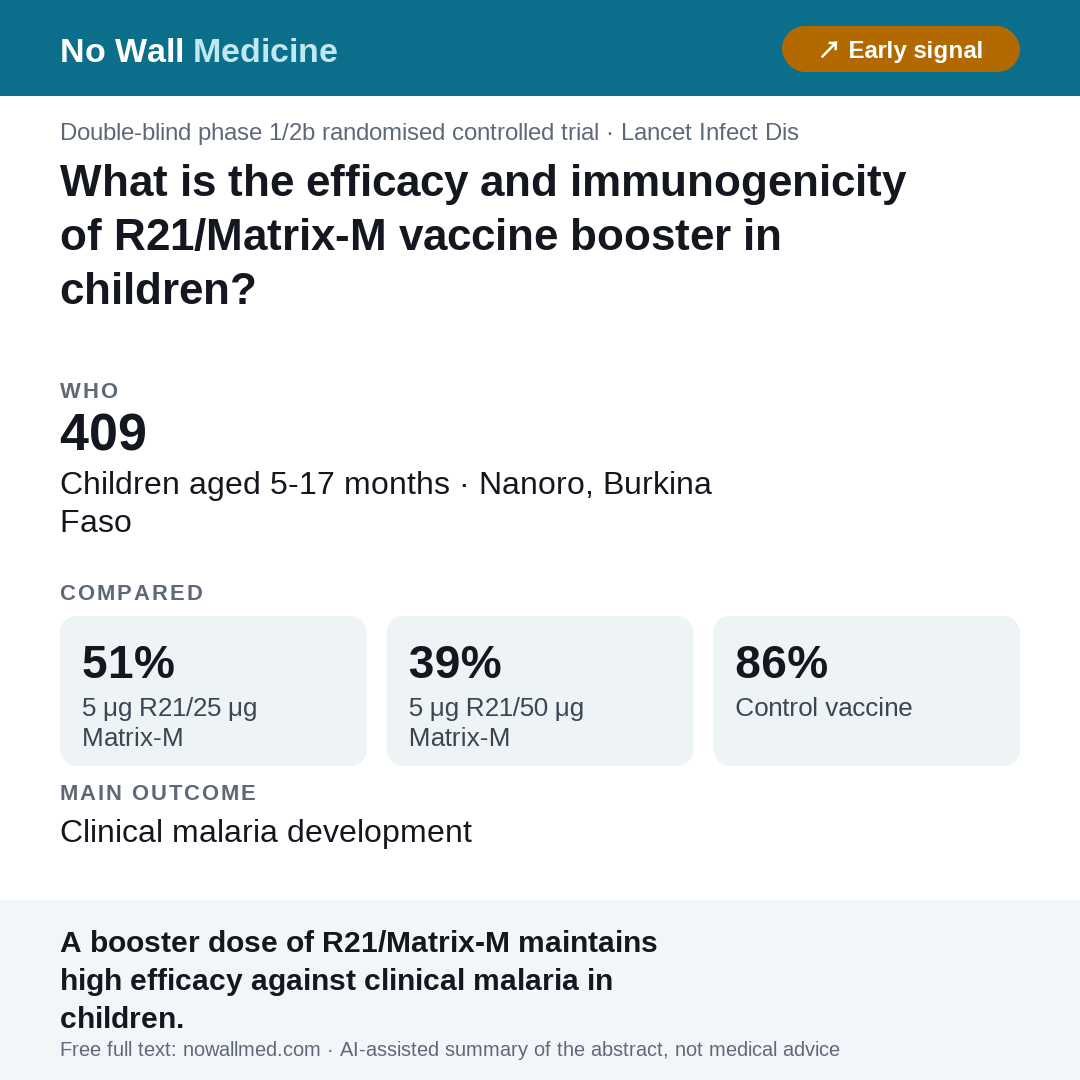
Efficacy and immunogenicity of R21/Matrix-M vaccine against clinical malaria after 2 years' follow-up in children in Burkina Faso: a phase 1/2b randomised controlled trial
Double-blind phase 1/2b randomised controlled trialEarly signal
What is the efficacy and immunogenicity of R21/Matrix-M vaccine booster in children?
Who
409
Children aged 5-17 months · Nanoro, Burkina Faso
Compared
51%5 μg R21/25 μg Matrix-M
39%5 μg R21/50 μg Matrix-M
86%Control vaccine
Main outcome
Clinical malaria development
Result: 71% (95% CI 60 to 78) in low-dose and 80% (72 to 85) in high-dose adjuvant group
Bottom line: A booster dose of R21/Matrix-M maintains high efficacy against clinical malaria in children.
Lancet Infect Dis · 2022-09-07Download image
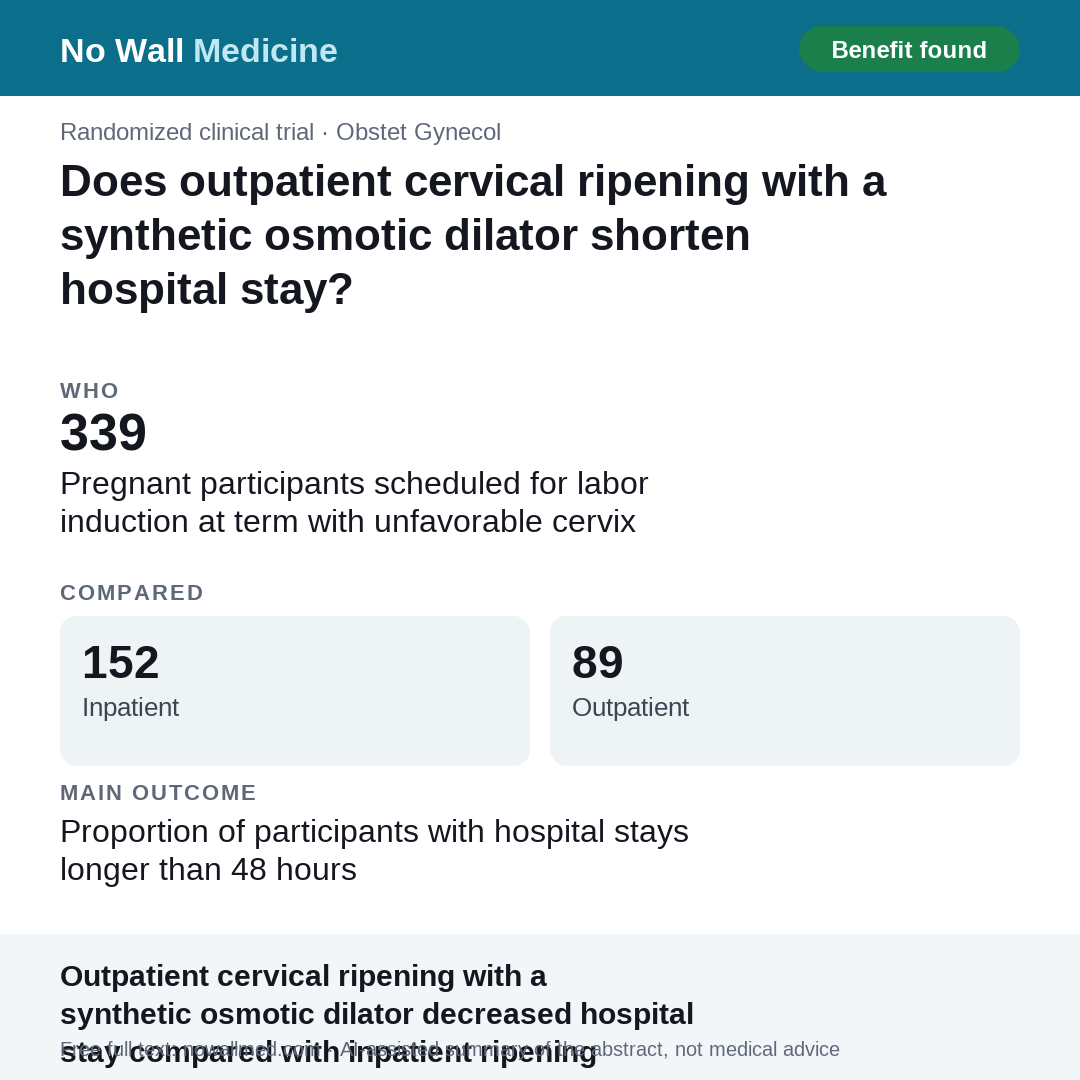
Outpatient Compared With Inpatient Preinduction Cervical Ripening Using a Synthetic Osmotic Dilator: A Randomized Clinical Trial
Randomized clinical trialBenefit found
Does outpatient cervical ripening with a synthetic osmotic dilator shorten hospital stay?
Who
339
Pregnant participants scheduled for labor induction at term with unfavorable cervix
Compared
152Inpatient (89%)
89Outpatient (53%)
Main outcome
Proportion of participants with hospital stays longer than 48 hours
Result: relative risk 0.60 (95% CI 0.52-0.70)
Bottom line: Outpatient cervical ripening with a synthetic osmotic dilator decreased hospital stay compared with inpatient ripening without significant adverse outcomes.
Funded by: Medicem Technology s.r.o., Czech Republic
Obstet Gynecol · 2022-09-07Download image
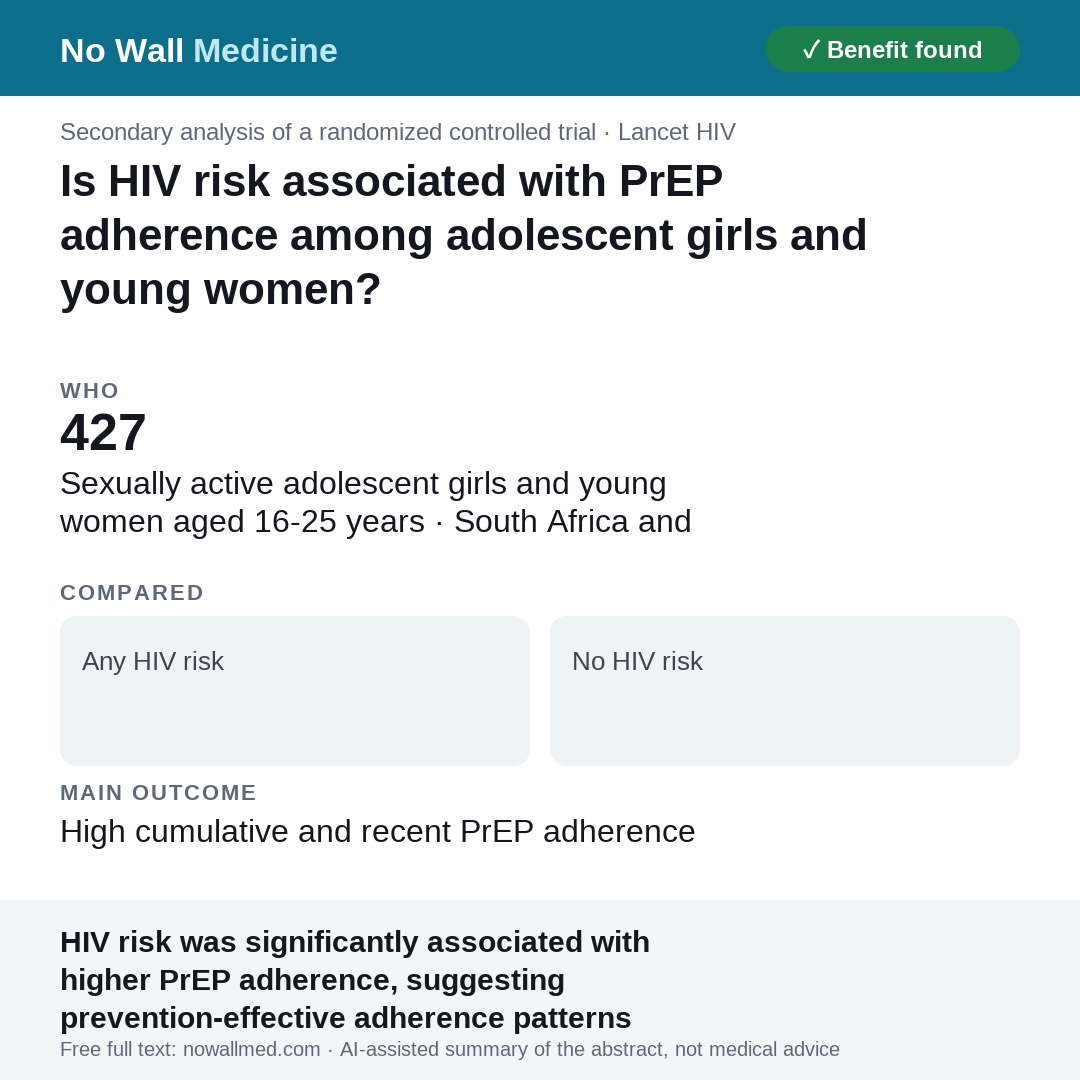
Alignment of PrEP adherence with periods of HIV risk among adolescent girls and young women in South Africa and Zimbabwe: a secondary analysis of the HPTN 082 randomised controlled trial
Secondary analysis of a randomized controlled trialBenefit found
Is HIV risk associated with PrEP adherence among adolescent girls and young women?
Who
427
Sexually active adolescent girls and young women aged 16-25 years · South Africa and Zimbabwe
Compared
Any HIV risk
No HIV risk
Main outcome
High cumulative and recent PrEP adherence
Result: adjusted relative risk 1.57 (95% CI 1.09-2.25)
Bottom line: HIV risk was significantly associated with higher PrEP adherence, suggesting prevention-effective adherence patterns among young women.
Funded by: US National Institutes of Health
Lancet HIV · 2022-09-07Download image
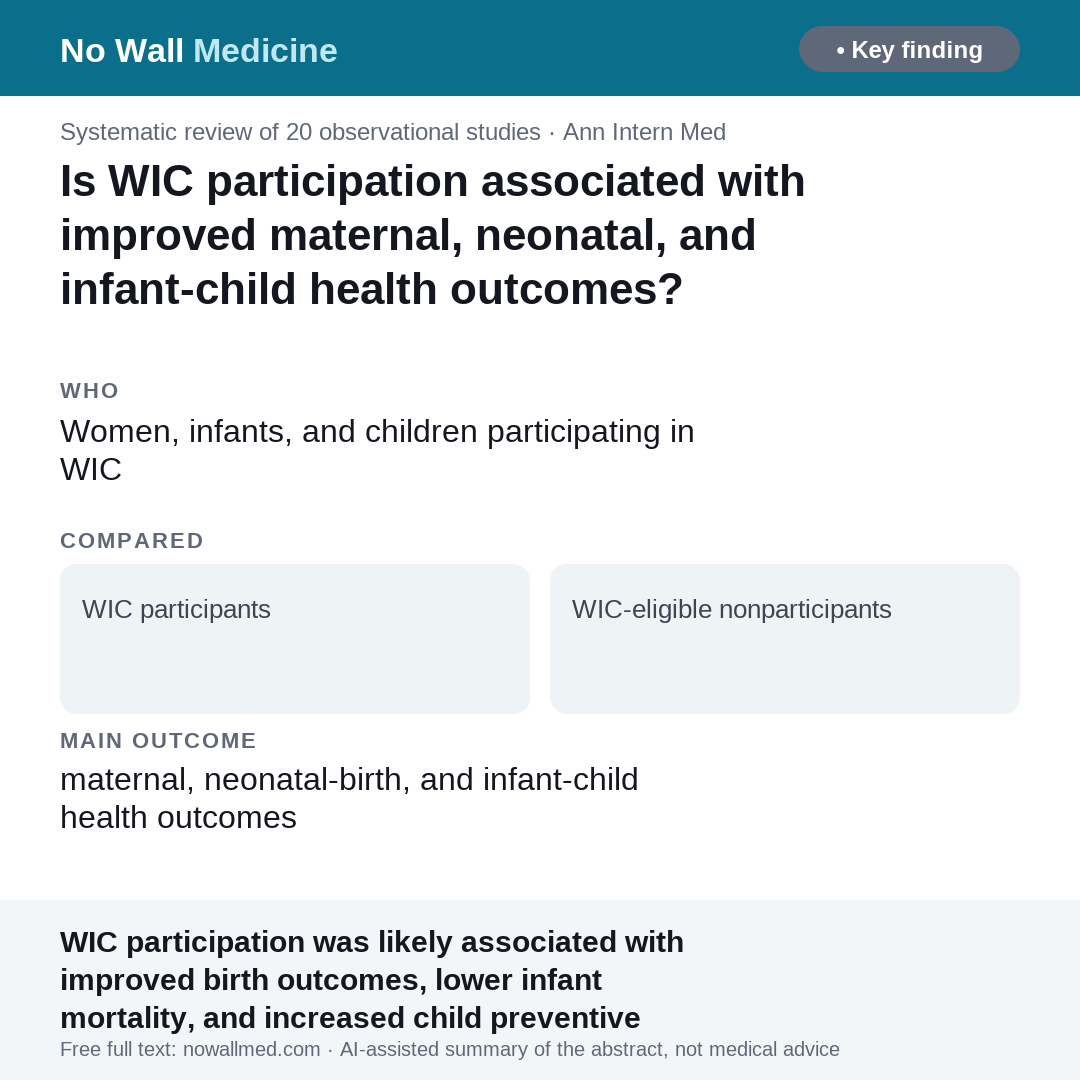
Maternal, Infant, and Child Health Outcomes Associated With the Special Supplemental Nutrition Program for Women, Infants, and Children : A Systematic Review
Systematic review of 20 observational studiesBenefit found
Is WIC participation associated with improved maternal, neonatal, and infant-child health outcomes?
Who
Women, infants, and children participating in WIC
Compared
WIC participants
WIC-eligible nonparticipants
Main outcome
maternal, neonatal-birth, and infant-child health outcomes
Bottom line: WIC participation was likely associated with improved birth outcomes, lower infant mortality, and increased child preventive services.
Limitation: High potential for selection bias and self-reported participation status in observational studies.
Funded by: Agency for Healthcare Research and Quality
Ann Intern Med · 2022-09-06Download image