Visual abstracts
New randomized trials and meta-analyses from leading journals at a glance: who was studied, what was compared, and what was found. Every paper is free to read in full.
All specialtiesCardiology 4763Oncology 4042Gastroenterology & Hepatology 1902Infectious Disease 3756Neurology 1872Psychiatry & Mental Health 2214Pulmonology 2042Critical Care 1319Endocrinology & Diabetes 2544Pediatrics 2889Surgery 2479Orthopedics & Sports Medicine 917Neurosurgery 525Cardiothoracic & Vascular Surgery 656Plastic & Reconstructive Surgery 574Nephrology 1107Rheumatology 810Hematology 1090Dermatology 611Ophthalmology 532Obstetrics & Gynecology 1645Public & Global Health 1037Radiology & Imaging 617Anesthesiology 957Urology 745ENT (Otolaryngology) 494Emergency Medicine 481Allergy & Immunology 309Geriatrics 972Family Medicine & Primary Care 533Medical Genetics & Genomics 659Pathology & Laboratory Medicine 156Physical Medicine & Rehabilitation 734Palliative Care 421Nutrition 1560Digital Health & AI 2133General Medicine 318
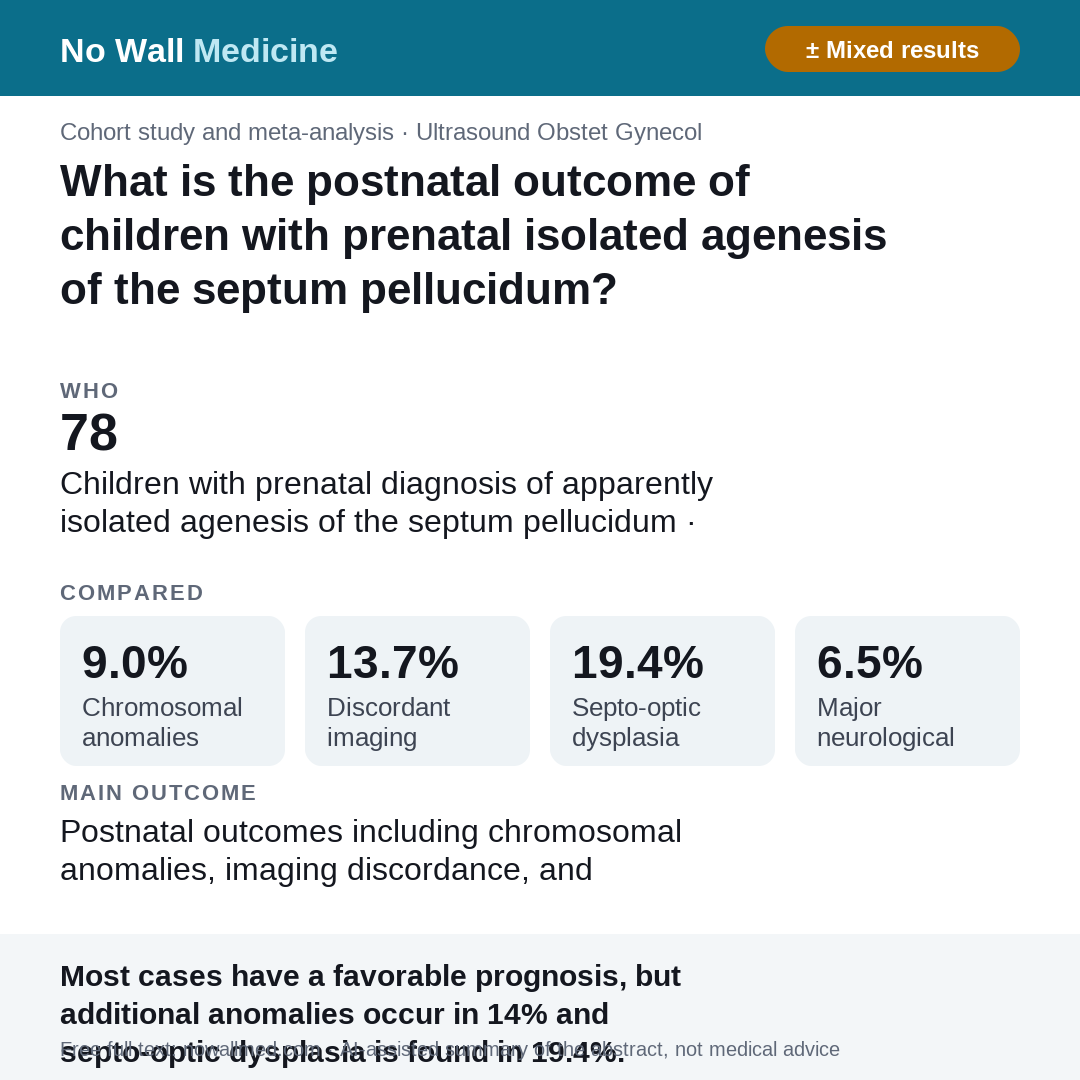
Prenatal diagnosis and outcome of fetuses with isolated agenesis of septum pellucidum: cohort study and meta-analysis
Cohort study and meta-analysisMixed results
What is the postnatal outcome of children with prenatal isolated agenesis of the septum pellucidum?
Who
78
Children with prenatal diagnosis of apparently isolated agenesis of the septum pellucidum · Two tertiary centers and published studies
Compared
9.0%Chromosomal anomalies (95% CI, 1.8-20.7%)
13.7%Discordant imaging findings (95% CI, 3.5-29.0%)
19.4%Septo-optic dysplasia (95% CI, 8.6-33.2%)
6.5%Major neurological disability (non-SOD) (95% CI, 0.5-18.6%)
Main outcome
Postnatal outcomes including chromosomal anomalies, imaging discordance, and septo-optic dysplasia
Bottom line: Most cases have a favorable prognosis, but additional anomalies occur in 14% and septo-optic dysplasia is found in 19.4%.
Ultrasound Obstet Gynecol · 2022-01-18Download image
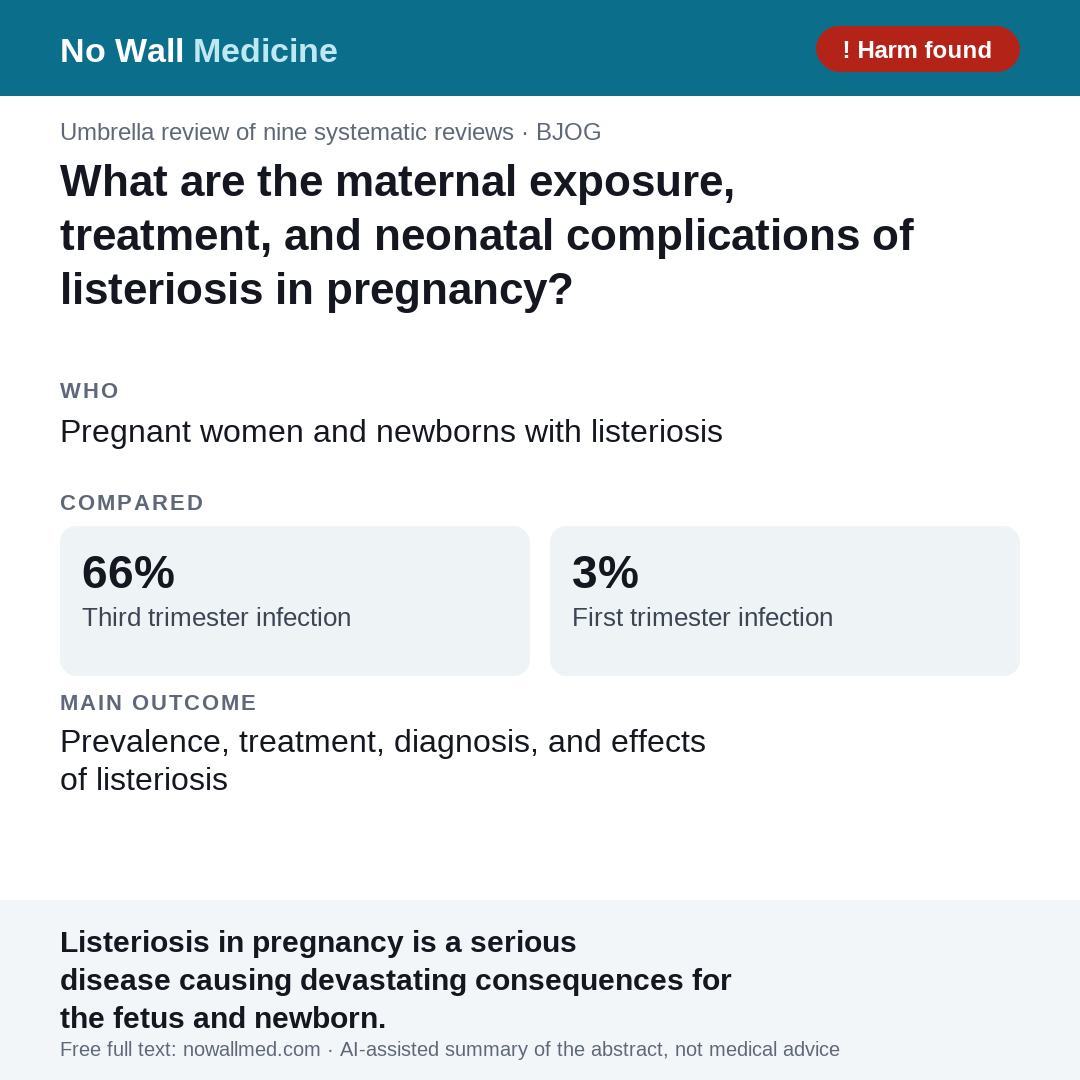
Listeriosis in pregnancy: An umbrella review of maternal exposure, treatment and neonatal complications
Umbrella review of nine systematic reviewsHarm found
What are the maternal exposure, treatment, and neonatal complications of listeriosis in pregnancy?
Who
Pregnant women and newborns with listeriosis
Compared
66%Third trimester infection
3%First trimester infection
Main outcome
Prevalence, treatment, diagnosis, and effects of listeriosis
Bottom line: Listeriosis in pregnancy is a serious disease causing devastating consequences for the fetus and newborn.
BJOG · 2022-01-17Download image
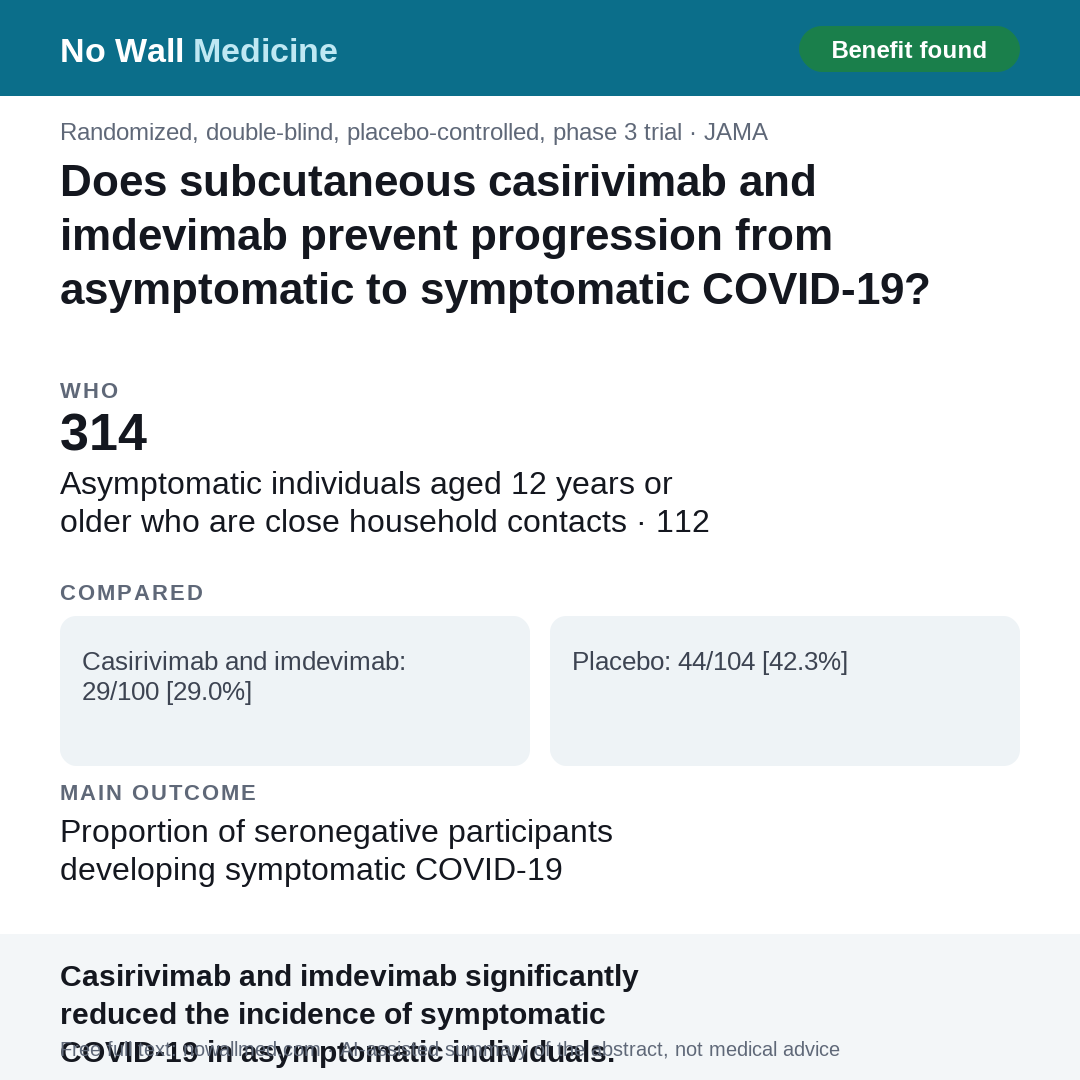
Effect of Subcutaneous Casirivimab and Imdevimab Antibody Combination vs Placebo on Development of Symptomatic COVID-19 in Early Asymptomatic SARS-CoV-2 Infection: A Randomized Clinical Trial
Randomized, double-blind, placebo-controlled, phase 3 trialBenefit found
Does subcutaneous casirivimab and imdevimab prevent progression from asymptomatic to symptomatic COVID-19?
Who
314
Asymptomatic individuals aged 12 years or older who are close household contacts · 112 sites in the US, Romania, and Moldova
Compared
Casirivimab and imdevimab: 29/100 [29.0%]
Placebo: 44/104 [42.3%]
Main outcome
Proportion of seronegative participants developing symptomatic COVID-19
Result: odds ratio, 0.54 (95% CI, 0.30-0.97)
Bottom line: Casirivimab and imdevimab significantly reduced the incidence of symptomatic COVID-19 in asymptomatic individuals.
JAMA · 2022-01-15Download image
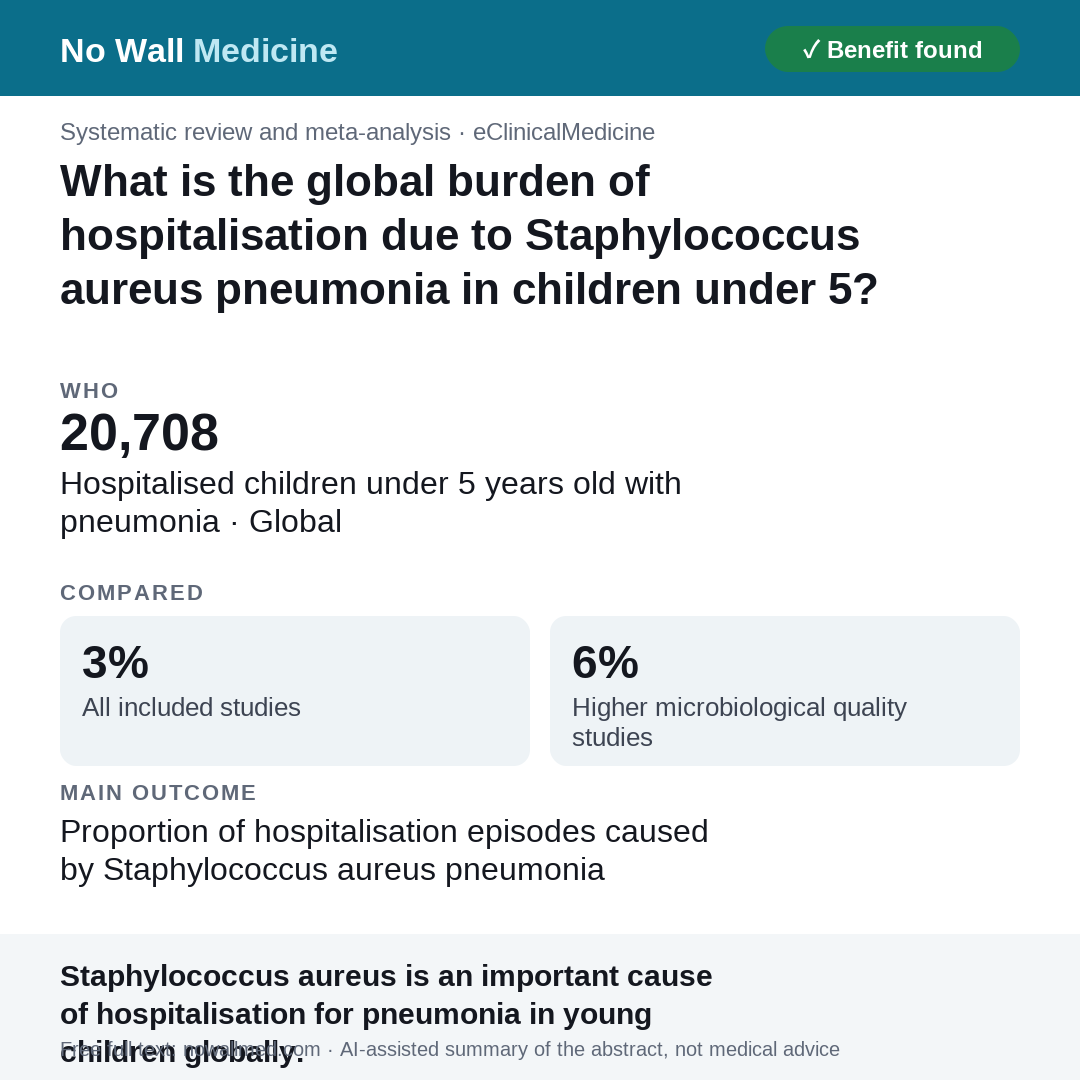
The global burden of hospitalisation due to pneumonia caused by Staphylococcus aureus in the under-5 years children: A systematic review and meta-analysis
Systematic review and meta-analysisBenefit found
What is the global burden of hospitalisation due to Staphylococcus aureus pneumonia in children under 5?
Who
20,708
Hospitalised children under 5 years old with pneumonia · Global
Compared
3%All included studies (95% CI 2% to 4%)
6%Higher microbiological quality studies (95% CI 2% to 10%)
Main outcome
Proportion of hospitalisation episodes caused by Staphylococcus aureus pneumonia
Result: 3% (95% CI 2% to 4%)
Bottom line: Staphylococcus aureus is an important cause of hospitalisation for pneumonia in young children globally.
Limitation: Likely underestimate due to limited testing sensitivity and widespread antibiotic use before recruitment.
Funded by: Bill and Melinda Gates Foundation
eClinicalMedicine · 2022-01-14Download image
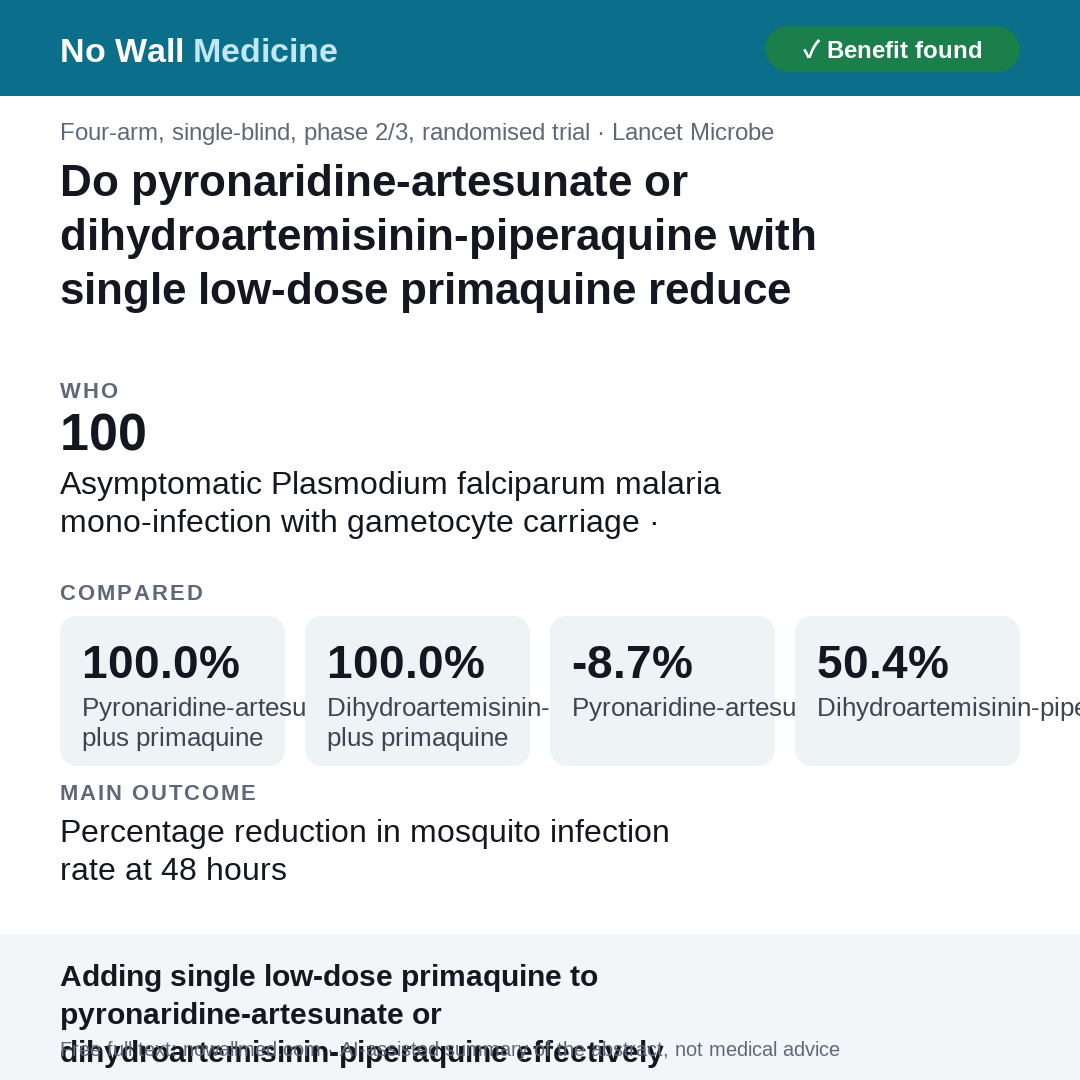
Pyronaridine-artesunate or dihydroartemisinin-piperaquine combined with single low-dose primaquine to prevent Plasmodium falciparum malaria transmission in Ouélessébougou, Mali: a four-arm, single-blind, phase 2/3, randomised trial
Four-arm, single-blind, phase 2/3, randomised trialBenefit found
Do pyronaridine-artesunate or dihydroartemisinin-piperaquine with single low-dose primaquine reduce malaria transmission?
Who
100
Asymptomatic Plasmodium falciparum malaria mono-infection with gametocyte carriage · Ouélessébougou, Mali
Compared
100.0%Pyronaridine-artesunate plus primaquine (IQR 100.0 to 100.0)
100.0%Dihydroartemisinin-piperaquine plus primaquine (IQR 100.0 to 100.0)
-8.7%Pyronaridine-artesunate (-54.8 to 93.2)
50.4%Dihydroartemisinin-piperaquine (13.8 to 70.9)
Main outcome
Percentage reduction in mosquito infection rate at 48 hours
Bottom line: Adding single low-dose primaquine to pyronaridine-artesunate or dihydroartemisinin-piperaquine effectively blocks Plasmodium falciparum transmission.
Funded by: Bill & Melinda Gates Foundation
Lancet Microbe · 2022-01-14Download image
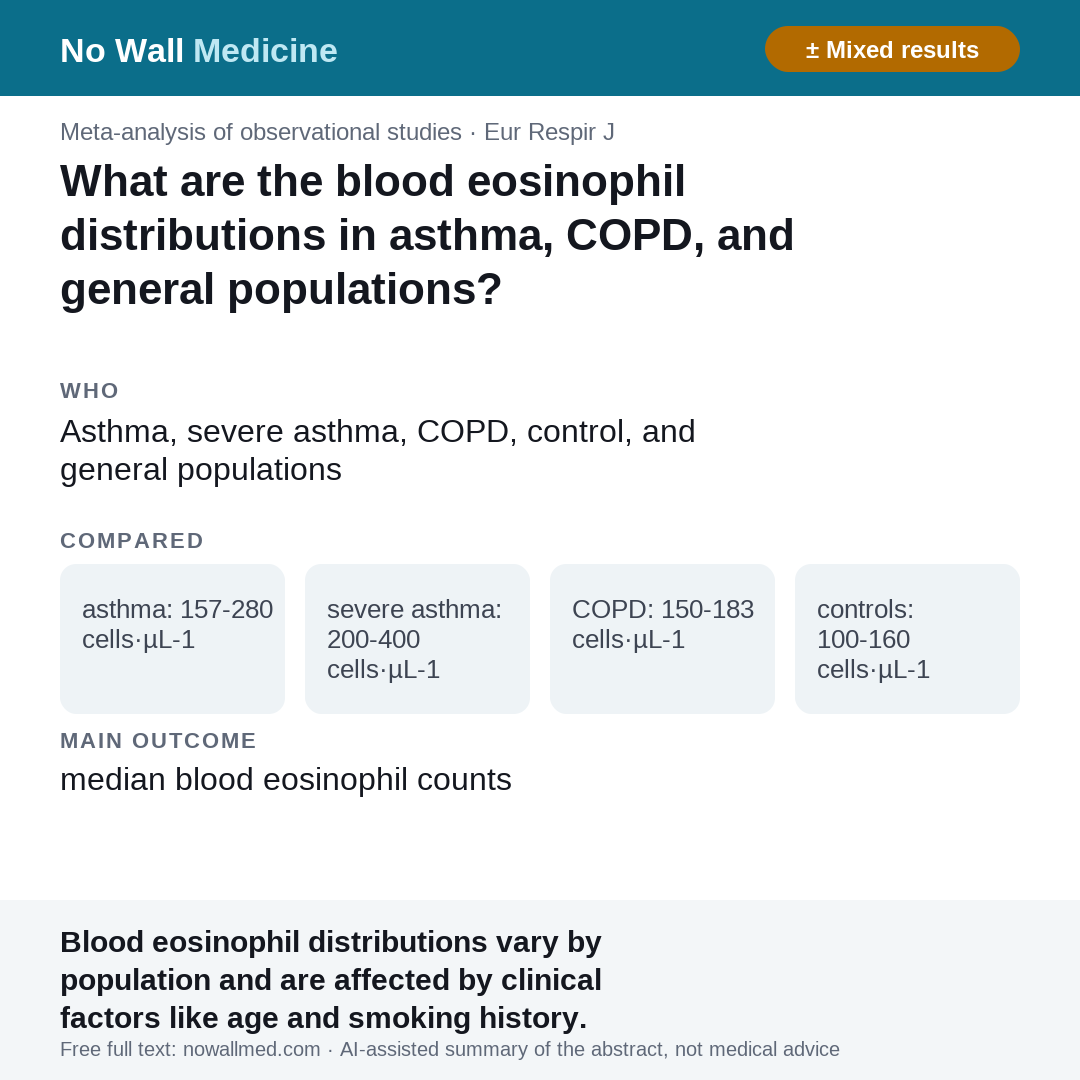
Blood eosinophil counts in the general population and airways disease: a comprehensive review and meta-analysis
Meta-analysis of observational studiesMixed results
What are the blood eosinophil distributions in asthma, COPD, and general populations?
Who
Asthma, severe asthma, COPD, control, and general populations
Compared
asthma: 157-280 cells·µL-1
severe asthma: 200-400 cells·µL-1
COPD: 150-183 cells·µL-1
controls: 100-160 cells·µL-1
Main outcome
median blood eosinophil counts
Bottom line: Blood eosinophil distributions vary by population and are affected by clinical factors like age and smoking history.
Eur Respir J · 2022-01-13Download image
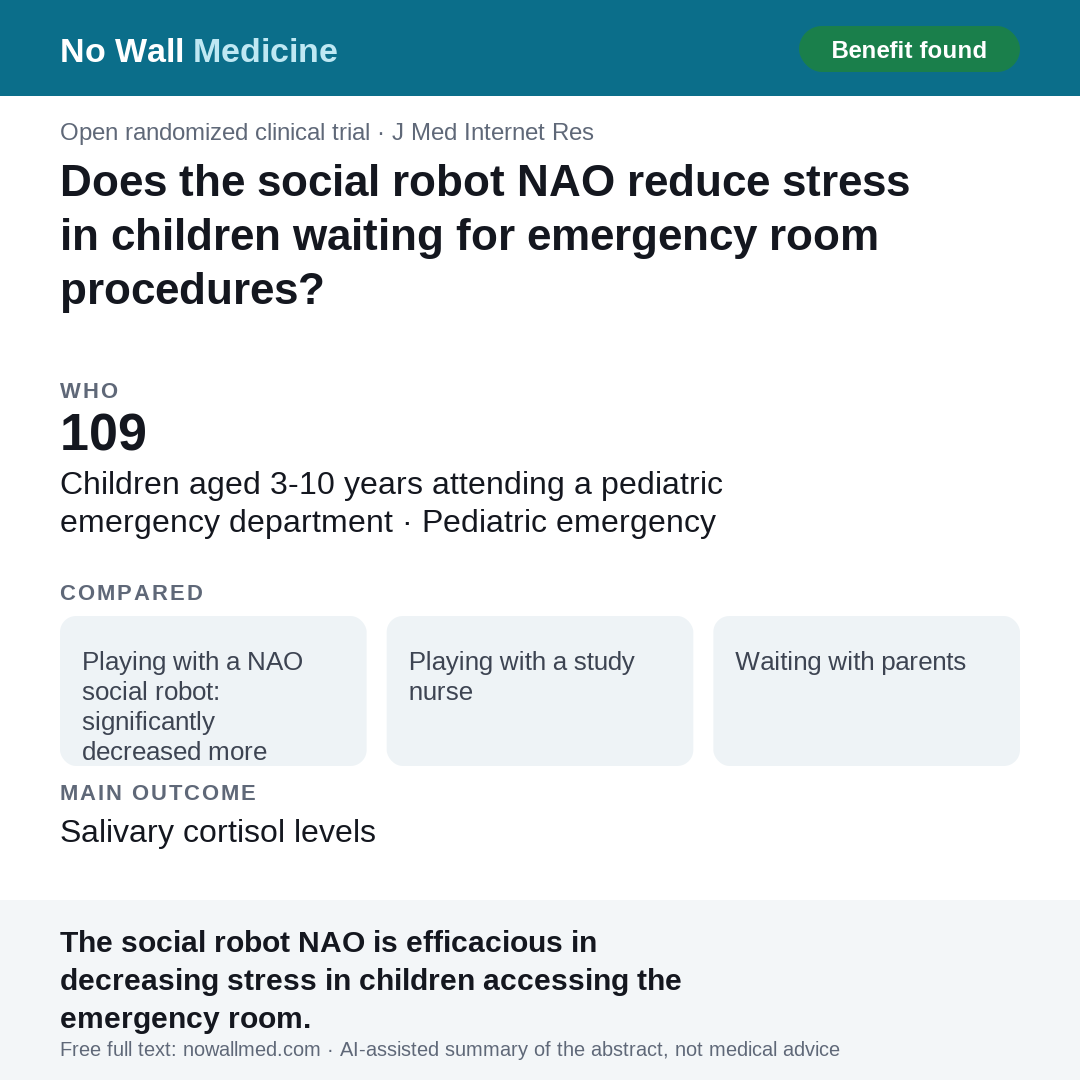
Using the Social Robot NAO for Emotional Support to Children at a Pediatric Emergency Department: Randomized Clinical Trial
Open randomized clinical trialBenefit found
Does the social robot NAO reduce stress in children waiting for emergency room procedures?
Who
109
Children aged 3-10 years attending a pediatric emergency department · Pediatric emergency department
Compared
Playing with a NAO social robot: significantly decreased more
Playing with a study nurse
Waiting with parents
Main outcome
Salivary cortisol levels
Result: r=0.75
Bottom line: The social robot NAO is efficacious in decreasing stress in children accessing the emergency room.
J Med Internet Res · 2022-01-13Download image
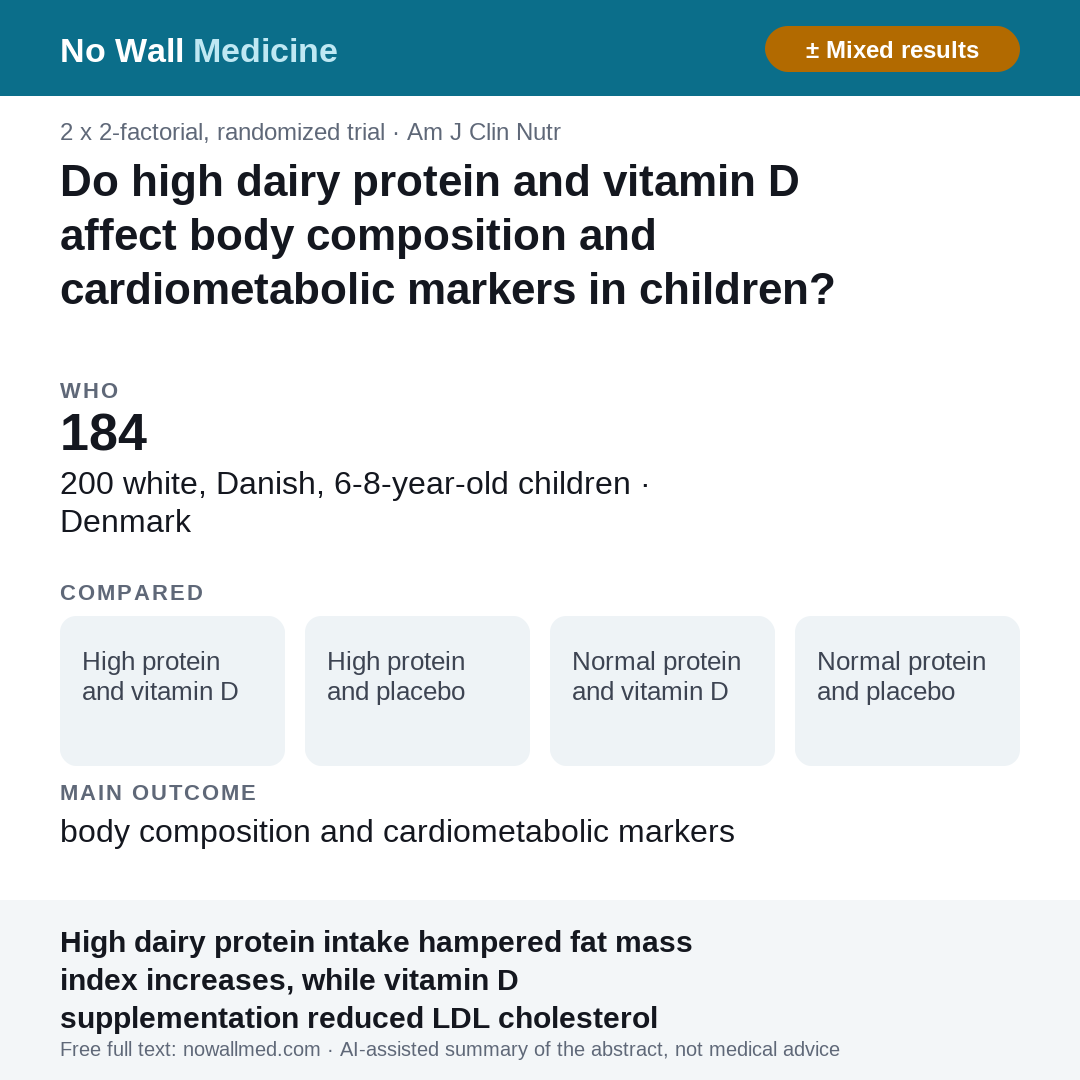
Effects of high dairy protein intake and vitamin D supplementation on body composition and cardiometabolic markers in 6-8-y-old children-the D-pro trial
2 x 2-factorial, randomized trialMixed results
Do high dairy protein and vitamin D affect body composition and cardiometabolic markers in children?
Who
184
200 white, Danish, 6-8-year-old children · Denmark
Compared
High protein and vitamin D
High protein and placebo
Normal protein and vitamin D
Normal protein and placebo
Main outcome
body composition and cardiometabolic markers
Bottom line: High dairy protein intake hampered fat mass index increases, while vitamin D supplementation reduced LDL cholesterol compared to placebo.
Am J Clin Nutr · 2022-01-12Download image
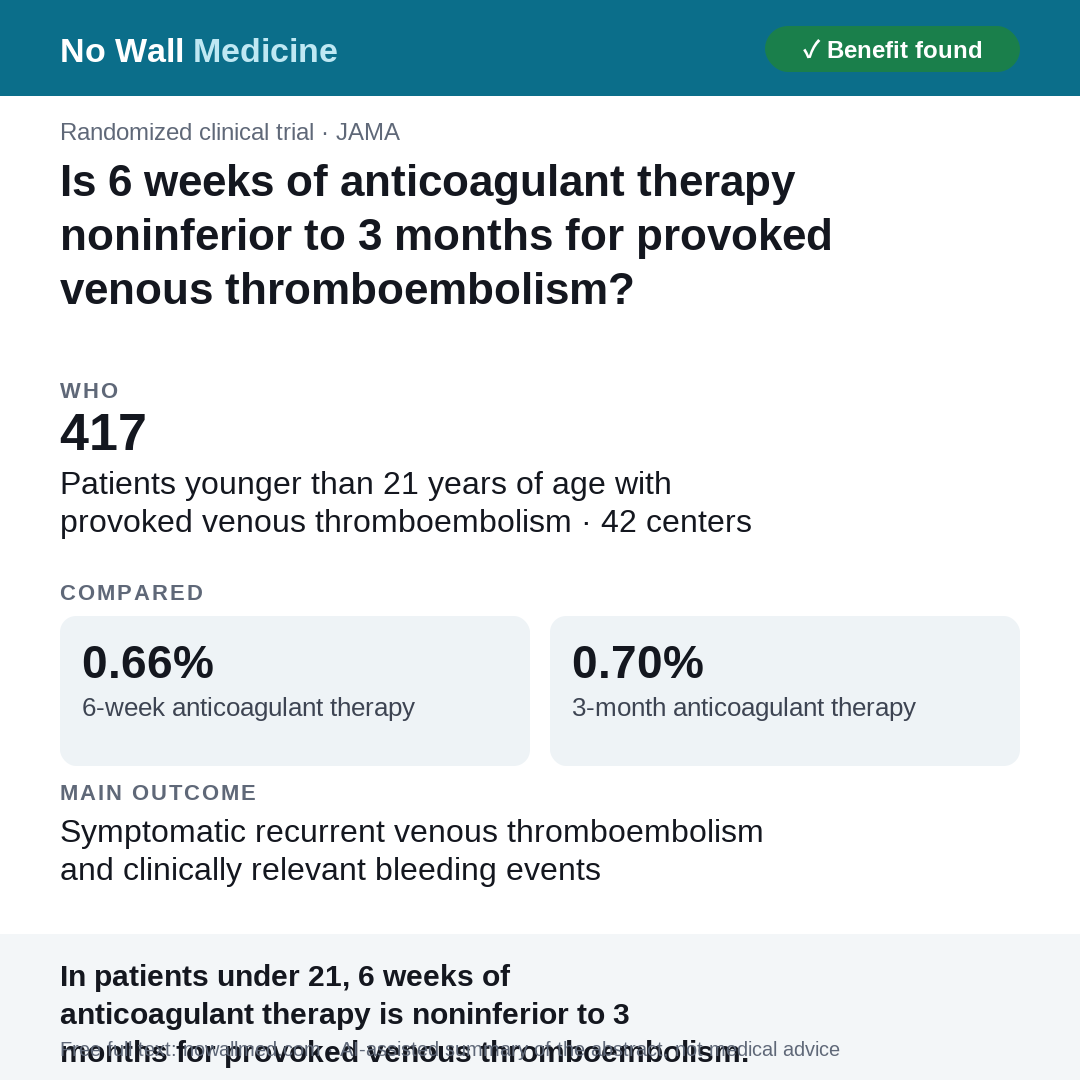
Effect of Anticoagulant Therapy for 6 Weeks vs 3 Months on Recurrence and Bleeding Events in Patients Younger Than 21 Years of Age With Provoked Venous Thromboembolism: The Kids-DOTT Randomized Clinical Trial
Randomized clinical trialBenefit found
Is 6 weeks of anticoagulant therapy noninferior to 3 months for provoked venous thromboembolism?
Who
417
Patients younger than 21 years of age with provoked venous thromboembolism · 42 centers in 5 countries
Compared
0.66%6-week anticoagulant therapy (95% CI, 0%-1.95%)
0.70%3-month anticoagulant therapy (95% CI, 0%-2.07%)
Main outcome
Symptomatic recurrent venous thromboembolism and clinically relevant bleeding events
Bottom line: In patients under 21, 6 weeks of anticoagulant therapy is noninferior to 3 months for provoked venous thromboembolism.
JAMA · 2022-01-11Download image
Safety and immunogenicity of 2-dose heterologous Ad26.ZEBOV, MVA-BN-Filo Ebola vaccination in children and adolescents in Africa: A randomised, placebo-controlled, multicentre Phase II clinical trial
Randomised, observer-blind, placebo-controlled Phase II trialEarly signal
Is the heterologous 2-dose Ad26.ZEBOV, MVA-BN-Filo vaccination safe and immunogenic in African children and adolescents?
Who
263
Adolescents (12 to 17 years) and children (4 to 11 years) in Africa · Multicentre in Eastern and Western Africa
Compared
Vaccine group: 100% binding antibody responses against Ebola virus glycoprotein
Placebo group
Main outcome
Safety, tolerability, and humoral immune responses
Bottom line: The heterologous 2-dose vaccination was well tolerated with no vaccine-related serious adverse events and induced strong antibody responses.
Limitation: Follow-up was limited to 365 days and formal statistical comparisons were not preplanned.
PLOS Med · 2022-01-11Download image

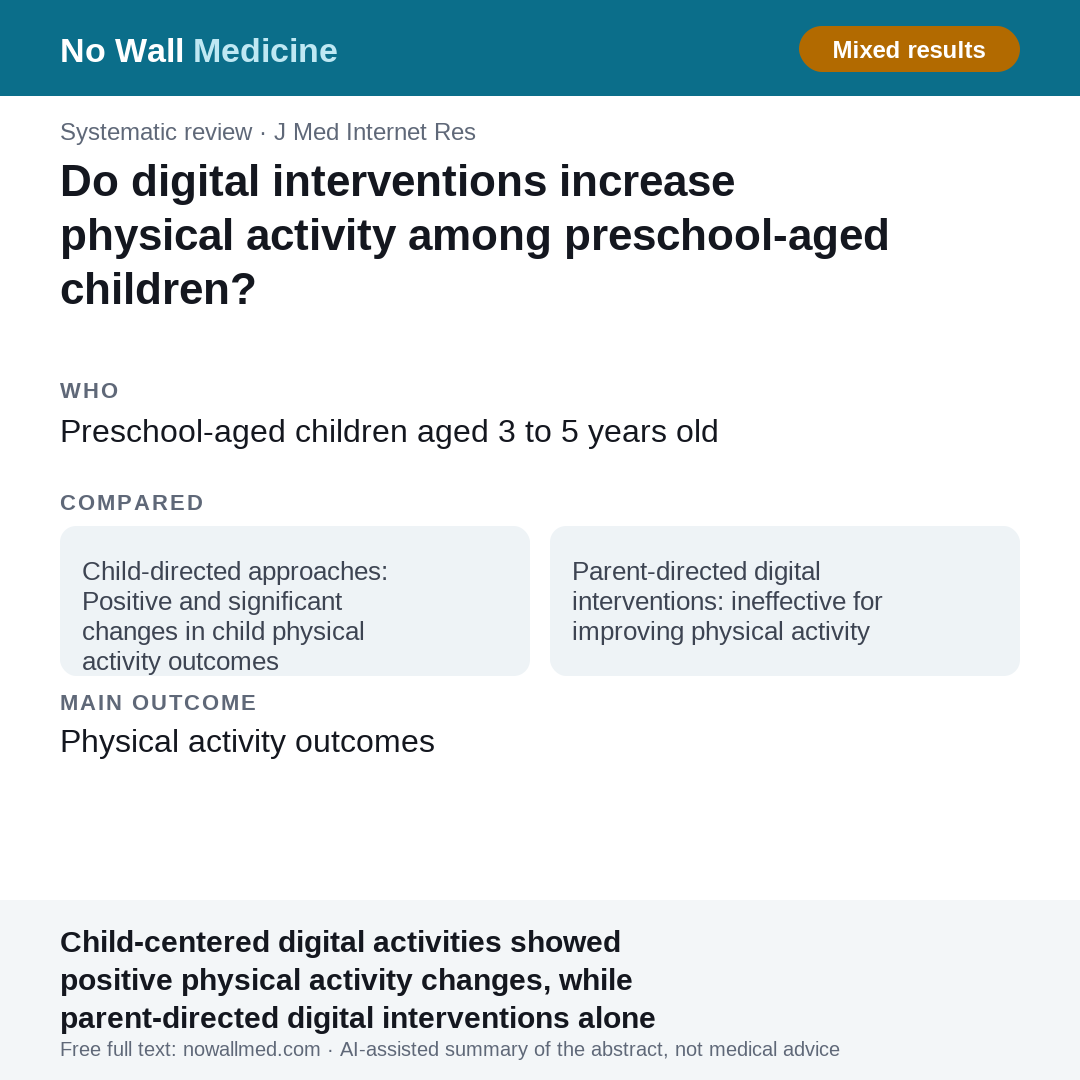
Digital Intervention Strategies for Increasing Physical Activity Among Preschoolers: Systematic Review
Systematic reviewMixed results
Do digital interventions increase physical activity among preschool-aged children?
Who
Preschool-aged children aged 3 to 5 years old
Compared
Child-directed approaches: Positive and significant changes in child physical activity outcomes
Parent-directed digital interventions: ineffective for improving physical activity
Main outcome
Physical activity outcomes
Bottom line: Child-centered digital activities showed positive physical activity changes, while parent-directed digital interventions alone were ineffective.
Limitation: Most studies had small sample sizes and only two studies had strong quality.
J Med Internet Res · 2022-01-11Download image
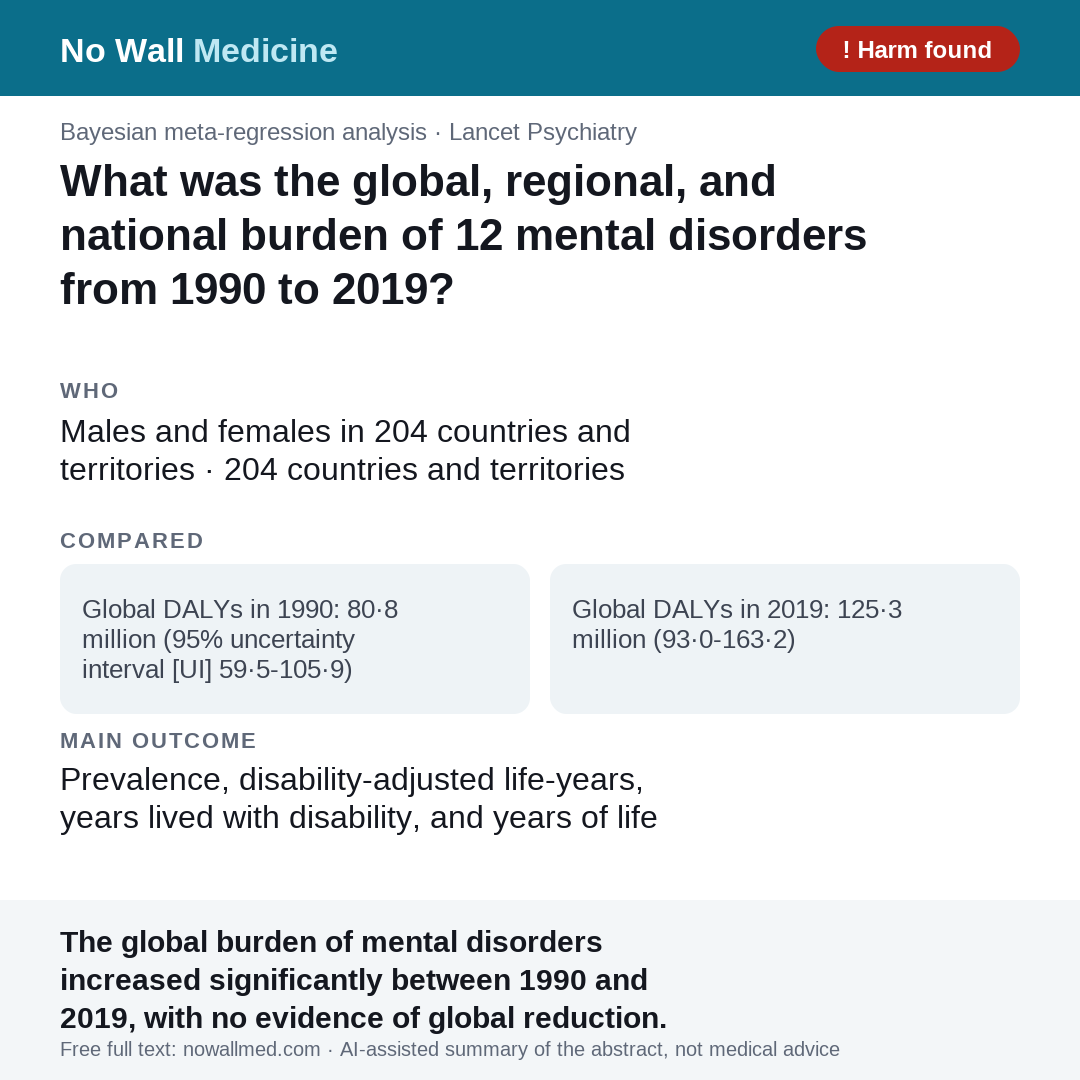
Global, regional, and national burden of 12 mental disorders in 204 countries and territories, 1990-2019: a systematic analysis for the Global Burden of Disease Study 2019
Bayesian meta-regression analysisHarm found
What was the global, regional, and national burden of 12 mental disorders from 1990 to 2019?
Who
Males and females in 204 countries and territories · 204 countries and territories
Compared
Global DALYs in 1990: 80·8 million (95% uncertainty interval [UI] 59·5-105·9)
Global DALYs in 2019: 125·3 million (93·0-163·2)
Main outcome
Prevalence, disability-adjusted life-years, years lived with disability, and years of life lost
Result: proportion of global DALYs increased from 3·1% (95% UI 2·4-3·9) to 4·9% (3·9-6·1)
Bottom line: The global burden of mental disorders increased significantly between 1990 and 2019, with no evidence of global reduction.
Funded by: Bill & Melinda Gates Foundation and others
Lancet Psychiatry · 2022-01-10Download image
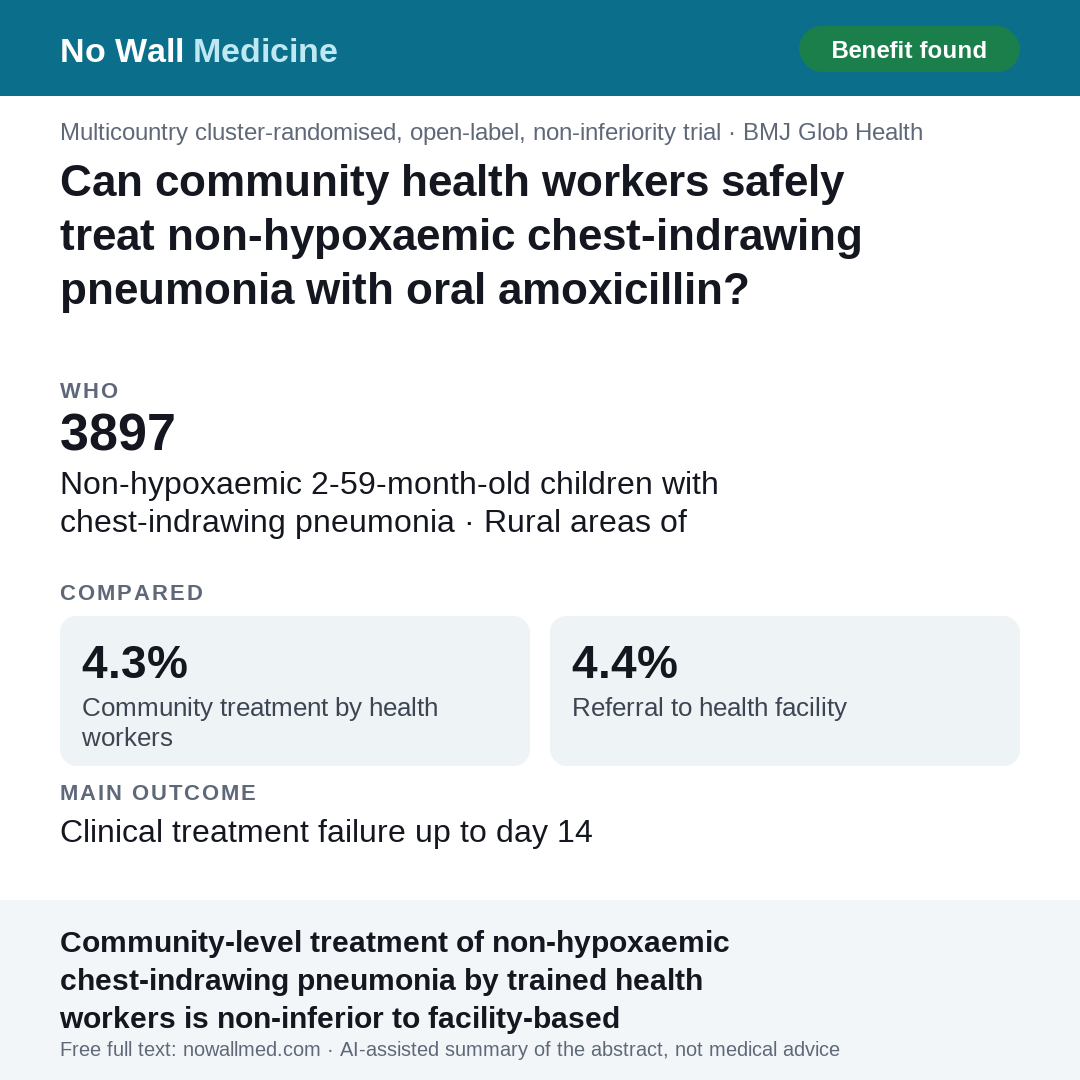
Elective freezing of embryos versus fresh embryo transfer in IVF: a multicentre randomized controlled trial in the UK (E-Freeze)
Pragmatic two-arm parallel randomized controlled trialNo clear difference
Does elective embryo freezing result in a higher healthy baby rate than fresh embryo transfer?
Who
619
Couples undergoing first, second or third IVF/ICSI cycle · 18 clinics in the United Kingdom
Compared
20.3%Elective freeze (62/307)
24.4%Fresh transfer (75/309)
Main outcome
Healthy baby after first embryo transfer
Result: risk ratio 0.84 (95% CI 0.62 to 1.15)
Bottom line: Elective freezing of all embryos does not improve the healthy baby rate compared to fresh embryo transfer.
Limitation: Planned target sample size was not obtained and adherence to allocation was poor.
Funded by: National Institute for Health Research
Hum Reprod · 2022-01-10Download image
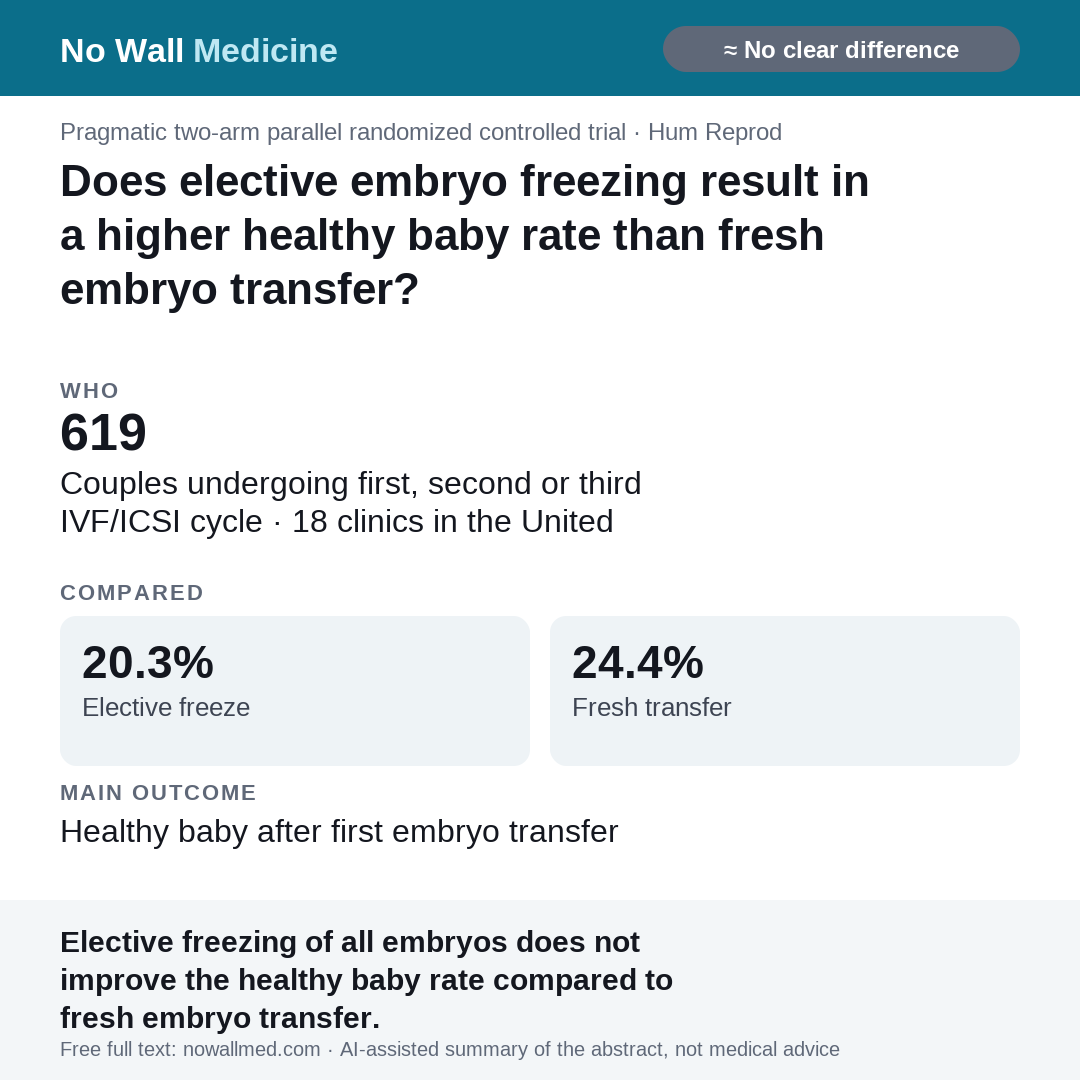
Individual participant data meta-analysis versus aggregate data meta-analysis: A case study in eczema and food allergy prevention
Secondary analysis of a Cochrane systematic reviewNo clear difference
Does individual participant data meta-analysis differ from aggregate data meta-analysis for eczema prevention?
Who
3089
Infants receiving skincare interventions for eczema and food allergy prevention
Compared
Individual Participant Data meta-analysis: eczema RR 1.03 (95% CI 0.81, 1.31)
Aggregate data meta-analysis: eczema RR 1.01 (95% CI 0.77, 1.33)
Main outcome
pooled treatment effects for eczema and food allergy
Bottom line: Individual participant data did not change primary risk ratios but improved certainty, safety, and subgroup analyses.
Clin Exp Allergy · 2022-01-10Download image
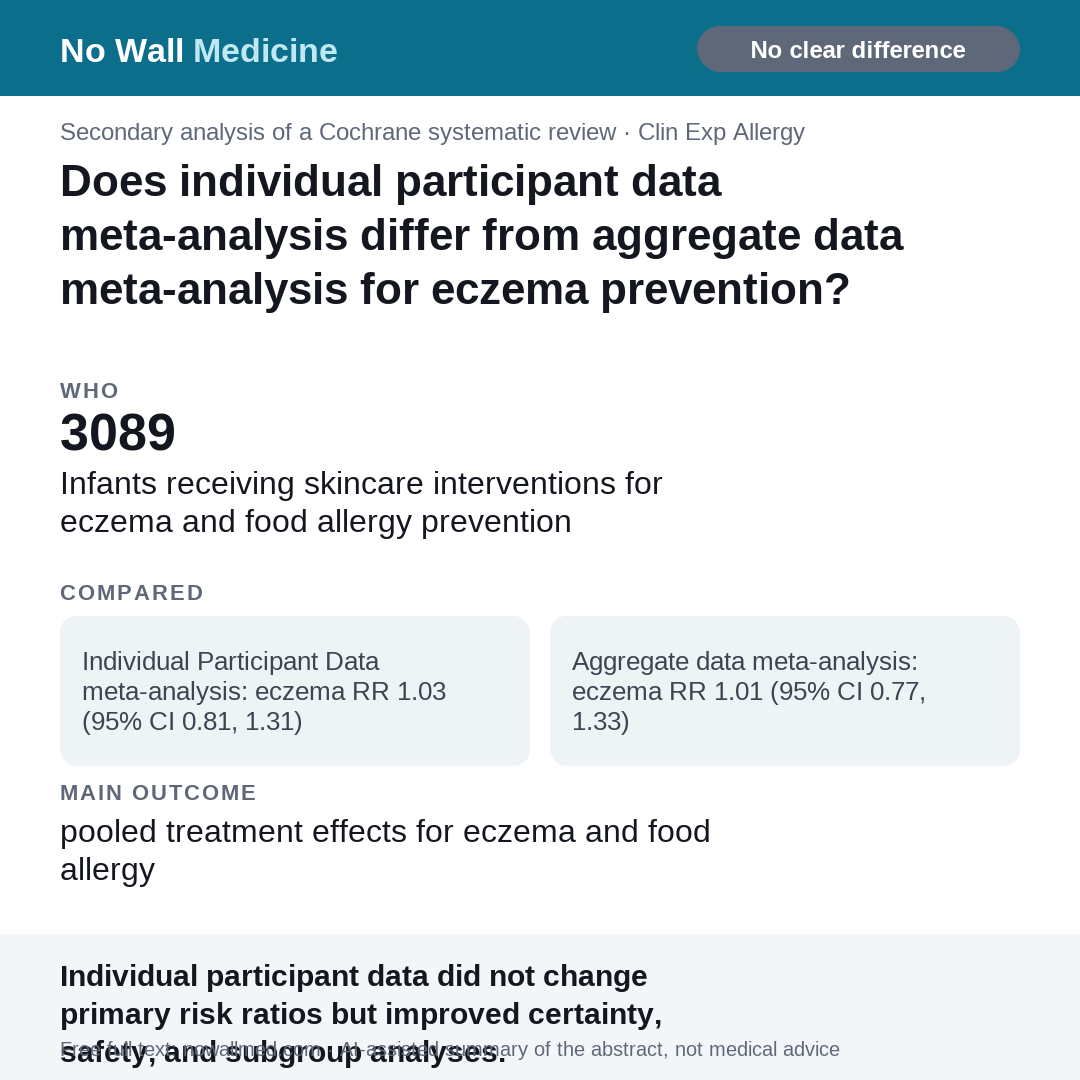
The effectiveness of gaming interventions for depression and anxiety in young people: systematic review and meta-analysis
Systematic review and meta-analysisMixed results
Are gaming interventions effective for depression and anxiety in young people?
Who
Individuals aged 12-25 years
Compared
Therapeutic intervention for depression: g = -0.54 (95% CI -1.00 to -0.08)
Therapeutic intervention for anxiety: no statistically significant effect
Main outcome
Depression and anxiety symptoms
Result: g = -0.54 (95% CI -1.00 to -0.08) for depression
Bottom line: Gaming interventions show effectiveness for youth depression but no significant effect for treating youth anxiety.
BJPsych Open · 2022-01-07Download image
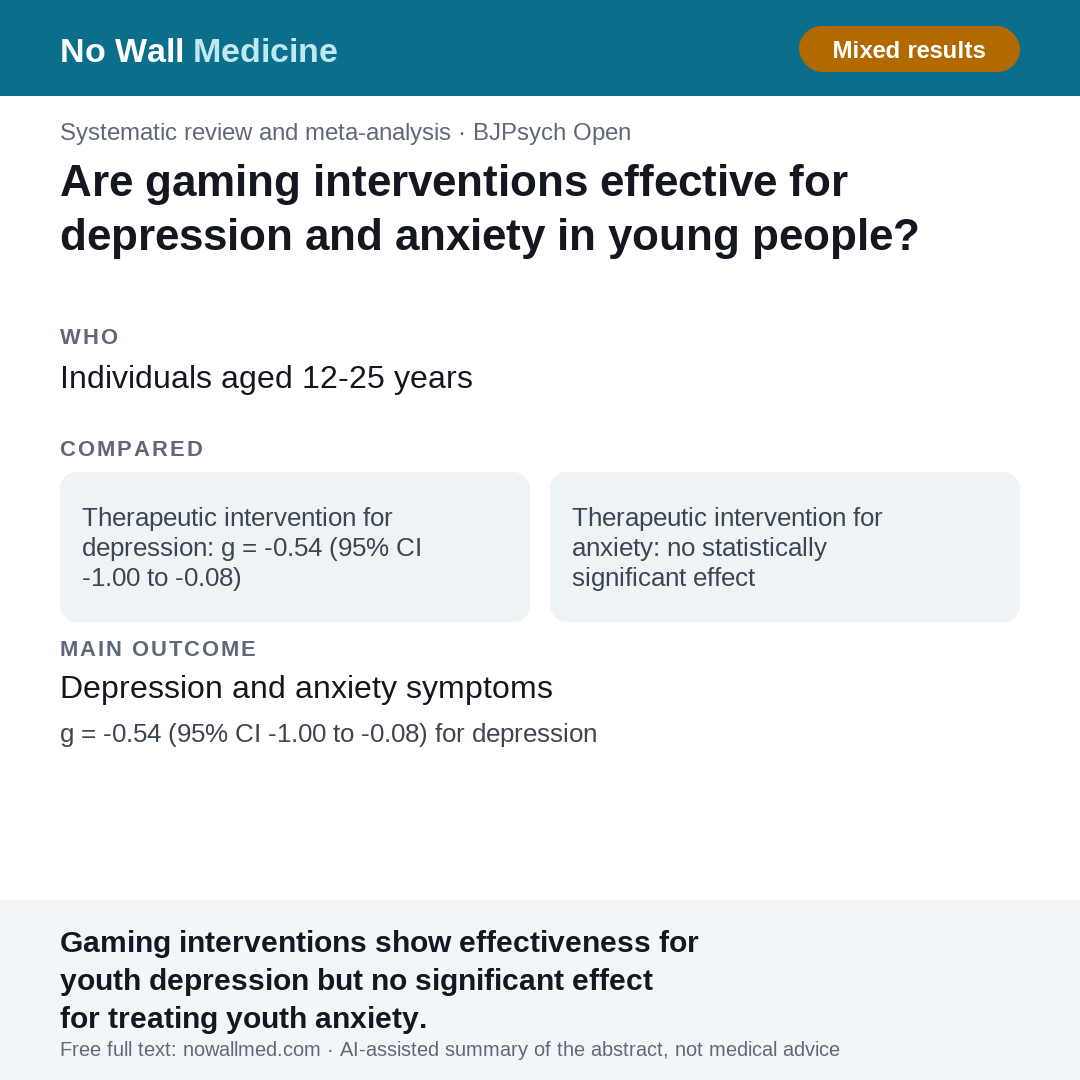
Innovative, enhanced community management of non-hypoxaemic chest-indrawing pneumonia in 2-59-month-old children: a cluster-randomised trial in Africa and Asia
Multicountry cluster-randomised, open-label, non-inferiority trialBenefit found
Can community health workers safely treat non-hypoxaemic chest-indrawing pneumonia with oral amoxicillin?
Who
3897
Non-hypoxaemic 2-59-month-old children with chest-indrawing pneumonia · Rural areas of Bangladesh, Ethiopia, India and Malawi
Compared
4.3%Community treatment by health workers (90/2081)
4.4%Referral to health facility (79/1816)
Main outcome
Clinical treatment failure up to day 14
Result: risk difference -0.01 (95% CI -1.5% to 1.5%)
Bottom line: Community-level treatment of non-hypoxaemic chest-indrawing pneumonia by trained health workers is non-inferior to facility-based treatment.
BMJ Glob Health · 2022-01-06Download image
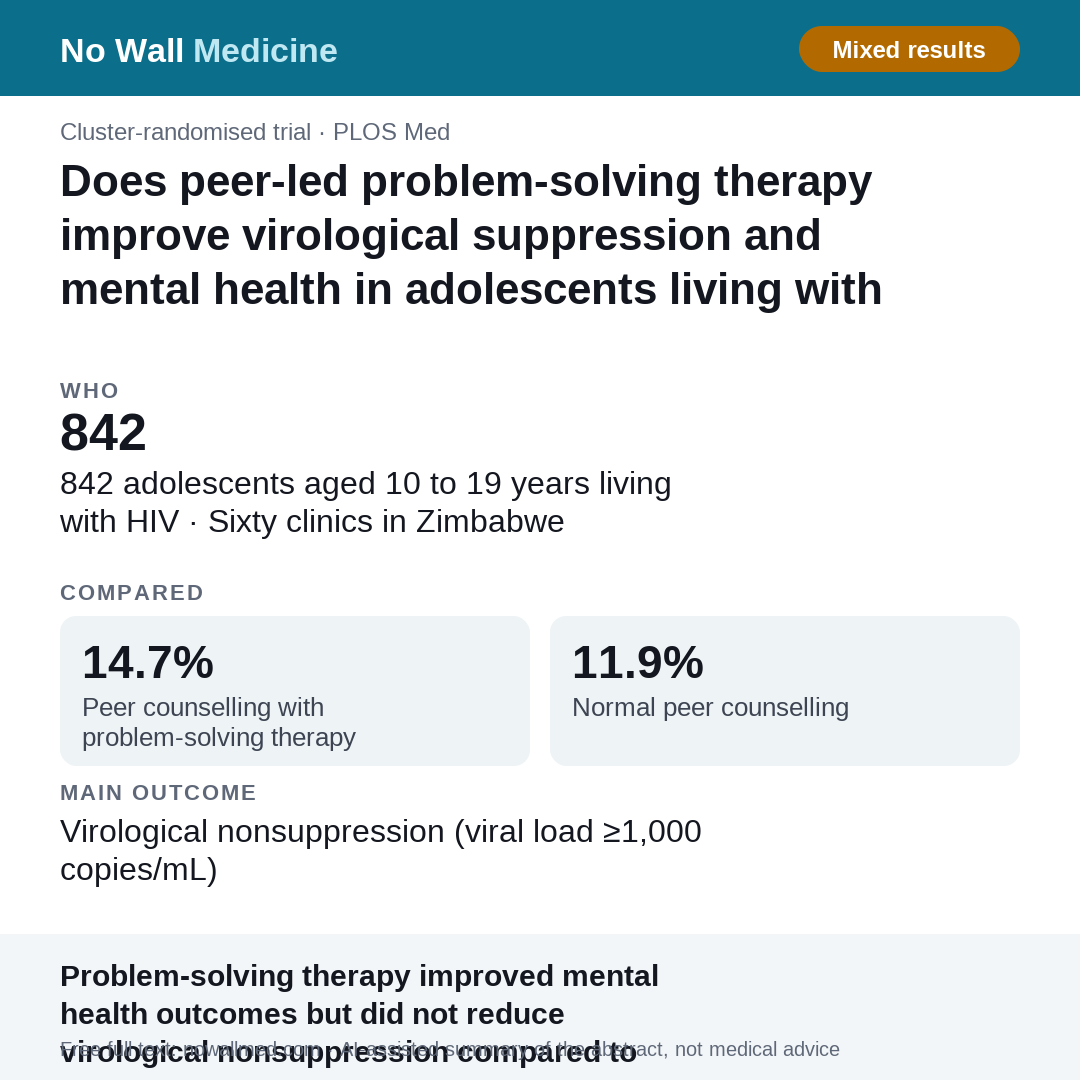
Peer-led counselling with problem discussion therapy for adolescents living with HIV in Zimbabwe: A cluster-randomised trial
Cluster-randomised trialMixed results
Does peer-led problem-solving therapy improve virological suppression and mental health in adolescents living with HIV?
Who
842
842 adolescents aged 10 to 19 years living with HIV · Sixty clinics in Zimbabwe
Compared
14.7%Peer counselling with problem-solving therapy
11.9%Normal peer counselling
Main outcome
Virological nonsuppression (viral load ≥1,000 copies/mL)
Result: adjusted odds ratio 1.29 (95% CI 0.68, 2.48)
Bottom line: Problem-solving therapy improved mental health outcomes but did not reduce virological nonsuppression compared to standard peer counselling.
Limitation: Cost data were not available and mental health tools were validated in adults, not adolescents.
PLOS Med · 2022-01-05Download image
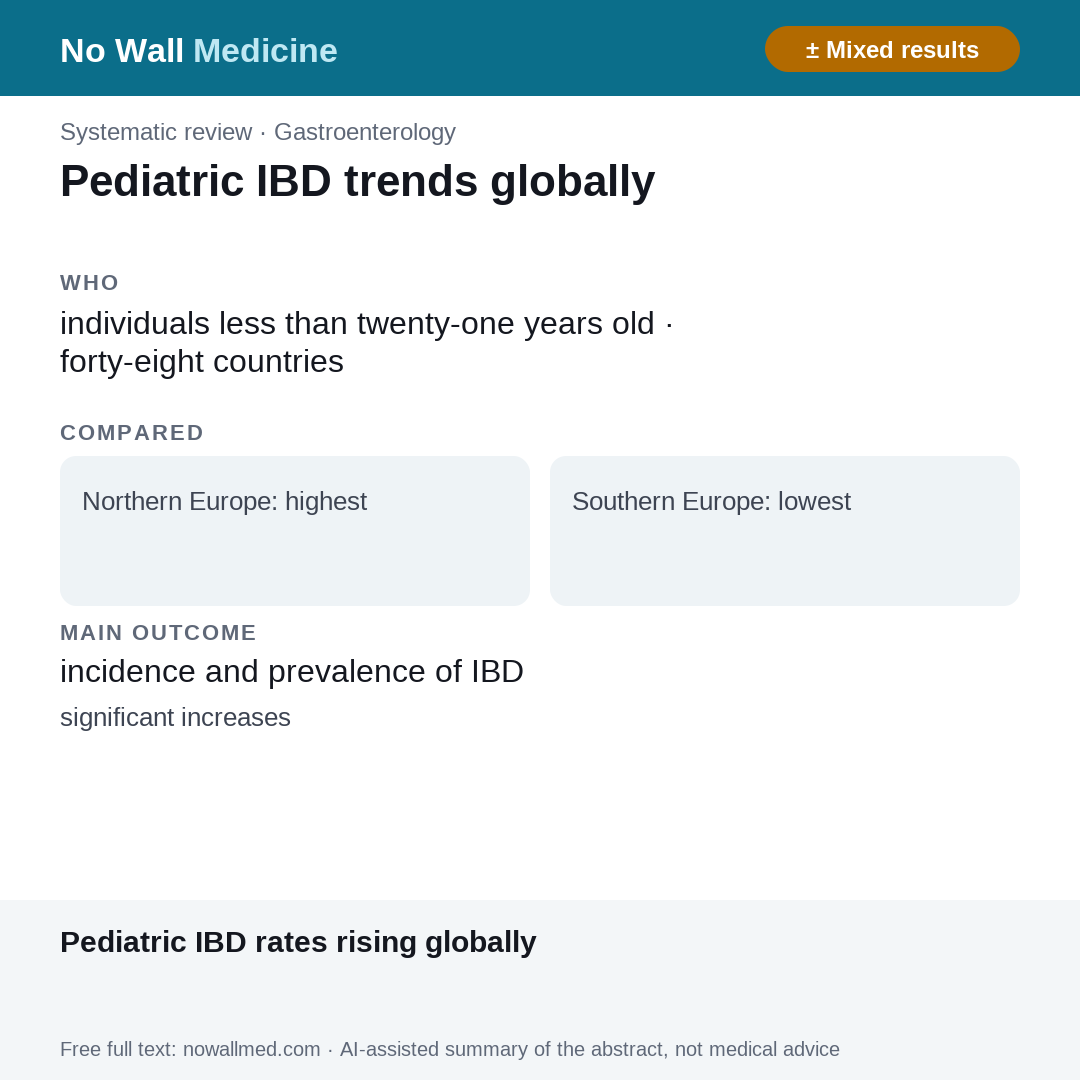
Twenty-first Century Trends in the Global Epidemiology of Pediatric-Onset Inflammatory Bowel Disease: Systematic Review
Systematic reviewMixed results
Pediatric IBD trends globally
Who
individuals less than twenty-one years old · forty-eight countries
Compared
Northern Europe: highest
Southern Europe: lowest
Main outcome
incidence and prevalence of IBD
Result: significant increases
Bottom line: Pediatric IBD rates rising globally
Limitation: paucity of data on VEO-IBD
Gastroenterology · 2022-01-05Download image
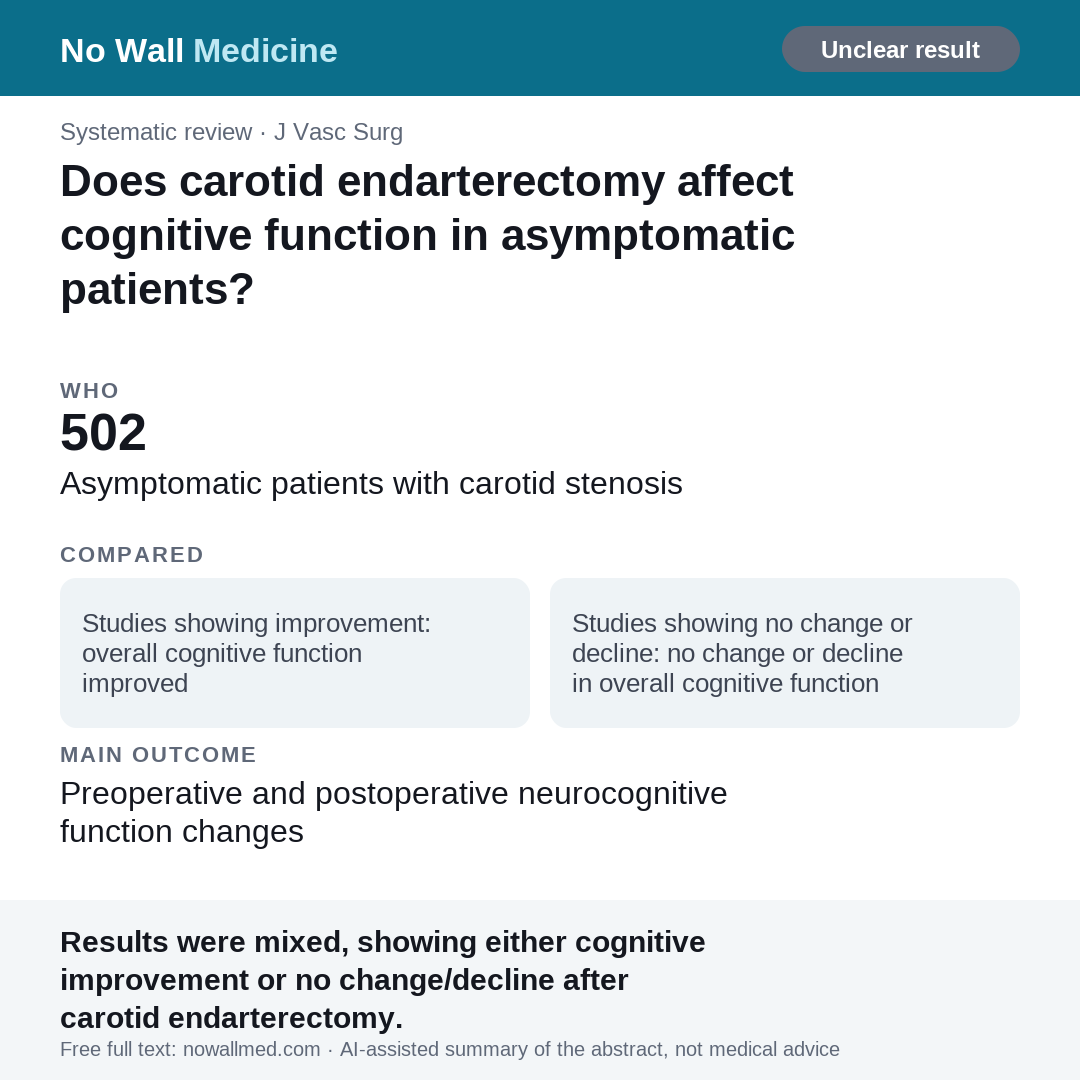
A systematic review of cognitive function after carotid endarterectomy in asymptomatic patients
Systematic reviewUnclear result
Does carotid endarterectomy affect cognitive function in asymptomatic patients?
Who
502
Asymptomatic patients with carotid stenosis
Compared
Studies showing improvement: overall cognitive function improved
Studies showing no change or decline: no change or decline in overall cognitive function
Main outcome
Preoperative and postoperative neurocognitive function changes
Bottom line: Results were mixed, showing either cognitive improvement or no change/decline after carotid endarterectomy.
Limitation: Lack of standardization of specific cognitive tests and assessment timing.
J Vasc Surg · 2022-01-05Download image
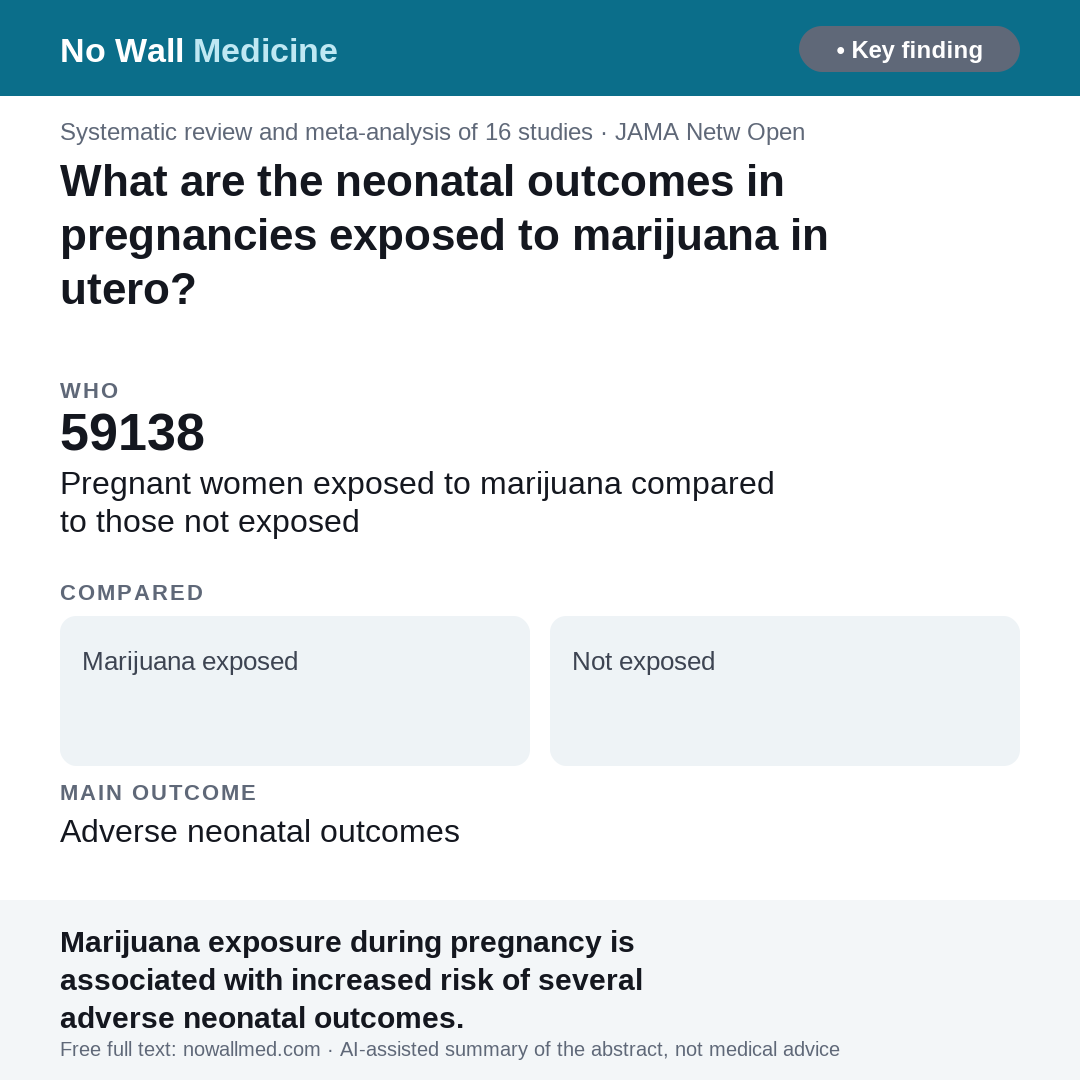
Birth Outcomes of Neonates Exposed to Marijuana in Utero: A Systematic Review and Meta-analysis
Systematic review and meta-analysis of 16 studiesKey finding
What are the neonatal outcomes in pregnancies exposed to marijuana in utero?
Who
59138
Pregnant women exposed to marijuana compared to those not exposed
Compared
Marijuana exposed
Not exposed
Main outcome
Adverse neonatal outcomes
Result: risk ratio 2.06 (95% CI 1.25 to 3.42) for birth weight < 2500 g
Bottom line: Marijuana exposure during pregnancy is associated with increased risk of several adverse neonatal outcomes.
JAMA Netw Open · 2022-01-04Download image