Visual abstracts
New randomized trials and meta-analyses from leading journals at a glance: who was studied, what was compared, and what was found. Every paper is free to read in full.
All specialtiesCardiology 4763Oncology 4041Gastroenterology & Hepatology 1902Infectious Disease 3756Neurology 1872Psychiatry & Mental Health 2214Pulmonology 2042Critical Care 1319Endocrinology & Diabetes 2544Pediatrics 2889Surgery 2479Orthopedics & Sports Medicine 917Neurosurgery 525Cardiothoracic & Vascular Surgery 656Plastic & Reconstructive Surgery 574Nephrology 1107Rheumatology 810Hematology 1090Dermatology 611Ophthalmology 532Obstetrics & Gynecology 1645Public & Global Health 1037Radiology & Imaging 617Anesthesiology 957Urology 744ENT (Otolaryngology) 494Emergency Medicine 481Allergy & Immunology 309Geriatrics 972Family Medicine & Primary Care 533Medical Genetics & Genomics 659Pathology & Laboratory Medicine 155Physical Medicine & Rehabilitation 734Palliative Care 421Nutrition 1560Digital Health & AI 2133General Medicine 318
A bioelectric dressing improves postderoofing outcomes in hidradenitis suppurativa by microbiome modulation: A split-body, randomized clinical trial
Randomized, single-center, split-body trialBenefit found
Does a bioelectric dressing improve outcomes after hidradenitis suppurativa deroofing compared to standard care?
Who
12
Patients with bilateral Hurley stages II-III axillary disease · Single-center
Compared
Bioelectric wound dressing: Minimal recurrences
Standard of care: Multiple recurrences
Main outcome
Healing rates and surgical site recurrence
Bottom line: Bioelectric wound dressings may reduce surgical site recurrence and reverse microbial dysbiosis after hidradenitis suppurativa deroofing.
JID Innov · 2026-02-16Download image

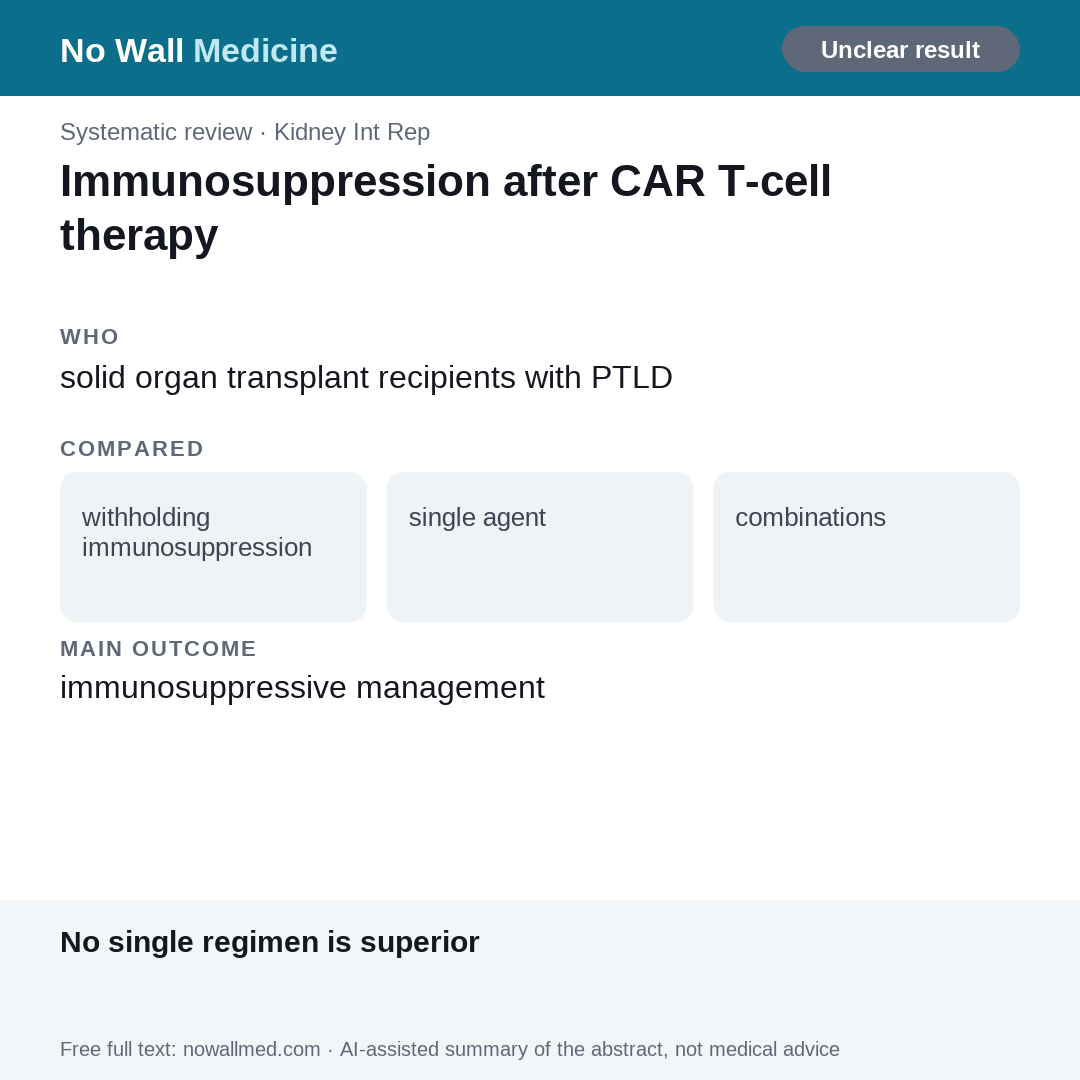
Systematic Review of Immunosuppression After Chimeric Antigen Receptor T-Cell Therapy for Posttransplant Lymphoproliferative Disorder
Systematic reviewUnclear result
Immunosuppression after CAR T-cell therapy
Who
solid organ transplant recipients with PTLD
Compared
withholding immunosuppression
single agent
combinations
Main outcome
immunosuppressive management
Bottom line: No single regimen is superior
Limitation: limited data
Kidney Int Rep · 2026-02-16Download image
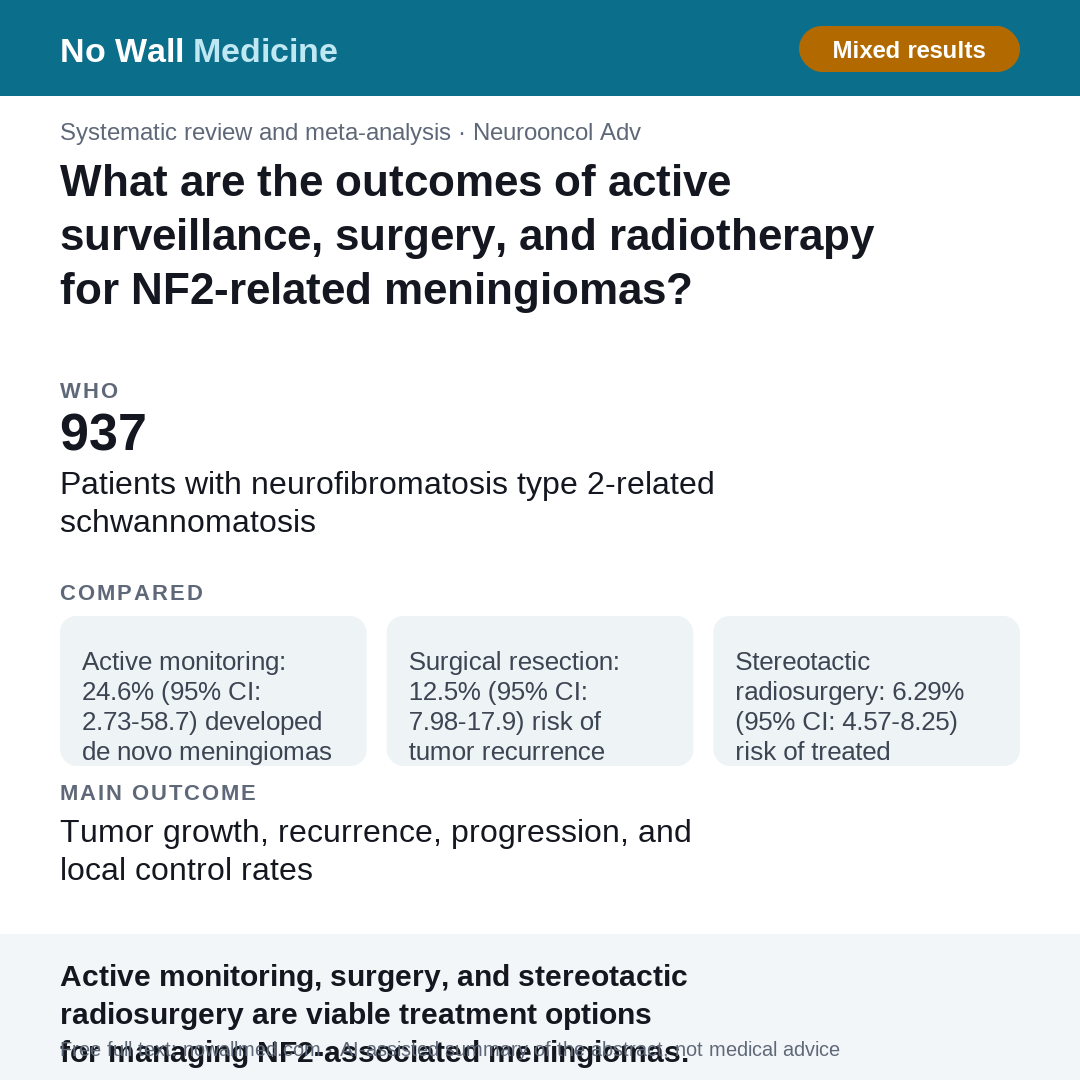
A systematic review and meta-analysis of outcomes following active surveillance, surgery and radiotherapy of meningiomas in NF2-related schwannomatosis
Systematic review and meta-analysisMixed results
What are the outcomes of active surveillance, surgery, and radiotherapy for NF2-related meningiomas?
Who
937
Patients with neurofibromatosis type 2-related schwannomatosis
Compared
Active monitoring: 24.6% (95% CI: 2.73-58.7) developed de novo meningiomas
Surgical resection: 12.5% (95% CI: 7.98-17.9) risk of tumor recurrence
Stereotactic radiosurgery: 6.29% (95% CI: 4.57-8.25) risk of treated tumor progression
Main outcome
Tumor growth, recurrence, progression, and local control rates
Bottom line: Active monitoring, surgery, and stereotactic radiosurgery are viable treatment options for managing NF2-associated meningiomas.
Neurooncol Adv · 2026-02-16Download image
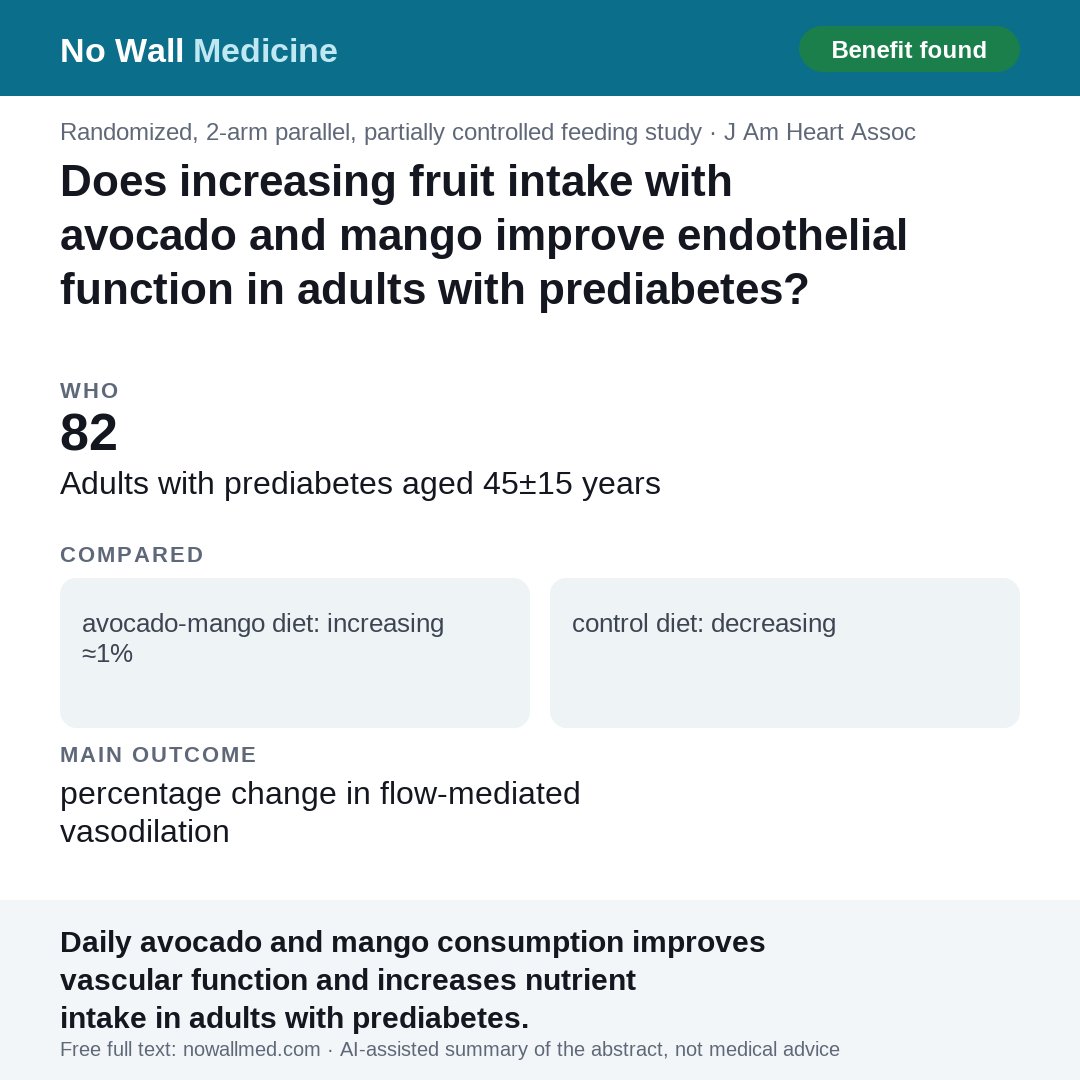
Effects of Increasing Total Fruit Intake With Avocado and Mango on Endothelial Function and Cardiometabolic Risk Factors in Adults With Prediabetes
Randomized, 2-arm parallel, partially controlled feeding studyBenefit found
Does increasing fruit intake with avocado and mango improve endothelial function in adults with prediabetes?
Who
82
Adults with prediabetes aged 45±15 years
Compared
avocado-mango diet: increasing ≈1%
control diet: decreasing
Main outcome
percentage change in flow-mediated vasodilation
Result: -2.11±0.77%; P=0.008
Bottom line: Daily avocado and mango consumption improves vascular function and increases nutrient intake in adults with prediabetes.
J Am Heart Assoc · 2026-02-16Download image
Improvements in quality-of-life dimensions through medium-chain triglyceride (MCT) supplementation in rheumatoid arthritis: updated findings from a randomised clinical trial
Randomised, double-blind, placebo-controlled clinical trialBenefit found
Does medium-chain triglyceride supplementation improve quality of life in rheumatoid arthritis patients?
Who
61
Rheumatoid arthritis patients on stable drug treatment
Compared
Medium-chain triglyceride and fibre
Long-chain triglycerides
Main outcome
Health-related quality of life, morning stiffness, and pain
Bottom line: Medium-chain triglyceride supplementation improves mental and physical health-related quality of life and reduces pain in rheumatoid arthritis.
RMD Open · 2026-02-16Download image

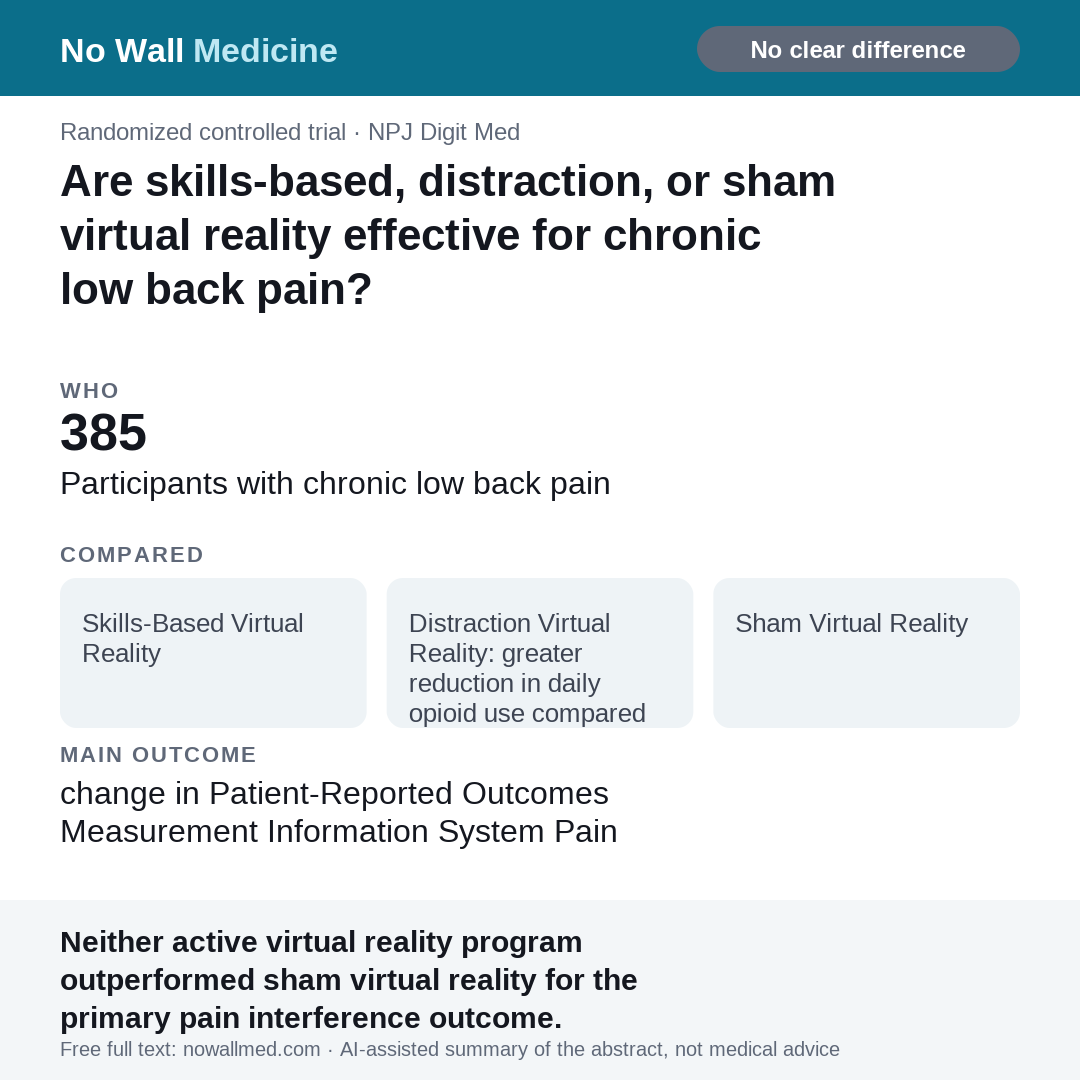
Randomized-controlled trial of skills-based vr vs. distraction vr vs. sham VR for chronic low back pain
Randomized controlled trialNo clear difference
Are skills-based, distraction, or sham virtual reality effective for chronic low back pain?
Who
385
Participants with chronic low back pain
Compared
Skills-Based Virtual Reality
Distraction Virtual Reality: greater reduction in daily opioid use compared to Sham VR
Sham Virtual Reality
Main outcome
change in Patient-Reported Outcomes Measurement Information System Pain Interference
Bottom line: Neither active virtual reality program outperformed sham virtual reality for the primary pain interference outcome.
Limitation: Future studies are needed to test anxiety-moderated effects and opioid-use reduction as primary outcomes.
NPJ Digit Med · 2026-02-16Download image
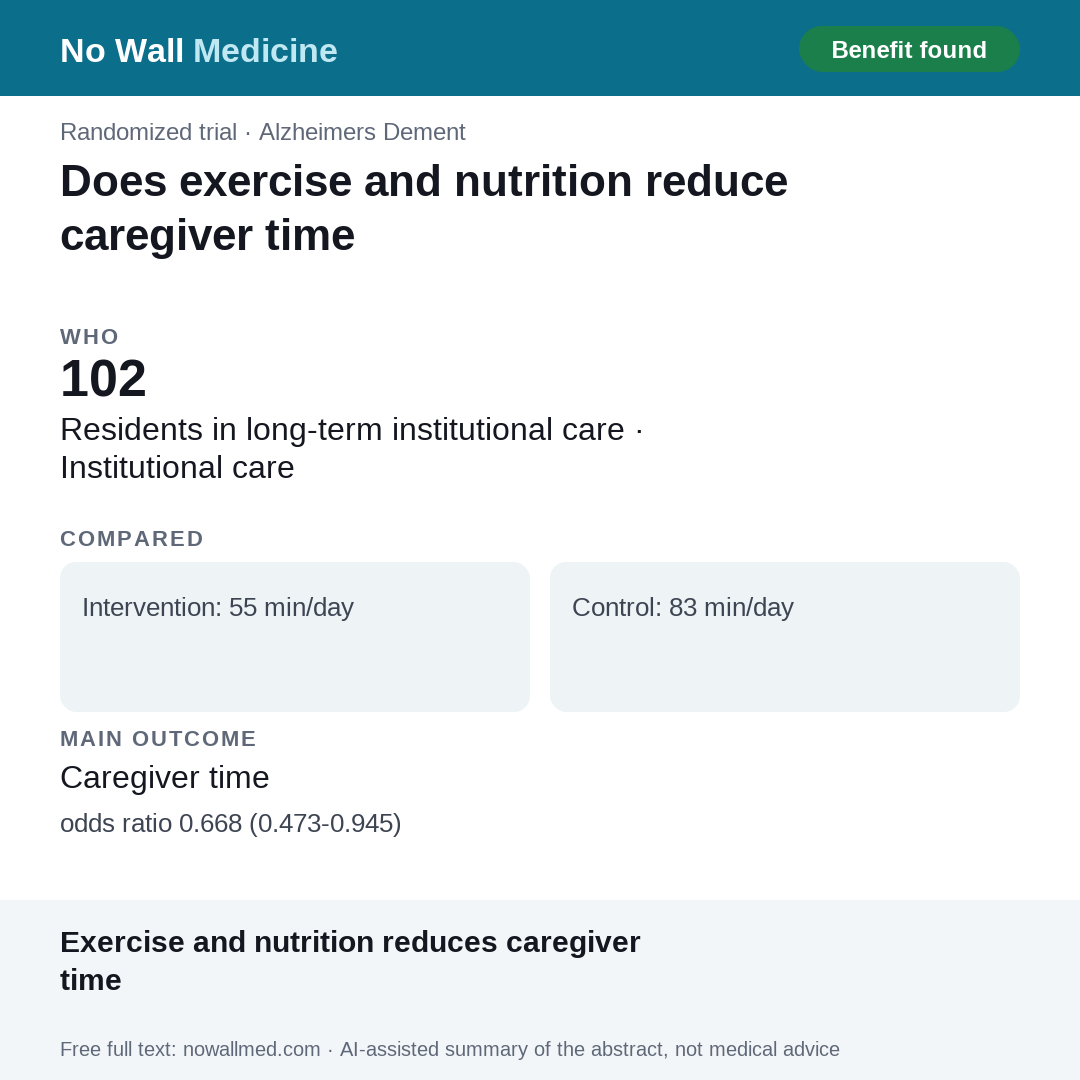
Impact of an exercise and nutrition program on caregiver time with residents in institutional care-A secondary analysis
Randomized trialBenefit found
Does exercise and nutrition reduce caregiver time
Who
102
Residents in long-term institutional care · Institutional care
Compared
Intervention: 55 min/day
Control: 83 min/day
Main outcome
Caregiver time
Result: odds ratio 0.668 (0.473-0.945)
Bottom line: Exercise and nutrition reduces caregiver time
Alzheimers Dement · 2026-02-15Download image
Pain management after elective caesarean section under neuraxial anaesthesia: an updated systematic review and procedure-specific postoperative pain management (PROSPECT) recommendations
Systematic review and meta-analysisBenefit found
What are the best postoperative pain management recommendations after elective caesarean section?
Who
Patients undergoing elective caesarean section under neuraxial anaesthesia
Compared
Recommended regimen
Non-recommended interventions
Main outcome
Postoperative pain management efficacy
Bottom line: Clinicians should use intrathecal morphine, diamorphine, paracetamol, non-steroidal anti-inflammatory drugs, and dexamethasone.
Anaesthesia · 2026-02-15Download image

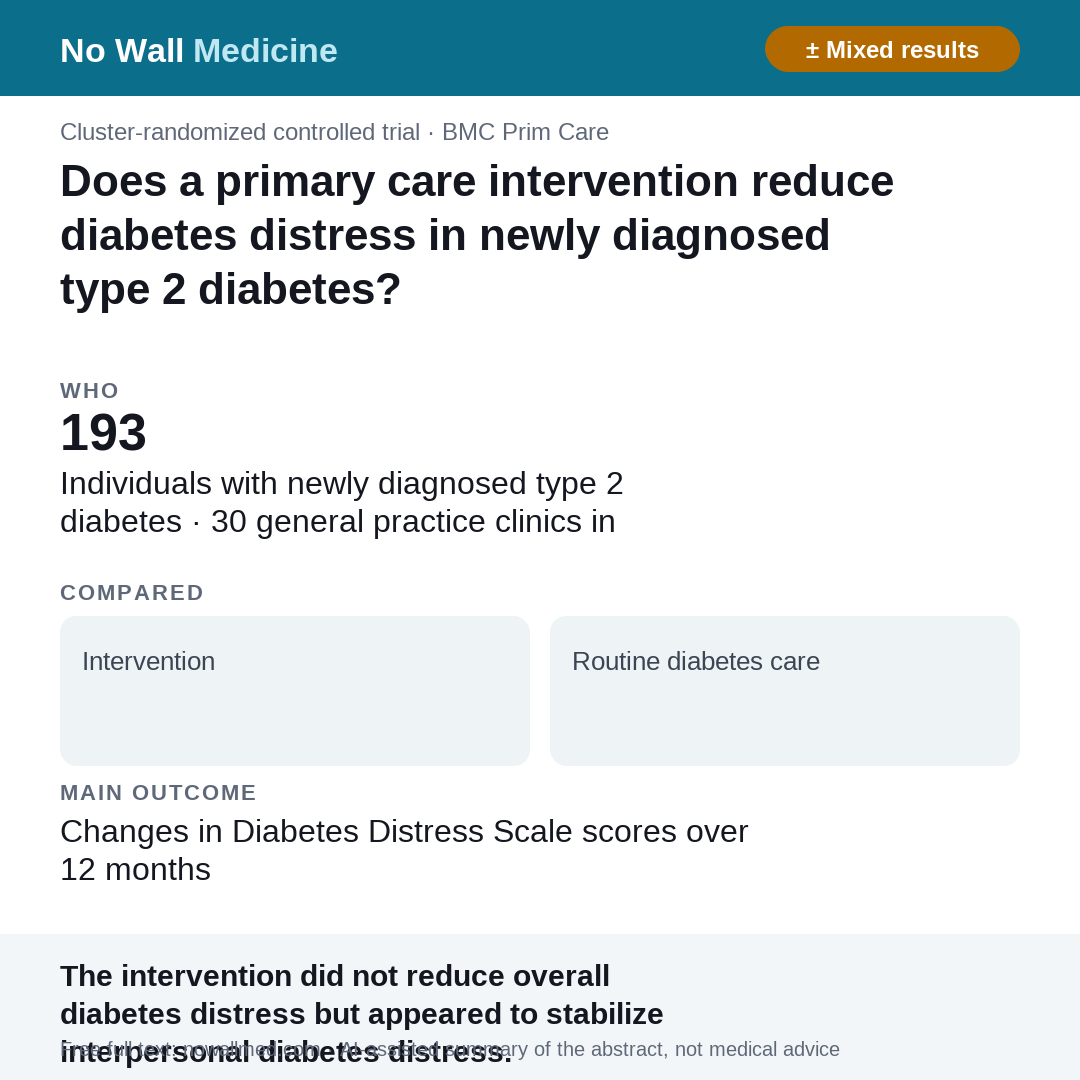
The effect of a primary care intervention on diabetes distress in individuals with newly diagnosed type 2 diabetes: a cluster-randomized controlled trial
Cluster-randomized controlled trialMixed results
Does a primary care intervention reduce diabetes distress in newly diagnosed type 2 diabetes?
Who
193
Individuals with newly diagnosed type 2 diabetes · 30 general practice clinics in Southern Denmark
Compared
Intervention
Routine diabetes care
Main outcome
Changes in Diabetes Distress Scale scores over 12 months
Result: β = −0.25, 95% CI = −0.49, 0.00
Bottom line: The intervention did not reduce overall diabetes distress but appeared to stabilize interpersonal diabetes distress.
Limitation: Low baseline distress, participant attrition, high quality routine care, and design limitations.
BMC Prim Care · 2026-02-15Download image
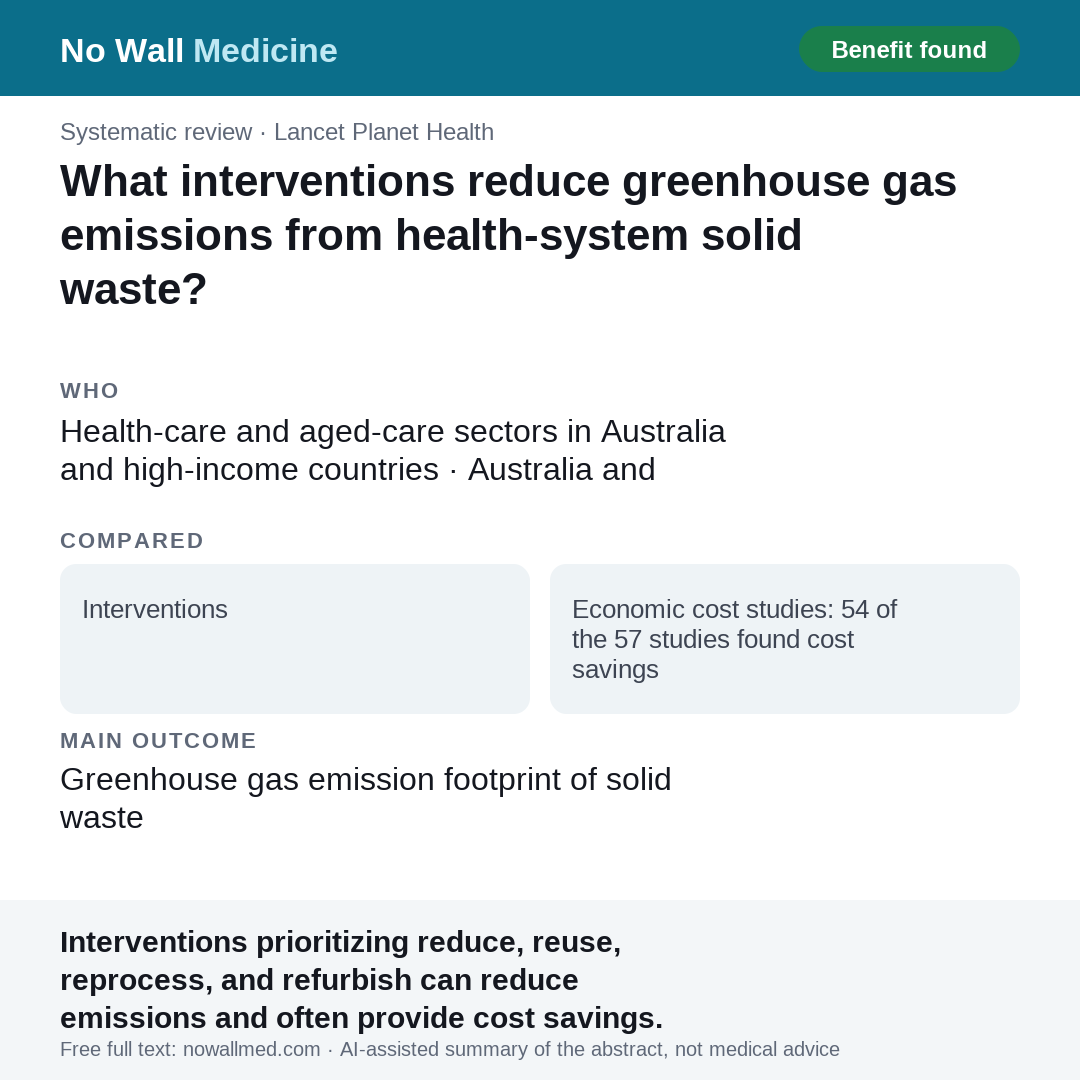
Interventions to reduce greenhouse gas emissions from health-system solid waste: a systematic review
Systematic reviewBenefit found
What interventions reduce greenhouse gas emissions from health-system solid waste?
Who
Health-care and aged-care sectors in Australia and high-income countries · Australia and other high-income countries
Compared
Interventions
Economic cost studies: 54 of the 57 studies found cost savings
Main outcome
Greenhouse gas emission footprint of solid waste
Bottom line: Interventions prioritizing reduce, reuse, reprocess, and refurbish can reduce emissions and often provide cost savings.
Lancet Planet Health · 2026-02-14Download image
The effects of daily low-dose aspirin on white matter hyperintensity lesions and retinal vascular calibre in healthy older adults: the ENVIS-ion exploratory neuroimaging substudy of the ASPREE randomised clinical trial
Double-blinded randomised clinical trial substudyNo clear difference
Does daily low-dose aspirin affect white matter hyperintensity and retinal vascular calibre?
Who
610
Healthy older adults aged 70 years or older · Two clinical trial sites in Australia
Compared
Aspirin 100 mg: greater increase in deep white matter hyperintensity (β 0.14 [95% CI 0.01 to 0.27])
Placebo
Main outcome
White matter hyperintensity volumes and retinal vascular calibre
Bottom line: Daily low-dose aspirin had no effect on retinal vascular calibre or total white matter hyperintensity progression over 3 years.
Funded by: National Health and Medical Research Council of Australia
Lancet Healthy Longev · 2026-02-14Download image
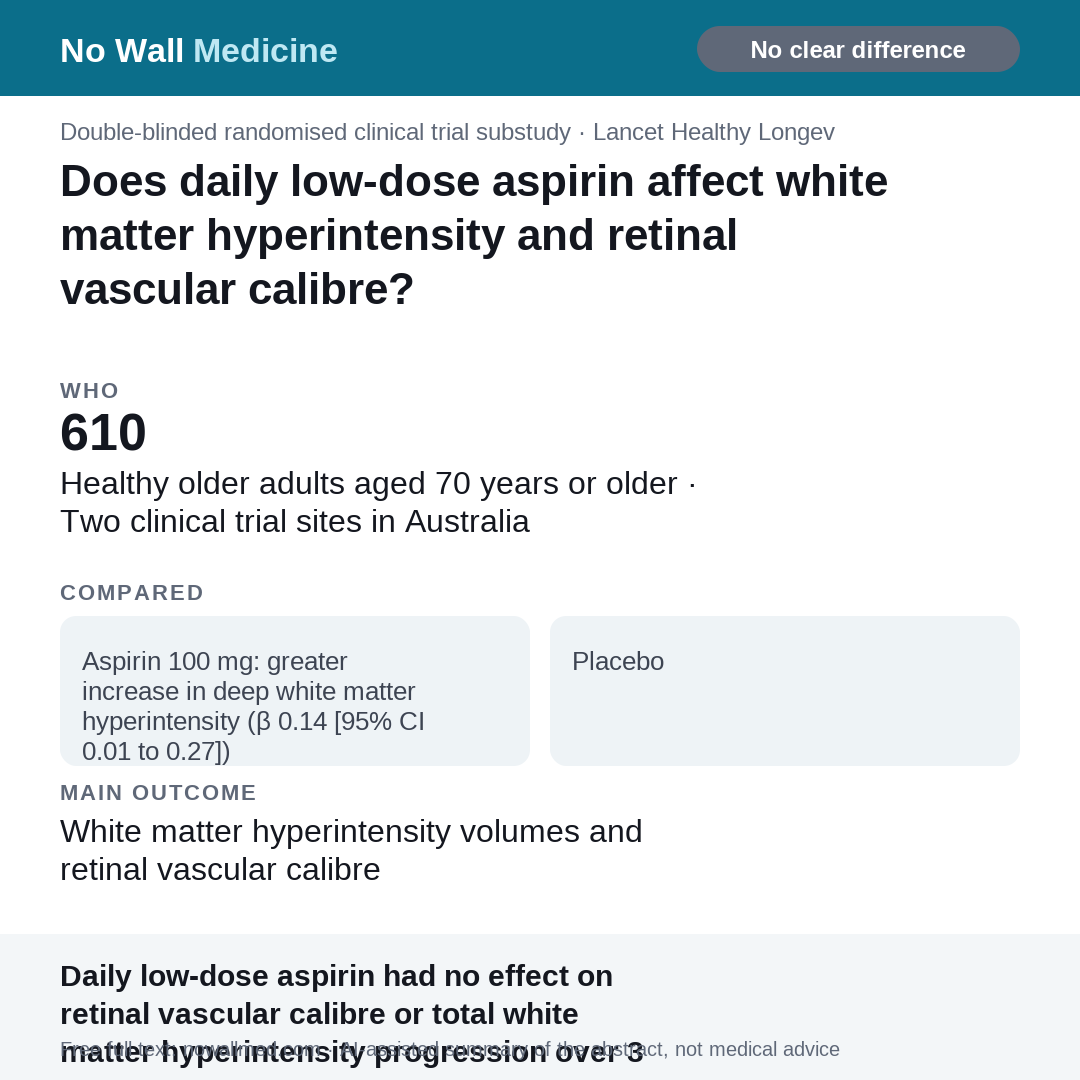
Probiotic and prebiotic interventions in burn patients: A systematic review
Systematic reviewMixed results
Do probiotics and prebiotics affect outcomes in burn patients?
Who
426
Burn patients
Compared
Probiotic and prebiotic treatment: statistically significance decrease in the probiotic treatment group's rate of infection (p < 0.0001)
Control
Main outcome
sepsis, mortality, infection, and serum IgA levels
Bottom line: Probiotics and prebiotics may reduce infection and increase serum IgA, but did not significantly affect sepsis or mortality.
Burns · 2026-02-14Download image
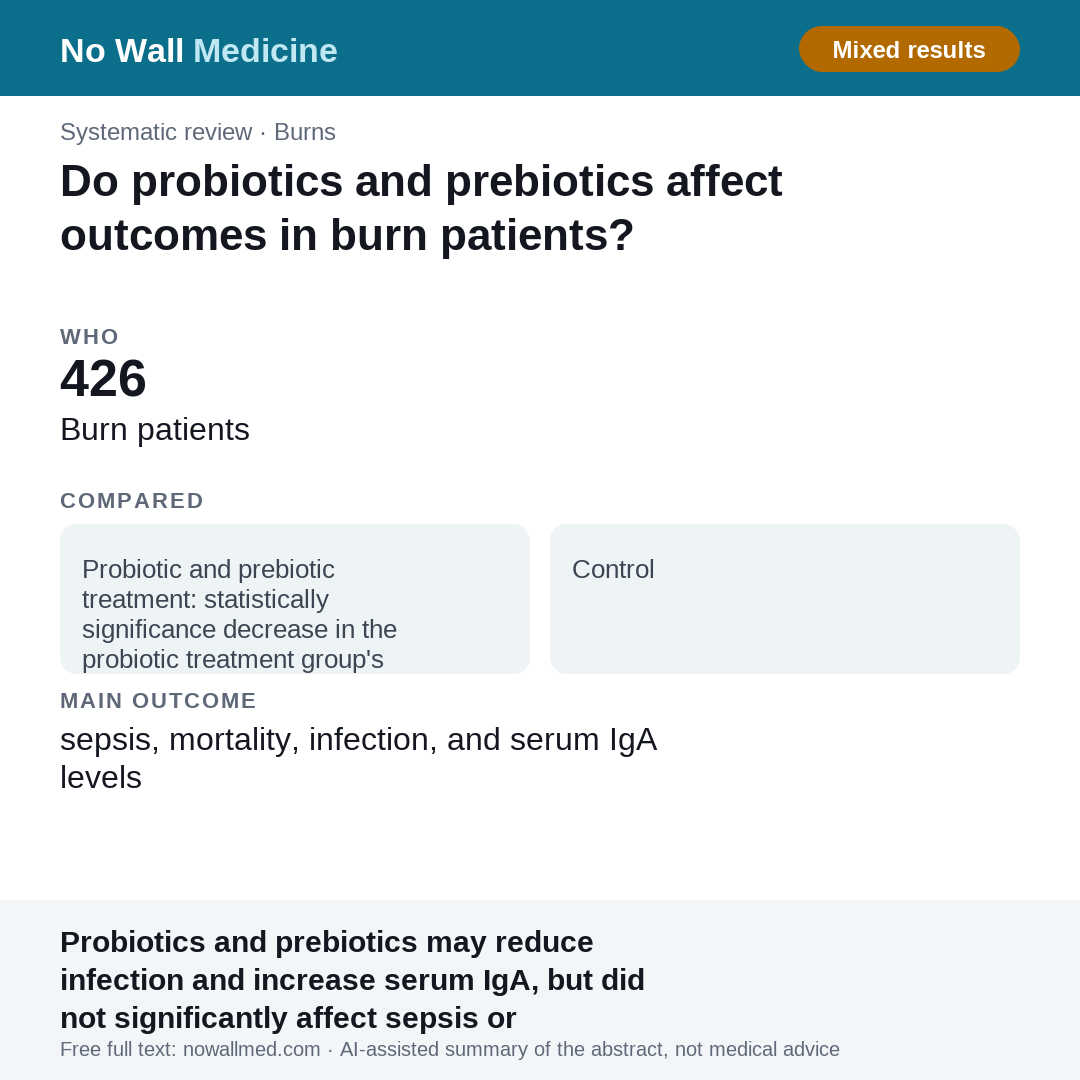
Stress hyperglycemia ratio in coronary artery disease: a systematic review and meta-analysis of severity and prognosis
Systematic review and meta-analysisKey finding
Does stress hyperglycemia ratio associate with coronary artery disease severity and prognosis?
Who
Patients with coronary artery disease
Compared
Acute coronary syndrome highest SHR: HR: 1.60 (95% CI 1.41-1.81)
Chronic coronary syndrome highest SHR: HR: 1.95 (95% CI 1.50-2.52)
Main outcome
Major adverse cardiovascular events
Result: HR 1.60 (95% CI 1.41-1.81) in acute coronary syndrome
Bottom line: Higher stress hyperglycemia ratio is associated with increased coronary artery disease severity and major adverse cardiovascular events.
Cardiovasc Diabetol · 2026-02-14Download image
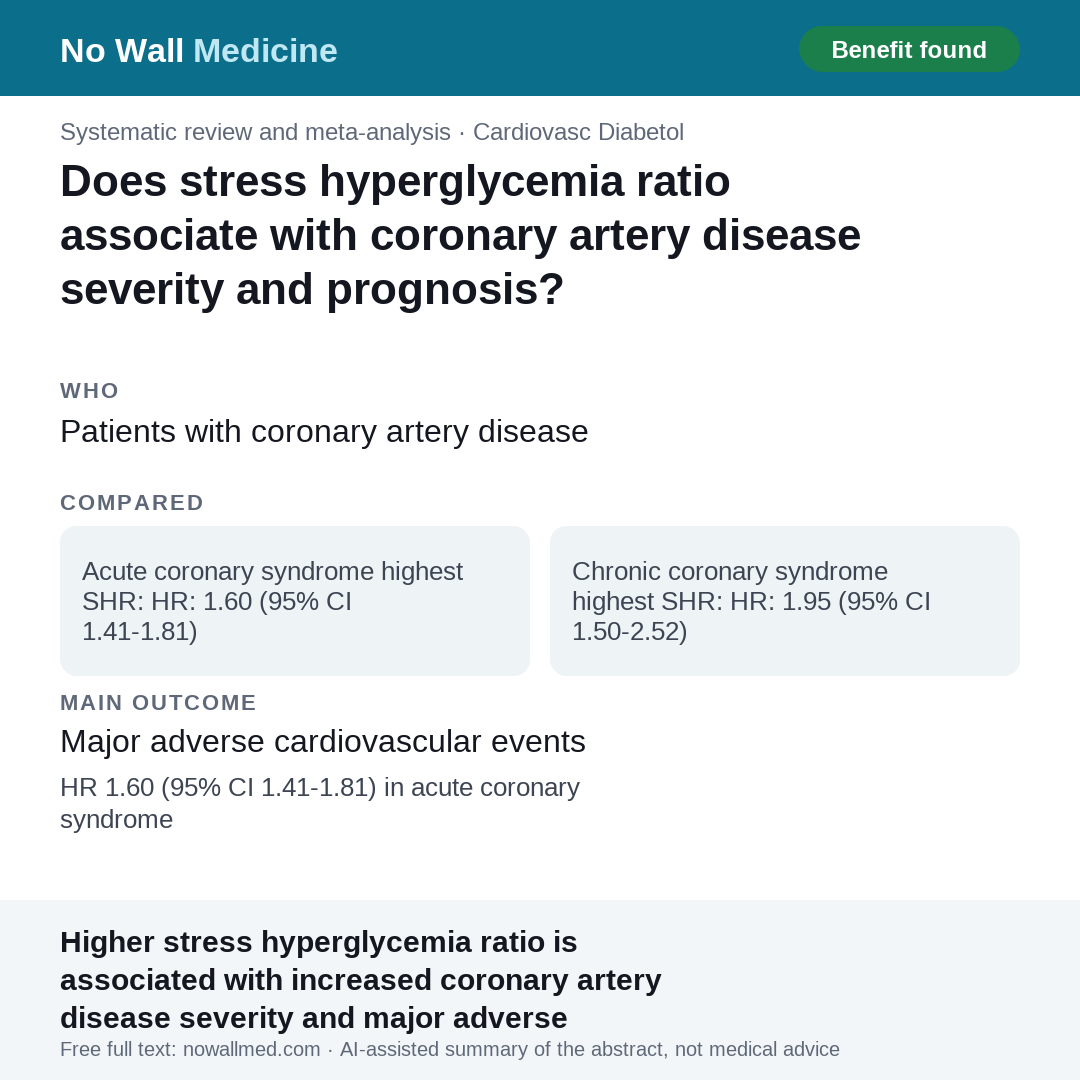
Comparing decentralized machine learning and AI clinical models to local and centralized alternatives: a systematic review
Systematic reviewMixed results
How do decentralized learning approaches compare to local and centralized alternatives in healthcare?
Who
710 decentralized learning models across 8149 performance comparisons · eight databases
Compared
Decentralized learning: comparable performance in ranking metrics
Centralized learning: 78% favourability for accuracy and Dice score
Local learning: DL outperformed local learning across all metrics
Main outcome
performance metrics across clinical domains
Bottom line: Decentralized learning provides clinically acceptable alternatives, balancing marginal performance trade-offs against privacy regulations and application needs.
NPJ Digit Med · 2026-02-14Download image
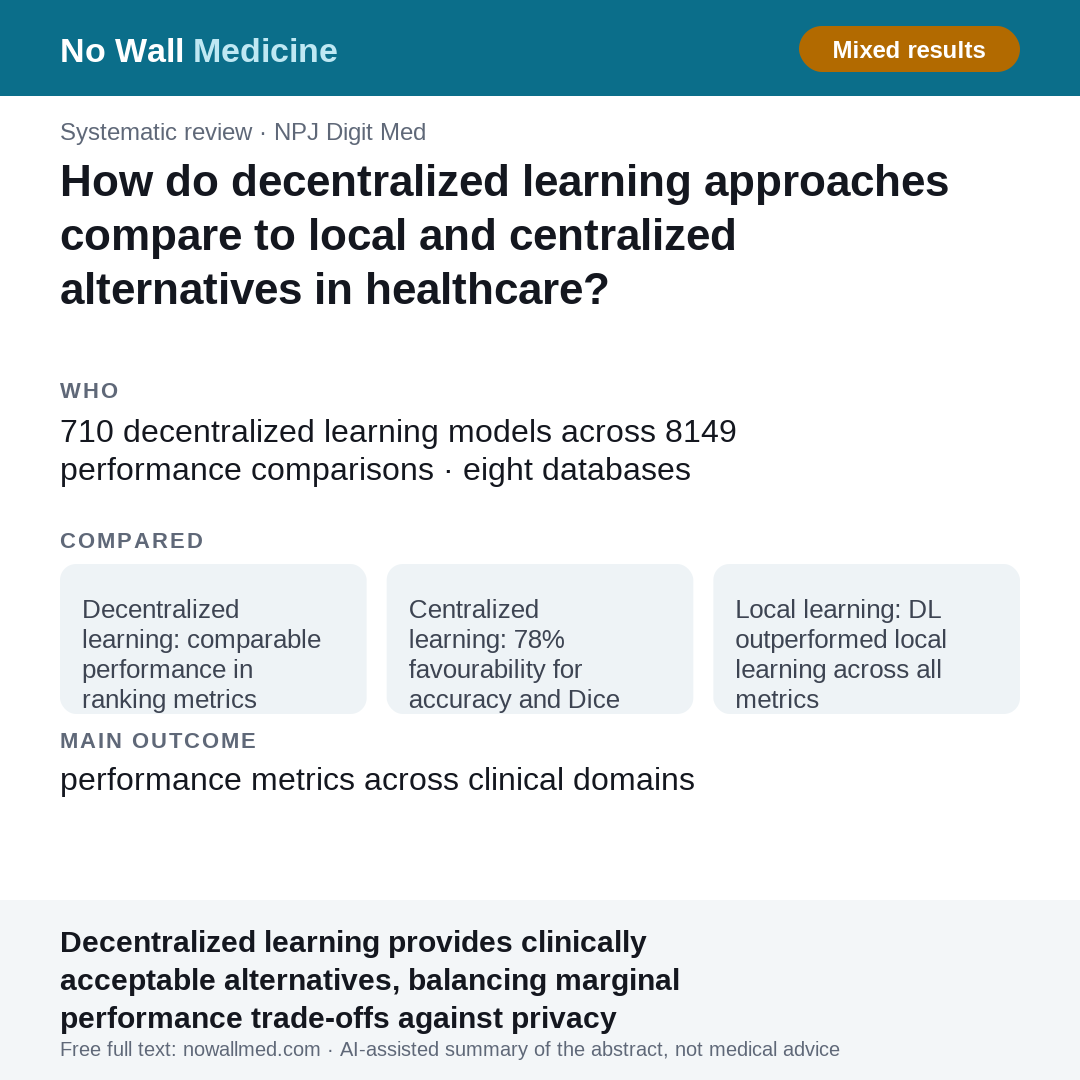
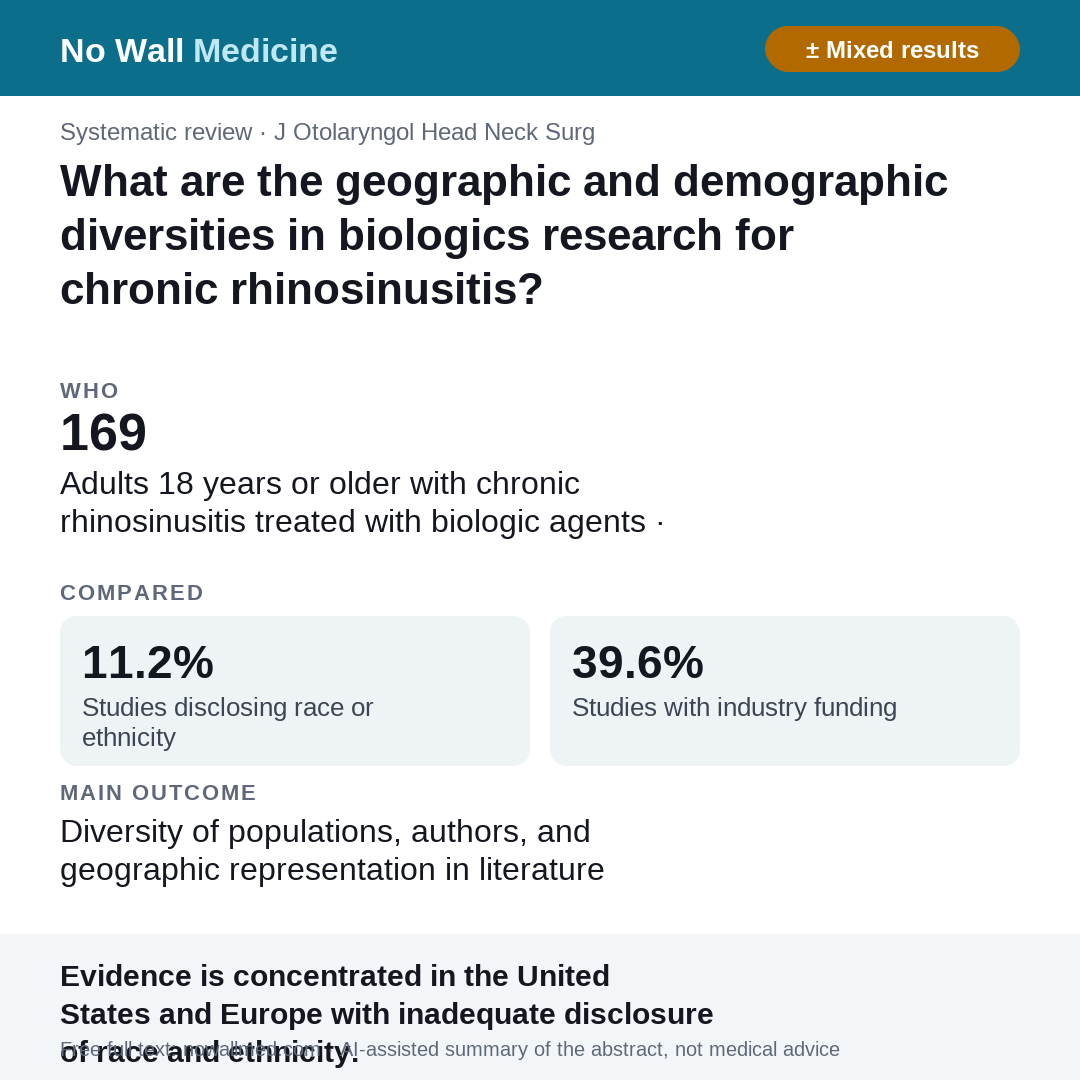
Geographic Disparities in Evidence Investigating the Use of Biologics in Chronic Rhinosinusitis
Systematic reviewMixed results
What are the geographic and demographic diversities in biologics research for chronic rhinosinusitis?
Who
169
Adults 18 years or older with chronic rhinosinusitis treated with biologic agents · Global
Compared
11.2%Studies disclosing race or ethnicity
39.6%Studies with industry funding
Main outcome
Diversity of populations, authors, and geographic representation in literature
Bottom line: Evidence is concentrated in the United States and Europe with inadequate disclosure of race and ethnicity.
Funded by: 39.6% of studies had industry funding
J Otolaryngol Head Neck Surg · 2026-02-14Download image
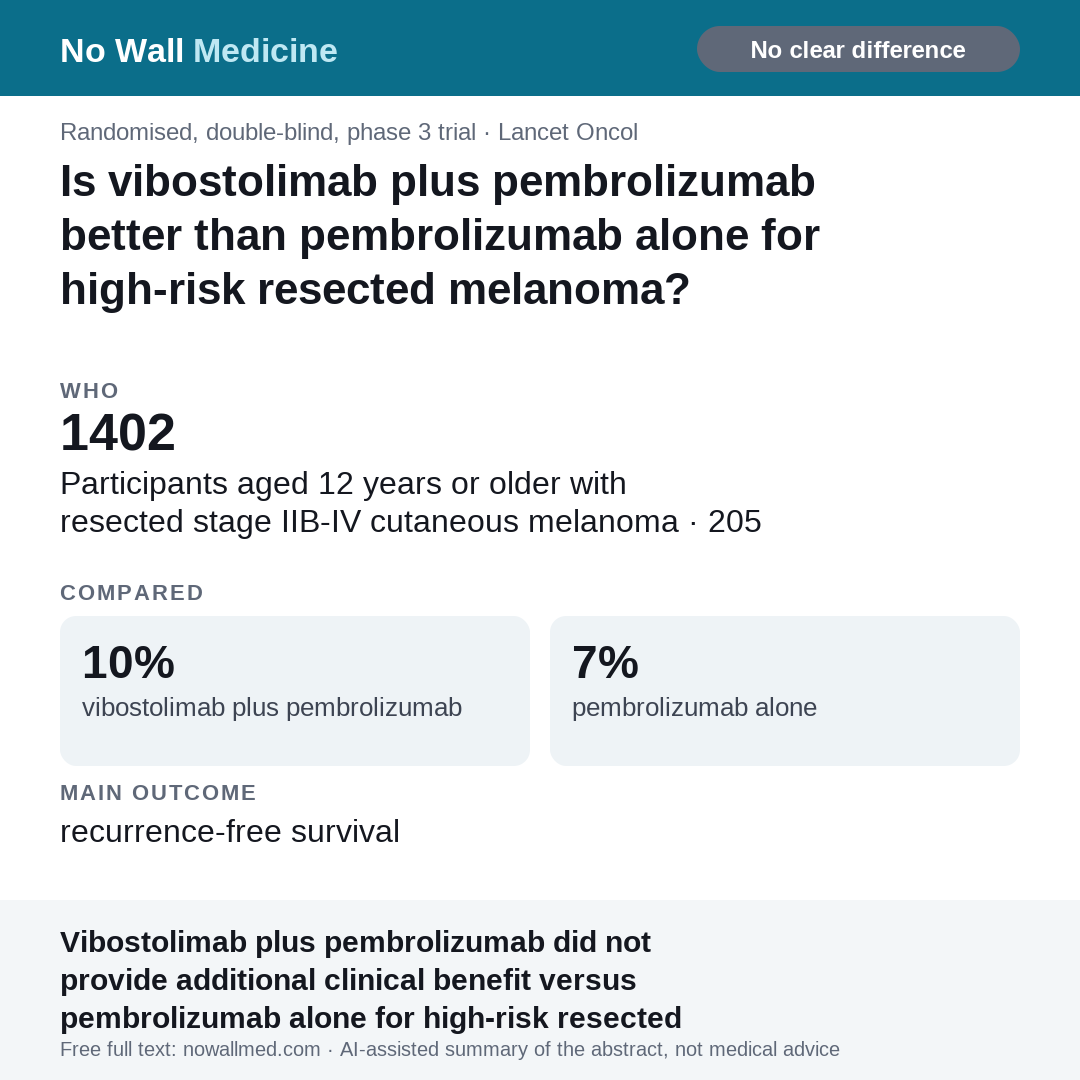
Vibostolimab coformulated with pembrolizumab versus pembrolizumab alone as adjuvant therapy for high-risk stage IIB-IV melanoma (KEYVIBE-010): a randomised, double-blind, phase 3 study
Randomised, double-blind, phase 3 trialNo clear difference
Is vibostolimab plus pembrolizumab better than pembrolizumab alone for high-risk resected melanoma?
Who
1402
Participants aged 12 years or older with resected stage IIB-IV cutaneous melanoma · 205 global sites
Compared
10%vibostolimab plus pembrolizumab (67/701)
7%pembrolizumab alone (52/701)
Main outcome
recurrence-free survival
Result: hazard ratio 1·25 (95% CI 0·9-1·8)
Bottom line: Vibostolimab plus pembrolizumab did not provide additional clinical benefit versus pembrolizumab alone for high-risk resected melanoma.
Funded by: Merck Sharp & Dohme
Lancet Oncol · 2026-02-13Download image
Predictors of Readiness to Engage in Advance Care Planning Among Older Adults With Serious Illness: Baseline Findings From the EQUAL ACP Study
Cross-sectional analysis of baseline trial dataMixed results
What are the predictors of readiness to engage in advance care planning by race?
Who
792
Community-dwelling non-Hispanic African American and White adults aged 65 and older · 10 primary care clinics across five Southern United States states
Compared
African American: frequent religious service attendance mean difference 0.28 (95% CI: 0.08-0.47)
White: preference for pain relief over life extension mean difference 0.25 (95% CI: 0.05-0.45)
Main outcome
Readiness to engage in advance care planning
Bottom line: Readiness to engage in advance care planning was similar by race, but predictors like religious attendance and treatment preferences varied.
J Am Geriatr Soc · 2026-02-13Download image

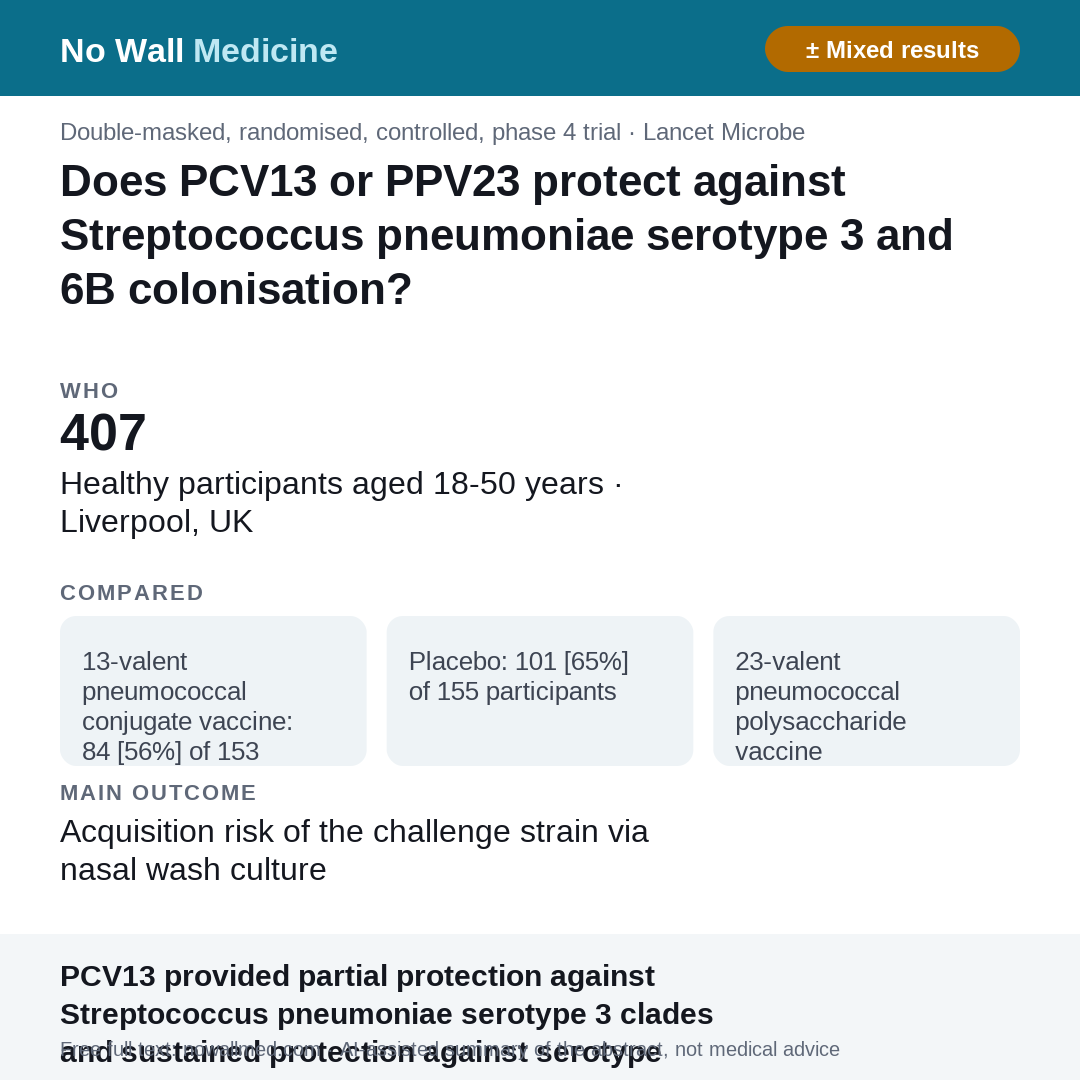
The effect of pneumococcal conjugate vaccine and pneumococcal polysaccharide vaccine on nasopharyngeal colonisation following human infection challenge with serotype 3 and serotype 6B (PREVENTING PNEUMO 2): a double-masked, randomised, controlled, phase 4 trial
Double-masked, randomised, controlled, phase 4 trialMixed results
Does PCV13 or PPV23 protect against Streptococcus pneumoniae serotype 3 and 6B colonisation?
Who
407
Healthy participants aged 18-50 years · Liverpool, UK
Compared
13-valent pneumococcal conjugate vaccine: 84 [56%] of 153 participants
Placebo: 101 [65%] of 155 participants
23-valent pneumococcal polysaccharide vaccine
Main outcome
Acquisition risk of the challenge strain via nasal wash culture
Result: relative risk 0·84, 95% CI 0·70-1·01
Bottom line: PCV13 provided partial protection against Streptococcus pneumoniae serotype 3 clades and sustained protection against serotype 6B, while PPV23 showed no protection.
Limitation: Recruitment for the second challenge was discontinued once the target number of participants was reached.
Lancet Microbe · 2026-02-13Download image
Rethinking Alzheimer's: novel miRNAs illuminate a disease beyond the brain
Meta-analysis of 22 studiesMixed results
What are the circulating microRNA changes in Alzheimer's disease?
Who
4186
4186 individuals with Alzheimer's disease
Compared
Alzheimer's disease: 194 miRNAs exhibited widespread changes
Control
Main outcome
circulating microRNA expression patterns
Bottom line: Meta-analysis identified 194 microRNAs with widespread changes, suggesting Alzheimer's involves systemic biological pathways.
Mol Psychiatry · 2026-02-13Download image

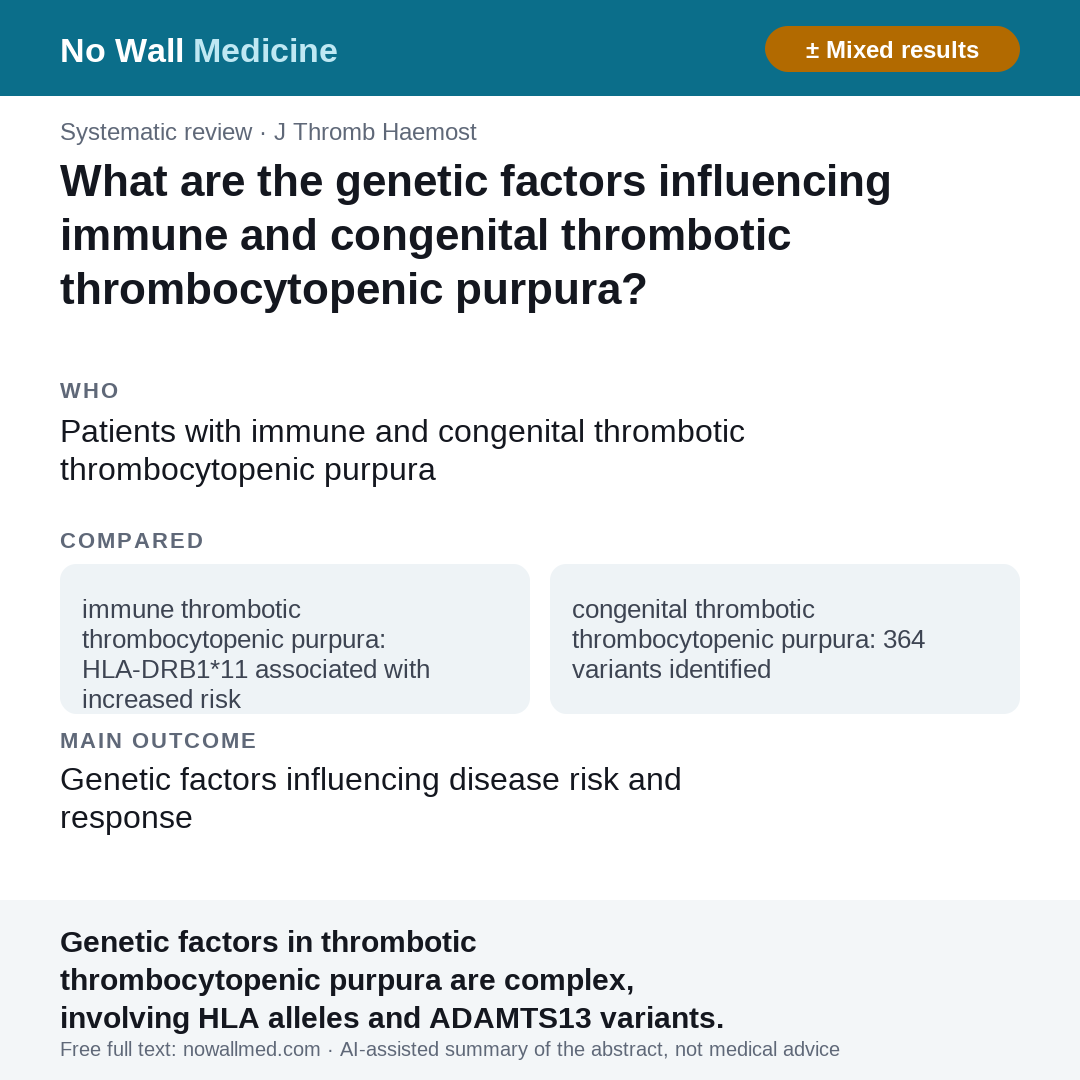
Genetics of thrombotic thrombocytopenic purpura: systematic review in immune and congenital thrombotic thrombocytopenic purpura
Systematic reviewMixed results
What are the genetic factors influencing immune and congenital thrombotic thrombocytopenic purpura?
Who
Patients with immune and congenital thrombotic thrombocytopenic purpura
Compared
immune thrombotic thrombocytopenic purpura: HLA-DRB1*11 associated with increased risk
congenital thrombotic thrombocytopenic purpura: 364 variants identified
Main outcome
Genetic factors influencing disease risk and response
Bottom line: Genetic factors in thrombotic thrombocytopenic purpura are complex, involving HLA alleles and ADAMTS13 variants.
J Thromb Haemost · 2026-02-13Download image