Visual abstracts
New randomized trials and meta-analyses from leading journals at a glance: who was studied, what was compared, and what was found. Every paper is free to read in full.
All specialtiesCardiology 4763Oncology 4042Gastroenterology & Hepatology 1902Infectious Disease 3756Neurology 1872Psychiatry & Mental Health 2214Pulmonology 2042Critical Care 1319Endocrinology & Diabetes 2544Pediatrics 2889Surgery 2479Orthopedics & Sports Medicine 917Neurosurgery 525Cardiothoracic & Vascular Surgery 656Plastic & Reconstructive Surgery 574Nephrology 1107Rheumatology 810Hematology 1090Dermatology 611Ophthalmology 532Obstetrics & Gynecology 1645Public & Global Health 1037Radiology & Imaging 617Anesthesiology 957Urology 745ENT (Otolaryngology) 494Emergency Medicine 481Allergy & Immunology 309Geriatrics 972Family Medicine & Primary Care 533Medical Genetics & Genomics 659Pathology & Laboratory Medicine 156Physical Medicine & Rehabilitation 734Palliative Care 421Nutrition 1560Digital Health & AI 2133General Medicine 318
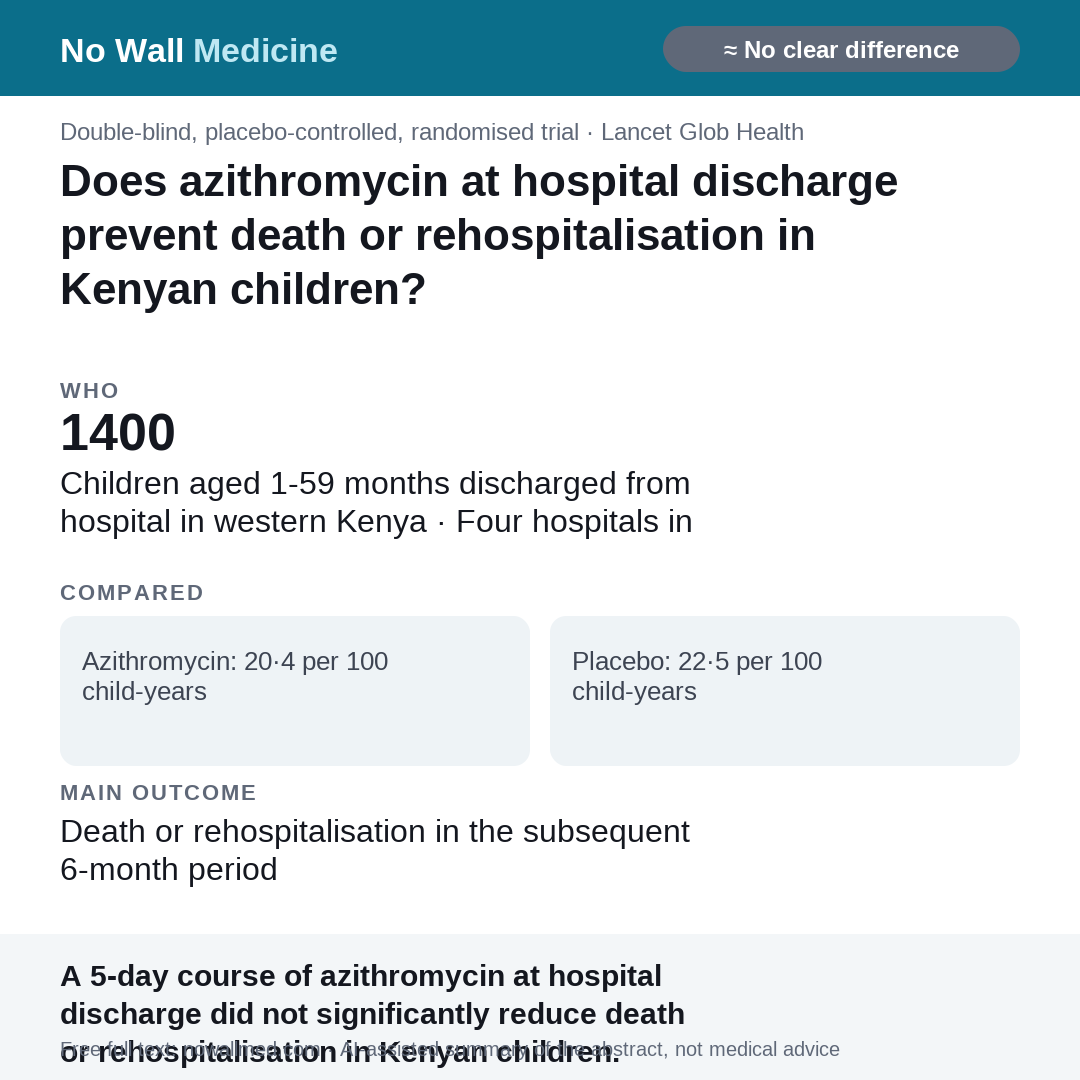
Azithromycin for the prevention of rehospitalisation and death among Kenyan children being discharged from hospital: a double-blind, placebo-controlled, randomised controlled trial
Double-blind, placebo-controlled, randomised trialNo clear difference
Does azithromycin at hospital discharge prevent death or rehospitalisation in Kenyan children?
Who
1400
Children aged 1-59 months discharged from hospital in western Kenya · Four hospitals in western Kenya
Compared
Azithromycin: 20·4 per 100 child-years
Placebo: 22·5 per 100 child-years
Main outcome
Death or rehospitalisation in the subsequent 6-month period
Result: adjusted hazard ratio 0·91, 95·5% CI 0·64-1·29
Bottom line: A 5-day course of azithromycin at hospital discharge did not significantly reduce death or rehospitalisation in Kenyan children.
Funded by: Eunice Kennedy Shriver National Institute of Child Health & Human Development
Lancet Glob Health · 2021-09-21Download image
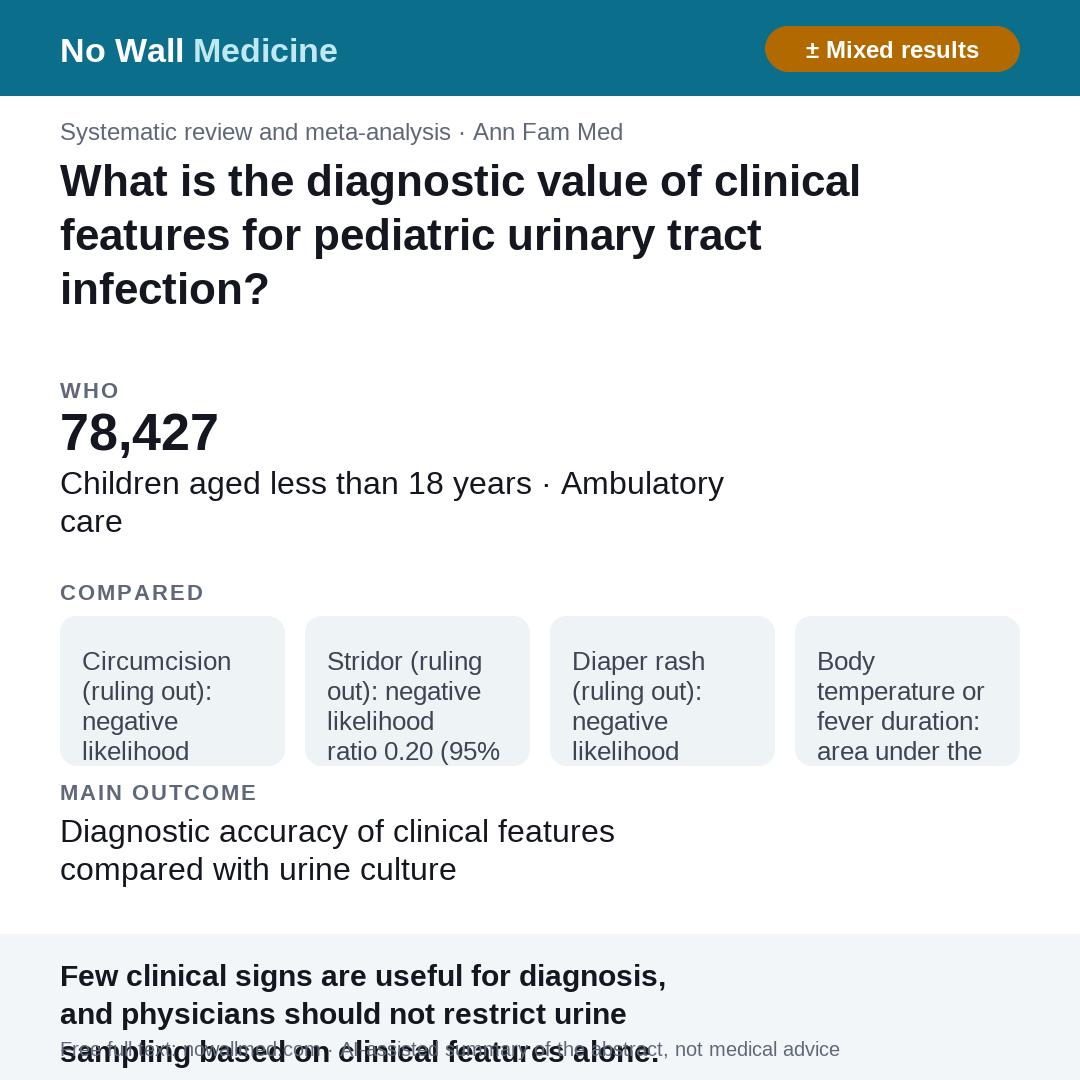
Clinical Features for the Diagnosis of Pediatric Urinary Tract Infections: Systematic Review and Meta-Analysis
Systematic review and meta-analysisMixed results
What is the diagnostic value of clinical features for pediatric urinary tract infection?
Who
78,427
Children aged less than 18 years · Ambulatory care
Compared
Circumcision (ruling out): negative likelihood ratio 0.24 (95% CI, 0.08-0.72)
Stridor (ruling out): negative likelihood ratio 0.20 (95% CI, 0.05-0.81)
Diaper rash (ruling out): negative likelihood ratio 0.13 (95% CI, 0.02-0.92)
Body temperature or fever duration: area under the receiver operating characteristic curve 0.61 (95% CI, 0.47-0.73)
Main outcome
Diagnostic accuracy of clinical features compared with urine culture
Bottom line: Few clinical signs are useful for diagnosis, and physicians should not restrict urine sampling based on clinical features alone.
Limitation: Clinical prediction rules should be validated externally.
Ann Fam Med · 2021-09-21Download image
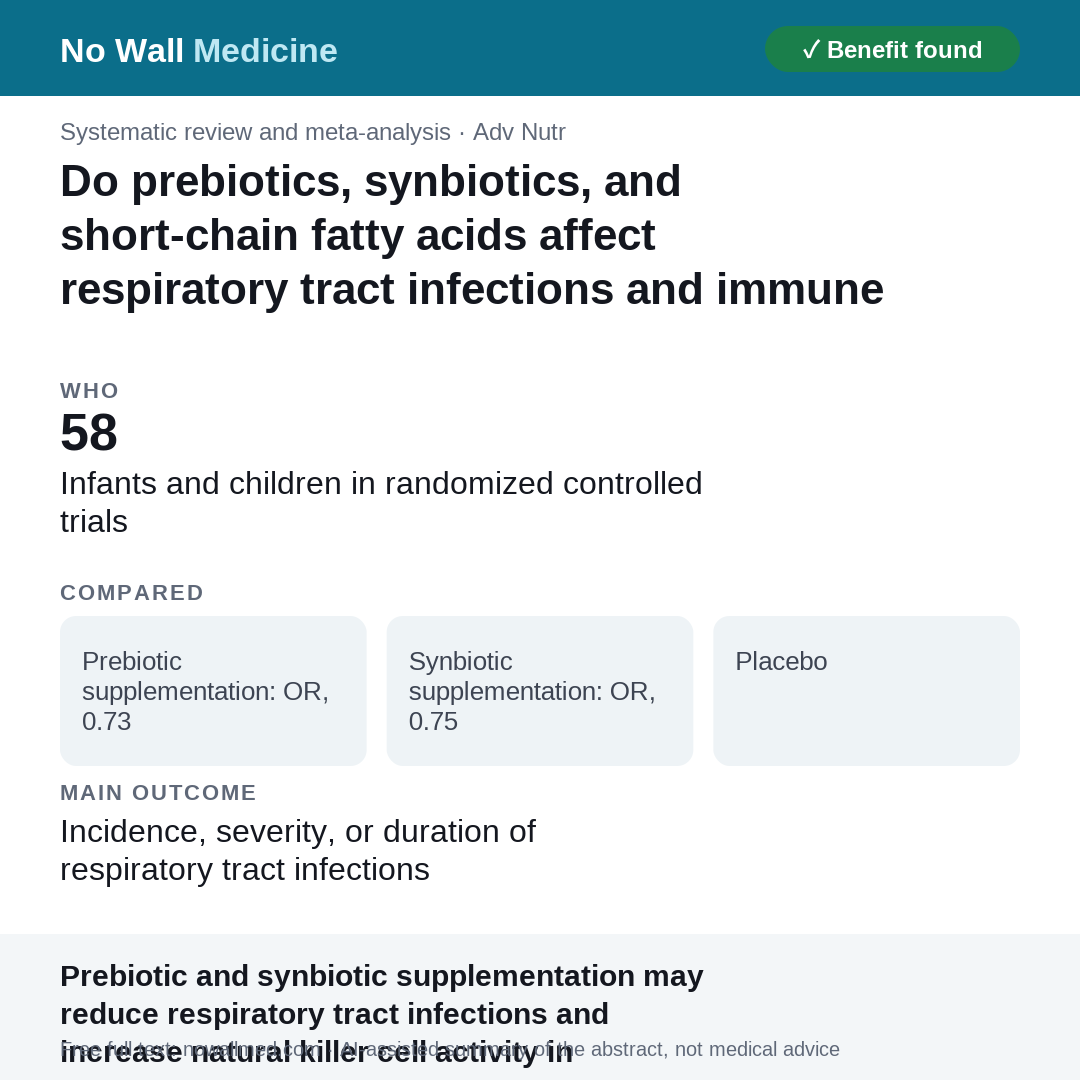
The Effects of Prebiotics, Synbiotics, and Short-Chain Fatty Acids on Respiratory Tract Infections and Immune Function: A Systematic Review and Meta-Analysis
Systematic review and meta-analysisBenefit found
Do prebiotics, synbiotics, and short-chain fatty acids affect respiratory tract infections and immune function?
Who
58
Infants and children in randomized controlled trials
Compared
Prebiotic supplementation: OR, 0.73
Synbiotic supplementation: OR, 0.75
Placebo
Main outcome
Incidence, severity, or duration of respiratory tract infections
Result: OR, 0.73 (95% CI: 0.62-0.86) for prebiotics; OR, 0.75 (95% CI: 0.65-0.87) for synbiotics
Bottom line: Prebiotic and synbiotic supplementation may reduce respiratory tract infections and increase natural killer cell activity in infants and children.
Limitation: There is less evidence for this effect in adults.
Adv Nutr · 2021-09-21Download image
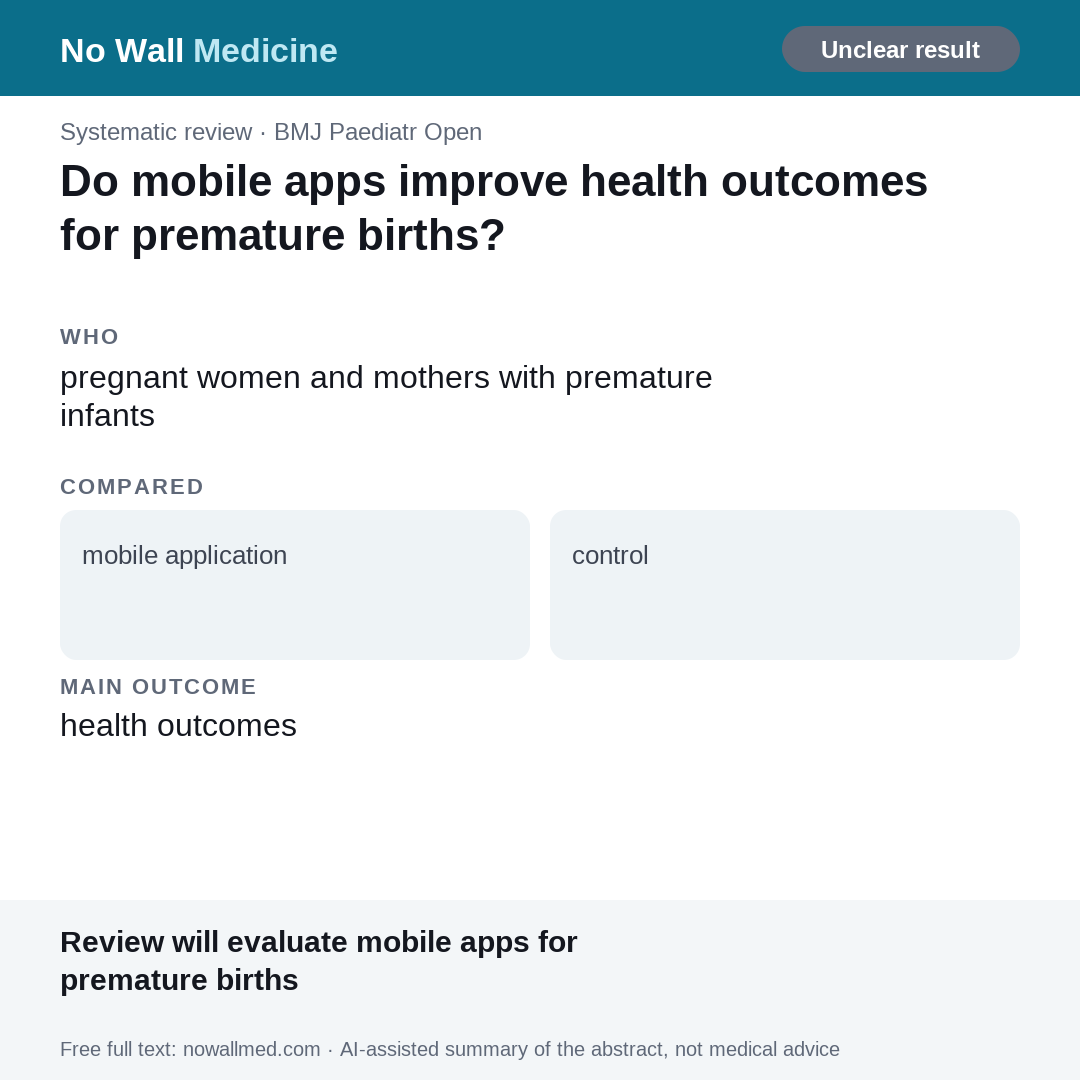
Mobile applications for prematurity: a systematic review protocol
Systematic reviewUnclear result
Do mobile apps improve health outcomes for premature births?
Who
pregnant women and mothers with premature infants
Compared
mobile application
control
Main outcome
health outcomes
Bottom line: Review will evaluate mobile apps for premature births
BMJ Paediatr Open · 2021-09-21Download image
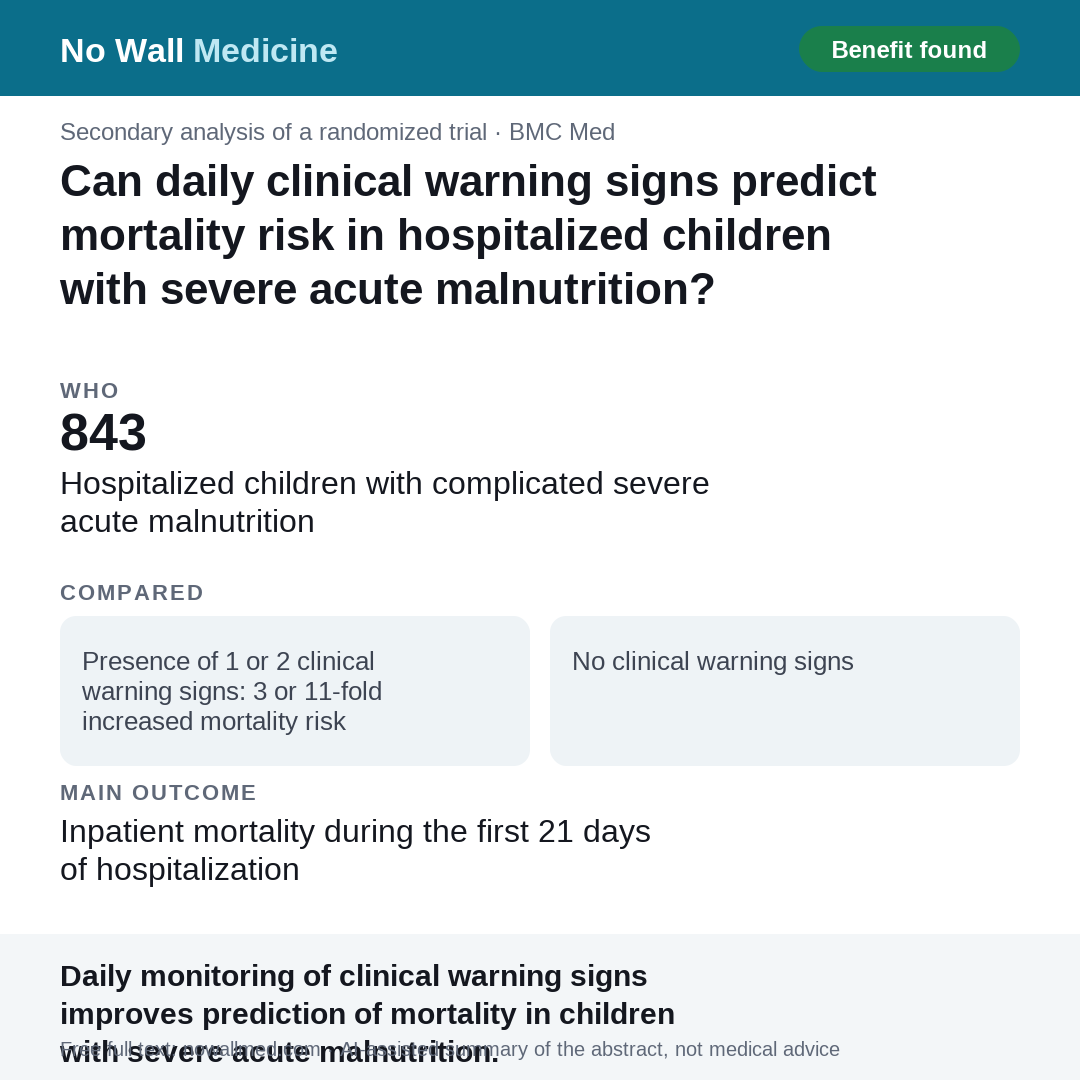
Predicting the risk of mortality during hospitalization in sick severely malnourished children using daily evaluation of key clinical warning signs
Secondary analysis of a randomized trialKey finding
Can daily clinical warning signs predict mortality risk in hospitalized children with severe acute malnutrition?
Who
843
Hospitalized children with complicated severe acute malnutrition
Compared
Presence of 1 or 2 clinical warning signs: 3 or 11-fold increased mortality risk
No clinical warning signs
Main outcome
Inpatient mortality during the first 21 days of hospitalization
Result: C-index 0.81 (95% CI 0.77-0.86)
Bottom line: Daily monitoring of clinical warning signs improves prediction of mortality in children with severe acute malnutrition.
BMC Med · 2021-09-20Download image
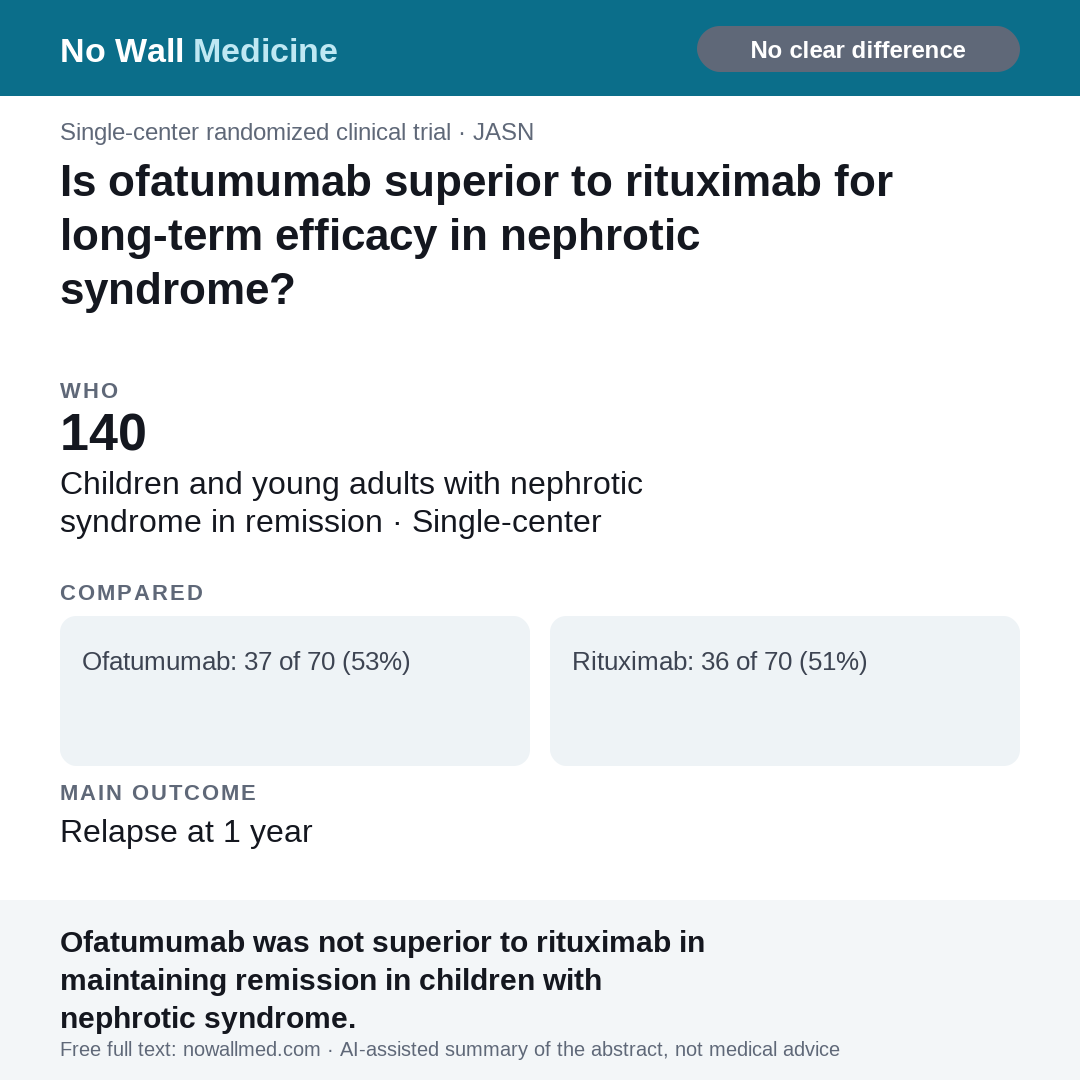
Human or Chimeric Monoclonal Anti-CD20 Antibodies for Children with Nephrotic Syndrome: A Superiority Randomized Trial
Single-center randomized clinical trialNo clear difference
Is ofatumumab superior to rituximab for long-term efficacy in nephrotic syndrome?
Who
140
Children and young adults with nephrotic syndrome in remission · Single-center
Compared
Ofatumumab: 37 of 70 (53%)
Rituximab: 36 of 70 (51%)
Main outcome
Relapse at 1 year
Result: odds ratio 1.06 (95% CI 0.55 to 2.06)
Bottom line: Ofatumumab was not superior to rituximab in maintaining remission in children with nephrotic syndrome.
JASN · 2021-09-20Download image
Clinical Utility of Anti-Mullerian Hormone in Pediatrics
Mini-reviewUnclear result
Clinical utility of Anti-Mullerian Hormone
Who
pediatric patients
Compared
Males
Females
Main outcome
clinical utility
Bottom line: AMH has clinical utility in pediatrics
J Clin Endocrinol Metab · 2021-09-20Download image
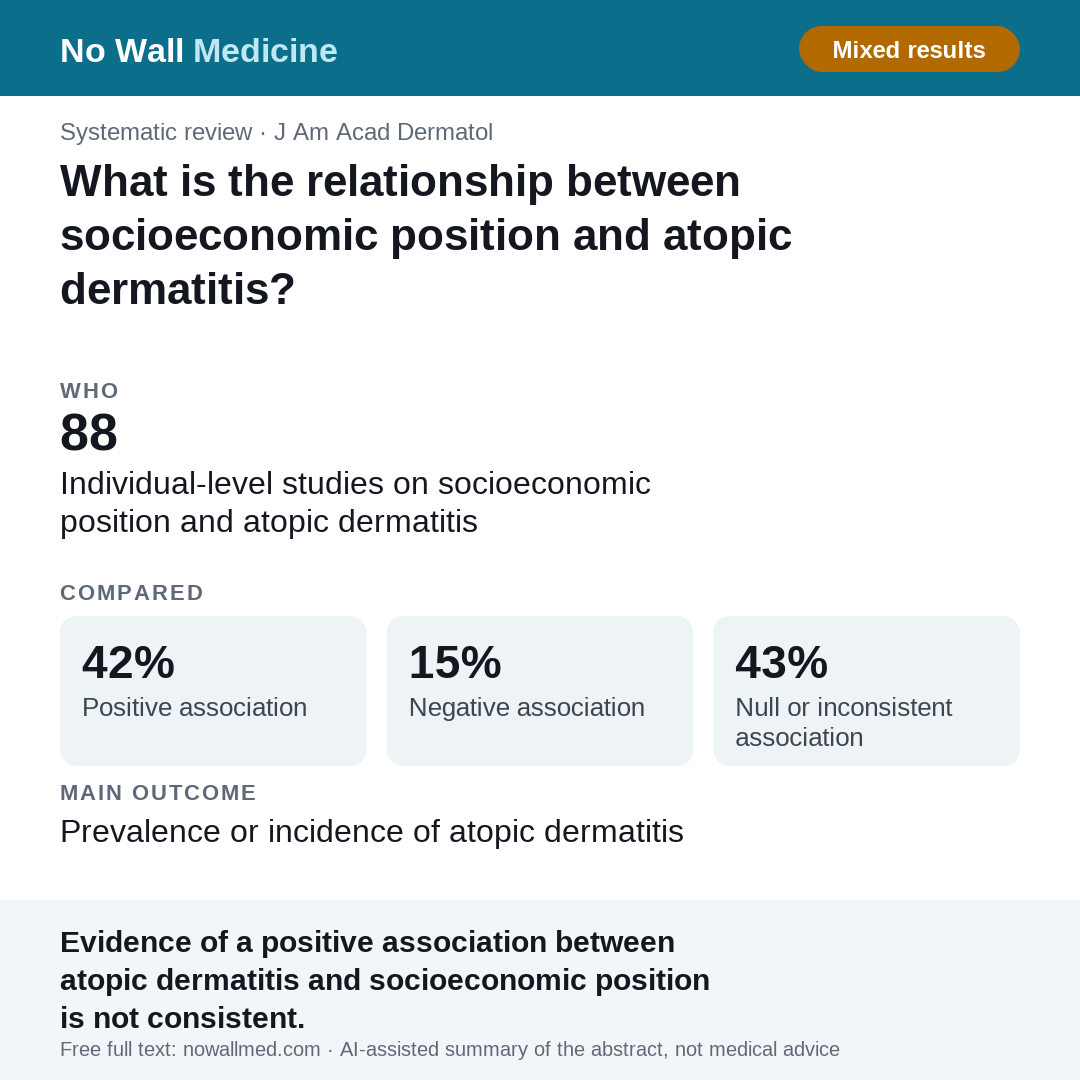
Mixed evidence on the relationship between socioeconomic position and atopic dermatitis: A systematic review
Systematic reviewMixed results
What is the relationship between socioeconomic position and atopic dermatitis?
Who
Individual-level studies on socioeconomic position and atopic dermatitis
Compared
42%Positive association (37)
15%Negative association (13)
43%Null or inconsistent association (38)
Main outcome
Prevalence or incidence of atopic dermatitis
Bottom line: Evidence of a positive association between atopic dermatitis and socioeconomic position is not consistent.
Limitation: Varied measurement of socioeconomic position and atopic dermatitis definitions limited quantitative synthesis.
J Am Acad Dermatol · 2021-09-20Download image
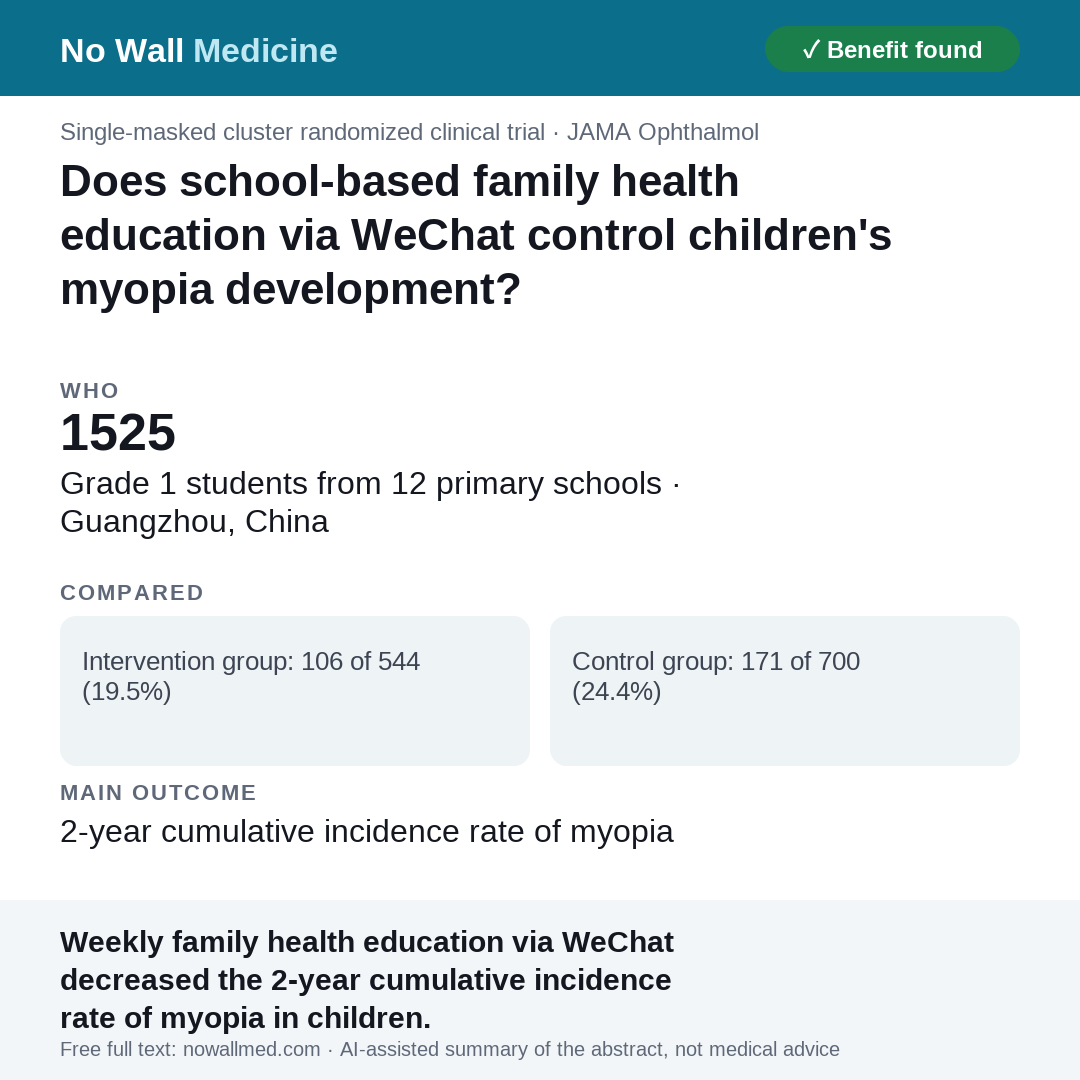
Effect of School-Based Family Health Education via Social Media on Children's Myopia and Parents' Awareness: A Randomized Clinical Trial
Single-masked cluster randomized clinical trialBenefit found
Does school-based family health education via WeChat control children's myopia development?
Who
1525
Grade 1 students from 12 primary schools · Guangzhou, China
Compared
Intervention group: 106 of 544 (19.5%)
Control group: 171 of 700 (24.4%)
Main outcome
2-year cumulative incidence rate of myopia
Result: difference, 4.9% (95% CI, 0.3%-9.5%)
Bottom line: Weekly family health education via WeChat decreased the 2-year cumulative incidence rate of myopia in children.
JAMA Ophthalmol · 2021-09-17Download image
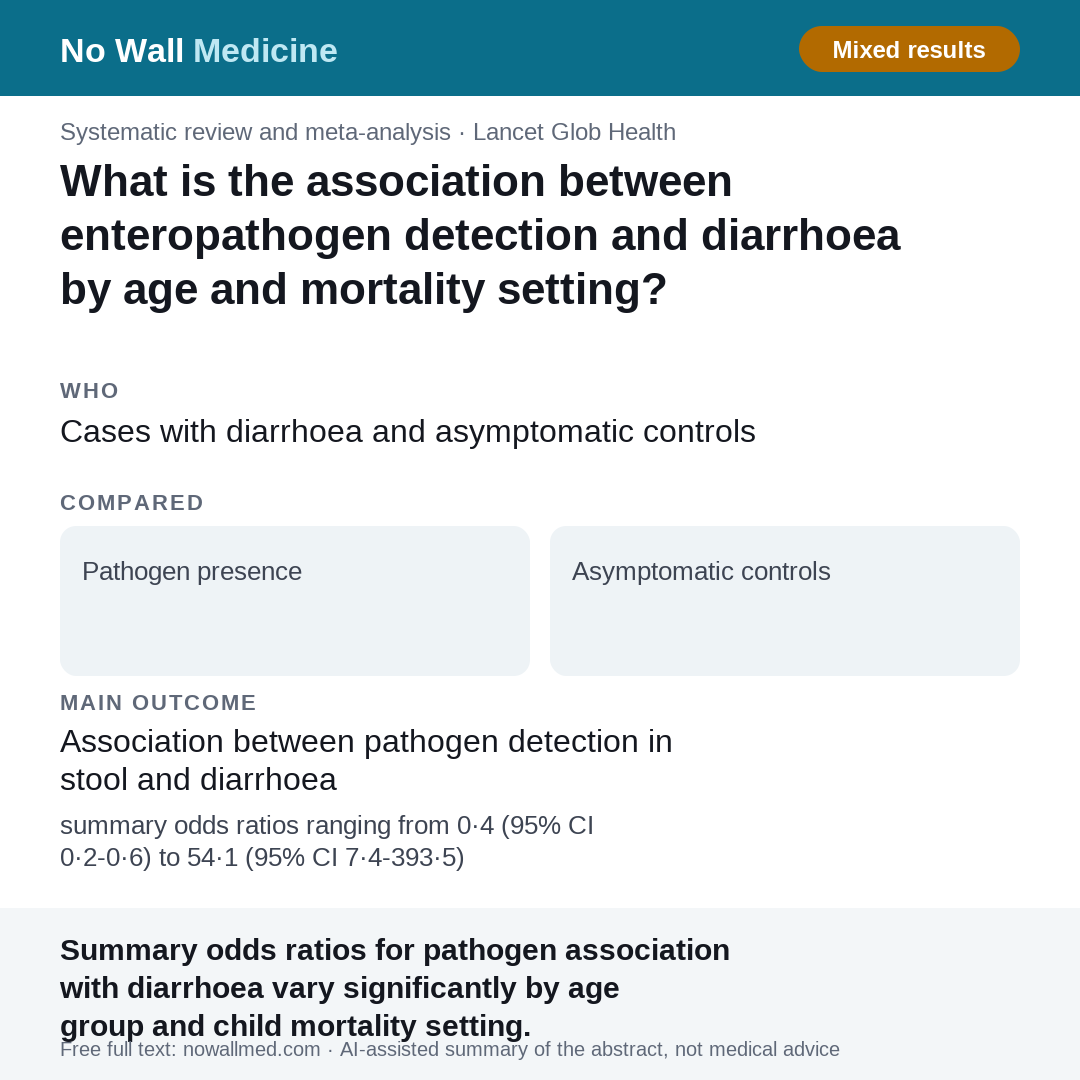
Association of enteropathogen detection with diarrhoea by age and high versus low child mortality settings: a systematic review and meta-analysis
Systematic review and meta-analysisMixed results
What is the association between enteropathogen detection and diarrhoea by age and mortality setting?
Who
Cases with diarrhoea and asymptomatic controls
Compared
Pathogen presence
Asymptomatic controls
Main outcome
Association between pathogen detection in stool and diarrhoea
Result: summary odds ratios ranging from 0·4 (95% CI 0·2-0·6) to 54·1 (95% CI 7·4-393·5)
Bottom line: Summary odds ratios for pathogen association with diarrhoea vary significantly by age group and child mortality setting.
Funded by: WHO, Bill & Melinda Gates Foundation, and National Institutes of Health
Lancet Glob Health · 2021-09-17Download image
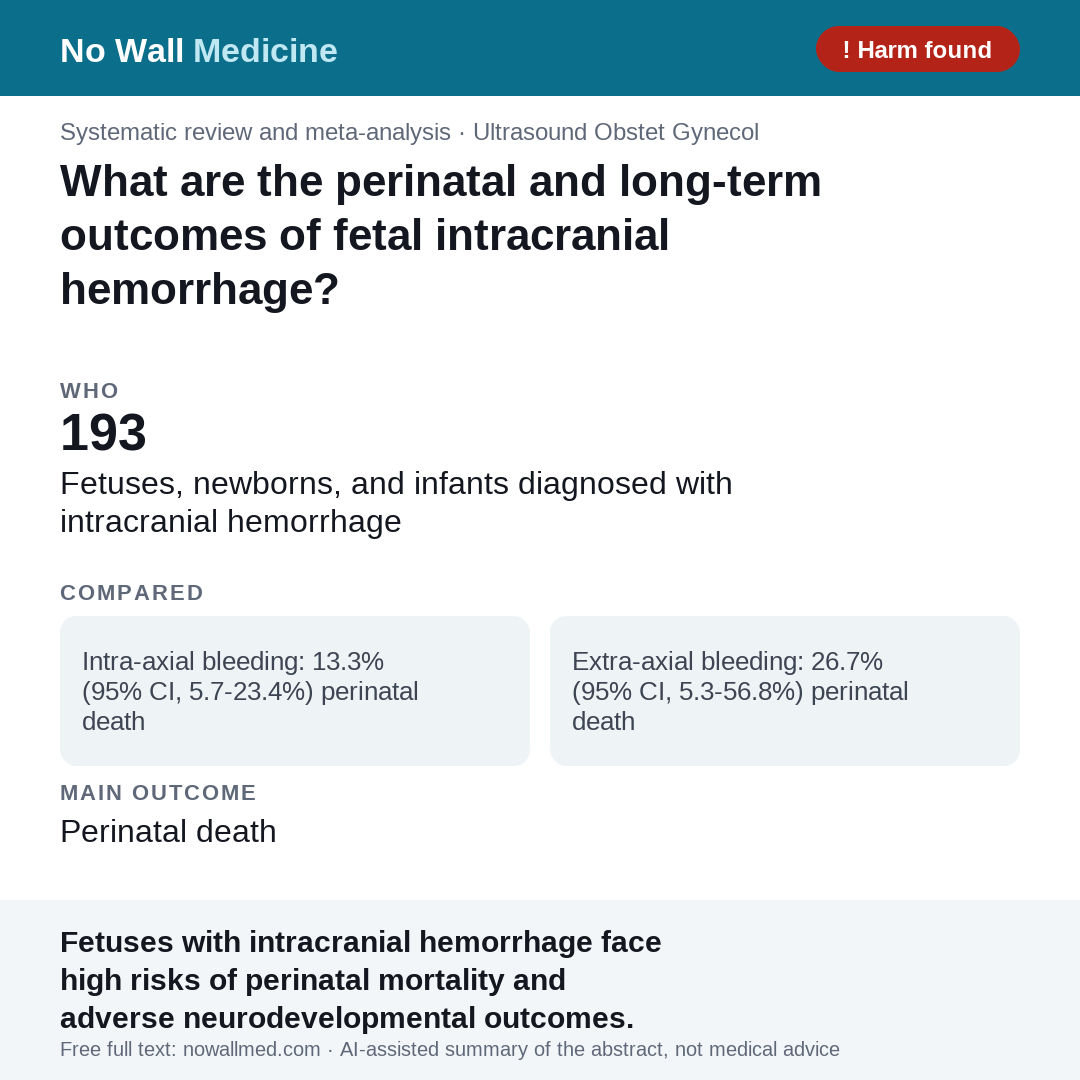
Perinatal and long-term outcome of fetal intracranial hemorrhage: systematic review and meta-analysis
Systematic review and meta-analysisHarm found
What are the perinatal and long-term outcomes of fetal intracranial hemorrhage?
Who
193
Fetuses, newborns, and infants diagnosed with intracranial hemorrhage
Compared
Intra-axial bleeding: 13.3% (95% CI, 5.7-23.4%) perinatal death
Extra-axial bleeding: 26.7% (95% CI, 5.3-56.8%) perinatal death
Main outcome
Perinatal death
Result: 14.6% (95% CI, 7.3-24.0%) perinatal death
Bottom line: Fetuses with intracranial hemorrhage face high risks of perinatal mortality and adverse neurodevelopmental outcomes.
Ultrasound Obstet Gynecol · 2021-09-17Download image
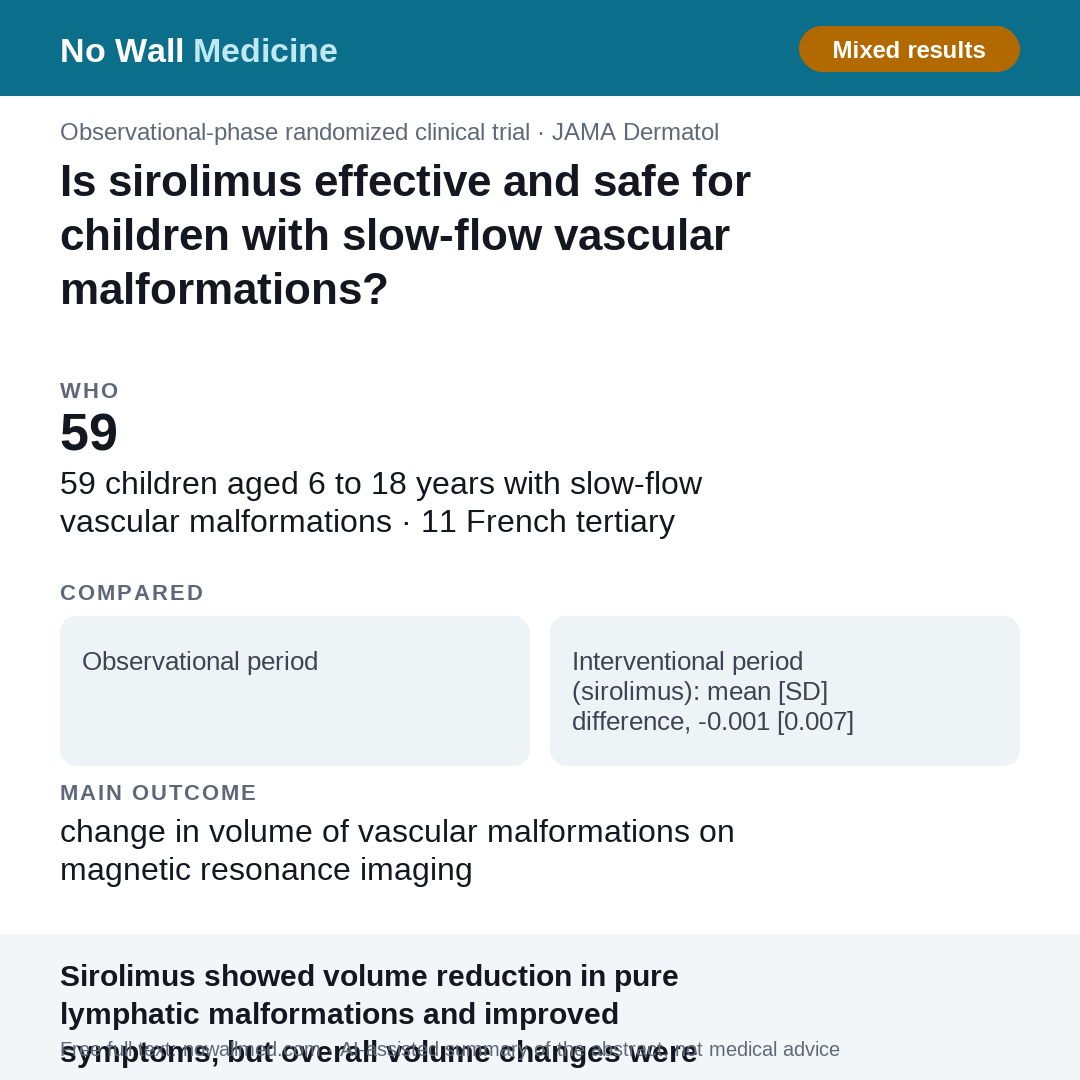
Sirolimus (Rapamycin) for Slow-Flow Malformations in Children: The Observational-Phase Randomized Clinical PERFORMUS Trial
Observational-phase randomized clinical trialMixed results
Is sirolimus effective and safe for children with slow-flow vascular malformations?
Who
59
59 children aged 6 to 18 years with slow-flow vascular malformations · 11 French tertiary hospital centers
Compared
Observational period
Interventional period (sirolimus): mean [SD] difference, -0.001 [0.007]
Main outcome
change in volume of vascular malformations on magnetic resonance imaging
Result: mean [SD] difference, -0.001 [0.007]
Bottom line: Sirolimus showed volume reduction in pure lymphatic malformations and improved symptoms, but overall volume changes were not significantly different.
JAMA Dermatol · 2021-09-16Download image
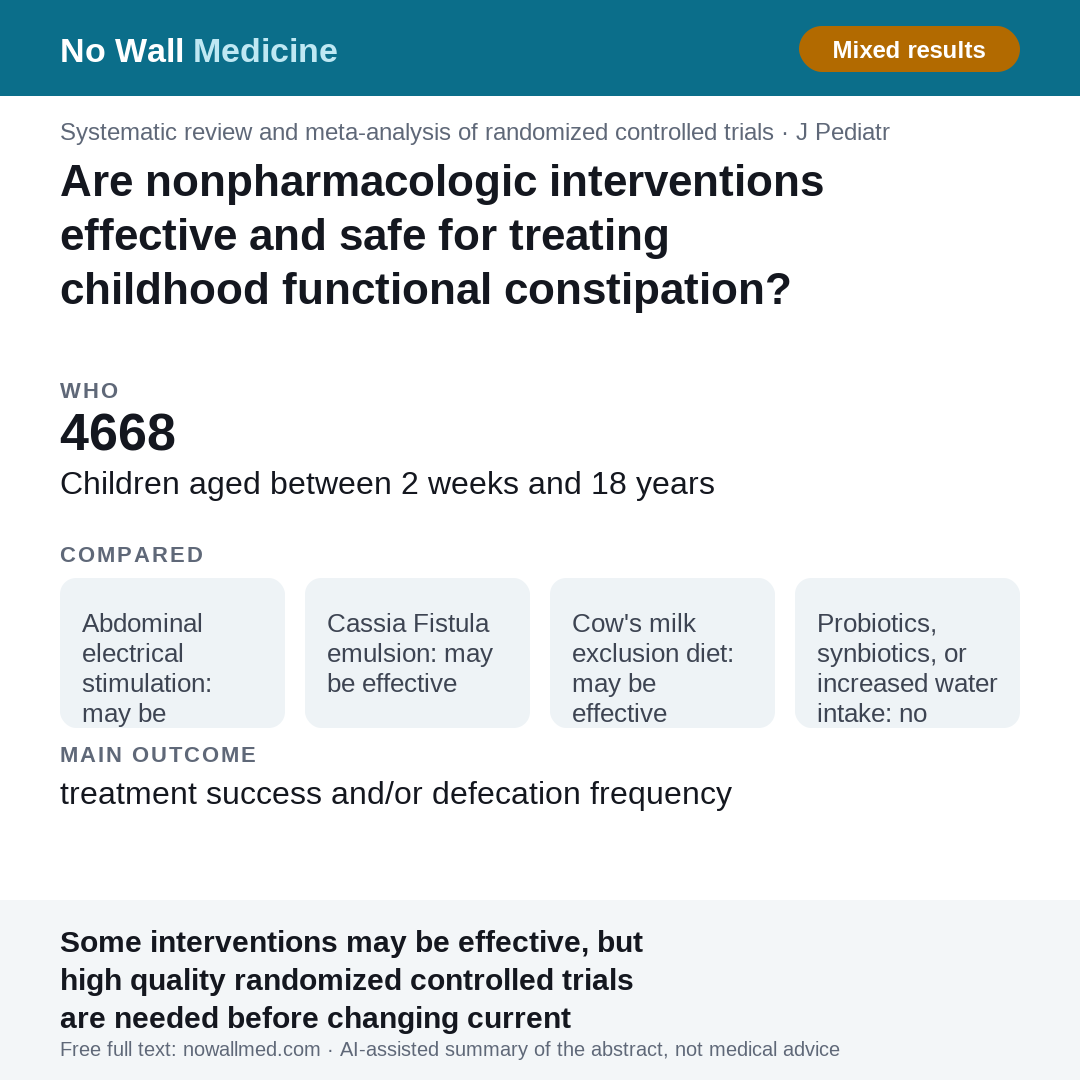
Nonpharmacologic Treatment for Children with Functional Constipation: A Systematic Review and Meta-analysis
Systematic review and meta-analysis of randomized controlled trialsMixed results
Are nonpharmacologic interventions effective and safe for treating childhood functional constipation?
Who
4668
Children aged between 2 weeks and 18 years
Compared
Abdominal electrical stimulation: may be effective
Cassia Fistula emulsion: may be effective
Cow's milk exclusion diet: may be effective
Probiotics, synbiotics, or increased water intake: no benefit
Main outcome
treatment success and/or defecation frequency
Bottom line: Some interventions may be effective, but high quality randomized controlled trials are needed before changing current guidelines.
Limitation: An overall high risk of bias was found across the majority of studies.
J Pediatr · 2021-09-16Download image
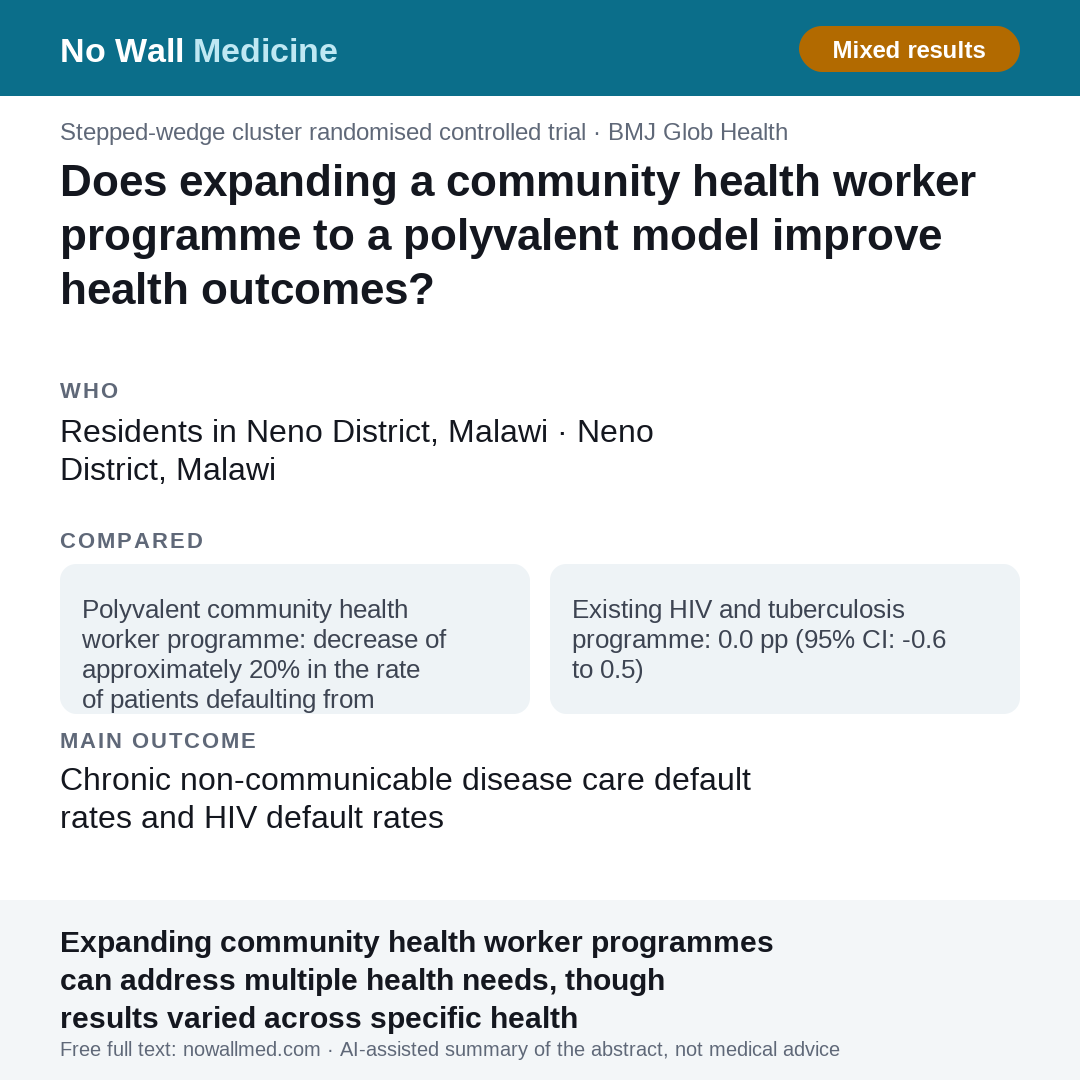
A household-based community health worker programme for non-communicable disease, malnutrition, tuberculosis, HIV and maternal health: a stepped-wedge cluster randomised controlled trial in Neno District, Malawi
Stepped-wedge cluster randomised controlled trialMixed results
Does expanding a community health worker programme to a polyvalent model improve health outcomes?
Who
Residents in Neno District, Malawi · Neno District, Malawi
Compared
Polyvalent community health worker programme: decrease of approximately 20% in the rate of patients defaulting from chronic non-communicable disease care
Existing HIV and tuberculosis programme: 0.0 pp (95% CI: -0.6 to 0.5)
Main outcome
Chronic non-communicable disease care default rates and HIV default rates
Result: -0.8 percentage points (95% credible interval: -2.5 to 0.5)
Bottom line: Expanding community health worker programmes can address multiple health needs, though results varied across specific health outcomes.
BMJ Glob Health · 2021-09-16Download image
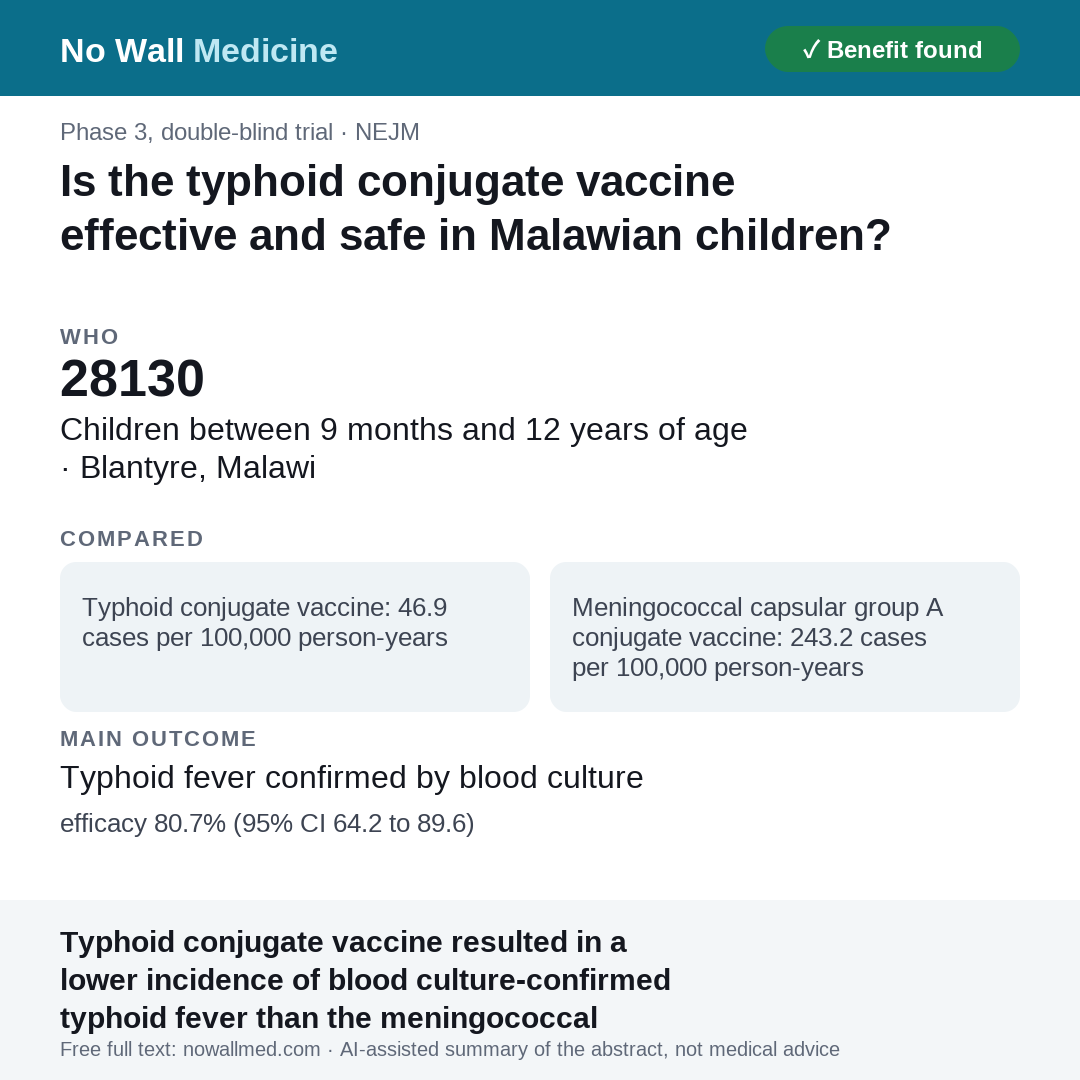
Safety and Efficacy of a Typhoid Conjugate Vaccine in Malawian Children
Phase 3, double-blind trialBenefit found
Is the typhoid conjugate vaccine effective and safe in Malawian children?
Who
28130
Children between 9 months and 12 years of age · Blantyre, Malawi
Compared
Typhoid conjugate vaccine: 46.9 cases per 100,000 person-years
Meningococcal capsular group A conjugate vaccine: 243.2 cases per 100,000 person-years
Main outcome
Typhoid fever confirmed by blood culture
Result: efficacy 80.7% (95% CI 64.2 to 89.6)
Bottom line: Typhoid conjugate vaccine resulted in a lower incidence of blood culture-confirmed typhoid fever than the meningococcal vaccine.
Funded by: Bill and Melinda Gates Foundation
NEJM · 2021-09-15Download image
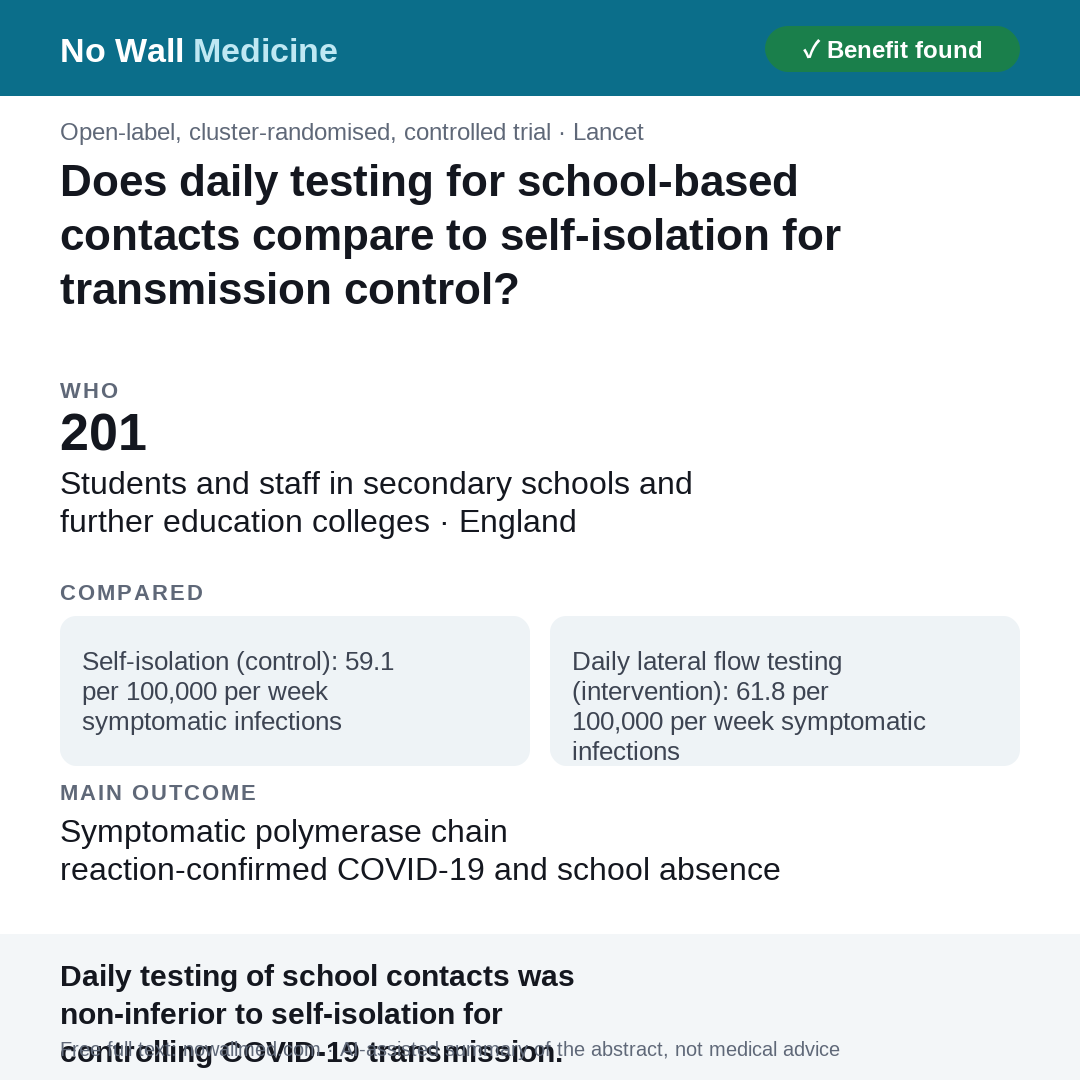
Daily testing for contacts of individuals with SARS-CoV-2 infection and attendance and SARS-CoV-2 transmission in English secondary schools and colleges: an open-label, cluster-randomised trial
Open-label, cluster-randomised, controlled trialBenefit found
Does daily testing for school-based contacts compare to self-isolation for transmission control?
Who
201
Students and staff in secondary schools and further education colleges · England
Compared
Self-isolation (control): 59.1 per 100,000 per week symptomatic infections
Daily lateral flow testing (intervention): 61.8 per 100,000 per week symptomatic infections
Main outcome
Symptomatic polymerase chain reaction-confirmed COVID-19 and school absence
Result: adjusted incidence rate ratio 0.96 (95% CI 0.75 to 1.22)
Bottom line: Daily testing of school contacts was non-inferior to self-isolation for controlling COVID-19 transmission.
Funded by: UK Government Department of Health and Social Care
Lancet · 2021-09-14Download image
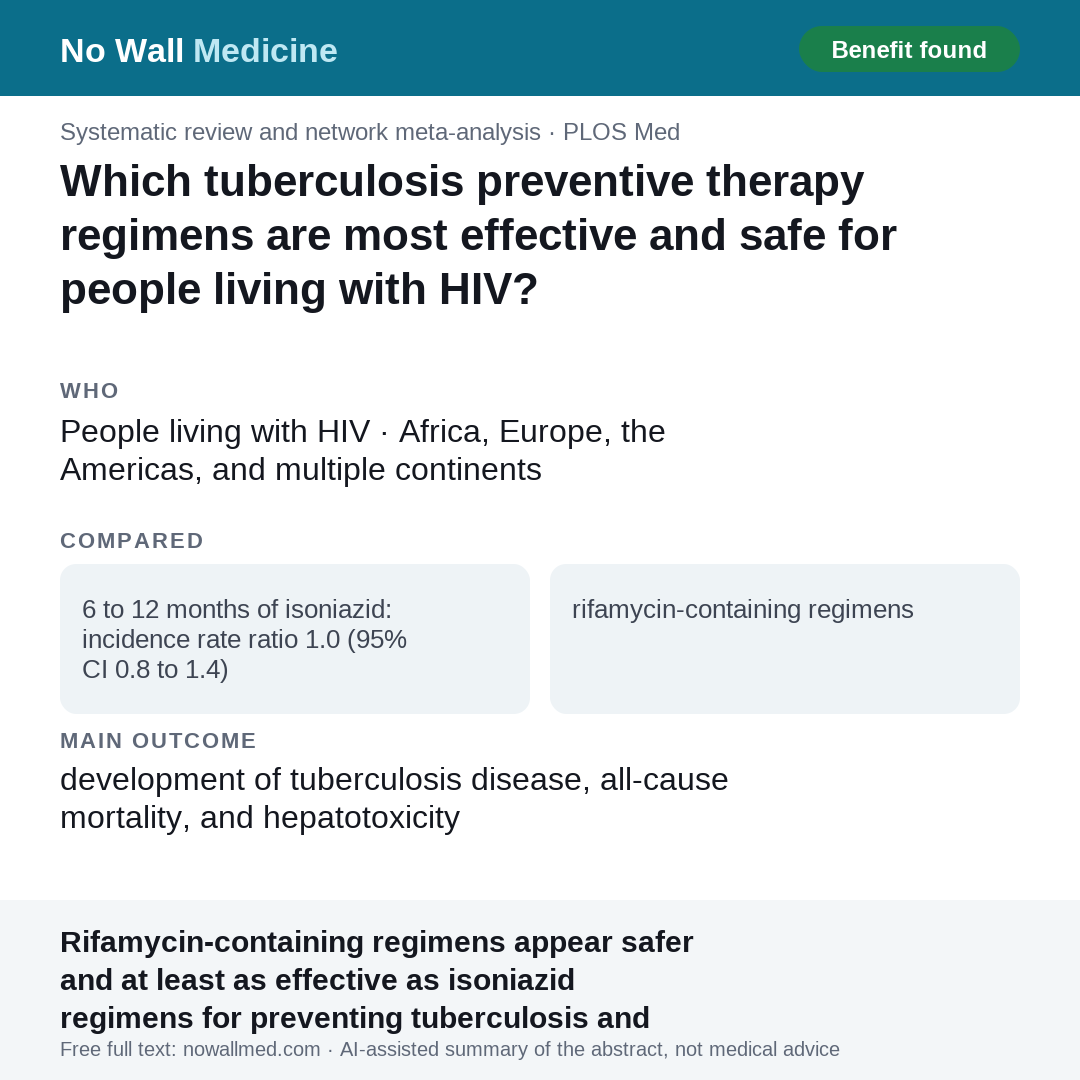
Tuberculosis preventive therapy for people living with HIV: A systematic review and network meta-analysis
Systematic review and network meta-analysisBenefit found
Which tuberculosis preventive therapy regimens are most effective and safe for people living with HIV?
Who
People living with HIV · Africa, Europe, the Americas, and multiple continents
Compared
6 to 12 months of isoniazid: incidence rate ratio 1.0 (95% CI 0.8 to 1.4)
rifamycin-containing regimens
Main outcome
development of tuberculosis disease, all-cause mortality, and hepatotoxicity
Result: incidence rate ratio 1.0 (95% CI 0.8 to 1.4) for tuberculosis disease
Bottom line: Rifamycin-containing regimens appear safer and at least as effective as isoniazid regimens for preventing tuberculosis and death.
Limitation: Potential confounding from follow-up time, tuberculosis incidence, and underrepresentation of pregnant women and children.
PLOS Med · 2021-09-14Download image
Randomized Controlled Trial of a Dichoptic Digital Therapeutic for Amblyopia
Randomized controlled trialBenefit found
Is a dichoptic digital therapeutic effective for treating amblyopia in children?
Who
105
Children 4 to 7 years of age with amblyopia · 21 academic and community sites in the United States
Compared
treatment group: improved by 1.8 lines (95% confidence interval 1.4-2.3 lines)
comparison group: improved by 0.8 lines (95% CI 0.4-1.3 lines)
Main outcome
change in amblyopic eye visual acuity from baseline at 12 weeks
Result: 1.0 lines; P = 0.0011; 96.14% CI, 0.33-1.63 lines
Bottom line: A dichoptic digital therapeutic significantly improved visual acuity in children with amblyopia compared to wearing glasses alone.
Limitation: Future studies should evaluate the therapeutic compared with other methods and in additional patient populations.
Ophthalmology · 2021-09-14Download image

Association of maternal prenatal selenium concentration and preterm birth: a multicountry meta-analysis
Meta-analysis of 17 study cohortsMixed results
Is maternal prenatal selenium concentration associated with preterm birth risk and gestational duration?
Who
9946
9946 singleton live births from diverse populations · 17 geographically diverse study cohorts
Compared
Higher selenium concentration
Lower selenium concentration
Main outcome
preterm birth risk and gestational duration
Result: odds ratio 0.95 (95% CI: 0.9 to 1.00) for preterm birth
Bottom line: Selenium was significantly associated with preterm birth in fixed-effect analysis, but results did not generalize across all cohorts.
Limitation: Substantial heterogeneity among study cohorts prevented statistical significance in random-effect meta-analysis.
BMJ Glob Health · 2021-09-14Download image

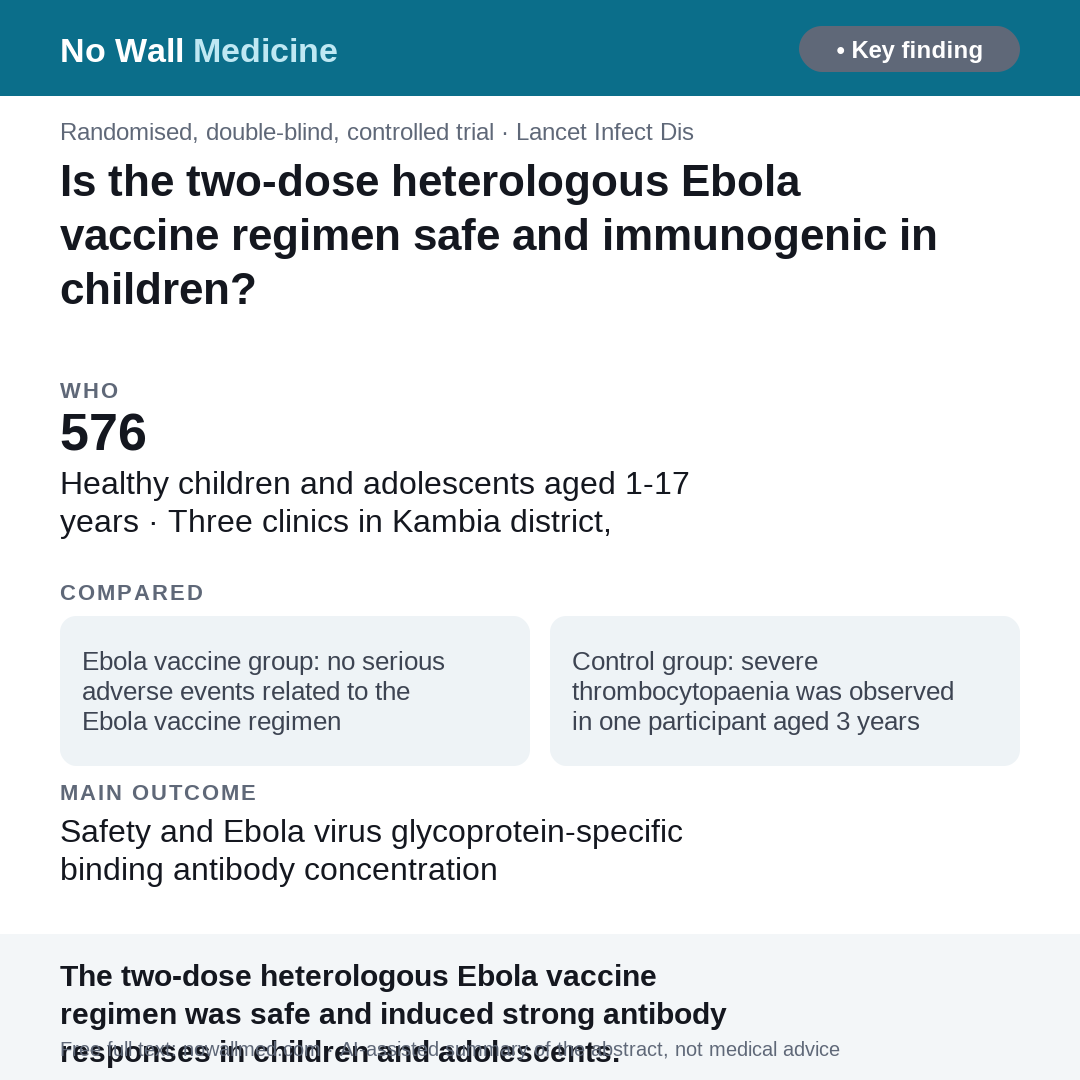
Safety and immunogenicity of the two-dose heterologous Ad26.ZEBOV and MVA-BN-Filo Ebola vaccine regimen in children in Sierra Leone: a randomised, double-blind, controlled trial
Randomised, double-blind, controlled trialKey finding
Is the two-dose heterologous Ebola vaccine regimen safe and immunogenic in children?
Who
576
Healthy children and adolescents aged 1-17 years · Three clinics in Kambia district, Sierra Leone
Compared
Ebola vaccine group: no serious adverse events related to the Ebola vaccine regimen
Control group: severe thrombocytopaenia was observed in one participant aged 3 years
Main outcome
Safety and Ebola virus glycoprotein-specific binding antibody concentration
Bottom line: The two-dose heterologous Ebola vaccine regimen was safe and induced strong antibody responses in children and adolescents.
Lancet Infect Dis · 2021-09-13Download image